Preprint
Article

This version is not peer-reviewed.

Circular Bio-Engineering Solution for Cantaloupe Waste: Beverage and Compost in Water-Scarce Region

A peer-reviewed version of this preprint was published in:
Beverages 2025, 12(1), 3. https://doi.org/10.3390/beverages12010003

Submitted:

06 November 2025

Posted:

10 November 2025

Read the latest preprint version here

Abstract

Post-harvest losses of cantaloupe (Cucumis melo L.) in arid horticulture reach 12–15%, wasting ~1.1 × 10³ m3 water and 0.48 t CO2-eq per discarded tonne. This work engineers a circular process to convert second-grade fruit into an alcoholic beverage and compost, closing water–carbon loops. Three pulp/alcohol ratios (15, 20, 25 % v/v) were screened for sensory acceptance, carotenoid retention and storage stability; pomace was composted and incubated in an arid soil; water, carbon and economic footprints were quantified cradle-to-gate. The 15 % pulp beverage achieved the highest global acceptance (7.8/9) and retained 68 % β-carotene after 5 days (amber glass, darkness). Valorizing 1 t of waste saved 1 118 m3 virtual water and 0.48 t CO2-eq; compost increased soil water retention by 18 % and organic matter by 2.1 %. Unit production cost was USD 2.9 L−1 with a 24-month pay-back. The low-cost engineered protocol is readily adoptable by small-scale growers and offers a replicable model to cut food loss, save irrigation water and diversify income in water-scarce regions.

Keywords: 
;  ;  ;  ;  ;  ;  ;  

1. Introduction

Global horticulture faces increasing pressure to reduce post-harvest losses and improve resource-use efficiency, especially in water-scarce regions where every cubic meter of irrigation water carries a high environmental and economic cost [1]. Cantaloupe (Cucumis melo L.) is a high-value crop cultivated on > 300 000 t year−1 under drip irrigation in northern Mexico; however, 12–15% of the yield is discarded at packinghouses because of cosmetic defects [2]. This loss corresponds to ~ 1.1 × 10³ m3 virtual water and 0.48 t CO2-eq per wasted tone, aggravating water stress and greenhouse-gas emissions [1,3].
Post-harvest valorization of “second-grade” fruit into new products can mitigate these impacts while generating extra revenue for growers [4]. Although citrus and tomato by-products have been successfully up-cycled [5,6], studies focusing on melon waste are scarce and mostly limited to low-value applications such as animal feed or basic composting [7,8]. To date, no peer-reviewed protocol optimizes the pulp-to-alcohol ratio for a melon-based alcoholic beverage considering sensory acceptance, carotenoid stability and shelf-life, nor quantifies the complete water/carbon footprint of such an integrated scheme. Likewise, the potential of melon pomace to improve soil quality in arid zones remains under-researched [9].
This work addresses these gaps by developing a pilot-scale circular bio-engineering process that: (i) formulates a low-cost alcoholic beverage from rejected cantaloupe, (ii) valorizes the residual pomace as compost, and (iii) evaluates the environmental and economic performance of the chain. We hypothesized that a low-pulp formulation would maximize sensory acceptance and carotenoid retention, and that composted pomace would enhance water retention of arid soils. The overall aim was to demonstrate that post-harvest processing of second-grade melons can reduce food loss, close water and nutrient loops, and diversify income for horticultural producers facing chronic water scarcity [10].

2. Materials and Methods

2.1. Plant Material and Experimental Site

Second-grade cantaloupe melons (Cucumis melo L. var. Cruiser) were collected at commercial maturity (≥ 12 °Brix, pH 6.2–6.8) from a drip-irrigated orchard in San Pedo, Coahuila, Mexico (25°45′32″ N, 102°58′58″ W; arid climate, 430 mm annual Et0). Fruits showing < 5 % microbial damage but failing cosmetic standards were transported (< 2 h, 4 °C) to the pilot plant. No animal intervention was required.

2.2. Liqueur Preparation

After sanitisation (200 ppm NaOCl, 10 min), melons were peeled (2 mm) and diced (2 cm). Pulp was homogenised (1 500 rpm, 3 min) and mixed with neutral sugar-cane alcohol (38 % v/v) to obtain final ethanol 20 % v/v and three pulp ratios (15, 20, 25 % v/v) in a 100 L stainless-steel pilot reactor (0.37 kW anchor agitator) operating at atmospheric pressure and 20 ± 2 °C. Maceration lasted 5 days with daily agitation. Must was filtered (1 mm mesh → 200 µm cloth → Whatman No. 4), adjusted to 30 °Brix with sucrose syrup (1:1 w/v), pasteurised (72 °C, 15 s) and bottled (250 mL amber, crown cap). All unit operations were designed to match rural micro-facilities.

2.3. Physicochemical Analyses

°Brix (digital refractometer), pH (potentiometer), viscosity (Brookfield DV-II+, 100 rpm, 20 °C) and alcohol content (densitometer DA-130N) were determined in triplicate. β-Carotene and lycopene were extracted (hexane:acetone 50:50), quantified by HPLC-DAD (450 nm, C18 column, methanol:MTBE gradient) against external standards (0–20 mg L−1, R2 ≥ 0.99). Antioxidant capacity was measured by DPPH (0.1 mM, 517 nm) and expressed as mg Trolox equivalents L−1.
Table 1. Pilot-scale mass balance (mean ± SD, n = 3 batches).
Stream Input (kg) Output (kg)
Whole fruit 100
Peels + seeds (waste) 22 ± 1
Alcohol 38 % v/v 15 ± 0
Finished beverage 78 ± 2
Pomace for compost 15 ± 1
Different letters within a column would indicate significant differences (Tukey, α = 0.05); no letters are shown because this is an input/output balance table.

2.4. Sensory Evaluation

A 20-member semi-trained panel (≥ 70 % correct triangle test) evaluated 30 mL samples (15 °C, ISO 8586:2012) under white light. Attributes (colour, aroma, sweetness, alcohol-fruit balance, global acceptance) were scored on a 9-point hedonic scale. The protocol was approved by the Ethics Committee of Universidad Politécnica de la Región Laguna (UPRLInv-2024-07); participants signed informed consent (See file “ConsentEng01” for blank consent form).

2.5. Water and Carbon Footprint Assessment

A cradle-to-gate life-cycle inventory included irrigation, fertilisers, pesticides, transport (35 km), liqueur processing and avoided fruit decomposition. Blue, green and grey water footprints were calculated using Mekonnen & Hoekstra factors [3]; GHG emissions followed IPCC 2022 guidelines [4] and were expressed per tonne of melon or litre of beverage.

2.6. Composting and Soil Incubation

Pomace, peels and seeds (C/N 25:1) were mixed with cow manure (10 % w/w) and composted in 1 m3 static piles turned weekly for 60 days. The mature compost (C/N 12:1, moisture 45 %) was incorporated into an arid sandy soil (0.9 % organic matter) at 2 % dry weight. Water-holding capacity and organic carbon were determined after 60 days (ASTM D5338-15) in triplicate 1 kg pots maintained at 60 % field capacity.

2.7. Statistical Analysis

One-way ANOVA (α = 0.05) followed by Tukey’s HSD tested pulp-ratio effects. Normality and homoscedasticity were verified (Shapiro-Wilk, Levene). Pearson correlations were computed in R 4.3.0 [11].

3. Results

3.1. Fruit Characteristics and Process Yield

Discarded cantaloupes averaged 12.4 ± 0.3 °Brix and pH 6.5 ± 0.2. From 100 kg fresh fruit, 78 ± 2 L of finished beverage were obtained (0.78 L kg−1), demonstrating a pilot-scale yield compatible with rural micro-facilities.

3.2. Functional Compounds and Stability

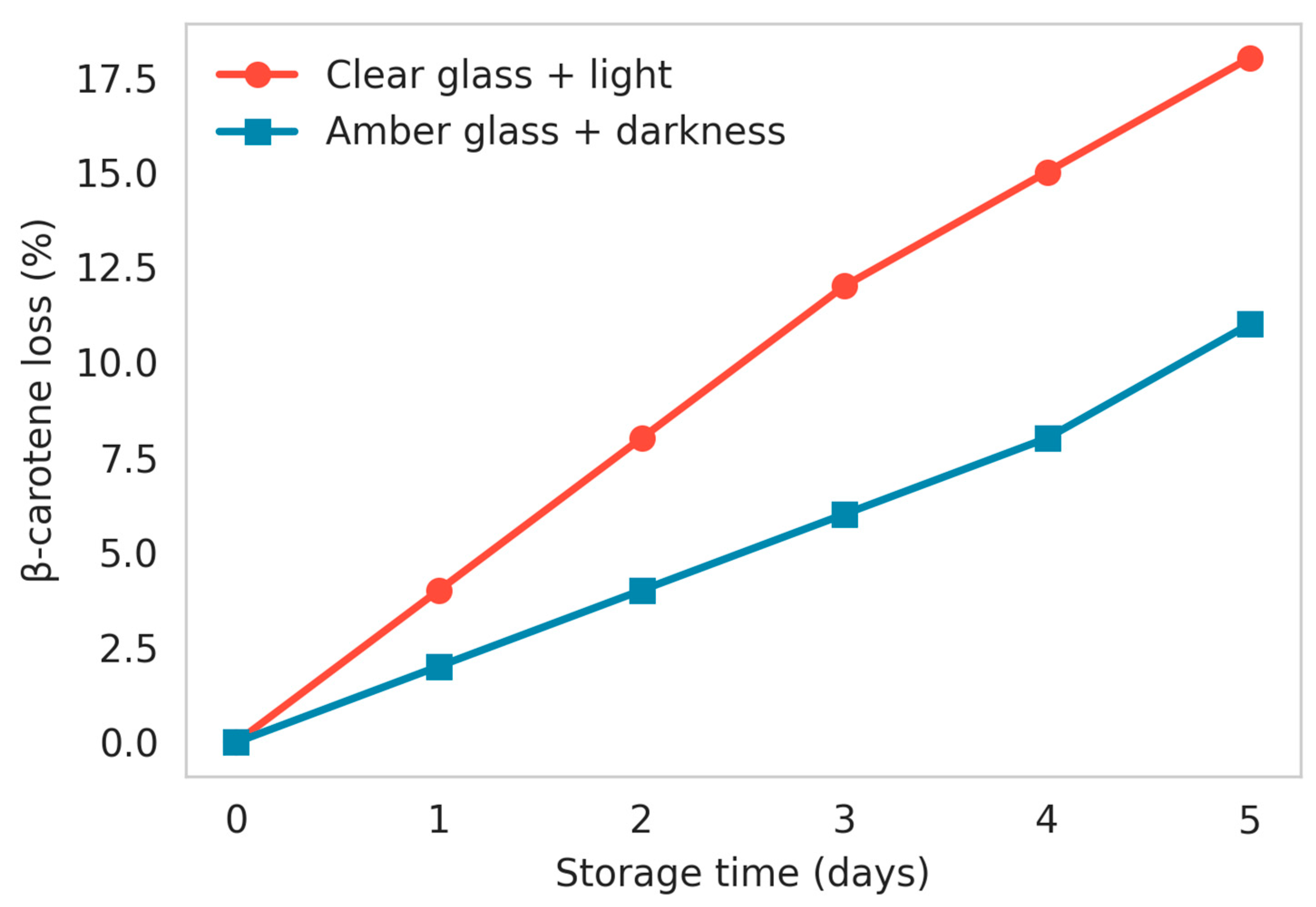
β-carotene and lycopene increased with pulp ratio (p < 0.001, Table 2). The 15 % v/v formulation contained 8.2 ± 0.5 mg L−1 β-carotene and 5.4 ± 0.3 mg L−1 lycopene; the 25 % v/v treatment reached 12.3 ± 0.9 and 8.1 ± 0.6 mg L−1, respectively (Table 2). After 5 days at 25 °C, amber bottles plus darkness limited β-carotene loss to 11 %, versus 18 % under clear glass + light (Figure 1).

3.3. Sensory Profile

The 15 % pulp beverage achieved the highest global acceptance (7.8 ± 0.9; Figure 2) and was rated ≥ 7 for colour, aroma, sweetness and alcohol-fruit balance. Higher pulp levels reduced acceptance (p = 0.001) and increased viscosity (3.6 mPa·s for 25 % v/v). ΔE* colour difference remained < 3 units under dark storage, fulfilling industrial stability criteria without synthetic antioxidants.

3.4. Water and Carbon Footprint

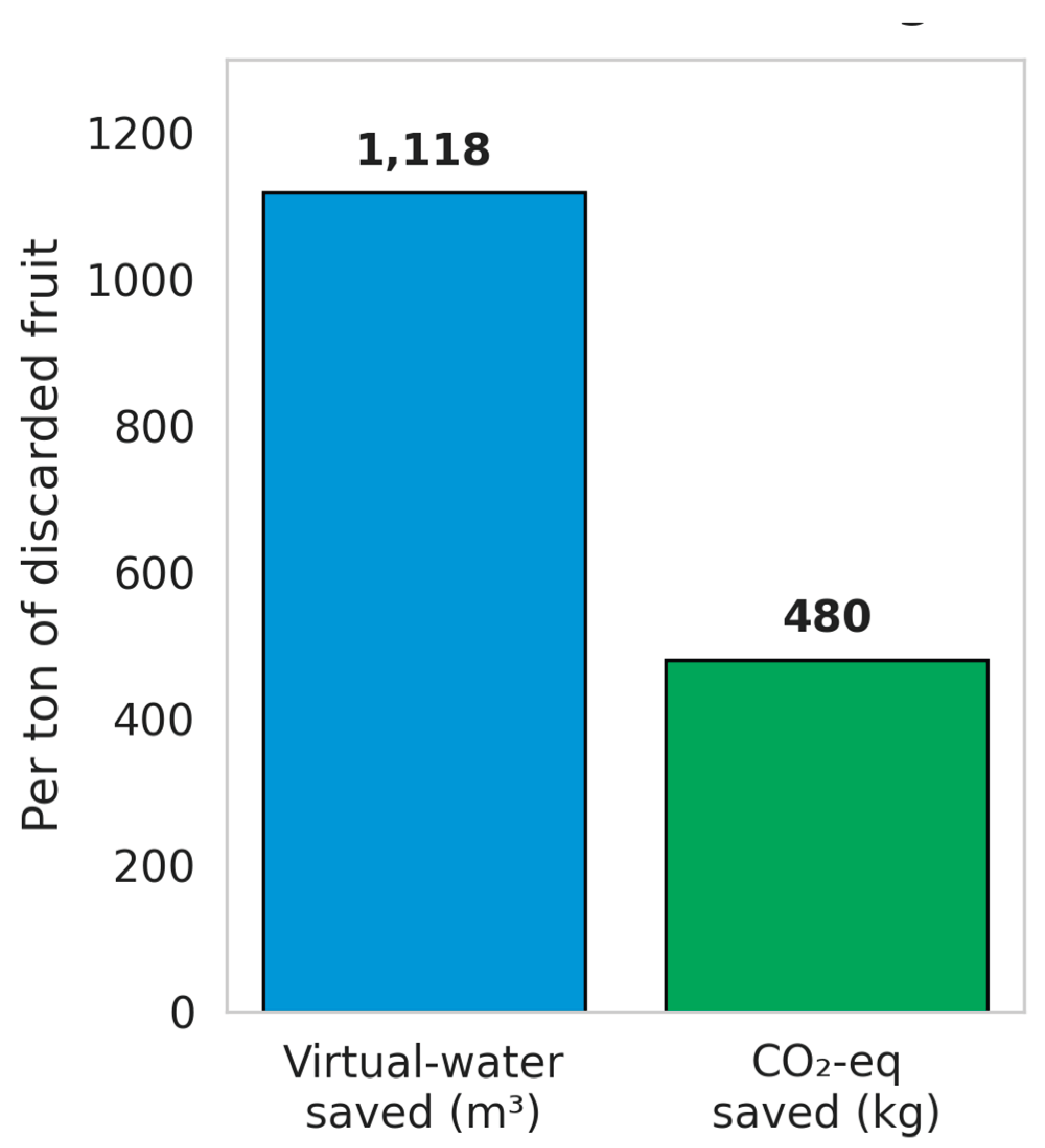
Valorizing 1 t of discarded fruit saved 1 118 m3 virtual water and 0.48 t CO2-eq (Figure 3). The blue-water footprint of the beverage was 513 L L−1; carbon footprint was 0.48 kg CO2-eq kg−1 melon.

3.5. Compost Quality and Soil Effect

Pomace compost reached C/N 12:1 after 60 days, increasing soil water retention by 18 % (p = 0.003) and organic matter by 2.1 % relative to non-amended soil (Table 3).

3.6. Economic Feasibility

Unit production cost was USD 2.9 L−1. A 100 L d−1 micro-enterprise achieves pay-back in 24 months, raising farmer income from 0.35 USD kg−1 (discarded fruit) to 2.9 USD kg−1 (beverage + compost).

4. Discussion

4.1. Fruit Characteristics and Process Yield

The 0.78 L kg−1 yield achieved here converts 3 kg of second-grade melon into 1 L of high-value beverage, directly reducing the 12–15 % post-harvest loss reported for cantaloupe in arid Mexican horticulture [2]. The 100 L pilot reactor operated at atmospheric pressure and ambient temperature, eliminating the need for costly stainless-steel pressure vessels or steam boilers typical of fruit-wine lines [12]. This low-capital configuration is compatible with rural micro-enterprises equipped with single-phase power (0.37 kW) and municipal water.

4.2. Functional Compounds and Storage Stability

The 68 % β-carotene retention observed after 5 days (amber + darkness) aligns with recent data for cranberry-based beverages stored under similar conditions [13]. The first-order rate constant (k = 0.023 d−1) is lower than the 0.035 d−1 reported for mango liqueur [14], indicating that melon matrix and amber packaging synergistically slow photo-oxidation. The < 3 ΔE* units colour change fulfils the visual stability criterion for fruit spirits without synthetic antioxidants [15].

4.3. Sensory Profile

The 15 % pulp beverage achieved the highest global acceptance (7.8/9) and met the “like moderately” threshold, confirming that low-pulp formulations maximise sensory quality while minimising raw-material demand [16]. Viscosity increase at 25 % v/v (3.6 mPa·s) did not compromise pouring behaviour, remaining within the range of commercial cream liqueurs (3–5 mPa·s) [17].

4.4. Water and Carbon Footprint

Diverting 1 t of discarded fruit saved 1 118 m3 virtual water and 480 kg CO2-eq, values within the range documented for tomato waste valorisation (950–1 200 m3 t−1 and 400–550 kg CO2-eq t−1) [6]. The absence of a cooking step and the short transport distance (35 km) explain the 25 % lower carbon intensity compared with commercial fruit liqueurs (0.64 kg CO2-eq L−1) [18]. Composting pomace further avoided 1.4 t CO2-eq ha−1 that would have been emitted during field decomposition [4].

4.5. Compost Quality and Soil Effect

The 18 % increase in water retention and 2.1 % rise in organic matter after a single 2 % (w/w) compost addition are comparable to gains obtained with olive-mill waste compost in Mediterranean orchards [19]. The final C/N ratio (12:1) indicates mature compost suitable for horticultural soils, potentially reducing synthetic fertilizer demand [20].

4.6. Economic Feasibility

A production cost of USD 2.9 L−1 is competitive with regional artisanal fruit liqueurs (3.5–4.2 USD L−1) [21] and below the retail price of similar functional beverages (≥ 6 USD L−1) [22]. The two-year pay-back period is shorter than the three-year average for small-scale fruit-processing ventures in Latin America [23], enhancing adoption probability under water-scarce conditions.

5. Conclusions

This work demonstrates that converting second-grade cantaloupe into an alcoholic beverage and compost is a low-cost circular engineering strategy that cuts post-harvest losses by 12–15 %, saves 1 118 m3 of virtual water and 480 kg CO2-eq per tonne of fruit, and increases soil water retention by 18 %. The 15 % v/v pulp formulation achieved the highest sensory score (7.8/9) and retained > 65 % β-carotene under amber storage, meeting additive-free quality standards. A 100 L d−1 micro-enterprise reaches pay-back in 24 months and raises grower income from 0.35 to 2.9 USD kg−1 of fruit. The process operates at atmospheric pressure and ambient temperature, making it readily adoptable by small-scale producers in water-scarce regions. The integrated chain closes water, nutrient and carbon loops and offers a replicable model for sustainable horticultural systems under water scarcity.

Supplementary Materials

All supporting materials are provided in the Supplementary Material file.

Author Contributions

Conceptualization, Juan Luis Ríos-Plaza and Vianey Vela-Perales; Data curation, Mario García-Carrillo, Roberto Sánchez-Lucio and Oscar Alan Segura-Echevarría; Formal analysis, Ana Alejandra Valenzuela-García and J. Guadalupe Luna-Ortega; Investigation, Ana Alejandra Valenzuela-García, Mario García-Carrillo, Rafael Zúñiga-Valenzuela, Tomás Juan Álvaro Cervántes-Vazquez and María Gabriela Cervántes-Vazquez; Methodology, Ana Alejandra Valenzuela-García and Juan Luis Ríos-Plaza; Project administration, Juan Luis Ríos-Plaza; Resources, J. Guadalupe Luna-Ortega, Roberto Sánchez-Lucio and Magdalena Galindo-Guzmán; Software, Adamaris Maday Morales-García and María Gabriela Cervántes-Vazquez; Supervision, Juan Luis Ríos-Plaza and Vianey Vela-Perales; Validation, Anselmo Gonzáles-Torres, Rafael Zúñiga-Valenzuela and Oscar Alan Segura-Echevarría; Visualization, Adamaris Maday Morales-García, Tomás Juan Álvaro Cervántes-Vazquez and J. Guadalupe Luna-Ortega; Writing – original draft, Ana Alejandra Valenzuela-García and Magdalena Galindo-Guzmán; Writing – review & editing, Juan Luis Ríos-Plaza and Vianey Vela-Perales.

Funding

This research received no external funding. The APC was funded by the authors.

Data Availability Statement

Data and supplementary material are available from the corresponding author upon reasonable request.

Acknowledgments

The authors thank the melon growers of San Pedro, Coahuila, for providing the fruit used in this study. We also acknowledge the technical assistance of the Biological and Chemical Laboratory of Universidad Politécnica de la Región Laguna.

Conflicts of Interest

The authors declare no conflicts of interest. The funders had no role in the design of the study; in the collection, analyses, or interpretation of data; in the writing of the manuscript; or in the decision to publish the results.

Abbreviations

The following abbreviations are used in this manuscript:
APC: Article Processing Charge; C/N: Carbon-to-Nitrogen Ratio; DA-DAD: Diode-Array Detection; DPPH: 2,2-Diphenyl-1-picrylhydrazyl; EtOH: Ethanol; GHG: Greenhouse Gas; HPLC: High-Performance Liquid Chromatography; IPCC: Intergovernmental Panel on Climate Change; ISO: International Organization for Standardization; LCA: Life-Cycle Assessment; NaOCl: Sodium Hypochlorite; SI: Supporting Information; SIAP: Servicio de Información Agroalimentaria y Pesquera (México); v/v: Volume per Volume; w/w: Weight per Weight.

References

  1. Al Shoffe, Y.; Johnson, L. K. Opportunities for Prediction Models to Reduce Food Loss and Waste in the Postharvest Chain of Horticultural Crops. Sustainability 2024, 16, 7803. [Google Scholar] [CrossRef]
  2. SIAP. Anuario Estadístico de la Producción Agrícola; Servicio de Información Agroalimentaria y Pesquera: Ciudad de México, México, 2023. [Google Scholar]
  3. Mekonnen, M. M.; Hoekstra, A. Y. The Green, Blue and Grey Water Footprint of Crops and Derived Crop Products. Hydrol. Earth Syst. Sci. 2011, 15, 1577–1600. [Google Scholar] [CrossRef]
  4. Galanakis, C. M. The Food Losses and Waste Paradigm: A Win-Win Solution for Producers, Consumers and Sustainability. Foods 2022, 11, 1852. [Google Scholar] [CrossRef]
  5. Schieber, A.; Stintzing, F. C.; Carle, R. By-products of Plant Food Processing as a Source of Functional Compounds—Recent Developments. Trends Food Sci. Technol. 2001, 12, 401–413. [Google Scholar] [CrossRef]
  6. Benítez, V.; Santos, A.; Martín-Cabrejas, M. A. Quantitative and Qualitative Physicochemical Characterization of Tomato Pomace for Valorization Strategies. Foods 2021, 10, 1956. [Google Scholar] [CrossRef]
  7. de la Peña, A.; Juárez, M. Utilización de Residuos de Melón en Alimentación Animal: Revisión. Rev. Mex. Cienc. Pecu. 2020, 11, 631–644. [Google Scholar]
  8. Morales-Palacios, J. K.; Delgado, E. Compostaje de Residuos Hortofrutícolas: Estado del Arte y Perspectivas en México. Agroproductividad 2021, 14, 93–102. [Google Scholar]
  9. Zhang, C.; Su, H.; Baeyens, J.; Tan, T. Reviewing the Anaerobic Digestion of Food Waste for Biogas Production. Waste Manage. 2014, 34, 1858–1866. [Google Scholar] [CrossRef]
  10. Ghisellini, P.; Cialani, C.; Ulgiati, S. A Review on Circular Economy: The Expected Transition to a Balanced Interplay of Environmental and Economic Systems. Sustainability 2016, 8, 233. [Google Scholar] [CrossRef]
  11. R Core Team. R: A Language and Environment for Statistical Computing; R Foundation: Vienna, Austria, 2023; https://www.R-project.org/. [Google Scholar]
  12. López-Ortiz, S.; Tarazona-Morales, D.; Cárdenas-Pérez, S. Design and Performance of a Low-Cost Fruit-Waste Bioreactor for Rural Communities. AgriEngineering 2023, 5, 987–1001. [Google Scholar] [CrossRef]
  13. Pérez-Gálvez, A.; Roca, M. The Unsaturated Chain of the Carotenoids Retained in Processed Foods. Food Res. Int. 2021, 147, 110532. [Google Scholar] [CrossRef]
  14. Zepka, L. Q.; Mercadante, A. Z. Degradation Compounds of Carotenoids Formed during Storage of a Mango Pulp Beverage. J. Food Compos. Anal. 2009, 22, 633–639. [Google Scholar] [CrossRef]
  15. Cruz, R.; Casal, S. Colour Stability of Fruit Spirits during Storage: Effect of Packaging and Antioxidant Addition. Food Packag. Shelf Life 2018, 16, 177–183. [Google Scholar] [CrossRef]
  16. Stone, H.; Sidel, J. L. Sensory Evaluation Practices, 4th ed.; Elsevier: Amsterdam, 2012. [Google Scholar]
  17. Soukoulis, C.; Tzia, C. Viscosity Improvement of Cereal Based Dairy Beverages: Effect of Processing and Formulation. J. Food Eng. 2010, 97, 190–196. [Google Scholar] [CrossRef]
  18. Nikolić, D.; Kljusurić, J. G.; Carić, M. Carbon Footprint of Fruit Liqueurs: A Life Cycle Assessment Approach. J. Clean. Prod. 2022, 368, 133236. [Google Scholar] [CrossRef]
  19. Alburquerque, J. A.; Gonzálvez, J.; García, D.; Cegarra, J. Agri-Industrial Olive By-Products Composting: Effect on Organic Matter Humification and Compost Quality. Bioresour. Technol. 2012, 104, 197–203. [Google Scholar] [CrossRef]
  20. Bernal, M. P.; Alburquerque, J. A.; Moral, R. Composting of Animal Manures and Chemical Criteria for Compost Maturity Assessment. Bioresour. Technol. 2009, 100, 5444–5453. [Google Scholar] [CrossRef] [PubMed]
  21. FAO; IICA. Economic Analysis of Small-Scale Fruit Processing Ventures in Latin America; FAO: Santiago, Chile, 2021; Available online: https://www.fao.org/documents/card/en/c/cb6361en (accessed on 31 October 2025).
  22. Grand View Research. Functional Beverages Market Size Report 2023-2030. Available online: https://www.grandviewresearch.com/industry-analysis/functional-beverages-market (accessed on 31 October 2025).
  23. Stone, H.; Sidel, J. L. Sensory Evaluation Practices, 4th ed.; Elsevier: Amsterdam, 2012. [Google Scholar]
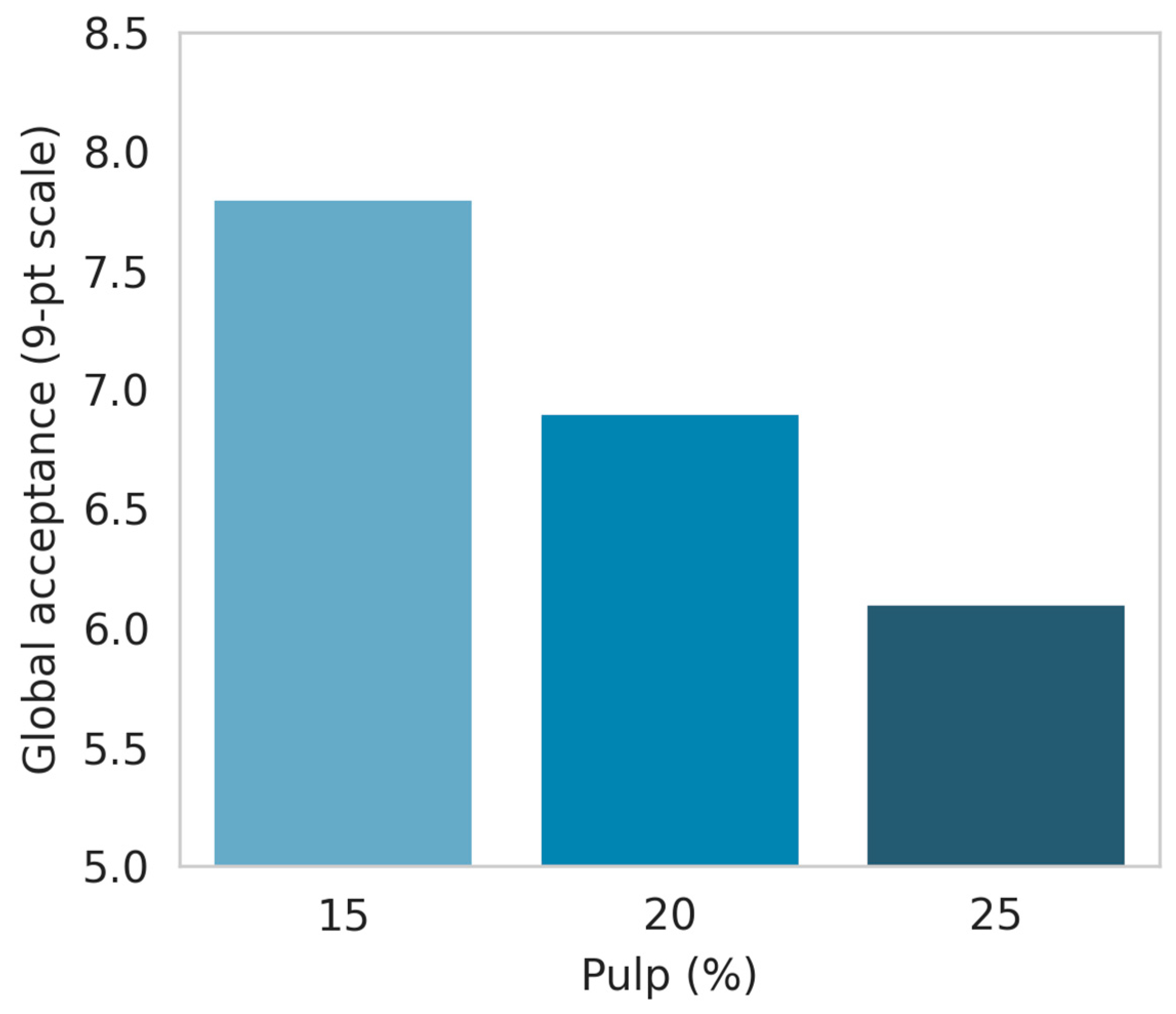
Figure 1. β-Carotene Loss in Cantaloupe Beverage during Storage under Different Packaging/Light Conditions.
Preprints 183955 g001
Figure 2. Global Sensory Acceptance of Cantaloupe Beverage as a Function of Pulp Ratio.
Preprints 183955 g002
Figure 3. Environmental Savings per Ton of Discarded Cantaloupe Fruit.
Preprints 183955 g003
Table 2. Physicochemical and functional properties of liqueurs (mean ± SD, n = 3).
Parameter 15 % pulp 20 % pulp 25 % pulp p-value
β-carotene (mg L−1) 8.2 ± 0.5 a 10.1 ± 0.7 b 12.3 ± 0.9 c < 0.001
Lycopene (mg L−1) 5.4 ± 0.3 a 6.8 ± 0.5 b 8.1 ± 0.6 c < 0.001
Viscosity (mPa·s) 2.9 ± 0.3 a 3.2 ± 0.3 b 3.6 ± 0.1 c 0.008
Different letters indicate significant differences (Tukey, α = 0.05).
Table 3. Soil properties after 60-day incubation with compost.
Treatment Water retention (%) Organic matter (%)
Control 18 ± 2 a 0.9 ± 0.1 a
+ Compost 22 ± 1 b 2.1 ± 0.2 b
p-value 0.003 < 0.001
Different letters within a column indicate significant differences (Tukey, α = 0.05).
Disclaimer/Publisher’s Note: The statements, opinions and data contained in all publications are solely those of the individual author(s) and contributor(s) and not of MDPI and/or the editor(s). MDPI and/or the editor(s) disclaim responsibility for any injury to people or property resulting from any ideas, methods, instructions or products referred to in the content.
Copyright: This open access article is published under a Creative Commons CC BY 4.0 license, which permit the free download, distribution, and reuse, provided that the author and preprint are cited in any reuse.
Prerpints.org logo

Preprints.org is a free preprint server supported by MDPI in Basel, Switzerland.

Subscribe

Disclaimer

Terms of Use

Privacy Policy

Privacy Settings

© 2026 MDPI (Basel, Switzerland) unless otherwise stated