
Submitted:
04 November 2025
Posted:
04 November 2025
You are already at the latest version
Abstract
This study explores a circular economy approach to agricultural waste transformation through an in-depth case study of Taiwan Enzyme Village Company. In response to global challenges related to food waste, resource inefficiency, and environmental degradation, the company has developed a low-energy fermentation system that converts surplus fruits and vegetable residues into a range of value-added products, including enzyme liquids, organic fertilizers, seed paper, and biodegradable packaging. The research employs the BS 8001 Circular Economy Principles as an analytical framework to evaluate the company’s operational model, stakeholder engagement, and environmental contributions. Findings reveal a highly localized and replicable circular system that emphasizes low-carbon production, community collaboration, and innovative reuse of biological resources. The study contributes practical insights for small- and medium-sized enterprises (SMEs) aiming to implement circular economy practices within the agricultural sector and highlights strategic pathways for sustainable rural development.
Keywords:
circular economy
; agricultural waste
; waste valorization
; taiwan enzyme village
1. Introduction
Agricultural waste has become a critical environmental and economic issue in both developed and developing countries. Globally, an estimated one-third of all food produced—equivalent to approximately 1.3 billion tons—is lost or wasted each year [1]. This waste not only represents a significant loss of resources but also contributes to greenhouse gas emissions, soil degradation, and inefficient land and water use [2]. In Taiwan, a significant portion of surplus fruits and vegetables is discarded due to market oversupply or cosmetic imperfections, highlighting the urgent need for more sustainable and value-driven waste management strategies [3]. The circular economy (CE) has emerged as a transformative model that seeks to reduce waste and keep materials in use for as long as possible through reuse, recycling, and resource regeneration [4,5]. Unlike the traditional linear economy model of “take, make, dispose,” circular economy thinking emphasizes systemic change across supply chains, encouraging innovation in product design, resource management, and business models [6]. In the agri-food sector, CE practices can convert agricultural waste into valuable products such as compost, bioenergy, packaging, and functional food ingredients, contributing to climate mitigation and sustainable production [7].
Despite growing interest in circular economy frameworks, practical implementation in small and medium-sized enterprises (SMEs) within the agricultural sector remains underexplored. Most existing research focuses on policy frameworks or macro-level models, with fewer studies examining how businesses operationalize CE principles in real-world production environments [8,9]. Furthermore, there is limited documentation of circular economy adoption in East Asian contexts, where traditional agricultural practices and industrial innovation coexist in unique ways. This study aims to address these gaps by investigating the case of Taiwan Enzyme Village Company, a local enterprise that has integrated circular economy strategies into its enzyme production business. By utilizing surplus fruits and vegetables sourced from farmers and government surplus programs, the company produces enzyme liquids through a low-energy fermentation process and repurposes the resulting residues into organic fertilizer, biodegradable packaging, and other value-added products. The company also engages in carbon footprint certification and environmental education, reinforcing its commitment to sustainability. Through this case study, the paper examines how agricultural waste can be transformed into useful resources using circular economy principles, and evaluates the environmental, economic, and social outcomes of this transformation process. The findings provide new insights into business-led circular innovation in the agri-food sector and offer practical implications for policy makers, entrepreneurs, and sustainability practitioners seeking to promote waste reduction and resource efficiency.
2. Background and Theoretical Framework
This section reviews key literature on agricultural waste composition, circular economy principles, and resource recovery strategies. It provides the theoretical foundation to assess how Taiwan Enzyme Village applies circular approaches within both global and local sustainability contexts.
2.1. Composition of Global Agriculture Waste
Agricultural waste originates from diverse sources, each presenting unique challenges and resource potentials. Globally, approximately 80% of this waste comes from crop residues such as rice husks, wheat straw, corn stalks, and sugarcane leaves. These materials are frequently left in the field or openly burned, contributing to environmental degradation [10]. Another 10% consists of vegetable and fruit waste—including peels, spoiled produce, and unused parts from food processing—which are often discarded despite their high nutrient content [11]. The remaining 10% comprises animal residues (e.g., manure and bedding materials) and other agri-industrial waste, such as leftover seeds and processing water from food factories [12]. Understanding the proportional composition of these waste types is essential for selecting appropriate recycling or reuse strategies. For instance, Taiwan Enzyme Village primarily utilizes vegetable and fruit waste—the second-largest category globally—to produce value-added products such as enzyme liquids and organic fertilizers.
Table 1 summarizes the global composition of agricultural residues and food processing waste, categorized by source and approximate share of total volume. Crop residues—such as straw, husks, and stalks—constitute the largest category, accounting for around 80% of total agricultural waste. Vegetable and fruit processing waste contributes an estimated 10%, consisting mainly of peels, trimmings, and cosmetically rejected produce. Animal residues, including manure and bedding materials, and other agri-industrial by-products such as wastewater and residual packaging each account for approximately 5% of the total [12]. This categorization provides a useful framework for identifying suitable recycling or valorization strategies based on waste type and material characteristics.
Figure 1 visually illustrates the same data using a pie chart, highlighting the dominance of crop residues in global agricultural waste, while also emphasizing the relevance of vegetable and fruit processing waste—an important feedstock for circular economy applications such as those implemented by Taiwan Enzyme Village.
2.2. Circular Economy and Agricultural Waste Valorization
The circular economy (CE) concept has gained substantial attention over the past decade as a regenerative economic model designed to address environmental challenges and resource scarcity [13]. Unlike the linear economic model that relies on extraction, consumption, and disposal, CE emphasizes continuous material cycles through reuse, recycling, and biological regeneration [14]. In the context of agriculture, CE aims to close nutrient and energy loops, minimize external inputs, and reduce waste while enhancing productivity and ecosystem services [15]. Recent studies suggest that agricultural systems are particularly well-suited for CE integration due to the biological nature of resources and the potential to valorize by-products such as manure, crop residues, food waste, and biomass into fertilizers, bioenergy, and new materials [16]. However, the implementation of CE in agriculture remains limited due to technological barriers, fragmented supply chains, and inconsistent regulatory frameworks [17].
Agricultural waste includes a broad range of organic materials such as surplus fruits and vegetables, post-harvest residues, and food processing by-products. Globally, such waste represents both an environmental burden and an underutilized resource [18]. Effective resource recovery strategies—such as composting, anaerobic digestion, and biotransformation—have shown potential to convert waste into valuable outputs like organic fertilizers, biofuels, bioplastics, and animal feed [19]. Particularly, fermentation-based transformation of surplus produce has emerged as a promising approach for creating functional food ingredients, enzymes, and plant-based health products [20]. This method not only adds value to materials that would otherwise be discarded but also aligns with sustainability goals through energy efficiency and low emissions. The reuse of fermentation residues (e.g., pomace) for agricultural and packaging applications further exemplifies the CE principle of cascading resource use [21,22].
2.3. Circular Economy Enterprises and Local Innovation in Agri-Food Systems
The shift toward circular economy (CE) implementation is increasingly being led by private enterprises that embed CE principles into their operations through process innovation, sustainable product design, and multi-stakeholder collaboration [23]. In the agri-food sector, small and medium-sized enterprises (SMEs) often adopt circular business models that involve local sourcing, closed-loop production, by-product reuse, and product life cycle extension [24]. Despite these promising approaches, agri-based SMEs commonly face barriers such as limited access to capital, low public awareness of circular products, and unclear or fragmented regulatory environments [9]. Scholars have called for more detailed case studies to better understand how such firms develop and scale CE practices, especially in emerging or transitional economies. Tools like ISO 14067 and product-level carbon footprint certification can further strengthen market legitimacy and environmental accountability. However, practical pathways for aligning CE strategies with carbon neutrality goals—particularly in agricultural contexts—remain underexplored in the literature.
The economic outlook for waste management and circular economy initiatives is expanding rapidly. As illustrated in Figure 2, the global waste management market is projected to grow from USD 453.4 billion in 2023 to USD 711.7 billion by 2032, reflecting a compound annual growth rate (CAGR) of 5.80% [25]. This substantial growth is driven by heightened awareness of environmental issues, increasing volumes of e-waste, and the growing need for sustainable resource management across residential, industrial, and agricultural sectors. The trend highlights the critical role of waste valorization—including organic recycling, bio-based production, and zero-waste strategies—as a key component of global circular economy transitions.
In alignment with these global trends, Taiwan has also advanced its CE agenda, particularly under the “5+2 Industrial Innovation Plan,” which promotes green energy, smart machinery, and circular economy development [26]. The island’s agri-food sector is gradually transforming in response to escalating food waste, climate vulnerabilities, and rising expectations for sustainability. A growing number of local firms have explored waste valorization through biotechnology, enzyme fermentation, and organic recycling innovations. Nevertheless, few academic studies have captured how SMEs in Taiwan operationalize CE principles at the grassroots level. In this context, case-based analysis—such as that of Taiwan Enzyme Village—offers valuable insights into the practical, community-driven application of circular strategies. Such enterprises not only reduce agricultural waste and generate value-added products but also work collaboratively with farmers, civil institutions, and local consumers to foster low-carbon production and rural sustainability.
3. Methodology
This study employs a qualitative approach to examine how Taiwan Enzyme Village implements circular economy (CE) practices. The methodology includes three components: (1) multi-source data collection to ensure triangulation; (2) thematic analysis to identify patterns in waste transformation and environmental impact; and (3) application of the BS 8001:2017 CE framework, supported by three analytical lenses. These steps provide a structured basis for evaluating the company’s circular strategies in both theory and practice.
3.1. Data Collection
This study draws upon multiple qualitative data sources collected between January 2023 and June 2024 to ensure triangulation and enhance analytical robustness:
-
Company Reports and Internal DocumentsThe core dataset originates from the Taiwan Enzyme Village Circular Economy Implementation Report, finalized in December 2023. This document details the company's strategies, operational models, production volumes, product innovations, and carbon-related goals from 2021 to 2023.
-
Secondary Literature and Industry ReferencesSupplementary data were obtained from academic literature, market research studies, ISO standards (e.g., ISO 14 067), and government databases related to carbon emissions and sustainable agriculture. These materials contextualized the case within global trends in circular economy and agri-waste valorization.
-
Online and Publicly Available MaterialsAdditional information was collected from the company’s official website, product certifications, promotional brochures, and public presentations. These sources were cross-verified using third-party media outlets and industry portals to minimize bias and support transparency.
All data were reviewed under ethical guidelines with proper attribution and the permission of the case organization where required.
3.2. Data Analysis
The collected materials were analyzed using a manual thematic analysis approach. Through iterative reading and coding, key themes were inductively identified, categorized, and refined. The analysis emphasized patterns and meanings relevant to circular economy implementation and environmental performance.
Five analytical categories structured the interpretation:
- Waste Input Types: Agricultural waste materials were categorized based on type and origin (e.g., surplus fruits, vegetable trimmings, fermented residues).
- Process Mapping: A stepwise flow of waste transformation—from raw input to final product—was visualized to identify process efficiencies and material recovery patterns.
- Output Typologies: The study distinguished between primary products (e.g., enzyme-based liquid products) and secondary outputs (e.g., organic fertilizer, molded packaging, seed paper), offering insights into material cascading and value retention.
- Circular Impact Scoring: A qualitative scoring system (scale 1–5) assessed each CE intervention in terms of environmental benefit, technological innovation, economic potential, and feasibility, based on internal reports and published data.
- Micro-LCA Simulation: For selected products, simplified product-level emission estimates were conducted following ISO 14067 principles, using carbon emission factors from the Taiwan EPA database. This provided indicative carbon savings from avoiding waste, replacing chemical fertilizers, or eliminating plastic packaging.
Visual tools such as bar charts and transformation flow diagrams were employed to communicate the results.
3.3. Analytical Framework
To systematically interpret the circular economy (CE) practices of Taiwan Enzyme Village, this study adopts the BS 8001:2017 Circular Economy Framework, which outlines six interconnected principles to guide organizations in embedding CE across operations, decision-making, and innovation processes. These six principles—System Thinking, Innovation, Stewardship, Value Optimization, Transparency, and Collaboration—were used to evaluate the alignment of the company’s actions with internationally recognized CE strategies. Figure 3 presents the visual structure of the BS 8001 principles. These six principles serve as a foundation for designing and assessing CE strategies across industries, emphasizing whole-system integration, stakeholder engagement, and multi-value generation.
To operationalize the framework and deepen explanatory analysis, this study applies four interrelated analytical lenses:
- 1.
- Waste Transformation Pathways
This lens examines how the company transforms agricultural waste into diverse value-added products. The case exhibits system thinking by connecting upstream surplus collection (e.g., fruits, vegetables) with downstream output use (e.g., enzyme liquids, packaging, fertilizer). Resource cascading illustrates stewardship, reducing waste and maximizing recovery.
- 2.
-
CE Process TypologiesCompany activities were classified into four recognized CE strategies:
- (1)
- Recycling (e.g., converting enzyme residue into molded pulp packaging),
- (2)
- Upcycling (e.g., enzyme-based coffee blends),
- (3)
- Cascading Reuse (e.g., multi-stage reuse of fermentation waste),
- (4)
- Biorefinery Models (e.g., converting biomass into enzyme solutions).
These practices demonstrate value optimization by extending material lifecycles, and reflect innovation in product design and business diversification.
- 3.
- Carbon and Resource Impact Modeling
A simplified carbon footprint estimation was conducted for key products, following ISO 14067 methodology and emission factors from Taiwan’s Environmental Protection Administration. This supports transparency, as the company has publicly disclosed its product carbon footprint and obtained third-party verification.
Together, these analytical tools allow for a comprehensive evaluation of how CE is implemented in the Taiwan Enzyme Village context. A detailed application of the six BS 8001 principles to the company’s practices is presented in section 5, based on qualitative coding and cross-verification of primary and secondary data sources.
3.4. Impact–Attention Matrix of Circularity
To evaluate the alignment between stakeholder priorities and organizational impact across circular economy (CE) themes, a materiality assessment was conducted using a structured questionnaire-based survey. The assessment followed a dual-axis framework that considers both (1) stakeholder attention and (2) perceived organizational impact for a wide range of sustainability-related topics.
A total of 43 items were included in the questionnaire, categorized into three key circularity dimensions: Economic (Items 1–8), Environmental (Items 9–18), and Social (Items 19–43). Each question asked respondents to rate the importance of the issue (“Stakeholder Attention”) and its level of impact on Taiwan Enzyme Village’s operations (“Perceived Impact”) using a 5-point Likert scale (1 = Very Low to 5 = Very High).
Two stakeholder groups participated in the survey: internal management personnel and external stakeholders such as consumers, suppliers, and local community members. Responses were collected anonymously and averaged to generate position coordinates for each issue on the materiality matrix.
The resulting scatter plots provide a visual representation of priority areas for the company, helping to identify key topics that are simultaneously high in stakeholder attention and operational impact. To improve clarity and granularity, separate materiality matrices were constructed for each dimension (economic, environmental, and social).
4. Case Description: Taiwan Enzyme Village
Taiwan Enzyme Village serves as the central case for this study, offering a rich example of circular economy (CE) implementation in the agri-biotech sector. As a regionally embedded SME, the company demonstrates how localized innovation, low-energy production, and waste valorization strategies can converge to support both environmental and social sustainability. This chapter provides a detailed account of the company’s background, operational model, and alignment with international CE standards. Through this case, the study illustrates how a circular business can evolve organically from community-based initiatives, while addressing global sustainability goals at the micro-enterprise level.
4.1. Company Background
Taiwan Enzyme Village is a small-to-medium enterprise (SME) based in central Taiwan, founded with the mission of converting agricultural and food waste into high-value bio-based products through natural fermentation. While operating as a commercial entity, the company’s practices are deeply rooted in circular economy (CE) principles, particularly in the realm of waste-to-resource innovation.
Over the years, the enterprise has gained recognition for its integration of traditional fermentation techniques with sustainable waste management, positioning it as a distinctive model within Taiwan’s agri-processing sector. Rather than relying on imported technologies or external formulations, Taiwan Enzyme Village prioritizes local innovation. It has independently developed a portfolio of enzyme-based products using indigenous microbial methods and agricultural by-products. This localized strategy not only creates value from underutilized biomass but also empowers rural communities to develop sustainable products rooted in regional knowledge and materials. In doing so, the company presents a viable pathway toward environmental sustainability and community-based economic resilience.
4.2. Circular Economy Model Overview
Taiwan Enzyme Village’s CE model centers on aerobic and anaerobic fermentation processes that transform surplus or rejected agricultural produce—such as fruit peels, vegetable trimmings, and fermented liquids—into a range of value-added products, including:
- Enzyme-based liquid supplements (for agricultural and household use)
- Organic biofertilizers
- Eco-friendly cosmetic ingredients
- Compostable materials such as seed paper and molded packaging
The company’s production follows a closed-loop model. By-products from fermentation are reintegrated into the system through composting, thermal reuse, or packaging innovation, ensuring minimal waste generation. As depicted in Figure 4, the process begins with the sourcing of agricultural residues from local farms and cooperatives. These materials undergo sorting and pre-treatment before being naturally fermented at ambient temperature for 5 to 30 days.
Two main outputs result from this process:
- Enzyme-rich liquid, which is bottled and distributed as multipurpose cleaning or soil-enhancing products.
- Fermentation residues, which are further processed into fertilizers, seed paper, or molded packaging.
This system exemplifies material cascading and resource circularity, aligning with the principles of value optimization and low-carbon design as emphasized in BS 8001:2017. Its low-energy, community-integrated setup offers a replicable model for rural or semi-urban regions transitioning toward circular economy practices.
4.3. Certification and Standards Alignment
Taiwan Enzyme Village underscores its technological independence through the development and ownership of probiotic strain LE36, for which it holds both domestic and international patents. This control over core biotechnology not only safeguards innovation capacity and product quality but also serves as a model for other SMEs aiming to build CE solutions grounded in proprietary technologies.
To reinforce the credibility and traceability of its CE practices, the company aligns with several environmental standards and frameworks:
- ISO 14067 (Carbon Footprint of Products): The company has conducted carbon footprint accounting for select products, particularly those positioned as "zero-waste" or “carbon-smart.”
- BS 8001 Circular Economy Principles: While not formally certified, its operations are structured around principles such as transparency, value optimization, and stewardship.
- Local Regulatory Compliance: The company adheres to Taiwan’s environmental and food safety standards for enzyme-based and organic fertilizer products.
Through a combination of innovation, local empowerment, and adherence to internationally recognized sustainability frameworks, Taiwan Enzyme Village exemplifies a mature and scalable circular economy approach in the agricultural biotech sector.
5. Results and Discussion
This section presents an integrated evaluation of Taiwan Enzyme Village's circular economy (CE) performance, drawing upon field data, carbon footprint records, and alignment with BS 8001:2017 principles. Five interrelated dimensions structure this assessment: CE principle application, resource utilization, product valorization, environmental and economic outcomes, and knowledge dissemination. The section is aligned with the analytical lens established in Section 3.
5.1. Application of Circular Economy Principles (BS 8001:2017)
As shown in Table 2, Taiwan Enzyme Village operationalizes the six CE principles of BS 8001 in practical, locally grounded ways. These principles—system thinking, innovation, stewardship, value optimization, transparency, and collaboration—serve as a compass for the firm’s waste valorization, stakeholder engagement, and sustainability commitments.
This table demonstrates the firm's embedded circular practices and synergistic use of the BS 8001 and ISO 14067 frameworks [27].
5.2. Agricultural Waste Utilization and Production Efficiency
Taiwan Enzyme Village demonstrates an effective and scalable model of agricultural waste valorization within a circular economy framework. Each year, the enterprise processes approximately 40–60 tons of agricultural waste, sourced from traditional markets, farms, and local community collection programs [28]. These waste streams—comprising fruit peels, vegetable trimmings, and fermentation by-products—are subjected to controlled aerobic and anaerobic fermentation cycles lasting 30 to 90 days.
This biological transformation yields both bio-based liquids and solid derivatives. The system maintains high processing efficiency, with a resource conversion rate exceeding 85% while relying on minimal synthetic additives. Its low-impact design further benefits from ambient-temperature fermentation and greywater reuse, significantly lowering energy and water consumption. Importantly, residual biomass that remains after fermentation is repurposed into compostable packaging materials such as seed paper and molded pulp containers.
By closing resource loops and cascading material use, Taiwan Enzyme Village’s process not only diverts waste from landfills but also enhances material recovery, aligns with BS 8001 principles, and contributes to a low-carbon, resource-efficient production model.
5.3. Product Valorization and Carbon Footprint Reduction
Building upon its efficient use of agricultural waste, Taiwan Enzyme Village implements a multi-tiered valorization strategy to maximize resource recovery and product innovation. This strategy is evident in both its primary and secondary outputs, all of which are closely aligned with circular economy principles such as lifecycle thinking and waste minimization.
(1) Primary Products
The firm’s core offerings are enzyme-rich fermentation liquids, available in:
- A.
- 750ml and 50ml formats, applied in agriculture (e.g., plant growth enhancers), personal care (e.g., skincare treatments), and eco-friendly cleaning.
- B.
- ISO 14067-certified carbon footprints: 1.4 kg CO₂e for the 750ml bottle and 200g CO₂e for the 50ml bottle, demonstrating climate accountability [29].
- C.
-
Hotspot analysis reveals emissions distribution:
- (a)
- Raw material sourcing accounts for 60.36%,
- (b)
- Manufacturing contributes 39.49%,
- (c)
- Downstream activities (transport, use, disposal) represent less than 1%.
(2) Secondary Products
Beyond its main products, the company also valorizes residual biomass through:
- D.
- Organic fertilizers made from microbial sludge, marketed to organic farms.
- E.
- Biodegradable packaging, including seed paper and molded pulp, created from leftover fibrous residues. These materials are not only compostable but also regenerative—capable of sprouting plants when buried in soil.
(3) Process Innovations
To further reduce environmental impact:
- F.
- The company employs high-pressure spiral filling systems and utilizes recycled fruit-pulp paper in packaging design.
- G.
- These innovations contribute to a 3.5% overall reduction in product emissions [30].
Together, these valorization efforts embody a product-service system rooted in sustainability and circularity, transforming waste into marketable, low-carbon goods and closing material loops across production stages.
5.4. Environmental, Economic, and Social Outcomes
Taiwan Enzyme Village’s valorization approach extends beyond product development to generate tangible benefits in three key areas:
(1) Environmental Impact: Diverting organic waste from landfills to fermentation mitigates methane emissions, while the substitution of biofertilizers for synthetic nitrogen reduces nutrient pollution risks in surrounding ecosystems. Low-input microbial processes also allow energy and water conservation through ambient temperature operations and greywater reuse.
(2) Economic Performance: In fiscal year 2023, Taiwan Enzyme Village reported a gross profit of NT$19 million, leveraging dual markets in agriculture and personal care [28]. Certifications like ISO 14067 enhance brand credibility and strengthen competitiveness in climate-conscious markets.
(3) Social Contributions: The enterprise supports local livelihoods through employment of residents and contract farmers, and promotes environmental literacy through education programs on composting and sustainable farming. Traceability tools ensure transparency in climate-friendly practices across the supply chain.
These outcomes collectively reflect a triple-bottom-line achievement—advancing environmental stewardship, financial viability, and inclusive development within a rural circular economy framework.
5.5. Knowledge Diffusion and Educational Role
Taiwan Enzyme Village acts as a regional living lab for CE education:
- On-Site Demonstration: Includes fermentation showcases, guided tours, and farming best practices.
- Curriculum Integration: Collaborations with schools, NGOs, and universities.
- Training: Facilitates knowledge transfer to community members and educators.
These activities fulfill BS 8001’s call for systemic learning and help spread CE innovation in rural Taiwan. Table 3 summarizes the core achievements of the firm’s CE model, across six dimensions.
5.6. Case Insights and Global Context
The case of Taiwan Enzyme Village reveals how a small-scale, community-rooted enterprise can operationalize circular economy (CE) principles through biological innovation, low-carbon processes, and inclusive governance. Building upon the BS 8001 framework and ISO 14067 practices, the firm exemplifies regenerative system thinking, localized material cycling, and performance accountability in a rural context [27].
A defining characteristic is its cascading valorization model: agricultural residues are sequentially transformed into fermented enzyme liquids, organic fertilizers, and biodegradable packaging. This closed-loop system reflects the regenerative aims of the CE paradigm and addresses multiple sustainability goals simultaneously—reducing methane emissions, displacing synthetic fertilizers, and creating value-added bio-products with minimal energy input. Unlike linear agro-industrial systems that rely on resource-intensive operations, the village’s fermentation-based processes demonstrate a low-input, high-yield alternative that emphasizes environmental resilience and rural revitalization.
In theoretical terms, Taiwan Enzyme Village aligns with the “restorative biological cycle” in CE literature, where waste is seen not as a burden but as a starting point for continuous material reuse [31]. The partial adoption of ISO 14067 and traceability tools further indicates a growing institutional capacity to monitor and disclose environmental impact—an essential attribute in CE maturity models.
To situate this local model within a broader global context, a comparative review of similar enterprises is presented in Table 4. These examples span multiple continents and include companies such as Lystek (Canada), which valorizes biosolids into fertilizer and biogas; and TCI (Taiwan), which derives functional ingredients from crop by-products. Taiwan Enzyme Village fits within this ecosystem of innovation but distinguishes itself through grassroots engagement and fermentation-based processes, rather than high-tech infrastructure or large-scale industrial systems.
The case also surfaces challenges faced by rural SMEs in scaling circular innovations. Constraints include reliance on informal waste collection networks, manual operations, limited access to government subsidies, and regulatory ambiguity surrounding bioproduct classification. Nevertheless, enabling factors such as long-term community partnerships, mission-driven leadership, and transparent communication have compensated for these gaps. In summary, the Taiwan Enzyme Village case highlights a replicable, inclusive, and resilient CE pathway. Its value lies not only in technology or profit, but in its demonstration that small firms—especially in the Global South—can lead sustainability transitions through systemic thinking, local empowerment, and material innovation.
5.7. Impact–Attention Matrix Analysis Results
The Impact–Attention Matrix was employed to visually map and compare the relative priorities of sustainability-related issues across the economic, environmental, and social dimensions. By plotting each assessment item according to its perceived impact on Taiwan Enzyme Village’s operations (x-axis) and the level of stakeholder attention it receives (y-axis), the matrix provides a clear framework for identifying which topics require the most strategic focus. Each matrix corresponds to one of the three sustainability dimensions—economic, environmental, and social. The positioning of each topic in the matrices is based on averaged Likert-scale responses (1 to 5) from internal and external stakeholders. The items plotted in each graph offer valuable insights into the strategic alignment and visibility of various circular economy efforts within the Taiwan Enzyme Village context. This approach allows for the recognition of issues that are both operationally significant and of high concern to stakeholders, thereby guiding resource allocation and decision-making. Figure 6, Figure 7 and Figure 8 present the resulting matrices for all three dimensions, illustrating how the 43 assessment items are distributed across zones of moderate, high, and very high perceived impact.
(1)Economic Aspects (Items 1–8)
In the economic dimension, only community economic contributions (Item 4) appears in the Very High perceived impact zone, indicating it is a top priority with strong stakeholder attention. Most other items fall into the High zone, such as financial performance and climate-related finance (Item 2), anti-corruption policies (Item 6), corporate governance and ethics (Item 1), local procurement strategies (Item 5), and legal actions related to monopoly or antitrust (Item 7), showing substantial importance but slightly lower impact than Item 4. Local employment and wage equality (Item 3) and tax transparency (Item 8) are positioned in the Moderate zone, suggesting they are seen as relevant but comparatively less critical.
Environmental Aspects (Items 9–18)
Within the environmental dimension, emissions management (Item 10), energy efficiency and renewable energy use (Item 9), and waste reduction and recycling (Item 18) occupy the Very High perceived impact zone, marking them as environmental priorities. The High zone includes items such as sustainable raw material sourcing (Item 14), water resource management (Item 17), pollution prevention (Item 16), and biodiversity and habitat conservation (Item 12), reflecting considerable importance. Meanwhile, environmental compliance (Item 11), life cycle assessment of products (Item 13), and climate change adaptation strategies (Item 15) are in the Moderate zone, suggesting these issues receive moderate attention and perceived impact compared to others.
Social Aspects
In the social dimension, several items—such as employee health and safety (Item 19), product safety and quality (Item 20), customer satisfaction and engagement (Item 22), community engagement and development (Item 23), human rights protection (Item 42), and transparency in communication (Item 43)—are located in the Very High perceived impact zone, indicating critical significance to stakeholders. The High zone contains a broad cluster, including training and development (Item 21), diversity and inclusion (Item 36), fair labor practices (Item 35), supplier responsibility (Item 38), and data privacy (Item 34), reflecting strong but slightly lower prioritization. In contrast, items such as philanthropic activities (Item 33), consumer education (Item 40), volunteering initiatives (Item 41), and cultural heritage promotion (Items 28–30) fall in the Moderate zone, showing moderate perceived impact and stakeholder attention compared to the highest-ranked social topics.
The Impact–Attention Matrix findings provide a strategic lens for identifying priority areas where organizational efforts can deliver the greatest value in alignment with stakeholder expectations. By mapping each item according to both its perceived impact and stakeholder attention, the analysis highlights issues that warrant immediate action and resource allocation, such as community economic contributions, emissions management, and employee health and safety. These insights are particularly valuable for the Taiwan Enzyme Village case, as they inform decision-making on sustainability initiatives, help balance economic, environmental, and social objectives, and guide the integration of stakeholder-driven priorities into long-term circular economy strategies.
6. Conclusion
This study investigated the implementation of a circular economy (CE) model within Taiwan Enzyme Village, a small-to-medium enterprise that transforms agricultural waste into valuable products through microbial fermentation. By applying a case study methodology supported by the BS 8001 framework, the research highlighted how the company operationalizes CE principles such as value optimization, systems thinking, and stewardship in a real-world agri-processing context. Through detailed examination of the company’s input-output processes, product diversification, environmental metrics, and social engagement strategies, this study revealed that even grassroots enterprises can effectively contribute to sustainable resource cycles and climate mitigation efforts.
The findings demonstrate that Taiwan Enzyme Village’s circular business model enables the cascading reuse of agricultural waste into multiple outputs—such as enzyme liquids, fertilizers, and biodegradable packaging—while maintaining low energy consumption and minimal waste leakage. Its ability to integrate traditional fermentation methods with CE strategies supports the argument that innovation does not necessarily depend on high-tech interventions but can emerge from locally appropriate and culturally grounded practices. Furthermore, the firm’s engagement with farmers, eco-villages, and local consumers underscores the importance of relational and community-based enablers in advancing CE transitions. From a theoretical standpoint, this study contributes to the emerging body of CE literature that emphasizes the role of small enterprises in driving sustainable change, particularly in regions where industrial-scale solutions may be unfeasible. It also reinforces the significance of applying established frameworks, such as BS 8001 and ISO 14067, to evaluate and enhance CE practices in a structured and measurable way. Practically, the case offers actionable insights for other SMEs seeking to transition toward circular models, especially those operating in the food and agriculture sectors. Several recommendations arise from this research. First, SMEs pursuing CE should prioritize multi-output valorization to increase resource efficiency and economic resilience. Second, partnerships with local stakeholders can strengthen supply chains and enhance social legitimacy. Third, ongoing monitoring and certification—such as carbon footprint accounting—can build trust and improve market positioning, particularly in green-conscious export markets. Furthermore, the integration of the Impact–Attention Matrix analysis provides a clear visualization of priority issues across economic, environmental, and social dimensions, offering actionable insights for aligning Taiwan Enzyme Village’s circular economy strategies with stakeholder expectations and operational priorities.
Future research should focus on quantitative life cycle assessments of CE practices at the product level, as well as comparative studies across similar enterprises in different cultural or regulatory contexts. Additionally, investigating the role of policy frameworks, financial mechanisms, and digital tools in scaling such models could help overcome structural barriers faced by SMEs. Overall, this case affirms that small-scale, locally grounded innovation can offer meaningful contributions to global sustainability goals when guided by clear circular economy principles.
References
- Adilah, Z.M.; Jamilah, B.; Hanani, Z.N. Functional and antioxidant properties of protein-based films incorporated with mango kernel extract for active packaging. Food Hydrocoll. 2018, 74, 207–218. [CrossRef]
- Parfitt, J.; Barthel, M.; Macnaughton, S. Food waste within food supply chains: quantification and potential for change to 2050. Philos. Trans. R. Soc. B: Biol. Sci. 2010, 365, 3065–3081. [CrossRef]
- Tsai, W.-T. Turning Food Waste into Value-Added Resources: Current Status and Regulatory Promotion in Taiwan. Resources 2020, 9, 53. [CrossRef]
- Kotyal, K. Sustainable Waste Management in the Circular Economy: Challenges and Opportunities. Environ. Rep. 2023, 5, 1–5. [CrossRef]
- Macarthur, E.; Heading, H. How the Circular Economy Tackles Climate Change. Ellen MacArthur Found 2019, 1, 1–71.
- Geissdoerfer, M.; Savaget, P.; Bocken, N.M.P.; Hultink, E.J. The circular economy—A new sustainability paradigm? J. Clean. Prod. 2017, 143, 757–768. [CrossRef]
- Bala, S.; Garg, D.; Sridhar, K.; Inbaraj, B.S.; Singh, R.; Kamma, S.; Tripathi, M.; Sharma, M. Transformation of Agro-Waste into Value-Added Bioproducts and Bioactive Compounds: Micro/Nano Formulations and Application in the Agri-Food-Pharma Sector. Bioengineering 2023, 10, 152. [CrossRef]
- Bressanelli, G.; Perona, M.; Saccani, N. Challenges in supply chain redesign for the Circular Economy: a literature review and a multiple case study. Int. J. Prod. Res. 2018, 57, 7395–7422. [CrossRef]
- Kirchherr, J.; Piscicelli, L.; Bour, R.; Kostense-Smit, E.; Muller, J.; Huibrechtse-Truijens, A.; Hekkert, M. Barriers to the Circular Economy: Evidence From the European Union (EU). Ecol. Econ. 2018, 150, 264–272. [CrossRef]
- Bhuyan, N.; Narzari, R.; Gogoi, L.; Bordoloi, N.; Hiloidhari, M.; Palsaniya, D.; Deb, U.; Gogoi, N.; Kataki, R. Valorization of Agricultural Wastes for Multidimensional Use. In Current developments in biotechnology and bioengineering; Elsevier, 2020; pp. 41–78.
- Bhardwaj, K.; Najda, A.; Sharma, R.; Nurzyńska-Wierdak, R.; Dhanjal, D.S.; Sharma, R.; Manickam, S.; Kabra, A.; Kuča, K.; Bhardwaj, P. Fruit and Vegetable Peel-Enriched Functional Foods: Potential Avenues and Health Perspectives. Evidence-Based Complement. Altern. Med. 2022, 2022, 1–14. [CrossRef]
- FAO The State of Food and Agriculture 2021 Available online: (accessed on 8 August 2025). [CrossRef]
- Sverko Grdic, Z.; Krstinic Nizic, M.; Rudan, E. Circular Economy Concept in the Context of Economic Development in EU Countries. Sustainability 2020, 12, 3060. [CrossRef]
- Psarommatis, F.; May, G. Digital Product Passport: A Pathway to Circularity and Sustainability in Modern Manufacturing. Sustainability 2024, 16, 396. [CrossRef]
- Batlles-Delafuente, A.; Abad-Segura, E.; González-Zamar, M.-D.; Cortés-García, F.J. An Evolutionary Approach on the Framework of Circular Economy Applied to Agriculture. Agronomy 2022, 12, 620. [CrossRef]
- Jurgilevich, A.; Birge, T.; Kentala-Lehtonen, J.; Korhonen-Kurki, K.; Pietikäinen, J.; Saikku, L.; Schösler, H. Transition towards Circular Economy in the Food System. Sustainability 2016, 8, 69. [CrossRef]
- Mohanty, \.; Patil, B.; Srinivasaiah, D. Establishing a circular economy framework in the agro-waste to ethanol-based supply chain in Karnataka, India. Front. Sustain. 2024, 5, 1232611. [CrossRef]
- Rodrigues, J.P.B.; Liberal, Â.; Petropoulos, S.A.; Ferreira, I.C.F.R.; Oliveira, M.B.P.P.; Fernandes, Â.; Barros, L. Agri-Food Surplus, Waste and Loss as Sustainable Biobased Ingredients: A Review. Molecules 2022, 27, 5200. [CrossRef]
- Duan, Y.; Tarafdar, A.; Kumar, V.; Ganeshan, P.; Rajendran, K.; Giri, B.S.; Gómez-García, R.; Li, H.; Zhang, Z.; Sindhu, R.; et al. Sustainable biorefinery approaches towards circular economy for conversion of biowaste to value added materials and future perspectives. Fuel 2022, 325. [CrossRef]
- Ravindran, R.; Jaiswal, A.K. Exploitation of Food Industry Waste for High-Value Products. Trends Biotechnol. 2016, 34, 58–69. [CrossRef]
- Kumari, R.; Singh, A.; Sharma, R.; Malaviya, P. Conversion of food waste into energy and value-added products: a review. Environ. Chem. Lett. 2024, 22, 1759–1790. [CrossRef]
- van Walraven, N.; Stark, A.H. From food waste to functional component: Cashew apple pomace. Crit. Rev. Food Sci. Nutr. 2023, 64, 7101–7117. [CrossRef]
- Lewandowski, M. Designing the Business Models for Circular Economy—Towards the Conceptual Framework. Sustainability 2016, 8, 43. [CrossRef]
- Bocken, N.M.P.; Short, S.W.; Rana, P.; Evans, S. A literature and practice review to develop sustainable business model archetypes. J. Clean. Prod. 2014, 65, 42–56. [CrossRef]
- Singh, S. Waste Management Market Research Report Information By Waste (Hazardous, E-Waste, Plastic, Bio- Medical Waste and Others), By Service (Open Dumping, Incineration/Combusion, Landfill, Recycling, and Composting & Anaerobic Digestion), By End User (Residential, Commercial, Industrial) And By Region (North America, Europe, Asia-Pacific, And Rest Of The World) –Market Forecast Till 2032. In; 2025.
- MOEA, (Ministry of Economic Affairs, Taiwan) Taiwan’s 5+2 Industrial Innovation Plan Overview. 2018.
- BSI, B.S.I. BS 8001:2017: Framework for Implementing the Principles of the Circular Economy in Organizations 2017.
- Taiwan Enzyme Village 2023 ESG Sustainability Report. Taiwan Enzyme Village Co., Ltd. 2023a.
- Taiwan Enzyme Village Product Carbon Footprint Certification Document for Mixed Fermentation Liquid (Certificate No. 2303507001) 2023b.
- Taiwan Enzyme Village Internal Carbon Reduction Roadmap and Packaging Innovation Strategy Report. Unpublished Internal Document. 2023c.
- Al-Hamamre, Z.; Saidan, M.; Hararah, M.; Rawajfeh, K.; Alkhasawneh, H.E.; Al-Shannag, M. Wastes and biomass materials as sustainable-renewable energy resources for Jordan. Renew. Sustain. Energy Rev. 2017, 67, 295–314. [CrossRef]
- Fwusow Industry Co., Ltd. Sustainability Report 2023. Fwusow Industry Co., Ltd.; 2023;
- Iogen Corporation Cellulosic Ethanol and Advanced Biofuels 2023.
- Lystek International About Lystek 2023.
- Remondis REMONDIS Sustainability Report 2023; 2023;
- Sistema.bio Our Impact: Clean Energy and Circular Agriculture.; 2023;
- Takachar Waste to Value through Biochar Technology 2023.
- TCI Co., Ltd. Corporate Sustainability Report 2023; 2023;
Figure 1.
Global Agricultural Waste Composition Source: [12].
Figure 1.
Global Agricultural Waste Composition Source: [12].
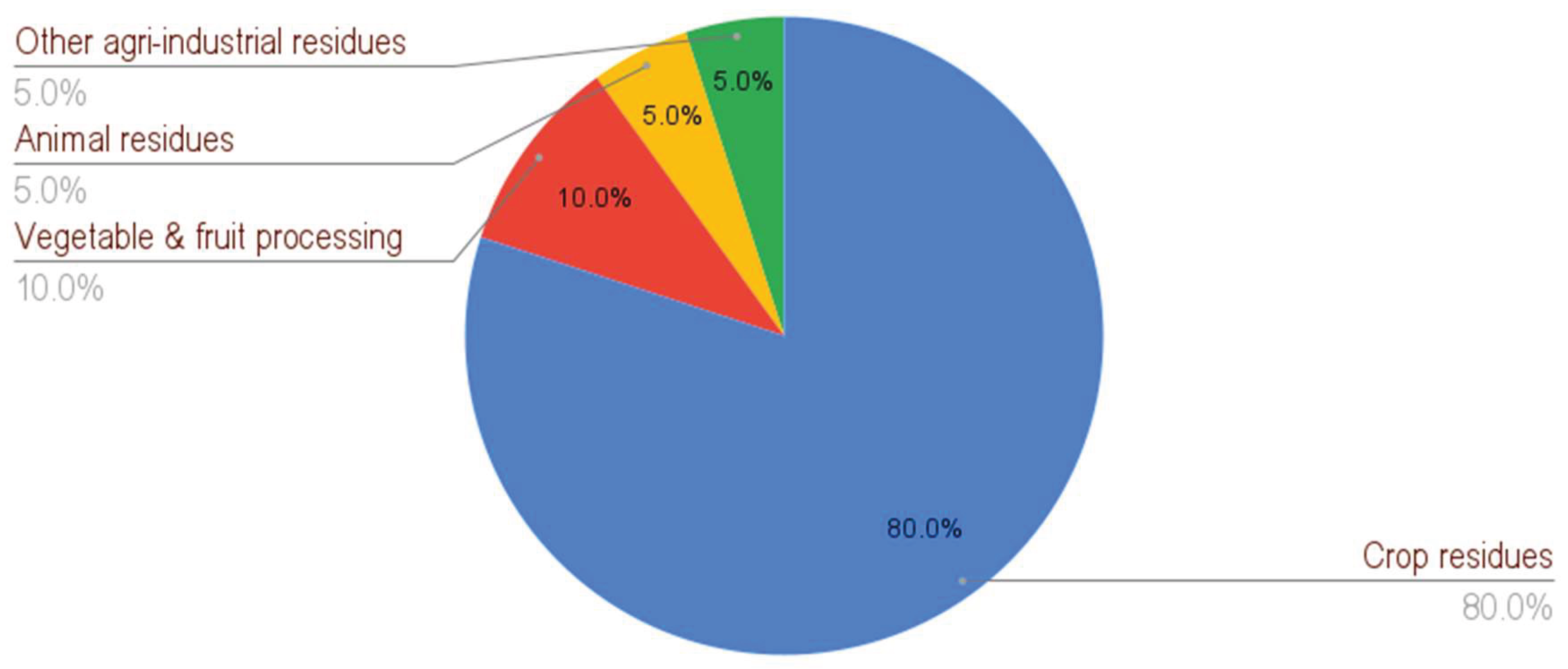
Figure 2.
Global Waste Management Market Trend (2022–2032) Source:[25].
Figure 2.
Global Waste Management Market Trend (2022–2032) Source:[25].
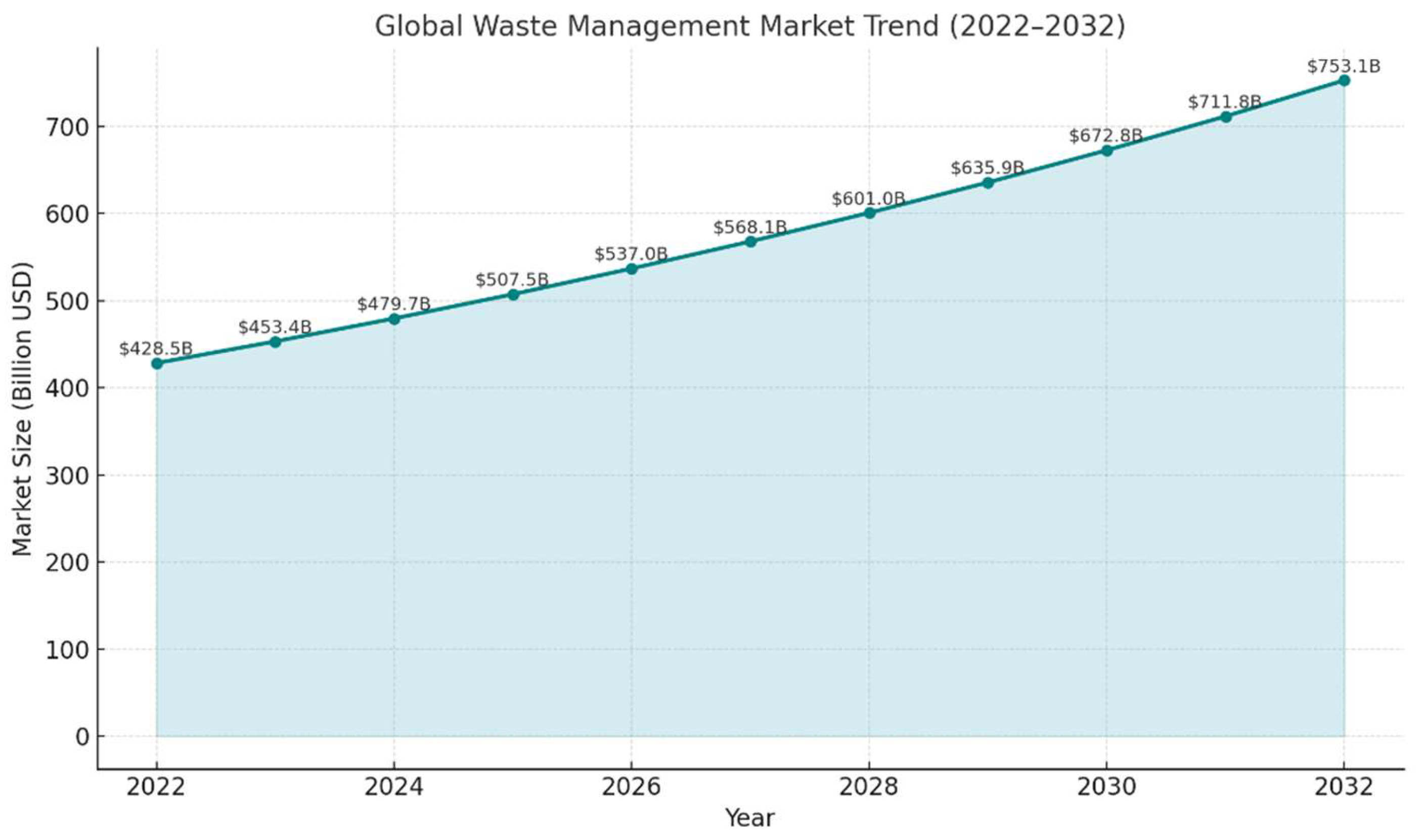
Figure 3.
BS 8001:2017 Circular Economy Principles.
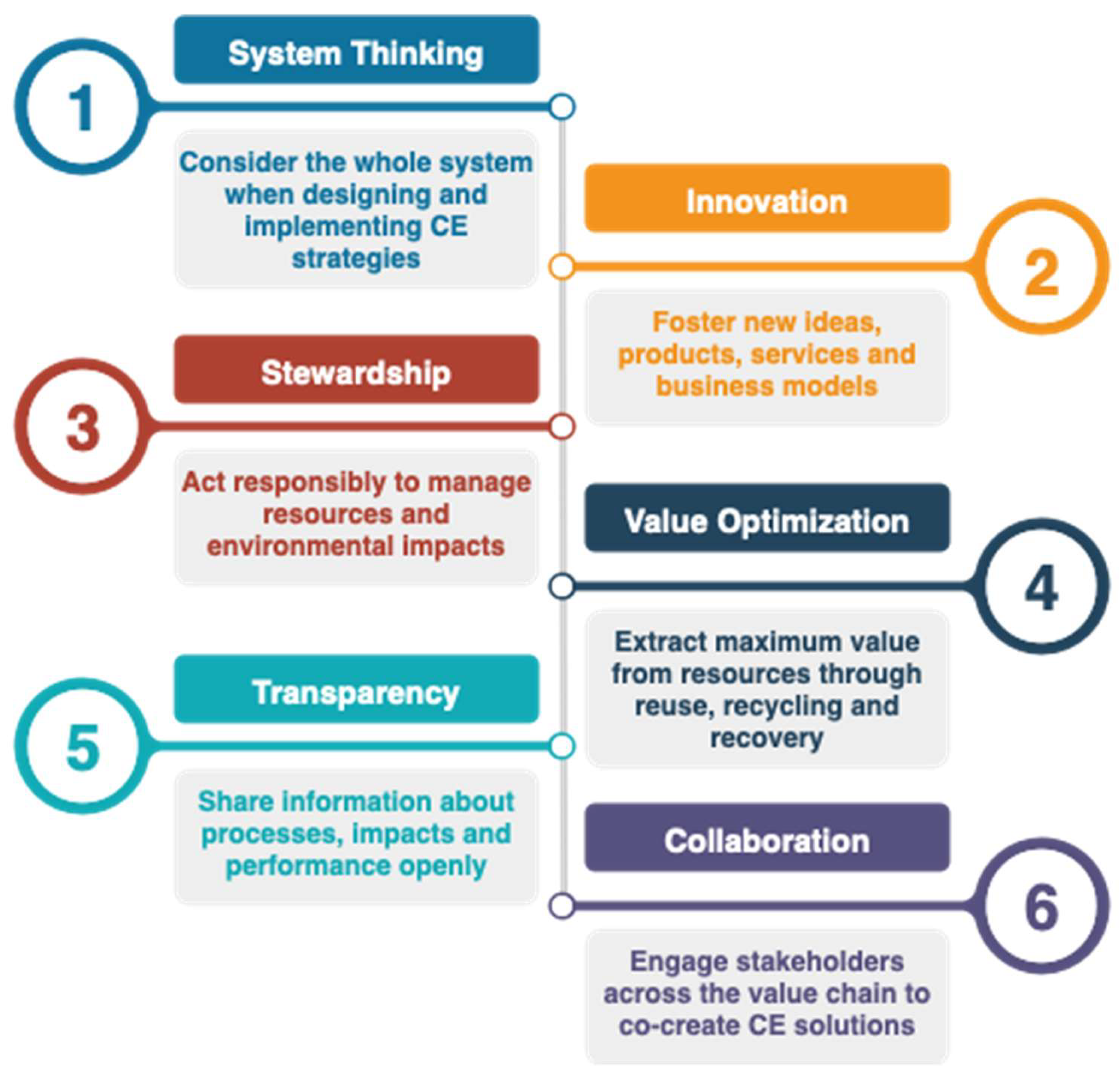
Figure 4.
Circular Process Flow of Agricultural Waste Transformation at Taiwan Enzyme Village.
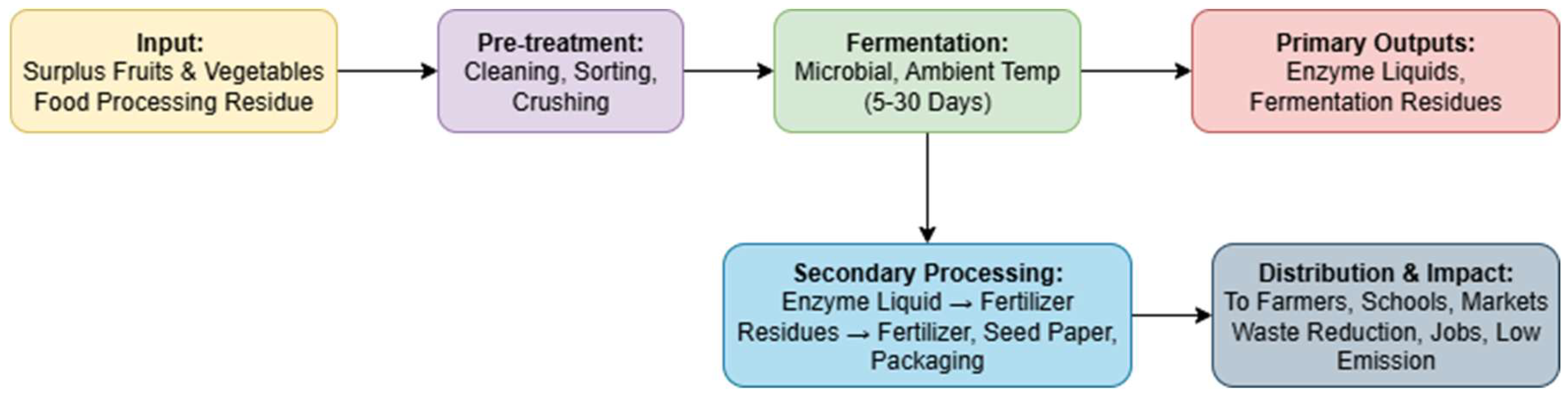
Figure 6.
Impact–Attention Matrix for Economic Aspects.
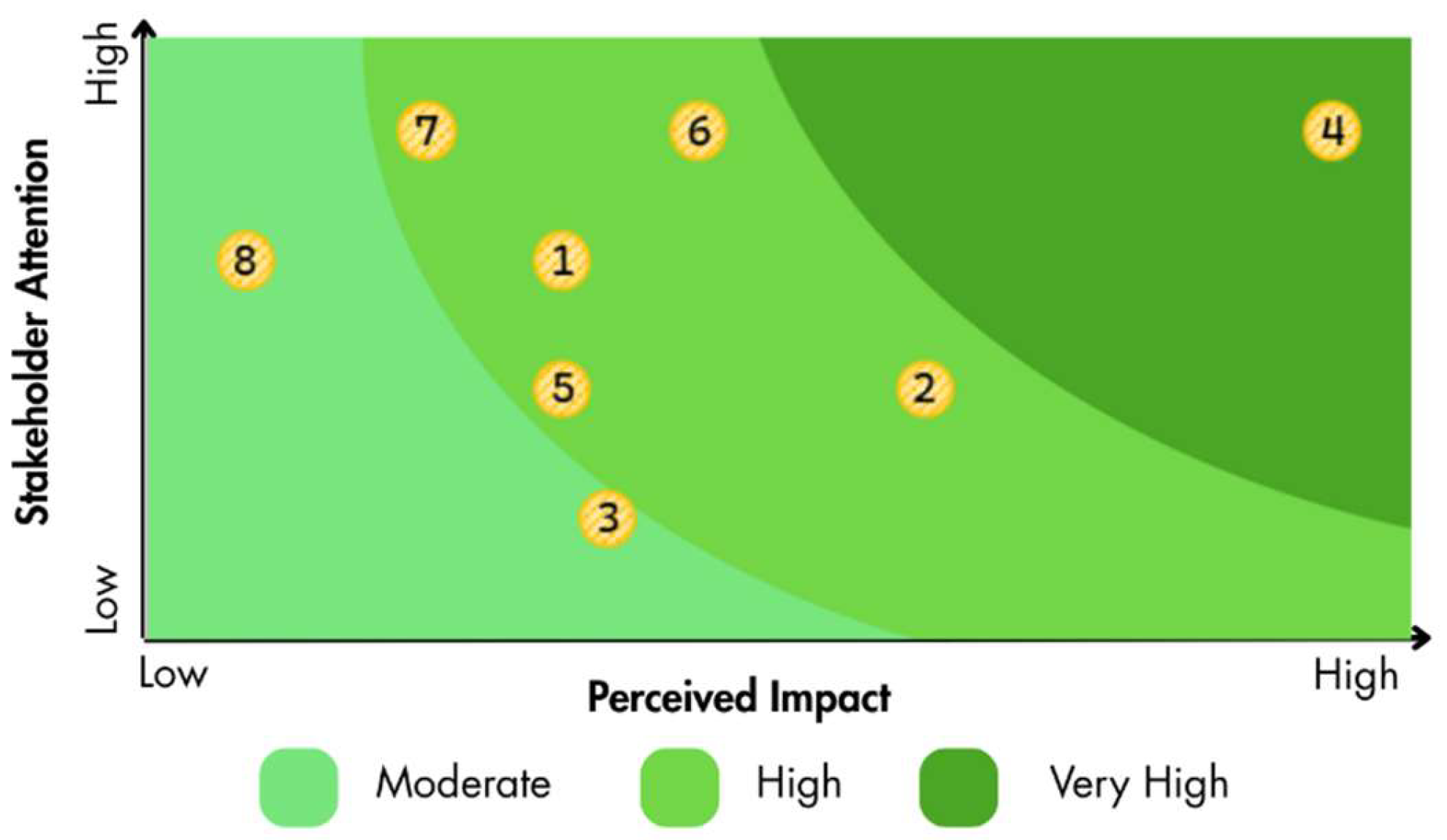
Figure 7.
Impact–Attention Matrix for Environmental Aspects.
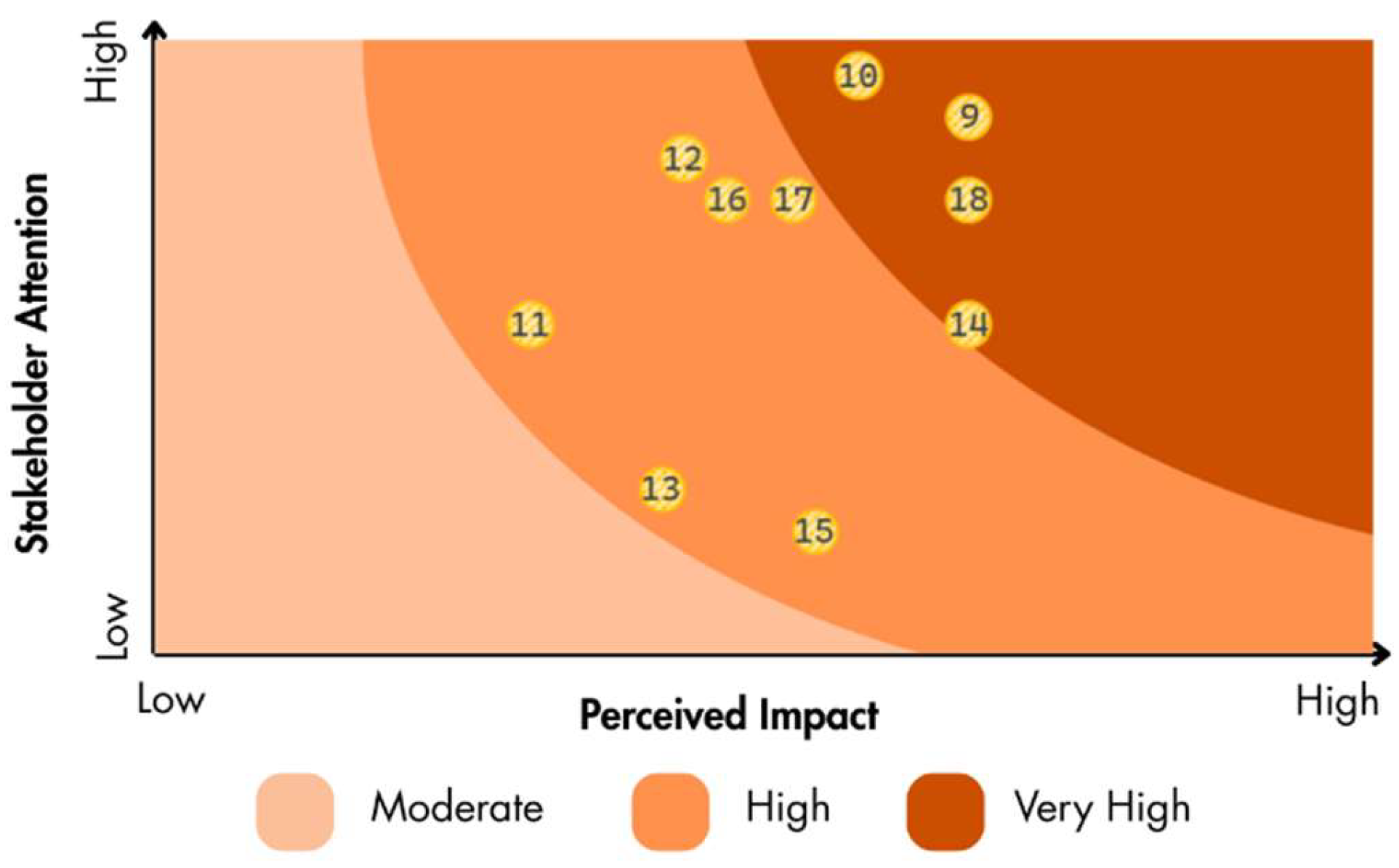
Figure 8.
Impact–Attention Matrix for Social Aspects.
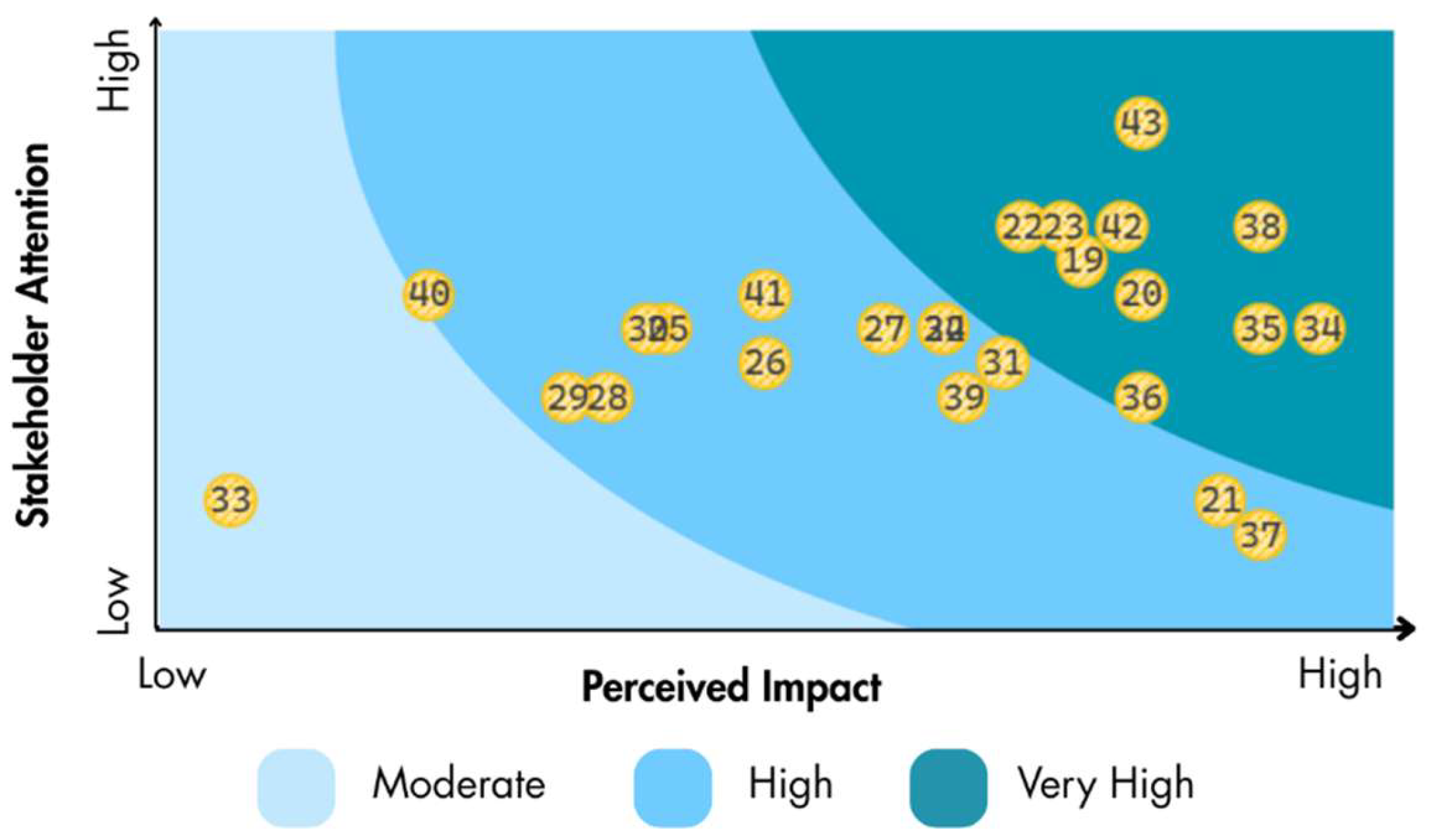

Table 1.
Global Agricultural Residue and Food Waste Composition.
| Waste Category | Percentage of Total | Key Examples |
| Crop residues | ~ 80% | Straw, husks, stalks |
| Vegetable & fruit processing waste | ~ 10% | Peels, trim, cosmetic-grade rejects |
| Animal residues | ~ 5% | Manure, bedding |
| Industrial/process residues | ~ 5% | Wastewater, packaging residuals |
Table 2.
Application of BS 8001 Principles in Taiwan Enzyme Village.
|
|
|
|
|
|
|
|
|
|
|
|
|
|
Table 3.
Summary of Circular Economy Outcomes at Taiwan Enzyme Village.
|
|
|
|
|
|
|
|
|
|
|
|
|
|
Table 4.
Global Examples of Circular Economy Companies Using Agricultural or Organic Waste.
|
|
|
|
|
|
|
|
|
|
|
|
|
|
|
|
|
|
|
|
|
|
|
|
|
|
|
|
|
|
|
|
Disclaimer/Publisher’s Note: The statements, opinions and data contained in all publications are solely those of the individual author(s) and contributor(s) and not of MDPI and/or the editor(s). MDPI and/or the editor(s) disclaim responsibility for any injury to people or property resulting from any ideas, methods, instructions or products referred to in the content. |
© 2025 by the authors. Licensee MDPI, Basel, Switzerland. This article is an open access article distributed under the terms and conditions of the Creative Commons Attribution (CC BY) license (http://creativecommons.org/licenses/by/4.0/).
Copyright: This open access article is published under a Creative Commons CC BY 4.0 license, which permit the free download, distribution, and reuse, provided that the author and preprint are cited in any reuse.


