

Submitted:
03 November 2025
Posted:
05 November 2025
You are already at the latest version
Abstract
Plastics are accumulating in the environment, and due to their extremely low biodegradability, this issue is expected to persist for centuries. Historically, oceans were used as dumping grounds for waste, leading to the accumulation of long-lasting materials that now cause severe pollution problems. Macro- and microplastic waste pose serious environmental, social, and economic threats, such as injuring or killing marine organisms and entering the food chain, resulting in potential health risks for humans. Microplastics have become one of the most critical global concerns, as they disrupt the balance of terrestrial and marine ecosystems. The growing presence of microplastics in the environment threatens biodiversity and endangers vulnerable marine species. Moreover, their ingestion by marine organisms can impact the entire food chain, affecting both wildlife and human health. Addressing this challenge requires the development of efficient and sustainable solutions for the control and mitigation of microplastics. This study focuses on the advancement of filtration processes and membrane technologies specifically designed to capture and remove microplastics based on their size, quantity, and origin. By evaluating the performance and suitability of various filtration methods, this research seeks to promote effective recovery, control, and final elimination of microplastics while increasing awareness of sustainable environmental management practices.
Keywords:
filtration
; litter
; membranes
; microfibers
; microplastics
; water pollution
1. Plastics and Microplastics
1.1. Definition of Plastics: Types and Properties
Plastic is a material employed in a wide range of applications, including packaging, medical equipment, and everyday items [1,2]. Owing to its durability and lightweight characteristics, plastic is utilised across various industries, offering convenience and efficiency throughout manufacturing, distribution, and waste management processes. Plastics can be broadly classified into two main categories: natural plastics and synthetic plastics. Natural plastics are macromolecular substances that are produced or are secreted by microorganisms. Although often biodegradable, these plastics are seldom used in practical or large-scale applications. Synthetic plastics, on the other hand, are extensively used materials composed of various synthetic or semi-synthetic organic compounds, primarily derived from petrochemical sources such as natural gas, petroleum, or coal [3]. Consequently, they are also referred to as petroleum-based plastics.
The most common plastic materials found in effluents include polypropylene (PP), polyethylene (PE), polystyrene (PS), polyvinyl chloride (PVC), polycarbonate (PC), polyamides (PA), polyester (PES), polyethylene terephthalate (PET), and rigid thermoplastic polyurethane (PU). These thermoplastic polymers are highly recyclable, as they can be repeatedly heated, cooled, and reshaped [4,5]. Plastics are primarily derived from petroleum and comprise a class of polymers that contain an ester functional group in each repeating unit of their main chain. The most commonly used polyester in textile production is polyethylene terephthalate (PET). Additionally, polypropylene, polyethylene, and polyvinyl chloride (PVC) are also widely used, across various sectors, with polypropylene and polyethylene being the most prevalent. A polymer is a large molecule, also known as a macromolecule, that consists of repeating units called monomers. Macromolecules can be linear, branched, or crosslinked. The fundamental distinction between polymers and plastics is that plastics are mixtures of two or more polymers or a polymer combined with low-molecular-weight compounds (commonly referred to as additives). These additives can include UV or thermal stabilizers, flame retardants, dyes, antioxidants, pigments, antimicrobial agents, lubricants, fillers, and others, depending on the intended applications [6,7,8,9].
The high productivity and extremely slow biodegradation of plastics contribute to their accumulation in the environment, particularly due to the harmful impact of wastewater discharge. Plastics that enter aquatic environments can persist for months or even hundreds or thousands of years. During this time, plastics are fragmented through mechanical and photochemical processes, leading to the formation of microplastics (less than 5 mm) and nanoplastics (less than 1 µm) [10,11]. It is important to note that the term “polymer” is often used interchangeably with “plastic” in everyday language, so it is essential to clarify the fundamental differences between both [9]. In Table 1 are represented the most produced polymers along with their abbreviations, common uses, specific densities, and recycling symbols [12].
The estimated amount of plastic in the oceans has reached 236,000 metric tonnes [14]. According to Jambeck et al. (2015), it is estimated that between 4.8 and 12.7 million tonnes of plastic waste enter the ocean each year [2]. Currently, a significant percentage of plastic waste is disposed of in landfill sites, incinerated, or recycled, although a large proportion is poorly managed and enters the natural environment. Over the last 70 years, the world’s nations have become increasingly dependent on plastics. Between 1950 and 2015, the annual growth rate in production was 8.4% [1]. The rate of plastic production has recently overtaken that of carbon emissions [15]. The worldwide production of plastics reached a staggering 400.3 million metric tons in 2022. This mark represents an increase of about 1.6 percent from the previous year. Plastic production has soared since 1950s. The incredible versatility of this group of materials accounts for the continued growth in production year after year. In tandem with that growth, the market value of plastics also continues to grow. In the Figure 1 shows the emission of plastic waste released to the ocean per capita in 2019 [16].
1.2. Plastic Production has More than Doubled in the Last Two Decades
The production of plastic has increased significantly since the 1950s, when large-scale production of polymers began. This trend is attributed to the versatility and low production costs of plastics. However, plastic waste generation has also increased at a similar rate [17]. The management of this large amount of waste has so far been ineffective, with 79 wt.% ending up in landfills or in the natural environment, both on land and at sea [17]; [1]. The first synthetic plastic, Bakelite, was produced in 1907, marking the beginning of the global plastics industry. However, rapid growth in global plastic production did not occur until the 1950s. Over the next 70 years, annual production of plastics increased nearly 230-fold, reaching 460 million tonnes in 2019. Even in the last two decades, global plastic production has doubled (Figure 2).
Since the second half of the 20th century, plastics production has grown exponentially, reaching in 2022, a worldwide production of 400.3 million metric tonnes. The extensive use of plastic has raised significant environmental concerns, particularly in terms of plastic pollution. This could lead to serious and unpredictable consequences for on the planet’s ecological processes [18] and the global carbon cycle [19], highlighting the urgent need for sustainable practices and circular economy initiatives to address plastic waste [20]. Indeed, there is no evidence to suggest that the influx of plastic debris into the marine environment is decreasing [21]. If current trends persist, an estimated additional 33 billion tonnes of plastic could accumulate on the planet by 2050 [22]. Between 2016 and 2017, global plastic production continued its upward trajectory, increasing from 335 million tonnes to 348 million tonnes [23]. Asia is the largest producer of plastics, accounting for 50.1% of global production, followed by Europe at 18.5%, the North American Free Trade Agreement countries at 17.7%, the Middle East and Africa at 7.71%, Latin America at 4%, and the Commonwealth of Independent States at 2.6%. This substantial and widespread increase in global plastic production results in a significant amount of plastic waste that subsequently enters the aquatic environment, raising increasing concerns [1].
1.3. Types of Microplastics
Most microplastics, aside from intentionally manufactured microbeads, originate from the breakdown of larger plastic items. Over time, through mechanical, chemical, and biological processes, large plastic debris fragments into smaller pieces, forming particles of various shapes and sizes. The physicochemical properties of microplastics, such as size, colour, shape, density, composition, and surface charge, play a key role in determining their environmental behaviour, including aggregation, migration, and degradation [24,25]. According to Frias et al. (2029), microplastics (MP) are defined as synthetic solid particles of a polymeric nature [26]. These MPs are released into water from various sources, including surface water [27], groundwater [28], wastewater [29], tap water [30], and bottled water [31]. These particles vary in size, colour, and shape. Microplastics can be classified into two categories: primary and secondary microplastics, as outlined below [32].
Microparticles can be classified into four categories: non-plastic microparticles, microplastics (MP), which include fragments, films, pellets, foam, and spheres—non-synthetic fibres (natural and semi-synthetic), and synthetic fibres. These particles range in size from 1 to 5 mm and can have either regular or irregular shapes [33]. The resulting fragments are classified into various size categories: nanoplastics (< 0.1 µm), microplastics (1 µm–5 mm), mesoplastics (5 mm–25 mm), macroplastics (25 mm–1 m), and megaplastics (>1 m) (Figure 3) [24,34].
1.3.1. Primary Microplastics
Primary microplastics are intentionally produced and may serve as raw materials for transformation in manufacturing processes or be used directly in consumer and commercial products [36]. The presence of microplastics in personal care products has raised environmental concerns due to their potential impact on aquatic ecosystems. These particles contribute to the pollution of water bodies [37]. The primary pathway for these microplastics to enter the environment is through consumer use and subsequent wash-off, which directs the particles into wastewater. This wastewater is then processed in wastewater treatment plants (WWTPs), ultimately discharging the microplastics into aquatic ecosystems and coastal zones. Microplastics are used in processes such as mechanical pickling and cleaning of aircraft and mechanical parts. The oil and mining industries also utilize plastic particles as friction reducers during extraction processes [38]. The plastics industry uses small plastic pellets, either spherical or disc-shaped, as raw materials in production processes [39]. While there is some unintentional loss of these pellets throughout the production chain, significant quantities are lost during the logistical phase of transfer and transport [40].
1.3.2. Secondary Microplastics
Unlike primary microplastics, which are intentionally produced as small particles for specific applications, secondary microplastics refer to tiny plastic particles that are generated through various processes, such as the breakdown or fragmentation of larger plastic items, waste treatment activities, or environmental factors such as weathering and UV exposure [36]. In coastal zones, shipyards contribute to the generation of plastic fragments as a by-product of the degradation of ship-coating paints [26,41,42]. At the end of a ship’s useful life, especially during the dismantling process, additional particles are generated [43]. Certain construction materials, such as plastic paints, contain polymeric resins that, through removal or exposure to climatic conditions, degrade into small fragments. These fragments can eventually be washed into the aquatic environment [44,45]. Plastic waste may also originate from synthetic fabrics used in clothing and home décor, as well as from the deterioration of interior coatings and polyurethane fillers. Dust emissions in the residential sector are composed of approximately 1 to 5% synthetic fibres and 15 to 40% construction debris and acrylic coatings [46]. A significant portion of the particles detected in oceans can be traced back to urban runoff, which carries residues from asphalt and car tyres [47,48] and road marking paints [44].
In the agricultural sector, microplastics are generated from plastic films used for ground cover and silage [39]. In the fisheries and aquaculture sectors, plastic fibres primarily originate from fishing cables and nets, which are made of nylon, polyester, polyethylene, and polypropylene [43]. The combined effects of temperature, pH, and mechanical compaction conditions in landfills accelerate the degradation and abrasion of plastics. This breakdown produces microplastic debris, which can be washed away with leachate or dispersed by wind [39]. Within biodegradable organic waste, it is estimated that 0.5 to 0.9% consists of plastics that are not properly separated [40]. Electronic waste and end-of-life vehicles are recycled through shredding, which generates plastic dust often contaminated with heavy metals and organic pollutants. When this material is discarded in landfills, the combination of leaching, wind, and climate factors can introduce microplastics into the aquatic environment [49,50].
The degradation of microplastics results from exposure to temperature and UV radiation, which alters the physical structure of plastic particles, causing fissures that weaken them [51]. This process leads to colour fading, structural weakening and eventual fragmentation due to the mechanical actions of wind, waves, fauna or anthropogenic activity. On beaches, where UV radiation exposure and mechanical abrasion are more intense, this degradation is significantly accelerated [52].
1.4. Microplastics in the Environment—Source and Characteristics
Microplastics represent the most prevalent form of plastic pollution in marine environments [53]. These are tiny synthetic particles that do not dissolve in water and are highly persistent, non-degradable materials [37]. They are found in both saltwater and freshwater ecosystems [54,55]. Initially, larger plastics were the primary focus of environmental studies; however, there has been a growing shift towards investigating smaller particles, microplastics, which include granules, plastic fragments, and fibres smaller than 5 mm [56]. Figure 4 illustrates the evolution of the number of scientific publications related to microplastics from 2001 to 2023, based on data from ScienceDirect®, emphasising the increasing relevance of this topic within the scientific community, particularly from 2018 onwards.
1.5. -Main Sources of Microplastics and Their Distribution
Microplastic pollution has become a pressing environmental concern. Secondary microplastics are now recognized as the primary source of pollution in ecosystems [57]. Wastewater discharges containing synthetic textiles and personal care products are the dominant sources of fibres and pellets found in freshwater systems. Additionally, inadequate landfill management contributes to the release of microplastics into aquatic environments [58,59,60]. Sludge from wastewater treatment plants is also a significant contributor to microplastic pollution [61]. As a result of extensive erosion, the volume of transported plastics increases. Moreover, precipitation events can lead to the resuspension of microplastics in surface waters [62,63]. With ongoing economic development and rising living standards, the generation of plastic waste has grown rapidly. Improperly managed plastic waste is frequently found scattered along roadsides, in open spaces, or in illegal dumps. Current estimates indicate that 4.97 billion tonnes of plastic waste have accumulated in landfills. Particles and fibres originating from landfills can enter soil ecosystems via atmospheric deposition [64].
A particular type of soil substrate, soil-associated dust, especially urban street dust, is another notable source. This dust largely originates from atmospheric deposition of suspended particles or from accumulation of various surface materials directly associated with anthropogenic activities [65]. Since road dust can easily be transported by surface runoff into water bodies without treatment, it is likely a significant constitutes a major pathway for microplastic pollution [57]. Due to increasing production, microplastics have become widespread across various environmental compartments, including freshwater and marine environments [66,67], sea ice [68], sediments [69], soil [70], and the atmosphere [71]. Studies have detected microplastic in mountain regions, lakes [72], the remote Gobi Desert, despite minimal human presence, and in karst groundwater [73]. Once present in soil, microplastics may be transported to adjacent environmental matrices, such as the atmosphere or nearby water bodies, through wind erosion, surface runoff, or human activities [74]. Additionally, soil microplastics can infiltrate groundwater systems [73]. The aquatic environments are dynamic systems characterized by continuous hydrodynamic activity, including rainfall, monsoons, wave action, tides, and ocean currents. Microplastics may move between terrestrial and aquatic environments via tidal movements and flooding events [75]. Wind and associated wave action can induce vertical mixing within the water column, causing the resuspension of plastics from the sediments. The transport and distribution of microplastics are influenced by intrinsic material properties, including density, size, colour, and shape [76]. Microplastics originating from plastic production and consumption are carried via surface runoff through watersheds into rivers. These rivers serve as major conduits, transporting approximately 88% to 95% of global microplastic loads toward coastal and estuarine environments.
In freshwater systems, microplastic density affects vertical distribution within the water column. Low-density microplastics tend to remain at the surface, while high-density particles typically accumulate in the bottom [77,78]. The sources of microplastics in aquatic environments can be broadly categorized into land-based and atmospheric deposition [79]. Figure 6 illustrates the anthropogenic sources responsible for plastic debris entering marine systems, the various ocean compartments where plastics accumulate, and the mechanisms facilitating their transfer across these compartments [80].
Microplastics can move between different environmental media (Figure 5). For instance, wind and surface runoff can transport microplastics from inland areas to the marine environment [81]. The presence of plastic in aquatic environments is largely due to improper plastic waste management, including from urban areas, tourism, agriculture, and industry. Additionally, ship transport, fishing activities, and other processes often result in plastics entering the aquatic environment directly, contributing to varying degrees of plastic pollution [82,83,84]. Globally, plastic waste manifests in various forms [85]. Larger pieces, such as bottles, bags, and packaging materials, float on the water’s surface, serving as a visible sign of the plastic pollution problem. These items can be carried by winds and ocean currents, accumulating in ocean gyres and coastal areas. Heavier fragments settle on the seabed, contributing to the accumulation of plastic waste on the ocean floor and transforming it into a waste repository, which negatively impacts benthic ecosystems and organisms [86]. Additionally, microplastics suspended in the water column result from the breakdown of larger plastic items through processes like photodegradation and mechanical abrasion. These small particles can be transported over long distances by ocean currents, posing a persistent threat to marine life throughout their journey [1].
Microplastics in the atmosphere originate from a wide range of sources and processes. Industrial dust, fibres from clothing, particles from housing materials, and various everyday activities contribute to their release. Additionally, microplastics can be generated during the handling, landfilling, or incineration of plastic waste. Once airborne, these microplastics can lead to pollution in both aquatic and terrestrial environments [88,89]. The transport and deposition of microplastics in the atmosphere are influenced by several factors, including wind speed and direction, rainfall, and particle density [90]. Some microplastics remain suspended in the air, while others settle through dry and wet deposition processes. Once deposited, these atmospheric microplastics can be resuspended and eventually settled on terrestrial and aquatic systems via surface contact [64].
1.6. Hazard and Risks Associated with the Release of Microplastics
Microplastics (MPs) have a significant negative impact on marine life. Although plastic pollution is a global, multi-environmental issue, both the media and scientific research have predominantly focused on its effects on the oceans [20]. Marine plastic contamination is a widespread and irreversible process, making it a global chemical pollution threat [91]. Due to their small size, microplastics can be ingested by organisms, enter the food web, transfer through the food chain, and accumulate at higher trophic levels [92].
1.6.1. Plastic Ingestion by Marine Biota
Plastic debris in the ocean and marine environment has significant negative effects, primarily due to its ingestion by marine organisms and seabirds, which often mistake it for food [93]. Numerous studies on marine debris have reported the widespread ingestion of plastic and entanglement of marine life across a wide variety of species [94]. Microplastics, in particular, are ingested by marine organisms and are also consumed at lower levels of the food chain, including by invertebrates, zooplankton, and echinoderm larvae, posing risks to both the environment and human health [20]. Direct ingestion occurs when marine organisms actively consume plastic particles or larger plastic items, mistaking them for food due to their inability to distinguish between microplastics and actual food. For example, fish, seabirds, and larger marine animals may directly ingest small plastic particles, believing them to be food. Indirect ingestion, on the other hand, involves the consumption of prey or food sources that have already been contaminated with plastic. This leads to the transfer of plastics through the food chain [95]. For instance, plankton, which form the base of the marine food chain, can absorb and accumulate microplastics. Small fish then feed on the contaminated plankton, and larger fish, in turn, consume the smaller fish. This process leads to the transfer of plastics through multiple trophic levels within the marine ecosystem [95].
1.6.2. Plastic as a Source and a Vector of Potential Toxins
In addition to releasing microplastics, larger pieces of plastic debris gradually break down and degrade under the influence of UV radiation and heat, eventually fragmenting due to physical forces like wind and waves [96]. These larger debris items can ultimately become a significant source of microplastics. Plastics have a considerable environmental impact, not only because of the pollution they cause but also due to the potential toxins they contain, such as plastic additives and chemical leachates released during degradation [97]. The degradation of plastics can result in the release of harmful chemicals, some of which are known to negatively affect marine organisms [98]. These chemicals may accumulate significant concentrations and can be transferred to organisms upon ingestion [99,100]. Microplastics can also act as vectors for transporting chemicals associated with the plastic particles, such as persistent organic pollutants (POPs) or chemicals derived from the plastics themselves [22,101]. Microplastics can accumulate toxic chemical pollutants from the aquatic environment, particularly through the sorption of hydrophobic contaminants from seawater [102]. These microplastics can also carry additives, residual monomers, or oligomers from the plastic’s original components [22,101,102,103]. In seawater, persistent organic pollutants (POPs) can become significantly more concentrated on the surface of plastic particles than in the surrounding water [104,105]. Substantial amounts of chemicals have been found in microplastic particles in marine environments [105,106]. Plastics can also contain potentially harmful chemical additives [98] which may be present in significant concentrations and can be released into organisms upon ingestion [99,100,107]. High concentrations of additives such as bisphenol A (BPA) — a monomer used in polycarbonate plastics and epoxy resins that line food and beverage cans—nonylphenol (NP), a stabilizer found in polypropylene (PP) and polystyrene (PS), polybrominated diphenyl ethers (PBDEs), which are brominated flame retardants, and phthalates, plasticizers used to provide flexibility, have been detected in marine plastics. This highlights their potential to act as sources of toxic compounds in the environment, posing significant risks to marine organisms [108].
1.6.3. Microplastics and Derivatives in Marine Organisms
Microplastics are widespread in natural habitats and in the organisms living there as benthic invertebrates, lobsters, numerous species of fish, sea birds, and marine mammals among other species [109,110,111,112,113,114]. The wide range of affected species emphasizes the pervasive nature of the problem affecting various levels of the marine food chain, revealing the potential for microplastic ingestion from lower planktonic organisms at the base of the trophic web to higher organisms [2]. Ingestion of plastic was reported in a substantial number of marine individuals—microplastic or various chemical additives associated with it have been found in marine organisms and the surrounding environment as PBDEs, phthalates, nonylphenols, bisphenol A, and antioxidants [3]. Table 2 illustrates some examples of the presence of plastics and their derivatives found in different organisms.
1.7. Adverse Effects on the Organisms Caused by Microplastic Ingestion
Microplastics can be easily ingested by marine organisms and also in lower levels of the food chain by zooplankton, invertebrates, and echinoderm larvae [20]. The detection of microplastics in zooplankton, fish, and mammals has increased concerns about their adverse effects on aquatic biota, seabirds, and seafood safety. Table 3 describes some reported examples of adverse effects resulting from the ingestion of microplastics and its derivatives in the organisms.
Microplastics are ingested by humans through the food chain and cause potential implications on human health [150]. There is an urgent need to evaluate microplastic pollution in sea areas with high capture fisheries and/or aquaculture. Ingestion is the most important way humans consume microplastics through the food chain, mainly in foods and drinks [151]. Gastrointestinal exposure, liver toxicity, adverse effects on the reproductive system, effects on nervous system, cancer, disorder in body immunity, and potential toxicity of leaching additives are some examples of potential adverse effects on human health [152].
1.8. Microplastics and Domestic Wastewaters—The Critical Importance of Microfibers
The global human population is projected to continue growing over the coming decades, with much of this growth concentrated in large coastal cities. As a result, greater volumes of sewage will be discharged into marine environments, leading to increased aquatic contamination by microplastics [153]. In terms of domestic wastewater, microplastics can originate from two primary sources: a) Primary microplastics, which include polyethylene, polypropylene, and polystyrene particles from hygiene, cosmetic, and cleaning products, and b) Secondary microplastics, which consist of fibers resulting from the degradation of synthetic textiles such as polystyrene (PS), acrylic (PMMA—polymethyl methacrylate), and nylon (polyamide) released during mechanical washing [39,154]. The most critical elements of these microplastics are microfibers (MF), which are classified as microplastics smaller than 5 mm in size [56].
The textile industry is widely regarded as one of the most polluting sectors, with multiple factors contributing to its environmental impact throughout the life cycle of textiles. These include the use of hazardous materials, as additives in processed textiles pose potential risks to human health and the environment due to direct contact or chemical release during washing. Additionally, the industry is characterized by high energy and water consumption, significant waste generation, and the use of transport and non-biodegradable packaging, all of which contribute to its overall environmental footprint. Global fibre production from materials such as wool, cotton, cellulose, polypropylene, acrylic, polyamide, and polyester has been steadily increasing since 1980. This rise in plastic production has led to a higher concentration of synthetic fibres in the aquatic environment, contributing to their global distribution [41]. Wastewater Treatment Plants (WWTPs) are generally effective in filtering out microplastics, achieving removal rates between 65% and 99.9%, depending on the particle size. WWTPs act as barriers to reduce uncontrolled microplastic emissions by removing them from wastewater. However, despite their efficiency, large quantities of microplastics continue to enter the environment through WWTP effluents due to the massive volumes of water that need to be treated [59]. A significant number of fibres from both natural and synthetic fabrics are released during the laundry process. Synthetic fibres, primarily composed of polyester, acrylic, and polyamide (PA), are particularly concerning. For instance, a single garment can release over 1,900 fibres per wash, with concentrations exceeding 300 mg per kilogram of washed fabric, although these values vary depending on washing conditions [155,156,157]. These fibres are discharged into domestic sewage systems and sent to wastewater treatment plants. Additionally, industrial and logistical activities related to plastic production contribute to primary microplastics, as plastic pellets used as raw materials in manufacturing are often lost during transport and accidentally enter the environment. Harbor areas are known to have high concentrations of plastic pellets and other particulate matter (PM) due to significant waste disposal from various sources, including commercial and tourist vessels. Fishing activities contribute to plastic pollution as well, with nylon (PA) and polyethylene (PE) nets and lines releasing plastic fragments into the environment. Additionally, vessels can contaminate the aquatic environment through the wear and tear of polymer-based paints, such as polyurethane (PU) and epoxy, which are used to prevent corrosion and fouling [158]. Given the vast volumes of water processed by wastewater treatment plants (WWTPs), there is a pressing need for stronger investment in the development of technologies that can be implemented upstream. One potential solution is the creation and application of environmentally friendly technologies in washing machines to capture microfibers released during laundry. As current wastewater treatment methods are limited in their ability to remove microplastics, there is a growing need to develop and optimize more efficient methods, such as membrane filtration processes [5,159,160]. These advancements could play a key role in reducing the release of microplastics into the environment.
2. Processes Associated with Microplastic Removal
2.1. Membrane Applications in Water Treatment
Microplastic pollution can be managed through various strategies aimed at mitigation or elimination, which can be grouped into three main categories: containment, mitigation, and separation. These strategies all focus on controlling the flow of microplastics into the environment from significant sources. Containment—refers to proper plastic disposal practices, ensuring that plastics do not become environmental pollutants. Mitigation involves promoting human behaviours that prevent the generation or spread of microplastics, reducing their accumulation in the environment. Separation is the process of removing microplastics from wastewater during treatment, preventing them from entering natural ecosystems. The scientific community must continue improving MP removal technologies while ensuring sustainability. Optimizing membrane materials to reduce fouling, improve durability, and lower energy demands is key to large-scale adoption [161].
Wastewater treatment facilities are designed to remove solid particles and toxic residues from effluent and sludge, ensuring a neutral environmental impact after discharge [59]. Standard facilities typically reduce microplastic concentrations in effluent by approximately one microplastic per liter [5]. Several unit operations within wastewater treatment show promise for reducing microplastics by separating them from the wastewater matrix [5,162]. Filtration systems can effectively separate microplastics based on size, though they are less efficient when dealing with more viscous sludge. Techniques such as skimming and gravity separation offer some effectiveness; however, due to the varying buoyancy of microplastics, these methods are not universally applicable [163]. Moreover, microplastics contaminated with organic materials are difficult to separate from the sewage matrix using gravity-based methods [164].
Filtration is a process that physically removes particles from water. The primary mechanism for particle removal through membranes is defined as physical retention, where solids larger than the membrane pores accumulate on the surface, while water and smaller particles pass through. As solids build up on the membrane’s surface, a layer known as cake formation develops, retaining particles larger than the pore size of the filter. A third removal mechanism involves the adsorption of smaller particles, which are small enough to pass through the pores but adhere to the surface of the membrane’s pores (Figure 7).
The adsorption sites on the membrane are quickly exhausted, so this process typically occurs only immediately after backwashing. However, it serves as an important temporary mechanism while the layer of solids accumulates on the surface. Adsorption is also considered a significant cause of fouling, necessitating the manual removal and cleaning of the membrane. Surface water often contains a higher concentration of suspended solids, including microplastics, dissolved organic materials, and microorganisms, which require additional treatment and filtration processes. Water treatment employs either granular media filters or membrane filters. These systems can be used to treat drinking water at the point of use, where water is treated centrally. However, it is essential to disinfect the water afterward to prevent recontamination as it moves through the distribution system, which includes service reservoirs and water pipes.
Initially, filtration systems were designed to remove larger particles—such as sand, silt, and organic matter—using porous stone and sand as filtering media. Over the decades, advancements in filtration technology have significantly enhanced its ability to capture MPs ranging from a few micrometres to several millimetres in size. Today, filtration plays a crucial role in wastewater treatment processes and is incorporated into all wastewater treatment plants (WWTPs) at varying levels of sophistication to meet required water quality standards [59,61,164,165,166]. The ongoing development and optimization of filtration systems highlight their importance in addressing microplastic pollution. Therefore, it is vital to examine different filtration methods, such as sand and membrane filtration, to assess their specific applications and effectiveness.
2.2. Membrane Filtration—Typology and Properties
Membrane filtration is a sophisticated physical-chemical separation process that utilizes thin (<1 mm) semi-permeable membranes, specifically synthetic polymeric membranes. In this process, water is pumped under pressure against the membrane, resulting in two products: the permeate, which is the filtered water that passes through the membrane, and the retentate, which is the impermeable waste stream containing the rejected particles (Figure 8). While conventional filtration processes typically remove particles larger than 0.1 mm, membrane filters can effectively remove particles as small as 0.0001 mm, depending on the specific membrane process employed. This technique is currently widely used in water treatment for a variety of functions, including the removal of fine particles, sediment, algae, protozoa, bacteria, small colloids, viruses, dissolved organic matter (such as humic and fulvic acids), and divalent cations (used for water softening), among others. There are four main types of membrane filters used in water treatment, classified according to their nominal pore size on an order of magnitude basis [167]. Membrane flux measures the rate at which molecules diffuse across the membrane. It is a fundamental aspect of membrane characterization and is heavily influenced by the operating conditions of the membrane systems, including pressure, temperature, and flow velocity at the membrane surface. A membrane serves as a permeable or semi-permeable barrier that permits certain substances in the source water to pass through while selectively restricting others. The separation of contaminants is influenced by properties such as size and charge (Figure 8). Movement across the membrane requires a driving force, which can include pressure differences, concentration gradients, and potential fields to initiate the movement of ions. Pressure-driven membrane systems are classified based on the operating pressure [168].
Membrane filtration is typically carried out using cross-flow or tangential-flow filtration, in which the feed material flows parallel to the membrane (Figure 9.A). The material that passes through the filter is referred to as the permeate or filtrate, while the components that are retained are known as the retentate or concentrate. Based on the operational system, filtration can be categorized into cross-flow filtration and conventional ‘dead-end’ filtration (Figure 9.B).
The primary advantage of cross-flow operation is that it efficiently removes material that does not pass through the membrane from its surface. In conventional filtration, there is a tendency for retained solids or cake to accumulate on the filter, which can hinder performance. In contrast, cross-flow filtration features a mechanism that helps to clean the membrane surface, thereby reducing resistance to further filtration and enhancing overall efficiency. The performance of tangential flow processes is significantly influenced by the speed at which retained molecules are transported from the membrane to the bulk fluid, which helps minimize the accumulation of material on the membrane surface [169].
Since the flow rate of the permeate through the membrane is typically much lower than the transverse flow rate of the fluid, membrane filtration is almost always conducted with recirculation of the retentate. This recirculation allows the material to be filtered to come into contact with the membrane multiple times, thereby facilitating the separation of a substantial volume of permeate. The structure or morphology of membranes can be classified into two main categories: symmetric (or homogeneous) and asymmetric (or anisotropic) [170]. In symmetric membranes, the pore size is uniform, exhibiting consistent morphology throughout the membrane’s cross-section. The pores in symmetric membranes have a nearly uniform diameter across the entire depth, allowing the membrane to function as a selective barrier for the passage of particles or molecules. Flow through symmetric membranes can occur in either direction. In addition to retaining material on the surface of the filter, symmetric membranes also tend to capture components that are approximately the same size as the pores within the membrane itself. In this regard, the membrane functions both as a depth filter and as a surface filter. However, because it is challenging to remove particles trapped within the membrane, filtration with symmetric membranes can become increasingly inefficient as the membrane becomes irreversibly blocked. In contrast, an asymmetric membrane structure consists of two main layers: a thin, dense layer supported by a porous substrate. This design features varied morphology and permeability properties, allowing for more efficient filtration processes. The pressure drop in asymmetric membranes typically occurs across the thin, dense separation layer, while the porous support layer helps minimize the transport resistance of the permeate as it moves through the membrane. An asymmetric membrane can be constructed from a single material or a combination of different materials for the separation and support layers. These membranes feature an ultra-thin skin layer (ranging from 0.1 to 1 μm) with very small pores, supported by a thicker macroporous layer. Consequently, the pore diameter varies significantly through the membrane’s depth. During filtration, flow through asymmetric membranes occurs unidirectionally, moving from the skin layer to the macroporous layer. The pressure drop in asymmetric membranes typically occurs across the thin, dense separation layer, while the porous support layer helps minimize the transport resistance of the permeate as it moves through the membrane. An asymmetric membrane can be constructed from either a single material or a combination of different materials for the separation and support layers. These membranes feature an ultra-thin skin layer (ranging from 0.1 to 1 μm) with very small pores, which is supported by a thicker macroporous layer. As a result, the pore diameter varies significantly throughout the membrane’s depth. During filtration, flow through asymmetric membranes occurs unidirectionally, moving from the skin layer to the macroporous layer. The molecular exclusion characteristics of asymmetric membranes are determined by the size of the pores in the skin layer. These membranes function as screen filters by retaining material at the surface rather than within the membrane itself. Consequently, asymmetric membranes are less likely to experience blockage in the same manner as symmetric membranes. Additionally, cleaning is relatively straightforward, as only the surface requires treatment to remove residual material, rather than needing to address the entire volume of the filter [170].
2.3. Membrane Properties and Performances
2.3.1. Polymeric Membranes
Membrane performance is typically evaluated in terms of permeability or flux and selectivity. These metrics are influenced by membrane properties like pore size or molecular weight cut-off (MWCO). MWCO refers to the lowest molecular weight (in Daltons) where 90% of the solute is retained by the membrane, and it’s a key factor in ultrafiltration (UF) membrane characterization. The criteria for selecting a membrane depend on its intended application and flow requirements. However, some general factors include high porosity, strong and flexible polymer materials, appropriate hydrophobicity to reduce fouling, and cost-effectiveness. An ideal membrane should have clearly defined particle or solute rejection characteristics, be resistant to fluctuations in temperature, pH, and operating pressure, provide high filtration rates, exhibit strong mechanical durability, and be easy and economical to manufacture. Membranes used in water and wastewater treatment are generally classified into polymeric and inorganic membranes based on their materials. Polymeric membranes are more cost-effective and easier to manufacture than inorganic membranes [171]. The fabrication of membranes from synthetic polymers has become increasingly common in various separation applications. Membranes made from different polymeric materials, such as polyether sulfone (PES), polysulfone (PSf), polyetherimide (PEI), polyvinylidene fluoride (PVDF), polyamide (PA), polyacrylonitrile (PAN), cellulose acetate (CA), polycarbonate (PC), and polytetrafluoroethylene (PTFE), are favored in filtration applications due to their superior characteristics [172,173,174,175]. These materials are selected for their durability, chemical resistance, and ability to perform well in diverse filtration scenarios. Some synthetic materials used in membrane filtration include polyethersulfone (PES), a hydrophilic membrane that wets quickly and thoroughly, resulting in rapid filtration, high flow rates, and excellent yields. PES membranes feature a unique asymmetrical pore structure, enabling controlled surface rejection while maximizing membrane performance. They also offer several key benefits: high mechanical strength, high flux, excellent dirt retention capacity, high porosity, low protein adsorption, and minimal leaching. These membranes, often used in nanofiltration and ultrafiltration, are available in flat sheet configurations with pore sizes ranging from 0.01 to 0.1 microns. They exhibit high flow rates, good pH resistance, and low binding to proteins and drugs, making them ideal for applications requiring precise filtration, such as in the biotechnology and pharmaceutical industries. PES (polyethersulfone) membranes exhibit exceptionally low protein-binding properties, reducing the likelihood of target analytes adhering to the membrane surface. These filter membranes are highly asymmetrical, featuring a distinct uniform retention layer that ensures precise filtration, as well as a pre-filtration layer with a gradient of pore sizes. This design enables the retention of particles and microorganisms of various sizes, enhancing their effectiveness in filtration processes. The combination of low protein binding and a dual-layer structure makes PES membranes ideal for applications where both high retention efficiency and high flow rates are required. Polyethersulfone (PES) is widely used as a membrane material due to its excellent mechanical strength, environmental resistance, and chemical durability, as well as its suitability for processing [176,177]. However, PES’s inherent hydrophobicity can negatively impact membrane performance. This hydrophobic nature promotes fouling, such as protein adsorption, denaturation, and aggregation, which can reduce water flow, leading to increased energy consumption and higher maintenance requirements. In contrast, cellulose acetate (CA) is a natural polymer derived from cellulose, offering several advantages such as flexibility, biodegradability, low toxicity, and environmental friendliness [178]. These properties make it an attractive alternative for sustainable membrane applications, particularly where reduced environmental impact is a priority. Due to its chemical properties, cellulose acetate (CA) is used in various fields for its biodegradability, hydrophilicity, environmental compatibility, sustainability, and low cost [179]. These features make CA particularly favoured for membrane manufacturing, especially in water and wastewater treatment technologies. CA membranes are preferred for their durability, low cost, and hydrophilic and biodegradable characteristics [180,181]. CA-based membranes are employed in a wide range of applications, including gas separation, pharmaceutical industries, adsorption processes, and water treatment. These membranes are commonly utilized in separation processes such as nanofiltration, ultrafiltration, microfiltration, and reverse osmosis. Additionally, CA membranes can be fabricated in different configurations, such as flat sheet, hollow fibre, and electrospun membranes, offering versatility depending on the specific application.
Polytetrafluoroethylene (PTFE), commonly known as Teflon, is characterized by a 3D structure resembling a spider’s web, made up of billions of microscopic pores. This porous architecture makes PTFE highly effective in applications requiring non-stick, water-resistant filters for particle removal from membrane surfaces. Due to its ability to trap even the smallest particles, PTFE ensures reliable filtration. The perfluoropolymers, such as PTFE, are chemically inert, highly resistant, and significantly hydrophobic due to the properties of fluorine atoms. Fluorine’s high electronegativity, low polarizability, small van der Waals radius (1.32 Å), and the strong carbon-fluorine bond (485 kJ mol−1) contribute to these outstanding characteristics. As a result, PTFE is widely used in various industrial applications where chemical resistance and durability are crucial [182,183].
These features make PTFE ideal for filtration, particularly in harsh environments or where long-term stability is required. The PTFE membrane has been widely regarded as an ideal material in membrane technology over the past few decades, particularly for liquid/air separation applications. However, the practical use of PTFE membranes is limited by two major challenges: their single-pore structure and wettability. The relatively large and unevenly distributed pores in PTFE membranes can cause issues with moisture retention in membrane contactors. Additionally, the membrane’s strong hydrophobic nature can lead to fouling and contamination in water treatment processes, reducing efficiency and lifespan [184,185]. These limitations highlight the need for modifications or surface treatments to improve PTFE membranes’ functionality in various applications, particularly where moisture or contamination is a concern.
Polyamide (Nylon) membranes are highly resistant to solvents and hydrophilic, making them ideal for filtering both water and organic solvents. Their relatively large pore sizes are particularly useful for isolating unicellular organisms or specific multicellular organisms in various biological and environmental applications. Cellulose nitrate, on the other hand, is commonly used in quality control, especially in sterile membrane filters. These filters are available in a range of pore sizes and material blends, offering effective microbial growth control. Some filters combine cellulose nitrate with cellulose acetate, enhancing thermal stability and increasing flow rates, making them versatile for different filtration needs, especially in microbiological and pharmaceutical settings. This combination of materials allows for improved performance in applications requiring both microbial control and durability.
Polycarbonate is a durable thermoplastic polymer known for its high impact resistance and optical clarity. Its excellent mechanical properties and chemical resistance make it suitable for a wide range of applications. Polycarbonate membrane filters are used in filtration processes to separate particles or contaminants from liquids or gases. These membranes feature a porous structure with precise pore sizes that allow specific particles to pass through while blocking others. Depending on the application requirements, the pore size of the filter can range from a few nanometers to several micrometers. According to Pizzichetti et al. (2020), the performance of polycarbonate, cellulose acetate, and polytetrafluoroethylene microfiltration membranes, all with the same nominal pore size of 5 µm, in filtering polyamide and polystyrene particles ranging from 20 to 300 µm in diameter [186]. The membranes demonstrated removal efficiencies for particulate matter (PM) exceeding 94%. However, some PM larger than 5 µm were detected in the permeate, which the authors suggested may have resulted from membrane abrasion, though they did not provide further experimental evidence to substantiate this hypothesis. Additionally, some PM found in the permeate were smaller than those in the feed, a phenomenon attributed to the fragmentation of PM due to mechanical stress [186].
2.3.2. Inorganic Membranes
Inorganic membranes are composed of materials such as alumina (Al2O3), titania (TiO2), silica (SiO2), zirconia (ZrO2), silicon carbide (SiC), silicon nitride, and zeolite. These membranes typically consist of three layers: the support layer at the bottom, followed by the intermediate layer, and finally the separation layer at the top [187]. Inorganic membranes offer superior thermal, chemical, and mechanical resistance compared to polymeric membranes, making them suitable for use in challenging environmental conditions. They also exhibit high flux due to their hydrophilicity (characterized by a low contact angle), enhanced separation efficiency, and antibacterial properties resulting from their narrow pore size distribution [188,189].
The advantages of inorganic membrane materials include the formation of uniform pores on the membrane surface due to their small sizes, as well as their stable mechanical and chemical properties and excellent hydrophilicity [190]. Materials that can be used in these membranes include TiO2, SiO2, carbon nanotubes (CNT), halloysite nanotubes (HNTs), and Al2O3 [190,191,192]. The increased hydrophilicity of the membrane can be evaluated by calculating the percentage recovery of the filtration flux [191]. Inorganic membranes have a longer lifespan (over 10 years) than polymeric membranes (which last up to 10 years), making them suitable for extended treatment periods. Despite their numerous advantages, inorganic membranes also have two significant drawbacks: fragility and high production costs. These challenges in production and assembly lead to the continued preference for polymeric membranes, which are more widely used in both large-scale applications, such as wastewater treatment plants (WWTP), and small-scale applications, including laboratory studies (Figure 10).
3. Characterization of Different Membranes and Filtration Processes Involved in MP
Membrane filtration is one of the most widely used separation technologies for water purification and wastewater treatment, among other processes. Membranes offer several advantages, including high solids retention capacity, high volumetric flow rates, process flexibility, environmental compatibility, and compact size. However, membranes are also susceptible to fouling and have limited resistance to cleaning chemicals, solvents, and a wide range of pH levels. Additionally, they can be damaged by fluctuations in pressure. The properties of membranes are typically characterized by pore size, hydrophilicity, surface charge, chemical stability, thickness, mechanical strength, and thermal resistance. These properties are influenced by the materials used, the membrane’s structure and shape, and its intended application. Membrane separation operates through a semi-permeable barrier that selectively allows certain substances to pass through its pores. In water treatment, semi-permeable membranes facilitate the passage of water while retaining pollutants through sieving and diffusion mechanisms. For this process to be effective, pressure is required as the driving force. Over time, various types of membrane technologies have been developed, including microfiltration (MF, with a pore size of 0.1 mm), ultrafiltration (UF, with a pore size of 0.01 mm), nanofiltration (NF, with a pore size of 0.001 mm), and reverse osmosis (RO, with pores smaller than 0.001 mm). These advanced treatment technologies are widely used in water and wastewater treatment and typically operate under pressures ranging from 75 to 250 psi [168]. Low-pressure membrane systems, such as microfiltration (MF) and ultrafiltration (UF), generally operate at pressures between 10 and 30 psi. Microfiltration effectively removes particles larger than 0.08 to 2 μm and operates within a pressure range of 7 to 100 kPa. An efficient microfiltration membrane should possess high chemical resistance, low flow resistance, and a well-organized and structured pore size distribution [168] (Table 4).
3.1. Microfiltration Membranes
Microfiltration (MF) membranes are porous structures with pore sizes ranging from 0.1 to 10 μm, operating under pressures of 0 to 2 bar [193]. They are effective in water purification, especially for removing suspended solids, colloids, and bacteria. However, to enhance efficiency, MF is often combined with other treatment methods, particularly for microplastic removal. MF membranes are typically used in the initial phase of water and wastewater treatment to reduce clogging and fouling of smaller-pore membranes (UF, NF, and RO). Studies indicate that MF membranes can achieve microplastic (MP) removal efficiencies ranging from 81.5% to 100%, with laboratory studies reporting efficiencies up to 98.5%. MPs larger than the pore size of MF membranes are retained on the membrane surface or within its pores, while the size of MPs in treated water from wastewater treatment plants (WWTPs) is generally around 100 μm. Nonetheless, WWTPs have shown limited effectiveness in removing smaller MPs, which can lead to their discharge into aquatic environments [194,195,196,197,198]. The predominance of MPs smaller than 500 μm in WWTP effluent underscores this challenge [199,200]. To improve MP removal, MF membrane pore sizes should be smaller than 1 μm, and the membranes must have sufficient mechanical strength to withstand operating pressures. It’s also essential to design permeate collection tanks to minimize MP release and prevent leakage from the membrane structure. Various MF membranes, including polymeric, ceramic, and nanocomposite types, have been developed. Nanofibrous membranes at the submicron to nanometric scale have also been suggested as effective MF membranes [201]. Common polymeric materials used for these membranes include poly(vinylidene fluoride), polysulfone, polyamide, poly(ether sulfone), polyether ether ketone, poly(tetrafluoroethylene), and polycarbonate [202] (Table 5).
3.2. Ultrafiltration
Ultrafiltration (UF) utilizes asymmetric membranes operating at low pressures (1–10 bar) with pore sizes ranging from 1 to 100 nm, offering low energy consumption and high separation efficiency [217]. UF membranes can effectively retain particles and macromolecules, including proteins, fatty acids, bacteria, protozoa, viruses, and high molecular weight organic compounds [218,219]. The ultrafiltration process primarily functions through sieving and can complement or replace existing methods such as flocculation, sedimentation, and coagulation in wastewater treatment. While UF is effective at removing colloids and large molecules, it is less efficient at eliminating low molecular weight organic materials. However, it can still serve as a sub- or co-process in water treatment. Integration of UF in primary treatments and prefiltration for reverse osmosis helps protect downstream processes [23]. The distinction between microfiltration (MF) and ultrafiltration is not always clear-cut, as factors such as pore size, membrane structure, and treated materials influence the classification. UF membranes are particularly beneficial for cell recovery operations due to their ability to retain macrosolutes with molecular weights of 103 to 106 Daltons. Enhancing ultrafiltration can be achieved through micellar and polymer-enhanced ultrafiltration membranes [220]. Micellar-enhanced ultrafiltration utilizes surfactants to selectively remove impurities based on electrostatic interactions, improving flux and purification compared to conventional processes [221]. Polyacrylonitrile-based ultrafiltration membranes have been evaluated for chromium ion removal, showing over 90% efficiency, and can also be effective against microplastics. Modifications such as hydrolysis can enhance the membrane’s performance in removing microplastics. UF membranes, which can be constructed as hollow fibers, tubular sheets, or spiral wound, are typically made from a high pore density polymeric film. Their asymmetrical structure allows for efficient filtration, with thin active layers minimizing flow resistance while supported by thicker, more porous layers. Recent advancements have led to membranes with active layers on both sides, enabling bidirectional filtration. Hollow fiber membranes, in particular, provide a high surface area-to-volume ratio, facilitating high fluxes at low pressures. Maintaining antifouling properties is crucial for ensuring permeation stability, reducing energy consumption, and enhancing hydrophilicity [167]. Studies have demonstrated that UF membranes can effectively remove microplastics (1–5000 μm), achieving significant removal efficiencies. For example, research showed a 78.16% reduction in microplastic concentration, improving overall removal efficiency in conventional wastewater treatment processes to nearly 97% [202].
3.3. Nanofiltration
Nanofiltration (NF) is defined as a pressure-driven membrane (5–15 bar) with a pore size of 1–10 nm. NF membranes are especially used for the elimination of multivalent salts and organic molecules with a molecular weight limit of 200 (MWCO) from wastewater. It can emit particles smaller than 0.002 μm and selectively remove dissolved constituents from wastewater [222,223]. NF membranes have the advantage of promoting greater salt contamination than UF membranes under the same operating conditions and have higher flow performance than RO membranes [195]. Due to the very small pore sizes of NF membranes, high pressure is required for water to pass through the membranes, which limits their widespread use. According to a developed study, the use of NF membranes in water treatment increases the energy requirement for treatment by 60–150% [224]. Particle size and selectivity are not suitable for the removal of water-soluble plastics in wastewater treatment, characterized by a distinct charge-based repulsion mechanism. Studies examining the removal of MPs by NF membranes are very limited. Studies developed by Kara et al. (2023) demonstrated that 96 and 99% of MPs were removed, respectively, after UF and NF processes at the landfill bleach treatment plant (LLTP) in Turkey [211]. Studies developed showed that the excess MP in the bleach after passing through the NF membrane was determined to be 2 MP/L, and it was reported that the majority of unbleached MPs after the NF process were larger than 500 μm in size and fiber-shaped [211]. Studies developed by Barbier et al. (2022) evaluated the abundance of MPs in a total of six samples collected before and after degassing following an NF membrane with MWCO of 400 Da (pore size: 1 nm) at an ETAP located in France [212]. In the study, MP was not detected in four of the six samples, and 0.018 MP/L (before degassing) and 0.002 MP/L (after degassing) in the other two samples [212]. According to these studies, it will be necessary in the future to develop an additional set of investigations to study the removal of PM from water/wastewater by nanofiltration membranes.
3.4. Reverse Osmosis
In the Reverse Osmosis (RO) process, membranes are dense, with a pore size of 0.1 nm, and operate at high pressures (around 20 bar) to facilitate the passage of water. However, this high-pressure operation leads to significant energy requirements [202]. The separation mechanism in RO membranes relies on a classification-diffusion process. RO membranes are widely used for desalinating seawater and brackish water, as well as in the treatment of drinking water and wastewater. They can remove monovalent ions and all contaminants that microfiltration (MF), ultrafiltration (UF), and nanofiltration (NF) can reject [225,226]. The use of RO membrane technology has significantly advanced wastewater treatment and addressed water-related challenges due to its efficiency [227]. RO systems are employed in municipal and industrial water treatment processes, purifying water through non-porous or nanofiltration membranes (with pore sizes greater than 2 nm) to eliminate salts, contaminants, heavy metals, and other impurities. RO membranes outperform MF, UF, and NF membranes in contaminant removal. However, some studies indicate that microplastics (MPs) can still be present in the permeate of RO membranes used in advanced treatment processes at sewage treatment plants (STPs). For instance, research by Sun et al. (2021) reported the presence of MPs measuring 50 μm in size in the permeate, predominantly consisting of fibers and fragments [214]. The detection of fiber-shaped MPs in the membrane permeate suggests that these fibers can pass through the membranes longitudinally due to their high length-to-width ratio [215]. Although the number of MPs in the permeate of membranes used in wastewater treatment appears reduced, millions of MPs still enter the receiving environment daily. It is noteworthy that fibers can persist in the permeate even after water or sewage treatment with RO membranes, which are classified as non-porous and capable of retaining ions. Further investigation is needed to determine whether the MPs present in the permeate are a result of passing through potential large openings in the membrane, being released from the membrane structure into the water or wastewater or arising from environmental conditions [202]. Incorporating membrane technologies into conventional drinking water treatment plants (DWTPs) and wastewater treatment plants (WWTPs) enhances overall microplastic removal efficiency [213,228].
3.5. Membrane Bioreactors
Membrane bioreactors (MBRs) are compact treatment technologies that integrate biological treatment with membrane filtration, making them effective for treating municipal and industrial wastewater. MBRs are classified into two main types based on their configuration: submerged and side-stream. In submerged MBRs, membranes are placed inside the biological treatment tank, while side-stream MBRs feature membranes located outside the tank. In real-life applications, MBR-based systems are increasingly utilized for the removal of microplastics and pharmaceuticals from water/wastewater [229,231]. These systems combine biological treatment with membrane filtration, providing a highly efficient method for capturing micropollutants and emerging contaminants. Microplastics, due to their persistent nature and potential for ecological harm, and pharmaceuticals, given their bioactive properties, are key targets for removal to safeguard water quality and aquatic ecosystems. MBR technology has shown promise in achieving high removal rates for both, making it a viable solution in advanced wastewater treatment processes. The novelty of this study provides a critical foundation for its real-life applications, as MBR-based systems are increasingly utilized to remove microplastics and pharmaceuticals from water/wastewater. A thorough evaluation of current removal methods underscores their effectiveness, limitations, and potential for integrated approaches, offering valuable insights into addressing fouling challenges in membrane technology [232].
Microfiltration (MF) and ultrafiltration (UF) membranes made from polyvinylidene fluoride (PVDF) are typically preferred for MBRs, as membranes with larger pore sizes require relatively less pressure during filtration and are less prone to fouling [233,234]. MBRs offer several advantages that can enhance the efficiency of conventional activated sludge (CAS) systems. These benefits include the elimination of the need for a secondary settling tank, the provision of higher-quality effluent, and reduced sludge production [235]. Additionally, MBRs can operate with shorter hydraulic retention times, higher concentrations of suspended solids in the mixed liquor, increased loading rates, and extended sludge retention times [236,237]. However, the operational costs of MBRs, associated with high initial investments, membrane fouling, and eventual membrane replacement, are significant factors that limit their widespread adoption [238]. MBRs have demonstrated higher microplastic (MP) removal efficiency compared to CAS systems [5,61]. In the secondary settling tank of a CAS system, the challenge of MPs settling effectively can lead to inadequate removal, depending on their properties and the operational conditions of the wastewater treatment plant (WWTP) [196]. MPs that cannot be effectively removed due to sedimentation issues in CAS can be removed with high efficiency by the membranes in MBRs [5]. For instance, Talvitie et al. (2017) reported a reduction in MP concentration from 6.9 to 0.005 MP/L, achieving a removal efficiency of 99.9% in a pilot MBR system using flat membranes with a nominal pore size of 0.4 μm at a WWTP in Finland. In contrast, pilot-scale WWTPs without MBRs exhibited MP concentrations in secondary wastewater of approximately 0.2 ± 0.06 MP/L, indicating that the concentration of MPs in the MBR permeate corresponds to just 2.5% of the MP concentration in the CAS effluent [5]. Similarly, Lares et al. (2018) found that in the same Finnish WWTP, the MP concentration in wastewater undergoing sand separation, primary clarification, and pilot MBR treatment was 0.4 ± 0.1 MP/L, with a removal efficiency of 99.4%. In contrast, wastewater treated with a CAS system showed an MP concentration of 1.0 ± 0.4 MP/L and an MP removal efficiency of 98.3% [61]. Additionally, Di Bella et al. (2022) noted a higher accumulation of MPs in MBR sludge compared to primary and secondary sludge from CAS-operated WWTPs, further indicating that MBRs are more effective in removing MPs [216].
3.6. Dynamic Membranes Technology
The dynamic membrane (DM) process has gained increasing interest and is considered an attractive technology for the treatment of municipal wastewater [4], surface water [240], oily water [241], industrial wastewater [239,242], and sludge [243]. This process relies on the formation of a cake layer, which acts as a secondary membrane or barrier. This layer is created as particles and other foulants in the wastewater are filtered through a support membrane. Since the filtration mechanism in DM is quite different from microfiltration (MF) or ultrafiltration (UF) processes, the formation and development of the DM layer are critical. Filtration resistance is primarily caused by the cake layer. However, excessive thickness and dense fouling can lead to a decline in membrane performance. To limit the formation of scale, the same parameters involved in DM layer formation must be carefully considered [244]. The dynamic membrane (DM) formation process depends on several factors related to the supporting membranes (such as membrane material and pore size), the deposited material (particle size and concentration), and the operating conditions (pressure and cross-flow velocity) [239]. DM technology has attracted increasing attention due to several advantages: (i) It uses relatively low-cost materials compared to traditional membranes (such as mesh, non-woven fabric, filter fabric, and stainless steel mesh); (ii) No additional chemicals or contaminants are introduced, as the filtration layer consists of pollutants from the influent itself; (iii) The experimental setup is generally more compact than traditional membrane processes (e.g., ultrafiltration (UF) and microfiltration (MF)), as the DM offers a higher permeation flux, reducing the number of membrane modules needed; (iv) Energy consumption is lower, since DM operates by gravity and requires a lower transmembrane pressure than traditional membranes. The use of DM technology for the removal of microplastics has also been explored, as DM is particularly effective for removing low-density and poorly sedimented particles [245]. DM technology was applied to the removal of microparticles from synthetic wastewater in a gravity-driven operation using a laboratory-scale DM filtration setup.
The dynamic membrane (DM) was formed on a 90-µm mesh, and the synthetic wastewater was prepared using diatomite (AR, Tianjin BASF, D90 = 90.5 µm), meaning that over 90% of the particles in this study fall within the defined microparticle size range. The wastewater was mixed with tap water. After 20 minutes of filtration, the turbidity of the effluent was reduced to less than 1 NTU (Nephelometric Turbidity Unit), confirming the DM’s effectiveness in removing microparticles. The transmembrane pressure (TMP) during the DM filtration process (ranging from 80 to 180 mm of water) was significantly lower than in conventional microfiltration and ultrafiltration—about 16 times lower than that observed in microfiltration of wastewater, thereby reducing energy consumption. Substantial flow rates (ranging between 9 and 21 L/h) were applied, and a linear increase in TMP was observed over time. At an influent flow rate of 9 L/h, the effluent turbidity decreased to 4.94 NTU after 10 minutes and to 1.41 NTU after 20 minutes of filtration [245]. At a flow rate of 21 L/h, the turbidity dropped to 7.14 NTU within 3 minutes and to 1.53 NTU within 5 minutes, demonstrating that higher influent flow rates accelerated the DM formation process. DM formation was significantly influenced by particle concentration. Higher concentrations led to more microparticles being filtered through the support mesh, accelerating the formation of the DM layer and a faster reduction in effluent turbidity. Increasing both flow rate and particle concentration can effectively control the DM formation process [23]. Although the application of membrane technology for microplastic removal is still limited, recent studies have shown increased interest in combining conventional membrane separation processes and membrane bioreactors (MBRs) with other treatment methods to achieve more effective removal of microplastic contaminants from wastewater. The efficiency of plastic removal has been found to depend heavily on parameters such as the shape, size, and mass of plastic particles [23]. Overall, this study supports the continued development and application of DM filtration as an energy-efficient and effective approach for microparticle and microplastic removal in wastewater treatment.
4. Conclusions
The combat of the global challenge of plastic debris accumulation in aquatic environments has demanded a detailed understanding of its sources, distribution, concentration in different marine areas, and impacts, and requires collaborative research and interdisciplinary approaches, strategies focused on a strong global cooperation to mitigate the origins of plastic pollution. The improvement of waste management and the development of sustainable solutions, among other urgent actions, are imperative for a cleaner and healthier planet. There is a strong challenge to reduce and eliminate sources and pathways of microplastics, and scientists, industries and governments have been facing current opportunities based on the modification of the production by redesigning products assuring less hazardous substances in their compositions and the use of new equipment and technologies. Washing clothing is a very relevant source of plastic microfibers. The efficient removal of these contaminants has become urgent for the preservation of aquatic environments and public health. In terms of novel equipment and technology the development and optimization of filters for washing machines presents as a promising solution reducing microplastics that enter in the wastewater treatment plants as they would be collected in a previous step of the process. Furthermore, urgent actions are needed in urban wastewater treatment in line with the new proposal by the European Parliament and Council, which aims to reduce microplastic emissions by 9% by 2040.
Author Contributions
For research Conceptualization, J.S. and P.S.; Resources, J.S, P.S, H.P.; Data curation, J.S. and P.S.; Writing—original draft preparation, J.S. and P.S.; Writing—review and editing, J. S., P.S., and H.P; Visualization, J.S., P.S., and H. P; Supervision, H.P; Project administration, H.P; Funding acquisition, H.P. All authors have read and agreed to the published version of the manuscript.
Funding
This research was funded by the Free-LitterAT project of Interreg Atlantic Area Program, Co-Funded by European Union (2023).
Conflicts of Interest
The authors declare no conflicts of interest.
References
- Geyer, R.; Jambeck, J.R.; Law, K.L. Production, use, and fate of all plastics ever made. Sci Adv 2017, 3, e1700782. [CrossRef]
- Jambeck, J.R.; Geyer, R.; Wilcox, R.; Siegler, T. Plastic waste inputs from land into the ocean. Science 2015, 347, 6223, 768–771. [CrossRef]
- Costa, J.P.; Santos, P.S.M; Duarte, A.C.; Rocha-Santos, T. (Nano)plastics in the environment—Sources, fates and effects. Sci Total Environ 2016, 1, 2566-567, 15-26. [CrossRef]
- Akdogan, Z.; Guven, B. Microplastics in the Environment: A Critical Review of Current Understanding and Identification of Future Research Needs. Environ Pollut 2019, 113011. [CrossRef]
- Talvitie, J.; Mikola, A.; Koistinen, A.; Setala, O. Solutions to microplastic pollution, removal of microplastics from wastewater effluent with advanced wastewater treatment technologies. Water Res 2017, 401-407. [CrossRef]
- Catic, I.; Cvjeticanin, N.; Galic, K.; Godec, D.; Grancaric, A.M.; Katavic’, I.; Raos, P.; Rogic, A. Polimeri—Od prapočetka do plastike i elastomera. Polimeri 2020, 31, 59–70.
- Van der Vegt, A.K. From Polymers to Plastics, Delft University Press, 2006, pp. 255-263.
- Sazali, N.; Ibrahim, H.; Jamaludin, A.S. A short review on polymeric materials concerning degradable polymers. IOP Conference Series: Materials Science and Engineering 2020, 88, 012047.
- Šaravanja, A.; Pušić, T.; Dekanić, T. Microplastics in wastewater by washing polyester fabrics. Materials 2022, 15, 7, 2683. [CrossRef]
- Issac, M.N.; Balasubramanian, K. Effect of microplastics in water and aquatic systems. Environ Sci Pollut Res 2021, 28, 19544–19562. [CrossRef]
- Ruiz, C.E.; Esteban, M.A.; Cuesta, A. Microplastics in aquatic environments and their toxicological implications for fish. In Toxicology—New Aspects to This Scientific Conundrum, 2016, Rijeka, InTech, pp. 113–145. [CrossRef]
- GESAMP, Sources, fate and effects of microplastics in the marine environment (Part 1), 2016. [Online].
- Andrady, A.L.; Neal, M.A. Applications and societal benefits of plastics, Philosophical transactions of the Royal Society of London. Series B Biol Sci 2009, 364, 1977–1984. [CrossRef]
- van Sebille, E.; Wilcox, C.; Lebreton, L. A global inventory of small floating plastic debris. Environ Res Lett 2015, 10, 124006. [CrossRef]
- Hale, R.C.; Seeley, M.E.; La Guardia, M.J.; Mai, L.; Zeng, E.Y. A Global Perspective on Microplastics. J Geophys Res. Oceans, 2020, 125, e2018JC014719. [CrossRef]
- Meijer, L.J.; van Emmerik, T.; van der Ent, R.; Schmidt, C.; Lebreton, L. More than 1000 rivers account for 80% of global riverine plastic emissions into the ocean. Sci Adv 2021, 7. [CrossRef]
- OECD, Global Plastics Outlook: Economic Drivers, Environmental Impacts and Policy Options, OECD Publishing, Paris, 2022.
- Rillig, M.C.; Kim, S.W.; Kim, T.Y.; Waldman, W. The Global Plastic Toxicity Debt. Environ Sci Technol 2021, 55, 5, 2717–2719. [CrossRef]
- Zhu, X. The Plastic Cycle—an Unknown Branch of the Carbon Cycle. Front Mar Sci 2021, 609243. [CrossRef]
- Cole, M.; Lindeque, P.; Halsband, C.; Galloway, T.S. Microplastics as contaminants in the marine environment: a review. Mar Pollut Bull 2011, 62, 2588–2597. [CrossRef]
- Goldstein, M.C.; Rosenberg, M.; Cheng, L. Increased oceanic microplastic debris enhances oviposition in an endemic pelagic insect. Biol Lett 2012, 8, 5, 817–820. [CrossRef]
- Browne, M.A.; Niven, S.J.; Galloway, T.S.; Rowland, S.J.; Thompson, R.C. Microplastic moves pollutants and additives to worms, reducing functions linked to health and biodiversity. Curr Biol 2013, 23, 23, 2388–2392. [CrossRef]
- Poerio, T.; Piacentini, E.; Mazzei, R. Membrane Processes for Microplastic Removal. Molecules 2019, 24, 22, 4148. [CrossRef]
- Lambert, S.; Wagner, M. Characterisation of nanoplastics during the degradation of polystyrene. Chemosphere 2016, 145, 265–268. [CrossRef]
- Napper, I.E.; Bakir, A.; Rowland, S.J. Characterisation, quantity and sorptive properties of microplastics extracted from cosmetics. Mar Pollut Bull, 2015, 99, 178–185. [CrossRef]
- Frias, J.P.; Nash, R. Microplastics: Finding a consensus on the definition. Mar Pollut Bull 2019, 138,145-147.. [CrossRef]
- Egessa, R.; Nankabirwa, A.; Ocaya, H.; Pabire, W.G. Microplastic pollution in surface water of Lake Victoria. Sci Total Environ 2020, 741. [CrossRef]
- Samandra, S.; Johnston, J.M; Xie, S.; Currell, M.; Ellis, A.V.; Clarke, B.O. Microplastic contamination of an unconfined groundwater aquifer in Victoria, Australia. 2022, 802, 149727. [CrossRef]
- Franco, A.A.; Arellano, J.P.; Albendín, G.; Rodríguez-Barroso, R.; Quiroga, J.M.; Coello, M.D. Microplastic pollution in wastewater treatment plants in the city of Cádiz: Abundance, removal efficiency and presence in receiving water body. Sci Total Environ 2021, 776, 145795. [CrossRef]
- Tong, H.; Jiang, Q.; Hu, X.; Zhong, X. Occurrence and identification of microplastics in tap water from China. Chemosphere, 2020. 252, 126493. [CrossRef]
- Mason, S.A.; Welch, V.G.; Neratko, J. Synthetic Polymer Contamination in Bottled Water. Front Chem 2018, 6, 407. [CrossRef]
- Wright, S.L.; Thompson, R.C.; Galloway, T.S. The physical impacts of microplastics on marine organisms: A review. Environ Pollut 2013, 178, 483–492. [CrossRef]
- Velasco, A.N.; Stéphan, R.G.; Zimmermann, S.; Le Coustumer, P.; Stoll, S. Contamination and removal efficiency of microplastics and synthetic fibres in a conventional drinking water treatment plant in Geneva, Switzerland. Sci Total Environ 2023, 880, 163270. [CrossRef]
- Hartmann, N. B.; Hüffer, T.; Thompson, R.R.; Hassellöv, M.; Verschoor,A.; Daugaard, A.E.; Rist, S.; Karlsson, T.; Wagner, M. Are We Speaking the Same Language? Recommendations for a Definition and Categorization Framework for Plastic Debris. Environ Sci Technol 2019, 53, 1039−1047. [CrossRef]
- Osman, A.I.; Hosny, M.; Eltaweil, A.S.; Omar, S.; Elgarahy, A.M.; Farghali, M.; Yap, P.S.; Wu, Y.S.; Nagandran, S.; Batumalaie, K.; Gopinath, S.C.B.; John, O.D.; Sekar, M.; Saikia, T.; Karunanithi, P.; Hatta, M.H.M.; Akinyede, K.A. Microplastic sources, formation, toxicity and remediation: a review. Environ Chem Lett 2023, 1-41. [CrossRef]
- Amaral-Zettler, L.; Dudas, S.; Fabres, J.; Galgani, F.; Hardesty, D.; Hidalgo-Ruz, V.; Hong, S.; Kershaw, P.; Lebreton, L.; Lusher, A.; Narayan, R.; Pahl, S.; Ziveri, P. Sources, fate and effects of microplastics in the marine environment: Part 2 of a global assessment. 2016, 93, 217.
- Leslie, H.A. Review of Microplastics in Cosmetics: Scientific background on a potential source of plastic particulate marine litter to support decision-making. IVM Institute for Environmental Studies, vol. 476, p. 33, 2014.
- Skalle, P.; Backe, K. R.; Lyomov, S.K.; Killas, L.D.; Dyrli, D.; Sveen, J. Microbeads as Lubricant in Drilling Muds Using a Modified Lubricity Tester. SPE Annual Technical Conference and Exhibition, p. SPE 56562, 1999.
- Sundt, P.; Schulze, P.; Syversen, F. Sources of microplastic-pollution to the marine environment (MEPEX). 2014.
- Magnusson, K. K.; Eliasson, K.; Fråne, A.; Haikonen, K.; Hultén, J.; Olshamma, M.; Stadmark, J.; Voisin, A.; Stadmark, J.; Voisin, A. Swedish sources and pathways for microplastic to the marine environment: a review of existing data. IVL Swedish Environmental Research Institute Report, 2016.
- Thompson, R.C.; Olsen, Y.; Mitchell, R.P.; Davis, A. Lost at sea: where is all the plastic?, Science 2004, 304, 5672, 838. [CrossRef]
- Song, Y.K.; Hong, S.H.; Jang, M; Han, G.M.; Jung, S.W.; Shim, W.J. Combined effects of UV exposure duration and mechanical abrasion on microplastic fragmentation by polymer type. Environ Sci Techn 2014, 48, 8963-8970. [CrossRef]
- Jang, Y.C.; Lee, J.; Hong, S.; Lee, J.S.; Shim, W.J. Sources of plastic marine debris on beaches of Korea: More from the ocean than the land. Ocean Sci J 2014, 49, 2, 151–162. [CrossRef]
- Adachi, K.; Tainosho, Y. Characterization of heavy metal particles embedded in tire dust. Environ Int 2004, 30, 8, 1009–1017. [CrossRef]
- Jartun, M.; Pettersen, A. Contaminants in urban runoff to Norwegian fjords. J Soils Sediments 2010, 10, 2, 155–161. [CrossRef]
- Webster, T.F.; Harrad, S.; Millette, J.R.; Holbrook, R.D.; Davis, J.M.; Stapleton, H.M.; McClean, M.D.; Ibarra, C.; Abdallah, M.A. Environmental Science and Technology. Identifying transfer mechanisms and sources of decabromodiphenyl ether (BDE 209) in indoor environments using environmental forensic microscopy. 43, 9, 3067–3072, 2009.
- Cornelissen, G.; Pettersen, A.; Nesse, E.; Eek, E.; Helland, A.; Breedveld, G.D. The contribution of urban runoff to organic contaminant levels in harbour sediments near two Norwegian cities. Mar Pollut Bull 2008, 56, 3, 565–573. [CrossRef]
- Zgheib, S.; Moilleron, R.; Saad, M.; Chebbo, G. Partition of pollution between dissolved and particulate phases: What about emerging substances in urban stormwater catchments? Water Res 2011, 45, 2, 913–925. [CrossRef]
- Arp, H.P.; Møskeland, T.; Andersson, P.L.; Nyholm, J.R. Presence and partitioning properties of the flame retardants pentabromotoluene, pentabromoethylbenzene and hexabromobenzene near suspected source zones in Norway. J Environ Monit 2011, 3, 13, 505–513. [CrossRef]
- Danon-Schaffer, M.N; Mahecha-Botero, A.; Grace, J.; Ikonomou, M. Transfer of PBDEs from e-waste to aqueous media. Sci Total Environ 2013, 447, 458–471. [CrossRef]
- Cooper, D.A.; Corcoran, P.L. Effects of mechanical and chemical processes on the degradation of plastic beach debris on the island of Kauai, Hawaii. Mar Pollut Bull, 2010, 60, 5, 650–654. [CrossRef]
- Pegram, J.E.; Andrady, A.L. Polymer Degradation and Stability, 26, 4, 333–345, 1989.
- Arthur, C.; Baker, J.; Bamford, H. Proceedings of the International Research Workshop on the Occurrence, Effects, and Fate of Microplastic Marine Debris. Vols. 1 and 2 University of Washington, Tacoma, WA, USA, September 9-11, 2009.
- Wagner, M.; Lambert, S. Microplastics are contaminants of emerging concern in freshwater environments: an overview. Freshwater Microplastics., M. Wagner, S. Lambert, Edits., Springer., 2018.
- Li, J.; Liu, H.; Chen, J.P. Microplastics in freshwater systems: a review on occurrence, environmental effects, and methods for microplastics detection. Water Res. 2018, 137, 362–374. [CrossRef]
- Browne, M.A.; Galloway, T.; Thompson, R.C. Microplastic—an emerging contaminant of potential concern? Integr Environ Assess Manag 2007, 3(4), 559-61. [CrossRef]
- Chen, J.; Wang, W.; Liu, H.; Xu, X.; Xia, J. A review on the occurrence, distribution, characteristics, and analysis methods of microplastic pollution in ecosystems. Environ Pollut Bioavail 2021. 33, 1, 227-246. [CrossRef]
- Vermeiren, P.; Muñoz, C.; Ikejima, K. Microplastic identification and quantification from organic-rich sediments: a validated laboratory protocol. Environ Pollut 2020, 262, 114298. [CrossRef]
- Murphy, F.; Ewins, C.; Carbonnier, F. Wastewater treatment works (WWTW) as a source of microplastics in the aquatic environment. Environ Sci Technol 2016, 50, 11, 5800–5808. [CrossRef]
- Cesa, F.S.; Turra, A.; Baruque-Ramos, J. Synthetic fibers as microplastics in the marine environment: a review from a textile perspective with a focus on domestic washings. Sci Total Environ 2017, 598, 1116–1129. [CrossRef]
- Laresa, M.; Ncibi, M.C.; Sillanpää, M. Occurrence, Identification and removal of microplastic particles and fibers in conventional activated sludge process and advanced MBR technology. Water Res 2018, 133, 236–246. [CrossRef]
- Zhang, K.; Shi, H.; Peng, J. Microplastic pollution in China’s inland water systems: a review of findings, methods, characteristics, effects, and management. Sci Total Environ 2018, 630, 1641–1653. [CrossRef]
- Horton, A.A.; Walton, A.; Spurgeon, D.J. Microplastics in freshwater and terrestrial environments: evaluating the current understanding to identify the knowledge gaps and future research priorities. Sci Total Environ 2017, 586, 127–141. [CrossRef]
- Rochman, C.M. Microplastics research: from sink to source. Science, 2018, 360, 6384, 28–29. [CrossRef]
- Abbasi, S.; Keshavarzi, B.; Moore, F. Distribution and potential health impacts of microplastics and microrubbers in air and street dusts from Asaluyeh County, Iran. Environ Pollut 2019, 244, 153-164. [CrossRef]
- Peng, L.; Fu, D.; Qi, H. Micro- and nano-plastics in marine environment: source, distribution and threats—A review. Sci Total Environ 2020, 698, 134254. [CrossRef]
- Eriksen, M.; Mason, S.; Wilson, S. Microplastic pollution in the surface waters of the Laurentian great lakes. Mar Pollut Bull 2013, 77, 1, 177–182. [CrossRef]
- Obbard, R.W.; Sadri, S.; Wong, Y.Q. Global warming releases the microplastic legacy frozen in Arctic Sea ice. Earth’ Future 2014, 2, 6, 315–320. [CrossRef]
- Yuan, W.; Liu, X.; Wang, W. Microplastic abundance, distribution and composition in water, sediments, and wild fish from Poyang Lake, China. Ecotoxicol Environ Saf 2019, 170, 180–187. [CrossRef]
- Zhou, B.; Wang, J.; Zhang, H. Microplastics in agricultural soils on the coastal plain of Hangzhou Bay, east China: multiple sources other than plastic mulching film. J. Hazard Mater 2019, 388, 121814. [CrossRef]
- Gasperi, J.; Wright, S.L.; Dris, R. Microplastics in air: are we breathing it in? Curr Opin Environ Sci Health 2018, 1, 1-5. [CrossRef]
- Sighicellia, M.; Pietrelli, L.; Lecce, F. Microplastic pollution in the surface waters of Italian Subalpine Lakes. Environ. Pollut. 2018, 236, 645–651. [CrossRef]
- Panno, S.V.; Kelly, W.R.; Scott, J. Microplastic contamination in Karst groundwater systems. Ground Water 2019, 57, 2, 189–196. [CrossRef]
- Zhang, B.; Yang, X.; Chen, L. Microplastics in soils: a review of possible sources, analytical methods and ecological impacts. J Chem Technol Biotechnol 2020, 95, 8, 2052–2068. [CrossRef]
- Campanale, C.; Stock, F. Massarelli, C. Microplastics and their possible sources: the example of the Ofanto river in Southeast Italy. Environ Pollut 2019, 258, 113284. [CrossRef]
- Eerkes-Medrano, D.; Thompson, R.C.; Aldridge, D.C. Microplastics in freshwater systems: a review of the emerging threats, identification of knowledge gaps and prioritisation of research needs. Water Res 2015, 75, 63–82. [CrossRef]
- Mai, L.; You, S.N., He, H. Riverine microplastic pollution in the Pearl River Delta, China: are modelled estimates accurate? Environ Sci Technol 2019, 53, 20, 11810–11817. [CrossRef]
- Schmidt, C.; Krauth, T.; Wagner, S. Export of plastic debris by rivers into the sea. Environ Sci Technol 2017, 51, 21, 12246–12253. [CrossRef]
- Ivleva, N. P.; Wiesheu, A.C; Niessner, R. Microplastics in aquatic ecosystems. Angew. Chem Int Ed Engl 2017, 56, 7, 1720–1739. [CrossRef]
- Hardesty, B. D.; Lawson, T.J.; van der Velde, T. Estimating quantities and sources of marine debris at a continental scale. Front Ecol Environ 2017, 15, 1, 18–25. [CrossRef]
- Alimi, O. S.; Budarz, J.F.; Hernandez, L.M. Microplastics and nanoplastics in aquatic environments: aggregation, deposition, and enhanced contaminant transport. Environ Sci Technol 2018, 52, 4, 1704–1724. [CrossRef]
- Peng, X.; Chen, M.; Chen, S. Microplastics contaminate the deepest part of the world’s ocean. Geochem Perspect Lett 2018, 9, 1-5. [CrossRef]
- Zhao, S.; Zhu, L.; Teng, W. Suspended microplastics in the surface water of the Yangtze Estuary System, China: first observations on occurrence, distribution. Mar Pollut Bull 2014, 86, 1-2, 562–568. [CrossRef]
- Zheng, Y.; Li, J.; Cao, W. Distribution characteristics of microplastics in the seawater and sediment: a case study in Jiaozhou Bay, China. Sci. Total Environ 2019, 674, 2, 7–35. [CrossRef]
- Bouwman, H.; Evans, S.W.; Cole, N.; Yive, N.S. The flip-or-flop boutique: Marine debris on the shores of St Brandon’s rock, an isolated tropical atoll in the Indian Ocean. Mar Environ Res 2016, 114, 58-64. [CrossRef]
- Kane, I.A.; Clare, M.A. Dispersion, accumulation, and the ultimate fate of microplastics in deep-marine environments: a review and future directions. Front Earth Sci 2019, 7, 80. [CrossRef]
- Law, K.L.; Moret-Ferguson, S.; Maximenko, N.A.; Proskurowski, G.; Peacock, E.E.; Hafner, J.; Redd. C.M. Plastic accumulation in the North Atlantic subtropical gyre. Science 2010, 329, 5996, 1185-1188. [CrossRef]
- Dris, R.; Gasperi, J.; Saad, M. Synthetic fibers in atmospheric fallout: a source of microplastics in the environment? Mar Pollut Bull 2016, 104,1-2, 290–293. [CrossRef]
- Dris, R.; Gasperi, J.; Rocher, V. Microplastic contamination in an urban area: a case study in Greater Paris. Environ Chem 2015, 12, 5, 592–599. [CrossRef]
- Allen, S.; Allen, D.; Phoenix, V.R. Atmospheric transport and deposition of microplastics in a remote mountain catchment. Nat Geosci 2019, 5, 339– 334. [CrossRef]
- Villarrubia-Gómez, P.; Cornell, S.E.; Fabres, F. Marine plastic pollution as a planetary boundary threat—The drifting piece in the sustainability puzzle. Marine Policy 2018, 96, 213–220. [CrossRef]
- Deng, Y.; Yan, Z.; Zhu, Q. Tissue accumulation of microplastics and toxic effects: widespread health risks of microplastics exposure. In: Microplastics in terrestrial environments, 2020, p. 1–21.
- Derraik, J,G. The pollution of the marine environment by plastic debris: a review. Mar Pollut Bull 2002, 44(9), 842-52. [CrossRef]
- Gall, S.C.; Thompson, R.C. The impact of debris on marine life. Mar Pollut Bull 2015, 92, 170-179. [CrossRef]
- Bergmann, M.; Gutow, L.; Klages, M. Marine anthropogenic litter. Springer, 2015.
- Andrady, A.L. Persistence of plastic litter in the oceans. Marine anthropogenic litter, M. Bergmann, L. Gutow, M. Klages, Edits., Springer, 2015, pp. 57-72.
- Kershaw, P.; Katsuhiko, S.; Lee, S.; Samseth, J.; Woodring, D. Plastic Debris in the Ocean (pp. 20-33). United Nations Environmental Programme Year Book 2011.
- Rochman, C.M. The complex mixture, fate and toxicity of chemicals associated with plastic debris in the marine environment. In (Eds.), Marine anthropogenic litter, Berlin, Springer, 2015, p. 117–140.
- Thompson, R.C.; Moore, C.J.; vom Saal, F.S.; Swan, S.H. Plastics, the environment and human health: current consensus and future trends. Philos Trans R Soc Lond B Biol Sci 2009, 364(1526), 2153-66. [CrossRef]
- Rochman, C.M.; Browne, M.A. Classify plastic waste as hazardous. Nature, 2013, 494, 169–171. [CrossRef]
- Lusher, A. Microplastics in the marine environment: distribution, interactions and effects. in Marine anthropogenic litter, M. Bergmann, L. Gutow, M. Klages, Edits., Berlin, Springer, 2015, pp. 245–308.
- Teuten, E.L.; Rowland, S.J.; Galloway, T.S.; Thompson, R.C. Potential for Plastics to Transport Hydrophobic Contaminants. Environ. Sci. Technol, 2007, 41, 7759-7764. [CrossRef]
- Hammer, J.; Kraak, M.H.; Parsons, J.R. Plastics in the marine environment: the dark side of a modern gift. Rev Environ Contam Toxicol 2012, 220, 1-44. [CrossRef]
- Mato, Y.; Isobe, T.; Takada, H.; Kanehiro, H.; Ohtake, C.; Kaminuma, T. Plastic resin pellets as a transport medium for toxic chemicals in the marine environment. Environ Sci Technol, 2001, 35, 318–324. [CrossRef]
- Ogata, Y.; Takada, H.; Master, M.K.; Hirai, H. International pellet watch: Global monitoring of persistent organic pollutants (POPs) in coastal waters. Initial phase data on PCBs, DDTs, and HCHs. Mar Pollut Bull 2009, 58, 1437–1466. [CrossRef]
- Hirai, H.; Takada, H.; Ogata, Y.; Yamashita, R. Organic micropollutants in marine plastics debris from the open ocean and remote and urban beaches. Mar Pollut Bull 2011, 62, 8, 1683–16921. [CrossRef]
- Oehlmann, J.; Schulte-Oehlmann, U.; Kloas, W.; Jagnytsch, O.; Lutz, I.; Kusk, K.O.; Wollenberger, L.; Santos, E.M.; Paull, G.C.; Van Look, K.J.; Tyler, C.R. A critical analysis of the biological impacts of plasticizers on wildlife. Philos Trans R Soc Lond B Biol Sci 2009, 364(1526), 2047-62. [CrossRef]
- Koelmans, A.A. Modeling the role of microplastics in bioaccumulation of organic chemicals to marine aquatic organisms. A critical review.” in Marine Anthropogenic Litter, M. Bergmann, L. Gutow e M. Klages, Edits., Berlin, Springer, 2015, p. 313–328.
- Murray, F.; Cowie, P.R. Plastic contamination in the decapod crustacean Nephrops norvegicus (Linnaeus, 1758). Mar Pollut Bull 2011, 62, 1207–1217. [CrossRef]
- Possatto, F.E.; Barletta, M.; Costa, M.F.; do Sul, J.; Dantas, D.V. Plastic debris ingestion by marine catfish: An unexpected fisheries impact. Mar Pollut Bull. 2011, 62, 1098-1102. [CrossRef]
- van Franeker, J.A.; Blaize, C.; Danielsen, J.; Fairclough, K.; Gollan, J.; Guse, N. Monitoring plastic ingestion by the northern fulmar Fulmarus glacialis in the North Sea. Environ Pollut 2011, 159, 10, 2609–2615. [CrossRef]
- Foekema, E.M.; De Gruijter, C.; Mergia, M.T.; van Franeker, J.A.; Murk, A.J.; Koelmans, A.A. Plastic in North Sea fish. Environ Sci Technol 2013, 47, 8818–8824. [CrossRef]
- Lusher, A.; McHugh, M.; Thompson, R.C. Occurrence of microplastics in the gastrointestinal tract of pelagic and demersal fish from the English Channel. Mar Pollut Bull 2013, 67, 1-2, 94–99. [CrossRef]
- Rebolledo, E.L.; van Franeker, J.A.; Jansen, O.E.; Brasseur, S.M. Plastic ingestion by harbour seals (Phoca vitulina) in The Netherlands. Mar Pollut Bull 2013, 67, 200–202. [CrossRef]
- Hermabessiere, L.; Dehaut, A.; Paul-Pont, I.; Lacroix, C.; Jezequel, R.; Soudant, P.; Duflos, G. Occurrence and effects of plastic additives on marine environments and organisms: A review. Chemosphere 2017, 182, 781-793.. [CrossRef]
- Bhattacharya, P.; Lin, S.; Turner, J.P.; Ke, P.C. Physical Adsorption of Charged Plastic Nanoparticles Affects Algal Photosynthesis. J Phys Chem C 2010, 114, 39, 16556–16561. [CrossRef]
- Fossi, M.C.; Panti, C.; Guerranti, C.; Coppola, D.; Giannetti, M.; Marsili, L.; Minutoli, R. Are baleen whales exposed to the threat of microplastics? A case study of the Mediterranean fin whale (Balaenoptera physalus). Mar Pollut Bull 2012, 64(11), 2374-9. [CrossRef]
- Fossi, M.C.; Coppola, D.; Baini, M.; Giannetti, M.; Guerranti, C.; Marsili, L.; Panti, C.; de Sabata, E.; Clò S. Large filter feeding marine organisms as indicators of microplastic in the pelagic environment: the case studies of the Mediterranean basking shark (Cetorhinus maximus) and fin whale (Balaenoptera physalus). Mar Environ Res 2014, 100, 17-24. [CrossRef]
- Zaki, M.R.; Zaid, S.H.; Zainuddin, A.H.; Aris, A.Z. Microplastic pollution in tropical estuary gastropods: Abundance, distribution and potential sources of Klang River estuary, Malaysia. Mar Pollut Bull 2021, 162, 11866. [CrossRef]
- Cho, Y.; Shim, W.J.; Jang, M.; Han, G.M.; Hong, S. Nationwide monitoring of microplastics in bivalves from the coastal environment of Korea. Environ Pollut 2021, 270, 116175. [CrossRef]
- Wang, D.; Su, L.; Ruan, H.D.; Chen, J.; Lu, J.L. Quantitative and qualitative determination of microplastics in oyster, seawater and sediment from the coastal areas in Zhuhai, China. Mar Pollut Bull 2021, 164, 112000. [CrossRef]
- Cole, M.; Galloway, T.S. Ingestion of nanoplastics and microplastics by Pacific oyster larvae. Environ Sci Technol 2015, 49, 24, 14625-14632. [CrossRef]
- Wójcik-Fudalewska, D.; Normant-Saremba, M.; Anastácio, P. Occurrence of plastic debris in the stomach of the invasive crab Eriocheir sinensis. Mar Pollut Bull 2016, 113, 1-2, 306-311. [CrossRef]
- Welden, N.A.; Cowie, P.R. Environment and gut morphology influence microplastic retention in langoustine, Nephrops norvegicus. Environ Pollut 2016, 214, 859-865. [CrossRef]
- Murphy, F.; Russell, M.; Ewins, C.; Quinn, B. The uptake of macroplastic and microplastic by demersal and pelagic fish in the Northeast Atlantic around Scotland. Mar Pollut Bull 2017, 122, 1-2, 353-359. [CrossRef]
- Nadal, M. A.; Alomar, C.; Deudero, S. High levels of microplastic ingestion by the semi-pelagic fish bogue Boops boops (L.) around the Balearic Islands. Environ Pollut 2016, 214, 517-523. [CrossRef]
- Nie, H.; Wang, J.; Xu, K.; Huang, Y.; Yan, M. Microplastic pollution in water and fish samples around Nanxun Reef in Nansha Islands, South China Sea. Sci Total Environ 2019, 696, 134022. [CrossRef]
- Zhu, L.; Wang, H.; Chen, B.; Sun, X.; Qu, K.; Xia, B. Microplastic ingestion in deep-sea fish from the South China Sea. Sci Total Environ 2019, 677, 493-501. [CrossRef]
- Schuyler, Q.; Hardesty, B.D.; Wilcox, C.; Townsend, K. Global analysis of anthropogenic debris ingestion by sea turtles. Conserv Biol 2014, 28, 1, 129-39. [CrossRef]
- Clukey, K.E.; Lepczyk, C.A.; Balazs, G.H.; Work, T.M.; Lynch, J. Investigation of plastic debris ingestion by four species of sea turtles collected as bycatch in pelagic Pacific longline fisheries. Mar Pollut Bull 2017, 15, 120(1-2), 117-125. [CrossRef]
- Unger, B.; Rebolledo, E.L.; Deaville, R.; Gröne, A.; Jsseldijk, L.J.; Leopold, M.F.; Herr, H. Large amounts of marine debris found in sperm whales stranded along the North Sea coast in early. Mar Pollut Bull 2016, 112, 1-2. [CrossRef]
- Tanaka, K.; Takada, H.; Yamashita, R.; Mizukawa, K.; Fukuwaka, M.A.; Watanuki, Y. Accumulation of plastic-derived chemicals in tissues of seabirds ingesting marine plastics. Mar Pollut Bull 2013, 69, 1-2, 219-222. [CrossRef]
- Nicastro, K.R.; Savio, R.L.; McQuaid, C.D.; Madeira, P.; Valbusa, U.; Azevedo, F.; Zardi, G. Plastic ingestion in aquatic-associated bird species in southern Portugal. Mar Pollut Bull 2018, 126, 413-418. [CrossRef]
- Wick, P.J.; Clift, M.J.; Roesslein, M.; Roth, B. A brief summary of carbon nanotubes science and technology: a health and safety perspective. Chemsuschem 2011, 4, 7, 905-911. [CrossRef]
- Berntsen, P.; Park, C.Y.; Rothen-Rutishauser, B.; Tsuda, A.; Sager, T.M.; Molina, R.M; Zhou, E.H. Biomechanical effects of environmental and engineered particles on human airway smooth muscle cells. J R Soc Interface 2010, 7 (Suppl 3), S331-40. [CrossRef]
- Fröhlich, C.; Klitgaard, M.; Noer, J.B.; Kotzsch, A.; Nehammer, C.; Kronqvist, P.; Berthelsen, J.; Blobel, C.; Kveiborg, M.; Albrechtsen, R.; Wewer, U.M. ADAM12 is expressed in the tumour vasculature and mediates ectodomain shedding of several membrane-anchored endothelial proteins. Biochem J 2013, 452(1), 97-109. [CrossRef]
- Cole, M.; Lindeque, P.; Fileman, E.; Halsband, C.; Goodhead, R.; Moger, J.; Galloway, T.S. Microplastic ingestion by zooplankton. Environ Sci Technol 2013, 47, 12, 6646-6655. [CrossRef]
- Nobre, C.R.; Santana, M.F.; Maluf, A.; Cortez, F. S.; Cesar, A.; Pereira, C.D. Assessment of microplastic toxicity to embryonic development of the sea urchin Lytechinus variegatus (Echinodermata: Echinoidea). Mar Pollut Bull 2015, 92, 1-2, 99-104. [CrossRef]
- Moore, C.J. Synthetic polymers in the marine environment: a rapidly increasing, long-term threat. Environ Res 2008, 108, 2, 131-139. [CrossRef]
- Wright, S.L.; Rowe, D.; Thompson, R.C.; Gallow, T.S. Microplastic ingestion decreases energy reserves in marine worms. Curr Biol 2013, 23, 23, pp. R1031-R1033. [CrossRef]
- Gregory, M.R. Environmental implications of plastic debris in marine settings—entanglement, ingestion, smothering, hangers-on, hitch-hiking and alien invasions. Philos Trans R Soc Lond B Biol Sci 2009, 364(1526), 2013-25. [CrossRef]
- Oliveira, M.; Ribeiro, A.; Hylland, K.; Guilhermino, L. Single and combined effects of microplastics and pyrene on juveniles (0+ group) of the common goby Pomatoschistus microps (Teleostei, Gobiidae). Ecol Indic 2013, 34, 641-647. [CrossRef]
- Perry, E.K.; Perry, R.H.; Blessed, G.; Tomlinson, B.E. Changes in brain cholinesterases in senile dementia of Alzheimer type. Neuropathol Appl Neurobiol 1978, 4, 4, 273-7, 1978. [CrossRef]
- Pohanka, M.; Hrabinova, M.; Kuca, K.; Simonato, J.P. Assessment of acetylcholinesterase activity using indoxyl acetate and comparison with the standard Ellman’s method. Int J Mol Sci 2011, 12, 4, 2631-2640. [CrossRef]
- Mizukawa, K.; Takada, H.; Takeuchi, I.; Ikemoto, T.; Omori, K.; Tsuchiya, K. Bioconcentration and biomagnification of polybrominated diphenyl ethers (PBDEs) through lower-trophic-level coastal marine food web. Mar Pollut Bull 2009, 58(8), 1217-1224. [CrossRef]
- Teuten, E.L.; Saquing, J.M.; Knappe, D.R.; Barlaz, M.A.; Jonsson, S.; Björn, A.; Rowland, S.J.; Thompson, R.C.; Galloway, T.S.; Yamashita, R.; Ochi, D.; Watanuki, Y.; Moore, C.; Viet, P.H.; Tana, T.S., Prudente, M.; Boonyatumanond, R.; Zakaria, M.P.; Takada, H. Transport and release of chemicals from plastics to the environment and to wildlife. Philos Trans R Soc Lond B Biol Sci 2009 ,364(1526), 2027-45. [CrossRef]
- Galgani, F.; Fleet, D.; Van Franeker, J.A.; Katsanevakis, S.; Maes, T.; Mouat, J. Marine strategy framework directive-task group 10 report marine litter. Office for Official Publications of the European Communities, 2010.
- Collard, F.; Gilbert, B.; Compère, P.; Eppe, G.; Das, K.; Jauniaux, T.; Parmentier, E. Microplastics in livers of European anchovies (Engraulis encrasicolus, L.). Environ Pollut 2017, 229, 1000-1005. [CrossRef]
- Krogdahl, Å.; Kortner, T.M.; Hardy, R.W. Antinutrients and adventitious toxins. In Fish nutrition, Fish nutrition, Academic Press., 2022, pp. 775-821. [CrossRef]
- Van Cauwenberghe, L.; Janssen, C.R. Microplastics in bivalves cultured for human consumption. Environ Pollut 2014, 193, 65-70. [CrossRef]
- Lehner, R.; Weder, C.; Petri-Fink, A.; Rothen-Rutishauser B. Emergence of Nanoplastic in the Environment and Possible Impact on Human Health. Environ Sci Technol 2019, 53(4), 1748-1765. [CrossRef]
- Mamun, A.A.; Prasetya, T.A.E.; Dewi, I.R.; Ahmad, M. Microplastics in human food chains: Food becoming a threat to health safety. Sci Total Environ 2023, 858(Pt 1), 159834. [CrossRef]
- Browne, M.A. Sources and pathways of microplastic to habitats. In Marine anthropogenic litter, M. Bergmann, L. Gutow, M. Klages, Edits., Berlin, Springer, 2015, pp. 229–244. [CrossRef]
- Browne, M.A.; Crump, P.; Niven, S.J.; Teuten, E.; Tonkin, A.; Galloway, T.; Thompson, R. Accumulation of microplastic on shorelines worldwide: sources and sinks. Environ Sci Technol 2011, 45(21), 9175-9. [CrossRef]
- Napper, I.E.; Thompson, R.C. Release of synthetic microplastic plastic fibres from domestic washing machines: Effects of fabric type and washing conditions. Mar Pollut Bull 2016, 112(1-2), 39-45. [CrossRef]
- Corami, F.; Rosso, B.; Bravo, B.; Gambaro, A.; Barbante, C. A novel method for purification, quantitative analysis and characterization of microplastic fibers using Micro-FTIR. Chemosphere 2020, 238, 124564. [CrossRef]
- Belzagui, F.; Crespi, M.; Álvarez, A.; Gutiérrez-Bouzán, C.; Vilaseca, M. Microplastics’ emissions: Microfibers’ detachment from textile garments. Environ Pollut 2019, 248, 1028-1035. [CrossRef]
- Gu, J.D. Microbiological deterioration and degradation of synthetic polymeric materials: Recent research advances. Int Biodeterior Biodegrad 2003, 52, 69–91. [CrossRef]
- Miranda, D.A.; de Carvalho-Souza, G.F. Are we eating plastic-ingesting fish? Mar Pollut Bull 2016, 103(1-2), 109-114. [CrossRef]
- Muralikrishna I.V; Manickam, V. Wastewater Treatment Technologies. In Environmental Management, Butterworth-Heinemann, Elsevier, 2017, pp. 249-293. [CrossRef]
- Puteri, M.N.; Gew, L.T.; Ong, H.C.; Ming, L.C. Technologies to eliminate microplastic from water: Current approaches and future prospects. Environ Int. 2025, 199, 109397. [CrossRef]
- Gatidou, G.; Arvaniti, O.S.; Stasinakis, A.S. Review on the occurrence and fate of microplastics in Sewage Treatment Plants. J Hazard Mater. 2019, 367, 504-512. [CrossRef]
- Carr, S.A.; Liu, J.; Tesoro, A.G. Transport and fate of microplastic particles in wastewater treatment plants. Water Res. 2016, 91, 174-82. [CrossRef]
- Sun, J.; Dai, X.; Wang, Q.; van Loosdrecht, M.C.M.; Ni, B.J. Microplastics in wastewater treatment plants: Detection, occurrence and removal. Water Res 2019, 152, 21-37. [CrossRef]
- Gündoğdu, S.; Çevik, C.; Güzel, E.; Kilercioğlu, S. Microplastics in municipal wastewater treatment plants in Turkey: a comparison of the influent and secondary effluent concentrations. Environ Monit Assess 2018, 190(11), 626. [CrossRef]
- Enfrin, M.; Dumée, L.F.; Lee, J. Nano/microplastics in water and wastewater treatment processes—Origin, impact and potential solutions. Water Res 2019, 161, 621-638. [CrossRef]
- Gray, N.F. Chapter Thirty-Five—Filtration Methods. In Microbiology of Waterborne Diseases, Second Edition, S. L. Percival, M. V. Yates, D. W. Williams, R. M. Chalmers e N. F. Gray, Edits., Academic Press, 2014, pp. 631-65.
- Othman, N.H.; Alias, N.H.; Fuzil, N.S.; Marpani, F.; Shahruddin, M.Z.; Chew, C.M.; David, Ng K.M.; Lau, W.J.; Ismail, A.F. A Review on the Use of Membrane Technology Systems in Developing Countries. Membranes (Basel) 2021, 12(1), 30. [CrossRef]
- Wang, Q.; Tang, X.; Liang, H.; Cheng, W.; Li, G.; Zhang, Q. Effects of filtration mode on the performance of gravity-driven membrane (GDM) filtration: cross-flow filtration and dead-end filtration. Water 2022, 14, 2, 190. doi.org/10.3390/w14020190.
- Vital, J.; Sousa, J.M. Polymeric membranes for membrane reactors. In Handbook of membrane reactor, vol. I, A. Basile, Ed., Woodhead Publishing, 2013, pp. 3-41.
- Algieri, C.; Chakraborty, S.; Pal, U. Efficacy of Phase Inversion Technique for Polymeric Membrane Fabrication. Journal of Phase Change Materials 2021. doi.org/10.6084/jpcm.v1i1.10.
- Arefi-Oskoui, S.; Khataee, A.; Jabbarvand, B.S.; Vatanpour, V.; Haddadi, G.S.; Orooji, Y. Development of MoS2/O-MWCNTs/PES blended membrane for efficient removal of dyes, antibiotic, and protein. Sep Purif Technol 2022, 280. [CrossRef]
- Farnam, M.; Bin, M.H.; Bin, M.S. A review on glassy and rubbery polymeric membranes for natural gas purification. Chem Bio Eng Reviews 2021, 8, 90-109. [CrossRef]
- Jain, H.; Garg, M.C. Fabrication of polymeric nanocomposite forward osmosis membranes for water desalination. A review. Environ Technol Innov 2021, 23, 101561, 2021. [CrossRef]
- Vatanpour, V.; Yavuzturk Gul, B.; Zeytuncu, B.; Korkut, S.; İlyasoğlu, G.; Turken, T.; Badawi, M.; Koyuncu, I.; Saeb, M.R. Polysaccharides in fabrication of membranes: A review. Carbohydr Polym 2022, 281, 119041. [CrossRef]
- Song, J.; Li, X.M.; Ursino, C.; Figoli, A.; Hoinkis, H.T. Removal of arsenic by nanofiltration: A case study on novel membrane materials.,” em Membrane Technologies for Water Treatment: Removal of Toxic Trace Elements with Emphasis on Arsenic, Fluoride and Uranium., London, CRC Press Taylor and Francis Group, 2016, pp. 201-214.
- Safikhani, A.; Vatanpour, V.; Habibzadeh, S.; Saeb, M.R. Application of graphitic carbon nitrides in developing polymeric membranes: A review. Chem Eng Res Des 2021, 173, 234-252. [CrossRef]
- Tahazadeh, S.; Mohammadi, T.; Tofighy, M.A.; Khanlari, S.; Karimi, H.; Motejadded Emrooz, H.B. Development of cellulose acetate/metal-organic framework derived porous carbon adsorptive membrane for dye removal applications. J Membr Sci 2021, 638, 119692. [CrossRef]
- Zugenmaier, P. Characterization and physical properties of cellulose acetates. Macromolecular Symposia 2004, vol. 208, pp. 81-166. [CrossRef]
- Sharma, P.R.; Sharma, S.K.; Lindstrom, T.; Hsiao, B.S. Nanocellulose-enabled membranes for water purification: Perspectives. Adv Sustain Syst 2020, 4, 1-28. [CrossRef]
- Syamani, F.A. Cellulose-based membrane for adsorption of dye in batik industry wastewater. Int J Hydro 2020, 4(6), 281-283. [CrossRef]
- Ebnesajjad, S. Introduction to fluoropolymers: materials, technology, and applications. W. Andrew, Ed., 2020.
- Zhu, H.; Wang, H.; Wang, F.; Guo, Y.; Zhang, H.; Chen, J. Preparation and properties of PTFE hollow fiber membranes for desalination through vacuum membrane distillation. J Membr Sci 2013, 446, 145-153. [CrossRef]
- Ibrahim, M.H.; El-Naas, M-H.; Zhang, Z. Van der Bruggen, B. CO2 capture using hollow fiber membranes: a review of membrane wetting. Energy Fuels 2018, 32, 963-978. [CrossRef]
- Saffarini, R.B.; Mansoor, B.; Thomas, R.; Arafat, H.A. Effect of temperature-dependent microstructure evolution on pore wetting in PTFE membranes under membrane distillation conditions. J Membr Sci 2013, 429, 282-294. [CrossRef]
- Pizzichetti, A.R.; Pablos, C.; Álvarez-Fernández, C.; Reynolds, K.; Stanley, S.; Marugán, J. Evaluation of membranes performance for microplastic removal in a simple and low-cost filtration system. Case Stud Chem Environ Eng., 2020, 3. [CrossRef]
- Kayvani Fard, A.; McKay, G.; Buekenhoudt, A.; Al Sulaiti, H.; Motmans, F.; Khraisheh, M.; Atieh, M. Inorganic Membranes: Preparation and Application for Water Treatment and Desalination. Materials (Basel). 2018, 11(1), 74. [CrossRef]
- Hofs, B.; Ogier, J.; Vries, D.; Beerendonk, F.; Cornelissen, E.R. Comparison of ceramic and polymeric membrane permeability and fouling using surface water. Sep Purif Technol 2011, 79, 365-374. [CrossRef]
- He, Z.; Lyu, Z.; Gu, Q.; Zhang, L.; Wang, J. Ceramic-based membranes for water and wastewater treatment. Colloids and Surfaces A: Physicochemical and Engineering Aspects. 2019, 578, 123513. [CrossRef]
- Wang, X.; Wang, X.; Xiao, P.; Li, J.; Tian, E.; Zhao, Y.; Ren, Y. Colloids Surfaces A: Physicochem. Eng. Asp 2016, 508, 327–335.
- Fathurrahman, A.; Arisandi, R.; Fahrina, A.; Arahman, N.; Razi, F. Filtration performance of polyethersulfone (PES) composite membrane incorporated with organic and inorganic additives. IOP Conf. Ser. Mater. Sci. Eng 2021. [CrossRef]
- Arahman, N.; Mulyati, S.; Fahrina, A.; Muchtar, S.; Yusuf, M.; Takagi, R.; Matsuyama, H.; Nordin, N.A.H.; Bilad, M.R. Improving Water Permeability of Hydrophilic PVDF Membrane Prepared via Blending with Organic and Inorganic Additives for Humic Acid Separation. Molecules 2019, 24(22), 4099. [CrossRef]
- Moradihamedani, P.J.P.B. Recent advances in dye removal from wastewater by membrane technology: a review. Polymer Bulletin 2022, 79(4), 2603-2631. [CrossRef]
- Pivokonsky, M.; Cermakova, L.; Novotna, K.; Peer, P.; Cajthaml, T.; Janda V. Occurrence of microplastics in raw and treated drinking water. Sci Total Environ 2018, 643:1644-1651. [CrossRef]
- Abid, M.F.; Zablouk, MA, Abid-Alameer AM. Experimental study of dye removal from industrial wastewater by membrane technologies of reverse osmosis and nanofiltration. Iranian J Environ Health Sci Eng 2012, 9(1),17. [CrossRef]
- Kankanige, D.; Babel, S. Contamination by 6.5 μm-sized microplastics and their removability in a conventional water treatment plant (WTP) in Thailand. J Water Process Eng 2021, 40, 101765. [CrossRef]
- Shen, M.; Zeng, Z.; Wen, X.; Ren, X.; Zeng, G.; Zhang, Y.; Xiao, R. Presence of microplastics in drinking water from freshwater sources: the investigation in Changsha, China. Environ Sci Pollut Res Int 2021, 28(31), 42313-42324. [CrossRef]
- Sharifi, H.; Movahedian Attar, H. Identification, quantification, and evaluation of microplastics removal efficiency in a water treatment plant (a case study in Iran) Air. Soil Water Res 2022, 15, 11786221221134945. [CrossRef]
- Long, Z.; Pan, Z.; Wang, W.; Ren, J.; Yu, X.; Lin, L.; Lin, H.; Chen, H.; Jin, X. Microplastic abundance, characteristics, and removal in wastewater treatment plants in a coastal city of China. Water Res 2019, 155, 255-265. [CrossRef]
- Tadsuwan, K.; Babel, S. Microplastic contamination in a conventional wastewater treatment plant in Thailand. Waste Manag Res 2021, 39(5), 754-761. [CrossRef]
- Reneker, D.H.; Chun, I. Nanometre diameter fibres of polymer, produced by electrospinning. Nanotechnology 1996, 7, 3, 216. [CrossRef]
- Acarer, S. A Review of Microplastic Removal from Water and Wastewater by Membrane Technologies. Water Sci Technol 2023, 88(1), 199. [CrossRef]
- Pramanik, B.K.; Pramanik, S.K.; Monira, S. Understanding the Fragmentation of Microplastics into Nanoplastics and Removal of Nano/Microplastics from Wastewater Using Membrane, Air Flotation and Nano-Ferrofluid Processes. Chemosphere 2021, 282, 131053. [CrossRef]
- Marsano, B.D.; Yuniarto, A.; Purnomo, A.; Soedjo, E.S. Comparison Performances of Microfiltration and Rapid Sand Filter Operated in Water Treatment Plant. IOP Conf. Ser. Earth Environ. Sci. 2022, 1111, 012048. [CrossRef]
- Luogo, B.D.; Salim, T.; Zhang, W.; Hartmann, N. Reuse of Water in Laundry Applications with Micro- and Ultrafiltration Ceramic Membrane. Membranes 2022, 12(223). [CrossRef]
- Bitter, H.; Krause, L.; Kirchen, F.; Fundneider, T. Semi-Crystalline Microplastics in Wastewater Plant Effluents and Removal Efficiencies of Post-Treatment Filtration Systems. Water Res X 2022, 17, 100156. [CrossRef]
- Yahyanezhad, N.; Bardi, M.J.; Aminirad, H. An Evaluation of Microplastics Fate in the Wastewater Treatment Plants: Frequency and Removal of Microplastics by Microfiltration Membrane. Water Pract Technol 2021, 16(3), 782–792. [CrossRef]
- Zhang, Z.; Su, Y.; Zhu, J.; Shi, J.; Huang, H.; Xie, B. Distribution and Removal Characteristics of Microplastics in Different Processes of the Leachate Treatment System. Waste Manag 2021, 120, 240–247. [CrossRef]
- Ma, B.; Xue, W.; Hu, C.; Liu, H.; Qu, J.; Li, L. Characteristics of Microplastic Removal via Coagulation and Ultrafiltration during Drinking Water Treatment. Chem Eng J 2019, 359, 159–167. [CrossRef]
- Tadsuwan, K.; Babel, S. Microplastic Abundance and Removal via an Ultrafiltration System Coupled to a Conventional Municipal Wastewater Treatment Plant in Thailand. J Environ Chem Eng 2022, 10(2), 107142. [CrossRef]
- Kara, N.; Sari Erkan, H.; Onkal Engin, G. Characterization and Removal of Microplastics in Landfill Leachate Treatment Plants in Istanbul, Turkey. Anal Lett 2023, 56(9), 1535–1548. [CrossRef]
- Barbier, J.S.; Dris, R.; Lecarpentier, C.; Raymond, V.; Delabre, K.; Thibert, S.; Tassin, B. Microplastic Occurrence after Conventional and Nanofiltration Processes at Drinking Water Treatment Plants: Preliminary Results. Front Water 2022, 4, 886703. [CrossRef]
- Dalmau-Soler, J.; Ballesteros-Cano, R.; Boleda, M.R.; Paraira, M.; Ferrer, N.; Lacorte, S. Microplastics from Headwaters to Tap Water: Occurrence and Removal in a Drinking Water Treatment Plant in Barcelona Metropolitan Area (Catalonia, NE Spain). Environ Sci Pollut Res 2021, 28, 59462–59472. [CrossRef]
- Sun, J.; Zhu, Z.R.; Li, W.R.; Yan, X.; Wang, L.K.; Zhang, L.; Jin, J.; Dai, X.; Ni, B. Revisiting Microplastics in Landfill Leachate: Unnoticed Tiny Microplastics and Their Fate in Treatment Works. Water Res 2021, 190, 116784. [CrossRef]
- Ziajahromi, S.; Neale, P.A.; Rintoul, L.; Leusch, F.D. Wastewater Treatment Plants as a Pathway for Microplastics: Development of a New Approach to Sample Wastewater-Based Microplastics. Water Res 2017, 112, 93–99. [CrossRef]
- Di Bella, G.; Corsino, S.F.; De Marines, F.; Lopresti, F.; La Carrubba, V.; Torregrossa, M.; Viviani, G. Occurrence of Microplastics in Waste Sludge of Wastewater Treatment Plants: Comparison between Membrane Bioreactor (MBR) and Conventional Activated Sludge (CAS) Technologies. Membranes 2022, 12(371). [CrossRef]
- Moslehyani, A.; Ismail, A.F.; Matsuura, T.; Rahma, M.; Goh, P.S. Recent Progresses of Ultrafiltration (UF) Membranes and Processes in Water Treatment. In Membrane Separation and Applications; Elsevier: Amsterdam, The Netherlands, 2019; pp. 85–110.
- Jacquet, N.; Wurtzer, S.; Darracq, G.; Wyart, Y.; Moulin, L.; Moulin, P. Effect of Concentration on Virus Removal for Ultrafiltration Membrane in Drinking Water Production. J Membr Sci, 2021, 634, 119417. [CrossRef]
- Tomaszewska, M.; Mozia, S. Removal of Organic Matter from Water by PAC/UF System. Water Res 2002, 36(16), 4137–4143. [CrossRef]
- Muthumareeswaran, M.; Alhoshan, M.; Agarwal, G. Ultrafiltration Membrane for Effective Removal of Chromium Ions from Potable Water. Sci Rep 2017, 7(1), 1–12. [CrossRef]
- Korus, I.; Loska, K.J. Removal of Cr(III) and Cr(VI) Ions from Aqueous Solutions by Means of Polyelectrolyte-Enhanced Ultrafiltration. Desalination 2009, 247(1–3), 390–395. [CrossRef]
- Puthai, W.; Kanezashi, M.; Nagasawa, H.; Tsuru, T. Development and Permeation Properties of SiO2–ZrO2 Nanofiltration Membranes with a MWCO of <200. J Membr Sci, 2017, 535, 331–341. [CrossRef]
- Kang, Y.; Jang, J.; Kim, S.; Lim, J.; Lee, Y.; Kim, I.S. PIP/TMC Interfacial Polymerization with Electrospray: Novel Loose Nanofiltration Membrane for Dye Wastewater Treatment. ACS Appl. Mater. Interfaces 2020, 12, 36148–36158. [CrossRef]
- Abdel-Fatah, M.A. Nanofiltration Systems and Applications in Wastewater Treatment: Review Article. Ain Shams Eng J 2018, 9(4), 3077–3092. [CrossRef]
- Ansari, M.; Al-Obaidi, M.A.; Hadadian, Z.; Moradi, M.; Haghighi, A.; Mujtaba, I.M. Performance Evaluation of a Brackish Water Reverse Osmosis Pilot-Plant Desalination Process under Different Operating Conditions: Experimental Study. Clean. Eng. Technol. 2021, 4, 100134. [CrossRef]
- Indika, S.; Wei, Y.; Hu, D.; Ketharani, J.; Ritigala, T.; Cooray, T.; Hansima, M.A.; Makehelwala, M.; Jinadasa, K.B.; Weragoda, S.K.; Weerasooriya, R. Evaluation of Performance of Existing RO Drinking Water Stations in the North Central Province, Sri Lanka. Membranes 2021, 11(383). [CrossRef]
- Peters, T. Membrane Technology for Water Treatment. Chem. Eng. Technol 2010, 33(8), 1233–1240. [CrossRef]
- Cai, Y.; Wu, J.; Lu, J.; Wang, J.; Zhang, C. Fate of Microplastics in a Coastal Wastewater Treatment Plant: Microfibers Could Partially Break through the Integrated Membrane System. Front. Environ. Sci. Eng. 2022, 16(7), 96. [CrossRef]
- Ahmed, S.F.; Islam, N.; Tasannum, N.; Mehjabin, A.; Momtahin, A.; Chowdhury, A.A.; Mofijur, M. Microplastic Removal and Management Strategies for Wastewater Treatment Plants. Chemosphere 2024, 347, 140648. [CrossRef]
- Khan, M.J.; Wibowo, A.; Karim, Z.; Posoknistakul, P.; Matsagar, B.; Wu, K.C.; Sakdaronnarong, C. Wastewater Treatment Using Membrane Bioreactor Technologies: Removal of Phenolic Contaminants from Oil and Coal Refineries and Pharmaceutical Industries. Polymers, 2024, 16(3), 443. [CrossRef]
- Nasir, M.S.; Tahir, I.; Ali, A.; Ayub, I.; Nasir, A.; Abbas, N.; Hamid, K. Innovative Technologies for Removal of Microplastic: A Review of Recent Advances. Heliyon, 2024, 10(4). [CrossRef]
- Nguyen, D.; Nguyen, M.-K.; Truong, Q.-M.; Thai, V.-A.; Pham, M.-T.; Chang, S.W.; Nguyen, D.D. Microplastics and Pharmaceuticals from Water and Wastewater: Occurrence, Impacts, and Membrane Bioreactor-Based Removal. Sep Purif Technol, 2025, 361(3), 131489. [CrossRef]
- Beygmohammdi, F.; Nourizadeh Kazerouni, H.; Jafarzadeh, Y.; Hazrati, H.; Yegani, R. Preparation and Characterization of PVDF/PVP-GO Membranes to Be Used in MBR System. Chem. Eng. Res. Des. 2020, 154, 232–240. [CrossRef]
- Chen, K.; Zhao, W.; Xiao, C.; Zhu, H.; Wang, Q. Membrane Fouling Mechanism of HTR-PVDF and HMR-PVDF Hollow Fiber Membranes in MBR System. Water, 2022, 14(16), 2576. [CrossRef]
- Yang, X.; López-Grimau, V.; Vilaseca, M.; Crespi, M. Treatment of Textile Wastewater by CAS, MBR, and MBBR: A Comparative Study from Technical, Economic, and Environmental Perspectives. Water, 2020, 12(5), 1306. [CrossRef]
- Barreto, C.M.; Garcia, H.A.; Hooijmans, C.M.; Herrera, A.; Brdjanovic, D. Assessing the Performance of an MBR Operated at High Biomass Concentrations. Int Biodeterior Biodegrad 2017, 119, 528–537. [CrossRef]
- Prasertkulsak, S.; Chiemchaisri, C.; Chiemchaisri, W.; Yamamoto, K. Removals of Pharmaceutical Compounds at Different Sludge Particle Size Fractions in Membrane Bioreactors Operated under Different Solid Retention Times. J Hazard Mater 2019, 368, 124–132. [CrossRef]
- Rahman, T.U.; Roy, H.; Islam, M.R.; Tahmid, M.; Fariha, A.; Mazumder, A.; Tasnim, N.; Pervez, M.N.; Cai, Y.; Naddeo, V.; Islam, M.S. The Advancement in Membrane Bioreactor (MBR) Technology toward Sustainable Industrial Wastewater Management. Membranes 2023, 13, 181. [CrossRef]
- Ma, J.; Wang, Z.; Xu, Y.; Wang, Q.; Wu, Z.; Grasmick, A. Organic Matter Recovery from Municipal Wastewater by Using Dynamic Membrane Separation Process. Chem Eng J 2013, 219, 190–199. [CrossRef]
- Zhang, Y.; Xia, S.; He, F.; Xu, D.; Kong, L.; Wu, Z. Phosphate Removal of Acid Wastewater from High-Phosphate Hematite Pickling Process by In-Situ Self-Formed Dynamic Membrane Technology. Desalin Water Treat 2012, 37, 77–83. [CrossRef]
- Yang, T.; Ma, Z.; Yang, Q. Formation and Performance of Kaolin/MnO2 Bi-Layer Composite Dynamic Membrane for Oily Wastewater Treatment: Effect of Solution Conditions. Desalination 2011, 270, 50–56. [CrossRef]
- Zhang, J.; Han, X.; Jiang, B.; Qiu, X.; Gao, B. A Hybrid System Combining Self-Forming Dynamic Membrane Bioreactor with Coagulation Process for Advanced Treatment of Bleaching Effluent from Straw Pulping Process. Water Treat 2012, 18(2), 212–216. [CrossRef]
- Liu, H.; Wang, Y.; Yin, B.; Zhu, Y.; Fu, B.; Liu, H. Improving Volatile Fatty Acid Yield from Sludge Anaerobic Fermentation through Self-Forming Dynamic Membrane Separation. Bioresour Technol 2016, 218, 92–100.. [CrossRef]
- Saleem, M.; Alibardi, L.; Cossu, R.; Lavagnolo, M.C.; Spagni, A. Analysis of Fouling Development under Dynamic Membrane Filtration Operation. Chem Eng J 2017, 312, 136–143. [CrossRef]
- Li, L.; Xu, G.; Yu, H.; Xing, J. Dynamic Membrane for Micro-Particle Removal in Wastewater Treatment: Performance and Influencing Factors. Sci. Total Environ 2018, 627, 332–340. [CrossRef]
Figure 1.
Plastic waste emitted to the ocean per capita, 2019. This is an annual estimate of plastic emissions. A country’s total does not include waste that is exported overseas, which may be at a higher risk of entering the ocean. Total plastic emitted into the ocean (MT year−1) per country. (Adapted from Meijer et. al. 2021 [16]).
Figure 1.
Plastic waste emitted to the ocean per capita, 2019. This is an annual estimate of plastic emissions. A country’s total does not include waste that is exported overseas, which may be at a higher risk of entering the ocean. Total plastic emitted into the ocean (MT year−1) per country. (Adapted from Meijer et. al. 2021 [16]).
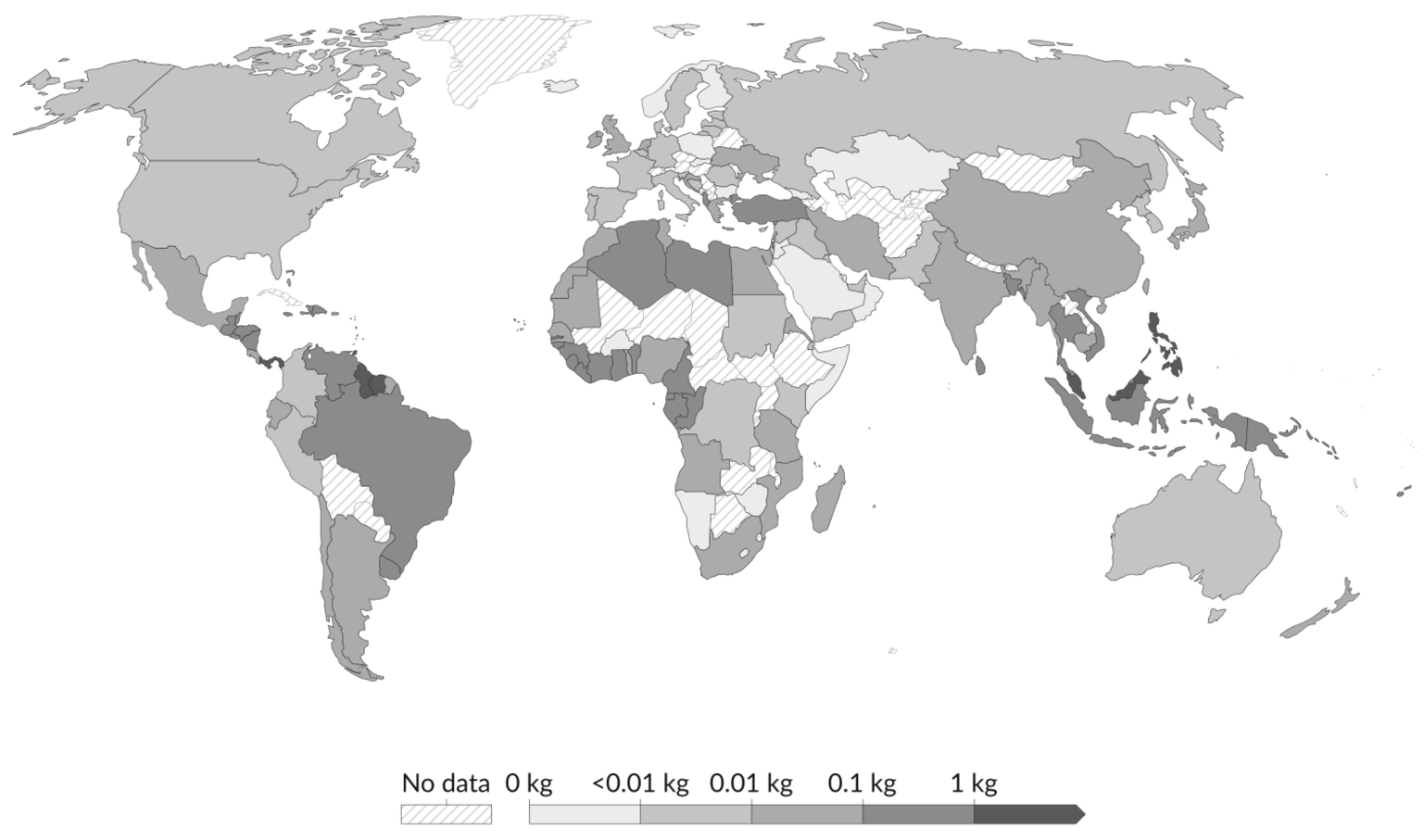
Figure 2.
Annual global plastic production from 1950 to 2022 (in million metric tons), along with the projected total production forecast through 2060 [1,17].
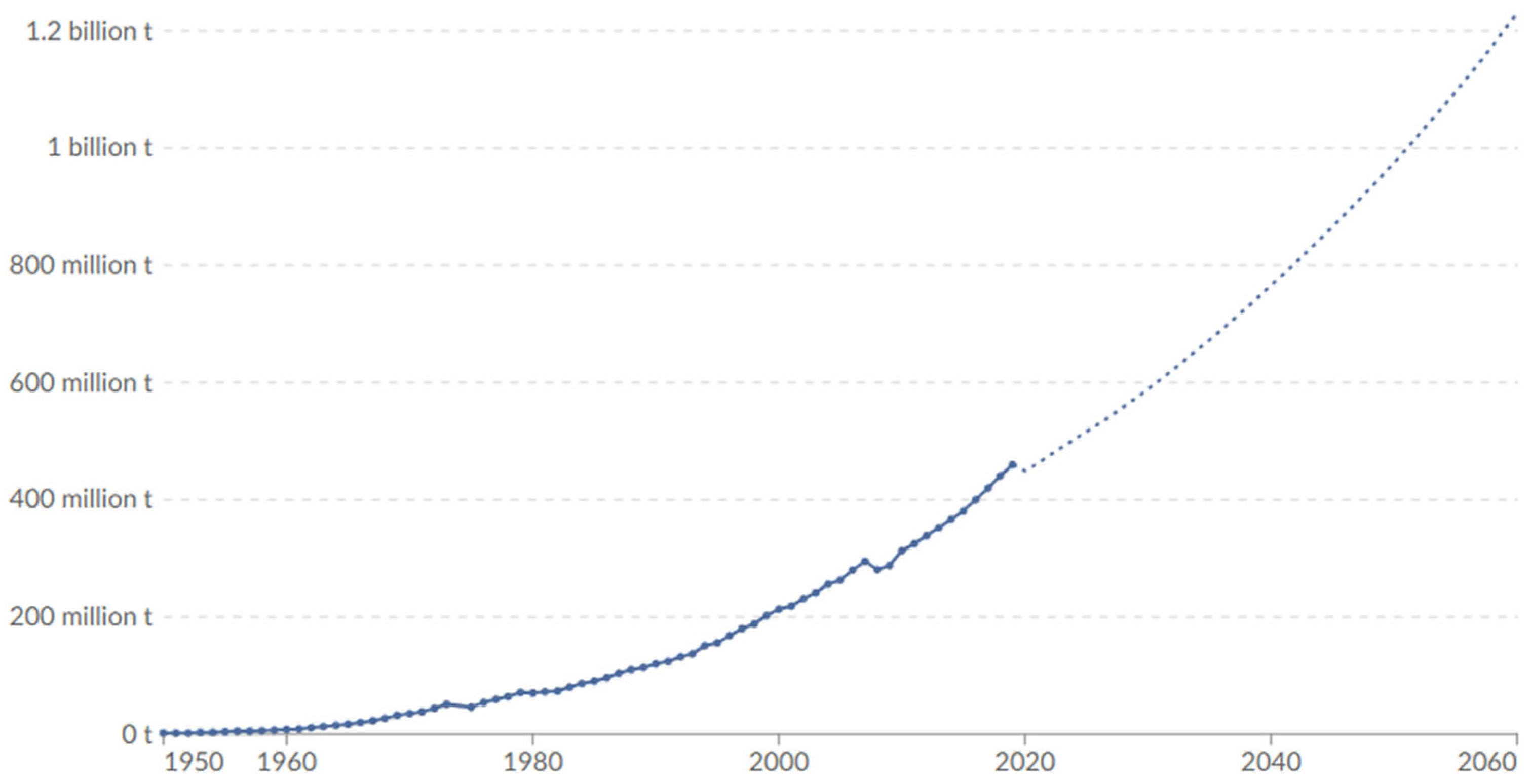
Figure 3.
Classification of microplastics. Microplastics can be classified into two categories: primary microplastics and secondary microplastics. Primary microplastics are intentionally manufactured and added to consumer and commercial products like cosmetics, personal care products, pharmaceuticals, detergents, and insecticides. Secondary microplastics, on the other hand, are unintentionally formed by the breakdown of larger plastic materials through physical, chemical, or biological processes, originating from items such as fishing gear, plastic bottles, plastic bags, and plastic food containers. Microplastics can also be classified based on their chemical composition, which includes polyethylene, polypropylene, polystyrene, and other materials. (Adapted to Osman et al. 2023 [35]).
Figure 3.
Classification of microplastics. Microplastics can be classified into two categories: primary microplastics and secondary microplastics. Primary microplastics are intentionally manufactured and added to consumer and commercial products like cosmetics, personal care products, pharmaceuticals, detergents, and insecticides. Secondary microplastics, on the other hand, are unintentionally formed by the breakdown of larger plastic materials through physical, chemical, or biological processes, originating from items such as fishing gear, plastic bottles, plastic bags, and plastic food containers. Microplastics can also be classified based on their chemical composition, which includes polyethylene, polypropylene, polystyrene, and other materials. (Adapted to Osman et al. 2023 [35]).
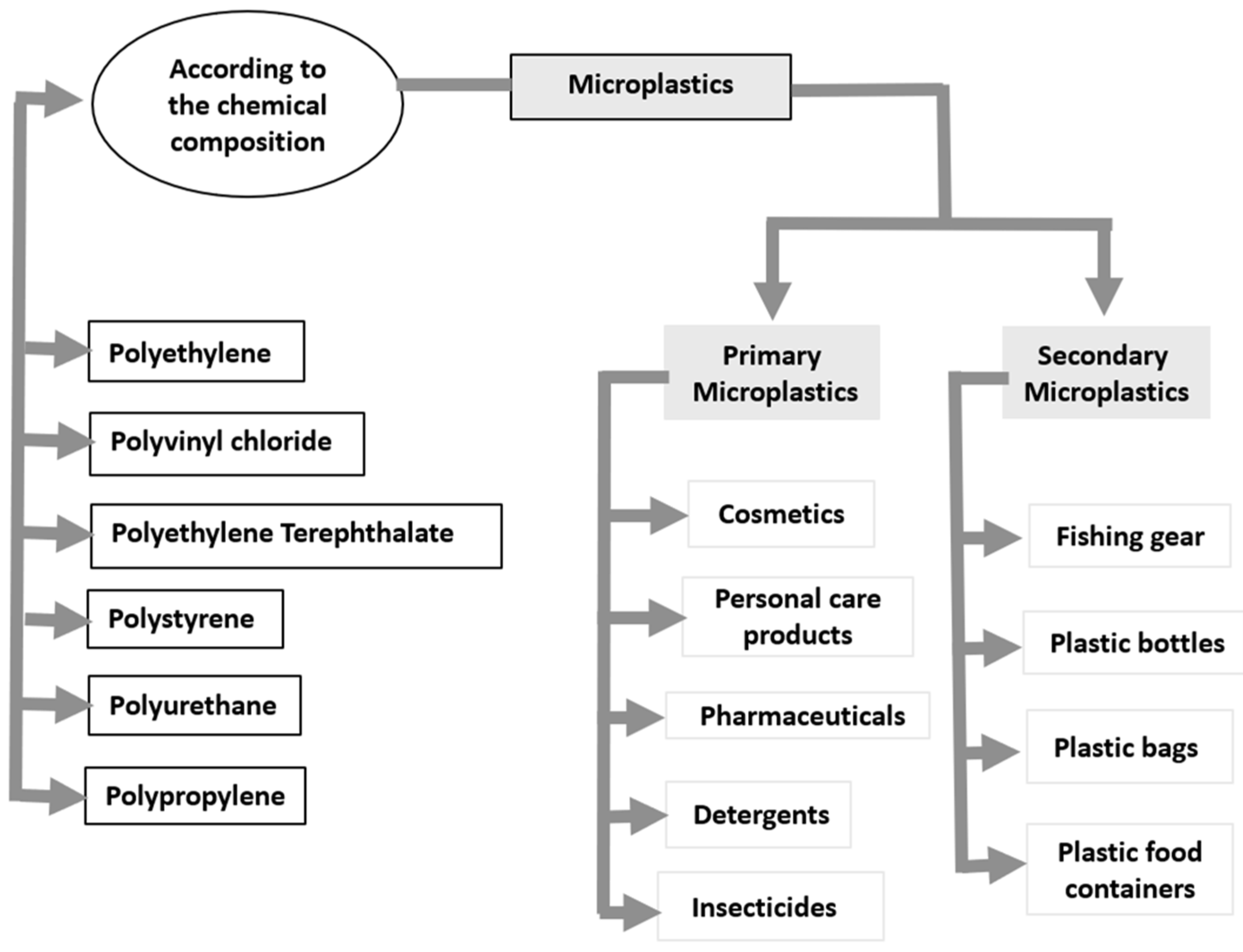
Figure 4.
Number of publications related to microplastics from 2001 to 2025 (source: ScienceDirect, October 26th, 2025), representing a huge interest in this topic.
Figure 4.
Number of publications related to microplastics from 2001 to 2025 (source: ScienceDirect, October 26th, 2025), representing a huge interest in this topic.
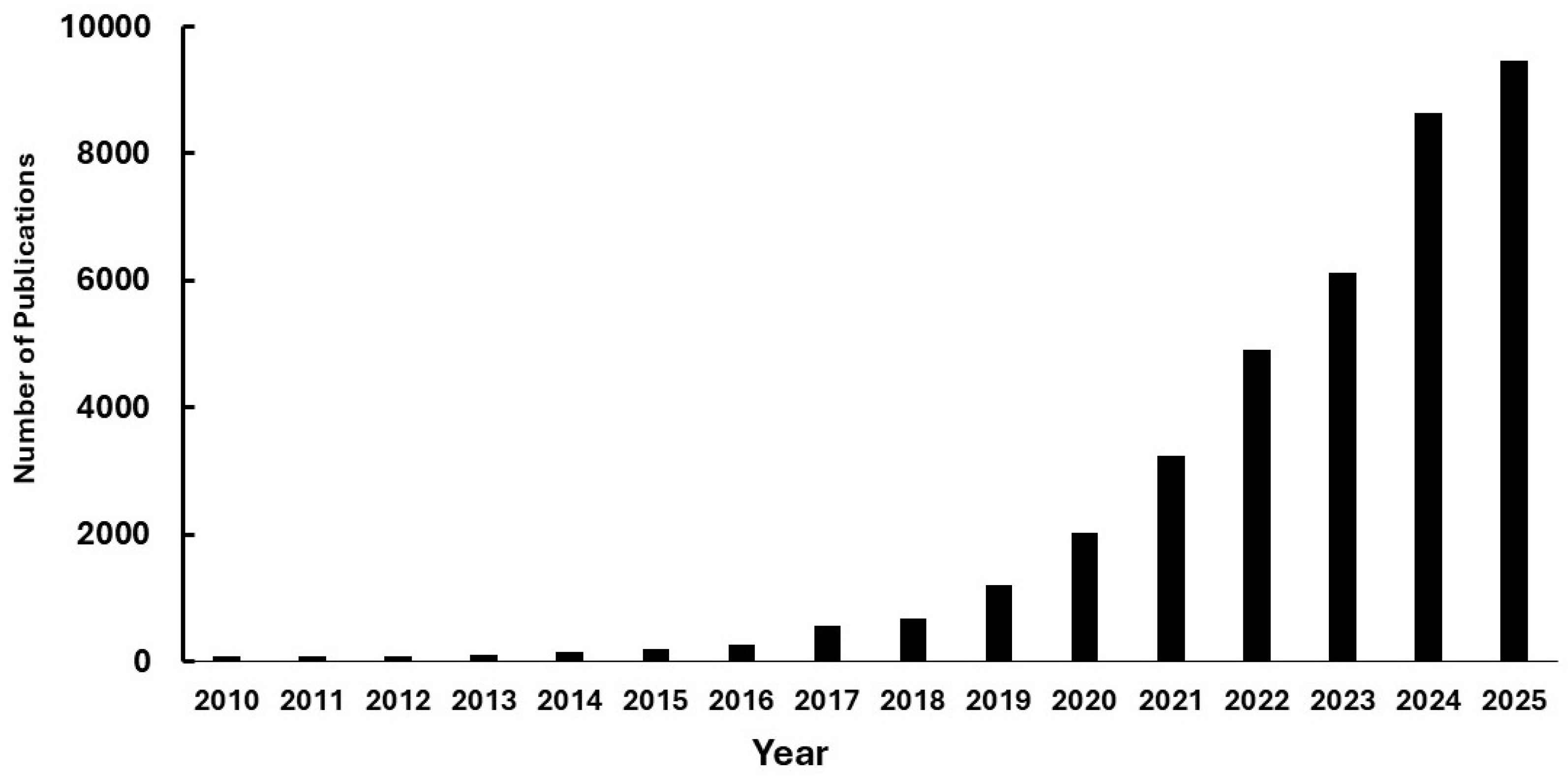
Figure 5.
Schematic representation of the sources of plastic debris entering the sea (oval shape), the oceanic compartments where the debris occurs (rectangular shapes), and the processes by which it moves between the compartments (adapted from Hardesdy et al., 2017) [80].
Figure 5.
Schematic representation of the sources of plastic debris entering the sea (oval shape), the oceanic compartments where the debris occurs (rectangular shapes), and the processes by which it moves between the compartments (adapted from Hardesdy et al., 2017) [80].
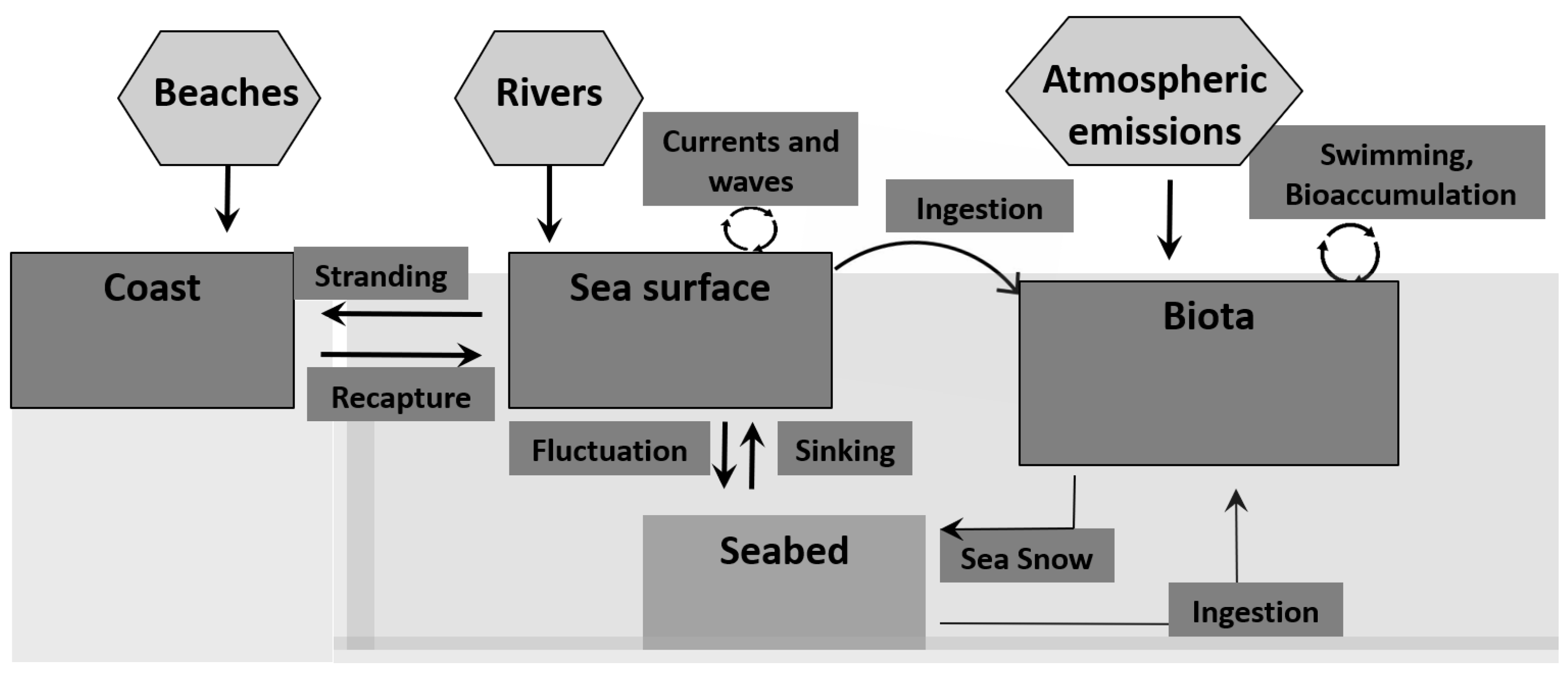
Figure 6.
Cycles of microplastics in the environment (Adapted from Chen et al. (2021)[57]).
Figure 6.
Cycles of microplastics in the environment (Adapted from Chen et al. (2021)[57]).
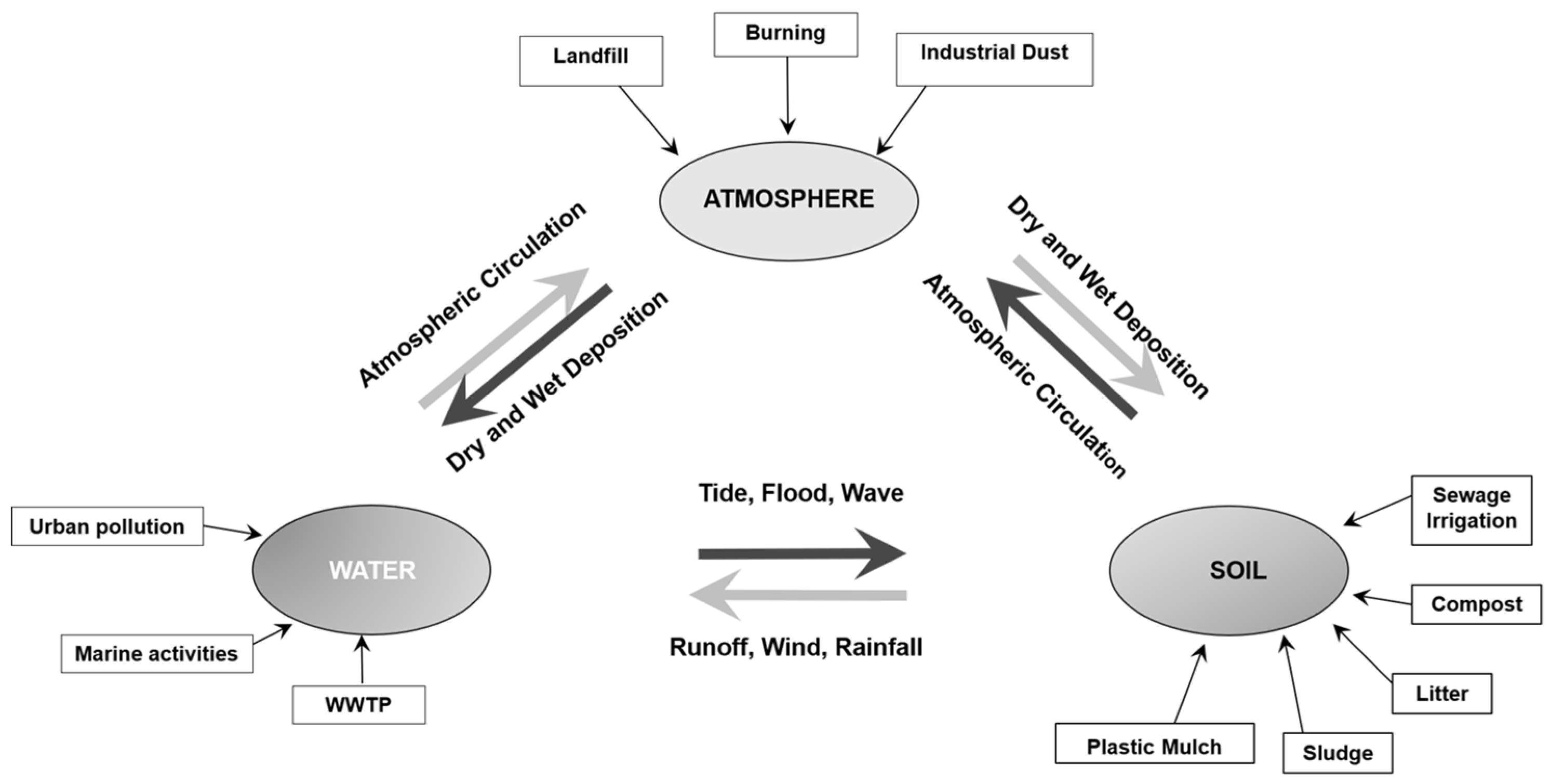
Figure 7.
The main removal mechanisms of particles by membrane: (A) adsorption, (B) staining, and (C) Cake filtration.
Figure 7.
The main removal mechanisms of particles by membrane: (A) adsorption, (B) staining, and (C) Cake filtration.
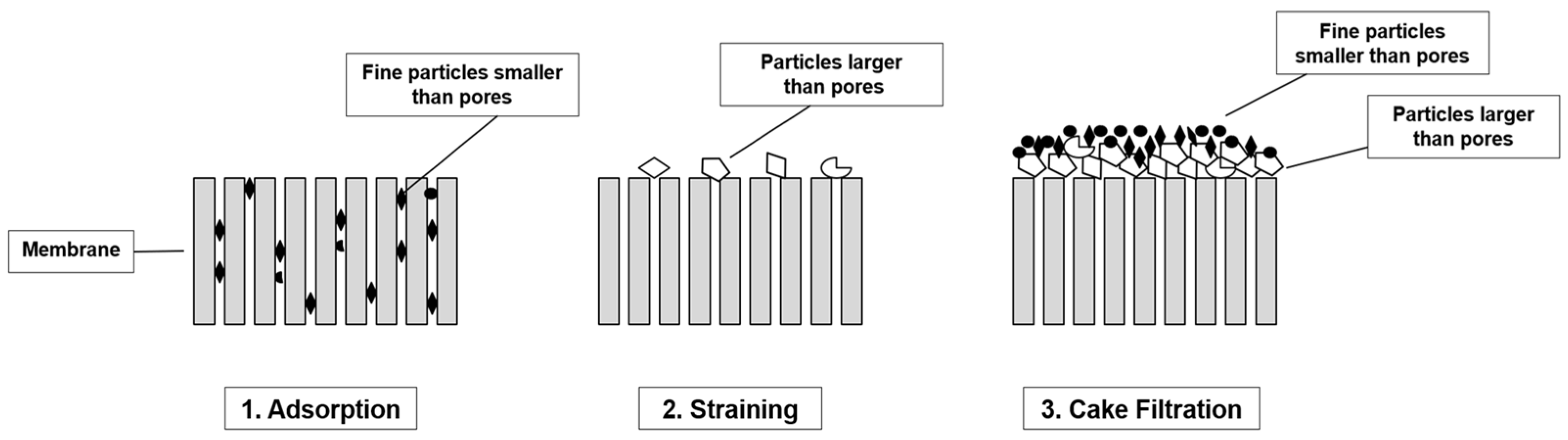
Figure 8.
Schematic of the separation process during membrane filtration using a semi-permeable membrane.
Figure 8.
Schematic of the separation process during membrane filtration using a semi-permeable membrane.
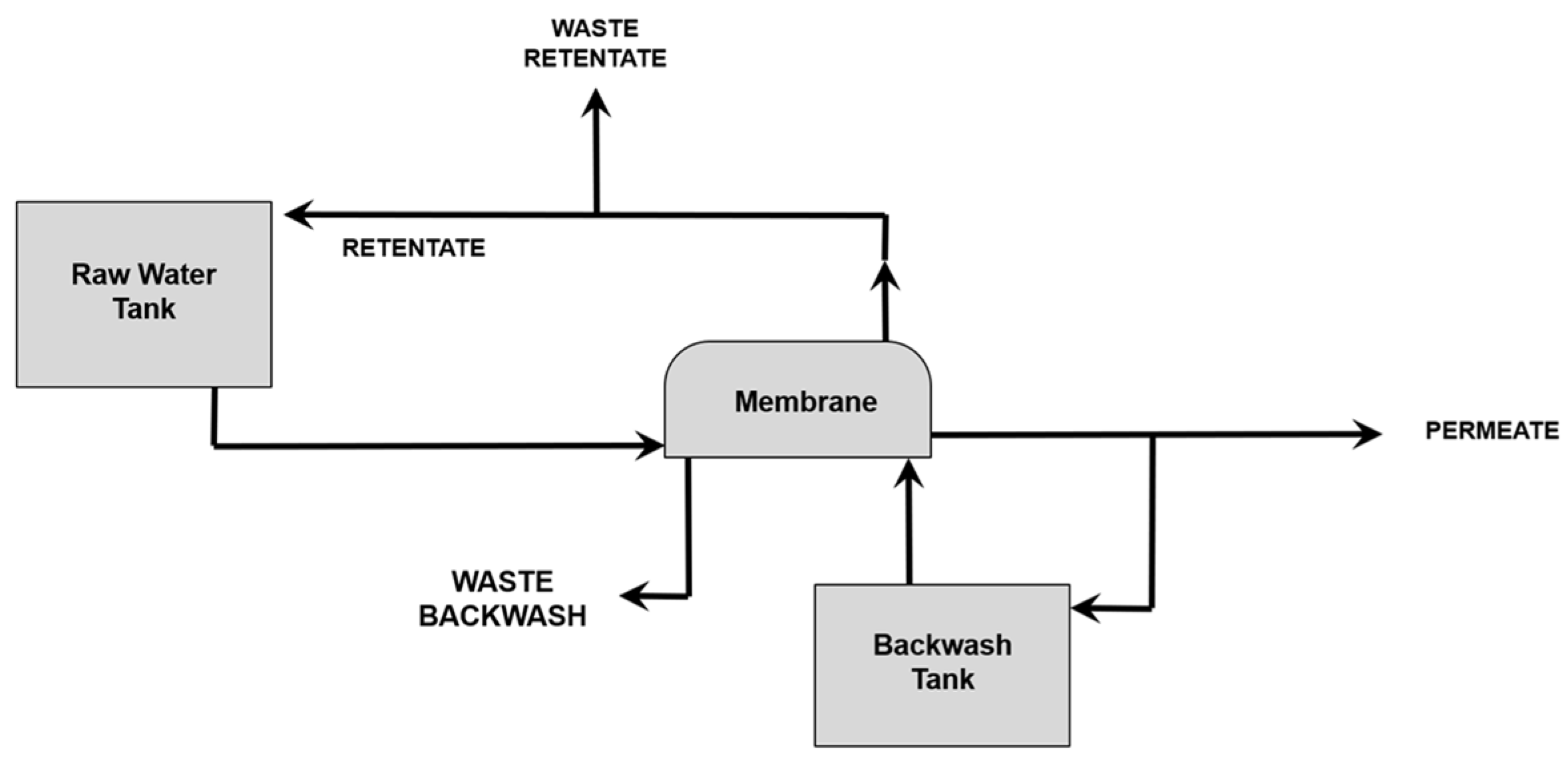
Figure 9.
Operating schemes for cross-flow membrane filtration (A) and conventional “dead-end” (B).
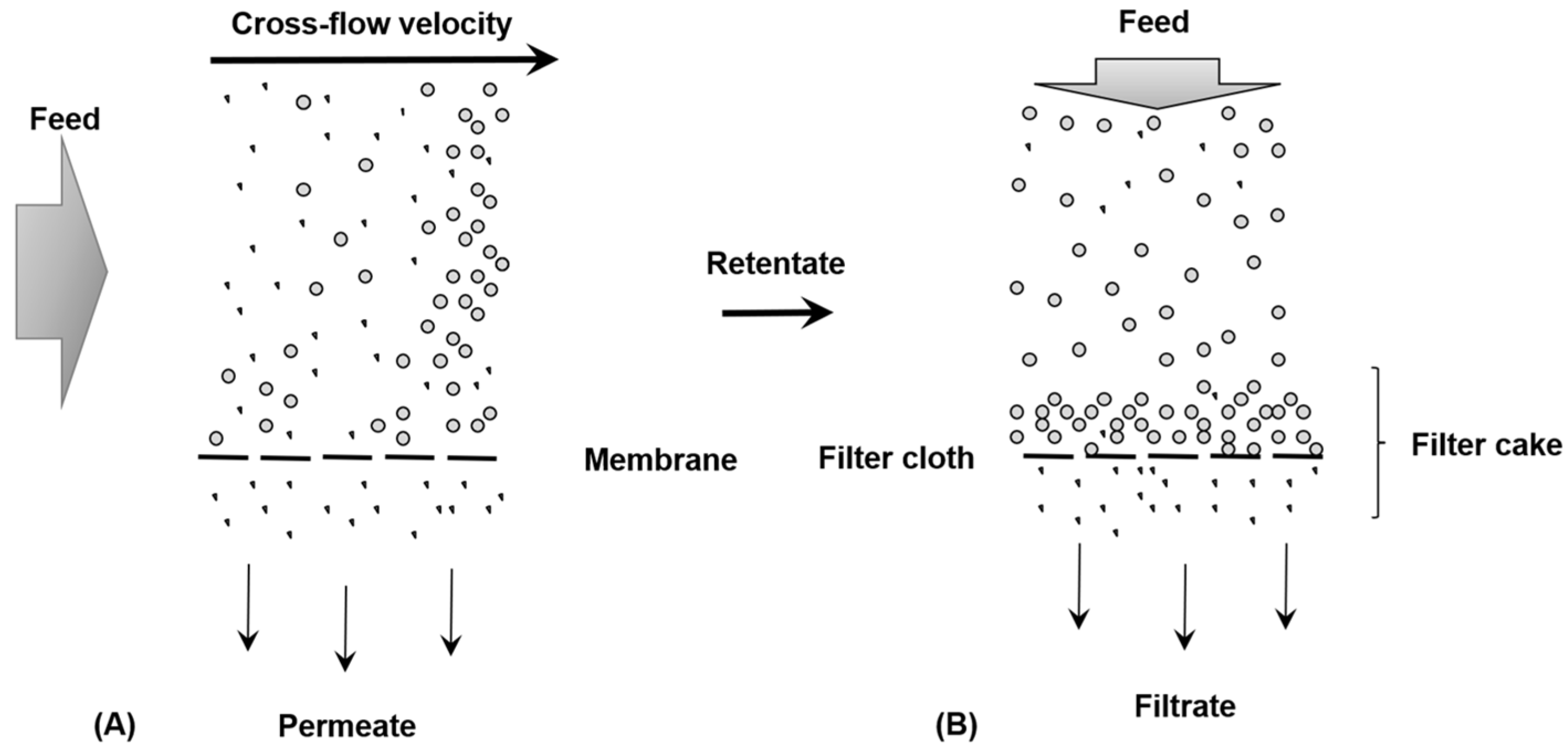
Figure 10.
Shows the superior properties of polymeric and inorganic membranes as well as materials commonly used in the production of polymeric and inorganic membranes.
Figure 10.
Shows the superior properties of polymeric and inorganic membranes as well as materials commonly used in the production of polymeric and inorganic membranes.
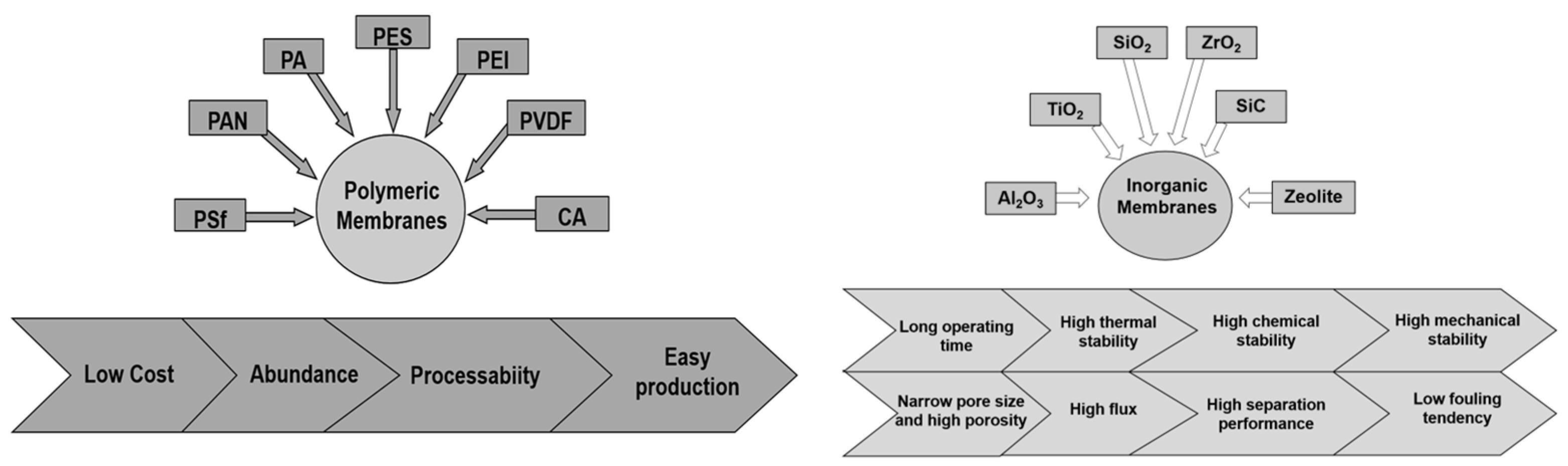

Table 1.
The most commonly produced polymers, along with their abbreviations, typical applications, specific densities, and recycling symbols, with an emphasis on the synthetic polymers found in the marine environment. (Adapted from Ana Šaravanja, Tanja Pušic and Tihana Dekanic), [13], Daily e Hoffman, 2020; GESAMP, 2016; Wang et al., 2016).
Table 1.
The most commonly produced polymers, along with their abbreviations, typical applications, specific densities, and recycling symbols, with an emphasis on the synthetic polymers found in the marine environment. (Adapted from Ana Šaravanja, Tanja Pušic and Tihana Dekanic), [13], Daily e Hoffman, 2020; GESAMP, 2016; Wang et al., 2016).
| Categories | Molecular formula | Chemical structure | Common applications |
Specific Density (g/cm3) |
Recycle symbol |
| Polyethylene terephthalate (PET) |  |
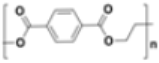 |
Beverage bottles | 1.34–1.39 |  |
| High-density polyethylene (HDPE) |  |
 |
Containers for milk, motor oil, shampoos and conditioners, soap bottles, detergents, and bleaches | 0.933–1.27 |  |
|
Polyvinyl chloride (PVC) |
 |
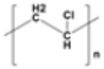 |
Bags, tubes | 1.16–1.30 |  |
| Low-density polyethylene (LDPE) |  |
 |
Plastic bags, six-pack rings, bottles | 0.91–0.93 |  |
|
Polypropylene (PP) |
 |
 |
Rope, bottle caps, netting | 0.90–0.92 |  |
|
Polystyrene (PS) |
 |
 |
Cups, buoy Plastic utensils, food containers, packaging | 0.01–1.05 1.04–1.09 |
 |
|
Policarbonate (PC) |
 |
 |
Electronic compounds | 1.20–1.22 |  |
|
Polyurethane (PU) |
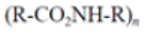 |
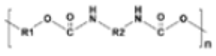 |
Bedding, automotive and truck seating | 0.11-0.04 | |
|
Polyhydroxyalkanoates (PHA) |
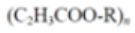 |
 |
Packaging, medicine or agriculture. | 1.0-1.3 | |
|
Polyhydroxybutyrate (PHB) |
 |
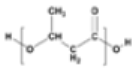 |
Applications in medical sector, packaging industries, nanotechnology and agriculture. | 1.18 -1.26 | |
|
Polylactic acid (PLA) |
 |
 |
Medical implants, food packaging and fibers for clothing. | 1.27 | |
| Polycaprolactone (PCL) |
 |
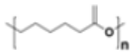 |
Packaging, scaffolds, prosthetics, sutures, drug delivery, films, carry bags | 1.145 | |
| Polyamide (PA) |
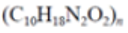 |
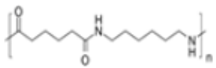 |
Ropes | 1.13–1.15 | |
| Cellulose Acetate (CA) |
(C10H16O8)n | 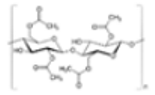 |
Filter cigarettes | 1.22–1.24 | |
| Polytetrafluoroethylene (PTFE) |
(C2F4)n | 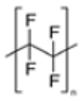 |
Teflon items, tubes | 2.10–2.30 |
Table 2.
Some examples of the presence of plastics and its derivatives found in different organisms.
Table 2.
Some examples of the presence of plastics and its derivatives found in different organisms.
| Substances | Marine biota | References |
| Microplastics | Phytoplankton | [116] |
| Microplastics and phthalates | Planktons | [117,118] |
| Microplastics | Gastropods | [119] |
| Microplastics | Oysters and mussels | [120,121] |
| Microplastics | Crab | [122,123] |
| Microplastic | Norway lobster | [124] |
| Plastics/ Microplastics | Fish | [125,126,127,128] |
| Plastics | Turtles | [129,130] |
| Phthalates | Whale | [118] |
| Plastic | Whale | [131] |
| Plastic-derived substances (brominated congeners e.g., PBDEs) | Seabirds | [132] |
| PDMS, silicones | Seabirds | [133] |
| Microplastics | Humans (Placenta ex vivo) |
[134] |
| Microplastics | Humans (Airway smooth muscle cell) |
[135] |
| Microplastics | Humans (Endothelial cells—blood vessels) |
[136] |
Table 3.
Some reported examples of adverse effects of microplastics and its derivatives in the organisms.
Table 3.
Some reported examples of adverse effects of microplastics and its derivatives in the organisms.
| Adverse effects | Organisms / Class of Organisms | References |
| Alterations in photosynthesis, oxidative stress. | Algae—Chlorella and Scenedesmus | [116] |
| Negative impact on health. | Zooplankton | [137] |
| Alterations in embryonic development. | Sea urchin—Lytechinus variegatus | [138] |
| Bioaccumulation of chemical pollutants from plastic and hepatic stress. | Fish—Oryzias latipes | [100] |
| Reduction of the stomach space, leading gradually to starvation. | Birds and marine biota | [139] |
| Clog digestive paths and cause injuries and infections that could result in death. | Marine worms | [93,132,140,141] |
| Hindered acetylcholinesterase enzymatic activity (potential issues in seafood safety as this effect has been linked to Alzheimer’s disease in humans). | Marine biota | [142,143,144] |
| Alterations on endocrine disruption (Ingestion of plastic with plastic-derived compounds or sorbed from the ambient environment such as PBDEs). | Marine organisms’ tissues | [115,132,145] |
| Alterations on the hormonal system. (Bisphenol-A) | Fish and other marine organisms | [146] |
| Growth rate reduction, reproductive failure. | Fish and other marine organisms | [147] |
| Translocation out of the digestive system pancreas, liver or gill. | Bivalve and fish | [122,148] |
| Developmental abnormalities in embryos as well as interference in reproduction. | Fish | [149] |
Table 4.
Comparison between the 4 membrane processes OR, NF, UF, and MF.
| Membrane Type | Reverse Osmose | Nanofiltration | Ultrafiltration | Microfiltration |
| Membrane | Assimetric | Assimetric | Assimetric | Simetric Assimetric |
| Porosity | < 0.002 μm | < 0.002 μm | 0.2–0.02 μm | 4–0.02 μm |
| Membrane material | Cellulose Acetate, Thin film |
Cellulose Acetate, Thin film |
Ceramic Material, Polysulfone, Polyvinylidene Fluoride, Cellulose Acetate, Thin film |
Ceramic material, Polysulfone, Polyvinylidene Fluoride |
| Membrane module | Tubular, espiral, plane-and-frame |
Tubular, spiral, plane-and-frame |
Tubular, hollow fiber, spiral, plane-and-frame |
Tubular, hollow fiber |
| Operational pressure |
15–150 bar | 5–35 bar | 3–10 bar | ˂ 2 bar |
| Retained Material | High molecular weight components (e.g., proteins) sodium chloride, glucose and aminoacids |
High molecular weight components (e.g., proteins), mono- and bivalent ions, oligosaccharides and negative polyvalent ions |
Virus, polysaccharides proteins and macromolecules |
Clay particles and bacteria |
Table 5.
MP removal efficiency of membranes used in water and wastewater treatment.
| Filtration membrane |
Treatment plant Type/Location |
Membrane characteristics | MP abundance in effluent (MP/L) |
Removal efficiency (%) |
References |
| MF | Laboratory | Material: PVDF and Pore size 0.1 μm | - | Up to 91 | [203] |
| MF | Laboratory | Material: PC and Pore size: 5 μm Material: CA and Pore size: 5 μm Material: PTFE and Pore size: 5 μm |
33 000–127 000 8 000–27 000 46 000–47 000 |
96.8–99.6 a 94.3–99.8 a 96–99.6 a |
[186] |
| MF | WTP /Indonesia | Pore size: 0.05 μm | 5 | 81.5 | [204] |
| MF | Laboratory | Material: SiC support and SiC membrane, maximum pore size: 604 nm | 1,250 | 98,5 | [205] |
| MF | WWTP/ Germany | Pore size: 0.1 μm | 0.67 μg/L | ˃ 94 | [206] |
| UF | WWTP/ Iran | Material: PVDF and PET, Pore size: 0.1 μm | 0–2 | 98.1-100 | [207] |
| UF | Laboratory | Material: PES, MWCO: 100 kDa | - | Up to 96 | [203] |
| UF | LLTP/ China | - | ~ 0.1 | 75 | [208] |
| UF | Laboratory | Material: SiC support and ZrO2 membrane, maximum pore size: 74 nm | 450 | 99.2 | [205] |
| UF | WTP/ Indonesia | Pore size: 0,07 μm | 22 | 37.1 | [204] |
| UF | Laboratory | Material: PVDF, Pore size: 30 nm, module: flat sheet | 0 | 100 | [209] |
| UF | WWTP/Thailand | Material: PES/PVP blend, pore size: 0,1 μm | 2,33 | 78,16 | [210] |
| UF | LLTP/ Turkey | - | 6,5 | 96 |
[211] |
| NF | LLTP/ Turkey | - | ~ 10 2 |
96 99 |
[211] |
| NF | DWTP/ France | Material: poly piperazine-amide and PSF MWCO: 400 Da, Pore size: 0,1 nm | 0–0.018 | - | [212] |
| RO | DWTP/ Spain | - | 0.06 | 54 ± 27 | [213] |
| RO | LLTP/ China | Pore size: 0.1 nm | 0.4 | ~ 99.8 | [214] |
| RO | WWTP/ Australia | - | 0.21 | - | [215] |
| MBR sludge | WWTP/ Italy | Pore size: 0.04 μm Module: hollow fiber submerged UF |
81.1 × 10³ (MP/kg) |
- | [216] |
Disclaimer/Publisher’s Note: The statements, opinions and data contained in all publications are solely those of the individual author(s) and contributor(s) and not of MDPI and/or the editor(s). MDPI and/or the editor(s) disclaim responsibility for any injury to people or property resulting from any ideas, methods, instructions or products referred to in the content. |
© 2025 by the authors. Licensee MDPI, Basel, Switzerland. This article is an open access article distributed under the terms and conditions of the Creative Commons Attribution (CC BY) license (http://creativecommons.org/licenses/by/4.0/).
Copyright: This open access article is published under a Creative Commons CC BY 4.0 license, which permit the free download, distribution, and reuse, provided that the author and preprint are cited in any reuse.


