

Submitted:
27 October 2025
Posted:
29 October 2025
You are already at the latest version
Abstract
Food contaminants—including chemical, biological, physical, allergenic, and radiological agents—pose major global food safety challenges. This review synthesizes evidence from 2014–2025 on Food contaminants sources, cellular and molecular mechanisms, monitoring strategies, and mitigation approaches. Major food contaminants include heavy metals (lead, mercury, cadmium, arsenic), mycotoxins (aflatoxins, ochratoxin A), pesticide residues, allergens, microplastics, per- and polyfluoroalkyl substances (PFAS), radioactive isotopes (cesium-137, iodine-131), and microbial agents such as Bacillus, Salmonella, Listeria, and Escherichia species. At the molecular level, heavy metals trigger oxidative stress, mitochondrial dysfunction, and DNA damage; aflatoxins form DNA adducts, driving carcinogenesis; organophosphate residues inhibit cholinesterase; allergens activate IgE-mediated hypersensitivity; and radiological agents generate reactive oxygen species, causing lipid peroxidation and genomic instability. Regulatory agencies, including WHO, FDA, EFSA, and the European Commission, classify metals as priority hazardous substances and set maximum residue limits (MRLs), tolerable daily intakes (TDIs), and action levels for vulnerable populations, such as children. For example, cadmium in wheat is limited to 100 ppb in the EU, lead in candy to 0.1 ppm, and arsenic in apple juice to 10 ppb. Advanced detection technologies, such as liquid chromatography–mass spectrometry (LC-MS) and inductively coupled plasma mass spectrometry (ICP-MS), enable precise monitoring of contaminants at trace levels. Mitigation strategies emphasize improved agricultural practices, safe processing, allergen control, environmental monitoring, and policy enforcement. Ongoing research on emerging contaminants, particularly PFAS and nanoplastics, is crucial to strengthening food safety systems and protecting public health.
Keywords:
cellular and molecular pathways
; food contaminants
; health impacts
; mitigation strategies
; policy strategies
1. Introduction
The World Health Organization (WHO) identifies food contamination as a major global challenge, stating that “contamination in one place may affect consumers on the other side of the planet” [1]. The Codex Alimentarius Commission, established by the FAO and WHO, defines a contaminant as “any substance not intentionally added to food, present as a result of production, processing, packaging, transport, storage, or environmental exposure” [2,3]. Similar definitions from the FAO, FDA, and EFSA emphasize that contaminants are unintended biological, chemical, or physical agents that pose health hazards and require regulatory oversight based on toxicological risk assessments [4,5,6]. Food contaminants originate from environmental pollution, agricultural practices, food processing, and handling [7]. These include heavy metals, pesticides, mycotoxins, pathogens, allergens, and foreign particles that compromise food safety from farm to fork. Climate change further amplifies these risks by altering ecosystems and increasing toxic exposures [8].
The health impacts from contaminants are severe: heavy metals impair the nervous system, pesticides disrupt endocrine functions, mycotoxins cause carcinogenic effects, and pathogens lead to gastrointestinal diseases [9]. Toxicological pathways include oxidative stress, DNA damage, and inflammatory responses [10]. Mitigation relies on regulatory frameworks, good agricultural practices, advanced food processing, and public education [11]. Despite these measures, the World Health Organization estimates that foodborne pathogens infect approximately 600 million people each year, leading to around 420,000 deaths and numerous severe illnesses requiring hospitalization [12]. The associated medical expenses and productivity losses may exceed USD 110 billion annually [12]. The Institute for Health Metrics and Evaluation (IHME) estimates that more than 1.5 million deaths globally were attributed to lead exposure in 2021, primarily due to cardiovascular effects [13]. Additionally, lead exposure was estimated to account for more than 33 million years lost to disability (disability-adjusted life years, or DALYs) worldwide in 2021. In 2010, cyanide in cassava, peanut allergen, aflatoxin, and dioxin combined were estimated to cause 339,000 illnesses, 20,000 deaths, and 1,012,000 DALYs [14]. This review synthesizes information on major contaminants, toxicological pathways, health effects, and mitigation strategies, highlighting environmental and climate-driven risks.
2. Methodology
This narrative review synthesizes qualitative evidence on the sources, toxicological impacts, and mitigation strategies of food contaminants. A comprehensive literature search was conducted in PubMed, Scopus, Web of Science, and Google Scholar for English-language publications from January 2014 to May 2025. Search terms included combinations such as “food safety,” “chemical contaminants,” “microbial toxins,” “biological contaminants,” and “physical contaminants.” Inclusion criteria encompassed peer-reviewed studies, gray literature, and institutional reports addressing toxicology, biotechnology, or public health aspects of food contaminants. Studies focusing on mitigation strategies or exposure reduction approaches were prioritized. Eligible studies also examined diverse populations, geographical settings, and food systems to ensure a broad evidence base. Exclusion criteria included non-English publications, studies lacking sufficient methodological detail, and studies not relevant to food contaminants. Editorials, opinion pieces, and commentaries without empirical evidence were also excluded. Titles and abstracts were screened for relevance, followed by full-text review to confirm eligibility. Data were extracted using a standardized matrix to systematically capture study characteristics and key findings.
3. Classification of Food Contaminants Based on Source and Nature
Major food safety authorities—including Codex Alimentarius (FAO/WHO), FDA (USA), EFSA (Europe), CFIA (Canada), and FSANZ (Australia/New Zealand)—classify food contaminants into five primary categories: chemical, biological, physical, allergenic, and radiological [2,3,4,5,6] (Table 1 and Figure 1). These classifications are based on their origin, toxicological properties, and potential health effects. In addition, cross-contamination sources, processing-related contaminants (e.g., acrylamide, PAHs), and emerging contaminants (e.g., microplastics, nanomaterials, PFAS) are increasingly recognized due to advancements in analytical detection and global surveillance systems.
3.1. Chemical Contaminants
Chemical contaminants can enter the food supply during production, processing, storage, packaging, or through environmental exposure [15,16]. These include pesticides, herbicides, synthetic additives, phytotoxins, mycotoxins, processing aids, veterinary drugs, and chemicals migrating from packaging or equipment. Pesticides such as organophosphates, carbamates, pyrethroids, and glyphosate may accumulate in crops, while additives like MSG, colorants, and preservatives can leave residues or form secondary compounds [17]. Plant-derived metabolites—including alkaloids, cyanogenic glycosides, terpenoids, phenolics, and lectins—as well as fungal mycotoxins such as aflatoxins, ochratoxins, fumonisins, deoxynivalenol, zearalenone, and ergot alkaloids often persist through storage and processing [18,19,20]. Processing aids [21], veterinary drugs [21,22], and migrating chemicals such as BPA, phthalates, PFAS, MOHs [22], and heavy metals [10] may also contaminate foods, along with compounds formed during thermal [23] or additive reactions [24], including acrylamide, PAHs, 3-MCPD, furan, ethyl carbamate, and benzene. Persistent organic pollutants such as dioxins, PCBs, and legacy pesticides, along with non-plant biological toxins from algae and bacteria, further contribute to chemical contamination [25].
Heavy metals, comprising about 40 elements with densities greater than 5 g/cm³, exhibit toxicity dependent on chemical species and exposure dose [26]. Major sources include industrial emissions (mining, smelting, manufacturing), agricultural practices (phosphate fertilizers containing cadmium, arsenic-based pesticides), and urban waste (electronic waste, untreated sewage) [27]. Even low-level, chronic exposure (0.5–5 µg/kg/day) can disrupt human metabolic processes [28,29]. Drinking water is a major exposure route for lead (Pb²⁺), arsenic (As³⁺/As⁵⁺), cadmium (Cd²⁺), and mercury (Hg²⁺), originating from natural sources like aquifers and human activities such as industrial discharge, mining, agricultural runoff, and aging water infrastructure. Lead exposure may stem from historical use of paint, gasoline, plumbing materials, and certain cookware, with the FDA’s Closer to Zero initiative providing guidance to minimize dietary lead in foods for infants and young children [30].
Cadmium contamination arises from soil, water, industrial activities, phosphate fertilizers, and products such as batteries and pigments [31]. Mercury enters foods via natural sources (volcanic activity, geological weathering) and human activities like fossil fuel combustion and small-scale gold mining, with seafood as the main dietary source. Arsenic occurs naturally in soils and rocks or from pesticide use, mining, fracking, and coal-fired power plants [32]. Levels in food vary with environmental concentration, bioaccumulation, and agricultural practices. Infants and young children are particularly vulnerable to neurotoxic effects during brain development, prompting the establishment of Interim Reference Levels and guidance on fish consumption to minimize exposure while maintaining nutrient intake [33].
From 1998 to 2001, the British Geological Survey and Bangladesh’s DPHE analyzed 2,022 well water samples across 41 districts. They found that 51% exceeded the WHO arsenic limit of 10 µg/L, 35% surpassed Bangladesh’s 50 µg/L standard, and 25% contained over 100 µg/L, with some wells reaching 1,000 µg/L [34,35]. Among 326 deep groundwater samples, only 4.6% exceeded 10 µg/L [36,37], although this subset may underrepresent the broader problem. Cadmium levels ranged from 0.01–0.15 mg/L, far above the WHO limit of 0.003 mg/L, mainly due to industrial effluents [38]. In Flint, Michigan (2014–2015), switching to the Flint River without corrosion control caused lead to leach from pipes, with household water levels reaching 13,000 ppb, far above the EPA action level of 15 ppb [39,40]. In China, over 10% of sampled water sources exceeded the WHO mercury limit of 1 µg/L, with concentrations up to 5 µg/L, highlighting global heavy metal contamination risks in drinking water [41].
3.2. Biological Contaminants
Biological contaminants, including bacteria, viruses, parasites, and fungi, are common in the food supply and originate from sources such as contaminated water, animal feces, improper handling, and unhygienic processing [42]. Bacteria such as Salmonella spp., Escherichia coli (E. coli O157:H7), and Listeria monocytogenes are frequently found in raw meats, unpasteurized dairy, and ready-to-eat foods [43]. Viral pathogens, including norovirus, hepatitis A, hepatitis E, and rotavirus, are transmitted through contaminated water, produce, or shellfish [44]. Parasites such as Giardia lamblia, Toxoplasma gondii, Trichinella spiralis, Cryptosporidium parvum, and Cyclospora cayetanensis are associated with undercooked meats, contaminated vegetables, or water [42]. Fungi, including Aspergillus, Penicillium, and Rhizopus, colonize improperly stored foods and may produce mycotoxins [45,46]. Certain bacteria form heat-resistant spores, while many microbial species develop biofilms on food contact surfaces and equipment, enhancing persistence. Marine biotoxins, algal cells, and cyanobacteria can contaminate seafood, seaweed, and irrigation water [42].
In 2023, EU countries reported 251,603 foodborne infections and 1,450 outbreaks involving 10,894 people, mostly caused by bacteria [47]. Campylobacteriosis was the most common, with 137,107 cases in 2022 (43.1/100,000), 10,551 hospitalizations, and 34 deaths, primarily linked to fresh poultry; 17.5% of broiler carcasses exceeded the 1,000 CFU/g Campylobacter limit [48,49]. Salmonellosis, caused mainly by S. typhimurium and S. enteritidis, affected 65,208 people in 2022 (15.3/100,000), with 38.9% hospitalized and 81 deaths. Salmonella contamination in animal-derived foods ranged from 7–8.9% [12,48].
Yersiniosis, largely due to Yersinia enterocolitica (O3), was reported in 7,912 cases (2.2/100,000) across 26 EU countries in 2022, rising from 6,789 in 2021; animal testing showed <0.5% positivity, and food contamination was ~3.5% [12,48]. Verotoxigenic E. coli (VTEC) caused 7,117 cases (2.1/100,000), with 38.5% hospitalized and 28 deaths; HUS occurred in 562 cases [50]. Listeriosis, though rare, had high mortality: 2,738 cases in 2022 (0.62/100,000) and 1,330 hospitalizations. Prevalence in livestock was highest in sheep/goats (5.8%) and cattle (1.2%), with detection in ready-to-eat foods like meats, fish, and dairy [12,51,52]. Fungal contamination in vegetables, especially in developing countries, is common. Yeasts averaged 0.94 log CFU/g and molds 0.90 log CFU/g, highest in spinach (yeast 1.09) and cabbage (mold 1.02). Contributing factors included unwashed produce, manual handling, floor display, lack of refrigeration, untrimmed fingernails, and afternoon sampling [12,53].
3.3. Physical Contaminants
Physical contaminants are unintended foreign objects in food, typically arising from lapses in handling, processing, or quality control [55]. Common examples include glass fragments, metal shards, stones, plastic particles, wood splinters, bone, hair, fibers, jewelry, and insects. Microplastics—particles smaller than 5 millimeters—are an emerging concern, found in seafood, salt, and processed foods, and may also carry chemical contaminants [56]. Contaminants can enter the food supply at any stage, from harvesting and processing to packaging, storage, and retail [57]. They are classified as unavoidable or preventable. Unavoidable contaminants are small, incidental elements that remain despite quality control measures, such as soil on vegetables or stems in berries. Preventable contaminants, such as glass shards, plastic pieces, or jewelry fragments, can be minimized through proper handling and safety procedures [58].
4. Emerging Contaminants
Several emerging contaminants—including microplastics, tetrabromobisphenol A and its derivatives, agrochemicals, chemical ripening agents, heavy metals, phthalates, antibiotics, pharmaceuticals, and personal care products—have been detected in food chains [63]. PFAS, highly persistent synthetic chemicals resistant to grease, oil, and heat, enter the food supply through contaminated environments or packaging [64]. They have been used in industrial and consumer products since the 1940s and bioaccumulate in humans and animals. PFAS types vary: long-chain PFOS and PFOA are highly persistent, bioaccumulative, and toxic, while PFHxS, PFNA, and PFDA are less persistent. Short-chain PFAS (GenX, PFBS) are alternatives with lower persistence and toxicity, and emerging PFAS (PFPeA, PFDoA) are under study for environmental behavior and exposure [62]. Dioxins, including furans and dioxin-like PCBs, are released mainly from combustion and persist globally. PCBs, once used as coolants and dielectric fluids, remain in the environment. Benzene, emitted from automobiles, coal and oil combustion, and industrial production, and perchlorate, a naturally occurring and synthetic chemical, can also contaminate soil, water, and food [65]. Radionuclides, either naturally occurring or from nuclear activities, may enter the food chain through soil, water, and crops [66].
Plastics, widely used across industries, accumulate in landfills and ecosystems due to poor recycling. Weathering breaks plastics into microplastics (<5 mm) and nanoplastics (<1 μm), which can enter food via environmental contamination, air, or personal care products [62]. Microplastics, originating from plastic breakdown, are widespread in the marine ecosystem and food supply. They are composed mainly of polyethylene (PE), polypropylene (PP), polyvinyl chloride (PVC), polystyrene (PS), polyethylene terephthalate (PET), and polyurethane (PU) [65]. Dietary sources for humans include drinking water, crustaceans, mollusks, fish, and salt, with estimated daily intakes ranging from 6 to over 400 microplastic particles depending on the source [67]. PFAS have been detected in seafood, freshwater fish, and grocery-purchased foods in the United States, highlighting the broad distribution of these emerging contaminants.
5. Mechanisms of Toxicity
Highly reactive metal species such as methylmercury (MeHg), cadmium ions (Cd²⁺), lead ions (Pb²⁺), and inorganic arsenic species (AsIII and AsV) can bind to cellular enzymes, such as glutathione reductase or δ-aminolevulinic acid dehydratase, and interact with key molecular components [28,68]. These interactions may result in enzymatic inhibition, disruption of redox balance, interference with ion transport, and modulation of DNA repair processes. Their persistence and bioaccumulation within ecosystems amplify their presence in the food chain. Food contaminants influence biological systems through multiple molecular and cellular mechanisms that alter cellular homeostasis [28] (Table 2 and Figure 2).
5.1. Molecular Mechanisms
Oxidative stress is a major pathway for heavy metals, pesticides, mycotoxins, and emerging contaminants [28]. Excess reactive oxygen species (ROS)—including superoxide anions, hydrogen peroxide, and hydroxyl radicals—damage lipids, proteins, and DNA, impair mitochondrial electron transport, and activate intrinsic apoptotic pathways via cytochrome c [69]. Metals such as cadmium, lead, and mercury strongly induce ROS even at low chronic exposure, whereas pesticide-induced oxidative stress is often dose-dependent and cumulative over repeated exposures [70]. Genotoxicity involves DNA adduct formation, strand breaks, cross-linking, and chromosomal alterations [71]. Aflatoxins produce reactive epoxides with high genotoxic potency per unit exposure, while heavy metals and organophosphates induce oxidative DNA damage that contributes more to chronic cumulative toxicity [72]. Cellular responses include activation of DNA repair pathways and cell cycle checkpoints (p53, ATM, ATR) [69].
Protein and enzyme interactions occur via covalent adduct formation, sulfhydryl binding, and inhibition of detoxifying enzymes (e.g., glutathione peroxidase) or acetylcholinesterase, affecting metabolism, antioxidant defenses, and neurotransmission [73]. Organophosphates show acute effects even at lower doses compared to metals. Endoplasmic reticulum (ER) stress from protein misfolding triggers the unfolded protein response (UPR), and prolonged stress activates apoptotic signaling via CHOP and JNK pathways [74]. Epigenetic modifications—including DNA methylation, histone alterations, and microRNA regulation—modulate gene expression without changing sequences, influencing long-term cellular programming. EDCs show high potency even at low exposure, while metals and pesticides require higher or cumulative exposures to achieve similar epigenetic effects [75].
Research by Srivastava et al. (2024) demonstrated that arsenate (AsV), the predominant species in aerobic soils, is co-transported into plant roots with inorganic phosphate (Pi) and translocated via high-affinity phosphate transporters [70]. In Arabidopsis, AtPHT1;1, AtPHT1;4, AtPHT1;8, and AtPHT1;9 mediate AsV uptake, movement, and tolerance [70]. In rice, xylem-mediated translocation of arsenite (AsIII) and AsIII-thiol complexes to shoots is driven by efflux transporters OsLsi2 and OsABCC7, while phloem loading of AsIII in Arabidopsis is regulated by AtINT2 and AtINT4 [70]. Tang et al. (2021) identified OsMATE2 as key for arsenic accumulation in rice seeds [76]. Cadmium uptake involves nutrient transport systems for Ca, K, Zn, and Fe, including NRAMPs, HMAs, ZIP transporters, ABC transporters, and the YSL family [75]. Chromium (III) is absorbed passively, whereas chromium (VI) is actively transported via carriers for sulfate and phosphate [77]. Comparative studies indicate that arsenic and cadmium accumulation in edible plant tissues can reach levels several-fold higher than other metals under similar soil or environmental exposure [76].
5.2. Cellular Mechanisms
Contaminants disrupt membrane and ion homeostasis, altering phospholipid bilayers, transporters, and ion channels, particularly calcium channels, which affects intracellular calcium flux, mitochondrial function, and apoptotic signaling [18,45]. Cadmium and lead exert strong effects even at low chronic exposure, whereas pesticides and PFAS generally require higher concentrations or repeated exposures to perturb membrane transporters and receptors [78]. Autophagy modulation occurs when contaminants inhibit or over-activate autophagic flux, leading to accumulation of cellular components or autophagic cell death [79,80]. Metals such as cadmium show moderate potency in autophagy inhibition, while EDCs may trigger signaling changes at very low exposure levels [81].
Signaling pathways—including MAPKs, NF-κB, and PI3K/Akt—are perturbed, affecting inflammation, apoptosis, proliferation, and metabolism [70]. EDCs interact with hormone receptors (estrogen, androgen, thyroid, glucocorticoid) and modify biosynthetic and transcriptional programs, exerting potent molecular effects even at low exposure. Metals and pesticides act depending on bioaccumulation, tissue distribution, and cumulative exposure [75,76]. Comparative analyses suggest that arsenic and cadmium have higher cellular accumulation potential, while organophosphates and EDCs show stronger acute signaling effects at lower doses [75].
6. Health Risks from Food Contaminants
Food contaminants pose two main types of health risks: chronic and acute [63] (Table 3 and Figure 3). Chronic health risks arise from long-term or repeated exposure to low levels of contaminants, gradually accumulating in the body and potentially causing conditions such as cancer, neurodegeneration, metabolic disorders, and reproductive impairments [32]. Acute health risks result from a single or short-term exposure to high contaminant levels, leading to rapid-onset effects such as gastrointestinal illness, neurological disturbances, allergic reactions, or toxic organ injury [47] (Table 3).
6.1. Chronic Health Impacts
Exposure to heavy metals, organophosphates, mycotoxins, and other contaminants can cause neurotoxicity, manifesting as cognitive deficits, developmental delays, and an increased risk of neurodegenerative diseases [10,17,18,19]. Many contaminants are carcinogenic, including aflatoxins, acrylamide, PAHs, and nitrosamines, affecting the liver, kidneys, and other organs [18,19]. Endocrine-disrupting chemicals (EDCs) and metals impair reproductive and developmental outcomes [75]. Immunotoxic contaminants—such as heavy metals, mycotoxins, pesticides, and allergens—alter immune responses [19]. EDCs, microplastics, and chemical residues can disrupt metabolism, gut microbiota, and systemic homeostasis, contributing to obesity, insulin resistance, and chronic inflammation [26]. Radiological contaminants (137Cs, 131I, 90Sr) and persistent chemicals like POPs pose cumulative risks to cardiovascular, thyroid, and metabolic health [61,62]. Chronic exposure also promotes genotoxicity and heritable epigenetic changes [66].
6.2. Acute Health Impacts
Biological contaminants such as Salmonella, E. coli, Campylobacter, Listeria, norovirus, and Giardia cause gastrointestinal illness within hours to days [42,43,49]. Organophosphates, carbamates, pyrethroids, and glyphosate induce neurological and systemic toxicity [17]. Acute heavy metal exposure can cause gastrointestinal, neurological, and renal effects [10], while mycotoxins may provoke severe hepatotoxicity [19]. Allergenic proteins can trigger IgE-mediated reactions, including anaphylaxis [59]. Physical contaminants may lead to mechanical injuries, and radiological isotopes can cause acute radiation syndrome [58]. Process-related chemicals and residual solvents can provoke nausea, central nervous system effects, and mucosal irritation following high-level exposure [25].
7. Mitigation Strategies and Policy or Control Measures
Food contamination mitigation requires integrated approaches across the food production, processing, distribution, and consumption chain. Strategies must be tailored to contaminant types but often share common preventive and control principles [26]. (Table 4 and Figure 4).
7.1. Mitigation Strategies of Chemical Food Contaminants
Mitigation strategies are practical approaches implemented across the food chain to prevent, reduce, or remove chemical contaminants in foods [11]. Their main intention is to minimize contaminant introduction and accumulation while maintaining food quality and safety. The pervasive presence of chemical contaminants in the food supply necessitates comprehensive mitigation strategies spanning the entire food production and supply chain. Effective control measures integrate preventive, monitoring, and corrective approaches designed to reduce contaminant introduction, accumulation, and human exposure [83].
Agricultural Practices and Source Control: Mitigation begins at the agricultural level through adoption of good agricultural practices (GAPs) that minimize chemical input and environmental contamination. Integrated pest management (IPM) reduces reliance on hazardous pesticides by employing biological controls, crop rotation, and resistant cultivars, thereby lowering pesticide residues in crops [26]. Optimization of fertilizer application and water management limits heavy metal uptake from contaminated soils and irrigation sources [83]. Soil remediation techniques, including phytoremediation and bioremediation, facilitate the removal of persistent contaminants such as heavy metals and pesticides from agricultural lands [23].
Processing and Manufacturing Controls: Food processing stages present critical points for contaminant introduction or formation. Implementation of Hazard Analysis and Critical Control Points (HACCP) systems enables identification and control of contamination risks during processing [61]. Thermal processing parameters can be optimized to minimize formation of process-related contaminants such as acrylamide and polycyclic aromatic hydrocarbons [62]. Use of clean processing aids and strict verification of raw materials prevent introduction of chemical residues. Additionally, packaging materials should comply with migration limits for substances like bisphenol A and phthalates, and food contact materials must be routinely tested to prevent leaching of harmful chemicals [60].
Post-Harvest and Storage Interventions: Post-harvest handling and storage conditions influence contaminant levels, particularly for mycotoxins and pesticide residues [26]. Adequate drying, temperature, and humidity control inhibit fungal growth and mycotoxin production [8]. Use of biocontrol agents and natural antifungal compounds offers promising alternatives to chemical preservatives [9]. Moreover, proper storage materials and conditions reduce migration of packaging-related contaminants into food products [84].
Consumer-Level Mitigation: At the consumer level, awareness and behavior modification contribute to exposure reduction. Washing, peeling, and cooking can decrease pesticide residues and microbial contamination on fresh produce [74]. Selection of foods from verified sources and adherence to expiry dates further minimize risks [26]. Public education campaigns play a vital role in informing consumers about safe food handling and contaminant avoidance [85].
Emerging Technologies: Innovative technologies are advancing the mitigation of chemical contaminants. Nanotechnology-enabled sensors enhance rapid detection and real-time monitoring of contaminants throughout the supply chain [15]. Advanced filtration and detoxification techniques, such as activated carbon adsorption, enzymatic degradation, and ozone treatment, demonstrate efficacy in removing pesticide residues and mycotoxins from food matrices and water [66]. Genetic engineering of crops for increased resistance to pests and reduced uptake of heavy metals offers long-term potential to limit contaminant accumulation [86].
Targeted Detoxification Techniques: Specific contaminants require tailored detoxification approaches. For example, mycotoxin contamination can be reduced by physical sorting, chemical detoxification (e.g., ammonization), and biological degradation using microbial enzymes [10]. Heavy metal contamination may be addressed through soil amendments that reduce metal bioavailability or phytoremediation using hyperaccumulator plants [86]. Novel adsorbents and binding agents added during processing can sequester residual toxins, reducing bio accessibility [87].
Innovations in Analytical and Predictive Tools: Cutting-edge analytical technologies enable more precise identification and quantification of chemical contaminants, allowing rapid response and targeted mitigation. High-throughput screening, biosensors, and spectrometric techniques facilitate early contamination detection in raw materials and finished products [15]. Coupled with predictive modeling and big data analytics, these tools support risk prioritization and resource allocation for mitigation efforts [88]. Sustainable Agricultural Intensification: Sustainability-focused strategies emphasize reducing chemical inputs while maintaining crop yield. Organic farming practices, agroecology, and conservation agriculture promote soil health and biodiversity, thereby reducing contaminant introduction [88]. Integrated nutrient management and precision agriculture technologies optimize fertilizer and pesticide applications, minimizing environmental residues and food contamination [90].
Food Chain Traceability and Certification: Robust traceability systems enhance mitigation by enabling rapid identification and recall of contaminated food batches. Implementation of blockchain and digital tracking technologies improves transparency and accountability throughout the supply chain [26]. Certification schemes, including Global GAP and organic labels, enforce compliance with contaminant control standards and promote consumer confidence [88].
7.2. Policy and Control Strategies
Policy and control measures are regulatory frameworks, standards, and guidelines established to govern food safety practices [11]. Their goal is to ensure consistent, legally enforceable protection against chemical contaminants.
Regulatory Standards and Monitoring: International and national regulatory agencies, including the European Union, U.S. FDA, EFSA, and USEPA, have established maximum residue limits (MRLs), tolerable daily intakes (TDIs), and action levels for hazardous metals in food. For example, the EU sets cadmium in wheat at 100 ppb to prevent market contamination (European Commission, 2006) [91], while the FDA limits lead in candy to 0.1 ppm and arsenic in apple juice to 10 ppb, acknowledging sensitive populations [41]. Arsenic occurs as inorganic arsenate (AsV) and less toxic organic forms—MMAV, MMAIII, DMAV, and DMAIII [70,93]. Lead exists as Pb (II) ions, inorganic compounds (CO₃²⁻, SO₄²⁻), or organic ligands such as fulvic and humic acids [81]. WHO guidelines recommend 3.0 µg/L for cadmium in water [78], while chromium (VI) often exceeds the 50-ppb guideline [70]. Regular monitoring programs using advanced analytical methods such as liquid chromatography-mass spectrometry (LC-MS) and inductively coupled plasma mass spectrometry (ICP-MS) facilitate trace detection [18], and risk assessment frameworks guide regulatory decision-making [92].
Risk Communication and Stakeholder Engagement: Effective mitigation necessitates transparent communication among producers, regulators, consumers, and other stakeholders. Dissemination of risk information related to chemical contaminants promotes informed decision-making and compliance with safety standards [61]. Training programs for farmers and food handlers on best practices, safe pesticide use, and contamination avoidance foster proactive mitigation [88]. Consumer education campaigns also empower individuals to make safer food choices and adopt hygienic practices, thus reducing exposure [94].
International Collaboration and Harmonization: Given the transboundary nature of food trade and contaminants, harmonization of standards and joint monitoring efforts are essential. Organizations such as Codex Alimentarius Commission, World Health Organization (WHO), and Food and Agriculture Organization (FAO) facilitate development of internationally recognized maximum residue limits and risk assessment protocols [86]. Collaborative surveillance networks enable early detection of contamination outbreaks and dissemination of mitigation guidance globally, ensuring consistent food safety across borders [61].
Regulatory Enforcement and Capacity Building: Enforcement of food safety regulations requires adequate laboratory infrastructure, trained personnel, and legal frameworks. Capacity building in low- and middle-income countries is critical to improve detection, monitoring, and mitigation capabilities. Support from international agencies aids development of national food safety authorities and harmonization of regulatory systems [95].
7.3. Mitigation Strategies for Biological Food Contaminants
Practical measures implemented throughout the food production and supply chain to reduce, control, or eliminate biological contaminants such as bacteria, viruses, parasites, and fungi [12]. To prevent contamination and proliferation of microorganisms, ensuring food safety from farm to fork and minimizing the risk of foodborne illnesses.
Biological contaminants in food, including bacteria, viruses, parasites, and fungi, represent significant sources of foodborne illnesses worldwide. Effective mitigation requires an integrated, multi-hurdle approach encompassing pre-harvest, post-harvest, processing, and consumer-level interventions to minimize microbial contamination and proliferation throughout the food supply chain [96].
Good Agricultural and Aquacultural Practices: At the primary production level, implementing Good Agricultural Practices (GAP) and Good Aquacultural Practices (GAqP) is fundamental to reducing contamination from pathogenic microorganisms. This includes the use of clean water for irrigation and animal husbandry, appropriate manure management, crop rotation to reduce pathogen persistence, and control of animal access to growing areas. Monitoring soil quality and preventing the introduction of zoonotic pathogens from livestock through biosecurity measures are essential components [62]. Hygienic Harvesting and Handling: Minimizing microbial contamination during harvesting and initial handling is critical. Workers’ hygiene training, use of sanitized tools and containers, and avoidance of contact with contaminated water sources reduce cross-contamination risks. Prompt cooling and appropriate packaging inhibit microbial growth and extend shelf life [62,78].
Thermal Processing and Pasteurization: Thermal interventions remain the cornerstone of microbial inactivation in food processing. Pasteurization, boiling, blanching, and cooking effectively reduce bacterial, viral, and parasitic loads. The parameters—temperature and time—are optimized to balance microbial safety with preservation of nutritional and sensory qualities. Thermal treatment protocols must be rigorously validated for different food matrices [55]. Non-Thermal Technologies: Emerging non-thermal decontamination methods offer promising alternatives to heat treatment, preserving food quality while ensuring microbial safety. High-pressure processing (HPP), pulsed electric fields (PEF), ultraviolet (UV) irradiation, cold plasma, and ultrasound disrupt microbial cells and inactivate pathogens with minimal impact on food nutrients and organoleptic properties [97].
Proper Storage and Temperature Control: Maintaining appropriate cold chain logistics—from harvest to retail—is essential to inhibit microbial growth and toxin production. Refrigeration (4 °C or below) and freezing slow metabolic activities of most pathogens and spoilage organisms. Storage conditions must be monitored continuously, with rapid temperature recovery after handling and transportation [73].
Water Quality Management: Ensuring the microbiological safety of water used in food production and processing is vital. Treatment methods such as chlorination, ozonation, ultraviolet disinfection, and filtration reduce pathogen loads in irrigation and wash water. Regular water quality monitoring prevents contamination outbreaks linked to contaminated water sources [29]. Sanitation and Good Manufacturing Practices (GMP): Strict adherence to sanitation protocols and GMP in food processing facilities reduces cross-contamination risks. Cleaning and disinfection of equipment, surfaces, and facilities using validated agents and methods prevent biofilm formation and microbial persistence. Personnel hygiene, pest control, and facility design also contribute to effective microbial control [21].
Use of Bio preservatives and Natural Antimicrobials: The application of bio preservatives, including bacteriocins (e.g., nisin, pediocin), organic acids (e.g., lactic acid), and plant-derived compounds (e.g., essential oils, phenolics), offers a natural and consumer-friendly approach to controlling microbial growth in foods. These substances inhibit spoilage and pathogenic microorganisms through mechanisms such as membrane disruption and enzyme inhibition, extending shelf life and enhancing food safety [98].
Controlled Atmosphere and Modified Atmosphere Packaging (MAP): Controlled atmosphere (CA) and modified atmosphere packaging (MAP) technologies manipulate the gaseous environment surrounding food products to suppress microbial proliferation and oxidative degradation. By reducing oxygen levels and increasing carbon dioxide or nitrogen concentrations, these methods delay microbial spoilage, particularly in fresh produce, meats, and seafood. Optimization of gas composition and packaging materials is critical for efficacy [60]. Rapid Detection and Diagnostic Technologies: The development and deployment of rapid, sensitive diagnostic tools, such as polymerase chain reaction (PCR)-based assays, immunoassays, and biosensors, facilitate early identification of microbial contaminants in food production and processing environments. Early detection enables timely interventions and reduces the risk of contaminated product distribution [58].
Probiotics and Competitive Exclusion: Utilizing beneficial microorganisms, or probiotics, to outcompete and inhibit pathogenic bacteria in foods is an emerging strategy. Competitive exclusion leverages the natural microbiota to maintain microbial balance and prevent colonization by harmful species, especially in fermented foods and animal production [10]. Water Reuse and Wastewater Treatment: In agricultural and processing settings, safe reuse of water is increasingly important. Advanced wastewater treatment technologies, including membrane filtration, advanced oxidation processes, and constructed wetlands, reduce microbial loads in effluents and prevent contamination of irrigation water and food contact surfaces [67].
Vaccination and Animal Health Management: Improving animal health through vaccination against zoonotic pathogens reduces microbial contamination risks in animal-derived foods. Healthier livestock populations lower pathogen shedding rates, decreasing environmental contamination and foodborne transmission [28].
7.4. Policy and Control Measures (Biological Contaminants)
Regulatory, governance, and procedural frameworks that establish standards, enforce compliance, and guide interventions to manage biological hazards in food [25]. To maintain consistent food safety practices, monitor contamination, enforce hygiene standards, and protect public health at national and international levels.
Hazard Analysis and Critical Control Points (HACCP): The implementation of HACCP systems enables systematic identification, monitoring, and control of biological hazards throughout food production and processing. Critical control points are established where contamination risks are highest, and corrective actions are taken promptly to maintain food safety [87].
Consumer Education and Safe Food Handling: Educating consumers on safe food handling practices, including thorough cooking, avoiding cross-contamination, proper refrigeration, and hygiene, is critical to reducing foodborne illnesses at the point of consumption. Public awareness campaigns and labeling can reinforce these behaviors [28].
Traceability Systems and Supply Chain Management: Implementing robust traceability and supply chain monitoring systems enhances the ability to track contamination sources, enabling rapid recall of affected products and minimizing public health impacts. Blockchain and digital tracking technologies improve transparency and accountability in food production [45].
7.5. Mitigation Strategies of Physical Contaminants
Practical and technical measures implemented throughout the food supply chain to prevent, detect, and remove foreign materials such as glass, metal, plastics, stones, wood splinters, or insect parts from food products [11]. To minimize the introduction and persistence of physical contaminants in food, ensuring product integrity, consumer confidence, and safe consumption. Strategies include good agricultural and manufacturing practices, facility design, equipment maintenance, detection technologies, personnel training, supplier controls, packaging, storage, pest management, and traceability systems [25].
Physical contaminants in food—comprising foreign materials such as glass shards, metal fragments, stones, plastics, wood splinters, and insect parts—pose significant risks ranging from mechanical injury to consumer distrust. The prevention and control of physical contamination demand a multi-tiered approach that spans from primary production through processing, packaging, and distribution [86].
Good Agricultural and Manufacturing Practices (GAPs and GMPs): Effective mitigation begins at the agricultural level by implementing Good Agricultural Practices (GAPs) to minimize contamination risks. This includes maintaining clean fields free of debris, controlling pests to prevent insect contamination, and ensuring appropriate harvesting techniques. During processing and manufacturing, Good Manufacturing Practices (GMPs) establish hygiene protocols, proper facility design, and routine equipment maintenance to reduce the introduction of physical contaminants [99].
Facility Design and Equipment Maintenance: Designing processing plants and food preparation areas to minimize contamination sources is critical. This involves smooth, easy-to-clean surfaces, adequate lighting to detect foreign materials, and separation of raw and finished product areas. Regular inspection, maintenance, and calibration of machinery prevent component breakage and metal fragment shedding. The use of non-frangible materials and proper fasteners reduces the risk of physical debris entering food products [100]. Physical Barriers and Detection Technologies: Physical barriers such as screens, filters, and sifters are widely employed to remove larger foreign materials from raw ingredients and during intermediate processing stages. Advanced detection technologies play an indispensable role in identifying physical contaminants [24].
Metal Detectors: These instruments detect ferrous and non-ferrous metal fragments and are commonly integrated on production lines to automatically reject contaminated products. Sensitivity calibration is essential to avoid false positives while ensuring safety [74]. X-ray Inspection: X-ray systems offer detection capabilities for a broader range of contaminants including glass, stone, dense plastics, and bone fragments [19]. They can differentiate contaminants based on density differences and are suitable for packaged products. Vision Systems: Automated optical sorting technologies employ cameras and machine learning algorithms to identify physical contaminants by shape, color, and size, enabling removal without slowing production [56]. Magnetic Separators: Magnets positioned at critical points in processing lines attract and remove ferrous metal particles, preventing contamination downstream [101].
Personnel Training and Awareness: Training of all personnel involved in food handling is crucial to ensure vigilance against physical contamination. Workers must be educated on contamination sources, proper use of personal protective equipment (PPE), reporting of equipment faults, and adherence to hygiene standards. Encouraging a food safety culture facilitates early detection and prevention of contamination events [86]. Supplier Control and Raw Material Inspection: Establishing stringent supplier quality assurance programs mitigates the risk of physical contaminants entering the production chain via raw materials. Incoming materials should be inspected using appropriate screening and detection methods. Supplier audits and certifications further ensure compliance with contamination control standards [44]. Packaging and Transportation Controls: Secure packaging materials and tamper-evident seals protect food products from physical contaminants during storage and transit. Packaging lines should be monitored to prevent foreign object introduction, and transportation conditions should minimize product damage or contamination risks [91].
Raw Material Handling and Storage Controls: Proper handling and storage of raw materials are fundamental to reducing physical contamination. Segregation of raw materials, use of covered storage areas, and regular cleaning of storage facilities prevent ingress of foreign materials such as dust, stones, and insect debris. Inventory management to avoid prolonged storage reduces degradation and contamination risk [102]. Environmental Monitoring and Pest Control: Environmental monitoring programs assess contamination risks in processing and storage environments. Routine inspection of floors, ceilings, walls, and equipment surfaces identifies sources of physical debris. Integrated pest management (IPM) strategies control rodents, insects, and birds, which are common vectors of physical contaminants and microbial hazards [103].
Waste Management and Cleaning Protocols: Effective waste segregation and disposal prevent cross-contamination with food products. Establishing cleaning schedules and validating sanitation procedures ensure removal of residual physical contaminants. Use of appropriate cleaning agents and verification by visual inspection or detection technologies maintains facility hygiene standards [11]. Implementation of Food Safety Management Systems (FSMS): The adoption of comprehensive FSMS frameworks, such as Hazard Analysis and Critical Control Points (HACCP) and ISO 22000, formalizes risk assessment and control of physical contaminants. Identification of critical control points (CCPs) for foreign material contamination allows targeted monitoring and corrective actions to be implemented proactively [104].
7.6. Policy and Control Measures (Physical Contaminants)
Regulatory, procedural, and governance frameworks that establish standards, compliance requirements, and enforcement mechanisms to control the presence of physical contaminants in foods [38]. To provide oversight, standardize safety practices, guide contamination prevention, ensure effective monitoring, and support rapid response and recall of affected products [12]. Policies include food safety management systems (HACCP, ISO 22000), inspection protocols, traceability, and consumer protection regulations.
Product Traceability and Recall Preparedness: Robust traceability systems enable rapid identification and removal of contaminated batches from the supply chain. Electronic tracking of raw materials, processing steps, and distribution channels facilitates targeted recalls and minimizes public health impacts from physical contaminants [105]. Consumer Education and Awareness: While primarily a responsibility of manufacturers and regulators, educating consumers about risks of physical contaminants, proper food handling, and reporting of suspected contamination supports food safety culture and facilitates early detection of contamination incidents [106].
8. Limitations
This narrative review has several limitations. The non-systematic nature of the synthesis introduces potential selection and reporting biases and lacks the methodological rigor and reproducibility. In addition, this review is based solely on secondary sources and does not include original data or statistical analyses. Consequently, the findings and conclusions presented are dependent on the quality, consistency, and generalizability of the existing literature, which may vary across studies in terms of design, population, and scope
9. Future Directions
Future research should focus on long-term studies to elucidate the chronic health effects of low-dose, cumulative exposure to emerging contaminants such as microplastics, antibiotic residues, and endocrine disruptors. The development of rapid, cost-effective detection technologies, including biosensors, is essential for timely intervention across the food supply chain. Global harmonization of regulatory standards and improved traceability systems will be key to ensuring consistent food safety. Public education, behavioral interventions, and the investigation of natural detoxifying agents, such as plant-derived compounds and probiotics, may offer additional strategies. A multidisciplinary approach will be required to meet the growing complexity of food contamination and its health consequences.
10. Conclusions
Food contaminants—including chemical, biological, physical, allergenic, and radiological agents—pose ongoing threats to global health and food security. Their acute effects range from gastrointestinal illness and allergic reactions to neurotoxicity and physical injury, while chronic exposure contributes to cancer, endocrine disruption, neurodegenerative disorders, and heritable epigenetic alterations. At the molecular and cellular levels, heavy metals, mycotoxins, pesticides, and radiological agents disrupt redox homeostasis, impair DNA integrity, interfere with enzymatic and signaling pathways, and activate apoptotic mechanisms. Regulatory frameworks from WHO, FDA, and the European Commission, complemented by advanced detection technologies such as LC-MS and ICP-MS, remain essential for monitoring and limiting exposure. Effective mitigation relies on improved agricultural and manufacturing practices, allergen control, environmental monitoring, and robust policy enforcement. Continued research on emerging contaminants, including PFAS and micro/nanoplastics, is critical to safeguard food systems and public health, emphasizing the need for integrated, evidence-based strategies across the entire food chain.:
Funding
No funding was received for the study.
Data Availability Statement
Data sharing is not applicable to this article as no data were not created or analyzed in this study.
Acknowledgments
None.
Conflicts of Interest
The author declares no conflicts of interest, financial or otherwise.
CRediT Authorship Contribution Statement: Gudisa B
Conceptualization, administration, supervision, writing – original draft, writing – review and editing. The author has read and approved the final version of the manuscript.
References
- Altaf Hussain M. Food Contamination: Major Challenges of the Future. Foods 2016, 5, 21. [CrossRef]
- Codex Alimentarius Commission (1995). General Standard for Contaminants and Toxins in Food and Feed (CXS 193-1995). FAO/WHO. Available at: http://www.fao.org/fao-who-codexalimentarius/codex-texts/dbs/standards/en/.
- World Health Organization (2024). Food Safety. WHO. Available at: https://www.who.int/health-topics/food-safety.
- Food and Agriculture Organization (2024). Food Safety and Quality. FAO. Available at: http://www.fao.org/food-safety/en/.
- U.S. Food and Drug Administration (2024). Mycotoxins in Food. FDA. Available at: https://www.fda.gov/food/chemicals/mycotoxins-food.
- European Food Safety Authority (2024). CONTAM Panel on Mycotoxins. EFSA. Available at: https://www.efsa.europa.eu/en/topics/topic/mycotoxins.
- de la Cruz García C, Moragas G S, Nordqvist D, et al. (2023). Food contact materials. In: Food Saf. Manag. pp. 385–402.
- Sharma S, Mishra A, Shukla K, et al. (2020). Food contamination: its stages and associated illness. Int. J. Pharm. Chem. Biol. Sci., 10(4).
- Mahunu G K, Osei-Kwarteng M, Ogwu M C, et al. (2024). Safe food handling techniques to prevent microbial contamination. In: Food Saf. Qual. Glob. South, Springer, pp. 427–461.
- Agnihotri A, Aruoma O I (2020). Alzheimer’s disease and Parkinson’s disease: a nutritional toxicology perspective of the impact of oxidative stress, mitochondrial dysfunction, nutrigenomics and environmental chemicals. J. Am. Coll. Nutr., 39(1), 16–27. [CrossRef]
- Ali S S, Al-Tohamy R, Koutra E, et al. (2021). Nanobiotechnological advancements in agriculture and food industry: applications, nanotoxicity, and future perspectives. Sci. Total Environ., 792, 148359. [CrossRef]
- Urban-Chmiel, R.; Osek, J.; Wieczorek, K. Methods of Controlling Microbial Contamination of Food. Pathogens 2025, 14, 492. [CrossRef]
- Institute for Health Metrics and Evaluation. Lead exposure-Level 3 risk. Seattle: University of Washington; 2024 (https://www.healthdata.org/research-analysis/diseases-injuries-risks/factsheets/2021-lead-exposure-level-3-risk).
- Gibb H, Devleesschauwer B, Bolger PM, et al. World Health Organization estimates of the global and regional disease burden of four foodborne chemical toxins, 2010: a data synthesis. F1000Res. 2015 Dec 3;4:1393. [CrossRef]
- Lebelo K, Malebo N, Mochane M J, et al. (2021). Chemical contamination pathways and food safety implications along various stages of food production: a review. Int. J. Environ. Res. Public Health, 18(11), 5795. [CrossRef]
- Teschke R (2022). Aluminum, arsenic, beryllium, cadmium, chromium, cobalt, copper, iron, lead, mercury, molybdenum, nickel, platinum, thallium, titanium, vanadium, and zinc: molecular aspects in experimental liver injury. Int. J. Mol. Sci., 23(20), 12213. [CrossRef]
- Mdeni N L, Adeniji A O, Okoh A I, et al. (2022). Analytical evaluation of carbamate and organophosphate pesticides in human and environmental matrices: a review. Molecules, 27(3), 618. [CrossRef]
- Chen H, Singh H, Bhardwaj N, et al. (2022). An exploration on the toxicity mechanisms of phytotoxins and their potential utilities. Crit. Rev. Environ. Sci. Technol., 52(3), 395–435. [CrossRef]
- Bachheti A, Sharma A, Bachheti R K, et al. (2020). Plant allelochemicals and their various applications. In: Co-Evolut. Second. Metab., pp. 441–465. [CrossRef]
- Hellberg R S, Chu E (2016). Effects of climate change on the persistence and dispersal of foodborne bacterial pathogens in the outdoor environment: a review. Crit. Rev. Microbiol., 42(4), 548–572. [CrossRef]
- Vinay G M, Pathiam S, Kumar D, et al. (2025). Food additives and processing aids used in bread-making: an overview. J. Sci. Res. Rep., 31(1), 19–36. [CrossRef]
- Morley P S, Apley M D, Besser T E, et al. (2005). Antimicrobial drug use in veterinary medicine. J. Vet. Intern. Med., 19(4), 617–629. [CrossRef]
- Caneschi A, Bardhi A, Barbarossa A, et al. (2023). The use of antibiotics and antimicrobial resistance in veterinary medicine, a complex phenomenon: a narrative review. Antibiotics, 12(3), 487. [CrossRef]
- Geueke B, Muncke J (2018). Substances of very high concern in food contact materials: migration and regulatory background. Packag. Technol. Sci., 31(12), 757–769. [CrossRef]
- Sheth A (2023). Thermal processing and food-related. In: Essent. Pharmatoxicol. Drug Res., 1, 343.
- Stadler D, Berthiller F, Suman M, et al. (2020). Novel analytical methods to study the fate of mycotoxins during thermal food processing. Anal. Bioanal. Chem., 412, 9–16. [CrossRef]
- Akhtar A B, Naseem S, Yasar A, et al. (2021). Persistent organic pollutants (POPs): sources, types, impacts, and their remediation. Environ. Pollut. Remediat., pp. 213–246. [CrossRef]
- Rahman, Z.; Singh, V.P. The Relative Impact of Toxic Heavy Metals (THMs) (Arsenic (As), Cadmium (Cd), Chromium (Cr)(VI), Mercury (Hg), and Lead (Pb)) on the Total Environment: An Overview. Environ. Monit. Assess. 2019, 191, 1–21. [CrossRef]
- Rai, P.K.; Lee, S.S.; Zhang, M.; et al. Heavy Metals in Food Crops: Health Risks, Fate, Mechanisms, and Management. Environ. Int. 2019, 125, 365–385. [CrossRef]
- Available: https://www.fda.gov/food/environmental-contaminants-food/lead-food-and-foodwares, January 06/2025.
- Available: https://www.fda.gov/food/alerts-advisories-safety-information/fda-issues-warning-about-imported-cookware-may-leach-lead-august-2025.
- Available: https://www.fda.gov/food/environmental-contaminants-food/mercury-food, January 17, 2025.
- Flannery BM, Dolan LC, Hoffman-Pennesi D, et al. U.S. Food and Drug Administration’s interim reference levels for dietary lead exposure in children and women of childbearing age. Regul Toxicol Pharmacol. 2020 Feb;110:104516. [CrossRef]
- Available online: https://www2.bgs.ac.uk/groundwater/health/arsenic/Bangladesh/ (accessed on 20 March 2025).
- Available online: https://www2.bgs.ac.uk/groundwater/downloads/bangladesh/reports/Vol1Summary.pdf (accessed on 20 March 2025).
- Edmunds WM, Ahmed KM, Whitehead PG. A review of arsenic and its impacts in groundwater of the Ganges–Brahmaputra–Meghna delta, Bangladesh. Environmental Science: Processes & Impacts. 2015;17(6):1032-46. [CrossRef]
- Available online: https://www2.bgs.ac.uk/ groundwater/downloads/bangladesh/reports/Vol2MainBook.pdf (accessed on 20 March 2025).
- Mahajan, M.; Gupta, P.K.; Singh, A.; et al. A comprehensive study on aquatic chemistry, health risk and remediation techniques of cadmium in groundwater. Sci. Total Environ. 2022, 818, 151784. [CrossRef]
- The Flint Water Crisis: What’s Really Going On? Available online: https://www.acs.org/education/chemmatters/past-issues/ 2016-2017/december-2016/flint-water-crisis (accessed on 20 March 2025).
- Basic Information about Lead in Drinking Water. Available online: https://www.epa.gov/ground-water-and-drinking-water/ basic-information-about-lead-drinking-water (accessed on 20 March 2025).
- Mititelu, M.; Neacs, u, S.M.; Busnatu, S, S.; et al. Assessing Heavy Metal Contamination in Food: Implications for Human Health and Environmental Safety. Toxics 2025, 13, 333. [CrossRef]
- Alum E A, Urom S M, Ben C M (2016). Microbiological contamination of food: mechanisms and prevention. Int. J. Sci. Technol. Res., 5(3), 65–78.
- Garvey M (2019). Food pollution: a comprehensive review of chemical and biological sources of food contamination and impact on human health. Nutrire, 44(1), 1. [CrossRef]
- Anukwonke C C, Tambe E B, Nwafor D C, et al. (2022). Climate change and interconnected risks to sustainable development. In: Clim. Change Soc. Sci.: Constr. Crit. Engagem., pp. 71–86.
- Awuchi C G, Ondari E N, Ogbonna C U, et al. (2021). Mycotoxins affecting animals, foods, humans, and plants: occurrence, toxicities, and prevention. Foods, 10(6), 1279. [CrossRef]
- Abdolshahi A, Yancheshmeh B S (2020). Food contamination. In: Mycotoxins Food Saf., 5 June.
- European Food Safety Authority (EFSA)|European Centre for Disease Prevention and Control (ECDC). The European Union One Health 2023 Zoonoses report. EFSA J. 2024, 22, e9106.
- EFSA and ECDC (European Food Safety Authority and European Centre for Disease Prevention and Control). The European Union One Health 2022 zoonoses report. EFSA J. 2023, 21, e8442.
- Asuming-Bediako, N.; Kunadu, A.P.H.; Abraham, S.; et al. Campylobacter at the human–food interface: The African perspective. Pathogens 2019, 8, 87. [CrossRef]
- Koluman, B.U.; Koluman, A. Vero-Toxigenic Escherichia coli (VTEC): To sum up all we know. J. Gastroenterol. Res. 2017, 1, 14–23.
- Scallan, E.; Hoekstra, B.M.; Angulo, F.J.; et al. Foodborne illness acquired in the United States—Major pathogens. Emerg. Infect. Dis. 2011, 17, 7–15. [CrossRef]
- Zhu, Q.; Gooneratne, R.; Hussain, M.A. Listeria monocytogenes in fresh produce: Outbreaks, prevalence and contamination levels. Foods 2017, 6, 21. [CrossRef]
- Yenew C, Mekonen S, Ambelu A, Yeshiwas AG. Mitigation of Fungal Contamination in Vegetables: Key Factors From a Study in Debre Tabor, Ethiopia. Food Science & Nutrition. 2025 Jul;13(7):e70412. [CrossRef]
- Alamri, M. S., Qasem, A. A., Mohamed, A. A., et al. (2021). Food packaging’s materials: A food safety perspective. Saudi Journal of Biological Sciences, 28(8), 4490–4499. [CrossRef]
- Ahmed S F, Mofijur M, Nuzhat S, et al. (2021). Recent developments in physical, biological, chemical, and hybrid treatment techniques for removing emerging contaminants from wastewater. J. Hazard. Mater., 416, 125912. [CrossRef]
- Bujang, A., Ain, N., Sarah, S., & Nurfadzliyana, N. (2020). An overview of potential hazards and control measures of food delivery service activities. Advances in Transportation and Logistics Research, 3, 892–898.
- Cavalheiro, C. P., da Silva, M. C. A., Leite, J. S. F., et al. (2020). Physical hazards in meat products: Consumers’ complaints found on a Brazilian website. Food Control, 108, 106892. [CrossRef]
- Singh, P. K., Singh, R. P., Singh, P., et al. (2019). Food hazards: Physical, chemical, and biological. Academic Press.
- Blom W M, Michelsen-Huisman A D, van Os-Medendorp H, et al. (2018). Accidental food allergy reactions: products and undeclared ingredients. J. Allergy Clin. Immunol., 142(3), 865–875. [CrossRef]
- Esteban P, Catarina T F, Conrado C, et al. (2017). Allergen management as a key issue in food safety. In: Food Saf. Prot., pp. 195–241.
- Bodin L, Menetrier F (2021). Treatment of radiological contamination: a review. J. Radiol. Prot., 41(4), S427. [CrossRef]
- Rajkhowa S, Sarma J, Das A R (2021). Radiological contaminants in water: pollution, health risk, and treatment. In: Contam. Water, pp. 217–236. [CrossRef]
- Eze CG, Okeke ES, Nwankwo CE, et al. Emerging contaminants in food matrices: An overview of the occurrence, pathways, impacts and detection techniques of per-and polyfluoroalkyl substances. Toxicology Reports. 2024 Jun 1;12:436-47. [CrossRef]
- B. Ruffle, U. Vedagiri, D. Bogdan, M. et al. Perfluoroalkyl Substances in U.S. market basket fish and shellfish, Environ. Res. 190 (2020) 109932. [CrossRef]
- S. Genualdi, W. Young, L. Dejager, T. Begley, Method development and validation of per-and polyfluoroalkyl substances in foods from FDA’s total diet study program, J. Agric. Food Chem. 69 (2021) 5599–5606. [CrossRef]
- Alengebawy A, Abdelkhalek ST, Qureshi SR, et al (2021). Heavy metals and pesticides toxicity in agricultural soil and plants: Ecological risks and human health implications. Toxics. 9(3):42. [CrossRef]
- Rubio-Armendáriz, C.; Alejandro-Vega, S.; Paz-Montelongo, S.; et al. Microplastics as Emerging Food Contaminants: A Challenge for Food Safety. Int. J. Environ. Res. Public Health 2022, 19, 1174. [CrossRef]
- Karri, V.; Kumar, V.; Ramos, D.; Oliveira, E. Comparative In Vitro Toxicity Evaluation of Heavy Metals (Lead, Cadmium, Arsenic, and Methylmercury) on HT-22 Hippocampal Cell Line. Biol. Trace Elem. Res. 2018, 184, 226–239. [CrossRef]
- Rather I A, Koh W Y, Paek W K, et al. (2017). The sources of chemical contaminants in food and their health implications. Front. Pharmacol., 8, 830. [CrossRef]
- Srivastava R, Singh Y, White JC, et al. Mitigating toxic metals contamination in foods: bridging knowledge gaps for addressing food safety. Trends in food science & technology. 2024 Nov 1;153:104725. [CrossRef]
- Onyeaka H, Ghosh S, Obileke K, et al. Preventing chemical contaminants in food: Challenges and prospects for safe and sustainable food production. Food Control. 2024 Jan 1;155:110040. [CrossRef]
- Moe B, Peng H, Lu X, et al (2016). Comparative cytotoxicity of fourteen trivalent and pentavalent arsenic species determined using real-time cell sensing. Journal of Environmental Sciences, 49, 113–124. [CrossRef]
- Rana S V, Wakode S, Sharma A, et al. (2020). Effect of environmental toxicants on neuronal functions. Environ. Sci. Pollut. Res. Int., 27, 44906–44921. [CrossRef]
- Kordas K, Ravenscroft J, Cao Y, et al. (2018). Lead exposure in low- and middle-income countries: perspectives and lessons on patterns, injustices, economics, and politics. Int. J. Environ. Res. Public Health, 15(11), 2351. [CrossRef]
- Sterckeman T, & Thomine S (2020). Mechanisms of cadmium accumulation in plants. Critical Reviews in Plant Sciences, 39(4), 322–359. [CrossRef]
- Tang Z, & Zhao F-J (2021). The roles of membrane transporters in arsenic uptake, translocation and detoxification in plants. Critical Reviews in Environmental Science and Technology, 51(21), 2449–2484. [CrossRef]
- Xu Z-R, Cai M-L, Chen S-H, et al (2021). High-affinity sulfate transporter Sultr1; 2 is a major transporter for Cr (VI) uptake in plants. Environmental Science & Technology, 55(3), 1576–1584. [CrossRef]
- Kubier A, Wilkin RT, & Pichler T (2019). Cadmium in soils and groundwater: A review. Applied Geochemistry, 108, Article 104388. [CrossRef]
- Collin S, Baskar A, Geevarghese DM, Ali MNVS, et al (2022). Bioaccumulation of lead (Pb) and its effects in plants: A review. Journal of Hazardous Materials Letters, 3, Article 100064. [CrossRef]
- Kuraeiad S, & Kotepui M (2021). Blood lead level and renal impairment among adults: A metaanalysis. International Journal of Environmental Research and Public Health, 18 (8), 4174. [CrossRef]
- Kumar A, Kumar A, Mms C-P, et al (2020). Lead toxicity: Health hazards, influence on food chain, and sustainable remediation approaches. International Journal of Environmental Research and Public Health, 17(7), 2179. [CrossRef]
- Pawar B, Dhamne SA, Pingale PL, et al. Thermal processing and food-related toxicants. InEssentials of Pharmatoxicology in Drug Research 2023 Jan 1 (pp. 343-368). Academic Press.
- Li L, Zhao J. Association of urinary and blood lead concentrations with all-cause mortality in US adults with chronic kidney disease: a prospective cohort study. Scientific Reports. 2024 Oct 5;14(1):23230. [CrossRef]
- Singh B, Pavithran N, Rajput R (2023). Effects of food processing on nutrients. Curr J Appl Sci Technol. 42(46):34-49.
- Sekoai PT, Mhlongo SI, Ezeokoli OT (2019). Abatement of microbial contaminants in ethanol fermentation: review. Rev Environ Sci Biotechnol.18(4):795-821.
- Asuku A O, Ayinla M T, Ajibare A J, et al. (2024). Heavy metals and emerging contaminants in foods associated with neurotoxicity. In: Emerg. Contam. Food Prod., CRC Press, pp. 236–250.
- Bihn EA, Reiners S (2018). Good agricultural and manufacturing practices in vegetable production. In: Handb Veg Process. 109-34.
- Harshitha T, Dasalkar AH, Parinitha A, et al (2024). Food additives and preservatives. In: Front Food Biotechnol.249-82.
- Meena V, Dotaniya M L, Saha J K, et al. (2020). Impact of lead contamination on agroecosystem and human health. In: Lead Plants Environ., pp. 67–82.
- Omotayo O P, Omotayo A O, Mwanza M, et al. (2019). Prevalence of mycotoxins and their consequences on human health. Toxicol. Res., 35, 1–7. [CrossRef]
- Elmassry M M, Zayed A, Farag M A (2022). Gut homeostasis and microbiota under attack: impact of the different types of food contaminants on gut health. Crit. Rev. Food Sci. Nutr., 62(3), 738–763. [CrossRef]
- World Health Organization (WHO) (2020). Codex Alimentarius: Food Standards, Guidelines and Codes of Practice. Geneva: World Health Organization. Available from: https://www.who.int.
- Matta G, & Gjyli L (2016). Mercury, lead and arsenic: Impact on environment and human health. Journal of Chemical and Pharmaceutical Sciences, 9(2), 718–725.
- Danyo EK, Ivantsova MN, Selezneva IS (2024). Ionizing radiation effects on microorganisms in food industry. Foods Raw Mater. 12(1):1-2.
- Amir S, Shah S T, Mamoulakis C, et al. (2021). Endocrine disruptors acting on estrogen and androgen pathways cause reproductive disorders. Int. J. Environ. Res. Public Health, 18(4), 1464. [CrossRef]
- Elumalai A, Shanmugasundaram S (2024). Emerging biological control agents in food safety. In: Non-Thermal Technol Food Ind. 290-9.
- Food and Agriculture Organization of the United Nations (FAO) (2021). International Food Safety Authorities Network (INFOSAN). Rome: FAO. Available from: https://www.fao.org.
- European Food Safety Authority (EFSA) (2019). EFSA J. European Union. Available from: https://www.efsa.europa.eu.
- United States Food and Drug Administration (FDA) (2016). Food Safety Modernization Act (FSMA). Washington, DC: FDA. Available from: https://www.fda.gov.
- Gurikar C, Shivaprasad D P, Sabillón L, et al. (2023). Impact of mycotoxins and their metabolites associated with food grains. Grain Oil Sci. Technol., 6(1), 1–9. [CrossRef]
- Jukes DJ (2014). Regulatory frameworks and monitoring of food safety. In: Jukes DJ, editor. Food Saf Manag: Pract Guide Food Ind. Cambridge: Woodhead Publishing. p. 1-29.
- Igbal Z, Iqbal M, Shabbir G, et al (2018). Surveillance of foodborne contaminants: approaches and challenges in developing countries. J Food Sci. 83(5):1340-1348. [CrossRef]
- Pesticide Action Network (2020). Pesticide regulation and surveillance in agriculture. PAN International. Available from: https://www.paninternational.org.
- Shigaki T (2020). Health effects of environmental pollutants. In: Gut Remediat Environ Pollut:1-29.
- Zadeh HH, Fallah Z (2021). Pesticide residues and their impacts on public health: a review of global data and regulations. Public Health Nutr. 24(4):670-683.
- Chichester C, Tracey E (2017). Advances in food safety technologies and practices. Food Control. 73:267-275.
Figure 1.
The types of food contaminants with their classification.
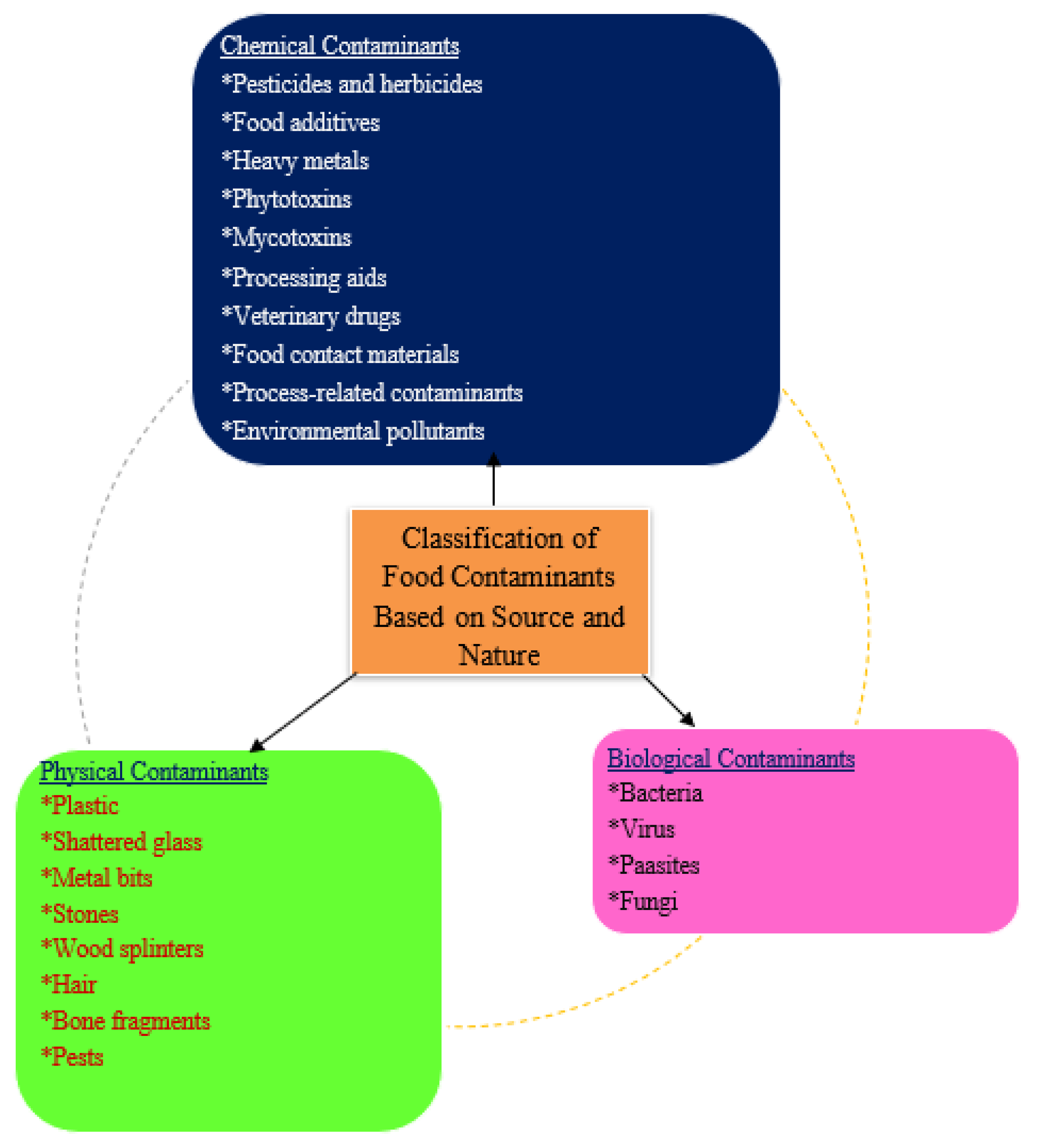
Figure 2.
The molecular mechanism of food contaminants toxicity.
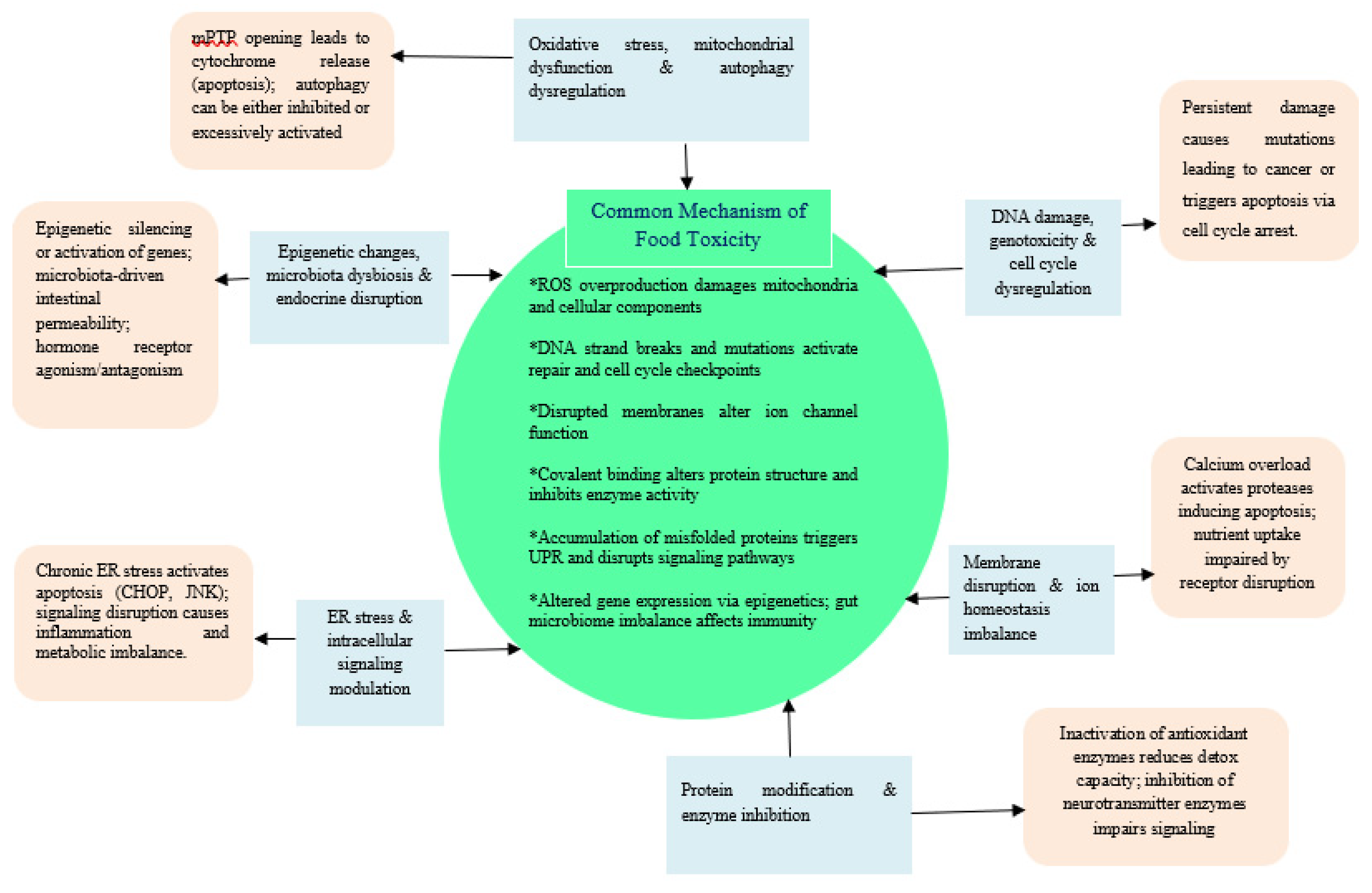
Figure 3.
The chronic and acute health impacts of food contaminants.
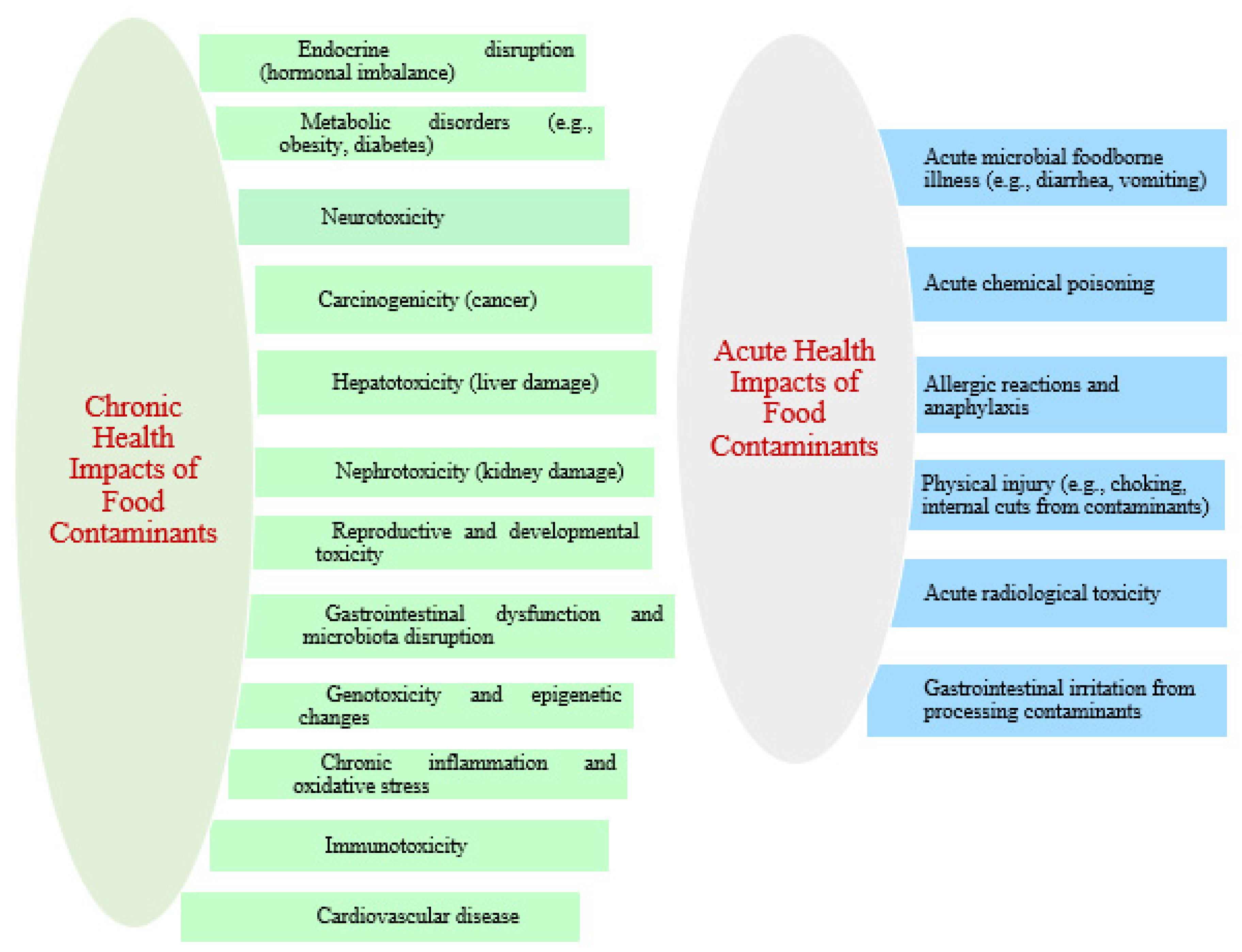
Figure 4.
Common and distinct mitigation strategies of food contaminants.
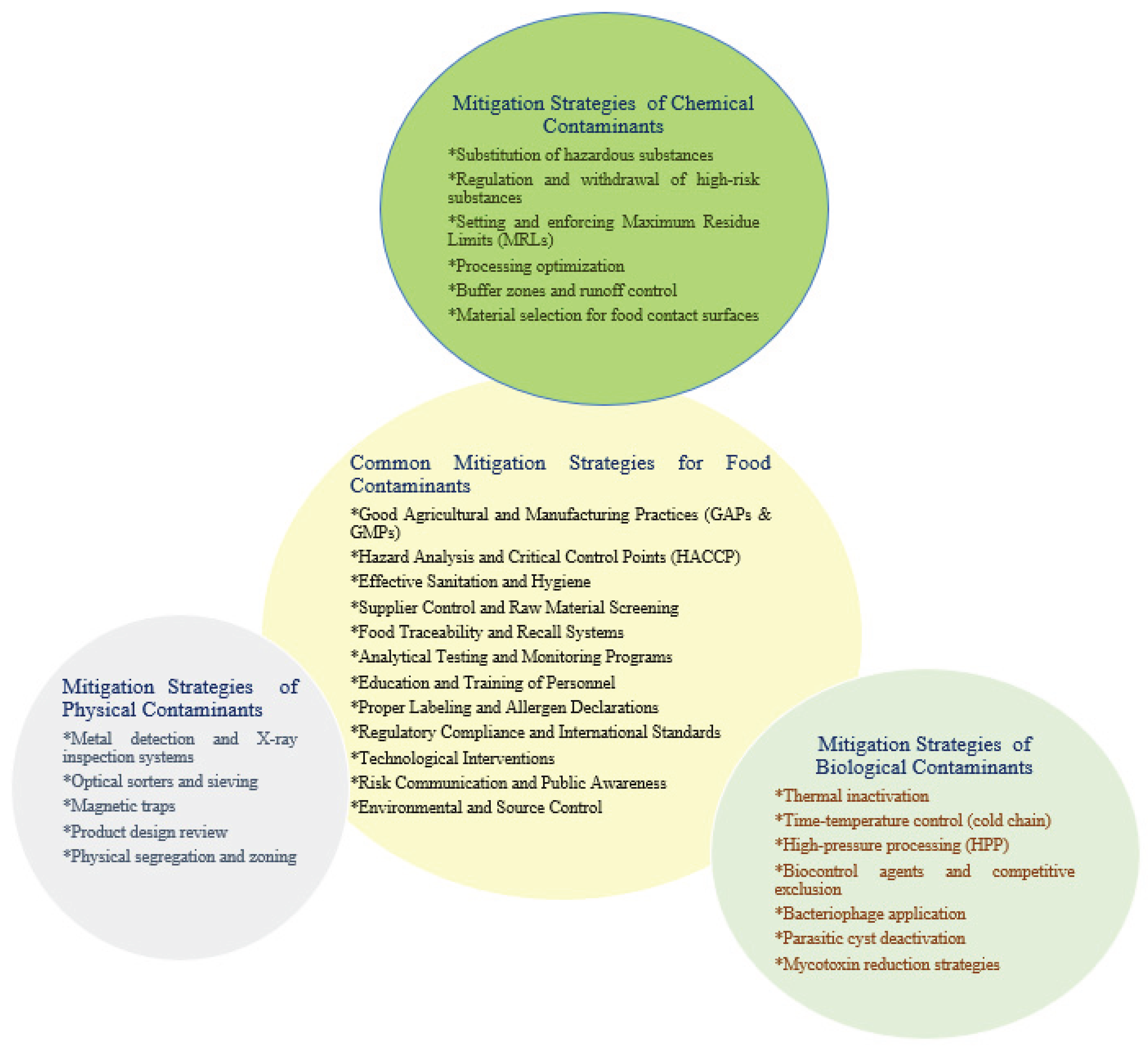

Table 1.
Types, examples and health effects of food contaminants.
| Types | Examples | Key Characteristics | Cause / Sources |
|---|---|---|---|
| Chemical contaminants | |||
| Pesticides and herbicides [17] | Organophosphates, carbamates, pyrethroids, and glyphosate. | Synthetic compounds used to control pests; persistent | Agricultural application, contaminated soil or water |
| Food additives [25] | MSG, nitrates, and nitrites | Substances added to enhance taste, preserve, or improve appearance | Intentional addition during processing; overuse can be harmful |
| Heavy metals [10] | Lead, mercury, chromium, nickel, and cadmium | Non-biodegradable elements; accumulate in environment | Natural mineral content, industrial pollution, mining, combustion, fertilizers |
| Phytotoxins [41] | Cyanogenic glycosides, ricin, saponins, and tannins. | Naturally occurring plant toxins | Certain plant species, improper processing or storage |
| Mycotoxins [18,19] | Aflatoxins, ochratoxins, fumonisins, deoxynivalenol, zearalenone, and ergot alkaloids | Fungal secondary metabolites | Mold growth in crops during harvest, storage, or transport |
| Processing aids [20] | Amylase, solvents like hexane, catalysts such as nickel, and antifoaming agents | Used in manufacturing or processing | Residual chemicals from food processing steps |
| Veterinary drugs [21,22] | Antibiotics like tetracyclines, hormones like estradiol, and antiparasitics like ivermectin | Drugs administered to livestock | Residues in meat, milk, or eggs from treated animals |
| Food contact materials [23] | BPA, phthalates, mineral oil hydrocarbons, and PFAS | Chemicals migrating from packaging or equipment | Leaching from plastic containers, cans, coatings, and non-stick surfaces |
| Process-related contaminants [24,25] | Acrylamide, PAHs, chloropropanols, furan, and nitrosamines | Formed during heating, smoking, or processing | Thermal treatment, frying, smoking, roasting, chemical reactions in processed food |
| Environmental pollutants [26] | Dioxins, PCBs, and POPs like DDT and HCB | Persistent organic pollutants | Industrial discharge, waste incineration, pesticide use, environmental contamination |
| Biological contaminants | |||
| Bacteria [42,43,49,50,51,52] | Salmonella, E. coli, and Listeria monocytogenes | Single-celled microorganisms; may produce toxins | Contaminated water, raw food, poor hygiene, inadequate cooking |
| Virus [43] | Norovirus and Hepatitis | Require living hosts to replicate | Contaminated food or water, infected handlers |
| Paasites [42,43] | Giardia lamblia, Toxoplasma gondii, and Trichinella spiralis | Eukaryotic organisms infecting humans via food | Contaminated water, undercooked meat, unwashed produce |
| Fungi [45,46,53] | Molds and yeasts | Eukaryotic microorganisms | Contaminated crops, poor storage conditions |
| Physical contaminants [55,56,57,58] | |||
| Plastic, shattered glass, metal bits, stones, wood splinters, hair, bone fragments, and pests. | Foreign objects accidentally introduced | Improper handling, packaging, machinery, or storage | |
Abbreviations: BPA: bisphenol A; DNA: deoxyribonucleic acid; DDT: dichlorodiphenyltrichloroethane; HCB: hexachlorobenzene; MSG: monosodium glutamate; PAHs: polycyclic aromatic hydrocarbons; PCBs: polychlorinated biphenyls; PFAS: per- and polyfluoroalkyl substances; POPs: persistent organic pollutants.
Table 2.
Molecular and cellular mechanisms of food contaminant toxicity.
| Mechanism | Molecular Pathway or Target | Representative Contaminants | Health Consequences | Target Body System/Organ |
|---|---|---|---|---|
| Oxidative Stress and Mitochondrial Dysfunction [28,69,70] | ROS overproduction; mitochondrial DNA damage; mPTP opening; ATP depletion | Heavy metals, pesticides, mycotoxins | Lipid peroxidation, cell death, organ dysfunction | Liver, brain, kidney, cardiovascular system |
| DNA Damage and Genotoxicity [71,72] | DNA adducts, strand breaks, chromosomal aberrations; p53, ATM, ATR activation | Aflatoxins, heavy metals, pesticides | Mutagenesis, carcinogenesis | Liver, bone marrow, GI tract |
| Cell Cycle Dysregulation [69] | G1/S or G2/M arrest; cyclin/CDK dysregulation | Various genotoxicants | Uncontrolled proliferation or apoptosis | All proliferative tissues (e.g., liver, colon) |
| Membrane Integrity and Ion Homeostasis [69,71] | Disruption of lipid bilayers and ion channels (e.g., Ca²⁺ channels) | Cadmium, lead | Altered signaling, apoptosis, calcium overload | Neurons, cardiac muscle, renal tubules |
| Protein Modification and Enzyme Inhibition [73] | Covalent adducts with protein residues; enzyme inactivation (e.g., glutathione peroxidase, acetylcholinesterase) | Heavy metals, pesticides | Impaired detoxification, neurotransmission, cellular dysfunction | CNS, liver, erythrocytes |
| Endoplasmic Reticulum (ER) Stress [74] | UPR activation via CHOP and JNK pathways; misfolded protein accumulation | Chemical toxicants | Apoptosis, protein misfolding diseases | Pancreas, liver, neurons |
| Autophagy Dysregulation [78,81] | Inhibited or excessive autophagic flux; damaged organelle accumulation | Various contaminants | Oxidative stress, autophagic cell death | Neurons, hepatocytes, renal epithelium |
| Epigenetic Modifications [77] | DNA methylation, histone modification, microRNA regulation | EDCs, heavy metals | Gene silencing, carcinogenesis, heritable toxic effects | Germ cells, embryonic tissues, liver |
| Intracellular Signaling Modulation [70,79,80] | MAPK, NF-κB, PI3K/Akt pathway disruption | Multiple contaminants | Inflammation, apoptosis, metabolic imbalance | Immune system, endocrine organs, brain |
| Microbiota Dysbiosis [75] | Shift in microbial taxa; leaky gut; impaired xenobiotic metabolism | Various foodborne contaminants | Inflammation, immune dysregulation, metabolic disorders | Gastrointestinal tract, immune system |
| Endocrine Disruption [7,76,81] | Hormone receptor agonism/antagonism; altered hormone biosynthesis | EDCs (e.g., BPA, phthalates) | Reproductive, metabolic, and developmental disorders | Reproductive organs, thyroid, pancreas, brain |
BPA: bisphenol A; ROS: reactive oxygen species; RNS: reactive nitrogen species.
Table 3.
Chronic and Acute Health Impact of Food Contaminants.
| Contaminant Type | Chronic Health Impacts | Acute Health Impacts | Key Stakeholders / Notes |
|---|---|---|---|
| Heavy Metals (lead, mercury, cadmium, arsenic) [10,28,29] | Neurodevelopmental deficits, cognitive impairment, kidney and liver damage, cardiovascular disorders, reproductive toxicity | Gastrointestinal irritation, neurological symptoms (tremors, ataxia, paresthesia), renal impairment, multi-organ failure in severe cases | Regulators (FDA, EFSA, WHO), farmers, food processors, water suppliers, public health authorities |
| Mycotoxins (aflatoxins, ochratoxin A, fumonisins) [19,20] | Hepatotoxicity, nephrotoxicity, immunosuppression, carcinogenicity | Acute mycotoxicosis: liver damage, hemorrhagic manifestations, immunosuppression | Grain producers, storage facilities, regulatory agencies, food safety labs |
| Pesticides (organophosphates, carbamates, pyrethroids, glyphosate) [17] | Neurotoxicity, endocrine disruption, metabolic disorders | Cholinergic symptoms, paresthesia, dizziness, convulsions, gastrointestinal irritation | Farmers, agrochemical companies, regulatory bodies, public health organizations |
| Process-Related Contaminants (acrylamide, PAHs, nitrosamines) [24] | Carcinogenicity, liver and kidney injury, chronic inflammation | Nausea, vomiting, abdominal discomfort, CNS effects at high doses | Food processors, packaging industry, regulatory agencies, risk assessors |
| Biological Contaminants (Salmonella, E. coli O157:H7, Campylobacter, Listeria, Norovirus, Giardia, Cryptosporidium) [51,52] | Chronic gastrointestinal disorders, post-infectious sequelae | Acute gastroenteritis: nausea, vomiting, diarrhea, abdominal pain, fever; severe outcomes like hemolytic uremic syndrome | Farmers, slaughterhouses, food processors, restaurants, public health authorities |
| Physical Contaminants (glass, metal shards, stones, plastics, insects) [57,58] | Rare long-term effects | Mechanical injury: oral and gastrointestinal lacerations, choking, perforation | Food manufacturers, processing plants, inspectors, packaging companies |
| Endocrine-Disrupting Chemicals (EDCs) (BPA, phthalates, PCBs, PFAS) [26] | Reproductive dysfunction, metabolic disorders, thyroid abnormalities | Acute effects rare; primarily chronic exposure concerns | Manufacturers of plastics and consumer products, regulatory bodies, researchers, healthcare providers |
| Microplastics and Chemical Residues [62,65] | Altered gut microbiota, impaired nutrient absorption, immune system disruption | Acute effects uncommon; primarily chronic exposure concern | Environmental agencies, food processors, water utilities, research institutions |
Table 4.
Common and distinct mitigation strategies of food contaminants.
| Contaminant Class | Mitigation Strategy | Description | Examples of Mitigation | Key Stakeholders |
|---|---|---|---|---|
| Common Strategies to All Contaminants [83–131] | Good Agricultural and Manufacturing Practices (GAPs & GMPs) | Preventive measures at farm and processing level to reduce contamination risks. | Regulating pesticide use, sanitation in processing, pest control | Farmers, processors, manufacturers, regulators |
| Hazard Analysis and Critical Control Points (HACCP) | Risk-based identification and control of contamination points in food production. | Metal detection, cooking, allergen cross-contact prevention, radiological monitoring | Food safety managers, QA teams, regulators | |
| Effective Sanitation and Hygiene | Cleaning, hygiene, and environmental decontamination to reduce biological, allergenic, chemical, physical, and radiological hazards. | Equipment cleaning, handwashing, soil/water decontamination in radiological zones | Food handlers, sanitation teams, supervisors | |
| Supplier Control and Raw Material Screening | Ensuring raw materials come from verified, approved sources to limit contaminants. | Supplier audits, pesticide residue and microbial testing | Procurement teams, suppliers, food safety labs | |
| Food Traceability and Recall Systems | Systems to quickly identify and remove contaminated products from the market. | Batch tracking, barcode systems, blockchain | Manufacturers, distributors, regulators | |
| Analytical Testing and Monitoring Programs | Routine laboratory tests for contaminants and environmental surveillance. | HPLC, GC-MS for chemicals; ELISA for allergens; PCR for pathogens; radionuclide assays | Food testing labs, regulatory agencies | |
| Education and Training of Personnel | Training workers on contamination risks and control measures. | Allergen control workshops, chemical handling training, hygiene protocols | Employers, trainers, safety officers | |
| Proper Labeling and Allergen Declarations | Accurate ingredient and allergen labeling to inform consumers and prevent exposure. | Ingredient lists, allergen warnings, origin labeling | Manufacturers, regulators, consumer groups | |
| Regulatory Compliance and International Standards | Compliance with global/national safety standards and contaminant limits. | Codex MRLs, FDA and EU contaminant limits | Regulators, import/export authorities | |
| Technological Interventions | Advanced technology use to reduce contaminants or enhance detection and traceability. | Irradiation, high-pressure processing, optical sorting, biosensors | Processors, tech providers | |
| Risk Communication and Public Awareness | Educate consumers on safe food handling and contamination risks. | Public advisories on outbreaks or radiological events | Public health agencies, media, NGOs | |
| Environmental and Source Control | Environmental-level controls to reduce contaminant entry into the food chain. | Regulating industrial discharge, runoff management, soil remediation | Environmental agencies, farmers, industries | |
| Chemical Contaminants [9,15,18,23,26,41,62,63,66,74,83,84,85,86,87] | Substitution of Hazardous Substances | Replace toxic chemicals with safer alternatives. | Use of natural preservatives instead of synthetic nitrites | Food chemists, manufacturers, regulators |
| Regulation and Withdrawal of High-risk Substances | Ban or restrict toxic pesticides, persistent organic pollutants, endocrine disruptors. | Banning DDT, restricting BPA | Regulators, agricultural authorities | |
| Setting and Enforcing Maximum | Residue Limits (MRLs) | Define safe residue levels specific to food types. | Codex MRLs for pesticides | Regulators, testing labs | |
| Processing Optimization | Modify processing to minimize harmful chemical formation. | Lower frying temperatures to reduce acrylamide | Food technologists, manufacturers | |
| Buffer Zones and Runoff Control | Prevent chemical drift and leaching in agricultural landscapes. | Buffer strips, water management practices | Farmers, environmental agencies | |
| Material Selection for Food Contact Surfaces | Use packaging that does not leach hazardous chemicals. | BPA-free plastics, phthalate-free films | Packaging manufacturers, regulators | |
| Biological Contaminants [10,21,26,28,29,45,55,58,60,62,73,78,87,88,90,97,98] | Thermal Inactivation | Heat treatments to kill pathogens. | Pasteurization of milk, cooking meat | Food processors, QA teams |
| Time-Temperature Control (Cold Chain) | Refrigeration/freezing to inhibit microbial growth. | Cold storage of seafood, frozen foods | Supply chain managers, retailers | |
| High-Pressure Processing (HPP) | Non-thermal pathogen inactivation while preserving food quality. | HPP treatment of juices, RTE meats | Food processors | |
| Biocontrol Agents and Competitive Exclusion | Use beneficial microbes to suppress pathogens. | Lactic acid bacteria in fermented foods | Microbiologists, producers | |
| Bacteriophage Application | Use specific phages targeting harmful bacteria. | Phages targeting Listeria in ready-to-eat meats | Biotech companies, food producers | |
| Parasitic Cyst Deactivation | Freezing or acidification to kill parasites. | Freezing fish to deactivate parasites | Processors, regulators | |
| Mycotoxin Reduction Strategies | Resistant crop varieties, drying, and toxin binders to reduce mycotoxins. | Grain drying <13% moisture, bentonite in animal feed | Farmers, feed manufacturers | |
| Physical Contaminants [11,19,24,44,56,74,86,99,100,101,102,103,104,105,106] | Metal Detection and X-ray Inspection | Detection of metal and non-metal foreign objects. | Inline metal detectors, X-ray machines | Process engineers, QA teams |
| Optical Sorters and Sieving | Removal of stones, shells, and extraneous matter. | Optical sorting of nuts, sieving grains | Processors, equipment suppliers | |
| Magnetic Traps | Capture iron particles in liquids and powders. | Magnetic traps in flour mills | Equipment suppliers, processors | |
| Product Design Review | Avoid use of fragile materials that can break and contaminate food. | Avoiding glass thermometers | Product designers, QA teams | |
| Physical Segregation and Zoning | Dedicated zones to reduce cross-contamination with physical hazards. | Separate packaging rooms | Facility managers |
Disclaimer/Publisher’s Note: The statements, opinions and data contained in all publications are solely those of the individual author(s) and contributor(s) and not of MDPI and/or the editor(s). MDPI and/or the editor(s) disclaim responsibility for any injury to people or property resulting from any ideas, methods, instructions or products referred to in the content. |
© 2025 by the author. Licensee MDPI, Basel, Switzerland. This article is an open access article distributed under the terms and conditions of the Creative Commons Attribution (CC BY) license (http://creativecommons.org/licenses/by/4.0/).
Copyright: This open access article is published under a Creative Commons CC BY 4.0 license, which permit the free download, distribution, and reuse, provided that the author and preprint are cited in any reuse.


