

Submitted:
17 October 2025
Posted:
17 October 2025
You are already at the latest version
Abstract
Background: Predicting the molecular mechanisms and therapeutic effects of National Health Insurance herbal Prescriptions (NHPs) is challenging because of their multi-compound nature. We aimed to predict the therapeutic mechanisms of 56 NHPs using a Traditional Chinese Medicine (TCM) database and bioinformatic tools.
Methods: We used a TCM database and bioinformatic techniques to construct networks of 56 NHPs. The network’s predicted potential therapeutic symptoms were compared with clinical study results and known indications to evaluate their validity. Finally, we identified the potential diseases and predicted the molecular mechanisms of 13 selected NHPs.
Results: Of the initial 56 NHPs, 13 were selected for a detailed analysis. A five-layer network was constructed, which linked an average of 1,359 potential diseases per prescription. The concordance rate between network predictions and clinical papers was 45.6%, whereas that between network predictions and previously known major indications was 37.8%. Molecular mechanism analysis revealed that NHPs affect multiple pathways, including those related to metabolic diseases and nerve regulation.
Conclusion: Our findings suggest that combining bioinformatics and clinical data can provide insights into the therapeutic effects of NHPs. This approach can guide future research by predicting potential therapeutic mechanisms and applications, providing insights into the therapeutic effects of NHPs.
Keywords:
bioinformatics
; national health insurance herbal prescriptions
; network analysis
; traditional Chinese medicine
; traditional Korean medicine
1. Introduction
National Health Insurance herbal Prescriptions (NHPs), a part of Traditional Korean Medicine (TKM), were first introduced in 1987 by the Federation of Korean Medical Insurance Societies (now the Health Insurance Review & Assessment Service). This began with 26 combined-extract formulations and 68 single-extract formulations. The implementation of NHPs has significantly enhanced quality control by standardizing the production processes and requiring pharmaceutical companies to submit their ingredient profiles. This standardization also ensured accurate identification of the ingredients in herbal formulations.
By 2025, 56 combined-extract formulations and 68 single-extract formulations have been designated as NHPs, which are manufactured by pharmaceutical companies in various forms and supplied to Korean medicine clinics and hospitals. However, it remains challenging to predict the direct molecular mechanisms of action of both NHPs and general herbal medicines, given that each herbal component in a prescription is a multi-complex rather than a single compound. For example, according to the traditional Chinese medicine (TCM) database SymMap, Panax ginseng contains 84 compounds that have the potential to affect hundreds of target genes [1]. Thus, various approaches are required to predict the effects of these multi-compound formulations, among which bioinformatics plays a pivotal role.
Bioinformatics is the collection, analysis, and interpretation of biological data. Notable studies using bioinformatics include those by Baek et al., [2] who identified target organs for the active components of Achyranthis Bidentatae Radix through bioinformatic methods, and Park et al., who utilized the K-HERB Network database to identify herbal medicines applicable to heart failure through network analysis [3]. Such studies have demonstrated that bioinformatics can be effectively utilized in traditional Korean and Chinese medicine to assess the similarities between existing prescriptions and facilitate the development of new ones.
In South Korea, the K-HERB Network has been developed to model the components and effects of various herbal prescriptions as networks [4]. This database contains herbs and prescriptions in a network format. However, the K-HERB Network has limitations. For herbal formulas, it only references articles from the Oriental Medicine Advanced Searching Integrated System (OASIS) traditional medicine information portal for prescriptions, and for herbology, it includes information on herbs based solely on domestic Korean medicine articles and those available in PubMed. Moreover, there are insufficient data on the specific compounds in herbs, the target proteins they affect, and the diseases associated with these proteins.
In this study, we used a TCM database and bioinformatic techniques to construct a network linking herbal compounds to the molecular mechanisms of 56 NHPs. We then compared the disease predictions from these network-based prescriptions with the main indications provided by the Ministry of Health and Welfare in Korea and clinical data extracted from PubMed, the Cochrane Library, and Korean Medical database (KMBASE). Next, we investigated the cellular biological mechanisms involving genes that could be affected by the herbal ingredients present in each prescription. Based on this, we compared the relevant diseases and clinical research findings to derive potential new indications. Finally, we evaluated the concordance among network-predicted diseases, the major indications documented in Korean herbal pharmacology, and clinical research findings. This approach is expected to provide a more comprehensive understanding of the relationships among clinical studies, known key biomarkers, and database-predicted diseases for each prescription, thereby offering integrated insights into traditional Korean medicine research.
2. Materials and Methods
2.1. Search Method
We analyzed clinically relevant papers on 56 herbal prescriptions registered as NHPs in Korea since the 1990s. English searches were conducted in PubMed and the Cochrane Library, considering different English names for the same prescriptions in Korea, China, and Japan.
- For 30 prescriptions, the English names provided by OASIS were used for English searches [5].
- For the remaining prescriptions, English names from papers listed on OASIS were used.
- Searches were conducted in Korean for the 56 prescriptions on KMBASE and OASIS.
2.2. Criteria for Excluding Prescriptions (Figure 1)
Prescriptions were excluded based on the following criteria:
- No papers found on OASIS or KMBASE: The following four prescriptions were excluded due to the absence of relevant literature in both OASIS and KMBASE
Dang-gwi-yeon-gyo-eum, Dang-gwi-yuk-hwang-tang, Sam-ho-jak-yak-tang, and Seung-yang-bo-wi-tang were excluded.
- Prescriptions with fewer than ten non-duplicate papers across the OASIS, KMBASE, PubMed, and Cochrane databases
Out of 52 prescriptions, 27 were excluded, and 25 were selected.
2.3. Criteria for Excluding Papers (Figure 1)
Papers were excluded based on the following criteria:
- Papers published before 1990.
- Papers in which the prescription name or specific disease were not mentioned in the title.
- Study protocols.
- Studies involving modified prescriptions, combined formulas, or combined with other prescriptions.
- Animal experiments instead of clinical trials.
- Studies reporting comparisons with other prescriptions where the prescription of interest is a control.
- Statistically insignificant effects of the prescription in studies that compared the effects of various drugs on a specific disease.
Prescriptions were also excluded if fewer than five studies remained for a prescription after applying the above criteria.
A total of 56 National Health Insurance herbal Prescriptions (NHPs) were initially considered. Four prescriptions (Dang-gwui-yeon-gyo-eum, Dang-guwi-yuk-hwang-tang, Sam-ho-jak-yak-tang, and Seung-yang-bo-wei-tang) were excluded due to the absence of any articles in the OASIS or KMBASE databases. Among the remaining 52, those with fewer than ten non-duplicate clinical papers across OASIS, KMBASE, PubMed, and Cochrane databases were excluded, resulting in 25 prescriptions selected for further analysis. Subsequently, clinical papers for these 25 prescriptions were screened based on the following criteria: articles published before 1990; those lacking the prescription name or specific disease in the title; study protocols; studies using modified prescriptions, combined formulas, or additional treatments; animal experiments; studies using the prescription only as a control; and studies reporting no statistically significant effects in comparative settings were excluded. Prescriptions with fewer than five eligible studies after applying these filters were further excluded. As a result, 13 final prescriptions were included in the network-based pathway analysis.
2.4. Network Construction of NHPs
For the final selected prescriptions, a four-layer network was constructed using the Chinese Medicine Database SymMap and the K-Herb Database, connecting prescriptions to herbal medicine, herbal medicine ingredients, target genes, and related diseases (Figure 2). This network was built using Python’s NetworkX library (https://networkx.org/) and visualized using Pyplot (https://matplotlib.org/stable/tutorials/pyplot.html). When visualizing the data, ingredients without oral bioavailability (OB) score data from SymMap were excluded due to unclear absorption potential. Furthermore, ingredient–gene relationships with P-values greater than 0.01 were excluded because they were considered statistically insignificant.
A five-layer network was established, consisting of prescription, herb, herbal ingredients, target genes, and related diseases. Ingredients lacking oral bioavailability (OB) score in the SymMap database and targets associated with statistically insignificant interactions (p>0.01) were excluded from the analysis.
2.5. Pathway Analysis of NHPs
To explore the pharmacological mechanisms of NHPs, the signaling pathways of genes influenced by the herbs constituting each NHP were analyzed using Kyoto Encyclopedia of Genes and Genomes (KEGG). This analysis included only the genes with herb–gene interaction scores ≥ 1 and p-values < 0.01 in SymMap. Among the identified pathways, the mechanisms implicated in disease, despite limited evidence in clinical research, were selected for further consideration. The selected mechanisms were visualized using Plotly and Streamlit (http://streamlit.io) [6] to enhance interpretability. The gene node size was determined by summing the products of each herb’s weight (in grams) and the corresponding herb–gene association scores, and then normalizing the result by dividing it by the mean of all summed products, with larger values corresponding to larger nodes.
2.6. Comparative Analysis Between the Main Indications of NHPs and the Diseases Associated with Clinical Research and Databases
To understand the effectiveness of NHPs for major symptoms based on scientific evidence, we conducted a comparative analysis of the associated diseases identified in clinical studies and public databases. The match between diseases predicted by the network as applicable and those confirmed as applicable in clinical papers was defined as “Network-Clinical Research Concordance.”
This concordance was quantitatively evaluated by calculating the concordance rate between network-inferred diseases and clinical studies as the proportion of diseases present in both the network prediction list and clinical study list divided by the total number of diseases in the network prediction list. A similar method was used to calculate the concordance rate between network-inferred diseases and the main indications. However, for the concordance between main indications and clinical research articles, a different method was used because the number of network-derived disease varied by prescription, the concordance percentage was calculated by dividing the number of matches between the main indications and clinical study diseases by the sum of the three types of matches (network–clinical, network–main indications, and clinical–main indications).
The concordance was then visually represented by constructing a network using Python’s NetworkX library and visualization was performed using the plot library (https://plotly.com/python/). During the visualization phase, both the main indications and Network-Clinical Research Concordance were displayed. Different colors (prescription: orange, main indication: yellow, Network-Clinical Paper Concordance: sky blue) were used to distinguish between the nodes representing the main indications and Network-Clinical Research Concordance. When the main indication overlapped with a disease identified in the network and clinical research, the node was highlighted in a different color (overlap: pink) for clarity.
3. Results
3.1. Main Indications of NHPs
To identify the relationships between NHPs and diseases derived from clinical studies and the herbal medicine–molecular mechanism network, we investigated the main indications of 56 NHPs based on information provided by the Ministry of Health and Welfare of Korea [7]. The main indications of 56 NHPs are available in File S4.
3.2. Selection of Clinically Relevant NHPs for Comparative Analysis
We conducted a literature search for clinical studies related to these NHPs. Initially, among the 56 NHPs, we selected 25 by excluding those with no relevant clinical studies or fewer than ten published articles. Among the 25 NHPs initially selected, 13 prescriptions with five or more related research articles were ultimately included in further analysis (Figure 3).
3.3. Herb-Based Reconstruction of Prescription Networks
To infer potential disease indications for each prescription by linking herbal networks to prescriptions, we constructed and visualized a network connecting prescriptions with herb–disease associations derived from the SymMap database. This network was visualized in four layers, including constituent herbs, constituent ingredients, target genes, and related diseases, using Python and NetworkX, as shown in Figure 4. The networks for the remaining 13 prescriptions are shown in File S1. As a result of constructing this network, the average number of diseases identified as potentially applicable by the network for each prescription was 1,359, as detailed in Figure 5. In addition, for each prescription, the top 20 most frequently represented diseases identified as potentially applicable through the network analysis are summarized and compared with existing indications (Table 1). If a disease matched an indication reported in clinical studies, it was marked as “(Clinical)”; if it matched the main indication of the prescription, it was marked as “(Main).” When both clinical evidence and the main indication aligned, the disease was labeled as “(Clinical, Main)” next to its name. As a result, six of the 13 prescriptions, namely Galgeun-tang, Daeshiho-tang, Banhasasim-tang, Bojungikgi-tang, Saengmaek-san, and Hwanglyeonhaedok-tang, were consistent with clinical studies, main indications, or both. These findings suggest that the diseases predicted through network analysis for each prescription may be meaningfully associated with real-world clinical use and traditional indications.
This table presents the top 20 diseases identified as potentially treatable by each prescription based on the established network analysis. Diseases that overlap with those reported in clinical articles or listed as main indications are highlighted in bold. Overlaps with clinical articles are denoted as "Clinical," and overlaps with main indications are denoted as "Main" in the rightmost column
3.4. Comparative Analysis of the Main Indications, Networks, and Clinical Research Concordance of NHPs
To evaluate the validity and clinical relevance of network-based disease inference, we compared the prescription–disease associations predicted by network analysis with the actual indications reported in clinical studies (Table 2). The concordance was determined based on the number of diseases shared among the respective lists. The quantitative concordance rates are presented in Figure 6 and Figure 7. The average concordance rate between the diseases addressed in clinical studies and those inferred by network analysis was 45.6%, whereas that between the main indications and network-inferred diseases was 37.8%. Although the average concordance with clinical studies was approximately 1.15 times higher than that with the main indications, two prescriptions, namely Hyeonggaeyeongyo-tang and Hwanglyeonhaedok-tang, demonstrated notably high concordance rates (over 70%) in the comparison between network-inferred diseases and their main indications.
Additionally, to evaluate how well the main indications of each prescription were reflected in clinical studies, we analyzed the concordance between the main indications and diseases addressed in the clinical research articles (Figure 8). The analysis revealed an average concordance rate of 15.04%. However, the main indications for some prescriptions, including Galgeun-tang, Galgeunhaegi-tang, and Hyeonggaeyeongyo-tang, did not overlap with those reported in clinical studies.
Subsequently, each prescription’s main indications, network-clinical paper concordances, and main indication-network-clinical paper concordances were visualized in a network style, as shown in Figure 9. The networks for the other prescriptions are shown in File S2. Concordance between indications, networks, and clinical papers was observed in the following order: Banhasasim-tang (four matches), Daeshiho-tang (two matches), Sosiho-tang (two matches), Socheongryong-tang (two matches), Bojungikgi-tang (one match), and Hwanglyeonhaedok-tang (one match).
3.5. Molecular Mechanism-Based Analysis of Network-Inferred Prescription-Disease Association
To validate the basis for inferring potential indications for each prescription from the network-predicted prescription–disease data, we analyzed the molecular biological mechanisms underlying the herb–disease network. Network analysis was conducted to derive the indications for the 13 prescriptions, and the relationships between the top five indications for each prescription and associated pathways were explored. Among the top 20 diseases selected from the network, diseases that did not overlap with clinical papers or main indications were filtered, and five were chosen for further analysis in relation to their corresponding pathways.
Pathway analysis of the 13 NHPs revealed that, except for Banhahubak-tang, Pathways in cancer had the highest impact across all prescriptions. Additionally, the top four pathways in all prescriptions were Neuroactive ligand-receptor interaction, Pathways of neurodegeneration - multiple diseases, Metabolic pathways, and Alzheimer’s disease, which appeared repeatedly. This suggests that these prescriptions may have a significant impact on neurogenic and metabolic pathways. From the top seven pathways onwards, prescription-specific pathways gradually began to emerge, indicating that each prescription may have specialized effects on certain disease categories. Specifically, Galgeun-tang was associated with unique pathways such as Notch signaling pathway, Terpenoid backbone biosynthesis, Ribosome biogenesis in eukaryotes, Spliceosome, Vibrio cholerae infection, Viral life cycle - Human Immunodeficiency Virus (HIV)-1, Virion - Human immunodeficiency virus, and Primary immunodeficiency. In contrast, Daeshiho-tang was linked to Fatty acid metabolism and Fatty acid biosynthesis.
Regarding psychiatric disorders, pathways related to schizophrenia were found in 11 of the 13 prescriptions, with key pathways including Dopaminergic synapse, Glutamatergic synapse, and GABAergic synapse. Bipolar disorder was only applicable to Saengmaek-san, but its pathways were similar to those found in schizophrenia.
In the context of metabolic disease, pathways related to Noninsulin-Dependent-Diabetes Mellitus were commonly identified. The Advanced Glycation End-product (AGE)-receptor for Advanced Glycation End-product (RAGE) signaling pathway in complications of diabetes was consistently observed, and the prescriptions influencing this pathway included Banhabakchulcheonma-tang, Gamisoyo-san, Banhahubak-tang, Bojungikgi-tang, and Hyeonggaeyeongyo-tang.
In the case of infectious diseases, Saengmaek-san was the only prescription found to address malaria. The relevant pathways for malaria include the Hypoxia-Inducible Factor-1(HIF-1) signaling pathway, Toll-like receptor signaling pathway, Cytokine-cytokine receptor interaction, Nuclear Factor kappa-light-chain-enhancer of activated B cells (NF-κB) signaling pathway, Ferroptosis, and Apoptosis. These results are detailed in Table 3.
This table presents the biological pathways associated with the top five diseases identified for each prescription, as shown in Table 1, based on the results of the network analysis. Diseases that fall under a broader category already represented in the table (e.g., lung cancer, which encompasses lung carcinoma) were not listed separately to avoid redundancy in biological pathways. Conversely, diseases that are too broad to specify (e.g., adenocarcinoma) or those for which KEGG does not provide associated biological pathways (e.g., bipolar disorder, Kidney Neoplasm) were also excluded from the table.
The results were visualized using Streamlit to enable easy identification of how strongly each prescription influences specific pathways. Saengmaek-san, which has a relatively simple herbal composition that allows for more intuitive visual interpretation, was selected as a representative example. Its network visualization related to pathways in cancer is presented in Figure 10 and is accessible via the following website: https://pathwaydata-olmvirzhjtgdrcrt9azszv.streamlit.app/. The pathway with the highest score for each of the 13 prescriptions is shown in File S3.
Collectively, these findings support the notion that network-inferred prescription–disease associations are underpinned by biologically relevant molecular mechanisms, particularly those involving neurogenesis, metabolism, and immune response, while also revealing prescription-specific pathway signatures that may contribute to their differential therapeutic potential.
4. Discussion
In this study, we conducted a comparative analysis between clinically studied diseases and those identified through public databases to evaluate the effectiveness of 56 NHPs based on clinical research and systems biology information. Using domestic and international research engines, including KMBASE, PubMed, and the Cochrane Review, clinical papers on 56 NHPs were searched, revealing that extensive clinical research has been conducted on 13 prescriptions. Based on these data, the top 20 diseases with high applicability potential for each prescription were identified using the Chinese Systems Biology Database SymMap, and data for network visualization were secured. Subsequently, using Python’s Network-X and Pyplot, network visualization was performed for the 13 NHPs, and the network was used to analyze the applicable diseases for each prescription. Additionally, the results of the network analysis for the 13 prescriptions were compared with the corresponding clinical papers, and the prescription-specific network-clinical paper concordance was presented and visualized using Network-X and Plotly. Finally, gene data that could be influenced by the prescriptions were analyzed using KEGG to identify the relevant disease pathways. Based on the pathway data, five diseases from the top 20 were selected to examine the pathways that could be applicable to them.
In fact, the number of selected clinical papers did not establish a consistent relationship with the disease concordance rate within the network. The number of clinical papers selected for this study was insufficient to establish a consistent relationship between the disease matching rate and the network. Although the diversity of research subjects is expected to expand with the increasing number of future clinical studies on NHPs, as shown in Figure 3 and Figure 6, the concordance between network-identified diseases and those reported in the literature is not dependent on the number of publications. We presume that the low concordance rate in our analysis was due to discrepancies between the disease names in the clinical papers and those provided in SymMap. In this study, a match was recognized only if the diseases were identified by the same name. In addition, the match rate increased when the relevant symptoms were included in the analysis. For example, Gastroesophageal Reflux Disease (GERD) may not always be explicitly mentioned in clinical papers, but symptoms such as chest pain, nausea, vomiting, and heartburn common in GERD are often reported. Therefore, including symptom-based associations can improve concordance by capturing clinically relevant yet differently labeled conditions [14].
In addition, the likelihood of the frequency with which a disease is identified as significant by the network corresponding to clinical papers or major indications is not proportional. Although it was assumed that the disease more frequently identified as effective by the network would have a high concordance rate with the major diseases linked and diseases studied in clinical papers, the analysis showed that seven out of 13 prescriptions had no concordance with the top 20 diseases identified. The remaining six selected prescriptions (Galgeun-tang, Daeshiho-tang, Banhasasim-tang, Bojungikgi-tang, Saengmaek-san,Hwanglyeonhaedok-tang) matched only nine diseases studied in clinical papers, which were among the top 20 diseases identified. Furthermore, although the concordance rate between the network map and clinical papers for the disease name was low, there is a need to expand the study to include indications for the corresponding herbal formula.
In a comparative analysis of the alignment between diseases discussed in clinical studies and those identified through a network constructed from databases, and the alignment between key symptoms of each prescription and the diseases suggested by the network, the former showed a higher level of concordance.
This suggests that the network analysis may capture disease associations that are more reflective of real-world clinical research than traditional indications. Although the difference was moderate, this trend supports the potential utility of network-based inference in bridging the gap between classical indications and current clinical evidence. However, when comparing the main indications of each prescription with the diseases reported in the clinical articles (main indication: clinical article concordance), the average match rate decreased significantly to 15.04%. This finding highlights the considerable discrepancy between traditional indications and current evidence, suggesting the need for updated validation or reinterpretation of these indications in modern contexts. Moreover, only a small subset of prescriptions showed meaningful three-way concordance between the main indications, network-inferred diseases, and clinical article reports.
To further validate the relevance of network-inferred prescription–disease associations, a molecular mechanism-based analysis was conducted. These findings highlight that the associations predicted by the network are not merely computational artifacts but are supported by biologically meaningful interactions, as evidenced by pathway-level connections. The results of this study indicate that most traditional Korean herbal prescriptions significantly affect key pathways including Neuroactive ligand-receptor interaction, Pathways of neurodegeneration - multiple diseases, Metabolic pathways, and Alzheimer’s disease, suggesting a close association between these prescriptions and neural and metabolic pathways. In particular, the strong modulation of pathways related to neurotransmitters provides compelling evidence supporting the potential use of these herbal medicines in the treatment of neurological disorders such as depression, insomnia, and neuropathic pain [15,16,17]. Moreover, the role of neurotransmission modulation aligns with the modern neuroscience concept of the gut-brain axis [18], suggesting that these herbal prescriptions may influence the nervous system through the gut-brain connection.
Additionally, the consistent appearance of Metabolic pathways among the top pathways suggests that traditional Korean medicine significantly regulates metabolism and energy balance, underscoring the potential of these prescriptions in maintaining physiological homeostasis. This is particularly relevant for metabolic diseases, where these herbs may help prevent and treat disease by regulating metabolic functions and energy balance.
The Notch signaling pathway, a unique pathway identified in Galgeun-tang, is involved in crucial processes, such as cell differentiation, tissue homeostasis, inflammation, and immune regulation [19]. This suggests that Galgeun-tang has potential effects on immune modulation and inflammation. Furthermore, pathways such as Vibrio cholerae infection and Viral life cycle - HIV-1 suggest a possible association with infectious diseases, indicating that Galgeun-tang may also influence viral infections and immune response modulation.
The pathways of Fatty acid metabolism and Fatty acid biosynthesis, which were uniquely identified in Daeshiho-tang, suggest that this prescription may regulate lipid metabolism and improve liver function, potentially benefiting conditions such as fatty liver disease and hyperlipidemia [20].
Moreover, the multi-target effects of traditional Korean herbal prescriptions, as confirmed in this study, differentiate them from modern pharmaceutical drugs that typically focus on a single target. These herbal medicines simultaneously modulate multiple signaling pathways, which implies that they may not only alleviate specific symptoms, but also contribute to the fundamental pathophysiological improvement of diseases. This multitarget approach highlights the potential of traditional Korean medicine for treating complex multifactorial diseases.
This study suggests that traditional Korean herbal prescriptions exert therapeutic effects through a variety of physiological processes, including the nervous system, metabolic pathways, and immune regulation. These findings provide important foundational data to enhance our understanding of the mechanisms underlying these herbal treatments. Future research focusing on specific pathways and diseases targeted by individual prescriptions is expected to contribute to a more precise understanding of their therapeutic efficacy.
Limitations of the Study
This study has several limitations that should be considered when interpreting the results. First, there is a lack of clinical research on TKM. As of August 2024, a keyword search for “clinical” in the Korean Citation Index (KCI) revealed 18,926 papers related to Western medicine and only 2,196 papers related to TKM. This disparity underscores the significant lack of accessible clinical research on TKM, which limited the analysis to only 13 of the 56 NHPs. Consequently, the reduced scope may restrict the generalizability of these findings to the broader field of TKM [21].
Second, there is an absence of TKM syndrome classification within the clinical literature. Many of the clinical studies analyzed did not include information on TKM syndromes, which is essential for diagnosis and prescription in traditional practice. This omission made it difficult to interpret the results in a way that supports syndrome-based clinical decision-making. The lack of syndrome information may stem from the CASE Guideline [22] for case reports, which do not recommend including TKM syndrome. Consequently, we could not evaluate the correlations between traditional syndromes and modern disease classifications, thus limiting cross-comparative insights between TKM and Western medical frameworks.
Third, discrepancies between the Korean pharmacopeia and the Chinese databases used in this study further limited the data analysis. For example, Massa Medicata Fermentata, a constituent of Banhabakchulcheonma-tang, was not included in the Chinese database, preventing network analysis of this herb. This suggests that the list of herbs in the database does not encompass all herbs used in traditional medicine across different countries, which may limit the interpretation and application of the research results.
Fourth, the reliance of this study on KEGG and network analysis databases introduces further limitations. Although these databases provide valuable information, they may not always be comprehensive or include only the most recent research, which could constrain the scope of the study and reliability of its conclusions. Additionally, although network analysis identified relationships between pathways and diseases, the precise mechanisms by which these pathways influence disease treatment remain unclear. Further experimental research is needed to better understand how these pathways interact with diseases and to further explore their therapeutic potential.
Finally, it is important to acknowledge that some prescriptions analyzed in this study, such as Galgeun-tang and Socheongryong-tang, contain Ephedra Herba (Ma Huang), a source of ephedrine alkaloids. These compounds have been associated with safety concerns, leading to the U.S. FDA's ban on ephedrine-containing dietary supplements. However, the context of use in traditional medicine differs fundamentally from the cases that prompted regulatory action. The FDA's concerns primarily focused on dietary supplements used for long-term weight loss or athletic performance, often in combination with other stimulants. In contrast, prescriptions like Galgeun-tang are intended for short-term use for acute conditions, such as the common cold. Furthermore, within traditional formulas, Ephedra is utilized as part of a polyherbal mixture, where interactions with other herbs are believed to modulate its efficacy and mitigate potential toxicity. A systems biology approach, as used here, may provide valuable insights into understanding these complex interactions at a molecular level.
5. Conclusions
This study presents a new methodology that combines TKM clinical research with a systems biology approach to analyze and visualize the indications for NHPs (herbal formulas). Using this approach, we explored the clinical applicability of NHPs and suggest directions for future studies. However, considering the limitations of this study, future studies should focus on obtaining more diverse study designs and expanded datasets to more accurately evaluate the efficacy and indications of NHPs. This will strengthen the scientific evidence for TKM and enhance its clinical utility.
Supplementary Materials
The following supporting information can be downloaded at: Preprints.org.
Author Contributions
Conceptualization, S.J. and C.K.; methodology, S.J.; software, S.J.; formal analysis, S.J.; validation, S.J.; investigation, S.J. and C.K.; resources, C.K.; data curation, S.J. and A.L.; writing—original draft preparation, S.J., A.L, and C.K.; writing—review and editing, S.J., A.L, and C.K.; visualization, S.J.; supervision, C.K.; project administration, S.J. and C.K.; funding acquisition, C.K. All authors have read and agreed to the published version of the manuscript.
Funding
This research was supported by a 2-Year Research Grant of Pusan National University.
Institutional Review Board Statement
Not applicable.
Informed Consent Statement
Not applicable.
Data Availability Statement
The datasets supporting the conclusions of this article are publicly available in the GitHub repository: https://github.com/jds4682/pathway_data.The raw herbal-compound-target-disease association data were retrieved from the SymMap database, which is publicly available at http://www.symmap.org/. An interactive web application presenting the results of the analysis is available at https://pathwaydata-olmvirzhjtgdrcrt9azszv.streamlit.app. All other additional data supporting the findings of this study are included within the article and its Supplementary Materials.
Acknowledgments
The authors would like to express their sincere appreciation to Professor Jung-Hoon Kim, Pusan National University, for his expert academic review and constructive feedback, which contributed significantly to the refinement of this manuscript.
Conflicts of Interest
The authors declare no conflicts of interest.
Abbreviations
The following abbreviations are used in this manuscript:
| NHPs | National Health Insurance herbal Prescriptions |
| TCM | Traditional Chinese Medicine |
| TKM | Traditional Korean medicine |
| OASIS | Oriental Medicine Advanced Searching Integrated System |
| KMBASE | Korean Medical database |
| OB | Oral bioavailability |
| KEGG | Kyoto Encyclopedia of Genes and Genomes |
| HIV | Human Immunodeficiency Virus |
| AGE | Advanced Glycation End-product |
| RAGE | Receptor for Advanced Glycation End-product |
| HIF-1 | Hypoxia-Inducible Factor-1 |
| NF-κB | Nuclear Factor kappa-light-chain-enhancer of activated B cells |
| GERD | Gastroesophageal Reflux Disease |
| KCI | Korean Citation Index |
References
- Wu, Y.; Zhang, F.; Yang, K.; Liu, Y.; Zhou, M.; Zhao, Y.; et al. SymMap: an integrative database of traditional Chinese medicine enhanced by symptom mapping. Nucleic Acids Res. 2019, 47, D1110–D1117.
- Tran, M.N.; Baek, S.J.; Jun, H.J.; Lee, S. Identifying target organ location of Radix Achyranthis Bidentatae: a bioinformatics approach on active compounds and genes. Front Pharmacol. 2023, 14, 1187896.
- Park, S.; Kim, Y.J.; Bae, G.S.; Lee, J.; Kim, S.Y.; Choi, J.Y.; et al. Network analysis using the established database (K-herb Network) on herbal medicines used in clinical research on heart failure. The Journal of Internal Korean Medicine. 2023, 44, 313.
- Oriental Medicine Advanced Searching Integrated System. K Herb Network. Available online: https://oasis.kiom.re.kr/kmedi/main.jsp (accessed on 28 January 2025).
- Oriental Medicine Advanced Searching Integrated System. Prescription search. Available online: https://oasis.kiom.re.kr/oasis/pres/prbaseSearch.jsp?srch_menu_nix=1GydHbs0 (accessed on 28 January 2025).
- Streamlit Inc. Streamlit: Turn Python scripts into beautiful ML tools. Available online: https://streamlit.io/ (accessed on 17 July 2025).
- Ministry of Health and Welfare of Korea. Indications and dosages for herbal formulas covered by health insurance. Available online: https://www.mohw.go.kr/board.es?mid=a10409020000&bid=0026&act=view&list_no=1481950&tag=&nPage=1 (accessed on 7 May 2025).
- Kang, E.; Ryu, H.; Kim, Y.; Kim, K. A case report of patient with type 2 diabetes mellitus treated with Galgeun-tang. The Journal of Internal Korean Medicine. 2017, 38, 541–546.
- Oh, J.; Shim, H.; Cha, J.; Kim, J.; Yoo, H.; Lee, Y.; et al. The anti-obesity effects of Bangpungtongseong-san and Daesiho-tang: a study protocol of randomized, double-blinded clinical trial. J Korean Med Obes Res. 2020, 20, 138–149.
- Oh, S.; Jung, W.; Song, M.; Kim, E.; Jeong, H.; Park, K.; et al. A retrospective study of the safety and effect of co-administration of glucose-lowering medication and Bojungikgi-tang on blood glucose level in patients with type 2 diabetes mellitus. The Journal of Internal Korean Medicine. 2023, 44, 354–365.
- Sul, M.C.; Kim, D.S.; Kim, D.H.; Shin, D.H. Usage of Bojungikgi-tang to maintain and treat asthmatic patients. The Journal of Internal Korean Medicine. 2011, 32, 497–503.
- Li, K.Z. Observation of Jiawei Shengmai San on 30 patients with type 2 diabetes accompanied somatic neuropathy. Information on traditional chinese medicine. 2003, 20, 45–46.
- Baek, J.; Shin, S.; Shin, D.; Cho, C. Efficacy and safety of the antidiabetic effect of Hwangryunhaedok-tang for type 2 diabetes mellitus patients without complications: a systematic review and meta-analysis. The Journal of Internal Korean Medicine. 2021, 42, 605–621.
- Clarrett, D.M.; Hachem, C. Gastroesophageal reflux disease (GERD). Mo Med. 2018, 115, 214–218.
- Cui, C.Y.; Liu, X.; Peng, M.H.; Yu, Y.; Zhang, J.; Li, W.; et al. Identification of key candidate genes and biological pathways in neuropathic pain. Comput Biol Med. 2022, 150, 106135.
- Li, Y.; Miao, P.; Li, F.; Zhou, J.; Wang, Q.; Zhao, L.; et al. An association study of clock genes with major depressive disorder. J Affect Disord. 2023, 341, 147–153.
- Li, Q.; Bai, J.; Ma, Y.; Zhang, Y.; Liu, X.; Chen, Y.; et al. Pharmacometabolomics and mass spectrometry imaging approach to reveal the neurochemical mechanisms of Polygala tenuifolia. J Pharm Anal. 2024, 14, 100973.
- Kondoh, T.; Mallick, H.N.; Torii, K. Activation of the gut-brain axis by dietary glutamate and physiologic significance in energy homeostasis. Am J Clin Nutr. 2009, 90, 832S–837S.
- Shang, Y.; Smith, S.; Hu, X. Role of Notch signaling in regulating innate immunity and inflammation in health and disease. Protein Cell 2016, 7, 159–174.
- Badmus, O.O.; Hillhouse, S.A.; Anderson, C.D.; Ghosh, S.; Rahman, S.M.; Imig, J.D. Molecular mechanisms of metabolic associated fatty liver disease (MAFLD): functional analysis of lipid metabolism pathways. Clin Sci (Lond) 2022, 136, 1347–1366.
- National Research Foundation of Korea. Korea Citation Index. Available online: https://www.kci.go.kr/kciportal/main.kci?locale=en (accessed on 28 January 2025).
- Chu, H.; Kim, Y.; Min, B.K. A guide to writing a case report according to CARE guideline. Journal of Korean Medical Society of Acupotomology 2021, 5, 41–45.
Figure 1.
Overall flowchart of prescription and clinical study selection.
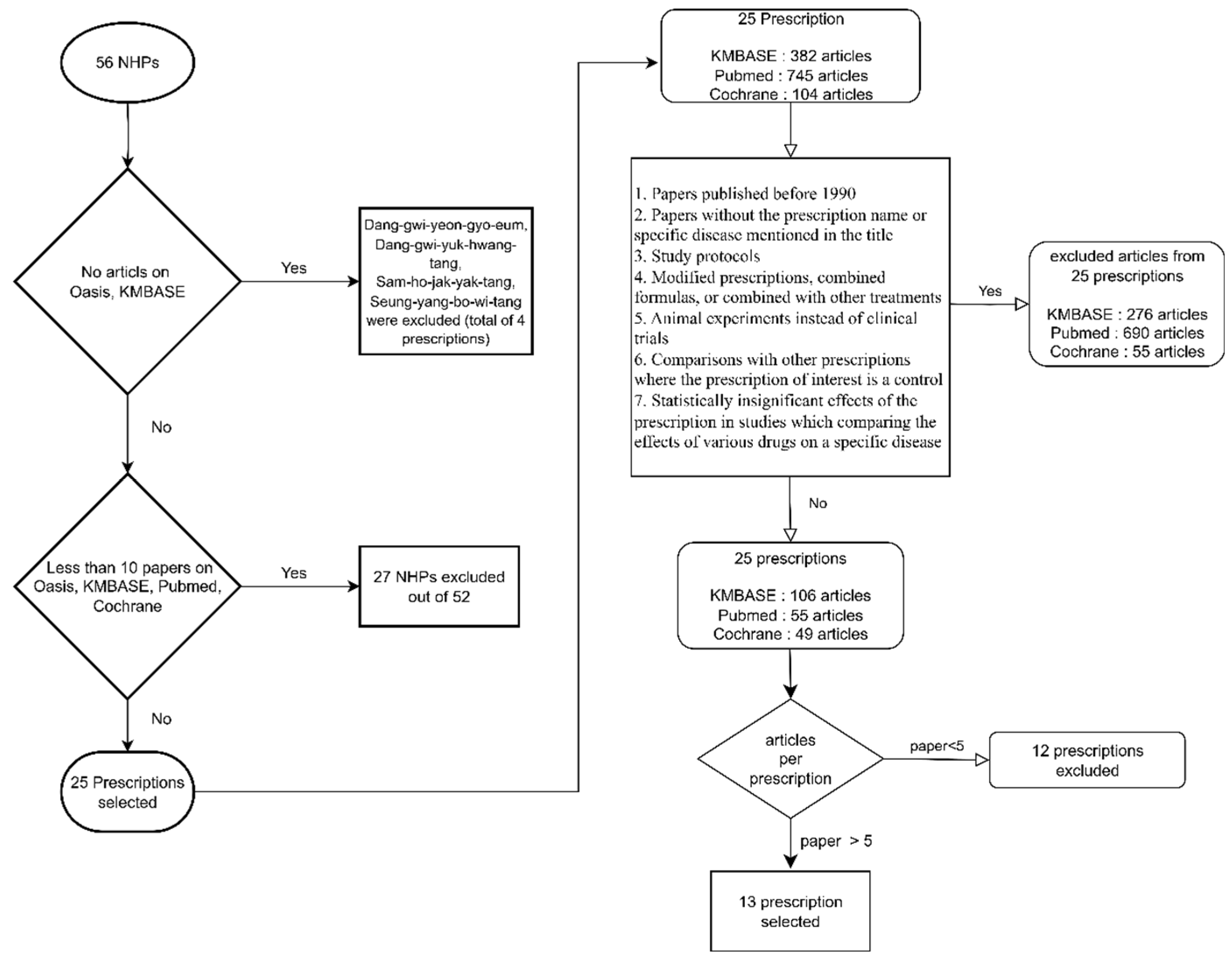
Figure 2.
Schematic representation of the network construction method.
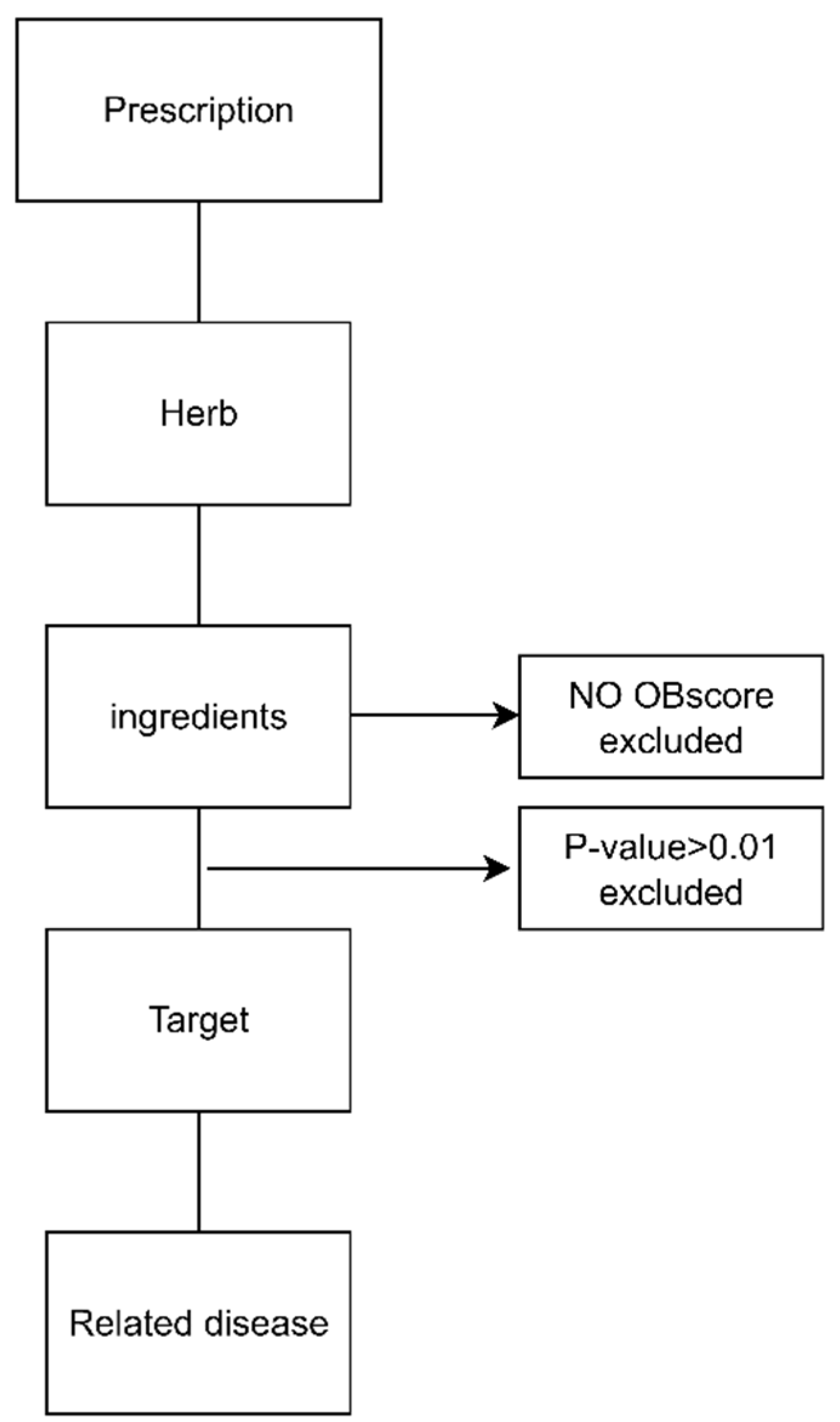
Figure 3.
Number of studies identified for each prescription. Among the initial 56 prescriptions screened, 27 were excluded due to a lack of sufficient related research papers. Additionally, among the remaining 25 prescriptions, only those with at least five studies meeting the selection criteria were included, resulting in a total of 13 selected prescriptions.
Figure 3.
Number of studies identified for each prescription. Among the initial 56 prescriptions screened, 27 were excluded due to a lack of sufficient related research papers. Additionally, among the remaining 25 prescriptions, only those with at least five studies meeting the selection criteria were included, resulting in a total of 13 selected prescriptions.
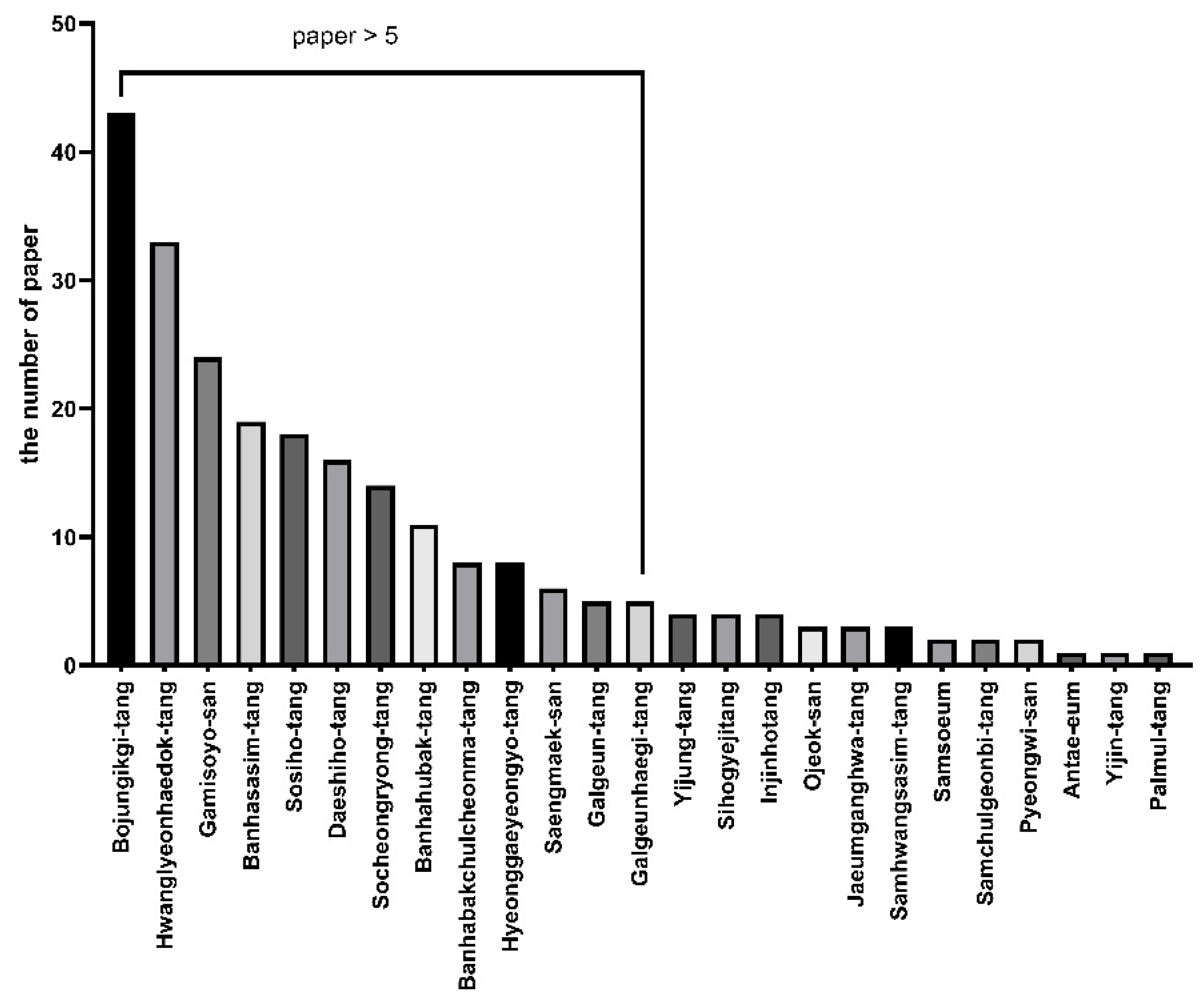
Figure 4.
Network representation of Hwanglyeonhaedok-tang. A multi-layered network was constructed to illustrate the relationships among herbs, ingredients, target genes, and associated diseases for Hwanglyeonhaedok-tang, one of the 13 selected prescriptions. The network was developed using Python and NetworkX. Nodes from different layers are connected by edges indicating potential interactions. Node colors represent different biological entities: orange (herb), green (ingredients), red (target gene), and purple (disease).
Figure 4.
Network representation of Hwanglyeonhaedok-tang. A multi-layered network was constructed to illustrate the relationships among herbs, ingredients, target genes, and associated diseases for Hwanglyeonhaedok-tang, one of the 13 selected prescriptions. The network was developed using Python and NetworkX. Nodes from different layers are connected by edges indicating potential interactions. Node colors represent different biological entities: orange (herb), green (ingredients), red (target gene), and purple (disease).
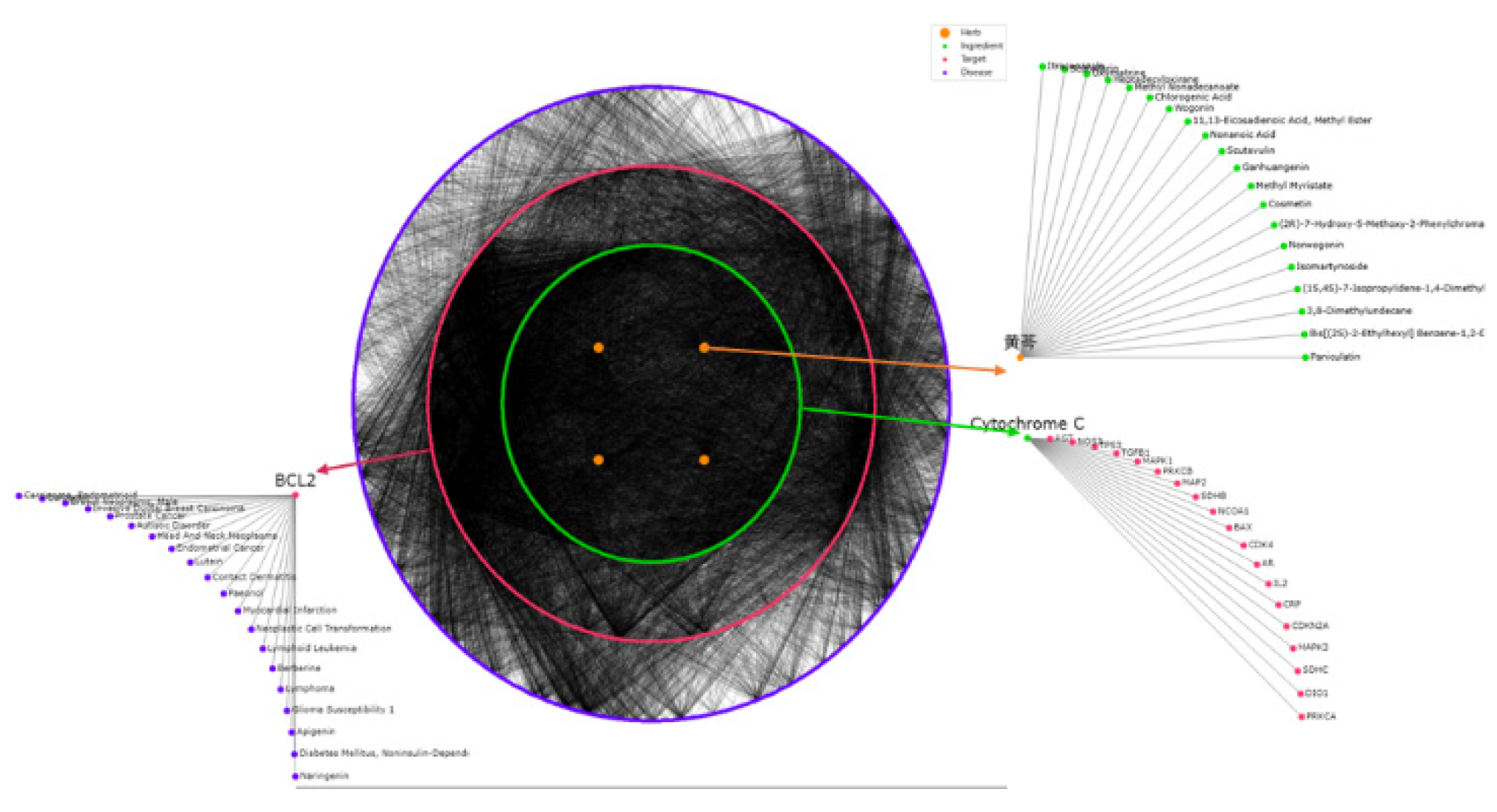
Figure 5.
Number of diseases associated with each prescription network. For each of the 13 selected prescriptions, a network was constructed to identify associated diseases based on ingredient-target-disease relationships. The bar graph shows the number of diseases potentially treatable by each prescription. On average, each prescription was associated with 1,359 diseases.
Figure 5.
Number of diseases associated with each prescription network. For each of the 13 selected prescriptions, a network was constructed to identify associated diseases based on ingredient-target-disease relationships. The bar graph shows the number of diseases potentially treatable by each prescription. On average, each prescription was associated with 1,359 diseases.
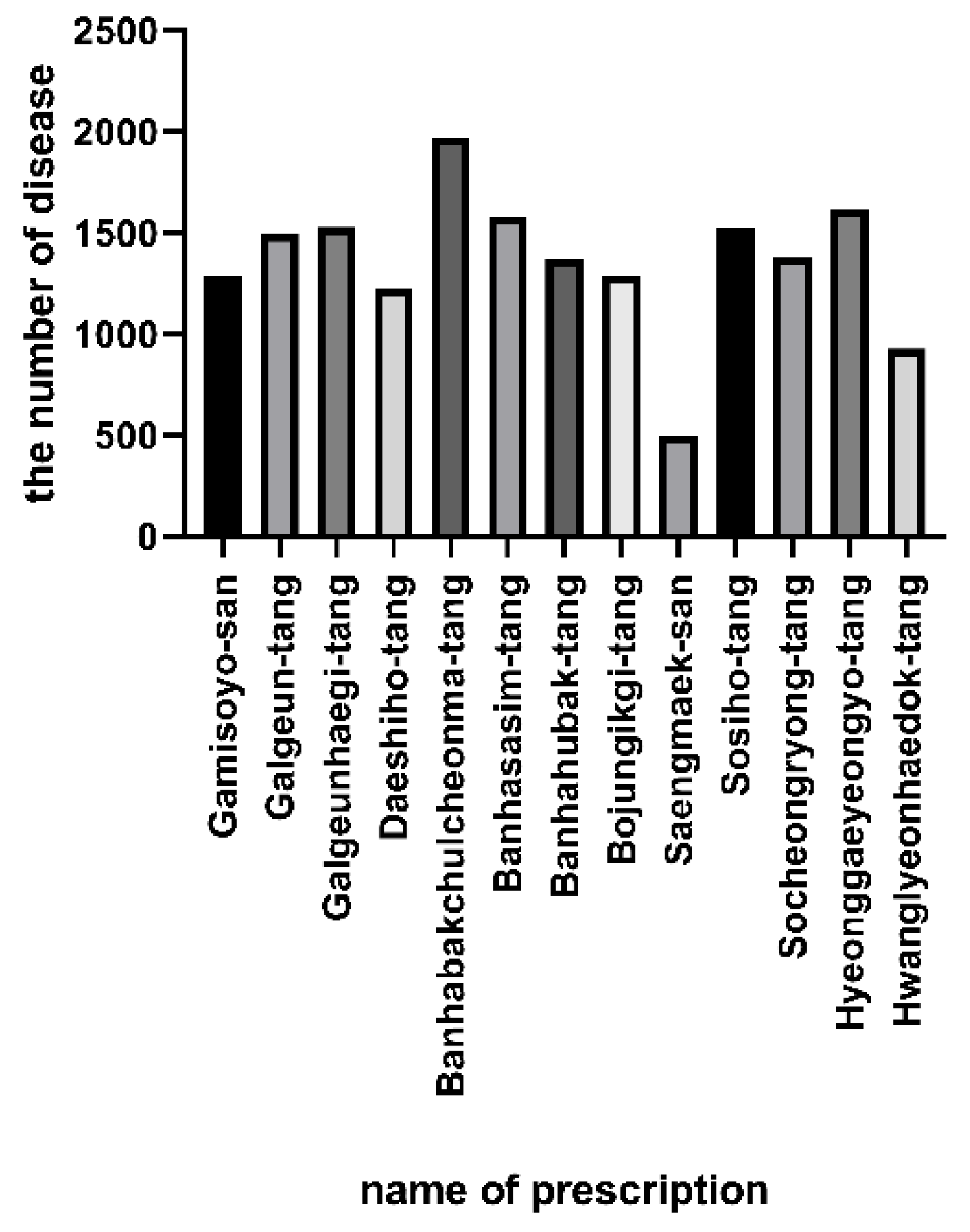
Figure 6.
Concordance rate between network predictions and clinical articles. The concordance rate was calculated as the proportion of clinical studies that aligned with the disease indications predicted by each prescription’s network. The red line indicates the average concordance rate across all prescriptions, which was 45.6%.
Figure 6.
Concordance rate between network predictions and clinical articles. The concordance rate was calculated as the proportion of clinical studies that aligned with the disease indications predicted by each prescription’s network. The red line indicates the average concordance rate across all prescriptions, which was 45.6%.
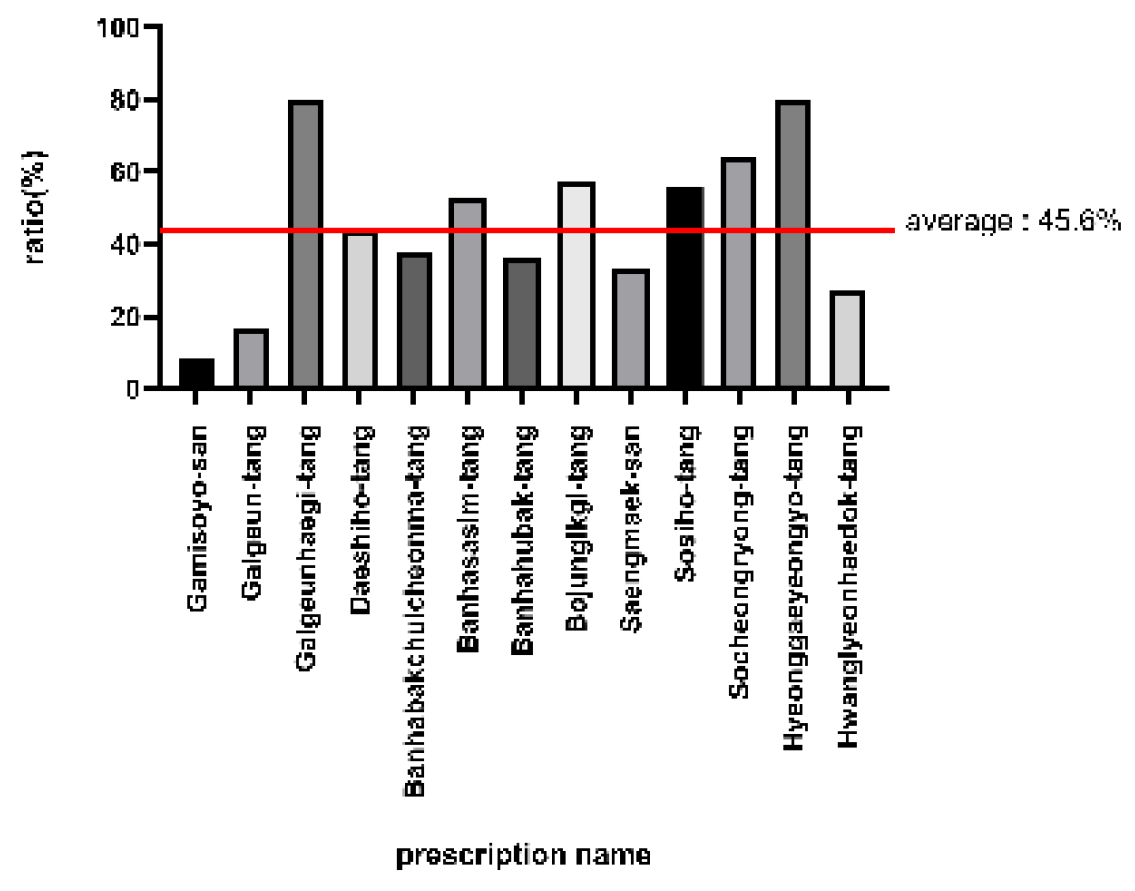
Figure 7.
Concordance rate between network predictions and main indications. The concordance rate was calculated as the proportion of main indications supported by the network relative to the total number of known main indications for each prescription. The average concordance rate across all prescriptions was 37.8%, as indicated by the red line.
Figure 7.
Concordance rate between network predictions and main indications. The concordance rate was calculated as the proportion of main indications supported by the network relative to the total number of known main indications for each prescription. The average concordance rate across all prescriptions was 37.8%, as indicated by the red line.
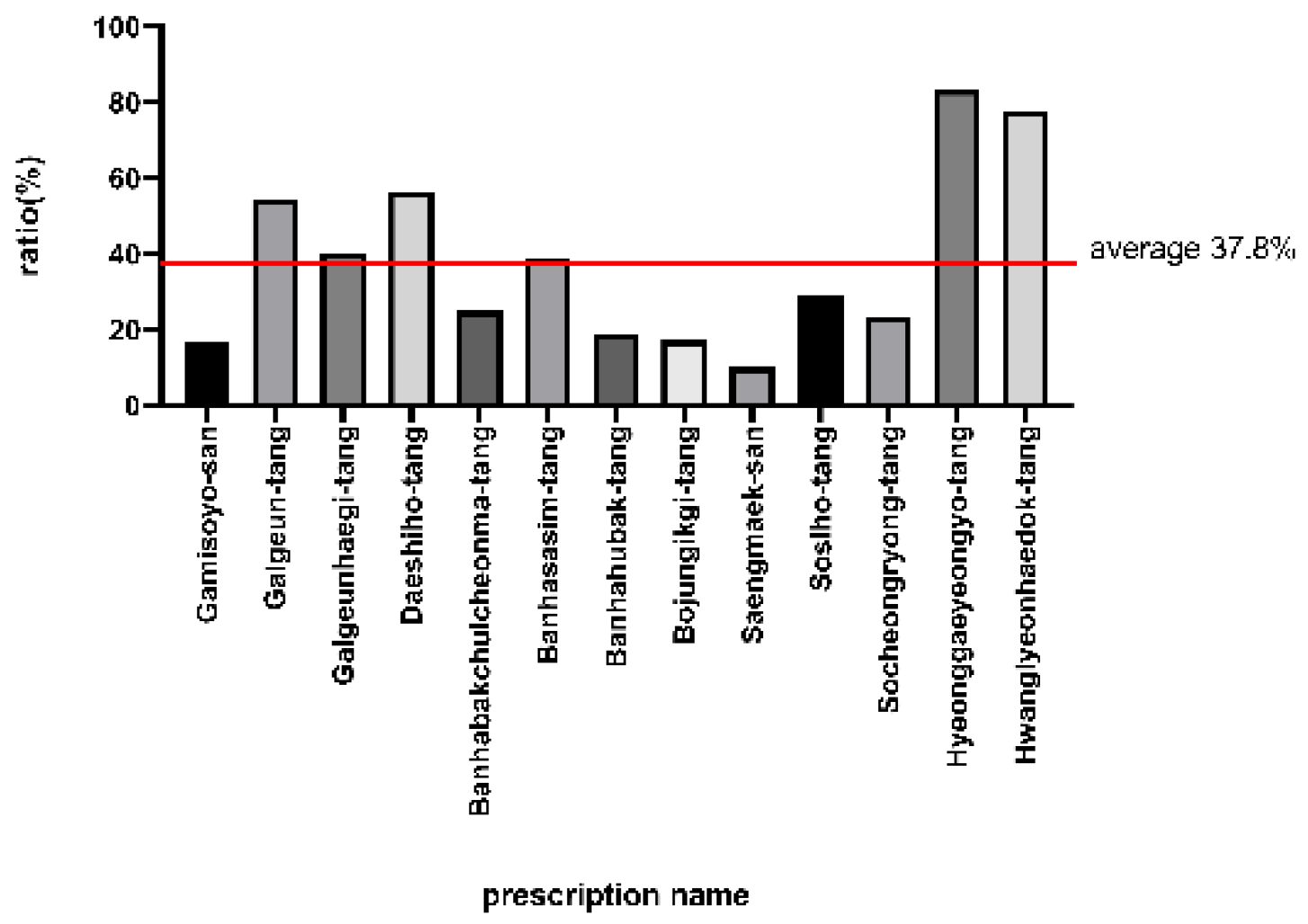
Figure 8.
Concordance rate between main indications and clinical articles. The figure presents the concordance rate calculated as the proportion of clinical studies corresponding to the main indications of each prescription, relative to the sum of the three types of matches (Network-Clinical, Network-Main Indications, Clinical-Main Indications). The average concordance rate across all prescriptions was 15.04%, as indicated by the red line.
Figure 8.
Concordance rate between main indications and clinical articles. The figure presents the concordance rate calculated as the proportion of clinical studies corresponding to the main indications of each prescription, relative to the sum of the three types of matches (Network-Clinical, Network-Main Indications, Clinical-Main Indications). The average concordance rate across all prescriptions was 15.04%, as indicated by the red line.
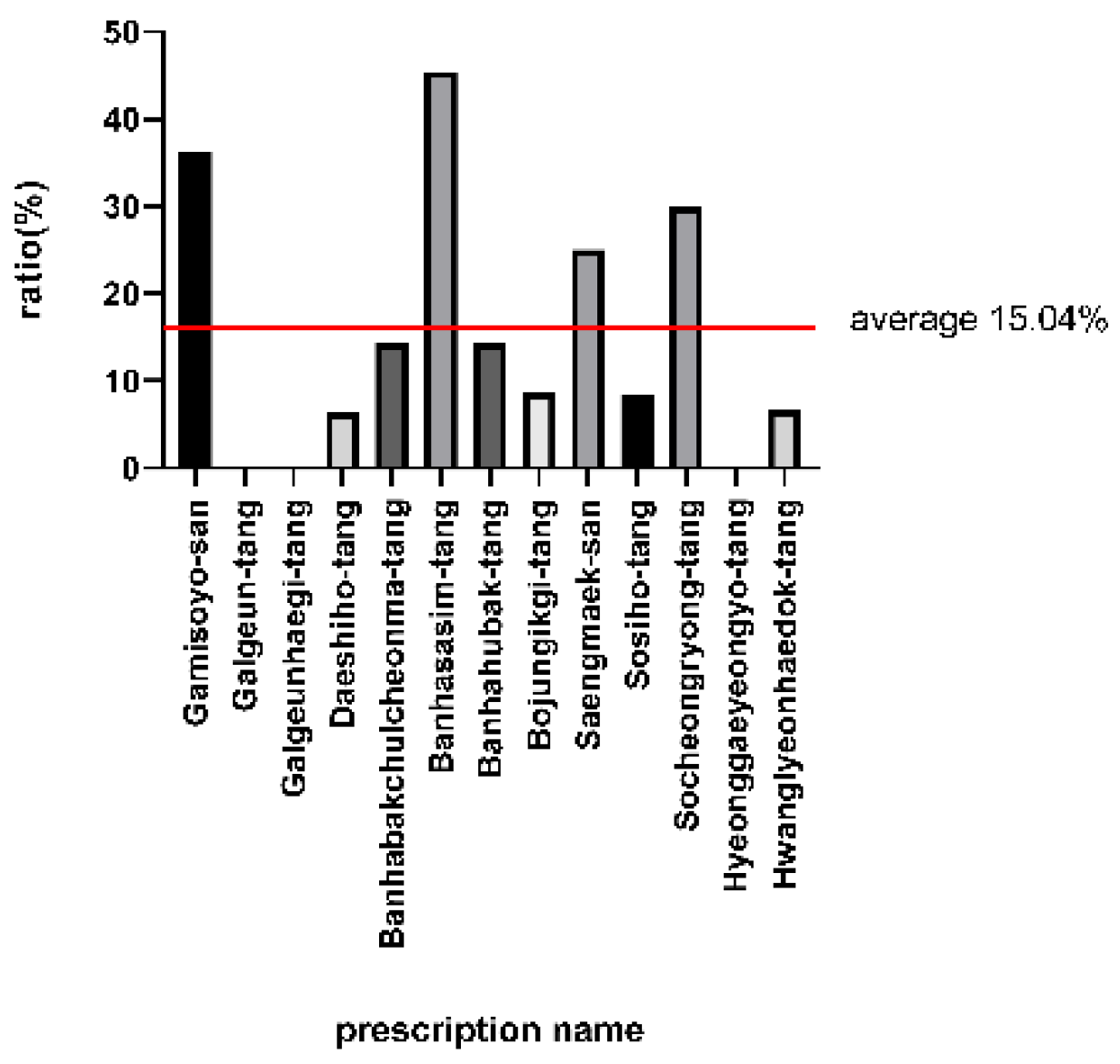
Figure 9.
Network visualization of Hwanglyeonhaedok-tang indicating main indications and concordance with clinical studies. The network illustrates the relationships among the main indications of Hwanglyeonhaedok-tang and their overlap with network predictions and clinical literature. Node colors represent the following categories: orange (prescription), sky blue (overlap between clinical article and network predictions), yellow (main indication), and pink (overlap among main indication, clinical articles, and network predictions).
Figure 9.
Network visualization of Hwanglyeonhaedok-tang indicating main indications and concordance with clinical studies. The network illustrates the relationships among the main indications of Hwanglyeonhaedok-tang and their overlap with network predictions and clinical literature. Node colors represent the following categories: orange (prescription), sky blue (overlap between clinical article and network predictions), yellow (main indication), and pink (overlap among main indication, clinical articles, and network predictions).
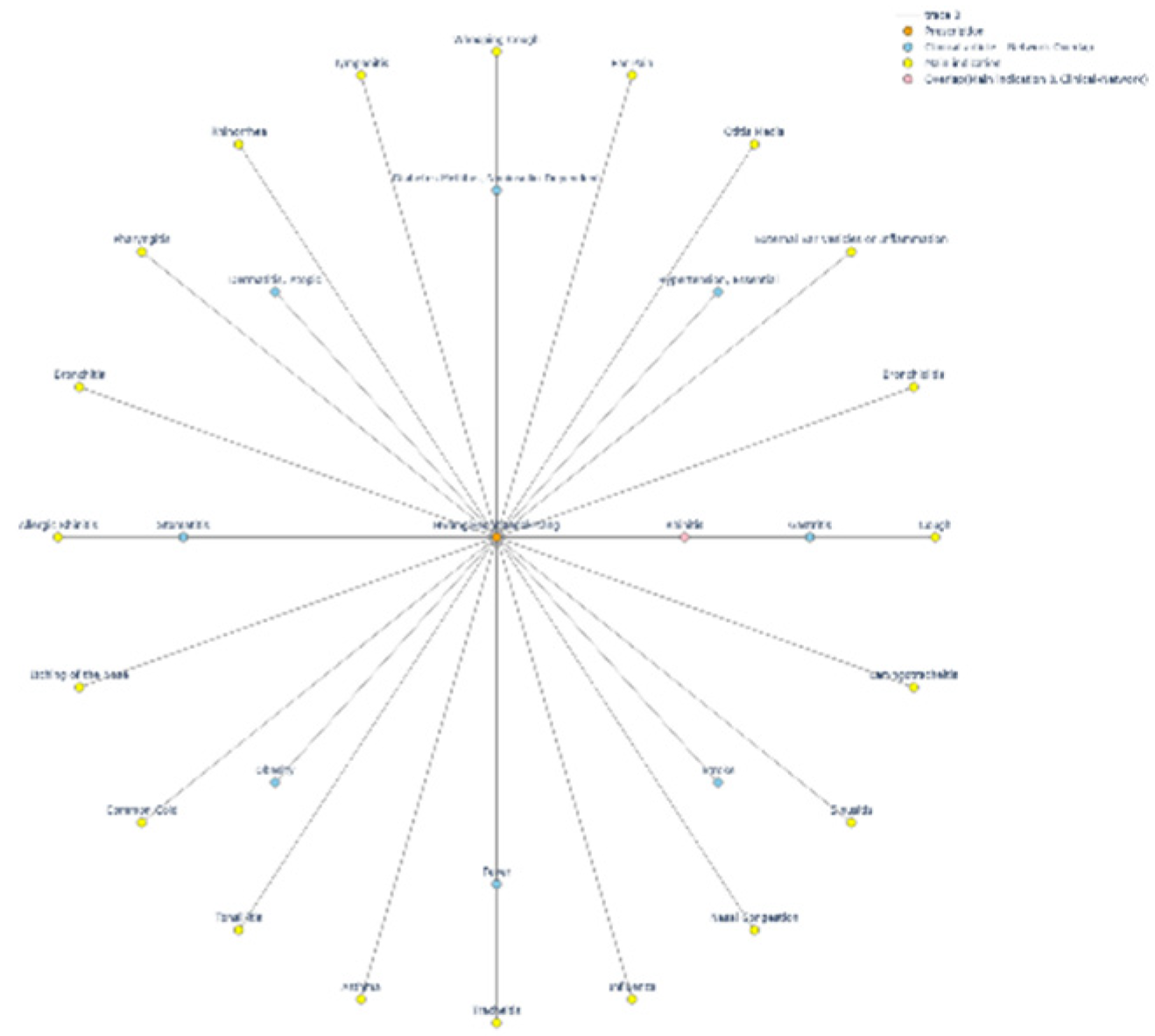
Figure 10.
Network visualization of gene-pathway relationships for Saengmaek-san in 'Pathways in cancer'. This figure illustrates the interactions between the genes and pathway components associated with Saengmaek-san. Nodes represent different biological entities: red (prescription), orange (herbs), green (genes), and purple (pathways). Herb identifiers include ['SMHB00336: Ginseng, Ginseng Radix Et Rhizoma', 'SMHB00041: Schisandrae Chinensis Fructus, Schisandrae Chinensis Fructus'].
Figure 10.
Network visualization of gene-pathway relationships for Saengmaek-san in 'Pathways in cancer'. This figure illustrates the interactions between the genes and pathway components associated with Saengmaek-san. Nodes represent different biological entities: red (prescription), orange (herbs), green (genes), and purple (pathways). Herb identifiers include ['SMHB00336: Ginseng, Ginseng Radix Et Rhizoma', 'SMHB00041: Schisandrae Chinensis Fructus, Schisandrae Chinensis Fructus'].
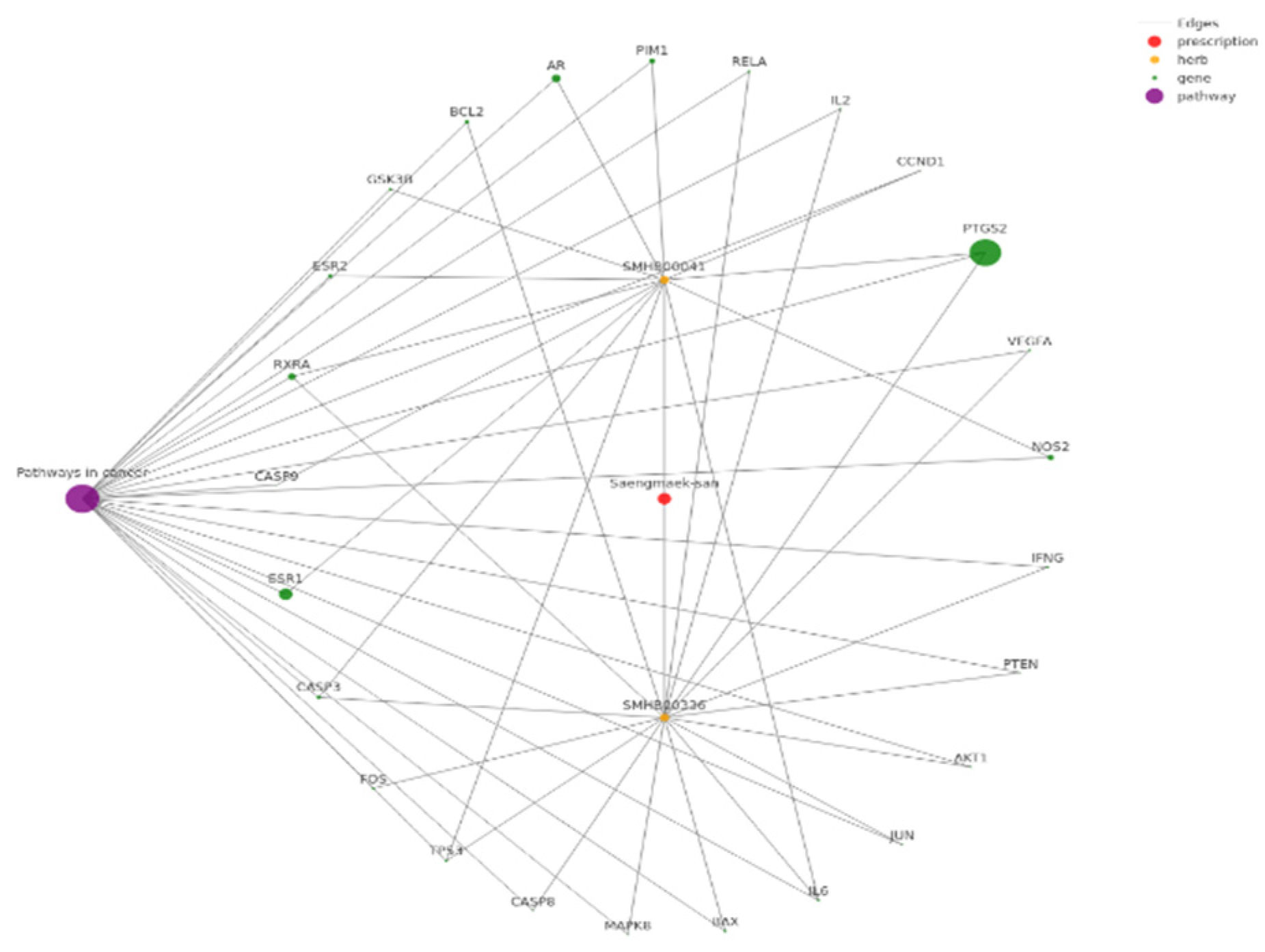

Table 1.
Top 20 diseases potentially associated with each prescription network .
| Prescription | Disease |
| Gamisoyo-san | Lung Cancer, Carcinoma of Lung. Lung Neoplasms, Schizophrenia, Non-Small Cell Lung Carcinoma. Diabetes Mellitus, Noninsulin-Dependent, Ovarian Neoplasm, Arthritis, Rheumatoid, Leukemia, Adenocarcinoma, Liver Cirrhosis, Experimental, Asthma, Aneurysm, Myocardial Infarction, Prostatic Neoplasms, Spinal Cord Ischemia, Diabetes Mellitus, Experimental, Malaria, Hepatoblastoma, Disorder of Eye |
| Galgeun-tang | Leukemia, Glioma, Lung Cancer, Kidney Neoplasm, Carcinoma of Lung, Lung Neoplasms, Adenocarcinoma, Non-Small Cell Lung Carcinoma, Schizophrenia, Melanoma, Prostatic Neoplasms, Astrocytoma, Hepatocellular Carcinoma, Myeloid Leukemia, Liver Carcinoma, Diabetes Mellitus, Non-Insulin-Dependenta, Liver Cirrhosis, Experimental, Depressive Disorder, Lymphoproliferative Disorders, Ovarian Neoplasm |
| Galgeunhaegi-tang | Leukemia, Glioma, Lung Cancer, Adenocarcinoma, Lung Neoplasms, Carcinoma of Lung, Schizophrenia, Prostatic Neoplasms, Non-Small Cell Lung Carcinoma, Mammary Neoplasms, Diabetes Mellitus, Noninsulin-Dependent, Hepatocellular Carcinoma, Colorectal Neoplasms, Astrocytoma, Diabetes Mellitus, Experimental, Myeloid Leukemia, Liver Cirrhosis, Experimental, Hypertensive Disease, Kidney Neoplasm, Asthma |
| Daeshiho-tang | Adenocarcinoma, Lung Cancer, Carcinoma of Lung, Non-Small Cell Lung Carcinoma, Schizophrenia, Mammary Neoplasms, Glioma, Diabetes Mellitus, Noninsulin-Dependent, Hepatocellular Carcinoma, Prostatic Neoplasms, Liver Carcinoma, Ovarian Neoplasm, Malignant Neoplasm of Breast, Leukemia, Esophageal Neoplasms, Colorectal Neoplasms, Liver Cirrhosis, Experimental, Colorectal Cancer, Obesity b†, Malaria |
| Banhabakchulcheonma-tang | Schizophrenia, Diabetes Mellitus, Non-Insulin-Dependent, Mammary Neoplasms, Lung Cancer, Ovarian Neoplasm, Liver Cirrhosis, Experimental, Bipolar Disorder, Liver Carcinoma, Non-Small Cell Lung Carcinoma, Colorectal Neoplasms, Carcinoma of Lung, Hepatocellular, Carcinoma, Inflammatory Bowel Diseases, Alzheimer’s Disease, Asthma, Alcoholic, Intoxication, Chronic, Prostatic Neoplasms, Colorectal Cancer, Major Depressive Disorder, Lung Neoplasms |
| Banhasasim-tang | Mammary Neoplasms, Prostatic Neoplasms, Schizophrenia, Lung Cancer, Carcinoma of Lung, Hepatocellular Carcinoma, Liver Carcinoma, Animal Mammary Neoplasms, Leukemia, Liver Cirrhosis, Experimental, Diabetes Mellitus, Non-Insulin-Dependent, Colorectal Neoplasms, Ovarian Neoplasm, Non-Small Cell Lung Carcinoma, Malignant Neoplasm of Breast, Colitis (Main), Alzheimer Disease, Inflammatory Bowel Diseases, Depressive Disorder, Colorectal Cancer |
| Banhahubak-tang | Mammary Neoplasms, Schizophrenia, Leukemia, Lung Cancer, Diabetes Mellitus, Noninsulin-Dependent, Liver Cirrhosis, Experimental, Carcinoma of Lung, Lung Neoplasms, Alzheimer'S Disease, Astrocytoma, Major Depressive Disorder, Animal Mammary Neoplasms, Prostatic Neoplasms, Liver Carcinoma, Depressive Disorder, Melanoma, Diabetes Mellitus, Experimental, Alcoholic Intoxication, Chronic, Kidney Neoplasm, Colorectal Neoplasms |
| Bojungikgi-tang | Lung Cancer, Carcinoma of Lung, Schizophrenia, Prostatic Neoplasms, Diabetes Mellitus, Noninsulin-Dependentc, Ovarian Neoplasm, Bipolar Disorder, Asthmad, Liver Carcinoma, Non-Small Cell Lung Carcinoma, Liver Cirrhosis, Experimental, Lung Neoplasms, Hypertensive Disease, Mammary Neoplasms, Arthritis, Rheumatoid, Myocardial Infarction, Ovarian Cancer, Colorectal Neoplasms, Autistic Disorder, Adult Primary Hepatocellular Carcinoma |
| Saengmaek-san | Mammary Neoplasms, Prostatic Neoplasms, Renal Cell Carcinoma, Bipolar Disorder, Malaria, Disorder of Eye, Diabetes Mellitus, Noninsulin-Dependente, Induced Malaria, Insulin Resistance, Malaria, Cerebral, Ewings Sarcoma-Primitive Neuroectodermal Tumor (Primitive neuro-ectodermal tumor), Ewings Sarcoma, Arthritis, Rheumatoid, Mood Disorders, Schizophrenia, Asthma, Obesity, Nervous System Disorder, Ovarian Neoplasm, Mental Retardation |
| Sosiho-tang | Mammary Neoplasms, Prostatic Neoplasms, Lung Cancer, Schizophrenia, Carcinoma of Lung, Leukemia, Diabetes Mellitus, Non-Insulin-Dependent, Hepatocellular Carcinoma, Ovarian Neoplasm, Liver Carcinoma, Non-Small Cell Lung Carcinoma, Lung Neoplasms, Animal Mammary Neoplasms, Liver Cirrhosis, Experimental, Glioma, Colorectal Neoplasms, Alzheimer’s Disease, Disorder Of Eye, Obesity, Malignant Neoplasm of Breast |
| Socheongryong-tang | Schizophrenia, Lung Cancer, Carcinoma of Lung, Non-Small Cell Lung Carcinoma, Hepatocellular Carcinoma, Liver Carcinoma, Liver Cirrhosis, Experimental, Myocardial Infarction, Diabetes Mellitus, Non-Insulin-Dependent, Prostatic Neoplasms, Mammary Neoplasms, Bipolar Disorder, Esophageal Neoplasms, Alzheimer’s Disease, Depressive Disorder, Diabetes Mellitus, Experimental, Hypertensive Disease, Glioma, Ovarian Neoplasm, Leukemia |
| Hyeonggaeyeongyo-tang | Schizophrenia, Lung Cancer, Carcinoma of Lung, Diabetes Mellitus, Non-Insulin-Dependent, Prostatic Neoplasms, Non-Small Cell Lung Carcinoma, Asthma, Lung Neoplasms, Adenocarcinoma, Hypertensive Disease, Colorectal Neoplasms, Liver Cirrhosis, Experimental, Mammary Neoplasms, Diabetes Mellitus, Experimental, Colorectal Cancer, Hepatocellular Carcinoma, Myocardial Infarction, Arthritis, Rheumatoid, Bipolar Disorder, Ovarian Neoplasm |
| Hwanglyeonhaedok-tang | Mammary Neoplasms, Leukemia, Schizophrenia, Prostatic Neoplasms, Malignant Neoplasm of Breast, Breast Cancer, Colorectal Neoplasms, Glioma Susceptibility 1, Colorectal Cancer, Liver Cirrhosis, Experimental, Glioblastoma, Asthma†, Inflammatory Bowel Diseases, Lung Neoplasms, Non-Small Cell Lung Carcinoma, Hepatocellular Carcinoma, Liver Carcinoma, Hypertensive Disease, Prostate Cancer, Diabetes Mellitus, Noninsulin-Dependentf |
a – Matches an indication reported in clinical studies. [8]. b – Matches an indication reported in clinical studies. [9]. c – Matches an indication reported in clinical studies. [10]. d – Matches an indication reported in clinical studies. [11]. e – Matches an indication reported in clinical studies. [12]. f – Matches an indication reported in clinical studies. [13]. † – Matches the main indication of the prescription.
Table 2.
Comparison of diseases associated with each prescription between network analysis and clinical studies.
Table 2.
Comparison of diseases associated with each prescription between network analysis and clinical studies.
| Prescription | Network-Clinical Paper Concordance |
| Gamisoyo-san | Depressive Disorder(6A7Z) Mastitis (GB21) |
| Galgeun-tang | Diabetes Mellitus (Non-Insulin-Dependent) (5A11) |
| Galgeunhaegi-tang | Fever (MG26) Trigeminal Neuropathy(8B82) Erysipelas (1B70.0) Hanta Viral Infections(1D62) |
| Daeshiho-tang | Cholelithiasis (DC11) Dyslipidemias(5C8Z) Acute Cholecystitis (DC12) Cholecystitis (DC12) Hyperlipidemia(5C80) Obesity(5B81) |
| Banhabakchulcheonma-tang | Obesity(5B81) Cerebral Hemorrhage(8B00) Hemiplegia (MB53) |
| Banhasasim-tang | Diabetes Mellitus, Noninsulin-Dependent(5A11) Gastrointestinal Diseases (DE2Z) Gastroesophageal Reflux Disease (DA22) Dyspepsia And Other Specified Disorders of Function of Stomach (MD92) Gastritis, Atrophic (DA42) Irritable Bowel Syndrome (DD91) |
| Banhahubak-tang | Mental Depression(6E20/6A70) Gastroesophageal Reflux Disease (DA22) Panic Disorder(6B01) Sleep Apnea(7A41) Mental Depression(6E20/6A70) |
| Bojungikgi-tang | Diabetes Mellitus, Noninsulin-Dependent(5A11) Asthma (CA23) Myocardial Infarction (BA41) Stroke(8B20) Cerebrovascular Disorders(8B2Z) Fever (MG26) Anemia(3A9Z) Dermatitis, Atopic (EA80) Chronic Fatigue Syndrome(8E49) Otitis Media (AB0Z) Irritable Bowel Syndrome (DD91) Gastric Cancer(2B72) Male Infertility (GB04) Recurrent Urinary Tract Infection (GC04) Allergic Rhinitis (Disorder)(SC90) |
| Saengmaek-san | Diabetes Mellitus, Noninsulin-Dependent(5A11) Myocarditis (BC42) |
| Sosiho-tang | Parkinson Disease(8A00) Chronic Fatigue Syndrome(8E49) Dermatitis, Atopic (EA80) Hepatitis, Chronic (DB97.2) Burning Mouth Syndrome (DA0F.0) Hepatitis C, Chronic (1E51.1) Hepatitis C (1E51.1) Hepatitis B, Chronic (1E51.0) |
| Socheongryong-tang | Asthma (CA23.32) Gastrointestinal Diseases (DE2Z) Dermatitis, Atopic (EA80) Allergic Rhinitis (Disorder)(SC90) Urticaria (EB05) |
| Hyeonggaeyeongyo-tang | Allergic Rhinitis (Disorder)(SC90) Bronchiectasis (CA24) |
| Hwanglyeonhaedok-tang | Diabetes Mellitus, Noninsulin-Dependent(5A11) Stroke(8B20) Obesity(5B81) Hypertension, Essential (BA00) Fever (MG26) Gastritis (DA42) Dermatitis, Atopic (EA80) Stomatitis (DA01) Rhinitis (CA09) |
This table presents a comparison of diseases predicted to be treatable based on the established network and those reported as effective in clinical studies, organized by each prescription. The codes shown in parentheses correspond to ICD classifications.
Table 3.
Comparison of biological pathways and network-derived diseases.
| Prescription | Disease | Matched Pathways |
| Banhabakchulcheonma-tang | Schizophrenia | Dopaminergic synapse; ErbB signaling pathway; Glutamatergic synapse; Neuroactive ligand-receptor interaction; Serotonergic synapse |
| Banhabakchulcheonma-tang | Diabetes Mellitus, Non-Insulin-Dependent | Cell cycle; Insulin secretion; PPAR signaling pathway; Pancreatic secretion; Protein processing in endoplasmic reticulum; TGF-beta signaling pathway; Wnt signaling pathway; p53 signaling pathway |
| Banhabakchulcheonma-tang | Mammary Neoplasms | Breast cancer; PI3K-Akt signaling pathway |
| Banhabakchulcheonma-tang | Lung Cancer (small cell) | Apoptosis; Small cell lung cancer |
| Banhabakchulcheonma-tang | Lung Cancer (non-small cell) | Calcium signaling pathway; Non-small cell lung cancer |
| Banhabakchulcheonma-tang | Ovarian Cancer | PI3K-Akt signaling pathway; Thyroid hormone signaling pathway |
| Gamisoyo-san | Lung Cancer (small cell) | Apoptosis; Small cell lung cancer |
| Gamisoyo-san | Non-Small Cell Lung Carcinoma | Calcium signaling pathway; ErbB signaling pathway; Neuroactive ligand-receptor interaction; Non-small cell lung cancer |
| Gamisoyo-san | Schizophrenia | Dopaminergic synapse; Glutamatergic synapse; PPAR signaling pathway; Pancreatic secretion; Protein processing in endoplasmic reticulum; Serotonergic synapse; Wnt signaling pathway |
| Gamisoyo-san | Diabetes Mellitus, Noninsulin-Dependent | Cell cycle; Insulin secretion; TGF-beta signaling pathway; p53 signaling pathway |
| Galgeun-tang | Leukemia (Acute myeloid leukemia) | Acute myeloid leukemia; Efferocytosis |
| Galgeun-tang | Leukemia (chronic myelogenous leukemia) | Chronic myeloid leukemia |
| Galgeun-tang | Leukemia (chronic lymphocytic leukemia) | - |
| Galgeun-tang | Glioma | Glioma |
| Galgeun-tang | Non-Small Cell Lung Carcinoma | Calcium signaling pathway; ErbB signaling pathway; Neuroactive ligand-receptor interaction; Non-small cell lung cancer |
| Galgeun-tang | Lung Cancer (small cell) | Apoptosis; Small cell lung cancer |
| Galgeunhaegi-tang | Leukemia (Acute myeloid leukemia) | Acute myeloid leukemia; Efferocytosis |
| Galgeunhaegi-tang | Leukemia (chronic myelogenous leukemia) | Chronic myeloid leukemia |
| Galgeunhaegi-tang | Leukemia (chronic lymphocytic leukemia) | - |
| Galgeunhaegi-tang | Glioma | Glioma |
| Galgeunhaegi-tang | Non-Small Cell Lung Carcinoma | Calcium signaling pathway; ErbB signaling pathway; Neuroactive ligand-receptor interaction; Non-small cell lung cancer |
| Galgeunhaegi-tang | Lung Cancer (small cell) | Apoptosis; Small cell lung cancer |
| Daeshiho-tang | Non-Small Cell Lung Carcinoma | Calcium signaling pathway; ErbB signaling pathway; Neuroactive ligand-receptor interaction; Non-small cell lung cancer |
| Daeshiho-tang | Lung Cancer (small cell) | Apoptosis; Small cell lung cancer |
| Daeshiho-tang | Non-Small Cell Lung Carcinoma | Calcium signaling pathway; ErbB signaling pathway; Neuroactive ligand-receptor interaction; Non-small cell lung cancer |
| Daeshiho-tang | Schizophrenia | Dopaminergic synapse; Glutamatergic synapse; Serotonergic synapse |
| Banhasasim-tang | Mammary Neoplasms | Breast cancer; PI3K-Akt signaling pathway |
| Banhasasim-tang | Prostatic Neoplasms | Prostate cancer |
| Banhasasim-tang | Schizophrenia | Dopaminergic synapse; Glutamatergic synapse; Serotonergic synapse |
| Banhasasim-tang | Non-Small Cell Lung Carcinoma | Calcium signaling pathway; ErbB signaling pathway; Neuroactive ligand-receptor interaction; Non-small cell lung cancer |
| Banhasasim-tang | Lung Cancer (small cell) | Apoptosis; Small cell lung cancer |
| Banhahubak-tang | Mammary Neoplasms | Breast cancer; ErbB signaling pathway; Neuroactive ligand-receptor interaction; PI3K-Akt signaling pathway |
| Banhahubak-tang | Schizophrenia | Dopaminergic synapse; Glutamatergic synapse; Serotonergic synapse |
| Banhahubak-tang | Leukemia (Acute myeloid leukemia) | Acute myeloid leukemia; Efferocytosis |
| Banhahubak-tang | Leukemia (chronic myelogenous leukemia) | Chronic myeloid leukemia |
| Banhahubak-tang | Leukemia (chronic lymphocytic leukemia) | - |
| Banhahubak-tang | Non-Small Cell Lung Carcinoma | Calcium signaling pathway; ErbB signaling pathway; Neuroactive ligand-receptor interaction; Non-small cell lung cancer |
| Banhahubak-tang | Lung Cancer (small cell) | Apoptosis; Small cell lung cancer |
| Banhahubak-tang | Diabetes Mellitus, Noninsulin-Dependent | Cell cycle; Insulin secretion; TGF-beta signaling pathway; p53 signaling pathway |
| Bojungikgi-tang | Non-Small Cell Lung Carcinoma | Calcium signaling pathway; ErbB signaling pathway; Neuroactive ligand-receptor interaction; Non-small cell lung cancer |
| Bojungikgi-tang | Lung Cancer (small cell) | Apoptosis; Small cell lung cancer |
| Bojungikgi-tang | Schizophrenia | Dopaminergic synapse; Glutamatergic synapse; Serotonergic synapse |
| Bojungikgi-tang | Prostatic Neoplasms | Prostate cancer |
| Bojungikgi-tang | Diabetes Mellitus, Noninsulin-Dependent | Cell cycle; Insulin secretion; TGF-beta signaling pathway; p53 signaling pathway |
| Saengmaek-san | Mammary Neoplasms | Breast cancer; PI3K-Akt signaling pathway |
| Saengmaek-san | Prostatic Neoplasms | Prostate cancer |
| Saengmaek-san | Renal Cell Carcinoma | Renal cell carcinoma |
| Saengmaek-san | Malaria | Malaria |
| Sosiho-tang | Mammary Neoplasms | Breast cancer; PI3K-Akt signaling pathway |
| Sosiho-tang | Prostatic Neoplasms | Prostate cancer |
| Sosiho-tang | Non-Small Cell Lung Carcinoma | Calcium signaling pathway; ErbB signaling pathway; Neuroactive ligand-receptor interaction; Non-small cell lung cancer |
| Sosiho-tang | Lung Cancer (small cell) | Apoptosis; Small cell lung cancer |
| Sosiho-tang | Schizophrenia | Dopaminergic synapse; Glutamatergic synapse; Serotonergic synapse |
| Socheongryong-tang | Schizophrenia | - |
| Socheongryong-tang | Non-Small Cell Lung Carcinoma | Neuroactive ligand-receptor interaction |
| Socheongryong-tang | Lung Cancer (small cell) | Apoptosis; Small cell lung cancer |
| Socheongryong-tang | Hepatocellular Carcinoma | PI3K-Akt signaling pathway |
| Hyeonggaeyeongyo-tang | Schizophrenia | Dopaminergic synapse; Glutamatergic synapse; Serotonergic synapse |
| Hyeonggaeyeongyo-tang | Non-Small Cell Lung Carcinoma | Calcium signaling pathway; ErbB signaling pathway; Neuroactive ligand-receptor interaction; Non-small cell lung cancer |
| Hyeonggaeyeongyo-tang | Lung Cancer (small cell) | Apoptosis; Small cell lung cancer |
| Hyeonggaeyeongyo-tang | Diabetes Mellitus, Non-Insulin-Dependent | Cell cycle; Insulin secretion; TGF-beta signaling pathway; p53 signaling pathway |
| Hyeonggaeyeongyo-tang | Prostatic Neoplasms | Prostate cancer |
| Hwanglyeonhaedok-tang | Mammary Neoplasms | Breast cancer; PI3K-Akt signaling pathway |
| Hwanglyeonhaedok-tang | Leukemia (Acute myeloid leukemia) | Acute myeloid leukemia; Efferocytosis |
| Hwanglyeonhaedok-tang | Leukemia (chronic myelogenous leukemia) | Chronic myeloid leukemia |
| Hwanglyeonhaedok-tang | Leukemia (chronic lymphocytic leukemia) | - |
| Hwanglyeonhaedok-tang | Schizophrenia | Dopaminergic synapse; Glutamatergic synapse; Serotonergic synapse |
| Hwanglyeonhaedok-tang | Prostatic Neoplasms | Prostate cancer |
| Hwanglyeonhaedok-tang | Malignant Neoplasm of Breast | Breast cancer; PI3K-Akt signaling pathway |
Abbreviation: PI3K-Akt, Phosphoinositide 3-kinase/Akt; PPAR, Peroxisome Proliferator-Activated Receptor; TGF-beta, Transforming Growth Factor-beta;.
Disclaimer/Publisher’s Note: The statements, opinions and data contained in all publications are solely those of the individual author(s) and contributor(s) and not of MDPI and/or the editor(s). MDPI and/or the editor(s) disclaim responsibility for any injury to people or property resulting from any ideas, methods, instructions or products referred to in the content. |
© 2025 by the authors. Licensee MDPI, Basel, Switzerland. This article is an open access article distributed under the terms and conditions of the Creative Commons Attribution (CC BY) license (http://creativecommons.org/licenses/by/4.0/).
Copyright: This open access article is published under a Creative Commons CC BY 4.0 license, which permit the free download, distribution, and reuse, provided that the author and preprint are cited in any reuse.


