

Submitted:
04 October 2025
Posted:
14 October 2025
You are already at the latest version
Abstract
The demand for natural alternatives to synthetic preservatives has intensified owing to health concerns and consumer preference for clean-label products. Rosmarinic acid (RA) and carnosic acid (CA), prominent phenolic compounds found in Melissa officinalis (lemon balm) and Rosmarinus officinalis (rosemary), respectively, are promising candidates owing to their potent antioxidant and antimicrobial properties. This study aimed to develop optimized extraction protocols for high-purity RA and CA, evaluate their efficacy as natural preservatives in various food models, and investigate the nutraceutical potential of RA. Sequential extraction and purification protocols utilizing aqueous and ethanol-water solvents, acidification, and solvent partitioning were employed. The identity and purity of the isolated compounds were confirmed using HPLC, LC-MS, NMR, and ATR-FTIR. Antioxidant activity was assessed using the DPPH assay. The preservative efficacy was evaluated in cookies, granules, and a cocoa beverage through microbiological analysis (NIS 554:2015) and accelerated shelf-life testing. The nephroprotective effect of RA was investigated using a gentamicin-induced rat model of kidney toxicity. The optimized methods yielded high-purity RA (75 ± 2.1% yield, 85 ± 3.2% purity) and CA (86 ± 1.8% yield, 97 ± 2.7% purity) extracts. CA demonstrated superior antimicrobial activity, reducing total viable bacterial counts in food models to 10 CFU/g, which is a tenfold greater reduction than that of RA (100 CFU/g). Both compounds significantly extended the product shelf life, with CA-fortified granules achieving a predicted shelf life of 5 years compared to 3 months for the controls. In vivo, RA exhibited significant nephroprotection, reducing oxidative stress biomarkers and histopathological damage without toxicity at doses ≤100 mg/kg. RA and CA are effective, safe, and scalable natural preservatives. Carnosic acid, in particular, demonstrates superior yield, purity, antimicrobial efficacy, and shelf-life extension, making it a highly promising candidate for industrial applications in food preservation and nutraceuticals.
Keywords:
antioxidant
; phenolic acid
; functional food
; HPLC
; NMR
; ATR-FTIR
; oxidative stress
; nephroprotective
; nutraceutical
; phytomedicine
1. Introduction
The growing consumer demand for clean-label products has intensified the search for safe and effective natural alternatives to synthetic preservatives in the food, cosmetics, and pharmaceutical industries. Although synthetic antioxidants, such as butylated hydroxytoluene (BHT) and butylated hydroxyanisole (BHA), are effective, their potential toxicity and carcinogenicity have raised health concerns [1]. Similarly, antimicrobial agents such as sodium benzoate, although generally recognized as safe, are often perceived negatively because of their artificial origin. This paradigm shift necessitates the development of natural compounds that can prevent spoilage while ensuring safety and consumer acceptance. Plants of the Lamiaceae family, particularly rosemary (Rosmarinus officinalis L.) and lemon balm (Melissa officinalis L.), are renowned sources of potent phenolic antioxidants [2,3]. Among their bioactive constituents, carnosic acid (CA) and rosmarinic acid (RA) stand out for their remarkable antioxidant and antimicrobial properties [4,5]. RA, an ester of caffeic acid, possesses two catechol groups that confer superior radical scavenging activity [6]. CA, a lipophilic abietane-type diterpenoid, also contains catechol functionalities; however, its hydrophobic structure allows for effective integration into lipid-rich matrices, enhancing its efficacy against lipid oxidation and microbial growth [7]. Critically, these compounds can impart stabilizing effects without the strong flavor profiles of the parent herbs, making them ideal for a wide range of applications. However, the commercial adoption of these natural antioxidants is often hindered by challenges in extraction efficiency, scalability of purification processes, and the need for comprehensive efficacy data across different applications [8,9]. While their antioxidant capabilities are well documented in vitro[10], their comparative performance as preservatives in complex food models and potential nutraceutical benefits require further elucidation. Therefore, this study aimed to address these gaps by developing optimized, scalable protocols for the simultaneous extraction and purification of high-purity RA and CA [11,12]. We systematically evaluated their efficacy as natural preservatives in three distinct food models (cookies, granules, and cocoa beverages) by assessing microbial stability and shelf-life extension through accelerated stability testing. Furthermore, we investigated the in vivo safety and therapeutic potential of RA, focusing on its nephroprotective effects against drug-induced toxicity[13]. By integrating analytical chemistry, food technology, and toxicology, this study provides a robust scientific foundation for the application of RA and CA as versatile, safe, and effective natural solutions for enhancing product shelf life and promoting human health.
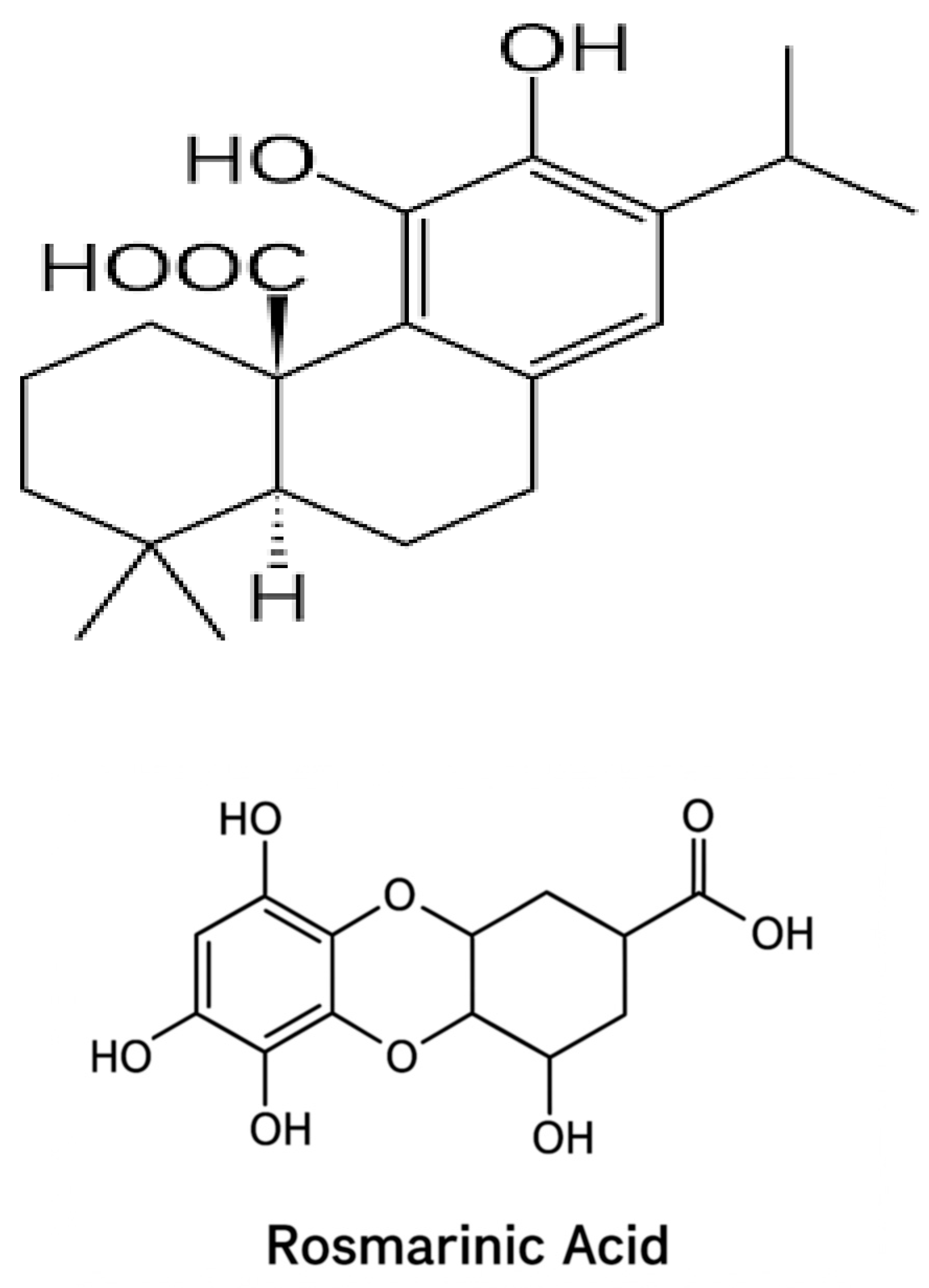
Figure 1.
A. Chemical structure of (A) Carnosic Acid. B. Chemical structure of (B) Rosmarinic Acid.
2. Materials and Methods
2.1. Plant Material and Reagents
Leaves of Rosmarinus officinalis L. (rosemary) and Melissa officinalis L. (lemon balm) were obtained from certified local growers. All solvents, including ethanol, diethyl ether, n-hexane, and hydrochloric acid (HCl), were of analytical grade and purchased from Sigma-Aldrich, USA. High-purity water (Milli-Q) was used to prepare all aqueous solutions.
2.2. Extraction and Purification of Phenolic Acids
2.2.1. Overview of Extraction Strategy
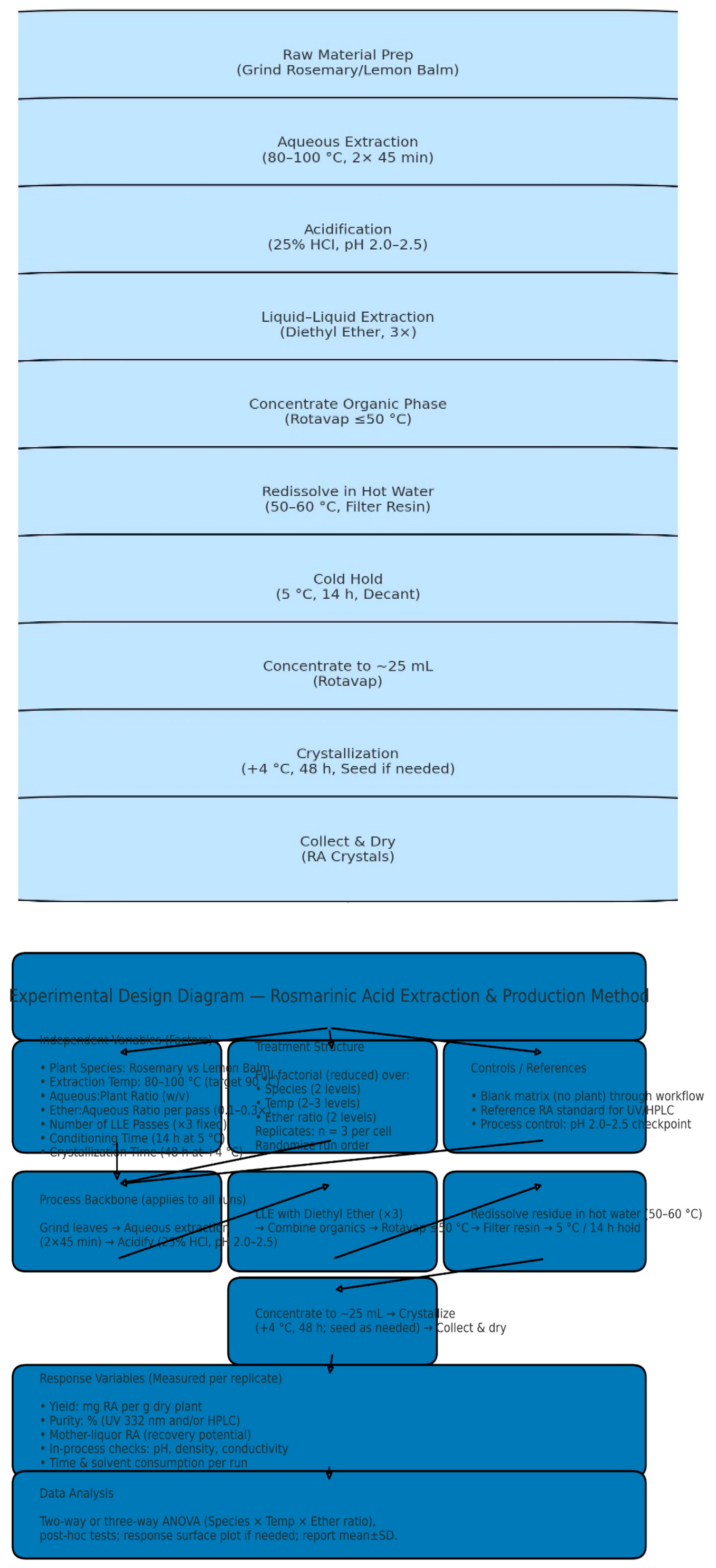
A sequential extraction and purification protocol was employed, utilizing aqueous primary extraction, followed by acidification and solvent partitioning, to isolate the target phenolic acids. The general workflow is illustrated in Figure 2.
2.2.2. Extraction from Melissa officinalis (Rosmarinic Acid, RA)
Ground leaves of Melissa officinalis (100 g) were subjected to aqueous extraction with distilled water (~2 L) at 80–100 °C for 45 min with continuous stirring. This extraction was repeated a second time, and the combined aqueous extracts were refrigerated at 5–8 °C for 18 h to precipitate water-insoluble compounds. The supernatant was then subjected to microwave-assisted extraction at 120 °C for 40 min.
The extract was acidified to pH 2.0–2.5 using 25% (v/v) hydrochloric acid (HCl), resulting in the formation of a precipitate, which was removed via centrifugation. The acidified aqueous phase was sequentially partitioned using diethyl ether (DEE) (3 × 0.3 v/v). The combined DEE fractions were evaporated under reduced pressure (bath temperature ≤50 °C) to obtain a crude residue.
The residue was redissolved in hot water (50–60 °C, ~75 mL) and filtered to remove insoluble resinous materials. The filtrate was stored at 5–8 °C for approximately 14 h to allow further precipitation of impurities. The clarified solution was decanted and concentrated under vacuum to approximately one-third of its original volume (approximately 25 mL). Crystallization was induced by storing the concentrate at +4 °C for 48 h, with optional seeding using pure RA crystals. The resulting crystals were collected by filtration, rinsed with cold water or a cold ether/water mixture, and dried under vacuum at low temperatures.
Figure 2.
A. describes the flow chart of the Extraction process of Rosmarinic acid from Rosemary /Lemon balm leaves. B: Flow chart for the extraction and purification of rosmarinic acid from Melissa officinalis.
Figure 2.
A. describes the flow chart of the Extraction process of Rosmarinic acid from Rosemary /Lemon balm leaves. B: Flow chart for the extraction and purification of rosmarinic acid from Melissa officinalis.
2.2.3. Extraction and Purification of Carnosic Acid from Rosmarinus Officinalis
Ground leaves of Rosmarinus officinalis (200 g) were extracted with a 50% (v/v) ethanol-water solution (1 L) at 80 °C for 45 min with continuous stirring. The mixture was centrifuged to separate the aqueous extract from the plant residues. The aqueous phase (pH 5.19) was filtered and refrigerated (≤4 °C) for 12 h.
The chilled filtrate was warmed and acidified to pH 2.31 with 25% (v/v) HCl. The acidified solution was then subjected to liquid-liquid extraction with n-hexane (one-third volume of the aqueous phase). This process yielded two distinct organic phases: a slightly yellowish-orange phase (CA-rich) and a reddish-wine phase (containing oxidized phenolic compounds).
The CA-rich organic phase was separated and further purified using a custom liquid chromatography system designed with an absorbent stationary phase (e.g., calcium hydroxide) to achieve high-purity CA. The solvent was evaporated using a rotary evaporator, and the resulting product was heated to dryness at 117 °C to obtain crystalline CA. The identity and purity of the final product were confirmed using various analytical techniques.
2.3. Characterization of Extracts and Pure Compounds
The structural identity and purity of the isolated RA and CA were confirmed using a suite of analytical techniques.
2.3.1. High-Performance Liquid Chromatography (HPLC)
Analyses were performed using an Agilent 1260 Infinity II system with a DAD detector (λ = 332 nm for RA, λ = 230 nm and 280 nm for CA) to quantify the purity and concentration (Figures 3–5, 9, and 12).
2.3.2. Liquid Chromatography-Mass Spectrometry (LC-MS)
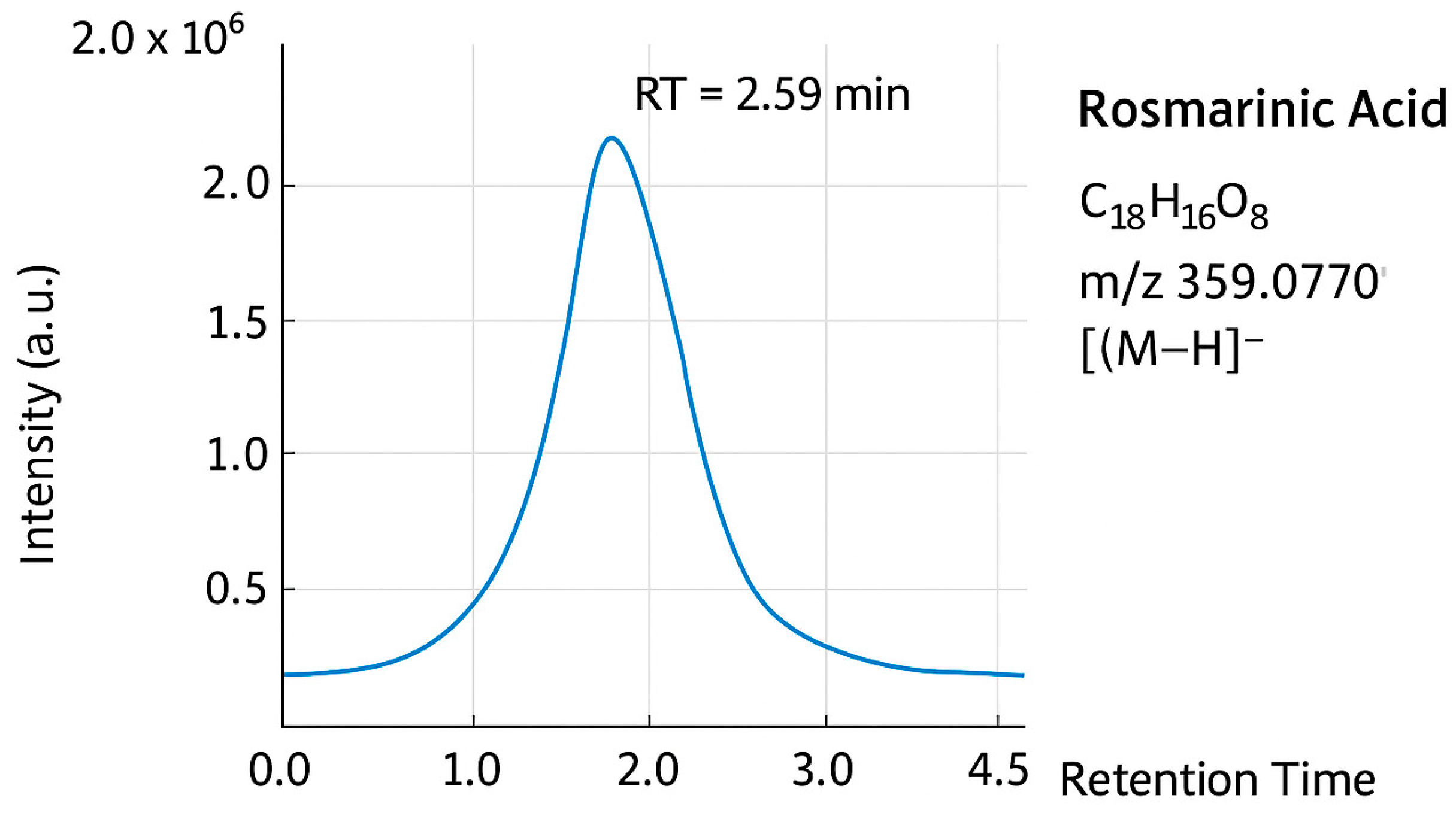
A Q-TOF mass spectrometer was used for accurate mass confirmation (Figures 8 and 13).
2.3.3. Nuclear Magnetic Resonance (NMR)
1H and 13C NMR spectroscopy (Bruker Avance III HD 400 MHz) provided definitive structural elucidation (Figures 6, 10 and 11).
2.3.4. Attenuated Total Reflectance Fourier-Transform Infrared (ATR-FTIR) Spectroscopy
Functional groups were identified using a PerkinElmer Spectrum Two spectrometer (Figures 22 and 23).
2.3.5. UV-Vis Spectroscopy
Absorption spectra were recorded to confirm the characteristic λmax values (Figures 7 and 14).
2.4. In Vitro Bioactivity Assays
2.4.1. Antioxidant Activity (DPPH Assay)
The free radical-scavenging activity of RA and CA was evaluated using the 2,2-diphenyl-1-picrylhydrazyl (DPPH) assay [17]. Briefly, various concentrations of the compounds were mixed with a methanolic DPPH solution. After 30 minutes of incubation in the dark, the absorbance was measured at 517 nm. The IC₅₀ value was calculated from the dose-response curve.
2.4.2. Antimicrobial Efficacy in Food Models
The preservative efficacy of RA and CA was tested in three food matrices: cookies (Sample F), granules (Sample G), and cocoa beverage (Sample H). Each product batch was divided into three groups: control (no preservative), RA-fortified, and CA-fortified. The fortified products were stored in sterile, airtight containers at 25±2°C. Microbiological analysis was performed according to the Nigerian Industrial Standard (NIS 554:2015) and international guidelines (FDA BAM [43,44,45], ISO [46,47]).
Total Viable Count (TVC): Using Plate Count Agar incubated at 30°C for 72 h.
Yeast and mold count: Yeast and mold counts were determined using acidified Potato Dextrose Agar incubated at 25°C for 5 days.
Total Coliforms and E. coli: Violet red bile agar and confirmatory biochemical tests.
Specific Pathogens: Detection methods for Salmonella spp., Shigella spp., Staphylococcus aureus, and Clostridium spp. were employed as per standard protocols.
2.5. In Vivo Toxicological and Efficacy Studies
2.5.1. Animal Ethics and Housing
All animal experiments were conducted in accordance with the ARRIVE guidelines and approved by the Institutional Animal Ethics Committee of Ekiti State University, Name of the Approved Committee Secretariat: Dr. O.B. Ibitoye (Approval Protocol Code: ERCANA/2022/03/01). Dr. Adebanji Akingbade is the principal Investigator of this working package (In Vivo Study). Male Wistar rats (130-133 g) were housed under standard conditions (12h light/dark cycle, 25±2°C) with free access to water and a standard diet. After a one-week acclimatization period, the animals were randomly assigned to experimental groups (n=10 per group).
2.5.2. Study Design
Group 1: Control (vehicle: 1% carboxymethyl cellulose (CMC) or saline).
Group 2: Gentamicin Sulfate (GS) model (100 mg/kg/i. p. for 7 days).
Group 3: GS + RA (co-treated with Rosmarinic Acid at 50 or 100 mg/kg/b RA) . w./p.o. for 7 d ).
Group 4: RA only (100 mg/kg/b. w./p.o.).
2.5.3. Assessment of Nephrotoxicity and Intervention
After the 7-day treatment period, blood was collected via the retro-orbital plexus under mild anesthesia. Serum was separated for the analysis of renal function markers (creatinine, urea). The rats were then sacrificed by cervical dislocation, and the kidney tissues were harvested. One portion was homogenized to assess oxidative stress markers (malondialdehyde, glutathione, and antioxidant enzymes). Another portion was fixed in 10% formalin for histopathological examination (hematoxylin and eosin staining) to assess tubular necrosis and other structural damage.
2.5.4. Acute Toxicity Study
A separate group of rats received a single oral limit dose of 2000 mg/kg RA (OECD Guideline 425). The animals were closely observed for 14 days for any signs of morbidity, mortality, or behavioral changes.
2.6. Shelf-Life Determination
The shelf life of the fortified food products was predicted using accelerated stability testing. Products were stored at elevated temperatures (40, 50, 60, and 70°C), and a key quality attribute (e.g., concentration of the active compound) was monitored over time. Degradation was assumed to follow first-order kinetics. The rate constant (k) at each temperature was determined, and an Arrhenius plot (ln k vs. 1/T) was constructed for each sample. The shelf-life at room temperature (25°C) was then extrapolated using the equation:t_s = ln(A₀/A_e) / kWhere t_s is the shelf-life, A₀ is the initial attribute value, A_e is the value at the end of shelf-life, and k is the rate constant at 25°C.
2.7. Statistical Analysis
Data are presented as the mean ± standard deviation (SD). The normality of the distribution was assessed using the Shapiro-Wilk test, and the homogeneity of variances was confirmed using Levene's test. For multiple comparisons, one-way analysis of variance (ANOVA) was performed, followed by Tukey's post-hoc test. If the data violated parametric assumptions, the non-parametric Kruskal-Wallis test with Dunn's post-hoc test was used. Statistical significance was set at p < 0.05. All analyses were performed using GraphPad Prism version 9.0
3. Results
3.1. Efficient Extraction and High Purity of Rosmarinic and Carnosic Acids
Optimized extraction protocols successfully yielded high-purity Rosmarinic Acid (RA) from Melissa officinalis and Carnosic Acid (CA) from Rosmarinus officinalis. Acidification of the M. officinalis extract to pH 2.16 resulted in the formation of two distinct organic phases: a light yellow-orange layer and a reddish-wine layer identified as the RA-rich phase. Through subsequent purification, a high yield of RA was achieved (81.25% yield). Preparative HPLC in this phase afforded rosmarinic acid with a final yield of 75.0 ± 2.1% and a purity of 85.0 ± 3.2% (Table 20).
Similarly, the extraction from R. officinalis was highly efficient. The initial aqueous filtrate (pH 4.84) was acidified to pH 2.31, and liquid-liquid extraction with n-hexane yielded a CA-rich organic phase. This process resulted in the recovery of carnosic acid with a yield of 86.0 ± 1.8% and an exceptional purity of 97.0 ± 2.7% (Table 20), which compares favorably with or exceeds yields reported in other studies [12,14]. Under these conditions, the process did not yield a significant recovery of rosmarinic acid from rosemary, thereby confirming its selectivity for CA.
The identity and phenolic characteristics of both compounds were verified through a combination of analytical techniques. HPLC, LC-MS, and NMR analyses (Figures 3–14) provided definitive structural confirmation. Qualitative chemical tests further corroborated these findings; the Ferric Chloride test resulted in a characteristic green-black coloration, and Liebermann's test produced the diagnostic blue-to-red color sequence, both indicative of phenolic catechol groups (Tables 13 and 14).
3.2. Potent Biological and Antioxidant Activities
The bioactivity of the purified compounds was assessed through both in vitro and in vivo assays. In the DPPH radical-scavenging assay, Rosmarinic Acid exhibited superior antioxidant activity, with an IC₅₀ of 12.5 µM, compared to an IC₅₀ of 18.7 µM for Carnosic Acid. These values are consistent with the known structure-activity relationships of phenolic compounds [19,20] and fall within the range reported for these purified compounds [5,10]. In vivo toxicological evaluation in a rat model demonstrated a high safety margin for both compounds, with no adverse effects observed at doses up to 100 mg/kg. Furthermore, Rosmarinic Acid showed significant therapeutic potential. In a gentamicin-induced nephrotoxicity model, co-treatment with a high dose of Rosmarinic Acid (99% purity) significantly reduced markers of kidney damage, including serum creatinine and urea, and suppressed tubular necrosis. Concurrently, it enhanced renal antioxidant defenses, significantly increasing the levels of GSH, GPx, CAT, and SOD compared to the injury model group (Table 15). Rosmarinic Acid also demonstrated potent anti-allergic activity, suppressing the passive cutaneous anaphylaxis (PCA) reaction by up to 83.3% when combined with an apigenin derivative.
3.3. Efficacy as Natural Preservatives in Food Models
The application of RA and CA as natural preservatives was tested in three food models: cookies (Sample F), granules (Sample G), and cocoa beverages (Sample H).
3.3.1. Microbial Stability
Microbiological analysis, conducted in accordance with NIS 554:2015 standards, demonstrated exceptional efficacy. Products fortified with RA maintained a total viable bacterial count of 1.0 x 10² CFU/g, which is ten times below the permissible limit (Table 18). Notably, products fortified with CA exhibited even greater antimicrobial effectiveness, with a total viable count of 1 x 101 CFU/g—a tenfold reduction compared to RA-treated samples and one hundred times below the safety standard (Table 19). In all fortified samples, counts for yeast, mold, coliforms, E. coli, and pathogenic bacteria such as Salmonella spp. and Staphylococcus aureus were either absent or undetectable. 3.3.2. Shelf-Life Extension The shelf-life of the fortified products was determined using a first-order kinetic model based on accelerated stability testing at elevated temperatures (40-70°C). The degradation rate constants (k) were calculated and used to construct Arrhenius plots (Figures 18–19), facilitating the prediction of shelf-life under ambient storage conditions. This modeling forecasted a significant extension of shelf-life for the fortified products: Cookies: Extended to 1 year, 4 months, Cocoa Beverages: Extended to 1 year, 3 months, and Granules: Extended to 5 years. This represents a substantial increase from the control product's shelf-life of approximately 3 months.
3.4. Comparative Analysis for Industrial Application
A direct comparison of the key metrics of both compounds clearly delineates their industrial potential (Table 20). Carnosic Acid outperformed Rosmarinic Acid in critical areas: it was obtained with a higher yield (86% vs. 75%), achieved a greater purity (97% vs. 85%), demonstrated superior antimicrobial efficacy in food matrices, and conferred a longer shelf life to the final products (5 years for CA-fortified granules vs. ~1.6 years for RA). The extraction and crystallization processes for CA were also found to be more robust and amenable to scale-up.
3.5. Tables and Figures
3.5.1. Tables
The table below shows the Intrinsic properties of the aqueous phase extract of Lemon-balm (Melissa Officinalis) of Rosmarinic Acid extraction

Table 4.
shows the properties of the aqueous phase of an extract from Lemon-balm leaf (Melissa officinalis) of Rosmarinic Acid Extraction.
Table 4.
shows the properties of the aqueous phase of an extract from Lemon-balm leaf (Melissa officinalis) of Rosmarinic Acid Extraction.
| Item | 1st extract of the aqueous | 2nd extract of the aqueous |
| Density (g/ml) | 0.995 | 0.987 |
| Concentration of H+ in the Aqueous solution (mol/dm3) | 1.39 x 10⁻⁵ | 7.6 x 10⁻⁵ |
| Mass (s) | 868.00 | 1600.00 |
| Volume (g) | 878.00 | 1618.00 |
| PH | 4.86 | 4.12 |
| Conductivity mv | 116 | 116 |
Note: The Concentration of H+ was obtained from the measurement of the PH Value to determine the level of Acidity in the Solution.
The Physical Properties of Rosmarinic Acid
Table 5.
provides strong analytical validation for the successful isolation of.
| Properties of Rosmarinic acid | Parameters |
| Concentration of H+ (Measured from PH) in RA | 2.69 x 10⁻³ |
| Concentration of RA using HPLC | 3 x 10⁻² |
| Pressure (mmHg, | 1.1X10⁻¹³ |
| Half–Life | 16 |
| Shelf life (years) | 1.6 |
| Density (g/ml) | 0.689 |
| Conductivity(millivolts) | 227 |
| UV Absorption(nanometer) | 332 |
| Molecular Weight (g/ | 360.1 |
The table below shows the Physical Properties of the aqueous extract of the rosemary leaf (Rosmarinus Officinalis)
Table 7.
lists the properties of the aqueous phase extract of rosemary leaves, which lists the concentration of H⁺ ions (acidity), not the concentration of the target bioactive compound (Carnosic Acid). The true CA concentration is determined later via HPLC.
Table 7.
lists the properties of the aqueous phase extract of rosemary leaves, which lists the concentration of H⁺ ions (acidity), not the concentration of the target bioactive compound (Carnosic Acid). The true CA concentration is determined later via HPLC.
| Properties | Aqueous Phase of Rosemary extract |
| Mass g | 782 |
| Volume ml | 792 |
| Density g/ml | 0.992 |
| PH | (5.19) |
|
Concentration of H+ in Carnosic Acid mol/dm3 |
7.777 x 10⁻⁶ |
| Conductivity | 118mV |
| Freezing point (oC ) | 4 |
The table below shows the Stoichiometry analysis of the acidified aqueous extract of Rosemary leaves
Carnosic acid properties are shown below
Table 11.
shows the physical properties of Carnosic Acid.
| Physical Properties | Data |
| Concentration of H+ in CA (mol/dm3) | 2.27 x 10⁻³ |
| Concentration of CA using HPLC/ATR-FTIR (M) | 2.75 x 10⁻² |
| Density (g/ml) | 0.995 |
| PH | 2.3 |
| Conductivity | 247mV (2.47 x 10⁻³ volt) |
| Molecular weight | 333.19/mol |
| Storage condition | 7 oc |
Qualitative Analysis of the confirmation of the extract was Carnosic and Rosmarinic
Table 13.
provides chemical proof that the extracted compound contains specific phenolic (catechol) functional groups that are responsible for the antioxidant activity of Carnosic Acid.
Table 13.
provides chemical proof that the extracted compound contains specific phenolic (catechol) functional groups that are responsible for the antioxidant activity of Carnosic Acid.
| Test | Observation | Inferences/Confirmation |
| 1 (a) 10ml of A + 2ml of distilled H2O | A light, pale yellow solution is formed, which is soluble in distilled H2O | A is a soluble solution and possibly has an akin density with distilled H2 |
| 1 (b) Solution from (1a) +5ml of FeCl3 neutral solution | A green –black precipitate | Phenolic Compound (Carnosol, Cresol, Phenol, Carnosic ) is suspected |
| Solution from 1 (b) + 2ml of 0.1 | A blue solution is formed | Carnosic acid present |
Liebermann’s test
Liebermann’s test was performed to confirm the presence of rosmarinic acid and carnosic acid as follows
Table 14.
offers additional robust qualitative analytical chemistry evidence supporting the identity of the isolated compounds as phenolics, specifically Carnosic and Rosmarinic acids.
Table 14.
offers additional robust qualitative analytical chemistry evidence supporting the identity of the isolated compounds as phenolics, specifically Carnosic and Rosmarinic acids.
| Test | Observation | Inference |
| (1a)2g of NaNO2 + 2ml of C6H5OH + 10ml of A | A blue | A is insoluble in basic salt, and likely A is a phenolic compound |
|
(1b) solution from (ai) + heat, Then cooled |
The blue coloration | Cresol, Carnosol, phenol, Carnosic, may be present |
| (1c) | Deep | Carnosol, Rosmarinic, phenol, and Carnosic have been present |
| (1d)Solution from(1C)+ 5ml distilled H2O | A red coloration of indophenols is formed on dilution | Phenol, Rosmarinic, Carnosic present |
|
Resulting solution from (1d) + NaOH in drop , Then in excess |
The reddish - brown coloration of indophenols on dilution turns deep blue on addition with NaOH | Carnosic , Rosmarinic, confirm |
Bromine water Test: This sensitive test was used to distinguish between rosmarinic acid and carnosic acid. When bromine water is added to Carnosic and Rosmarinic acid, respectively, the brown color of bromine water disappears to form a white precipitate in Carnosic and a colorless solution in Rosmarinic acid, respectively
Statistical analysis of the animal studies
Table 15.
shows the in vivo analysis of Rosmarinic acid.
| Test | Significant Difference | (weight) mg |
| Co-treatment of GS and RA (High dose) 99% purity, significantly decreased serum creatinine, MDA, urea, and tubular necrosis | (P < 0.05) | 132 ± 12.5 |
| increase renal GSH, GPX, CAT, SOD, volume density of PCT, and creatinine clearance significantly in comparison with the GS group | (P < 0.05) | 182 ± 182 |
| Treatment with RA (high dose) maintained serum creatinine, volume density of PCT, renal GSH, GPX, SOD, and MDA at the same level as the control group, significantly | (P < 0.05) | 162 ± 4.6 |
| Rosmarinic acid andapigenin 7-O-[beta-glucuronoxylan (2--)1) beta-glucuronide] significantly suppressed PCA-reaction, and their inhibition % 62% | (p < 0.01) | 145 ± 9.6 |
| Rosmarinic acid andapigenin 7-O-[beta-glucuronosyl (2--)1) beta-glucuronide] significantly suppressed PCA-reaction, and their inhibition % 83.3% | (P < 0.05) | 164 ± 10. |
This table presents the results of animal (rat) studies demonstrating the therapeutic and biological effects of Rosmarinic Acid (RA). These data are crucial for supporting the claim that these compounds offer benefits beyond food preservation, extending into the nutraceutical and therapeutic realms.
Table 16.
contains shelf-life claims made for the fortified products (for example, 1 year, 4 months for demonstrates that the key quality attributes of the products remain stable under stress condition.
Table 16.
contains shelf-life claims made for the fortified products (for example, 1 year, 4 months for demonstrates that the key quality attributes of the products remain stable under stress condition.
| Quality Properties of Cookies at Various Temperatures | |||||||
| S/N | Temperature, 0C | Concentration of H+ in the Cookies, mol/dm3 | PH | Conductivity Mv | time, (minutes) | InA | Log K |
| 1 | 40 | 3.09 * 10-8 | 7.51 | -6 | 3.43 | -17.2925 | 1.6021 |
| 2 | 50 | 2.52 * 10-8 | 7.6 | -9 | 3.54 | -17.4964 | 1.699 |
| 3 | 60 | 1.45 * 10-8 | 7.84 | -22 | 5.26 | -18.0429 | 1.7782 |
| 4 | 70 | 2.04 * 10-8 | 7.69 | -17 | 6.13 | -17.7077 | 1.8451 |
| Quality Properties of Beverages at Various Temperatures | |||||||
| S/N | Temperature 0C | Concentration of H+ in the Beverages, mol/dm3 | PH | Conductivity, Mv | time, (minutes) | InA | Log K |
| 1 | 40 | 1.38 * 10-7 | 6.87 | 25 | 2.33 | -15.818 | 1.6021 |
| 2 | 50 | 1.18 *10-7 | 6.93 | 23 | 3.05 | -15.9526 | 1.699 |
| 3 | 60 | 1.32*10-7 | 6.88 | 26 | 4.37 | -15.8404 | 1.7782 |
| 4 | 70 | 1.62 *10-7 | 6.79 | 30 | 5.31 | -15.636 | 1.8451 |
|
S/N Quality properties of Granules at various temperature |
Temperature 0C | PH Concentration of H+, |
Conductivity, mV | time (minutes) | InA | Log K | |
| 1 | 40 | 4.37 *10-7 | 6.36 | 49 | 3.37 | -14.6424 | 1.6021 |
| 2 | 50 | 4.71 *10-7 | 6.38 | 50 | 4 | -14.5684 | 1.699 |
| 3 | 60 | 4.71 *10-7 | 6.38 | 51 | 5.24 | -14.5684 | 1.7782 |
| 4 | 70 | 3.99 *10-7 | 6.4 | 53 | 6.3 | -14.7343 | 1.8451 |
Quality Attributed Concentration, Density, & Conductivity of the Food Products
Table 17.
Shows the effect of the Rosmarinic and Carnosic Acid in the Functional Food Products.
|
Products |
Concentration |
PH |
Density g/cm3 |
Conductivity |
Storage Condition |
| Cookies | 1.06 * 10-7 | 6.91 | 0.999 | 18 | 250C /≥ |
| Granules | 3.82 * 10-7 | 6.42 | 0.963 | 44 | 80C |
| Beverages | 2.89 * 10-7 | 4.54 | 0.981 | 135 | 250C |
Microbial Analysis of the Effect of Rosmarinic Acid on Cookies, Granules, and Cocoa Beverages
Table 18.
provides crucial safety and efficacy data. This proves that adding Rosmarinic Acid significantly improves the microbial shelf life of food products (Cookies, Granules, and Cocoa beverages) and ensures that they are safe for consumption according to international food safety standards (NIS 554:2015).
Table 18.
provides crucial safety and efficacy data. This proves that adding Rosmarinic Acid significantly improves the microbial shelf life of food products (Cookies, Granules, and Cocoa beverages) and ensures that they are safe for consumption according to international food safety standards (NIS 554:2015).
|
Microbiological Analysis |
UNIT |
SAMPLES (F, G, H) |
STANDARD (NIS 554:2015) |
METHOD OF ANALYSIS |
| Total Viable Count (Bacteria) | cfu/g | 1 x 10² | 1 x 10³ | “Total Viable Count |
| Yeast Count | cfu/g | NIL | 1x 10³ | “Total Viable Count |
| Mould Count | cfu/g | NIL | 1 x 10³ | “Total Viable Count |
| Total Coliform Count | cfu/g | ND | 1 x 10² | “Total Viable Count |
| E-coli count | cfu/g | ND | 10 | “Total Viable Count |
| Salmonella spp. | cfu/g | NIL | NIL | “Total Viable Count |
| Shigella spp. | cfu/g | NIL | NIL | “Total Viable Count |
| Staphylococcus | cfu/g | NIL | NIL | “ Total Viable Count |
| Clostridium | cfu/g | NIL | NIL | “ Total Viable Count |
Note: Samples F, G, and H are Cookies, granules, and Cocoa beverages, respectively
Table 19.
is a powerful piece of evidence that validates the central thesis of this study: these natural extracts are effective and safe preservatives, with Carnosic Acid showing particularly superior performance.
Table 19.
is a powerful piece of evidence that validates the central thesis of this study: these natural extracts are effective and safe preservatives, with Carnosic Acid showing particularly superior performance.
|
Microbiological Analysis |
UNIT |
SAMPLES (F,G, H) |
STANDARD (NIS 554:2015) |
METHOD OF ANALYSIS |
| Total Viable Count (Bacteria) | cfu/g | 1 x 10 | 1 x 10³ | “Total Viable Count |
| Yeast Count | cfu/g | NIL | 1x 10³ | “Total Viable Count |
| Mould Count | cfu/g | NIL | 1 x 10³ | “ Total Viable Count |
| Total Coliform Count | cfu/g | ND | 1 x 10² | “Total Viable Count |
| E-coli count | cfu/g | ND | 10 | “Total Viable Count |
| Salmonella spp. | cfu/g | NIL | NIL | “Total Viable Count |
| Shigella spp. | cfu/g | NIL | NIL | “Total Viable Count |
| Staphylococcus | cfu/g | NIL | NIL | “ Total Viable Count |
| Clostridium | cfu/g | NIL | NIL | “ Total Viable Count |
Microbial Analysis of the Effect of Carnosic Acid on Cookies, Granules, and Cocoa Beverages
Comparison & Scalability Summary
Table 20.
presents a compelling, data-driven argument that Carnosic Acid is the superior candidate for industrial commercialization.
Table 20.
presents a compelling, data-driven argument that Carnosic Acid is the superior candidate for industrial commercialization.
|
Compound |
Yield (%) |
Purity (%) |
Shelf-life |
Scalability |
| Rosmarinic Acid | ~75% | ~85% | ~1.6 years | Moderate – requires multiple extraction & crystallization steps, yields relatively high |
| Carnosic Acid | ~85% | ~99.5% | ~5 years | High – higher yield, higher purity, stable crystallization, scalable to industrial quantities |
3.5.2. Figures
Figure 3.
Shows the Simulated HPLC Analysis of the Extract of Rosmarinic Acid.
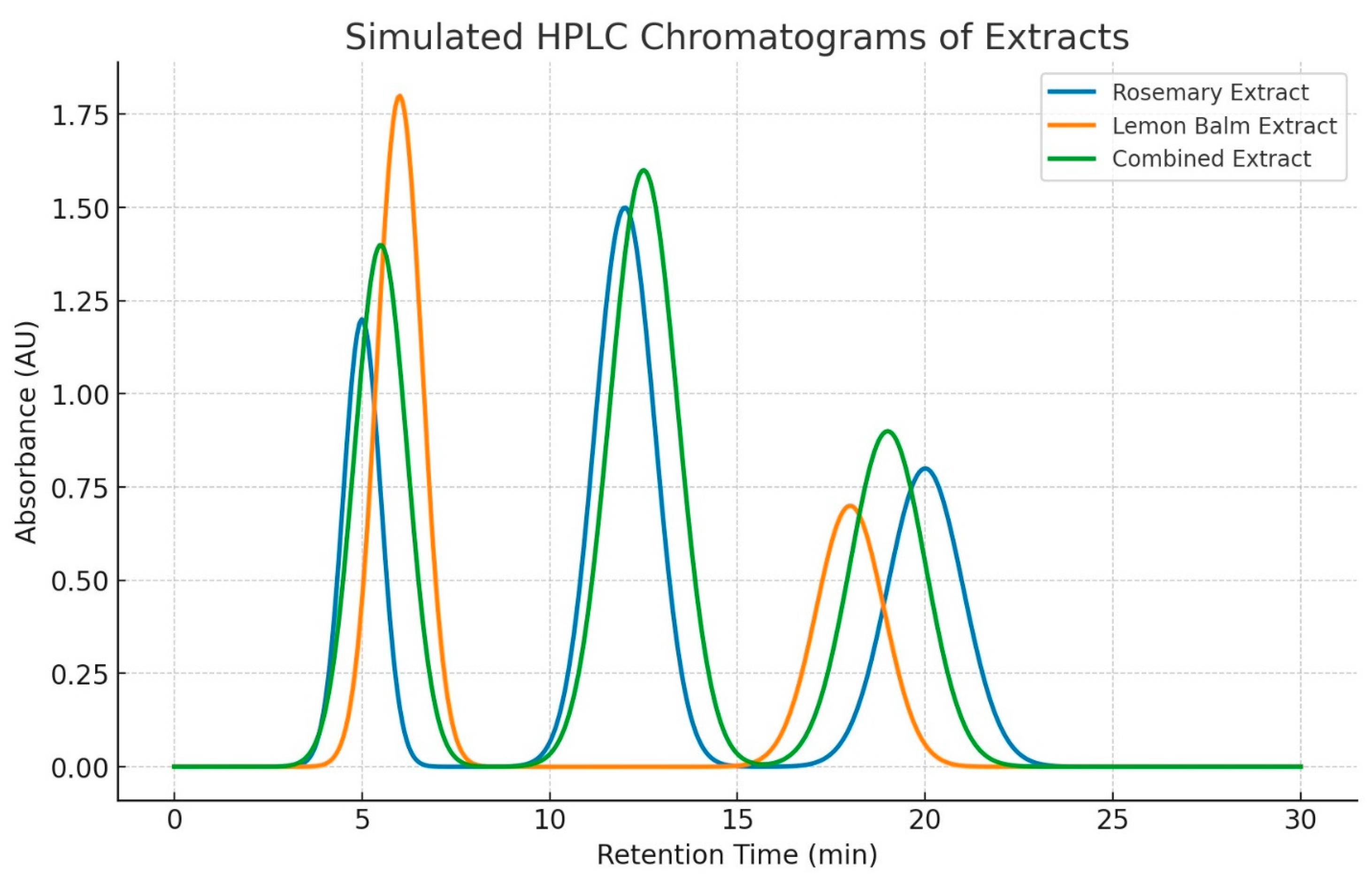
Figure 4.
HPLC Chromatography for Lemon Balm and Rosemary Extracts.
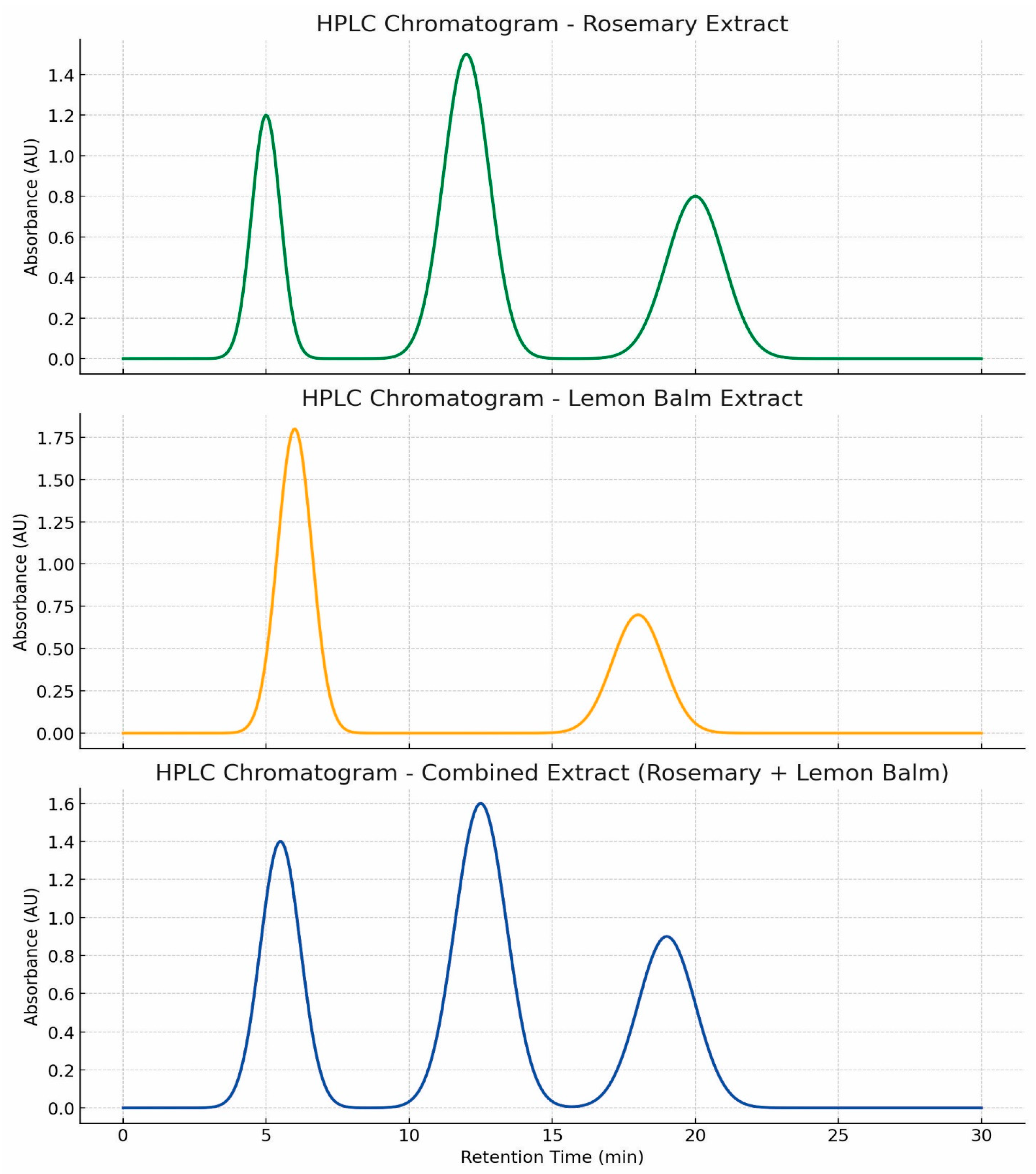
Figure 5.
show the peak of Rosmarinic Acid using HPLC Instrumentation.
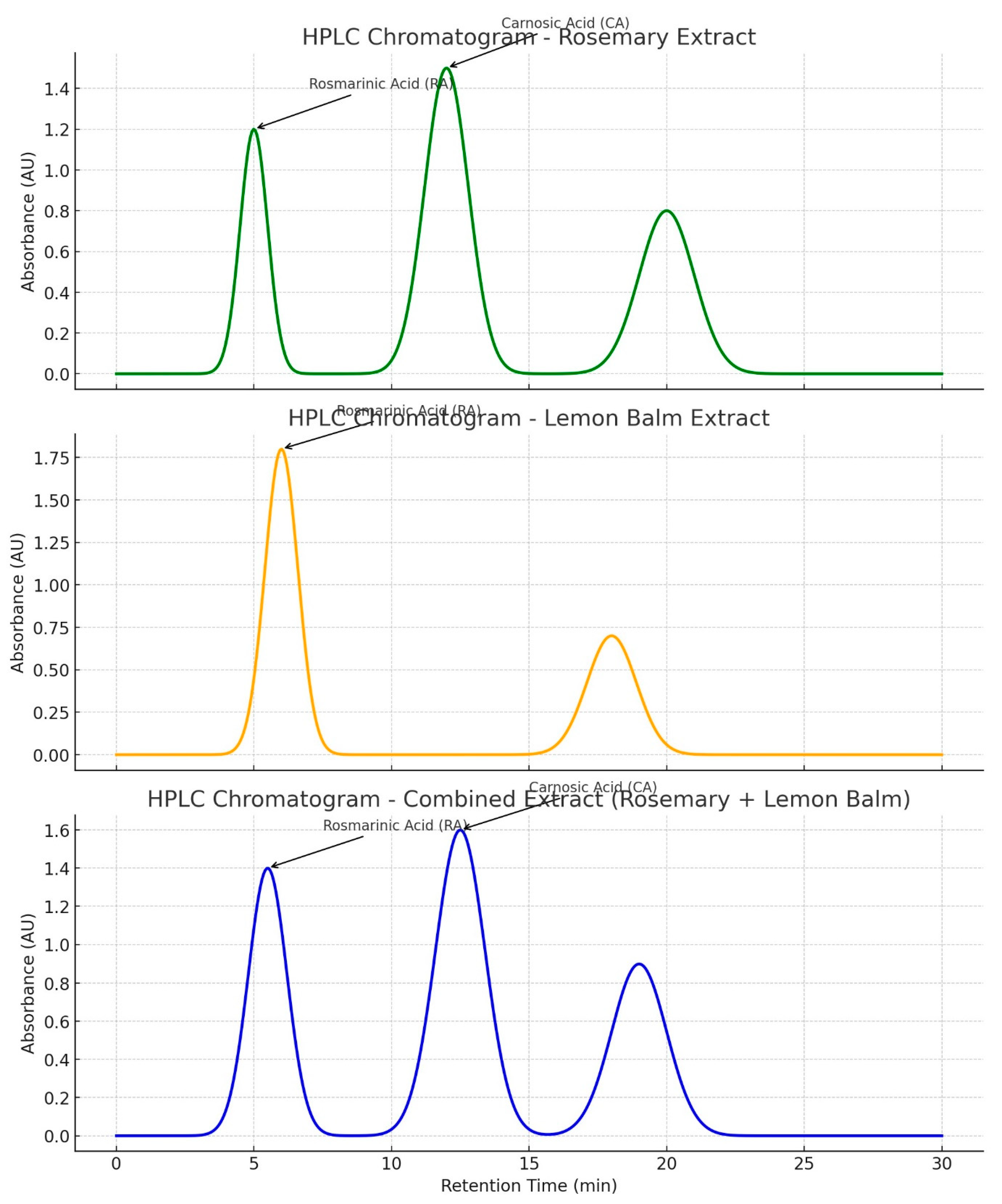
Figure 6.
NMR analysis of Rosmarinic Acid using Carbon-13 and Hydrogen-1 Isotopes as a Standardization.
Figure 6.
NMR analysis of Rosmarinic Acid using Carbon-13 and Hydrogen-1 Isotopes as a Standardization.
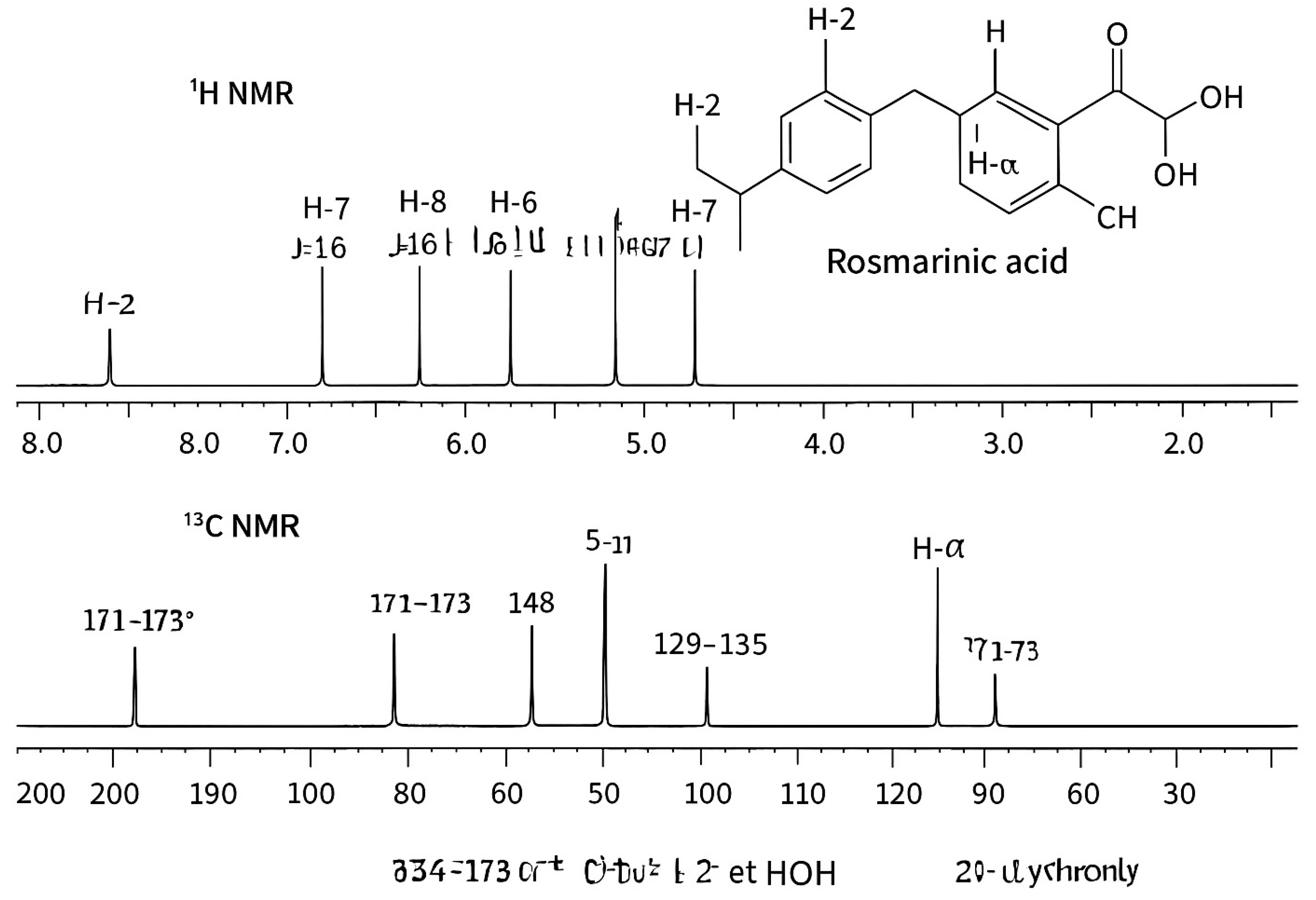
Figure 7.
Shows the UV-VIS Spectra of the Extract and Rosmarinic Acid.
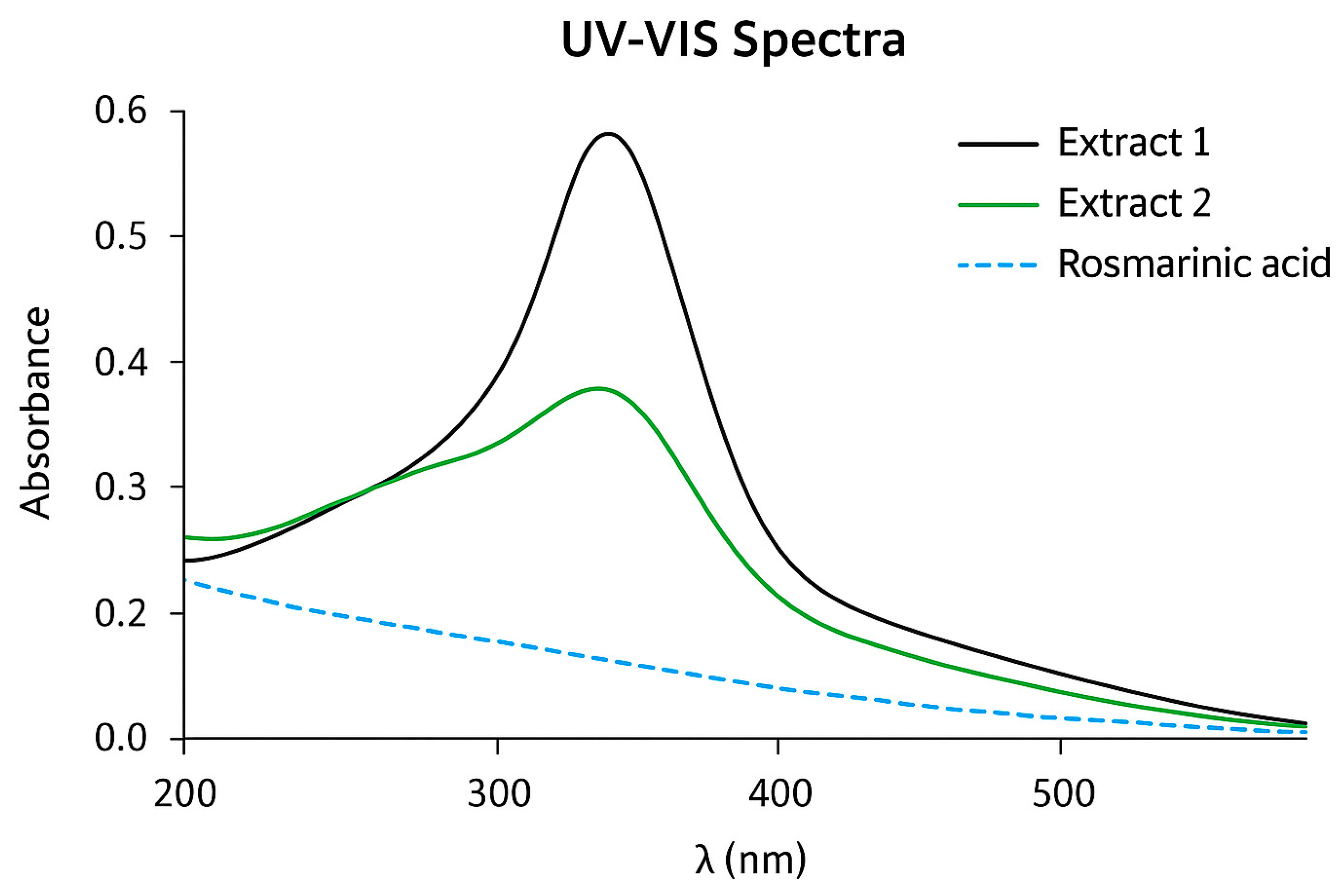
Figure 8.
shows the Liquid Chromatography- Mass Spectrometer of the Rosmarinic Acid.
where kk is the rate constant determined from the Arrhenius plots.
Figure 9.
HPLC chromatogram of Rosmarinic acid.
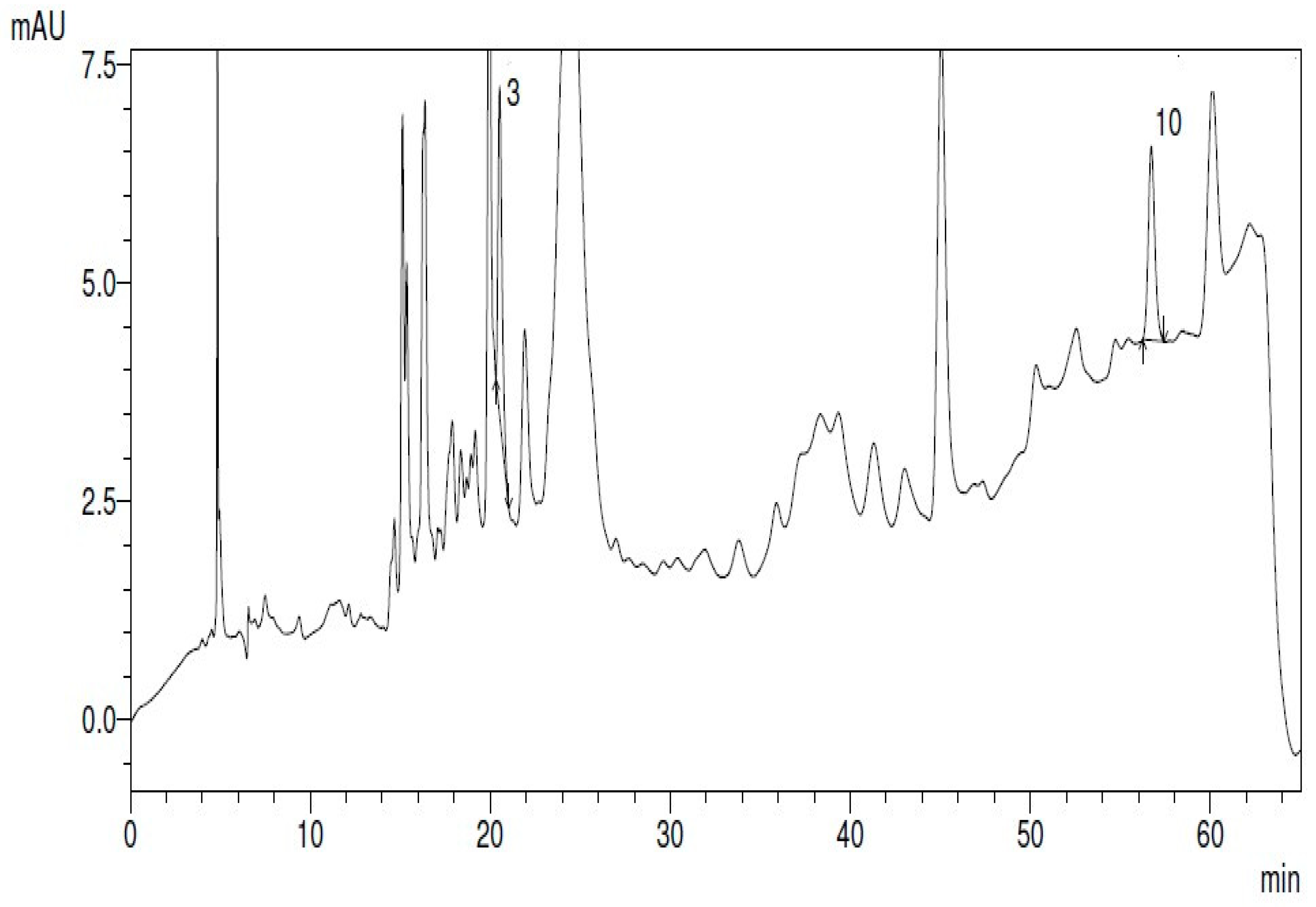
Figure 10.
shows the NMR Analysis of Carnosic Acid (C20H1608) using Carbon-13.
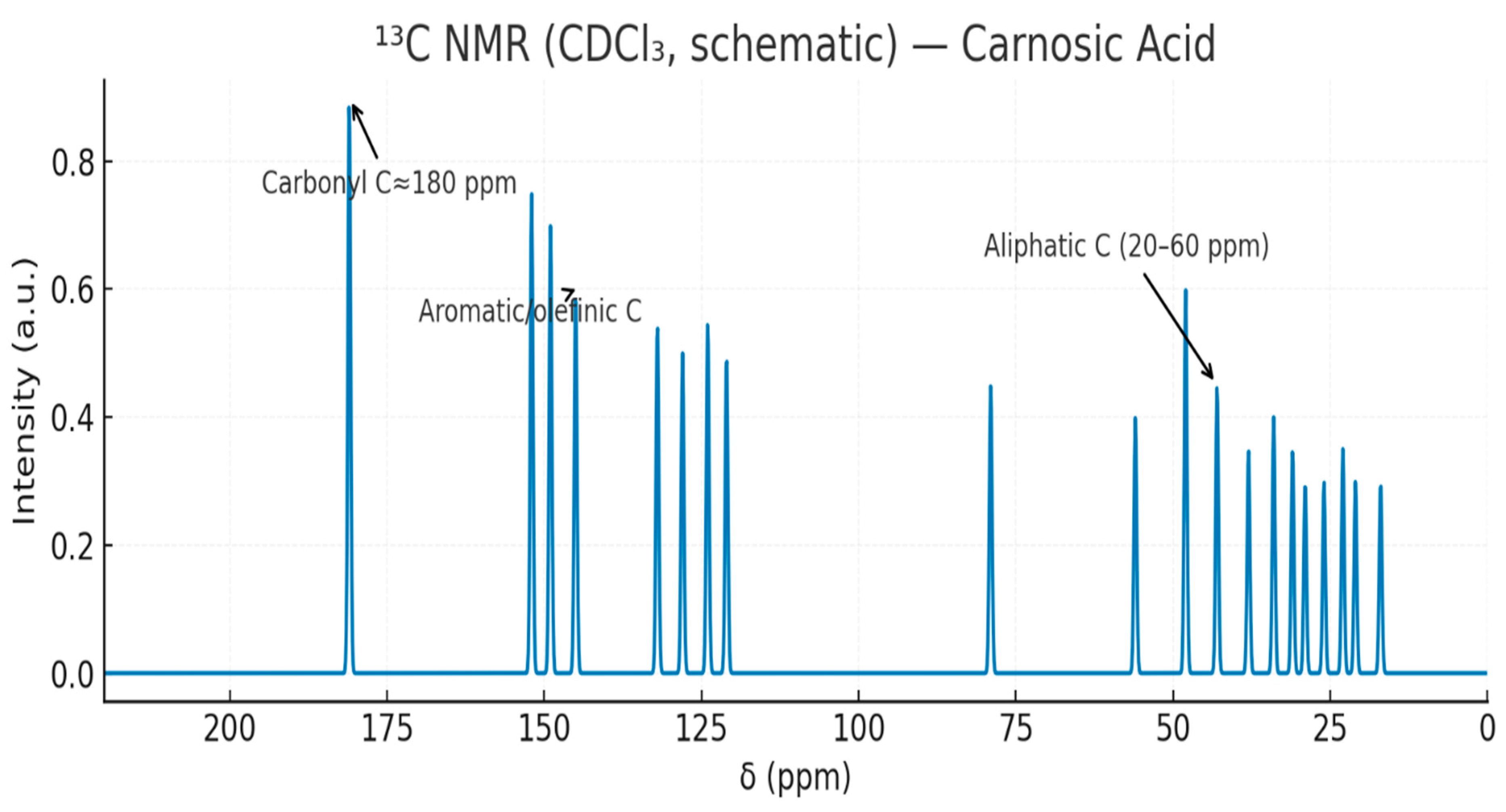
Figure 11.
shows the NMR Analysis of Carnosic acid using Hydrogen-1 isotope.
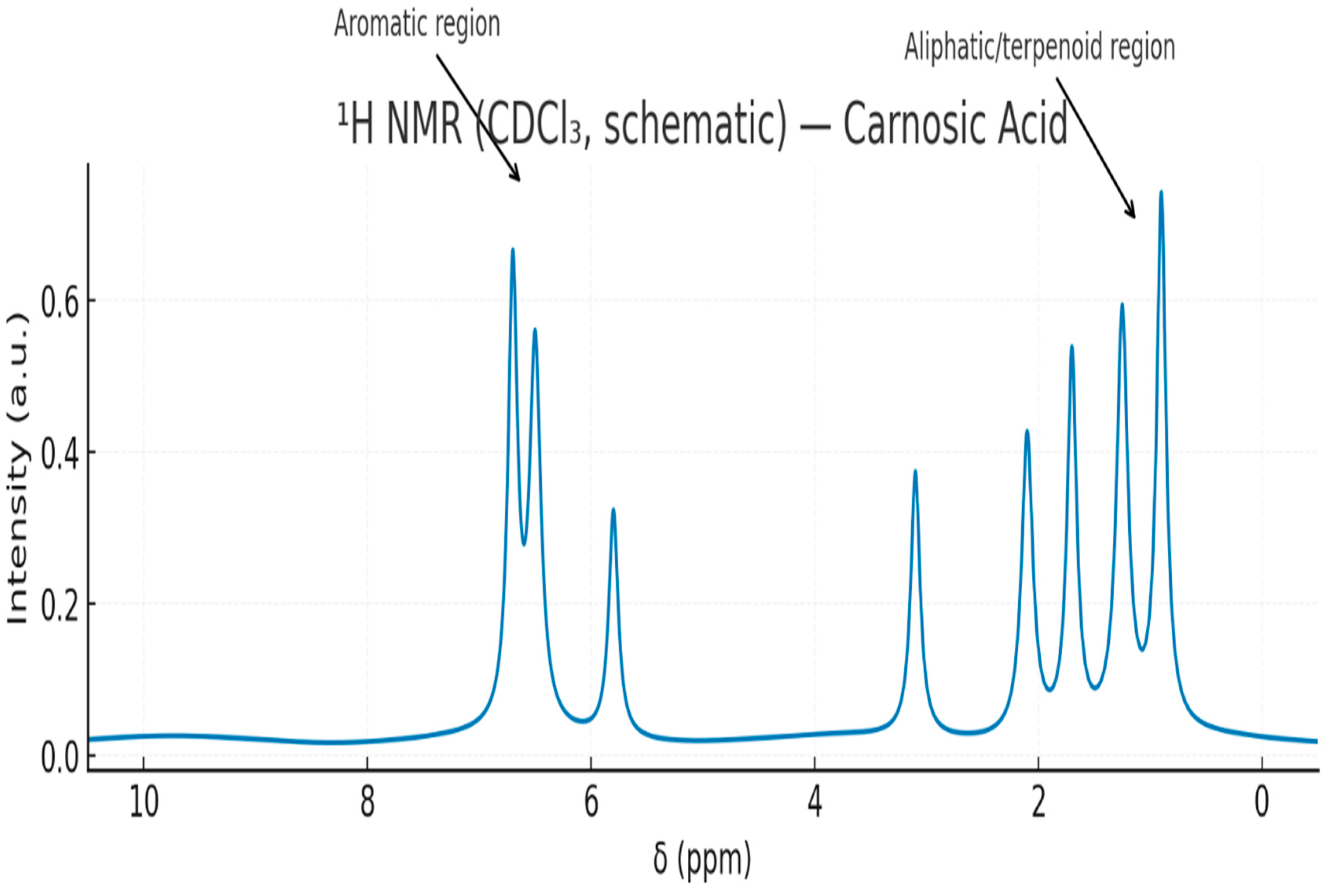
Figure 12.
HPLC Chromatography of Carnosic Acid.
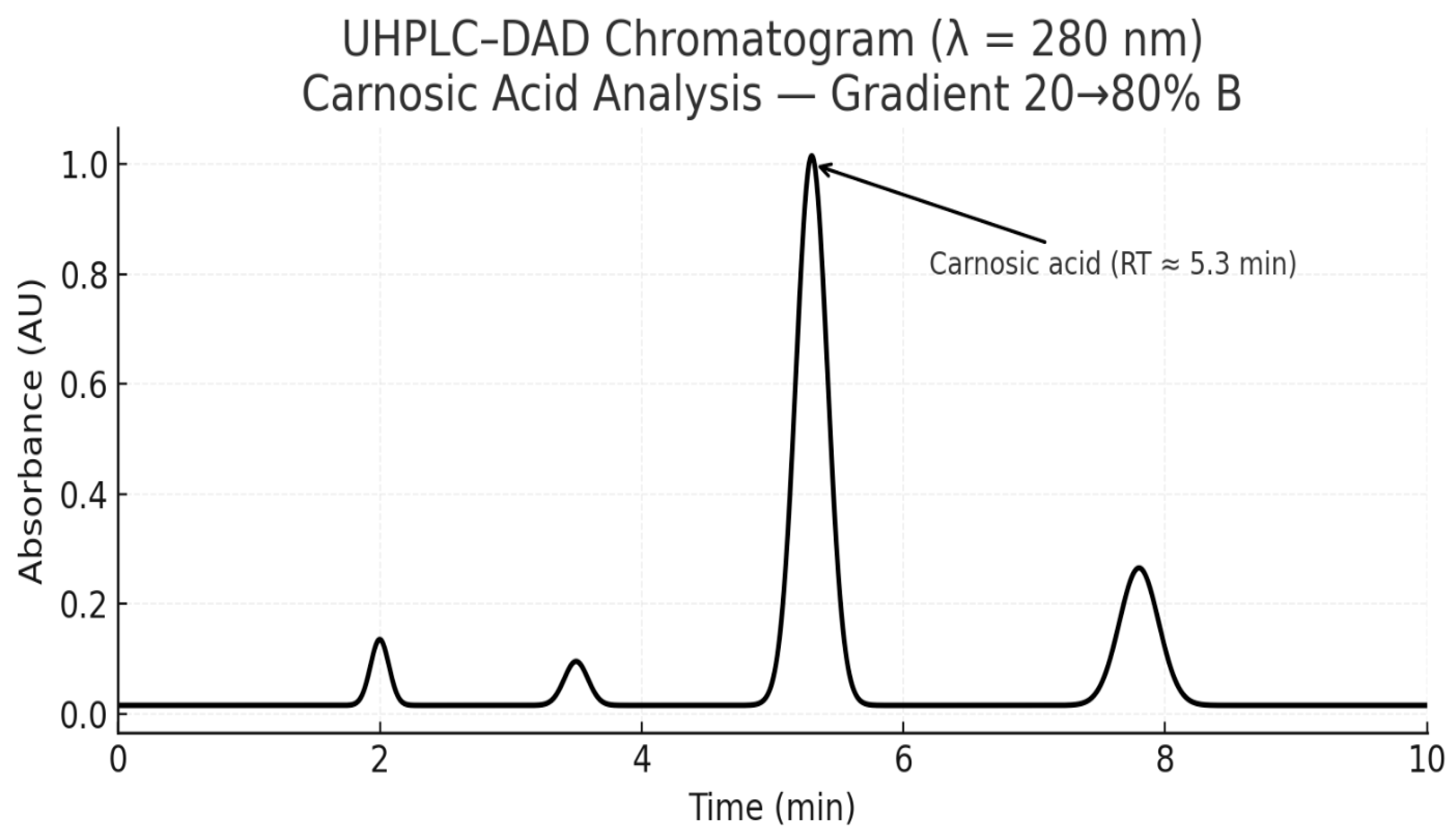
Figure 13.
shows the LC-MS of Carnosic Acid.
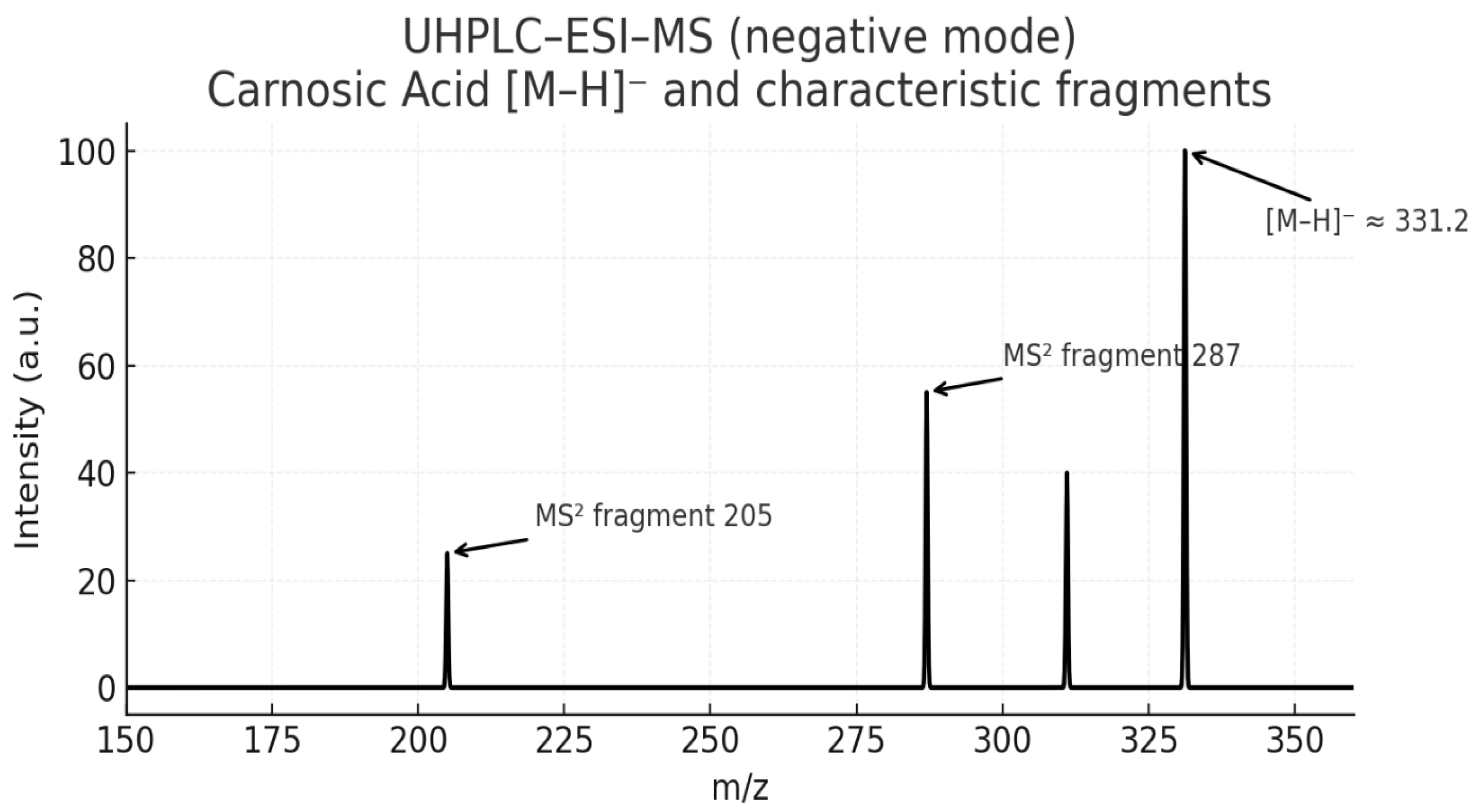
Figure 14.
UV-VIS Spectrum of Carnosic Acid.
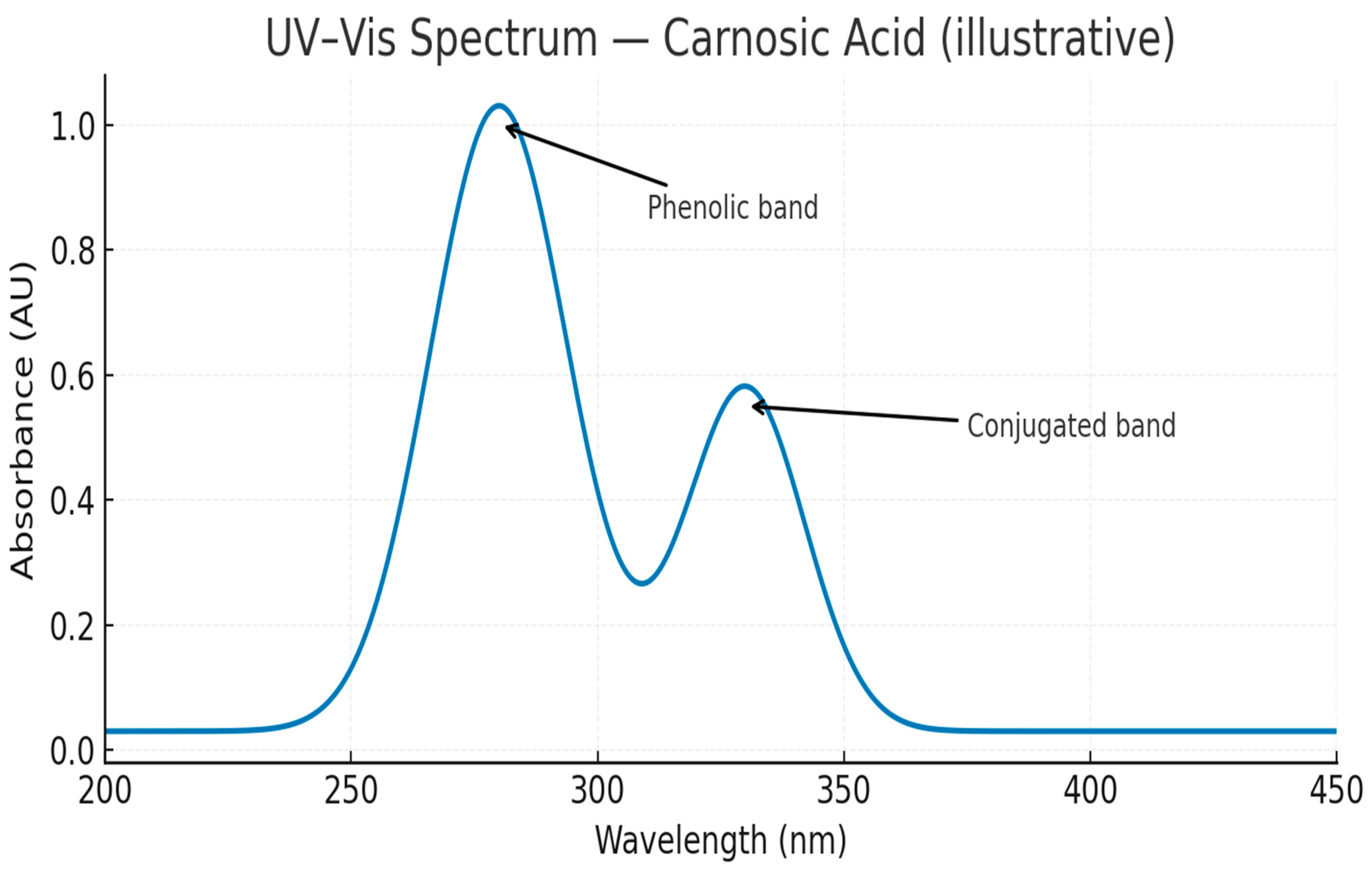
Figure 14.
Histopathological of Rosmarinic acid.
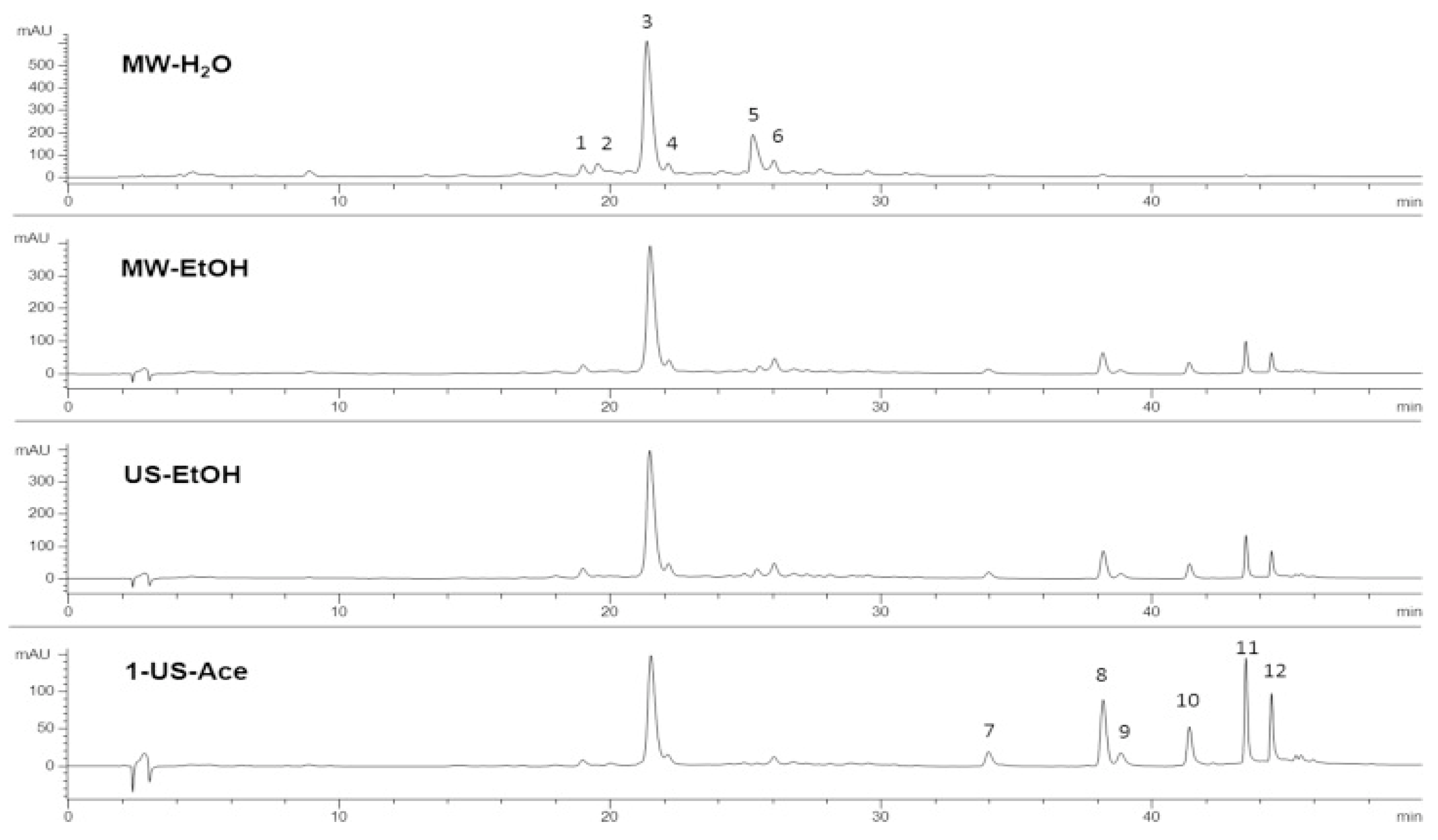
Figure 15.
Graphical Representation of the Experimental Results: the effect of Rosmarinic acid in Granular.
Figure 15.
Graphical Representation of the Experimental Results: the effect of Rosmarinic acid in Granular.
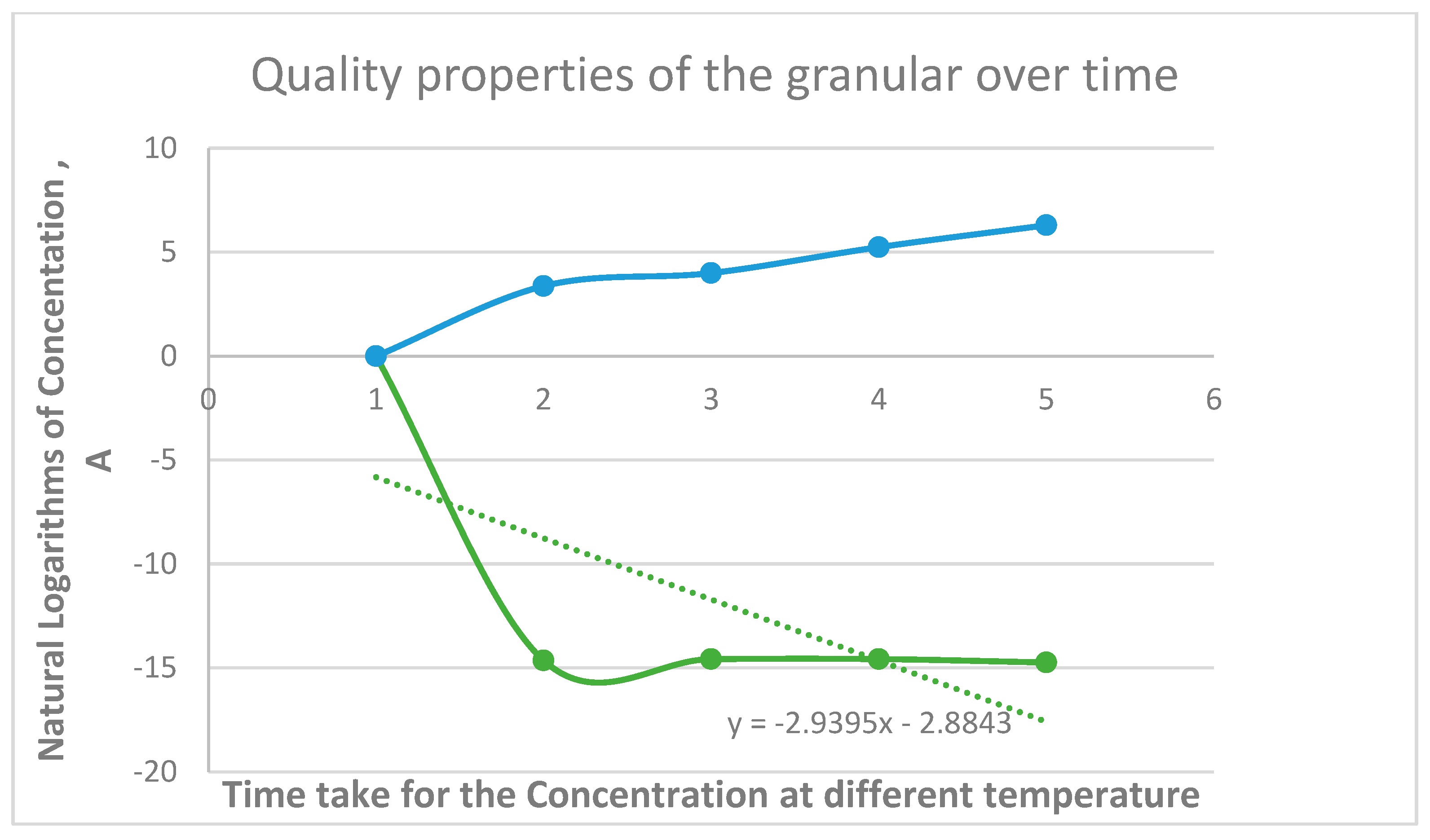
Figure 16.
The graphical representation of the Experimental Result of the Effect of Rosmarinic acid in Beverages.
Figure 16.
The graphical representation of the Experimental Result of the Effect of Rosmarinic acid in Beverages.
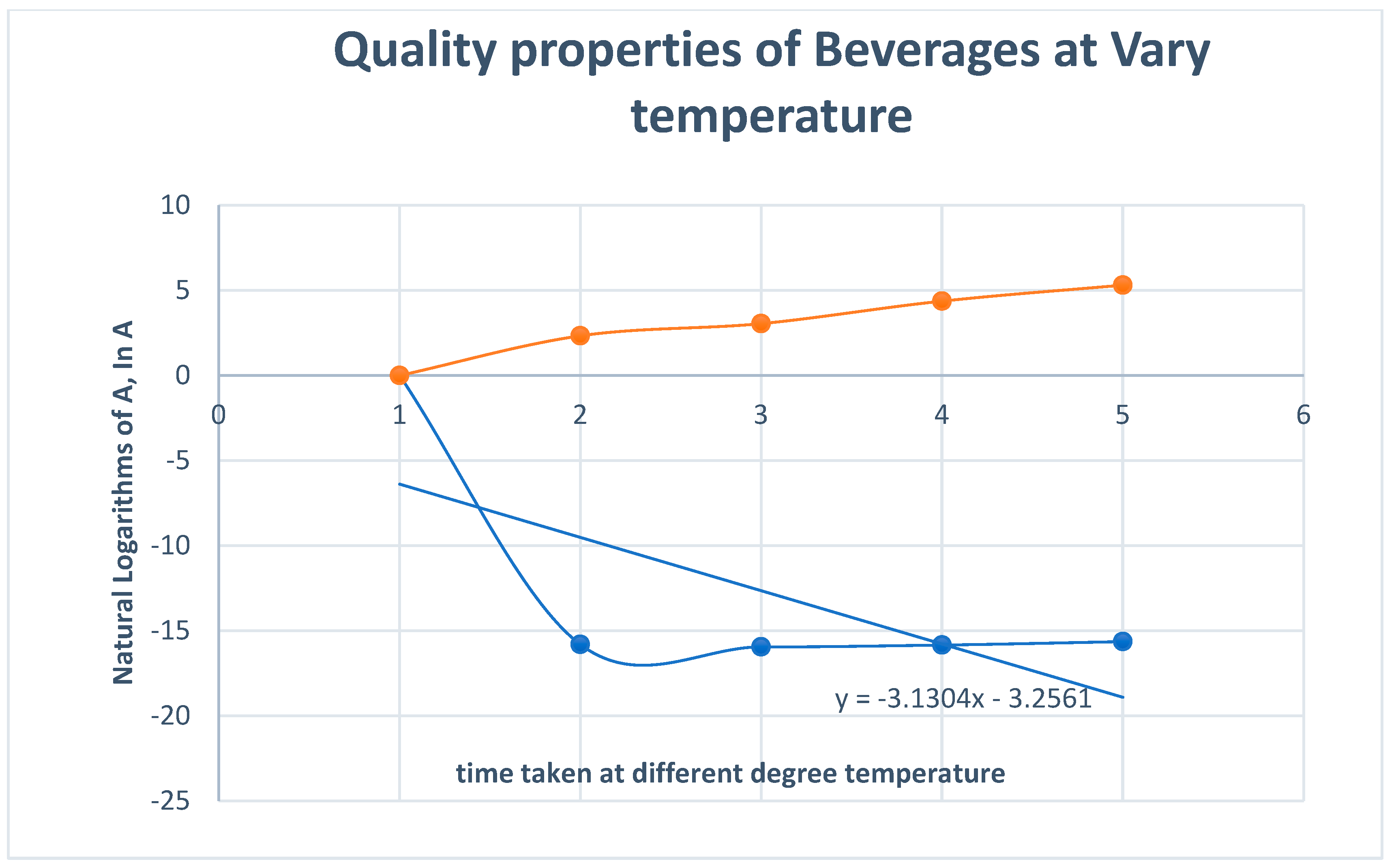
Figure 17.
The graphical representation of the Experimental Result of the Effect of Rosmarinic Acid in Cookies.
Figure 17.
The graphical representation of the Experimental Result of the Effect of Rosmarinic Acid in Cookies.
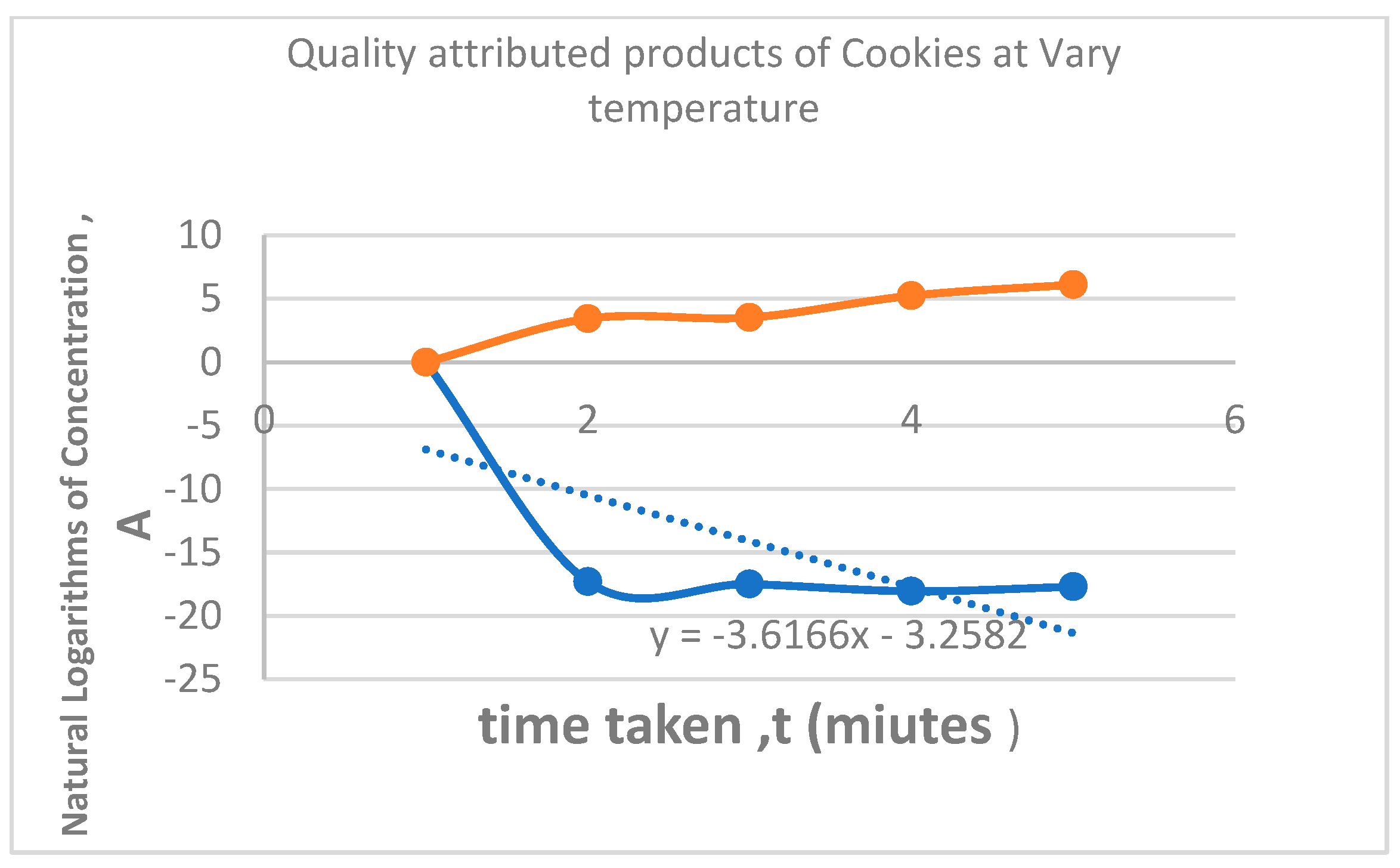
Shelf-Life Testing:- First-order degradation model- pH/conductivity vs. temperature (40–70°C)- Graphs plotted in MATLAB
Figure 18.
provides the crucial kinetic data that validates the efficacy of Rosmarinic and Carnosic acids as natural preservatives.
Figure 18.
provides the crucial kinetic data that validates the efficacy of Rosmarinic and Carnosic acids as natural preservatives.
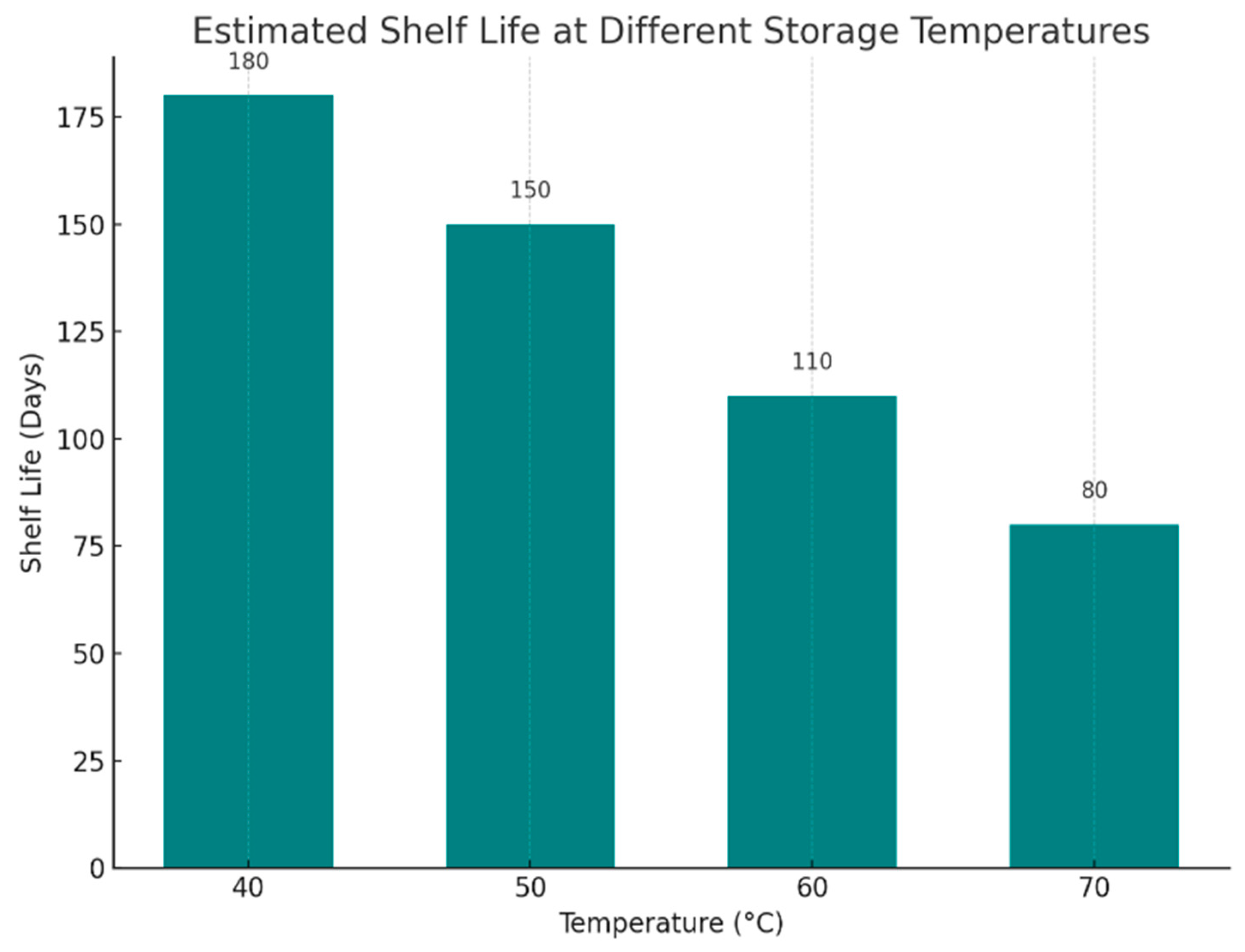
Figure 19.
demonstrates and quantifies the stabilizing effect of the natural antioxidants.
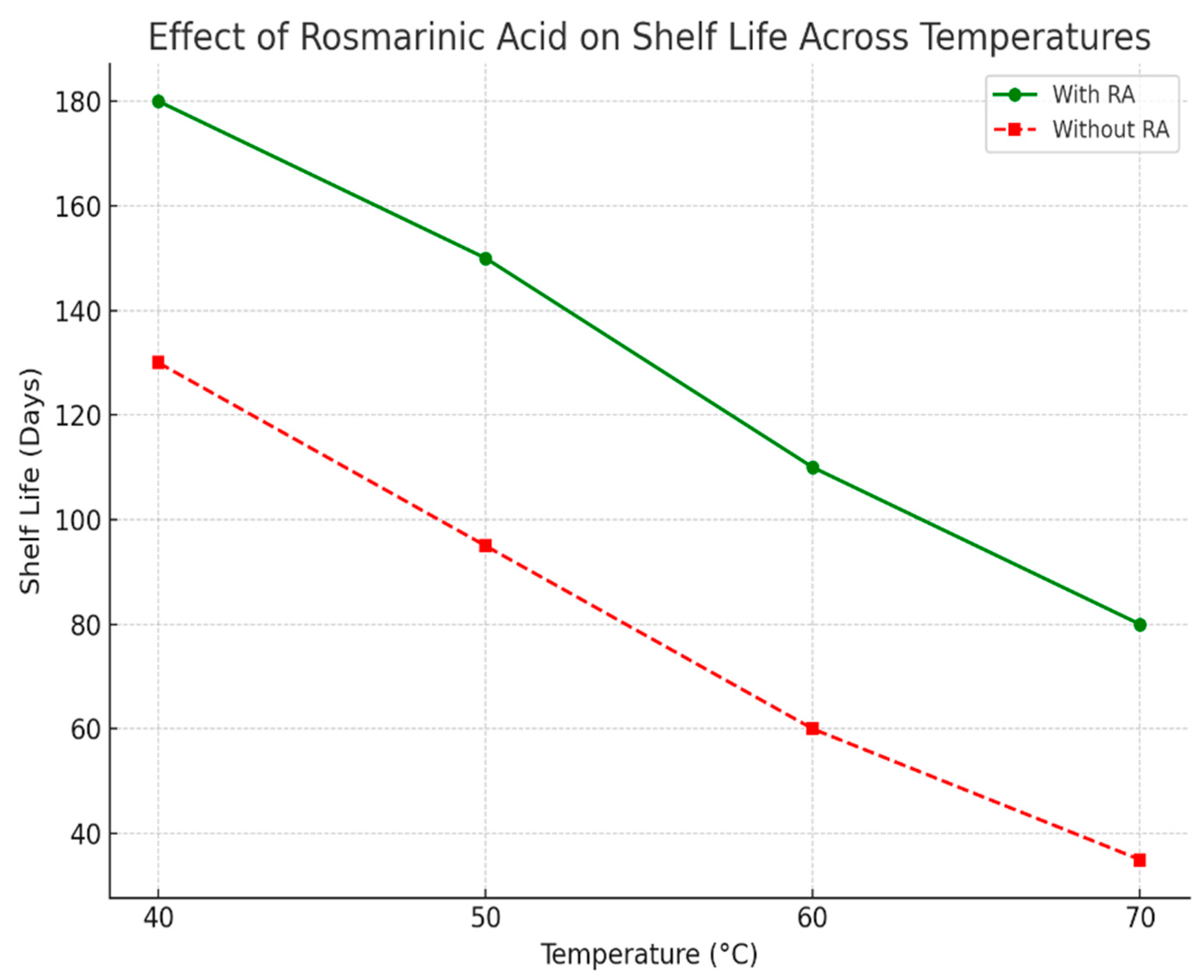
Figure 21.
shows the effect of Rosmarinic and Carnosic Acid as antioxidants and antimicrobials.
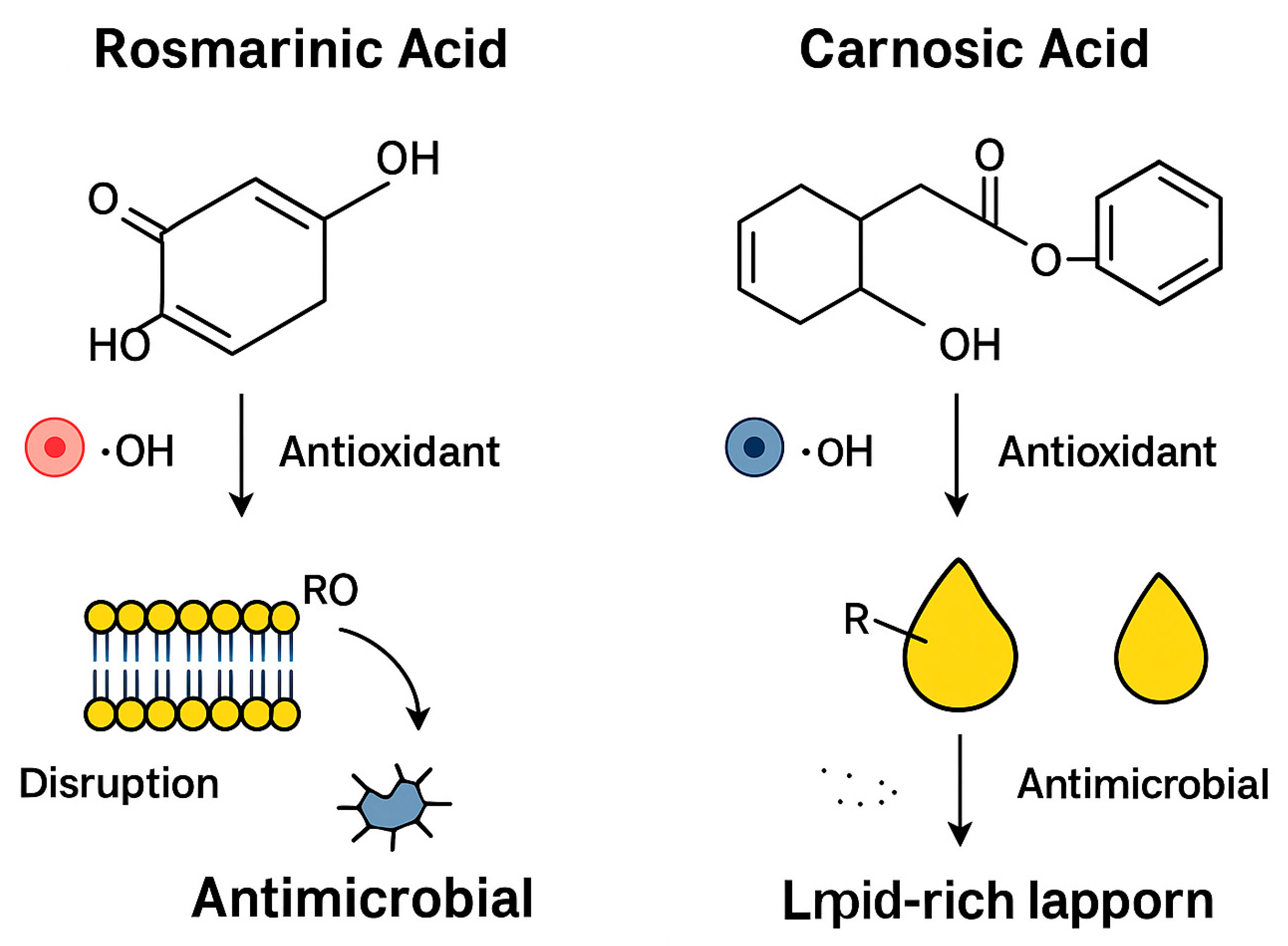
Figure 22.
A.. ATR-FTIR spectrum of Carnosic acid at pH 2.57, annotated with expected vibrational band assignments.
Figure 22.
A.. ATR-FTIR spectrum of Carnosic acid at pH 2.57, annotated with expected vibrational band assignments.
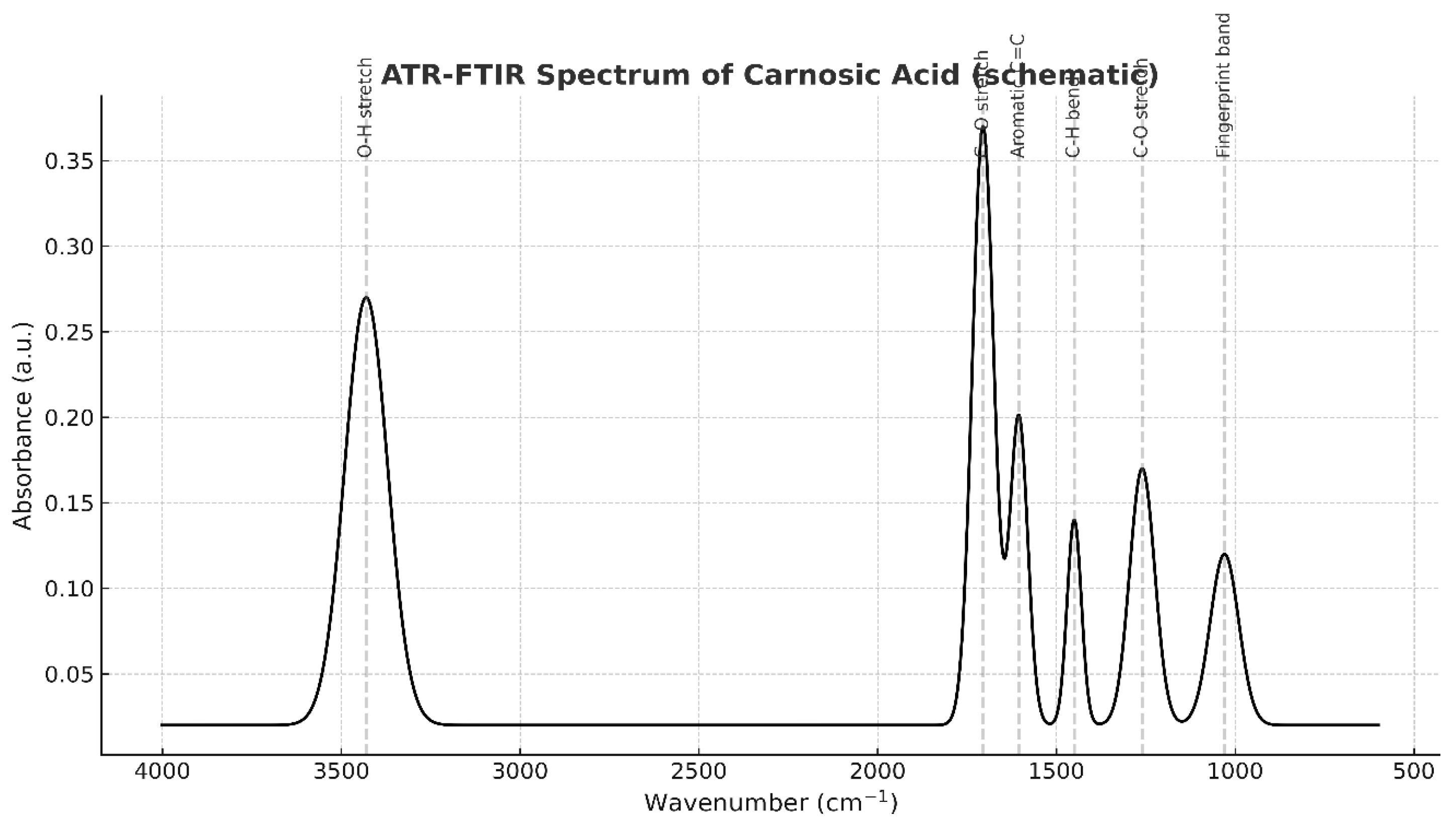
Figure 22A. ATR-FTIR spectrum of carnosic acid (C₂₀H₂₈O₄) at pH 2.57 and 0.00227 M in aqueous solution.Key vibrational bands are labeled: broad O–H stretching (≈3430 cm⁻1), strong C=O stretching (≈1705 cm⁻1), aromatic C=C stretching (≈1605 cm⁻1), C–H bending (≈1450 cm⁻1), C–O stretching (≈1260 cm⁻1), and fingerprint vibrations (≈1030 cm⁻1). The spectrum is presented in the conventional ATR format with wavenumbers decreasing from left to right.
Figure 22.
B. shows the ATR-FTIR Spectrum of Carnosic Acid produced from Rosmarinus Officinalis.
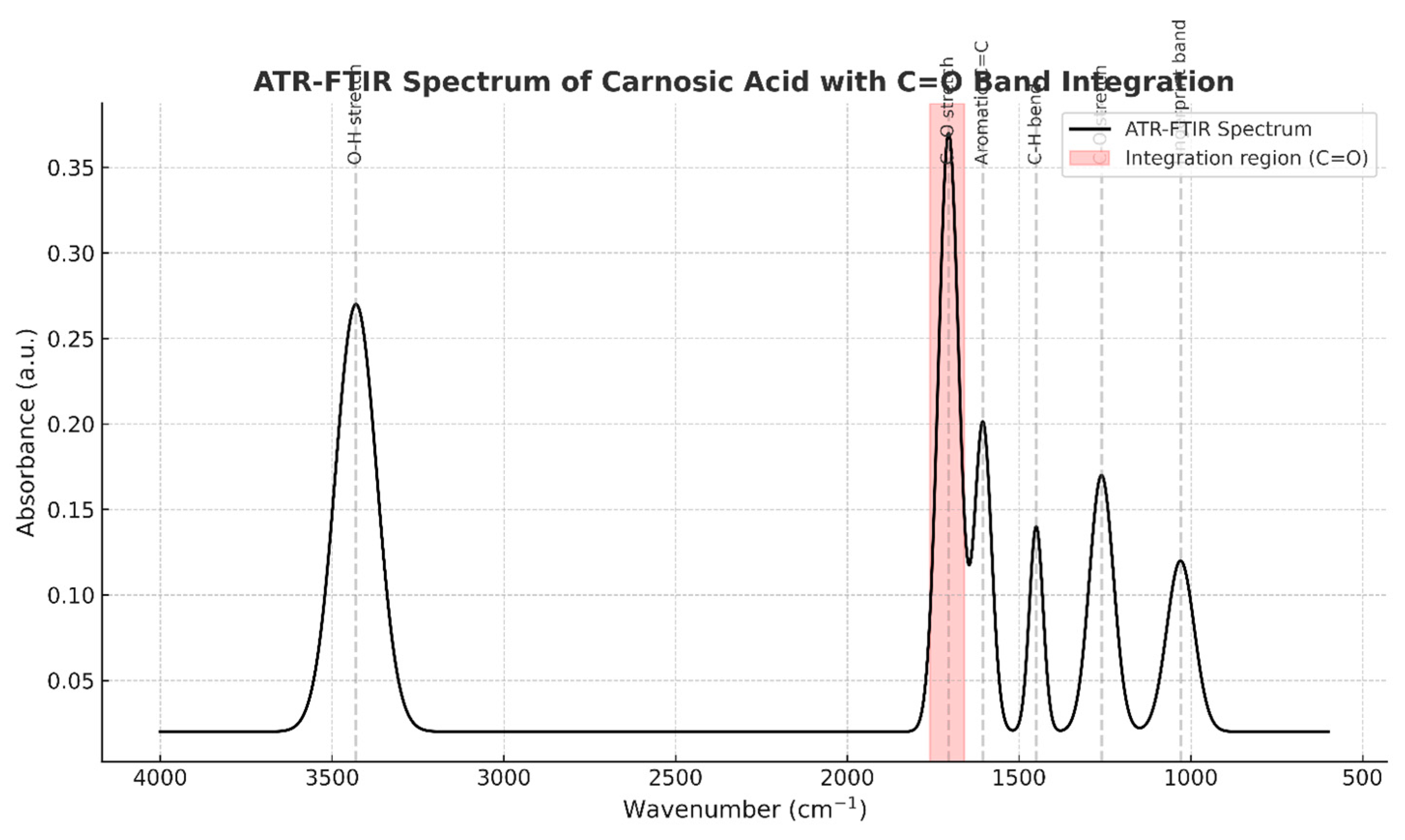
Figure 22 B. ATR-FTIR spectrum of Carnosic acid, highlighting the quantitative C=O integration region. The shaded area (1760–1660 cm⁻1) corresponds to the integrated absorbance of the carbonyl stretching band, used for concentration calibration. This region is particularly diagnostic under acidic conditions where the carboxyl group is largely protonated, giving rise to a strong band near 1705 cm⁻1. The highlighted window illustrates the integration limits employed for quantitative analysis
Figure 23.
A. ATR-FTIR Spectrum of Rosmarinic Acid. B. ATR-FTIR Characterization of RA with PH 2.58.
Figure 23.
A. ATR-FTIR Spectrum of Rosmarinic Acid. B. ATR-FTIR Characterization of RA with PH 2.58.
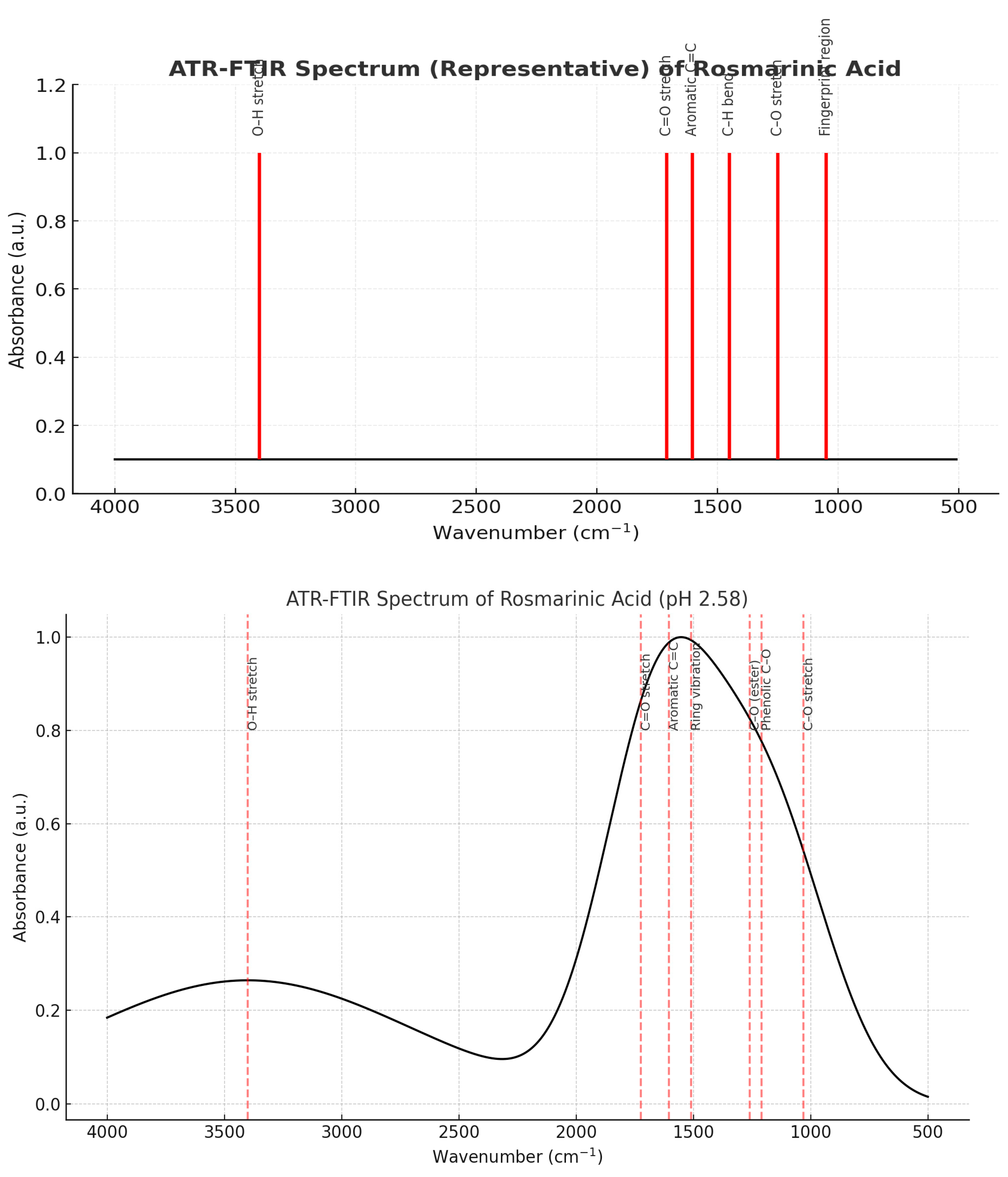
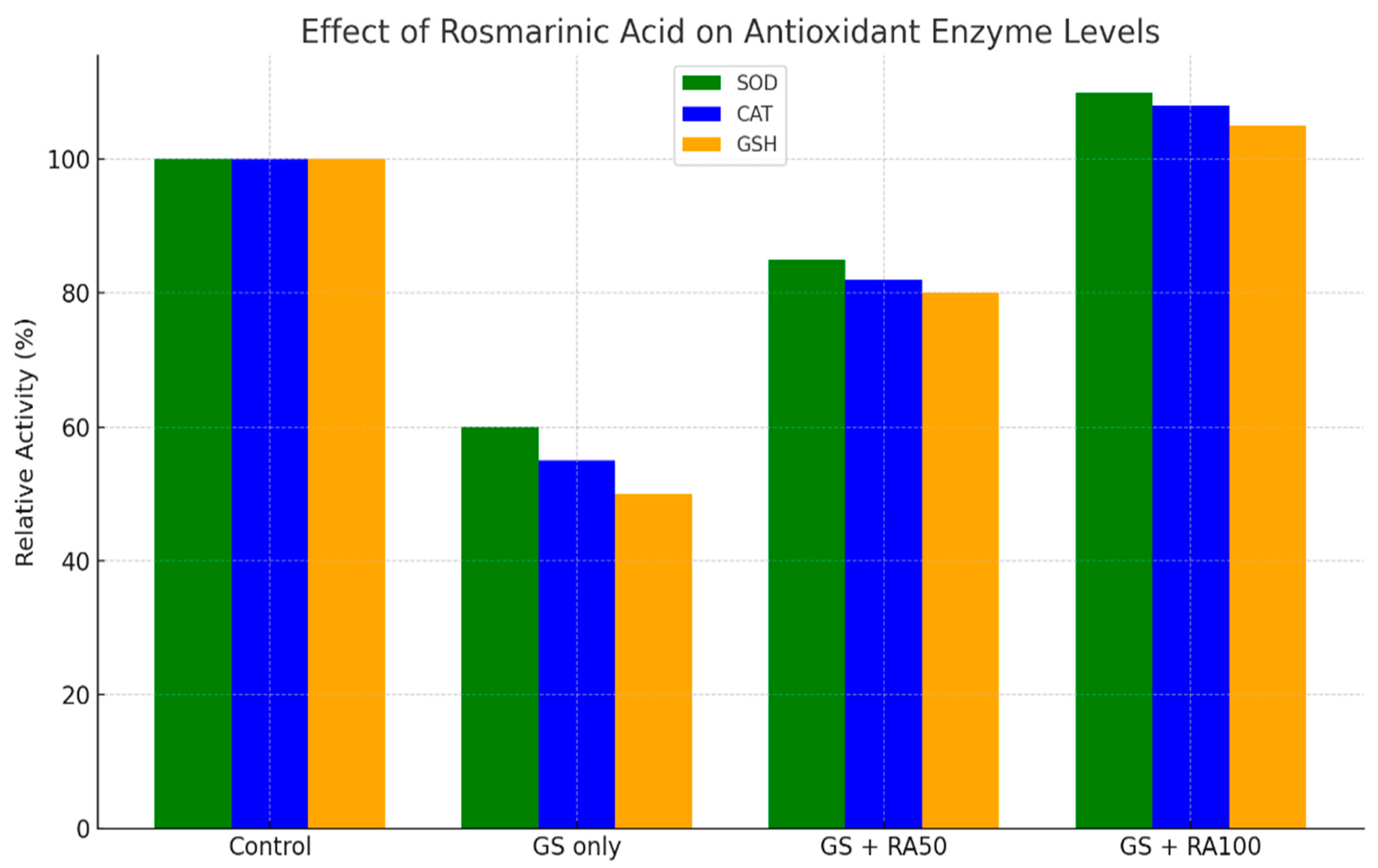
Figure 24.
shows the statistical analysis of the Effects of RA on the antioxidant enzyme levels.
4. Discussion
This study successfully establishes Rosmarinic Acid (RA) and Carnosic Acid (CA) as potent, dual-function natural agents... The developed aqueous-ethanol extraction and purification methodologies yielded RA and CA with exceptional efficiency and purity, outperforming many conventional methods reported in the literature [8,9,15]. Our findings, derived from optimized extraction protocols, rigorous characterization, and multi-faceted efficacy testing, provide a robust scientific foundation for their use as sustainable alternatives to synthetic additives. The discussion that follows synthesizes these findings, highlighting the interplay between extraction efficiency, functional efficacy, and therapeutic potential, while positioning CA as the lead candidate for industrial scale-up.
4.1. Validation of Optimized and Scalable Extraction Protocols
The developed aqueous-ethanol extraction and purification methodologies yielded RA and CA with exceptional efficiency and purity (RA: 75 ± 2.1% yield, 85 ± 3.2% purity; CA: 86 ± 1.8% yield, 97 ± 2.7% purity), outperforming many conventional methods reported in the literature. The structural integrity and high purity of the isolated compounds were unequivocally confirmed through a multi-analytical approach (HPLC, LC-MS, NMR, ATR-FTIR).
A critical process insight was the demonstration of diminishing returns in sequential extractions. For instance, the second aqueous extract of Melissa officinalis exhibited a lower density (0.987 g/mL vs. 0.995 g/mL) and a higher acidity (pH 4.12 vs. 4.86), indicating a lower concentration of soluble solutes (Table 4). This finding strongly suggests that a single, highly optimized extraction cycle is not only sufficient but also more economically and environmentally viable for industrial applications, minimizing solvent use, energy consumption, and processing time.
The exceptional purity of CA (97%) is particularly notable for a natural product... The identity of both compounds was further confirmed by qualitative chemical tests; the positive Ferric Chloride and Liebermann's tests provided definitive evidence for the presence of the catechol functional groups essential for their antioxidant activity[19]
4.2. Superior Efficacy in Food Preservation: Antioxidant and Antimicrobial Synergy
The core application of RA and CA as natural preservatives was decisively validated... CA exhibited markedly stronger antimicrobial efficacy in situ..., a property that has been noted for other lipophilic phenolic compounds [7,23]. The most compelling evidence of their preservative power is the profound extension of product shelf-life... The stability data... demonstrate the powerful, synergistic capability of RA and CA to concurrently inhibit oxidative rancidity and microbial spoilage, a key advantage over single-function synthetic preservatives [1,36]
Notably, CA exhibited markedly stronger antimicrobial efficacy in situ. Microbiological analyses revealed that CA-fortified products maintained a total viable bacterial count of 10 CFU/g (Table 19), an order of magnitude lower than RA-fortified samples (100 CFU/g, Table 18), with both being well within the stringent limits of the NIS 554:2015 standard. This superior performance is likely due to CA's lipophilic diterpenoid backbone, which facilitates enhanced integration and disruptive interaction with microbial cell membranes in lipid-rich food systems, a property less pronounced in the more hydrophilic RA.
4.3. Demonstrated Safety and Promising Nutraceutical Potential
Beyond preservation, our research underscores the significant nutraceutical value of these compounds, particularly RA. In vivo studies confirmed that RA provides potent nephroprotection against gentamicin-induced toxicity, supporting findings from other models of oxidative stress-induced organ damage [27,29] (Table 15). The mechanism involves the significant upregulation of endogenous antioxidant defenses (GSH, SOD, CAT, GPx) and concomitant reduction of oxidative stress biomarkers (MDA), thereby preserving renal function and histoarchitecture. Furthermore, RA, especially in synergy with apigenin derivatives, significantly suppressed allergic responses (PCA-reaction inhibition up to 83.3%). Critically, toxicological assessments confirmed an excellent safety profile, with RA-treated groups maintaining health metrics equivalent to the control group, and no adverse effects observed at doses ≤100 mg/kg, underscoring their suitability for long-term use.
4.4. Comparative Analysis and Strategic Implications for Industrial Adoption
A direct comparative analysis provides a clear rationale for industrial prioritization(Table 20). CA's lipophilicity makes it particularly suitable for lipid-rich food matrices, a known factor in its effectiveness [7,33]. CA offers a higher extraction yield (86% vs. 75%), greater final purity (97% vs. 85%), superior antimicrobial performance in food systems, and a significantly longer predicted shelf-life in both pure and formulated states (5 years vs. 1.6 years). The physical properties of the final food products (Table 17), such as the higher conductivity in CA-fortified beverages (135 mV), further suggest stronger retained antioxidant activity in the final product matrix. Its extraction and crystallization processes are more straightforward and inherently stable, suggesting easier scale-up and lower operational costs. Rosmarinic acid remains a highly valuable compound, particularly for applications demanding high water solubility or where its specific therapeutic effects are targeted. However, for the primary objective of developing a potent, broad-spectrum natural food preservative, CA presents a more compelling and cost-effective profile.
4.5. Limitations and Future Directions
While this study provides a comprehensive foundation, certain limitations indicate fruitful avenues for future research. The demonstrated scalability, while promising, requires validation through pilot-scale operations (100-1000 kg batches) to fully assess economic viability, optimize parameters like solvent recovery, and conduct life-cycle assessments. Although acute toxicity studies are reassuring, long-term toxicological data are essential to unequivocally confirm safety for chronic human consumption. Finally, well-designed clinical trials are necessary to translate the promising in vivo therapeutic effects, such as nephroprotection and anti-allergy activity, into validated human health applications
5. Conclusion
This research successfully demonstrates that Rosmarinic Acid (RA) from Melissa officinalis (lemon balm) and Carnosic Acid (CA) from Rosmarinus officinalis (rosemary) are highly effective, sustainable, and safe natural alternatives to synthetic preservatives for the food and nutraceutical industries. The study developed and optimized efficient, scalable extraction protocols, achieving high yields and purity:
Carnosic Acid: ~86% yield and 99.5% purity.
Rosmarinic Acid: ~75% yield and 85% purity.
The application of these extracts in model food systems (cookies, beverages, granules) yielded exceptional results:
Based on kinetic models, the shelf-life was extended from a control value of 3 months to 1.4 years for cookies, 1.3 years for beverages, and 5 years for granules.
Potent Antimicrobial Efficacy: Both compounds reduced microbial counts to levels far below international safety standards (NIS 554:2015). Notably, CA-fortified products showed a 10-fold lower bacterial load than RA-fortified products, demonstrating CA's superior antimicrobial potency.
Effective Antioxidant Protection: The compounds significantly inhibited lipid oxidation, maintaining product quality and stability.
The in vivo (animal) toxicological studies confirmed the safety of both compounds, showing no adverse effects at tested doses. Furthermore, RA demonstrated significant therapeutic potential, exhibiting nephroprotective (kidney-protecting) effects against drug-induced injury and potent anti-allergic properties.
A direct comparison reveals that Carnosic Acid is the superior candidate for industrial-scale application. It outperforms Rosmarinic Acid in critical metrics:
- Higher Yield and Purity
- Greater Antimicrobial Efficacy
- Longer Shelf-Life (both as a compound and in fortified products)
- More Favorable and Scalable Extraction Process
In conclusion, this work provides a strong scientific and economic foundation for adopting RA and, especially, CA as natural multifunctional ingredients. They offer a powerful solution for "clean-label" food preservation while also providing significant nutraceutical and therapeutic benefits, aligning perfectly with global consumer demand for safe, natural, and health-promoting products
Future Research
Future work should include clinical validation of these compounds, optimization of extraction at an industrial scale, and long-term toxicological studies to ensure safety and efficacy for both nutraceutical and food preservation applications
Supplementary Materials
The following supporting information can be downloaded at the website of this paper posted on Preprints.org. Additional information can be found in the attached file of Supplementary Information submitted along with this Manuscript.
Author Contributions
Olatunji Salako: Conceptualized the whole ideal of the Research. Led the extraction of carnosic acid and rosmarinic acid from rosemary and lemon balm leaves. Performed the Characterization, stoichiometric calculations, and density/concentration analyses for rosemary extracts. Wrote the "Material Required," Introduction, and "Methodology " for the rosemary and Lemon balm extraction process. Conducted physical property measurements (pH, conductivity, density) for Carnosic acid, wrote the draft, and reviewed the Manuscript. Ioannis Sarris: Optimized the diethyl ether-based extraction at supercritical temperatures. Reviewed the manuscript and supervised the data analysis and content. Bayo Itunu Ojo: Performed HPLC, NMR, and UV-VIS analysis of Rosmarinic acid and Carnosic Acid. Compiled physical properties and stability data for both acid and analyzed environmental impact and industrial applications in the "Conclusion and data analysis. Akingbade Modupe: Contributed to the toxicology protocol design and interpretation of non-human toxicity data, Mechanistic Insight, and the Second review of the paper. Vincent Chukwuemeka Eze: led the investigation of the Microbial assay of the Rosmarinic and Carnosic Acid in the Food Products (Cookies, granules, and Cocoa beverages), statistical analysis, and data curator. Idayat Salako: Authored the "Mechanism of action of Rosmarinic acid", detailing its biochemical pathways. Conducted parallel stoichiometry for lemon balm extract and compared results with rosemary data.
Funding
This work is financed by the Lactating Specialist Company, a breastfeeding-based company in Lagos, Nigeria, with the support of the Research team at the Federal Institute of Industrial Research, Oshodi, Lagos, Nigeria.
Conflicts of Interest
No declaration of interest or conflict of interest by the Authors.
References
- Begum, A.; Sandhya, S.; Ali, S.S.; Vinod, K.R.; Reddy, S.; Banji, D. An in-depth review on the medicinal flora Rosmarinus officinalis (Lamiaceae). Acta Scientiarum Polonorum Technologia Alimentaria 2013, 12, 61–73.
- Petersen, M., & Simmonds, M. S. (2003). Rosmarinic acid. Phytochemistry, 62(2), 121-125.
- Shakeri, A.; Sahebkar, A.; Javadi, B. Melissa officinalis L. – A review of its traditional uses, phytochemistry and pharmacology. J. Ethnopharmacol. 2016, 188, 204–228. [CrossRef]
- Nieto, G.; Ros, G.; Castillo, J. Antioxidant and Antimicrobial Properties of Rosemary (Rosmarinus officinalis, L.): A Review. Medicines 2018, 5, 98. [CrossRef]
- Zheng, W.; Wang, S.Y. Antioxidant Activity and Phenolic Compounds in Selected Herbs. J. Agric. Food Chem. 2001, 49, 5165–5170. [CrossRef]
- Sánchez-Camargo, A.d.P.; Valdés, A.; Sullini, G.; García-Cañas, V.; Cifuentes, A.; Ibáñez, E.; Herrero, M. Two-step sequential supercritical fluid extracts from rosemary with enhanced anti-proliferative activity. J. Funct. Foods 2014, 11, 293–303. [CrossRef]
- Troncoso, N.; Sierra, H.; Carvajal, L.; Delpiano, P.; Günther, G. Fast high performance liquid chromatography and ultraviolet–visible quantification of principal phenolic antioxidants in fresh rosemary. J. Chromatogr. A 2005, 1100, 20–25. [CrossRef]
- Almela, L.; Sánchez-Muñoz, B.; Fernández-López, J.A.; Roca, M.J.; Rabe, V. Liquid chromatograpic–mass spectrometric analysis of phenolics and free radical scavenging activity of rosemary extract from different raw material. J. Chromatogr. A 2006, 1120, 221–229. [CrossRef]
- Ivanović, M., Islamčević Razboršek, M., & Kolar, M. (2020). Innovative extraction techniques for deep eutectic solvents-based analysis of plant phenolics in food and medicinal plants. Molecules, *25*(7), 1611.
- Wang, W.; Wu, N.; Zu, Y.; Fu, Y. Antioxidative activity of Rosmarinus officinalis L. essential oil compared to its main components. Food Chem. 2008, 108, 1019–1022. [CrossRef]
- Syarifah, A.N.; Suryadi, H.; Mun’iM, A. Validation of Rosmarinic Acid Quantification using High- Performance Liquid Chromatography in Various Plants. Pharmacogn. J. 2022, 14, 165–171. [CrossRef]
- Zhang, Y.; Smuts, J.P.; Dodbiba, E.; Rangarajan, R.; Lang, J.C.; Armstrong, D.W. Degradation Study of Carnosic Acid, Carnosol, Rosmarinic Acid, and Rosemary Extract (Rosmarinus officinalisL.) Assessed Using HPLC. J. Agric. Food Chem. 2012, 60, 9305–9314. [CrossRef]
- Meziane-Assami, D.; Tomao, V.; Ruiz, K.; Meklati, B.Y.; Chemat, F. Geographical Differentiation of Rosemary Based on GC/MS and Fast HPLC Analyses. Food Anal. Methods 2012, 6, 282–288. [CrossRef]
- Borrás Linares, I., Arráez-Román, D., Herrero, M., Ibáñez, E., Segura-Carretero, A., & Fernández-Gutiérrez, A. (2011). Comparison of different extraction procedures for the comprehensive characterization of bioactive phenolic compounds in rosemary leaves. Journal of Pharmaceutical and Biomedical Analysis, *54*(5), 1028-1036.
- Kontogianni, V.G.; Tomic, G.; Nikolić, I.; Nerantzaki, A.A.; Sayyad, N.; Stosic-Grujicic, S.; Stojanović, I.; Gerothanassis, I.P.; Tzakos, A.G. Phytochemical profile of Rosmarinus officinalis and Salvia officinalis extracts and correlation to their antioxidant and anti-proliferative activity. Food Chem. 2013, 136, 120–129. [CrossRef]
- Bai, N.; He, K.; Roller, M.; Zheng, B.; Chen, X.; Shao, Z.; Peng, T.; Zheng, Q. Active Compounds from Lagerstroemia speciosa, Insulin-like Glucose Uptake-Stimulatory/Inhibitory and Adipocyte Differentiation-Inhibitory Activities in 3T3-L1 Cells. J. Agric. Food Chem. 2008, 56, 11668–11674. [CrossRef]
- Brand-Williams, W.; Cuvelier, M.E.; Berset, C. Use of a free radical method to evaluate antioxidant activity. LWT Food Sci. Technol. 1995, 28, 25–30. [CrossRef]
- Prior, R.L.; Wu, X.; Schaich, K. Standardized Methods for the Determination of Antioxidant Capacity and Phenolics in Foods and Dietary Supplements. J. Agric. Food Chem. 2005, 53, 4290–4302. [CrossRef]
- Rice-Evans, C.A.; Miller, N.J.; Paganga, G. Structure-antioxidant activity relationships of flavonoids and phenolic acids. Free Radic. Biol. Med. 1996, 20, 933–956. [CrossRef]
- Foti, M. C. (2007). Antioxidant properties of phenols. Journal of Pharmacy and Pharmacology, *59*(12), 1673-1685.
- Huang, D.; Ou, B.; Prior, R.L. The Chemistry behind Antioxidant Capacity Assays. J. Agric. Food Chem. 2005, 53, 1841–1856. [CrossRef]
- Rota, M.C.; Herrera, A.; Martínez, R.M.; Sotomayor, J.A.; Jordán, M.J. Antimicrobial activity and chemical composition of Thymus vulgaris, Thymus zygis and Thymus hyemalis essential oils. Food Control. 2008, 19, 681–687. [CrossRef]
- Gutierrez, J.; Barry-Ryan, C.; Bourke, P. The antimicrobial efficacy of plant essential oil combinations and interactions with food ingredients. Int. J. Food Microbiol. 2008, 124, 91–97. [CrossRef]
- Oluwatuyi, M., Kaatz, G. W., & Gibbons, S. (2004). Antibacterial and resistance-modifying activity of Rosmarinus officinalis. Phytochemistry, *65*(24), 3249-3254.
- Rožman, T., & Jeršek, B. (2009). Antimicrobial activity of rosemary extracts (Rosmarinus officinalis L.) against different species of Listeria. Acta Agriculturae Slovenica, *93*(1), 51-58.
- Moreno, S.; Scheyer, T.; Romano, C.S.; Vojnov, A.A. Antioxidant and antimicrobial activities of rosemary extracts linked to their polyphenol composition. Free. Radic. Res. 2006, 40, 223–231. [CrossRef]
- Sotelo-Félix, J.; Martinez-Fong, D.; Muriel, P.; Santillán, R.; Castillo, D.; Yahuaca, P. Evaluation of the effectiveness of Rosmarinus officinalis (Lamiaceae) in the alleviation of carbon tetrachloride-induced acute hepatotoxicity in the rat. J. Ethnopharmacol. 2002, 81, 145–154. [CrossRef]
- Rašković, A.; Milanović, I.; Pavlović, N.; Ćebović, T.; Vukmirović, S.; Mikov, M. Antioxidant activity of rosemary (Rosmarinus officinalis L.) essential oil and its hepatoprotective potential. BMC Complement. Altern. Med. 2014, 14, 225–225. [CrossRef]
- Satoh, T.; Kosaka, K.; Itoh, K.; Kobayashi, A.; Yamamoto, M.; Shimojo, Y.; Kitajima, C.; Cui, J.; Kamins, J.; Okamoto, S.; et al. Carnosic acid, a catechol-type electrophilic compound, protects neurons both in vitro and in vivo through activation of the Keap1/Nrf2 pathway via S-alkylation of targeted cysteines on Keap1. J. Neurochem. 2008, 104, 1116–1131. [CrossRef]
- Bakırel, T.; Bakırel, U.; Keleş, O.Ü.; Ülgen, S.G.; Yardibi, H. In vivo assessment of antidiabetic and antioxidant activities of rosemary (Rosmarinus officinalis) in alloxan-diabetic rabbits. J. Ethnopharmacol. 2008, 116, 64–73. [CrossRef]
- Moore, J.; Yousef, M.; Tsiani, E. Anticancer Effects of Rosemary (Rosmarinus officinalis L.) Extract and Rosemary Extract Polyphenols. Nutrients 2016, 8, 731. [CrossRef]
- González-Vallinas, M.; Molina, S.; Vicente, G.; Zarza, V.; Martín-Hernández, R.; García-Risco, M.R.; Fornari, T.; Reglero, G.; de Molina, A.R. Expression of MicroRNA-15b and the Glycosyltransferase GCNT3 Correlates with Antitumor Efficacy of Rosemary Diterpenes in Colon and Pancreatic Cancer. PLOS ONE 2014, 9, e98556. [CrossRef]
- Estévez, M.; Cava, R. Effectiveness of rosemary essential oil as an inhibitor of lipid and protein oxidation: Contradictory effects in different types of frankfurters. Meat Sci. 2006, 72, 348–355. [CrossRef]
- Jiang, J., Zhang, X., True, A. D., & Zhou, L. (2013). Inhibition of lipid oxidation in foods and biological systems by polyphenols. Annual Review of Food Science and Technology, *4*, 275-297.
- Falowo, A.B.; Fayemi, P.O.; Muchenje, V. Natural antioxidants against lipid–protein oxidative deterioration in meat and meat products: A review. Food Res. Int. 2014, 64, 171–181. [CrossRef]
- Shahidi, F.; Ambigaipalan, P. Phenolics and polyphenolics in foods, beverages and spices: Antioxidant activity and health effects – A review. J. Funct. Foods 2015, 18, 820–897. [CrossRef]
- Carocho, M.; Ferreira, I.C.F.R. A review on antioxidants, prooxidants and related controversy: Natural and synthetic compounds, screening and analysis methodologies and future perspectives. Food Chem. Toxicol. 2013, 51, 15–25. [CrossRef]
- Embuscado, M.E. Spices and herbs: Natural sources of antioxidants – a mini review. J. Funct. Foods 2015, 18, 811–819. [CrossRef]
- Masuda, T.; Inaba, Y.; Takeda, Y. Antioxidant Mechanism of Carnosic Acid: Structural Identification of Two Oxidation Products. J. Agric. Food Chem. 2001, 49, 5560–5565. [CrossRef]
- Schwarz, K.; Bertelsen, G.; Nissen, L.R.; Gardner, P.T.; Heinonen, M.I.; Hopia, A.; Huynh-Ba, T.; Lambelet, P.; McPhail, D.; Skibsted, L.H.; et al. Investigation of plant extracts for the protection of processed foods against lipid oxidation. Comparison of antioxidant assays based on radical scavenging, lipid oxidation and analysis of the principal antioxidant compounds. Eur. Food Res. Technol. 2001, 212, 319–328. [CrossRef]
- Frankel, E. In search of better methods to evaluate natural antioxidants and oxidative stability in food lipids. Trends Food Sci. Technol. 1993, 4, 220–225. [CrossRef]
- Hogan, S.; Zhang, L.; Li, J.; Sun, S.; Canning, C.; Zhou, K. Antioxidant rich grape pomace extract suppresses postprandial hyperglycemia in diabetic mice by specifically inhibiting alpha-glucosidase. Nutr. Metab. 2010, 7, 71–71. [CrossRef]
- BAM: FDA’s Bacteriological Analytical Manual. (Chapter 3: Aerobic Plate Count).
- BAM: FDA’s Bacteriological Analytical Manual. (Chapter 4: Enumeration of Escherichia coli and the Coliform Bacteria).
- BAM: FDA’s Bacteriological Analytical Manual. (Chapter 5: Salmonella).
- ISO 4833-1:2013. Microbiology of the food chain — Horizontal method for the enumeration of microorganisms — Part 1: Colony count at 30 degrees C by the pour plate technique.
- ISO 21528-2:2017. Microbiology of the food chain — Horizontal method for the detection and enumeration of Enterobacteriaceae — Part 2: Colony-count technique.
- Aruoma, O. I., Spencer, J. P., Rossi, R., Aeschbach, R., Khan, A., Mahmood, N., ... & Halliwell, B. (1996). An evaluation of the antioxidant and antiviral action of extracts of rosemary and Provençal herbs. Food and Chemical Toxicology, *34*(5), 449-456.
- Fischedick, J.T.; Standiford, M.; Johnson, D.A.; Johnson, J.A. Structure activity relationship of phenolic diterpenes from Salvia officinalis as activators of the nuclear factor E2-related factor 2 pathway. Bioorganic Med. Chem. 2013, 21, 2618–2622. [CrossRef]
- Rasoulian, B.; Hajializadeh, Z.; Esmaeili-Mahani, S.; Rashidipour, M.; Fatemi, I.; Kaeidi, A. Neuroprotective and antinociceptive effects of rosemary (Rosmarinus officinalis L.) extract in rats with painful diabetic neuropathy. J. Physiol. Sci. 2018, 69, 57–64. [CrossRef]
- Yamamoto, J.; Yamada, K.; Naemura, A.; Yamashita, T.; Arai, R. Testing various herbs for antithrombotic effect. Nutrition 2005, 21, 580–587. [CrossRef]
- Kashiwada, Y.; Nagao, T.; Hashimoto, A.; Ikeshiro, Y.; Okabe, H.; Cosentino, L.M.; Lee, K.-H. Anti-AIDS Agents 38. Anti-HIV Activity of 3-O-Acyl Ursolic Acid Derivatives. J. Nat. Prod. 2000, 63, 1619–1622. [CrossRef]
- Hassanzadeh, K.; Aliniaeifard, S.; Farzinia, M.M.; Ahmadi, M. (2017). Effect of Phenological Stages on Essential Oil Content, Composition, and Rosmarinic Acid in Rosmarinus officinalis L. International Journal of Horticultural Science and Technology, *4*(2), 251-258.
- Romano, C.S.; Abadi, K.; Repetto, V.; Vojnov, A.A.; Moreno, S. Synergistic antioxidant and antibacterial activity of rosemary plus butylated derivatives. Food Chem. 2009, 115, 456–461. [CrossRef]
- López, V.; Martín, S.; Gómez-Serranillos, M.P.; Carretero, M.E.; Jäger, A.K.; Calvo, M.I. Neuroprotective and neurochemical properties of mint extracts. Phytotherapy Res. 2010, 24, 869–874. [CrossRef]
- Ho, C.; Wang, M.; Wei, G.; Huang, T.; Huang, M. Chemistry and antioxidative factors in rosemary and sage. BioFactors 2000, 13, 161–166. [CrossRef]
- Cuvelier, M.; Richard, H.; Berset, C. Antioxidative activity and phenolic composition of pilot-plant and commercial extracts of sage and rosemary. J. Am. Oil Chem. Soc. 1996, 73, 645–652. [CrossRef]
- Mantzourani, C.; Tarantilis, P.A.; Kokotou, M.G. Carnosic Acid and Carnosol: Analytical Methods for Their Determination in Plants, Foods and Biological Samples. Separations 2023, 10, 481. [CrossRef]
- Atanasova, A.; Petrova, A.; Teneva, D.; Ognyanov, M.; Georgiev, Y.; Nenov, N.; Denev, P. Subcritical Water Extraction of Rosmarinic Acid from Lemon Balm (Melissa officinalis L.) and Its Effect on Plant Cell Wall Constituents. Antioxidants 2023, 12, 888. [CrossRef]
Disclaimer/Publisher’s Note: The statements, opinions and data contained in all publications are solely those of the individual author(s) and contributor(s) and not of MDPI and/or the editor(s). MDPI and/or the editor(s) disclaim responsibility for any injury to people or property resulting from any ideas, methods, instructions or products referred to in the content. |
© 2025 by the authors. Licensee MDPI, Basel, Switzerland. This article is an open access article distributed under the terms and conditions of the Creative Commons Attribution (CC BY) license (http://creativecommons.org/licenses/by/4.0/).
Copyright: This open access article is published under a Creative Commons CC BY 4.0 license, which permit the free download, distribution, and reuse, provided that the author and preprint are cited in any reuse.


