

Submitted:
07 October 2025
Posted:
08 October 2025
You are already at the latest version
Abstract
The classification of mineral resources and reserves establishes a structured framework to quantify the contents of mineral deposits, covering continuity, grade distribution, tonnages, and the legal, technical, and economic feasibility of extraction within a defined timeframe and production rate. To reduce subjectivity and improve reliability, international reporting standards were developed on the principles of transparency, materiality, and competence. Compliance with these standards enables professionals and investors to evaluate mineral assets using consistent and comparable information across jurisdictions. Many mining operations are now seeking to align their disclosure practices with these frameworks to strengthen governance, improve credibility, and facilitate access to global capital. Within this context, the Mineral Re-sources and Reserves Readiness Index (MR³ Index) is introduced as a methodological tool to assess the degree of alignment of mining operations with international report-ing requirements. For operating mines, one of the key variables in the MR³ Index is the success in converting Inferred Mineral Resources directly into mine production, even in the absence of prior classification as Indicated or Measured Resources. This measure functions as a proxy for geological robustness and operational maturity. The applica-tion of the proposed methodology to an underground lithium mine in Brazil indicated a readiness level of 95.5%.
Keywords:
readiness index (MR³)
; mineral resources
; mineral reserves
; CRIRSCO
; NI 43-101
; reliability
; resources classification
; reporting standards
1. Introduction
According to CRIRSCO (Committee for Mineral Reserves International Reporting Standards) [1], the term mineral resource can be defined as the concentration of natural material of economic interest in the Earth’s crust whose known form, grade, quality, and quantity are reasonable prospects for economic extraction. Therefore, aspects such as location, quantity, grade, quality, continuity, and other relevant geological characteristics of a mineral resource must be known, estimated, or interpreted from reliable evidence and knowledge, including sampling. According to an increasing level of geological confidence, mineral resources can be subdivided into three classes: inferred, indicated, and measured resources. On the other hand, the term mineral reserve can be defined as the economically mineable part of indicated and measured resources, which must consider practical aspects such as dilution, ore loss, and recovery rate, in addition to demonstrating that, at the time of reporting, extraction could be reasonably justified. Mineral reserves are generally determined by studies at pre-feasibility and feasibility levels with sufficient detail to apply modifying factors, and can be subdivided into two classes: probable and proved reserves. Furthermore, these modifying factor are considerations used to assess and estimate mineral resources and reserves, being related to technical (mining, processing, and metallurgical aspects), economic, infrastructure, marketing, regulatory, legal, and environmental, social, and governance (ESG) factors [1].
The current international reporting standards considers that the inferred mineral resource quantity, grade, and quality are estimated from limited geological evidence and sampling, which are sufficient to infer but not demonstrate quality and continuity within an acceptable level of confidence. Conversely, the indicated mineral resource quantity, grade, quality, density, shape, and physical characteristics can be estimated from geological evidence obtained from reliable and detailed exploration, sampling, and testing, providing more confidence than inferred mineral resources and being sufficient to demonstrate quality and continuity between sampled points. In addition, the indicated mineral resource is estimated with enough confidence to allow the application of modifying factors in sufficient detail to support mine planning and evaluation of the economic feasibility of the deposit. Finally, the measured mineral resource is estimated from geological evidence derived from reliable and detailed exploration, sampling, and testing with a higher level of confidence than that applying to either indicated and inferred mineral resources. This class requires a complete understanding of the geology, mineralogy, mineability, and suitability to processing the ore in the studied deposit within a great level of confidence [1]. Figure 1 presents the general relationship between mineral resources and reserves.
Most of the inferred mineral resources are expected to be upgraded to indicated mineral resources with continued exploration. Although there is a tendency to convert indicated and measured mineral resources into probable and proved mineral reserves, respectively, a measured mineral resource may be converted into a probable mineral reserve if confidence in any of the modifying factors is less than the expected level of geological knowledge or confidence. Pre-feasibility and/or feasibility level studies must be carried out before determining mineral reserves, and they must determine a mine plan that is technically achievable and economically feasible, while the point where the ore is delivered to the processing plant is often taken as the reference point for defining mineral reserves [1].
Understanding and applying these concepts is vital to confidence and reliability in public reporting of mineral resources and reserves, especially when considering market and stock exchange regulators around the world. In 1997, the Bre-X scandal, the most notorious mining fraud of all time, highlighted the urgent need to develop international standards and stronger controls on the reporting of mineral information. This Canadian mining company was listed on the Alberta Stock Exchange (ASE) and reported in 1993 an occurrence of hydrothermal gold in the northeastern portion of Borneo Island, Indonesia, making in 1996 an initial public offering (IPO) on the Toronto Stock Exchange (TSX) with share prices negotiated at over US$ 200 and reported reserves of 47 million ounces. Despite suspicions of irregularities that threatened the company's reputation, a joint venture was announced in 1997, with the participation of the Indonesian government, followed by a resource update announcement that raised the numbers to 71 million ounces of gold. However, these values could not be confirmed later by the due diligence initiated by one of the shareholders, resulting in the finding that an unprecedented manipulation had occurred, culminating in the collapse of the reliability of mining projects throughout the world [2,3].
Before this event, some institutions have already developed their own standards and guides, such as the Australian JORC Code [4], in 1989, by the Joint Ore Reserves Committee; the British IMM Guide [5], in 1991, by the Institution of Mining and Metallurgy; and the US SME Guide [6], in 1992, by the Society for Mining, Metallurgy, and Exploration. In 1993, the working group established by the Council of Mining and Metallurgical Institutions (CMMI) encompassed representatives from Australia (AusIMM), Canada (CIM), South Africa (SAIMM), the United Kingdom (IMM) and the United States (SME). This effort resulted in the creation of the Combined Reserves International Reporting Standards Committee (formerly CRIRSCO) in 1994, but only after the outbreak of the Bre-X scandal and several years of negotiations were the terms mineral resources and reserves, as well as their sub-classes, established in 1997. These definitions were incorporated into the 1999 JORC Code [7] and other countries’ codes, including South African SAMREC Code [8], in 2000, and the Canadian NI 43-101 Code [9], in 2001.
CRIRSCO currently account for 30 representatives from member countries, including Australasia, Brazil, Canada, Chile, Colombia, Europe, India, Indonesia, Kazakhstan, Mongolia, Phillippines, Russia, South Africa, Turkey and USA. These member countries still provide their own instruments and codes aligned with CRIRSCO standards [1], including the CIM Code [10], S-K 1300 [11], PERC Code [12], and CBRR code [13], some of which are currently under revision, such as the JORC Code [14] and NI 43-101 [15]. For more information on the history of CRIRSCO and the standards and guidelines for mineral resources and reserves reporting throughout history, Miskelly [2] and Cuchierato et al. [3] may be consulted.
Despite any particularities that these codes and regulations may have, they are, in general, based on three common pillars: transparency, materiality and competence. The concept of transparency dictates that a public report must provide sufficient and clear information to readers so that they understand its content and are not misled by ambiguous and incomplete information. Conversely, the concept of materiality dictates that all relevant information expected and required by investors and their professional advisors is reasonably present in a public report, allowing them to make a reasoned and balanced judgment on the information presented. In this context, the absence of relevant information and data must be accompanied with a justification for the exclusion. Furthermore, the concept of competence dictates that a qualified and experienced professional (competent person, CP, or qualified person, QP, depending on the international code), who is a member of a professional organization (PO; e.g. AusIMM, CBRR, CIM, SME, etc.) with a code of ethics and disciplinary process, also capable of suspending and expelling a member, is responsible for a public report [1,14].
Although these three pillars define the basis and standard procedures for declaring mineral resources and reserves, no international code or regulation determines which technique should be used over another, allowing the competent person to choose the most appropriate approach in each case. For instance, the mineral resource classification techniques can be subdivided into classical methods (e.g. polygon, drill hole spacing, cross-sectional, and search neighborhood methods), geostatistical methods (e.g. kriging variance, cross validation variance, and interpolation variance methods), and probabilistic methods (e.g. conditional simulation methods) [16,17,18,19,20]. Naturally, given the nature of the mentioned techniques, their outcomes can be significantly different, so the decision as to which technique is most suitable for the deposit under study depends on the interpretation and knowledge of the competent person. Figure 2 shows the mineral resource classification results for the same dataset using different classification techniques, a study provided by Silva and Boisvert [19].
Since international codes and regulations do not require analysts to quantify the level of accuracy, precision, and risk expected after using the chosen mineral resource or reserve classification technique, Noppé [21] proposed a rule of thumb for accuracy expectation that can guide the stakeholders, from mine operators and management to investors and financiers, all relying on 90% confidence limits:
- Measured resources or proved reserves: ± 5-10% for annual production periods or ± 10-15% for three monthly production periods.
- Indicated resources or probable reserves: ± 10-15% for annual production periods or ± 15-25% for three monthly production periods.
However, quantifying uncertainty and risk implies the use of geostatistical simulation techniques [18] for the classification of mineral resources and techniques such as stochastic mine planning [22] and probabilistic economic evaluation [23] for the classification of mineral reserves, more sophisticated approaches that are still avoided by most competent people. Consequently, until international codes definitively determine the use of these techniques, public reports on mineral resource and reserve classification must remain subjective and highly dependent on the interpretation of the competent person.
In terms of the types of public reports that serves as basis for the conversion of mineral resources into reserves, international codes mention the scoping, pre-feasibility, and feasibility studies, in which an increasing level of detail on technical and economic aspects, as well as on modifying factors influencing the project, must be added in the progression between them. For the scoping study, which is often the first economic evaluation of a project and must not be used as the basis for the estimation of mineral reserves, the outcome can be partially supported by inferred mineral resources, as long as the public report state the proportion and sequence of these resources. The pre-feasibility study, in turn, encompasses an analysis with the preferred mining and processing methods along with technical and economic feasibility aspects, highlighting areas that require further refinement to reach the final stage of the study. At this level, an assessment of the modifying factors is required to define how the indicated and measured mineral resources that can be converted into mineral reserves. Finally, the feasibility study provides the selected development option for a mineral project based on detailed technical and economic aspects, including the application of modifying factors to demonstrate, at the time of reporting, that an economic extraction is reasonably justified. This report typically addresses mining, processing, and infrastructure aspects in sufficient detail to support decision on investment and project financing, while social, environmental, and governmental approvals, permits, and agreements must be in place or close to finalization within the expected development timeframe [1,14].
Another aspect that must be taken into account is the difference between the level of reliability of the information provided by a mining company whose project infrastructure is still being developed, which has never actually mined and processed any truckloads of ore, and a company whose project is already in operation, with a large volume of data and production history. Naturally, operating mines are able to provide higher quality data and information to analysts and investors, including the geometallurgical performance of resources in the actual processing plant, rather than a pilot plant. For this purpose, the life of mine plan (LoMP) of at least pre-feasibility level, conveying sufficient detailed information on technical and economic aspects, including the influence of modifying factors, may be used to demonstrate that continued extraction is reasonably justified, provided that no significant capital expenditure is required. It is accepted that mine design and planning may include inferred mineral resources, provided that the LoMP is shown to be economically feasible without including these resources to support the declaration of mineral reserves. Therefore, a comparison of the results with and without these inferred mineral resources must be presented, including an explanation and a risk assessment addressing their inclusion, justifying the proportion of inferred resources included in the LoMP [1].
It is conspicuous that the quality of reported inferred mineral resources is critical to the continuity of any mining venture, considering that they can be included in the mine sequencing to improve the LoMP report and that most of these inferred resources should be subsequently converted into indicated mineral resources with more detailed investigation. Notwithstanding, inferred mineral resources may be included in the mine planning and economic analysis only if there is a statement in the LoMP declaring that “Only probable and proved mineral reserves have been used to establish the economic viability of the mine design in economic studies”, therefore excluding them from reserves calculation [1].
Studies on the classification of mineral resources and reserves have been proposed for different mineral substances, including iron ore [24,25], gold [26,27], copper [28,29], phosphate [30,31], rare earth minerals [32], uranium [33,34], multivariate deposits [35,36], coal and coal seam gas [37,38], and oil and gas [39]. Efforts have also been made to link specific mineral resource and reserve classification systems to CRIRSCO-aligned international codes and regulations, the first being often employed in countries that do not have CRIRSCO-aligned associations [40,41,42,43,44,45]. In addition to the literature already mentioned, Dumakor-Dupey and Arya [46] developed a review on machine learning applications in mineral resource estimation, while Liu et al. [47] developed a review on the quantitative assessment and modelling of mineral resources. Furthermore, other studies add more information on mineral resources and reserves classification techniques, public reporting, and economic aspects [48,49,50,51,52,53,54,55].
This study introduces a new mineral resources and reserves readiness index (MR³ Index) capable of guiding the transition of operating mines to comply with international reporting standards. To the best of the authors knowledge, there is no other tool or methodology for this purpose. Therefore, the novelty of this study lies in the proposition of the MR³ Index itself, which has the potential to aid virtually any mining company adapt its mineral resources and reserves classification practices and to become eligible for an IPO in any stock exchange. Nevertheless, the main limitation of this study lies in the impossibility of assessing all possible aspects and modifying factor relevant to all mining operations worldwide. Consequently, some of the proposed aspects used to calculate the new MR³ Index may have little relevance to a given project, while unforeseen aspects may be paramount for others. In this context, the user is advised to adapt the aspects used in the calculation of the MR3 Index according to the particularities identified in the mining project studied.
The remainder of this paper is structured as follows: Section 2 details the materials and methods employed, covering the aspects of transparency, materiality, and competence in public reporting, as well as the main modification factors. Section 3 addresses the results obtained by applying the proposed MR³ Index to a real case of an underground lithium mine that intends to be listed on the stock exchange. Finally, Section 4 describes the conclusions and potential future directions to enhance the main contributions of this study.
2. Materials and Methods
The methodology proposed in this study aims to develop a new readiness index to guide operating mines in their transition to international reporting standards for the classification of mineral resources and reserves. This transition is crucial for companies looking to go public, as investors can only assess a project's attractiveness if it presents adequate public reports. Virtually all operating mines can benefit from the new Mineral Reserves and Resource Readiness Index (MR³ Index), which comprehensively addresses key aspects dictated by international codes and regulations associated with CRIRSCO-aligned international codes and regulations.
2.1. MR³ Index Classes
As previously mentioned, the international standard determines that public reports must meet the aspects of transparency, materiality and competence, which is why they were considered as classes of the proposed MR³ Index. Furthermore, due to the multiplicity of aspects addressed and their importance for the conversion of mineral resources into reserves, modification factors are also considered a class of the MR³ Index. Table 1 presents the weight distribution among the MR³ Index classes.
The highest weights were assigned to the modifying factors class because this covers a broad range of aspects, including mining, processing, metallurgy, economics, marketing, infrastructure, ESG, and legal factors. While the three reporting pillars focus on disclosure quality, the modifying factors are critical to demonstrating a project's technical and economic feasibility. However, the MR³ Index allows for flexibility, enabling mining companies to adjust weights based on project-specific contexts, externalities, and market conditions.
For operating mines, the MR³ Index gives particular emphasis to the demonstrated ability to consistently convert inferred resources into production, even in the absence of formal reclassification into indicated or measured categories. Alternatively, an operating mine can present a demonstration of a high degree of homogeneity among the different resource categories, which would demonstrate a robust geological model and provide strong confidence in future resource conversion. This enhances the reliability of reserve statements, and it strengthens investor confidence by reducing geological uncertainty and supporting long-term operational planning. The positive outcome of this indicator, especially when supported by homogeneous orebody characteristics and well-defined geological controls, serves as a practical and credible proxy for geological confidence and project maturity. As such, it influences the assessment of modifying factors and overall readiness for international reporting. This concept will be further explored in the discussion and case study sections.
2.2. Sub-Classes Score Assignment
Each main class of the MR³ Index is composed of multiple sub-classes, each assessed individually and contributing proportionally to the final score. Two types of sub-classes were defined:
- Binary sub-classes are assessed with a simple yes/no criterion. Full compliance scores 100%, while non-compliance results in a score of 0%. Example: the presence of a competent person (CP) or qualified person (QP) for resource classification.
- Scaled sub-classes use a 0-to-5 scale, reflecting progressive levels of compliance. A score of 5 corresponds to full compliance (100%), while intermediate values represent partial compliance. Example: status of environmental licensing, where some licenses may be obtained while others are pending.
Figure 3 illustrates how these binary and scaled sub-classes contribute to the weighted score of each class.
2.3. Sub-Classes Description
2.3.1. Competence Class Aspects
For the competence class, two sub-classes were considered for the MR³ Index, as shown in Table 2:
Regardless of whether a mining company intends to publish reports at the scoping, pre-feasibility, or feasibility level, investors on any stock exchange would consider it imperative that competent persons, recognized in professional organizations for their skills, be responsible for modelling, calculating, and reporting a project's mineral resources and reserves. Nevertheless, care must be taken to which professional organization (PO) the CP/QP is affiliated with, as certain stock exchange markets do not recognize some of the POs affiliated with CRIRSCO.
It is not mandatory for a different professional be responsible for the mineral resources and mineral reserves aspects, as long as the CP/QP is qualified to model both. Although not mandatory, the opinion of external and independent CPs contributes to the robustness of the data and information presented in a public report.
2.3.2. Transparency Class Aspects
For the transparency class, three sub-classes were considered for the MR³ Index, as shown in Table 3:
The public report should clearly describe the techniques and parameters used during the exploration and modelling phases of resource and reserve. The results achieved should be consistent and accompanied by a complete interpretation, and the text should be accompanied by appropriate figures and tables to support the reader’s understanding. The quality and confidence of the information provided in this regard must be consistent with the level of the public report under development (scoping, pre-feasibility, or feasibility level).
The public report must be carefully reviewed by qualified professionals to avoid misleading and incomplete information; thus, omissions and dubious information must be corrected. Public reports from other companies could be studied as an example, indicating what kind of information investors are looking for. Depending on the case under study, some of these sub-classes may be omitted, which would result in the recalculation of the weighting of the transparency class.
2.3.3. Materiality Class Aspects
For the materiality class, four sub-classes were considered for the MR³ Index, as shown in Table 4:
Technical, legal, economic, and social information must be fully disclosed in public reports, such that a reasonable investor can make informed decisions. All material assumptions used in the technical and economic evaluation—such as metal prices, recovery rates, discount rates, exchange rates, operating costs, and throughput—must be clearly stated and justified. These assumptions should be consistent with market conditions and technical studies, as they could impact project valuation, risk perception, or investment decisions. The numerical statements of resources and reserves must be consistent with the supporting technical information. This includes alignment between tonnage/grade figures and the described geological model, mining plan, and modifying factors. Inconsistencies between tables, figures, and text must be avoided.
The company must revise the economic analysis with appropriate inputs and clearly communicate these assumptions within the report, as well as it must reconcile the report sections and ensure that the resource/reserve estimates are fully supported by the accompanying technical narrative. The drillhole warehouse should be organized and all drill cores should be accessible for reconciliation. The drillhole description must be consistent with the drill cores. In cases where certain aspects are not applicable (e.g. early-stage exploration projects), the weighting within the materiality class may be redistributed among the remaining applicable sub-classes.
2.3.4. Modifying Factors Class Aspects
For the modifying factors class, five sub-classes were considered for the MR³ Index, as shown in Table 5:
The modifying factors class comprises the technical and contextual aspects that directly influence the feasibility of converting mineral resources into mineral reserves. In this regard, the public report must present appropriate mine planning studies (e.g. pit optimization or underground design), mining method suitability assessments, and relevant processing and metallurgical test results. These must be supported by reconciliation data and mass balance where applicable. The company should perform updated mine planning and metallurgical tests under qualified technical oversight, thus ensuring results are properly disclosed and interpreted.
As argued above, for operating mines, historical production data should provide evidence of a consistent and well-documented conversion of inferred mineral resources into marketable products (such as concentrate or metal). As an alternative, the mine may demonstrate a strong degree of homogeneity across the different resource categories, indicating a robust geological model and offering greater assurance regarding the reliability of future resource conversion. As an alternative, a strong track record (e.g. >3 years) of reliable production based on inferred resources—backed by reconciliation, grade control, and operational data—can be considered as a high-confidence proxy for modifying factors. Therefore, the mining company should improve geological modelling, delineate indicated/measured resources where feasible, and enhance production reconciliation and QAQC protocols. By proposing these approaches to evaluate the inferred resources, the MR³ Index recognizes that, in some mature mines, the absence of indicated/measured resources is compensated by robust geological continuity, operational control, and consistent production outcomes. Such evidence is weighed heavily in the MR³ Index for brownfield projects.
Furthermore, the project should present current and defensible cost estimates (CAPEX/OPEX), product pricing assumptions, infrastructure availability (e.g. road access, power, and water), and a market outlook aligned with the commodity being produced. The company should update economic models and infrastructure assessments to reflect realistic scenarios and ensure alignment with industry standards and investor expectations. The project also should demonstrate compliance with applicable mining rights, tenure security, environmental obligations, and permitting requirements. The legal framework and regulatory interactions should be well documented and auditable. Therefore, the company should regularize its legal standing and obtain necessary documentation for mineral tenure, environmental licenses, and land access agreements.
Environmental, social, and governance (ESG) policies and performance indicators must be presented, covering environmental impact management, community engagement, human rights, occupational health and safety, and governance structures. Evidence of alignment with frameworks such as the Sustainable Development Goals (SDGs), [56], Equator Principles [57], Initiative for Responsible Mining Assurance (IRMA) [58], or Global Reporting Initiative (GRI) [59] is recommended. The company should implement and disclose ESG policies and begin systematic data collection and reporting.
2.4. Calculating the Final Score
The MR³ Index score for a given mining project can be calculated according to Equations (1) and (2):
: Set of classes in the MR³ Index;
: Number of classes in the MR³ Index;
: Index of a class ();
: Weight associated with a class ();
: Set of sub-classes associated with a class ();
: Number of sub-classes associated with a class ();
: Index of a sub-class ();
: Score of a class ();
: Score of a sub-class associated with a class ();
: MR³ Index score for a given mining project;
In other words, the score of each class is calculated according to the mean of its sub-classes, while the final score of a determined mining project is calculated according to the weighted mean of its classes. As mentioned previously, if it is desirable to add or remove a class or sub-class from the score calculation, depending on the characteristics of the mining operation being evaluated, the weights and number of classes and sub-classes may be adjusted in the calculation. To aid interpretation using visual tools, once the scores of each sub-class associated with a class have been determined () and the score for this class has also been calculated (), it is possible to use gauge charts to demonstrate the readiness level of each class individually, as shown in Figure 4.
2.5. MR³ Index Classification
Finally, depending on the result achieved by the MR³ Index score, a classification can be assigned to the readiness level of the mining project being studied. This study proposes the classes presented in the following intervals and demonstrated in the gauge chart in Figure 5, requiring higher MR³ scores to consider mining projects suitable for going public:
- : Non-compliant;
- : Limited compliance;
- : Good compliance;
- : Fully compliant.
2.6. General Comments
It is important to reiterate that different mining projects may modify the classes and sub-classes used to calculate the MR³ Index, depending on operational and market conditions. The MR³ Index classification ranges, which consider a project compliant or not after calculating the MR³ Score (), can also be flexible, although this is not recommended. Instead, if certain aspects are identified as being responsible for a possible poor performance of the MR³ Index, the mining company should improve these aspects before even beginning negotiations for an initial public offering (IPO) on any stock exchange.
3. Results and Discussion
This section presents a description of the operation under study and the application of the new mineral resources and reserves readiness index (MR³ Index) to evaluate the current state of the project regarding CRIRSCO-aligned international codes and regulations.
3.1. Mine Operation Under Study
The Companhia Brasileira de Lítio (CBL) mining company was founded in 1985 and began operations at the Cachoeira Mine in the municipality of Araçuai, Jequitinhonha Valley, Minas Gerais State, Brazil, in 1991. Mineralization occurs in the form of a pegmatite rich in lithium in a geological context known as the Eastern Brazilian Pegmatitic Province, classified as a Lithium-Cesium-Tantalum family of the albite-spodumene type, in a region also known as the Lithium Valley. The orebodies are tabular, with a general extent of hundreds of meters along strike and dip, with medium to high dip angle and an average thickness of 3–4 m (ranging from decimeters to 30 m), encompassing two varieties of spodumene (e.g. kunzite and hidenite). The host rock is a cordierite-biotite-quartz schist, exhibiting regularity in its morphological and mineralogical characteristics, and the contact with the ore is clearly defined. Products supplied by CBL include spodumene concentrate; battery-grade, technical-grade and pharmaceutical-grade lithium carbonate; anhydrous sodium sulfate; and lithium hydroxide [60,61,62,63]. Figure 6 displays spodumene crystals in pegmatites in situ and after blasting at the Cachoeira mine, as well as raw materials and products.
The mining company operates using the sublevel stopping underground mining method and has galleries that reach approximately 320 meters deep, totaling more than 14 kilometers in length. After being mined, the ore goes to a processing plant that includes comminution and granulometric classification operations, optical and x-ray ore sorting, and concentration using a dense medium, in addition to auxiliary operations such as thickening and filtering. Currently, the mine has a production capacity of 45,000 tonnes of spodumene concentrate per year, although there is an evaluation of an expansion project to increase its production capacity to 100,000 tonnes [62,63].
CBL is a privately held corporation, which is why its mineral resource and reserve classification reports have historically been prepared to comply with Brazilian legislation, a framework that does not fully align with international codes such as CRIRSCO [1], JORC [14], or NI 43-101 [15]. Nevertheless, should the company decide to pursue a listing on international exchanges such as the Toronto Stock Exchange (TSX), where adherence to NI 43-101 is required, its readiness in aligning with those reporting standards would be essential. Accordingly, analyzing the current status of the operations at the Cachoeira Mine in relation to international codes recognized provides valuable insight into the company’s potential for such a pathway.
3.2. MR³ Index Classes Calculation
3.2.1. Competence Class Assignment
For the competence class aspect, the MR³ Index assigns scores to two binary sub-classes: Mineral Resources CP/QP (Competent Person, CP, or Qualified Person, QP) and Mineral Reserves CP/QP. In this case, the mining company engaged QPs accredited by professional institutions such as AusIMM, IOM3, and CIM, all of which are recognized by the TSX and other stock exchanges. These professionals were responsible for mineral resource modelling, mineral reserve estimation and economic assessment, as well as the overall coordination of public reports. Supporting evidence was provided through contracts and certificates, including:
- Mineral Resources CP/QP: Letter of Consent and report from the mineral resources’ consultants, submitted to the company’s board in February 2025.
- Mineral Reserves CP/QP: Technical Report (internal draft) of the company’s expansion project, namely, Project 100k, submitted to the company’s board in August 2025.
Given that both sub-classes were satisfied, the competence class was considered fully compliant, achieving a 100% score. Table 6 summarizes the company’s results for the MR³ Index competence class, while Figure 7 presents a gauge chart illustrating its readiness level in this category.
Although the professionals are Brazilian and associated with CBRR, the Brazilian CRIRSCO-aligned association, it is important to note that the TSX does not yet recognize QPs from that institution. Therefore, it is important to ensure that the CP/QP hired is associated with an institution recognized by the chosen stock exchange.
3.2.2. Transparency Class Assignment
For the transparency class aspect, the MR³ Index assigns scores to three scaled sub-classes: Exploration Results Disclosure, Mineral Resource Modelling Disclosure, and Mineral Reserve Modelling Disclosure. To support the evaluation, the company provided the following documentation:
- Exploration Results Disclosure: Official exploration results’ report, submitted to and approved by the National Mining Agency in June 2006 (for the exploration permit areas). The report describes geological mapping, geophysical, and geochemical campaigns; channel and rock chip sampling were performed, as well as mineralogical analysis and mineral characterization; exploratory drillhole campaigns and laboratory analysis results respecting QA/QC principles supported the report conclusions. The current exploration work, which includes geophysical campaign in conjunction with the Brazilian Geological Survey (carried out during the first half of 2025), geochemistry, trenches, and extensive drilling campaign will be the object of an updated report to be submitted to the Brazilian National Agency in the first quarter of 2026. Since updating this data with the National Mining Agency is not mandatory after the mining permit is granted, and since the reports and documents from the most recent campaigns are robust and auditable by any external auditor, this sub-class can be considered fully compliant.
- Mineral Resource Modelling Disclosure: Official report of updated reserves, submitted to and approved by the National Mining Agency in August 2022 (for the mining concession area). The report provides drillcore geological and geotechnical description, in addition to laboratory results from the drillhole campaigns; the geological model was based on the cross-sectional method; an estimation model based on ordinary kriging was supplied, along with a mineral resource classification based on the polygonal method; the models rely on laboratory analysis results respecting QA/QC principles, and a simplified economic assessment was provided.
- Mineral Reserve Modelling Disclosure: Technical report of the economic exploitation report, submitted to and approved by the National Mining Agency in May 2023 for the mining concession area). The report provides a complete economic evaluation of the operation, including: mining equipment and processing plant dimensioning; a life of mine plan (LoMP) for 14 years based on the mining sequence through the sublevel stopping operation; an economic evaluation encompassing aspects such as the lithium selling price and revenue forecast, capital and operational expenditure, taxation, and economic results (e.g. internal rate of return and net present value).
Based on these documents, all sub-classes were deemed compliant. Consequently, the transparency class was considered fully compliant, achieving a 100% score. Table 7 shows the results of the studied company regarding the MR³ Index transparency class, while Figure 8 depicts a gauge chart of its readiness level in this regard.
3.2.3. Materiality Class Assignment
For the materiality class aspect, the MR³ Index assigns scores to three scaled sub-classes and one binary sub-class: Disclosure of Key Risks and Constraints, Disclosure of Economic Assumptions, Consistency in Technical Narrative, and Consistency in Drillhole Reconciliation. For this purpose, the company provided the following supporting documents:
- Disclosure of Key Risks and Constraints: The LOM 2025 report, submitted to the company’s board in August 2025, presents the results and analysis of the operational, technical, and economic aspects of Project 100k. Among the key risks, the report highlights potential constraints related to infrastructure capacity, market fluctuations, and permitting timelines, proposing measures to mitigate these risks through contingency planning and staged investments. The disclosure is adequate and aligned with international reporting expectations. Nevertheless, the report does not provide a quantified ranking of risks by probability and impact, and the mitigation measures are outlined superficially. While compliant, the disclosure could be enhanced by adding more detail on prioritization and implementation.
- Disclosure of Economic Assumptions: The company’s LOM 2025 report sets out the economic assumptions in the Project 100k, including revenue sources, unit costs, and a detailed breakdown of capital and operating expenditures. An updated cost table provides details on the project’s financial requirements. Standard sensitivity analyses were included, but some of the assumptions rely on a simplified market forecast. In addition, although some sensitivity tests are presented, no full scenario analysis is provided. While compliant, these points suggest areas where the economic disclosure could be strengthened.
- Consistency in Technical Narrative: The company’s LOM 2025 report demonstrates consistency across its main sections, with the geological model, mine planning, and financial projections integrated and aligned with the modifying factors considered. Cross-references between sections are well established, avoiding contradictions in tonnage, grade distribution, or scheduling. This ensures that the technical narrative remains coherent throughout the document, supporting decision-making reliability. However, the report could be further reinforced by adding more detail on how the updated geological model relates to past performance, and by expanding on the integration of geotechnical, metallurgical, and economic factors into the production schedule. Even so, these are minor points that do not affect compliance significantly.
- Consistency in Drillhole Reconciliation: The audit report prepared by an independent CP/QP (May 2025) assessed a set of random drillholes, validating geological and geotechnical descriptions against physical drillcores. The analysis confirmed robustness between digital datasets and real information, strengthening confidence in the database and supporting compliance with reporting standards. Figure 9 illustrates the physical drillcores presented during the site visit. While fully compliant, the disclosure could be slightly enhanced by providing more detail on the drillhole selection process.
Based on these documents, all sub-classes associated with the materiality aspect were found to be fully compliant, reaching an 85% score, although improvements can be made: some details on risk prioritization and mitigation planning could be further elaborated; stronger economic assumptions and a complete sensitivity analysis should be included; and information on how the geological model relates to past performance in the production schedule could be added. Table 8 summarizes the company’s results for the MR³ Index materiality class, while Figure 10 presents a gauge chart illustrating its readiness level in this category.
3.2.4. Modifying Factors Class Assignment
For the modifying factors class aspect, the MR³ Index assigns scores to six scaled sub-classes: Mining, Processing, and Metallurgical Factors; Inferred Resources Confidence for Production; Economic, Market, and Infrastructure Factors; Regulatory and Legal Factors (Compliance Legal); Environmental, Social, and Governance (ESG); and Tailings Monitoring. In this regard, the company provided the following supporting documents:
- Mining, Processing, and Metallurgical Factors: The LOM 2025 report, submitted to the board in August 2025, presents detailed descriptions of the mining method and development activities, as well as the processing and metallurgical routes. An additional report by external consultants (July 2025) provided further details on the planned expansion of the processing plant under Project 100k. Together, these documents confirm the feasibility of sustaining the desired production rate, ensuring sufficient mining fronts, adequate haul roads for increased traffic, and a processing route capable of delivering lithium concentrate at the required grade and quantity. Geometallurgical aspects are also addressed, reinforcing confidence in the integration between mine planning and processing capacity.
- Inferred Resources Confidence for Production: To support confidence in the quality of inferred resources, the company submitted a technical report prepared by the SGS Lab and presented to the board in September 2025. In this study, nine representative drillcore samples were collected from the inferred, indicated, and measured resource categories and submitted to laboratory analysis, including heavy-liquid separation tests. The results confirmed that lithium grades in ore samples across all categories were similar, as well as grades and recoveries in concentrate samples, which reinforces a geometallurgical homogeneity between the inferred resources and the ore currently mined and processed at CBL. These findings support the robustness of the geological model and provide assurance that inferred resources can be progressively upgraded to indicated and measured resources as drilling campaigns advance.
- Economic, Market, and Infrastructure Factors: Annual Mining Reports submitted to the Brazilian National Mining Agency for 2022, 2023, and 2024 confirm the mine’s consistent economic performance, established infrastructure, and reliable market conditions. The operating history of Cachoeira Mine shows that logistics and facilities are fully consolidated, while a stable customer base provides additional security. In particular, integration with CBL’s chemical plant ensures a significant share of concentrate has a guaranteed downstream market for conversion into high-purity lithium compounds.
- Regulatory and Legal Factors (Compliance Legal): The company provided certifications from National and State Government Agencies confirming compliance with mining and environmental requirements, as shown in Table 9. Contracts with surface landowners were also disclosed, demonstrating regulatory alignment and legal security for current and planned operations.
- Environmental, Social, and Governance (ESG): The company presented valid certifications covering management, environmental performance, safety, and social responsibility, as shown in Table 10. These documents highlight the company’s commitment to ESG standards and to maintaining safe and socially responsible operations.
- Tailings Monitoring: The Monitoring and Control Program for Waste and Tailings Stockpiles, approved by the National Mining Agency in 2024, was provided. This report includes measures to ensure the stability, safety, and long-term sustainability of tailings storage facilities, addressing monitoring routines, risk management protocols, and mitigation actions.
Based on these documents, all sub-classes were deemed compliant. Consequently, the modifying factors class was considered fully compliant, achieving a 100% score. Table 11 summarizes the company’s results for the MR³ Index modifying factors class, while Figure 11 presents a gauge chart illustrating its readiness level in this category.

Table 10.
Certification standards regarding management, environment, safety, and social responsibility.
Table 10.
Certification standards regarding management, environment, safety, and social responsibility.
| Certification standard | Date of Issue | Certifying body |
|---|---|---|
| ABNT NBR ISO 9001 – Quality Management System – Requirements | Nov/25 | Bureau Veritas |
| ABNT NBR ISO 14001 – Environmental Management System – Requirements with guidance for use | Nov/25 | Bureau Veritas |
| ABNT NBR ISO 45001 – Occupational Health and Safety Management System – Requirements with guidance for use | Nov/25 | Bureau Veritas |
| ABNT NBR 16001 – Social Responsibility – Management System – Requirements | Jan/25 | Bureau Veritas |
| BV ESG 630 - ESG Requirements | Feb/25 | Bureau Veritas |
Table 11.
Results of the MR³ Index modifying factors class.
| Sub-class | Score | Compliance Condition | Non-Compliance Action |
|---|---|---|---|
| Mining, Processing and Metallurgical Factors |  |
The company was able to provide detailed mining, processing, and metallurgical studies to support confidence in the operation | Not required |
|
Inferred Resources Confidence for Production |
|
Laboratory analysis demonstrated a high level of homogeneity among different resources categories, since inferred resource samples behave similarly to indicates and measured resources across heavy liquid separation tests | Not required |
| Economic, Market, and Infrastructure Factors | |
The Annual Mining Reports for the last three years were presented, justifying that the current economic assumptions, market, and infrastructure are solid | Not required |
| Regulatory and Legal Factors | |
Current State and Federal license certificates were provided | Not required |
| Environmental, Social, and Governance (ESG) | |
Certification standards regarding management, environment, safety, and social responsibility were provided | Not required |
| Tailings Monitoring | |
The company was able to provide an approved report on Monitoring and Control Program for Waste and Tailings Stockpiles | Not required |
3.3. MR³ Index Classification
As scores have been assigned to all sub-classes, it is now possible to calculate the weighted average of each class (Equation (1)), resulting in the calculation of the final score of the MR3 index (Equation (2)) for the studied mining project, as shown in Table 12 and in the gauge chart presented in Figure 12.
In the example of application, Cachoeira Mine achieved a final score of 95.5%, thus being classified as fully compliant for the MR³ Index, highlighting the robustness of the operation and its readiness to be submitted to a listing process on a stock exchange. However, some points of improvement were identified in the reports related to the materiality class, suggesting that it would be advisable to supplement the indicated information in order to further strengthen confidence in the quality of the data and information presented.
3.4. Discussion
The application of the MR³ Index at the Cachoeira Mine illustrates how the MR³ Index method operates when confronted with documentation produced for regulatory compliance. Reports aligned with regulatory frameworks provide the foundation for evaluation, but the MR³ Index requires that the content of each document be examined critically. Compliance does not automatically result in maximum scoring, and the identification of minor gaps is part of the assessment process. This ensures that the MR³ Index reflects the real level of readiness of an operation rather than the mere availability of reports.
The example at Cachoeira Mina also shows the value of analyzing the project documentation by class and sub-class. Each element, such as risk disclosure, economic assumptions, or modifying factors, was reviewed to determine whether the information was complete, consistent, and supported by evidence. The scores obtained in the example demonstrate that even compliant reports can present opportunities for improvement when assessed through a structured methodology.
An important aspect of the MR³ Index is that it makes explicit the interaction between technical, economic, and regulatory factors. The consistency between mining and processing assumptions, market information, and risk analysis was examined in detail, showing how each component influences the final result. This structured evaluation provides clarity on how readiness can be measured and compared across different operations.
The example also highlights the potential use of the MR³ Index as a management tool. By quantifying the level of compliance of each class, companies can identify priorities for improvement and establish action plans before preparing public reports. This approach can strengthen internal governance and provide transparency to external stakeholders.
Finally, the application demonstrates the importance of including independent reports and audits in the evaluation. The MR³ Index captures the presence of documentation as well as the competence and consistency of the information. This dimension reinforces the need for qualified professionals and independent verification in the reporting process.
4. Conclusions
This article presented the MR³ Index as a methodological tool to evaluate the readiness of mining projects and operating mines for compliance with international reporting standards. The Index was designed to quantify the degree of alignment with principles of transparency, materiality, and competence, and to provide a structured framework for assessing the maturity of resource and reserve disclosures in the context of listing and public reporting.
The application at the Cachoeira Mine confirmed that the MR³ Index meets its objectives. The results demonstrated that the methodology captures compliance across multiple classes, highlights minor gaps even in fully compliant reports, and produces an overall readiness score. These outcomes show that the Index can generate practical and comparable results that are relevant for both companies and stakeholders evaluating the reliability of mineral reporting. It was verified that CBL's Cachoeira Mine achieved a final score of 95.5%, a result considered fully compliant with the proposed assumptions and restrictions. However, areas for improvement in terms of materiality were identified, highlighting the versatility of the MR³ Index to guide companies in improving their processes related to the classification of mineral resources and reserves.
Furthermore, the MR³ Index can be applied by new projects and operating mines as a self-assessment tool to measure their readiness for listing. By applying the method, companies can identify priority areas for improvement, guide the preparation of technical documentation, and support decision making on disclosure strategies. The structured nature of the Index provides a practical pathway to improve reporting practices and to strengthen confidence in public reporting of mineral resources and reserves.
Future work may consider expanding the MR³ Index, incorporating a greater level of detail into the proposed sub-classes. Different weights can also be assigned to the classes, depending on the mining project being studied. It is also possible to conduct a stakeholder survey in the future to validate the aspects already proposed and identify opportunities for improvement in the Index.
Author Contributions
Conceptualization, J.L.V.M. and G.D.T.; methodology, J.L.V.M.; validation, J.L.V.M. and G.D.T.; formal analysis, J.L.V.M. and G.D.T.; investigation, J.L.V.M. and G.D.T.; resources, J.L.V.M. and G.D.T.; data curation, J.L.V.M. and G.D.T.; writing—original draft preparation, J.L.V.M. and G.D.T.; writing—review and editing, J.L.V.M. and G.D.T.; visualization, J.L.V.M.; supervision, J.L.V.M. and G.D.T.; project administration, J.L.V.M. and G.D.T. All authors have read and agreed to the published version of the manuscript.
Funding
This research received no external funding.
Institutional Review Board Statement
Not applicable.
Informed Consent Statement
Not applicable
Data Availability Statement
No new data were created or analyzed in this study. Data sharing is not applicable to this article.
Conflicts of Interest
The authors declare no conflicts of interest.
Abbreviations
The following abbreviations are used in this manuscript:
| ASE | Alberta Stock Exchange |
| AusIMM | Australasian Institute of Mining and Metallurgy |
| CBL | Companhia Brasileira de Lítio |
| CIM | Canadian Institute of Mining, Metallurgy and Petroleum |
| CMMI | Council of Mining and Metallurgical Institutions |
| CP | Competent person |
| CRIRSCO | Committee for Mineral Reserves International Reporting Standards |
| CVV | Cross validation variance |
| DHS | Drill hole spacing |
| ESG | Environmental, social, and governance |
| GRI | Global Reporting Initiative |
| IMM | Institution of Mining and Metallurgy |
| IOM3 | Institution of Materials, Minerals & Mining |
| IPO | Initial public offering |
| IRMA | Initiative for Responsible Mining Assurance |
| JORC | Joint Ore Reserves Committee |
| LoMP | Life of mine plan |
| MR³ | Mineral Resource and Reserve Readiness Index |
| PO | Professional organization |
| QP | Qualified person |
| SAIMM | Southern African Institute of Mining and Metallurgy |
| SDGs | Sustainable Development Goals |
| SME | Society for Mining, Metallurgy, and Exploration |
| TSX | Toronto Stock Exchange |
References
- CRIRSCO. International Reporting Template for Public Reporting of Exploration Results, Mineral Resources and Mineral Reserves. Available online: https://crirsco.com/wp-content/uploads/woocommerce_uploads/2024/06/CRIRSCO_International_Reporting_Template_June2024_Update_Approved_for_Release_20240627-dl8515.pdf (accessed on 18 July 2025).
- Miskelly, N. Progress on international standards for reporting of mineral resources and reserves. Available online: https://yermam.org.tr/uploads/kutuphane/627742_progress_nmrestonpaper.pdf (accessed on 19 July 2025).
- Cuchierato, G.; Chieregati, A.C.; Castilho, Y.F.P.; Prado, G.C. A practical review of the evolution of international reporting standards for mineral resources and mineral reserves. REM Int. Eng. J. 2025, 78(1), e240037. [Google Scholar] [CrossRef]
- AusIMM. Australasian Code for Reporting Identified Mineral Resources and Ore Reserves. Available online: https://www.jorc.org/docs/historical_documents/1989_jorc_code.pdf (accessed on 19 July 2025).
- IMM. Definitions of Resources and Reserves. Ruling and recommendations of the Council; Institution of Mining and Metallurgy: London, United Kingdom, 1991. [Google Scholar]
- SME. A Guide for Reporting Exploration Information, Resources and Reserves; Society for Mining, Metallurgy and Exploration Inc.: Englewood, United States, 1992. [Google Scholar]
- AusIMM; AIG; MCA. Australasian Code for Reporting of Mineral Resources and Ore Reserves (The JORC Code). Available online: https://www.jorc.org/docs/historical_documents/1999_jorc_code.pdf (accessed on 19 July 2025).
- SAIMM. South African Code for Reporting of Mineral Resources and Mineral Reserves (The SAMREC Code). Available online: https://www.geolsoc.org.uk/media/gxwfraxr/south-africa-code.pdf (accessed on 19 July 2025).
- CSA. National Instrument 43-101 – Standards of Disclosure for Mineral Projects. Available online: https://www.asc.ca/-/media/ASC-Documents-part-1/Regulatory-Instruments/2018/10/4410886-v1-NI-43-101-INITIAL-IMPLEMENTATION-FEB1-2001-PDF.PDF (accessed on 19 July 2025).
- CIM. CIM Definition Standards for Mineral Resources & Mineral Reserves. Available online: https://mrmr.cim.org/media/1128/cim-definition-standards_2014.pdf (accessed on 20 July 2025).
- SEC. Modernization of property disclosures for mining registrants. Available online: https://www.sec.gov/files/rules/final/2018/33-10570.pdf (accessed on 20 July 2025).
- PERC. PERC Reporting Standard 2021. Available online: https://percstandard.org/wp-content/uploads/2021/09/PERC_REPORTING_STANDARD_2021_RELEASE_01Oct21_full.pdf (accessed on 20 July 2025).
- CBRR. The CBRR Guide for Reporting Exploration Results, Mineral Resources, and Mineral Reserves. Available online: https://mrmr.cim.org/media/1054/519-cbrr_2016.pdf (accessed on 20 July 2025).
- AIG; AusIMM; AMC. The JORC Code 2012 Edition. Available online: https://www.jorc.org/docs/JORC_code_2012.pdf (accessed on 20 July 2025).
- CSA. National Instrument 43-101 – Standards of Disclosure for Mineral Projects. Available online: https://www.bcsc.bc.ca/-/media/PWS/New-Resources/Securities-Law/Instruments-and-Policies/Policy-4/43101-NI-July-25-2023.pdf?dt=20230720163240 (accessed on 20 July 2025).
- Annels, A.E. Mineral Deposit Evaluation: A Practical Approach, 1st ed.; Chapman & Hall: London, England, 1991. [Google Scholar]
- Yamamoto, J. K. Quantification of uncertainty in ore-reserve estimation: Applications to Chapada Copper Deposit, state of Goiás, Brazil. Nat. Resour. Res. 1999, 8(2), 153–163. [Google Scholar] [CrossRef]
- Rossi, M.E.; Deutsch, C.V. Mineral Resource Estimation; Springer Science + Business Media: Dordrecht, Netherlands. 2014. [Google Scholar] [CrossRef]
- Silva, D.S.F.; Boisvert, J.B. Mineral resource classification: a comparison of new and existing techniques. J. South. Afr. Inst. Min. Metall. 2014, 114(3), 265–273. [Google Scholar]
- Abzalov, M. Applied Mining Geology. Modern Approaches in Solid Earth Sciences; Springer International Publishing: Cham, Switzerland, 2016. [Google Scholar] [CrossRef]
- Noppé, M.A. Communicating confidence in mineral resources and mineral reserves. J. South. Afr. Inst. Min. Metall. 2014, 114(3), 213–222. [Google Scholar]
- Dimitrakopoulos, R. Stochastic optimization for strategic mine planning: A decade of developments. J. Min. Sci. 2011, 47, 138–150. [Google Scholar] [CrossRef]
- Mariz, J.L.V.; Rocha, S.S.; Souza, J.C.; Maior, G.R.S. Stochastic economic feasibility assessment and risk analysis of a quarry mine focusing on the Brazilian tax system. REM Int. Eng. J. 2023, 76(1), 89–100. [Google Scholar] [CrossRef]
- Sadeghi, B.; Madani, N.; Carranza, E.J.M. Combination of geostatistical simulation and fractal modeling for mineral resource classification. J. Geochem. Explor. 2015, 149, 59–73. [Google Scholar] [CrossRef]
- Rezaei, A; Hassani, H. ; Moarefvand, P.; Golmohammadi, A.; Jabbari, N. Three-dimensional subsurface modeling and classification of mineral reserve: A case study of the C-north iron skarn ore reserve, Sangan, NE Iran. Arab. J. Geosci. 2022, 15, 373. [Google Scholar] [CrossRef]
- Wang, Q.; Deng, J.; Liu, H.; Yang, L.; Wan, L.; Zhang, R. Fractal models for ore reserve estimation. Ore Geol. Rev. 2010, 37(1), 2–14. [Google Scholar] [CrossRef]
- Owusu, S.K.A.; Dagdelen, K. Critical review of mineral resource classification techniques in the gold mining industry. In Mining goes Digital, 1st ed.; Mueller, C., Assibey-Bonsu, W., Baafi, E., Dauber, C., Doran, C., Jaszczuk, M., Nagovitsyn, O., Eds.; CRC Press: London, England, 2019; pp. 201–209. [Google Scholar]
- Emery, X; Ortiz, J. M.; Rodríguez, J.J. Quantifying uncertainty in mineral resources by use of classification schemes and conditional simulations. Math. Geol. 2006, 38, 445–464. [Google Scholar] [CrossRef]
- Daya, A. Ordinary kriging for the estimation of vein type copper deposit: A case study of the Chelkureh, Iran. J. Min. Metall. 2015, 51A, 1–14. [Google Scholar] [CrossRef]
- Edixhoven, J.D.; Gupta, J.; Savenije, H.H.G. Recent revisions of phosphate rock reserves and resources: reassuring or misleading? An in-depth literature review of global estimates of phosphate rock reserves and resources. Earth Syst. Dynam. Discuss. 2013, 4, 1005–1034. [Google Scholar] [CrossRef]
- Edixhoven, J.D.; Gupta, J.; Savenije, H.H.G. Recent revisions of phosphate rock reserves and resources: a critique. Earth Syst. Dynam. 2014, 5, 491–507. [Google Scholar] [CrossRef]
- Shi, D.; Zhang, S. Analysis of the rare earth mineral resources reserve system and model construction based on regional development. Comput. Intell. Neurosci. 2022, 900219. [Google Scholar] [CrossRef] [PubMed]
- Taghvaeenezhad,M; Shayestehfar, M.; Moarefvand, P.; Rezaei, A. Quantifying the criteria for classification of mineral resources and reserves through the estimation of block model uncertainty using geostatistical methods: a case study of Khoshoumi Uranium deposit in Yazd, Iran. Geosystem Eng. 2020. [CrossRef]
- Taghvaeenezhad,M.; Shayestehfar, M.; Moarefvand, P. Applying analytical and quantitative criteria to estimate block model uncertainty and mineral reserve classification: A case study: Khoshumi Uranium deposit in Yazd. J. Min. Environ. 2021, 12, 425–441. [CrossRef]
- Jiankeng, Z.; Qianhong, W.; Jiqiu, D. The realization and application of mineral resources and reserves estimation based on MapGIS. Appl. Mech. Mater. 2011, 88-89, 442–447. [Google Scholar] [CrossRef]
- Uygucgila, H.; Konukb, A. Reserve estimation in multivariate mineral deposits using Geostatistics and GIS. J. Min. Sci. 2015, 51(5), 993–100. [Google Scholar] [CrossRef]
- Fa, G.; Yuan, R; Wang, Z. ; Lan, J.; Zhao, J.; Xia, M.; Cai, D.; Yi, Y. CBM Resources/reserves classification and evaluation based on PRMS rules. IOP Conf. Ser.: Earth Environ. Sci. 2018, 121, 052080. [Google Scholar] [CrossRef]
- Moore, T.A.; Friederich, M.C. Defining uncertainty: Comparing resource/reserve classification systems for coal and coal seam gas. Energies 2021, 14, 6245. [Google Scholar] [CrossRef]
- Saakyan, M.; Kuramshin, R. Oil and fuel gas reserves and resources classification. Some methodological explanations and proposals for its application. Geomodel 2018, 1–5. [Google Scholar] [CrossRef]
- Krzemień, A.; Fernández, P.R.; Sánchez, A.S.; Álvarez, I.D. Beyond the pan-european standard for reporting of exploration results, mineral resources and reserves. Resour. Policy 2016, 49, 81–91. [Google Scholar] [CrossRef]
- Ilich, M. Vukas, R. On the harmonisation of Serbian classification and accompanying regulations on resources/reserves of solid minerals with the PERC standard. Eur. Geol. 2016, 41, 26–30. [Google Scholar]
- Baraković, D. Classification of labels and points of non-metallic mineral raw materials by pan-european reserves & resources reporting committee –PERC. J. Fac. Min. Geol. Civ. Eng. 2019, 7, 38–45. [Google Scholar]
- Choi, Y.; Kim, J.; Kim, W. Review of standards for mineral resources and reserves estimation in Korea (in Korean). J. Korean Soc. Miner. Energy Resour. Eng. 2019, 56(2), 172–182. [Google Scholar] [CrossRef]
- Zuo, M.; Wang, T. Research on reserve classification of solid mineral resources in China and Western Countries. IOP Conf. Ser.: Earth Environ. Sci. 2021, 631, 012044. [Google Scholar] [CrossRef]
- Li, J.; Yang, Q.; Liu, Yq.; Ma, Y. Mapping between “Classifications for Mineral Resources and Mineral Reserves (GB/T 17766-2020)” and “United Nations Framework Classification for Resources (UNFC-2019)”. In Proceedings of the International Field Exploration and Development Conference 2020; Lin, J., Eds.; Springer: Singapore, Singapore, 2021; pp. 3405–3416. [Google Scholar] [CrossRef]
- Dumakor-Dupey, N.K.; Arya, S. Machine Learning—A Review of Applications in Mineral Resource Estimation. Energies 2021, 14, 4079. [Google Scholar] [CrossRef]
- Liu, Y.; Carranza, E.J.M.; Xia, Q. Developments in quantitative assessment and modeling of mineral resource potential: An overview. Nat. Resour. Res. 2022, 31, 1825–1840. [Google Scholar] [CrossRef]
- Dominy, S.C.; Noppé, M.A.; Annels., A.E. Errors and uncertainty in mineral resource and ore reserve estimation: The importance of getting it right. Explor. Min. Geol. 2002, 11, 77–98. [Google Scholar] [CrossRef]
- Jiang, C.; Bian, Z.; Yuan, J.; Xu, F.; Cheng, Y. Mineral reserves optimization based on improved group AHP. Intell. Autom. Soft Comput. 2014, 20(4), 587–597. [Google Scholar] [CrossRef]
- Meinert, L.D.; Robinson, G.R.; Nassar, N.T. Mineral Resources: Reserves, Peak Production and the Future. Resour. 2016, 5, 14. [Google Scholar] [CrossRef]
- Drielsma, J.A.; Russell-Vaccari, A.J.; Drnek, T.; Brady, T.; Weihed, P.; Mistry, M.; Simbor, L.P. Mineral resources in life cycle impact assessment—defining the path forward. Int. J. Life Cycle Assess. 2016, 21, 85–105. [Google Scholar] [CrossRef]
- Revuelta, M.B. Mineral Resources: From Exploration to Sustainability Assessment; Springer International Publishing: Cham, Switzerland, 2017. [Google Scholar] [CrossRef]
- Sonderegger, T.; Berger, M.; Alvarenga, R.; Bach, V.; Cimprich, A.; Dewulf, J.; Frischknecht, R.; Guinée, J.; Helbig, C.; Huppertz, T.; Jolliet, O.; Motoshita, M.; Northey, S.; Rugani, B.; Schrijvers, D.; Schulze, R.; Sonnemann, G.; Valero, A.; Weidema, B.P.; Young, S.B. Mineral resources in life cycle impact assessment—part I: a critical review of existing methods. Int. J. Life Cycle Assess. 2020, 25, 784–797. [Google Scholar] [CrossRef]
- Jowitt, S.M.; McNulty, B.A. Geology and mining: Mineral resources and reserves: Their estimation, use, and abuse. SEG Discov. 2021, 125, 27–36. [Google Scholar] [CrossRef]
- Slagmolen, S.; Innecco, P. State of codes and standards for the reporting of mineral resources and reserves. Min. Eng. 2024, 76(10), 22–28. [Google Scholar]
- United Nations. The 17 Goals. Available online: https://sdgs.un.org/goals (accessed on 28 July 2025).
- Equator Principles. The Equator Principles. Available online: https://equator-principles.com/ (accessed on 28 July 2025).
- IRMA. Introduction to IRMA. Available online: https://responsiblemining.net/about/about-us/ (accessed on 28 July 2025).
- GRI. The global leader for sustainability reporting. Available online: https://www.globalreporting.org/ (accessed on 28 July 2025).
- Černý, P.; Ercit, T.S. The classification of Granitic Pegmatites revisited. Can. Mineral. 2005, 43(6), 2005–2026. [Google Scholar] [CrossRef]
- Pedrosa-Soares, A.C.; Chaves, M.L.S.C.; Scholz, R.; Dias, C.H. PEG2009 pre-symposium field trip guide: eastern Brazilian pegmatite province (Minas Gerais). Estudos Geológicos 2022, 32, 37–51. [Google Scholar] [CrossRef]
- Zorzal, C.B.; Silva, J.M.; Jaques, D.S.; Santos, R.C.P. An overview of lithium mining in Brazil: From artisanal extraction to large-scale production. Resour. Policy 2025, 100, 105440. [Google Scholar] [CrossRef]
- CBL. Nossas operações (in Portuguese). Available in: https://www.cblitio.com.br/nossas-opera%C3%A7%C3%B5es. (accessed on 02 August 2025).
Figure 1.
General relationship between mineral resources and reserves (Modified from [1]).
Figure 1.
General relationship between mineral resources and reserves (Modified from [1]).
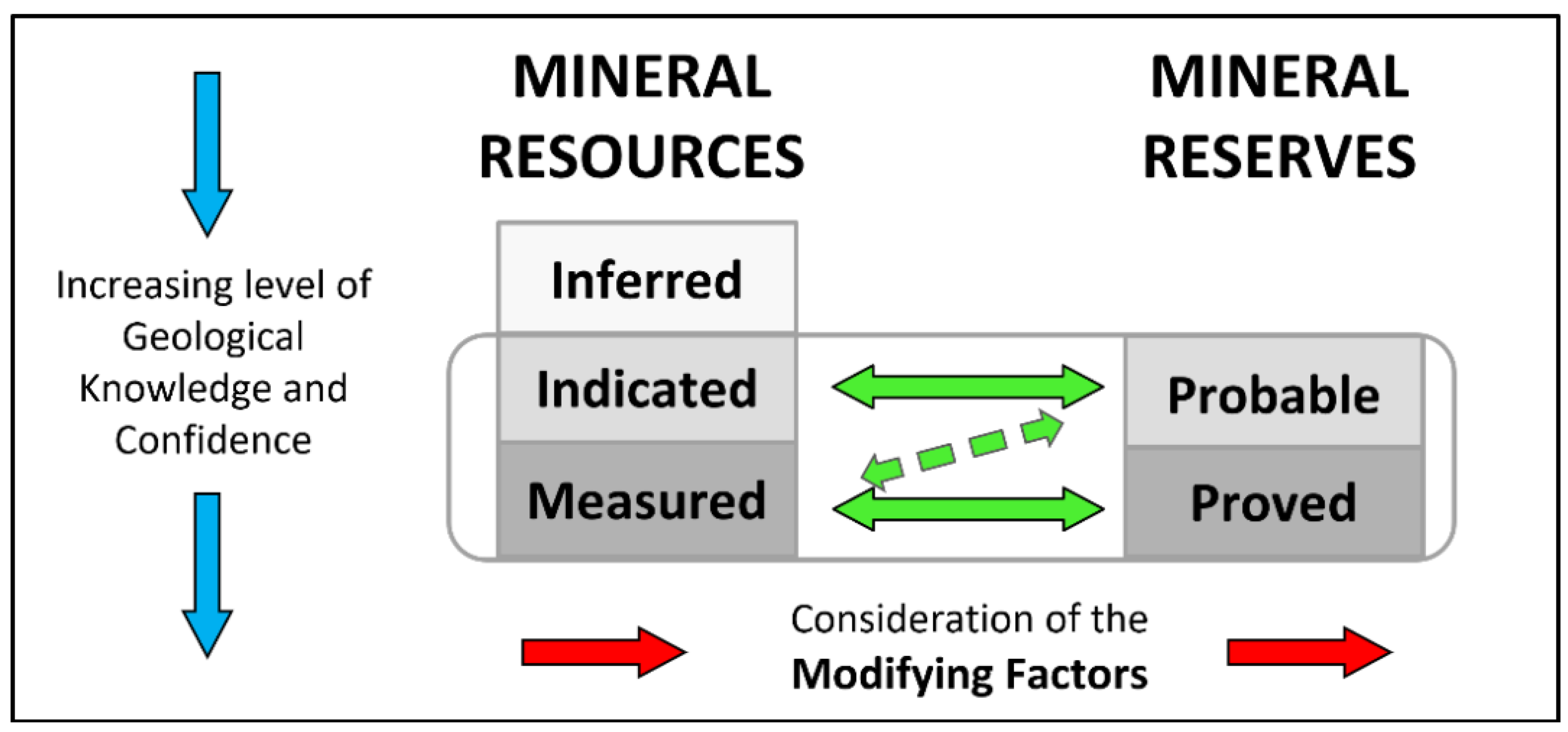
Figure 2.
Mineral resource classification results for the same dataset using different classification techniques (Modified from [19]).
Figure 2.
Mineral resource classification results for the same dataset using different classification techniques (Modified from [19]).
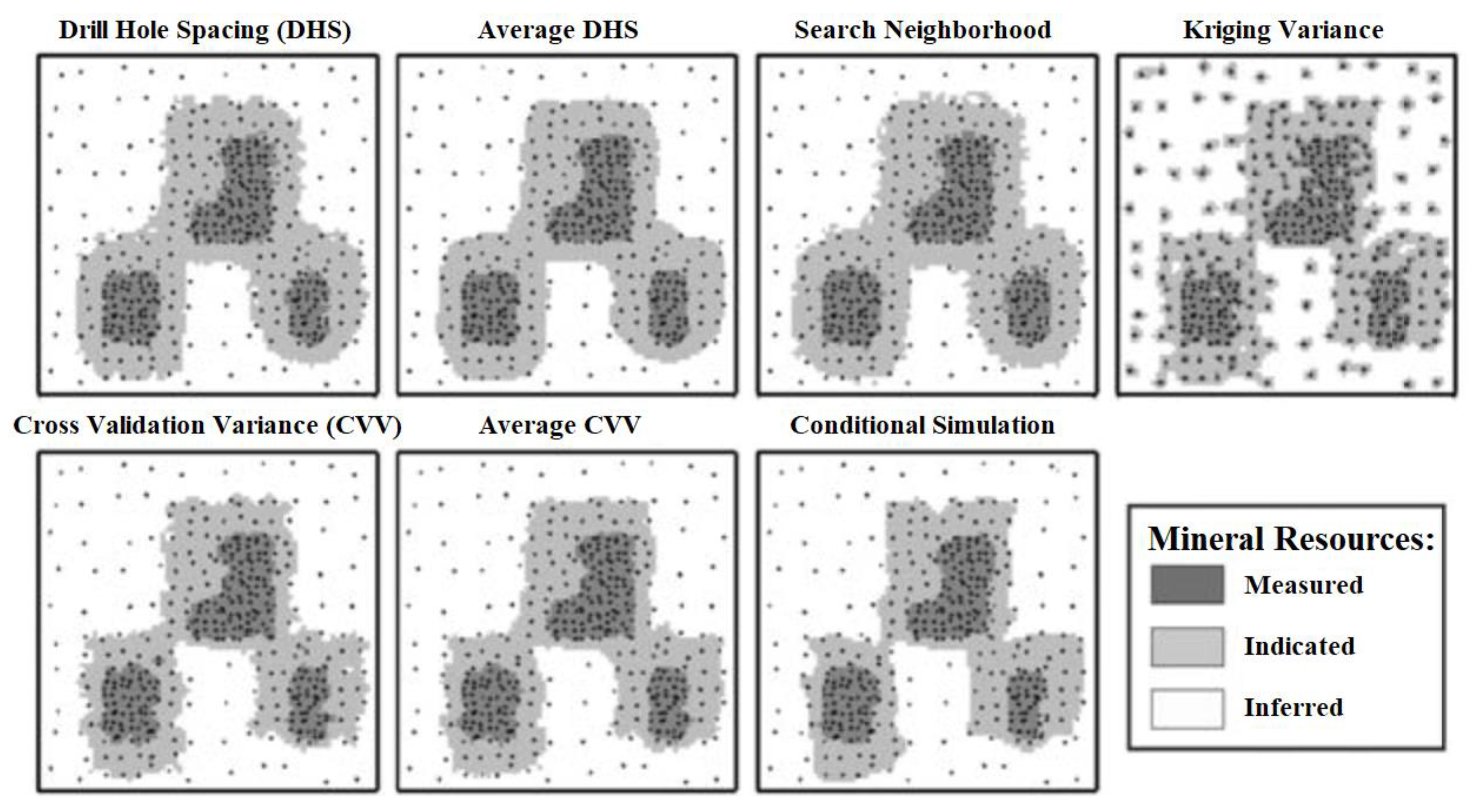
Figure 3.
Diagram explaining the binary and scaled sub-classes used in the MR³ Index and their respective weight to compose the class being assessed.
Figure 3.
Diagram explaining the binary and scaled sub-classes used in the MR³ Index and their respective weight to compose the class being assessed.
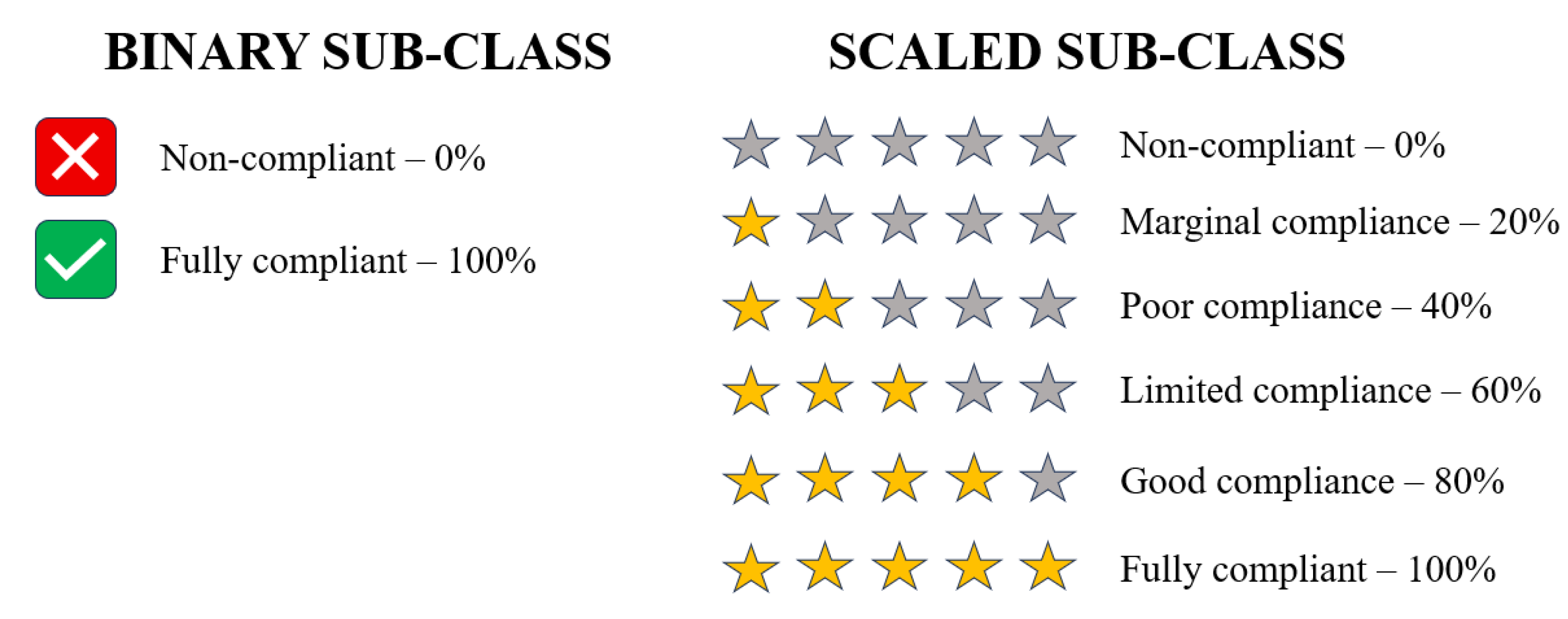
Figure 4.
Gauge charts demonstrating the readiness level of each class.
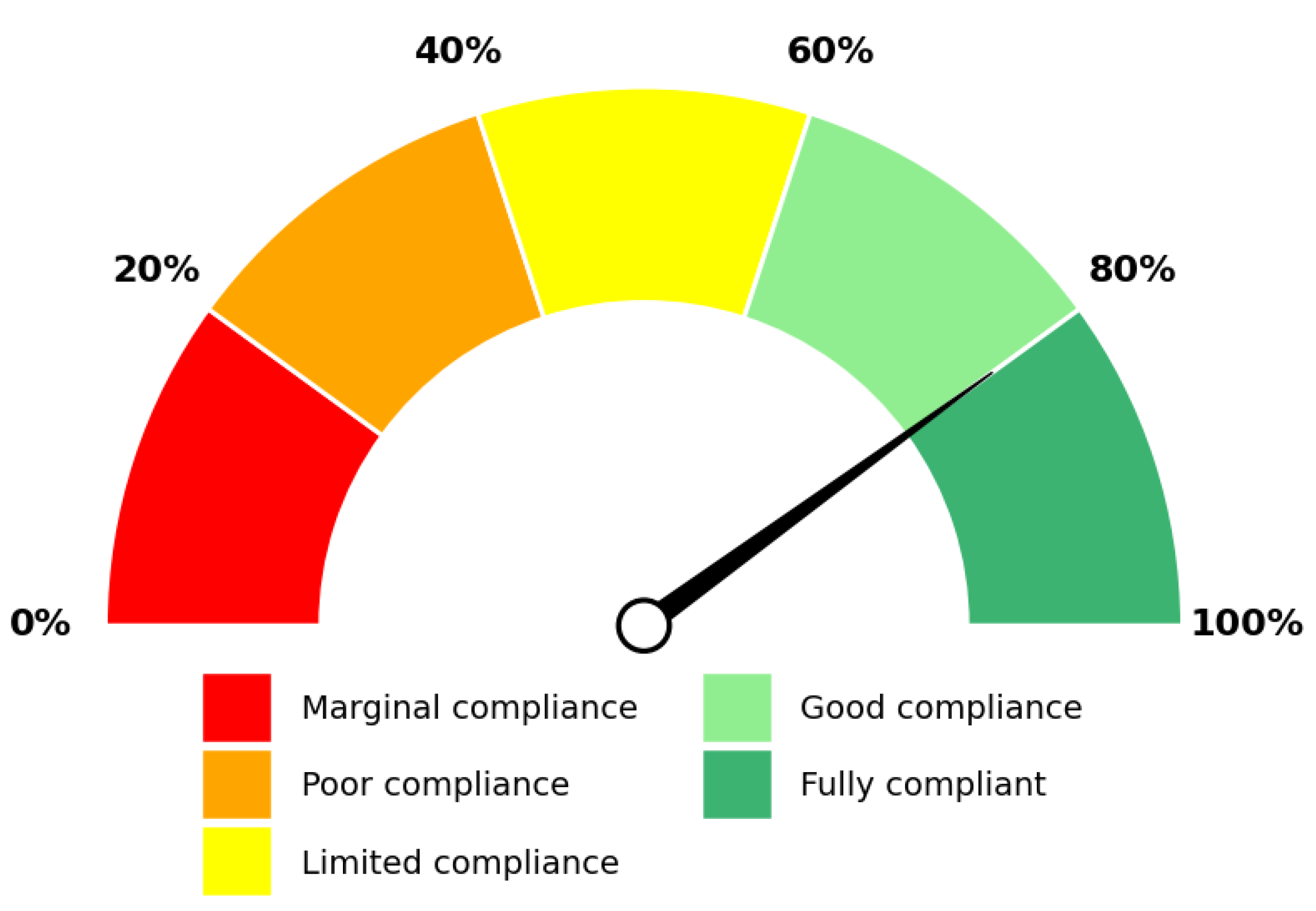
Figure 5.
Gauge charts demonstrating the readiness level of the mining project being studied according to its MR³ Index.
Figure 5.
Gauge charts demonstrating the readiness level of the mining project being studied according to its MR³ Index.
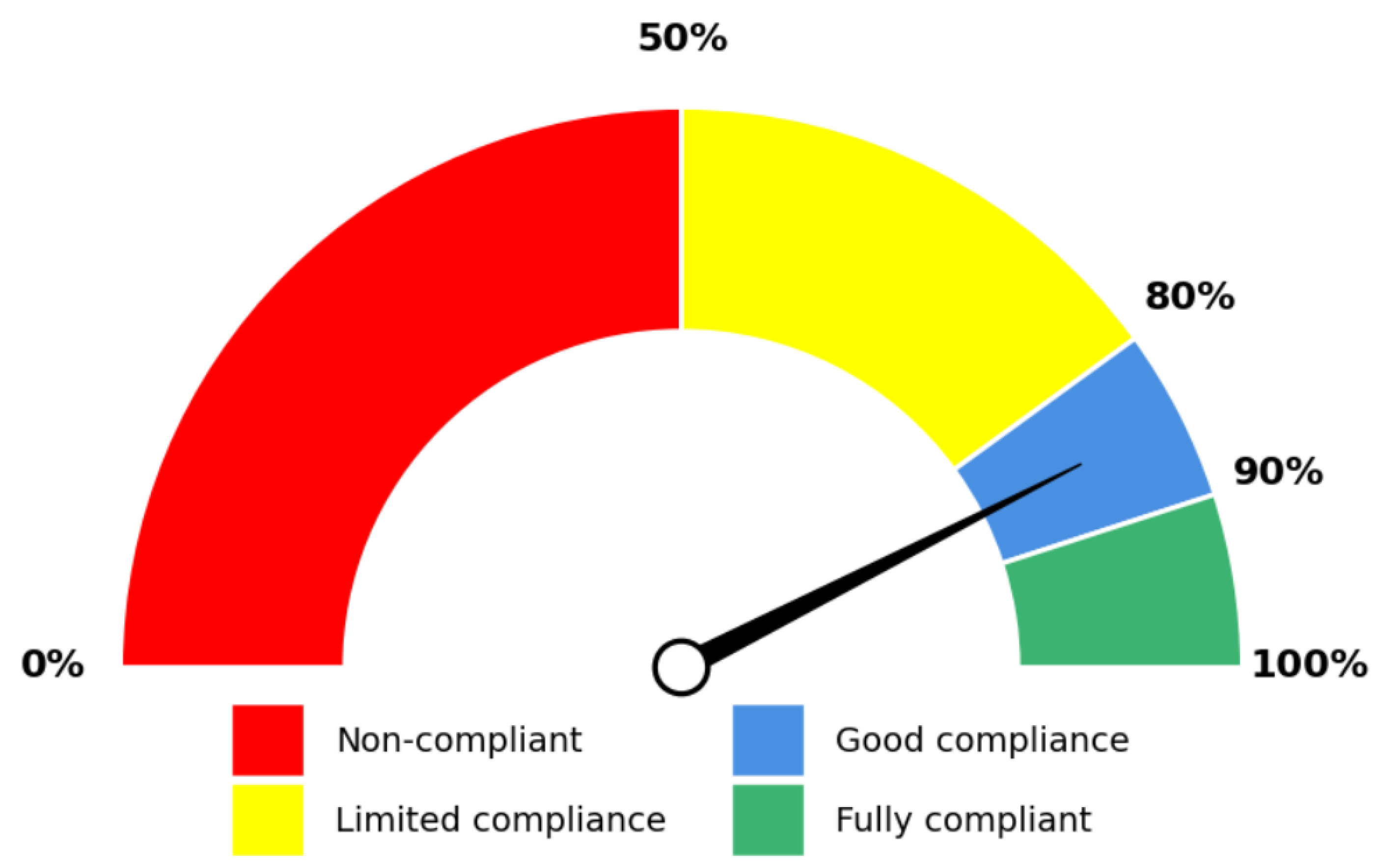
Figure 6.
(A and B) Spodumene crystals in pegmatites in situ and after blasting at the Cachoeira mine; (C) raw materials and products: raw spodumene, crushed spodumene, battery-grade lithium carbonate, and lithium hydroxide.
Figure 6.
(A and B) Spodumene crystals in pegmatites in situ and after blasting at the Cachoeira mine; (C) raw materials and products: raw spodumene, crushed spodumene, battery-grade lithium carbonate, and lithium hydroxide.
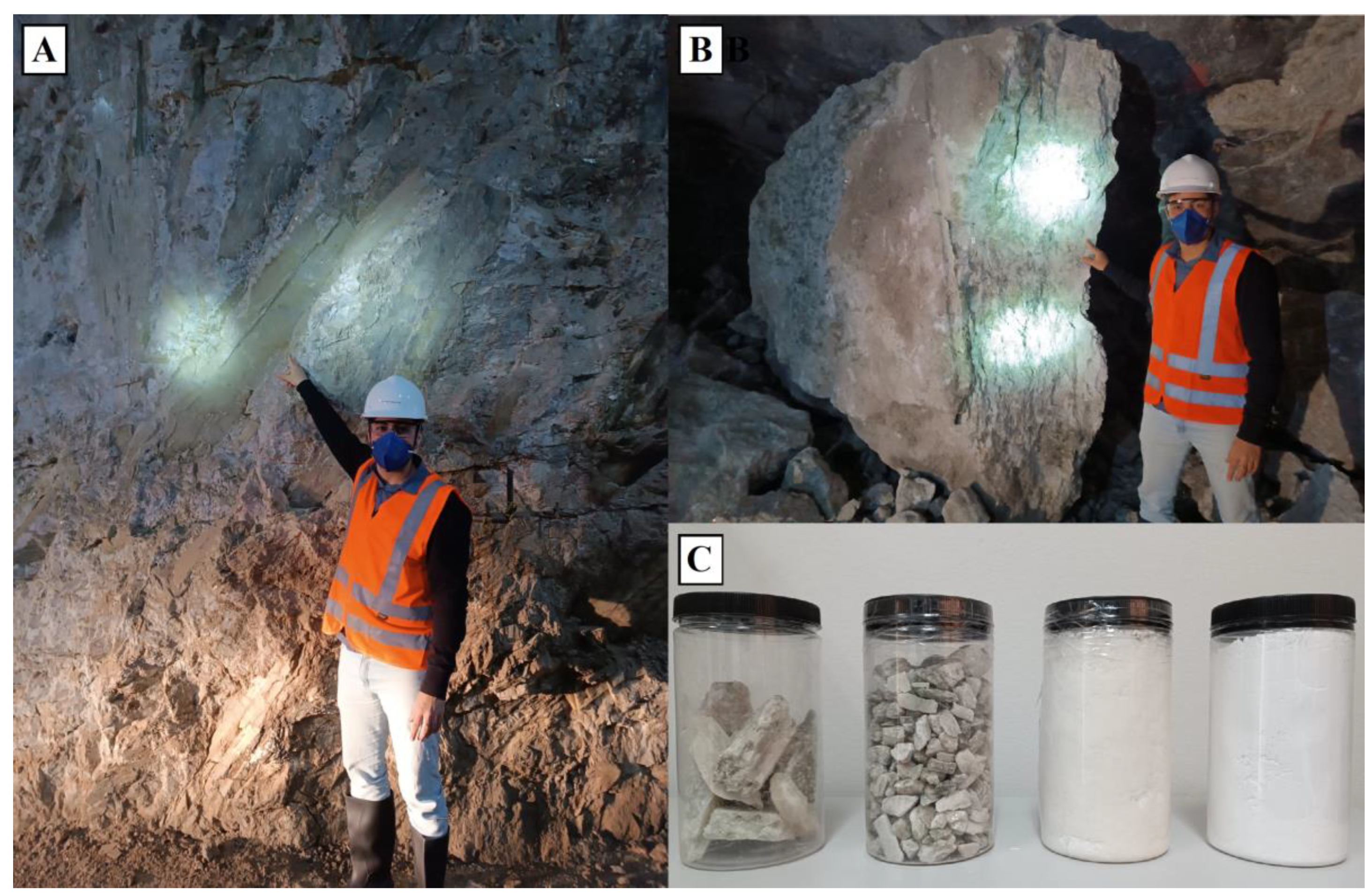
Figure 7.
Gauge chart of the readiness level regarding the competence class.
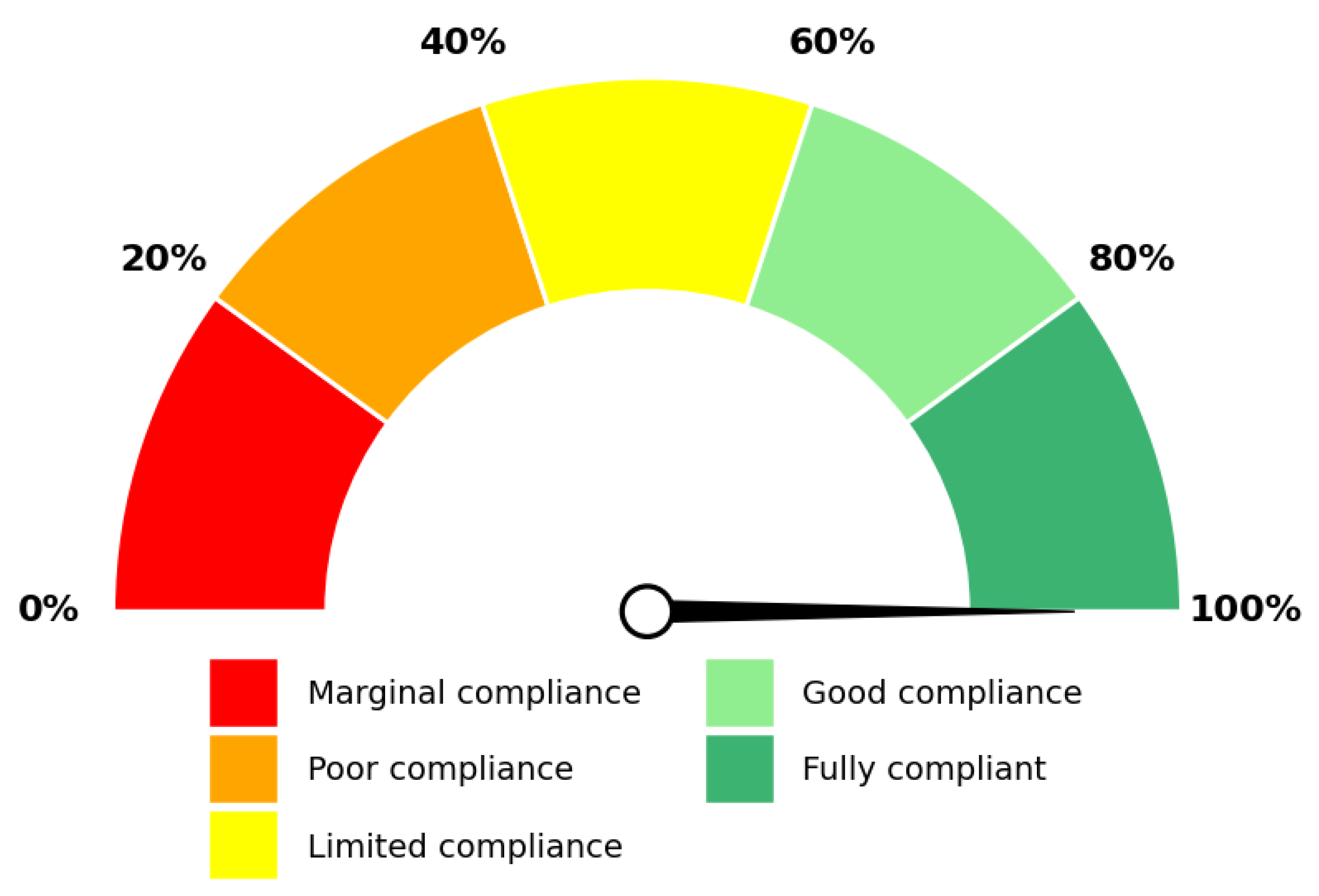
Figure 8.
Gauge chart of the readiness level regarding the transparency class.
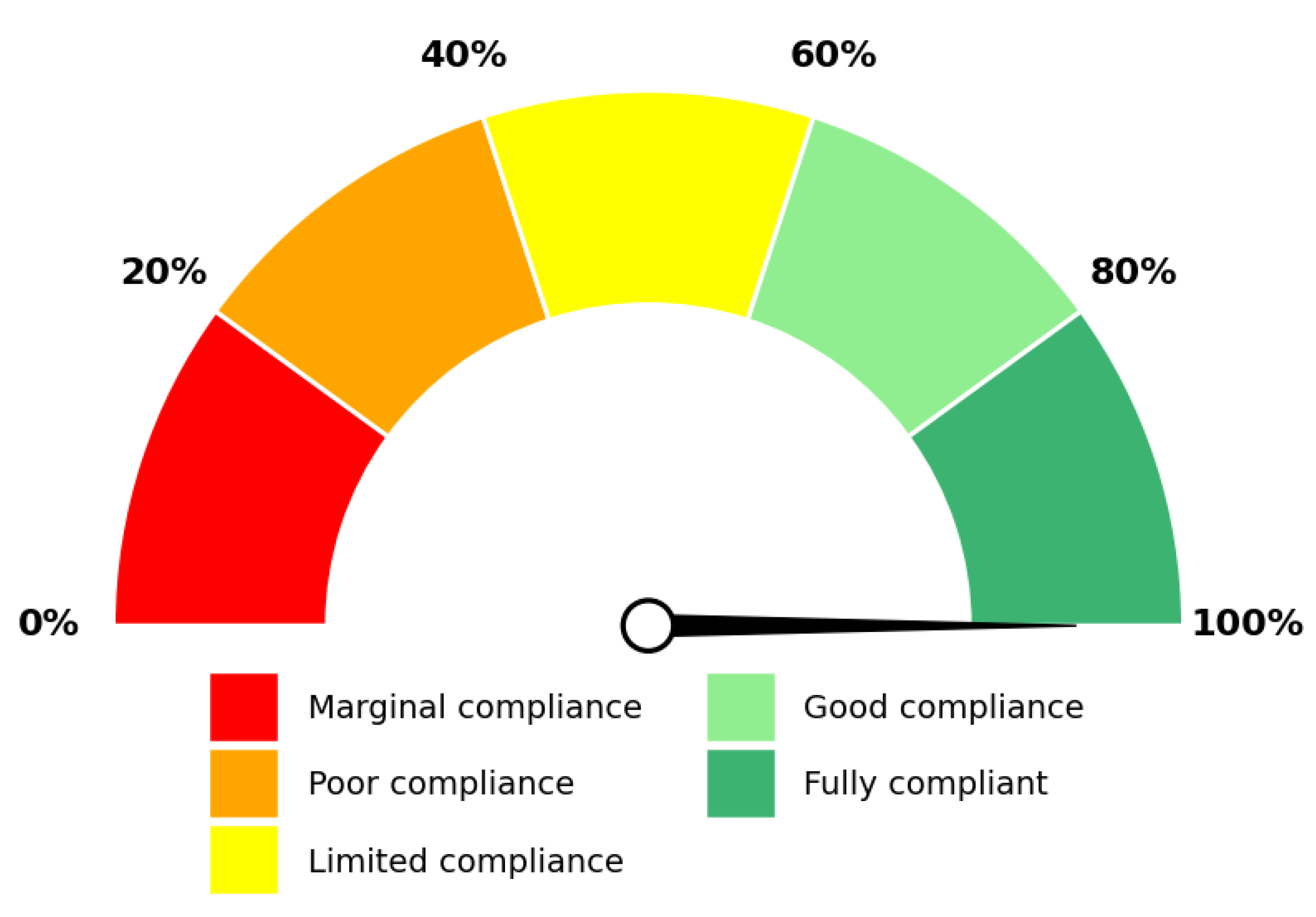
Figure 9.
Drillcores presented during a visit to the mining site.
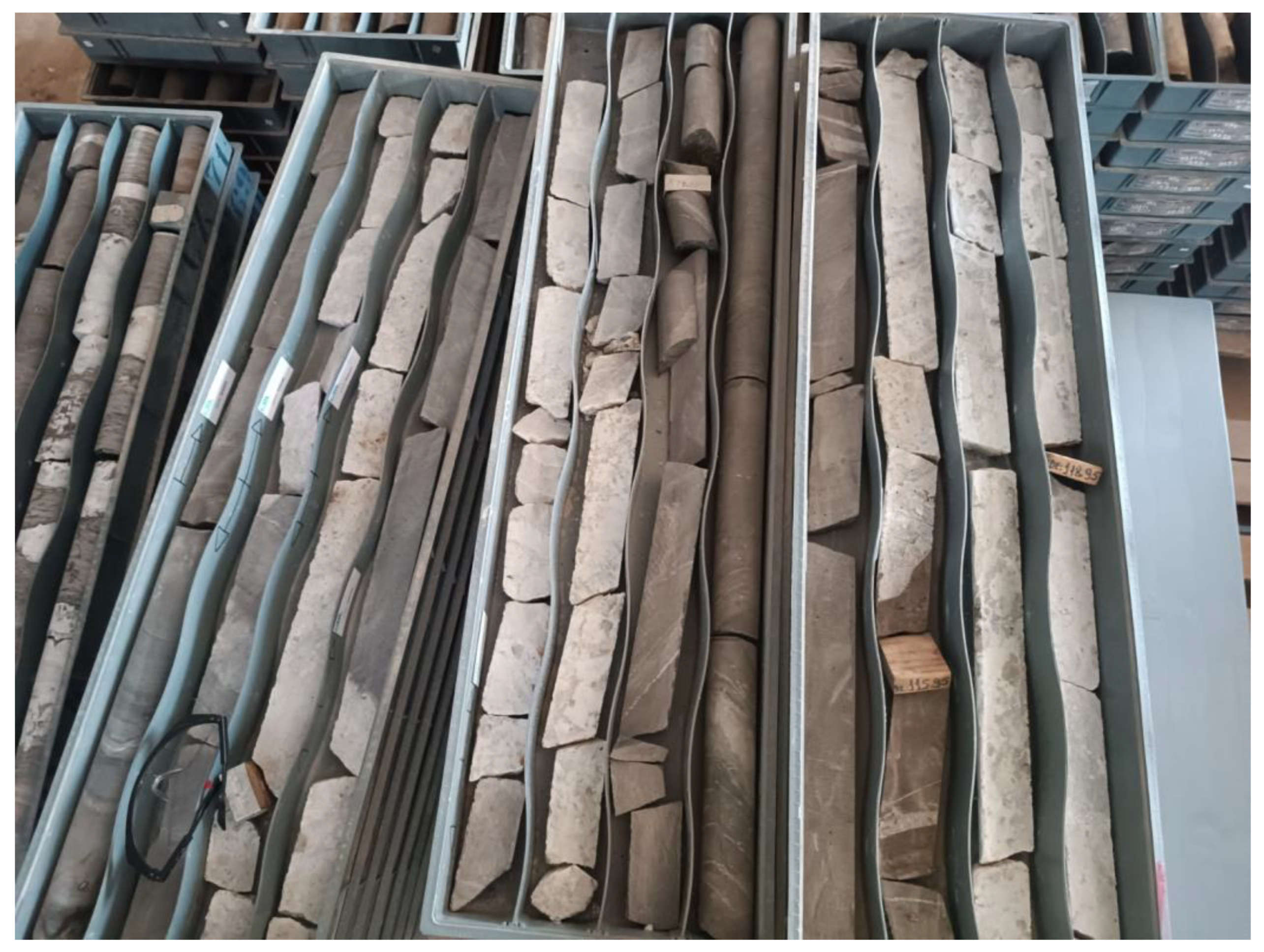
Figure 10.
Gauge chart of the readiness level regarding the materiality class.
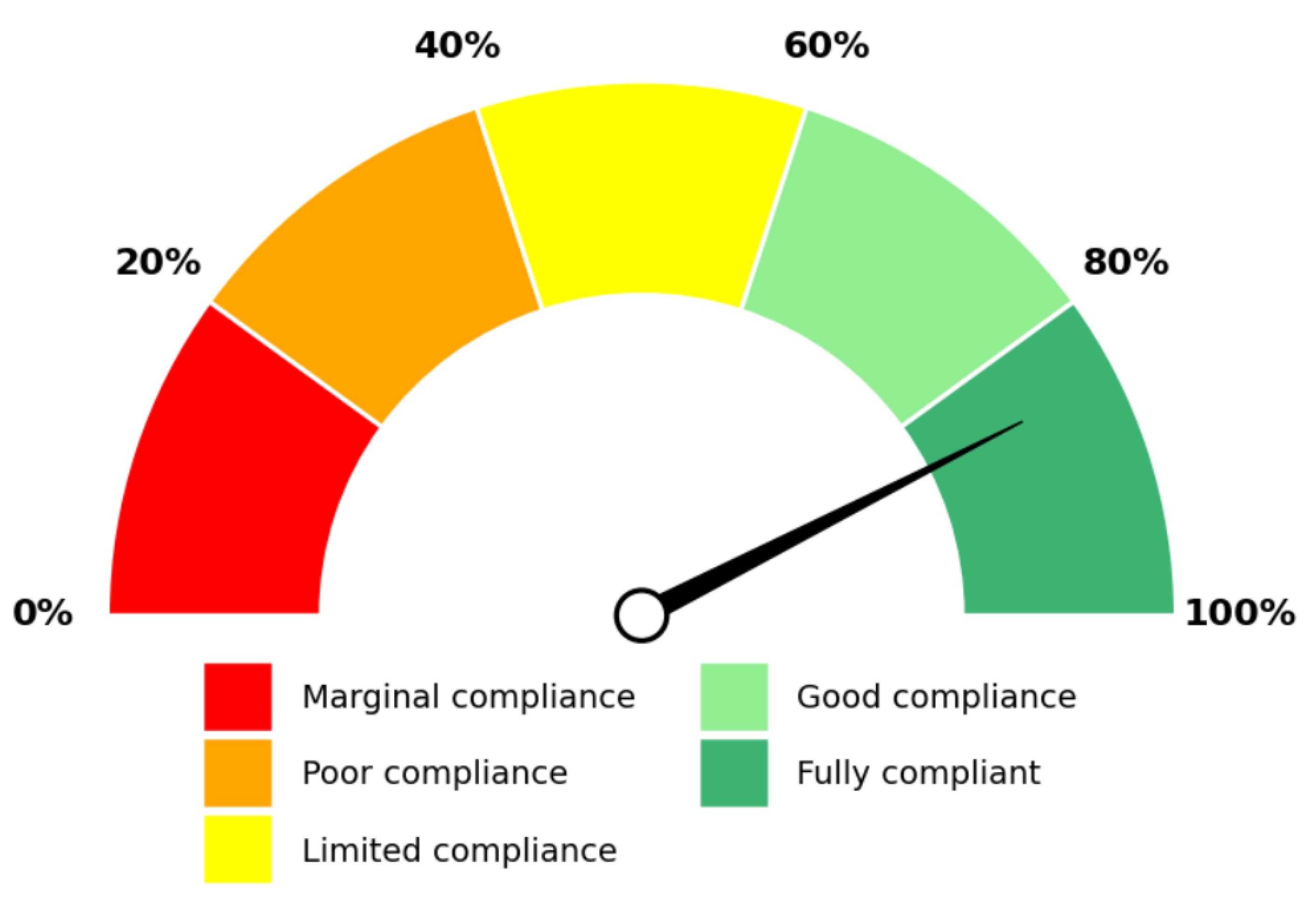
Figure 11.
Gauge chart of the readiness level regarding the modifying factors class.
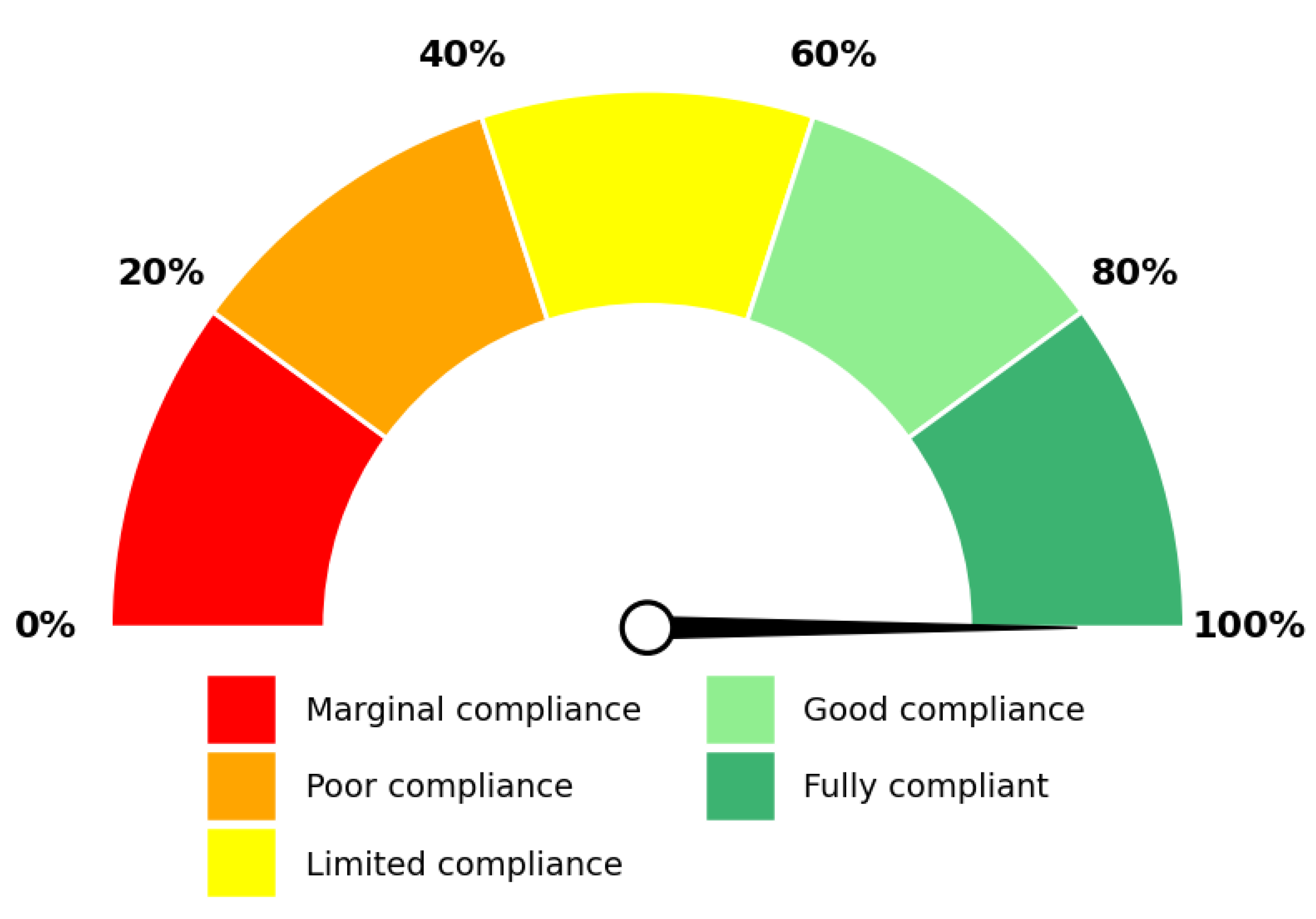
Figure 12.
Indicator charts showing the final mining project score for the MR³ Index readiness level.
Figure 12.
Indicator charts showing the final mining project score for the MR³ Index readiness level.
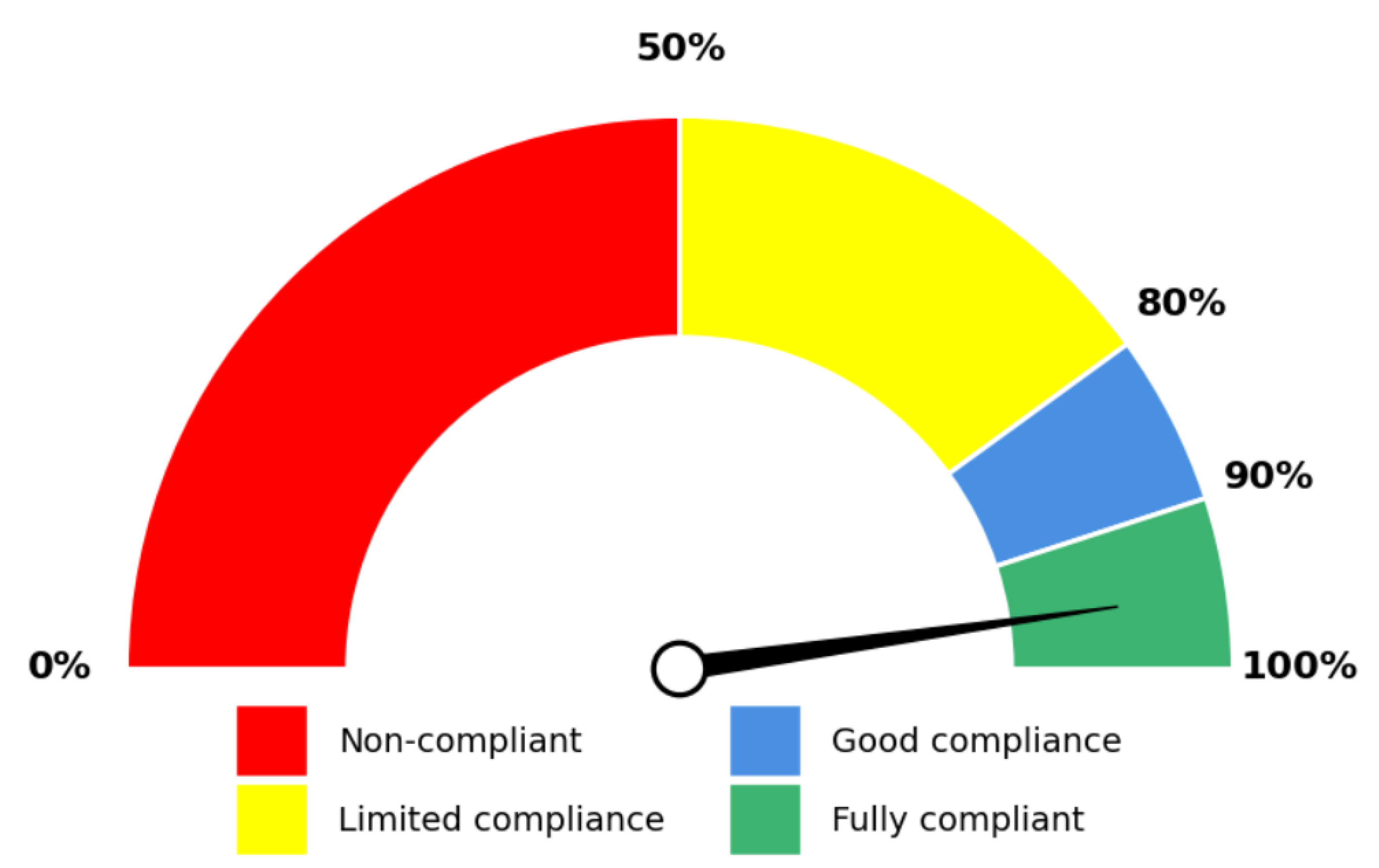
Table 1.
Weight distribution among the MR³ Index classes.
| MR³ Index Classes | Corresponding Weights |
|---|---|
| Competence | 15% |
| Transparency | 15% |
| Materiality | 30% |
| Modifying factors | 40% |
Table 2.
Sub-classes for the MR³ Index competence class.
| Sub-class | Type | Compliance Condition | Non-Compliance Action |
|---|---|---|---|
|
Mineral Resources CP/QP |
Binary | Demonstrate the presence of a CP/QP responsible for mineral resources | Hire a qualified CP/QP for mineral resources |
|
Mineral Reserves CP/QP |
Binary | Demonstrate the presence of a CP/QP responsible for mineral reserves and economic evaluation | Hire a qualified CP/QP for mineral reserves and economic analysis |
Table 3.
Sub-classes for the MR³ Index transparency class.
| Sub-class | Type | Compliance Condition | Non-Compliance Action |
|---|---|---|---|
|
Exploration Results Disclosure |
Scaled | Clear disclosure of exploration techniques and results | Review by a qualified professional; correct omissions and inconsistencies |
| Mineral Resource Modelling Disclosure | Scaled | Consistent explanation of resource modelling techniques and parameters | Review by a qualified professional; correct omissions and inconsistencies |
| Mineral Reserve Modelling Disclosure | Scaled | Detailed explanation of reserve conversion methodology and economic assessment | Review by a qualified professional; correct omissions and inconsistencies |
Table 4.
Sub-classes for the MR³ Index materiality class.
| Sub-class | Type | Compliance Condition | Non-Compliance Action |
|---|---|---|---|
| Disclosure of Key Risks and Constraints | Scaled | Explicit discussion of technical and project risks | Conduct structured risk assessment and disclose in report |
| Disclosure of Economic Assumptions | Scaled | Clear presentation of all key economic assumptions | Revise and justify economic inputs clearly |
| Consistency in Technical Narrative | Scaled | Alignment between quantitative estimates and narrative | Reconcile discrepancies between data and narrative |
| Consistency in Drillhole Reconciliation | Binary | Alignment between drill cores and their corresponding description | Make available the drill cores and reconcile the information |
Table 5.
Sub-classes for the MR³ Index modifying factors class.
| Sub-class | Type | Compliance Condition | Non-Compliance Action |
|---|---|---|---|
| Mining, Processing, and Metallurgical Factors | Scaled | Detailed mine planning, processing, and metallurgical studies with supporting data | Update studies and improve reconciliation under technical supervision |
|
Inferred Resources Confidence for Production |
Scaled | Historical records or proof of homogeneity among resources categories (operating mines) | Enhance QAQC, reconciliation, and classification procedures |
|
Economic, Market, and Infrastructure Factors |
Scaled | Current and justifiable economic assumptions and infrastructure access | Update economic models and infrastructure assessments |
|
Regulatory and Legal Factors |
Scaled | Legal compliance with mining rights, permits, and regulations | Regularize legal standing and obtain missing documentation |
| Environmental, Social, and Governance (ESG) | Scaled | Disclosure of ESG performance, policies, and governance structures | Implement and disclose ESG frameworks and indicators |
| Tailings Monitoring | Scaled | Detailed tailing disposal and monitoring plan, based on a geotechnical report and in accordance with legislation. | Develop actions to ensure safety and compliance with current legislation |
Table 6.
Results of the MR³ Index competence class.
| Sub-class | Score | Compliance Condition | Non-Compliance Action |
|---|---|---|---|
| Mineral Resources CP/QP |  |
The company proved the presence of a CP/QP responsible for mineral resources | Not required |
| Mineral Reserves CP/QP | |
The company proved the presence of a CP/QP responsible for mineral reserves and economic evaluation | Not required |
Table 7.
Results of the MR³ Index transparency class.
| Sub-class | Score | Compliance Condition | Non-Compliance Action |
|---|---|---|---|
|
Exploration Results Disclosure |
|
The exploration report was approved by the government agency and presents a clear disclosure of techniques and results | Not required |
| Mineral Resource Modelling Disclosure | |
The mineral resource report was approved by the government agency and provides a consistent explanation of resource modelling techniques and parameters | Not required |
| Mineral Reserve Modelling Disclosure | |
The mineral reserve report was approved by the government agency and provides a detailed explanation of reserve conversion methodology and economic assessment | Not required |
Table 8.
Results of the MR³ Index materiality class.
| Sub-class | Score | Compliance Condition | Non-Compliance Action |
|---|---|---|---|
|
Disclosure of Key Risks and Constraints |
 |
The report presents the results and analysis of the operational, technical, and economic aspects, including the main risks and potential constraints, as well as measures to mitigate these risks, but a quantified classification of the risks by probability and impact was not provided and the mitigation measures were superficial | Add more detail on risk prioritization and implementation of mitigation measures |
|
Disclosure of Economic Assumptions |
|
Economic assumptions detailing revenue sources, unit costs, and an analysis of capital and operating expenses has been shown, as well as sensitivity analyses have been included, but some of the assumptions are based on a simplified market forecast and the sensitivity analysis can be improved | Present stronger economic assumptions and a complete sensitivity analysis of the enterprise |
|
Consistency in Technical Narrative |
|
The provided document demonstrates consistency between the geological model, mine planning, and financial projections regarding modifying factors, avoiding contradictions in tonnage, grade distribution, or scheduling, but further improvements can be made | Add more detail on how the updated geological model relates to past performance regarding geotechnical, metallurgical, and economic factors in the production schedule |
|
Consistency in Drillhole Reconciliation |
|
An alignment between drill cores and their corresponding description was proven | Not required |
Table 9.
State and Federal license certificates.
| License | License number | Government Agency | Year of issue | Status |
|---|---|---|---|---|
| Exploration Permit | ANM 831.216/1997 | National Mining Agency | 2006 | Current (Extension) |
| Mining License | ANM 807.022/1971 ANM 807.652/1971 |
National Mining Agency | 2023 2023 |
Current |
| Mining Operations | LO 128/2015 | State Environmental Agency | 2015 | Current (Extension) |
| Alteration | LAC 5575/2021 | State Environmental Agency | 2021 | Current (Extension) |
| Fuel Station | LAS 1638/2023 | State Environmental Agency | 2023 | Current (Extension) |
| Access Roads | LAS-RAS 331/2020 | State Environmental Agency | 2020 | Current (Extension) |
Table 12.
Individual scores and weighted averages of the MR³ Index Classes, together with the final MR³ Index score for the studied mining project.
Table 12.
Individual scores and weighted averages of the MR³ Index Classes, together with the final MR³ Index score for the studied mining project.
| MR³ Index Classes | Scores | Weights | Weighted Averages |
|---|---|---|---|
| Competence | 100% | 15% | 15% |
| Transparency | 100% | 15% | 15% |
| Materiality | 85% | 30% | 25.5% |
| Modifying factors | 100% | 40% | 40% |
| Final Score | 95.5% | ||
Disclaimer/Publisher’s Note: The statements, opinions and data contained in all publications are solely those of the individual author(s) and contributor(s) and not of MDPI and/or the editor(s). MDPI and/or the editor(s) disclaim responsibility for any injury to people or property resulting from any ideas, methods, instructions or products referred to in the content. |
© 2025 by the authors. Licensee MDPI, Basel, Switzerland. This article is an open access article distributed under the terms and conditions of the Creative Commons Attribution (CC BY) license (http://creativecommons.org/licenses/by/4.0/).
Copyright: This open access article is published under a Creative Commons CC BY 4.0 license, which permit the free download, distribution, and reuse, provided that the author and preprint are cited in any reuse.


