Preprint
Article

This version is not peer-reviewed.

Hormone Changes in Polycystic Ovarian Syndrome Identified with a Personal Quantitative Urine Monitor: A Pilot Study

Submitted:

03 October 2025

Posted:

07 October 2025

You are already at the latest version

Abstract

Background/Objectives: Quantitative urine monitors are increasingly being used for a personalized approach to improve menstrual cycle knowledge and to manage fertility. Although several studies have evaluated urine fertility monitors in regular cycles, there is limited research in the use of quantitative monitors in reproductive disorders, such as polycystic ovarian syndrome (PCOS). Methods: Urine hormone data was collected with the Mira monitor from 20 participants, 10 of whom had PCOS and a matched group who had regular cycles. The main aim of this study was to evaluate the levels of luteinizing hormone (LH), estrone-3-glucuronide (E13G), and pregnanediol glucuronide (PDG) in PCOS menstrual cycles compared to regular cycles. Results: Women with PCOS had higher BMI than regular cycling women (p=0.02). PCOS cycles were longer (p<0.05), peak day was later in the menstrual cycle (p<0.001), and luteal length was shorter (p < 0.01) compared to regular cycles. In whole cycle comparisons, E13G was found to be lower in PCOS cycles (p<0.01) and PDG was found to be higher in PCOS cycles (p<0.05). E13G was also lower in the follicular phase of and late luteal phase of PCOS cycles (p<0.00001). Conclusions: The results of this study demonstrate the feasibility of detecting hormonal differences in PCOS compared to regular cycles with at-home measurements with the Mira monitor. The metabolic dysregulation of PCOS is a possible factor in these hormone changes. Larger studies with different sub-types of PCOS will be needed to further clarify these changes and to understand the pathophysiology behind these hormonal changes.

Keywords: 
;  ;  ;  ;  ;  

1. Introduction

Menstrual health literacy allows women to apply menstrual cycle knowledge and skills to monitor personal health and manage fertility [1]. In fact, the menstrual cycle has been identified as a vital sign for health [2,3,4]. Further, menstrual health literacy enables individuals to have confidence when engaging with healthcare professionals and have an active role in maintaining and/or restoring optimal health [1]. Mu et al. also highlight the relationship and potential benefits of increasing menstrual cycle literacy to reduce fertility health risks and better inform women’s current and future fertility management [5].
Women use various methods to track their menstrual cycles to determine the fertile window [6]. Three of the most common types are smartphone applications, temperature-tracking devices, and at-home urine hormone tests [6]. The number of smartphone applications for menstrual cycle tracking has significantly increased over the past decade due to a growing interest in personalized menstrual cycle tracking and its convenience [1,6]. Besides simple basal body thermometers, temperature tracking devices currently on the market include Ava, Tempdrop, and the Oura ring [7]. Recently, the Oura ring has become a popular method of tracking sleep patterns and other physiological markers, such as heart rate (HR) and skin temperature, which can be impacted by changes during the menstrual cycle [8]. Although these devices can provide important information about temperature changes, they do not provide any information about changes in hormone levels related to the menstrual cycle [8].
Qualitative and quantitative at-home urine hormone monitors are commonly used for tracking menstrual cycle hormone changes [6]. Before the development of these monitors, it was not cost-effective nor practical to monitor daily changes in menstrual hormones, as it required the serum measurements of the various menstrual hormones at multiple time points throughout the individual’s menstrual cycles [6]. Two commonly used monitors are the ClearBlue Fertility Monitor (CBFM), a qualitative monitor, and the Mira monitor, a quantitative monitor [6]. The CBFM measures estrone-3-glucuronide (E13G), the urinary metabolite of estrogen, and luteinizing hormone (LH) in the urine [9]. The Mira Monitor can detect the precise amounts of follicle stimulation hormone (FSH) and pregnanediol glucuronide (PDG), the urine metabolite of progesterone, in addition to E13G and LH [10]. Bouchard et al. conducted a comparative study of the CBFM and the Mira Monitor that showed both monitors were able to provide accurate predictions of the fertile window, and the Mira Monitor’s estimate of ovulation was highly correlated with the CBFM’s estimate of ovulation [11].
Polycystic Ovarian Syndrome (PCOS) is one of the most common reproductive endocrine conditions in women [12]. In 2008, it was estimated that 1.4 million Canadian women had PCOS [12]. PCOS can cause symptoms of long and irregular menstrual cycles, anovulation, polycystic ovaries, and hyperandrogenism (e.g., hair growth and acne) [13]. Additionally, PCOS can increase an individual’s risk of developing metabolic conditions, such as type II diabetes, and neoplastic conditions, like endometrial cancer [13]. With Rotterdam Criteria,[14] four phenotypes have been discussed: (A) all three characteristics of the syndrome present (chronic anovulation, hyperandrogenism and polycystic ovaries), (B) hyperandrogenism and chronic anovulation but no polycystic ovaries, (C) hyperandrogenism and polycystic ovaries in the presence of ovulatory cycles, and (D) chronic anovulation and polycystic ovaries but normal androgen status (no hirsutism or increased circulating androgens). More metabolic features are at play in A and B phenotypes, especially with elevated weight and insulin resistance, along with higher testosterone and LH:FSH ratios [15]. One pathway may involve insulin resistance leading to PCOS features (anovulation and hyperandrogenism) and another pathway would involve a downward effect from hypothalamus, driven by abnormal gonadotropin releasing hormone (GnRH) favoring LH secretion over FSH, which can itself lead to insulin resistance [13]. In some patients both issues may come into play and in others it may be simply driven by a metabolic syndrome (for example, when management of the metabolic syndrome, like losing weight, leads to resumption of normal cycles and improvement of hyperandrogenism).
In lean women with PCOS, the abnormal GnRH signalling increasing LH/FSH ratios drives hyperandrogenism, and elevated anti-mullerian hormone (AMH) further exacerbates the LH/FSH ratio dysfunction and drives insulin resistance which then promotes more hyperandrogenism [16]. In overweight or obese women, the excess insulin drives the androgens and the change in hypothalamic function. The excess insulin increases LH production of thecal androgens while the synergistic effect of high insulin and LH levels may induce premature expression of LH receptors in small follicular subsets, leading to premature differentiation of granulosa cells and follicular growth stagnation, developing multiple follicles (i.e., polycystic ovaries). There is insulin resistance for glucose metabolism at the level of the ovarian cells, but other pathways of insulin driving the androgens are intact.
With these physiologic mechanisms in mind, it is no surprise that the hormonal dynamics in PCOS are heterogeneous, and from the outset any attempt to simplify the explanation of hormones in PCOS falls short. Yet this pilot study is a first step in attempting to provide at-home tools, like the Mira monitor, to individualize the hormonal assessment in women with PCOS. The dynamics of estrogen in PCOS are complex, where there appears to be differences in estradiol in the serum being higher in obese patients vs non-PCOS obese controls, but the opposite is true in non-obese with PCOS, suggesting different mechanisms in hormone regulation [17]. Progesterone levels in PCOS cycles are thought to be lower compared to a regular cycle due to the pathology of oligo-ovulation and anovulation [18]. Moreover, there may be differences in the LH surge in PCOS given the anovulatory patterns that exist. A key issue is that PCOS encompasses a group of disorders leading to hyperandrogenism and cycle irregularity with various mechanisms that might explain variable hormone levels. Because of this, the hormonal dynamics maybe different based on the different PCOS subtypes, and unique to each individual woman with PCOS.
Very few studies have investigated the use of at-home urine hormone devices in reproductive disorders like polycystic ovarian syndrome (PCOS) or other gynecologic conditions. Additionally, there is an incomplete understanding of how reproductive hormone levels in regular cycling women may differ from women with PCOS cycles. Due to the rapid increase in smartphone applications, temperature trackers, and urine hormone monitors, the use of these technologies has outpaced researchers’ ability to validate them, making it difficult for clinicians to provide adequate guidance to help patients achieve their fertility goals and sufficiently improve menstrual health literacy [19]. Accurate real-time menstrual cycle monitoring, using quantitative at-home urine hormone devices, has the potential to be used for screening and diagnosis of reproductive disorders like PCOS [6,19]. Increasing the accessibility to devices can increase menstrual health literacy and make menstrual health monitoring non-invasive and cost-effective [10]. Additionally, monitoring that is accessible and cost-effective can allow patients to feel empowered to improve their menstrual health literacy both at a general health level and with fertility management [19]. Increasing a woman’s menstrual health literacy regarding hormone levels in PCOS can inform decision-making around fertility and management of menstrual cycle symptoms [6].
This study’s aim was to demonstrate the feasibility of monitoring hormones in PCOS with an at-home urine monitor as a way to personalize the assessment of hormonal disturbances in this population of women. We hypothesized that cycle parameters (e.g., cycle length, peak days), as well as hormone differences in PCOS would be readily observable compared to age-matched regularly cycling women.

2. Materials and Methods

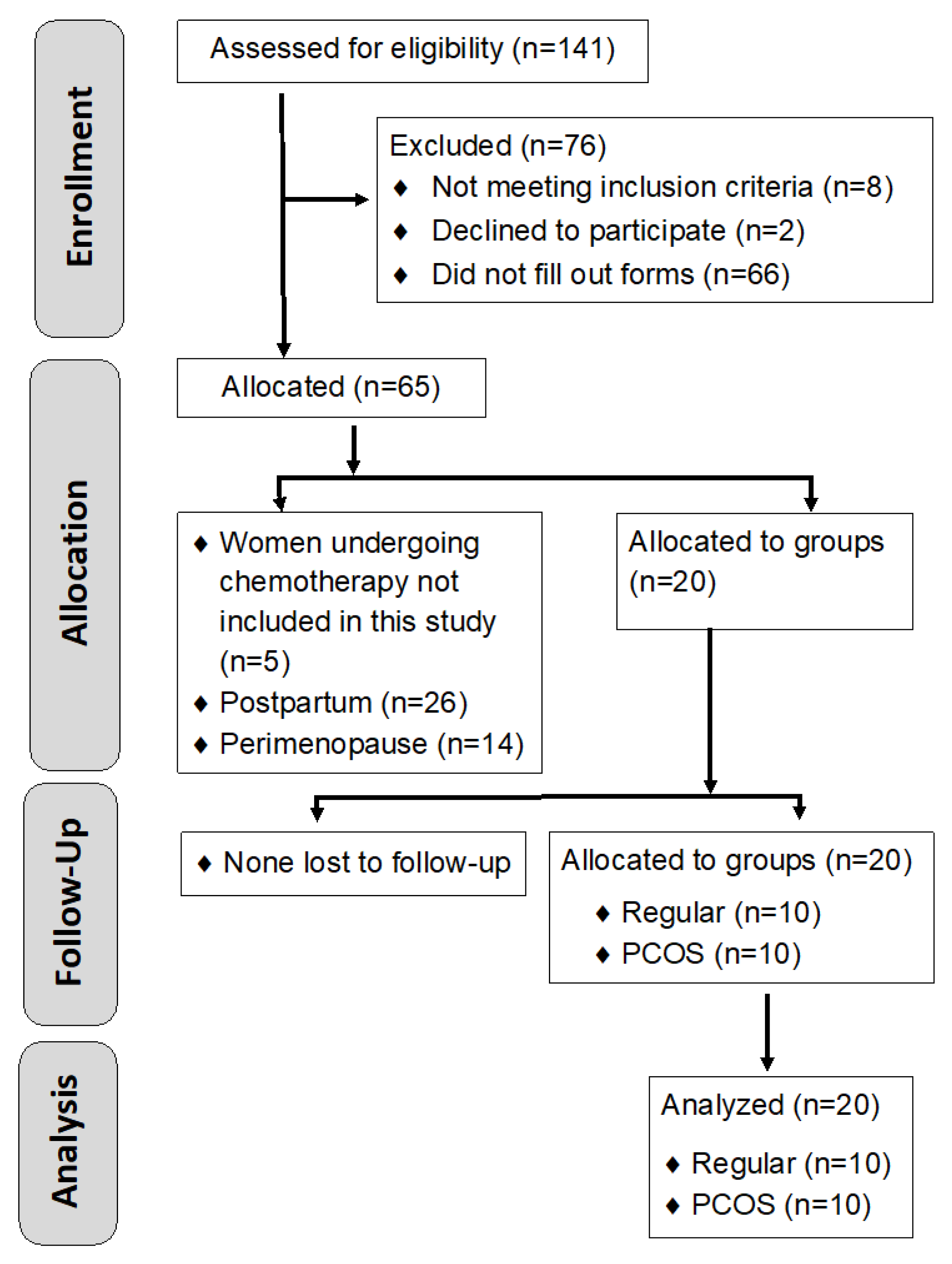
This study was a retrospective pilot study that used participant data already collected from a previous quantitative menstrual cycle monitoring study using the Mira hormone monitor (Figure 1). Exclusion criteria for the study included women undergoing chemotherapy, women who were postpartum, and women who were perimenopause. Twenty participants between the ages of 24-38 met the inclusion criteria for this study. Ten participants with a diagnosis of PCOS (by self-report, not clinically confirmed by the investigators in this study) were allocated to the study group, and ten participants with regular menstrual cycles were assigned to the control group. No participants were lost to follow-up. Figure 2 shows a summary of the enrollment, allocation, follow-up, and analysis.
Ethics approval was obtained through the research ethics board at Marquette University (HR 4276, 4 April 2023). All provincial and federal privacy legislations were followed. All participants provided informed consent.
Data collection was completed using Microsoft Forms, Mira monitor in conjunction with the Mira app, and a secure database [20]. Participant demographics and cycle characteristics were securely collected using Microsoft forms [20]. Hormone data and cycle data, such as cycle start and finish date, were recorded using the Mira Monitor and uploaded to the Mira app [20]. Additional charting was uploaded to a database for participant and healthcare provider access [20].
Participants sampled their first-morning urine hormones with the Mira Monitor (Figure 1) on a daily basis. The sampling assay has previously been described in detail [21].
Patient data was analyzed using SPSS (Version 29.0.2.0, IBM Corp) and R software (R version 4.3.2, The R Foundation for Statistical Computing). Descriptive statistics were used to determine the menstrual cycle parameters’ mean, median, range, standard deviations (SD), interquartile ranges, and 95% confidence intervals (CI). Analysis using independent sample t-tests was completed for patient demographics, such as body mass index (BMI), age, previous pregnancy and living children, clinical and hormonal characteristics and other continuous variables, such as cycle length and follicular and luteal phase length. Mean and standard deviation were used to describe continuous variables (BMI and age), while median and interquartile range were used to describe discrete variables (pregnancies and living children). Further, differences in hormone ranges between the study and control groups were analyzed and described using mean and standard deviation. Group differences were calculated with ANOVA, using a significance level of p < 0.05.

3. Results

3.1. Recruitment

Participants were recruited from a larger sample from a previously published dataset [22]. A Consort Flow Diagram is shown in Figure 2 indicating the subgroups including ten PCOS participants and age-matched controls (regular cycles).

3.2. Demographics

Participant demographics are summarized in Table 1. BMI was significantly higher (p = 0.02) in the PCOS group than in the regular cycle group. There were no significance for age, pregnancies, or living children.

3.3. Cycle Parameters

A comparison of cycle parameters in regular and PCOS cycles revealed significantly longer cycles in the PCOS group (p <0.05) and later peak day (LH surge day) compared to the regular cycle group (p <0.001). Lastly, luteal phase length was shorter in the PCOS group compared to the regular cycle group (p <0.01). These results are summarized in Table 2.

3.3.1. Ovulatory Cycles

For cycles with PDG data (regular cycles: 37/87, PCOS cycles: 46/74 cycles with PDG data), there were more ovulatory cycles with PDG > 5 after the LH peak in the regular cycles group (35/37 cycles presumed ovulatory, or 95%) than the PCOS group (40/46 cycles presumed ovulatory, or 87%), but the sample size did not have adequate power to detect whether this difference was significant.

3.4. Hormone Comparisons

3.4.1. Whole Cycle Hormone Differences

Results of the whole cycle hormone comparisons of LH, E13G, and PDG revealed statistically significant differences in E13G (p < 0.001) and PDG (p < 0.05); however, no statistical difference was found for LH. E13G was lower in the PCOS group, while PDG was higher in the PCOS group compared to the regular cycle group. These results are summarized in Table 3.

3.4.2. Follicular Phase Hormone Differences

In the follicular phase, E13G were significantly lower in the PCOS group compared to the regular cycles group (p<0.001). No statistical difference was noted for PDG levels in the follicular phase.
Table 4. Follicular phase hormone differences in regular and PCOS cycles (n=20). Mean and range for continuous variables of E13G and PdG.
Regular Cycle
n=10
Min Max
E13G (ng/mL) Mean* 154.60 10.00 640.00
PDG (µg/mL) Mean 2.51 0.99 28.23
PCOS
n=10
Min Max
E13G (ng/mL) Mean* 126.25 10.00 640.01
PDG (µg/mL) Mean 3.02 0.99 30.01
*p<0.00001, E13G=estrone-3-glucuronide, PDG=pregnanediol glucuronide.

3.4.3. LH surge day Hormone Differences

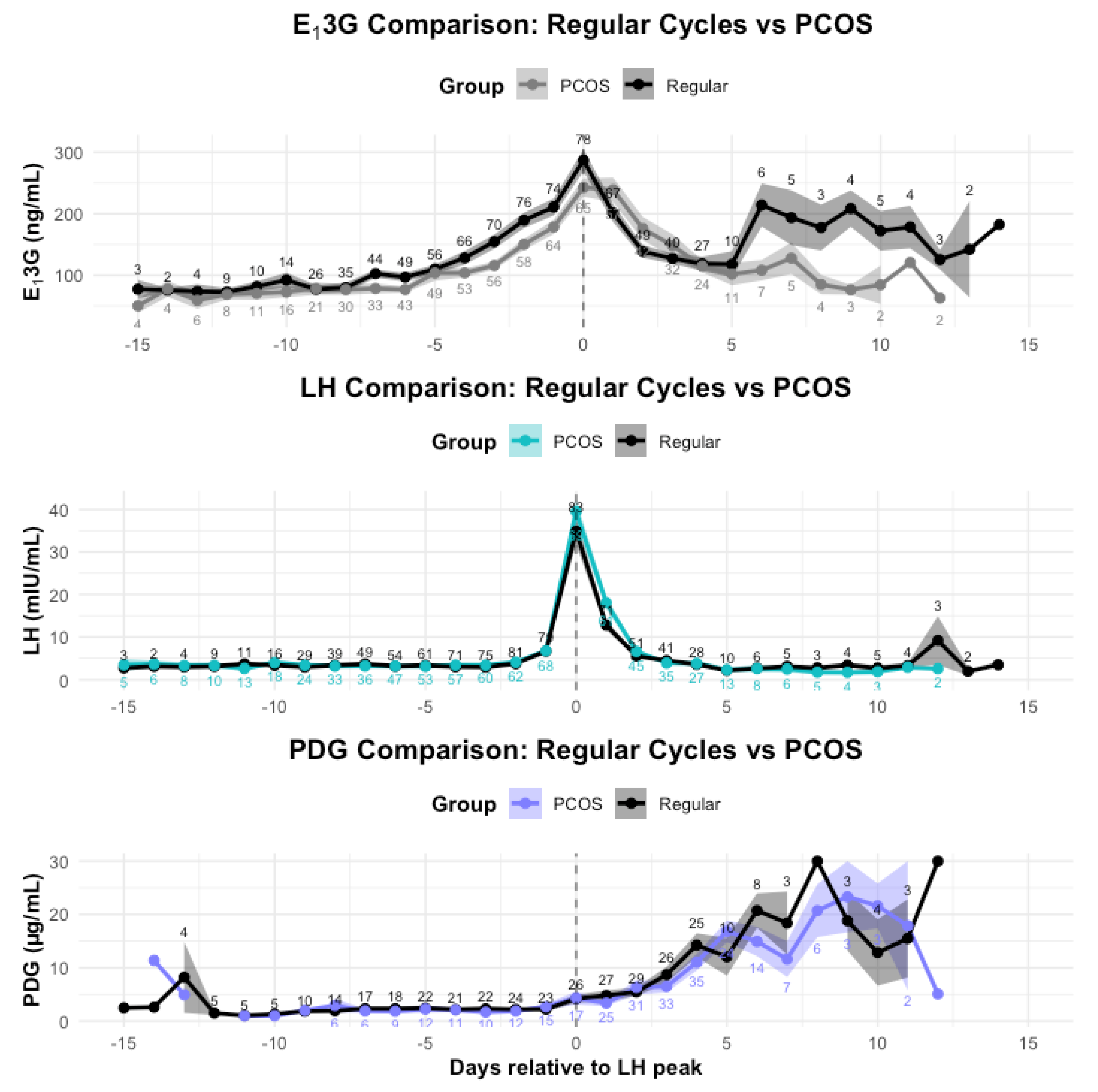
On the LH surge (peak) day, no statistically significant difference was found between the groups (Table 5). However, the maximum LH value in the PCOS group was lower than that seen in the regular cycling group, 50.56 mlU/ml versus 228.28 mlU/ml respectively, with a slightly broader distribution with more frequent 2 day LH surge patterns in PCOS compared to regular cycles (Figure 3).

3.4.4. Luteal Phase Hormone Differences

In the luteal phase, there were no significant differences in the levels of E13G and PDG between the two groups (Table 6). However, a visual representation of the comparison of E13G levels relative to the LH surge (peak day), Figure 4, revealed late luteal differences in E13G, which were indeed found to be significant after comparing only the later (last half) of the luteal phase E13G levels (p<0.0001).

3.5. Individual Hormone Profiles

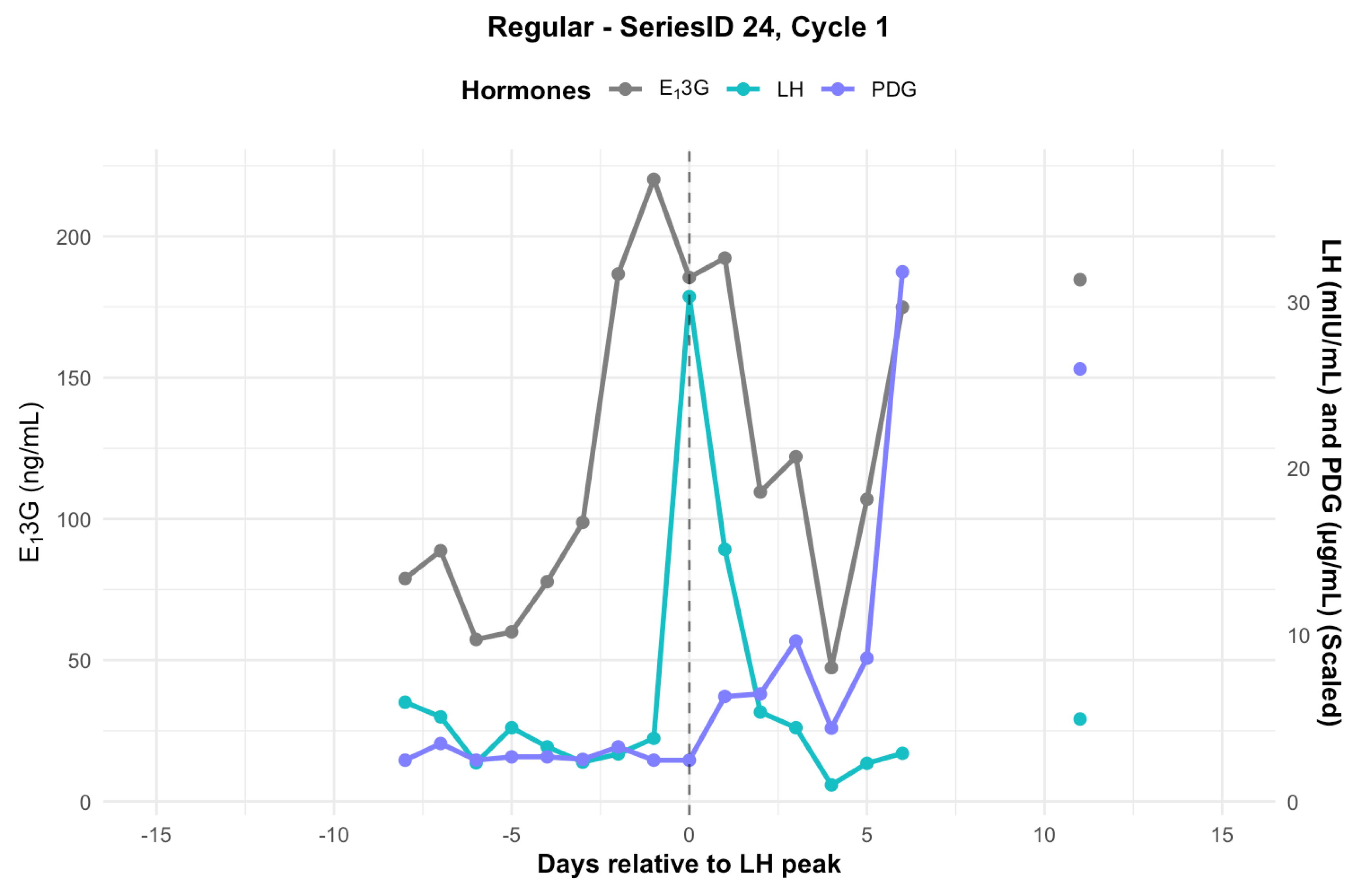
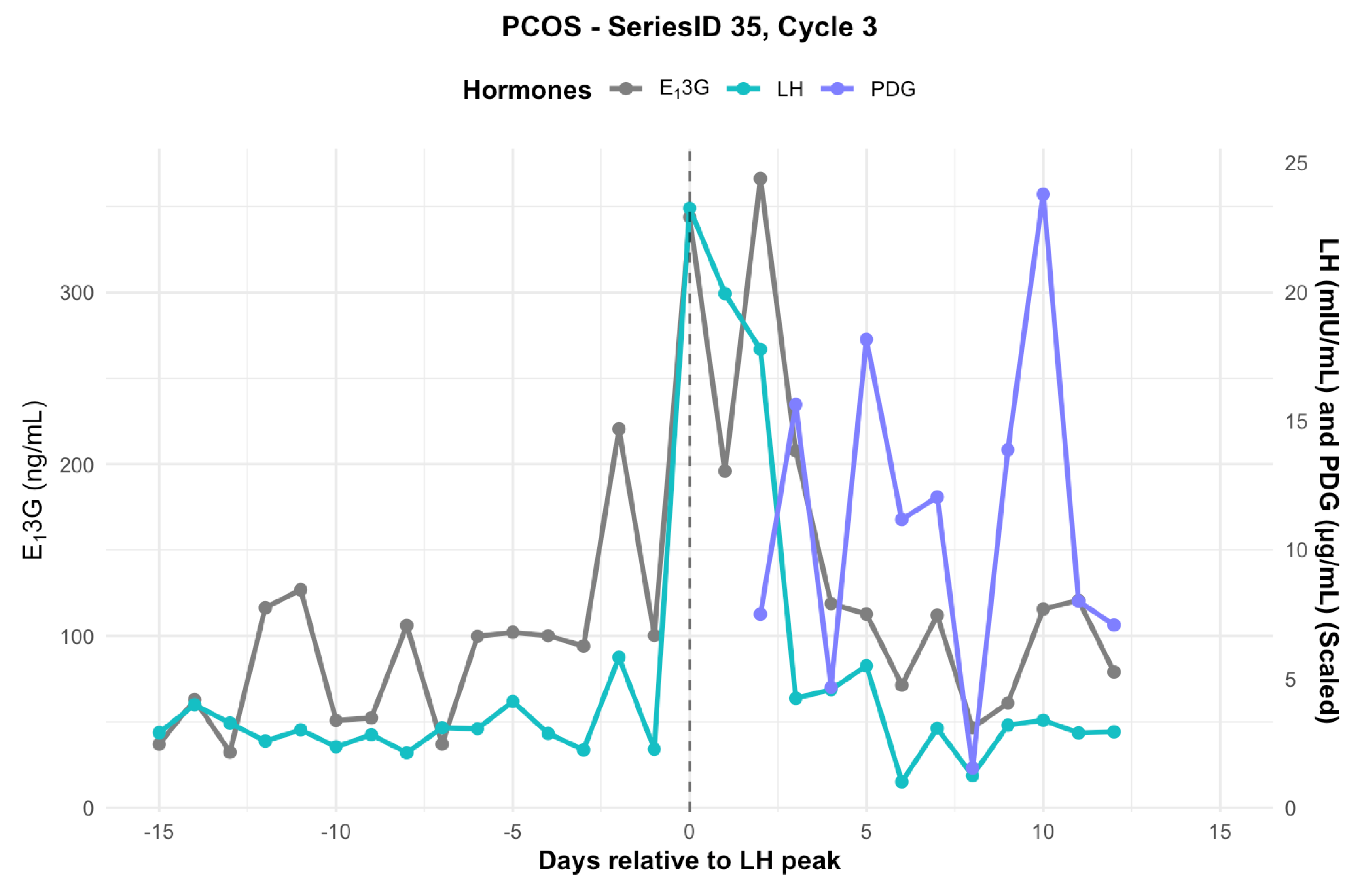
Individual examples of hormone profiles for a a regular cycle (Figure 4) and a cycle from a woman with PCOS (Figure 5) demonstrate key differences between the groups and how these findings can be personalized to an individual woman. In the regular cycle (Figure 4), a gradual rise in E13G with a sharp LH rise and fall, and a subsequent PDG rise can be seen, including the higher late luteal E13G. In the PCOS case, on the other hand, there is a prolonged follicular phase, later ovulation, broader LH surge and lower late luteal E13G.

4. Discussion

The finding of higher BMI in the PCOS group are consistent with previous literature that individuals with PCOS have higher BMI, which is expected due to higher risk of metabolic syndrome related to insulin resistance driven by hyperandrogenism [13,23]. Additionally, the findings that PCOS cycles are statistically significantly longer fit with the usual definition of long/irregular cycles in PCOS. The LH peak day was found to be later in the cycle in PCOS, giving a longer follicular phase and a shorter luteal phase, which is supported by the current understanding of the symptomology and pathophysiology of PCOS [13].
The comparison of the hormone levels of LH, E13G, and PDG between the PCOS cycle and regular cycles provided some unexpected results. In the whole cycle comparisons, it was found that there was a statistically significant difference in the levels of E13G and PDG between the PCOS and regular cycle group. E13G levels were significantly lower in the PCOS group, which was unexpected given the expectation was that there was going to be “estrogen dominance” in the PCOS [13]. Further, PDG levels were statistically significantly higher in the whole cycle comparisons but not when comparing the levels specifically in the follicular and luteal phases.
Higher PDG levels could be caused by a slower decline or fall in the PDG levels, leading to elevated levels in the following menstrual cycle. Lower E13G in PCOS throughout the entire cycle and around ovulation may be attributed to chronic anovulation that leads to ovarian follicles that do not secrete sufficient estrogen, which impacts LH levels and it is possible that the LH feedback is dysregulated. The lower E13G in the later luteal phase (Figure 3) is suggestive of inadequate recruitment of follicles in the context of known follicular waves in the luteal phase of the cycle [24].
The finding of progesterone in follicular phase being higher fits pathophysiologically with the development of many microfollicles leading to the production of higher progesterone levels [25]. Since progesterone actually plays a key role in ovulation, with a rise of 0.5 ng/ml occuring about 12 hours before an LH surge in the setting of priming by prior estrogen; the progesterone change signals to the hypothalamus-pituitary that the dominant follicle is ready to rupture [26]. In PCOS, more follicles produce more progesterone especially right before the surge leading to a greater LH rise and possibly broader LH surge [25]. However, in anovulatory PCOS (which we don’t have a significant proportion of in this study, with 87% being ovulatory in this sample), the progesterone spike happens too early and there is not a mature follicle with LH receptors primed (from FSH) to allow for ovulation, leading to arrested antral follicles producing ongoing androgens and estrogen along with progesterone (though not levels seen post ovulation of course from a corpus luteum) [25].
The lower E13G levels in the late luteal phase may reflect poor luteal follicular waves [24,27]. Smaller follicles producing less estrogen would lead to more dysfunctional follicular wave patterns, including during the luteal follicular wave. The lower luteal E13G may also be related to shorter luteal phases[28] which needs further investigation in PCOS. Since a a shorter luteal phase has also been associated with low follicular phase estradiol levels,[29] and progesterone levels,[30] and using the Mira monitor to evaluate these findings in a larger sample is urgently needing. It is possible that diagnosing and treating a short luteal phase in PCOS with supplemental progesterone may help with some of the infertility challenges in this population.
Given that PCOS was self-reported in this group, and specific treatment courses were not evaluated, conclusions must be very cautiously drawn from this pilot data. In fact, it is likely more appropriate to consider an individual woman’s profile (Figure 5) compared to the profile of regularly cycling women properly defined. The personalization of the menstrual cycle hormone analysis is one of the strengths of at-home urine hormone monitoring, since each woman and her potentially variable PCOS phenotype may not be generalizable to a group. Using the Mira monitor as a bioassay to determine a woman’s unique menstrual hormone physiology can help distinguish how well she fits into the clinical categories (regular vs PCOS cycles) that we might assign.
Besides the concerns with stratification of the self-reported PCOS participants, our small sample size limits the ability to find significant differences, and to identify the subgroups (phenotypes) of PCOS. Second, some of the participants were familiar with using urine hormone monitors for fertility management, so some participants with PCOS may have been managing their symptoms through alternative treatments or lifestyle changes. This may have impacted the differences observed between regular and PCOS hormone variability as well as the higher presumed ovulation rate in the PCOS group.
Assay related concerns include a ceiling level of E13G (640 ng/mL) and PDG (30 ug/mL) on the Mira monitor, which limit the ability to identify higher levels of these hormones. Hydration status, and not correcting for urine creatinine, may also affect some of the sample values.
Future studies obtain clinically-diagnosed PCOS participants in a larger sample size to further explore the reproductive hormone levels and PCOS pathology and investigate the impacts of lifestyle management strategies on metabolic dysregulation in PCOS women. The Mira monitor could potentially be used as an assay for evaluating treatment success in PCOS. Additional research should also be conducted to explore the pathophysiology behind the lower estrogen and higher progesterone levels in this study.

5. Conclusions

Quantitative reproductive urine hormone monitoring of LH, E13G, and PDG is feasible in a PCOS population and it may play a role in improving menstrual health literacy in women with PCOS and may help guide treatments and monitor outcomes for fertility and symptom management.

Author Contributions

Conceptualization, T.P.B., R.F. and M.S.; methodology, T.P.B. and K.P.; software, M.S. and T.P.B.; formal analysis, T.P.B. and K.P.; data curation, T.P.B., K.P and M.S.; writing—original draft preparation, K.P. and T.P.B.; writing—review and editing, T.P.B., K.P., T.J., R.F. and M.S. All authors have read and agreed to the published version of the manuscript.

Funding

This research received no external funding.

Institutional Review Board Statement

Ethics approval was obtained through the research ethics board at Marquette University (HR 4276, 4 April 2023). All provincial and federal privacy legislations were followed.

Informed Consent Statement

All participants provided informed consent.

Data Availability Statement

Data are contained within the article.

Acknowledgments

The authors wish to thank all the research participants for their contributions.

Conflicts of Interest

TPB’s PhD studies are funded by a Mitacs grant co-sponsored by Quanovate Tech, the developers of the Mira monitor. This study is unrelated to that work.

Abbreviations

The following abbreviations are used in this manuscript:
AMH Anti-mullerian hormone
CBFM ClearBlue Fertility Monitor
E13G Estrone-3-glucuronide
GnRH Gonadotropin releasing hormone
LH Luteinizing hormone
PCOS Polycystic ovarian syndrome
PDG Pregnanediol glucuronide

References

  1. Roux, F.; Burns, S.; Hendriks, J.; Chih, H. “What’s Going on in My Body?”: Gaps in Menstrual Health Education and Face Validation of My Vital Cycles®, an Ovulatory Menstrual Health Literacy Program. Aust. Educ. Res. 2024, 51, 1141–1160. [Google Scholar] [CrossRef]
  2. Houghton, L.C. Menstruation as the Next Vital Sign. JAMA Network Open 2024, 7, e2412778. [Google Scholar] [CrossRef] [PubMed]
  3. Diaz, A.; Laufer, M.R.; Breech, L.L. Menstruation in Girls and Adolescents: Using the Menstrual Cycle as a Vital Sign. Obstetrics & Gynecology 2015, 126, e143–e146. [Google Scholar] [CrossRef]
  4. Vollmar, A.K.R.; Mahalingaiah, S.; Jukic, A.M. The Menstrual Cycle as a Vital Sign: A Comprehensive Review. F&S Reviews 2025, 6. [Google Scholar] [CrossRef]
  5. Mu, Q.; Hanson, L.; Hoelzle, J.; Fehring, R.J. Young Women’s Knowledge About Fertility and Their Fertility Health Risk Factors. Journal of Obstetric, Gynecologic & Neonatal Nursing 2019, 48, 153–162. [Google Scholar] [CrossRef]
  6. Stujenske, T.M.; Mu, Q.; Pérez Capotosto, M.; Bouchard, T.P. Survey Analysis of Quantitative and Qualitative Menstrual Cycle Tracking Technologies. Medicina 2023, 59, 1509. [Google Scholar] [CrossRef]
  7. Cromack, S.C.; Walter, J.R. Consumer Wearables and Personal Devices for Tracking the Fertile Window. American Journal of Obstetrics and Gynecology 2024, 231, 516–523. [Google Scholar] [CrossRef]
  8. Alzueta, E.; De Zambotti, M.; Javitz, H.; Dulai, T.; Albinni, B.; Simon, K.C.; Sattari, N.; Zhang, J.; Shuster, A.; Mednick, S.C.; et al. Tracking Sleep, Temperature, Heart Rate, and Daily Symptoms Across the Menstrual Cycle with the Oura Ring in Healthy Women. IJWH 2022, 14, 491–503. [Google Scholar] [CrossRef]
  9. Bouchard, T.P. Using Quantitative Hormonal Fertility Monitors to Evaluate the Luteal Phase: Proof of Concept Case Study. Medicina 2023, 59, 140. [Google Scholar] [CrossRef]
  10. Bouchard, T.; Yong, P.; Doyle-Baker, P. Establishing a Gold Standard for Quantitative Menstrual Cycle Monitoring. Medicina 2023, 59, 1513. [Google Scholar] [CrossRef]
  11. Bouchard, T.P.; Fehring, R.J.; Mu, Q. Quantitative versus Qualitative Estrogen and Luteinizing Hormone Testing for Personal Fertility Monitoring. Expert Review of Molecular Diagnostics 2021, 21, 1349–1360. [Google Scholar] [CrossRef] [PubMed]
  12. Lujan, M.E.; Chizen, D.R.; Pierson, R.A. Diagnostic Criteria for Polycystic Ovary Syndrome: Pitfalls and Controversies. Journal of Obstetrics and Gynaecology Canada 2008, 30, 671–679. [Google Scholar] [CrossRef] [PubMed]
  13. Dason, E.S.; Koshkina, O.; Chan, C.; Sobel, M. Diagnosis and Management of Polycystic Ovarian Syndrome. CMAJ 2024, 196, E85–E94. [Google Scholar] [CrossRef]
  14. Unfer, V.; Kandaraki, E.; Pkhaladze, L.; Roseff, S.; Vazquez-Levin, M.H.; Laganà, A.S.; Shiao-Yng, C.; Yap-Garcia, M.I.M.; Greene, N.D.E.; Soulage, C.O.; et al. When One Size Does Not Fit All: Reconsidering PCOS Etiology, Diagnosis, Clinical Subgroups, and Subgroup-Specific Treatments. Endocrine and Metabolic Science 2024, 14, 100159. [Google Scholar] [CrossRef]
  15. Carmina, E.; Lobo, R.A. Comparing Lean and Obese PCOS in Different PCOS Phenotypes: Evidence That the Body Weight Is More Important than the Rotterdam Phenotype in Influencing the Metabolic Status. Diagnostics 2022, 12, 2313. [Google Scholar] [CrossRef]
  16. Pratama, G.; Wiweko, B.; Asmarinah; Widyahening, I. S.; Andraini, T.; Bayuaji, H.; Hestiantoro, A. Mechanism of Elevated LH/FSH Ratio in Lean PCOS Revisited: A Path Analysis. Sci Rep 2024, 14, 8229. [Google Scholar] [CrossRef]
  17. Mendonça, H.C.; Montenegro Junior, R.M.; Foss, M.C.; Silva De Sá, M.F.; Ferriani, R.A. Positive Correlation of Serum Leptin with Estradiol Levels in Patients with Polycystic Ovary Syndrome. Braz J Med Biol Res 2004, 37, 729–736. [Google Scholar] [CrossRef]
  18. Luan, Y.-Y.; Zhang, L.; Peng, Y.-Q.; Li, Y.-Y.; Liu, R.-X.; Yin, C.-H. Immune Regulation in Polycystic Ovary Syndrome. Clin Chim Acta 2022, 531, 265–272. [Google Scholar] [CrossRef]
  19. Yong, P.J.; Khan, Z.; Wahl, K.; Bouchard, T.P.; Doyle-Baker, P.K.; Prior, J.C. Menstrual Health Literacy, Equity and Research Priorities. Journal of Obstetrics and Gynaecology Canada 2024, 46. [Google Scholar] [CrossRef]
  20. Bouchard, T.P.; Schweinsberg, K.; Smith, A.; Schneider, M. Using Quantitative Hormone Monitoring to Identify the Postpartum Return of Fertility. Medicina 2023, 59, 2008. [Google Scholar] [CrossRef]
  21. Bouchard, T.; Yong, P.; Doyle-Baker, P. Establishing a Gold Standard for Quantitative Menstrual Cycle Monitoring. Medicina 2023, 59, 1513. [Google Scholar] [CrossRef] [PubMed]
  22. Bouchard, T.P.; Fehring, R.J.; Meyers, M.; Stujenske, T.; Boychuk, L.; Smith, A.; Schweinsberg, K.; Scarpa, B.; Schneider, M. Modeling Fertile Window Differences Across the Reproductive Lifespan with Quantitative Urine Hormone Monitoring of the Menstrual Cycle 2025.
  23. Huang, P.L. A Comprehensive Definition for Metabolic Syndrome. Disease Models & Mechanisms 2009, 2, 231–237. [Google Scholar] [CrossRef] [PubMed]
  24. Baerwald, A.R.; Adams, G.P.; Pierson, R.A. Ovarian Antral Folliculogenesis during the Human Menstrual Cycle: A Review. Human Reproduction Update 2012, 18, 73–91. [Google Scholar] [CrossRef] [PubMed]
  25. Dozortsev, D.I.; Pellicer, A.; Diamond, M.P. Premature Progesterone Rise as a Trigger of Polycystic Ovarian Syndrome. Fertility and Sterility 2020, 114, 943–944. [Google Scholar] [CrossRef]
  26. Lesoon, L.A.; Mahesh, V.B. Stimulatory and Inhibitory Effects of Progesterone on FSH Secretion by the Anterior Pituitary. The Journal of Steroid Biochemistry and Molecular Biology 1992, 42, 479–491. [Google Scholar] [CrossRef]
  27. Christ, J.P.; Vanden Brink, H.; Brooks, E.D.; Pierson, R.A.; Chizen, D.R.; Lujan, M.E. Ultrasound Features of Polycystic Ovaries Relate to Degree of Reproductive and Metabolic Disturbance in Polycystic Ovary Syndrome. Fertility and Sterility 2015, 103, 787–794. [Google Scholar] [CrossRef]
  28. Practice Committees of the American Society for Reproductive Medicine and the Society for Reproductive Endocrinology and Infertility Diagnosis and Treatment of Luteal Phase Deficiency: A Committee Opinion. Fertility and Sterility 2021, 115, 1416–1423. [CrossRef]
  29. Suh, B.Y.; Betz, G. Altered Luteinizing Hormone Pulse Frequency in Early Follicular Phase of the Menstrual Cycle with Luteal Phase Defect Patients in Women. Fertility and Sterility 1993, 60, 800–805. [Google Scholar] [CrossRef]
  30. Schweiger, U.; Laessle, R.G.; Tuschl, R.J.; Broocks, A.; Krusche, T.; Pirke, K.-M. Decreased Follicular Phase Gonadotropin Secretion Is Associated with Impaired Estradiol and Progesterone Secretion during the Follicular and Luteal Phases in Normally Menstruating Women*. The Journal of Clinical Endocrinology & Metabolism 1989, 68, 888–892. [Google Scholar] [CrossRef]
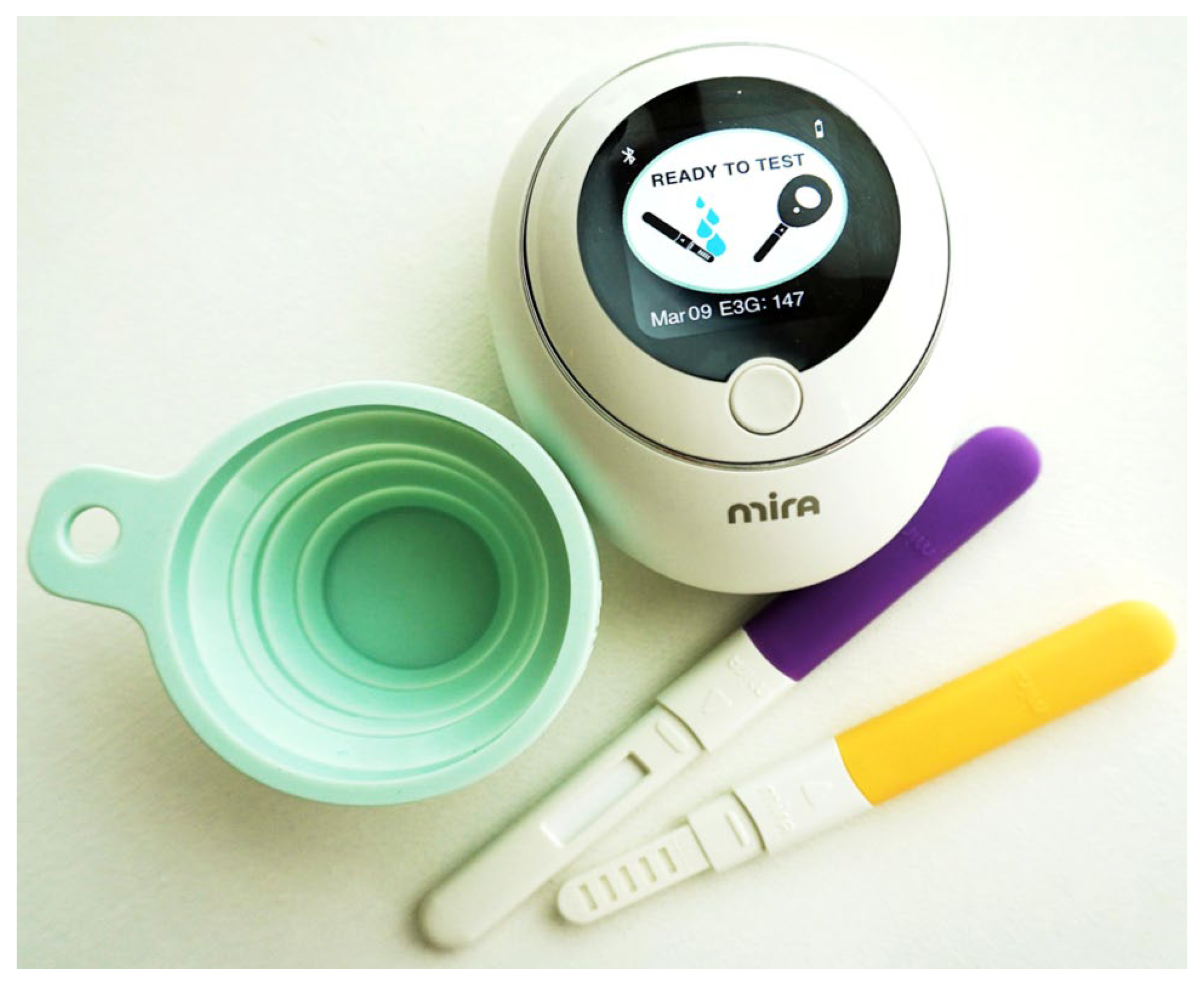
Figure 1. Mira Monitor with urine test sticks and sampling cup. Test sticks are inserted into first-morning urine in the sampling cup for 20 seconds before inserting into the monitor to be analyzed.
Preprints 179385 g001
Figure 2. Consort Flow Diagram of original study with allocation of 10 PCOS participants with 10 age-matched regularly cycling participants.
Preprints 179385 g002
Figure 3. Comparisons of hormone levels relative to the LH peak day (day 0) in PCOS and regular cycle groups. E13G levels significantly lower in the follicular phase and the late luteal phase between the two groups. LH levels and PDG levels were not significantly different between the two groups. The numerical values above and below data points represent the number of cycles that captured those days of data relative to LH peak (day 0) .
Preprints 179385 g003
Figure 4. Individual cycle for a participant with regular cycles. The E13G rises gradually towards the LH peak, which has a sharp rise and fall over two days, and the PDG rises within 3 days of that. The late luteal E13G is also higher than in Figure 5 with PCOS.
Preprints 179385 g004
Figure 5. Individual cycle for a PCOS participant. There is a prolonged follicular phase, a more erratic rise in E13G, a broader LH surge over 3 days, an erratic luteal PDG pattern and lower late luteal E13G.
Preprints 179385 g005
Table 1. Participant characteristics in regular and PCOS cycles (n=20). Mean, SD, and range for continuous data (BMI and age), median and IQR for discrete data (pregnancy and living children).
Regular Cycle
n=10
Min Max
BMI (kg/m2) Mean, SD* 24.93, 2.92 19.73 30.41
Age (years) Mean, SD 30.90, 3.10 24.00 34.40
Pregnancy Median, IQR 2.50, 3.50 0.00 5.00
Living children Median, IQR 2.50, 1.75 0.00 4.00
PCOS
n=10
Min Max
BMI (kg/m2) Mean, SD* 28.98, 6.30 20.22 39.48
Age (years) Mean, SD 30.20, 4.98 24.00 38.00
Pregnancy Median, IQR 1.00, 3.25 0.00 7.00
Living children Median, IQR 1.00, 1.00 0.00 7.00
*p=0.02, SD=standard deviation, IQR=interquartile range (25-75%).
Table 2. Cycle parameters in regular and PCOS cycles (n=20). Mean and SD, range for continuous data (cycle length, peak day (ovulation), luteal length).
Regular Cycle
n=10
Min Max
Cycle length Mean, SD* 28.61, 2.61 23.00 38.00
Peak day Mean, SD*** 14.95, 2.71 9.00 25.00
Luteal length Mean, SD** 13.66, 2.71 10.00 23.00
PCOS
n=10
Min Max
Cycle length Mean, SD* 30.54, 5.73 24.00 67.00
Peak day Mean, SD*** 17.77, 6.11 10.00 57.00
Luteal length Mean, SD** 12.77, 6.11 6.00 17.00
*p<0.05, **p<0.01, ***p<0.001, SD=standard deviation.
Table 3. Whole cycle hormone differences in regular and PCOS cycles (n=20). Mean and range for continuous variables of LH, E13G, and PdG.
Regular Cycle
n=10
Min Max
LH (mIU/mL) Mean 7.28 0.99 228.28
E13G (ng/mL) Mean** 154.18 10.00 640.01
PDG (µg/mL) Mean* 5.62 0.99 30.01
PCOS
n=10
Min Max
LH (mIU/mL) Mean 7.82 0.99 113.30
E13G (ng/mL) Mean** 136.6 10.00 640.0
PDG (µg/mL) Mean* 6.93 0.99 30.01
*p<0.05, **p<0.00, LH=luteinizing hormone, E13G=estrone-3-glucuronide, PDG=pregnanediol glucuronide.
Table 5. Peak day (ovulation) hormone differences in regular and PCOS cycles (n=20). Mean and range for continuous variable of LH.
Regular Cycle
n=10
Min Max
LH (mIU/mL) Mean, SD 34.83, 28.80 9.54 228.28
PCOS
n=10
Min Max
LH (mIU/mL) Mean, SD 39.44, 23.59 10.41 50.56
LH=luteinizing hormone.
Table 6. Luteal phase hormone differences in regular and PCOS cycles (n=20). Mean and range for continuous variables of E13G and PdG. Whole cycle PDG level differences (A), early luteal E13G level differences (B), and late luteal E13G level differences (C).
(A)
Regular Cycle
n=10
Min Max
PDG (µg/mL) Mean 10.20 0.99 30.01
PCOS
n=10
Min Max
PDG (µg/mL) Mean 10.19 0.99 30.01
(B)
Regular Cycle
n=10
Min Max
E13G (ng/mL) Mean 155.84 26.75 640.00
PCOS
n=10
Min Max
E13G (ng/mL) Mean 175.53 10.00 640.01
(C)
Regular Cycle
n=10
Min Max
E13G (ng/mL) Mean* 175.95 47.96 317.69
PCOS
n=10
Min Max
E13G (ng/mL) Mean* 95.45 46.48 222.90
*p<0.0001, E13G=estrone-3-glucuronide, PDG=pregnanediol glucuronide.
Disclaimer/Publisher’s Note: The statements, opinions and data contained in all publications are solely those of the individual author(s) and contributor(s) and not of MDPI and/or the editor(s). MDPI and/or the editor(s) disclaim responsibility for any injury to people or property resulting from any ideas, methods, instructions or products referred to in the content.
Copyright: This open access article is published under a Creative Commons CC BY 4.0 license, which permit the free download, distribution, and reuse, provided that the author and preprint are cited in any reuse.
Prerpints.org logo

Preprints.org is a free preprint server supported by MDPI in Basel, Switzerland.

Subscribe

Disclaimer

Terms of Use

Privacy Policy

Privacy Settings

© 2025 MDPI (Basel, Switzerland) unless otherwise stated