Preprint
Article

This version is not peer-reviewed.

Clinical and Epidemiological Characteristics of Patients with Elderly-Onset Rheumatoid Arthritis in Colombia

Submitted:

16 September 2025

Posted:

18 September 2025

You are already at the latest version

Abstract

Objective: This study aims to investigate the prevalence of elderly-onset rheumatoid arthritis (EORA) in Colombia, analyzing demographics, clinical manifestations, laboratory results, and therapeutics characteristics of EORA patients. Furthermore, it compares these with findings observed in patients affected by young-onset rheumatoid arthritis (YORA). Methods: A secondary analysis was conducted using records of all adults diagnosed with rheumatoid arthritis (RA) between 2015 and 2020 reported from 2015-2020 to the High-Cost Account, a division of the Colombian Ministry of Health and Social Protection. Comparative analyses were performed on incident cases to highlight differences between EORA and YORA patients. Results: 195.292 cases were included for prevalence analysis, with 24.933 incident cases for comparative purposes. In 2020, the prevalence of EORA in Colombia increased to 0.12%. Compared to YORA, EORA was more frequently observed in males (p <0.001), with a significantly longer time to diagnosis (p <0,001). There were no differences in disease activity assessed by DAS28 (p = 0.438). At diagnosis, EORA patients were more likely to test negative for anti-CCP (p <0.001), rheumatoid factor (p <0.001), and C-reactive protein (p = 0,005). Moreover, the use of antirheumatic drugs was less frequent among EORA patients. Conclusion: Compared to YORA, EORA patients experience delayed time to diagnosis, less frequent presence of positive auto-antibodies, acute-phase reactants, and reduced use of biological therapy. These findings suggest that EORA may have a less aggressive disease course than YORA.

Keywords: 
;  ;  ;  

Importance and Innovations

This study is the first to use information from a national database to characterize the Colombian population with EORA and compare it to patients with YORA.
The 2020 prevalence of EORA in Colombia is estimated at 0.12%.
The study found that EORA predominantly affects females and is associated with positive inflammatory markers and the common use of antirheumatic drugs, consistent with global trends. However, in the Colombian population, EORA shows a higher involvement of males compared to YORA, a longer time to diagnosis, lower antibody and acute-phase reactant positivity and reduced use of biological therapy. These findings suggest that EORA may present as a less aggressive disease in Colombia compared to YORA.

Introduction

Elderly-onset rheumatoid arthritis (EORA) is a subtype of rheumatoid arthritis (RA) characterized by symptoms that emerge after age 60. Compared to young-onset rheumatoid arthritis (YORA), EORA exhibits different clinical manifestations. These, combined with the frequent comorbidities of elderly adults, have a significant clinical impact, resulting in poorer quality of life, increased dependence and higher healthcare costs. Additionally, age-related factors and comorbidities often limit EORA patient’s participation in clinical research, creating gaps in evidence for their characterization [1].
The incidence and prevalence of EORA are rising globally [2], driven in part by longer life expectancy and aging populations. However, these two epidemiological trends vary significantly across regions [3]. Compared to YORA, EORA shows a larger frequency of comorbidities. Also, EORA is associated with a higher prevalence in males, a more acute onset, systemic manifestations, and greater involvement of larger, proximal joints, often presenting with polymyalgia rheumatica-like symptoms. It also features reduced frequency of rheumatoid factor (RF) and worse functional outcomes [4].
The therapeutic goals for EORA mirror those for YORA, including symptom control, prevention of structural damage, functional preservation, and mortality reduction. However, the management of EORA is complex by comorbidities, which increase the rate of adverse events and present a therapeutic challenge [5]. Consequently, patients with EORA are less likely to receive disease-modifying treatment and/or biological therapy [6].
Given the substantial clinical and socioeconomic burden of EORA, including its impact, on quality of life, disability, healthcare costs, and the risks associated with treatment, this study aims to describe the clinical and epidemiological characteristics of patients with EORA in the Colombian public health system.

Methods

Study Design and Selection of the Sample

This descriptive, cross-sectional, analytical study used data from the High-Cost Account (Cuenta de Alto Costo, CAC) of the Colombian Ministry of Health and Social Protection. By Colombian regulations, all healthcare providers and insurers must report every patient diagnosed with RA to the CAC. The study included all cases aged 18 or above fulfilling EULAR/ACR-2010 diagnostic criteria for RA, reported to the CAC from 2015 to 2020 [7]. Comparative analyses between EORA and YORA were conducted using only incident cases.

Variables of Interest

Statistical Analysis

For each reported period, the study presents estimations with crude and standardized rates, both globally and by Colombian departments (states). Descriptive crude prevalence rates of EORA are stratified by age and sex. Direct standardization methods were applied, using individuals aged 18 and above as the reference population, according to demographic projections from the Colombian statistics department (Departamento Administrativo Nacional de Estadística, DANE).
Sociodemographic, clinical, and treatment characteristics were compared between EORA and YORA populations. Bivariate analysis involved hypothesis testing. Continuous variables, were analyzed using the Student’s t-test for normally distributed variables, and a medians test for non-normally distributions. Qualitative variables were assessed using the Chi-square test. A two-tailed p-value <0.05 was considered statistically significant. Data were analyzed using the statistical package STATA 17. The research project was approved by the Ethics and Research Committee of the hospital where the authors are affiliated with Act No. MI 021-2022, of May 6, 2022.

Results

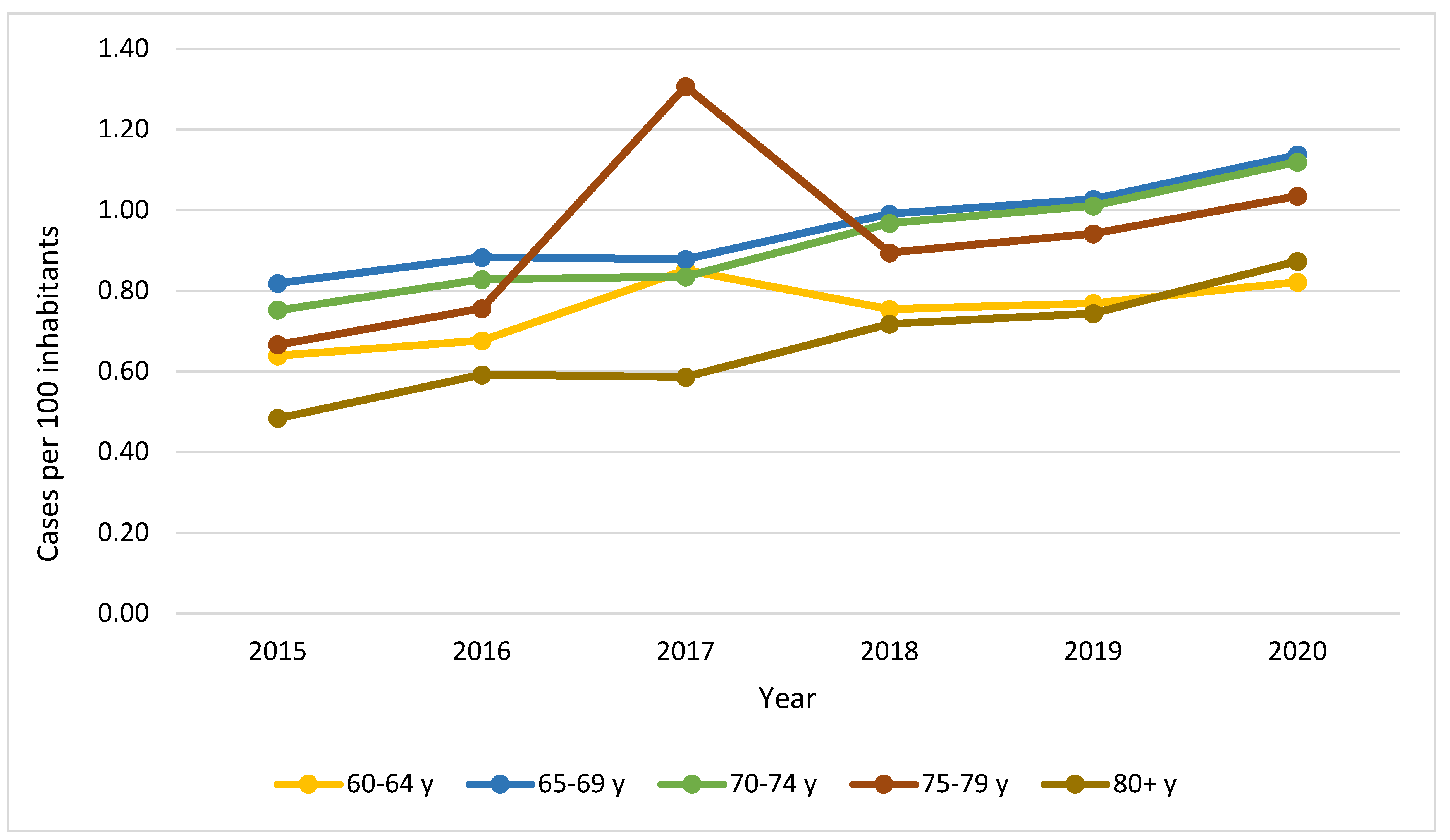
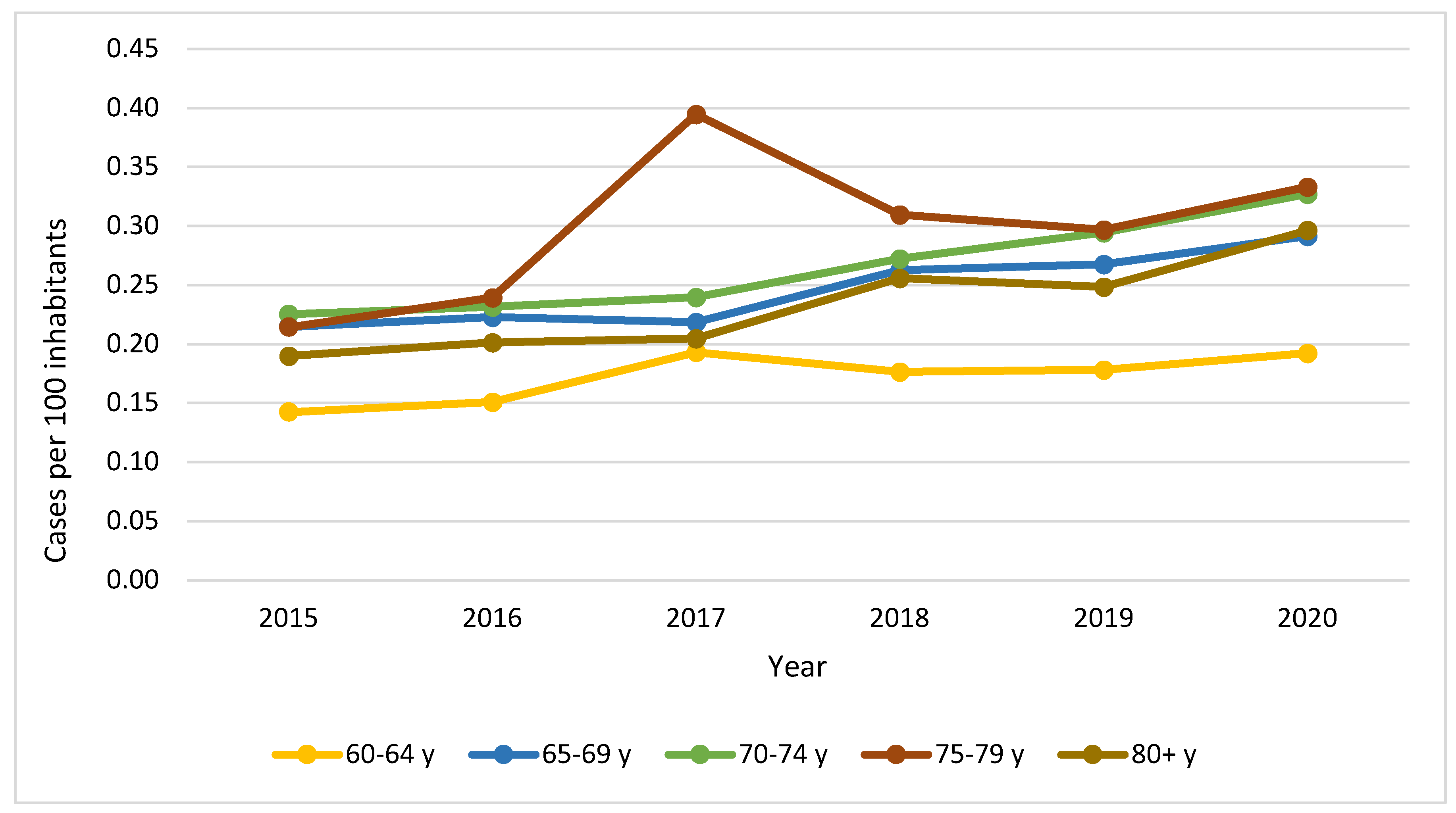
Prevalence analyses included 195,292 cases and comparative analyses encompassed 24,933 cases across Colombia. The prevalence of RA (per 10,000 population) increased annually: 65.9 in 2015, 68.2 in 2016, 72.4 in 2017, 79.1 in 2018, 81.3 in 2019, and 90.1 in 2020. In 2020, the national prevalence of RA was 0.25%; with EORA accounting for 0.12% (Figure 1). The prevalence of EORA was higher in the youngest group (ages 60-64) and lower among those aged 80 and above (Figure 2 and Figure 3).
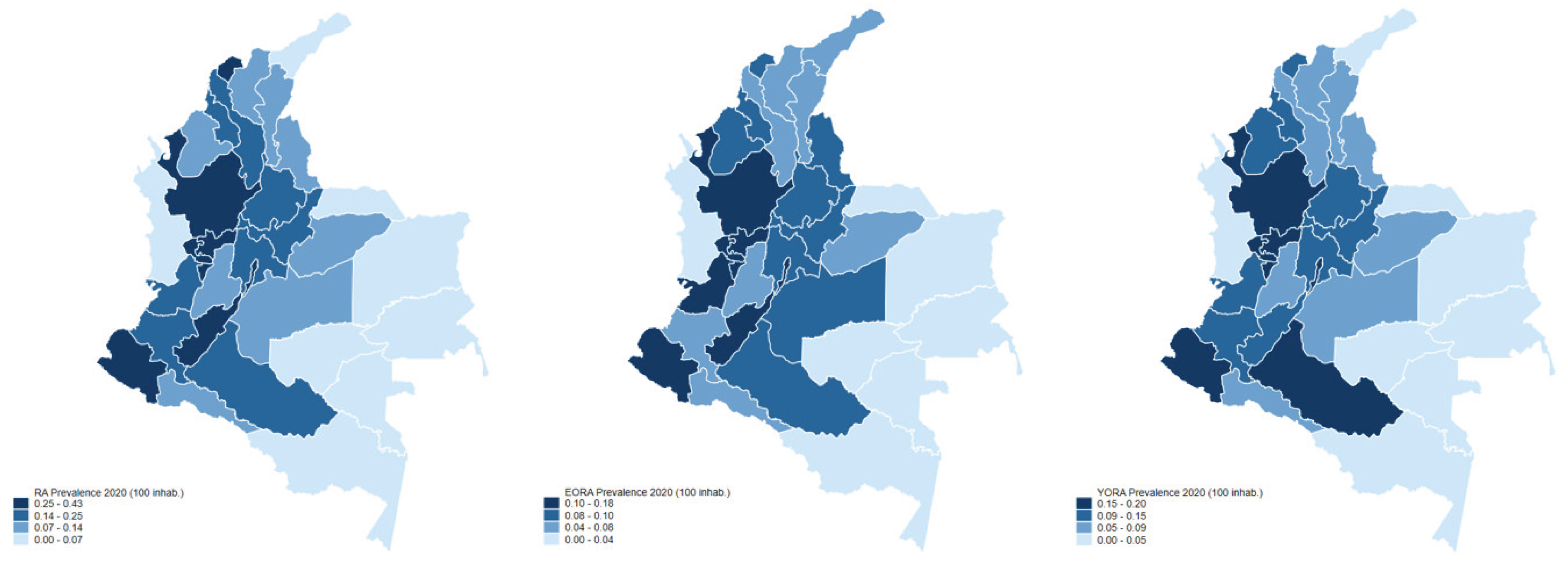
Between 2015 and 2020, RA and EORA prevalences were similar, with cases predominantly concentrated in the Central Region (especially Risaralda, Antioquia, Quindío, and Caldas), and the Pacific Region (Nariño and Valle del Cauca) (Figure 4).
Table 1 summarizes the demographic and clinical characteristics by age at disease onset. EORA patients had a median age of 69 years (interquartile range, IQR 64-75), and a significant delay in the time to diagnosis (3 years; IQR 1–9 years) as compared to YORA patients (2 years; IQR 1–5 years). The proportion of males was significantly higher in EORA (24.07%, female-to-male ratio of 3.15:1), than YORA (16.18%, female-to-male ratio of 5.18:1).
The proportions of patients with RF, cyclic citrullinated peptide antibodies (anti-CCP), and elevated C-reactive protein (CRP) showed statistically significant differences between YORA and EORA. Conversely, there were no significant differences in disease activity between the groups.
Differences in treatment strategies were statistically significant. EORA patients more frequently received opioid analgesics and acetaminophen, and less often used non-steroid anti-inflammatory drugs (NSAIDs). For treatment with synthetic conventional disease-modifying anti-rheumatic drugs (DMARDsc), EORA patients were less frequently prescribed methotrexate and chloroquine but used leflunomide more often. No significant differences were reported in the use of other DMARDsc and tofacitinib.
Biological therapy was prescribed to 2,8% of YORA patients (n = 486) and 2.3% of EORA patients (n = 192) (Table 2). In both groups, rituximab was the most prescribed biological agent. Among EORA patients, it was followed by etanercept and certolizumab, while YORA patients more frequently used etanercept and adalimumab.

Discussion

The prevalence of EORA increased from 2015 to 2020, particularly among males and people ages 60-64. Patients with EORA experience delayed diagnosis, less frequent seropositivity for autoantibodies, lower levels of inflammatory markers and acute-phase reactant levels, and reduced use of biological therapies compared to YORA patients.
Globally, EORA comprises 2% to 33% of RA cases [8], with remarkable geographical variability (2% in the USA [9]; 10.5% in Senegal [10]; and 14.5%-15.3% in Spain [11]). The rising trend in EORA prevalence over the study period aligns with global aging patterns [12]. The prevalence curve for the 60–64 age subgroup was flatter compared to older populations, mirroring trends observed in YORA. A peak prevalence in 2017 among those aged 75–79 years warrants cautious interpretation, as it may reflect an inflated crude rate due to a small denominator. The female-to-male ratio for EORA in this study was 3.15:1, lower than that for YORA, consistent with previous studies [4,13,14,15,16,17].
Colombia’s public health system covers 98.53% of the nation’s population (n=52,495,765), and it has three health insurance plans, called ‘regimes’, based on a person’s ability to pay: subsidized (51,06%); contributive (44,66%); and special (4,25%). In this study, differences were observed across health regimes. Despite broader coverage in the subsidized regime, EORA and YORA patients were more prevalent in the contributive regime, potentially reflecting access barriers for lower-income individuals.
Diagnosis delays were longer in EORA patients (3 years) compared to YORA (2 years), echoing findings from both Colombian and international studies. A descriptive study in a Colombian cohort of EORA patients in 2013 found 2.38 years of delay [14]. Similar findings have been documented in other scenarios. In Egypt, the time to diagnosis was longer for EORA (9.9 ± 3.2 years) than for YORA (4 ± 3.3 years), whereas in Turkey, the mean was 20,7 ± 14.3 months for EORA and 10.3 ± 6,2 months for YORA [18]. This difference may be due to milder initial symptoms, a broader differential diagnosis (e.g., polymyalgia rheumatica, pseudogout, osteoarthritis), or lower inflammatory marker levels in EORA. Interestingly, a shorter time to diagnosis in older populations reported in China and international cohorts may indicate more acute disease presentations in these groups [19,20].
Serologically, EORA patients in Colombia showed lower rates of RF and anti-CCP positivity and lower CRP levels compared to YORA, aligning with some global findings but contrasting others [4,10,17,18,19,21,22,23,24,25,26,27]. No significant differences in disease activity (DAS28) showed were observed between EORA and YORA, similar to a study in Brazil [28] but differing from studies in Romania [29], Morocco [17], and Senegal [10], where moderate and severe disease activity was reported at diagnosis. The higher prevalence of comorbidities, such as hypertension, diabetes, osteoporosis, and chronic kidney disease, in EORA patients reflects findings from international studies, underscoring the clinical challenge of managing comorbidities alongside RA.
Treatment for EORA patients in this study was based on opioid and non-opioid analgesics more often than for patients with YORA. Conversely, NSAID were more often used in YORA patients. These data contrast with findings in other studies. One in Poland found that NSAID were the first-line treatment for EORA [4]. Likewise, a study in China reported that prescription of NSAID was higher for EORA compared to YORA [19].
Glucocorticoids use in this study was significantly lower in EORA than in YORA. This contrasts with other studies that find no significant differences [17] or that even find a higher use of glucocorticoids in EORA patients than in compared groups [13,14,15,16,17,18,19,20,21,22,23,24,25,26,27,28,29].
Regarding DMARDsc, both groups received methotrexate as first-line treatment at diagnosis, similar to findings in other studies [17]. Other first-line drugs for EORA and YORA include chloroquine and leflunomide. Consistent with other studies, here the use of methotrexate and chloroquine was lower in EORA than in YORA [28,29].
Use of biological DMARD in general was lower in EORA patients than in YORA patients in this study. There was a statistically significantly difference for etanercept, adalimumab, and abatacept. Other authors have found similar results. A study in Egypt reported that use of multiple DMARDsc was lower in EORA (57,9%) vs. YORA (86,3%), and the use of biologic DMARD was lower in EORA (0,8%) vs YORA (1,7%) (p = 0,001) [32]. A study in the United States found that use of methotrexate was rather common in patients with EORA (63,9% vs 59,6%; p = 0,01), but the use of multiple DMARDsc (30,9%) or biologic DMARD (25%) in EORA patients was lower than in YORA patients, with 40,5% for multiple DMARD and 33,1% for biologic DMARD (p = 0,0001) [30]. Reports with divergent data include a study in China that found no statistically significant differences in the use of DMARDsc or glucocorticoids among groups of patients [19]. Other studies found that EORA patients used hydroxychloroquine more often than patients with YORA [15]. A study in Spain found that 15% of the population with EORA received biological treatment [27]. A study from Romania reported that 7,27% of EORA patients received biological treatment, half those cases with anti-TNF [29]. As these treatments may be considered more aggressive and commonly reserved for more severe cases, the authors infer that concerns about toxicity and a lack of experience in use of such drugs in elderly patients may count for a lower prescription of biologic treatments in patients with EORA.
Earlier studies comparing EORA and YORA patients have described general aspects that help identify EORA, including equitable sex distribution, higher incidence of larger joint involvement, more frequent constitutional symptoms (fever, weight loss, fatigue), more acute disease onset, less frequent finding of RF, and higher levels of ESR. Some authors suggest further division of EORA patients into seropositive and seronegative. Seropositive EORA patients share similarities with seropositive YORA patients, while seronegative EORA patients constitute a more heterogeneous group. These present clinical manifestations that overlap with other syndromes, such as polymyalgia rheumatica (PMR) and remitting seronegative symmetrical synovitis syndrome with pitting edema (RS3PE) (33–35). The evidence of distinct clinical findings and better recognition of overlapping manifestations with PMR and RS3PE support the hypothesis of different pathogenesis for EORA [36].
In general, prognosis of patients with EORA is not considered to differ importantly from the prognosis of other patients with RA. Some cases with negative RF and polymyalgia-like symptoms, however, seem to be a distinct subset, with perhaps a different genetic basis and a more benign course of the disease [37].
This study shows that the Colombian population with EORA is predominantly seronegative, has no significant differences in the disease activity measured by DAS28, and receives lower prescription of DMARD. These findings may suggest that the disease has a less aggressive clinical presentation than in other populations. These results, however, must be interpreted with caution, and they require confirmation by additional studies including clinical presentation and radiological involvement. Other studies have shown that even with no significant differences in RF seropositivity, a significantly higher number of EORA patients exhibited bone erosions in comparison with YORA patients. Bone erosions negatively influence functionality and quality of life [21]. Also, some studies associate seropositivity in YORA with remission of Simplified Disease Activity Index (SDAI) after a year, less radiological damage, lower rate of additional erosions at 3 years. Seropositivity in YORA has also been associated with a higher proportion of Health Assessment Questionnaire (HAQ) remission at years 1, 2, and 3, and a lower survival rate of the first DMARD after 3 years for YORA than for patients with EORA [24]. Findings in the present study suggest the hypothesis that the Colombian population has a higher prevalence of the seronegative disease. Additional studies may help define the overlap with PMR or RS3PE [38].
Remarkably, a Colombian study on RA found in EORA patients a higher frequency of HLA-DRB1*0403 and *1402 compared to YORA patients [14]. Clinical evidence proves that EORA patients with positive RF or anti-CCP must be considered candidates for aggressive therapy including biological agents. This is particularly true for patients with HLA-DRB1 *0401 and DRB1 *0404 alleles, early bone erosions, functional deterioration, or persistently active synovitis with high levels of disease activity [39].
To the authors’ knowledge, the present study pioneers population-based descriptions of patients with EORA in Colombia featuring local distinctive disease presentation. These results help target efforts for timely identification of the disease in Colombia. They also pave a path for future research on dominant phenotypes in the country and in Latin America.
Potential limitations of the present study include missing data for some variables, which may bias results. Promoting physicians’ thorough registries of clinical histories and auditing reports to the administrative registry, the source of information for this study, may benefit future research. Based on this population-based data collection, the authors inferred clinical presentation from laboratory test results. Further studies with additional clinical information, including amount/type of involved joints, and constitutional symptoms at disease presentation may enrich the characterization of EORA patients. This study also lacked data on use of monotherapy versus dual therapy at diagnosis.
In conclusion, this study shows a growing prevalence of EORA in the Colombian population. Clinical and serological findings suggest a less severe course of the disease, compared to YORA. Further studies are needed to gather information on symptoms and radiological presentation at diagnosis. Correlation with serologic data in this paper will contribute to describing the profile of EORA patients in Colombia and lead to improved decision-making in this population.

Conflicts of Interest

The authors declare they do not have any conflicts of interest in the present study.

References

  1. Serhal L, Lwin MN, Holroyd C, Edwards CJ. Rheumatoid arthritis in the elderly: Characteristics and treatment considerations. Autoimmun Rev. 2020 Jun;19(6).
  2. Myasoedova E, Crowson CS, Kremers HM, Therneau TM, Gabriel SE. Is the incidence of rheumatoid arthritis rising? Results from Olmsted County, Minnesota, 1955-2007. Arthritis Rheum. 2010;62(6):1576–82.
  3. Rasch EK, Hirsch R, Paulose-Ram R, Hochberg MC. Prevalence of rheumatoid arthritis in persons 60 years of age and older in the United States: Effect of different methods of case classification. Arthritis Rheum. 2003 Apr;48(4).
  4. Targońska-Stępniak B, Grzechnik K, Kolarz K, Gągoł D, Majdan M. Systemic Inflammatory Parameters in Patients with Elderly-Onset Rheumatoid Arthritis (EORA) and Young-Onset Rheumatoid Arthritis (YORA)—An Observational Study. J Clin Med. 2021;10(6):1204.
  5. Soubrier M, Mathieu S, Payet S, Dubost JJ, Ristori JM. Elderly-onset rheumatoid arthritis. Vol. 77, Joint Bone Spine. 2010.
  6. Ruban TN, Jacob B, Pope JE, Keystone EC, Bombardier C, Kuriya B. The influence of age at disease onset on disease activity and disability: results from the Ontario Best Practices Research Initiative. Clin Rheumatol. 2016;35(3):759–63.
  7. Aletaha D, Neogi T, Silman AJ, Funovits J, Felson DT, Bingham CO, et al. 2010 Rheumatoid arthritis classification criteria: An American College of Rheumatology/European League Against Rheumatism collaborative initiative. Ann Rheum Dis. 2010;69(9):1580–8.
  8. Olivieri I, Palazzi C, Peruz G. Management issues with elderly-onset rheumatoid arthritis: An update. Vol. 22, Drugs and Aging. 2005.
  9. Soubrier M, Mathieu S, Payet S, Dubost JJ, Ristori JM. Elderly-onset rheumatoid arthritis. Jt Bone Spine [Internet]. 2010;77(4):290–6. Available from. [CrossRef]
  10. Ndongo, S. Effect of Age on Rheumatoid Arthritis in a Black Senegalese Population. Rheumatol Curr Res. 2011;01(02):2–4.
  11. Carbonell J, Cobo T, Balsa A, Descalzo MÁ, Carmona L. The incidence of rheumatoid arthritis in Spain: Results from a nationwide primary care registry. Rheumatology. 2008;47(7):1088–92.
  12. Gutiérrez W, Samudio ML, Fernández-Ávila DG, Díaz MC, Gutiérrez JM. Artritis reumatoide en el anciano. Revisión narrativa. Rev Colomb Reumatol. 2013;20(2):91–101.
  13. Mueller RB, Kaegi T, Finckh A, Haile SR, Schulze-koops H, Von kempis J. Is radiographic progression of late-onset rheumatoid arthritis different from young-onset rheumatoid arthritis? Results from the swiss prospective observational cohort. Rheumatol (United Kingdom). 2014;53(4):671–7.
  14. Spinel-Bejarano N, Quintana G, Heredia R, Yunis JJ, Caminos JE, Garcés MF, et al. Comparative study of elderly-onset rheumatoid arthritis and young-onset rheumatoid arthritis in a Colombian population: Clinical, laboratory and HLA-DRB1 findings. Clin Exp Rheumatol. 2013;31(1):40–6.
  15. Won S, Cho S-K, Kim D, Han M, Lee J, Jang EJ, et al. Update on the prevalence and incidence of rheumatoid arthritis in Korea and an analysis of medical care and drug utilization. Ann Rheum Dis 2019;781632. 2018 Apr 4;38(4).
  16. Kuo CF, Luo SF, See LC, Chou IJ, Chang HC, Yu KH. Rheumatoid arthritis prevalence, incidence, and mortality rates: A nationwide population study in Taiwan. Rheumatol Int. 2013;33(2):355–60.
  17. Jaouad N, Amine B, Elbinoune I, Rostom S, Bahiri R. Comparison of elderly and young onset rheumatoid. 2022;4(3):1–7.
  18. Turkcapar N, Demir O, Atli T, Kopuk M, Turgay M, Kinikli G, et al. Late onset rheumatoid arthritis: Clinical and laboratory comparisons with younger onset patients. Arch Gerontol Geriatr. 2006;42(2):225–31.
  19. Ke Y, Dai X, Xu D, Liang J, Yu Y, Cao H, et al. Features and Outcomes of Elderly Rheumatoid Arthritis: Does the Age of Onset Matter? A Comparative Study From a Single Center in China. Rheumatol Ther. 2021;8(1):243–54.
  20. Maassen JM, Bergstra SA, Chopra A, Govind N, Murphy EA, Vega-Morales D, et al. Phenotype and treatment of elderly onset compared with younger onset rheumatoid arthritis patients in international daily practice. Rheumatol (United Kingdom). 2021;60(10):4801–10.
  21. Murata K, Ito H, Hashimoto M, Nishitani K, Murakami K, Tanaka M, et al. Elderly onset of early rheumatoid arthritis is a risk factor for bone erosions, refractory to treatment: KURAMA cohort. Int J Rheum Dis. 2019;22(6):1084–93.
  22. Van der Heijde, D. M. , van Riel, P. L. van L. Older versus younger onset rheumatoid arthritis: results at onset and after 2 years of a prospective followup study of early rheumatoid arthritis. J Rheumatol. 1991;18(9), 1285–1289.
  23. Inoue K, Shichikawa K, Nishioka J, Hirota S. Older age onset rheumatoid arthritis with or without osteoarthritis. Ann Rheum Dis. 1987;46(12):908–11.
  24. Krams T, Ruyssen-Witrand A, Nigon D, Degboe Y, Tobon G, Fautrel B, et al. Effect of age at rheumatoid arthritis onset on clinical, radiographic, and functional outcomes: The ESPOIR cohort. Jt Bone Spine [Internet]. 2016;83(5):511–5. Available from. [CrossRef]
  25. I. Yoshii TC. Clinical characteristics of elderly onset rheumatoid arthritis (EORA) compared to young onset rheumatoid arthritis (YORA) in young and old. 2016.
  26. Rajalingham S, Shaharir SS, Mahadzir H. Comparative analyses of serological biomarkers and disease characteristics between elderly onset rheumatoid arthritis (EORA) and younger onset rheumatoid arthritis (YORA). Ann Rheum Dis. 2021.
  27. Terán MA, Pijoan C, Quiñones J. Elderly-onset rheumatoid arhtritis (EORA): Differences according to clinical debut and serological positivity. Ann Rheum Dis.
  28. Horiuchi AC, Pereira LHC, Kahlow BS, Silva MB, Skare TL. Rheumatoid arthritis in elderly and young patients. Rev Bras Reumatol (English Ed [Internet]. 2017;57(5):491–4. Available from. [CrossRef]
  29. I. Coman, I. I. Coman, I. Elisei VB. Elderly onset rhaumatoid arthritis (EORA): What to expect in real life. Ann Rheum Dis. 2021. [Google Scholar]
  30. Tutuncu Z, Reed G, Kremer J, Kavanaugh A. Do patients with older-onset rheumatoid arthritis receive less aggressive treatment? Ann Rheum Dis. 2006;65(9).
  31. Zhang M, Feng M, Lai B. The comprehensive geriatric assessment of an older adult with rheumatoid arthritis. Rheumatol Autoimmun. 2022;2(2):102–4.
  32. El-Labban AS, Abo Omar HAS, El-Shereif RR, Ali F, El-Mansoury TM. Pattern of young and old onset rheumatoid arthritis (YORA and EORA) among a group of Egyptian patients with rheumatoid arthritis. Clin Med Insights Arthritis Musculoskelet Disord. 2010;3.
  33. Bajocchi G, La Corte R, Locaputo A, Govoni M, Trotta F. Elderly onset rheumatoid arthritis: Clinical aspects. Clin Exp Rheumatol. 2000;18(SUPPL. 20).
  34. Pavlov-Dolijanovic S, Bogojevic M, Nozica-Radulovic T, Radunovic G, Mujovic N. Elderly-Onset Rheumatoid Arthritis: Characteristics and Treatment Options. Med. 2023;59(10):1–21.
  35. Bes, C. An autumn tale: Geriatric rheumatoid arthritis. Vol. 10, Therapeutic Advances in Musculoskeletal Disease. 2018.
  36. Davison, S. Rheumatic disease in the elderly. Mt Sinai J Med. 1980;47(2):175–80.
  37. Villa-Blanco JI, Calvo-Alén J. Elderly onset rheumatoid arthritis: Differential diagnosis and choice of first-line and subsequent therapy. Drugs and Aging. 2009;26(9):739–50.
  38. Ohta R, Sano C. Differentiating between Seronegative Elderly-Onset Rheumatoid Arthritis and Polymyalgia Rheumatica: A Qualitative Synthesis of Narrative Reviews. Int J Environ Res Public Health. 2023;20(3).
  39. Castro-Rueda H, Kavanaugh A. Biologic therapy for early rheumatoid arthritis: The latest evidence. Curr Opin Rheumatol. 2008;20(3):314–9.
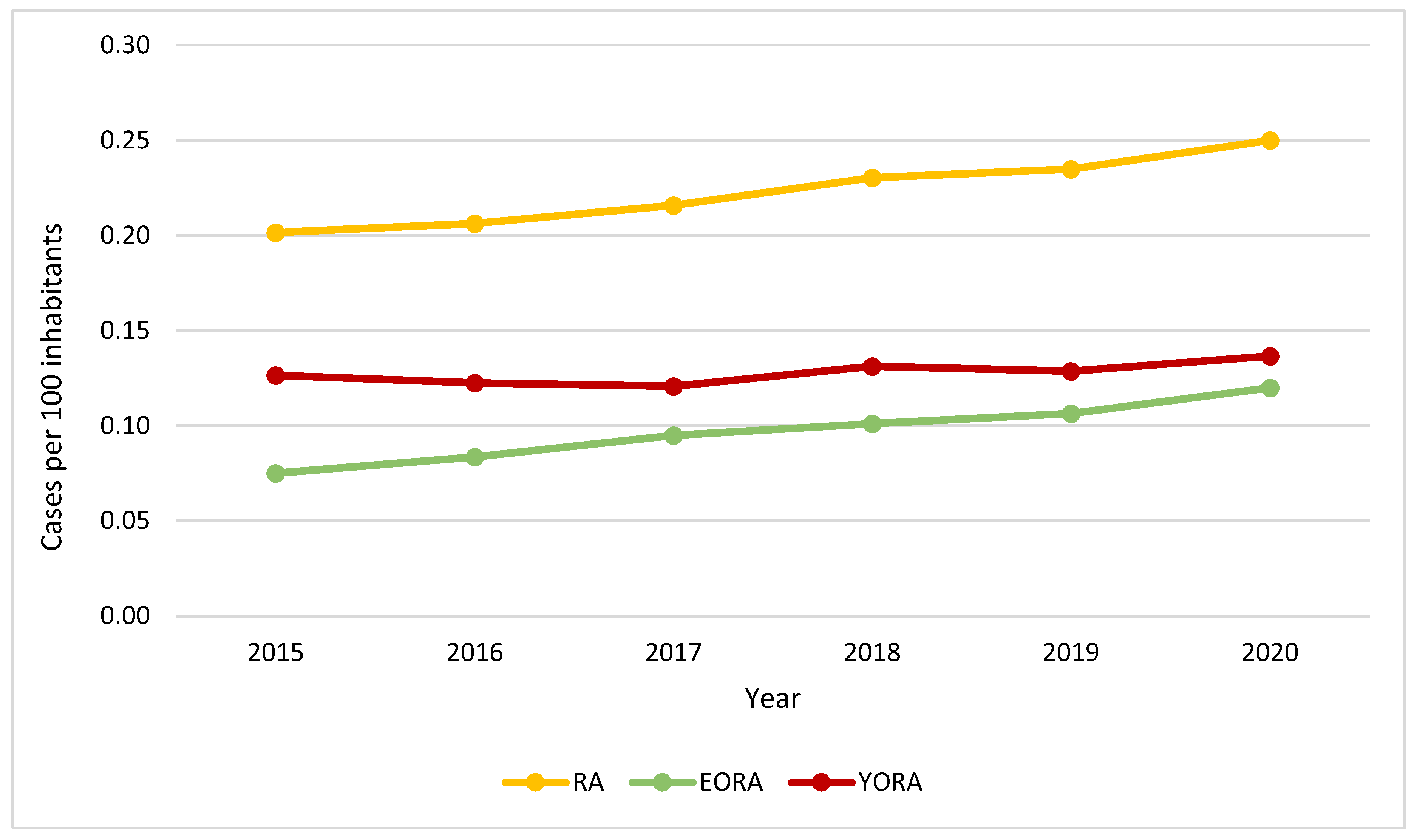
Figure 1. Prevalence of RA and EORA in the Colombian public health system, 2015-2020.
Preprints 177021 g001
Figure 2. EORA prevalence for females in Colombia 2015-2020.
Preprints 177021 g002
Figure 3. EORA prevalence for males in Colombia 2015-2020.
Preprints 177021 g003
Figure 4. Standardized prevalence and geographic distribution of rheumatoid arthritis (RA), elderly-onset rheumatoid arthritis (EORA), and young-onset rheumatoid arthritis (YORA) 2020.
Preprints 177021 g004
Table 1. Demographic and clinical characteristics of new cases of EORA and YORA in Colombia 2015-2020.
Characteristic1 YORA
Age ≤ 60 (n=16.899)
EORA
Age > 60 (n=8.034)
p-value
Age2 49 (40-55) 69 (64-75)
Age at symptom onset2 45 (36-52) 65 (61-71)
Time to diagnosis (years)2 2 (1-5) 3 (1-9) <0.001
Time to diagnosis (months)2 13 (6-36) 18 (6-58) <0.001
Age at diagnosis2 48 (39-54) 68 (64-74)
Sex
Female 14,165 (83.82) 6,100 (75.93) <0.001
Male 2,734 (16.18) 1,934 (24.07)
Region of residency
Central 4,862 (28.77) 2,346 (29.20)
Bogotá D.C. 4,401 (26.04) 2,189 (27.25) 0.012
Pacific 2,807 (16.61) 1,288 (16.03)
Oriental 2,352 (13.92) 1,107 (13.78)
Caribbean 2,262 (13.39) 1,037 (12.91)
Amazonía-Orinoquía 215 (1.27) 67 (0.83)
Regime of coverage
Contributive 10,982 (64.99) 4,946 (61.55) <0.001
Subsidized 5,180 (30.65) 2,633 (32.77)
Other 737 (4.36) 457 (5.68)
Anti-CCP
Positive 4,811 (28.47) 1,927 (23.99)
Negative 3,112 (18.42) 1,630 (20.29) <0.001
Unknown 8,976 (53.12) 4,477 (55.73)
RF at diagnosis
Positive 9,007 (53.30) 3,992 (49.69)
Negative 4,350 (25.74) 2,140 (26.64) <0.001
Unknown 3,542 (20.96) 1,902 (23.67)
CRP at diagnosis
Reactive 6,280 (37.16) 2,845 (35.41)
No reactive 70 (0.41) 48 (0.60) 0.005
Unknown 10,549 (62.42) 5,141 (63.99)
ESR (mm/h)2 20 (10-35) 24 (13-41) <0.001
Disease activity (DAS28)
Remission (0.0-<2.6) 2,648 (15.67) 1,313 (16.34) 0.438
Low activity (≥2.6-<3.2) 1,137 (6.73) 573 (7.13)
Moderate activity (≥3.2-≤5.1) 3,557 (21.05) 1,675 (20.85)
High activity (>5.1-10) 1,734 (10.26) 820 (10.21)
Unknown 7,823 (46.29) 3,653 (45.47)
Comorbidities
High blood pressure 2,400 (14.20) 2,929 (36.46) <0.001
Diabetes mellitus 1,080 (6.39) 1,037 (12.91) <0.001
Sjogren’s syndrome 865 (5.12) 406 (5.05) 0.059
Osteoporosis 775 (4.59) 982 (12.22) <0.001
Chronic kidney disease 655 (3.88) 424 (5.28) <0.001
Cardiovascular disease 630 (3.73) 355 (4.42) 0.021

Anti-CCP: cyclic citrullinated peptide antibodies. RF: rheumatoid factor. ESR: erythrocyte sedimentation rate. DAS28: Disease Activity Score-28
*Information on prevalence (per 100 people) as estimated by the administrative registry of persons with RA under coverage by the Colombian public health system
1Descriptive results presented only for new cases, in absolute values (percentages)
2Information presented as median (interquartile range)
Table 2. Pharmacological treatment of new cases with EORA and YORA in Colombia 2015-2020.
Use of drugs1 YORA
Age ≤ 60 (n=16,899)
EORA
Age > 60 (n=8,034)
p-value
Analgesics and glucocorticoids
Non opioids (acetaminophen-dipyrone) 4.883 (28,90) 2.671 (33,25) <0,001
Opioids (codeine-tramadol) 1.062 (6,28) 638 (7,94) <0,001
NSAID 3.768 (22,30) 1.372 (17,08) <0,001
Glucocorticoids 9.446 (55,90) 4.318 (53,75) 0,005
Conventional (synthetic) DMARD
Methotrexate 9.927 (58,74) 4.366 (54,34) <0,001
Chloroquine 4.494 (26,59) 1.963 (24,43) 0,001
Leflunomide 2.770 (16,39) 1.382 (17,20) 0,009
Sulfasalazine 1.329 (7,86) 629 (7,83) 0,482
Hydroxychloroquine 368 (2,18) 177 (2,20) 0,317
Azathioprine 111 (0,66) 52 (0,65) 0,313
Cyclophosphamide 20 (0,12) 13 (0,16) 0,287
Tofacitinib 18 (0,11) 10 (0,12) 0,290
Cyclosporine 5 (0,03) 6 (0,07) 0,121
D-Penicillamine 3 (0,02) 6 (0,07) 0,016
Biological DMARD
Rituximab 127 (0,75) 46 (0,57) 0,120
Etanercept 118 (0,70) 43 (0,54) 0,035
Adalimumab 67 (0,40) 19 (0,24) 0,042
Abatacept 55 (0,33) 22 (0,27) 0,045
Certolizumab 51 (0,30) 26 (0,32) 0,180
Tocilizumab 33 (0,20) 21 (0,26) 0,244
Golimumab 19 (0,11) 7 (0,09) 0,359
Infliximab 16 (0,09) 8 (0,10) 0,312
1Descriptive results presented in absolute values (percentages).
Disclaimer/Publisher’s Note: The statements, opinions and data contained in all publications are solely those of the individual author(s) and contributor(s) and not of MDPI and/or the editor(s). MDPI and/or the editor(s) disclaim responsibility for any injury to people or property resulting from any ideas, methods, instructions or products referred to in the content.
Copyright: This open access article is published under a Creative Commons CC BY 4.0 license, which permit the free download, distribution, and reuse, provided that the author and preprint are cited in any reuse.
Prerpints.org logo

Preprints.org is a free preprint server supported by MDPI in Basel, Switzerland.

Subscribe

Disclaimer

Terms of Use

Privacy Policy

Privacy Settings

© 2025 MDPI (Basel, Switzerland) unless otherwise stated