

Submitted:
14 September 2025
Posted:
16 September 2025
You are already at the latest version
Abstract
This paper exemplifies a kind of practice applicable to the aquatic environment by people in different stages of life or specific concerns for human health, including the elderly, pregnant women, people in recovery programmes, babies, children, people with disabilities, overweight people. For some or all persons in these categories, in some moments of life, the exercises performed on land are impossible, or can be painful, dangerous, or unpleasant. Aquatic exercise offers the opportunity to remain active through a practice that increases cardiovascular capacity, flexibility and strength, allowing the body in the same time to relax in the aquatic environment. This paper presents data extracted through a systematic literature review, from four databases.
Keywords:
aquatic exercise
; recovery
; disabilities
; pregnant women
; babies
; overweight
; old people
1. Introduction
What is the physical training in water? Water can be defined in terms of customary usage as a liquid, solid (ice) and gas (vapor or steam) transparent, colorless, in rivers, lakes, oceans and so on and falling from clouds as rain, is vital for all forms of life. Similarly, we can define in terms of general physical training condition to be in good physical shape and healthy, and specific physical preparation, the ability to perform certain aspects of sports.
But what happens when water is combined with physical training? Obtain physical training in water in a pleasant way, without the hard impact, extra health. Includes swimming and aqua fitness exercises both shallow and deep water. For many years people have traveled km swimming for physical training. The benefits of swimming and aquatic exercises are well known: aerobic, muscular and psychological.
2. Material and Methods
2.1. Identifying Aspects in Databases
This multi-population systematic review of aquatic exercise followed the Structured Reporting Articles for Systematic Reviews and Meta-Analyses (PRISMA) guidelines for screening bibliographic sources (Moher D. et all, 2009).
The analysis was carried out based on the information obtained from four databases (PubMed Central, Taylor and Francis Online, ResearchGate, ScienceDirect). The categories of people in aquatic exercises key issues we identified as important in this review were used to find published sources especially of articles, review articles, research articles, report, case raport and conferences (see Table 1). Citations and references, tracking lists were processed individually to identify additional relevant studies.
2.2. Inclusion and Exclusion Criteria for Studies
From the four online databases (PubMed Central, Taylor and Francis, ResearchGate, ScienceDirect) were found according to the searches Aquatic Exercises for Babies and children, Pregnant women, Persons with disabilities, Old people, Overweight people, Recovery after illness (Figure 1, Figure 2, Figure 3 and Figure 4) a total of 5944 bibliographic sources. Even though there are duplicate papers in these databases, we were interested in the interest given to the subjects in relation to aspects of life related to aquatic exercise. We found that the Taylor and Francis database is substantially different from the others in relation to the investigated topic. Selection sources presented criteria such as sports-related journals and medical journals focused on human studies. After examining the title and summary of each of these sources, we believe that, in a further analysis, we will have the opportunity to look more deeply at each of the parameters targeted in this work for a more in-depth knowledge.
3. Results and Discussions
3.1. Aquatic Exercises, the Best Way to Maintain a Healthy Life
Searching for „ideal” physical activity, an increasing number of participants in the development of physical training activities find water aerobic exercises as a refreshing alternative to traditional land-based programs. Aquatic Exercise is one of the most practiced fitness activities currently available. Water resistance causes the beginners as well as athletes. In addition, water provides a buffer to reduce the risk of environmental accidents, making an excellent alternative for people with a wide range of joint disorder. These features make the aquatic aerobic exercises a unique fitness activity, suitable for a greater proportion of the population for its beneficial effect on the body and mind (Table 2).
Since the 1970s and 1980s a growing need for advanced physical training and low impact aquatic exercise has become the obvious choice. Injuries associated with the strong impact of other physical activities required physical activity that combines stretching with aerobic training, strength training with the mobility, without risk of dislocation or dismantling (Becker, B.E. et all, 2004).
Aquatic exercises have been the answer. Many people, especially the elderly, began to plan the preparation by transferring land exercises in water (Benedict, A. et all, 1993). They began to appear aquatic exercise programs, initially called water - physical training (gymnastics) or hydro - slimnastics.
Aquatic exercises can be described now as a program of land suitable for water movements performed in an upright position (as opposed to swimming, which is conducted in a horizontal position). Water has different properties than air and exercises are performed in a different form than on land.
Water plays the role of detoxification. Diuretic and natriuretic effects, in a natural way to eliminate excess water, salt and sodium (Berger, B.G. et all, 1992). Reducing water and salt from the body helps to reduce stiffness in the joints. Through these exercises, although the body through sweating will clean, do not feel the heat and sweat will not show like during the carrying out exercises on land. Evaporation of the water control body temperature, producing an invigorating effect of „air conditioning”. This helps maintain body temperature and exercise power over a longer period of time.
Water also provides support and gentle hydrostatic and constant pressure on each side of the body. It improves circulation by increasing the pressure on venous return (the veins bring blood back to heart) and strengthens the respiratory system by increasing pressure on the respiratory muscles (Becker, B.E. et all, 2004, De Vierville, J.P., 2004).
Research conducted in the last four decades have shown that physical inactivity and negative lifestyle choices are a serious threat to health. The human body requires movement and activity to grow, develop and support himself. Unfortunately, the pace of living of the population, together with automation, the body no longer provides sufficient activity to ensure good health. Although medical advances have effectively eliminated most infectious diseases, so-called good life (living a sedentary, over-consumption of fatty foods and sweets, as well as tobacco, alcohol and other drugs) led to an increase in incidents such as hypertension, heart disease and attacks over the brain (Lepore, M., et all, 2007).
Preventing these chronic diseases is the best cure. Almost half of chronic diseases may be related to lifestyle. Good health is largely self-control, and premature death and disease can be prevented by adhering to a fitness program and positive life habits (Lepore, M., et all, 2007).
Aquatic exercises popularity soared in Europe and the U.S. over the past 20 years. Aquatic exercises have become a widespread alternative to traditional forms of fitness to practice and have gained recognition and respect from all segments of the fitness and wellness movement.
Swimmers have known over the years the advantages of practicing in the aquatic environment. During the swimming lessons takes place cardiac development but is done only to swimmers performance, while aquatic exercise offers the opportunity for all individuals with different training levels (Campion, M.R., 2000). Both swimmers and people who can not swim are able to participate in the exercises performed in water because the water depth is around the pelvis - the chest or supported various flotation devices.
Aquatic aerobic exercise is an effective method for improving components of health, fitness, cardiorespiratory and appear significant improvements in strength, in the area of mobility and range of motion around joints, body composition changes occur as a result of training in water and decreases significant body fat (Stan, E.A., 2018). Water resistance character may cause significant improvements in muscle strength and endurance as they spend more energy compared with land exercise performance. Shallow water aerobics program produces greater muscle strength than aerobic dance program, in addition to the low impact they offer compared to this.
The following points summarize the known effects from aquatic aerobic exercising:
- ~ effective method to treat lumbar spine pain, reduce spinal compression,
- ~ can prevent bone loss,
- ~ reduce the effects exhibited by arthritis and depression,
- ~ improves functional fitness and psychological health,
- ~ reduce swelling that occurs during pregnancy,
- ~ the lower strength is improved and upper body,
- ~ can help reduce the effects of emphysema,
- ~ requires a greater expenditure of energy, when water goes up to chest depth than walking on dry,
- ~ offers a similar physiological responses required to run at the track running (treadmill) (Becker, B.E. et all, 2004, De Vierville J.P., 2004, Campion, M.R., 2000).
Aquatic exercise has many advantages, both in practice aquatic programs to achieve a good fitness but also by performing aquatic exercises in the gym. It improves aerobic capacity, body structure and mobility.
In water there can be design programs for toning muscles, mobility, relaxation and sports-specific exercises (swimming, athletics - running, jogging, marching, cycling, skiing, snowboarding, kickboxing, golf, tennis) in shallow and in deep water. By increasing popularity, this form of practice has diversified, with versions such as Aqua Step, Aqua Water spinning and boxing. Aquatic Aerobic Exercise usually includes techniques and exercises taken from the form of aerobic exercise on land, they can integrate dance steps or rhythmic movements of the body.
The temperature of the water in program of aquatic activities and music are important factors.
The water temperature is most comfortable between 260 and 280 C. If the temperature is lower heating exercises must be conducted over a longer time and reduce the number of mobility exercises after aerobic phase that occurs at the end of the lesson (Kisner C. et all, 2007, Ruoti, R.G. et all, 1997). Higher water temperatures between 29.50 and 310 C can be risky. Muscles produce heat during exercise. If water temperature is too high, the combination of warm water can lead to increased body heat exhaustion or heat stroke induced. Untreated, this can be fatal stroke.
Using music in aerobic exercise sessions is an option to fund water and incentive motivation. Acoustics of pools is sometimes inappropriate for listening and music instructor at the same time.
The importance of fun. Importance of different things motivate different people to have fun and stay in a fitness program. Whatever the reason, starting an exercise program to be chosen by an ongoing way that it not be boring. The psychology is simple: if you do not enjoy an activity, it is waived.
Another consideration in the practice of aquatic exercise is weight loss and weight maintenance.
Aquatic aerobic activity during pregnancy, and its presence in early life influences that can lead to positive lifelong person in maintaining a healthy lifestyle (Vleminckx M., 1988).
Water is the element which, due to its properties, has a positive influence on physical and mental development of the baby. From the first months of life babies who have contact with pools gets feelings of trust, courage, and a greater freedom of movement in water, which contributes to their psychomotor development extremely fast (Martin K., 1983).
Aquatic exercise outlines the impact of different conditions and diseases to which man is facing: people with asthma, older people with back problems, Parkinson's patients, people with arthritis are just some of the situations in which patients can improve their condition.
In sports medicine in orthopedic rehabilitation, the social in social networking for people with different disabilities - adapted aquatic, aquatic exercise is a means to perceive life differently (Mc Kinnis D.L., 1997).
Another benefit of water exercises is weight control. Water aerobic exercise can burn 460 calories in an hour. Although exercise on land can burn up to 600 calories per hour, water exercise burns 77% of fat calories. Land aerobic exercise burns 43% of fat (Vargas L.G., 2004). Through aquatic activity, both aerobic and anaerobic training is made easier. Aerobic training takes place through moderate, continuous movement of large muscle groups over a longer period of time. Anaerobic training is achieved when the usual resistance level is exceeded and a large amount of energy is used in a short period of time (Vargas L.G., 2004).
An example of an exercise that provides both aerobic and anaerobic training in water is walking through water. Walking through the water at an accelerated pace can push the effort beyond the aerobic threshold.
Walking through water, when done at a constant pace of 30 minutes, burns as many calories as in 3 hours of running on land (Campion, M.R., 2000, Vargas L.G., 2004).
3.2. Fitness Equipment
The increase of the number of participants in aquatic fitness lessons has increased the number of products available for training in aquatic fitness but also the increasingly varied and complex range of aquatic equipment has led to attracting more and more participants in aquatic programs. Underwater treadmills, aquacycles, aquatic training stations offer cardiovascular training, muscle toning and strength training. Participants in aquatic fitness also use support and water-resistant devices that are pushed or pulled, such as palms, balance floating dumbbells, upright life jackets, water shoes, webbed gloves, waterproof weights for the ankle and wrist, training fins, floating cuffs, ski belts, neck collars and running belts.
3.3. Aquatic Programmes for People with Disabilities
Water gymnastics is now also possible for people with disabilities. Through the use of devices and adaptations to each disability, people with spinal cord disease, spina bifida, poliomyelitis and other lower limb deficiencies, those with cerebral palsy, head injuries, strokes, amputations, people with pituitary dwarfism, with vision loss or hearing loss but also those with cognitive disabilities, have the opportunity to practice safely, with specialized help aquatic gymnastics programs (Becker, B.E. et all, 2004, Berger B.G., Owen, D.R., 1992).
Starting from the modern origins of hygienic and prophylactic swimming we asked the question what is physical training in water? Water can be defined in the usual terms of use as liquid, solid (ice) and gaseous (vapor or steam) transparent, colorless, from rivers, lakes, oceans and so on and falling from clouds in the form of rain; being vital to all life forms. Similarly, general physical training can be defined in terms of the condition of being in good physical shape and healthy, and specific physical training, the ability to achieve certain aspects of sports.
But what happens when water is combined with physical training? You get physical training in water, in a pleasant way, without hard impact, a plus of health. Water fitness includes swimming and exercise in both shallow and deep water. For many years, people swam miles for physical training. The benefits of swimming are well known: aerobic, muscular and psychological.
In search of "ideal" physical activity, an increasing number of participants in fitness training activities are discovering aquatic aerobic exercise as an invigorating alternative to traditional onshore programs. And practicing in the aquatic environment is a unique experience both for those who know how to swim and for those who do not. Water gymnastics is one of the most popular fitness activities currently available in many countries. Water resistance challenges beginners as well as athletes. Moreover, water provides a buffer environment to reduce the risk of injury, which makes it an excellent training alternative for people with a wide range of joint conditions. The possibility to exercise in three dimensions and the activity carried out without carrying the body weight, for some impossible on land, as well as the action of the two forces acting on the body simultaneously (gravity and floating) make hydrotherapeutic and aerobic exercise activity the optimal environment. These features make aquatic aerobic exercise a unique fitness activity, suitable for a larger percentage of the population, for its beneficial effect on the body and mind.
From the 1970s and 1980s, there was a growing need for low-impact physical training and aquatic exercise became the obvious choice. Injuries associated with the strong impact of other physical activities required physical activities that combined stretching with aerobic training, strength training with mobility, without the risk of dislocation or dismemberment (Becker, B.E. et all, 2004, Kisner C. et all, 2007).
Aquatic exercises were the answer. Many people, especially the elderly, have started planning their exercises by transferring exercises from land to water. Aquatic exercise programs began to appear, initially called hydro-physical training (rhythmic gymnastics) or hydro-slimnastics.
Water exercises can now be described as a program of ground movements adapted to water, performed in an upright position (as opposed to swimming, which is performed in a horizontal position). Water has different properties than air and the exercises are performed in a different form than on land.
Water has a detoxifying role. It has diuretic and natriuretic effects, causing the natural elimination of excess water, salt and sodium from the body. Reducing body water and salt helps reduce stiffness in the joints. Through these exercises, although the body will be cleansed by perspiration, it will not feel the heat and sweat will not appear, as during the exercises on land. Water evaporation controls body temperature, producing an invigorating effect of "air conditioning". This allows you to maintain a central body temperature and exercise for a longer period of time.
Water also provides hydrostatic support and constant and gentle pressure on every part of the body. It improves circulation by increasing the pressure on the venous return (these veins bring the blood back to the heart) and strengthens the respiratory system by increasing the pressure on the respiratory muscles (Becker, B.E. et all, 2004, De Vierville, J.P., 2004, Lepore, M., et all, 2007).
Research over the past 4 decades has shown that physical inactivity and negative lifestyle choices pose a serious threat to health. The human body needs movement and activity to grow, develop and support itself. Unfortunately, the pace of life of the majority of the population, accompanied by automation, does not provide the body with enough activity to ensure good health. Although medical advances have effectively eliminated most infectious diseases, so-called good living (sedentary living, overeating and sweets, as well as tobacco, alcohol, and other drugs) have led to an increase in incidents such as hypertension, heart disease, and seizures. cerebral.
Prevention of these chronic diseases is the best cure. Almost half of chronic diseases can be related to lifestyle. Good health is largely self-controlled, and premature death and disease can be prevented by adhering to a fitness program and positive lifestyle habits.
In the last part of the 19th century and in the first years of the 20th century, buoyancy appeared as an important property for the initiation of the patient into exercises. It started by treating the musculoskeletal system and rheumatic disorders. During this time, the concept of hydro-gymnastics determined the use of underwater exercise and is the closest precursor to the current concept of aquatic rehabilitation.
Aquatic therapy involves the use of exercises in water. In 1924, Charles Lowman visited the Spaulding School for Children with Disabilities in Chicago, United States and assisted in the treatment of patients with paralysis through water exercise (Becker, B.E. et all, 2004, 4, De Vierville, J.P., 2004, Campion, M.R., 2000). In Los Angeles, Lowman created two pools: one pool was used to treat patients with paralysis, including polio, and the other was made in a salt pool to treat infectious diseases. Many such facilities have begun to be built, swimming pools specially designed for aquatic therapies. One such facility was the Los Angeles Orthopedic Hospital, built in 1924. At the same time, President Franklin D. Roosevelt, diagnosed with polio, popularized the use of water exercises and opened a therapeutic pool in Warm Springs, Georgia (Becker, B.E. et all, 2004). Roosevelt has been a vital force in organizing therapies for polio patients with qualified medical staff. Physical therapists began training in the use of water exercises over the next two decades. Successful results in aquatic treatment have received favorable reviews from several prestigious orthopedic surgeons. These techniques grew in popularity until the mid-1950s. At this time in Europe, the emphasis was on the development of two aquatic treatment techniques: the Bad Ragaz and the Halliwick method. With the advent of these techniques, the use of water as a treatment technique in the United States lagged behind European practice during the 20th century (Campion, M.R., 2000).
In the mid-1980s, water aerobics became popular among participants who were unable to tolerate high-impact aerobic gymnastics on land.
Aquatic restoration activities continue to grow in popularity, being used for treatment when land therapy is no longer a feasible method. In the United States, many professional organizations have provided educational opportunities. The Aquatic Section of Physical Therapy and Physical Therapy was established, a practical analysis was established that documents the knowledge, skills and abilities necessary for a physical therapist, specialized in aquatic physical therapy. The lack of effectiveness in research to evaluate the benefits of participating in an aquatic rehabilitation program, in interdisciplinarity with other branches, or the absence of taxpayers, have created a dilemma on the effects of aquatic rehabilitation. Although aquatic rehabilitation made progress in the early 20th century, much remains to be done to improve and enhance this therapeutic procedure. This task can only be achieved through the continuous clinical and research efforts of medical staff, who believe in the positive benefits of incorporating aquatic rehabilitation into therapeutic treatments or wellness programs.
Aquatic aerobic activity for fitness and wellness has developed in two different forms, practicing in shallow water and deep water. Low water aerobic exercises are conducted from a stand position, while deep water exercises are performed with floating devices to support the body in a suspended position in the water above the body. And recovery can be applied in two ways: partial, by immersing a limb or just a body segment and general, by immersing the whole body.
Empirically, it is known that aquatic therapy works. However, there has been a lack in the literature to scientifically document the psychological, physiological and functional benefits of aquatic therapy. From a historical point of view, aquatic research has focused on the physiology and biomechanics of swimming and diving. Many swimming and diving studies have used high-performance athletes as subjects, making it difficult to apply the results to untrained people recovering. Moreover, many aquatic therapy programs focus on vertical movement (the person is in an upright position), making it difficult to apply information from swimming studies, in which the subject is in a position of pronation and supination.
Although recent the trend in aquatic research has shown an interest in the effects of vertical movement in water, such as walking or running, for the most part, active individuals (often athletes), running remains a subject of study. However, several studies on vertical movement in water have shown that subjects experience beneficial psychological adjustments as a result of participating in aquatic therapy with exercise programs.
Most people practice aquatic exercises because the body cannot cope with the intense impact of exercises on land, but they still want to exercise and be fit. As older people become more concerned about their quality of life, they recognize the importance of daily exercise in maintaining health and independence.
In aquatic therapy, the number and combination of exercises are processed according to age and condition, the area of movement and the temperature of the water. "New knowledge of the physiology of hydrotherapy and new techniques that use movement models adapted to the aquatic environment, as well as several specific aquatic exercises reassure that hydrotherapy has become an accepted environment for recovery in its own right" (Campion, M.R., 2000).
Other people who have experienced various ailments, such as Parkinson's, for example, have felt a lack of endurance, strength, balance and mobility. These physical conditions can be improved through resistance, strength and stretching exercises. Endurance exercises are aerobic and improve the health of the heart, lungs and circulatory system by increasing the heart and breathing rate for extended periods of time. Strength training in Parkinson's patients helps maintain muscle integrity to stay strong enough through movement mobility and independence (Campion, M.R., 2000, Ruotti R.G. et all, 1994, McKay R. et all, 2005). A combination of endurance and strength exercises, which focus on posture and gait, along with abdominal exercises, will improve balance and posture, thus helping to prevent falls (one of the effects of many ailments). Stretching helps the body to be flexible and prompt. All these basic exercises can be performed easily and comfortably in the water.
Water gymnastics for babies and young children
Water is the element with the most decisive influence on the physical and mental development of the baby. From the first months of life, babies who come into contact with the aquatic environment show feelings of confidence, courage, as well as a great freedom of movement, which contributes to their extremely rapid psychomotor development. Improvements in muscle tone, increased visual and auditory response, as well as improved eating behavior are positive responses after involvement in aquatic activities with socialization (Stan E.A., 2013).
Learning the basic skills of swimming secrets from an early age is equally psychological, physical, recreational and social. It is also a measure against the risk of drowning. The satisfaction that water offers and the ability to learn to swim are natural aspects of the life of a normally developed child, and should be an integral part of the life of a child with disabilities. For children with disabilities it may be the only environment in which they can gain full independence and therefore, the conditions should be created for all children to benefit from it (Gulick D.T., 2009).
The emotional development generated by playing in the water, spending time with parents also leads to the formation of an attitude towards an active life, in the spirit of developing a good fitness throughout life. It will also help develop muscle strength, coordination and balance. By using a proper approach to introduction into the aquatic environment, the child can be given a fun and healthy start to life.
Babies and young children are very receptive to the emotions of the people around them. It is very important to project a positive attitude both in the pool area and at the entrance to the water. The baby and small child will like the water if he feels that the adult is confident and comfortable in the pool and near the water. The child often learns to be afraid of water by observing her parents' fears. And if a baby feels that the adult is afraid or insecure, he will tend to interpret the unpleasant aquatic experience. Children, most of the time, "learn" to be afraid of water. It is not an innate response and the child is extremely afraid of water. In most cases, it is the answer to a negative experience of bathing. A sense of security must be instilled, fun in water activities, with a lot of patience and lots of colorful toys to attract attention.
Babies must enter this unique natural element in a relaxed, pressure-free way, with a prior preparation to desire for themselves, eliminating natural restraints. They can learn to swim long before they learn to walk. No one remembers when he learned to walk and for the most part, a baby who learns to swim at an early age, as part of a gradual approach, will not remember a time when he could not swim (Howley E.T. et all, 1986).
Particular attention should be paid to accommodation exercises, taking into account that the rapid transition over this phase prolongs the actual learning.
The relative density of the baby's body is lower than the relative density of the water, so the baby's body floats easily, both in the back and chest position.
Babies perform reflexive, rhythmic swimming movements, but they should not be interpreted as proof that they know how to swim (McKay R. et all, 2005).
By the age of about 6 months, babies develop a breathing reflex through which they automatically hold their breath (Becker, B.E. et all, 2004, De Vierville, J.P., 2004, Campion, M.R., 2000, Martin K., 1983). At this age a healthy child is old enough to participate in water activities in a safe swimming pool. Until this age, it is recommended to exercise in the bathtub or in a small personal pool used for the exclusive use of the child. After the age of 6 months, when the first vaccines were given, the child can be introduced into public swimming pools, indicating those intended exclusively for children.
Swimming is the safest way to maintain good health, being considered one of the healthiest sports due to the special conditions it entails: horizontal body position, both mobile support and high pressure that requires more intense breathing movements. During swimming, the pressure exerted by water on the body causes the lungs and heart to make more effort to function in normal parameters and improve the cardiovascular system. Physically, swimming has a favorable influence on the development of the body, ideal for children of all ages, starting with the general process of growing, hardening and strengthening the body's endurance and increasing the general capacity for effort.
Aquatic programs during pregnancy
As I mentioned before, regardless of age, all people can feel good in the water, from a few months to the most advanced years of life. Family ties and water fitness at water centers or in pools and lakes, family exercise can be a great strategy to spend more time together.
In recent years, there has been a worldwide increase in the popularity of water gymnastics programs specially designed for women who are pregnant or in the first months after birth. The ideal team in leading an aquatic gymnastics class for pregnant women consists of a physiotherapist with special training in obstetrics who works with a midwife (Vleminckx M., 1988). The combined skills and expertise of these two professions can provide mothers with a thorough projection, safe practice, and informed counseling.
As the health standard has risen and more information is available on the correlation between healthy mothers and healthy babies, physical training during pregnancy has become a concern for more and more women. Exercises during pregnancy have become accepted by both doctors and women in general.
Physical training on land is presented in terms of being fit and in good health. In water, the same condition is obtained in a more pleasant way, without the harsh impact of the gym and without feeling the discomfort brought by the body's ventilation system, through perspiration (Vleminckx M., 1988). Aquatic fitness includes swimming and exercise in both shallow and deep water and their benefits are well known: aerobic, muscular and psychological.
Aquatic exercises are the means by which aerobic training, low-impact strength training and mobility, without the risk of dislocation, has become the obvious choice for pregnant women, in addition to overweight people or those recovering from various traumas (Kisner C., et all, 2007, Vleminckx M., 1988).
Water exercises, especially those for pregnant women, are now not just a program of movements performed on land and adapted to water, they are programs specially designed for the condition of the women and for the different environment in which they practices (Vleminckx M., 1988). Water has different properties than air and the exercises are performed in a different form than on land. They are mainly performed in an upright position (opposite to swimming, which is done in a horizontal position) and for each exercise the particularities of the water are considered.
Physical training through aquatic exercises includes shallow water exercises and deep water exercises. Low-water exercises performed at the waist and shoulders are usually stretching exercises on land or stretching exercises adapted to benefit from the special properties of water.
It is recommended that healthy women maintain their exercise programs during pregnancy, especially swimming and cycling, which have low impact and aerobic benefits.
Aquatic exercises are beneficial for pregnancy simply because swimming and water exercises are ways to maintain weight. Because they can be continued throughout pregnancy, it is easier to limit body weight to "only the baby" (baby, placenta, amniotic fluid) (Vleminckx M., 1988). This will provide a more comfortable pregnancy and make it easier to regain your original figure after birth.
Pregnancy is a special moment in a woman's life, not an exhausting state. More and more obstetricians believe that a woman who performs a certain type of physical condition during pregnancy is less likely to have difficulty during labor and birth and encourages her patients to be physically active. Even women who were not physically active before pregnancy are encouraged to start a fitness program.
Pregnant women can regularly participate in aquatic aerobic programs without negative influences on their integrity or the fetus. Swimming and water exercises are cool, pleasant ways to support an exercise program without the risk of overheating.
The body's ability to remove heat is increased in water. The thermal conductivity of water is 30 times higher than that of air, with the possibility of reducing the risk of hyperthermia.
During both swimming and water exercises, the support provided by the water helps to release the weight of the uterus on the bladder and pelvic organs.
The natural properties of water relax, its buoyancy claims, the "lack of weight" felt in the water, the relief of back pain, are aspects that contribute to the involvement of pregnant women in aquatic programs, the ideal aerobic activities (Vleminckx M., 1988, Vargas L.G., 2004).
Water exercises can be safer for the fetus than exercises done on land at the same intensity. Buoyancy gives a feeling of weightlessness in the water, which is accentuated by the hydrostatic pressure. Because the hydrostatic pressure of the water exerts a force proportional to the depth of immersion (Pascal's law), the discomfort felt by swelling of the feet and ankles is removed at a greater depth. Floating water removes pressure on the joints, allowing exercise in which there is no vibration. Floating also helps relieve the discomfort created by the pressure on the uterus, bladder and pelvis. Many pregnant women enjoy the feeling of weight loss offered by water, especially during the third trimester.
Swimming and aquatic aerobic exercise do not require special equipment and are considered some of the most complex and special sports, as they do not have the specific restrictions of most sports activities. Under the bathing suit, to support the inside of the chest, they can wear a bra, and in order not to slip when stepping on the bottom of the pool, socks are recommended (Vleminckx M., 1988).
Aquatic programs for people with disabilities
The development of aspects that led to the use of water for medical purposes (hydrotherapy, hydrokinetotherapy), in addition to its use for recreational, instructional and fitness purposes, required the formation of various aquatic programs for people with disabilities. Around the middle of the 20th century, the separation between the use of water as a therapy and its use for people with disabilities in instructional and recreational processes officially began. Efforts by medical staff in Europe and the United States to use water in therapy have led to the needs of people with disabilities, including instructional, recreational and competitive programs (Berger B.G., et all, 1992, De Vierville, J.P., 2004, Lepore, M., et all, 2007). The therapeutic part of the aquatic disciplines for people with disabilities was divided into its use as physical and professional therapy and its use by accredited medical staff.
Practicing physical exercises, training in a sports branch, helps to empower people with disabilities, and is offered independence through swimming and associated water activities (Kisner C., et all, 2007).
Due to the physical support that water provides, many people whose disability affects mobility on land can operate more independently in an aquatic environment, without the help of braces, crutches, frames or wheelchairs (Benedict A. et all, 1993, Lepore M., et all, 2007). Water is an environment that, due to its characteristics and from a physical point of view, frees people with disabilities, allowing them to participate safely in physical activity.
Adapted swimming has evolved from a therapeutic modality to a current focus on training, water safety, fitness and recreation (Vleminckx M., 1988).
People with physical, social and emotional disabilities can benefit from participating in water activities.
There are similarities and differences between adapted swimming programs, adapted aquatic exercises and aquatic therapy.
The evolution of adapted aquatics. Although aquatic participation for therapeutic purposes has a long history, for people with disabilities access to swimming and aquatic training programs for educational or recreational purposes has been granted only recently in civilized states, and in our country the mentalities of society do not allow this participation segment of the population at such facility. Until recently, society and even professionals working with people with disabilities have not encouraged participation in aquatic activities due to numerous barriers, including philosophical conflicts over professional services and responsibilities. Water offers special opportunities for the development of the level of physical training: from passive programming, therapeutic, training swimming, recreational aquatics and even competitions (Special Olympics develops programs and competitive sporting events for people with intellectual disabilities).
The use of water as a therapeutic tool precedes all other forms of medicine, extending from the ancient Mesopotamian, Egyptian, Indian and Chinese civilizations, which used water for soothing and healing purposes (De Vierville, J.P., 2004).
There are organizations that have developed specific programs in the field of aquatic activities, training and recreation in aquatic activities, aquatic practice and therapy.
Aquatic programs offers people with disabilities opportunities for personal challenge, increased self-confidence, socialization, lifestyle enrichment and the development of physical, motor and safety skills through aquatic educational, recreational, competitive and therapeutic programs (Becker, B.E. et all, 2004, De Vierville, J.P., 2004, Lepore M., et all, 2007, Campion, M.R., 2000).
Legislation for people with disabilities is a rapidly developing area. In some countries, special education is defined as education specifically designed to meet the unique needs of people with disabilities.
The benefits of participating in water activities. Aquatic participation can promote the development of physical, social, emotional, cognitive and leisure skills. Participants in adapted aquatic activities learn motor and social skills, resulting from appropriate planning, through the involvement of specialist instructors, transdisciplinary participation and appropriate participant-teacher relationship. By exchanging goals for the benefit of the patient, physical and professional therapists can help the aquatic instructor to provide activities that are both therapeutic and educational, leading to increased benefits for the participant (Berger B.G.,1992, Howley E.T., 1986). The advantage derives from generalizing skills by practicing more of the same skill in a variety of environments.
The attraction of water, its recreational, educational and therapeutic value has long been recognized, by raising morale and changing the physical appearance.
4. Conclusions
A key factor in achieving optimal well-being, health with a better quality of life, is physical condition. Since a whim in the 1970s, fitness has found a prominent and enduring place in the lifestyle of many people. The growing interest can be directly attributed to the scientific evidence that has recognized the practice as one of the most important lifestyle choices for a longer and better quality of life.
Aquatic exercises were originally used as a means of recovery of injured athletes. Sports medicine experts found that floating in water, water resistance and therapeutic massage helps accelerate the healing process.
Due to the curative qualities of the water's fitness athletes often choose gymnastic exercises performed in water. The exercises performed in water to cover the needs of athletes avoid injury and to speed recovery after exercise, fitness water representing a bonus.
Water acting as a giant pillow, wear decreases muscles, tendons and protect joints. Working in water, using only water resistance, is in favor of minimizing the risk of injuries that usually occurred during the exercises performed on land due to impact with hard surfaces (classical fitness room floor).
Gymnastics aquatic exercises is a good way to practice without suffering adverse effects on joints and tendons of the impact with the ground hard. When a practitioner goes into the water up to neck level, gravity is reduced greatly. So, by training in water used in place of a typical resistance training (jogging, running), physical condition remains while injuries may decrease.
To maintain flexibility and increase joint movement, stretching in water is the best method. As the body relaxes best in warm water in the pool, and relaxation, rhythmic breathing and regular is suitable to carry out stretching exercises. Aquatic fitness stimulates blood circulation, increasing blood volume in areas with lesions.
For newborns, the aquatic environment ensures the continuity of intrauterine development, thus accelerating the dynamics of bio-psychosomatic evolution.
The early introduction of the child into the water aims, in addition to familiarization with water, the formation of basic skills for learning to swim. Children who have become friends with water from an early age learn to swim faster. Swimming is a skill that must be learned. Early independence in water depends on the child's physical and mental development. The development of swimming skills is achieved by their gradual introduction, in optimal conditions of trust and safety by a properly trained instructor who has knowledge and understanding of the child's developmental level, both physically and emotionally and who values children's cooperation with parents and encourages involvement in the swimming program.
Pregnancy is a special time in every woman's life. During this, it is considered that by practicing a certain physical activity it is less likely that the woman will have difficulties during labor and birth. The task is not the time to participate in a high-intensity exercise program if no exercises have been performed at that level up to this state. It is good, however, to start easily to a medium level, especially people who have a sedentary lifestyle and to maintain a rational exercise program during pregnancy.
Aquatic activities provide a form of exercise observed to be relaxing and socially enjoyable. Swimming has many social and emotional benefits and can lead to other functional activities, and the quality of aquatic activities can create lifelong skills, independence and a sense of accomplishment for many people with disabilities. For people with disabilities, an empty chair or a pair of crutches left on the edge of the pool means freedom of movement and the feeling of success, which increase self-image.
References
- MOHER D., LIBERATI A., TETZLAFF J., ALTMAN D.G., & PRISMA Group (2009). Preferred reporting items for systematic reviews and meta-analyses: the PRISMA statement. PLoS 6(7): e1000097. [CrossRef]
- BECKER B.E., COLE J.A. (2004) Comprehensive aquatic therapy, Philadelphia: Elsevier.
- BENEDICT A., FREEMAN R. (1993) Activities, Adaptation and Aging, 17(3), The effect of aquatic exercise on aged person′s bone density, body image, and morale, pp. 67 – 85.
- BERGER B.G., OWEN D.R. (1992) Perceptual and motor skills, 75, Mood alteration with yoga and swimming: Aerobic may not be necessary, pp. 1331 – 1343.
- DE VIERVILLE J.P. (2004) Aquatic Rehabilitation: A Historical Perspective In: Comprehensive aquatic therapy, Second Edition. Cole AJ Philadelphia, PA: Butterworth Heineman, pp. 1 – 18.
- LEPORE M., GAYLE W., STEVENS S. (2007) Adapted Aquatics Programming Aprofessional Guide, Human Kinetics, Champaign.
- CAMPION M.R. (2000) Hydrotherapy: Principles and practice. Woburn, MA: Butterworth – Heinemann, pp.134-135.
- STAN E.A. (2018) Programe de aerobică acvatică, Editura Risoprint, ISBN 978-606-23-0171-2, Cluj-Napoca.
- KISNER C., COLBY L. (2007) Therapeutic Exercise: Foundations and Techniques F. A. Davis Company, Philadelphia.
- RUOTI R.G., MORRIS D.M., COLE AJ (1997) Aquatic Rehabilitation. Lippincott, Philadelphia.
- VLEMINCKX M. (1988) Pregnancy and recovery: the aquatic approach in obstretics and gynaecology. In Obstetics and Gynaecology (McKenna J., ed.), Edinburgh: Churchill Livingstone.
- MARTIN K. (1983) Therapeutic pool activities for young children in a community facility. Physical and Occupational Therapy in Pediatrics, 3, pp. 59 – 74.
- MC KINNIS D.L. (1997) Clinical orthopaedic physical therapy, The posture – movement dynamic, Philadelphia: W. B. Saunders.
- VARGAS L.G. (2004) Aquatic therapy: interventions and applications, Ravensdale, Idyll Arbor.
- VARGAS C.M. (2004) Caring for Children With Neurodevelopmental Disabilities and Their Families, Lawrence Erlbaum Associates, Inc. Publischers.
- GULICK D.T. (2009) Comparison of aquatic and land plyometric training an strenght, power and agility. În: Brody LT, Geigle PR, Aquatic exercise for rehabilitation and training, Human Kinetics, Champaign.
- RUOTTI R.G., TROUP J.T., BERGER R.A. (1994) The effects of nonswimming water exercise on older adults. J Orthop Sports Phys Ther 19(3):140, New Jersey.
- MCKAY R., MCKAY K. (2005) Learn to swim, DK Publishing, INC, New York, pp 10.
- STAN E.A. (2013) Înot terapeutic și recreativ, Editura Didactică și Pedagogică, ISBN 978-973-30-3558 -9, Bucureşti.
- HOWLEY E.T., FRANKS B.D. (1986) Health/fitness instructor′s handbook, Champaign, IL: Human Kinetics.
Figure 1.
PubMed representation.

Figure 2.
Taylor and Francis representation.
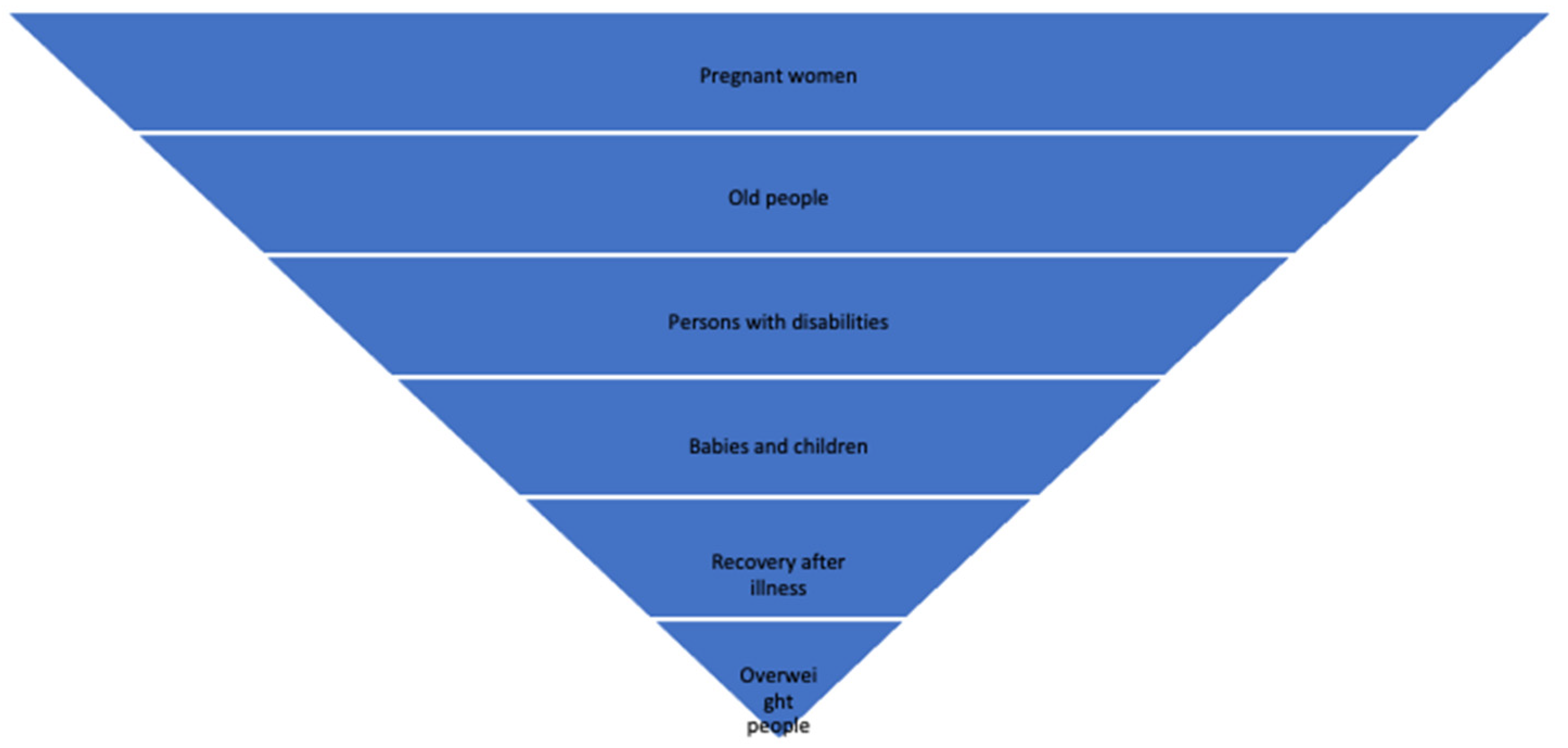
Figure 3.
ResearchGate representation.
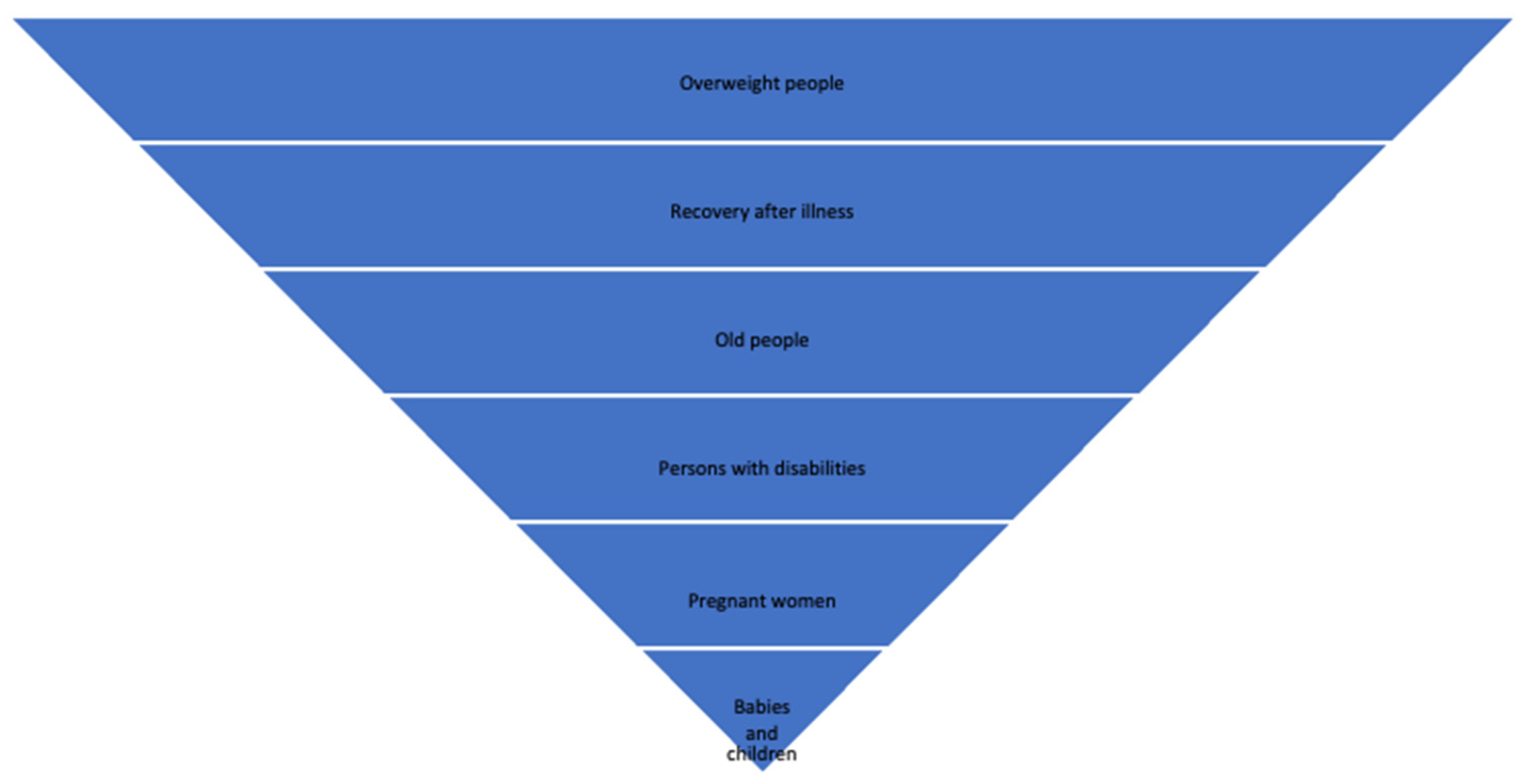
Figure 4.
ScienceDirect representation.
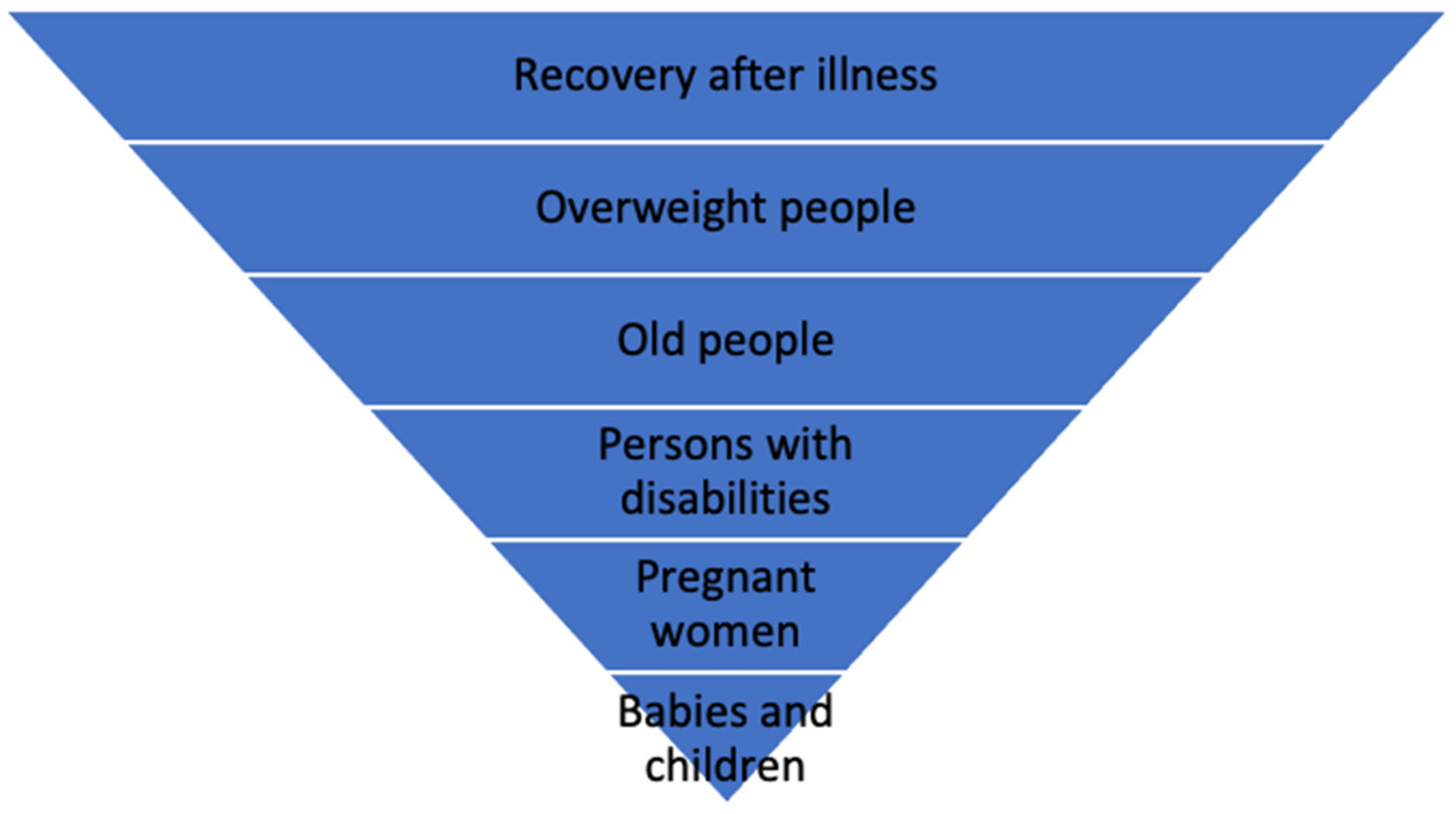

Table 1.
How to identify the aspects concerned (eligible sources were identified from four databases) from the year of apparition until 2024.
Table 1.
How to identify the aspects concerned (eligible sources were identified from four databases) from the year of apparition until 2024.
| Categories of people in aquatic exercises | Databases | |||
| PubMed Central | Taylor and Francis | ResearchGate | ScienceDirect | |
| Babies and children | 19 | 362 | 6 | 2 |
| Pregnant women | 24 | 2028 | 7 | 6 |
| Persons with disabilities | 20 | 1138 | 9 | 7 |
| Old people | 58 | 1289 | 18 | 109 |
| Overweight people | 31 | 108 | 35 | 137 |
| Recovery after illness | 173 | 180 | 25 | 153 |
| TOTAL | 325 | 5105 | 100 | 414 |
Table 2.
Effects of aquatic exercises upon different categories of people.
| Categories of people | Effects of aquatic exercises |
| Babies and children |
|
| Pregnant women | - water exercises are cool, pleasant ways to support an exercise program without the risk of overheating - the support provided by the water helps to release the weight of the uterus on the bladder and pelvic organs - “weightlessness” felt in the water - relief of back pain |
| Persons with disabilities | - adapting the exercises to the physical and / or intellectual possibilities - fun, mobilizing activity - correction of diseases: development of the musculoskeletal system - inclusion, by practicing with children without disabilities - due to buoyancy they can perform certain movements in water that are impossible for them in other situations |
| Old people |
- a way of socializing - ease of movement by releasing joints - prophylaxis of rheumatic, muscular or articular manifestations |
| Overweight people | - for some people water is the only environment in which they can practice - release of joints from body weight - in addition to the effort made by the floating movements, an amount of energy is also spent to maintain body temperature |
| Athletes |
- alternative to the usual training program - recovery after injury - relaxation |
| Injured people | - relaxation of the contracted muscles due to the awkward positions that the patients adopt, in order to avoid pain - gradual return to effort on land |
Disclaimer/Publisher’s Note: The statements, opinions and data contained in all publications are solely those of the individual author(s) and contributor(s) and not of MDPI and/or the editor(s). MDPI and/or the editor(s) disclaim responsibility for any injury to people or property resulting from any ideas, methods, instructions or products referred to in the content. |
© 2025 by the authors. Licensee MDPI, Basel, Switzerland. This article is an open access article distributed under the terms and conditions of the Creative Commons Attribution (CC BY) license (http://creativecommons.org/licenses/by/4.0/).
Copyright: This open access article is published under a Creative Commons CC BY 4.0 license, which permit the free download, distribution, and reuse, provided that the author and preprint are cited in any reuse.


