Preprint
Article

This version is not peer-reviewed.

Relevance of Lymphadenectomy Extension to the Right Paratracheal Space in the Treatment of Esophagogastric Junction Adenocarcinoma

A peer-reviewed article of this preprint also exists.

Submitted:

01 September 2025

Posted:

02 September 2025

You are already at the latest version

Abstract

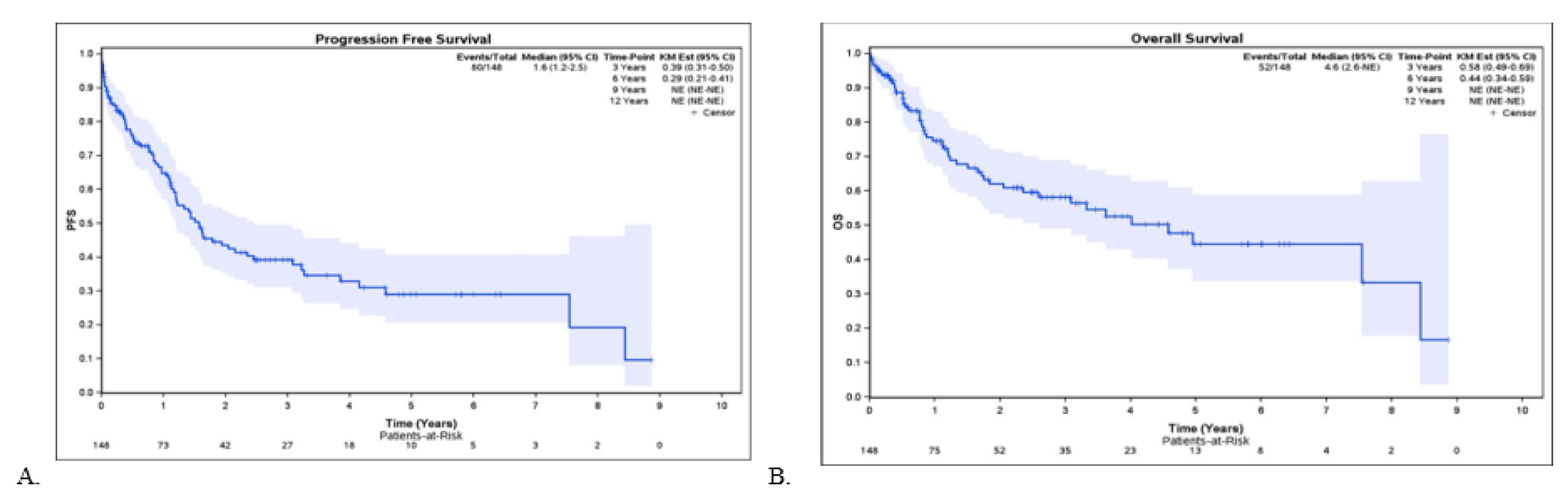
The benefit of extensive lymphadenectomy including the right paratracheal station (RPTS) in the upper mediastinum for esophagogastric junction (EGJ) adenocarcinoma remains controversial. Upper mediastinal lymph node (LN) involvement has been associated with esophageal invasion length, representing a potential research area. This study aimed to assess the rate of RPTS LN involvement in EGJ adenocarcinoma and its correlation with esophageal invasion length, as well as potential impacts on survival and postoperative complications. Patients undergoing two- or three-field esophagectomy with lymphadenectomy extended to the RPTS between 2006 and 2023 were retrospectively included. Patient, tumor, operative, and postoperative data were collected. Among 321 esophagectomies, 147 met inclusion criteria. Median esophageal invasion length was 3 cm. No patients (0%) had LN metastasis in the RPTS, regardless of invasion length (>4 cm or ≤4 cm). Postoperative complications occurred in 41.5% of patients, most commonly weight loss >10% (29.2%), pleural effusion (21.1%), and infectious pneumonitis (19.7%). Five-year overall and disease free survival rates were 44% and 29%, respectively. Our findings suggest that extending lymphadenectomy to the right paratracheal space fails to detect lymph node invasion in patients with esophageal invasion greater than or less than 4 cm in patients with esophageal adenocarcinoma.

Keywords: 
;  ;  ;  

1. Introduction

In 2020, cancers of the esophagogastric junction (EGJ) were the seventh most common cancer worldwide and the sixth leading cause of cancer-related death [1]. In Belgium, the incidence of esophageal cancer declined between 2007 and 2021. However, an increase in the rate of adenocarcinomas and a decrease in the rate of squamous cell carcinomas has been observed, representing 61.55% and 33.85% of cases, respectively [2]. These discrepancies can be explained by preventive measures against smoking and alcoholism, the main risk factors for squamous cell carcinoma [3], and, on the other hand, by increases in obesity and its associated complications, such as gastro-esophageal reflux disease [4], favoring the development of adenocarcinoma.
Surgery plays a central role in the treatment of early-stage adenocarcinoma of the EGJ. The type of esophageal resection performed depends on tumor location and the extent of lymphadenectomy, including either one, two, or three operative fields in the procedure. In locally advanced EGJ, perioperative chemotherapy or concomitant neoadjuvant chemoradiotherapy (NACR) followed by surgery is advised [5]. Extended lymphadenectomy in esophageal cancer improves tumor staging, reduces locoregional recurrence, and enhances survival, but is also associated with increased morbidity [4,5,6,7]. Five-year survival remains under 25%, with lymph node (LN) involvement being a key prognostic factor [8].
Kurogawa et al. have suggested that extending lymphadenectomy to the right paratracheal station (RPTS) may benefit patients with a length of esophageal invasion greater than 4 cm, and have reported a correlation between the length of esophageal tumor invasion and the rate of upper mediastinal lymph node metastases, which can reach 10.7% to 13.9% in EGJ cancers, contributing to the development of new recommendations [9,10,11].
The main objective of this study was to analyze the rate of RPTS LN involvement in patients with EGJ adenocarcinoma. Secondary objectives were to analyze correlations with esophageal length invasion (< 4cm vs ≥ 4cm), to evaluate the impact of extending lymphadenectomy to the RPTS on survival, and postoperative complications.

2. Materials and Methods

2.1. Patients

This was a retrospective, descriptive, bicentric study including patients with adenocarcinoma of the esophagogastric junction who underwent elective esophagectomy between January 1, 2006 and February 28, 2023. The study protocol was approved by the ethics committees of both participating hospitals, Institut J. Bordet and Erasme Hospital, Hôpitaux Universitaires de Bruxelles (HUB), Université Libre de Bruxelles (ULB) prior to data collection.
Patients with histologically proven EGJ adenocarcinoma of Siewert type I, II, or III, deemed operable and resectable by a multidisciplinary team, and older than 18 years old were included. Patients under 18 years of age, with histological types other than adenocarcinoma, and adenocarcinoma located in the middle and/or upper third of the esophagus were excluded.

2.2. Clinical Data and Study Objectives

Medical data were manually extracted from computerized medical records (CMR) including ‘Dossier médical informatisé’ (DMI) (Erasme hospital) and ‘Oribase’ (Institut Jules Bordet). Each record was anonymized by assigning a code to each included patient, according to the following model: a letter “E” for Erasme hospital) and “B” for Institut Jules Bordet, followed by a number.
Demographic, clinical, endoscopic, surgical, pathological, and follow-up data were collected including: age, gender, tumor size, length of esophageal invasion by tumor from Z-line and Siewert classification in endoscopy, cTNM stage, neoadjuvant treatments (e.g., chemotherapy, radiotherapy, and radiochemotherapy), tumor regression score according to Mandard or Tumor Regression Grade (TRG), presence of lymphatic, vascular, and neural invasion, type of surgery (two-way or three-way esophagectomy), pTNM stage (according to the Union for International Cancer Control TNM Classification of Malignant Tumours (7th edition), margin status, number of lymph nodes removed, adjuvant treatments, postoperative complications according to the Clavien-Dindo classification, pleural drainage, re-operation, readmission to intensive care unit (ICU), ICU stay duration, postoperative mortality at 30 days and at 90 days, disease-free survival (DFS), and overall survival (OS).

2.3. Lymphadenectomy

For lymphadenectomy, the data collected included the number of lymph nodes removed from various anatomical regions (i.e., thoracic and/or abdominal). For this study, ‘extended lymphadenectomy’ was defined as a thoracic lymphadenectomy including LNs of the RPTS, specifically lymph nodes of the 2R-4R stations as well as thoracic lymph node stations 5, 6, 7, 9, 10, and 11.
Additionally, lymph nodes from peri-esophageal station 8 were included, alongside abdominal lymph nodes from stations 1, 2, 3, 4sa, 4sb, 4d, 5, 6, 7, 8, 9, 10, 11, and 12. This space includes LN stations 2R and 4R, which correspond to the upper and lower right paratracheal space respectively.
Then, the lymph node ratio (LNR) was calculated for EGJ tumor invasion length equal to or greater than 4 cm and for invasion less than 4 cm.
Objectives
The primary objective of this study was to analyze the rate of RPTS LN involvement in patients with EGJ adenocarcinoma. Secondary objectives were to analyze correlations with esophageal invasion length (< 4cm vs ≥ 4cm), to evaluate the potential benefit of extending lymphadenectomy to the RPTS by analyzing its impact on DFS and OS, and to evaluate postoperative 30- and 90-day morbidity and mortality.
Statistical Analysis
Data collection and statistical analyses were carried out using Excel (Microsoft Corporation, Redmond, WA, USA) and SAS 9.4 (SAS Institute Inc., Cary, NC, USA). Data are reported as absolute values and percentages for ordinal variables. For continuous variables, the median and/or mean (with confidence interval) are reported. Descriptive statistics are used to summarize patient characteristics. Categorical variables were analyzed by the Chi2 test or Fisher’s exact test.
Continuous variables were analyzed by Student’s t-test or the Wilcoxon nonparametric test. Survival analysis was conducted using the Kaplan-Meier method. Univariate logistic regression analysis was used to determine independent risk factors for complications. The significance level used was 5%, i.e. p < 0.05.

3. Results

3.1. Study Population

Data were collected from a chart review of 321 patients for whom esophagectomy was indicated between January 1, 2006 and February 31, 2023. Among these patients, 174 patients were excluded from the study, including 130 non-adenocarcinoma patients, 35 patients who had not undergone a two- or three-way esophagectomy with RPTS lymphadenectomy, 5 patients under 18 years of age, and 4 patients who refused surgery. One hundred forty-seven patients were included in the study. Patient characteristics are reported in Table 1.
In summary, the median tumor size was 2.7 cm and the median length of esophageal invasion was 3.0 cm. Neoadjuvant treatments were administered to 118 patients (80.3%) with the most frequent treatment regimens being concomitant chemoradiotherapy for 70 patients (47.6%) and chemotherapy alone for 43 patients (29.2%). The most frequent chemotherapy regimen was 5-fluorouracil, leucovorin, oxaliplatin, and docetaxel (FLOT), administered to 40 patients. Among patients who received neoadjuvant chemotherapy, TRG was grade 1 in 15 patients (10.2%), grade 2 in 18 (12.2%), grade 3 in 26 (17.7%), grade 4 in 31 (21.1%), and grade 5 in 7 (4.8%). In 50 (34.0%) patients, TRG was not assessed. One hundred forty patients (95.2%) were treated with a two-way esophagectomy, while 7 patients had a three-way procedure (4.8%). R0 resection was achieved in 127 patients (86.4%) and 19 patients (12.9%) had an R1 resection. Lymphatic emboli were found in 56 patients (38.1%), vascular emboli in 22 (15.0%), and neural invasion in 36 (24.5%) on the operative specimen.

3.2. Pathology Lymph Node staging, RPTS Status, and Outcomes

The median number of nodes removed was 26 (mean: 26.0 – Range (20.0, 32.0). Sixty-nine patients (46.9%) had positive lymph nodes at final pathology, with documented involvement in specific anatomical regions. The distribution of nodal involvement according to these regions is presented in Table 2.
Concerning RPTS LN status, none of the patients (0%) in the cohort had LN involvement on final pathology analysis. Regarding the pathological status of other LN stations (Figure 1), thoracic LNs (stations 5, 6, 7, 9, 10, and/or 11) were found to be metastatic in 14.3% of patients, with 12.9% of these cases involving peri-esophageal LNs (station 8). Additionally, abdominal LNs—including perigastric, hepatic, and splenic stations (1, 2, 3, 4sa, 4sb, 4d, 5, 6, 7, 8, 9, 10, 11 and/or 12)—were involved in 25.2% of patients.
The LNRs were 10.3% and 7.9% for esophageal involvement of <4 cm and ≥4 cm, respectively (Table 3). As none of the patients in the cohort had LN involvement of RPTS on final pathology analysis, it was impossible to set up two comparative groups (RTPS positive vs RTPS negative) to evaluate the prognostic impact in terms of DFS and OS.
The 5-year overall survival rates were 43% and 53%, and the 5-year disease-free survival rates were 31% and 21%, for esophageal invasion of <4 cm and ≥4 cm, respectively.

3.3. Postoperative Complications

Out of 148 patients, 61 (41.5%) developed at least one complication (Table 4). Among these, 29 patients (19.7%) developed complications classified with a Clavien-Dindo score ≥ 3b: 16 patients (10.9%), 2 patients (1.4%), 2 patients (1.4%), and 9 patients (6.1%) had type 3b, 4a, 4b, and 5 complications, respectively. The most frequent complications included weight loss greater than 10% (29.2%), pleural effusion (21.1%), and infectious pneumonitis (19.7%). Other complications included anastomotic leaks (12.2%), acute respiratory distress syndromes (10.2%), atelectasis (6.8%), empyema (4.8%), chylothorax (2.0%), hemothorax (2.0%), and cardiorespiratory arrest (1.3%). No digestive duct ischemia or recurrent laryngeal nerve palsy were reported.
Nineteen patients (12.9%) required additional pleural drainage. A total of 16 patients (10.9%) required surgical reintervention. Nine patients (6.1%) died within three months of the procedure.
Five-year OS (Figure 2.A.) and DFS (Figure 2.B.) for the whole population with EGJ adenocarcinoma who underwent esophagectomy were 44% and 29%, respectively.

Discussion

This study aimed to evaluate the rate of RPTS LN involvement as a part of thoracic lymphadenectomy performed at our institution and to evaluate the potential impact of RPTS LN involvement in terms of outcomes in patients with EGJ adenocarcinoma treated by a two- or three-way esophagectomy. Our findings indicate that extending lymphadenectomy to the right paratracheal space does not appear to provide a significant clinical advantage, as no lymph node invasion was found in this region, regardless of the length of the EGJ invasion (<4 cm or ≥4 cm). This is in line with other Western studies reporting RPTS LN involvement in less than 5% of patients treated for EGJ or adenocarcinoma of the lower third of the esophagus [12,13].
However, these findings differ from data from Asian studies that have reported involvement of the upper mediastinal LN stations in more than 15% of patients with lower esophageal cancers [14,15,16]. More specifically, regarding LN station 2R, involvement ranging between 5% and 7% has been reported in other studies [9,17]. Conversely, the study of Yamashita et al. reported LN involvement in 0.4% of upper mediastinal stations, with no cases of involvement in station 4R, in a large cohort of patients with stage T1 and T2 EGJ adenocarcinoma [18]. These data are consistent with our findings. Unfortunately, the impact of RPTS LN involvement on survival in patients with tumors <4 cm or ≥4 cm was not evaluable as no patients presented with LN involvement of this station.
The postoperative complication rate in our study was 41.2%, with weight loss, pleural effusion, infectious pneumonia, anastomotic leaks, and acute respiratory distress syndrome being the most frequent complications. This is consistent with existing literature, where extended two-field lymphadenectomy is associated with higher morbidity compared to standard procedures [12,16]. The 90-day mortality rate in our cohort was 6%, slightly higher than the expected 4.5% for standard esophagectomy procedures [19]. This aligns with other studies reporting similar mortality rates after extended lymphadenectomy [12].
This study demonstrated a 5-year overall survival rate of 44% and a disease-free survival rate of 29%, comparable to those observed in Western populations [20]. However, these rates vary from those in Asian populations, where survival outcomes tend to be slightly higher, ranging from 51% to 53% [16,21]. While extended lymphadenectomy including RPTS LNs was associated with improved disease-free survival, it did not significantly impact overall survival in our study.
This study had several limitations. First, it had a retrospective, non-randomized design with missing data for some patients. Second, the pathological protocol lacked detailed specification of lymph node stations. Furthermore, the length of esophageal involvement was estimated from endoscopic reports, with arbitrary approximations of the Z-line when not specified, which may have led to inaccuracies, particularly in cases of circumferential tumors.
These findings suggest that further prospective studies are necessary to better understand the role of extended lymphadenectomy in this patient population, particularly with more precise node dissection and consistent patient selection criteria. The variability in the results across different studies, especially between Western and Asian populations, may stem from differences in study design, surgical techniques, and lymph node classification systems.

5. Conclusions

This study does not allow for definitive conclusions regarding the benefit of extending lymphadenectomy to the right paratracheal space in EGJ adenocarcinomas when esophageal involvement is greater than or equal to 4 cm. The absence of LN metastasis in the right paratracheal station across the entire cohort, regardless of the length of esophageal involvement, suggests that performing a lymphadenectomy of these lymph node stations may not be crucial.
While these findings align with previous Western studies, further prospective research with a more standardized protocol and detailed lymph node station specification is needed to clarify the role of right paratracheal lymphadenectomy in improving patient outcomes.

Author Contributions

Conceptualization: Fadi Cherara, Maarten Vander Kuylen, Meriem Ennaji and Issam El Nakadi; Methodology: Gabriel Liberale, Michel Moreau; Software: Michel Moreau; Validation, all authors; Data curation, Dina Yazidi, Meriem Ennaji; Writing - original draft preparation, Dina Yazidi; Writing - Review and Editing: Dina Yazidi, Gabriel Liberale, Maarten Vander Kuylen; Visualization: Gabriel Liberale; Supervision: Gabriel Liberale, Maarten Vander Kuylen; Project administration: Gabriel Liberale. All authors have read and agreed to the published version of the manuscript.

Funding

This research received no external funding.

Institutional Review Board Statement

The study was conducted in accordance with the Declaration of Helsinki and approved by the Institutional Review Board (or Ethics Committee) of Institut Jules Bordet (CE3706, 26/10/2023) and Erasme Hospital Committee (P2023/333, 25/03/2024) for studies involving humans.

Informed Consent Statement

Patient consent for participation was waived by the Institutional Ethics Committee due to the inclusion of deceased patients and the retrospective nature of the study.

Data Availability Statement

Research data supporting this publication is available upon Editor’s request.

Acknowledgments

The authors acknowledge the contribution of a medical writer, Sandy Field, PhD, for English language editing of this manuscript.

Conflicts of Interest

The authors declare no conflict of interest.

References

  1. Sung H, Ferlay J, Siegel RL, Laversanne M, Soerjomataram I, Jemal A, et al. Global Cancer Statistics 2020: GLOBOCAN Estimates of Incidence and Mortality Worldwide for 36 Cancers in 185 Countries. CA : A Cancer Journal For Clinicians [Online]. Feb 4, 2021; 71(3): 209-49. Available at. [CrossRef]
  2. 2024.
  3. Zhang, Y. Epidemiology of esophageal cancer. World Journal Of Gastroenterology [Online]. Jan 1,2013; 19(34): 5598. Available at. [CrossRef]
  4. Uhlenhopp D, Then EO, Sunkara T, Gaduputi V. Epidemiology of esophageal cancer: update in global trends, etiology and risk factors. Clinical Journal Of Gastroenterology [Online]. 23 Sep 2020; 13(6): 1010-21. Available at. [CrossRef]
  5. Obermannová RL, Leong T. ESMO Clinical Practice Guideline interim update on the treatment of locally advanced oesophageal and oesophagogastric junction adenocarcinoma and metastatic squamous-cell carcinoma. ESMO Open [Internet]. 2025 Feb 1;104134. Available at. [CrossRef]
  6. Chevalier. B. Respiratory complication of trans-thoracic esophagectomies for cancer [Thesis]. Bordeaux (FR): Université de Bordeaux; 2004 Oct 9. Available at :https://dumas.ccsd.cnrs. 0108.
  7. Mariette C, Piessen G, Briez N, Triboulet J. The Number of Metastatic Lymph Nodes and the Ratio Between Metastatic and Examined Lymph Nodes Are Independent Prognostic Factors in Esophageal Cancer Regardless of Neoadjuvant Chemoradiation or Lymphadenectomy Extent. Annals Of Surgery [Online]. Feb 1, 2008; 247(2): 365-71. Available at. [CrossRef]
  8. Lerut T, Coosemans W, Decker GA, De Leyn P, Moons J, Nafteux P, et al. Surgical techniques. Journal Of Surgical Oncology [Online]. 18 Nov 2005; 92(3): 218-29. Available at. [CrossRef]
  9. Kurokawa Y, Hiki N, Yoshikawa T, Kutsukake K, Ito Y, Ohi M, et al. Mediastinal lymph node metastasis and recurrence in adenocarcinoma of the esophagogastric junction. Surgery [Online]. , 2015; 157(3): 551-5. Available at, 1 March. [CrossRef]
  10. Kurokawa Y, Takeuchi H, Doki Y, Mine S, Terashima M, Yasuda T, et al. Mapping of Lymph Node Metastasis From Esophagogastric Junction Tumors. Annals Of Surgery [Online]. , 2019; 274(1): 120-7. Available at, 8 August. [CrossRef]
  11. Kitagawa Y, Ishihara R, Ishikawa H, Ito Y, Oyama T, Oyama T, et al. Esophageal cancer practice guidelines 2022 edited by the Japan Esophageal Society: part 2. Esophagus [Online]. , 2023; 20(3): 373-89. Available at, 30 March. [CrossRef]
  12. Mann C, Berlth F, Hadzijusufoviç E, Tagkalos E, Uzun E, Codony C, et al. Extended lower paratracheal lymph node resection during esophagectomy for cancer – safety and necessity. BMC Cancer. 2022 ;22(1). Available at, 24 May. [CrossRef]
  13. Anderegg M, Lagarde SM, Jagadesham VP, Gisbertz SS, Immanuel A, Meijer SL, et al. Prognostic significance of the location of lymph node metastases in patients with adenocarcinoma of the distal esophagus or gastroesophageal junction. Ann Surg. 2016 Nov 1;264(5):847-53. [CrossRef]
  14. Mine S, Sano T, Hiki N, Yamada K, Nunobe S, Yamaguchi T. Lymphadenectomy around the left renal vein in Siewert type II adenocarcinoma of the oesophagogastric junction. Br J Surg. 2012 Nov 23;100(2):261-6. Available at. [CrossRef]
  15. Matsuda T, Kurokawa Y, Yoshikawa T, Kutsukake K, Misawa K, Ohi M, et al. Clinicopathologicalcharacteristics and prognostic factors of patients with Siewert type II esophagogastric junction carcinoma: A retrospective multicenter study. World J Surg. 2016 Feb 29;40(7):1672-9. Available at. [CrossRef]
  16. Kurokawa Y, Hiki N, Yoshikawa T, Kutsukake K, Ito Y, Ohi M, et al. Mediastinal lymph nodemetastasis and recurrence in adenocarcinoma of the esophagogastric junction. Surgery. 2015 Mar :1;157(3):551-5. Available at. [CrossRef]
  17. Luo P, Chen X, Yang Y, Zhang R, Kang X, Qin J, et al. Lymph node metastases in middle and upper mediastinum of Siewert type II adenocarcinoma: A real-world retrospective study. Cancer Med. 2024 Feb1;13(4). Available at. [CrossRef]
  18. Yamashita H, Seto Y, Sano T, Makuuchi H, Ando N, Sasako M. Results of a nationwide retrospective study of lymphadenectomy for esophagogastric junction carcinoma. Gastric Cancer. 2016 Oct 28;20(S1):69- 83. Available at. [CrossRef]
  19. Parry K, Haverkamp L, Bruijnen R, Siersema PD, Ruurda JP, Van Hillegersberg R. Surgical treatment of adenocarcinomas of the gastro-esophageal junction. Ann Surg Oncol. 2014 Sep 5;22(2):597-603. Available at. [CrossRef]
  20. D’Journo XB, Doddoli C, Michelet P, Loundou A, Trousse D, Giudicelli R, et al. Transthoracicesophagectomy for adenocarcinoma of the oesophagus: standard versus extended two-field mediastinal lymphadenectomy? Eur J Cardiothorac Surg. 2005 Apr 1;27(4):697-704. Available at. [CrossRef]
  21. Hulscher JBF, Van Sandick JW, De Boer AGEM, Wijnhoven BPL, Tijssen JGP, Fockens P, et al. Extended Transthoracic Resection Compared with Limited Transhiatal Resection for Adenocarcinoma of the Esophagus. New England Journal Of Medicine/The New England Journal Of Medicine [Online]. 21 Nov 2002b; 347(21): 1662-9. Available at. [CrossRef]
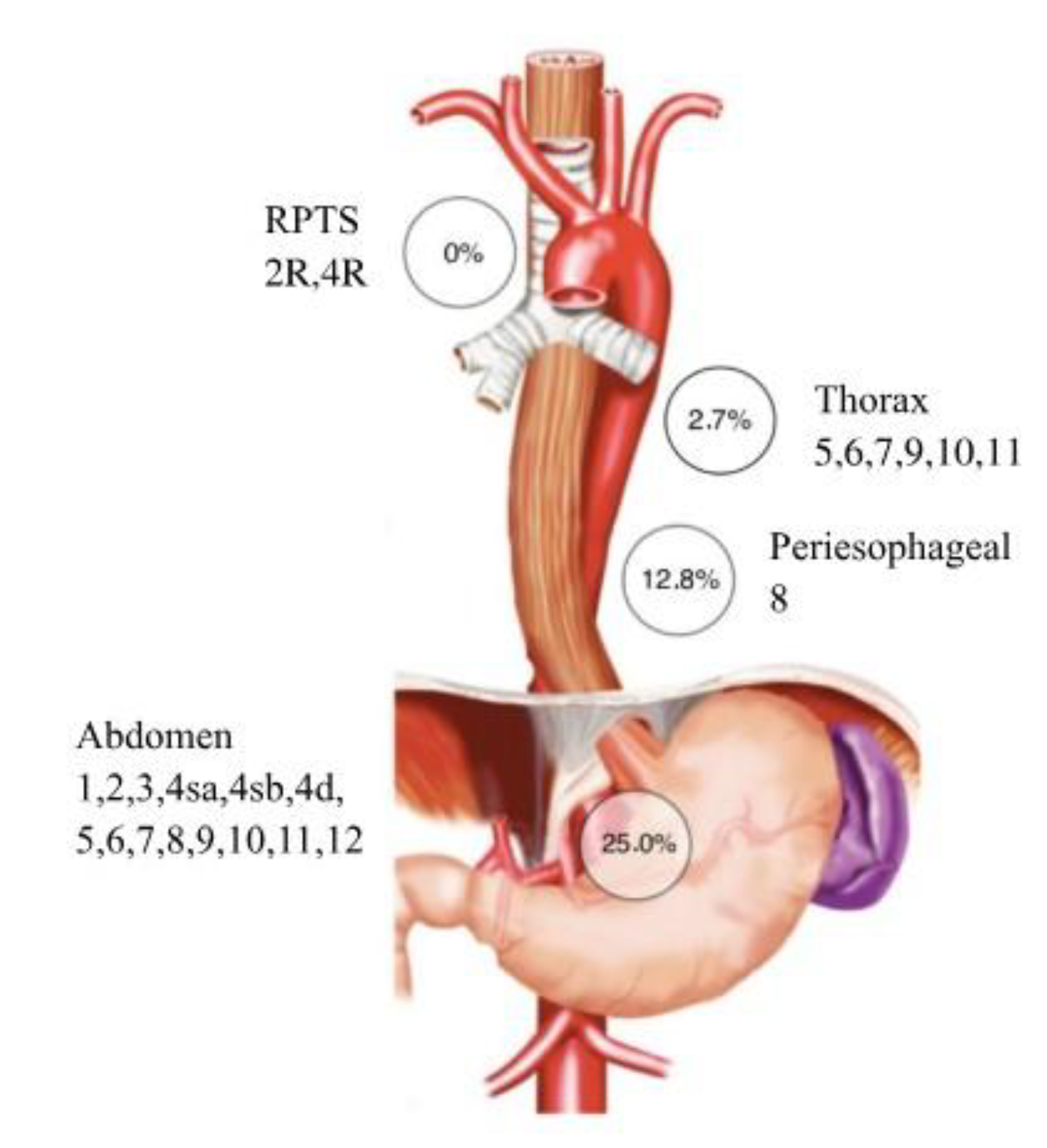
Figure 1. Mapping of patients with metastatic lymph nodes by anatomical region.
Preprints 174769 g001
Figure 2. Overall survival (A) and disease-free survival (B) of patients with EGJ adenocarcinoma.
Preprints 174769 g002
Table 1. Patient Characteristics.
n = 147
Age, yr
Median (range)

69.0 (64.0-75.0)
Sex
Male
Female

129 (87.8%)
18 (12.2%)
Tumor size*, cm
Median (range)

2.7 (1.8-4.5)
Length of the esophageal involvement*, cm at endoscopy
Median (range)

3.0 (1.5-5.0)
Patients with esophageal length involvement
< 4 cm
≥ 4 cm
Unknown

53 (36.1%)
38 (25.9%)
56 (38.1%)
Tumor epicenter
Siewert I
Siewert II
Siewert III
Unknown

55 (37.4%)
43 (29.3%)
9 (6.1%)
40 (27.2%)
Clinical Tumor stage (cT)
Tx
T0
T1
T2
T3
T4

2 (1.4%)
0 (0.0%)
17 (11.6%)
29 (19.7%)
96 (65.3%)
3 (2.0%)
Clinical Node stage (cN)
Nx
N0
N1
N2
N3

11 (7.5%)
47 (32.0%)
74 (50.3%)
13 (8.8%)
2 (1.4%)
Clinical Metastasis stage (cM)
Mx
M0
M1

106 (72.1%)
41 (27.9%)
0 (0.0%)
Neoadjuvant treatment
Yes
No

118 (80.3%)
29 (19.7%)
TRG (patients with neoadjuvant treatment)
Grade 1
Grade 2
Grade 3
Grade 4
Grade 5
Not assessed

15 (10.2%)
18 (12.2%)
26 (17.7%)
31 (21.1%)
7 (4.8%)
21 (14.3%)
Invasion at pathology
Lymphatic
Vascular
Nerve
Unknown

56 (38.1%)
22 (15.0%)
36 (24.5%)
33 (22.4%)
Surgical techniques
Two- field: Laparo-thoracic approach
Three- field: Laparo-thoraco-cervical approach

140 (95.2%)
7 (4.8%)
Type of resection
R0
R1
R2
Unknown

127 (86.4%)
19 (12.9%)
0 (0.0%)
1 (0.7%)
Pathological T stage (pT)
Tx
T0
T1
T2
T3
T4

2 (1.4%)
0 (0.0%)
42 (28.6%)
24 (16.3%)
65 (44.2%)
14 (9.5%)
Pathological N stage (pN)
Nx
N0
N1
N2
N3

2 (1.4%)
76 (51.7%)
32 (21.8%)
19 (12.9%)
18 (12.2%)
Pathological M stage (pM)
M0**
M1

144 (98.0%)
3 (2.0%)
Number of retrieved Lymph Nodes on operative specimen*
Median (range)

26.0 (20.0-32.0)
Adjuvant treatment
Yes
No
Unknown

57 (38.8%)
74 (50.3%)
16 (10.9%)
* Includes missing data. ** Preoperative negative staging.
Table 2. Lymph node status of retrieved LNs according to anatomical region per patient.
Total patients
n=147
pN0
n=77 (52.4%)
pN+
n=70 (47.6%)
Specified LN stations in pathology report 145 (98.6%) 75 (51.0%) 70 (47.6%)
Thoracic nodes 86 (58.5%) 21 (14.3%)
RPTS (st 2R, 4R) 108 (73.5%) 0 (0.0%)
Subaortic (st. 5)
Para-aortic (st. 4)
Subcarinal (st. 7)
Triangular ligament (st. 9)
Hilar (st. 10)
Interlobar (st. 11)


125 (85.0%)


4 (2.7%)


Peri-esophagus (st. 8) 64 (43.5%) 19 (12.9%)
Abdominal


51 (34.7%)


37 (25.2%)
Perigastric(st.1, 2, 3, 4sa, 4sb, 4d, 5, 6, 7)
Common-hepatic artery (st. 8)
Celiac (st. 9)
Splenic hilum and splenic-artery (st. 10,11)
Hepatoduodenal ligament (st. 12)
Unspecified LN stations in pathology report 2 (1.36%) 2 (1.36%) 0 (0.0%)
LN: lymph node; pN0: no lymph node involvement at pathology; pN+: lymph node involvement at pathology; RTPS: right paratracheal station; st: station.
Table 3. Lymph node ratio (LNR) as a function of the length of esophageal invasion.
. Esophageal invasion length <4 cm (n=53) Esophageal invasion length ≥4 cm (n=38) Missing or uncertain data
(n=56)
Total lymph nodes*
26.5 26.2 26.1
Metastatic lymph nodes*
mean

2.7

2.1

2.6
LNR 10.3% 7.9% 10%
5-year OS 43% 53% 40%
5-year DFS 31% 21% 17%
5-year OS 44%
5-year DFS 29%
DFS: Disease-free survival; LNR: Lymph node ratio; OS: Overall survival. * Includes missing data.
Table 4. Postoperative complications following esophagectomy with extended two-field lymphadenectomy.
n = 147
Postoperative Complications
Yes
No
Type of postoperative complication
Weight loss ≥ 10%
Pleural effusion
Infectious pneumonia
Anastomotic leak
Acute respiratory distress syndrome
Atelectasis
Empyema
Chylothorax
Hemothorax
Cardiac arrest
Conduit ischemia
Recurrent laryngeal nerve paralysis

61 (41.5%)
86 (58.5%)
43 (29.2%)
31 (21.1%)
29 (19.7%)
18 (12.2%)
15 (10.2%)
10 (6.8%)
7 (4.8%)
3 (2.0%)
3 (2.0%)
2 (1.4%)
0 (0.0%)
0 (0.0%)
Clavien-Dindo Classification
1
2
3a
3b
4a
4b
5

8 (5.4%)
11 (7.5%)
13 (8.8%)
16 (10.9%)
2 (1.4%)
2 (1.4%)
9 (6.1%)
Pleural drainage 19 (12.9%)
Surgical reintervention
Yes
No

16 (10.9%)
131 (89.1%)
Readmission to ICU
Yes
No

19 (12.9%)
128 (87.1%)
ICU stay duration (days),
Median

1.2 (0 – 34)
30-day mortality 5 (3.4%)
90-day mortality 9 (6.1%)
Disclaimer/Publisher’s Note: The statements, opinions and data contained in all publications are solely those of the individual author(s) and contributor(s) and not of MDPI and/or the editor(s). MDPI and/or the editor(s) disclaim responsibility for any injury to people or property resulting from any ideas, methods, instructions or products referred to in the content.
Copyright: This open access article is published under a Creative Commons CC BY 4.0 license, which permit the free download, distribution, and reuse, provided that the author and preprint are cited in any reuse.
Prerpints.org logo

Preprints.org is a free preprint server supported by MDPI in Basel, Switzerland.

Subscribe

Disclaimer

Terms of Use

Privacy Policy

Privacy Settings

© 2026 MDPI (Basel, Switzerland) unless otherwise stated