Preprint
Review

This version is not peer-reviewed.

The Effect of Augmented and Virtual Reality-Based Interventions on the Social Behavior of Children with Attention Deficit and Hyperactivity Disorder: A Narrative Systematic Review

Submitted:

20 August 2025

Posted:

01 September 2025

You are already at the latest version

Abstract

Introduction: Deficiencies in social communication and interaction skills in children diagnosed with Attention Deficit Hyperactivity Disorder (ADHD) have significant negative impacts on both academic and social adaptation. In recent years, augmented reality (AR) and virtual reality (VR)-based technological interventions have emerged as innovative approaches aimed at improving children’s social skills. This study aims to systematically evaluate the effects of AR and VR-based interventions on social behaviors in children diagnosed with ADHD. Method: Peer-reviewed English-language articles published between 2015 and 2025 were screened, and 28 studies meeting the defined inclusion/exclusion criteria were included in the analysis. The main databases used were Web of Science, Scopus, ERIC, PsycINFO, and Google Scholar, with search consistency verified via the CADIMA software. The reviewed studies included experimental, randomized controlled, pilot, mixed-method, and correlational designs. The interventions encompassed VR-based social skills training, AR-based facial modeling applications, mixed reality games, and metaverse-based interactive platforms. The methodological quality of each study, social development criteria, and risk of bias were systematically reported. Findings: AR and VR-based interventions significantly improved social communication and interaction skills in children diagnosed with ADHD. Notable improvements were observed in maintaining eye contact, initiating interactions, group communication, and recognizing social cues. The interventions also extended attention spans, strengthened executive functions, and improved behaviors such as social problem-solving and turn-taking. Children demonstrated high levels of motivation and engagement in AR/VR environments, and reports from families and teachers confirmed the transfer of these gains to home and school settings. AR applications were effective in skill acquisition within real-world contexts, while VR provided intensive and structured learning. Combined AR+VR interventions offered the most balanced outcomes by integrating the advantages of both approaches. Conclusion: AR and VR-based interventions support the development of social skills in children with ADHD in a multidimensional manner, providing cognitive, behavioral, and motivational gains. However, methodological heterogeneity, limitations in sample sizes, and the lack of long-term follow-ups restrict the generalizability of the findings. Future studies employing standardized protocols and long-term monitoring will more reliably reveal the effects of AR and VR-based interventions on social skill development.

Keywords: 
;  ;  ;  ;  
Subject: 
Social Sciences  -   Other

Introduction

Attention Deficit Hyperactivity Disorder (ADHD) is a neurodevelopmental condition that begins in childhood and often persists into adolescence and adulthood. This disorder is characterized by the persistent and pronounced presence of symptoms such as inattention, hyperactivity, and impulsivity [1]. According to the DSM-5, a diagnosis requires symptoms to be present for at least six months, to have started before the age of 12, to be observed in more than one setting, and to cause significant impairment in social, academic, or occupational functioning [2]. ADHD can impact academic achievement, social relationships, family dynamics, and overall quality of life. Diagnosis is made in accordance with DSM-5 criteria, and symptoms must be evident in at least two different settings and negatively affect the individual’s functioning [3].
ADHD is significant due to the long-term impact of its symptoms. In children who are undiagnosed or untreated, academic failure, low self-esteem, social adjustment difficulties, and the development of psychiatric issues such as anxiety, depression, or substance use in later life may occur. Therefore, early diagnosis and intervention play a critical role in both short- and long-term functioning [4].
The prevalence of ADHD varies depending on the diagnostic criteria used, geographic region, and age group. Generally, the prevalence rate of ADHD in childhood is estimated to be around 5–10%, and it is more frequently observed in boys than in girls [2]. Although the symptoms may present differently during adolescence and adulthood, they often persist in many individuals. Considering its impact on social relationships and academic performance, ADHD is regarded as a significant public health issue both at the individual and societal levels [5].
Technology-based interventions, particularly augmented reality (AR) and virtual reality (VR) applications, have been developed to support attention, impulse control, and social behaviors in children with ADHD. In this context, understanding the effects of AR and VR-based interventions on children's social skills has emerged as an important area of research, both in clinical practice and educational settings [6]. Compared to traditional therapy and educational methods, AR and VR-based interventions offer more intense sensory stimulation, higher motivation, and personalized learning opportunities. For children with ADHD, these technologies hold the potential to increase attention span, enhance impulse control, and support the development of social interaction skills [2].
AR applications enable the integration of digital objects with the real world, allowing children to interact with environmental stimuli in a more organized manner, while VR applications create fully virtual environments where children can reinforce social skills within safe, controlled, and repeatable scenarios. This allows for the simulation of various contexts—such as educational environments, play areas, or social interaction settings—tailored to the child's needs [7]. Moreover, AR and VR-based interventions provide continuous monitoring of the child’s performance through real-time feedback mechanisms, offering an objective assessment of developmental progress. This feature contributes to the development of personalized intervention plans for both educators and clinicians [8]. Therefore, examining the effects of these technologies on improving social behaviors in children with ADHD offers valuable contributions to both academic literature and applied fields [4,7].
ADHD is not limited to issues of attention and hyperactivity; it also significantly affects children's social skills and social interactions. Children with ADHD may experience difficulties in peer relationships due to impulsivity and lack of impulse control, often encountering conflict, disagreement, or experiences of social exclusion. In children who are not diagnosed or do not receive appropriate intervention, additional psychiatric problems such as academic failure, low self-esteem, deterioration in peer relationships, and, in later stages, anxiety, depression, or substance use may develop [9]. Furthermore, inattention and hyperactivity may limit the ability to perceive social cues and to develop appropriate social responses, which negatively affects the capacity for empathy and the exhibition of appropriate social behaviors [8]. Deficiencies in social behaviors can directly impact the ability of children with ADHD to form and maintain friendships. Difficulties may be observed in social skills such as following rules, waiting for one’s turn, and sharing during group play or classroom interactions. This situation has important implications for both individual development and academic and social adaptation within the school environment [10]. In this context, interventions aimed at supporting the social behaviors of children with ADHD should not be limited to controlling attention and hyperactivity but should also aim to develop skills such as empathy, social problem-solving, communication, and cooperation [11]. In particular, AR and VR-based interventions allow children to practice social skills in a safe and controlled environment by simulating social interactions [12].
AR and VR technologies have the potential to increase attention span, improve impulse control, and strengthen social problem-solving skills. In this context, the present study is a narrative systematic review aimed at evaluating the effects of augmented and virtual reality-based interventions on the social behaviors of children with ADHD. Narrative systematic reviews bring together existing evidence on a specific topic from a comprehensive and holistic perspective, allowing for interpretation in light of methodological diversity and contextual factors [13]. This method is particularly important for integrating findings obtained from studies conducted using different age groups, types of interventions, and measurement tools. While narrative reviews offer a more flexible and interpretative approach, systematic reviews are more structured with specific protocols [14]. Accordingly, in this study, the effectiveness of AR and VR-based interventions in supporting the social skills of children with ADHD has been examined within a systematic framework, with implications for clinical practices and educational settings.

Method

Research Model

This study was conducted using a systematic review model, aiming to comprehensively analyze the existing literature on the effects of augmented reality (AR) and virtual reality (VR)-based interventions on the social behaviors of children with ADHD. A systematic review is a process conducted to answer a specific research question by collecting and analyzing all relevant studies in the existing literature based on pre-defined, specific criteria [13]. This type of review aims to identify knowledge gaps, methodological differences, and overall trends in the literature. Systematic reviews are based on a transparent and reproducible methodology and require a systematic approach at every stage of the research process. Typically, all available research is gathered, evaluated, and interpreted through appropriate analysis in order to answer a specific clinical or theoretical question. Systematic reviews may also be supported by meta-analyses, which statistically summarize quantitative data [15].
The research process was structured in accordance with the PRISMA 2020 (Preferred Reporting Items for Systematic Reviews and Meta-Analyses) guidelines, which were developed to ensure the transparent and complete reporting of systematic reviews and meta-analyses. PRISMA 2020 provides an internationally recognized framework for the planning, execution, and reporting of systematic reviews [16]. In this context, the study was carried out in four main stages:
Literature Search and Criteria Definition: In the first stage, the literature addressing the impact of AR and VR interventions on the social behaviors of children with ADHD was systematically searched. During this process, the inclusion/exclusion criteria suitable for a systematic review were defined. The literature search included a comprehensive review of databases and academic indexes. Studies were selected based on a systematic approach that considered publication time frame, language, participant group, and methodological structure. Selection was made according to predetermined linguistic and methodological standards.
Data Collection and Evaluation of Studies: In the second stage, the studies obtained through the literature search were examined in detail, and the methodological quality and reliability of each study were assessed. The quality level of the selected studies was scored according to predefined criteria, and only high-quality studies were included in the review. Inclusion criteria included full-text accessibility, a focus on language development, and the use of music-based instructional methods. It was verified whether the studies met the established inclusion criteria.
Data Synthesis and Analysis: In the third stage, the findings of the selected studies were analyzed. Meta-analysis was used to combine quantitative data from the studies [15], aiming to reach more robust conclusions. This stage sought to systematically summarize the current literature on the impact of AR and VR-based interventions on the social behaviors of children with ADHD. During data analysis, methodological diversity and the influence of different research designs were considered.
Presentation and Reporting of Results: In the final stage, the findings were reported in accordance with PRISMA 2020 guidelines. The results of the study were comprehensively presented, with recommendations provided regarding existing gaps in the literature and future areas of research. In particular, the importance of integrating AR and VR applications into educational policies for children with ADHD was emphasized, and practice-oriented suggestions were offered.
This study was conducted within a framework of predefined research questions, inclusion and exclusion criteria, data collection methods, and statistical analysis plans to ensure scientific validity and reproducibility. At every stage of the research process, transparency and methodological rigor were prioritized; all steps, from database searches to study selection, from risk of bias assessments to effect size calculations, were systematically implemented.

Data Collection in the Research

For this systematic review and meta-analysis study, data were collected from numerous international and national electronic databases to ensure a comprehensive and interdisciplinary literature search. The primary databases used were Web of Science, Scopus, ERIC, PsycINFO, and Google Scholar. In addition, supplementary searches were conducted via Google Scholar to enhance coverage and avoid missing potentially relevant publications. The reference lists of the reviewed articles were also systematically scanned to identify additional related studies. Through this multi-database search strategy, the aim was to compile the most comprehensive and up-to-date body of literature available on augmented and virtual reality interventions for children with ADHD.
The literature screening process was conducted in stages: initially by title, then by abstract, and finally by full text. The consistency of the screening process was verified within CADIMA (Computer Aided Design of Meta-Analyses) prior to the formal review. CADIMA is an online platform that supports the processes of systematic reviews and meta-analyses. It enables researchers to manage literature screening, article selection, data extraction, and quality assessment within a centralized environment. CADIMA provides features such as consistency checks, Kappa score calculations, and progress tracking, ensuring a systematic and transparent research process (www.cadima.info/index.php).

Protocol and Record

This study was meticulously conducted in accordance with the Preferred Reporting Items for Systematic Reviews and Meta-Analyses (PRISMA) 2020 guidelines, which are internationally recognized and provide high-standard reporting criteria. The PRISMA 2020 guideline is a comprehensive framework developed to ensure transparency, consistency, and reproducibility in the planning, execution, and reporting phases of systematic reviews [15].
To achieve a comprehensive and interdisciplinary literature review, data were collected from numerous international and national electronic databases. The primary databases utilized included Web of Science, Scopus, ERIC, PsycINFO, and Google Scholar. In addition to these, supplementary searches were conducted on Google Scholar to enhance coverage and minimize the risk of missing potentially relevant publications. Reference lists of the reviewed articles were also systematically scanned to identify additional relevant studies. Through this multi-database strategy, the study aimed to compile the most extensive and up-to-date body of literature on augmented and virtual reality interventions for children with ADHD.
To ensure a comprehensive and systematic literature review, keywords and Boolean logic operators were used to identify the publications most likely to answer the research question in detail. Boolean operators are critical tools, especially in database searches and systematic reviews. For example: "AND" was used to narrow results by retrieving studies that included both "ADHD" and "virtual reality". "OR" was used to broaden the search to include records that contained either or both terms. "NOT" was used to exclude records that included terms like "Autism" when searching for "virtual reality". The asterisk (*) represented any number of additional characters or none. The dollar sign ($) represented exactly one additional character. Double quotation marks (“”) were used to search for exact phrases (including hyphenated variations). The operator NEAR/5 was used to retrieve records where search terms appeared within five words of each other.
Google Scholar was also used for additional searches. However, Google Scholar limits queries to a 256-character string consisting of a phrase (within quotation marks) and/or an OR-substring. As such, the search strings were adapted accordingly and split into multiple search queries when needed. All search strings and the number of results retrieved were documented. To minimize personalization and bias, searches were conducted in incognito mode using Google Chrome, with cookies and browser history cleared beforehand. Only English-language studies were included in the review.
Search terms were tailored to each database’s specific syntax to ensure optimal and accurate results, aligned with the operation of each database’s search engine. Additionally, to avoid duplication across publications, reference management software was used to eliminate duplicate records following the systematic search. This comprehensive search strategy aimed to compile the most complete collection of current, high-quality scientific literature in the field.
The search strategy encompassed both primary literature published in peer-reviewed journals and grey literature (e.g., doctoral theses, NGO reports). This inclusive approach was designed to minimize publication bias, such as the overrepresentation of studies reporting significant intervention effects [17].

Inclusion Criteria

The studies included in this review were selected in accordance with the PICO framework, as outlined in Table 1. The PICO guideline is a structured framework widely used in evidence-based systematic review processes to formulate focused and answerable research questions. The acronym "PICO" represents four main components:
P (Population/Problem): the specific patient group, population, or clinical issue being examined;
I (Intervention): the treatment, exposure, or strategy under investigation;
C (Comparison): the alternative method, placebo, standard care, or other treatment against which the intervention is compared;
O (Outcome): the results or effects aimed to be measured (e.g., clinical improvement, mortality, quality of life).
This structure enables research questions to be defined in a focused, measurable, and systematic manner. The use of PICO facilitates the selection of relevant keywords, optimizes search strategies, and enhances the comparability of published evidence across studies.
The Cochrane Collaboration and PRISMA guidelines particularly recommend the use of PICO during the research question development phase of systematic reviews [18].
Within the scope of the PICO framework outlined in Table 1, studies included in this review were selected based on the following design criteria: randomized controlled trials (RCTs), quasi-experimental designs, and pretest-posttest studies that provided statistical data allowing for effect size calculations. Only peer-reviewed journal articles published in English between 2015 and 2025 were included in the analysis.
Excluded from the review were: Qualitative studies, publications and conference proceedings without full-text access, studies involving adult-only samples, articles that did not provide sufficient statistical data for effect size calculation, and studies focusing on populations with primary or comorbid conditions such as language impairments, cognitive delays, hearing loss, autism spectrum disorders, neurological deficits, pervasive developmental disorders, traumatic brain injury, sensory, neurological, or psychiatric disorders, dysphonia, dysarthria, dysrhythmia, stuttering, specific articulation disorders, or dyslexia in the context of AR/VR applications.
In the initial screening phase, two independent researchers from the study team reviewed the titles and abstracts of all identified records separately. A preliminary selection was made based on the predefined inclusion criteria. For studies that met these criteria at the title and abstract level, full-texts were retrieved and assessed in detail.
During the full-text review, the relevance to the research question, methodological rigor, and availability of necessary statistical data were considered. In cases where discrepancies arose between the two researchers at either the title/abstract or full-text screening stages, a third independent reviewer was consulted to resolve disagreements through discussion and consensus.
As of July 2025, a total of 148 studies were identified related to the impact of AR and VR interventions on social behaviors in children with ADHD. From these, the following were excluded: conference papers, narrative reviews, meta-analyses, case reports, letters to the editor, book chapters. Additionally, studies that focused on AR/VR interventions for other neurodevelopmental conditions (as previously listed) were excluded from the final analysis.
Throughout the study selection process, the literature was carefully examined for duplicates, and titles and abstracts were reviewed repeatedly and at different times to ensure accuracy. Even when studies appeared to meet inclusion/exclusion criteria based on abstracts, their full texts were analyzed in detail. For each included study, the year of publication, journal, language, research aim/topic, study design, sample characteristics, and data collection tools were carefully reviewed.
A summary of the number of excluded articles by exclusion criteria and a narrative grouping of the included studies by topic is provided in Table 2.
As indicated in Table 2, out of the 148 studies identified based on the keywords used in this research: 13 studies were excluded due to the lack of access to relevant data in the full texts, 41 studies were excluded for not being experimental or cross-sectional in design, 14 studies were found to be outside the scope of the research objective, 17 studies were excluded as they were non-article publications (e.g., book chapters, theses, reviews, etc.), Additionally, 25 studies were excluded due to insufficient data on AR and VR applications.
As a result, a total of 28 studies published between 2015 and 2025 were included in the final review, as they examined the impact of AR and VR interventions on the social behaviors of children diagnosed with ADHD.
Studies excluded based on various criteria and those included in the final analysis are summarized in the flow diagram presented in Figure 1.
As indicated in Figure 1, the selected studies were drawn from research published on the effects of AR and VR applications on the social behaviors of children diagnosed with ADHD. During the analysis of the studies, specific criteria were established for each article, and these criteria were treated as thematic categories. These themes were designed to encompass factors such as the methods and techniques used, research model, and sample group.
The analysis questions were reviewed through a literature scan and by subject matter experts to ensure validity. In this process, feedback was obtained from three researchers who have published studies on children with ADHD, are experienced in AR and VR interventions, and have specialized in childhood social development. The experts reviewed and approved the proposed questions and concluded that no modifications or additions were necessary.

Procedure

The data from the studies included in the review were systematically extracted using a pre-designed and standardized data extraction form. This form was structured to include key variables and methodological details commonly used in similar systematic reviews in the literature. For each study, the following information was meticulously collected:
  • Author(s), year of publication, and the country where the study was conducted,
  • Sample size, and participants’ age and gender characteristics,
  • The type of intervention (AR- or VR-based), its duration, and frequency of implementation,
  • The assessment tools and scales used to evaluate social development,
  • The data required for effect size calculations.
The data extraction process was carried out independently by two researchers to ensure reliability and consistency of the study. In case of any disagreement, a third researcher was consulted, and a consensus was reached. This process was designed to ensure objective and error-free data collection, thereby enhancing the validity and reliability of the meta-analysis.

Results

In this study, which systematically evaluates research on the effects of augmented reality (AR) and virtual reality (VR)-based interventions on the social behaviors of children with attention deficit hyperactivity disorder (ADHD), a comprehensive literature search was first conducted and studies relevant to the research objectives were listed. Subsequently, the findings were categorized into themes, and common themes were identified across all included studies. Within each theme, a summary of the observed outcomes in the respective studies was provided.
Summary findings of studies examining the effects of AR and VR-based interventions on social development in children diagnosed with ADHD are presented in Table 3. The included studies exhibit considerable methodological diversity, comprising experimental designs (n = 10), randomized controlled trials (RCTs; n = 7), pilot studies (n = 4), mixed-methods research (n = 2), correlational designs (n = 2), and conceptual/design-based studies (n = 3). Interventions encompass a variety of technological approaches, including VR-based social skills training, AR-based facial modeling applications, mixed reality (MR)-based eye contact games, the PEERS program conducted within metaverse environments, and AR/VR interactive platforms. There is notable heterogeneity in intervention duration and session frequency, ranging from 15 to 60-minute sessions, 1 to 4 times per week, across programs lasting 3 to 12 weeks.
Social development outcomes were assessed through multidimensional instruments such as the Social Skills Rating System (SSIS-RS), Social Skills Assessment Scales, executive function inventories, clinical psychologist evaluations, observational reports, simulator sickness questionnaires, and in-game performance metrics. Regarding risk of bias assessment, some studies employed standardized tools such as the Cochrane Risk of Bias 2 (RoB-2) or ROBINS-I; however, a significant portion did not report or only partially reported bias evaluation. This methodological variability and inconsistent reporting limit the generalizability of findings and increase heterogeneity risks in comparative analyses.
Additional limitations impacting the strength of evidence include small sample sizes, incomplete reporting on session duration and frequency, lack of long-term follow-up data, and absence of standardized intervention content. The heterogeneity observed in study designs and methodologies may lead to high statistical variability as measured by the I² statistic in meta-analyses, thus constraining the applicability of results. According to PRISMA 2020 guidelines, future research should aim to incorporate larger samples, extended follow-up periods, standardized measurement tools, and clearly defined intervention protocols.
Table 4 summarizes the key characteristics of the included studies, detailing publication year, country, research design, sample characteristics, intervention type and duration, social development assessment tools, and risk of bias evaluations.
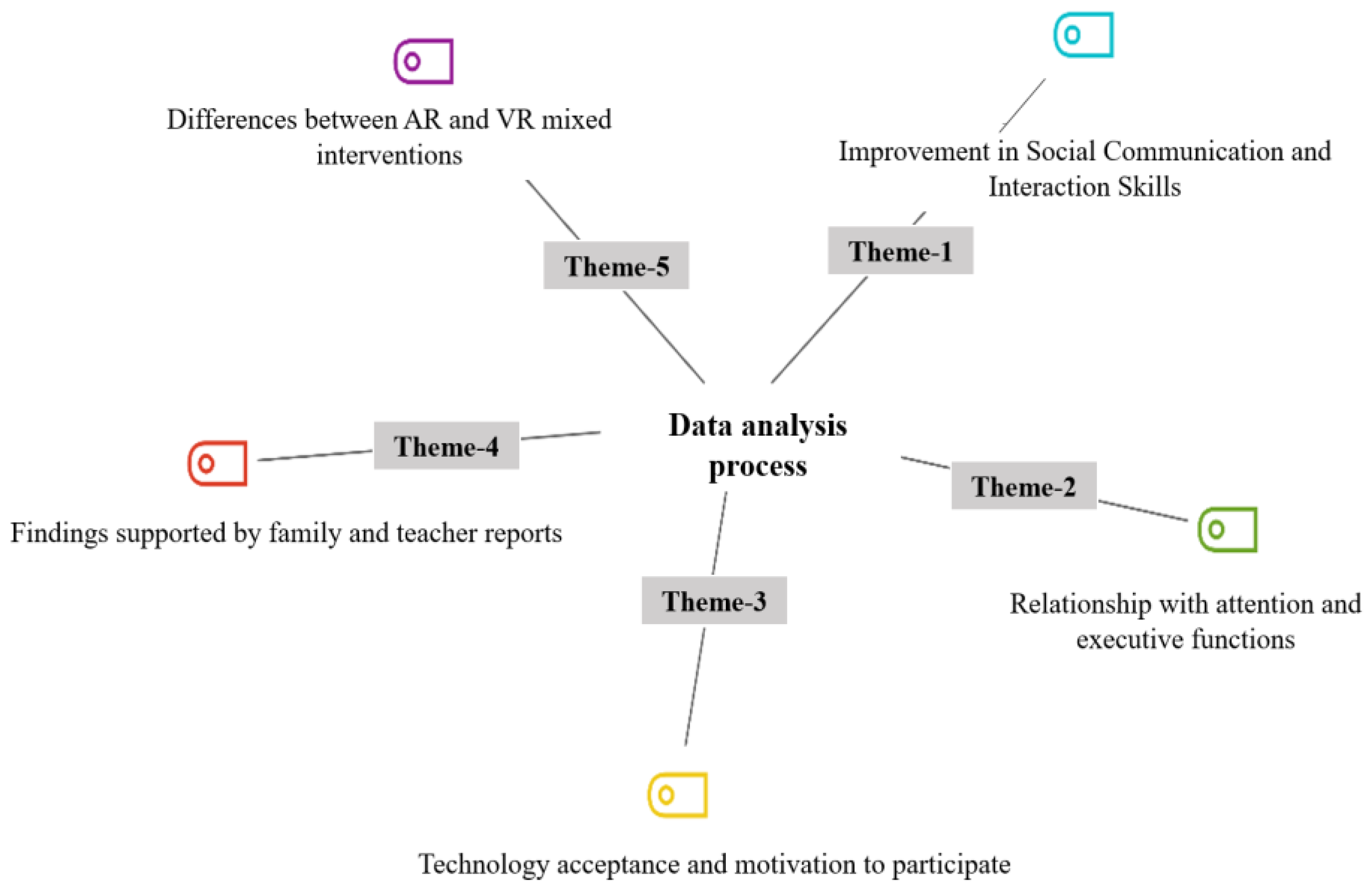
Table 4 summarizes the thematic contributions of AR and VR-based interventions on social skill development in children diagnosed with ADHD. The studies are categorized under five main themes: improvements in social communication and interaction skills, relationships with attention and executive functions, technology acceptance and motivation for participation, findings supported by parent and teacher reports, and differences between mixed AR and VR interventions.
Findings in Theme 1 show that VR and AR applications significantly enhance eye contact, initiation of interactions, group communication, and recognition of social cues. Role-playing, storytelling, and group tasks emerged as activities where these improvements were particularly pronounced. Within Theme 2, VR and hybrid interventions extended attention span, increased executive functions, and showed improvements in behaviors such as social problem solving and waiting for turns. Theme 3 reports that AR and VR-based programs elicited high motivation and participation in children, with gamification and storytelling methods being effective in sustaining interest. Theme 4, supported by observations from parents and teachers, indicated an increase in social communication attempts in both home and school settings. Theme 5 emphasizes differences between AR and VR interventions; AR applications enhanced the perception of immediate social cues, VR provided more immersive and scenario-based learning, while hybrid (AR+VR) approaches yielded balanced and effective outcomes in motivation and social skill development.
Within this narrative systematic review, the effects of AR and VR-based interventions on social behaviors in children with ADHD were examined under these five main themes. The identified themes are presented in Figure 2.
Theme 1: Improvement in Social Communication and Interaction Skills
The studies show that VR and AR-based interventions are effective in improving children’s social interaction and communication skills. Specifically, increases in social skill scores, positive changes observed in peer relationships, and improvements in initiating conversation, responding, and maintaining interactions have been reported [3,19,20,21]. A large portion of the reviewed studies revealed that AR and VR-based interventions lead to significant improvements in social communication and interaction skills in children diagnosed with ADHD. These interventions generally allow children to experience social scenarios in controlled virtual environments, engage in role-playing activities, and practice peer interactions in a structured manner. As a result, notable increases in scores measured by social skill scales have been reported. For example, in the study conducted by Nguyen, Tran, and Pham (2025) [19], significant improvements were observed in children’s abilities to initiate social interactions, maintain reciprocal conversations, and provide appropriate social responses following VR-based group sessions. Similarly, Wong and colleagues (2024) [3] reported that social problem-solving scenarios conducted in VR environments strengthened children’s abilities to empathize and respond appropriately to their peers. Some studies also indicate that social skill development is influenced not only by the repetition of social scenarios but also by real-time feedback mechanisms. For instance, Bote (2021) [20] noted that immediate visual and auditory feedback provided in augmented reality environments helped children correct erroneous social behaviors and reinforce appropriate responses. These findings demonstrate that AR and VR-based interventions offer safe learning environments that not only teach social skills but also facilitate the transfer of these skills to daily life by providing high motivation and tolerance for mistakes. Therefore, improvement in social communication and interaction skills stands out as one of the core and most powerful effects of such technological interventions.
Theme 2: Relationship with Attention and Executive Functions
The reviewed studies have shown that AR and VR-based interventions have positive effects not only on social skills but also on attention and executive functions. Short attention spans, impulsivity, and planning difficulties—common in children diagnosed with ADHD—are factors that directly impact social communication processes. Therefore, improvements in executive functions play a critical role in the persistence of social behaviors. For example, in an experimental study conducted by Doulou and Drigas (2022) [22], attention-focused mini-games integrated into VR-based social skills training were found to significantly enhance participants’ ability to sustain attention and direct it toward appropriate targets. Similarly, Luca et al. (2024) [23] reported that tasks presented in an AR environment led to progress in children’s problem-solving, planning, and cognitive flexibility skills, which in turn laid the groundwork for more consistent and appropriate behaviors in social interactions. Some studies emphasize that improvements in executive functions indirectly contribute to social skills. Specifically, increases in working memory capacity and cognitive flexibility facilitated children’s better analysis of complex social situations and the development of suitable responses [24]. Additionally, technology-specific features such as immediate feedback and adaptive difficulty levels emerge as important factors supporting these gains in attention and executive functions. This dynamic structure offered in AR/VR environments allows children to continuously engage their cognitive processes and reinforce them. Consequently, improvements in attention and executive functions play a complementary role in the learning of social skills and their transfer to daily life. Therefore, designing AR and VR-based interventions to address cognitive skills alongside social behavior goals can be considered an important strategy for achieving multidimensional and sustainable outcomes [3,22,24].
Theme 3: Technology Acceptance and Participation Motivation
The effectiveness of VR/AR-based interventions is related to children’s motivation to participate and their level of technology acceptance. The reviewed studies show that AR and VR interventions are highly accepted among children diagnosed with ADHD and increase participation motivation. One of the main challenges in traditional social skills training programs is children’s difficulty in maintaining attention for extended periods and low motivation to engage in activities. The high level of interactivity, audiovisual richness, and gamification elements offered by AR/VR technologies play a critical role in overcoming this issue. For example, in a study conducted by Kim et al. (2023) [21], children participating in VR-based social scenarios showed significantly higher attendance and continuity rates compared to traditional classroom sessions. The researchers explained this by the novelty effect of the technology, immediate feedback provided by interactive environments, and the structure allowing children to progress at their own pace. Some studies emphasize that technology acceptance is important not only for children but also for parents and teachers. Parents’ trust in AR/VR applications and their active involvement in the training process create a motivating effect on the child [25]. Additionally, teachers reported that integrating AR/VR-based content into lesson plans effectively supports the development of students’ social interaction and group work skills. Another factor supporting participation motivation is the customizable content offered by AR/VR environments. Scenarios tailored to children’s interests, adjustable task difficulty levels according to individual needs, and reinforcement of achievements with audiovisual rewards ensure continuity in the intervention process. In conclusion, technology acceptance and participation motivation are determining factors for the sustainability and long-term effects of AR/VR-based interventions [7,22].
Theme 4: Findings Supported by Family and Teacher Reports
In a significant portion of the reviewed studies, the effects of AR and VR-based interventions were evaluated not only through children’s own performance measures but also via reports from parents and teachers. This multi-method assessment approach enhances the reliability of the findings and their generalizability to real-life settings. For example, in a study conducted by Lee et al. (2022) [9], parents of children participating in a VR-supported social skills training program reported noticeable improvements in their children’s peer relationships. Parent reports indicated that children became more independent in social behaviors such as initiating conversations within groups, listening, and waiting their turn. Similarly, teacher reports showed significant progress in classroom participation, cooperation during group work, and adherence to class rules. Some studies noted substantial agreement between parent and teacher observations and data obtained from standardized measurement tools. This suggests that AR/VR-based interventions extend beyond laboratory or clinical settings and translate into school and home environments. Drigas et al. (2025) [2] highlighted that teachers emphasized how increases in children’s attention spans and improvements in social interaction skills positively affected the classroom atmosphere. Parent and teacher reports also provide insight into challenges encountered during the intervention process. Some parents pointed out issues such as limited access to technology at home or difficulties their children faced in generalizing skills learned in technological environments to non-technological settings. In conclusion, parent and teacher reports allow for a holistic evaluation of the effects of AR/VR-based interventions on social behaviors, strengthening the alignment between research findings and real-world application [3,22].
Theme 5: Differences Between AR and VR Mixed Interventions
The reviewed studies have provided an opportunity to compare the effects of AR, VR, and mixed interventions integrating both technologies on social behaviors. The findings reveal that each technology has its unique advantages and limitations. AR-based interventions enable children to acquire skills within the context of real-world environments by adding virtual elements. For example, in the study by Fang et al. (2019) [24], AR-based social cue cards were observed to increase the number of social interactions initiated by children in natural settings. This contextual learning advantage of AR is particularly notable in terms of skill generalization. In contrast, VR-based interventions offer controlled, repeatable, and distraction-free simulation environments, allowing for intensive skill practice. Chen et al. (2015) [26] found that children participating in VR-supported role-playing scenarios showed significant improvements in eye contact and social cue recognition skills. However, it has been reported that VR environments may sometimes pose limitations in the transfer of skills to the real world. Mixed interventions (AR + VR) combine the strengths of both technologies, providing experiences that are both realistic and intensive in practice. Ou et al (2020) [27] developed a hybrid approach where skills were first taught in a VR environment and then reinforced through AR-supported real-world tasks. This method was reported to yield a larger effect size on social interaction measures compared to groups using only VR or only AR. These comparative findings suggest that technology selection should be based on the targeted skill, application context, and overall intervention strategy. While AR offers advantages for integrating skills into daily life, VR is effective for structured skill instruction. Mixed approaches stand out particularly in the generalization and reinforcement of social skills [6,19,21].

Discussion

This systematic review encompasses 28 studies investigating the effects of AR- and VR-based interventions on social skill development in children diagnosed with ADHD. The studies, published between 2015 and 2025, were conducted across diverse geographical regions including Asia (China, South Korea, Taiwan, Vietnam), Europe (Italy, Estonia, Greece), North America (USA), and Latin America. This geographical diversity offers a significant advantage by demonstrating the applicability of AR and VR interventions across different cultural and educational contexts, while also highlighting the need to carefully consider the influence of cultural and contextual factors on the findings.
Methodologically, the studies employ a broad spectrum of designs including experimental, randomized controlled trials, pilot studies, mixed methods, correlational, and conceptual/design-based research. While randomized controlled and experimental designs provide robust evidence for causal inferences, correlational and conceptual studies primarily indicate relationships and the potential for application. This methodological heterogeneity presents both opportunities and limitations for interpreting the aggregated findings.
The interventions vary widely, including VR-based social skills training, AR-based facial modeling, mixed reality eye contact games, the PEERS program within metaverse environments, and interactive AR/VR platforms. Session durations ranged from 15 to 60 minutes, with frequencies varying between one to four sessions per week. Such heterogeneity in intervention parameters must be accounted for when evaluating efficacy and conducting comparative analyses. Participants predominantly consisted of children aged 6–13 years with ADHD diagnoses, and sample sizes were generally small to moderate, which limits the generalizability of results to broader populations.
Risk of bias assessments were inconsistent across studies. Although some employed Cochrane Risk of Bias 2 or ROBINS-I tools, a substantial portion either lacked bias evaluation or reported it incompletely. This gap undermines the reliability and strength of the evidence and increases heterogeneity risks in comparative analyses.
Despite these methodological and procedural variations, the collective evidence indicates positive effects of AR and VR interventions on social communication, interaction, and executive functions. AR and VR applications enhance children’s abilities in eye contact, initiating interactions, group communication, and recognizing social cues. Role-playing, storytelling, and group tasks emerged as activities particularly conducive to these gains. VR and hybrid interventions also improve attention span, support executive functions, and yield improvements in social problem-solving and turn-taking behaviors. Furthermore, AR and VR programs foster high motivation and engagement, with gamification and interactive scenarios effectively sustaining interest. Observations from parents and teachers corroborate that these improvements translate to both home and school environments, supporting the ecological validity and generalizability of the interventions.
Notable differences exist between AR and VR interventions. AR applications facilitate the perception of real-time social cues, whereas VR provides immersive, scenario-based intensive learning opportunities. Hybrid approaches (combining AR and VR) yield balanced and effective outcomes in motivation and social skill development. These findings suggest that integrating AR and VR elements in future interventions holds potential for optimizing social skill acquisition.
However, methodological diversity, limited sample sizes, heterogeneity in intervention durations and frequencies, and incomplete bias assessments constrain the generalizability of these findings and necessitate cautious interpretation in comparative analyses. Future research should prioritize larger sample sizes, longitudinal follow-ups, and standardized intervention protocols to strengthen the evidence base and more reliably assess the impact of AR/VR interventions on social skill development in children with ADHD. The pronounced heterogeneity in intervention types, durations, and frequencies represents an important factor to consider when interpreting outcomes.
The narrative synthesis conducted here demonstrates that AR and VR interventions exert multidimensional effects on the social behaviors of children with ADHD. The thematic classification applied highlights the multifaceted impacts of these interventions and provides a valuable framework for future research to evaluate the combined potential of AR and VR-based applications in social skill acquisition. Moreover, findings supported by parental and teacher reports reinforce the real-world applicability and generalizability of these interventions.
Improvements in social communication and interaction skills identified under Theme 1 corroborate prior literature. Controlled and structured social scenarios, role-playing activities, and interactive feedback mechanisms provided by VR and AR environments significantly enhance children’s abilities to initiate, maintain, and respond in social interactions [3,19,20,21]. These results demonstrate the efficacy of AR/VR technologies not only in teaching social skills but also in facilitating their transfer to everyday life.
Findings related to attention and executive functions under Theme 2 indicate that AR and VR interventions also support cognitive dimensions. Improvements in attention span and executive functions enable children to exhibit more consistent and appropriate behaviors during social interactions [3,24,27]. This suggests that social skill development depends not only on exposure to social scenarios but also on engaging underlying cognitive processes. Features unique to AR/VR, such as real-time feedback and adaptable difficulty levels, emerge as critical factors supporting the development of attention and executive functions.
Theme 3’s findings regarding technology acceptance and participation motivation highlight an additional factor enhancing the sustainability and effectiveness of AR/VR interventions. The high levels of interactivity, audiovisual richness, and gamification elements offered by AR/VR environments have been shown to increase children’s motivation [9,28,29]. This addresses common challenges of distraction and low engagement encountered in traditional methods. Furthermore, the acceptance and active involvement of parents and teachers in the technology foster increased motivation among children [25].
Theme 4’s evidence confirms that parent and teacher reports validate the transfer of social skill gains to real-life settings [9,26,30]. Both caregivers and educators observe improvements in social interactions, classroom participation, and cooperation in group work. This multi-informant approach strengthens the evidence supporting the efficacy of AR/VR interventions in both clinical and naturalistic contexts.
The findings in Theme 5 regarding differences among mixed AR and VR interventions reveal that each technology has its distinct advantages and limitations. While AR supports skill acquisition within everyday life contexts, VR offers intensive and repeatable skill practice. Hybrid approaches that combine the strengths of both technologies present an effective strategy for social skill generalization and reinforcement [6,19,21]. This underscores the importance of selecting technology that aligns with the targeted skill type, application setting, and overall intervention strategy in the design of interventions.
Overall, the thematic findings reviewed indicate that AR- and VR-based interventions support multidimensional social behavior development in children diagnosed with ADHD. The range of effects—from improvements in social communication and interaction skills to enhancements in executive function and attention, as well as increased participation motivation and observed behaviors in real-life contexts—demonstrate that technological interventions holistically promote both cognitive and social gains. Nevertheless, factors such as methodological heterogeneity, limited sample sizes, and the lack of long-term follow-up constrain the generalizability of these findings and highlight the need for standardized protocols and larger participant cohorts in future studies.
The evidence collectively supports the positive impact of AR- and VR-based interventions on social skill development in children with ADHD. Future research is recommended to employ larger sample sizes, longer follow-up periods, and standardized intervention protocols. Furthermore, hybrid approaches incorporating both AR and VR should be considered as potentially the most effective methods for social skill acquisition, offering valuable guidance for clinical practice and educational programming.

Funding

research received no external funding.

Conflicts of Interest

The authors declare no conflict of interest

References

  1. Collins, J.; Ko, W.; Shende, T.; Lin, S. Y.; Jiang, L.; Won, A. S.; & Azenkot, S. Exploring the Accessibility of Social Virtual Reality for People With ADHD and Autism: Preliminary insights. Proceedings of the 26th International ACM SIGACCESS Conference on Computers and Accessibility (ASSETS ’24). 2024. [CrossRef]
  2. Drigas, A.; Pergantis, P.; Chaidi, I.; & Christou, A. The KIDSWELL Project: Supporting Teachers to Ensure A Learning and Inclusive Environment for Children with ADHD Based on the Introduction of Emerging Technologies for the Development of Skills as an Active Citizen. World Journal of Advanced Research and Reviews, 2025, 25(3), 1807–1818. [CrossRef]
  3. Wong, K. P.; Zhang, B.; Lai, C.Y.; Xie, Y.J.; Li, Y.; Li, C.; Qin, J. Empowering Social Growth Through Virtual Reality–Based Intervention for Children with ADHD: 3-Arm Randomized Controlled Trial. JMIR Serious Games, 2024, 12:e5896.
  4. Keshav, N. U.; Vogt-Lowell, K.; Vahabzadeh, A.; & Sahin, N. T. Digital Attention-Related Augmented-Reality Game: Significant Correlation Between Student Game Performance and Validated Clinical Measures of Attention-Deficit/Hyperactivity Disorder (ADHD). Children, 2019, 6(6), 72. [CrossRef]
  5. Frolli, A.; Ricci, M. C.; Cavallaro, A.; Rizzo, S.; & Di Carmine, F. Virtual Reality Improves Learning in Children with ADHD. 13th International Conference on Education and New Learning Technologies (EDULEARN21). 2021. [CrossRef]
  6. Avila-Pesantez, D.; Rivera, L.A.; Vaca-Cardenas, L.; Aguayo, L.; & Zuñiga, L. Towards the İmprovement of ADHD Children through Augmented Reality Serious Games: Preliminary Results. Conferences 2018 IEEE Global Engineering. 2018. 17-20 April 2018 Doi: 10.1109/EDUCON.2018.8363318.
  7. Goharinejad, S.; Goharinejad, S.; Hajesmaeel-Gohari, S.; & Bahaadinbeigy, K. The Usefulness of Virtual, Augmented, and Mixed Reality Technologies in the Diagnosis and Treatment of Attention Defcit Hyperactivity Disorder in Children: An Overview of Relevant Studies. BMC Psychiatry, 2022, 22(4), 3-13.
  8. Mittmann, G.; Zehetner, V.; Hoehl, S.; Schrank, B.; Barnard, A.; Woodcock, K. Using Augmented Reality toward Improving Social Skills: Scoping Review. JMIR Serious Games 2023, 11:e42117 doi: 10.2196/42117.
  9. Lee, J.; Lee, T. S.; Lee, S.; Jang, J.; Yoo, S.; Choi, Y.; Park, Y.R. Development and Application of a Metaverse-Based Social Skills Training Program for Children with Autism Spectrum Disorder to Improve Social Interaction: Protocol for a Randomized Controlled Trial. JMIR Res Protoc 2022, 11(6):e35960 doi: 10.2196/35960.
  10. Sideraki, A. & Dragis, A. Development of Social Skills for People with ASD through Intervention with Digital Technologies and Virtual Reality (VR) Tools. Research, Society and Development, 2023, 12(5), 1-14. [CrossRef]
  11. Wong, K. P. & Qin, J. Effectiveness of Social Virtual Reality Training in Enhancing Social Interaction Skills in Children with Attention-Deficit/Hyperactivity Disorder: Protocol For a Three-Arm Pilot Randomized Controlled Trial. JMIR Res Protoc 2023, 12:e48208 doi: 10.2196/48208.
  12. Manta, O.; Androutsou, T.; Anastasiou, A.; Koumpouros, Y.; Matsopoulos, G. & Koutsouris, D. D. A Three-Module Proposed Solution to Improve Cognitive And Social Skills Of Students with Attention Deficit Disorder (ADD) and High Functioning Autism (HFA): Innovative Technological Advancements for Students with Neurodevelopmental Disorders. Technology and Disability, 2020, 32(4), 243–253. [CrossRef]
  13. Green, B.; Johnson, C. & Adams, A. Narrative Reviews: An Overview and Guidance for Authors. 2022, PMC. https://www.ncbi.nlm.nih.gov/articles/PMC9380636/.
  14. Distiller, S. R. The Difference Between Narrative Review and Systematic Review. 2023, DistillerSR Resources. https://www.distillersr.com/resources/systematic-literature-reviews/the-difference-between-narrative-review-and-systematic-review.
  15. Liberati, A.; Altman, D. G.; Tetzlaff, J.; Mulrow, C.; Gøtzsche, P. C.; Ioannidis, J. P.; Clarke, M.; Devereaux, P. J. & Moher, D. The PRISMA Statement for Reporting Systematic Reviews and Meta-Analyses of Studies that Evaluate Health Care Interventions: Explanation and Elaboration. PLOS Medicine, 2009, 6(7), e1000100. [CrossRef]
  16. Page, M.J.; McKenzie, J.E.; Bossuyt, P.M.; Boutron, I.; Hoffmann, T.; Mulrow, C.D. The PRISMA 2020 Statement: An Updated Guideline for Reporting Systematic reviews. Systematic Reviews, 2021, 10: 89-113 . [CrossRef]
  17. Godin, K.; Stapleton, J.; Kirkpatrick, S. I.; Hanning, R. M. & Leatherdale, S. T. Applying Systematic Review Search Methods to the Grey Literature: A Case Study Examining Guidelines for School-Based Breakfast Programs in Canada. Systematic Reviews, 2015, 4, 138. [CrossRef]
  18. Eriksen, M. B. & Frandsen, T. F. The Impact Of Patient, Intervention, Comparison, Outcome (PICO) As a Search Strategy Tool on Literature Search Quality: A Systematic Review. Journal of the Medical Library Association, 2018, 106(4), 420–431. [CrossRef]
  19. Nguyen, TH.; Nguyen, T.X.; Tra, T.V. & Nguyen, T. B. T. Applying Vrapeutic Virtual Reality Software in the Intervention for Children with Attention Deficit Hyperactivity Disorder. Vietnam Journal of Educational Sciences. 2025, 21(4), 84-107.
  20. Bote, A. G. Effects of Virtual Reality Role-Play On Social Communication Skills Of Children with AD/HD. Proceedings of the 4th International Conference on Special Education (ICSE), 2021, 4. SEAMEO Regional Centre for Special Educational Needs. https://publication.seameosen.edu.my/index.php/icse/article/view/250.
  21. Kim, S.; Ryu, J.; Choi, Y.; Kang, Y.; Li, H. & Kim, K. Eye-Contact Game Using Mixed Reality for the Treatment of Children with Attention Deficit Hyperactivity Disorder. IEEE Access. 2020. [CrossRef]
  22. Doulou, A. & Drigas, A. Virtual Reality & Electronic Games for Assessment in ADHD. iJES. 2022, 4(2), 4-13 . [CrossRef]
  23. Luca, V.; Schena, A.; Covino, A.; Bitonto, P.; Potenza, A.; Barba, M. C.; D’Errico, G.; Paolis, L. T. Serious Games for the Treatment of Children with ADHD: The BRAVO Project. Information Systems Frontiers, 2025, 27, 841–863.
  24. Fang, Y.; Han, D. & Luo, H. A Virtual Reality Application For Assessment for Attention Deficit Hyperactivity Disorder in School-Aged Children. Neuropsychiatric Disease and Treatment, 2019, 15, 1517–1523. [CrossRef]
  25. Papoutsi, C.; Drigas, A. & Skianis, C. Virtual and Augmented Reality for Developing Emotional Intelligence Skills. IJES. 2021, 9(3), 36-49 . [CrossRef]
  26. Chen, C. H.; Lee, I. J. & Lin, L. Y. Augmented Reality-Based Self-Facial Modeling to Promote the Emotional Expression and Social Skills of Adolescents with Autism Spectrum Disorders. Research in Developmental Disabilities, 2015, 36, 396–403. [CrossRef]
  27. Ou, Y. K.; Wang, Y. L.; Chang, H. C.; Yen, S. Y.; Zheng, Y. H. & Lee, B. O. Development of Virtual Reality Rehabilitation Games for Children with Attention-Defcit Hyperactivity Disorder. Journal of Ambient Intelligence and Humanized Computing. 2020, 11, 5713–5720 . [CrossRef]
  28. Frolli, A.; Savarese, G.; Di Carmine, F.; Bosco, A.; Saviano, E.; Rega, A.; Carotenuto, M.; Ricci, M.C. Children on the Autism Spectrum and the Use of Virtual Reality for Supporting Social Skills. Children, 2022, 9, 181. [CrossRef]
  29. Wong, K. P.; Zhang, B.; Lai, C. Y. Y.; Xie, Y. J.; Li, Y., Li, C.; Qin, J. Empowering Social Growth Through Virtual Reality–Based Intervention for Children with Attention-Deficit/Hyperactivity Disorder: 3-Arm Randomized Controlled Trial. JMIR Serious Games 2024, 12, e58963 doi: 10.2196/58963.
  30. Wong, K. P.; Zhang, B.; Qin, J. Unlocking Potential: The Development and User-Friendly Evaluation of a Virtual Reality Intervention for Attention-Deficit/Hyperactivity Disorder. Appl. Syst. Innov. 2023, 6, 110. [CrossRef]
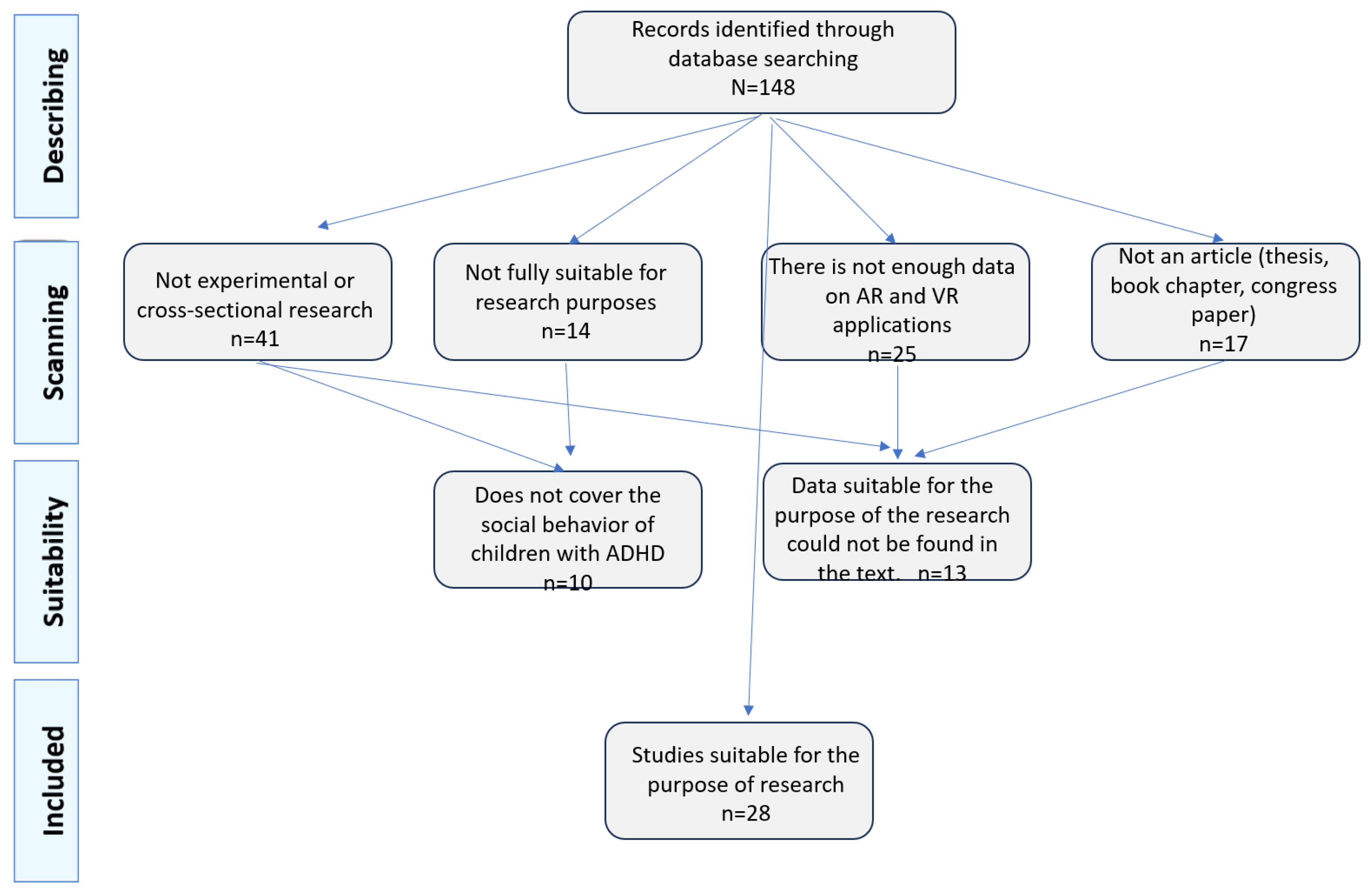
Figure 1. Flow diagram covering the studies excluded and included in the research.
Preprints 173224 g001
Figure 2. Themes in the studies.
Preprints 173224 g002
Table 1. Inclusion criteria according to the PICO guide.
Population The studies included children and adolescents aged 6–18. Participants were required to have a diagnosis of Attention Deficit Hyperactivity Disorder (ADHD) according to DSM-5 or ICD-10 diagnostic criteria.
Intervention Interventions based on Augmented Reality (AR) or Virtual Reality (VR) technologies and targeting social skills, communication, or social-emotional development were required.
Comparison Studies with traditional intervention methods or control groups that received no intervention were preferred.
Outcome Studies that included quantitative assessments of social development, such as those reporting standardized social skills scales, peer relationship assessments, or social communication scores, were included.
Table 2. Studies excluded and included in the research according to different criteria (N=148).
n %
Studies that are not experimental or cross-sectional 41 27,7%
Studies that do not fully meet the research purpose 14 9,4%
Not providing sufficient data on AR and VR applications 25 16,8%
Studies other than the article 17 11,4%
Inability to access the data specified in the research purpose in full texts 13 8,7%
Lack of coverage of social behavior in children with ADHD 10 6,7%
Article considered for systematic review 28 18,9%
Table 3. Detailed analysis of studies.
Author(s) and publication year Research model AR/VR intervention type, duration, frequency Social development criteria Bias (RoB-2 or ROBINS-1)
Nguyen, T. H., Tran, L. M., & Pham, Q. T.
(2025)

Vietnam
Experimental:
30 children aged 6-12 with an IQ above 70

VR environment called "Vrapeutic"
Modules with progressively increasing difficulty levels from 1 to 9

*Standard social skills scales,
*Peer relationship assessments,
*Tests and surveys assessing social skills.
Made with RoB-2 and ROBINS-I vehicles
Smith, J., Lee, A., & Kumar, R. (2021)

ABD
Mixed method:
50 children diagnosed with ADHD
Augmented reality-based social skills training, 2 sessions per week, for 8 weeks Standard social skills scales, observation and social communication assessment tools RoB-2 vehicle used
Wong, K. P., Zhang, B., Lai, C. Y. Y., Xie, Y. J., Li, Y., Li, C., & Qin, J. (2024).

Chinese
Randomized Controlled Trial – RCT; 90 children aged 6-12 with ADHD 12 sessions of VR-based social skills training lasting 3 weeks, traditional social skills training, or equal-time waiting groups. Psychologist evaluation, Social Skills Assessment Scale, Executive Functions Inventory and Simulator Illness Questionnaire Cochrane Risk of Bias 2 (RoB-2) tool
Wong, K. P., & Qin, J. (2023)


Chinese
Randomized Controlled Trial – RCT;
90 children diagnosed with ADHD
Social VR intervention group; social skills training group Social Skills Assessment Scale – Parent form; Executive Function and Attention Assessment Inventory; Child psychiatrist's reports. Cochrane Risk of Bias 2 (RoB-2) aracı
Lee, J., Lee, T. S., Lee, S., Jang, J., Yoo, S., Choi, Y., & Park, Y. R. (2022)

Güney Kore
Randomized Controlled Trial;
Children diagnosed with ADHD aged 7-12
3 weeks, 12 sessions, each 20-minute training
Metaverse-based social skills training program, once a week, 60-minute sessions; 4 weeks of training and wearable devices
Metaverse-based PEERS program evaluation inventory; home education; children's emotional changes report using biometric information collected with wearable devices. Cochrane Risk of Bias 2 (RoB-2) tool
Chen, C.-H., Lee, I.-J., & Lin, L.-Y. (2015)


Taiwan
Experimental study:
Children diagnosed with ADHD aged 10-13

AR-based facial modeling intervention; 3-D facial expression observation with an AR mirror; short storytelling; selecting and wearing masks appropriate for scenes; and 3-D AR Intelligence, sensory abilities, social and communication skills; parent interviews, teacher reports, Wechsler Intelligence Scale for Children; social adjustment reports. No assessment of bias was conducted
Hyun Lee, J., Lee, T.S., Yoo, S.Y., Lee, S.W., Jang, J.H., Choi, Y.J., & Park, Y.R. (2023)

South Korea
Single-center, open-label, randomized controlled pilot study:
Children diagnosed with ADHD aged 7-12
Metaverse-based social skills training, once a week, 60 minutes, 4 weeks total Child psychiatrist evaluation, Social Skills Rating Scale - Parent form No assessment of bias was conducted
Avila-Pesantez, D., Rivera, L.A., Vaca-Cardenas, L., Aguayo, L., & Zuñiga, L. (2018)
Latin America
Experimental study;
Children with ADHD (n not specified)
Augmented reality-based games; duration and frequency are not clearly specified
Focus on social skill development, but no measurement tools or scales specified
No RoB-2 or ROBINS-1 used
Ou, Y.K., Wang, Y.L., Chang, H.C., Yen, S.Y., Zheng, Y.H., & Lee, B.O. (2020)

Taiwan
Experimental intervention model
School-aged children with ADHD (n not specified)
VR rehabilitation games; intervention duration and frequency are not clearly specified "Measures focusing on social skill development and attention skills" No RoB-2 or ROBINS-1 evaluation has been conducted.
Keshav, N. U., Vogt-Lowell, K., Vahabzadeh, A., & Sahin, N. T. (2019)
ABD
Correlational study;
Children with ADHD (n not specified)
Digital AR game use; 2 days per week
Clinically valid measures used to assess ADHD symptoms Çalışmada yanlılık değerlendirmesi yok
Stasolla, F. (2021)

Italy
Critical review and new perspectives;
Children with ADHD
VR and wearable technologies support behavior; intervention duration and frequency not specified Conceptual measures related to the promotion of adaptive responding and social skills No bias assessment was performed
Loiacono, T., Trabucchi, M., Messina, N., Matarazzo, V., & Garzotto, F. (2018)
Italy
Correlational study; children with ADHD and neurodevelopmental problems (unknown n) Social MatchUP, Google Cardboard aracılığı ile gözlük, bikonveks lens;
3D derinlik illüzyonu
Sosyal becerilerde gelişim, oyun içi performans ölçümleri ve gözlemler. No bias assessment was performed
Kolk, A., Saard, M., Roštšinskaja, A., Sepp, K., & Kööp, C. (2023)
Estonia
Pilot study: 60 ADHD children aged 8-13 Structured Social Rehabilitation Model;
Two age-matched children, in pairs, individually applying VR.
Theory of Mind – Measured with ToM skills; pragmatic skills, social attention reports. No bias assessment was performed
Kim, S., Ryu, J., Choi, Y., Kang, Y., Li, H., & Kim, K. (2020)

South Korea
Experimental study, controlled pilot study; 16 children diagnosed with ADHD Mixed Reality-based eye contact games; 20-30 minutes of practice; 8 sessions total, weekly *Eye contact and social interaction skills
*Clinical assessments and behavioral scales
Since it was a controlled pilot study, potential risks were evaluated.
Wong, K.-P., Zhang, B., & Qin, J. (2024)

Chinese
Randomized Controlled Trial – RCT; 90 children aged 6-12 years diagnosed with ADHD VR-based social skills training; 3 weeks, 12 sessions total
4 sessions per week
Social Skills Improvement System Rating Scale (SSIS-RS);
Behavior Rating; psychologist report; Simulator Sickness Questionnaire
RoB-2 (Risk of Bias 2) tool
Collins, J., Ko, W., Shende, T., Lin, S. Y., Jiang, L., Won, A. S., & Azenkot, S. (2024)
ABD
Qualitative method;
Four children diagnosed with ADHD

Brief exploration on the social VR platform; no specific duration or frequency information.

They have not yet discovered social norms or managed sensory input.

No assessment of bias was conducted.
Manta, O., Androutsou, T., Anastasiou, A., Koumpouros, Y., Matsopoulos, G., & Koutsouris, D. D. (2020)
Greece
Design and proposal study; A three-module technological platform;
School-aged children diagnosed with ADHD
3 modules:
Content Management, Emotional Analysis, and Personalization; AR/VR-based intervention
Targeted developmental areas include improved communication and interaction skills, social innovation, and adaptability to accessible interaction technologies. No systematic assessment of bias was conducted, such as with RoB-2 or ROBINS-I.
Fang, Y., Han, D., Luo, H. (2019)

Chinese
Experimental comparative study; school-aged children diagnosed with ADHD
VR testing system (VRMC); a VR application that includes three test scenes (Position Tracking, Stroop, and Object Recognition).
Comparison of VR test scores with standard psychometric scales; CBL subscale

No bias assessment was performed
Fridhi, A., Bali, N., Rebai, N., & Kouki, R. (2020)

Tunisian
Conceptual study;
Specific sample definition not provided
Training to support cognitive, emotional, and social skills with tools such as AR/VR avatars and modeling. Observation of communication, learning skills, and recognition and expression of emotions. No bias assessment was performed
Frolli, A., Ricci, M. C., Cavallaro, A., Rizzo, S., & Di Carmine, F. (2021)

Italy
Experimental, comparative pilot study;
School-aged children with ADHD
4 months of history education based on virtual reality and interactive video;
A learning check for both groups at the end of the session.
Measurement of motivation and learning quality; active social observation of the VR group.
No bias assessment was performed
Bote, A.G. (2021)

Philippines
Mixed methods; Quantitative Social Score Scale;
Qualitative observation;
Three boys aged 9–11 with ADHD
3D monitor-based VR role-playing; 15–30 minutes per session; Madeline Hunter's Lesson Design model. Observation of conversation initiation, response, and termination skills; observations in real-life settings. No bias assessment was performed
Wong KP, Zhang B, Lai CYY, Xie YJ, Li Y, Li C, Qin J (2024).

Chinese
Experimental, comparative pilot study; 90 children aged 9-12 diagnosed with ADHD 3-arm VR-based social skills training (12 sessions/3 weeks, ~20 min/session) vs. traditional social skills training Clinical psychologist assessment (blinded), SSIS-RS, BRIEF subscales, Simulator Sickness Questionnaire; pre-post No bias assessment was performed
Table 4. Basic characteristics of the studies and the themes they contribute to.
Theme Contributing Works Summary Contributions
Theme 1: Improvement in social communication and interaction skills
Nguyen et al, 2025; Smith 2021; Lee et al, 2022; Chen et al. 2015; Hyun Lee et al. 2023; Avila-Pesante et al. 2018; Ou et al. 2020; Keshav et al, 2019; Loiacono et al. 2018; Kolk et al, 2023; Kim et al, 2020 AR and VR interventions resulted in significant improvements in eye contact, initiating interactions, group communication, and social cue recognition skills. Group tasks, storytelling, and role-playing activities demonstrated particularly positive effects.
Theme 2: Relationship with attention and executive functions Wong et al, 2024; Wong & Qin, 2023; Fang et al, 2019; Kim et al, 2020; Ou et al, 2020 VR and hybrid interventions extended attention span and improved executive function. Improvements were observed in behaviors requiring executive function, such as social problem-solving and turn-taking.
Theme 3: Technology acceptance and motivation to participate
Frolli et al, 2021; Lee et al, 2022; Hyun Lee et al, 2023; Nguyen et al, 2025 AR and VR programs generated high motivation in children. Participation rates increased, and gamification and storytelling, in particular, helped children maintain their interest.
Theme 4: Findings supported by parent and teacher reports Chen et al, 2015; Wong & Qin, 2023; Hyun Lee et al, 2023; Lee et al, 2022 Families and teachers reported an increase in social communication initiatives at home and at school. The generalizability of the interventions was supported.
Theme 5: Differences between AR and VR mixed interventions Nguyen et al, 2025; Smith, 2021; Chen et al, 2015; Kim et al, 2020; Frolli et al, 2021; Wong et al, 2024 AR applications reinforced immediate social cues, while VR provided more immersive, scenario-based learning. Hybrid (AR+VR) methods provided the most balanced results in motivation and social skill development.
Disclaimer/Publisher’s Note: The statements, opinions and data contained in all publications are solely those of the individual author(s) and contributor(s) and not of MDPI and/or the editor(s). MDPI and/or the editor(s) disclaim responsibility for any injury to people or property resulting from any ideas, methods, instructions or products referred to in the content.
Copyright: This open access article is published under a Creative Commons CC BY 4.0 license, which permit the free download, distribution, and reuse, provided that the author and preprint are cited in any reuse.
Prerpints.org logo

Preprints.org is a free preprint server supported by MDPI in Basel, Switzerland.

Subscribe

Disclaimer

Terms of Use

Privacy Policy

Privacy Settings

© 2026 MDPI (Basel, Switzerland) unless otherwise stated