

Submitted:
18 August 2025
Posted:
19 August 2025
You are already at the latest version
Abstract
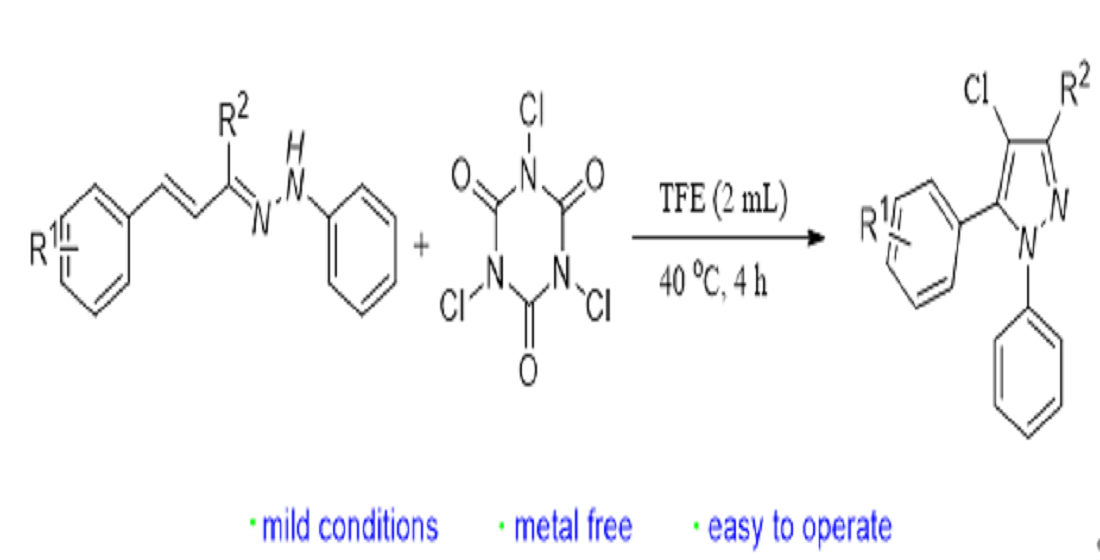
A new method for synthesis of various of 4-chloropyrazoles through the direct cyclization/chlorination of hydrazines by using 1,3,5-trichloroisocyanuric acid (TCCA) as both oxidant and chlorinating agent under mild conditions has been proposed. Based on the detailed optimization of the reaction conditions, the substrate generality has been investigated and the yields of the desired products is up to 92% .
Keywords:
cyclization/chlorination
; pyrazoles
; TCCA
1. Introduction
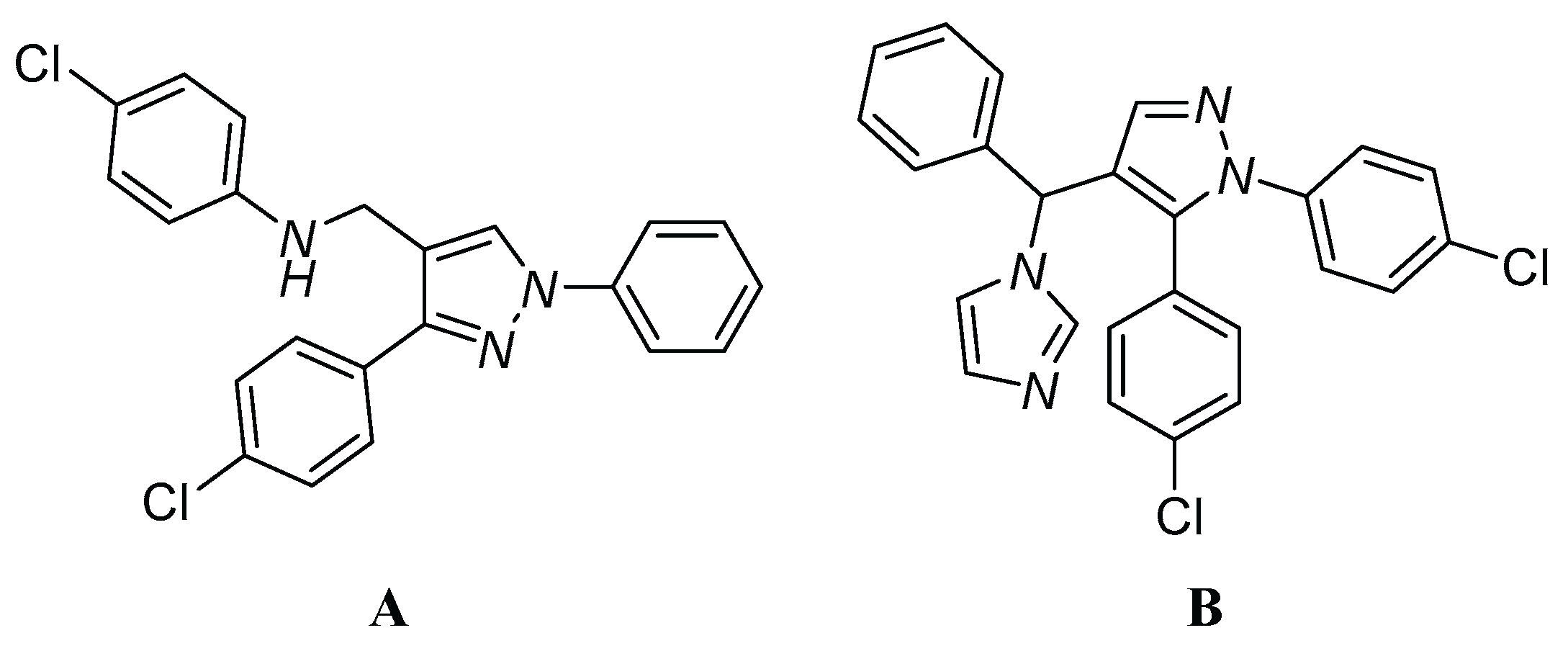
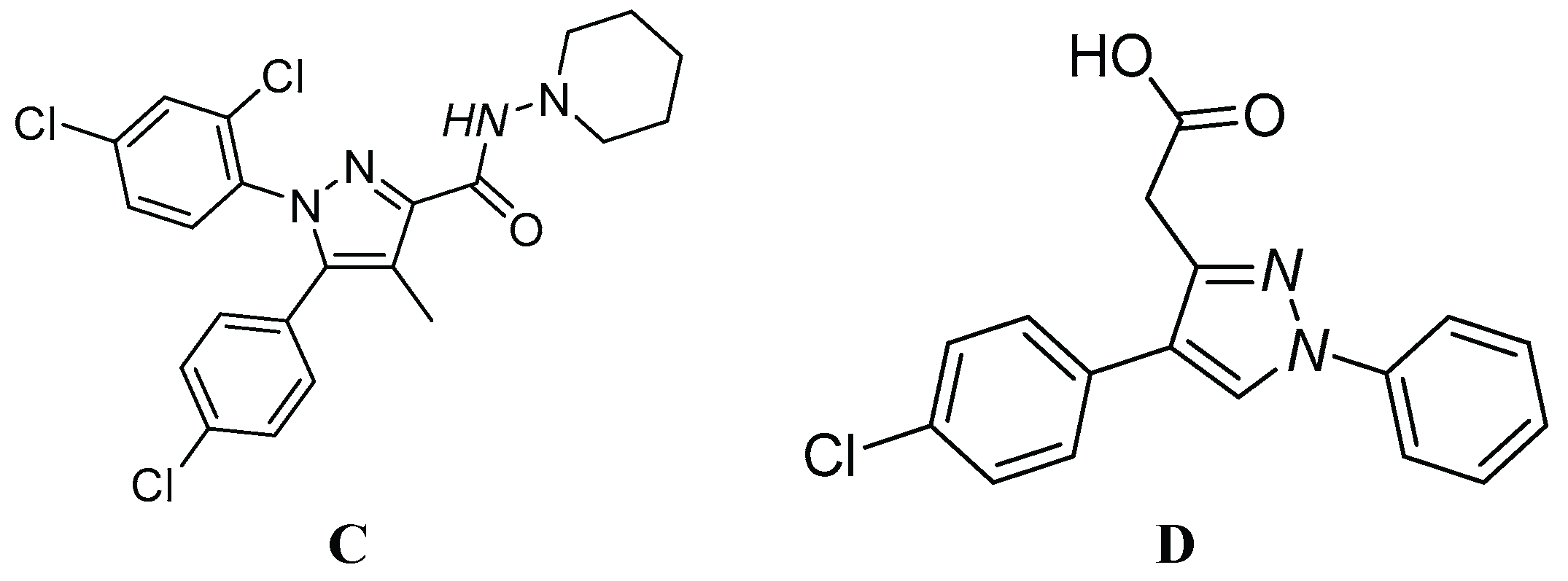
Pyrazoles and its derivatives are of particular importance in organic chemistry and pharmaceutical chemistry [1]. As important heterocyclic compounds, pyrazoles exibit significant biological properties such as antimicrobial [2], anticancer [3], analgesis [4], antihyperglycemic [5] activity. In organic chemistry they could be used as intermediate to synthesis dyes, materials, medicines, etc [6]. Moreover, they also have wide applications in medical treatment [7], agricultural chemicals [8] and inhibitors [9]. A great of pyrozole’s derivatives have been uncovered with excellent bioactivities, and several classical examples are summarized in Figure 1. 4-chloro-N-((3-(4-chlorophenyl)-1-phenyl-1H- pyrazol-4-yl)methyl) aniline (Figure 1A) exhibits potent CDK2 inhibitory activities and antiproliferative activities against MCF-7 and B16-F10 cells [10]. B in Figure1 has a good antibacterial effect on Candida albicans, Cryptococcus neoformans and Staphylococcus aureus [11]. Rimonabant (Figure 1C) act as a neurokinin-3 antagonist and a selective cannabinoid CB1 receptor antagonist [12]. Lonazolac (Figure 1D) and its derivatives play an important role in anti-inflammatory [13].
Many efforts have been committed to finding effective ways to integrate the above framework owing to its unique structure. The traditional synthesis of pyrazoles based on the condensation of 1,3-dicarbonyl compounds with hydrazines and the 1,3-dipolar cycloaddition reaction of a dipole with an appropriate dipole is still applicable [14]. The cycloadditions of 1,3-dipolar and intramolecular nirogen addition to alkynes have been developed to get pyrozoles [15]. In recent years, the method of synthesizing pyrazole derivatives through metal-catalyzed C-N bond and N-N bond coupling has made great progress [16]. At the same time, progress has also been made in the synthesis of pyrazole derivatives without metal-mediated molecular oxidation and amination to form C-N bonds [17]. However, there are no reports in one step that the form of pyrazole and the fuctionazation for the synthesis of pyrazole derivatives. Herein, based on our previous works of the synthesis of notrogen-containing heterocycles [18] we report a new metal-free synthesis method for substituted pyrazoles, which uses efficient and stable TCCA as both the chlorinating agent and oxidant.
2. Results and discussion
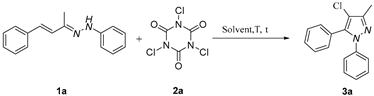
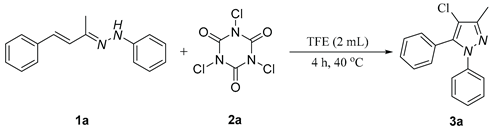
The feasibility of the expected transformation was appraised by using 1-phenyl-2-(4-phenylbut-3-en-2-ylidene)hydrazine 1a as a model substrate and TCCA with lower toxicity as chlorine source and oxidant in solvent of TFE and results are summarized in Table 1. To our delight, the conversion of the tested substrate proceeds to the desired 4-chloropyrazole compounds 3a with 69% yield at 30 °C for 4 h (entry 1, Table 1). Encouraged by this primary result, the efficiencies of several common solvents were examined and the result showed that when TFE was used as solvent the yield of product 3a was higher than the tested others (entries 1-8, Table 1). Next, in the study of temperature effect, the yield of the target product 3a showed a trend of increasing first and then decreasing as the temperature gradually increased and when the temperature was 40 °C, the yield of the target product 3a was improved to75% (entries 9-11, Table 1). In the research of time effect, reduced yield of target product 3a was observed due to the prolongation or shortenation of time (entries 12-13, Table 1). In the end, the effect of the amounts of TCCA and TFE were conducted respectively and the results indicated to be harmful to this reaction when the two elements were altered (entries 14-15, Table 1).
In order to further improve the yield of the target compounds several additives were examinated and the results revealed that the transformation was inhibited by 4Å MS (Entry 1, Table 2). When acid CH3COOH was used as additive a lower yield of 57% was provided (Entry 2, Table 2). Then, common organic base pyridine and inorganic base K2CO3 did not improve the yield of the target product 3a (entries 3-4, Table 2). Finally, the addition of metal salts did not promote the conversion of the reaction and the attempt to improve the reactivity of the substrate was unsuccessful (entries 4-7, Table 2).
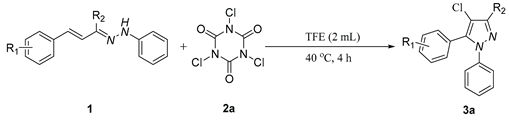
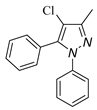
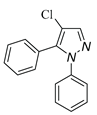
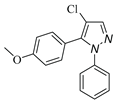
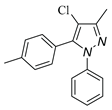
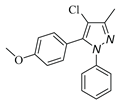
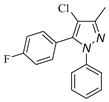
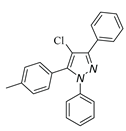
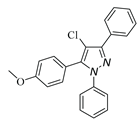
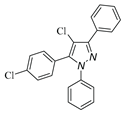
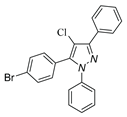
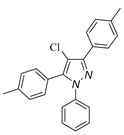
With the optimal reaction conditions for the cyclization/chlorination of the standard substrte in hand, the substrate scope was then explored and the results were summarized in Table 3. Various substrates with diverse substitutions group R1 in phenyl and R2 linked to imine carbon were studied. The results shown that when the substituent R2 is H, various results were produced due to different substitutions of R1. For example, When R1 is H, the formation of target product 3b is not observed and only the cyclized product 3b′ is obtained. On the contrary, when the substitutent R1 is electron donating group methoxy at the para-position of the phenyl, a lower yield of 3c can be obtained. At the same time, it was also found that when R2 was identified as methyl, the desired products 3d-3i could be obtained in moderate to good yields (40-92%) regardless of whether the phenyl of cinamaldehyde was substituted by para-electron-withdrawing or para-electron-donating substitutent. In addition, when 1j with double methoxy on the phenyl of cinamaldehyde was used as substrate the target product 3j can also be obtained although the yield is not quite high. Substrates with R2 determined to be phenyl or p-methylphenyl were also applied to the reaction, the target product 3l-3p were obtained regardless of whether R1 is para-substituted on the pheyl by electron withdrawing or electron donating group. However, the yields are relatively low and it may due to the large steric hindrance caused by the introduction of phenyl or p-methylphenyl and these results indicated that the steric hindrance effect of the R2 group has a great effect on the transformation (3d vs 3k, 3e vs 3l, 3g vs 3m, 3h vs 3n).
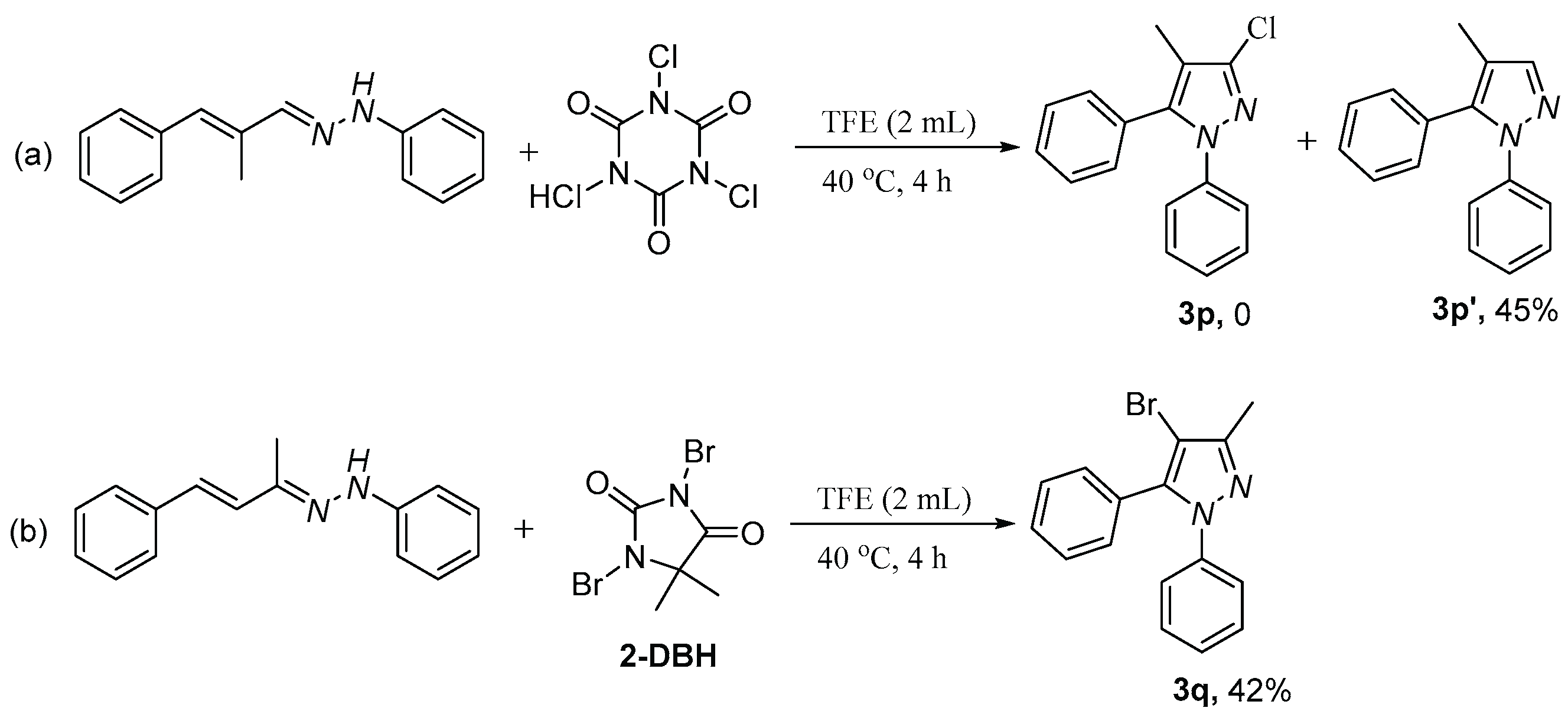
Furthermore, in order to obtained more pyrozole derivates, (E)-1-((E)-2-methyl-3-phenylallylidene)-2-phenylhydrazine was employed as substrte to form the corresponding chloropyrazole, while the expected 3p wasn’t detected and only 45% yield of the cyclization product 3p’ was obtained (Scheme 1 (a)). Meanwhile, bromocyclization of 1a using 2-DBH as a replacement for TCCA afforded brominated pyrazole 3q (Scheme 1 (b)).
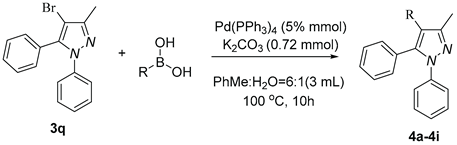
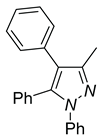
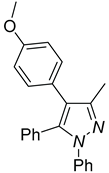
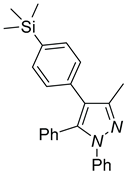
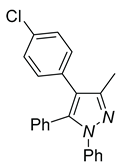
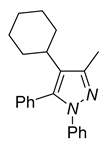
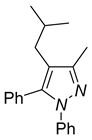
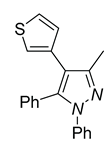
Following the synthesis of 4-bromopyrazole 3q, Suzuki-Miyaura cross-coupling reactions were investigated for aryl functionalization. Coupling 3q with phenylboronic acid proceeded efficiently, leveraging the bromine atom as a highly labile leaving group to afford target product 4a in 45% yield. Reactions with methylphenylboronic acid, methoxyphenylboronic acid, biphenylboronic acid, and chlorophenylboronic acid afforded products in comparable yields under varying electronic effects (electron-donating or withdrawing). Notably, coupling with 4-(trimethylsilyl)phenylboronic acid achieved an unexpectedly high yield of 86% (4d). This exceptional result may be attributed to weak coordination between the trimethylsilyl group and palladium, potentially facilitating a directing effect. Conversely, attempts to couple 3q with cyclohexylboronic acid failed to generate 4g, as cyclohexyl lacks aromatic electronic effects and conjugation capabilities. Similarly, no products 4h or 4i were observed with aliphatic or heterocyclic boronic acids.

Table 4.
Arylation Scope of 4-Bromopyrazole.a.
 | ||
 |
 |
 |
| 4a, 45%b | 4b, 48% | 4c, 40% |
 |
 |
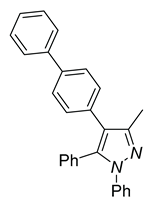 |
| 4d, 86% | 4e, 37% | 4f, 58% |
 |
 |
 |
| 4g, 0% | 4h, 0% | 4i, 0% |
|
a Reaction conditions: 3q (0.3 mmol), R-B(OH)2 (0.36 mmol) . b Isolated determined. | ||
To clarify the mechanism, sevaral controlled experiments were conducted. To the reaction mixture 3.0 equivalents even 5.0 equivalents of radical scavenger 2,2,6,6-tetramethylpiperidinooxy (TEMPO) was added, however the desired product was still obtained with isolated yield of 64% and 61%, respectively (Scheme 2 (a)). This results suggested the unpossibility of a radical pathway. Then, the chlorination of the pyrazole was examinated and the 3-methyl-1,5-diphenyl-1H-pyrazole could react in the standard conditions and provide the corresponding chlorinated product in moderate yield (Scheme 2 (b)). This reveal that the chlorination proccess could occur after the cyclization meanwhile the chlorination and cyclization could carry out at the same time. These reactions indicated the process of the reaction is compelx.
Based on experimental results and literature precedents [19], a plausible reaction mechanism is proposed (Figure 2). Initially, the chloramine moiety of oxidant TCCA reacts with hydrazone 1a, generating cationic σ-adduct intermediate A alongside a resonance-stabilized amide anion. Deprotonation of A affords chloroimine intermediate B, which undergoes oxidation by TCCA via a single-electron transfer (SET) process to form iminium cation C. Subsequent intramolecular cyclization and deprotonation yield intermediates D and pyrazole radical E, respectively. Radical E is further oxidized by TCCA, losing an electron to form F, which upon dehydrogenation gives G. Finally, G tautomerizes to the target product 3a. Throughout this process, TCCA is progressively reduced to dichloroisocyanuric acid, with its chlorine atoms being completely consumed.
4. Conclusions
In summary, we have developed a direct and novel method for chlorination/cyclization of the hydrazine substrates promoted by TCCA. Under the optimal conditions a series of 4-chloropyrazoles were synthesized by coupling the intramolecular C-N bond of hydrazine and the construction of C-Cl bond. TCCA with high efficiency, cheapness and low toxicity act as an oxidant and chlorine reagent in the reaction which cause this new method are economical efficiency and environmental friendliness. The construction of pyrazole and its’ functionlization were realized simultaneously by this one step method. This method is suitable for the preparation of a wide variety of new chloropyrazole derivatives and these compounds will play an important role in the research of medicine and pesticides.
5. Experimental
5.1. General information
CDCl3 was acted as the solvent to measure the product its 1H and 13C spectra with 400/100MHz NMR or 500/125MHz NMR spectrometer at 20-25°C. Tetramethylsilane (TMS, δ = 0.00 ppm) was played the role of an internal standard to report the product its 1H and 13C in parts per million. The chemical reagents involved in the experiment can be purchased directly from merchants and are all analytically pure. All weighing processes are carried out in room temperature in air and all reactions are carried out under normal pressure unless otherwise specified
5.2. General procedure for the synthesis of pyrazole derivatives(3)
The oxidant TCCA (0.5 mmol, 1.0 equiv.) was added to the stirring solution of hydrazine substrate 1 (0.5 mmol), in TFE (2 mL) then the mixture was reacted for 4 hours at 40 °C. After the reaction, it was cooled to room temperature and quenched with saturated solution of Na2S2O3 (1-2 mL), diluted with EtOAc (5 mL), and extracted with ethyl acetate (3×15 mL). The separated organic solution was dried with Mg2SO4 and the solvent was evaporated in vacuo. The resulting residue was purified by column chromatography on silica gel column by using EtOAc-petroleum ether (1:150) as eluent to obtain target products.
5.3. 4-chloro-3-methyl-1,5-diphenyl-1H-pyrazole (3a)
1-phenyl-2-(4-phenylbut-3-en-2-ylidene)hydrazine 1a (0.5 mmol, 118 mg) and TCCA (0.5 mmol, 116 mg) were employed to afford 100.8 mg (75%) of the indicated product as a yellow oil (Rf = in 4:1 petroleum ether/ethyl acetate); 1H NMR (500 MHz, CDCl3) δ 7.33 (m, 3H), 7.31-7.25 (m, 5H), 7.23-7.20 (m, 2H), 2.39 (s, 3H); 13C NMR (100 MHz, CDCl3) δ 147.1, 140.0, 139.1, 129.9, 129.1, 128.9, 128.74, 128.65, 127.5, 124.9, 110.5, 11.7.
General information, experimental details, characterization data, and 1H and 13C NMR spectra for all synthesized compounds are available as Supplementary Information. This material can be found via the “Supplementary Content” section of this article’s webpage.
Funding
We gratefully acknowledge the graduate research and innovation foundation of Chongqing of China (Grant No. CYS17018), the National Natural Science Foundation of China (Nos. 21372265, 21350110501, 22161045) and the Natural Science Foundation Project of CQ CSTC (cstc2018jcyjAX0155) for financial support.
References
- Faisal, M.; Saeed, A.; Hussain, S.; Dar, P.; Larik, F. A. Recent developments in synthetic chemistry and biological activities of pyrazole derivatives. Journal of Chemical Sciences. 2019, 131, 1–30. [Google Scholar] [CrossRef]
- Menozzi, G.; Merello, L.; Fossa, P.; Schenone, S.; Ranise, A.; Mosti, A.; Bondavalli, F.; Loddo, R.; Murgioni, C.; Mascia, V.; Colla, P. L.; Tamburini, E. Synthesis, antimicrobial activity and molecular modeling studies of halogenated 4-[1H-imidazol-1-yl(phenyl)methyl]-1,5-diphenyl-1H-pyrazoles. Bioorganic & Medicinal Chemistry. 2004, 12, 5465–5483. [Google Scholar] [CrossRef]
- Huang, X.-F.; Lu, X.; Zhang, Y.; Song, G.-Q.; He, Q.-L.; Li, Q.-S.; Yang, X.-H.; Wei, Y.; Zhu, H,-L. Synthesis, biological evaluation, and molecular docking studies of N-((1,3-diphenyl-1H-pyrazol-4-yl)methyl)aniline derivatives as novel anticancer agents. Bioorganic & Medicinal Chemistry. (b) Abdel-Aziz, M.; Abuo-Rahma, G.E.-D.A.; Hassan, A. A. Synthesis of novel pyrazole derivatives and evaluation of their antidepressant and anticonvulsant activities. European Journal of Medicinal Chemistry. 2009, 44, 3480-3487. 2012, 20, 4895–4900. [Google Scholar]
- Fink, B. E.; Mortensen, D. S.; Stuffer, S. R.; Aron, Z. D.; Katzenellenbogen, J. A. Novel structural templates for estrogen-receptor ligands and prospects for combinatorial synthesis of estrogens. Chemistry & Biology. 1999, 6, 205–219. [Google Scholar] [CrossRef]
- Stauffer, S. R.; Coletta, C. J.; Tedesco, R.; Nishiguchi, G.; Carlson, K.; Sun, J.; Katzenellenbogen, B. S.; Katzenellenbogen, J. A. Pyrazole Ligands: Structure-Affinity/Activity Relationships and Estrogen Receptor-α-Selective Agonists. Journal of Medicinal Chemistry. 2000, 43, 4934–4947. [Google Scholar] [CrossRef] [PubMed]
- Yang, L.; Okuda, F.; Kobayashi, K.; Nozaki, K.; Tanabe, Y.; Ishii, Y.; Haga, M. Syntheses and Phosphorescent Properties of Blue Emissive Iridium Complexes with Tridentate Pyrazolyl Ligands. Inorganic Chemistry. DOI:10.1021/ic800196s. (b) Bernhammer, J. C.; Huynh, H. V. Correlation of spectroscopically determined ligand donor strength and nucleophilicity of substituted pyrazoles. Dalton Transactions. 2012, 41, 8600-8608. DOI:10.1039/c2dt30526g. (c) Mogensen, S. B.; Taylor, M. K.; Lee, J. Homocoupling Reactions of Azoles and Their Applications in Coordination Chemistry. Molecules. 2020, 25, 5950-5979. DOI:10.3390/molecules25245950. (d) Li, X.; Yu, Y.; Tu, Z. Pyrazole Scaffold Synthesis, Functionalization, and Applications in Alzheimer's Disease and Parkinson's Disease Treatment (2011-2020). Molecules (Basel, Switzerland). 2021, 26, 1202-1239. 2008, 47, 7154–7165. [Google Scholar] [CrossRef] [PubMed]
- Menozzi, G.; Merello, L.; Fossa, P.; Schenone, S.; Ranise, A.; Mosti, L.; Bondavalli, F.; Loddo, R.; Murgioni, C.; Mascia, V.; La Colla, P. Tamburini, E. Synthesis, antimicrobial activity and molecular modeling studies of halogenated 4-[1H-imidazol-1-yl(phenyl)methyl]-1,5-diphenyl-1H-pyrazoles. Bioorganic & Medicinal Chemistry. DOI:10.1016/j.bmc.2004.07.029. (b) Ismail, M. A. H.; Lehmann, J.; Abou El Ella, D. A.; Albohy, A. Abouzid, K. A. M. Lonazolac analogues: molecular modeling, synthesis, and in vivo anti-inflammatory activity. Medicinal Chemistry Research. 2009, 18, 725-744. DOI:10.1007/s00044-009-9163-2. (c) Khan, M. F.; Alam, M. M.; Verma, G.; Akhtar, W.; Akhter, M. Shaquiquzzaman, M. The therapeutic voyage of pyrazole and its analogs: A review. European Journal of Medicinal Chemistry. 2016, 120, 170-201. DOI:10.1016/j.ejmech.2016.04.077. (d) Santos, N. E.; Carreira, A. R. F.; Silva, V. L. M.; Braga, S. S. Natural and Biomimetic Antitumor Pyrazoles, A Perspective. Molecules. 2020, 25, 1364-1375. 2004, 12, 5465–5483. [Google Scholar] [CrossRef]
- Lamberth, C. Pyrazole chemistry in crop protection. Heterocycles. 2007, 71, 1467-1502. (b) Giornal, F.; Pazenok, S.; Rodefeld, L.; Lui, N.; Vors, J.; Leroux, F. R. Synthesis of diversely fluorinated pyrazoles as novel active agrochemical ingredients. Journal of Fluorine Chemistry. 2013, 152, 2–11. [Google Scholar] [CrossRef]
- Fioravanti, R.; Bolasco, A.; Manna, F.; Rossi, F.; Orallo, F.; Yáñez, M.; Vitali, A.; Ortuso, F.; Alcaro, S. Synthesis and molecular modelling studies of prenylated pyrazolines as MAO-B inhibitors. Bioorganic & Medicinal Chemistry Letters. DOI:10.1016/j.bmcl.2010.09.061. (b) Dumeunier, R.; Lamberth, C.; Trah, S. Synthesis of Tetrasubstituted Pyrazoles through Different Cyclization Strategies; Isosteres of Imidazole Fungicides. Synlett. 2013, 24, 1150-1154. DOI:10.1055/s-0033-1338433. (c) Huang, X.; Lu, X.; Zhang, Y.; Song, G.; He, Q.; Li, Q.; Yang, X.; Wei, Y. Zhu, H. Synthesis, biological evaluation, and molecular docking studies of N-((1,3-diphenyl-1H-pyrazol-4-yl)methyl)aniline derivatives as novel anticancer agents. Bioorganic & Medicinal Chemistry. 2012, 20, 4895-4900. DOI:10.1016/j.bmc.2012.06.056. (d) Merimi, I.; Touzani, R.; Aouniti, A.; Chetouani, A.; Hammouti, A. Pyrazole derivatives efficient organic inhibitors for corrosion in aggressive media: A comprehensive review. Int. J. Corros. Scale Inhib. 2020, 4, 1237-1260. 2010, 20, 6479–6482. [Google Scholar]
- Huang, X.; Lu, X.; Zhang, Y.; Song, G.; He, Q.; Li, Q.; Yang, X.; Wei, Y. Zhu, H. Synthesis, biological evaluation, and molecular docking studies of N-((1,3-diphenyl-1H-pyrazol-4-yl)methyl)aniline derivatives as novel anticancer agents. Bioorganic & Medicinal Chemistry. 2012, 20, 4895–4900. [Google Scholar]
- Menozzi, G.; Merello, L.; Fossa, P.; Schenone, S.; Ranise, A.; Mosti, L.; Bondavalli, F.; Loddo, R.; Murgioni, C.; Mascia, V.; La Colla, P.; Tamburini, E. Synthesis, antimicrobial activity and molecular modeling studies of halogenated 4-[1H-imidazol-1-yl(phenyl)methyl]-1,5-diphenyl-1H-pyrazoles. Bioorganic & Medicinal Chemistry. 2004, 12, 5465–5483. [Google Scholar]
- Boyd, S. T.; Fremming, B. A. Rimonabant-a selective CB1 antagonist. Annals Pharmacother. 2005, 39, 684–690. [Google Scholar] [CrossRef] [PubMed]
- [13] Ismail, M. A. H.; Lehmann, J.; Abou El Ella, D. A.; Albohy, A. Abouzid, K. A. M. Lonazolac analogues: molecular modeling, synthesis, and in vivo anti-inflammatory activity. Medicinal Chemistry Research. 2009, 18, 725–744. [Google Scholar]
- Emtiazi, H.; Amrollahi, M. A.; Mirjalili, B. B. F. Nano-silica sulfuric acid as an efficient catalyst for the synthesis of substituted pyrazoles. Arabian Journal of Chemistry. DOI: org/10.1016/j.arabjc.2013.06.008. (b) Li, M.; Zhao, B. X. Progress of the synthesis of condensed pyrazole derivatives (from 2010 to mid-2013). European Journal of Medicinal Chemistry 2014, 85, 311-340. 2015, 8, 793–797. [Google Scholar] [CrossRef]
- Santos, F.; María, S.-R.; Pablo, B.; Antonio, S.-F. From 2000 to Mid-2010: A Fruitful Decade for the Synthesis of Pyrazoles. Chemical Reviews. 2011, 111, 6984–7034. [Google Scholar] [CrossRef]
- Hu, J.; Cheng, Y.; Yang, Y.; Rao, Y. A general and efficient approach to 2H-indazoles and 1H-pyrazoles through copper-catalyzed intramolecular N–N bond formation under mild conditions. Chemical Communications. DOI:10.1039/c1cc13908h. (b) Yang, Y.; Kuang, C.; Jin, H.; Yang, Q.; Zhang, Z. Efficient synthesis of 1,3-diaryl-4-halo-1H-pyrazoles from 3-arylsydnones and 2-aryl-1,1-dihalo-1-alkenes. Beilstein J Org. Chem. 2011, 7, 1656-1662. DOI:10.3762/bjoc.7.195. (c) Li, X.; He, L.; Chen, H.; Wu, W.; Jiang, H. Copper-Catalyzed Aerobic C(sp2)–H Functionalization for C–N Bond Formation: Synthesis of Pyrazoles and Indazoles. The Journal of Organic Chemistry. 2013, 78, 3636-3646. DOI:10.1021/jo400162d. (d) Sar, D.; Bag, R.; Yashmeen, A.; Bag, S. S.; Punniyamurthy, T. Synthesis of Functionalized Pyrazoles via Vanadium-Catalyzed C–N Dehydrogenative Cross-Coupling and Fluorescence Switch-On Sensing of BSA Protein. Organic Letters. 2015, 17, 5308-5311. 2011, 47, 10133–10135. [Google Scholar] [CrossRef] [PubMed]
- Liang, D.; Zhu, Q. A Facile Synthesis of Pyrazoles through Metal-Free Oxidative C(sp2)-H Cycloamination of Vinyl Hydrazo. Asian Journal of Organic Chemistry. DOI:10.1002/ajoc.201402254. (b) Zhang, X.; Kang, J.; Niu, P.; Wu, J.; Yu, W.; Chang, J. I2-Mediated Oxidative C–N Bond Formation for Metal-Free One-Pot Synthesis of Di-, Tri-, and Tetrasubstituted Pyrazoles from α,β-Unsaturated Aldehydes/Ketones and Hydrazines. The Journal of Organic Chemistry. 2014, 79, 10170-10178. 2015, 4, 42–45. [Google Scholar] [CrossRef]
- Zhang, X.; Huang, R.; Marrot, J.; Coeffard, V.; Xiong, Y. Hypervalent iodine-mediated synthesis of benzoxazoles and benzimidazoles via an oxidative rearrangement. Tetrahydron. DOI: 10.1016/j.tet.2014.11.066. (b) Liu, Q.; Zhang, X.; He, Y.; Hussain, M. I.; Hu, W.; Xiong, Y.; Zhu, X. Oxidative rearrangement strategy for synthesis of 2,4,5-trisubstituted oxazoles utilizing hypervalent iodine reagent. Tetrahydron. 2016, 72, 5749-5753. DOI: 10.1016/j.tet.2016.07.082. (c) Hu, L.; Pan, J.; Zhang, X.; Hu W.; Xiong,Y.; Zhu, X. Synthesis of N, O π-conjugated boron complexes and the reactivity of Suzuki cross-coupling. Tetrahydron. 2017, 73, 223-229. DOI: 10.1016/j.tet.2016.11.068. (d) Shen H.; Deng Q.; Liu, R.; Feng, Y.; Zheng C.; Xiong Y. Intramolecular aminocyanation of alkenes promoted by hypervalent iodine. Organic Chemistry Frongtiers. 2017, 4, 1806-1811. 2015, 71, 700–708. [Google Scholar] [CrossRef]
- Zhang T, Bao W. Synthesis of 1H-Indazoles and 1H-Pyrazoles Via Febr3 /O2 Mediated Intramolecular C-H Amination. J. Org. Chem., 2013, 78 (3): 1317-1322.
Figure 1.
Structures of some pharmacologically important pyrazols.
Scheme 1.
Further exploration with substrates.
Scheme 2.
Control experiments.
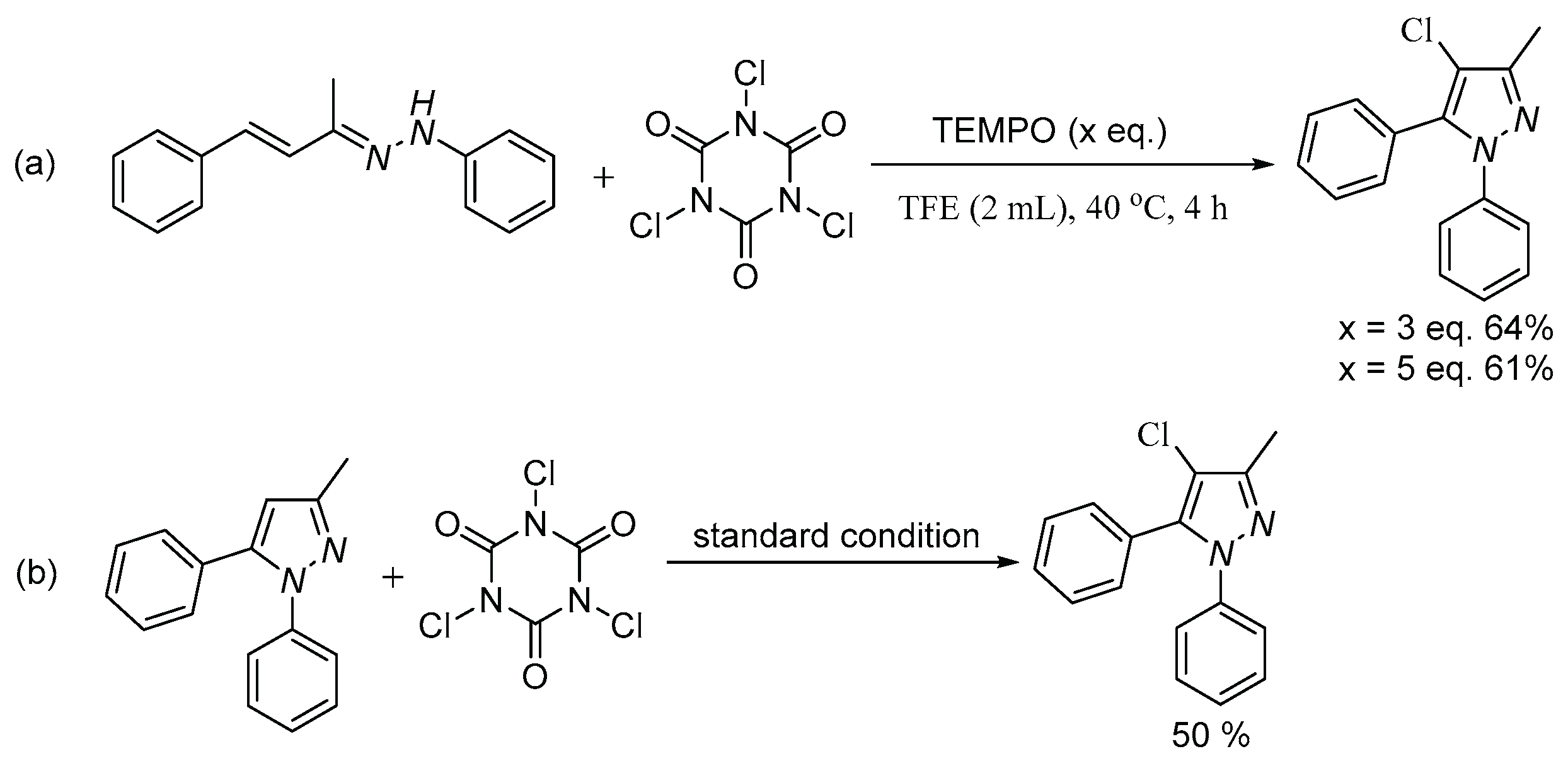
Figure 2.
Possible mechanism.
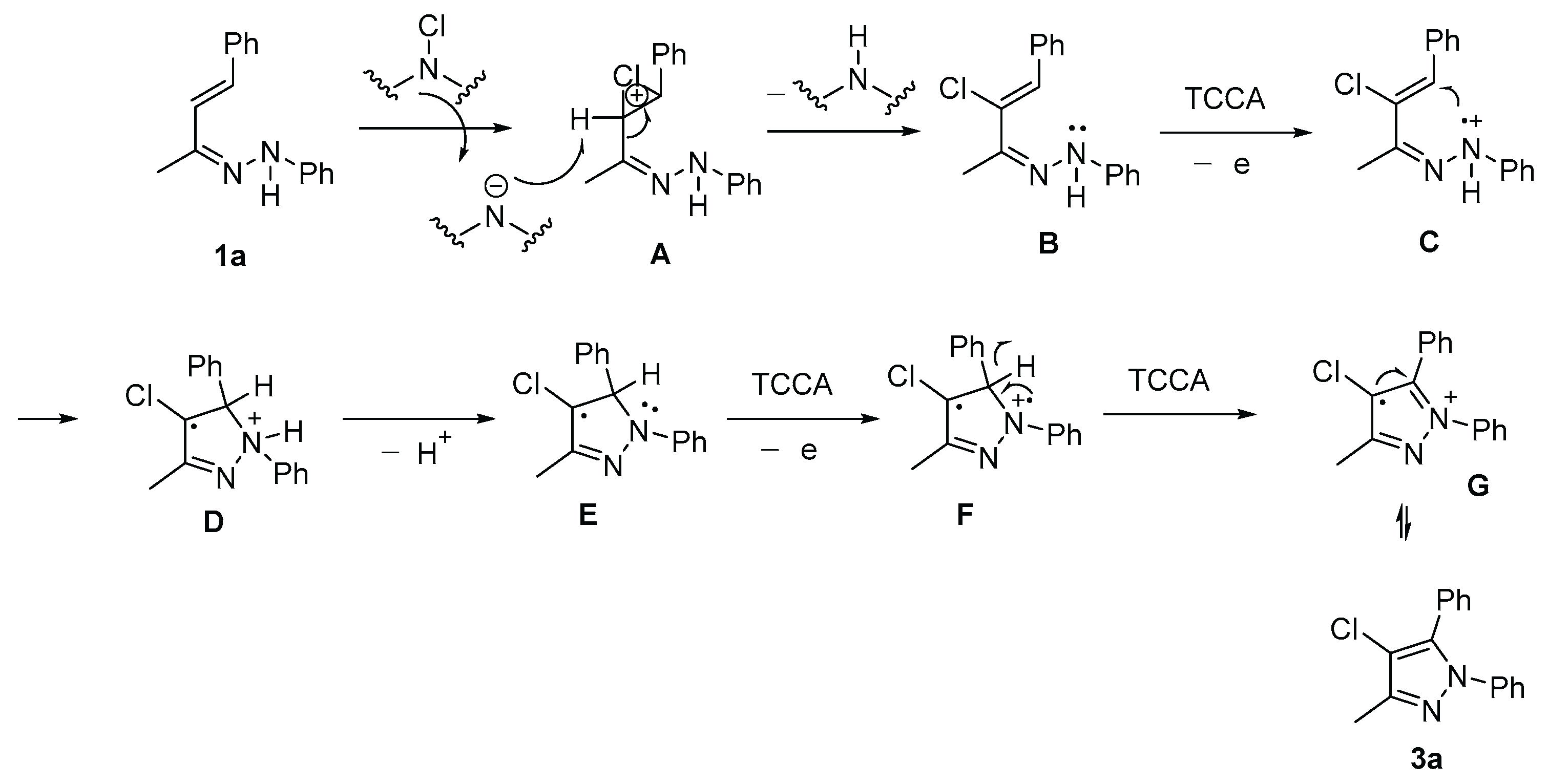
Table 1.
Optimizations of reaction conditions.a.
 | |||||
| Entry | Solvent(mL) | t/h | T/℃ | TCCA(eq.) | Yield b (%) |
| 1 | TFE | 4 | 30 | 1.0 | 69 |
| 2 | MeOH | 4 | 30 | 1.0 | 8 |
| 3 | EtOH | 4 | 30 | 1.0 | 38 |
| 4 | HFIP | 4 | 30 | 1.0 | 40 |
| 5 | DMF | 4 | 30 | 1.0 | 32 |
| 6 | HOAc | 4 | 30 | 1.0 | 25 |
| 7 | 1,4-Dioxane | 4 | 30 | 1.0 | 14 |
| 8 | DCM | 4 | 30 | 1.0 | 6 |
| 9 | TFE | 4 | 0 | 1.0 | 64 |
| 10 | TFE | 4 | 40 | 1.0 | 75, (65) c |
| 11 | TFE | 4 | 60 | 1.0 | 70 |
| 12 | TFE | 2 | 40 | 1.0 | 70 |
| 13 | TFE | 6 | 40 | 1.0 | 68 |
| 14 | TFE | 4 | 40 | 0.8 | 68 |
| 15 | TFE | 4 | 40 | 1.2 | 58 |
a Reaction conditions: 1a (0.5 mmol), 2a (0.5 mmol) in solvent (2 mL) at T/℃for t h. bIsolated determined. c 5 mL of TFE.
Table 2.
Test of additives.a.
 | ||
| Entry | additive (5wt%) | Yield b (%) |
| 1 | 4Å MS | 47 |
| 2 | CH3COOH | 57 |
| 3 | Pyridine | 63 |
| 4 | K2CO3 | 49 |
| 5 | Zn(OAc)2·2H2O | 63 |
| 6 | Cu(OAc)2·2H2O | 64 |
| 7 | Fe(OAc)2 | 72 |
a Reaction conditions: 1a (0.5 mmol), 2a (0.5 mmol) and additive (5 wt%) in TFE (2 mL) at 40 ℃ for 4 h. b Isolated determined.
Table 3.
Investigation on substrates.a.
 | |||
 |
|
 |
|
| 3a, 75%b | 3b, 0 | 3b′, 25% | 3c, 45% |
 |
 |
 |
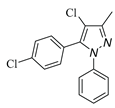 |
| 3d, 59% | 3e, 40% | 3f, 40% | 3g, 43% |
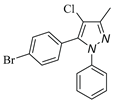 |
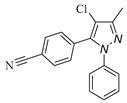 |
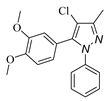 |
 |
| 3h, 45% | 3i, 92% | 3j, 72% | 3k, 15% |
 |
 |
 |
 |
| 3l, 18% | 3m, 18% | 3n,25% | 3o,15% |
|
a Reaction conditions: 1a (0.5 mmol), 2a (0.5 mmol) in TFE (2 mL) at 40 ℃ for 4 h. b Isolated determined. | |||
Disclaimer/Publisher’s Note: The statements, opinions and data contained in all publications are solely those of the individual author(s) and contributor(s) and not of MDPI and/or the editor(s). MDPI and/or the editor(s) disclaim responsibility for any injury to people or property resulting from any ideas, methods, instructions or products referred to in the content. |
© 2025 by the authors. Licensee MDPI, Basel, Switzerland. This article is an open access article distributed under the terms and conditions of the Creative Commons Attribution (CC BY) license (http://creativecommons.org/licenses/by/4.0/).
Copyright: This open access article is published under a Creative Commons CC BY 4.0 license, which permit the free download, distribution, and reuse, provided that the author and preprint are cited in any reuse.