

Submitted:
14 August 2025
Posted:
15 August 2025
You are already at the latest version
Abstract
Urban forests are increasingly recognized for their potential to improve public health. However, the specific relationships between green views, canopy cover, physical activity, and high blood pressure remain underexplored. This study aims to fill these gaps by investigating how the number of trees in view from a home, neighborhood tree canopy coverage, and proximity to walkable green spaces are associated with the likelihood of developing high blood pressure controlling for other key demographic, environmental, and behavioral factors. The results highlight the significant roles of age, gender, family history, and socioeconomic factors on high blood pressure. We examined our findings in relation to the 3-30-300 rule, an urban forestry guideline that proposes residents should be able to see at least three trees from their home, have at least 30% tree canopy cover in their neighborhoods, and have access to a park or green space within 300 meters. We found that key metrics of the 3-30-300 rule, which propose that residents should be able to see at least three trees from their home, have at least 30% tree canopy cover in their neighborhoods, and have access to a park or green space within 300 meters, did not statistically influence high blood pressure in our study population. This noted, more research is needed to determine the impacts of urban greening on human health and well-being.
Keywords:
Urban trees
; physical activity
; cardiovascular health
; public health
; socioeconomic factors
; hypertension
1. Introduction
1.1. Urban Forest and Human Health
Urban forests, defined as green spaces within urban areas containing trees and vegetation (Konijnendijk et al., 2006), have been increasingly recognized for their potential to promote human health and well-being. Previous studies have consistently highlighted the numerous benefits of urban forests for human health, showing their positive impact across physical, mental, and social dimensions (Barton & Rogerson, 2017; Nguyen et al., 2021; Rigolon et al., 2021). Urban environments often pose significant health risks due, for instance, to air pollution (Nenna et al., 2017; Karmakar & Padhi, 2019), excessive heat (Cleland et al. 2023) , and lack of access to natural spaces (Brown & Corry, 2020). However, urban forests can act as natural buffers that mitigate these challenges through various so called ecosystem services (MA, 2005).
Numerous studies have also documented the ways in which urban forest encourage physical activity (Nieuwenhuijsen, 2021), a critical factor in maintaining overall physical health (Frankish et al., 1998). The presence of parks, tree-lined streets, and green corridors provides opportunities for walking, cycling, and outdoor recreation and more active lifestyles can reduce obesity (García-Hermoso et al., 2024), blood pressure (Thapa et al., 2023), and the risks of cardiovascular diseases (Cheng et al., 2013). Research by Tainio et al. (2021) and Nieuwenhuijsen (2021) demonstrated that residents in greener neighborhoods were more likely to engage in physical exercise than peers in less treed environments, resulting in better fitness and weight management. These findings highlight the critical role of green infrastructure in fostering healthier habits which can have significant downstream effects in reducing medical conditions that are influenced by unhealthy lifestyle choices.
1.2. High Blood Pressure
High blood pressure is a condition in which the blood vessels are under constant strain (WHO, 2022a), increasing the risk of cardiovascular disorder or event. Factors that contribute to high blood pressure include genetics and lifestyle (Mushcab et al., 2023; Zhu et al., 2024). Genetic traits, such as a family history of high blood pressure (Menghetti et al., 2015), certain gene variations affecting blood pressure regulation (An et al., 2022; Oliveros et al., 2023), age, gender, and race, all play a role in an individual’s risk level (Veenstra, 2013; Nguyen-Huynh et al., 2017). Lifestyle habits, such as smoking (Ojangba et al., 2023), excessive consumption of salt (Grillo et al., 2019) and alcohol (Sesso et al., 2008), and lack of physical activity (Bairapareddy et al., 2021), can also lead to high blood pressure (Lelong et al., 2019). High blood pressure is a major modifiable risk factor for cardiovascular disease, chronic renal disease, stroke, and death (Kearney et al., 2005; Mills et al., 2106). Therefore, researching strategies to mitigate this issue, such as exploring the potential benefits of urban greening in reducing high blood pressure, is critical.
1.3. Urban Forest and High Blood Pressure Prevention.
Research has shown how urban forest is becoming increasingly important and how it may improve people's health and well-being. For instance, research by Hartig et al. (2014) found that access to green spaces is associated with reduced stress and improved mental health. Similarly, Shanahan et al. (2015) demonstrated that urban forest encourage physical activity and social interaction. Furthermore, Bratman et al. (2019) highlighted the positive impact of nature on emotional well-being, even in highly urbanized environments. These benefits are especially significant as rapid urbanization and the conversion of natural lands for residential, industrial, and commercial purposes continue to reduce access to urban forest. This shift has heightened the need for urban forests and green infrastructure to address the disconnect between people and nature. To increase access to trees and green spaces among those who live in urbanized areas, Konijnendijk (2022) proposed the 3-30-300 rule as a guiding concept for urban planning and forest programs. According to these guidelines, each resident should be able to see at least three trees of a reasonable size from their house, which typically refers to mature or well-established trees, each neighborhood must have at least 30% canopy cover, and each resident should be within 300 meters walking distance of a park or a green area. The 3-30-300 rule has been explored in various studies, including research on urban forest access and preferences (Koeser et al., 2024) and its impact on mental health (Nieuwenhuijsen et al., 2022).
In their study, Grazuleviciene et al. (2021) found that certain environmental factors, such as accessible green spaces and available relaxation areas, were positively associated with meeting physical activity guidelines among residents in Kaunas, Lithuania. Specifically, those with walkable access to green spaces were more likely to engage in sufficient physical activity, which, in turn, was shown to reduce their risk of high blood pressure. In addition, according to Grazuleviciene et al. (2021), incorporating green spaces can reduce noise levels, making these areas more attractive for recreation and potentially reducing the risk of high blood pressure. A study conducted by Plans et al. (2019) in Madrid, Spain, found a moderate association between cardiovascular disease risk and the density of green open spaces within 300 to 500 meters of participants' locations, suggesting that greater access to green spaces can encourage physical activity and help manage cardiovascular risk factors. The study suggested that greater access to nearby green spaces, particularly within 300 to 500 meters, could encourage physical activity, which is beneficial for managing cardiovascular risk factors.
Adhikari et al. (2021) investigated the relationship between community design and high blood pressure in two independent population groups in British Columbia, Canada. They found that participants who lived in the most walkable neighborhoods were less likely to report a diagnosis of high blood pressure than those who lived in car-dependent neighborhoods. Likewise, participants living in neighborhoods with greater access to parks were less likely to report a previous diagnosis of high blood pressure than those living in neighborhoods with lower park availability.
Bauwelinck et al. (2020) conducted a comparative study in Brussels, Belgium, and Barcelona, Spain on the relationship between urban green spaces and high blood pressure. They found an elevated risk of high blood pressure for residents who must travel longer distances to the nearest green space in Barcelona, though a similar association could not be found in Brussels (Bauwelinck et al., 2020). According to their explanation, this could potentially be due to a higher general level of green space exposure in Brussels. In Barcelona, the outdoor residential environment was characterized as more homogeneous and lacking urban green space. This said, both cities showed a more robust protective relationship between residential exposure to green space and high blood pressure for older participants compared to younger age groups (Bauwelinck et al., 2020).
A study in China found a significant association between green spaces lacking trees and the likelihood of neighboring residents being overweight/obese and suffering from high blood pressure (Leng et al., 2020). In their study, neighborhoods with a lower percentage of green space and less visible green spaces, were associated with higher risk of physical inactivity, resulting in an increased risk of obesity, high blood pressure, and stroke among residents. These ratios serve as indicators of the accessibility and visibility of green spaces, which can encourage physical activity, ultimately supporting cardiovascular health. Similarly, Boakye et al. (2021) found that participants with higher exposure to greenness in Ghana were at significantly lower odds of high blood pressure than participants with less exposure to greenness.
Research highlights that accessible green spaces encourage physical activity and reduce environmental stressors like noise, and provide restorative environments, helping to lower the risk of high blood pressure. Proximity to green spaces and the presence of tree-dense areas have been linked to better cardiovascular health, as they offer opportunities for outdoor activity, improved air quality, and mental restoration. Studies across multiple countries show that walkable neighborhoods and tree-dense areas are associated with better cardiovascular health. This raises the important question: "How do urban trees and green view ratios - defined as the number of visible trees within a given field of view - specifically contribute to mitigating high blood pressure in urban populations?"
1.4. Project Objectives
Considering the potential benefits of urban greenery for high blood pressure, this study proposed to examine the association between urban forests and high blood pressure rates among Florida residents. While existing research emphasizes the broader health benefits of green spaces (Galea et al., 2005; Nielsen & Hansen, 2007; Wolf, 2010), the connection between green views and high blood pressure reduction is a noteworthy gap.
As such, we conducted the study based on the 3-30-300 rule, in order to address the following questions: (1) is visibility of at least three trees from one’s home (green views) associated with high blood pressure prevalence, (2) is there an association between a minimum of 30% tree canopy coverage in neighborhoods and reduced high blood pressure and associated health outcomes, and (3) what is the association between having accessible green spaces within 300 meters of one’s residence and blood pressure control in urban populations?
2. Methodology
2.1. Survey Instrument
This study assessed whether there is a relationship between the three metrics of the 3-30-300 rule and high blood pressure in residents in the state of Florida, United States. For data collection, we conducted an online survey using a contracted panel service (Centiment, Denver, Colorado, United States). Our survey sample was selected to be representative of the state population in terms of gender, race, and age for respondents aged 45 and older, based on the United States Census Bureau's 2022 estimates. We focused on older residents, as they are the demographic most commonly diagnosed with high blood pressure.
A minimum sample of 1,300 respondents was selected with a projected error margin of +/- 3% at a 95% confidence level. In our survey, there were three demographic questions (age, gender, race), along with five questions related to social economic factors, which included marital status, education, employment, income, and number of children in the household. We included 23 questions focusing on lifestyle. This comprised four questions related to stress levels, adapted from the Perceived Stress Scale 4 (PSS-4) developed by Cohen et al. (1983), nine questions regarding eating patterns, adapted from the Mini-Eating Assessment Tool (Mini-EAT) a 9-item survey developed by Lara-Breitinger et al. (2023), and seven questions related to physical activity, from the short 7-day self-administered version of the International Physical Activity Questionnaire (IPAQ) by Booth (2000). Additionally, three questions addressed smoking, alcohol consumption, and hours of sleep.
We also included eight questions specifically focused on the presence of urban forests, addressing the three core metrics of the 3-30-300 rule. These questions, developed for an assessment of urban forest access by Koeser et al. (2024) include the number of trees visible from respondents’ homes, the estimated tree canopy coverage in their neighborhood, and the distance to the nearest park or green space. To aid respondents in estimating tree canopy coverage, we provided reference images depicting varying levels of canopy cover (e.g., 10%, 30%, 50%, 70% and 90%) to improve accuracy and consistency in their responses (Appendix 1: Section C. Survey of Urban Greening Access).
In addition, we included three direct questions related to blood pressure status: “Have you ever been diagnosed with high blood pressure?”, “Do you have a family history of high blood pressure?”, and “Are you currently taking any medication for high blood pressure?”. To further explore the symptoms associated with blood pressure, respondents were asked, “During the last month, have you experienced the following: headaches, dizziness, nausea, anxiety, and irregular heart rhythms?”. Collectively, these questions provided a comprehensive understanding of the respondents’ blood pressure status and their interaction with urban forests. Included in our complete set of questions (Appendix 1) was an attention check question (Silber et al., 2022; Koeser et al., 2023) that asks the following, “We want to make sure you are reading carefully. Please select "strongly disagree.” This was followed by the choices “strongly agree,” “somewhat agree,” “neither agree nor disagree,” “somewhat agree,” and “strongly disagree.” Selecting anything other than “strongly disagree” resulted in respondents being disqualified from the study.
This study was exempted by the University of Florida Internal Review Board (IRB) to collect data from human subjects (Protocol #: ET00042186, Approval date: 07/15/2024). A soft launch (distributed to approximately 75 respondents) was conducted on July 16, 2024, to assess the performance of our questions before full launch. We did not see any issues and were able to release the survey as planned. All responses were collected by July 23, 2024.
2.2. Data Analysis
We conducted descriptive analyses of predictors, outcomes, and confounders. Logistic regression models were employed to examine the relationship between the presence or absence of high blood pressure and our predictor variables defined and summarized in Table 1.
We created a logistic regression model to assess each of the criteria associated with the 3-30-300 rule (Table 2). The "3" aspect was addressed by including the number of trees visible from participants' residences, the "30" component was explored by incorporating self-assessed tree canopy cover percentage using the same image sets used by Koeser et al. (2024), and the "300" aspect, focused on examining physical activity and proximity to nearby green spaces (i.e., whether a greenspace was within a 5-minute walk of their residence). Together, these complementary analyses allowed us to comprehensively evaluate how different dimensions of urban forestry guidelines might influence hypertension outcomes.
During model simplification, non-significant predictor variables were removed sequentially based on p-value (starting with the highest). The original and reduced models were compared using the Akaike Information Criterion (AIC) to assess goodness-of-fit, while Nagelkerke’s R² was calculated to estimate the variance explained by each model. Once the final reduced model was selected, odds ratios were derived from the regression coefficients to interpret the relative impact of predictor variables on high blood pressure risk. Model accuracy was assessed using a confusion matrix to evaluate the level of misclassification. We also calculated the area under the curve (AUC) as a measure of the model's discriminative ability.
As a diagnostic, we assessed overdispersion using squared Pearson residual plots. In all assessments, statistical significance was set at p<0.05. All analyses were conducted using statistical analysis software (JASP, University of Amsterdam, Netherland).
3. Results
3.1. Respondent Demographics
1,361 respondents participated in the survey. Of these, 47.4% (n = 645) identified as male and 52.4% (n = 713) reported as female, the other 0.2% (n = 3) are non-binary (Table 1).
The ages of respondents ranged from 45 to 97 years, with a mean age of 63.5 and a median age of 64. With regard to race and ethnicity, 80.2% (n = 1,091) of respondents identified as White, 7.2% (n = 99) identified as Black or African American 1.5% (n = 21) identified as Asian, 0.3% (n = 4) identified as American Indian or Native Alaskan, 6.3% (n = 86) of respondents identified as Hispanic, 0.1% (n = 1) identified as Native Hawaiian or Pacific Islander, and 4.4% (n = 59) identified as mixed ethnicity. Our sample demographics were well aligned with the overall demographics of the state of Florida given our age constraints (45 and older) (U.S. Census Bureau, 2023).
3.2. Model Fit and Performance
The logistic regression analysis comparing the null model (M₀) and the full model (M₁) demonstrated significant improvement in model fit. The full model showed substantially better fit with an AIC of 1,171.4 compared to the null model's AIC of 1,533.9. The Nagelkerke R² value of 0.419 indicated that the model explained approximately 42% of the variance in high blood pressure diagnosis, suggesting moderate predictive capability.
Model performance diagnostics revealed adequate discriminative ability with an AUC of 0.835, indicating good model discrimination between individuals with and without high blood pressure. The overall classification accuracy was 74.8%, with sensitivity of 79.7% (correctly identifying individuals with high blood pressure) and specificity of 69.1% (correctly identifying individuals without high blood pressure). The confusion matrix showed that out of 512 observed cases without high blood pressure, 354 were correctly predicted (69.1%), while 158 were misclassified. Among 597 observed cases with high blood pressure, 476 were correctly predicted (79.7%), and 121 were misclassified.
3.3. Demographic, Health and Lifestyle Factors
Several demographic and lifestyle factors emerged as significant predictors of high blood pressure diagnosis (Table 2).
Age demonstrated a strong positive association with high blood pressure risk (OR = 1.07, 95% CI: 1.05-1.08, p < 0.001), indicating that each additional year of age increased the odds of having high blood pressure by 7%. Male gender was associated with significantly higher odds of high blood pressure compared to females (OR = 2.68, 95% CI: 1.98-3.62, p < 0.001), representing 168% higher odds.
Race emerged as a significant factor, with African American respondents showing significantly higher odds of high blood pressure compared to other racial groups (OR = 2.30, 95% CI: 1.26-4.20, p = 0.007). Educational attainment below high school was associated with dramatically increased odds of high blood pressure (OR = 12.15, 95% CI: 1.75-84.39, p = 0.012), though the wide confidence interval suggests some uncertainty in this estimate due to the small sample size in this category.
Financial hardship, operationalized as reporting "very difficult" financial circumstances, was significantly associated with higher odds of high blood pressure (OR = 1.66, 95% CI: 1.09-2.53, p = 0.019). Sedentary behavior, measured by sitting hours, showed a modest but significant positive association with high blood pressure risk (OR = 1.04, 95% CI: 1.00-1.07, p = 0.028).
Family history of high blood pressure demonstrated the strongest associations among all predictors. Respondents who were unsure about their family history had substantially higher odds of high blood pressure (OR = 9.28, 95% CI: 5.46-15.77, p < 0.001), while those with a confirmed family history also showed significantly elevated odds (OR = 12.82, 95% CI: 9.02-18.22, p < 0.001) compared to those with no family history.
3.4. Residential Factors and Green Space Exposure (3-30-300)
The analysis of urban forestry factors based on the 3-30-300 rule revealed mixed associations with high blood pressure outcomes. Regarding the "3 trees" component, the number of visible trees from one's residence showed a generally protective trend, though not statistically significant. Having one visible tree (OR = 0.73, 95% CI: 0.31-1.69, p = 0.459) and two visible trees (OR = 0.51, 95% CI: 0.24-1.09, p = 0.081) showed reduced odds compared to no visible trees, while having three or more trees showed the lowest odds (OR = 0.71, 95% CI: 0.39-1.29, p = 0.259), though none of these associations reached statistical significance.
For the "30% canopy cover" component, all levels of tree canopy coverage demonstrated protective associations compared to 0% coverage, though none achieved statistical significance. The strongest association was observed at 10% canopy cover (OR = 0.37, 95% CI: 0.08-1.80, p = 0.218), followed by 70% coverage (OR = 0.40, 95% CI: 0.08-2.02, p = 0.269) and 30% coverage (OR = 0.40, 95% CI: 0.08-1.93, p = 0.252). Even 90% canopy coverage showed a trend towards reduced odds (OR = 0.57, 95% CI: 0.11-2.94, p = 0.501).
The "300-meter" component, assessed through walkable access to green spaces, showed no statistically significant association with high blood pressure. Having walkable green space access was associated with slightly reduced odds (OR = 0.91, 95% CI: 0.64-1.29, p = 0.592), while being unsure about access showed a modest association (OR = 0.82, 95% CI: 0.33-2.02, p = 0.669), though neither was statistically significant.
Frequency of outdoor greenery exposure revealed protective associations. Daily outdoor greenery time was associated with reduced odds of high blood pressure (OR = 0.53, 95% CI: 0.27-1.04, p = 0.063), approaching statistical significance. More notably, spending time in outdoor greenery once a month or less showed a protective effect (OR = 0.39, 95% CI: 0.14-1.08, p = 0.070), though the confidence interval approached the null value.
Frequency of natural area visits showed variable associations, with some categories suggesting associations though most did not reach statistical significance. Visiting natural areas once a month showed a non-significant protective trend (OR = 1.45, 95% CI: 0.80-2.61, p = 0.218), while weekly visits to natural areas showed a protective association (OR = 0.94, 95% CI: 0.59-1.49, p = 0.775).
4. Discussion
4.1. Urban Forest Factors and the 3-30-300 Rule
Our primary findings regarding urban forestry factors based on the 3-30-300 rule revealed limited statistically significant associations with high blood pressure outcomes. The nonsignificant findings for urban forestry factors and hypertension risk (all p > 0.05) reflect the complex nature of the green space-health relationship that is increasingly recognized in the environmental health literature. While the demographic and lifestyle predictors showed highly significant associations (p < 0.001 to p = 0.028), the urban forest metrics presented a more nuanced picture with p-values ranging from 0.063 to 0.775, with no specific 3-30-300 metric reaching the conventional statistical significance threshold of p < 0.05.
The consistent direction of protective associations across most green space metrics suggests that methodological and contextual factors may influence the detectability of these associations. Examining the first component of the 3-30-300 rule, a non-significant protective trend was observed across tree visibility categories (p = 0.459 for one tree, p = 0.081 for two trees, p = 0.259 for three or more trees), with two visible trees showing the strongest but still non-significant association (OR = 0.51, p = 0.081).
Consistent with the tree visibility findings, non-significant protective associations were observed across all levels of canopy cover (p-values ranging from 0.218 to 0.501), with 10% cover showing the strongest but still non-significant impact (OR = 0.37, p = 0.218). This suggests that even modest increases in tree cover in the neighborhood may provide cardiovascular benefits, though our study was unable to detect statistically significant associations. This pattern is consistent with studies by Leng et al. (2020) and Boakye et al. (2021), which found significant associations between green space exposure and reduced risk of hypertension in Chinese and Ghanaian populations. Interestingly, the stronger non-significant association at lower canopy levels may reflect a threshold association, whereby initial increases in tree cover provide disproportionate benefits compared to further increases beyond a certain level, although this trend did not reach statistical significance in our Florida sample.
In contrast to the tree visibility and canopy cover components, the non-significant association with walkable green space access (p = 0.592 for have access, p = 0.669 for unsure) presents a finding that contrasts with previous studies in which significant associations were reported. These results differ from findings by Adhikari et al. (2021) and Plans et al. (2019), which showed a statistically significant protective association of park proximity on cardiovascular health. The non-significant p-values in our study may reflect differences in measurement approaches, population characteristics, or contextual factors specific to Florida's urban environments. Additionally, the relatively high baseline access to walkable green space reported by 53.3% of respondents may have limited the ability to detect significant associations in our sample, creating a ceiling association that masked potential benefits.
Despite non-significant results for the passive green space metric, the observed protective association with time in outdoor green space provides the most promising evidence for the benefits of green space, with daily exposure approaching statistical significance (OR = 0.53, p = 0.063). This finding suggests that active engagement with green space may be more important than proximity or visibility alone. This finding is consistent with research emphasizing the importance of interactions with nature for health benefits, rather than passive exposure alone (Bratman et al., 2019; Shanahan et al., 2015). Notably, spending time outdoors in green spaces once a month or less showed a more promising trend (OR = 0.39, p = 0.070), although it still did not reach conventional statistical significance, which may reflect a threshold association or may indicate reverse causation that needs further investigation.
4.2. Demographic and Lifestyle Predictors
The highly significant associations observed between age, gender, race, and high blood pressure (all p < 0.001 except race p = 0.007) align with extensive literature documenting these as primary risk factors for hypertension (Veenstra, 2013; Nguyen-Huynh et al., 2017). Specifically, the statistically significant 7% increase in odds per year of age (p < 0.001) reflects the natural physiological changes in vascular structure and function that occur with aging, consistent with previous epidemiological studies (Mills et al., 2016).
The highly significant association between male gender and elevated hypertension risk (OR = 2.68, p < 0.001) corroborates well-documented gender disparities in hypertension prevalence, particularly in middle-aged and older populations (Oliveros et al., 2023). This statistically robust gender differential may reflect complex interactions between biological factors, including hormonal influences and genetic predisposition, and behavioral patterns that differ between genders, such as stress management, healthcare-seeking behavior, and lifestyle choices (Mushcab et al., 2023).
Beyond individual biological factors, our results highlight significant social determinants of cardiovascular health. The statistically significant association between African American race and elevated hypertension risk (OR = 2.30, p = 0.007) reflects persistent health disparities that have been extensively documented in cardiovascular health literature. These disparities likely result from complex interactions between genetic predisposition, structural racism, environmental factors, and differential access to healthcare and healthy environments (An et al., 2022). In the context of urban forestry, this finding is particularly relevant as it suggests that equitable distribution of urban green spaces may be especially important for addressing cardiovascular health disparities in minority communities.
Socioeconomic factors emerged as powerful and statistically significant predictors of hypertension risk. The dramatic and significant association between low educational attainment and high blood pressure (OR = 12.15, p = 0.012) underscores the critical role of socioeconomic factors in cardiovascular health outcomes. This statistically significant association aligns with extensive literature documenting the social gradient in health outcomes (Lelong et al., 2019). Lower educational attainment often correlates with reduced health literacy, limited access to preventive healthcare, and residence in neighborhoods with fewer health-promoting resources, including urban green spaces.
Similarly, the significant association between financial hardship and hypertension risk (OR = 1.66, p = 0.019) further emphasizes the socioeconomic dimensions of cardiovascular health. Financial stress can directly influence blood pressure through physiological stress responses while also limiting access to healthy foods, safe recreational opportunities, and quality healthcare (Bairapareddy et al., 2021). This statistically significant finding suggests that urban forestry initiatives may be particularly beneficial when targeted toward economically disadvantaged communities, potentially helping to mitigate some of the health impacts of financial stress.
The significant association between sedentary behavior and hypertension risk (OR = 1.04 per hour of sitting, p = 0.028) reinforces the importance of physical activity in cardiovascular health maintenance. This statistically significant finding aligns with extensive research demonstrating the cardiovascular benefits of reduced sedentary time and increased physical activity (Nieuwenhuijsen, 2021; Tainio et al., 2021). In the context of urban forestry, this significant association highlights the potential importance of green spaces that encourage active transportation and recreational physical activity, providing a natural bridge to examining how urban forest characteristics might influence these health outcomes.
4.3. Methodological Considerations and Limitations
Several methodological factors may influence the interpretation of our results. The cross-sectional design limits causal inference, and the possibility of residential selection bias cannot be ruled out, as healthier individuals may choose to live in greener areas.
The self-reported nature of blood pressure status, while validated through medication use, may introduce classification bias. Additionally, our measures of green space exposure were primarily structural (tree counts, canopy cover) rather than functional (quality, accessibility, usage patterns), which may explain the limited direct associations observed.
4.4. Implications for Policy and Future Research
While this study did not find statistically significant associations between the 3-30-300 rule metrics and high blood pressure, the consistent protective trends observed across most green space metrics suggest that there may be underlying relationships that warrant further investigation. The body of literature on urban greenspace and health as a whole remains inconclusive, and this study adds to that knowledge base by highlighting the complexity of measuring green space-health relationships.
Future research should focus on developing more sophisticated measures of green space exposure that capture both structural and functional aspects of human-nature interaction. This represents an important methodological advance needed in the field. Longitudinal studies are particularly needed to establish causal relationships and understand temporal dynamics of green space health benefits, while mechanistic research examining pathways such as air quality, physical activity, and stress reduction would inform targeted interventions.
Additional research priorities include investigating whether health benefits increase proportionally with tree maturity (as measured by diameter at breast height), how geographic and climate context influence the effectiveness of the 3-30-300 rule, and whether green space benefits vary across socioeconomic and ethnic groups. Environmental justice concerns suggest that access to and quality of urban green spaces may be unevenly distributed, making equity research particularly important.
Given that most studies cited in this literature review were conducted in European cities where walking is a common form of transportation, future research should examine how street trees might encourage walking and thus potentially lower blood pressure. Street trees have been shown to increase perceptions of safety, which could be an important pathway for health benefits.
5. Conclusion
This study contributes to the growing understanding of urban green space-health relationships by highlighting the complexity of these associations. While we did not find statistically significant associations between the 3-30-300 rule metrics and high blood pressure in our Florida sample, the consistent protective trends observed across most green space metrics suggest that relationships may exist but require different methodological approaches or larger sample sizes to detect. The findings underscore the importance of well-established demographic and lifestyle factors in hypertension risk while adding to the body of evidence on urban forestry and health that remains inconclusive overall.
As cities continue to grapple with both public health challenges and environmental sustainability, these results suggest that while urban forests may provide health benefits, the relationships are complex and context-dependent. Future research with longitudinal designs, larger sample sizes, and more sophisticated measures of green space exposure and quality will be needed to fully understand the potential cardiovascular health benefits of urban forestry initiatives.
Acknowledgement
This research was funded through the Center for Land Use Efficiency 2024–25 Program Enhancement and Graduate Student Support Grants, University of Florida Institute of Food and Agricultural Sciences (IFAS), and the Indonesia Endowment Fund for Education Agency (LPDP). MvdB acknowledges support from the grant CEX2018-000806-S funded by MCIN/AEI/10.13039/501100011033, and support from the Generalitat de Catalunya through the CERCA Program.
Declaration of Generative AI and AI-Assisted Technologies in the Writing Process
During the preparation of this work, the author used ChatGPT (OpenAI) in order to assist with writing, language editing, and improving the readability of the manuscript. After using this tool, the author reviewed and edited the content as needed and take full responsibility for the content of the publication.
Appendix 1
Survey Questionnaire
The Role of Urban Forests in Enhancing Human Health
(View of Greenness and High blood pressure)
- A.
- Demographic Questions
-
What is your age:__________________________
-
Gender:
- ○
- Male
- ○
- Female
- ○
- Non-binary
- ○
- Prefer not to say
-
What is your ethnic or cultural background? (Please select all that apply).
- □
- Asian
- □
- Black/African American
- □
- Hispanic/Latinx
- □
- Native American/Alaska Native
- □
- White/Caucasian
- □
- Mixed ethnicity
- □
- Other (key in) ___________________________________
-
What is your marital status?
- ○
- Single, separated/divorced/widowed
- ○
- Married or cohabiting with partner
- ○
- Neither of these
- ○
- Prefer not to say
-
What is your highest level of education completed?
- ○
- Less than high school
- ○
- High school diploma/GED
- ○
- Some college
- ○
- Bachelor's degree
- ○
- Master's degree
- ○
- PhD/MD/JD etc.
- ○
- Other professional degree
-
What is your current employment status?
- ○
- Employed full-time
- ○
- Employed part-time
- ○
- Self-employed
- ○
- Unemployed
- ○
- Student
- ○
- Retired
- ○
- Other (key in)
-
Over the past year, were you able to fulfill your current financial needs based on your household income?
- ○
- I found it very difficult given my household income
- ○
- I found it difficult given my household income
- ○
- I coped given my household income
- ○
- I lived comfortably given my household income
- ○
- I prefer not to say
-
Please indicate how many children you have in the household. If none, please enter "0"
- B.
- High blood pressure, Health and Lifestyle
In this next section, we would like to ask you about your health and lifestyle. -
Have you ever been diagnosed with high blood pressure?
- ○
- Yes
- ○
- No
- ○
- Not sure
-
Do you have a family history of high blood pressure?
- ○
- Yes
- ○
- No
- ○
- Not sure
- During THE LAST MONTH have you experienced the following?
Yes No 11. Headaches o o 12. Dizziness o o 13. Nausea o o 14. Anxiety o o 15. Irregular heart rhythms o o
- 16.
-
Are you currently taking any medication for high blood pressure?
- ○
- Yes
- ○
- No
During THE LAST MONTH, please note how often you felt the following PSS-4 Assessment https://ohnurses.org/wp-content/uploads/2015/05/Perceived-Stress-Scale-4.pdf:0 - Never 1 - Almost Never 2 - Sometimes 3 - Fairly Often 4 - Very Often 17. In the last month, how often have you felt that you were unable to control the important things in your life? o o o o o 18. In the last month, how often have you felt confident about your ability to handle your personal problems? o o o o o 19. In the last month, how often have you felt that things were going your way? o o o o o 20. In the last month, how often have you felt difficulties were piling up so high that you could not overcome them? o o o o o
- 21.
-
During A TYPICAL WEEK, how many days did you do vigorous physical activities (e.g., heavy lifting, digging, aerobics, or fast bicycling) for at least 10 minutes at a time? Do not include walking. Vigorous physical activities refer to activities that take hard physical effort and make you breathe much harder than normal._____ days per week
- ○
- I do not do vigorous physical activity ⇒ Skip to question 23
- ○
- 1 day a week
- ○
- 2 days a week
- ○
- 3 days a week
- ○
- 4 days a week
- ○
- 5 days a week
- ○
- 6 days a week
- ○
- I do vigorous physical activity daily
- 22.
-
How much time did you usually spend doing vigorous physical activities on a given day?Hours and/or minutes spent_____ hours_____ minutes
- 23.
-
During A TYPICAL WEEK, how many days did you do moderate physical activities (e.g., carrying light loads, bicycling at a regular pace, or doubles tennis) for at least 10 minutes at a time? Do not include walking. Moderate activities refer to activities that take moderate physical effort and make you breathe somewhat harder than normal._____ days per week
- ○
- I do not do moderate physical activity ⇒ Skip to question 25
- ○
- 1 day a week
- ○
- 2 days a week
- ○
- 3 days a week
- ○
- 4 days a week
- ○
- 5 days a week
- ○
- 6 days a week
- ○
- I do moderate physical activity daily
- 24.
-
How much time did you usually spend doing moderate physical activities on a given day?Hours and/or minutes spent_____ hours_____ minutes
- 25.
-
During A TYPICAL WEEK, how many days did you walk for at least 10 minutes at a time? This includes walking at work and at home, walking to travel from place to place, and any other walking that you have done solely for recreation, sport, exercise, or leisure._____ days per week
- ○
- I do not walk ⇒ Skip to question 27
- ○
- 1 day a week
- ○
- 2 days a week
- ○
- 3 days a week
- ○
- 4 days a week
- ○
- 5 days a week
- ○
- 6 days a week
- ○
- I walk daily
- 26.
-
How much time did you usually spend walking on a given day?Hours and/or minutes spent_____ hours_____ minutes
- 27.
-
During A TYPICAL WEEKDAY (i.e. Monday-Friday), how much time do you spend sitting? Include time spent at work, at home, while doing course work and during leisure time. This may include time spent sitting at a desk, visiting friends, reading, or sitting or lying down to watch television.Hours and/or minutes spent_____ hours_____ minutes
- 28.
-
We want to make sure you are reading carefully. Please select “strongly disagree”.
- ○
- Strongly agree
- ○
- Somewhat agree
- ○
- Neither agree nor disagree
- ○
- Somewhat disagree
- ○
- Strongly disagree
- 29.
-
Thinking back over THE LAST MONTH, please indicate how often you ate fresh fruit? https://www.ahajournals.org/doi/pdf/10.1161/JAHA.121.025064Examples:Apples, bananas, pears, oranges, grapes, strawberries, blueberries, etc. Include fresh fruits and frozen fruit with no added sugar. Please do not include preserved or dried fruits or fruit juices in your estimates.One serving equals:
- -
- 1 small apple or ½ large banana (approximately 1 cup, size of a small fist)
- -
- 1 cup Mandarin oranges, melon or raspberries
- -
- ¾ cup blueberries
- -
- 1½ cup whole strawberries
How often did you eat fresh fruit?- ○
- I do not eat it at all
- ○
- Less than 1 serving per week
- ○
- 1 – 2 servings per week
- ○
- 3 – 4 servings per week
- ○
- 5 – 6 servings per week
- ○
- 1 serving per day
- ○
- 2 – 3 servings per day
- ○
- 4 – 5 servings per day
- ○
- 6 or more servings per day
- 30.
-
Thinking back over THE LAST MONTH, please indicate how often you ate vegetables?Examples:Tomatoes, peppers, cucumbers, broccoli, carrots, green beans, cabbage, spinach, arugula and other leafy vegetables.One serving equals:
- -
- One cup raw vegetables (e.g. Tomatoes, baby carrots, celery, green peas)
- -
- ½ cup cooked vegetables such as broccoli and spinach
- -
- 1 cup arugula
How often do you eat vegetables?- ○
- I do not eat it at all
- ○
- Less than 1 serving per week
- ○
- 1 – 2 servings per week
- ○
- 3 – 4 servings per week
- ○
- 5 – 6 servings per week
- ○
- 1 serving per day
- ○
- 2 – 3 servings per day
- ○
- 4 – 5 servings per day
- ○
- 6 or more servings per day
- 31.
-
Thinking back over THE LAST MONTH, please indicate how often you ate legumes, nuts, and seeds?Examples:Legumes - cooked or canned beans, lentils, chickpeas or peas; miso, tofu, tempeh, hummus. Nuts - almonds, walnuts, hazelnuts, peanuts, etc. Seeds - sesame, sunflower, pumpkin, flax seeds, etc.One serving equals:
- -
- ½ cup up of cooked or canned legumes
- -
- ⅓ hummus or bean dip
- -
- ½ cup tofu
- -
- ¼ cup tempeh
- -
- A small handful of nuts or seeds
How often do you eat legumes, nuts, and seeds?- ○
- I do not eat it at all
- ○
- Less than 1 serving per week
- ○
- 1 – 2 servings per week
- ○
- 3 – 4 servings per week
- ○
- 5 – 6 servings per week
- ○
- 1 serving per day
- ○
- 2 – 3 servings per day
- ○
- 4 – 5 servings per day
- ○
- 6 or more servings per day
- 32.
-
Thinking back over THE LAST MONTH, please indicate how often you ate fish or seafood?Examples:freshwater fish or sea water fish (e.g. salmon, sardines, trout, Atlantic, Pacific mackerel etc.) and seafood.One serving equals:
- -
- 3oz. of cooked or canned fish (about the size of a deck of cards)
- -
- a palm-size piece of raw fish
How often do you eat fish or seafood?- ○
- I do not eat it at all
- ○
- Less than 1 serving per week
- ○
- 1 – 2 servings per week
- ○
- 3 – 4 servings per week
- ○
- 5 – 6 servings per week
- ○
- 1 serving per day
- ○
- 2 – 3 servings per day
- ○
- 4 – 5 servings per day
- ○
- 6 or more servings per day
- 33.
-
Thinking back over THE LAST MONTH, please indicate how often you ate whole grains?Examples:Whole grain bread, whole grain bread roll, muesli, unsweetened ready to eat cereal, cook grits/porridge, brown rice, whole grain pasta, corn tortilla. Please do not include white bread, white roll or bagels; white rice or pasta; or tortilla in your estimates.One serving equals:
- -
- 1 slice of whole grain bread
- -
- ½ cup cooked cereal (oats, oatmeal, quinoa)
- -
- ½ cup brown rice or whole grain pasta
- -
- 1 small corn tortilla
- -
- ½ cup cooked grits
- -
- 1 cup ready-to-eat cereal flake
How often do you eat whole grains?- ○
- I do not eat it at all
- ○
- Less than 1 serving per week
- ○
- 1 – 2 servings per week
- ○
- 3 – 4 servings per week
- ○
- 5 – 6 servings per week
- ○
- 1 serving per day
- ○
- 2 – 3 servings per day
- ○
- 4 – 5 servings per day
- ○
- 6 or more servings per day
- 34.
-
Thinking back over THE LAST MONTH, please indicate how often you ate refined grains?Examples:White bread; white roll, bagel or English muffin; white rice or pasta, wheat tortilla.Please do not include whole grains considered in the above question (such as whole grain bread or bread roll).One serving equals:
- -
- 1 slice white bread
- -
- ½ roll
- -
- ½ all white bagel or English muffin
- -
- ½ cup cooked white rice or pasta
- -
- 1 small wheat tortilla
How often do you eat refined grains?- ○
- I do not eat it at all
- ○
- Less than 1 serving per week
- ○
- 1 – 2 servings per week
- ○
- 3 – 4 servings per week
- ○
- 5 – 6 servings per week
- ○
- 1 serving per day
- ○
- 2 – 3 servings per day
- ○
- 4 – 5 servings per day
- ○
- 6 or more servings per day
- 35.
-
Thinking back over THE LAST MONTH, please indicate how often you ate low-fat dairy?Examples:Low fat milk 1% or fat free skim milk or soy milk; yogurt with reduce fat content; low fat cheese, mozzarella, cottage cheese.One serving equals:
- -
- 1 cup low-fat or skim milk
- -
- ¾ cup (6 oz.) low-fat yogurt
- -
- 1 pre-packaged slice low-fat cheese
- -
- 1½ oz. mozzarella
How often do you eat low-fat dairy?- ○
- I do not eat it at all
- ○
- Less than 1 serving per week
- ○
- 1 – 2 servings per week
- ○
- 3 – 4 servings per week
- ○
- 5 – 6 servings per week
- ○
- 1 serving per day
- ○
- 2 – 3 servings per day
- ○
- 4 – 5 servings per day
- ○
- 6 or more servings per day
- 36.
-
Thinking back over THE LAST MONTH, please indicate how often you ate high-fat dairy and saturated fats?Examples:2% milk or whole milk; butter; cream; cream cheese; cheese with not reduce fat content; Yogurt with 2% or higher milk fat; ice cream. Butter, coconut oil shortening used for cooking. Please do not include low fat diary in the above question in your estimates.One serving equals:
- -
- 1 cup 2% milk and whole milk
- -
- ¾ cup (6 oz.) yogurt
- -
- pre-packaged slice of cheese
- -
- 2 oz. processed cheese
- -
- ½ cup ice cream
- -
- 1 teaspoon butter, shortening or coconut oil]
How often do you eat high-fat dairy and saturated fats?- ○
- I do not eat it at all
- ○
- Less than 1 serving per week
- ○
- 1 – 2 servings per week
- ○
- 3 – 4 servings per week
- ○
- 5 – 6 servings per week
- ○
- 1 serving per day
- ○
- 2 – 3 servings per day
- ○
- 4 – 5 servings per day
- ○
- 6 or more servings per day
- 37.
-
Thinking back over THE LAST MONTH, please indicate how often you ate sweets and sweet foods?Examples:Commercial sweets, candies, cookies, cakes, pastries, sweet snacks.One serving equals:
- -
- 1.5 oz. gummy candy (e.g. Haribo)
- -
- 3 pcs hard candy (e.g. Werther’s)
- -
- 1 small piece of cake or pastry
- -
- 1 medium doughnut or sweet snack
- -
- 2-3 sweet biscuits or cookies (about 1 oz.)
How often do you eat sweets and sweet foods?- ○
- I do not eat it at all
- ○
- Less than 1 serving per week
- ○
- 1 – 2 servings per week
- ○
- 3 – 4 servings per week
- ○
- 5 – 6 servings per week
- ○
- 1 serving per day
- ○
- 2 – 3 servings per day
- ○
- 4 – 5 servings per day
- ○
- 6 or more servings per day
- 38.
-
Do you smoke or use tobacco products?
- Yes
- No
- 39.
-
How many alcoholic drinks do you consume in a week?One drink is defined as:
- -
- 12 ounces of regular beer,
- -
- 5 ounces of wine
- -
- 1.5 ounces of distilled spirits
- ○
- 0
- ○
- 1 – 3
- ○
- 4 – 10
- ○
- 11 - more
- 10.
-
How many hours of consistent sleep do you typically get per night?
- C.
- Survey of Urban Greening Access
- 41.
-
How long have you been living in your current residence?
- ○
- Less than 1 year
- ○
- 1-5 years
- ○
- 6-10 years
- ○
- More than 10 years
- 42.
-
Please select the place where you spend the most time while awake:
- ○
- Home
- ○
- Office
- ○
- School
- ○
- Other
- 43.
-
How many trees are visible from the location where you spend the majority of your time while awake (e.g., your home, office, or school)?
- ○
- 0 (no trees present or no access to a window)
- ○
- 1
- ○
- 2
- ○
- 3 or more
- 44.
-
How often do you spend time outdoors in areas with a view of greenery or trees?
- ○
- Daily
- ○
- Several times a week
- ○
- Once a week
- ○
- 2-3 times per month
- ○
- once a month or less
- 45.
-
Which of the following images best represents the tree cover/shade in your residential neighborhood?
- ○
- 10%
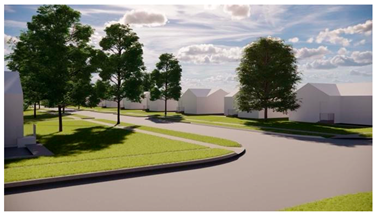
- ○
- 30%
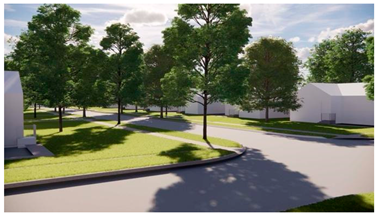
- ○
- 50%
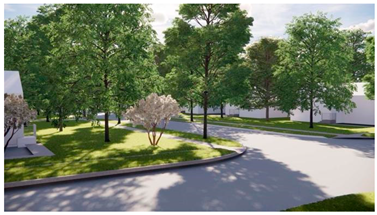
- ○
- 70%
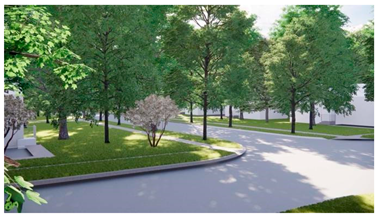
- ○
- 90%
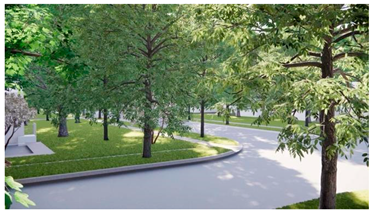
- ○
- My neighborhood doesn’t have trees.
- 46.
-
I would prefer __________ trees in my neighborhood.
- ○
- Fewer
- ○
- the current amount of
- ○
- more
- 47.
-
Are you able to walk from your home to the nearest park, green space, or natural area in less than 5 minutes?
- ○
- Yes
- ○
- No
- ○
- Unsure
- 48.
-
How frequently do you visit/recreate in this park, green space, or natural area?
- ○
- Daily
- ○
- Weekly
- ○
- Once a month
- ○
- Several times a year
- ○
- Once a year
- ○
- Never
References
- Adhikari, B., Delgado-Ron, J. A., van den Bosch, M., Dummer, T., Hong, A., Sandhu, J., Demlow, E., Hu, Y., & Frank, L. D. (2021). Community design and hypertension: Walkability and park access relationships with cardiovascular health. International Journal of Hygiene and Environmental Health, 237, 113820. [CrossRef]
- An, C., Yang, L., Han, T., Song, H., Li, Z., Zhang, J., & Zhang, K. (2022). Kidney ion handling genes and their interaction in blood pressure control. Bioscience Reports, 42(11). [CrossRef]
- Bairapareddy, K. C., Kamcheh, M. M., Itani, R. J., Mohamed, M., Abdellatif Zahran, H. A., Alaparthi, G. K., Tamim, M., Anche, P., & Chandrashekaran, B. (2021). Low physical activity levels are linked to early hypertension risk in college-going young adults. Healthcare, 9(10), 1258. [CrossRef]
- Barton, J., & Rogerson, M. (2017). The importance of greenspace for Mental Health. BJPsych. International, 14(4), 79–81. [CrossRef]
- Bauwelinck, M., Zijlema, W. L., Bartoll, X., Vandenheede, H., Cirach, M., Lefebvre, W., Vanpoucke, C., Basagaña, X., Nieuwenhuijsen, M. J., Borrell, C., Deboosere, P., & Dadvand, P. (2020). Residential urban greenspace and hypertension: A comparative study in two European cities. Environmental Research, 191, 110032. [CrossRef]
- Boakye, K. A., Iyanda, A. E., & Oppong, J. R. (2021). Urban greenness and hypertension among Ghanaian adults. African Geographical Review, 1–13. [CrossRef]
- Booth, M.L. (2000). Assessment of Physical Activity: An International Perspective. Research Quarterly for Exercise and Sport, 71 (2): s114-20.
- Brown, R. D., & Corry, R. C. (2020). Evidence-based landscape architecture for human health and well-being. Sustainability, 12(4), 1360. [CrossRef]
- Cheng, S.-J., Yu, H.-K., Chen, Y.-C., Chen, C.-Y., Lien, W.-C., Yang, P.-Y., & Hu, G.-C. (2013). Physical activity and risk of cardiovascular disease among older adults. International Journal of Gerontology, 7(3), 133–136. [CrossRef]
- Stephanie E. Cleland, William Steinhardt, Lucas M. Neas, J. Jason West, Ana G. Rappold. (2023). Urban heat island impacts on heat-related cardiovascular morbidity: A time series analysis of older adults in US metropolitan areas. Environment International, Volume 178, 108005, . [CrossRef]
- Cohen, S., Kamarck, T., & Mermelstein, R. (1983). A global measure of perceived stress. Journal of Health and Social Behavior, 24, 385-396.
- Dipalben B. Patel, & Hitesh Kumar A. Solanki. (2021). Effects of Noise Pollution on Human Health. Research and Reviews: Journal of Environmental Sciences, 3(1), 1–5. [CrossRef]
- Feng, X., Wen, H., He, M., & Xiao, Y. (2023). Microclimate effects and influential mechanisms of four urban tree species underneath the canopy in hot and humid areas. Frontiers in Environmental Science, 11. [CrossRef]
- Frankish, C. J., Milligan, C. D., & Reid, C. (1998). A review of relationships between active living and determinants of health. Social Science & Medicine, 47(3), 287–301. [CrossRef]
- Galea, S., Freudenberg, N., & Vlahov, D. (2005). Cities and Population Health. Social Science & Medicine, 60(5), 1017–1033. [CrossRef]
- García-Hermoso, A., Ezzatvar, Y., Izquierdo, M., & López-Gil, J. F. (2024). Can an active lifestyle reduce the risk of obesity in adulthood among adolescents with attention-deficit/hyperactivity disorder symptoms? an ambispective cohort study. Psychiatry Research, 334, 115770. [CrossRef]
- Grazuleviciene, R., Andrusaityte, S., Gražulevičius, T., & Dėdelė, A. (2020). Neighborhood Social and built environment and disparities in the risk of hypertension: A cross-sectional study. International Journal of Environmental Research and Public Health, 17(20), 7696. [CrossRef]
- Grillo, A., Salvi, L., Coruzzi, P., Salvi, P., & Parati, G. (2019). Sodium intake and hypertension. Nutrients, 11(9), 1970. [CrossRef]
- Karmakar, D., & Padhy, P. K. (2019). Air Pollution Tolerance, anticipated performance, and metal accumulation indices of plant species for greenbelt development in Urban Industrial Area. Chemosphere, 237, 124522. [CrossRef]
- Kearney, P. M., Whelton, M., Reynolds, K., Muntner, P., Whelton, P. K., & He, J. (2005). Global burden of hypertension: Analysis of Worldwide Data. The Lancet, 365(9455), 217–223. [CrossRef]
- Koeser, A. K., Hauer, R. J., Andreu, M., Northrop, R., & Hilbert, D. R. (2023). Attitudes towards tree protections, development, and urban forest incentives among Florida (United States) residents. Urban Forestry & Urban Greening, 86, 128032. [CrossRef]
- Koeser, A. K., Hauer, R. J., Andreu, M. G., Northrop, R., Clarke, M., Diaz, J., Hilbert, D. R., Konijnendijk, C. C., Landry, S. M., Thompson, G. L., & Zarger, R. (2024). Using the 3-30-300 rule to assess urban forest access and preferences in Florida (United States). Arboriculture & Urban Forestry. [CrossRef]
- Koh, C., Kondo, M. C., Rollins, H., & Bilal, U. (2022). Socioeconomic disparities in high blood pressure by levels of Green Space Availability: A cross-sectional study in Philadelphia, PA. International Journal of Environmental Research and Public Health, 19(4), 2037. [CrossRef]
- Konijnendijk, C. C., Ricard, R. M., Kenney, A., & Randrup, T. B. (2006). Defining urban forestry – a comparative perspective of North America and Europe. Urban Forestry & Urban Greening, 4(3–4), 93–103. [CrossRef]
- Konijnendijk, C. C. (2022). Evidence-based guidelines for Greener, healthier, more resilient neighbourhoods: Introducing the 3–30–300 rule. Journal of Forestry Research, 34(3), 821–830. [CrossRef]
- Lara-Breitinger, K. M., Medina Inojosa, J. R., Li, Z., Kunzova, S., Lerman, A., Kopecky, S. L., & Lopez-Jimenez, F. (2023). Validation of a brief dietary questionnaire for use in clinical practice: Mini-eat (eating assessment tool). Journal of the American Heart Association, 12(1). [CrossRef]
- Lelong, H., Blacher, J., Baudry, J., Adriouch, S., Galan, P., Fezeu, L., Hercberg, S., & Kesse-Guyot, E. (2019). Combination of healthy lifestyle factors on the risk of hypertension in a large cohort of French adults. Nutrients, 11(7), 1687. [CrossRef]
- Leng, H., Li, S., Yan, S., & An, X. (2020). Exploring the relationship between green space in a neighbourhood and cardiovascular health in the winter city of China: A study using a health survey for harbin. International Journal of Environmental Research and Public Health, 17(2). [CrossRef]
- MA. (2005). Ecosystems and human well-being: Synthesis. Island Press.
- Menghetti, E., Strisciuglio, P., Spagnolo, A., Carletti, M., Paciotti, G., Muzzi, G., Beltemacchi, M., Concolino, D., Strambi, M., & Rosano, A. (2015). Hypertension and obesity in Italian school children: The role of diet, lifestyle and family history. Nutrition, Metabolism and Cardiovascular Diseases, 25(6), 602–607. [CrossRef]
- Mills, K. T., Bundy, J. D., Kelly, T. N., Reed, J. E., Kearney, P. M., Reynolds, K., Chen, J., & He, J. (2016). Global disparities of hypertension prevalence and control. Circulation, 134(6), 441–450. [CrossRef]
- Mushcab, H., Al Mutairi, A., Al Matroud, A., Dossary, S., & Ghamdi, M. J. (2023). A lifestyle intervention to prevent hypertension in primary healthcare settings: A Saudi Arabian feasibility study. Preventive Medicine Reports, 36, 102487. [CrossRef]
- Nenna, R., Evangelisti, M., Frassanito, A., Scagnolari, C., Pierangeli, A., Antonelli, G., Nicolai, A., Arima, S., Moretti, C., Papoff, P., Villa, M. P., & Midulla, F. (2017). Respiratory syncytial virus bronchiolitis, weather conditions and air pollution in an Italian urban area: An observational study. Environmental Research, 158, 188–193. [CrossRef]
- Nguyen, P.-Y., Astell-Burt, T., Rahimi-Ardabili, H., & Feng, X. (2021). Green Space Quality and Health: A Systematic Review. International Journal of Environmental Research and Public Health, 18(21), 11028. [CrossRef]
- Nguyen-Huynh, M. N., Hills, N. K., Sidney, S., Klingman, J. G., & Johnston, S. C. (2017). Race-ethnicity on blood pressure control after ischemic stroke: A prospective cohort study. Journal of the American Society of Hypertension, 11(1), 38–44. [CrossRef]
- Nielsen, T. S., & Hansen, K. B. (2007). Do green areas affect health? results from a Danish survey on the use of green areas and health indicators. Health & Place, 13(4), 839–850. [CrossRef]
- Nieuwenhuijsen, M. J. (2021). Green Infrastructure and Health. Annual Review of Public Health, 42(1), 317–328. [CrossRef]
- Nieuwenhuijsen, M. J., Dadvand, P., Márquez, S., Bartoll, X., Barboza, E. P., Cirach, M., Borrell, C., & Zijlema, W. L. (2022). The evaluation of the 3-30-300 green space rule and mental health. Environmental Research, 215, 114387.
- O’Brien, L. E., Urbanek, R. E., & Gregory, J. D. (2022). Ecological functions and human benefits of urban forests. Urban Forestry & Urban Greening, 75, 127707. [CrossRef]
- Ojangba, T., Boamah, S., Miao, Y., Guo, X., Fen, Y., Agboyibor, C., Yuan, J., & Dong, W. (2023). Comprehensive effects of lifestyle reform, adherence, and related factors on Hypertension Control: A Review. The Journal of Clinical Hypertension, 25(6), 509–520. [CrossRef]
- Oliveros, W., Delfosse, K., Lato, D. F., Kiriakopulos, K., Mokhtaridoost, M., Said, A., McMurray, B. J., Browning, J. W. L., Mattioli, K., Meng, G., Ellis, J., Mital, S., Melé, M., & Maass, P. G. (2023). Systematic characterization of regulatory variants of blood pressure genes. Cell Genomics, 3(7), 100330. [CrossRef]
- Plans, E., Gullón, P., Cebrecos, A., Fontán, M., Díez, J., Nieuwenhuijsen, M., & Franco, M. (2019). Density of green spaces and cardiovascular risk factors in the city of madrid: The heart healthy hoods study. International Journal of Environmental Research and Public Health, 16(24). [CrossRef]
- Sefcik, J. S., Kondo, M. C., Klusaritz, H., Sarantschin, E., Solomon, S., Roepke, A., South, E. C., & Jacoby, S. F. (2019). Perceptions of nature and access to green space in four urban neighborhoods. International Journal of Environmental Research and Public Health, 16(13), 2313. [CrossRef]
- Sesso HD, Cook NR, Buring JE, Manson JE, Gaziano JM. (2008). Alcohol consumption and the risk of hypertension in women and men. Hypertension, 51:1080–1087. doi: 10.1161/HYPERTENSIONAHA.107.104968.
- Silber, H., Roßmann, J., & Gummer, T. (2022). The Issue of Noncompliance in Attention Check Questions: False Positives in Instructed Response Items. Field Methods, 34(4), 346-360. [CrossRef]
- Szumilas M. (2010). Explaining odds ratios. Journal of the Canadian Academy of Child and Adolescent Psychiatry = Journal de l'Academie canadienne de psychiatrie de l'enfant et de l'adolescent, 19(3), 227–229.
- Rigolon, A., Browning, M. H., McAnirlin, O., & Yoon, H. (Violet). (2021). Green Space and health equity: A systematic review on the potential of green space to reduce health disparities. International Journal of Environmental Research and Public Health, 18(5), 2563. [CrossRef]
- Tainio, M., Jovanovic Andersen, Z., Nieuwenhuijsen, M. J., Hu, L., de Nazelle, A., An, R., Garcia, L. M. T., Goenka, S., Zapata-Diomedi, B., Bull, F., & Sá, T. H. (2021). Air Pollution, physical activity and Health: A Mapping Review of the evidence. Environment International, 147, 105954. [CrossRef]
- Thapa, R., Zengin, A., Neupane, D., Mishra, S. R., Koirala, S., Kallestrup, P., & Thrift, A. G. (2023). Sustainability of a 12-month lifestyle intervention delivered by community health workers in reducing blood pressure in Nepal: 5-year follow-up of the COBIN open-label, Cluster Randomised Trial. The Lancet Global Health, 11(7). [CrossRef]
- Üstün Topal, T., & Demirel, Ö. (2023). Measuring Air Quality Impacts of Green Areas and Ecosystem Services (Ess) Using Web-Based I-Tree Canopy Tool: A Case Study in Istanbul. Turkish Journal of Forest Science, 7(2), 253-266. [CrossRef]
- Veenstra, G. (2013). Race, gender, class, sexuality (RGCS) and hypertension. Social Science & Medicine, 89, 16–24. [CrossRef]
- WHO. (2022 a). Hypertension. World Health Organization. Retrieved November 3, 2022, from https://www.who.int/health-topics/hypertension#tab=tab_2.
- Wolf, K.L. (2010). Community Economics – A Literature Review. In: Green Cities: Good Health (www.greenhealth.washington.edu). College of the Environment, University of Washington.
- Zhu, Y., Wang, Y., Cui, Z., Liu, F., Hu, C., & Hu, J. (2024). Multi-trait analysis reveals risk loci for heart failure and the shared genetic etiology with blood lipids, blood pressure, and blood glucose. Cell Reports, 43(9), 114735. [CrossRef]
- Ziter, C. D., Pedersen, E. J., Kucharik, C. J., & Turner, M. G. (2019). Scale-dependent interactions between tree canopy cover and impervious surfaces reduce daytime urban heat during summer. Proceedings of the National Academy of Sciences, 116(15), 7575–7580. [CrossRef]

Table 1.
Predictor variables and their definitions are provided below. For continuous predictor variables, mean values (rounded to one decimal place) and standard deviations are reported. For discrete variables, counts (whole numbers) and their corresponding percentages of the total population (denoted by the “%” symbol) are presented.
Table 1.
Predictor variables and their definitions are provided below. For continuous predictor variables, mean values (rounded to one decimal place) and standard deviations are reported. For discrete variables, counts (whole numbers) and their corresponding percentages of the total population (denoted by the “%” symbol) are presented.
| Variables | Definition | Mean/Count | SD / % | |
| Age | Self-reported age respondents | 63.5 | 10.597 | |
| Gender | Respondent's gender identity | |||
| Male | 645 | 47.39% | ||
| Female | 713 | 52.39% | ||
| Non-binary | 3 | 0.22% | ||
| Race | Respondent's racial identity | |||
| Asian | 21 | 1.54% | ||
| Black/African American | 99 | 7.27% | ||
| Hispanic/Latinx | 86 | 6.32% | ||
| Native American/Alaskan Native | 4 | 0.29% | ||
| White/Caucasian | 1091 | 80.16% | ||
| Mixed Ethnicity | 59 | 4.34% | ||
| Others | 1 | 0.07% | ||
| Marital Status | Relationship status | |||
| Single/separated/divorced/widowed | 502 | 36.88% | ||
| Married or cohabiting with partner | 844 | 62.01% | ||
| Neither of these | 11 | 0.81% | ||
| Prefer not to say | 4 | 0.29% | ||
| Education | Highest level of education completed | |||
| Less than high school | 12 | 0.88% | ||
| High school diploma/GED | 223 | 16.39% | ||
| Some college | 459 | 33.73% | ||
| Bachelor's degree | 391 | 28.73% | ||
| Master's degree | 199 | 14.62% | ||
| PhD/MD/JD etc. | 52 | 3.82% | ||
| Other professional degree | 25 | 1.84% | ||
| Employment | Current employment status | |||
| Employed full-time | 386 | 28.36% | ||
| Employed part-time | 85 | 6.25% | ||
| Self-employed | 109 | 8.01% | ||
| Unemployed | 95 | 6.98% | ||
| Student | 4 | 0.29% | ||
| Retired | 644 | 47.32% | ||
| Other | 38 | 2.79% | ||
| Income | Perceived financial security | |||
| Very difficult | 201 | 14.77% | ||
| Difficult | 196 | 14.40% | ||
| Coped | 421 | 30.93% | ||
| Lived comfortably | 519 | 38.13% | ||
| Prefer not to say | 24 | 1.76% | ||
| Children | Number of children in the household | 0.344 | 0.815 | |
| High Blood Pressure | Currently diagnosed with high blood pressure | |||
| Yes | 731 | 53.71% | ||
| No | 612 | 44.97% | ||
| Not sure | 18 | 1.32% | ||
| HBP Family History | Family history of blood pressure | |||
| Yes | 779 | 57.24% | ||
| No | 452 | 33.21% | ||
| Not sure | 130 | 9.55% | ||
| Medication | Currently taking blood pressure medication | |||
| Yes | 642 | 47.17% | ||
| No | 719 | 52.83% | ||
| Stress Level | Self-reported stress level | 5.291 | 3.487 | |
| Daily Activity | Physical activity levels | |||
| Vigorous hours | 3.734 | 6.934 | ||
| Moderate hours | 4.649 | 8.149 | ||
| Walk hours | 7.002 | 11.696 | ||
| Sitting hours | 7.284 | 4.699 | ||
| Weekly Diet | Weekly consumption of specific food groups | |||
| Fruit | 3.772 | 2.006 | ||
| Vegetables | 4.118 | 1.846 | ||
| Nuts, legume, seeds | 2.764 | 2.169 | ||
| Fish, seafood | 1.717 | 1.293 | ||
| Grains | 2.957 | 2.08 | ||
| Refined grains | 2.683 | 2.012 | ||
| Low fat | 2.715 | 2.339 | ||
| High fat | 2.943 | 2.101 | ||
| Sweets | 2.954 | 2.134 | ||
| Smoke | Tobacco use status | |||
| Yes | 246 | 18.07% | ||
| No | 1115 | 81.93% | ||
| Alcohol Intake | Weekly alcoholic drink consumption | |||
| 0 | 670 | 49.23% | ||
| 1-3 | 410 | 30.12% | ||
| 4-10 | 207 | 15.21% | ||
| 11-more | 74 | 5.44% | ||
| Hours of Sleep | Average nightly sleep duration in hours | 6.536 | 1.483 | |
| Living in Current Residence | Years spent at current home | |||
| <1 year | 104 | 7.64% | ||
| 1-5 years | 425 | 31.23% | ||
| 6-10 years | 263 | 19.32% | ||
| >10 years | 569 | 41.81% | ||
| Place Spent the Most while Awake: | Primary location during waking hours | |||
| Home | 1143 | 83.98% | ||
| Office | 167 | 12.27% | ||
| School | 8 | 0.59% | ||
| Other | 43 | 3.16% | ||
| Number of Trees | Number of trees visible when at primary location | 2.61 | 0.846 | |
| 0 | 83 | 6.10% | ||
| 1 | 76 | 5.58% | ||
| 2 | 130 | 9.55% | ||
| 3 or more | 1072 | 78.77% | ||
| Outdoor Greenery Time | Frequency of time spent in green spaces | |||
| Daily | 750 | 55.11% | ||
| Several times a week | 414 | 30.42% | ||
| Once a week | 88 | 6.47% | ||
| 2-3 times per month | 69 | 5.07% | ||
| Once a month or less | 40 | 2.94% | ||
| Tree Canopy Cover | Estimated tree coverage in neighborhood | |||
| 0% | 12 | 0.88% | ||
| 10% | 273 | 20.06% | ||
| 30% | 312 | 22.92% | ||
| 50% | 245 | 18.00% | ||
| 70% | 171 | 12.56% | ||
| 90% | 112 | 8.23% | ||
| I would Prefer __ Trees in My Neighborhood. | Preference for neighborhood tree density | |||
| Fewer | 69 | 5.07% | ||
| More | 567 | 41.66% | ||
| The current amount of | 725 | 53.27% | ||
| Having Walkable Green Space | Access to green space within walking distance | |||
| Yes | 726 | 53.34% | ||
| No | 594 | 43.64% | ||
| Unsure | 41 | 3.01% | ||
| Visit Natural Area | Frequency of natural area visits | |||
| Daily | 226 | 16.61% | ||
| Weekly | 416 | 30.57% | ||
| Once a month or less | 185 | 13.59% | ||
| Several times a year | 226 | 16.61% | ||
| Once a year | 72 | 5.29% | ||
| Never | 236 | 17.34% | ||
Table 2.
Predictive Model of High Blood Pressure: Binary Logistic Regression Analysis.
| Model | Variables | Estimate | Standard Error | Odds Ratio |
p value |
95% CI (odds ratio scale) | |
| Lower | Upper | ||||||
| M₀ | (Intercept) | 0.15 | 0.06 | 1.17 | 0.011 | 1.04 | 1.31 |
| M₁ | (Intercept) | -4.69 | 1.05 | 0.01 | < .001 | 0.00 | 0.07 |
| Age | 0.06 | 0.01 | 1.07 | < .001 | 1.05 | 1.08 | |
| Gender (Male)z | 0.99 | 0.16 | 2.68 | < .001 | 1.98 | 3.62 | |
| Gender (Non-binary)z | 1.78 | 1.87 | 5.96 | 0.339 | 0.15 | 231.68 | |
| Race African Americany | 0.83 | 0.31 | 2.30 | 0.007 | 1.26 | 4.20 | |
| Education Less than High Schoolx | 2.50 | 0.99 | 12.15 | 0.012 | 1.75 | 84.39 | |
| Income - Very difficultw | 0.51 | 0.22 | 1.66 | 0.019 | 1.09 | 2.53 | |
| Sitting hours | 0.04 | 0.02 | 1.04 | 0.028 | 1.00 | 1.07 | |
| HBP Fam History (Not sure)v | 2.23 | 0.27 | 9.28 | < .001 | 5.46 | 15.77 | |
| HBP Fam History (Yes)v | 2.55 | 0.18 | 12.82 | < .001 | 9.02 | 18.22 | |
| Number of Trees (1) | -0.32 | 0.43 | 0.73 | 0.459 | 0.31 | 1.69 | |
| Number of Trees (2) | -0.67 | 0.38 | 0.51 | 0.081 | 0.24 | 1.09 | |
| Number of Trees (3 or more) | -0.35 | 0.31 | 0.71 | 0.259 | 0.39 | 1.29 | |
| Canopy cover (10%) | -1.00 | 0.81 | 0.37 | 0.218 | 0.08 | 1.80 | |
| Canopy cover (30%) | -0.93 | 0.81 | 0.40 | 0.252 | 0.08 | 1.93 | |
| Canopy cover (50%) | -0.70 | 0.81 | 0.50 | 0.394 | 0.10 | 2.46 | |
| Canopy cover (70%) | -0.91 | 0.82 | 0.40 | 0.269 | 0.08 | 2.02 | |
| Canopy cover (90%) | -0.56 | 0.84 | 0.57 | 0.501 | 0.11 | 2.94 | |
| Walkable green space (Unsure) | -0.20 | 0.46 | 0.82 | 0.669 | 0.33 | 2.02 | |
| Walkable green space (Yes) | -0.10 | 0.18 | 0.91 | 0.592 | 0.64 | 1.29 | |
| Outdoor greenery time (Daily) | -0.64 | 0.35 | 0.53 | 0.063 | 0.27 | 1.04 | |
| Outdoor greenery time (Several times a week) | -0.46 | 0.35 | 0.63 | 0.197 | 0.32 | 1.27 | |
| Outdoor greenery time (Once a week) | -0.34 | 0.44 | 0.71 | 0.442 | 0.30 | 1.68 | |
| Outdoor greenery time (once a month or less) | -0.94 | 0.52 | 0.39 | 0.070 | 0.14 | 1.08 | |
| Visit natural area (Weekly) | -0.07 | 0.24 | 0.94 | 0.775 | 0.59 | 1.49 | |
| Visit natural area (Once a month) | 0.37 | 0.30 | 1.45 | 0.218 | 0.80 | 2.61 | |
| Visit natural area (Several times a year) | 0.12 | 0.29 | 1.13 | 0.666 | 0.65 | 1.98 | |
| Visit natural area (Once a year) | -0.15 | 0.40 | 0.86 | 0.709 | 0.40 | 1.88 | |
| Visit natural area (Never) | 0.20 | 0.30 | 1.22 | 0.519 | 0.67 | 2.19 | |
Note. HBP level 'Yes' coded as class 1. z Compared to Female y Compared to the combination of Asian, Hispanic/Latinx, Native American/Alaska Native, White/Caucasian, Mixed ethnicity and Others. x Compared to the combination of High school diploma/GED, Some college, Bachelor's degree, Master's degree, PhD/MD/JD etc., and Other professional degrees. w Compared to the combination of difficult, coped, and lived comfortably with their household income v Compared to No HBP Family History.
Disclaimer/Publisher’s Note: The statements, opinions and data contained in all publications are solely those of the individual author(s) and contributor(s) and not of MDPI and/or the editor(s). MDPI and/or the editor(s) disclaim responsibility for any injury to people or property resulting from any ideas, methods, instructions or products referred to in the content. |
© 2025 by the authors. Licensee MDPI, Basel, Switzerland. This article is an open access article distributed under the terms and conditions of the Creative Commons Attribution (CC BY) license (http://creativecommons.org/licenses/by/4.0/).
Copyright: This open access article is published under a Creative Commons CC BY 4.0 license, which permit the free download, distribution, and reuse, provided that the author and preprint are cited in any reuse.


