
Submitted:
30 July 2025
Posted:
01 August 2025
You are already at the latest version
Abstract
This study explores the adoption of solar photovoltaic (PV) systems in Indonesia, specifically under the RPVSS policy framework. It addresses the nation's energy trilemma—balancing energy security, affordability, and environmental sustainability—by identifying the primary factors influencing PV system adoption. High upfront costs and limited access to energy storage solutions continue to hinder affordability. Expert interviews reveal political and technical apprehensions, particularly concerning grid reliability and the intermittent nature of solar power. Environmental sustainability is further challenged by the lack of proper infrastructure for managing solar panel waste. Despite these concerns, public perception is generally favorable regarding the usefulness and user-friendliness of solar PV systems. However, issues surrounding cost and environmental awareness remain prevalent. Based on these findings, the study recommends that policymakers introduce financial incentives, partner with property developers, streamline the adoption process, promote public awareness, and invest in solar waste management facilities. The Technological Acceptance Model (TAM) serves as a valuable lens in this analysis, highlighting the importance of improving affordability, ease of installation, environmental literacy, and technical knowledge to boost adoption rates. While Jakarta serves as the primary case study, the conclusions may be relevant to other urban regions across Indonesia. Overall, the research provides a holistic view of the challenges and opportunities in advancing solar PV adoption and offers strategic policy guidance for a more sustainable energy future.
Keywords:
Solar Photovoltaic (PV) systems
; renewable energy
; RPVSS Policy
; Technology Acceptance Model (TAM)
; energy trilemma (security
; affordability
; sustainability)
; solar energy adoption
; public perception
Introduction
1.1. Research Background
Climate change has become a pivotal challenge facing the world in recent decades. This concern leads to the need for energy transition, as fossil fuel consumption was estimated to contribute to more than two-thirds of total greenhouse gas (GHG) emissions globally. In 2020, even though global CO2 emissions from fuel combustion declined by around 6% due to COVID-19 reduced global energy demand, fossil fuel still represented 80% of the total energy supply globally (IEA, 2021)
Regarding the global energy transition challenge, Indonesia plays a vital role as the highest energy consumption country in the Association of Southeast Asian Nations (ASEAN) in total. It is forecasted to keep growing along with economic and population growth (IRENA, 2022). Consequently, the Indonesian Government has stipulated to increase the Renewable Energy mix by 23% and 31% in 2025 and 2050, respectively, through Government Regulation No.79 of 2014 in the National Energy Plan and 2015 Paris Agreement (MEMR, 2019).
Located in the equator, solar energy possessed the highest potential of the other renewable energy options in Indonesia, with an average of 4.8 kWh/m square per day and a total potential of 207,898 MW (see Table 1) (Silalahi et al., 2021; MEMR, 2019). As a country with significant potential to produce solar energy, Indonesia found to have remained underutilizing the solar PV systems1 (Dang, 2017; Mujiyanto and Tiess, 2013). The realization of solar PV systems adoption in Indonesia constitutes only 0.03% of the total potential (MEMR, 2019). In this sense, Indonesia's untapped solar energy potential could significantly contribute to energy transition and meet the growing energy demand in the following years.
To promote the adoption of solar PV systems, the Government of Indonesia introduced the Rooftop Photovoltaic Solar Systems (RPVSS) policy in 2018 to encourage the public (hereafter, public refers to households) to adopt solar PV systems and reduce reliance on fossil fuels, which are the major contributor to climate change. However, in 2021, Indonesia's energy source is still dominated by fossil fuels, which account for almost 90% of the national energy mix, which illustrates the slow progress of renewable energy adoption in the country (Ritchie, 2022b). In solar PV systems development, policy frameworks that are supportive and favorable to adopting solar PV systems can help accelerate the technology adoption (Kunaifi et al., 2020). In addition, understanding the factors that influence the public as potential adopters of solar PV systems under RPVSS policy is crucial to accelerate the development of solar PV systems. For instance, if the public, as potential adopters of technology, find the maintenance and costs related to solar PV systems problematic, they could be inclined not to install solar PV panels on their rooftops. In this sense, technological acceptance studies offer a framework to analyze the public perception and attitudes toward the intention to use solar PV systems (Yang, 2021). This research will focus on the current situation in Indonesia regarding the adoption of solar PV systems, as the public will perceive the technology based on the current policy.
In Indonesia, solar energy technology has gained popularity recently. Many studies have been published in which focusing on analyzing the technical and economic aspects of solar PV systems in Indonesia (Qamar, 2022; Kristiawan et al., 2018; Sijabat & Mostavan, 2021 and Dwipayana & Herdiansyah, 2021). In addition, there have been publications addressing the public perception of the solar PV systems associated with the challenge of installing solar PV systems in Indonesia (Setyawati, 2020; Qolbi, 2020; and Tarigan, 2020). However, there needs to be more research on technological acceptance's potential impact on the adoption of solar PV systems under specific policy settings. Therefore, the present research focuses on assessing the impact of technological acceptance in solar PV systems under the RPVSS policy.
1.2. Problem Statement
To achieve the energy mix target of 23% in 2025 and 31% in 2050, the development of solar energy is expected to become the backbone as the weather and location of Indonesia are in favorable conditions to generate solar energy. However, the slow development of solar PV systems in Indonesia is strongly linked to political issues rather than technical as Indonesia is still dominated by coal as the energy source, and most coal businesses are owned by the political elites (Setyawati, 2020). In solar PV systems development, the influence of energy policy will determine the technological standard and the technology adoption procedure for the potential customer. Thus, it is relevant to analyze the key components that influence the development of solar PV systems in Indonesia under a specific policy setting.
Since 2018, the Government of Indonesia has implemented the Rooftop Photovoltaic Solar Systems (RPVSS) Policy, encouraging the public to adopt solar PV systems to generate energy. However, the adoption of solar PV systems in Indonesia remained insignificant regardless of the existence of the RPVSS policy. In accelerating the adoption of solar PV technology, the public is considered an important stakeholder and plays a vital role as a potential user (Yang, 2021). In this sense, understanding the public perception of solar PV systems and analyzing the key factors influencing the public intention to adopt the new technology is imperative. The Technological Acceptance Model (TAM) theory offers a framework to understand the determinants of the intention to adopt solar PV systems in Indonesia, which could occur based on four indicators: usefulness, ease of use, environmental awareness, and affordability (Yang, 2021).
1.3. Research Objective and Contribution
There are three objectives of the present research, which are (1) to analyze key factors that influence the public willingness to adopt solar PV systems in Indonesia, (2) to measure current technological acceptance of solar PV systems under RPVSS policy, and (3) to explore the way to utilize the technological acceptance to accelerate solar PV development in Indonesia.
As the existing research has acknowledged the public perceptions towards solar energy systems in Indonesia (Setyawati, 2020), this study aims to contribute to the body of literature that focuses on accelerating the adoption of solar PV systems by analyzing the critical factors in the solar energy development complex systems in Indonesia. In addition, this research aims to support policymakers by exploring the potential impact and solution for accelerating solar PV systems adoption based on public and experts’ perceptions towards the solar PV systems under the RPVSS policy. Through combined experts' perception and technology acceptance model, the policymakers could evaluate the potential result of options or the potential impacts of a new policy and analyze the best approaches to accelerate the adoption of solar PV systems under the RPVSS policy.
1.4. Research Question
The main research question of this study is: How can technology acceptance accelerate solar PV systems adoption under RPVSS policy to facilitate Indonesia’s energy transition?
To answer this question, the following sub-questions are formulated:
- What is the current situation of solar PV systems under the RPVSS policy in Indonesia to address energy trilemma?
- What are the public perceptions toward usefulness, ease of use, affordability, and environmental awareness regarding solar PV systems addressed by RPVSS policy in Indonesia?
- What recommendations can be formulated to improve the technological acceptance of the public?
2. Literature Review
This chapter elaborates on initial desk research of solar PV systems in Indonesia under RPVSS policy, which covers the situation of solar PV systems development, general understanding of solar PV systems, policy, and policy implementation.
2.1. Solar PV Systems Development in Indonesia
Indonesia is in fourth position in the global population, with 276 million people. It is estimated to reach 335 million in 2050, and electricity consumption is estimated to be 30 times higher than present in 2050 due to the increase in population (IRENA, 2022). The future of Indonesia’s energy consumption will have a significant impact on global GHG emissions. In 2021, Indonesia’s energy mix derived from oil and gas (51%) and coal (40%), which indicates less than 10% shares of renewable energy sources in Indonesia (see Figure 1) (Ritchie, 2022b). Regarding fossil-fuel procurement, in 2021, Indonesia will still become the 21st largest fossil-fuel importer in the world by spending 6.03B USD in the given year (OEC, 2021).
Indonesia possesses a vast potential for utilizing solar energy as an energy resource, and solar energy is identified as Indonesia's highest potential source of renewable energy (MEMR, 2019). Accordingly, solar energy is considered a promising solution to achieving energy transition goals under Government Regulation No. 79.2014 by increasing the shares of renewable energy in the energy mix (MEMR, 2019). According to IRENA2 (2022), solar energy utilization in Indonesia is estimated to reach 47 gigawatts (GW) of installed capacity by 2030, which includes the plan to provide electricity for approximately 1.1 million households in rural areas without electricity access. However, the current situation in Indonesia is in the sixth position regarding the amount of installed capacity (kWh) in Southeast Asia after Singapore, Malaysia, the Philippines, Thailand, and Vietnam (IRENA, 2020).
In Indonesia, regulation support and policy uncertainty related to solar PV systems were found to be the main barriers. Indonesia's electricity business adopted a single-buyer model, which made Perusahaan Listrik Negara (PLN) a state-owned electricity company that could generate, transmit, and supply electricity to the customer (Qolbi, 2020). However, under the energy policy 2014, private enterprises allowed to become contract suppliers of energy generation consider PLN still solely managing the transmission and distribution. While there was evidence of the Government making an effort to create a policy to boost solar PV development, the fluxing policy change was the reason for insignificant progress (Gunawan et al., 2021).
Regulations related to solar PV systems have changed frequently since 2014 by two major policy developers, MEMR and PLN, which include energy pricing, export tariff value, cap of price for PLN, project location, technical standards, and net-metering (Gunawan et al., 2021). The inconsistency and uncertainty of Indonesia’s solar energy policy impacted distrust from investors and disadvantageous circumstance for the renewable producer as the price is determined by PLN, which use cheap coal in the operations (IEEFA, n.d.).
Kunaifi et al. (2020) found a correlation between solar PV installed capacity and government policy. From 2013 to 2016, the export tariff value for solar PV systems was desirable for IPP and led to a significant increase in installed solar PV capacity. Under MEMR Regulation no.17/2013, the export tariff ranged from 25 cents USD/kWh – 30 cents USD/kWh, and starting in 2016, the export tariff was reduced to 13.5 cents USD/kWh – 25 cents USD/kWh, which slowing down the progress. The situation was exacerbated in 2017 under a new regulation that capped the export tariff from 7 cents USD/kWh to 17 cents USD/kWh, which is seen as a significant barrier to solar PV development (IESR, 2019). In this sense, the solar PV development was highly dependent on policy related to solar PV technology and the public's perception of the policy as the potential technology adopter. The following section will elaborate on the most recent policy in solar PV systems in Indonesia.
2.2. Rooftop Photovoltaic Solar Systems Policy in Indonesia
In the present research, the studies on solar PV systems development in Indonesia is conducted under RPVSS policy as the policy regulate all the technical and administrational requirement to adopt the technology. Therefore, to analyze the technological acceptance of solar PV systems in Indonesia, the present research focuses on the RPVSS policy.
As mentioned before, under the Ministry of Energy and Mineral Resources (MEMR), the Indonesian Government has stipulated to increase the shares of renewable energy to 23% in 2025 and 31% in 2050 (MEMR, 2019). The Indonesian Government introduced Ministerial
Regulation No. 49/2018, Rooftop Photovoltaic Solar Systems (RPVSS) to support this goal. Related to the RPVSS policy, four core stakeholders were identified: consumers, the national electricity company (PLN), the Central Government of Indonesia, and independent power producers (IPP). The RPVSS policy enables all kinds of customers of the PLN to feed their excessively produced energy into the national grid. Regarding this situation, PLN is considered a pivotal component as this company is a state-owned company responsible for solely providing electricity in Indonesia, known as the market monopoly in electricity (Maulidia et al., 2019). Through this policy, the Indonesian Government plans to encourage the public in Indonesia to adopt solar PV systems to generate their electricity.
In Jakarta, the housing stock comprises a mix of houses and apartments, reflecting the multifaceted nature of the city's urban development. While traditional single-family houses are prevalent, high-rise apartment complexes have become increasingly common, especially in densely populated urban areas. In terms of tenure, owner occupancy remains a significant trend, with many individuals and families aspiring to own their homes as a mark of stability and financial security. This is reflected in the prevalence of homeownership in Jakarta, where many residents prioritize acquiring property.
Thus, the RPVSS policy enables "on-grid PV systems" to PLN customers, allowing them to install photovoltaic panels and connect them to the national grid on residential, governmental, commercial, and industrial buildings (Setyawati, 2020). The visual frameworks of the on-grid PV systems are shown in Figure 2.
There are several barriers found in solar PV systems development under RPVSS policy settings, including lack of information and promotion of the technology, the expensive upfront cost of technology adoption, long-term payback period or ROI, and considered small value of export rate, and lack of subsidies or financial support scheme. At the same time, some people stated that solar leasing schemes could attract more customers, and there is a lack support from PLN (Setyawati, 2020). Regarding the last barrier, PLN is only authorized to give private entities a "certificate of operation" without offering the installation and maintenance service themselves.
Regarding RPVSS, the customer requires prior approval and verification from PLN to install the technology. This process consists of application submission and administrative requirements such as PLN customer number, the specification of capacity and equipment to install, and the option to install the battery storage. Under the RPVSS policy, the maximum installed capacity of the solar panel is 100% of the existing electricity capacity contract, and the fed-in tariff of excessive exported electricity will be valued at 65% of the standard PLN tariff (around 5.5 cents USD/kWh - 7 cents USD/kWh, based on 2023 electricity prices in Indonesia and March 2023 exchange rate). If the export energy exceeds the import, the excess can be transferred to the following month to offset the monthly bill (maximum of three months). The upfront cost of the kWh net metre device is Rp. 2,000,000, and the cost of installation is around Rp. 17,000,000/kWh (on average, one household may need to install 2kWh of solar panel capacity, approximately Rp. 34,000,000 or US 2210, March 2023 exchange rate). For household customers, the amount needed for 1 kW installation is 8 square metres. The lifespan of solar panels is 20 to 25 years, and the inverter is 10 to 15 years, while the solar panels require maintenance around two to four times a year. According to Tarigan (2020), the average return on investment (ROI) or payback period of rooftop solar PV adoption under the RPVSS policy would be around 9-10 years. These aspects of the RPVSS policy will influence public perception toward the solar PV technology itself as this policy will arrange the terms and conditions to adopt the technology.
As a summary for this section, solar PV development in Indonesia highly depends on regulation and the involvement of stakeholders like the Government, PLN, IPP, and potential consumers. The frequent change in policies related to the adoption of solar PV systems in Indonesia illustrates that these policies must be more attractive for potential users to adopt the technology. Understanding how technological acceptance could accelerate solar PV systems development under specific policy settings is pivotal. Technological acceptance is a critical aspect to address as the intention to adopt solar PV technology under the RPVSS policy is determined by the public perception toward the content of the policy itself (Park et al., 2014). For instance, the technical complexity of adopting solar PV, the price of installment and maintenance, and the economic benefit of solar PV could influence the willingness of the public to adopt solar PV systems on their rooftop.
While a few scholars have already studied the public perception toward solar PV systems in Indonesia (such as Setyawati, 2020; Qolbi, 2020; and Tarigan, 2020), a gap still exists regarding solar PV technological acceptance studies in Indonesia; little is known about how the public perceived solar PV systems under RPVSS policy. Through technological acceptance, the public's needs and preferences as potential users can be identified and used to create policies based on their needs. Therefore, analyzing the factors influencing the acceptance of solar PV systems under RPVSS policy can help policymakers formulate more effective policies encouraging solar PV systems adoption and accelerating solar PV development in Indonesia.
3. Conceptual Framework
This chapter elaborates on an overview challenge related to this research, and the theories that connect each challenge were presented.
3.1. Energy Transition in the Context of Energy Trilemma
Solar PV systems have been a promising sector in Indonesia to achieve an energy transition strategy due to the geo-location and weather characteristics in the given country. The present research refers to energy transition as a policy-driven process that involves a systematic shift towards sustainable, climate-friendly, economically efficient, and secure energy systems (Pastukhova & Westphal, 2020). The "need" for the next energy transition arises because current energy systems are unsustainable regarding all environmental, social, and economic criteria (Grubler, 2012). At the same time, the energy trilemma is defined as the challenge of managing trade-offs between three main energy management objectives: energy security, energy affordability, and environmental sustainability (Gunningham, 2013). Therefore, these two concepts are related as the energy transition aims to address three main aspects of the energy trilemma.
Regarding this view, the energy trilemma concept is relevant to this study as the three pillars of energy trilemma are used as an indicator of the solar PV systems development in Indonesia. The examination of solar PV systems through the lens of the energy trilemma will shed light on the extent to which these systems address the challenges posed by energy security, affordability, and environmental sustainability. This analysis will help inform policymakers and stakeholders about the strengths and areas for improvement in Indonesia's solar PV sector as it aligns with the overarching goals of the energy transition and the energy trilemma. Thus, energy trilemma is the crucial concept to simplify the broad spectrum of the solar PV systems development impact by focusing on three categories, namely, energy affordability, energy security, and environmental sustainability (Weiss et al., 2021)
The energy trilemma is a well-known challenge in governing energy, which involves a trade-off between each pillar, particularly in developing countries. For example, Indonesia's transition from net oil exporter to net oil importer illustrates the challenge of managing energy security while providing affordable energy for the public's needs (Resosudarmo et al., 2019). The Government's effort to balance the need for a reliable and affordable energy supply while avoiding environmental impact has been recognized as a significant challenge in Indonesia's energy policy.
As mentioned before, the electricity market in Indonesia is a single market buyer, and most of the regulation toward energy is influenced by MEMR and PLN. The RPVSS policy aims to promote solar PV technology as a vast energy source in Indonesia to reduce GHG emissions and dependency on fossil fuels. While there will be a broad impact of solar PV development in
Indonesia, this study focused on the energy trilemma’s three main aspects, as the emergence of solar PV technology will affect the energy price, energy mix, and environmental impact.
3.1.1. Energy Affordability
There is still a lively debate about energy affordability and the indicator to assess a given concept (Hills, 2012). While that is true, the definition of energy affordability is well elaborated by Miniaci et al. (2014), that the affordability criteria should focus on the supply side, which consists of energy prices, technology cost, and condition of services while at the same time considering the consumers' needs and perceptions. Therefore, this research referred to energy affordability at the scope of the upfront cost of technology purchasing, maintenance cost, and monthly energy bill.
3.1.2. Energy Security
While there is a broad definition of energy security, there seems to be an agreement about energy security linked to risk (Rutherford et al., 2007; Ölz et al., 2007; Wright, 2005; Keppler, 2007; Lieb-Doczy et al., 2003). However, the source of risks in the context of energy security is redundant (Gnansounou, 2008). To simplify the needs of this study, three main categories are introduced, which are derived from technical risk, human risk, and natural disaster risk (Winzer, 2012). Technical risk, as described by (Winzer, 2012), indicates the failure of energy hardware such as transmission lines, power plants, or transformers due to a failure of infrastructure caused by mechanical, thermal, or human error. Second, human risk implies supply and demand instability, political issues, and geopolitical risk (energy import dependency); natural disaster risk deals with extreme natural events such as storms and earthquakes (Winzer, 2012).
3.1.3. Environmental Sustainability
The last aspect of the energy trilemma lies in environmental sustainability, which implies the transition of the energy systems to avoid potential harm to the environment (World Energy Trilemma Index, n.d.). This aspect is relevant for developing the solar energy system in Indonesia as the development itself entails positive and negative effects on the environment. For instance, solar PV systems are clean, renewable energy with zero emission of GHG while using it. They are considered a promising technology for increasing energy supply and reducing fossil-fuel dependency (Tawalbeh et al., 2021). However, there are consequences of the manufacturing process for the environment, such as raw material extraction, manufacturing, disposal, and recycling, which can be a potential barrier to development (Dubey et al., 2013).
To specify the potential barriers and consequences of solar PV development, there are several components: land use, air pollution and climate change, hazardous material emission, raw material extraction, water usage, and noise and visual impacts (Tawalbeh et al., 2021).
3.2. Technological Acceptance Model
The Technological Acceptance Model theory argues that the person's desire to adopt the technology is significantly influenced by their attitudes toward the content of the technology, which stem from their perception of perceived usefulness and the perceived ease of use of the technology (Ducey & Coovert, 2016). According to Yang (2021b), the Technology Acceptance Model (TAM) is the pivotal framework for technological acceptance created by Davis (1989) and originated from the combination of the theory of reasoned action (TRA) and the theory of planned behavior (TPB). TRA and TPB are theoretical frameworks concerned with individual motivational factors as predictors of the likelihood of engaging behaviors (Montano & Kasprzyk, 2015).
This theory is relevant to the development of solar PV systems in Indonesia as the willingness of people to use technology is heavily determined by people’s attitudes towards the technology (Azjer & Gilbert Cote, 2008). Regarding TAM in renewable energy, Yang (2021) introduces two more categories, which result in perceived usefulness, perceived ease of use, environmental awareness, and perceived affordability (see Figure 3). Thus, the present research used these four categories as solar PV technology is considered renewable energy, which is still emerging in Indonesia.
This theory framework could measure the public perception of solar PV technology under the RPVSS Policy. The content of the RPVSS policy was examined, and the key indicators that correspond with each category of TAM were identified. The main idea of the TAM theory application in this research is that the public perception of RPVSS policy regarding the four categories of TAM will positively or negatively affect people's intention to use rooftop solar PV.
In the context of the energy transition, applying the TAM theory helps to understand and facilitate the acceptance and adoption of new technologies that support the energy transition and address the challenges of the Energy Trilemma. The TAM theory helps assess the perceived usefulness, ease of use, affordability, and environmental awareness of new energy technologies by individuals, which can influence their acceptance and adoption. By understanding the factors that affect technology acceptance, policymakers, researchers, and energy companies can design strategies and interventions to promote the adoption of sustainable energy technologies, thereby contributing to the energy transition and addressing the goals of the Energy Trilemma.
3.2.1. Perceived Usefulness
Perceived usefulness is defined as the extent of work performance improvement when a person implements the technology based on that person's belief (Davis et al., 1989). In the context of RPVSS policy, the indicator of perceived usefulness is related to lowering electricity bills when adopting the given technology or meeting daily electricity needs without extensive effort (Ahmad et al., 2017). Regarding the energy trilemma, this indicator relates to energy security and affordability as the electricity bill relates to the monthly bill in energy affordability and providing electricity connected to energy security.
3.2.2. Perceived Ease of Use
Perceived ease of use is defined as the extent of convenience or minimum effort while a person uses the technology based on that person's perspective (Davis et al., 1989). In the context of RPVSS policy, this indicator is related to the compatibility of the building as the installment of technology requires some building specification, frequency of interaction while using the technology, frequency of maintenance, and complexity for technology installation (Ahmad et al., 2017; Bandar & Amarasena, 2018). Regarding the energy trilemma, this indicator is related to energy security as the compatibility and technical obstacle connected with technical and human risk. For instance, the increase of solar PV in Indonesia could reduce energy dependency, and the compatibility of the infrastructure (grid system) in Indonesia imposes the risk of hardware failure or error.
3.2.3. Perceived Affordability
This category is the extension of TAM theory, which was introduced by Yang in 2021 to adjust the needs of research in renewable energy technology. Related to the RPVSS policy, this indicator is related to the rate of return on investment (payback calculation), monthly electricity bill, upfront cost for installation, and maintenance cost. Regarding the energy trilemma, this indicator is strongly connected to energy affordability, which deals with finance-related components.
3.2.4. Environmental Awareness
Besides the perceived affordability, environmental awareness is also considered an extension of the TAM theory introduced by Yang, 2021. The adoption rate of solar PV depends on the potential user perception, affecting the willingness to adopt the technology. As potential users, the public needs to be informed of the environmental aspect of the given technology, which might increase their acceptance of the technology. Respectively, this indicator relates to all kinds of rooftop solar PV systems' positive and negative environmental impacts. In the context of RPVSS policy, the indicator includes raw material extraction, material disposal, waste treatment, and reduced GHG emissions. Related to the energy trilemma, this indicator is firmly associated with environmental sustainability.
3.2.5. TAM Indicator
To summarize this section, 15 indicators of TAM were formulated to address public perception for each category towards solar technological acceptance under RPVSS policy. These indicators were used in surveys to measure technological acceptance from the public (see Table 2).
4. Methodology
This chapter elaborates on the step-by-step procedure and methods used to achieve the research objectives and answer the research question of the present research. First, background research and a literature review were conducted to find the knowledge gap and formulate the research objective and question. This study aims to analyze how the technological acceptance of solar PV systems under the RPVSS policy could accelerate solar PV system development in Indonesia. Understanding the public perception toward solar PV systems could help policymakers formulate a better policy that corresponds with public needs, thus accelerating the development of given technology.
To create recommendations for policymakers, this study combined expert opinion from interview results and public perception toward solar PV systems under RPVSS policy from survey results. The interview results were analyzed to identify the current situation regarding solar PV systems under RPVSS policy in Indonesia from policy content to practice and explore the potential solution for the barriers that challenged the acceleration of solar PV systems adoption, considering the three dimensions of the energy trilemma: energy security, affordability, and environmental sustainability. Respectively, the survey results were analyzed to understand better the current public perception of perceived usefulness, environmental awareness, affordability, and ease of use. This research aims to identify which aspects can be improved to improve public perception of solar PV systems under the RPVSS policy. The visualization of the research strategy is shown in Figure 4.
4.1. Content Analysis
The present research data collection starts with background research and a literature study to find the critical components of dynamic solar PV systems in Indonesia. The articles were identified in the Scopus database and Google Scholar, using the combination of the following keyword “Solar PV development”, “Solar PV adoption”, “RPVSS Policy”, “Public Perception”, and “Indonesia”. While selecting the paper, there were two criteria: writing in English and focusing on Indonesia's solar PV development under the RPVSS Policy.
After getting a comprehensive understanding of the issues of RPVSS Policy in Indonesia, the research was limited to focusing on the public perception and technology acceptance toward solar PV technology. During the content analysis, frequently mentioned challenges and critical stakeholders, considered very important for comprehending the technological acceptance of solar PV technology in Indonesia, were identified.
4.2. Survey Design
This study uses survey methods to define public perception towards the RPVSS policy based on four TAM indicators. Respectively, the survey results were analyzed to understand the public perception toward solar PV systems under the RPVSS policy. In this way, public perception could contribute to exploring the challenge and opportunity for policymakers to accelerate the adoption of solar PV systems in Indonesia.
The survey consisted of 19 questions related to the TAM indicator. The answer option consists of a Likert scale answer, and the participants must live in Jakarta, as shown in Annex 2. A Likert scale answer is a response a respondent gives to indicate their level of agreement or disagreement with a statement, ranging from strongly disagree to strongly agree. The Likert scale was created by Rensis Likert in 1932 to measure the attitudes and beliefs of a study population (Stratton, 2018). The Likert scale helps determine a valid and trustworthy way to quantify subjective preferential thoughts, feelings, and behaviors reliably (Joshi et al., 2015). When using Likert-like data, researchers frequently want to quantify "fuzzy" attitude data so that traditional statistical methods can be applied (Stratton, 2018).
The first section of the survey included the identification questions of the respondents, such as age and city of residence. The second section consisted of TAM indicators-related questions and Likert scale answers.
As shown in Table 2, there were four categories for TAM, and each category has specific indicators to measure public perception of solar PV systems. On the survey form, some information was provided for each category to guide respondents to answer the questions. Each question has the option of numerical value 1 to 5, which indicates no useful perception with a minimum of 1 to very high usefulness with a maximum number of 5 (see Table 4).
The choice to focus on this location was because Jakarta is the capital city of Indonesia with a strong economic situation compared to other cities. In this sense, developing solar PV systems under RPVSS policy will happen in Jakarta first, rather than in other cities, due to the economic situation.
In addition, the survey respondents must be above 18 years old due to consideration of potential technology users in the future and presumed to have prior knowledge about solar PV technology. The survey was created using QUALTRICS software and distributed through online media such as WhatsApp, email, and Instagram. The targeted number of respondents in the present research is based on the Slovin formula with a margin error of 5% and a 95% confidence level (See Figure 5). In 2022, Jakarta had more than 10.000.000 population in the city, which resulted in 385 respondents.
After data collection, the results were analyzed using simple statistical methods to enable quantification measures. In data analysis, the mean value for each indicator, category, and total was calculated by dividing all the values by the total number of respondents. This approach was essential to identify which aspects or categories in TAM have a negative result, which indicates low public perception.
5. Conclusions
After analyzing the current situation of solar PV systems under the RPVSS policy in Indonesia and the public perception toward the usefulness, ease of use, affordability, and environmental awareness of solar technology, the following conclusions can be drawn:
First, the main barriers to the widespread adoption of solar PV systems in Indonesia under the RPVSS policy are high upfront costs due to the TKDN policy and limited energy storage technology. Solutions include collaborating with real estate developers and foreign investment for subsidies, addressing grid instability caused by intermittency through affordable energy storage, ensuring consistent policies to boost investor confidence, and establishing solar waste treatment facilities to promote environmental awareness and sustainability.
Second, public perception of solar PV systems under the RPVSS policy is predominantly positive. Respondents view these systems as beneficial for reducing monthly electricity expenses and fulfilling daily energy needs. The perceived ease of use is generally favorable, although improvements are needed in the initial adoption process and overcoming associated obstacles. However, environmental awareness regarding solar PV systems could be higher, with concerns arising over inadequate waste treatment and the environmental impact of raw material extraction. Affordability perception is the lowest, with concerns about high upfront and maintenance costs and low return on investment (ROI).
Third, there were some recommendations for Indonesian policymakers, such as streamlining the adoption process and lowering barriers to entry for solar PV systems, launching a thorough campaign for solar PV systems that extends beyond online media to increase public understanding of the advantages of solar PV adoption, and offering various financing options like PLN loan schemes, leasing, and subsidies to make solar PV systems more affordable. In addition, collaborate with property developers to incorporate pre-installed solar PV systems in new residential areas and establish solar PV waste treatment facilities to address concerns about environmental sustainability.
To conclude this research, the TAM could accelerate solar PV systems adoption under RPVSS policy in several ways. By examining perceived usefulness, ease of use, affordability, and environmental awareness, TAM can help policymakers and researchers better understand how potential adopters view solar PV systems under RPVSS policy. By analyzing these indicators, TAM can provide insights into the key drivers and barriers to adoption. This understanding enables policymakers to develop targeted strategies to address concerns and increase the acceptance of solar PV systems. For instance, the survey results show that seven indicators need improvement: solar panel waste treatment, upfront cost, maintenance cost, ROI, the initial process to adopt solar PV, technical obstacles, and the impact of solar PV manufacture.
The present research offers comprehensive insights into the current solar PV systems adoption under the RPVSS policy in Indonesia. It highlights challenges, opportunities, public perceptions, and practical recommendations to enhance the adoption of solar technology. This research showcases the practical way to analyze public perceptions by combining quantitative and qualitative TAM approaches.
Finally, six recommendations for future study were identified based on the insights obtained from this thesis. First, different methods and tools to collect survey data must consider collecting a more even distribution of respondents' profiles. This research used social media to distribute the survey data, which was found to be uneven respondents' age and more inclined to people aged 18-35 as older people tend not to use social media. Second, this research could identify the challenges and opportunities from different social statuses of potential adopters that can be used to find the best strategies to promote solar PV adoption for different consumer segments.
Third, comparative studies between Indonesia and other nations with successful solar PV adoption policies should be conducted to identify best practices, lessons learned, and policy recommendations that can be customized to the Indonesian context. Fourth, determine whether the RPVSS policy has successfully achieved its stated objectives. This research could examine the policy's effects on the adoption of solar PV, the cost and security of energy, and the sustainability of the environment. Fifth, research could concentrate on innovations in solar PV efficiency, solar panel manufacturing process, and energy storage technologies to improve affordability, reliability, and environmental sustainability. Sixth, while focusing on Jakarta is a practical decision due to time and resource constraints, there are ways to approach the generalization of findings beyond Jakarta despite this limitation. Conducting a thorough review of existing literature on housing in other Indonesian cities or developing countries can help identify common challenges and trends. Collaborating with researchers in other cities or countries can provide a more comprehensive understanding. Shared methodologies and data collection approaches can enhance comparability.
References
- Ajzen, I., Gilbert Cote, N.G. (2008). Attitudes and the Prediction of Behavior. In Attitudes and Attitude Change; Crano, W.D., Prislin, R., Eds.; Psychology Press: New York, NY, USA, pp. 289– 311.
- Bergek, A., Hekkert, M. P., & Jacobsson, S. (2008). Functions in innovation systems: A framework for analysing energy system dynamics and identifying goals for system-building activities by entrepreneurs and policy makers. Foxon, T., Köhler, J. and Oughton, C. (Eds): Innovations for a Low Carbon Economy: Economic, Institutional and Management Approaches, Edward Elgar, Cheltenham, 2008, 79–111.
- Dang, Minh-Quan. (2017). Solar Energy Potential in Indonesia. Conference Paper. Link. htt ps://www.researchgate.net/publication/324840601_SOLAR_ENERGY_POTENTIAL_ IN_INDONESIA. Accessed 3 June 2019.
- Davis, F.D.; Bagozzi, R.P.; Warshaw, P.R. (1989). User Acceptance of Computer Technology: A Comparison of Two Theoretical Models. Manag. Sci, 35, 982–1003.
- Dubey, S., Jadhav, N. L., & Zakirova, B. (2013). Socio-Economic and Environmental Impacts of Silicon Based Photovoltaic (PV) Technologies. Energy Procedia, 33, 322–334. [CrossRef]
- Ducey, A.J. Coovert, M.D. (2016). Predicting Tablet Computer Use: An Extended Technology Acceptance Model for Physicians. Health Policy Technol. 5, 268–284.
- Gnansounou, E. (2008). Assessing the energy vulnerability: Case of industrialised countries. Energy Policy, 36(10), 3734–3744. [CrossRef]
- Grubler, A. (2012). Energy transitions research: Insights and cautionary tales. Energy Policy, 50, 8–16. [CrossRef]
- Hills, J. (2012). Getting the Measure of Fuel Poverty. Final Report of the Fuel Poverty Review. CASE Report 72. The London School of Economics and Political Science, London.
- IEA. (2021). Greenhouse Gas Emissions from Energy Data Explorer https://www.iea.org/data- and-statistics/data-tools/greenhouse-gas-emissions-from-energy-data-explorer.
- IEEFA. (n.d.). IEEFA report: Indonesia's solar policies – designed to fail? https://ieefa.org/articles/ieefa-report-indonesias-solar-policies-designed-fail.
- IESR. (2019). Indonesia Clean Energy Outlook: Tracking Progress and Review of Clean Energy Development in Indonesia. Jakarta.
- Keppler, J.H. (2007). International Relations and Security of Energy Supply: Risks to Continuity and Geopolitical Risks. University of Paris-Dauphine /http://www. ifri.org/frontDispatcher/ifri/publications/ouvrages_1031930151985/ publi_P_energie_jhk_securityofsupplyeuparlt_1174559165992S.
- Kristiawan, R., Widiastuti, I., & Suharno, S. (2018). Technical and economical feasibility analysis of photovoltaic power installation on a university campus in indonesia. MATEC Web of Conferences, 197, 08012. [CrossRef]
- Lieb-Doczy, E., Börner, A., & MacKerron, G. (2003). Who Secures the Security of Supply? European Perspectives on Security, Competition, and Liability. The Electricity Journal, 16(10), 10–19. [CrossRef]
- Maulidia, M., Dargusch, P., Ashworth, P., Ardiansyah, F. (2019). Rethinking renewable energy targets and electricity sector reform in Indonesia: a private sector perspective. Renew. Sustain. Energy Rev. 101, 231–247.
- Ministry of Energy and Mineral Resources Republic of Indonesia. (2019). National Energy General Plan (Rencana Umum Energi Nasional: RUEN).
- Mujiyanto, S., Tiess, G. (2013). Secure energy supply in 2025: Indonesia’s need for an energy policy strategy. Energy Pol. 61, 31–41.
- OEC. (2021). OEC - the Observatory of Economic Complexity. Crude Petroleum in Indonesia https://oec.world/en/profile/bilateral-product/crude-petroleum/reporter/idn.
- Ölz, S., Sims, R., Kirchner, N. (2007). Contribution of Renewables to Energy Security. IEA /http://www.iea.org/textbase/papers/2007/so_contribution.pdfS.
- Pastukhova, M., & Westphal, K. (2020). Governing the Global Energy Transformation. In Lecture notes in energy (pp. 341–364). Springer International Publishing. [CrossRef]
- Qamar, F. A. (2022). Techno-economic analysis of rooftop solar power plant implementation and policy on mosques: An Indonesian case study. Scientific Reports, 12(1), 1-18. [CrossRef]
- Qolbi, A. P. N. (2020). The Emergence of Solar Photovoltaic Technology in Indonesia: Winners and Losers. E3S Web of Conferences. [CrossRef]
- Resosudarmo, B., Alisjahbana, A. and Nurdianto, D. (2010) Energy Security in Indonesia, ANU Working paper in Trade and Development, Crawford School, ANU: Canberra.
- Ritchie, H. (2022b, October 27). Energy. Our World in Data. https://ourworldindata.org/energy/country/indonesia.
- Rutherford, J., Scharpf, E., & Carrington, C. G. (2007). Linking consumer energy efficiency with security of supply. Energy Policy, 35(5), 3025–3035. [CrossRef]
- Setyawati, D. (2020). Analysis of perceptions towards the rooftop photovoltaic solar system policy in Indonesia. Energy Policy, 144, 111569. [CrossRef]
- Sheth, K., & Patel, D. (2024). Strategic placement of charging stations for enhanced electric vehicle adoption in San Diego, California. Journal of Transportation Technologies, 14(1), 64–81. [CrossRef]
- Sheth, K., Patel, D., & Swami, G. (2024). Reducing electrical consumption in stationary long-haul trucks. Open Journal of Energy Efficiency, 13(3), 88–99. [CrossRef]
- Sheth, K., Patel, D., & Swami, G. (2024). Strategic insights into vehicles fuel consumption patterns: Innovative approaches for predictive modeling and efficiency forecasting. International Journal of Engineering Research & Technology (IJERT), 13(6), 1–10.
- Sheth, K., & Patel, D. (2024). Comprehensive examination of solar panel design: A focus on thermal dynamics. Sustainable Green Energy Research & Engineering, 15(1), 23–35. [CrossRef]
- Sheth, K., & Patel, D. (2024). Comprehensive examination of solar panel design: A focus on thermal dynamics. Sustainable Green Energy Research & Engineering, 15(1), Article 151002. [CrossRef]
- Swami, G., Sheth, K., & Patel, D. (2025). From ground to grid: The environmental footprint of minerals in renewable energy supply chains. Current World Environment and Energy Economics, 14(1), Article 141002. [CrossRef]
- Swami, G., Sheth, K., & Patel, D. (2024). PV capacity evaluation using ASTM E2848: Techniques for accuracy and reliability in bifacial systems. Sustainable Green Energy Research & Engineering, 15(9), Article 159012. [CrossRef]
- Silalahi, D. F., Blakers, A., Stocks, M., Lu, B., Cheng, C., & Hayes, L. (2021). Solar PV Resource Assesment for Indonesia’s Energy Future. Photovoltaic Specialists Conference. [CrossRef]
Figure 1.
Energy consumption by source, Indonesia (Source: Ritchie, 2022b).
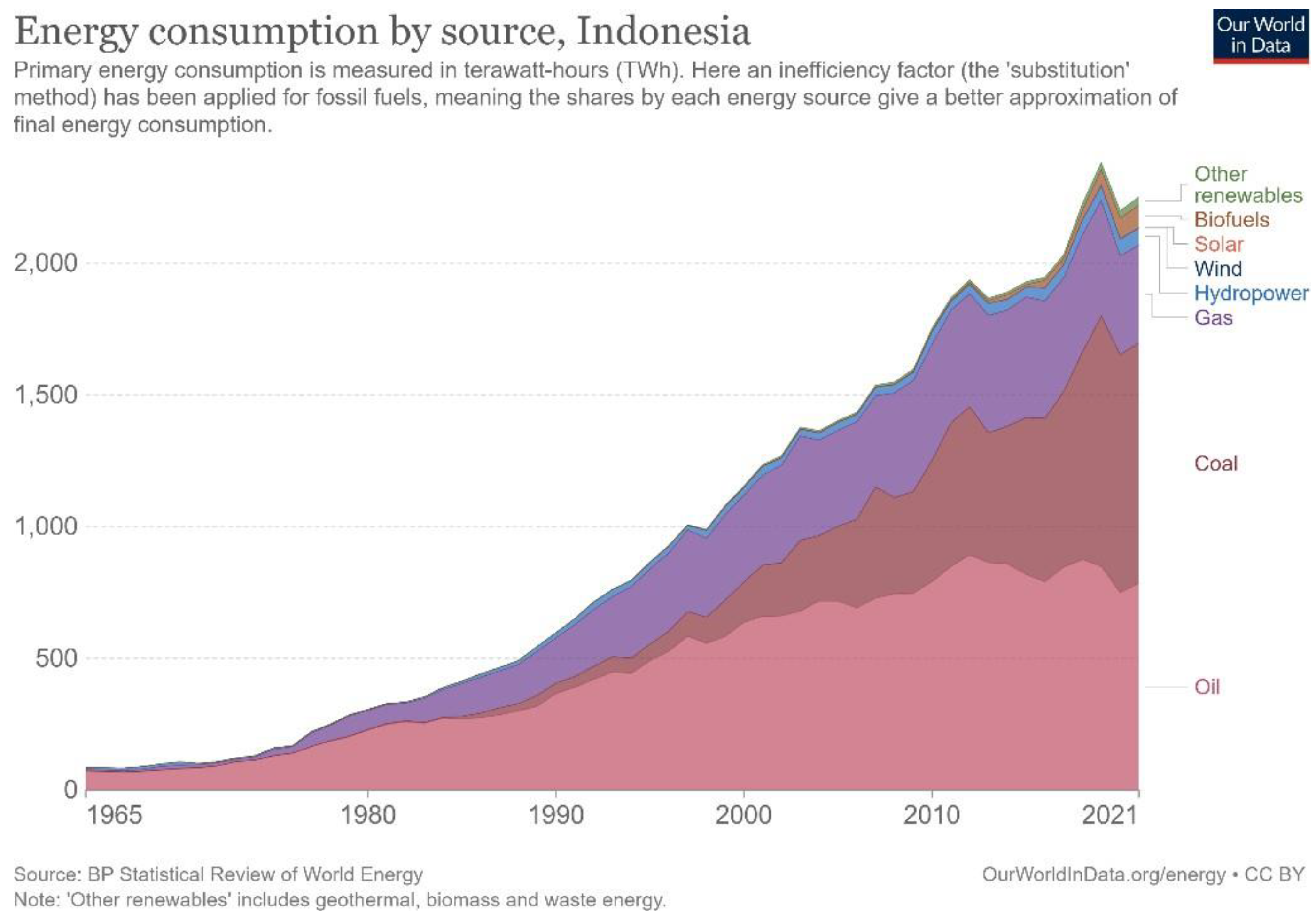
Figure 2.
On-grid solar PV electricity systems (Source: Ministry of Energy and Mineral Resources Regulation No. 49/2018). To operate this system, first, the solar panel gathers photovoltaic energy in direct current (DC) form and is transported to the DC Circuit Breaker. Respectively, the Grid Inverter will convert it to alternating current (AC) and transport it to AC Circuit Breaker. Then, the Distribution Panel will distribute it to the customer for daily use and feed the excessive energy to the national grid (PLN owns the national grid and works as the transmission systems network to distribute electricity to the customer). Between the last process, the kWh Metre will calculate and record the amount of consumed or excess electricity export (Setyawati, 2020).
Figure 2.
On-grid solar PV electricity systems (Source: Ministry of Energy and Mineral Resources Regulation No. 49/2018). To operate this system, first, the solar panel gathers photovoltaic energy in direct current (DC) form and is transported to the DC Circuit Breaker. Respectively, the Grid Inverter will convert it to alternating current (AC) and transport it to AC Circuit Breaker. Then, the Distribution Panel will distribute it to the customer for daily use and feed the excessive energy to the national grid (PLN owns the national grid and works as the transmission systems network to distribute electricity to the customer). Between the last process, the kWh Metre will calculate and record the amount of consumed or excess electricity export (Setyawati, 2020).
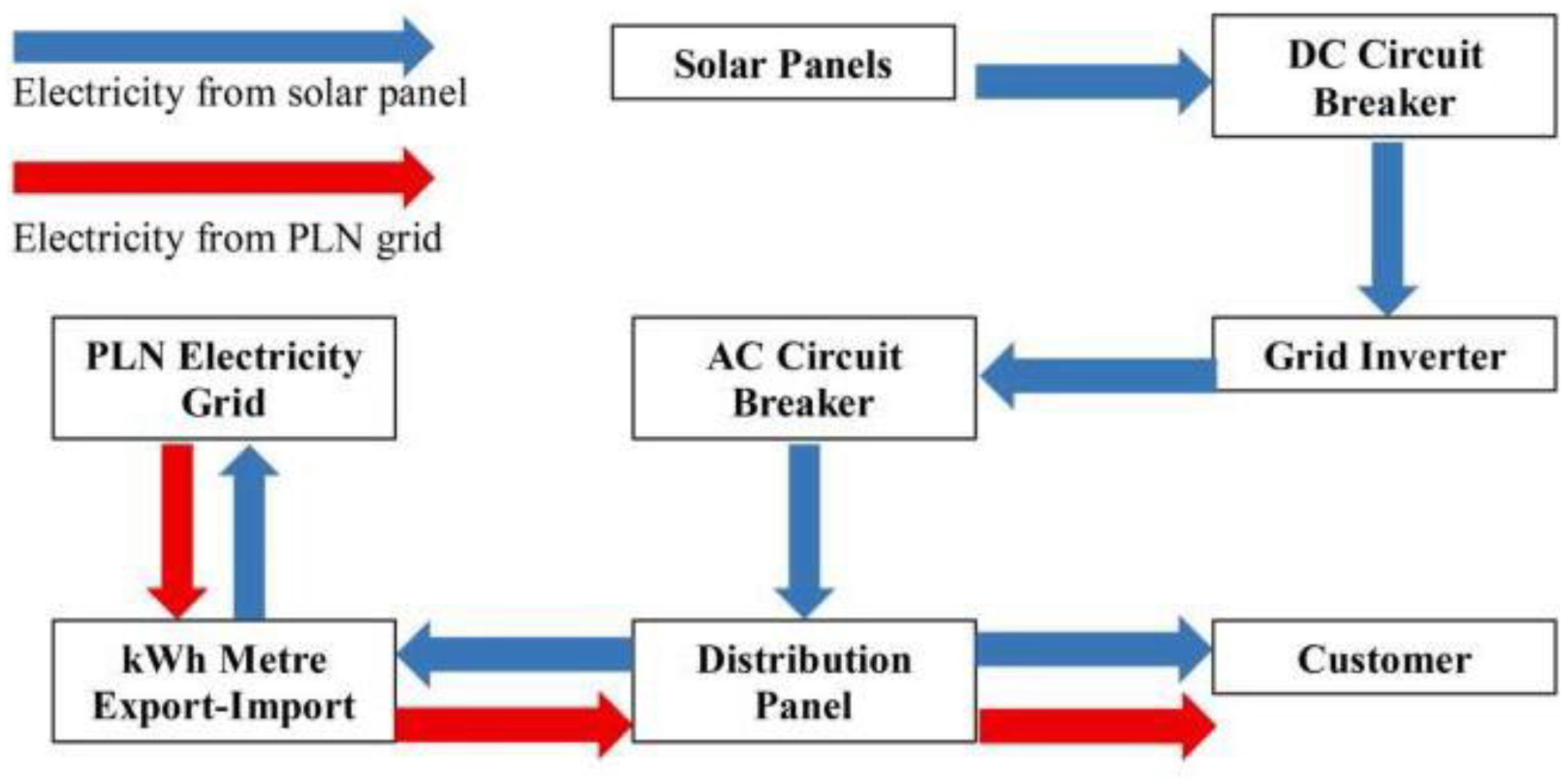
Figure 3.
Technological Acceptance Model Framework (Yang, 2021).
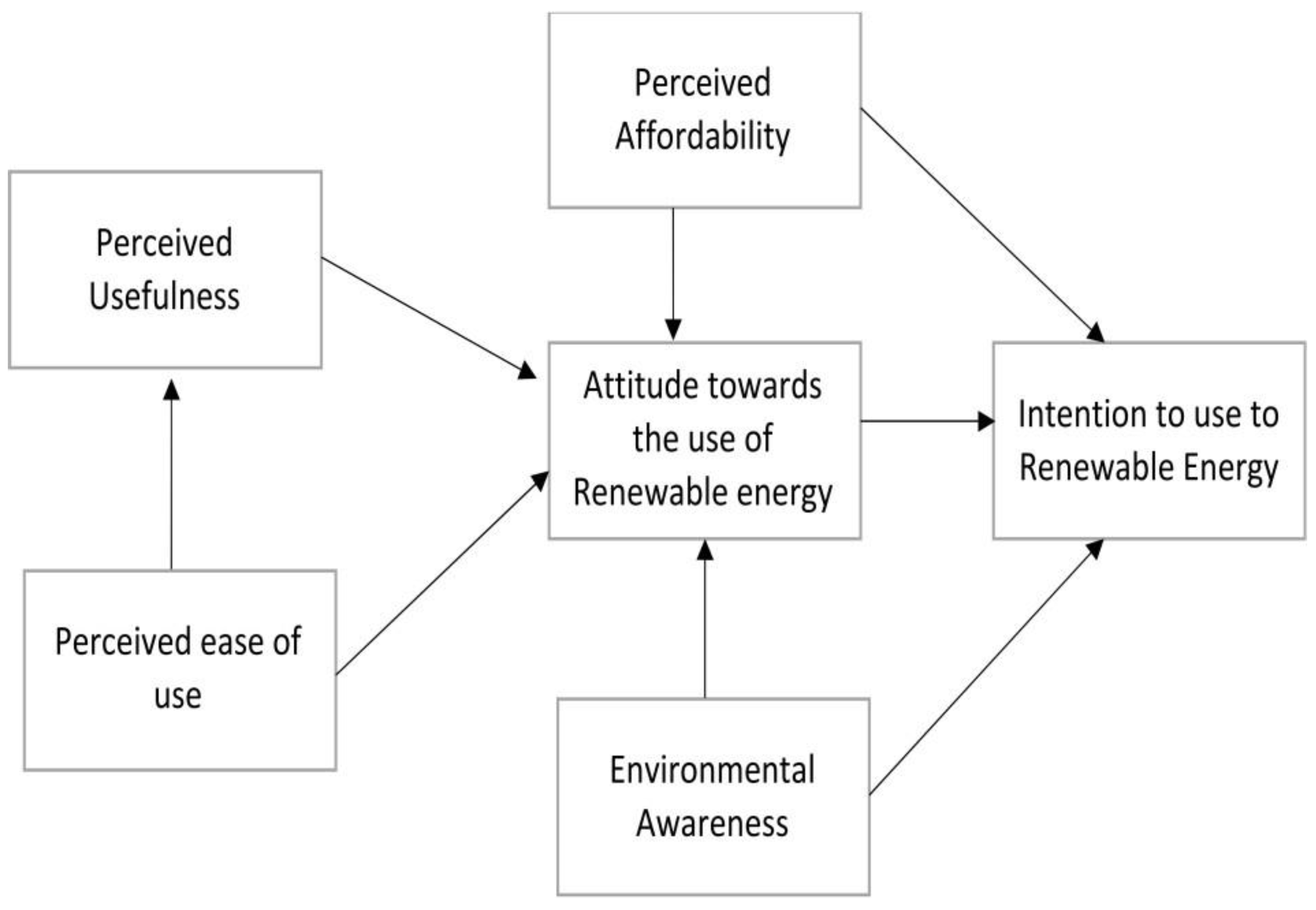
Figure 4.
Visual diagram of research strategy.

Figure 5.
Slovin formula.
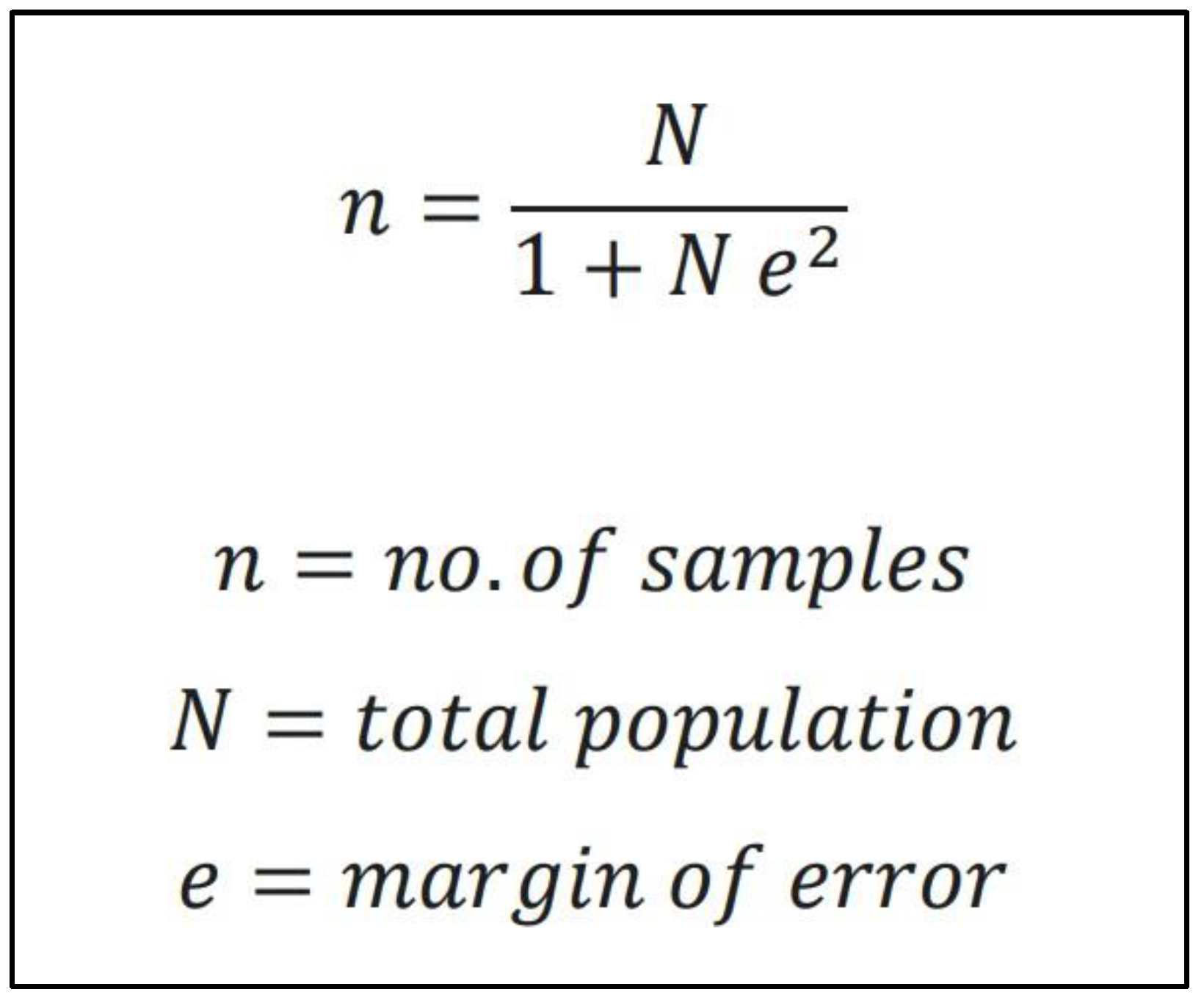

Table 1.
Renewable Energy Potential in Indonesia (Source: MEMR, 2019, p.6).
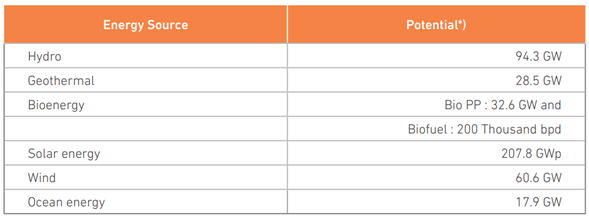
Table 2.
TAM indicator (Own data: 21 March 2023).
| Category | Indicator |
|---|---|
|
Perceived Usefulness |
Provide daily needs of electricity |
| Lower electricity bill | |
| Enable tasks without extensive efforts | |
|
Environmental Awareness |
Manufacture impact |
| Reduce GHG emissions | |
| The existence of solar panel waste treatment | |
| Reduce dependence on fossil fuels | |
|
Perceived Affordability |
The upfront cost to adopt solar PV |
| Maintenance cost | |
| Return on Investment | |
|
Perceived Ease of Use |
The initial process to adopt solar PV |
| House compatibility | |
| Frequency of maintenance | |
| Frequency of interaction | |
| Technical obstacle |
Table 4.
Likert scale value.
| Numerical Value | Perception Value |
|---|---|
| 1 | Strongly Disagree |
| 2 | Disagree |
| 3 | Neutral |
| 4 | Agree |
| 5 | Strongly Agree |
Disclaimer/Publisher’s Note: The statements, opinions and data contained in all publications are solely those of the individual author(s) and contributor(s) and not of MDPI and/or the editor(s). MDPI and/or the editor(s) disclaim responsibility for any injury to people or property resulting from any ideas, methods, instructions or products referred to in the content. |
© 2025 by the authors. Licensee MDPI, Basel, Switzerland. This article is an open access article distributed under the terms and conditions of the Creative Commons Attribution (CC BY) license (http://creativecommons.org/licenses/by/4.0/).
Copyright: This open access article is published under a Creative Commons CC BY 4.0 license, which permit the free download, distribution, and reuse, provided that the author and preprint are cited in any reuse.


