

Submitted:
05 July 2025
Posted:
07 July 2025
You are already at the latest version
Abstract
Sexual dysfunction is a prevalent yet often overlooked issue among cancer patients, sig-nificantly affecting their quality of life, emotional well-being, and intimate relationships. Despite the high prevalence of sexual dysfunction among cancer survivors, it remains underdiagnosed and undertreated in oncology care. Nurses play a pivotal role in ad-dressing these concerns; however, multiple barriers, including lack of training, cultural stigma, and institutional limitations, hinder effective intervention. This review explores the role of nurses in addressing sexual dysfunction among cancer patients, identifies challenges they face, and examines potential interventions to improve sexual health care within oncology nursing practice. A comprehensive literature review was conducted us-ing peer-reviewed articles from major databases. The review focused on the prevalence, impact, and management of sexual dysfunction in cancer patients, as well as the role of oncology nurses in addressing this issue. Integrating sexual health care into oncology nursing practice is essential for improving the well-being of cancer patients. Addressing barriers through education, policy reforms, and multidisciplinary collaboration can em-power nurses to provide comprehensive sexual health support. Future efforts should focus on institutional changes that prioritize sexual health as a fundamental component of cancer care, ensuring better patient outcomes and quality of life.
Keywords:
cancer
; sexual care
; nursing role
1. Introduction
Sexual dysfunction remains a common untreated medical issue among cancer patients which negatively affects their quality of life (QoL), emotional wellness, and their relationship intimacy and this work is part of our published project on sexual health of cancer patients [1,2]. Patients undergoing cancer therapy experience disrupted sexual function because of chemotherapy, radiotherapy, hormonal therapy and surgical interventions which results in diminished libido, erectile dysfunction, dyspareunia, vaginal atrophy and body image dissatisfaction [3,4] Studies demonstrate that sexual dysfunction affects approximately 50% to 70% of cancer survivors, thus emphasizing the imperative need to enhance dysfunction screening along with management and care [5]. Proctor et al. found that 57.5% of cancer survivors reported scores indicative of sexual dysfunction, with similar prevalence observed among both men and women [6]. This high rate underscores that the burden of sexual dysfunction is pervasive and independent of gender.
This narrative review aims to explore the existing literature on the roles of nurses in identifying, managing and supporting sexual dysfunction among cancer patients. The combination of chemotherapy with radiotherapy and surgery together with hormone therapy leads to sexual dysfunction by hurting desire while blocking arousal and causing male erectile issues as well as female sexual pain. Both body image concerns and psychological elements such as anxiety and depression combine with physical challenges to damage the sexual and emotional health of cancer survivors [7,8].
The World Health Organization (WHO) defined sexual health as a state of physical, emotional, mental, and social well-being related to sexuality, rather than merely the absence of disease or dysfunction [9](WHO, 2014). Sexual health remains essential to human wellness therefore medical teams should include sexual health care with other cancer treatment services[10] (WHO, 2022). Oncology treatment facilities consistently overlook sexual dysfunction although it causes substantial reductions in patient QoL [10] (WHO, 2022). The WHO recommends patient-centered sexual health care which delivers proper education together with counseling and medical support to individuals [10]. There is a lack of standardized protocols for incorporating sexual health education into routine cancer care practices in many institutions [11](WHO, 2009).
The recognition of sexual dysfunction needs both institutional policy transformation and nursing education systems that enable nurses to consider sexual health functions as important cancer treatment issues [12,13]. Research shows that oncology care routinely excludes discussions about sexual health, leaving many patients without adequate support [14,15]. As medical caregivers, oncology nurses possess a unique ability to provide sexual health education and counseling, but many obstacles that often hinder them from addressing these concerns effectively [16,17]. General health well-being depends heavily on sexual health although healthcare facilities give insignificant attention to this vital aspect during cancer care [18]. Most oncology patients experiencing sexual dysfunction report that their condition negatively impacts their self-image and romantic relationships, contributing to poor mental health outcomes [19,20]. Nevertheless, cancer patients are afraid of discussing their sexual problems with healthcare professionals. Healthcare professionals often fail to effectively address sexual dysfunction due to organizational barriers within oncology settings and prevailing stigma [21,22].
2. Materials and Methods
A comprehensive literature search was conducted using the following electronic databases: PubMed/MEDLINE, CINAHL, Scopus, Web of Science, and science direct. The search strategy combined Medical Subject Headings (MeSH) and free-text terms related to “cancer”, “sexual health” and “nursing.” Only studies published in English between January 2010 and May 2025 were included. Reference lists of relevant articles were also reviewed to identify additional sources.
Studies were selected based on their relevance to nursing practice in the context of oncology and sexual health, including original research articles, reviews, and clinical guidelines. We excluded articles that focused solely on pharmacological or surgical interventions without a nursing component. Information was gathered descriptively, and important topics were combined to show how common sexual problems are in cancer patients, the challenges in dealing with sexual health in healthcare, and the roles of nurses in evaluating, advising, and providing help. No formal quality appraisal tools were applied, as this review follows a narrative approach.
3. Results (Table 1)

Table 1.
Summary of sexual health issues.
|
3.1. Prevalence and Impact of Sexual Dysfunction in Cancer Patients
The global burden of cancer is rising, with an estimated 19.3 million new cases and 10 million cancer-related deaths reported in 2020 [10] (WHO, 2022). While survival rates for many cancers have improved, the long-term consequences of cancer treatments, including sexual dysfunction, remain poorly addressed [10] (WHO, 2022). Studies suggest that cancer survivors often experience long-term difficulties with intimacy, body image, and relationship satisfaction due to sexual dysfunction [10] (WHO, 2022). Despite the recognition of sexuality as a core component of quality of life, sexual health interventions remain inconsistent across healthcare systems worldwide [9] (WHO, 2014). The WHO advocates for integrating sexual health assessments into cancer survivorship programs to ensure that patients receive comprehensive support that addresses both physical and psychological well-being [11] (WHO, 2009). The prevalence of sexual dysfunction among cancer patients depends on their specific cancer diagnosis, the treatments they have received, and personal health factors such as age, gender, and pre-existing medical conditions[23]. Studies demonstrate that 80% of women who survive gynecological cancers experience sexual problems, primarily including vaginal dryness, painful intercourse, and reduced sexual desire [24,25]. Data confirm that 60–70% of breast cancer survivors experience chemotherapy-induced menopause, reduced libido, and painful intercourse (dyspareunia), which may persist for extended periods after treatment completion [26,27]. Despite the high prevalence of sexual dysfunction, many cancer patients avoid seeking professional help due to feelings of embarrassment, stigma, or the belief that sexual health is not a priority in cancer care [28,29]. Healthcare providers often lack adequate training, institutional support, and confidence to properly address these concerns, resulting in a significant gap in care delivery. An effective solution requires collaboration across multiple healthcare disciplines, along with standardized evaluation methods and educational programs, to fully integrate sexual health education into cancer survivorship care management [30,31].Gynecologic cancer survivors often develop hormonal changes, vaginal dryness, and dyspareunia, leading to persistent sexual dysfunction following the completion of treatment [32,33]. Men who survive colorectal cancer may experience nerve damage resulting in erectile dysfunction, while female survivors commonly report vaginal lubrication issues that significantly impact their sexual well-being [34,35]. Major concerns such as vaginal atrophy and sexual pain in cervical cancer patients often require prolonged therapeutic management [35]. The profound burden of sexual dysfunction affects many cancer patients, yet they frequently receive insufficient information and support for managing these side effects, leading to prolonged suffering and reduced quality of life [36,37].
Prostate cancer therapy also leads to severe sexual complications after treatment. The published research suggests that radical prostatectomy and conventional radiation therapy treatment results in erectile dysfunction in 60–90% of prostate cancer patients but these patients continue to face erection troubles despite pharmacological treatments along with rehabilitative interventions [38,39]. Nowadays, modern treatments such as brachytherapy and stereotactic radiotherapy have reduced sexual morbidities [40].
Male colorectal cancer patients often develop erectile dysfunction due to surgical nerve damage, while female patients may experience painful intercourse, decreased lubrication, and reduced sexual pleasure [41,42]).
Patients with hematological malignancy suffer from chemotherapy-induced hormonal imbalances, emotional distress and chronic fatigue which diminish their sexual drive and hence frequency of sexual activities [43,44]. These health concerns represent both the physical and psychological dimensions of patient illness. The physical changes perceived by cancer patients often lead to anxiety, depression, and self-consciousness, which in turn contribute to a loss of confidence and avoidance of intimacy [45,46]. The lack of sex-related guidance for cancer patients adds to their distress, reduces relationship satisfaction, and negatively affects mental health outcomes [47].
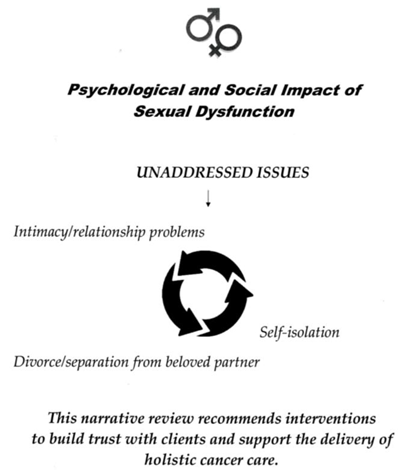
3.2. Psychological and Social Impact of Sexual Dysfunction
Research shows that partners of cancer patients face emotional challenges while trying to support their significant other’s needs [47]. Relationship strain, marital dissatisfaction, and even separation can occur when partners fail to discuss sexual health openly [19,29]. The need for comprehensive psychological support in oncology treatment has become evident due to the described consequences for both patients and their partners. Additionally, research indicates that sexual dysfunctions contribute to diminished self-perception and feelings of isolation, which in turn intensify emotional distress [48,49]. Cancer survivors face an emotional and relational crisis together with physical challenges due to sexual dysfunction/problems which requires interventions that incorporate medical and psychological aspects of sexual health care [50,51]. Despite these challenges, sexuality remains an essential aspect of quality of life for many cancer patients, reinforcing the need for comprehensive sexual health support within oncology care. Psychological distress, including anxiety and depression, is commonly reported among Jordanian women with breast cancer, which further compounds the challenges of sexual dysfunction. Studies show that trait mindfulness may play a buffering role, helping patients maintain better quality of life amidst illness-related distress (e.g., sexual dysfunction) [52].
3.3. Barriers to Addressing Sexual Dysfunction in Cancer Care
Several barriers exist that prevent successful intervention for sexual dysfunction problems frequently observed in cancer patients. Healthcare providers; including nurses, demonstrate resistance when discussing sexual health topics with their patients. Nurses show limited readiness to talk about sexual health according to research because of insufficient training and personal anxiety and concerns about patient offense [17,53]. The shortage of professional competence and communication ability among nurses prevents them from handling such sensitive matters properly [47].
Nurses tend to decline sexual health conversations partly because of religious background and cultural standards. Many traditional societies continue to consider sexual health a forbidden topic which creates difficulties for healthcare providers to confront their patients with sensitive matters [54,55]. Staff nurses who operate within these cultural settings worry about breaking social standards [56,57]. They encounter negative feedback from their patients or colleagues [58]. It is noted that patients favor discussing sexual health issues with same-gender healthcare providers [59,60].
Various institutional barriers also constrain nurses when they attempt to handle sexual dysfunctions during cancer treatment. Oncology organizations do not provide standardized protocols and guidelines for sexual health discussions which results in nursing practitioners lacking defined steps for their care plans [19,29]. Time constraints in active oncology departments present a significant barrier, as nurses often prioritize urgent medical concerns over discussions about sexual health [18,61]. Insufficient institutional backing through training and specialized sexual health experts creates additional obstacles for nurses who seek to integrate sexual health discussions into standard cancer patient care [62,63].
Cancer patients provide two reasons for not discussing sexual health with healthcare providers: embarrassment and confusion about its relevance [29,64]. Other patients anticipate healthcare professionals to start discussions about sexual health, yet healthcare providers think patients will initiate conversations about their sexual concerns [20,65]. The lack of proper communication leads to unaddressed concerns about sexual dysfunction, resulting in ongoing distress for affected individuals [19,47]. Addressing these barriers requires a multifaceted approach that includes comprehensive training programs for nurses, institutional policy changes and patient education initiatives. Encouraging open dialogue, integrating sexual health assessments into routine cancer care, and fostering a supportive healthcare environment can help normalize discussions about sexual dysfunction and enhance patient outcomes [19,29]. By addressing these challenges, oncology nurses can play a crucial role in ensuring that sexual health is recognized as an essential component of holistic cancer care.
Just as barriers like communication gaps and inadequate support systems hinder effective pain management in cancer patients, similar systemic and interpersonal obstacles impede the implementation of adequate sexual health interventions. Jordanian cancer patients and caregivers report difficulties in expressing their needs and receiving compassionate care—mirroring the silence that often surrounds sexual dysfunction [66]. Similar to the discomfort nurses experience when delivering bad news in critical care settings, addressing sexual concerns frequently evokes hesitation due to emotional sensitivity, fear of causing patient distress, and limited communication skills [67].
Healthcare providers often refrain from discussing sexual issues in cancer care due to inherent discomfort and resistance. The healthcare profession reports that staff shortages, insufficient education, and concerns about causing patient discomfort create significant barriers that prevent nurses from delivering adequate sexual health care [68,69]. Culture and religion presented major obstacles to nurses who wish to have sexual dysfunction conversations due to anti-disclosure attitudes in traditional societies [70,71]. Many patients in need fail to receive it because oncology care providers view sex-related concerns as unimportant issues [36]. The holistic approach in palliative care services typically does not incorporate sexual health interventions even though intimacy holds significant influence on end-of-life quality [49] . The existence of systemic barriers proves why nurses must receive detailed training about sexual health from their institutions to ensure its full incorporation into cancer care.
3.4. Interventions for Managing Sexual Dysfunction in Cancer Patients—Training Programs to Build Trust of Patients and Achieve Holistic Cancer Care
A treatment approach for cancer patient sexual dysfunction needs to address physical healthcare in addition to psychological and relational aspects of sexual wellness. The critical function of oncology nurses consists of implementing interventions to help cancer patients recover their sexual confidence and function. In oncology settings, educational programs, therapeutic counseling, pharmacological management, and multidisciplinary collaboration are among the most effective strategies for addressing sexual dysfunction.
The core intervention consists of designing programs for sexual well-being education and counseling sessions. The systematic delivery of sexual health education by nurses yields improved understanding for patients about their cancer-related physical and emotional developmental changes during treatment and recovery [3,72] . The BETTER (Bring up, Explain, Tell, Timing, Educate, and Record) sexual health discussion program functions effectively to help nurses conduct sensitive educational sessions on sexual wellness with their patients [13,71].
The management of cancer-related sexual dysfunction requires several classes of drugs as an essential treatment. The phosphodiesterase type 5 inhibitors, sildenafil (Viagra) and tadalafil (Cialis) have demonstrated their effectiveness in improving erectile performance post-treatment [38,39]. The symptoms of vaginal atrophy and dyspareunia are improved by topical estrogen therapy combined with vaginal moisturizers [15,31]. Nurses demonstrate a significant role in delivering information about pharmacological treatments to patients while tracking their treatment outcomes and assistance with side effect management [13,73].
Patients require psychosexual therapy through individual counseling and couple therapy to overcome the emotional relationship issues stemming from sexual dysfunction according to clinical research. [29]. Numerous research findings indicate that patients with sexual dysfunction who undergo counseling experience improved sexual satisfaction, reduced anxiety, and enhanced communication with their partners [19]. Nurse-led psychosexual interventions provide successful treatment of sexual concerns among cancer patients through emotional support along with cognitive restructuring and relationship counseling practices [20,47].
Multidisciplinary teamwork stands as an essential requirement when dealing with sexual dysfunction. The team of nurses and oncologists should collaborate with psychologists, physiotherapists and sex therapists to build comprehensive strategies which treat physical conditions as well as psychological aspects of sexual health [20,65]. The implementation of multidisciplinary sexual health clinics by hospitals located in oncology departments results in improved patient outcomes together with better satisfaction ratings [19,29].
Digital health solutions have established themselves as promising medical interventions for treating sexual dysfunction among cancer patients. Ongoing sexual health education delivered through digital programs, telehealth counseling services, and virtual workshops provides patients with confidential and accessible resources [41,73]. Digital interventions also help patients bypass challenges with stigma and time constraints by enabling healthcare providers to offer remote guidance [13,74]. The substantial impact of sexual dysfunction necessitates specialized nursing practices and structured training to improve patient treatment outcomes. Nurse-led counseling programs that incorporate sexual health education, body awareness, and psychological support contribute to improved patient well-being and increased confidence [3,72]. Training programs which focus on developing nursing skills in sexual health assessment together with patient counseling and interdisciplinary coordination successfully boost both professional confidence and willingness of nurses to address sexual well-being issues [20,73]. The effective implementation of PLISSIT (Permission, Limited Information, Specific Suggestions, and Intensive Therapy) enables oncology nursing practitioners to conduct meaningful sexual health discussions [19,29].
Continued success depends on integrating sexual health education into nursing standards for both academic curricula and professional development, as well as interprofessional training sessions. Nurses require adequate resources and institutional support to engage in inclusive and proactive sexual health discussions with all patients. Enhancing nursing interventions through healthcare training programs can help institutions improve the quality of life for cancer patients experiencing sexual dysfunction [20,47].
Due to the complex nature of sexual dysfunction in cancer patients, multidisciplinary medical, psychological, and relational interventions must be utilized [75,76]. Clinical interventions facilitated by nurses—through psychosexual counseling, the PLISSIT model, and other structured communication frameworks—led to improved patient outcomes [77,78]. Specialist nurses play a fundamental role in sexuality care, particularly in gynecological oncology; however, they often face challenges due to limited training [79]. Stepped-skills communication training enhances nurses’ ability to engage in sexual health discussions, increasing both their professional confidence and patient satisfaction [80]. Implementing standardized sexual health assessment procedures, combined with digital health solutions such as telehealth-based interventions, can improve access to sexual health support for cancer patients [13]. Effective treatment of sexual dysfunction in oncology requires nurses to complete specific training programs aligned with professional recommendations [68]. The Enhancing Research Impact in Child Health (ENRICH) program offers specialized fertility and sexuality training to oncology nurses, resulting in improved patient outcomes and increased nurse confidence [81]. Nurses can further develop their communication skills through stepped-skills programs, which have demonstrated success in oncology care settings [80]. Research also demonstrates that sexual rehabilitation interventions led by nurses—such as those provided to women undergoing gynecological cancer radiotherapy—positively impact sexual function and satisfaction [82]. Scaling up these training programs will equip nurses with the essential competencies needed to support cancer patients through effective management of sexual dysfunction.
Several national and international guidelines now recommend sexual rehabilitation as a critical component of comprehensive cancer care for adult patients. The American Society of Clinical Oncology (ASCO), in partnership with Cancer Care Ontario (CCO), published a clinical practice guideline that urges clinicians to proactively address sexual dysfunction from diagnosis through survivorship [83]. It recommends offering psychosocial and psychosexual counseling, medical therapies such as vaginal moisturizers and lubricants for women and phosphodiesterase-5 inhibitors (PDE5i) for men [83]. These interventions should be tailored based on cancer type, treatment history and individual needs. Similarly, the National Comprehensive Cancer Network (NCCN) advises routine screening for sexual problems during follow-up visits and recommends early referrals to specialists in sexual health when dysfunction is identified [83,84]. Both ASCO and NCCN emphasize that managing sexual health should be part of survivorship care plans and that clinicians should be trained to discuss sexual concerns openly and sensitively. These guidelines reflect a growing consensus that sexual rehabilitation is no longer optional but rather a core element of quality cancer care
3.5. How to Deal with Nurses' Attitudes and Beliefs About Sexual Health
Sexual care of cancer patients depends on nursing professionals, yet, nurses’ personal beliefs and attitudes regarding cancer-related sexuality affects their ability to initiate conversations [1]. Our previous research aligns with other studies in showing that nursing attitudes, patient misconceptions, and healthcare provider beliefs influence the ability to communicate comfortably about sexual health issues [22,85]. Numerous nurses believe sexuality should remain private because patients may feel uncomfortable with such discussions [13,53]. Nurses feel unable to offer sexual health guidance since they lack standard academic or practiced knowledge about the field [17,59]. Sex is similar to negative attitudes toward sensitive subjects like death, which may translate to avoidance behaviors in clinical practice. Jordanian nursing students, for instance, often feel unprepared to deal with emotionally intense care scenarios, including addressing sexual needs of terminally ill patients [86]. Jordanian nurses frequently rely on informal or experience-based knowledge sources, which may limit their readiness to address complex topics like sexual health unless supported by structured training as described in above section. This reinforces the need to embed sexual health education within both academic curricula and on-the-job professional development programs [87].
Religious beliefs together with cultural norms influence the attitudes that nurses develop regarding sexual health conversations [54]. The low acceptability of sexual dysfunction discussions in traditional cultures encourages nurses in these regions to completely eliminate this topic from their care practice [55,56]. Professional responsibilities become blurred by traditional and religious belief systems for nurses who face challenges in maintaining unbiased approaches toward sexual health concerns [57,58]. Research also demonstrates that patients expect healthcare providers to initiate discussions of sexual health issues due to patient embarrassment and uncertainty about what is the appropriate discussion topics in their care [15,62].
Nurses who have extended experience in oncology and palliative care show greater probability to address sexual dysfunction during patient consultations [20,65]. Judicious education programs enhance nursing professionals' comfort levels while boosting their effectiveness at handling sexual issues through professional support [13] [73]. Healthcare institutions that make sexual health part of their standard oncology care guidelines demonstrate more nurse staff participation in patient sexual concerns management [19,29].
How can healthcare institutions help? Nurses become more effective at discussing sexual health issues with patients through a combination of methods, including fostering open dialogue, engaging in specialized training and role-play, and adhering to hospital policies that prioritize sexual health as an integral part of comprehensive cancer care [20,47]. Healthcare institutions can enable nurses to deliver full sexual health care to cancer patients through supportive environments and proper educational resources provision.
Attitudes regarding sexual health among nurses determine the quality of their clinical practice. Available research shows that oncology nurses recognize the importance of sexual health matters yet struggle to handle these issues because their training needs improvement and they lack self-assurance regarding their abilities [31,88]. Nurses sometimes view sexual topic discussions as intrusive or unprofessional, so they steer clear from any such conversations [89]. Gender norms and cultural expectations affect how comfortable nurses feel discussing sexual health issues when they face opposite-sex patients of traditional cultural backgrounds [70]. Widely reported evidence shows that cancer patients anticipate healthcare providers to start sexual health conversations [31], yet health professionals consistently misperceive that. Developing structured training and professional development must be implemented because they enable nurses to master fundamental skills needed to incorporate sexual health education within oncology care practices [1].
3.6. Global Efforts in Addressing Oncology Sexual Health Education
Recent years have witnessed a growing global recognition of the unmet need for sexual health education in oncology care. In both the United States and Canada, several academic centers and hospitals have implemented structured interventions aimed at enhancing oncology providers’ competencies and improving patient outcomes. In Canada, the TrueNTH (True North) Sexual Health and Rehabilitation eTraining program for prostate cancer care providers was evaluated in a multi-center study, showing significant improvement in knowledge and self-efficacy post-intervention, with 98.2% of participants reporting satisfaction with the training [90]. Similarly, a multidisciplinary oncology sexual health clinic in Alberta, Canada reported that, among 130 referrals over two years, 64 patients received consultations for common sexual concerns such as dyspareunia, low desire and vaginal dryness. Data showed that 100% of female patients and 80% of male patients had diagnosable sexual dysfunctions [91]. In the U.S., the iSHARE (improving Sexual Health and Augmenting Relationships through Education) intervention was developed at Fox Chase Cancer Center to train breast cancer clinicians in sexual health communication. The results indicated increased provider confidence and sustained patient satisfaction [92]. In addition, the development of hybrid in-person and virtual sexual health services, such as those at Princess Margaret Cancer Centre in Toronto, has facilitated broader patient access to specialized care [93].
Beyond clinical settings, international conferences have also addressed this issue. The 2024 Scientific Network on Female Sexual Health and Cancer hosted a summit titled “Together for a Healthier Future After Cancer,” highlighting interdisciplinary education and patient-centered care models [94]. Collectively, these initiatives underscore the critical role of structured sexual health education in oncology practice, demonstrating positive outcomes in provider competence, patient satisfaction, and access to care.
4. Conclusions
Sexual dysfunction is a prevalent yet under-addressed issue among cancer patients, significantly impacting their physical and emotional well-being. Despite its importance, barriers such as lack of training, cultural stigma and institutional constraints prevent effective integration of sexual health care into oncology nursing. Empowering nurses through structured education, standardized guidelines, and open communication strategies is essential for improving patient outcomes. Addressing sexual dysfunction as a routine aspect of cancer care will enhance survivors' quality of life and foster a more holistic approach to oncology treatment.
The research was conducted by a team of Middle Eastern and Chinese researchers, representing conservative traditions and diverse religious backgrounds. In this narrative review, we aim to summarize and analyze the scope of the problem and propose strategies to address it. This concise summary offers a unique and highly educational resource for healthcare professionals across various disciplines, including nurses, physicians, social workers, psychologists, music therapists, sex therapists, chaplains, and others. It therefore has wide clinical implications and the practical suggestions will greatly benefit cancer patients and its providers of different discipline.
References
- Alqaisi, O., Subih, M., Joseph, K., Yu, E., Tai P. Oncology Nurses' Attitudes, Knowledge, and Practices in Providing Sexuality Care to Cancer Patients: A Scoping Review. Curr. Oncol. 2025, 32, x. (Accepted for public ation). [CrossRef]
- Acquati, C., Zebrack, B. J., Faul, A. C., Embry, L., Aguilar, C., Block, R., et al. Sexual functioning among young adult cancer patients: a 2-year longitudinal study. Cancer, 2018, 124(2), 398-405.. [CrossRef]
- Bakker, R. M., Mens, J. W. M., De Groot, H. E., Tuijnman-Raasveld, C. C., Braat, C., Hompus, W. C., et al. A nurse-led sexual reha-bilitation intervention after radiotherapy for gynecological cancer. Supportive Care in Cancer 2017, 25, 729-737..
- Barbera, L., Zwaal, C., Elterman, D., McPherson, K., Wolfman, W., Katz, A., et al. Interventions to address sexual problems in people with cancer. Curr Oncol. 2017, 24(3), 192. . [CrossRef]
- Celentano, V., Cohen, R., Warusavitarne, J., Faiz, O., & Chand, M. Sexual dysfunction following rectal cancer surgery. International Journal of Colorectal Disease, 2017, 32, 1523-1530..
- Proctor CJ, Reiman AJ, Brunelle C, Best LA. Intimacy and sexual functioning after cancer: The intersection with psychological flexibility. PLOS Ment Health. 2024;1(1):e0000001. [CrossRef]
- Smith A, Baron R. A Workshop for Educating Nurses to Address Sexual Health in Patients With Breast Cancer. Clinical Journal of Oncology Nursing. 2015 Jun 1;19(3):248–50.
- Sadovsky R, Basson R, Krychman M, Morales AM, Schover L, Wang R, et al. Cancer and Sexual Problems. The Journal of Sexual Medicine. 2010 Jan;7(1):349–73.
- World Health Organization. Sexual and Reproductive Health: Defining Sexual Health. 2014. Available online: https://www.who.int/reproductivehealth/publications/sexual_health/defining_sexual_health.pdf. Accessed on 1 June 2025.
- World Health Organization. (2022). Cancer Fact Sheets. Available from: https://www.who.int/news-room/fact-sheets/detail/cancer. Accessed on 1 June 2025.
- World Health Organization. What constitutes sexual health? Progress in reproductive health research [serial online]. 67:2Y3. http://www.who.int/ reproductive-health/hrp/progress/67.pdf. Accessed October 15, 2009.
- Ahn SH, Kim JH. Healthcare Professionals’ Attitudes and Practice of Sexual Health Care: Preliminary Study for Developing Training Program. Frontiers in Public Health. 2020 Oct 16;8(8). [CrossRef]
- Jonsdottir JI, Zoëga S, Saevarsdottir T, Sverrisdottir A, Thorsdottir T, Einarsson GV, et al. Changes in attitudes, practices and barriers among oncology health care professionals regarding sexual health care: Outcomes from a 2-year educational intervention at a University Hospital. European Journal of Oncology Nursing. 2016 Apr; 21:24–30. [CrossRef]
- Oskay U, Can G, Basgol S. Discussing Sexuality with Cancer Patients: Oncology Nurses Attitudes and Views. Asian Pacific Journal of Cancer Prevention. 2014 Sep 15;15(17):7321–6. [CrossRef]
- Reese JB, Beach MC, Smith KC, Bantug ET, Casale KE, Porter LS, et al. Effective patient-provider communication about sexual concerns in breast cancer: a qualitative study. Supportive Care in Cancer. 2017 Apr 27;25(10):3199–207.
- Krouwel EM, Nicolai MPJ, van Steijn-van Tol AQMJ, Putter H, Osanto S, Pelger RCM, et al. Addressing changed sexual functioning in cancer patients: A cross-sectional survey among Dutch oncology nurses. European Journal of Oncology Nursing. 2015 Dec;19(6):707–15.
- Wazqar DY. Sexual health care in cancer patients: A survey of healthcare providers’ knowledge, attitudes and barriers. Journal of Clinical Nursing. 2020 Aug 26;29(21-22):4239–47.
- Åling M, Lindgren A, Löfall H, Okenwa-Emegwa L. A Scoping Review to Identify Barriers and Enabling Factors for Nurse–Patient Discussions on Sexuality and Sexual Health. Nursing Reports. 2021 Apr 16;11(2):253–66. [CrossRef]
- Paulsen A, Ingvild Vistad, Liv Fegran. Nurse–patient sexual health communication in gynaecological cancer follow-up: A qualitative study from nurses’ perspectives. Journal of Advanced Nursing. 2023 Jun 26;79(12).
- Quinn C, Platania-Phung C, Bale C, Happell B, Hughes E. Understanding the current sexual health service provision for mental health consumers by nurses in mental health settings: Findings from a Survey in Australia and England. International Journal of Mental Health Nursing. 2018 Mar 25;27(5):1522–34. [CrossRef]
- Frederick NN, Campbell K, Kenney LB, Moss K, Speckhart A, Bober SL. Barriers and facilitators to sexual and reproductive health communication between pediatric oncology clinicians and adolescent and young adult patients: The clinician perspective. Pediatric Blood & Cancer. 2018 Apr 26;65(8):e27087.
- Williams NF, Hauck YL, Bosco AM. Nurses’ perceptions of providing psychosexual care for women experiencing gynaecological cancer. European Journal of Oncology Nursing. 2017 Oct;30(30):35–42. [CrossRef]
- Dai Y, Cook OY, Yeganeh L, Huang C, Ding J, Johnson CE. Patient-Reported Barriers and Facilitators to Seeking and Accessing Support in Gynecologic and Breast Cancer Survivors With Sexual Problems: A Systematic Review of Qualitative and Quantitative Studies. The Journal of Sexual Medicine. 2020 Jul;17(7):1326–58.
- Tramacere F, Lancellotta V, Casà C, Fionda B, Cornacchione P, Mazzarella C, et al. Assessment of Sexual Dysfunction in Cervical Cancer Patients after Different Treatment Modality: A Systematic Review. Medicina [Internet]. 2022 Sep 1 [cited 2023 Feb 25];58(9):1223. Available from: https://www.mdpi.com/1648-9144/58/9/1223.
- Valpey R, Kucherer S, Nguyen J. Sexual dysfunction in female cancer survivors: A narrative review. General Hospital Psychiatry. 2019 Sep;60(60):141–7.
- Qi A, Li Y, Sun H, Jiao H, Liu Y, Chen Y. Incidence and risk factors of sexual dysfunction in young breast cancer survivors. Annals of Palliative Medicine. 2021 Apr;10(4):4428–34. [CrossRef]
- Chang YC, Chang SR, Chiu SC. Sexual Problems of Patients With Breast Cancer After Treatment. Cancer Nursing. 2018 Apr;42(5):1.
- Papadopoulou C, Sime C, Rooney K, Kotronoulas G. Sexual health care provision in cancer nursing care: A systematic review on the state of evidence and deriving international competencies chart for cancer nurses. International Journal of Nursing Studies. 2019 Dec;100(100):103405.
- Apiradee Pimsen, Lin W, Lin C, Kuo Y, Shu B. Healthcare providers’ experiences in providing sexual health care to breast cancer survivors: A mixed-methods systematic review. Journal of Clinical Nursing. 2023 Dec 18;33(3):797–816..
- Kim JH, Yang Y, Hwang ES. The Effectiveness of Psychoeducational Interventions Focused on Sexuality in Cancer. Cancer Nursing. 2015;38(5):E32–42. [CrossRef]
- Chang CP, Wilson CM, Rowe K, Snyder J, Dodson M, Deshmukh V, et al. Sexual dysfunction among gynecologic cancer survivors in a population-based cohort study. Supportive Care in Cancer. 2022 Dec 17;31(1). [CrossRef]
- Del Pup, L., Nappi, R. E., & Biglia, N. (2017). Sexual dysfunction in gynecologic cancer patients. WCRJ, 4(1), e835..
- Amirmohammad Dahouri, Sahebihagh MH, Gilani N. Factors associated with sexual dysfunction in patients with colorectal cancer in Iran: a cross-sectional study. Scientific Reports. 2024 Feb 28;14(1).
- Correia RA, Bonfim CV do, Feitosa KMA, Furtado BMASM, Ferreira DK da S, Santos SL dos. Disfunção sexual após tratamento para o câncer do colo do útero. Revista da Escola de Enfermagem da USP. 2020;54(54).
- Bond CB, Jensen PT, Groenvold M, Johnsen AT. Prevalence and possible predictors of sexual dysfunction and self-reported needs related to the sexual life of advanced cancer patients. Acta Oncologica. 2019 Feb 6;58(5):769–75. [CrossRef]
- BC, T., MS, A. R., & MN, M. R. (2014). The Prevalence and Risk Factors of Sexual Dysfunction in Gynaecological Cancer Patients. Medicine & Health (Universiti Kebangsaan Malaysia), 9(1)..
- Oldertrøen Solli K, Boer M, Nyheim Solbrække K, Thoresen L. Male partners’ experiences of caregiving for women with cervical cancer—a qualitative study. Journal of Clinical Nursing. 2018 Oct 26;28(5-6):987–96.
- Duran E, Tanriseven M, Ersoz N, Oztas M, Ozerhan IH, Kilbas Z, et al. Urinary and sexual dysfunction rates and risk factors following rectal cancer surgery. International Journal of Colorectal Disease. 2015 Aug 13;30(11):1547–55. [CrossRef]
- Twitchell DK, Wittmann DA, Hotaling JM, Pastuszak AW. Psychological Impacts of Male Sexual Dysfunction in Pelvic Cancer Survivorship. Sexual Medicine Reviews. 2019 Oct;7(4):614–26. [CrossRef]
- Emel Cihan, Fatma Vural. Effect of a telephone-based perioperative nurse-led counselling programme on unmet needs, quality of life and sexual function in colorectal cancer patients: A non-randomised quasi-experimental study. European Journal of Oncology Nursing. 2024 Feb 1;68(68):102504–4.
- Sousa Rodrigues Guedes T, Barbosa Otoni Gonçalves Guedes M, de Castro Santana R, Costa da Silva JF, Almeida Gomes Dantas A, Ochandorena-Acha M, et al. Sexual Dysfunction in Women with Cancer: A Systematic Review of Longitudinal Studies. International Journal of Environmental Research and Public Health. 2022 Sep 21;19(19):11921.
- Karacan Y, Yildiz H, Demircioglu B, Ali R. Evaluation of Sexual Dysfunction in Patients with Hematological Malignancies. Asia-Pacific Journal of Oncology Nursing. 2021 Jan;8(1):51–7. [CrossRef]
- Olsson C, Sandin-Bojö AK, Bjuresäter K, Larsson M. Changes in Sexuality, Body Image and Health Related Quality of Life in Patients Treated for Hematologic Malignancies: A Longitudinal Study. Sexuality and Disability. 2016 Oct 15;34(4):367–88.
- Byrne M, Murphy P, D’Eath M, Doherty S, Jaarsma T. Association Between Sexual Problems and Relationship Satisfaction Among People with Cardiovascular Disease. The Journal of Sexual Medicine. 2017 May 1;14(5):666–74.
- Vizza R, Capomolla EM, Tosetto L, Corrado G, Bruno V, Chiofalo B, et al. Sexual dysfunctions in breast cancer patients: evidence in context. Sexual Medicine Reviews [Internet]. 2023 Jun 27 [cited 2023 Oct 20];11(3):179–95. Available from: https://pubmed.ncbi.nlm.nih.gov/37076125/.
- Maree J, Fitch MI. Holding conversations with cancer patients about sexuality: Perspectives from Canadian and African healthcare professionals. PubMed. 2019 Jan 1;29(1):64–9.
- Schover LR, van der Kaaij M, van Dorst E, Creutzberg C, Huyghe E, Kiserud CE. Sexual dysfunction and infertility as late effects of cancer treatment. EJC Supplements [Internet]. 2014 Jun 1 [cited 2020 Apr 27];12(1):41–53. Available from: https://www.ncbi.nlm.nih.gov/pmc/articles/PMC4250536/.
- Cagle JG, Bolte S. Sexuality and Life-Threatening Illness: Implications for Social Work and Palliative Care. Health & Social Work. 2009 Aug 1;34(3):223–33. [CrossRef]
- Redelman MJ. Is There a Place for Sexuality in the Holistic Care of Patients in the Palliative Care Phase of Life? American Journal of Hospice and Palliative Medicine®. 2008 Apr 10;25(5):366–71.
- Harris MG. Sexuality and Menopause: Unique Issues in Gynecologic Cancer. Seminars in Oncology Nursing. 2019 Apr;35(2):211–6.
- Al-Ghabeesh SH, Al-Kalaldah M, Rayan A, Al-Rifai A, Al-Halaiqa F. Psychological distress and quality of life among Jordanian women diagnosed with breast cancer: The role of trait mindfulness. European Journal of Cancer Care. 2019 May 8;28(5). [CrossRef]
- Jonsdottir JI, Zoëga S, Saevarsdottir T, Sverrisdottir A, Thorsdottir T, Einarsson GV, et al. Changes in attitudes, practices and barriers among oncology health care professionals regarding sexual health care: Outcomes from a 2-year educational intervention at a University Hospital. European Journal of Oncology Nursing. 2016 Apr;21(21):24–30.
- Kedde H, van de Wiel HBM, Weijmar Schultz WCM, Wijsen C. Sexual dysfunction in young women with breast cancer. Supportive Care in Cancer. 2012 Jun 20;21(1):271–80. [CrossRef]
- Serçekuş Ak P, Partlak Günüşen N, Göral Türkcü S, Özkan S. Sexuality in Muslim Women With Gynecological Cancer. Cancer Nursing. 2018 Nov;43(1):1.
- Mansour SE, Mohamed HE. Handling Sexuality Concerns in Women with Gynecological Cancer: Egyptian Nurse’s Knowledge and Attitudes. Journal of Education and Practice. 2015 Dec 18;6(3):146–59.
- Eid K, Christensen S, Hoff J, Yadav K, Burtson P, Kuriakose M, et al. Sexual Health Education: Knowledge Level of Oncology Nurses and Barriers to Discussing Concerns With Patients. Clinical Journal of Oncology Nursing [Internet]. 2020 Aug 1 [cited 2021 Feb 24];24(4):E50–6. Available from: https://pubmed.ncbi.nlm.nih.gov/32678358/.
- Zeng YC, Li Q, Wang N, Ching SSY, Loke AY. Chinese Nurses’ Attitudes and Beliefs Toward Sexuality Care in Cancer Patients. Cancer Nursing. 2011 Mar;34(2):E14–20.
- Zeng YC, Liu X, Loke AY. Addressing sexuality issues of women with gynaecological cancer: Chinese nurses’ attitudes and practice. Journal of Advanced Nursing. 2011 Jun 9;68(2):280–92. [CrossRef]
- Paterson CL, Lengacher CA, Donovan KA, Kip KE, Tofthagen CS. Body Image in Younger Breast Cancer Survivors. Cancer Nursing. 2015 Apr;39(1):1. [CrossRef]
- Ümran Yeşiltepe Oskay, Nezihe Kızılkaya Beji, Bal MD, Sema Dereli Yılmaz. Evaluation of Sexual Function in Patients with Gynecologic Cancer and Evidence-Based Nursing Interventions. Sexuality and Disability. 2010 Nov 24;29(1):33–41.
- Neenan C, Chatzi AV. Quality of Nursing Care: Addressing Sexuality as Part of Prostate Cancer Management, an Umbrella Review. Journal of Advanced Nursing. 2025 Jan 9;
- Forbat L, White I, Marshall-Lucette S, Kelly D. Discussing the sexual consequences of treatment in radiotherapy and urology consultations with couples affected by prostate cancer. BJU International. 2011 Jun 1;109(1):98–103.
- Moore A, Higgins A, Sharek D. Barriers and facilitators for oncology nurses discussing sexual issues with men diagnosed with testicular cancer. European Journal of Oncology Nursing. 2013 Aug;17(4):416–22. [CrossRef]
- Benoot C, Enzlin P, Peremans L, Bilsen J. Addressing sexual issues in palliative care: A qualitative study on nurses’ attitudes, roles and experiences. Journal of Advanced Nursing. 2018 May 9;74(7):1583–94.
- Al-Ghabeesh, S. H., Bashayreh, I. H., Saifan, A. R., Rayan, A., & Alshraifeen, A. A. (2020). Barriers to effective pain management in cancer patients from the perspective of patients and family caregivers: A qualitative study. Pain Management Nursing, 21(3), 238-244..
- Rayan A, Hussni Al-Ghabeesh S, Qarallah I. Critical Care Nurses’ Attitudes, Roles, and Barriers Regarding Breaking Bad News. SAGE Open Nursing. 2022 Jan;8(8):237796082210899. [CrossRef]
- Depke J, Onitilo A. Sexual health assessment and counseling: oncology nurses’ perceptions, practices, and perceived barriers. The Journal of Community and Supportive Oncology. 2015 Dec;13(12):442–5. [CrossRef]
- Algier, L., & Kav, S. (2008). Nurses' approach to sexuality-related issues in patients receiving cancer treatments. Turkish Journal of Cancer, 38(3).
- Akhu-Zaheya LM, Masadeh AB. Sexual information needs of Arab-Muslim patients with cardiac problems. European Journal of Cardiovascular Nursing. 2015 Jul 22;14(6):478–85.
- David, K. (2024). Cancer in Sexual and Gender Minorities: Role of Oncology RNs in Health Equity. Number 3/June 2024, 28(3), 329-334..
- A. Shahin M, Amin Ali Gaafar H, Lotfi Afifi Alqersh D. Effect of Nursing Counseling Guided by BETTER Model on Sexuality, Marital Satisfaction and Psychological Status among Breast Cancer Women. Egyptian Journal of Health Care. 2021 Jun 1;12(2):75–95.
- Bakker RM, Mens JWM, de Groot HE, Tuijnman-Raasveld CC, Braat C, Hompus WCP, et al. A nurse-led sexual rehabilitation intervention after radiotherapy for gynecological cancer. Supportive Care in Cancer. 2016 Oct 27;25(3):729–37.
- Mrad H, Chouinard A, Pichette R, Piché L, Bilodeau K. Feasibility and Impact of an Online Simulation Focusing on Nursing Communication About Sexual Health in Gynecologic Oncology. Journal of Cancer Education. 2023 Sep 12;39(1):3–11. [CrossRef]
- Williams M, Addis G. Addressing patient sexuality issues in cancer and palliative care. British Journal of Nursing. 2021 May 27;30(10):S24–8.
- cakar B, karaca B, Uslu R. Sexual dysfunction in cancer patients: a review [Internet]. pub med . JBUON; 2013. Available from: https://pubmed.ncbi.nlm.nih.gov/24344003/.
- Arthur SS, Dorfman CS, Massa LA, Shelby RA. Managing female sexual dysfunction. Urologic Oncology: Seminars and Original Investigations. 2021 Jul;40(8).
- Afiyanti Y. Attitudes, Belief, and Barriers of Indonesian Oncology Nurses on Providing Assistance to Overcome Sexuality Problem. Nurse Media Journal of Nursing. 2017 Jul 5;7(1):15.
- Chow KM, Chan CWH, Choi KC, White ID, Siu KY, Sin WH. A practice model of sexuality nursing care: a concept mapping approach. Supportive Care in Cancer. 2020 Aug 7;29(3):1663–73.
- Cook O, McIntyre M, Recoche K. Exploration of the role of specialist nurses in the care of women with gynaecological cancer: a systematic review. Journal of Clinical Nursing. 2014 Sep 2;24(5-6):683–95. [CrossRef]
- Vadaparampil ST, Gwede CK, Meade C, Kelvin J, Reich RR, Reinecke J, et al. ENRICH: A promising oncology nurse training program to implement ASCO clinical practice guidelines on fertility for AYA cancer patients. Patient Education and Counseling. 2016 Nov;99(11):1907–10.
- de Vocht H, Hordern A, Notter J, van de Wiel H. Stepped Skills: A team approach towards communication about sexuality and intimacy in cancer and palliative care. The Australasian medical journal [Internet]. 2011 [cited 2023 Feb 5];4(11):610–9. Available from: https://www.ncbi.nlm.nih.gov/pmc/articles/PMC3562918.
- Suvaal I, Hummel SB, Mens JWM, Tuijnman-Raasveld CC, Roula Tsonaka, Velema LA, et al. Efficacy of a nurse-led sexual rehabilitation intervention for women with gynaecological cancers receiving radiotherapy: results of a randomised trial. British Journal of Cancer. 2024 Jul 3;131(5):808–19. [CrossRef]
- Carter J, Lacchetti C, Andersen BL, Barton DL, Bolte S, Damast S, et al. Interventions to Address Sexual Problems in People With Cancer: American Society of Clinical Oncology Clinical Practice Guideline Adaptation of Cancer Care Ontario Guideline. Journal of Clinical Oncology. 2018 Feb 10;36(5):492–511.
- National Comprehensive Cancer Network (NCCN). (2023). NCCN Clinical Practice Guidelines in Oncology: Survivorship – Sexual Function (Male & Female). Version 1.2023. https://www.nccn.org/professionals/physician_gls/pdf/survivorship.pdf. Last assessed on 5 May 2023.
- Abu Sharour L, Suleiman, K, Yehya D, AL-Kaladeh M, Malak M, Subih M, et al. Nurses’ students attitutes toward death and caring fo rdying cancer patients during their treatment. EUROMEDITERRANEAN BIOMEDICAL JOURNAL. 2017 Nov 30;12(40):189–93.
- Al-Ghabeesh SH, Abu-Moghli F, Salsali M, Saleh M. Exploring sources of knowledge utilized in practice among Jordanian registered nurses. Journal of Evaluation in Clinical Practice. 2012 May 29;19(5):no-no.
- Annerstedt CF, Glasdam S. Nurses’ attitudes towards support for and communication about sexual health –a qualitative study from the perspectives of oncological nurses. Journal of Clinical Nursing. 2019 Jun 4;28(19-20). [CrossRef]
- Chae YH, Song YO, Oh ST, Lee WH, Min YM, Kim HM, et al. Sexual Health Care Attitudes and Practices of Nurses Caring for Patients with Cancer. Asian Oncology Nursing. 2015;15(1):28. [CrossRef]
- Dyer K, das Nair R. Why Don’t Healthcare Professionals Talk About Sex? A Systematic Review of Recent Qualitative Studies Conducted in the United Kingdom. The Journal of Sexual Medicine [Internet]. 2013 Nov;10(11):2658–70. Available from: . [CrossRef]
- Matthew AG, McLeod D, Robinson JW, Walker L, Wassersug RJ, Elliott S, et al. Enhancing care: evaluating the impact of True North Sexual Health and Rehabilitation eTraining for healthcare providers working with prostate cancer patients and partners. Sexual Medicine. 2024 May 31;12(3). [CrossRef]
- Duimering A, Walker LM, Turner J, Andrews-Lepine E, Driga A, Ayume A, et al. Quality improvement in sexual health care for oncology patients: a Canadian multidisciplinary clinic experience. Supportive Care in Cancer. 2019 Aug 19;28(5):2195–203.
- Reese JB, Lepore SJ, Daly MB, Handorf E, Sorice KA, Porter LS, et al. A brief intervention to enhance breast cancer clinicians’ communication about sexual health: Feasibility, acceptability, and preliminary outcomes. Psycho-Oncology. 2019 Mar 13;28(4):872–9.
- Matthew AG, Incze T, Stragapede E, Guirguis S, Neil-Sztramko SE, Elterman DS. Implementation of a sexual health clinic in an oncology setting: patient and provider perspectives. BMC Health Services Research. 2025 Jan 22;25(1). [CrossRef]
- Dreibelbis N, Dorne J. Addressing the Unmet Need of Sexual Health in Oncology Patients. Oncology Issues. 2024 Jun 1;39(3):15–23. [CrossRef]
Disclaimer/Publisher’s Note: The statements, opinions and data contained in all publications are solely those of the individual author(s) and contributor(s) and not of MDPI and/or the editor(s). MDPI and/or the editor(s) disclaim responsibility for any injury to people or property resulting from any ideas, methods, instructions or products referred to in the content. |
© 2025 by the authors. Licensee MDPI, Basel, Switzerland. This article is an open access article distributed under the terms and conditions of the Creative Commons Attribution (CC BY) license (http://creativecommons.org/licenses/by/4.0/).
Copyright: This open access article is published under a Creative Commons CC BY 4.0 license, which permit the free download, distribution, and reuse, provided that the author and preprint are cited in any reuse.


