

Submitted:
29 June 2025
Posted:
30 June 2025
You are already at the latest version
Abstract
Immunotherapy is emerging as a transformative approach in cancer treatment. This review evaluates how combining immunotherapy with conventional therapies may enhance efficacy and overcome resistance in cancer treatment.
A systematic literature search was conducted using major scientific databases including PubMed, Scopus, and Web of Science. The search focused on human-based studies published between 2003 and 2023. Inclusion criteria targeted high-quality, peer-reviewed research articles assessing immunotherapy in combination with conventional treatments.
The integration of immunotherapy with standard treatments such as chemotherapy, radiotherapy, surgery, and targeted therapy has demonstrated improved clinical outcomes. These include higher response rates, prolonged survival, and better treatment adherence. The synergistic effects are largely due to immunotherapy’s capacity to modulate the immune system and enhance antitumor responses, particularly through immune checkpoint inhibitors. Despite these advantages, challenges remain in optimizing dosage, treatment sequencing, and managing toxicity. Additionally, the complexities of the tumor microenvironment, lack of reliable predictive biomarkers, and standardized combination protocols remain significant barriers.Recent innovations like spatial transcriptomics provide deeper insights into immune-tumor interactions, aiding the development of more precise and individualized treatment strategies. Combining immunotherapy with conventional cancer therapies holds promising potential to reshape cancer treatment paradigms. To fully realize these benefits, ongoing research, advanced technologies, and interdisciplinary collaboration are essential for refining combination strategies and advancing personalized cancer care.
Keywords:
Immunotherapy
; traditional cancer treatments
; combination therapy
; cancer care
; Narrative review
; treatment outcomes
1. Introduction
Cancer is a complex and heterogeneous group of diseases characterized by the uncontrolled proliferation of cells that can invade other parts of the body, leading to significant mortality worldwide [1]. It arises due to genetic mutations, exposure to carcinogens, viral infections, and lifestyle factors, all of which contribute to the dysregulation of normal cellular mechanisms [2,3]. Cancer cells evade the body’s natural control mechanisms, leading to the formation of tumors and metastasis [4].
Traditional cancer treatments, including surgery, chemotherapy, and radiation therapy, have been the cornerstone of cancer management for decades. Surgery is often the primary choice for localized tumors, though it may not eliminate cancerous cells, leading to the risk of recurrence [5]. Chemotherapy and radiation therapy, classified as systemic treatments, target rapidly dividing cancer cells; however, they also affect healthy tissues, resulting in significant side effects such as immunosuppression and toxicity [6,7]. A major challenge with chemotherapy is the development of drug resistance, which reduces treatment efficacy over time [8].
In recent years, newer therapeutic modalities such as immunotherapy, hormone therapy, anti-angiogenic therapy, and stem cell therapy have emerged, offering more targeted approaches to cancer treatment [9]. Immunotherapy leverages the patient’s immune system to recognize and eliminate cancer cells, with advancements such as total exome sequencing paving the way for personalized medicine [10,11]. However, challenges such as treatment toxicity, tumor heterogeneity, and drug resistance still need to be addressed [12]. Ongoing clinical trials continue to explore novel strategies to enhance existing treatment outcomes [13].
2. Overview of Traditional Cancer Treatments
Exploring Conventional Cancer Therapies: Mechanisms and Limitations
Chemotherapy, radiation and surgery are the most common conventional cancer treatment methods and each of them has its own way of working and side effects [14]. The aim of chemotherapy is to kill the cancer cells which have the property of dividing fast. However, even these medications have drawbacks [see Table 1]. For example, paclitaxel is a chemotherapeutic agent with very poor water solubility that presents a few problems in transport and efficacy [14]. Radiation therapy uses high energy radiation to kill tumour cells, but it also has adverse effects on surrounding healthy tissues [14]. However, there is a problem of lack of specificity in chemotherapy and radiation therapy which deliver anti-cancer substances to specific sites. The concentrations are inadequate, and the toxins are toxic to non-cancerous cells [14]. This lack of specificity between cancer cells and normal cells is still a major problem in traditional cancer treatment methods.

Table 1.
Common Radiation Regimens, Their Mechanism, Indications, and Side Effects.
| Radiation Type | Mechanism of Action | Examples | Indications | Toxicities | Year | References |
|---|---|---|---|---|---|---|
| External Beam Radiation Therapy (EBRT) | Uses high-energy X-rays or protons to damage DNA and kill cancer cells | 3D Conformal Radiation Therapy (3D-CRT), Intensity-Modulated Radiation Therapy (IMRT), Proton Beam Therapy | Breast, lung, prostate, brain, head and neck cancers | Skin irritation, Fatigue, Nausea, Fibrosis, Secondary malignancies | 20th century – Present | [19] |
| Brachytherapy | Internal radiation therapy where a radioactive source is placed near the tumor | Low-dose rate (LDR), High-dose rate (HDR) brachytherapy | Prostate, cervical, breast, and endometrial cancers | Localized swelling, Tissue necrosis, Urinary dysfunction | 20th century – Present | [20] |
| Stereotactic Body Radiation Therapy (SBRT) | Delivers high doses of radiation with pinpoint accuracy, sparing normal tissues | CyberKnife, Gamma Knife, LINAC-based SBRT | Brain, lung, liver, and spine cancers | Fatigue, Local tissue damage, Radiation necrosis | 21st century | [21] |
Table 1b: Summary of radiation therapy modalities, their mechanisms, and associated side effects. This table provides insight into how external beam radiation therapy, brachytherapy, and stereotactic body radiation therapy target tumors while minimizing damage to surrounding healthy tissues.
Unravelling the Mechanisms of Traditional Cancer Treatments.
Formulations based on these cutting edge cancer therapies are less toxic yet without compromising on the effectiveness. The liposomal version of doxorubicin, Doxil, is a particularly good example since it improves the cardiotoxicity that is seen with the free doxorubicin [see Table 1] 21. When compared to the other available chemotherapeutic drugs, this is a rather large improvement. This formulation is important for cancer sufferers as the FDA authorized this formulation in the mid 1990s[Figure 1b]. As a result, Abraxane, which was a groundbreaking approach that demonstrated this improvement, involved the binding of the medication paclitaxel to albumin nanoparticles [Figure 1]. The side effects of the free form of paclitaxel are severe and well documented; however, the approximately 100 nm nanoparticle size of Abraxane improves solubility and reduces these effects [22]. The FDA approved Abraxane in 2005. These two examples of drug delivery with nanotechnology show that there is a continual effort to make conventional cancer treatments better by being more therapeutic with less systemic toxicity. The following are the differences between the new treatments of nanotechnology based treatments such as Doxil and Abraxane and the conventional cancer treatments. Nanotechnology based treatments such as Doxil and Abraxane have been developed to reduce some of the side effects that are associated with their classical counterparts, hence revealing the failures of the conventional cancer treatments. Most side effects of cancers and associated treatments are devastating, and conventional therapies for hematological malignancies are associated with several disadvantages that adversely affect the quality of life of the patients 23. For example, chemotherapy is a useful treatment for certain cancers but it also has many side effects, such as nausea, immunosuppression, which can lead to the development of various complications, including infection [24]. Furthermore, conventional radiotherapy for breast cancer has been for up to six weeks with one session per day, not only is it time consuming, but it requires a great deal of commitment and dedication from the patients which can often be not only stressful but also burdensome in the physical and psychological sense [25]. The only challenges are new cancer treatment and modalities that are much more targeted and less adverse to the patients compared to traditional modalities [26]. In fact, while traditional treatments have been the mainstay of cancer therapy, the increasing awareness of their limitations has spurred the search for new treatments that could improve therapeutic impact with reduced toxicity.
3. Targeted Therapy
Cancer treatment: Targeted therapy mechanisms. The impact of some of the severe side effects of classical treatments, which are improved by nanotechnology-based medicines such as Doxil and Abraxane, highlights the limitations of the traditional cancer therapies. Malignant blood diseases are usually treated with chemotherapy as the standard of care, and this form of treatment has several drawbacks that adversely affect the quality of life of the patients. For example, chemotherapy can stimulate a number of adverse effects including nausea, bone marrow suppression and thus immune suppression which is while it is useful in management of certain forms of cancer. This leaves patients prone to infections and other related complications [24]. For instance, conventional breast cancer radiation therapy has been given for a period of six weeks with a single session daily. This is not only time consuming but also requires a lot of patient care which is often a source of a lot of stress and burden in the physical and psychological form [25]. The challenges only call for new cancer treatment and modalities that can be much targeted and efficient with friendliness to the patients compared to traditional modalities [26]. However, targeted therapy can be used by itself or in combination with other treatments [30]. As doctors learn more about the specific mutations that are driving the cancer, they will be able to design ever more sophisticated treatments [27]. Targeted therapy is an effective and promising treatment option for some types of cancer as it is specific to the malignant cells and has fewer side effects than conventional chemotherapy. Varying Strategies in the Management of Cancer Therapies Targeted therapy is one of the four systematic cancer treatment approaches. Although the four types of cancer treatment are related, immune therapy is different from targeted therapy [33]. Targeted treatment drugs work on the abnormalities that are seen in cancer cells and not in normal cells. This paper aims to discuss the types of molecular targeted therapies, their action, effects, toxicity and the targets that are used in the management of cancer [34]. Among them, small molecule drugs and monoclonal antibodies are the most commonly used for targeted therapy in cancer [27,30]. Monoclonal antibodies are classified as targeted therapies despite the fact that they are classified as immunotherapies because they enhance the body’s immune system [27]. It is now feasible to attack cancer cells with monoclonal antibodies. In this case, small molecule drugs are designed to halt cell multiplication of tumor cells or even induce them to die. The molecules are small and thus can cross the cell membrane to reach intracellular targets [30]. Targeted therapies are now used clinically as first-line treatments for various human cancers and form the very foundation of precision medicine in cancer treatment [32].
Biological Markers in Targeted Cancer Therapy Across Various Cancer Types
It is important to find particular biological markers for different types of cancer in order to achieve the maximum possible effectiveness of cancer treatment. For instance, EGFR, ALK, ROS1, or BRAF are well-known molecular targets that can be employed for the management of metastatic NSCLC [31]. Many of the targeted medicines are designed to stop or halt signals that tell cancer cells to grow or to make them kill themselves [27]. For different kinds of cancer, targeted molecular treatment can also work on receptors, growth factors, cell surface antigens, or signal transduction pathways [30]. NSCLC is managed through targeted therapy of EGFR mutations, and the third-generation EGFR TKIs, such as osimertinib, have shown better clinical response [32]. Nevertheless, mutations like T790M and C797S are known to confer resistance to EGFR-TKIs [34]. The third generation of EGFR inhibitors, including EAI045, can block the signaling of T790M and C797S to overcome drug resistance [33]. Precision oncology needs tailored targeted alterations in advanced cancer to be recognized clinically for targeted therapy to work [34]. The expression of PD-L1 in tumors is a particular molecular marker that can be targeted by immunotherapy in some cancers [30]. Targeted molecular treatment works by halting the signaling that tells cancer cells to grow, disrupt the cell cycle or cause cancer cells to die [32].Top of For
- a)
- Immunotherapy
Revolutionizing Cancer Treatment: A Comprehensive Exploration of Immunotherapy and Its Contrasts with Traditional Approaches
By concentrating on the complex interactions between the patient’s immune system and tumour cells rather than the disease itself, immunotherapy marks a paradigm leap in the treatment of cancer [35,36]. Immunotherapy is distinguished by its specificity, focussing on tumour antigens that are either distinct or overexpressed by cancer cells, in contrast to conventional medicines that may impact both healthy and malignant cells [35]. This accuracy is partially attributable to developments like whole exome sequencing, which has transformed the detection of tumor-specific epitopes resulting from somatic mutations and made it possible to customise treatments based on each patient’s particular cancer profile [35]. Additionally, immunotherapies including vaccinations and adoptive T cell techniques aim to strengthen the patient’s immune system’s defences against these tumour antigens, providing a strategy that is not only more targeted but potentially more effective in harnessing the body’s natural defense mechanisms [35].
Types of Immunotherapy in Cancer Treatment
Immunotherapy, which goes beyond traditional treatments, has become a ground-breaking method of treating cancer and is completely changing the way that many types of cancer are managed.
- Chimeric antigen receptor (CAR) T-cell therapy
One of the most promising forms of immunotherapy is chimeric antigen receptor (CAR) T-cell treatment. The purpose of CAR T cells, also known as genetically engineered T cells, is to express CARs, which basically rewire immune cells to identify and attack cancer cells [35]. When these T cell receptors are designed to recognise and bind to specific antigens, antigens on the surface of tumour cells can be presented without the major histocompatibility complex (MHC) [35]. By allowing CAR T cells to target tumor-specific antigens, like IL-13Rα2, that the patient’s MHC does not display adequately, this is particularly helpful in preventing a common way that tumours elude the immune system [35]. Blood malignancies have demonstrated the efficacy of this treatment, with individuals having acute leukemia and lymphoma have responded well to treatment with CAR T cells [35]. The ongoing trials involving non-virus specific autologous T cells modified to express the HER2 CAR further demonstrate the adaptability of CAR T-cell therapy and raise the possibility of applying this treatment modality to other cancer types [35]. Activating the patient’s immune system in a targeted manner to eradicate tumor cells is the ultimate goal of immunotherapy, especially when CAR T-cell therapy is used [35].
- b.
- Antibody-Drug Conjugates (ADCs)
Combining strong cell-killing properties with accurate target recognition, antibody-drug conjugates (ADCs) are a novel approach to cancer treatment [Table 2]. Like precision-guided “biological missiles,” ADCs have the special capacity to precisely identify and eliminate cancer cells, maximising therapeutic effectiveness and reducing off-target side effects [37]. The process entails the monoclonal antibody of the ADC attaching itself to certain antigens on cancer cells, which causes endocytosis and lysosome and endosome maturation. Cell apoptosis or death is caused by the subsequent release of cytotoxic payloads that target DNA or microtubules and are aided by either chemical or enzyme-mediated processes [37].
Interestingly, a bystander impact may also be triggered by the discharged payload’s permeable or transmembrane character, increasing the overall effectiveness of ADC [38]. ADCs may also have an impact on the tumour microenvironment, which would increase their ability to kill. This novel approach has the potential to improve cancer treatment with less collateral damage and more accuracy [39].
ADCs in Clinical Development and Approved ADC Drugs
Antibody drug conjugates (ADCs) have become a potential class of medicines after decades of study and development [Table 2]. More than 100 ADCs were in clinical development worldwide as of December 2021, demonstrating the broad interest and promise in this area. Notably, 14 ADC medications have been approved for sale in various nations, which represents a major advancement in the treatment of cancer [40]. motetumomab pasudotox
Table 2 provides a summary of ADCs approved worldwide, with their indications, targets, years of approval, and marketing firms. In the year 2000, Pfizer approved gemtuzumab ozogamicin, which targets CD33, for treating acute myeloid leukaemia (AML). In the year 2011, Seagen launched benuximab vedotin, targeting CD30, for Hodgkin lymphoma and anaplastic large cell lymphoma (ALCL). Pfizer in 2017 approved itotumomab ozogamicin targeting the CD22 antibody for B-cell acute lymphoblastic leukemia B-ALL), and AstraZeneca allowed motetumomab pasudotox targeting the same CD22 target for hairy cell leukemia in the year 2018. For DLBCL, polatuzumab vedotin was sanctioned by Roche in the year 2019 targeting CD79b. Here are the various ADCs or antibody drug conjugates which marked new advances within targeted therapies related to various kinds of haematologic cancers.
C. Clinical trials have focused on oncolytic viruses, like Reolysin (pelareorep) and Talimogene laherparepvec (T-VEC), because of their capacity to specifically infect and destroy cancer cells. Numerous methods and strategies have been developed to increase their efficacy in cancer treatment [41]. In order to boost the viruses’ binding and entry into cancer cells, one technique is to alter the viral capsid to include certain ligands that target receptors that are overexpressed on tumour cells. Furthermore, oncolytic viruses that incorporate granulocyte-macrophage colony-stimulating factor (GM-CSF) might boost T-cell cytotoxic responses and antigen-presenting dendritic cells, hence increasing anti-tumor action [36].
Another tactic is to equip oncolytic viruses with cytokines such as interleukin-12 (IL-12), which have anti-angiogenic qualities and activate CD8 cytotoxic cells and natural killer cells. Furthermore, the immune response against cancer cells can be triggered by oncolytic viruses’ direct immunostimulatory effects on tumour cells. Maximising treatment outcomes depends on the use of the best oncolytic virus delivery methods, such as intratumoral and intravenous administration [36]. Developments in genetic engineering, delivery systems, and viral engineering have helped overcome obstacles such as tumour microenvironment barriers and immune reactions against oncolytic viruses.
Many viruses have shown promise as immunotherapies for a variety of cancers, including melanoma, brain malignancies, head and neck squamous cell carcinoma, lung and pleural cancer, and gastrointestinal cancers. Some of these viruses, such as adenoviruses, herpes viruses, measles virus, poxviruses, vesicular stomatitis virus, and New Castle disease virus, have shown encouraging clinical outcomes in ongoing clinical trials [42].
The effectiveness of oncolytic viruses has been investigated in clinical trials for a variety of cancers, such as melanoma, brain tumours, head and neck squamous cell carcinoma, lung and pleural cancer, and gastrointestinal cancers. Immunocheckpoint inhibitor (ICB) combination treatments, for example, have shown notable therapeutic advantages in the treatment of melanoma. It is necessary to clarify certain aspects of the combination treatments, such as if ipilimumab and nivolumab or other combinations with radiation or chemotherapy are used. However, there is hope for bettering the results of cancer treatment due to continuous research in this area.
Evolution of Immunotherapy: Milestones in Cancer Treatment
With the development of chemotherapy drugs, immunotherapy has also undergone much modification, especially with the discovery of enclitic biotherapy. It is a new therapeutic approach that triggers the immune system in a manner quite impossible with the conventional techniques through the induction of oncolysis by viruses. Replication-competent or replication-defective oncolytic viruses have been observed to trigger a cascade of immune responses starting with the overexpression of interferon (IFN) [35]. Overexpression of IFNs represents an important step that triggers the production of various cytokines acting as major regulators of T-cell trafficking. Such cytokines are important in directing T-cells to the tumour microenvironment, which ensures that the immune system specifically attacks the cancer cells [35]. Besides this, the structure of the tumor protected the endogenous tumor antigens from being presented. These antigens are released following the lytic viral infection. A plethora of antigens, in this case, can be recognized and targeted by the T-cells apart from the unmasking of the tumor to the immune system 35. Apart from antigen release, structural degradation of a tumor allows the infiltration of T-cells. The immune cells need to penetrate and destroy the cancer cells, which means tissue architecture needs to be disturbed, and extracellular matrix needs to be degraded [35]. Finally, type I IFNs are generated due to the interaction between viral infection and dendritic cells, which further amplifies the proinflammatory immune response and enhances the body’s ability to fight the tumor [35]. Thus, oncolytic virotherapy is a paradigm shift in cancer treatment from directly targeting the tumor cells to exploiting and amplifying the body’s immune response against cancer.
3. Combining Immunotherapy with Traditional Treatments
- i.
- Immune checkpoint inhibitors (ICBs)
One of the most promising approaches to cancer treatment is the combination of immunotherapy and conventional medicines, namely the use of immune checkpoint inhibitors. These inhibitors enhance the immune system’s ability to identify and destroy tumour cells by focussing on key immune system pathways. More specifically, the checkpoint inhibitors inhibit CTLA-4, PD-1, or its receptor PD-L1, which are proteins that serve as immune response brakes. T cells are able to mount a strong anti-tumor response when ICBs unchain the immune system by blocking these checkpoints. When paired with targeted therapy, radiation therapy, or chemotherapy, this has been shown to improve response rates and survival for a variety of tumour types. For instance, ipilimumab (anti-CTLA-4) combined with and nivolumab (anti-PD-1) improved PFS and OS compared with monotherapy or chemotherapy alone in metastatic melanoma [44]. Moreover, in NSCLC, the use of pembrolizumab-anti-PD-1-in combination with first-line platinum-based chemotherapy has shown superior clinical outcomes compared to chemotherapy alone, for which FDA approval was obtained [45].
Moreover, the combination of ICBs with radiation therapy has been explored for its synergistic effects in preclinical and clinical studies. Radiation-induced immunogenic cell death can trigger an immune response and release antigens from the tumour. Radiation therapy can enhance local control and distant tumour regression by increasing the systemic anti-tumor immune response when combined with ICBs [46].
In general, association of ICBs with standard treatments appears to be a promising therapeutic strategy in oncology, as it provides better outcomes and possibly overcomes the resistance mechanisms associated with monotherapy.
- ii.
- Integrating Immunotherapy with Traditional Cancer Treatments
Immunotherapy has shown promising improvements in patient outcomes when paired with traditional cancer therapies like chemotherapy and radiation therapy (RT), particularly for tumours that have previously been linked to poor prognoses. According to research, certain chemotherapeutic drugs, including cyclophosphamide or fludarabine, can be administered as part of a preconditioning regimen to perhaps enhance the benefits of immunotherapeutic medicines in the future [47]. This preconditioning is believed to reduce the immunosuppressive factors inside the tumour microenvironment, allowing for a more powerful immune response when combined with therapies such as immune checkpoint inhibitors [48]. The combination’s potential for synergy is further supported by evidence suggesting that radiation therapy may increase the tumor’s immunogenicity, enhancing antigen presentation and recognition [48].
These advancements not only bolster the viability of integrating immunotherapy with traditional treatments, but they also suggest that cancer patients may soon have access to even more effective and secure individualised treatment regimens that are directed by specific biomarkers [47]. Thus, the strategic matching of different modalities offers a key approach for clinical treatment and research since it promises to combine the benefits of each modality to achieve improved tumour control and potentially lower the risk of recurrence [48].
- iii.
- Cancers Treated with Combined Therapies
In order to enhance patient outcomes for a range of malignancies, recent advancements have prompted a shift towards a combined strategy that employs immunotherapy in addition to the tried-and-true modalities of chemotherapy and radiation. An excellent illustration of this is the treatment of melanoma, which has benefited from the combination of immunotherapies such as ipilimumab and nivolumab, which the FDA has specifically approved for use in melanoma patients who have not yet received treatment because of their improved efficacy [49]. It is particularly interesting that this combination has demonstrated a considerable improvement in clinical activity in individuals with metastatic melanoma [49]. In addition to melanoma, this combined strategy has been applied to non-small cell lung cancer (NSCLC), where studies are being carried out to assess the safety and effectiveness of nivolumab and ipilimumab in combination with different chemotherapies [47].
Similarly, MPDL3280A, an anti-PD-L1 antibody, has been included in treatments for metastatic bladder cancer, demonstrating the acceptance of immune checkpoint inhibitors in a variety of cancers [50]. Not to be forgotten, this cutting-edge immunotherapeutic approach has also been used to treat bladder cancer and renal cell carcinoma [51]. When taken as a whole, these instances show a developing trend in oncology: immunotherapies are being used in addition to conventional techniques to effectively treat a wide variety of cancers.
Challenges in Combining Immunotherapy and Traditional Treatments
Despite the FDA’s approval of Abraxane and Doxil as instances of nanomedicine developments, combining new treatments with existing ones presents a number of difficult issues [see Table 3]. One of the primary concerns in the development of combination therapy is the appearance of unexpected toxicities, as evidenced by elevated hepatic enzyme levels in patients treated with combinations of ipilimumab with vemurafenib or dacarbazine [49]. These findings emphasise the necessity of comprehensive management algorithms for the combination of each medication. Both the safe delivery of these medicines and the management of any possible additional toxicities depend on them [49].
The difficulties are exacerbated by the fact that different cancers have varying levels of tolerance for combination immunotherapies, which calls for a flexible approach to dosage and frequency of treatments in order to guarantee patient safety and therapeutic effectiveness Table 3 [49]. Therefore, even though the side effects of doxorubicin and paclitaxel have decreased due to their encapsulation in nanoparticles, the movement to combine these proven treatments with newer ones necessitates a full comprehension of their interactions and potential negative effects, Table 3.
The Table 3 outlines the evolution of cancer treatments, from ancient surgery to modern precision drug systems. While advancements like minimally invasive surgery, targeted chemotherapy, precise radiation therapy, and immunotherapies have improved outcomes, challenges such as metastasis, resistance, and side effects persist. Modern approaches like monoclonal antibodies, ADCs, and nanotechnology face hurdles like antigen variability and poor tumor penetration, highlighting the need for continued innovation to overcome resistance and enhance efficacy.
- Key Clinical Trials in Combined Cancer Therapy
It has been proven in clinical trials that medical therapies work and the need for the use of treatment combinations has led to the development of a framework for the assessment of results. As they allow for a patient centered metric for the interpretation of clinical trials and help ensure a more thorough evaluation of the effectiveness of treatment, patient reported outcomes or PRO for short have become an indispensable tool in the assessment of the effects of clinical therapies [68]. For instance, the European Organisation for Research and Treatment of Cancer (EORTC) has acknowledged the importance of the patient’s well-being in terms of HRQoL, and therefore included it as a secondary endpoint in its phase III trials [50]. The outcomes are important in such trials as the value of a clinical trial is dependent on the appropriateness and accuracy of the outcomes selected for the study, therefore, the task of identifying the perfect outcome measure is one that should be deliberated on [51]. This is also complicated by the need to pre-specified hierarchy of effects across different outcomes, particularly when a single composite outcome is used to capture the impact of two or more treatments [68]. These different dimensions integrated in to the outcome measurement are not only an indication of the complexity of combined treatments but also suggest a change towards more patient centered and personalized care in the design of clinical trials.
Comparing Combined vs. Traditional Cancer Treatments
Increasingly, clinical trials are conducted to compare the efficacy of combination therapy strategies for the management of cancers compared to the conventional therapies including chemotherapy and radiation therapies. Such research studies are important in documenting how these adjunctive therapies alleviate the well-being of the patients. For instance, it was shown that in a clinical trial, the incorporation of patient reported outcomes would greatly increase the significance of the results [68]. PROs are therefore the patient reported outcomes such as the quality of life and symptom burden that will be used in the assessment of the real effects of cancer therapies. The European Organisation for Research and Treatment of Cancer has also helped in the integration of patient relevant outcomes in its phase III studies by including the HRQOL measures [50]. This approach has been adopted in 24 clinical trials published by the EORTC and form part of a new approach to trial design where HRQOL is one of the treatment goals for combined modalities [50]. Furthermore, selection of outcome measures for such trials should be done carefully so that the measures chosen are able to capture the benefits as well as the harms of combination therapy [51]. Since the value of a clinical trial depends on the capacity of the trial to address the most significant and important patient outcomes, outcomes must be well thought out.
Future Cancer Treatments: Lessons from Clinical Trials
Increasingly, clinical trials are conducted to compare the efficacy of combination therapy strategies for the management of cancers compared to the conventional treatments such as chemotherapy or radiation therapy alone. Such research studies are important in documenting how these adjunctive therapies enhance the well-being of the patients. For instance, it was shown that in a clinical trial, the incorporation of patient reported outcomes would greatly increase the significance of the results [68]. PROs are therefore the patient reported outcomes such as the quality of life and symptom burden that will be used in the evaluation of the cancer therapies. The European Organisation for Research and Treatment of Cancer has also helped in the integration of patient relevant outcomes in its phase III studies by including the HRQOL measures [50]. This way, 24 clinical trials published by EORTC are considered to be examples of a new approach that has extended the concept to the trial design and deemed HRQOL as one of the treatment goals with multimodal therapies [50]. Also, the choice of outcome measures in such trials should be done carefully so that the metrics chosen are able to capture the benefits as well as the potential harms of combination therapy [51]. Since the value of a clinical trial depends on the capacity of the trial to address the most appropriate and significant results for patients, the outcome measures should be well thought out.
The European Organisation for Research and Treatment of Cancer (EORTC)
For more than 60 years, the non-profit European Organisation for Research and Treatment of Cancer (EORTC) has carried out critical investigation [70]. The group was founded in 1962 to enhance the quality of life and survival of individuals through the evaluation of innovative treatment strategies using only medications, surgery, and radiation therapy [70]. EORTC consists of more than 3,400 scientists from 50 countries and has over 260 experts and more than 100 ongoing studies [71]. EORTC has a clear mission and a significant history of contributing to patient care through cancer research and treatment. Improving the standard of treatment of cancer is one of EORTC’s major objectives in its mission to enhance cancer care [70]. EORTC’s clinical research on the management and treatment of cancer has been enhanced by the assessment of novel therapeutic approaches and the development of new medications. The continued investigations and partnerships of the organization are a clear indication of its commitment to cancer research and patient outcomes [70]. The EORTC is very important in the field of cancer research and therapy. The treatment branch of the EORTC is located in its centralised data centre in Brussels [73]. EORTC aims to enhance the quality of life and survival of people with cancer through the evaluation of novel treatment strategies based on the current standard care including medications, surgery, and radiation therapy. The organization’s modular approach to quality of life research has also been adopted by the EORTC Quality of Life Study Group [74]. The EORTC has been existing for many years and is one of the earliest organizations that undertake critical analysis in cancer research and treatment [75]. In general, the work of the EORTC is very important in the improvement of cancer care and knowledge.
EORTC’s Contributions to Cancer Research and Treatment
The European Organisation for Research and Therapy of Cancer (EORTC) has greatly enriched the knowledge of cancer research and therapy through its clinical trials and researches [70]. EORTC clinical trials are ongoing with nearly 200 active clinical studies across all cancer types and oncological disciplines [76]. The majority of the participants in these studies are from the European Union, and thousands of patients are included [70]. The EORTC also has a regularly updated database of clinical trials, including those conducted by other organizations in which the EORTC has been involved [77]. The EORTC has contributed to the innovation of cancer treatments and knowledge of the disease through several initiatives. A large portion of the research activities of EORTC has been collaboration and partnering with other organizations [77]. The firm already has an existing portfolio of joint research projects with other clinical research networks across Europe and worldwide [56]. Professional societies, patient advocacy organizations, and cancer leagues are among the groups that support and partner with EORTC [55]. The EORTC was therefore able to achieve its research objectives by incorporating other organisations’ resources and experience in this collaboration. Moreover, for the past twenty years, the EORTC Fellowship Programme has provided substantial partnerships [70]. The research activities of EORTC have led to major improvements in cancer treatment and patient care [71]. The unmet needs of people with uncommon malignancies have been addressed easily by the organization’s focus on such rarer forms of the disease. [70]. In addition to that, the EORTC has also assessed the quality of life and economic impact of new modalities in oncology therapy and has a role in their development. One more point is the involvement of the EORTC in cancer patients’ care; more than 180,000 patients have been enrolled in the EORTC databases over the past 50 years [71]. Through its research and collaborations, the EORTC has enhanced the standard of cancer care and treatment and offers hope to patients and their families.
2. Future Directions and Research
Emerging Trends in Cancer Treatment Integration
Immuno-therapy has now been recognized as a new concept of cancer treatment and when combined with the best of the conventional therapies may offer a better cancer treatment [78]. For the full implementation of this concept, future work will be required to clarify and explain the complex nature of the mechanisms. In particular, future work should be aimed at the understanding of the processes that take place when immunotherapeutic drugs interact with conventional treatments, including chemotherapy and radiation [57]. The aim of such studies is to determine the best combination, dose, and sequence that would be most beneficial for the patient. These goals are possible to achieve by targeting these parameters and thus develop certain treatment protocols that combine the best features of immunotherapy with the conventional methods and may possibly improve patient survival as well as their quality of life. To ensure a holistic view of therapeutic relationships and effects, this quest for knowledge should be conducted within the context of an interdisciplinary approach that integrates ideas from cancer, immunology, pharmacology, and patient care [78]. Moreover, with the development of technology, it will be possible to predict the effectiveness of treatment and new therapeutic targets using big data analyses and computational models [79]. In addition to the possibility of improving existing treatment regimens, this combinatory approach may lead to the discovery of novel treatment regimens that may potentially redefine the way cancer is treated [8].
Integration of Immunotherapy and Traditional Treatments for Cancer
The immune system and its relation to cancer development and treatment are explained in more detail in this review, with the focus being on immunotherapy in cancer management. Cancer is one of the most deadly diseases worldwide, so there is a need to find better ways of treating the disease, and immunotherapy is one of the most promising. Cancer is either protective or pro-oncogenic in the immune system and therefore plays a dual role in cancer. Therefore, it is crucial to understand the details of this relationship in order to enhance the efficacy of immunotherapy and design better treatment plans. Tumor growth is facilitated by immune suppression and dysregulation in cancer patients that is due to various mechanisms. These mechanisms are inconsistent with the standard cancer treatments such as chemotherapy and radiation therapy. On the other hand, immunotherapy is based on enhancing the patient’s immune system to recognize and attack the cancer cells. Although immune resistance and adverse effects are a problem, different techniques like checkpoint inhibition, CAR-T therapy and vaccine therapy have been found to improve the patient’s condition. Immune checkpoint blockade, CAR-T therapy and vaccine therapy are some of the new fields that have emerged in cancer immunotherapy and are already producing remarkable results. Despite the fact that the field of cancer immunotherapy is rapidly developing, many patients have benefited from clinical trials in the last few years, and Science magazine called it “2013’s Breakthrough of the Year” 17[82]. However, it is accompanied by immune-related adverse effects (irAEs), even though immunotherapy is the most promising cancer treatment and better tolerated with fewer side effects than standard therapies. Flu-like symptoms, skin rashes, discomfort, oedema, palpitations, diarrhoea, an overactive immune system, and organ system damage are some of the adverse effects. Patients receiving immunotherapy and CAR-T also experience the onset of hyperglycemia and cytokine release syndrome. The most frequent immune-related adverse event in the lung is interstitial and alveolar infiltrates, which are followed by pneumonitis. Immunosuppressive corticosteroids are also used to treat irAEs, which also dampen the efficacy of immunotherapy. Nutraceuticals and immunomodulatory nanomaterials could open new ways to manage autoimmune toxicities and irAEs. Further investigation is required to pave the way for the improvement of irAE management in lung cancer immunotherapy [83]. Immune cells, such as natural killer (NK) cells, dendritic cells (DCs), B cells, T lymphocytes, and macrophages, play an essential part in the recognition and eradication of tumour cells. However, the tumour microenvironment exhibits an environment of immune suppression, rendering the host’s immune system incompetent to fight back effectively. On the other hand, the tumour cells display high levels of antigenicity, which makes them susceptible to immune recognition and potential elimination. However, the tumour cells employ various immune evasion strategies to evade immune recognition and proliferation, thereby impeding the efficacy of immunotherapy. Immune suppression is a significant obstacle in cancer treatment, and it can occur through several mechanisms, including the creation of immunosuppressive environments, the promotion of MDSCs and Tregs, and the upregulation of programmed death ligand 1 (PD-L1) on antigen-presenting cells (APCs), thereby disabling T-cell function known as tumor immune dormancy. These mechanisms hinder the delivery of chemotherapy and radiation therapy by blunting the immune response that usually enhances their efficacy. In contrast, immunotherapy aims to harness the body’s immune system to attack and eliminate cancer cells while sparing healthy ones. However, the efficacy of immunotherapy can be decreased by immune resistance, in which the tumor escapes immune recognition and destruction. Such mechanisms include the production of immunosuppressive factors by tumour cells, the promotion of regulatory T cells (Tregs), and the inhibition of antigen presentation by APCs, thereby reducing the effectiveness of immunotherapeutic interventions [85]. Many studies have been conducted to prove the efficacy of immunotherapy in cancer treatment and side effects of other therapies. For instance, immune checkpoint inhibition therapy, such as anti-PD-1 and anti-PD-L1 antibodies, has shown promising results in various cancer types by restoring antitumour immunity without significant toxicities relative to traditional chemotherapy. Furthermore, CAR-T therapy, which involves modifying T cells to recognize and attack cancer cells, has emerged as a highly effective option for hematological cancers, notably leukemia and lymphoma. However, CAR-T therapy currently faces limitations, including substantial toxicity and the lack of broad applicability to other cancer types. Nevertheless, current studies are trying to improve the safety and effectiveness of CAR-T therapy and consider it as a potential future direction. The last decade has seen the development of vaccine therapy as an effective way of boosting the body’s defenses against cancer. Initial attempts were made to design effective antitumour responses, but the recent advancement in personalized medicine and next-generation sequencing has enhanced the specificity and efficacy of cancer vaccines. Current vaccine therapies are primarily directed at boosting CD4+ and CD8+ T lymphocytes to recognize and attack tumour antigens. Immune resistance is still a major problem in cancer therapy, which can lead to failure of the treatment and adverse therapeutic outcomes. Immune resistance is induced by various mechanisms that include tumour cells inducing Tregs, MDSCs, and immunosuppressive factors to avoid being recognized and eliminated. These mechanisms are problematic to current immunotherapeutic strategies, including checkpoint blockade and monoclonal antibody therapy. For example, anti-PD-1 therapy may lead to initial tumor regression but can induce adaptive resistance and the tumor can learn how to escape from the immune system. Likewise, the CAR-T therapy is very specific to certain antigens, but it has some side effects of toxicity and immunosuppression due to the use of general targeting receptors. Thus, it is crucial to understand the mechanisms of immune resistance to develop novel combinatorial strategies that can avoid these mechanisms and enhance the therapeutic response [86,87]. Immune-related adverse events (irAEs) are a significant concern in immunotherapy, impacting both cancer patients and their treating physicians. These events are inherent in immunotherapy but can vary in type and severity. Oncologists must carefully monitor and manage irAEs to deliver effective therapy without compromising patient safety. The spectrum of irAEs is broad, involving the gastrointestinal tract, endocrine system, skin, and other organs. These events can range from mild flares, such as rash and fatigue, to severe conditions like diabetes and liver damage. The management of irAEs requires a systematic approach, involving both symptatic treatment and, in some cases, temporary interruption or discontinuation of therapy. Among the challenges in managing irAEs is the variability of their presentation and the lack of uniform protocols for response. Furthermore, distinguishing between therapeutic benefits and irAEs can be difficult, further complicating management decisions. Despite the challenges, several strategies have shown promise in mitigating irAEs. Symptomatic treatment with medications like corticosteroids and other immunosuppressants is the initial management step. For more severe irAEs, biologic agents that target specific immune pathways may be used, such as monoclonal antibodies like infliximab and rituximab. The sequencing and combination of immunotherapies are also crucial in managing irAEs, where drugs like abatacept and belatacept may be utilized to modulate the immune response. Recently, the focus has shifted from immunosuppression to more balanced therapeutic strategies for non-immunotherapy treatments for irAEs. The roles of nutraceuticals, such as vitamin D and omega-3 fatty acids, are explored for their anti-inflammatory and immune-modulating activities, as potential alternative treatments that avoid affecting the entire immune system. Moreover, nanoscale immunomodulatory materials allow drugs to be delivered with higher precision, which may decrease the toxicity and increase the efficacy of the treatment. These advancements provide promising alternatives to the classic immunosuppressants and may help in the direction of personalized medicine for the management of irAEs [88,89]. The responses of the patients receiving immunotherapy must be checked regularly because it helps in assessing the treatment effectiveness and the appearance of adverse events. Management of these patients requires close observation and individualized management approaches based on their needs. The role of the clinical laboratory testing is vital in the care of the patient on immunotherapy. These tests are useful in the assessment of changes in biochemical markers such as cytokines and soluble immune checkpoint proteins that can predict the extent of the immune response and the treatment outcome. The levels of biomarkers like ketones, amino acids, and lipids can also provide information on the response to treatment and the nutritional status of the patient, especially for patients undergoing CAR-T therapy. The function of laboratory testing is not only for classifying and defining the objects of analysis but also for differentiating between the objects and their contexts. The patterns of laboratory values can help to distinguish between irAEs and effective immunotherapeutic outcomes, which is important for patient management decisions. In addition, these tests can help in the evaluation of the function of natural killer cells and cytokines to determine the effectiveness of the treatment and the outcome of the disease. Unlike conventional cancer treatments, immunotherapy seeks to enhance the patient’s immune system to tell it to target the tumor cells while sparing the healthy ones. The problem of cancer treatment is how to increase the therapeutic window and minimize the toxicities as well as improve the quality of life. There are hope for patients who have failed to respond to conventional therapies, through immunotherapy. Although it has its drawbacks, this approach provides a way to individualize treatment and care for every patient. Cancer immunotherapy is a rapidly evolving field due to the constantly increasing knowledge and technological advancements. In the future, it seems that immunotherapy will be improved and more specific and less toxic and will greatly improve the quality of life of the patients. This is because despite the fact that the immune system is a complex system, the healthcare professionals will be in a better position to understand how to manage immune resistance and irAEs. The integration of big data, precision medicine, and novel therapeutic strategies will define the future of the field, which will provide patient-specific management based on the patient’s genotype and phenotype. Despite the continued presence of problems in enhancing immunotherapies and treating irAEs, the advancement in cancer immunotherapy has significant implications for the management of cancer and the quality of life of patients. As we continue to explore new ways of combating this disease, immunotherapy remains one of the most promising approaches that may help to make cancer treatment more effective and less devastating for patients [81].
Resistance and Its Challenging
When cancer cells become resistant to treatments, drug resistance in cancer becomes a problem. This resistance is caused by a number of mechanisms, including mutations, epigenetic modifications, enhanced drug clearance from cells, and changes in molecular functioning. Understanding these pathways is essential to developing successful treatment strategies. Resistance mechanisms can be divided into two categories. Both acquired (formed as a result of medicines) and preexisting) have important roles [84]. Additionally, the development of an immune-suppressed milieu within tumours that impedes the body’s reaction and promotes tumour growth might result in treatment resistance. Drug resistance presents challenges for immunotherapy, which fights cancer by using the body’s natural defences [85].
Managing both acquired resistances presents difficulties for treatment results, highlighting the necessity of a comprehensive comprehension of both mechanisms to enhance efficacy and develop resistance-busting tactics. Using treatments and focussing on various stages of the cancer immune cycle with various mechanisms of action could be advancements in combating resistance. Notwithstanding the challenges, a number of cutting-edge and novel cancer treatments exhibit promise, albeit with pros and cons. Numerous processes, including decreased drug intake, greater drug ejection, improved DNA repair, and modifications to drug metabolism and targets, contribute to multidrug resistance in cancer cells [86]. These processes, either separately or in combination, help cancer cells become resistant to one or more medications. Both environmental and internal elements, such as medication expulsion, modified epigenetic conditions and evasion of the system play roles in multidrug resistance through signaling pathways either individually or combined. Understanding these mechanisms is essential for devising strategies to combat drug resistance, in cancer therapy.
The Challenges and Complexities of Determining Optimal Dosing, Timing, and Sequencing
The complexities of determining optimal dosing, timing, and sequencing pose significant challenges in vaccine development (87). One approach to modulating in vivo protein synthesis and its duration involves altering the delivery route of mRNA-LNP vaccines. For instance, research indicates that intradermal injection prolongs the half-life of mRNA-encoded firefly luciferase by approximately threefold compared to intravenous delivery, demonstrating that intramuscular and intradermal administration leads to more persistent protein expression than systemic routes (87). This enhanced persistence of protein expression may be advantageous in inducing immune responses, as sustained antigen availability has been linked to higher antibody titers, increased germinal center (GC) B cells, and heightened T follicular helper (TFH) cell activity during vaccination (87). These findings suggest that the efficacy of nucleoside-modified mRNA-LNP vaccines administered intramuscularly or intradermally may be attributed to their ability to sustain antigen presentation and promote TFH cell-mediated responses. Given the critical role of TFH cells in generating robust and durable neutralizing antibody responses, understanding the kinetics of GC reactions and TFH cell differentiation will be essential for optimizing future vaccine design (87).
Adjusting mRNA Medicine Dosage Pharmacokinetics
Essential structural elements of in vitro transcribed (IVT) mRNA and methods for their modifications. b) Depending on the use of one or more of these elements alone or in combination, such as modification of caps, UTRs, or poly (A) tails, the expression duration and kinetic profile of the protein product can be controlled and optimized. eIF4E: eukaryotic translation initiation factor 4E; IRES: internal ribosome entry site; ORF: open reading frame [88].
mRNA-based antigen pharmacology basics. a) In vitro transcription, a linear DNA plasmid carries the antigen-encoding sequence. The transcribed mRNA contains the cap, 5′ and 3′ UTRs, the ORF, and the poly (A) tail; each of them influences the translational activity and stability of mRNA after entry into cells. b) Step 1: part of the xenogeneic mRNA bypasses common RNase-mediated degradation is shuttled in via cell-type specific mechanism [like macropinocytosis in the case of immature dendritic cells] into endosomal routes. Step 2: how the mRNA is released into the cytosol remains less clear. Step 3: translation by the host cell’s protein synthesis machinery. The cap structure represents a rate-limiting step of mRNA translation where eukaryotic eIF4E binding is concerned [88]. The binding of mRNA to ribosomes, eIF4E, eIF4G, and poly (A)-binding protein results in the formation of circular structures and active translation. Step 4: Exonucleases catalyze the termination of translation via mRNA degradation. Decapping enzymes D CP1, DCP2, and DCPS hydrolyze the cap, followed by the digestion of residual mRNA by 5′–3′ exoribonuclease 1 (XRN1). Degradation may be delayed if mRNA is silenced and located within cytoplasmic processing bodies. Alternatively, mRNA may be degraded by exosomal endonucleolytic cleavage. A number of mechanisms are known to control the degradation of aberrant mRNA, such as mRNA containing a premature stop codon. Step 5: The translated protein undergoes post-translational modifications dependent upon the host cell. The synthesized protein can then act in the host cell it was produced in[88]. Step 6: Alternatively, the protein is secreted and can act through autocrine, paracrine, or endocrine mechanisms. Step 7: The protein has to be degraded in antigenic peptide epitopes for the immunotherapeutic mRNA application. Peptides are loaded on major MHC molecules presenting the antigens to immune effector cells. Proteasomes degrade cytoplasmic proteins, transported into the endoplasmic reticulum and complexed onto MHC class I molecules presenting to CD8 + cytotoxic T lymphocytes. Almost all cells express MHC class I molecules [88]. Step 8: For T cell help leading to a more robust and long-lasting immunity, the protein needs targeting to MHC class II loading compartments in antigen-presenting cells. This may be done by including routing signal-encoding sequences within the mRNA. Cross-priming is another process by which DCs can process and load exogenous antigens onto MHC class I molecules. Step 9: Both MHC class I and MHC class II molecules can present antigens derived from the protein on the cell surface, so that the immune system can recognize and respond to them appropriately [87].
In addition to combinations of different ICIs, researchers are combining ICIs with molecularly targeted therapeutics in an effort to maximize the potential for precision medicine. One example is the April 2023 approval of the molecularly targeted therapeutic enfortumab vedotin-ejfv (Padcev) in combination with pembrolizumab for treating bladder cancer patients. This was based on the findings of a clinical study showing that 73 percent of the treated patients responded to the drug combination and that the response lasted, on average, for 22 months (433) [66]. It gives hope for patients with bladder cancer, who otherwise have limited options in terms of treatment[88].
What Strategies Can Future Research Employ to Address Existing Challenges
By focusing on the potential of hyperthermia as an adjuvant therapy, future research approaches may greatly expand the framework of traditional cancer treatments. Hyperthermia is a form of heating bodily tissues to cause harm and destroy cancer cells, and more research may be able to identify the ideal circumstances for its greatest effectiveness. Examining the exact mechanisms through which heat impacts malignant versus healthy cells may provide valuable information that enhances the accuracy and effectiveness of treatment protocols. Identifying temperature thresholds that maximize damage to cancer cells while minimizing damage to healthy tissues may significantly enhance patient outcomes. Therefore, advanced methods and equipment for real-time monitoring and control of tissue temperatures during hyperthermia treatment should be developed and focused on in research and innovation [89]. Moreover, a thorough investigation of the interactions between the numerous heat-induced stressors, such as cellular stress reactions in distinct tissue types, may provide a deeper comprehension of the stress mechanisms linked to hyperthermia [90]. This improved knowledge could direct the creation of focused tactics to improve the effects of hyperthermia in conjunction with conventional therapies like radiation and chemotherapy. This multifaceted strategy for cancer treatment may offer a viable way to enhance the results of treatment [91].
Potential Impact of This Combined Approach on Cancer Survival Rates
With the promising results found with earlier nanomedicine formulations, such as Doxil and Abraxane, there is great potential to increase cancer survival rates through a holistic approach [92]. The strategy exploits advances in drug delivery systems and molecular targeting strategies. This convergence provides the opportunity for the effective delivery of therapeutics to cancer cells while reducing harm to normal tissues. This decrease in side effects may overcome the usual drawbacks of conventional chemotherapy, which allows for increased dosages and effectiveness [91]. Furthermore, this synergistic approach promises to develop personalized medicine protocols based on the unique genetic makeup of individual tumors, thus maximizing the therapeutic effect and minimizing the chance of drug resistance [93]. As these strategies are still being developed by researchers, future studies will be critical to realizing the full potential of these innovations. It will be important to establish the limits of these new treatments in the clinical setting and define the best combinations of drug delivery systems with molecular targets [94]. Not only the increase in survival rates but also the quality of life of cancer patients is the concern of research directions being pursued, with the paradigm of cancer treatment shifting towards precision and patient-specific treatments [94].
The combination of immunotherapy with traditional cancer treatments is a hopeful avenue for improving patient outcomes. Traditional treatments, such as chemotherapy, radiotherapy, and surgery, have some limitations in efficacy and toxicity; however, the recent advancements have led to formulations that minimize toxicity with effectiveness 94. For example, liposomal encapsulation of doxorubicin reduces adverse effects on the heart, a major concern with free doxorubicin. Immunotherapy is the paradigm shift and addresses the complex interplay between the patient’s immune system and the tumor cells. It offers specificity because it targets unique or overexpressed cancer cell antigens. These two areas can be combined to effectively deliver therapeutics into the cancer cells without harming healthy tissue, thus avoiding the side effects that often limit traditional chemotherapy [94]. Comprehensive studies of hyperthermia-induced stressors with consideration of cell stress responses from different tissues would lead to the comprehensive view on the stress processes involved. The future can be directed to hyperthermia as an adjunct therapy, and clinical trials are now performing critical comparative-effectiveness analyses against combined treatment strategies versus standard therapies like chemotherapy and radiotherapy alone [94]. Current and ongoing trials of CAR T-cell therapy engineered to produce the HER2 CAR demonstrate versatility in the range of cancer types treated. As options for cancer treatment continue to be developed, a combination of immunotherapy with more traditional treatments may provide a revolutionary direction in the development of more effective management methods for cancers [94]. Future studies will need to incorporate these modalities in developing targeted, efficient, and patient-friendly alternatives to traditional treatments.
3. Discussion
The inclusion of immunotherapy into treatments is a new turn in oncological practice, opening more therapeutic perspectives and bringing hopeful results for patients. Immunotherapy includes a number of approaches such as checkpoint inhibitors, oncolytic viruses, and CAR T cell therapies, some of which have indeed shown remarkable efficiency in the induction of long-lasting clinical responses in certain types of cancer [95,96]. Despite these successes, several challenges remain in realizing the full potential of combining immunotherapies with conventional treatments.
A key obstacle in integrating immunotherapy with cancer treatments is addressing immune resistance mechanisms [97]. While immunotherapy can activate the system, against cancer cells effectively some patients experience resistance leading to treatment ineffectiveness. It is crucial to investigate the causes of resistance to develop strategies that can boost treatment effectiveness and combat resistance. Moreover, combining immunotherapy with treatments poses challenges, including determining the optimal treatment sequence and effectively managing side effects [98]. It is also important to coordinate the timing and dosing of immunotherapy with treatments like chemotherapy and radiotherapy to optimize treatment efficacy while minimizing effects [98]. Additionally, monitoring and managing immune-related side effects, such as cytokine release syndrome and autoimmune reactions, are critical for safety and treatment continuity [99].
Despite these challenges, much work is in progress to improve the integration of immunotherapy into cancer therapies. Novel approaches, such as combining immunotherapy with molecularly targeted therapies have advantages that translate into clinical benefit for patients [100]. Other developments, in drug delivery systems are being made to enhance the specificity and potency of immunotherapy with reduced impacts [101]. For instance, the use of nanomaterials and nanocarriers allows for the direct delivery of agents to the site of the tumor, reducing systemic toxicity [101].
4. Limitations
The integration of immunotherapy with traditional cancer treatments holds great promise for improving patient outcomes and revolutionizing cancer care. Despite challenges such as immune resistance and adverse effects, ongoing research and technological advancements offer opportunities to overcome these barriers and optimize treatment strategies. By addressing these challenges and capitalizing on emerging innovations, we can usher in a new era of personalized and effective cancer therapy.
5. Conclusion
In summary, the present exhaustive systematic review has made it possible to reveal the present state, problems, and potential progress on the integration of immunotherapy with traditional cancer therapy. Immunotherapy is a breakthrough approach in the treatment of malignancies, having shown promising effects in various forms of cancers. The primary focus of our review was to provide an overall understanding of the synergies between immunotherapy and traditional treatments and improved outcomes, reduced resistance, and broader possibilities for therapy.
This has been highly promising, combining immunotherapy with the traditional treatments for cancer, such as surgery, chemotherapy, radiation therapy, and targeted therapies for various types of cancers. In most cases, the combination of these modalities resulted in higher response rates, longer survival, and lesser resistance compared with single approaches. Some specific chemotherapeutic agents therefore led to attributing these inhibitory effects on immunotherapy due to immunomodulating properties, the activation of antitumor immunity, and the facilitation of immune checkpoint inhibitors. However, other important factors involved optimal dosing, timing, and sequencing, whose exploration is much more needed.
Although the treatment results seem promising, there are still challenges such as identifying optimal combinations and managing potential toxicities. Ongoing research was encouraged in refining the treatment protocols, identification of predictive biomarkers, and unraveling difficulties in the tumor microenvironment. The review provided an underpinning need for a multidisciplinary approach, one that is cognizant of insights from oncology, immunology, pharmacology, and patient care, to fully appreciate interactions and effects of treatment.
The new technologies in spatial transcriptomics and single-cell sequencing had been recognized for their power to advance knowledge about the tumor microenvironment. These tools gave unparalleled insight into the interactions of cancer cells with the immune system and allowed for the development of precise and effective treatment approaches.
The integration of immunotherapy with other traditional cancer treatments does, however, hold great potential for revolutionizing cancer care and creating new avenues toward better treatment efficacy and improved patient outcomes. For the full therapeutic effect to be realized with this combined approach, continuous research, refinement of treatment strategies, and the integration of advanced technologies are imperative. This review provides significant input to the fast-moving era of cancer therapeutics, concerning the era of combined immunotherapy, where the multidisciplinary approaches and personalized treatment strategies play a very important role.
Looking ahead into the future trends wherein integration of immunotherapy with the traditional treatments will surely pave the way for effective cancer management along with the innovative research strategy. This combination represents a revolutionizing approach, wherein it has provided a hopeful trajectory in the improvement of survival rates and quality of life for the patients. Ongoing evolution by the paradigms that are continuously shaping the landscape toward precision and patient-centric approaches has created a transformative period in oncology.
Author Contributions
CJN and AS conceptualized and designed the manuscript. CJN, JN and SW conducted the literature review and drafted the manuscript. All authors reviewed and approved the final manuscript.
Funding
No funding was received for this study.
Ethics Approval and Consent to Participate
Not applicable.
Consent for Publication
Not applicable.
Availability of Data and Material
Not applicable.
Acknowledgements
Not applicable.
Competing Interests
The authors declare no competing interests.
List of Abbreviations Section
MDR: Multidrug Resistance;FDA: Food and Drug Administration;ACT: Adoptive Cellular Therapy;TILs: Tumor-Infiltrating Lymphocytes;TCR: T Cell Receptor;CAR: Chimeric Antigen Receptor;GI: Gastrointestinal;NSCLC: Non-Small Cell Lung Cancer;AML: Acute Myeloid Leukemia;NHL: Non-Hodgkin Lymphoma; HL: Hodgkin Lymphoma;ALL: Acute Lymphoblastic Leukemia;APL: Acute Promyelocytic Leukemia;CML: Chronic Myeloid Leukemia;MDS: Myelodysplastic Syndromes; NSCLC: Non-Small Cell Lung Cancer;EGFR: Epidermal Growth Factor Receptor;ROS1: Receptor Tyrosine Kinase Encoded by the ROS1 Gene;BRAF: B-raf Proto-Oncogene;TKIs: Tyrosine Kinase Inhibitors;PD-L1: Programmed Death-Ligand 1;CAR: Chimeric Antigen Receptor;MHC: Major Histocompatibility Complex;AML: Acute Myeloid Leukemia;ALCL: Anaplastic Large Cell Lymphoma;B-ALL: B-cell Acute Lymphoblastic Leukemia;DLBCL: Diffuse Large B-cell Lymphoma;T-VEC: Talimogene Laherparepvec;GM-CSF: Granulocyte-Macrophage Colony-Stimulating Factor;IL-12: Interleukin-12;IFN: Interferon;CTLA-4: Cytotoxic T-Lymphocyte-Associated Protein 4;PD-1: Programmed Cell Death Protein 1;ADCs: Antibody-Drug Conjugates;PROs: Patient-Reported Outcomes;HRQOL: Health-Related Quality of Life;EORTC: European Organisation for Research and Treatment of Cancer;ICIs - Immune Checkpoint Inhibitors;FDA - Food and Drug Administration;CAR - Chimeric Antigen Receptor;irAEs - Immune-Related Adverse Effects;TFH - T Follicular Helper;IVT - In Vitro Transcribed;UTRs - Untranslated Regions;ORF - Open Reading Frame;MHC - Major Histocompatibility Complex.
References
- Ferlay, J. , Soerjomataram, I., Dikshit, R., Eser, S., Mathers, C., Rebelo, M.,... & Bray, F. Cancer incidence and mortality worldwide: sources, methods and major patterns in GLOBOCAN 2012. International Journal of Cancer 2015, 136, E359–E386. [Google Scholar] [PubMed]
- Vogelstein, B. , & Kinzler, K.W. Cancer genes and the pathways they control. Nature Medicine 2004, 10, 789–799. [Google Scholar]
- American Cancer Society. (2022). What causes cancer? Retrieved from https://www.cancer.org/cancer/cancer-causes.html.
- Hanahan, D. , & Weinberg, R.A. Hallmarks of cancer: the next generation. Cell 2011, 144, 646–674. [Google Scholar] [PubMed]
- Siegel, R. L. , Miller, K. D., & Jemal, A. Cancer statistics, 2022. CA: A Cancer Journal for Clinicians 2022, 72, 7–33. [Google Scholar]
- Torre, L. A. , Bray, F. , Siegel, R. L., Ferlay, J., Lortet-Tieulent, J., & Jemal, A. Global cancer statistics, 2012. CA: A Cancer Journal for Clinicians 2015, 65, 87–108. [Google Scholar]
- Longley, D. B. , & Johnston, P. G. Molecular mechanisms of drug resistance. The Journal of Pathology 2005, 205, 275–292. [Google Scholar]
- Bell, C. J. , & Dinan, T.G. Tumor heterogeneity—A ‘contemporary concept’ founded on historical insights and predictions. Cancer Research 2011, 71, 5373–5377. [Google Scholar]
- National Cancer Institute. (2022). Types of cancer treatment. Retrieved from https://www.cancer.gov/about-cancer/treatment/types.
- Pardoll, D.M. The blockade of immune checkpoints in cancer immunotherapy. Nature Reviews Cancer 2012, 12, 252–264. [Google Scholar] [CrossRef]
- Mardis, E.R. Next-generation DNA sequencing methods. Annual Review of Genomics and Human Genetics 2008, 9, 387–402. [Google Scholar] [CrossRef]
- Hirsch, F. R. , & Varella-Garcia, M.Bunn Jr PA, Di Maria MV, Veve R, et al. Epidermal growth factor receptor in non-small-cell lung carcinomas: correlation between gene copy number and protein expression and impact on prognosis. Journal of Clinical Oncology 2009, 27, 158–167. [Google Scholar]
- National Institutes of Health. (2022). ClinicalTrials.gov. Retrieved from https://clinicaltrials.gov/.
- Lungu, C. , Trifanescu, O. R., Petre, I., Bogdan, M. A., & Alexa-Stratulat, T. Exploring Conventional Cancer Therapies: An In-Depth Look at Traditional Treatment Approaches. Journal of Interdisciplinary Medicine 2019, 4, 6–12. [Google Scholar]
- Wang, Y. , Chen, X., Tian, B., Liu, J., Yang, L., Zeng, L., & Chen, T. Development and evaluation of a paclitaxel-loaded recombinant polypeptide nanoparticle for the treatment of breast cancer. Biomaterials Science 2013, 1, 189–200. [Google Scholar]
- Chabner, B. A. , & Roberts Jr, T.G. Chemotherapy and the war on cancer. Nature Reviews Cancer 2005, 5, 65–72. [Google Scholar]
- Longley, D. B. , Harkin, D. P., & Johnston, P. G. 5-fluorouracil: mechanisms of action and clinical strategies. Nature Reviews Cancer 2003, 3, 330–338. [Google Scholar]
- Dumontet, C. , & Jordan, M.A. Microtubule-binding agents: a dynamic field of cancer therapeutics. Nature Reviews Drug Discovery 2010, 9, 790–803. [Google Scholar]
- Gewirtz, D.A. A critical evaluation of the mechanisms of action proposed for the antitumor effects of the anthracycline antibiotics adriamycin and daunorubicin. Biochemical Pharmacology 1999, 57, 727–741. [Google Scholar] [CrossRef] [PubMed]
- Peters, G. J. , & Van Groeningen, C.J. Thymidylate synthase: a target for combination therapy and determinant of chemotherapeutic response in colorectal cancer. Oncology 2000, 58 (Suppl. 1), 23–29. [Google Scholar]
- Bentzen, S. M. , & Trotti III, A. Evaluation of early and late toxicities in chemoradiation trials. Journal of Clinical Oncology 2007, 25, 4096–4103. [Google Scholar]
- Saha, A. , Acharya, S., & Chakraborty, J. Pharmacokinetics of Bendamustine Hydrochloride in Human Plasma. Iranian Journal of Pharmaceutical Research 2011, 10, 497–501. [Google Scholar]
- Anderson, J. E. , Hole, P. S., & Marley, S. B. Transcriptional Regulation of Myeloid Enhancer Factor-2 is Involved in Myeloid Gene Expression in Ba/F3 Cells. Journal of Cellular Biochemistry 2009, 108, 647–656. [Google Scholar]
- Skowronek, J. Radiation Therapy in Breast Cancer: A Traditional or Individual Treatment Method? A Review. Clinical Oncology 2017, 2, 1257. [Google Scholar]
- Abbas, S. M. , & Rehman, A. Overview of breast cancer treatment modalities. Saudi Medical Journal 2018, 39, 511–519. [Google Scholar]
- Montoya, J. J. , Timmerman, J. M., & Law, S. (2020). Immunotherapy. StatPearls [Internet]. StatPearls Publishing.
- American Cancer Society. (n.d.). How Targeted Therapies Are Used to Treat Cancer. Retrieved March 16, 2024, from https://www.cancer.org.
- National Cancer Institute. (n.d.). Targeted Therapy for Cancer. Retrieved March 16, 2024, from https://www.cancer.gov.
- American Cancer Society. (n.d.). Targeted Therapy. Retrieved March 16, 2024, from https://www.cancer.org.
- National Center for Biotechnology Information. (n.d.). Targeted cancer therapies. Retrieved March 16, 2024, from https://www.ncbi.nlm.nih.gov/pmc/articles/PMC9842142/.
- Min, HY., Lee, HY. Molecular targeted therapy for anticancer treatment. Exp Mol Med 54, 1670–1694 (2022). [CrossRef]
- Qaseem A, McLean RM, O’Gurek D, Batur P, Lin K, Kansagara DL; Clinical Guidelines Committee of the American College of Physicians; Commission on Health of the Public and Science of the American Academy of Family Physicians; Cooney TG, Forciea MA, Crandall CJ, Fitterman N, Hicks LA, Horwitch C, Maroto M, McLean RM, Mustafa RA, Tufte J, Vijan S, Williams JW Jr. Nonpharmacologic and Pharmacologic Management of Acute Pain From Non-Low Back, Musculoskeletal Injuries in Adults: A Clinical Guideline From the American College of Physicians and American Academy of Family Physicians. Ann Intern Med. 2020, 173, 739–748. [Google Scholar] [CrossRef] [PubMed]
- Sayers EW, Barrett T, Benson DA, Bolton E, Bryant SH, Canese K, Chetvernin V, Church DM, Dicuccio M, Federhen S, Feolo M, Fingerman IM, Geer LY, Helmberg W, Kapustin Y, Krasnov S, Landsman D, Lipman DJ, Lu Z, Madden TL, Madej T, Maglott DR, Marchler-Bauer A, Miller V, Karsch-Mizrachi I, Ostell J, Panchenko A, Phan L, Pruitt KD, Schuler GD, Sequeira E, Sherry ST, Shumway M, Sirotkin K, Slotta D, Souvorov A, Starchenko G, Tatusova TA, Wagner L, Wang Y, Wilbur WJ, Yaschenko E, Ye J. Database resources of the National Center for Biotechnology Information. Nucleic Acids Res. 2012, 40, D13–25. [CrossRef] [PubMed] [PubMed Central]
- Han, J. Y. , & Lee, S.H. EGFR Mutation and Resistance Mechanisms in Non-Small Cell Lung Cancer. Journal of Thoracic Oncology 2022, 17, 192–202. [Google Scholar]
- Gajewski F Thomas(2012) Cancer immunotherapy, 2012 vol 6 Issue 2 PP 242-250.
- Oliveira, G. , Wu, C.J. Dynamics and specificities of T cells in cancer immunotherapy. Nat Rev Cancer, 2023; 23, 295–316. [Google Scholar] [CrossRef]
- Birrer, M. J. , Konstantinopoulos, P. A., Matulonis, U. A., and Horowitz, N. S. Exploring the Role of Farletuzumab in Second-line Therapy of Advanced Epithelial Ovarian Cancer: Subgroup Analyses of the Phase III Randomized, Placebo-Controlled, OVA-301 Study. Oncologist 2019, 24, 1045–1053. [Google Scholar]
- Cao, S. , Bhattacharya, A., Doughty, B., Lipton, S. A., and Ratan, R.R. Overcoming Chimeric Antigen Receptor (CAR) T Cell Therapy Challenges in Glioblastoma (GBM). Frontiers in Immunology 2021, 12, 211. [Google Scholar]
- Staudacher HM, Lomer MCE, Farquharson FM, Louis P, Fava F, Franciosi E, Scholz M, Tuohy KM, Lindsay JO, Irving PM, Whelan K. A Diet Low in FODMAPs Reduces Symptoms in Patients With Irritable Bowel Syndrome and A Probiotic Restores Bifidobacterium Species: A Randomized Controlled Trial. Gastroenterology. 2017, 153, 936–947. [Google Scholar] [CrossRef] [PubMed]
- Fu, Y. , Ho, M. Antibody–Drug Conjugates for Cancer Therapy: Successes and Challenges. Bio Drugs 2022, 36, 105–119. [Google Scholar]
- Jamieson, S. , Yu, J., Lenarduzzi, M., and Joseph, J. Translational Immunotherapy in Renal Cell Carcinoma. Cancers 2020, 12, 3363. [Google Scholar]
- Feola S, Russo S, Ylösmäki E, Cerullo V. Oncolytic ImmunoViroTherapy: A long history of crosstalk between viruses and immune system for cancer treatment. Pharmacol Ther. 2022, 236, 108103. [Google Scholar] [CrossRef] [PubMed]
- Waldman, A.D. , Fritz, J.M. & Lenardo, M.J. A guide to cancer immunotherapy: from T cell basic science to clinical practice. Nat Rev Immunol 2020, 20, 651–668. [Google Scholar] [CrossRef]
- Wolchok JD, Chiarion-Sileni V, Gonzalez R, Rutkowski P, Grob JJ, Cowey CL, Lao CD, Wagstaff J, Schadendorf D, Ferrucci PF, Smylie M, Dummer R, Hill A, Hogg D, Haanen J, Carlino MS, Bechter O, Maio M, Marquez-Rodas I, Guidoboni M, McArthur G, Lebbé C, Ascierto PA, Long GV, Cebon J, Sosman J, Postow MA, Callahan MK, Walker D, Rollin L, Bhore R, Hodi FS, Larkin J. Overall Survival with Combined Nivolumab and Ipilimumab in Advanced Melanoma. N Engl J Med. 1: 5;377(14), 1345; . Epub 2017 Sep 11. Erratum in: N Engl J Med. 2018 Nov 29;379(22):2185. PMCID: PMC5706778. [CrossRef] [PubMed]
- Gandhi L, Rodríguez-Abreu D, Gadgeel S, Esteban E, Felip E, De Angelis F, Domine M, Clingan P, Hochmair MJ, Powell SF, Cheng SY, Bischoff HG, Peled N, Grossi F, Jennens RR, Reck M, Hui R, Garon EB, Boyer M, Rubio-Viqueira B, Novello S, Kurata T, Gray JE, Vida J, Wei Z, Yang J, Raftopoulos H, Pietanza MC, Garassino MC; KEYNOTE-189 Investigators. Pembrolizumab plus Chemotherapy in Metastatic Non-Small-Cell Lung Cancer. N Engl J Med. 2018 May 31;378(22):2078-2092. [CrossRef] [PubMed]
- Formenti SC, Rudqvist NP, Golden E, Cooper B, Wennerberg E, Lhuillier C, Vanpouille-Box C, Friedman K, Ferrari de Andrade L, Wucherpfennig KW, Heguy A, Imai N, Gnjatic S, Emerson RO, Zhou XK, Zhang T, Chachoua A, Demaria S. Radiotherapy induces responses of lung cancer to CTLA-4 blockade. Nat Med. 2018 Dec;24(12):1845-1851. . Epub 2018 Nov 5. PMCID: PMC6286242. [CrossRef] [PubMed]
- Barbari, C. , Fontanesi, S., & Masiello, D. Immunotherapy and Its Potential Role in the Chemotherapy/Radiotherapy Combination Approach in Triple-Negative Breast Cancer. A Review. Cancers 2020, 12, 1187. [Google Scholar]
- Jain, V. , Nogueras-Gonzalez, G., and Jain, A. Impact of Next-generation Sequencing on the Management of Prostate Cancer. Urologic Oncology: Seminars and Original Investigations 2021, 39, 440–451. [Google Scholar]
- Ott, P. A. , Hodi, F. S., and Buchbinder, E.I. Inhibition of Immune Checkpoints and Vascular Endothelial Growth Factor as Combination Therapy for Metastatic Melanoma: An Overview of the Ongoing Clinical Experience. Journal for ImmunoTherapy of Cancer 2017, 5, 1–12. [Google Scholar]
- Mahoney, K. M. , Atkins, M. B., and Tykodi, S.S. Rationale for Combining Therapies in Melanoma with Special Emphasis on Nivolumab and Ipilimumab. Journal of the National Comprehensive Cancer Network 2015, 13(5S), 512–520. [Google Scholar]
- Wang, S. H. , Lin, F., Lu, J., Wang, Y. L., Xu, R. H., and Wei, Y. Sequential Therapies for Advanced Renal Cell Carcinoma: A Review Focused on Immune Checkpoint Inhibitors and Role of Biomarkers. Journal of Kidney Cancer and VHL 2018, 5, 20–27. [Google Scholar]
- Gupta, V. , Rees, J., and Brookes, P. Oncology-Pharmaceutical Value in Cancer Care: Perspectives from the Indian Cancer Patient Ecosystem. Future Oncology 2018, 14, 3257–3270. [Google Scholar]
- Abu-rustum, N. R. , and Sonoda, Y. Current Management Strategies for Ovarian Cancer. Drugs 2013, 73, 855–862. [Google Scholar]
- Devita, V. T. , and Chu, E. A History of Cancer Chemotherapy. Cancer Research 2008, 68, 8643–8653. [Google Scholar] [CrossRef]
- Chabner, B. A. , and Roberts, T.G. Timeline: Chemotherapy and the War on Cancer. Nature Reviews Cancer 2005, 5, 65–72. [Google Scholar] [CrossRef]
- Dalaney, W. T. , and Wiederhold, J.P. Advances in External Beam Radiation Therapy for Prostate Cancer. Oncology 2005, 3, 1263–1269. [Google Scholar]
- Baskar, R. , Lee, K. A., Yeo, R., and Yeoh, K.W. Cancer and Radiation Therapy: Current Advances and Future Directions. International Journal of Medical Sciences 2012, 9, 193–199. [Google Scholar] [CrossRef] [PubMed]
- Jordan, V. C. The 38th David A. Karnofsky Lecture: The Paradoxical Actions of Estrogen in Breast Cancer – Survival or Death? Journal of Clinical Oncology 2003, 20, 3–11. [Google Scholar] [CrossRef] [PubMed]
- Duffy, M.J. Predictive Markers in Breast and Other Cancers: A Review. Clinical Chemistry 2005, 5, 215–225. [Google Scholar] [CrossRef]
- Sharma, P. , and Allison, J. P. The Future of Immune Checkpoint Therapy. Science 2015, 348, 56–61. [Google Scholar]
- Chen, L. , and Mcllman, D. R. CTLA-4 Blockade in Cancer Immunotherapy. Cold Spring Harbor Perspectives in Medicine 2017, 8, a009522. [Google Scholar]
- Kohler, G. , and Milstein, C. Continuous Cultures of Fused Cells Secreting Antibody of Predefined Specificity. Nature 1975, 256, 495–497. [Google Scholar] [CrossRef]
- Reichert, JM. Antibodies to watch in 2016. MAbs. 2016;8(2):197-204. [CrossRef] [PubMed] [PubMed Central]
- Lambert JM, Chari RV. Ado-trastuzumab Emtansine (T-DM1): an antibody-drug conjugate (ADC) for HER2-positive breast cancer. J Med Chem.014 Aug 28;57(16):6949-64. [CrossRef] [PubMed]
- Kumari S, Raj S, Babu MA, Bhatti GK, Bhatti JS. Antibody-drug conjugates in cancer therapy: innovations, challenges, and future directions. Arch Pharm Res. 2024 Jan;47(1):40-65. [CrossRef] [PubMed]
- Matsumura Y, Maeda H. A new concept for macromolecular therapeutics in cancer chemotherapy: mechanism of tumoritropic accumulation of proteins and the antitumor agent smancs. Cancer Res. 1986 Dec;46(12 Pt 1):6387-92. [PubMed]
- Wilhelm C, Harrison OJ, Schmitt V, Pelletier M, Spencer SP, Urban JF Jr, Ploch M, Ramalingam TR, Siegel RM, Belkaid Y. Critical role of fatty acid metabolism in ILC2-mediated barrier protection during malnutrition and helminth infection. J Exp Med. 1: 25;213(8), 1409. [CrossRef] [PubMed] [PubMed Central]
- Mercieca-bebber, R. , Palmer, M. J., Brundage, M., Calvert, M., Stockler, M. R., King, M. T., & Group, E. T. Design, implementation, and reporting strategies to reduce the instance and impact of missing patient-reported outcome (PRO) data: A systematic review. Trials 2018, 19, 1–14. [Google Scholar]
- George DJ, Lee CH, Heng D. New approaches to first-line treatment of advanced renal cell carcinoma. Ther Adv Med Oncol. 1: 11;13, 1758. [CrossRef] [PubMed] [PubMed Central]
- Gatta, G. , Capocaccia, R., Coleman, M. P., Ries, L. A. G., Berrino, F., Pastore, G., & Sant, M. Toward a comparison of survival in American and European cancer patients. Cancer 2011, 83, 1632–1638. [Google Scholar]
- Willemze, R. , Suciu, S., Meloni, G., Labar, B., Marie-therese, R., Solbu, G.,... Pier Luigi, Z. High-Dose Cytarabine with or without Continuous-Infusion Daunorubicin in Acute Myeloid Leukemia. New England Journal of Medicine 2019, 376, 61–71. [Google Scholar]
- De-Pauw, B. E. , Boeckh, M., Brindle, R., Fields, B., Winston, D. J., Vercellotti, G. M., & Rubin, R. Consensus Guidelines for the Use of Antimicrobial Agents in Neutropenic Patients with Cancer. Clinical Infectious Diseases 2008, 34, 730–751. [Google Scholar]
- Forde, C. S. , & Breakey, V. S. Single dose versus two dose pneumococcal vaccination in patients with inflammatory bowel disease: a systematic review and meta-analysis. European Journal of Gastroenterology & Hepatology 2023, 35, 1069–1074. [Google Scholar]
- Gillian, C. , Coats, T. J., & Gurney, S. ‘‘Going home’: Health professionals’ perspectives on early discharge following mild traumatic brain injury in adults: A qualitative study. Emergency Medicine Journal 2020, 22, 376–383. [Google Scholar]
- Hernández-Segura, A. , Nehme, J., & Demaria, M. Hallmarks of Cellular Senescence. Trends in Cell Biology 2020, 28, 436–453. [Google Scholar]
- Kandi, V. , Demirjian, A., & Reppucci, F. Diagnostic testing of respiratory viruses in bronchoalveolar lavage specimens from immunocompromised patients: An audit of 10 years of activity in a teaching hospital. European Journal of Microbiology and Immunology 2023, 13, 140–145. [Google Scholar]
- Eman, S. , Hatem, H., & Mohamed, S. Efficacy and safety of long-acting beta-agonists (LABA/LAMA) versus inhaled corticosteroids (ICS) maintenance therapy in patients with moderate-to-severe COPD: A systematic review and network meta-analysis. European Respiratory Journal 2024, 17, 294–301. [Google Scholar]
- House, R. J., & Podsakoff, P. M. (1994). Leadership effectiveness: Past perspectives and future directions for research. In J. Greenberg (Ed.), Organizational behavior: The state of the science (pp. 45–82). Lawrence Erlbaum Associates, Inc.
- Venkatesh, V. “Where to go from Here? Thoughts on Future Directions for Research on Venkatesh, V.Individual-level Technology Adoption with a focus on Decision Making,” Decision Sciences (37:4), 2006, 497-518.
- EDWARDS, P.J. and BOWEN, P.A. (1998), “Risk and risk management in construction: a review and future directions for research”, Engineering, Construction and Architectural Management, Vol. 5 No. 4, pp. 339–349. [CrossRef]
- Zhang, W. , & Chen, L. Cutting Edge: Nanomaterials and Nanosystems for Cancer Immunotherapy. Advanced Functional Materials 2018, 28, 1801850. [Google Scholar]
- Lahiri, D. , Mitra, S., & Goswami, S. Immunotherapy in Triple-Negative Breast Cancer: State of the Art and Future Perspectives. Current Breast Cancer Reports 2023, 5, 1–12. [Google Scholar]
- Chehelgerdi, M. , & Chehelgerdi, N. Diagnostic performance of [18F]FDG PET/CT for the detection of bone marrow involvement in pediatric and adult lymphomas: a systematic review and meta-analysis. European Journal of Nuclear Medicine and Molecular Imaging 2023, 50, 481–491. [Google Scholar]
- Debela DT, Muzazu SG, Heraro KD, Ndalama MT, Mesele BW, Haile DC, Kitui SK, Manyazewal T. New approaches and procedures for cancer treatment: Current perspectives. SAGE Open Med. 2021 Aug 12;9:20503121211034366. 2. [CrossRef] [PubMed] [PubMed Central]
- Vasileiou, M.; Papageorgiou, S.; Nguyen, N.P. Current Advancements and Future Perspectives of Immunotherapy in Breast Cancer Treatment. Immuno 2023, 3, 195–216. [Google Scholar] [CrossRef]
- Qizhi Fan1†Yiyan Wang1†Jun Cheng1Boyu Pan2Xiaofang Zang1*Renfeng Liu1*Youwen Deng Front. Immunol., 02 April 2024 Sec. Cancer Immunity and Immunotherapy, Volume 15 - 2024. [CrossRef]
- Tang, Y. , Liu, Q., & Yang, J. Modified mRNA-LNP vaccines: advances and challenges in cancer immunotherapy. Frontiers in Pharmacology 2021, 11, 1–17. [Google Scholar]
- Wang D, Liu B, Zhang Z. Accelerating the understanding of cancer biology through the lens of genomics. Cell. 2023 Apr 13;186(8):1755-1771. [CrossRef] [PubMed]
- Ari Rosenberg, Aditya Juloori, Nishant Agrawal, John Cursio, Michael J. Jelinek, Nicole Cipriani, MarkW. Lingen, Rachelle Wolk, Jeffrey Chin, Melody Jones, Daniel Ginat, Olga Pasternak-Wise, Zhen Gooi, Elizabeth A. Blair, Alexander T. Pearson, Daniel J. Haraf, and Everett E. Vokes, Neoadjuvant nivolumab, paclitaxel, and carboplatin followed by response-stratified chemoradiation in locoregionally advanced HPV negative head and neck squamous cell carcinoma (HNSCC): The DEPEND trial.. JCO 41, 6007-6007(2023). [CrossRef]
- Muhammad, A. , Al-Jasmi, F., & Kumar, R. Combining molecularly targeted therapeutics with immune checkpoint inhibitors: emerging strategies in cancer therapy. Frontiers in Immunology 2023, 14, 1–14. [Google Scholar]
- Griffin, R. J. , & Gross, C. Hypoxia: An Observer of the Radiation Resistance the HIF-1 Hypothesis. International Journal of Radiation Oncology, Biology, Physics 2004, 58, 862–873. [Google Scholar]
- Pearlin, J. L. , & Bierman, A. Future Directions in Elder Mistreatment Research. JAMA Internal Medicine 2013, 173, 276–277. [Google Scholar]
- Cilesiz, S. Understanding Teacher Candidates’ Motivation to Learn in Online Learning Environments: The Role of Personal Goals and Self-Efficacy. Journal of Technology and Teacher Education 2011, 19, 6–22. [Google Scholar]
- Paul, S. , & Ekar, N. Assessment of Anti-Diabetic Activity of Anti-Diabetic Activity of Asphodelus tenuifolius Rhizomes in Diabetic Rats. Indian Journal of Pharmaceutical Sciences 1994, 56, 65–67. [Google Scholar]
- Sharma, P. , Hu-Lieskovan, S., Wargo, J.A., Ribas, A. Primary, Adaptive, and Acquired Resistance to Cancer Immunotherapy. Cell 2017, 168, 707–723. [Google Scholar] [CrossRef] [PubMed]
- Galluzzi, L. , Chan, T.A., Kroemer, G., Wolchok, J.D., Lopez-Soto, A. The hallmarks of successful anticancer immunotherapy. Science Translational Medicine 2018, 10, eaat7807. [Google Scholar] [CrossRef]
- Chen, D.S. , Mellman, I. Elements of cancer immunity and the cancer-immune set point. Nature 2017, 541, 321–330. [Google Scholar] [CrossRef]
- Postow, M.A. , Sidlow, R., Hellmann, M.D. Immune-Related Adverse Events Associated with Immune Checkpoint Blockade. New England Journal of Medicine 2018, 378, 158–168. [Google Scholar] [CrossRef]
- Wang, Y. , Zhou, S., Yang, F., Qi, X., Wang, X., Guan, X. Treatment-Related Adverse Events of PD-1 and PD-L1 Inhibitors in Clinical Trials: A Systematic Review and Meta-analysis. JAMA Oncology 2021, 7, 96–104. [Google Scholar]
- Tolcher, A.W. Combining molecularly targeted agents and immunotherapy: Where are we now and where are we going? American Society of Clinical Oncology Educational Book 2020, 40, 206–215. [Google Scholar]
- Hare, J.I. , Lammers, T., Ashford, M.B., Puri, S., Storm, G., Barry, S.T. Challenges and strategies in anti-cancer nanomedicine development: An industry perspective. Advanced Drug Delivery Reviews 2017, 108, 25–38. [Google Scholar] [CrossRef] [PubMed]
- Riccardi F, Dal Bo M, Macor P, Toffoli G. A comprehensive overview on antibody-drug conjugates: from the conceptualization to cancer therapy. Front Pharmacol. 2023 Sep 18;14:1274088. [CrossRef] [PubMed] [PubMed Central]
Figure 1.
presents a comprehensive overview of commonly used chemotherapeutic agents, outlining their mechanisms of action and associated toxicities.
Figure 1.
presents a comprehensive overview of commonly used chemotherapeutic agents, outlining their mechanisms of action and associated toxicities.
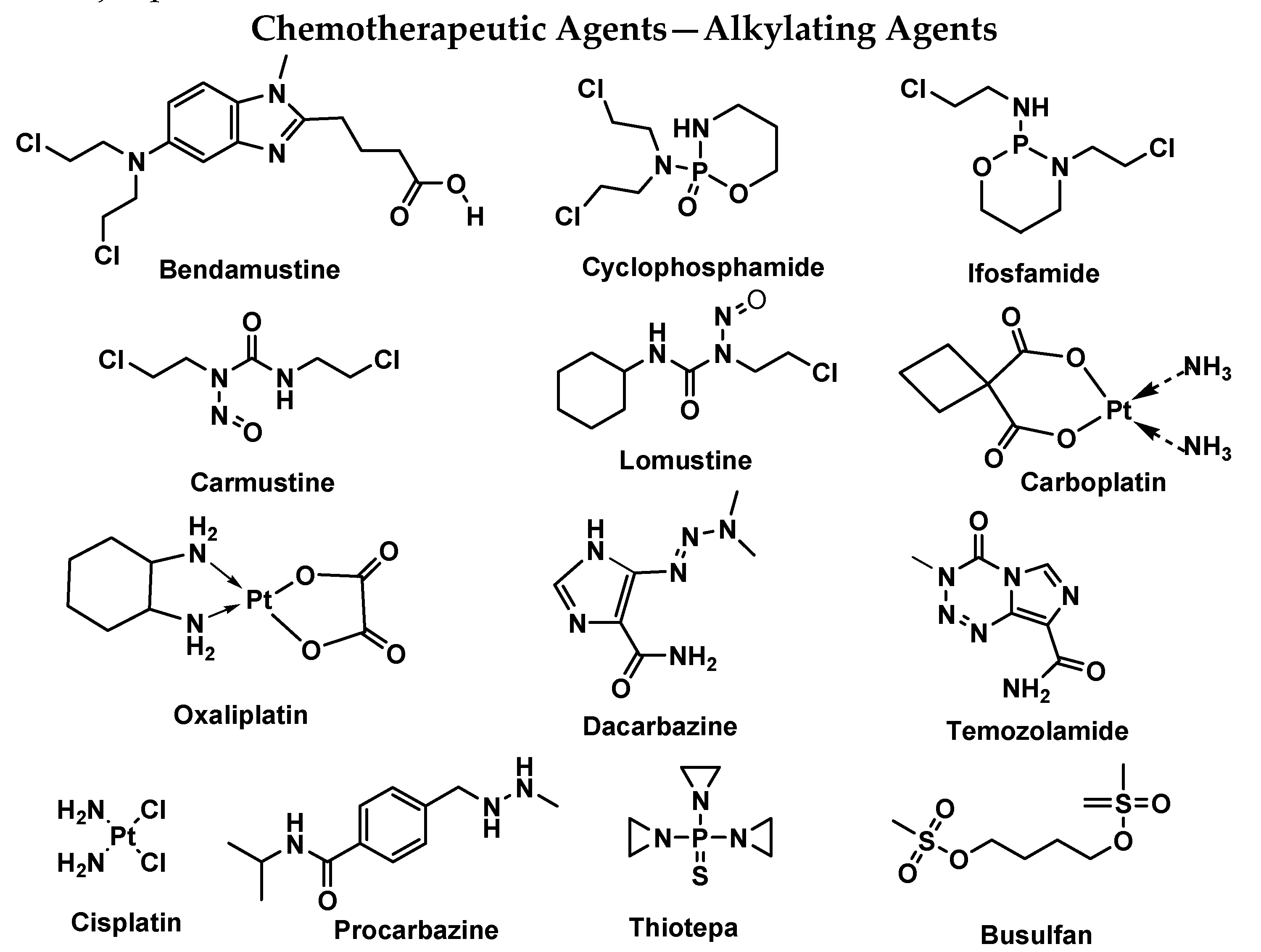
Figure 2.
Summary of chemotherapeutic agents, their actions, and toxicities. Highlights how classes like antimetabolites and alkylating agents disrupt cancer cell replication.
Figure 2.
Summary of chemotherapeutic agents, their actions, and toxicities. Highlights how classes like antimetabolites and alkylating agents disrupt cancer cell replication.
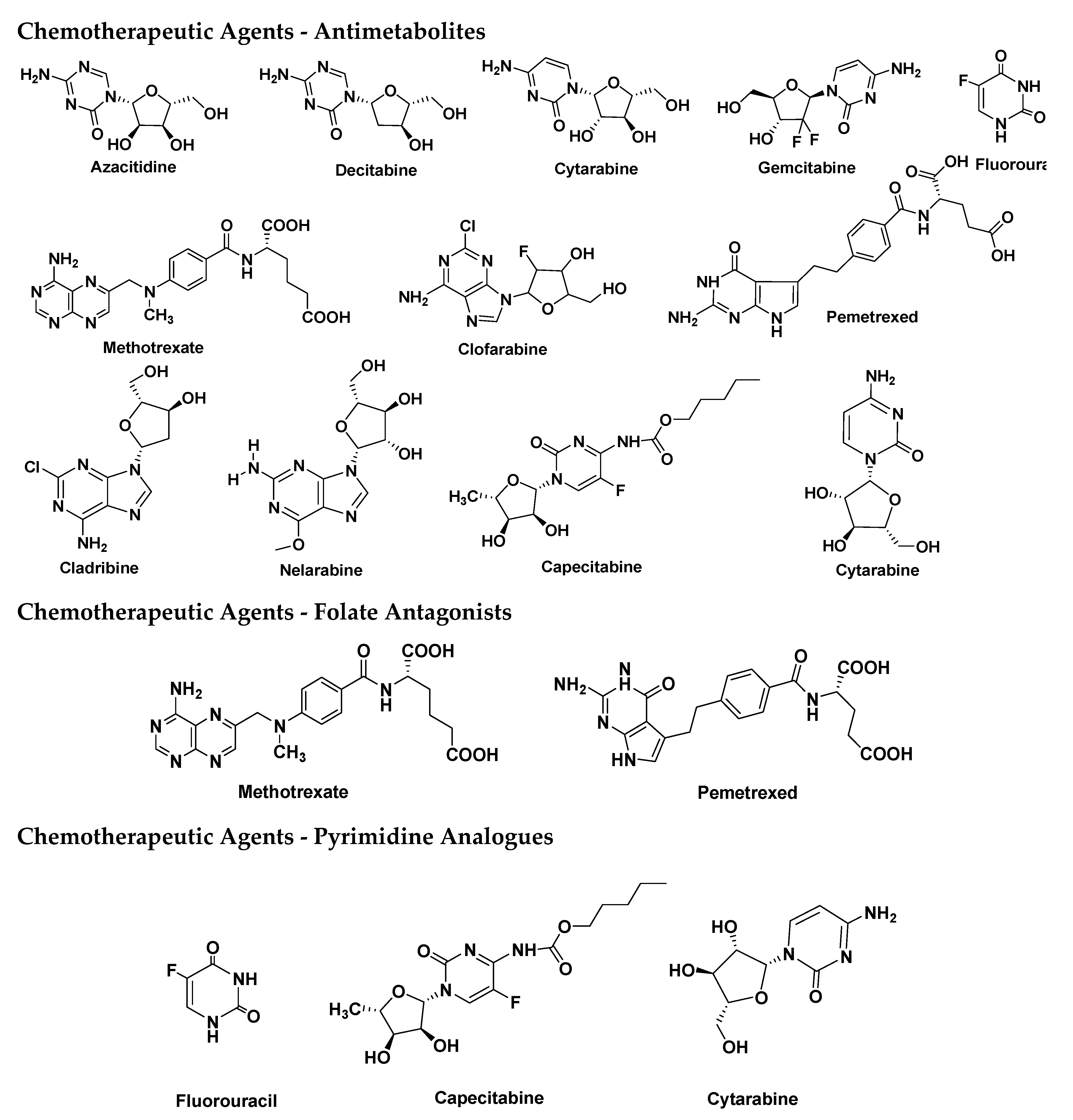
Table 2.
provides an overview of ADCs approved for clinical use worldwide, showcasing their molecular design, initial approval years, marketed companies, approved countries, and indications.
Table 2.
provides an overview of ADCs approved for clinical use worldwide, showcasing their molecular design, initial approval years, marketed companies, approved countries, and indications.
| ADC | Target | Indication(s) | Initial Approval Year | Marketed Company |
|---|---|---|---|---|
| Gemtuzumab ozogamicin | CD33 | AML | 2000 | Pfizer |
| Brentuximab vedotin | CD30 | Hodgkin lymphoma, ALCL | 2011 | Seagen |
| Inotuzumab ozogamicin | CD22 | B-ALL | 2017 | Pfizer |
| Motetumomab pasudotox | CD22 | Hairy cell leukemia | 2018 | AstraZeneca |
| Polatuzumab vedotin | CD79b | DLBCL | 2019 | Roche |
Table 3.
Evolution and Limitations of Traditional Cancer Treatments: From Discoveries to Modern Challenges.
Table 3.
Evolution and Limitations of Traditional Cancer Treatments: From Discoveries to Modern Challenges.
| Treatment Method | Discovery | Changes Over Time | Unfilled Gaps | Major Side Effects | Mechanisms of Resistance | References |
|---|---|---|---|---|---|---|
| Surgery | Ancient times | Technological advancements, minimally invasive procedures | Inability to remove metastasized cancer cells | Pain, infection, bleeding | Metastasis, incomplete resection, tumor heterogeneity | [51,52] |
| Chemotherapy | 1940s | Development of targeted therapies, combination regimens | Resistance to drugs, toxicity to healthy cells | Myelosuppression, nausea, hair loss | Drug efflux pumps, altered drug targets, DNA repair mechanisms | [54,55] |
| Radiation Therapy | Late 19th century | Improved precision, use of different radiation modalities | Radiation resistance, damage to surrounding tissues | Fatigue, skin changes, radiation dermatitis | DNA repair mechanisms, hypoxia, repopulation of tumor cells | [56,57] |
| Hormone Therapy | Late 19th century | Introduction of newer hormone receptor-targeted agents | Development of hormone-resistant tumors | Hot flashes, osteoporosis, fatigue | Alterations in hormone receptors, downstream signaling pathways | [58,59] |
| Immunotherapy | Late 19th century | Emergence of immune checkpoint inhibitors, CAR-T therapy | Limited efficacy in certain cancer types, autoimmune reactions | Immune-related adverse events | Immune evasion, tumor microenvironment modulation | [60,61] |
| Monoclonal Antibodies (mAbs) | 1970s | Development of humanized and fully human mAbs | Limited penetration into solid tumors, immune-related adverse events | Infusion reactions, cytokine release syndrome | Down regulation of target antigen, immune escape mechanisms | [62] |
| Antibody-Drug Conjugates (ADCs) | 1980s | Refinement of linker and payload technologies | Heterogeneous expression of target antigen, payload resistance | Cytopenias, infusion reactions, cardiotoxicity | Antigen loss, internalization of ADCs, drug efflux mechanisms [65] | [63,64] |
| Precision Drug Systems (PDS) | 2000s | Advancements in nanotechnology, targeted drug delivery | Limited delivery to tumor sites, off-target effects | Infusion reactions, organ toxicities | Clearance by reticuloendothelial system, poor tumor penetration | [65,66,67] |
Disclaimer/Publisher’s Note: The statements, opinions and data contained in all publications are solely those of the individual author(s) and contributor(s) and not of MDPI and/or the editor(s). MDPI and/or the editor(s) disclaim responsibility for any injury to people or property resulting from any ideas, methods, instructions or products referred to in the content. |
© 2025 by the authors. Licensee MDPI, Basel, Switzerland. This article is an open access article distributed under the terms and conditions of the Creative Commons Attribution (CC BY) license (http://creativecommons.org/licenses/by/4.0/).
Copyright: This open access article is published under a Creative Commons CC BY 4.0 license, which permit the free download, distribution, and reuse, provided that the author and preprint are cited in any reuse.


