

Submitted:
25 June 2025
Posted:
26 June 2025
You are already at the latest version
Abstract
Background/Objectives: The gluten-free diet (GFD) may be anti-inflammatory in treating Hashimoto's thyroiditis (HT), but the studies are inconsistent. To determine the effects of the GFD in non-celiac HT. Methods: We included randomized controlled trials from the following databases: Cochrane Central, Embase, Lilacs, Medline, Scopus, and Web of Science. It was registered at Prospero (no. CRD42024566034). The outcomes assessed included free triiodothyronine (fT3), free tetraiodothyronine (fT4), Thyroid stimulating hormone (TSH), Anti-thyroid Peroxidase (TPO), anti-thyroglobulin (Tg), C-reactive protein (CRP), body weight (BW), body mass index (BMI) and adverse effects. Sensitivity, subgroup, meta-regression, bias risk, and evidence analyses' certainty were also conducted. Results: Only three studies were meta-analyzed, comprising 110 participants. The pooled data revealed the evidence was very uncertain about the effect of GFD compared to the control group on mean differences (MD) of: TSH (MD -0.63 uIU/mL; 95% CI -1.63 to 0.36; p= 0.21), fT3 (MD -0.18 pg/mL; 95% CI -0.50 to 0.14; p= 0.28), fT4(MD -0.33 ng/dL; 95% CI -0.89 to 0.23; p= 0.24), anti-Tg (MD -10.07 IU/mL; 95% CI -17.73 to -2.42; p= 0.010), anti-TPO (MD 76.19 IU/mL; 95% CI 46.86 to 108.51; p< 0.00001), CRP (MD -0.12 IU/mL; 95% CI -0.30 to 0.07), BW (MD -1.46 kg; 95% CI -6.70 to 3.77), BMI (MD -1.80 kg/m2; 95% CI -3.30 to -0.31). The quality of evidence was rated as serious methodological concerns to extremely serious imprecision. Conclusion: The GFD decreased Anti-Tg and increased the Anti-TPO levels, both significantly. There were no significant results on fT3, fT4, and TSH.
Keywords:
gluten-free
; diet
; Hashimoto's thyroiditis
; non-celiac disease
1. Introduction
Hashimoto’s thyroiditis, also known as chronic lymphocytic thyroiditis, is an autoimmune thyroid disease first described by Hiroshi Hashimoto in 1912 [1,2]. It is the most common organ-specific autoimmune disease [3], characterized by diffuse lymphocytic infiltration, parenchymal atrophy, fibrosis, and eosinophilic changes in some thyroid follicular cells [1,4,5]. It is the leading cause of hypothyroidism in patients [6,7]. HT is diagnosed by the presence of positive specific Thyroid Antibody Titers (TAT), Anti-thyroid Peroxidase (TPO), anti-thyroglobulin (Tg) [1,2,5], as well as thyroid ultrasound, a complementary method that can be used in the evaluation of thyroid disorders [8]. HT has a general prevalence in adults of 7,5% and can reach 14% depending on the geographical region, 17,5% in women, and 6% in men [9].
At present, HT seems to be related to multiple factors, such as genetic susceptibility [10,11,12,13]; environmental factors, including nutritional factors [14,15]; immune disorders, and cellular and humoral immunity, which play a key role in the development of the disease, [8, 16). HT is also known to relate to oxidation redox (OS) [17,18] with advanced glycation end products (AGEs) and the decreased expression of antioxidant paraoxonase (PON-1) as a phenomenon of inflammatory and pro-oxidant imbalance in HT [2,17,18]. Many alternative therapies have emerged to treat the ongoing imbalance in HT, such as antioxidant micronutrient supplementation [7,19,20,21] and specific diets, such as GFD [17,18,22,23,24,25,26,27,28,29,30]
HT and celiac disease have the same genetic susceptibility, major histocompatibility complex, class II, DQ, HLA-DQ2 and HLA-DQ8 alleles [10,11]. Therefore, gluten can increase intestinal permeability through the C-X-C Motif Chemokine Receptor 3 (CXCR3) in the intestinal epithelium, promoting the release of zonulin in HT patients [11,31,32,33], including non-celiac individuals [31,34]. Zonulin is a modulator of tight junctions that controls the selective permeability of the intestine. The increase in zonulin contributes to inflammation and the risk of autoimmunity in these susceptible individuals [6,35,36]. The authors found that the increase in plasma zonulin levels in the HT group was statistically significant compared to the control group (p < 0.001) and were found to be associated with HT in both univariate and multivariate models (p < 0.05) [37]. Thus, it is speculated that the withdrawal of gluten from HT patients without celiac disease may have an anti-inflammatory effect [29,38,39,40,41].
A GFD is a nutritional plan that eliminates gluten, a protein known as prolamin (glutenin and gliadin) found naturally in some grains such as wheat, barley, and rye [25,42,43]. GFD is crucial for individuals with celiac disease [41,44,45], autoimmune conditions [44,46,47], non-celiac gluten sensitivity, or wheat allergy [27,33,34,48,49]. The diet emphasizes naturally gluten-free foods, including vegetables, fruits, fish, meat, dairy products, and certain grains, while avoiding any food source that contains gluten, such as bread, pasta, cereals, and many processed foods [40,42,50].
High-quality evidence supporting the GFD for non-celiac TH patients, as caused, for example, by immune-mediated responses to gluten, is neither robust nor convincing. This lack of robust evidence underscores the importance of our systematic review and meta-analysis, which had the general objective of verifying the effects of the GFD in non-celiac TH individuals on levels of TAT, thyroid hormones, and TSH and evaluating the effects of the GFD on secondary outcomes: C-reactive protein, vitamin D, BW, BMI; and whether the GDF intervention improved the quality of life of these individuals, and caused any adverse effects.
2. Materials and Methods
2.1. Study Design
A systematic review protocol based on PRISMA-P [51] was developed and registered in the International Prospective Register of Systematic Reviews (PROSPERO, registration ID: CRD42024566034).
2.2. Eligibility Criteria
2.2.1. Inclusion Criteria
A research question was developed based on PICOS Acronym (Population, Intervention, Comparison, Outcome, Study) (Table 1): (i) adults and older people diagnosed with HT and non-celiac disease; (ii) following a gluten-free diet intervention; (iii) Valid comparator groups comprised those receiving any gluten dietary intervention, no dietary intervention, or placebo (if all contain gluten); (iv) Randomized Controlled Trials (RCTs), including crossover trials.
2.2.2. Exclusion Criteria
We excluded studies based on the following criteria: (i) pregnancy or lactation; (ii) gluten-reduced diet intervention; (iii) patients with thyroidectomy; (iv) supplementation intervention, such as iron, selenium; (v) interventions with other supporting diets, such as low carbohydrate diet, Mediterranean diet, hypocaloric diet, Brazilian cardio-protective diet (DICA/BR diet); (vi) multifactorial interventions, such as lifestyle, physical exercise; (vii) interventions that induced autoimmune thyroid diseases; (viii) with patients who started HT drug therapy at the same time as GFD; (ix) with patients who changed HT drug therapy during the GFD period; (x) with hyperthyroidism or other endocrine disorders.
Concerning the comparator group could be any diet containing gluten, such as usual/unusual diets, without intervention, calculated, prescribed, or guided.
2.3. Literature Search Strategy
We meticulously developed a highly sensitive search strategy with the invaluable assistance of a librarian. The search strategy was applied to Cochrane Central, Embase (Elsevier), Lilacs (Latin American and Caribbean Health Sciences Literature in the Virtual Health Library), Medline (via PubMed), Scopus (Elsevier), and Web of Science (Elsevier), and was conducted without language or publication period restrictions. The detailed search strategy is presented in the supplementary material S2. To ensure the robustness of our search strategy, it was tested by Peer Press [53] in supplementary material S3. We diligently searched the literature up to August 2024 and updated it on February 4th, 2025. We set up email alerts to notify us of any new articles listed in databases, ensuring coverage of the latest publications.
Additionally, we searched the platform clinicaltrials.gov for ongoing or unpublished trials. Two researchers (A.E and C-L.C) also carried out an additional search in the gray literature (Google Scholar and ProQuest), hand-searching the reference lists of the included studies and with experts.
2.4. Study Selection
During the initial screening, we conducted a preliminary pilot test encompassing two studies according to inclusion and exclusion criteria. We imported all articles from electronic searches into Rayyan [54] and deleted duplicate studies, ensuring the highest quality of studies for our review.
After that, two investigators (A.E and C-L.C) independently screened the titles and abstracts and performed the study selection in Phase 1. In Phase 2, the same authors (A.E and C-L.C) screened the references based on the full text. Any disagreements were resolved through discussion, or, if required, a third author was consulted (A.S.S.).
2.5. Data Collection Process
We formulated a data extraction template using Microsoft Excel, which was tested by two authors (A.E. and C-L.C.) and comprised two studies. We made some adjustments to the collection instrument during the process. After that, the same two authors, independently, (A.E and C-L.C) extracted data.
The following items were extracted: study identification, author names, year of publication, study location, participants characteristics (sex, age, weight, BMI), study characteristics (study design, total duration, Hashimoto’s thyroiditis diagnosis, Celiac disease exclusion, follow-up, eligibility criteria); type of intervention: duration, frequency, concentration; type of outcomes: primary and secondary outcomes were specified and collected, and time points were reported.
We included funding, adverse effects, and notable conflicts of interest for the study authors. Any disagreements were resolved through discussion, or, if required, a third author was consulted (A.S.S.). We contacted authors for unreported outcomes and missing data through three consecutive emails, 15 days apart.
2.6. Data Items
There is no established consensus for outcomes in the Core Outcomes Measures in Effectiveness Trials (COMET) [55], so the outcomes chosen were based on guidelines and RCTs. We analyzed the following outcomes in the review but did not use them as a basis for including or excluding studies. Primary outcomes: Anti-thyroid antibodies (anti-Tg, anti-TPO), Thyroid hormones (fT3, fT4), and TSH: measured throughout the blood sample collection. Secondary Outcomes: Anthropometric measurements (body weight, BMI): measured with scale and stadiometer; Health-related quality of life: we accepted any scales as long as they were validated; diet adherence: as described by the authors; adverse effects: as defined by the trial authors; CRP and vitamin D: measured throughout blood sample collection.
All the parameters were measured from baseline, before the nutrition intervention, and after the nutrition intervention (change from baseline and final values). Nevertheless, some of them had only baseline parameters. We analyzed only the outcomes listed above for each trial and not all the outcomes reported. We considered the following features in the normal range [56,57]: Anti-TPO (<5.61 IU/mL); Anti-Tg (<4.11 IU/mL); TSH: 0.35-4.94 uIU/mL; fT3: 1.58-3.91pg/mL; fT4: 0.7-1.48 ng/dL; Vitamin D: 30-50 ng/mL (≥20-<30 ng/mL=insufficient; <20 ng/mL=deficient); CRP: < 0.1 mg/dL: low risk; 0.1 to 0.3 mg/dL: intermediate risk; > 0.3 mg/dL: increased risk. BMI: 18.5 to 24.9 kg/m² (adults); 22 to 27 kg/m² (older people).
2.7. Assessment of Risk of Bias in Included Studies
Two authors (A.E and C-L.C) independently assessed the risk of bias using the Cochrane’ Risk of Bias’ tool 2 (Rob2), as outlined in the Cochrane Handbook for Systematic Reviews of Interventions [58]. We resolved disagreements by discussing or involving another author (A.S.S.). We assessed the effect of the assignment to the intervention (the intention to treat (ITT) effect), so we performed all risk of bias assessments on this effect, according to the following domains: bias arising from the randomization process, bias due to deviations from intended interventions, bias due to missing outcome data; bias in the measurement of the outcome; bias in the selection of the reported result. We used the signaling in the RoB2 tool and rated each domain as ’low risk of bias,’ ’some concerns’, or ’high risk of bias.’ The overall risk of bias for the result was the least favorable assessment across the bias domains [52).
We used Excel/Rob2 to generate traffic light plots for each outcome’s domain-level judgments. If more than 10 studies were included in the meta-analysis, we created a funnel plot to explore publication bias. None of the included studies was a crossover trial. If crossover trials are included in future updates of this review, a specific bias analysis tool will be used for this type of study.
2.8. Synthesis Methods
We performed narrative synthesis initially, tabulating the literature for each category of all relevant parameters. Data provided by a single study was not meta-analyzed, as it was impossible to compare. We included only the relevant arms, according to PICOS, for studies with more than two groups.
2.9. Measures of Treatment Effect
All our outcomes were continuous data. For continuous outcomes collected on the same scale, we pooled the effect using a mean difference (MD) with corresponding standard deviation (SD) and 95% CI; for continuous outcomes collected with different scales, we used a standardized mean difference (SMD) with 95% CI. Data were pulled using a random effects model, and a forest plot with MD for primary and secondary outcomes was used. Separate analyses were conducted for each outcome and each comparison and presented numerical data on forest plots using Review Manager (Review Manager - Computer program. Version 7.2.0. The Cochrane Collaboration, 2024. Available at revman.cochrane.org.)
2.9.1. Dealing with Missing Data
We contacted the study authors to request unclear numerical data and information (such as randomization and allocation). We did not use imputation because most of the data was available. One author (Poblocki et al., 2021) sent his data, which we used to meta-analyze them using the generic inverse variance method. We also used the methods recommended to convert the median to the mean [59,60].
2.9.2. Assessment of Heterogeneity
We assessed statistical heterogeneity using Cochran’s Q test to determine whether heterogeneity was significant (considering a threshold value of P < 0.1 to indicate that heterogeneity was statistically significant). In addition, we thought the Higgins’ I2 over 50% to represent substantial heterogeneity. We visualized and inspected the forest plots for signs of heterogeneity (e.g., non-overlapping CI). If substantial heterogeneity was identified and information was available, subgroup analyses would be carried out according to the characteristics of the population (gender, age group) and the outcome (BMI) [32]. However, we performed a random-effects meta-regression analysis, considering the high risk of bias and gluten concentration (capsule or free consumption).
2.9.3. Sensitivity Analysis
We intended to remove the studies at high risk of bias. However, the studies at a high risk of bias were those with gluten-free consumption.
2.10. Assessment of Reporting Bias
The publication of bias would be tested by visual inspection of funnel plots and using Egger’s regression asymmetry test if there are fewer than ten studies in a meta-analysis (34, 61).
2.11. Assessment of the Certainty of the Evidence
The certainty of the evidence was rated using the GRADE methodology approach (risk of bias, consistency of effect, imprecision, indirectness, and publication bias) for all outcomes by two independent reviewers (A.E and C-L.C). Disagreements were resolved through deliberation or by a third reviewer (A.S.S.). We used the methods and recommendations described in the Cochrane Handbook for Systematic Reviews of Interventions [62] and the GRADE Handbook using GRADEpro GDT software. We justified all decisions to downgrade the quality of studies using footnotes and made comments to aid the reader’s understanding of the review where necessary. We used four levels to rate the quality of evidence across trials in the GRADE system: very low, low, moderate, and high [62]. We interpreted SMD analysis following the rule of thumb on Cohen’s effect size [63]: 0.2 represents a small effect; 0.5 is a medium effect; 0.8 represents a large effect.
3. Results
3.1. Study Selection
The flowchart (Figure 1) illustrates the results of the study selection process, as PRISMA recommended [51]. From the 459 records through databases and 979 from other sources, after removing duplicates, we screened 306 titles and abstracts. Then, through full-text review, we checked the eligibility of 13 reports from databases and seven reports from other sources. In the end, we included four RCTs, but only three contributed data to meta-analyses.
We contacted five study authors for clarification (because of insufficient data). Two of them answered us (Rodziewicz et al., 2024; Poblocki et al., 2021). Details are available in Characteristics of Excluded Studies (Supplementary material - S4).
3.2. Study Characteristics
Data are summarized in Table 2 and additional information can be found at the supplementary material – S5. One study was not included in the meta-analysis due to a lack of data on the control group (Lagana and Piticchio et al., 2025) even upon author’s contact.
3.3. Population Sociodemographic Characteristics
According to the narrative results, Table 2 shows that the mean age ranged from 34.6 to 43.25 years. Three were conducted on women, and only one RCT was conducted on both sexes (Lagana and Piticchio et al., 2025); the intervention period in the included trials ranged from 1 month to 3 months. The gluten-free diet group received a sample GFD menu or weekly diet according to individual requirements, and the control group did not undergo any modification. Only in one study (Rodziewicz et al., 2024) was there an intervention with the use of capsules for both the gluten-free group (rice starch) and the control group (2g/day of gluten). Two studies (Ulker et al., 2023; Lagana and Piticchio et al., 2025) had more arms, but data was only extracted from nutritional interventions according to the PICOS: GFD and control group (Ulker et al., 2023). In the trial of Rodziewicz et al., 2024, the diets differed; we changed the intervention to the control to better understand the table and meta-analysis standardization. Only one study reported adverse effects (Rodziewicz et al., 2024), supplementary material S5.
3.4. Risk of Bias in Studies
We present the risk of bias assessment for each outcome. We generated traffic light plots in each forest plot of our primary (TSH, fT3, fT4, Anti-TG, Anti-TPO) and secondary outcomes (CRP, BW, BMI).
Of the three meta-analyzed RCTs, two presented a high overall risk of bias in all outcomes (Ulker et al., 2023; Poblocki et al., 2021), while one study showed a low overall risk of bias (Rodziewicz et al., 2024). The Ulker et al. (2023) study did not provide sufficient information on the randomization process allocation. How it dealt with missing data, and it presented a high risk of bias due to missing outcome data. Similarly, the Poblocki et al., 2021 study did not provide sufficient information on the allocation, and the authors had difficulty dealing with missing data and selecting the reported result. Individual studies evaluated secondary data. Only the study containing the CRP (Rodziewicz et al., 2024) presented a low risk of bias.
3.5. Effects of Interventions
3.5.1. Thyroid Function Test Outcomes
The evidence is very uncertain about the effect of GFD on TSH levels compared to the control group and there was no significant difference (MD -0.63 uIU/mL; 95% CI -1.63 to 0.36; P= 0.21) (Figure 2); three studies with 110 participants; the certainty of the evidence very low. We downgraded the certainty of the evidence due to serious methodological concerns (two studies presented a high overall risk of bias) and due to extremely serious imprecision; the CI ranges from a large beneficial effect to a small harmful effect of the intervention (SMD -0.94 μIU/mL, 95% CI -2.25, 0.38) (Supplementary material - S6). A high degree of heterogeneity was also detected between the included trials (I2= 88%, P= 0.0003) (Figure 2).
The evidence is very uncertain about the effect of GFD on fT3 levels compared to the control group and there was no significant difference (MD -0.18 pg/mL; 95% CI -0.50 to 0.14; P= 0.28); three studies with 110 participants (Figure 3); the certainty of the evidence very low. We downgraded the certainty of the evidence due to serious methodological concerns (two studies presented a high overall risk of bias) and due to extremely serious imprecision; the CI ranges from a large beneficial effect to a small harmful effect of the intervention (SMD -0.60 pg/mL, 95% CI -1.64, 0.45) (Supplementary material - S6). A high degree of heterogeneity was also detected between the included trials (I2= 85%, P= 0.001) (Figure 3).
The evidence is very uncertain about the effect of GFD on fT4 levels compared to the control group and there was no significant difference (MD -0.33 ng/dL; 95% CI -0.89 to 0.23; P= 0.24); three studies with 110 participants (Figure 4); the certainty of the evidence very low. We downgraded the certainty of the evidence due to serious methodological concerns (two studies presented a high overall risk of bias) and due to extremely serious imprecision; the CI ranges from a large beneficial effect to a harmful moderate impact of the intervention (SMD -0.78 ng/dL, 95% CI -2.16, 0.59). (Supplementary material - S6). A high degree of heterogeneity was also detected between the included trials (I2= 96%, P< 0.00001) (Figure 4).
3.5.2. Immunological Biomarkers Outcomes
GFD decreased Anti-Tg levels significantly compared to the control, however the evidence is very uncertain (MD -10.07 IU/mL; 95% CI -17.73 to -2.42; P= 0.010); three studies with 110 participants (Figure 5); the certainty of the evidence very low. We downgraded the certainty of the evidence due to serious methodological concerns (two studies presented a high overall risk of bias) and due to extremely serious imprecision; the CI ranges from a large beneficial effect to a trivial effect or no effect (SMD -0.39 IU/mL, 95% CI -0.84, 0.06) (Supplementary material - S6). Moreover, no significant heterogeneity was observed among the included studies (I2= 0%, P< 0.66) (Figure 5).
GFD increased Anti-TPO levels significantly compared to the control, however the evidence is very uncertain (MD 76.19 IU/mL; 95% CI 46.86 to 108.51; P< 0.00001); three studies with 110 participants (Figure 6); the certainty of the evidence very low. We downgraded the certainty of the evidence due to serious methodological concerns (two studies presented a high overall risk of bias) and due to extremely serious imprecision; the CI ranges from a large beneficial effect to a trivial effect or no effect to a large detrimental effect (SMD 0.79 IU/mL, 95% CI -0.09, 1.68) (Supplementary material - S6). Additionally, no significant heterogeneity was observed among the included studies (I2= 0%, P= 0.43) (Figure 6).
3.5.3. Inflammation Biomarker Outcome
The CRP outcome was not meta-analyzed as it was collected in the individual study (Rodziewicz et al., 2024) (Figure 7, Supplementary material - S6). The evidence is very uncertain about the effect of GFD on CRP levels considering the comparison with the control group (MD -0.12 IU/mL; 95% CI -0.30 to 0.07) ; the unique study with 28 participants (Figure 7, Supplementary material - S6); and the certainty of the evidence which was very low. We downgraded the certainty of the evidence due to not serious methodological concerns due to extremely serious imprecision; the CI ranges from a large beneficial effect to a small harmful effect (SMD -0.49 IU/mL, 95% CI -1.25, 0.26) (Supplementary material - S6).
3.5.4. Anthropometrics and Quality of Life Outcomes
The body weight outcome was not meta-analyzed as it was collected in the individual study (Ulker et al., 2023) (Figure 8, Supplementary material - S6). The evidence is very uncertain about the effect of GFD on body weight levels compared to the control group (MD -1.46 kg; 95% CI -6.70 to 3.77) (Figure 8); one study with 20 participants (Figure 8, Supplementary material - S6); the certainty of the evidence was very low. We downgraded the certainty of the evidence due to serious methodological concerns due to extremely serious imprecision; the CI ranges from a large beneficial effect to a moderate harmful effect (SMD -0.23 kg, 95% CI -1.11, 0.65) (Supplementary material - S6).
The BMI outcome was not meta-analyzed as it was collected in the individual study (Ulker et al., 2023) (Figure 9, Supplementary material 3). The evidence is very uncertain about the effect of GFD on BMI levels compared to the control group (MD -1.80 kg/m2; 95% CI -3.30 to -0.31); one study with 20 participants (Figure 9, Supplementary material S6); the certainty of the evidence very low. We downgraded the certainty of the evidence due to serious methodological concerns due to extremely serious imprecision; the CI ranges from a large beneficial effect to a trivial effect or no effect (SMD -1.01 kg/m2, 95% CI -1.96, -0.07) (Supplementary material - S6).
Only one study reported adverse effect, it was unfavorable microbiota (Rodziewicz et al., 2024) (Supplementary material - S5). The other protocol outcomes (Vitamin D, diet adherence, and health-related quality of life) were not found in the included studies.
3.6. Sensitivity Analysis
Analysis was carried out considering the studies with a high risk of bias and the concentration of gluten, which in the end were the same studies removed.
3.7. Assessment of Reporting Bias
The publication of bias was not tested by visual inspection of funnel plots and using Egger’s regression asymmetry test because fewer than ten studies were in a meta-analysis [58].
3.8. Protocol Amendments
The only protocol amendment was sensitivity analysis for gluten concentration in the diet. This was the only analysis that could be carried out, even though it had not been planned. The third author consulted to resolve any disagreements was replaced from DeS.L by A.S.S.
4. Discussion
The main objective of this systematic review was to verify whether eliminating gluten from the diet would effectively control thyroid hormones and TAT in patients with HT without celiac disease. It is worth noting that no systematic review study has researched the subject with this methodological rigor to date.
The most important findings in this meta-analysis were that GFD decreased the mean difference in Anti-Tg and had the opposite effect on Anti-TPO, increasing its levels. The effect of GFD on TSH, fT3 and fT4 was not significant and not clinically effective, despite being favorable to this intervention. Regarding the secondary data, CRP, body weight, and BMI, the same was true and which could not be meta-analyzed them. For all the results, the certainty of evidence was very low.
HT is the most prevalent autoimmune disease in the world, and many articles have been published on its non-pharmacological treatment, raising many more questions than answers. Scientists are studying the effectiveness of diets in the treatment of HT [66], such as low-calorie diets [26], Mediterranean diets [67], Autoimmune Protocol diets (AIP diet) [28,68], and plant-based diets [69,70], but none arouses as much curiosity in the literature as the gluten-free diet [7,21,27,71].
However, given its growing popularity, knowing the potential nutritional deficiencies resulting from a GFD is essential, especially for those without diseases [41,71,72]. There is aggressive consumer marketing by manufacturers and retailers, scientific research, and the mainstream press about the clinical benefits of avoiding gluten [25]. It can lead people to restrict gluten simply because of the perception that gluten is potentially harmful, and therefore, restriction would only represent a supposedly healthy lifestyle [73]. Although it may seem like a healthy way of life, it can also result in dietary problems and vitamin deficiencies. An imbalance in a gluten-free diet can result in nutritional deficiencies. Gluten-free diets can be high in fat, low in fiber, and deficient in important vitamins and minerals such as calcium, magnesium, vitamin D, and B [25,29,30,38,74,75].
There are few studies in the literature containing data on individuals taking GFD without celiac disease and with HT to discuss with this systematic review. Moreover, the studies are small, short-term cohorts. Conducted the first and only previously published systematic review [48]. The authors found different results from ours: gluten deprivation in HT patients reduced TSH; there was no decrease in TAT; about FT3, there was no improvement with gluten withdrawal, and there was a worsening of FT4 with gluten deprivation [48]. The study has methodological concerns highlighted in a recently published Commentary [76], possibly explaining the differences between these two reviews. The main one is the mixture of randomized and non-randomized clinical trials in the study by [48].
Still, in published studies, [7] (no text available) carried out a clinical trial with 98 women with HT, excluding gluten and taking selenomethionine (200μg/Se), group A and only taking selenium, group B; there was an improvement in thyroid function and autoimmunity after six months. In another 10-week self-control clinical study [68], following an AIP, a modified paleolithic gluten-free diet, no statistically significant changes were observed in thyroid function or antibodies. Still, there was a decrease in systemic and immunological inflammation. For both studies, there was a lack of eligibility criteria for individuals with symptomatic or asymptomatic celiac disease, which makes comparison with this systematic review difficult.
In 2019, conducted a non-randomized clinical trial to verify the impact of a gluten-free diet on self-immunization and the function of the thyroid gland in patients with Hashimoto’s disease [27]. The study lasted six months with 34 euthyroid women (aged between 20 and 45). The participants were assigned into two groups: those who followed a gluten-free diet and those who consumed gluten. They concluded that TAT decreased in patients who followed a gluten-free diet. However, as no biopsy of the small intestine was carried out, the patients may have developed subclinical (non-symptomatic) celiac disease. Some of these same authors [21], in 2022, evaluated 91 euthyroid women with HT; 31 of them had non-celiac gluten sensitivity (NGS) and were allocated to group A; the remaining 60 were assigned to group B and did not have NGS. Group A ate a gluten-free diet, and group B ate a gluten diet. Both groups were supplemented with vitamin D. The results showed more pronounced effects of decreased antibodies, Anti-TG and Anti-TPO, in group B, with the gluten diet. In both studies, the gluten-free diet did not affect thyroid hormones or TSH, similar to this systematic review of randomized clinical trials. In the latter article, it is possible to observe that Anti-TPO decreased more in the group that consumed gluten, which is closer to our results. The authors also pointed out that the decrease in antibodies and increase in vitamin D were inversely proportional to gluten intake. The underlying mechanisms for the results found were still unclear. Still, the authors, pointed out some explanations, which will be replicated here, and added other hypotheses that could explain our findings about Anti-TPO [21].
Most of the randomized controlled clinical trials initially present self-control analyses, i.e., after nutrition intervention compared with the pre-intervention period (Poblocki et al., 2021; Rodziewicz et al., 2024; Lagana and Piticchio et al., 2025). And when they present across the groups, there is no analysis by intervention (Ulker et al., 2023). This made it difficult to compare this meta-analysis, which evaluated the results of GFD with those of the control group.
Another point to consider is that, according to a recently published article, anti-TPO can indicate adverse health outcomes [77]. Using regression analysis, the authors investigated the association between sociodemographic factors, lifestyle, and mortality risk in 1,317 participants in the ELSA-Brazil study. The results showed that Anti-TPO was associated with mortality risk and that the determinants of detectable and positive Anti-TPO, which were values above the range previously established in the study, were female gender, young age, high BMI, white race/color (self-reported), and low schooling. About the female sex, it was the only factor that was associated with persistent Anti-TPO, which remained high, above a specific range [77]. When comparing these results with our systematic review, it is similar to the fact that all the participants in the meta-analyzed articles were women and at a young age, which could keep the Anti-TPO elevated. What is worrying is that this increase can cause a greater mortality risk, according to the study by [77]. One of the explanations can be found in a prospective cohort study in which 64714 women and 45303 men exposed to gluten consumption, estimated by a food frequency questionnaire, were evaluated to assess fatal and non-fatal heart attacks [78]. The authors concluded that long-term gluten consumption was not associated with the risk of coronary heart disease, 0.95 (95% CI 0.88 to 1.02; P= 0.29). However, on the contrary, avoiding gluten can reduce the benefits linked to grain consumption, affecting cardiovascular risk. The authors concluded that promoting a gluten-free diet should be discouraged for people without celiac disease.
We considered some hypotheses. Is anti-TPO more sensitive to specific sociodemographic, metabolic, and nutritional characteristics than anti-Tg? In other words, could removing gluten from the diet directly impact HT via anti-TPO, especially in young women?
According to the authors, the implementation of a gluten-free diet, like other elimination diets, is associated with a high risk of nutritional deficiency [20,22,25,29,30,38,79]. In other words, gluten-free products, compared to their traditional counterparts, would have much lower nutritional value. The most common deficiencies in patients following a gluten-free diet are vitamins B, D, calcium, and iron [29,38,80], as well as magnesium, zinc, selenium (Se), and copper [7,19,29,30], as well as high levels of lipids, trans fat, salt, glycemic index, and low concentration of protein and fiber in the diet [20,25,29,30]. Among the nutrients mentioned, studies show a significant deficit in restrictive diets [20,29,30], but anti-TPO improves with supplementation [7,19,20]. An overview of Systematic Review [19] showed that the supplementation reduced anti-TPO and anti-tg levels at 3 and 6 months in a population not medicated with LT4, and the results were significant. However, the adverse effect was large compared to the non-supplemented group, RR 2.93 (CI= 0.93 to 6.11). However, the level of evidence for all the results was low. These effects of Se may be related to its antioxidant capacity, mainly due to GPx3, a strictly Se-dependent enzyme present in the thyroid, which reduces the oxidative effects of excess H2O2 produced in the thyrocyte [30].
Another nutrient that may be lacking in the gluten-free diet is vitamin D [29,38,80], and the lack of unsaturated fatty acids, iron, and calcium [20,29], which would decrease the intestinal absorption of that fat-soluble vitamin [29,75]. The mechanisms would be that T and B lymphocytes, responsible for immune tolerance in TH [30], have receptors for vitamin D, through which they can produce anti-inflammatory cytokines [81]. Lower amounts of vitamin D would aggravate the inflammatory condition in gluten-free patients [29,30,75]. Patients with HT have high serum levels of Advanced Glycation end products (AGE) and reduced activity of the main thyroid antioxidant enzymes compared to controls, indicating a condition of oxidative stress [17]. That is why it is essential to eat a diet balanced in antioxidant micronutrients, selenium, zinc, iron, and vitamins C, A, E, and D. A recent study proved the ineffectiveness of GFD in improving the redox balance in TH patients without celiac disease [18]. Moreover, in another study, also published recently, with GFD and omega 3 (eicosapentaenoic acid/EPA and docosahexaenoic acid/ DHA), the authors observed an increase in anti-inflammatory mediators. However, it was attributed much more to the essential fatty acid than the lack of gluten in the diet [22].
Still, concerning diet quality, GFD significantly increases the consumption of rice products, which can contain heavy metals such as Arsenic, mercury, cadmium, and lead [74]. Clinical studies and NHANES-based assessments have indicated that people following a GFD have higher blood/urinary levels of Arsenic and mercury, which suggests that the GFD and not the disease is responsible [74]. In addition, these processed foods contain more fats and carbohydrates than their traditional counterparts [25,40,71,75,82] and often more kilocalories, leading to insulin resistance, diabetes, and obesity [26,78]. Ostrowska et al. 2021 [26] evaluated 100 women aged 18-65 previously diagnosed with HT and obese and taking L-thyroxine. Fifty were randomly assigned to group A (kilocalorie-restricted diet and reduction of sensitive foods, after food testing) and 50 to group B (kilocalorie restriction only). All the diets in both groups were designed by qualified nutritionists, with the same distribution of macronutrients and meeting the daily needs of micro and macro nutrients. All participants received 200 mcg of l-seleno-methionine/day and 30 mg of zinc gluconate/day throughout the study period. The parameters evaluated (BMI, TSH, fT3, fT4, Anti-TPO, and Anti-TG) were significant for diet A, which also included control of gluten intake, compared to control group B. This study also showed a positive correlation between anti-TPO levels and BMI (p = 0.023) but not between anti-TPO and decreased body fat percentage (p = 0.156). Corroborating this result, obesity was significantly correlated with positive Anti-TPO (RR = 1.93, 95% CI 1.31-2.85, P = 0.001) and not with Anti-Tg in a meta-analysis of 22 studies [35]. In other words, Anti-TPO seems more sensitive to the anthropometric profile than Anti-Tg.
Another aspect mentioned in the article by Rodziewicz et al., 2024 [65] was the intestinal microbiota, which is quite controversial; it is not known whether its alteration is present before the onset of HT or whether it reflects the effects of the disease itself [83,84,85]. However, the intestinal microbiota influences both the activity of the immune system and thyroid function [35,84,86,87,88,89,90,91]. In addition, gut microbiota affects the availability of micronutrients essential for thyroid function [83,85]. Zafeiropoulou et al., 2020 [39] observed a decrease in short-chain fatty acids (SCFA) concentration after six months of GFD. It is worth noting that SCFA modulates the autoimmune response, maintains intestinal homeostasis, and has anti-inflammatory properties, especially butyrate, which seems to be associated with an increase in the colonic population of Treg lymphocytes, capable of suppressing the auto-reactive immune response [36,92]. In addition, a recent study [93] associated the composition of the microbiota with the Anti-TPO of Eurothyroid participants. The results suggested no robust difference in the gut microbiome between individuals with or without Anti-TPO in terms of alpha and beta diversity. However, several taxa with nominal significance related to the presence of TPOAb were identified.
Based on these findings in the literature, it is possible to make a comparative analysis with the studies included in this systematic review. The RCTs included had eligibility criteria (Supplementary material -S5) ranging from normal BMI (Rodziewicz et al., 2024), no information (Poblocki et al., 2021), to grade I obesity (Ulker et al., 2023), and only one study assessed BMI (Ulker et al., 2023), so it was not possible to meta-analyze the data. Therefore, it is not safe to say that GFD reduced BMI; on the contrary, energy consumption is much higher in those who follow GFD [71, 78). Only one study reported on energy intake precautions (Ulker et al., 2023), despite having the control and guidance of specialized professionals for the gluten-free diet (Poblocki et al., 2021; Ulker et al., 2023), and there is no information on micronutrient orientation, especially antioxidants, or on the consumption of processed foods. In addition, the sample comprised women and young people who were in possible situations for raising and maintaining anti-TPO.
As for adverse effects, there were no reports in the studies included in this SR; only Poblocki et al., 2021 described unfavorable microbiota results following the use of GFD. This lack of adverse effects, not reported in the studies, is not in line with Di Sabatino et al., 2015 [50], who conducted a randomized, placebo-controlled, cross-over study with 61 adults without celiac disease or wheat allergy to investigate intestinal and extra-intestinal symptoms related to gluten consumption. The authors observed that, according to the per-protocol analysis of the 59 patients who completed the study after one week of intervention, gluten intake significantly increased general symptoms compared to the gluten-free placebo (p=0.034). As for intestinal symptoms, abdominal bloating (p=0.04) and pain (p=0.047), and among extra-intestinal symptoms, foggy mind (p=0.019), depression (p=0.020), and aphthous stomatitis (p=0.025) were significantly more severe when subjects were given gluten. In this study, patients who dropped out of the study were not evaluated, which presents a significant bias, as only people with gluten sensitivity, symptomatic, non-celiac, i.e., those who would benefit from the gluten-free diet, may have remained.
This systematic review, the first of its kind in terms of methodological rigor, has certain limitations that should be considered when interpreting the findings. The short follow-ups and small number of participants may limit the generalizability of the results. Additionally, the subjects meta-analyzed were all females, making it impossible to address the effects of the GFD on TAT and thyroid function tests in male subjects. Furthermore, the studies did not assess adherence to the gluten-free diet, which introduces the risk of patients not adhering to restrictive diets. The potential impact of these limitations on future research is significant, underscoring the need for more rigorous studies in this area.
5. Conclusions
The GFD diet, compared to the control group diet, did not significantly influence TSH and thyroid hormones, fT3 and fT4; as for TAT, GFD decreased in Anti-Tg and increased the Anti-TPO levels, both significantly. The certainty of evidence was very low for all outcomes, highlighting the need for more rigorous studies in this area.
These findings underscore the urgent need for more rigorous studies in this area of research. We need more randomized clinical trials with greater control of the GFD diet, and most importantly, we need more precise research methods. Adhering to the research methods guidelines for randomized clinical trials is crucial to avoid the high risk of bias and improve the certainty of evidence.
Supplementary Materials
The following supporting information can be downloaded at: https://www.mdpi.com/article/doi/s1, Supplementary material S1 - Checklist Prisma 2020; Supplementary material S2 - Search Strategy, February 4th, 2025; Supplementary material S3 - Peer Press; Supplementary material S4 - Characteristics of excluded studies: databases and other methods; Supplementary material S5 - Study characteristics of the published studies included in this systematic review; Supplementary material S6 - Certainty of evidence (GRADE).
Author Contributions
Conceptualization: Araújo, EMQ and Trevisani, VM. Investigation: Araújo, EMQ; Coutinho-Lima, CR; Souza, LMS, and Sousa, AS. Methodology: Araújo, EMQ; Sousa, AS; Canto, GL and Trevisani, VM. Supervision: Sousa, AS; Canto, GL; Trevisani, VM. Writing-original draft: Araújo, EMQ; Coutinho-Lima, CR; Souza, LMS; Sousa, AS; Canto, GL and Trevisani, VM. Writing-review & editing: Araújo, EMQ; Coutinho-Lima, CR; Souza, LMS; Sousa, AS; Ramos, HE; Almeida-Pititto, BA; Canto, GL and Trevisani, VM.
Funding
Professor Edilene Maria Queiroz Araújo is supported by the Program to Support the Training of UNEB Professors and Administrative Technicians (PAC), and Professor Graziela De Luca Canto is supported by the National Council for Scientific and Technological Development (CNPq). The APC was funded by Bahia State Research Support Foundation (FAPESB).
Institutional Review Board Statement
Not applicable.
Informed Consent Statement
Not applicable.
Data Availability Statement
The data presented in this study are available on request from the corresponding author.
Acknowledgments
Thanks to Professors Szczuko Małgorzata for sharing her data and Aleksandra Rodziewicz for answering our questions. We also thank Mrs. Andreia Carmo for supporting the search strategies and Hamilton Vivas da Silva Filho, nutritionist, for reviewing and managing references.
Conflicts of Interest
The authors declare that they have no competing interests.
Abbreviations
| AGE - Advanced Glycation end products; |
| AIP diet - Autoimmune Protocol diets; |
| AIT= Autoimmune thyroiditis; |
| BMI- body mass index; |
| CD - Celiac Disease; |
| CG - Control Group; |
| CI - confidence intervals; |
| COMET - Core Outcomes Measures in Effectiveness Trials; |
| CRP - C-reactive protein; |
| CXCR3: C-X-C Motif Chemokine Receptor 3; |
| DHA - docosahexaenoic acid; |
| DICA/BR diet - Brazilian cardio-protective diet; |
| DP - Standard deviation; |
| EPA - eicosapentaenoic acid; |
| F - Female; |
| fT3 - triiodothyronine; |
| fT4 - free tetraiodothyronine; |
| GFD - gluten-free diet; |
| GG - Gluten Group; |
| ID - Identification; |
| IP-10/CXCL10: Interferon gamma-induced protein; |
| ITT - the intention to treat; |
| Lilacs - Latin American and Caribbean Health Sciences Literature in the Virtual Health Library; |
| M - Male; |
| MD - mean difference; |
| NGS - Non-celiac gluten sensitivity; |
| OS - oxidation redox; |
| PG - Placebo Group; |
| PICOS - Population, Intervention, Comparison, Outcome, Study; |
| PON-1 - antioxidant paraoxonase; |
| PRISMA - Preferred Reporting Items for Systematic Reviews and Meta-Analyses; |
| PRISMA-P - Reviews and Meta-Analyses Protocols; |
| PROSPERO - International Prospective Register of Systematic Reviews; |
| RCTs - Randomized Controlled Trial; |
| RRs - risk ratios; |
| SCFA - Short-chain fatty acids; |
| SD - Standard deviation; |
| Se - selenium; |
| SMD - standardized mean difference; |
| TAT - Thyroid antibodies; |
| TgAb - thyroglobulin antibodies; |
| Tg - Anti-thyroglobulin; |
| TH - Hashimoto’s thyroiditis; |
| TLR-2: Toll Like Receptor 2; |
| TNF: Tumor necrosis factor; |
| TPO - Anti-thyroid Peroxidase; |
| TRL-4: Toll Like Receptor 4; |
| TSH - Thyroid stimulating hormone; |
| UNEB: State University of Bahia; |
| UNIFESP: Federal University of São Paulo |
References
- Hiromatsu Y, Satoh H, Amino N. Hashimoto’s Thyroiditis: History and Future Outlook. 2013. [CrossRef]
- Tywanek E, Michalak A, Świrska J, Zwolak A. Autoimmunity, New Potential Biomarkers and the Thyroid Gland-The Perspective of Hashimoto’s Thyroiditis and Its Treatment. Int J Mol Sci. 2024;25(9). [CrossRef]
- McGrogan A, Seaman HE, Wright JW, De Vries CS. The incidence of autoimmune thyroid disease: a systematic review of the literature. Clinical endocrinology. 2008;69(5):687-96.
- Jin B, Wang S, Fan Z. Pathogenesis Markers of Hashimoto’s Disease—A Mini Review. Frontiers in Bioscience - Landmark. 2022;27(10).
- Ralli M, Angeletti D, Fiore M, D’Aguanno V, Lambiase A, Artico M, et al. Hashimoto’s thyroiditis: An update on pathogenic mechanisms, diagnostic protocols, therapeutic strategies, and potential malignant transformation. Autoimmunity Reviews. 2020;19(10). [CrossRef]
- Liu X, Yuan J, Liu S, Tang M, Meng X, Wang X, et al. Investigating causal associations among gut microbiota, metabolites and autoimmune hypothyroidism: a univariable and multivariable Mendelian randomization study. Frontiers in Immunology. 2023;14. [CrossRef]
- Asimi Z, Hadzovic-Dzuvo A, Al Tawil D. The effect of selenium supplementation and gluten-free diet in patients with subclinical hypothyroidism affected by autoimmune thyroiditis. Endocrine Abstracts. 2020;70(AEP906).
- Banga JP, Schott M. Autoimmune Thyroid Diseases. Hormone and metabolic research = Hormon- und Stoffwechselforschung = Hormones et metabolisme. 2018;50(12):837-9.
- Dadashi M, Guo M, First People G, Ke Ding C. Global prevalence and epidemiological trends of Hashimoto’s thyroiditis in adults: A systematic review and meta-analysis. Frontiers Public Health. 2022.
- Vargas-Uricoechea H. Molecular Mechanisms in Autoimmune Thyroid Disease. Cells. 2023;12(6). [CrossRef]
- Pereira C, Khan N, Ashraf GM, Kim J, Minakshi R, Rahman S, et al. Molecular Insights Into the Relationship Between Autoimmune Thyroid Diseases and Breast Cancer: A Critical Perspective on Autoimmunity and ER Stress. Frontiers in Immunology | wwwfrontiersinorg. 2019;1:344-.
- Abdalrahman S, Smail H, Shallal A. Genetic and epigenetic markers in Hashimoto’s thyroiditis (Review). International Journal of Epigenetics. 2025;5(1):1-. [CrossRef]
- Lee HJ, Wun Li C, Salehi Hammerstad S, Stefan M, Tomer Y. Immunogenetics of Autoimmune Thyroid Diseases: A comprehensive Review HHS Public Access. J Autoimmun. 2015;64:82-90.
- Hu S, Rayman MP. Multiple Nutritional Factors and the Risk of Hashimoto’s Thyroiditis. Thyroid: Mary Ann Liebert Inc.; 2017. p. 597-610. [CrossRef]
- Osowiecka K, Myszkowska-Ryciak J. The Influence of Nutritional Intervention in the Treatment of Hashimoto’s Thyroiditis-A Systematic Review. Nutrients. 2023;15(4). [CrossRef]
- Ajjan RA, Weetman AP. The Pathogenesis of Hashimoto’s Thyroiditis: Further Developments in our Understanding. Hormone and Metabolic Research. 2015;47(10):702-10. [CrossRef]
- Ruggeri RM, Giovinazzo S, Barbalace MC, Cristani M, Alibrandi A, Vicchio TM, et al. Influence of Dietary Habits on Oxidative Stress Markers in Hashimoto’s Thyroiditis. Thyroid. 2021;31(1):96-105. [CrossRef]
- Laganà M, Piticchio T, Alibrandi A, Le Moli R, Pallotti F, Campennì A, et al. Effects of Dietary Habits on Markers of Oxidative Stress in Subjects with Hashimoto’s Thyroiditis: Comparison Between the Mediterranean Diet and a Gluten-Free Diet. Nutrients. 2025;17(2). [CrossRef]
- Wang YS, Liang SS, Ren JJ, Wang ZY, Deng XX, Liu WD, et al. The Effects of Selenium Supplementation in the Treatment of Autoimmune Thyroiditis: An Overview of Systematic Reviews. Nutrients. 2023;15(14). [CrossRef]
- Riseh SH, Mobasseri M, Jafarabadi M-A, Farhangi MA, Ajorlou E. Nutritional intakes, lipid profile and serum apo-lipoproteins concentrations and their relationship with antithyroid, antigliadin and anti-tissue transglutaminase antibodies in patients with Hashimoto’s thyroiditis. 2016.
- Krysiak R, Kowalcze K, Okopień B. Gluten-free diet attenuates the impact of exogenous vitamin D on thyroid autoimmunity in young women with autoimmune thyroiditis: a pilot study. Scand J Clin Lab Invest. 2022;82(7-8):518-24. [CrossRef]
- Szczuko M, Kacprzak J, Przybylska A, Szczuko U, Pobłocki J, Syrenicz A, et al. The Influence of an Anti-Inflammatory Gluten-Free Diet with EPA and DHA on the Involvement of Maresin and Resolvins in Hashimoto’s Disease. Int J Mol Sci. 2024;25(21). [CrossRef]
- Alahmadi AI, Al-Sowayan NS. The Impact of Gluten-Free Diet on Hormonal Balance. Journal of Biomedical Science and Engineering. 2024;17(11):225-33. [CrossRef]
- Peng Y, Liu C, Liu W, Gan R. Causal Relationship Between Gluten-Free Diet and Autoimmune-Related Disease Risk: A Comprehensive Mendelian Randomization Study. International Journal of Medical Sciences. 2025;22(2):432-40. [CrossRef]
- Niland B, Cash BD. Health Benefits and Adverse Effects of a Gluten-Free Diet in Non–Celiac Disease Patients. 2018 2018/2//.
- Ostrowska L, Gier D, Zyśk B. The influence of reducing diets on changes in thyroid parameters in women suffering from obesity and hashimoto’s disease. Nutrients. 2021;13(3):1-17. [CrossRef]
- Krysiak R, Szkróbka W, Okopień B. The Effect of Gluten-Free Diet on Thyroid Autoimmunity in Drug-Naïve Women with Hashimoto’s Thyroiditis: A Pilot Study. Exp Clin Endocrinol Diabetes. 2019;127(7):417-22. [CrossRef]
- Ihnatowicz P, Gębski J, Drywień ME. Effects of Autoimmune Protocol (AIP) diet on changes in thyroid parameters in Hashimoto’s disease. Annals of Agricultural and Environmental Medicine. 2023;30(3):513-21. [CrossRef]
- Cardo A, Churruca I, Lasa A, Navarro V, Vázquez-Polo M, Perez-Junkera G, et al. Nutritional Imbalances in Adult Celiac Patients Following a Gluten-Free Diet _ Enhanced Reader. Nutrients. 2021;13:2-18.
- Shulhai AM, Rotondo R, Petraroli M, Patianna V, Predieri B, Iughetti L, et al. The Role of Nutrition on Thyroid Function. Nutrients. 2024;16(15). [CrossRef]
- Drago S, El Asmar R, Di Pierro M, Clemente MG, Tripathi A, Sapone A, et al. Gliadin, zonulin and gut permeability: Effects on celiac and non-celiac intestinal mucosa and intestinal cell lines. Scandinavian journal of gastroenterology. 2006;41(4):408-19.
- Effraimidis G, Wiersinga WM. Mechanisms in endocrinology: Autoimmune thyroid disease: Old and new players. European Journal of Endocrinology. 2014;170(6). [CrossRef]
- Lerner A, Freire De Carvalho J, Kotrova A, Shoenfeld Y. Gluten-free diet can ameliorate the symptoms of non-celiac autoimmune diseases. Nutrition Reviews. 2022;80(3):525-43. [CrossRef]
- Carroccio A, Alcamo AD, Cavataio F, Soresi M, Seidita A, Sciumè C, et al. High Proportions of People With Nonceliac Wheat Sensitivity Have Autoimmune Disease or Antinuclear Antibodies. 2015. [CrossRef]
- Gong B, Wang C, Meng F, Wang H, Song B, Yang Y, et al. Association Between Gut Microbiota and Autoimmune Thyroid Disease: A Systematic Review and Meta-Analysis. Article. 2021;12:1-. [CrossRef]
- Duan H, Wang LJ, Huangfu M, Li H. The impact of microbiota-derived short-chain fatty acids on macrophage activities in disease: Mechanisms and therapeutic potentials. Biomedicine and Pharmacotherapy: Elsevier Masson s.r.l.; 2023. [CrossRef]
- Demir E, Önal B, Özkan H, Utku İ K, Şahtiyancı B, Kumbasar A, et al. The relationship between elevated plasma zonulin levels and Hashimoto’s thyroiditis. Turk J Med Sci. 2022;52(3):605-12. [CrossRef]
- Kreutz JM, Heynen L, Vreugdenhil ACE. Nutrient deficiencies in children with celiac disease during long term follow-up. Clin Nutr. 2023;42(7):1175-80. [CrossRef]
- Zafeiropoulou K, Nichols B, Mackinder M, Biskou O, Rizou E, Karanikolou A, et al. Alterations in Intestinal Microbiota of Children With Celiac Disease at the Time of Diagnosis and on a Gluten-free Diet. Gastroenterology. 2020;159(6):2039-51.e20. [CrossRef]
- Krzysiek U, Podgórska K, Puła A, Artykiewicz K, Urbaś W, Grodkiewicz M, et al. Does a gluten-free diet affect the course of Hashimoto’s disease? - the review of the literature. Journal of Education, Health and Sport. 2022;13(1):173-7. [CrossRef]
- Macculloch K, Rashid M, Med M. Factors affecting adherence to a gluten-free diet in children with celiac disease. Paediatr Child Health. 2014;19(6):305-. [CrossRef]
- Koning F. Adverse Effects of Wheat Gluten. Ann Nutr Metab. 2015;67(2):8-14. [CrossRef]
- El-Chammas K, Danner E. Gluten-Free Diet in Nonceliac Disease. Nutrition in Clinical Practice. 2011;26. [CrossRef]
- Diamanti A, Capriati T, Bizzarri C, Ferretti F, Ancinelli M, Romano F, et al. Autoimmune diseases and celiac disease which came first: genotype or gluten? Expert Rev Clin Immunol. 2016;12(1):67-77.
- Motazedian N, Sayadi M, Mashhadiagha A, Ali Moosavi S, Khademian F, Niknam R. Metabolic Syndrome in Celiac Disease: What Does Following a One-Year Gluten-Free Diet Bring? Iranian Association of Gastroerterology and Hepatology. 2023;15(3):185-9.
- Cosnes J, Cellier C, Viola S, Colombel JF, Michaud L, Sarles J, et al. Incidence of autoimmune diseases in celiac disease: protective effect of the gluten-free diet. Clin Gastroenterol Hepatol. 2008;6(7):753-8. [CrossRef]
- Sategna-Guidetti C, Volta U, Ciacci C, Usai P, Carlino A, De Franceschi L, et al. Prevalence of thyroid disorders in untreated adult celiac disease patients and effect of gluten withdrawal: An Italian multicenter study. American Journal of Gastroenterology. 2001;96(3):751-7.
- Piticchio T, Frasca F, Malandrino P, Trimboli P, Carrubba N, Tumminia A, et al. Effect of gluten-free diet on autoimmune thyroiditis progression in patients with no symptoms or histology of celiac disease: a meta-analysis OPEN ACCESS EDITED BY REVIEWED BY. Front Endocrinol. 2023;14:1200372-.
- Di Sabatino A, Giuffrida P, Fornasa G, Salvatore C, Vanoli A, Naviglio S, et al. Innate and adaptive immunity in self-reported nonceliac gluten sensitivity versus celiac disease. Dig Liver Dis. 2016;48(7):745-52. [CrossRef]
- Di Sabatino A, Volta U, Salvatore C, Biancheri P, Caio G, De Giorgio R, et al. Small Amounts of Gluten in Subjects With Suspected Nonceliac Gluten Sensitivity: A Randomized, Double-Blind, Placebo-Controlled, Cross-Over Trial. Clinical Gastroenterology and Hepatology. 2015;13(9):1604-12.e3. [CrossRef]
- Page MJ, McKenzie JE, Bossuyt PM, Boutron I, Hoffmann TC, Mulrow CD, et al. The PRISMA 2020 statement: an updated guideline for reporting systematic reviews. BMJ. 2021;372:n71.
- Higgins JPT, Thomas J, Chandler J, Cumpston M, Li T, Page MJ, et al. Cochrane handbook for systematic reviews of interventions. Cochrane Handbook for Systematic Reviews of Interventions. 2019:1-694.
- McGowan J, Sampson M, Salzwedel DM, Cogo E, Foerster V, Lefebvre C. PRESS Peer Review of Electronic Search Strategies: 2015 Guideline Statement. Journal of Clinical Epidemiology. 2016;75:40-6. [CrossRef]
- Ouzzani M, Hammady H, Fedorowicz Z, Elmagarmid A. Rayyan—a web and mobile app for systematic reviews. Systematic Reviews. 2016;5(1):210. [CrossRef]
- Williamson PR, Altman DG, Blazeby JM, Clarke M, Gargon E. The COMET (Core Outcome Measures in Effectiveness Trials) Initiative. Trials. 2011(1745-6215 (Electronic)). [CrossRef]
- Ülker MT, Çolak GA, Baş M, Erdem MG. Evaluation of the effect of gluten-free diet and Mediterranean diet on autoimmune system in patients with Hashimoto’s thyroiditis. Food Sci Nutr. 2024;12(2):1180-8. [CrossRef]
- Pludowski P, Takacs I, Boyanov M, Belaya Z, Diaconu CC, Mokhort T, et al. Clinical Practice in the Prevention, Diagnosis and Treatment of Vitamin D Deficiency: A Central and Eastern European Expert Consensus Statement. Nutrients. 2022;14(7). [CrossRef]
- Higgins J, Savović J, Page M, Elbers R, Sterne J. Chapter 8: Assessing risk of bias in a randomized trial [last updated October 2019]. In: Higgins J, Thomas J, Chandler J, Cumpston M, Li T, Page M, et al., editors. Cochrane Handbook for Systematic Reviews of Interventions version 6.5. Cochrane, 2024. Available from www.training.cochrane.org/handbook.
- Wan X, Wang W, Liu J, Tong T. Estimating the sample mean and standard deviation from the sample size, median, range and/or interquartile range. BMC Medical Research Methodology. 2014;14(1):135. [CrossRef]
- Pudar-Hozo S, Djulbegovic B, Hozo I. Estimating the mean and variance from the median, range, and the size of a sample. BMC Medical Research Methodology. 2005;13:1-10. [CrossRef]
- Page M, Higgins J, Sterne J. Chapter 13: Assessing risk of bias due to missing evidence in a meta-analysis [last updated August 2024]. Higgins J, Thomas J, Chandler J, Cumpston M, Li T, Page M, et al., editors. Cochrane Handbook for Systematic Reviews of Interventions version 6.5. Cochrane, 2024. Available from www.training.cochrane.org/handbook.
- Schünemann H, Higgins J, Vist G, Glasziou P, Akl E, Skoetz N, et al. Chapter 14: Completing ‘Summary of findings’ tables and grading the certainty of the evidence [last updated August 2023]. Higgins J, Thomas J, Chandler J, Cumpston M, Li T, Page M, et al., editors. Cochrane Handbook for Systematic Reviews of Interventions version 6.5. Cochrane, 2024. Available from www.training.cochrane.org/handbook.
- Cohen J. Statistical Power Analysis for the Behavioral Sciences. 2nd ed. New York1988. 567 p.
- Pobłocki J, Pańka T, Szczuko M, Telesiński A, Syrenicz A. Whether a Gluten-Free Diet Should Be Recommended in Chronic Autoimmune Thyroiditis or Not?-A 12-Month Follow-Up. J Clin Med. 2021;10(15). [CrossRef]
- Rodziewicz A, Szewczyk A, Bryl E. Gluten-Free Diet Alters the Gut Microbiome in Women with Autoimmune Thyroiditis. Nutrients. 2024;16(5). [CrossRef]
- Ali H, Badshah J, Sami M, Ravuthar N, Abdul A, Pathan A, et al. A COMPREHENSIVE REVIEW ON MANAGEMENT OF HASHIMOTO’S DISEASE USING DIETARY APPROACHES *Corresponding Author. Certified Journal │ Badshah et al World Journal of Pharmaceutical Research. 2024;13:475-89.
- Tuçe Ülker M, Gözde, Çolak A, Murat B. Evaluation of the effect of gluten-free diet and Mediterranean diet on autoimmune system in patients with Hashimoto’s thyroiditis gluten-free diet, Hashimoto, Mediterranean diet. 2023.
- Abbott RD, Sadowski A, Alt AG. Efficacy of the Autoimmune Protocol Diet as Part of a Multi-disciplinary, Supported Lifestyle Intervention for Hashimoto’s Thyroiditis. 2019. [CrossRef]
- Henjum S, Groufh-Jacobsen S, Aakre I, Gjengedal ELF, Langfjord MM, Heen E, et al. Thyroid function and urinary concentrations of iodine, selenium, and arsenic in vegans, lacto-ovo vegetarians and pescatarians. Eur J Nutr. 2023;62(8):3329-38. [CrossRef]
- Kaczmarzyk I, Nowak-Perlak M, Woźniak M. Promising Approaches in Plant-Based Therapies for Thyroid Cancer: An Overview of In Vitro, In Vivo, and Clinical Trial Studies. Int J Mol Sci. 2024;25(8). [CrossRef]
- Muhammad H, Reeves S, Ishaq S, Mayberry J, Jeanes YM. Adherence to a Gluten Free Diet Is Associated with Receiving Gluten Free Foods on Prescription and Understanding Food Labelling. Nutrients. 2017;9. [CrossRef]
- de Andreis FB, Schiepatti A, Gibiino G, Fabbri C, Baiardi P, Biagi F. Is it time to rethink the burden of non-coeliac gluten sensitivity? A systematic review. Minerva Gastroenterology: Edizioni Minerva Medica; 2022. p. 442-9. [CrossRef]
- Norwood FB. Perceived impact of information signals on opinions about gluten-free diets: PLOS ONE; 2021 2021/4//.
- Bascuñán KA, Orosteguí C, Rodríguez JM, Roncoroni L, Doneda L, Elli L, et al. Heavy Metal and Rice in Gluten-Free Diets: Are They a Risk? Nutrients. 2023;15(13). [CrossRef]
- Szczuko M, Syrenicz A, Szymkowiak K, Przybylska A, Szczuko U, Pobłocki J, et al. Doubtful Justification of the Gluten-Free Diet in the Course of Hashimoto’s Disease. Nutrients: MDPI; 2022. [CrossRef]
- Araújo EMQ, Ramos HE, Trevisani VFM. Commentary: Effect of gluten-free diet on autoimmune thyroiditis progression in patients with no symptoms or histology of celiac disease: a meta-analysis. Frontiers in Endocrinology. 2024;15. [CrossRef]
- Meneghini V, Tebar WR, Santos IS, Janovsky C, de Almeida-Pititto B, Birck MG, et al. Potential Determinants of Thyroid Peroxidase Antibodies and Mortality Risk: Results From the ELSA-Brasil Study. J Clin Endocrinol Metab. 2024;109(2):e698-e710. [CrossRef]
- Lebwohl B, Cao Y, Zong G, Hu FB, Green PHR, Neugut AI, et al. Long term gluten consumption in adults without celiac disease and risk of coronary heart disease: prospective cohort study. BMJ (Clinical research ed). 2017;357:j1892-j. [CrossRef]
- Ruscio M, Guard G, Piedrahita G, D’Adamo CR. The Relationship between Gastrointestinal Health, Micronutrient Concentrations, and Autoimmunity: A Focus on the Thyroid. Nutrients. 2022;14(17):3572.
- Ihnatowicz P, Wątor P, Drywień ME. The importance of gluten exclusion in the management of Hashimoto’s thyroiditis. Annals of Agricultural and Environmental Medicine. 2021;28(4):558-68. [CrossRef]
- Durá-Travé T, Gallinas-Victoriano F. Autoimmune Thyroiditis and Vitamin D. International Journal of Molecular Sciences. 2024;25(6):3154.
- Sharma N, Bhatia S, Chunduri V, Kaur S, Sharma S, Kapoor P, et al. Pathogenesis of Celiac Disease and Other Gluten Related Disorders in Wheat and Strategies for Mitigating Them. Front Nutr. 2020;7:6. [CrossRef]
- Jiang W, Lu G, Gao D, Lv Z, Li D. The relationships between the gut microbiota and its metabolites with thyroid diseases. Frontiers in endocrinology. 2022;13:943408-. [CrossRef]
- Stramazzo I, Capriello S, Filardo S, Centanni M, Virili C. Microbiota and Thyroid Disease: An Updated Systematic Review. Advances in Experimental Medicine and Biology. 2023;1370:125-44.
- Fenneman AC, Rampanelli E, Yin YS, Ames J, Blaser MJ, Fliers E, et al. Gut microbiota and metabolites in the pathogenesis of endocrine disease. Biochemical Society Transactions. 2020;48(3):915-31. [CrossRef]
- Cayres LCdF, de Salis LVV, Rodrigues GSP, Lengert AvH, Biondi APC, Sargentini LDB, et al. Detection of Alterations in the Gut Microbiota and Intestinal Permeability in Patients With Hashimoto Thyroiditis. Frontiers in Immunology. 2021;12.
- Köhling HL, Plummer SF, Marchesi JR, Davidge KS, Ludgate M. The microbiota and autoimmunity: Their role in thyroid autoimmune diseases. Clinical Immunology. 2017;183:63-74.
- Liu J, Qin X, Lin B, Cui J, Liao J, Zhang F, et al. Analysis of gut microbiota diversity in Hashimoto’s thyroiditis patients. BMC Microbiology. 2022;22(1). [CrossRef]
- Mori K, Nakagawa Y, Ozaki H. Does the gut microbiota trigger Hashimoto’s thyroiditis? Discovery medicine. 2012;14(78):321-6.
- Xiong Y, Zhu X, Luo Q. Causal relationship between gut microbiota and autoimmune thyroiditis: A mendelian study. Heliyon. 2024;10(3):e25652-e. [CrossRef]
- Zhao F, Feng J, Li J, Zhao L, Liu Y, Chen H, et al. Alterations of the Gut Microbiota in Hashimoto’s Thyroiditis Patients. Thyroid : official journal of the American Thyroid Association. 2018;28(2):175-86. [CrossRef]
- Du HX, Yue SY, Niu D, Liu C, Zhang LG, Chen J, et al. Gut Microflora Modulates Th17/Treg Cell Differentiation in Experimental Autoimmune Prostatitis via the Short-Chain Fatty Acid Propionate. Front Immunol. 2022;13:915218. [CrossRef]
- Fenneman AC, Boulund U, Collard D, Galenkamp H, Zwinderman AH, van den Born BH, et al. Comparative Analysis of Taxonomic and Functional Gut Microbiota Profiles in Relation to Seroconversion of Thyroid Peroxidase Antibodies in Euthyroid Participants. Thyroid. 2024;34(1):101-11. [CrossRef]
Figure 1.
- PRISMA flow diagram. Method for the selection of articles for this review.
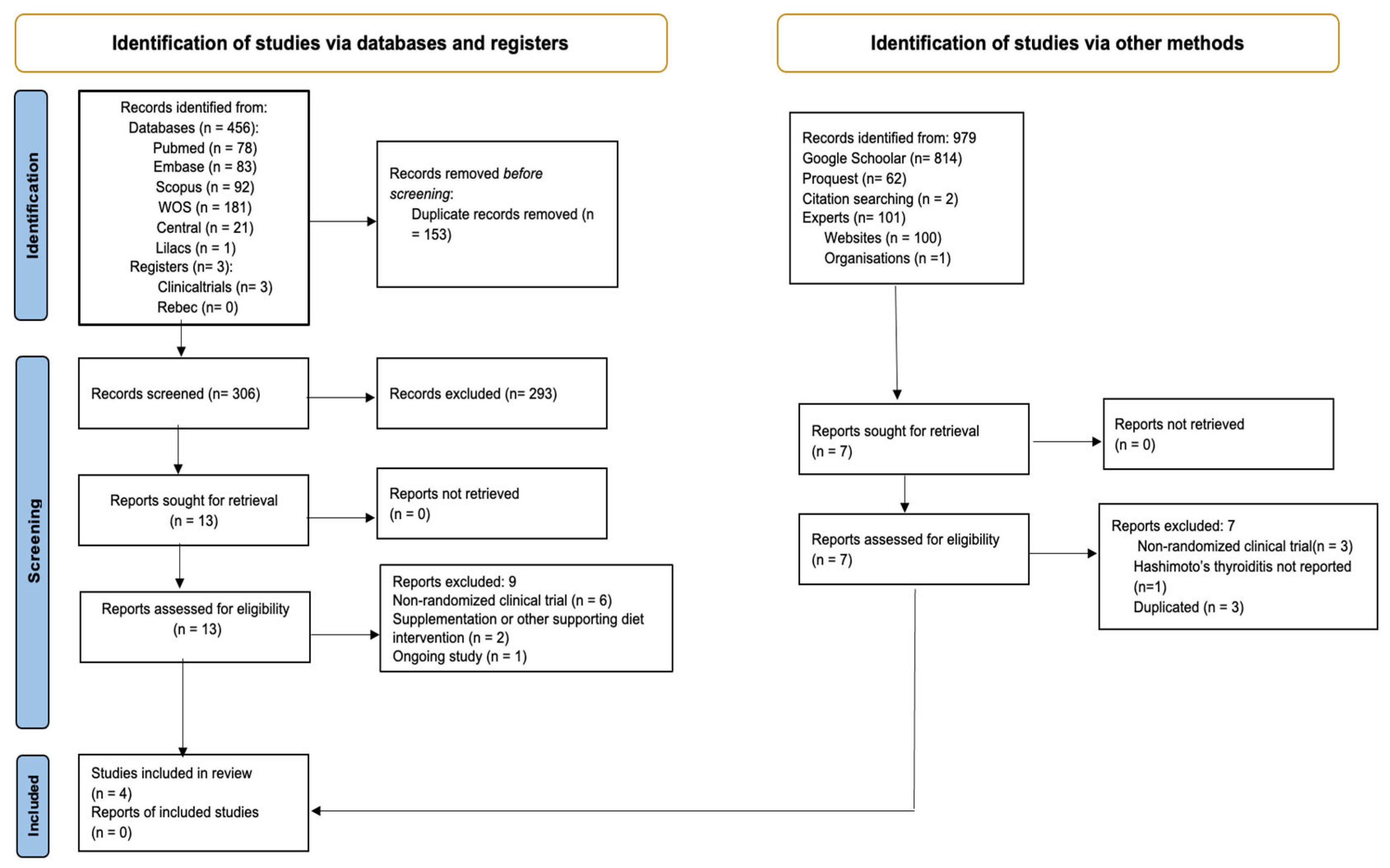
Figure 2.
Forest plot: Effect GFD compared control group on TSH in Hashimoto’s thyroiditis patients’ non-celiac disease.
Figure 2.
Forest plot: Effect GFD compared control group on TSH in Hashimoto’s thyroiditis patients’ non-celiac disease.
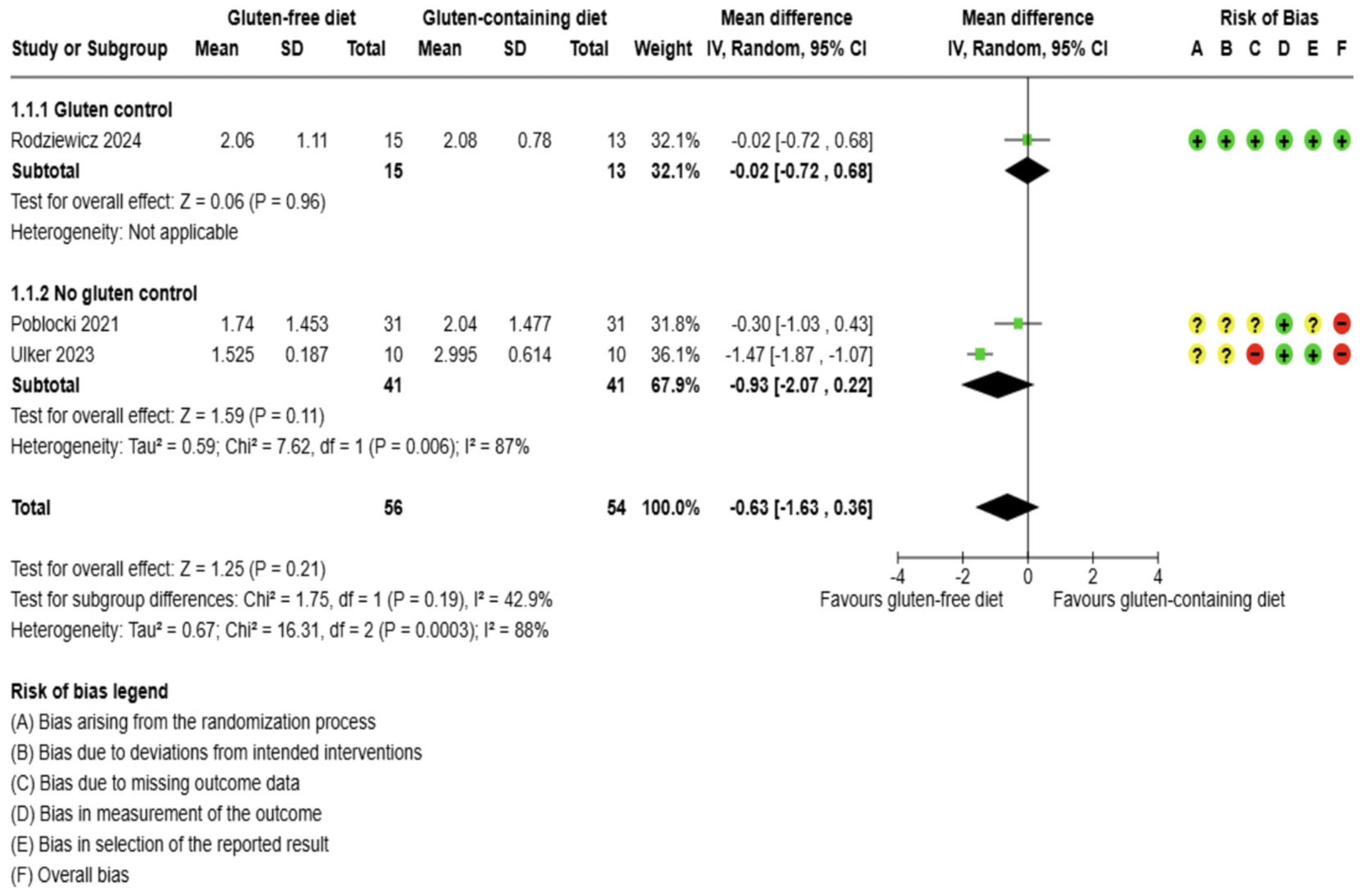
Figure 3.
Forest plot: Effect GFD on FT3 compared to the control group in Hashimoto’s thyroiditis patients’ non-celiac disease.
Figure 3.
Forest plot: Effect GFD on FT3 compared to the control group in Hashimoto’s thyroiditis patients’ non-celiac disease.
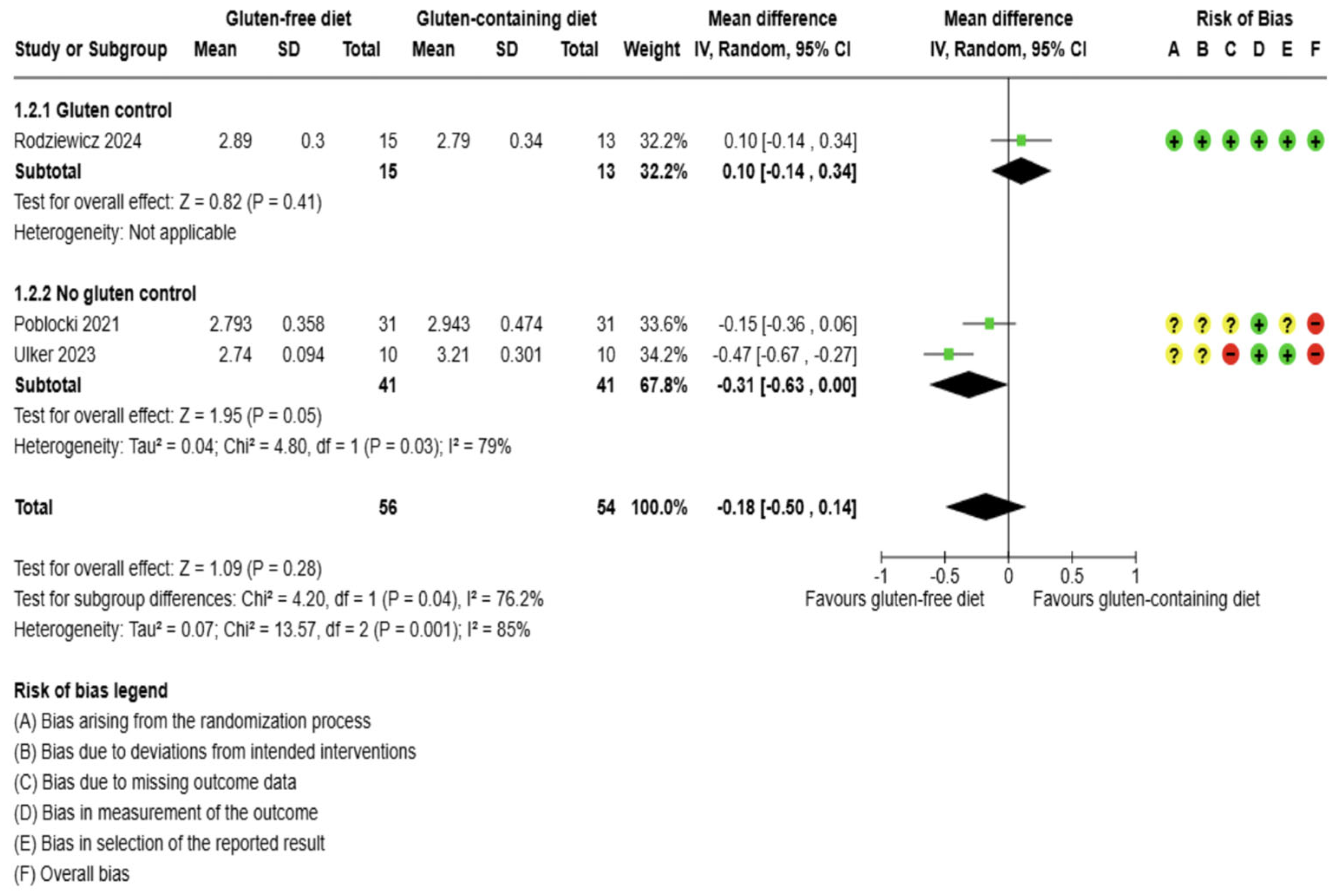
Figure 4.
Forest plot: Effect GFD on FT4 compared to the control group in Hashimoto’s thyroiditis patients’ non-celiac disease.
Figure 4.
Forest plot: Effect GFD on FT4 compared to the control group in Hashimoto’s thyroiditis patients’ non-celiac disease.
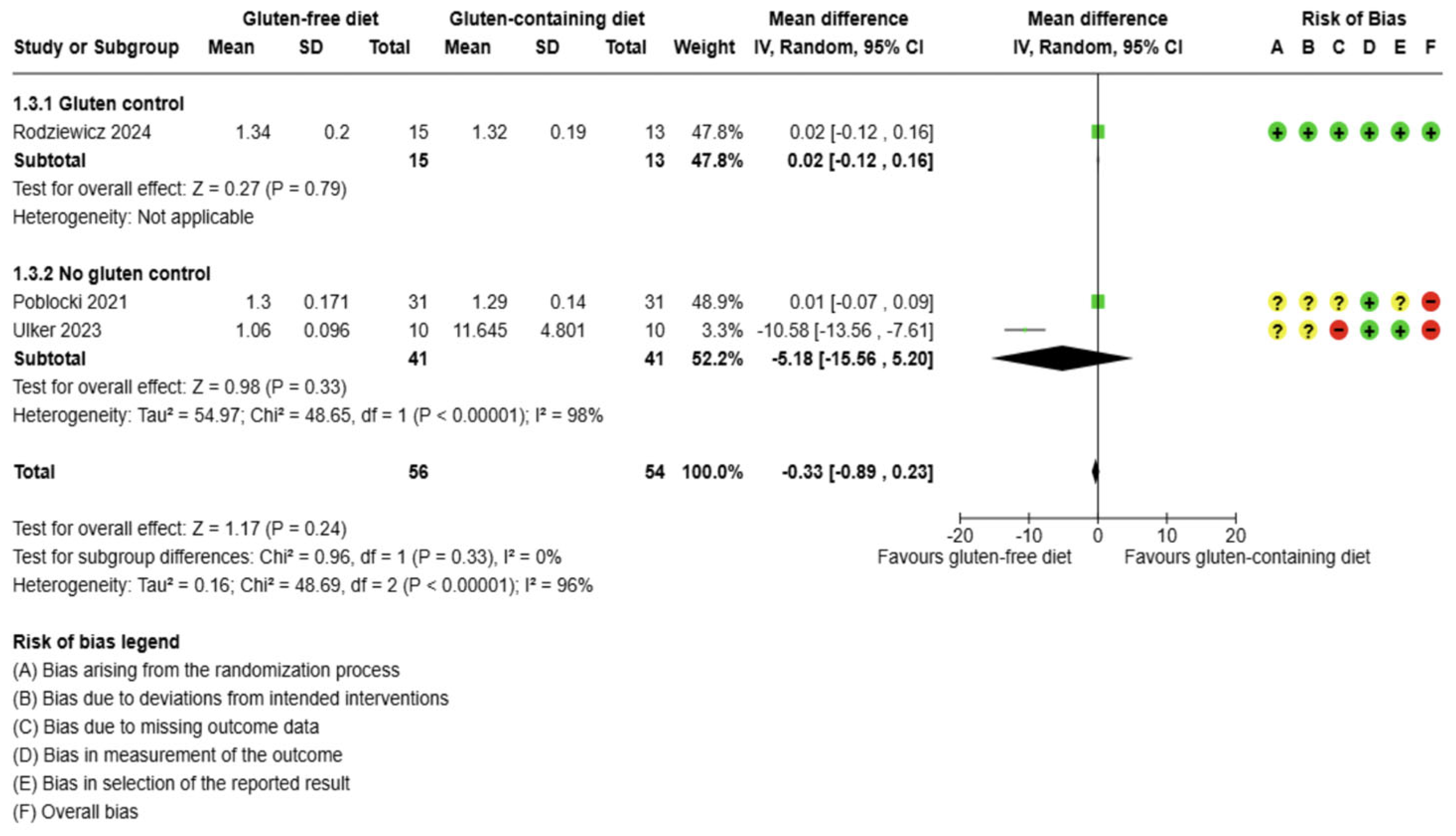
Figure 5.
Forest plot: Effect GFD on Anti-TG compared to the control group in Hashimoto’s thyroiditis patients’ non-celiac disease.
Figure 5.
Forest plot: Effect GFD on Anti-TG compared to the control group in Hashimoto’s thyroiditis patients’ non-celiac disease.
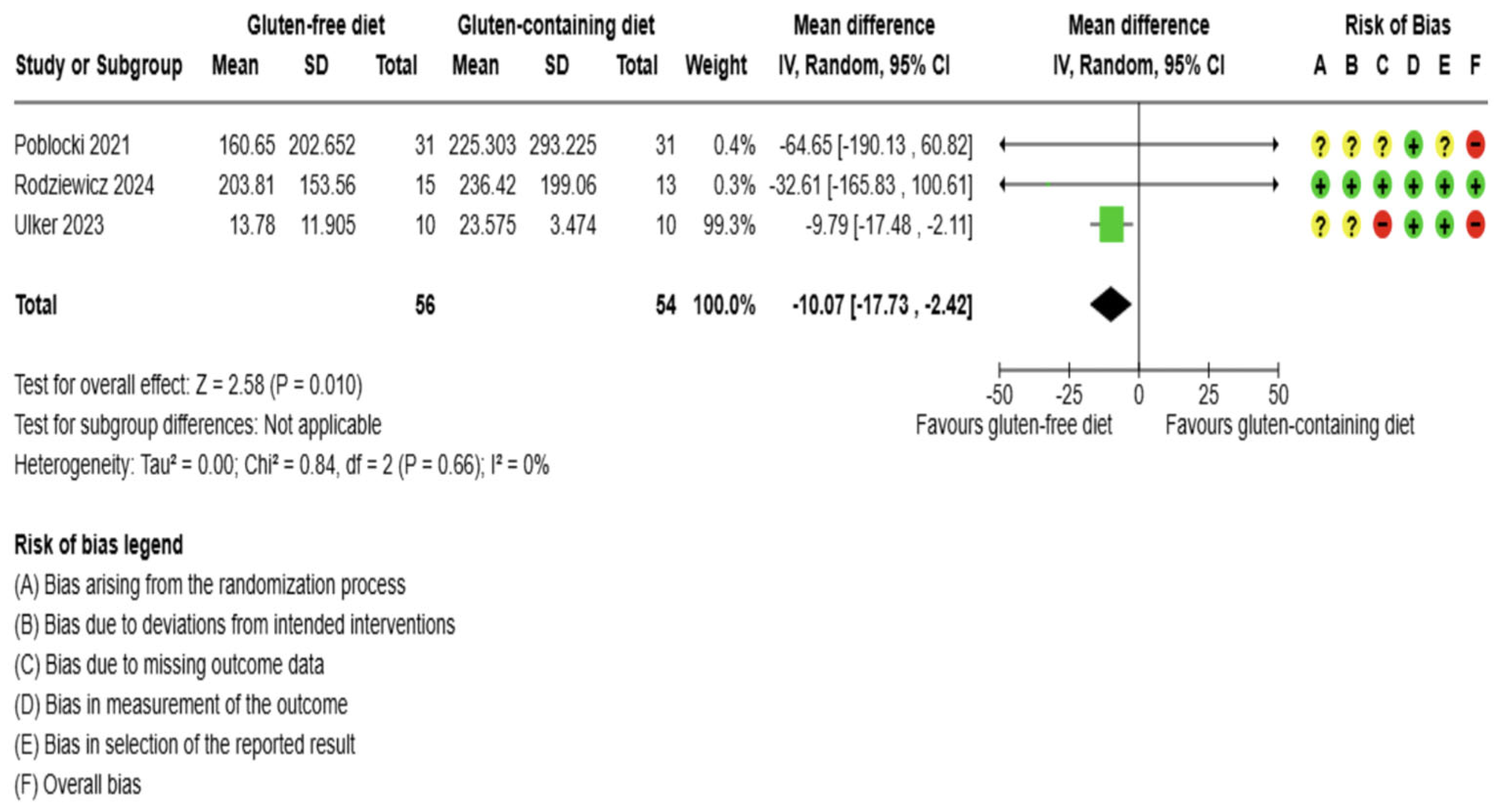
Figure 6.
Forest plot: Effect GFD on Anti-TPO compared to the control group in Hashimoto’s thyroiditis patients’ non-celiac disease.
Figure 6.
Forest plot: Effect GFD on Anti-TPO compared to the control group in Hashimoto’s thyroiditis patients’ non-celiac disease.
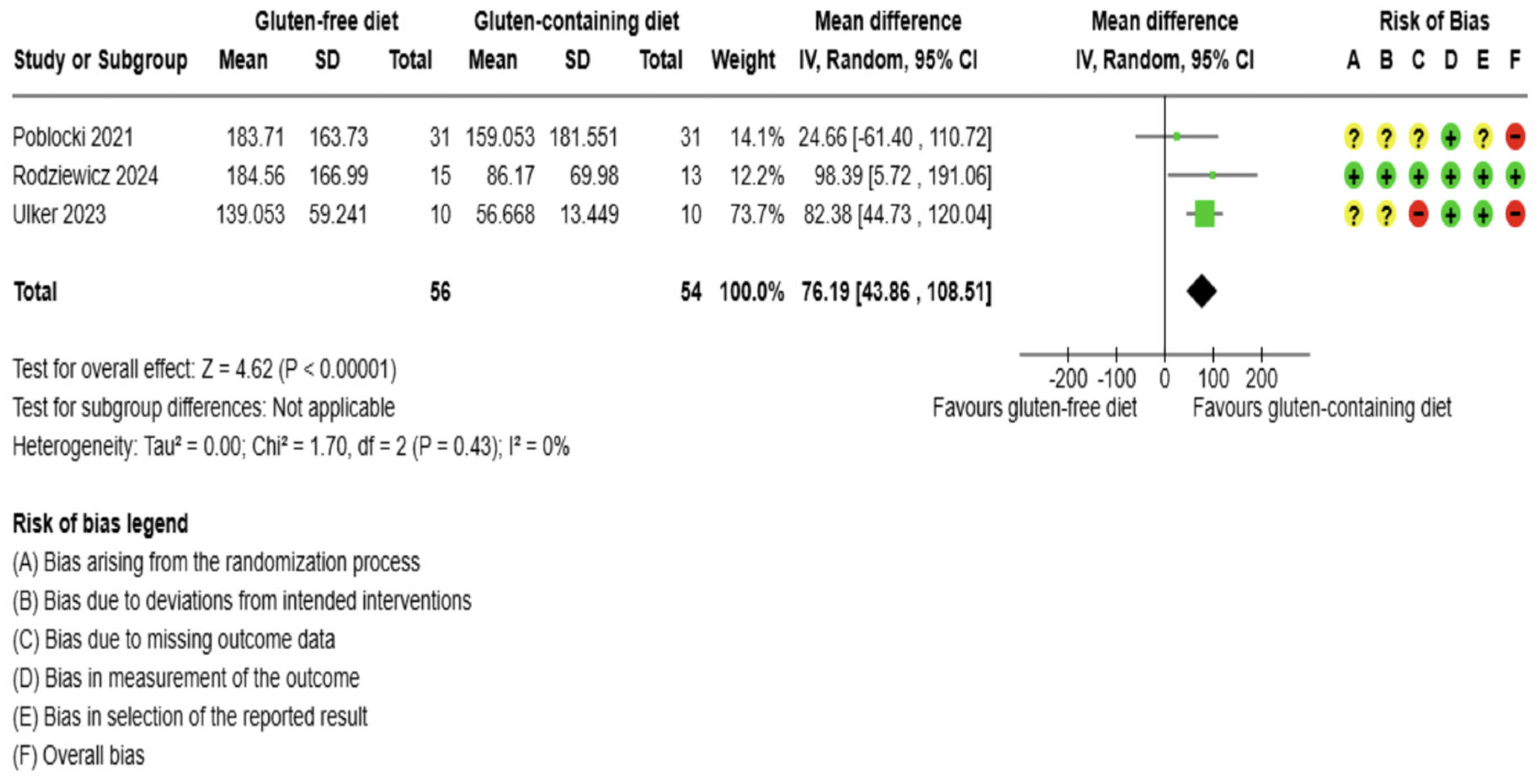
Figure 7.
Forest plot: Effect GFD compared control group on CRP in Hashimoto’s thyroiditis patients’ non-celiac disease.
Figure 7.
Forest plot: Effect GFD compared control group on CRP in Hashimoto’s thyroiditis patients’ non-celiac disease.
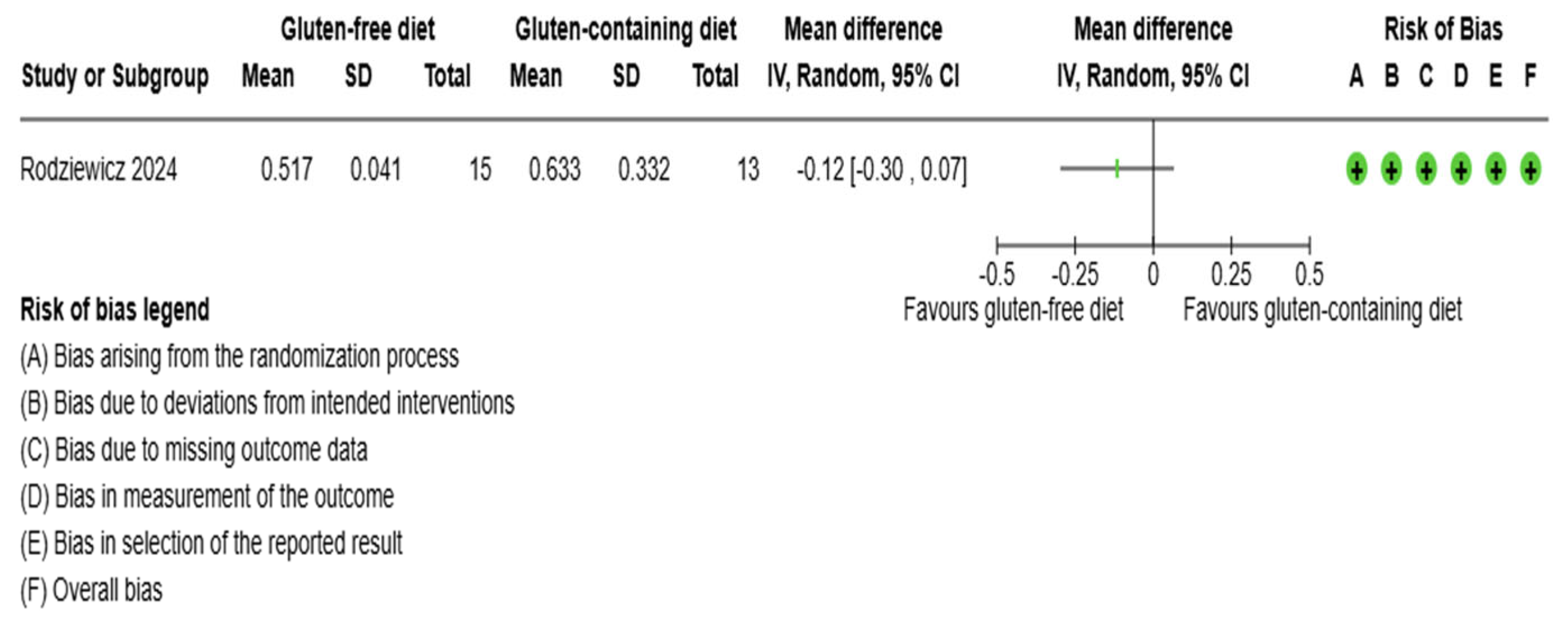
Figure 8.
Forest plot: Effect GFD compared control group on body weight in Hashimoto’s thyroiditis patients’ non-celiac disease.
Figure 8.
Forest plot: Effect GFD compared control group on body weight in Hashimoto’s thyroiditis patients’ non-celiac disease.
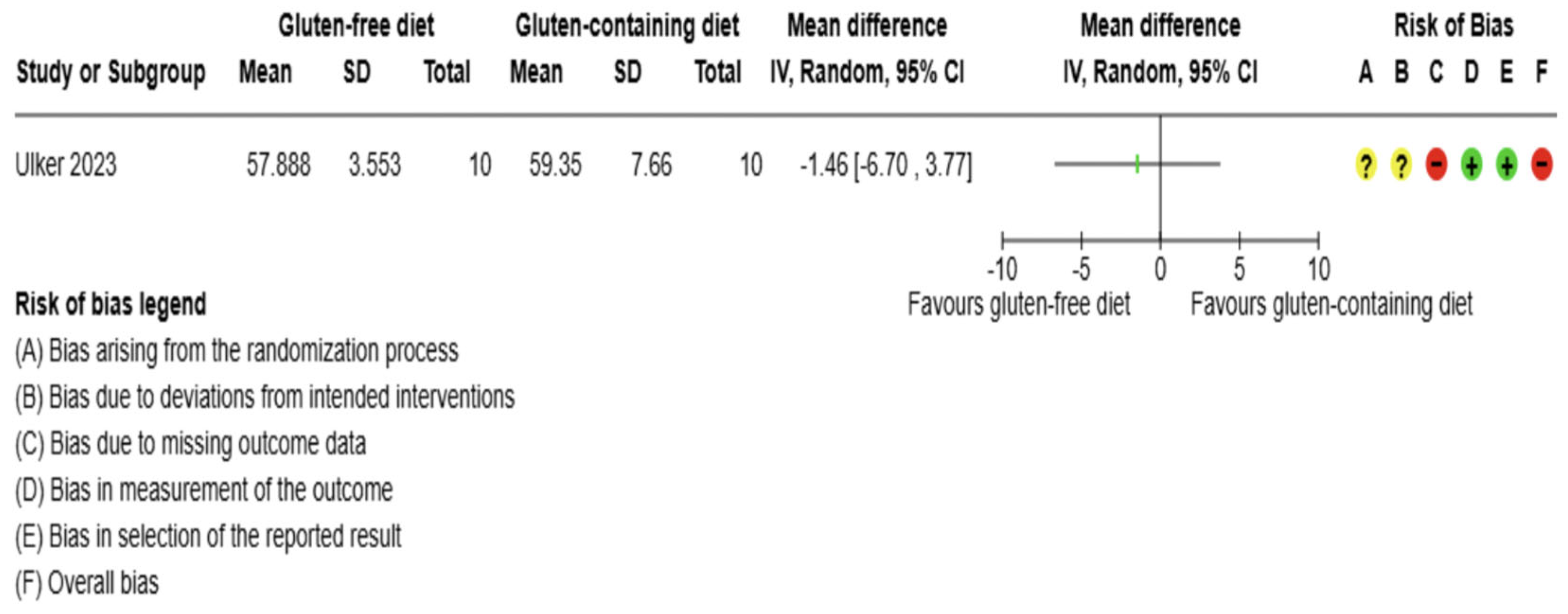
Figure 9.
Forest plot: Effect GFD compared control group on BMI in Hashimoto’s thyroiditis patients’ non-celiac disease.
Figure 9.
Forest plot: Effect GFD compared control group on BMI in Hashimoto’s thyroiditis patients’ non-celiac disease.
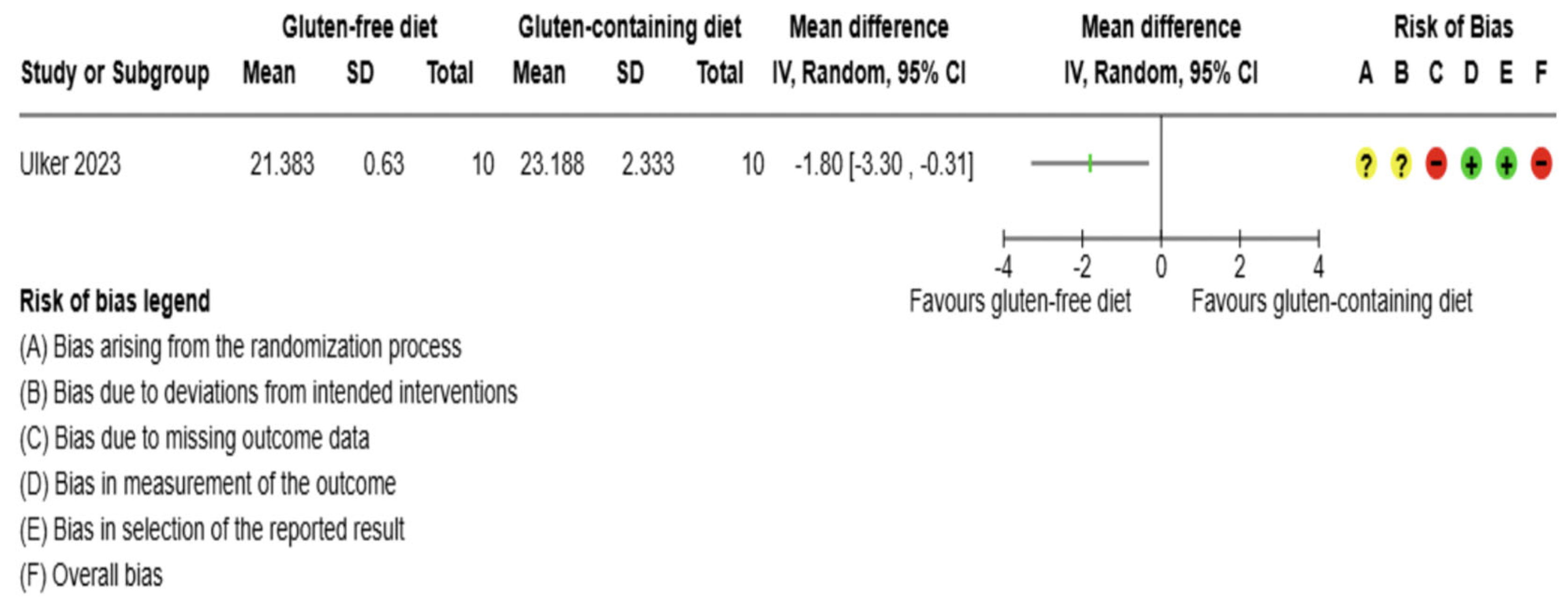

Table 1.
PICOS criteria for studies inclusion in the systematic review.
| P = Adults and older people diagnosed with Hashimoto’s Thyroiditis and non-celiac disease |
| I = Gluten-free diet |
| C = Any gluten dietary intervention; no dietary intervention; placebo (As long as all of them contain gluten) |
| O = Primary outcomes: serum levels of Thyroid hormones (fT3, fT4); TSH; Anti-thyroid antibodies (Anti-TPO and Anti-Tg). Secondary outcomes: serum levels of CRP and Vitamin D; adverse effects; anthropometric measurements (body weight, BMI); diet adherence; and health-related quality of life. |
| S = Randomized controlled trial, including crossover trials |
Table 2.
Study characteristics of the published studies included in this systematic review.
| ID | Authors | Year | Country | n | Study Design | Sex | Age means (SD or CI) | Celiac disease exclusion | Follow-up (months) | Interventions Gluten free diet /Control group |
Outcomes | Declaration of interest | |
|---|---|---|---|---|---|---|---|---|---|---|---|---|---|
| NCT06249074 |
Rodziewicz L, Szewczyk D, Bryl E |
2024 |
Poland |
28 |
RCT, double-blind study |
Women |
34.6 (6.3) GG; 36.6 (7.3) PG |
Patient was tested for CD: EmA, IgA tTG, total IgA, IgG AGA. |
1 |
Rice starch capsules: placebo + GFD |
Gluten (gastrosoluble capsules: 3 cap/2g/day) + GFD |
TSH, T3, T4, anti-TPO, anti-Tg, CRP |
No conflict |
| No Information |
Poblocki J et al. |
2021 |
Poland |
62 |
RCT |
Women |
36.64 (33.66-39.63) GFD; 37.07 (33.83-40.31) CG |
Patient was tested for CD: IgA-class antibodies against tTg and total IgA. If necessary: gastroscopy and duodenal biopsy |
3 |
All participants received a sample GDF menu (≤20mg of gluten per 1kg natural and processed products) |
Did not undergo any modification. They consumed gluten before and during the study. |
TSH, T3, T4, anti-TPO, anti-Tg, body weight, BMI |
No conflict |
| NCT05949671 |
Ulker M et al. |
2023 |
Turkey |
20 |
RCT, single-blind study |
Women |
39.05 (7.52) |
No symptoms of CD and no diagnosis |
3 |
All participants received a weekly diet according to individual requirements and daily energy needs. |
Did not receive any special dietary intervention. |
TSH, T3, T4, anti-TPO, anti-Tg, body weight, BMI |
No conflict |
| No Information |
Lagana M; Piticchio T et al. |
2025 |
Italy |
30 (20F; 10M) |
RCT, single-blind study |
Men/women |
43,25* (11,858**) GFD; 42,25* (12,434**) FD. |
No diagnosis nor symptoms of CD |
3 |
Patients received information according to individual recommendation by a registered dietitian. |
No change in the subjects’ dietary habits. |
TSH, T4, anti-TPO, anti-Tg, |
No conflict |
Disclaimer/Publisher’s Note: The statements, opinions and data contained in all publications are solely those of the individual author(s) and contributor(s) and not of MDPI and/or the editor(s). MDPI and/or the editor(s) disclaim responsibility for any injury to people or property resulting from any ideas, methods, instructions or products referred to in the content. |
© 2025 by the authors. Licensee MDPI, Basel, Switzerland. This article is an open access article distributed under the terms and conditions of the Creative Commons Attribution (CC BY) license (http://creativecommons.org/licenses/by/4.0/).
Copyright: This open access article is published under a Creative Commons CC BY 4.0 license, which permit the free download, distribution, and reuse, provided that the author and preprint are cited in any reuse.