

Submitted:
05 June 2025
Posted:
06 June 2025
You are already at the latest version
Abstract
The Mediterranean Diet (MD) has emerged as a comprehensive model for promoting human health and environmental sustainability. Rooted in a rich cultural and gastro-nomic heritage, the MD extends beyond nutritional adequacy, offering substantial nutraceutical benefits attributed to its high content of bioactive compounds such as polyphenols, carotenoids, omega-3 fatty acids, and phytosterols. These compounds contribute to the prevention and management of chronic non-communicable diseases through antioxidant, anti-inflammatory, cardioprotective, and neuroprotective mechanisms. Simultaneously, the MD aligns with sustainable food system principles, characterised by a predominantly plant-based composition, seasonal and local food sourcing, reduced reliance on animal-derived products, and minimal food waste. This dietary pattern has been associated with a significantly lower ecological footprint compared to Western diets, thus supporting broader environmental goals. This paper reviews the historical evolution, nutritional profile, bioactive composition, and epide-miological evidence supporting the MD, and proposes a reconceptualization of the traditional MD pyramid to emphasise its functional food components. Ultimately, the MD stands as a scientifically grounded, culturally embedded, and ecologically viable approach to foster both individual and planetary wellbeing.
Keywords:
Sustainable nutrition
; Bioactive compounds
; Food systems
; Food waste reduction
; Chronic diseases
1. Food: More than Nutrients
The provision of energy and essential nutrients is fundamental to the survival of all living organisms. In humans, these critical elements are acquired through dietary intake. The early ancestors of Homo sapiens undertook extensive journeys to gather berries, hunt, or fish as their primary source of food [1]. Over time, with domestication, humans began to engage in agriculture and animal husbandry, rather than relying solely on foraging for food [1,2]. This major shift marked the end of the nomadic lifestyle and facilitated the establishment of small settlements, which gradually expanded into complex societies and urban centers [2].
As civilisations evolved, the role of food went beyond its primary function of nourishment. It became a cultural and social phenomenon, deeply connected with human history and traditions [3,4,5]. The act of eating was transformed into a sensory experience, eventually giving rise to the early conceptualisation of gastronomy [3,4,5]. Culinary practices of different regions evolved based on locally available ingredients, climatic conditions, and historical influences, leading to the development of diverse gastronomic traditions [5,6].
In the 21st century, food remains a cornerstone of human survival, providing the necessary energy and nutrients required for physiological processes and cellular function [5]. Beyond its biological importance, food also promotes social cohesion, with meals serving as central events for family gatherings and communal interactions. Nevertheless, despite these enduring roles, traditional dietary patterns have undergone significant transformation, giving way to more processed foods, mass production systems, and a growing reliance on industrialised food chains. The cultural significance of food is further emphasised by its role in festivals, religious rituals, and national identities [5,6]. In Portugal, although there is no official total number, it is possible to identify at least 30 distinct gastronomic events held throughout the year of 2024, ranging from regional festivals to major national celebrations. This regional differentiation in culinary habits has given rise to distinct dietary patterns, that influence local and global food chains and economies [7,8].
Moreover, in addition to its nutritional and cultural significance, food contributes to the maintenance of health and prevents diseases [8,9,10]. Specific dietary interventions have been associated with weight management, metabolic regulation, and a reduced incidence of chronic diseases such as cardiovascular disorders, diabetes, and neurodegenerative diseases [8,9,10]. This is largely due to the presence of bioactive compounds in food, commonly referred to as nutraceuticals, which exhibit properties such as antimicrobial, anti-inflammatory, and antioxidant activities [10]. The exploration of functional foods and personalised nutrition became a focus in scientific research, highlighting the potential of dietary modifications to improve overall health and longevity [11,12].
2. Dietary Choices and Sustainability
Dietary choices play a crucial role in tackling food waste [13,14,15]. Local consumption can significantly reduce the energy used in transport and storage processes [15]. Currently, food waste before reaching consumers represents one of the most significant global challenges. Millions of tonnes of food are wasted each year, as illustrated in Figure 1. This trend is increasing due to a combination of inefficient production practices and population growth [13,14]. Addressing this problem requires the development of sustainable strategies to effectively mitigate its effects as it spans the entire food life cycle, from harvesting and production to distribution and consumption [13,14]. Therefore, it is crucial to develop and implement methods to reuse what is currently considered waste [14]. From a scientific perspective, food waste is one of the most critical areas of concern [14]. New strategies to reduce it are continuously being developed, making sustainable development a central focus in food science and related disciplines [13,14,15]. For instance, the implementation of smart packaging technologies - designed to monitor food freshness and extend shelf life - has emerged as a promising approach to minimise waste across the supply chain. Additionally, the valorisation of food by-products, such as using fruit peels or spent grains for the development of functional ingredients, is gaining traction as a circular economy measure. Furthermore, artificial intelligence and machine learning algorithms are being integrated into inventory and supply chain management systems to optimise purchasing, storage, and distribution, thereby reducing unnecessary surplus and spoilage [13,14,15].
Cyprus stands out as the country with the highest per capita food waste (approximately 295 kg per person), followed by Denmark and Greece. These results are particularly noteworthy in the European context, especially considering that some of these countries belong to the Mediterranean region, traditionally associated with more sustainable food practices. Portugal ranks fourth, with approximately 186 kg per person, indicating a concerning level of food waste, above the European average (≈131 kg per person) [15]. This position suggests that, despite the cultural appreciation of food and the Mediterranean diet (MD), significant challenges remain in the efficient management of food throughout the supply chain. In contrast, countries such as Spain and Croatia report significantly lower levels of per capita food waste, below 80 kg, which may reflect more effective national strategies or different consumption habits. Overall, Figure 1 highlights that even among countries with similar food traditions (such as Mediterranean nations), there is considerable disparity in waste levels. This underscores the importance of effective public policies, food education, and technological innovation to mitigate this environmental and socio-economical issue.
In addition to its economic and social impact, food waste also exacerbates the environmental issues associated with food production. Producing food that ultimately goes to waste involves an unnecessary use of natural resources and increases the ecological footprint of the agri-food sector. Food production remains one of the most significant contributors to environmental pollution, mainly due to the extensive release of greenhouse gases and the substantial consumption of water and energy resources [17,18]. Agricultural activities, especially intensive farming, exacerbate climate change by producing large amounts of carbon dioxide (CO2), methane (CH4), and nitrous oxide (N2O) [19,20]. In addition, large-scale production relies heavily on agrochemicals, such as pesticides and synthetic fertilisers, which not only degrade soil quality but also contaminate aquatic ecosystems, leading to biodiversity loss and the disruption of aquatic food chains [21,22].
The export and distribution of food involve high energy expenditures for transportation, refrigeration, and packaging, all of which contribute to fossil fuel consumption and increased emissions [23]. In addition, inefficient logistics and inadequate storage conditions result in significant food losses before products even reach consumers [24,25].
Addressing these challenges requires the urgent implementation of innovative and sustainable strategies aimed at restructuring food production systems. The development and adoption of environmentally friendly agricultural techniques, such as precision and organic farming or regenerative agriculture, is essential to reduce dependence on chemical inputs and improve resource efficiency [26]. For example, precision farming uses data and technology to optimise crop yields while minimising resource use, thereby reducing waste and environmental impact. Similarly, regenerative agriculture focuses on rebuilding soil health and enhancing biodiversity, which can lead to more resilient food systems and reduced environmental degradation. Integrating circular economy principles into the food chain - such as recycling food waste into bioenergy or compost - also plays a crucial role in reducing pollution and promoting sustainability [27,28].
In addition, public engagement and education are key to promote more responsible consumption habits. To raise awareness about reducing food waste, promote sustainable dietary choices, and encourage local food sourcing can collectively contribute to minimise environmental impacts [29,30]. The implementation of policies that support sustainable agriculture, improve the efficiency of food distribution and encourage responsible consumer behaviour will further strengthen efforts to reduce pollution and food waste on a global scale [31].
3. Diet as a Major Factor in Healthier Living
A diet should be based on principles that enable individuals to improve their health in a less invasive way than surgical procedures or pharmacological interventions [32]. Consequently, a well-structured and nutritionally balanced diet can improve quality of life by reducing the risk of non-communicable diseases (NCDs) and promoting physiological well-being [32].
Adherence to the MD is consistently associated with a reduced incidence of NCDs, which represent a major global health concern. NCDs are chronic conditions not transmitted through infectious agents and are typically linked to modifiable behavioural risk factors such as poor diet, physical inactivity, and tobacco use [32]. These diseases include, but are not limited to, cardiovascular disease (CVD), cancer, chronic respiratory diseases, and type 2 diabetes mellitus [32,33]. Collectively, they account for the leading causes of morbidity and mortality worldwide, with NCDs responsible for approximately 41 million deaths annually equating to over 70% of total global mortality [32,33,34].
Typically, weight loss is a primary motivation for adopting a particular eating plan [3]. However, recent research has highlighted that diets go beyond weight management and provide additional health benefits through the intake of bioactive compounds present in certain foods. These compounds may confer nutraceutical advantages, including anti-inflammatory, antioxidant, and lipid-lowering effects [34,35]. For example, conditions such as CVD can be managed through a healthy and regulated diet, particularly one rich in fruits, vegetables, whole grains, and omega-3 fatty acids [32,33]. Adherence to dietary patterns such as the MD or the DASH (Dietary Approaches to Stop Hypertension) diet has been shown to reduce the incidence of coronary heart disease, stroke, and metabolic syndrome [36].
Planned dietary intake not only supports weight regulation but also contributes to the prevention and management of NCDs, thereby increasing healthy longevity and reducing healthcare burden [34,37,38]. The integration of dietary strategies as a preventive tool is increasingly recognised in public health policies and clinical practice guidelines worldwide.
Many doctors often recommend dietary changes to manage high blood pressure, a condition that raises the risk of stroke and heart attack, about 34% of men and 32% of women globally live with high blood pressure [39]. For example, bananas are rich in potassium - a mineral that helps control blood pressure by counteracting the effects of sodium and reducing vascular resistance [40]. Similarly, watermelon, which contains citrulline, an amino acid that promotes the endogenous production of nitric oxide, improves endothelial function by increasing arterial flexibility, thereby reducing elevated blood pressure levels [40,41]. Other functional foods, such as garlic, dark chocolate, and leafy vegetables, have been shown to have similar blood pressure-lowering effects via different biochemical mechanisms [42,43].
There are numerous examples of foods that can reduce and control medical conditions through mechanisms involving lipid regulation, glycaemic control, and immunomodulation. This has led to the development of evidence-based dietary guidelines and the formulation of various culturally adapted diets worldwide, aimed at both disease prevention and health promotion (Table 1).
The Nutraceutical Impact
In addition to essential nutrients, food often contains a wide range of bioactive compounds. These are naturally occurring chemical substances, primarily phytochemicals that are not essential for basic human nutrition yet may exert significant health-promoting effects [45,46]. Due to their pharmacologically relevant properties, such compounds are often referred to as nutraceuticals - a term derived from the combination of “nutrient” and “pharmaceutical” [46].
Among the various classes of bioactive compounds, those exhibiting antioxidant and anti-inflammatory properties have attracted considerable scientific interest. Antioxidants play a crucial role in mitigating oxidative stress, a pathological condition characterised by the accumulation of reactive oxygen species that damage cellular structures, including lipids, proteins, and DNA [47]. Chronic oxidative stress has been implicated in the pathogenesis of several NCDs, including cardiovascular disease, neurodegenerative disorders, and several types of cancer [47,48,49].
Dietary antioxidants such as polyphenols (e.g., flavonoids, phenolic acids), carotenoids (e.g., β-carotene, lycopene), and vitamins C and E, are widely distributed in fruits, vegetables, legumes, nuts, and seeds [50]. These compounds have been shown to be effective in reducing oxidative damage, improving endothelial function, and modulating lipid metabolism [50,51,52].
Similarly, bioactive compounds with anti-inflammatory activity are of particular interest in the context of chronic low-grade inflammation, which underlies many diseases including type 2 diabetes, rheumatoid arthritis, and inflammatory bowel disease [53]. Phytochemicals such as curcumin from turmeric, resveratrol from grapes, and sulforaphane from cruciferous vegetables help regulate inflammation by influencing key pathways [54,55].
Thus, the regular consumption of plant-based foods rich in such bioactive compounds may contribute to the prevention and management of chronic diseases by modulating oxidative and inflammatory processes at the molecular level.
4. Mediterranean Diet
The MD is recognised as making a significant contribution to improved health outcomes and enhanced quality of life, a view that is strongly supported by both the scientific community and the general population [56].
The health benefits associated with the MD were first systematically recognised in the mid-20th century, mainly through comparative epidemiological studies [56,57,58]. During this period researchers observed that the inhabitants of the island of Crete had significantly higher longevity rates and lower incidences of chronic diseases compared to populations in North America [57,58]. This observation laid the foundation for a new field of nutritional science. The term “Mediterranean Diet” was subsequently coined by the American physiologist Ancel Keys, who played a pivotal role in highlighting the protective effect of Mediterranean dietary patterns against CVD [59]. His findings were based on longitudinal analyses, notably the Seven Countries Study, which demonstrated a significantly lower incidence of CVD and increased life expectancy among Mediterranean populations, largely due to their traditional dietary practices [56,57,58,59,60].
This study identified a strong correlation between dietary fat intake and CVD mortality. While a high total fat intake was typically associated with increased cardiovascular risk [56,57,58,59,60], populations living in the Mediterranean basin appeared to be a notable exception. Despite their relatively high fat consumption, these communities had some of the lowest CVD mortality rates in the world [61,62]. This paradox was explained by the predominant type of fat consumed - unsaturated fats, especially monounsaturated fats, derived mainly from extra virgin olive oil, often consumed unheated and in its natural state. Olive oil emerged as a central component of the MD, distinguishing it from Western dietary patterns that relied more heavily on saturated and trans fats [60,61,62].
In addition to the significant role of olive oil, the MD is characterised by a high intake of plant foods, including whole grains, legumes, fresh fruits, nuts, and a diverse array of vegetables [63]. Fish and seafood are also important, while the intake of red and processed meats, dairy products, eggs, potatoes, and added sugars tends to be moderate [60,61,62,63]. This composition reflects not only nutritional adequacy but also sustainable agricultural and culinary practices that have been maintained over generations in several Mediterranean countries [16,64].
Importantly, the MD is not limited to its nutritional aspects. It also encompasses a wide range of socio-cultural dimensions that together define it as a holistic lifestyle model. These include communal eating, culinary traditions passed down through generations, local food production, biodiversity, and seasonal food consumption [56,64]. Thus, MD is increasingly recognised not only as a diet, but also as an integrative cultural and social framework that promotes physical, environmental, and social well-being [56,65]. This is at the basis of the heterogeneity in dietary habits between different Mediterranean countries and even between different regions within the same [56,57,58,66].
4.1. Mediterranean Diet Pyramid
This diversity arises from a complex interplay of geographical, cultural, economic, and agricultural factors that influence local food availability, culinary traditions, and dietary customs [67]. Despite this variability, several core characteristics have been consistently identified in the literature that provide a general framework for what constitutes the MD [56,68].
These common features include the daily consumption of minimally processed or unrefined cereals, such as wholemeal bread, pasta, and rice; a high intake of both raw and cooked vegetables, which are rich in fibre, vitamins, and phytochemicals; and the predominant use of extra virgin olive oil as the main source of dietary fat [56,69]. Additionally, the MD includes the regular consumption of seasonal and locally grown fruits, which contribute significantly to daily antioxidant intake, and the habitual consumption of oily fish such as sardines, anchovies, and mackerel, which provide essential long-chain omega-3 polyunsaturated fatty acids [69,70]. Dairy products, mainly in the form of yoghurt and cheese, are consumed in moderation, while the intake of red meat and processed meat products is limited and sporadic [56,70].
To facilitate the practical implementation of this dietary model, a widely accepted tool has been developed in the form of the MD Pyramid, shown in Figure 2. This pyramid serves as a visual dietary guide, outlining recommended frequencies and portion sizes for different food groups, and incorporating lifestyle practices adapted to the realities of modern life [71,72,73]. It reflects the consensus of international experts based on the best available scientific evidence available and is specifically designed for adults aged 18 to 65 years [71,72,73]. The base of the pyramid includes foods that are recommended to be consumed daily and in larger amounts, such as vegetables, fruits, whole grains, legumes, nuts, and olive oil [71,72,73]. In contrast, foods positioned at the top of the pyramid - such as red meat, sweets and processed foods - should be consumed occasionally and in small portions [71,72,73].
Beyond dietary recommendations, the pyramid also highlights the importance of regular physical activity, adequate hydration, and social and cultural practices related to food preparation and consumption [74]. These include shared meals, culinary knowledge transmission, and mindful eating, all of which are integral components of the Mediterranean lifestyle [72]. Notably, the flexible nature of the MD allows for the inclusion of individual preferences and regional variations, thereby enhancing adherence and long-term sustainability [70,71,72,73,74].
Moreover, the seasonal nature of the MD, whereby foods are harvested and consumed in accordance with their natural growing cycles, contributes to dietary variety throughout the year [75]. This practice supports ecological sustainability by reducing the environmental impact associated with intensive food production and long-distance transportation, thereby aligning the MD with broader goals of environmental conservation and sustainable development [75].
4.2. Mediterranean Diet Health Benefits
Extensive epidemiological and clinical evidence has demonstrated a strong inverse association between adherence to the MD and overall mortality risk, indicating increased longevity among adherents [76,77,78,79]. The MD has been shown to significantly reduce the incidence of specific NCDs, particularly CVD and type 2 diabetes mellitus [77,78,79,80]. Figure 3 presents an overview of selected diseases that can be mitigated through sustained adherence to the MD. It is estimated that up to 90% of type 2 diabetes mellitus cases and approximately 70% of cerebrovascular accidents (strokes) could be prevented through adherence to the MD when combined with regular physical activity [81].
The extensive health benefits of the MD are supported by numerous large-scale studies. The PREDIMED (Prevención con Dieta Mediterránea) trial was a landmark, multicentre, long-term randomised controlled trial, conducted in Spain and enrolled over 7,000 individuals aged 55 to 80 years, all at high cardiovascular risk [82,83]. The main results showed that MD significantly reduced the incidence of major cardiovascular events in both diabetic and non-diabetic populations.
In addition to cardiovascular outcomes, adherence to the MD has been associated with significant improvements in glycaemic control [84]. Clinical trials have reported that individuals following the MD, especially those who are obese and non-diabetic, experience improved insulin sensitivity and better glucose tolerance compared to those on control or low-fat diets [84,85]. Furthermore, key components of the MD, such as extra virgin olive oil, contribute to these benefits by reducing systemic inflammation, oxidative stress, and increasing plasma antioxidant capacity [83,84,85].
4.3. Family of Compounds with Bioactive Potential Associated with the Mediterranean Diet
Polyphenols represent one of the most significant classes of bioactive compounds in the MD, with high concentrations found in extra virgin olive oil, red wine, fruits, vegetables, legumes and herbs. Among these, hydroxytyrosol and oleuropein, mainly found in olives and olive oil, have demonstrated powerful antioxidant properties, which induce the expression of endogenous antioxidant enzymes such as superoxide dismutase and glutathione peroxidase [86]. Resveratrol, a stilbene abundant in red wine, contributes to cellular homeostasis by modulating pathways involved in mitochondrial biogenesis and energy metabolism, particularly via the SIRT1 and AMPK pathways [87]. It also downregulates pro-inflammatory cytokines through inhibition of NF-κB, thereby reducing systemic inflammation - a major risk factor for cardiovascular and metabolic disease. Other polyphenols, including flavonoids such as quercetin and kaempferol, exert anti-inflammatory and anti-atherogenic effects by modulating mitogen-activated protein kinases and reducing the expression of adhesion molecules such as VCAM-1 and ICAM-1 [88].
Another prominent group of MD bioactive compounds are carotenoids, a class of lipid-soluble pigments responsible for the vibrant colours of many fruits and vegetables. Lycopene, highly concentrated in tomatoes and particularly bioavailable when cooked, has potent singlet oxygen- scavenging properties and has been associated with reduced risk of prostate cancer and cardiovascular disease through the modulation of oxidative stress and inflammatory markers such as CRP and IL-6 [89]. β-carotene, found in carrots and pumpkins, acts as a precursor to vitamin A and supports immune function and epithelial integrity, while lutein and zeaxanthin contribute to ocular health by protecting the retina from light-induced oxidative damage [90].
Phytosterols, including β-sitosterol and campesterol, are naturally occurring plant sterols structurally similar to cholesterol, found in legumes, nuts and seeds. These compounds competitively inhibit cholesterol absorption in the intestinal lumen, resulting in reduced plasma LDL-cholesterol levels [91]. In addition to their hypocholesterolaemia effect, phytosterols may also exhibit anti-inflammatory properties by influencing immune cell activity and suppressing the synthesis of inflammatory mediators.
Though consumed in moderate amounts in the MD, omega-3 polyunsaturated fatty acids, particularly eicosapentaenoic acid and docosahexaenoic acid from oily fish such as sardines and mackerel, are central to its nutraceutical profile. These fatty acids reduce the production of pro-inflammatory eicosanoids derived from arachidonic acid and promote the biosynthesis of specialised pro-resolvers, which actively contribute to the resolution of inflammation [92]. Docosahexaenoic acid also plays a key role in neuronal membrane fluidity, synaptogenesis and neuroprotection, and is associated with improved cognitive performance and reduced risk of neurodegenerative disorders [93].
Organic sulphur compounds, found in allium vegetables such as garlic and onions, provide additional bioactive complexity to the MD. Allicin, diallyl disulphide and S-allyl cysteine, among others, have demonstrated antioxidant, antimicrobial and cardioprotective properties. These compounds enhance endogenous detoxification mechanisms by inducing phase II enzymes, inhibit the activation of carcinogens, and improve endothelial function by increasing nitric oxide bioavailability [94].
Finally, dietary fibre plays an indispensable role in the diet’s nutraceutical capacity. The fermentation of soluble fibres by colonic microbiota produces short-chain fatty acids (SCFAs) such as butyrate, acetate and propionate, which exert multiple systemic effects. SCFAs modulate immune responses through G-protein-coupled receptors, improve insulin sensitivity, maintain intestinal barrier integrity and exert anti-inflammatory and anti-tumorigenic effects [95]. Butyrate, in particular, functions as a histone deacetylase inhibitor, influencing gene expression and contributing to the regulation of inflammatory pathways [96].
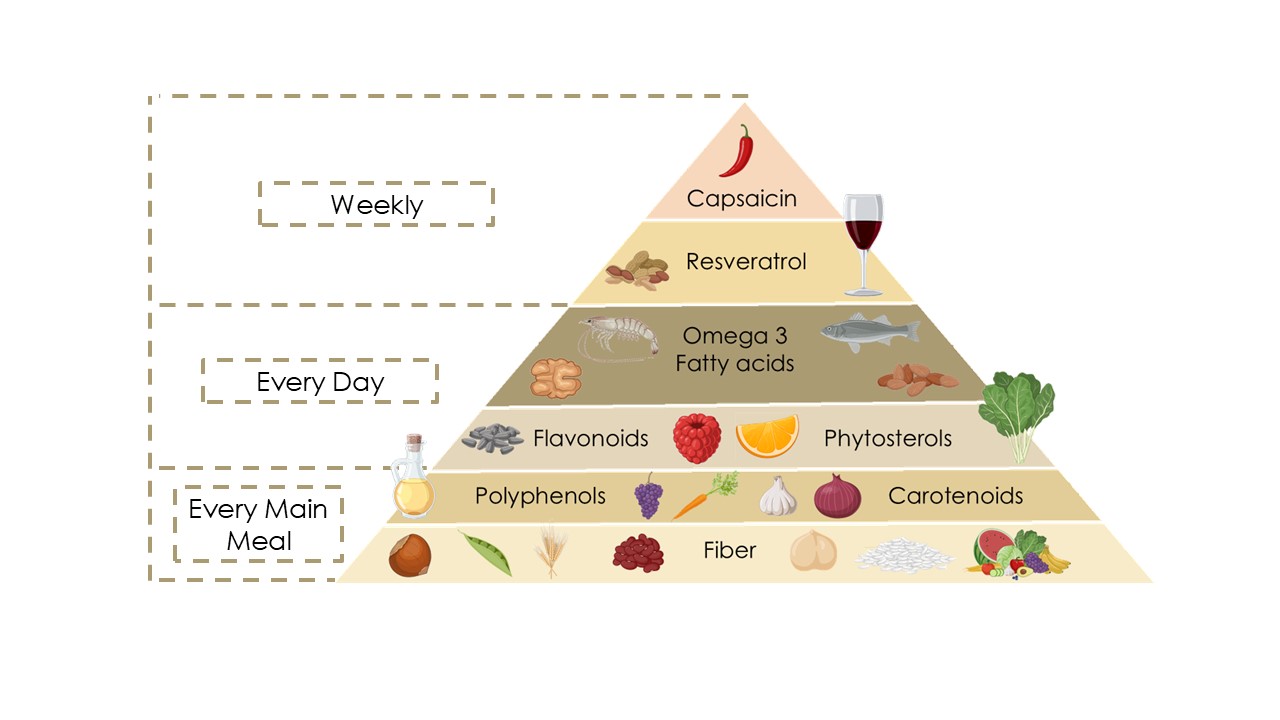
Considering this, we decided to reinterpret the MD pyramid from a different perspective (Figure 4). By focusing on its bioactive compounds, it is possible to construct a pyramid that links these components to specific foods. The MD contains a rich spectrum of bioactive compounds that collectively influence key physiological pathways involved in the prevention of chronic diseases. These compounds - through their antioxidant, anti-inflammatory, lipid-lowering, glycaemic-regulating, and neuroprotective properties - underpin the nutraceutical potential of the diet. Their synergistic activity, enhanced by traditional culinary methods and the emphasis on whole foods, strengthens their beneficial effects. This highlights the MD as not just a diet, but as a holistic nutritional framework designed to promote long-term health and longevity.
Restructuring the traditional MD pyramid to emphasise key bioactives - such as polyphenols, flavonoids, carotenoids, phytosterols, and omega-3 fatty acids - offers a more functional and mechanistic perspective on dietary recommendations. This bioactive-focused model underscores not only the consumption of specific food groups but also the health-promoting molecules they contain, which are known to exert antioxidant, anti-inflammatory, cardioprotective, and neuroprotective effects. By incorporating frequency-based guidance (e.g., daily or weekly intake) aligned with these compounds’ bio efficacy, the updated pyramid provides a scientifically grounded framework for personalised nutrition and preventive health strategies. This conceptual pyramid illustrates the MD through its major bioactive compounds, associating each class with representative food sources. From the base to the apex, the structure reflects the relative abundance and fundamental role of each group: dietary fibre, polyphenols, carotenoids, flavonoids, phytosterols, omega-3 fatty acids, resveratrol, and capsaicin. These compounds, naturally occurring in whole foods characteristic of the Mediterranean dietary pattern, collectively contribute to the diet’s recognised health benefits through antioxidant, anti-inflammatory, metabolic, and neuroprotective mechanisms.
The restructuring of the Mediterranean diet pyramid to emphasise bioactive compounds reveals the multifaceted functional role of this dietary pattern. Beyond its well-established cardioprotective effects, the diet demonstrates potent prebiotic properties, primarily due to its richness in dietary fibre, polyphenols, and flavonoids, which promote beneficial shifts in gut microbiota composition. Additionally, bioactives such as carotenoids, omega-3 fatty acids, and resveratrol contribute to anti-inflammatory, antioxidant, and immunomodulatory actions, supporting the prevention of chronic diseases including metabolic syndrome, cardiovascular disorders, and neurodegenerative conditions. This refined model underscores the MD as not only a cultural and nutritional framework but also a scientifically grounded therapeutic strategy for long-term health promotion and disease prevention.
4.4. Environmental Sustainability of the Mediterranean Diet: A Model for Eco-Friendly Nutrition
Beyond its well-documented clinical and nutritional benefits, the MD also offers significant environmental advantages. Growing evidence suggests that the MD has a significantly lower environmental footprint than other dietary patterns, particularly Western-style diets [97,98,99,100]. Characterised by a high intake of plant-based foods and minimal consumption of animal products, the MD contributes to reduced greenhouse gas emissions and a lower overall water footprint [98,99,100,101,102]. One of the critical ecological strengths of the MD lies in its inherent seasonality. The emphasis on seasonal products encourages more sustainable agricultural practices, reduces the energy required for food production and storage, and lowers the associated environmental costs [102,103]. Moreover, the preference for local and regional food sources in MD adherent populations minimise the need for long-distance transport. This reduction in food miles not only decreases fossil fuel consumption and associated emissions but also helps stabilise food prices and support local economies [102,103,104].
Another notable dimension of the MD sustainability is its association with reduced food waste. Traditional Mediterranean food culture, which includes practices such as using leftovers, preserving seasonal products, and prioritising fresh ingredients, is closely aligned with modern zero waste principles [105]. Data presented in Figure 5 highlights a concerning rise in food waste across Europe, with northern European countries exhibiting higher levels of waste compared to their southern counterparts. Notably, the waste illustrated in this figure refers to losses occurring along the supply chain prior to reaching the end consumer. This discrepancy can be attributed to multiple factors, including differing economic conditions, cultural attitudes towards food, and dietary habits [102,103,104,105,106].
The MD emerges not only as a model of health-promoting nutrition but also as a benchmark for sustainable dietary practices. As global food systems face increasing environmental pressures, adopting the principles of the MD could play a crucial role in promoting both human and planetary health.
5. Conclusions
The MD stands out as a dietary model that goes beyond its nutritional value, serving simultaneously as a tool for public health promotion and an example of environmental sustainability. Its richness in bioactive compounds with nutraceutical properties positions it as a key strategy in the prevention of chronic NCDs, through antioxidant, anti-inflammatory, and cardioprotective mechanisms. Furthermore, by prioritizing local, seasonal, and plant-based foods, it encourages sustainable agricultural practices and reduces food waste, thereby lowering the environmental footprint of the food system. This integrated approach, combining culinary tradition, nutritional science, and sustainability principles, elevates the MD to more than just a dietary pattern; it is a cultural and ecological heritage with the potential to positively impact both human and planetary health.
Author Contributions
Conceptualization, E. C. C. and F. C.; Investigation, E. C. C., F. C. C: and J. M. G. C. F. A.; writing—original draft preparation, E. C. C. and F. C.; writing—review and editing, all authors; funding acquisition, G. P. C. and C. P. All authors have read and agreed to the published version of the manuscript.
Funding
This work is supported by DM4You. “Potencial da Dieta Mediterrânica no aumento da qualidade de vida:+ saúde + sustentabilidade” by Agenda de Inovação para a Agricultura 20|30 «Terra Futura», PRR-C05-i03-I-000152 LA1.3./LA1.4.
Acknowledgments
“Potential of the Mediterranean Diet in increasing quality of life: + health + sustainability”. PRR-C05-i03-I-000152-LA1.3 and - LA1.4. Innovation Agenda for Agriculture 20|30 «Terra Futura». FCT – Fundação para a Ciência e a Tecnologia, I.P., within the scope of the project UIDP/04378/2020 (DOI: 10.54499/UIDP/04378/2020) and UIDB/04378/2020 (DOI: 10.54499 /UIDB/04378/2020) from the Unit of Applied Biomolecular Sciences - UCIBIO and the project LA/P/0140/2020 (DOI: 10.54499/LA/P/0140/2020) from the Associated Laboratory Institute for Health and Bioeconomy - i4HB.
Conflicts of Interest
The authors declare that the research was conducted in the absence of any commercial or financial relationships that could be construed as a potential conflict of interest.
Abbreviations
The following abbreviations are used in this manuscript:
| MD | Mediterranean Diet |
| NCDs | Non communicable Diseases |
| CVD | Cardiovascular Diseases |
| SCFAs | Short-Chain Fatty Acids |
References
- Andrews, P.; Johnson, R.J. Evolutionary basis for the human diet: Consequences for human health. Journal of Internal Medicine 2020, 287, 226–237. [Google Scholar] [CrossRef] [PubMed]
- Tattersall, I. Becoming modern Homo sapiens. Evolution: Education and Outreach 2009, 2, 584–589. [Google Scholar] [CrossRef]
- Chen, P.J.; Antonelli, M. Conceptual models of food choice: Influential factors related to foods, individual differences, and society. Foods 2020, 9, 1898. [Google Scholar] [CrossRef] [PubMed]
- Symons, M. Simmel’s gastronomic sociology: An overlooked essay. Food and Foodways 1994, 5, 333–351. [Google Scholar] [CrossRef]
- Hegarty, J.A.; O’Mahony, G.B. Gastronomy: A phenomenon of cultural expressionism and an aesthetic for living. International Journal of Hospitality Management 2001, 20, 3–13. [Google Scholar] [CrossRef]
- Carvache-Franco, M.; Orden-Mejía, M.; Carvache-Franco, W.; Zambrano-Conforme, D.; Carvache Franco, O. Attributes of the service that influence and predict satisfaction in typical gastronomy. International Journal of Gastronomy and Food Science 2021, 24, 100356. [Google Scholar] [CrossRef]
- Smith, P.; Gregory, P.J. Climate change and sustainable food production. Proceedings of the nutrition society 2013, 72, 21–28. [Google Scholar] [CrossRef]
- Pérez-Rodrigo, C.; Aranceta-Bartrina, J. Role of gastronomy and new technologies in shaping healthy diets. In Gastronomy and food science; Academic Press, 2021; pp. 19–34. [Google Scholar] [CrossRef]
- Coveney, J.; Santich, B. A question of balance: Nutrition, health and gastronomy. Appetite 1997, 28, 267–277. [Google Scholar] [CrossRef]
- Kalra, E.K. Nutraceutical-definition and introduction. Aaps Pharmsci 2003, 5, 25. [Google Scholar] [CrossRef]
- Vlaicu, P.A.; Untea, A.E.; Varzaru, I.; Saracila, M.; Oancea, A.G. Designing nutrition for health—Incorporating dietary by-products into poultry feeds to create functional foods with insights into health benefits, risks, bioactive compounds, food component functionality and safety regulations. Foods 2023, 12, 4001. [Google Scholar] [CrossRef]
- Carvalho, G.P.; Costa-Camilo, E.; Duarte, I. Advancing health and sustainability: A holistic approach to food production and dietary habits. Foods 2024, 13, 3829. [Google Scholar] [CrossRef] [PubMed]
- Fresán, U.; Cvijanovic, I.; Chevance, G. You Can Help Fight Climate Change with Your Food Choices. Frontiers Young Minds 2023, 11, 1004636. [Google Scholar] [CrossRef]
- De Boer, J.; De Witt, A.; Aiking, H. Help the climate, change your diet: A cross-sectional study on how to involve consumers in a transition to a low-carbon society. Appetite 2016, 98, 19–27. [Google Scholar] [CrossRef]
- Eurostat. Food waste by sector (env_wasfw). European Commission. 2024. Available online: https://ec.europa.eu/eurostat/databrowser/view/env_wasfw/default/map?lang=en (accessed on 14 May 2025).
- Costa-Camilo, E. Setting up the LC-MS/MS approach for plasma proteomics in the DM4You Project. Instituto Superior Técnico. 2024. Available online: https://scholar.tecnico.ulisboa.pt/records/s_aDgpxSd2aeM6GCCGd-nZIDZDu1JIKieaA9.
- Khan, S.; Hanjra, M.A. Footprints of water and energy inputs in food production–Global perspectives. Food policy 2009, 34, 130–140. [Google Scholar] [CrossRef]
- Rehman, A.; Ma, H.; Ozturk, I.; Ulucak, R. Sustainable development and pollution: The effects of CO 2 emission on population growth, food production, economic development, and energy consumption in Pakistan. Environmental Science and Pollution Research 2022, 1–12. [Google Scholar] [CrossRef]
- Filonchyk, M.; Peterson, M.P.; Zhang, L.; Hurynovich, V.; He, Y. Greenhouse gases emissions and global climate change: Examining the influence of CO2, CH4, and N2O. Science of The Total Environment 2024, 173359. [Google Scholar] [CrossRef]
- Anthony, T.L.; Szutu, D.J.; Verfaillie, J.G.; Baldocchi, D.D.; Silver, W.L. Carbon-sink potential of continuous alfalfa agriculture lowered by short-term nitrous oxide emission events. Nature communications 2023, 14, 1926. [Google Scholar] [CrossRef]
- Albou, E.M.; Abdellaoui, M.; Abdaoui, A.; Boughrous, A.A. Agricultural practices and their impact on aquatic ecosystems–a mini-review. Ecological Engineering & Environmental Technology 2024, 25. [Google Scholar] [CrossRef]
- Parizad, S.; Bera, S. The effect of organic farming on water reusability, sustainable ecosystem, and food toxicity. Environmental Science and Pollution Research 2023, 30, 71665–71676. [Google Scholar] [CrossRef]
- Li, M.; Jia, N.; Lenzen, M.; Malik, A.; Wei, L.; Jin, Y.; Raubenheimer, D. Global food-miles account for nearly 20% of total food-systems emissions. Nature food 2022, 3, 445–453. [Google Scholar] [CrossRef]
- Mesterházy, Á.; Oláh, J.; Popp, J. Losses in the grain supply chain: Causes and solutions. Sustainability 2020, 12, 2342. [Google Scholar] [CrossRef]
- Cattaneo, A.; Sánchez, M.V.; Torero, M.; Vos, R. Reducing food loss and waste: Five challenges for policy and research. Food Policy 2021, 98, 101974. [Google Scholar] [CrossRef]
- Chojnacka, K. Sustainable chemistry in adaptive agriculture: A review. Current Opinion in Green and Sustainable Chemistry 2024, 100898. [Google Scholar] [CrossRef]
- Islam, M.Z.; Zheng, L. Why is it necessary to integrate circular economy practices for agri-food sustainability from a global perspective? Sustainable Development 2025, 33, 600–620. [Google Scholar] [CrossRef]
- Chen, T.L.; Kim, H.; Pan, S.Y.; Tseng, P.C.; Lin, Y.P.; Chiang, P.C. Implementation of green chemistry principles in circular economy system towards sustainable development goals: Challenges and perspectives. Science of the Total Environment 2020, 716, 136998. [Google Scholar] [CrossRef]
- Thyberg, K.L.; Tonjes, D.J. Drivers of food waste and their implications for sustainable policy development. Resources, Conservation and Recycling 2016, 106, 110–123. [Google Scholar] [CrossRef]
- Moggi, S.; Bonomi, S.; Ricciardi, F. Against food waste: CSR for the social and environmental impact through a network-based organizational model. Sustainability 2018, 10, 3515. [Google Scholar] [CrossRef]
- Heyl, K.; Ekardt, F.; Sund, L.; Roos, P. Potentials and limitations of subsidies in sustainability governance: The example of agriculture. Sustainability 2022, 14, 15859. [Google Scholar] [CrossRef]
- Huang, R.; Ju, Z.; Zhou, P.K. A gut dysbiotic microbiota-based hypothesis of human-to-human transmission of non-communicable diseases. Science of The Total Environment 2020, 745, 141030. [Google Scholar] [CrossRef]
- Hajat, C.; Stein, E. The global burden of multiple chronic conditions: A narrative review. Preventive medicine reports 2018, 12, 284–293. [Google Scholar] [CrossRef]
- Ghosh, S.; Scheepens, A. Vascular action of polyphenols. Molecular Nutrition & Food Research 2009, 53, 322–331. [Google Scholar] [CrossRef]
- Liu, R.H. Health-promoting components of fruits and vegetables in the diet. Advances in Nutrition 2013, 4, 384S–392S. [Google Scholar] [CrossRef] [PubMed]
- Estruch, R.; Ros, E.; Salas-Salvadó, J.; Covas, M.-I.; Corella, D.; Arós, F.; Gómez-Gracia, E.; Ruiz-Gutiérrez, V.; Fiol, M.; Lapetra, J.; et al. Primary prevention of cardiovascular disease with a Mediterranean diet supplemented with extra-virgin olive oil or nuts. New England journal of medicine 2018, 378, e34. [Google Scholar] [CrossRef]
- Lim, S. Eating a balanced diet: A healthy life through a balanced diet in the age of longevity. Journal of obesity & metabolic syndrome 2018, 27, 39. [Google Scholar]
- Budreviciute, A.; Damiati, S.; Sabir, D.K.; Onder, K.; Schuller-Goetzburg, P.; Plakys, G.; Katileviciute, A.; Khoja, S.; Kodzius, R. Management and prevention strategies for non-communicable diseases (NCDs) and their risk factors. Frontiers in public health 2020, 8, 574111. [Google Scholar] [CrossRef]
- Zhou, B.; Carrillo-Larco, R.M.; Danaei, G.; Riley, L.M.; Paciorek, C.J.; Stevens, G.A.; Gregg, E.W.; Bennett, J.E.; Solomon, B.; Singleton, R.K.; et al. Worldwide trends in hypertension prevalence and progress in treatment and control from 1990 to 2019: A pooled analysis of 1201 population-representative studies with 104 million participants. The lancet 2021, 398, 957–980. [Google Scholar] [CrossRef]
- Haddy, F.J.; Vanhoutte, P.M.; Feletou, M. Role of potassium in regulating blood flow and blood pressure. American Journal of Physiology-Regulatory, Integrative and Comparative Physiology 2006, 290, R546–R552. [Google Scholar] [CrossRef]
- Azizi, S.; Mahdavi, R.; Vaghef-Mehrabany, E.; Maleki, V.; aramzad, N.; Ebrahimi-Mameghani, M. Potential roles of Citrulline and watermelon extract on metabolic and inflammatory variables in diabetes mellitus, current evidence and future directions: A systematic review. Clinical and Experimental Pharmacology and Physiology 2020, 47, 187–198. [Google Scholar] [CrossRef]
- Ried, K.; Frank, O.R.; Stocks, N.P.; Fakler, P.; Sullivan, T. Effect of garlic on blood pressure: A systematic review and meta-analysis. BMC cardiovascular disorders 2008, 8, 1–12. [Google Scholar] [CrossRef]
- Grassi, D.; Necozione, S.; Lippi, C.; Croce, G.; Valeri, L.; Pasqualetti, P.; Desideri, G.; Blumberg, J.B.; Ferri, C. Cocoa reduces blood pressure and insulin resistance and improves endothelium-dependent vasodilation in hypertensives. Hypertension 2005, 46, 398–405. [Google Scholar] [CrossRef]
- Kennedy, E.T.; A Bowman, S.; Spence, J.T.; Freedman, M.; King, J. Popular diets: Correlation to health, nutrition, and obesity. Journal of the American Dietetic Association 2001, 101, 411–420. [Google Scholar] [CrossRef] [PubMed]
- Scalbert, A.; Andres-Lacueva, C.; Arita, M.; Kroon, P.; Manach, C.; Urpi-Sarda, M.; Wishart, D. Databases on food phytochemicals and their health-promoting effects. Journal of agricultural and food chemistry 2011, 59, 4331–4348. [Google Scholar] [CrossRef] [PubMed]
- Daliu, P.; Santini, A.; Novellino, E. From pharmaceuticals to nutraceuticals: Bridging disease prevention and management. Expert Review of Clinical Pharmacology 2019, 12, 545–555. [Google Scholar] [CrossRef]
- Liguori, I.; Russo, G.; Curcio, F.; Bulli, G.; Aran, L.; DELLA-Morte, D.; Gargiulo, G.; Testa, G.; Cacciatore, F.; Bonaduce, D.; et al. Oxidative stress, aging, and diseases. Clinical interventions in aging 2018, 757–772. [Google Scholar] [CrossRef]
- Sies, H.; Jones, D.P. Reactive oxygen species (ROS) as pleiotropic physiological signalling agents. Nature Reviews Molecular Cell Biology 2020, 21, 363–383. [Google Scholar] [CrossRef]
- Valko, M.; Leibfritz, D.; Moncol, J.; Cronin, M.T.; Mazur, M.; Telser, J. Free radicals and antioxidants in normal physiological functions and human disease. The international journal of biochemistry & cell biology 2007, 39, 44–84. [Google Scholar] [CrossRef]
- Jideani, A.I.; Silungwe, H.; Takalani, T.; Omolola, A.O.; Udeh, H.O.; Anyasi, T.A. Antioxidant-rich natural fruit and vegetable products and human health. International Journal of Food Properties 2021, 24, 41–67. [Google Scholar] [CrossRef]
- Del Rio, D.; Rodriguez-Mateos, A.; Spencer, J.P.; Tognolini, M.; Borges, G.; Crozier, A. Dietary (poly) phenolics in human health: Structures, bioavailability, and evidence of protective effects against chronic diseases. Antioxidants & redox signaling 2013, 18, 1818–1892. [Google Scholar] [CrossRef]
- Visioli, F.; Hagen, T.M. Nutritional strategies for healthy cardiovascular aging: From oxidative stress to chronic inflammation. Antioxidants & Redox Signaling 2007, 9, 1–6. [Google Scholar] [CrossRef]
- Calder, P.C.; Bosco, N.; Bourdet-Sicard, R.; Capuron, L.; Delzenne, N.; Doré, J.; Franceschi, C.; Lehtinen, M.J.; Recker, T.; Salvioli, S.; et al. Health relevance of the modification of low grade inflammation in ageing (inflammageing) and the role of nutrition. Ageing research reviews 2017, 40, 95–119. [Google Scholar] [CrossRef]
- Hewlings, S.J.; Kalman, D.S. Curcumin: A review of its effects on human health. Foods 2017, 6, 92. [Google Scholar] [CrossRef] [PubMed]
- Zhang, Y.; Gordon, G.B. A strategy for cancer prevention: Stimulation of the Nrf2-ARE signaling pathway. Molecular Cancer Therapeutics 2004, 3, 885–893. [Google Scholar] [CrossRef]
- Costa-Camilo, E.; Rovisco, B.; Duarte, I.; Pinheiro, C.; Carvalho, G.P. Future-Proof a Mediterranean Soup. In International Conference on Water Energy Food and Sustainability; Springer Nature: Cham, Switzerland, May 2024; pp. 329–336. [Google Scholar] [CrossRef]
- Graça, P. Breve história do conceito de dieta Mediterrânica numa perspetiva de saúde. Revista Factores de Risco 2014, 20–22. Available online: http://hdl.handle.net/10400.26/10163.
- Hareer, L.W.; Lau, Y.Y.; Mole, F.; Reidlinger, D.P.; O’NEill, H.M.; Mayr, H.L.; Greenwood, H.; Albarqouni, L. The effectiveness of the Mediterranean Diet for primary and secondary prevention of cardiovascular disease: An umbrella review. Nutrition & Dietetics 2025, 82, 8–41. [Google Scholar] [CrossRef]
- Delarue, J. Mediterranean Diet and cardiovascular health: An historical perspective. British Journal of Nutrition 2022, 128, 1335–1348. [Google Scholar] [CrossRef]
- Caprara, G. The Mediterranean diet. In Nutritional Health: Strategies for Disease Prevention; Springer International Publishing: Cham, Switzerland, 2023; pp. 201–213. [Google Scholar] [CrossRef]
- Hidayat, K.; Bimin, S. Role of Mediterranean diet in prevention and management of type 2 diabetes. Chinese Medical Journal 2014, 127, 3651–3656. [Google Scholar] [CrossRef]
- de Souza, R.J.; Mente, A.; Maroleanu, A.; I Cozma, A.; Ha, V.; Kishibe, T.; Uleryk, E.; Budylowski, P.; Schünemann, H.; Beyene, J.; et al. Intake of saturated and trans unsaturated fatty acids and risk of all cause mortality, cardiovascular disease, and type 2 diabetes: Systematic review and meta-analysis of observational studies. Bmj 2015, 351. [Google Scholar] [CrossRef]
- Trautwein, E.A.; McKay, S. The role of specific components of a plant-based diet in management of dyslipidemia and the impact on cardiovascular risk. Nutrients 2020, 12, 2671. [Google Scholar] [CrossRef]
- Naik, R.G.; Purcell, S.A.; Gold, S.L.; Christiansen, V.; D’Aloisio, L.D.; Raman, M.; Haskey, N. From Evidence to Practice: A Narrative Framework for Integrating the Mediterranean Diet into Inflammatory Bowel Disease Management. Nutrients 2025, 17, 470. [Google Scholar] [CrossRef]
- Ditano-Vázquez, P.; Torres-Peña, J.D.; Galeano-Valle, F.; Pérez-Caballero, A.I.; Demelo-Rodríguez, P.; Lopez-Miranda, J.; Katsiki, N.; Delgado-Lista, J.; Alvarez-Sala-Walther, L.A. The fluid aspect of the Mediterranean diet in the prevention and management of cardiovascular disease and diabetes: The role of polyphenol content in moderate consumption of wine and olive oil. Nutrients 2019, 11, 2833. [Google Scholar] [CrossRef]
- Menotti, A.; Puddu, P.E. How the Seven Countries Study contributed to the definition and development of the Mediterranean diet concept: A 50-year journey. Nutrition, metabolism and cardiovascular diseases 2015, 25, 245–252. [Google Scholar] [CrossRef] [PubMed]
- Twiss, K. The archaeology of food and social diversity. Journal of archaeological research 2012, 20, 357–395. [Google Scholar] [CrossRef]
- Ashmore, R.D.; Deaux, K.; McLaughlin-Volpe, T. An organizing framework for collective identity: Articulation and significance of multidimensionality. Psychological bulletin 2004, 130, 80. [Google Scholar] [CrossRef]
- Sofi, F.; Martini, D.; Angelino, D.; Cairella, G.; Campanozzi, A.; Danesi, F.; Dinu, M.; Erba, D.; Iacoviello, L.; Pellegrini, N.; et al. Mediterranean diet: Why a new pyramid? An updated representation of the traditional Mediterranean diet by the Italian Society of Human Nutrition (SINU). Nutrition, Metabolism and Cardiovascular Diseases 2025, 103919. [Google Scholar] [CrossRef]
- Naska, A.; Trichopoulou, A. Back to the future: The Mediterranean diet paradigm. Nutrition, Metabolism and Cardiovascular Diseases 2014, 24, 216–219. [Google Scholar] [CrossRef]
- Bach-Faig, A.; Berry, E.M.; Lairon, D.; Reguant, J.; Trichopoulou, A.; Dernini, S.; Medina, F.X.; Battino, M.; Belahsen, R.; Miranda, G.; et al. Mediterranean diet pyramid today. Science and cultural updates. Public health nutrition 2011, 14, 2274–2284. [Google Scholar] [CrossRef] [PubMed]
- Rico-Cabanas, L.; García-Fernández, E.L.; Estruchm, R.; Bach-Faig, A. Mediterranean diet, the new pyramid and some insights on its cardiovascular preventive effect. Rev Factores Risco 2014, 31, 30–47. [Google Scholar]
- Willett, W. Mediterranean dietary pyramid. International journal of environmental research and public health 2021, 18, 4568. [Google Scholar] [CrossRef]
- Serra-Majem, L.; Tomaino, L.; Dernini, S.; Berry, E.M.; Lairon, D.; Ngo de la Cruz, J.; Bach-Faig, A.; Donini, L.M.; Medina, F.-X.; Belahsen, R.; et al. Updating the mediterranean diet pyramid towards sustainability: Focus on environmental concerns. International journal of environmental research and public health 2020, 17, 8758. [Google Scholar] [CrossRef]
- Davis, C.; Bryan, J.; Hodgson, J.; Murphy, K. Definition of the Mediterranean diet: A literature review. Nutrients 2015, 7, 9139–9153. [Google Scholar] [CrossRef]
- Caldeira, C.; De Laurentiis, V.; Ghose, A.; Corrado, S.; Sala, S. Grown and thrown: Exploring approaches to estimate food waste in EU countries. Resources, Conservation and Recycling 2021, 168, 105426. [Google Scholar] [CrossRef]
- Bakırhan, H.; Özkaya, V.; Pehlivan, M. Mediterranean diet is associated with better gastrointestinal health and quality of life, and less nutrient deficiency in children/adolescents with disabilities. Frontiers in Public Health 2023, 11. [Google Scholar] [CrossRef] [PubMed]
- Dominguez, L.J.; Di Bella, G.; Veronese, N.; Barbagallo, M. Impact of Mediterranean diet on chronic non-communicable diseases and longevity. Nutrients 2021, 13, 2028. [Google Scholar] [CrossRef]
- Schröder, H. Protective mechanisms of the Mediterranean diet in obesity and type 2 diabetes. The Journal of Nutritional Biochemistry 2007, 18, 149–160. [Google Scholar] [CrossRef] [PubMed]
- Casas, R.; Sacanella, E.; Estruch, R. The immune protective effect of the Mediterranean diet against chronic low-grade inflammatory diseases. Endocrine, Metabolic & Immune Disorders-Drug Targets (Formerly Current Drug Targets-Immune, Endocrine & Metabolic Disorders) 2014, 14, 245–254. [Google Scholar]
- Willett, W.C. The Mediterranean diet: Science and practice. Public health nutrition 2006, 9(1a), 105–110. [Google Scholar] [CrossRef] [PubMed]
- Martínez-González, M.Á.; Corella, D.; Salas-Salvadó, J.; Ros, E.; Covas, M.I.; Fiol, M.; Wärnberg, J.; Arós, F.; Ruíz-Gutiérrez, V.; Lamuela-Raventós, R.M.; et al. Cohort profile: Design and methods of the PREDIMED study. International journal of epidemiology 2012, 41, 377–385. [Google Scholar] [CrossRef]
- Ceriello, A.; Esposito, K.; La Sala, L.; Pujadas, G.; De Nigris, V.; Testa, R.; Bucciarelli, L.; Rondinelli, M.; Genovese, S. The protective effect of the Mediterranean diet on endothelial resistance to GLP-1 in type 2 diabetes: A preliminary report. Cardiovascular diabetology 2014, 13, 1–9. [Google Scholar] [CrossRef]
- Bonaccio, M.; Iacoviello, L.; de Gaetano, G.; Moli-Sani Investigators. The Mediterranean diet: The reasons for a success. Thrombosis Research 2012, 129, 401–404. [Google Scholar] [CrossRef]
- Vitale, M.; Masulli, M.; Calabrese, I.; Rivellese, A.A.; Bonora, E.; Signorini, S.; Perriello, G.; Squatrito, S.; Buzzetti, R.; Sartore, G.; et al. IT Study Group. Impact of a Mediterranean dietary pattern and its components on cardiovascular risk factors, glucose control, and body weight in people with type 2 diabetes: A real-life study. Nutrients 2018, 10, 1067. [Google Scholar] [CrossRef]
- Gonçalves, M.; Aiello, A.; Rodríguez-Pérez, M.; Accardi, G.; Burgos-Ramos, E.; Silva, P. Olive oil components as novel antioxidants in neuroblastoma treatment: Exploring the therapeutic potential of oleuropein and hydroxytyrosol. Nutrients 2024, 16, 818. [Google Scholar] [CrossRef]
- De Oliveira, M.R.; Nabavi, S.F.; Manayi, A.; Daglia, M.; Hajheydari, Z.; Nabavi, S.M. Resveratrol and the mitochondria: From triggering the intrinsic apoptotic pathway to inducing mitochondrial biogenesis, a mechanistic view. Biochimica et Biophysica Acta (BBA)-General Subjects 2016, 1860, 727–745. [Google Scholar] [CrossRef] [PubMed]
- Chen, Y.H.; Lin, S.J.; Chen, Y.L.; Liu, P.L.; Chen, J.W. Anti-inflammatory effects of different drugs/agents with antioxidant property on endothelial expression of adhesion molecules. Cardiovascular & Haematological Disorders-Drug Targets (Formerly Current Drug Targets-Cardiovascular & Hematological Disorders) 2006, 6, 279–304. [Google Scholar] [CrossRef]
- Xiong, Y.; Huang, H.; Chen, S.; Dai, H.; Zhang, L. ERK5-regulated RERG expression promotes cancer progression in prostatic carcinoma. Oncology Reports 2019, 41, 1160–1168. [Google Scholar] [CrossRef]
- Shanaida, M.; Mykhailenko, O.; Lysiuk, R.; Hudz, N.; Balwierz, R.; Shulhai, A.; Bjørklund, G. Carotenoids for Antiaging: Nutraceutical, Pharmaceutical, and Cosmeceutical Applications. Pharmaceuticals 2025, 18, 403. [Google Scholar] [CrossRef]
- Bacchetti, T.; Masciangelo, S.; Bicchiega, V.; Bertoli, E.; Ferretti, G. Phytosterols, phytostanols and their esters: From natural to functional foods. Mediterranean Journal of Nutrition and Metabolism 2011, 4, 165–172. [Google Scholar] [CrossRef]
- Garza-Juárez, A.; Pérez-Carrillo, E.; Arredondo-Espinoza, E.U.; Islas, J.F.; Benítez-Chao, D.F.; Escamilla-García, E. Nutraceuticals and their contribution to preventing noncommunicable diseases. Foods 2023, 12, 3262. [Google Scholar] [CrossRef]
- Cardoso, C.; Afonso, C.; Bandarra, N.M. Dietary DHA and health: Cognitive function ageing. Nutrition Research Reviews 2016, 29, 281–294. [Google Scholar] [CrossRef]
- Rahaman, M.; Hossain, R.; Herrera-Bravo, J.; Islam, M.T.; Atolani, O.; Adeyemi, O.S.; Owolodun, O.A.; Kambizi, L.; Daştan, S.D.; Calina, D.; et al. Natural antioxidants from some fruits, seeds, foods, natural products, and associated health benefits: An update. Food science & nutrition 2023, 11, 1657–1670. [Google Scholar] [CrossRef]
- Carretta, M.D.; Quiroga, J.; López, R.; Hidalgo, M.A.; Burgos, R.A. Participation of short-chain fatty acids and their receptors in gut inflammation and colon cancer. Frontiers in Physiology 2021, 12, 662739. [Google Scholar] [CrossRef]
- Mthembu, S.X.; Muller, C.J.; Dludla, P.V.; Madoroba, E.; Kappo, A.P.; Mazibuko-Mbeje, S.E. Rooibos flavonoids, aspalathin, isoorientin, and orientin ameliorate antimycin A-induced mitochondrial dysfunction by improving mitochondrial bioenergetics in cultured skeletal muscle cells. Molecules 2021, 26, 6289. [Google Scholar] [CrossRef] [PubMed]
- Donini, L.M.; Serra-Majem, L.; Bulló, M.; Gil, Á. The Mediterranean diet: Culture, health and science. British Journal of Nutrition 2016, 113(S2), S6–S10. [Google Scholar] [CrossRef] [PubMed]
- Dernini, S.; Berry, E.M. Mediterranean diet: From a healthy diet to a sustainable dietary pattern. Frontiers in Nutrition 2015, 2, 15. [Google Scholar] [CrossRef]
- European Commission; Joint Research Centre. Environmental impacts of food consumption and dietary patterns; Publications Office of the European Union, 2021. [Google Scholar]
- FAO. Food wastage footprint: Full-cost accounting; Food and Agriculture Organization of the United Nations, 2014; Available online: https://www.fao.org/3/i3991e/i3991e.pdf.
- Notarnicola, B.; Tassielli, G.; Renzulli, P.A.; Castellani, V.; Sala, S. The role of life cycle assessment in supporting sustainable agri-food systems: A review of the challenges. Journal of Cleaner Production 2017, 140, 399–409. [Google Scholar] [CrossRef]
- Sáez-Almendros, S.; Obrador, B.; Bach-Faig, A.; Serra-Majem, L. Environmental footprints of Mediterranean versus Western dietary patterns: Beyond the health benefits of the Mediterranean diet. Environmental Health 2013, 12, 118. [Google Scholar] [CrossRef]
- Trichopoulou, A.; Vasilopoulou, E.; Georga, K.; Soukara, S.; Dilis, V. Sustainable food consumption: A Mediterranean diet example. European Journal of Clinical Nutrition 2014, 68, 806–813. [Google Scholar] [CrossRef]
- Tuck, C.; Haynes, R.; Oreszczyn, T.; Garrod, G. Seasonal diets: A sustainable approach to food systems. Journal of Cleaner Production 2020, 260, 121041. [Google Scholar] [CrossRef]
- van Dooren, C.; Marinussen, M.; Blonk, H.; Aiking, H.; Vellinga, P. Exploring dietary guidelines based on ecological and nutritional values: A comparison of six dietary patterns. Food Policy 2014, 44, 36–46. [Google Scholar] [CrossRef]
- Willett, W.; Rockström, J.; Loken, B.; Springmann, M.; Lang, T.; Vermeulen, S.; Garnett, T.; Tilman, D.; DeClerck, F.; Wood, A.; et al. Food in the Anthropocene: The EAT–Lancet Commission on healthy diets from sustainable food systems. The Lancet 2019, 393, 447–492. [Google Scholar] [CrossRef]
Figure 1.
Food waste in the year 2022 in some European countries. Several kilograms of food are wasted annually per capita before reaching consumers, resulting in substantial quantities of wasted food at the national level. Portugal ranks as the fourth highest country in terms of food waste [14,15]. Adapted from [16].
Figure 1.
Food waste in the year 2022 in some European countries. Several kilograms of food are wasted annually per capita before reaching consumers, resulting in substantial quantities of wasted food at the national level. Portugal ranks as the fourth highest country in terms of food waste [14,15]. Adapted from [16].
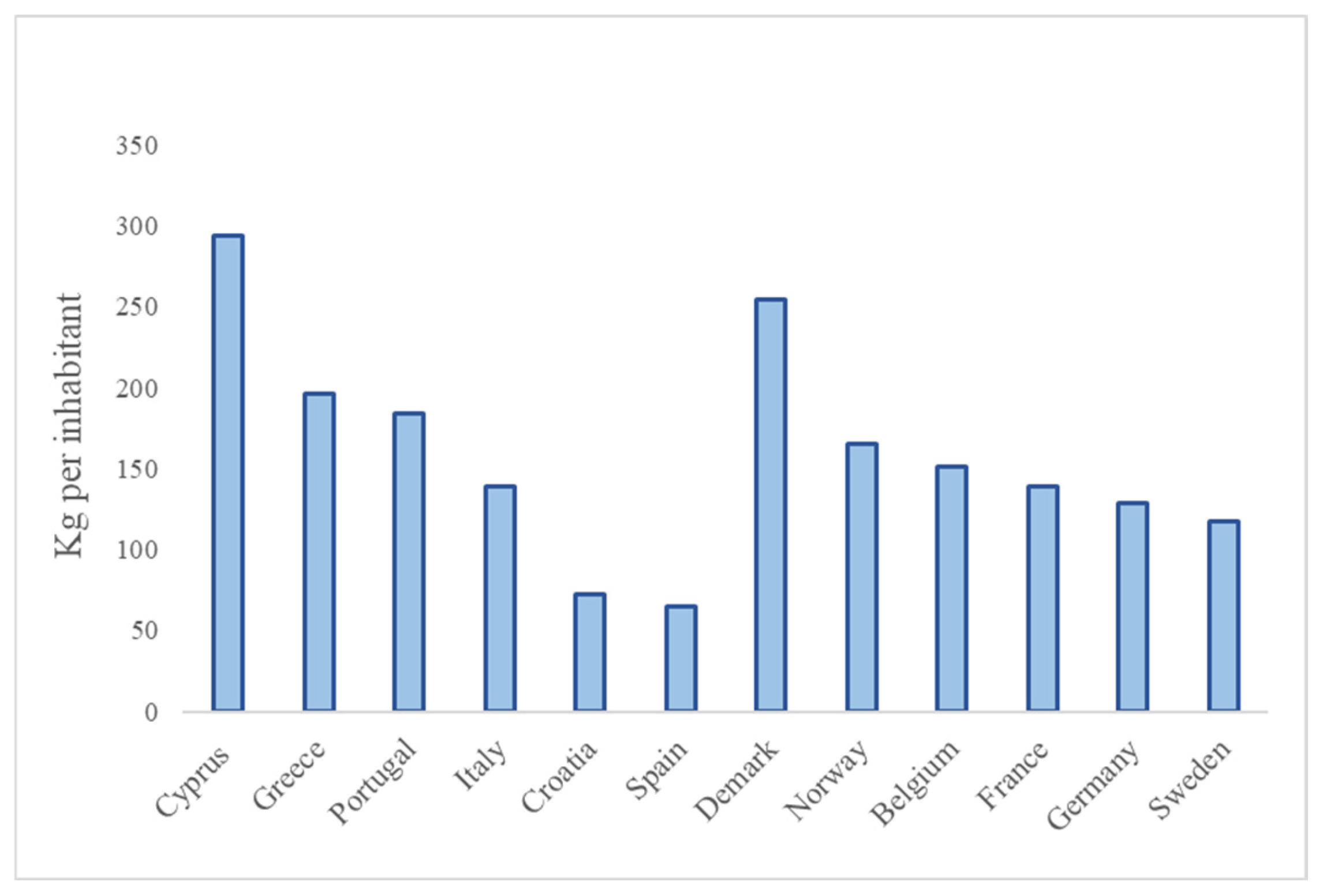
Figure 2.
Mediterranean diet pyramid. Schematic representation of the typical foods present in the Mediterranean diet as well as the regularity with which they should be consumed. It is also possible to observe the indication for sports practice that must be accompanied by this diet but also characteristics beyond it that accompany it such as coexistence and seasonality. Adapted from [72].
Figure 2.
Mediterranean diet pyramid. Schematic representation of the typical foods present in the Mediterranean diet as well as the regularity with which they should be consumed. It is also possible to observe the indication for sports practice that must be accompanied by this diet but also characteristics beyond it that accompany it such as coexistence and seasonality. Adapted from [72].
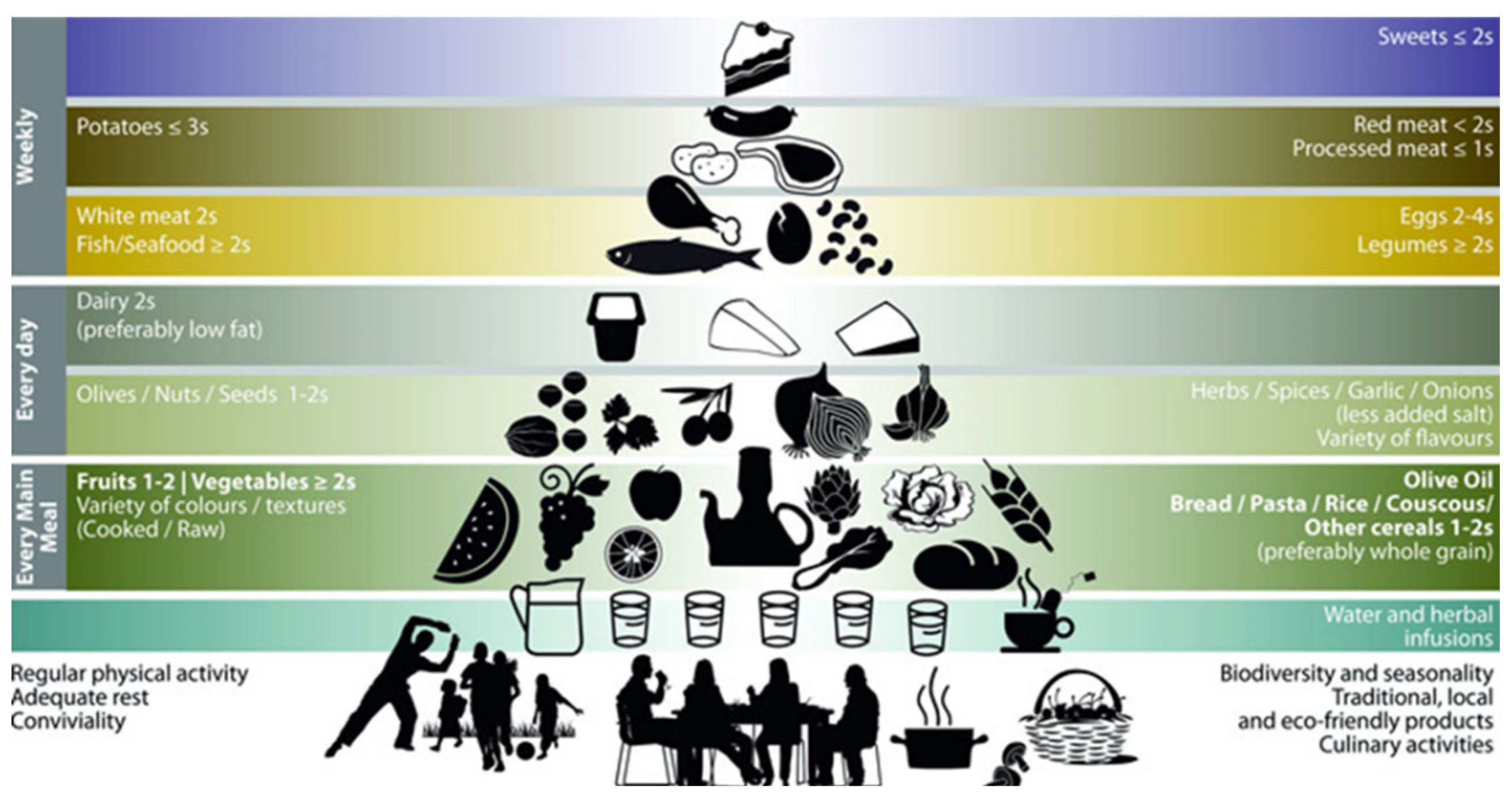
Figure 3.
Health benefits of the Mediterranean diet. The consumption of this diet can lead to a reduction in the occurrence of certain pathologies. Adapted from [16].
Figure 3.
Health benefits of the Mediterranean diet. The consumption of this diet can lead to a reduction in the occurrence of certain pathologies. Adapted from [16].
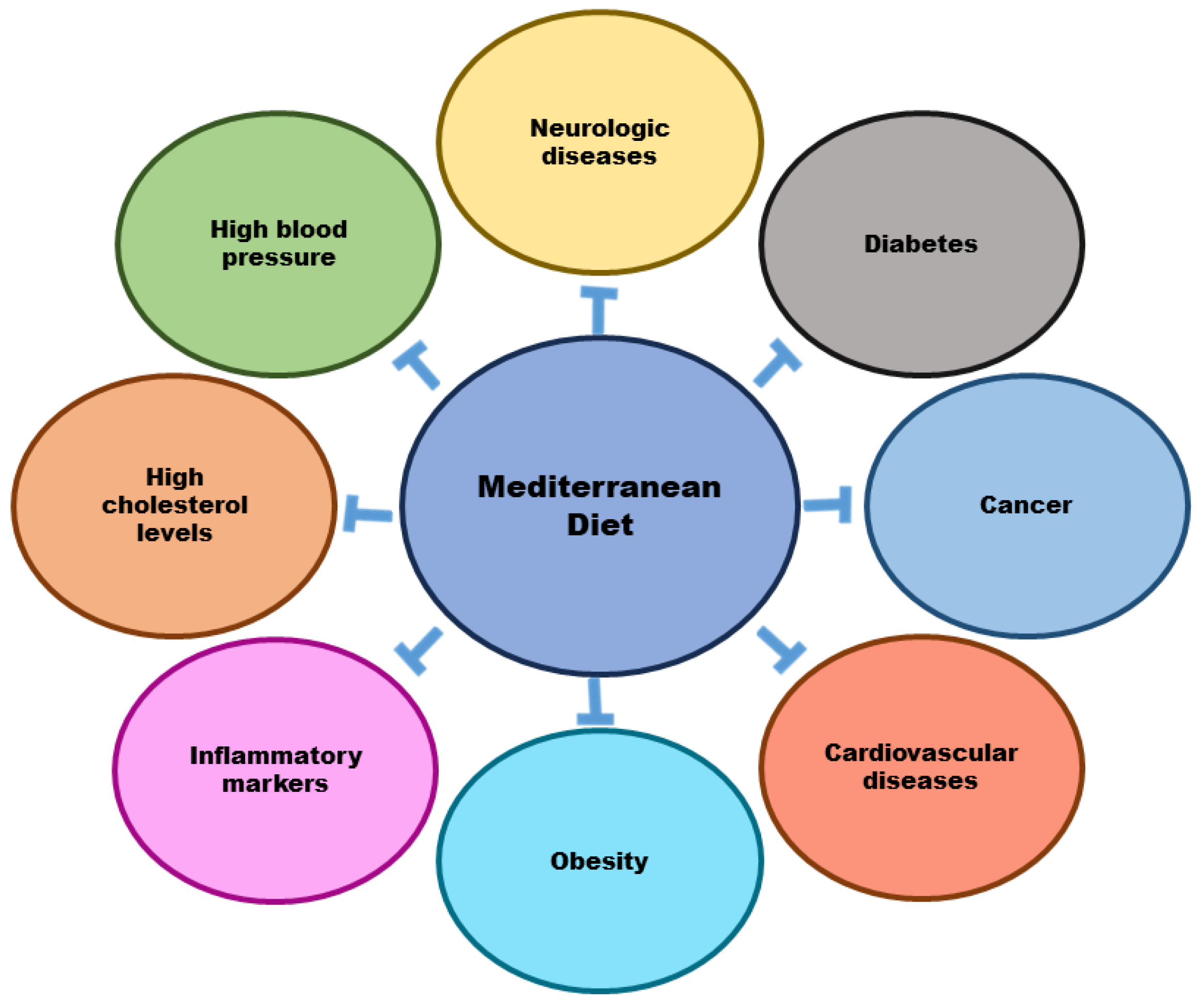
Figure 4.
Most Predominant Families of Compounds in the Mediterranean Diet Represented in a Pyramid with Key Food Sources and Consumption Frequency.
Figure 4.
Most Predominant Families of Compounds in the Mediterranean Diet Represented in a Pyramid with Key Food Sources and Consumption Frequency.
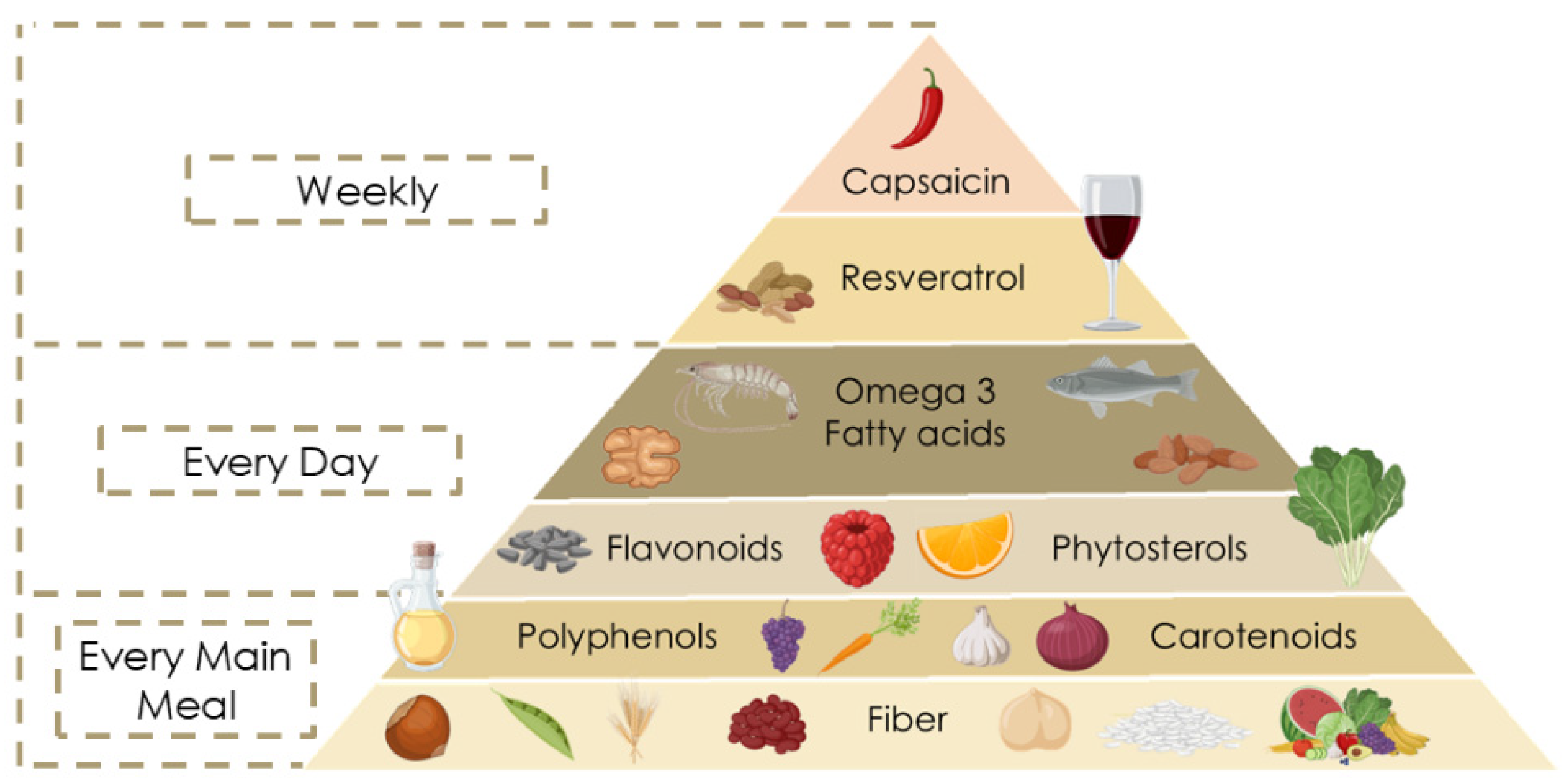
Figure 5.
Food loss in the years 2016, 2020 and 2021 (most recent data). Several kilograms are wasted per year per inhabitant before reaching consumers, which ultimately leads to tons of wasted food in each country. Adapted from [16]. It is estimated that approximately 13% of food is lost annually during post-harvest, storage, transport, and processing stages, resulting in millions of tonnes of food wasted globally.
Figure 5.
Food loss in the years 2016, 2020 and 2021 (most recent data). Several kilograms are wasted per year per inhabitant before reaching consumers, which ultimately leads to tons of wasted food in each country. Adapted from [16]. It is estimated that approximately 13% of food is lost annually during post-harvest, storage, transport, and processing stages, resulting in millions of tonnes of food wasted globally.
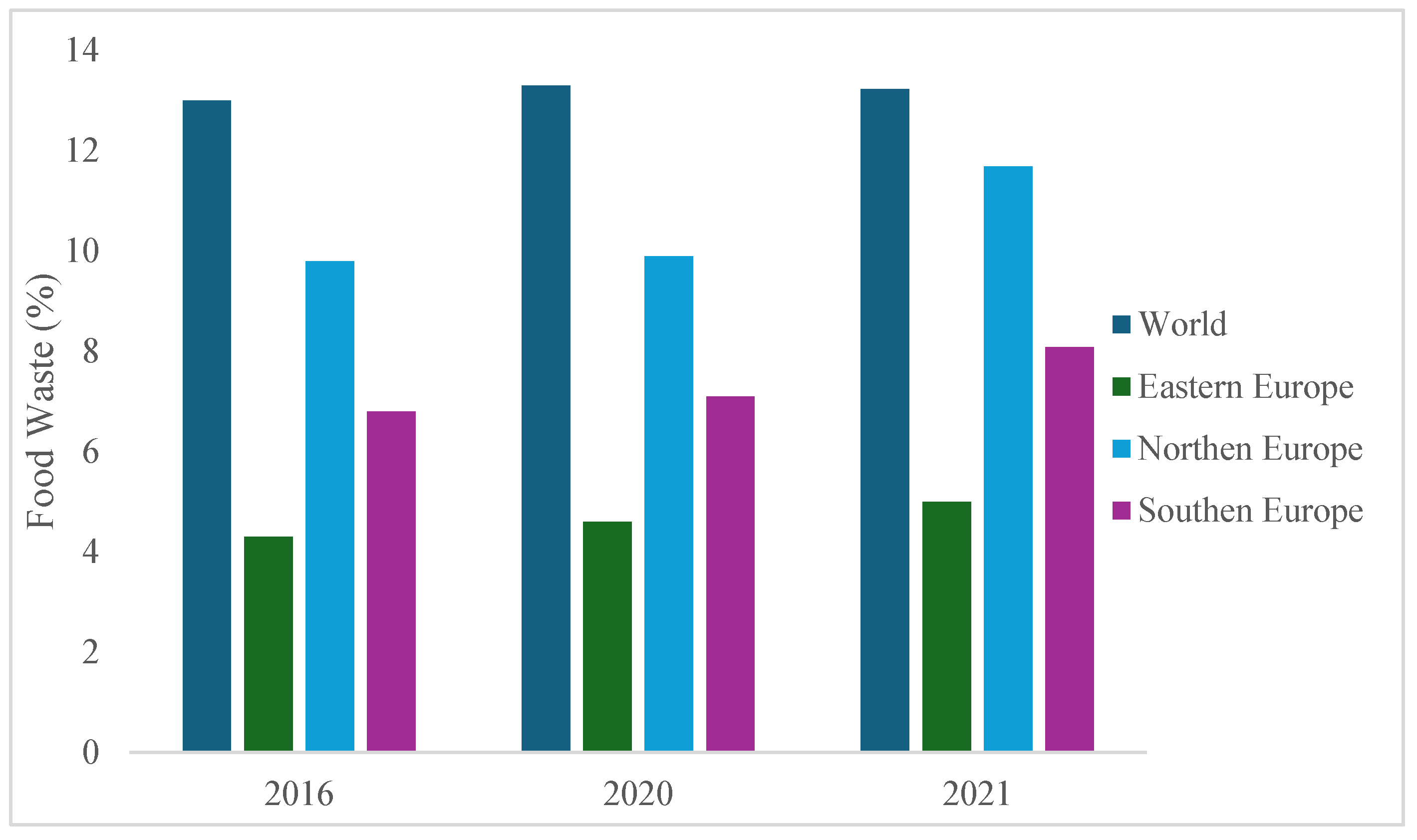

Table 1.
Common diets [16,44]. Diets offer non-invasive health improvements compared to surgery or medication, improving quality of life and managing conditions such as cardiovascular disease through nutraceutical properties.
| Diet | Acronym | Description |
|---|---|---|
| Dietary Approaches to Stop Hypertension | DASH | A dietary pattern designed to lower blood pressure, emphasising the intake of fruits, vegetables, whole grains, and low-fat dairy products, while limiting sodium, saturated fats, and added sugars. |
| Flexitarian Diet | FD | A predominantly plant-based diet that permits occasional consumption of meat and fish. It prioritises vegetables, legumes, and whole foods, promoting cardiovascular health and weight management. |
| Mediterranean Diet | MD | Based on traditional eating habits of Mediterranean countries, this diet is rich in olive oil, fruits, vegetables, whole grains, and fish. It is associated with reduced risk of chronic diseases. |
| Therapeutic Lifestyle Changes | TLC | A dietary strategy aimed at reducing LDL cholesterol. It includes foods high in soluble fibre, plant sterols, and unsaturated fats, and is often combined with regular physical activity. |
Disclaimer/Publisher’s Note: The statements, opinions and data contained in all publications are solely those of the individual author(s) and contributor(s) and not of MDPI and/or the editor(s). MDPI and/or the editor(s) disclaim responsibility for any injury to people or property resulting from any ideas, methods, instructions or products referred to in the content. |
© 2025 by the authors. Licensee MDPI, Basel, Switzerland. This article is an open access article distributed under the terms and conditions of the Creative Commons Attribution (CC BY) license (http://creativecommons.org/licenses/by/4.0/).
Copyright: This open access article is published under a Creative Commons CC BY 4.0 license, which permit the free download, distribution, and reuse, provided that the author and preprint are cited in any reuse.


