

Submitted:
28 May 2025
Posted:
29 May 2025
You are already at the latest version
Abstract
With the implementation of the ISO 8217-2024 marine fuel standard, the use of high-concentration biofuels in ships has become viable. However, relatively few studies have been conducted on the effects of biofuels on the cylinder lubrication performance of low-speed, two-stroke marine diesel engines. In this study, catering waste oil was blended with 180 cSt low-sulfur fuel oil (LSFO) to prepare biofuels with volume fractions of 24% (B24) and 50% (B50). These biofuels were evaluated in a MAN marine diesel engine under load conditions of 25%, 50%, 75%, and 90%. The experimental results showed that, at the same engine load, the use of B50 biofuel led to lower kinematic viscosity and oxidation degree of the cylinder residual oil, but higher total base number (TBN), nitration level, PQ index, and concentrations of wear elements (Fe, Cu, Cr, Mo). These results indicate that the wear of the cylinder liner-piston ring interface was more severe when using B50 biofuel compared with B24 biofuel. For the same type of fuel, as the engine load increased, the kinematic viscosity and TBN of the residual oil decreased, while the PQ index and concentrations of Fe, Cu, Cr, and Mo increased, reflecting the aggravated wear severity. Ferrographic analysis further revealed that ferromagnetic wear particles in the oil mainly consisted of normal wear debris. When using B50 biodiesel, a small amount of fatigue wear particles were detected. These findings offer crucial insights for optimizing biofuel utilization and improving cylinder lubrication systems in marine engines.
Keywords:
Biofuel
; Marine Diesel Engine
; Cylinder Lubricating Oil
; Wear
1. Introduction
To reduce greenhouse gas (GHG) emissions from ships, the International Maritime Organization (IMO) revised and adopted the 2023 IMO Strategy on Reduction of GHG Emissions from Ships. This strategy mandates that international shipping achieve at least a 40% reduction in CO₂ emissions by 2030 relative to 2008 levels and attain net-zero GHG emissions by approximately 2050 [1,2]. To comply with these emission reduction targets, the shipping industry has predominantly implemented strategies encompassing alternative marine fuels/energy sources, energy efficiency improvements (including both technical and operational measures), and carbon capture, utilization, and storage (CCUS). Current viable alternative fuels and energy solutions for ships include biodiesel [3,4,5,6], liquefied natural gas (LNG) [7], methanol [8], ammonia [9,10,11], hydrogen [12], and solar energy [13].
Biodiesel is predominantly produced from vegetable oils, animal fats, waste cooking oils, and other biological feedstocks via transesterification with methanol or ethanol to form fatty acid methyl esters (FAME), or through hydrodeoxygenation and hydroisomerization processes to generate hydrocarbon-based fuels (HVO) [14,15,16]. Characterized by low calorific value, low carbon-to-hydrogen ratio, and negligible sulfur content, biodiesel emerges as an ideal alternative marine fuel due to its abundant availability, renewability, and minimal environmental impact. Biodiesel performs similarly to conventional petroleum-based fuels and can be used directly in existing marine diesel engines without any modifications to their structure or fuel systems [17]. Additionally, biodiesel can be blended with conventional marine fuels at arbitrary ratios to produce biofuel blends of varying specifications. For instance, B24 biofuel denotes a 24% (v/v) FAME blend with 76% marine fuel oil. With the promulgation of ISO 8217:2024 (Marine Fuels), the previous 7% blending restriction for biodiesel in marine fuels has been eliminated, allowing both distillate and residual marine fuels to contain up to 100% FAME [18]. Consequently, as a promising alternative marine fuel, investigating the impacts of high-concentration biodiesel on the performance of large low-speed marine diesel engines holds significant scientific and engineering importance.
Large low-speed two-stroke diesel engines are widely employed in various large marine vessels owing to their high power output, superior fuel economy, and reliable operation. To mitigate SOx emissions and carbon intensity in marine applications, these engines can utilize residual or distillate marine fuels blended with biodiesel at varying concentrations [19,20]. Current domestic and international research on the impact of biodiesel blends on large marine diesel engines mainly focuses on combustion characteristics and emission performance. Studies have shown that biodiesel can significantly reduce emissions of hydrocarbons (HC), particulate matter (PM), carbon monoxide (CO), and SOx [21,22,23,24]. For instance, Nghia et al. [25] employed AVL-BOOST simulation software to investigate the impacts of varying biodiesel blend ratios on engine combustion and emissions. They found that increasing biodiesel content reduces CO and soot emissions but elevates specific fuel consumption and NOx emissions under the same load conditions. Wu et al. [7] utilized AVL FIRE software to simulate the combustion process in a low-speed two-stroke marine diesel engine fueled with pure diesel and three biodiesel blends (B5, B10, and B15). The results confirmed the good compatibility between marine diesel engines and biodiesel fuels, showing that exhaust gas recirculation (EGR) technology can simultaneously reduce NOx and soot emissions. Wei et al. [26] conducted comparative experiments on a low-speed two-stroke marine diesel engine using diesel, B50, and B100 biodiesel blends. Their findings revealed that increasing biodiesel content significantly decreases CO₂, CO, and HC emissions while gradually increasing specific fuel consumption and NOx emissions at identical loads. In another study, Wei et al. [27] analyzed the effects of B10, B30, and B50 biodiesel blends on combustion and emission characteristics in low-speed two-stroke marine engines. They reported that biodiesel notably reduces exhaust gas temperature and black carbon emissions compared to conventional heavy fuel oil. Sagin et al. [28] evaluated the performance impacts of B10 and B30 biodiesel blends in a MAN B&W 5S60ME-C8 marine main engine, demonstrating that biodiesel reduces NOx emissions by 14.71% - 25.13% but increases fuel consumption by 1.55%–6.01%.
The cylinder liner-piston ring system represents a critical combustion chamber component in diesel engines, where maintaining optimal cylinder lubrication is essential for mitigating abnormal liner wear and enhancing engine performance. Current research on the effects of biofuels on cylinder lubrication properties has predominantly focused on small-scale four-stroke diesel engines. For example, Dhar et al. [29] investigated the impacts of Karanja biodiesel on engine lubricant characteristics and found that after 200 hours of biodiesel operation, the lubricant exhibited increased density, elevated carbon residue, and higher ash content, indicating severe lubricant degradation. Similarly, Gopal et al. [30] conducted a 256-hour endurance test on a single-cylinder, four-stroke diesel engine and observed that PME20 biodiesel caused increases in lubricant density, ash content, water content, and insolubles, while reducing kinematic viscosity, flash point, and TBN. Temizer et al. [31] examined the influence of B10 rapeseed biodiesel and diesel on engine lubrication performance, revealing that combustion of B10 biodiesel resulted in decreased total acid number (TAN), water content, viscosity, and flash point of the lubricant, along with increased TBN, density, and sulfated ash content. Additionally, biodiesel operation was associated with higher concentrations of metallic wear particles in the lubricating oil. However, these studies were predominantly conducted on land-based small-scale four-stroke engines, which are characterized by relatively low power output, stable operating conditions, and splash lubrication of the cylinder liner-piston ring system, allowing prolonged reuse of cylinder lubricating oil.
Marine low-speed two-stroke diesel engines, characterized by high power output, variable load conditions, and harsh combustion environments when using inferior fuels, employ independent cylinder oil lubrication systems to ensure optimal lubrication of the liner-piston ring assembly during operation with low-quality fuels [32,33]. The cylinder lubrication oil is injected onto the liner and piston ring surfaces via electronic or mechanical lubricators during the piston's upward stroke, performing critical functions such as lubrication, friction reduction, neutralization of combustion byproducts, and heat transfer—all of which are vital for proper engine operation. After injection, part of the cylinder oil is consumed in the combustion chamber, while the remainder is discharged through the scavenge air box as drain oil, representing a fundamentally different operational mechanism from land-based small diesel engines. With the implementation of ISO 8217:2024 (Marine Fuels), marine engines are increasingly adopting higher-concentration biofuel blends. These biofuels exhibit significant discrepancies from conventional low-sulfur fuels in key parameters such as viscosity, base number, and sulfur content—factors that critically influence cylinder lubrication performance. Therefore, investigating the effects of biofuels on marine cylinder lubricant properties, analyzing cylinder oil degradation mechanisms, and studying liner/piston ring wear patterns are of utmost importance. Such research enables the optimization of cylinder oil feed rates and base numbers, ultimately minimizing liner wear failures in marine engines.
This study systematically investigates the effects of B24 and B50 biodiesel blends on the operational performance of a marine low-speed two-stroke diesel engine (MAN 6S35MEB type) under variable load conditions (25%, 50%, 75%, and 90% loads). Through comprehensive analyses of cylinder lubricating oil properties—including physicochemical parameters (e.g., kinematic viscosity, TBN, oxidation/nitration degrees), wear-related metallic element concentrations (Fe, Cu, Cr, Mo), and ferrographic morphology—the research evaluates how biodiesel concentration and engine load jointly influence lubricant degradation and cylinder liner-piston ring wear mechanisms.
2. Materials and Methods
2.1. Experimental Equipment
This study utilizes the MAN 6S35MEB two-stroke low-speed diesel engine in the Integrated Laboratory for Marine Power Plants at Shanghai Maritime University to investigate the effects of biofuels on cylinder lubricating oil performance. The engine features six cylinder liners, a rated speed of 152 rpm, and a rated output power of 3,570 kW. The output load is regulated by a hydraulic dynamometer coupled to the engine's power take-off end. Table 1 summarizes the main technical parameters of the diesel engine, while Figure 1 depicts the schematic layout of the test platform.
2.2. Experimental Materials
The biofuel utilized in this experiment was prepared by blending 180-grade low-sulfur fuel oil (LSFO, sulfur content: 0.47%) with waste cooking oil-derived biodiesel. Specifically, B24 biofuel consists of a 24% (v/v) waste cooking oil blend with 76% LSFO. Table 2 summarizes the physicochemical properties of the 180 LSFO and the biodiesel component. Notably, parameters such as density, kinematic viscosity, water content, ash content, and sulfur content decrease with increasing biodiesel blend ratio. Additionally, the biofuel exhibits higher oxygen content, lower carbon-to-hydrogen ratio, and reduced calorific value compared to pure LSFO. The lubricating oil employed was Sinopec 5040 marine cylinder oil, classified as Category II (Cat. II) cylinder lubricating oil, which is recommended for MAN B&W two-stroke engines of Mark 9 and higher specifications [34].
2.3. Experimental Methods
To assess the effects of B24 and B50 biofuels on cylinder lubricating oil characteristics, experiments were conducted at four engine load levels (25%, 50%, 75%, and 90%), with each load test duration set to 10 hours. Key thermodynamic parameters—including engine speed, scavenging air pressure, and combustion pressure—were continuously monitored via the MAN B&W-developed PMI system. Table 3 summarizes the main engine operating parameters under different biofuel loads, while Figure 2 depicts the cylinder pressure profiles across these load conditions.
During testing, residual oil samples were collected from each cylinder's scavenge box under varying loads. Systematic analyses were performed on the physicochemical properties, wear element concentrations, and ferrographic morphology of the cylinder residual oil. Physicochemical property measurements included kinematic viscosity, TBN, water content, oxidation degree, and nitration degree. Wear characterization involved PQ index analysis and spectral emission spectroscopy for metallic element quantification.
3. Results and Discussions
3.1. Physical and Chemical Analysis of the Lubricating Oil
3.1.1. Kinematic Viscosity
Kinematic viscosity serves as a critical parameter for evaluating the fluidity and viscous behavior of lubricating oil, reflecting the magnitude of internal frictional forces during oil flow at a specified temperature. An optimal viscosity ensures the formation of a stable and continuous oil film on friction pair surfaces, thereby minimizing wear and friction. Deviations from the ideal viscosity—either excessively high or low—compromise oil film integrity and stability, ultimately reducing lubrication efficiency.
In this study, a capillary viscometer was employed to measure the kinematic viscosity of cylinder residual oil at 40°C and 100°C. To mitigate the influence of carbon deposits and wear particles on viscosity measurements, cylinder residual oil samples were filtered through a 0.45 µm organic membrane filter prior to testing. Viscosity test results for the cylinder residual oil are presented in Figure 3. Initially, the kinematic viscosities of the cylinder oil at 40°C and 100°C were 218.01 mm²/s and 21.83 mm²/s, respectively. The 100°C kinematic viscosity ranged from 18.63 mm²/s to 21.83 mm²/s, conforming to MAN Diesel Engine specifications for Category II cylinder lubricating oil (minimum viscosity: 18.5 mm²/s; maximum viscosity: 21.9 mm²/s) [35].
As engine load increased, the viscosity of the cylinder lubricating oil gradually decreased. At identical loads, cylinder residual oil viscosity was higher for B24 biofuel compared to B50 biofuel. This phenomenon may be attributed to increased fuel consumption at higher loads, which introduces more moisture from combustion byproducts and unburned biofuel into the cylinder oil, enhancing dilution and reducing residual oil viscosity [36,37]. Additionally, the lower inherent viscosity of B50 biofuel (13.51 mm²/s) compared to B24 biofuel exacerbates the dilution effect on cylinder oil, leading to further viscosity reduction under the same load conditions.
3.1.2. Total Base Number
The TBN of cylinder oil is critical for neutralizing acidic species generated during diesel engine combustion, thereby reducing the risk of acid corrosion in the engine. The residual base number (RBN) is influenced by multiple factors, including the initial BN of fresh oil, cylinder oil feed rate, fuel sulfur content, engine load, and engine modifications. Engine designers typically define residual BN thresholds to ensure sufficient alkaline reserve for sulfur corrosion protection. However, prolonged operation under high RBN conditions may exacerbate ash deposition and bore polishing. According to MAN service bulletins, when the main engine operates on low-sulfur fuel oil, the TBN of cylinder residual oil should remain no less than 80% of the initial TBN under normal operating conditions [34].
Figure 4 shows the TBN measurements of cylinder residual oil. The data reveal that TBN decreases with increasing engine load, which can be attributed to the higher concentration of acidic species in combustion products and enhanced dilution from unburned fuel. When using B24 biodiesel, the minimum TBN of cylinder residual oil is 32.80 mg KOH/g, representing 82.16% of the initial TBN. This value remains above 80% of the initial TBN, meeting MAN's specifications for cylinder oil in main engines. Notably, at identical loads, cylinder residual oil exhibits higher TBN when using B50 biofuel. This phenomenon is likely due to B50 biofuel's lower sulfur content, which reduces the formation of acidic combustion byproducts.
3.1.3. Water Content
Water content is a critical factor affecting the integrity of cylinder lubrication oil films, as it can exacerbate cylinder wear. This parameter is influenced by ambient air humidity and moisture generated during combustion. Elevated water levels may indicate operational issues such as malfunctioning water mist catchers, leaking charge air coolers, or steam valve leaks from scavenge fire extinguisher systems into the under-piston space.
Figure 5 illustrates the water concentration in residual cylinder lubricating oil. The results show that water content in the cylinder oil increases with engine load, while biofuel concentration has a negligible effect on cylinder residual oil water content. This phenomenon can be primarily attributed to the fact that, with increasing load, the diesel engine consumes more oxygen for combustion. Consequently, moisture from the compressed air enters the cylinder oil through the scavenging air box. Moreover, the higher load results in increased water production during combustion, both of which contribute to the rise in water concentration in the cylinder residual oil.
3.1.4. Oxidatition
When lubricating oil reacts with oxygen in the air, a large number of oxidation products are generated, such as aldehydes, ketones, esters, and carboxylic acids containing carboxyl functional groups. These substances may cause an increase in the viscosity of the lubricating oil, an increase in acid value, and the formation of sludge, all of which lead to a decline in the performance of the lubricating oil. Fourier Transform Infrared Spectroscopy (FT-IR) is a commonly used method for measuring the degree of oxidation in cylinder lubricating oil by detecting the characteristic absorption of carbonyl groups in the range of 1800 cm⁻¹ to 1670 cm⁻¹.
Figure 6 illustrates the trend of oxidation degree of the cylinder residual oil. It is evident that as the load increases, the oxidation degree gradually rises. Additionally, for the same load, the oxidation degree is higher when using B24 biofuel. The main reason for this is that as the load increases, the combustion chamber temperature rises, leading to a greater degree of oxidation of the lubricating oil. Furthermore, under the same load, B24 biofuel has a higher calorific value, resulting in more heat being generated during combustion, which further promotes the oxidation of the lubricating oil.
3.1.5. Nitration
Nitration, similar to oxidation, occurs when lubricating oil reacts with gaseous nitrates during the combustion process in engines. This reaction produces various nitration products, which can lead to increased viscosity, a higher acid value, and the formation of insoluble compounds within the lubricating oil. Additionally, an increase in the degree of nitration contributes to the decline in the TBN of engine oil. The nitration degree of lubricating oil can be measured using FT-IR, specifically by analyzing the absorption around 1630 cm⁻¹.
Figure 7 illustrates the trend of nitration degree of cylinder residual oil. It can be seen that as the load increases, the nitration degree also rises gradually. Under the same load, the use of B50 biofuel results in a higher nitration degree. The main reason is likely that as the load increases, the combustion chamber temperature rises, leading to a greater degree of nitration of the lubricating oil. Additionally, under the same load, B50 biofuel produces higher levels of NOx [38], and NOx promotes the nitration reaction of the lubricating oil.
3.2. Wear Element Analysis of the Lubricating Oil
3.2.1. PQ Index
The PQ index is a dimensionless quantitative measurement that indicates the concentration of ferromagnetic particles present in the oil. It operates based on the principle of electromagnetic induction. When ferromagnetic wear particles pass through a sensor coil during PQ index detection, they cause a change in the magnetic field of the coil. The extent of this change is directly related to the quantity and size of the iron particles in the sample. Measuring the PQ index does not require any pre-treatment of the oil sample and is particularly sensitive to wear particles that are larger than 5 μm.
Figure 8 presents the PQ index measurements of cylinder residual oil. The data show that the PQ index for each cylinder increases with rising engine load. At identical loads, the PQ index of cylinder residual oil with B50 biodiesel is higher than that with B24 biodiesel, indicating more severe cylinder wear. This phenomenon can be attributed to two mechanisms: first, B50 biodiesel’s lower viscosity reduces the thickness of the cylinder lubricating film under the same load, deteriorating lubrication conditions; second, higher fuel sulfur content promotes the formation of lubricating combustion byproducts that mitigate friction between the cylinder wall and piston rings [39]. The lower sulfur content in B50 biodiesel weakens this self-lubricating effect, increasing frictional resistance and exacerbating wear of the cylinder liner-piston ring interface. Additionally, Figure 9 reveals that under identical test conditions, the PQ index of cylinder residual oil in Cylinder 2 was relatively low, while those in Cylinders 5 and 6 were higher. This discrepancy may correlate with variations in in-cylinder average pressure during combustion: higher pressures enhance frictional forces between the cylinder liner and piston rings, leading to more pronounced wear.
3.2.2. Spectral Analysis
In this study, the Spectroil Q100 oil spectrometer was utilized to analyze the composition and concentration of wear elements in the cylinder residual oil. This instrument employs atomic emission spectroscopy (AES) with a rotating disc electrode to generate an arc discharge, which excites the atoms of wear elements in the lubricating oil to emit characteristic spectra [40]. This method is capable of detecting ionic elements and offers higher precision for particles smaller than 5 μm. The spectrometer is known for its rapid detection capabilities, the simultaneous analysis of multiple elements, and detection accuracy that meets the requirements set by ASTM D6595.
Figure 10 illustrates the correlation between the concentrations of four typical wear particle elements in cylinder residual oil, engine load, and biofuel type. The data show that each element's concentration increases with rising load, and B50 biofuel consistently results in higher wear particle concentrations under identical conditions. This trend aligns with the PQ index findings. In this experiment, the maximum Fe concentration reached 142.76 ppm, which is below the 200 ppm threshold and complies with MAN’s wear iron concentration specifications for cylinder residual oil in main engines [27]. Iron primarily originates from the cylinder liner, uncoated piston rings, and the substrate of coated piston rings. The highest Cu concentration measured was 7.89 ppm, predominantly derived from stuffing box bronze components and piston wear rings. Chromium reached a maximum of 4.26 ppm, originating from piston ring grooves and piston rings. Finally, molybdenum peaked at 7.28 ppm, mainly sourced from the cermet coating on piston rings.
3.3. Ferrography Analysis of the Lubricating Oil
Ferrography analysis is a diagnostic technique that uses a high-gradient magnetic field to separate wear particles from lubricating oil [41,42]. Through microscopic examination of the size, quantity, and morphological features of these particles, it enables the assessment of mechanical equipment's wear condition and wear mechanisms, thus facilitating the maintenance of equipment safety.
In this experiment, the quantity and morphological characteristics of ferrographic wear particles in cylinder residual oil were compared between B24 and B50 biodiesel at 90% load. To obtain clear particle images, tetrachloroethylene solvent was used to dilute the cylinder residual oil, reducing the oil sample's viscosity and promoting magnetic metal particle deposition. The oil sample-to-tetrachloroethylene volume ratio during dilution was 3:1. Optical microscopy images of the ferrograms at 100× magnification are shown in Figure 11(a) and (b), revealing that combustion-generated black carbon deposits coexist with metal wear particles in the ferrograms, with deposited particles distributed in strip-like patterns. Figures (c) and (d) show 500× magnification results, indicating higher metal wear particle deposition concentrations for B50 biodiesel, with significant particle overlap.
To mitigate particle overlap and improve imaging clarity, the cylinder residual oil was first diluted 10-fold with fresh cylinder oil of the same type, homogenized via ultrasonic vibration, and then further diluted with tetrachloroethylene. The prepared ferrograms are presented in Figures (e) and (f). Most metal wear particles in the cylinder residual oil under both fuel conditions are normal wear particles with a size <5 μm. Notably, B50 biodiesel use introduces a small fraction of fatigue wear particles (>15 μm), though no abnormal wear particles (e.g., cutting or severe sliding particles) were detected. These results indicate that diesel engine cylinder liners exhibit acceptable lubrication conditions with both biodiesels in this study, while cylinder wear severity increases with biodiesel concentration.
4. Conclusions
This paper systematically investigates the effects of B24 and B50 biodiesels on cylinder lubrication performance in large low-speed two-stroke marine diesel engines. By imposing four engine load conditions (25%, 50%, 75%, and 90%), the study compares how biodiesel concentration influences the physicochemical properties, wear element concentrations, and wear particle morphological characteristics of residual cylinder oil. The key research findings are summarized as follows:
(1) Physicochemical Properties: With increasing engine load, the viscosity and TBN of cylinder residual oil gradually decrease, while water content, oxidation degree, and nitration degree increase. Under identical conditions, B50 biofuel induces more pronounced viscosity reduction in residual cylinder oil, whereas B24 biodiesel leads to more significant TBN decline. Notably, both viscosity and TBN of cylinder residual oil remain within MAN diesel engine technical specifications.
(2) Wear Elements Concentrations: As diesel engine load increases, the PQ index and concentrations of wear elements (Fe, Cu, Cr, and Mo) in cylinder residual oil rise progressively. At the same load, B50 biodiesel exacerbates wear severity of the cylinder liner-piston ring interface compared to B24.
(3) Wear Particle Analysis: The cylinder residual oil contains a significant amount of ferromagnetic wear particles and black carbon deposits from combustion products. The size of these wear particles is mainly normal wear particles with a diameter of less than 5 μm. When using B50 biodiesel, the cylinder residual oil also contains a small amount of fatigue wear particles with a particle size greater than 15 μm.
In summary, this study investigates the effects of high-concentration biofuels on the lubrication performance of marine low-speed diesel engine cylinder oil under varying loads and analyzes the primary wear mechanisms in the cylinder lubrication system. For future work, we plan to explore strategies for adjusting the cylinder oil injection rate and total base number (TBN) when using biofuels with different concentrations, aiming to mitigate wear in cylinder liners and piston rings of marine diesel engines.
Author Contributions
Zhao ER: writing the manuscript, carrying out experiments, data analyzing; Zhang GC: conceptualization, methodology, supervision. Li QY & Zhu SH: data processing, editing figures. All authors reviewed the manuscript.
Funding
This work was supported by the National Natural Science Foundation of China (NSFC51779136) and the Natural Science Foundation of Fujian Province of China (2022J01131710).
Institutional Review Board Statement
Not applicable.
Informed Consent Statement
Not applicable.
Data Availability Statement
All data generated or analyzed during this study are included in this published article.
Acknowledgments
The authors also gratefully acknowledge the helpful comments and suggestions of the reviewers, which have improved the presentation of this paper.
Conflicts of Interest
The authors declare no conflicts of interest.
References
- 2023 IMO strategy on reduction of ghg emissions from ships. Annex 15 Resolution MEPC. 377(80) (adopted on 7 July 2023).
- Lindstad, E.; Polic, D.; Rialland, A.; Sandaas, I.; Stokke, T. Reaching IMO 2050 GHG Targets Exclusively Through Energy Efficiency Measures. J. Ship Prod. Des. 2023, 39, 194–204. [Google Scholar] [CrossRef]
- Sagin, S.; Kuropyatnyk, O.; Matieiko, O.; Razinkin, R.; Stoliaryk, T.; Volkov, O. Ensuring Operational Performance and Environmental Sustainability of Marine Diesel Engines through the Use of Biodiesel Fuel. J. Mar. Sci. Eng. 2024, 12, 1440. [Google Scholar] [CrossRef]
- Sagin, S.; Karianskyi, S.; Madey, V.; Sagin, A.; Stoliaryk, T.; Tkachenko, I. Impact of Biofuel on the Environmental and Economic Performance of Marine Diesel Engines. J. Mar. Sci. Eng. 2023, 11, 120. [Google Scholar] [CrossRef]
- Chountalas, T.D.; Founti, M.; Tsalavoutas, I. Evaluation of biofuel effect on performance & emissions of a 2-stroke marine diesel engine using on-board measurements. Energy. 2023, 278, 127845. [Google Scholar]
- Shaafi, T.; Velraj, R. Influence of alumina nanoparticles, ethanol and isopropanol blend as additive with diesel-soybean biodiesel blend fuel: Combustion, engine performance and emissions. Renew. Energ. 2015, 80, 655–663. [Google Scholar] [CrossRef]
- Wu, P.C.; Lin, C.Y. Strategies for the Low Sulfur Policy of IMO—An Example of a Container Vessel Sailing through a European Route. J. Mar. Sci. Eng. 2021, 9, 1383. [Google Scholar] [CrossRef]
- Karvounis, P.; Theotokatos, G.; Patil, C.; Xiang, L.; Ding, Y. Parametric investigation of diesel–methanol dual fuel marine engines with port and direct injection. Fuel. 2025, 381, 133441. [Google Scholar] [CrossRef]
- Drazdauskas, M.; Lebedevas, S. Optimization of Combustion Cycle Energy Efficiency and Exhaust Gas Emissions of Marine Dual-Fuel Engine by Intensifying Ammonia Injection. J. Mar. Sci. Eng. 2024, 12, 309. [Google Scholar] [CrossRef]
- Serrano, J.R.; Novella, R.; Climent, H.; Arnau, F.J.; Calvo, A.; Thorsen, L. Computational Analysis of an Ammonia Combustion System for Future Two-Stroke Low-Speed Marine Engines. J. Mar. Sci. Eng. 2025, 13, 39. [Google Scholar] [CrossRef]
- Xu, X.; Ge, C.; Zhang, B.F.; Ma, X.; Guo, R.; Lu, X.Q. The degeneration mechanism of lubricating oil in the ammonia fuel engine. Tribol. Int. 2025, 202, 110333. [Google Scholar] [CrossRef]
- McKinlay, C.J.; Turnock, S.R.; Hudson, D.A. Route to zero emission shipping: Hydrogen, ammonia or methanol. Int. J. Hydrogen Energ. 2021, 46, 28282–28297. [Google Scholar] [CrossRef]
- Obalalu, A.M.; Memon, M.A.; Olayemi, O.A.; Olilima, J.; Fenta, A. Enhancing heat transfer in solar-powered ships: a study on hybrid nanofluids with carbon nanotubes and their application in parabolic trough solar collectors with electromagnetic controls. Sci. Rep. 2023, 13, 9476. [Google Scholar] [CrossRef] [PubMed]
- Razzak, S.A.; Hossain, S.M.Z.; Usama, A.; Hossain, M.M. Cleaner biodiesel production from waste oils (cooking/vegetable/frying): Advances in catalytic strategies. Fuel. 2025, 134901. [Google Scholar] [CrossRef]
- Alptekin, E.; Canakci, M.; Sanli, H. Biodiesel production from vegetable oil and waste animal fats in a pilot plant. Waste Manage. 2014, 34, 2146–2154. [Google Scholar] [CrossRef] [PubMed]
- Visan, N.A.; Carlanescu, R.; Niculescu, D.C.; Chiriac, R. Study on the cumulative effects of using a high efficiency turbocharger and biodiesel B20 fuelling on performance and emissions of a large marine diesel engine. J. Mar. Sci. Eng. 2022, 10, 1403. [Google Scholar] [CrossRef]
- Wu, G.; Li, J.X.; Guo, H.; Wang, X.; Jiang, G.H. Numerical method for predicting emissions from biodiesel blend fuels in diesel engines of inland waterway vessels. J. Mar. Sci. Eng. 2023, 11, 86. [Google Scholar] [CrossRef]
- Products from petroleum, synthetic and renewable sources - Fuels (class F) - Specifications of marine fuels. International Standard ISO 8217, Seventh edition, 2024–05.
- Vedachalam, S.; Baquerizo, N.; Dalai, A.K. Review on impacts of low sulfur regulations on marine fuels and compliance options. Fuel. 2022, 310, 122243. [Google Scholar] [CrossRef]
- Lee, H.; Park, D.; Choo, S.; Pham, H.T. Estimation of the non-greenhouse gas emissions inventory from ships in the port of incheon. Sustainability. 2020, 12, 8231. [Google Scholar] [CrossRef]
- Huang, Z.X.; Huang, J.L.; Luo, J.B.; Hu, D.; Yin, Z.B. Performance enhancement and emission reduction of a diesel engine fueled with different biodiesel-diesel blending fuel based on the multi-parameter optimization theory. Fuel. 2022, 314, 122753. [Google Scholar] [CrossRef]
- Mohamed, M.; Tan, C.K.; Fouda, A.; Gad, M.S.; Osayed, A.E.; Hashem, A.F. Diesel engine performance, emissions and combustion characteristics of biodiesel and its blends derived from catalytic pyrolysis of waste cooking oil. Energies. 2020, 13, 5708. [Google Scholar] [CrossRef]
- El-Sheekh, M.M.; El-Nagar, A.A.; ElKelawy, M.; Bastawissi, H.A.E. Solubility and stability enhancement of ethanol in diesel fuel by using tri-n-butyl phosphate as a new surfactant for CI engine. Sci. Rep. 2023, 13, 17954. [Google Scholar] [CrossRef] [PubMed]
- Tarangan, D.; Sobati, M.A.; Shahnazari, S.; Ghobadian, B. Physical properties, engine performance, and exhaust emissions of waste fish oil biodiesel/bioethanol/diesel fuel blends. Sci. Rep. 2023, 13, 14024. [Google Scholar] [CrossRef] [PubMed]
- Nghia, N.T. , Khoa, N.X., Cho, W., Lim, O. A study the effect of biodiesel blends and the injection timing on performance and emissions of common rail diesel engines. Energies. 2022, 15, 242. [Google Scholar] [CrossRef]
- Wei, C.F.; Jiang, G.H.; Cui, L.; Wu, G.; Zhong, S.S. Combustion analysis of low-speed marine engine fueled with biofuel. J. Mar. Sci. Appl. 2023, 22, 861–869. [Google Scholar] [CrossRef]
- Wei, C.F.; Jiang, G.H.; Wu, G.; Zhou, Y.; Liu, Y.Y. Effects of blended biodiesel and heavy oil on engine combustion and black carbon emissions of a low-speed two-stroke engine. Pol. Marit. Res. 2024, 1, 94–101. [Google Scholar] [CrossRef]
- Sagin, S.; Kuropyatnyk, O.; Matieiko, O.; Razinkin, R.; Stoliaryk, T.; Volkov, O. Ensuring operational performance and environmental sustainability of marine diesel engines through the use of biodiesel fuel. J. Mar. Sci. Eng. 2024, 12, 1440. [Google Scholar] [CrossRef]
- Dhar, A.; Agarwal, A.K. Experimental investigations of effect of Karanja biodiesel on tribological properties of lubricating oil in a compression ignition engine. Fuel. 2014, 130, 112–119. [Google Scholar] [CrossRef]
- Gopal, K.N.; Raj, R.T.K. Effect of pongamia oil methyl ester–diesel blend on lubricating oil degradation of di compression ignition engine. Fuel. 2016, 165, 105–114. [Google Scholar] [CrossRef]
- Temizer, I.; Eskici, B. Investigation on the combustion characteristics and lubrication of biodiesel and diesel fuel used in a diesel engine. Fuel. 2020, 278, 118363. [Google Scholar] [CrossRef]
- Shen, H.; Zhang, J.; Yang, B.; Jia, B. Development of a Marine Two-Stroke Diesel Engine MVEM with In-Cylinder Pressure Trace Predictive Capability and a Novel Compressor Model. J. Mar. Sci. Eng. 2020, 8, 204. [Google Scholar] [CrossRef]
- Bayramoğlu, K.; Özmen, G. Design and performance evaluation of low-speed marine diesel engine selective catalytic reduction system. Process Saf. Environ. 2021, 155, 184–196. [Google Scholar] [CrossRef]
- MAN Energy Solutions: Service Letter SL2020-694/JUSV. Cylinder and system oils MAN B&W low-speed two-stroke engines. May 2020.
- MAN Energy Solutions: Service Letter: SL2023-738/IKCA. Sampling of scavenge drain oil Adjust feed rate factor in service, and monitor piston ring and cylinder liner wear. June 2023.
- Alam, A.K. The detection of adhesive wear on cylinder liners for slow speed diesel engine through tribology, temperature, eddy current and acoustic emission measurement and analysis. Ph.D. Thesis, The Newcastle University, Tyne, England, December 2013. [Google Scholar]
- Ragupathi, K.; Mani, I. Durability and lube oil contamination study on diesel engine fueled with various alternative fuels: a review. Energ. Source. Part A. 2021, 43, 932–43. [Google Scholar] [CrossRef]
- Nghia, N.T. , Khoa, N.X., Cho, W., Lim, O. A study the effect of biodiesel blends and the injection timing on performance and emissions of common rail diesel engines. Energies. 2022, 15, 242. [Google Scholar] [CrossRef]
- Munoz, M.; Moreno, F.; Monne, C.; Morea, J.; Terradillos, J. Biodiesel improves lubricity of new low sulphur diesel fuels. Renew. Energ. 2011, 36, 2918–2924. [Google Scholar] [CrossRef]
- Huang, J.F.; Fu, X.; Li, C.J.; Niu, G.Y.; Duan, F.J.; Chen, X.L.; Hao, H.D. A novel double disc electrode excitation method for oil elemental analysis in rotating disc electrode-optical emission spectrometry. J. Anal. At. Spectrom. 2025, 40, 374–383. [Google Scholar] [CrossRef]
- Singh, P.; Chauhan, S.R.; Goel, V.; Gupta, A.K. Impact of binary biofuel blend on lubricating oil degradation in a compression ignition engine. J. Energy Resour. Technol. 2019, 141, 032203. [Google Scholar] [CrossRef]
- Goncalves, A.C.; Chavarette, F.R.; Outa, R.; Godoi, L.H.A. Assistance of analytical ferrography in the interpretation of wear test results carried out with biolubricants. Tribol. Int. 2024, 197, 109758. [Google Scholar] [CrossRef]
Figure 1.
The test platform of main engine.
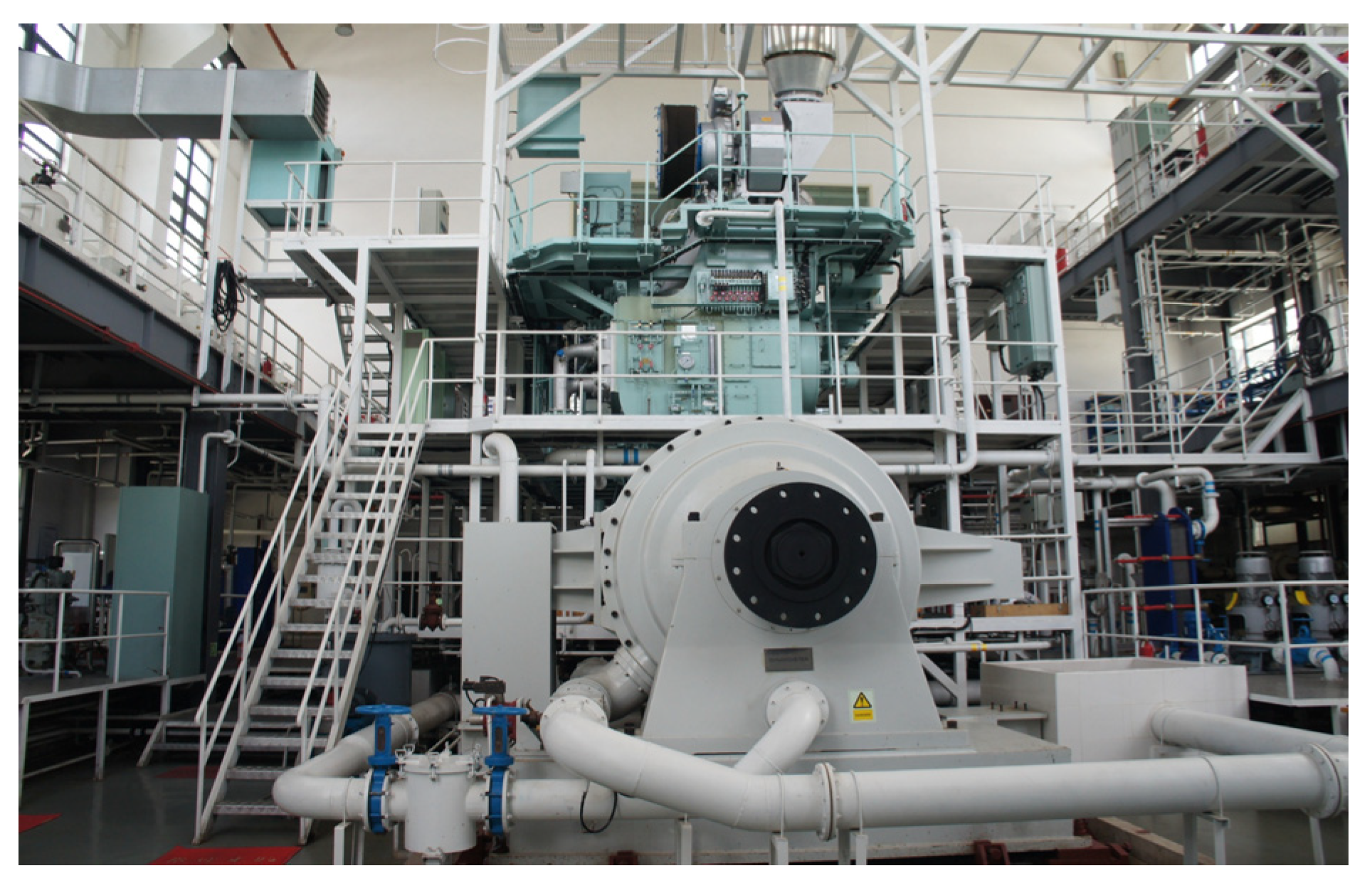
Figure 2.
Cylinder pressure at different engine loads.
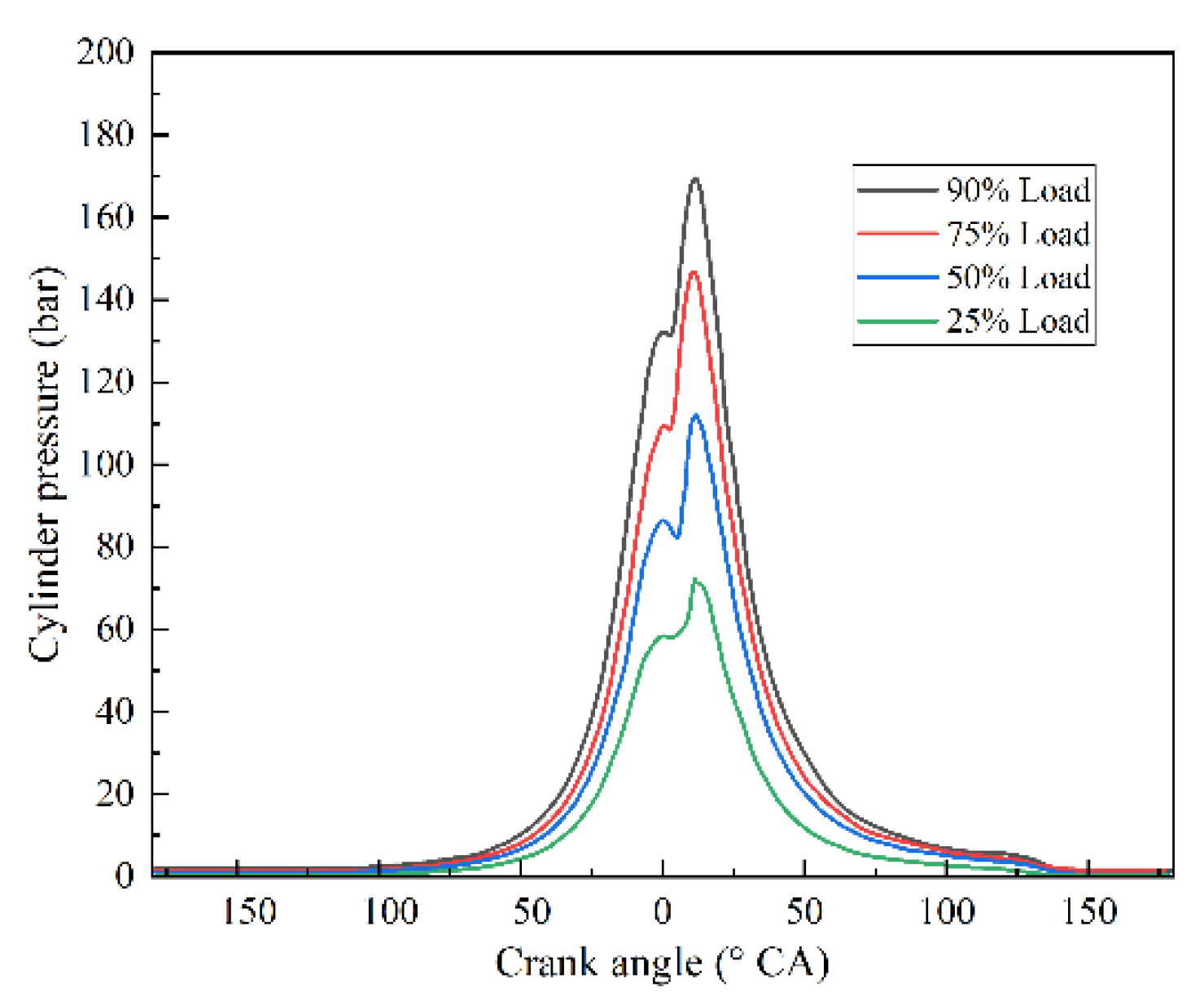
Figure 3.
Kinematic viscosity of cylinder residual oil (a) 40℃ (b) 100℃.
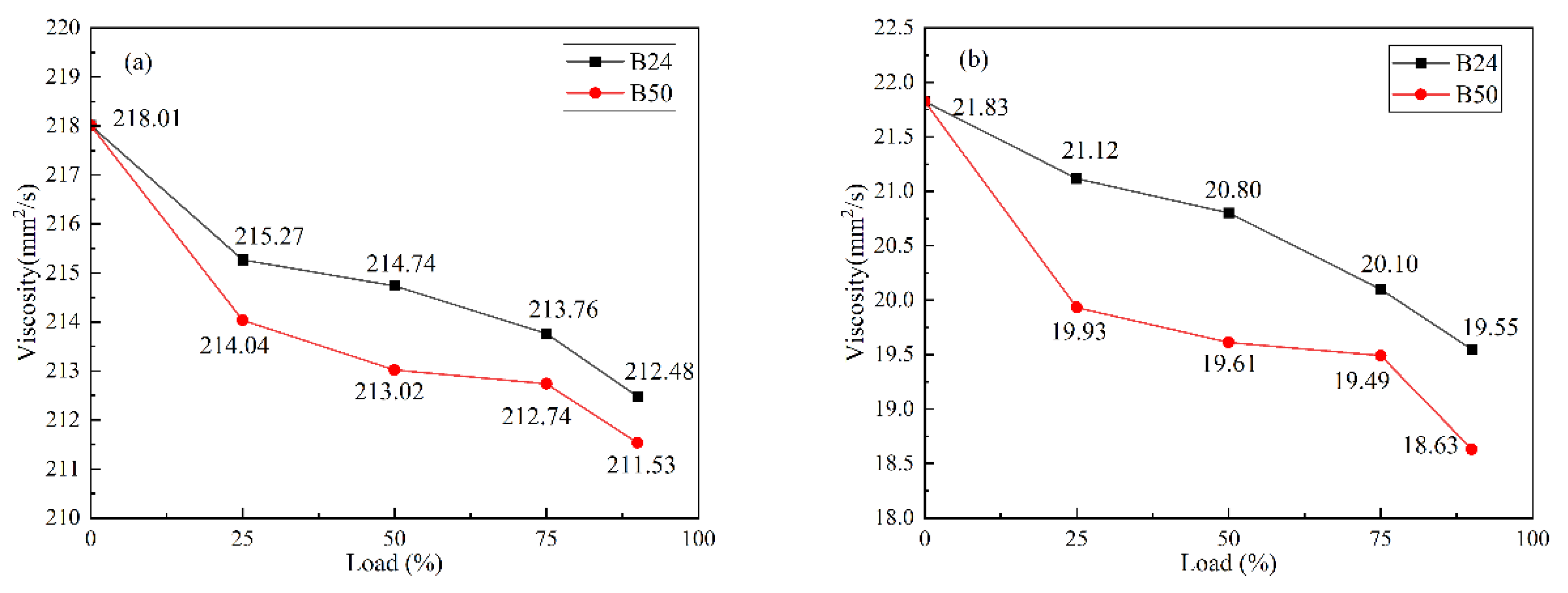
Figure 4.
Residual base number of cylinder residual oil.
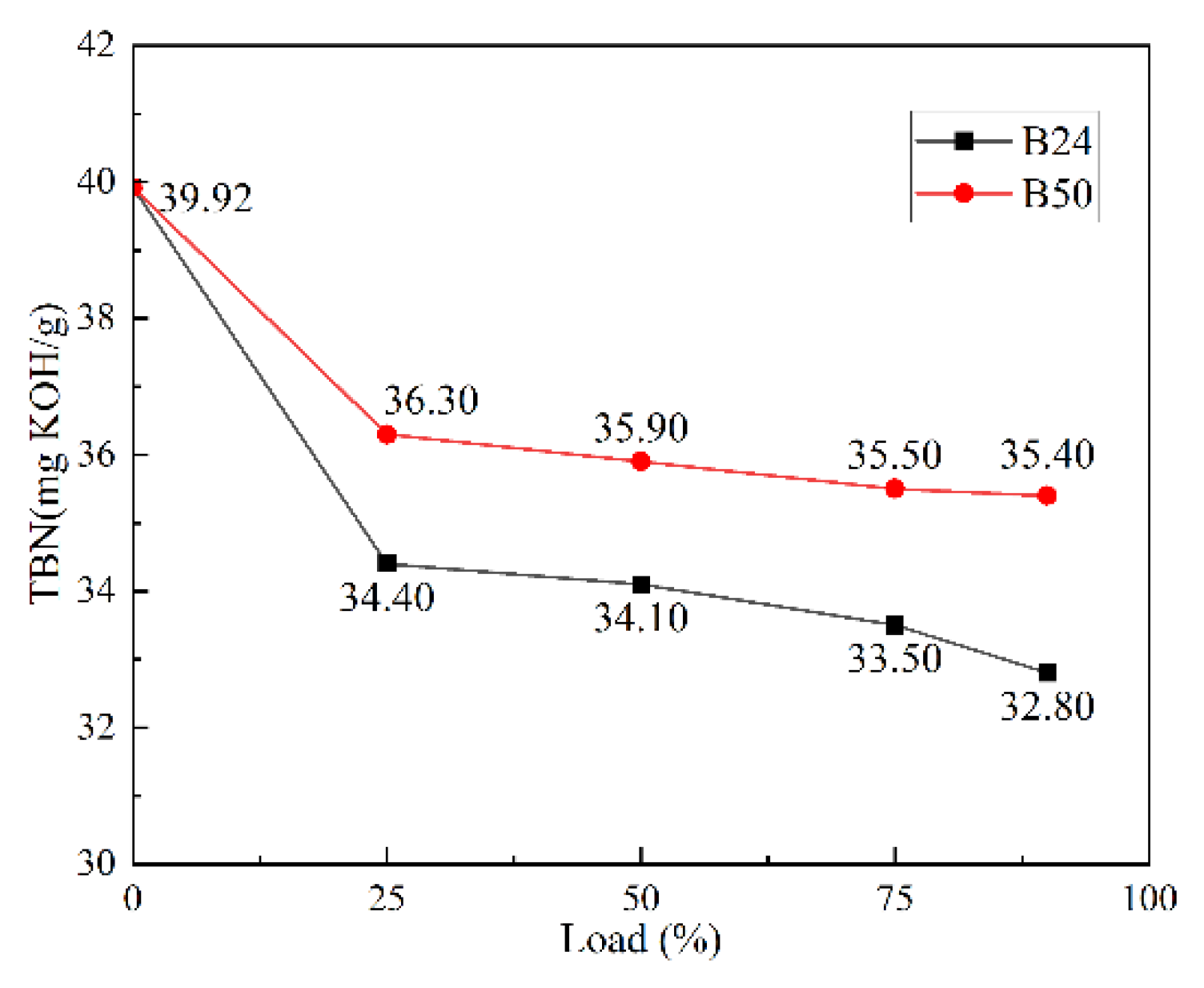
Figure 5.
Water content of cylinder residual oil.
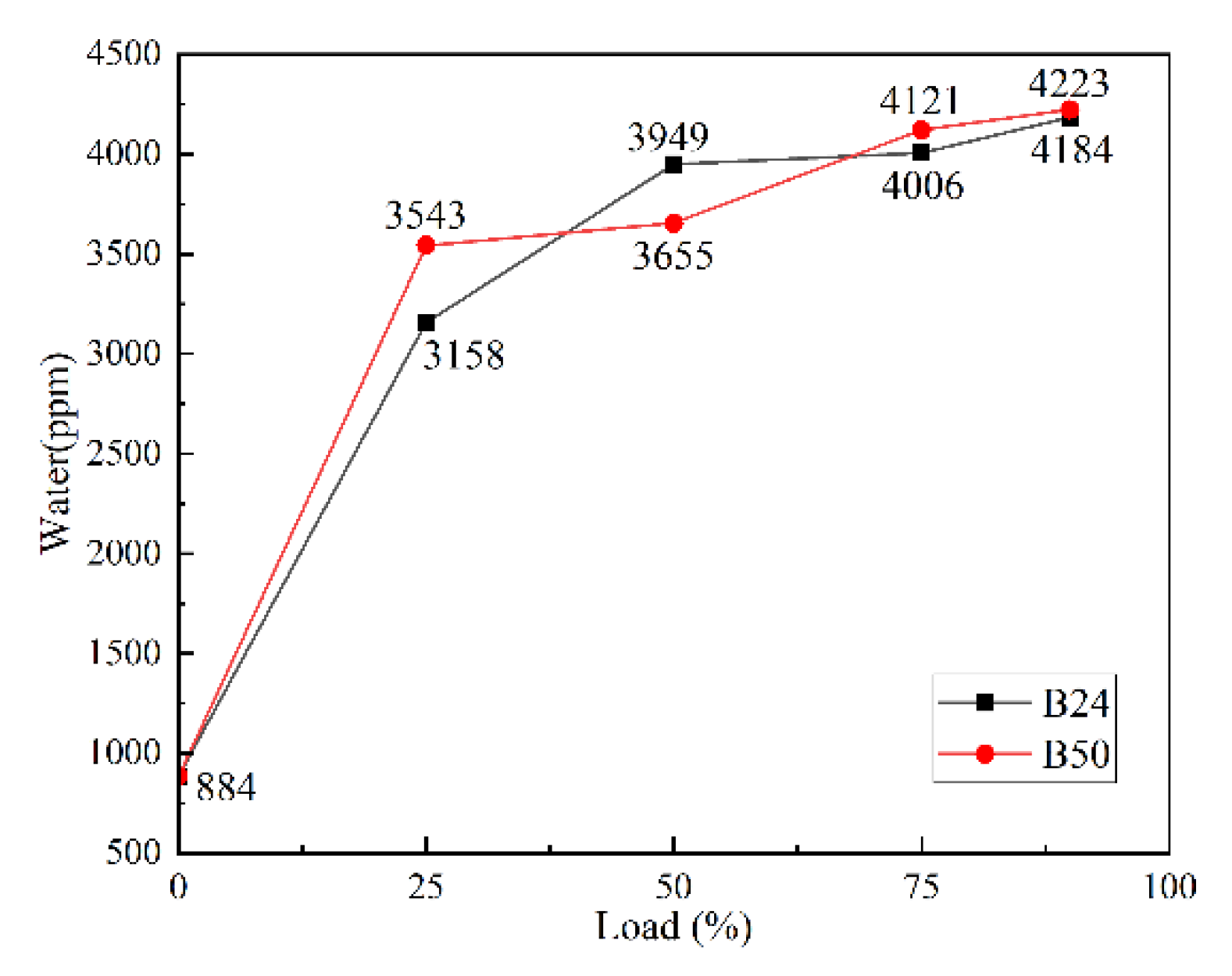
Figure 6.
Oxidation of cylinder residual oil.
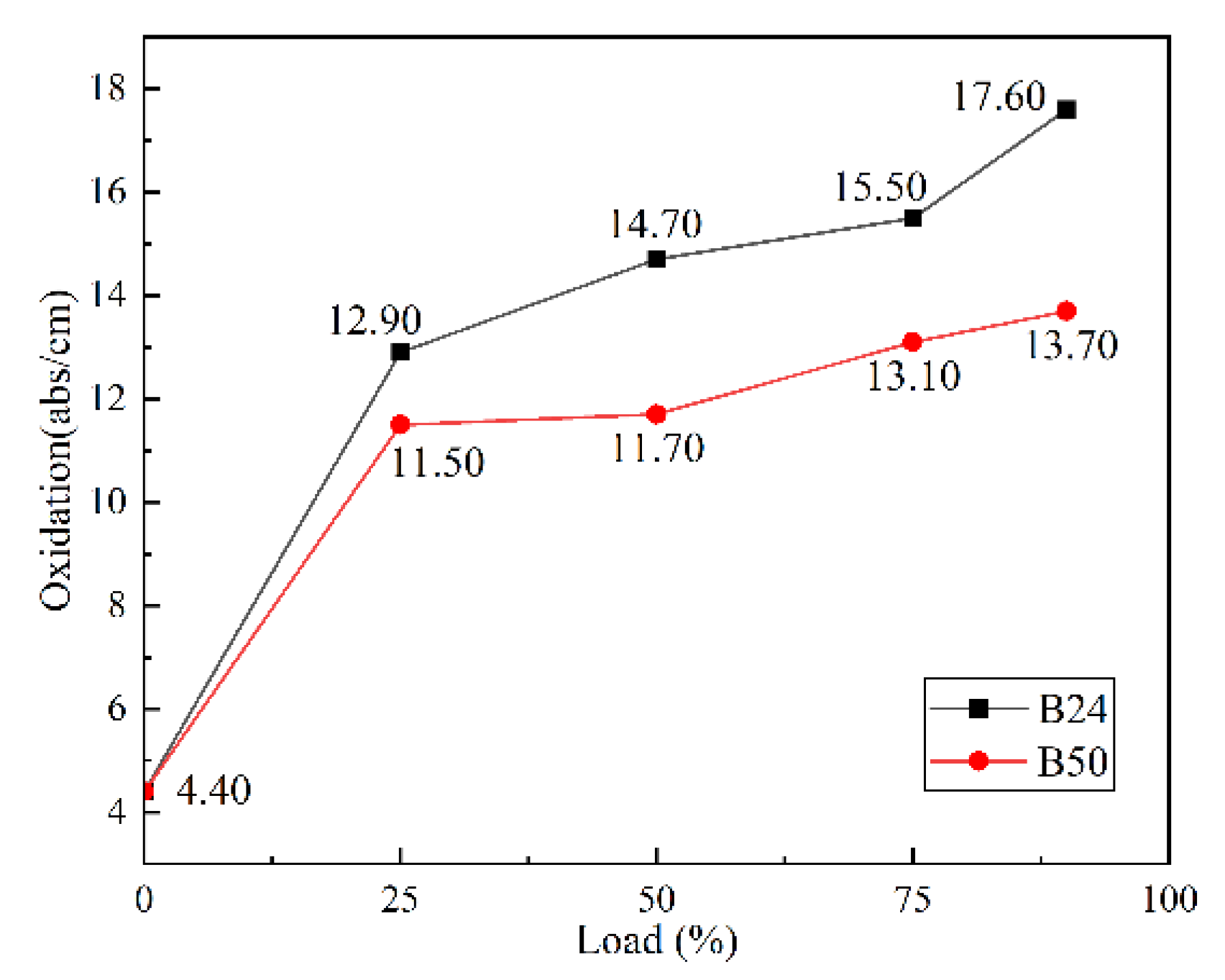
Figure 7.
Nitration of cylinder residual oil.
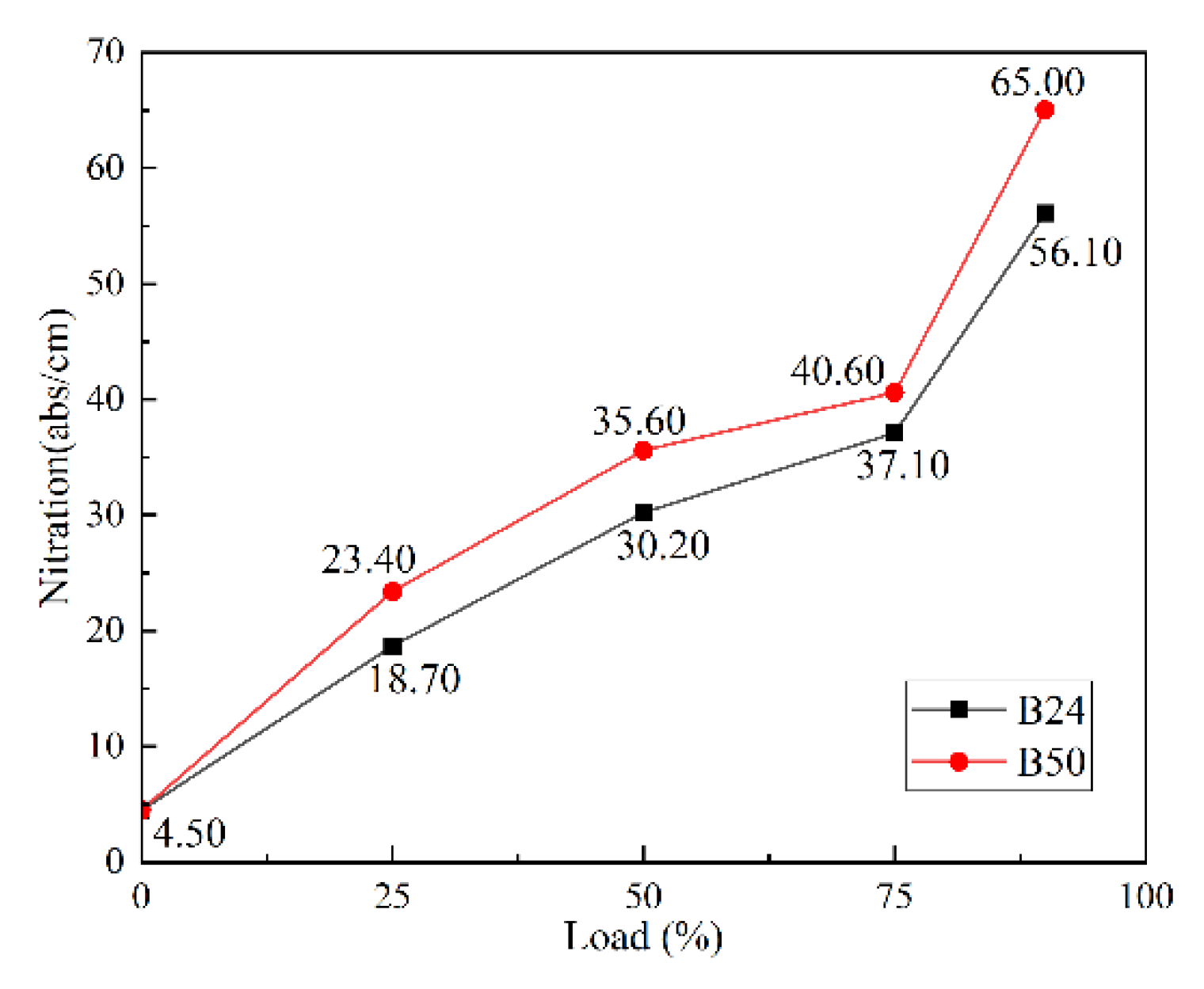
Figure 8.
PQ index of cylinder residual oil (a)B24 (b)B50.
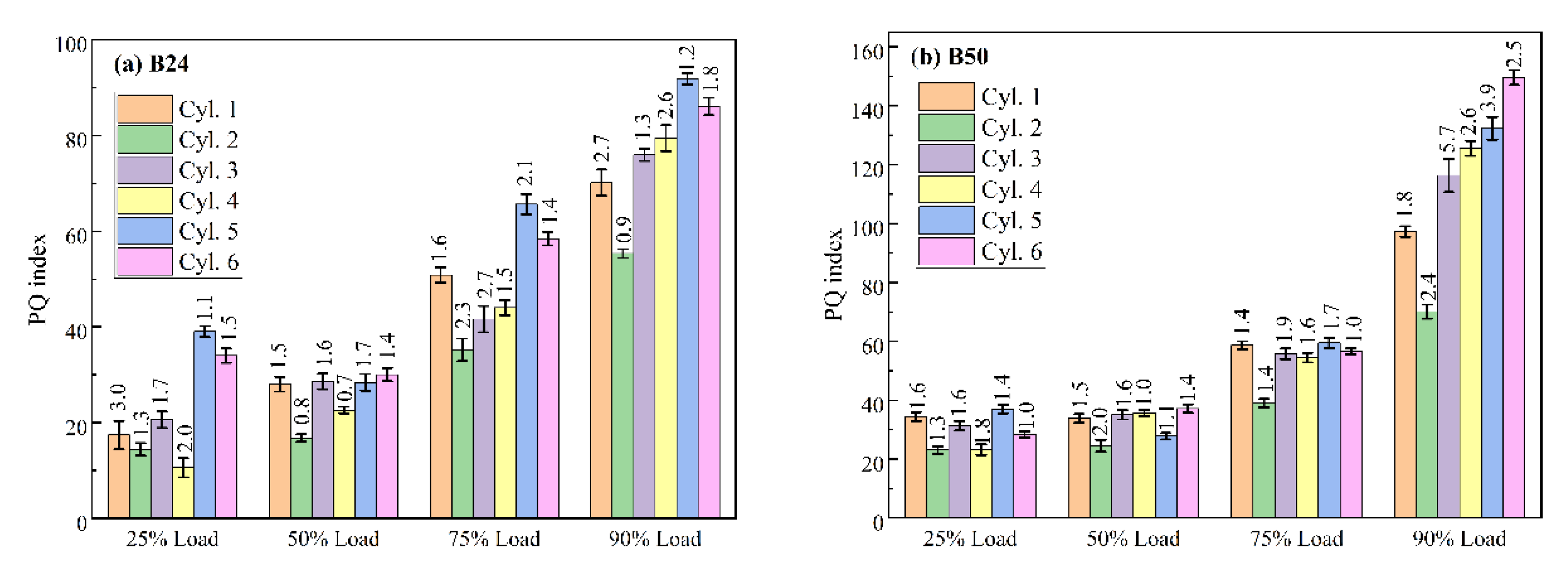
Figure 9.
Mean pressure of the cylinder (a)25%Load (b)50%Load (c)75%Load (d)90%Load.
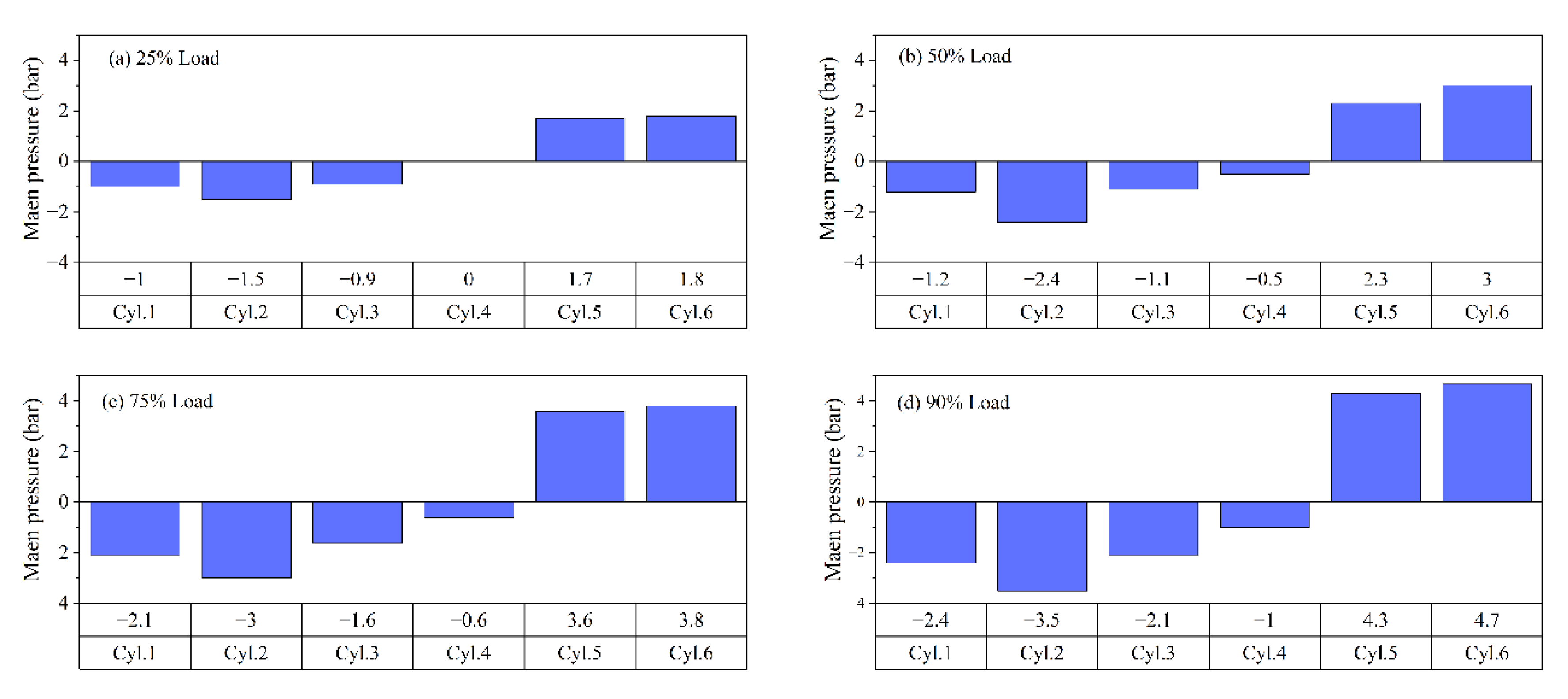
Figure 10.
Wear elements of cylinder residual oil (a)Fe (b)Cu (c)Cr (d)Mo.
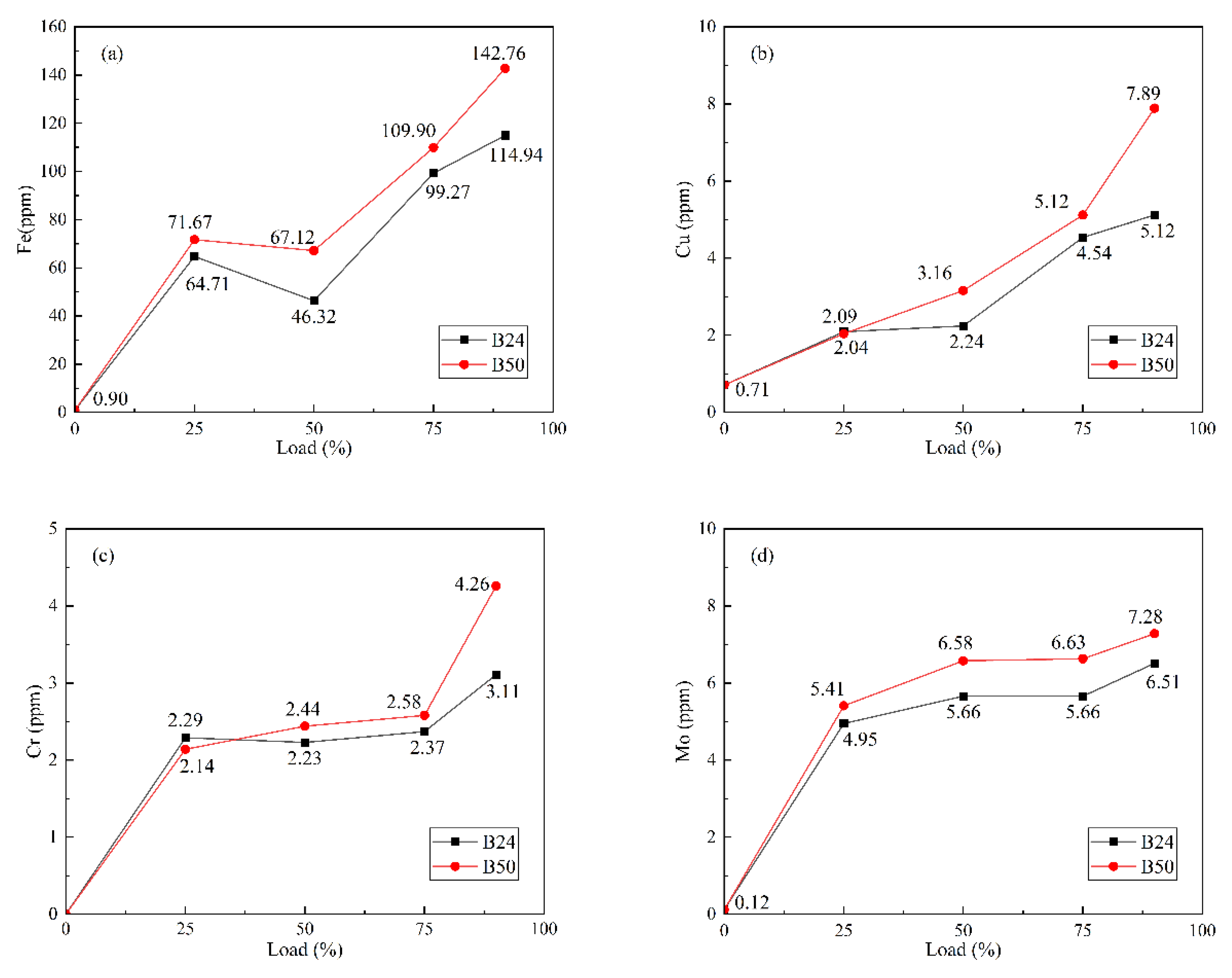
Figure 11.
Ferrography analysis of cylinder residual oil.
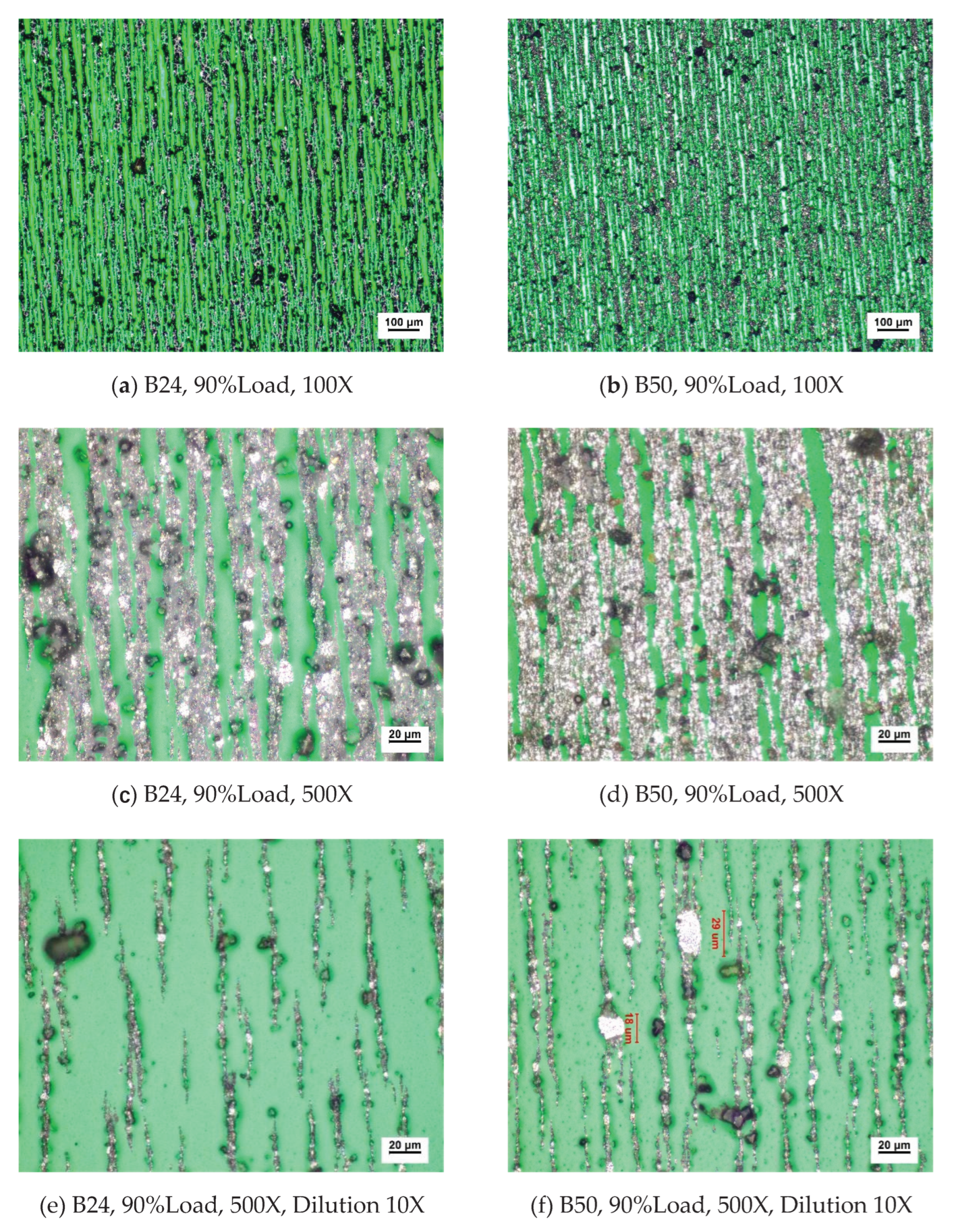

Table 1.
Technical specification of the main engine.
| NO. | Project | Parameter |
|---|---|---|
| 1 | Engine type | MAN 6S35MEB |
| 2 | Engine stroke | 2 stroke |
| 3 | Cylinder bore (mm) | 350 |
| 4 | Engine speed (r/min) | 142 |
| 5 | Engine power (kW) | 3570 |
| 6 | Piston stroke (mm) | 1500 |
| 7 | Torque (kN) | 240 |
| 8 | Firing order | 1-5-3-4-2-6 |
Table 2.
Physical and chemical properties of biofuels.
| Property | 180LSFO | B24 | B50 | Methods |
|---|---|---|---|---|
| Density (kg/m3) @15℃ | 958.0 | 936.2 | 911.2 | ISO 12185 |
| Kinematic viscosity (mm2/s) @40℃ | 168.6 | 47.40 | 13.51 | ISO 3104 |
| Flash point (℃) | >90.0 | >90.0 | >90.0 | ISO 2719 |
| Pour point (℃) | -6 | -6 | -6 | ISO 3016 |
| Acid number(mg KOH/g) | 1.58 | 1.37 | 0.52 | ASTM D664 |
| Ash (%, m/m) | 0.04 | 0.029 | 0.008 | ISO 6245 |
| Water content (%, v/v) | 0.21 | 0.12 | 0.06 | ISO 3733 |
| Net heat of combustion (MJ/kg) | 40.87 | 40.00 | 39.59 | ASTM D240 |
| Carbon (%, m/m) | 86.5 | 84.6 | 82.0 | ASTM D6728 |
| Hydrogen (%, m/m) | 11.1 | 11.0 | 11.2 | ASTM D6728 |
| Nitrogen (%, m/m) | 0.96 | 0.71 | 0.51 | ASTM D6728 |
| Oxygen (%, m/m) | 0.8 | 3.30 | 6.1 | ASTM D6728 |
| Sulphur (%, m/m) | 0.47 | 0.378 | 0.253 | ISO 8754 |
Table 3.
Engine operating data.
| Property | 25% Load | 50% Load | 75% Load | 90% Load |
|---|---|---|---|---|
| Engine speed (rpm) | 90 | 112 | 130 | 138 |
| Scavenging air pressure (bar) | 0.32 | 0.89 | 1.35 | 1.85 |
| Max. compressed air pressure (bar) | 73.3 | 110.6 | 147.1 | 166.4 |
| Output power (kW) | 883 | 1769 | 2546 | 3272 |
Disclaimer/Publisher’s Note: The statements, opinions and data contained in all publications are solely those of the individual author(s) and contributor(s) and not of MDPI and/or the editor(s). MDPI and/or the editor(s) disclaim responsibility for any injury to people or property resulting from any ideas, methods, instructions or products referred to in the content. |
© 2025 by the authors. Licensee MDPI, Basel, Switzerland. This article is an open access article distributed under the terms and conditions of the Creative Commons Attribution (CC BY) license (http://creativecommons.org/licenses/by/4.0/).
Copyright: This open access article is published under a Creative Commons CC BY 4.0 license, which permit the free download, distribution, and reuse, provided that the author and preprint are cited in any reuse.


