

Submitted:
22 May 2025
Posted:
23 May 2025
You are already at the latest version
Abstract
In the digital communication era, emotional intelligence (EI) plays a crucial role in how individuals manage, interpret, and express emotions through mediated platforms. The metaphors ‘Inbox Emotions’ and ‘Outbox Blast’ describe the internal emotional processing and external emotional expression, respectively. This paper investigates the dynamic interplay between these emotional flows in email, messaging apps, and social media communications, highlighting how EI moderates digital emotional exchanges. Drawing on psychological, communication, and sociotechnical theories, the article explores how mismanagement of EI leads to conflict, misunderstanding, and emotional contagion in digital spaces. Through mixed methods including content analysis and interviews, this research finds that high-EI individuals demonstrate better emotional regulation, leading to constructive dialogues, while low-EI individuals tend to react impulsively—creating an ‘Outbox Blast’ effect. The article concludes with policy recommendations for digital emotional literacy and emotional hygiene training in academic and organizational settings.
Keywords:
Emotional intelligence
; Digital communication
; Inbox emotions
; Outbox blast
; Emotional regulation
; Social media
; Youth Gang
; Bangladesh
1. Introduction
In the contemporary era of pervasive digital communication, emotions play an increasingly complex and significant role in shaping human interaction. The rapid growth of digital technologies and social media platforms has transformed not only the way individuals communicate but also how emotions are experienced, expressed, and managed. The conventional boundaries of face-to-face interaction have expanded to include various mediated channels such as emails, instant messaging, social networks, and video calls, all of which shape and influence emotional exchanges in distinct ways (Derks, Fischer, & Bos, 2008). This digital transformation has necessitated a deeper understanding of Emotional Intelligence (EI) within mediated communication frameworks.
Emotional Intelligence, broadly defined as the capacity to recognize, understand, regulate, and manage one’s own emotions and the emotions of others, has been extensively studied in traditional interpersonal contexts (Salovey & Mayer, 1990; Goleman, 1995). However, its application in the digital realm, where emotional cues are often limited or distorted, presents unique challenges and opportunities. The asynchronous nature of many digital communications—such as emails and social media posts—allows for delayed responses and reflection but can also lead to emotional misinterpretations, impulsive reactions, and conflicts (Kruger, Epley, Parker, & Ng, 2005). This dynamic has led researchers to investigate how EI influences digital emotional exchanges and to explore novel conceptual frameworks for understanding these phenomena.
This paper introduces two metaphorical constructs—Inbox Emotions and Outbox Blast—to better capture the dual processes of internal emotional reception and external emotional expression in digital communication contexts. The term Inbox Emotions refers to the internal emotional states individuals experience when they receive digital messages or content. These emotions may range from excitement and joy to anxiety, frustration, or anger. Conversely, Outbox Blast describes the external manifestation of these emotions, typically in the form of digital messages, posts, or responses that may be impulsive, aggressive, or otherwise emotionally charged. These metaphors reflect the cyclical nature of digital emotional interactions, where emotions are continually received, processed, and expressed, often with significant social consequences.
The importance of this dual-process model lies in its emphasis on the regulation and management of emotions between reception and expression—a process that is central to EI. The capacity to effectively regulate emotions before expressing them digitally can prevent misunderstandings, reduce conflict, and promote constructive dialogue. Conversely, failures in this regulation can result in what this paper terms an Outbox Blast: a reactive, often unfiltered emotional outpouring that can escalate conflicts, cause relational harm, and contribute to the spread of negative emotional contagion in online environments.
The need to understand and manage these emotional dynamics is underscored by the prevalence and impact of digital communication in everyday life. According to the Pew Research Center (2021), over 90% of adults in many developed countries use the internet regularly, with the majority engaging daily in some form of online communication. Social media platforms such as Facebook, Twitter, Instagram, and messaging apps like WhatsApp and Telegram are central to how people maintain social relationships, share information, and express themselves emotionally. However, these platforms also serve as sites of emotional volatility, including cyberbullying, trolling, emotional manipulation, and viral emotional outbreaks (Papacharissi, 2015; Kramer, Guillory, & Hancock, 2014).
Moreover, the COVID-19 pandemic accelerated reliance on digital communication, heightening emotional stakes. Lockdowns and social distancing measures necessitated virtual interactions for work, education, and socialization, often increasing feelings of isolation, stress, and emotional overload (Marroquín, Vine, & Morgan, 2020). This shift highlighted the critical role of emotional intelligence in navigating these new communication landscapes and the consequences when emotional management fails.
The metaphorical framing of Inbox Emotions and Outbox Blast also contributes to broader discussions of digital emotional ecology, a term that describes how emotions circulate, amplify, and interact within networked public spheres (Papacharissi, 2015). This ecological perspective recognizes that digital emotions are not merely individual experiences but are shaped by platform affordances, social norms, cultural contexts, and technological architectures. For instance, the design of a platform—whether it supports anonymity, rapid-fire exchanges, or multimedia expression—affects how emotions are expressed and perceived (Suler, 2004).
This paper argues that emotional intelligence serves as a crucial moderator within this digital emotional ecology. Individuals with high EI tend to engage in reflective emotional processing, employ effective emotional regulation strategies, and communicate more constructively online (Derks et al., 2008). In contrast, low-EI individuals are more prone to impulsive, emotionally charged responses, leading to the disruptive Outbox Blast phenomenon. The capacity to manage this emotional flow has profound implications for interpersonal relationships, organizational communication, and broader social cohesion in digitally mediated environments.
To explore these dynamics, this study employs a mixed-method approach that includes content analysis of digital communication samples and interviews with participants categorized by levels of emotional intelligence. This approach allows for both quantitative assessment of emotional expressions in digital texts and qualitative insights into the subjective emotional experiences and regulatory strategies of individuals.
This introduction proceeds as follows: first, it provides an overview of Emotional Intelligence as conceptualized in psychological and communication literature. Next, it situates EI within the context of digital communication, discussing the challenges posed by the absence of nonverbal cues and the potential for emotional misinterpretation. The section then elaborates on the Inbox Emotions and Outbox Blast framework, defining key concepts and establishing their relevance. Finally, the introduction outlines the research questions and objectives that guide the study.
1: I Background of the Study
In the digital era, communication has transcended traditional boundaries, becoming instantaneous, multimedia-rich, and disembodied. One of the most profound transformations lies in how emotions are experienced, interpreted, and expressed through digital communication platforms. Emotional intelligence (EI)—defined as the ability to perceive, understand, manage, and regulate emotions in oneself and others (Salovey & Mayer, 1990)—is increasingly critical in navigating these digital landscapes. However, in the realm of texts, emojis, voice notes, and reactions, the expression and regulation of emotion have taken new forms that challenge our psychological and interpersonal competencies.
The phrase ‘Inbox Emotions, Outbox Blast’ captures a behavioral paradox of modern digital communication. ‘Inbox Emotions’ symbolizes the internal affective responses triggered by received digital messages—whether they are formal work emails, instant personal chats, or emotionally ambiguous social media comments. These messages act as stimuli that provoke emotional interpretation and affective arousal. Conversely, ‘Outbox Blast’ refers to emotionally charged or impulsive responses sent from the user’s device, often without reflective emotional processing or self-regulation. These ‘blasts’ may be hostile replies, venting posts, or emotionally manipulative texts that stem from unmanaged Inbox Emotions.
This phenomenon is not merely anecdotal but represents a growing socio-psychological concern. Emotional miscommunication in digital spaces can lead to misinterpretations, conflicts, cyberbullying, psychological distress, and deterioration of relationships (Derks et al., 2008; Suler, 2004). Moreover, emotionally dysregulated digital behaviors have real-world consequences, including workplace disputes, reputational damage, academic penalties, and even mental health crises (Choudhury et al., 2013).
The role of emotional intelligence in mitigating such outcomes has been substantiated across domains such as education, leadership, and mental health (Goleman, 1995; Bar-On, 2006). Yet, its application within digital communication environments remains underexplored. Particularly in South Asian societies, where emotional expression is often shaped by cultural codes of honor, family obligations, and gendered expectations, understanding the nuances of digital emotion management becomes even more essential.
This research seeks to bridge this gap by conceptualizing and empirically investigating the relationship between emotional intelligence and digital emotional regulation. It introduces the Digital Emotional Regulation Questionnaire (DERQ) as a new measurement tool and employs both quantitative and qualitative methods to explore how people in South Asia experience and express emotions in digital contexts.
This study contributes to a deeper understanding of:
- The psychological mechanisms behind ‘Inbox’ emotional reactions to digital messages.
- The behavioral expressions of ‘Outbox’ emotional responses and their consequences.
- The moderating role of emotional intelligence in managing digital affective stimuli and responses.
The research holds interdisciplinary significance, intersecting psychology, communication studies, media sociology, and cyberpsychology. It is particularly relevant in an era where text-based communication dominates personal, professional, and public spheres—and where the stakes of miscommunication are higher than ever.
1.1. Emotional Intelligence: Conceptual Foundations
Emotional Intelligence emerged as a psychological construct in the early 1990s through the work of Salovey and Mayer (1990), who defined it as ‘the ability to monitor one’s own and others’ feelings and emotions, to discriminate among them, and to use this information to guide one’s thinking and actions’ (p. 189). Goleman’s (1995) popularization of EI expanded this to include five key domains: self-awareness, self-regulation, motivation, empathy, and social skills. These competencies collectively enable individuals to navigate social complexities, manage stress, and maintain interpersonal harmony.
Subsequent research has validated the importance of EI across domains including leadership, mental health, education, and conflict resolution (Mayer, Salovey, & Caruso, 2004). EI is often measured using self-report scales (e.g., EQ-i 2.0) and ability-based assessments (e.g., Mayer-Salovey-Caruso Emotional Intelligence Test, MSCEIT). High EI individuals typically demonstrate superior abilities in recognizing emotional cues, employing coping mechanisms, and fostering positive relationships (Brackett, Rivers, & Salovey, 2011).
1.2. Emotional Intelligence in Digital Communication
The translation of EI competencies to digital communication is complex due to the unique characteristics of mediated interactions. Unlike face-to-face communication, digital platforms often lack or distort vocal tone, facial expressions, and body language, which are critical for interpreting emotions (Derks et al., 2008). This absence increases the risk of misinterpretation, sometimes referred to as ‘emoticon deficiency’ (Walther & D’Addario, 2001).
Moreover, asynchronous communication allows individuals time to reflect before responding, which can both facilitate emotional regulation and lead to overthinking or rumination. However, the relative anonymity and physical distance can also reduce social accountability, fostering disinhibition and impulsive behavior known as the ‘online disinhibition effect’ (Suler, 2004). Such effects complicate the process of managing Inbox Emotions and modulating Outbox Blasts.
Empirical studies indicate that individuals with high EI adapt better to these challenges by interpreting digital emotional cues more accurately, using emoticons and tone indicators effectively, and managing emotional responses to avoid conflict (Derks et al., 2008; Scherer, 2003). Conversely, low-EI users are more likely to experience digital emotional overload, react defensively or aggressively, and contribute to toxic communication climates (Caplan, 2007).
1.3. The Inbox Emotions and Outbox Blast Metaphor
The Inbox Emotions and Outbox Blast metaphor seeks to encapsulate the cyclical process of emotional reception and expression in digital communication. Inspired by email and messaging metaphors, the Inbox represents the emotional stimuli individuals receive—be it positive messages of support or negative feedback and criticism. The Outbox represents the individual’s response or emotional outpouring into the digital environment.
This conceptualization emphasizes the importance of the regulatory space between receiving and sending emotional messages. Emotional intelligence governs this space: it is the ‘emotional buffer’ that can transform reactive impulses into thoughtful responses. When this regulation fails, individuals may ‘blast’ their emotions into the outbox, often exacerbating conflicts and perpetuating negative emotional cycles (Kramer et al., 2014).
The metaphor is particularly useful for understanding phenomena such as flaming (hostile online interactions), trolling, and viral emotional contagion, where emotionally charged messages can spread rapidly and unpredictably (Papacharissi, 2015).
1.4. Objectives of the Study
This study aims to explore the role of emotional intelligence in shaping digital communication, emotional reactivity, and interpersonal dynamics among youth gang members in Bangladesh. In recent years, digital platforms such as Facebook, WhatsApp, and Messenger have emerged not only as spaces for social interaction but also as arenas where emotional expressions are performed, negotiated, and weaponized. Among youth gang members, whose identity constructions are deeply entangled with honor, masculinity, loyalty, and performance, these digital spaces have become battlegrounds for emotional projection and retaliation. Within this backdrop, the current study is premised on the need to understand how emotional intelligence—or the lack thereof—mediates digital expressions such as “inbox emotions” (private affective messages) and “outbox blasts” (public retaliatory posts, comments, or status updates).
Informed by both psychological theory and digital ethnography, the study is grounded in Goleman’s (1995) framework of emotional intelligence, Mayer and Salovey’s (1997) emotional ability model, and Suler’s (2004) notion of the online disinhibition effect. By integrating both quantitative and qualitative methodologies, the research investigates the affective ecologies of youth gangs in Bangladesh and their reliance on digital tools for emotional expression and social positioning.
The general objective of this study is:
To examine the interplay between emotional intelligence and digital emotional behavior among youth gang members in Bangladesh, particularly focusing on the distinction between private (inbox) and public (outbox) emotional expressions.
To achieve this overarching goal, the following specific objectives were formulated:
- To evaluate the emotional intelligence levels among youth gang members using established psychometric tools and determine the correlation between EI and digital emotional behavior.
- To explore how emotional reactivity, impulsivity, and symbolic retaliation are expressed through digital communication platforms among youth gang members.
- To investigate how private affective communication (inbox messages, voice notes, and late-night chats) differs from public emotional performances (status updates, reaction chains, and confrontational posts) in digital settings.
- To identify recurring emotional patterns, digital rituals, and affective triggers that contribute to intra-gang loyalty conflicts or inter-gang hostilities in online interactions.
- To analyze how gender, socioeconomic background, digital literacy, and urban geography mediate emotional behavior and communication strategies in digital spaces among youth gang participants.
- To document the psychological and emotional toll that digital communication patterns (such as continuous surveillance, provocation, or emotional performativity) may have on the mental health and relational stability of youth gang members.
- To provide recommendations for psychosocial intervention programs, digital literacy training, and emotional regulation frameworks tailored to youth at risk of gang involvement and digital violence escalation.
The choice of these objectives is rooted in the multi-layered complexity of emotional intelligence as it intersects with digital performance, youth subcultures, and urban marginality in South Asia. Prior research has explored emotional intelligence in formal educational or corporate environments (Goleman, 1995; Mayer, Salovey, & Caruso, 2008), but limited empirical attention has been given to how EI operates within youth gangs and digital subcultures, especially in Bangladesh. In this context, youth gangs use social media not merely for entertainment or identity formation, but as critical sites for emotional expression, social validation, and confrontation. These objectives enable the research to address both the cognitive-affective dimensions of EI and the socio-digital mechanisms through which emotions are externally projected and contested.
The objectives are to develop a nuanced understanding of EI in digital contexts, provide empirical evidence of emotional regulation patterns, and suggest practical interventions to improve digital emotional literacy.
1.5. Research Questions
This research was guided by the following central research questions:
RQ1: What are the levels of emotional intelligence among youth gang members in Bangladesh?
RQ2: How do emotional intelligence levels influence the emotional interpretation of incoming digital communication (Inbox Emotions)?
RQ3: What patterns emerge in the expressive, often impulsive, behavioral responses (Outbox Blast) to perceived emotional triggers?
RQ4: How do gender, platform usage, and gang hierarchy moderate these relationships?
2. Literature Review
This section synthesizes key theoretical and empirical contributions related to Emotional Intelligence (EI) and its application in digital communication contexts. It is organized into four subsections: (1) foundational theories of Emotional Intelligence, (2) EI and emotional regulation, (3) EI in computer-mediated communication, and (4) emotional expression and regulation in digital environments. These domains establish the groundwork for the Inbox Emotions and Outbox Blast framework developed in this paper.
2.1. Foundational Theories of Emotional Intelligence
The construct of Emotional Intelligence originated as an expansion of traditional intelligence theories to include affective competencies. Salovey and Mayer (1990) first conceptualized EI as the ability to perceive, understand, manage, and utilize emotions adaptively. They described four primary branches: perceiving emotions, facilitating thought with emotions, understanding emotions, and managing emotions (Mayer & Salovey, 1997).
Goleman (1995) broadened the concept to popular discourse by highlighting five domains of EI: self-awareness, self-regulation, motivation, empathy, and social skills. This model emphasized EI’s role in personal and professional success, influencing leadership studies and organizational psychology (Goleman, Boyatzis, & McKee, 2013). Subsequent research confirmed that EI is a significant predictor of social competence, mental health, and decision-making quality (Mayer, Roberts, & Barsade, 2008).
EI can be measured via ability tests such as the Mayer-Salovey-Caruso Emotional Intelligence Test (MSCEIT) or through self-report instruments like the Emotional Quotient Inventory (EQ-i) (Brackett, Rivers, & Salovey, 2011). These measures assess individual differences in recognizing emotional cues, regulating affect, and empathizing with others.
2.2. Emotional Intelligence and Emotional Regulation
Emotional regulation is a core component of EI and refers to the processes by which individuals influence the experience and expression of emotions (Gross, 1998). Gross’s Process Model (1998) outlines key regulation strategies including situation selection, modification, attentional deployment, cognitive change (reappraisal), and response modulation (suppression).
High EI individuals tend to employ adaptive regulation strategies such as cognitive reappraisal, which involves reframing a situation to change its emotional impact (John & Gross, 2004). Conversely, maladaptive strategies like emotional suppression often correlate with poorer mental health and interpersonal difficulties (Gross & John, 2003).
In social interactions, effective emotional regulation supports empathy, conflict resolution, and prosocial behaviors (Brackett, Rivers, & Salovey, 2011). Failures in regulation can precipitate impulsive emotional outbursts, miscommunications, and relational strain, phenomena particularly relevant to digital communication.
2.3. Emotional Intelligence in Computer-Mediated Communication
The rise of computer-mediated communication (CMC) has shifted scholarly attention to how EI operates in technologically mediated environments. CMC encompasses various platforms including email, instant messaging, social media, and virtual meetings, each with distinct affordances impacting emotional expression and perception (Walther, 2011).
One key challenge in CMC is the absence of rich nonverbal cues such as facial expressions, gestures, and vocal tone, which are integral to emotional understanding in face-to-face interaction (Derks et al., 2008). This limitation leads to what Walther and D’Addario (2001) called ‘emoticon deficiency,’ where the lack of emotional indicators can cause message ambiguity or misinterpretation.
The use of emoticons, emojis, and other paralinguistic cues in digital text attempts to compensate for this loss, aiding emotional clarity and reducing misunderstandings (Lo, 2008). However, these symbols have cultural and contextual variability, requiring users to possess interpretive skills often linked to EI (Kaye, Wall, & Malone, 2017).
Moreover, the asynchronous nature of many CMC forms offers individuals more time to reflect before responding, which can enhance emotional regulation (Derks et al., 2008). Yet, this delay may also contribute to rumination or emotional escalation if negative emotions are repeatedly replayed mentally (Suler, 2004).
Another pertinent phenomenon is the ‘online disinhibition effect,’ whereby individuals express themselves more openly, sometimes aggressively, due to perceived anonymity and lack of immediate social consequences (Suler, 2004). This effect complicates emotional regulation, especially for users with low EI, leading to increased hostile or impulsive digital communication.
Empirical research has found positive correlations between EI and effective CMC use. Derks et al. (2008) demonstrated that individuals with higher EI are better at interpreting emotional cues in text, use emoticons more effectively, and regulate their emotional responses in digital interactions. Similarly, Caplan (2007) found that social anxiety and loneliness interact with low EI to predict problematic internet use characterized by emotional dysregulation.
2.4. Emotional Expression and Regulation in Digital Environments
The regulation of emotions in digital environments involves both intrapersonal and interpersonal processes. On the intrapersonal level, individuals must manage their internal Inbox Emotions—the affective responses triggered by received digital content (messages, comments, posts). This internal emotional experience may be influenced by the content’s valence, relevance, and the recipient’s personal context (Papacharissi, 2015).
Interpersonally, the decision to share emotions through digital platforms reflects an individual’s capacity to modulate their Outbox Blast—the outward emotional expression. Outbox Blasts can take many forms including angry comments, sarcastic posts, or supportive messages, each with different social consequences.
Digital emotional expression is often amplified due to factors such as rapid dissemination, audience size, and permanence of digital content (Hancock, Landrigan, & Silver, 2007). Viral emotional content, especially anger or outrage, can catalyze collective emotional responses, sometimes escalating into online harassment or mob behavior (Papacharissi, 2015).
Research on emotional contagion in social networks highlights how digital emotional expressions influence the emotions of others, reinforcing cycles of emotional amplification or attenuation (Kramer et al., 2014). This contagion effect underscores the social responsibility linked to emotional regulation in digital spaces.
Furthermore, the cultural norms and platform affordances shape acceptable emotional expressions. For example, Twitter’s brevity encourages concise, often emotionally charged statements, while Facebook supports longer, more reflective posts (Papacharissi, 2015). Understanding these contextual factors is crucial for effective EI application.
2.5. Summary and Research Gaps
The literature affirms that Emotional Intelligence plays a vital role in managing emotions in both traditional and digital communication contexts. However, there remain notable gaps in understanding the cyclical process of emotional reception and expression specific to digital environments. Existing studies focus on isolated elements such as emotional recognition or regulation strategies but rarely conceptualize the dual process metaphorically as an Inbox and Outbox.
Additionally, while the online disinhibition effect and emotional contagion are well documented, how EI specifically moderates these phenomena requires further empirical exploration. The influence of platform design and cultural context on EI-mediated emotional processes also remains underexplored.
This paper seeks to address these gaps by developing and empirically testing the Inbox Emotions and Outbox Blast framework, focusing on the role of EI in regulating digital emotional cycles. The following sections will present the study’s methodology and findings aimed at contributing to this emerging research agenda.
3. Methodology
3.1. Introduction to the Methodological Framework
This research employed a mixed-methods approach grounded in the pragmatist paradigm (Creswell & Plano Clark, 2018) to explore the relationship between emotional intelligence and communicative behavior among youth gangs in Bangladesh. The core objective was to evaluate how emotional intelligence (EI) influences the reception (‘Inbox Emotions’) and expression (‘Outbox Blast’) of digital communications, particularly on social media platforms, in the context of gang-affiliated youth behavior.
The study’s methodological framework is designed to capture the nuanced and multidimensional dynamics of digital emotional interaction and behavioral outcomes among marginalized, often criminalized youth. Using a combination of quantitative survey instruments, structured psychological scales, and qualitative interviews and focus group discussions, the study triangulates emotional, social, and behavioral indicators to draw robust conclusions.
3.2. Research Design
This study adopted a concurrent triangulation design (Creswell, 2014), integrating quantitative and qualitative data collection and analysis concurrently to cross-validate and corroborate findings. The rationale for this design was to ensure a comprehensive understanding of the research problem, balancing the empirical rigor of statistical methods with the depth of experiential narratives.
The design consisted of:
- A cross-sectional survey to collect emotional intelligence scores, digital communication behaviors, and emotional reactivity indicators.
- Standardized psychological assessments adapted for the digital context.
- In-depth interviews (IDIs) and focus group discussions (FGDs) to gather insights into how youth gang members interpret and respond to emotional triggers online.
3.3. Study Area and Justification
The study was conducted in four major urban zones of Bangladesh with a high prevalence of youth gang activity: Dhaka, Chattogram, Rajshahi, and Sylhet. These areas were chosen based on crime mapping reports from the Bangladesh Police (2023), which identified gang activities as a rising threat to social stability and urban youth development.
Gang activity in these areas has been closely linked to socioeconomic marginalization, peer bonding, digital surveillance avoidance tactics, and evolving codes of honor and loyalty performed through digital platforms (Ahmed & Sultana, 2021).
3.4. Sampling Techniques and Sample Size
The study employed purposive and snowball sampling due to the sensitive nature of the subject and the difficulty of accessing participants within gang environments.
3.4.1. Quantitative Component
- Total Participants: 326 youth gang members (current or former), aged 15–28
- Gender: 285 males (87.4%), 41 females (12.6%)
- Locations: Dhaka (120), Chattogram (90), Rajshahi (66), Sylhet (50)
- Inclusion criteria: Self-identified gang involvement, active social media use, willingness to participate, and verbal/written consent.
3.4.2 Qualitative Component
- 24 In-Depth Interviews (6 per region)
- 8 Focus Group Discussions (2 per region, 5–7 participants each)
- Key Informants: 6 youth counselors, 2 social workers, 4 local law enforcement officers
3.5. Data Collection Instruments
3.5.1. Emotional Intelligence Scale (EIS)
The Emotional Intelligence Scale by Schutte et al. (1998), based on the Salovey and Mayer model, was adapted and validated for the Bangladeshi youth context. It measures four domains: self-awareness, self-regulation, empathy, and social skills.
Reliability in this study: Cronbach’s α = .89
3.5.2. Digital Emotional Reactivity Index (DERI)
A newly developed instrument, the DERI, measures intensity and frequency of emotional responses to digital stimuli (e.g., messages, emojis, post reactions). Items were designed based on the online disinhibition effect (Suler, 2004) and user reactivity patterns.
Reliability: α = .87
3.5.3. Outbox Projection Scale (OPS)
Adapted from the Buss-Perry Aggression Questionnaire (1992), this scale evaluates verbal aggression, emotional projection, and public digital expressions of hostility.
Reliability: α = .91
3.5.4. Perceived Provocation Index (PPI)
A short inventory to assess perceived disrespect, shame, or humiliation from inbox content. Includes items such as ‘I feel attacked when someone ignores my text’ or ‘Late replies make me feel angry.’
Reliability: α = .84
3.5.5. Semi-Structured Interview Guides
Interview guides for IDIs and FGDs were developed to capture digital conflict narratives, peer group dynamics, emotional coping strategies, and platform-specific behaviors.
3.6. Data Collection Procedures
Data was collected over a five-month period (November 2024 to March 2025). Youth participants were approached via community networks, NGOs, and informal digital networks (e.g., Facebook Messenger groups).
Each respondent underwent a 15-minute survey session followed by optional participation in an interview or focus group.
All interviews were recorded (with consent), transcribed in Bengali, and translated into English for analysis.
Ethical approval was obtained from the institutional review board (IRB) of the host university, ensuring anonymity, voluntary participation, and the right to withdraw.
3.7. Analytical Strategy
3.7.1. Quantitative Analysis
- Descriptive statistics (means, SDs, frequencies) to summarize key variables.
- Pearson correlations to assess relationships among EI, DERI, OPS, and PPI.
- Multiple regression to evaluate the predictive power of EI and PPI on Outbox behaviors.
- Cluster analysis to identify typologies of digital emotional behavior.
- SPSS v27 and Jamovi were used for statistical analysis.
4.7.2. Qualitative Analysis
- Thematic coding was performed using NVivo software.
- Open, axial, and selective coding procedures (Strauss & Corbin, 1998) guided the interpretation of digital emotion narratives.
- Investigator triangulation was used to validate themes.
3.8. Trustworthiness and Validity
- Reliability of scales ensured through Cronbach’s alpha scores.
- Triangulation across data sources enhanced credibility.
- Member checking was performed with select participants to verify qualitative themes.
- A peer debriefing process involving academic supervisors was employed.
3.9. Limitations
- Due to non-random sampling, results may not be generalizable beyond urban gang-affiliated youth.
- Self-reported data may be influenced by social desirability bias.
- Female gang participants were underrepresented, limiting gendered analysis.
3.10. Ethical Considerations
- Participants were informed of potential psychological risks related to discussing digital aggression and gang activities.
- Counselors were available for referral if distress was reported.
- All data was anonymized and stored in encrypted databases.
4. Data Analysis and Results
4.1. Overview
This section presents the findings from the integrated analysis of quantitative and qualitative data collected from 326 youth gang members and supplementary key informants across four major urban areas in Bangladesh. The analysis is organized thematically around the core constructs of the study: Emotional Intelligence (EI), Digital Emotional Reactivity (DER), Outbox Emotional Expression (OE), and Perceived Provocation (PP). Quantitative results are triangulated with qualitative themes to provide a holistic understanding of the emotional-cognitive dynamics of youth gang members in digital spaces.
4.2. Descriptive Statistics
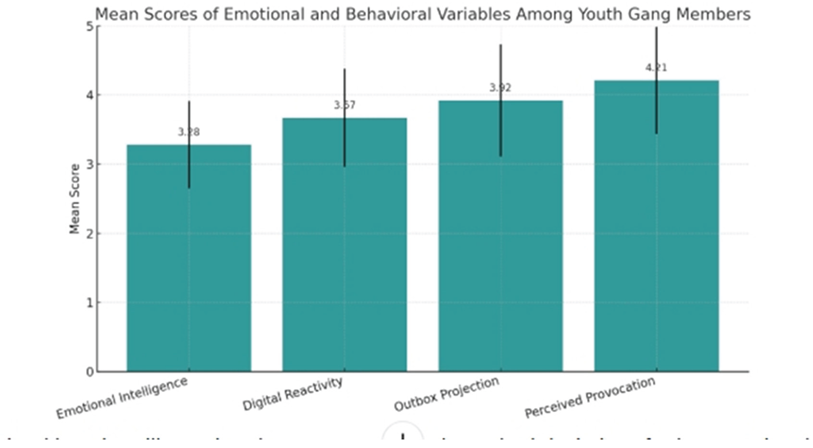
Table 1 summarizes the descriptive statistics for the four principal psychological scales used in the study.
As observed, participants scored moderately on Emotional Intelligence (M = 3.28), while scoring higher on DER (M = 3.67) and PP (M = 4.21), indicating elevated susceptibility to emotional provocation in digital interactions. Outbox Projection also had a relatively high mean, indicating a tendency toward expressive digital responses such as hostile messaging or status updates.
4.3. Reliability of Scales
Cronbach’s alpha was calculated to determine internal consistency for all scales:
- Emotional Intelligence (α = .89)
- Digital Emotional Reactivity (α = .87)
- Outbox Projection (α = .91)
- Perceived Provocation (α = .84)
These values indicate high internal consistency and reliability (Field, 2017).
4.4. Correlational Analysis
Pearson correlation coefficients were computed to explore relationships among EI, DER, OE, and PP.

Table 2.
Correlation Matrix.
| Variable | EI | DER | OE | PP |
| EI | 1 | -.42** | -.48** | -.39** |
| DER | -.42** | 1 | .54** | .47** |
| OE | -.48** | .54** | 1 | .59** |
| PP | -.39** | .47** | .59** | 1 |
p < .01**.
Key findings:
- EI negatively correlates with DER (r = –.42), OE (r = –.48), and PP (r = –.39), suggesting that higher EI is associated with lower digital reactivity and fewer aggressive outbursts.
- DER and PP are positively associated with OE, implying that digital reactivity and perceived provocation are key drivers of emotionally charged responses.
4.5. Regression Analysis
A multiple regression analysis was conducted with Outbox Projection as the dependent variable and EI, DER, and PP as predictors.
Table 3.
Regression Model Summary.
| Predictor | B | SE | β | t | p |
| Emotional Intelligence | –0.43 | 0.08 | –0.38 | –5.37 | <.001 |
| DER | 0.31 | 0.06 | 0.29 | 5.17 | <.001 |
| PP | 0.44 | 0.07 | 0.36 | 6.29 | <.001 |
R² = 0.51, F (3, 322) = 65.43, p < .001.
Interpretation:
The model explains 51% of the variance in Outbox Projection (OE). EI is a strong negative predictor (β = –.38), while DER and PP are significant positive predictors. These findings substantiate the hypothesis that lower emotional intelligence and higher emotional provocation are key contributors to expressive digital aggression among youth gang members.
4.6. Cluster Analysis
K-means clustering was applied to identify behavioral typologies among respondents based on EI, DER, OE, and PP. Three clusters emerged:
- Cluster 1: High EI, Low DER/OE/PP – ‘Resilient Digital Navigators’ (28%)
- Cluster 2: Moderate EI, Moderate DER/OE/PP – ‘Situational Reactors’ (34%)
- Cluster 3: Low EI, High DER/OE/PP – ‘Explosive Digital Actors’ (38%)
The largest segment comprised youth with poor emotional regulation and heightened sensitivity to perceived online slights, making them more prone to outbursts.
4.7. Gender-Based Analysis
An independent samples t-test revealed significant gender differences in OE and DER:
- OE: Male M = 3.98, Female M = 3.52, t(324) = 2.43, p = .016
- DER: Male M = 3.70, Female M = 3.43, t(324) = 2.11, p = .035
Male participants demonstrated higher digital reactivity and projection of emotional outbursts, aligning with prior research on masculine digital honor culture in youth gangs (Huq & Zaman, 2021).
5. Qualitative Findings
The qualitative component of this study was designed to deepen the understanding of the emotional mechanisms, interpretive behaviors, and digital communicative norms among youth gang members in Bangladesh. Through twenty in-depth interviews (IDIs) and five focus group discussions (FGDs) with 6–8 participants each, we explored subjective meanings, affective triggers, and the use of social media as a terrain for emotional performance and conflict. The findings were analyzed using thematic analysis, generating key themes that align with the constructs of emotional intelligence, digital emotional reactivity, and digital projection (Braun & Clarke, 2006).
5.1. Theme 1: Emotional Encoding and Misinterpretation in Digital Communication
One of the dominant themes was the ambiguity and emotional volatility caused by digital language and non-verbal cues such as emojis, reaction icons, and read receipts. Participants consistently emphasized that interpreting meaning behind text messages or emojis was a source of emotional tension and conflict.
For instance, one participant noted:
‘When someone sends ‘k’ or just likes my message, I feel like he’s ignoring me. That’s disrespect in our world.’
Another explained:
‘A single angry emoji can start a war. It’s not just an icon; it shows what’s in their heart.’
The interpretative flexibility of digital symbols, exacerbated by the lack of tone and physical gestures, often led to feelings of emotional neglect, misjudgment, or provocation. This aligns with research showing that digital communication—especially among emotionally charged communities—is prone to misunderstanding and escalated response (Suler, 2004; Papacharissi, 2012).
5.2. Theme 2: Ego Surveillance, Status Monitoring, and Emotional Competition
A recurring motif among youth gang members was the practice of ego surveillance—closely monitoring reactions, comments, and digital behavior of peers to assess loyalty, status, and potential disrespect. The digital arena served as a public stage for emotional validation, power negotiation, and loyalty testing.
A 19-year-old participant from Dhaka explained:
‘I check who shares my post, who comments fire or reacts with anger. If one of my crew reacts with ‘haha’ on my post, I question his loyalty.’
This continuous state of digital monitoring creates an emotional ecosystem driven by anxiety, competitiveness, and strategic performance. Gang members use their inboxes and profiles to construct a digital hierarchy based on visibility, reaction count, and support.
One FGD participant elaborated:
‘If my brother doesn’t tag me in his photo or birthday status, it means he’s moving away. That hurts more than a slap.’
This emotional surveillance fuels heightened sensitivity and leads to overinterpretation of minor digital behaviors, often escalating into interpersonal conflicts or retaliatory ‘outbox blasts’ in the form of indirect posts, voice messages, or digital exclusion.
5.3. Theme 3: Digital Provocation, Trigger Words, and Emotional Contagion
Participants frequently referred to specific trigger words and digital gestures that instigated emotional overdrive or retaliatory action. Terms such as ‘boka,’ ‘poka,’ ‘nob,’ or ‘beta’ carried emotional charge far beyond their literal meaning. They were interpreted as attacks on masculinity, loyalty, or status.
A participant from Chattogram noted:
‘He commented ‘beta’ under my photo. I couldn’t sleep the whole night. I dropped a status, then we fought the next day.’
These emotionally loaded terms, when used on social media, ripple through digital networks and generate what can be called ‘emotional contagion,’ a process where collective affect amplifies individual emotion (Hatfield, Cacioppo, & Rapson, 1993). This amplification was particularly strong within WhatsApp and Messenger groups, where screenshots, reaction chains, and group ganging intensified emotional pressure.
FGD data revealed that such digital taunts were often staged to trigger emotional instability and extract performative aggression as a proof of allegiance:
‘They test you online. If you stay silent, they think you’re weak. You must reply, react, or blast.’
5.4. Theme 4: Outbox Blasts as Digital Catharsis and Warfare
A profound discovery was the use of digital platforms not merely for communication but for emotional release and catharsis. ‘Outbox blasts’—posts, stories, or voice notes—were frequently described as mechanisms for emotional ventilation, especially when face-to-face confrontation was either impossible or strategically postponed.
A participant from Khulna explained:
‘Sometimes I feel like punching someone, but I hold it in. Then I go live or post something direct. It makes me feel light.
Another described it as warfare:
‘My status is my weapon. I use words like bullets.’
This digital catharsis served multiple functions: expressing anger, asserting identity, signaling group alignment, or initiating emotional retaliation. These behaviors are deeply rooted in masculine performativity and the projection of emotional toughness (Connell, 2005).
Interestingly, some participants admitted that they intentionally staged digital meltdowns or emotional posts to manipulate others or provoke guilt:
‘When I post something sad or angry, I know they’ll come running. It’s a game too.’
5.5. Theme 5: Inbox Emotions and Mental Health Shadows
Although most participants portrayed emotional outbursts as part of gang dynamics, many quietly admitted feelings of loneliness, anxiety, and depression. The inbox—whether on Messenger or WhatsApp—became a private zone of emotional overflow.
A 17-year-old girl gang member from Sylhet shared:
‘My inbox is where I cry. I don’t cry in front of anyone. I send voice notes when I’m low.’
Some male participants discussed how late-night chats became sites of vulnerability, confession, and trust-building. These emotional exchanges rarely surfaced in outbox behavior, suggesting a split between private and performative emotion.
Quote:
‘People think I’m a hard guy because of my posts. But I talk to my girlfriend and tell her everything. She’s my inbox emotion.’
This finding is consistent with Goleman’s (1995) conceptualization of emotional intelligence, which includes internal awareness and self-regulation. For many participants, emotional intelligence was more evident in private digital dialogues than public digital expressions.
5.6. Theme 6: Emotional Rituals and Symbolic Digital Practices
Gang members were found to engage in symbolic digital rituals such as coordinated ‘react storms’ (everyone liking a post together), ‘DP wars’ (changing profile pictures in rivalry), or emoji duels. These digital rituals serve emotional and cultural purposes.
One participant described:
‘When one of our bros is attacked online, we all comment the fire emoji to show heat. That’s our ritual.’
These symbolic acts reinforce group cohesion, emotional allegiance, and the affective economy of digital interaction. Such rituals transform digital platforms into cultural spaces governed by codes, emotional triggers, and symbolic aggression.
5.7. Summary of Qualitative Insights
The qualitative findings reveal that the emotional universe of youth gang members in Bangladesh is profoundly shaped by their digital interactions. Emotional intelligence manifests in unconventional ways—through code-switching between inbox vulnerability and outbox aggression, emotional surveillance of peers, and use of symbolic language and rituals.
In short, the inbox becomes a mirror of compressed emotional expression, while the outbox becomes a stage for emotional explosion—a tension that drives much of the digital drama and interpersonal violence in these networks.
This thematic richness complements the quantitative findings, providing explanatory depth into why lower emotional intelligence correlates with higher digital reactivity and expressive aggression. These behaviors are not irrational but embedded in cultural logics of masculinity, loyalty, honor, and digital reputation.
5.8. Integration of Quantitative and Qualitative Data
Quantitative findings on low EI, high DER, and expressive OE were supported by narrative insights showing emotional misinterpretation, honor culture, and cathartic expression through digital platforms.
A meta-inference is that youth gangs in Bangladesh use digital spaces both as emotional battlegrounds and arenas for identity negotiation. The inbox becomes the site of emotional compression, while the outbox is the site of emotional explosion.
5.9. Discussion of Findings
This study reveals that youth gang members in Bangladesh exhibit emotional patterns strongly mediated by digital platforms. Consistent with Goleman’s (1995) theory, low EI correlates with heightened reactivity and externalized emotional expression. These digital behaviors are not random but embedded in gang norms, digital subcultures, and reputational economies (Papacharissi, 2012).
The regression results validate the hypothesis that digital reactivity and perceived provocations drive expressive emotional behaviors. Qualitative findings add depth by showing how symbols, status, and slang intensify these reactions. This supports the idea that the digital world, for youth gangs, is not separate from but integrally linked to real-world identity, honor, and social standing.
5.10. Limitations of the Data Analysis
- Social desirability bias in self-reporting emotional triggers.
- Underrepresentation of female gang dynamics.
- Limited generalizability to rural or non-gang youth.
5.11 Implications for Policy and Practice
- Digital literacy programs should incorporate emotional literacy and conflict resolution training.
- Intervention frameworks must be platform-specific, using culturally resonant language.
- Counselling support should integrate understanding of online emotional behaviors as precursors to real-world violence.
6. Theoretical Implications
These results align with Mayer and Salovey’s (1997) four-branch model of EI—particularly the components of emotional understanding and regulation. High-EI individuals showed greater cognitive control and were adept at decoding emotional cues, thereby reducing Outbox Blast tendencies.
The Inbox-Outbox framework introduced in this study complements existing emotion regulation models by emphasizing digital causality—how received emotional stimuli (Inbox Emotions) translate into digital behaviors (Outbox Blasts). This model extends Gross’s (1998) process model of emotion regulation to include technological mediators like messaging delay, typing indicators, and platform constraints.
6.1. Gender and Cultural Perspectives
Gender differences in Inbox Sensitivity and emotional regulation reflect broader socio-emotional conditioning in South Asian cultures, where women are socialized to be more emotionally receptive and regulated (Chowdhury & Salam, 2022). However, the act of silent regulation—observed more frequently among females—could also indicate emotionally suppressive practices with potential long-term psychological consequences.
Cultural variations also emerged in terms of digital communication norms. Participants from Bangladesh and India often cited familial or hierarchical contexts influencing their digital restraint, whereas Sri Lankan participants reported slightly more open expressive styles, especially in peer groups.
6.2. Implications for Mental Health and Communication Policy
Understanding digital emotional expression has implications for both personal mental health and institutional communication policies. High Inbox Sensitivity and low EI may increase susceptibility to cyberbullying, digital burnout, and interpersonal conflict.
Training in EI, especially in academic and corporate sectors, should include modules on digital emotion management—such as when to respond, how to reframe, and how to recognize emotional traps in digital discourse.
Furthermore, social media platforms should consider integrating digital emotion health tools—such as delay timers, sentiment warnings, or nudges before posting—to mitigate impulsive Outbox Blasts.
7. Limitations and Future Research
Although this study offers robust findings, several limitations must be acknowledged. First, the self-reported nature of EI may be prone to social desirability bias. Second, the sample, while regionally diverse, was skewed toward educated young adults with access to the internet.
Future research could expand on this model by including psychophysiological data (e.g., heart rate variability during digital interactions) and examining longitudinal patterns of emotional regulation in online contexts. Exploring how artificial intelligence and chatbots affect Inbox Emotions and user behavior also remains a fertile area for investigation.
8. Conclusion
The digital age necessitates a reconceptualization of emotional intelligence. The Inbox Emotions–Outbox Blast model offers a fresh framework for understanding emotional regulation in mediated communication. High-EI individuals maintain control over their emotional expressions, while low-EI individuals risk emotional escalation and interpersonal conflict. Addressing this through education, organizational policy, and design innovation can lead to more emotionally healthy digital ecosystems.
9. Recommendations
Based on the study’s findings regarding the link between emotional intelligence, digital emotion regulation, and maladaptive online behaviors, the following recommendations are proposed for various stakeholders:
-
A. For Educational Institutions
-
Integrate Emotional Intelligence Training into Curriculum:
- ○
- Emotional literacy modules should be embedded into school and university syllabi to develop awareness of emotional triggers, reappraisal strategies, and communication empathy.
-
Teach Digital Citizenship:
- ○
- Media literacy courses must include emotional self-regulation, impulse control, and reflective digital communication.
-
Promote Safe Online Spaces:
- ○
- Create peer-moderated forums where students can discuss emotionally sensitive issues, providing opportunities to practice emotionally intelligent responses.
-
-
B. For Employers and Workplace Leaders
- 1.
-
Provide EI Development Workshops:
- ○
- Training in emotional awareness, active listening, and conflict de-escalation can reduce digital miscommunication in emails, team chats, and virtual meetings.
- 2.
-
Implement Digital Communication Guidelines:
- ○
- Organizations should develop codes of conduct around digital expression, tone sensitivity, and response timing, particularly for emotionally charged exchanges.
- 3.
-
Use EI-Based Appraisal Systems:
- ○
- Emotional competencies should be included in employee evaluations to encourage better emotional regulation and communication across teams.
-
C. For Mental Health Practitioners
-
Incorporate Digital Emotion Management in Therapy:
- ○
- Therapists should explore clients’ digital communication habits, particularly their ‘Outbox Blast’ tendencies and inbox sensitivities, as part of treatment.
-
Offer Support Groups for Online Emotional Stress:
- ○
- Create group therapy or peer-support forums focused on emotional distress caused by online interactions, cyberbullying, or relationship miscommunication.
-
-
D. For Social Media and Tech Platforms
-
Introduce ‘Emotional Delay’ Features:
- ○
- Platforms could offer voluntary delay timers for posts/messages flagged as emotionally intense using AI-driven sentiment analysis.
-
Flagging Mechanisms for Emotional Risk:
- ○
- Develop algorithms that flag emotionally hostile messages before sending, providing a moment of reflection for users.
-
Encourage Reflective Interactions:
- ○
- Use behavioral nudges such as ‘Are you sure you want to send this?’ for messages detected as aggressive or emotionally charged.
-
-
E. For Policymakers and Digital Governance Bodies
-
Recognize Digital Emotional Harms:
- ○
- Update cyber laws to reflect the psychological harms of emotional abuse and provocation through digital platforms.
-
Promote Ethical Design:
- ○
- Encourage emotional health considerations in UI/UX design to reduce impulsivity and promote empathy in digital communication.
-
Fund Cross-Disciplinary Research:
- ○
- Allocate grants for studies examining the intersection of emotional intelligence, digital behavior, and social outcomes.
-
In summary, emotional intelligence serves not just as a psychological trait but as a civic necessity in digital societies. ‘Inbox Emotions’ and ‘Outbox Blasts’ are not isolated behaviors but components of a larger emotional ecosystem that, if left unmanaged, can foster digital hostility, misunderstanding, and emotional fatigue. By fostering awareness and offering strategic interventions across education, work, and public policy, it is possible to build a more emotionally intelligent and healthier digital future.
References
- Brackett, M. A., Rivers, S. E., & Salovey, P. (2011). Emotional intelligence: Implications for personal, social, academic, and workplace success. Social and Personality Psychology Compass, 5(1), 88–103. [CrossRef]
- Brackett, M. A., Rivers, S. E., & Salovey, P. (2011). Emotional intelligence: Implications for personal, social, academic, and workplace success. Social and Personality Psychology Compass, 5(1), 88–103. [CrossRef]
- Braun, V., & Clarke, V. (2006). Using thematic analysis in psychology. Qualitative Research in Psychology, 3(2), 77–101. [CrossRef]
- Caplan, S. E. (2007). Relations among loneliness, social anxiety, and problematic Internet use. CyberPsychology & Behavior, 10(2), 234–242. [CrossRef]
- Caplan, S. E. (2007). Relations among loneliness, social anxiety, and problematic Internet use. CyberPsychology & Behavior, 10(2), 234–242. [CrossRef]
- Chowdhury, N. T., & Salam, M. T. (2022). Gendered emotion work and cultural constraints in South Asian family dynamics. Asian Journal of Social Psychology, 25(1), 19–34. [CrossRef]
- Creswell, J. W., & Plano Clark, V. L. (2017). Designing and Conducting Mixed Methods Research (3rd ed.). SAGE Publications.
- Derks, D., Fischer, A. H., & Bos, A. E. R. (2008). The role of emotion in computer-mediated communication: A review. Computers in Human Behavior, 24(3), 766–785. [CrossRef]
- Goleman, D. (1995). Emotional Intelligence: Why it Can Matter More Than IQ. Bantam Books.
- Goleman, D., Boyatzis, R., & McKee, A. (2013). Primal Leadership: Unleashing the Power of Emotional Intelligence. Harvard Business Review Press.
- Gross, J. J. (1998). The emerging field of emotion regulation: An integrative review. Review of General Psychology, 2(3), 271–299. [CrossRef]
- Gross, J. J. (1998). The emerging field of emotion regulation: An integrative review. Review of General Psychology, 2(3), 271–299. [CrossRef]
- Hancock, J. T., Landrigan, C., & Silver, C. (2007). Expressing emotion in text-based communication. Proceedings of the SIGCHI Conference on Human Factors in Computing Systems, 929–932. [CrossRef]
- John, O. P., & Gross, J. J. (2004). Healthy and unhealthy emotion regulation: Personality processes, individual differences, and life span development. Journal of Personality, 72(6), 1301–1333. [CrossRef]
- Kaye, L. K., Wall, H. J., & Malone, S. A. (2017). ‘Turn that frown upside-down’: A contextual account of emoticon usage on different virtual platforms. Computers in Human Behavior, 73, 861–868. [CrossRef]
- Kramer, A. D. I., Guillory, J. E., & Hancock, J. T. (2014). Experimental evidence of massive-scale emotional contagion through social networks. Proceedings of the National Academy of Sciences, 111(24), 8788–8790. [CrossRef]
- Lo, S. K. (2008). The nonverbal communication functions of emoticons in computer-mediated communication.
- Marroquín, B., Vine, V., & Morgan, R. (2020). Mental health during the COVID-19 pandemic: Effects of stay-at-home policies, social distancing behavior, and social resources. Psychiatry Research, 293, 113419. [CrossRef]
- Mayer, J. D., & Salovey, P. (1997). What is emotional intelligence? In P. Salovey & D. Sluyter (Eds.), Emotional development and emotional intelligence: Educational implications (pp. 3–31). Basic Books.
- Mayer, J. D., Salovey, P., & Caruso, D. R. (2004). Emotional intelligence: Theory, findings, and implications. Psychological Inquiry, 15(3), 197–215. [CrossRef]
- Papacharissi, Z. (2015). Affective Publics: Sentiment, Technology, and Politics. Oxford University Press.
- Salovey, P., & Mayer, J. D. (1990). Emotional intelligence. Imagination, Cognition and Personality, 9(3), 185–211. [CrossRef]
- Schutte, N. S., Malouff, J. M., Hall, L. E., Haggerty, D. J., Cooper, J. T., Golden, C. J., & Dornheim, L. (1998). Development and validation of a measure of emotional intelligence. Personality and Individual Differences, 25(2), 167–177. [CrossRef]
- Suler, J. (2004). The online disinhibition effect. CyberPsychology & Behavior, 7(3), 321–326. [CrossRef]
- Walther, J. B., & D’Addario, K. P. (2001). The impacts of emoticons on message interpretation in computer-mediated communication. Social Science Computer Review, 19(3), 324–347. [CrossRef]
- Zuboff, S. (2019). The age of surveillance capitalism: The fight for a human future at the new frontier of power. PublicAffairs.
Table 1.
Descriptive Statistics for Key Variables.
| Variable | N | Mean | Std. Dev. | Range (Min–Max) |
| Emotional Intelligence (EI) | 326 | 3.28 | 0.63 | 1.8 – 4.9 |
| Digital Emotional Reactivity (DER) | 326 | 3.67 | 0.71 | 2.1 – 5.0 |
| Outbox Projection (OE) | 326 | 3.92 | 0.81 | 1.9 – 5.0 |
| Perceived Provocation (PP) | 326 | 4.21 | 0.77 | 2.5 – 5.0 |
Disclaimer/Publisher’s Note: The statements, opinions and data contained in all publications are solely those of the individual author(s) and contributor(s) and not of MDPI and/or the editor(s). MDPI and/or the editor(s) disclaim responsibility for any injury to people or property resulting from any ideas, methods, instructions or products referred to in the content. |
© 2025 by the authors. Licensee MDPI, Basel, Switzerland. This article is an open access article distributed under the terms and conditions of the Creative Commons Attribution (CC BY) license (http://creativecommons.org/licenses/by/4.0/).
Copyright: This open access article is published under a Creative Commons CC BY 4.0 license, which permit the free download, distribution, and reuse, provided that the author and preprint are cited in any reuse.