

Submitted:
19 May 2025
Posted:
19 May 2025
You are already at the latest version
Abstract
This study investigates the role of private sector initiatives and collaborations in advancing public health goals and the United Nations Sustainable Development Goal 3 (SDG3). By examining sustainable agriculture and tourism efforts led by a tourism company in Crete, it assesses how private enterprises can align with broader health and sustainability objectives. The study employs a review of sustainability reports, key performance indicators (KPIs), and organizational practices to evaluate the impact of these initiatives. Findings demonstrate that integrating sustainable agriculture and nutrition directly benefits human and environmental health and contributes significantly to SDG3 targets. The results underscore the importance of strategic alignment and dedicated efforts in fostering effective public-private partnerships. Ultimately, private sector engagement can drive substantial progress toward sustainable development and public health improvements when pursued systematically and collaboratively.
Keywords:
sustainable agriculture
; sustainability
; sustainable development goals
; public
; health planetary
; case study
1. Introduction
The adoption of the 2030 Agenda for Sustainable Development by the United Nations General Assembly in 2015 marked a significant milestone in global efforts to address interconnected challenges in public health, environmental sustainability, and socio-economic equity. Central to this agenda are the 17 Sustainable Development Goals (SDGs), which collectively aim to eliminate poverty, ensure well-being, and foster sustainable development. Among them, Sustainable Development Goal 3 (SDG3) focuses on "ensuring healthy lives and promoting well-being for all at all ages," encompassing a broad set of targets, including the reduction of mortality rates, the prevention and management of communicable and non-communicable diseases, the promotion of mental health, and the mitigation of environmental health risks [1].
Achieving SDG3 necessities a multifaceted approach that acknowledges the interdependence of health, environmental, and socio-economic systems. Agriculture, a fundamental pillar of food security and economic development, significantly influences public health, particularly through the use of pesticides and fertilizers, which can pose risks to human and environmental well-being [2]. Research has shown that adopting sustainable agricultural practices—such as organic farming, crop diversification, and integrated pest management—can mitigate these risks while simultaneously enhancing biodiversity and food security [3]. In alignment with these principles, the Food and Agriculture Organization (FAO) underscores that sustainable agriculture must not only ensure access to nutritious food but also safeguard natural resources, directly supporting the objectives of SDG3 [4].
Within the framework, the private sector plays a crucial role in fostering innovation and facilitating collaboration. The World Health Organization (WHO) has identified the private sector as a key contributor to public health advancements through the development of innovative solutions and the mobilization of resources [5]. Effective partnerships between private enterprises and public institutions have the potential to implement large-scale, integrated interventions that simultaneously address health and environmental concerns. This perspective aligns with governance models such as Health in All Policies (HiAP) and the One Health Initiative, both of which advocate for a holistic and cross-sectoral approach to tackling health determinants [6,7]
Crete the fifth-largest island in the Mediterranean, serves as an exemplary case fir analyzing the intersection of sustainable agriculture, tourism, and public health. It is distinctive geographical and climatic characteristics position it as both center for agricultural production and a prominent tourist destination, providing an opportunity to investigate integrated approaches to health and sustainability [8]. This study examines the initiatives of Phāea Resorts, a leading tourism enterprise in Crete, which has introduced sustainability-driven programs such as the Phāea Farmers initiative, Sustainable Landscape Management, and Plan Bee. These programmes aim to promote pesticide-free farming, enhance biodiversity, and strengthen ecosystem resilience [9]. Such initiatives illustrate how private-sector engagement can support Sustainable Development Goal 3 (SDG 3) by mitigating environmental hazards, improving dietary quality, and fostering socio-economic benefits for local communities.
This research employs a systematic review case study methodology to assess the impact of Phāea Resorts’ sustainability initiatives, particularly in the context of private-public partnerships contributing to SDG 3 and broader public health improvements. By integrating sustainable agriculture practices with tourism operations, Phāea Resorts presents a scalable model for addressing the interconnected challenges of health, environmental stewardship, and economic growth. The findings of this study add to the growing body of literature highlighting the critical role of private-sector initiatives in driving systemic change and advancing global sustainability objectives.
2. Literature Review
The United Nations ‘Sustainable Development Goals (SDGs), introduced in 2015, constitute a comprehensive framework aimed at addressing global challenges, including public health, environmental sustainability, and socio-economic disparities [2]. Within this framework, SDG 3 focuses on ensuring healthy lives and promoting well-being for individuals of all ages. This goal encompasses multiple targets, such as reducing mortality from both communicable and non-communicable diseases, enhancing mental health care, and mitigating environmental factors that influence health outcomes [10]. Achieving these objectives necessitates an integrative approach that acknowledges the interplay between health, economic systems, and sustainable environmental practices.
A key area of concern in this context is the impact of agricultural practices on public health and environmental sustainability. As a fundamental source of food production and economic activity, agriculture significantly affects human health, particularly through the use of chemical pesticides and fertilizers, which pose substantial risks to both ecosystems and human well-being. The adoption of sustainable agricultural techniques—such as organic farming, crop diversification, and integrated pest management—has been identified as an effective strategy for reducing these risks while simultaneously enhancing biodiversity and ensuring food security [3]. The Food and Agriculture Organization emphasizes that sustainable agriculture should not only ensure the availability of safe and nutritious food but also protect natural resources, aligning closely with the objectives of SDG 3 [4]
Extensive research has highlighted the adverse health effects associated with conventional farming practices, particularly due to prolonged pesticide exposure. Pesticides have been linked to various health complications, including cancer, reproductive disorders, and developmental impairments [2] Given these risks, numerous studies advocate for the reduction or complete elimination of pesticide use as a means to safeguard both human health and environmental integrity [11]. The World Health Organization underscores the necessity of minimizing chemical exposure as a fundamental step toward achieving health-related SDGs, further emphasizing that the transition to sustainable agricultural methods presents a viable solution for mitigating these health hazards [5].
Interdisciplinary collaboration plays a crucial role in advancing health and sustainability objectives, as exemplified by the Health in All Policies (HiAP) framework. This approach advocates for integrated governance and cross-sectoral policymaking to comprehensively address health determinants [12]. Similarly, the One Health Initiative underscores the interconnectedness of human, animal, and environmental health, emphasizing the need for a unified response to emerging health challenges [6]. These frameworks highlight the significance of holistic and cross-sectoral strategies in achieving sustainable health outcomes, while also underscoring the potential of partnerships between the public and private sectors.
Within this framework, private sector involvement in increasingly acknowledgement as a critical enabler of sustainable development. Industries such as healthcare, agriculture, and tourism possess the capacity to influence health determinants and drive sustainable practices. The World Health Organization identifies the private sector as a key innovator in public health, capable of implementing scalable solutions that benefit both human well-being and environmental sustainability [13]. By fostering collaboration between public institutions and private enterprises, resources can be mobilized more effectively, innovation can be accelerated, and large-scale initiatives aligned with the SDGs can be successfully implemented.
A compelling example of such collaboration is found in Crete, where the convergence of agriculture and tourism presents unique opportunities for sustainable development. Owing to its favorable geographical and climatic conditions, Crete serves as both an agricultural center and a leading tourist destination [14]. The integration of sustainable agricultural practices with environmentally responsible tourism initiatives has the potential to enhance public health, preserve natural resources, and promote economic resilience. A noteworthy case is Phāea Resorts, a major tourism enterprise on the island, which has introduced initiatives aimed at reducing pesticide use, encouraging sustainable farming, and improving public health through nutrition and environmental stewardship. This example illustrates how targeted private-public collaborations can contribute to SDG 3 by fostering a balance between economic growth, environmental sustainability, and health promotion.
An illustrative example of sustainable food production in the tourism sector is Phāea Farmers program, which promotes environmentally responsible agricultural practices by training resort staff in organic and sustainable farming methods. This initiative seeks to mitigate the ecological and climatic impact of food supply chains while enhancing food security and preserving biodiversity [9]. By collaborating with agronomists, the program strengthens the resilience of the supply chain and ensures that high-quality, locally sourced produce is incorporated into the resort’s operations. A key aspect of this initiative is the reduction of pesticide use, which supports public health objectives by limiting exposure to harmful chemicals and fostering healthier dietary practices.
Beyond sustainable food production, responsible tourism practices contribute to broader environmental and public health goals. Phāea Resorts has implemented the Phāea Sustainable Landscape Management program, which aims to lower greenhouse gas emissions, integrate organic farming principles, and enhance biodiversity through sustainable landscaping strategies [9]. These initiatives underscore the potential of the tourism industry to drive environmental sustainability and public health improvements. This aligns with the UNWTO recognition of sustainable tourism as a vital tool for advancing the SDGs [15].
The existing literature highlights the substantial role that cross-sectoral collaboration, particularly with private sector engagement, can play in achieving health and sustainability objectives. Integrated approaches to land management, reduction of chemical exposure, and biodiversity conservation have been shown to yield positive health outcomes while simultaneously supporting ecosystem services [16]. The case of Crete exemplifies how such initiatives can create a mutually reinforcing relationship between environmental stewardship, public health, and economic development, demonstrating the far-reaching benefits of sustainable practices within the tourism and agricultural sectors.
3. Materials and Methods
To thoroughly examine the research topic, this study employed a dual-methodological approach. The first phase centered on exploring the relationship between sustainable agricultural practices and the mitigation of health risks, with particular attention to the impact of pesticide reduction. This investigation was conducted through an extensive review of existing literature, utilizing the PRISMA (Preferred Reporting Items for Systematic Reviews and Meta-Analyses) framework and the scoping study approach outlined by [17]. Adhering to PRISMA guidelines ensured methodological transparency and reproducibility in the research process.
The systematic literature review involved a structured articles of articles from PubMed Central, employing a predefined set of Medical Subject Headings (MeSH) terms and a Boolean logic search strategy [18]. This approach was designed to enhance the precision and relevance of the retrieved studies, focusing specifically on SDG 3 and sustainable agricultural practices. Studies were evaluated based on their contributions to public health, environmental sustainability, and private-sector involvement in advancing these objectives. This methodological framework was selected to provide a robust theoretical foundation for subsequent thematic analysis. The development of search terms and Boolean logic combinations used in this systematic review is detailed in Table 1.
The thematic analysis in this study adhered to the framework established by [19], which involves six key phases: familiarization with data, generation of initial codes, identification of themes, review of thematic patterns, definition and refinement of themes, and the final synthesis of findings. The coding process was conducted iteratively, ensuring that key aspects related to the intersection of public health outcomes and sustainable agricultural practices were systematically identified. To enhance interrater reliability and mitigate potential researcher bias, multiple researchers independently coded the data, with discrepancies addressed through regular collaborative discussions. This rigorous approach facilitated a comprehensive and nuanced identification of direct and indirect themes associated with SDG 3 and cross-sectoral collaborations.
The selection of an appropriate case study was fundamental in illustrating the role of private sector initiatives in promoting sustainable agricultural practices that contribute to the achievement of the SDGs, with particular emphasis on SDG 3, which aims to enhance public health [20]. Phāea Resorts, a tourism enterprise in Crete, was chosen as a focal point due to its proactive engagement in sustainable farming practices, including the elimination of pesticide use an initiative that aligns closely with the objectives of the 2030 Agenda for Sustainable Development [21].
Data collection of an appropriate case study was extensive, incorporating content analysis of Phāea Resorts’ publicly available materials, such as sustainability reports, corporate initiatives targeting environmental and human health, and KPIs. Additionally, direct collaboration with the company’s Sustainability Committee provided valuable insights into the implementation and effectiveness of these strategies. The methodological approach ensured transparency and replicability, allowing for validation and further exploration of the findings by making all research materials, data, and protocols readily accessible. Furthermore, the study adhered to stringent ethical research standards, particularly concerning data integrity and representation, thereby contributing novel perspectives to the existing body of literature on sustainable development and public health.
3.1. Screening Criteria and Search Strategy
The literature review was conducted in five sequential stages, following the PRISMA flow diagram and the methodological framework for scoping studies outlined by [17]. The process involved (i) formulating the research question, (ii) establishing selection criteria (inclusion/exclusion), (iii) identifying relevant literature, (iv) selecting studies based on predefined criteria, and (v) extracting, categorizing, summarizing, and reporting key findings. A detailed account of each stage is provided below.
The responsible use of pesticides is a fundamental principle of sustainable agriculture. This study systematically identified, retrieved, and evaluated peer-reviewed articles examining the effects of pesticide use on both human and environmental health. A comprehensive database search was conducted using specific keywords, including ‘sustainable development goal’ and ‘agriculture’ or ‘agriculture’ and ‘health’ in conjunction with ‘pesticides.’ The review focused on studies published between 2016 and 2021, aligning with the European Union’s strategic response to the SDGs and the implementation of its 2030 Agenda, which was officially introduced in November 2016 through the *Sustainable Development: EU Sets Out Its Priorities* framework [22].
To ensure the relevance and methodological rigor of the selected studies, the inclusion and exclusion criteria detailed in Table 2 were applied throughout the screening process. Both primary and secondary research were considered, irrespective of whether the studies employed qualitative or quantitative methodologies.
The final selection of articles was systematically categorized based on their relevance and the extraction of key information. The categorization framework encompassed studies examining the relationship between pesticide use and health concerns, policy documents, reports from the private sector, and research on sustainable agriculture and environmental impact. The literature review specifically incorporated articles that addressed the association between pesticides and health risks.
Articles that did not fall under the category of pesticide-related health effects were classified into alternative thematic areas based on predefined criteria. These articles contributed to the broader discussion, contextual analysis, and overall structure of the study, as well as informed the selection of the case study. The classification criteria included studies focusing on public or planetary health, research highlighting sustainable agricultural practices in the absence of pesticides, policy documents outlining relevant regulations and frameworks, analyses of initiatives aimed at reducing pesticide use, private sector efforts directed at pesticide elimination, and reports detailing the implementation and outcomes of such initiatives.
3.2. Case Study Selection
The selection of the case study was informed by key emerging themes identified through thematic analysis. Specifically, emphasis was placed on private sector initiatives within the realm of sustainable agriculture that contribute to the gradual elimination of pesticide use while fostering cross-sectoral collaborations. In this context, the case study of Phāea Resorts—a group of five-star hotels located in Crete—was chosen to serve as a practical illustration in the second part of this research. This case demonstrates how businesses, when aligned with relevant frameworks and policies, can implement strategies and initiatives that promote public health and contribute to the advancement of SDG3 through strategic partnerships. The assessment of these initiatives evaluates their impact on both public health outcomes and broader sustainable development objectives.
The empirical findings were derived from two primary sources. First, data were gathered through a content analysis of the official websites of both the corporate headquarters and individual hotel properties. This analysis sought to address key research questions, including:
RQ1: To what extent does the company’s website address issues related to sustainability, health and well-being, nutrition, and agriculture?
RQ2: Do the company’s initiatives related to agriculture and nutrition contribute to both human and planetary health?
RQ3: Do these initiatives foster cross-sectoral synergies?
Given the substantial impact of a hospitality group operating five-star hotels with over 200 rooms, investigating this field is both relevant and justified.
The website analysis was conducted based on specific evaluation criteria, including the presence of corporate social responsibility (CSR) activities, the existence of a climate strategy, initiatives promoting human health and well-being through nutrition, agricultural sustainability efforts, climate communication at the subsidiary level, mechanisms for measuring and monitoring sustainability objectives, the commitment of top management to these goals, and the content of the company’s sustainability report.
Additionally, further insights, as well as key performance indicators (KPIs) related to the company’s initiatives and overall sustainable development strategy, were gathered through collaboration with Phāea Resorts’ Sustainability Committee. This comprehensive assessment offers a structured framework for examining health and well-being initiatives within this group of five-star hotels in Crete.
4. Results
4.1. Systematic Review Outcomes
The systematic review process commenced with an initial pool of 543 articles. Following the application of pre-defined inclusion and exclusion criteria, 77 articles were selected for a detailed abstract review. Subsequent evaluation further narrowed this down to a final analysis set comprising 32 articles. These articles offered a multifaceted perspective on the impact of sustainable agriculture on health and environmental outcomes. Key findings indicated that 42% of the articles established a clear link between pesticide use and in-creased health risks, highlighting critical public health implications. Additionally, 37% of the articles emphasized the environmental benefits associated with sustainable agriculture practices, demonstrating their potential to enhance ecological resilience and re-duce environmental degradation. A further 21% of the articles focused on policy development aimed at achieving health-related SDGs. Notably, none of the articles directly addressed the role of private sector initiatives in sustainable agriculture aimed at the elimination of pesticides, indicating a gap in the existing literature (Figure 1 and Figure 2).
4.2. Phāea Resorts Farmers and Case Study Analysis
The contributions of Phāea Resorts’ initiatives extend beyond their immediate impact on the local environment and community. By prioritizing the elimination of synthetic pesticides and fostering sustainable practices, these programs directly address public health risks, enhance dietary quality, and promote ecosystem balance. This approach aligns with advances the broader objectives of SDG3 by demonstrating how private-sector initiatives can drive holistic improvements in health and well-being. The lessons learned from these efforts offer a replicable model for other regions seeking to integrate sustainable practices within tourism and agriculture, ultimately contributing to a healthier, more resilient planet.
Phāea Resorts sustainability initiatives exemplify a proactive approach to achieving SDG3 through innovative private sector strategies. At the forefront is the Phāea Farmers program which promotes sustainability food production and biodiversity preservation while reducing chemical exposure to benefit health. This initiative empowers resort staff who are also local farmers by providing training, hands-on workshops, and support from agronomists to adopt organic and pesticide free farming practices. As a result, the program enhances the resilience of the supply chain, secures food security in the face of climate challenges, and improves the nutritional value of produce used in resort kitchens.
Complementing this effort, Sustainable Landscape Mangement initiative employs pracrtices such as xeriscaping, composting, and the use of organic fertilizers. By eliminating synthetic pesticides and herbicides from resorts landscaping, the initiative protects soil and water quality, reduces greenhouse gas emissions, and promotes biodiversity through the planting of native and edible species. These actions not only minimize the environmental footprint of the resorts but also transform gardens into vibrant ecological spaces that engage visitors and staff [23,24]
Another Ke initiative, Plan Bee, underscores the interconnectedness of biodiversity and public health by supporting pollinator conservation. Through partnerships with local beekeepers, this program creates safe habitats for bees, enhances local biodiversity, and ensures essential ecosystem services like pollination. By raising awareness among employees, guests, and the community, Plan Bee fosters a deeper understanding of sustainable bee-keeping practices and their broader environmental implications [25].
These initiatives are supported by measurable KPIs that demonstrate their impact. For instance, the Phāea Farmers program has expanded the land area dedicated to sustainable farming and increased the volume of pesticide-free produce. The Sustainable Landscape Management initiative has improved soil health and water efficiency while engaging visitors through educational activities. Similarly, Plan Bee has shown growth in honey production and the number of beehives maintained, as detailed in Table 3 and Table 4.
Despite the successes, challenges persist, particularly in implementing the One Health Framework, which seeks to integrate human, animal, and environmental health perspectives. Barries such as interdisciplinary gaps, delays in systemic modeling, and limited cooperation have been mitigated through cross-sector collaborations involving agronomists, local authorities, and community leaders. Financial incentives for participating farmer further encourage the adoption of sustainable practices, ensuring long-term commitment.
Collectively, these initiatives align with SDG3 by addressing public health risks, improving dietary quality, and promoting ecosystem balance. By showcasing how private-sector programs can advance sustainability and health, Phāea Resorts provides a replicable model for integrating sustainable practices in tourism and agriculture, ultimately contributing to a healthier, more resilient planet.
4.2.1. Sustainable Landscape
The Phāea Sustainable Landscape Management embraces sustainable practices designed to reduce and lessen the impact of greenhouse gas (GHG) emissions on a local scale. Each Resort monitors, measures, and reports on its GHG emissions. This is one reason why Phāea Resorts embrace technology and actively seek to change ingrained behaviour. The main focus lies on diverting waste from landfills, recycling, food com-posting, implementing a series of water & energy management actions and moving to-wards a plastic-less operation. Through the collaboration of each and every one, Phāea Resorts contributes to a healthier environment for future generations.
The programme has been designed to improve soil health, mitigate climate change, and increase energy efficiency in landscape, among others. The program’s focus is to implement sustainable practices, moving away from synthet-ic pesticides, planting endemic and xeriscape-friendly flora species, as well as adopting edible landscape orientation, with certified organic edible plants. The sustainable use of pesticides is a major target as synthetic pesticides can be harmful to human health. Regarding Sustainable Landscape Management, there are three categories in which Phāea Resorts operate.
For Soil’s Health, organic fertilizers, micro and macro on-site composting sites and earthworm compost use are of most importance. Maintaining a healthy soil is the integral base of every landscape. As for Water Use, the Phāea Sustainable Landscape Management program recycles water for irrigation (lawns excluded). Through this ini-tiative, the water footprint decreases. Phāea Resorts’ Landscapes are pesticide and herbicide-free, biodiversity zones are protected and promoted while there is also certi-fication for organic lawn.
The Certified Organic Hotel Farming program has raised awareness on the bene-fits of Hotel Farming and promotes sustainable agriculture in Crete. Open-air organic vegetable gardens, covering an area of 1720m², cultivate many varieties of fruit trees, vegetables and aromatic herbs that are endemic to the island. The home grown gardens are cared for by a team of avid local gardeners and have produced more than 25 kinds of vegeta-bles, fruit and herbs in the past years, which were sourced to Phāea Resorts’ kitchens. The organic kitchen gardens are open to visitors, while curated awareness activities & experiences, both for children and adults are organized throughout the season [9].
Edible Landscape is the practical intergration of plants that produce food in a garden with ornamental use. Among the ornamental plants, there are some food producing plants to be found like: eggplants, vines, peppers, aromatic plants, sour trees, pomegranates, olives, laurel and many more. This way, an ornamental garden acquires a useful character: the production of food. Edible plants have special orna-mental value, offering an aesthetically pleasing and unexpected element to hotel gardens that engages and delights visitors. Their presence encourages guests to explore the gardens, enhancing the overall visitor experience. By incorporating edible plants, the gardens of Phāea Resorts serve not only as a distinctive decorative feature but also as a source of health, aesthetic, and economic benefits [26].
The use of edible plants also highlights the resorts commitment to sustainability. Plants are labeled with multilingual signs that provide their identification and include brief educational texts encouraging guests to learn more about environmental steward-ship, community engagement, and sustainable management practices. This approach aligns with the report’s broader goal of promoting awareness and fostering deeper connections between guests and sustainable principles.
An integral part of this edible landscape is the organic co-cultivated vegetable garden, which features over 40 varieties of vegetables and herbs. These gardens supply fresh, pesticide-free produce directly to the resort’s restaurants, contributing to the cre-ation of nutritious, locally-sourced dishes. The total absence of synthetic pesticides and herbicides from these gardens, in accordance with scientific evidence on the health risks posed by such chemicals [2], significantly reduces occupational and consumer exposure, thus protecting the health of both employees and guests.
Moreover, performance data indicate consistent improvement across KPIs, as de-tailed in Table 4. These include an upward trend in productivity and sustainability metrics, alongside the complete elimination of synthetic pesticide and herbicide usage since 2020. Collectively, these efforts underscore Phāea Resorts’ dedication to advanc-ing sustainable practices, improving public health outcomes, and enhancing environmental resilience.
4.2.2. Plan Bee
Phāea Resorts actively support the rescue of pollinators by placing hives with active bee populations in selected hotels. In collaboration with local beekeepers, they are managed with sustainable beekeeping practices. Thus, the hotels provide a new home for bees, adjacent to gardens rich in flowering plants. Through this partner-ship, hotels actively support the survival of bees in their area and the conservation of biodiversity. While the resort’s honey needs are partially met through in-house production, the majority is sourced through partnerships with local bee-keepers, thereby supporting the regional economy and promoting sustainable practices.
Notably, KPIs associated with the Phāea Plan Bee initiative have shown a consistent upward trend, as outlined in Table 5. This progress is particularly remarkable given that the program was launched during the challenges of the COVID-19 pandemic, with its official inception on January 30, 2020 [27].
The results from the case study and the systematic review underscore the significant role of private sector initiatives in advancing sustainable development and public health goals. The initiatives at Phāea Resorts exemplify a successful model for integrating sustainable agricultural practices within a broader framework of public health and environmental stewardship.
5. Discussion
The findings of this research, centered on the initiatives of Phāea Resorts in Crete, highlight the transformative potential of private sector-led practices in sustainable agriculture and tourism on public health and SDG 3 goals. By prioritizing sustainable agriculture, reducing pesticide usage, and enhancing biodiversity, these initiatives contribute to improved health outcomes and environmental sustainability. This aligns with the objective of SDG 3 to ensure healthy lives and promote well-being for all. The case study underscores how cross-sector collaboration can drive progress toward achieving the SDGs, demonstrating that strategically aligned private sec-tor engagement can deliver tangible health and sustainability benefits.
However, the implementation of such initiatives is not without its challenges. Resistance from traditional farming communities to adopting new sustainable practices was a significant barrier, often stemming from concerns about costs, unfamiliarity, or perceived risks. Addressing these challenges requires multifaceted approaches, including targeted education and training, financial incentives, and ongoing support mechanisms to facilitate a smoother transition. Another challenge involved the integration of sustainability across different sectors, necessitating the alignment of diverse stakeholder interests and coordinated policy support. Policy makers and industry leaders must therefore collaborate to create incentives, foster cross-sector communication, and implement robust frameworks for monitoring and evaluating progress.
The findings of this research both align with diverge from existing literature on sustainable agriculture and public health. Consistent with prior studies, this research found that reducing pesticide use and incorporating organic farming practices can produce significant health and environmental benefits [2,3]. The emphasis on private sector initiatives, however, present s a unique perspective by highlighting the critical role businesses can play in driving sustainability efforts. Unlike studies that primarily focus on regulatory interventions or public sector initiatives, this case study illustrates how market-driven private sector actions can serve as catalysts for change, complementing traditional policy-driven models [9]
Real world example of cross-sector collaborations further demonstrates the potential for scalable solutions. For instance, the One Health Initiative emphasizes a holistic approach to human, animal, and environmental health, showing that coordinated action across sectors can deliver comprehensive health benefits [6]. In other regions, community led organic farming cooperatives supported by public – private partnerships have successfully reduced chemical pesticides usage, improved community health, and fostered local economic resilience. These examples highlight the value of collaborative approaches in achieving health and sustainability goals [28].
The integration of sustainable agriculture with tourism, as seen in Phāea Resorts' initiatives, offers a practical model for fostering public health and sustainability. The Phāea Farmers program and other efforts demonstrate that private sector engagement, through targeted sustainability practices and partnerships, can significantly contribute to broader health goals. By reducing pesticide exposure and promoting organic practices, these initiatives not only enhance community well-being but also generate positive economic and environmental outcomes [29].
Additionally, this research illustrates that effective cross-sector collaboration can amplify the impact of sustainability efforts, enabling broader systemic change. Addressing challenges such as stakeholder alignment, resource mobilization, and community buy-in re-mains critical to the long-term success of such initiatives. Lessons learned from successful projects can guide future efforts to create scalable, high-impact strategies for health and sustainability. To replicate and scale up the successful elements of Phāea Resorts' sustainability initiatives, policymakers, private companies, and other stakeholders should consider several concrete actions. For policymakers, the establishment of supportive regulatory frameworks is essential to incentivize sustainable agriculture and environmental stewardship. This can include tax incentives, grants, and subsidies for businesses that adopt organic practices, eliminate synthetic pesticides, and prioritize local sourcing. Clear guidelines and monitoring mechanisms should be put in place to ensure compliance and measure progress toward public health and sustainability goals [30].
Private companies are encouraged to integrate sustainability into their core business models by adopting practices similar to Phāea Resorts, such as investing in training and capacity-building programs for staff and local farmers. Collaborating with experts, such as agronomists and environmental scientists, can further strengthen these efforts and enhance the effectiveness of sustainability initiatives. Companies should also prioritize transparency by regularly publishing data on KPIs related to their environmental and health impacts, fostering accountability and encouraging continuous improvement [31,32].
Collaboration across sector is key for achieving meaningful and lasting change Including NGOs, community organizations, and academic institutions, should work together to create cross-sectoral partnerships that leverage expertise and resources for greater impact. This includes supporting educational campaigns to raise awareness about the health and environmental benefits of sustainable practices and promoting community engagement through participatory initiatives [33]. By fostering a culture of sustainability, stakeholders can drive the adoption of best practices and create scalable models that contribute to global public health and sustainable development goals [34].
6. Conclusions
This study underscores the pivotal role of private sector initiatives in promoting sustainable agriculture public health, and the achievement of SDG 3, which focus-es on ensuring healthy lives and promoting well-being for all. By examining the sustainable practices implemented by Phāea Resorts in Crete, the study demonstrates that private sector engagement can serve as a critical driver of change when strategically aligned with public health and sustainability objectives. The insights gained from this case study provide valuable lessons and practical recommendations for policymakers, industry leaders, and practitioners aiming to advance health and sustainability goals.
To effectively harness the potential of private sector initiatives, several policies and practice recommendations can be derived. Firstly, there is a need for greater integration of public-private partnerships in sustainable development strategies. Policy makers should create supportive frameworks that encourage businesses to adopt and scale sustainable practices. Incentives such as tax breaks, grants, and technical assistance can lower the barriers to entry for private companies, motivating them to invest in environmentally friendly technologies, organic farming methods, and health-oriented sustainability projects.
Education and capacity building programs should also be prioritized to ensure that all stakeholders, including local communities and traditional farmers, are equipped with the knowledge and skills needed to transition to sustainable practices. This requires collaboration between government agencies, educational institutions, and industry leaders to deliver targeted training, workshops, and support networks. By fostering a culture of sustainability and innovation, these efforts can facilitate widespread adoption of best practices and drive systemic change [35].
Regulatory frameworks must also be strengthened to align with sustainability goals and encourage compliance among private sector actors. Clear guide-lines on pesticide reduction, organic certification, and sustainable land use can provide a roadmap for businesses seeking to improve their environmental impact. Furthermore, monitoring and evaluation mechanisms should be implemented to track the progress of initiatives, assess their effectiveness, and ensure accountability. Transparent reporting systems and KPIs can help measure the impact of sustainable practices on health, environment, and economic outcomes [36].
The findings from this study also highlight the importance of cross-sectoral collaboration in achieving SDG 3. Partnerships between the private sec-tor, government agencies, NGOs, and local communities can create synergies that amplify the impact of individual efforts. For example, joint initiatives that combine sustainable agriculture, tourism, and public health can lead to holistic improvements in well-being, economic resilience, and environmental sustainability. Policymakers and practitioners should seek to build multi-stakeholder coalitions that leverage the expertise, resources, and influence of diverse partners to achieve common goals.
Reinforcing the study’s contributions to SDG 3, the analysis of Phāea Resorts’ initiatives demonstrates how targeted actions can improve public health outcomes by reducing exposure to harmful chemicals, enhancing biodiversity, and promoting healthier dietary habits. The Phāea Farmers program exemplifies how private sector investment in organic and sustainable farming practices can enhance food security, protect local ecosystems, and generate economic benefits for communities. Similarly, initiatives like Sustainable Landscape Management and Plan Bee illustrate the potential of integrated approaches to reduce greenhouse gas emissions, conserve biodiversity, and support local livelihoods [9,32].
While the study focused on a specific case in Crete, its implications are broadly applicable to other regions and sectors. The lessons learned can serve as a blueprint for businesses, policymakers, and practitioners seeking to align their efforts with the SDGs and drive positive social, economic, and environmental change. By demonstrating that private sector actions can have a meaningful impact on public health and sustainability, this study contributes to a growing body of evidence supporting the role of businesses as change agents in the global sustainability agenda.
Moving forward, it is crucial to address existing challenges, such as resistance to change, resource limitations, and the need for coordinated policies. Policymakers should work closely with industry leaders to develop comprehensive strategies that support innovation, reduce regulatory barriers, and incentivize sustainable practices. Collaborative approaches that engage all relevant stakeholders can help overcome obstacles, build trust, and drive long-term progress toward SDG 3 and other related goals.
In conclusion, the advancement of sustainable agriculture, public health, and cross-sector collaboration requires ongoing commitment and innovation from both the private and public sectors. By fostering strategic partnerships, providing supportive policies, and promoting education and capacity building, stakeholders can collectively achieve meaningful progress toward a healthier, more sustainable world. The case of Phea Resorts illustrates that when businesses take proactive measures to align with sustainability goals, they can play a trans-formative role in achieving SDG 3 and building a more resilient and equitable future.
References
- “70/1. Transforming our world: the 2030 Agenda for Sustainable Development Transforming our world: the 2030 Agenda for Sustainable Development Preamble,” 2015.
- K. H. Kim, E. Kabir, and S. A. Jahan, “Exposure to pesticides and the associated human health effects,” Jan. 01, 2017, Elsevier B.V. [CrossRef]
- J. Pretty et al., “Global assessment of agricultural system redesign for sustainable intensification,” Nat Sustain, vol. 1, no. 8, pp. 441–446, Aug. 2018, . [CrossRef]
- “AGRICULTURE, FOOD SECURITY AND CLIMATE CHANGE IN POST-COPENHAGEN PROCESSES An FAO Information Note.” [Online]. Available: http://unfccc.int/home/items/5262.php.
- P. Habibzadeh and E. K. Stoneman, “The novel coronavirus: A bird’s eye view,” 2020, NIOC Health Organization. [CrossRef]
- M. De Garine-Wichatitsky et al., “‘Health in’ and ‘Health of’ Social-Ecological Systems: A Practical Framework for the Management of Healthy and Resilient Agricultural and Natural Ecosystems,” Front Public Health, vol. 8, Jan. 2021, . [CrossRef]
- “Key messages”. [CrossRef]
- “Introduction to the Sustainable Development Goals (SDGs).”.
- “Sustainability Report 2023.”.
- F. Moisan et al., “Association of parkinson’s disease and its subtypes with agricultural pesticide exposures in men: A case-control study in France,” Environ Health Perspect, vol. 123, no. 11, pp. 1123–1129, Nov. 2015, . [CrossRef]
- K. Gandhi et al., “Exposure risk and environmental impacts of glyphosate: Highlights on the toxicity of herbicide co-formulants,” Aug. 01, 2021, Elsevier B.V. [CrossRef]
- “Health in All Policies (HiAP) Framework for Country Action,” 2014.
- A. T. Santos, C. M. Costa, L. Delgado-Márquez, and R. M. Banheiro, “Analysing the Influence of WHO Initiatives on the Scientific Discourse of Noncommunicable Diseases through a Bibliometric Approach,” Int J Environ Res Public Health, vol. 20, no. 18, Sep. 2023, . [CrossRef]
- “THEMORPHOLOGYOFACOASTALCRETANMUNICIPALITY”.
- S. Tremblay-Huet and D. Lapointe, “The New Responsible Tourism Paradigm: The UNWTO’s Discourse Following the Spread of COVID-19,” Tourism and Hospitality, vol. 2, no. 2, pp. 248–260, Jun. 2021, . [CrossRef]
- A. Sena and K. Ebi, “When land is under pressure health is under stress,” Jan. 01, 2021, MDPI AG. [CrossRef]
- H. Arksey and L. O’Malley, “Scoping studies: Towards a methodological framework,” International Journal of Social Research Methodology: Theory and Practice, vol. 8, no. 1, pp. 19–32, Feb. 2005, . [CrossRef]
- S. Farisyi, M. Al Musadieq, H. N. Utami, and C. R. Damayanti, “A Systematic Literature Review: Determinants of Sustainability Reporting in Developing Countries,” Aug. 01, 2022, MDPI. [CrossRef]
- V. Braun and V. Clarke, “Using thematic analysis in psychology,” Qual Res Psychol, vol. 3, no. 2, pp. 77–101, 2006, . [CrossRef]
- V. Santos, M. J. Sousa, C. Costa, and M. Au-Yong-oliveira, “Tourism towards sustainability and innovation: A systematic literature review,” Sustainability (Switzerland), vol. 13, no. 20, Oct. 2021, . [CrossRef]
- F. M. Perevoznic and V. D. Dragomir, “Achieving the 2030 Agenda: Mapping the Landscape of Corporate Sustainability Goals and Policies in the European Union,” Sustainability (Switzerland) , vol. 16, no. 7, Apr. 2024, . [CrossRef]
- L. Rocchi, E. Ricciolini, G. Massei, L. Paolotti, and A. Boggia, “Towards the 2030 Agenda: Measuring the Progress of the European Union Countries through the SDGs Achievement Index,” Sustainability (Switzerland), vol. 14, no. 6, Mar. 2022, . [CrossRef]
- Machar, “Sustainable landscape management and planning,” Sustainability (Switzerland), vol. 12, no. 6, Mar. 2020, . [CrossRef]
- M. Slámová and I. Belcáková, “The role of small farm activities for the sustainable management of agricultural landscapes: Case studies from Europe,” Sustainability (Switzerland), vol. 11, no. 21, Nov. 2019, . [CrossRef]
- H. R. El-Seedi et al., “Bee Stressors from an Immunological Perspective and Strategies to Improve Bee Health,” May 01, 2022, MDPI. [CrossRef]
- T. Makoondlall-Chadee and C. Bokhoree, “Environmental Sustainability in Hotels: A Review of the Relevance and Contributions of Assessment Tools and Techniques,” Dec. 01, 2024, Multidisciplinary Digital Publishing Institute (MDPI). [CrossRef]
- “UNITAID_EB44_2024_5_KPI-Report-1”.
- S. Sharma, “CULTIVATING SUSTAINABLE SOLUTIONS: INTEGRATED PEST MANAGEMENT (IPM) FOR SAFER AND GREENER AGRONOMY,” Corporate Sustainable Management Journal, vol. 1, no. 2, pp. 103–108, Mar. 2023, . [CrossRef]
- U. Anand and N. R. Rai, “Pesticide Reduction through Organic Farming for Promoting Public Health Management and Food Security.”.
- M. W. Barbosa, “Government Support Mechanisms for Sustainable Agriculture: A Systematic Literature Review and Future Research Agenda,” Mar. 01, 2024, Multidisciplinary Digital Publishing Institute (MDPI). [CrossRef]
- S. Zhivkova, “INTERNATIONAL CONFERENCE ON INNOVATIONS IN SCIENCE AND EDUCATION (ECONOMICS AND BUSINESS) MARCH 16, 2022, PRAGUE, CZECH REPUBLIC SUSTAINABILITY AND THE REASONS FOR ITS ADOPTION IN THE COMPANIES.” [Online]. Available: https://doi.org/peb.v3.296.
- “Sustainability Report,” 2022.
- Y. Ba, S. Nair, and M. Kedia, “Cross-sector collaboration, nonprofit readiness, and sustainability transitions,” Environ Innov Soc Transit, vol. 53, Dec. 2024, . [CrossRef]
- M. E. Mondejar et al., “Digitalization to achieve sustainable development goals: Steps towards a Smart Green Planet,” Nov. 10, 2021, Elsevier B.V. [CrossRef]
- Eyitayo Raji, Tochukwu Ignatius Ijomah, and Osemeike Gloria Eyieyien, “Improving agricultural practices and productivity through extension services and innovative training programs,” International Journal of Applied Research in Social Sciences, vol. 6, no. 7, pp. 1297–1309, Jul. 2024, . [CrossRef]
- E. Commission, “Strategic Dialogue on the Future of EU Agriculture.”.
Figure 1.
Article review outcomes.
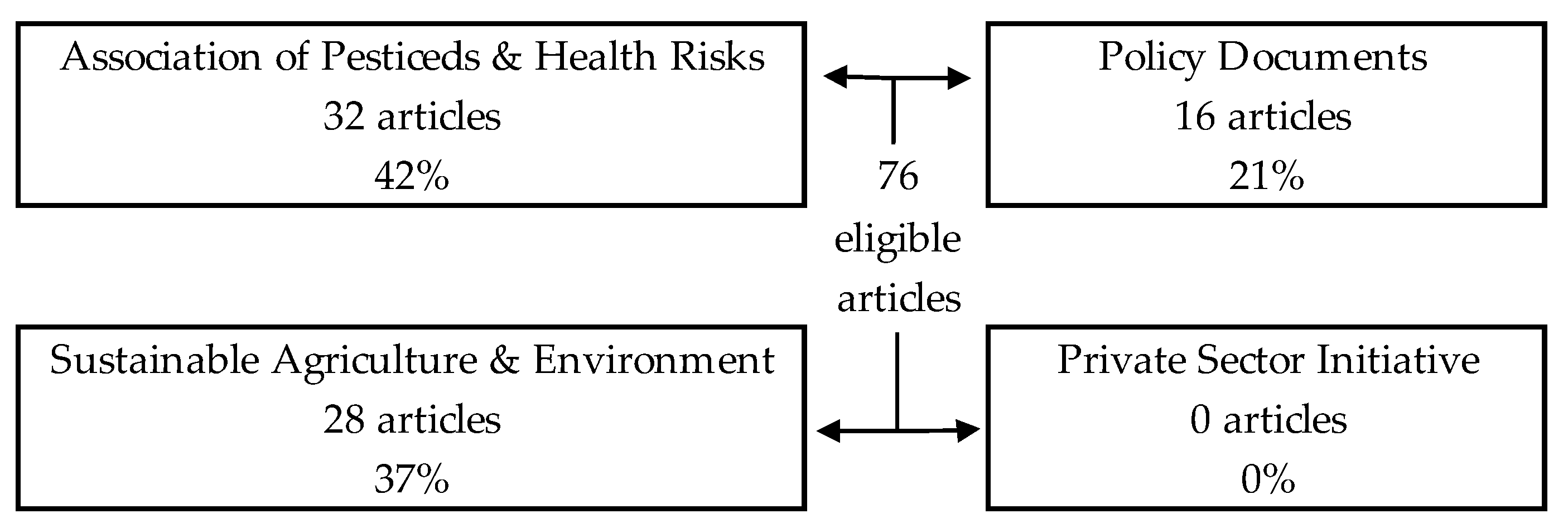
Figure 2.
PRISMA flow chart for Systematic review process.
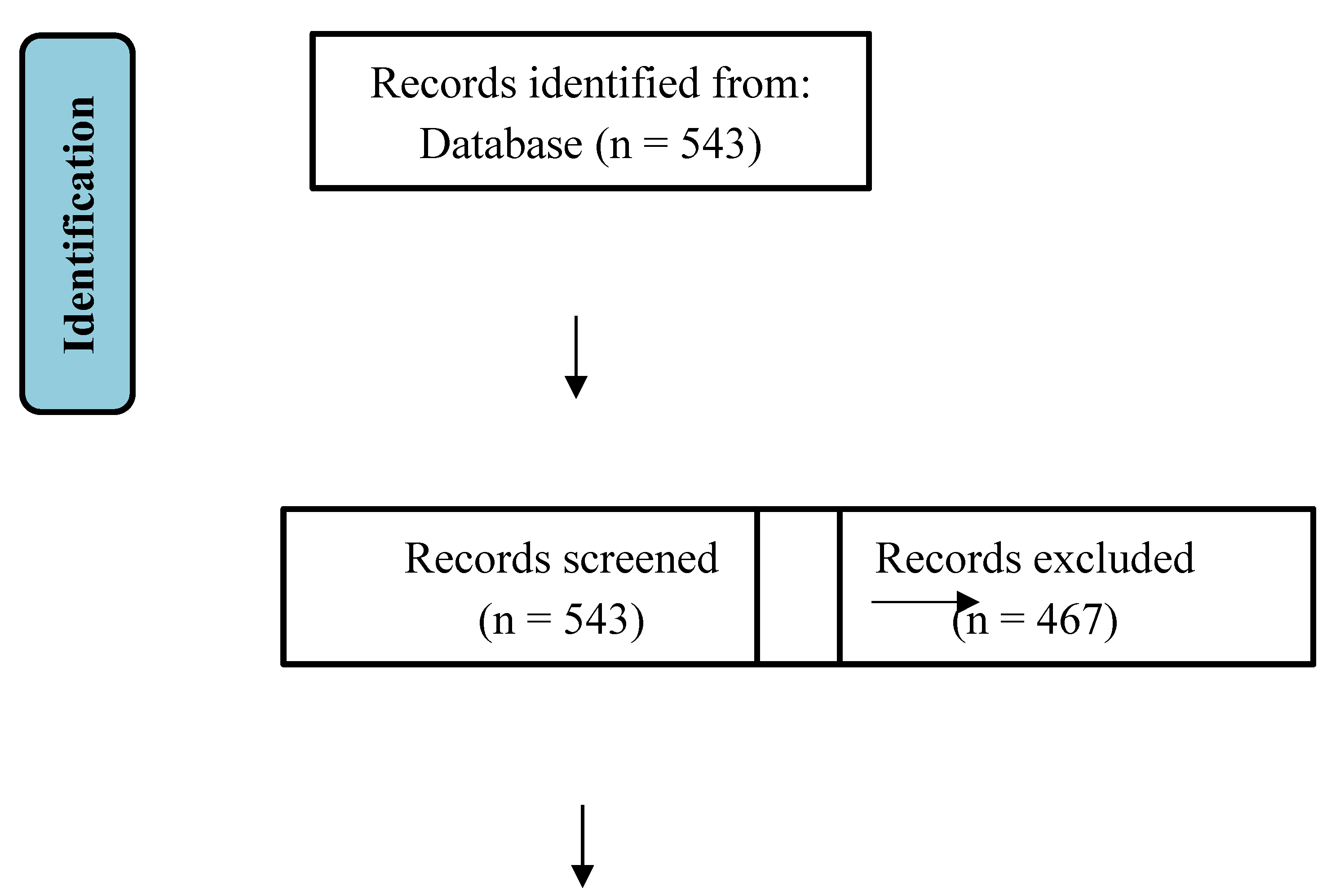
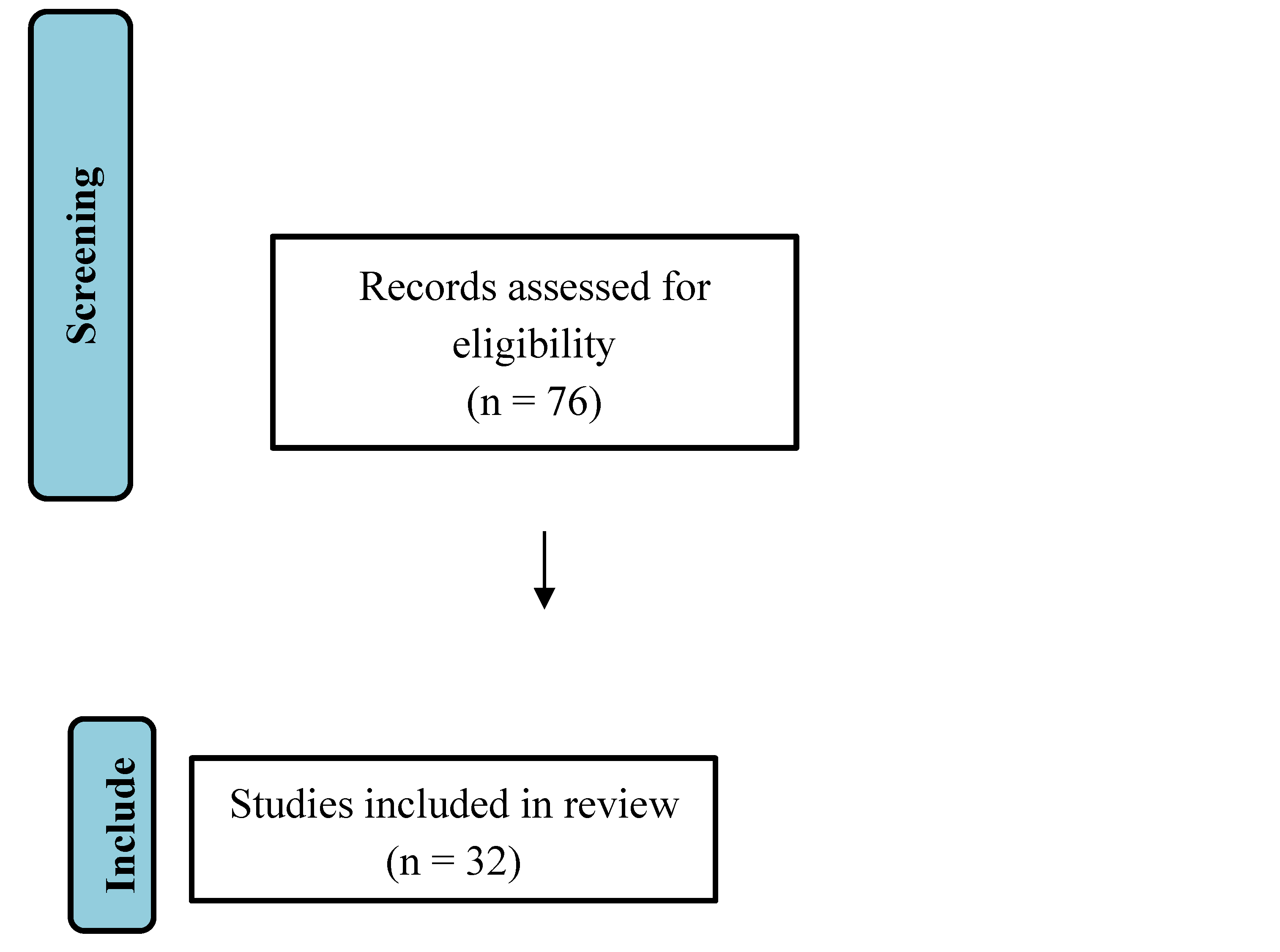

Table 1.
MeSH Terms and Boolean operators for logic caption and algorithm development.
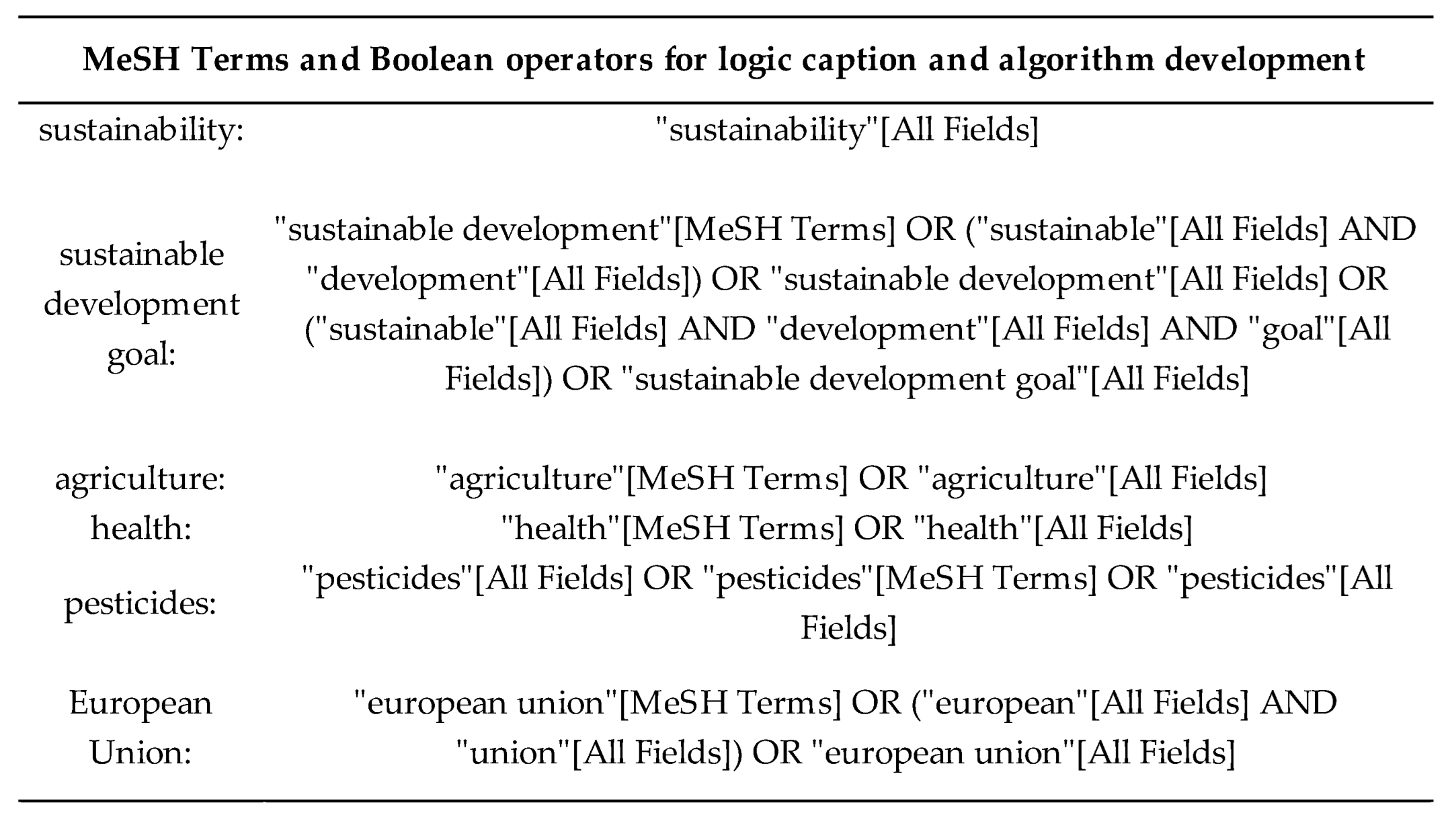 |
Table 2.
Inclusion and Exclusion Criteria.
| INCLUSION CRITERIA | EXCLUSION CRITERIA |
|---|---|
| The topic is agricultural practices in relation to public health; there is mention of pesticides and relevance for Europe | Articles that refer solely to other regions outside Europe |
| There is mention of the 2030 Agenda/SDGs | Articles written in languages other than English |
| Primary and secondary research, including qualitative and/or quantitative studies | Editorials and perspectives, summaries of workshops and conference abstracts |
| Articles written in English | |
| Full-text articles |
Table 3.
Phāea Farmers KPIs.
| PHĀEA FARMERS | ||||
|---|---|---|---|---|
| Key Performance Indicators (KPIs) | 2019 | 2020 | 2021 | 2022 |
| Hours of training | 20 | 24 | 24 | 31 |
| Number of participants | 3 | 3 | 8 | 11 |
| Land parcels | 11 | 11 | 18 | 23 |
| Communities affected | 5 | 5 | 9 | 12 |
| Production (kg) | 2.050 | 1.607 | 13.521 | 16.329 |
| PHĀEA farmers income support (€) | 10.870 | 2.600 | 36.900 | 37.600 |
Table 4.
Phāea Sustainable Landscape Management KPIs.
| PHĀEA SUSTAINABLE LANDSCAPE MANAGEMENT | ||||
|---|---|---|---|---|
| KPIs | 2020 | 2021 | 2022 | |
| Organic gardens (m2) | 750 | 985 | 1720 | |
| Hours of training | 40 | 40 | 45 | |
| Production (kg) | 487 | 1.783 | 3.896 | |
| Number of garden tours for guests | 16 | 20 | 24 | |
| Number of participants in garden tours | 80 | 100 | 192 | |
| Use of synthetic pesticides and herbicides (kg) | 0 | 0 | 0 | |
Table 5.
Phāea Plan Bee KPIs.
| PHĀEA PLAN BEE | ||
|---|---|---|
| KPIs | 2021 | 2022 |
| Number of beehives | 3 | 12 |
| Hours of training | 8 | 11 |
| Honey production (kg) | 40 | 101 |
Disclaimer/Publisher’s Note: The statements, opinions and data contained in all publications are solely those of the individual author(s) and contributor(s) and not of MDPI and/or the editor(s). MDPI and/or the editor(s) disclaim responsibility for any injury to people or property resulting from any ideas, methods, instructions or products referred to in the content. |
© 2025 by the authors. Licensee MDPI, Basel, Switzerland. This article is an open access article distributed under the terms and conditions of the Creative Commons Attribution (CC BY) license (http://creativecommons.org/licenses/by/4.0/).
Copyright: This open access article is published under a Creative Commons CC BY 4.0 license, which permit the free download, distribution, and reuse, provided that the author and preprint are cited in any reuse.


