

Submitted:
18 May 2025
Posted:
19 May 2025
You are already at the latest version
Abstract
Loneliness and social isolation are pressing public health concerns, prompting interest in how rural and urban environments shape social wellbeing. However, evidence remains mixed—perhaps because loneliness is a distal psychological outcome with complex, trait-like stability. To address this, we examined geographic variation in upstream patterns of social activity using data from the 2023 Canadian Social Connection Survey (N = 1,556). Principal component analysis identified five domains of social behavior, which we analyzed using multivariable regression and supplemented with a series of sensitivity and stratified analyses. Our findings suggest that while broad differences across rural and urban geographies are modest, specific domains of behavior—particularly neighborhood sociability—show some variation. Residents in rural areas reported lower casual social interaction but similar or even greater engagement in intimate and supportive behaviors. Emotional loneliness was slightly lower in small towns, indicating possible protective effects of some smaller community contexts. While the overall structure of social behavior was not invariant across settings, general patterns of engagement appeared largely resilient to geographic differences. These findings underscore the importance of place-sensitive strategies that respond to specific forms of social behavior affected by geography, while avoiding overgeneralized assumptions about rural-urban disparities.
Keywords:
Social Wellbeing
; Rural-Urban Differences
; Loneliness
; Social Engagement
; Geographic Context
Background
Loneliness and social isolation have emerged as pressing public health concerns, strongly associated with increased morbidity, premature mortality, and diminished quality of life [1]. In 2023, the World Health Organization launched a commission to foster social connection and make social isolation a global public health priority [2]. In response, governments and health systems have financed related initiatives, including social prescribing, peer support programs, and the development of public health guidelines framing social wellbeing as a core determinant of health [3]. Central to these efforts is a growing recognition that environmental and structural conditions—such as community design, access to services, and geographic context—play a critical role in shaping opportunities for social engagement [4], and are among the most efficacious strategies to change health behaviours [5]. Understanding how geographic and environmental factors constrain or enable social connection is therefore vital for tailoring these interventions effectively [6].
Differences between rural and urban settings—including population density, availability of social infrastructure, cultural norms around privacy and interdependence, and the demographic shifts driven by economic specialization [7]—are widely believed to shape the frequency, form, and quality of social interaction [8]. Classic sociological theory, such as Simmel’s analysis of urban life, suggests that densely populated areas foster frequent but superficial encounters, while smaller communities promote deeper, if less frequent, relational ties [9]. Such perspectives imply that geographic disparities may underlie differences in social behavior and wellbeing, and this view resonates with many individuals’ lived experiences of how their local environments constrain access to meaningful social connection [10].
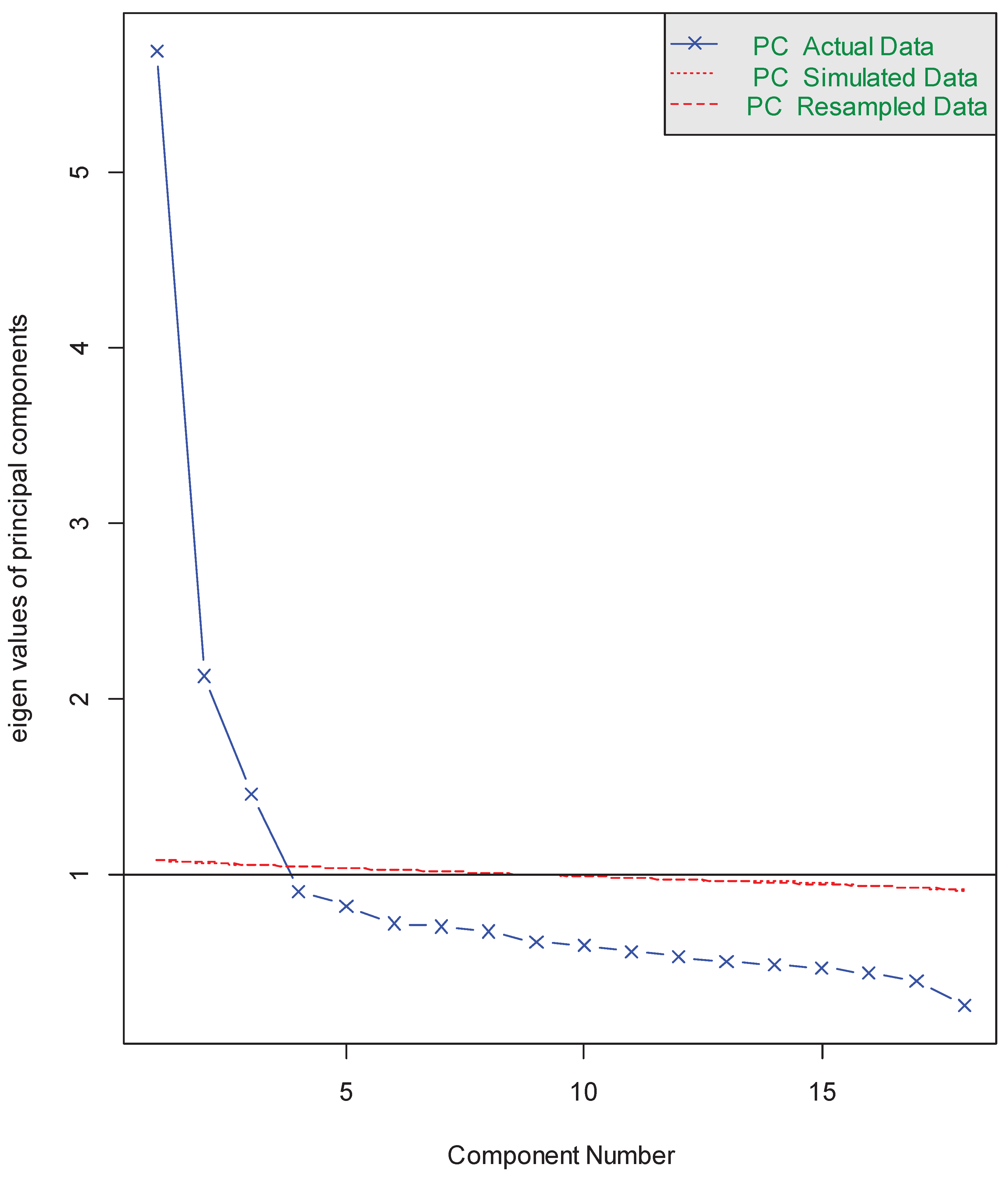
Figure 1.
Scree Plot.
Despite the intuitive appeal of these assumptions, empirical evidence linking geographic context to loneliness remains mixed. A recent analysis from China (where internal migration to rural areas is encouraged and regulated through a nexus between social resources and household registry) found a higher proportion of loneliness in rural areas using a single-item question [11]. On the other hand, studies in Western countries (where internal migration is open and market driven), report higher levels of loneliness in urban centers compared to some, but not all, non-urban comparators [12,13,14,15]. Findings from the UK and Canada suggests that these modest rural-urban disparities (e.g., 2-10% of variation in loneliness) may be due to differences in sample composition, as they often disappear after adjusting for demographic and contextual factors [12,16]. Loneliness decreases as we age the higher proportion of old adults in non-urban areas may partially explain lower levels of loneliness in small towns [17]. Moreover, most studies to this date have evaluated loneliness levels based on scales that prioritize its emotional component, which differs from its social component in its age distribution and its relationship with social patterns and connections [18].
Genetic and longitudinal studies suggest that loneliness exhibits notable heritability and temporal stability [19,20]. As such, the null or small effects observed in geographic studies may reflect the limitations of loneliness as an outcome rather than the absence of meaningful contextual differences. In contrast, social behavior—how people engage in everyday social life—may serve as a more sensitive and proximal indicator of geographic influence [21]. While the above-mentioned studies consistently found little to no urban/rural differences in adjusted estimates of loneliness levels, they also showed clear variation in the number, type, and quality of social connections [12,13,14,15,16]. Unlike loneliness, which is shaped by enduring psychological tendencies [22,23], social activity is more directly conditioned by opportunity structures and environmental constraints.
Social Homeostasis Theory suggests that individuals actively regulate their social behavior to meet evolving needs based on available social resources [24]. Research following natural disasters provides further evidence that human and non-human primates adapt flexibly, forming new social identities and support networks even in highly adverse conditions [25,26]. Social connection is a fundamental human need [27,28] and individuals often find creative ways to fulfill this need despite situational constraints [29,30].
Given these considerations, the present study shifts focus from overall loneliness to its social and emotional components and to upstream patterns of social activity, i.e., behaviors that are more directly shaped by environmental opportunity and constraint. We examine whether geographic context, specifically rural-urban differences, influences social wellbeing by shaping patterns of everyday social engagement. Using data from a convenience sample of Canadian adults, we identify latent domains of social behavior and assess whether these domains—as well as emotional and social loneliness—vary meaningfully across geographic settings. By doing so, we aim to clarify whether geography acts as a structural barrier to social connection and to generate insight into which dimensions of social life are most sensitive to place-based variation. This approach seeks to inform more precise and context-responsive public health strategies for strengthening social wellbeing.
Methods
Data Collection
This study used data from the 2023 wave of the Canadian Social Connection Survey (CSCS), a serial cross-sectional survey with a longitudinal sub-cohort designed to study the social health and wellbeing of Canadians in the wake of the COVID-19 pandemic. Participants were recruited between June 27 and September 4, 2023, through paid advertising campaigns in French and English across Facebook, Twitter, Instagram, and Google. Advertisements targeted individuals aged 16 years or older living in Canada, with demographic targeting by age, gender, and geographic region to help reduce recruitment imbalances. Eligible participants were those aged 16 or older who resided in Canada, could complete the survey in English or French, and provided informed consent. Upon completion of the survey, participants were given the opportunity to enter a prize draw for a $200 cash prize with a 1:100 chance of winning. Ethics approval for the CSCS was obtained from the Research Ethics Boards at the University of Victoria and Simon Fraser University.
Measures
Data collection was conducted via the Qualtrics platform with the following variables included in the present study:
- Sociodemographic variables. Demographics included age, gender (man, woman, non-binary), ethnicity (collapsed into White, Indigenous, East Asian, South Asian, Other Racialized, and None of the Above), household income (recoded to midpoints in Canadian dollars), household size, and geographic setting.
- Geographic context was categorized into: Large urban centre (100,000+ people), Medium city/town (30,000–99,999), Small city/town (1,000–29,999), and Rural area (under 1,000). This classification aligns with commonly used thresholds in Canadian community health surveys but differs from Statistics Canada’s definitions of rurality, which incorporate broader geographic and economic criteria. Sensitivity analyses also made use of participant-reported “forward sortation areas” (i.e., the first three letters of postal codes) which were used to link participant responses to population size and density estimates from Statistics Canada Census.
- Social activity engagement. Participants reported the frequency of engagement in 18 distinct social activities over the past three months (e.g., “visited friends,” “volunteered,” “group exercise,” “kissed or cuddled someone”). Response options were ordinal, reflecting frequency: Not in the past three months, Less than monthly, A few times a month, Monthly, Weekly, A few times a week, and Daily or almost daily. Each variable was recoded into a numeric score from 1 (least frequent) to 7 (most frequent) for quantitative analysis.
- Loneliness. Loneliness was assessed using the 6-item De Jong Gierveld Loneliness Scale [31], a validated measure that captures two distinct dimensions of loneliness: emotional loneliness and social loneliness. The short form includes three items assessing emotional loneliness (e.g., “I experience a general sense of emptiness”) and three items assessing social loneliness (e.g., “There are plenty of people I can rely on when I have problems”), with a balanced mix of positively and negatively worded statements. Respondents rated each item using a three-point scale (“Yes,” “More or less,” or “No”). Scoring followed standard guidelines: for negatively worded items, “Yes” and “More or less” responses indicated loneliness, while for positively worded items, “No” and “More or less” responses indicated loneliness. Responses were summed to yield total scores ranging from 0 to 6, with higher scores indicating greater loneliness. Subscale scores for emotional and social loneliness (each ranging from 0 to 3) can also be calculated separately. The De Jong Gierveld scale has demonstrated strong psychometric properties, including good internal consistency (Cronbach’s alpha typically between .80 and .90) and robust construct validity across diverse cultural contexts [31]. Prior research has supported the two-dimensional structure of the scale and its sensitivity to different forms of loneliness, distinguishing the absence of close emotional bonds from the lack of a broader social network.
Data Preparation
All 18 social activity variables were converted to ordered numeric values, and rows with missing values across any of these variables were removed prior to analysis. This resulted in a complete-case dataset for principal component analysis (PCA). All variables were confirmed to be numeric prior to PCA. For regression models, only participants with complete data on all covariates and outcomes were retained.
Principal Component Analysis
To reduce dimensionality and identify latent domains of social activity, the PCA was conducted using the psych package in R, with varimax rotation and five components extracted [32]. PCA was chosen as a data reduction technique to summarize the original set of correlated social activity variables into a smaller number of uncorrelated components, each representing underlying patterns of engagement. This approach was theoretically appropriate because social activities are likely to cluster into meaningful domains (e.g., volunteering, communication, physical affection) that reflect different facets of social connection, and identifying these domains enables more nuanced analyses of social environments rather than relying on individual activities in isolation. Varimax rotation, an orthogonal rotation method, was applied to enhance interpretability by simplifying the component structure—maximizing high loadings within components while minimizing cross-loadings across components—thus aligning the statistical solution more closely with the expectation of distinct, interpretable social activity domains [33]. The number of components was informed by eigenvalues, parallel analysis, and guided by theoretical insights and interests [34] and although parallel analysis supported a three-component solution, we retained five components to ensure conceptual coverage of distinct domains of social behavior that were theoretically meaningful for public health interventions. PCA was conducted on the correlation matrix of the recoded social activity variables. Factor loadings were interpreted with reference to a threshold of ≥0.40 [33]. Component scores were computed and added back to the cleaned dataset for use in subsequent analyses.
Regression Analyses
We conducted multiple linear regression analyses [35] to examine whether geography was associated with variation in PCA-derived social activity domains (PC1–PC5) and loneliness (social and emotional), adjusting for gender, age, ethnicity, household income, household size, and survey year. All models used complete-case data. For interpretability, categorical variables were coded with Large urban centre (for geography) and Man (for gender) as reference categories. Income was modeled continuously using recoded midpoints. Model fit and residuals were assessed visually and statistically. Statistical significance was defined at p < .05. Model explanatory power was reported in Supplemental Table S1.
Sensitivity Analysis
In addition to the primary analyses outlined above, we conducted post-hoc sensitivity analyses to explore the robustness and contextual nuance of our findings. These analyses included alternative geographic measures, interaction testing, factorial equivalence checks, and item-level modelling. Details on methodology, results, and interpretations for these sensitivity analyses are primarily discussed in the online supplemental material, but we provide a summary below and make appropriate reference to these analyses throughout the study.
First, we reran the regression models using population density estimates (persons/km²) as a continuous, census-derived proxy for geographic context. These values were linked to participants via their forward sortation area (FSA) and entered into a parallel series of multivariable linear regression models. This allowed us to assess whether a more granular, objective indicator of urbanicity would alter the observed associations with social activity and loneliness outcomes (see Supplemental Table S2).
Second, to examine whether the association between population density and social wellbeing varied across social positions, we tested for moderation by gender, age, ethnicity, household income, and household size. Separate regression models were specified for each demographic interaction term across all seven outcome variables (five PCA components and two loneliness subscales), adjusting for covariates. Significant interaction effects were interpreted to identify vulnerable subgroups more affected by their geographic context (see Supplemental Table S3).
Third, to assess whether the structure of social activity domains varied across geographic contexts, we conducted Tucker’s congruence analysis. Principal component analyses were performed separately for each geographic group (large urban, medium town, small town, rural), with five components extracted using varimax rotation. Pairwise congruence coefficients were computed between group-specific component matrices. Coefficients ≥.90 were interpreted as evidence of factorial equivalence; lower values indicated structural divergence (see Supplemental Table S4). Informed by the findings from the congruence analysis, we conducted stratified PCA models within each geographic category using the same 18 social behavior items. The goal was to explore how the salience and clustering of specific behaviors varied by place. Five-component solutions were retained within each stratum to mirror the pooled PCA structure and facilitate comparison (see Supplemental Table S5). To complement the PCA-based outcome models, we ran a series of 18 linear regression models—each predicting an individual social activity frequency from population density, adjusting for demographic covariates. These models assessed whether specific behaviors, rather than latent domains, were directly associated with geographic context (see Supplemental Table S6). Lastly, we repeated the item-level analyses using the categorical rural-urban classification. Each of the 18 individual social activity variables was regressed separately on geographic category, controlling for demographic covariates. This allowed for comparison of specific behaviors across different town sizes, providing greater granularity to complement our component-based approach (see Supplemental Table S7). All statistical analysis were conducted in R [36].
Results
Demographic Factors
As shown in Table 1, the analytic sample included 1,556 participants (78.6% women, 15.4% men, 6.0% non-binary) with a mean age of 53.1 years (SD = 17.1). Most participants identified as White (83.4%), with smaller proportions identifying as East Asian (3.9%), Indigenous (3.1%), South Asian (1.9%), Other Racialized (7.7%). The majority resided in a large urban centre (50.8%), followed by small cities/towns (19.1%), medium cities/towns (18.0%), and rural areas (12.1%). Household income spanned a wide range, with notable clustering around the $20,000–$60,000 range. The average household size was 1.4 individuals (SD = 1.53).
Frequencies of Social Behaviour
Table 2 presents the frequency of engagement in 18 different social activities over the past three months. Overall, activities involving casual interaction and communication were the most frequent. Greeting a neighbour or stranger, texting or messaging, and phone calls had the highest proportions of respondents reporting engagement “daily or almost daily” (28.7%, 29.8%, and 19.8%, respectively). Physical affection activities, such as hugging (27.8%) and kissing (27.1%), were also frequently reported as occurring daily or almost daily. In contrast, participation in structured group activities such as group video chats, computer gaming with others, volunteering, group exercise, and church attendance was relatively rare, with the majority of respondents indicating they had not engaged in these activities in the past three months (e.g., 55.2% for group video chat, 59.6% for computer games, 62.3% for volunteering, 75.0% for group exercise, and 82.8% for church attendance). Visiting friends and family showed a more distributed pattern, with sizable proportions reporting engagement “a few times a month” to “monthly.” New friendships were relatively infrequent, with 65.3% of respondents indicating they had not made a new friend in the past three months. Overall, patterns of activity suggested that informal, everyday interpersonal contact was more common than participation in formal or group-based social activities.
Parallel Analysis and Principal Component Analysis
Parallel analysis supported the retention of three components, but to maximize conceptual coverage and alignment with eigenvalues >1 criteria, a five-component solution was extracted, accounting for a cumulative 61% of the total variance. The root mean square of the residuals (RMSR = 0.06) indicated a good fit to the data. Interpretation of the components was based on the pattern of item loadings (≥ 0.40) and theoretical coherence. Results are presented in Table 3.
The first component (PC1) represented Community Engagement, with strong loadings for participating in group activities such as volunteering, discussion groups, group exercise, attending church, playing computer games with others, and making new friends. This factor captures engagement in organized, often prosocial activities that foster broader social participation. The second component (PC2) captured Physical Affection and Intimacy, characterized by strong loadings on hugging, kissing, and sexual activity. This domain reflects engagement in physically intimate behaviors, typically associated with close personal relationships. The third component (PC3) reflected Communication Activities, defined by strong loadings on texting or messaging, and phone calls, with a secondary contribution from group video chatting. This domain encompasses technology-mediated interpersonal communication. The fourth component (PC4) was interpreted as Visiting Friends and Family, based on high loadings for visiting friends, visiting family, and having coffee with others. This component represents in-person social interactions with close ties. Finally, the fifth component (PC5) captured Greeting Neighbours and Casual Social Contact, dominated by the item assessing greeting a neighbour or stranger. Given that this component is defined by a single dominant item, future studies may consider treating neighborhood sociability as a distinct observed variable rather than a latent construct. However, although only a single variable loaded highly on this factor, its strong association suggests a distinct pattern of low-intensity but frequent casual social interactions. Together, the five-component solution identifies meaningful and theoretically coherent domains of social engagement, ranging from intimate, one-on-one behaviors to broader, community-based activities.
Multivariable Regression Analyses
Table 4 provides results from our regression analyses. Across the five principal components (PCs) of social activity engagement, few rural-urban differences were observed. For PC1 (Community Engagement and Volunteering), there were no significant differences by geographic setting; participants living in medium cities/towns (b = -0.00, p = .991), small towns (b = 0.04, p = .332), and rural areas (b = -0.02, p = .764) reported similar levels of engagement as those in large urban centres. For PC2 (Physical Affection and Intimacy), participants living in rural areas had higher scores compared to those in large urban centres (b = 0.15, p = .065), although this difference was not statistically significant. The higher scores suggest that rural residents maintain higher levels of intimate social connection, warranting further investigation into the social dynamics of close personal ties in low-density settings. Similarly, for PC3 (Communication Activities), no significant rural-urban differences emerged, with scores comparable across medium cities/towns (b = 0.08, p = .207), small towns (b = -0.05, p = .479), and rural areas (b = 0.01, p = .855). In analyses of PC4 (Visiting Friends and Family), no significant geographic differences were found. Living in a medium city/town (b = 0.12, p = .087), small town (b = 0.07, p = .318), or rural area (b = -0.01, p = .898) was not associated with significantly different scores compared to living in a large urban centre. In contrast, for PC5 (Neighborhood Sociability), rural residency was associated with significantly lower scores relative to large urban centres (b = -0.19, p = .019). Participants living in medium cities/towns also exhibited a lower score on this dimension (b = -0.12, p = .068), although this difference was not statistically significant; no difference was observed for small town residents (b = -0.02, p = .818).
Turning to loneliness outcomes, geographic context was not significantly associated with social loneliness scores. Compared to residents of large urban centres, those living in medium cities/towns (b = -0.08, p = .291), small towns (b = -0.02, p = .792), and rural areas (b = -0.04, p = .644) reported similar levels of social loneliness. However, for emotional loneliness, participants living in small cities/towns reported significantly lower scores than those in large urban centres (b = -0.17, p = .029). No significant differences in emotional loneliness were observed for participants living in medium cities/towns (b = -0.12, p = .131) or rural areas (b = -0.12, p = .196).
Model explanatory power varied across outcomes, with adjusted R² values ranging from 1.6% to 16.6% (see Supplemental Table S1). The strongest model was for physical affection (PC2), while other domains—particularly communication and visiting—were only weakly explained by the included covariates.
As a sensitivity analysis, we reran the regression models using an objective measure of geographic context: population density at the FSA level derived from the Canadian Census. Overall, results were broadly consistent with those from the primary models using categorical rural-urban classifications. Population density was positively associated with neighborhood sociability (b = 1.91e-05, p = .019) and negatively associated with communication-based activity (b = –2.14e-05, p = .007), but showed no significant association with loneliness scores. Full results are presented in Supplemental Table S2.
Furthermore, to test the robustness of our conclusions across social positions, we examined interaction effects between population density and key demographic variables. While some statistically significant moderation effects emerged—particularly for age, gender, and household size—these tended to be small in magnitude and did not substantively alter the primary conclusions (see Supplemental Table S3). For example, women and older adults in denser areas reported slightly lower engagement in affectionate or communicative behaviors, suggesting that population density may interact with social position to influence certain forms of engagement. However, these effects were not uniform and did not reverse the overall pattern of limited geographic disparities.
As a final sensitivity check, we sought to make sure that our use of PCA was not inadvertently obscuring important differences. As a first step, we conducted Tucker’s congruence analysis and stratified PCA. These analyses revealed that while some domains (e.g., physical affection and community engagement) were relatively stable, others—such as visiting behaviors and neighborhood sociability—differed in their composition across geographic settings (see Supplemental Tables S4 and S5). Notably this aligned with the PCA fit criteria from parallel analysis—that the first three factors were relatively stronger overall (and as such, caution should be taken in interpreting the fourth and fifth PCs). Taken at face value, these structural differences may suggest local variation in how social activities cluster, but they do not undermine the broader conclusion that overall levels of engagement and loneliness remain relatively consistent across rural-urban geographies.
After observing the variation in PCA fit across geographies, we examined individual social activities by geography. In models using population density as a continuous predictor (Supplemental Table S6), only a few activities—such as visiting family and attending church—showed significant associations, with most effects being small and inconsistent in direction. When using categorical rural-urban classifications (Supplemental Table S7), we again found that most activities did not differ significantly across geographies. However, several behaviors—such as walking with others, having coffee socially, and participating in group exercise—were less frequent in rural settings, while affectionate behaviors (e.g., kissing) and helping others were slightly more common. These results underscore that the behaviors requiring shared public infrastructure—such as walking groups or coffee meetups—are particularly constrained in rural settings, contrasting with more intimate behaviors, such as physical affection.
Discussion
Primary Findings
This study investigated whether rural-urban differences act as barriers to social wellbeing by examining patterns of everyday social behavior and loneliness. Overall, we found that geographic setting alone did not meaningfully limit social engagement, reinforcing the emerging consensus that geography alone is not destiny for social well-being [16]. Across most domains—community participation, physical affection, communication, and visiting friends and family—residents in rural, small town, and urban areas reported broadly similar levels of engagement, after accounting for differences in age, gender, income, household composition, and ethnicity. However, there were some consistent exceptions. Small town residents reported lower levels of emotional loneliness than those in large urban centres, echoing findings from similar studies in western countries [12,15]. This finding suggests that some smaller communities may offer social advantages not captured by traditional engagement metrics, however, this is not applicable to all rural areas [11,37]. Previous longitudinal research in Australia found that increases in green space and nature sounds (which are more common in less populated areas) were associated with a decreased risk of loneliness [39,40]. Likewise prenatal and early-life exposure to noise and fine-particle pollutants (more common in urban settings) had been associated with higher levels of depression and anxiety, which commonly co-occur with, and reinforce, loneliness [41].
Classic research on rural resilience suggests that individuals living in less populated areas achieve greater social wellbeing through close intimate and high quality bonds [38], we indeed found that they were more likely to engage in physically affectionate or supportive behaviors, such as kissing or helping others, which in Canada tend to occur in more private or informal settings. In contrast, rural residents were less likely to participate in infrastructure-dependent activities like group exercise, walking with others, or meeting for coffee—activities that often require walkable public spaces or scheduled group settings (Supplemental Tables S6 and S7). They also reported significantly lower levels of neighborhood sociability, such as greeting neighbors or strangers.
Previous research shows that walkable neighborhoods, public gathering spaces, and population density in urban social life foster many weak-tie contacts that bridge ties across diverse groups [8,42]. This type of connection facilitated by urban environments, however, is not strong [13]. In our study, we found that higher population density associated with lower frequency of communication activities, such as texting or calling (Supplemental Table S2), which leads credence to the idea that urban communities might benefit from interventions that help deepen existing relationships rather than simply increase their number [43]. In contrast, rural life encourages fewer but stronger bonding ties [42]. A recent study in Scotland showed that city dwellers and rural residents had similar social network sizes on average, but yet urban residents reported poorer social well-being, likely because rural networks, though not larger, were characterized by closer bonds [43]. Likewise, Canadian living in rural settings consistently report a higher sense of community belonging compared to their urban counterparts while also declaring having fewer but closer contacts [44].
To understand whether geography changes not just the amount of social engagement but the types of behaviors people engage in, we examined how patterns of social behavior clustered across geographic settings. Using Tucker’s congruence analysis—a method that compares how behavioral patterns “hang together” in different groups—we found meaningful differences in the variation of social activity across geographic contexts (Supplemental Table S4). While domains like “community engagement” and “physical affection” were relatively stable, others (like “visiting friends and family” or “neighborhood sociability”) clustered differently depending on whether people lived in urban or rural areas. These behavior-level insights illustrate how geography shapes the opportunities available for connection, even if overall levels of engagement remain stable. In other words, rural and urban residents may be “doing” social connection differently—not just more or less of it.
Lastly, interaction analyses revealed that certain subgroups are more sensitive to their geographic environment. Women and older adults in higher-density settings reported lower engagement in affectionate and communicative behaviors, and women also reported higher levels of social loneliness (Supplemental Table S3). These findings point to a heightened sensitivity among older adults to the effects of urban density on their ability to maintain social relationships. Previous research has found that men and women levels are often comparable, however women are more likely to self-label as lonely due to an increased social acceptability towards loneliness in their gender [49,50], which might be more pronounced in urban settings. However, this would not explain differences in affectionate and communicative behaviours. This paradox, in which density fosters casual contact but not necessarily emotional closeness, reflects classic urban theory and may signal differential impacts of overstimulation, anonymity, or diminished relational reciprocity in dense settings. Income also emerged as an important factor that can moderate how individuals access social resources in their communities [51,52]. Geographic impacts may be amplified or buffered by social position, pointing to the importance of intersectional approaches in both research and intervention design.
Taken together, our findings reveal a nuanced but clear pattern: while total levels of social connection and loneliness do not differ substantially by geography, the forms, opportunities, and experiences of connection vary in ways that are shaped by both environment and social position. Rural environments may constrain casual public interaction while supporting deeper relational bonds. Urban environments may foster ambient social contact but risk eroding emotional intimacy, particularly for women and older adults. These insights can help inform targeted interventions that are sensitive not just to how much connection people have, but what kind, where, and for whom.
Implications for Intervention Design
Our findings suggest that while geography may shape certain aspects of social connection—particularly casual neighborhood sociability and physical intimacy—it is not a consistent or dominant barrier across domains of social engagement. Most individuals, regardless of whether they live in rural or urban settings, appear capable of maintaining meaningful social lives through adaptive and flexible behaviors. This challenges the assumption that geography alone should be a primary target for social connection interventions and cautions against broad-brush investments based solely on rurality or urbanicity.
Rather, the public health imperative is to identify and support those individuals who are unable to overcome the structural and situational barriers that most others navigate successfully. This includes people experiencing compounding disadvantages, such as disability, chronic illness, caregiving burdens, or financial precarity—factors that may limit one’s capacity to engage socially even in opportunity-rich environments. For these individuals, targeted, person-centered interventions—such as social prescribing, befriending programs, or one-on-one peer support—may offer a more cost-effective and impactful path to improving social wellbeing than universal, place-based infrastructure investments.
This is not to suggest that the built environment is irrelevant. A high proportion of rural residents (and more so women and ethnic minorities) have reported safety concerns (from cars, criminals, and animals) as a barrier to reach social destinations [53]. In low-density communities, place-making initiatives that foster everyday casual interactions—like walkable streets, community hubs, or multipurpose public spaces—can still play a role in supporting weak social ties. Complementary, rural libraries, farmers markets, or postal hubs could be enhanced as informal gathering spaces to facilitate everyday sociability for those who are able without requiring large-scale infrastructure investment. That said, such strategies should be deployed judiciously and in tandem with outreach to those who are most at risk of exclusion. Ultimately, public health investments should reflect both the adaptability of most people’s social behavior and the vulnerability of those for whom adaptation is not enough. Precision, rather than universality, may offer the best return on investment in efforts to foster a more socially connected society.
Strengths and Limitations
This study offers several strengths, including a large national sample, use of validated loneliness measures, and a theory-driven application of PCA to capture distinct domains of social behavior. Rather than relying solely on distal outcomes like loneliness, our focus on upstream patterns of social activity provides a more proximal and actionable lens for examining social wellbeing across geographic contexts. Moreover, our primary findings with categorical rural-urban classifications were robust in our sensitivity analyses using objective population density metrics, as well as interaction and stratified analyses that unpacked subgroup-specific and context-sensitive variations (see Supplemental Tables S2–S3).
Nonetheless, several limitations must be acknowledged. First, the cross-sectional design precludes causal inference. Second, all data were self-reported, introducing the potential for recall and social desirability biases. Third, although the sample was diverse in geography and gender, it may not fully represent individuals facing the most severe structural barriers to connection—particularly those without internet access or those living in the most remote communities. Recruitment via social media may have skewed participation toward more digitally connected individuals. Consequently, our results may underrepresent individuals facing the greatest social exclusion, particularly those without internet access or limited digital literacy, who may experience even greater geographic barriers to connection. Importantly, while the PCA offered a useful method for distilling domains of social activity, subsequent analyses revealed meaningful differences in factor structure across geographic settings, consistent with previous studies that found differential levels and effects of social technology use on loneliness among rural older adults and urban older adults [37,54]. Tucker’s congruence coefficients (see Supplemental Table S4) and stratified PCA (see Supplemental Table S5) suggest that certain domains—particularly those involving visiting, communication, and neighborhood sociability—are not structurally invariant. This implies that applying a pooled factor model, though analytically efficient, may obscure important local distinctions in how social life is organized.
Our measure of population density does not necessarily reflect uniform built and social environments and might mask within group differences reported in previous studies [53]. Future studies should explore the use of more granular data through multilevel factor models that better account for features of the built environment, context-specific meaning, and clustering of social behaviors. Additionally, although our models accounted for core demographic covariates, supplemental interaction analyses highlighted that geographic effects on social engagement and wellbeing are often moderated by age, gender, income, and household structure (see Supplemental Table S3).
Lastly, while our PCA-derived domains offer useful abstraction, individual-level behavior analyses revealed that some specific activities—particularly those relying on shared infrastructure (e.g., group exercise, walking with others)—were significantly less common in rural settings (see Supplemental Tables S6–S7). This nuance is critical: aggregate analyses may suggest limited overall geographic effect, but certain types of engagement remain environmentally constrained. Thus, future research and intervention design should not only consider overall patterns but also identify and support contextually vulnerable behaviors.
Conclusions
While overall levels of social engagement and loneliness were largely consistent across rural and urban settings, the types and structures of social behavior varied meaningfully by geography. Casual, infrastructure-dependent activities were less common in rural areas, while intimate or supportive behaviors were more frequent. Sensitivity analyses confirmed these patterns and highlighted subgroup differences, particularly among women and older adults in high-density settings. These findings suggest that public health efforts should move beyond binary assumptions of rural disadvantage and instead tailor interventions to the specific forms of connection that are environmentally or socially constrained.
Supplementary Materials
The following supporting information can be downloaded at the website of this paper posted on Preprints.org.
References
- Smith, R.W.; Holt-Lunstad, J.; Kawachi, I. Benchmarking Social Isolation, Loneliness, and Smoking: Challenges and Opportunities for Public Health. American Journal of Epidemiology 2023, 192, 1238–1242. [Google Scholar] [CrossRef]
- O’Rourke, H.M. The Global Crisis of Loneliness: A Call for Contextualised, Mechanistic Research. The Lancet Healthy Longevity 2024, 5, e241–e242. [Google Scholar] [CrossRef] [PubMed]
- Goldman, N.; Khanna, D.; El Asmar, M.L.; Qualter, P.; El-Osta, A. Addressing Loneliness and Social Isolation in 52 Countries: A Scoping Review of National Policies. BMC Public Health 2024, 24, 1207. [Google Scholar] [CrossRef]
- Feng, X.; Astell-Burt, T. Lonelygenic Environments: A Call for Research on Multilevel Determinants of Loneliness. The Lancet Planetary Health 2022, 6, e933–e934. [Google Scholar] [CrossRef] [PubMed]
- Albarracín, D.; Fayaz-Farkhad, B.; Granados Samayoa, J.A. Determinants of Behaviour and Their Efficacy as Targets of Behavioural Change Interventions. Nat Rev Psychol 2024, 3, 377–392. [Google Scholar] [CrossRef]
- Vine, M.M.; Mulligan, K.; Harris, R.; Dean, J.L. The Impact of Health Geography on Public Health Research, Policy, and Practice in Canada. Int J Environ Res Public Health 2023, 20, 6735. [Google Scholar] [CrossRef]
- Brunelle, C. The Growing Economic Specialization of Cities: Disentangling Industrial and Functional Dimensions in the C Anadian Urban System, 1971–2006. Growth and Change 2013, 44, 443–473. [Google Scholar] [CrossRef]
- Urban Canada, 3rd ed.; Hiller, H.H., Ed.; Oxford University Press: Don Mills, Ontario, Canada, 2014; ISBN 978-0-19-900274-0. [Google Scholar]
- Tambling, J. Simmel and The Metropolis and Mental Life. In The Palgrave Encyclopedia of Urban Literary Studies; Tambling, J., Ed.; Springer International Publishing: Cham, 2022; pp. 1703–1707. ISBN 978-3-319-62419-8. [Google Scholar]
- Marques, M.J.; Alves, R.; Pires, J.; Bertotti, M.; Torri, E.; Dantas, C.; Dias, S. Loneliness and Social Isolation: Qualitative Study among Youth in Vulnerable Situations. European Journal of Public Health 2024, 34, ckae144.1817. [Google Scholar] [CrossRef]
- Zhu, B.; Wu, L. Urban–Rural Disparities in the Prevalence and Trends of Loneliness among Chinese Older Adults and Their Associated Factors: Evidence from Machine Learning Analysis. Applied Psych Health & Well 2025, 17, e70005. [Google Scholar] [CrossRef]
- Marquez, J.; Goodfellow, C.; Hardoon, D.; Inchley, J.; Leyland, A.H.; Qualter, P.; Simpson, S.A.; Long, E. Loneliness in Young People: A Multilevel Exploration of Social Ecological Influences and Geographic Variation. Journal of Public Health 2023, 45, 109–117. [Google Scholar] [CrossRef]
- MacDonald, K.J.; Willemsen, G.; Boomsma, D.I.; Schermer, J.A. Predicting Loneliness from Where and What People Do. Social Sciences 2020, 9, 51. [Google Scholar] [CrossRef]
- Moorer, P.; Suurmeijer, T.P.B.M. The Effects of Neighbourhoods on Size of Social Network of the Elderly and Loneliness: A Multilevel Approach. Urban Studies 2001, 38, 105–118. [Google Scholar] [CrossRef]
- Abshire, D.A.; Graves, J.M.; Amiri, S.; Williams-Gilbert, W. Differences in Loneliness Across the Rural-Urban Continuum Among Adults Living in Washington State. J Rural Health 2022, 38, 187–193. [Google Scholar] [CrossRef]
- Menec, V.H.; Newall, N.E.; Mackenzie, C.S.; Shooshtari, S.; Nowicki, S. Examining Individual and Geographic Factors Associated with Social Isolation and Loneliness Using Canadian Longitudinal Study on Aging (CLSA) Data. PLOS ONE 2019, 14, e0211143. [Google Scholar] [CrossRef] [PubMed]
- Hawkley, L.C.; Wroblewski, K.; Kaiser, T.; Luhmann, M.; Schumm, L.P. Are U.S. Older Adults Getting Lonelier? Age, Period, and Cohort Differences. Psychol Aging 2019, 34, 1144–1157. [Google Scholar] [CrossRef] [PubMed]
- Manoli, A.; McCarthy, J.; Ramsey, R. Estimating the Prevalence of Social and Emotional Loneliness across the Adult Lifespan. Sci Rep 2022, 12, 21045. [Google Scholar] [CrossRef]
- Day, F.R.; Ong, K.K.; Perry, J.R.B. Elucidating the Genetic Basis of Social Interaction and Isolation. Nat Commun 2018, 9, 2457. [Google Scholar] [CrossRef]
- Boomsma, D.; Willemsen, G.; Dolan, C.; Hawkley, L.; Cacioppo, J. Genetic and Environmental Contributions to Loneliness in Adults: The Netherlands Twin Register Study. Behavior genetics 2005, 35, 745–752. [Google Scholar] [CrossRef]
- Jones, C.A.; Jhangri, G.S.; Yamamoto, S.S.; Hogan, D.B.; Hanson, H.; Levasseur, M.; Morales, E.; Légaré, F. Social Participation of Older People in Urban and Rural Areas: Canadian Longitudinal Study on Aging. BMC Geriatrics 2023, 23, 439. [Google Scholar] [CrossRef]
- Yanguas, J.; Pinazo-Henandis, S.; Tarazona-Santabalbina, F.J. The Complexity of Loneliness. Acta Biomed 2018, 89, 302–314. [Google Scholar] [CrossRef]
- Mund, M.; Lüdtke, O.; Neyer, F.J. Owner of a Lonely Heart: The Stability of Loneliness across the Life Span. J Pers Soc Psychol 2020, 119, 497–516. [Google Scholar] [CrossRef]
- Lee, C.R.; Chen, A.; Tye, K.M. The Neural Circuitry of Social Homeostasis: Consequences of Acute versus Chronic Social Isolation. Cell 2021, 184, 1500–1516. [Google Scholar] [CrossRef]
- Drury, J.; Brown, R.; González, R.; Miranda, D. Emergent Social Identity and Observing Social Support Predict Social Support Provided by Survivors in a Disaster: Solidarity in the 2010 Chile Earthquake. European Journal of Social Psychology 2016, 46, 209–223. [Google Scholar] [CrossRef]
- Testard, C.; Larson, S.M.; Watowich, M.M.; Kaplinsky, C.H.; Bernau, A.; Faulder, M.; Marshall, H.H.; Lehmann, J.; Ruiz-Lambides, A.; Higham, J.P.; et al. Rhesus Macaques Build New Social Connections after a Natural Disaster. Current Biology 2021, 31, 2299–2309.e7. [Google Scholar] [CrossRef]
- Baumeister, R.F.; Leary, M.R. The Need to Belong: Desire for Interpersonal Attachments as a Fundamental Human Motivation. Psychological Bulletin 1995, 117, 497–529. [Google Scholar] [CrossRef]
- Dunbar, R.I.M. The Social Brain Hypothesis. Evol. Anthropol. 1998, 6, 178–190. [Google Scholar] [CrossRef]
- Schafer, M.H.; Sun, H.; Lee, J.A. Compensatory Connections? Living Alone, Loneliness, and the Buffering Role of Social Connection Among Older American and European Adults. J Gerontol B Psychol Sci Soc Sci 2022, 77, 1550–1560. [Google Scholar] [CrossRef]
- Cornwell, B.; Laumann, E.O. The Health Benefits of Network Growth: New Evidence from a National Survey of Older Adults. Social Science & Medicine 2015, 125, 94–106. [Google Scholar] [CrossRef]
- De Jong Gierveld, J.; Van Tilburg, T. The De Jong Gierveld Short Scales for Emotional and Social Loneliness: Tested on Data from 7 Countries in the UN Generations and Gender Surveys. Eur J Ageing 2010, 7, 121–130. [Google Scholar] [CrossRef]
- Jolliffe, I.T.; Cadima, J. Principal Component Analysis: A Review and Recent Developments. Philos Trans A Math Phys Eng Sci 2016, 374, 20150202. [Google Scholar] [CrossRef]
- Gorsuch, R.L. Factor Analysis, 2nd ed.; Psychology Press: New York, 2013; ISBN 978-0-203-78109-8. [Google Scholar]
- Franklin, S.B.; Gibson, D.J.; Robertson, P.A.; Pohlmann, J.T.; Fralish, J.S. Parallel Analysis: A Method for Determining Significant Principal Components. Journal of Vegetation Science 1995, 6, 99–106. [Google Scholar] [CrossRef]
- Chambers, J.M. Linear Models. In Statistical Models in S; Routledge, 1992; ISBN 978-0-203-73853-5. [Google Scholar]
- R Core Team. R: A Language and Environment for Statistical Computing; R Foundation for Statistical Computing: Vienna, Austria, 2024. [Google Scholar]
- Byrne, K.A.; Anaraky, R.G.; Dye, C.; Ross, L.A.; Chalil Madathil, K.; Knijnenburg, B.; Levkoff, S. Examining Rural and Racial Disparities in the Relationship Between Loneliness and Social Technology Use Among Older Adults. Front. Public Health 2021, 9, 723925. [Google Scholar] [CrossRef]
- Mair, C.A.; Thivierge-Rikard, R.V. The Strength of Strong Ties for Older Rural Adults: Regional Distinctions in the Relationship between Social Interaction and Subjective Well-Being. Int J Aging Hum Dev 2010, 70, 119–143. [Google Scholar] [CrossRef] [PubMed]
- Astell-Burt, T.; Hartig, T.; Eckermann, S.; Nieuwenhuijsen, M.; McMunn, A.; Frumkin, H.; Feng, X. More Green, Less Lonely? A Longitudinal Cohort Study. International Journal of Epidemiology 2022, 51, 99–110. [Google Scholar] [CrossRef]
- Picou, E.M.; Buono, G.H. Emotional Responses to Pleasant Sounds Are Related to Social Disconnectedness and Loneliness Independent of Hearing Loss. Trends in Hearing 2018, 22, 2331216518813243. [Google Scholar] [CrossRef]
- Newbury, J.B.; Heron, J.; Kirkbride, J.B.; Fisher, H.L.; Bakolis, I.; Boyd, A.; Thomas, R.; Zammit, S. Air and Noise Pollution Exposure in Early Life and Mental Health From Adolescence to Young Adulthood. JAMA Netw Open 2024, 7, e2412169. [Google Scholar] [CrossRef]
- Sørensen, J.F.L. Rural–Urban Differences in Bonding and Bridging Social Capital. Regional Studies 2016, 50, 391–410. [Google Scholar] [CrossRef]
- Long, E.; Thomson, M.; Milicev, J.; Goodfellow, C.; Letina, S.; Bradley, S.; McCann, M. Loneliness, Social Support, and Social Networks: Urban–Rural Variation and Links to Wellbeing in Scotland. J Public Health (Berl.) 2024. [Google Scholar] [CrossRef]
- Carpiano, R.M.; Hystad, P.W. “Sense of Community Belonging” in Health Surveys: What Social Capital Is It Measuring? Health & Place 2011, 17, 606–617. [Google Scholar] [CrossRef]
- Barjaková, M.; Garnero, A.; d’Hombres, B. Risk Factors for Loneliness: A Literature Review. Social Science & Medicine 2023, 334, 116163. [Google Scholar] [CrossRef]
- Shah, H.A.; Househ, M. Understanding Loneliness in Younger People: Review of the Opportunities and Challenges for Loneliness Interventions. Interact J Med Res 2023, 12, e45197. [Google Scholar] [CrossRef] [PubMed]
- Pollak, C.; Pham, Y.; Ehrlich, A.; Verghese, J.; Blumen, H.M. Loneliness and Social Isolation Risk Factors in Community-Dwelling Older Adults Receiving Home Health Services. BMC Geriatr 2025, 25, 290. [Google Scholar] [CrossRef] [PubMed]
- Lauder, W.; Sharkey, S.; Mummery, K. A Community Survey of Loneliness. J Adv Nurs 2004, 46, 88–94. [Google Scholar] [CrossRef] [PubMed]
- Borys, S.; Perlman, D. Gender Differences in Loneliness. Pers Soc Psychol Bull 1985, 11, 63–74. [Google Scholar] [CrossRef]
- Maes, M.; Qualter, P.; Vanhalst, J.; Van den Noortgate, W.; Goossens, L. Gender Differences in Loneliness across the Lifespan: A Meta–Analysis. Eur J Pers 2019, 33, 642–654. [Google Scholar] [CrossRef]
- Campbell, K.E.; Marsden, P.V.; Hurlbert, J.S. Social Resources and Socioeconomic Status. Social Networks 1986, 8, 97–117. [Google Scholar] [CrossRef]
- Kung, C.S.J.; Pudney, S.E.; Shields, M.A. Economic Gradients in Loneliness, Social Isolation and Social Support: Evidence from the UK Biobank. Social Science & Medicine 2022, 306, 115122. [Google Scholar] [CrossRef]
- Baxter, S.L.K.; Jackson, E.; Onufrak, S.; Parisi, M.A.; Griffin, S.F. Differences in Rural Built Environment Perceptions Across Demographic and Social Environment Characteristics. Health Promot Pract 2022, 23, 44S–54S. [Google Scholar] [CrossRef]
- Hale, T.M.; Cotten, S.R.; Drentea, P.; Goldner, M. Rural-Urban Differences in General and Health-Related Internet Use. American Behavioral Scientist 2010, 53, 1304–1325. [Google Scholar] [CrossRef]

Table 1.
Descriptive Characteristics of the Sample (N = 1556).
| Variable | M (SD) / n (%) |
|---|---|
| Age (years) | 53.11 (17.07) |
| Gender | |
| Man | 239 (15.4%) |
| Non-binary | 93 (6.0%) |
| Woman | 1224 (78.6%) |
| Ethnicity | |
| East Asian | 60 (3.9%) |
| Indigenous | 48 (3.1%) |
| South Asian | 30 (1.9%) |
| White | 1298 (83.4%) |
| None of the above | 111 (7.7%) |
| Geographic Location | |
| Large Urban Centre (≥100,000 people) | 791 (50.8%) |
| Medium City/Town (30,000–99,999 people) | 280 (18.0%) |
| Small City/Town (1,000–29,999 people) | 297 (19.1%) |
| Rural Area (<1,000 people) | 188 (12.1%) |
| Household Size (persons) | 1.43 (1.53) |
| Annual Household Income (CAD) | $72,452 (52,106) |
| Social Loneliness (0–3) | 2.07 (1.15) |
| Emotional Loneliness (0–3) | 1.64 (1.17) |
| Community Engagement (PC1) | -0.56 (0.64) |
| Physical Affection (PC2) | -0.05 (0.64) |
| Communication Activities (PC3) | 0.04 (0.64) |
| Visiting Friends and Family (PC4) | 0.24 (0.64) |
| Greeting Neighbours (PC5) | -0.06 (0.64) |
Table 2.
Frequency of Social Activities in the Past Three Months.
| Social Activity Variable | Not in past 3 months (%) | Less than monthly (%) | Few times a month (%) | Monthly (%) | Weekly (%) | Few times a week (%) | Daily or almost daily (%) |
| Greeted neighbour or stranger | 3.7 | 7.5 | 17.5 | 5.0 | 13.3 | 24.3 | 28.7 |
| Texted or messaged | 5.5 | 6.1 | 16.1 | 4.9 | 14.2 | 23.4 | 29.8 |
| Phone call | 6.9 | 10.2 | 18.5 | 7.5 | 18.9 | 18.1 | 19.8 |
| Group video chat | 55.2 | 18.6 | 8.6 | 6.5 | 6.3 | 3.3 | 1.5 |
| Walk with others | 28.7 | 16.4 | 17.2 | 8.7 | 11.4 | 10.7 | 6.9 |
| Coffee with others | 19.9 | 21.7 | 22.1 | 14.8 | 13.0 | 6.0 | 2.5 |
| Played computer games with others | 59.6 | 17.5 | 6.6 | 6.8 | 3.3 | 3.1 | 3.0 |
| Visited friends | 27.6 | 24.9 | 19.2 | 13.7 | 9.3 | 4.5 | 0.8 |
| Visited family | 25.4 | 24.6 | 16.4 | 13.0 | 10.3 | 6.0 | 4.2 |
| Volunteered | 62.3 | 13.1 | 6.7 | 5.8 | 6.6 | 3.2 | 2.3 |
| Helped someone | 56.6 | 20.4 | 7.8 | 9.1 | 3.5 | 1.5 | 1.0 |
| Participated in discussion group | 57.8 | 13.9 | 7.5 | 6.5 | 4.6 | 4.8 | 4.9 |
| Participated in group exercise | 75.0 | 6.6 | 4.2 | 1.7 | 5.1 | 6.1 | 1.3 |
| Attended church | 82.8 | 4.8 | 2.6 | 1.9 | 6.6 | 1.1 | 0.2 |
| Made a new friend | 65.3 | 24.2 | 2.6 | 6.4 | 0.7 | 0.5 | 0.2 |
| Hugged someone | 13.4 | 12.1 | 15.6 | 6.4 | 9.6 | 15.0 | 27.8 |
| Kissed someone | 41.1 | 7.8 | 6.2 | 1.7 | 4.7 | 11.3 | 27.1 |
| Sexual activity | 63.5 | 8.1 | 9.1 | 3.8 | 8.1 | 6.4 | 1.0 |
Table 3.
Principal Components Analysis of Social Activity Variables (Varimax Rotation).
| Social Activity Variable | PC1 (Community Engagement) | PC2 (Physical Affection) | PC3 (Communication) | PC4 (Visiting) | PC5 (Neighbourhood Sociability) | Communality (h²) |
| Greeted neighbour or stranger | -0.06 | 0.07 | 0.24 | 0.08 | 0.84 | 0.77 |
| Texted or messaged | -0.01 | 0.10 | 0.77 | 0.19 | 0.04 | 0.65 |
| Phone call | 0.07 | 0.06 | 0.73 | 0.07 | 0.27 | 0.62 |
| Group video chat | 0.70 | 0.07 | 0.35 | 0.05 | -0.04 | 0.63 |
| Walk with others | 0.29 | 0.39 | 0.13 | 0.20 | 0.43 | 0.48 |
| Coffee with others | 0.26 | 0.12 | 0.15 | 0.63 | 0.26 | 0.57 |
| Played computer games with others | 0.56 | 0.16 | 0.13 | 0.33 | -0.23 | 0.52 |
| Visited friends | 0.33 | 0.12 | 0.11 | 0.70 | 0.12 | 0.63 |
| Visited family | 0.19 | 0.15 | 0.17 | 0.70 | -0.09 | 0.58 |
| Volunteered | 0.65 | 0.03 | -0.07 | 0.29 | 0.18 | 0.54 |
| Helped someone | 0.58 | 0.07 | -0.05 | 0.43 | 0.19 | 0.57 |
| Participated in discussion group | 0.70 | 0.12 | 0.11 | -0.12 | 0.07 | 0.53 |
| Participated in group exercise | 0.63 | 0.07 | -0.02 | 0.29 | 0.03 | 0.49 |
| Attended church | 0.67 | 0.03 | -0.08 | 0.31 | -0.07 | 0.56 |
| Made a new friend | 0.73 | 0.08 | -0.04 | 0.33 | -0.01 | 0.65 |
| Hugged someone | -0.06 | 0.82 | 0.14 | 0.16 | 0.14 | 0.74 |
| Kissed someone | 0.06 | 0.90 | 0.05 | 0.05 | 0.07 | 0.83 |
| Sexual activity | 0.40 | 0.69 | 0.00 | 0.13 | -0.10 | 0.66 |
Note. Loadings with the highest score if each PC and ≥ .40 are bolded. Communality (h²) represents the proportion of each item’s variance explained by the components. The five components identified distinct social activity domains: Community Engagement (seven activities), Physical Affection (three activities), Communication Activities (two activities), Visiting Friends and Family (three activities), and Greeting Neighbours (one activity). Communality estimates were generally high, supporting the adequacy of the component solution.”.
Table 4.
Regression Coefficients for Rural-Urban Status Predicting Social Activity and Loneliness Outcomes.
Table 4.
Regression Coefficients for Rural-Urban Status Predicting Social Activity and Loneliness Outcomes.
| Outcome | Medium City/Town (b, SE) |
p | Small Town (b, SE) |
p | Rural Area (b, SE) |
p |
|---|---|---|---|---|---|---|
| PC1: Community Engagement & Volunteering | -0.00 (0.04) | .991 | 0.04 (0.04) | .332 | -0.02 (0.05) | .764 |
| PC2: Physical Affection & Intimacy | 0.03 (0.07) | .646 | 0.02 (0.07) | .718 | 0.15 (0.08) | .065 |
| PC3: Communication Activities | 0.08 (0.07) | .207 | -0.05 (0.07) | .479 | 0.01 (0.08) | .855 |
| PC4: Visiting Friends & Family | 0.12 (0.07) | .087 | 0.07 (0.07) | .318 | -0.01 (0.08) | .898 |
| PC5: Neighborhood Sociability | -0.12 (0.07) | .068 | -0.02 (0.07) | .818 | -0.19 (0.08) | .019 |
| Social Loneliness | -0.08 (0.08) | .291 | -0.02 (0.08) | .792 | -0.04 (0.09) | .644 |
| Emotional Loneliness | -0.12 (0.08) | .131 | -0.17 (0.08) | .029 | -0.12 (0.09) | .196 |
Note. All models control for gender, age, ethnicity, household income, and household size. The reference category for rural-urban geography is Large urban centre (population 100,000+). Bolded values denote statistically significant results at p < .05.
Disclaimer/Publisher’s Note: The statements, opinions and data contained in all publications are solely those of the individual author(s) and contributor(s) and not of MDPI and/or the editor(s). MDPI and/or the editor(s) disclaim responsibility for any injury to people or property resulting from any ideas, methods, instructions or products referred to in the content. |
© 2025 by the authors. Licensee MDPI, Basel, Switzerland. This article is an open access article distributed under the terms and conditions of the Creative Commons Attribution (CC BY) license (http://creativecommons.org/licenses/by/4.0/).
Copyright: This open access article is published under a Creative Commons CC BY 4.0 license, which permit the free download, distribution, and reuse, provided that the author and preprint are cited in any reuse.


