

Submitted:
12 May 2025
Posted:
14 May 2025
You are already at the latest version
Abstract
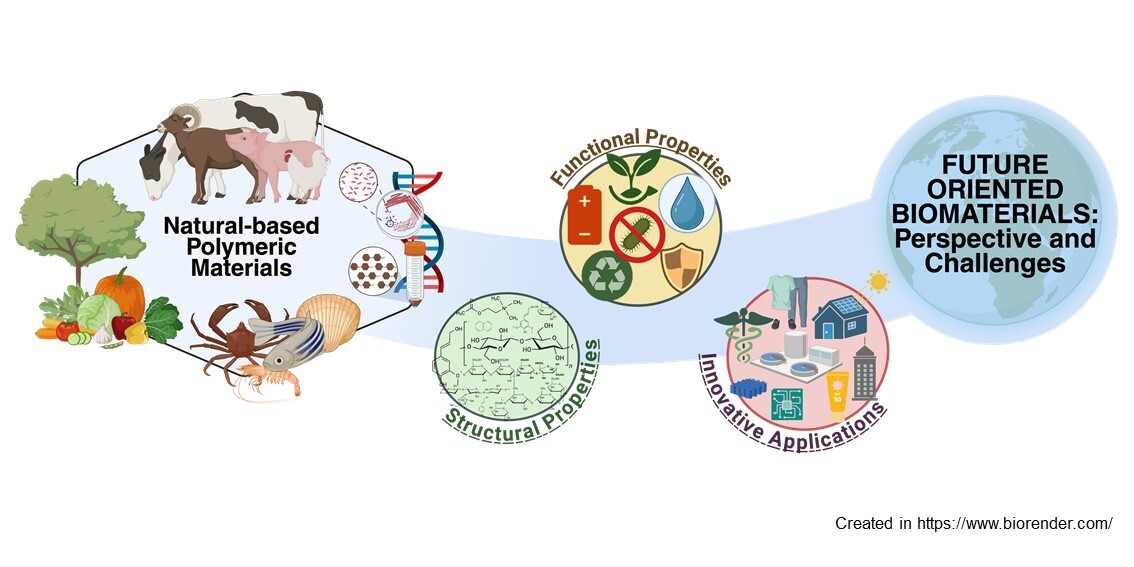
This review comprehensively explores natural-based biomaterials, emphasizing their characteristics, applications and innovations across different sectors, including medical, environmental, energy, textile, and construction. With increasing concern about resource depletion and pollution, biomaterials have emerged as a sustainable alternative to fossil-derived products. In this review, polysaccharide-based biomaterials, protein-based biomaterials and others such as polyisoprene, rosin, and hyaluronic acid are explained, highlighting their compositions and attractive features including biocompatibility, biodegradability, and functional adaptability. Their ability to form hydrogel, aerogels, foams and nanocomposites expands their applications in drug delivery, wound healing, tissue engineering. Moreover, this review presents an in-depth explanation of future development trends of biomaterials highlighting their increasing potential in biomedicine, sustainable materials, environmental biotechnology and advanced manufacturing. Recent research on the integration of emerging technologies such as 3D bioprinting, nanotechnology and hybrid material innovation has proven to improve the structure, performance, functionality and scalability of biopolymers for the intended applications. Furthermore, improvement in biomaterial processing techniques in combination with other strategies are expected to address the challenges associated with biomaterials including low mechanical strength, variability and rapid degradation. These improvements will further increase the suitability of biomaterials and their role in a circular and sustainable economy.
Keywords:
natural-based materials
; functional properties
; innovative applications
; future directions
1. Introduction
Resource depletion, climate change, and waste accumulation are environmental issues that are largely becoming more relevant nowadays. Material utilization has tripled within the last 50 years with a steady growth of about 2.3% per year, and material source extraction could reach 160 billion tonnes at the current rate. This is especially concerning as resource extraction and processing are responsible for 55% of global greenhouse gas emissions [1]. These issues, along with consumer demand for eco-friendly solutions, are the key drivers for the intensified global push for the industry’s reduced reliance on and preference for petroleum-based materials. Bio-based materials, defined to be materials that are fully or partially of biological origins [2], are central to the shift from a linear economy to a circular bioeconomy which prioritizes the utilization of renewable biological resources for the development of sustainable products and services [3]. The suitability of bio-based materials as a sustainable alternative to fossil fuel-based materials is further underscored by the natural source abundance, renewability, and low-impact production processes, contributing to an overall lower carbon footprint [4]. Furthermore, many bio-based materials are biodegradable, which can significantly reduce the environmental impact linked with plastic waste [5,6].
Their application spans a multitude of industries including medical, packaging, energy storage, textiles, and construction [7]. The urgent need for bio-based materials drives technological innovations, leading to the significant advancements witnessed in the last decade by the material sector. For instance, a common polysaccharide like starch has been transformed into bio-based materials like bioplastics and hydrogels which can be extensively used in the biomedical sector as a drug delivery system, implants, and tissue engineering [8,9] in the food sector as a biodegradable and recyclable food packaging alternative to single-use plastics [10], as well as for bioremediation [11]. Natural fibers such as hemp or flax blended with biodegradable resins form bio-composites that find their usability in industries requiring materials with enhanced mechanical, thermal, and functional characteristics such as in automotive and sports [12,13]. The valorisation of agricultural waste, such as pomelo peel, into high-performance carbon materials for energy storage applications further illustrates the versatility of biological resources in creating sustainable solutions [14]. The construction industry also benefits from the bio-based sector through innovations like flame-retardant additives derived from sugarcane bagasse for insulation materials [15] and concrete from hemp [16]. These innovations reflect the growing acknowledgment of bio-based materials as sustainable and practical alternatives across diverse industries, signalling a fundamental shift toward greener production practices.
Despite their vast potential, the widespread adoption of bio-based materials is not without challenges, particularly in the aspect of land use and associated environmental impacts. A comprehensive assessment of a bio-based material’s environmental footprint is essential to achieve an accurate and unbiased comparison with the fossil fuel-based counterpart, typically accomplished with the aid of life cycle assessments (LCA). Weiss et al [17] emphasized the importance of such evaluations, noting that drawing general conclusions about bio-based materials is difficult [17]. While significant reductions in energy consumption and greenhouse gas (GHG) emissions are observed, bio-based materials, unfortunately, can contribute to increased eutrophication and stratospheric ozone depletion, primarily due to the use of nutrients and chemicals during biomass cultivation. Additionally, land use impacts such as biodiversity loss, soil nutrient depletion, land conversion, and erosion are critical considerations. Bio-based materials can likewise face economic and logistical barriers. Feedstock seasonality, avoiding negative impacts on food security, and supply chain limitations can severely limit scaled-up production. Moreover, the specialized processing techniques and raw materials further inflate the cost and complexity of manufacturing these bio-based materials [18].
However, these constraints should not be viewed as reasons to abandon the shift to bio-based materials in favour of conventional petroleum-based products but rather as opportunities for innovation and progress. This is evident and will be presented in detail in this review, which comprehensively explores the current state of bio-based materials, examining their key characteristics, sources, and diverse applications. It also highlights innovations across multiple sectors, from packaging and automotive to textiles and construction, providing insights into how bio-based materials are transforming industries. In analysing the latest developments and trends, this article emphasizes the role of bio-based materials in advancing a more sustainable and circular bioeconomy. The field of biomaterials is rich with potential and offers numerous research opportunities in both material science and production technologies. With the right policies and investments, the bio-based materials sector can drive significant academic and economic growth while supporting global sustainability goals. In that regard, ultimately, this review aims to serve as a valuable resource for researchers, industry professionals, and policymakers advocating for the development and widespread adoption of bio-based materials as a central pillar for sustainable material solutions.
2. Characteristics of Biomaterials
Natural-based polymeric materials, classified mainly as proteins or polysaccharides, have gained great attention in recent years mainly due to their potential to replace petroleum hydrocarbon-derived plastics in a variety of applications. These biomaterials have exhibited good chemical stability, structural versatility, biocompatibility, and high availability with diverse applications in areas such as tissue engineering, drug delivery and wound healing, energy materials fabrications, and processing. Such materials are usually obtained from plants, animals, fungi, bacteria, and algae sources and can also be engineered to improve their structural and functional properties. Some common examples of biomaterials are classified as shown in Figure 1.
2.1. Polysaccharide-Based Materials
2.1.1. Cellulose
Cellulose is considered the most abundant natural biopolymer. It is composed of β-D-glucose units linked with β-1,4-glycosidic bonds and contains the significant number of reactive hydroxyl groups in the structure (Figure 2). Approximately 250 billion tonnes of natural cellulose is produced annually, the majority of which is from plant sources [25]. The cellulose is the primary component of the plant cells. This biopolymer is derived from various lignocellulosic sources such as cotton, hemp, flax, grasses, and many others. Plant cellulose (PC) has an overall crystalline structure. A major distinction between PC and bacterial cellulose (BC) may be drawn in terms of the fibrous properties. Plant cellulose fibres have diameters of approximately 13-22 µm and are less crystalline than BC, with a crystallinity index of around 44-65% due to the high proportion of cellulose I β [26,27]. Plant cellulose (PC) typically contains impurities in the form of residual hemicellulose, a protective component of plant cell walls. Cellulosic materials obtained from plants are versatile with attractive properties offering diverse applications including pulp and paper, textiles, biocomposites and bioplastics, pharmaceuticals, cosmetics, nanotechnology and many others [27,28]. Cellulose nanofibers and cellulose nanocrystals can also be obtained from plant sources for nanotechnological applications. Ventura-Cruz and Tecante [29] explored the synthesis of nanocellulose from many sources and found agro-industrial residues to hold the future of nanotechnology [29].
In the case of bacterial cellulose, the major sources include Gram-negative bacteria namely Gluconacetobacter xylinus, Agrobacterium, and Rhizobium, and Gram-positive bacteria, particularly Sarcina [30]. According to a report by Tanskul et al [31], bacterial cellulose can be isolated from over 59 strains of bacteria from ripe fruits and vegetables [31]. Importantly, BC is considered a source of pure cellulose, containing no lignin, pectin, hemicellulose, and other biogenic products [32]. This gives it better physicochemical properties such as specific surface area (high aspect ratio of fibers with diameter 20–100 nm), porosity, mechanical strength (Young’s modulus 15–18 GPa), degree of crystallinity (up to 80%) and polymerization (1000 – 20000), high water-holding capacity (over 100 times of its own weight), and biodegradability [30,33]. Such features make BC widely used in the food industry, biomedical sector, and in the formation of biobased materials and nanocomposites. Among others, BC has found application in the medical sector, where it has been used to make hydrogel, which exhibits a good ability to absorb, store, and desorb large amounts of water, owing to its nanofiber structure [30]. Furthermore, BC can be combined with other biopolymers to make composites. For instance, BC/Chitosan composite is used as a wound dressing material while BC/Alginate composite is used in tissue engineering [34,35] . In the food industry, BC is used in different food products because of its dietary fiber properties, like in the production of nata-de-coco, a juicy and chewy dessert from the Philippines [36].
2.1.2. Alginate
Alginate is a naturally occurring anionic polysaccharide with hydrophilic properties. It’s among the most abundant biomaterials that are mainly extracted from marine plants (approximately 40% of dry weight) and bacteria. Large-scale production comes from brown algae species, including Laminaria hyperborea, Ascophyllum nodosum, and Macrocystis pyrifera, while small-scale production is derived from bacterial species such as Azotobacter vinelandii and Pseudomonas aeruginosa [37]. Alginate contains linear blocks of (1,4)-linked Vegan substitute for animal-derived collagen for cosmetic and medical applications β-D-mannuronic acid (M) and α-L-guluronic acid (G) monomers (Figure 3). Normally, the blocks are composed of three different forms of polymer segments which are consecutive G residues, consecutive M residues and alternating MG residues. Alginates have four reactive sites in a chemical reaction including carboxylic acid, hydroxyl functional groups, and two relatively bonds 1,4 O-glycosidic and internal glycolic bonds [38].
The copolymer composition, sequence, and molecular weights (ranging from 10-1000 kDa) vary with the source and species that produce the copolymer, and this variation is reflected in their properties. The physicochemical properties of alginate are dependent on pH and ionic strength, which affect its solubility, viscosity, and dispersion. Additionally, alginate exhibits biological properties such as non-toxicity, biocompatibility, and biodegradability. Alginate has found diverse applications in different fields as it can be fabricated to produce hydrogels, injectable gels, microspheres, porous scaffolds, films, and fibres. The produced materials find application in regeneration medicine (for repair and regeneration of various tissues and organs such as skin, cartilage and bone), nutrition supplements, semipermeable separation and great potential in developing biodegradable packaging [39].
2.1.3. Chitin
Chitin is a polysaccharide generally obtained from the exoskeleton of crustaceans such as shrimps, crabs, insects, and mollusks and other sources including cephalopods, protozoans, coelenterates, and seaweed which contains a small amount of chitin [40]. Structurally (Figure 4), chitin is a linear polysaccharide with β-(1-4)-2-acetamido-2- deoxy-d-glucopyranose repeating units where the amine groups are entirely acetylated, and it is reported to have a cellulose-like structure with an acetamido group replacing the hydroxyl group on the C-2 position [41]. Chitin exhibits three polymorphs namely α, β, and γ based on the orientation of its chains, with α-chitin being the most abundant in shellfish shells. The α-chitin has two antiparallel polysaccharide chains, β-chitin has two parallel chains, and the γ-chitin contains three parallel chains, with two of them in the same direction. The α-chitin has been reported to be the most stable among the three and the other two possess the ability to transform into α-chitin under favorable conditions [42].
As reported by Kumar Gadgey et al [43], chitin biopolymers are amorphous solids with high molecular weight (120 kDa), density ranging from 0.18 to 0.33 g/cm3, viscosity of high to low, and soluble in diluted aqueous acid and insoluble in water, alkali, and organic solvents. Chemically, chitin biopolymers have linear polyamine and reactive amino groups and are attracted to negatively charge surfaces. They have a decree of acetylation of 70-90% and a high charge density at pH < 6.5 [43]. Studies have found chitin biopolymers to possess excellent biological properties including non-toxicity, biocompatibility, antioxidant, anticancerogen, and antitumor [43,44,45]. However, they are generally considered highly insoluble giving them poor biodegradability property [44].
2.1.4. Chitosan
As a biobased polysaccharide and the main derivative of chitin, chitosan has a structure composed of linear β-(1-4)-2-amino-2-deoxy-d-glucopyranose repeating units and it is considered as a copolymer of N-acetylglucosamine and N-glucosamine units, which are randomly or block-distributed throughout the biopolymer chain (Figure 5) [42]. The polymer chain contains amino functional groups in the deacetylated units at C-2 and hydroxyl groups at C-3 and C-6 positions, which gives chitosan excellent reactivity and versatility in applications [46].
Chitosan exhibits good solubility in an acidic solvent due to the presence of amine groups, which are protonated in acid solutions but are insoluble in a neutral or alkaline solvent [44,46,47]. Chitosan biopolymers are weak bases with high nitrogen content, hydrophilicity, crystallinity, and ionic conductivity properties [44]. These polymers also possess excellent biological properties such as biodegradability, biocompatibility, anti-microbial, antioxidant, and anti-inflammatory activity [44,47,48]. The physiochemical and biological properties of chitosan varied depending on the type of species, the initial composition of the raw material, and the choice of the processing method [49]. Chitosan-based materials have found applications in various sectors. In the biomedical sector, the cationic character due to the presence of the amino groups in chitosan gives excellent properties such as controlled drug release, mucoadhesion, in situ gelation, transfection, permeation enhancement, and efflux pump inhibitory which are essential in drug delivery applications [41]. Chitosan also found use in the fabrication of chitosan membranes which are used as artificial kidney membranes due to their excellent permeability and tensile strength and in production of chitosan-based scaffolds for tissue engineering [42].
2.1.5. Gellan Gum
Gellan gum (GG) is a tetra-saccharide natural biopolymer with a linear structure of repeating units of two subunits of β-D-glucose and one subunit of β-D-glucuronate and α-L-rhamnose each (Figure 6) [50].
Gellan gum is produced by the Sphingomonas paucimobilis bacterium which secretes the GG and is further extracted from the post-culture fluid for commercial purposes. The versatility of GG offers possibilities for adjustment of its physicochemical properties for various industrial applications [51]. GG exhibits exceptional biocompatibility and biodegradability, making it an ideal biomaterial for enhancing the compatibility of various products when incorporated and reducing the risk of adverse reactions in biomedical applications [52]. Chemical properties such as the presence of hydroxyl groups in GG polymer chain allow it to form salt complexes, rendering it a unique material for developing electrolytes in batteries, solar cells, and other electrochemical applications. Its ability to form a three-dimensional cross-linked hydrogel under improved process conditions makes it suitable for a wide range of biomedical and pharmaceutical applications as hydrogels allow for the controlled release of therapeutic compounds in drug delivery [53,54,55].
2.1.6. Starch
Starch is a major source of carbohydrates and the most abundant storage polysaccharide in plants, valued for its biocompatibility and degradability. Starch is primarily sourced from corn, wheat, potatoes, and rice. Chemically, starch is homopolymer composed of repeated glucose units (Figure 7).
It is found in two forms: amylose and amylopectin [56]. Amylose is a linear polysaccharide composed of 500-2000 glucose units linked by α-1-4 glycosidic bonds and constitutes 20-30% of starch. It can form inclusion complexes with various compounds, including fatty alcohols, long-chain fatty acids, and monoglycerides. While amylopectin is a branched polysaccharide with chain lengths of 1,000,000 glucose units linked by α-1-6 glycosidic bonds, making up 70-80% of starch [57]. These structural properties contribute to starch's versatility and functionality in diverse applications. This polysaccharide exhibits different physicochemical properties such as insolubility in cold water, and viscosity fluctuation during thermal processing which limits its industrial applications. However, some properties such as low density, large surface area and porosity has made starch attractive for the development of novel products. The biological aspects including renewability, biocompatibility, degradability and non-toxicity increase the value of it mostly for biological applications in medicine [58].
Starch has mainly been reported to be associated with the synthesis of different materials including nanocomposites (Starch/hydroxyapatite), hydrogels, foams, films, aerogels that found application in medical and pharmaceutical fields. They are mainly used in ophthalmic drug delivery, infectious disease treatment, regenerative medicine, and tissue engineering [56].
2.1.7. Dextran
Dextran is a natural exopolysaccharide secreted by Lactic acid bacteria. Dextran is a long chain of D-glucose molecules connected by α-(1→6) bonds. It may also have branching points where D-glucose molecules are linked by α-(1→4), α-(1→3), or α-(1→2) bonds (Figure 8).
The molecular weight of dextran can vary in wide extent, ranging from around 1 up to 2300kDa [59,60,61]. Its unique properties, including solubility, viscosity, and thermal and rheological characteristics, make it a valuable resource in various industries, including food, pharmaceuticals, and biotechnology research. Recent studies have explored also the potential blends of dextran with other polymers to fabricate biomaterials for various applications. Kavlak et al [62] prepared a Detran-polymethacrylamide (PMAM) blends using a solution casting method and explored the dynamic mechanical properties and thermal transitions of biocompatible dextran (T10 and T40) as a viable material for biomedical applications [62].
2.1.8. Pullulan
Pullulan is a highly soluble, tasteless, odorless, edible, and biodegradable fungal exopolysaccharide produced by Aureobasidium spp. when subjected to aerobic conditions and a carbon source substrate [63,64,65]. Its numerous advantages, including heat resistance, non-carcinogenicity, non-toxicity, non-immunogenicity, and wide viscosity range give it significant relevance in the industrial setting. Its structure constitutes maltotriose units connected by α-1,4 and α-1,6 glycosidic bonds in an unbranched sequence (Figure 9) [66].
Pullulan has a relatively lower viscosity compared to other polysaccharides with its molecular weight 40-600 kDa and a melting point range of 250-300◦C [65,67]. It is used in fabricating a wide range of biomaterials for applications including cholesterol bearing nanogels for wound healing [68,69], hydrogels for vascular cell engineering[70] gels for skin tissue regeneration[69], hard capsules for in vitro drug delivery [71], or pullulan-dextran micro-beads for bone repair[63]. It is also applied in other fields such as food industry (applied in non-polluting wrapping materials), cosmetics and waste remediation[65].
2.1.9. Agarose
Agarose is a natural polysaccharide obtained from marine sources, usually red algae, comprised of alternating units of β-D-galactopyranosyl and 3,6-anhydro-α-L-galactopyranosyl [72]. It is considered a thermally gelling alternating copolymer of β-1,3-linked D-galactose and α-1,4-linked 3,6-anhydro-α-L-galactose fragments (Figure 10).
When subjected to conditions of reduced temperature (usually <35°C), agarose undergoes gelation resulting from the generation of an extensive network of 3D agarose fibers, while melting and disassembly occur at relatively high temperatures around 80-90◦C [72,74]. Agarose can encapsulate mammalian cells due to its unique temperature-sensitive property, which allows it to transition from a water-insoluble gel-like state to a water-soluble state, making it an ideal material for cell encapsulation [74]. K. Nilsson [75] first explored the use of agarose for cell encapsulation, successfully immobilizing suspension-grown cells by entrapping them in polymer microbeads, paving the way for new possibilities in cell culture and research with agarose[75]. Consequently, advanced research has been conducted among which Karoubi et al [73] made a significant breakthrough by developing a single-cell agarose hydrogel microcapsule. Their findings revealed that agarose microcapsules hold great promise as a cell-delivery system, as they can efficiently support the survival of transplanted cells. This is achieved by striking a balance between mass transfer and metabolic requirements, while also minimizing mechanical injury to the transplanted cells [73].
2.2. Protein-Based Materials
2.2.1. Collagen
Collagen is the widely distributed class of protein that originates from a wide range of animals, including mammals and chordate classes. It can be sourced from animal skin (pigs, cattle, sheep), waste leather material, Achilles tendon, rat-tail tendon, fish skin, or through a recombinant protein production system. Collagen is a key component of all connective tissues, thereby making it one of the most significant biomolecules in the extracellular matrix (ECM). This fibrous protein species is the major constituent of skin and bone, accounting for roughly 25% of the total dry weight in mammals [76]. Collagen structure is composed of three protein chains (alpha (α) chains) that form a distinctive triple helix structure. Each α chain contains approximately 1000 amino acids and has a molecular weight of about 100 kDa, based on the repeating sequence of specific amino acids Gly-Xaa-Yaa (Figure 11). Glycine is the smallest amino acid with a hydrogen atom as its side chain, allowing it to fit at the center of the triple helix without causing steric hindrance. Its presence at every third position is vital for tightly packing the α chains in the tropocollagen molecule, while the Xaa and Yaa positions are predominantly filled by proline and 4-hydroxyproline [77].
Structure and function are the primary bases for categorization of collagen into different subfamilies. These subfamilies include fibrillar collagens, fibril-associated collagens with interrupted triple helices, network-forming collagens, transmembrane collagens, multiplexing collagens, and anchoring collagen. Fibrillar collagens constitute approximately 90% of the total collagen and represent the most abundant and widespread collagen group. This group includes type I, type II, type III, type V, type XI, type XXIV, and type XXVII collagen [78].The physicochemical properties of collagen result from its molecular structure including very high tensile and tear strength, which helps protect tissue against mechanical damage, and insolubility in water, which makes it resistant to proteolytic enzymes.
Collagen's stability is temperature-dependent, ranging from 5 to 50°C, the temperature necessary for its degradation which occurs in two stages. Firstly, the degradation of the superhelix structure and secondly the degradation of the helical structure. Collagen also exhibits plasticity and viscosity that change under thermal treatment. Its ability to bind ligands such as integrins and low-density lipoproteins helps in cell signal transmission. Moreover, it possesses biological properties that include low toxicity, low antigenicity, easy absorption by the body, biocompatibility, and biodegradability which contribute to its wide applications in medicine, pharmacology, and implantology [77,79]. It has found several applications in tissue engineering despite its limitation: difficulty in sterilization without structure alteration including Type I collage that is widely used in bone repair, Type II in cartilage regeneration, and Type I, III, and VI in skin tissue regeneration as a naturally occurring matrix or composites with improved strength while maintaining biological activity in different forms as hydrogel, freeze-dried sponge, collagen membrane or film, creams, injectable preparations, coating and scaffold [80].
2.2.2. Gelatine
Gelatine is a biopolymer of animal origin, primarily obtained from animal bones, cartilage, ligaments, and skin. It is often referred to as hydrolysed collagen, as it is obtained through the incomplete hydrolysis of collagen [81] . During the hydrolysis process, collagen undergoes structural breakdown to yield a mixture of peptides of varying molecular weights (Figure 12) [82].
The gelatine possesses improved physicochemical and thermal properties compared to collagen, which results in widespread application possibilities. The physicochemical properties of gelatine are largely dependent on particular sources; gelatine from mammals has better properties than gelatine from fish, which is also better than gelatine from insects [82]. In general, gelatine is soluble in warm water and form gel upon cooling, melting at normal body temperature, and with viscosity dependent on concentration and temperature. Additionally, it demonstrates outstanding biological properties such as biocompatibility and has biodegradable and non-toxic nature, which determines its wide range of practical applications [83]. Among others, gelatine is one of the widely used ingredients in food and non-food industries for the purposes of improving thickening, stabilization, gelation, and emulsification [81] . It is also considered a suitable material for the production of hydrogels with different structural and textural properties, that make them versatile materials with applications ranging from biomedical to wastewater treatment sectors. In the biomedical field, gelatine-based hydrogels are used in drug delivery, tissue engineering, tissue adhesives, wound dressings, and wearable devices [84]. Whereas, in wastewater treatment, such materials are applied as composite hydrogels for contaminant removal [85,86].
2.2.3. Silk
Silk is classified as a naturally occurring protein-based polymer usually extracted from spiders and silkworms Bombyx mori. Silk has gained significant research interest because of its ease of handling, biocompatibility, and environmentally friendly character [87]. Structurally (Figure 13), silk polymer is made of two main proteins: silk fibroin and sericin. The fibroin is the core structural protein in silk, which is composed of light and heavy chains in a ratio of 1:1 [87,88]. The heavy chain is a polypeptide with ordered repetitive amino acids forming the crystalline beta-sheet structure and has a molecular weight of about 390kDa while the light chain is made up of more diverse amino acids, forming the extensive beta-sheet structure with a molecular weight of approximately 26kDa. The sericin component is a glue-like globular protein covering the fibroin, it is less ordered compared to fibroin and it is made of various amino acids [88].
Silk has excellent mechanical properties, biocompatibility, biodegradability, and good versatility in terms of structural adjustment, making it a suitable biomaterial. Silk is semi-crystalline with about 62%-65% crystallinity recorded for silkworms’ silk, and it is thermally stable at temperatures below 100 ˚C [89]. Silk polymers have many biomedical applications. For instance, they are used in tissue engineering and as a matrix for wound healing as well as in the fight against cystitis, edema, impotence, epididymitis, and cancer [88] . Moreover, their anti-inflammatory and anti-tumfacient properties make them suitable for treating acute sinusitis and tonsillectomy. Silk-based hydrogels have also been intensively examined as drug-delivery systems [87].
2.2.4. Fibrin
Fibrin is a protein-based biopolymer obtained from fibrinogen through a cascade enzymatic reaction activated by thrombin [90]. Fibrinogen, a major component of the blood, is a long glycoprotein and has a molecular weight of about 340kDa. It is composed of a dimer formed by three disulfide-linked polypeptide chains, namely Aα, Bβ, and γ having molecular weights of 66500Da, 52000Da, and 46500Da respectively [91]. The structure of fibrinogen consists of two globular D regions and one central E region, each containing portions of α-helical coiled coils. The chemical structure is shown in Figure 14.
Fibrinogen is converted to fibrin through the thrombin selective cleaveage, resulting in the production of fibrinopeptide A (FpA) and fibrinopeptide B (FpB) at the N-terminal sites of the Aα and Bβ chains of fibrinogen, respectively. The new monomers then undergo polymerization to form fibrin strands which further undergo cross-linking through enzymatic (factor XIII) activity to form fibrin fibers with a crystalline-like structure [91,92,93]. Fibrin polymers have excellent mechanical strength, good elasticity, and mesh-like structures. They are considered biodegradable and biocompatible [93]. These characteristics make them ideal for a range of applications, particularly in the biomedical industries. Some products from fibrin include glues, scaffolds, hydrogels, gels, microbeads, composites, and sealants, each with specific usage in the biomedical field [94].
2.2.5. Elastin
Elastin is an elastomeric, insoluble, and fibrous protein that constitutes the extracellular matrix and is mainly present in organs and tissues such as skin, ligaments, bladder, blood vessels, cartilage, and lungs [95,96]. Elastin is characterized by the ability to undergo many cycles of stretching and recoiling without memory effect and can return to its original form hence giving the organs stretch, flexibility, and strength [95]. It forms the internal core of the elastic fiber and is synthesized from tropoelastin, which exists as a monomer in solution in two forms: an open globular molecule and a distended one. This monomer is secreted from different elastogenic cell types of mainly endothelial cells, smooth muscle cells, and fibroblasts, and has a molecular weight of about 60kDa [97]. Elastin biopolymers are formed through the cross-linking of tropoelastin, a process termed as elastogenesis [95].
Structurally (Figure 15), elastin in the form of elastic fibers is composed of two parts, an inner core of amorphous cross-linked elastin which constitutes about 90%, and an outer microfibrillar mantle[96] . Studies have found that elastin fibers are twisted and straight, arranged as interwoven networks or flattened sheets, with a scanning electron microscope analysis of elastin fibers from bovine reveals it contains about 100-130 nm in diameter fibrils [98].
Elastin biopolymers are characterized by their hydrophobicity and insoluble properties giving them the ability to resist acid and alkali degradation. The hydrophobic nature is due to the existence of the non-polar amino acid and the insolubility can be attributed to the formation of stable covalent cross-links such as desmosine and isodesmosine, between the lysine residues of tropoelastin molecules. Elastin exhibits rubbery properties in the presence of water, with a low elastic modulus [97]. Elastin is considered as biodegradable, biocompatible, and low immunogenicity biopolymer with excellent elasticity, resilience, durability, and longevity [99]. Due to its excellent physicochemical and biological properties, elastin has found applications in various sectors. Among others, it is used in the fabrication of elastin-like polypeptides used as scaffolds for tissue engineering [100] and hydrogel-based drug delivery systems [96].
2.2.6. Soy Protein
Soy protein is obtained from soybeans used in the edible oil industry. Its isolate is considered a by-product of the edible oil extraction process [101,102]. Soy protein is a relatively stable globular protein with many useful applications in sectors including food packaging or edible films as it complies with food-grade standards and has a long storage life [103,104]. There are three main types of soy protein products, categorized by their varying concentrations (ranging from 50% to 90%) and commercially available as: soy flour, soy protein concentrate, and soy protein isolate (SPI), each with distinct differences in protein content [104]. Soy protein is a blend of albumins and globulins, with the majority (90%) being storage proteins that have a globular structure. These proteins mainly consist of 7S (β-conglycinin) and 11S (glycinin) globulins [105]. The molecular weights of the 11S and 7S proteins differ significantly, with 11S having a molecular weight of 360 kDa and 7S having a molecular weight of 175 kDa. Additionally, their isoelectric point values also vary, with 11S at 6.4 and 7S at 4.8[106]. Twenty different amino acids are contained in the structure namely lysine, leucine, phenylalanine, tyrosine, aspartic acid, glutamic acid, arginine, methionine, isoleucine, valine, histidine, threonine, tryptophan, alanine, serine, cysteine, glycine, proline, and asparagine[106]. Soy protein contains variety of functional groups such as -NH2, -OH, -SH, -COOH which facilitate convenient modification chemically or physically and aids combination with other biopolymers to produce materials of higher value. It is commonly used in the production of hydrogels, adhesives, plastics, films, coatings and emulsifiers, and is considered as a material with high potential for biotechnological and biomedical applications[107].
2.2.7. Whey Protein
Whey accounts for 20% of the total protein in milk and is essentially the liquid component of milk, which gets separated from the solid curds during cheese making, leaving behind a translucent, fluid byproduct [108]. Whey proteins are further separated from this liquid and purified through various techniques, resulting in different concentrations of whey proteins. It comes in three primary products, varying in protein content: whey powder (containing 11-14.5% protein), whey concentrates (containing 25-89% protein), and whey isolate (containing 90% or more protein) [108]. It is composed of β-Lactoglobulin (β-La) (50– 60%), a small globular protein, composed of 162 amino acids with a molecular weight of approximately 18.3 kDa, 14.2 kDa for α-Lactalbumin (α-La) (20–25%)[109], 66.5 kDa for BSA (1.2–1.5%)[110], and 78–80 kDa lactoferrin (<10%) [111]. β-La originates from bovine milk and is the most abundant whey protein belonging to the lipocalin family [112]. Its structure consists of two disulfide bonds and one free sulfhydryl, enabling it to exhibit various functional properties such as phosphates metabolism in the mammary gland, and binding of fatty acids, vitamin A and vitamin D, among others. Similarly, α-La is bovine-derived WP and is the second most abundant component making up about 20–25% (1.5 g/L) of the total [113]. A strong hydrogen interaction between calcium ions and α-La results in a stable molecular structure, enhanced binding capacity, heat stability, and non-gelling characteristics. Bovine serum albumin (BSA), a minor protein, is a primary component of blood serum, and contributes to about 1.2–1.5% of whey protein. It is recognized for its ability to bind nutrients, specifically fatty acids C16 and C18, metal ions, and flavours compounds [112]. Lactoferrin is a glycosylated protein that can bind iron, existing as a single peptide chain from the transferrin family, composed of 689 amino acids with molecular weight of 80 kDa. It also exhibits antioxidant, microbial, inflammation properties. Whey protein can be transformed to several forms for application in a variety of fields including pharmaceuticals, manufacturing, food and beverages, therapeutic applications, and others. Much research has been conducted to fully ascertain the enormous advantages of whey protein as termed by Smithers [114], the conversion of whey into its derivates is considered “gutter to gold”. Zhou et al [115] studied the production of bioethanol and galactonic acid from cheese whey with successful results, obtaining 110g of ethanol, 320g galactonate, and 150g of other protein from cheese whey protein [115].
2.2.8. Resilin
Resilin, obtained from a wide range of arthropods, is an endogenous extracellular matrix protein composed primarily of amino acids (greater proportion of acidic residues and lower proportion of nonpolar residues) giving it a low isoelectric point and strong hydrophilic nature [116]. It holds the highest efficiency among all known elastic proteins since it works practically as a perfect isotropic rubber, exhibiting long-range reversible elasticity and exceptional resilience. These properties are essential for enabling quick deformation in insect tissues, facilitating high-frequency movements of up to 13 kHz without significant energy loss or hysteresis [116,117]. Resilin is rich in glycine and proline residues, featuring β-turn and polyproline II conformations derived from PG dyads, like other elastomeric structural proteins. This unique structure imparts a high degree of conformational flexibility, contributing to its exceptional mechanical properties [116]. Hydration transforms resilin into a hydrogel (at 50-60% water content and neutral pH), significantly altering its physical properties. This transformation enables resilin to switch between two distinct states: a flexible, rubber-like material when hydrated and a rigid, glassy polymer when dehydrated [118]. Much research has been conducted on resilin for various applications including effective energy storage and biomedical purposes, especially tissue engineering, due to its reversible elasticity, high-frequency responsiveness, hydrophilic capacity, self-assembly behavior, and fluorescent properties. Lihui and Wen [119] found that human mesenchymal stem cells formed more extensive stress fibers on resilin-based hydrogels with RGD sequences, enhancing cell attachment and expansion [119]. A resilin-based material (RZ10) developed by Renner et al [120] displays an unconstrained compressive modulus comparable to that of human cartilage, making it suitable for tissue engineering applications [120]. On the other hand, Truong et al [121] also created a pH-responsive biosensor surface by attaching a resilin-mimetic protein to gold nanoparticles in a compact state. This innovative design leveraged the protein's fluorescence capabilities and nanoparticle stabilizing properties, enabling precise control over nanoparticle growth rates [121].
2.3. Other Natural-Based Materials
2.3.1. Polyisoprene
Polyisoprene is a polymer consisting of chains of isoprene monomers, primarily of cis-1,4-polyisoprene (Figure 16).
It is a natural rubber obtained from the sap of Hevea brasiliensis (rubber tree). This material is known for its excellent elasticity and resilience, making it an attractive material for different applications, particularly in tyre manufacturing, footwear, and various latex products[122].
2.3.2. Plant Oils
Plant oils are increasingly gaining attention in the field of sustainable biomaterials due to their versatility in application, particularly those derived from vegetable sources like soybean, olive palm and sunflower. They can be valorised into several polymeric biomaterials with biodegradable and biocompatible properties well-suited for applications in the biomedical sector such as drug delivery, tissue engineering, and scaffolding for cell growth. Valorisation includes functionalizing these oils to enhances their properties through acylation, transesterification, metathesis and epoxidation reactions, which transforms the triglycerides into polymerizable monomers, allowing for the formulation of materials with specific mechanical and chemical characteristics tailored for biomedical applications[123].
2.3.3. Rosin
Rosin, a solid form of resin, an amber-coloured, transparent, glass-shaped natural biodegradable polymer obtained from pine trees and other plants. It primarily consists of resin acids, especially abietic acid (Figure 17) [124].
It has a variety of applications including glazing agent in medicines and chewing gum, in paper-making chemicals, paints, and adhesives, as a flux in soldering. Rosin acids readily crystallize, which can cause problems like increased viscosity and reduced storage life hence in practical applications, carboxylic acids and their salts can be used as crystallization inhibitors for rosin-based materials[125].
2.3.4. Hyaluronic Acid
Hyaluronic acid (HA) is a natural biopolymer consisting of repeating disaccharide units, consisting of D-glucuronic acid and N-acetylglucosamine molecules connected through β-(1-4) and β-(1-3) glycosidic bonds (Figure 18).
HA, a part of the glycosaminoglycan (GAG) family, is classified as a mucopolysaccharide. Its remarkable ability to retain large quantities of water makes it a key ingredient in aesthetic medicine, boosting tissue hydration and resistance to mechanical stress. It is biocompatible, biodegradable and has broad availability, and as such have be widely utilized across various medical fields, such as oncology, orthopedics, ophthalmology, and aesthetic dermatology [126].
3. Innovations in the Application of Natural-Originated Polymeric Biomaterials
Natural-based materials have emerged as a revolutionary and sustainable type of materials, driving significant advancements in medicine, food industry, agriculture, biotechnology, and other sectors (Figure 19). The development of these biomaterials is gaining attention as a promising alternative to traditional synthetic materials, leveraging the inherent advantages of biomaterials, including adaptability, compatibility with living tissues, degradability, abundance, and cost-effectiveness.
There are several ongoing research on the innovative use of these materials. These are emerging innovations in well developing sectors, where literature suggests that development rates are influenced by global trends, technological advancements, and shifting demand patterns. The environmental sector appears to be advancing quickly due to the global quest for sustainable practices, environmental regulations, and the urgent need for wastewater treatment, bioremediation, and climate change mitigation. Recent advances in biomaterials are also driving innovation in medicine, revolutionizing wound care, diagnostics, and treatment options. Table 1 offers an insight on the latest innovations in the practical development of natural-based biomaterials.
3.1. Energy Sector
Fabrication of Lignin-derived honeycomb-like porous carbon/SiO2 composites for high-performance Li-ion battery: Carbon materials play an essential role in energy systems and energy storage materials because they possess excellent properties including chemical stability, good electrical conductivity, high thermal, and large surface area. Among the various carbon materials, three-dimensional (3D) porous carbon materials are largely regarded as most suitable for use in the fabrication of energy storage devices like, sodium-ion batteries, Lithium-ion batteries, and super-capacitors due to their improved interconnected porous structure and excellent structural stability [151]. In recent times, biomass-derived carbon materials have gained global attention because they present a sustainable and cost-effective alternative approach to producing carbon materials compared to conventional methods [152]
A study on the electrochemical performance of lignin-derived honeycomb-like porous carbon/SiO2 composite (LHC/SiO2-21) with 3D structure in a Li-ion battery highlighted the potential of biomaterials in energy storage devices [130]. The LHC/SiO2-21 synthesis involved a dual-template-assisted self-assembly strategy. With this method, self-assembly of cationic quaternized alkali lignin (QAL) and anionic surfactant sodium dodecylbenzene sulfonate (SDBS) was performed in ethanol/water solvent to form a QAL/SDBS colloidal sphere, which was subsequently combined with negatively charged SiO2 and taken through ultrasonic dispersion in ethanol/water solvent, free-drying, carbonization, and alkali etching. The electrochemical performance test of the LHC/SiO2-21 electrode showed a delivered specific discharge and charge capacities of 2942.5 and 1070.1 mAh/g respectively at constant current of density of 0.1 A/g, with an initial coulombic efficiency (ICE) of 36.4% for the first cycle. The electrode reaches an ICE of over 98% after the 20 cycles, highlighting the electrode's structural stability and reaction reversibility. The synthesized material was found suitable for use as an anode in Li-ion batteries, with a good reversible capacity of 1109 mAh/g, and long cycle performance [130].
3.2. Medical Sector
The integration of collagen, fibrin, and glycoproteins into the development of Organ on a Chip (OoCs) for drug testing, screening, disease modelling, and personalized medicine: Drug discovery is one of the most important aspects of the pharmaceutical industry. However, there are some shortcomings in the drug evaluation stage including animal warfare protections, hence, Organ-on-a-chip technology, with the ability to simulate human organs system enables the drug evaluation process that includes testing for its toxicity, activity, safety, metabolism, and pharmacological efficacy, drug PK/PD modelling, disease modelling and personalized medicine. These O-o-Cs can be a single or multiorgan on a chip and this may include lung, heart, liver, kidney, gut, bone marrow, skin and muscles [153].Collagen, fibrin and glycoproteins are important in enhancing the OoCs platforms. They mainly contribute to the structural and functional mimicry of the extracellular matrix (ECM) enabling cell growth, differentiation and interaction with the microfluidic environment of OoCs. Microfluidic technology is used in the development of the OoCs where the organ-specific cells are cultured in a flask or disk with properly engineered systems that replicate the physiological conditions. Due to the transparency and biocompatibility of materials such as polydimethylsiloxane (PDMS), they are employed for Chip fabrication. Biomaterials such as collagen and glycoproteins are used in 3D natural cell scaffolds to provide in vivo-like microenvironments supporting cell attachment and morphogenesis. Fibrin simulates the extracellular matrix interactions (ECM) and glycoproteins facilitate cell-ECM communication and biochemical signaling. While OoCs have significantly advanced in the research phase, their successful conversion into commercial products is still limited. This is due to some challenges such as difficulty in controlled application of nutrient supply and limited multiscale structures and tissue interfaces that are important for organ function. Integrated development of OcCs with Artificial intelligence shows a positive change in the pharmaceutical industry including the development of OoCs hardware, AI will promote convenient OoCs data processing and increase the detection throughput of OoCs[154].
Oxidized sodium alginate/gelatine/halloysite hydrogel used as an injectable, adhesive, and antibacterial dressing for hemostasis: Wound care faces problems like haemorrhage and infections that may cause shock, and disability and sometimes lead to death. Its healing requires four main stages mainly: (1) the hemostasis stage being the most effective step to reduce the death rate, (2) the inflammation stage, (3) the proliferation stage and (4) the wound structure remodelling stage. Thus, wound dressing with hemostatic and antibacterial properties is of great importance but this is limited in conventional dressing due to insufficient mechanical strength, antibacterial efficacy and biocompatibility. Hydrogels are polymers with 3D structures that have been applied in wound dressing due to their strong network formed because of physical or chemical crosslinked chains. Lin et al [155] researched an oxidized sodium alginate/gelatin/halloysite hydrogel (OSA/Gel/HNTs) that has been applied for wound healing. This combines OSA and gelatin as the primary matrix combined with halloysite nanotubes. This hydrogel forms a self-crossed network through Schiff base reactions ensuring excellent mechanical properties, injectability and skin adhesion. HNTs facilitate the cross-linking reducing the gelation time and providing antibacterial activity against some pathogens like E. coli and S. aureus. This hydrogel has been proven to also reduce the clotting time, minimize bleeding and demonstrate the effective hemostatic and antibacterial properties for advanced wound dressing [155].
Formulation of Drug-free coating functionalized with tailored collagen supports for vascular tissue healing: Coronary artery disease (CAD) is among the top cardiovascular diseases that affect a large population of human beings worldwide. A stent implantation is an effective treatment method for CAD that has shown a great evolution in its treatment replacing the traditional surgical thoracotomy. However, some complications such as arterial tissue damage, cause thrombus formation and acute inflammatory response. These processes together are interrelated and responsible for the excessive deposition of extracellular matrix (ECM), and proliferation of smooth muscles which majorly cause hyperplasia which is a key cause for in-stent restenosis (ISR). Drug-eluting stent (DES) offers an effective way of reducing ISR by releasing drugs to inhibit smooth muscle cell proliferation. Meanwhile, delayed endothelial healing, chronic inflammation and an increased risk of late stent thrombosis limits their efficacy and safety for use. In solving these problems, a recombinant humanized type III collagen (rhCol III) has been suggested as it offers an innovative, drug-free coating for vascular tissue healing. Through structural biology and genetic engineering, a tailored biomaterial, collagen is integrated as a stent coating to support vascular tissue healing. rhCol III possesses some properties like anticoagulant and cell adhesion activity giving it the ability to retain highly adhesive fragments Gly-Glu-Arg (GER) and Gly-Glu-Lys (GEK)of rhCol III and bypass hydroxyproline (O) sequence that might induce platelet adhesion and activation. A stent coating with only rhCol III coating (drug-free) possesses several effects on cardiovascular stents including low inflammatory response, reducing the LST risk, inhibiting ISR and promoting vascular neointimal healing. Unlike DES, rhCol III naturally foster in-situ tissue repair and addresses the limitations of delayed healing and thrombosis. Hence, the biomaterial collagen prompts a promising future strategy for cardiovascular implants [156].
Sustainable collagen alternatives from engineered yeast strains for regenerative medicine and biomedical uses: Collagen is traditionally sourced from animals, which raises concerns regarding transmission of animal diseases (e.g. bovine spongiform encephalopathies and Creutzfeldt–Jakob disease) as well as accessibility for vegan or religious consumers. ProColl is a spin-off company from Swansea University that addresses these concerns by focusing on the manufacture of humanised procollagen and collagen using engineered yeast strains for a variety of applications in the medical, cosmetic, and food industries [157]. ProColl’s main products are recombinant human procollagen Type 1 ɑ1 and humanised Type I collagen, available as single alpha-chain or as full-chain molecules. Their procollagen has a triple helix molecular form, effectively mimicking the natural configuration of human collagen thereby maintaining the structural and biological functionality required to retain its bioactive properties and making it an ideal substrate for precise biomedical applications like regenerative medicine, cell therapy, and coatings for medical devices [158].
Leveraging antimicrobial compounds from berry extracts incorporated in nanocellullose films for surgical and wound care solutions: Berries are known for containing antimicrobial compounds, such as ellagitannins, that have been found to likewise be effective on human skin. These antimicrobial phenolic compounds can be sustainably sourced by utilizing the by-product of berry juicing, namely the berry press cakes, which contain the berry skin and seeds. Among the various wild berries tested, raspberry has been identified as the most suitable raw material for large-scale production due to its abundant supply. VTT Technical Research Centre of Finland’s patented InnoBerry Technologies™ manufacturing method involves dry and wet fractionation technologies followed by a sustainable hydrothermal extraction method that avoids the use of harmful solvents. The berry extract product can potentially replace artificial preservatives and nano-silver compounds in cosmetic and wound-care products [131]. More notably, it has been demonstrated to be effective in eliminating pathogens such as methicillin-resistant Staphylococcus aureus (MRSA), a bacterium with a global prevalence of 14.69% [159]. This is particularly interesting due to MRSA’s antibiotic resistance characteristic, which complicates treatment and can potentially be life-threatening, especially when acquired during surgeries. The antimicrobial extract developed by VTT is available in several forms and claims that it can be used as a surgical spray, cream, transdermal patch, or wound dressing. A nanocellulose film, a highly biocompatible material, can be utilized for skin applications by saturating its surface and pores with berry extract, thereby ensuring that the antimicrobial compounds are readily available rather than being trapped within the fiber network, allowing for maximum efficacy.
3.3. Environmental Sector
Enhancing Solar Still Efficiency with Snail Shell Biomaterials for Sustainable Water Purification: This innovation as applied in the environmental sector explored the integration of snail shell biomaterials into solar still technology to improve freshwater production. In the design of the solar still system, snail shells were utilized as absorbers to enhance the evaporation process by capturing solar energy effectively to increase the temperature in the basin. The performance of the system was quantified as snail shell solar still system (SSSS) productivity, demonstrating a 6.8% increase in hourly productivity compared to conventional solar still systems (CSSS) as well as cumulative productivity of approximately 2.28kg/m2. The study also evaluated the energy efficiency of the SSSS, reporting a 24.1% efficiency which was slightly higher than that of the CSSS (23%). This underscores the potential of snail shell biomaterial for sustainable water purification by harnessing solar energy, considering its abundance and low cost, it is an environmentally friendly alternative to synthetic materials. Nonetheless, potential challenges include preparation, durability, and maintenance, hence the need for design optimization to maximize the effectiveness of the snail shells in the solar still. Overall, the research underscores the viability of this innovative approach to enhance solar desalination processes and contribute to sustainable water management solutions [141].
Eco-Friendly Cellulose Aerogel Composites for Efficient Dye and Oil Removal from Wastewater: This innovation as applied in the environmental sector also explores the synthesis and usage of cellulose aerogel composites derived from pineapple leaf fibers and cotton waste to address the pressing issue of wastewater pollution caused by dyes and oils. The technology utilizes sol-gel method in an alkali-urea solution, where cellulose fibers were dissolved in the alkali-urea solution (typically NaOH-Urea) to breakdown the structure, allowing the formation of a homogenous solution and subsequent formation gel under suitable conditions, followed by freeze-drying to create aerogels with remarkable properties, including a low density (0.053 − 0.069 g/cm³) and high porosity (nearly 95%). The mechanical performance exhibited was between 5-9 times higher Young’s modulus compared to previous aerogel composites underscoring the feasibility of using agricultural waste to produce effective water treatment materials and the potential for these cellulose aerogel composites to contribute to sustainable environmental solutions [142].
Innovative strategies in PHA production by utilizing greenhouse gases for sustainable bioplastics: Polyhydroxyalkanoates (PHA) are biopolymers that serve as sustainable alternatives to fossil fuel-based plastics, as these have comparable plastic properties like high elasticity, tensile strength, and air resistance, with added advantages of biocompatibility, and biodegradability. PHAs serve as microorganisms’ energy and carbon storage and are produced via fermentation of sugars and fatty acids from waste feedstocks. Despite their advantages, PHA production is greatly hindered by the high production cost, with carbon sources accounting for 35-40% of the total cost [140]. Utilizing greenhouse gases (GHGs) like methane (CH4) and carbon dioxide (CO2) as carbon sources offers several benefits of carbon sequestration, promotes a bio-based circular economy, and reduces costs. This is an underexplored field, with fewer than 300 publications indexed in the Web of Science Core Collection (keywords used: Polyhydroxyalkanoates/PHAs/PHB, carbon dioxide/CO2, methane/CH4, fermentation /bioconversion for analyzing PHAs production from CO2, and fermentation/bioconversion for analyzing PHAs production from CH4 ); however, it is gaining traction, with over 80% of these studies published within the last decade [140]. Challenges identified include low productivity, limited microbial species, and inefficient gas-to-liquid transfer rates, and may be addressed by stress-induced PHA production, use of thermophilic microbial communities, and advancements in co-culturing and genetic engineering. Techniques, such as using water-in-oil emulsions, have improved PHA synthesis, significantly increasing microbial growth and PHA accumulation. Mixed carbon sources, like biogas, also enhance polymer properties, particularly poly(3-hydroxybutyrate) (P(3HB)), a widely studied PHA. This technology is exemplified by the company Mango Materials, which partners with and capitalizes on methane-producing facilities such as landfills and wastewater treatment plants. The company uses a consortium of methanotrophs to primarily produce P(3HB) pellets that have been optimized for versatility, finding applications in injection molding, fiber extrusion, additive manufacturing, and other plastic-substitute uses. Within approximately six weeks, the material disintegrates due to microbial activity in the ocean, without leaving harmful residues. This makes the material environmentally sustainable and suitable for reducing plastic pollution in aquatic ecosystems [160].
3.4. Construction Sector
Rigid flame-retardant foam as a building material synthesized from Bio-based sucrose-furanic resin: Biobased foams present a promising alternative to conventional foams widely used as insulation materials in different sectors, particularly the construction and building industries. Biobased foams offer some advantages over fossil-based foams including sustainability and low cost [161]. The flame-retardant properties of sucrose-furanic resin material have been studied by Dong et al [145]. The study synthesized sucrose-based foams by incorporating crosslinking agents; glyoxal and furfuryl alcohol into sucrose to form a sucrose-furan-glyoxal (SFG) resin, and the subsequent addition of ammonium dihydrogen phosphate (ADP) and azodicarbonamide (AC) to obtain SFGA foam. Analytical results showed that the SFGA foam has a temperature of heat resistance index of 116.40 ◦C and a limiting oxygen index (LOI) of 43.3% which meets the building B1 standard (LOI ≥ 32 %). The SFGA foam exhibited excellent thermal insulation capabilities making it suitable for use as a flame retardant. Compared to conventional flame retardants which emit harmful gases such as carbon monoxide and hydrogen cyanide during combustion, the SFGA foam emits acetic acid, carbon dioxide, and oxanes. A biodegradability test also shows that the foam is biodegradable, attaining a weight loss of 2.7% after 30 days of being buried in the soil. Overall, the SFGA foam attained the UL-94 V-0 flame retardant classification and hence can be used as an alternative flame retardant.
Synthesis of Chitin/chitosan biocomposite foams for sound absorption using chitins from different organisms: Wachsmann et al [146], conducted a comprehensive study on sound absorption properties of chitin/chitosan biocomposite foam. The study implored a “shake and bake” method in synthesizing chitin/chitosan-based foam by mixing different amounts of Chitin of the fungus A. niger α-ChiGL (α-chitin with glucan), snow crab C. opilio α-ChiSC (α-chitin), or squid C. coleoidea β-ChiSQ (β-chitin) with a solution of chitosan and starch to form a slurry, which was subsequently mixed with ammonium carbonate, generating a carbon dioxide as the foaming agent in an acidic medium. A mechanical test analysis showed that the chitin foams exhibit mechanical properties comparable to medium-density (MD) flexible polymer foams, with α-chitin similar to low-density and β-chitin similar to medium-density polymers. The study also reported that the synthesized foams recorded a total heat release (THR) of 16.96−17.96 kJ/g and 16.52− 17.14 kJ/g for the α-chitin-based foam and β-chitin-based foams, which are comparatively lower than a commercial insulation material, expanded polystyrene (EPS) and Extruded polystyrene (XPS) having a THR of 24−45 kJ/g. These findings highlight the superiority of the chitin-based foams in terms of fire safety. The chitin-based foams exhibit good sound absorption coefficient maxima in a range of 0.79-0.94 corresponding to 600−2000 Hz, making them suitable for use in daily street noise (in the range of cancelation 700−1300 Hz). The sound absorption properties of the chitin foams are comparable to existing sound-absorber materials such as Rockwool (0.9, 500Hz) and other absorber panels (0.90, 1000 Hz). The sound absorption properties of the chitin foams are comparable to existing sound-absorber materials such as Rockwool (0.9, 500Hz) and other absorber panels (0.90, 1000 Hz) [162].
3.5. Textile Sector
Promoting Green Fashion through State-of-the-Art Sustainable Leather Alternatives: The textile industry is one of the most environmentally harmful industries, accounting for 20% of water pollution and 10% of Greenhouse Gases (GHG) production globally. Additionally, it reportedly utilizes an average of 400m2 land, 9m3 of water, and 391kg of raw materials while generating 270kg CO2 emission per year per capita. Its contribution to environmental pollution is not limited to the manufacturing process, but also throughout its lifecycle. During use, microfibers are released during washing, and less than 1% are recycled, with the remainder of often ending up in landfills thereby exacerbating waste and pollution concerns. Despite these, the demand for textiles continues to rise, with projections indicating a global production of 145 million tonnes by 2030, driving the demand for alternative, animal and petrochemical-free biotextiles [163].
Companies such as TômTex, Modern Synthesis, and MYCOWorksTM are driving innovation in sustainable biotextiles. TômTex creates 100% certified biobased textiles that have a much lower environmental impact by requiring only 0.1% of the water used in conventional leather production and 80-90% less GHG emission. They offer biodegradable, petrochemical-free, and customizable products made of sustainably sourced chitosan from mushroom and shrimp and crab shells for their TômTex Series MTM and Series WSTM, respectively [147] . ModernSynthesis creates bacterial nanocellulose-based textiles from agricultural residues, offering lightweight, leather-like, biodegradable materials with high tensile strength (about 8 times that of steel) through a closed-loop system. Natural fibers are utilized as microbial scaffolds, providing a framework for microbes to grow and produce nanocellulose during fermentation. As this process occurs, the textile material forms around the scaffold, creating a structured and functional product[148]. MycoWorks™ creates leather-like materials with specific strength, performance, and aesthetic requirements by leveraging its patented Fine Mycelium™ technology, which involves precise engineering and monitoring of mycelium growth. The biomaterial still undergoes tanning and finishing processes, but the company employs a proprietary chrome-free tanning and dyeing technology designed to minimize environmental impact[149].
Harnessing genetic engineering for creating pigmented biotextiles from bacterial cellulose. Genetic engineering can be utilized to further enhance the sustainability of biotextiles made from bacterial cellulose by creating microbial strains capable of producing self-pigmenting materials. An example of this is the genetic modification of Komagataeibacter rhaeticus performed by Walker et al [150] to express the Tyr1 tyrosinase gene obtained from Bacillus megaterium [150].This enzyme catalyzes the oxidation of L-tyrosine into dopaquinone, which eventually converts into eumelanin, the pigment responsible for dark colors like brown and black. Two Tyr1 expression strains were produced, namely, the plasmid-based K. rhaeticus ptyr1 and chromosomally integrated K. rhaeticus ctyr1. A two-step process was developed involving the culturing of the Tyr1- expressing bacteria under normal acidic growth conditions followed by the melanin synthesis that requires a specific melanin development buffer with basic pH. The melanated pellicle production was successful, with the darkest color observed after 19 hours. It was found that adjusting the time and L-tyrosine concentration in both the culture medium and melanin development buffer allowed for the creation of various shades of brown and black. The melanin pigment proved resistant to sterilization by high-pressure steam and ethanol, but not to oxidizing agents like sodium hypochlorite. It withstood the water spotting test and showed high stability with no visible discoloration. Moreover, the pigment persisted, and minimal changes were observed even after 42 months of testing. Notably, it can likewise be patterned using light sources. Testing revealed no significant difference in tensile strength or porosity between melanated and unmelanated pellicles. However, melanated pellicles showed increased hydrophilicity, with the contact angle dropping from 47° to 28°. This means that waterproofing may be required, either by using natural materials or through further genetic modifications to alter the structure or create a hydrophobic layer. Future research could explore the creation of other pigment variations.
4. Future Development Trends
The advancement of biomaterials based on natural polymers seeks to maximize the industrial revolution in various fields such as biomedicine, sustainable materials, environmental biotechnology, and advanced manufacturing. As the demand for biodegradable, biocompatible, and functionally adaptive materials is rapidly increasing, it has become imperative for research to focus on enhanced fabrication methods, hybrid material innovation, and diversifying applications. According to the current literature prognosis [164], the rapid demand for biobased products in the global market is driven by regulatory policies, environmental concerns, and technological advancements. Production capacity in 2023 increased to 4.4 million tonnes, representing 1% of the total polymer market, with a compound annual growth rate (CAGR) of 17% projected until 2028. Asia and North America are specifically experiencing the fastest growth, where companies are investing in sustainable polymer production[164].
Significant trends observed recently is the integration of advanced fabrication technologies such as 3D/4D bioprinting, electrospinning, bioelectronics, smart biomaterials, personalized biomaterials, new generation hydrogels, antimicrobial solutions, immunomodulatory biomaterials, biodegradable polymers/metals and nanotechnology, which enable precise structuring of biomaterials for various applications [165,166,167,168,169,170,171,172,173,174,175]. Natural-based hydrogels like chitosan, sodium alginate, hyaluronic acid, and cellulose have gained prospects due to their high-water content, bio-compatibility, and similarity to the extracellular matrix (ECM), making these biopolymers ideal for tissue scaffolds, biosensors, and controlled drug release systems [175,176]. It is found in Barhoum et al [177] that bio-based hydrogels are being developed with stimuli-bioresponsive properties, enabling the production of new generation materials applied as implantable, wearable, and disposable biosensors for medical diagnostics [177]. Figure 20 illustrates various significant shifts in the recent utilization of biomaterials, demonstrating their growing dominance in contemporary society.
Key development trends include: the development of transformative nanorobots through fabrication techniques such as two-photon polymerization (TPP) to enable precise 3D micro/nanostructures with submicron resolution, critical for creating biodegradable, stimuli-responsive robots for targeted drug delivery [171]; development of new elastic materials for soft living tissues 3D printing. Researchers of Northeastern University Bioengineering recently patented a new elastic hydrogel material for such applications and made a significant assertion that a breakthrough is expected to lead to 3D printing blood vessels and human organs very soon [178]. Delgado-Puyol et al, [172] also discuss a shift toward stimuli-responsive biomaterials, particularly hydrogels and nanogels laying emphasis on personalized medicine through 3D-printed and injectable systems, patient-specific bioinks, organ-on-chips with sensors that adapt to patient-specific anatomical or pathological conditions. These biomaterials enable precise drug release via pH, temperature, or enzymatic triggers [172]. Biodegradable metallic materials have also seen a significant rise in medical implants by combining mechanical strength akin to human bone with in vivo degradability, eliminating secondary removal surgeries. These metallic materials including magnesium, zinc and iron alloys are being investigated thoroughly with hey innovations focusing on surface modifications (e.g., fluoride coatings for Mg alloys) to control corrosion and leveraging 3D printing to fabricate patient-specific implants, despite challenges in surface roughness and structural precision[170].
Another promising development in bioelectronics is the development of neurostimulators. Implantable neurostimulators like spinal cord stimulators are being developed for chronic pain management for delivering electrical pulses to specific nerves to disrupt pain signals and provide relief to patients. Beyond that, they hold enormous promise in treating neurological disorders. For instance, brain-machine interfaces and neuromodulation devices are designed to address conditions like epilepsy, depression, and neurodegenerative diseases through direct interaction with the nervous system to either stimulate or inhibit neural activities to restore proper function. The future of healthcare is becoming more reliant on unlocking bioelectronic device advancements[165]. Despite these advancements, several challenges remain as highlighted earlier. Biomaterials based on natural polymers are often limited by poor mechanical strength, batch-to-batch variability, and rapid degradation, which make it challenging for applications including load-bearing medical devices and long-term implants [176]. Strategies such as chemical crosslinking, nanocomposite reinforcement, and enzymatic modifications are expected to take over since they enhance stability and durability [175]. However, chemical crosslinking which utilizes chemical agents such as acids and glutaraldehyde may have a negative impact on the environment when released in quantities. Additionally, cost-effective mass-production techniques are needed to bridge the gap between laboratory research and industrial-scale manufacturing. Nevertheless, with consistent improvements in processing techniques, material engineering, and policy support from relevant stakeholders, these biomaterials will be central to next-generation materials for various eco-friendly industrial applications and functional biotechnological approaches.
Author Contributions
Conceptualization, K.L.; data curation, O.A., P.S.A.N, F.A.M., N.B.C.; validation, K.L.; writing—original draft preparation, O.A., P.S.A.N, F.A.M., N.B.C.; writing—review and editing, K.L.; visualization, O.A., P.S.A.N, F.A.M., N.B.C, K.L. All authors have read and agreed to the published version of the manuscript.
Funding
This research received no external funding.
Acknowledgments
Oscar Amponsah, Prince Sungdewie Adama Nopuo, Felista Adrehem Manga and Nicole Bianca Catli are grateful to the Erasmus Mundus Joint Master program, Sustainable Biomass and Bioproducts Engineering, Project 101050789 Sus2BioEng, for financial support of their study and research.
Conflicts of Interest
The authors declare no conflicts of interest.
References
- United Nations Environment Programme, International Resource Panel. Global Resources Outlook 2024 – Bend the Trend: Pathways to a Liveable Planet as Resource Use Spikes; United Nations Environment Programme: Nairobi, Kenya, 2024. Available online: https://wedocs.unep.org/handle/20.500.11822/44901 (accessed on 1 August 2024).
- Le DL, Salomone R, Nguyen QT. Circular bio-based building materials: A literature review of case studies and sustainability assessment methods. Build. Environ. 2023, 244, 110774. [CrossRef]
- Tan ECD, Lamers P. Circular bioeconomy concepts—A perspective. Front. Sustain. 2021, 2, 701509. [CrossRef]
- Pandit P, Nadathur GT, Maiti S, Regubalan B. Functionality and properties of bio-based materials. In: Bio-Based Materials for Food Packaging: Green and Sustainable Advanced Packaging Materials; Springer: Singapore, 2018; pp. 81–103. [CrossRef]
- Fusteș-Dămoc I, Dinu R, Măluțan T, Mija A. Valorisation of chitosan natural building block as a primary strategy for the development of sustainable fully bio-based epoxy resins. Polymers 2023, 15(24), 4627. [CrossRef]
- Nwabike Amitaye, A.; Elemike, E.E.; Akpeji, H.B.; Amitaye, E.; Hossain, I.; Mbonu, J.I.; et al. Chitosan: A Sustainable Biobased Material for Diverse Applications. J. Environ. Chem. Eng. 2024, 12, 1103381. [CrossRef]
- Silva, A.C.Q.; Silvestre, A.J.D.; Vilela, C.; Freire, C.S.R. Natural Polymers-Based Materials: A Contribution to a Greener Future. Molecules 2022, 27, 94. [CrossRef]
- Singhvi, M.S.; Zinjarde, S.S.; Gokhale, D.V. Polylactic Acid: Synthesis and Biomedical Applications. J. Appl. Microbiol. 2019, 127, 1612–1626. [CrossRef]
- Rico-Llanos, G.A.; Borrego-González, S.; Moncayo-Donoso, M.; Becerra, J.; Visser, R. Collagen Type I Biomaterials as Scaffolds for Bone Tissue Engineering. Polymers 2021, 13, 599. [CrossRef]
- Swetha, T.A.; Bora, A.; Mohanrasu, K.; Balaji, P.; Raja, R.; Ponnuchamy, K.; et al. A Comprehensive Review on Polylactic Acid (PLA) – Synthesis, Processing and Application in Food Packaging. Int. J. Biol. Macromol. 2023, 234, 123715. [CrossRef]
- Fijoł, N.; Aguilar-Sánchez, A.; Mathew, A.P. 3D-Printable Biopolymer-Based Materials for Water Treatment: A Review. Chem. Eng. J. 2022, 430, 132801. [CrossRef]
- Andrew, J.J.; Dhakal, H.N. Sustainable Biobased Composites for Advanced Applications: Recent Trends and Future Opportunities—A Critical Review. Compos. Part C Open Access 2022, 7, 100220. [CrossRef]
- Mahmud, M.Z.A.; Rabbi, S.M.F.; Islam, M.D.; Hossain, N. Synthesis and Applications of Natural Fiber-Reinforced Epoxy Composites: A Comprehensive Review. SPE Polym. 2024, 5, e12345. [CrossRef]
- Liu, J.; Li, H.; Zhang, H.; Liu, Q.; Li, R.; Li, B.; et al. Three-Dimensional Hierarchical and Interconnected Honeycomb-Like Porous Carbon Derived from Pomelo Peel for High Performance Supercapacitors. J. Solid State Chem. 2018, 257, 64–71. [CrossRef]
- Capêto, A.P.; Amorim, M.; Sousa, S.; Costa, J.R.; Uribe, B.; Guimarães, A.S.; et al. Fire-Resistant Bio-Based Polyurethane Foams Designed with Two By-Products Derived from Sugarcane Fermentation Process. Waste Biomass Valorization 2024, 15, 2045–2059. [CrossRef]
- Kore, S.D.; Sudarsan, J.S. Hemp Concrete: A Sustainable Green Material for Conventional Concrete. J. Build. Mater. Sci. 2021, 3, 1–7. [CrossRef]
- Weiss, M.; Haufe, J.; Carus, M.; Brandão, M.; Bringezu, S.; Hermann, B.; et al. A Review of the Environmental Impacts of Biobased Materials. J. Ind. Ecol. 2012, 16, S169–S181. [CrossRef]
- Azeredo, H.M.C.; Barud, H.; Farinas, C.S.; Vasconcellos, V.M.; Claro, A.M. Bacterial Cellulose as a Raw Material for Food and Food Packaging Applications. Front. Sustain. Food Syst. 2019, 3, 7. [CrossRef]
- Gabryś, T.; Fryczkowska, B.; Fabia, J.; Biniaś, D. Preparation of an Active Dressing by In Situ Biosynthesis of a Bacterial Cellulose–Graphene Oxide Composite. Polymers 2022, 14, 2800. [CrossRef]
- Silva, A.C.Q.; Silvestre, A.J.D.; Vilela, C.; Freire, C.S.R. Natural Polymers-Based Materials: A Contribution to a Greener Future. Molecules 2022, 27, 94. [CrossRef]
- Gupta, G.K.; De, S.; Franco, A.; Balu, A.M.; Luque, R. Sustainable Biomaterials: Current Trends, Challenges and Applications. Molecules 2016, 21, 48. [CrossRef]
- Ullah, S.; Chen, X. Fabrication, Applications and Challenges of Natural Biomaterials in Tissue Engineering. Appl. Mater. Today 2020, 20, 100656. [CrossRef]
- Silva, A.C.Q.; Silvestre, A.J.D.; Vilela, C.; Freire, C.S.R. Natural Polymers-Based Materials: A Contribution to a Greener Future. Molecules 2022, 27, 94. [CrossRef]
- Dalwadi, S.; Goel, A.; Kapetanakis, C.; Salas-de la Cruz, D.; Hu, X. The Integration of Biopolymer-Based Materials for Energy Storage Applications: A Review. Int. J. Mol. Sci. 2023, 24, 3975. [CrossRef]
- Ansari, M.M.; Heo, Y.; Do, K.; Ghosh, M.; Son, Y.O. Nanocellulose Derived from Agricultural Biowaste By-Products–Sustainable Synthesis, Biocompatibility, Biomedical Applications, and Future Perspectives: A Review. Carbohydr. Polym. Technol. Appl. 2024, 8, 100529. [CrossRef]
- Ververis, C.; Georghiou, K.; Christodoulakis, N.; Santas, P.; Santas, R. Fiber Dimensions, Lignin and Cellulose Content of Various Plant Materials and Their Suitability for Paper Production. Ind. Crops Prod. 2004, 19, 245–254. [CrossRef]
- de Amorim, J.D.P.; de Souza, K.C.; Duarte, C.R.; da Silva Duarte, I.; de Assis Sales Ribeiro, F.; Silva, G.S.; et al. Plant and Bacterial Nanocellulose: Production, Properties and Applications in Medicine, Food, Cosmetics, Electronics and Engineering—A Review. Environ. Chem. Lett. 2020, 18, 851–869. [CrossRef]
- Yassin, M.A.; Gad, A.A.M.; Ghanem, A.F.; Abdel Rehim, M.H. Green Synthesis of Cellulose Nanofibers Using Immobilized Cellulase. Carbohydr. Polym. 2019, 205, 255–260. https:/doi.org/10.1016/j.carbpol.2018.10.087.
- Ventura-Cruz, S.; Tecante, A. Extraction and Characterization of Cellulose Nanofibers from Rose Stems (Rosa spp.). Carbohydr. Polym. 2019, 220, 53–59. [CrossRef]
- Gabryś, T.; Fryczkowska, B.; Fabia, J.; Biniaś, D. Preparation of an Active Dressing by In Situ Biosynthesis of a Bacterial Cellulose–Graphene Oxide Composite. Polymers 2022, 14, 2805. [CrossRef]
- Tanskul, S.; Amornthatree, K.; Jaturonlak, N. A New Cellulose-Producing Bacterium, Rhodococcus sp. MI 2: Screening and Optimization of Culture Conditions. Carbohydr. Polym. 2013, 92, 421–428. [CrossRef]
- Portela, R.; Leal, C.R.; Almeida, P.L.; Sobral, R.G. Bacterial Cellulose: A Versatile Biopolymer for Wound Dressing Applications. Microb. Biotechnol. 2019, 12, 586–610. [CrossRef]
- Betlej, I.; Antczak, A.; Szadkowski, J.; Drożdżek, M.; Krajewski, K.; Radomski, A.; et al. Evaluation of the Hydrolysis Efficiency of Bacterial Cellulose Gel Film after the Liquid Hot Water and Steam Explosion Pretreatments. Polymers 2022, 14, 2104. [CrossRef]
- Kirdponpattara, S.; Khamkeaw, A.; Sanchavanakit, N.; Pavasant, P.; Phisalaphong, M. Structural Modification and Characterization of Bacterial Cellulose–Alginate Composite Scaffolds for Tissue Engineering. Carbohydr. Polym. 2015, 132, 146–155. [CrossRef]
- Kim, J.; Cai, Z.; Lee, H.S.; Choi, G.S.; Lee, D.H.; Jo, C. Preparation and Characterization of a Bacterial Cellulose/Chitosan Composite for Potential Biomedical Application. J. Polym. Res. 2011, 18, 739–744. [CrossRef]
- Azeredo, H.M.C.; Barud, H.; Farinas, C.S.; Vasconcellos, V.M.; Claro, A.M. Bacterial Cellulose as a Raw Material for Food and Food Packaging Applications. Front. Sustain. Food Syst. 2019, 3, 7. [CrossRef]
- Zia, K.M.; Zia, F.; Zuber, M.; Rehman, S.; Ahmad, M.N. Alginate Based Polyurethanes: A Review of Recent Advances and Perspective. Int. J. Biol. Macromol. 2015, 79, 377–387. [CrossRef]
- Sun, J.; Tan, H. Alginate-Based Biomaterials for Regenerative Medicine Applications. Materials 2013, 6, 1285–1309. [CrossRef]
- Hurtado, A.; Aljabali, A.A.A.; Mishra, V.; Tambuwala, M.M.; Serrano-Aroca, Á. Alginate: Enhancement Strategies for Advanced Applications. Int. J. Mol. Sci. 2022, 23, 4486. [CrossRef]
- Mati-Baouche, N.; Elchinger, P.H.; De Baynast, H.; Pierre, G.; Delattre, C.; Michaud, P. Chitosan as an Adhesive. Eur. Polym. J. 2014, 60, 198–212. [CrossRef]
- Alemu, D.; Getachew, E.; Mondal, A.K. Study on the Physicochemical Properties of Chitosan and Their Applications in the Biomedical Sector. Int. J. Polym. Sci. 2023, 2023, 5025341. [CrossRef]
- Jiménez-Gómez, C.P.; Cecilia, J.A. Chitosan: A Natural Biopolymer with a Wide and Varied Range of Applications. Molecules 2020, 25, 3981. [CrossRef]
- Gadgey, K.K.; Bahekar, A. Investigation on Uses of Crab Based Chitin and Its Derivatives. Int. J. Mech. Eng. Technol. 2017, 8, 456–466. https://www.researchgate.net/publication/315837234.
- Jiménez-Gómez, C.P.; Cecilia, J.A. Chitosan: A Natural Biopolymer with a Wide and Varied Range of Applications. Molecules 2020, 25, 3981. [CrossRef]
- Nwabike, A.A.; Elemike, E.E.; Akpeji, H.B.; Amitaye, E.; Hossain, I.; Mbonu, J.I.; et al. Chitosan: A Sustainable Biobased Material for Diverse Applications. J. Environ. Chem. Eng. 2024, 12, 113208. [CrossRef]
- Fusteș-Dămoc, I.; Dinu, R.; Măluțan, T.; Mija, A. Valorisation of Chitosan Natural Building Block as a Primary Strategy for the Development of Sustainable Fully Bio-Based Epoxy Resins. Polymers 2023, 15, 4627. [CrossRef]
- Di Liberto, E.A.; Dintcheva, N.T. Biobased Films Based on Chitosan and Microcrystalline Cellulose for Sustainable Packaging Applications. Polymers 2024, 16, 568. [CrossRef]
- Kaewprachu, P.; Jaisan, C. Physicochemical Properties of Chitosan from Green Mussel Shells (Perna viridis): A Comparative Study. Polymers 2023, 15, 2816. [CrossRef]
- Kaewprachu, P.; Jaisan, C. Physicochemical Properties of Chitosan from Green Mussel Shells (Perna viridis): A Comparative Study. Polymers 2023, 15, 2816. [CrossRef]
- Gomes, D.; Batista-Silva, J.P.; Sousa, A.; Passarinha, L.A. Progress and Opportunities in Gellan Gum-Based Materials: A Review of Preparation, Characterization and Emerging Applications. Carbohydr. Polym. 2023, 311, 120732. [CrossRef]
- Dev, M.J.; Warke, R.G.; Warke, G.M.; Mahajan, G.B.; Patil, T.A.; Singhal, R.S. Advances in fermentative production, purification, characterization and applications of gellan gum. Bioresour. Technol. 2022, 359, 127498. [CrossRef]
- Peng, X.; Zhu, L.; Guo, J.; Sun, Z.; Zhao, M.; Zhan, X. Enhancing biocompatibility and neuronal anti-inflammatory activity of polymyxin B through conjugation with gellan gum. Int. J. Biol. Macromol. 2020, 147, 734–740. [CrossRef]
- Aliabadi, H.A.M.; Forouzandeh-Malati, M.; Hassanzadeh-Afruzi, F.; Noruzi, E.B.; Ganjali, F.; Kashtiaray, A.; et al. Magnetic xanthan gum-silk fibroin hydrogel: A nanocomposite for biological and hyperthermia applications. Int. J. Biol. Macromol. 2023, 253, 127005. [CrossRef]
- Das, M.; Giri, T.K. Hydrogels based on gellan gum in cell delivery and drug delivery. J. Drug Deliv. Sci. Technol. 2020, 56, 101586. [CrossRef]
- Muthukumar, T.; Song, J.E.; Khang, G. Biological role of gellan gum in improving scaffold drug delivery, cell adhesion properties for tissue engineering applications. Molecules 2019, 24, 4514. [CrossRef]
- Lee, C.S.; Hwang, H.S. Starch-Based Hydrogels as a Drug Delivery System in Biomedical Applications. Gels 2023, 9, 951. [CrossRef]
- Falua, K.J.; Pokharel, A.; Babaei-Ghazvini, A.; Ai, Y.; Acharya, B. Valorization of Starch to Biobased Materials: A Review. Polymers 2022, 14, 2215. [CrossRef]
- Tiwari, A. Recent Developments in Bio-Nanocomposites for Biomedical Applications; Nova Science Publishers: New York, NY, USA, 2011..
- Casettari, L.; Bonacucina, G.; Morris, G.A.; Perinelli, D.R.; Lucaioli, P.; Cespi, M.; Palmieri, G.F. Dextran and its potential use as tablet excipient. Powder Technol. 2015, 273, 125–132. [CrossRef]
- Díaz-Montes, E. Dextran: Sources, Structures, and Properties. Polysaccharides 2021, 2, 554–565. [CrossRef]
- Radke, W.; Held, D.; Bock, H.; Kilz, P. Molecular Weight Determination of Dextran According to USP/EP Monograph. Agilent Technologies, 2023. Available online: https://lcms.cz/labrulez-bucket-strapi-h3hsga3/an_wingpc_dextran_usp_ep_gpc_sec_5994_5763en_agilent_d1fd4c393f/an-wingpc-dextran-usp-ep-gpc-sec-5994-5763en-agilent.pdf (accessed on 8 August 2024)..
- Kavlak, S. Effects of Molecular Weight of Dextran on Dynamic Mechanical Properties in Functional Polymer Blend Systems. Hacettepe J. Biol. Chem. 2022, 50, 325–333. [CrossRef]
- García-Gareta, E.; Coathup, M.J.; Blunn, G.W. Osteoinduction of bone grafting materials for bone repair and regeneration. Bone 2015, 81, 112–121. [CrossRef]
- Wei, X.; Liu, G.L.; Jia, S.L.; Chi, Z.; Hu, Z.; Chi, Z.M. Pullulan biosynthesis and its regulation in Aureobasidium spp. Carbohydr. Polym. 2021, 251, 117020. [CrossRef]
- de Souza, C.K.; Ghosh, T.; Lukhmana, N.; Tahiliani, S.; Priyadarshi, R.; Hoffmann, T.G.; et al. Pullulan as a sustainable biopolymer for versatile applications: A review. Mater. Today Commun. 2023, 36, 105469. [CrossRef]
- Tiwari, S.; Patil, R.; Dubey, S.K.; Bahadur, P. Derivatization approaches and applications of pullulan. Adv. Colloid Interface Sci. 2019, 269, 296–308. [CrossRef]
- Singh, R.S.; Kaur, N.; Kennedy, J.F. Pullulan production from agro-industrial waste and its applications in food industry: A review. Carbohydr. Polym. 2019, 217, 46–57. [CrossRef]
- Kobayashi, H.; Katakura, O.; Morimoto, N.; Akiyoshi, K.; Kasugai, S. Effects of cholesterol-bearing pullulan (CHP)-nanogels in combination with prostaglandin E1 on wound healing. J. Biomed. Mater. Res. B Appl. Biomater. 2009, 91, 55–60. [CrossRef]
- Thangavel, P.; Vilvanathan, S.P.; Kuttalam, I.; Lonchin, S. Topical administration of pullulan gel accelerates skin tissue regeneration by enhancing collagen synthesis and wound contraction in rats. Int. J. Biol. Macromol. 2020, 149, 395–403. [CrossRef]
- Autissier, A.; Letourneur, D.; Le Visage, C. Pullulan-based hydrogel for smooth muscle cell culture. J. Biomed. Mater. Res. A 2007, 82, 336–342. [CrossRef]
- Morimoto, N.; Endo, T.; Iwasaki, Y.; Akiyoshi, K. Design of hybrid hydrogels with self-assembled nanogels as cross-linkers: Interaction with proteins and chaperone-like activity. Biomacromolecules 2005, 6, 1829–1834. [CrossRef]
- Brun-Graeppi, A.K.A.S.; Richard, C.; Bessodes, M.; Scherman, D.; Merten, O.W. Cell microcarriers and microcapsules of stimuli-responsive polymers. J. Control. Release 2011, 149, 209–224. [CrossRef]
- Zhang, Y.; Yu, W.; Lv, G.; Zhu, J.; Wang, W.; Ma, X.; et al. The Artificial Organ: Cell Encapsulation. In Comprehensive Biotechnology, 2nd ed.; Moo-Young, M., Ed.; Elsevier: Amsterdam, The Netherlands, 2011; pp. 99–114.
- Nilsson, K.; Scheirer, W.; Merten, O.W.; Östberg, L.; Liehl, E.; Katinger, H.W.D.; Mosbach, K. Entrapment of animal cells for production of monoclonal antibodies and other biomolecules. Nature 1983, 302, 629–630.
- Karoubi, G.; Ormiston, M.L.; Stewart, D.J.; Courtman, D.W. Single-cell hydrogel encapsulation for enhanced survival of human marrow stromal cells. Biomaterials 2009, 30, 5445–5455. [CrossRef]
- Parenteau-Bareil, R.; Gauvin, R.; Berthod, F. Collagen-Based Biomaterials for Tissue Engineering Applications. Materials 2010, 3, 1863–1887. [CrossRef]
- Chen, Q.; Pei, Y.; Tang, K.; Albu-Kaya, M.G. Structure, Extraction, Processing, and Applications of Collagen as an Ideal Component for Biomaterials—A Review. Collagen Leather 2023, 5, 1–18. [CrossRef]
- Rico-Llanos, G.A.; Borrego-González, S.; Moncayo-Donoso, M.; Becerra, J.; Visser, R. Collagen Type I Biomaterials as Scaffolds for Bone Tissue Engineering. Polymers 2021, 13, 599. [CrossRef]
- Rezvani Ghomi, E.; Nourbakhsh, N.; Akbari Kenari, M.; Zare, M.; Ramakrishna, S. Collagen-Based Biomaterials for Biomedical Applications. J. Biomed. Mater. Res. Part B Appl. Biomater. 2021, 109, 1986–1999. [CrossRef]
- Zhu, J.; Li, Z.; Zou, Y.; Lu, G.; Ronca, A.; D’Amora, U.; Chen, F.; Chen, Z.; Lin, H.; Fan, Y. Advanced Application of Collagen-Based Biomaterials in Tissue Repair and Restoration. J. Leather Sci. Eng. 2022, 4, 15. [CrossRef]
- Andreazza, R.; Morales, A.; Pieniz, S.; Labidi, J. Gelatin-Based Hydrogels: Potential Biomaterials for Remediation. Polymers 2023, 15(4), 1026. [CrossRef]
- Valcarcel, J.; Fraguas, J.; Hermida-Merino, C.; Hermida-Merino, D.; Piñeiro, M.M.; Vázquez, J.A. Production and Physicochemical Characterization of Gelatin and Collagen Hydrolysates from Turbot Skin Waste Generated by Aquaculture Activities. Mar. Drugs 2021, 19(9), 491. [CrossRef]
- Cao, H.; Wang, J.; Hao, Z.; Zhao, D. Gelatin-Based Biomaterials and Gelatin as an Additive for Chronic Wound Repair. Front. Pharmacol. 2024, 15, 1398939. [CrossRef]
- Han, K.; Bai, Q.; Wu, W.; Sun, N.; Cui, N.; Lu, T. Gelatin-Based Adhesive Hydrogel with Self-Healing, Hemostasis, and Electrical Conductivity. Int. J. Biol. Macromol. 2021, 183, 2142–2151. [CrossRef]
- Chaudhary, J.; Thakur, S.; Mamba, G.; Prateek; Gupta, R.K.; Thakur, V.K. Hydrogel of Gelatin in the Presence of Graphite for the Adsorption of Dye: Towards the Concept for Water Purification. J. Environ. Chem. Eng. 2021, 9(1), 104694. [CrossRef]
- Marciano, J.S.; Ferreira, R.R.; de Souza, A.G.; Barbosa, R.F.S.; de Moura Junior, A.J.; Rosa, D.S. Biodegradable Gelatin Composite Hydrogels Filled with Cellulose for Chromium (VI) Adsorption from Contaminated Water. Int. J. Biol. Macromol. 2021, 181, 112–124. [CrossRef]
- Kumar Sahi, A.; Gundu, S.; Kumari, P.; Klepka, T.; Sionkowska, A. Silk-Based Biomaterials for Designing Bioinspired Microarchitecture for Various Biomedical Applications. Biomimetics 2023, 8(1), 55. [CrossRef]
- Le, B.H.T.; Minh, T.; Nguyen, D.; Minh, D. Naturally Derived Biomaterials: Preparation and Application. In Regenerative Medicine and Tissue Engineering; Andrades, J.A., Ed.; InTech: Rijeka, Croatia, 2013. [CrossRef]
- Saikia, S.; Saikia, M. Physical and Chemical Properties of Indian Silk Fibres. Pharma Innov. J. 2022, 11(3S), 732–738..
- Gamboa-Martínez, T.C.; Gómez Ribelles, J.L.; Gallego Ferrer, G. Fibrin Coating on Poly(L-lactide) Scaffolds for Tissue Engineering. J. Bioact. Compat. Polym. 2011, 26(5), 464–477. [CrossRef]
- Rojas-Murillo, J.A.; Simental-Mendía, M.A.; Moncada-Saucedo, N.K.; Delgado-Gonzalez, P.; Islas, J.F.; Roacho-Pérez, J.A.; et al. Physical, Mechanical, and Biological Properties of Fibrin Scaffolds for Cartilage Repair. Int. J. Mol. Sci. 2022, 23(23), 14789. [CrossRef]
- Brown, A.C.; Barker, T.H. Fibrin-Based Biomaterials: Modulation of Macroscopic Properties through Rational Design at the Molecular Level. Acta Biomater. 2014, 10(4), 1502–1514. [CrossRef]
- Uzunova, Y.; Pilicheva, B.; Wein, S.; Schemmer, C.; Aischa, M.; Enezy-Ulbrich, A.; et al. Fibrin-Based Hydrogels with Reactive Amphiphilic Copolymers for Mechanical Adjustments Allow for Capillary Formation in 2D and 3D Environments. Gels 2024, 10(2), 123. [CrossRef]
- Bencherif, S.A. Fibrin: An Underrated Biopolymer for Skin Tissue Engineering. J. Regen. Med. 2017, 6(1), 1–5..
- Gonzalez de Torre, I.; Alonso, M.; Rodriguez-Cabello, J.C. Elastin-Based Materials: Promising Candidates for Cardiac Tissue Regeneration. Front. Bioeng. Biotechnol. 2020, 8, 758. [CrossRef]
- Prado-Audelo, M.L.; Mendoza-Muñoz, N.; Escutia-Guadarrama, L.; Giraldo-Gomez, D.M.; González-Torres, M.; et al. Recent Advances in Elastin-Based Biomaterials. J. Pharm. Pharm. Sci. 2020, 23(1), 1–15..
- Wang, K.; Meng, X.; Guo, Z. Elastin Structure, Synthesis, Regulatory Mechanism and Relationship with Cardiovascular Diseases. Front. Cell Dev. Biol. 2021, 9, 596622. [CrossRef]
- Tarakanova, A.; Chang, S.W.; Buehler, M.J. Computational Materials Science of Bionanomaterials: Structure, Mechanical Properties and Applications of Elastin and Collagen Proteins. In Handbook of Nanomaterials Properties; Springer: Berlin, Germany, 2014; pp. 941–962. [CrossRef]
- Moscarelli, P.; Boraldi, F.; Bochicchio, B.; Pepe, A.; Salvi, A.M.; Quaglino, D. Structural Characterization and Biological Properties of the Amyloidogenic Elastin-Like Peptide (VGGVG)₃. Matrix Biol. 2014, 36, 15–27. [CrossRef]
- Guo, Y.; Liu, S.; Jing, D.; Liu, N.; Luo, X. The Construction of Elastin-Like Polypeptides and Their Applications in Drug Delivery System and Tissue Repair. J. Nanobiotechnol. 2023, 21(1), 12. [CrossRef]
- Tansaz, S.; Boccaccini, A.R. Biomedical Applications of Soy Protein: A Brief Overview. J. Biomed. Mater. Res. A 2016, 104, 553–569. [CrossRef]
- Chien, K.B.; Aguado, B.A.; Bryce, P.J.; Shah, R.N. In Vivo Acute and Humoral Response to Three-Dimensional Porous Soy Protein Scaffolds. Acta Biomater. 2013, 9, 8983–8990. [CrossRef]
- Peles, Z.; Binderman, I.; Berdicevsky, I.; Zilberman, M. Soy Protein Films for Wound-Healing Applications: Antibiotic Release, Bacterial Inhibition and Cellular Response. J. Tissue Eng. Regen. Med. 2013, 7, 401–412. [CrossRef]
- Wang, L.; Xiao, M.; Dai, S.; Song, J.; Ni, X.; Fang, Y.; Corke, H.; Jiang, F. Interactions Between Carboxymethyl Konjac Glucomannan and Soy Protein Isolate in Blended Films. Carbohydr. Polym. 2014, 101, 136–145. [CrossRef]
- Nishinari, K.; Fang, Y.; Guo, S.; Phillips, G.O. Soy Proteins: A Review on Composition, Aggregation and Emulsification. Food Hydrocoll. 2014, 39, 301–318. [CrossRef]
- Shankar, A.; Seyam, A.F.M.; Hudson, S.M. Electrospinning of Soy Protein Fibers and Their Compatibility with Synthetic Polymers. J. Text. Appar. Technol. Manag. 2013, 8.
- Zhao, S.; Yao, J.; Fei, X.; Shao, Z.; Chen, X. An Antimicrobial Film by Embedding In Situ Synthesized Silver Nanoparticles in Soy Protein Isolate. Mater. Lett. 2013, 95, 142–144. [CrossRef]
- Gbassi, G.K.; Yolou, F.S.; Sarr, S.O.; Atheba, P.G.; Amin, C.N.; Ake, M. Whey Proteins Analysis in Aqueous Medium and in Artificial Gastric and Intestinal Fluids. Int. J. Biol. Chem. Sci. 2012, 6, 1828–1837. [CrossRef]
- Sigma-Aldrich. Albumin from Bovine Serum. 2000. Available online: https://www.sigmaaldrich.com/PL/pl/product/sigma/f7524 (accessed on 29 August 2024)..
- Sigma-Aldrich. Albumin from Bovine Serum. 2000. Available online: https://www.sigmaaldrich.com/PL/pl/product/sigma/f7524 (accessed on 29 August 2024).
- Rascón-Cruz, Q.; Espinoza-Sánchez, E.A.; Siqueiros-Cendón, T.S.; Nakamura-Bencomo, S.I.; Arévalo-Gallegos, S.; Iglesias-Figueroa, B.F. Lactoferrin: A Glycoprotein Involved in Immunomodulation, Anticancer, and Antimicrobial Processes. Molecules 2021, 26, 205. [CrossRef]
- Mehra, R.; Kumar, H.; Kumar, N.; Ranvir, S.; Jana, A.; Buttar, H.S.; et al. Whey Proteins Processing and Emergent Derivatives: An Insight Perspective from Constituents, Bioactivities, Functionalities to Therapeutic Applications. J. Funct. Foods 2021, 87, 104760. [CrossRef]
- Yadav, J.S.S.; Yan, S.; Pilli, S.; Kumar, L.; Tyagi, R.D.; Surampalli, R.Y. Cheese Whey: A Potential Resource to Transform into Bioprotein, Functional/Nutritional Proteins and Bioactive Peptides. Biotechnol. Adv. 2015, 33, 756–774. [CrossRef]
- Smithers, G.W. Whey and Whey Proteins—From “Gutter-to-Gold.” Int. Dairy J. 2008, 18, 695–704. [CrossRef]
- Zhou, X.; Hua, X.; Huang, L.; Xu, Y. Bio-Utilization of Cheese Manufacturing Wastes (Cheese Whey Powder) for Bioethanol and Specific Product (Galactonic Acid) Production via a Two-Step Bioprocess. Bioresour. Technol. 2019, 272, 70–76. [CrossRef]
- Li, L.; Kiick, K.L. Resilin-Based Materials for Biomedical Applications. ACS Macro Lett. 2013, 2, 635–640. [CrossRef]
- Silva, R.; Fabry, B.; Boccaccini, A.R. Fibrous Protein-Based Hydrogels for Cell Encapsulation. Biomaterials 2014, 35, 6727–6738. [CrossRef]
- Su, R.S.C.; Kim, Y.; Liu, J.C. Resilin: Protein-Based Elastomeric Biomaterials. Acta Biomater. 2014, 10, 1601–1611. [CrossRef]
- Li, L.; Wen, T. Estimation of C-MGARCH Models Based on the MBP Method. Stat. Probab. Lett. 2013, 83, 665–673. [CrossRef]
- Renner, J.N.; Cherry, K.M.; Su, R.S.C.; Liu, J.C. Characterization of Resilin-Based Materials for Tissue Engineering Applications. Biomacromolecules 2012, 13, 3678–3685. [CrossRef]
- Truong, M.Y.; Dutta, N.K.; Choudhury, N.R.; Kim, M.; Elvin, C.M.; Hill, A.J.; et al. A pH-Responsive Interface Derived from Resilin-Mimetic Protein Rec1-Resilin. Biomaterials 2010, 31, 4434–4446. [CrossRef]
- Salehi, M.; Cornish, K.; Bahmankar, M.; Naghavi, M.R. Natural Rubber-Producing Sources, Systems, and Perspectives for Breeding and Biotechnology Studies of Taraxacum kok-saghyz. Ind. Crops Prod. 2021, 170, 113747. [CrossRef]
- Nurchi, C.; Buonvino, S.; Arciero, I.; Melino, S. Sustainable Vegetable Oil-Based Biomaterials: Synthesis and Biomedical Applications. Int. J. Mol. Sci. 2023, 24, 12345. [CrossRef]
- Park, J.Y.; Lee, Y.K.; Lee, D.S.; Yoo, J.E.; Shin, M.S.; Yamabe, N.; et al. Abietic Acid Isolated from Pine Resin (Resina Pini) Enhances Angiogenesis in HUVECs and Accelerates Cutaneous Wound Healing in Mice. J. Ethnopharmacol. 2017, 203, 279–287. [CrossRef]
- Li, X.Q.; Chen, Y. Rosin: A Comprehensive Review on Traditional Uses, Phytochemistry, and Pharmacology. Fitoterapia 2024, 177, 105321. [CrossRef]
- Salwowska, N.M.; Bebenek, K.A.; Żądło, D.A.; Wcisło-Dziadecka, D.L. Physiochemical Properties and Application of Hyaluronic Acid: A Systematic Review. J. Cosmet. Dermatol. 2016, 15, 520–526. [CrossRef]
- Navarro-Segarra, M.; Tortosa, C.; Ruiz-Díez, C.; Desmaële, D.; Gea, T.; Barrena, R.; et al. A Plant-Like Battery: A Biodegradable Power Source Ecodesigned for Precision Agriculture. Energy Environ. Sci. 2022, 15, 2900–2915. [CrossRef]
- Huang, X.; Hou, H.; Yu, B.; Bai, J.; Guan, Y.; Wang, L.; et al. Fully Biodegradable and Long-Term Operational Primary Zinc Batteries as Power Sources for Electronic Medicine. ACS Nano 2023, 17, 5727–5739. [CrossRef]
- Chen, B.; Zhang, Z.; Xiao, M.; Wang, S.; Huang, S.; Han, D.; et al. Polymeric Binders Used in Lithium Ion Batteries: Actualities, Strategies and Trends. ChemElectroChem 2024, 11, e202400123. [CrossRef]
- Huang, S.; Yang, D.; Zhang, W.; Qiu, X.; Li, Q.; Li, C. Dual-Templated Synthesis of Mesoporous Lignin-Derived Honeycomb-Like Porous Carbon/SiO₂ Composites for High-Performance Li-Ion Battery. Microporous Mesoporous Mater. 2021, 111004. [CrossRef]
- Lahtinen, P. Berry Extracts and Nanocellulose as Bioactive Skin Sprays and Surgical Dressings to Prevent the Growth of Dangerous Microbes | VTT Finland. VTT Research 2024, Available online: https://www.vttresearch.com/en/news-and-ideas/berry-extracts-and-nanocellulose-bioactive-skin-sprays-and-surgical-dressings (accessed on 30 August 2024).
- Bioretec Ltd. Renewing Orthopedics, Activa™. Bioretec 2024, Available online: https://bioretec.com/products/activa (accessed on 30 August 2024).
- Emulate Inc. Culture of Innovation Leveraging Human Biology + Technology to Ignite a New Era in Human Health. Emulate Bio 2025, Available online: https://emulatebio.com/about/ (accessed on 10 September 2024).
- Chen, J.; Zhao, C.; Liu, H.; Wang, Z.; Ma, L.; Zhang, J.; et al. Integrated Micro/Nano Drug Delivery System Based on Magnetically Responsive Phase-Change Droplets for Ultrasound Theranostics. Front. Bioeng. Biotechnol. 2024, 12, 1323056. doi.org/10.3389/fbioe.2024.1323056.
- Fouly, A.; Daoush, W.M.; Elqady, H.I.; Abdo, H.S. Fabrication of PMMA Nanocomposite Biomaterials Reinforced by Cellulose Nanocrystals Extracted from Rice Husk for Dental Applications. Friction 2024, 12, pp 2808–2825. [CrossRef]
- SmartReactors Inc. Cell Membrane: Mimicking the Human Lung. SmartReactors 2025, Available online: https://www.smartreactors.com/cellmembrane (accessed on 13 September 2024).
- Synakis Corp. Innovative Biomaterial-Based Treatments for Ocular Injuries and Diseases. Synakis 2024, Available online: https://synakis.com/ (accessed on 13 September 2024).
- Lin, X.; Zhang, D.; Chen, X.; Liu, M. Self-Cross-Linked Oxidized Sodium Alginate/Gelatin/Halloysite Hydrogel as Injectable, Adhesive, Antibacterial Dressing for Hemostasis. ACS Sustain. Chem. Eng. 2024, 12, 11444-11840. [CrossRef]
- Wu, H.; Yang, L.; Luo, R.; Li, L.; Zheng, T.; Huang, K.; et al. A Drug-Free Cardiovascular Stent Functionalized with Tailored Collagen Supports In-Situ Healing of Vascular Tissues. Nat. Commun. 2024, 15, 11234. [CrossRef]
- Ma, R.; Li, J.; Tyagi, R.D.; Zhang, X. Carbon dioxide and methane as carbon source for the production of polyhydroxyalkanoates and concomitant carbon fixation. Bioresour. Technol. 2024, 391, 129977. [CrossRef]
- Dhivagar, R.; Suraparaju, S.K.; Atamurotov, F.; Kannan, K.G.; Opakhai, S.; Omara, A.A.M. Performance analysis of snail shell biomaterials in solar still for clean water production: nature-inspired innovation for sustainability. Water Sci. Technol. 2024, 89, 3325–3343. [CrossRef]
- Vu, P.V.; Doan, T.D.; Tu, G.C.; Do, N.H.N.; Le, K.A.; Le, P.K. A novel application of cellulose aerogel composites from pineapple leaf fibers and cotton waste: removal of dyes and oil in wastewater. J. Porous Mater. 2022, 29, 1137–1147. [CrossRef]
- Ughetti, A.; Roncaglia, F.; Anderlini, B.; D’Eusanio, V.; Russo, A.L.; Forti, L. Integrated carbonate-based CO₂ capture-biofixation through cyanobacteria. Appl. Sci. 2023, 13, 10779. [CrossRef]
- Ghazvinian, A.; Gürsoy, B. Mycelium-based composite graded materials: assessing the effects of time and substrate mixture on mechanical properties. Biomimetics 2022, 7, 48. [CrossRef]
- Dong, Y.; Liu, B.; Lee, S.H.; Lum, W.C.; Ren, Y.; Zhou, X.; Wang, H.; Zhou, B.; Zhang, J. Fabrication of rigid flame retardant foam using bio-based sucrose-furanic resin for building material applications. Chem. Eng. J. 2024, 495, 153614. [CrossRef]
- Wachsmann, S.B.; Ruf, M.; Prinz, C.; Oehlsen, N.; Zhou, X.; Dyballa, M.; et al. Chitin/chitosan biocomposite foams with chitins from different organisms for sound absorption. ACS Sustain. Chem. Eng. 2024, 12, 11841-12269. [CrossRef]
- Hahn, J. TômTex™: Leather Alternative Biomaterial from Seafood Shells and Coffee Grounds. Dezeen 2020, Available online: https://www.dezeen.com/2020/08/22/tomtex-leather-alternative-biomaterial-seafood-shells-coffee/ (accessed on 11 October 2024).
- Ochoa, C.; Iszauk, E. Bringing Life to Materials to Replace Plastics and Leather. Extantia Capital Blog 2025, Available online: https://medium.com/extantia-capital/bringing-life-to-materials-to-replace-plastics-and-leather-why-we-invested-in-modern-synthesis-cb4a2c022fe9 (accessed on 11 October 2024).
- MYCO Works™. Mushroom-Based ‘Leather’ Is Now a Scalable Alternative to Animal Leathers, Poised for Market Disruption. MycoWorks 2025, Available online: https://www.mycoworks.com/mushroom-based-leather-is-now-a-scalable-alternative-to-animal-leathers-poised-for-market-disruption (accessed on 15 October 2024).
- Walker, K.T.; Keane, J.; Goosens, V.J.; Song, W.; Lee, K.Y.; Ellis, T. Self-pigmenting textiles grown from cellulose-producing bacteria with engineered tyrosinase expression. Nat. Biotechnol. 2024, in press. [CrossRef]
- Zhu, J.; Yan, C.; Zhang, X.; Yang, C.; Jiang, M.; Zhang, X. A sustainable platform of lignin: From bioresources to materials and their applications in rechargeable batteries and supercapacitors. Prog. Energy Combust. Sci. 2020, 76, 100778. [CrossRef]
- Liu, J.; Li, H.; Zhang, H.; Liu, Q.; Li, R.; Li, B.; et al. Three-dimensional hierarchical and interconnected honeycomb-like porous carbon derived from pomelo peel for high performance supercapacitors. J. Solid State Chem. 2018, 257, 64–71. [CrossRef]
- Deng, S.; Li, C.; Cao, J.; Cui, Z.; Du, J.; Fu, Z.; et al. Organ-on-a-chip meets artificial intelligence in drug evaluation. Theranostics 2023, 13, 4526–4558. 10.7150/thno.87266.
- Feng, C.; Deng, L.; Yong, Y.Y.; Wu, J.M.; Qin, D.L.; Yu, L.; et al. The application of biomaterials in spinal cord injury. Int. J. Mol. Sci. 2023, 24, 1. [CrossRef]
- Lin, X.; Zhang, D.; Chen, X.; Liu, M. Self-cross-linked oxidized sodium alginate/gelatin/halloysite hydrogel as injectable, adhesive, antibacterial dressing for hemostasis. ACS Sustain. Chem. Eng. 2024, 12, 11444-11840. [CrossRef]
- Wu, H.; Yang, L.; Luo, R.; Li, L.; Zheng, T.; Huang, K.; et al. A drug-free cardiovascular stent functionalized with tailored collagen supports in-situ healing of vascular tissues. Nat. Commun. 2024, 15, 449022. [CrossRef]
- Swansea University. ProColl: Characterisation of Recombinant Human Procollagen. Swansea University 2024, Available online: https://www.swansea.ac.uk/medicine/enterprise-and-innovation/business-support-projects/accelerate-healthcare-technology-centre/procoll/ (accessed on 13 January 2025).
- ProColl. The Synthetic Biology Company Producing Best-in-Class Bovine and Animal-Free Collagen. ProColl 2025, Available online: https://www.procoll.co.uk/ (accessed on 13 January 2025).
- Hasanpour, A.H.; Sepidarkish, M.; Mollalo, A.; Ardekani, A.; Almukhtar, M.; Mechaal, A.; et al. The global prevalence of methicillin-resistant Staphylococcus aureus colonization in residents of elderly care centers: a systematic review and meta-analysis. Antimicrob. Resist. Infect. Control 2023, 12, 82. [CrossRef]
- Mango Materials. The Future is Biodegradable. Mango Materials 2025, Available online: https://www.mangomaterials.com/ (accessed on 18 January 2025).
- Capêto, A.P.; Amorim, M.; Sousa, S.; Costa, J.R.; Uribe, B.; Guimarães, A.S. Fire-Resistant Bio-Based Polyurethane Foams Designed with Two By-Products Derived from Sugarcane Fermentation Process. Waste Biomass Valor. 2024, 15, 2045–2059. [CrossRef]
- Vorländer, M. Auralization. Springer Berlin Heidelberg: Berlin, Germany, 2008. [CrossRef]
- European Parliament. The Impact of Textile Production and Waste on the Environment (Infographics). European Parliament 2024, Available online: https://www.europarl.europa.eu/topics/en/article/20201208STO93327/the-impact-of-textile-production-and-waste-on-the-environment-infographics (accessed on 16 February 2025).
- Skoczinski, P.; Carus, M.; Tweddle, G.; Ruiz, P.; Hark, N.; Zhang, A.; et al. Bio-Based Building Blocks and Polymers – Global Capacities, Production and Trends 2023–2028. Renewable Carbon 2024, Available online: https://renewable-carbon.eu/publications/product/bio-based-building-blocks-and-polymers-global-capacities-production-and-trends-2023-2028/ (accessed on 23 February 2025).
- Resonant Link Medical. What Are Bioelectronic Devices and How Are They Fueling Healthcare Innovation. Resonant Link Medical 2025, Available online: https://www.rlmedical.com/resource/bioelectronic-devices-fueling-healthcare-innovation (accessed on 26 February 2025).
- Wakefield, E. New Bioprinting Development May Lead to 3D Printed Human Organs. VoxelMatters 2025, Available online: https://www.voxelmatters.com/new-bioprinting-development-may-lead-to-3d-printed-human-organs/ (accessed on 27 February 2025).
- Rana, M.M.; De la Hoz Siegler, H. Evolution of Hybrid Hydrogels: Next-Generation Biomaterials for Drug Delivery and Tissue Engineering. Gels 2024, 10, 96. [CrossRef]
- Oluwole, S.A.; Weldu, W.D.; Jayaraman, K.; Barnard, K.A.; Agatemor, C. Design Principles for Immunomodulatory Biomaterials. ACS Appl. Bio Mater. 2024, 7,8059-8075. [CrossRef]
- Negut, I.; Albu, C.; Bita, B. Advances in Antimicrobial Coatings for Preventing Infections of Head-Related Implantable Medical Devices. Coatings 2024, 14, 282. [CrossRef]
- Abbasi, I. What Are Biodegradable Metallic Materials? AZoM 2024, Available online: https://www.azom.com/article.aspx?ArticleID=23752 (accessed on 1 March 2025).
- Weerarathna, I.N.; Kumar, P.; Dzoagbe, H.Y.; Kiwanuka, L. Advancements in Micro/Nanorobots in Medicine: Design, Actuation, and Transformative Application. ACS Omega 2025, 10, 11234–11246. [CrossRef]
- Delgado-Pujol, E.J.; Martínez, G.; Casado-Jurado, D.; Vázquez, J.; León-Barberena, J.; Rodríguez-Lucena, D.; et al. Hydrogels and Nanogels: Pioneering the Future of Advanced Drug Delivery Systems. Pharmaceutics 2025, 17, 334. [CrossRef]
- Raheem, A. Advancements in 3D-Printed Biomaterials for Personalized Medicine: A Review. Premier J. Sci. 2024, Available online: https://premierscience.com/pjs-24-282/ (accessed on 1 March 2025).
- Park, J.E.; Kim, D.H. Advanced Immunomodulatory Biomaterials for Therapeutic Applications. Adv. Healthcare Mater. 2024, 13, 2304125. [CrossRef]
- Bu, N.; Li, L.; Hu, X. Recent Trends in Natural Polymer-Based Hydrogels for Biomedical Applications. Biofunct. Mater. 2024, 2,1. [CrossRef]
- Hu, T.; Fang, J.; Shen, Y.; Li, M.; Wang, B.; Xu, Z.; et al. Advances of Naturally Derived Biomedical Polymers in Tissue Engineering. Front. Chem. 2024, . [CrossRef]
- Barhoum, A.; Sadak, O.; Ramirez, I.A.; Iverson, N. Stimuli-Bioresponsive Hydrogels as New Generation Materials for Implantable, Wearable, and Disposable Biosensors for Medical Diagnostics: Principles, Opportunities, and Challenges. Adv. Colloid Interface Sci. 2023, 317, 123–147. [CrossRef]
- Dai G.; et al. Biodegradable elastic hydrogels for bioprinting. U.S. Patent US11884765B2, 2023.
Figure 1.
Classification of natural-based materials [19,20,21,22,23,24]. (Created in https://BioRender.com).
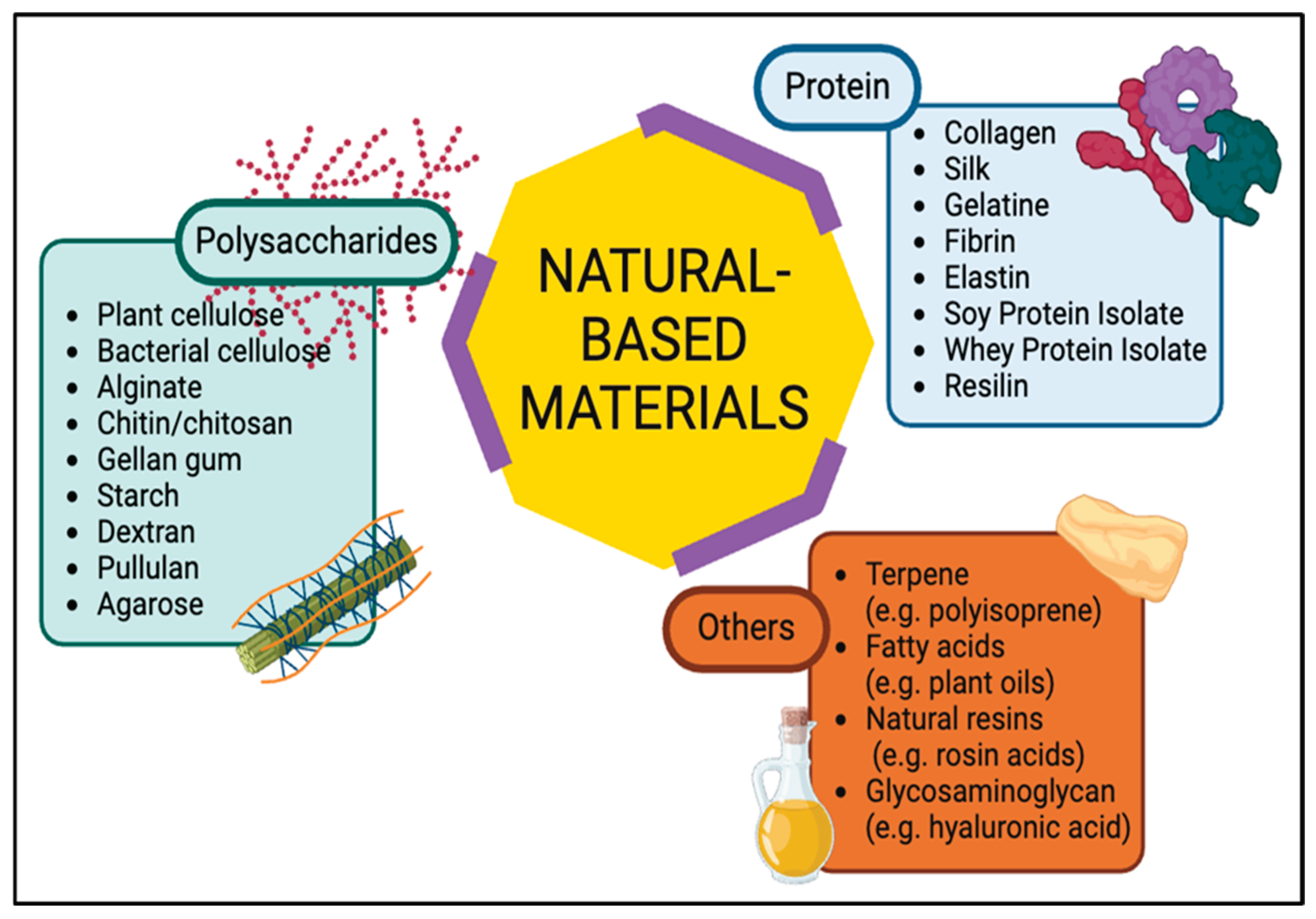
Figure 2.
Chemical structure of cellulose.
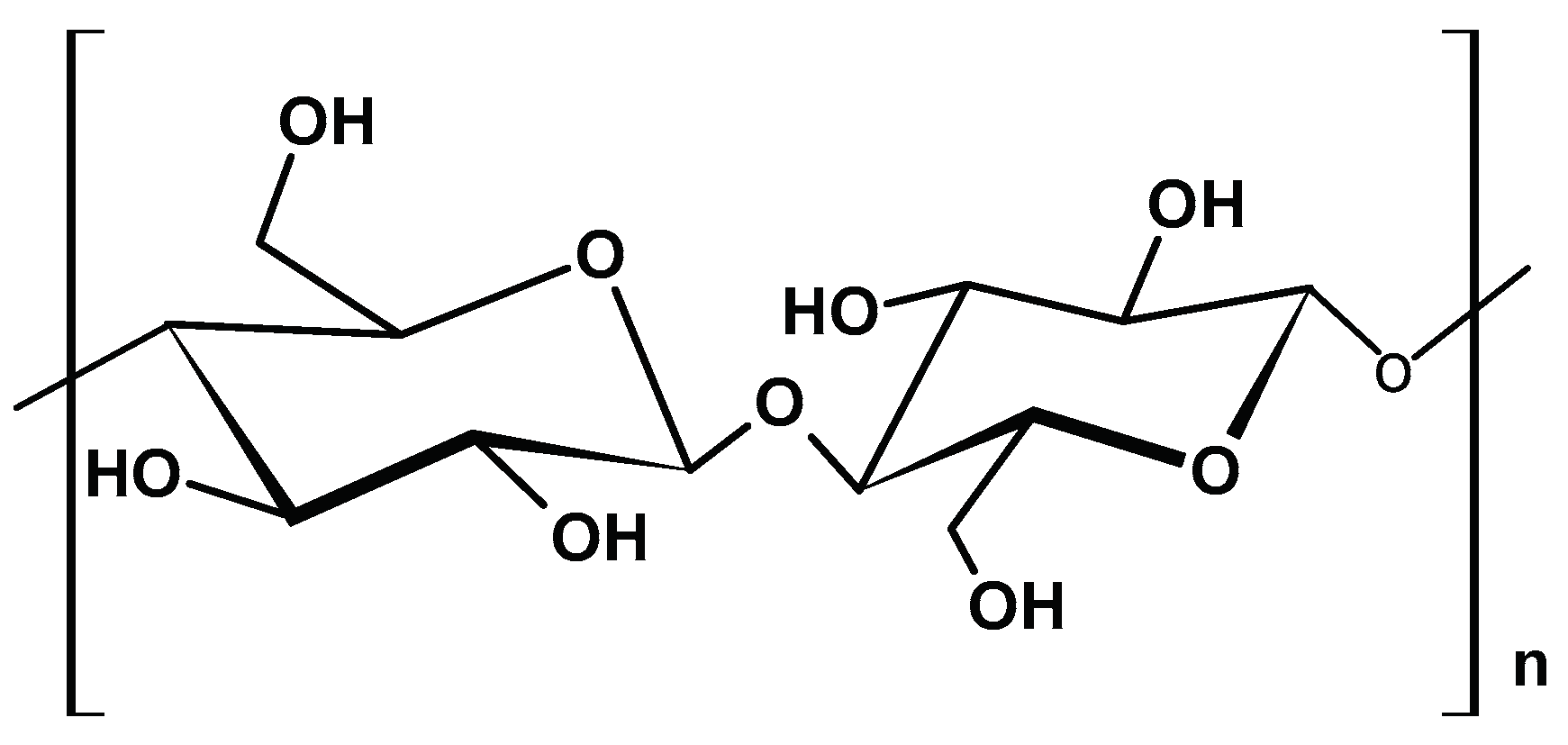
Figure 3.
Chemical structure of alginate.
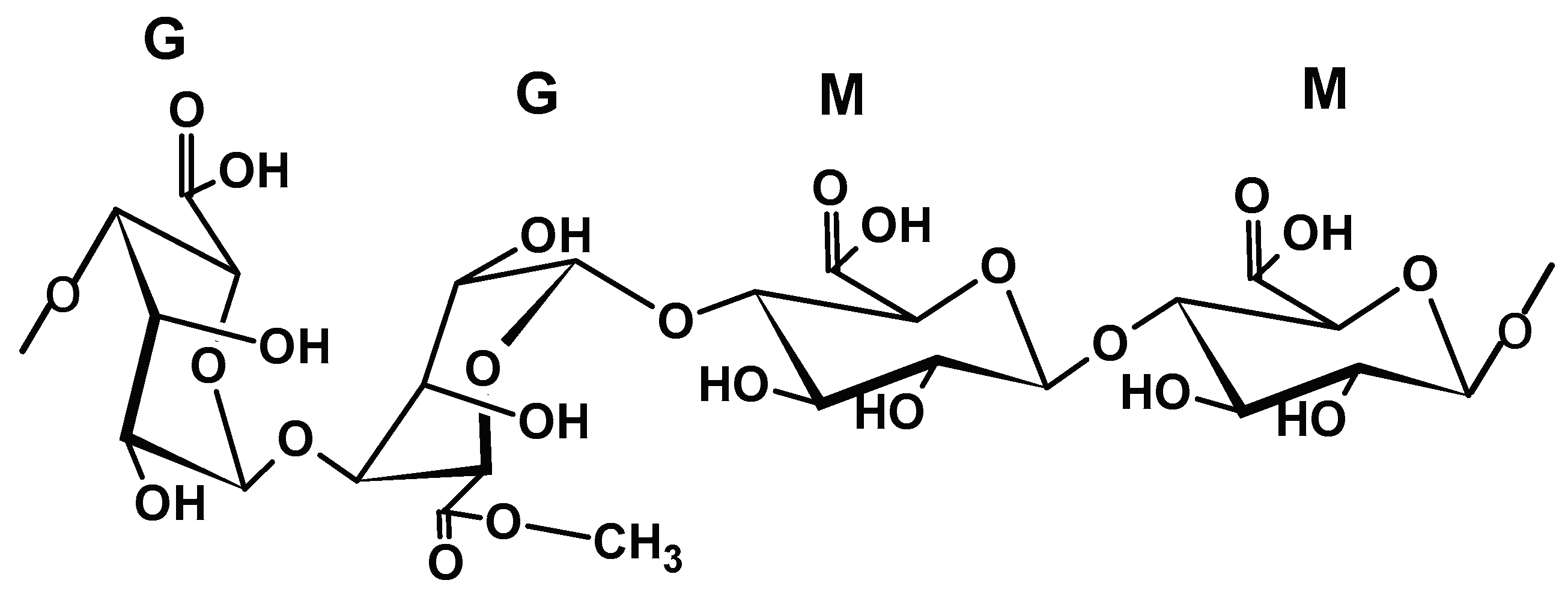
Figure 4.
Chemical structure of chitin.
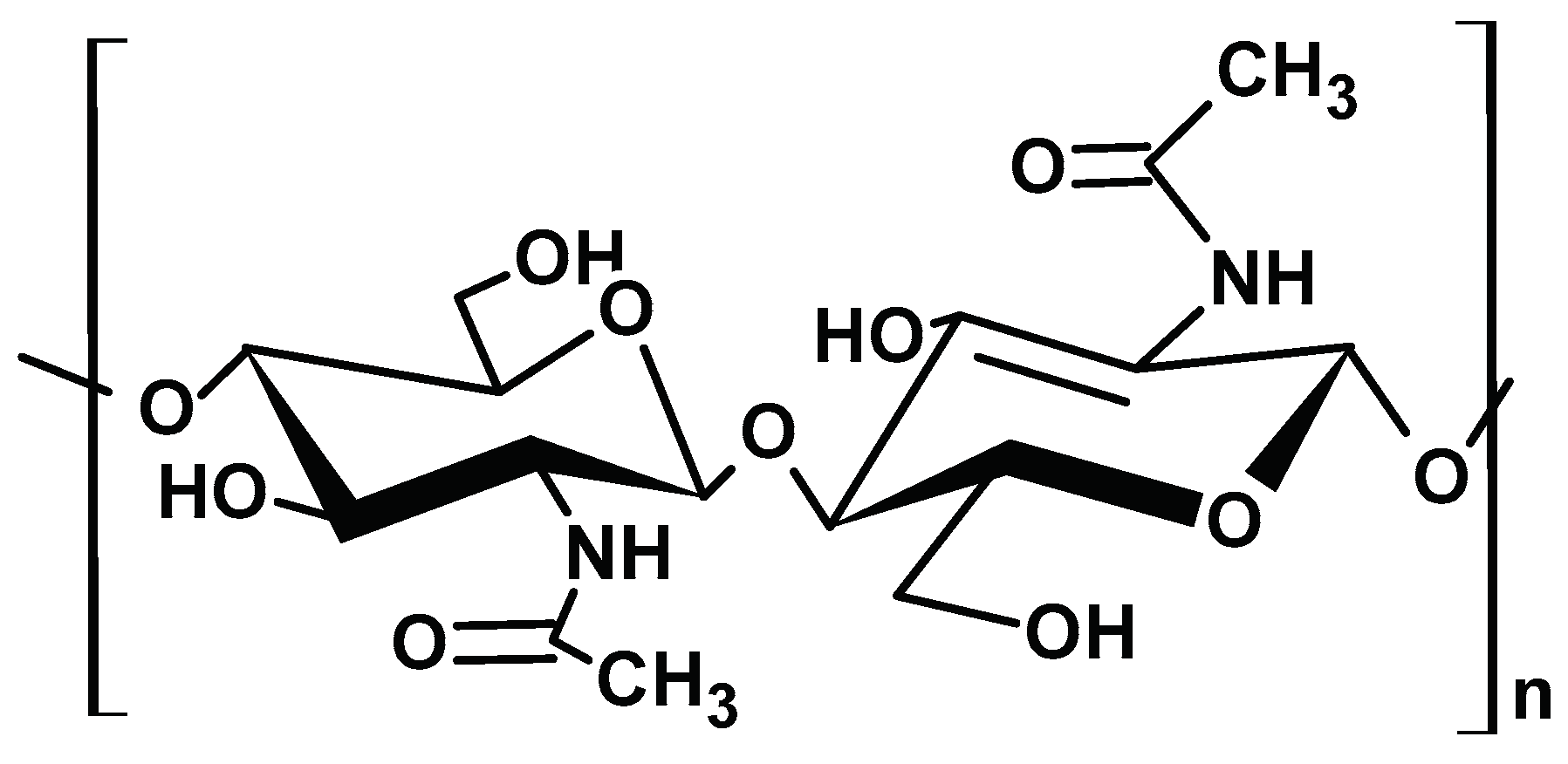
Figure 5.
Chemical structure of chitosan.
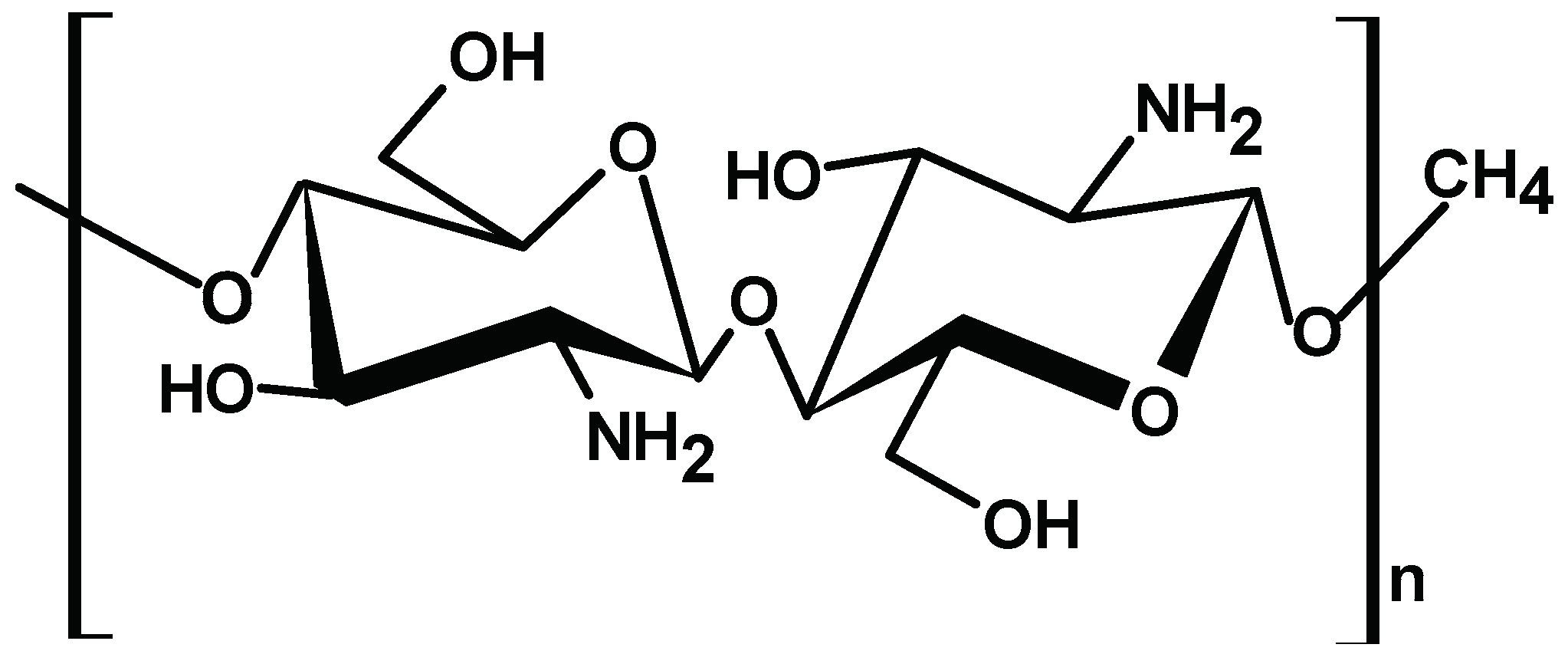
Figure 6.
Chemical structure of gellan gum.
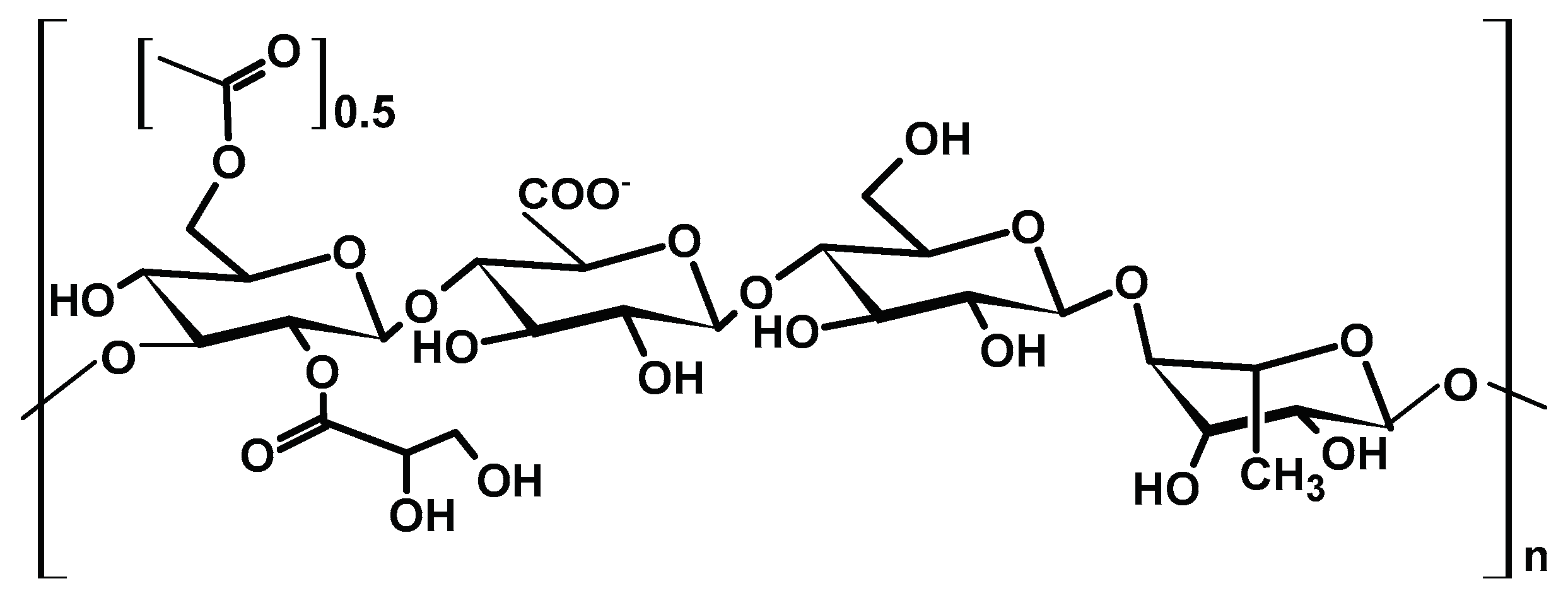
Figure 7.
Chemical structure of starch.
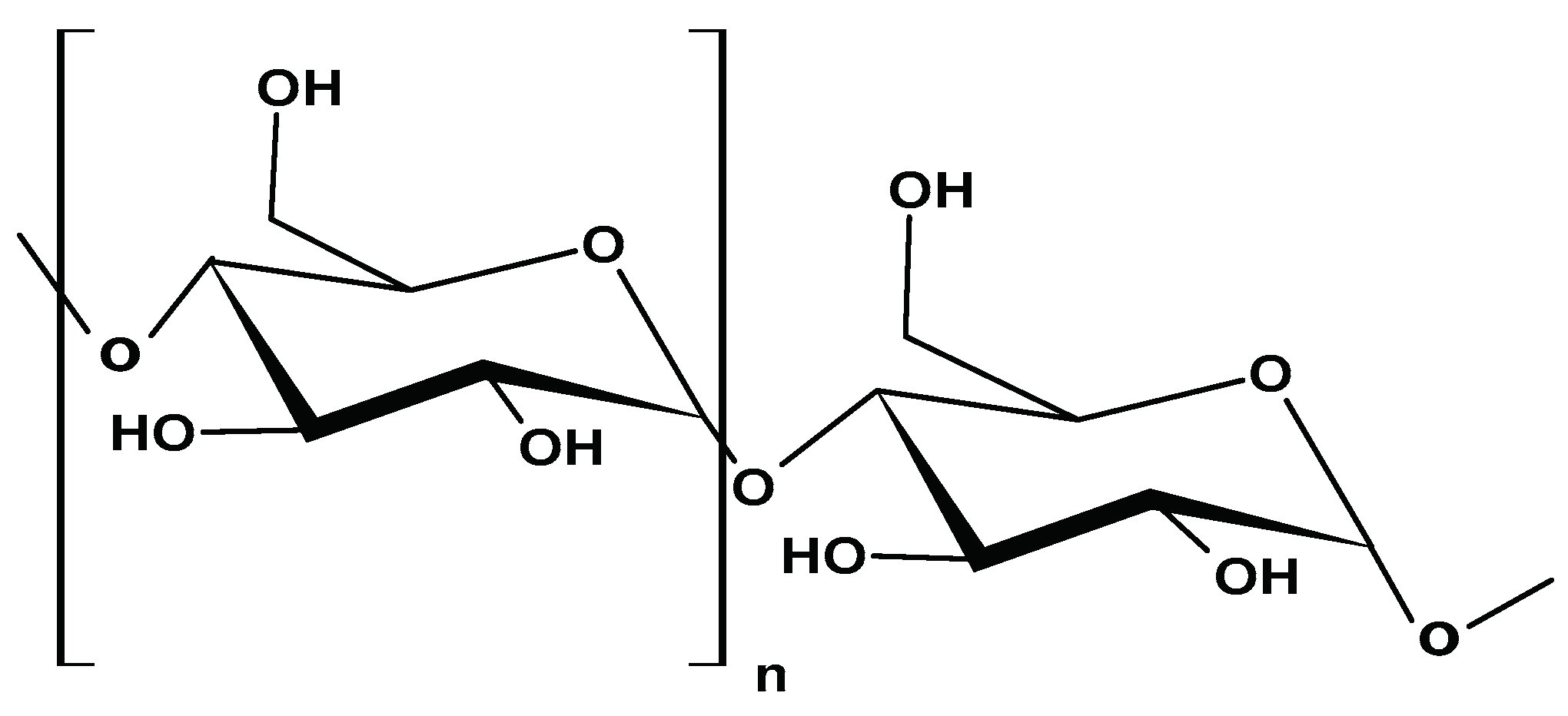
Figure 8.
Chemical structure of dextran.
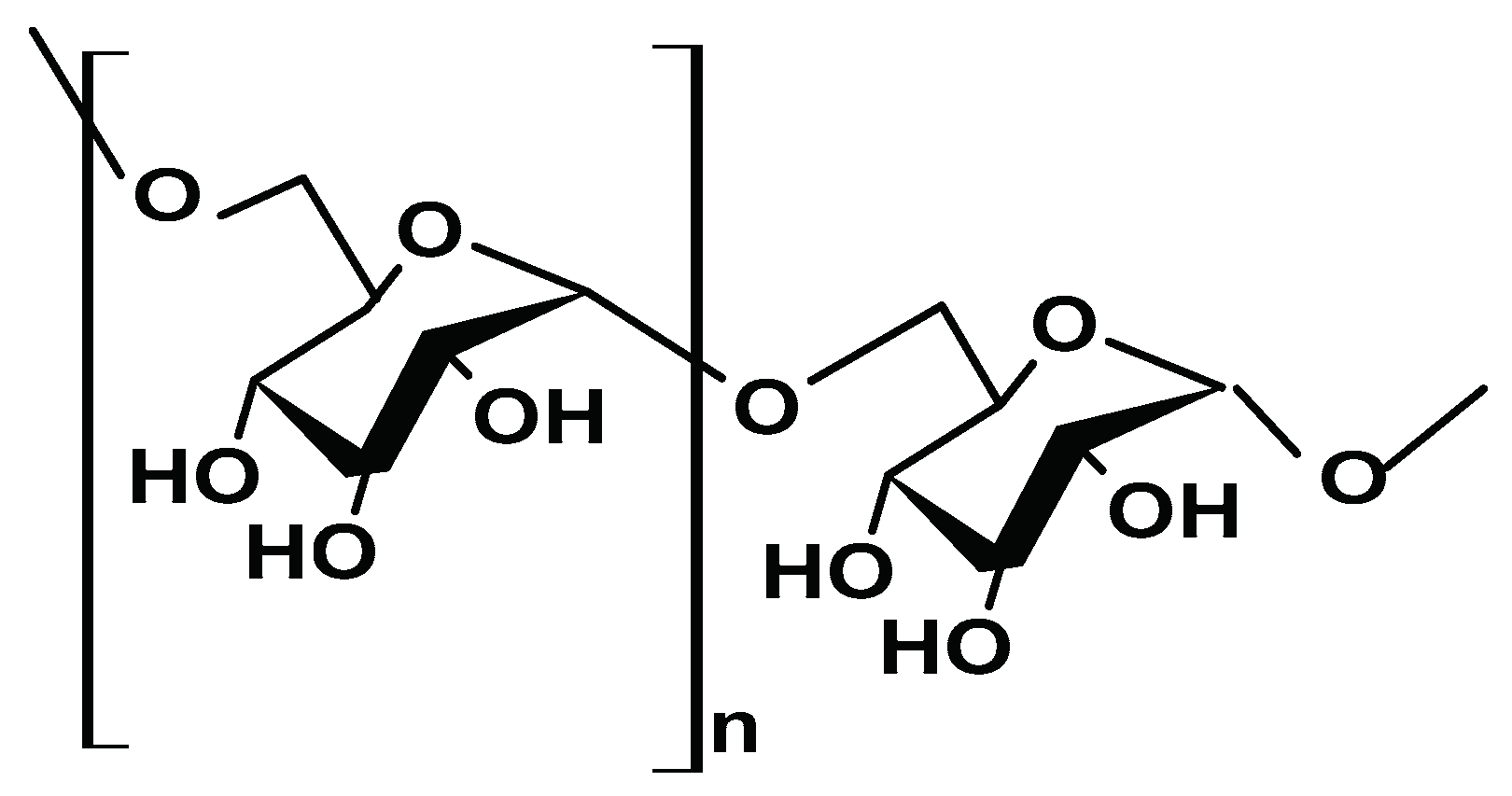
Figure 9.
Chemical structure of Pullulan.
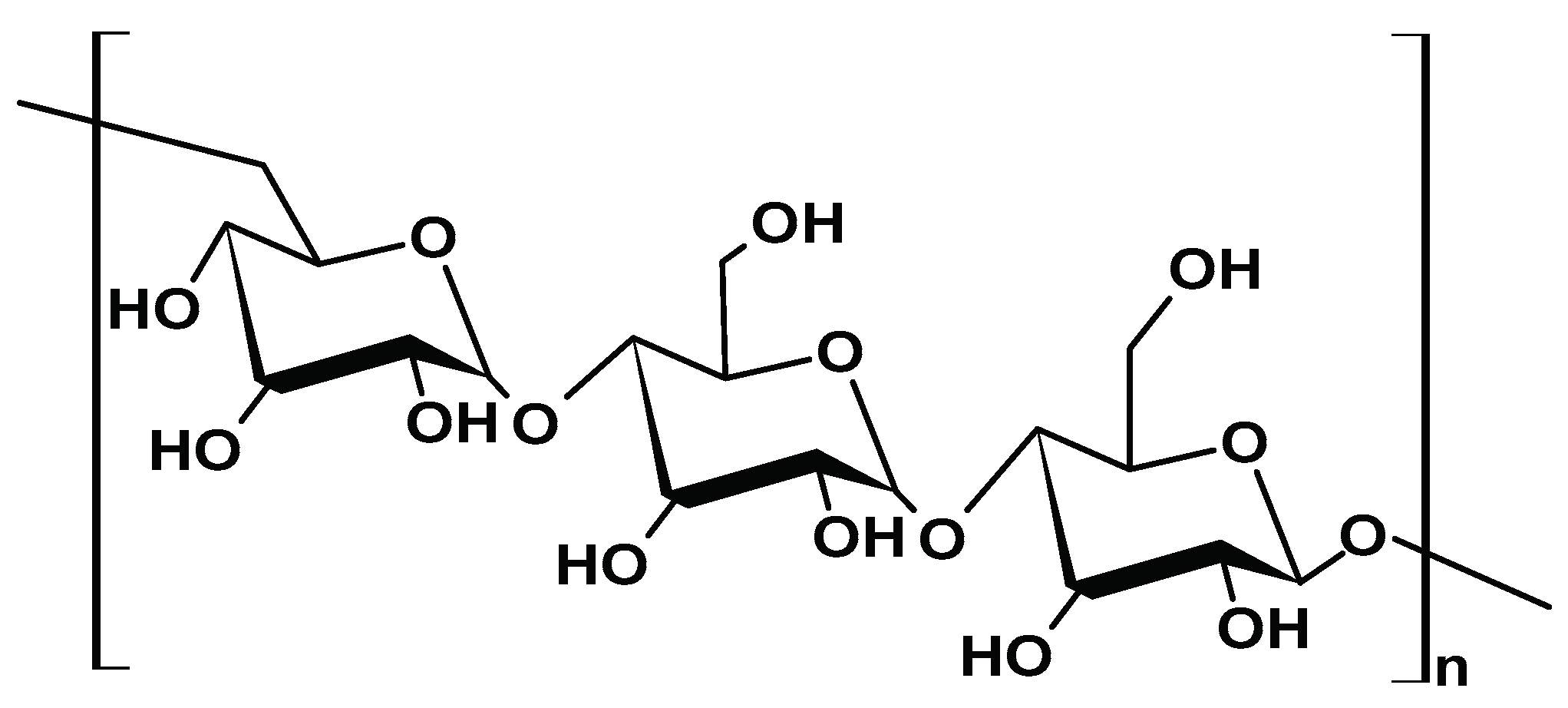
Figure 10.
Chemical structure of agarose.
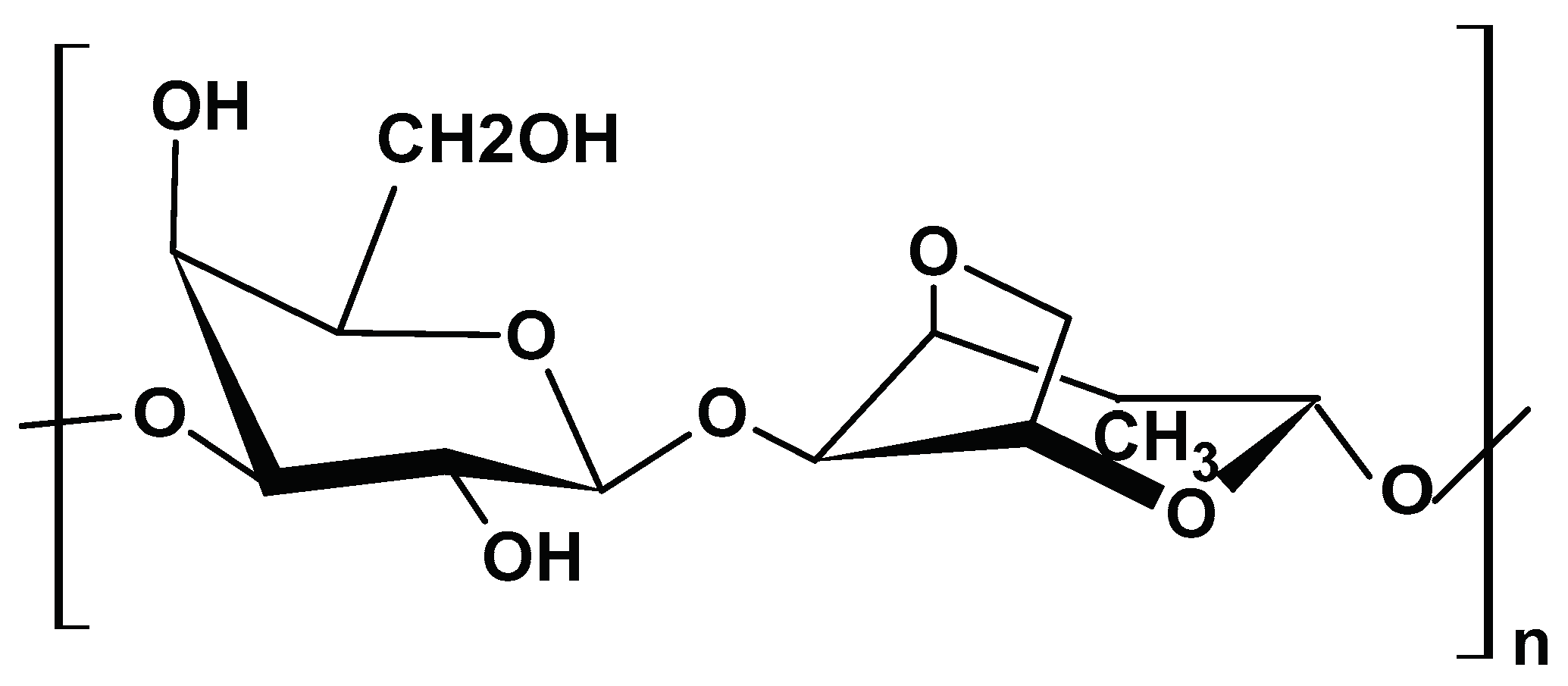
Figure 11.
Chemical structure of Collagen.
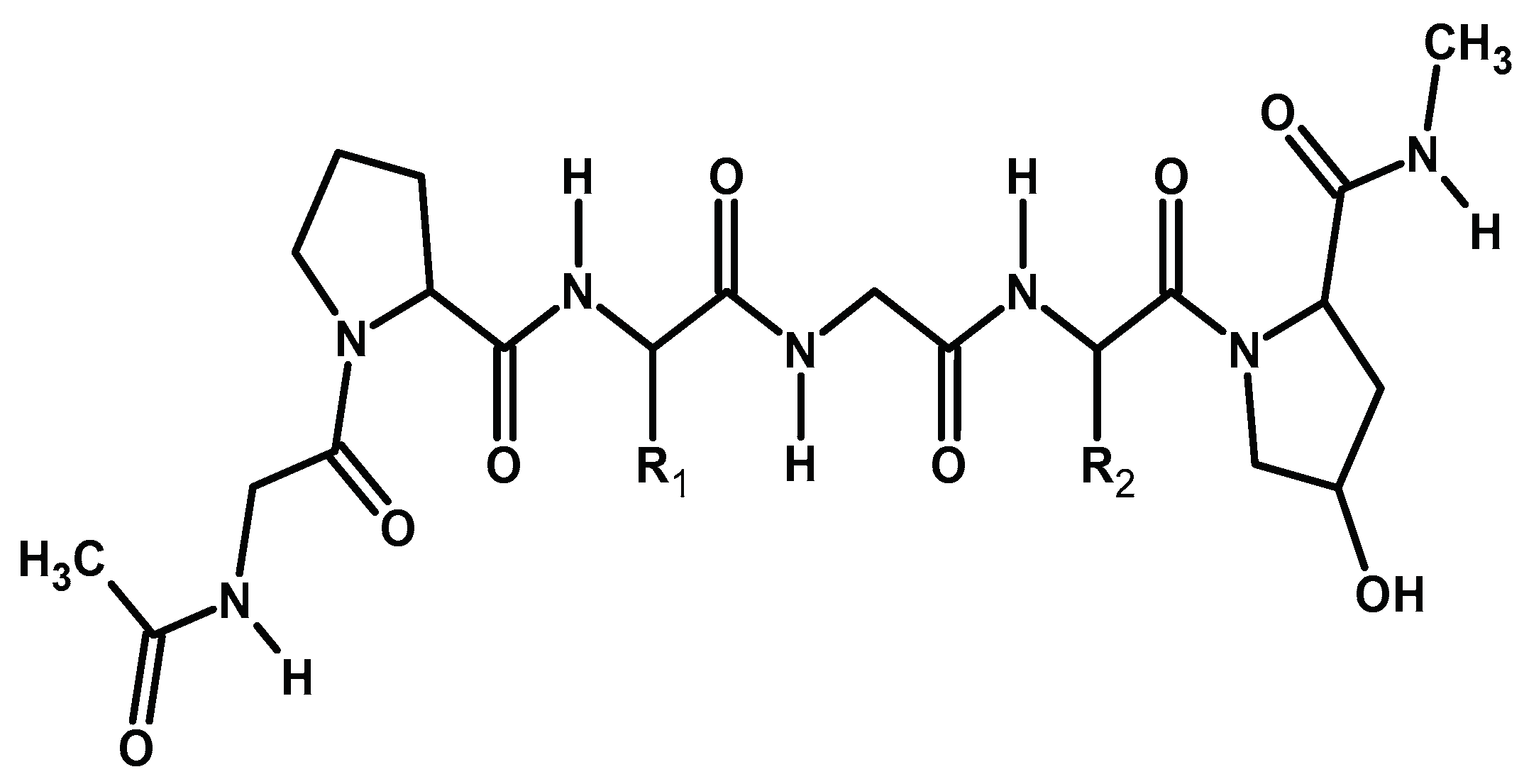
Figure 12.
Chemical structure of Gelatine.
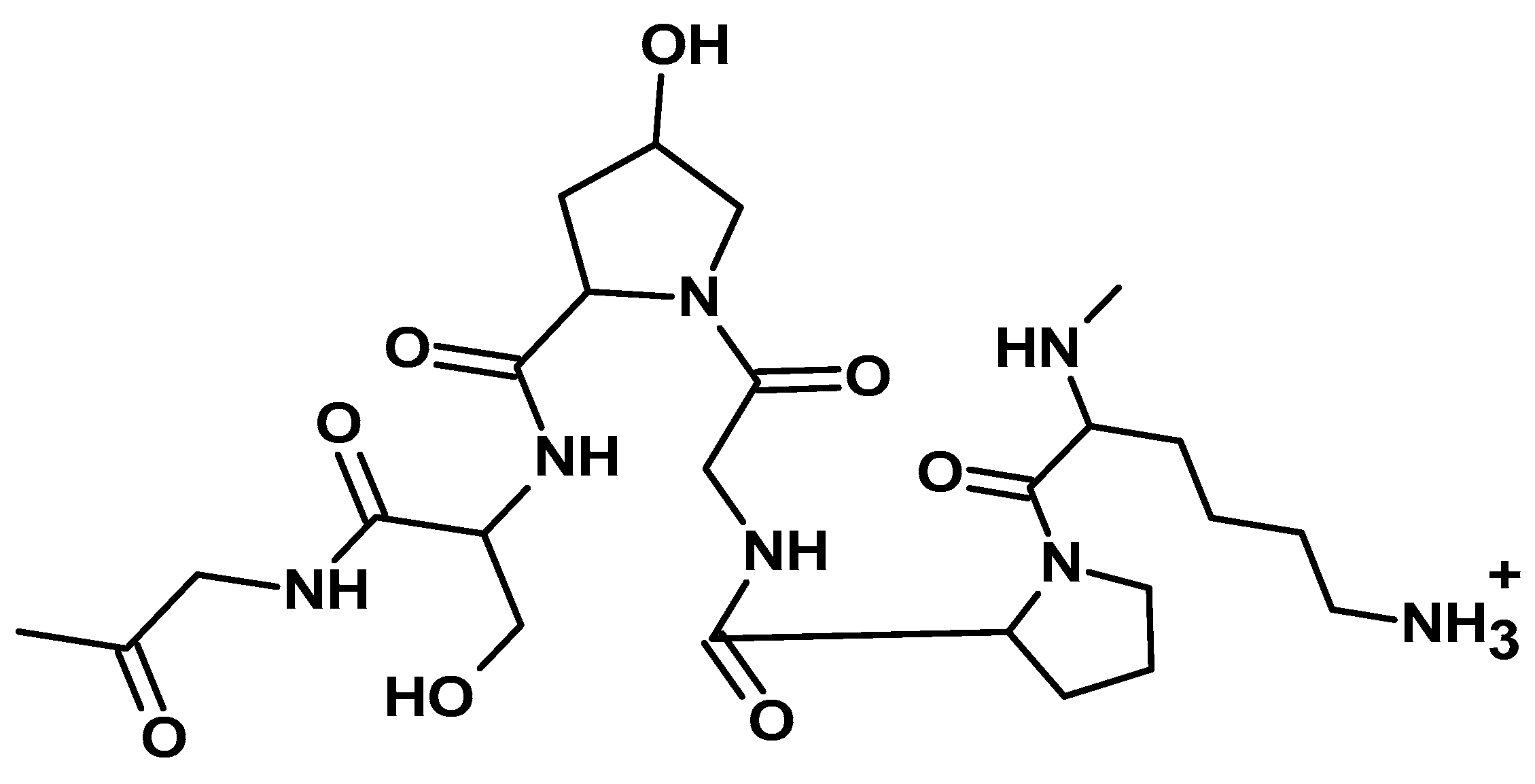
Figure 13.
Chemical structure of Silk.
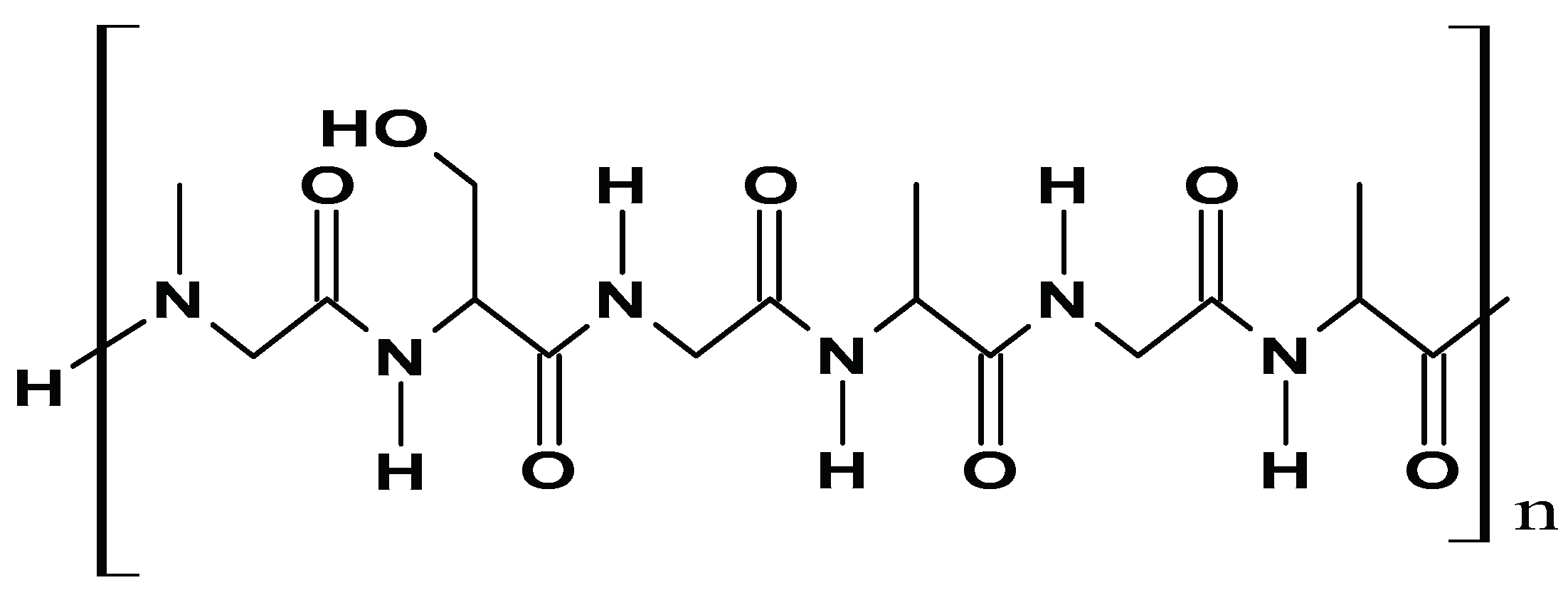
Figure 14.
Chemical structure of fibrin.
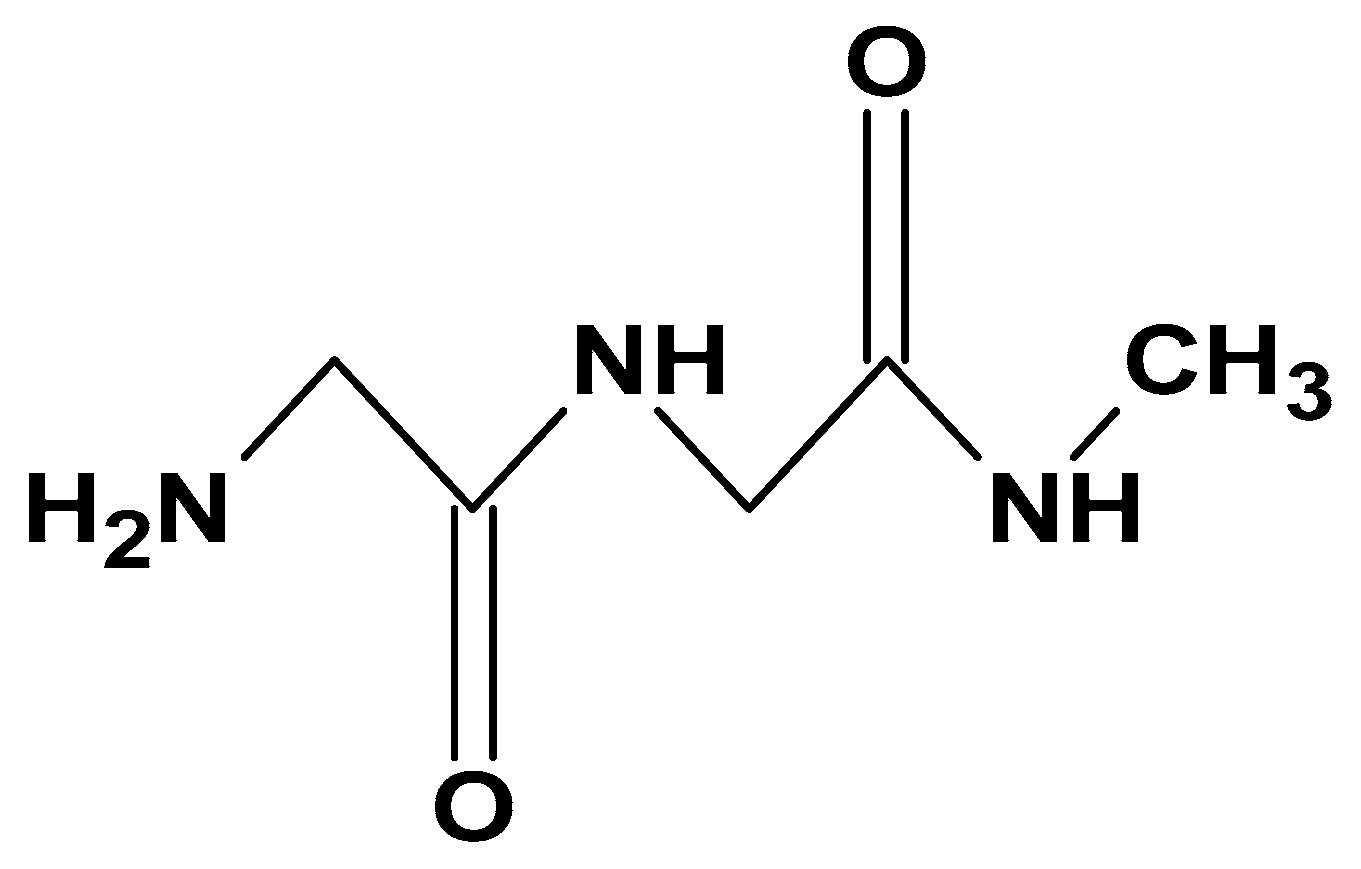
Figure 15.
Chemical structure of elastin.
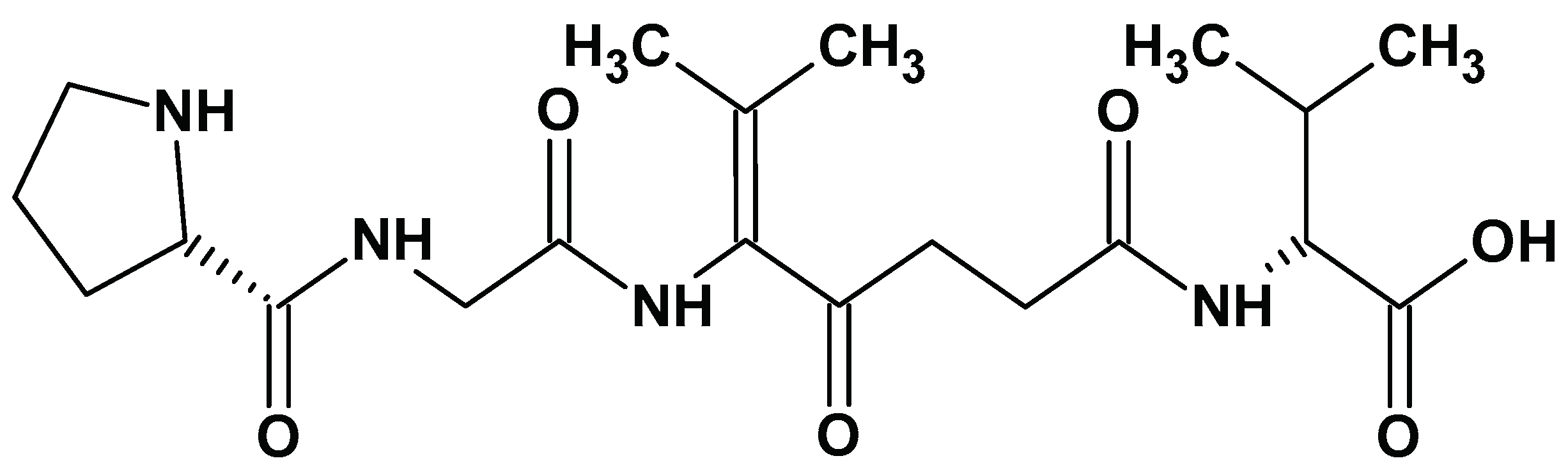
Figure 16.
Chemical structure of polyisoprene.
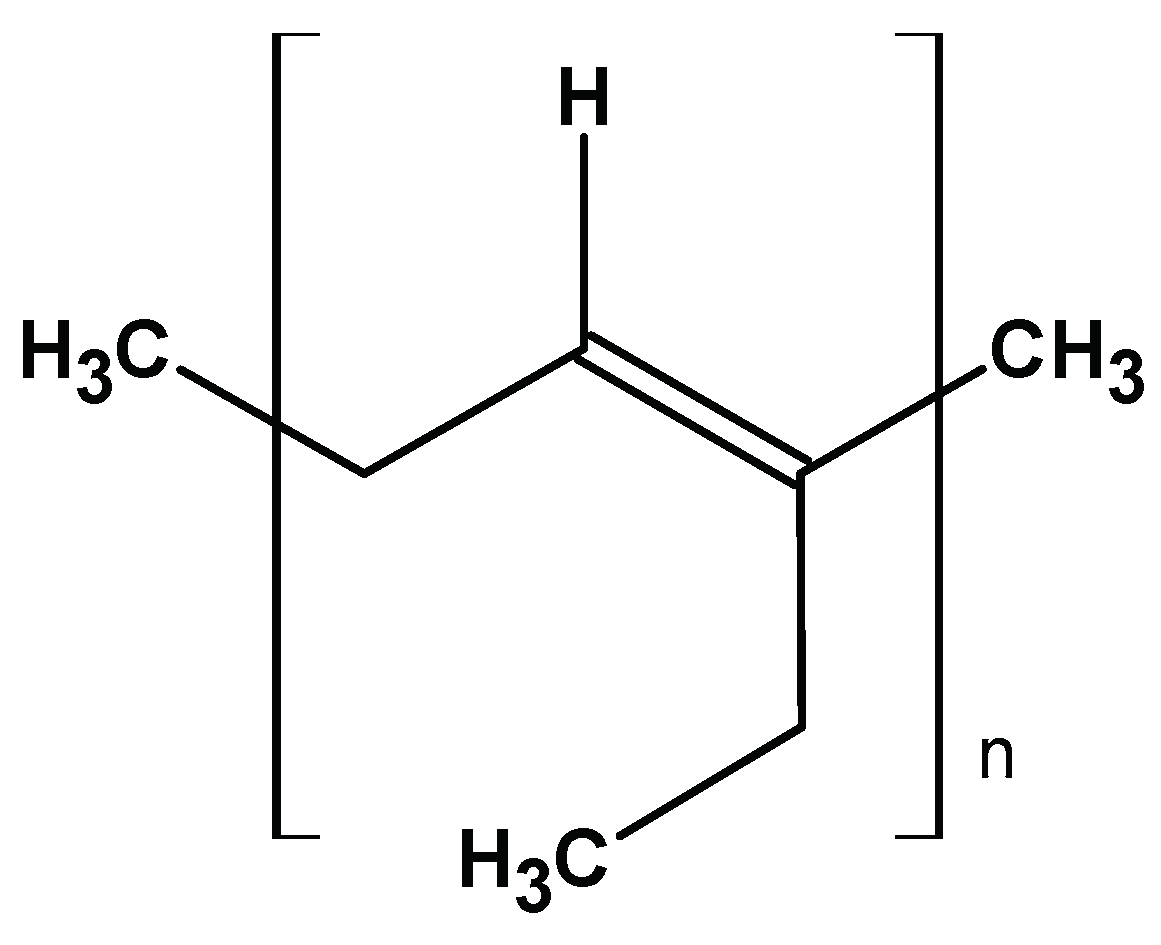
Figure 17.
Chemical structure of rosin.
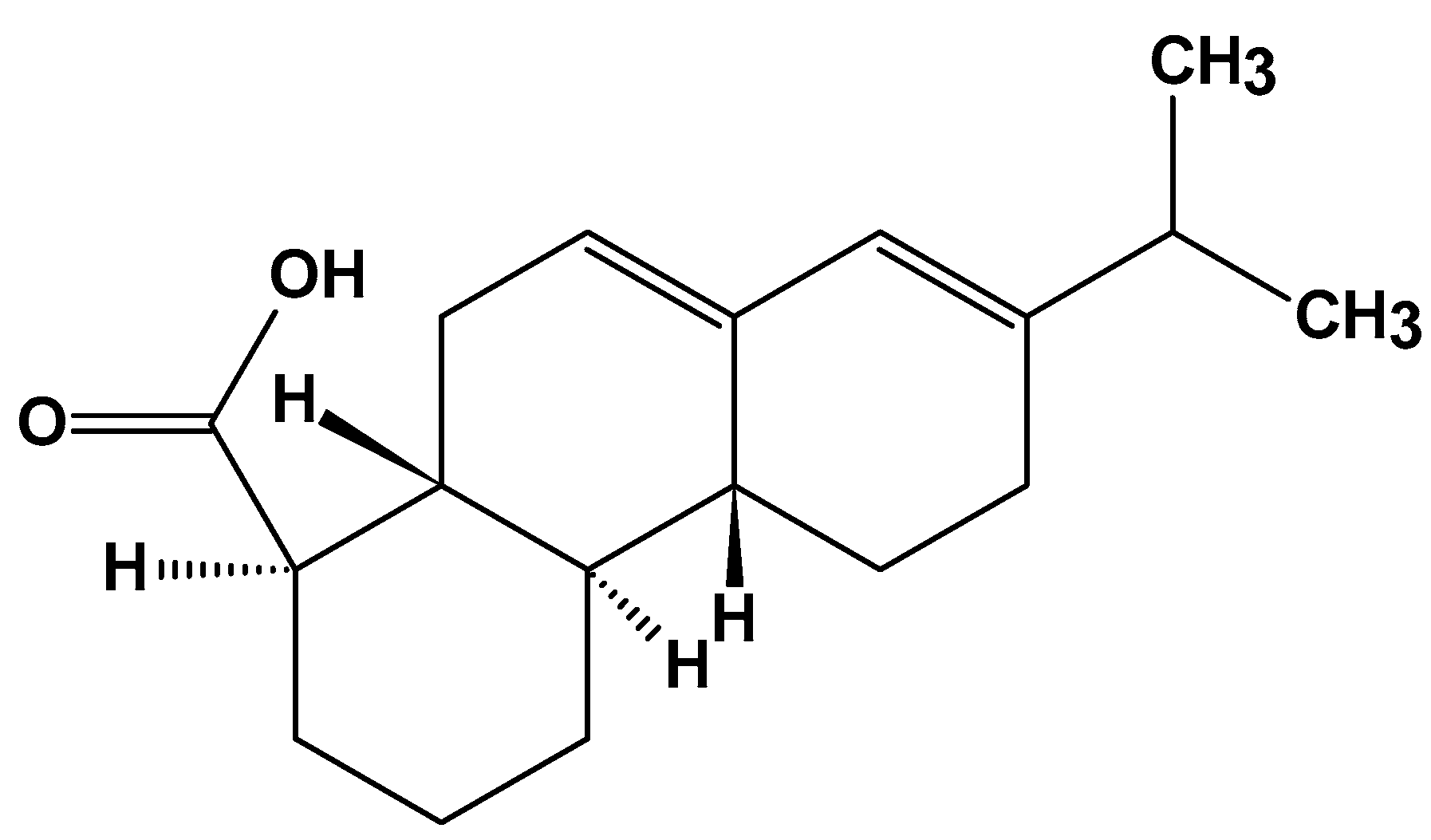
Figure 18.
Chemical structure of hyaluronic acid.
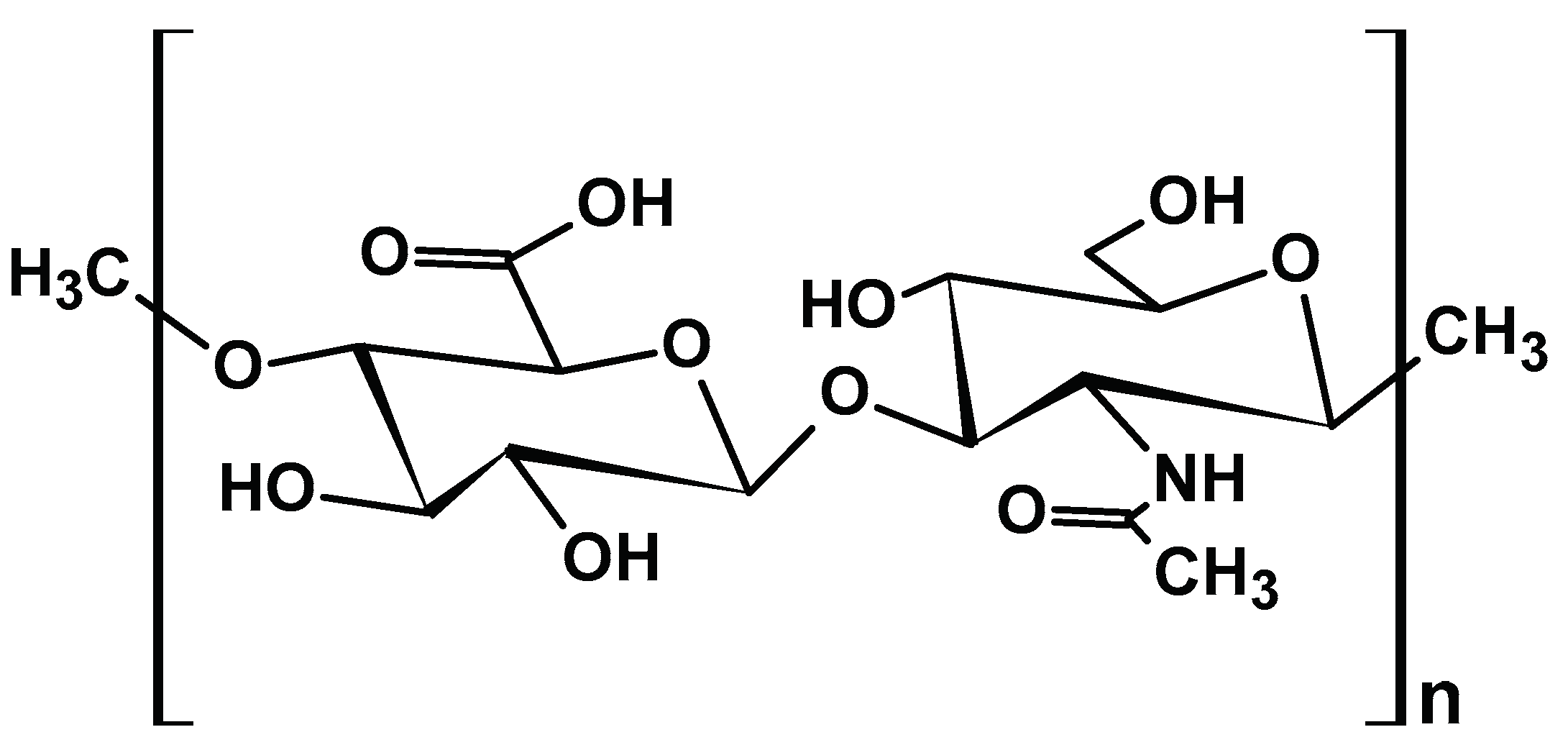
Figure 19.
Applications of biomaterials in various sectors. (Created in https://www.canva.com/).
Figure 19.
Applications of biomaterials in various sectors. (Created in https://www.canva.com/).
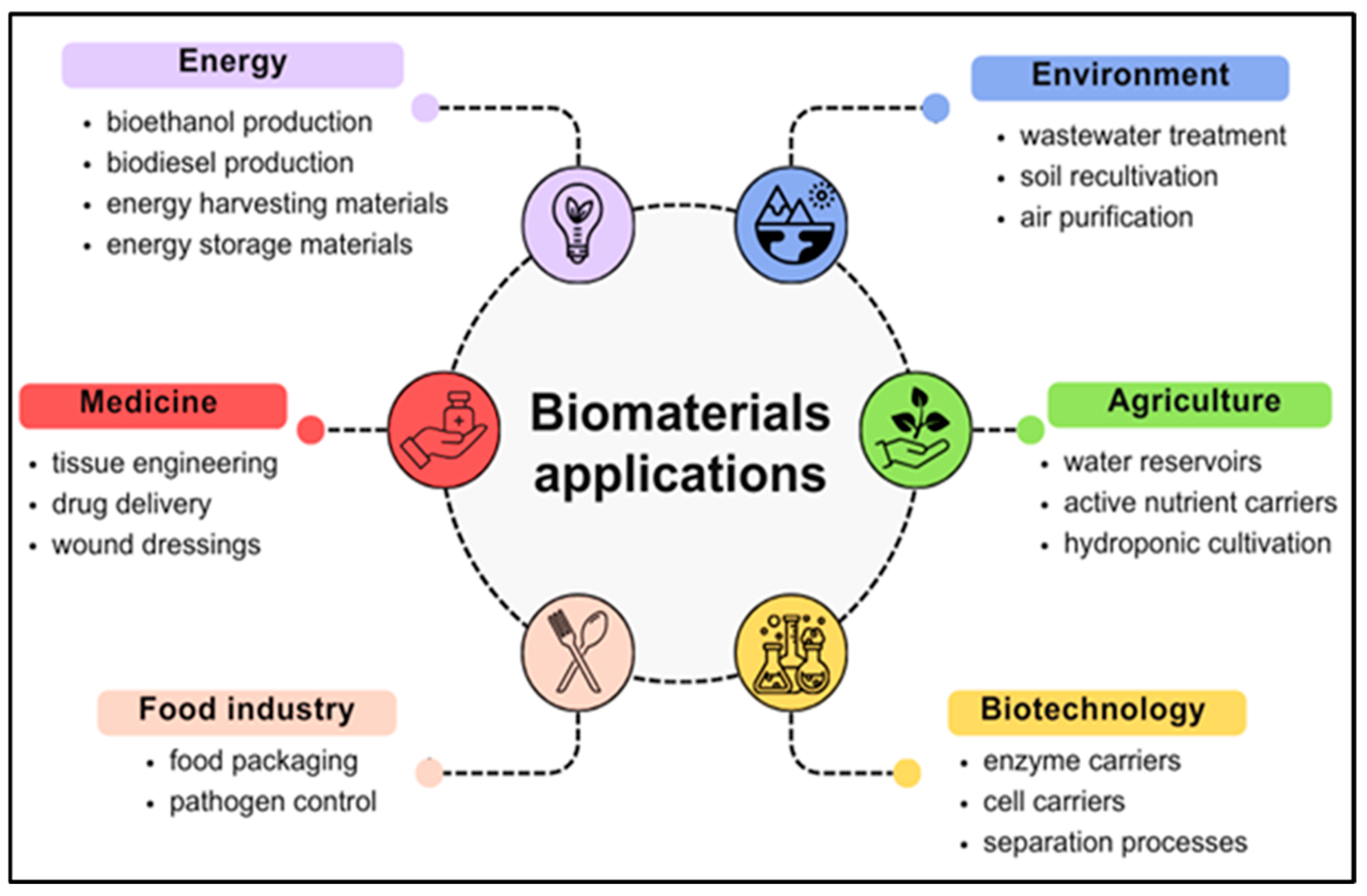
Figure 20.
Observed biomaterial trends. [165,166,167,168,169,170,171,172,173,174]. (Created in https://BioRender.com).
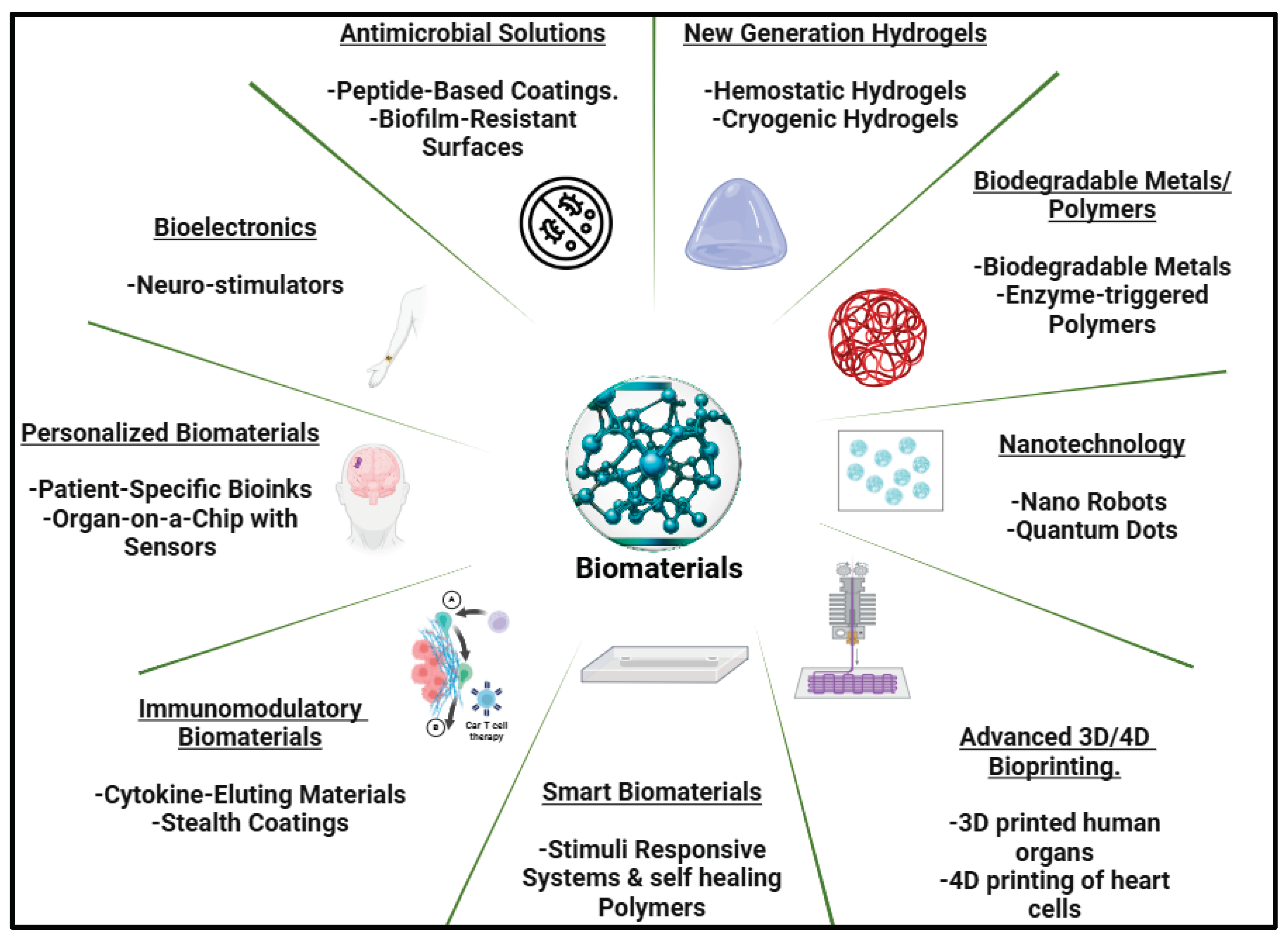

Table 1.
Table showing some innovative applications of biomaterials.
| Sector | Biomaterial type | Innovation | Reference |
|---|---|---|---|
| Energy | Cellulose | A plant-like battery, also called a biodegradable battery | [127] |
| Gelatine hydrogel | Biodegradable primary zinc-molybdenum (Zn−Mo) battery with gelatin hydrogel electrolyte | [128] | |
| Algal biopolymers | Usage as electrodes, binders, electrolytes, and separators in batteries (green battery cycle---LixC6 and LiFePO4). | [129] | |
| Lignin-derived carbon | Mesoporous lignin-derived honeycomb-like porous carbon/SiO2 composites for high-performance Li-ion battery | [130] | |
| Medicine | Wild berry extract and nanocellulose | Antimicrobial skin sprays and surgical dressings | [131] |
| Poly L-lactide-co-glycolide copolymer (PLGA) | Production of polylactic acid (PLA) and polyglycolic acid (PGA) for the synthesis of bioabsorbable implants applied in orthopedics, cardiovascular interventions and tissue engineering to provide temporary support while facilitating tissue regeneration. | [132] | |
| Collagen, Fibrin and glycoproteins | Integrated in the development of organ on a chip (OoCs) that has great implication on drug testing, screening, disease modeling and personalized medicine | [133] | |
| Lipids-based membrane shells | Integrated micro/nano drug delivery system based on magnetically responsive phase-change droplets for ultrasound theranostics | [134] | |
| Cellulose Nanocrystals from Rice Husks. | Reinforce polymethyl methacrylate (PMMA) nanocomposites for dental application. | [135] | |
| Nanocellulose | Nanocellulose membrane that propels artificial lung devices. | [136] | |
| Hyaluronan | Advanced hydrogel designed for precise ocular delivery | [137] | |
| Alginate and gelatine | Oxidized sodium alginate/gelatine/halloysite hydrogel used as an injectable, adhesive, and antibacterial dressing for hemostasis | [138] | |
| Collagen | Formulation of Drug-free coating functionalized with tailored collagen supports for vascular tissue healing. | [139] | |
| Environment | Polyhydroxyalkanoate (PHA) from methanogens | Concurrent carbon capture (CO2 and CH4) and utilization by methanogens for PHA production | [140] |
| Snail shells | Snail shell biomaterials in solar still for clean water production. | [141] | |
| Cellulose | Cellulose from pineapple leaf fibers and cotton waste are used in making aerogel composites for the removal of dyes and oil in wastewater. | [142] | |
| Microalgae biomass | Integrated carbonate-based carbon capture and algae biofixation systems. | [143] | |
| Construction | Mycelium based composite (MBC) | MBC as load-bearing masonry components in construction | [144] |
| Sucrose | Rigid flame-retardant foam as a building material synthesized from Bio-based sucrose-furanic resin. | [145] | |
| Chitin and Chitosan | Chitin/chitosan composite foam for sound absorption | [146] | |
| Textile | Chitosan from mushroom and shrimp shells; bacterial cellulose; mycelium | Animal and petrochemical-free biotextile as alternative to conventional leather and textiles | [147]; [148]; [149] |
| Melanated bacterial cellulose from genetically engineered Komagataeibacter rhaeticus | Used as a self-pigmented biotextile | [150] |
Disclaimer/Publisher’s Note: The statements, opinions and data contained in all publications are solely those of the individual author(s) and contributor(s) and not of MDPI and/or the editor(s). MDPI and/or the editor(s) disclaim responsibility for any injury to people or property resulting from any ideas, methods, instructions or products referred to in the content. |
© 2025 by the authors. Licensee MDPI, Basel, Switzerland. This article is an open access article distributed under the terms and conditions of the Creative Commons Attribution (CC BY) license (http://creativecommons.org/licenses/by/4.0/).
Copyright: This open access article is published under a Creative Commons CC BY 4.0 license, which permit the free download, distribution, and reuse, provided that the author and preprint are cited in any reuse.


