

Submitted:
15 March 2025
Posted:
17 March 2025
You are already at the latest version
Abstract
This study evaluates low-strength concrete with rubber and polymer fiber for "forgiving" safety barriers. These barriers should absorb collision energy, reduce vehicle deceleration, and minimize accident severity. Key requirements for such concrete are: low strength, low elastic modulus, high ductility, high toughness, and minimal dispersion of large fragments upon failure. The study examined various concrete mixes with varying percentages of recycled rubber (0-20% by volume) and polymer fibers (0-1.2% by volume). Compression, flexural, and dynamic impact tests were performed to assess the additions' effect on the concrete properties. Key findings include: Recycled rubber reduces concrete strength with a low contribution to energy absorption. Polymer fibers improve concrete's elongation and toughness, increasing overall energy absorption. The number of fibers in the fracture area is crucial to energy absorption. Energy absorption under dynamic load is higher than under quasi-static load. However, as the percentage of fibers increases, the results become more similar. Quasi-static tests of fiber-reinforced concrete can be used to assess its behavior under impact loads. In conclusion, combining recycled rubber and polymer fibers in low-strength concrete can be used to produce "forgiving" safety barriers. Attention should be paid to the distribution of fibers in the concrete, as it significantly impacts energy absorption.
Keywords:
Concrete
; Impact
; Fiber
; rubber
; dynamic load
1. Introduction
Road safety barriers are commonly constructed using concrete. However, conventional concrete barriers have a major drawback: they fail to sufficiently reduce vehicle deceleration during impacts to a level considered safe [1]. Ideal safety barriers should be capable of absorbing collision energy to decrease vehicle deceleration and reduce the severity of accidents. This type of barrier is referred to as a “forgiving” barrier. The work-energy theorem states that barriers must undergo deformation to absorb energy. Unfortunately, the strength of current concrete safety barriers is excessively high, preventing significant deformation when colliding with a passenger vehicle [2].
To develop concrete suitable for casting a forgiving safety barrier, several requirements must be met: 1) low strength to ensure low maximum acceleration; 2) low elastic modulus; 3) high ductility; and 4) high toughness resulting from the combination of low elastic modulus and high ductility. Additionally, the concrete should not disperse large fragments upon failure.
Reducing the concrete strength can be achieved by increasing the W/C ratio, increasing air content, or using low-strength aggregates, like recycled tire rubber aggregate. The ductility can be increased by incorporating fibers [3] or recycled tire rubber aggregate into the concrete mix [4]. Pan et al. found by numerical study that the use of recycled crumb rubber aggregates can be used for the construction of forgiving road safety barriers [5].
Many researchers published improved ductility and toughness of concretes that contain recycled tire rubber aggregates [6,7,8,9,10,11,12,13,14]. Rashad [13] performed an extensive review of rubberized concrete. From her review, it appears that even when the work was performed by the same group, not all research found improved ductility and toughness of the rubberized concrete. Khaloo et al. [15] found an optimum rubber aggregate content for maximum toughness at about 25% rubber content by volume. Nevertheless, even in their work, concerning concrete with normal mineral aggregates, the toughness index was significantly higher with rubber aggregate of any content and ranged up to 600% higher than the control mix.
The compressive and flexural strength of rubberized concrete tends to decrease with rubber content [13,16,17,18]. This result repeats in all reported works with no exceptions. The strength decrease is usually attributed to increased air content and impaired bond between the rubber surface and the cement paste.
Fiber reinforcement is well known for increasing concrete ductility, toughness, and compressive and flexural strength. Fiber reinforcement for concrete is used for improving performance under the impact, crack control, and receive tension loads [19,20,21,22,23]. Commercially available constructive fibers are made mostly of polymer or steel. Their influence on tensile strength is proportional to their volumetric content and their strength. Their influence on ductility depends on the ratio of tensile strength achieved by the fibers to the tensile strength of the concrete matrix. As this ratio increases, the fracture may be more ductile. Another parameter that plays a role is fiber geometry, i.e., length, aspect ratio, roughness, and corrugation. If the fibers are too long or well anchored, they will be torn. This may result in a fragile fracture. The pullout of fibers may result in higher energy absorbance during fracture than fiber tear. This is due to the friction force which works for a longer distance. Hence, the pullout mechanism is desirable for ductile fracture [24]. The combined influence of the reinforcing fibers is defined as the reinforcement index, RI, where the fiber content, the fiber length, and the fiber diameter are incorporated [25].
Mechanisms that absorb energy during quasi-static loads, like friction, do not necessarily absorb energy during dynamic load, because the strain increases to the fiber tensile strength before pullout. On the other hand, in dynamic load, part of the energy goes to the acceleration of the broken parts of the specimen. Hence, energy absorbance during quasi-static load not necessarily will be equal to that of the dynamic load. The dynamic strength and energy absorbance tend to be higher than their quasi-static equivalents [26].
There is no standard method for the measurement of dynamic load on concrete. Several authors proposed different methods, for example falling weight, with [27] or without [23] load measurement; a double pendulum where the concrete specimen rises to the height equivalent to the energy that was not absorbed [26]; and the Split Hopkinson Pressure Bar (SHPB) which has been the most popular in recent years [28,29,30,31,32,33,34,35]. These investigations found significant maximum stress and energy absorption increase as the strain rate increases. However, the SHPB method measures compression behavior. The compression failure is caused by sheer loads induced due to the poison modulus by the compression load [36]. On the other hand, cantilevers are prone to fail in bending load, which induces a tension load at one side of the beam and compression on the other. Hence, the dynamic results of compression failure cannot be adapted to the bending scheme.
The strain rate of the collision is another variable. Published data of car-rigid concrete barrier collisions do not include strain rate or barrier deformation data. Strain rates found in the literature are based on material testing, not on actual measurement. To make it more complicated, the strain rate depends on the car, the barrier, and the car’s velocity. Results from laboratory testing show that the strain rate is not fixed during collision [37].
Energy absorbance requires deformation. Usually, no visible deformation can be detected, i.e., the concrete does not fail. Deformation can be seen only in the segmented barrier, where the barrier does not act as a cantilever [38,39]. It may be concluded that there are many knowledge gaps to enable the designing of a forgiving concrete safety barrier.
The aim of this study is to evaluate and compare the dynamic and quasi-static loads of low-strength concrete incorporating rubber and fibers at varying contents. These compositions were selected to encompass the range of materials identified in the literature as effective for energy absorption. The findings address a portion of the existing knowledge gap, contributing to the advance toward concrete road safety barriers designed for forgiving road systems.
2. Materials and Methods
Materials
The cement used was CEM II 42.5 N B/LL according to EN 197 by Nesher™. The aggregate properties are given in Table 1. The crumb rubber aggregates were produced by Tyrec™ from used tires. The rubber aggregate water absorption and apparent specific gravity were measured with the addition of an antifoam agent, as has been used in the concrete mixes. Concrete mixes were prepared according to Table 2. The rubber and fiber percentage is volume/mix volume. All mixes have a W/C ratio of 0.7 to achieve a relatively low compressive strength.
Concrete Mix Preparation Procedure
The mixes were prepared in a horizontal concrete mixer. Before each mix, the drum was moistened with a wet fabric. The aggregates were inserted with 80% of the water and the antifoam agent. The materials were mixed for one minute and left to absorb water for 3 minutes. The cement and the rest of the water were added and the materials were mixed for an additional 3 minutes. During this mix, the fibers were added manually in small portions. In the case of fiber aggregation (hedgehog formation), the aggregation was manually broken and the concrete was remixed to achieve a homogenous mix.
The apparent specific gravity was measured according to EN 12350-6:2009. A slump test was performed according to EN 12350-2:2009. Air content was measured according to EN 12350-7:2009.
Every mix was cast into 12 beams sized 10 × 10 × 50 cm3 and 3 cubes sized 10 × 10 × 10 cm3 (Figure 1). The cast was aided by a vibratory table. The specimens were cured under a polyethylene sheet for 24 hours, then underwater for 7 days, and in the air for 20 days.
Measurement
The compressive strength of the concrete cube specimens was measured on 3 cubes of every mix at 28 days according to EN 12390-3:2019.
Quasi-static measurement of bending strength was performed with a central single force on a 450 mm opening, with displacement control, at a rate of 1 mm/min on 6 beams for each mix. the maximum displacement of the measurement was limited to 35 mm by the extensometers.
Dynamic measurement was measured under load in a cantilever static scheme on 6 beams for each mix. The concrete beam was fixed 380 mm away from the impact point (Figure 2). The impact force was applied by a 24.6 kg hammer of a 300 Joule impact testing Machine, Model: JB-300 by Jinan Precision Equipment Co. LTD. The absorbed energy is equivalent to the change in the pendulum height at rest before and after, impact; and is read by a dial on the machine. A correction of the reading was done by subtracting the kinetic energy of concrete pieces that fell away from the impact place. The pieces’ distance from the impact point was measured, and the velocity was calculated using a ballistic equation.
For the comparison of the quasi-static and dynamic loading equivalent forces and displacements were calculated according to equations 1 and 2.
3. Results & Discussion
Concrete Properties
Fresh Concrete
For rubber content of up to 10%, there is no clear tendency of air content to change with rubber or fiber content (Figure 3). The R is -0.068 and the p is 0.86. This is not in agreement with the literature, which finds an increase in air content with each of the above. It can be explained by the addition of the antifoam agent. For rubber content of 10% and up, there is a clear tendency for increased air content with rubber content (R=0.74 and p=0.021). It seems that above 10% rubber, a larger antifoam agent is needed to prevent air entrainment at the rubber-cement paste interface.
The apparent specific gravity of the fresh concrete decreases linearly with rubber content (Figure 4). This is mostly due to the lower apparent specific gravity of the rubber aggregate. The air content contribution to the apparent specific gravity is minor.
The concrete slump decreased for any addition above 5% of rubber (Figure 5). The addition of fibers tended to reduce the slump, but no significant difference between 0.6% and 1.2% can be observed.
Harden Concrete
The compression strength of the concrete mixes is reduced almost linearly with the rubber content (Figure 6), regardless of the fiber content with a reduction of 0.74 Mpa for each percentage of rubber content, or 3.1% of the no rubber strength for each percentage of rubber content. This observation is in good agreement with the literature [6,12,40,41,42,43,44,45,46,47]. Since there is no significant change in air content, the decrease in the compressive strength can be attributed to the weaker paste-aggregate interface, or the transformation of stresses from the compressing axes to the perpendicular axes by the compression of the rubber aggregates (check if there are references for this).
For mixes that do not contain rubber, the compressive strength rises with the fiber content, 33% for 0.6% fibers and 53% for 1.2% fibers. This is also in agreement with the literature [48,49,50]. The increase in compressive strength is attributed to an increase in the shear strength achieved by the fibers, as cubes in compression tend to fail in shear.
As the compressive strength, also the flexural strength decreased with the rubber content (Figure 7). This is also in agreement with the literature [40,41,51,52,53,54,55]. This result is in agreement with the hypothesis that the main mechanism of strength reduction is the paste-aggregate weaker interface. The fiber content didn’t have a significant influence on the flexural strength. The increase of fiber content from 0.6% to 1.2% had no observable effect.
The contribution of the fiber to the mechanical behavior of the concrete was observed after the concrete failure. This can be seen in the residual strength and elongation which contribute to the energy absorbance after failure, as in Figure 8 and Figure 9. For example, mixes without rubber with 0.6% and 1.2% fibers absorbed 62 and 89 times more energy than the control mix without fiber. While the increase of fiber content from 0.6% to 1.2% had no significant influence the flexural strength, it had a significant effect on the energy absorbance to failure.
While the contribution of fibers to energy absorbance was significant, there is a clear trend to demonstrate the contribution of rubber aggregate to energy absorbance. For 1.2% fiber mixes there is some increase from 0 to 5% rubber. For the 0% fiber mixes there is a slight increase in energy absorbance, which is insignificant relative to the energy absorbance of the mixes with fibers. Other studies also found only a small contribution of rubber aggregate to the energy absorbance [56,57]. Since the standard deviations are in a similar magnitude to differences between different rubber content, the results are not good enough to draw a firm conclusion.
Energy to Failure
Quasi-Static
Figure 10 presents the energy to failure (or 35 mm displacement) of the beams. The inclusion of fiber in the concrete significantly increases the energy absorption. This is with good agreement with the literature (references). The increment of the energy to failure is not linear with fiber content. Doubling the fiber content added less the double the energy. The difference was minimal for the mix with 20% rubber.
The inclusion of rubber in the mix increased the energy to failure for the fiber-less mix only. But, this increment is negligible relative to the energy absorbed by the fibers. Moreover, the increment is in the range of the standard deviation of the repetitions.
The combined effect of fibers and rubber is not clear. The mixes with 1.2% fibers demonstrate some increment of energy to failure for 5% and 10% rubber relative to the mix without fibers. The mixes with 0.6% fibers show no clear tendency. The behavior of the 1.2% fibers may be a real phenomenon or random result due to the high variability of test results.
Dynamic
Figure 11 presents the energy to failure of the different mixes in dynamic loading. The differences between 0.6% to 1.2% fibers were small. Both fibers contents demonstrated higher energy to failure than the 0% fibers. When the rubber content increased, the energy to failure for the 0% and 1.2% increased, and for the 0.6% decreased. The p-values are 0.08, 0.28, and 0.60 respectively. That means the rubber content has no significant effect on the dynamic energy absorbance, once fibers are used in the concrete mix.
These results are not in good agreement with the literature, which reports a significant enhancement of energy absorbance for rubberized concrete [7,8,12,43,58,59,60,61]. The disagreement can be settled by considering the following: 1) most experimental procedures measured the concrete under compression load [58,59,60,62] while the present investigation measured it under a bending load. 2) several investigations measured the energy to failure with repeated impacts [43,58,60,61,63] or only quasi-static load [8,53,64]. There is no reason to assume the overall energy of repeated impacts is correlated to the energy of a single impact. In repeated impact setting, part of the energy is stored and released as elastic energy [58,62]. So as the number of impacts increases, the elastic energy of each impact is summed into the alleged total energy to failure. And 3) the energy absorbance of the fiber makes the rubber contribution insignificant.
Counting the number of fibers in the fractured surface of the beams after the impact test, found a good correlation (p-value equal to 0.0051) between the number of fibers and the energy to failure (Figure 12). This holds for all specimens, regardless of the fiber content. This indicates that the fiber distribution in the cast is of prime importance for energy absorption. In future studies, it advised casting a plate, and then cutting it into beams, to receive fiber distribution similar to this of a real cast.
The maximum acceleration on impact decreased with the increase in rubber content (Figure 13). A higher variety of mixes has to be measured to indicate whether the cause is the lower concrete strength or the higher rubber content. The lower acceleration is important because it is a component of the ASI (acceleration severity index), which is the parameter used to define whether the safety barrier is forgiving. Lower acceleration means milder injuries for the vehicle passengers in the case of a crush [1]. Anyway, the maximum W/C ratio is dictated by durability concerns, and the rubber enables reducing the strength without increasing the W/C ratio.
Dynamic vs. Quasi-Static
To compare the results of static and dynamic loads the force and deflection of the quasi-static load were converted to an equivalent cantilever static scheme having the same stress using the equations:
Where is the deflection and is the applied force. The corrected force-displacement graph was numerically integrated using the trapezoid method. The Comparison between the quasi-static and dynamic methods is presented in Figure 14. The mixes that do not contain fibers demonstrated much higher energy absorption in the dynamic test relative to the quasi-static, 14 to 68 times higher. The mixes that contain fiber also gave higher energy absorbance in the dynamic load, but as the energy became higher, the results became more similar to the results in the quasi-static test.
One explanation for the higher energy absorbance during the dynamic load is the mod of fibers failure. Examination of the fracture of the quasi-static loaded beams found that the fibers failed by pull-out. This is a typical failure mode for polypropylene fibers, which erode by friction when they are pulled, leaving holes on the fractured surface [65]. The fibers on the fracture surface of beams failed by dynamic load, higher portion of the fibers failed by tear.
All the quasi-static loaded beams failed at the maximum moment location, i.e., in the middle of the opening. No visible parallel fissures could be found at the beam’s bottoms. Hence, the fibers absorbed energy only while gapping the fracture. On the other hand, all beams failed by dynamic load had parallel fissures. The multiple cracking can explain some of the additional energy absorbed. Beams of the mixes that do not contain fibers failed in two places. This alone, cannot explain the increase in energy to failure for these mixes. The explanation has to come from the mechanism of fracture under different strain rates as have been found in many investigations under compression load [26,29,30,31,32,33,34,36,59,66,67]
4. Conclusions
The quasi-static and dynamic behavior of low-strength concrete containing different crumb rubber and polymer fiber contents were studied. The following conclusions were deduced:
Recycled tiers rubber aggregate can be used to reduce concrete strength and maximum acceleration upon impact.
- Recycled tiers’ rubber aggregate contribution to energy absorption in bending load is negligible relative to the fiber contribution.
- The contribution of the fibers to the energy absorbance was not linear with fiber content. Doubling the fiber dose increased the energy absorbance less than the first dose.
- The main factor contributing to the energy absorbance of fiber-reinforced beams was the number of fibers in the fracture surface. hence, the improvement of energy absorbance by fibers depends on its distribution in the concrete.
- The energy absorbance under dynamic load is higher than under quasi-static load. But, as the fiber content increased, the results became more similar. Therefore, a quasi-static test of fiber-reinforced concrete can be used to assess the fiber-reinforced concrete behavior under the impact load of a car crashing.
Author Contributions
Conceptualization, A.K.; methodology, A.K. and A.A.; formal analysis, A.K. and A.A.; investigation, A.A.; data curation, A.A.; writing—original draft preparation, A.K.; visualization, A.K. and A.A.; supervision, A.K. and D.T.; project administration, A.K.; funding acquisition, A.K. and D.T.; All authors have read and agreed to the published version of the manuscript.” Please turn to the CRediT taxonomy for the term explanation. Authorship must be limited to those who have contributed substantially to the work reported.
Funding
This research received no external funding
Data Availability Statement
DOI address will be added later.
Conflicts of Interest
The authors declare no conflicts of interest.
References
- M. Shojaati, Correlation between injury risk and impact severity index ASI, Swiss Transport Research Conference (2003).
- H.E.M. Sallam, A.S. Sherbini, M.H. Seleem, M.M. Balaha, IMPACT RESISTANCE OF RUBBERIZED CONCRETE, ERJ. Engineering Research Journal 31 (2008). [CrossRef]
- J.L. Lok Guan, Y.Y. Too, B.J.W. Teh, Y.J. Kum, Characterisation of Steel Fiber Reinforced Concrete: Ductility and Service Life, CONSTRUCTION 3 (2023). [CrossRef]
- T. Polydorou, K. Neocleous, R. Illampas, N. Kyriakides, A. Alsaif, C. Chrysostomou, K. Pilakoutas, D. Hadjimitsis, Steel fibre-reinforced rubberised concrete barriers as forgiving infrastructure, in: FIB 2018 - Proceedings for the 2018 Fib Congress: Better, Smarter, Stronger, 2019.
- L. Pan, H. Hao, J. Cui, T.M. Pham, Numerical study on impact resistance of rubberised concrete roadside barrier, Advances in Structural Engineering 26 (2023). [CrossRef]
- A.O. Atahan, U.K. Sevim, Testing and comparison of concrete barriers containing shredded waste tire chips, Mater Lett 62 (2008) 3754–3757. [CrossRef]
- M.A. Aiello, F. Leuzzi, Waste tyre rubberized concrete: Properties at fresh and hardened state, Waste Management 30 (2010) 1696–1704. [CrossRef]
- K.B. Najim, M.R. Hall, A review of the fresh/hardened properties and applications for plain- (PRC) and self-compacting rubberised concrete (SCRC), Constr Build Mater 24 (2010) 2043–2051. [CrossRef]
- V. Corinaldesi, J. Donnini, Waste rubber aggregates, in: New Trends in Eco-Efficient and Recycled Concrete, 2018. [CrossRef]
- N.F. Medina, R. Garcia, I. Hajirasouliha, K. Pilakoutas, M. Guadagnini, S. Raffoul, Composites with recycled rubber aggregates: Properties and opportunities in construction, Constr Build Mater 188 (2018). [CrossRef]
- M.M.R. Taha, A.S. El-Dieb, M.A.A. El-Wahab, M.E. Abdel-Hameed, Mechanical, Fracture, and Microstructural Investigations of Rubber Concrete, Journal of Materials in Civil Engineering 20 (2008) 640–649.
- T.M. Pham, X. Zhang, M. Elchalakani, A. Karrech, H. Hao, A. Ryan, Dynamic response of rubberized concrete columns with and without FRP confinement subjected to lateral impact, Constr Build Mater 186 (2018). [CrossRef]
- A.M. Rashad, A comprehensive overview about recycling rubber as fine aggregate replacement in traditional cementitious materials, International Journal of Sustainable Built Environment 5 (2016). [CrossRef]
- Y.C. Guo, J.H. Zhang, G. Chen, G.M. Chen, Z.H. Xie, Fracture behaviors of a new steel fiber reinforced recycled aggregate concrete with crumb rubber, Constr Build Mater 53 (2014) 32–39. [CrossRef]
- A.R. Khaloo, M. Dehestani, P. Rahmatabadi, Mechanical properties of concrete containing a high volume of tire-rubber particles, Waste Management 28 (2008) 2472–2482. [CrossRef]
- S.A.A. Gillani, M.R. Riaz, R. Hameed, A. Qamar, A. Toumi, A. Turatsinze, Fracture energy of fiber-reinforced and rubberized cement-based composites: A sustainable approach towards recycling of waste scrap tires, Energy and Environment (2022). [CrossRef]
- Chen, X. Han, M. Chen, X. Wang, Z. Wang, T. Guo, Mechanical and stress-strain behavior of basalt fiber reinforced rubberized recycled coarse aggregate concrete, Constr Build Mater 260 (2020) 119888. [CrossRef]
- N. Segre, I. Joekes, A.D. Galves, J.A. Rodrigues, Rubber-mortar composites: Effect of composition on properties, J Mater Sci 39 (2004). [CrossRef]
- D. Cui, L. Wang, C. Zhang, H. Xue, D. Gao, F. Chen, Dynamic Splitting Performance and Energy Dissipation of Fiber-Reinforced Concrete under Impact Loading, Materials 17 (2024). [CrossRef]
- Y.F. Li, G.K. Ramanathan, J.Y. Syu, C.H. Huang, Y.K. Tsai, Mechanical behavior of different fiber lengths mix-proportions carbon fiber reinforced concrete subjected to static, impact, and blast loading, International Journal of Protective Structures 15 (2024). [CrossRef]
- D. Zhang, H. Tu, Y. Li, Y. Weng, Effect of fiber content and fiber length on the dynamic compressive properties of strain-hardening ultra-high performance concrete, Constr Build Mater 328 (2022) 127024. [CrossRef]
- S. Yan, Q. Dong, X. Chen, J. Li, X. Wang, B. Shi, An experimental and numerical study on the hybrid effect of basalt fiber and polypropylene fiber on the impact toughness of fiber reinforced concrete, Constr Build Mater 411 (2024). [CrossRef]
- S. Mohamed, H. Elemam, M.H. Seleem, H.E.D.M. Sallam, Effect of fiber addition on strength and toughness of rubberized concretes, Sci Rep 14 (2024). [CrossRef]
- D.Y. Yoo, M.J. Kim, High energy absorbent ultra-high-performance concrete with hybrid steel and polyethylene fibers, Constr Build Mater 209 (2019). [CrossRef]
- X. Chen, X. Shi, S. Zhang, H. Chen, J. Zhou, Z. Yu, P. Huang, Fiber-reinforced cemented paste backfill: The effect of fiber on strength properties and estimation of strength using nonlinear models, Materials 13 (2020). [CrossRef]
- P. Konrád, R. Sovják, Energy-Based Approach for Studying Fibre-Reinforced Concrete Subjected to Impact Loading, Int J Concr Struct Mater 16 (2022) 1–13. [CrossRef]
- H. Taghipoor, A. Sadeghian, Experimental investigation of single and hybrid-fiber reinforced concrete under drop weight test, Structures 43 (2022). [CrossRef]
- H. Guo, C. Du, Y. Chen, D. Li, W. Hu, X. Lv, Study on protective performance of impact-resistant polyurea and its coated concrete under impact loading, Constr Build Mater 340 (2022) 127749. [CrossRef]
- J. Xie, J. Zhao, J. Wang, C. Fang, B. Yuan, Y. Wu, Impact behaviour of fly ash and slag-based geopolymeric concrete: The effects of recycled aggregate content, water-binder ratio and curing age, Constr Build Mater 331 (2022) 127359. [CrossRef]
- D. Zhang, H. Tu, Y. Li, Y. Weng, Effect of fiber content and fiber length on the dynamic compressive properties of strain-hardening ultra-high performance concrete, Constr Build Mater 328 (2022) 127024. [CrossRef]
- Y.B. Guo, G.F. Gao, L. Jing, V.P.W. Shim, Response of high-strength concrete to dynamic compressive loading, Int J Impact Eng 108 (2017) 114–135. [CrossRef]
- Y. Su, J. Li, C. Wu, P. Wu, Z.X. Li, Influences of nano-particles on dynamic strength of ultra-high performance concrete, Compos B Eng 91 (2016) 595–609. [CrossRef]
- Y. Hao, H. Hao, Dynamic compressive behaviour of spiral steel fibre reinforced concrete in split Hopkinson pressure bar tests, Constr Build Mater 48 (2013) 521–532. [CrossRef]
- H. Su, J. Xu, Dynamic compressive behavior of ceramic fiber reinforced concrete under impact load, Constr Build Mater 45 (2013) 306–313. [CrossRef]
- Y. Su, J. Li, C. Wu, P. Wu, Z.X. Li, Effects of steel fibres on dynamic strength of UHPC, Constr Build Mater 114 (2016) 708–718. [CrossRef]
- G. Gary, P. Bailly, Behaviour of a quasi-brittle material at high strain rate. Experiment and modelling Experiment and modelling, European Journal of Mechanics-A/Solids 17 (1998) 403–420. [CrossRef]
- M.B. Shkolnikov, Strain rates in crashworthiness, Proceedings of 8th International LS-Dyna Users Conference, Troy, MI, USA (2004).
- W. Borkowski, Z. Hryciów, P. Rybak, J. Wysocki, Numerical simulation of the standard TB11 and TB32 tests for a concrete safety barrier, Journal of KONES Vol. 17, No. 4 (2010) 63–71.
- R.R. Neves, H. Fransplass, M. Langseth, L. Driemeier, M. Alves, Performance of Some Basic Types of Road Barriers Subjected to the Collision of a Light Vehicle, (n.d.).
- E. Ganjian, M. Khorami, A.A. Maghsoudi, Scrap-tyre-rubber replacement for aggregate and filler in concrete, Constr Build Mater 23 (2009) 1828–1836. [CrossRef]
- F. Liu, W. Zheng, L. Li, W. Feng, G. Ning, Mechanical and fatigue performance of rubber concrete, Constr Build Mater 47 (2013) 711–719. [CrossRef]
- S. Raffoul, R. Garcia, K. Pilakoutas, M. Guadagnini, N.F. Medina, Optimisation of rubberised concrete with high rubber content: An experimental investigation, Constr Build Mater 124 (2016). [CrossRef]
- A.O. Atahan, A.Ö. Yücel, Crumb rubber in concrete: Static and dynamic evaluation, Constr Build Mater 36 (2012) 617–622. [CrossRef]
- A.A. Aliabdo, A.E.M. Abd Elmoaty, M.M. Abdelbaset, Utilization of waste rubber in non-structural applications, Constr Build Mater 91 (2015) 195–207. [CrossRef]
- G. Girskas, D. Nagrockienė, Crushed rubber waste impact of concrete basic properties, Constr Build Mater 140 (2017) 36–42. [CrossRef]
- Marie, Zones of weakness of rubberized concrete behavior using the UPV, J Clean Prod 116 (2016) 217–222. [CrossRef]
- L. Lavagna, R. Nisticò, M. Sarasso, M. Pavese, An Analytical Mini-Review on the Compression Strength of Rubberized Concrete as a Function of the Amount of Recycled Tires Crumb Rubber, Materials 2020, Vol. 13, Page 1234 13 (2020) 1234. [CrossRef]
- M. Hsie, C. Tu, P.S. Song, Mechanical properties of polypropylene hybrid fiber-reinforced concrete, Materials Science and Engineering: A 494 (2008) 153–157. [CrossRef]
- X. Shi, P. Park, Y. Rew, K. Huang, C. Sim, Constitutive behaviors of steel fiber reinforced concrete under uniaxial compression and tension, Constr Build Mater 233 (2020) 117316. [CrossRef]
- LÖFGREN, Fibre-reinforced Concrete for Industrial Construction - - a fracture mechanics approach to material testing and structural analysis, CHALMERS UNIVERSITY OF TECHNOLOGY, 2005.
- H.A. Toutanji, The use of rubber tire particles in concrete to replace mineral aggregates, Cem Concr Compos 18 (1996) 135–139. [CrossRef]
- H. Su, J. Yang, T.C. Ling, G.S. Ghataora, S. Dirar, Properties of concrete prepared with waste tyre rubber particles of uniform and varying sizes, J Clean Prod 91 (2015) 288–296. [CrossRef]
- K.B. Najim, M.R. Hall, Mechanical and dynamic properties of self-compacting crumb rubber modified concrete, Constr Build Mater 27 (2012) 521–530. [CrossRef]
- B.S. Thomas, R.C. Gupta, V. John Panicker, Experimental and modelling studies on high strength concrete containing waste tire rubber, Sustain Cities Soc 19 (2015) 68–73. [CrossRef]
- B.S. Thomas, R.C. Gupta, Long term behaviour of cement concrete containing discarded tire rubber, J Clean Prod 102 (2015) 78–87. [CrossRef]
- M.M. Al-Tayeb, B.H. Abu Bakar, H. Ismail, H. Md Akil, Effect of partial replacement of sand by fine crumb rubber on impact load behavior of concrete beam: Experiment and nonlinear dynamic analysis, Materials and Structures/Materiaux et Constructions 46 (2013) 1299–1307. [CrossRef]
- M.M. Al-Tayeb, B.H. Abu Bakar, H. Ismail, H.M. Akil, Effect of partial replacement of sand by recycled fine crumb rubber on the performance of hybrid rubberized-normal concrete under impact load: experiment and simulation, J Clean Prod 59 (2013) 284–289. [CrossRef]
- R. Yang, Y. Xu, P. Chen, J. Wang, Experimental study on dynamic mechanics and energy evolution of rubber concrete under cyclic impact loading and dynamic splitting tension, Constr Build Mater 262 (2020) 120071. [CrossRef]
- W. Feng, F. Liu, F. Yang, L. Jing, L. Li, H. Li, L. Chen, Compressive behaviour and fragment size distribution model for failure mode prediction of rubber concrete under impact loads, Constr Build Mater 273 (2021) 121767. [CrossRef]
- A.A.H. Beiram, H.M.K. Al-Mutairee, The effect of chip rubber on the properties of concrete, Mater Today Proc 60 (2022) 1981–1988. [CrossRef]
- I.B. Topçu, N. Avcular, Collision behaviours of rubberized concrete, Cem Concr Res 27 (1997) 1893–1898. [CrossRef]
- J.K. Huang, P.W. Jiang, Y. Di Qian, P. Cheng, R. Lou, X. Luo, Research on Mechanical Property and Impact Performance of Composite Rubber Hybrid Fiber Concrete, Arab J Sci Eng (2022) 1–17. [CrossRef]
- Senthil, A.P. Singh, Evaluation of concrete bricks with crumb rubber and polypropylene fibres under impact loading, Constr Build Mater 315 (2022) 125752. [CrossRef]
- F.M.Z. Hossain, M. Shahjalal, K. Islam, M. Tiznobaik, M.S. Alam, Mechanical properties of recycled aggregate concrete containing crumb rubber and polypropylene fiber, Constr Build Mater 225 (2019) 983–996. [CrossRef]
- Y. Geng, C.K.Y. Leung, A microstructural study of fibre/mortar interfaces during fibre debonding and pull-out, Journal of Materials Science 1996 31:5 31 (1996) 1285–1294. [CrossRef]
- Xiao, L., Li, L. Shen, C.S. Poon, Compressive behaviour of recycled aggregate concrete under impact loading, Cem Concr Res (2015). [CrossRef]
- W. Li, Z. Luo, C. Long, C. Wu, W.H. Duan, S.P. Shah, Effects of nanoparticle on the dynamic behaviors of recycled aggregate concrete under impact loading, Mater Des (2016). [CrossRef]
Figure 1.
Specimen dimensions (cm).
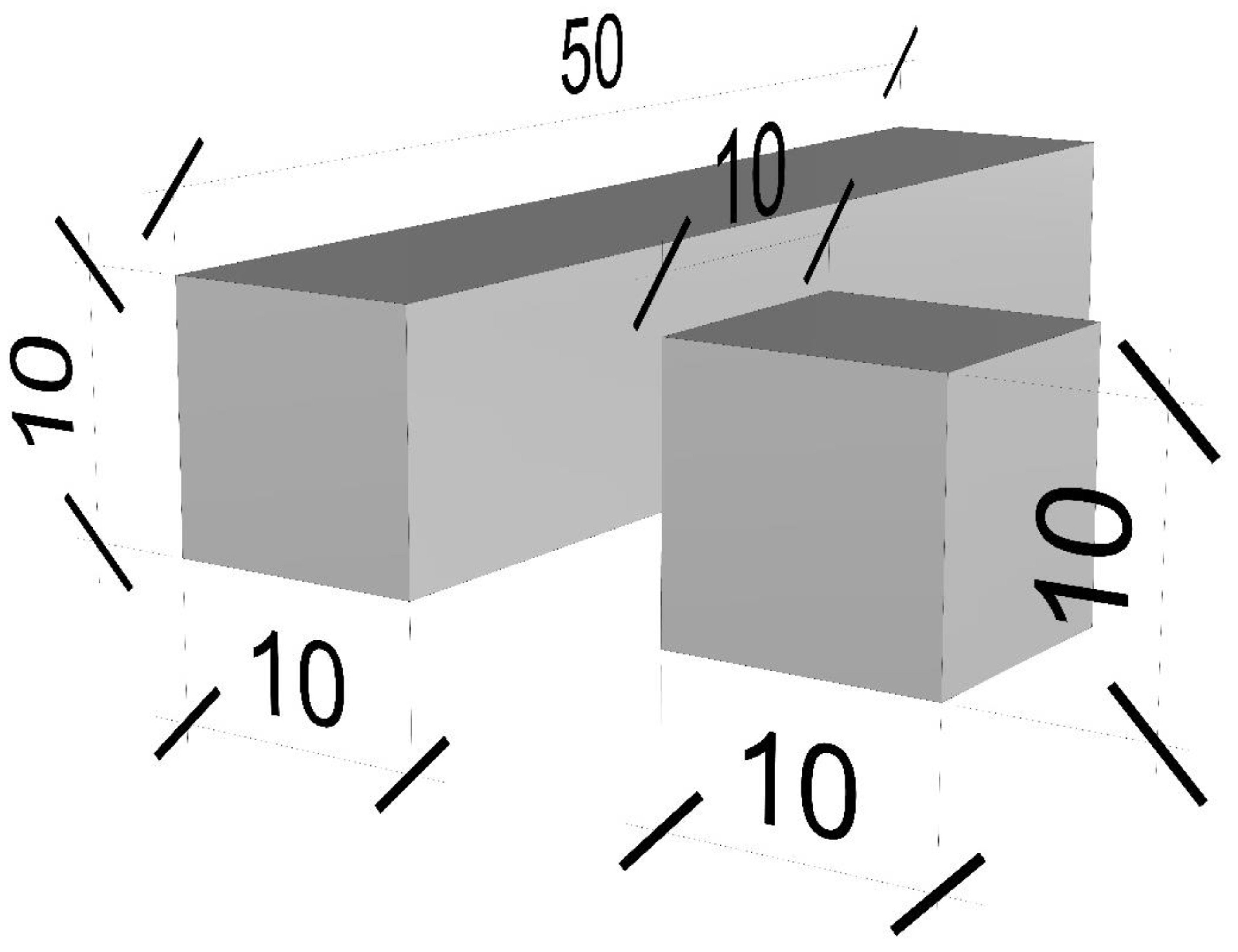
Figure 2.
Schematic of the dynamic loading machine (units in mm).
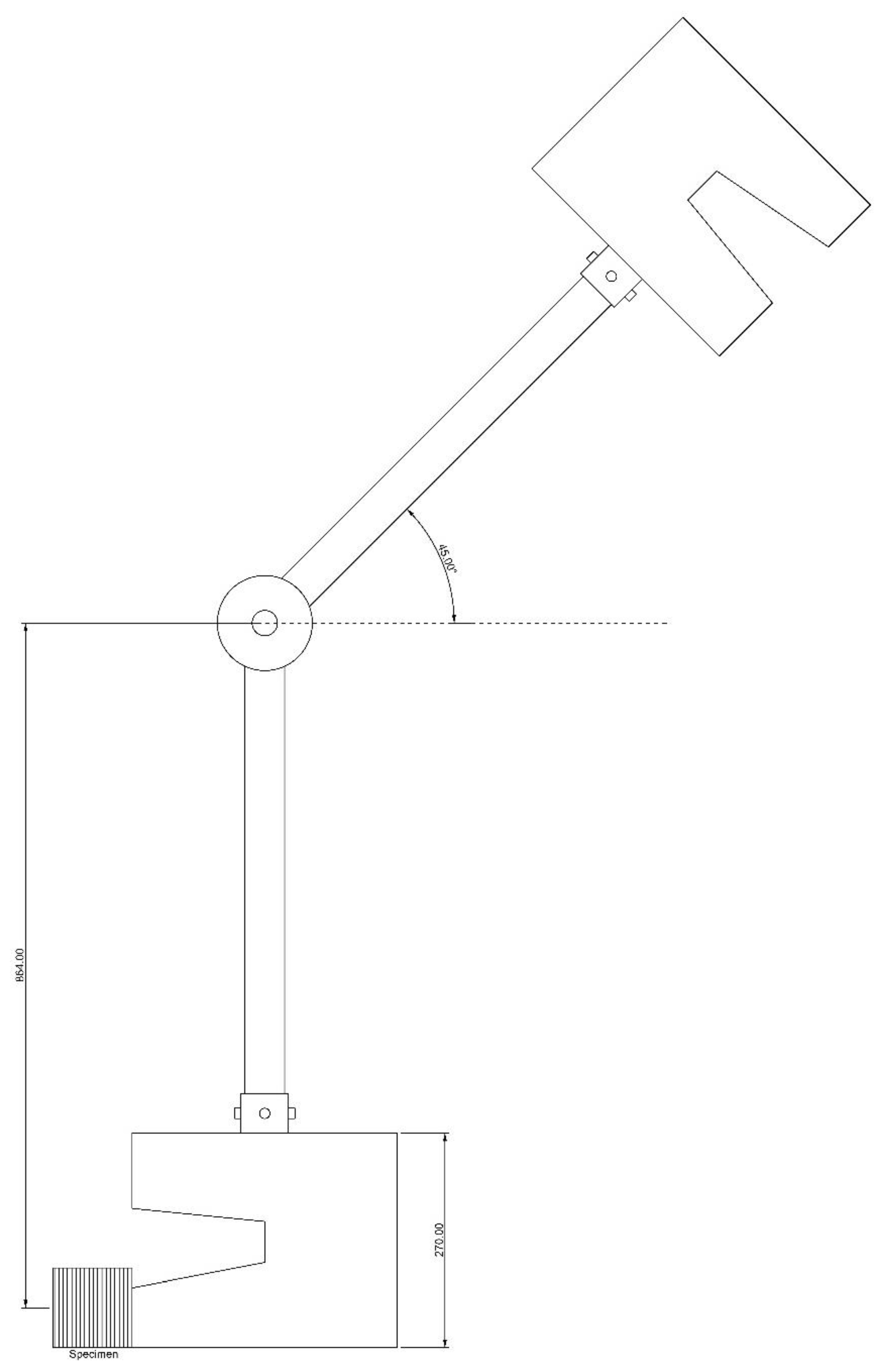
Figure 3.
Air content in the fresh concrete mixes.
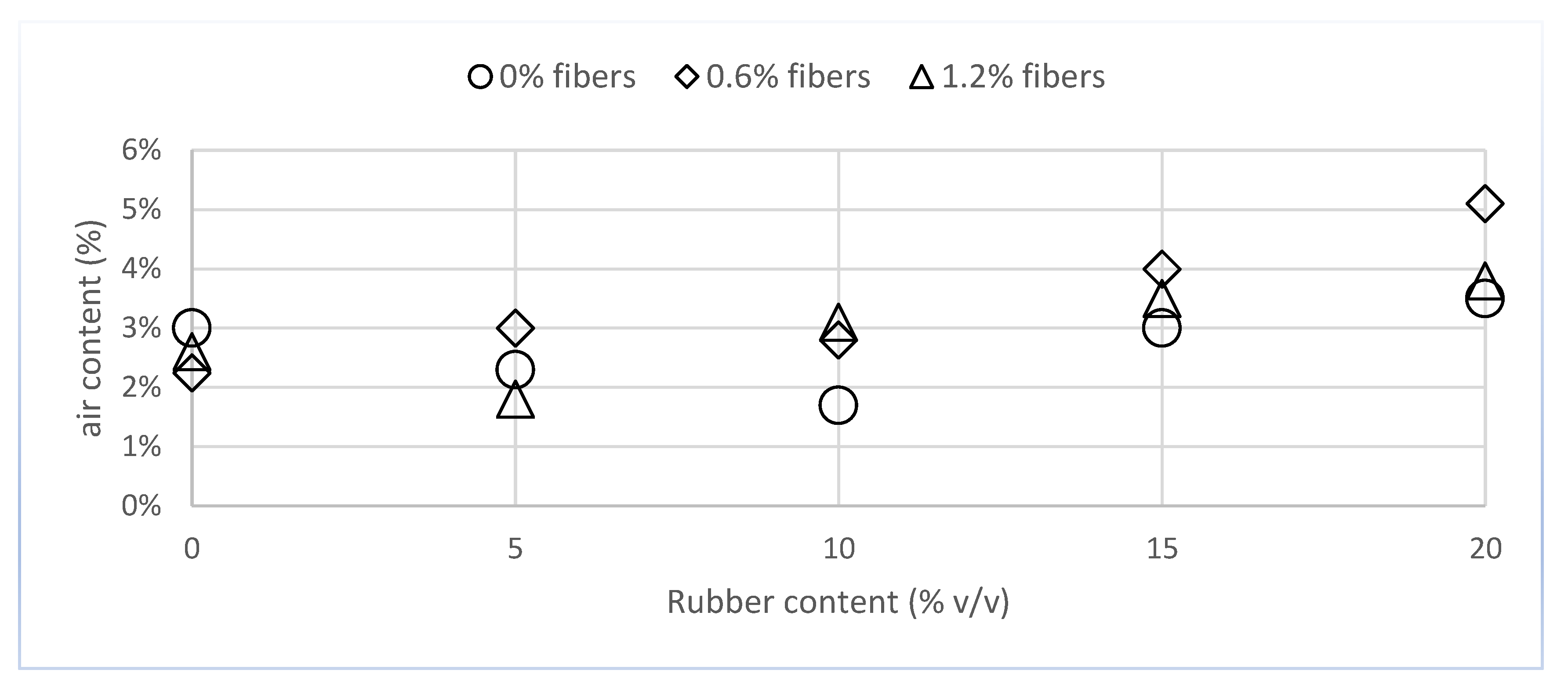
Figure 4.
Technological apparent specific gravity vs. rubber content.
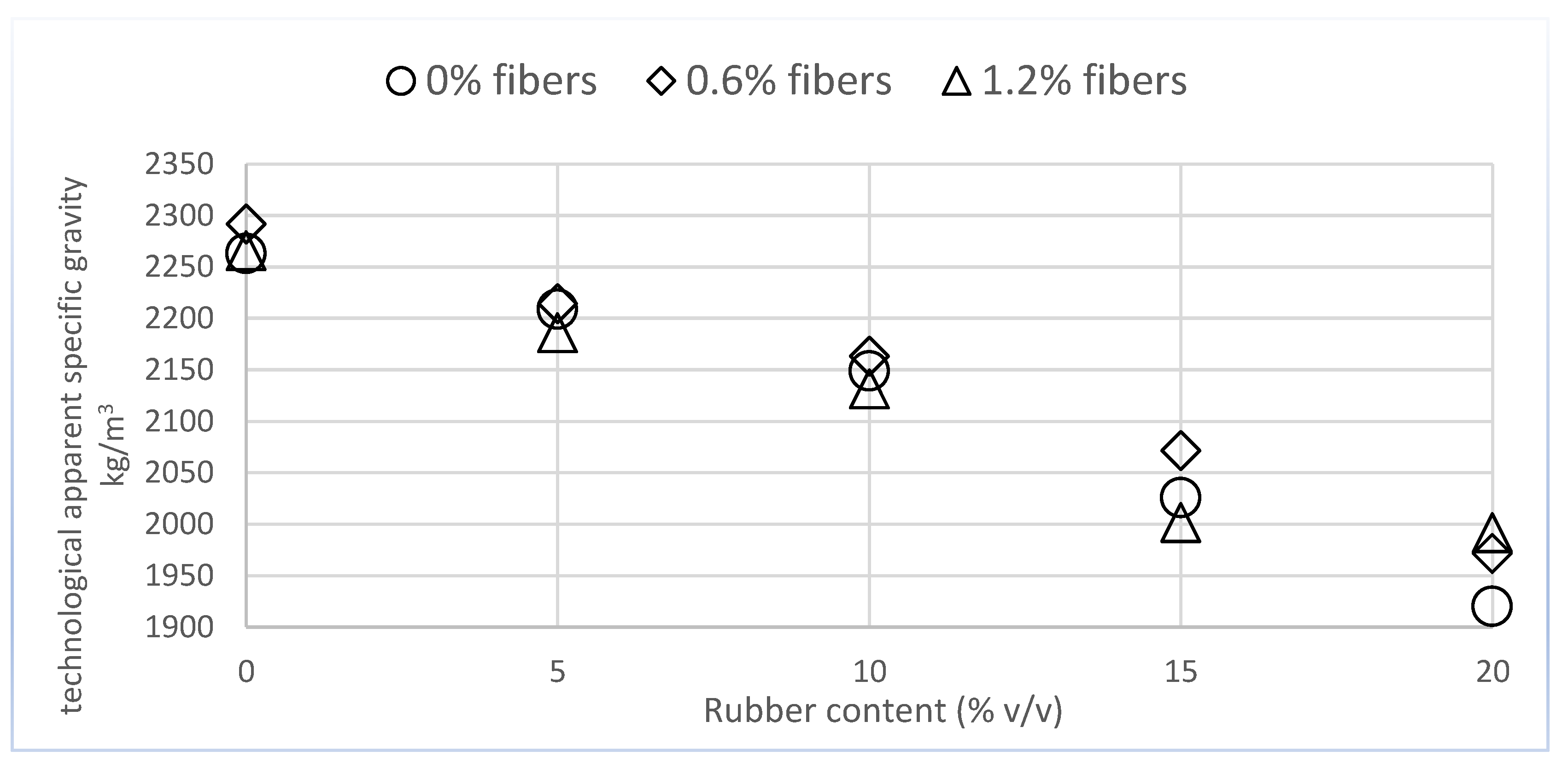
Figure 5.
Slump test results vs. rubber content.
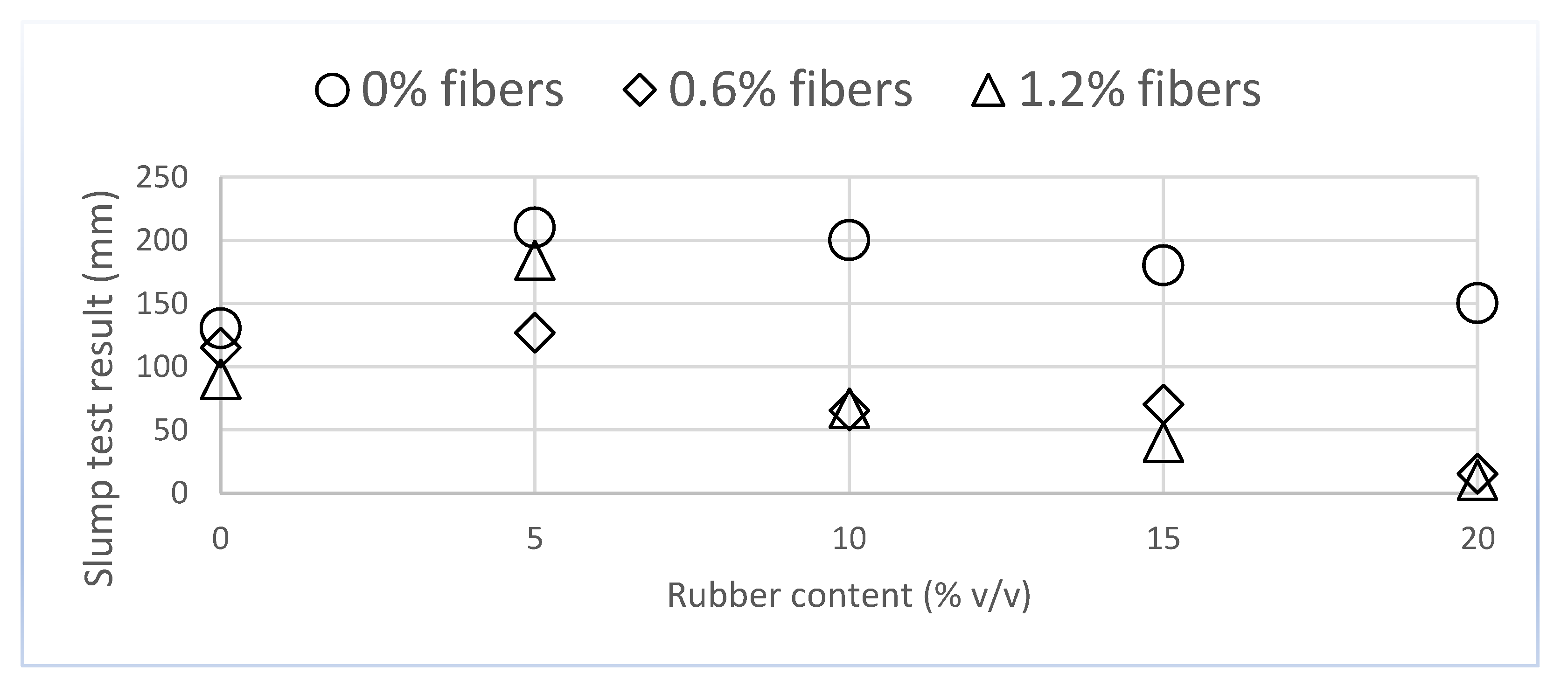
Figure 6.
Compressive strength vs. rubber content.
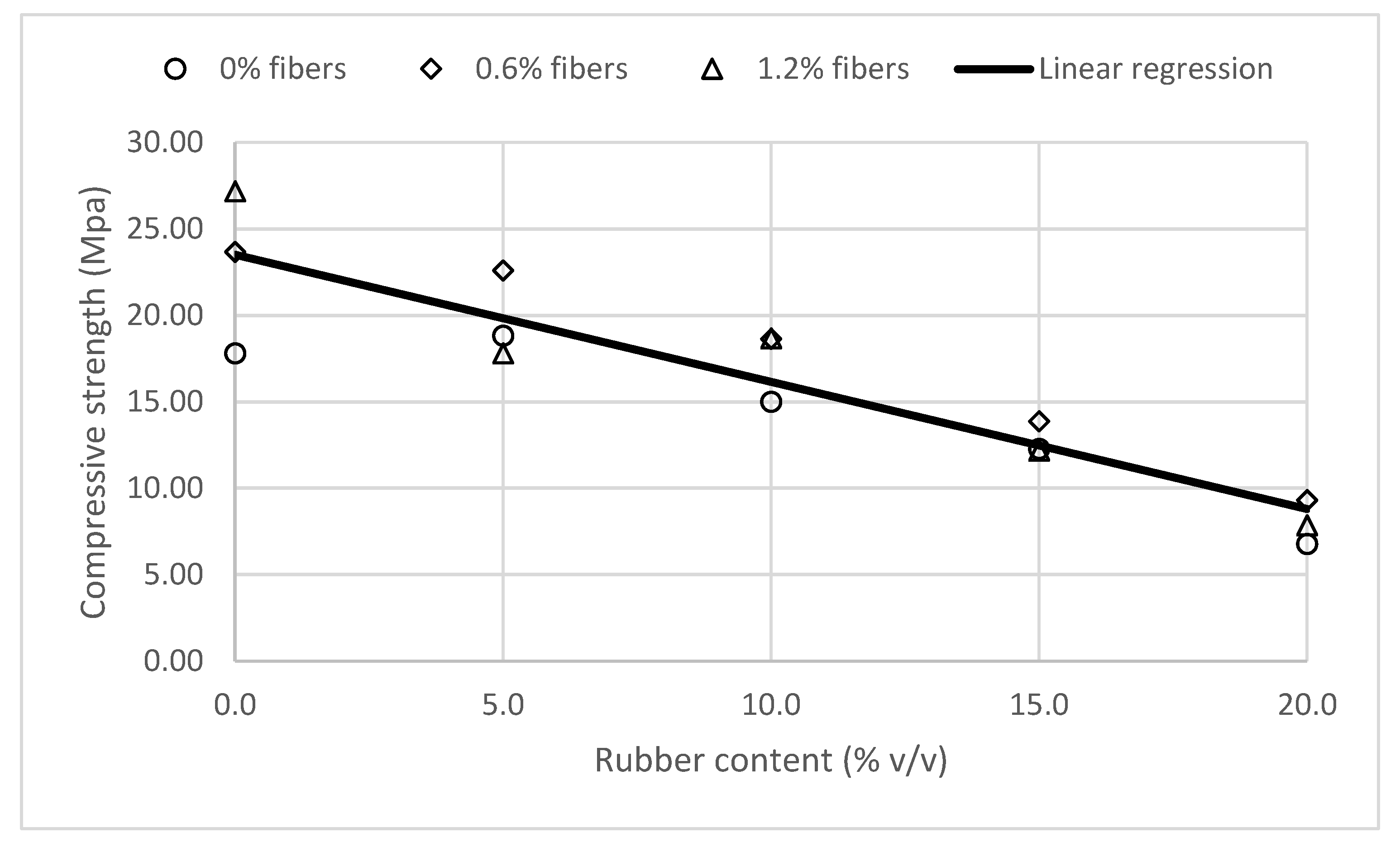
Figure 7.
Flexural strength vs. rubber content.
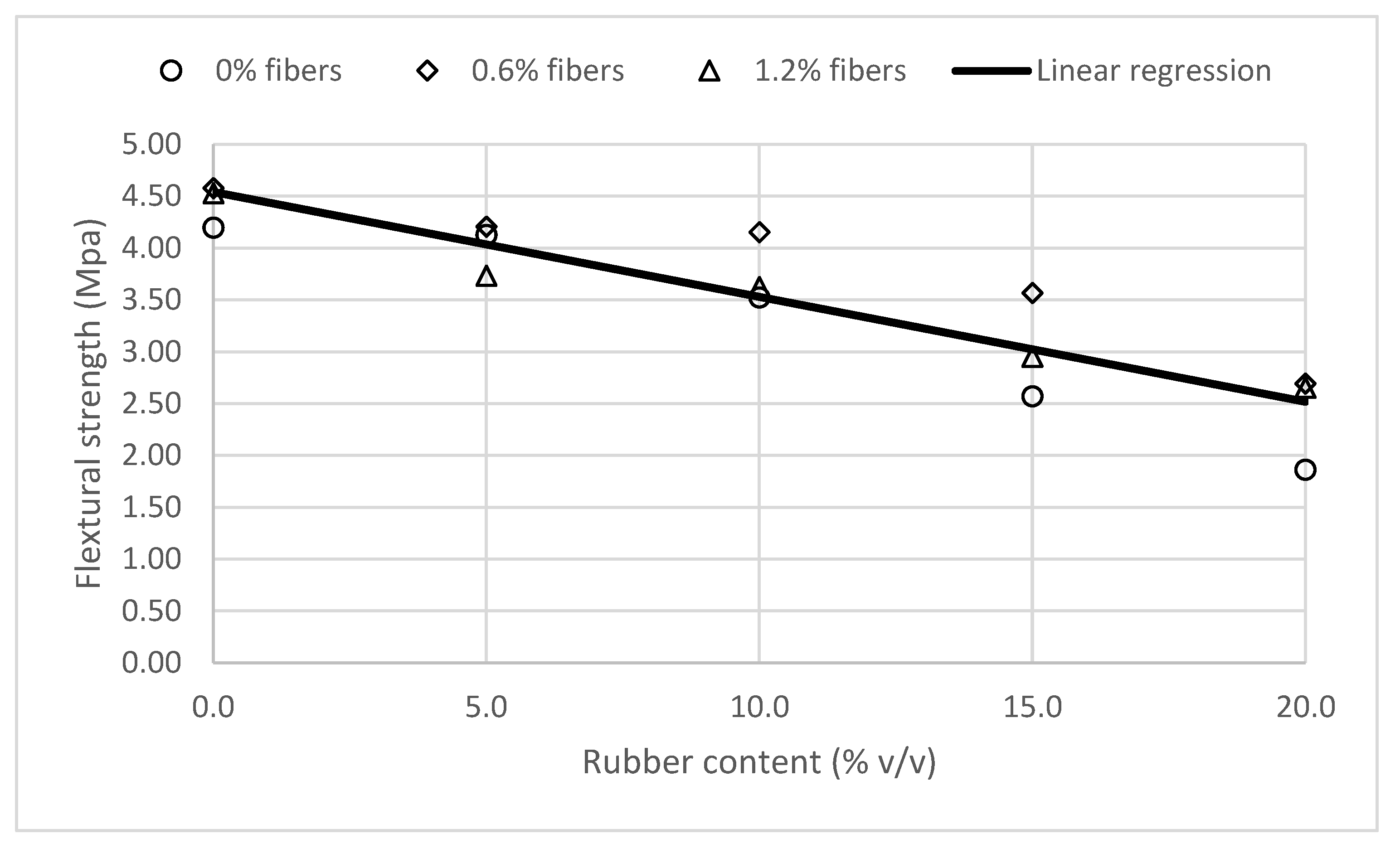
Figure 8.
Typical quasi-static force-deflection curves of plain and fiber-reinforced concrete.
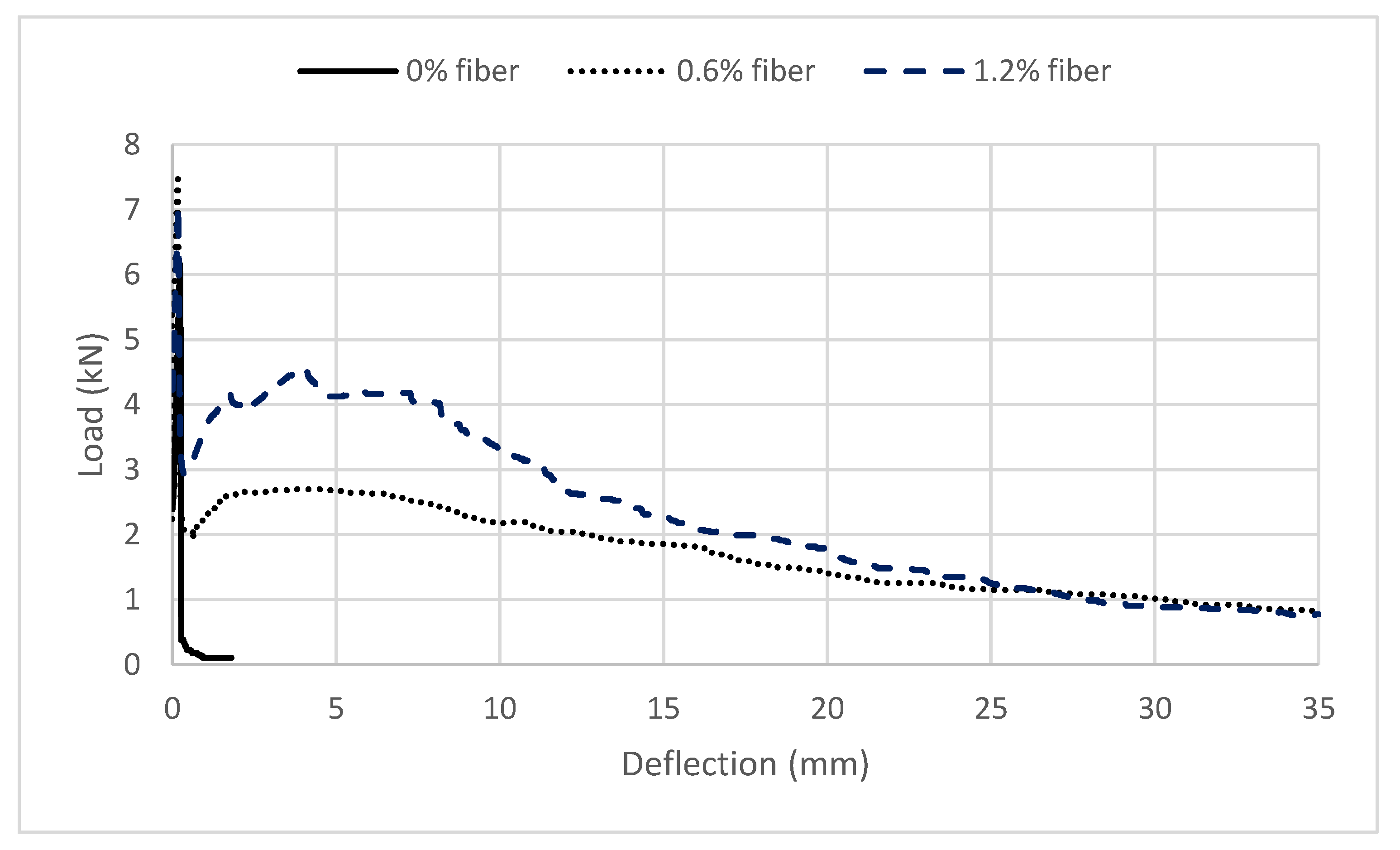
Figure 9.
Quasi-static energy to failure vs. rubber content for concretes with different fiber content.
Figure 9.
Quasi-static energy to failure vs. rubber content for concretes with different fiber content.
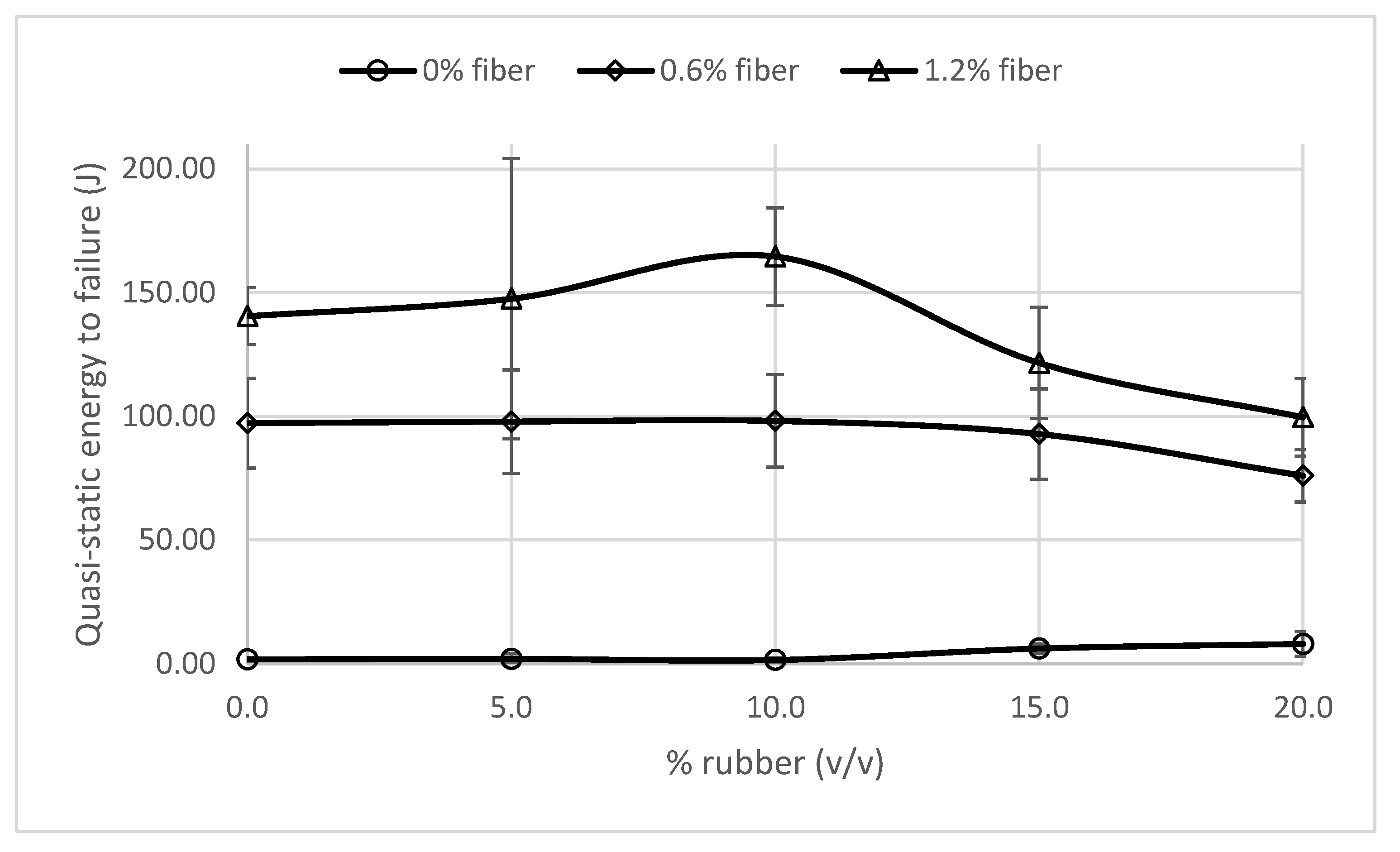
Figure 10.
energy to failure in quasi-static load.
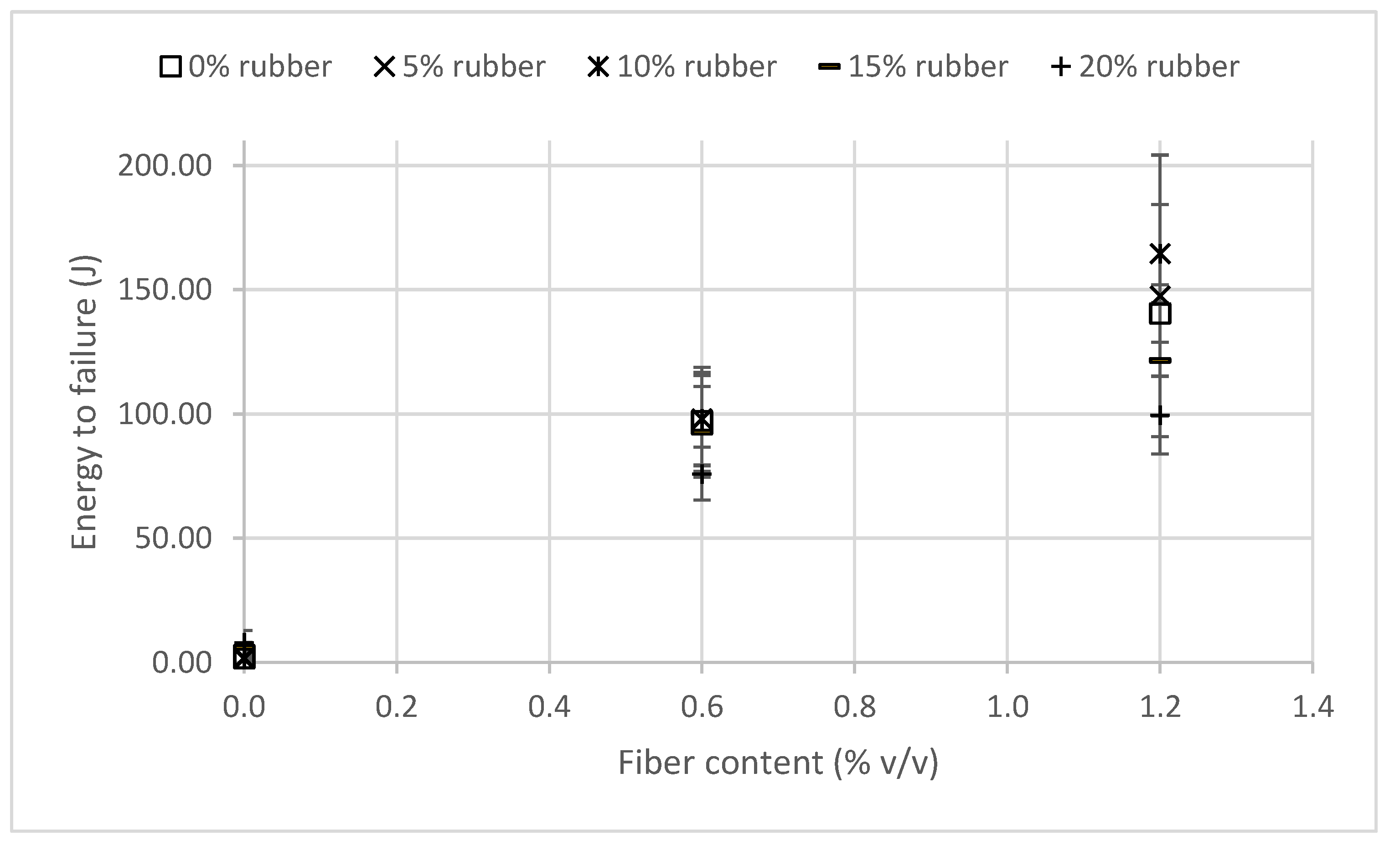
Figure 11.
energy to failure in dynamic test.
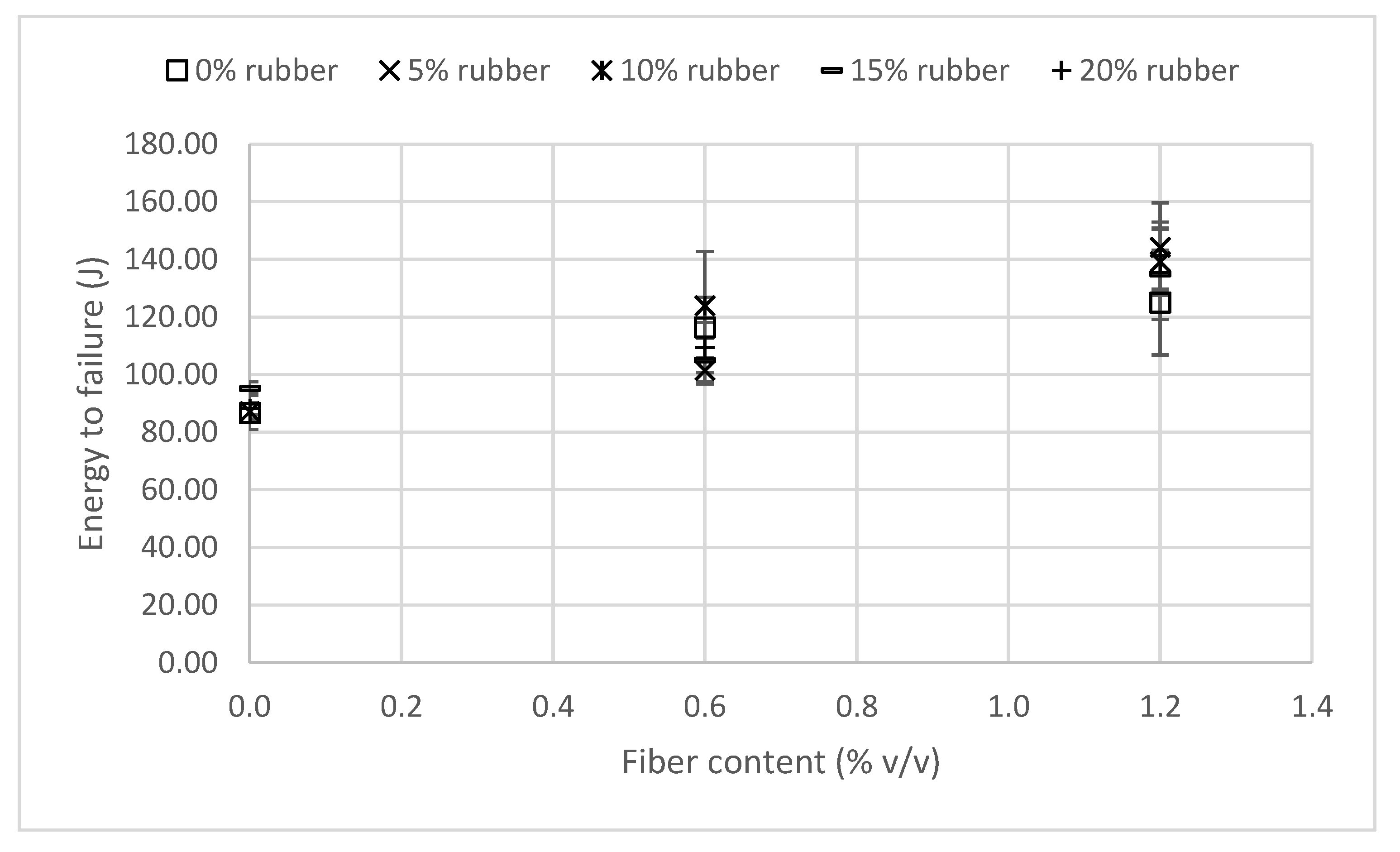
Figure 12.
Number of fibers at fracture versus energy to failure in impact.
Figure 13.
Maximum acceleration at impact versus rubber content.
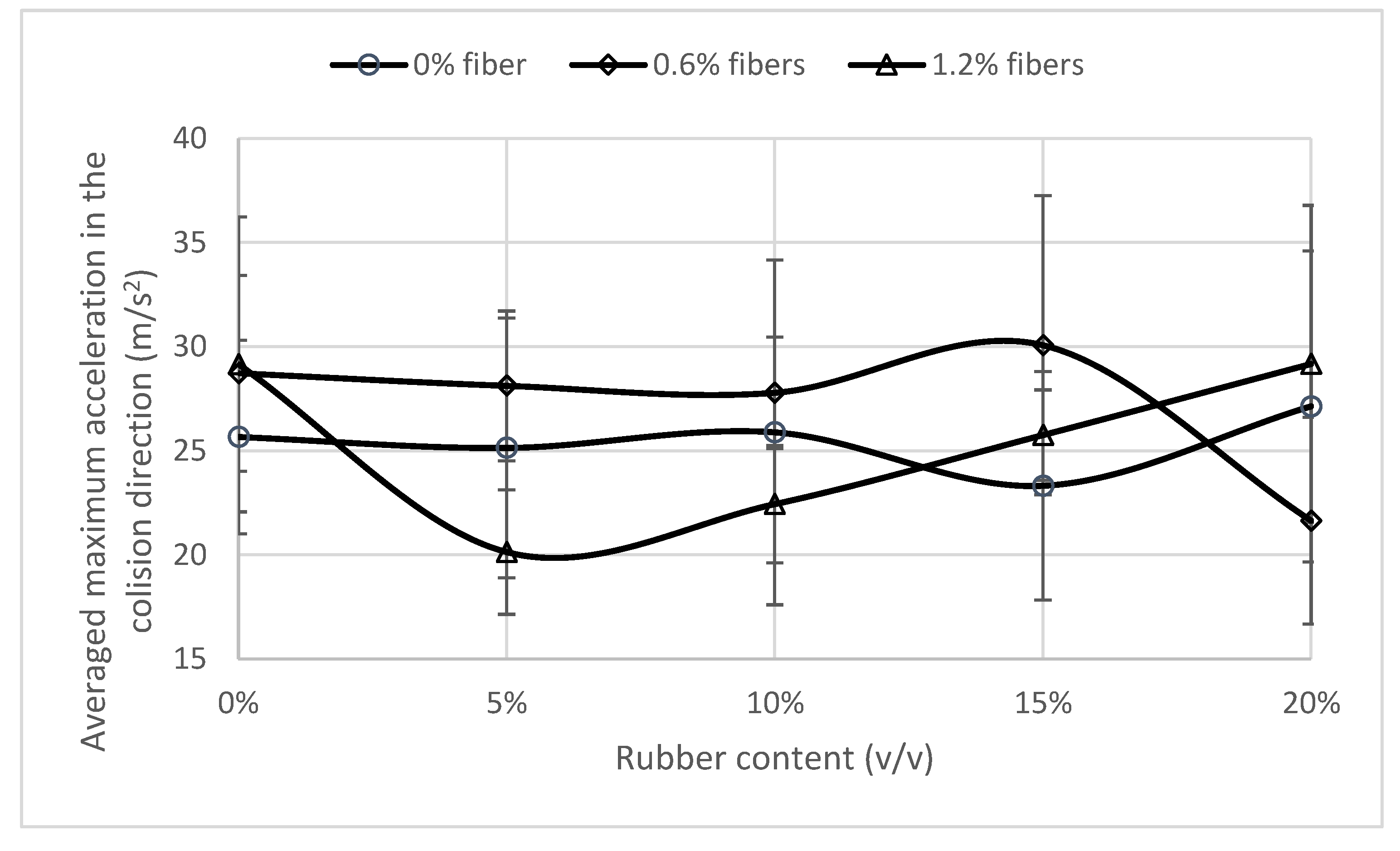
Figure 14.
Comparison of quasi-static and dynamic energy absorption.
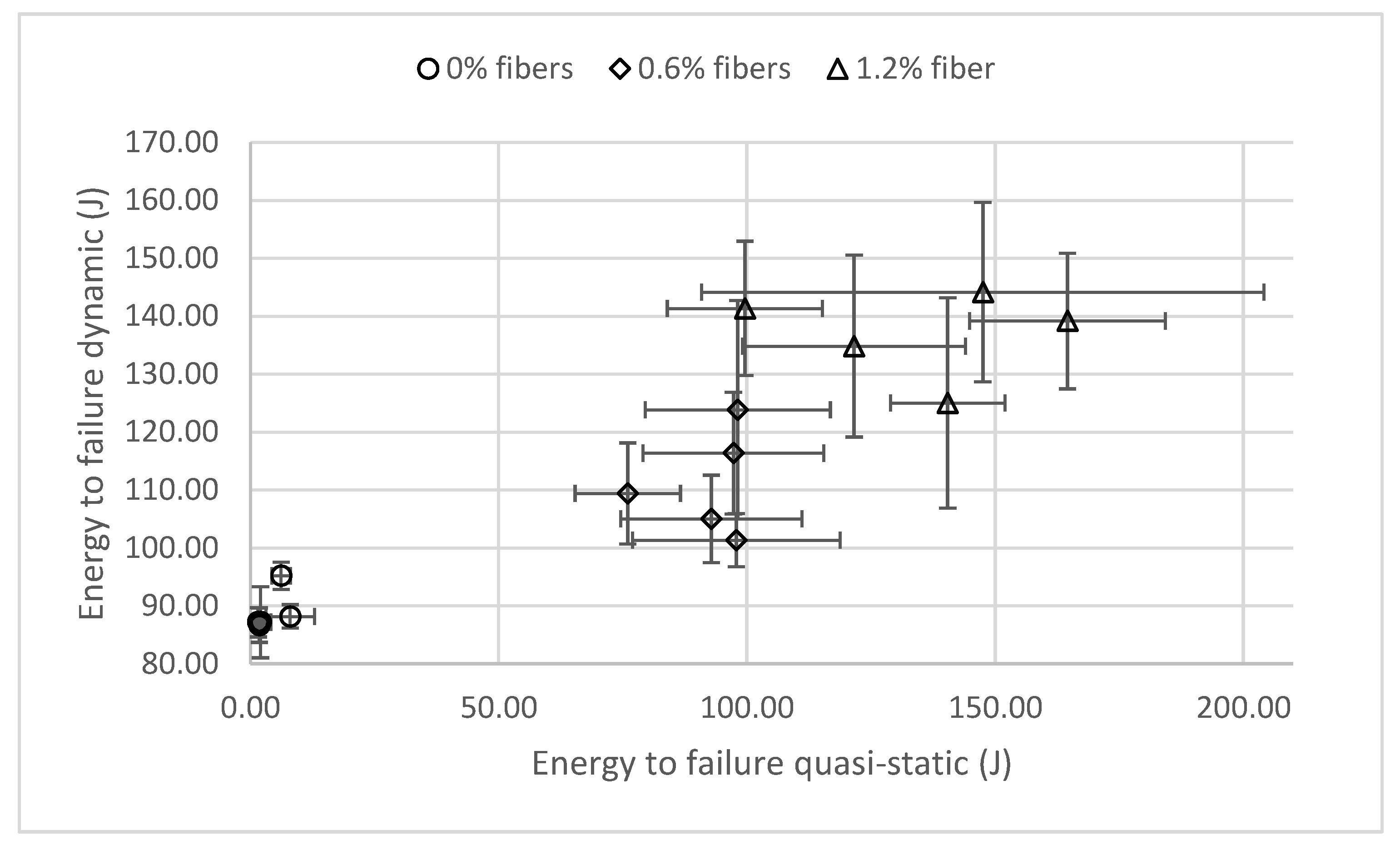

Table 1.
aggregates properties.
| Aggregate name | Material | Grain size (mm) | Apparent specific gravity (SSD) |
|---|---|---|---|
| Fine | Quartz | 0-4.75 | 2.62 |
| Medium | Dolomite | 9.5-14 | 2.641 |
| Coarse | Dolomite | 14-19 | 2.663 |
| Rubber | Rubber | 2.36-4.75 | 1.082 |
Table 2.
concrete mixes (kg/m3 if not otherwise mentioned).
| Mix # | 1 | 2 | 3 | 4 | 5 | 6 | 7 | 8 | 9 | 10 | 11 | 12 | 13 | 14 | 15 |
|---|---|---|---|---|---|---|---|---|---|---|---|---|---|---|---|
| Rubber (%) | 0 | 0 | 0 | 5 | 5 | 5 | 10 | 10 | 10 | 15 | 15 | 15 | 20 | 20 | 20 |
| Fiber (%) | 0 | 0.6 | 1.2 | 0 | 0.6 | 1.2 | 0 | 0.6 | 1.2 | 0 | 0.6 | 1.2 | 0 | 0.6 | 1.2 |
| Cement | 286 | 286 | 286 | 286 | 286 | 286 | 286 | 286 | 286 | 286 | 286 | 286 | 286 | 286 | 286 |
| Water | 200 | 200 | 200 | 200 | 200 | 200 | 200 | 200 | 200 | 200 | 200 | 200 | 200 | 200 | 200 |
| Coarse | 541 | 541 | 541 | 541 | 541 | 541 | 541 | 541 | 541 | 541 | 541 | 541 | 541 | 541 | 541 |
| Medium | 272 | 272 | 272 | 272 | 272 | 272 | 272 | 272 | 272 | 272 | 272 | 272 | 272 | 272 | 272 |
| Fine | 958 | 942 | 927 | 831 | 815 | 800 | 704 | 689 | 673 | 577 | 562 | 546 | 450 | 435 | 420 |
| Rubber | 0 | 0 | 0 | 55 | 55 | 55 | 110 | 110 | 110 | 165 | 165 | 165 | 220 | 220 | 220 |
| Fibers | 0 | 5.5 | 11 | 0 | 5.5 | 11 | 0 | 5.5 | 11 | 0 | 5.5 | 11 | 0 | 5.5 | 11 |
| Antifoam agent | 0.05 | 0.05 | 0.05 | 0.05 | 0.05 | 0.05 | 0.05 | 0.05 | 0.05 | 0.05 | 0.05 | 0.05 | 0.05 | 0.05 | 0.05 |
Disclaimer/Publisher’s Note: The statements, opinions and data contained in all publications are solely those of the individual author(s) and contributor(s) and not of MDPI and/or the editor(s). MDPI and/or the editor(s) disclaim responsibility for any injury to people or property resulting from any ideas, methods, instructions or products referred to in the content. |
© 2025 by the authors. Licensee MDPI, Basel, Switzerland. This article is an open access article distributed under the terms and conditions of the Creative Commons Attribution (CC BY) license (http://creativecommons.org/licenses/by/4.0/).
Copyright: This open access article is published under a Creative Commons CC BY 4.0 license, which permit the free download, distribution, and reuse, provided that the author and preprint are cited in any reuse.


