

Submitted:
27 February 2025
Posted:
28 February 2025
You are already at the latest version
Abstract
Fungal diseases pose a significant threat to global agriculture, leading to substantial crop losses and endangering food security worldwide. Conventional chemical fungicides, while effective, are increasingly criticized for their detrimental environmental impacts, including soil degradation, water contamination, and the disruption of non-target organisms. Additionally, the overuse of these fungicides has accelerated the emergence of resistant fungal strains, further challenging disease management strategies.
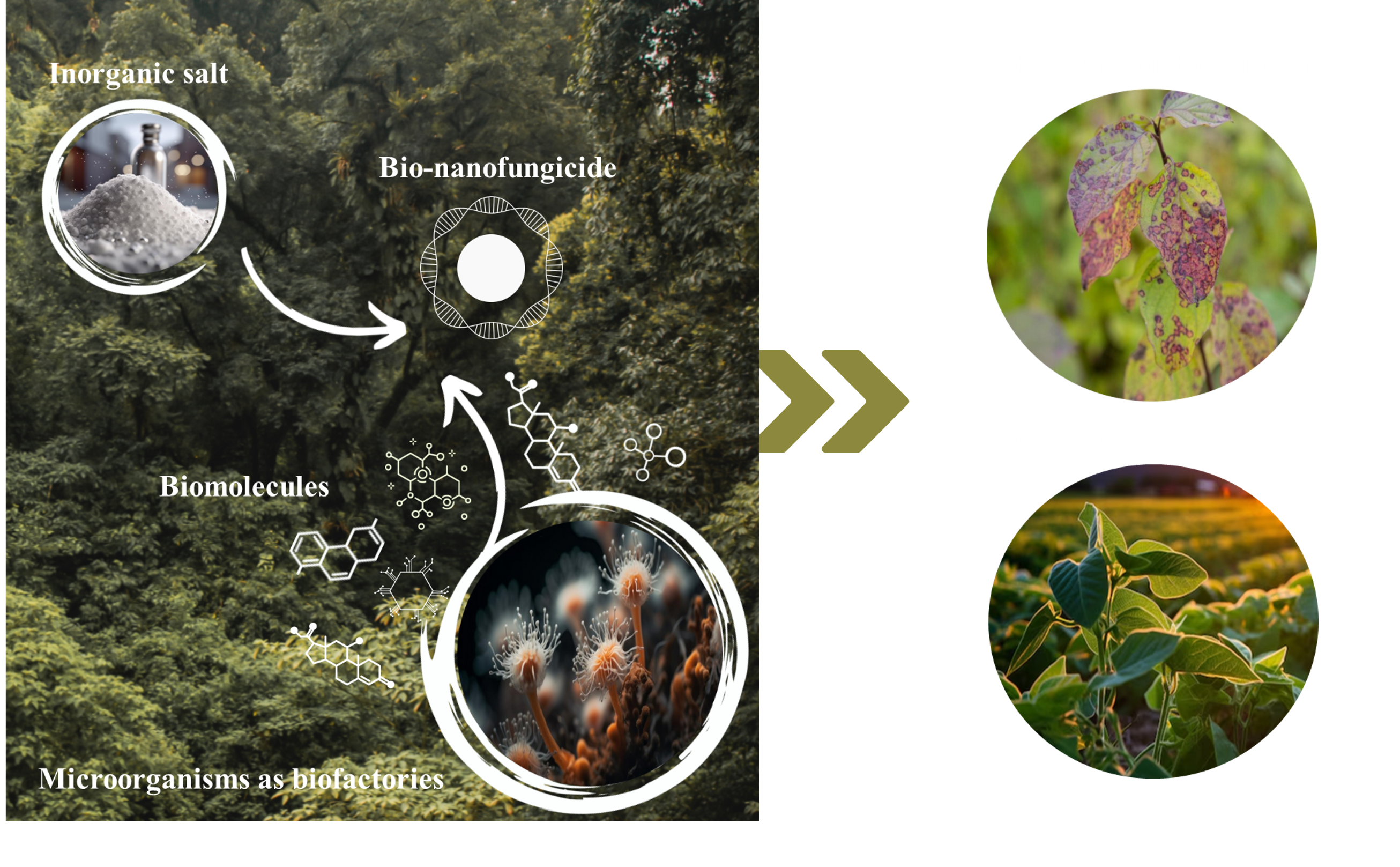
In response to these issues, bio-nanofungicides and nano-biofungicides have emerged as a cutting-edge solution, combining biocompatibility, environmental safety, and enhanced efficacy. These advanced formulations integrate bio-based agents, such as microbial metabolites or plant extracts, with nanotechnology to improve their stability, controlled release, and targeted delivery. Nanoparticles such as chitosan, silica, and silver have been extensively studied for their ability to encapsulate bioactive compounds, enhancing their antifungal activity while minimizing environmental residues.
Recent studies have demonstrated nano-based fungicides' potential to address critical gaps in sustainable agriculture, with promising applications in integrated pest management systems. Here, we summarize the las advances in the development of bio-nanofungicides and nano-biofungicides and analyzed the main differences between them. I addition, challenges such as large-scale production, regulatory approval, and comprehensive risk assessments remain are discussed.
Keywords:
bio-nanofungicide
; nano-biofungicides
; sustainable agriculture
; nanotechnology-based antifungals
; integrated pest management
1. Introduction
The increasing global population and climate change are two of the major concern of the actual world. Every year, the necessity for innovative and eco-friendly technologies to enhance the efficiency of industrial activities increases. The development of materials through nanotechnology has gained attention because their exceptional physicochemical properties. Indeed, nano-materials have emerged as innovative tools for improving various industrial processes and products.
For several years, advances in nanotechnology were related to the study of non-biological physicochemical processes. For instance, the synthesis of nanoparticles was one of the most developed topics as evidenced by the high number of scientific publications (Dhir et al., 2024; Joudeh and Linke, 2022; Naz et al., 2023). Firstly, nanoparticles were synthesized through non-biological methods. In other words, organic and inorganic precursors, reducing agents and stabilizers, often under extreme temperature and pH conditions, were combined in order to produce nanoparticles (Gutiérrez-Wing et al., 2020). Unfortunately, even to this day, stability and toxicity are two of the unsolved biggest problems of chemically synthetized nanoparticles (Banaye Yazdipour et al., 2023).
The necessity to search for eco-friendly alternatives to the chemical synthesis of nanoparticles lead to explore the potential of microorganisms. The first scientific report related to the biological synthesis of nanoparticles was published 2002. In that year, Kowshik et al. reported the extracellular synthesis of silver nanoparticles using a metal-tolerant yeast strain. This study highlighted the relevance and advantages of the biological synthesis of nanoparticles, for instance the simplicity of particle separation and the environmentally friendly nature of the process (Kowshik et al., 2002).
Nanotechnology, particularly through the synthesis of nanoparticles, has had a positive impact in science and different industries. Currently, solar energy systems, electronic devices, and skin-protecting sunscreens are based on nanotechnology. Despite these advances, the use of nanoparticles in agriculture, either chemically or biologically synthesized, still hasn´t reach its full potential. One of the major challenges of modern agriculture is the resistance that fungal phytopathogens have developed in the last years.
In the present review, we analyzed and discussed two interesting nanotechnological alternatives to face fungal disease and resistance in crops. The difference between nano-biofungicides and bio-nanofungicides are discussed in this work.
2. Global Impact of Fungal Diseases in Agriculture
Fungal plant pathogens are the major source of plant diseases producing substantial losses of crops worldwide. Fungicide resistance is problem of global concern, exacerbated by the emergence of fungicide-resistant strains that compromise disease control measures. Despite current disease treatments, fungal diseases cost pre-harvest crops an estimated 10-23% of crop losses per year. Post-harvest losses add 10–20% more. These pathogens impact a variety of crops such as rice, wheat, maize, and soybean (Steinberg and Gurr, 2020). Resistant fungal phytopathogens provoke serious economic losses to crops every year estimated at $60 billion (Gai and Wang, 2024).
The severity of fungal diseases may vary each year depending on the environmental conditions, the success of disease control measures and the development of fungicide-resistant strains. Brazil and United States are among the major soybean manufacturers globally. In Brazil, for instance, Asian Soybean Rust disease caused by Phakopsora pachyrhizi is the most damaging disease for soybean, with yield losses reaching up to 90% (if not managed properly). The extensive occurrence of this pathogen requires the application of a large amount of fungicide increasing production costs and environmental impact (Godoy et al., 2016). In the United States, Frogeye Leaf Spot caused by Cercospora sojina led to significant yield reductions each year. For instance, between 2013 and 2017, in Midwestern states the estimated losses increased from 460,000 to 7.6 million bushels, indicating a growing threat to soybean growers (Barro et al., 2023).
3. Fungicide Resistance in Phytopathogenic Fungi
The intensive use of synthetic chemical fungicides has triggered the development of resistant fungal phytopathogens. The resistance to fungicide is an adaptive ability of pathogens to survive and proliferate in the presence of fungicides that were previously effective in controlling them. This phenomenon is a major challenge in agriculture, threatening crop yields and food security (Peng et al., 2021). Several interesting works have summarized and discussed the different fungal mechanisms of resistance (Dorigan et al., 2023; Islam et al., 2024; Yin et al., 2023).
Fungicides Current Used and Strategies to Combat Fungal Disease and Resistance
Nowadays farmers use different strategies to combat fungal phytopathogen resistance. The rotation of crops, the use of fungicides with different mechanisms of action, the optimization of dose to maintain effectiveness and reduce selection pressure are probably the most common used strategies. Awarded of the continuous and strong develop of fungicide resistance, the agrochemical companies invest in their R&D sector´s to discover: 1- fungicides with new mechanisms of action to target resistant pathogens; 2- effective combination of active ingredients with different mechanisms of action to prevent the easy development of resistance; 3- cocktails of fungicides containing several active ingredients to combat different pathogens simultaneously.
The most common molecules used for the agrochemical companies for the formulation of fungicides are listed in the table 1 alongside with their mechanisms of action. As mentioned above, the combination of active ingredients with different mechanisms of action is a widely adopted strategy to control the resistance. For instance, formulations containing 400 g/L (Mefentrifluconazole + Pyraclostrobin) or 450 g/L (Bixafen + Prothioconazole + Trifloxystrobin) are currently available in the market.
The negative environmental impacts of chemical fungicides are well known. They can have residual effects on ecosystems, non-target organisms and biodiversity in general. Interesting articles addressing this topic were published (Pimentão et al., 2024; Wang et al., 2021).
4. The Era of Nanotechnology in Agriculture
In 1959 the physicist Richard Feynman, during his famous lecture "There’s Plenty of Room at the Bottom", introduced the idea of manipulating matter at the atomic level. Essentially, he proposed the possibility of building devices and materials atom-by-atom.
Over the last few years, the number of scientific publications related to nanotechnology in agriculture was increased. The growing interest and research activity in this field is helping to create alternatives and interesting discussions for the safe practice of modern agriculture. The major challenges of nanotechnology in agriculture such as potential toxicity, bioaccumulation and regulatory frameworks were discussed in several publications with divided opinions (Kumar et al., 2024; Usman et al., 2020). However, the scientific community agree with the potential of nanotechnology to improve the productivity and sustainability. For instance, nanomaterials were successfully used to address biotic and abiotic stresses in different crops (Ahmad et al., 2022). In addition, Tang et al. (2023) highlighted the advantages of using nano-pesticides and fertilizers as safe alternatives to improve crop yields. The reduction of postharvest losses through nanotechnology, without compromising the food security, was also demonstrated by Neme et al. (2021). Nanotechnology is a robust discipline and its contribution to agriculture is evident as postulated by Vijayakumar et al. (2022).
Nanoparticles as Fungicides
Metallic nanoparticles were widely studied for their antimicrobial properties. Indeed, thousands of articles reporting the chemical or biological synthesis of nanopartilces were published. The number of articles is drastically reduced when the term “nanofungicide” is include in the search filters. According to National Library of Medicine (Pubmed) only 16 articles related to nanofungicides were published from 2019 to 2024. However, using a stronger database like scite.ai the number of publications increased to 64. Many of these works were aimed to synthesize and characterize metallic nanoparticles in order to evaluate their antifungal activity. Different kind of chemically synthesized metallic nanoparticles may be efficient to combat strains of phytopathogenic fungi. For instance, the Ni0.5Al0.5Fe2O4 nanoparticles with a size between 60 and 80 nm were effective against Fusarium oxysporum at low concentration (0.5 mg/ml) (Sharma et al., 2022). Similarly, zinc and copper oxide nanoparticles were able to control the late blight disease of potatoes caused by Phytophthora infestans under greenhouse conditions (AlHarethi et al., 2024). The chemical synthesis of nanoparticles is often considered as a highly contaminant method. In the last years, biological methods gained attention because of their synthesis efficiency, environmental compatibility and good performance of their nanoparticles against phytopathogens. Recently, Bharose et al. (2024) reported the bacteria-mediated green synthesis of silver nanoparticles and their antifungal potential against Aspergillus flavus. A small number of articles reported the application of biological nanoparticles in field under non-controlled conditions. For instance, silver nanoparticles extracellularly synthesized by the strain Amycolatopsis tucumanensis were capable of controlling one of the most important diseases in sugarcane, the Red Stripe caused by Acidovorax avenae subsp. avenae (Guerrero et al., 2022).
5. Current Nano-Based Alternatives to Combat Fungal Disease and Resistance in Agriculture
As mentioned above, diseases caused by fungal resistant strains provoke a negative impact in several crops and subsequently in the global economy. Agrochemical companies are continuously developing strategies to control fungal resistance as well as new fungicides formulations. However, the environmental impact of these formulations is extremely high (see section 3.1). Over the last years, several scientific studies were conducted in order to address this problem. The objective was to develop efficient fungicide formulations with the lowest possible environmental impact.
5.1. Nano-Biofungicides and Bio-Nanofungicides
The terms nano-biofungicide and bio-nanofungicide are often used as synonyms. However, it is quite far from reality. Both refer to fungicides that combine nanotechnology with biological agents but are grouped into different categories.
5.1.1. Nano-Biofungicides
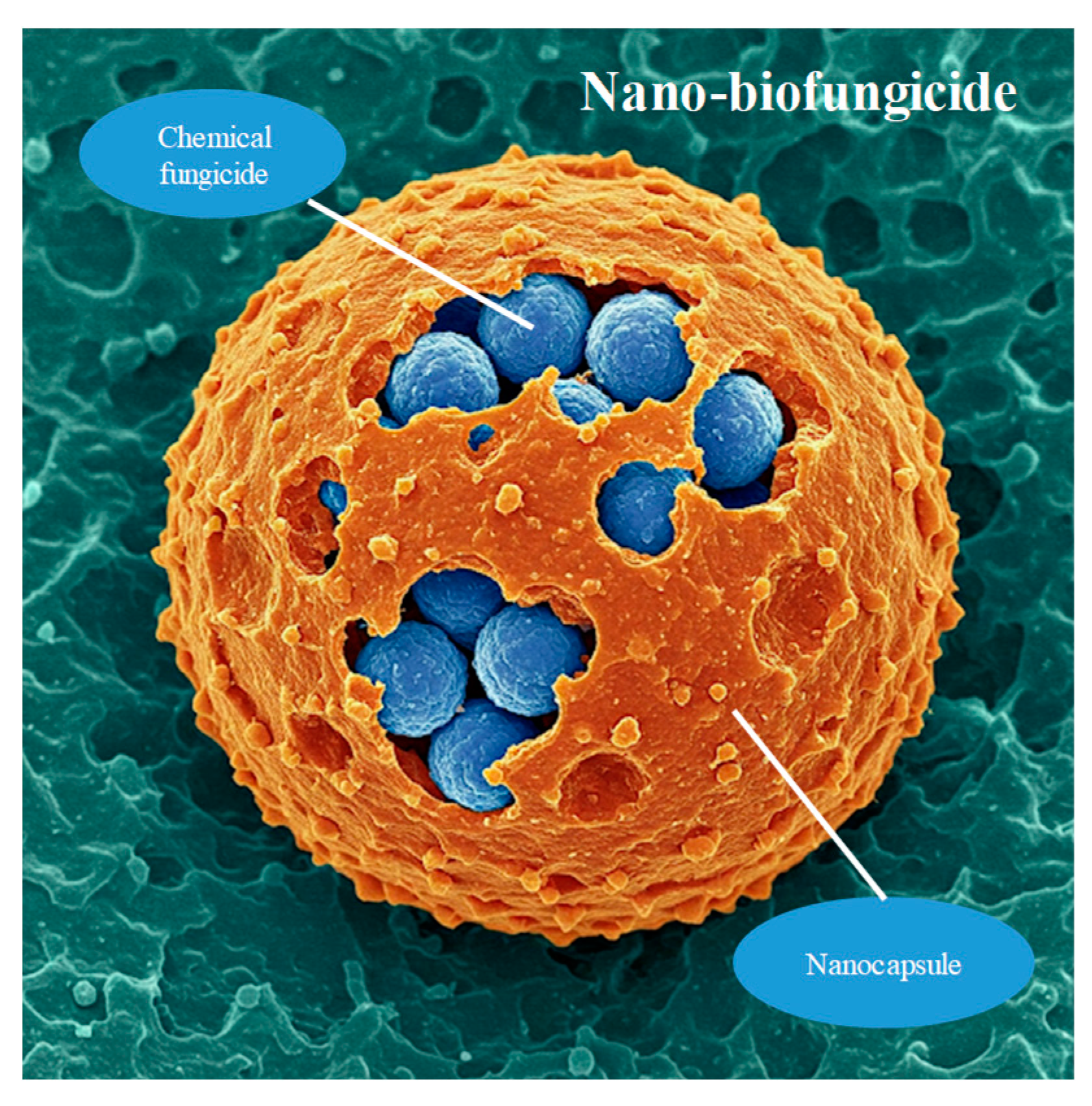
Nano-biofungicides are nanostructurated fungicide molecules. In other words, a nano-biofungicide is a nano-encapsulated active ingredient with fungicide activity (Fig. 1). Synthetic and natural polymers, lipid-based systems and inorganic nanomaterials were reported as suitable materials for the synthesis of nano-biofungicide (Andishmand et al., 2023; Mondéjar-López et al., 2024). In the last decade, several works were focused in designing successful formulation of nano-biofungicides. Two interesting were published last year. Bence et al. (2024) reported the successful co-encapsulation of citral and the synthetic fungicide cyproconazole using solid lipid and chitosan nanoparticles. This formulation showed a high efficiency with a minimum inhibitory concentration of 1.56 μg mL-1. Moreover, Yu et al. (2024) formulated a multi-stimuli-responsive nanocapsule delivery system loaded with pyraclostrobin. Interestingly, this system exhibited pH/laccase-responsive targeting against Botrytis disease, enabling the intelligent release of pyraclostrobin (Yu et al., 2024). The encapsulation of chemical fungicides to create nano-biofungicides represents a significant advance for the modern agriculture. One of the main advantages of nano-biofungicides is the improvement in the stability of active ingredients. Traditional fungicides are often degraded when exposed to light and moisture. Nanoencapsulation provides protection to the active compounds allowing for a controlled release, which improve their efficacy and reduces the number of application (Sedeek et al., 2021; Wang et al., 2022). By reducing the particle size of the active ingredients, nano-biofungicides increase their surface/volume ratio, which improve the absorption by plant tissues. This increased efficacy means that lower doses can achieve the same or better results compared to conventional formulations while reducing the environmental impact (Kumar et al., 2022; Kutawa et al., 2021).
Figure 1.
Nano-biofungicide composed of conventional fungices such as pyraclostrobin, difenoconazole, etc, nanoencapsulated with synthetic or natural polymers, lipids or inorganic materials.
Figure 1.
Nano-biofungicide composed of conventional fungices such as pyraclostrobin, difenoconazole, etc, nanoencapsulated with synthetic or natural polymers, lipids or inorganic materials.
5.1.2. Bio-Nanofungicides
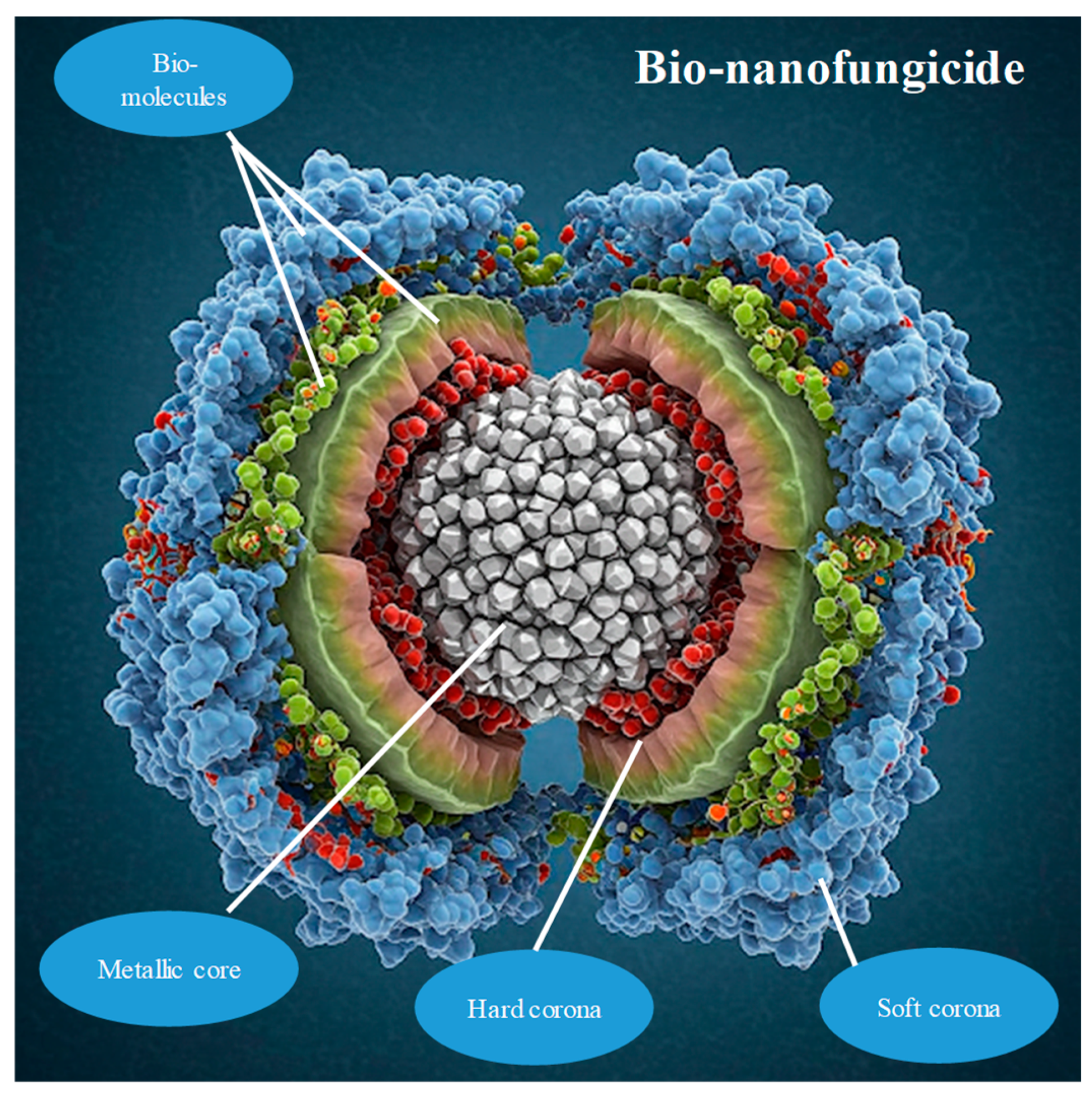
Bio-nanofungicides can be defined as metallic nanoparticles that were synthesized through a biogenic process using microorganisms, plant extracts or enzymes (Adeyemi et al., 2022; Malik et al., 2023). A bio-nanofungicide is composed of a metallic core, usually reduced silver or copper, and a biological portion (derived from the microorganism, plant or enzyme used in the synthesis. The biological portion is the main component of the bio-nanofungicide and is located forming two layers around the metallic core. This biological portion is known as bio-corona (Fig. 2). The main advantage of bio-nanofungicides compared with nano-biofungicides and traditional fungicides is precisely the presence of the bio-corona which improves the effectiveness, stability, delivery mechanisms and reduce the negative environmental impact (Xu et al., 2021; Yu et al., 2023).
The bio-corona of bio-nanofungicides is a complex and dynamic structure composed of proteins, lipids, carbohydrates and/or nucleic acids. The bio-corona molecules can be classified into a "hard" corona, which consists of tightly bound molecules, and a "soft" corona, which includes loosely associated molecules that can exchange dynamically (García-álvarez and Vallet-Regí, 2021). The precise composition of the bio-corona may vary depending on the biological agent used for the synthesis of the bio-nanofungicide. For instance, the fungus Macrophomina phaseolina synthesized silver nanoparticles with a bio-corona composed of 46 different proteins. Further analysis revealed that 60% of these proteins are hydrolytic enzymes and 21% are oxidoreductases (Spagnoletti et al., 2021). Using a Streptomyces bacterium, Paterlini et al. (2021) also synthetized silver nanoparticles and identified bio-corona proteins. In this work, molecular modeling and docking studies were performed to predict the interaction of bio-corona proteins with the surface of the nanoparticle. Thus, a structural model where proteins like aminopeptidase, tellurium resistant and superoxide dismutase appeared linked to the surface of the nanoparticle was proposed (Paterlini et al., 2021). These studies represented a significant advance in the understanding of proteins bio-corona composition. The identification and quantification of more complex molecules such as lipoproteins, glycolipids and terpens, among others, were not yet addressed. Thus, metabolomics and proteomics studies conducted in parallel might be an excellent approach to elucidate the complete structure of the bio-coronas. The structure and composition of bio-coronas are crucial to understand the interaction of bio-nanofungicides with pythopathogens and the environment.
Figure 2.
Bio-nanofungicide composed of a metallic core and a biological portion known as bio-corona (hard and soft).
Figure 2.
Bio-nanofungicide composed of a metallic core and a biological portion known as bio-corona (hard and soft).
6. Mechanisms of Action of Nano-Biofungicides and Bio-Nanofungicides
The mechanisms of action of nano-biofungicides and bio-nanofungicides are crucial to understand their efficiency in the management of fungal pythopathogens. As described in the section 5, both types of formulations are based on nanotechnology and biological agents, although in different manners, leading to distinct mechanisms of action.
In nano-biofungicides, the mechanism of action against phytopathogens will depend on the synthetic active ingredient that was nano-encapasulated. For instance, pyraclostrobin inhibits mitochondrial respiration and epoxiconazole blocks the production of ergosterol, which is necessary for fungal cell membranes. Instead, in bio-nanofungicides the active ingredient is the result of a synergism between the metallic core and the bio-corona.
6.1. Surface Interaction and Adhesion
In a foliar application, the leaf surface is the first barrier that fungicides have to face. Leaf surface is typically cover with a hydrophobic waxy cuticle that serves as barrier to water and other substances. The ability of nano-biofungicides and bio-nanofungicides to pass through this barrier depends on several factors. Due to their small size, in general both are able to navigate the complex microstructure of the leaf surface more effectively than conventional formulations. This can lead to better adhesion and retention on the leaf, increasing the probability of successful pathogen control (Gao et al., 2022). In terms of interaction and adhesion with the leaf surface, the bio-corona of bio-nanofungicides represents an advantage. As described in the section 5.1.2 bio-coronas are complex structures composed by different types of biomolecules that give it an amphipathic characteristic. This diversity of molecules makes more efficient the interaction between the bio-nanofungicide and different types of leaf, allowing its application in a wide range of crops.
6.2. Penetration and Uptake
Once adhered to the leaf surface, nano-bio and bio-nanofungicides must penetrate the cuticle to reach the underlying tissues where pathogens reside. The size of nano-biofungicide and bio-nanofungicide particles is fundamental to facilitate this process. In general, small particles can exploit the natural openings in the leaf surface, such as stomata and trichomes (Jia et al., 2024). The polar pathway of penetration involves trichomes, hydathodes, necrosis spots, and stomata. In turn, in the nonpolar pathway, the leaf cuticle and its pores are crucial. In comparison with stomata and hydathodes, cuticle covers a bigger surface in the leaves making it the major structure for nano-fungicides delivery to plants through foliar application. The penetration of nano-biofungicides through the polar or nonpolar pathway depends on the chemical nature of the material used for the nano-encapsulation of the active ingredient. Bio-nanofungicides can use both pathways because the amphipathic nature of their bio-coronas (Paterlini et al., 2021; Spagnoletti et al., 2021). This versatility represents a significant advantage over nano-biofungicides and other fungicide formulations which often require adjuvants to enhance penetration.
Hydathodes are secreting pores directly connected to the vasculature system. Although the information about the potential entry of nano-formulations in plant leaves through hydathodes is limited, two interesting studies demonstrated that charge of the nano-molecules is crucial. CeO2 nanoparticles with a size of 8 nm were accumulated inside hydathodes of lettuce leaves (Hong et al., 2016). On the contrary, the negatively charged nanoparticulated polymer poly(ε-caprolactone) penetrated Brassica juncea leaves through hydathode apertures (Bombo et al., 2019). The role of stomata in the uptake of nano-formulations has been more studied. In this case, the size and charge of the nano-molecule is also important. Though accumulation of different nano-molecules in stomata was observed, this doesn't guarantee entry into the plant; it could be a "dead-end" if translocation to other tissues doesn't occur. Bio-nanofungicide molecules have more chances of overcoming this barrier thanks to their charge and size distribution. The nonpolar uptake pathway involves a close contact with the waxy layer on the cuticle where bio-nanofungicides have the advantage again (Wang et al., 2023). After crossing the cuticle, nano-formulations have to cross several barriers through the mesophyll before reaching the vasculature system (see the comprehensive review Avellan et al., 2021).
6.3. Release and Efficacy
After penetration, nano-biofungicides starts controlled release of active ingredients into the leaf tissue. Indeed, this a key benefit of nano-biofungicides based on organic matrixes which provides sustained action against fungal pathogens (Fincheira et al., 2023). Several studies were conducted in order to understand the release behavior of these molecules (Shen et al., 2023). For instance, chitosan-carrageenan nanoparticles loaded with the fungicide mancozeb released 47% of the fungicide over six days, while solid lipid nanoparticles achieved a slightly higher release of 51% (Kumar et al., 2021). Recently, Li et al. (2024) introduced an interesting molecule, a dual-function nano-pesticide. This intelligent delivery system containing a fungicide and plant immune response molecules represents a significant advance in the release and efficacy of fungicides in agriculture. Despite the significant advances, the controlled release of active ingredients from nano-biofungicides and their efficacy require further studied, especially for its application in the field. The controlled release of a dose of fungicide can be settled for a certain type of phytopathogen in a period of time. However, under non experimental conditions often coexist several phytopathogen that may require different rate of fungicide release. A released dose of fungicide can be effective for a group of phytopathogen but promote the resistance in others.
In bio-nanofungicides, antimicrobial activity is principally mediated by the metallic portion of the molecule, which interacts with and inhibits pathogens within the leaf tissue. In this case, the release of the metallic portion is not controlled but may be highly influenced by the presence of the bio-coronas. In the last years several studies were focused to understand not only the structural role of bio-coronas but also their contribution to the antimicrobial activity (Ciobanu et al., 2024; Gupta et al., 2022; Rosini et al., 2023). The main conclusion is that molecules that form the bio-coronas enhance the antimicrobial activity of bio-nanofungicides. However, the mechanisms and specific molecules involve in this antimicrobial synergism remain unclear. This is not unreasonable, if we consider that we are talking about an extremely complex structure in terms of its composition and that, being dynamic, it can alter its composition depending on the environment in which it is located.
Understanding this synergism between the metallic portion and bio-coronas may contribute to optimize the use of bio-nanofungicides and fungal disease management in crops.
7. Environmental Impact – Soil Interaction
The incorporation of nano-molecules in agriculture has triggered environmental alarms. Despite the high efficiency of bio-nanofungicides and nano-biofungicides, they represent a new technology with unknown long term environmental impact. In comparison with conventional fungicides, the concentration of active ingredient in nano-formulations is significantly reduced, mitigating the environmental impact. The main concern about nano-formulations is about the metallic portion of bio-nanofungicides. Particularly those composed by silver or copper. We will focus the discussion on this.
Bio-nanofungicides, described in Section 5.1.2, have a metallic core surrounded by two layers of biomolecules forming a bio-corona. Indeed, these bio-coronas play an important role in the interaction with the environment (Yu et al., 2023). One of the primary interactions occur between the bio-nanofungicide and soil particles. Humic substances comprise 40–80% of total organic matter in the soil and may be divided into humic acids (HAs) and fulvic acids (FAs) (Grillo et al., 2015). HAs are less soluble and more hydrophobic than FAs. Additionally, HAs exhibit a higher carbon and nitrogen content and possess a greater abundance of reactive functional groups, including carboxyl and phenolic groups. Natural organic matter of soil also includes other components like proteins, polysaccharides, lipids, and various organic compounds with functional groups like sulfhydryl and aromatic groups (Tran et al., 2015). These components give natural organic matter a strong ability to bind to different surfaces. It is precisely at this point where different studies have demonstrated that the interaction between humic and fulvic acids, reactive soil groups, and the bio-corona molecules of bio-nanofungicides actually occurs in nature. These interactions happen spontaneously, where molecules of the soft-corona are generally replaced by molecules of humic or fulvic acids. This process significantly increases the size of the bio-nanofungicide molecule, reducing the bioavailability and, consequently, the toxicity of its metallic core. Indeed, metal-based bio-nanofungicides, when used at appropriate concentrations, can improve soil properties beneficial to plant growth, such as cation exchange capacity, water retention, total organic carbon, and the availability of nitrogen and phosphorus (Das et al., 2018).
Soil microorganisms are indispensable for ecological cycles. Some bacterial phyla including
Actinobacteria, Proteobacteria, Acidobacteria, Verrucomicrobia, Firmicutes, Bacteroidetes, Gemmatimonadetes, Nitrospira, Chloroflflexi, and Planctomycetes are positively associated with agricultural soil quality and crops yield (Wolińska et al., 2017). In an interesting study, 100 mg/kg soil, of a silver bio-nanofungicide were add to an agricultural soil sample. Except for the relative abundance of Bacteroidetes group, the abundance of Alphaproteobacteria, Betaproteobacteria, Actinobacteria increased in the presence of the bio-nanofungicide, suggesting that this kind of compounds are less toxic than conventional fungicides or even beneficial for soil bacteria at the assayed dosage (Mishra et al., 2020). Similar results were obtained by Lin et al. (2019). In this study, Fe-based bio-nanofungicide increased the abundance of Saccharibacteria, Proteobacteria and Actinobacteria. Authors associated the increase of these bacterial phyla to biological processes of reduction and oxidation of Fe (Lin et al., 2019).
As previously mentioned, bio-nanofungicides represent a new technology that can be used in agriculture. Due to their nano-biological nature, these molecules often do not follow a pattern of behavior for different environments. That is, their effect and environmental impact will depend not only on the chemical-biological nature of the bio-nano fungicide but also on the environment interactions and the dose used. Although many studies agree on the non-toxic effect of these nano-molecules, the evidence suggests that each case should be studied particularly.
8. Conclusions
Bio-nanofungicides and nano-biofungicides represent a promising advancement in sustainable agriculture, offering an effective alternative to conventional chemical fungicides while minimizing environmental impact. By leveraging nanotechnology, these formulations enhance the stability, bioavailability, and targeted delivery of bioactive compounds, improving antifungal efficacy and reducing residues. Despite their potential, challenges such as large-scale production, regulatory approval, and comprehensive risk assessment must be addressed to facilitate their widespread adoption. Future research should focus on optimizing formulation strategies, ensuring biosafety, and integrating these innovative solutions into existing pest management frameworks to support sustainable crop protection.
Acknowledgments
This work was supported by PICT 2019-00742 and PICT 2021-GRF-TII-00124.
References
- Adeyemi, J.O.; Oriola, A.O.; Onwudiwe, D.C. Plant Extracts Mediated Metal-Based Nanoparticles : Synthesis and Biological Applications. Biomolecules 2022, 12. [Google Scholar] [CrossRef] [PubMed]
- Ahmad, Z.; Tahseen, S.; Wasi, A.; Ganie, I.B.; Shahzad, A.; Emamverdian, A.; Ramakrishnan, M.; Ding, Y. Nanotechnological Interventions in Agriculture. Nanomater. 2022, Vol. 12, Page 2667 2022, 12, 2667. [Google Scholar] [CrossRef]
- AlHarethi, A.A.; Abdullah, Q.Y.; AlJobory, H.J.; Anam, A.R.M.; Arafa, R.A.; Farroh, K.Y. Zinc oxide and copper oxide nanoparticles as a potential solution for controlling Phytophthora infestans, the late blight disease of potatoes. Discov. nano 2024, 19. [Google Scholar] [CrossRef] [PubMed]
- Andishmand, H.; Azadmard-damirchi, S.; Hamishekar, H.; Torbati, M.A.; Kharazmi, M.S.; Savage, G.P.; Tan, C.; Jafari, S.M. Nano-delivery systems for encapsulation of phenolic compounds from pomegranate peel. Adv. Colloid Interface Sci. 2023, 311, 102833. [Google Scholar] [CrossRef]
- Avellan, A.; Yun, J.; Morais, B.P.; Clement, E.T.; Rodrigues, S.M.; Lowry, G. V. Critical Review: Role of Inorganic Nanoparticle Properties on Their Foliar Uptake and in Planta Translocation. Environ. Sci. Technol. 2021, 55, 13417–13431. [Google Scholar] [CrossRef]
- Banaye Yazdipour, A.; Masoorian, H.; Ahmadi, M.; Mohammadzadeh, N.; Ayyoubzadeh, S.M. Predicting the toxicity of nanoparticles using artificial intelligence tools: a systematic review. Nanotoxicology 2023, 17, 62–77. [Google Scholar] [CrossRef] [PubMed]
- Barro, J.P.; Neves, D.L.; Del Ponte, E.M.; Bradley, C.A. Frogeye leaf spot caused by Cercospora sojina: A review. Trop. Plant Pathol. 2023, 48, 363–374. [Google Scholar] [CrossRef]
- Bence, R.; Barolo, S.M.; Wunderlin, D.A.; Martín, S.E.; Cano, N.C.H. Novel pesticides design: co-encapsulation of citral and cyproconazole for the control of Botrytis cinerea using biocompatible nano-carriers. Pest Manag. Sci. 2024, 80. [Google Scholar] [CrossRef]
- Bharose, A.A.; Hajare, S.T.; Gajera, H.P.; Soni, M.; Prajapati, K.K.; Singh, S.C.; Upadhye, V. Bacteria-mediated green synthesis of silver nanoparticles and their antifungal potentials against Aspergillus flavus. PLoS One 2024, 19, 1–16. [Google Scholar] [CrossRef]
- Bombo, A.B.; Pereira, A.E.S.; Lusa, M.G.; De Medeiros Oliveira, E.; De Oliveira, J.L.; Campos, E.V.R.; De Jesus, M.B.; Oliveira, H.C.; Fraceto, L.F.; Mayer, J.L.S. A Mechanistic View of Interactions of a Nanoherbicide with Target Organism. J. Agric. Food Chem. 2019, 67, 4453–4462. [Google Scholar] [CrossRef]
- Ciobanu, L.T.; Bînzari, V.; Dima, Ștefan O. ; Farcasanu, I.C.; Oancea, F.; Constantinescu-Aruxandei, D. The Clothes Matter—Exploiting Agronomical Functions of Trichogenic Selenium Nanoparticles Sharing Activities with Biological Systems Wherein (Were) Formed. Agron. 2024, Vol. 14, Page 190 2024, 14, 190. [Google Scholar] [CrossRef]
- Das, P.; Barua, S.; Sarkar, S.; Karak, N.; Bhattacharyya, P.; Raza, N.; Kim, K.H.; Bhattacharya, S.S. Plant extract–mediated green silver nanoparticles: Efficacy as soil conditioner and plant growth promoter. J. Hazard. Mater. 2018, 346, 62–72. [Google Scholar] [CrossRef] [PubMed]
- Dhir, S.; Bhatt, S.; Chauhan, M.; Garg, V.; Dutt, R.; Verma, R. An Overview of Metallic Nanoparticles: Classification, Synthesis, Applications, and their Patents. Recent Pat. Nanotechnol. 2024, 18, 415–432. [Google Scholar] [CrossRef] [PubMed]
- Dorigan, A.F.; Moreira, S.I.; da Silva Costa Guimarães, S.; Cruz-Magalhães, V.; Alves, E. Target and non-target site mechanisms of fungicide resistance and their implications for the management of crop pathogens. Pest Manag. Sci. 2023, 79, 4731–4753. [Google Scholar] [CrossRef]
- Fincheira, P.; Hoffmann, N.; Tortella, G.; Ruiz, A.; Cornejo, P.; Diez, M.C.; Seabra, A.B.; Benavides-Mendoza, A.; Rubilar, O. Eco-Efficient Systems Based on Nanocarriers for the Controlled Release of Fertilizers and Pesticides: Toward Smart Agriculture. Nanomater. (Basel, Switzerland) 2023, 13. [Google Scholar] [CrossRef]
- Gai, Y.; Wang, H. Plant Disease: A Growing Threat to Global Food Security. Agron. 2024, Vol. 14, Page 1615 2024, 14, 1615. [Google Scholar] [CrossRef]
- Gao, F.; Cui, B.; Wang, C.; Li, X.; Li, B.; Zhan, S.; Shen, Y.; Zhao, X.; Sun, C.; Wang, C.; et al. Nano-EMB-SP improves the solubility, foliar affinity, photostability and bioactivity of emamectin benzoate. Pest Manag. Sci. 2022, 78, 3717–3724. [Google Scholar] [CrossRef]
- García-álvarez, R.; Vallet-Regí, M. Hard and Soft Protein Corona of Nanomaterials: Analysis and Relevance. Nanomater. (Basel, Switzerland) 2021, 11. [Google Scholar] [CrossRef]
- Godoy, C.V.; Seixas, C.D.S.; Soares, R.M.; Marcelino-Guimarães, F.C.; Meyer, M.C.; Costamilan, L.M. Asian soybean rust in Brazil: past, present, and future. Pesqui. Agropecuária Bras. 2016, 51, 407–421. [Google Scholar] [CrossRef]
- Grillo, R.; Rosa, A.H.; Fraceto, L.F. Engineered nanoparticles and organic matter: A review of the state-of-the-art. Chemosphere 2015, 119, 608–619. [Google Scholar] [CrossRef]
- Guerrero, D.S.; Bertani, R.P.; Ledesma, A.; Frías, M. de los A.; Romero, C.M.; Dávila Costa, J.S. Silver nanoparticles synthesized by the heavy metal resistant strain Amycolatopsis tucumanensis and its application in controlling red strip disease in sugarcane. Heliyon 2022, 8. [Google Scholar] [CrossRef] [PubMed]
- Gupta, G.; Hamawandi, B.; Sheward, D.J.; Murrell, B.; Hanke, L.; McInerney, G.; Blosi, M.; Costa, A.L.; Toprak, M.S.; Fadeel, B. Silver nanoparticles with excellent biocompatibility block pseudotyped SARS-CoV-2 in the presence of lung surfactant. Front. Bioeng. Biotechnol. 2022, 10, 1083232. [Google Scholar] [CrossRef]
- Gutiérrez-Wing, C.; Velázquez-Salazar, J.J.; José-Yacamán, M. Procedures for the Synthesis and Capping of Metal Nanoparticles. Methods Mol. Biol. 2020, 2118, 3–20. [Google Scholar] [CrossRef] [PubMed]
- Hong, J.; Wang, L.; Sun, Y.; Zhao, L.; Niu, G.; Tan, W.; Rico, C.M.; Peralta-Videa, J.R.; Gardea-Torresdey, J.L. Foliar applied nanoscale and microscale CeO2 and CuO alter cucumber (Cucumis sativus) fruit quality. Sci. Total Environ. 2016, 563–564, 904–911. [Google Scholar] [CrossRef]
- Islam, T.; Danishuddin; Tamanna, N. T.; Matin, M.N.; Barai, H.R.; Haque, M.A. Resistance Mechanisms of Plant Pathogenic Fungi to Fungicide, Environmental Impacts of Fungicides, and Sustainable Solutions. Plants 2024, Vol. 13, Page 2737 2024, 13, 2737. [Google Scholar] [CrossRef]
- Jia, Y.; Kang, L.; Wu, Y.; Zhou, C.; Cai, R.; Zhang, H.; Li, J.; Chen, Z.; Kang, D.; Zhang, L.; et al. Nano-selenium foliar intervention-induced resistance of cucumber to Botrytis cinerea by activating jasmonic acid biosynthesis and regulating phenolic acid and cucurbitacin. Pest Manag. Sci. 2024, 80, 554–568. [Google Scholar] [CrossRef] [PubMed]
- Joudeh, N.; Linke, D. Nanoparticle classification, physicochemical properties, characterization, and applications: a comprehensive review for biologists. J. Nanobiotechnology 2022, 20, 262. [Google Scholar] [CrossRef]
- Kowshik, M.; Ashtaputre, S.; Kharrazi, S.; Vogel, W.; Urban, J.; Kulkarni, S.K.; Paknikar, K.M. Extracellular synthesis of silver nanoparticles by a silver-tolerant yeast strainMKY3. Nanotechnology 2002, 14, 95. [Google Scholar] [CrossRef]
- Kumar, L.; A++, M.; Singh, A.; Kumar, A.; B#, P.; Harish Kumar, R.K.M.; Ramesh D ‡, G.; Narayana Swamy E ‡, G.; Kumar, S.; F^, P.; et al. Harnessing Nanotechnology for Eco-Friendly Crop Enhancement and Sustainable Agriculture. J. Exp. Agric. Int. 2024, 46, 154–167. [Google Scholar] [CrossRef]
- Kumar, R.; Duhan, J.S.; Manuja, A.; Kaur, P.; Kumar, B.; Sadh, P.K. Toxicity Assessment and Control of Early Blight and Stem Rot of Solanum tuberosum L. by Mancozeb-Loaded Chitosan-Gum Acacia Nanocomposites. J. xenobiotics 2022, 12, 74–90. [Google Scholar] [CrossRef]
- Kumar, R.; Najda, A.; Duhan, J.S.; Kumar, B.; Chawla, P.; Klepacka, J.; Malawski, S.; Sadh, P.K.; Poonia, A.K. Assessment of Antifungal Efficacy and Release Behavior of Fungicide-Loaded Chitosan-Carrageenan Nanoparticles against Phytopathogenic Fungi. Polymers (Basel). 2021, 14. [Google Scholar] [CrossRef] [PubMed]
- Kutawa, A.B.; Ahmad, K.; Ali, A.; Hussein, M.Z.; Wahab, M.A.A.; Adamu, A.; Ismaila, A.A.; Gunasena, M.T.; Rahman, M.Z.; Hossain, M.I. Trends in Nanotechnology and Its Potentialities to Control Plant Pathogenic Fungi: A Review. Biology (Basel). 2021, 10, 881. [Google Scholar] [CrossRef] [PubMed]
- Li, R.; Jia, X.; Xie, H.; Wang, X.; Wen, J.; Yu, G.; Zhang, C.; Sun, Y.; Yin, H. Vali@mPEG-TK-COS: A Dual-Function Nano-Pesticide for Fungicidal Action and Plant Immune Modulation. Mod. Agric. 2024, 2, e70001. [Google Scholar] [CrossRef]
- Lin, J.; He, F.; Su, B.; Sun, M.; Owens, G.; Chen, Z. The stabilizing mechanism of cadmium in contaminated soil using green synthesized iron oxide nanoparticles under long-term incubation. J. Hazard. Mater. 2019, 379, 120832. [Google Scholar] [CrossRef] [PubMed]
- Malik, A.Q.; Mir, T. ul G.; Kumar, D.; Mir, I.A.; Rashid, A.; Ayoub, M.; Shukla, S. A review on the green synthesis of nanoparticles, their biological applications, and photocatalytic efficiency against environmental toxins. Environ. Sci. Pollut. Res. Int. 2023, 30, 69796–69823. [Google Scholar] [CrossRef]
- Mishra, S.; Yang, X.; Singh, H.B. Evidence for positive response of soil bacterial community structure and functions to biosynthesized silver nanoparticles: An approach to conquer nanotoxicity? J. Environ. Manage. 2020, 253. [Google Scholar] [CrossRef]
- Mondéjar-López, M.; García-Simarro, M.P.; Navarro-Simarro, P.; Gómez-Gómez, L.; Ahrazem, O.; Niza, E. A review on the encapsulation of “eco-friendly” compounds in natural polymer-based nanoparticles as next generation nano-agrochemicals for sustainable agriculture and crop management. Int. J. Biol. Macromol. 2024, 280, 136030. [Google Scholar] [CrossRef]
- Naz, S.; Gul, A.; Zia, M.; Javed, R. Synthesis, biomedical applications, and toxicity of CuO nanoparticles. Appl. Microbiol. Biotechnol. 2023, 107, 1039–1061. [Google Scholar] [CrossRef]
- Neme, K.; Nafady, A.; Uddin, S.; Tola, Y.B. Application of nanotechnology in agriculture, postharvest loss reduction and food processing: food security implication and challenges. Heliyon 2021, 7, e08539. [Google Scholar] [CrossRef]
- Paterlini, P.; Rodríguez, C.; Ledesma, A.; Pereyra, J.; Dávila Costa, J.S.; Álvarez, A.; Romero, C.M. Characterization of biosynthesized silver nanoparticles from Streptomyces aqueous extract and evaluation of surface-capping proteins involved in the process. Nano-Structures & Nano-Objects 2021, 26, 100755. [Google Scholar] [CrossRef]
- Peng, Y.; Li, S.J.; Yan, J.; Tang, Y.; Cheng, J.P.; Gao, A.J.; Yao, X.; Ruan, J.J.; Xu, B.L. Research Progress on Phytopathogenic Fungi and Their Role as Biocontrol Agents. Front. Microbiol. 2021, 12, 670135. [Google Scholar] [CrossRef] [PubMed]
- Pimentão, A.R.; Cuco, A.P.; Pascoal, C.; Cássio, F.; Castro, B.B. Current trends and mismatches on fungicide use and assessment of the ecological effects in freshwater ecosystems. Environ. Pollut. 2024, 347, 123678. [Google Scholar] [CrossRef] [PubMed]
- Rosini, E.; Boreggio, M.; Verga, M.; Caldinelli, L.; Pollegioni, L.; Fasoli, E. The D-amino acid oxidase-carbon nanotubes: evaluation of cytotoxicity and biocompatibility of a potential anticancer nanosystem. 3 Biotech 2023, 13, 1–11. [Google Scholar] [CrossRef] [PubMed]
- Sedeek, M.S.; Al-Mahallawi, A.M.; Hussien, R.A.A.; Ali, A.M.A.; Naguib, I.A.; Mansour, M.K. Hexosomal Dispersion: A Nano-Based Approach to Boost the Antifungal Potential of Citrus Essential Oils against Plant Fungal Pathogens. Mol. 2021, Vol. 26, Page 6284 2021, 26, 6284. [Google Scholar] [CrossRef]
- Sharma, S.; Kumari, P.; Thakur, P.; Brar, G.S.; Bouqellah, N.A.; Hesham, A.E.L. Synthesis and characterization of Ni0.5Al0.5Fe2O4 nanoparticles for potent antifungal activity against dry rot of ginger (Fusarium oxysporum). Sci. Rep. 2022, 12. [Google Scholar] [CrossRef]
- Shen, M.; Liu, S.; Jiang, C.; Zhang, T.; Chen, W. Recent advances in stimuli-response mechanisms of nano-enabled controlled-release fertilizers and pesticides. Eco-Environment Heal. 2023, 2, 161–175. [Google Scholar] [CrossRef]
- Spagnoletti, F.N.; Kronberg, F.; Spedalieri, C.; Munarriz, E.; Giacometti, R. Protein corona on biogenic silver nanoparticles provides higher stability and protects cells from toxicity in comparison to chemical nanoparticles. J. Environ. Manage. 2021, 297. [Google Scholar] [CrossRef]
- Steinberg, G.; Gurr, S.J. Fungi, fungicide discovery and global food security. Fungal Genet. Biol. 2020, 144. [Google Scholar] [CrossRef]
- Tang, Y.; Zhao, W.; Zhu, G.; Tan, Z.; Huang, L.; Zhang, P.; Gao, L.; Rui, Y. Nano-Pesticides and Fertilizers: Solutions for Global Food Security. Nanomater. 2024, Vol. 14, Page 90 2023, 14, 90. [Google Scholar] [CrossRef]
- Tran, N.H.; Ngo, H.H.; Urase, T.; Gin, K.Y.H. A critical review on characterization strategies of organic matter for wastewater and water treatment processes. Bioresour. Technol. 2015, 193, 523–533. [Google Scholar] [CrossRef]
- Usman, M.; Farooq, M.; Wakeel, A.; Nawaz, A.; Cheema, S.A.; Rehman, H. ur; Ashraf, I.; Sanaullah, M. Nanotechnology in agriculture: Current status, challenges and future opportunities. Sci. Total Environ. 2020, 721, 137778. [Google Scholar] [CrossRef] [PubMed]
- Vijayakumar, M.D.; Surendhar, G.J.; Natrayan, L.; Patil, P.P.; Ram, P.M.B.; Paramasivam, P. Evolution and Recent Scenario of Nanotechnology in Agriculture and Food Industries. J. Nanomater. 2022, 2022, 1280411. [Google Scholar] [CrossRef]
- Wang, P.; Gravel, V.; Bueno, V.; Galhardi, J.A.; Ghoshal, S.; Wilkinson, K.J.; Bayen, S. Thermal Degradation of Conventional and Nanoencapsulated Azoxystrobin due to Processing in Water, Spiked Strawberry, and Incurred Strawberry Models. ACS Agric. Sci. Technol. 2022, 2, 960–968. [Google Scholar] [CrossRef]
- Wang, X.; Li, X.; Wang, Y.; Qin, Y.; Yan, B.; Martyniuk, C.J. A comprehensive review of strobilurin fungicide toxicity in aquatic species: Emphasis on mode of action from the zebrafish model. Environ. Pollut. 2021, 275, 116671. [Google Scholar] [CrossRef] [PubMed]
- Wang, X.; Xie, H.; Wang, P.; Yin, H. Nanoparticles in Plants: Uptake, Transport and Physiological Activity in Leaf and Root. Mater. (Basel, Switzerland) 2023, 16. [Google Scholar] [CrossRef] [PubMed]
- Wolińska, A.; Kuźniar, A.; Zielenkiewicz, U.; Izak, D.; Szafranek-Nakonieczna, A.; Banach, A.; Błaszczyk, M. Bacteroidetes as a sensitive biological indicator of agricultural soil usage revealed by a culture-independent approach. Appl. Soil Ecol. 2017, 119, 128–137. [Google Scholar] [CrossRef]
- Xu, L.; Zhu, Z.; Sun, D.W. Bioinspired Nanomodification Strategies: Moving from Chemical-Based Agrosystems to Sustainable Agriculture. ACS Nano 2021, 15, 12655–12686. [Google Scholar] [CrossRef]
- Yin, Y.; Miao, J.; Shao, W.; Liu, X.; Zhao, Y.; Ma, Z. Fungicide Resistance: Progress in Understanding Mechanism, Monitoring, and Management. Phytopathology 2023, 113, 707–718. [Google Scholar] [CrossRef]
- Yu, B.; Cheng, J.; Fang, Y.; Xie, Z.; Xiong, Q.; Zhang, H.; Shang, W.; Wurm, F.R.; Liang, W.; Wei, F.; et al. Multi-Stimuli-Responsive, Topology-Regulated, and Lignin-Based Nano/Microcapsules from Pickering Emulsion Templates for Bidirectional Delivery of Pesticides. ACS Nano 2024, 18, 10031–10044. [Google Scholar] [CrossRef]
- Yu, Y.; Dai, W.; Luan, Y. Bio- and eco-corona related to plants: Understanding the formation and biological effects of plant protein coatings on nanoparticles. Environ. Pollut. 2023, 317. [Google Scholar] [CrossRef]

Table 1.
Chemical molecules often used in fungicides formulations.
| Fungicides | ||
|---|---|---|
| Chemical Class | Active Ingredient | Mode of Action |
| Strobilurins (QoI) | Azoxystrobin, Pyraclostrobin, Trifloxystrobin | Inhibits mitochondrial respiration in fungi. |
| Triazoles (DMI) | Tebuconazole, Propiconazole, Difenoconazole, Protioconazole, Mefentrifluconazole | Inhibits ergosterol biosynthesis, disrupting fungal cell membranes. |
| Carboxamides (SDHI) | Boscalid, Fluxapyroxad, Penthiopyrad, Bixafem | Inhibits fungal respiration by targeting succinate dehydrogenase. |
| Inorganic | Copper sulfate, Sulfur | Multi-site activity, interfering with several fungal processes. |
| Dithiocarbamates | Mancozeb, Thiram | Multi-site contact activity. |
| Phosphonates | Fosetyl-Al, Phosphorous acid | Induces plant defenses and inhibits fungal growth. |
| Phenylamides | Mefenoxam, Metalaxyl | Inhibits RNA synthesis in fungi. |
Disclaimer/Publisher’s Note: The statements, opinions and data contained in all publications are solely those of the individual author(s) and contributor(s) and not of MDPI and/or the editor(s). MDPI and/or the editor(s) disclaim responsibility for any injury to people or property resulting from any ideas, methods, instructions or products referred to in the content. |
© 2025 by the authors. Licensee MDPI, Basel, Switzerland. This article is an open access article distributed under the terms and conditions of the Creative Commons Attribution (CC BY) license (http://creativecommons.org/licenses/by/4.0/).
Copyright: This open access article is published under a Creative Commons CC BY 4.0 license, which permit the free download, distribution, and reuse, provided that the author and preprint are cited in any reuse.


