

Submitted:
23 February 2025
Posted:
24 February 2025
You are already at the latest version
Abstract
As cities around the world face the forces of globalization, their tradition, culture, and linguistic landscapes are continually shaped and reshaped. This study delves into the heart of Iligan City, a place where tradition and modernity converge, examining how its diverse cultural communities navigate the complexities of identity, language, and social cohesion in both traditional and digital spaces. Through a qualitative approach blending ethnography, digital phenomenology, and cultural analysis, this research uncovers how Iligan’s multicultural and multilingual heritage serves as a dynamic force in fostering resilience and adaptability amidst rapid global change. The study explores the pivotal role of language choices, code-switching, and cultural practices in the negotiation of identities, while also shedding light on the tensions between preserving heritage and embracing global influences. Drawing on theories of Cultural Relativism, Sociolinguistics, and Globalization, the findings emphasize the importance of academic language revitalization, cultural mapping, and digital archiving in safeguarding Iligan's unique identity. The research provides essential insights into the preservation of cultural vitality, offering practical recommendations for policy-making, educational frameworks, and community-led initiatives. This study calls for a deeper understanding of how globalization impacts language practices, opening avenues for future research on how internationalization and digital spaces influence cultural and linguistic dynamics.
Keywords:
cultural and linguistic diversity
; digital spaces
; echoes of tradition
; Globalization
; Iligan City
I. Introduction
Source: Microsoft Copilot. (2025).
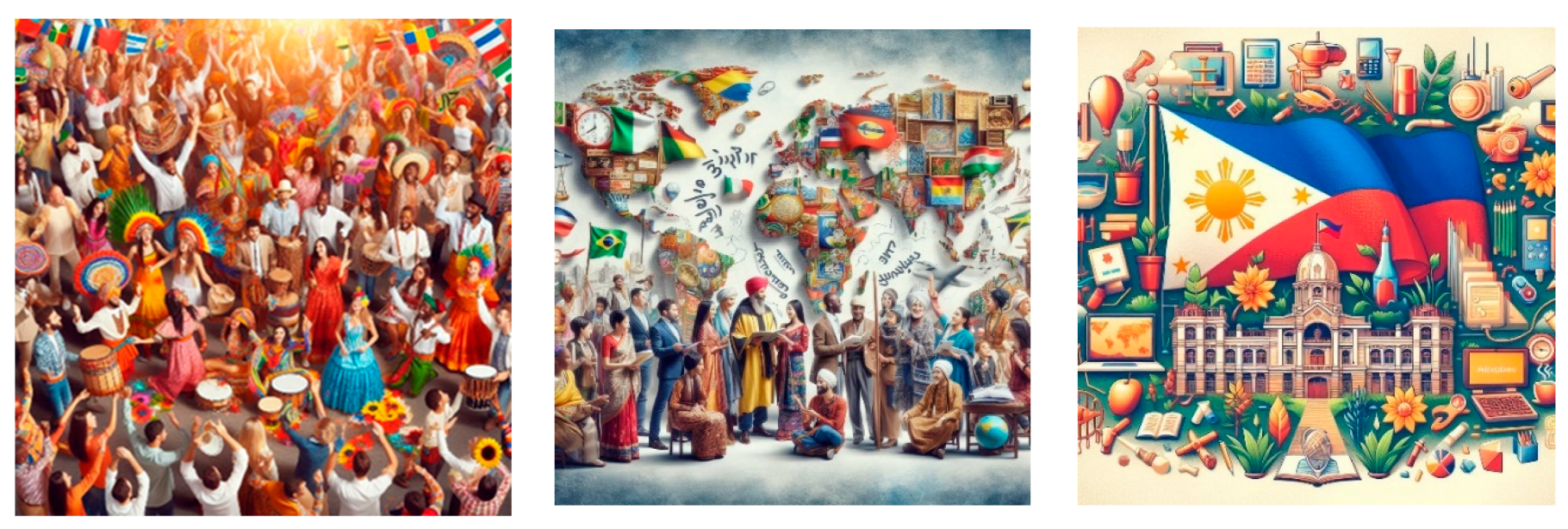
Iligan City, located in the Northern Mindanao region of the Philippines, serves as a vibrant example of cultural and linguistic diversity. This city, recognized as a multicultural hub, is home to various ethnic groups, including the indigenous Higaonon people, the Maranao, the Cebuano, and an increasing number of migrants from other regions. Its historical roots, from its early settlement by indigenous groups to its evolution as an urban center, reflect the ongoing interactions between different cultural practices and languages (de la Costa, 1961; Ulack, 1972). The city’s cultural landscape continues to evolve, shaped by migration, colonial history, and globalization, yet it remains a place where indigenous and modern practices coexist in unique ways.
Religion also plays an essential role in Iligan’s cultural richness. Christianity, Islam, and indigenous beliefs contribute to the city’s diverse religious landscape, with the “tri-people” concept—comprising the Higaonon, Maranao, and Christian communities—highlighting the coexistence and sometimes tension between these groups (Brooks, 2017; Saber, 1963). The city’s religious and cultural diversity creates a dynamic environment where traditions are both preserved and transformed through interaction.
In the context of globalization and urbanization, Iligan faces the challenge of balancing heritage preservation with the pressures of modernization. As with many other urban centers in the Philippines, the city increasingly reflects global trends, influencing everything from language use to cultural practices (Maffi, 2005). Digital technology, in particular, introduces new spaces for cultural exchange and communication, further complicating the preservation of traditional ways of life (Duranti, 2009). Studying how cultural and linguistic practices are maintained or transformed in both traditional and digital contexts offers valuable insights into the broader processes of heritage preservation and urban adaptation (Abatayo & Gumapang, 2024).
This study aims to explore the cultural and linguistic practices of Iligan City, focusing on how these practices coexist and evolve in an increasingly globalized world. The research investigates the role of language choices and even some hints in code-switching in shaping social identities and intergroup relations, especially among Iligan’s diverse communities (Maffi, 2005; Duranti, 2009). Furthermore, it assesses how globalization and internationalization influence the preservation or transformation of the city’s cultural heritage and linguistic vitality (Ortega, 2017).
The research article addresses the following questions:
- How do cultural traditions and linguistic practices in Iligan City coexist and adapt in both traditional and digital spaces?
- What role do language choices and code-switching play in shaping social identities and intergroup relations among Iligan City’s diverse communities?
- In what ways do globalization and internationalization influence the preservation or transformation of Iligan City’s cultural heritage and linguistic vitality?
Ultimately, this study argues that Iligan’s cultural and linguistic diversity plays a crucial role in shaping its unique identity. It highlights how the city’s diverse communities foster social cohesion while navigating the forces of globalization and internationalization (Abatayo & Gumapang, 2024; Brooks, 2017). Understanding these dynamics provides essential insights into the ways cities maintain cultural vitality while adapting to the modern world.
II. Theoretical Framework
In exploring the cultural and linguistic diversity of Iligan City, this study applies several key theories that help illuminate the intricate relationship between local traditions, language, and global influences. These theoretical frameworks provide valuable perspectives for understanding the dynamics of identity, social interaction, and cultural preservation in an urban setting.
Cultural Relativism, first proposed by Franz Boas (1911), serves as a foundational theory in understanding cultural practices within their own context. Boas argued that cultural practices should be interpreted based on the values and beliefs of the culture itself, rather than through the lens of external cultural norms. This theory is particularly useful for studying Iligan’s indigenous practices, such as the Diyandi Festival and the okir motifs. These cultural expressions hold deep meaning within the local context of the Maranao and other indigenous groups, and cultural relativism allows for an appreciation of these practices on their own terms. This perspective is echoed in the work of Clarke (1993), who highlights how cultural relativism can guide anthropologists and researchers in avoiding ethnocentric interpretations when studying diverse cultures.
Sociolinguistics, particularly the work of William Labov (1966), offers a framework for examining the relationship between language and social identity. Labov’s research demonstrates how language functions not just as a means of communication, but also as a social tool that reflects and reinforces group affiliations and identities. In the case of Iligan, this perspective helps us analyze the use of Cebuano, Maranao, and the phenomenon of code-switching in everyday interactions. Labov’s sociolinguistic theory has been further expanded by Bell, Sharma, and Britain (2016), who emphasize how language use is shaped by social contexts, including ethnicity, social class, and community dynamics. By analyzing language practices in Iligan, this study can explore how linguistic choices play a significant role in navigating social relationships and constructing identities among the city’s diverse communities.
Postcolonial Theory, as developed by Edward Said (1978), critically examines the lasting effects of colonialism on cultures and societies, particularly in terms of power relations and cultural hybridity. According to Said, colonized societies often engage in processes of cultural adaptation and hybridity as they interact with colonial powers. In Iligan, this theory helps explain the religious syncretism between Christianity, Islam, and indigenous belief systems, as well as the language shifts that have occurred over time. The blending of these cultural and religious traditions points to the ways colonial history has shaped the city’s identity. Azim (2001) further elaborates on postcolonial theory, emphasizing how colonialism has contributed to the hybridization of culture, which continues to influence modern societies. This framework allows us to explore how Iligan’s diverse communities retain elements of their cultural heritage while also adapting to colonial and global influences.
Finally, Globalization Theory, as articulated by Roland Robertson (1992), explores the tension between local cultures and global forces. Robertson posits that globalization is not a one-way flow but rather a dynamic interaction where local cultures respond to and reshape global influences. In the case of Iligan, globalization has brought new challenges and opportunities, particularly in the realms of multilingualism and cultural exchange programs. Globalization theory, as further discussed by Robinson (2007), helps this study investigate how Iligan’s local traditions and practices are influenced by global trends, and how these practices either evolve or resist such influences. The theory highlights the complex relationship between the global and the local, which is essential to understanding how Iligan balances modernity and heritage preservation in a globalized world.
Together, these theories provide a comprehensive lens for analyzing the cultural and linguistic diversity of Iligan City. By integrating Cultural Relativism (Boas, 1911; Clarke, 1993), Sociolinguistics (Labov, 1966; Bell, Sharma, & Britain, 2016), Postcolonial Theory (Said, 1978; Azim, 2001), and Globalization Theory (Robertson, 1992; Robinson, 2007), this study examines how the city’s local traditions and languages adapt and coexist in a rapidly globalizing world. These frameworks allow for a nuanced exploration of how Iligan navigates the balance between cultural preservation and the pressures of modernity.
III. Literature Review
Iligan City’s complex history and political trajectory have played a crucial role in shaping its present-day cultural and linguistic diversity. From its indigenous roots to its rapid urbanization, each phase of Iligan’s history has influenced the social fabric and identity of its people. This literature review explores key historical developments in Iligan and connects them to the city’s cultural evolution, providing a foundation for understanding its diversity today.
Iligan City’s History and Politics: In the pre-colonial period, Iligan was originally inhabited by the Higaonon people, one of Mindanao's indigenous Lumad groups. These people were deeply connected to the natural environment, particularly the Iligan River, which was integral to their culture and daily life (Gaspar, 2012). The Higaonon’s myths and folklores, which are still celebrated and told today, reflect the community's rich cultural heritage and provide insight into the traditions that form the foundation of Iligan’s identity (IAFOR, 2018). Their presence continues to influence local practices, festivals, and the overall cultural atmosphere of the city.
With the arrival of the Spanish colonial period (1565-1899), Iligan underwent significant changes. The Spanish established a settlement at the mouth of the Iligan River, marking the beginning of a new era for the city. In 1832, Iligan was incorporated into the Misamis Province, becoming an important administrative center (Caluen, n.d.). The Spanish introduced Christianity, which would eventually coexist with indigenous beliefs and the Islamic faith brought by Muslim traders. The city's religious diversity is still reflected in contemporary practices, including the Diyandi Festival, which celebrates cultural harmony among Iligan’s Christian, Muslim, and Higaonon communities (Inquirer News, 2023).
The American colonial period (1900-1941) further transformed Iligan, particularly in terms of governance and infrastructure. The Americans implemented new governance systems and introduced modern infrastructure, such as roads and public education. These developments contributed to the town’s modernization and laid the groundwork for its future urbanization (Wikipedia contributors, 2025). During this time, the use of English as a language of instruction expanded, adding to the multilingual fabric of the city. The city’s development as a town during this period shaped its trajectory toward urbanization.
In the Japanese occupation (1942-1945), Iligan, like much of the Philippines, faced significant challenges. The infrastructure was damaged, and the local population endured hardships. However, the resilience demonstrated during this period helped shape the collective identity of the city. Despite the disruptions caused by the war, Iligan's post-war recovery marked the beginning of its rapid development (Gaspar, 2012).
The post-war period saw Iligan undergo a transformation. In 1950, the city was officially chartered, marking the beginning of its shift toward urbanization. By 1983, Iligan was declared a highly urbanized city. This transformation was driven by industrialization, population growth, and increased migration from neighboring provinces. The changes in its social and economic structures reflect the ongoing tension between preserving traditional practices and embracing modernization (Wikipedia contributors, 2025).
Iligan's governance structure, with a mayor and a city council, has been instrumental in managing this development. The city’s political leadership has worked to address the challenges of urbanization while also fostering a sense of social harmony and cultural preservation (Inquirer News, 2023). The leadership's role in navigating these changes has contributed to the city’s ability to adapt while retaining elements of its traditional identity.
Together, these historical periods—from the indigenous Higaonon roots through Spanish, American, and Japanese rule to the modern urbanized state—illustrate the deep layers of cultural and linguistic diversity present in Iligan. The city’s journey from a small settlement to a bustling urban center reflects its capacity to integrate various cultural influences while maintaining a strong sense of local identity. Understanding this historical context is crucial for analyzing how Iligan’s communities navigate the intersections of tradition, globalization, and modernity today.
Early Missionaries and Religious Influence: The religious landscape of Iligan City, like much of Mindanao, has been shaped by diverse influences that span centuries. From the introduction of Islam by Arab traders and missionaries in the 14th century to the arrival of Christian missionaries in the 16th century, religious traditions have played a pivotal role in the cultural and social fabric of the city. This section examines the early religious influences that helped shape Iligan's spiritual identity and the enduring legacies of these traditions today.
Islamic Influence in Iligan: Islam was introduced to Mindanao, including Iligan, by Arab traders and missionaries in the 14th century. The Maranao people, a significant Muslim community in Iligan, have maintained a deep connection to their Islamic faith and cultural heritage. The Maranao’s traditions in arts, music, and dance, such as the okir motifs and singkil dance, have contributed to the rich cultural tapestry of the city (Gaspar, 2012). These art forms, often influenced by Islamic symbolism and aesthetics, continue to thrive in Iligan’s cultural practices and festivals, reflecting the lasting impact of Islam on the city's heritage. The Diyandi Festival, a celebration of Iligan’s harmonious religious and cultural diversity, highlights these cultural exchanges and promotes unity among the city’s Muslim, Christian, and indigenous communities (Suson & Rosauro, 2023; Iligan News, n.d.).
Jesuit Missionaries in the 17th Century: By the early 17th century, Spanish Jesuit missionaries arrived in Iligan as part of the broader Catholic missionary efforts in the Philippines. The Jesuits established missions to spread Roman Catholicism, but their presence also represented a clash with the existing Muslim and indigenous communities. Despite facing resistance, the Jesuits worked to convert the local population, build churches, and establish educational systems. However, their mission was not without tragedy—some Jesuit missionaries, such as Fr. Francisco Mendoza, were martyred during their efforts in Mindanao, underscoring the hardships and dangers of missionary work in the region (Caluen, n.d.).
Other Missionary Orders and Religious Expansion: In 1768, the Jesuits were expelled from the Philippines, but their work in Mindanao did not cease. Other missionary orders, such as the Augustinian Recollects and Dominicans, took over the missions previously established by the Jesuits. These orders continued to evangelize and spread Roman Catholicism, building churches, schools, and other religious institutions that remain central to Iligan's religious landscape today. The influence of these religious orders helped solidify the presence of Christianity, particularly Roman Catholicism, in Iligan, making it the dominant religion in the city (Catholic-Hierarchy, n.d.).
Indigenous Beliefs of the Higaonon People: While the influence of Christianity and Islam shaped the majority of Iligan’s religious landscape, the Higaonon people, one of the indigenous groups in the region, retained their traditional beliefs. The Higaonons practice a unique blend of animism and Christianity, with their rituals centered around nature, ancestral spirits, and the elements. Their beliefs in the sacredness of natural spaces—such as mountains, rivers, and forests—are integral to their spiritual worldview (IAFOR, 2018). Traditional dances, such as the Higaonon’s ritual dances, and ancestral rituals continue to be a vital part of their community practices, contributing to Iligan's diverse cultural identity. The Higaonons’ spiritual connection to nature is also visible in the city’s natural landmarks, like its famous waterfalls and parks, which have become popular tourist destinations (Arcadio, n.d.; Maches, 2023; Tripadvisor, 2025).
Christianity and Roman Catholicism: The introduction of Roman Catholicism by Spanish missionaries in the 16th century fundamentally transformed Iligan. The St. Michael's Cathedral, a historical and religious landmark in the heart of the city, serves as a symbol of the city’s enduring Catholic tradition. The Cathedral stands as a testament to the deep-rooted influence of Catholicism in Iligan, with its role in local religious practices and social life remaining significant to this day. Catholic religious festivals, such as the Feast of St. Michael, continue to be celebrated with fervor, drawing on centuries-old traditions introduced by the Spanish missionaries (Wikipedia contributors, 2025).
Interfaith Harmony: One of the distinctive features of Iligan City is its interfaith harmony. Despite the religious differences among its Muslim, Christian, and indigenous communities, Iligan has managed to foster peaceful coexistence and mutual respect. This spirit of harmony is exemplified by the Diyandi Festival, which celebrates the cultural and religious diversity of the city. The festival brings together the Christian, Muslim, and Higaonon communities, promoting cultural exchange and unity through various cultural activities, performances, and religious ceremonies (Suson & Rosauro, 2023; Iligan News, n.d.). It highlights the enduring importance of interfaith dialogue and mutual understanding in Iligan's daily life.
Current Religious Structures: Today, Iligan City’s religious structures continue to be a source of social cohesion. The Diocese of Iligan, which oversees Catholic activities in the area, plays a key role in the spiritual life of the city. The current bishop, Jose Ramirez Rapadas III, who was appointed in 2019, leads the diocese in promoting religious activities and supporting the community’s needs. The Catholic Church remains a central institution in Iligan, not only for religious worship but also as a community hub for various social services (Catholic-Hierarchy, n.d.).
Overall, the early religious influences in Iligan—spanning Islamic, Catholic, and indigenous belief systems—have contributed significantly to the city’s rich and diverse cultural heritage. The legacy of early missionaries, both Catholic and Muslim, has left an indelible mark on Iligan’s religious and cultural identity, and continues to shape the city’s traditions, arts, and social life. As Iligan progresses into the modern era, the city’s commitment to interfaith harmony and religious tolerance remains a cornerstone of its social fabric.
The Iligan National Writers Workshop (INWW): The Iligan National Writers Workshop (INWW) stands as an important milestone in the development of regional literature in the Philippines. Established through the collaborative efforts of the Mindanao Creative Writers Group, Inc. (MCWG) and the Mindanao State University-Iligan Institute of Technology (MSU-IIT), the workshop provides a nurturing space for writers, particularly those from Mindanao, to explore and express their unique literary voices. The inaugural workshop in 1990 featured 15 writing fellows, guided by distinguished figures such as the late Gawad CCP awardee Leoncio P. Deriada, National Artist for Literature Cirilo F. Bautista, Steven PC Fernandez, and Jaime An Lim (the first director). Through these sessions, the INWW has consistently championed regional literary expression, offering aspiring writers the opportunity to cultivate their craft and contribute to the rich tapestry of Philippine literature (Wikipedia, 2025).
This workshop has played a significant role in amplifying Mindanao voices and advocating for the region's diverse cultural and linguistic identities. Writers from Iligan and surrounding areas have used this platform to share stories reflective of their communities, bridging cultural gaps and enhancing the national literary scene.
Iligan’s Famous Tourist Spots and Festivities: Iligan City is renowned for its natural beauty, earning it the moniker "City of Majestic Waterfalls." The city is home to some of the most breathtaking natural attractions, such as Maria Cristina Falls, Tinago Falls, and Mimbalot Falls. These waterfalls have become key tourist destinations, attracting both nature lovers and adventure seekers who enjoy activities such as river rafting and eco-tours (Maches, 2023; Arcadio, n.d.). Iligan’s pristine nature parks and river systems offer visitors a chance to experience the peaceful charm of the area, with many tourist spots drawing attention due to their unspoiled beauty (Tripadvisor, 2025).
The city's festivities, particularly the Diyandi Festival, provide an equally vibrant glimpse into its cultural heritage. Celebrated every September, this festival honors St. Michael the Archangel, the patron saint of Iligan. The event is a lively celebration of the city's interfaith harmony, where Christians, Muslims, and the Higaonon indigenous people come together to showcase their unique cultural practices, offering a spectacle of traditional dances, music, and religious observances (Suson & Rosauro, 2023; Iligan News, n.d.).
Diyandi Festival: Celebrating Unity and Diversity: The Diyandi Festival is an iconic event that showcases Iligan’s commitment to unity and cultural diversity. Held each September in honor of St. Michael the Archangel, the festival brings together the city’s diverse communities, including Christians, Muslims, and Higaonon indigenous people, to celebrate their shared history and mutual respect. The term “Diyandi,” derived from the Visayan word meaning “to celebrate” or “to revel,” aptly captures the spirit of the event, which includes religious processions, cultural performances, and vibrant parades (Suson & Rosauro, 2023).
Iligan’s folk stories are more than just tales—they are windows into the cultural, linguistic, and social fabric of the city. These stories, passed down through generations, often feature ancestral spirits, mythical creatures, and legendary figures, reflecting the local communities’ deep connection with nature and their religious beliefs. For the Higaonon people, one of the region’s indigenous groups, these stories carry spiritual significance, as they are intertwined with their animistic traditions and practices. Rituals, traditional dances, and customary beliefs are preserved through these narratives, ensuring that the cultural identity of the Higaonon remains strong and vibrant (IAFOR, 2018).
The region's linguistic diversity is also mirrored in these folk stories, with narratives expressed in a mix of Cebuano, Maranao, and Higaonon. The shared oral traditions among these different communities illustrate the ways in which language and culture shape one another. These stories are an essential component of Iligan’s social cohesion, as they foster understanding and appreciation for the different groups that call the city home.
What makes the Diyandi Festival particularly unique is its interfaith nature. It fosters a sense of cultural harmony, where religious and cultural boundaries are transcended in favor of collective celebration. This festival not only honors the patron saint of the city but also pays tribute to the rich traditions of each community, from the Maranao Muslim customs to the Higaonon indigenous practices. The festivities allow Iligan to showcase its multicultural heritage, serving as a model of religious tolerance and social cohesion (Gaspar, 2012; Iligan News, n.d.).
Through this celebration, the Diyandi Festival becomes a dynamic reminder of how Iligan’s diverse cultural traditions, languages, and faiths can coexist and thrive in unity. It is a testament to the resilience of the people and their ongoing efforts to preserve their cultural heritage while embracing the future.
Gaps in the cited Literature: Based on the literature reviewed and the discussed themes, several gaps can be identified that provide opportunities for further research, particularly focusing on digital spaces and internationalization in Iligan’s cultural and linguistic landscape. These gaps are crucial to understand how Iligan's rich diversity is interacting with global and technological shifts. Here are the primary gaps:
1. Limited Focus on Digital Spaces and Cultural Preservation. While the literature highlights the historical roots, religious diversity, and cultural practices of Iligan City, there is a limited discussion on how these traditional cultural and linguistic practices are adapting to or being preserved in digital spaces. There is no significant focus on how social media, online platforms, or digital storytelling are being used to maintain and promote the cultural heritage of Iligan’s communities, such as the Maranao, Higaonon, and Cebuano populations.
For instance, while the Diyandi Festival and other cultural practices are well documented in physical and face-to-face contexts, the role of digital spaces in showcasing or even altering these traditions remains underexplored. Research could focus on how the digital platforms provide a space for marginalized voices to express their culture or how younger generations are using technology to preserve languages or practices in a rapidly globalizing world. This gap highlights an area where the intersection of culture and technology is not sufficiently addressed in existing literature.
2. Insufficient Exploration of Internationalization and Its Impact. The existing literature offers substantial insights into the historical influence of colonial powers such as the Spanish and Americans, and the interfaith dynamics within Iligan. However, there is little exploration of how internationalization—as a process that includes global migration, the rise of multinational corporations, and the spread of foreign media—affects the cultural and linguistic diversity of the city. Specifically, the influence of globalization on Iligan’s local identities, cultural expressions, and language practices is rarely examined.
While studies like those of Robertson (1992) and Robinson (2007) touch on the broader implications of globalization, these frameworks have not been specifically applied to Iligan’s urban and rural communities to examine how global connections (such as international education, migration, or the digital economy) are impacting local traditions. For example, how has the influx of foreign businesses or migrant workers affected the linguistic landscape of Iligan? Are global languages like English and Filipino replacing local languages, or do they coexist with Cebuano, Maranao, and Higaonon?
3. Cultural Hybridity and Digital Identity. Another gap is the insufficient exploration of cultural hybridity in Iligan’s digital identity. The postcolonial theory applied in the existing literature (e.g., Azim, 2001) examines colonial legacies and cultural transitions, but there is little focus on how these colonial and traditional influences are reshaped or negotiated in digital spaces. How do younger generations in Iligan, who are heavily influenced by global pop culture and internet-based communication, navigate their hybrid identities?
Additionally, the way in which local traditions and languages adapt to digital environments such as social media platforms, blogs, YouTube, and other online media remains a crucial research gap. This extends to the role of code-switching in digital communication among Iligan’s multilingual populations. How do cultural traditions blend with new digital identities? What is the impact of online communities on the preservation of cultural heritage?
4. Linguistic Practices in Global and Digital Contexts. The field of sociolinguistics offers valuable insight into how language practices are influenced by social settings, but there is little research on how Iligan’s multilingual environment (with its mix of Cebuano, Maranao, and Higaonon) interacts with the globalization of language. While scholars like Labov (1966) address code-switching in social settings, the impact of global language trends (e.g., the use of English or Taglish) in digital spaces has not been adequately examined. How does the local population use these languages online, and how does this impact intergroup relations or social identities?
Overall, the existing literature has provided rich context for understanding the cultural diversity of Iligan in historical and traditional contexts. However, there is a clear gap when it comes to analyzing how Iligan's cultural and linguistic practices are navigating the challenges posed by digitalization and internationalization. This study presents an opportunity to delve deeper into these modern challenges and explore how Iligan’s cultural practices, languages, and traditions are being preserved, transformed, or reshaped in the face of an increasingly globalized world. By focusing on digital spaces and internationalization, this research article can contribute new perspectives on cultural adaptation in the age of technology and globalization.
IV. Methodology
This study aimed to explore the cultural and linguistic dynamics of Iligan City by blending traditional qualitative research methods with contemporary digital approaches. By focusing on both physical and digital spaces, the research sought to capture the lived experiences of individuals in a rapidly globalizing city. A qualitative approach was employed to gain in-depth insights into the cultural practices and language use of Iligan's diverse communities. This method provided an opportunity to uncover the nuanced ways in which residents navigate their identities both in face-to-face interactions and in digital environments.
Research Design. This study adopted a qualitative approach, blending Creswell’s ethnography and phenomenology with digital ethnography and digital phenomenology. The ethnographic component allowed the researcher to immerse in the cultural practices of Iligan, particularly within the context of local festivals, language use, and community traditions. Phenomenology provided a lens to understand the lived experiences of participants, particularly in relation to their interactions with both traditional and digital cultural spaces. Digital ethnography enabled the exploration of online communities, while digital phenomenology focused on how individuals’ experiences in digital spaces shaped their cultural and linguistic identities. This mixed-method approach enabled a comprehensive understanding of the cultural dynamics of Iligan in both physical and virtual realms (Creswell, 2009; Clandinin & Connelly, 2000).
Scope and Delimitation. This study is centered on Iligan City, deliberately excluding other regions of Mindanao. This decision allowed the research to delve deeply into the specific cultural and linguistic practices of this city. The focus was placed on obtaining qualitative insights into the local population's experiences, rather than attempting to generalize findings to broader regions or populations. This approach provided a more detailed examination of how Iligan's residents express their identities, traditions, and languages within their immediate community and online spaces (Berg, 2001).
Selection Criteria. The selection of participants and sources for this study adhered to specific criteria to ensure a comprehensive understanding of Iligan's cultural and linguistic landscape. Participants for in-depth interviews were chosen based on their significant involvement in Iligan's cultural activities, including cultural practitioners, educators, community leaders, and festivals organizers. These individuals were selected for their expertise, lived experiences, and direct engagement with the community.
For textual materials, the study included a range of historical records dating from the 14th century to the present to ensure a broad understanding of Iligan’s cultural evolution. The historical data helped situate the current cultural practices and language dynamics within a long-term historical context. The study also drew from online sources such as social media content, digital archives, and scholarly publications to explore how digital spaces impact cultural and linguistic expressions in the present. This mix of library and online sources enriched the research by providing both historical depth and contemporary relevance (Kaur-Gill & Dutta, 2017).
Data Collection. Data collection involved several methods to ensure the richness and depth of the findings. In-depth interviews were conducted with cultural practitioners, educators, and community leaders, providing a comprehensive understanding of the community’s cultural landscape. These interviews allowed for the exploration of personal and collective experiences that shape cultural identity in Iligan (Bush, Singh, & Kooienga, 2019).
Additionally, participant observation was conducted in various contexts, including local festivals such as the Diyandi Festival, academic institutions, and digital spaces. This approach allowed the researcher to observe how culture and language are expressed in both physical and online environments. Observing cultural practices in these settings offered valuable insights into how digital platforms contribute to or influence traditional practices. The researcher also analyzed textual materials, such as historical records, social media content, and scholarly publications, to understand the broader socio-cultural context of Iligan’s cultural and linguistic practices (Groenewald, 2004; Kaur-Gill & Dutta, 2017).
Data Analysis. Data analysis followed a thematic coding process, where patterns were identified in the data relating to cultural identity, language practices, and the impacts of globalization. Thematic coding allowed the researcher to systematically identify recurring themes across different data sources, ensuring that key elements of the cultural landscape of Iligan were captured. This analysis provided a framework for understanding the complex ways in which Iligan’s communities navigate and adapt their cultural expressions (Creswell, 2009).
Validity and Reliability. To ensure the validity and reliability of the findings, the study employed triangulation, comparing data collected from interviews, observations, and document analysis. This helped to cross-check and confirm the consistency of the findings across different data sources. Member checking was also employed, where participants reviewed the research findings to verify the accuracy of their representation. Moreover, audit trails were maintained throughout the research process, providing transparency and ensuring that the decisions made during data collection and analysis were well-documented (Berg, 2001).
Ethical Considerations. Ethical considerations were paramount in this study. Informed consent was obtained verbally from all participants, ensuring they were fully aware of the research's purpose and methods. Confidentiality was maintained by anonymizing data and safeguarding participants’ identities throughout the study. The research also adhered to digital ethics guidelines, particularly in relation to observing online interactions. Special care was taken to ensure that online data were collected ethically and that privacy was respected in digital spaces (Bush, Singh, & Kooienga, 2019).
V. Findings and Discussion
Iligan City, often referred to as the “City of Majestic Waterfalls,” is a place where nature and culture intertwine to create a rich and unique identity. Nestled in the northern part of Mindanao, the city has witnessed centuries of history, from the arrival of Islam in the 14th century to the establishment of Spanish missions in the 16th century. Today, Iligan continues to thrive as a vibrant hub of cultural expression, where diverse traditions—rooted in the region's indigenous, Higaonon, Muslim, and Christian communities—are preserved and celebrated. This exploration of Iligan's cultural and linguistic heritage delves into the city’s historical landmarks, festivals, traditional crafts, languages, and the ongoing influence of globalization. Through these lenses, the researcher gains insight into how Iligan's people have maintained a balance between honoring their rich past and adapting to the modern world.
Cultural Heritage. Iligan City, nestled in the northern part of Mindanao, is a rich mosaic of history, culture, and linguistic heritage that has evolved over centuries. From its origins as a settlement founded by the Spanish in the 16th century, the city has cultivated a vibrant cultural identity that blends indigenous, Christian, and Islamic traditions. These diverse cultural influences continue to shape its social landscape, as the city navigates the complexities of globalization, all the while maintaining strong connections to its past.
Historical Sites. One of the most significant aspects of Iligan's cultural heritage is its historical sites. The Anahaw Amphitheater and the Macapagal-Macaraeg Heritage House stand as proud symbols of Iligan's journey through time. These sites not only preserve the architectural beauty and grandeur of the city’s past, but they also play a pivotal role in keeping its cultural identity intact for future generations (Hannaford, 1900). These landmarks, rich in historical and cultural significance, serve as reminders of the city’s resilience and the diverse influences that have shaped it over the centuries.
Festivals. Equally important are Iligan's annual celebrations, particularly the Diyandi Festival. This festival, held every September in honor of the city’s patron saint, St. Michael the Archangel, brings together diverse communities, uniting people from different faiths and backgrounds. The Diyandi Festival is a fusion of religious and cultural traditions, showcasing not only Christian faith but also the rich customs of the Maranao and Higaonon people (Hornendo, 2000). Through vibrant street dances, music, and theatrical performances, the festival becomes a living testament to the city’s commitment to cultural preservation, while fostering an atmosphere of unity and social cohesion. The shared celebration of the city's cultural heritage serves as a bridge across religions, ethnicities, and generations, allowing the people of Iligan to express their pride and love for their cultural roots.
Traditional Crafts. The city's traditional crafts, including weaving and the okir art, are yet another reflection of Iligan's cultural richness. The Higaonon and Maranao communities are known for their intricate weaving techniques and stunning okir designs, which symbolize their deep connection to the land, their ancestors, and their identity. These crafts have transcended generations, carrying with them stories, symbols, and practices that continue to define Iligan’s artistic landscape (Eugenio, 1987). The weavings and okir art not only serve as expressions of artistry but also as tangible representations of the historical and cultural significance of the city's indigenous communities.
Linguistic Heritage. Iligan’s linguistic heritage is equally rich, marked by the dominance of Cebuano as the primary language spoken across the city. However, the Maranao language, with its distinct sounds and expressions, remains vital in the predominantly Muslim areas of the city, where the Maranao people maintain their traditional ways of life. The Iliganon dialect stands as a unique linguistic marker that embodies the local identity, blending both Cebuano and Maranao influences (Saito, 2019). These local dialects hold deep significance, particularly in the oral traditions of Iligan. Myths, legends, and epics such as the Darangen, still taught in schools and passed down through generations, play a crucial role in shaping the identity and worldview of the people. These stories offer insights into the lives of their ancestors, embodying values and lessons that continue to resonate today (De Las Casas & Gagatiga, 2011).
Internationalization and Global Connections. As Iligan continues to face the realities of globalization, it is becoming increasingly interconnected with the wider world. Cultural exchange programs have allowed for the city's unique traditions to be shared internationally, while bringing global perspectives into the local community (Yuson, 2013). The adoption of English as a medium of instruction in schools and its growing use on digital platforms has fostered communication with the broader world. However, even as Iligan embraces modernity, its commitment to preserving its local languages and traditions remains steadfast, as the city continues to maintain a balance between global influences and its deep-rooted heritage (Kaur-Gill & Dutta, 2017).
Religion and Tri-People Dynamics. Religion, too, plays a vital role in shaping Iligan’s cultural landscape. The coexistence of Christianity, Islam, and Indigenous beliefs forms the bedrock of the city’s social harmony. Interfaith dialogue and understanding have allowed diverse religious groups to live in relative peace and cooperation, especially evident during festivals like the Diyandi Festival, which unites these communities in a shared celebration of life (Manuel, 1967). The shared experiences of worship, cultural exchange, and mutual respect create a sense of belonging and unity among the people of Iligan, regardless of their religious affiliations.
Academic Community. Education in Iligan, particularly through institutions like MSU-IIT, St. Michael’s College of Iligan, Inc., and the rest of the local schools and colleges has also been instrumental in advancing research on heritage preservation and multilingual education. These institutions not only help sustain the city’s cultural heritage but also ensure that the stories, traditions, and languages of Iligan continue to be passed down through the generations. As the city moves forward, these academic efforts are crucial in maintaining the balance between tradition and progress, ensuring that the essence of Iligan’s cultural identity remains intact in the face of rapid change (Ortega, 2020).
Overall, the cultural and linguistic heritage of Iligan City is a tapestry woven from centuries of history, faith, and tradition. The city’s festivals, historical sites, traditional crafts, and languages all serve as living embodiments of its identity. While globalization has brought about significant changes, the people of Iligan continue to navigate these shifts while maintaining a deep connection to their cultural roots. Through education, cultural exchange, and a commitment to preserving their traditions, Iligan’s communities ensure that their rich heritage will continue to thrive, enriching the cultural fabric of the Philippines for generations to come.
Summarized Answers to the Three Research Questions:
1. In terms of cultural traditions and linguistic practices, cultural traditions and linguistic practices. Iligan City coexist and adapt across both traditional and digital spaces, reflecting a unique blend of local heritage and global influences. Traditional cultural expressions, such as the Diyandi Festival and local crafts like weaving and okir art, continue to shape the city's identity, stemming from the indigenous Higaonon, Maranao, and Christian communities (Barrows, 1924; Cagape et al., 2024). These traditions have long been preserved through oral storytelling and the darangen epic, which continue to serve as key components of Iligan's cultural heritage (Mulder, 1992). In digital spaces, however, there has been an increasing influence of social media, with festivals and crafts gaining visibility globally, while English usage in online platforms grows (Alunan, 2023; Sexton, 2006). This transition illustrates the dynamics of cultural glocality, where local customs and languages coexist with and adapt to global digital trends (Fernandez, 2009). Cebuano remains the dominant local language, though English has become more prevalent in digital communication, particularly among younger generations (Gula, 2022). The intersection of these languages is an example of Sociolinguistics in action, highlighting the ways in which languages evolve in response to global influences and digital communication (Heidegger, 2020). Postcolonial Theory also sheds light on the impact of historical colonial structures on Iligan's current cultural and linguistic landscape, where the blending of indigenous, colonial, and global elements presents both challenges and opportunities for maintaining cultural identity (Santos, 2009). Additionally, the role of Mindanao literature and the growing focus on Mindanao’s cultural narrative in academic research (Santos, 2009) reflects the evolving discourse around decolonizing cultural identities, as explored in the work of Cagape et al. (2024). The shift towards digital spaces offers new avenues for the study of how local cultures are reinterpreted in the context of global networks and digital platforms, which may contribute to a deeper understanding of Iligan’s cultural and linguistic dynamics (Gula, 2022). As the city continues to navigate these changes, further research is needed to explore how digital spaces influence the retention of linguistic diversity and the preservation of cultural practices (Ortega, 2020).
Source: Jude the tourist.
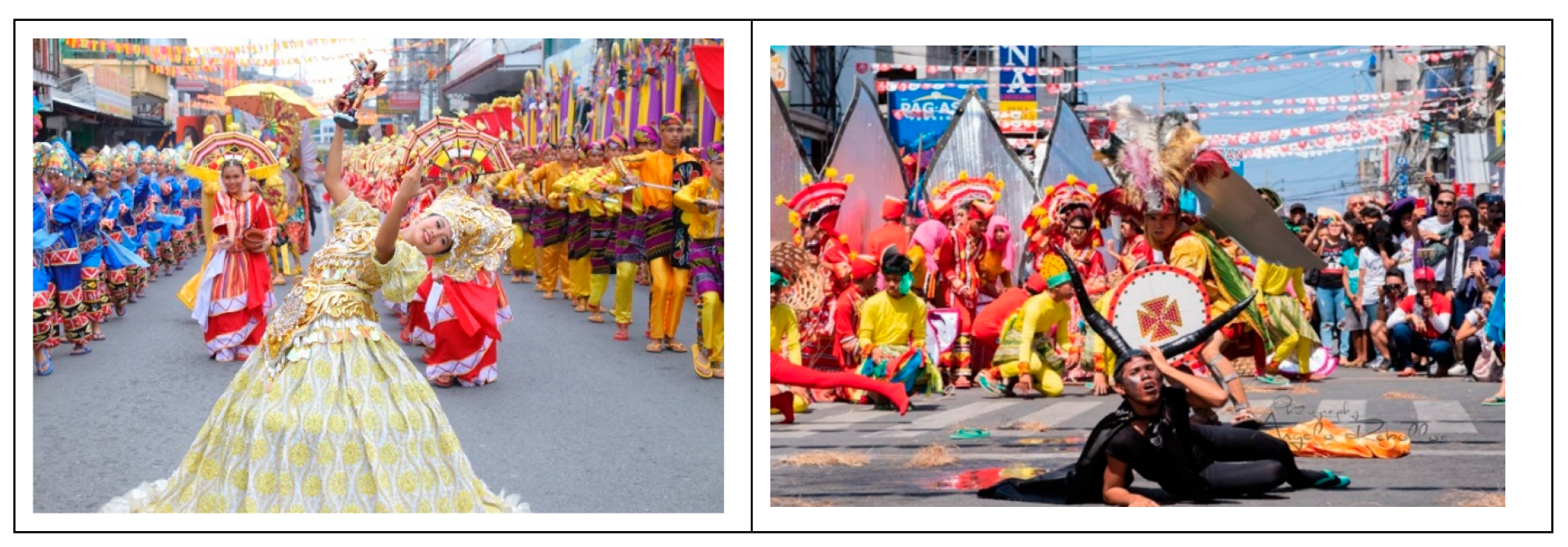
2. In terms of language choices and code-switching, these factors play a significant role in shaping social identities and intergroup relations among Iligan City’s diverse communities. Iligan, a city marked by its linguistic diversity, is home to various ethnic groups, including Cebuano, Maranao, and Higaonon speakers, each reflecting distinct cultural backgrounds and social dynamics. Language serves as a vital tool in expressing one’s social identity, as it reflects both individual and collective cultural affiliations (Nettle, 1999). Code-switching, the practice of alternating between languages in conversation, is a frequent occurrence in Iligan, where speakers seamlessly transition between Cebuano, Filipino, and English. This linguistic flexibility allows individuals to navigate their social landscapes, adapting to diverse contexts, be it in formal or informal settings (Hirtz, 2003). One respondent from the Higaonon community shared, “When we speak in Higaonon, we honor our ancestors. But when we communicate with others, we use Cebuano or even English to connect better, especially with the younger generation." This reflects how language choices are intertwined with identity, as indigenous groups often prioritize their native languages in specific contexts to maintain cultural roots, while also using dominant languages like Cebuano or English in intercultural interactions (Pandapatan et al., 2024).
Furthermore, the use of Cebuano and Filipino (sometime English) in everyday life represents the linguistic and cultural assimilation resulting from colonial history, which has shaped the language practices in the region (Bago & Banõs, 2020). For the indigenous communities like the Higaonon, language choices are not merely communicative tools but symbols of cultural heritage and identity, often used to assert resistance against cultural assimilation and global homogenization (Pandapatan et al., 2024). This aligns with the concept of cultural glocality, where local traditions interact with global influences, leading to hybrid forms of cultural expression (Fernandez, 2009). Language use in Iligan thus contributes to the negotiation of group identities and social cohesion, especially as digital spaces provide new platforms for interaction, allowing for further exploration of how multilingualism shapes social dynamics in the modern world (Oledan, et al., 2017). As Iligan’s language practices evolve within these diverse communities, research could further explore how language choice and code-switching affect intercultural dialogue, particularly in digital spaces, an area that remains relatively underexplored in existing literature (Hirtz, 2003; Arsenio & Stallsmith, 2008). Additionally, the ability to code-switch can facilitate social integration and intercultural understanding, creating bridges between different communities (Arsenio & Stallsmith, 2008). The dominance of both local and global languages in digital platforms raises new questions about how indigenous languages and cultures may adapt to or resist the pressures of globalization (Antallan et al., 2024; Oledan et al., 2024).
3. In terms of globalization and internationalization, how do they influence the preservation or transformation of Iligan City’s cultural heritage and linguistic vitality? Iligan City’s cultural heritage and linguistic vitality are both challenged and enriched by the forces of global influence. One respondent, a local resident, concerned about the pressures of globalization, argued, “Globalization is slowly making our youth forget about their roots. They prefer to speak in English or Filipino rather than in our native languages, and they pay less attention to our festivals or traditions. It’s as though our culture is becoming invisible”. This viewpoint emphasizes the fears that globalization may result in the erosion of local cultural practices and languages, with global languages like English pushing out regional dialects (Gumperz & Cook-Gumperz, 2007; Eslit, 2024). On the other hand, another participant, a teacher, offered a more optimistic perspective: “Globalization gives us the opportunity to showcase our culture to the world. We can now reach audiences globally, and the Diyandi Festival, for example, has gained international attention, which encourages younger people to take pride in our heritage”. This statement illustrates how internationalization can promote cultural exchange and bring attention to local traditions, providing a platform for heritage preservation while ensuring that younger generations remain connected to their cultural identity.
While these opinions highlight opposing views on the impact of globalization, a third participant, a school administrator, reconciled the two perspectives by stating, “I see both sides. Yes, globalization brings change, but it also opens doors for us to adapt and share our culture in new ways. We can preserve our language and traditions while also learning from others. It’s about balance”. This synthesis underscores the potential for Iligan to navigate globalization by embracing both preservation and adaptation, using global platforms to share local heritage while ensuring cultural practices are maintained through intentional efforts (Maffi & Woodley, 2012; Farr, Seloni, & Song, 2010).
The conflicting perspectives ultimately suggest that while globalization can threaten cultural heritage, it also provides opportunities for cultural exchange and revitalization. To effectively preserve Iligan’s unique cultural and linguistic identity, it is crucial for the community to leverage the advantages of internationalization, such as digital platforms and global partnerships, while simultaneously implementing initiatives that safeguard local languages and traditions (Palmer, 1996; Olowa & Demayo, 2015). Through careful balancing, globalization can be both a challenge and a catalyst for cultural preservation (Bernard, 1992; Trudgill, 2004).
Thematic Analysis: Tradition, Cultural, and Linguistic Diversity of Iligan City
Iligan City is a vibrant tapestry of cultural, linguistic, and historical diversity, shaped by its rich traditions and the dynamic interplay between global and local influences. The city’s cultural and linguistic identity has been formed through a combination of historical legacies, religious syncretism, and indigenous practices, with each facet contributing to its unique heritage. This thematic analysis identifies 10 significant themes that reflect the traditions and diversity of Iligan City, and discusses how the theoretical frameworks of Cultural Relativism, Sociolinguistics, Postcolonial Theory, and Globalization Theory can be applied to understand these aspects of Iligan’s cultural and linguistic landscape.
1. Cultural Fusion and Interfaith Harmony. The coexistence of Iligan's Christian, Muslim, and indigenous communities demonstrates the city’s ability to blend religious traditions and customs over centuries. Cultural Relativism supports the understanding that all cultures must be interpreted in their own terms rather than through the lens of one dominant culture. This framework is particularly relevant when examining the Diyandi Festival, which blends Christian and Islamic practices with indigenous rituals. As the Inquirer News (2023) notes, the festival celebrates the harmony among Iligan's diverse communities, reinforcing the city’s collective identity. Cultural Relativism encourages an appreciation for the unique ways in which each community expresses their values and traditions without comparing them to Western or mainstream standards (Hannaford, 1900).
2. Heritage Preservation through Festivals. Festivals, especially the Diyandi Festival, are integral to the preservation and transmission of Iligan’s cultural heritage. As Hornendo (2000) asserts, Filipino festivals play an essential role in bridging historical traditions with contemporary practices. Here, Sociolinguistics helps us understand how language use in these festivals—be it through hymns, rituals, or folk songs—preserves the linguistic diversity of Iligan. The use of Cebuano, Maranao, and Iliganon dialects in these events highlights the role of language in maintaining cultural continuity. As Yuson (2013) states, “Language is not just a tool for communication; it is a repository of tradition and identity.”
3. Linguistic Diversity and Vitality. Iligan's linguistic diversity is an essential feature of its cultural identity. The Sociolinguistic framework is critical here, as it explores how languages interact, adapt, and survive in multilingual settings. The vitality of the Maranao language alongside Cebuano and the Iliganon dialect emphasizes the resilience of these languages in the face of globalization. Sociolinguistic theories suggest that language use reflects the social structures and values of a community, and in Iligan, these languages serve as markers of ethnic identity and heritage. According to Saito (2019), “Language revitalization is crucial in preventing the erasure of indigenous identities in the face of dominant cultural forces.”
4. Oral Traditions and Folk Narratives. Iligan’s folk traditions, such as the Darangen epic, exemplify the preservation of oral traditions. Drawing from Postcolonial Theory, it becomes evident that oral traditions resist colonial narratives and serve as repositories of indigenous knowledge. De Las Casas and Gagatiga (2011) highlight that oral storytelling helps sustain cultural memory, providing an alternative history that challenges colonial or Westernized accounts. Postcolonial scholars like Manuel (1967) emphasize that these oral traditions are essential for maintaining a sense of autonomy and cultural pride.
5. Traditional Crafts and Artistry. The rich artistic traditions of Iligan, such as okir art and weaving, are key elements in preserving the identity of the Maranao and Higaonon peoples. Through Cultural Relativism, one can appreciate that the value of these crafts lies in their cultural context, transcending Western aesthetics. Sociolinguistics can also offer insight into how these crafts, often tied to oral traditions and rituals, contribute to the linguistic landscape, with specific terms and expressions associated with each craft. Hornendo (2000) notes that “art forms, much like language, are lived experiences that carry the past into the present,” reinforcing the role of these crafts in identity preservation.
6. Religious Syncretism and Rituals. Iligan’s religious diversity, particularly the fusion of indigenous beliefs with Christianity and Islam, reflects Postcolonial Theory’s focus on the hybridization of cultures. Sociolinguistics helps explore how these diverse religious practices are articulated through language. The interplay between religious languages (like Arabic in Maranao communities or Spanish in Christian rituals) and local dialects demonstrates the adaptability of language in expressing faith. Bush, Singh, & Kooienga (2019) argue that “religious practices are inseparable from the languages spoken within a community,” as they help maintain cultural continuity while absorbing external influences.
7. Historical and Colonial Legacies. Iligan’s historical significance, especially during the Spanish period, has left a lasting imprint on its cultural identity. The influence of Catholicism, seen in landmarks like St. Michael’s Cathedral, is deeply intertwined with the city’s identity. Postcolonial Theory helps understand how these colonial legacies have shaped social structures and cultural practices. Hannaford (1900) noted that “Spanish influence pervades the everyday life of the Iliganons,” yet this has been reinterpreted and merged with indigenous beliefs, reflecting the city’s resilience in navigating postcolonial identity.
8. Environmental and Ecological Identity. The natural beauty of Iligan, especially its waterfalls, holds deep cultural and spiritual significance for its people. The Globalization Theory can be applied here to examine how Iligan’s natural landmarks have become tourist attractions while also serving as symbols of cultural identity. As Arcadio (n.d.) and Ortega state (, “The waterfalls are not just geological formations; they are repositories of local myths and heritage.” In the face of increasing tourism and external influences, these landmarks symbolize the tension between local preservation and global commodification.
9. Impact of Globalization on Local Identity. The influence of globalization, especially through digital platforms, has reshaped how Iligan’s traditions are expressed. The rise of English as a lingua franca in education and digital communication reflects the global influence on the city's linguistic landscape. Globalization Theory explains how these external forces challenge and transform local customs. While English becomes an essential tool for communication, it often competes with indigenous languages, which could lead to their erosion. Kaur-Gill and Dutta (2017) explain, “Digital spaces offer a platform for cultural exchange, yet they also risk marginalizing minority languages.”
10. Educational Institutions and Cultural Advocacy. MSU-IIT, St. Michael’s College and the rest of the local schools and colleges in Iligan City play a crucial role in advocating for the preservation of Iligan’s cultural and linguistic heritage. Their research on language, culture, heritage preservation, and multilingual education is essential in sustaining Iligan’s identity in a globalized world. The role of these academic institutions can be viewed through the lens of Postcolonial Theory, where education serves as a battleground for cultural preservation against the forces of globalization. Saito (2019) affirms that “academic institutions are the gatekeepers of cultural preservation,” highlighting the critical role these institutions play in ensuring that local languages and traditions are taught and upheld.
VI. Conclusion
This research article explored the cultural and linguistic diversity of Iligan City, focusing on how these elements contribute to the city's unique identity amid the pressures of globalization and internationalization. It demonstrated that Iligan’s multicultural makeup, shaped by various communities, plays a significant role in fostering social cohesion while allowing the city to adapt to the modern world. Through the lens of globalization theory and sociolinguistics, the study highlighted the dynamic interaction between traditional cultural practices—such as festivals and crafts—and the evolving influence of digital spaces and global trends. The findings emphasized the importance of language in maintaining cultural continuity and how code-switching and linguistic hybridity reflect broader social relationships in Iligan's diverse communities. The research utilized qualitative methods, including in-depth literature analysis, interviews, and participant observation, combined with theoretical frameworks to analyze the data and provide rich insights into Iligan’s cultural landscape. These methodologies enabled a deep understanding of how cultural traditions and language practices persist, transform, and adapt over time, especially in digital contexts. The implications for policy and practice include recommendations for cultural mapping, language revitalization, and community-led digital archiving initiatives to preserve the city’s heritage. Furthermore, the study calls for future research that focuses on youth language practices and the impact of digital globalization on cultural dynamics, particularly through longitudinal studies. This research highlights the resilience of Iligan's cultural identity in the face of global changes, suggesting pathways for maintaining cultural vitality while embracing modernity.
Author Contributions
The author is solely responsible for conceiving and designing this research article, gathering the data, and writing the entire manuscript.
Funding
This research was conducted without any specific financial support from public, commercial, or non-profit funding agencies
Acknowledgments
The author would like to express gratitude to the SMCII library, Google Scholar, Mendeley, ResearchGate, Academia, and Microsoft Copilot for AI-related assistance and in providing illustrations, additional information, and other scholarly online resources that were essential to this article.
Conflicts of Interest
The author declares no conflict of interest.
References
- (Abatayo & Gumapang, 2024) Abatayo, J. V. C. S., & Gumapang, D. (2024). Cultural Activities, Resources, Practices, and Preservation of the Higaonon Tribe: An Ethnographic Study. The New Educational Review, 77, 35-47.
- (Afable, 1989) Afable, P. O. (1989). Language, culture, and society in a Kallahan community, northern Luzon, Philippines.(Volumes I and II). Yale University.
- Alunan, 2023) Alunan, M. M. (2023). Finding Bisaya: the state of the field for Visayan literature. South East Asia Research, 31(3), 232-247.
- (Antallan et al.) Antallan, M. C., Antallan, I. L. S., Banguis, L. L., Beltran, N. J. S., & Buna, S. P. Republic of the Philippines.
- (Arcadio, n.d.) Arcadio, R. G. (n.d.). Top 15 Iligan Tourist Spots: Waterfalls, River Rafting, Nature Parks. Guide to the Philippines. Retrieved February 23, 2025, from https://guidetothephilippines.ph/articles/what-to-experience/iligan-tourist-spots.
- (Arsenio & Stallsmith, 2008) Arsenio, B., & Stallsmith, G. (2008). Preserving Living Traditions in Live Performances: A Traditional Music and Dance Troupe of the Kalanguya of the Northern Philippines. In 2nd International Conference on Language Development, Language Revitalization, and Multilingual Education in Ethnolinguistic Communities, Bangkok, July (pp. 1-3).
- (Asuncion-Landé, 1970) (Asuncion-Landé, N. (1970). Theoretical and methodological trends in Philippine linguistics research: 1560-1970. Anthropological Linguistics, 208-225.
- Azim, 2001) Azim, F. (2001). Post-colonial theory. The Cambridge history of literary criticism, 9, 237-247.
- (Bago & Banõs, 2020) Bago, A., & Banõs, M. (2020). Holistic Interreligious Dialogue in Mindanao, Philippines: Sowing the Seeds of lasting Peace in the Mountains of Iligan. Spiritan Horizons, 15(15), 23.
- (Barrows, 1924) Barrows, D. P. (1924). History of the Philippines. World Book Company.
- (Bell et al., 2016) Bell, A., Sharma, D., & Britain, D. (2016). Labov in sociolinguistics: An introduction. Journal of sociolinguistics, 20(4), 399-408.
- (Berg, 2001) Berg, B. L. (2001). Qualitative research methods for the social sciences (4th ed.). Boston: Allyn & Bacon.
- (Bernard, 1992) Bernard, H. R. (1992). Preserving language diversity. Human organization, 51(1), 82-89.
- (Birx, 2005) Birx, H. J. (Ed.). (2005). Encyclopedia of Anthropology: Five-Volume Set. Sage Publications.
- (Brooks, 2017) Brooks, M. C. (2017). Southern Filipino school leaders and religious diversity: A typology. International journal of educational management, 31(5), 646-660.
- (Bush et al., 2019) Bush, E. J., Singh, R. L., & Kooienga, S. (2019). Lived Experiences of a Community: Merging Interpretive Phenomenology and Community-Based Participatory Research. International Journal of Qualitative Methods. [CrossRef]
- (Cagape et al., 2024) Cagape, W. G., Adiong, S. K., & Kadil, S. A. (2024). Locating the positionality of Meranaw Culture in the decolonization of cultures in the Philippines. Available at SSRN 4832674.
- (Caluen, n.d.) Caluen, R. J. S. (n.d.). Iligan City During Spanish Period (1565-1899). Iligan City Government. Retrieved February 23, 2025, from https://www.iligan.gov.ph/knowiligan/history?134538189.
- (Catholic-Hierarchy, n.d.) Catholic-Hierarchy. (n.d.). Diocese of Iligan. Retrieved February 23, 2025, from https://catholic-hierarchy.org/diocese/dilig.html.
- (Clandinin & Connelly, 2000) Clandinin, D. J., & Connelly, F. M. (2000). Narrative inquiry: Experience and story in qualitative research. San Francisco: Jossey-Bass.
- (Clarke, 1993) Clarke, E. A. (1993). Cultural relativism in American anthropology, 1900-1990. California State University, Fullerton.
- (Creswell, 2009) Creswell, John W. (2009). Research design: Qualitative, quantitative, and mixed methods approaches/John W. Creswell.—3rd ed. p. cm. Includes bibliographical references and index. ISBN 978-1-4129-6556-9 (cloth). ISBN 978-1-4129-6557-6 (pbk.). https://www.ucg.ac.me/skladiste/blog_609332/objava_105202/fajlovi/Creswell.pdf.
- (Crisol & Oledan, 2017) Crisol, L. G., & Oledan, E. J. (2017). The Mananambals and Their Functions in Philippine Culture. Langkit: Journal of Social Sciences and Humanities, 7, 84-94.
- (de la Costa, 1961) de la Costa, H. (1961). History and Philippine culture. Philippine Studies, 9(2), 346-354.
- (De Las Casas & Gagatiga, 2011) De Las Casas, D., & Gagatiga, Z. C. (2011). Tales from the 7,000 Isles: Filipino Folk Stories. Bloomsbury Publishing USA.
- (Durantim 2009) Duranti, A. (2009). Linguistic anthropology: History, ideas, and issues. Linguistic anthropology: A reader, 1-60.
- (Duranti, 2008) Duranti, A. (Ed.). (2008). A companion to linguistic anthropology. John Wiley & Sons.
- (Duranti, 2009) Duranti, A. (Ed.). (2009). Linguistic anthropology: A reader. John Wiley & Sons.
- (Eslit, 2024) Eslit, E. (2024). The Continuum of Filipino Cultural Identity: Balancing Tradition and Change in a Globalized and Post-Pandemic World.
- (Eugenio, 1987) Eugenio, D. L. (1987). Folklore in Philippine schools. Philippine studies, 175-190.
- (Farr et al., 2010) Farr, M., Seloni, L., & Song, J. (2010). Ethnolinguistic diversity and education. Language.
- (Fernandez, 1986) Fernandez, D. G. (1986). Food and the Filipino. nasa Philippine World-View, ed. Virgilio Enriquez (Singapore: Institute of Southeast Asian Studies, 1986), 20-44.
- (Fernandez, 2009) Fernandez, S. E. (2009). A theory of cultural glocality.
- (Gaspar, 2012) Gaspar, K. M. (2012). A Sojourner's View: A tragic tale of a city and a river. MindaNews. Retrieved February 23, 2025, from https://mindanews.com/mindaviews/a-sojourners-view-by-karl-m-gaspar/2012/01/a-sojourners-view-a-tragic-tale-of-a-city-and-a-river/.
- (Groenewald, 2004) Groenewald, T. (2004). A Phenomenological Research Design Illustrated. International Journal of Qualitative Methods. [CrossRef]
- (Gula, 2022) Gula, L. P. (2022). Philippine Culture: Kultura ng Pilipinas. Amazon.
- (Gumperz & Cook-Gumperz, 2007)Gumperz, J., & Cook-Gumperz, J. (2007). Discourse, cultural diversity and communication: A linguistic anthropological perspective. Handbook of intercultural communication, 7, 13-29.
- (Hannaford, 1900) Hannaford, E. (1900). History and Description of the Picturesque Philippines: With Entertaining Accounts of the People and Their Modes of Living, Customs, Industries, Climate and Present Conditions.. (No. 191). Crowell & Kirkpatrick Company.
- (Heidegger) Heidegger, M. In the Land of Promise: A Theoretical Paper on Place in Imaginative Writing.
- (Hirtz, 2003) Hirtz, F. (2003). It takes modern means to be traditional: On recognizing indigenous cultural communities in the Philippines. Development and Change, 34(5), 887-914.
- (Hornendo, 2000) Hornendo, F. (2000). Culture and Community in the Philippine Fiesta and other Celebrations. University of Santo Tomas Publishing House.
- (IAFOR, 2018) IAFOR. (2018). Iliganon Myths and Folklores: Its Effect to Social Culture. Retrieved February 23, 2025, from https://papers.iafor.org/submission43539/.
- (Iligan News, n.d.) Iligan News. (n.d.). Diyandi Festival sa Iligan City. Retrieved February 23, 2025, from https://www.iligannews.com/diyandi-festival-sa-iligan-city/.
- (Inquirer News, 2023) Inquirer News. (2023). Diyandi Festival toasts cultural harmony in Iligan. Retrieved February 23, 2025, from https://newsinfo.inquirer.net/1845697/diyandi-festival-celebrates-harmony-among-iligan-citys-christian-muslim-and-higaonon-communities.
- (Jude the Tourist, n.d.) Jude the Tourist. (n.d.). Jude the tourist. Retrieved February 23, 2025, from https://www.judethetourist.com/.
- (Kaur-Gill & Dutta, 2017) Kaur-Gill, S., & Dutta, M. J. (2017). Digital Ethnography. 1-10. [CrossRef]
- (Lala, 1898) Lala, R. R. (1898). The Philippine Islands. Continental Publishing Company.
- (Maches, 2023) Maches, D. (2023). Top 16 Iligan City Tourist Spots: City of Majestic Waterfalls. Daniel's Eco Travels. Retrieved February 23, 2025, from https://danielsecotravels.com/iligan-city-tourist-spot/.
- (Maffi, 2005) Maffi, L. (2005). Linguistic, cultural, and biological diversity. Annu. Rev. Anthropol., 34(1), 599-617.
- (Maffi & Woodley, 2012) Maffi, L., & Woodley, E. (2012). Biocultural diversity conservation: a global sourcebook. Routledge.
- (Manuel, 1967) Manuel, A. (1967). On the study of Philippine folklore. Brown heritage: Essays on Philippine cultural tradition and literature, 262-263.
- (Marks, 2017) Marks, J. (2017). Human biodiversity: Genes, race, and history. Routledge.
- (Microsoft Copilot, 2025) Microsoft Copilot. (2025). Response to questions about Iligan City. AI-generated conversation, February 14, 2025.
- (Mulder, 1992) Mulder, N. (1992). Cultural process in lowland Christian Filipino society. Philippine Studies, 40(3), 348-360.
- (Nettle, 1999) Nettle, D. (1999). Linguistic diversity. Oxford University Press.
- (Oledan et al.) Oledan, E. J. J., Abangan, S. M., Lorejo, E. M. M., Wayas, S., Joshi, M., Aprilianto, T. A. C.,... & Naagarh, D. Panel 16: Culture and Language.
- (Olowa & Demayo, 2015) Olowa, L., & Demayo, C. G. (2015). Ethnobotanical uses of medicinal plants among the Muslim Maranaos in Iligan City, Mindanao, Philippines. Advances in Environmental Biology, 9(27), 204-215.
- (Ortega, 2020) Ortega, C. F. (2020). A Brief History of the Iligan National Writers Workshop (INWW). Mindanao State University-Iligan Institute of Technology. Retrieved February 23, 2025, from https://www.msuiit.edu.ph/news/news-detail.php?id=1323.
- (Ortega, 2020) Ortega, 2020. The Quest for Peace in the Literatures of Mindanao.
- (Ortega & Alcoff, 2009) Ortega, M., & Alcoff, L. M. (Eds.). (2009). Constructing the nation: A race and nationalism reader. State University of New York Press.
- (Palmer, 1996) Palmer, G. B. (1996). Toward a theory of cultural linguistics. University of texas Press.
- (Pandapatan et al., 2024) Pandapatan, A. M., Ali, A. A., Macarambon, A. T., Altamia, C. G., Ramos, N. U., Socor, N. U. H.,... & Pantao, A. G. (2024). Cultural Challenges and Preservation: The Case of Higaonon of Rogongon, Iligan City. GSJ, 12(12).
- (Robertson, 1992) Robertson, R. (1992). Globalization: Social theory and global culture.
- (Robinson, 2007) Robinson, W. I. (2007). Theories of globalization. The Blackwell companion to globalization, 125-143.
- (Saber, 1963) Saber, M. (1963). Some Observations on Maranao Social and Cultural Transition. Philippine Sociological Review, 11(1/2), 51-56.
- (Saito, 2019) Saito, S. (2019). Philippine ethnography: a critically annotated and selected bibliography. University of Hawaii Press.
- (Santos, 2009) Santos, P. V. (2009). Including Mindanao: a review of Mindanao in literature. Tambara, 26, 37-64.
- (Sexton, 2006) Sexton, C. A. (2006). Philippines in Pictures. Twenty-First Century Books.
- (Stepp et al., 2002) Stepp, J. R., Wyndham, F. S., & Zarger, R. K. (Eds.). (2002). Ethnobiology and biocultural diversity: Proceedings of the Seventh International Congress of Ethnobiology. University of Georgia Press.
- (Suson & Rosauro, 2023) Suson, D. M., & Rosauro, R. D. (2023). Diyandi Festival toasts cultural harmony in Iligan. Inquirer News. Retrieved February 23, 2025, from https://newsinfo.inquirer.net/1845697/diyandi-festival-celebrates-harmony-among-iligan-citys-christian-muslim-and-higaonon-communities.
- (Tripadvisor, 2025)Tripadvisor. (2025). THE 10 BEST Tourist Spots in Iligan 2025 (with Photos). Retrieved February 23, 2025, from https://www.tripadvisor.com.ph/Attractions-g659579-Activities-Iligan_Lanao_del_Norte_Province_Mindanao.html.
- (Trudgill, 2004) Trudgill, P. (2004). Linguistic and social typology. The handbook of language variation and change, 707-728.
- (Ulack, 1972) Ulack, R. (1972). The impact of industrialization upon the migration and demographic characteristics of Iligan City, Mindanao. The Pennsylvania State University.
- (Wikipedia contributors, 2025) Wikipedia contributors. (2025). Iligan. Wikipedia, The Free Encyclopedia. Retrieved February 23, 2025, from https://en.wikipedia.org/wiki/Iligan.
- (Yuson, 2013) Yuson, A. A. (2013). Philippines: Islands of Enchantment. Tuttle Publishing.
Disclaimer/Publisher’s Note: The statements, opinions and data contained in all publications are solely those of the individual author(s) and contributor(s) and not of MDPI and/or the editor(s). MDPI and/or the editor(s) disclaim responsibility for any injury to people or property resulting from any ideas, methods, instructions or products referred to in the content. |
© 2025 by the authors. Licensee MDPI, Basel, Switzerland. This article is an open access article distributed under the terms and conditions of the Creative Commons Attribution (CC BY) license (http://creativecommons.org/licenses/by/4.0/).
Copyright: This open access article is published under a Creative Commons CC BY 4.0 license, which permit the free download, distribution, and reuse, provided that the author and preprint are cited in any reuse.


