

Submitted:
20 February 2025
Posted:
20 February 2025
You are already at the latest version
Abstract
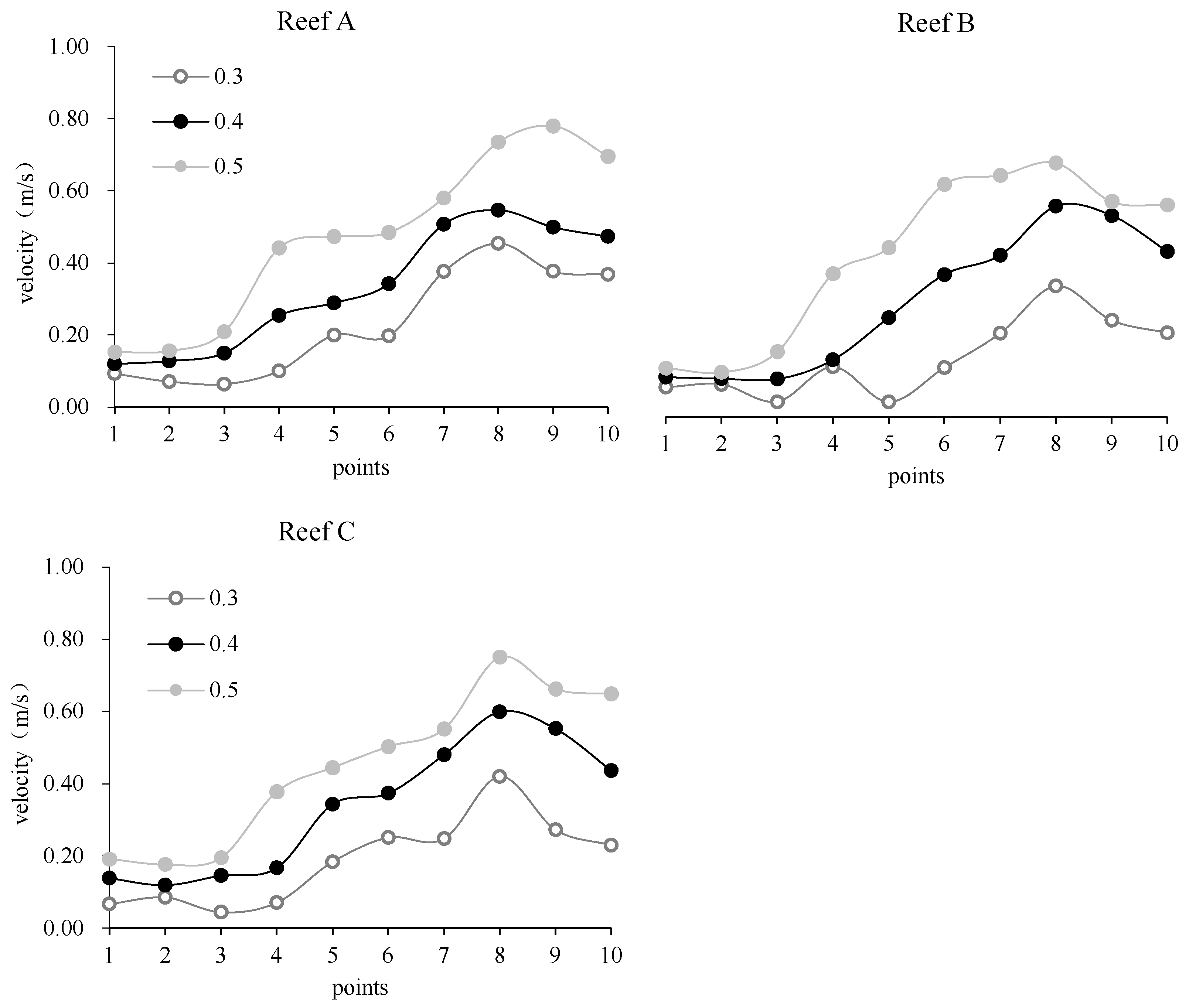
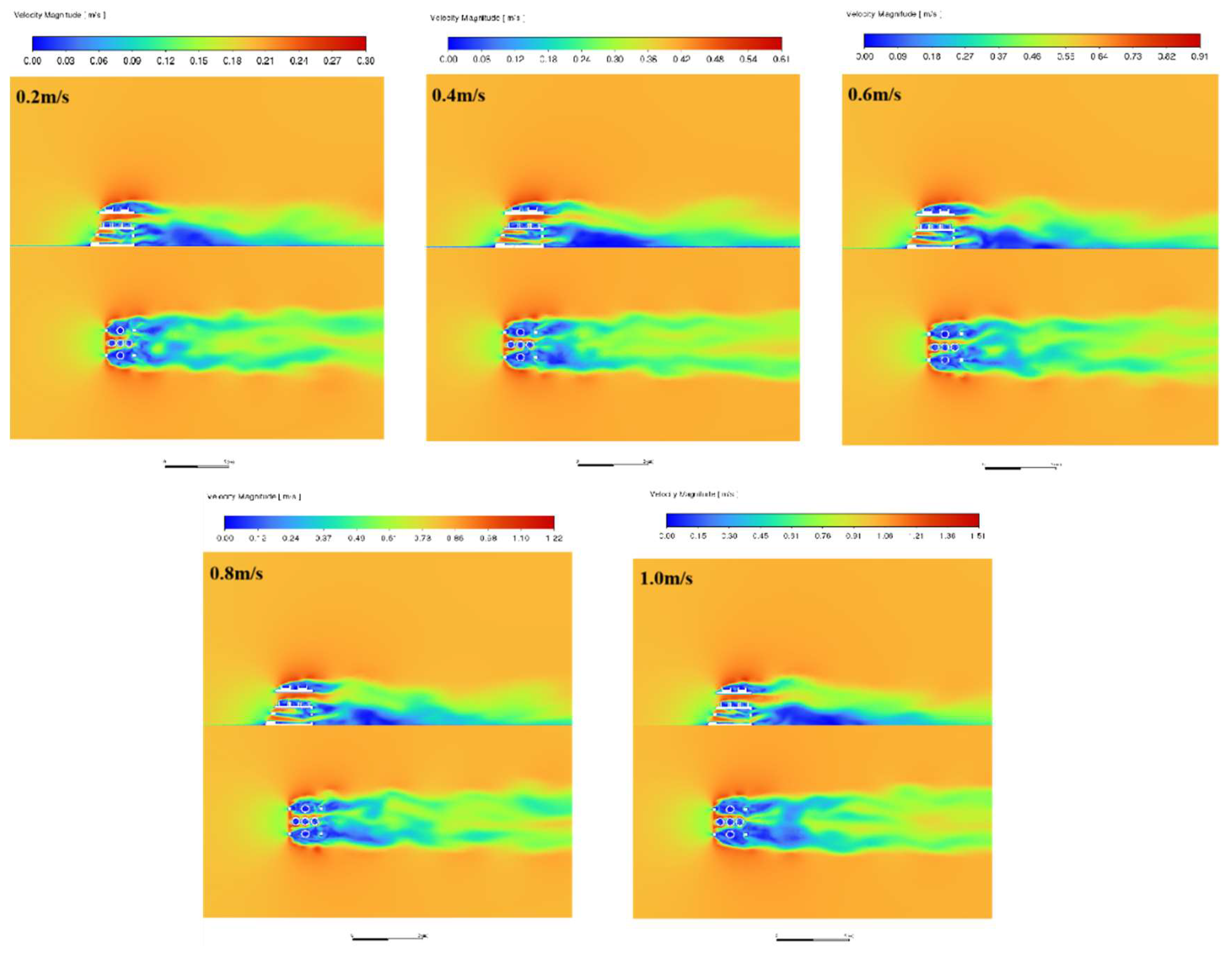
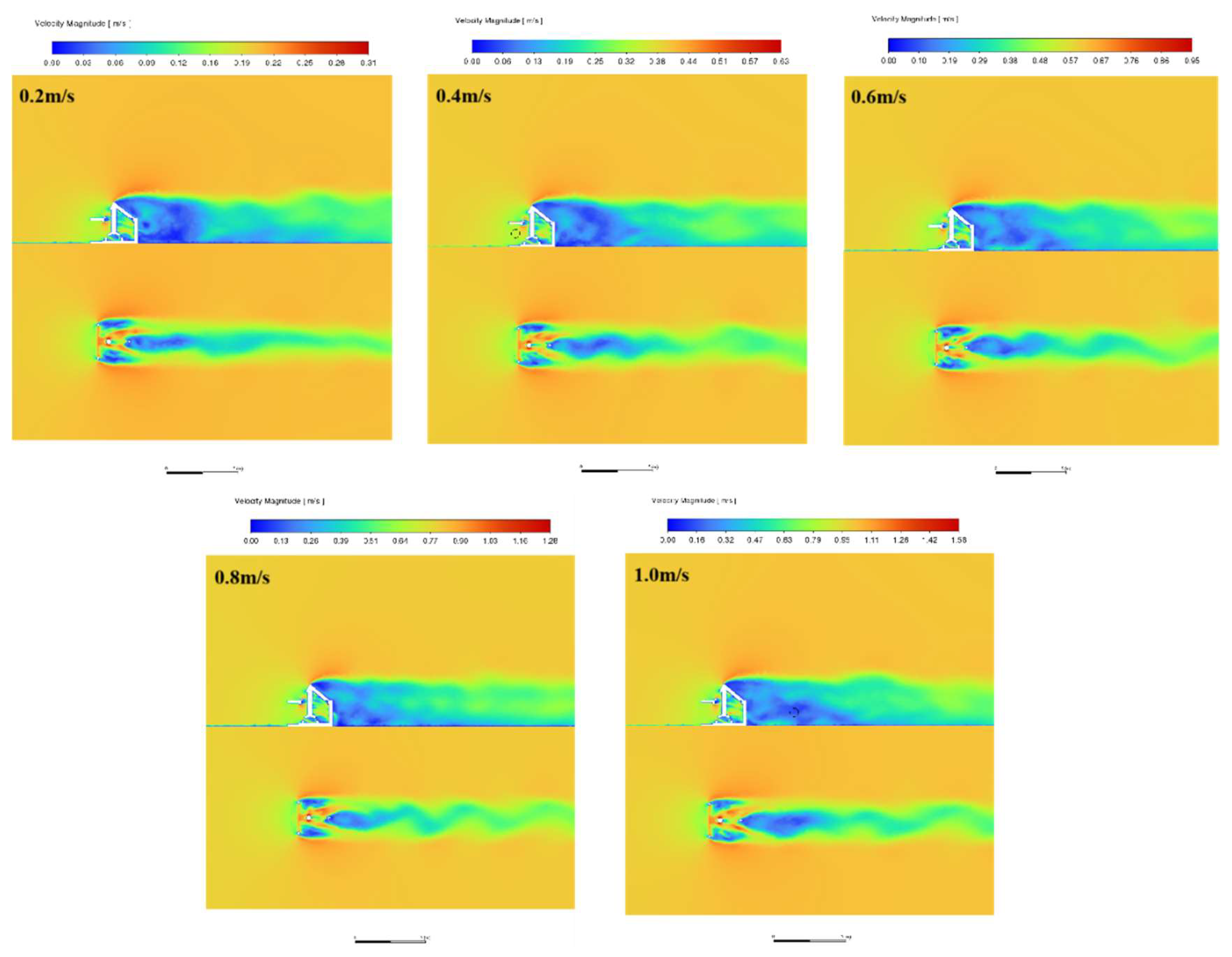
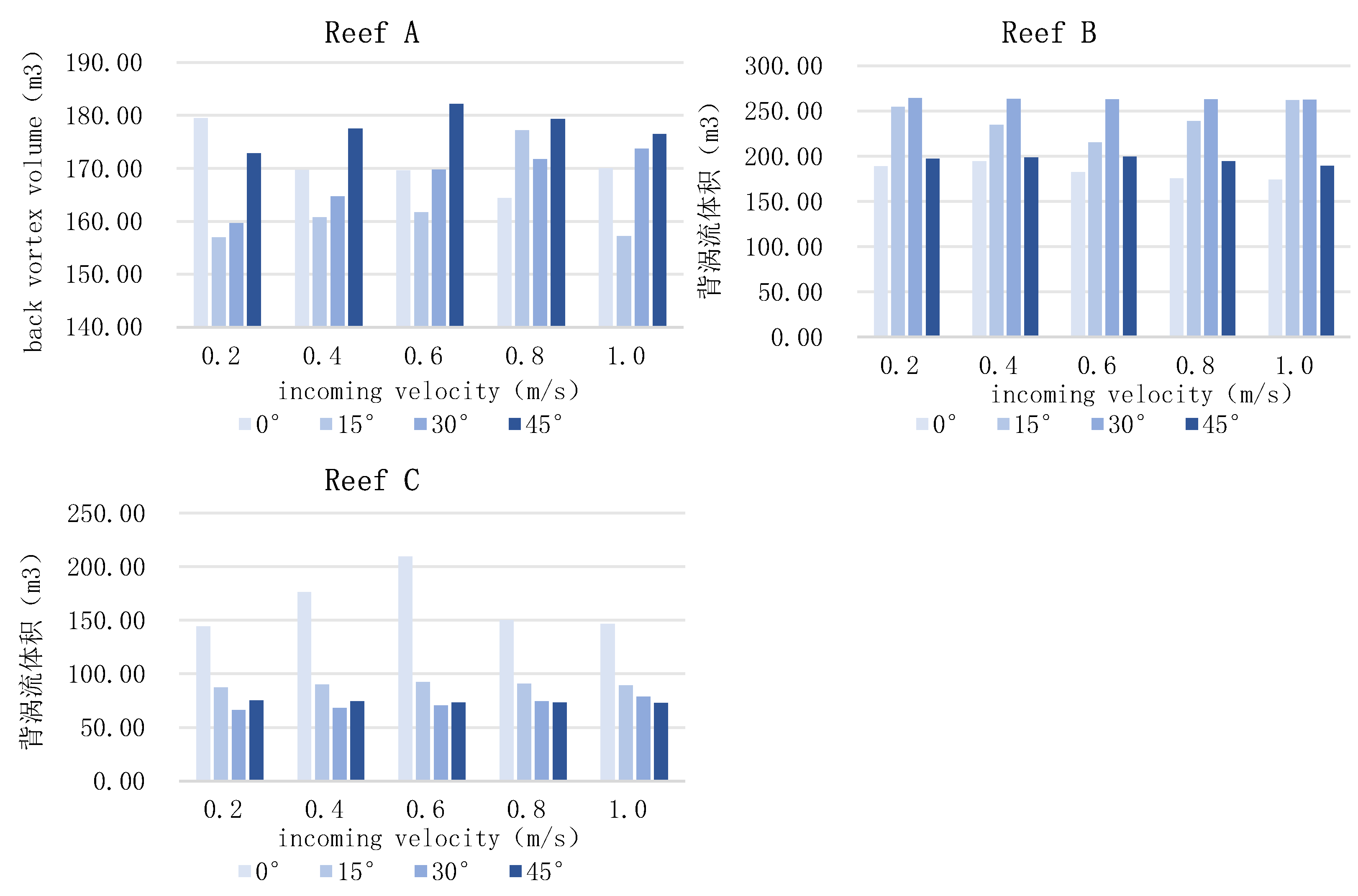
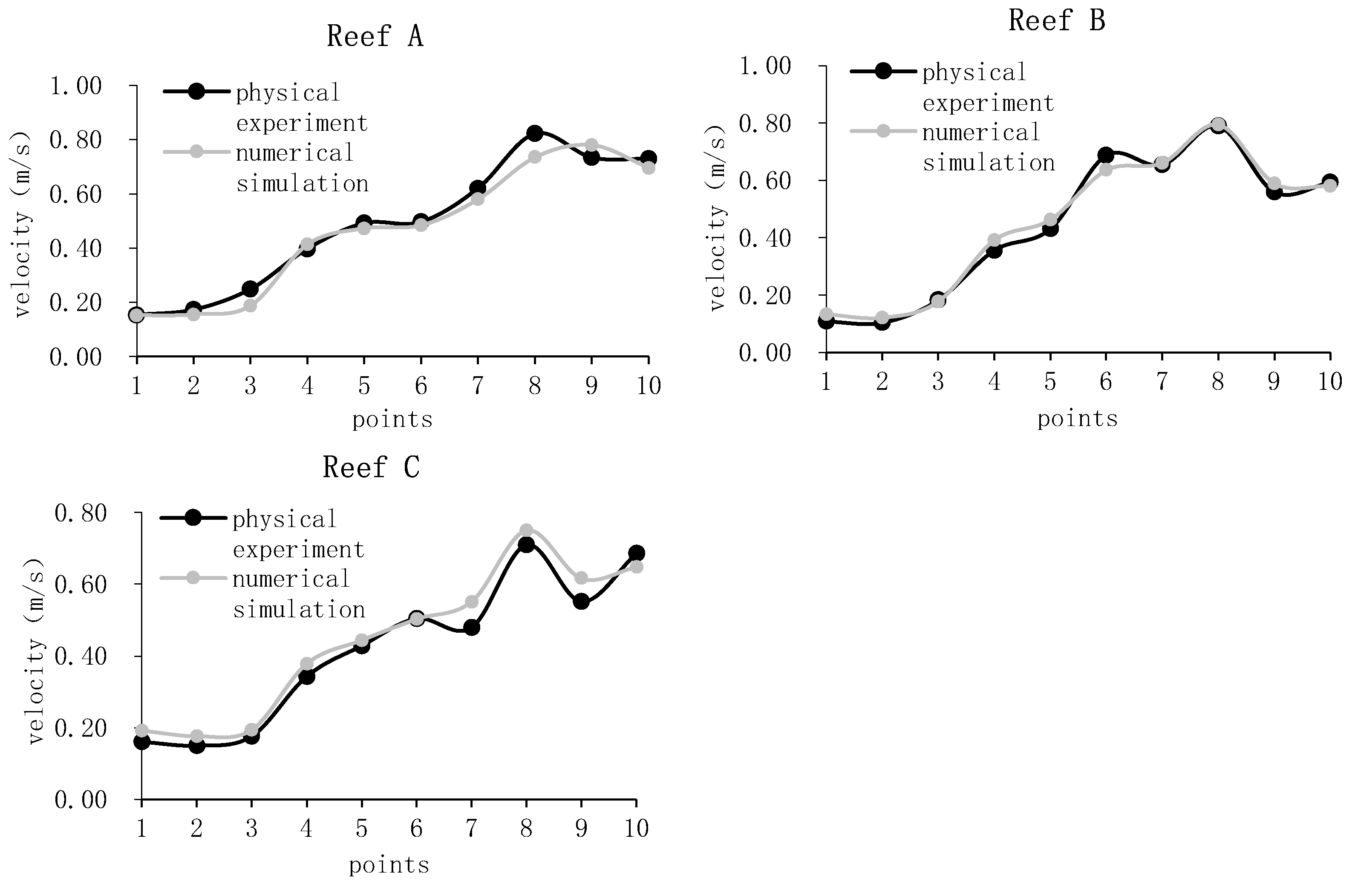
This paper focuses on three artificial reefs with different functionalities to be placed in the marine pasture in South Sulawesi Province, Indonesia, and investigates the effects of different incoming current velocities and headward current angles on their flow field effects, aiming to explore the flow field effects of the three reefs and analyze the functionality of their flow fields and flow regimes on the sea area. A combination of PIV experiments and numerical simulation is used to analyze the velocity at the measurement point of the flume, the characteristics of the cross-section flow pattern, and the flow field effects under different incoming velocities and head-on angles, and the accuracy of numerical simulation is verified by flume tests. The results show that the changes in the incoming velocity and the angle of flow on the three reefs have different effects on the volume of upwelling and back eddy; the shape of the reef and the internal structure of the reef do not have any impact on the flow pattern, and the changes of the flow field are different under different conditions. The scale of the flow field reaches the optimization under specific conditions.
Keywords:
1. introduction
2. Material and Methods
2.1. Reef Model
2.2. PIV Test
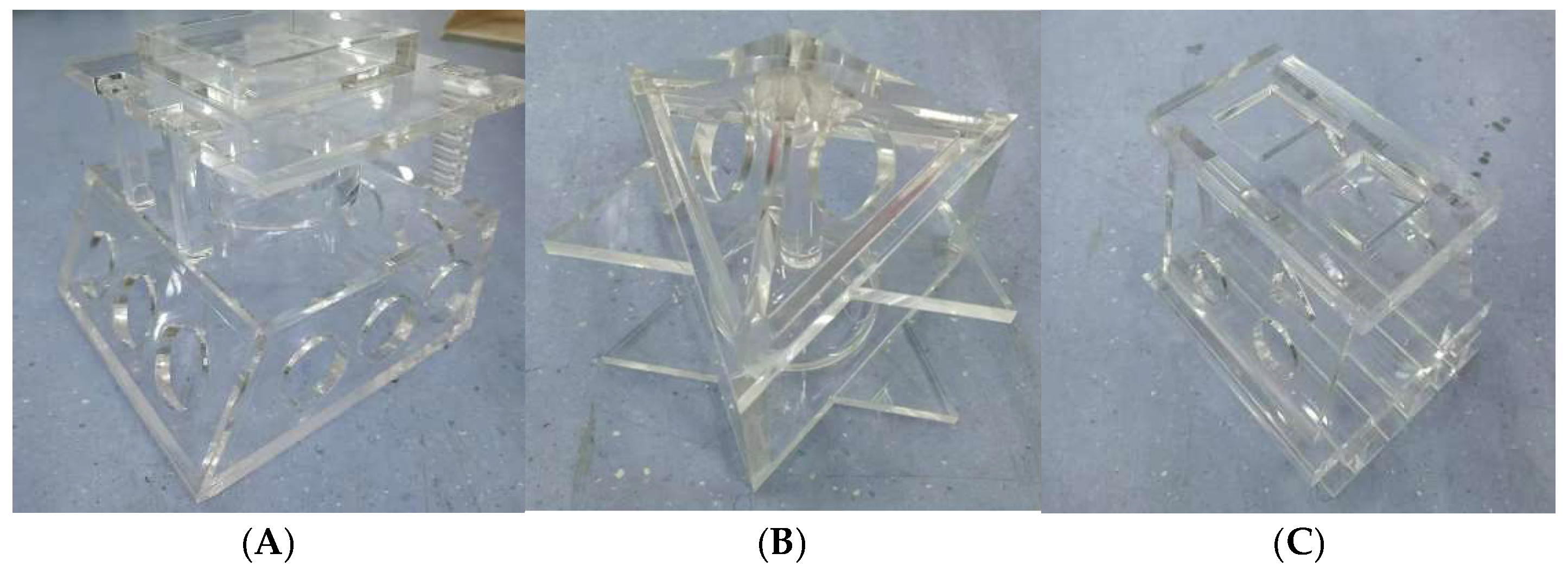
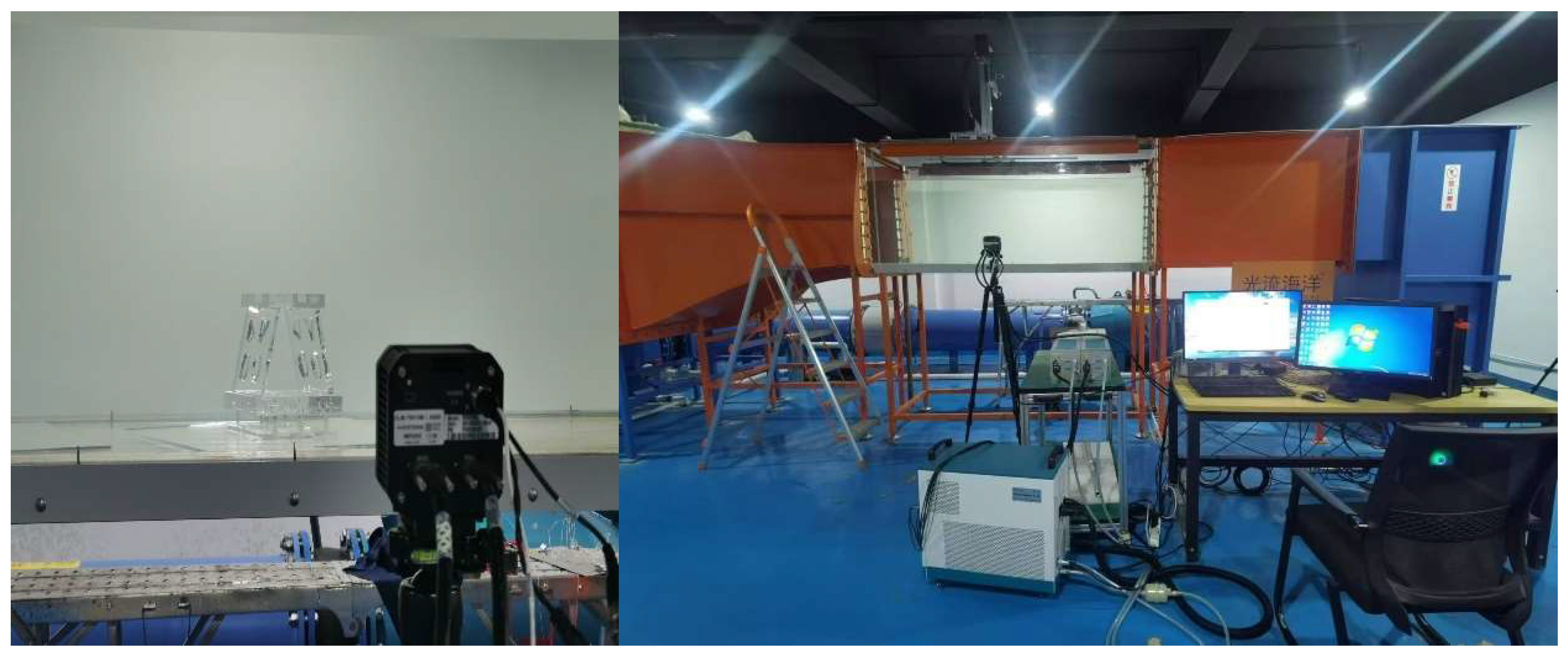
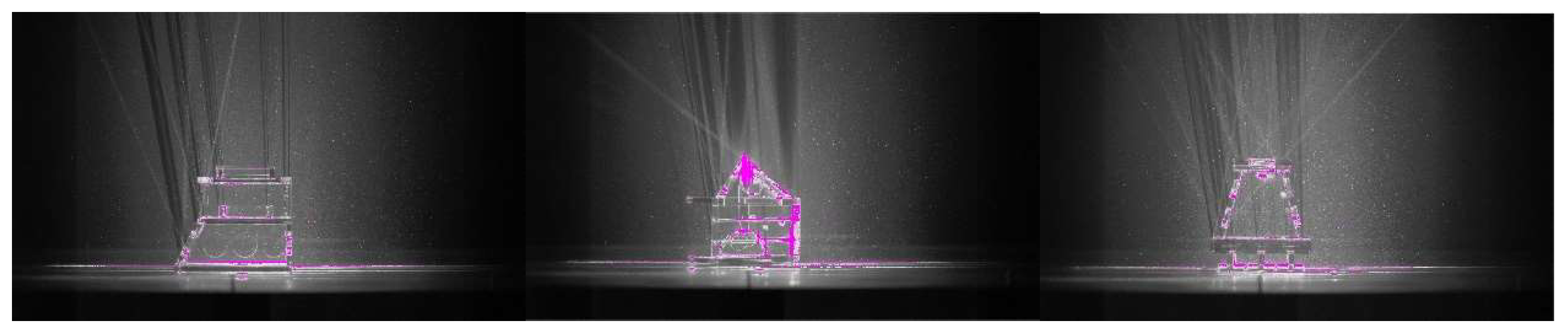
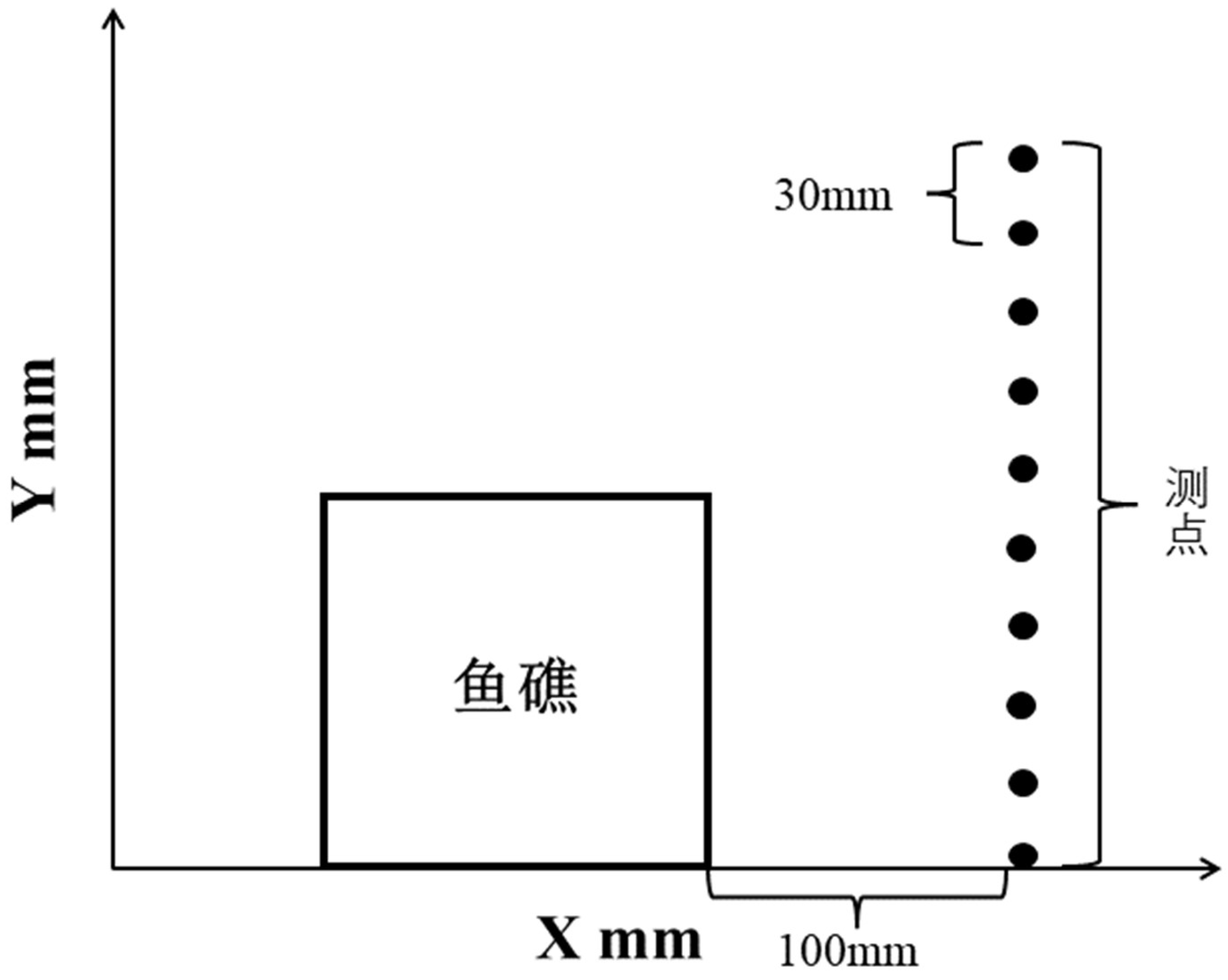
2.3. Numerical Simulation Methods
2.3.1. Governing Equations
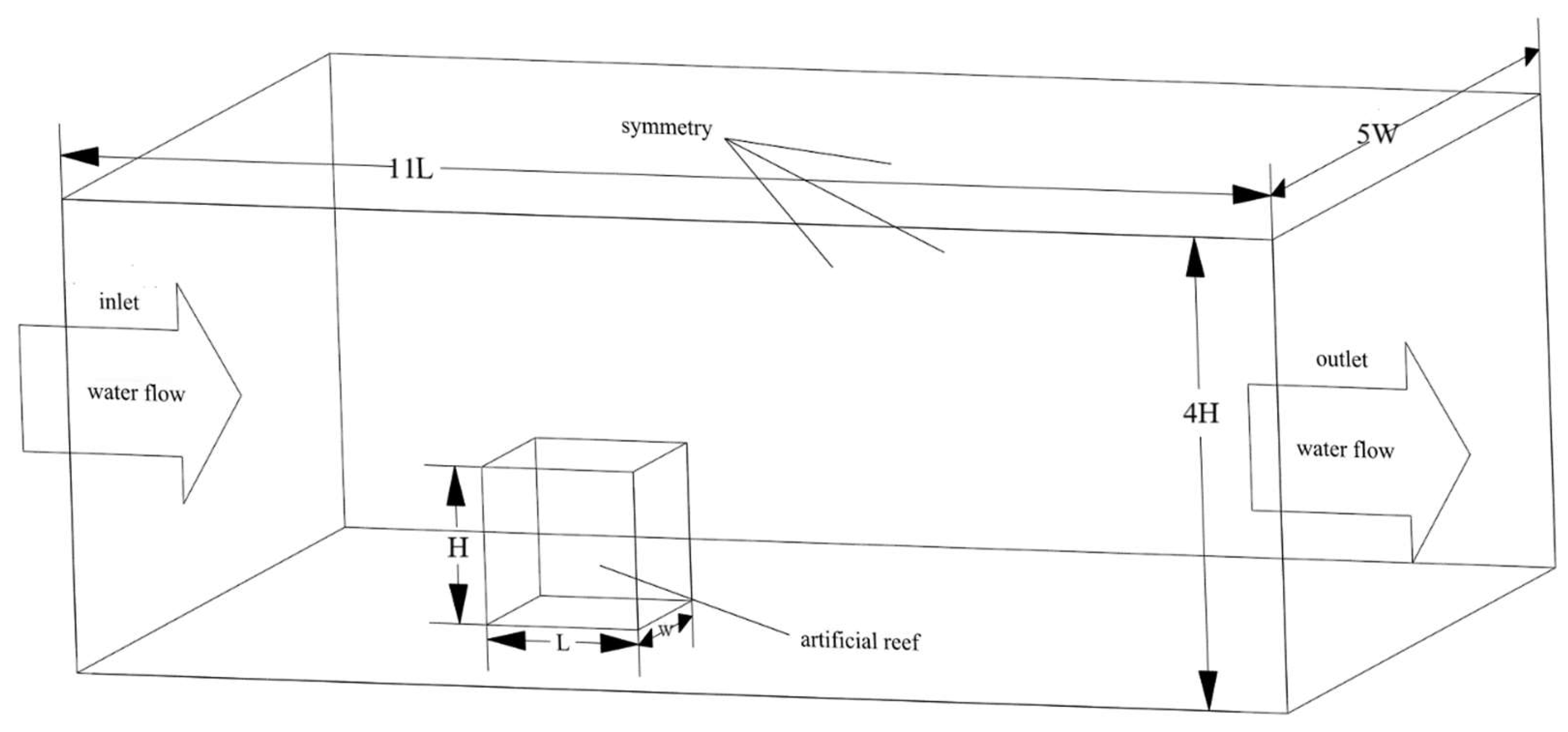
2.3.2. Computational Domain and Boundary Conditions
2.3.3. Meshing
2.3.4. Selection of Indicators for the Flow Field Region
3. Results
3.1. Test Results
3.1.1. Characterization of Flow Patterns in the Mid-Axial Plane
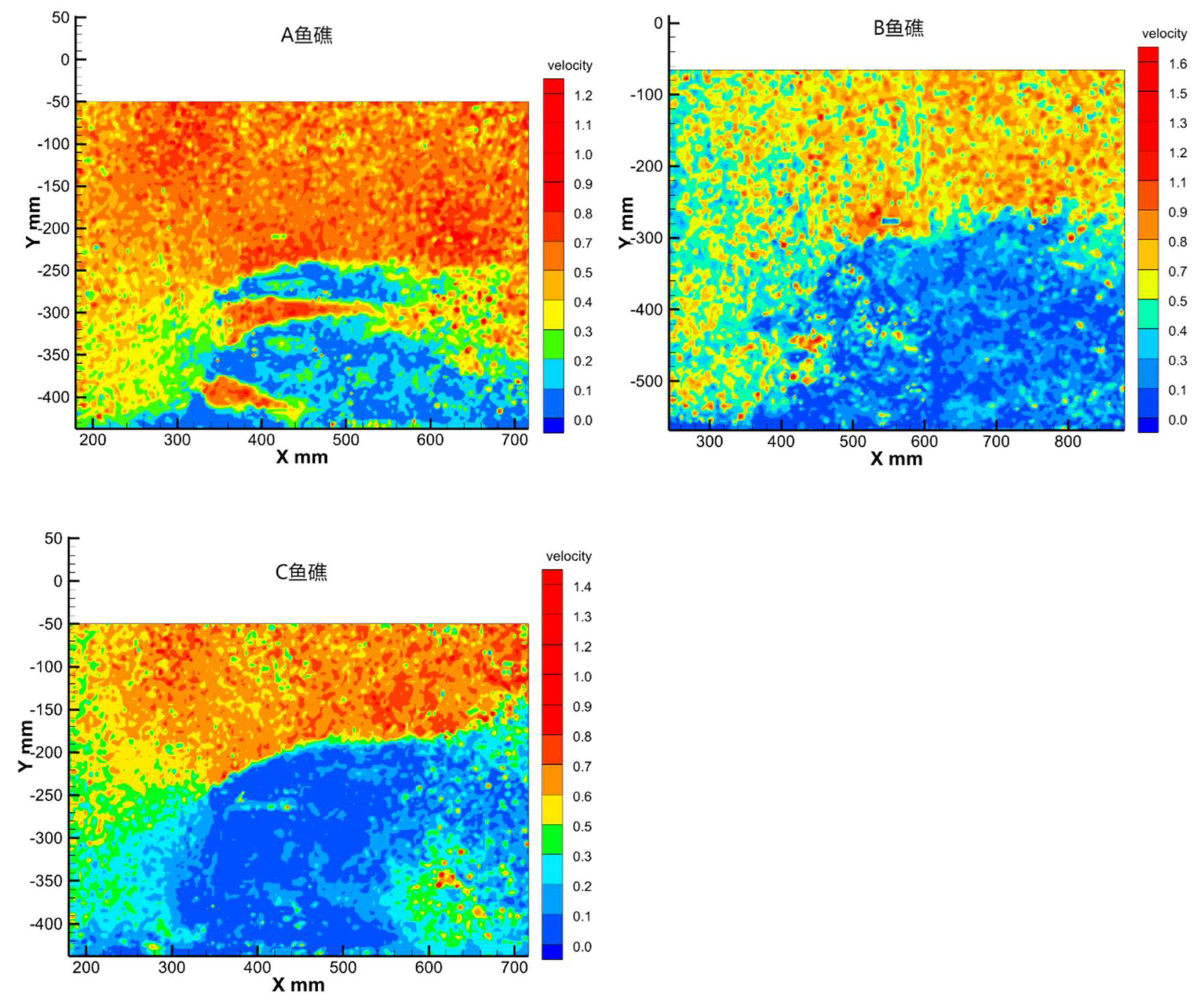
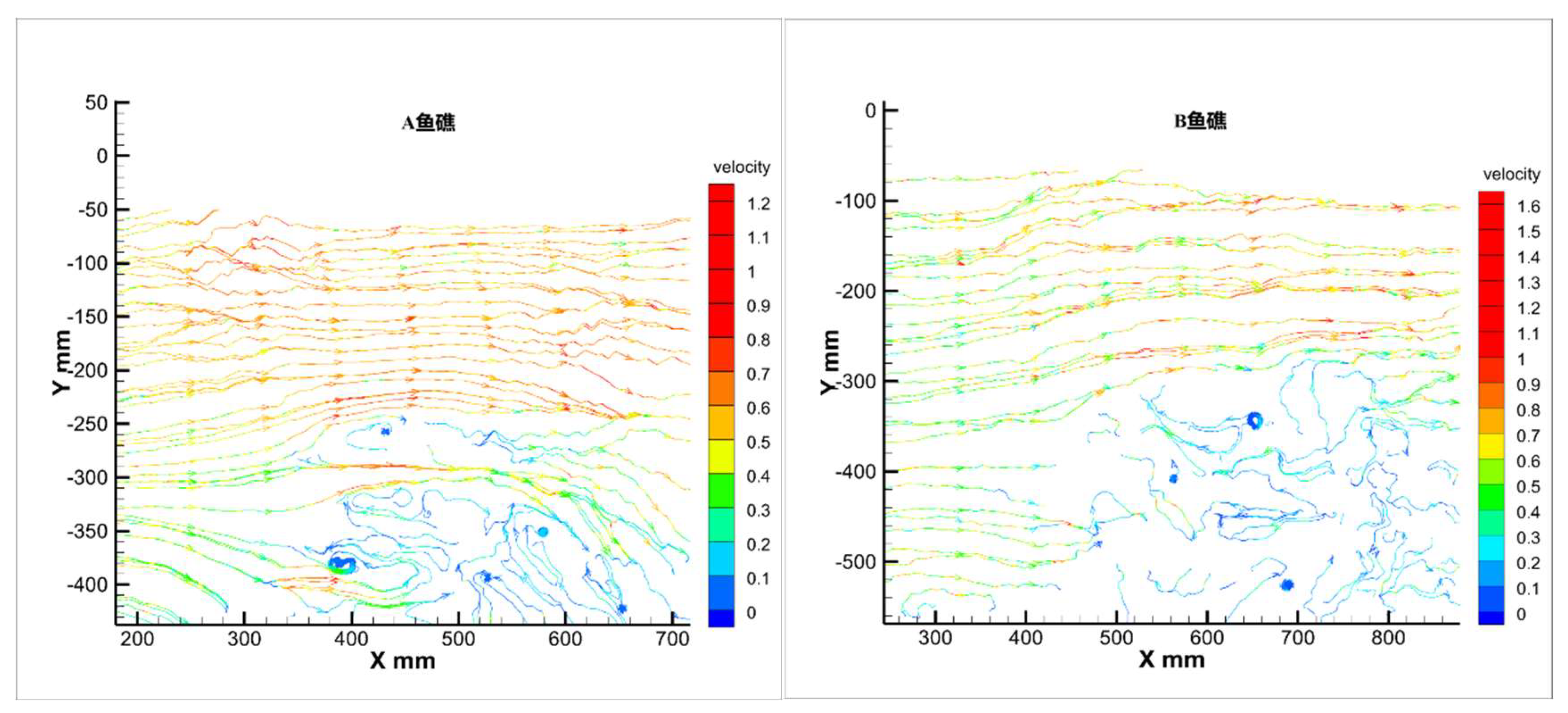
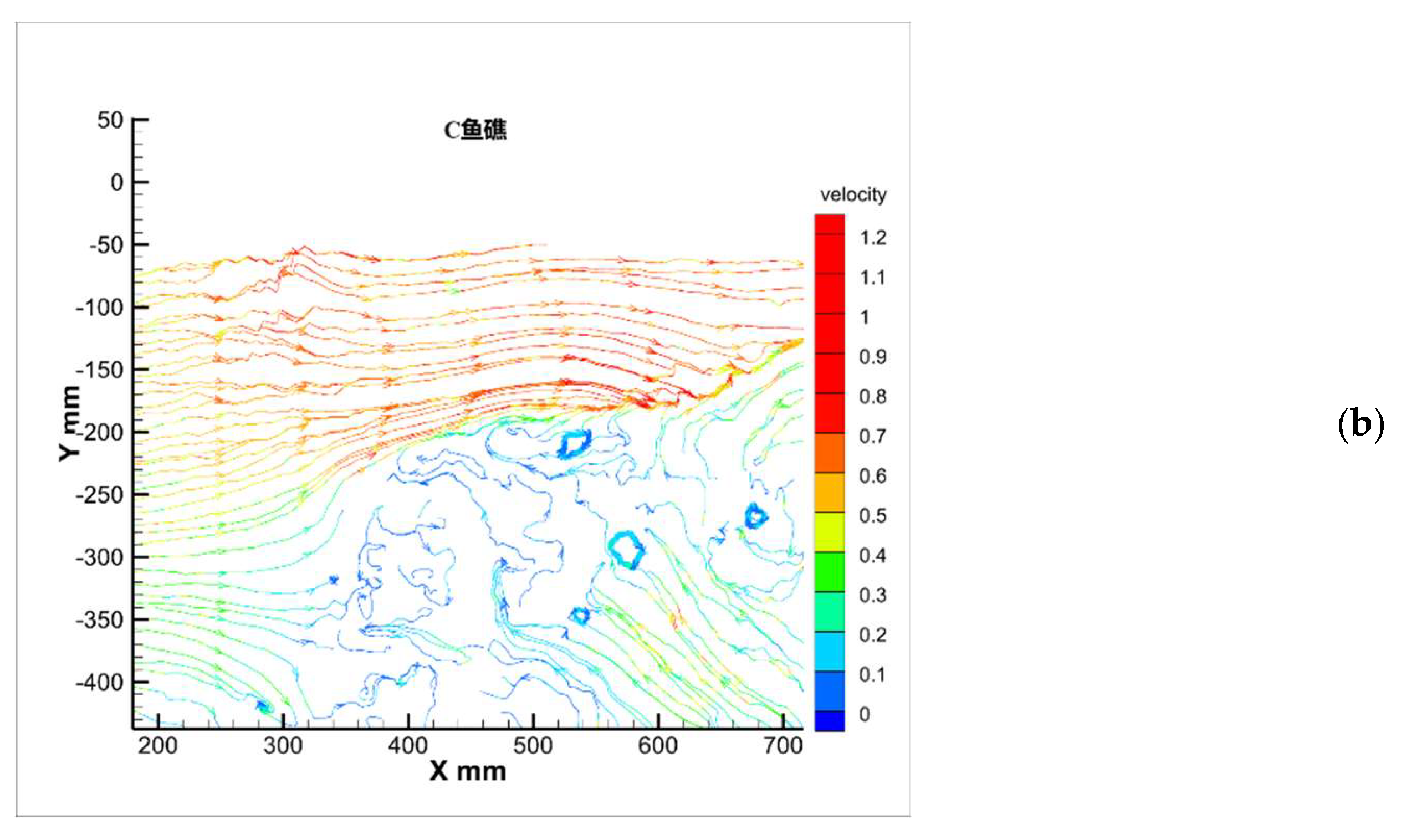
3.1.2. Point Velocity Results
3.2. Numerical Results
3.2.1. Cross-Sectional Flow Characteristics
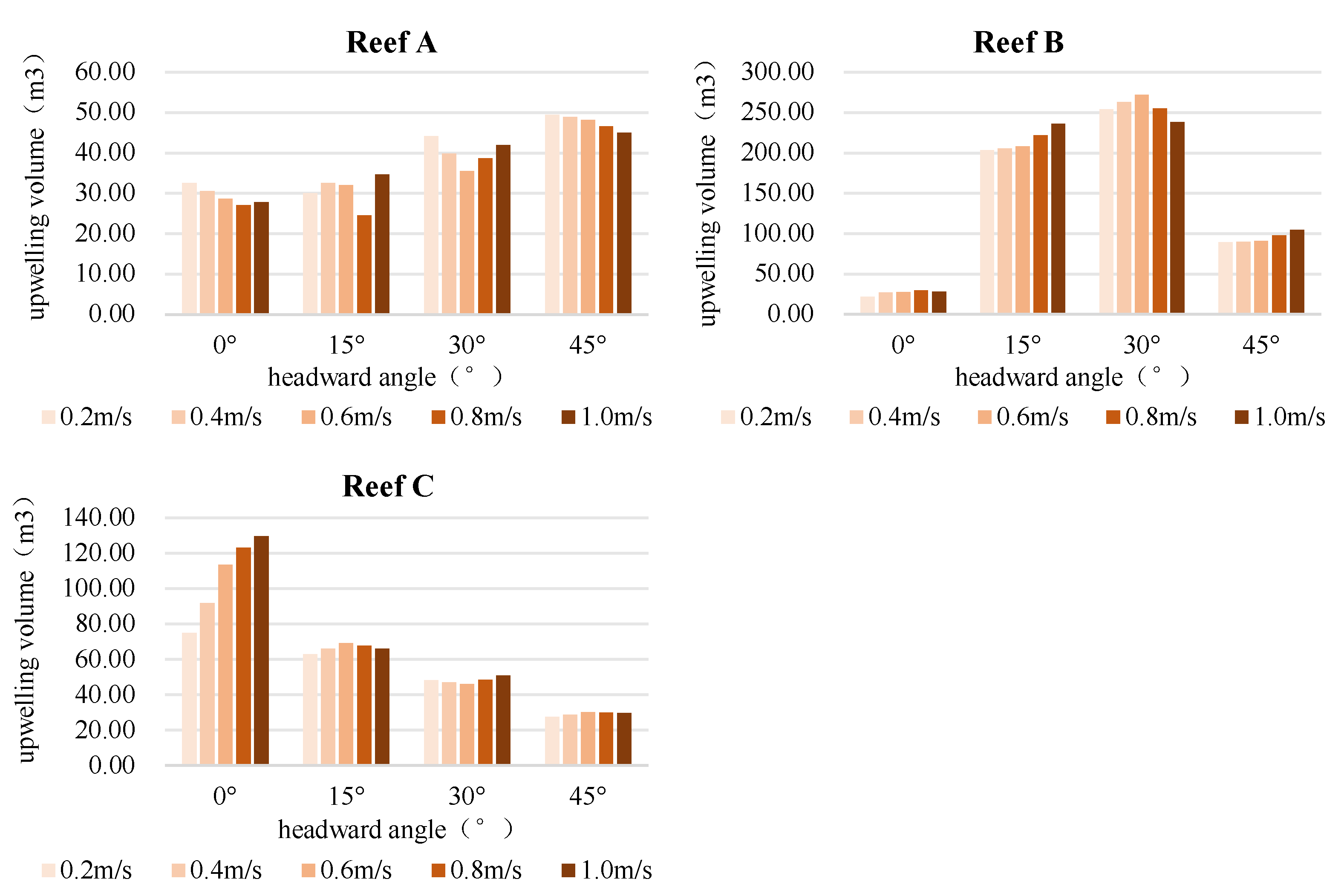
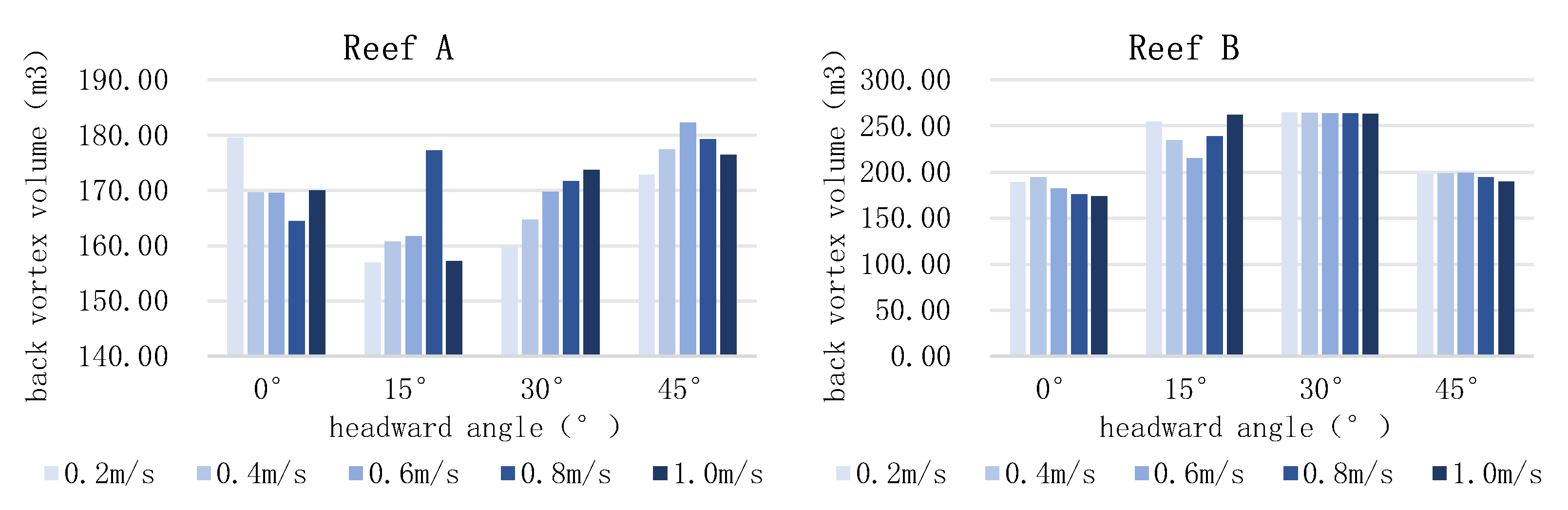
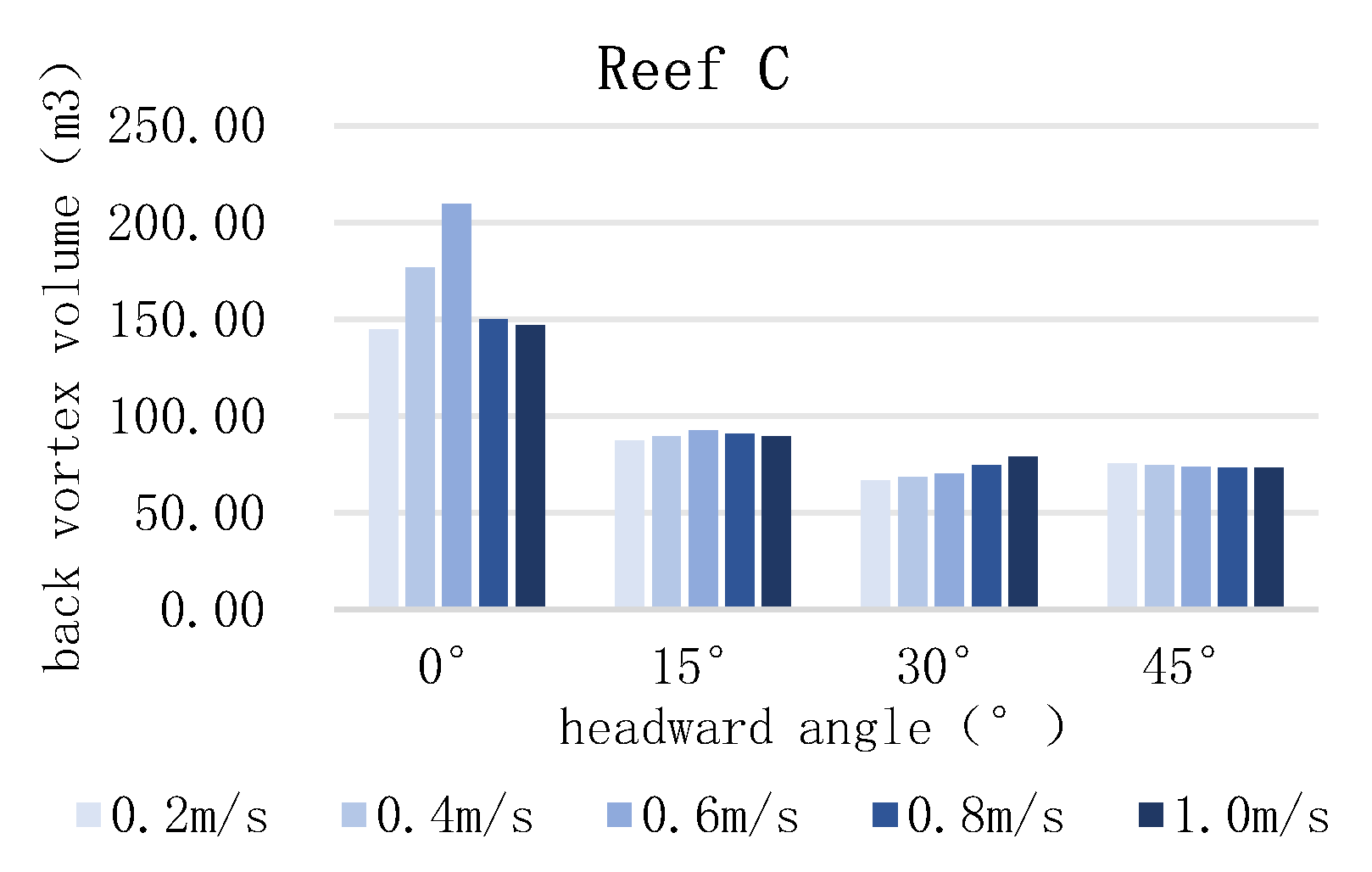
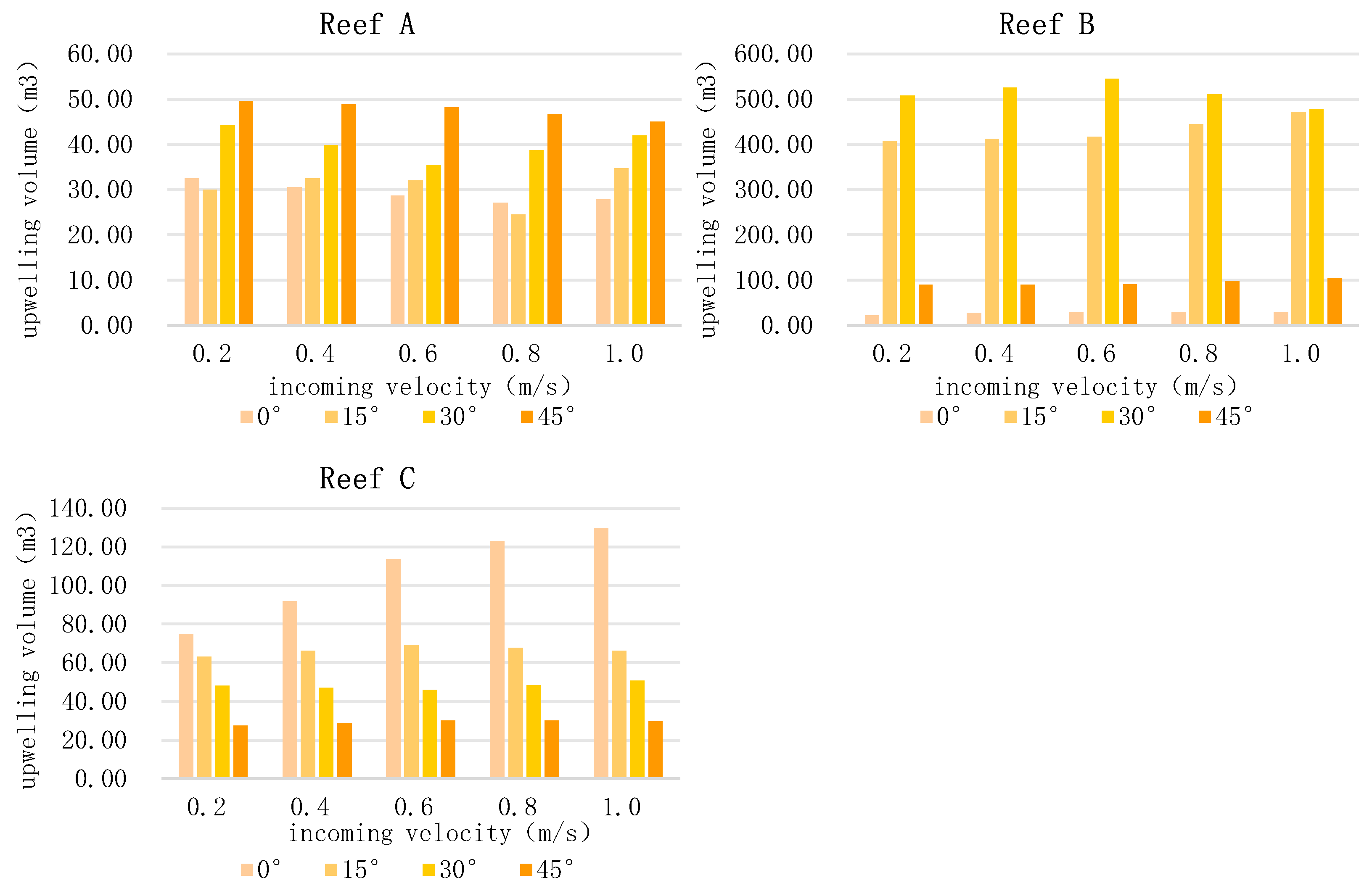
3.2.2. Volume Characteristics of the Flow Field for Different Incoming Velocities
3.2.3. Cross-Sectional Flow Characteristics
3.3. Validation of Results
4. Discussion
5. Conclusions
Acknowledgments
References
- Yu K.X., 2020. Analysis of Economic Benefits of Marine Resource Utilization in China. D. Anhui University of Finance and Economics.
- Hong H.X., Lin L.M., 2002 Problems and Countermeasures of Fishery in China. J. Journal of Jimei University (Natural Science Edition) 01, 5-10.
- Farinas-Franco., Roberts., 2014. Early faunal successional patterns in artificial reefs used for restoration of impacted biogenic habitats. Hydrobiologia 727, 75-94. [CrossRef]
- Gatts P., Franco M., Santos L., Rocha D., Fabrício de S., Netto E., Machado P., Masi B., Zalmon I., 2015. Impact of artificial patchy reef design on the ichthyofauna community of seasonally influenced shores at Southeastern Brazil Aquat. Ecol., 49, 343-355. [CrossRef]
- Chua C., Chou L.M., 1994. The use of artificial reefs in enhancing fish communities in Singapore. J. Hydrobiologia., 285, 177-187. [CrossRef]
- Seaman W J., 2000. Artificial reef evaluation: With application to natural marine habitats. [CrossRef]
- Yu D.Y., Yang Y.H., Li Y.J., 2019. Research on hydrodynamic characteristics and reef stability of artificial fish reefs with different opening ratios. J. Journal of Ocean University of China(Natural Science Edition)., 49, 128-136.
- Jiang Z.Y., Liang Z.L., Huang L.Y., Liu Y., Tang Y.L., 2014. Characteristics from a hydrodynamic model of a trapezoidal artificial reef Chin. J. Oceanol. Limnol., 32, 1329-1338. [CrossRef]
- Liu T.L., Su D.T., 2013. Numerical analysis of the influence of reef arrangements on artificial reef flow fields Ocean. Eng., 74, 81-89. [CrossRef]
- Li J., Lin J., Zhang S.Y., 2010. Numerical experiments on the permeability of a square artificial reef and its effect on the flow field around the reef. J. Journal of Shanghai Ocean University., 19, 836-840.
- Kageyama M., Osaka H., Yamada H., 1982. Experiences of a fish reef with a perforated cubic fish tank and the feasibility of its perforation. J. Journal of Fisheries Engineering and Technology., 17, 1-10.
- Shao W.J., Liu C.G., Nie H.T., 2014. Hydrodynamic characterization and flow field effect analysis of artificial reefs. J. Hydrodynamics Research and Progress Series A., 29, 580-585.
- Liu J., Xu L.X., Zhang S., Hang H.L., 2011. Experimental study on the drag coefficient of artificial reef model. J. Journal of Ocean University of China (Natural Science Edition)., 41, 35-39.
- Fu D.W., Chen C, Chen Y.S., 2014. PIV experimental study on the flow field effect of a square artificial reef. J. Journal of Dalian Ocean University., 29, 82-85.
- Wang G., Wan R., Wang X.X., Zhao F.F., 2018. Study the influence of cut-opening ratio, cut-opening shape, and cut-opening number on the flow field of a cubic artificial reef. J. Ocean Engineering., 162, 341-352. [CrossRef]
- Zheng Y.X., Guan C.T., Song X.F., Liang Z.L., Cui Y., Li Q., 2012. Numerical simulation of flow field effect of the star-shaped artificial reef. J. Journal of Agricultural Engineering., 28, 185-193+297-298.
- Sherman R.L., Gillian D.S., Spieler R.E., 2002. Artificial reef design: void space, complexity, and attractants ICES J. Mar. Sci., 59, S196-S200. [CrossRef]
- Zhang S., Hu F.X., Chu W.H., Huang C.Y., Liu F.F., Zhang Q.C. 2020. Comparative study of numerical simulation and model test on the drag coefficient of the hexagonal open square artificial reef. J. Chinese Aquatic Science., 11, 1350-1359.
- Jiang Z.Y., Guo Z.S., Zhu L.X., Liang Z.L., 2019. Artificial fish reef structural design principles and research progress. J. Journal of Aquatic Products., 09, 1881-1889.
- C.T., Li M.J., Zheng Y.X., Li J., Cui Y., Li Z.Z., Wang T.T., 2016. Guan Numerical simulation and physical stability study on the spacing of three-circle tube-type artificial reef deployment. J. Journal of Ocean University of China (Natural Science Edition)., 09, 9-17.
- Lu M., Sun X.H., Li Y.J., Fan Z.G., 2006. Turbulence numerical simulation method and its characteristic analysis. J. Journal of Hebei University of Architecture and Technology., 02, 106-110.
- Fu D.W., 2013. PIV experimental study on the flow field effect of artificial reefs. D. Dalian Ocean University, 2013.
- Liu J., 2021. Research on the current field effect of the hexagonal artificial reef. D. Dalian University of Technology.
- Kim D., Jung S., Na W.B., 2021. Evaluation of turbulence models for estimating the wake region of artificial reefs using particle image velocimetry and computational fluid dynamics. J. Ocean Engineering. 223:108673. [CrossRef]
- Lu M., Sun X. H., Li Y. J., Fan Z. G., 2006. Turbulence numerical simulation method and its characteristic analysis. J. Journal of Hebei University of Architecture and Technology. 02, 106-110.
- Gou Y., 2020. Research on the scale effect of artificial reefs based on flow field simulation experiment. D. Shanghai Ocean University.
- Liu H.S., Ma X., Zhang Z.Y., Yu H.B., Huang H.J., 2009 Modeling experiment on artificial reef flow field effect. J. Aquatic Journal of Hydrography. 33, 229-236.
- Zhang B.H., Zhang X.Q., Zheng X.L., 2024. Study on the flow field effect of reef-building on offshore decommissioned oil platforms. J. Ocean Engineering. 42, 86-95.
- Wei L.Y., Zhang N.C., 2023. Numerical simulation of flow field effect of the hexagonal artificial reef. J. China Water Transportation. 02, 110-112.
- Kim D.H., Woo J.H., Yoon H.S., Na W.B., 2014. Wake lengths and structural responses of Korean general artificial reefs Ocean. Eng. 92, 83-91. [CrossRef]
- Fang J.H., Lin J., Yang W., 2021. Numerical simulation of the flow field effect of a double-layer cross-wing artificial reef. J. Journal of Shanghai Ocean University. 04, 743-754.
- Tan S.F., Wang X.C., Zhang M.L., 2024. Flow field effects of a rectangular frame-type artificial reef. J/OL. Journal of Applied Mechanics, 12, 1-13.
- Kim D.H., Woo J.H., Yoon H.S., Na W.B., 2016. Efficiency, tranquillity and stability indices to evaluate performance in the artificial reef wake region Ocean. Eng., 122, 253-261. [CrossRef]
- Lv Z.M., Lai Q.K., Zhan D.Q., 2005. Comparative analysis of flow field near permeable and impermeable structures. J. Taiwan Water Resources. 54, 46-52.
- La Ode, M. A., Iba, W., Ingram, B. A., Gooley, G. J., & de Silva, S. S., 2015. Mariculture in SE Sulawesi, Indonesia: Culture practices and the socio-economic aspects of the major commodities. Ocean & Coastal Management, 116, 44-57. [CrossRef]
- Afero, F., Miao, S., & Perez, A. A., 2010. Economic analysis of tiger grouper Epinephelus fuscoguttatus and humpback grouper Cromileptes altivelis commercial cage culture in Indonesia. Aquaculture International, 18, 725-739. [CrossRef]
- Albasri, H., Iba, W., Gooley, G., & De Silva, S., 2010. MAPPING OF EXISTING MARICULTURE ACTIVITIES IN SOUTH-EAST SULAWESI "POTENTIAL, CURRENT AND FUTURE STATUS". Indonesian Aquaculture Journal, 5, 173-186.
- Aslan, L.O.M., Hutauruk, H., Zulham, A., Effendy, I., Atid, M., Phillips, M., Olsen, L., Larkin, B., Silva, S.S.D., Gooley, G., 2008. Mariculture development opportunities in SE Sulawesi. Indonesia. Aquac. Asia, 13, 36-41.
- X. Moreno-Sánchez,P. Perez-Rojo,Irigoyen-Arredondo,Emigdio Marín-Enríquez,L. A. Abitia-Cárdenas. 2019. Feeding habits of the leopard grouper, Mycteroperca rosacea (Actinopterygii: Perciformes: Epinephelidae), in the central Gulf of California, BCS, Mexico. Acta Ichthyologica et Piscatoria.
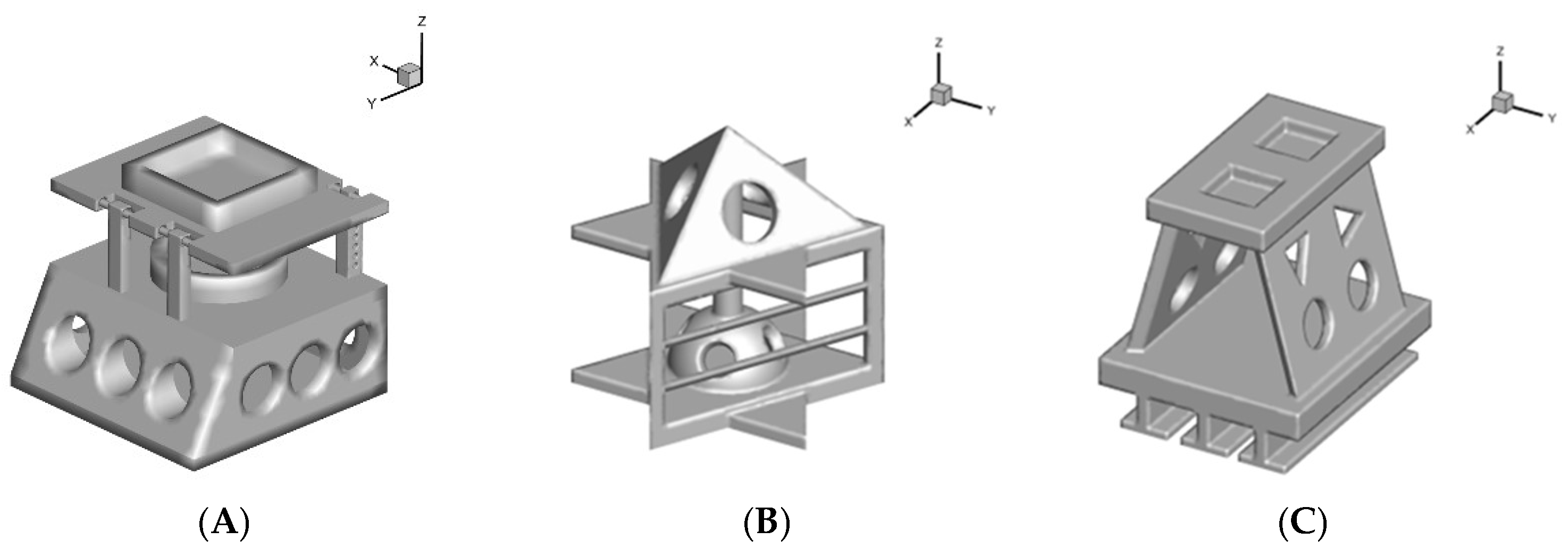

| Type | Dimensions/mm (L×W×H) | Material |
| A B C |
180×180×150 | plexiglass |
| 200×200×200 | ||
| 200×150×200 |
| Structured Grid | unstructured grid | |
| Advantages | Fast generation, high generation quality, simple structure | Wide range of applications and simple generation |
| Disadvantages | Limited scope of application, only for regular shapes | Higher requirements for hardness and precision |
Disclaimer/Publisher’s Note: The statements, opinions and data contained in all publications are solely those of the individual author(s) and contributor(s) and not of MDPI and/or the editor(s). MDPI and/or the editor(s) disclaim responsibility for any injury to people or property resulting from any ideas, methods, instructions or products referred to in the content. |
© 2025 by the authors. Licensee MDPI, Basel, Switzerland. This article is an open access article distributed under the terms and conditions of the Creative Commons Attribution (CC BY) license (http://creativecommons.org/licenses/by/4.0/).