Preprint
Article

This version is not peer-reviewed.

Evaluation of Window-to-Wall Ratio, Shading Devices, and Site Vegetation for Enhanced Daylight Availability—Optimizing Fenestration Design in Chennai School Classrooms

Submitted:

18 February 2025

Posted:

19 February 2025

Read the latest preprint version here

Abstract

Daylight plays a crucial role in enhancing the physical and mental well-being of occupants, particularly students who spend approximately fourteen years of their early life in school classrooms. The built environment significantly influences students' intelligence, performance, health, and psychological well-being. Although the minimum illuminance level of 300 lux is mandated by National building code 2016, it is not spelt out clear in the conformance report of educational department. So, lighting remains undefined and unregulated, primarily due to the subjectivity of light perception among users. This study assesses the existing scenario of a classroom for illuminance levels by field measurements and computational daylight simulations using Rhinoceros 8.0 with Climate Studio plugins. The research aims to establish quantifiable relationships between key parameters such as window-to-wall ratio, annual sun exposure, spatial daylight autonomy, sunshade depth with respect to vegetation; and propose window optimization strategies tailored to different site conditions, ensuring that classrooms consistently meet the required illuminance levels. It was found that there is a significant impact of trees, window-to-wall ratio and sunshade depths on the daylight. These findings are useful to researchers and the architects to take informed decisions in the pre design stage for sustainable design solutions.

Keywords: 
;  ;  ;  ;  

1. Introduction

Chennai, the capital city of Tamil Nadu, is located at 13.0827° N latitude and 80.2707° E longitude. The city attracts people from various backgrounds due to its thriving tourism, healthcare, employment, and education sectors. It is a significant educational hub, home to numerous public and private institutions, including schools, colleges, and universities. The city comes under a hot and humid climatic zone, meaning both heat and relative humidity are on the higher end.[1] Further, climate projections indicate a rise in minimum temperature by 2.2°C and maximum temperature by 1.9°C by 2050. Sunlight and heat are intrinsically linked, especially in coastal regions like Chennai. In this case, care should be taken in the design of openings; to ensure daylight but minimize heat gain. The city receives 11 to 13 hours of sunlight daily, with peak illuminance levels reaching up to 100,000 lux at midday during summer. However, monsoon season cloud cover can significantly reduce daylight intensity. Unlike artificial lighting, which remains static and uniform, natural daylight continuously changes in intensity and color temperature throughout the day. This dynamic variation positively influences psychological responses, enhances mood, and increases cognitive performance and productivity.[2]
The growing number of schools highlights the importance placed on education in Tamil Nadu and across India. Presently, several initiatives by the school education department focus on improving school infrastructure and fostering holistic student development. This research seeks to assess the current design of school environments in terms of daylight availability inside classrooms, as it directly impacts energy consumption. It was observed that all classrooms keep their lamps and fans on throughout the day, regardless of the natural light available through the windows. The findings of this study can assist architects in making informed decisions during the pre-design phase for sustainable solutions.

2. Materials and Methods

This study was conducted to examine how the orientation, window-to-wall ratio, and sunshade depth influence the average illuminance levels in classrooms. The field measurements were taken on the site and a simulation of the digitally modeled environment of the same was done in Rhinoceros 8 software with ClimateStudio plugin. The illuminance was measured using a Konica Minolta lux meter on the work plane at 0.75 m. Analysis of the existing conditions and different conditions was done to understand the need for customization of window configuration for daylighting metrics.

2.1. Literature Review

Extensive research has demonstrated the critical role of natural lighting in educational spaces, linking it to improved visual performance, cognitive function, and circadian rhythm regulation(Boyce et al., 2003; Veitch & Galasiu, 2012)[3] . In a study done at Jeddah in schools, the results indicate that south-facing classrooms receive more daylight on average than north-facing ones, with some upper-floor classrooms benefiting from additional skylight contributions [4]. A study on the impact of site vegetation on daylight was conducted at Kosice having cold winters and warm summers, it was found that vegetation blocked 64.87% of daylight in summer and 57.3% in winter.[5] Daylight requirements in educational buildings as specified by IS 2440-1975 as daylight factor should be 1.9%
In coastal cities like Chennai, where daylight is available for 11–13 hours per day, excessive glazing may increase indoor heat gain, requiring adaptive fenestration designs to achieve an optimal balance between daylight penetration and thermal regulation (Koenigsberger et al., 1974). A study by R. N. Syaheeza et al. investigated WWR in two secondary school classrooms in Malaysia, where existing WWR values ranged between 14.5% and 15.5%, falling short of the 20% minimum recommended by IESNA. Field measurements of illuminance levels were conducted, followed by simulation modeling in IES VE software with Radiance, incorporating a standardized WWR of 20%. Results indicated that illuminance levels exceeded the recommended 300–500 lux for learning spaces, irrespective of the window orientation [5]. A Dialux Evo daylighting simulation was conducted to evaluate different WWR values (30%, 40%, and 50%) for classrooms with east and west orientations in Turkey. The study measured average illuminance and daylight factor at two critical time points. EnergyPlus software was used to assess energy performance. Findings indicated that in a cold and dry climate, a WWR of 50% with continuous glazing provided optimal daylight distribution and energy performance, emphasizing the need for daylight analysis at the design stage for energy efficiency and occupant comfort [6].This study builds upon existing literature by investigating daylight performance in classrooms within a compact urban site in Chennai, focusing on the influence of orientation, WWR, shading, and vegetation on indoor illuminance levels.

2.2. Study Area and Site Selection

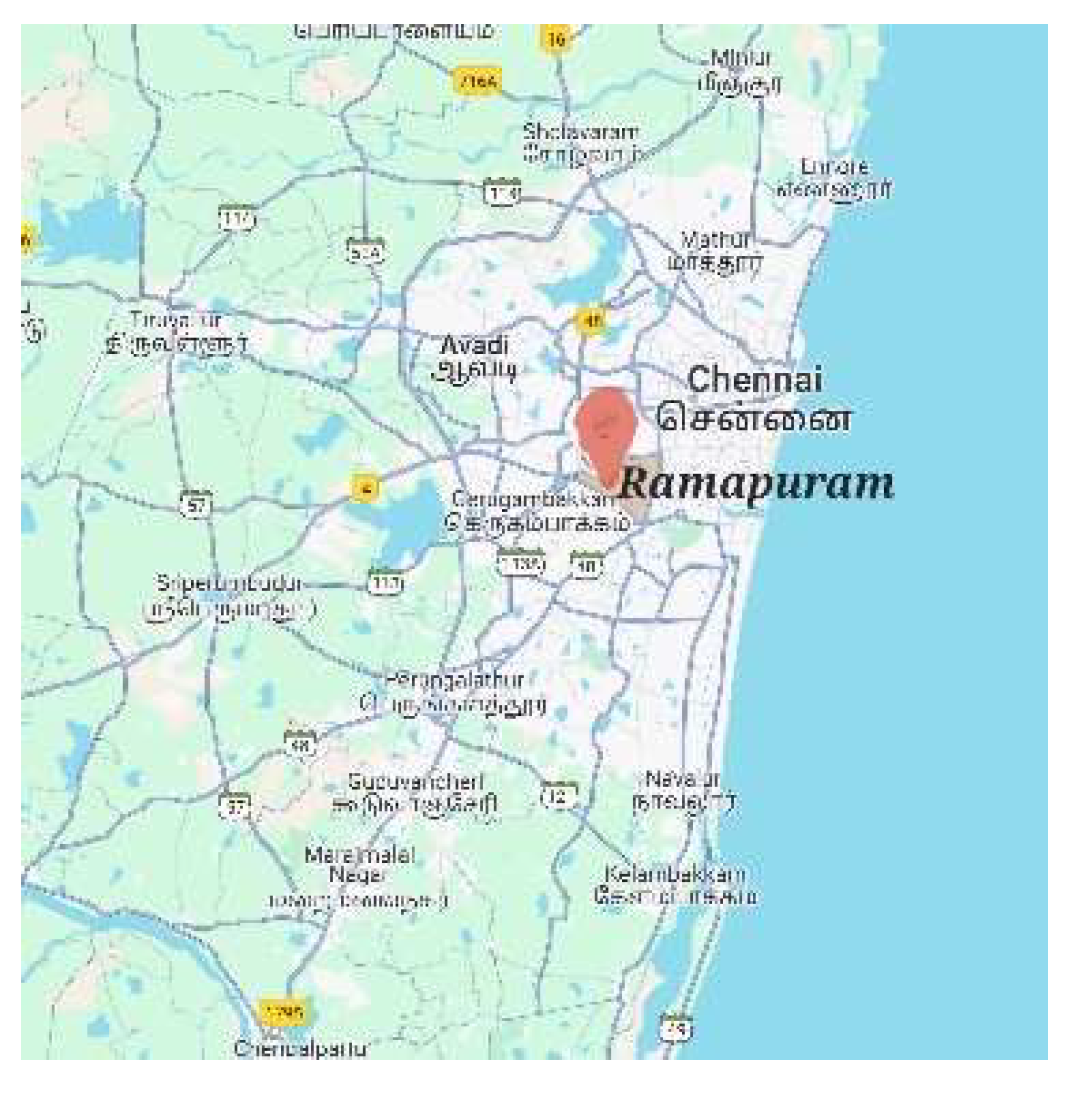
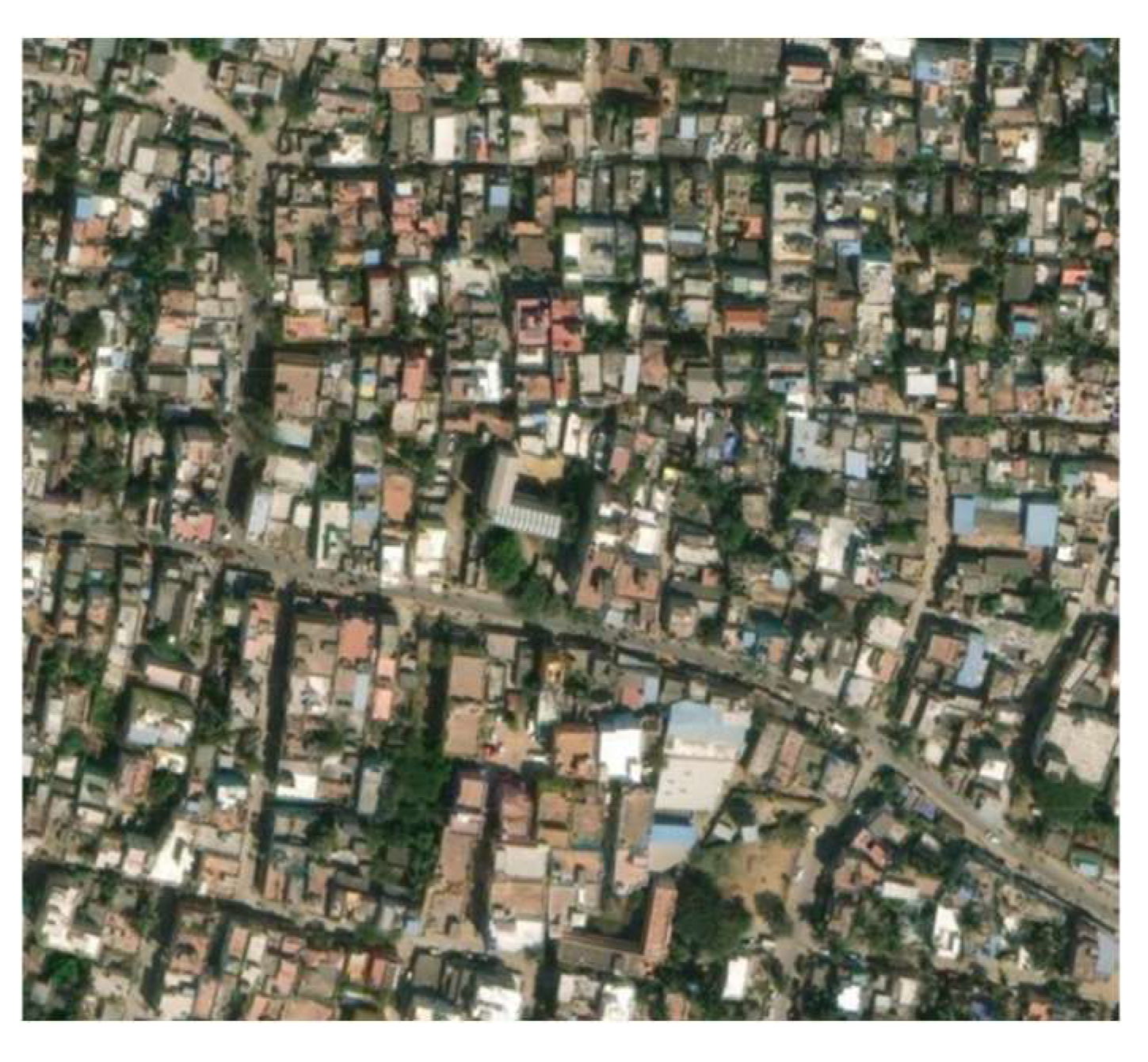
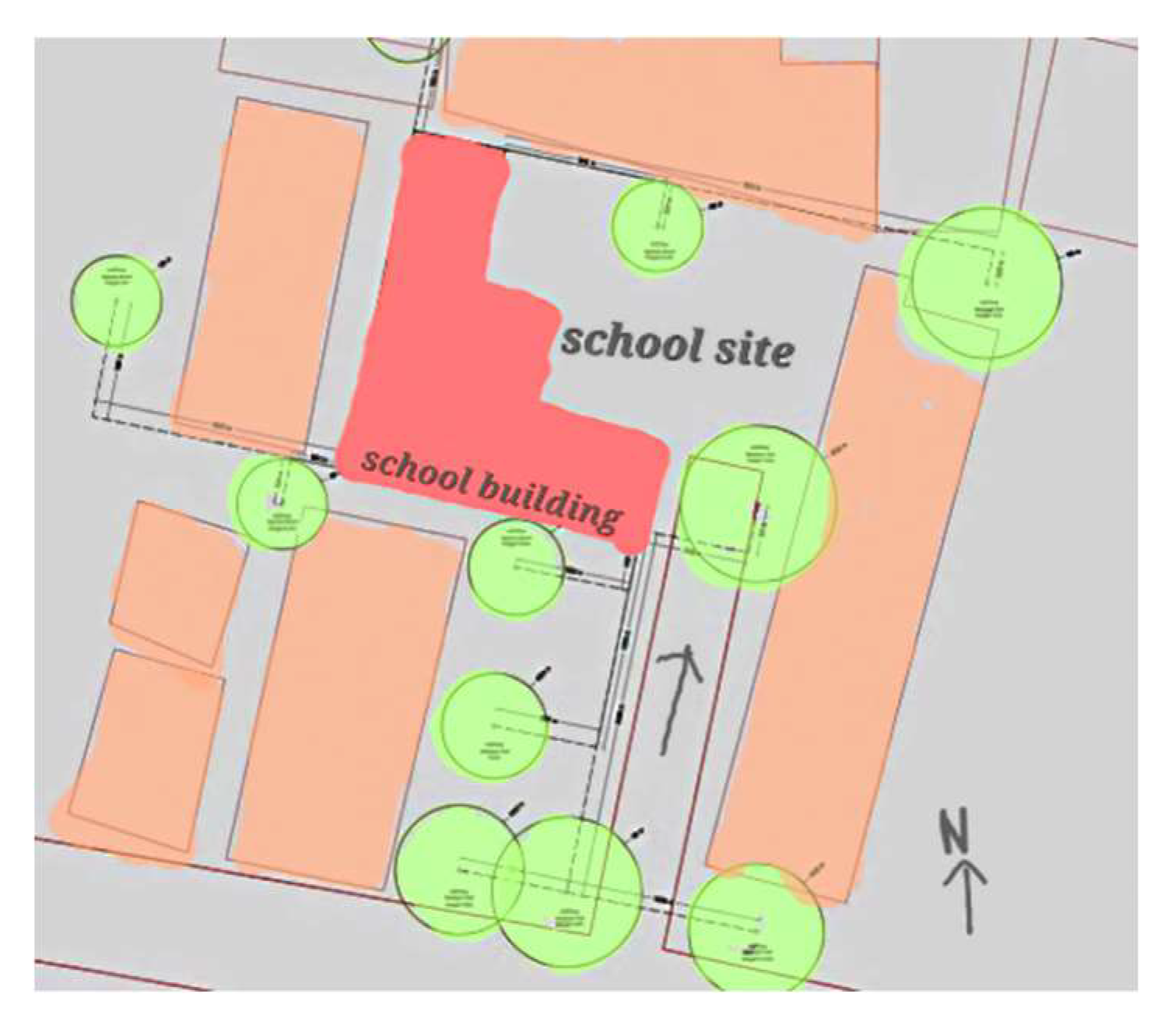
According to the Tamilnadu government gazette extraordinary Minimum land requirement for schools in Tamilnadu for a higher secondary school in Chennai metropolitan development area is 223 sqm (1 ground). For the research purpose, a compact site in an urban residential area was selected. The school is accessed via a 3-meter-wide street, located approximately 40 meters from a 5-meter-wide main road. Situated in Ramapuram, Chennai, the school is surrounded by residential buildings on all sides. The total site area is 1120 square meters, with a 40% plot coverage and a 60% open space. The site has minimal vegetation, with only a few trees located along its southern boundary.      
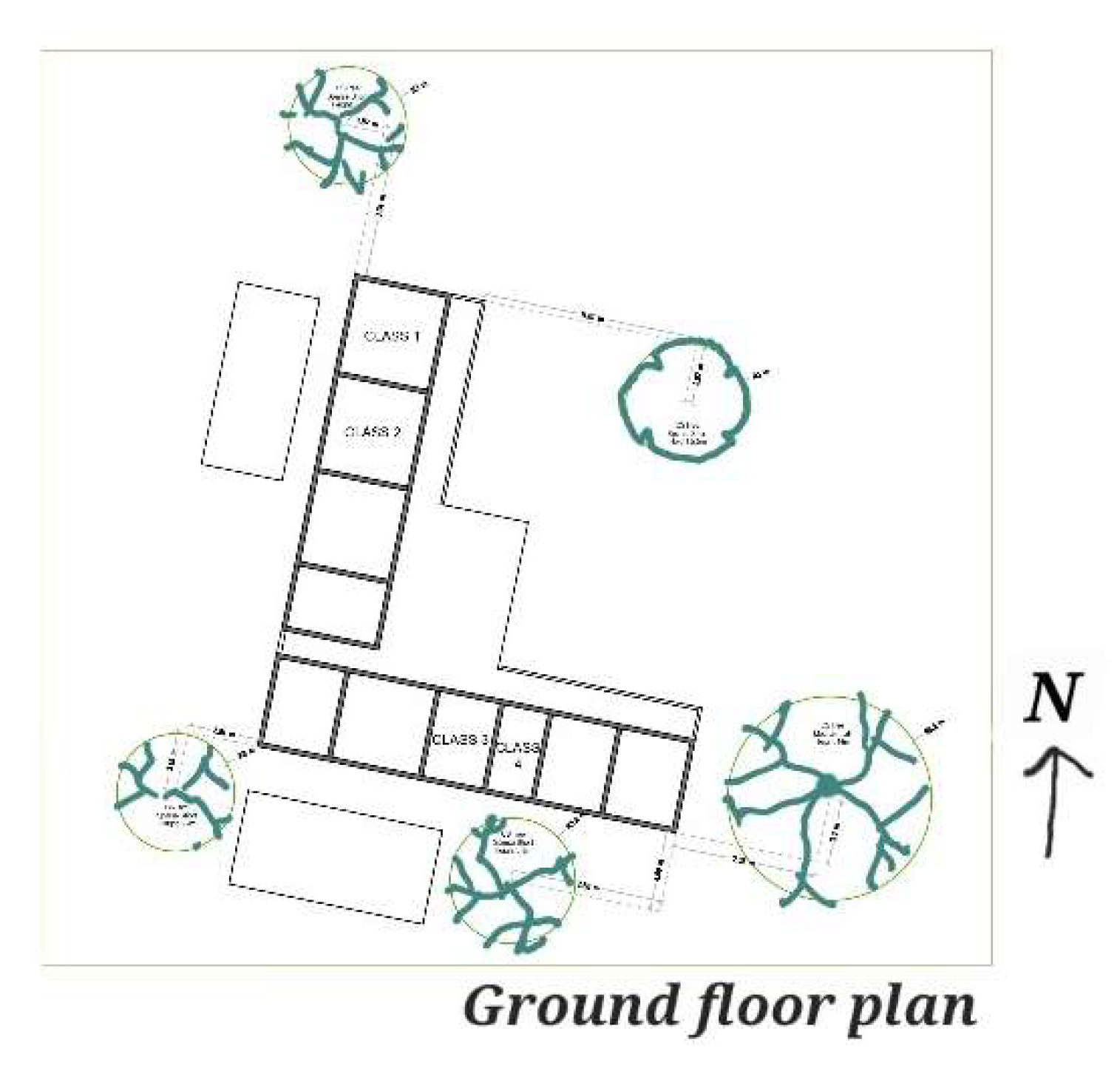
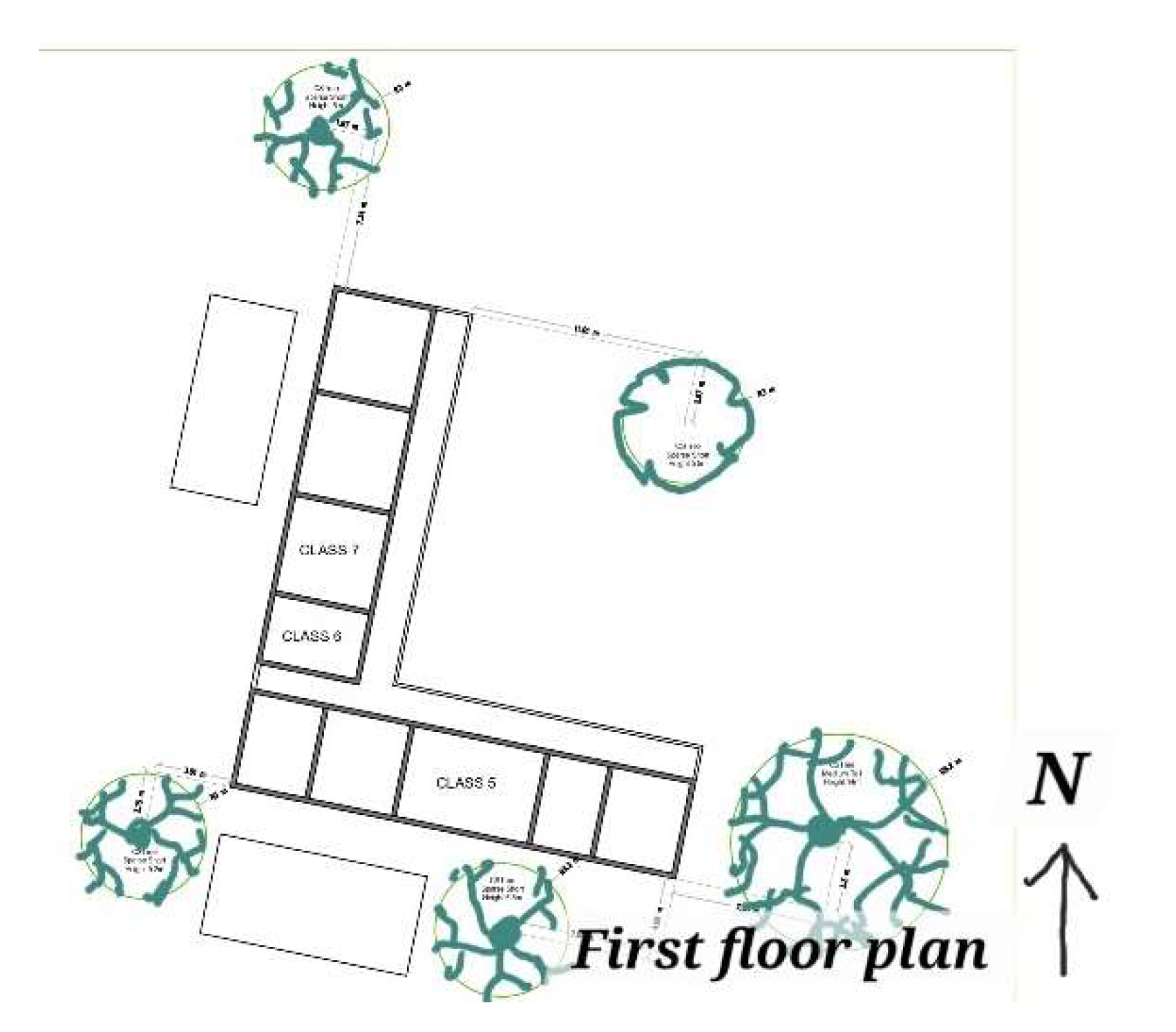
The building block does not have a true east-west or north-south orientation, as it is tilted at a negligible angle. It is assumed to be east-west and north-south for study purposes. The school operates under private management and accommodates students from kindergarten to grade XII. Architecturally, it follows an L-shaped spatial organization, with classrooms arranged along a singly-loaded corridor. The open space within the site, measuring approximately 640 square meters, serves as a playground and assembly area.    
The placement of blocks along the periphery does not allow for ample daylight from all sides due to the compactness of the site. In a residential area, which is prone to expansion, architects should anticipate that the surrounding buildings or obstructions would deter the daylight using mutual shading, both for the residences as well as the school. Even though there is a large open space, it does not do justice to the classroom daylight conditions.    
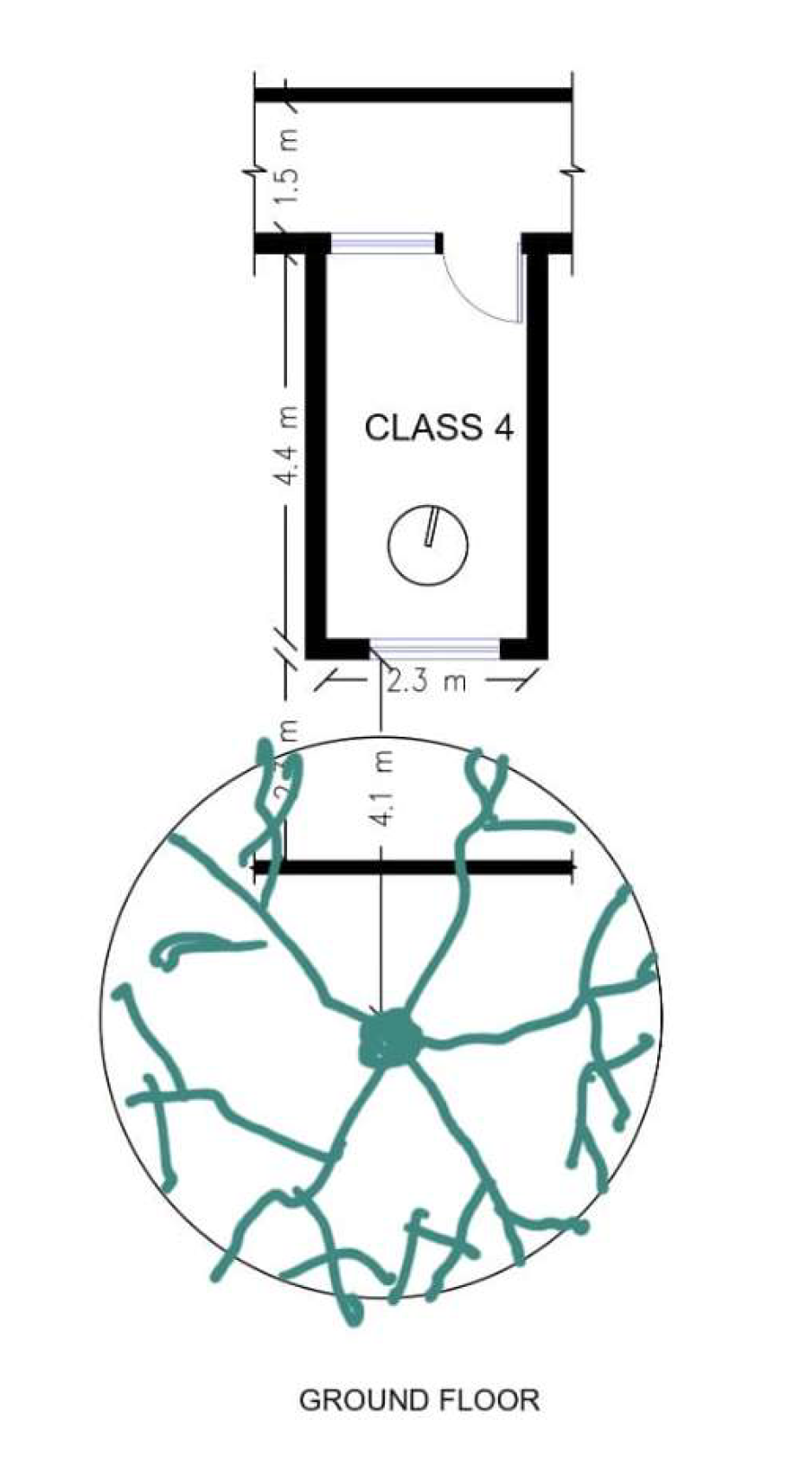
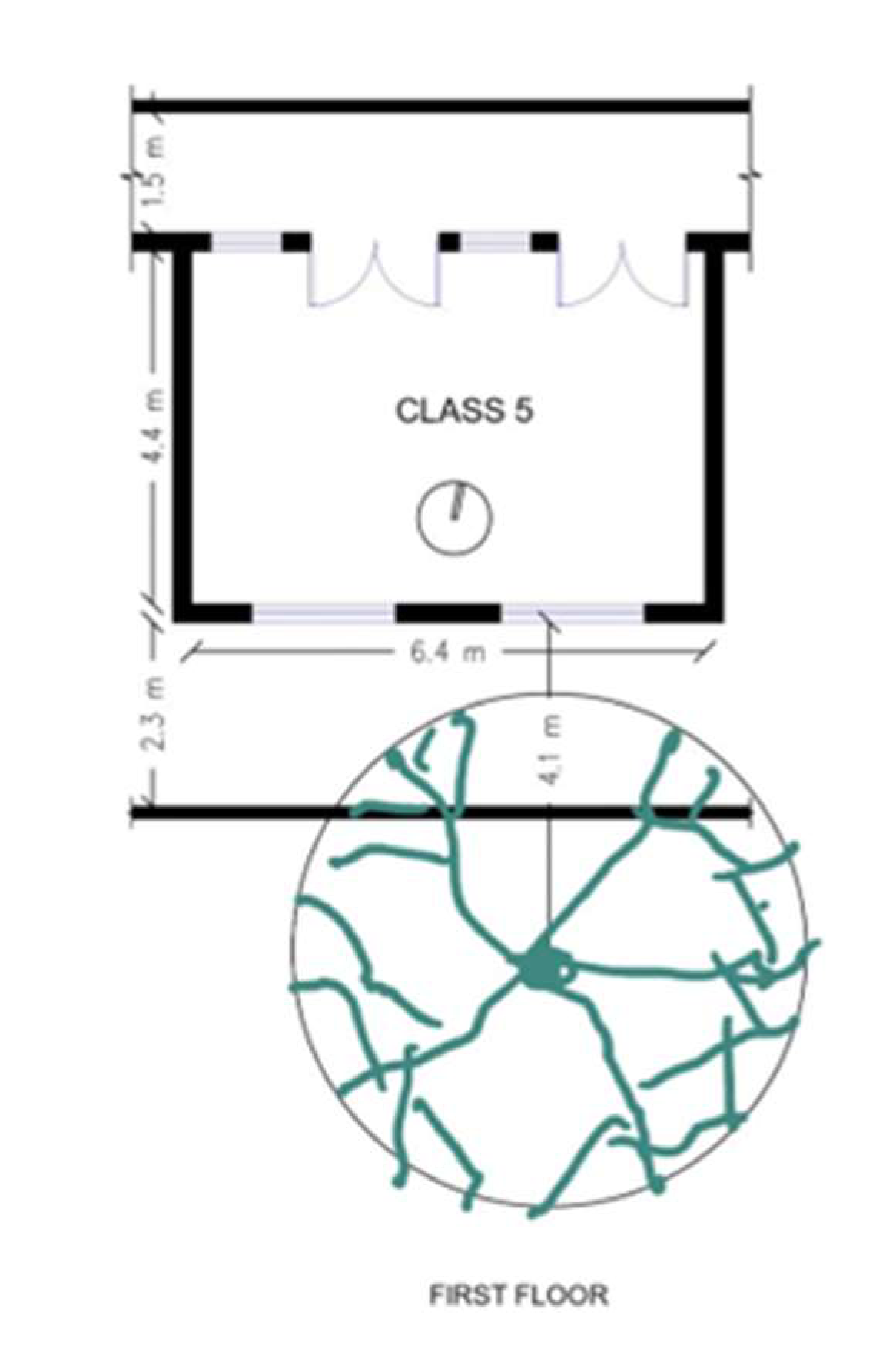
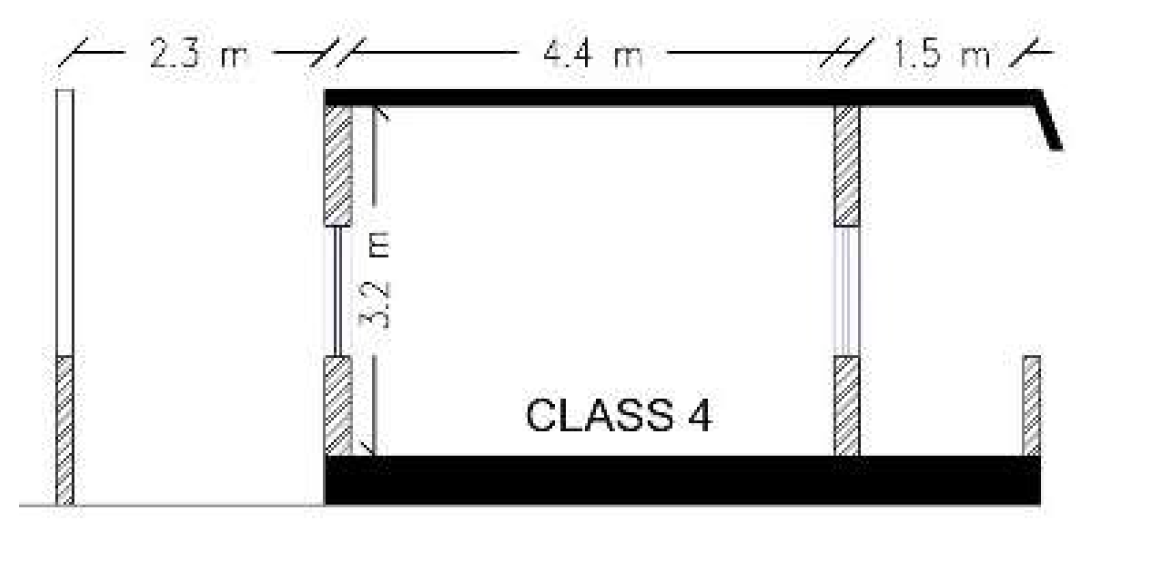
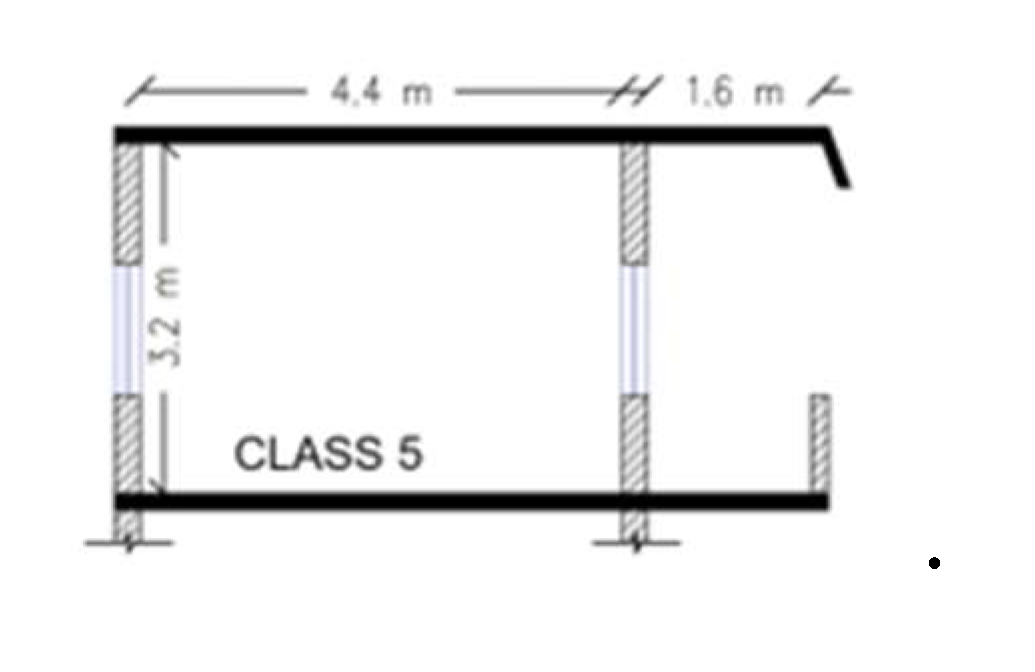
The classrooms have a rectangular floor plan, with a 1.6-meter-wide corridor on one side and an open space on the other. Casement windows act as the primary openings for natural ventilation and daylight, supplemented by external sunshades that extend 0.6 meters from the façade. The ceiling height of each classroom is 3 meters, with a sill height of 0.8 m , lintel 2.4m and room height of 3 m.

2.3. Field Measurements

Illuminance levels were measured using a Konica Minolta lux meter at a standard work plane height of 0.75 m to evaluate daylight performance. Additional data were collected on fenestration configuration, including window size and position, Glazing type and U-value, and shading elements (sunshade depth: 0.6 m). The WWR of each classroom was calculated to verify compliance with the 20% minimum threshold set by daylighting standards. Site parameters such as plot coverage, open space ratio, and built-up area were analyzed to assess their impact on daylight availability.        

2.3.1. Discussions from Field Study

The classrooms have varied proportions and varied numbers of students. The smaller rooms had higher illuminance in some cases and in certain the illuminance was too low at the centre of the classroom. The school has grown in many years from a high school to a higher secondary school. The layout is most common in many schools here, having classrooms along a singly-loaded corridor.

2.3.2. Influence of Adjacent Buildings on the West Side of the School and the Social Context

Some of the windows are kept closed in certain classrooms. Classroom 2, located on the ground floor, features an adjoining corridor that is 1.6 meters wide and includes an overhang on the eastern side.  
The windows on the western wall are typically kept closed to ensure privacy and reduce noise and odors from nearby residences that are 3.2 m away. Notably, only the east-west block of the school has a shorter distance to adjacent buildings. Similarly, the windows along the corridors are often shut, especially in the afternoons, to minimize heat and also the noise from the playground.

2.3.3. Room Area vs WWR vs Illuminance

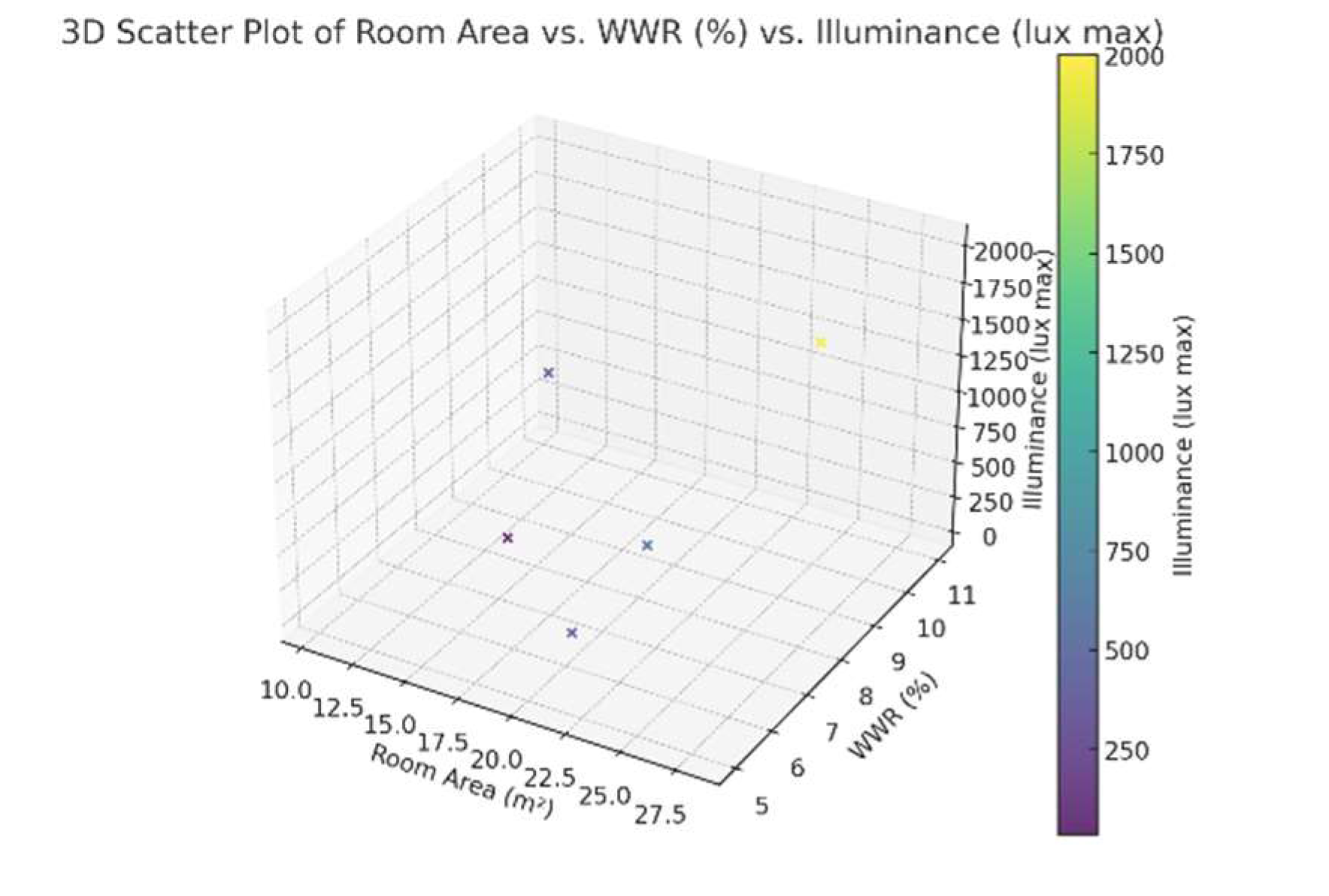
Multivariable Relationship (Figure 14) 3D scatter plot visualizes the correlation between room area (m2), window-to-wall ratio (WWR %), and maximum illuminance (lux).The data points suggest a nonlinear relationship, indicating that both room area and WWR affect daylight availability in a complex manner.    
Higher WWR % values tend to correspond with increased illuminance levels, confirming that larger window-to-wall ratios allow more daylight penetration. Larger room areas seem to contribute to higher illuminance values, but this trend is inconsistent, suggesting potential influences from factors such as window orientation, glazing type, or light reflectance within the space.

2.3.4. Illuminance Distribution by Orientation
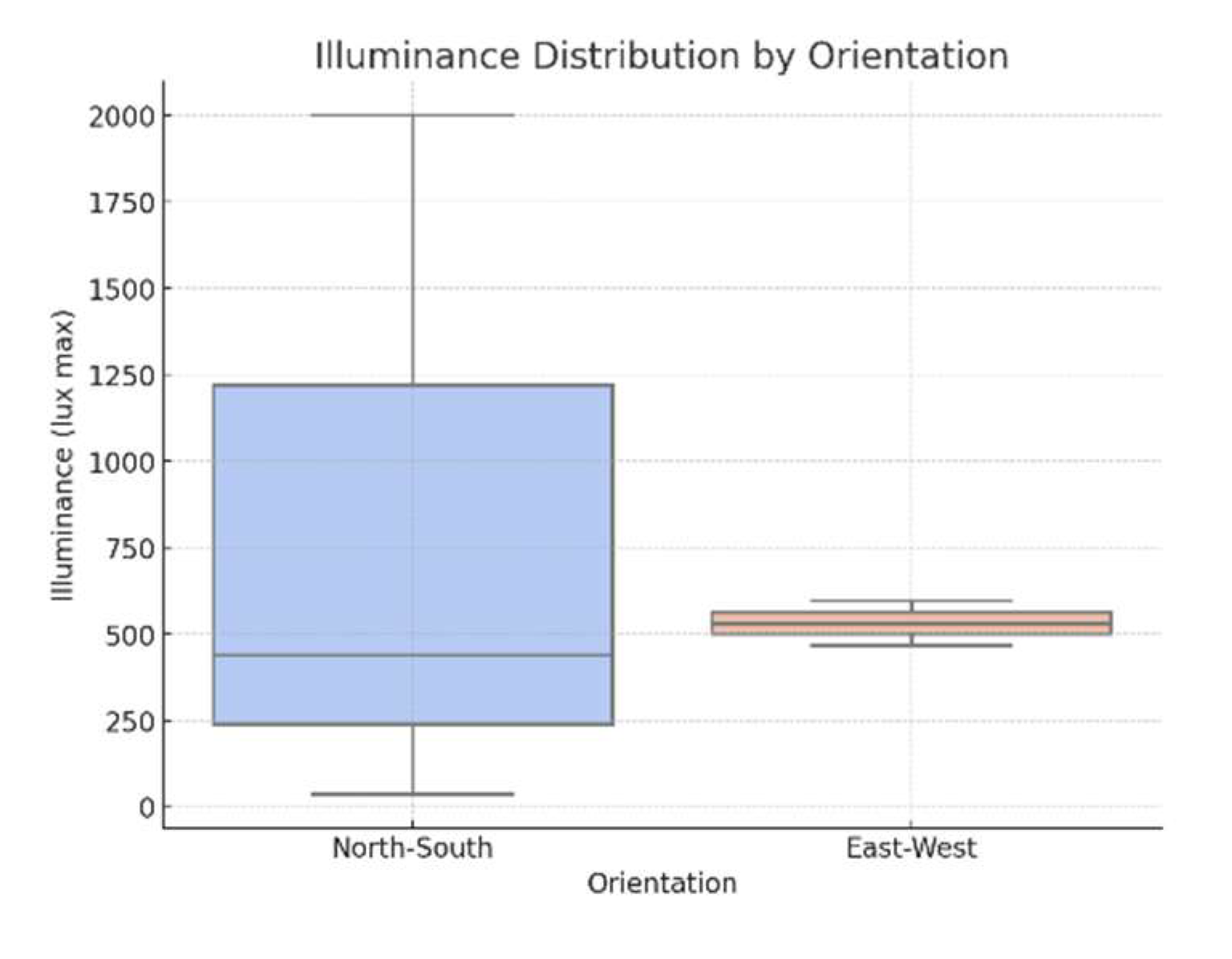
Statistical Spread & Variability (Figure 15) The North-South orientation exhibits a significantly larger interquartile range (IQR), suggesting high variability in illuminance values. The East-West orientation, on the other hand, demonstrates a more compact IQR, indicating a more consistent and predictable distribution of light levels. The median illuminance in the North-South orientation is considerably higher than that of the East-West orientation, implying greater daylight penetration in this orientation. However, due to the wider spread, North-South orientation experiences fluctuations in illuminance levels, which may impact uniform daylight distribution.
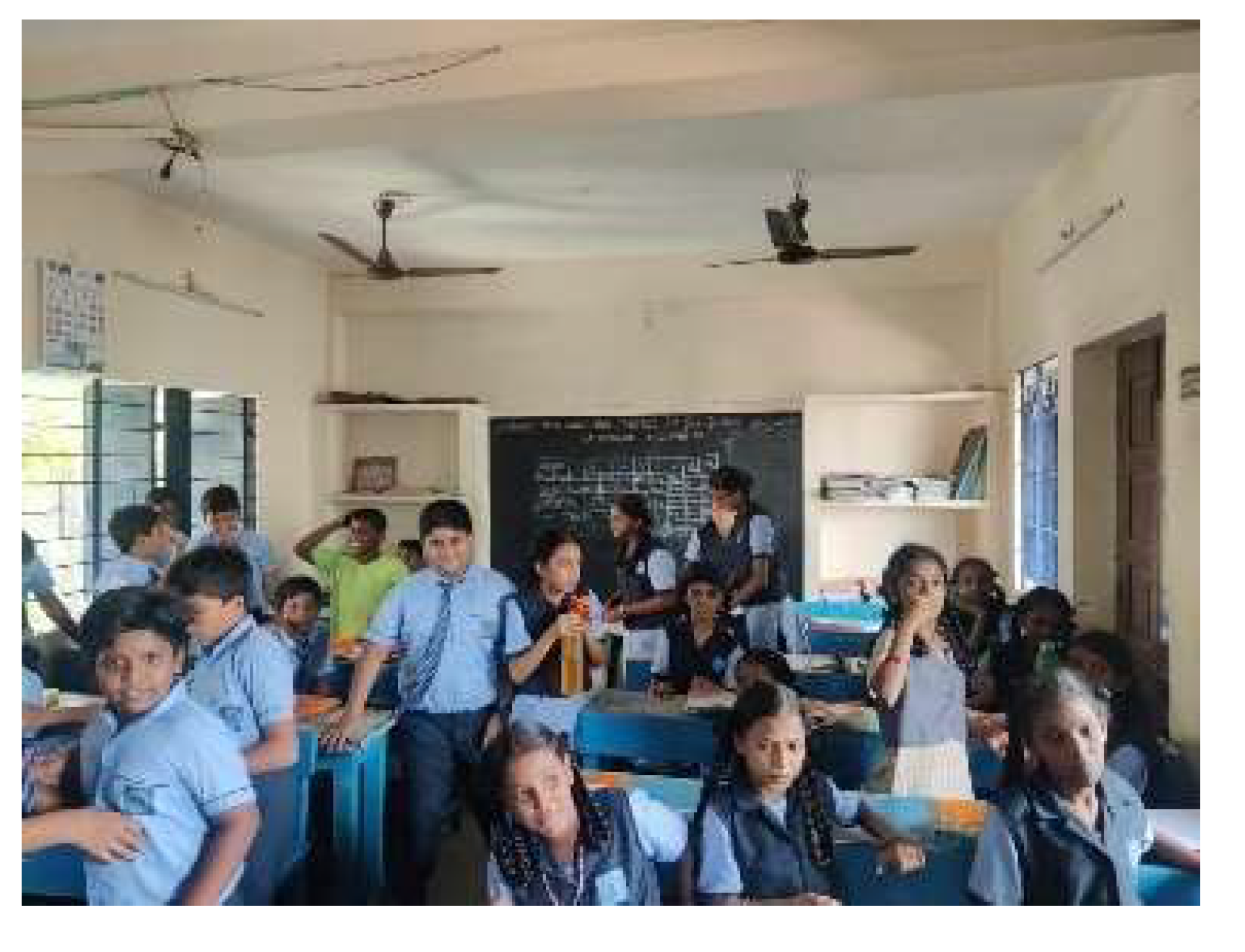
Figure 14. Classroom interior view.
Preprints 149769 g014
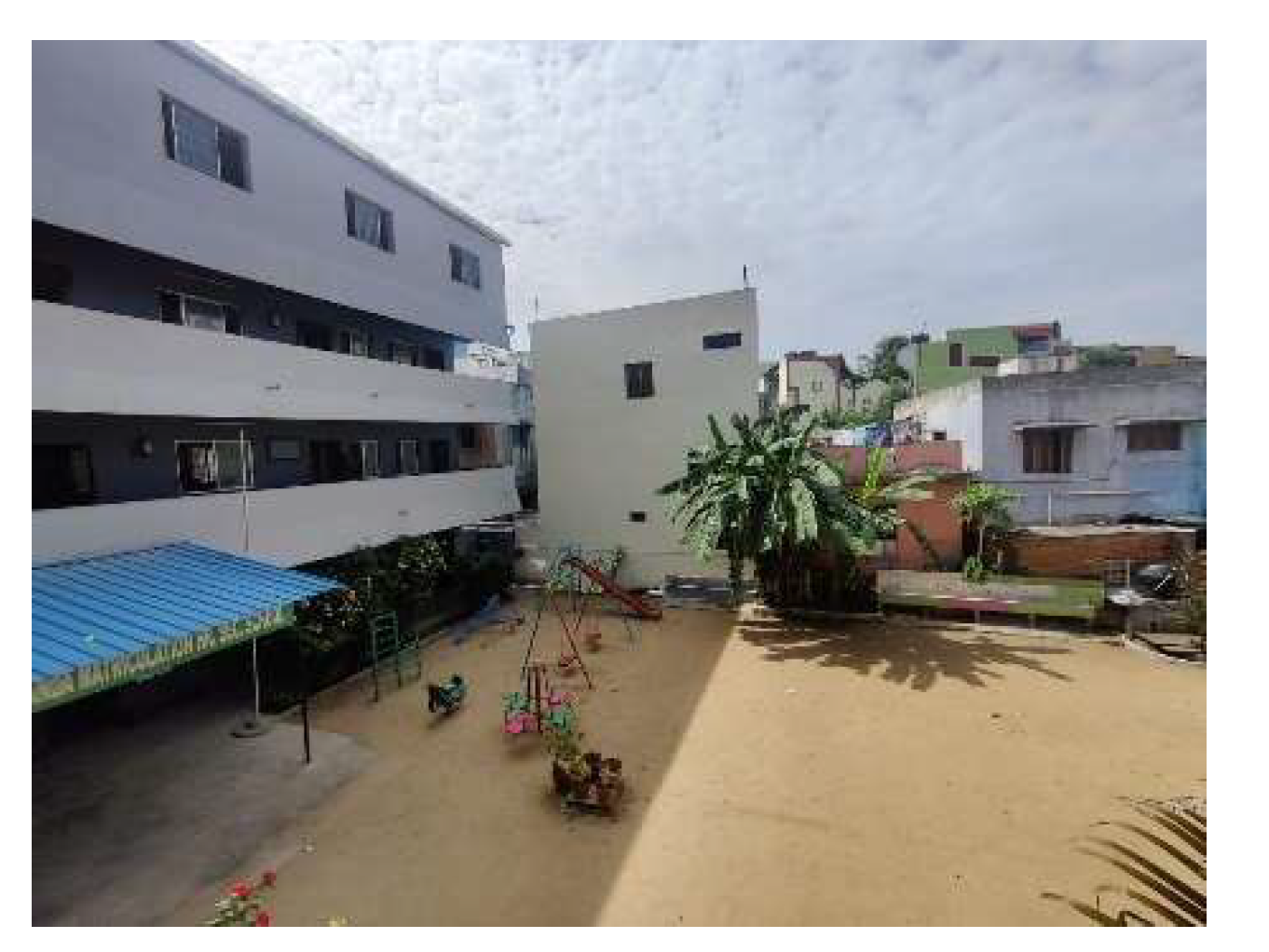
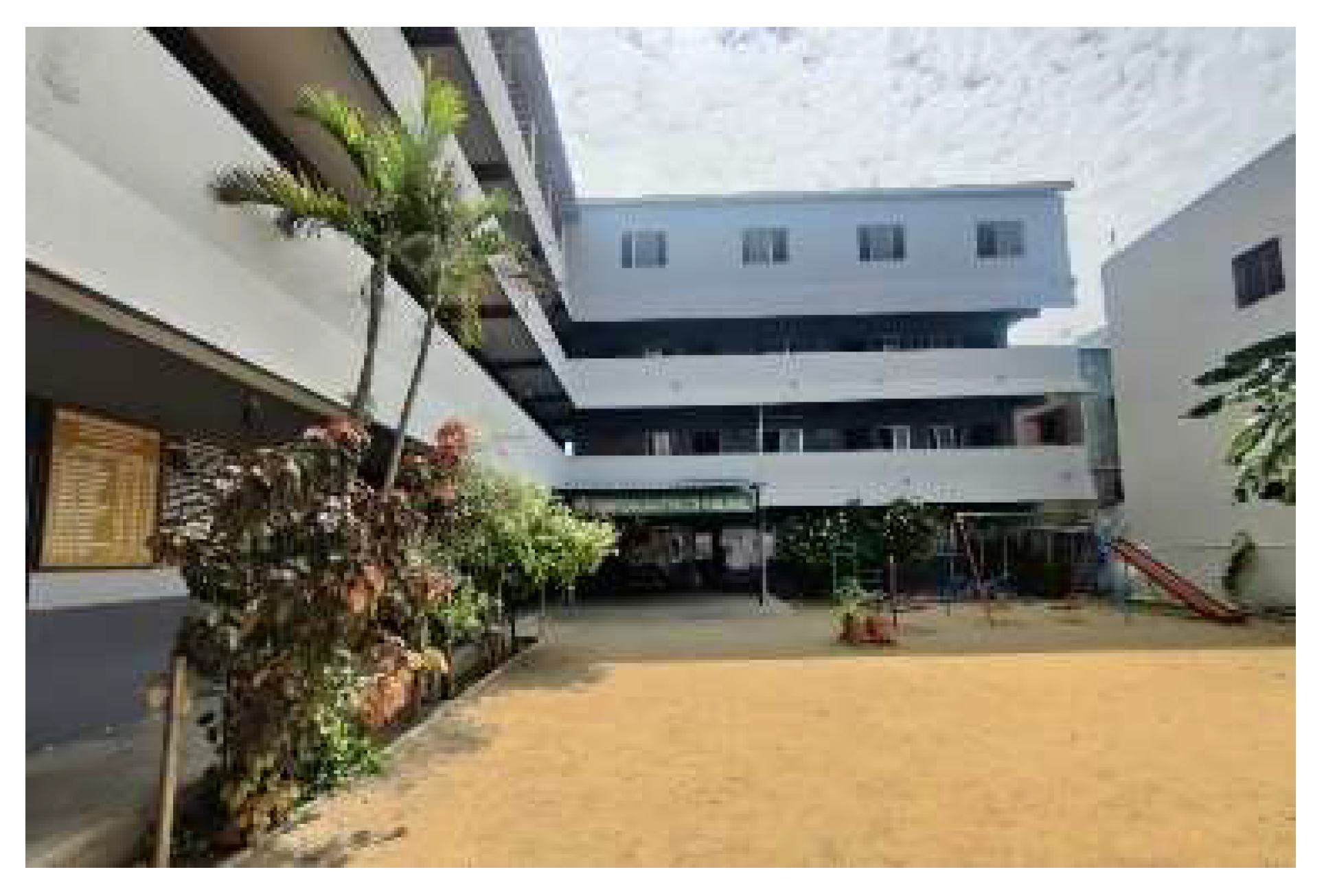
Figure 15. View of the school and the open space.
Preprints 149769 g015

2.3.5. Illuminance in the Classrooms Facing North-South

The classroom in the north-south block, Class 5 (First Floor) has an extremely high illuminance level (2000 lux), despite having a WWR of only 8%. This could be due to direct sunlight exposure or better external lighting conditions. east-west block, Class 7 & Class 2 shows a more balanced illuminance range (467–596 lux) with WWR values between 5-7%. These values align more closely with recommended classroom lighting (300-500 lux). The lower lux levels on the ground floor indicate shading effects from the ceiling (1.6 m wide) of the corridors and also the stage next to the corridor. There is no predominant vegetation on the site except for a few trees.
The North-South orientation shows a wider range of illuminance with extreme values, including a very high illuminance (~2000 lux). This suggests that direct sunlight exposure is more variable in North-South rooms. The East-West orientation shows lower and more consistent illuminance levels. This could be due to reduced direct sunlight penetration, possibly because of shading or indirect daylight.    

2.3.6. Illuminance in Classrooms Having Different Sizes
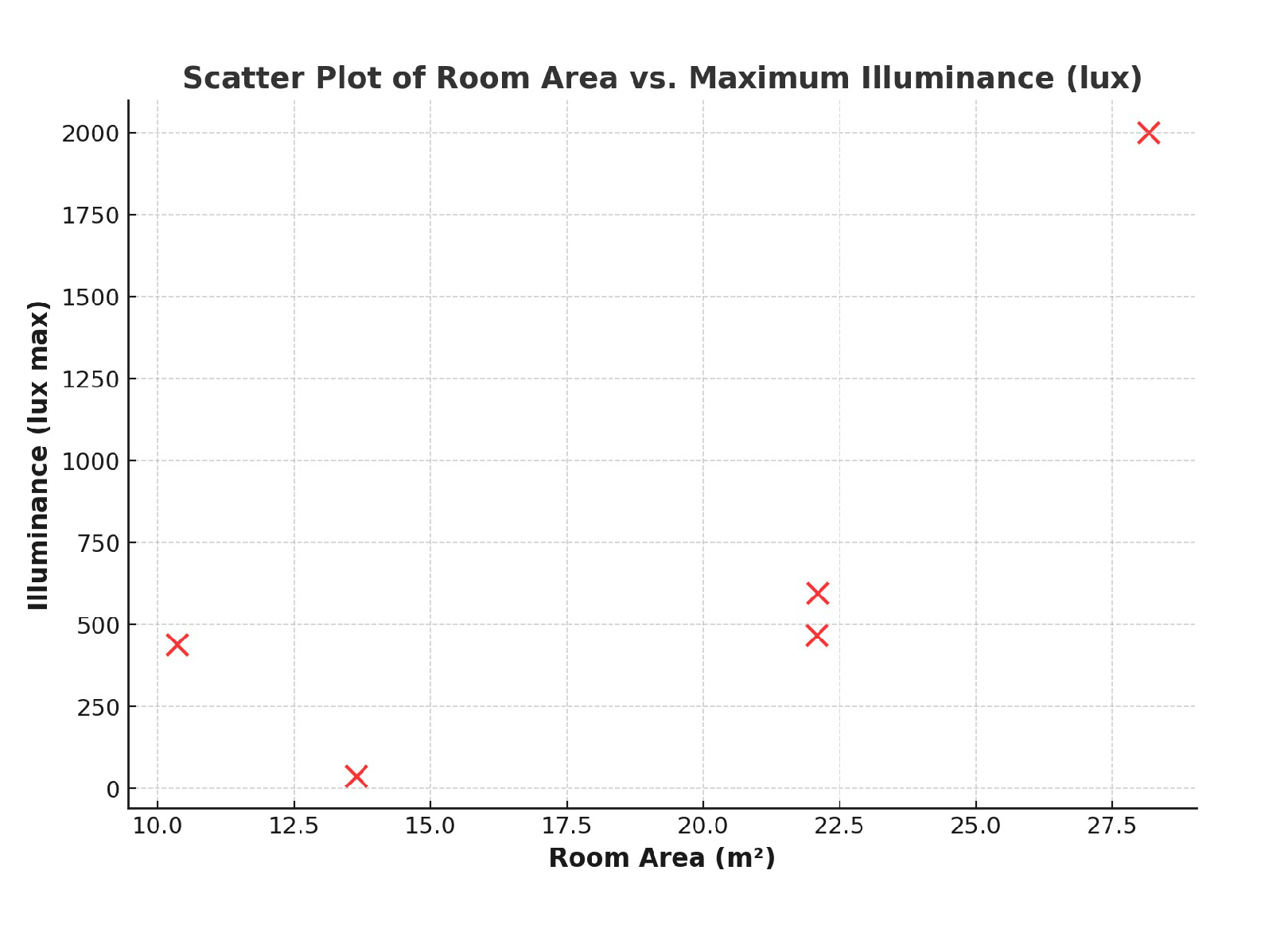
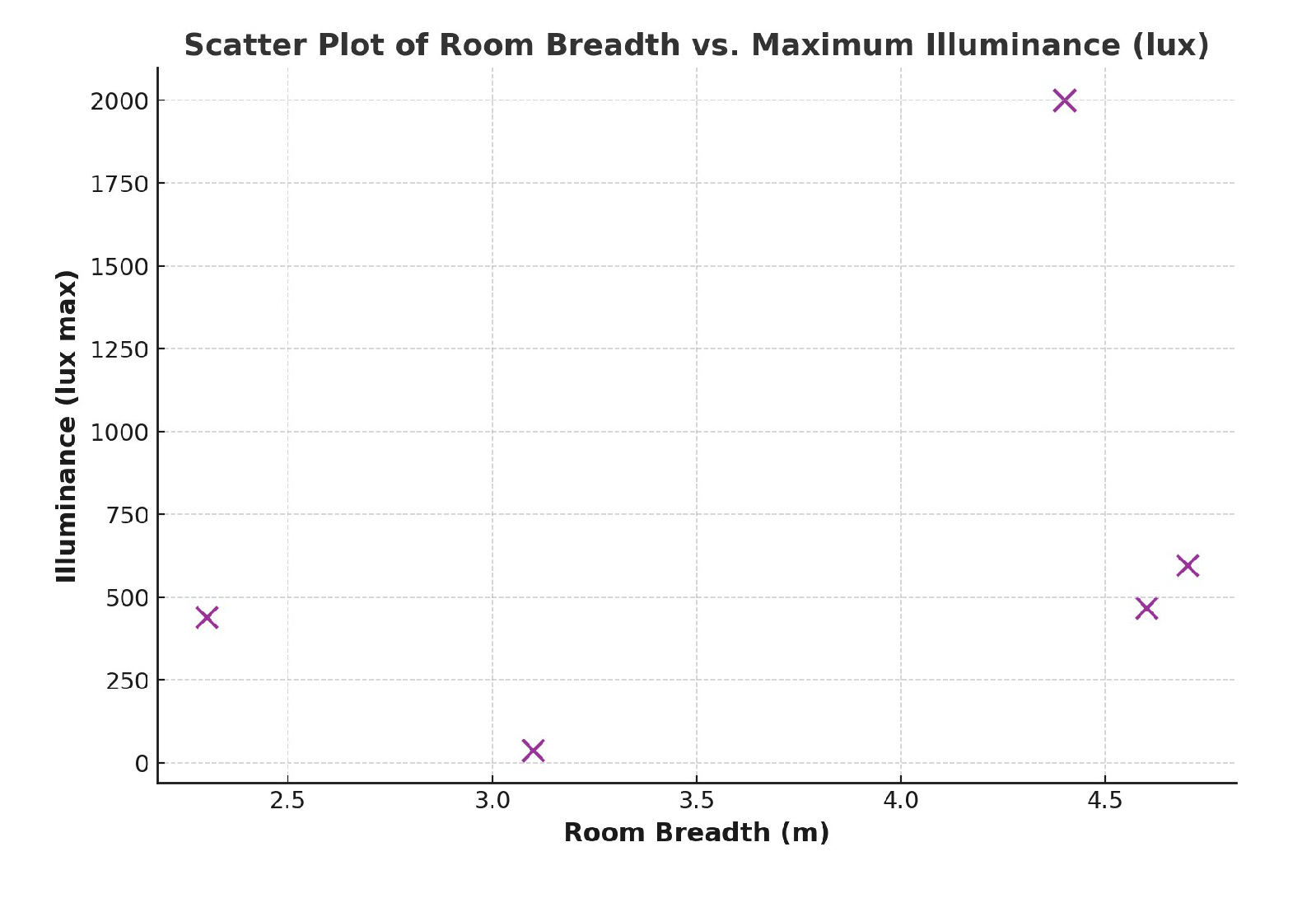
The plot (Figure 21) shows no clear trend indicating that larger rooms consistently receive more or less light. Illuminance varies significantly across different room sizes, suggesting other influencing factors like window placement, orientation, and external obstructions. The data does not show a clear trend indicating that increasing room breadth directly affects illuminance. Some rooms with similar breadths (~4.4 to 4.7 m) have widely varying illuminance levels. The highest illuminance (~2000 lux) appears for a 4.4m wide room, which may suggest direct sunlight exposure in that particular case.
By linear proportion scaling projection, assuming all the classrooms had 20% WWR, theoretically, we find that, the North-South Block, Class 5 (originally 2000 lux) is projected to reach 5000 lux, which could be excessively bright and the North-South Block, Class 4 increased from 440 lux to ~800 lux, aligning with recommended lighting levels. This could be checked with the digital model for the same condition considering other parameters in the virtual environment.  
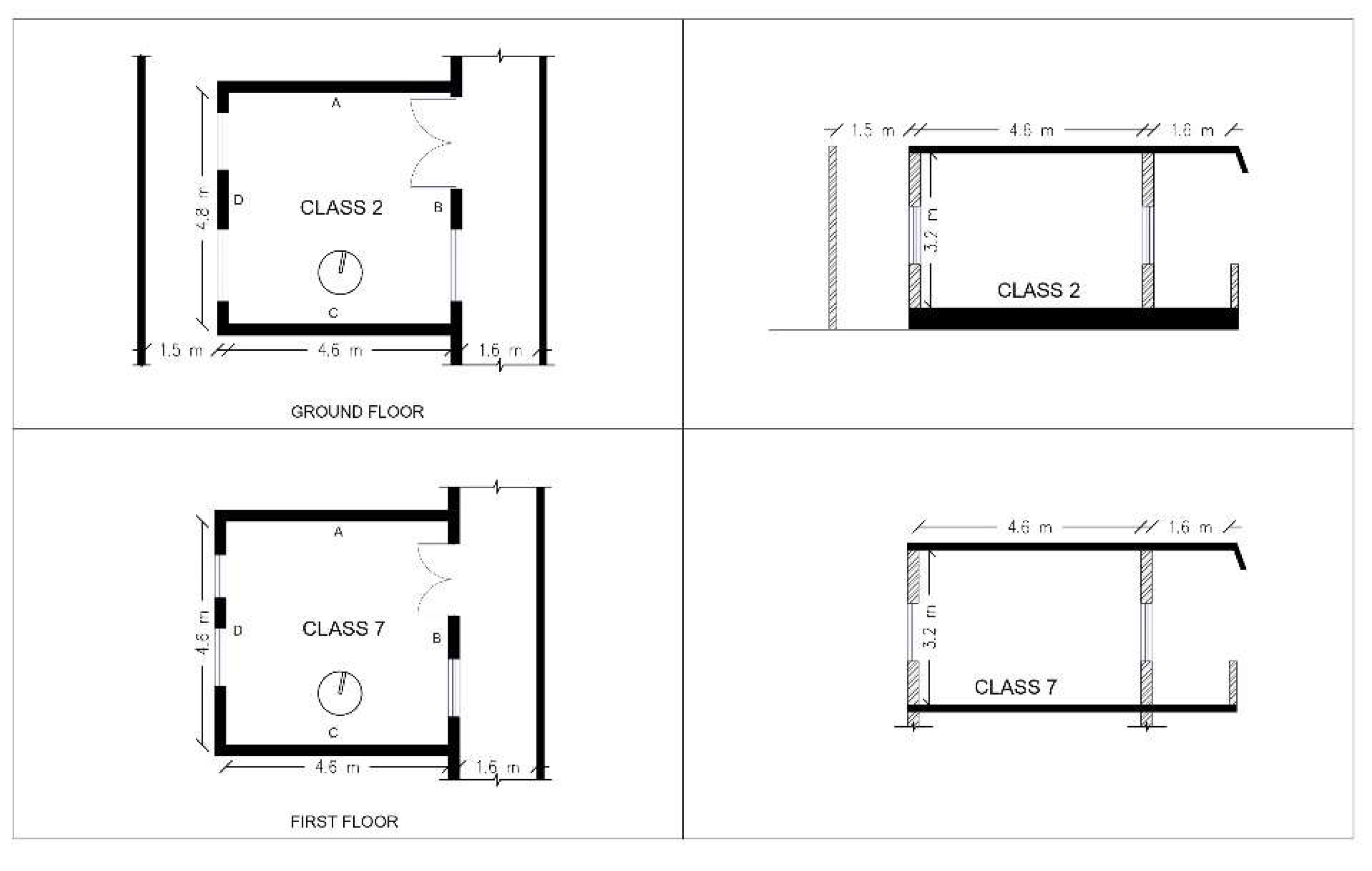
Figure 18. Classroom 2 and classroom 7-plan and section.
Preprints 149769 g018
Table 2. Projected illuminance from field study.
Existing vs. projected Illuminance (without considering shading, window placement, and reflection properties)
Block Class Floor Area (m2) WWR (%) Illuminance lux (max) Projected Illuminance=
Current Illuminance x(Current WWR 20​)
North-south 5 First 28.16 8 2000 5000
East-west 7 First 22.08 5 467 1868
East-west 2 Ground 22.09 7 596 1702
North-south 3 Ground 13.64 8 37 92
North-south 4 Ground 10.35 11 440 800
From the field data, a projection was done to check the illuminance when WWR is set to 20% but, the values obtained were alarmingly high. These values would help understand the difference when it is computational simulation is done with other conditions

2.4. Digital Modeling and Simulation

To supplement the field study, digital models of the selected classrooms were created using Rhinoceros 8 software, incorporating Ladybug, Grasshopper, and Climate Studio plugins. The window sizes and window-to-wall ratios (WWR) varied across classrooms. For the simulation, different parameters were analyzed, including WWR values of 20%, 40%, and 60%, sunshade depths ranging from 0 to 0.75 meters, and the presence or absence of trees on-site. The study focused on evaluating illuminance levels (average minimum and maximum), Annual Sun Exposure (ASE), and Spatial Daylight Autonomy (sDA). Multiple simulation scenarios were conducted to optimize interior illuminance within the 300-500 lux range while maintaining ASE below 10% and sDA between 50-100%. Illuminance is a photometric measure that quantifies the amount of light falling on a surface, expressed in lux. In educational institutions, a minimum illuminance level of 300 lux on the horizontal work plane is required to ensure adequate visual comfort and learning efficiency Spatial Daylight Autonomy (sDA) defines the percentage of floor area that receives a minimum of 300 lux for at least 50% of the annual occupied hours (8 AM–6 PM) on the horizontal work plane (typically 30 inches above the floor). It is expressed as a percentage.

2.4.1. Case 1: Same Orientation Versus Different Floor, Varying WWR, With and Without Trees

Classroom 5, with a WWR of 20% to 60%, experiences illuminance levels ranging from 1021 to 2041 lux, which may lead to glare issues. In contrast, Classroom 4, with a 20% WWR and the presence of trees, maintains a more balanced illuminance of 678 lux. This highlights the need to optimize the WWR for Classroom 5 on the first floor to ensure better daylight control and reduce glare.
Table 3. Analysis of WWR and Average Illuminance with and without trees – classrooms 4 and 5.
Analysis of WWR and Average Illuminance Lux with and without trees
Classrooms facing North WWR (%) Average Illuminance in Lux (without Trees) Average Illuminance in Lux (with Trees) Average Illuminance Reduction (%)
Classroom 4 (Ground Floor) 20 1028 678 34
Classroom 4 (Ground Floor) 60 1756 1225 30
Classroom 5 (First Floor) 20 1119 1021 8.7
Classroom 5 (First Floor) 60 2041 1863 8.7

2.4.2. Case 2: Theoretical projection Vs simulated results

By linear proportion scaling projection for 20% WWR for classroom 5, the maximum illuminance went high up to 5000 lux, whereas, in the simulation modeling (with and without trees), the average illuminance is below 1200 lux.

2.4.3. Case 3: Classrooms on the Same Floor but Different Orientations

Both classrooms 2 and 3 are located on the ground floor; while classroom 2 faces east, classroom faces north. They have been chosen to evaluate the effect of WWR, orientation, and sunshade depth on illuminance.
Table 4. Classroom size vs WWR vs Illuminance –Classroom 2 and 3.
Classroom size vs WWR vs Illuminance
Classroom Block Size
m
Floor WWR
%
Average Illuminance lux (min) Average Illuminance
lux (max)
Classroom 2 East-west 4.9 x 4.7 Ground 40 20 596
Classroom 3 North-south 4.4 x 3.1 Ground 34 60 440
From the field measurement, classroom 2 (East-West) has a higher potential for daylight access but suffers from uneven lighting (large difference between max and min lux). Classroom 3 (North-South) maintains a more balanced daylight distribution, possibly due to more stable lighting conditions from indirect daylight.
Figure 19. The easern façade and the shadow.
Preprints 149769 g019
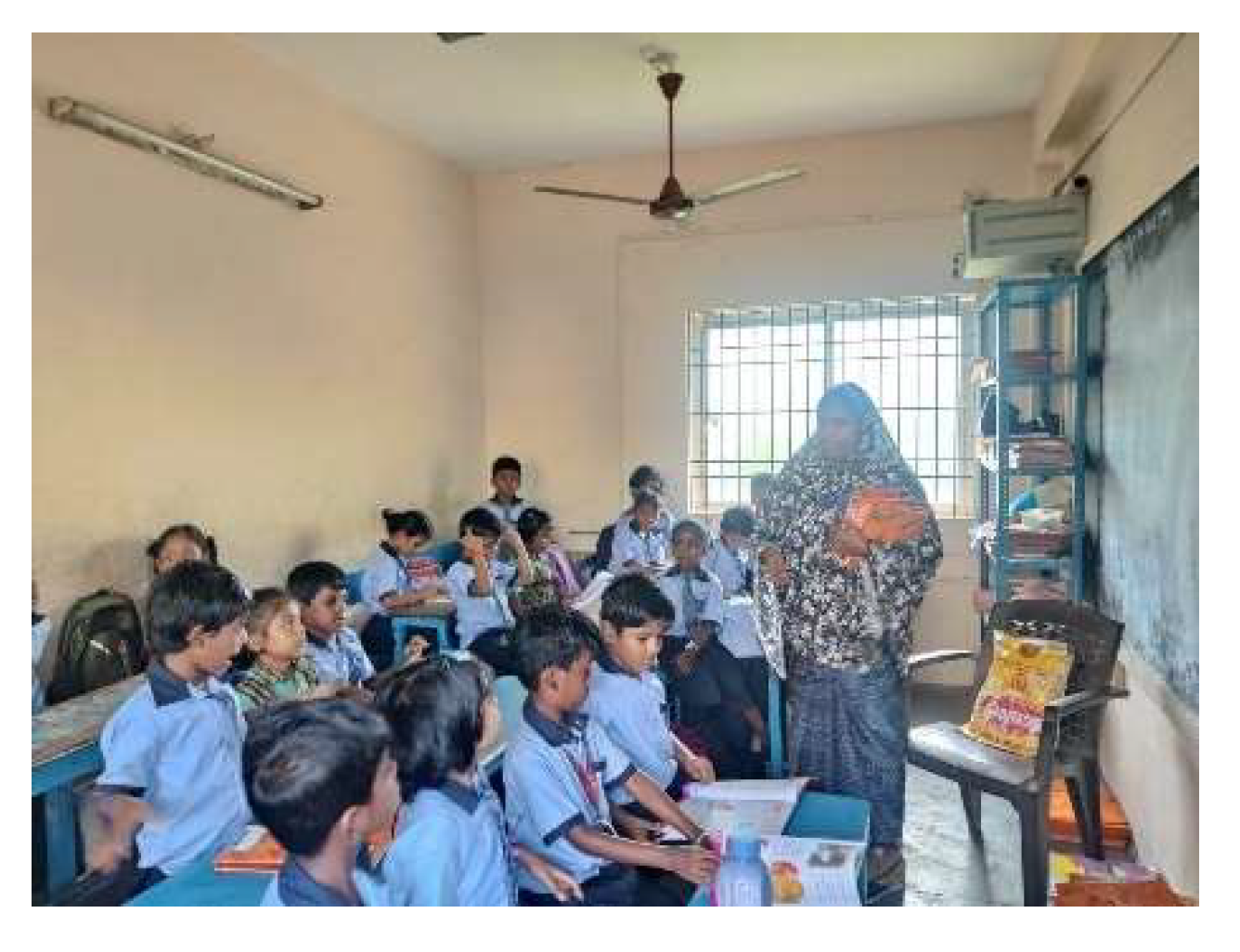
Figure 20. Interior of a narrow classroom.
Preprints 149769 g020

2.4.4. Case 4: Classrooms on the Same Floor, Same Orientation and Different Sunshade Depth

When there is no sunshade, sDA is more pronounced in classroom 3 (93.9%) but ASE is above 10%, which is not good for visual comfort. The ideal condition is when the sunshade depth is 0.75 m , sDA is 91.2% and ASE is only 1.3%.
Table 5. Comparison of 20% WWR with Trees for GF Class 2 (East Facing) & Class 3.
Comparison of 20% WWR with Trees for GF Class 2 (East Facing) & Class 3
Block Shade (m) sDA (%) ASE (%) Avg Lux
Classroom 2 East-west 0m 75.50% 7.60% 530
Classroom 3 North-south 0m 93.90% 14.00% 731
Classroom 2 East-west 0.6m 56.70% 7.60% 444
Classroom 3 North-south 0.6m 92.10% 2.60% 611
Classroom 2 East-west 0.75m 53.80% 7.60% 442
Classroom 3 North-south 0.75m 91.20% 1.30% 598
For Classroom 2, the optimal condition is achieved with a 0.6m sunshade, resulting in an sDA of 56.7% and an ASE of 7.6%. Notably, the ASE remains unchanged across all three conditions for this classroom. Simulations with varying WWR and sunshade depths indicate a significant increase in average illuminance for both orientations. For Classroom 2 with a 20% WWR, both 0.6m and 0.75m deep sunshades appear to be viable options. However, in Classroom 3, the illuminance levels are excessively high under all conditions. This suggests the need for distinct shading device strategies or the presence of trees to mitigate glare and optimize illumination levels.
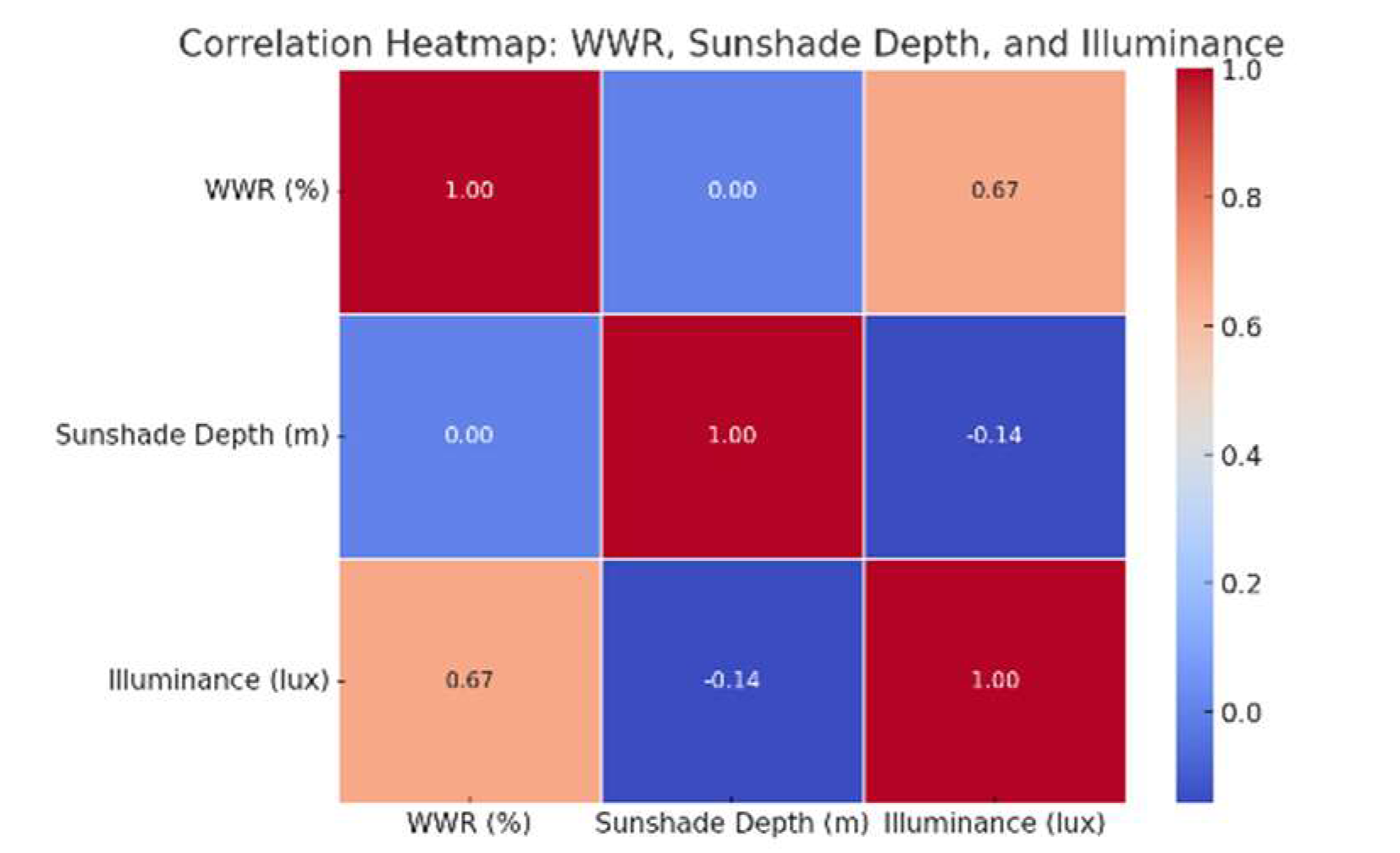
Figure 20. Correlation heat map:WWR, sunshade depth and illuminance .
Preprints 149769 g021
The correlation heatmap reveals a strong positive correlation (+0.98) between WWR and Illuminance, confirming that increasing WWR substantially enhances daylight levels. Additionally, there is a moderate negative correlation (-0.88) between Sunshade Depth and Illuminance, indicating that deeper sunshades reduce daylight penetration, though their impact is slightly less pronounced compared to the influence of WWR.

2.4.5. Case 5: Classrooms on the Same Floor, Different Orientations, and WWR

Classroom 3 (North-Facing) consistently records higher illuminance values than Classroom 2 (East-Facing) across all conditions. High WWR (60%) leads to excessive daylight (1058-1688 lux), which can cause glare and discomfort. At 20% WWR, Classroom 2 has a more controlled daylight range, making it more suitable for optimal lighting conditions.
Table 5. Ground floor- different orientations.
Illuminance, sunshade depth, orientation and WWR
Ground floor Classroom 2 -East Facing Classroom 3 -North Facing
WWR 20% 40% 60% 20% 40% 60%
Sunshade depth (m) Avg Illuminance - lux Avg Illuminance - lux
0m 602 903 1058 954 1399 1688
0.6m 520 802 969 892 1294 1543
0.75m 518 792 955 873 1295 1514

2.4.6. Case 6: Optimization for Expected 500 lux Average illuminance in East-West and North-South Facing Classrooms on the Ground Floor

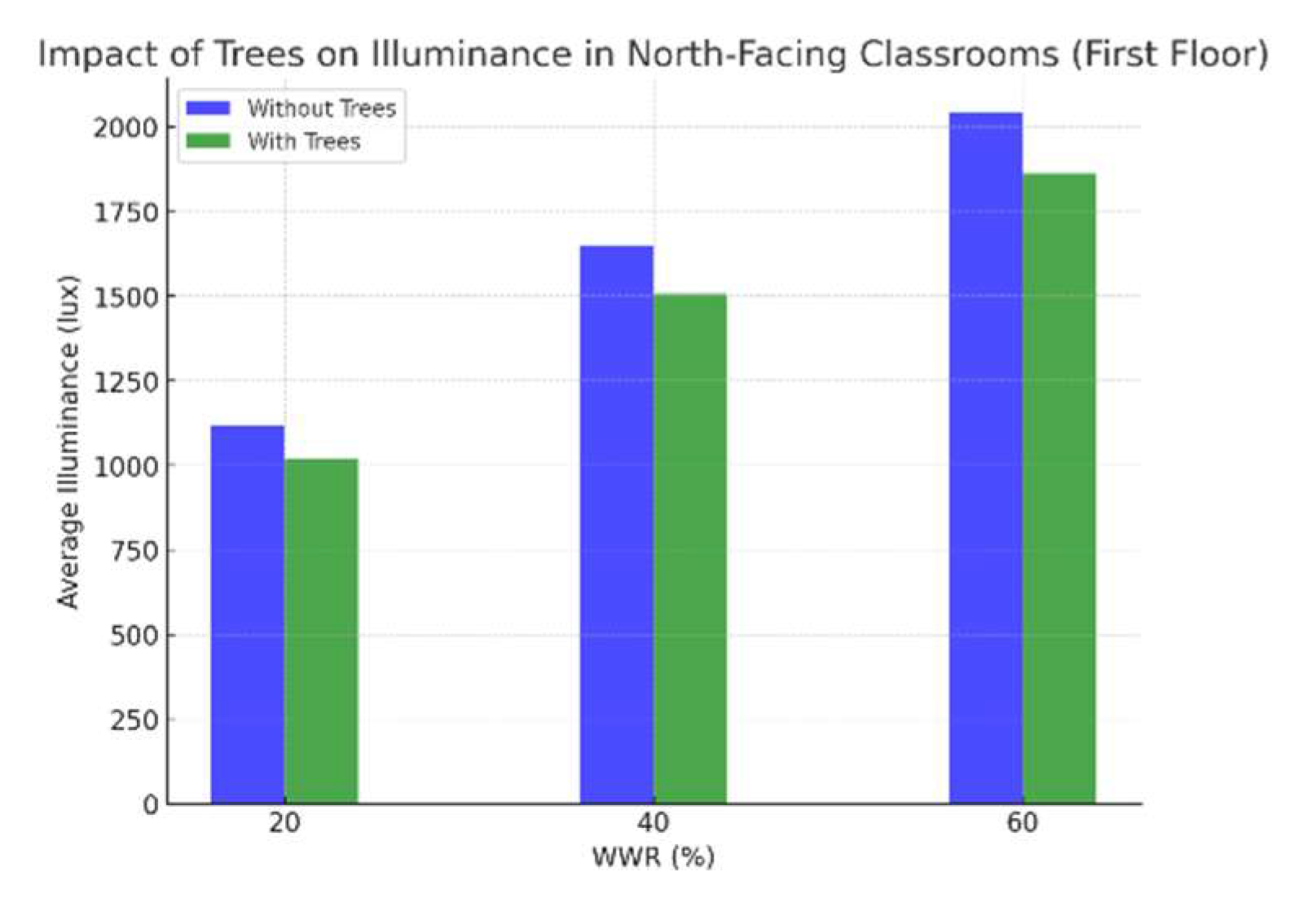
Without trees, illuminance increases from 1119 lux (WWR 20%) to 2041 lux (WWR 60%).40% WWR provides a good balance (~1508-1647 lux), avoiding over-illumination. 60% WWR might require shading or diffused glazing to prevent excessive daylight and glare
Table 6. Optimum conditions for Avg illuminance 500 lux.
Optimum conditions for Avg Illuminance of 500 lux for different orientations on Ground Floor
Classroom Optimized WWR (%) Optimized Sunhade (m) Expected Avg Lux (Without Trees) Optimized WWR (%) Optimized Sunhade (m) Expected Avg Lux (With Trees)
East-west Facing (Classroom 2) 25 0.75 500 30 0.6 500
North Facing (Classroom 3) 18 1 500 22 0.75 500

2.4.7. Impact of Trees on Illuminance
Even with the presence of trees, an increase in the Window-to-Wall Ratio (WWR) results in higher illuminance levels. For instance, a WWR of 60% with trees (1863 lux) still provides more daylight than a WWR of 40% without trees (1647 lux).
Figure 21. Impact of trees on illuminance North facing rooms on the first floor.
Preprints 149769 g022
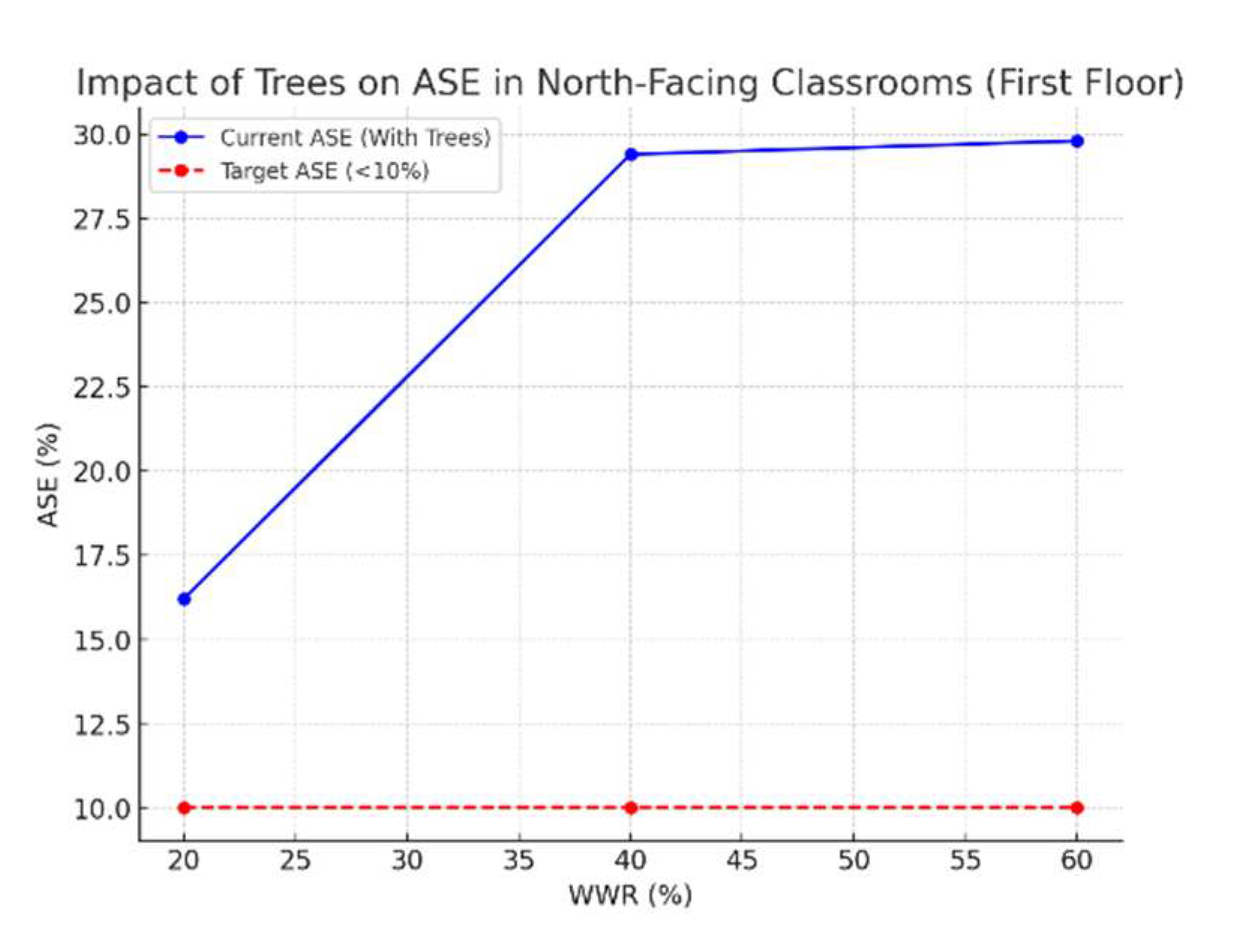
Similarly, Annual Sunlight Exposure (ASE) rises from 16.2% at WWR 20% to 29.8% at WWR 60%, demonstrating that larger window areas permit greater direct sunlight penetration despite the shading effects of trees. However, none of the WWR conditions achieve the target ASE threshold of less than 10%, indicating excessive sunlight exposure. To meet this standard, WWR values of 40% and 60% would require over a 66% reduction in direct sunlight penetration, emphasizing the need for strategic shading solutions such as deeper sunshades or diffused glazing.
Figure 22. Impact of trees on ASE -North facing classrooms -first floor.
Preprints 149769 g023

3. Results

3.1. Classroom Orientation

North-South Classrooms (e.g., Class 5, Class 4) have higher variations in illuminance levels while East-West Classrooms (e.g., Class 2, Class 7) have stable and balanced daylight conditions, making them preferable for classrooms. This could be because the western side having a residential block 3.2 m away from it. So, the light could be diffused from that side because of the shade cast by the residence block.

3.2. Window-to-Wall Ratio (WWR)

For North-South facing classrooms, the optimal WWR could be 18%-24% to prevent excessive illuminance (e.g., Class 5 exceeding 2000 lux) and for East-West facing classrooms, optimal WWR: 25%-30%, as it allows sufficient daylight without excessive glare (e.g., Class 2 & 7 having 467–596 lux).

3.2. For Classrooms Without Trees

WWR should not exceed 40% to avoid excessive daylight (e.g., 60% WWR results in illuminance over 1500 lux).

3.4. Sunshade Depth

For North-South classrooms, the minimum sunshade depth could be from 0.75m to 1m to reduce illuminance from extreme levels (~2000 lux to below 500 lux). For East-West classrooms, the recommended sunshade depth of 0.6m to 0.75m could achieve balanced lighting (~500 lux) and reduce ASE to acceptable levels.

3.5. Vegetation and External Shading

Presence of trees significantly reduces glare and allows for a slightly higher WWR while maintaining appropriate daylight levels. Classrooms with trees can have 5% higher WWR than those without while maintaining ideal illuminance levels (~500 lux or 300 lux as required).

3.6. Glazing and Diffused Light Control

For high WWR conditions (above 40%), the use of diffused glazing or blinds is necessary to prevent glare. Classrooms with high ASE (>10%) should incorporate dynamic shading solutions to improve visual comfort.

4. Conclusions

This study has not taken the other daylight metrics like daylight factor, surface reflectance of different colors and materials in a classroom into account for simulation. There is scope for further research on thermal comfort, ventilation, and energy analysis and cost factors pertaining to optimization. This research is limited to the evaluation of Window-to-wall ratio and its impact on spatial daylight autonomy, annual sun exposure, along with the influence of site vegetation on illuminance. WWR need not be the same for all facades in any building typology. There needs to be a clear understanding of obstructions, landscape and the surroundings in daylight design.

Funding

This research received no external funding

Acknowledgments

The authors sincerely thank the school management for granting permission for the research; and also acknowledge Ar.T.Balwin for the help rendered for the digital modeling and simulation in Rhinoceros 8.

Abbreviations

ASE Annual Sun Exposure
sDA Spatial daylight autonomy
WWR Window -to-wall ratio
DF Daylight factor

Appendix A

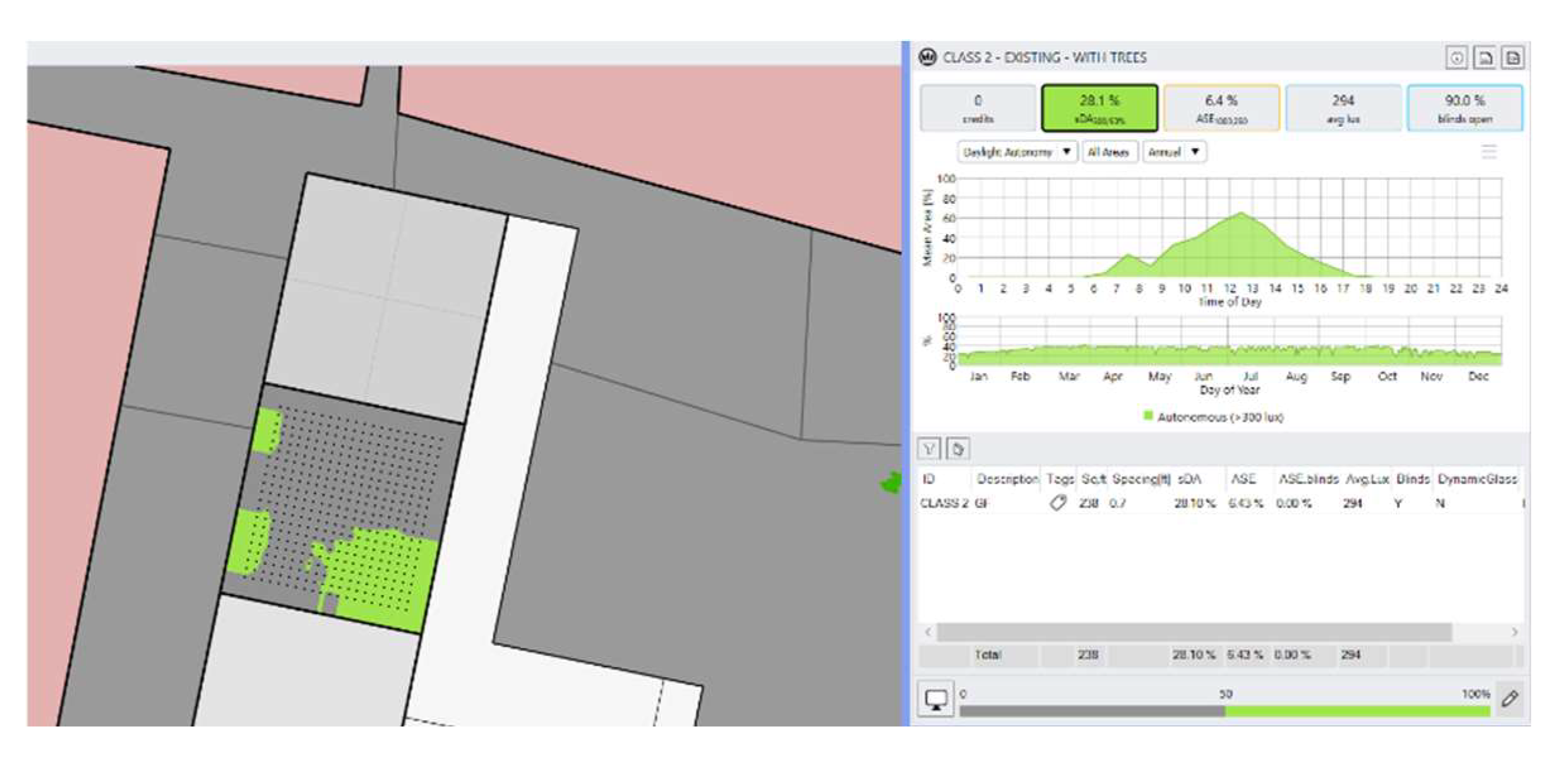
Figure 23. Simulation in Rhinoceros 8 Spatial daylight autonomy for classroom 2.
Preprints 149769 g0a1
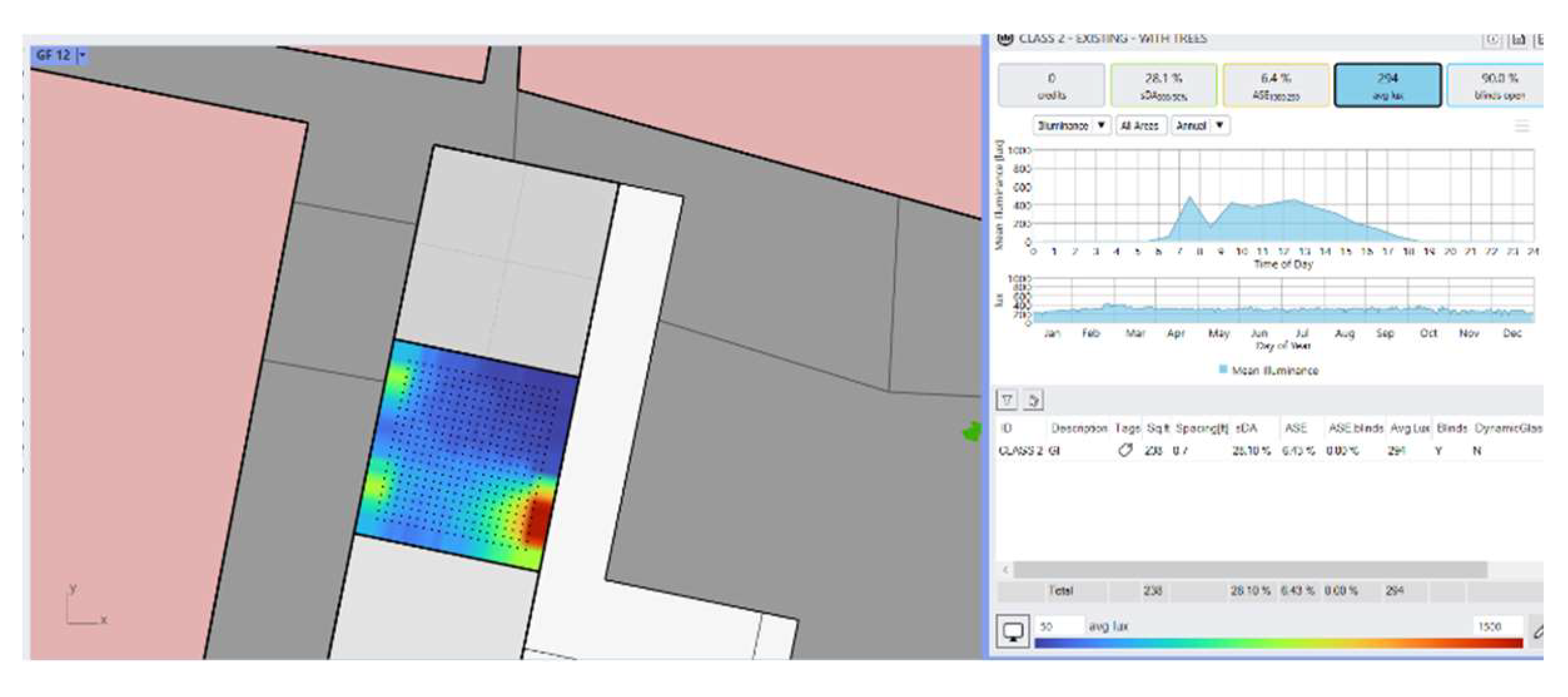
Figure 24. imulation in Rhinoceros 8 Illuminance spatial for classroom 2.
Preprints 149769 g0a2
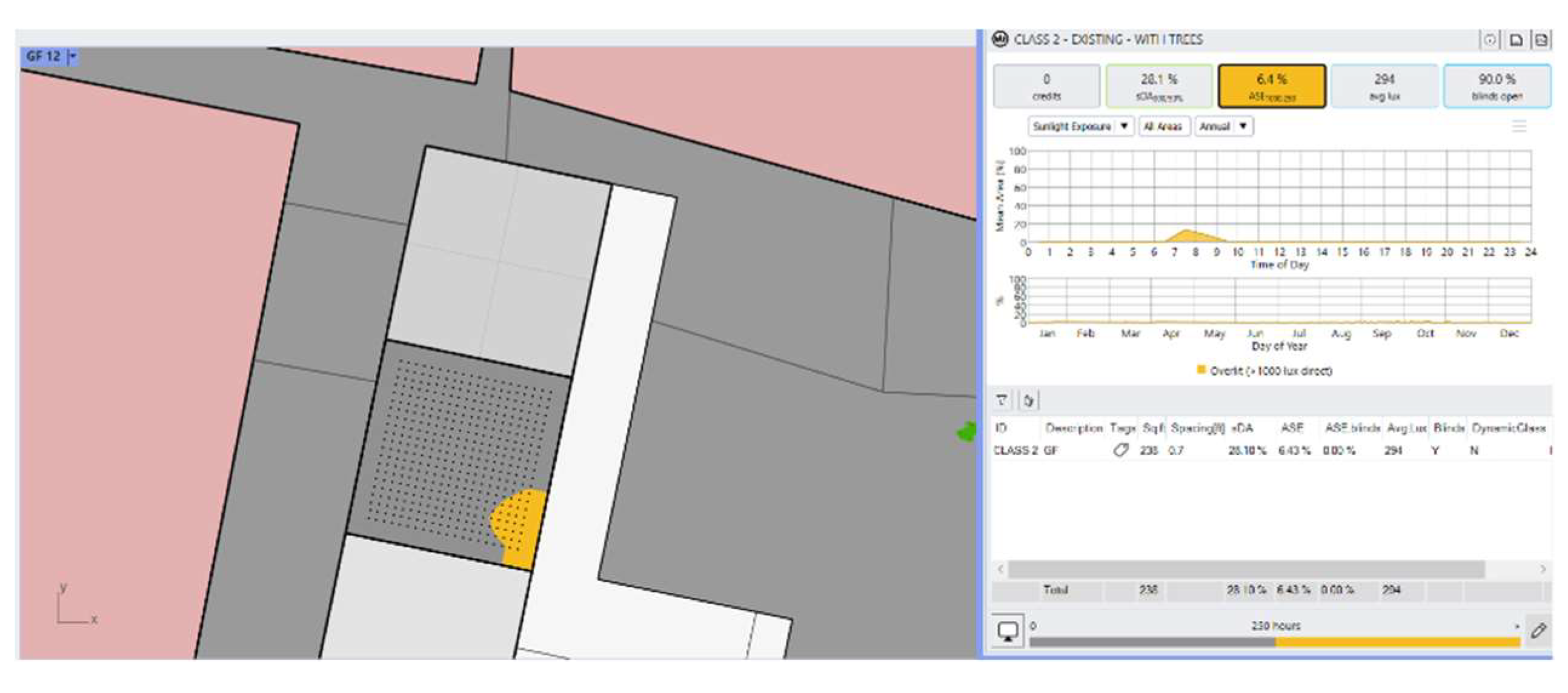
Figure 25. Simulation in Rhinoceros 8 Annual sun exposure ASE for classroom 2.
Preprints 149769 g0a3
Table 6. Optimization of sunshade depth and WWR for illuminance.
Classroom Optimized WWR (%) Optimized Sunshade (m) Expected Avg Lux (Without Trees) Optimized WWR (%) Optimized Sunshade (m) Expected Avg Lux (With Trees)
East-west Facing (Classroom 2) 25 0.75 500 30 0.6 500
North Facing (Classroom 3) 18 1 500 22 0.75 500
North-South Facing (Classroom 5) 20 0.75 500 24 0.6 500
North-South Facing (Classroom 4) 22 1 500 26 0.75 500
East-West Facing (Classroom 7) 25 0.75 500 30 0.6 500
East-west Facing (Classroom 2) 20 1 300 25 0.75 300
North Facing (Classroom 3) 15 1.2 300 20 1 300
North-South Facing (Classroom 5) 18 1 300 22 0.75 300
North-South Facing (Classroom 4) 20 1.2 300 24 1 300
East-West Facing (Classroom 7) 22 1 300 26 0.75 300
Classroom ground floor
Optimized WWR (%) Optimized Sunshade (m) Expected Avg Lux (Without Trees) Optimized WWR (%) Optimized Sunshade (m) Expected Avg Lux (With Trees)
East-west 25 0.75 500
North south 22 0.75 500
First floor
East west
North south

References

  1. Vijayalaxmi, J. , & Sekar, S. P. Thermal performance of naturally ventilated residential buildings with various room orientations in the hot-humid climate of Chennai, India. Journal of Architectural and Planning Research 2013, 30, 1–22. [Google Scholar]
  2. Samani, Sanaz. (2012). The Impact of Indoor Lighting on Students’ Learning Performance in Learning Environments: A knowledge internalization perspective. International Journal of Business and Social Science. 3. International Journal of Business and Social Science Vol. 3 No. 24 [Special Issue – December 2012] :127-136.
  3. Veitch, J. A. (n.d.). October 2012:A literature review Daylighting and View Effects through Residential Windows-. Lighting Design + ApplicationVolume 42, Issue 10, , Pages 56-58 2012 SAGE Publications;
  4. Alama, Areej & Sabbagh, Mostafa. (Apr.-2020). Comparing daylight distribution between two classroom prototypes in jeddah public schools. International Journal of Advances in Mechanical and Civil Engineering, ISSN: 2394-2827 Volume-7, Issue-3,.
  5. Dická, Zuzana & Dolníková, Erika & Katunský, Dušan. (2024). The impact of shading by vegetation on the level of daylight in buildings: A case study. E3S Web of Conferences. 550. 10.1051/e3sconf/202455001003.
  6. Raja Nur Syaheeza Raja Mohd Yazit1*, Elina Mohd Husini2 , Mohd Khedzir Khamis3 , Megat Faridrullah Zolkefli4 , Yakubu Aminu Dodo5 (2020)Illuminance Level Measurement at Lower Working Plane Height in Islamic Religious SchoolAsian Journal of University Education (AJUE) Volume 16, Number 3, October 2020 pg 125-137.
  7. Yassin, A. A. , Sheta, S. A., & ELWazeer, M. A. Parametric Study on Window-Wall Ratio (WWR) for Day lighting Optimization in Multi-Story Residential Buildings: Case Study of an Apartment Complex in Mansoura City, Egypt. IARJSET 2017, 4, 21–32. [Google Scholar]
  8. Dass Mathalamuthu, A. , Lukman, N., Ibrahim, N., Ponniah, V., Wira, M., Shafiei, M., & Ismail, R. Illuminance Uniformity Using Public Works Department (PWD) Standard Design for Public Schools Classroom Design in Malaysia. Journal of Advanced Research in Fluid Mechanics and Thermal Sciences Journal Homepage 2018, 52, 205–214. [Google Scholar]
  9. Alwetaishi, M. , Al-Khatri, H., Benjeddou, O., Shamseldin, A., Alsehli, M., Alghamdi, S., & Shrahily, R. An investigation of shading devices in a hot region: A case study in a school building. Ain Shams Engineering Journal 2021, 12, 3229–3239. [Google Scholar] [CrossRef]
  10. Piparsania, K. R., Vaidya, P., & Kalita, C. (2020) Evaluation of daylight performance of classroom spaces in ahmedabad. Ds 101: Proceedings of NordDesign 2020, Lyngby, Denmark, 12th - 14th August 2020.
  11. Abdullah, W. N. H. W. , Tharim, A. H. A., Ismail, A., & Ahmad, A. C. Determination of Design Solutions to Overcome the Daylighting Design Failure Observed in Existing Educational Building. International Journal of Sustainable Construction Engineering and Technology 2022, 13, 153–167. [Google Scholar] [CrossRef]
  12. Kweon, B. S. , Ellis, C. D., Lee, J., & Jacobs, K. The link between school environments and student academic performance. Urban Forestry and Urban Greening 2017, 23, 35–43. [Google Scholar] [CrossRef]
  13. Moreno, M. B. P. , & Labarca, C. Y. Methodology for assessing daylighting design strategies in classroom with a climate-based method. Sustainability (Switzerland) 2015, 7, 880–897. [Google Scholar] [CrossRef]
  14. Dicka, Z. , Dolnikova, E., & Katunsky, D. (2024). The impact of shading by vegetation on the level of daylight in buildings: A case study. E3S Web of Conferences, 550. [CrossRef]
  15. Altomonte, S. (2008). Daylight for Energy Savings and Psycho-Physiological Well-Being in Sustainable Built Environments.
  16. Dryden, M. , Webster, W. J., & Fraser, B. J. (n.d.). Rethinking the Effects of Classroom Environments on Student Learning in a Large School System.
  17. Knoop, M. , Stefani, O., Bueno, B., Matusiak, B., Hobday, R., Wirz-Justice, A., Martiny, K., Kantermann, T., Aarts, M. P. J., Zemmouri, N., Appelt, S., & Norton, B. Daylight: What makes the difference? Lighting Research and Technology 2020, 52, 423–442. [Google Scholar] [CrossRef]
  18. Ciacci, C. , Bazzocchi, F., di Naso, V., & Rocchetti, A. Influence of Window-wall ratio on global energy consumption of nzeb kindergartens in Italy. Building Simulation Conference Proceedings 2019, 5, 3063–3070. [Google Scholar] [CrossRef]
  19. Kim, J. Y. , Park, C. Y., Hyun, J. H., Kim, S. H., Yun, S. H., & Lee, D. K. Landscape Design for Improved Thermal Environment: An Optimized Tree Arrangement Design for Climate-Responsive Outdoor Spaces in Residential Buildings Complexes. Sustainable Cities and Society 2023, 97. [CrossRef]
  20. Theodorson, J. (n.d.). North V. South: The Impact of Orientation in Daylighting School Classrooms.
  21. Atthaillah, Mangkuto, R. A., Koerniawan, M. D., Hensen, J. L. M., & Yuliarto, B. Optimization of Daylighting Design Using Self-Shading Mechanism in Tropical School Classrooms with Bilateral Openings. Journal of Daylighting 2022, 9, 117–136. [Google Scholar] [CrossRef]
  22. Liu, X. Liu, X., Sun, Y., Wei, S., Meng, L., & Cao, G. Illumination distribution and daylight glare evaluation within different windows for comfortable lighting. Results in Optics 2021, 3. [CrossRef]
  23. Asim Ahmad, Anil Kumar, Om Prakash, Ankish Aman,Daylight availability assessment and the application of energy simulation software – A literature review,Materials Science for Energy Technologies,Volume 3,2020,Pages 679-689,ISSN 2589-2991,https://doi.org/10.1016/j.mset.2020.07.002.(https://www.sciencedirect.com/science/article/pii/S2589299120300410). [CrossRef]
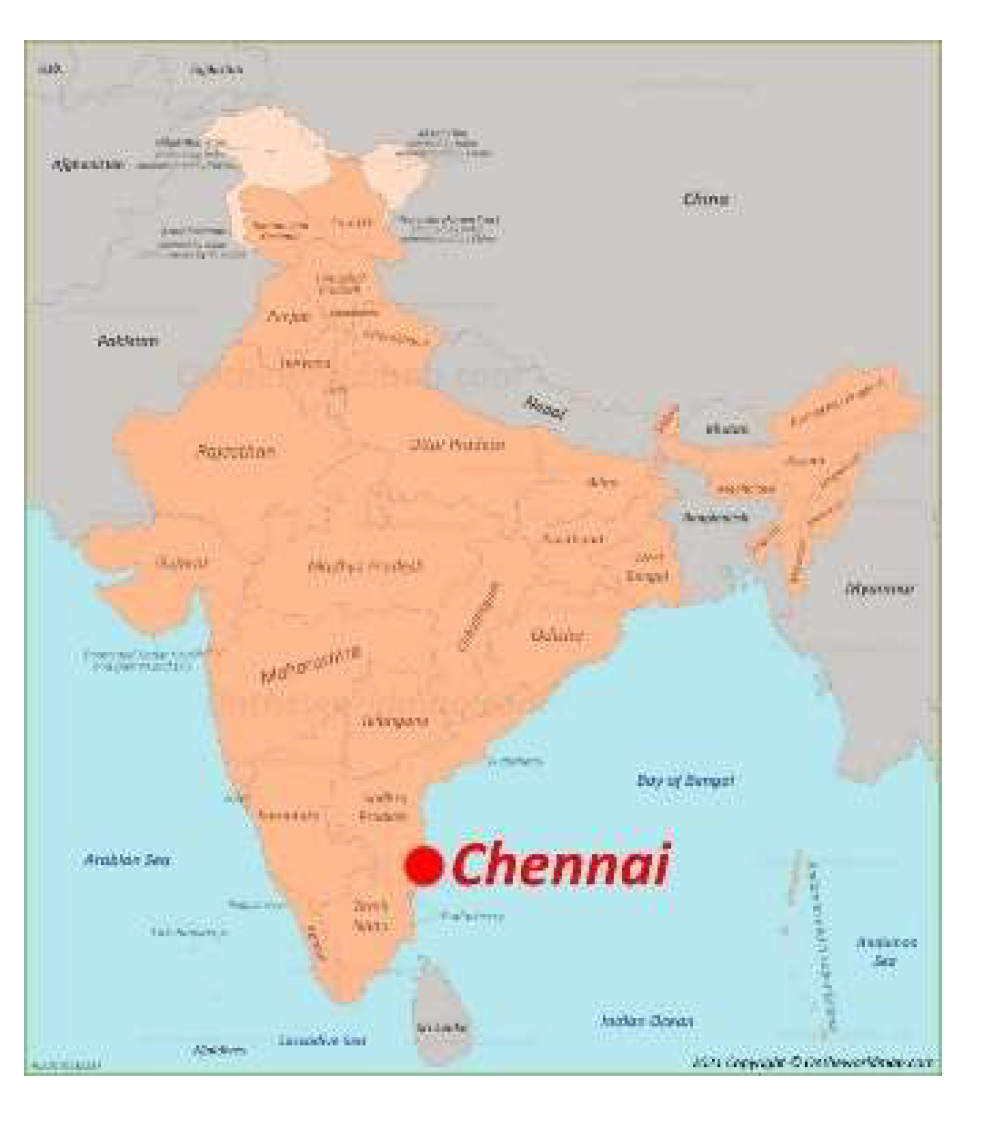
Figure 1. Map of India.
Preprints 149769 g001
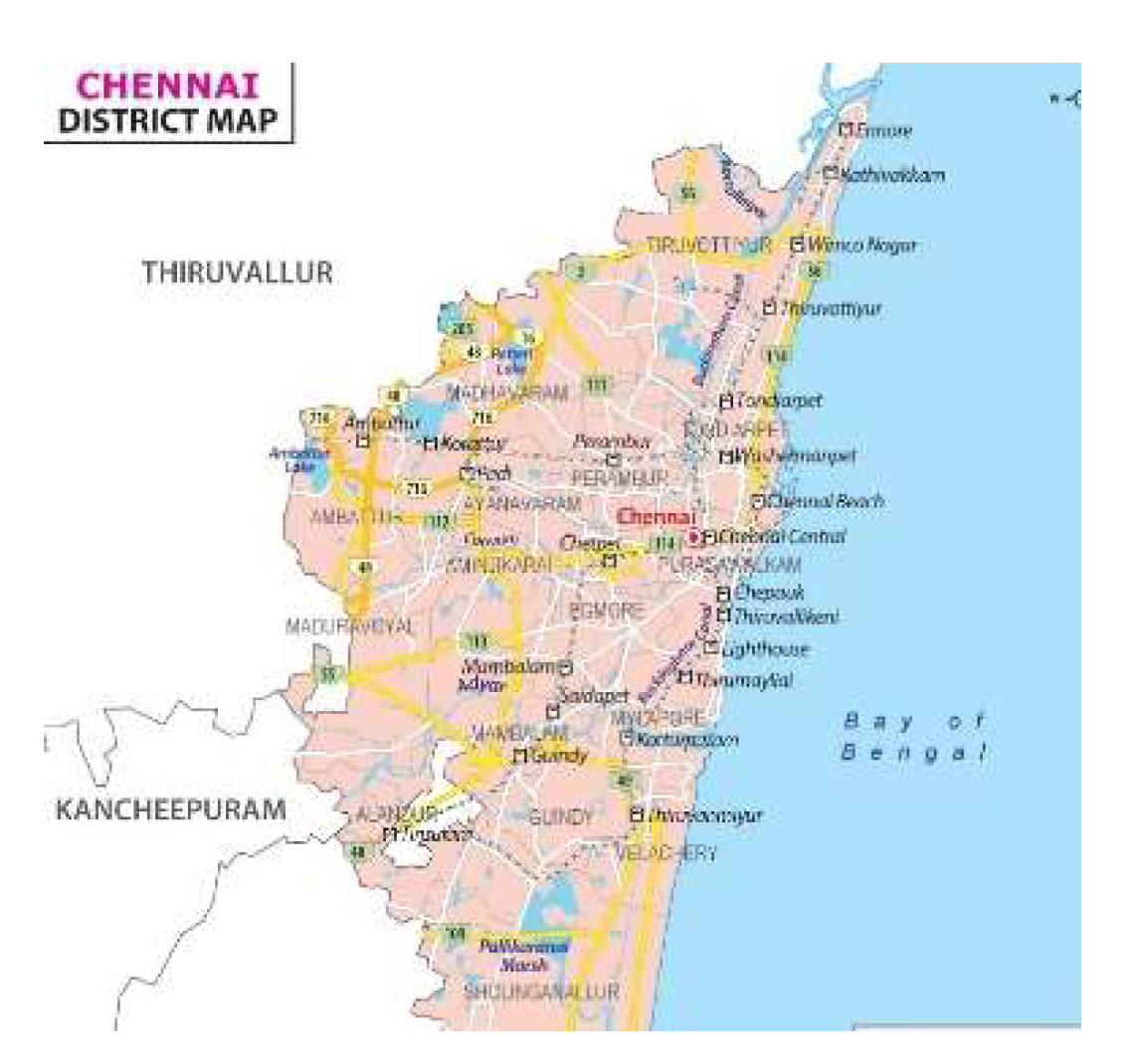
Figure 2. Map of Chennai.
Preprints 149769 g002
Figure 3. Location of Ramapuram.
Preprints 149769 g003
Figure 4. The context of the school in a tight urban site.
Preprints 149769 g004
Figure 5. Site plan.
Preprints 149769 g005
Figure 6. Ground floor plan of the school.
Preprints 149769 g006
Figure 7. First floor plan of the school.
Preprints 149769 g007
Figure 8. Ground floor plan-Classroom 4.
Preprints 149769 g008
Figure 9. First-floor plan-Classroom 5.
Preprints 149769 g009
Figure 10. Section -classroom 4.
Preprints 149769 g010
Figure 11. Section -classroom 5.
Preprints 149769 g011
Figure 12. Room area vs WWR vs Illuminance.
Preprints 149769 g012
Figure 13. Illuminance distribution by orientation.
Preprints 149769 g013
Figure 16. Room area Vs Illuminance.
Preprints 149769 g016
Figure 17. Room breadth vs Illuminance.
Preprints 149769 g017
Table 1. Classroom details from field measurements.
Block Class Floor Length (m) Breadth (m) Area (m2) WWR (%) Illuminance lux (min) Illuminance
lux (max)
North-south 5 First 6.4 4.4 28.16 8% 20 2000
East-west 7 First 4.8 4.6 22.08 5% 30 467
East-west 2 Ground 4.7 4.7 22.09 7% 20 596
North-south 3 Ground 4.4 3.1 13.64 8% 15 37
North-south 4 Ground 4.5 2.3 10.35 11% 60 440
Disclaimer/Publisher’s Note: The statements, opinions and data contained in all publications are solely those of the individual author(s) and contributor(s) and not of MDPI and/or the editor(s). MDPI and/or the editor(s) disclaim responsibility for any injury to people or property resulting from any ideas, methods, instructions or products referred to in the content.
Copyright: This open access article is published under a Creative Commons CC BY 4.0 license, which permit the free download, distribution, and reuse, provided that the author and preprint are cited in any reuse.
Prerpints.org logo

Preprints.org is a free preprint server supported by MDPI in Basel, Switzerland.

Subscribe

Disclaimer

Terms of Use

Privacy Policy

Privacy Settings

© 2025 MDPI (Basel, Switzerland) unless otherwise stated