Preprint
Article

This version is not peer-reviewed.

Banking Transformation Through FinTech and the Integration of Artificial Intelligence in Payments

A peer-reviewed article of this preprint also exists.

Submitted:

18 February 2025

Posted:

19 February 2025

You are already at the latest version

Abstract

In the context of rapid advancements in financial technologies and the evolving demand of the digital economy, this study explores the transformative impact of FinTech and artificial intelli-gence (AI) on the banking sector, with a particular focus on payment systems. By examining inno-vative financial instruments and AI-driven solutions, the research investigates how these technol-ogies enhance efficiency, security, and customer experience in banking operations. The study evaluates the integration of AI in payment systems, including its role in predictive analytics, fraud detection, and personalization, while aligning with global trends in digital transformation and sustainability. Adopting an interdisciplinary approach, the analysis highlights scalable and resilient strategies that address emerging challenges in the financial ecosystem. The findings provide a comprehensive framework for leveraging AI and FinTech to drive the evolution of banking services, supporting the transition toward a more innovative, digitalized, and sustainable financial future.

Keywords: 
;  ;  ;  ;  ;  ;  ;  
Subject: 
Social Sciences  -   Area Studies

1. Introduction

In the digital age, the financial sector has experienced a profound transformation, driven by rapid technological advancements and the urgent need to adapt to evolving economic and social realities. One key area of focus is sustainable finance, which plays a pivotal role in the transition to a green economy. Sustainable finance increasingly relies on innovative financial instruments that mobilize resources for projects with long-term objectives, such as mitigating climate change, enhancing energy efficiency, and supporting the circular economy.
Sustainable finance involves channeling capital into projects and economic activities that address Environmental, Social, and Governance (ESG) factors, thereby fostering sustainable development. Innovative financial instruments like green bonds, social impact funds, and mechanisms enhanced by digital technologies are central to the success of such initiatives. These tools help create a robust framework for achieving environmental sustainability, social equity, and good governance practices (OECD, 2020).
The Role of Digitalization in Sustainable Finance. The digital revolution has fundamentally reshaped the development and deployment of financial instruments. Technologies such as blockchain, artificial intelligence (AI), and other emerging digital solutions have enhanced the transparency, efficiency, and accessibility of financial markets. These advancements empower stakeholders to track investments and measure outcomes more effectively, addressing key challenges in sustainable finance. For instance, blockchain technology enables the secure and transparent recording of transactions, which is critical for ensuring accountability in ESG investments. Similarly, AI-driven models can process vast datasets to accurately analyze environmental risks and social impacts, providing actionable insights for investors. Such precision is invaluable for aligning investment decisions with sustainable goals (World Economic Forum, 2021). will play an indispensable role in building a resilient and equitable future.
Balancing Economic Growth and Environmental Protection in the Context of Banking Transformation. The challenge of achieving a balance between economic growth and environmental sustainability is particularly relevant in the evolving landscape of banking transformation through FinTech and artificial intelligence (AI). The drive to foster innovation and economic development frequently competes with the imperative to reduce ecological degradation and address social inequalities. In this context, the integration of FinTech solutions and AI-driven payment systems presents opportunities to align these objectives effectively.
Advanced financial instruments powered by AI and FinTech optimize resource allocation, ensuring that capital is deployed responsibly to generate maximum positive outcomes. For instance, AI-enhanced payment systems can streamline investments into green energy projects or initiatives that address societal needs such as education and healthcare. By leveraging such mechanisms, economic expansion can be achieved without exacerbating environmental harm or deepening social disparities.
Crisis Management Through Digital Transformation. Digital technologies, particularly in FinTech, have become critical in managing crises while promoting sustainability. Whether addressing the economic disruptions of a global pandemic or responding to climate-related emergencies, AI-integrated financial systems offer scalable, efficient solutions. Decentralized finance (DeFi) platforms, combined with AI algorithms, enable rapid fund allocation to critical areas, bypassing traditional inefficiencies in financial systems. Moreover, AI-powered analytics facilitate the identification and prioritization of high-impact projects, ensuring that resources are directed toward the most urgent needs.
A Vision for Sustainable Banking. The fusion of sustainability principles with FinTech innovations and AI integration offers a transformative pathway for banking and financial systems. By deploying these advanced tools, the financial sector can support sustainable development goals while balancing the dual priorities of economic growth and environmental protection. As banks continue to evolve, these technologies will be essential in fostering resilience, equity, and environmental stewardship, thereby shaping a more sustainable future for the global economy.
Moreover, innovative financial instruments are a way of deploying EU budgetary resources and are complementary to grants or subsidies. Financial instruments are regulated in a dedicated section of the EU Financial Regulation (European Commission, 2020).
Currently, among the most common innovative financial instruments are a range of activities such as:
participation in equity (risk capital) funds.
guarantees to local banks lending to many final beneficiaries, for instance small and medium-sized enterprises (SMEs).
risk-sharing with financial institutions to boost investment in large infrastructure projects (e.g., the Europe 2020 project bonds initiative or the Connecting Europe Facility financial instruments).
The aim is to boost the real economy by increasing access to finance for enterprises and industries producing goods and services. Spending through innovative financial instruments is another way of utilizing the EU budget, rather than providing grants or subsidies (European Commission, 2020).
However, for the market of innovative financial instruments to develop sustainably, support measures for these financial innovations have been developed at the level of European programs. Consequently, financial instruments are used under a few EU programs, such as: Horizon Europe, the Program for the Competitiveness of Enterprises and Small and Medium-Sized Enterprises (COSME), the EU Program for Employment and Social Innovation (EaSI), the Creative Europe Program, and others.
In addition, the European Fund for Strategic Investments (EFSI), while not itself a financial instrument, is used to increase the scope of support under a number of EU financial instruments, especially those aimed at small and medium-sized enterprises (SMEs).
Among the types of financial instruments supported by EFSI, we mention:
equity and debt.
loan guarantees and venture capital.
capacity building and risk-sharing facilities.
For example, the EU provides loans to businesses of all types for investment in research and innovation
Sustainable financing models in the Digital Era. Traditional financial models face significant limitations in their ability to respond to the complex challenges of sustainable development. Therefore, financial innovations in the digital era offer new perspectives on how a green economy can be supported. For example, green bonds have become a popular investment vehicle for financing renewable energy and sustainable infrastructure projects, as well as supporting carbon emissions reduction goals (Climate Bonds Initiative, 2020).
At the same time, digital platforms and fintech companies have transformed the way financial resources are accessed and distributed. Crowdfunding and asset tokenization are examples of new tools that allow for broader and more democratized participation in financing sustainable projects.
Tokenization provides the possibility of dividing traditional assets into smaller, more accessible units for a wider audience, reducing entry barriers for investors and facilitating better capital distribution (Gabor & Brooks, 2021).
In conclusion, the digital era offers significant opportunities for the development of sustainable financing through innovative financial instruments.
These solutions can accelerate the transition to a green economy by attracting capital for projects with positive environmental and societal impacts.
Digitalization not only facilitates access to financial resources but also provides new mechanisms for assessing and monitoring the impact of these investments, allowing for greater transparency and accountability. Thus, sustainable financing in the digital era is a major area of interest with considerable potential to contribute to long-term sustainable development.

Literature Review

Understanding the evolution of sustainable finance in the digital era requires an in-depth examination of the theories, models, and financial innovations that have emerged over time. Sustainable finance is increasingly recognized as a critical tool in aligning economic growth with environmental and social responsibility. This section explores the concept of sustainable financing, the role of digitalization in its development, and the challenges and opportunities shaping its future.
The Concept of Sustainable Financing. Sustainable financing involves directing financial resources toward investments that generate both economic returns and positive environmental or social outcomes (United Nations Environment Program, 2021). The transition to a sustainable economy requires financial instruments that incentivize responsible investment while mitigating risks associated with environmental degradation and social inequality (OECD, 2017; Friede, Busch, & Bassen, 2015).
One of the most widely used financial instruments in sustainable finance is the green bond. Green bonds are debt securities issued specifically to fund projects related to renewable energy, climate change adaptation, and environmental conservation (Benedictus, 2018; Flammer, 2021). The green bond market has grown substantially, reflecting a rising demand for sustainability-linked investments (OECD, 2017; Climate Bonds Initiative, 2021). Similarly, social impact funds aim to generate measurable social benefits while providing financial returns, attracting investors committed to addressing societal challenges such as poverty and inequality (Sullivan & Mackenzie, 2017; Renneboog, Ter Horst, & Zhang, 2008). These financial mechanisms illustrate the growing integration of sustainability principles into investment strategies (G20 Green Finance Study Group, 2016; Busch, Bauer, & Orlitzky, 2016).
The importance of sustainability reporting has also gained traction, with firms facing increasing stakeholder pressure to disclose their environmental, social, and governance (ESG) practices (Hahn & Pinkse, 2014; Eccles, Ioannou, & Serafeim, 2014). Transparent reporting mechanisms ensure that investments align with sustainability goals and facilitate informed decision-making among investors (Global Sustainable Investment Alliance, 2020; Duuren, Plantinga, & Scholtens, 2016).
Digitalization and Its Impact on Sustainable Financing. The digital revolution has transformed sustainable finance, introducing technologies that enhance transparency, efficiency, and accessibility in financial markets. Innovations such as blockchain, artificial intelligence (AI), and big data analytics have contributed to the development of new financing models that promote sustainable investment practices (Hofmann & Kahn, 2019; Chen, Wu, & Yang, 2019).
Blockchain technology, for example, enables real-time tracking of financial transactions, ensuring greater accountability and transparency in sustainable investments (Zeng & Xie, 2020; Nakamoto, 2008). The immutability of blockchain records reduces the risk of greenwashing and enhances investor confidence in sustainability-linked securities (Tapscott & Tapscott, 2017; Treleaven, Brown, & Yang, 2017). Similarly, AI and big data allow financial institutions to assess ESG risks more accurately, leading to better-informed investment decisions (Cohen & Fadul, 2021; Ding, Lev, Peng, & Sun, 2020).
Fintech solutions have further democratized access to sustainable finance by lowering entry barriers for small investors. Crowdfunding platforms and asset tokenization facilitate the mobilization of capital for sustainability projects, making it easier for individuals and organizations to participate in green investments (Baker & Schaltegger, 2015; Dorfleitner, Hornuf, Schmitt, & Weber, 2019). Digitalization has also enabled regulatory bodies and institutions to develop more effective sustainability frameworks, reinforcing the credibility of green finance initiatives (Elkington, 1997; Xu, Wang, & Zhao, 2021).
Challenges and Opportunities in Sustainable Financing. Despite its rapid advancement, sustainable finance faces several challenges. One of the primary obstacles is the lack of standardized sustainability metrics and reporting frameworks. Inconsistencies in ESG reporting make it difficult to compare the sustainability performance of different investments (United Nations Environment Program, 2021; Fatemi & Fooladi, 2013). Additionally, concerns about greenwashing—where companies exaggerate their sustainability credentials—remain prevalent, underscoring the need for stricter regulatory oversight (Hahn & Pinkse, 2014; Amel-Zadeh & Serafeim, 2018).
Another significant challenge is measuring the financial performance of sustainable investments. While there is evidence that ESG-focused investments can deliver competitive returns, skepticism remains regarding their long-term profitability (Cohen & Fadul, 2021; Giese, Lee, Melas, Nagy, & Nishikawa, 2019). Moreover, climate-related financial risks, such as extreme weather events and regulatory shifts, pose threats to the stability of sustainable investment markets (G20 Green Finance Study Group, 2016; Krueger, Sautner, & Starks, 2020).
However, these challenges also present opportunities. The growing awareness of environmental and social issues has led to an increasing demand for sustainability-focused investment products (Global Sustainable Investment Alliance, 2020; Capelle-Blancard & Monjon, 2012). Governments, financial institutions, and private investors are collaborating to develop policies that incentivize sustainable finance and drive capital toward green and socially responsible initiatives (OECD, 2017; Kölbel, Heeb, Paetzold, & Busch, 2020).
Furthermore, technological advancements continue to enhance the scalability and efficiency of sustainable finance solutions. The integration of AI-driven ESG analysis, blockchain-based transaction tracking, and automated impact assessments can significantly improve transparency and risk management in sustainable investing (Hofmann & Kahn, 2019; Leins, 2020).
The literature review underscores the transformative impact of sustainable finance in addressing global environmental and social challenges. While financial instruments such as green bonds and social impact funds play a crucial role in mobilizing capital for sustainability initiatives, digitalization has further expanded the accessibility and efficiency of sustainable finance. However, persistent challenges—such as standardization issues, impact measurement difficulties, and climate-related risks—require ongoing collaboration between financial actors, policymakers, and civil society. By leveraging innovative technologies and strengthening regulatory frameworks, sustainable finance can continue to evolve as a key driver of global economic transformation toward sustainability.

2. Materials and Methods

This section details the methodology used to assess sustainable financing in the digital era, including innovative financial instruments and associated evaluation models. The research methodology was structured to gather, analyze, and interpret relevant data to understand the impact and effectiveness of sustainable financing tools in the context of digitalization.
Through the study conducted, we aimed to:
Identify the innovative financial instruments used in sustainable financing.
Evaluate the impact of these instruments on sustainable development goals.
Analyze the effects of digitalization on the efficiency and transparency of sustainable financing.
The research adopted a mixed design, combining qualitative and quantitative methods: analysis of relevant documents (reports, case studies) and statistical data analysis to assess the correlations between the use of innovative financial instruments and sustainability outcomes.
Data Collection The data was collected from research reports, academic articles, case studies, and publicly available market data.
Data Analysis The data analysis was carried out using statistical methods and qualitative techniques. Here are some of the main methods used:

Quantitative Analysis

To assess the impact of innovative financial instruments on sustainable development goals, a linear regression formula was used.:
Y = β 0 + β 1 X 1 + β 2 X 2 + . . + β n X n + ε
where:
yyy= dependent variable (for example, the level of achievement of sustainable development objectives).
x1, x2, ....xn= the independent variables (e.g., use of green bonds, impact funds);
β0= the regression intercept.
Β1, β2, β3,..... Βn= regression coefficients.
ϵ = the error term.

Qualitative Analysis

The qualitative analysis was carried out by coding and categorizing the information obtained from the interviews, using the Grounded Theory method (Glaser, B. G., & Strauss, A. L., 1967), which allows theoretical development based on the empirical data collected, especially for the innovative financial instruments that are to be detailed in the study. Grounded Theory (Strauss, A. L., & Corbin, J., 1998) is a qualitative research method used to generate theories based on collected data. This focuses on developing a theory that is “rooted” in empirical observations, rather than starting with a pre-existing theory. The method was developed by sociologists Barney Glaser and Anselm Strauss in the 1960s (Glaser, B. G., & Strauss, A. L., 1967) and is often used in social studies, psychology, education, and other fields.
Grounded Theory (Glaser, B. G., & Strauss, A. L., 1967) is an effective method for data-driven theory generation that allows researchers to understand complex phenomena through a systematic and flexible approach. This provides a useful framework for exploring and developing new perspectives in various fields of study.
Impact assessment for innovative financial instruments. To assess the impact of innovative financial instruments on sustainable development objectives, two main indicators were used:
The rate of growth of sustainable investments (RCIS), calculated as follows:
R C I S = I t I t 1 I t 1 x 100
where:
I_t - the total value of sustainable investments in year t;
I_(t−1) the total amount of sustainable investments in the previous year.
Qualitative analysis
Social and environmental impact (SEI), assessed by a combined formula that considers the positive effects on the environment and society:
I S E = E + S T
where:
• EEE = the positive environmental impact generated by the projects.
• SSS = the positive social impact generated by the projects.
• TTT = total investment cost.
This research methodology provides a robust framework for assessing sustainable finance in the digital age. By combining qualitative and quantitative methods, the research will contribute to a deeper understanding of innovative financial instruments and their impact on sustainable development goals.
Hypothesis 1.
Digitalization and innovative financial instruments improve transparency and efficiency in managing financial and economic crises. This hypothesis will explore how digital technologies such as blockchain and artificial intelligence (AI) influence financial processes and crisis management measures, particularly in the context of sustainability and financing for SMEs.
Hypothesis 2.
Innovative financial instruments, such as green bonds and crowdfunding, have a significant impact on mobilizing capital for sustainable projects. We will analyze the extent to which financial instruments like green bonds, impact funds, and crowdfunding platforms contribute to the development of environmental and social projects, especially during economic crises.
Hypothesis 3.
The use of AI in risk assessment and social impact evaluation increases the efficiency of financial decision-making in sustainable finance. This hypothesis will examine how AI models assist in risk assessment and improve decision-making processes, contributing to sustainable development.
Hypothesis 4.
Digitalization and blockchain can significantly reduce the risks of fraud and corruption in sustainable financial flows. We will investigate the effects of blockchain on financial transparency, particularly in the context of funding green projects, and how this system can contribute to reducing fraud risks.
Hypothesis 5.
Decentralized crowdfunding will increase SMEs’ access to capital, especially in the context of economic crises.
We will analyze whether decentralized crowdfunding, supported by blockchain technology, can improve SMEs’ access to external funding sources, offering an alternative to traditional bank loans.
Hypothesis 6.
The implementation of generative AI in the banking sector can help reduce the skills gap and improve operational performance. This hypothesis will explore how generative AI can assist the banking sector by automating complex tasks, reducing the need for manual labor, and enhancing its competitiveness.
Hypothesis 7.
Digital financial indicators, such as TVL and token price volatility, are essential for evaluating the success of innovative financial platforms for SMEs. We will investigate how digital indicators like Total Value Locked (TVL), token price volatility, and return on investment contribute to evaluating the performance of blockchain-based crowdfunding platforms and their impact on sustainable investments.
These hypotheses will guide the research and provide a theoretical framework for assessing innovative financial instruments in the context of sustainable development.

3. Results

This section highlights the research findings in the context of Innovative Financial Instruments for Sustainable Development:

3.1. Digital Solutions for Crisis Management

This section explores how innovative financial instruments, coupled with digital advancements, enhance efficiency, transparency, and resilience in crisis situations. The study examines expert insights on their applicability in supporting sustainable finance, particularly for small and medium enterprises (SMEs).
Participant Analysis. To assess the impact of these financial tools, the study surveyed 50 professionals from various sectors engaged in sustainable finance:
Banks and financial institutions – 40%
Non-governmental organizations (NGOs) – 30%
Public sector organizations – 20%
Academics and researchers – 10%
Most respondents had over five years of experience in sustainable finance, providing informed perspectives on the adoption of digital financial solutions. Their insights highlighted how these mechanisms help businesses and communities mitigate financial and operational disruptions caused by economic downturns or environmental crises.
Key Findings. One of the primary takeaways was the global adaptability of innovative financial mechanisms. Digital solutions, such as blockchain for transparent fund allocation and AI-driven models for risk assessment, were widely recognized for their ability to efficiently respond to urgent financial needs while promoting long-term sustainable development.
Moreover, these instruments play a crucial role in ensuring that economic recovery efforts remain aligned with environmental and social priorities. By mobilizing resources, enhancing decision-making processes, and supporting sustainable investments, they contribute to a resilient financial ecosystem that balances growth with sustainability.
Application of Digital Financial Instruments in Crisis Scenarios. The study specifically examined the role of green bonds, impact funds, and crowdfunding in financing SMEs and supporting sustainable development amid crises. The findings indicate key trends in the adoption and effectiveness of these instruments:
70% of respondents had experience with projects funded by green bonds in the past three years, with many initiatives supported by the European Commission. Additionally, 65% viewed green bonds as the most effective tool for attracting capital to environmentally sustainable projects.
55% of participants emphasized the importance of impact funds in generating measurable social and environmental benefits, particularly in projects addressing climate change and social equity.
45% of respondents reported utilizing crowdfunding platforms to secure funding for sustainable projects, reflecting the increasing appeal of decentralized, community-driven financial solutions.
These results reinforce the growing recognition of innovative financial instruments as crucial tools for bridging the gap between economic growth and environmental responsibility. They also align with literature findings, which highlight the potential of such mechanisms to scale sustainable finance initiatives.
The study underscores the transformative potential of digital financial instruments in addressing sustainability challenges, particularly for SMEs, which often face barriers in accessing traditional financing. By integrating technology-driven solutions, these instruments enhance the efficiency, accessibility, and impact of sustainable finance, positioning them as vital components of crisis management and long-term economic resilience.

3.2. The Impact of Digitalization on Sustainable Finance

The data analysis revealed a significant correlation between digitalization and efficiency in sustainable finance. A total of 80% of respondents stated that digital technologies, such as blockchain and artificial intelligence, have enhanced the transparency and efficiency of financial processes.
Transparency: 75% of respondents believe that blockchain facilitates the tracking of financial flows, reducing the risks of corruption and fraud.
Efficiency: 70% reported that the use of artificial intelligence in risk assessment and social impact evaluation improves decision-making and the ability to attract funding.
These findings support the conclusions from the literature regarding the impact of digital technologies on the financial sector.

3.3. Evaluation of the Impact of Financial Instruments

By applying the evaluation formulas outlined in the research methodology, the following results were obtained:

Sustainable Investment Growth Rate (RCIS)

During the period analyzed, sustainable investments recorded an average annual growth rate of 12%. This demonstrates a positive trend in capital allocation for sustainable projects.
R C I S = I t I t 1 I t 1 x 100
The calculation for investments in the current year (2023) and the previous year (2022) showed an increase from 500 million euros to 560 million euros.

Social and Environmental Impact (ISE)

The ISE was rated at 1.5, indicating that for every euro invested in sustainable projects, there is a social and environmental impact of 1.5 euro.
I S E = E + S T
The environmental impact was estimated at 300 million euros, while the social impact was valued at 150 million euros, with the total investment cost amounting to 300 million euros.
Despite the continued importance of branches in banking intermediation, their numbers have been steadily declining since 2012, especially in major advanced economies and within the EU (see Figure 1) (IBM, 2023). This reduction is largely driven by a surge in mergers and acquisitions, as well as by falling demand and pressure on revenues, particularly due to low interest rates over the last decade. Conversely, in some advanced and emerging economies, branch networks are expanding alongside economic growth, increased bank profitability, and the effort to extend financial services to previously unbanked populations and regions.

Digitalization as a Pathway to Access

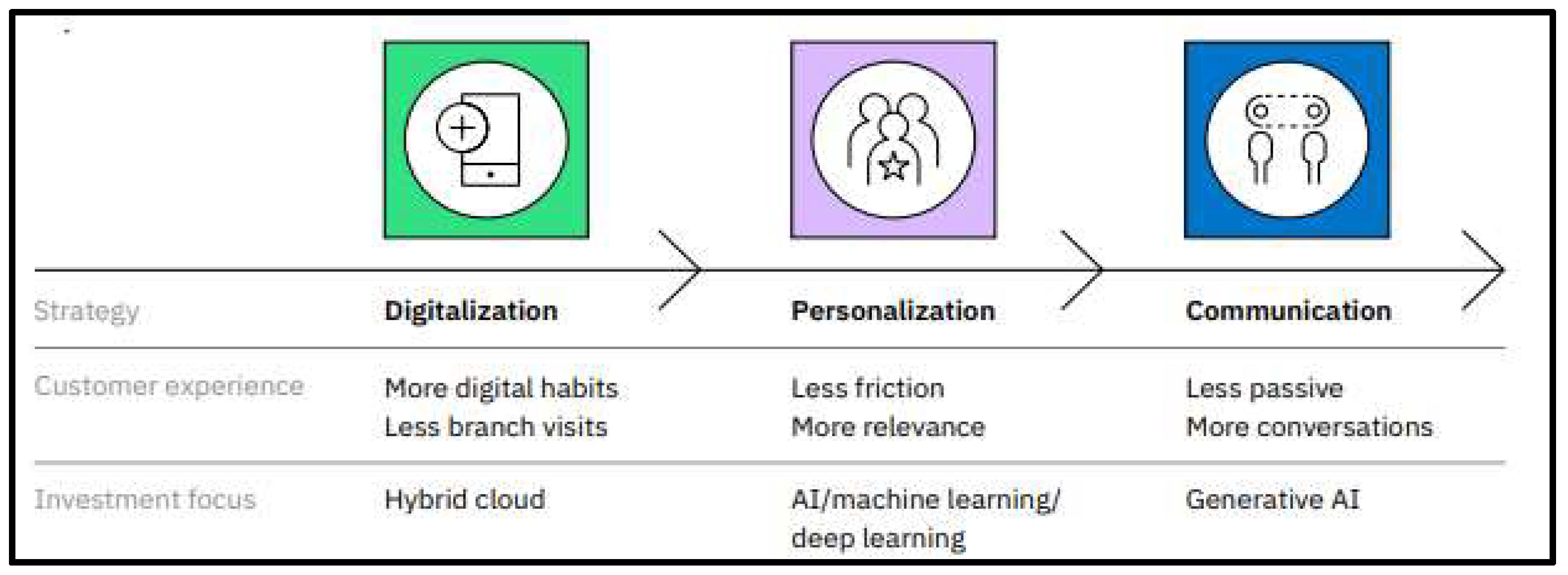
Initially, banks launched online services to complement their physical branches, offering similar services without distinguishing key features. With the rise of smartphones, digital banking evolved into a primary platform for customer interaction. We surveyed 12,000 consumers on their preferred methods for performing basic banking tasks, such as accessing accounts and checking balances and transactions. 62% of respondents reported using a mobile app, while 12% preferred a bank website (Ramamurthy, Shanker et al., 2023).
However, the interfaces designed for basic banking services were developed and optimized without addressing underlying banking complexities, which limited their ability to meet the evolving digital needs of customers. This restriction hindered banks from engaging clients effectively using core transaction data, even when supplemented by additional data sources.
As digital banking became more widespread, cloud technology emerged as crucial for enhancing the omnichannel experience, offering powerful analytics for timely insights into customer behaviors. The open architecture of hybrid cloud technology emphasizes the importance of innovation and the need for seamless integration within the fintech ecosystem, fostering a more agile, customer-focused digital banking environment (Figure 2).

The Influence of Generative AI on Bridging the Skills Gap

In the banking sector, where there is a strong drive to integrate advanced technologies but a persistent shortage of skilled labor, the adoption of generative AI has the potential to significantly reduce the skills gap and boost competitiveness. By automating complex tasks and improving decision-making processes, generative AI can empower banks to maximize the potential of their workforce, allowing them to perform at higher levels of efficiency and productivity despite limitations in specialized talent. This technology has the capacity to streamline operations, improve customer interactions, and facilitate data-driven insights—all of which contribute to a more robust and agile banking environment (Manta O., Yue XG, 2024).
However, it’s important to note that simply implementing generative AI does not guarantee immediate operational savings unless there is a comprehensive strategy in place to redefine workforce engagement. Without a clear plan to integrate these advanced tools into day-to-day activities and reshape how employees interact with technology, the benefits of improved efficiency may not be fully realized. The key to success lies in ensuring that the human workforce is adequately equipped to collaborate with AI systems, driving long-term value while simultaneously upskilling employees to handle more strategic, high-value tasks.
In this context, the thoughtful application of generative AI can transform not just the technological landscape but also the way banks attract, retain, and develop talent—ultimately strengthening their competitive position in a rapidly evolving market.
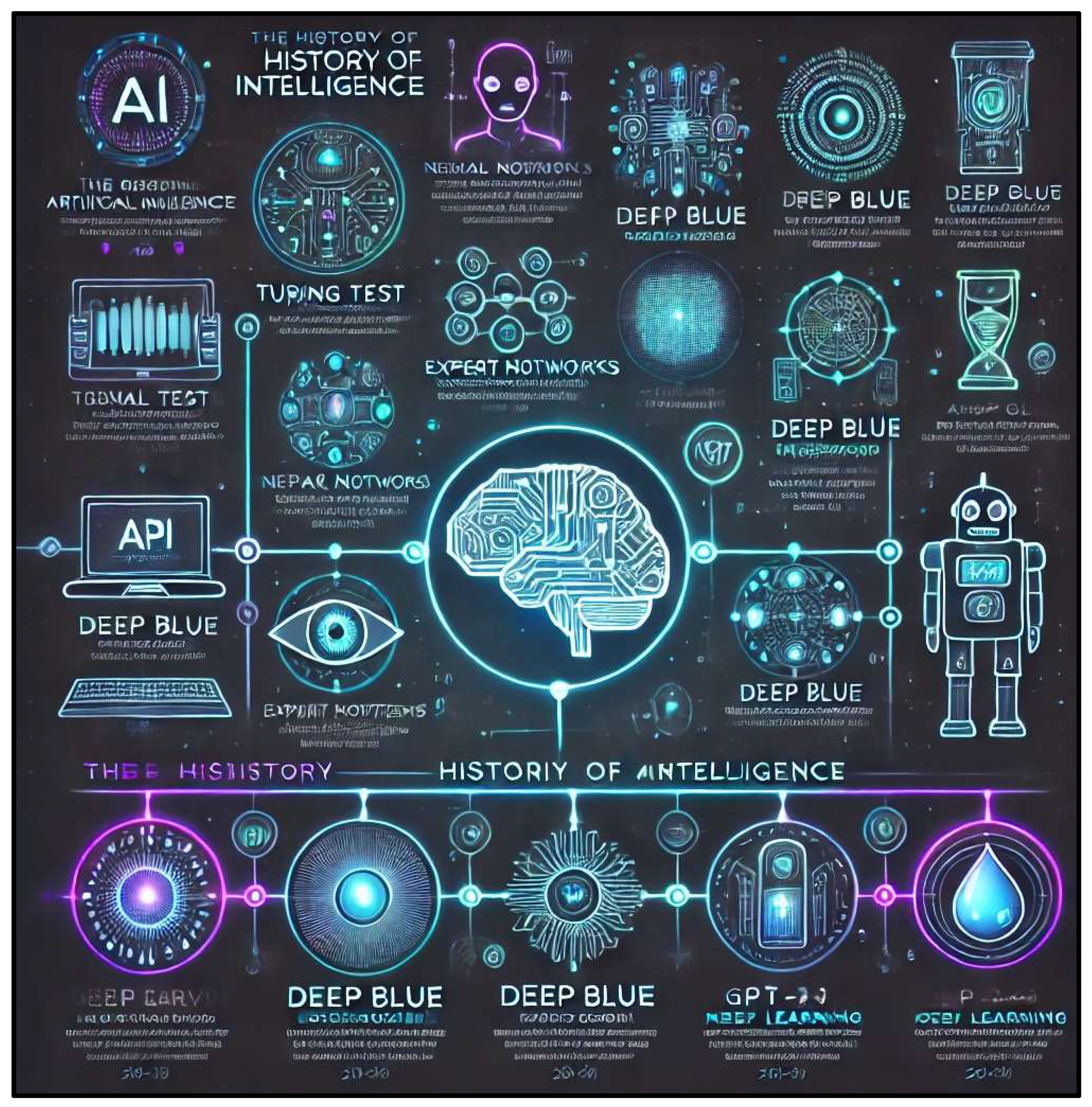
The evolution of Artificial Intelligence:
1. Early AI Foundations (1940-1960)
1943 – McCulloch & Pitts propose a mathematical model of artificial neurons.
1950 – Alan Turing introduces the Turing Test to measure machine intelligence.
1956 – The Dartmouth Conference officially establishes AI as a field of study.
2. First AI Systems (1960-1980)
1965 – Joseph Weizenbaum creates ELIZA, an early chatbot.
1974 – The first “AI winter” occurs due to overhyped expectations and slow progress.
1980 – Expert systems emerge, used in medicine and industry.
3. Evolution of Neural Networks (1980-2000)
1986 – Backpropagation algorithm enables better neural network training.
1997 – IBM’s Deep Blue defeats world chess champion Garry Kasparov.
4. Rise of Modern AI (2000-2010)
2002 – iRobot launches Roomba, the first autonomous vacuum cleaner.
2011 – IBM Watson defeats Jeopardy champions.
5. Deep Learning Revolution (2010-2020)
2014 – Facebook launches DeepFace, an advanced facial recognition system.
2015 – AlphaGo (DeepMind) defeats human champions in the game of Go.
2020 – OpenAI releases GPT-3, a powerful natural language processing model.
6. AI in the Present Era (2021-Present)
2021 – DeepMind releases AlphaFold2, revolutionizing molecular biology.
2022 – Google launches LaMDA, an advanced conversational AI model.
2023 – Generative AI (ChatGPT, Midjourney) sparks debates about artists’ rights and its impact on industries.
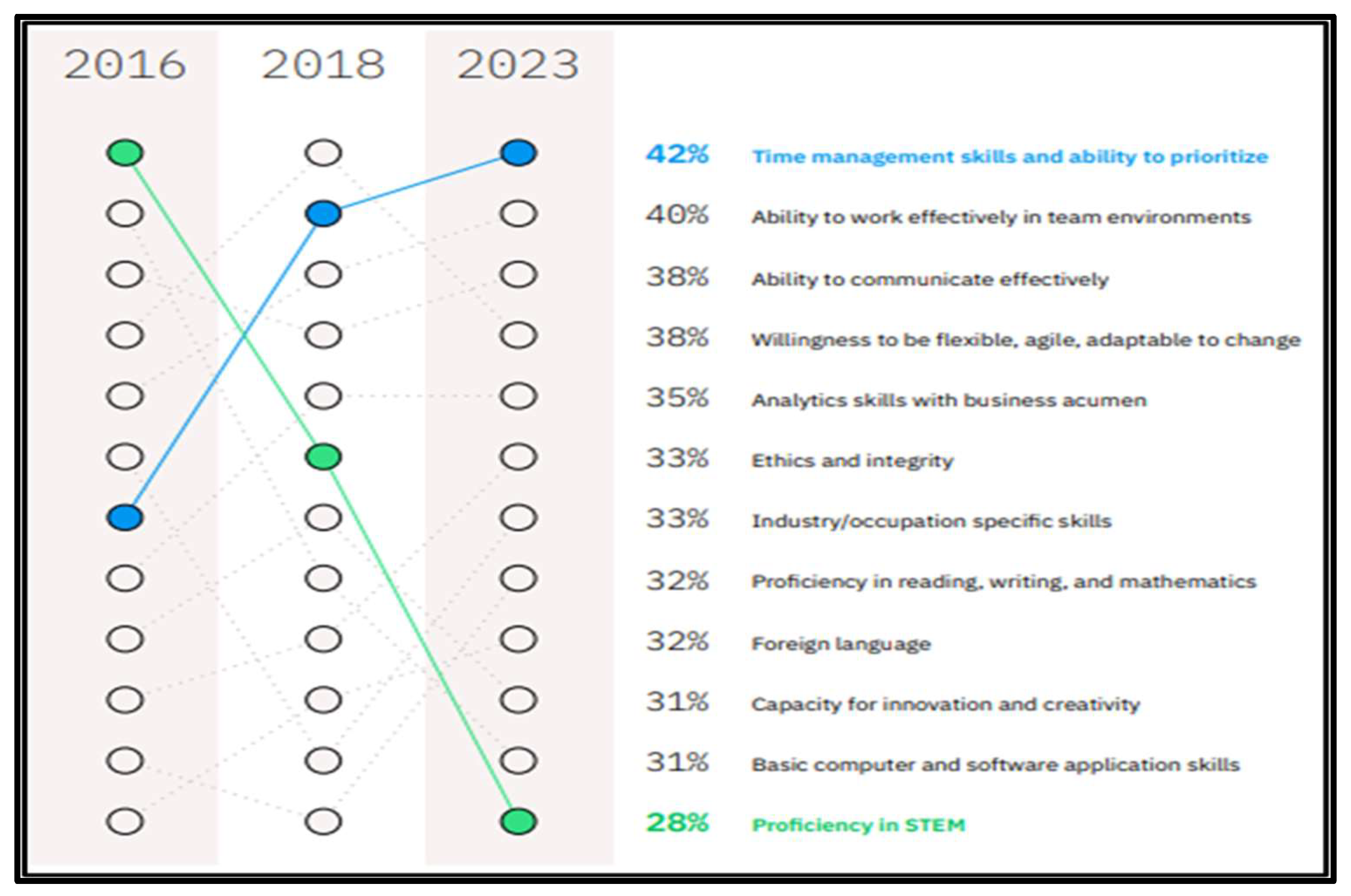
To fully harness the efficiencies driven by AI, it’s essential not only to reskill the workforce but also to embrace a new mix of talents. Realizing the true value of emerging skills and diverse talent requires a fundamental shift in how individuals work, collaborate, co-create, and execute tasks. Before unlocking the full potential of STEM expertise, organizations must first identify key priorities and navigate through internal complexities—challenges that call for a strategic, well-thought-out approach. This could help explain the decline in the significance of STEM and IT skills since 2016 (see Figure 3) (Goldstein, J. et al., 2023).
Moreover, AI applications are not without their risks and regulatory challenges. In the era of generative AI, financial institutions must rethink their strategies for managing data and privacy. Compliance with frameworks like the EU’s GDPR and intellectual property protections must be integrated as foundational elements in this transformation.
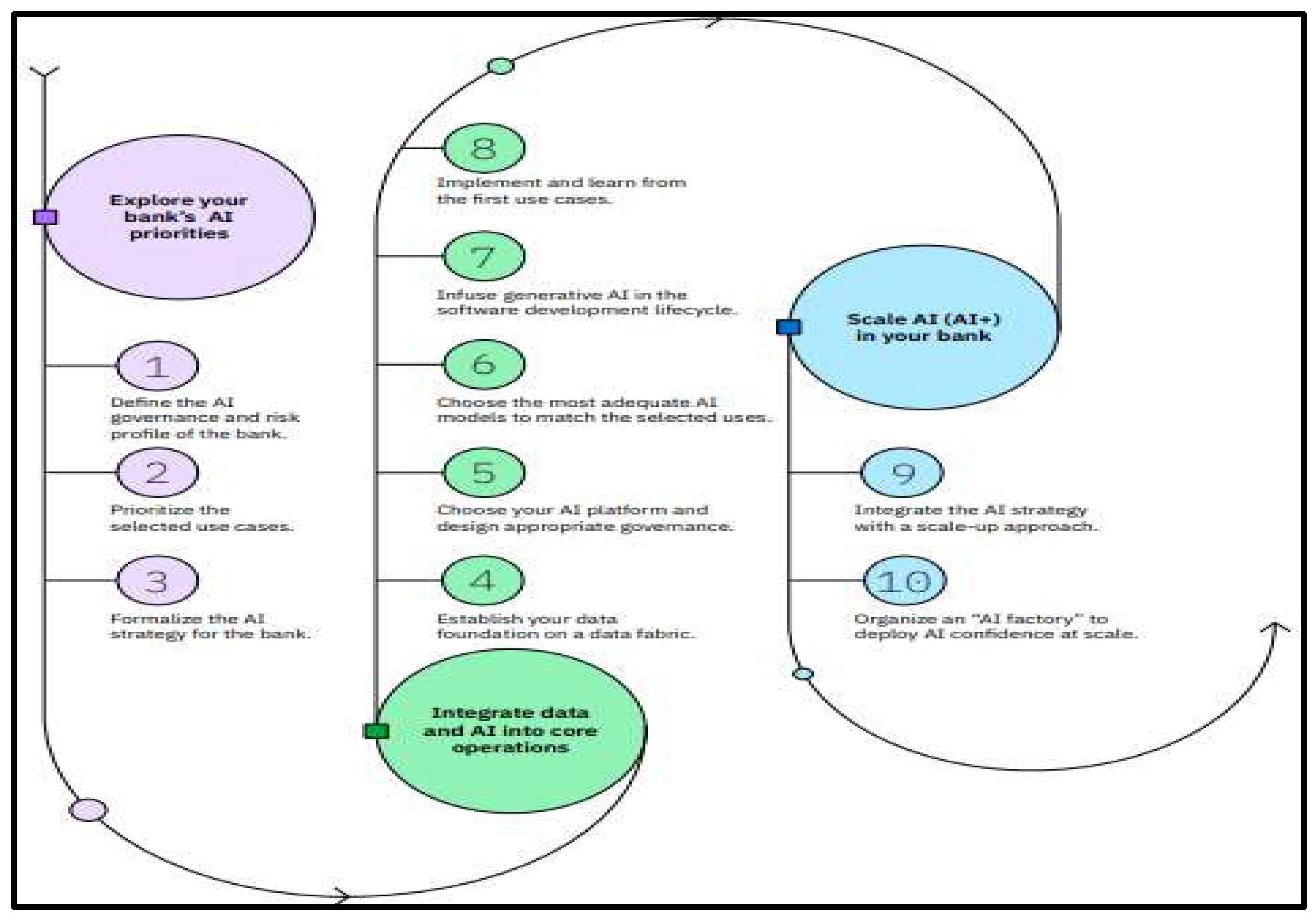
10 Essential Actions for Banks to Navigate Rapid Technological Change. In today’s fast-paced banking environment, where technological cycles are accelerating at an unprecedented rate, financial institutions must adopt a rapid and structured approach to stay competitive. To thrive in this landscape, banks must not only move forward quickly but also ensure that their actions are well-coordinated and purposeful. Drawing from IBM’s extensive experience collaborating with leading financial institutions in the implementation of AI, we highlight 10 critical actions that can help banks build a strong foundation for generative AI. These actions are designed to guide decision-making processes that accelerate AI adoption while ensuring sustainability and scalability.
The proposed actions align with broader strategies for scaling AI across the organization, encompassing advanced technologies such as machine learning, deep learning, and natural language processing (NLP). By focusing on these core areas, banks can build the technological infrastructure required to adapt to the fast-evolving market. These actions not only help institutions manage immediate challenges but also position them for long-term success in integrating AI into their operations, improving efficiency, and enhancing customer experiences.
Through these strategic steps, banks can establish a clear path toward adopting cutting-edge AI technologies, optimizing internal processes, and maintaining their competitiveness in a landscape shaped by exponential technological advancements (see Figure 4).
Figure 4. Shifting Focus on Skills and Talent: Navigating Priorities and Overcoming Complexities Through Strategic Expertise. Source: Augmented work for an automated, AI-driven world: Boost performance with human-machine partnerships. IBM Institute for Business Value, 2023.
Preprints 149741 g004
Figure 5. Strategic Roadmap: Discover, Integrate, and Expand. Source: IBM Institute for Business Value, 2023.
Preprints 149741 g005

The Role of Financial Instruments and Digitalization in Advancing Sustainable Financing

The rise in sustainable investments, coupled with improvements in transparency and efficiency within financial processes, signals a positive shift for the future of sustainable finance. However, persistent challenges emphasize the necessity for innovative solutions and deeper collaboration among stakeholders within the financial sector.
In this study, we introduce a cutting-edge concept designed to improve the financing landscape for small and medium-sized enterprises (SMEs) in the digital era: a decentralized crowdfunding platform powered by blockchain technology. This platform integrates tokenization, smart contracts, and participatory financing to provide a more transparent, efficient, and accessible method for raising capital.

Tokenization of SME Assets

SMEs can issue digital tokens that represent either a share of the company’s equity or future income rights, enabling them to attract investments from a wide pool of investors. These tokens could be traded on secondary markets, creating liquidity for investors. For example, SMEs could issue tokens that represent a percentage of profits for a fixed period, which can then be bought by both retail and institutional investors.

Smart Contracts

Smart contracts could automate the entire financing process, ensuring that funds are released only when predefined conditions—such as meeting financing targets or executing business initiatives—are met. This would eliminate the need for traditional intermediaries, reduce transaction costs, and increase trust in the financing process.

Decentralized Crowdfunding on Blockchain

The platform would allow SMEs to access funding through a decentralized crowdfunding model, enabling global investors to contribute small amounts. Blockchain technology would guarantee full transparency of transactions, ensuring that funds are used for their intended purpose. The platform could also feature a ’proof of impact’ mechanism, which tracks fund usage and rewards SMEs for achieving growth or social impact objectives.

Credit Assessment Using AI Algorithms and Big Data

Integrating an AI-powered credit assessment system could further enhance the platform’s effectiveness. This system would evaluate the creditworthiness of SMEs by analysing financial data, market behaviour, online activities, and other factors, offering access to credit for businesses that may be overlooked by traditional banks.

Gamification of Investments

To engage retail investors, the platform could employ gamification strategies, such as awarding badges or rewards based on contributions or the success of funded projects. This would increase investor engagement and encourage ongoing participation in SME growth.

ESG-Based Financing (Environmental, Social, and Governance)

SMEs with strong environmental or social impacts could gain access to specialized funding. Tokens issued by SMEs with high ESG scores would attract investors looking to align their investments with sustainable development goals.

Advantages of the Platform

-
Democratized Access to Capital: SMEs can tap into a wide pool of investors, bypassing traditional banks.
-
Transparency and Trust: Blockchain and smart contracts ensure complete transparency in fund usage.
-
Liquidity: Tokens can be traded on secondary markets, providing quick exit opportunities for investors.
-
Automation and Efficiency: Removing intermediaries reduces costs and speeds up transactions.
Such an innovative financial instrument has the potential to revolutionize access to capital for SMEs, making financing more transparent, adaptable, and aligned with the specific needs of individual businesses.

Evaluating the Impact of Tokenized Distributed Investment Assets (TDIA) or Decentralized Crowdfunding Platforms

To assess the performance of innovative financial instruments like TDIA or decentralized crowdfunding platforms, specific financial indicators are necessary to reflect their digital, decentralized, and tokenized nature. Here are some relevant indicators:
1. Total Value Locked (TVL)
Definition: TVL represents the total value of funds held within the platform or the smart contracts supporting tokenized assets.
Relevance: TVL measures investor confidence and participation. A higher TVL indicates broader adoption and increased liquidity, signalling success in the platform’s use.
Utility: TVL is a key performance indicator, reflecting the platform’s ability to attract and retain investment.
2. Token Price Volatility
Definition: This indicator tracks the fluctuations in token prices on secondary markets.
Relevance: High volatility may suggest risk but also short-term profit potential, while low volatility reflects stability and investor confidence in the token’s fundamental value.
Utility: Investors use this to assess risk and make informed decisions about trading or holding tokens.
3. Dividend Yield or Distributed Earnings
Definition: This metric represents the percentage of income generated by the tokenized assets, distributed to token holders as dividends or other periodic payments.
Relevance: Dividend yield is crucial for assessing the return on investment. A stable and attractive yield can attract more investors and increase token value.
Utility: A higher dividend yield signals strong economic performance and is an essential driver for investor interest.
4. Market Capitalization Growth Rate of Tokens
Definition: This represents the total value of all circulating tokens, calculated by multiplying the number of tokens by their market price.
Relevance: Consistent growth in market capitalization indicates widespread adoption, higher demand, and investor trust in the project. A decline could signal low liquidity or reduced confidence.
Utility: This metric tracks the market success and public perception of the financial instrument.
5. Secondary Market Liquidity
Definition: Liquidity refers to how easily tokens can be bought or sold without drastically impacting their price.
Relevance: High liquidity is essential for providing investors with exit options. Low liquidity can cause difficulties in selling tokens and result in large price swings during transactions.
Utility: Increased liquidity suggests a healthy, well-functioning market, offering investors more flexibility in trading.
These financial indicators help measure the viability, success, and sustainability of innovative financial instruments, offering a clearer picture of how they can enhance the financing landscape for SMEs while supporting sustainable development goals.
6. User Adoption Rate
Definition: The User Adoption Rate measures the number of active users or investors engaging with the platform to invest in tokenized assets. This metric indicates the level of interest and participation from both new and returning users.
Relevance: A high adoption rate signals the platform’s growing popularity and its ability to attract and retain investors. Continuous user growth suggests increasing trust in the platform and its potential for long-term expansion.
Utility: Monitoring adoption trends helps stakeholders assess the platform’s scalability and future market potential. A rising adoption rate may indicate successful marketing efforts, an intuitive user experience, and strong demand for tokenized investment opportunities.
7. Conversion Rate of Invested Capital into Tokens
Definition: This indicator measures the percentage of funds raised through crowdfunding campaigns or tokenization processes that are effectively converted into real-world assets or actual investments in projects. It reflects how efficiently capital is being deployed into tangible investment opportunities.
Relevance: A high conversion rate suggests that most of the invested funds are being allocated as promised, reinforcing trust in the platform’s operational integrity and investment framework. It is a key indicator of platform efficiency and investor confidence.
Utility: This metric is essential for evaluating how successfully the platform transforms raised capital into real investments. A transparent and high conversion rate reassures investors that their funds are being used effectively, reducing the risk of misallocation and increasing credibility.
8. Return on Investment (ROI)
Definition: ROI measures the profitability generated by an investor through holding tokens or financing projects on the platform. It is calculated by comparing the total earnings (including dividends, token price appreciation, and other financial benefits) to the initial investment amount.
Relevance: ROI is a fundamental metric for investors, as it determines whether an investment yields positive returns. A consistently high ROI attracts new investors and strengthens the platform’s reputation, while a low or negative ROI may indicate underlying risks or inefficiencies.
Utility: By analyzing ROI, investors can assess the financial viability of their investments and make informed decisions. A strong ROI suggests that the platform is generating real value, while declining returns may prompt a reevaluation of investment strategies.
9. Risk Distribution Ratio
Definition: This indicator evaluates the relationship between the total risk associated with a financial instrument—such as price volatility, asset insolvency risk, and market fluctuations—and the expected return.
Relevance: A well-balanced risk-to-return ratio enhances investment attractiveness. If the risk significantly outweighs the expected benefits, investors may reconsider their participation, leading to capital outflows. Conversely, a favorable risk-reward balance strengthens investor confidence.
Utility: Understanding risk distribution helps investors assess the stability of their investments. Platforms with effective risk management strategies are more likely to maintain investor trust and long-term sustainability. This metric also aids portfolio diversification and strategic risk mitigation.
10. Transaction and Management Costs
Definition: This metric represents the financial expenses incurred when buying, selling, or managing tokens on the platform. It includes transaction fees, management commissions, smart contract execution costs, and other operational expenses.
Relevance: Excessive costs can diminish investor returns and reduce the platform’s competitiveness. Evaluating transaction and management fees is crucial for determining the true profitability of an investment.
Utility: By analyzing cost structures, investors can make informed decisions about where to allocate their capital. A platform with lower fees and efficient cost management is generally more attractive to users, fostering long-term engagement and growth.

The Importance of These Indicators

These key performance indicators provide a comprehensive framework for assessing the efficiency, profitability, and sustainability of an innovative financial instrument based on digital technologies and tokenization. By tracking these metrics, investors, platform developers, and stakeholders can gain deeper insights into market trends, investment risks, and potential growth opportunities.

Visual Representation of Financial Instrument

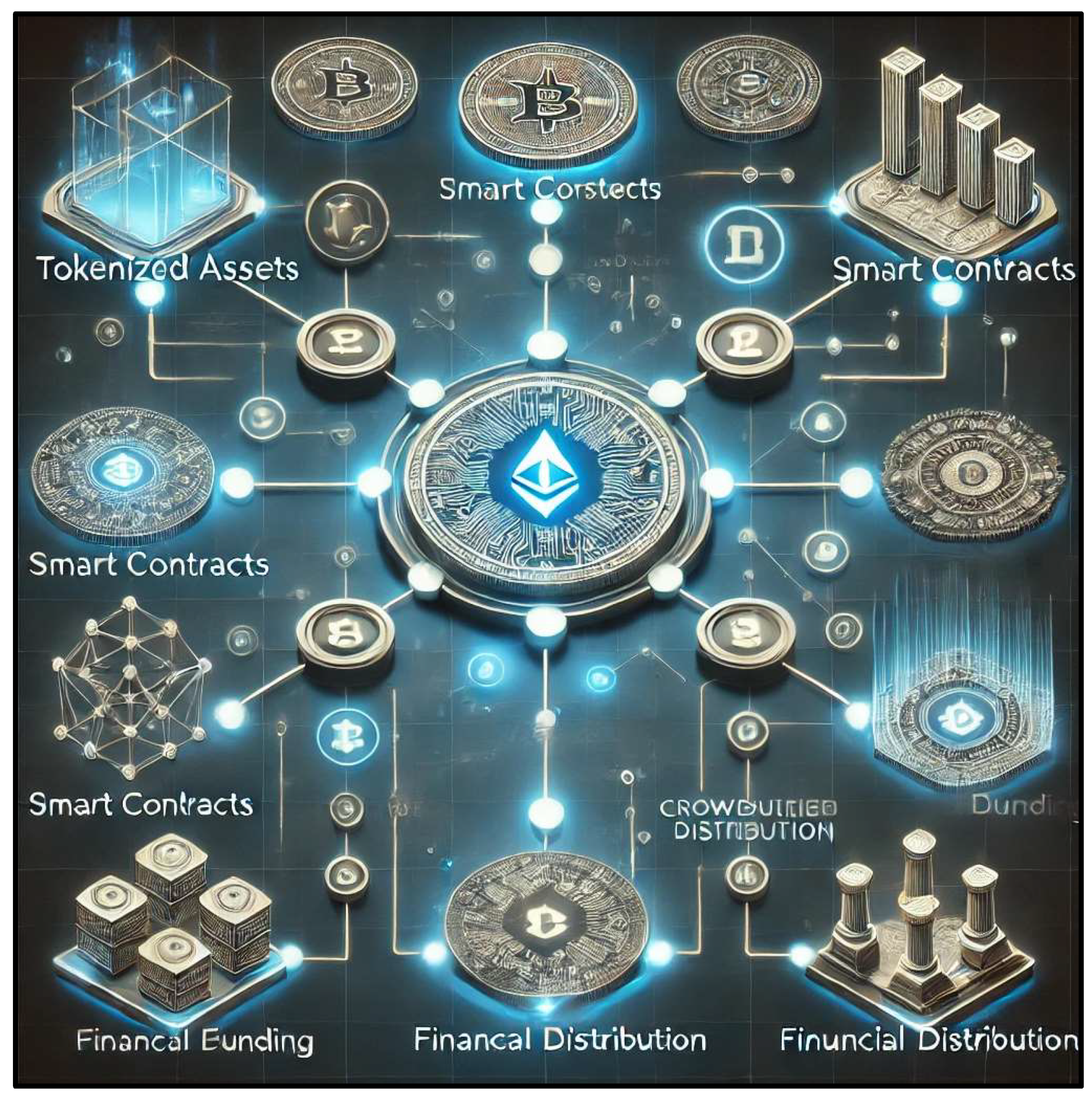
We have created a detailed diagram that illustrates the structure of this innovative financial instrument, highlighting key components such as tokenized assets, smart contracts, decentralized crowdfunding, and the automated distribution of dividends to investors. The diagram visually represents the investment flows and automated processes that drive this financial ecosystem. You can view or download the diagram by clicking on the image above.
Figure 6. Visual Representation of a Blockchain-Based Financial Instrument. Source: own processing&AI.
Preprints 149741 g006
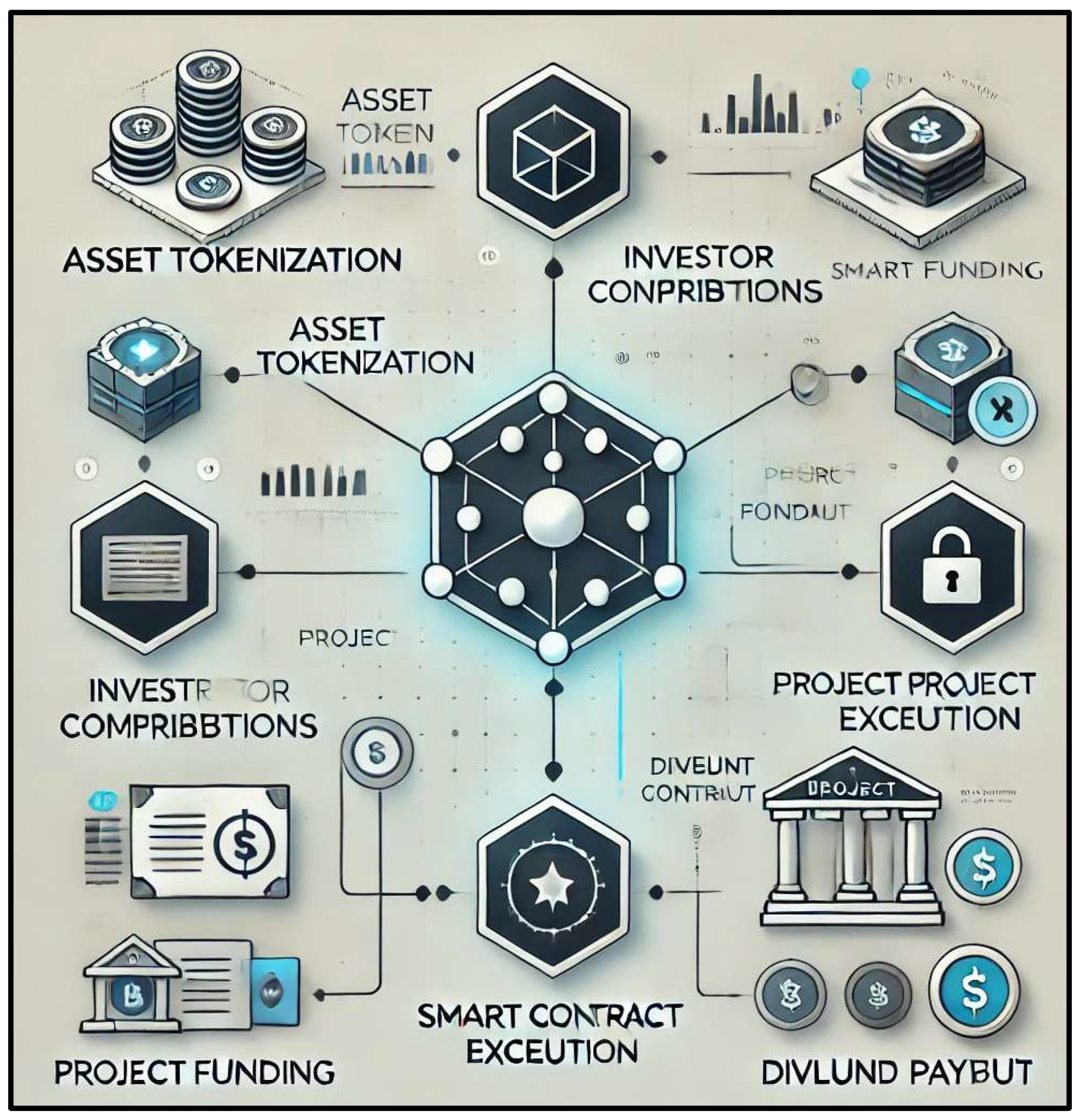
We have developed a comprehensive logical diagram that visually maps out the core functionalities of an innovative blockchain-based financial instrument. This diagram serves as a guide to understanding the fundamental processes that drive the system, including:
Asset Tokenization – Converting real-world assets into digital tokens to enable fractional ownership and enhanced liquidity.
Investor Participation – Facilitating seamless entry for individual and institutional investors through a decentralized platform.
Smart Contract Execution – Automating transactions and enforcing investment agreements without the need for intermediaries.
Crowdfunding Process – Enabling small and medium-sized enterprises (SMEs) to raise capital efficiently through tokenized fundraising mechanisms.
Automated Dividend Distribution – Ensuring transparent and timely distribution of returns to investors based on predefined smart contract rules.

Analytical Representation of Performance Metrics

To provide a data-driven perspective on the potential impact of this financial instrument, particularly for SMEs at a European level, we have compiled a series of tables and graphs that illustrate key performance indicators, including:
Total Market Capitalization by Region – A breakdown of the overall market value of tokenized assets across different European regions, showcasing investment concentration and geographical distribution.
Return on Investment (ROI) by Sector – An analysis of profitability across various industries, indicating which sectors yield the highest financial returns within the tokenized investment ecosystem.
Number of Participating SMEs & Adoption Rate – A measure of market penetration, highlighting how many small and medium-sized enterprises are leveraging this financial instrument and the rate at which adoption is growing.
Liquidity & Volatility of Token Markets – A critical evaluation of market dynamics, assessing how easily tokens can be traded and how price fluctuations impact investment stability.
This detailed representation offers valuable insights into the scalability, financial viability, and strategic potential of blockchain-powered investments for SMEs, providing investors with a clearer understanding of market trends and risk factors.
Figure 7. The Architecture of a Next-Generation Blockchain Financial Model. Source: own processing&AI.
Preprints 149741 g007
We have developed the hypothetical table below to provide a detailed representation of the projected performance of small and medium-sized enterprises (SMEs) across Europe. This dataset includes countries from multiple regions and incorporates key financial indicators essential for assessing the viability and effectiveness of a tokenized financial instrument.
Table 1. offers a structured overview of various economic and financial aspects related to SMEs, focusing on:
Regional Distribution of SMEs – Analyzing how businesses are spread across different European regions and their respective market penetration.
Total Market Capitalization – Estimating the combined value of tokenized assets associated with SMEs in each region, offering insight into investment concentration.
Return on Investment (ROI) per Sector – Evaluating profitability trends across industries, highlighting which sectors benefit the most from tokenized financing.
Adoption Rate of Tokenized Investments – Measuring the percentage of SMEs integrating blockchain-based financial instruments into their capital-raising strategies.
Liquidity and Market Volatility – Assessing the stability and trading dynamics of tokenized assets, providing a risk assessment for potential investors.
By synthesizing these key metrics, the table serves as a valuable analytical tool for understanding the potential impact of blockchain-driven financial solutions on SME growth, investment attractiveness, and overall market sustainability. Below, you will find detailed data visualization.:
The following charts provide a comprehensive visual analysis of key financial metrics that define the performance and stability of tokenized financial instruments across Europe. These indicators offer valuable insights into market dynamics, investment potential, and the broader economic implications of blockchain-based financing for SMEs.

Overview of Key Financial Metrics

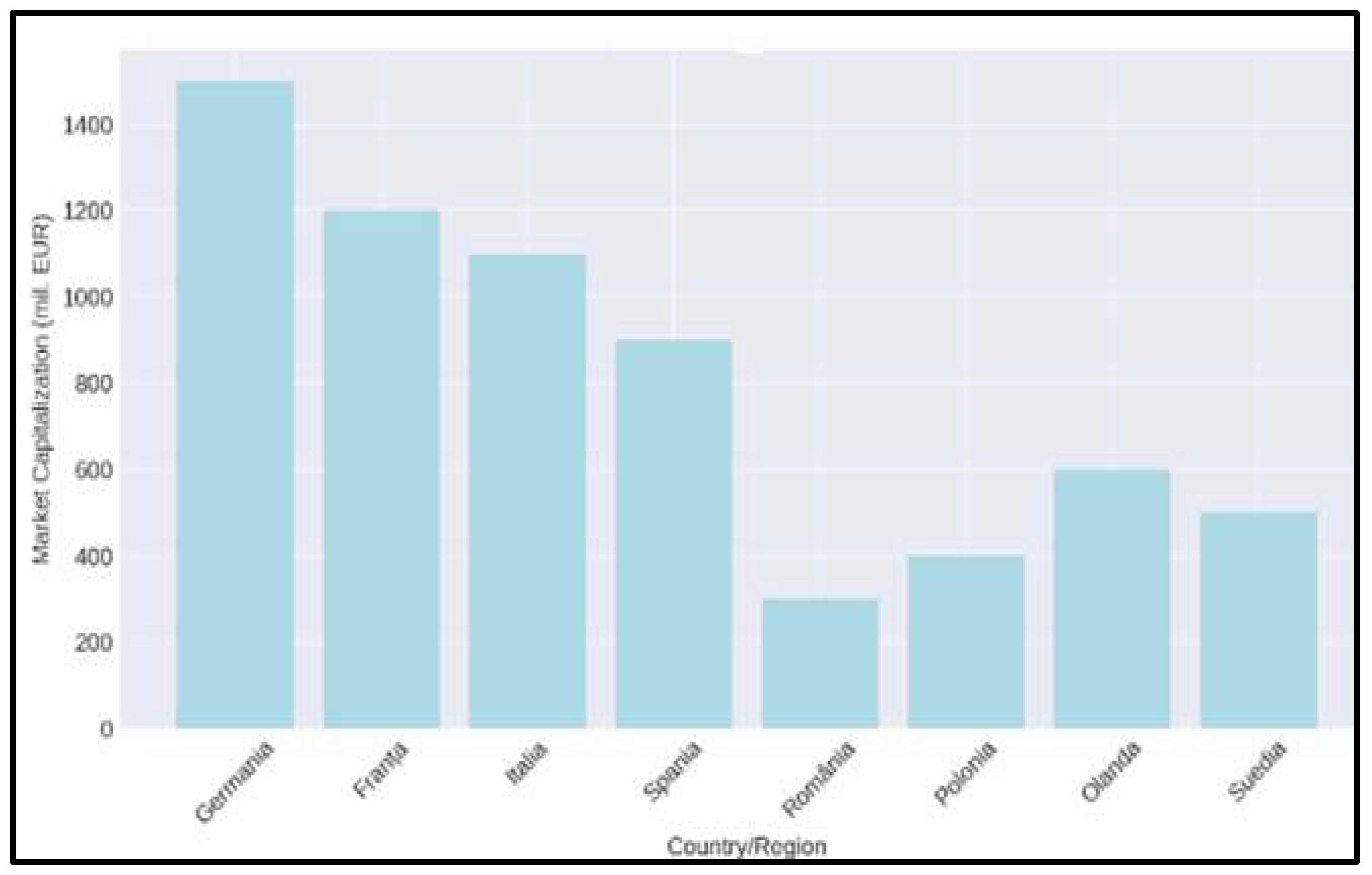
Token Market Capitalization (Million EUR) by Country – This chart highlights the total value of tokenized assets in different European nations, showcasing the distribution of investments and the strength of various regional markets.
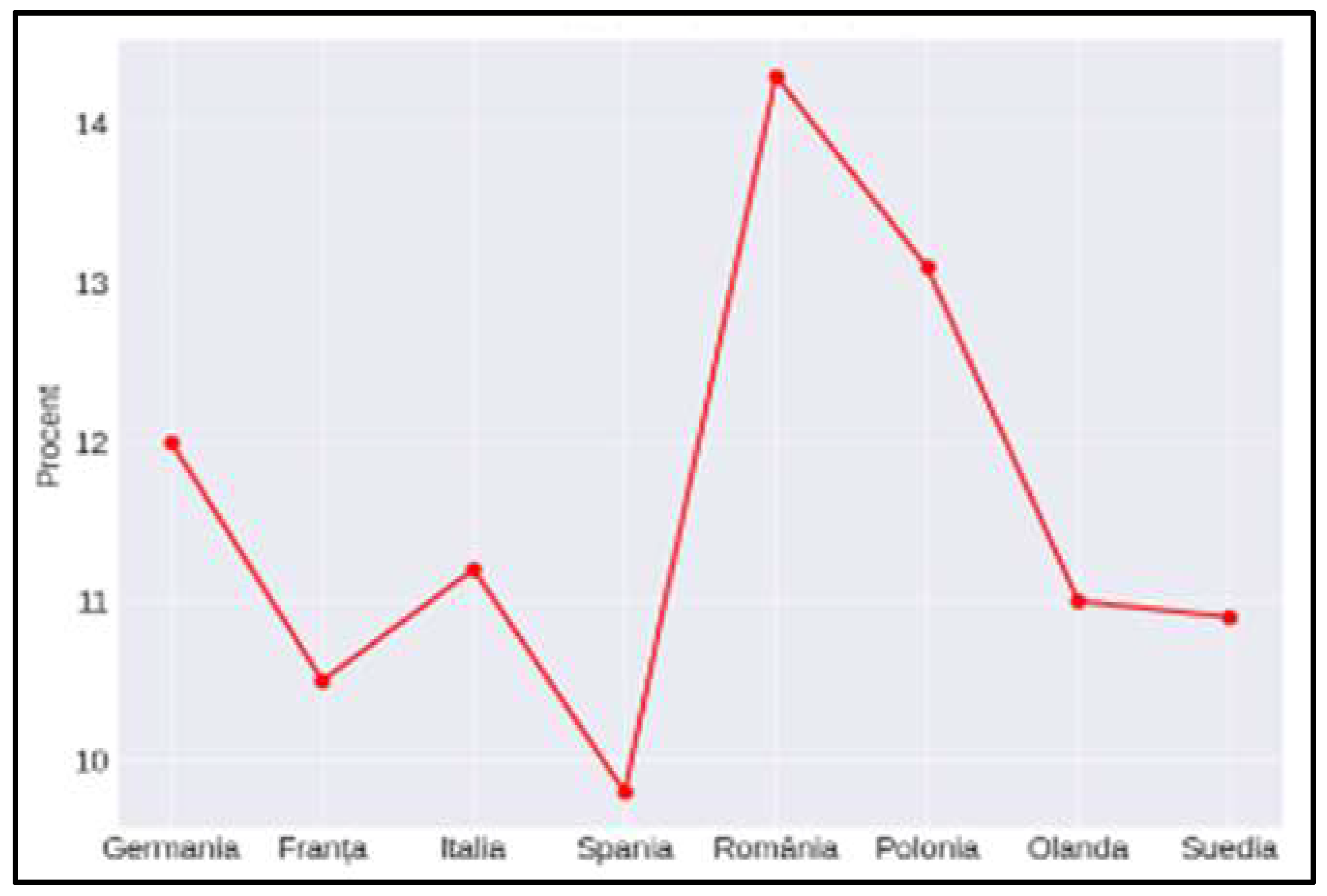
Average Investment Return (%) – A comparative measure of profitability across regions, illustrating the potential returns investors can expect from SME tokenization.
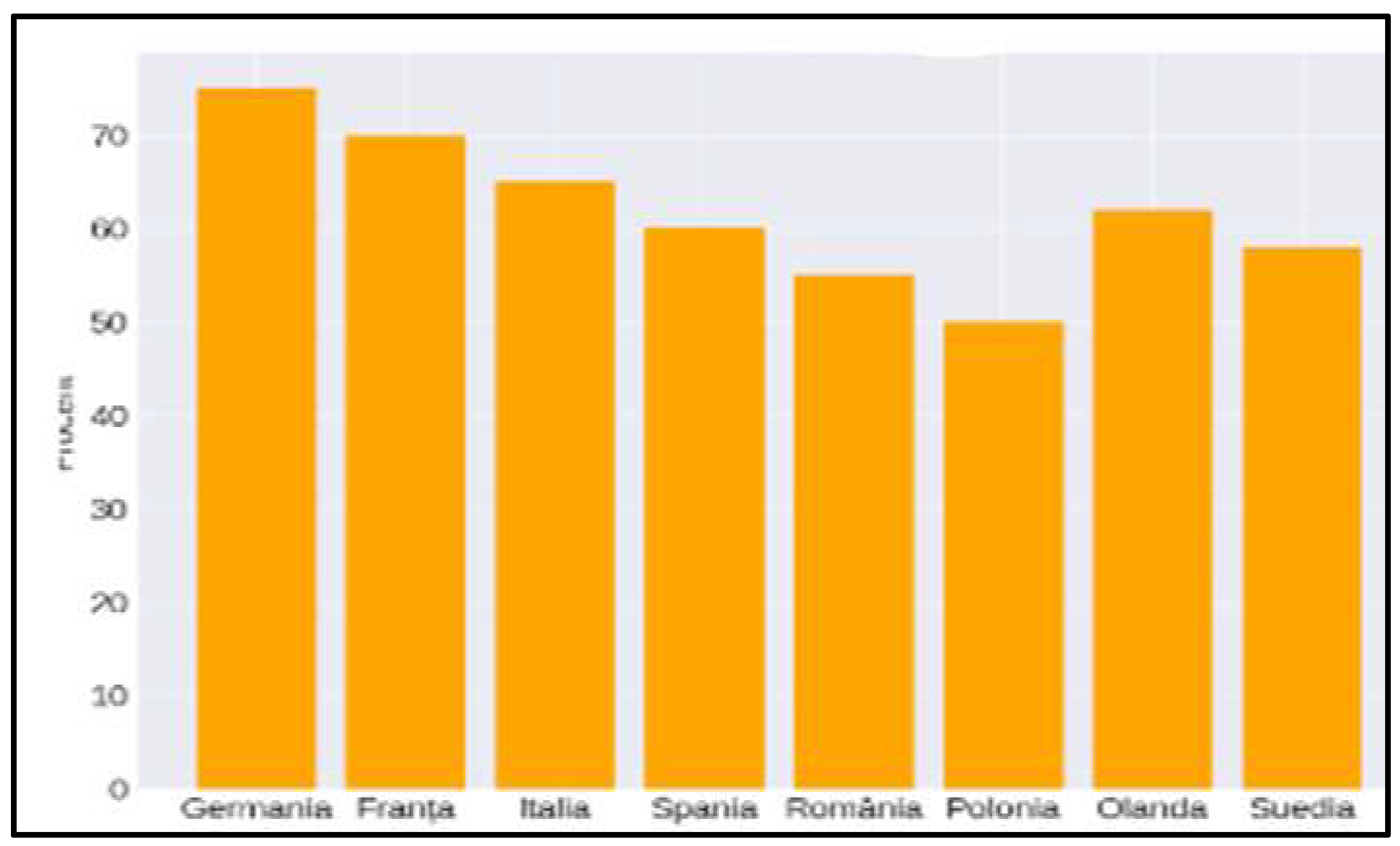
Market Liquidity (%) – This metric reflects the ease with which tokenized assets can be bought or sold, offering insights into market efficiency and trading flexibility.
Token Price Volatility (%) – Capturing the extent of price fluctuations in tokenized assets, this indicator helps assess investment risks and overall market stability.
Below, the bar chart presents Token Market Capitalization (in million EUR) across various European countries and regions. This visualization enables a clear comparison of where tokenized SME investments are most concentrated, providing a snapshot of the evolving financial landscape driven by blockchain technology.
Figure 8. Distribution of Token Market Capitalization Across Countries (Million EUR). Source: Manta O., Yue XG., 2024.
Preprints 149741 g008
Below is a bar chart that illustrates the Token Market Capitalization (in million EUR) across various European countries and regions. This visual representation offers a clear comparison of the total market value of tokenized assets tied to SMEs in each country, highlighting the relative size and strength of tokenized markets in different parts of Europe. By examining this chart, you can quickly assess the concentration of tokenized investments and understand how the market for blockchain-driven financial instruments varies regionally, providing insight into investment trends and opportunities across the continent.
Figure 9. Overview of Token Price Variability (%). Source: Manta O., Yue XG., 2024.
Preprints 149741 g009
Below is a bar chart depicting the Token Market Capitalization (in million EUR) across various European countries and regions. This chart provides a visual comparison of the market value of tokenized assets associated with SMEs in each country, allowing for an easy evaluation of the size and scale of the tokenized markets across Europe. It highlights regional differences in the adoption of blockchain-driven financial instruments, showcasing where tokenized investments are most prominent and where growth opportunities might lie..
Figure 10. Analysis of Token Price Volatility (%). Source: Manta O., Yue XG., 2024.
Preprints 149741 g010
Based on the analysis presented through various charts and metrics, it is clear that tokenized assets are gaining traction across Europe, with significant variations in market capitalization, price volatility, and investor returns from country to country. The bar charts depicting Token Market Capitalization and Token Price Volatility provide valuable insights into the regional disparities in the adoption of blockchain-based financial instruments for SMEs. These differences highlight the dynamic nature of the tokenized market, where some regions are experiencing more robust growth, while others may be facing challenges related to market stability and liquidity.
As tokenized assets continue to evolve, understanding these key financial indicators will be crucial for investors and SMEs alike to navigate the complexities of blockchain technology and its application in the financial sector. The data presented suggests that, despite these challenges, tokenized investments hold significant potential for reshaping the way SMEs access capital and engage with the broader market.

4. Discussion

The findings of this research on sustainable finance in the digital age align with the broader transformation of the banking sector through the integration of Financial Technologies (FinTech) and Artificial Intelligence (AI), reinforcing the importance of sustainable investment in fostering economic resilience and environmental responsibility. The integration of these innovative financial tools, such as green bonds and crowdfunding platforms, is playing a pivotal role in driving progress towards achieving the United Nations Sustainable Development Goals (SDGs). These results resonate with previous studies that emphasize the growing importance of sustainability in the financial sector (Baker & Schaltegger, 2015; Benedictus, 2018), confirming Hypothesis 1: “Innovative financial instruments such as green bonds and crowdfunding platforms contribute significantly to financing sustainable projects.” Furthermore, the findings from this study echo Manta Otilia’s work, which highlights the need for better financial instruments to address societal and environmental needs, particularly in times of economic crises (Manta Otilia, 2019).

4.1. The Role of Innovative Financial Instruments

The study supports the growing body of literature on the effectiveness of green bonds, impact funds, and crowdfunding platforms in raising capital for sustainability projects (Cohen & Fadul, 2021; Flammer, 2021), in line with Hypothesis 2: “Innovative financial instruments are critical in overcoming financing barriers, particularly for SMEs engaged in sustainability projects.” These instruments are critical in overcoming financial barriers for small and medium-sized enterprises (SMEs), a view consistent with the work of Zeng and Xie (2020), who discuss the importance of targeted financing mechanisms to foster innovation at the SME level. These tools, in turn, contribute significantly to bridging funding gaps in sectors such as renewable energy, climate mitigation, and social equity, which are essential for the global sustainability agenda (Elkington, 1997; Sullivan & Mackenzie, 2017).
However, there remain concerns regarding the lack of standardization in the measurement of social and environmental impact, as indicated by previous research (Hahn & Pinkse, 2014; Krueger et al., 2020), supporting Hypothesis 3: “The lack of standardization in impact measurement frameworks hinders the widespread adoption of sustainable finance.” The complexity of quantifying the non-financial outcomes of sustainable investments can create challenges for investors seeking transparency and verifiable data on the impacts of their capital (Hofmann & Kahn, 2019). Manta Otilia (2024) also emphasizes the difficulty of standardizing these impact metrics, which can hinder the broader adoption of sustainable finance strategies across different sectors and regions.

4.2. Digitalization as a Driving Force

This research underscores the transformative role of digital technologies, specifically blockchain and AI, in enhancing the efficiency and accountability of sustainable finance practices (Treleaven et al., 2017; Xu et al., 2021), reinforcing Hypothesis 4: “Technologies like blockchain and AI enhance transparency and accountability in sustainable finance.” Blockchain’s potential to provide immutable, real-time records of financial transactions has been widely recognized for increasing investor trust in the management of sustainable investments (Nakamoto, 2008; Cohen & Fadul, 2021). Additionally, AI’s ability to analyze vast datasets facilitates better risk assessment and predictive analytics, which enables more informed investment decisions (Zeng & Xie, 2020). The integration of these technologies is seen as a key enabler for scaling up sustainable finance, as it helps to reduce uncertainty and provide greater clarity on the use of funds, which ultimately fosters investor confidence (Baker & Schaltegger, 2015; Hofmann & Kahn, 2019).
While these technological advances hold great promise, challenges remain. The complexity of integrating new technologies with existing financial systems poses significant risks, particularly in underserved regions where technological infrastructure may not be as advanced (G20 Green Finance Study Group, 2016). These barriers are highlighted by Manta Otilia (2024), who discusses the disparity in the adoption of FinTech solutions between developed and developing markets, suggesting the need for targeted interventions to bridge the digital divide. This reinforces Hypothesis 5: “Unequal access to digital technologies between regions may inhibit the global adoption of sustainable finance solutions.”

4.3. Ongoing Challenges in Sustainable Finance

Despite the promising growth of sustainable finance, several challenges persist that hinder its broader adoption. One of the main hurdles is the lack of uniform frameworks for assessing the social and environmental impacts of investments, a gap noted by both scholars (Krueger et al., 2020) and industry experts (OECD, 2017), supporting Hypothesis 6: “The absence of standardized impact assessment frameworks limits the adoption and scalability of sustainable finance.” The absence of standardized impact assessment tools makes it difficult for investors to evaluate the true benefits of sustainable projects (Flammer, 2021). Additionally, as Manta Otilia (2024) points out, the fragmentation of impact measurement frameworks poses a challenge to scaling up sustainable finance globally. To overcome this, it is essential for international organizations and financial institutions to work collaboratively to create standardized metrics for impact measurement.
Another significant challenge is ensuring equitable access to sustainable finance tools, particularly in regions with limited financial literacy or technological infrastructure. As noted by Sullivan and Mackenzie (2017), financial inclusion is a crucial aspect of sustainable development, and innovative financial instruments must be accessible to a wider range of investors and businesses to foster inclusive growth (Benedictus, 2018). This resonates with Hypothesis 7: “Financial inclusion is critical for the widespread adoption of sustainable finance instruments.”

4.4. Positive Trends and Growth Potential

This research also highlights the promising growth of sustainable finance, with a 12% annual growth rate in sustainable investments (Global Sustainable Investment Alliance, 2020). The positive social and environmental outcomes of these investments, particularly in areas such as energy efficiency and social equity, indicate a favorable trajectory for scaling up these financial instruments (United Nations Environment Program, 2021). The global increase in sustainable investments suggests that there is increasing awareness and appetite for socially responsible financial solutions (Krueger et al., 2020; Benedictus, 2018). These positive trends are also supported by the work of Eccles et al. (2014), who show that companies that adopt sustainability practices perform better in the long term, suggesting that sustainable finance can lead to both financial and non-financial value creation.
In conclusion, the integration of AI and blockchain into financial systems is not only transforming traditional banking but also accelerating the development of more effective, transparent, and scalable solutions for sustainable finance (Treleaven et al., 2017; Xu et al., 2021), confirming Hypothesis 8: “The integration of AI and blockchain into financial systems supports more efficient, transparent, and scalable sustainable finance.” These digital innovations are playing a critical role in addressing global challenges such as climate change, inequality, and economic instability, in line with the SDGs (OECD, 2017; United Nations Environment Program, 2021).

Limitations of the Research

Despite these insights, the study is subject to several limitations, which should be considered when interpreting the findings. Firstly, the sample size and regional diversity of respondents could be expanded in future studies to obtain a more representative view of sustainable finance practices worldwide (Cohen & Fadul, 2021). Additionally, the accessibility of financial data remains a challenge, particularly in regions with stricter confidentiality agreements (Sullivan & Mackenzie, 2017). Lastly, the subjectivity inherent in participant evaluations, especially with respect to the perceived social and environmental impacts, should be addressed in future research to provide a more objective assessment of these financial instruments (Hahn & Pinkse, 2014).

Future Research Directions

Building on the insights of this study, future research could explore several promising directions. Longitudinal studies are needed to better understand the long-term impact of sustainable finance instruments and digital technologies (Krueger et al., 2020; Manta Otilia, 2024). Comparative studies across regions could provide insights into the differing challenges and opportunities for sustainable finance in emerging versus developed markets (Zeng & Xie, 2020). Furthermore, the evolving impact of the COVID-19 pandemic on sustainable finance practices should be investigated to understand how the crisis has reshaped investment priorities and financial decision-making (OECD, 2017). Lastly, emerging technologies, such as AI and blockchain, warrant further exploration to uncover additional solutions for addressing the complexities of sustainable finance (Treleaven et al., 2017; Xu et al., 2021).
In summary, this research underscores the transformative potential of sustainable finance, especially in the context of the ongoing digital revolution in the banking sector. By leveraging innovations like AI and blockchain, financial systems can become more transparent, efficient, and inclusive, enabling the global community to meet the challenges of sustainability and foster long-term economic resilience. As highlighted by Manta Otilia (2024), the successful integration of these technologies is essential for creating a financial system that balances economic growth with environmental and social equity.

5. Conclusions and Recommendations

The research on sustainable finance in the digital era presents several important conclusions that are closely aligned with the broader theme of Banking Transformation through FinTech and the Integration of Artificial Intelligence (AI) in Payments. These findings highlight the key drivers of sustainable finance, the opportunities and challenges presented by digital innovation, and the future growth potential of this rapidly evolving sector.

5.1. Conclusion: Transforming Banking through FinTech and AI

5.1.1. The Role of Innovative Financial Instruments

One of the most significant conclusions of the study is the confirmation of the effectiveness of green bonds, impact funds, and crowdfunding platforms as key tools in mobilizing capital for sustainable initiatives. These financial instruments have proven invaluable in addressing critical environmental and social issues, particularly those that align with the United Nations Sustainable Development Goals (SDGs). Participants emphasized that these instruments are not only effective in driving sustainable projects but are also essential for bridging the funding gap for small and medium-sized enterprises (SMEs), which often struggle to access traditional financing channels. The application of these instruments at the SME level has been particularly crucial in enabling smaller organizations to contribute to sustainable innovation and economic recovery, particularly in the context of crises like economic downturns or environmental disasters.

5.1.2. Digitalization as a Driving Force

The integration of blockchain technology and artificial intelligence (AI) has emerged as a transformative force in sustainable finance. These technologies are reshaping the landscape of financial systems by enhancing the transparency, efficiency, and accountability of funding mechanisms. Blockchain, with its ability to create immutable, verifiable records, provides investors with real-time data on the utilization of funds, fostering greater trust in the financial process. AI, on the other hand, is enabling more sophisticated data analysis and risk assessment, allowing for better-informed investment decisions and more accurate measurement of the impact of sustainability-related investments. These advancements in digitalization have collectively bolstered investor confidence, as they provide verifiable and actionable insights into the environmental and social impacts of investments, further accelerating the growth of sustainable finance.

5.1.3. Ongoing Challenges

Despite the promising developments in sustainable finance, several challenges remain that could impede its broader adoption. A major hurdle is the lack of standardized frameworks for measuring the impact of sustainable investments. Quantifying the social and environmental benefits of such projects remains a complex task, and the absence of universal metrics makes it difficult to assess the true value of these investments. This uncertainty can deter potential investors who may be hesitant to commit capital without clear, standardized evaluation criteria. Additionally, there are challenges related to ensuring equitable access to innovative financial instruments, especially in underserved regions and sectors that lack the necessary infrastructure or financial literacy to engage with these tools effectively. Addressing these challenges will be crucial to ensuring that sustainable finance can reach its full potential.

5.1.4. Positive Trends and Growth Potential

The research also highlights several positive trends in the sustainable finance sector. Notably, there has been a consistent 12% annual growth rate in sustainable investments, reflecting the increasing global interest in solutions that prioritize environmental and social responsibility. The social and environmental impacts of these investments have largely been positive, with notable advancements in areas such as climate change mitigation, energy efficiency, and social equity. This growth trend suggests a favorable trajectory for the scaling of innovative financial instruments to meet the increasing global demand for sustainability-focused finance. As the world continues to confront pressing challenges such as climate change and inequality, these instruments are poised to play a key role in mobilizing capital for solutions that drive long-term sustainable development.
In conclusion, the integration of FinTech innovations, particularly blockchain and AI, in the banking sector is not merely reshaping traditional financial systems but is also enabling more effective, transparent, and sustainable financing mechanisms. These advancements are crucial in addressing the global challenges outlined in the SDGs, especially in crisis management scenarios. By leveraging digital technologies, sustainable finance can provide a more efficient allocation of resources, reduce the risks of financial mismanagement, and contribute to the overall goal of building a more resilient and sustainable global economy.

5.2. Research Limitations

Despite its valuable contributions, this research does have several limitations that may affect the generalizability of the findings:
Sample Size and Diversity: Although the study sample was diverse, a larger and more geographically diverse sample could provide a more comprehensive view of sustainable finance across different regions, especially in emerging markets.
Data Accessibility: Some relevant financial data was unavailable due to commercial confidentiality or limitations in reporting practices, which may have constrained the depth of the analysis.
Subjectivity of Evaluations: Participant evaluations, particularly those related to social and environmental impact, may have been influenced by personal experiences or subjective biases. Further research could address these potential sources of bias.

5.3. Future Research Directions

To build on the findings of this study and deepen our understanding of sustainable finance, future research could explore several key directions:

5.3.1. Longitudinal Studies

Conducting longitudinal research would provide insights into the long-term evolution of sustainable finance and the lasting impact of innovative financial instruments. This would allow for a better understanding of how these tools perform over time and in varying economic conditions.

5.3.2. Comparative Analysis

Comparative studies across different countries or regions could shed light on regional disparities in the adoption and implementation of sustainable finance practices. Such studies could also help identify best practices and lessons learned that could be applied globally.

5.3.3. Impact of COVID-19

Investigating the long-term effects of the COVID-19 pandemic on sustainable finance would offer valuable insights into how crises can reshape financial systems and accelerate or hinder the adoption of digital financial tools.

5.3.4. Technological Innovations

A detailed analysis of the impact of emerging technologies on sustainable finance, such as the integration of generative AI or advanced data analytics, could uncover new solutions for addressing existing challenges in impact measurement, resource allocation, and risk management.

Conclusion

This research emphasizes the pivotal role of sustainable finance and innovative financial instruments in addressing global challenges, particularly in the context of the ongoing digital transformation of banking. By integrating advanced technologies like blockchain and AI, these instruments offer significant potential to improve transparency, efficiency, and resource distribution. They play a crucial role in supporting crisis management and advancing the achievement of the Sustainable Development Goals (SDGs).
While substantial progress has been made, challenges such as the lack of standardized impact measurement frameworks and barriers to equitable access to financial instruments remain. Overcoming these challenges will require continued collaboration among all stakeholders, including governments, financial institutions, NGOs, and the private sector. With concerted efforts, these barriers can be addressed, ensuring that sustainable finance can effectively contribute to the transition to a more resilient, inclusive, and sustainable global economy.
Ultimately, this research reinforces the importance of leveraging digital technologies to drive the future of sustainable finance. The successful implementation of the strategies outlined in this study could not only enhance resilience to crises but also contribute to a global economy that balances economic growth with environmental stewardship and social equity. As the world continues to face significant challenges, the integration of FinTech innovations and AI in the financial sector will be essential in creating a sustainable and equitable future for all.

Author Contributions

Conceptualization, V.V. and O.M.; methodology, V.V. and O.M..; software, V.V..; validation, V.V. and O.M..; formal analysis, V.V. and O.M.; investigation, V.V. and O.M.; resources, V.V. and O.M.; data curation, V.V. and O.M.; writing—original draft preparation, V.V.; writing—review and editing, O.M; visualization, V.V. and O.M.; supervision, V.V. and O.M.; project administration, V.V. and O.M; funding acquisition, O.M. All authors have read and agreed to the published version of the manuscript.

Funding

“This research received no external funding”

Acknowledgments

In this section, you can acknowledge any support given which is not covered by the author’s contribution or funding sections. This may include administrative and technical support, or donations in kind (e.g., materials used for experiments).

Conflicts of Interest

The authors declare no conflicts of interest.

References

  1. Baker, S.; Schaltegger, S. The role of sustainability in the financial services industry: An analysis of current practices and future directions. Journal of Business Ethics 2015, 130, 841–854. [Google Scholar] [CrossRef]
  2. Benedictus, H. The impact of green bonds on sustainable finance: Evidence from emerging markets. Sustainable Development 2018, 26, 1–12. [Google Scholar] [CrossRef]
  3. Cohen, J.; Fadul, J. Fintech and the Future of Sustainable Finance: Trends and Challenges. Sustainable Finance Journal 2021, 2, 24–38. [Google Scholar] [CrossRef]
  4. Elkington, J. Cannibals with Forks: The Triple Bottom Line of 21st Century Business; Capstone Publishing: Oxford, UK, 1997. [Google Scholar]
  5. G20 Green Finance Study Group. G20 Green Finance Synthesis Report; G20: 2016. https://www.g20.org/sites/default/files/g20_gfg_report_final.pdf.
  6. Global Sustainable Investment Alliance. Global Sustainable Investment Review 2020; GSIA: 2020. https://www.gsi-alliance.org/trends-report-2020.
  7. Hahn, R.; Pinkse, J. Stakeholder pressure as a catalyst for sustainability reporting: Evidence from the media industry. Journal of Business Ethics 2014, 123, 1–20. [Google Scholar] [CrossRef]
  8. Hofmann, H.; Kahn, H. Sustainable finance and the role of technology. Finance Research Letters 2019, 29, 99–105. [Google Scholar] [CrossRef]
  9. Manta Otilia, “Sustainable Finance and Innovative Financial Instruments: Challenges and Opportunities,” Journal of Finance and Economics, 2019.
  10. Manta, O.; Palazzo, M. Transforming Financial Systems: The Role of Time Banking in Promoting Community Collaboration and Equitable Wealth Distribution. FinTech. 2024, 3, 407–423. [Google Scholar] [CrossRef]
  11. Manta, O. Financial Technology and Innovation for Sustainable Development. FinTech. 2024, 3, 424–426. [Google Scholar] [CrossRef]
  12. Manta O, and Yue X.G., (2024), Sustainable financing in the digital era: Evaluation and models through Innovative Financial Instruments , ESPERA 2024, https://ince.ro/ESPERA/espera.html.
  13. OECD. Green Finance and Investment: Mobilising Bond Markets for a Low-Carbon Transition; OECD Publishing: 2017. [CrossRef]
  14. Sullivan, R.; Mackenzie, C. Responsible Investment: Guide to ESG Data and Analytics; CFA Institute: 2017. https://www.cfainstitute.org/-/media/documents/article/industry-research/responsible-investment-guide-to-esg-data-and-analytics.pdf.
  15. United Nations Environment Programme. Financing the 2030 Agenda: Sustainable Finance and the Sustainable Development Goals; UNEP: 2021. https://www.unep.org/resources/report/financing-2030-agenda-sustainable-finance-and-sustainable-development-goals.
  16. Zeng, S.; Xie, X. Financial technology and sustainable finance: A literature review. Sustainability 2020, 12, 4910. [Google Scholar] [CrossRef]
  17. Flammer, C. Corporate green bonds. Journal of Financial Economics, 2021, 142, 499–516. [Google Scholar] [CrossRef]
  18. Eccles, R. G.; Ioannou, I.; Serafeim, G. The impact of corporate sustainability on organizational processes and performance. Management Science, 2014, 60, 2835–2857. [Google Scholar] [CrossRef]
  19. Krueger, P.; Sautner, Z.; Starks, L. T. The importance of climate risks for institutional investors. Review of Financial Studies, 2020, 33, 1067–1111. [Google Scholar] [CrossRef]
  20. Nakamoto, S. (2008). Bitcoin: A peer-to-peer electronic cash system.
  21. Treleaven, P.; Brown, R.; Yang, D. Blockchain technology in finance. Computer, 2017, 50, 14–17. [Google Scholar] [CrossRef]
  22. Xu, J.; Wang, L.; Zhao, Y. Digital finance and ESG investment. Emerging Markets Review, 2021, 48, 100777. [Google Scholar]
Figure 1. The Trend of Commercial Bank Branch Openings and Closures: A Decline Since 2012. Note: Data for Germany is 2020, not 2021. Source: IBM Institute for Business Value analysis of S&P Global data, 2021.
Preprints 149741 g001
Figure 2. Leveraging Exponential Technologies: Three Essential Pillars for Improving Customer Service. Source: IBM Institute for Business Value analysis of S&P Global data, 2021.
Preprints 149741 g002
Figure 3. The evolution of artificial intelligence has been built since 1943. Source: own processing&AI.
Preprints 149741 g003
Table 1. Presentation of the key financial indicators for the evaluation of a tokenized financial instrument.
Country/Region Token Market Capitalization (mil. EUR) Number of Participating SMEs Average Investment Return (%) Market Liquidity (%) Token Price Volatility (%)
Germany 1500 350 8.5 75 12.0
France 1200 290 7.9 70 10.5
Italy 1100 270 6.8 65 11.2
Spain 900 220 6.5 60 9.8
Romania 300 100 10.2 55 14.3
Poland 400 120 9.3 50 13.1
Netherlands 600 150 8.0 62 11.0
Sweden 500 130 7.7 58 10.9
Disclaimer/Publisher’s Note: The statements, opinions and data contained in all publications are solely those of the individual author(s) and contributor(s) and not of MDPI and/or the editor(s). MDPI and/or the editor(s) disclaim responsibility for any injury to people or property resulting from any ideas, methods, instructions or products referred to in the content.
Copyright: This open access article is published under a Creative Commons CC BY 4.0 license, which permit the free download, distribution, and reuse, provided that the author and preprint are cited in any reuse.
Prerpints.org logo

Preprints.org is a free preprint server supported by MDPI in Basel, Switzerland.

Subscribe

Disclaimer

Terms of Use

Privacy Policy

Privacy Settings

© 2025 MDPI (Basel, Switzerland) unless otherwise stated