Preprint
Article

This version is not peer-reviewed.

Cobalt, Nickel and Manganese Adsorption Using an Aluminium Based Metal Organic Framework

Submitted:

18 February 2025

Posted:

19 February 2025

You are already at the latest version

Abstract

The main aspect for greener process of materials preparation is taking constituents of the designed material from green sources. Recycling is the fundamental feature for the reutilization of already applied elements with a subsequently minor wasting of raw materials. Transition elements as cobalt, nickel and manganese can be found in a variety of application and several sort of energy storage devices contain a considerable amount of these elements. From as stated before, nowadays is more and more interesting drive research on recovery and separation of cobalt, nickel and manganese from energy storage devices. The MIL (Institute Lavoisier Materials) are metal organic frameworks of high porosity often utilized for a wide variety of application as gas storage, conductivity, electricity storage and supercapacitors, sensing and detection of analytes, environment saving purpose. MIL-53 is the metal organic framework employed in the followed research for cobalt, nickel and manganese adsorption as the first time.

Keywords: 
;  ;  ;  ;  ;  

1. Introduction

Energy sources out of fossil fuels consumption, regard alternative way to produce work that can vary from the gas employment in machines or electricity storage. In both cases, Metal Organic Frameworks contribute to favour the inclusion and guarding of gases as hydrogen in a wide protected inner surface; or save electric current by means specific metals and opportune ligands. Electricity storage move research on supercapacitors to offer at industry the opportunity to gain new battery prototypes. Cobalt and nickel are components of high relevance for the energy storage devices production, the research for the involvement of these metals in new kind of materials opens the route for metal organic frameworks and its composite to obtain new supercapacitors, at the same time the recovery and reuse of metals from exhausted devices make possible a greener process of synthesis. Mining is the primary source of industry for the metals necessary for object production, looking at a greener process of synthesis reusing the metals that are already employed in different application object, makes possible to use for infinite cycles the metals from electronic devices and others.
Cobalt as waste when is disposed in water effluents is a treat, indeed, the permissible limits of Co(II) in the irrigation water and live-stock watering are 0.05 and 1.0 mg/L, respectively (Environmental Bureau of Investigation, Canadian Water Quality Guidelines). Therefore the detection and removal of trace Co(II) in an environmental samples is a key in the fields of environmental analysis, process control and medicine [1]
Metal organic frameworks can be used for metal recovery and reuse even for species not endangered as cobalt and nickel. Nickel and cobalt are often used in supercapacitors and electronic devices, the main application is due for the valence conduction band or even in catalysis for the possibility to activate chemical bonds for some reactive species. The relevance of cobalt and nickel is due for the electronic configuration for which unpaired electrons and vacant orbitals are available for electrons movement to get electric current, or to act as a Lewis acid in molecule coordination. Nickel and cobalt with manganese are also the constituents of some kind of lithium-ion battery, specifically LMNCO battery. The fundamental aspect that links cobalt and nickel or even manganese with metal organic frameworks is that these metals can be used as metal nodes for the net creation. Metal nodes are simple metal ion that binds donating atom of organic molecules ore even metal cluster. A lot of examples regard cobalt and manganese adsorption using metal organic frameworks, few examples are referred to nickel, for which the adsorption is driven most of all by amorphous bio- or inorganic adsorbents.
Metal Organic Frameworks
During decades the method of synthesis of the Metal Organic Frameworks changed. The simpler method and the minor energy wasting is the direct addition of solutions of metal salt and ligand at room temperature or applying heat. For the formation of stronger chemical bonds electromagnetic irradiation on the reactant solution is made applying microwave irradiation or also by ultrasound sonification; electrochemical reaction for the MOF deposition on electrode is the electrochemical method for which oxidation of the metal and reaction with the ligand in the solution give rise to the MOF on the electrode. Metal−organic frameworks (MOFs) represent infinite porous networks of metals or metal clusters that are connected via organic ligands to give materials with polymeric extension and high porosity. Starting from MOFs classified exclusively as crystalline solid-state material, in latest by the use of specific techniques of detection, these can be classified and recognized as glassy and liquid MOFs for their structure that retains accessible cavity and tridimensional extension also in solution.
Formation of a particular structure type is achieved by carefully balancing the donor site angles within the ligands as well as the nature and coordination geometry of the metal component. Years of research on MOFs has yielded numerous types of well-defined porous crystals and complex supramolecular architectures. Since various synthetic routes and post-synthetic modification methods have been established, the focus of recent developments has moved toward the preparation of multifunctional systems that are able to mimic the structural and functional complexity of natural system [2] Coordination-site engineering and hierarchical assembly of preformed components use partially protected or “naked” metal cations. Modulated synthesis involves a modulator, that is a chelating ligand, to slow down the formation process of the chemical bonds development of the networks and favours the assembly of a crystalline material. Typically, for stronger bond formation MOFs are prepared via solvothermal synthesis, where the organic building blocks and metal precursors are heated in a polar solvent such as DMF. Safer solvents like methyl and ethyl lactate, triethylphosphate (TEP), dimethyl sulfoxide (DMSO), γ-butyrolactone (γ-BL), and ionic liquids (ILs) have been proposed for replacing the “classic” solvents in the phase inversion technique. For example, Xing et al. presented a method of preparing PBI using the ionic liquid 1-ethyl-3-methylimidazolium acetate ( [EMIM]OAc) as an alternative to DMAc as a solvent. [3]
Two-dimensional metal–organic frameworks (2D MOFs) are an attractive platform to develop for their structural tunability and large specific surface area that exposes numerous active sites. A general method for the synthesis of benzene with a dicarboxylic acid (BDC)-based MOFs with hierarchical 3D morphologies composed of 2D nanosheets or nanoplates is herein explained. Acetonitrile helps solvate the metal ions in solution and affects the morphology, while polyvinylpyrrolidone (PVP) serves as a shape-control agent to assist in the nucleation and growth of MOF nanosheets [4] Ultrathin 2D nanosheets can support enhanced electrocatalytic activity, but they tend to be less stable than 3D structures because they are prone to restacking. In this regard, the construction of hierarchical 3D MOF nanostructures is attractive because it may be engineered to maintain many of the aspects of 2D MOFs (i.e., large surface area, interconnected open pores, rich redox sites) but in a hierarchical framework that promotes stability for electrochemical applications.
Strategies for the synthesis of MOFs can be accomplished also using a support for layer growth as Langmuir-Blodgett (LB) and (LBL) modular assembly method. Interfacial growth is not a novelty in research regarding MOFs, inorganic supports as alumina, glass plates and polypropylene supports for LPE liquid phase epitaxy. The LbL method is a step-by-step approach in a liquid phase using structural components and self-assembled monolayer (SAM)-functionalized substrates, in which the substrates are alternately immersed into solutions of metal ions and organic ligands of the target MOFs. The LB–LbL and modular assembly methods are relatively new approaches for producing crystalline oriented MOF thin films. In the LB–LbL method, a 2D-layered MOF sheet is fabricated first on an aqueous solution via compression of a solution surface that contains metal ions and ligands, similar to an LB method. The step-by-step growth of the target MOF thin film with an intended thickness is then achieved by a repeated transfer of the 2D-layered MOF sheet onto the substrate (LbL) [5]
Interfacial polymerization (IP) and counter-diffusion syntheses result in better MOF-covered membranes. Recently, Vankelecom et al. used IP to synthesize continuous thin ZIF-8 layers on porous polymeric supports with good nanofiltration performance. MOF precursors are dissolved in two different immiscible solvents that contact the support from opposite sides. As diffusion of the precursors is faster in the remaining defects than in the MOF-covered area, defects self-seal. However, there is only a limited number of matching solvents that can be used for IP. Second, the solubility of metal salts and linkers in the solvents is critical. Some common solvents for MOF synthesis, such as ethanol or dimethylformamide, are not good candidates for IP, leading to synthesis failure. To solve these problems, the key challenge for polymer/MOF composite membranes via the IP method is to change the binary solvent system (aqueous/organic) to a single-solvent system. [6]
MOF glass can be easily tailored similar to its crystalline form, while being able to form a continuous film with limited inter-grain boundaries makes it a promising candidate for a selective membrane material. However, even with its high processibility, limited studies have been performed on this material in a thin film format. This perspective highlights the properties of currently studied MOF glass and its composite, as well as existing studies on MOF glass membranes. Views on possible future exploration pathways for this material in the form of membrane thin films, such as possible new MOF glass composite membrane configuration and new applications. The absence of inter-grain boundaries in glass membranes will also allow researchers to now fully study the effects of pore environment modification towards film-based separation without having to worry about the effects of inter-grain boundaries on the overall selective transport behaviour. [7]

1.1. Cobalt

Cobalt can have different application from a synthetic and structural point of view for the construction of new materials or also as part of energy capacitance device, and moreover as component of catalytic reaction for the synthesis of new molecules. Cobalt is a transition element that favours esa-coordination and octahedral geometry. Tetrahedral geometry is less frequent. Oxidation state encountered in metal organic frameworks nodes are mostly (II) and even in such case (III). Higher valence state can be present in cobalt oxide that with hydroxide are widely present in metal organic frameworks as secondary building units. Cobalt recycling take a great importance to avoid cobalt waste in effluents and to save cobalt sources. The research about cobalt seeking, was mainly focused on the recovery of valuable elements from used batteries, and unlike the previous years, the research around 2020 was more concentrated on process optimization. [8] The quantity of cobalt consumption in rechargeable batteries is the highest, accounting for more than 80%, followed by alloy materials, which are widely used in aerospace engines. According to the US Geological Survey 2022, the world’s cobalt reserve is 7.6 million tons. The distribution of cobalt resources in the world is uneven. Congo (Kinshasa) continues to be the world’s leading source of mined cobalt, supplying more than 70% of world cobalt mine production [9] Cobalt demand will grow rapidly if lithium batteries continue to be the main power source for electric vehicles which are being promoted in many countries to create a low carbon society and reduce pollution. [8]

1.2. Importance of Cobalt in Metal Organic Framework and Some Common Applications

Cobalt coordination favours strong bonds with oxygen and nitrogen atoms, preferentially in octahedral geometry, less frequent is the tetrahedral coordination. Divalent or trivalent oxidation state are mostly encountered in these kinds of structures. The M2(dobdc), with dobdc 2,5 dioxido- 1,4 benzendicarboxylate, structure type features one-dimensional metal oxide chains that are connected by dobdc4− ligands to form a hexagonal array of channels, approximately 11 Å across, that propagate along the crystallographic c-axis. The high negative charge on the compact dobdc4− ligand leads to a greater density of metal cations than found in most metal–organic frameworks with such large pores high attractive for carbon dioxide and gases adsorption capture only CO2, not CO. Density functional theory calculations elucidate the discrepancy in CO affinity: Co(II) and Ni(II) form strong π-back-donating bonds with CO via electron transfer from the d orbitals of the transition metals to the antibonding molecular orbitals of CO [10]
Botas et al. studied the influence of the isomorphic substitution of Zn by Co in MOF-5 materials on their adsorption properties was studied by the gas adsorption of hydrogen, methane, and carbon dioxide. Non-doped and Co-doped MOF samples were evacuated in IGA equipment (Intelligent Gravimetric Analyzer) and then exposed to adsorption. The amount of hydrogen adsorbed in Co8-MOF-5 was found to be slightly higher than for undoped MOF-5 and lower than for the Co-richest sample, Co21-MOF-5. The latter adsorbs 7.4% more hydrogen than MOF-5 at 77 K at a pressure of 10 bar. Tendencies are probably more interesting than absolute values: at low pressure, there is a very little difference in the H2 adsorption between MOF-5 and Co-MOF-5. However, the Co-MOF-5 adsorption capacity is clearly higher than that of nondoped MOF-5 at higher pressures, regardless of whether both materials have a similar available space for fitting hydrogen molecules into the pores, according to their textural properties. It has to be pointed out that no color change from the initial blue was observed for the samples after gas adsorption [11] [, p. 5] Co incorporation into the framework (Co2+ ions are smaller than Zn2+ ions) and are in good agreement with theoretical calculations for a Co-doped MOF-5 framework [12]
DUT-8(Co) paddle wheel unit in the prototypic flexible MOF compound DUT-8(M) (M = Ni, Co, Zn) [13] The first example in which an explicit temporal engineering MOF (DUT-8, [M1M2(2,6-ndc)2dabco]n, 2,6-ndc = 2,6-naphthalene dicarboxylate, dabco = 1,4diazabicyclo [2.2.2]octane, M1 = Ni, M2 = Co) were presented by Miura et al. The temporal response is deliberately tuned by variations in cobalt content. The partial substitution of Ni by Co leads to mixed metal frameworks showing a systematic variation in the gate-opening pressure. [14] With increasing cobalt content, pAPHM/p0 reaches 0.40 for N2 at 50% substitution and higher Co content leads to an incomplete opening of the ensemble (pAPHM= adsorption pressure at half maximum) [15]
Among a variety of MOFs, MOF-74, also called CPO-27 (coordination polymer of Oslo), is one of the most promising MOFs because it features a high density of open metal sites in the one-dimensional hexagonal channel along the c-axis, and high porosity and surface area, MOF-74 is constructed from metal(II) oxide chains connected by 2,5-dioxido-1,4-benzenedicarboxylate, and the remaining coordination site of a metal is coordinated using DMF (DMF = N,N-dimethylformamide), resulting in Lewis acidic open metal sites after the removal of DMF. MOF-74 have been synthesized using various metal ions, including Zn, Cu, Ni, Co, Mn, Fe, and Mg [16] Another example of bimetallic metal organic framework is PCN-250(Fe2Co). PCN-250(Fe2Co) possesses total CH4 uptake of 200 v/v at 35 bar and 298 K, which is one of the highest among MOFs. PCN-250(Fe2Co) has a record high H2 uptake of 3.07 wt% and 28 g L−1 at 1.2 bar and 77 K. It also has one of the highest total volumetric H2 uptakes, 60 g L−1, at high pressure due to its high crystal density. PCN-250 consists of 6-connected [Fe2M(μ3-O)] building blocks and rectangular tetratopic ligand. Along one axis, ligands constructing the same cube in PCN-250 adopt mirror configurations and are alternatively arranged. In PCN-250′, ligands adopt the same configuration in the one cube and mirror configuration in the adjacent cubes along any axis. [17] Below Dong et al., besides hydrolytic stability, the materials used for O3 removal should also be able to resist long-term O3 attack, PCN-250(Fe2Co) showed 100% O3 removal efficiency for a continuous air flow containing 1 ppm O3 over a wide humidity range (0 ‒ 80% RH) at room temperature. Its tolerance was further evaluated by exposing it to a continuous flow (flow rate: 0.5 L min−1) of dry or humid air (RH = 40% at room temperature) containing 50 ppm O3 for 100 h (50 h for wet gas, and 50 h for dry gas) at room temperature. [18]
Zeng et al. studied a two ligand composed metal organic framework Co(5-NH2BDC)(bpy) that exhibits an interesting spongelike dynamic behaviours triggered by removing and rebinding molecules in a Co(II)-based flexible 2D pillared-bilayer porous framework. This MOFs with coordinatively unsaturated metal centers undergoing a shape recognition process for different organic solvents upon single crystal to single crystal transformations. Oversized guest molecules can be incorporated into the channels depending on the framework expansion and gate-opening phenomenon by the vapor adsorptions of dehydrated forms. [19]
Cobalt and nickel can be used as single metal or together for their chemical property similarities. Cobalt and nickel are often used instead of palladium or platinum in catalytic system, because notwithstanding a slight lowering of the efficiency respect to noble metals, nickel is a cheaper element. Ni-based compounds and complexes have been widely used as heterogeneous catalyst [20] The first registered evidence for nickel as part of a catalytic system was reported in a patent by Phillips in 1942 [21]
Ni-based catalysts in the CO2 reforming of methane, sometimes called dry reforming of methane DRM, is the most common method used in industries to produce syngas DRM is the most promising technology that utilizes two abundant greenhouse gases (CO2 and methane) to produce syngas that is important for industries, and at the same time can reduce the net emission of greenhouse gases to the environment. DRM produces a H2/CO ratio of unity that can be used for the synthesis of oxygenated chemicals [22] and higher hydrocarbons for Fisher-Tropsch synthesis [23] Moreover, DRM can be extended to biogas (CO2, CO and CH4) as a feedstock to produce clean and environmentally friendly fuels [24]. [25] Almost as unique example of MOF used in DRM the aluminium carboxylate MIL-53 is used as a nickel precursor host for a dry methane reforming catalyst composed of nickel nanoparticles dispersed within a porous γ-Al2O3 lamellar phase. The higher surface area of this metal-organic framework compared to preformed porous alumina supports allows for a more efficient dispersion of the nickel precursors and, in turn, for a superior dispersion and uniformity of the nickel nanoparticles obtained after the MOF calcination and subsequent reduction steps [26]
Olefin oligomerization is a very important process for the preparation of essential petrochemical intermediates such as short linear alpha-olefins, 1-butene, 1-hexene, and 1-octene. [21] Selective deoxygenation for the production of green diesel is also supported by the nickel catalyst employment using as feedstock non-edible oils, such as energy crops, municipal waste, organic waste, and waste vegetable oil, to produce alternative diesel fuels for petroleum diesel substitution. Nowadays, the production of green diesel biofuel has gained more interest for many reasons, including: (i) high heating value, (ii) high cetane number, (iii) less corrosiveness, and (iv) high oxidative stability due to zero oxygen content. [27] Hydrogenation catalysis imply the capability of the catalyst to favour production of active species, by dissociative adsorption of hydrogen. Co@N-doped carbon (Co@NC) hybrid was synthesized by thermal decomposition of the metal–organic framework (MOF) ZIF-67 under N2 atmosphere for the hydrogenation of nitrobenzene. [28] MOFs Co3(BTC)3·12H2O and ZIF-67 were used as the precursors to make the Co-C-700 or Co-C-N-700 catalysts. This approach yielded good dispersion of metal NPs onto a carbon substrate. The metal–carbon interface appeared to facilitate the dissociative H2 adsorption and C═O bond scission [29,30,31] Two known benefits of these structures are hydrogen spillover and migration of adsorbed CO2-derived species. [32] Im-Co-C-700, which had low dispersion and large Co particles, had low CO2 conversion. Ni is also imperative in energy storage or conversion systems such as electrochemical capacitors, solar cells. Metal organic frameworks have been used in supercapacitors SCs owing to their highly porous structure, high surface area and adjustable porosity [33,34] The final structure and properties of the MOFs are depended on two general factors: initial chemical and synthesis method [35] MOFs store electrical energy in two ways: (1) the double-layer mechanism at their inner surfaces and (2) pseudocapacitor mechanism at metal centers. [36] Various methods have been employed to augment the conductivity of the MOF-based electrode materials, such as changing the structure, metal ions or organic ligands of MOF, or using two active metal ions in the composition [37,38] The cobalt benzendicarboxylate Co-BDC MOF synthesized through a simple solvothermal method, cell tests exhibited outstanding reversible capacities of 1090 and 611 mA h g -1 at current densities of 200 and 1000 mA g -1 within a cutoff voltage window of 0.01–3.0 V (vs. Li+/Li). The electrochemical data of Co-BDC were obtained using polyacrylic acid (PAA) binder. Cyclic voltammetry (CV) was tested for 4 cycles at a scan rate of 0.2 mV s -1 within the potential window of 3.0–0.01 V vs. Li/Li+ [39].

1.3. Cobalt Adsorption

In cobalt adsorption crystalline and amorphous materials are employed, a relevant material is the composite adsorbent (CpAD) composed by functional ligand (3-(((5-ethoxybenzenethiol)imino)methyl)–salicylic acid) bond to mesoporous silica. The CpAD has excellent capability to take up Co(II) ions completely even an initial concentration at low level of 2.0 mg/L because of the high surface area and large pore volume of the mesoporous inorganic silica. [1]
Cobalt adsorption using metal organic frameworks is unfrequently in contrast to adsorption by amorphous adsorbents herein some examples of well performing crystalline materials. The metal organic framework TMU-24 selected to adsorb Co(II) from wastewater with an adsorption capacity of 500 mg. g-1 adsorbs it in less than 20 minutes in neutral pH (pH=7). [40] This is a zinc based MOF in which the metal binds the nitrogen atom of the aromatic amide derivate substituents of the 1,5-Diaminonaphthalene. The adsorption capacities for Co(II) were 136.83 and 164.40 mg·g−1, respectively, by ZIF-90 modified by two amino acids. [41] The carboxaldehyde functional group react by reductive amination with lysine and methionine to have a more cobalt specific material. A composite Cr-BDC/AC (AC activated carbon) were used for cobalt adsorption with adsorption capacity of 138 mg g-1 for a solution of 70 ppm with 25 mg of adsorbent and pH 5. [42] The efficiency of this composite is lower respect the previous chromium MOF.
Cobalt sorption capacity is 256 mg g-1 by UiO-66-Schiff base MOF at pH 8.4. The cobalt (II) sorption rate is fast during the first hour. Also, over 80% of the total sorption capacity occurred during this stage, and the sorption process reached equilibrium at around 5 h [43] Cobalt adsorption capacity of UiO-66-Schiff base is enhanced by post-modification and investigate the effect of different groups on the adsorption process. UiO-66-R (R = COOCH3, CONH2, CN, or SO3H) were prepared by post-synthesis modifications, and the maximal cobalt adsorption capacity of UiO-66-CONH2 was calculated as 339.7 mg g−1 [44]
MIL-101-NH2 characterized by abundant amine groups in capturing various compounds from aqueous phases. Furthermore, the amino groups can enhance the affinity of cobalt ions [45], and MIL-101-NH2 can be synthesized in water under environment friendly conditions, which facilitates interactions between supported substrate and MOFs [46] Glycine, diglycine, and triglycine were post-synthesized on MIL-101-NH2, and the adsorption of Co(II) increased from 185.2 to 232.6 mg g−1 [47]
Nickel adsorption [48] is a common remediation in contaminated water, the zeolite scony mobile-5 (ZSM-5) nanoparticles encapsulated in sodium alginate (SA) for nickel (II) removal from aqueous solutions. Increasing Ni (II) initial concentration from 20 to 100 mg L−1, led to an increase of the biomass’’s’ adsorption capacity (qe) from 2.275 to 10.825 mg g−1 (Figure 7a). The increase in initial metal concentration from 20 to 100 mg L-1 would also, decrease the removal of metal uptake from 93 to 86% at temperature 25 °C, pH 6 and a sorbent dosage of 8 g L−1 [49]
Regarding the use of mixed matrix membranes [50] MIL-53(Al)@PES and SrCu6Ser@PES exhibits outstanding selectivity toward cobalt(II) cations compared to of nickel(II) ones, with removal efficiencies of 63.7 and 15.1% for Co(II) and Ni(II), respectively. As MOF powder adsorption SrCu6Ser showing the best among the other 3 MOFs results, with the highest Qe of 387.3 mg/g and nickel 150.8 mg/g. The maximum removal efficiency for Ni(II) ion was achieved by MIL-53(Al)@PES (R =94.6%) followed by SrCu6Ser@PES (R =85.5%) and MIL-101(Fe)@PES (R = 78.9%). The values oftheequilibrium maximum loading (Qe) for the neat PES membrane, MIL-53(Al)@PES, MIL-53(Fe)@ PES, MIL-101(Fe)@PES, and SrCu6Ser@PES were 366.0, 3188.0, 502.0 1634.0 and 1195.1 μg/g, respectively.
Manganese removal is essentially done using organic, inorganic or biological adsorbents [51,52,53,54] and not yet using MOFs. An example of Mn2+ removal occurred within the whole investigated pH range of 4–8, the maximum was achieved at pH 7, with qe = 73.83 mg g-1, on the titanium TiO2-based adsorbent prepared through the transformation of titanyl sulphate monohydrate to amorphous sodium titanate [55].
The tested material in metals adsorption is a benzendicarboxylate aluminium based MOFs. Above all the MIL-53 prepared by a greener process of synthesis using water as solvent of synthesis and fixing temperature at 150°C for 72 hours, followed by a drying of the filtrated MOF left for a day at room temperature and next heated for 1 hour at 100°C. From the produced powder of the MIL-53 100 mg are weighted and used to recovery cobalt, nickel and manganese.

2. Results and Discussion

MIL-53(Al) is investigated for their efficiency in metal ions uptake (cobalt, nickel, and manganese). Among the metal adsorbed this is the first time in which data of manganese adsorbed are published, literature reported data do not include metal organic frameworks as adsorbent. Very little data for nickel, few for cobalt as reported in Table 1.
The adsorption is conducted under various operating conditions, the one reported here is stirring at 3500 rpm and centrifuging solution at 6000 rpm for 4 minutes. Adsorption without stirring trend is not so different from the graph with data of the experiment in which each solution is stirred regarding cobalt, instead, for nickel the static adsorption works better than the stirred solution. For the manganese only stirred and centrifuged solution data. Data are attained from ICP-MS analysis.
Equilibrium   uptake   capacity   q e = ( C o C e ) V m
Adsorption   efficiency   % = ( C o C e ) C o * 100
Metal adsorption is performed stirring a solution 100 ml of cobalt, nickel and manganese
on 100 mg of MIL-53(Al). Equilibrium uptake capacity, qe, and percent uptake (%) of the metal ions were determined using the kinetic uptake profiles of stirred solutions. Co is the initial concentration and Ce is the equilibrium concentration.
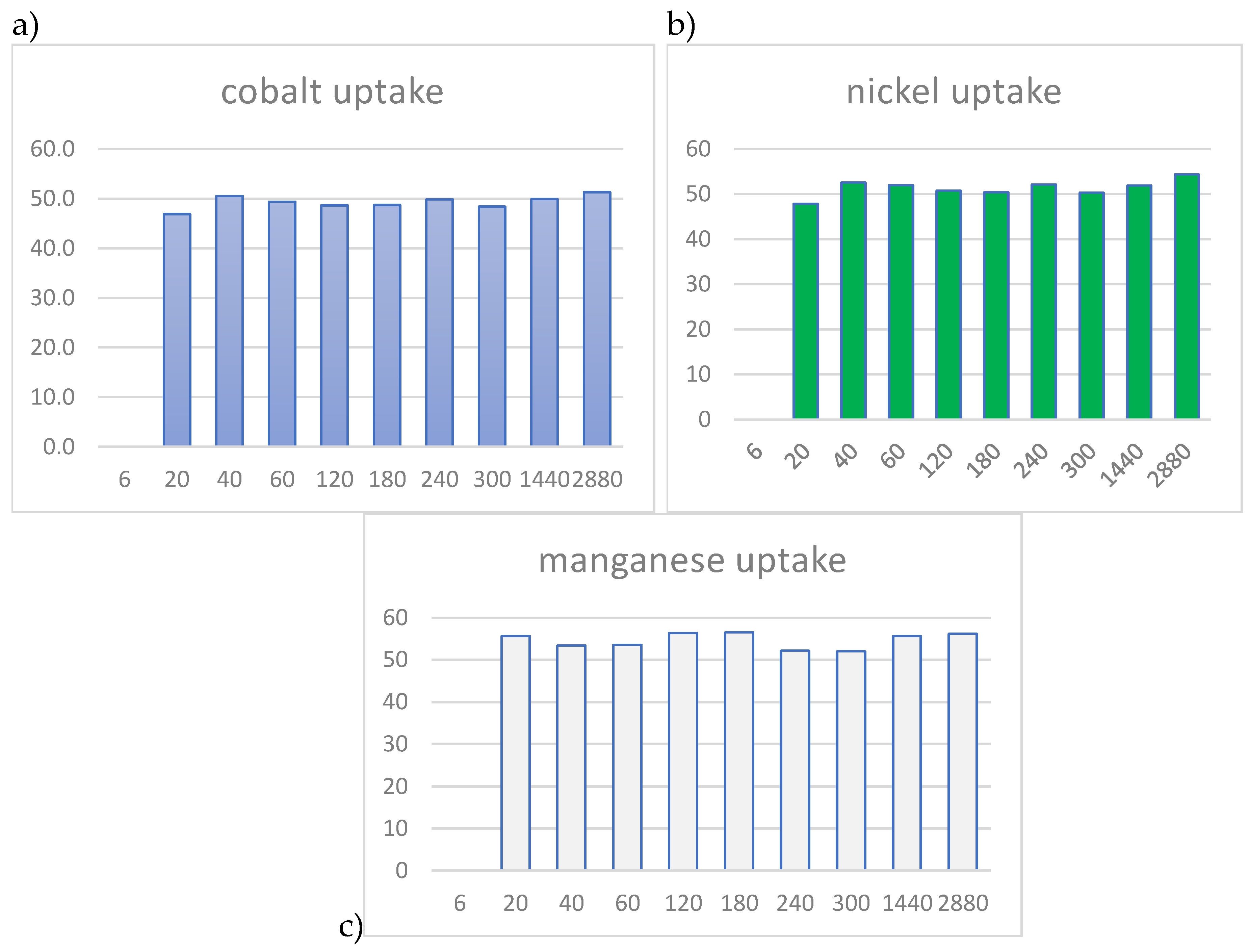
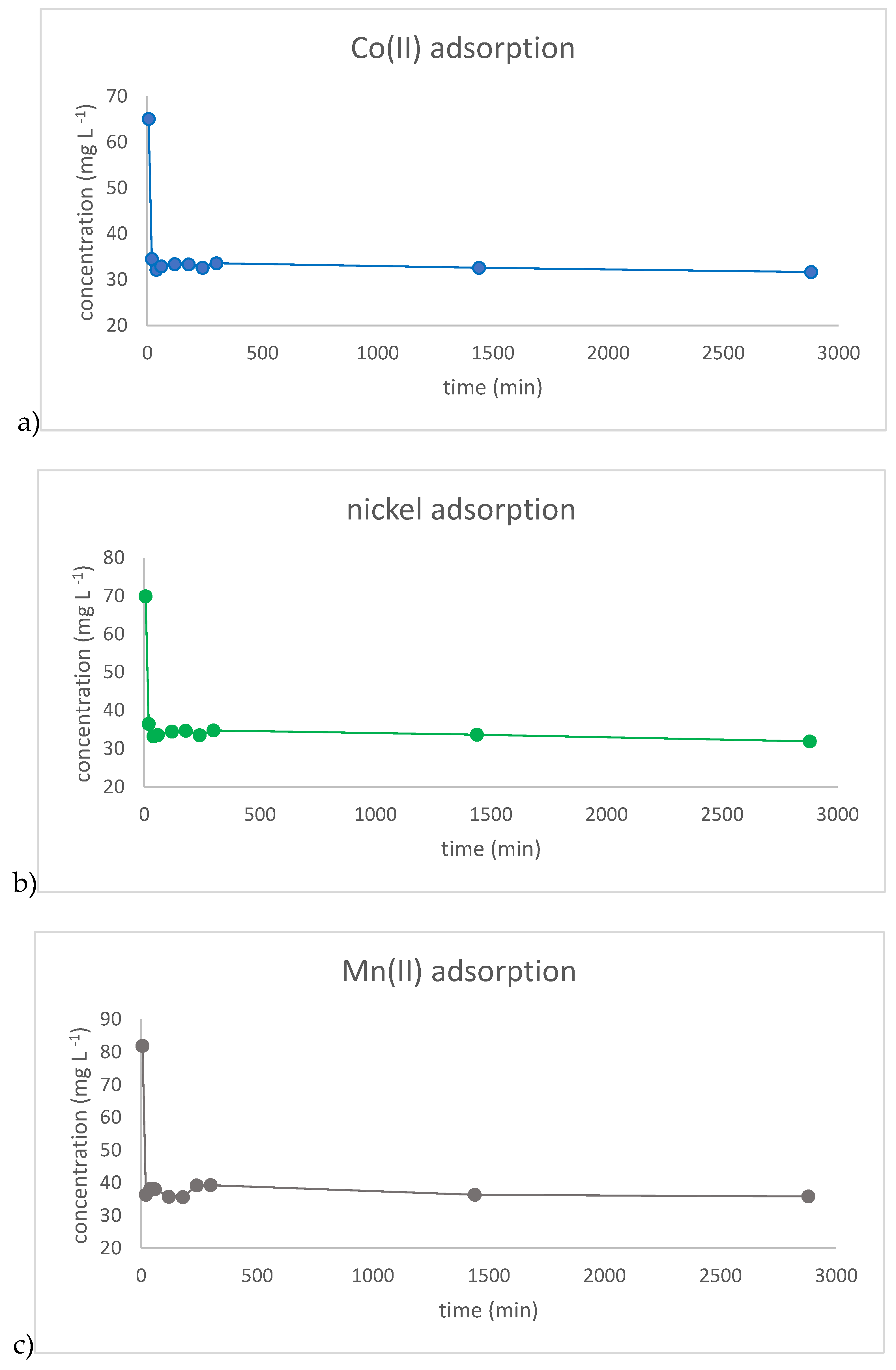
Sampling on stirred solutions is made on 100 ml of solution of the three metals, on 100 mg of MIL-53(Al), at 6, 20, 40, 60, 120, 180, 240, 300, 1440, 2880 minutes with initial concentration 65 , 70 and 82 respectively for Co(II), Ni(II), Mn(II). Adsorption stirring and centrifuging the solutions get the following results, after 20 minutes there is a 46 % and 47 % for cobalt and nickel solution concentration decreasing, for manganese after 20 minutes there is a decreasing of 56%. After 48 hours there is an uptake of 51.3 % of the cobalt concentration, 54.0% for the nickel and 56.2% for manganese, in stirring and centrifuging every metal solution. The maximum adsorption is higher for manganese 46,0 mg g-1 , 38,0 mg g-1 for nickel and 33,4 mg g-1 for cobalt .
Figure 1. Metals uptake of a stirred and centrifuged solution of Co(NO3)2 .6 H2O (a), Ni(NO3)2 .6 H2O (b), Mn(NO3)2 .6 H2O (c) in 10 ml of DI water starting from 65 , 70 and 82 ppm.
Preprints 149749 g001
Figure 2. Adsorption of metals for stirred and centrifuged solutions for adsorption of Co(NO3)2 .6 H2O(a), Ni(NO3)2 .6 H2O(b), Mn(NO3)2 .6 H2O(c) in 10 ml of DI water starting from 65 , 70 and 82 ppm.
Preprints 149749 g002

3. Materials and Methods

Reagents and solvents were purchased by Sigma-Aldrich, these were used without any further purification.

4. Synthesis

Aluminium nitrate salt is dissolved in water and then added to the ligand in dimethylformamide DMF, the mixed reagents by solvothermal reaction gives the MIL-53(Al).
Benzendicarboxylate H2BDC 0.5766 g and aluminium nitrate nonahydrate Al(NO3)3 9 H2O 2.5996 g in a DMF solution of 35 ml are stirred for 30 minutes at room temperature before autoclave utilisation for solvothermal synthesis at 150° for 72 h. The product and at the end of the reaction is cooled at room temperature and washed with 10 ml of ethanol. The MOF is filtrated and left at room temperature for 24 hours. Before using it there is a further drying at 100°C for 1 hour. Lavoisier Institute Material MIL-53(Al) [Al (OH) [(O2C)–C6H4–(CO2)] . Following the elsewhere reported synthesis [56] but lowering the temperature of synthesis.

5. Structural Characterization

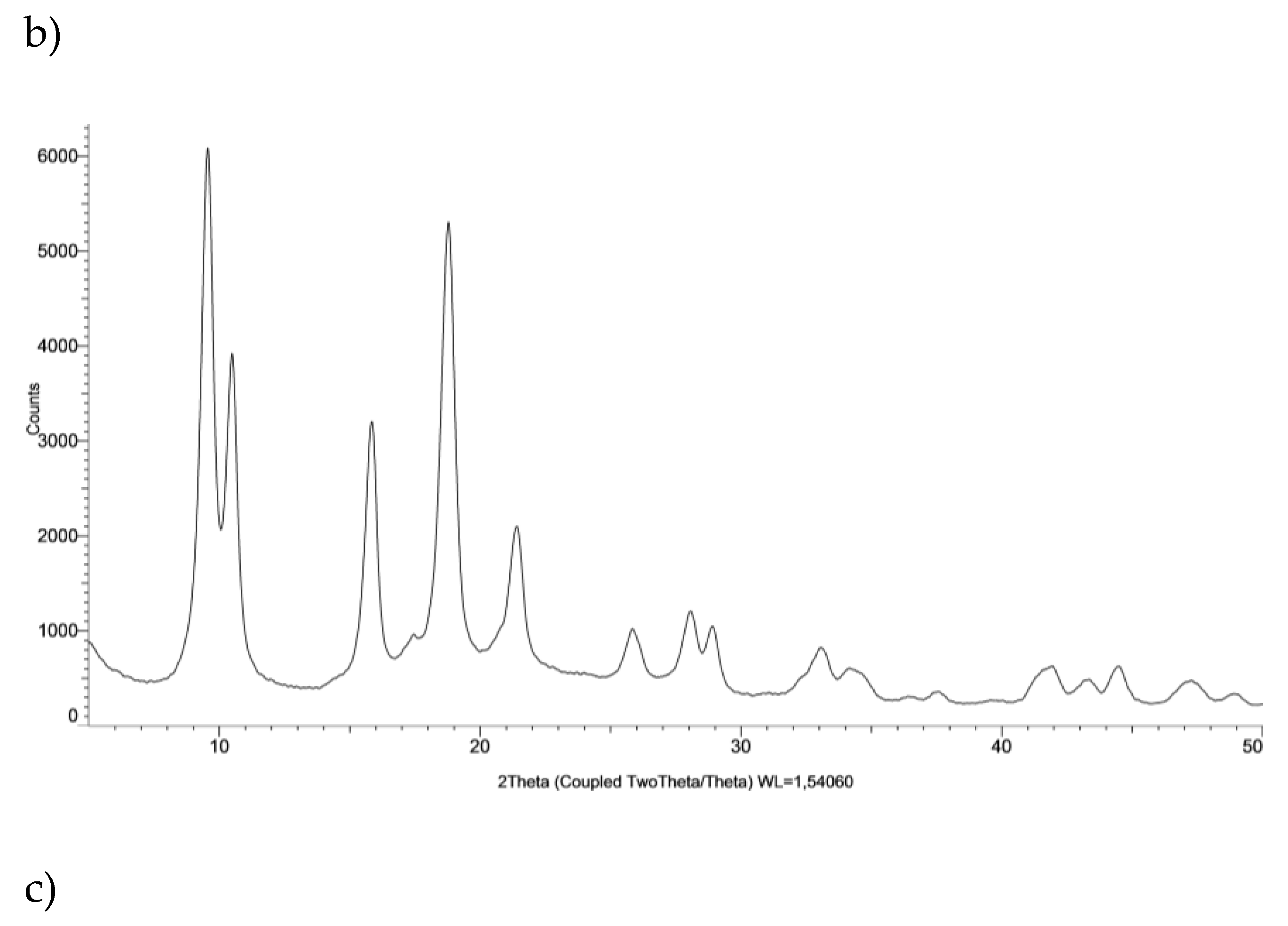
PXRD of 30 mg of the white crystalline sample of MIL-53 is measured. Experimental PXRD pattern profiles of MIL-53(Al), is compared with the calculated pattern (Figure 3) in the 2θ range 5.0– 50.0 and Cu Kα radiation λ= 1.5405 with a 0.05° 2θ step size, the maximum intensity of XRD patterns was set to 10,000 counts. The sample is mounted on the powder diffractometer Bruker, D2 PHASER and a Lynxeye detector, at 30 kV and 10 mA. Powder X-ray diffraction (PXRD) patterns confirmed the homogeneity of the bulk samples. Crystallinity is retained even when it is heated at 100 °C for 60 minutes.

6. Conclusions

Cobalt, nickel and manganese divalent ions are adsorbed in the metal organic framework MIL-53 (Al). With a percentage uptake that almost halve the initial concentration, specifically, 51.3 % for the cobalt concentration, 54.0% for the nickel and 56.2% for the manganese. This is the first adsorption of manganese in a metal organic framework and few examples of other adsorbents are present in literature. The realization of mixed matrix membranes and the test with these metal solutions is the perspective for the continuing of the research line.

Funding

This work is financed by the project “Tech4You- Technologies for climate change adaptation and quality of life improvement”, code number ECS 00000009, CUP H23C22000370006, Piano Nazionale di Ripresa e Resilienza, Missione 4, Componente 2, Investimento 1.5. Research: “Sviluppo sperimentale di dispositivi a base di membrane a matrici mista per il recupero di metalli in via di estinzione”.

Data Availability Statement

Available asking to the author.

Acknowledgments

R.B. sincere gratitude goes to project professor Donatella Armentano, professor Antonio Tagarelli and Dr. Rosangela Elliani. R.B. acknowledges the Chemistry and Chemical Technologies department of the University of Calabria.

Conflicts of Interest

The authors declare no conflicts of interest.

References

  1. [1] Md. R. Awual, Md. M. Hasan, A. Islam, A. M. Asiri, e M. M. Rahman, «Optimization of an innovative composited material for effective monitoring and removal of cobalt(II) from wastewater», Journal of Molecular Liquids, vol. 298, p. 112035, gen. 2020. [CrossRef]
  2. [2] S. Pullen e G. H. Clever, «Mixed-Ligand Metal–Organic Frameworks and Heteroleptic Coordination Cages as Multifunctional Scaffolds—A Comparison», Acc. Chem. Res., vol. 51, fasc. 12, pp. 3052–3064, dic. 2018. [CrossRef]
  3. [3] J. Da Silva Burgal, L. Peeva, e A. Livingston, «Towards improved membrane production: using low-toxicity solvents for the preparation of PEEK nanofiltration membranes», Green Chem., vol. 18, fasc. 8, pp. 2374–2384, 2016. [CrossRef]
  4. [4] G. Gumilar et al., «General synthesis of hierarchical sheet/plate-like M-BDC (M = Cu, Mn, Ni, and Zr) metal–organic frameworks for electrochemical non-enzymatic glucose sensing», Chem. Sci., vol. 11, fasc. 14, pp. 3644–3655, apr. 2020. [CrossRef]
  5. [5] S. Sakaida et al., «Crystalline coordination framework endowed with dynamic gate-opening behaviour by being downsized to a thin film», Nature Chem, vol. 8, fasc. 4, Art. fasc. 4, apr. 2016. [CrossRef]
  6. [6] X. Zhang et al., «Electrochemically Assisted Interfacial Growth of MOF Membranes», Matter, vol. 1, fasc. 5, pp. 1285–1292, nov. 2019. [CrossRef]
  7. [7] M. Y. B. Zulkifli, K. Su, R. Chen, J. Hou, e V. Chen, «Future perspective on MOF glass composite thin films as selective and functional membranes for molecular separation», Advanced Membranes, vol. 2, p. 100036, gen. 2022. [CrossRef]
  8. [8] Y. Zhou, X. Wei, L. Huang, e H. Wang, «Worldwide research on extraction and recovery of cobalt through bibliometric analysis: a review», Environ Sci Pollut Res, vol. 30, fasc. 7, pp. 16930–16946, feb. 2023. [CrossRef]
  9. [9] E. Savinova, C. Evans, É. Lèbre, M. Stringer, M. Azadi, e R. K. Valenta, «Will global cobalt supply meet demand? The geological, mineral processing, production and geographic risk profile of cobalt», Resources, Conservation and Recycling, vol. 190, p. 106855, mar. 2023. [CrossRef]
  10. [10] X. Feng et al., «Aluminum Hydroxide Secondary Building Units in a Metal–Organic Framework Support Earth-Abundant Metal Catalysts for Broad-Scope Organic Transformations», ACS Catal., vol. 9, fasc. 4, pp. 3327–3337, apr. 2019. [CrossRef]
  11. [11] J. A. Botas, G. Calleja, M. Sánchez-Sánchez, e M. G. Orcajo, «Cobalt Doping of the MOF-5 Framework and Its Effect on Gas-Adsorption Properties», Langmuir, vol. 26, fasc. 8, pp. 5300–5303, apr. 2010. [CrossRef]
  12. [12] J.-H. Choi, J. Jegal, e W.-N. Kim, «Fabrication and characterization of multi-walled carbon nanotubes/polymer blend membranes», Journal of Membrane Science, vol. 284, fasc. 1, pp. 406–415, nov. 2006. [CrossRef]
  13. [13] M. Rauche et al., «Solid-state NMR studies of metal ion and solvent influences upon the flexible metal-organic framework DUT-8», Solid State Nuclear Magnetic Resonance, vol. 120, p. 101809, ago. 2022. [CrossRef]
  14. [14] S. Ehrling et al., «Tailoring the Adsorption-Induced Flexibility of a Pillared Layer Metal–Organic Framework DUT-8(Ni) by Cobalt Substitution», Chem. Mater., vol. 32, fasc. 13, pp. 5670–5681, lug. 2020. [CrossRef]
  15. [15] H. Miura et al., «Spatiotemporal Design of the Metal–Organic Framework DUT-8(M)», Advanced Materials, vol. 35, fasc. 8, p. 2207741, 2023. [CrossRef]
  16. [16] H. Kim e C. S. Hong, «MOF-74-type frameworks: tunable pore environment and functionality through metal and ligand modification», CrystEngComm, vol. 23, fasc. 6, pp. 1377–1387, feb. 2021. [CrossRef]
  17. [17] D. Feng et al., «Kinetically tuned dimensional augmentation as a versatile synthetic route towards robust metal–organic frameworks», Nat Commun, vol. 5, fasc. 1, Art. fasc. 1, dic. 2014. [CrossRef]
  18. [18] C. Dong, J.-J. Yang, L.-H. Xie, G. Cui, W.-H. Fang, e J.-R. Li, «Catalytic ozone decomposition and adsorptive VOCs removal in bimetallic metal-organic frameworks», Nat Commun, vol. 13, fasc. 1, Art. fasc. 1, ago. 2022. [CrossRef]
  19. [19] M.-H. Zeng et al., «Apical Ligand Substitution, Shape Recognition, Vapor-Adsorption Phenomenon, and Microcalorimetry for a Pillared Bilayer Porous Framework That Shrinks or Expands in Crystal-to-Crystal Manners upon Change in the Cobalt(II) Coordination Environment», Inorg. Chem., vol. 48, fasc. 15, pp. 7070–7079, ago. 2009. [CrossRef]
  20. [20] A. Helal, S. Shaheen Shah, M. Usman, M. Y. Khan, Md. A. Aziz, e M. Mizanur Rahman, «Potential Applications of Nickel-Based Metal-Organic Frameworks and their Derivatives», The Chemical Record, vol. 22, fasc. 7, p. e202200055, 2022. [CrossRef]
  21. [21] H. Olivier-Bourbigou, P. A. R. Breuil, L. Magna, T. Michel, M. F. Espada Pastor, e D. Delcroix, «Nickel Catalyzed Olefin Oligomerization and Dimerization», Chem. Rev., vol. 120, fasc. 15, pp. 7919–7983, ago. 2020. [CrossRef]
  22. [22] T. Wurzel, S. Malcus, e L. Mleczko, «Reaction engineering investigations of CO2 reforming in a fluidized-bed reactor», Chemical Engineering Science, vol. 55, fasc. 18, pp. 3955–3966, set. 2000. [CrossRef]
  23. [23] M. A. Nieva, M. M. Villaverde, A. Monzón, T. F. Garetto, e A. J. Marchi, «Steam-methane reforming at low temperature on nickel-based catalysts», Chemical Engineering Journal, vol. 235, pp. 158–166, gen. 2014. [CrossRef]
  24. [24] J. Xu, W. Zhou, Z. Li, J. Wang, e J. Ma, «Biogas reforming for hydrogen production over nickel and cobalt bimetallic catalysts», International Journal of Hydrogen Energy, vol. 34, fasc. 16, pp. 6646–6654, ago. 2009. [CrossRef]
  25. [25] B. Abdullah, N. A. Abd Ghani, e D.-V. N. Vo, «Recent advances in dry reforming of methane over Ni-based catalysts», Journal of Cleaner Production, vol. 162, pp. 170–185, set. 2017. [CrossRef]
  26. [26] L. Karam, J. Reboul, S. Casale, P. Massiani, e N. El Hassan, «Porous Nickel-Alumina Derived from Metal-Organic Framework (MIL-53): A New Approach to Achieve Active and Stable Catalysts in Methane Dry Reforming», ChemCatChem, vol. 12, fasc. 1, pp. 373–385, 2020. [CrossRef]
  27. [27] N. Hongloi, P. Prapainainar, e C. Prapainainar, «Review of green diesel production from fatty acid deoxygenation over Ni-based catalysts», Molecular Catalysis, vol. 523, p. 111696, mag. 2022. [CrossRef]
  28. [28] X. Sun et al., «Metal–Organic Framework Mediated Cobalt/Nitrogen-Doped Carbon Hybrids as Efficient and Chemoselective Catalysts for the Hydrogenation of Nitroarenes», ChemCatChem, vol. 9, fasc. 10, pp. 1854–1862, 2017. [CrossRef]
  29. [29] F. Su, L. Lv, F. Y. Lee, T. Liu, A. I. Cooper, e X. S. Zhao, «Thermally Reduced Ruthenium Nanoparticles as a Highly Active Heterogeneous Catalyst for Hydrogenation of Monoaromatics», J. Am. Chem. Soc., vol. 129, fasc. 46, pp. 14213–14223, nov. 2007. [CrossRef]
  30. [30] B. Lin et al., «Preparation of a Highly Efficient Carbon-Supported Ruthenium Catalyst by Carbon Monoxide Treatment», Ind. Eng. Chem. Res., vol. 57, fasc. 8, pp. 2819–2828, feb. 2018. [CrossRef]
  31. [31] Z. Liu, Y. Yang, J. Mi, X. Tan, e Y. Song, «Synthesis of copper-containing ordered mesoporous carbons for selective hydrogenation of cinnamaldehyde», Catalysis Communications, vol. 21, pp. 58–62, mag. 2012. [CrossRef]
  32. [32] C.-C. Huang, Y.-H. Li, Y.-W. Wang, e C.-H. Chen, «Hydrogen storage in cobalt-embedded ordered mesoporous carbon», International Journal of Hydrogen Energy, vol. 38, fasc. 10, pp. 3994–4002, apr. 2013. [CrossRef]
  33. [33] Y. Liu, Y. Wang, Y. Chen, C. Wang, e L. Guo, «NiCo-MOF nanosheets wrapping polypyrrole nanotubes for high-performance supercapacitors», Applied Surface Science, vol. 507, p. 145089, mar. 2020. [CrossRef]
  34. [34] Q. Li et al., «Self-assembled Mo doped Ni-MOF nanosheets based electrode material for high performance battery-supercapacitor hybrid device», International Journal of Hydrogen Energy, vol. 45, fasc. 41, pp. 20820–20831, ago. 2020. [CrossRef]
  35. [35] J. Li et al., «Highly effective electromagnetic wave absorbing Prismatic Co/C nanocomposites derived from cubic metal-organic framework», Composites Part B: Engineering, vol. 182, p. 107613, feb. 2020. [CrossRef]
  36. [36] M. Azadfalah, A. Sedghi, H. Hosseini, e H. Kashani, «Cobalt based Metal Organic Framework/Graphene nanocomposite as high performance battery-type electrode materials for asymmetric Supercapacitors», Journal of Energy Storage, vol. 33, p. 101925, gen. 2021. [CrossRef]
  37. [37] L. Wan et al., «ZIF-8 derived nitrogen-doped porous carbon/carbon nanotube composite for high-performance supercapacitor», Carbon, vol. 121, pp. 330–336, set. 2017. [CrossRef]
  38. [38] Y. Jiao, J. Pei, C. Yan, D. Chen, Y. Hu, e G. Chen, «Layered nickel metal–organic framework for high performance alkaline battery-supercapacitor hybrid devices», Journal of Materials Chemistry A, vol. 4, fasc. 34, pp. 13344–13351, 2016. [CrossRef]
  39. [39] X. Hu et al., «Cobalt-based metal organic framework with superior lithium anodic performance», Journal of Solid State Chemistry, vol. 242, pp. 71–76, ott. 2016. [CrossRef]
  40. [40] H. Shayegan, V. Safari Fard, H. Taherkhani, e M. A. Rezvani, «Efficient Removal of Cobalt(II) Ion from Aqueous Solution Using Amide-Functionalized Metal-Organic Framework», Journal of Applied Organometallic Chemistry, vol. 2, fasc. 3, pp. 109–118, ago. 2022. [CrossRef]
  41. [41] X. Wang, Y. Zhou, J. Men, C. Liang, e M. Jia, «Removal of Co(II) from aqueous solutions with amino acid-modified hydrophilic metal-organic frameworks», Inorganica Chimica Acta, vol. 547, p. 121337, mar. 2023. [CrossRef]
  42. [42] H. Shahriyari Far, M. Hasanzadeh, M. Najafi, T. R. Masale Nezhad, e M. Rabbani, «Efficient Removal of Pb(II) and Co(II) Ions from Aqueous Solution with a Chromium-Based Metal–Organic Framework/Activated Carbon Composites», Ind. Eng. Chem. Res., vol. 60, fasc. 11, pp. 4332–4341, mar. 2021. [CrossRef]
  43. [43] G. Yuan et al., «Schiff base anchored on metal-organic framework for Co (II) removal from aqueous solution», Chemical Engineering Journal, vol. 326, pp. 691–699, ott. 2017. [CrossRef]
  44. [44] G. Yuan et al., «Removal of Co(II) from aqueous solution with functionalized metal–organic frameworks (MOFs) composite», J Radioanal Nucl Chem, vol. 322, fasc. 2, pp. 827–838, nov. 2019. [CrossRef]
  45. [45] F. Fang et al., «Removal of cobalt ions from aqueous solution by an amination graphene oxide nanocomposite», Journal of Hazardous Materials, vol. 270, pp. 1–10, apr. 2014. [CrossRef]
  46. [46] M. Li et al., «Efficient removal of Co(II) from aqueous solution by flexible metal-organic framework membranes», Journal of Molecular Liquids, vol. 324, p. 114718, feb. 2021. [CrossRef]
  47. [47] G. Yuan et al., «Glycine derivative-functionalized metal-organic framework (MOF) materials for Co(II) removal from aqueous solution», Applied Surface Science, vol. 466, pp. 903–910, feb. 2019. [CrossRef]
  48. [48] Md. A. Islam, Md. R. Awual, e M. J. Angove, «A review on nickel(II) adsorption in single and binary component systems and future path», Journal of Environmental Chemical Engineering, vol. 7, fasc. 5, p. 103305, ott. 2019. [CrossRef]
  49. [49] M. S. Hellal, A. M. Rashad, K. K. Kadimpati, S. K. Attia, e M. E. Fawzy, «Adsorption characteristics of nickel (II) from aqueous solutions by Zeolite Scony Mobile-5 (ZSM-5) incorporated in sodium alginate beads», Sci Rep, vol. 13, fasc. 1, p. 19601, nov. 2023. [CrossRef]
  50. [50] A. Nour et al., «Efficient Nickel and Cobalt Recovery by Metal–Organic Framework-Based Mixed Matrix Membranes (MMM-MOFs)», ACS Sustainable Chem. Eng., vol. 12, fasc. 32, pp. 12014–12028, ago. 2024. [CrossRef]
  51. [51] M. S. M. Zahar, F. M. Kusin, e S. N. Muhammad, «Adsorption of Manganese in Aqueous Solution by Steel Slag», Procedia Environmental Sciences, vol. 30, pp. 145–150, gen. 2015. [CrossRef]
  52. [52] M. A. Karim, S. Nasir, T. W. Widowati, e U. Hasanudin, «Kinetic Study of Adsorption of Metal Ions (Iron and Manganese) in Groundwater Using Calcium Carbide Waste», J. Ecol. Eng., vol. 24, fasc. 5, pp. 155–165, mag. 2023. [CrossRef]
  53. [53] A. Wilamas, S. Vinitnantharat, e A. Pinisakul, «Manganese Adsorption onto Permanganate-Modified Bamboo Biochars from Groundwater», Sustainability, vol. 15, fasc. 8, Art. fasc. 8, gen. 2023. [CrossRef]
  54. [54] Y. Tong et al., «Systematic understanding of the potential manganese-adsorption components of a screened Lactobacillus plantarum CCFM436», RSC Adv., vol. 6, fasc. 104, pp. 102804–102813, ott. 2016. [CrossRef]
  55. [55] K. Fialova et al., «Removal of manganese by adsorption onto newly synthesized TiO2-based adsorbent during drinking water treatment», Environmental Technology, vol. 44, fasc. 9, pp. 1322–1333, apr. 2023. [CrossRef]
  56. [56] T. Loiseau et al., «A Rationale for the Large Breathing of the Porous Aluminum Terephthalate (MIL-53) Upon Hydration», Chemistry—A European Journal, vol. 10, fasc. 6, pp. 1373–1382, 2004. [CrossRef]
  57. [57] A. Taheri, E. G. Babakhani, e J. Towfighi, «Study of synthesis parameters of MIL-53(Al) using experimental design methodology for CO2/CH4 separation», Adsorption Science & Technology, vol. 36, fasc. 1–2, pp. 247–269, feb. 2018. [CrossRef]
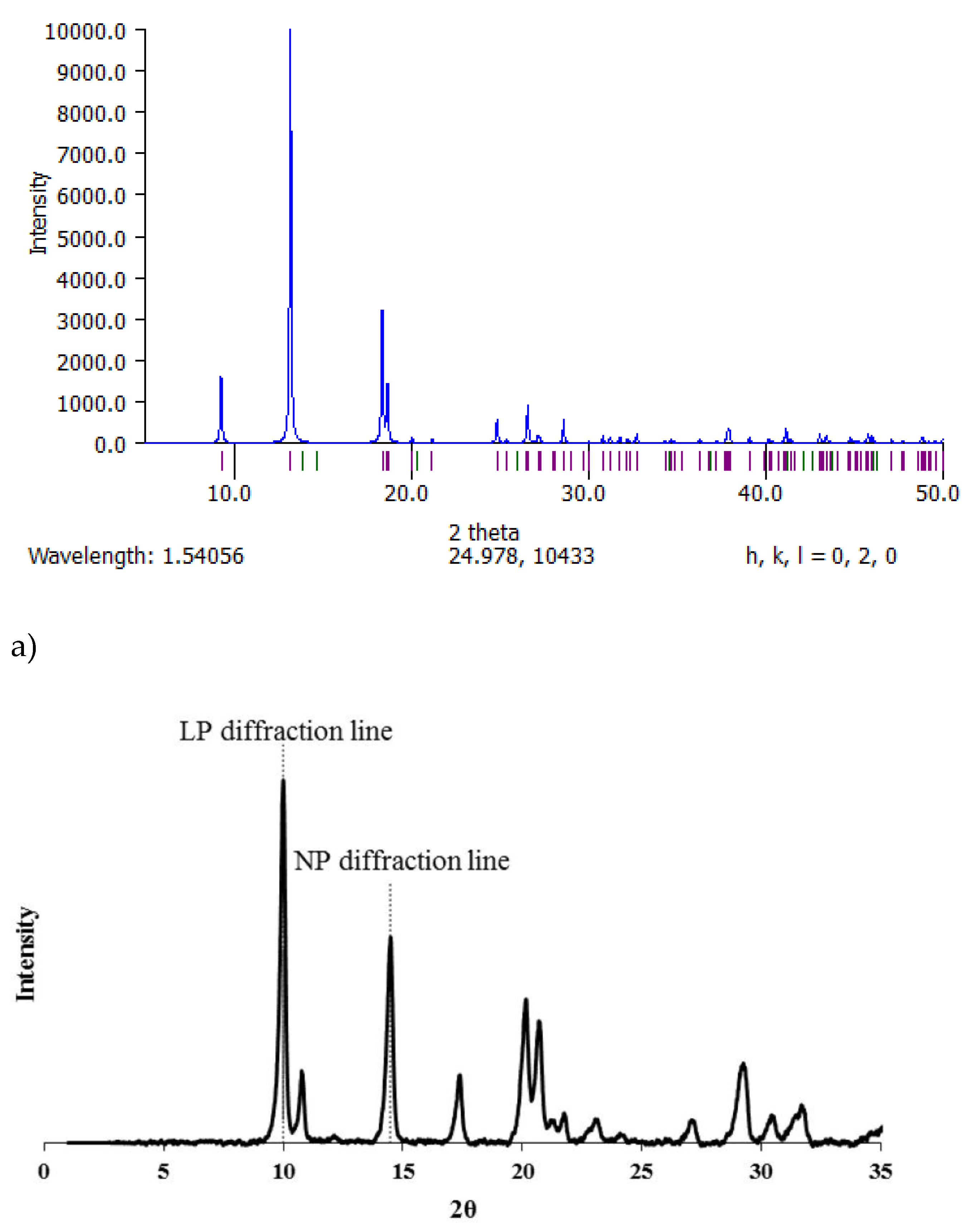
Figure 3. Comparison calculated(narrow pore) a) and experimental b) and c) MIL-53 sample PXRD. Diffractogram b) is adapted from ref. [57].
Preprints 149749 g003aPreprints 149749 g003b
Table 1. Literature data regarding adsorption of cobalt using MOFs and this work experimental data for Co(II), Ni(II), Mn(II).
Cobalt adsorption
MOF Equilibrium uptake capacity (mg g-1)
TMU-24 500.0 [40]
ZIF-90-lysine 136.83 [41]
ZIF-90-methionine 164.4 [41]
Cr-BDC 138.0 [42]
UiO-66-CONH2 339.7 [44]
SrCu6Ser 387.3 [50]
Glycine, diglycine, and triglycine were post-synthesized on MIL-101-NH2 from 185.2 to 232.6 [47]
MIL-53(Al) (this work) 33.4
Nickel adsorption
MIL-53(Al) (this work) 38.0
SrCu6Ser 150.8 [50]
Manganese adsorption
MIL-53(Al) (this work) 46.0
Disclaimer/Publisher’s Note: The statements, opinions and data contained in all publications are solely those of the individual author(s) and contributor(s) and not of MDPI and/or the editor(s). MDPI and/or the editor(s) disclaim responsibility for any injury to people or property resulting from any ideas, methods, instructions or products referred to in the content.
Copyright: This open access article is published under a Creative Commons CC BY 4.0 license, which permit the free download, distribution, and reuse, provided that the author and preprint are cited in any reuse.
Prerpints.org logo

Preprints.org is a free preprint server supported by MDPI in Basel, Switzerland.

Subscribe

Disclaimer

Terms of Use

Privacy Policy

Privacy Settings

© 2025 MDPI (Basel, Switzerland) unless otherwise stated