

Submitted:
09 February 2025
Posted:
10 February 2025
You are already at the latest version
Abstract
Nomophobia is the fear of being out of smartphone contact. This study examines its prevalence and potential links to socio-demographic and risk factors. Modern technologies have led to nomophobia, a psychosocial risk factor causing technostress. This fear of new technologies is influenced by ergonomics, which studies how humans physically react to and fit with devices. Technostress is a result of altered behaviors resulting from the use of modern technologies at work and home. The primary goal of this research was to assess the prevalence of nomophobia among college students with specific objectives and research questions. Researchers used a quantitative cross-sectional design to assess nomophobia among 231 higher secondary students. Participants completed a semi-structured, self-administered questionnaire, and the study maintained ethical considerations. Researchers analyzed the data using SPSS version 26. The respondents had a mean age of 17.18 years. The study found that 49.8% used smartphones for more than 1–3 hours daily, while 28.1% checked their phones for notifications a few times daily. Findings revealed that 32% of respondents experienced mild nomophobia, 34.2% had a moderate level, and 33.8% suffered from severe nomophobia. Sixty-seven-point-five percent of respondents used smartphones primarily for social media. The study found no significant association between socio-demographic factors and nomophobia levels. However, daily smartphone usage showed a substantial correlation with nomophobia severity. These results indicate that most respondents experienced some degree of nomophobia, with its prevalence likely increasing. Effective management of nomophobia requires early detection and proactive intervention strategies.
Keywords:
Techno stress
; Nomophobia
; Prevalence
; Mobile and Smartphones
; Students and Colleges
; Psychosocial Risk
1. Introduction
The widespread use of smartphones in daily life has led to the rise of “nomophobia,” short for “No-Mobile-Phone-Phobia,” a behavioral addiction characterized by anxiety when disconnected from a mobile network or unable to access a phone. Researchers introduced this term in a 2008 study commissioned by the United Kingdom postal office. With this rising demand for electronic devices, they have become indispensable in modern society. Students actively use smartphones for various purposes, including communicating with their parents and gathering information for their college assignments. They search the internet for relevant data to support their projects, relying on reliable internet access and smartphone apps to complete tasks efficiently. Smartphones and the internet provide valuable academic opportunities, helping students stay on top of their assignments and enhance their academic success. (Devi & Dutta, 2022; Aldhahir et al., 2023; Vagka et al., 2023; Essel et al., 2021). Despite the benefits offered by smartphones, they also bring about concerns and risks, especially among college students. These include increased feelings of anxiety and mental fatigue. This issue has gained significant attention, especially among students, as many experience anxiety when they lose network coverage, run out of phone balance, or deplete their battery. These feelings of disconnection can negatively impact their health. Research has shown that nomophobia is widespread across both developed and developing nations. A global study across 41 countries found that its prevalence ranged between 77% and 99%, with young adults being the most affected (Tuco et al., 2023). A systematic review and meta-analysis by Yildirim et al. (2023) found that university students worldwide exhibit a high prevalence of nomophobia, ranging from 77% to 99%, due to their extensive smartphone use for academic and social purposes. Adawi et al. (2023) reported that nearly two-thirds of nursing students in Iran experienced moderate to severe nomophobia, driven by their need for constant communication, academic reliance on smartphones, and stress-coping mechanisms. In India, a cross-sectional study of 320 undergraduate medical students between July and August 2022 revealed a 100% prevalence of nomophobia, with 59% showing moderate symptoms, 35% mild symptoms, and 6% severe symptoms (Neelima et al., 2023). Similarly, Samsudin et al. (2021) found a 51% prevalence in Malaysia, with slightly higher rates among males (52.2%) than females (47.8%). Research at Centro Universitário Christus reported that 99.7% of 292 medical students experienced some degree of nomophobia, with 64.5% showing moderate or severe symptoms, 11.8% suffering from severe nomophobia, and over 50% exhibiting mild to severe stress (Kubrusly et al., 2021). In Ghana, Boateng and Amankwaa (2021) identified a 96.7% prevalence at Kwame Nkrumah University of Science and Technology, with higher levels among females and on-campus residents, emphasizing the role of smartphones in social interactions. The 2022 National Census in Nepal reported that 73.2% of the population owned mobile phones, with regional variations: Koshi (72.6%), Madhesh (74.8%), Bagmati (68.2%), Gandaki (71.1%), Lumbini (74.6%), Karnali (82.2%), and Far West (79.1%) (Republic, 2023). Karki et al. (2020) found that smartphone addiction affected 36.8% of 250 medical students at Chitwan Medical College, with a higher prevalence among males; 37.6% engaged in phubbing, and over 60% reported excessive smartphone use, while 72.4% experienced nomophobia. Additionally, Thapa et al. (2020) studied 390 students in Eastern Nepal between October 2016 and March 2017, reporting that 21.8% were dependent on mobile phones, influenced by call duration, monthly recharge expenses, and years of ownership. These studies highlight the high prevalence of nomophobia among students and its potential health consequences. Although students primarily use smartphones for studying and communicating with friends and family, excessive usage can lead to anxiety, sleep disturbances, poor academic performance, low self-esteem, and personality disorders. Although research on nomophobia has expanded, few studies have specifically examined its prevalence among students in private colleges. These students may use smartphones differently and experience unique stressors compared to those in public institutions. These differences could influence the occurrence of nomophobia and its associated risk factors.
This study seeks to close the gap by analyzing the frequency of nomophobia among private college students and pinpointing the leading causes. Comprehending these trends is essential to creating focused treatments that can lessen the detrimental impacts of this student group’s excessive smartphone use. The specific objectives and research questions are as follows:
- What is the prevalence of nomophobia among college students?
- Apart from college students, who are the students in this survey who are at greater risk of experiencing feelings of regret when they go too long without using their cell phones?
- What are the most common locations on campus where students have trouble going without using their cell phones?
The article is structured into six sections. The introduction in Section 1 provides an overview of the topic. Section 2 examines the existing research on nomophobia, and Section 3 outlines the materials and methods employed in the study. Section 4 presents the survey findings, and Section 5 analyzes and discusses the key results. Lastly, Section 6 summarizes the conclusions and offers recommendations based on the study’s findings.
2. Literature Review Related Works
Nomophobia has gained significant attention in recent years, mainly due to its prevalence among university students and the associated risk factors. This section reviews existing research on nomophobia, examining its prevalence, contributing factors, and psychological implications. Analyzing recent studies aims to comprehensively understand how nomophobia manifests among private college students and the broader impact of excessive smartphone dependence. A systematic review and meta-analysis of 28 cross-sectional studies involving 11,300 participants from eight countries found that 24% of individuals experienced mild nomophobia, 56% had moderate nomophobia, and 17% suffered from severe nomophobia. Indonesia reported the highest prevalence of severe nomophobia at 71%, while Germany had the lowest at 3%. The study highlighted the widespread nature of moderate to severe nomophobia among university students, emphasizing the need for interventions within educational institutions (Tuco et al., 2023).In Bangladesh, researchers assessed nomophobia among university students and reported a mean nomophobia score of 88.55 out of 140. The study found that 9.4% of students experienced mild nomophobia, 56.1% had moderate nomophobia, and 34.5% suffered from severe nomophobia. First-year students exhibited higher levels of nomophobia compared to senior students. Key predictors included daily smartphone usage, psychoactive substance use, and being in a relationship. Additionally, nomophobia is strongly correlated with smartphone addiction, Facebook addiction, insomnia, and depression. Smartphone addiction also significantly mediated the relationship between Facebook addiction and nomophobia (Al-Mamun et al., 2023). In a study conducted across five Arab countries in the Middle East, researchers found that females were 15% more likely than males to develop mobile phone dependence. The most common dependence criterion was impaired control, followed by withdrawal symptoms, while harmful use was the least prevalent. The study suggested that cultural differences significantly influence technology-related behaviors and nomophobia levels (Naser et al., 2023). A cross-sectional study conducted in Syria among 111 medical students revealed that 39.6% of participants occasionally felt uncomfortable when separated from their mobile phones. About 40.5% reported feeling uneasy “sometimes,” 19% “generally,” and 15% “most of the time” when they could not receive incoming calls or messages—an indicator of nomophobia (Betul Rana Celik et al., 2023).
In India, a cross-sectional study conducted among 320 undergraduate medical students found a 100% prevalence of nomophobia. Of these students, 59% experienced moderate nomophobia, 35% had mild symptoms, and 6% suffered from severe nomophobia. Most students (60%) used smartphones for communication, 56% for entertainment, and 46% for study purposes (Neelima et al., 2023). A large-scale cross-sectional study conducted in 2023 on 1,408 young adults aged 18–25 found that 99.9% of participants exhibited some level of nomophobia, with 57% experiencing moderate symptoms. Women and non-working participants showed a higher likelihood of severe nomophobia. Additionally, individuals whose fathers lacked an academic degree had a 30% higher likelihood of experiencing nomophobia. Among those with severe nomophobia, 59% checked their phones very frequently, and 45.8% reported a negative impact on their academic performance (Vagka et al., 2023). In Ghana, researchers assessed nomophobia among higher education students and found a prevalence of 96.7%. Female students (99.7%) exhibited higher levels of nomophobia than their male counterparts. On-campus students (98.3%) and those studying science disciplines (100%) also reported elevated levels of nomophobia. The primary source of anxiety stemmed from the inability to communicate. While no significant correlation was found between nomophobia and habits such as sleep duration or eating behavior, the study found that students who achieved high academic success were significantly less likely to experience nomophobia (Essel et al., 2021). A survey conducted using the Nomophobia Questionnaire (NMP-Q) found that 74.8% of participants experienced moderate nomophobia, while 18.9% suffered from severe symptoms. The study found that the condition had a more significant impact on males than females. Participants living in metropolitan and urban areas and those using their phones for more than five hours per day showed higher levels of nomophobia (Article, 2021). In Pakistan, a descriptive cross-sectional study among dental students used the NMP-Q and the Mobile Phone Problematic Use Scale to assess nomophobia. The results indicated a growing prevalence of nomophobia among dental students, with a mean NMP-Q score of 102.49 ± 11.07 (Niazi et al., 2021). A correlational study at Chitkara University, Punjab, surveyed 209 students using the NMP-Q and the Social Interaction Anxiety Scale. The findings revealed that all students experienced some level of nomophobia, with 56.5% reporting moderate nomophobia, 35.4% severe nomophobia, and only 8.1% mild symptoms. Significant associations emerged between nomophobia levels and factors such as the department of study, family income, parents’ working status, age of smartphone ownership, and daily smartphone usage (Kaur et al., 2021). Several other studies have similarly identified high levels of nomophobia among university students across diverse regions. A study conducted among medical students in Malaysia found that 51% of participants exhibited nomophobia, with males slightly more affected than females. The study also noted a significant association between nomophobia and social media use, with Twitter, Instagram, and WhatsApp being the most commonly used platforms. The most frequently reported health consequence was headaches (Samsudin et al., 2021).
Another study conducted in Northern India among 451 undergraduate medical students reported that 67.2% experienced moderate nomophobia, while 17.3% suffered from severe nomophobia. The highest mean score among nomophobia dimensions was for “not being able to communicate,” while the lowest was for “giving up convenience” (Bartwal & Nath, 2020). Additional studies from Pakistan, Nepal, Spain, Portugal, and Saudi Arabia further highlight the increasing prevalence of nomophobia among university students. Researchers have identified multiple risk factors, including gender (with females often exhibiting higher nomophobia levels), daily smartphone use, psychoactive substance use, and relationship status. Nomophobia has also been linked to other psychological and behavioral issues, such as smartphone addiction, Facebook addiction, insomnia, and depression. Educational institutions must take action to address nomophobia, as it significantly harms academic performance, mental health, and overall well-being. Given its widespread impact, schools should implement targeted interventions to help students manage their device usage and reduce dependence on technology. The reviewed literature indicates that nomophobia is more common in developing countries than in developed ones, emphasizing the importance of creating region-specific strategies to tackle this rising issue. In Nepal, however, limited research exists on the prevalence of nomophobia, underscoring the necessity of further studies to assess and address this issue among students.
3. Materials and Methods
3.1. Study Design and Setting
This research utilized a quantitative, descriptive, cross-sectional design to assess the prevalence and risk factors of nomophobia among students in private colleges. By employing this approach, the researcher gathered measurable data directly from respondents in their natural environment. The study took place in Kathmandu, Nepal, in December 2024. Researchers selected private colleges offering undergraduate and postgraduate programs across various disciplines, including science, management, humanities, and law. The Conceptual Framework of the research has the different independent variables such as age, gender, marital status, type of family, educational level, family education status, onscreen time using smartphone, purpose of using smartphone, internet access are related to dependent variables that is Prevalence of Nomophobia among students. The outcome of dependent variables will be measured through nomophobia level as absent, mild, moderate and severe, the Figure 1 show the conceptual framework of the study’s diagram on prevalence and risk factors of nomophobia among college students.
3.2. Study Population and Sampling
The study targeted 231 students from Grade 11 and Grade 12 who were enrolled in private colleges. Researchers used a total enumerative sampling technique to select participants, ensuring representation from different academic disciplines and year groups. Table 1 summarizes the total study population chosen through this sampling method.
3.3. Inclusion and Exclusion Criteria
The study carefully selected respondents based on specific inclusion and exclusion criteria.
3.3.1. Inclusion Criteria
- Students studying in higher secondary levels (Grade 11 and Grade 12) of Kathmandu College of Central State.
- Enrolled in private colleges at the time of the study.
- Those students who use smartphones regularly.
- Willing to participate and provide informed consent.
3.3.2. Exclusion Criteria
- Students with diagnosed psychiatric disorders affecting phone usage behavior.
- Those who declined to participate or returned incomplete questionnaires.
3.4. Data Collection Instrument
The researchers collected data using a semi-structured, self-administered questionnaire.
The questionnaire consisted of four sections such as (1)socio-demographic information:
Age, gender, religion, ethnicity, family type, educational level, father’s and mother’s educational status, place of residence, and total family monthly income; (2) prevalence of nomophobia; and (3) risk factors associated with nomophobia:
Questions related to how long you have used mobile phones, daily hours spent on a smartphone, the number of times you check phone notifications, the purpose of using a smartphone, and the preferred social media platform.
3.5. Data Collection Procedure
After securing approval from the Institutional Review Committee (IRC) of Yeti Health Science Academy (YHSA), we obtained an official letter from the administration of YHSA in Maharajgunj, Kathmandu. With permission from the college principal, data collection was conducted in the school. Before administering the questionnaires, the researchers obtained informed consent from the participants. They took the time to clearly explain the study’s objectives, rationale, and the assurance of confidentiality to ensure participants understood the process. Each participant was given approximately 20 to 30 minutes to complete the questionnaire. The entire data collection process was carried out within one week. After completion, the researchers anonymized and stored the responses securely to maintain confidentiality.
3.6. Ethical Considerations
The YHSA administration department issued an official letter, which the researcher submitted to the administration of Kathmandu College of Central States. The IRC of YHSA granted ethical clearance for the study, and the college administration approved data collection through a formal permission letter. Ethical approval for the study and research proposal approval from Full Review Committee and was secured from the Board of Ethical Review at the Nepal Yeti Health Science Academy IRC: Ref. No. 081/082-456/04-10-2024), following prior authorization the Principal Investigator MS from the Office of the Dean, Faculty of Education. Additionally, all previous research and scholarly contributions relevant to the study were appropriately acknowledged, and their works were thoroughly cited throughout the research. All participants gave voluntary informed consent, with explicit assurances that they could withdraw from the study at any time. The research team ensured the privacy and confidentiality of all participants by restricting access to the data and allowing only the researcher to view it. Each respondent was assigned a unique code to maintain anonymity, and no personal information was shared with others.
3.7. Statistical Analysis
Data were analyzed using SPSS Version 26. Descriptive statistics (frequencies, percentages, mean, median, standard deviations) were used to summarize participant characteristics and nomophobia prevalence. The researchers used the chi-square test to examine the relationship between socio-demographic variables and the level of nomophobia and the connection between risk factors of nomophobia and its severity. A p-value < 0.05 was considered statistically significant.
4. Results
The result of the study is presented in four parts: (1) socio-demographic information of the informants, (2) level of nomophobia, (3) association between level of nomophobia and socio-demographic variables. (4) association between level of nomophobia and risk factors. All findings and discussions are based on the objectives and the research questions.
4.1. Respondents’ Socio-Demographic Characteristics
The Table 2 summarizes the respondents’ socio-demographic characteristics, i.e., age, gender, religion, ethnicity, family type, educational level, father’s and mother’s educational status, place of residence, and total family monthly income.
Table 2 reveals that 67.5% of respondents were aged 17 years or younger, while 32.46% were 18 years or older. Fifty-two-point four percent (52.4%) of the participants were female and 47.6% were male. The majority, 81.3%, identified as Hindu, with only 0.86% following Islam. Among the respondents, 40.3% were from Brahmin/Chhetri backgrounds, and 2.6% were Dalits. Most respondents, 56.3%, lived in nuclear families, while only 1.3% lived in single-parent households. Regarding education, 50.8% were in Grade 11, and 49.4% were in Grade 12. The fathers of 41.6% of respondents had secondary education, and 29.9% of respondents’ mothers had basic education. Nearly half, 49.4%, lived in their own homes, and only 1.3% resided in hostels.
4.2. Level of Nomophobia
The Table 3 summarizes the level of nomophobia among the respondents.
Table 3 presents the results of the nomophobia assessment among respondents, categorizing the levels as mild, moderate, and severe. The data shows that 34.2% of respondents experience moderate levels of nomophobia, 33.8% have severe levels, and 32% report mild levels. The mean nomophobia score is 2.0173, with a standard deviation of 0.81.
4.31. Risk Factors of Nomophobia
The Table 4 shows the risk factors of nomophobia-related information among respondents.
Table 4 highlights the risk factors associated with nomophobia, showing that 60.2% of respondents have used mobile phones for 1 to 5 years. Additionally, 49.8% of respondents spend 1 to 3 hours daily on their smartphones, while 28.1% check their phones for notifications several times daily. The majority, 67.5%, use smartphones for online social media, with the least, 14.3%, using them for online relationships. Most respondents, 61.5%, prefer Instagram as their social media platform, 5.6% choose Twitter, and 24.2% opt for other platforms such as WhatsApp and YouTube.
4.5. Relationship Between Socio-Demographic Variables and the Level of Nomophobia
Table 5 depicts respondents’ opinions regarding the relationship between socio-demographic variables and the level of nomophobia. Chi-square tests (χ2) and p-values were computed to assist the research conclusion. The Table 5. Shows the relationship between socio-demographic variables and the level of nomophobia among respondents.
4.6. Relationship Between Risk Factors of Nomophobia and the Level of Nomophobia
Table 6 shows respondents’ opinions regarding the relationship between risk factors of nomophobia and the level of nomophobia. Chi-square tests (χ2) and p-values were computed to assist the research conclusion. The risk factors related to Nomophobia in which 60.2% of respondents were using mobile phones from 1-5 years. Similarly, 49.8% of respondents spend 1-3 hours on smartphone each day. Likewise, 28.1% of respondents check their phones for notifications a few times a day. Similarly, majority of respondents i.e 67.5% used smartphone for online social media whereas least 14.3% of respondents used smartphone for online relationship. Majority of respondents 61.5% of respondents preferred Instagram for social media platform, 5.6% preferred twitter and 24.2% preferred others social media platform like Whatsapp and Youtube. Figure 2 and Figure 3 shows of the study’s the above results, and the risk factors related to Nomophobia.
The Table 6 shows the respondents’ opinions regarding the relationship between risk factors of nomophobia and the level of nomophobia.
Table 6 indicates a significant association between nomophobia levels, daily hours spent on mobile phones (p-value=0.014), and the frequency of checking phones for notifications (p-value=0.019). Additionally, nomophobia levels are significantly linked to the preferred social media platform, specifically TikTok (p-value=0.048).
5. Discussion
The study’s findings are compared with those of other studies and the insights of the literature review. This study found that 33.8% of students experienced severe nomophobia, 34.2% had a moderate level, and 32% had a mild level. Nomophobia is classified as a psychosocial risk factor at Technostress and is defined as the unfavorable psychological link between humans and the introduction of new technologies. Since ergonomics is the study of how humans physically react to and fit with devices in their surroundings, technostress is a result of altered behaviors brought about by the usage of modern technologies and risk factors association with job stress and job satisfaction at workplace and at home, (Adamopoulos, 2022; Adamopoulos and Syrou, 2022; Sami et al., 2010). These results contrast with a review of 28 cross-sectional studies, which reported a prevalence of 24% for mild nomophobia, 56% for moderate, and 17% for severe cases, also correlated with during COVID-19 Pandemic (Adamopoulos et al., 2023; Tuco et al., 2023). The difference in study timing may explain this discrepancy, as earlier studies reported a much lower prevalence. Regarding smartphone usage, 67.5% of respondents used their devices primarily for online social media, 43.7% for streaming movies and shows, 33.3% for online gaming, 22.5% for online shopping, and 14.3% for online partnerships. Nomophobia, (2022). a social issue, is influenced by various factors such as economic structure and social characteristics, with findings varying across societies and needing caution, (2021; Vagka et al., 2024).These findings contrast with a study in Nepal, which reported that 26.8% of students used smartphones for communication, social networking, gaming, and study purposes also the effects on public health and adverse stress on employees and students in educational institutions (Adamopoulos et al., 2022; Khan et al., 2024; Karki et al., 2020). This study also found that 49.8% of students used their smartphones for 1–3 hours daily. This result is similar to a survey conducted in India, which showed that over 50% of students used their smartphones for more than five hours daily (Anand et al., 2022). The impact of nomophobia, stress, and loneliness on smartphone addiction among young adults during and after the COVID-19 pandemic also adverse in public health issue, Zwilling, M. (2022).Additionally, the primary purpose of smartphone usage in this study contrasts with findings from research in India, where 22.6% of respondents used their phones for calls, 21.9% for social networking, 20.2% for music, 14.2% for texting, 10.8% for video, 7.2% for browsing the internet, and 3.1% for camera use (Puducherry et al., 2019). The study also examined the relationship between parental educational status and nomophobia levels. Nomophobia and Its Association with Depression, Anxiety and Stress among Young Adults in Greece (2023). Nomophobia is a psychosocial condition characterized by higher anxiety levels (Vagka et el., 2024), increased stress, and a larger number of friends who embrace technological trends (2024). This may be influenced by a sense of allocentrism, (2022). Additionally, nomophobia is a demographic inclination, with individuals often completing academic assignments punctually to avoid procrastination, (Copaja-Corzo et al., 2022). These factors contribute to the overall understanding of nomophobia and its impact on individuals’ lives, (Tucoet al., 2023). Findings revealed no significant association, aligning with research conducted in Turkey in 2018, which also found no correlation between parents’ education and their children’s level of nomophobia. Similarly, socio-demographic factors such as age, residence, and educational status showed no significant association with nomophobia levels, mirroring findings from a study in Lahore in 2021 (Saleem et al., 2022). However, this study found a significant relationship between smartphone usage duration and nomophobia levels. This result aligns with a 2019 study in India, which reported that prolonged smartphone use significantly increased the likelihood of nomophobia (Puducherry et al., 2019). If classified as a disorder, college students’ excessive usage of smartphones can have a negative impact on their health. Nomophobia, or the fear of being without a cell phone, is a distressing or agonizing experience caused by being away from a mobile device, (Ranjan et al.2024). Despite their ability to improve academic performance and reading skills, smartphones are related with a number of concerns and risks, particularly among college students, such as anxiousness and mental tiredness, ((Akram et al.2024). Because of these findings (Mohd et al., 2022), this study was conducted at a private college to see if college students there felt regret when they went too long without using their smartphones, ((Arif and Rahma2024).
6. Conclusion and Recommendations
Nomophobia is increasingly common among higher secondary students, as observed in this study conducted in a private college in Kathmandu. The significant rise in smartphone dependency highlights the need for targeted interventions to address its negative impact on students’ academic performance, mental well-being, and social interactions. The current study reveals that a significant number of students are affected by nomophobia, which negatively impacts their academic performance and sleep patterns, leading to fatigue. The study also identifies various risk factors contributing to the development of nomophobia, including gender, academic performance, throat infections, and sleep disturbances. Poor sleep and tiredness can disrupt students’ daily activities, affecting their physical, psychological, and social well-being. In conclusion, this study highlights the prevalence of nomophobia among students at private colleges, particularly among females. The negative consequences of nomophobia on sleep and academic performance emphasize the need for proactive measures to address this issue. It is recommended that educational institutions incorporate psychological assessments into their systems to mitigate the impact. Schools should consider employing psychological counselors to support students’ mental health and raise awareness about the effects of internet addiction. Awareness programs should be offered to students, teachers, and parents to educate them about the changing behaviors of children and the growing dependency on mobile phones and social media. Exposure and response prevention techniques should be encouraged for students who struggle to limit mobile phone and internet use. A comprehensive mental health care program for college students is crucial. Continuing research on nomophobia is essential to build detailed health profiles and understand its harmful effects on productivity and creativity across various fields, such as academia, industry, and research. The academic and user communities must collaborate to design policies limiting excessive use of mobile phones and computers, ensuring usage remains under six hours daily. Additionally, future research should explore the impact of nomophobia in specialized professions, such as police, military, air traffic control, and healthcare, where excessive phone use may pose critical risks. Investigations should also explore psychological counseling and medication options to address nomophobia in collaboration with mental health professionals. Furthermore, it is essential to analyze individuals’ health history to determine whether increased mobile phone usage during times of isolation has contributed to an escalation in mental health issues. The result of the current study indicates that a considerable number of students suffered from nomophobia. This study identified various risk factors for developing nomophobia, including gender, academic performance, reduced throat infections, and sleep disturbances. Nomophobia was found to have an adverse effect that reduced participants’ academic performance and affected their sleep, resulting in tiredness. This effect of poor sleep and tired behavior can lead to changes in daily activities, affecting physical, psychological, and social activities.
Author Contributions
Conceptualization and writing of the first draft edited and reviewed the manuscript. MS, PT and IA, Principal Investigators MS and PT, designed the research question and analytical approach from MS, PS, PT and AG. MS, PT and IA conducted all analyses and wrote the final version of the manuscript with contributions from MS, PS, IA, AG and PT. Supervision PT and IA, Project Administration IA and PT. All the authors reviewed, edited, and approved the final manuscript.
Funding
The study received no grants or funding from any source.
Data Availability Statement
Due to privacy restrictions, the data presented in this study are available upon request from the corresponding authors upon reasonable request.
Ethical Approval and Consent to Participate
The YHSA administration department issued an official letter, which the researcher submitted to the administration of Kathmandu College of Central States. The IRC of YHSA granted ethical clearance for the study, and the college administration approved data collection through a formal permission letter. Ethical approval for the study and research proposal approval from Full Review Committee and was secured from the Board of Ethical Review at the Nepal Yeti Health Science Academy IRC: Ref. No. 081/082-456/04-10-2024), following prior authorization the Principal Investigator MS from the Office of the Dean, Faculty of Education. Additionally, all previous research and scholarly contributions relevant to the study were appropriately acknowledged, and their works were thoroughly cited throughout the research. All participants gave voluntary informed consent, with explicit assurances that they could withdraw from the study at any time. The research team ensured the privacy and confidentiality of all participants by restricting access to the data and allowing only the researcher to view it. Each respondent was assigned a unique code to maintain anonymity, and no personal information was shared with others.
Consent for Publication
The authors give consent for publication.
Acknowledgements
We would like to extend our heartfelt gratitude to all the individuals students who actively participated in this study. Additionally, we would like to express our appreciation to the Editors, and reviewers for their valuable feedback and insightful suggestions for improving this article.
Conflicts of Interest
The authors declare no conflicts of interest.
References
- Adamopoulos, I. P., and N. F. Syrou. 2022. Associations and Correlations of Job Stress, Job Satisfaction and Burn out in Public Health Sector. European Journal of Environment and Public Health 6, 2: em0113. [Google Scholar] [CrossRef] [PubMed]
- Adamopoulos, I. P. 2022. Job Satisfaction in Public Health Care Sector, Measures Scales and Theoretical Background. European Journal of Environment and Public Health 6, 2: em0116. [Google Scholar] [CrossRef] [PubMed]
- Adamopoulos, I., D. Lamnisos, N. Syrou, and G. Boustras. 2022. Public health and work safety pilot study: Inspection of job risks, burnout syndrome, and job satisfaction of public health inspectors in Greece. Safety Science.
- Adamopoulos, I., N. Syrou, D. Lamnisos, and G. Boustras. 2023. Cross-sectional nationwide study in occupational safety and health: Inspection of job risks, burnout syndrome, and job satisfaction of public health inspectors during the COVID-19 pandemic in Greece. Safety Science 158: 105960. [Google Scholar] [CrossRef]
- Adawi, M., R. A. Alghamdi, and A. M. Althobaiti. 2023. Nomophobia among nursing students: prevalence and associated factors. BMC Nursing 22, 1: 1–9. [Google Scholar] [CrossRef]
- Akram, M., W. Mahmood, and A. Saleem. 2024. Smartphone Induced Anxiety: An Investigation into Nomophobia and Stress Levels Among Universities Students. Journal for Social Science Archives 2, 2: 65–88. [Google Scholar] [CrossRef]
- Aldhahir, A. M., H. M. Bintalib, R. A. Siraj, J. S. Alqahtani, O. A. Alqarni, A. A. Alqarni, and H. Alwafi. 2023. Prevalence of nomophobia and its impact on academic performance among respiratory therapy students in Saudi Arabia. Psychology Research and Behavior Management, 877–884. [Google Scholar] [CrossRef]
- Al-Mamun, F., M. A. Mamun, M. S. Prodhan, M. Muktarul, M. D. Griffiths, M. Muhit, and M. T. Sikder. 2023. Nomophobia among university students: Prevalence, correlates, and the mediating role of smartphone use between Facebook addiction and nomophobia. Heliyon 9, 3: 1–9. [Google Scholar] [CrossRef]
- Alotaibi, M. S., M. Fox, R. Coman, Z. A. Ratan, and H. Hosseinzadeh. 2022. Smartphone Addiction Prevalence and Its Association on Academic Performance, Physical Health, and Mental Well-Being among University Students in Umm Al-Qura University (UQU), Saudi Arabia. International Journal of Environmental Research and Public Health 19, 6: 3710. [Google Scholar] [CrossRef]
- Anand, S., K. R. Anoopa, P. G. Joseph, and S. Raju. 2022. A Study to Assess the Prevalence of Nomophobia among Nursing Students in Kollam. Indian Journal of Psychiatric Nursing 19, 2: 147–151. [Google Scholar] [CrossRef]
- Article, O. 2021. Nomophobia: A rising concern among Indian. [Google Scholar] [CrossRef]
- Awed, H. S., and M. A. Hammad. 2022. Relationship between nomophobia and impulsivity among deaf and hard-of-hearing youth. Scientific reports 12, 1: 14208. [Google Scholar] [CrossRef] [PubMed]
- Bartwal, J., and B. Nath. 2020. Evaluation of nomophobia among medical students using smartphone in north India. Medical Journal Armed Forces India 76, 4: 451–455. [Google Scholar] [CrossRef] [PubMed]
- Celik, Betul Rana, Tasnim Hokan, Mahmut Barkut, Hasan Hayani, Sidra Altaha, Ayşe Altaha, Dilek Bal, Habiba Eyvazova, Cemal Elrahmun, Kursad Nuri Baydili, Mehmet Okumus, and Enes Akyuz. 2023. Nomophobia, Anxiety, and Burnout of Medical Students in Syria. Journal of US-China Medical Science 20, 1: 13–24. [Google Scholar] [CrossRef]
- Boateng, R., and A. Amankwaa. 2021. The relationship between the nomophobic levels of higher education students in Ghana and academic achievement. PLOS ONE 16, 6: 1–17. [Google Scholar] [CrossRef]
- Bousgheiri, F., A. Allouch, K. Sammoud, R. Navarro-Martínez, V. Ibáñez-del Valle, M. Senhaji, O. Cauli, N. El Mlili, and A. Najdi. 2024. Factors Affecting Sleep Quality among University Medical and Nursing Students: A Study in Two Countries in the Mediterranean Region. Diseases 12, 5: 89. [Google Scholar] [CrossRef]
- Copaja-Corzo, C., B. Miranda-Chavez, D. Vizcarra-Jiménez, M. Hueda-Zavaleta, M. Rivarola-Hidalgo, E. G. Parihuana-Travezaño, and A. Taype-Rondan. 2022. Sleep Disorders and Their Associated Factors during the COVID-19 Pandemic: Data from Peruvian Medical Students. Medicina 58, 10: 1325. [Google Scholar] [CrossRef]
- Devi, U., and R. Dutta. 2022. A review paper on prevalence of nomophobia among students and its impact on their academic achievement. Journal of Positive School Psychology. [Google Scholar]
- Essel, H. B., D. Vlachopoulos, and A. Tachie-Menson. 2021. The relationship between the nomophobic levels of higher education students in Ghana and academic achievement. PLoS ONE 16, 6: 1–17. [Google Scholar] [CrossRef]
- Gnardellis, C., E. Vagka, A. Lagiou, and V. Notara. 2023. Nomophobia and Its Association with Depression, Anxiety and Stress (DASS Scale), among Young Adults in Greece. European Journal of Investigation in Health, Psychology and Education 13, 12: 2765–2778. [Google Scholar] [CrossRef]
- Karki, S., J. P. Singh, G. Paudel, S. Khatiwada, and S. Timilsina. 2020. How addicted are newly admitted undergraduate medical students to smartphones?: A cross-sectional study from Chitwan medical college, Nepal. BMC Psychiatry 20, 1: 1–7. [Google Scholar] [CrossRef]
- Kaur, A., A. Ani, A. Sharma, and V. Kumari. 2021. Nomophobia and social interaction anxiety among university students. International Journal of Africa Nursing Sciences 15: 100352. [Google Scholar] [CrossRef]
- Kazem, A. M., M. M. Emam, M. N. Alrajhi, S. S. Aldhafri, H. S. AlBarashdi, and B. A. Al-Rashdi. 2021. Nomophobia in Late Childhood and Early Adolescence: the Development and Validation of a New Interactive Electronic Nomophobia Test. Trends in Psychology 29, 3: 543–562. [Google Scholar] [CrossRef]
- Kubrusly, M., P. G. de B. Silva, G. V. de Vasconcelos, E. D. L. G. Leite, P. de A. Santos, and H. A. L. Rocha. 2021. Nomophobia among medical students and its association with depression, anxiety, stress and academic performance. Revista Brasileira de Educação Médica 45, 3: 3–10. [Google Scholar] [CrossRef]
- Khan, A. J. J., S. Yar, S. Fayyaz, I. Adamopoulos, N. Syrou, and A. Jahangir. 2024. From Pressure to Performance, and Health Risks Control: Occupational Stress Management and Employee Engagement in Higher Education. Preprints. [Google Scholar] [CrossRef]
- Naser, A. Y., H. Alwafi, R. Itani, S. Alzayani, S. Qadus, R. Al-Rousan, G. M. Abdelwahab, E. Dahmash, A. AlQatawneh, H. M. J. Khojah, A. P. Kautsar, R. Alabbasi, N. Alsahaf, R. Qutub, H. M. Alrawashdeh, A. H. I. Abukhalaf, and M. Bahlol. 2023. Authors information: BMC Psychiatry 23, 1: 1–11. [CrossRef]
- Neelima, B. Y., J. P. Kumari, R. S. Pallavi, T. Sivakala, K. Srinivas, and G. R. Prabhu. 2023. A cross sectional study on nomophobia among medical students in Tirupati, Andhra Pradesh. International Journal Of Community Medicine And Public Health 10, 3: 1048–1054. [Google Scholar] [CrossRef]
- Niazi, M., S. Shakeel, S. Saqib, T. N. Shahid, K. Nawadat, and A. Fahim. 2021. Association of Nomophobia with Decision Making of. Dental Students 15, 12. [Google Scholar] [CrossRef]
- Mohd, Salleh Sahimi H, MH Norzan, NR Nik Jaafar, S Sharip, A Ashraf, K Shanmugam, NS Bistamam, NE Mohammad Arrif, S Kumar, and M Midin. 2022. Excessive smartphone use and its correlations with social anxiety and quality of life among medical students in a public university in Malaysia: A cross-sectional study. Front. Psychiatry 13: 956168. [Google Scholar] [CrossRef]
- Puducherry, S., H. Phvvdjhv, Q. F. Zlwk, H. Lqvwlwxwlrqv, K. Surihvvlrqdov, V. Wdnh, D. Vwhsv, V. X. Flhqw, L. Dqg, H. Derxw, Q. Dqg, and V. Whfkqrorj. 2019. Nomophobia: A Mixed-Methods Study on Prevalence, Associated Factors, and Perception among College. [Google Scholar] [CrossRef]
- Ranjan, R., Y. P. S. Balhara, B. R. Mishra, S. Sarkar, A. Bharti, M. Sinha, S. Ahmad, P. Kumar, M. Jain, and S. Panigrahi. 2024. Description of Nomophobia Among College Students: An Interpretative Phenomenological Analysis. Indian journal of psychological medicine 46, 4: 305–312. [Google Scholar] [CrossRef]
- Saleem, A., M. Shahzad, S. Hasnain, and H. Asad. 2022. Prevalence of nomophobia and its associated factors among medical students of a private medical college in Lahore. BioMedica 38, 4: 203–208. [Google Scholar] [CrossRef]
- Samsudin, M. H., N. Aisya, A. Aziz, F. Leman, M. Mu’az Shaharani, P. Palanisamy, and V. Ramachandran. 2021. A Study on Nomophobia among Students of a Medical College in Malaysia. Asian Journal of Medicine and Health Sciences 4, 2: 61–70. [Google Scholar]
- Sami, Lalitha Krishna & Iffat. 2010. “Impact of Electronic Services on Users: A Study”. JLIS.it. 1 (2). University of Florence. [Google Scholar] [CrossRef]
- Thapa, K., S. Lama, R. Pokharel, R. Sigdel, and S. P. Rimal. 2020. Mobile phone dependence among undergraduate students of a medical college of eastern nepal: A descriptive cross-sectional study. Journal of the Nepal Medical Association 58, 224: 234–239. [Google Scholar] [CrossRef] [PubMed]
- Tuco, K. G., S. D. Castro-Diaz, D. R. Soriano-Moreno, and V. A. Benites-Zapata. 2023. Prevalence of Nomophobia in University Students: A Systematic Review and Meta-Analysis. Healthcare Informatics Research 29, 1: 40–53. [Google Scholar] [CrossRef]
- Yildirim, C., E. Sumuer, M. Adnan, and S. Yildirim. 2023. The Prevalence of Mild, Moderate, and Severe Nomophobia Symptoms: A Systematic Review, Meta-Analysis, and Meta-Regression. Behavioral Sciences 13, 1: 1–29. [Google Scholar] [CrossRef]
- Vagka, E., C. Gnardellis, A. Lagiou, and V. Notara. 2023. Prevalence and Factors Related to Nomophobia: Arising Issues among Young Adults. European Journal of Investigation in Health, Psychology and Education 13, 8: 1467–1476. [Google Scholar] [CrossRef]
- Vagka, E., C. Gnardellis, A. Lagiou, and V. Notara. 2024. Smartphone Use and Social Media Involvement in Young Adults: Association with Nomophobia, Depression Anxiety Stress Scales (DASS) and Self-Esteem. International Journal of Environmental Research and Public Health 21, 7: 920. [Google Scholar] [CrossRef]
- Zwilling, M. 2022. The Impact of Nomophobia, Stress, and Loneliness on Smartphone Addiction among Young Adults during and after the COVID-19 Pandemic: An Israeli Case Analysis. Sustainability 14, 6: 3229. [Google Scholar] [CrossRef]
Figure 1.
Conceptual Framework on Prevalence and risk factors of nomophobia among college students.
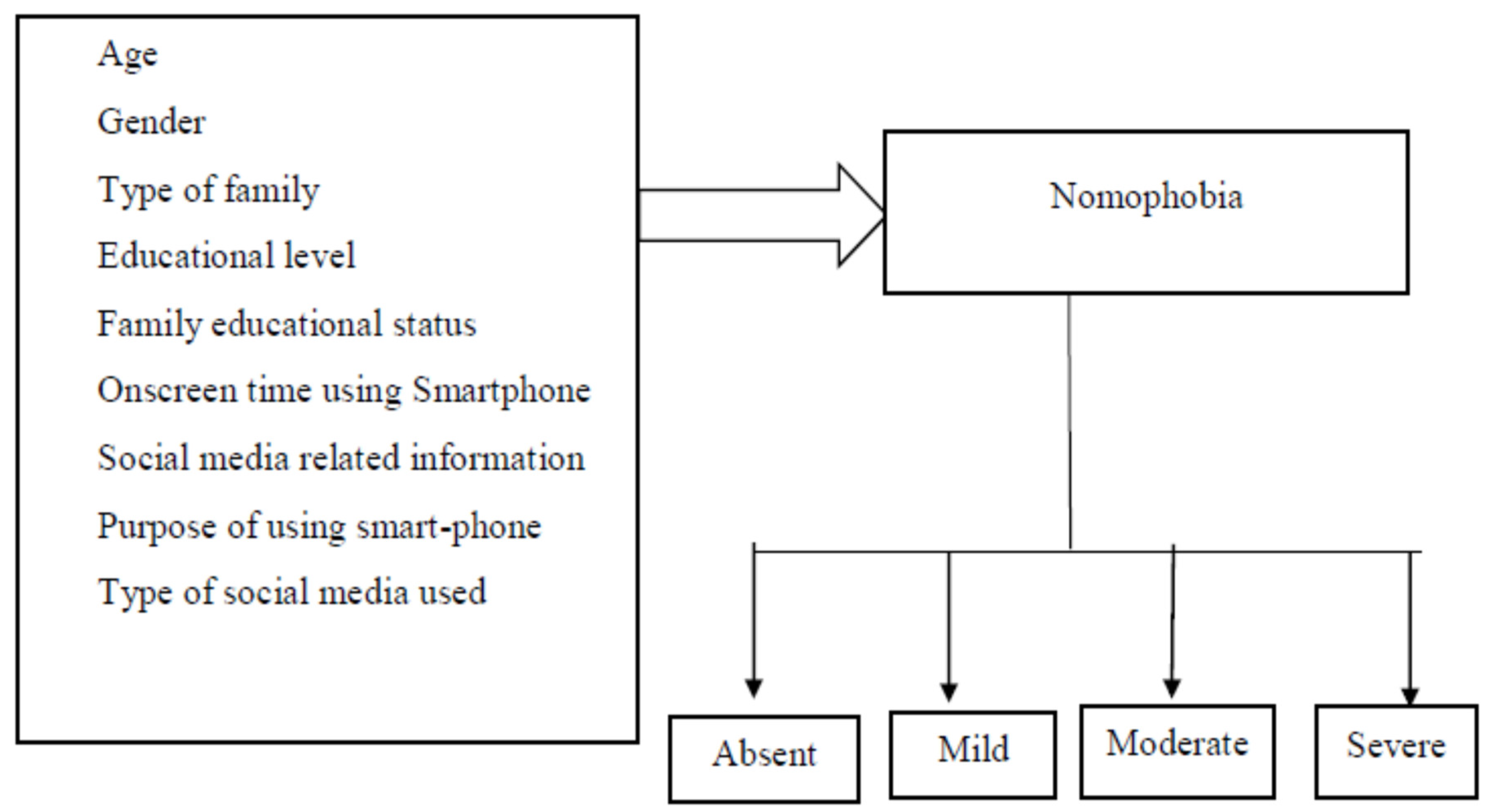
Figure 2.
Bar diagram showing Purpose using smartphone among respondents.
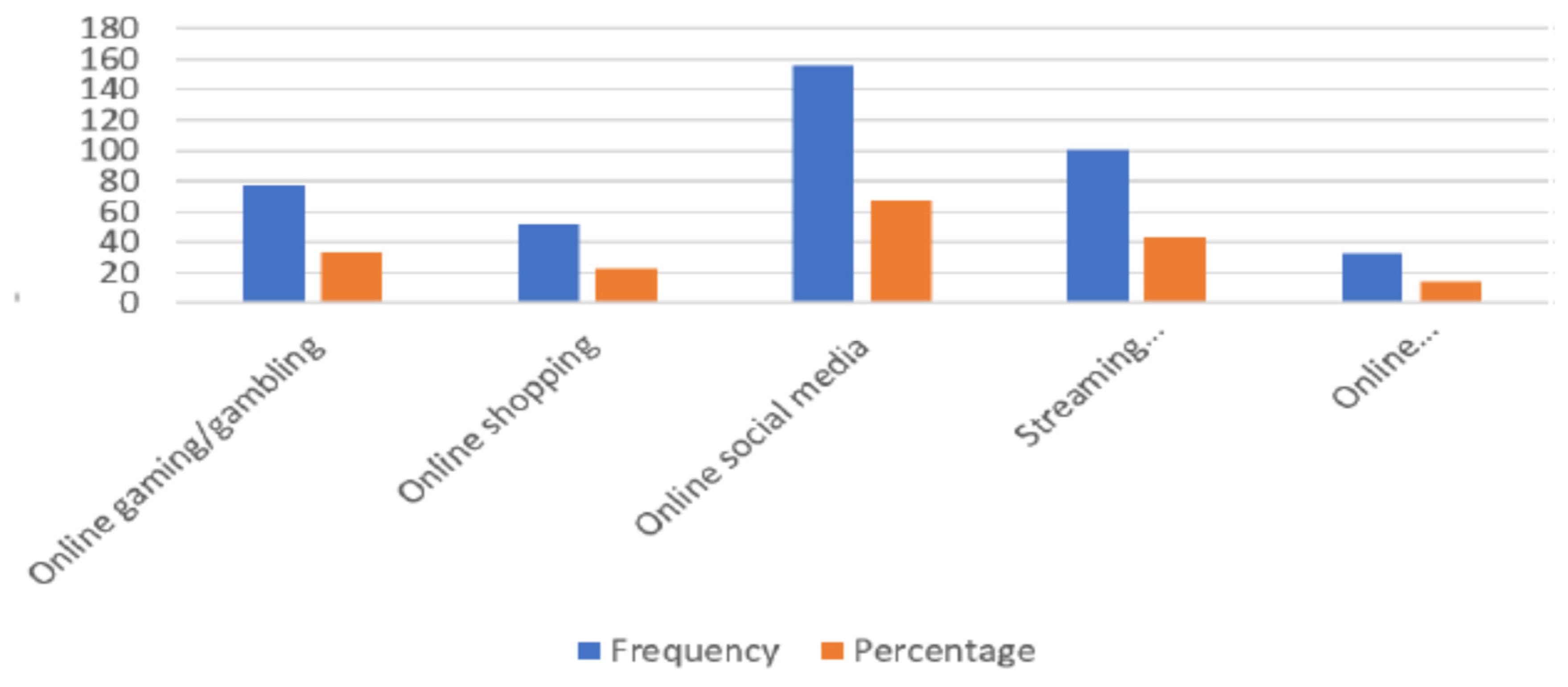
Figure 3.
Histodiagram showing preferred social media platform among respondents.
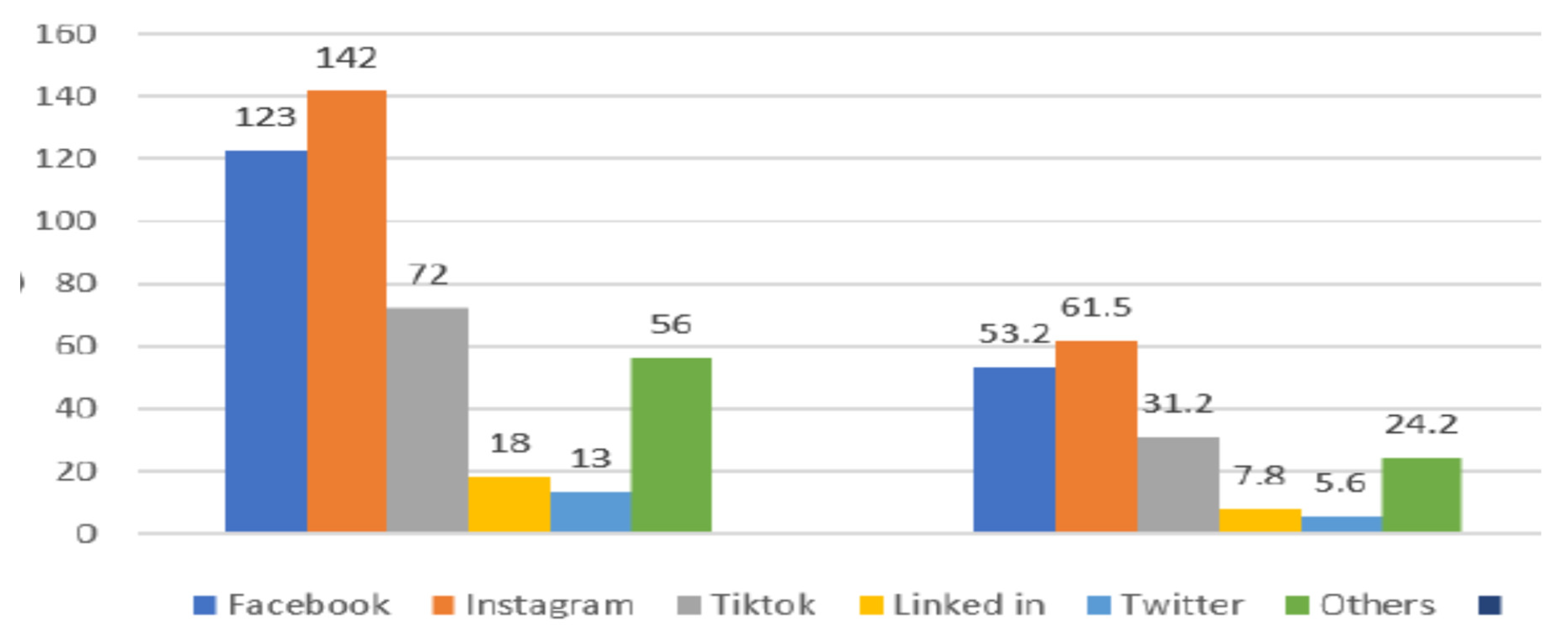

Table 1.
Summary of the total population chosen for the study.
| S/No | Grade | Number of Students |
|---|---|---|
| 1 | Grade 11 | 117 |
| 2 | Grade 12 | 114 |
| Total | 231 | |
Table 2.
Respondents’ socio-demographic characteristics.
| S/No | Variable | Frequency | Percentage | |
|---|---|---|---|---|
| 1 | Age Group | |||
| ≤17 years | 156 | 67.5 | ||
| ≥18 years | 75 | 32.46 | ||
| 2 | Gender | |||
| Male | 110 | 47.6 | ||
| Female | 121 | 52.4 | ||
| 3 | Religion | |||
| Hinduism | 188 | 81.3 | ||
| Christian | 10 | 4.3 | ||
| Buddhism | 31 | 13.4 | ||
| Islam | 2 | 0.86 | ||
| 4 | Ethnicity | |||
| Brahmin/ Chhetri | 93 | 40.3 | ||
| Janajati | 86 | 37.2 | ||
| Madhesi | 10 | 4.3 | ||
| Dalit | 6 | 2.6 | ||
| Others | 36 | 15.6 | ||
| 5 | Type of Family | |||
| Nuclear | 130 | 56.3 | ||
| Joint | 82 | 35.5 | ||
| Extended | 16 | 6.9 | ||
| Others | 3 | 1.3 | ||
| 6 | Educational Level | |||
| Grade 11 | 117 | 50.6 | ||
| Grade 12 | 114 | 49.4 | ||
| 7 | Father’s Educational Status | |||
| Cannot read and write | 12 | 5.2 | ||
| Can read and write | 41 | 17.7 | ||
| Basic Level (1-8) | 54 | 23.4 | ||
| Secondary (9-12) | 96 | 41.6 | ||
| Bachelors | 16 | 6.9 | ||
| Masters and above | 12 | 5.2 | ||
| 8 | Mother’s Educational Status | |||
| Cannot read and write | 42 | 18.2 | ||
| Can read and write | 41 | 17.7 | ||
| Basic Level (1-8) | 69 | 29.9 | ||
| Secondary (9-12) | 63 | 27.3 | ||
| Bachelors | 12 | 5.2 | ||
| Masters and above | 4 | 1.7 | ||
| 9 | Place of Resident | |||
| House | 114 | 49.4 | ||
| Hostel | 3 | 1.3 | ||
| Rent (Room) | 106 | 45.9 | ||
| Relative House | 8 | 3.5 | ||
| 10 | Total monthly income of the family | |||
| Less than 20000 | 40 | 17.2 | ||
| 21000-50000 | 98 | 42.4 | ||
| 51000-100000 | 62 | 26.8 | ||
| More than 100000 | 31 | 13.4 | ||
Table 3.
Level of Nomophobia among respondents.
| S/No | Variable | Frequency | Percentage | Mean | Std |
|---|---|---|---|---|---|
| 1 | Mild | 74 | 32.0 | 2.0173 | 0.81 |
| 2 | Moderate | 79 | 34.2 | ||
| 3 | Severe | 78 | 33.8 | ||
| Std = standard deviation | |||||
Table 4.
Risk factors of nomophobia-related information among respondents.
| S/No | Variable | Frequency | Percentage | |
|---|---|---|---|---|
| 1 | Years of using a smartphone | |||
| 1-5 years | 139 | 60.2 | ||
| 6-10 years | 46 | 19.9 | ||
| 11-15 years | 27 | 11.7 | ||
| More than 15 years | 19 | 8.2 | ||
| 2 | Hours spent using a smartphone daily | |||
| Less than 1 year | 18 | 7.8 | ||
| 4-6 hours | 64 | 27.4 | ||
| 1-3 hours | 115 | 49.8 | ||
| >6 hours | 34 | 14.7 | ||
| 3 | Frequency of checking phone notifications | |||
| Every few minutes | 39 | 16.9 | ||
| Every hour | 41 | 17.7 | ||
| Rarely or only when needed | 59 | 25.5 | ||
| A few times a day | 65 | 28.1 | ||
| Once or twice a day | 27 | 11.7 | ||
| 4 | Purpose of using smartphones | |||
| Online gaming/gambling | 77 | 33.3 | ||
| Online shopping | 52 | 22.5 | ||
| Online social media | 156 | 67.5 | ||
| Streaming (movies/ shows) | 101 | 43.7 | ||
| Online relationship | 33 | 14.3 | ||
| 5 | Preferred social media platform | |||
| 123 | 53.2 | |||
| 142 | 61.5 | |||
| TikTok | 72 | 31.2 | ||
| Linked in | 18 | 7.8 | ||
| 13 | 5.6 | |||
| Others | 56 | 24.2 | ||
Table 5.
The relationship between socio-demographic variables and the level of nomophobia among respondents.
Table 5.
The relationship between socio-demographic variables and the level of nomophobia among respondents.
| S/No | Variable | Mild | Moderate | Severe | χ2 | p-value | |
|---|---|---|---|---|---|---|---|
| 1 | Age Group | ||||||
| ≤17 years | 54 | 52 | 50 | 4.842 | 0.901 | ||
| ≥18 years | 20 | 27 | 28 | ||||
| 2 | Gender | ||||||
| Male | 30 | 30 | 26 | 1.392 | 0.499 | ||
| Female | 36 | 40 | 45 | ||||
| 3 | Religion | ||||||
| Hinduism | 65 | 59 | 64 | 7.469 | .280 | ||
| Christian | 3 | 5 | 2 | ||||
| Buddhism | 6 | 15 | 10 | ||||
| Islam | 0 | 0 | 1 | ||||
| 4 | Ethnicity | ||||||
| Brahmin/Chhetri | 32 | 30 | 31 | 8.939 | .347 | ||
| Janajati | 29 | 27 | 30 | ||||
| Madhesi | 2 | 3 | 5 | ||||
| Dalit | 0 | 2 | 4 | ||||
| Others | 11 | 17 | 8 | ||||
| 5 | Type of Family | ||||||
| Nuclear | 41 | 45 | 44 | 2.633 | .853 | ||
| Joint | 26 | 27 | 29 | ||||
| Extended | 6 | 5 | 5 | ||||
| Others | 1 | 2 | 0 | ||||
| 6 | Educational Level | ||||||
| Grade 11 | 37 | 42 | 38 | 0.329 | 0.898 | ||
| Grade 12 | 37 | 37 | 40 | ||||
| 7 | Father’s Educational Status | ||||||
| Cannot read and write | 1 | 4 | 7 | 11.242 | 0.339 | ||
| Can read and write | 15 | 13 | 13 | ||||
| Basic Level (1-8) | 13 | 21 | 20 | ||||
| Secondary (9-12) | 36 | 31 | 29 | ||||
| Bachelors | 3 | 6 | 7 | ||||
| Masters and above | 6 | 4 | 2 | ||||
| 8 | Mother’s Educational Status | ||||||
| Cannot read and write | 10 | 15 | 17 | 12.053 | .281 | ||
| Can read and write | 14 | 11 | 16 | ||||
| Basic Level (1-8) | 24 | 29 | 16 | ||||
| Secondary (9-12) | 23 | 20 | 20 | ||||
| Bachelors | 2 | 4 | 6 | ||||
| Masters and above | 1 | 0 | 3 | ||||
| 9 | Place of Resident | ||||||
| House | 34 | 38 | 42 | 1.159 | .979 | ||
| Hostel | 1 | 1 | 1 | ||||
| Rent (Room) | 36 | 37 | 33 | ||||
| Relative House | 3 | 3 | 2 | ||||
| 10 | Total monthly income of the family | ||||||
| Less than 20000 | 12 | 17 | 11 | 7.655 | 0.264 | ||
| 21000-50000 | 32 | 26 | 40 | ||||
| 51000-100000 | 18 | 27 | 17 | ||||
| More than 100000 | 12 | 9 | 10 | ||||
χ2 = Chi-square tests, and p-value = probability value.
Table 6.
Respondents’ opinions regarding the relationship between risk factors of nomophobia and the level of nomophobia.
Table 6.
Respondents’ opinions regarding the relationship between risk factors of nomophobia and the level of nomophobia.
| S/No | Variable | Mild | Moderate | Severe | χ2 | p-value | |
|---|---|---|---|---|---|---|---|
| 1 | Years of using a smartphone | ||||||
| 1-5 years | 52 | 48 | 39 | 11.940 | 0.063 | ||
| 6-10 years | 7 | 15 | 24 | ||||
| 11-15 years | 8 | 9 | 10 | ||||
| More than 15 years | 7 | 7 | 5 | ||||
| 2 | Hours spent using a smartphone daily | ||||||
| Less than 1 year | 7 | 4 | 7 | 16.013 | 0.014 | ||
| 4-6 hours | 26 | 15 | 23 | ||||
| 1-3 hours | 35 | 50 | 30 | ||||
| >6 hours | 6 | 10 | 18 | ||||
| 3 | Frequency of checking phone notifications | ||||||
| Every few minutes | 8 | 12 | 19 | 18.333 | 0.019 | ||
| Every hour | 12 | 10 | 19 | ||||
| Rarely or only when needed | 26 | 18 | 15 | ||||
| A few times a day | 23 | 24 | 18 | ||||
| Once or twice a day | 5 | 15 | 7 | ||||
| 4 | Purpose of using smartphones | ||||||
| Online gaming/gambling | 26 | 26 | 25 | 0.172 | 0.918 | ||
| Online shopping | 19 | 14 | 19 | 1.616 | 0.446 | ||
| Online social media | 51 | 52 | 53 | 0.176 | 0.916 | ||
| Streaming (movies/ shows) | 27 | 33 | 41 | 4.175 | 0.124 | ||
| Online relationship | 8 | 11 | 14 | 1.593 | 0.451 | ||
| 5 | Preferred social media platform | ||||||
| 39 | 39 | 45 | 1.106 | 0.575 | |||
| 46 | 47 | 49 | 0.205 | 0.902 | |||
| TikTok | 20 | 20 | 32 | 5.385 | 0.048 | ||
| Linked in | 1 | 8 | 9 | 6.395 | 0.061 | ||
| 4 | 6 | 3 | 1.049 | 0.592 | |||
| Others | 12 | 21 | 23 | 3.999 | 0.135 | ||
Disclaimer/Publisher’s Note: The statements, opinions and data contained in all publications are solely those of the individual author(s) and contributor(s) and not of MDPI and/or the editor(s). MDPI and/or the editor(s) disclaim responsibility for any injury to people or property resulting from any ideas, methods, instructions or products referred to in the content. |
© 2025 by the authors. Licensee MDPI, Basel, Switzerland. This article is an open access article distributed under the terms and conditions of the Creative Commons Attribution (CC BY) license (http://creativecommons.org/licenses/by/4.0/).
Copyright: This open access article is published under a Creative Commons CC BY 4.0 license, which permit the free download, distribution, and reuse, provided that the author and preprint are cited in any reuse.


