Preprint
Case Report

This version is not peer-reviewed.

Perception of Side Park as a Model for Strengthening Social Relations and Enhancing Urban Life, Case Study: Asaluyeh City (Iran)

Submitted:

09 February 2025

Posted:

10 February 2025

You are already at the latest version

Abstract

In the industrial context of Asaluyeh City, bested in Bushehr Province, in the southern coastal region of Iran, it is essential to interpret urban green spaces to promote social well-being. Accordingly, this case study identifies all public green spaces, parks, and related activities within these places to emphasize the importance of assessing the functionality and contribution of Side Park to the urban fabric. The objective of this article is to evaluate the performance of Asaluyeh City Side Park and to examine public attitudes toward its use and interactional significance. Additionally, this study examines the context of Asaluyeh City as a coastal strategic area with extensive industrial activities and surrounded by several huge refineries located on the edge of the city. The adverse environmental consequences of the stress of refineries and constraints on urban developments are of particular concern in this area. Particularly, the research highlights the necessity for a comprehensive assessment of the accessibility and role of Side Park in meeting the social needs of residents of Asaluyeh City. The methodology comprises a comprehensive examination of the urban environment of Asaluyeh City, direct observation of park users' behaviors and activities, and an evaluation of user satisfaction with the park's functionality. The findings contribute to the body of knowledge regarding the effective use of green public spaces in urban planning, particularly within the context of high levels of stress in industrial cities. Furthermore, this paper provides insights into enhancing social well-being through the presence of green public space, which can inform the enhancement of social well-being in the context of urban development.

Keywords: 
;  ;  ;  ;  

1. Introduction

The health issues caused by the coronavirus pandemic have had severe repercussions for urban areas, including many developments in various socio-economic, cultural, and physical dimensions of the living environment. The findings of these studies demonstrated that all kinds of green spaces, private and public, were important to use more than before and were important as social capital. (Tabrizi et al., 2023). Hence, the role and function of green public spaces are once again being given greater attention in urban planning, which is essential significantly to human well-being.
In urban areas, parks and green public spaces are defined for both active and passive recreation, so introduce natural elements into city environments (Chiesura, 2004), and provide vital connections for individuals to engage with nature (Loebach & Gilliland, 2010).
They are integral components of an interconnected system of green areas, exerting a multifaceted impact on urban life. Parks enhance the quality of life, influence physical, social, and economic structures, facilitate the preservation of natural environments, improve urban aesthetics, provide educational opportunities, promote recreational activities, and support children’s development. Moreover, parks are regarded as pivotal indicators of urban quality, both in terms of quantity and quality.
It is widely acknowledged that they contribute significantly to urban sustainability and the overall enhancement of residents’ quality of life. In addition to serving as green spaces within urban environments, parks function as public spaces that accommodate a wide range of social activities for diverse groups of users. And have key functions: include enhancing residents’ quality of life (Kyttä et al., 2013), supporting human health, fostering social interaction, and promoting social cohesion (Bennet et al., 2012; Germann-Chiari & Seeland, 2004; Kaźmierczak, 2013; Kyttä et al., 2013) with all these factors enhancing the urban landscape. They also serve as recreational areas, balancing urban protection needs against environmental degradation while accommodating rapid urban growth(Alabbas & Polat, 2019). Moreover, parks promote physical activity, reduce anxiety (Chiesura, 2004), by creating positive emotions (Kuo & Sullivan, 2001),and support personal development (Cohen et al., 2014; Wolch et al., 2014), supporting mental health (Paul & Nagendra, 2017). Thus, parks and green spaces are integral to creating sustainable urban environments (Alabbas & Polat, 2019).
It can be reasonably deduced that parks offer cities a multitude of benefits that extend beyond their function as open spaces. These areas facilitate the formation of connections among groups with shared interests and affiliations. Access to such parks enhances the quality of life for residents and holds significant meaning for users. Therefore, the social activities that take place in these parks contribute to the strengthening of the community as a whole, which, in turn, benefits public health (Lotfi & Koohsari, 2009). Even with the pronounced differences in green space usage between Western and Asian cultures. Maruthaveeran’s 2017 study, “Exploring the Urban Park Use, Preference, and Behaviors among the Residents of Kuala Lumpur, Malaysia”, demonstrates that Malaysian daily culture has distinct patterns that differ from those in other cultural and national contexts. In this culture, religious and cultural beliefs, particularly Islamic practices, restrict activities like walking with pets in public green spaces. Nevertheless, motivations for visiting parks are commonly shared across cultures, including the desire to “get fresh air,” “reduce stress and relax,” “engage in physical activity, play games, and maintain fitness,” and “spend time with family and friends.” A notable distinction between Malaysian and Western park usage patterns is the tendency of Malaysian park users to prefer group visits, a phenomenon that is less prevalent in Western countries. When they visit parks individually, they tend to engage in similar recreational activities typically enjoyed in groups (Maruthaveeran, 2017). This pattern will be examined in the context of an Islamic country.
Parks and green spaces serve dual purposes: they offer recreational areas and opportunities for psychological revitalization in daily life (Nasir et al., 2013), and have been able to enhance social cohesion and interaction. A significant research gap exists concerning the use and perception of green spaces in rapidly and challenging urbanizing cities, particularly as these areas undergo substantial structural changes. According to Sakip et al. (2015), public spaces play a crucial role as sites for social encounters and interactions among their users. The development of a sustainable society depends on the availability of a safe and healthy environment (Dempsey, 2008).
The extraction, transportation, and conversion of gas and oil represent a significant component of the global economy. In countries with abundant oil resources, the urban system is influenced by an oil-dependent economic structure. Consequently, national interests are prioritized over local ones. Host cities encounter challenges such as the relocation of the resident population, lower welfare indices, a lack of economic activity diversity, sudden urban growth, environmental pollution, citizen health issues, rising land prices, and land use changes (Lynn Karl, 2004). For instance, Finer’s 2008 study of Ecuador and Peru, along with the 1998 Nigerian revolution, provided evidence of the increasing significance of environmental and social activities in cities with oil, gas, and chemical industries.
The implementation of these policies in Iran in the southern cities that have petroleum and refineries, especially in Asaluyeh City, combined with urban migration and population relocation, has led to changes in land use and modifications in the urban structure. The challenges faced in the area include inefficient use of urban land, poor land management, rising property values, and increasing housing costs. As a result, parks and green spaces have become crucial components of urban development in Asaluyeh, highlighting their significant importance to the city (Anbari & Malaki, 2012).
The present article aims to assess the functioning of the Side Park in the city of Asaluyeh, Bushehr Province, a city in southern Iran, and to gauge citizens’ attitudes towards it. The characteristics of the city’s shape and the issues of urban development have a significant impact on this matter. Consequently, it is imperative that urban planning prioritize solutions for parks and green public spaces that foster a sense of security and tranquility for users, instill confidence, and most crucially, ensure user satisfaction (Alabbas & Polat, 2019). In this regard, to meet the specific needs and preferences of various age groups, genders, and occupational backgrounds, parks and green spaces should be considered. However, disparities in usage across different parks have been observed, with some experiencing minimal engagement while others attract high levels of activity (Bahriny, 2021).

Study Area

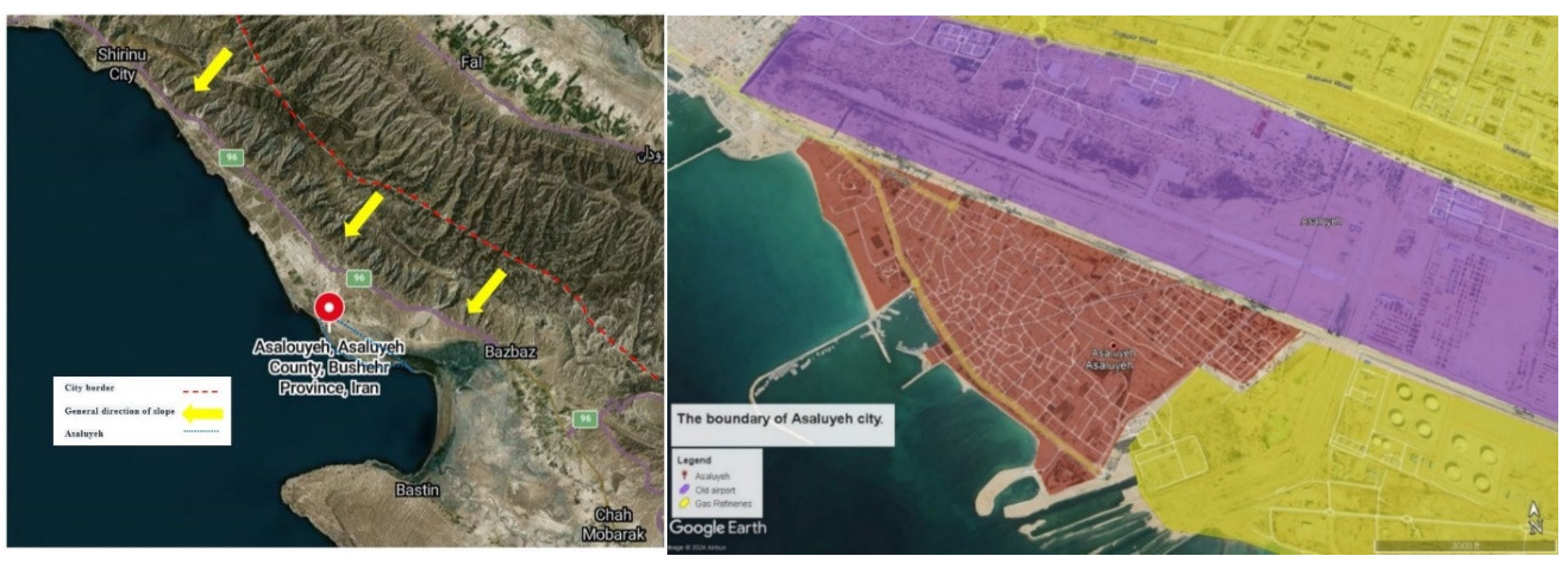
The City of Asaluyeh is located on the edge of the Persian Gulf in southern Iran, in the city province of Bushehr. It sits at a latitude of 27o 49’ 94”, and a longitude of 52o 62’19”, with an elevation of 18 meters above sea level (Figure 1).
The layout of this urban area is defined by the Zagros Mountains to the north and the Persian Gulf to the south. To the west of Asaluyeh City, the refinery marks the city boundary, limiting its potential for urban expansion in that direction Consequently, the city’s topography is characterized by a compact, narrow configuration resembling a strip (Figure 2). The climate of Asaluyeh as a coastal city experiences mild winters, and in summer, temperatures are significantly high during the summer months. The temperatures frequently exceed 40°C, while winter lows reach approximately 14°C. The city’s average annual relative humidity ranges from 50% to 71% (Bushehr Meteorological Organization, 2024).
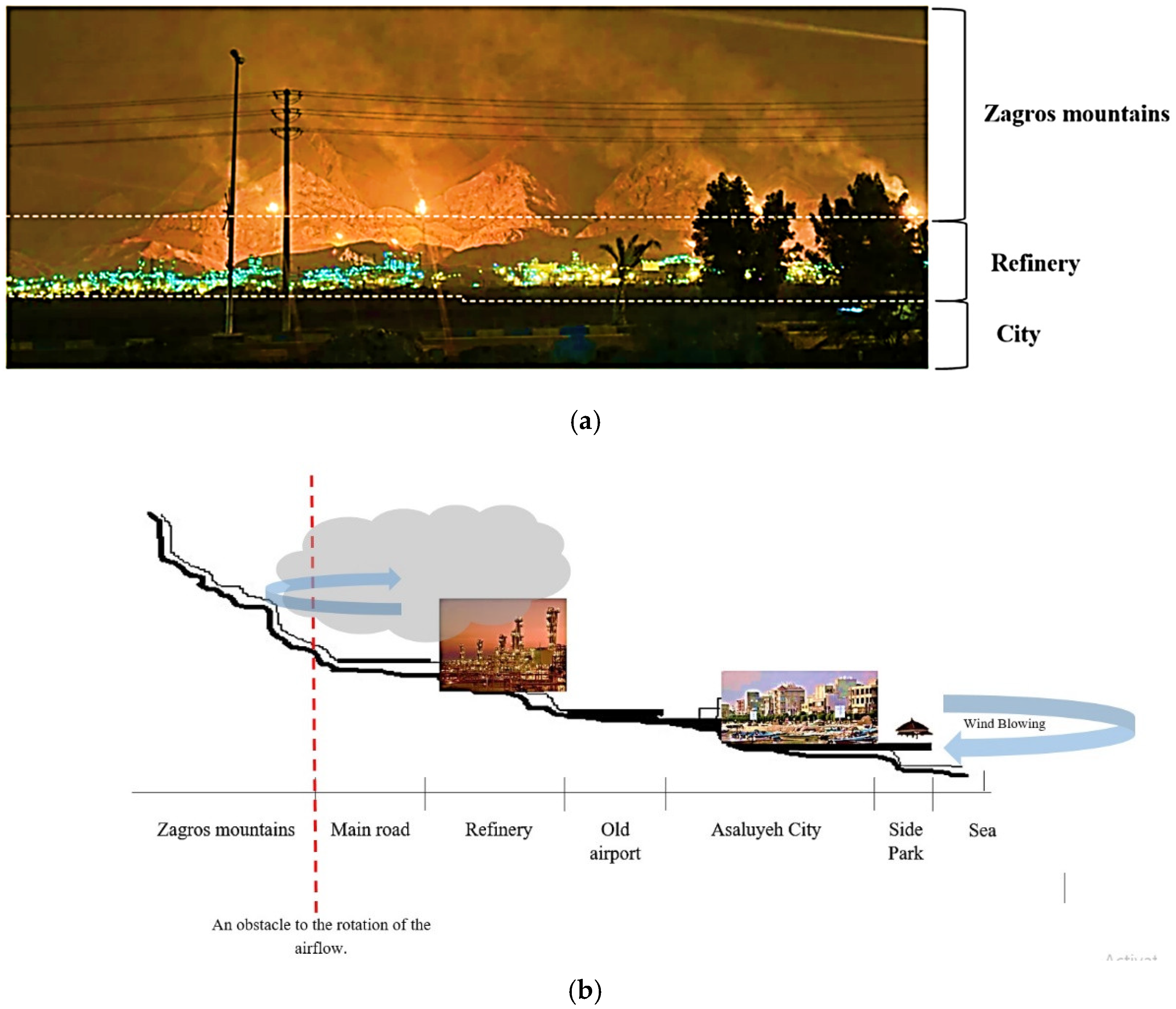
The creation of the gas refinery in Asaluyeh city has also introduced major changes to the landscape, which is organized along strips parallel to the coast. Moving inland from the coast we find the port and residential area; the airport; the refinery; and the mountains (Figure 3).
Asaluyeh’s economy is based on the exploitation of its oil resources, covering 450 trillion square meters of gas and representing 6.8% of the world’s gas reserves. The economic basis is also composed of related industries. This has led to the highest level of investment in this region of the country and has created many employment opportunities, attracting both local and non-local workers. Industrial growth led to major changes in the population structure in Asaluyeh. Between 2000 and 2020, there has been a population growth rate of 22.14%, from 12,564 inhabitants to 15,346 inhabitants, respectively. However, this growth has been uneven and has been affecting mostly the men population. Thus, in 2020, 65.29% of the population was men, while in 2020 this total exceeds 76% (76.13%). This means a very sharp increase in the male ratio, which reaches 319, i.e., there are 300 men for every 100 women. (Table 1):

2. Methodology

The methodology of this article is structured in two parts. The first part involved a systematic observation and identification process conducted in the city of Asaluyeh, which resulted in the discovery of four parks. The second part of the structural survey has been prepared in three sections and described in separate sections.

2.1. Fieldwork and Park Selection

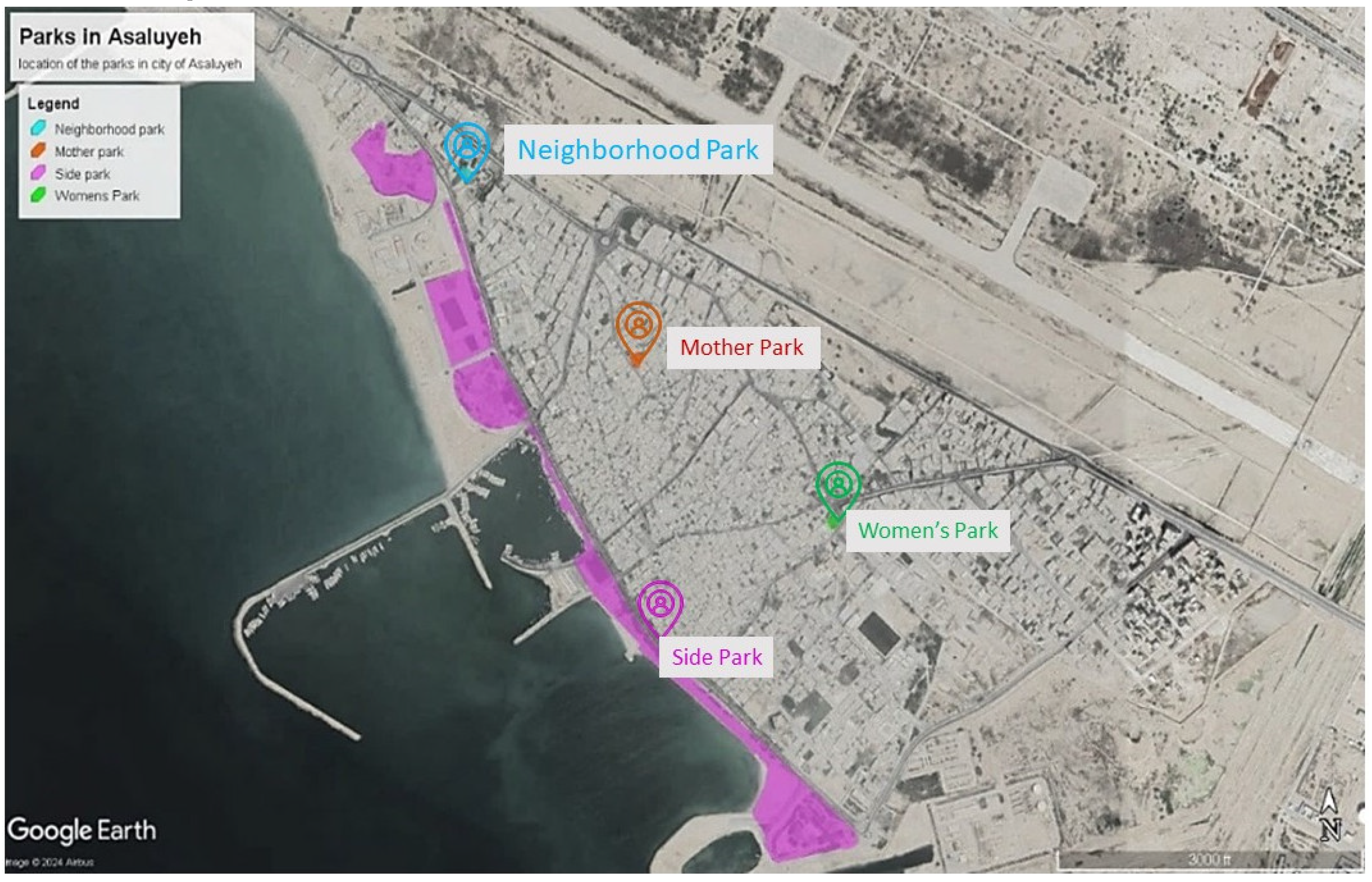
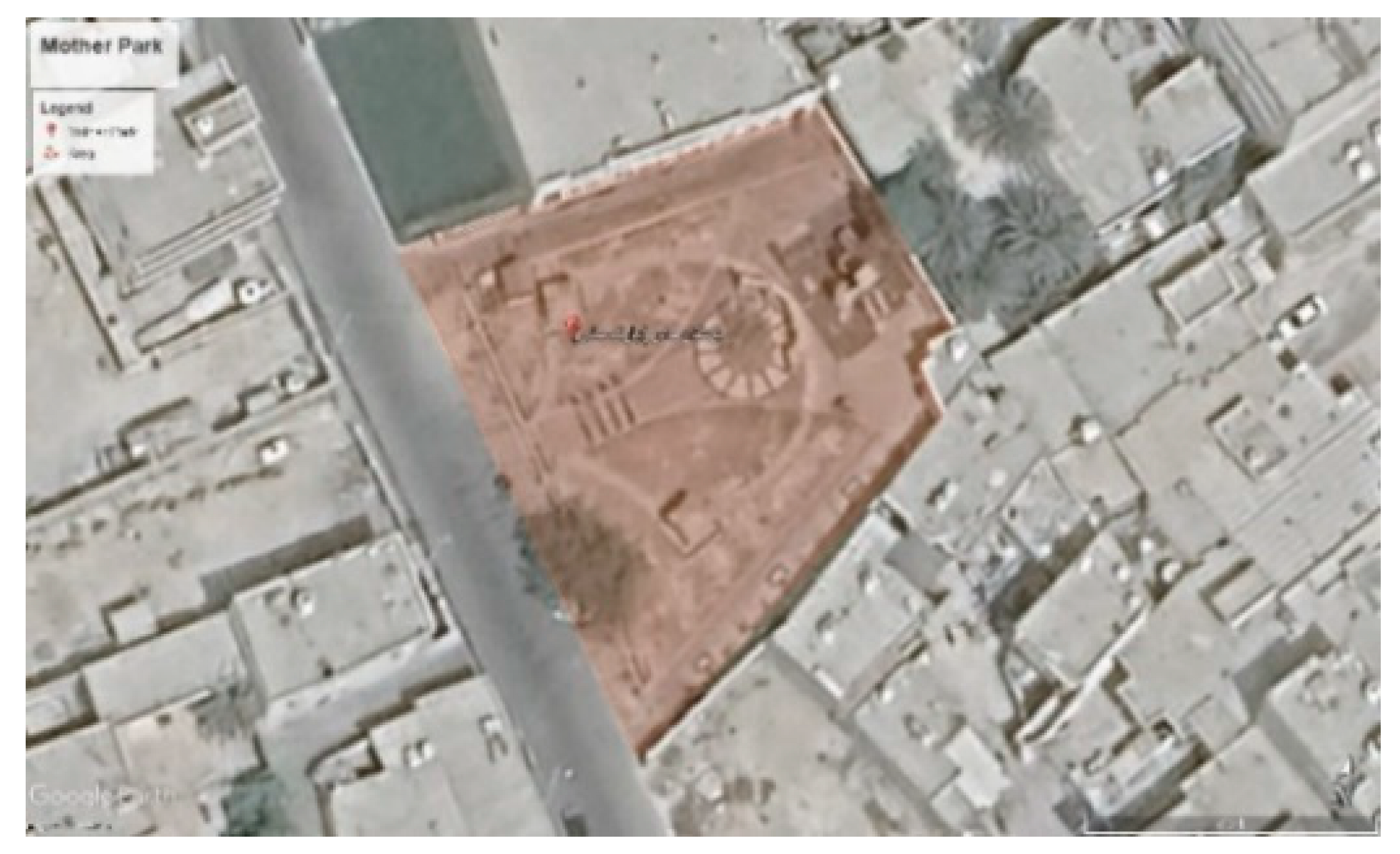
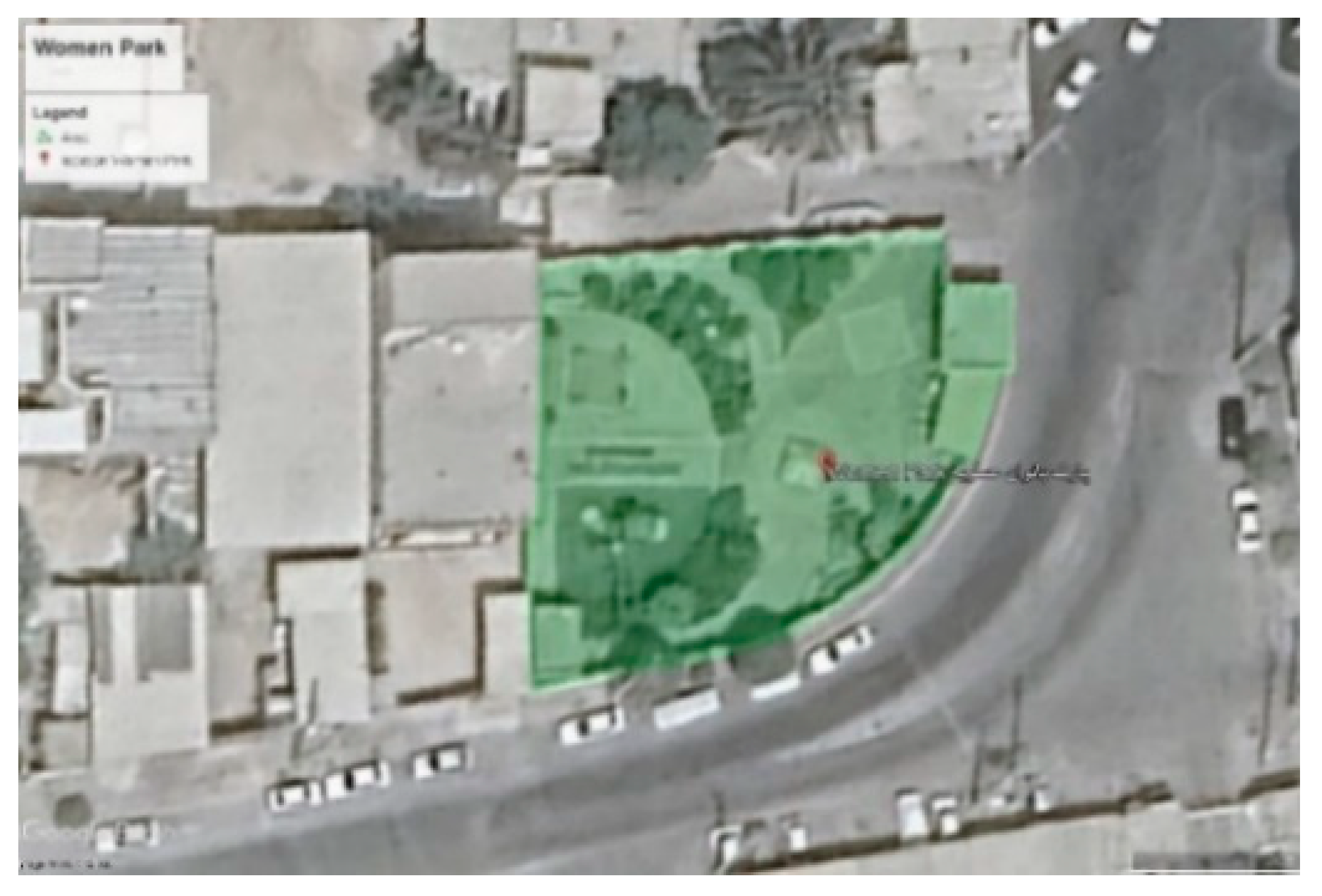
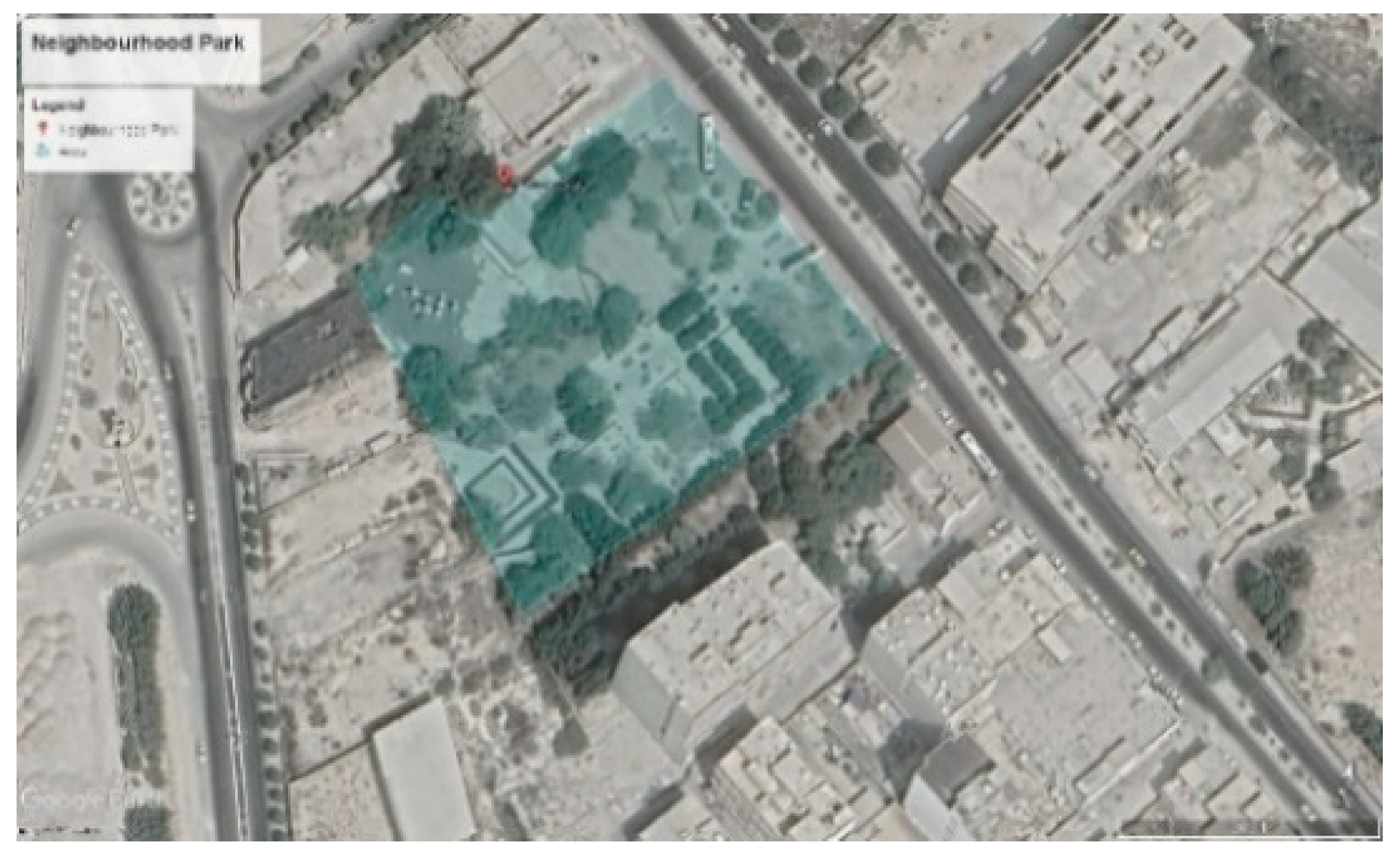
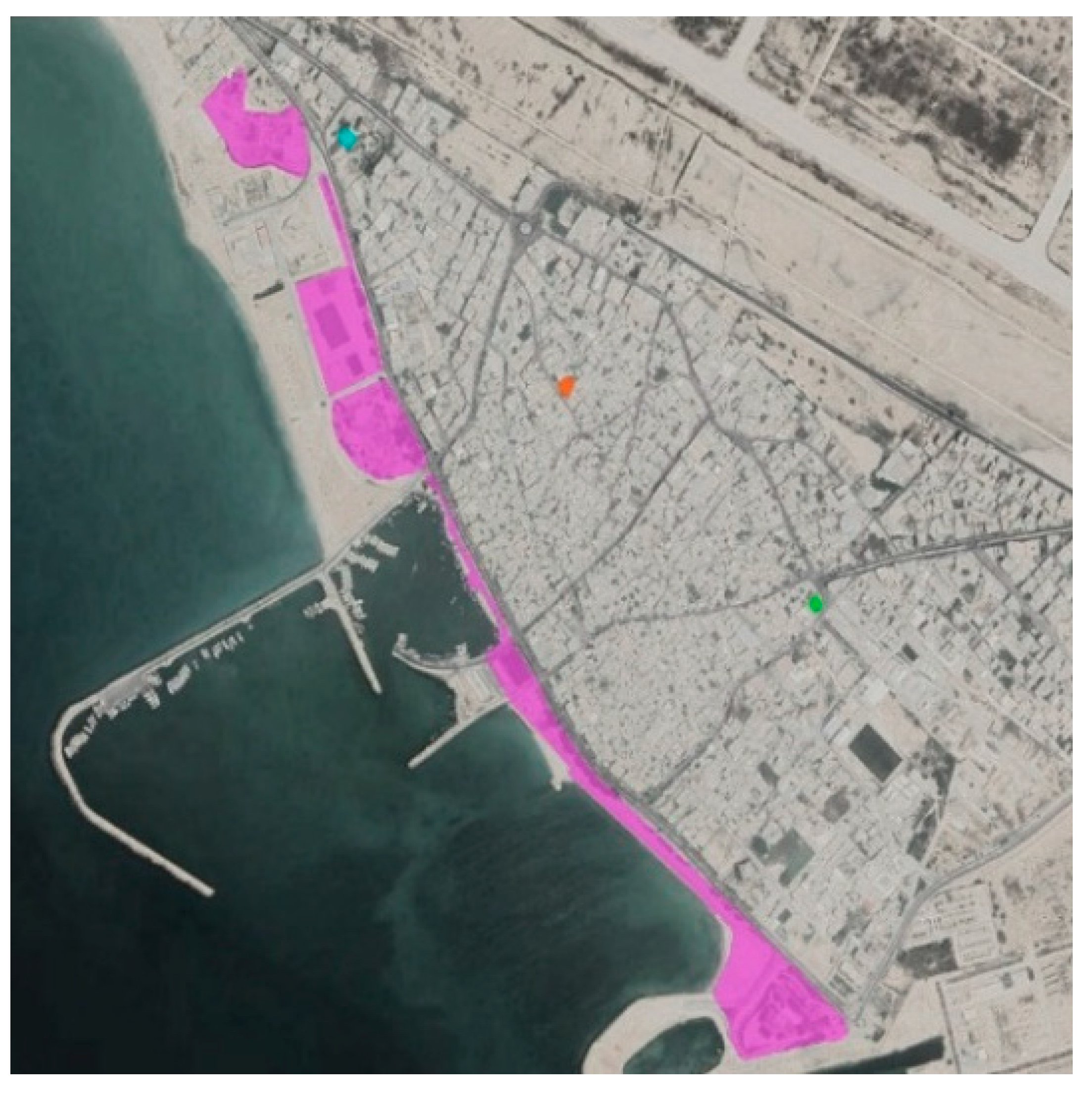
The monitoring and recognition processes have been carried out for all parks within the city of Asaluyeh. Then, there were four parks identified. The first park, designated as Mother Park, is situated in the central area of the city (illustrated in orange on the map). The second park, designated as Women’s Park (No. 2), is a location that is easily accessible to women, as it is physically separated from the city (green on map). The third park, referred to as the Neighborhood Park, is located in the northwestern region of the town (depicted in blue). The fourth and largest park, designated as the Side Park (pink on the map), is located in the southern part of the city and is accessible to the public at all times (Figure 4).
A comprehensive analysis was conducted in this section to ascertain the physical characteristics, users, and time of use of activities supported within each of the four parks. For the sake of clarity and illustration, the data is presented in tabular form (Table 2), offering a clear visual representation of the information on the parks that has been presented.

2.1.1. Mother Park (No.1)

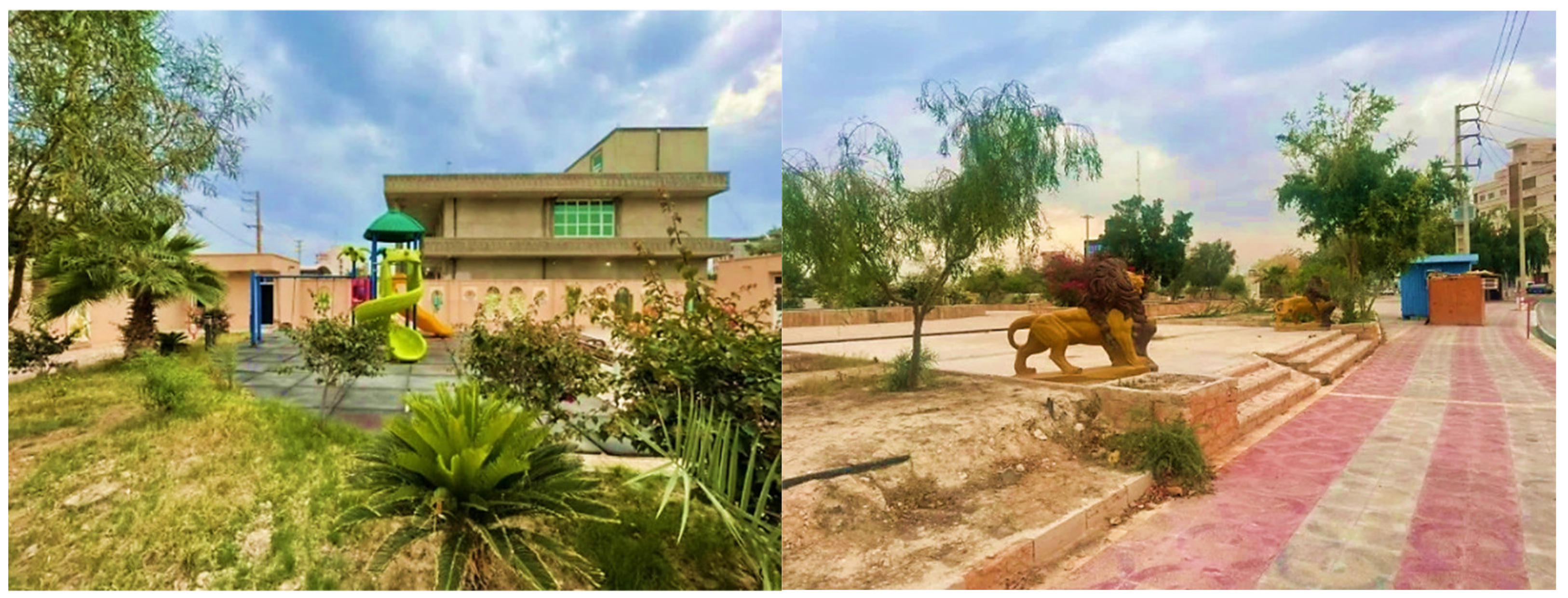
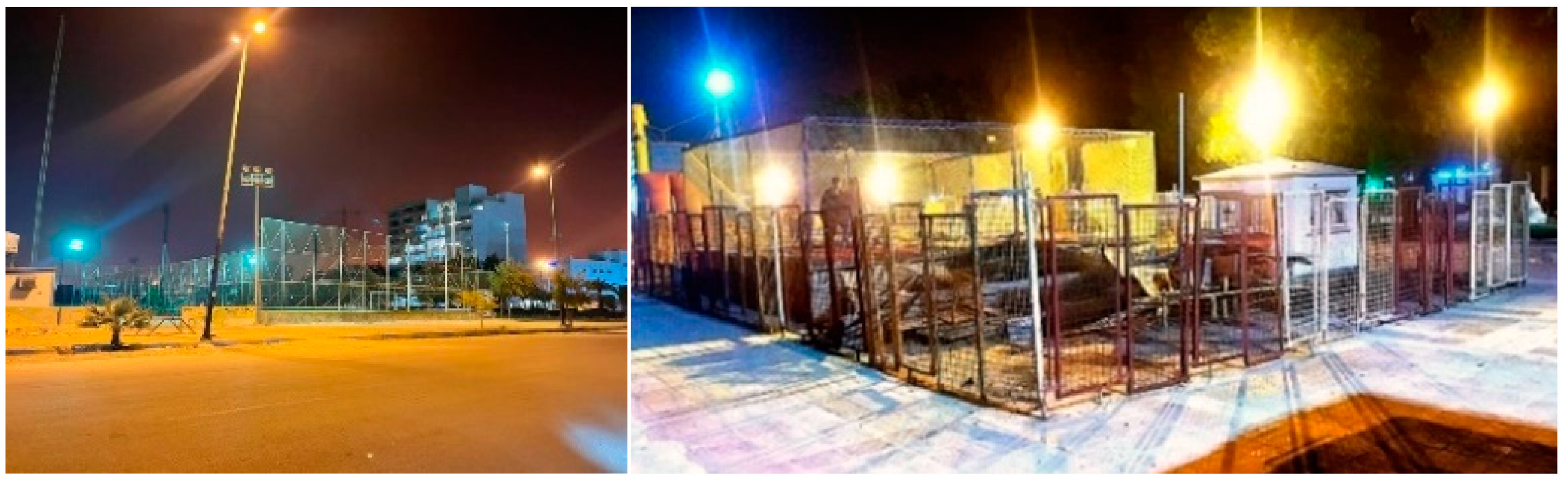
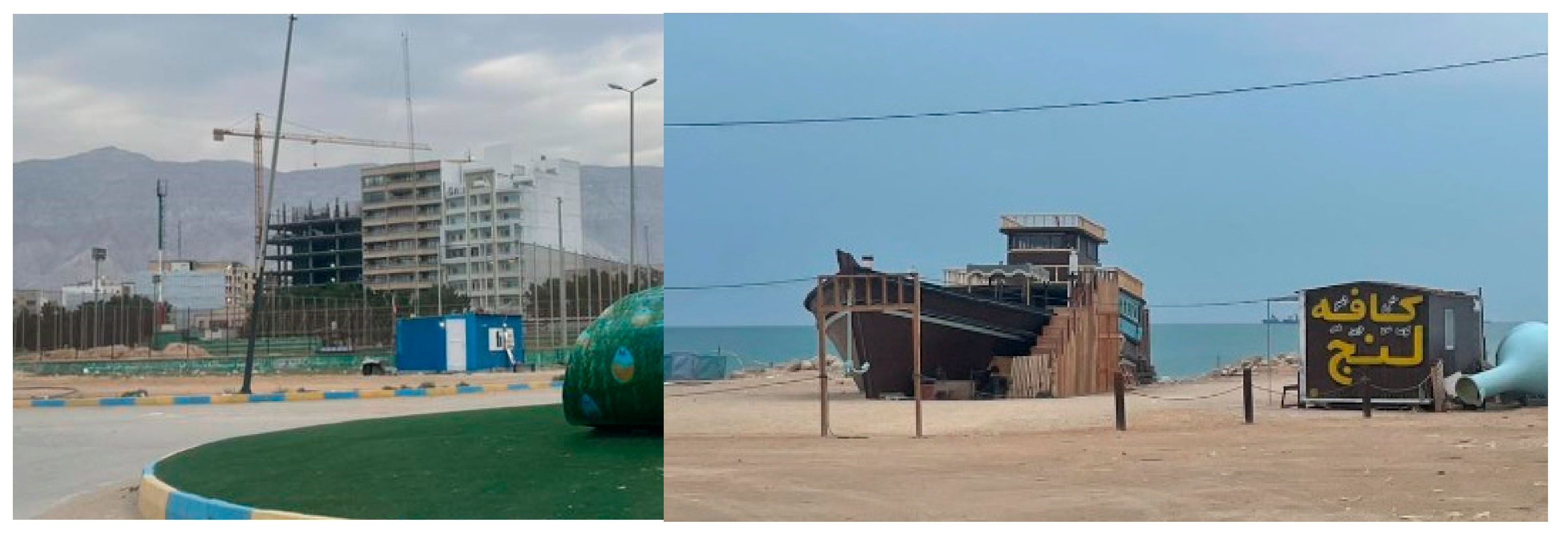
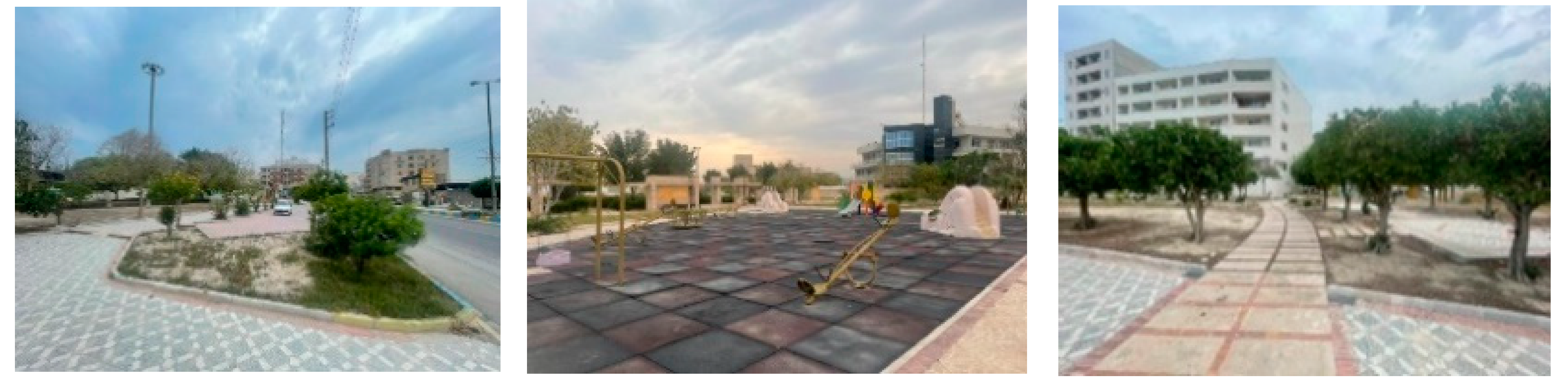
The initial neighborhood park in Asaluyeh has been designated as “Mother Park.” The park features a landscape design and is situated in close proximity to the main roadway. This park represents an optimal and ideal setting for children to engage in outdoor activities under the guidance and supervision of their parents. The majority of park users are children between the ages of 8 and 16 (Figure 5).

2.1.2. Women’s Park (No.2)

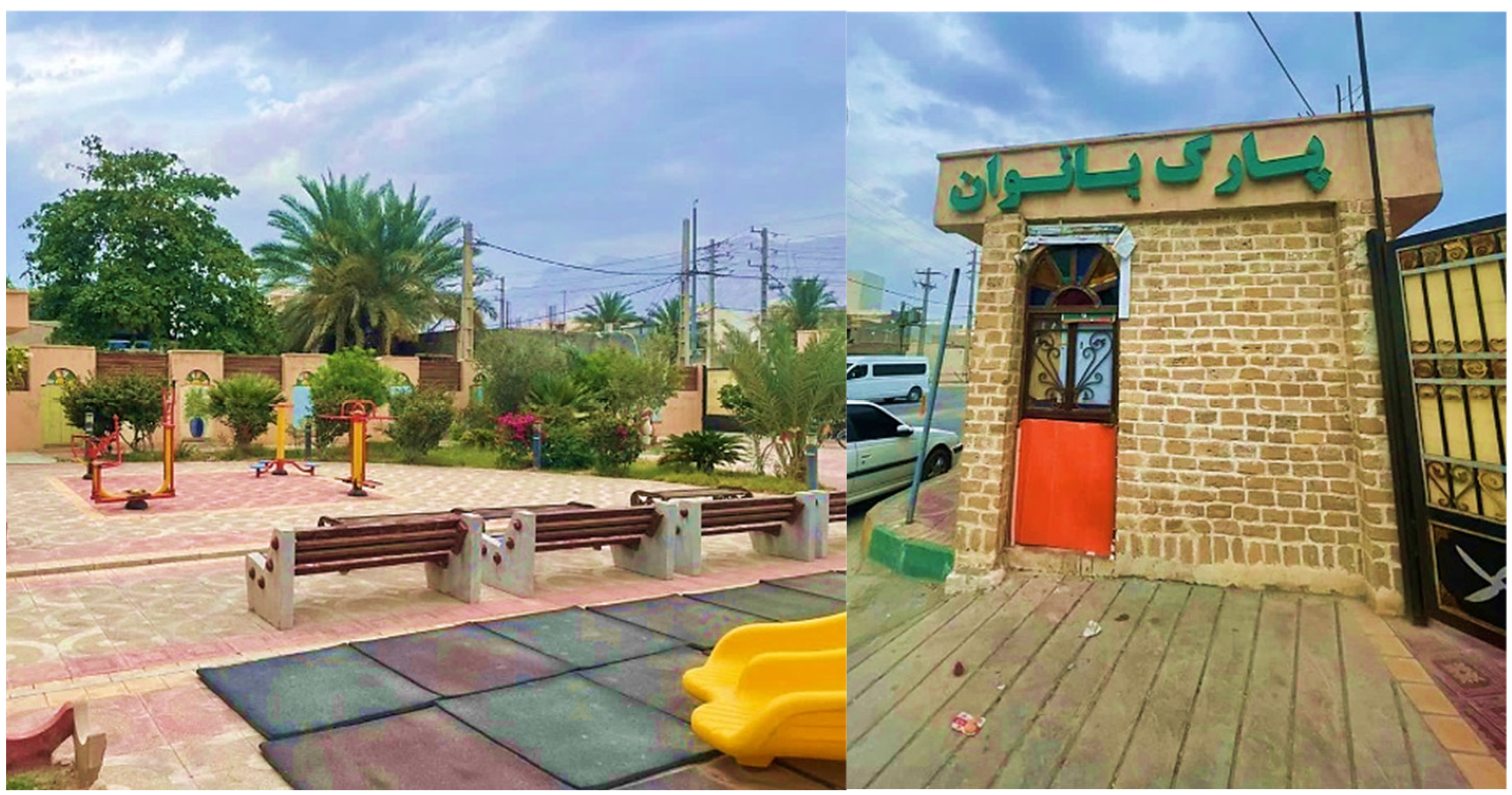
The park in question is a gender-segregated space in all Muslim countries, including the United Arab Emirates, Malaysia, Iran, and others. In such spaces, only women are permitted to enter, with a degree of flexibility permitted with regard to the clothing they wear and the activities they engage in. The operation of women’s parks is subject to a number of regulations, which are designed to ensure the safety and wellbeing of visitors. For example, the park is not permitted to be situated in close proximity to skyscrapers, in order to prevent women from being observed from the exterior. Moreover, the use of cameras is prohibited, and the park is accessible only at specified times. Ultimately, the park is overseen by a guard. Moreover, the park is surrounded by high walls and physically separated from the city. The location is an optimal setting for mothers with young children to engage in leisure activities in a tranquil environment and to participate in sporting activities (Figure 6).

2.1.3. Neighborhood Park (No.3)

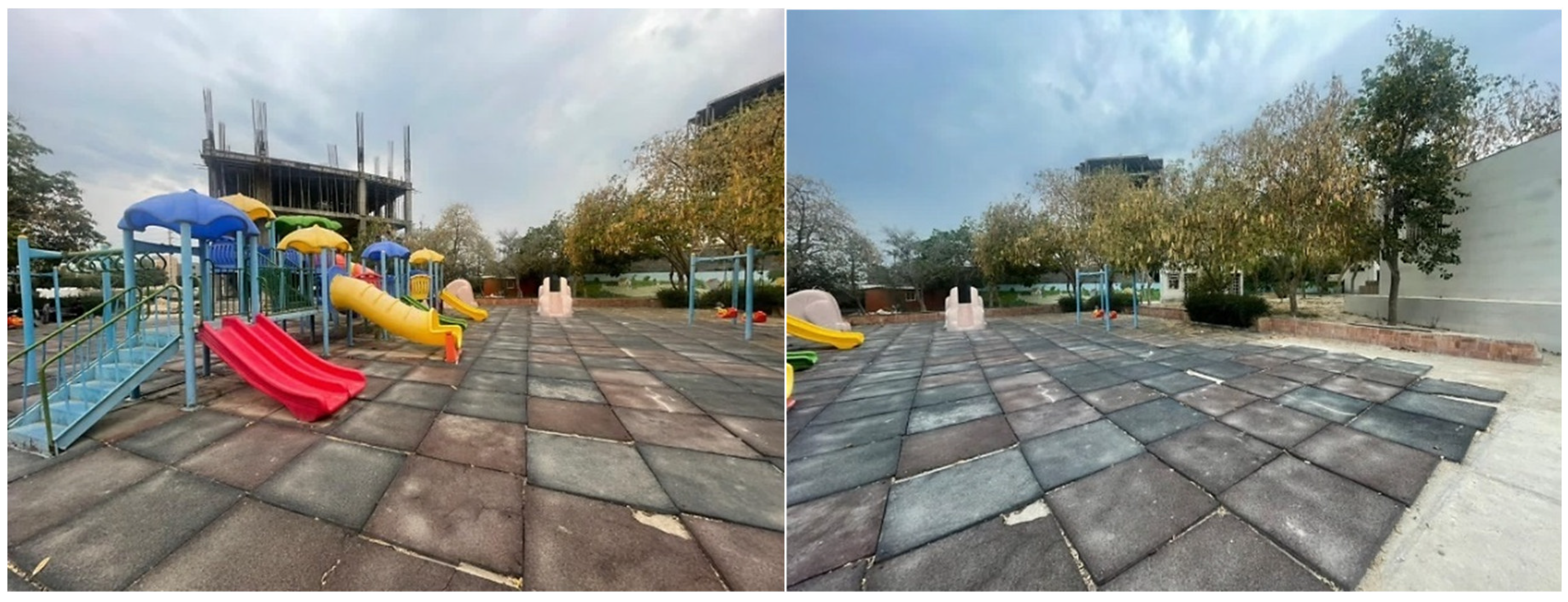
Neighborhood Park is another of the local parks situated in the vicinity of the new buildings. The primary demographic utilizing this local park is young children under the age of ten, accompanied by their parents. The longest period of stay time spent in this location was approximately ten minutes, during which children were observed to be engaged in play. The principal amenities comprise play equipment and designated play areas for children (Figure 7).

2.1.4. Side Park (No.4)

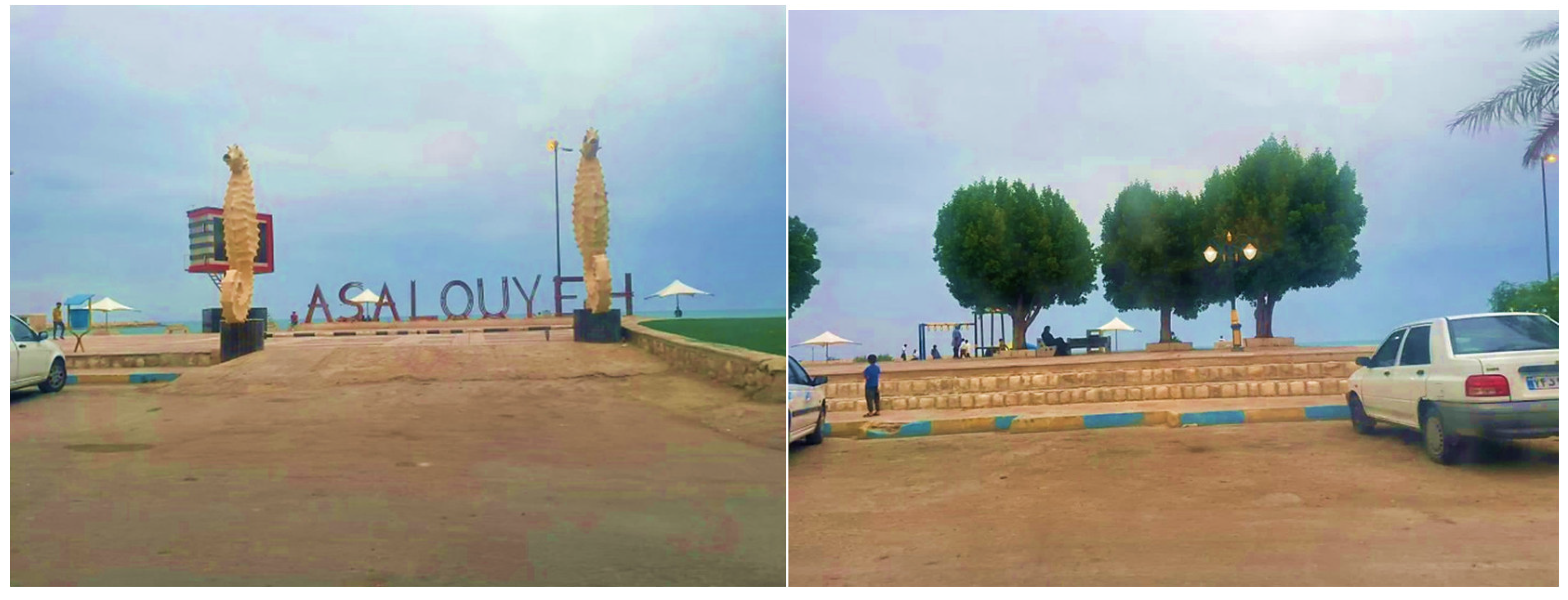
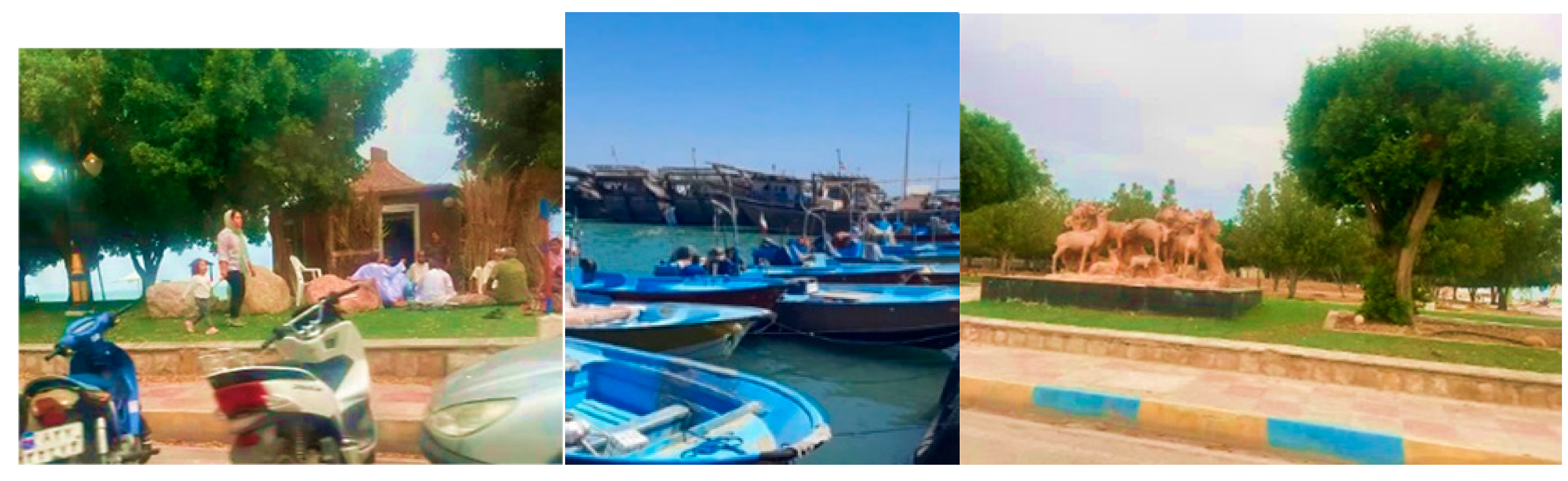
Side Park is the largest public park in Asaluyeh. The park encompasses a variety of green spaces, a multitude of activities, restaurants, grasses and trees, and an array of amenities. Its proximity to the beach renders it a popular destination for individuals of all ages and genders (Figure 8).
In light of the pivotal role of urban parks and public green spaces in city life, as evidenced by previous research on public green space, it has been emphasized that the city’s park must be readily accessible to all members of the public. Consequently, this study was undertaken to ascertain the most suitable park in Asaluyeh, employing the following criteria:
  • Easy Accessibility: The park should be situated in a convenient location with pathways and entrances accessible to all. This ensures that the park can be easily reached and navigated by all members of the community.
  • Suitability for All Age Groups and Ethnicities: The park should offer a diverse range of amenities and facilities that appeal to a wide demographic, catering to the needs of children, young people, adults, and elderly visitors from various cultural and ethnic backgrounds. This might include multi-functional spaces, play areas, quiet zones, and cultural elements that reflect the community’s diversity.
  • Popularity Among Citizens: As a frequently used public space, the park should feature facilities that encourage regular visits, thereby establishing it as a central hub for community gatherings and activities.
In view of the aforementioned considerations, the primary study concentrated on Side Park, evaluating its inclusivity, accessibility, and overall appeal to the community. It was determined to be of the utmost importance for the selection of public green space.

2.2. Survey

In order to comprehend the perceptions of the local community with regard to Side Park as an accessible public green space and its function as a socializing green space within the city of Asaluyeh, a structured survey was conducted. The survey comprised fifteen questions and was divided into three sections. The first section of the survey solicited demographic information. The second section inquired about the frequency and functionality of Side Park use. The final section focused on user satisfaction. The survey’s comprehensive details are presented in Table 3. The interviews for the survey were conducted on the following dates and times: from 6 to 24 October 2023 and 6 to 16 April 2024. The interviews were conducted between 10 a.m. and 12 p.m., and from 6 p.m. to 10 p.m., with all participants having been interviewing face-to-face for a duration of 10 minutes. The aim of the interview was to ascertain the activities that the participants engage in the Side Park and to ascertain their conception of Side Park as a public green space in the context of the high-stress levels and challenges posed by Asaluyeh City.
In a bid to ensure the fairness and accuracy of the selection process, random sampling methods were employed. The sample comprised both male and female participants of varying age groups, with the youngest participant being 18 years old and the oldest 60 years old.

3. Result

3.1. The Main Characteristics of Side Park of Asaluyeh
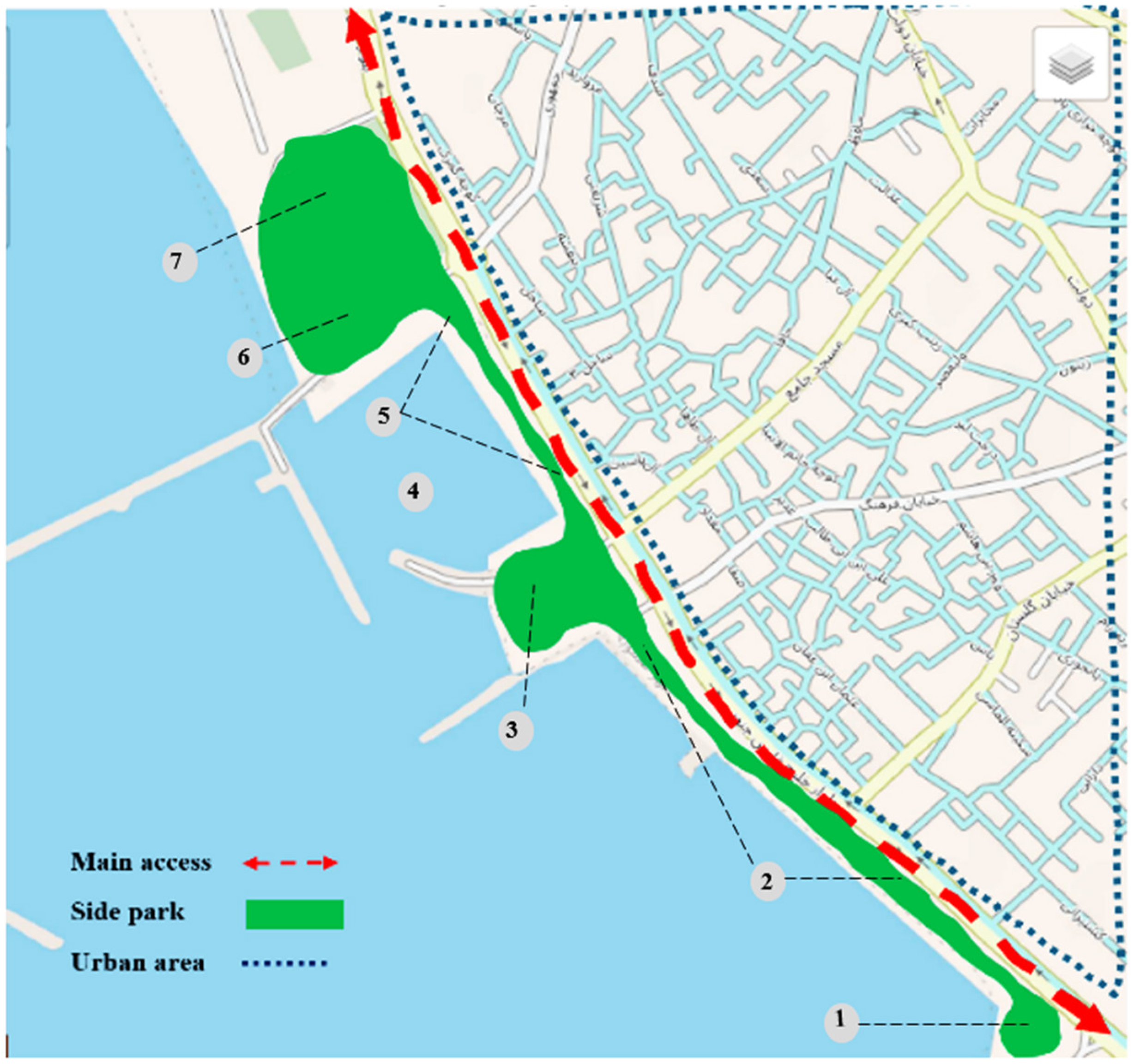
Side Park is located at the city’s southernmost point, along one of its primary thoroughfares, which extends for approximately three kilometers (see Figure 8) It is a linear park situated along the coastline on artificial land built on the edge of the Persian Gulf Sea. Side Park comprises a variety of functions, incorporating recreational areas, commercial activities, and marine operations. These areas are covered by green spaces and are connected by walkways, facilitating the seamless integration of different uses within the park. The variety of spaces and activities includes a family area, a children’s playground, a promenade, the main port of Asaluyeh, a pleasure boat port, a fishing area, a fishing market, a daily market, several coffee shops, traditional restaurants, a playing field (equipped with a football pitch), placement of offices, and government agencies. The activities and dimensions of each area are presented in Table 4.
Figure 9. the location of the Side Park and Activities zones, author.
Preprints 148818 g009

3.2. User’s Profile

Following the enumeration of the population by gender, the initial demographic data is instrumental in comprehending the statistical landscape of the society in question. Subsequent analysis involves the distribution of the population across various age groups and levels of education and jobs. However, it is evident that the financial situation, transportation means, and housing were the most significant factors that influenced the result.

3.2.1. Genders and Age

The survey received a total of 100 responses, with 37.0% of respondents identifying as female and 63.0% as male. The demographic with the highest representation was that of male respondents aged 31–40, followed by a similar demographic aged 45–50. The majority of female respondents were aged between 31 and 40 (see Table 5).
The majority of the study’s participants have completed secondary education and obtained a bachelor’s degree. Conversely, the group with the lowest representation is that of individuals who have not completed their secondary education with a pre-diploma (Table 6).
The observed difference in the population discrepancy between men and women gives rise to a higher average level of education among the male population.

3.2.2. Financial Situation

The financial considerations of users represent a significant factor in the decision-making process. The decision-making process itself is significantly influenced by a number of factors, including the choice of vehicle used to access the park and the type of residence (Table 8). The segmentation of jobs facilitates the response to income levels (Figure 10). Therefore, the categorization of occupations was organized into four levels (Table 7):
  • Housewives. In the context of Muslim culture, it is customary for women to be financially supported by their fathers prior to marriage, and after marriage, they are financially supported by their spouse. The average income of housewives is dependent on the income of the sponsor.
  • Self-employed. Individuals are those who are self-employed or engage in entrepreneurial activities, and their income is not dependent on the provision of services by a government institution.
  • Employee. whose income is linked to government institutions and is determined by factors such as working hours and compliance with labor security and social security regulations.
  • The remaining category is classified as “other.” This category encompasses any occupation not encompassed by the aforementioned categories.
Therefore, the participants were stratified according to their income levels. The distribution of income levels is illustrated in Figure 10.
As illustrated in Figure 10, the impact of the level of income on park access was assessed among 100 individuals with an average income level.
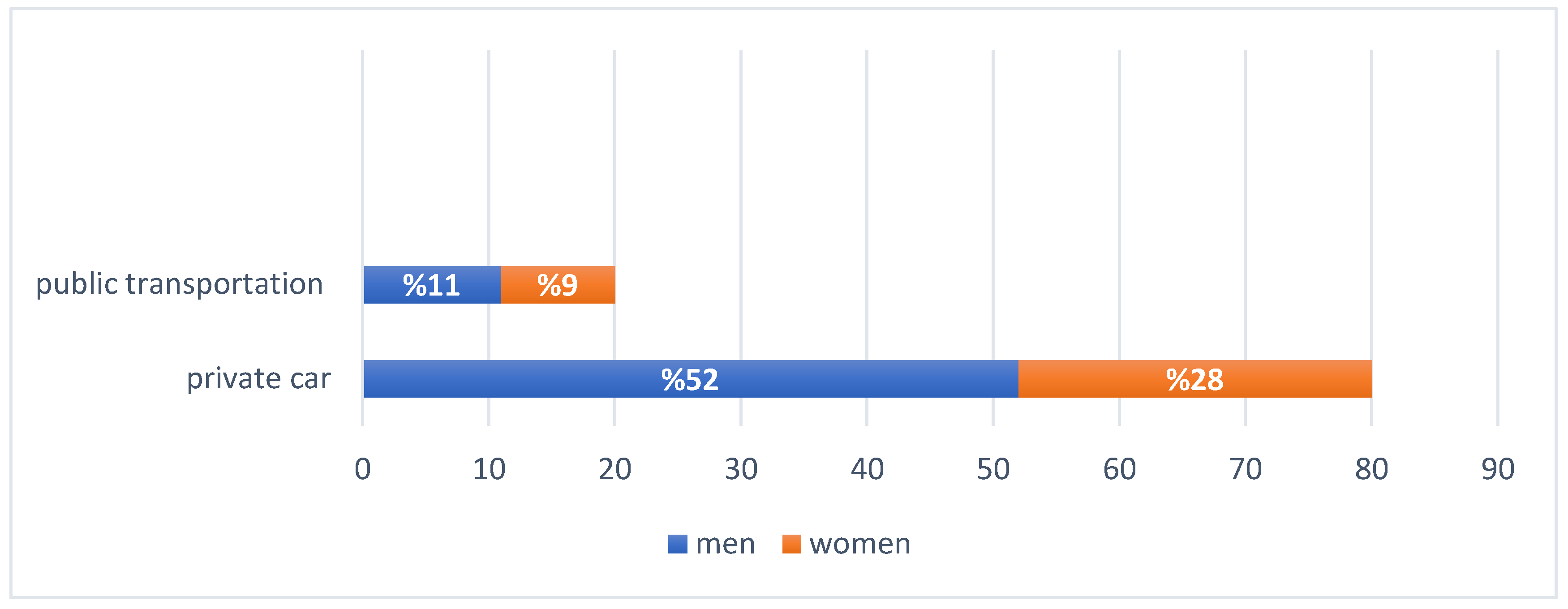
Public and private transport systems provide essential options for daily mobility and travel. The utilization of public transportation has the potential to mitigate the adverse effects of traffic congestion, minimize the environmental impact, and foster social cohesion by facilitating interactions between individuals from diverse backgrounds. Conversely, private vehicles offer individuals a high degree of flexibility, allowing them to travel according to their own schedules and select specific routes, thus offering a higher degree of autonomy and convenience. A review of the available transport options revealed that 80% of individuals used private vehicles, while only 20% relied on public transport (Figure 11).
A review of the available transport options revealed that 80% of individuals used private vehicles, while only 20% relied on public transport (Figure 11). The principal reasons for this preference were the limited availability of public transport after 9 p.m. and the intense daytime heat, which made public travel less appealing. Consequently, the majority of individuals opted to use private vehicles in the evening, when temperatures are lower, as opposed to relying on public transport. This decision was influenced by a combination of factors, including weather conditions and restricted transit hours. The park’s access appears to be tailored more to private vehicle users. Notably, men are significantly more likely to use private vehicles (52%) compared to women (28%), to access the park. This 24-percentage-point gap suggests that men are more dependent on personal cars or private transport to reach the park.

3.2.3. Housing

In Middle Eastern culture, the yard occupies a central position within the domestic structure (Nosratpour, 2012). Typically enclosed by high walls, these courtyards provide acoustic and visual privacy. The walls, in conjunction with moisture and shading, contribute to the formation of a microclimate, increasing the relative humidity and cooling the air, and it serves as a small green space that unites the internal and external areas. In Iranian tradition, the yard was designed to serve various functions, including dining, rest, recreation, and even overnight accommodation. These diverse uses reflect the sociocultural values that underpin the concept of owning green space (Nabavi et al., 2012). Consequently, the yard can constitute a minor public space within the domestic environment.
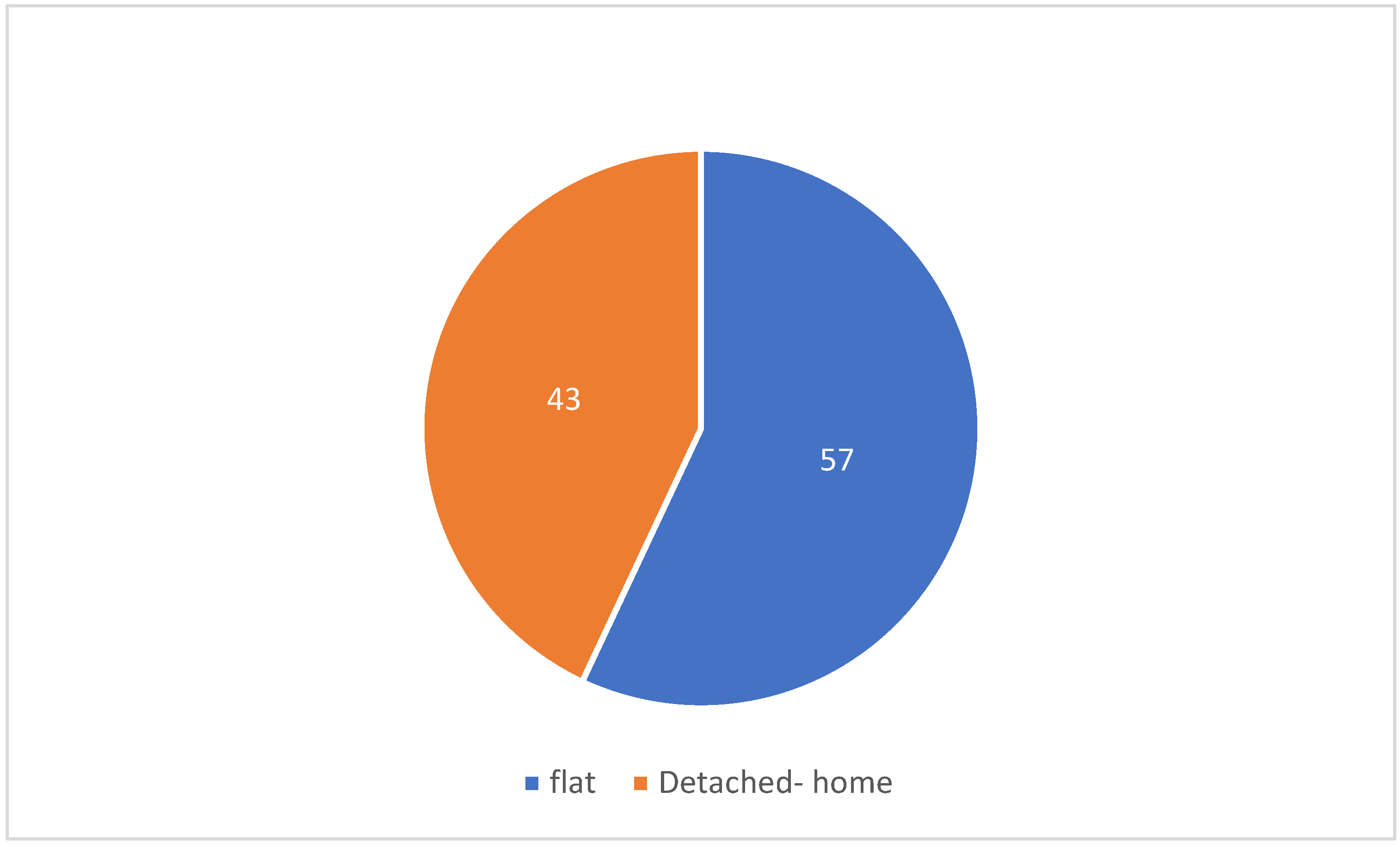
In order to comprehend the manner in which the nature of housing influences the selection of green spaces by users, a categorization of houses was conducted into two types: detached and apartment. A comparison of the types of living arrangements revealed that 57.0% of users lived in flats, while 43.0% resided in detached homes. The results of this study are illustrated in Figure 12. A larger proportion of users have lived in flats.
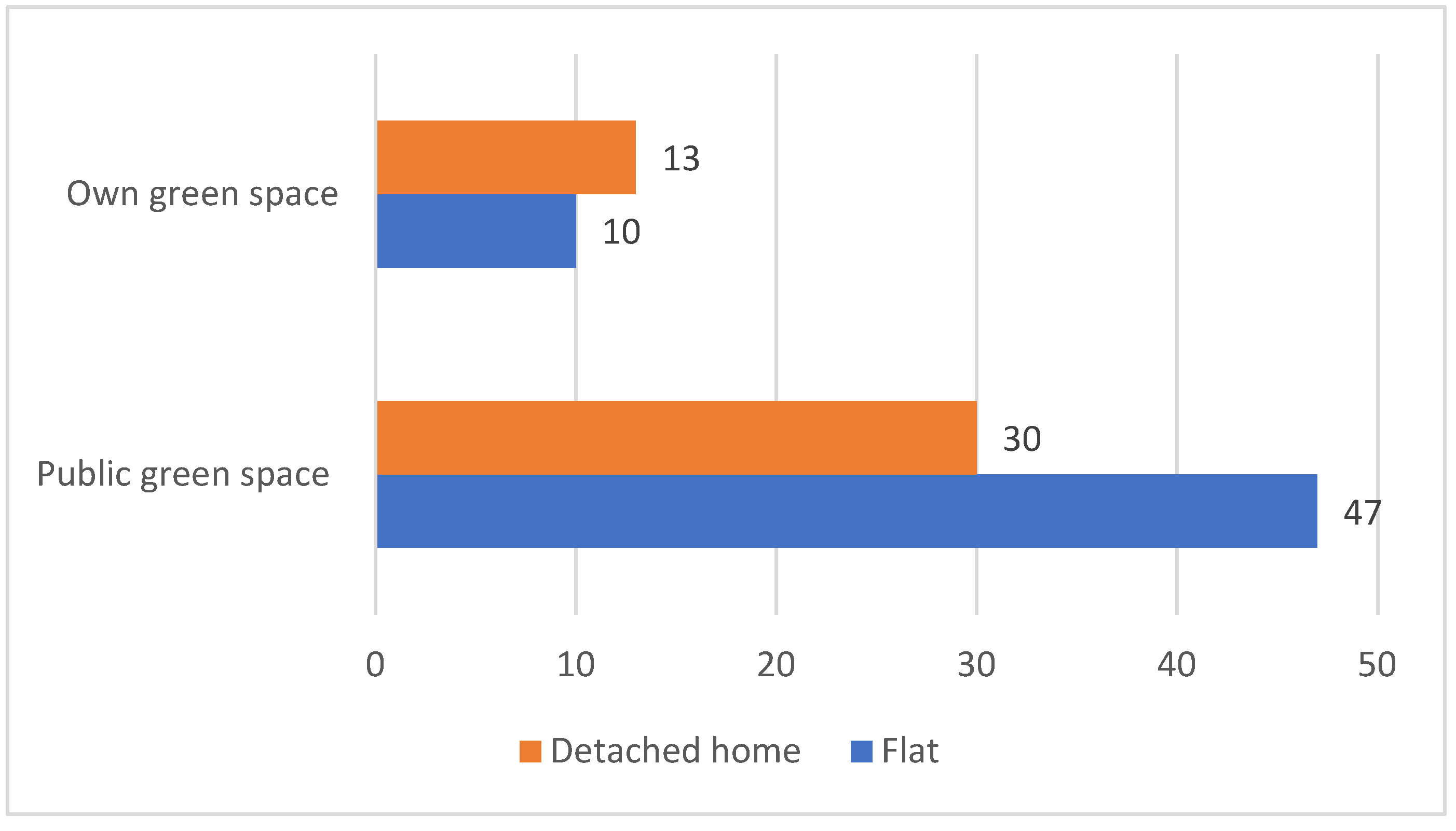
A greater proportion of users have resided in flats. However, the question remains as to whether there is a preference for using green spaces (Figure 13).
The findings of this classification and comparison indicate that residents with:
  • Residents of detached homes have more purpose-driven visits to public green spaces, using them for community engagement or specific public green space activities.
  • Residents of flats regard public green spaces as an integral extension of their living spaces and use them more regularly and for a more diverse range of activities. Thereby fulfilling their need for parks and public green spaces.

3.3. The Frequency of Use and Functionality in Side Park

Studying the result of residents’ behavior toward public green spaces by focusing on Side Park as a public green space and understanding how to meet the needs of diverse resident groups is essential in determining the usage factors of users. These factors include visitation patterns, time patterns, and activity patterns.

3.3.1. Visiting Patterns

This section delineates the various visiting patterns that have been observed. A group may consist of a couple, a family, or a collective of friends visiting the park together over a specified time. The term “alone” is used to describe a situation in which an individual is without the company of a partner, friend, or family member at the park. Table 12 presents the visiting patterns of one hundred participants, comprising both men and women, at Side Park. The results indicated a clear preference among participants for visiting Side Park in group mode (see Table 8). This inclination underscores the social dimension of the park, wherein individuals are more inclined to enjoy their time with family, friends, or partners. Group visits have enhanced overall enjoyment and promoted a sense of safety, offering opportunities for shared activities and fostering social bonds among visitors.

3.3.2. Time Pattern

The temporal patterns of individual visits offer valuable insight into the utilization of Side Park across various periods, encompassing both daytime and nighttime hours. This data offers insights into the utilization of Side Park and can reveal preferences for specific times of the day.
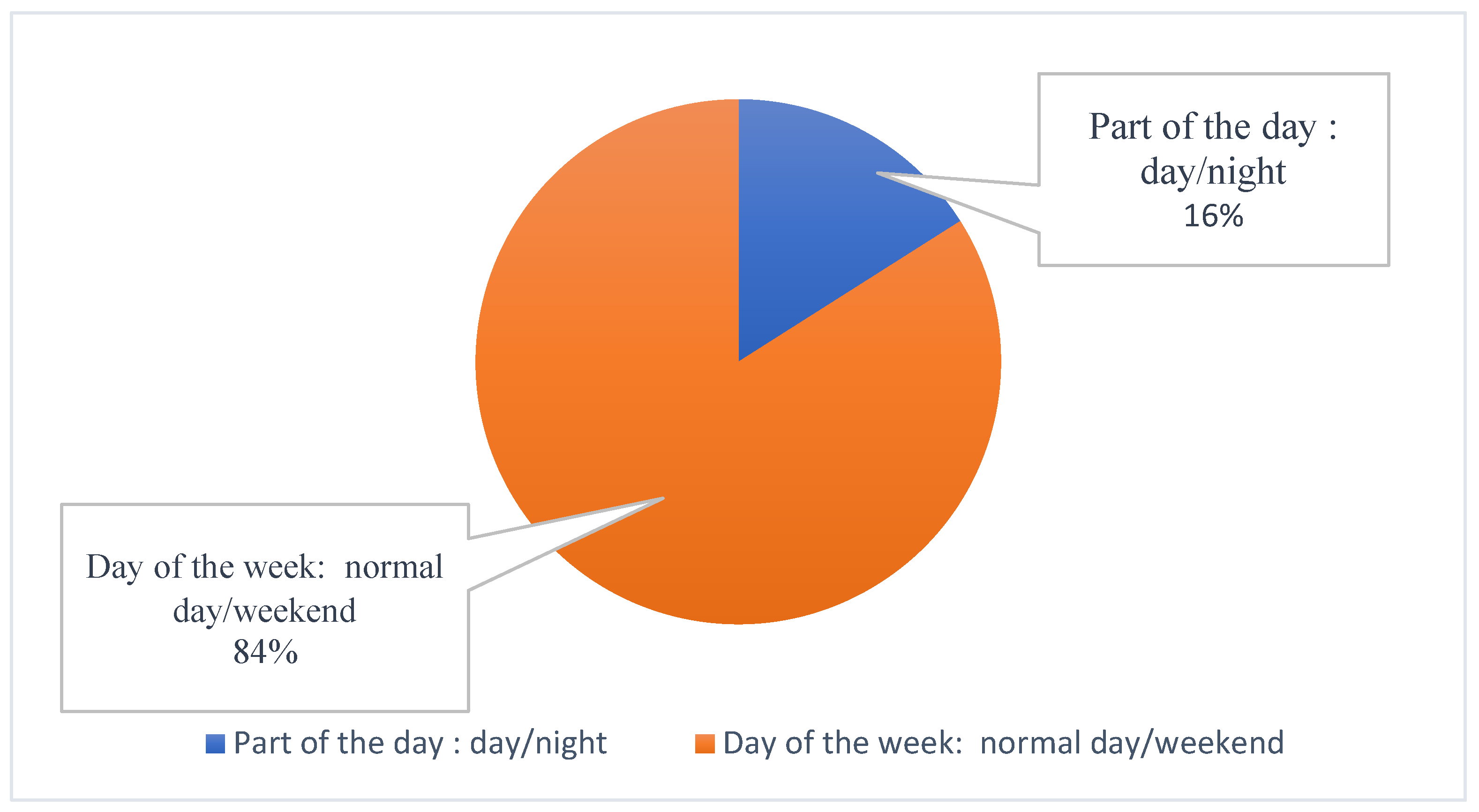
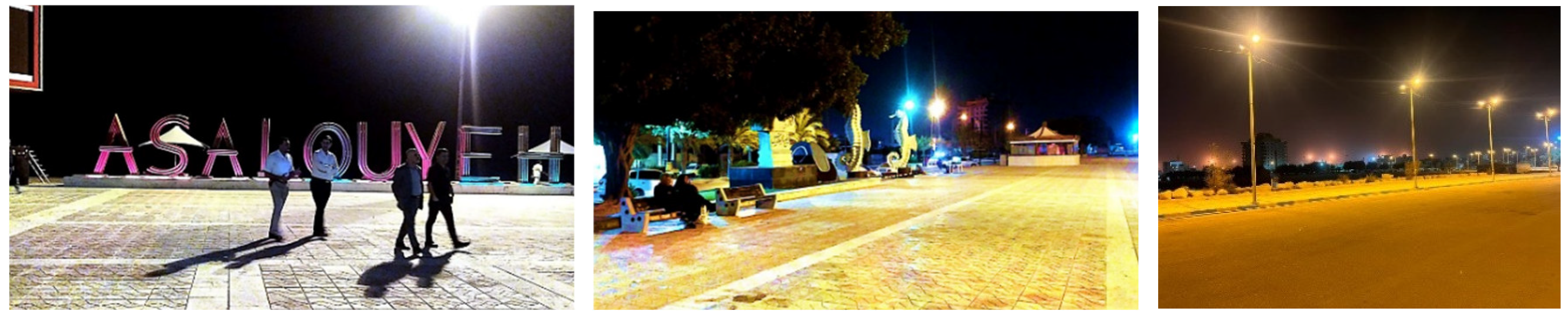
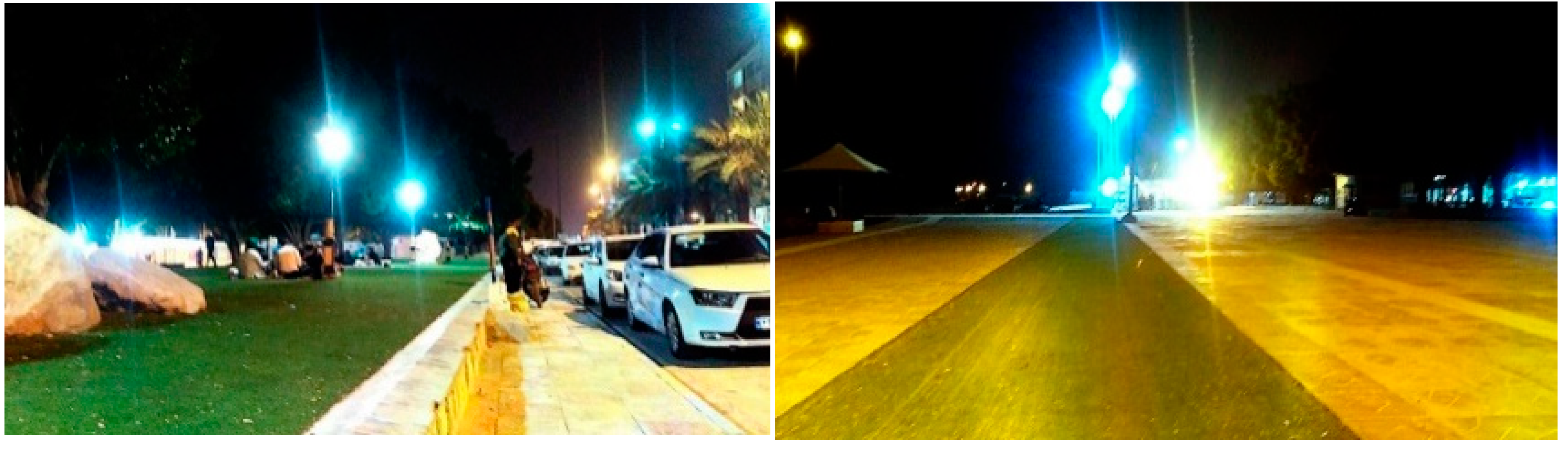
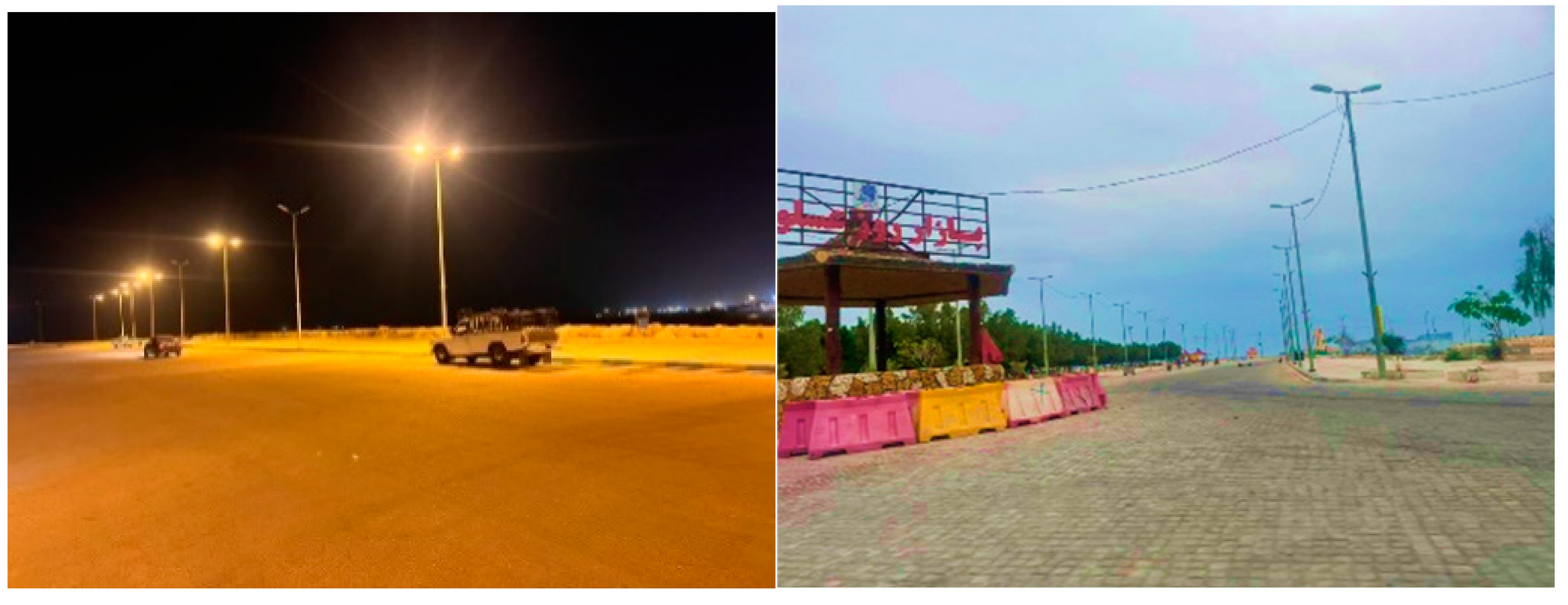
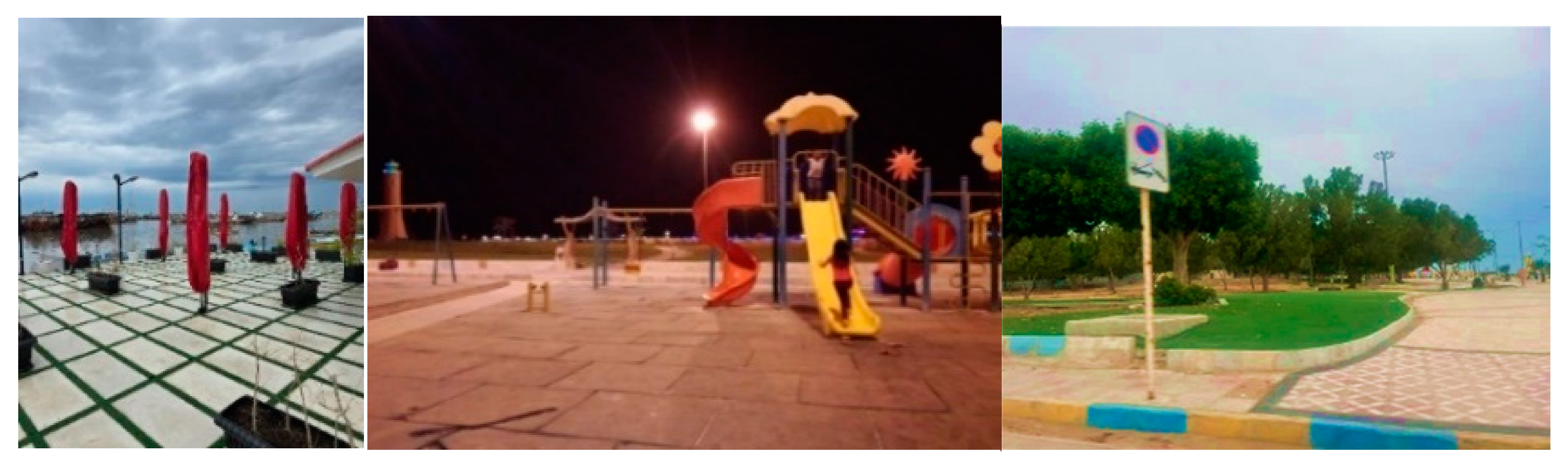
The results indicate a clear preference for the park during nocturnal hours, with 84.0% of individuals surveyed reporting a preference for visiting at nighttime (Figure 14). The presence of lighting in Side Park further substantiates the assertion that the park is predominantly utilized during these hours (Figure 15). A further analysis of visitation patterns revealed a heightened frequency of visits on weekends.
The popularity of the park at night is influenced by several factors, including the hot and humid climate, which is particularly pronounced in Asaluyeh City. Furthermore, over half of the participants indicated a general preference for outdoor activities at night. The images (Figure 15) illustrate three different zones of Side Park, each illuminated during the nighttime hours. These lighting setups highlight Side Park’s effort to create a well-lit environment, ensuring the overall nighttime experience for visitors.

3.3.3. Activity Pattern

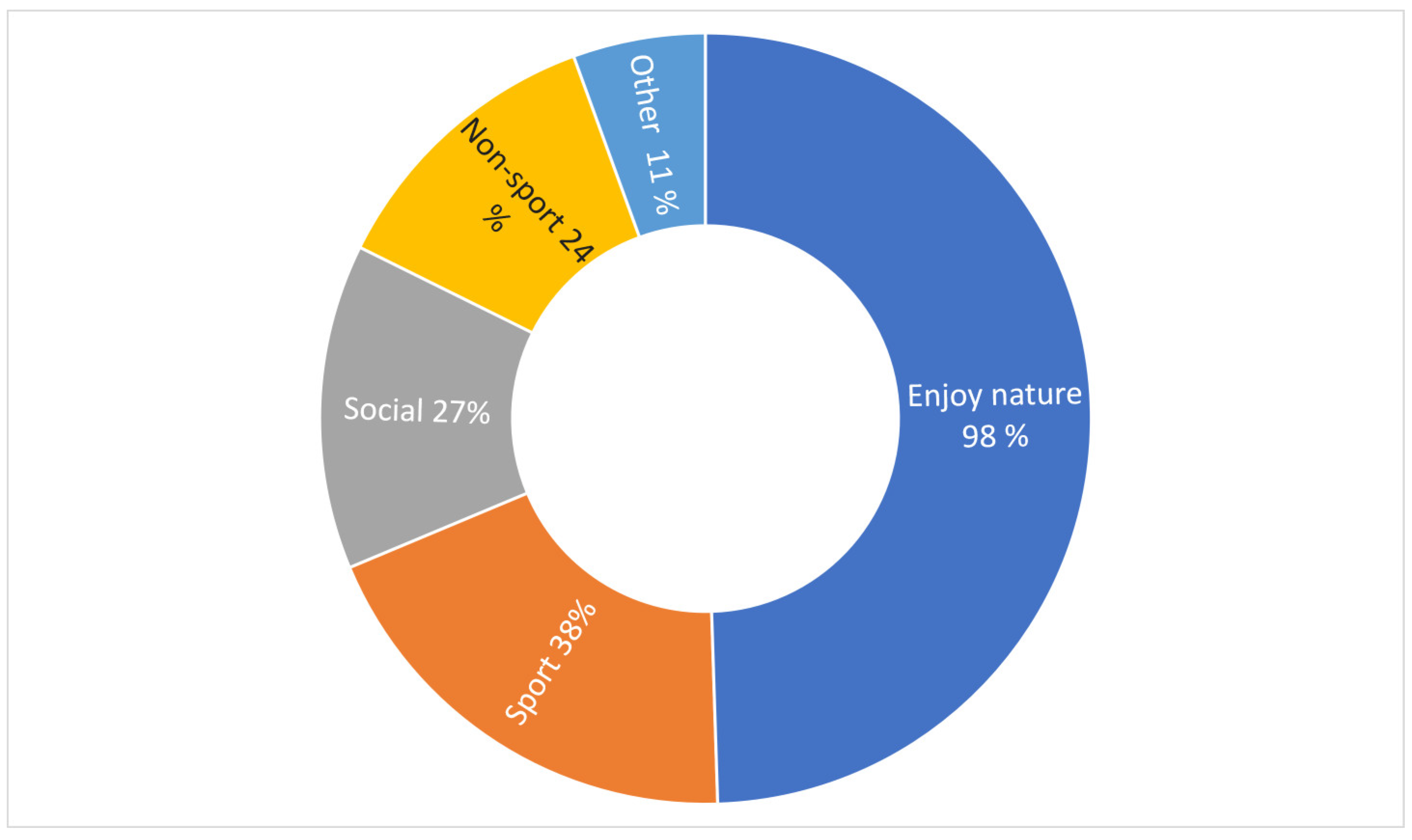
This section is to gain a deeper understanding of Side Park’s usage by exploring visitors’ preferred activities (Figure 16). Identifying the activities, the research seeks to explain how individuals interact with the park environment, which factors contribute to their satisfaction, and the role the park plays as a social hub for the community.
The activities in Side Park have been classified into five distinct categories. These categories encompass a range of recreational pursuits, including:
  • Sports and Healthy Activities: All activities that facilitate human mobility. This category encompasses activities such as walking, team games, running, and cycling.
  • Social activities (the purpose of sharing with others): activities that are conducted either individually or in group mode. As a result, the group converses with individuals, both those known to them and those who are not. This category encompasses activities such as board games, informal conversation, and any form of audio communication in which two or more individuals engage in face-to-face interaction.
  • Non-sport activities: This section encompasses the time spent in public green spaces for leisure purposes. These activities may include playing with children, studying, picnicking, carrying a baby, or establishing a secure environment for children to play in.
  • Other activities: include activities such as entertainment, reading (either books or newspapers), contemplation, relaxation, and the release of mental stress, fishing, and swimming.
  • The natural environment and surrounding landscape are observed and enjoyable.
The level of participation in activities within Side Park according to prioritization of activities illustrates how individuals elect to engage with Side Park’s diverse array of offerings. Reviewing this response affords insight into the most popular and valued experiences for visitors, thereby highlighting the park’s role in catering to different recreational needs and interests (Figure 16).
In response to the question about which activities users most enjoyed in Side Park, 98% of respondents, including both men and women, indicated that they derived the greatest pleasure from the park’s landscape. Side Park has been perceived as an aesthetically pleasing location and a source of relaxation.

4. User Satisfactions

The creation of urban green spaces in industrial cities can help mitigate the challenges associated with urbanization (Miller et al., 2016). In light of Asaluyeh City’s expanding population and the pivotal role Side Park plays as a significant urban green space, it is imperative to examine user satisfaction with amenities and safety requirements, which are essential with Side Park. This matter can evaluate Side Park’s performance as a public green space and its perception as an inclusive space for social interaction in society.
Users expressed a clear preference for enjoying the landscape of Side Park and made it the most favored activity. However, this raises important questions: Why do non-sporting activities receive greater preference from men and women? What factors most significantly influence user satisfaction with Side Park?
These questions are addressed through independent explanations derived from data analysis, offering insights into user preferences and satisfaction.
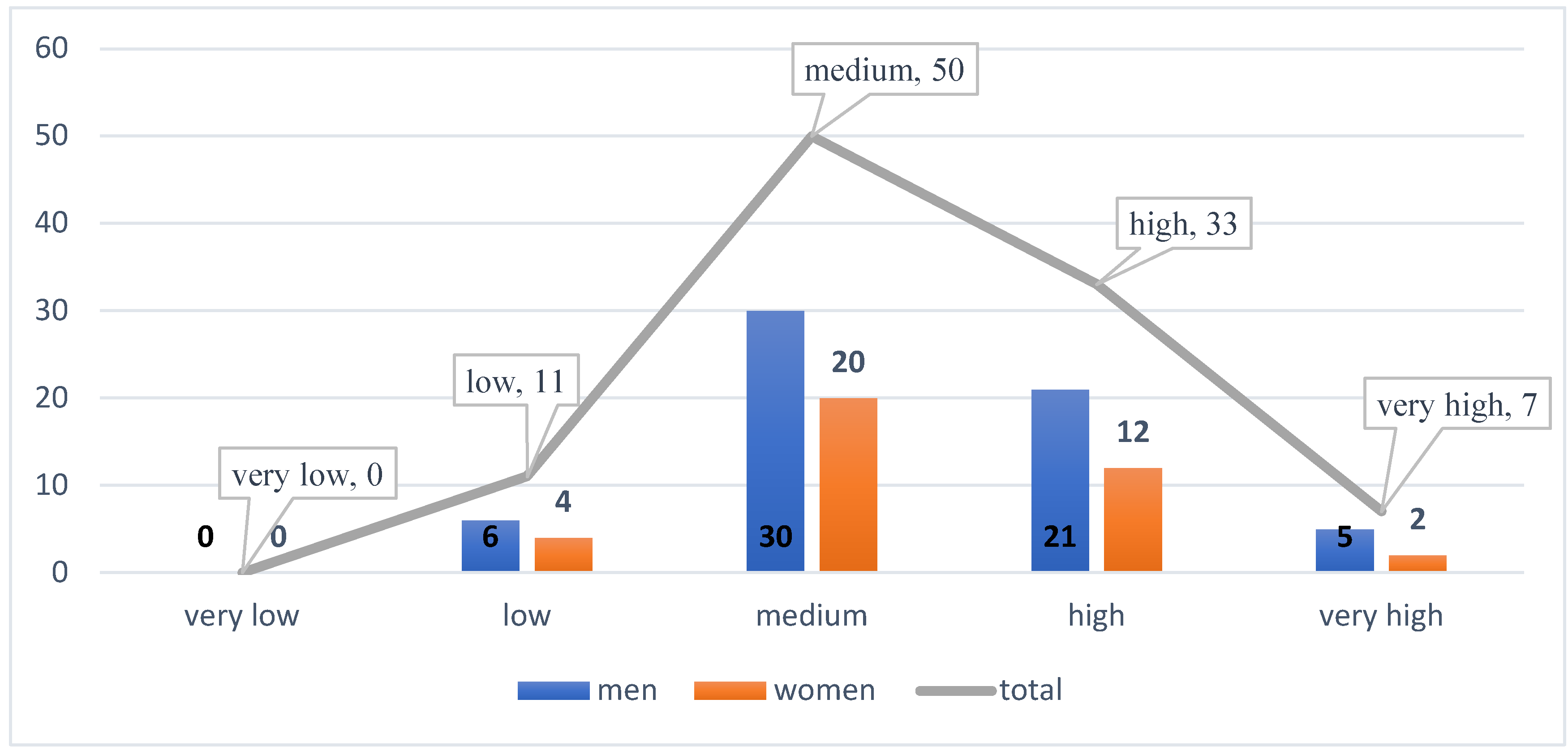
The favorable feedback indicates that, in general, users are satisfied with the services provided by Side Park, which is effectively fulfilling its role as a recreational and social space for this community (Figure 17).
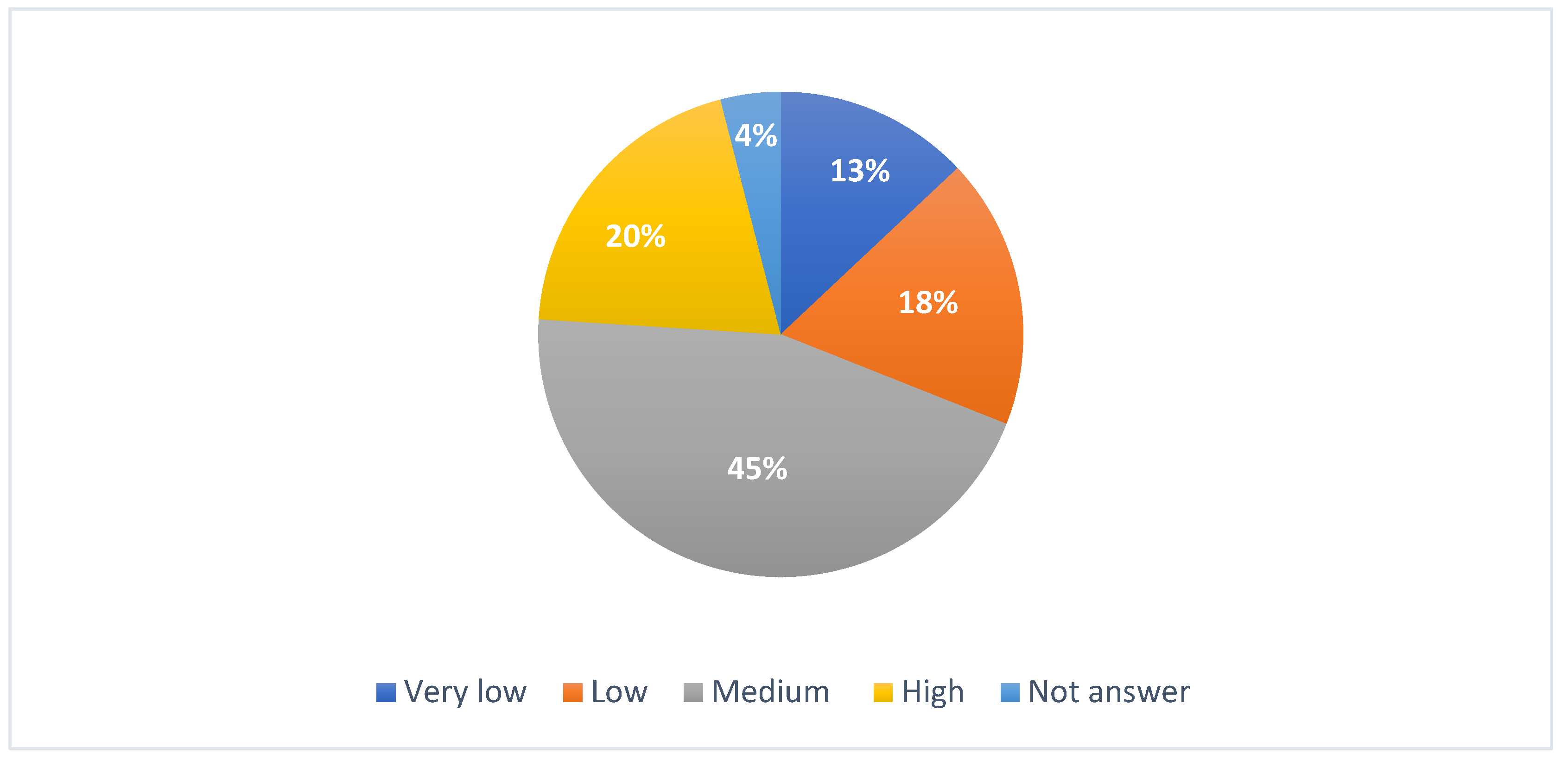
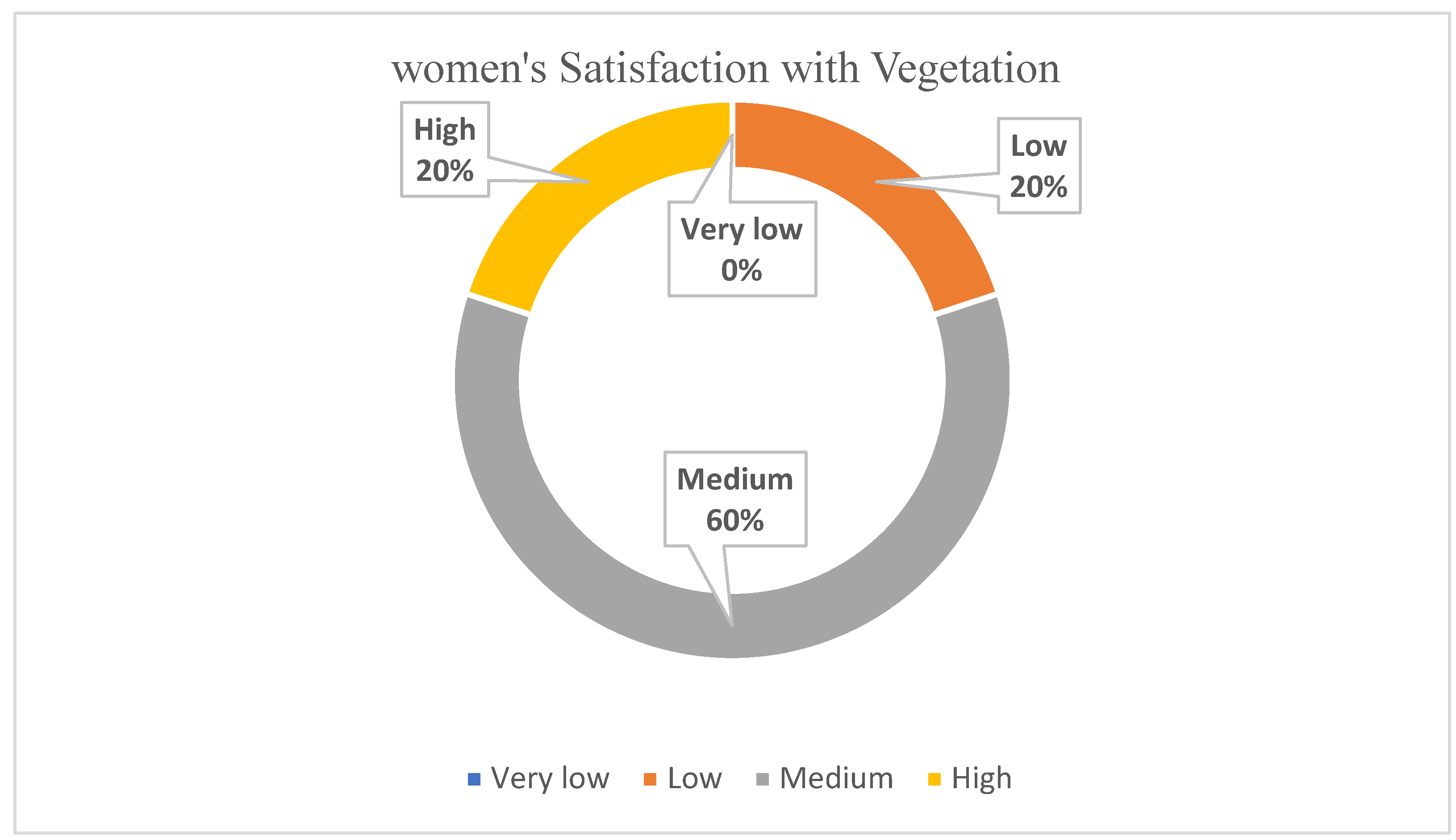
Side Park has received positive reviews from users, underscoring the importance of satisfaction with vegetation and safety measures. In the subsequent phase of the study, the satisfaction levels of men and women indicate that both groups hold similar views regarding the park’s vegetation and arboreal features (Figure 18).
This finding suggests that, while the existing vegetation may meet the most fundamental expectations or features, it could enhance the park experience and encourage a broader range of activities.
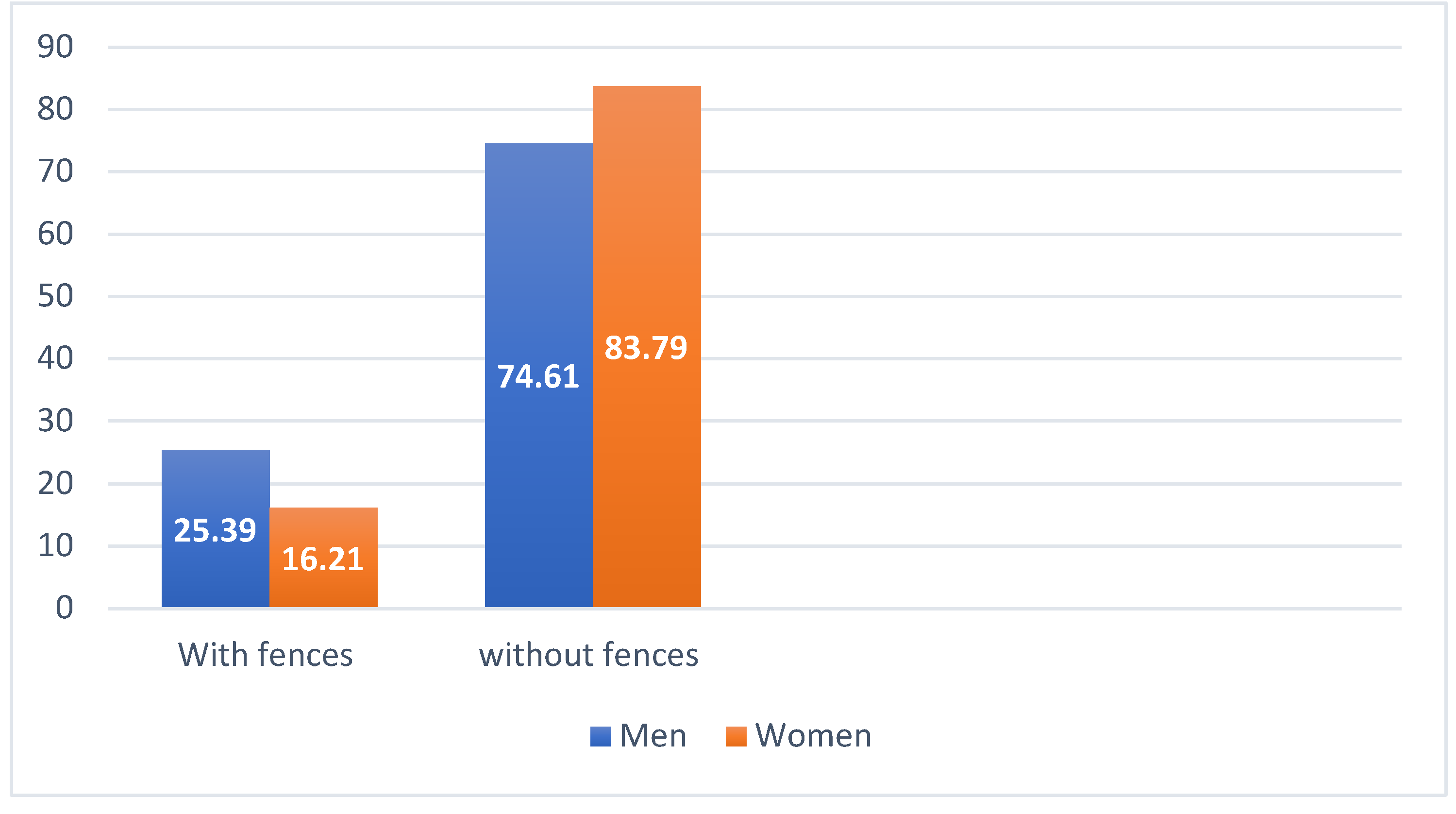
The evaluation of Side Park space revealed that the accessibility of all areas of Side Park during the 24 hours is possible. However, a review of the usage patterns observed in Side Park during nighttime hours highlighted the need to implement robust safety protocols, particularly in light of the park’s lack of fencing. Therefore, the respondents were invited to share their perspectives on the perceived security levels in both fenced and unfenced green spaces (Figure 19). This is particularly relevant given the growing global concern surrounding public space security. Fences fulfill not only a protective function but also convey a visual and symbolic value, thereby contributing to a sense of safety and delineation within these spaces(Shu et al., 2024).
A summary of the feedback provided on this topic is presented. Both men and women expressed a preference for remaining in areas devoid of fencing. Over 50% of respondents from both groups reported a sense of security in Side Park. This finding suggests that, despite the absence of fencing, the majority of participants perceive the park environment as secure and feel comfortable using the space without restriction.

5. Discussion and Conclusion

Given the significance of green spaces in industrial cities, particularly in regions with harsh climatic conditions like Asaluyeh, people often seek indoor spaces for various activities. Hence, the importance of accessible public green areas is becoming increasingly apparent. The data presented in this paper indicates that the most frequent users of Side Park regard it as a versatile green space that caters to a wide range of activities. Each individual can engage in their preferred pursuits within this environment. In summary, Side Park serves as an exemplary model of public green spaces and highlights how such areas can enhance social interactions in this city. The findings underscore the following key aspects:
  • The Role of Side Park in Enhancing Well-Being: Side Park plays a pivotal role in enhancing the well-being of the local community. In an industrialized city like Asaluyeh, where many residents are involved in heavy industries, public green spaces like Side Park offer an essential respite. These spaces provide an accessible environment for physical activity, social interaction, and relaxation, addressing both the physical and mental health needs of the population. This adaptability ensures that Side Park is a dynamic space that serves the various lifestyles and preferences of the community.
  • Multipurpose Design and Community Access: Side Park features diverse spaces and a multifunctional design, including football pitches, walking paths, a daily market, scenic landscapes, and zones for social interaction. This variety ensures that the park remains a valuable resource for individuals from all walks of life and could enhance community well-being in industrial urban settings. As a place where physical and mental well-being can thrive, the park encourages fostering social connections and community cohesion. It acts as a crucial counterbalance to the stresses of urban industrial life, providing a snug green environment where residents can relax and escape the demands of their daily routines. Consequently, Side Park is an essential component of the urban fabric, contributing to a healthier and more connected community.
  • Addressing Urban Challenges: the park’s lack of fencing has not compromised its safety. On the contrary, the open design has fostered a sense of freedom, and the positive perceptions of safety expressed by both men and women highlight the park’s success in creating a secure and welcoming space. The absence of the fences has not been detrimental, and it has contributed to a sense of openness, inclusivity, and community engagement. Despite the challenges posed by development restrictions of urban planning limitations, climate conditions, pollution from the refinery, and other urban issues, Side Park is an example of how the design of public green spaces can significantly enhance the quality of social life, improve public health, and strengthen social ties in industrial cities.
  • A Vital Urban Asset: The demand for spaces that promote mental and physical health is particularly important in industrial cities like Asaluyeh, where residents often face high-stress environments. Side Park addresses these needs by creating opportunities for interaction and community engagement. This park plays a crucial role in supporting the holistic well-being of the community, enhancing both mental and physical health. Side Park fosters community cohesion, improves public health, and provides a venue for diverse recreational activities, making it an indispensable asset for Asaluyeh. It highlights the critical importance of well-designed, multifunctional public green spaces in industrial cities, which serve as vital tools for improving quality of life and strengthening social connections.
Finally, the development of urban green spaces in areas with challenging climatic conditions must be adapted to the local climate and environmental context because of the negative environmental and human health impacts. This adaptation is not just a recommendation but a necessity. The approach should go beyond a simplistic aesthetic strategy, embrace indigenous patterns, and become a practical tool for improving quality of life, public health, and social cohesion. Integrating these principles into urban planning has the potential to mitigate the negative effects of urbanization and industrialization while addressing issues such as pollution. This can be achieved by incorporating sustainable technologies such as green walls, air-purifying plants, and renewable energy sources into the design of green spaces, ultimately creating a more livable environment for the future. To achieve these objectives, it is essential to implement policies that prioritize land allocation for public green spaces, even in areas experiencing significant physical and psychological pressures from work environments. Such policies should concentrate on the transformation of parks into public green areas that provide environmental benefits and encourage social and cultural functions.

Acknowledgement

Rovira I Virgili, Faculty of Tourism and Geography is a leading institution in the creation and transmission of knowledge in the fields of Tourism and Hospitality and Geography, Territorial Analysis, and Sustainability.

References

  1. Alabbas, W., and A. Polat. 2019. Comparative Analysis of Park User Preferences in Konya (Turkey) and Kirkuk (Iraq) Cities 9: 1128–1143. [CrossRef]
  2. Anbari, M., and L. Malaki. 2012. Investigating the social effects of industrial growth poles on local sustainable development (A case study of Asalouye Industrial Growth Pole). Local development (rural-urban) 3, 2: 87–106. [Google Scholar]
  3. Bahriny, F. 2021. Traditional versus Modern? Perceptions and Preferences of Urban Park Users in Iran. Sustainability. Available online: https://www.academia.edu/76501563/Traditional_versus_Modern_Perceptions_and_Preferences_of_Urban_Park_Users_in_Iran.
  4. Bennet, S. A., N. Yiannakoulias, A. M. Williams, and P. Kitchen. 2012. Playground Accessibility and Neighbourhood Social Interaction Among Parents. Social Indicators Research 108, 2: 199–213. [Google Scholar] [CrossRef]
  5. Chiesura, A. 2004. The Role of Urban Parks for the Sustainable City. Landscape and Urban Planning 68: 129–138. [Google Scholar] [CrossRef]
  6. Cohen, P., O. Potchter, and I. Schnell. 2014. A methodological approach to the environmental quantitative assessment of urban parks. Applied Geography 48: 87–101. [Google Scholar] [CrossRef]
  7. Dempsey, N. 2008. Does quality of the built environment affect social cohesion? Proceedings of The Ice-Urban Design and Planning 161: 105–114. [Google Scholar] [CrossRef]
  8. Germann-Chiari, C., and K. Seeland. 2004. Are urban green spaces optimally distributed to act as places for social integration? Results of a geographical information system (GIS) approach for urban forestry research. Forest Policy and Economics 6, 1: 3–13. [Google Scholar] [CrossRef]
  9. Kaźmierczak, A. 2013. The contribution of local parks to neighbourhood social ties. Landscape and Urban Planning 109, 1: 31–44. [Google Scholar] [CrossRef]
  10. Kuo, M., and W. Sullivan. 2001. Environment and Crime in the Inner City: Does Vegetation Reduce Crime? Environment and Behavior-ENVIRON BEHAV 33: 343–367. [Google Scholar] [CrossRef]
  11. Kyttä, M., A. Broberg, T. Tzoulas, and K. Snabb. 2013. Towards contextually sensitive urban densification: Location-based softGIS knowledge revealing perceived residential environmental quality. Landscape and Urban Planning 113: 30–46. [Google Scholar] [CrossRef]
  12. Loebach, J., and J. Gilliland. 2010. Child-Led Tours to Uncover Children’s Perceptions and Use of Neighborhood Environments. Children, Youth and Environments 20, 1: 52–90. [Google Scholar] [CrossRef]
  13. Lotfi, S., and M. J. Koohsari. 2009. Analyzing Accessibility Dimension of Urban Quality of Life: Where Urban Designers Face Duality Between Subjective and Objective Reading of Place. Social Indicators Research 94, 3: 417–435. [Google Scholar] [CrossRef]
  14. Lynn Karl, T. 2004. Oil-Led Development: Social, Political, and Economic Consequences. In Encyclopedia of Energy. Elsevier: pp. 661–672. [Google Scholar] [CrossRef]
  15. Maruthaveeran, S. 2017. Exploring the urban park use, preference and behaviours among the residents of Kuala Lumpur, Malaysia. Urban Forestry & Urban Greening 25. [Google Scholar] [CrossRef]
  16. Miller, P., A. G. de Barros, L. Kattan, and S. C. Wirasinghe. 2016. Public transportation and sustainability: A review. KSCE Journal of Civil Engineering 20, 3: 1076–1083. [Google Scholar] [CrossRef]
  17. Nabavi, F., Y. Ahmad, and A. T. Goh. 2012. Daylight and Opening in Traditional Houses in Yazd, Iran. [Google Scholar]
  18. Nasir, R. A., S. Ahmad, and A. Zain Ahmed. 2013. Physical Activity and Human Comfort Correlation in an Urban Park in Hot and Humid Conditions. Procedia-Social and Behavioral Sciences 105. [Google Scholar] [CrossRef]
  19. Nosratpour, D. 2012. Evaluation of Traditional Iranian Houses and Match it with Modern Housing. Available online: https://www.semanticscholar.org/paper/Evaluation-of-Traditional-Iranian-Houses-and-Match-Nosratpour/f1671ffdf9aa94326d981bd57debe7937af3cc54.
  20. Paul, S., and H. Nagendra. 2017. Factors Influencing Perceptions and Use of Urban Nature: Surveys of Park Visitors in Delhi. Land 6, 2: 27. [Google Scholar] [CrossRef]
  21. Sakip, S. R. M., Mt Norizan, Siti Syamimi Akhir, and Oma. 2015. Determinant Factors of Successful Public Parks in Malaysia. Available online: https://www.academia.edu/11678252/Determinant_Factors_of_Successful_Public_Parks_in_Malaysia.
  22. Shu, S., L. Meng, X. Piao, X. Geng, and J. Tang. 2024. Effects of Audio–Visual Interaction on Physio-Psychological Recovery of Older Adults in Residential Public Space. Forests 15, 2: 266. [Google Scholar] [CrossRef]
  23. Tabrizi, N., A. Lak, and S. M. R. Moussavi.A. 2023. Green space and the health of the older adult during pandemics: A narrative review on the experience of COVID-19. Frontiers in Public Health 11: 1218091. [Google Scholar] [CrossRef] [PubMed]
  24. Wolch, J. R., J. Byrne, and J. P. Newell. 2014. Urban green space, public health, and environmental justice: The challenge of making cities ‘just green enough. Landscape and Urban Planning 125: 234–244. [Google Scholar] [CrossRef]
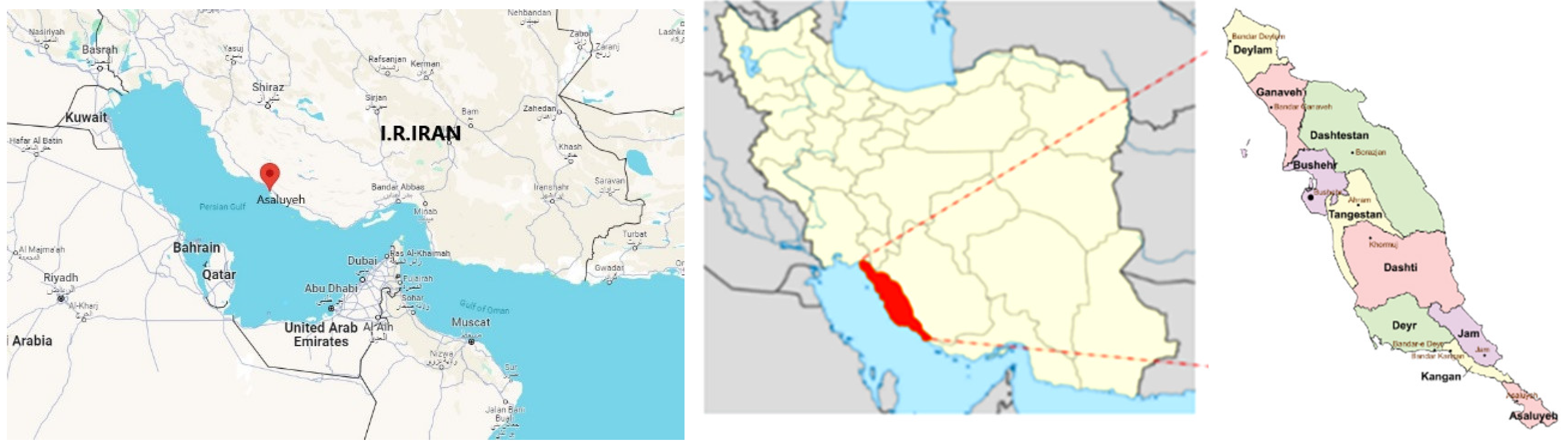
Figure 1. Location of Asaluyeh, Bushehr Master Plan, 2024.
Preprints 148818 g001
Figure 2. Urban area layout, (Google earth Pro).
Preprints 148818 g002
Figure 3. (a)The current state of the refineries and how they are layered and placed in the north of the region is the primary urban landscape of Asaluyeh City at night (Behfar, 2024). (b)Profile of Asaluyeh city; Restriction of urban development.
Preprints 148818 g003
Figure 4. The location of four parks in Asaluyeh city, (Google earth pro).
Preprints 148818 g004
Figure 5. Mother Park, take photo by author, 15.4.2024.
Preprints 148818 g005
Figure 6. Women’s Park, take photo by author,15.4.2024.
Preprints 148818 g006
Figure 7. Neighborhood Park, take photo by author, 15.4.2024.
Preprints 148818 g007
Figure 8. Side Park, take photo by author, 15.4.2024.
Preprints 148818 g008
Figure 10. Income distribution.
Preprints 148818 g010
Figure 11. Means of transport used to reach the park.
Preprints 148818 g011
Figure 12. Type of house you live in and green space you prefer to use.
Preprints 148818 g012
Figure 13. The preference for using green spaces.
Preprints 148818 g013
Figure 14. Part of the day when the park is visited.
Preprints 148818 g014
Figure 15. Overnight activities in different parts of the Side Park.
Preprints 148818 g015
Figure 16. Types of use in Side Park.
Preprints 148818 g016
Figure 17. Level of satisfaction Side Park.
Preprints 148818 g017
Figure 18. Level of satisfaction.
Preprints 148818 g018
Figure 19. Sense of security by gender.
Preprints 148818 g019
Table 1. Comparison of population structure and household in Asaluyeh. Bushehr Master Plan. Housing and Urban Development Organization of Bushehr Province, Asaluyeh, Iran.2024.
Year Population Men Women Household
2000 12.564 8.204 4.36 2.449
2020 15.346 11.684 3.662 3.334
Table 2. Situation of each Parks in Asaluyeh city, (author).
No. Park Name Map Area Function Users Time
1 Mother Park Preprints 148818 i001 151 m2 Local Park Child / men and women 24 H
2 Women’s Park Preprints 148818 i002 118 m2 Special Park Only women Part time
3 Neighborhood Park Preprints 148818 i003 365 m2 Local Park Child / men and women 24 H
4 Side Park Preprints 148818 i004 6176 m2 Local Park Child / men and women
Table 3. The structure of the survey in this paper.
Part One User’s profile 1 Age:
2 Gender Male
Female
Other
3 Level of education:
4 Job Housewife
Self-employee
Employee
Other
5 Average income:
6 Means of transport Public transportation
Private car
7 Kind of house Flat
Detached-home
8 Preferred places Own green space
Public green space
Part Two Frequency and functionality of Side Park 9 Park visiting mode. With a Group
Alone
10 Time frequency for visiting park Part of the day: day/night
Day of the week: normal day/weekend
11 Activities in side park Sports
non-sport
Interactive with others
To see the landscapes
Fishing or swimming
Other activities
Part Three User’s satisfaction 12 Satisfaction with Side park Non satisfaction
low
Medium
High
Very High
13 Why use another park, say the name. Different design
Facilities
Nearest
Safety
14 Satisfaction with plants and vegetation Very low
Low
Medium
High
Very high
15 Which item is necessary. Playground for child
Benches
Shaded threes
Pergola
Other
Table 4. A concise overview of the activities and distances along the coastline in Asaluyeh.
No. Functionality Picture Length: (M) Area: (M2)
Zone 1 Mini children Park.
football pitch.
Restaurant.
green space
Preprints 148818 i005 215 710
Zone 2 Walking.
green public space.
Preprints 148818 i006 800 1567
Zone 3 Daily market bazaar.
fishing market zone.
Preprints 148818 i007 106 452
Zone 4 Main port of Asaluyeh. Walking. green spaces. coffee shop Preprints 148818 i008 422 860
Zone 5 Mini Park. green space. fast-food. Preprints 148818 i009 233 m 650
Zone 6 football pitch. coffee shop. Administrative area. Preprints 148818 i010 450 754
Zone 7 Administrative area.
green space.
kids play ground.
green space
Preprints 148818 i011 360 1251
Total 2.586 4.833
Table 5. presents a breakdown of park users according to age and gender.
Age Men Men % Women Women % Total Total %
18-20 - - 3 8.03 3 3
21-30 6 9.50 6 16.26 12 12
31-40 31 49.27 18 48.72 49 49
41-50 20 31.73 7 18.96 27 27
51-60 6 9.50 3 8.03 9 9
Total 63 100 % 37 100% 100 100%
Table 6. presents data on the level of education according to gender.
Level of education Men Men% Women Women % Total Total%
Pre- diploma 5 7.94 4 10.81 9 9
High school diploma 8 12.69 9 24.33 17 17
Associate degree 14 22.22 7 18.92 21 21
Bachelor degree 22 34.93 12 32.43 34 34
Master degree 14 22.22 5 13.51 19 19
Total 63 100% 37 100% 100 100%
Table 7. The results classified participants into four occupational classes, which included 18 housewives, while also accounting for the total income of all individuals.
Job Men Men % Women Women % Total Total %
Housewife - - 18 48.64 18 18
Self- employed 15 23.81 5 13.52 20 20
Employee 48 76.19 12 32.44 60 60
Other - - 2 5.4 2 2
Total 63 100% 37 100% 100 100%
Table 8. Visiting patterns in the park.
Sort Men Men % Women Women% Total Total %
With a Group 45 71.43 33 89.19 78 78
Alone 18 28.57 4 10.81 22 22
Total 63 100% 37 100% 100 100%
Disclaimer/Publisher’s Note: The statements, opinions and data contained in all publications are solely those of the individual author(s) and contributor(s) and not of MDPI and/or the editor(s). MDPI and/or the editor(s) disclaim responsibility for any injury to people or property resulting from any ideas, methods, instructions or products referred to in the content.
Copyright: This open access article is published under a Creative Commons CC BY 4.0 license, which permit the free download, distribution, and reuse, provided that the author and preprint are cited in any reuse.
Prerpints.org logo

Preprints.org is a free preprint server supported by MDPI in Basel, Switzerland.

Subscribe

Disclaimer

Terms of Use

Privacy Policy

Privacy Settings

© 2025 MDPI (Basel, Switzerland) unless otherwise stated