

Submitted:
06 February 2025
Posted:
06 February 2025
You are already at the latest version
Abstract
This mixed method study investigated the significance of Engineering Graphics and Design (EGD) in Technical Subjects. From the inception of the technical stream EGD has always been part of the compulsory subjects that a learner should have in addition to Civil Technology, Mechanical Technology or Electrical Technology. However, recently other teacher training universities have opted for the removal of EGD as part of the mandatory selection for students doing technical stream and this has been met with a lot of mixed views. As a result, this has necessitated the need for this enquiry. Therefore, to respond to the objectives of this study, a purposive sampling was employed to select five (5) lecturers lecturing technical subjects to gauge their insight about the significance of EGD in technical subjects. Data was collected through open-ended questionnaire and document analysis in the form of test written by Civil Technology students to analyze their test scores. Quantitative data in the form of test scores were analyzed descriptively using Statistical Package for Social Sciences (SPSS) and qualitative data was analyzed using a thematic analysis. The findings of the study suggest that EGD is very significant for students enrolled in either of the technical subjects. This is because students doing EGD performed better compared to their counterparts. Findings further showed that lecturers are also of the view that EGD should be a mandatory selection for students enrolled in technical stream as EGD offers foundational knowledge for drawing related topics done in technical subjects. This study recommends that for all students enrolled in technical stream, EGD should be a mandatory selection during their first year of study so that they can gather the basics of drawing in the context of technical subjects.
Keywords:
Engineering Graphics and Design
; technical subjects
; graphical communication
; Civil technology
1. Introduction
Engineering Graphics and Design (EGD) is a technical subject introduced in the Further Education and Training (FET) phase (grade 10-12) which deals with different lines for the purpose of communicating graphically. This subject is abstract in nature (Khoza, 2013; Mlambo et al., 2023) which makes it unique from other subjects offered in schools which are theoretically based. On the other hand, Civil Technology (CT) is also a subject introduced in the FET phase which was designed to equip learners’ with hands on skills for the purpose of enrolling for apprenticeship and get trade test certificates from organisations (Mtshali & Singh-Pillay, 2023a, 2023b). As Maeko (2024), asserts that the primary aim of technology education is to improve the quality of life since it helps individuals to become economically active. In addition, Hove (2022) sees CT as a practical subject in nature that focuses on concepts and principles in the built environment. This subject consists of construction, civil services and woodworking (Mtshali & Msimango, 2023).Engineering Graphics and Design and CT are subjects offered in the FET technical stream along Electrical Technology and Mechanical Technology. These subjects are mostly based on equipping learners with hands-on skills to prepare them for life after school. These subjects have been deemed as the gateway for the engineering courses (Mlambo et al., 2023; Sotsaka, 2015, 2019) because of the significance they have towards preparing learners for the engineering world. As the literature suggest that technology education is meant to impart technical skills to students for them to be able to venture into industries where they will be employed to highlight such skills and contribute to skills development through economic growth (Maeko, 2024).
As proposed by DBE (2011), technical stream learners are required to choose between Civil, Electrical and Mechanical Technology as their major specialization which can be done in conjunction with EGD, Technical Mathematics and Technical Sciences. However, the rationale for insisting learners to have EGD as part of their technical stream package has never been brought to light as a result some teacher training universities have made EGD to be not a compulsory selection for the technical stream packages. A rationale behind this choice is that pre-service teachers often struggle with EGD because of it abstract nature Khoza (2013) which leads to everything that is drawn in EGD to be abstract. The challenge with abstract based subjects is echoed by Abd Malek et al. (2024), that abstract without illustrations is very challenging to comprehend. It has also been documented that there is a decline in drawing skills because schools are no longer view drawing as significant as it was before (Fava, 2020). In a contrasting view, Maeko and Khoza (2017) argue that this is against the status quo in technical stream which maintains that EGD should be a compulsory major subject to the university students who take Mechanical, Electrical, Civil and or Information Technologies. The same notion is echoed by DBE (2011), that EGD should be a compulsory major in learners engaging in technical stream.
The importance of drawing is also articulated in the findings of a study by Abd Malek et al. (2024) which indicated a positive impact of using drawing as a teaching and learning strategy for a digestive system learning in Science. Abd Malek et al. (2024, p. 168), further assert that “Drawing and Science are always taught together because an illustration is needed for the learners to translate what they have observed”. Technical subjects are regarded as the gateway subject to engineering which requires a high level of creativity and if most students are neglecting drawing it could dire consequences on the future of engineers that will be produced in South Africa. In the same vein, participants in Schenk’s (2014) study were concerned that creativity could be impaired if drawing is neglected in schools and universities, emphasising the difference between ‘repurposing’ secondary sources. Based on the above, it is apparent that drawing (EGD) plays an important role in many subjects, however as mentioned above in the context of CT no studies have been conducted that exposes the importance of EGD in its curriculum. For that reason, the above articulations have necessitated the need to investigate the centrality of Engineering Graphics and Design in studying technical subjects.
Purpose and Research Questions
The purpose of this study was to explore the centrality of Engineering Graphics and Design in studying technical subjects. This enquiry was guided by the following main research question:
Main research question: What is the centrality of Engineering Graphics and Design in studying technical subjects?
The above main research question is supported by the following sub research questions:
- How do students in technical stream who are enrolled for Engineering Graphics and Design do in comparison to their peers who are not?
- What are the lectures’ views about Engineering Graphics and Design in studying technical subjects?
2. Literature Review
Engineering Graphics and Design (EGD) serves as an essential component in technical education. The module provides the foundational skills and knowledge which are required for problem-solving, visualization, and effective communication in engineering and related world. The importance of EGD in technical subjects (Mechanical technology, Civil Technology and Electrical technology) is multifaceted, as such, the module contributes to the development of practical and theoretical skills which are necessary for both academic success and work application. Within the engineering world, despite several languages used, graphical communication serves as a universal language to communicate ideas and designs. Giesecke et al. (2023) posit that “graphical representation is a basic, neutral form of communication that is not tied to a particular time or place”. Engineering Graphics and Design enable individuals to interconnect ideas, understand designs, and concepts effectively through standardized graphical representations in a manner of technical drawings, schematics, and blueprints. Denson et al. (2022) argue that graphical communication is particularly crucial in technical subjects, where accurate and explicit communication is essential to convey multifaceted concepts. Considering the following as an example, within mechanical technology in relation to the curriculum, there’s a part where technical students do a Practical Assessment Task, commonly known as PAT, this is where students are required to produce a certain project. To do so effectively, the project emanates from a design (graphical presentation) with measurements and different views, learners must read through it and come up with the final project or prototype. Thus, EGD assists in enhancing technical communication. Below Figure 1 shows an overall graphical representation of a rocket stove to be designed by mechanical technology students. As it is visible that different parts are marked, they would appear separately to show the different dimensions, with instructions on how material should be cut and joined, this requires an understanding of graphical communication.
On the other hand, Singh-Pillay and Sotsaka (2021) indicate how EGD develops spatial and visualization skills. They further argue that this module helps students develop spatial reasoning, in turn enabling them to visualize objects in two dimensional (orthographic) and translate them into three-dimensional (isometric) representations and vice versa. As such, this is of paramount importance in technical subjects, where the ability to understand the spatial relationships of components is fundamental to problem-solving and designing. Denson et al. (2022) argue that EGD acts as a bridge between theoretical knowledge and practical application. By learning to create detailed technical drawings, students gain an in-depth understanding of the theoretical principles underlying engineering designs. As such, Martín Erro and Nuere Menéndez-Pidal (2024) assert that “this integration of theory and practice is particularly significant in technical subjects that require precision and accuracy”.
The design process in engineering relies heavily on understanding graphical communication. Within Civil engineering, when a building is to be constructed, there is normally a blueprint which is sought from the architectural designer, where the builders need to have a visual representation of what the final building should look like. The blueprint gives information such as how deep the foundation should be, dimensions of the walls and how they can be reinforced, just to mention a few. Figure 2 below shows a simple foundation, columns, and ground floor beam layout, with some data already alluded to above. As a result, in order to understand such data, it will be almost impossible without the knowledge of graphical communication. Giesecke et al. (2023) put forth that EGD “provides the tools for conceptualizing and developing ideas, which can then be tested, refined, and realized”.
Moreover, Cavone et al. (2022, p. 1587) articulate that “technical drawing is used in automotive engineering, construction, and manufacturing to model, simulate, and optimize designs before production, this is an imperative exercise as it assists in reducing errors and improving efficiency, consequently allowing industries to be cost effective”. Additionally, Cavone et al. (2022)) further argues that modern industries increasingly rely on advanced computer-aided design (CAD) tools. Consequently, EGD forms the foundation for learning these tools, equipping students with the skills to use software like AutoCAD and SolidWorks. In technical subjects, this technological competency is critical for staying competitive in the workforce. When it comes to the electrical trade, EGD is crucial as the electrical sketch provides students with knowledge on the incoming lines including their voltages, capacity, size, and rating. Additionally, the sketch shows the location of electrical components such as distribution boxes, switches, plugs, winding connections and other electrical components to be installed. Figure 3 below shows a simple floor plan, with all the electrical components to be installed. Looking at the figure, the manner in which the data is provided, needs the installer to have an idea of EGD, as they need to know the specific rooms where the components need to be mounted.
To understand EGD, Xinli Xu (2024, p. 138) explain it as a “technical drawing used to define the requirements for engineering products and components”. Reading and understanding drawings, is an exercise that involves a highly developed ability to look at lines on the page and convert them from several pictures to form a three-dimensional shape. Ramatsetse et al. (2023, p. 705) allude that this “requires students to comprehend the basic principles of international standards well and understand the principal rule of drawing”. A study done by Singh-Pillay and Sotsaka (2020) focused on first-year Pre-service EGD teachers. This was due to the fact that “studies on the spatial-visual abilities of Pre-service Engineering Graphics and Design teachers are absent in mainstream spatial-visual literature” (Ramatsetse et al., 2023). The results obtained indicate a significant improvement in the ability of most first-year Pre-service Engineering Graphics and Design teachers to read and interpret assembly drawings after the use of the teaching resources.
When it comes to technical subjects, precision is essential therefore makes EGD pivotal as it instils a meticulous approach to detail, ensuring that students produce drawings and designs that meet industry standards. Cavone et al. (2022) make us aware that the module instils focus on accuracy and minimize errors in manufacturing, construction, and other technical processes. Within the engineering field, collaboration among professionals from different disciplines is common. “EGD provides a common platform for understanding and interpreting technical information, making it easier for engineers, architects, and technicians to work together effectively” (Martín Erro & Nuere Menéndez-Pidal, 2024, p. 33). The last point this study wishes to make is that EGD equips students with skills that are highly valued in the job market, including technical drawing, AutoCAD proficiency, and an understanding of industry standards. This makes students better prepared for careers within engineering, design, and other technical related fields. The significance of EGD in technical subjects cannot be overstated. It is a cornerstone of technical education, providing students with the tools to visualize, design, and communicate effectively. As industries continue to evolve, the role of EGD in equipping students with the necessary skills for modern engineering and technical profession has become increasingly important. This therefore compels universities to prioritize the pairing of EGD and other technical subjects to ensure that students are well-prepared to meet the challenges of the 21st-century workforce.
3. Theoretical Framework
Constructivist Learning Theory
This study revolves around the significance of EGD in studying other technical subjects like Mechanical, Civil and Electrical Technology. It is known that EGD is a subject that is practical in nature where students engage in drawing. In other words, EGD is seen as the communication through graphical representation of anything before it can be done physically which makes it a cornerstone of the engineering field. Based on the above, it is for that reason that this study adopted the constructivist learning theory as the theory that underpinned this study. This framework draws from the works of Vygotsky which argues that in constructivism setting students construct knowledge themselves. According to Wibowo et al. (2025), constructivist learning theory believes that students actively construct knowledge through experiences. In the context of this study, experiences refer to the drawing that they continuously draw in EGD which equip them with relevant drawing skills that are needed in engineering field. Constructivist principles emphasize the importance of active learning, where students make connections between EGD and broader technical subjects such as Mechanical, Civil, and Electrical Engineering. This basically means that students enrolled in technical stream should have EGD as part of their subject’s selection so that they can be equipped with these drawing skills which are very essential when pursuing engineering. The importance of drawing in engineering is echoed by de Vere et al. (2011), that drawing is the “first language” of all designers. It is therefore imperative that drawing is included throughout engineering courses. The above articulations speak to the centrality of EGD in studying technical subjects and the constructivism theory was deemed relevant to underpin this study.
4. Materials and Methods
Research Paradigm – Pragmatic
In research there are several paradigms that a researcher can employ being influenced by the perspective they are coming from. Kivunja and Kuyini (2017), assert that paradigm is a worldview of the researcher’s worldview. Kaushik and Walsh (2019) further maintain that worldview is the perspective or set of shared beliefs, that informs the meaning or interpretation of research data. Paradigms are paramount in research because they allows a researcher to interpret the findings based on perspectives of the participants. According to Alharahsheh and Pius (2020), positivism and constructivism are two commonly used paradigms in quantitative and qualitative based studies. On the other hand, (Allemang et al., 2022; Kaushik & Walsh, 2019) posit that for a mixed approach study a pragmatism paradigm is employed. This study incorporates both quantitative and qualitative methods and as a result a pragmatic paradigm was employed. Pragmatic paradigm is used to move away from the biases of using a positivism or constructivism paradigm hence pragmatism is used in studies that incorporate both approaches.
Research Approach – Mixed Method
As mentioned above, this study adopted the pragmatic paradigm which relies on data collected to be of quantitative and qualitative nature. Consequently, this study employed a mixed method approach. This approach is normally used to balance out the limitations of each method. A mixed method approach is also favored because of its ability to interweave both quantitative and qualitative approaches in one study to compensate for each methods biases (Dawadi et al., 2021). In the context of this study, quantitative data was collected through examining test scores of the students enrolled in technical stream and the qualitative data was sought using open ended questionnaire from the technical lecturers to gauge their views about the centrality of EGD in studying technical stream.
Research Design - Explanatory Sequential Design
This study adopted a mixed method approach and according to Dawadi et al. (2021) a mixed method study entails using one of the following designs: (1) Convergent Parallel Mixed-Methods Design (2) Explanatory Sequential Design (3) Exploratory Sequential Design. In the context of this study, an explanatory sequential design was adopted which deals with the collection and analysis of qualitative data first and followed by the quantitative data. This is done to ensure that qualitative data is strengthened and validated by quantitative data. The researcher subjected technical stream lecturers to open ended questionnaire to gather their insight about the centrality of EGD and the findings emerged from the qualitative data were supported by those generated from the test scores of students in the technical stream doing EGD and those not doing EGD hence this study adopted the explanatory sequential design.
Participants and Sampling
This study aims to highlight the central role of Engineering Graphics and Design (EGD) in the technical stream by involving five (5) technical lecturers and 56 students enrolled in technical courses. Among these 56 students are those studying EGD and those who are not. Their input will provide insights into how students perform in topics that require drawing skills and gauge whether EGD is indeed central to studying technical stream. Based on the objectives of this study, a purposive sampling was employed to select five (5) technical lecturers in the school of education. Purposive sampling is a non-probability sampling technique where researchers intentionally select participants based on their characteristics (Taherdoost, 2016). The same notion is echoed by McCombes (2019) that purposive sampling involves the researcher using their expertise to select a sample that is most useful to the purposes of the research. In this study, purposive was used because the researcher was interested in lecturers who are meeting the criteria which is to be a technical lecturer within the school of education. Test scores of 56 students enrolled for Civil Technology from level II and level III were also used as a form of a document analysis. Biographical information of the participants is displayed in Table 1 below.
The table above indicates that participants specialize in a range of technical subjects, ensuring that the data generated from the semi-structured interviews will be unbiased. From the table it can also be depicted that only males are technical subjects’ lecturers which further demonstrates that technical field is mainly dominated by males.
Data Collection Instruments
This study adopted a mixed method approach which means that data collected should be of quantitative and qualitative nature. Consequently, qualitative data was collected though an open-ended questionnaire which was designed to get lecturers insight into the centrality of EGD in studying technical subjects. According to Hammer and Wildavsky (2018), open ended questionnaire gives participants an opportunity to respond without being restricted to a yes or no response. This further allows participants to express their views and experiences freely without being restricted to a certain number of words or to a simple yes or no, which is common in closed-ended questionnaires. Using an open-ended questionnaire to collect data for this study was deemed suitable because open ended questions capture the specificity of a particular situation and in this study the specificities about the centrality of EGD were uncovered from the lecturers.
Document analysis was also used as a source of quantitative data. According to Morgan (2022), document analysis is an oldest way of collecting qualitative data this method involves analysing various types of documents including books, newspaper articles, academic journal articles, and institutional reports. Document analysis is further seen as the qualitative method of data collection which uses printed or electronic documents to respond to the objectives of the study. This study analysed the test scores of 56 students in Civil Technology to determine whether studying EGD impacts their performance. The tests focused on the Graphics and Communication section, emphasizing technical drawing skills and the visual representation of construction-related designs and structures. These tests were considered relevant as they required students to demonstrate their drawing abilities, aligning closely with the core objectives of EGD.
Data Analysis
Quantitative data generated from the tests score was analyzed descriptively using the Statistical Package for Social Sciences (SPSS). Mean and range were calculated to determine central tendency and the standard deviation to measure the spread of the test scores. Data was also analyzed using visual representation in the form of a clustered bar graph to visualize and interpret the relationship. To determine the significance of EGD to improve their performance a cross tabulation was also used to further show the centrality of EG in studying technical subjects.
Data generated from the open-ended questionnaire was analyzed using a thematic analysis. Thematic analyses is a qualitative research method of analysing data that involves identifying and presenting patterns or themes in data. This form of analysis draw from the work of Braun and Clarke (2006) which put forth that this type of analysis should be done in six (6) steps. These steps as articulated by Braun and Clarke (2006) are as follows: familiarising yourself with your data, generating initial codes, searching for themes, reviewing themes, defining and naming themes, and producing the report. During the analysis of the findings this study conformed to the six (6) steps mentioned above.
Ethical Considerations
Ethics is another important component in research that cannot be overlooked as it deals with how participants such as humans and animals should be treated. It also looks at how the researcher should conduct the study within ethical guidelines. This study was conducted within the university of technology situated in uMgungundlovu district; hence ethical clearance was sought from the institutional research ethics committee which was assigned Ethical Clearance number IREC 207/23. After the clearance letter was sought informed consent letters was sent to the concerned lecturers and participants were informed of participation that is voluntary, and they can decide to withdraw anytime.
5. Results
The aim of this study was to investigate the centrality of EGD in studying technical subjects. This study was guided by the following research questions: What is the centrality of Engineering Graphics and Design in studying technical subjects?
The above main research question is supported by the following sub research questions:
- How do students in technical stream who are enrolled for Engineering Graphics and Design do in comparison to their peers who are not?
- What are the lectures’ views about Engineering Graphics and Design in studying technical subjects?
To respond to the above research questions data was collected through open ended questionnaire and document analysis in the form of test scores. Presentation and discussion of results is presented below.
- Presentation and discussion of data from open ended questionnaires with the lecturers
Data collected from the lecturers was meant to respond to research question 2: What are the lecturers’ views about Engineering Graphics and Design in studying technical subjects? Resulting data was analyzed thematically and from the analyses on five (5) themes emerged.
Theme 1: The Importance of Engineering Graphics and Design (EGD) in Technical Careers
Lecturers were asked: what is the significance of EGD in preparing students for careers in technical fields? Below is how they responded:
Lecturer B:
“It assists them in having the common understanding of engineering information like a building plans. I remember this other time I hired a guy to build a house, who was not good articulating the common knowledge. He kept on referring to the house plan to get it right, I think that was a way of understanding how the building should be through the graphical representation of it”
Lecturer C:
“EGD is the umbrella of technical careers that lays a foundation for the deeper content of technical education. While it focuses more on graphical communication, it paves the way for in-depth knowledge, which is covered in specialised technicalfields such as Civil, Electrical and Mechanicalfields”
Lecturer D:
“Most of the things being done in Engineeringfield they require drawing for example a house cannot be built without afloor plan, a car cannot be made without sketchedfirst so basically everything requires to be drawnfirst before it can be manufactured hence drawing is very significant for careers in technicalfields”
Theme 2: Engineering Graphics and Design as the Core of Technical Understanding
Lecturers were further asked the following question: How does EGD contribute to the understanding and application of technical concepts in your module? Below is how they responded:
Lecturer D:
“In Civil Technology, students are expected to drawfloor plans with electrical components and other features and for them to be able to do that they require the basic skills of drawing acquired in EGD. In a nutshell, EGD is the heart of technical subjects”
Lecturer E:
“It provides the guidance for student/lecturer and promote accuracy when practicing practical activities. Also, it gives a clarity since it builds a real-life image in the mind of the student through graphics”
Theme 3: Engineering Graphics and Design relevant in all Technical Subjects
To gauge the centrality of EGD, lecturers were asked the following question: Which topics in your module involve EGD and how? Below is how the lecturers responded:
Lecturer B:
“In Welding and Metalwork, it’s on roof trusses. To make and weld them you need to understand the measurements which emanate from a drawing”
Lecturer D:
“Topics in Civil Technology that involve EGD, is the Graphical Communication where students are expected to draw thefloor plans and insert features. Theu further draw the elevations. Another section is where they are expected to draw vectors, bending and shear force diagrams”
Lecturer E:
“Graphics as means of communication skills through EGD (Civil Drawing) and applied mechanics”
Theme 4: Technical curriculum not adequately structured
The above theme emerged through lecturers asked the following: Do you think the current curriculum in the university adequately supports the goals of technical education? Why or why not. And below is how they responded:
Lecturer B:
“No, I feel it should be compulsory for students who do Mechanical Technology to do EGD or at least have it from high school because I have to teach the basics of EGDfirst before they understand the task/practical”
Lecturer C:
“In my university, it used to be when EGD was done by everyone in thefirst year, but since it was made an option, it defeats the whole goal because students opt out of EGD and that will catch up with them when they are employed”
Lecturer C:
“No, it does not because in thefirst year of study all students enrolled in technical education stream should have EGD as a mandatory selection so that they can grasp the basic skills needed in technicalfield”
Lecturer D:
“No, it does not, EGD forms a significant part of the technology education curriculum therefore all students enrolled in it should take EGD”
Theme 5: Engineering Graphics and Design as a Core Requirement in Technical Education
Last question lecturers were asked is: How do you think technical modules could be structured in the institution to improve the relevance of EGD? Below are their responses.
Lecturer B:
“Students doing Mechanical and Civil Technology must choose EGD as their core module”
Lecturer C:
“Technical modules, especially those that use a lot of EGD need EGD to be compulsory atfirst year for them, at least one semester so to get the basics of drawing”
Lecturer D:
“By making EGD the mandatory selection in thefirst-year study of students enrolled in technical education stream”
Lecturer E:
“All technology education subjects must be aligned with EGD by ensuring that all the students have enrolled for the EGD module hence all tech subjects have a topics related to EGD”
Discussion of Data from Open Ended Questionnaire
The findings above indicate that lecturers view EGD as core aspects in studying technical subjects such as Civil, Mechanical and Electrical technology. From their responses they indicated that EGD lays a strong foundation for students to succeed in engineering fields. This is supported by Singh-Pillay and Sotsaka (2020) and Mlambo (2024) who view EGD as a gateway subject for engineering courses which offers a much needed foundational knowledge about the field of engineering. The same is echoed by Ramatsetse et al. (2023), that EGD offers critical to support creation of product design in various fields such as architecture, mechanical, electrical, civil. It is further argued that EGD acts as a bridge between theoretical knowledge and practical application (Denson et al., 2022). The above articulations shows that EGD is indeed essential for engineering courses such as automotive engineering, construction, and manufacturing to model, simulate, and optimize designs before production, this is an imperative exercise as it assists in reducing errors and improving efficiency (Cavone et al., 2022).
The findings further revealed that lecturers are of the view that EGD should be a mandatory selection for all the preservice teachers enrolled in technical stream as there are sections embedded in technical subjects that requires drawing skills that are only taught in EGD. The lecturers’ insights underscores the significance of EGD in studying technical subjects hence they call for it to be a mandatory selection in technical education. The views expressed by the lecturers are in line with the sentiment shared by Maeko and Khoza (2017), that status quo in technical stream maintains that EGD should be a compulsory major subject to the university students who take Mechanical, Electrical, Civil technology. The same notion is echoed by DBE (2011), that EGD should be a compulsory major in learners engaging in technical stream. Based on the lecturers’ insights above, it is evident that EGD is central to studying technical subjects.
Presentation of data from Civil Technology II pre-service teachers
The table below shows the descriptive data of the test taken by the Civil Technology II pre-service teachers.
The table above shows that from a total of 26 pre-service teachers enrolled for Civil Technology II, only 38.46 % (N=10) took EGD and the majority (61.54%, N=16) did not take EGD. This shows the decline in pre-service teachers who are opting for EGD, which is the main issue that this study is trying to address. The table above depict those students who opted for EGD who had a greater performance mean score of 51.00 compared to their counterpart of 29.69. It can also be deduced from the table above that EGD has a much lower fail rate (30%, N=3) compared to Not EGD (87.5%, N=14).
It is also evident that the minimum was 0 for both groups, however the maximum mark came from the group that did EGD. In simpler terms, EGD students had a broader performance range (0 to 75) compared to Not EGD students (0 to 60). Students who did EGD also recorded a higher std deviation of 22.21 compared to that of 18.30 indicating a wider spread of scores in EGD. Figure 4 below further shows the analysis involving Civil Technology II students.
Figure 4 provides a visual representation of the test scores for Civil Technology II students. It illustrates that most students who did not include EGD in their module selection performed poorly on the tests. Conversely, the minority of students who opted for EGD mostly achieved good test results. This highlights the centrality of EGD in the study of technical subjects. To further clarify the results depicted in Figure 4, a contingency table (Table 3) is presented below.
The cross-tabulation above reveals that out of the 26 pre-service teachers enrolled in Civil Technology II, the majority (61.5%, N=16) did not take EGD, while 38.5% (N=10) included EGD in their module selection. Among the 16 who did not take EGD, only 12.5% (N=2) passed the test, whereas the overwhelming majority (87.5%, N=14) failed. In contrast, of the 10 pre-service teachers who took EGD, a significant majority (70%, N=7) passed the test, while 30% (N=3) did not perform well.
Presentation of data from Civil Technology III Pre-Service Teachers
This study analyzed test scores from the pre-service teachers doing Civil Technology. Above analysis for Civil Technology II was done, in this section an analysis for Civil Technology III students will be done. Table 4 below shows descriptive data for Civil Technology III pre-service teachers.
As can be deduced from the table above, from a total of 30 scripts analyzed only 13,33% (N=4) were EGD and a staggering 86.67% (N=26) did not do EGD. This means that more students are opting against taking EGD which is a similar trend that was observed in Civil Technology II students above. A higher mean score of 76.75 was recorded from the students that did EGD and a lower mean score of 50.92 for the students who did not do EGD. This further shows that students doing EGD are more likely to perform better compared to their counterparts. Table 3 above further shows that students who did EGD achieved a 100% pass rates and those without EGD recorded a fail rate of 42.3% (N=11). This great performance by EGD students is further supported by the scores that ranges from 71 to 81 for the EGD students and 23 to 75 for those who opted against EGD. Further analysis is displayed below by means of clustered bar graph (Figure 5) and the crosstabulation table (Table 4) to show the relationship between doing EGD and not doing EGD.
Figure 5 provides a graphical representation of the test scores obtained by Civil Technology III pre-service teachers. The clustered bar graph highlights that most pre-service teachers chose not to take EGD. However, among the minority who opted for EGD, all students successfully passed the test, with the highest score recorded in this group. Similar to the observations from Civil Technology II, taking EGD positively influences performance in chapters requiring drawing skills, such as graphical communication. This underscores the central role of EGD in studying technical subjects. To further contextualize these findings, the contingency table below (Table 5) provides additional clarity.
The findings from Table 5 indicate that out of 30 pre-service teachers enrolled in Civil Technology III, the majority (86.7%, N=26) did not take EGD, while a small proportion (13.3%, N=4) opted for EGD. Among those who did not take EGD, 42.3% (N=11) failed the test, while 57.7% (N=15) passed. In contrast, all students who took EGD achieved a 100% pass rate. These results further highlight the significance of EGD in studying technical subjects, as it enhances students' performance in chapters requiring drawing skills.
Discussion of data from the Civil Technology Pre-Service Teachers
The findings presented above from the tests score taken by the Civil Technology II pre-service teachers shows that EGD there is a small portion of students who are taking EGD to third level of study this is evident from the data above that from 26 pre-service teachers who enrolled for Civil Technology II majority of them (61.5%, N=16) did not take EGD and only a minority of 38.5% (N=10) took EGD. The same trend was observed from the Civil Technology III pre-service teachers as from the group of 30 students enrolled for Civil Technology III only (13.3%, N=4) took EGD and the majority (86.7%, N=26) opted against EGD. This signals that most students are opting against taking EGD as shown in the literature that most teacher training universities are opting against making EGD a compulsory selection for students enrolled in technical education stream. The majority of students opting against drawing is also evident abroad as it has been reported that in the UK, drawing skills are considered to be gradually declining citing the phasing out of drawing modules in favour of new content (Fava, 2020). This is owing to the number of students who are opting against choosing EGD which is against the status core which maintains that EGD should be a mandatory selection (Maeko and Khoza, 2017). The above assertion is backed by the descriptive findings above which showed that students who took EGD in Civil Technology II group performed well in the tests with an average of 51.00 compared to 29.69 of those students who did not do EGD. The same was observed in the students enrolled for Civil Technology III as those with EGD recorded a mean score of 76.75 where else those who opted against EGD recorded a mean score of 50.92.
From the findings above it is evident that most students are opting against choosing EGD, these findings support the claim made by Khoza (2013) that students opt to not choose EGD because of being an abstract subject that most students struggle with. However, Maeko and Khoza (2017) argue that this is against the status quo in technical stream which maintains that EGD should be a compulsory major subject to the university students who take Mechanical, Electrical, Civil and or Information Technologies. The same notion is echoed by DBE (2011), that EGD should be a compulsory major in learners engaging in technical stream. This basically means that EGD is significant and that is backed by the findings above which showed that pre-service teachers who took EGD performed better in the tests as compared to their counterparts. The importance of drawing is further articulated in the literature by Abd Malek et al. (2024), that drawing is very significant in studying the Science, Technology, Engineering and Mathematics (STEM) subjects and therefore it should be a mandatory selection among students enrolled in STEM courses.
6. Conclusions
Insights from semi-structured interviews with lecturers clearly demonstrate EGD’s significance. Lecturers emphasized that EGD serves as the foundation for technical subjects, especially those requiring drawing skills, such as creating floor plans with electrical components. They highlighted that EGD equips students with essential drawing skills, making it the backbone of technical education. The integration of AutoCAD in engineering courses reinforces EGD’s critical role, as it lays the groundwork for advanced technical drawing. The findings from the analysis of test scores further affirmed the pivotal role of EGD in technical subjects such as Civil Technology, Mechanical Technology, and Electrical Technology. Analysis of test scores revealed that students who had chosen EGD consistently outperformed those who opted against EGD. This outcome underscores the importance of EGD in technical studies. For example, among 30 Civil Technology III pre-service teachers, 42.3% (N=11) who had not taken EGD failed the test, while 57.7% (N=15) passed. Similarly, in the Civil Technology II group, 61.5% (N=16) had not taken EGD, while 38.5% (N=10) included it in their module selection. Of those who had not taken EGD, a mere 12.5% (N=2) passed, whereas a substantial 87.5% (N=14) failed. Conversely, 70% (N=7) of the 10 pre-service teachers who took EGD passed the test, while only 30% (N=3) did not perform well. These results clearly indicate that EGD provides essential foundational drawing knowledge, aiding students in excelling within technical subjects. Overall, the alignment between pre-service teachers’ test results and lecturers’ perspectives underscores that EGD is indispensable in the study of technical subjects, fostering success both in academic settings and beyond.
Limitations of the Study and Future Research
This study was confined to a single university of technology, with data collected exclusively from Civil Technology pre-service teachers to ensure its manageability. As a result, the findings cannot be generalized to all universities across South Africa but apply specifically to this institution. This limitation highlights the need for future research in other universities of technology, incorporating data from students in Mechanical and Electrical Technology to provide a more comprehensive and unbiased perspective.
Recommendations
This study recommends that EGD should be a mandatory selection in the first-year study of students enrolled in technical education stream. This will ensure that students grasp the much-needed foundational knowledge required to succeed in technical education.
Author Contributions
All authors have sufficiently contributed to the study and agreed with the results and conclusions.
Funding
This research received no external funding.
Institutional Review Board Statement
The study was conducted per the Declaration of Helsinki and approved by the ethics committee of the Durban University of Technology (IREC 207/23).
Informed Consent Statement
Informed consent was obtained from all subjects involved in the study.
Data Availability Statement
Data are available upon request from the authors.
Conflicts of Interest
The author declares no conflicts of interest.
Abbreviations
| EGD | Engineering Graphics and Design |
| CT | Civil Technology |
| PAT | Practical Assessment Task |
| DBE | Department of Basic Education |
| SPSS | Statistical Package for Social Sciences |
| FET | Further Education and Training |
References
- Abd Malek, N. H. , Jaidin, J. H., Shahrill, M., & Jawawi, R. Unveiling the Impact of Drawing on Digestive System Learning. Jurnal Penelitian dan Pengkajian Ilmu Pendidikan: e-Saintika 2024, 8, 165–197. [Google Scholar] [CrossRef]
- Alharahsheh, H. H. , & Pius, A. A review of key paradigms: Positivism VS interpretivism. Global Academic Journal of Humanities and Social Sciences 2020, 2, 39–43. [Google Scholar]
- Allemang, B. , Sitter, K., & Dimitropoulos, G. Pragmatism as a paradigm for patient-oriented research. Health Expectations 2022, 25, 38–47. [Google Scholar]
- Braun, V. , & Clarke, V. Using thematic analysis in psychology. Qualitative research in psychology 2006, 3, 77–101. [Google Scholar] [CrossRef]
- Cavone, G. , Bozza, A., Carli, R., & Dotoli, M. MPC-based process control of deep drawing: An industry 4.0 case study in automotive. IEEE Transactions on Automation Science and Engineering 2022, 19, 1586–1598. [Google Scholar] [CrossRef]
- Dawadi, S. , Shrestha, S., & Giri, R. A. Mixed-methods research: A discussion on its types, challenges, and criticisms. Journal of Practical Studies in Education 2021, 2, 25–36. [Google Scholar] [CrossRef]
- DBE. (2011). Curriculum and assessment policy statement: Grades 10-12 Engineering Graphics and Design.
- de Vere, I. , Kapoor, A., & Melles, G. (2011). Developing a drawing culture: new directions in engineering education. DS 68-8: Proceedings of the 18th International Conference on Engineering Design (ICED 11), Impacting Society through Engineering Design, Vol. 8: Design Education, Lyngby/Copenhagen, Denmark, 15.-19.08. 2011. [Google Scholar]
- Denson, C. D. , Jones, T. R., & Williams, S. Increasing Underserved Students'3-D Modeling Skills and Self-Efficacy using Distance Mentoring. Engineering Design Graphics Journal.
- Fava, M. A decline in drawing ability? International Journal of Art & Design Education 2020, 39, 319–332. [Google Scholar] [CrossRef]
- Giesecke, F. E. , Lockhart, S., Goodman, M., & Johnson, C. M. (2023). Technical drawing with engineering graphics.
- Hammer, D. , & Wildavsky, A. (2018). The open-ended, semistructured interview: An (almost) operational guide. In Craftways (pp. 57–101). Routledge. [CrossRef]
- Hove, S. (2022). Grade 11 Civil Technology teachers’ practice of promoting active learning during the teaching of graphic communication.
- Kaushik, V. , & Walsh, C. A. Pragmatism as a research paradigm and its implications for social work research. Social sciences 2019, 8, 255. [Google Scholar]
- Khoza, S. D. (2013). Difficulties in sectional drawing: a case of student teachers at a university based in the Eastern Cape. [CrossRef]
- Kigoye, E. , & Kyakula, M. Load deflection relationship of a solid slab under the action of construction loads. Advances in Civil Engineering 2022, 2022, 3125920. [Google Scholar] [CrossRef]
- Kivunja, C. , & Kuyini, A. B. Understanding and applying research paradigms in educational contexts. International Journal of higher education 2017, 6, 26–41. [Google Scholar] [CrossRef]
- Maeko, M. S. A. (2024). Practical Activities in Technology Education Teacher Training—The COVID-19 Dilemma. In Technical and Vocational Teaching in South Africa: Practice, Pedagogy and Digitalisation (pp. 287–306). Springer. [CrossRef]
- Maeko, M. S. A. , & Khoza, S. D. (2017). Identifying synergies in Civil Technology practical activities and Engineering Graphics and Design in a University Technology Course in South Africa. [CrossRef]
- Martín Erro, A. , & Nuere Menéndez-Pidal, S. How visual literacy is developed through Engineering Graphics subjects. Journal of Visual Literacy 2024, 43, 29–45. [Google Scholar] [CrossRef]
- McCombes, S. (2019). Understanding different sampling methods. Scribbr. Retrieved from: https://www. scribbr. com/methodology/sampling-methods.
- Mlambo, P. B. Instructional Practices by Engineering Graphics and Design Teachers: A Focus on Teaching and Learning of Isometric Drawing. Research in Social Sciences and Technology 2024, 9, 359–376. [Google Scholar] [CrossRef]
- Mlambo, P. B. , Maeko, M. S. A., & Khoza, S. D. Teachers’ Readiness towards the Integration of Information and Communications Technology in Teaching and Learning of Engineering Graphics and Design in KwaZulu-Natal. Research in Social Sciences and Technology 2023, 8, 176–195. [Google Scholar] [CrossRef]
- Morgan, H. Conducting a qualitative document analysis. The Qualitative Report 2022, 27, 64–77. [Google Scholar] [CrossRef]
- Mtshali, T. I. , & Msimango, S. M. (2023). Factors Influencing Construction Technology Teachers' Ability to Conduct Simulations Effectively. Jurnal Penelitian dan Pengkajian Ilmu Pendidikan: e-Saintika; Vol. 7, Issue 1. [CrossRef]
- Mtshali, T. I. , & Singh-Pillay, A. The Enhancement of Pedagogical Capital by Civil Technology Teachers when Engaged with Practical Assessment Task: A Curriculum Transformation Legacy. Journal of Curriculum Studies Research 2023, 5, 1–22. [Google Scholar] [CrossRef]
- Mtshali, T. I. , & Singh-Pillay, A. Pedagogical capital strategies for civil technology skills-based activities. International Journal of Learning, Teaching and Educational Research 2023, 22, 389–409. [Google Scholar] [CrossRef]
- Ramatsetse, B. , Daniyan, I., Mpofu, K., & Makinde, O. State of the art applications of engineering graphics and design to enhance innovative product design: A systematic review. Procedia CIRP 2023, 119, 699–709. [Google Scholar] [CrossRef]
- Rashid, M. , Algeelani, N. A., Al-Gailani, S. A., & Sariff, N. B. (2021). Indoor Electrical Installation Design Layout Using IOT. In 2021 International Congress of Advanced Technology and Engineering (ICOTEN) (pp. 1–4). IEEE. 2021. [Google Scholar]
- Singh-Pillay, A. , & Sotsaka, D. An exploration of first year pre-service engineering graphics and design teachers’ spatial visualisation ability at a university of technology. Journal for the Education of Gifted Young Scientists 2020, 8, 681–690. [Google Scholar] [CrossRef]
- Singh-Pillay, A. , & Sotsaka, D. Scaffolding preservice engineering graphics and design teachers’ interpretation ability of assembly drawing. Nigerian Journal of Technology 2021, 40, 992–998. [Google Scholar] [CrossRef]
- Sotsaka, D. T. S. (2015). An exploration of the interface between Grade 11 Engineering Graphics and Design teachers' understanding of Assembly Drawing and their practice: a case study of the uThukela District, KwaZulu-Natal.
- Sotsaka, D. T. S. (2019). Unmasking how pre-service engineering graphics and design teachers read and interpret assembly drawing at a university of technology: a case study in Umgungundlovu, KwaZulu-Natal.
- Taherdoost, H. (2016). Sampling methods in research methodology; how to choose a sampling technique for research. How to Choose a Sampling Technique for Research (April 10, 2016), 10 April. [CrossRef]
- Wibowo, S. , Wangid, M. N., & Firdaus, F. M. The relevance of Vygotsky's constructivism learning theory with the differentiated learning primary schools. Journal of education and learning (EduLearn) 2025, 19, 431–440. [Google Scholar] [CrossRef]
- Xinli Xu, W. Z. , Ka Gao. An Exploration of Optimizing the Teaching Mode in "Engineering Graphics" Courses. Advances in Educational Technology and Psychology 2024, 8, 138–142. [Google Scholar] [CrossRef]
Figure 1.
Graphical representation of a rocket stove (PAT document, Mechanical Technology, 2025).
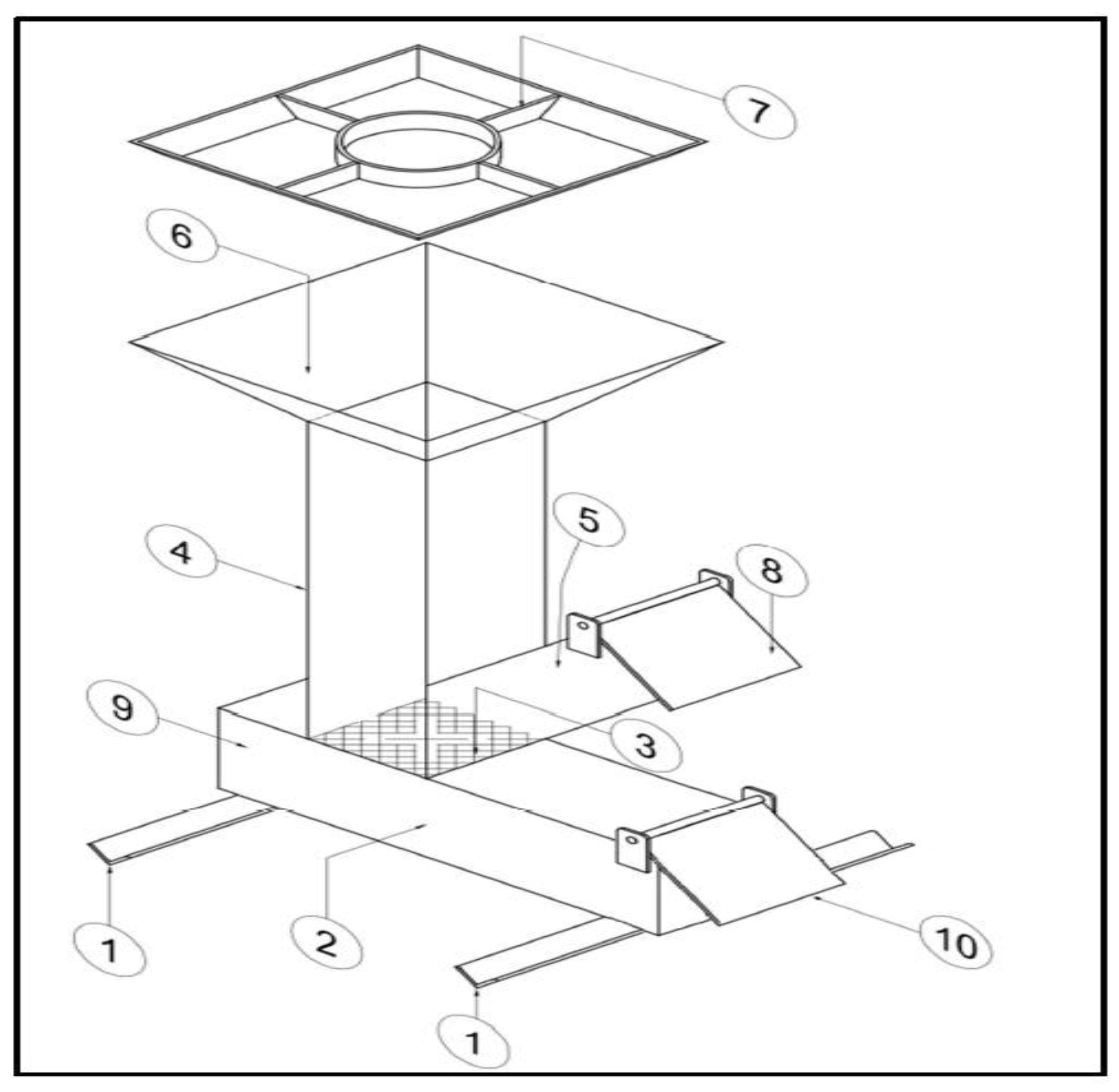
Figure 2.
Simple foundation, columns, and ground floor beam layout (Kigoye & Kyakula, 2022).
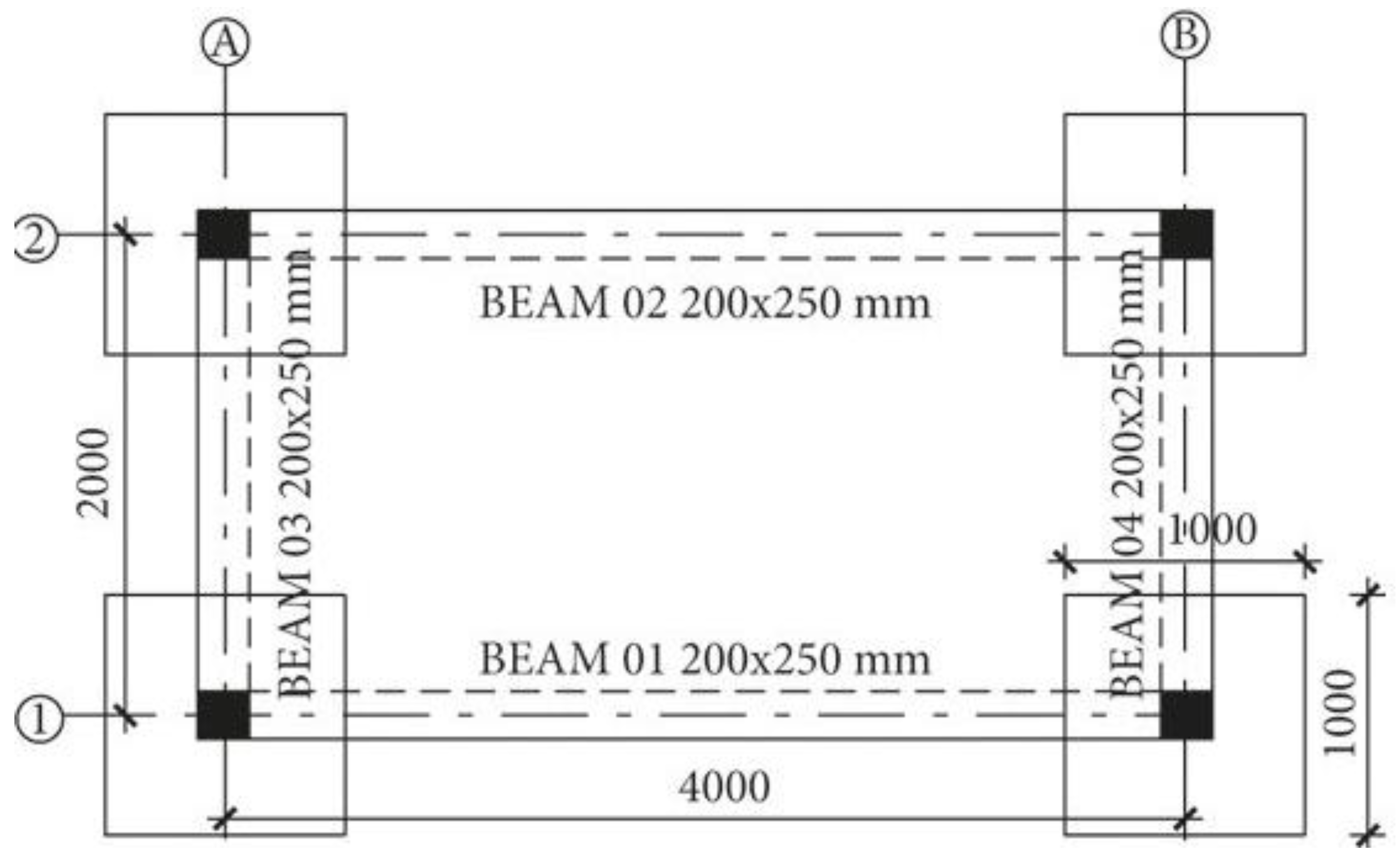
Figure 3.
Electrical floor plan (Rashid et al., 2021).

Figure 4.
Civil Technology II pre-service teachers result.
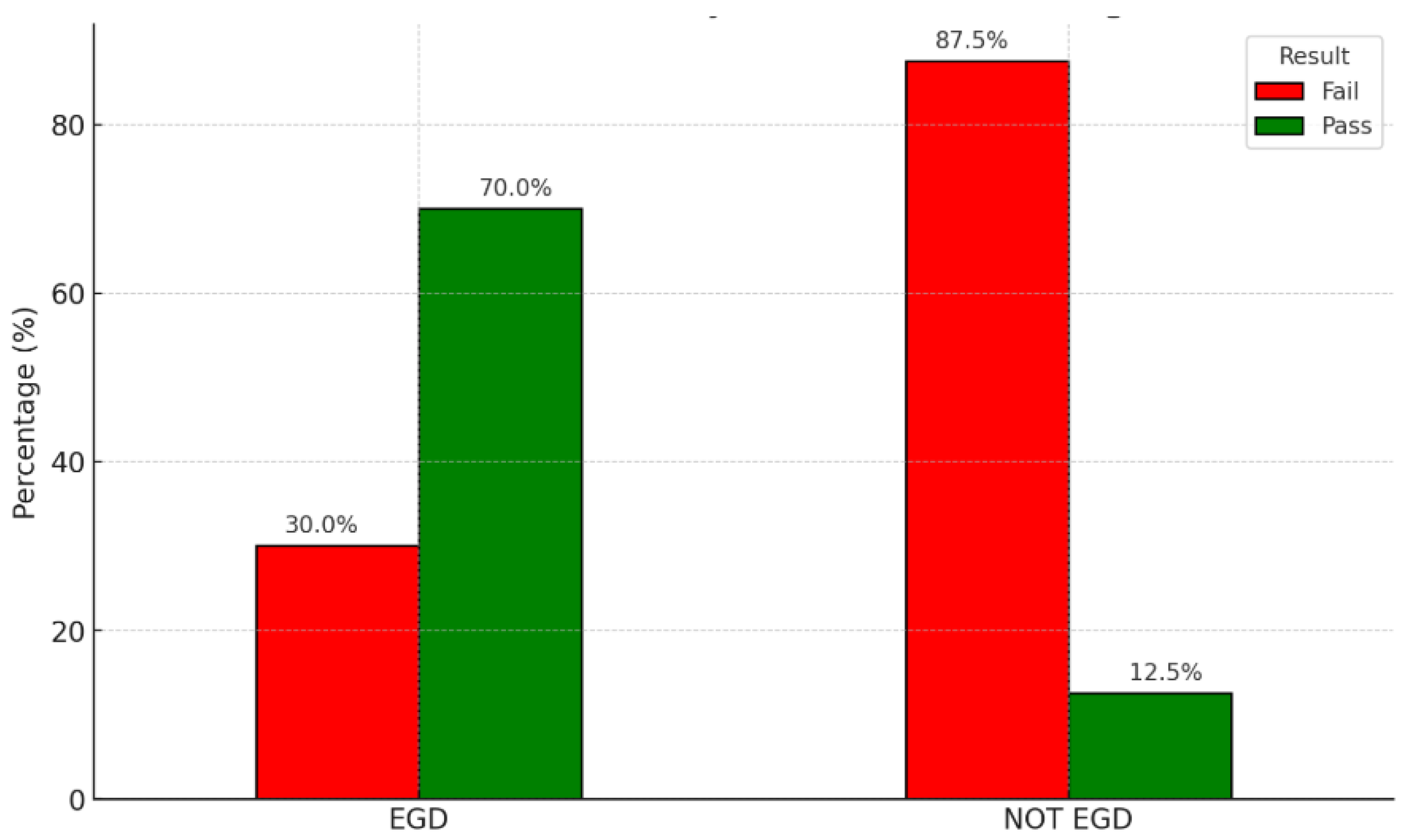
Figure 5.
Civil Technology III pre-service teachers result.
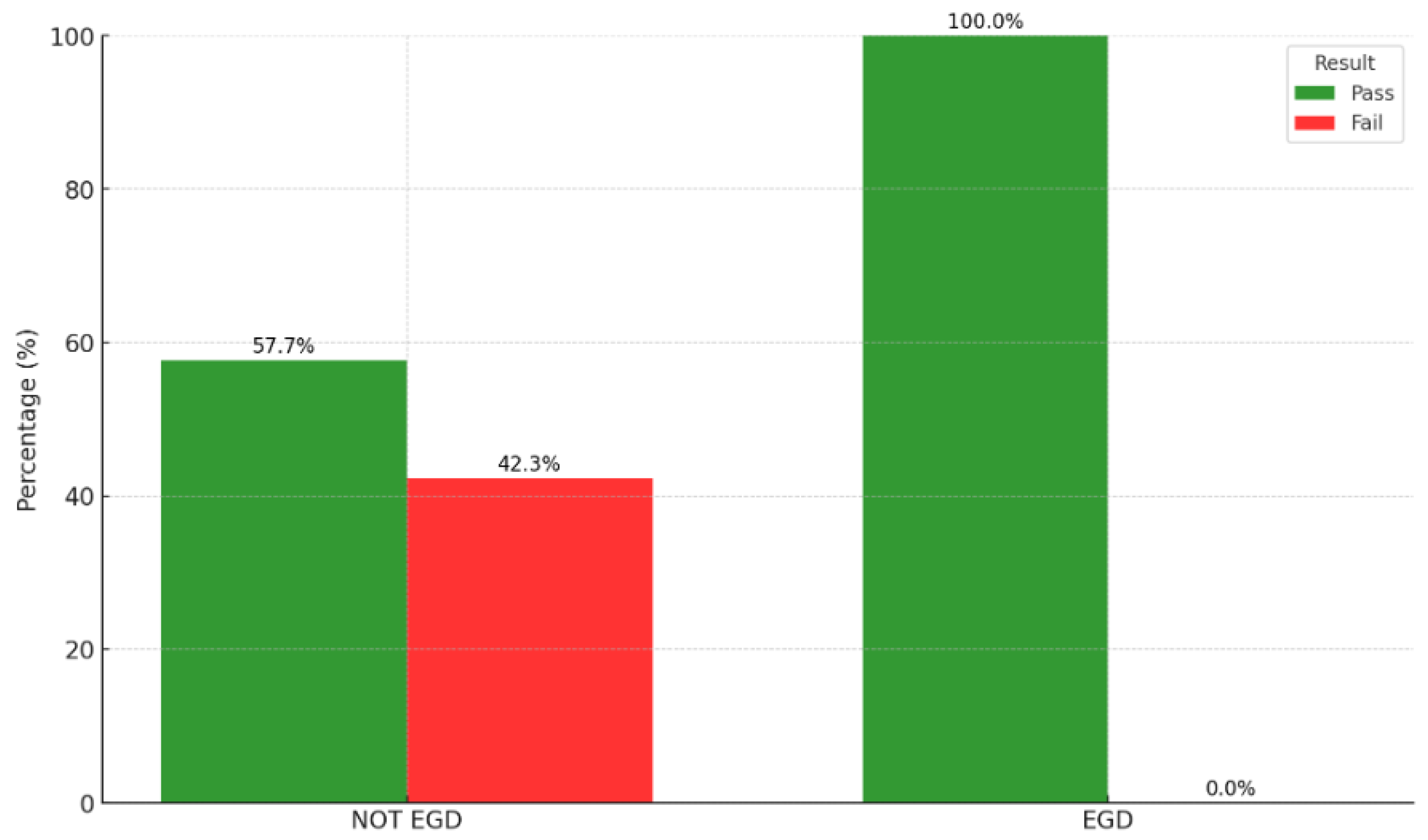

Table 1.
Participants biographical information.
| Name | Gender | Major modules | Experience |
|---|---|---|---|
| Lecturer A | Male | Civil Technology Engineering Graphics and Design |
15+ years |
| Lecturer B | Male | Mechanical Technology Mathematics |
6-9 years |
| Lecturer C | Male | Electrical Technology Mathematics |
6-9 years |
| Lecturer D | Male | Civil Technology Engineering Graphics and Design Mathematics |
6-9 years |
| Lecturer E | Male | Civil Technology Mathematical Literacy |
10-14 years |
Table 2.
Descriptive statistics for Civil Technology II pre-service teachers.
| Subject Choice | Count | Mean | Min | Max | Fail Count | Fail Rate (%) | Std Dev |
|---|---|---|---|---|---|---|---|
| EGD | 10 | 51.00 | 0 | 75 | 3 | 30.0 | 22.21 |
| Not EGD | 16 | 29.69 | 0 | 60 | 14 | 87.5 | 18.30 |
Table 3.
Cross tabulation for Civil Technology II pre-service teachers.
| Subject Choice | Fail (N) | Fail (%) | Pass (N) | Pass (%) | Total (N) | Total (%) |
|---|---|---|---|---|---|---|
| Not EGD | 14 | 82.4% | 2 | 22.2% | 16 | 61.5% |
| EGD | 3 | 17.6% | 7 | 77.8% | 10 | 38.5% |
| Total | 17 | 100.0% | 9 | 100.0% | 26 | 100.0% |
Table 4.
Descriptive statistics for Civil Technology III pre-service teachers.
| Subject Choice | Count | Mean | Min | Max | Fail Count | Fail Rate (%) | Std Dev |
|---|---|---|---|---|---|---|---|
| EGD | 4 | 76.75 | 71 | 81 | 0 | 0.0 | 4.35 |
| Not EGD | 26 | 50.92 | 23 | 75 | 11 | 42.3 | 10.73 |
Table 5.
Cross tabulation for Civil Technology III pre-service teachers.
| Subject Choice | Fail (N) | Fail (%) | Pass (N) | Pass (%) | Total (N) | Total (%) |
|---|---|---|---|---|---|---|
| Not EGD | 11 | 100.0% | 15 | 78.9% | 26 | 86.7% |
| EGD | 0 | 0.0% | 4 | 21.1% | 4 | 13.3% |
| Total | 11 | 100.0% | 19 | 100.0% | 30 | 100.0% |
Disclaimer/Publisher’s Note: The statements, opinions and data contained in all publications are solely those of the individual author(s) and contributor(s) and not of MDPI and/or the editor(s). MDPI and/or the editor(s) disclaim responsibility for any injury to people or property resulting from any ideas, methods, instructions or products referred to in the content. |
© 2025 by the authors. Licensee MDPI, Basel, Switzerland. This article is an open access article distributed under the terms and conditions of the Creative Commons Attribution (CC BY) license (http://creativecommons.org/licenses/by/4.0/).
Copyright: This open access article is published under a Creative Commons CC BY 4.0 license, which permit the free download, distribution, and reuse, provided that the author and preprint are cited in any reuse.


