

Submitted:
30 January 2025
Posted:
31 January 2025
You are already at the latest version
Abstract
The article represents a plea for the regenerative development of education, health and the mountain social system. The paper analyzes these sectors at the European level, specifically for the studied countries such as Austria, Bulgaria, Czechia, Croatia, Germany, Greece, Spain, France, Italy, Poland, Portugal, Romania, Slovenia, Slovakia, Sweden. The research was carried out by applying the Tukey-Hamming model, using spectral analysis of forecasting for 2021-2025. The analyzed indicators can be found in supplementary data on the page https://doi.org/10.5281/zenodo.14713867. The results of the study demonstrate the importance of developing new businesses in the researched sectors, which support the degree of employability in mountain areas. The article shows that in the coming period, rapid interventions are necessary at the level of the analyzed countries so that the entrepreneurial situation does not deteriorate in the related mountain areas.
Keywords:
education
; european entrepreneurship
; mountain area
; forecasting
; health
; social systems
Introduction
Education, health and social development are aspects of particular importance in the context of mountain development. The article supports the importance of ensuring renewable development at the level of the world’s mountain areas, especially at the level of the countries studied. Paper has been realizedbased on Eurostat data.
The educational process dedicated to mountains has a long history. Raoul Blanchard (1913) in the oldest journal dedicated to mountains “Revue de Géographie Alpine” explains the complexity of the mountain area, regarding climate, soil, water, agriculture, flora, fauna, socio-economic structures, rural development, properties, settlements and inhabitants. Later, in the first issue of the journal Mountain Research and Development, Jack Ives (1981: 4) reiterates the importance of mountains through the prism of Blanchard’s vision, postulating interdisciplinary and multidisciplinary dimensions “that should embrace the human and natural sciences, architecture, medicine, engineering and, in fact, everything appropriately related to the mountain.”
This journal confirms the importance of mountain pluridisciplinarity, especially that related to education. Mountain people have a special attachment to their area, which is why the transmission of good practices and lessons learned is an intrinsic imperative. The difficulty of traveling in mountain areas emphasizes the value of distance learning (Price and Rennie 2005), transdisciplinary approaches (Balsiger 2015), highlighting the importance of integrating formal, non-formal and informal education (Fritz et al. 2017) and the transfer of knowledge and skills (Phanchung 2019).
Sustainable development of mountains, the goal of the latest iterations related to mountain science, can be achieved by conceptually modifying the metamorphosis of the local-global duo (Sterling et al. 2018). In a pandemic context, education for sustainable development (Beyond 2019) becomes a necessity for mountain areas (UNESCO 2019).
The classical, formal dimension of education requires dynamic adjustments in order to develop the multidimensional nature of mountain education. In this context, other dimensions are becoming increasingly relevant, the most important being training, lifelong learning opportunities, as well as all forms of informal and non-formal education.
The difficulty of mountain development and sustainability, mainly due to the underdeveloped infrastructures in this area, conditions mountain education not only by emphasizing the importance of knowledge but also by changing mountain mentalities and practices.
Mountain lovers, but especially mountain science, have long proposed numerous forms of mountain development and sustainability. A worthy model to follow is the Swiss regional natural parks, which demonstrate that the development of attachment for mountain sustainability can be combined with adjacent education.
More and more mountain specialists emphasize the relevance of the regenerative development of mountain science by energizing the metamorphoses of mountain realities, with education playing a pivotal role in this regard.
Mountain biodiversity provides support for current regenerative sustainability, education and transformative resilience related to mountains being a decisive vector in the formation and development of mountain value chains. Together with European countries, where this science was initially developed, a number of world regions support mountain desiderata. The USA and Canada promote the desiderata of mountain science, inducing the need to combine indigenous knowledge and education with Western ones. (Balsiger & Price, 2020)
The impact of climate change on human health is considerable, which is why there has been a lot of research in this regard. Specifically for the mountain area, climate-health interactions have been studied less, one of the major researches being carried out by Appalachian State University in Boone, North Carolina, United States. The research was extended to the level of the global community, the study returning seven priority research themes for the climate-health duo in the mountain context, as follows: anticipation of climate change - necessary changes specific to rural mountain environments; identification and sustainability of vulnerable populations; access to health during meteorological disasters; support for mental health in the context of climate change; resistance to diseases transmitted in a climate context; ensuring food security related to climate change; formal, informal and non-formal education on climate change. The research presented has materialized an action plan to build resilience in rural mountain environments to resolve certain negative effects of climate change on human health. (Sugg et al., 2023)
Other research from Asia focuses on breaking down key barriers within the mountain ecosystem – the health dimension, with the most important issues being related to knowledge-based conservation, governance, livelihoods, land use and macroeconomic planning. The ultimate goal of the presented study was to propose building a multidisciplinary and transdisciplinary network of experts specialized in mountain ecosystems, capable of solving some of the threats to biodiversity. (Dhyani et al., 2022)
The social dimension of mountain communities is of particular interest in the current ecological context. The mountain population, in impressive numbers worldwide, is facing numerous global changes. A study conducted in 39 countries, with over 50% in Europe, shows the importance of cooperation, social learning, collaboration and support for decision-making related to mountain areas. (Thorn et al., 2020)
Another study by American and Chinese researchers shows the importance of mountain areas for humanity, especially through the spirituality they offer. Mountains represent true treasures for humanity, being areas that cover a third of the diversity of terrestrial species. The importance of mountains requires multiple transformative solutions necessary to ensure the durability and sustainability of these areas. An interesting idea appears in this study that is worth applying, regarding the transformative changes related to mountains. This implies a profound reorganization related to all sectors of the global mountain society. The article emphasizes the importance of anticipatory adaptations specific to mountain areas, mountain actors, more conservative through education, having to become cooperative in the sense of applying intelligent solutions for the area in which they operate. (Grumbine & Xu, 2021)
In the context of what is presented, we can understand the relevance of education, health and the social system for ensuring the regenerative development of the mountain future.
Methods and Data
The paper presents forecasting analyses related to education, health and the European social system. The mountain zone of Europe represents a model worthy of imitation, so it can be considered a prototype for other mountain systems of the world.
In order to analyze the future trends of the subjects of this article, the authors used the gain spectrum simulation within the Tukey-Hamming model. Databases were extracted from Eurostat and processed in Excel and SPSS.
The article was carried out by Tukey-Hamming forecasting spectral analysis with no random dynamic, using Hamming predictable symmetric dynamic windows
This is applied in Hamming function through Apodization function
(https://mathworld.wolfram.com/ApodizationFunction.html), expressed as a Fourier series:
where the coefficients are in the interconditionality of
Specific for this paper, indices explained are:
– spectral density
– number of indicator iterations
– the spectrum (country)
– number of span (5 years)
– mean value of each window
The spectral gain analysis, within the Tukey-Hamming model, was used because a simulation was needed in which the elements (called gains) in the group are inverted when the direction of the edges is reversed, the graphs being those in which the edges receive a certain orientation and are labeled with the related gains. The matrix analysis of the gain graphs, by defining the adjacency matrices of the gain graphs, is performed when the basic group used for labeling the edges becomes the multiplicative group of a field and the equilibrium in such gain graphs is established using characteristic polynomials. In such an analysis, such as the one in this article, recurrence relations are established for the characteristic polynomials of a gain graph and the consequences of these relations are established. (Germina, 2012)
Independent series has been established I1.2021 (enterprises in 2021), and the dependent series for the other indicators in 2021 and 2022. The entire simulation has been realized comparatively with I1.2021 as reference analysis point. The analysis and forecasting series, shown in gain graphics, are simulated for the 2021-2025 period. Spectral analysis has been realized in the conditions detailed in Table 1.
Results and Discussion
Comprehensive Analysis of Spectral Forecasting in the Examined Sectors (2021–2025)
The spectral forecasting analyses conducted, based on data from the 2021–2022 period and future projections for 2022–2025, indicate that enterprises operating within the investigated sectors are expected to experience stagnation in the coming years (Figure 1a). The presence of symmetrical asymptotes suggests a high degree of resilience, provided that mountain entrepreneurship in these sectors undergoes revitalization in the near future to sustain the current level of development.
A comparative graphical representation illustrates the gain differences between I1 2021 and I1 2022 as a function of frequency, utilizing a Tukey-Hamming window. The findings reveal that I1 2021 exhibits higher gains across most frequencies compared to I1 2022, which remains subunitary. This indicates a decline in performance over time, potentially signaling structural challenges within the examined industries.
Trends in Business Establishment and Sectoral Performance
Unlike the first indicator, the second indicator—new business establishment within the studied sectors—shows a sustained downward trend (Figure 1b). A similar pattern, both in trajectory and magnitude, is observed for indicators I5 (Figure 1e), I7 (Figure 1g), I14 (Figure 1l), I17 (Figure 1o), I20 (Figure 1r), and I22 (Figure 1s). Conversely, several other indicators are projected to experience significant declines, severely impacting the studied sectors, including I3 (Figure 1c), I8 (Figure 1h), I12 (Figure 1j), I13 (Figure 1k), I18 (Figure 1p), I23 (Figure 1t), and I24 (Figure 1u). These negative trends highlight the potential vulnerability of certain areas within the analyzed industries, which may require targeted intervention to prevent further downturns.
Indicators of Positive Growth and Labor Market Implications
Despite these declines, a subset of indicators suggests notable growth in the upcoming period. Indicators such as I4 (Figure 1d), I6 (Figure 1f), I10 (Figure 1i), I15 (Figure 1m), I26 (Figure 1x), I27 (Figure 1y), and I28 (Figure 1z) demonstrate a positive trajectory, supporting increased employability within the examined sectors across the research group countries. While a numerical contraction in the number of enterprises is anticipated, the employment rate is expected to rise, indicating an efficiency-driven restructuring of the studied industries. This suggests that, despite quantitative losses, the sectors in question will become more effective and resilient within the broader framework of mountain entrepreneurship.
Exceptional Cases and Future Implications
Two indicators, I16 (Figure 1n) and I25 (Figure 1v), present unique trajectories. These indicators suggest that employability will strengthen considerably in the forthcoming period, with asymptotic trends for the reference year diverging from those observed in other indicators. This could indicate specialized growth dynamics within specific subsectors, warranting further investigation into the underlying factors driving these deviations.
Unlike the analysis for 2022 compared to 2021, the analysis within 2021 at the indicator level shows a more stable situation for 2021 (Figure 2). This is why the authors consider that the education, health and social work sectors require rapid interventions for the development of mountain areas in the countries analyzed.
Conclusion
(1) In conclusion, while the analyzed sectors face structural challenges, particularly concerning new business formation, certain indicators point to enhanced efficiency and resilience, particularly in terms of employment. The findings underscore the need for strategic interventions to maintain sectoral stability and foster sustainable growth within mountain entrepreneurship.
(2) Socio-economic stagnation or decline with potential for resilience in mountain areas – The sectors analyzed (education, health and the social system in mountain areas) will experience stagnation until 2025, but can maintain a high degree of resilience if mountain entrepreneurship is revitalized.
(3) Decrease in the number of new businesses, but increase in employability in education, health and social work in mountain areas – Although the number of new businesses is declining, the employment rate will increase, indicating a transition towards efficiency and restructuring instead of expansion.
(4) Need for strategic interventions, especially in mountain education – Rapid measures are needed to prevent economic decline and maintain stability in mountain areas, ensuring sustainable development of education, health and the social system.
References
- Balsiger, J. 2015. Transdisciplinarity in the class room? Simulating the co-production of sustainability knowledge. Futures 65:185–194. [CrossRef]
- Balsiger, J.,; Price, M. F. Focus Issue: How Can Education Contribute to Sustainable Mountain Development? Past, Present, and Future Perspectives. Mountain Research and Development 2020, 40, 1–2. [Google Scholar]
- Barreau A, Ibarra JT, Wyndham FS, Kozak RA. 2019. Shifts in Mapuche food systems in southern Andean Forest landscapes: Historical processes and current trends of biocultural homogenization. Mountain Research and Development 39(1):R12–R23. [CrossRef]
- Blanchard, R. 1913. Questionnaire d’enquêtes géographiques en montagne. Revue de Géographie Alpine 1(1):85–90. [CrossRef]
- Covaci B., Covaci M. (2017-2025). Mountain science collection.
- Eurostat (2025). Business demography and high growth enterprises by NACE Rev. 2 activity and other typologies [urt_bd_hgn__custom_15096367]. [CrossRef]
- Dhyani, S., Sivadas, D., Basu, O.,; Karki, M. Ecosystem health and risk assessments for high conservation value mountain ecosystems of South Asia: A necessity to guide conservation policies. Anthropocene Science 2022, 1, 211–225. [Google Scholar] [CrossRef]
- Fritz L, Riede M, Asamer-Handler M, Schlögl G, Sedlatschek A, Böhm T. 2017. YOUrALPS Educating Youth for the Alps. Mountain-oriented Education (MOE) Practices and Approaches – Status Quo Analysis Report. Chambéry, France: Interreg Alpine Space YOUrALPS.
- Germina, K. A. Balance in gain graphs–A spectral analysis. Linear algebra and its applications 2012, 436, 1114–1121. [Google Scholar] [CrossRef]
- rumbine, R. E.,; Xu, J. Mountain futures: pursuing innovative adaptations in coupled social–ecological systems. Frontiers in Ecology and the Environment 2021, 19, 342–348. [Google Scholar] [CrossRef]
- Ives, J. Editorial. Mountain Research and Development 1981, 1, 3–4. [Google Scholar]
- https://www.jstor.org/stable/3672942; accessed on 27 April 2021.
- Phanchung, P. 2019. Trans-boundary educational programme on sustainable mountain development in the Hindu Kush Himalayan region. Abstract ID587. Contributions Workshop 3.4.F: Education for Sustainable Mountain Development. International Mountain Conference, Innsbruck, 08–12 September 2019.
- https://www.uibk.ac.at/congress/imc2019/program/3.4.f.html.en; accessed on 27 April 2021.
- Price MF, Rennie, F. 2005. MSc degrees in managing sustainable mountain/rural development at the UHI Millennium Institute. Planet 14:22–24. [CrossRef]
- Sterling S, Dawson J, Warwick P. 2018. Transforming sustainability education at the creative edge of the mainstream: A case study of Schumacher College. Journal of Transformative Education 16(4):323–343. [CrossRef]
- Sugg, M. M., Ryan, S., Spurlock, T., Duncan, S., Hege, A., Ogwu, M. C., et al. Climate change and health in rural mountain environments: summary of a workshop on knowledge gaps, barriers, and opportunities for action. GeoJournal 2023, 88, 5397–5409. [Google Scholar] [CrossRef]
- Thorn, J. P., Klein, J. A., Steger, C., Hopping, K. A., Capitani, C., Tucker, C. M., et al. A systematic review of participatory scenario planning to envision mountain social-ecological systems futures. Ecology and Society 2020, 25. [Google Scholar]
- UNESCO [The United Nations Educational, Scientific and Cultural Organization]. 2019. Framework for the Implementation of Education for Sustainable Development (ESD) Beyond 2019. Paris, France: UNESCO. https://unesdoc.unesco.org/ark:/48223/pf0000370215; accessed on 27 April 2021.
- UNESCO [United Nations Educational, Scientific and Cultural Organization]. 2021. One Year Into COVID: Prioritizing Education Recovery to Avoid a Generational Catastrophe. Report of UNESCO Online Conference, 29 March 2021. ED/ADG/2021/0. Paris, France: UNESCO. https://unesdoc.unesco.org/ark:/48223/pf0000376984; accessed on 27 April 2021.
Figure 1.
Gain spectrum for education, health and social work in mountain entrepreneurship.
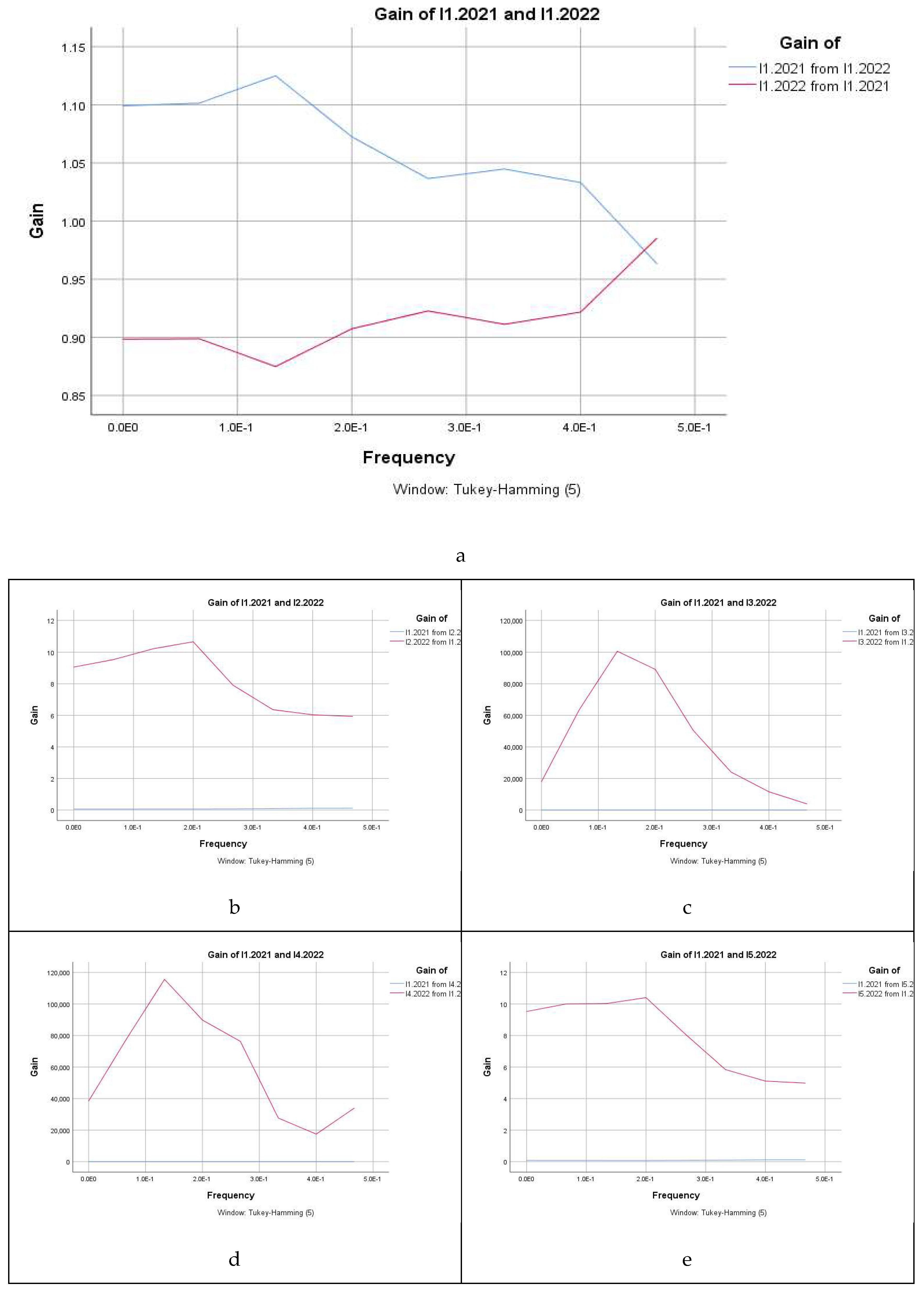
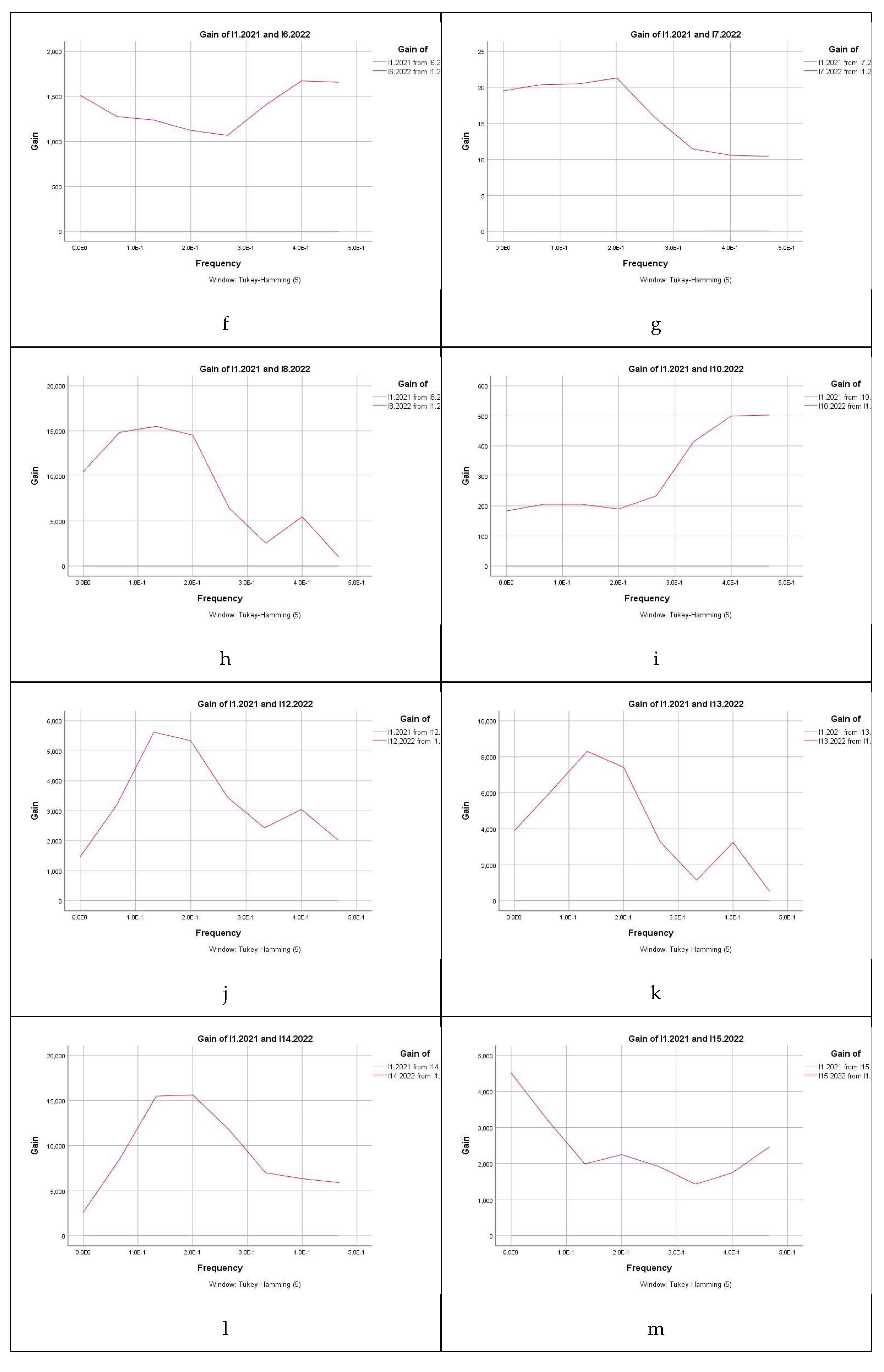
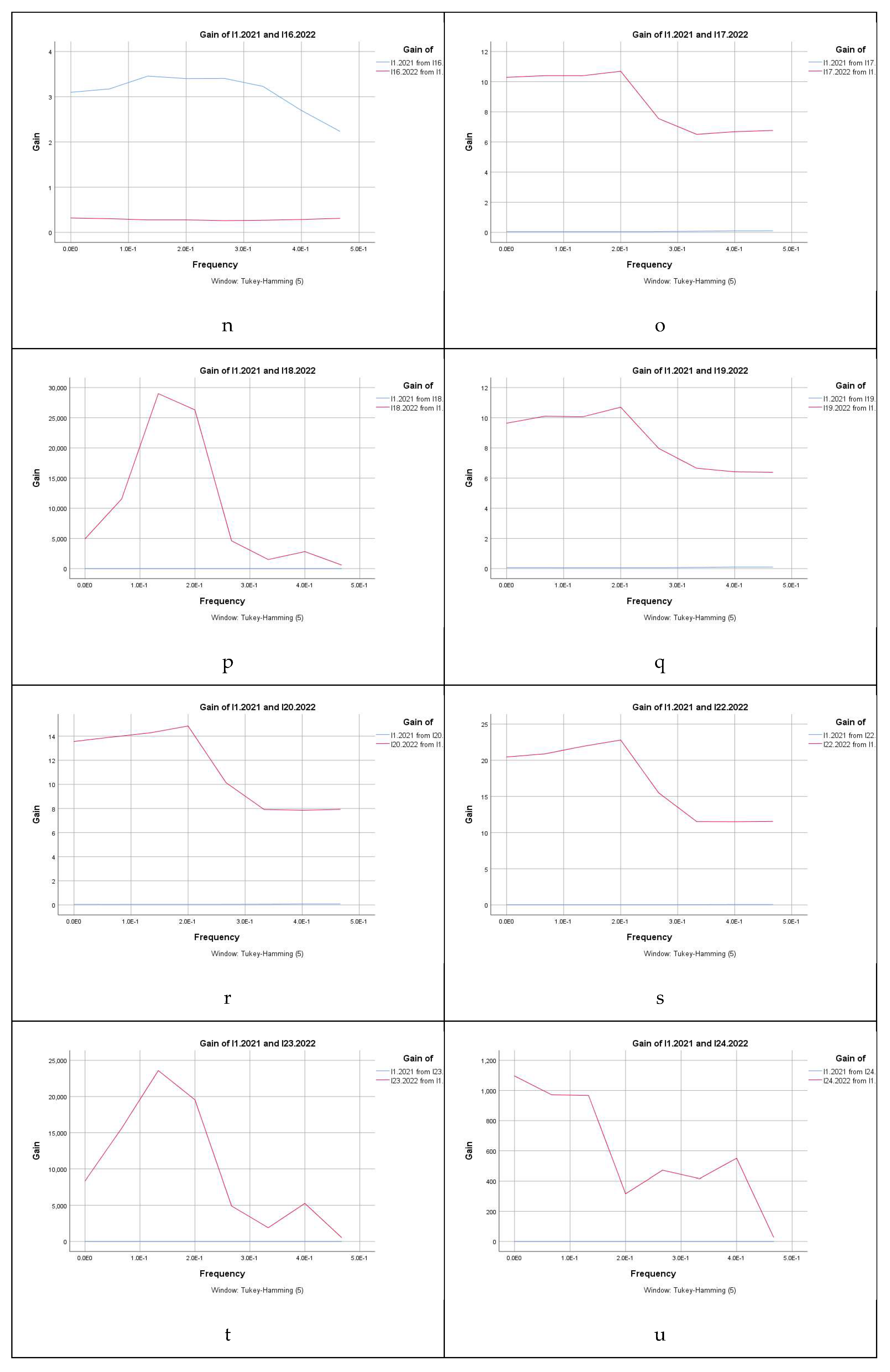
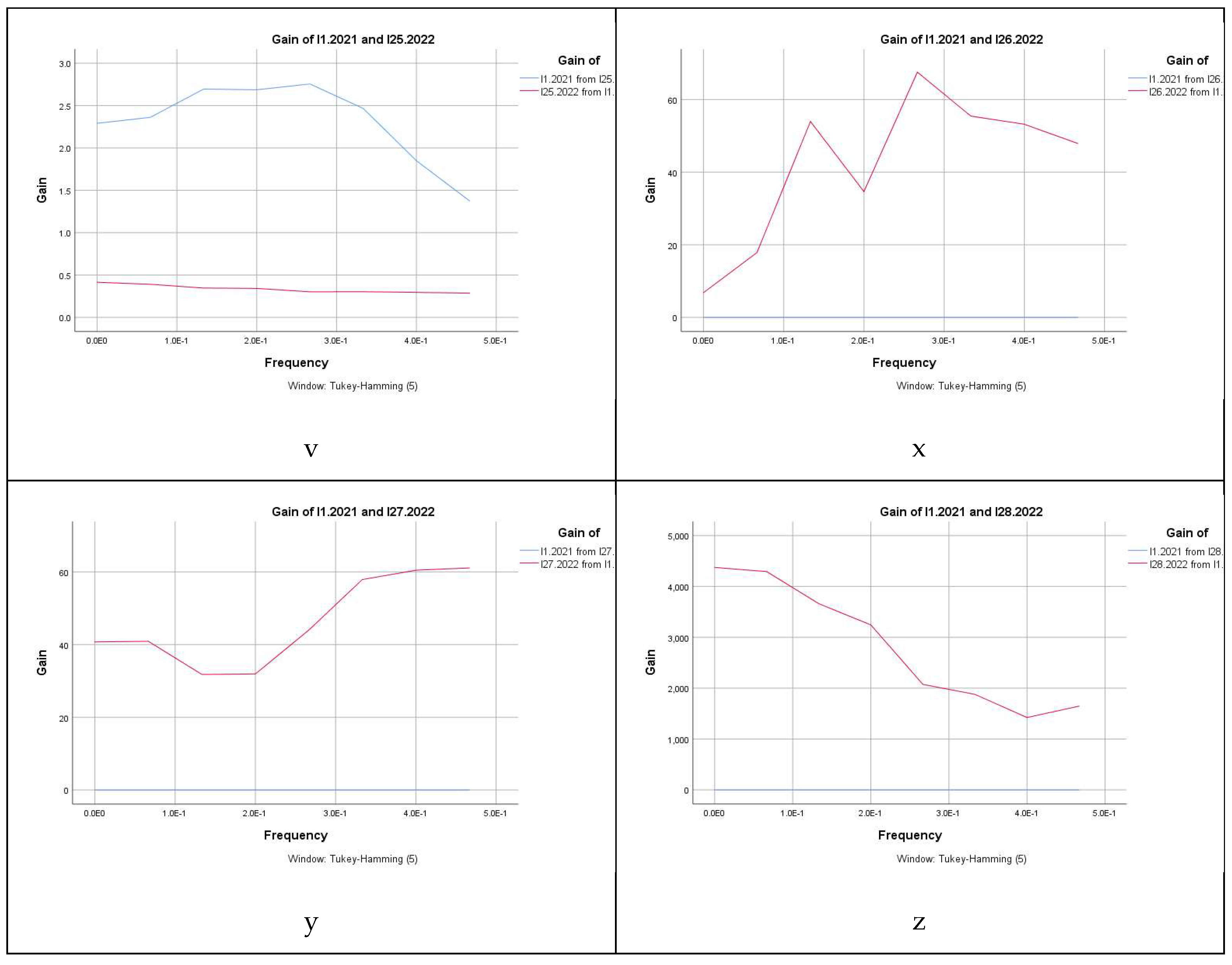
Figure 2.
Gain spectral analysis for I1.2021 compared with the other indicators from 2021.
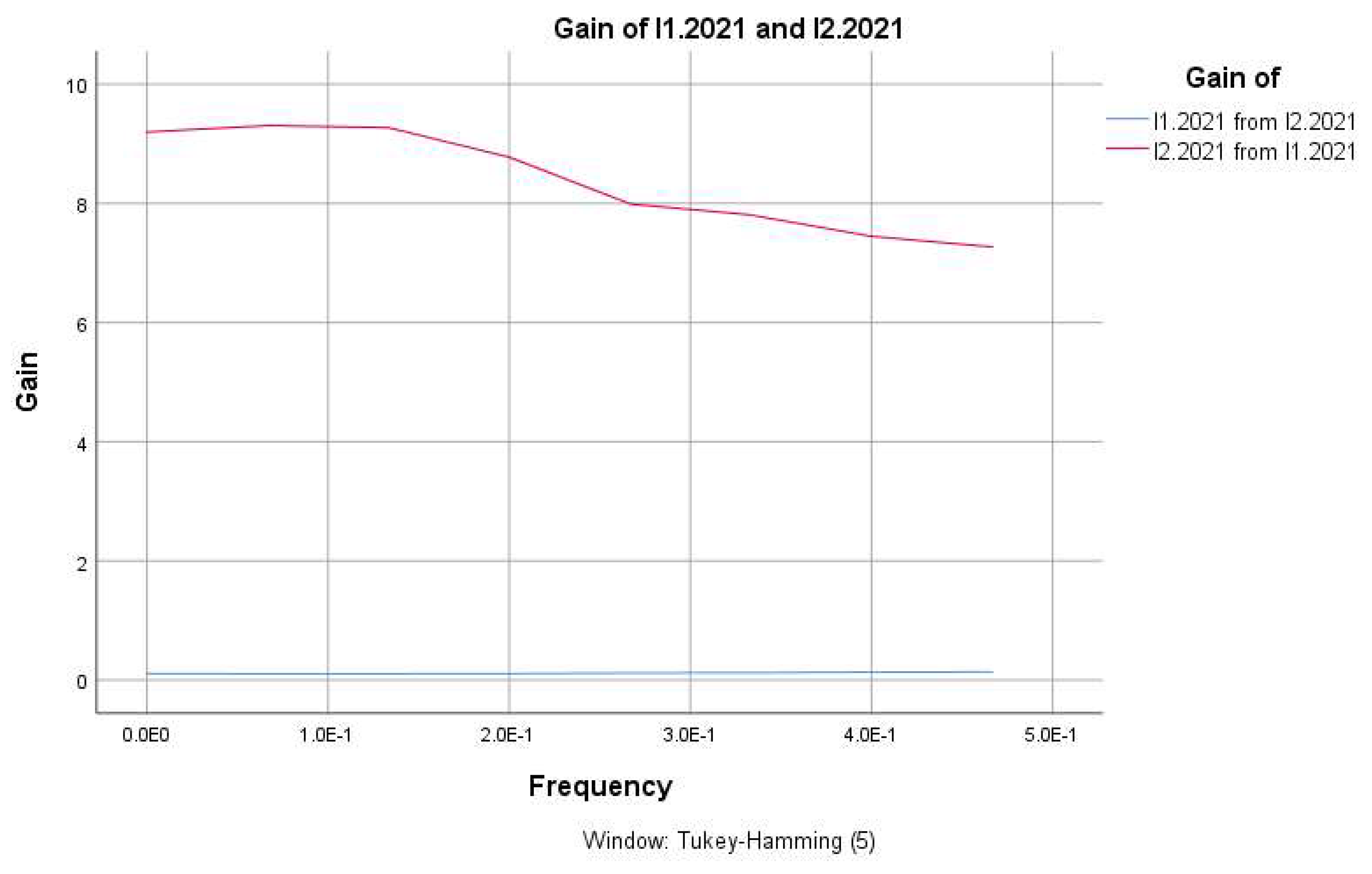
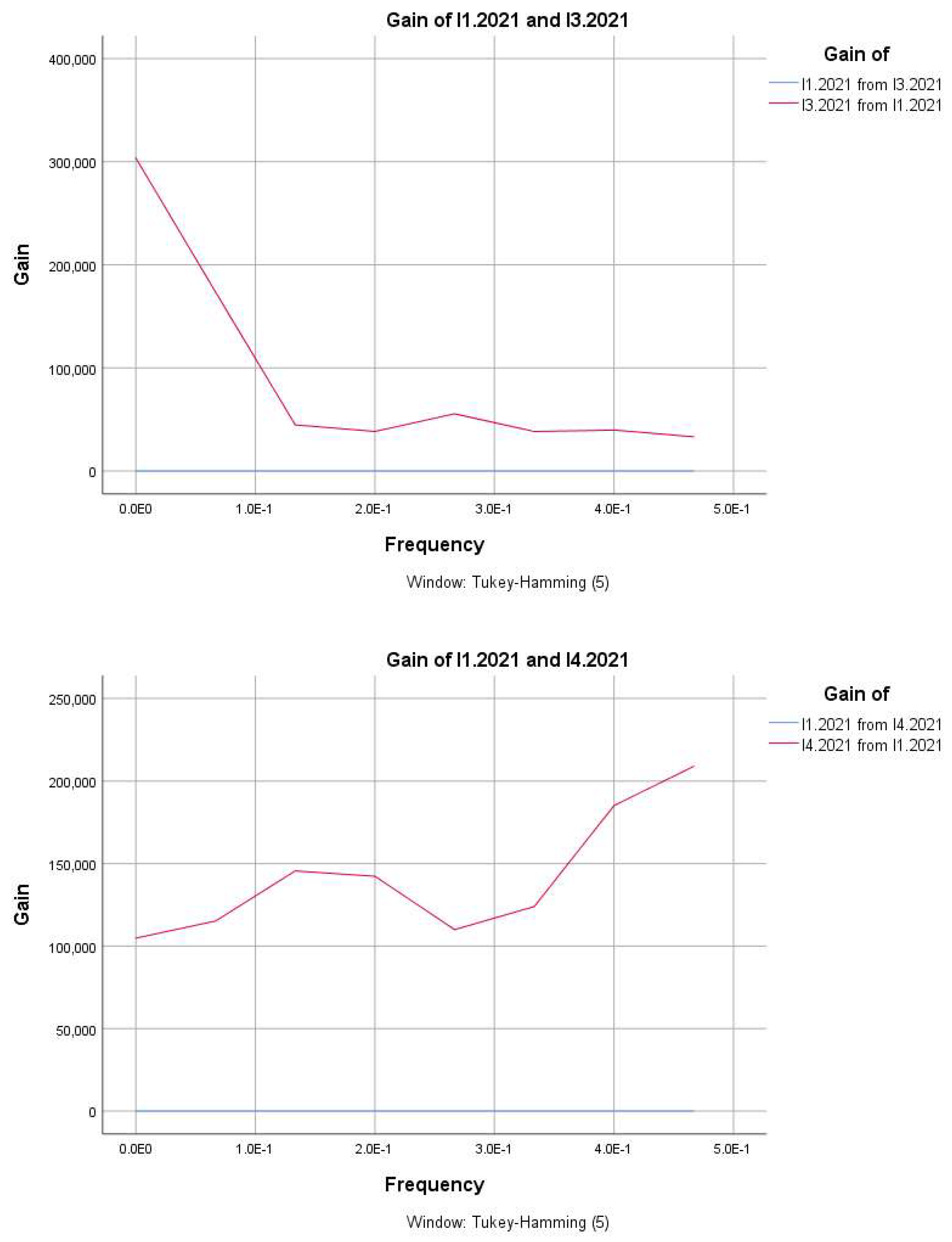
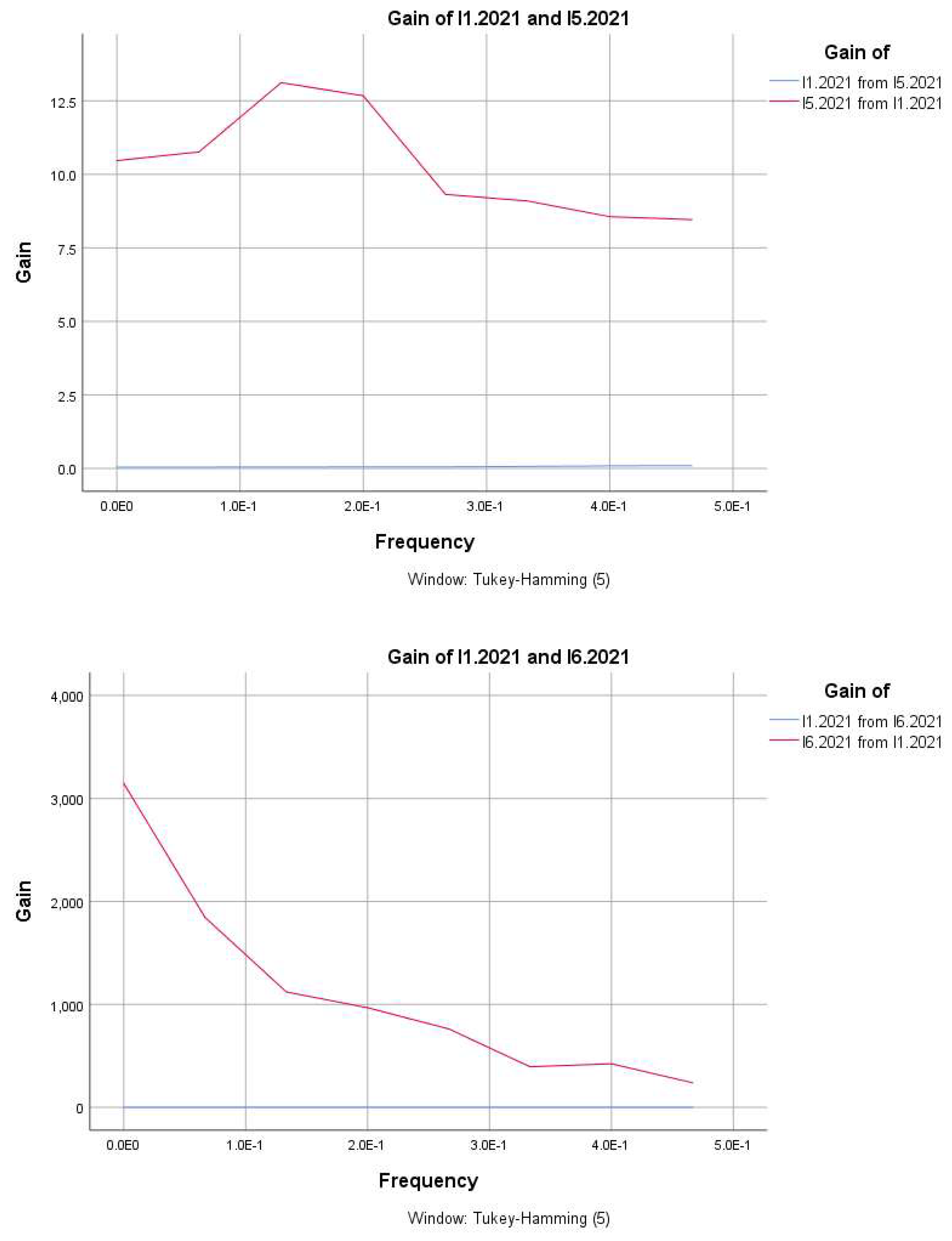
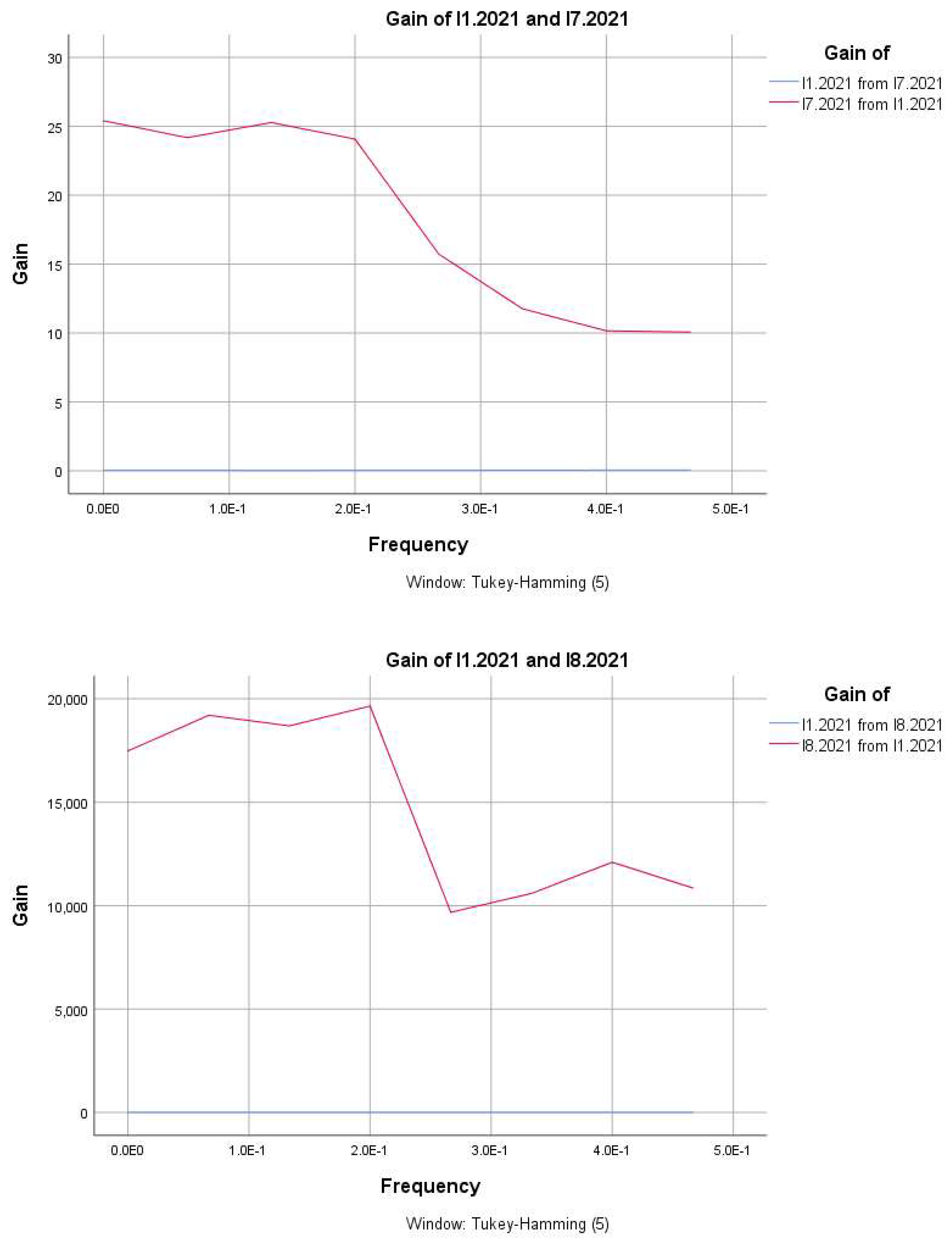
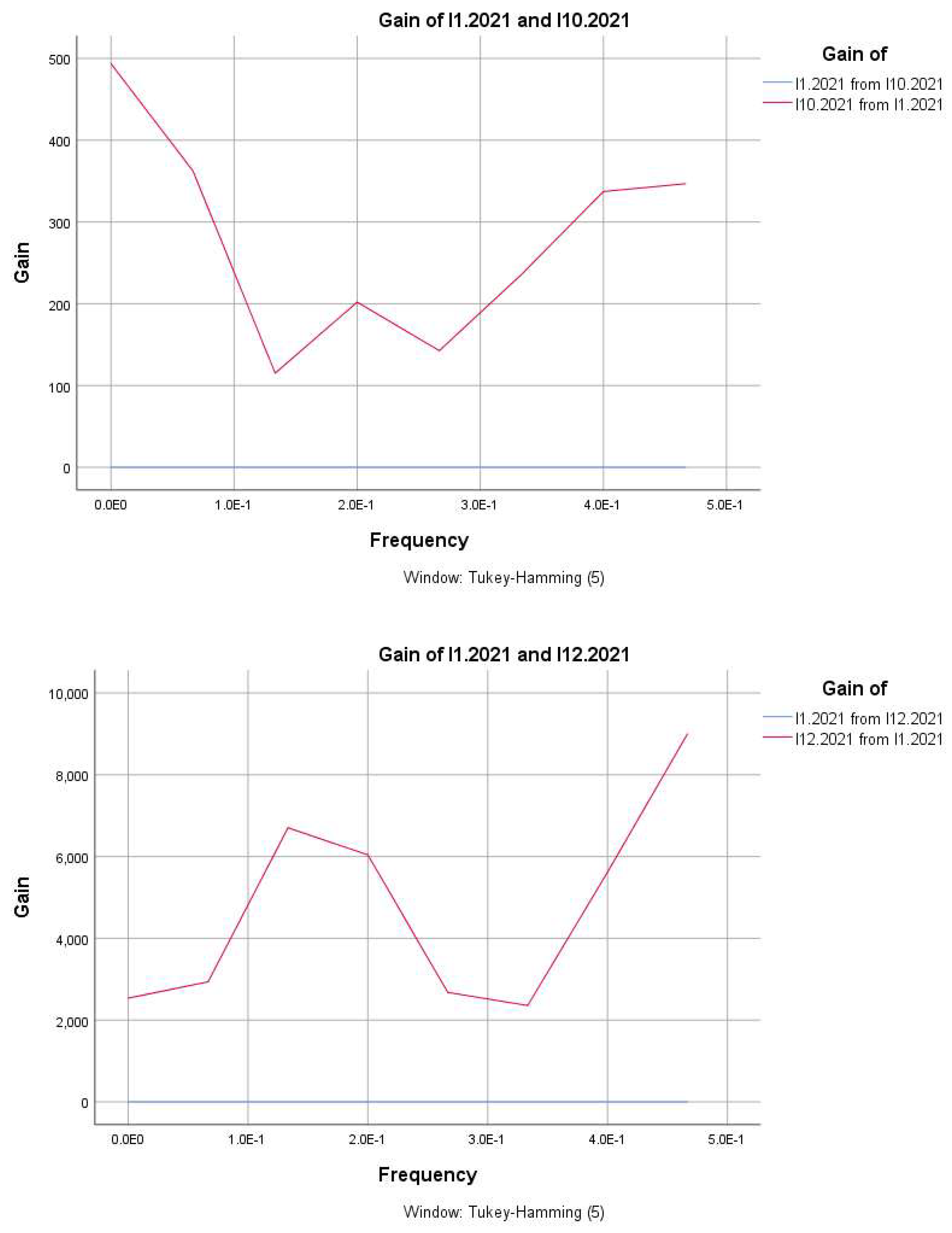
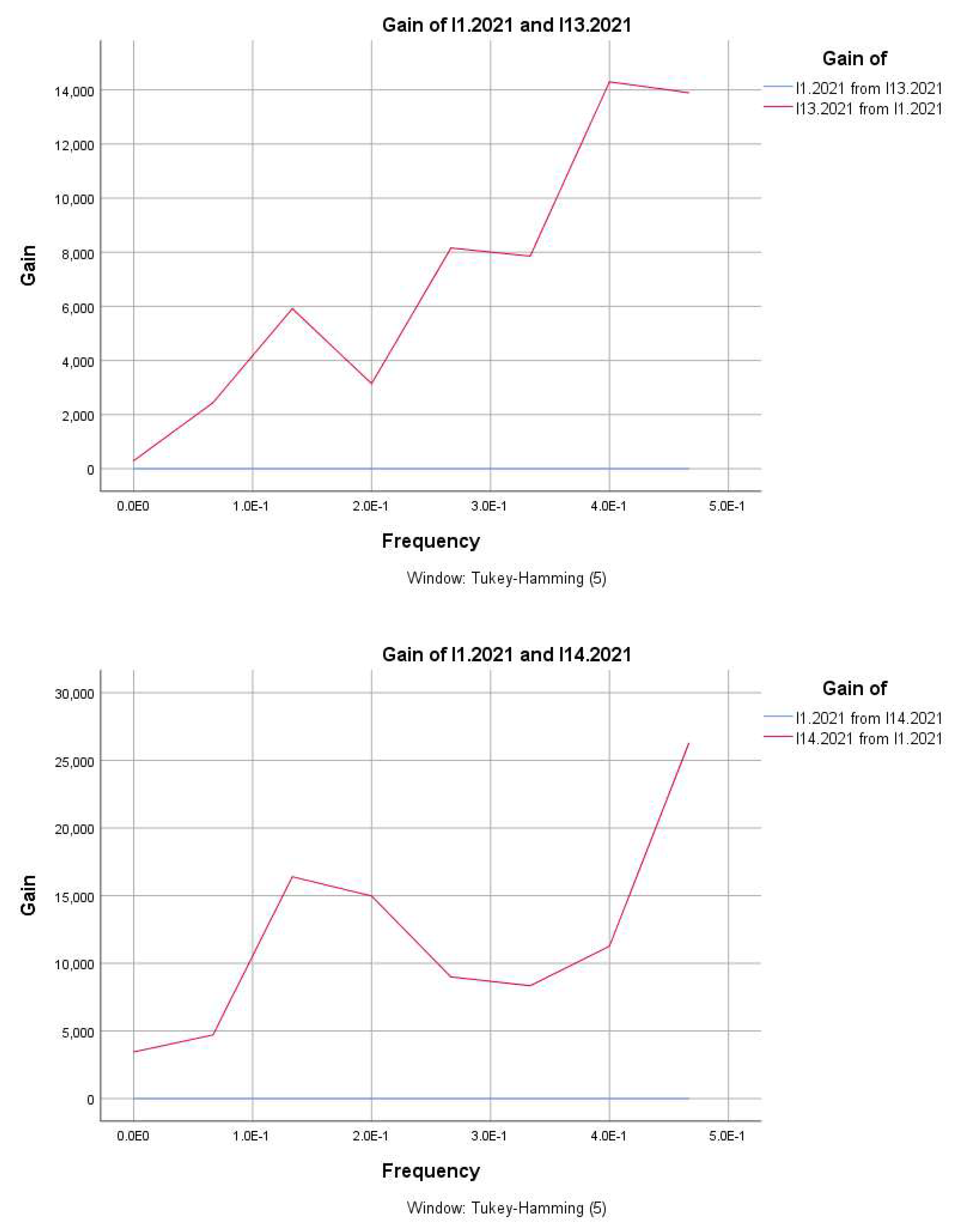
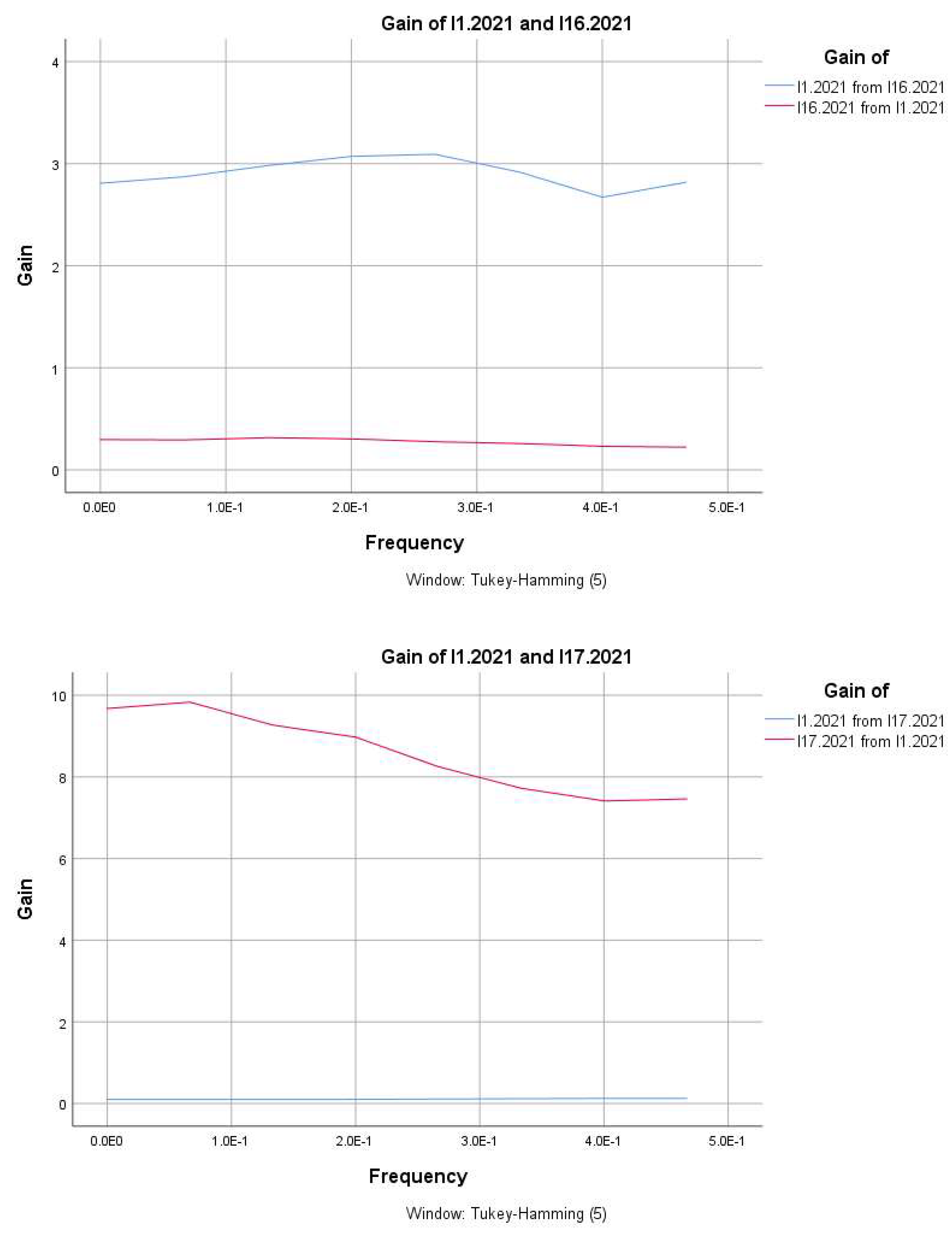
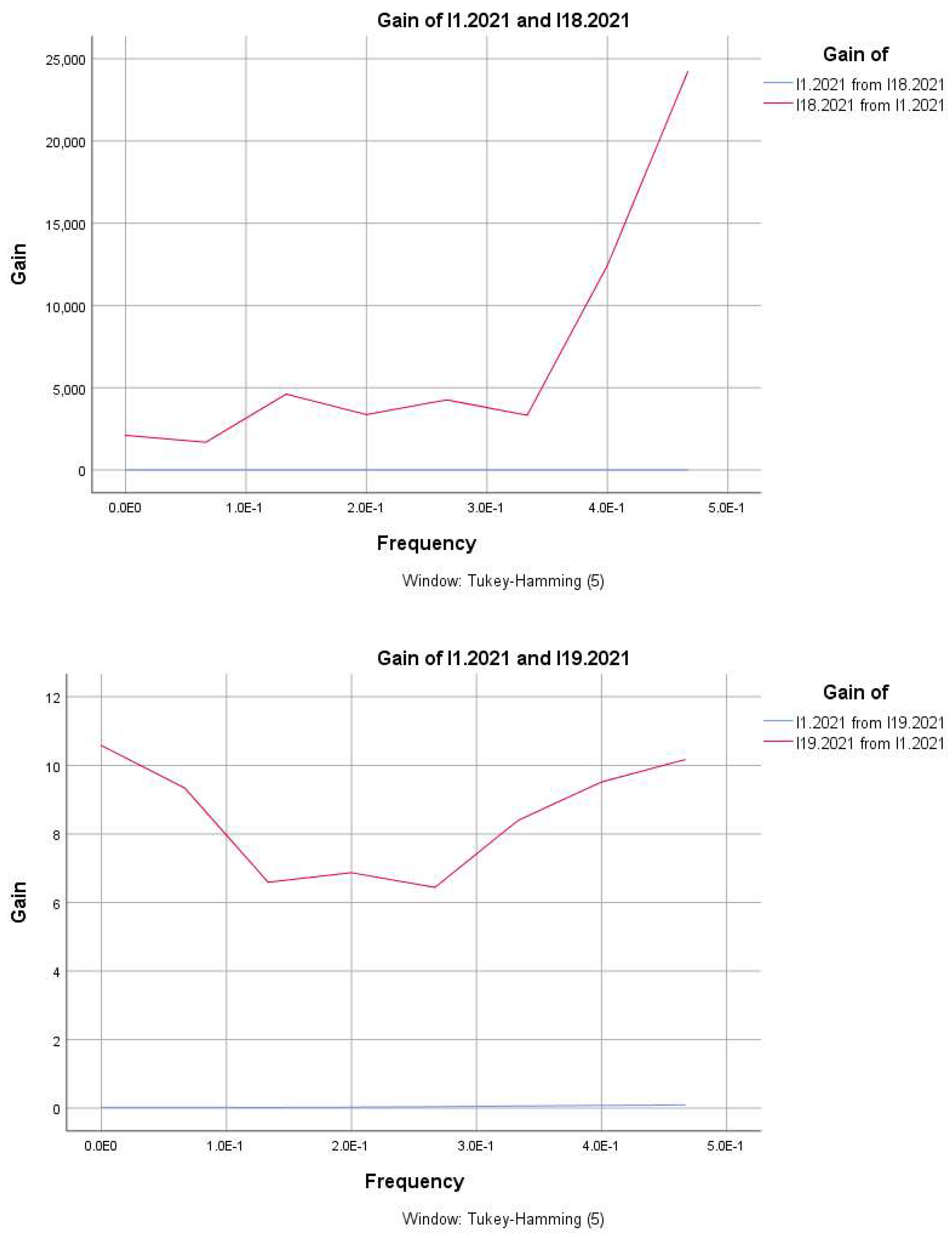
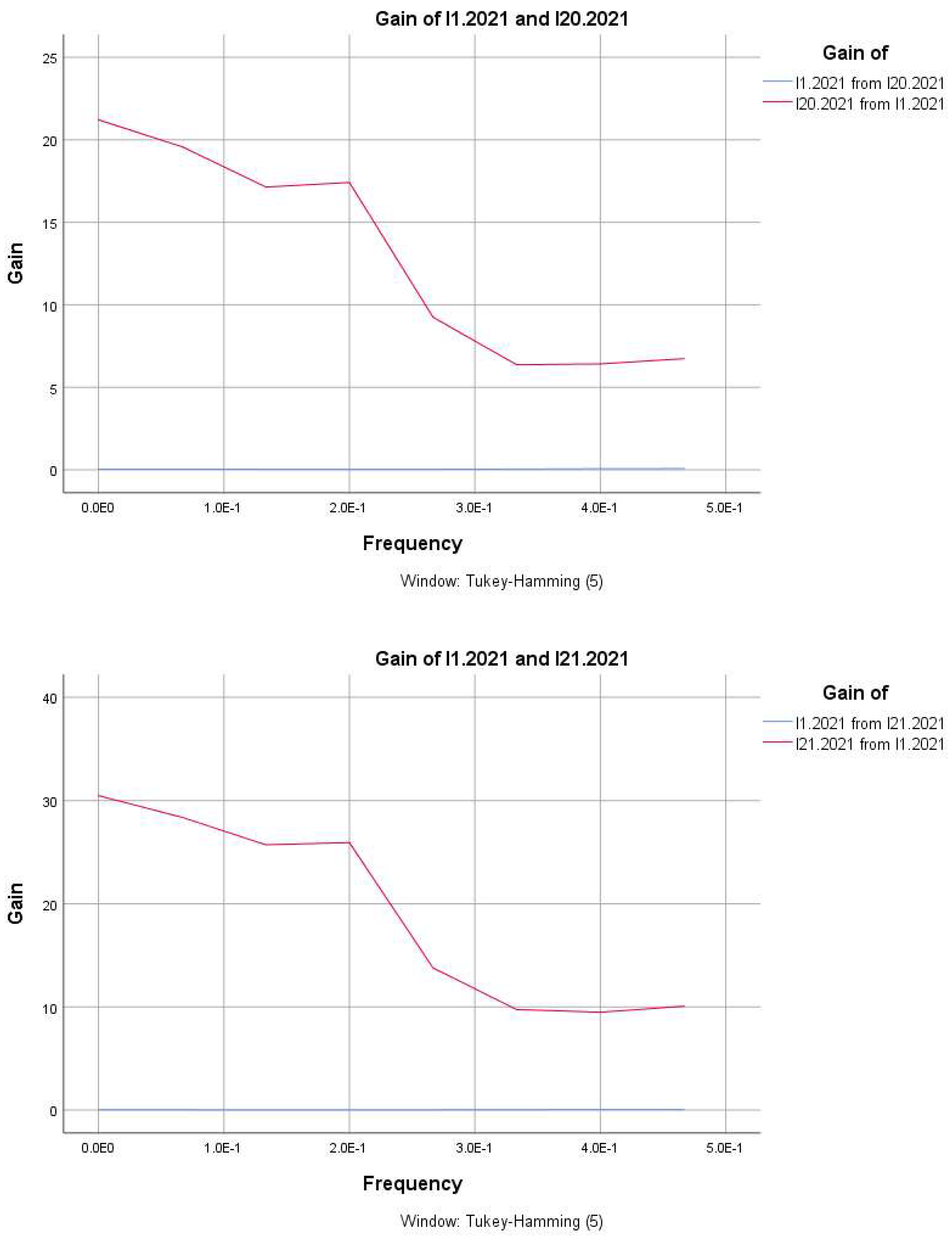
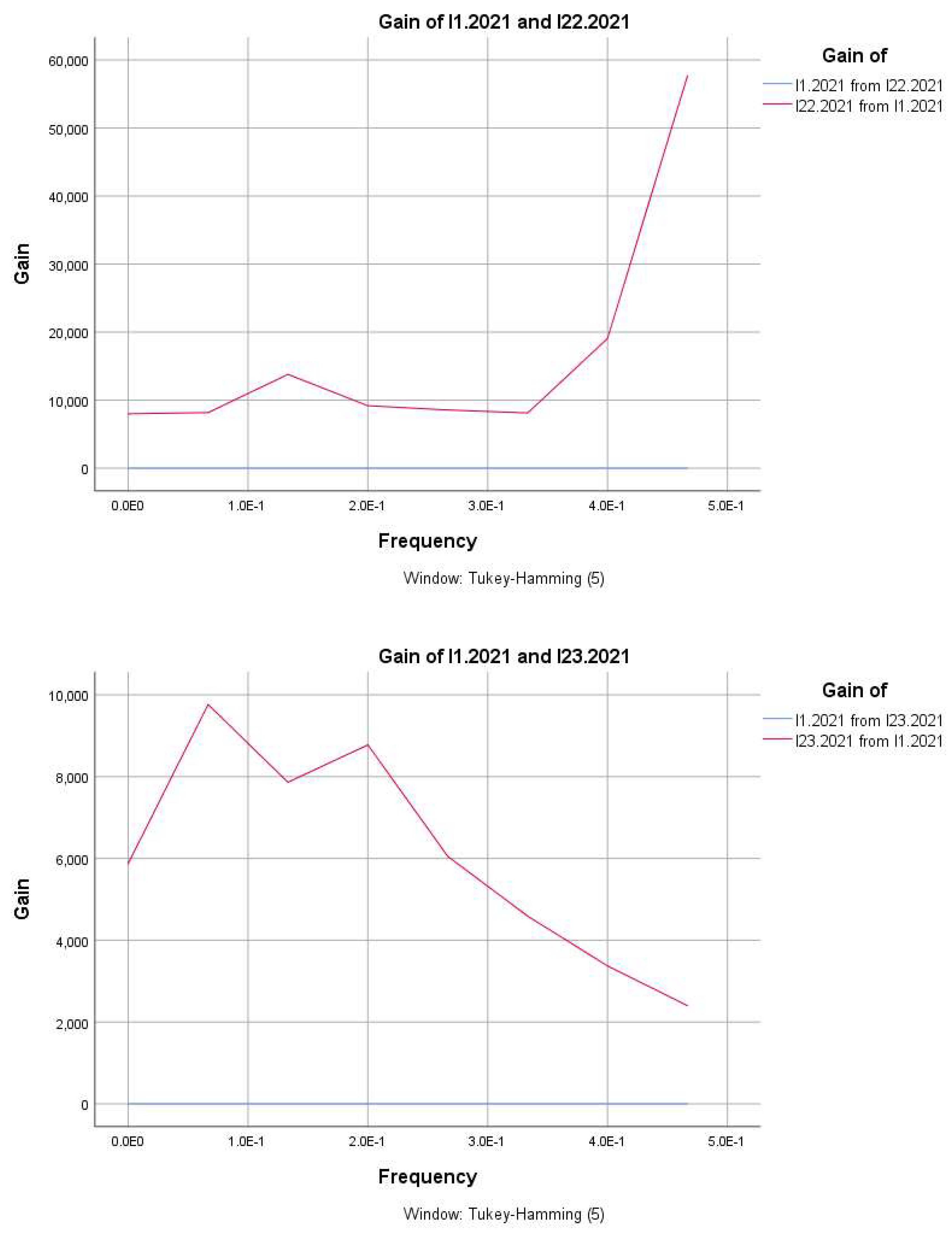
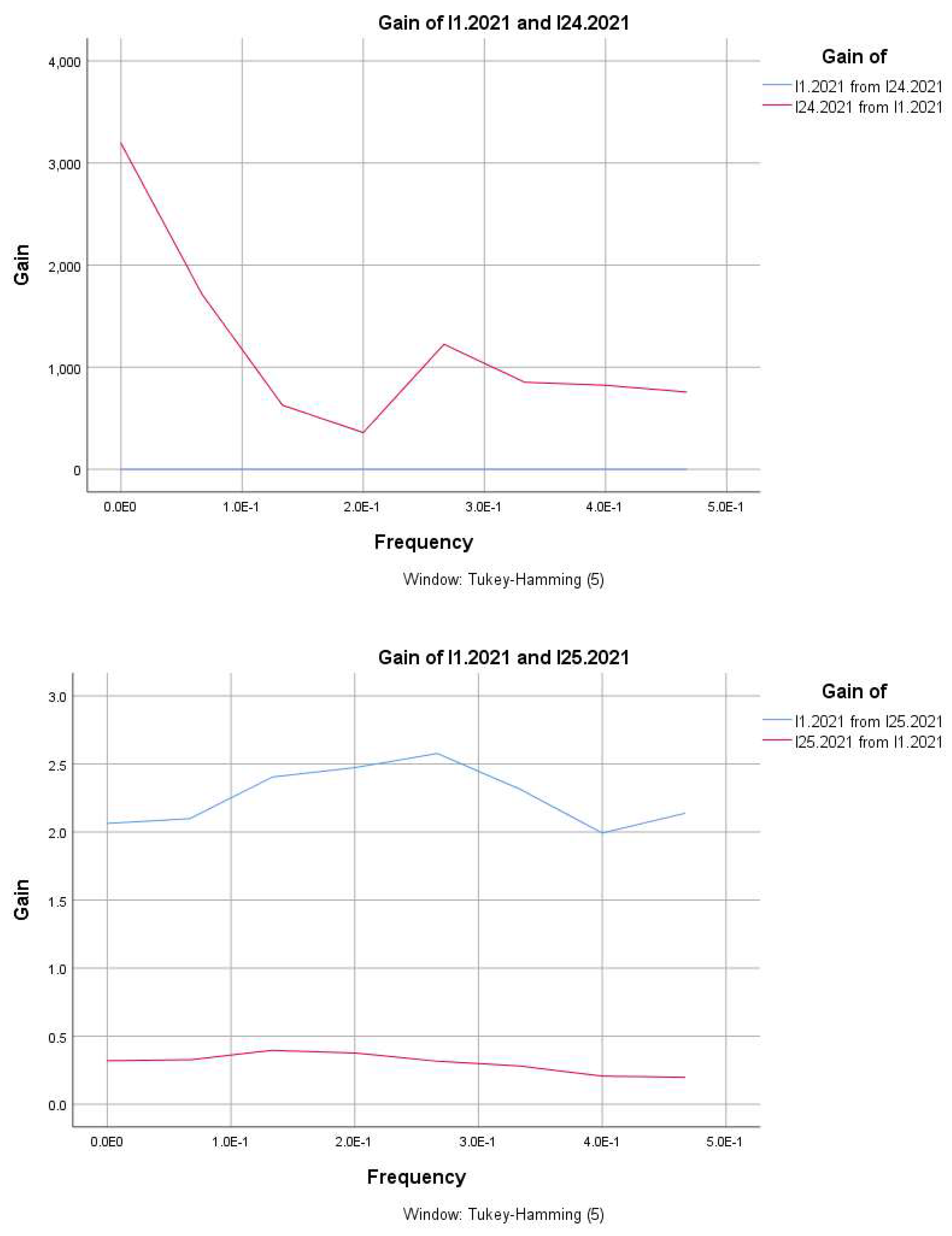
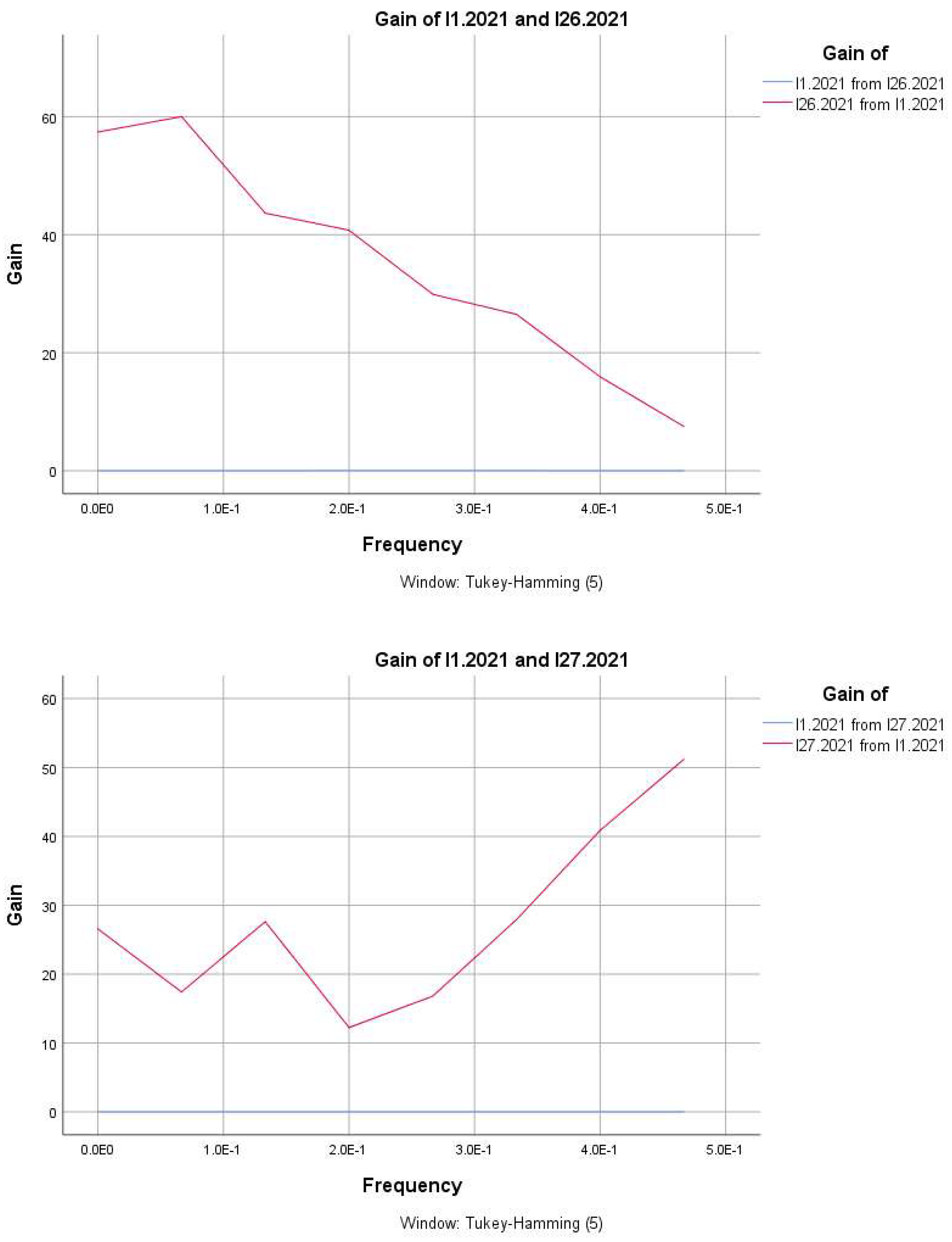
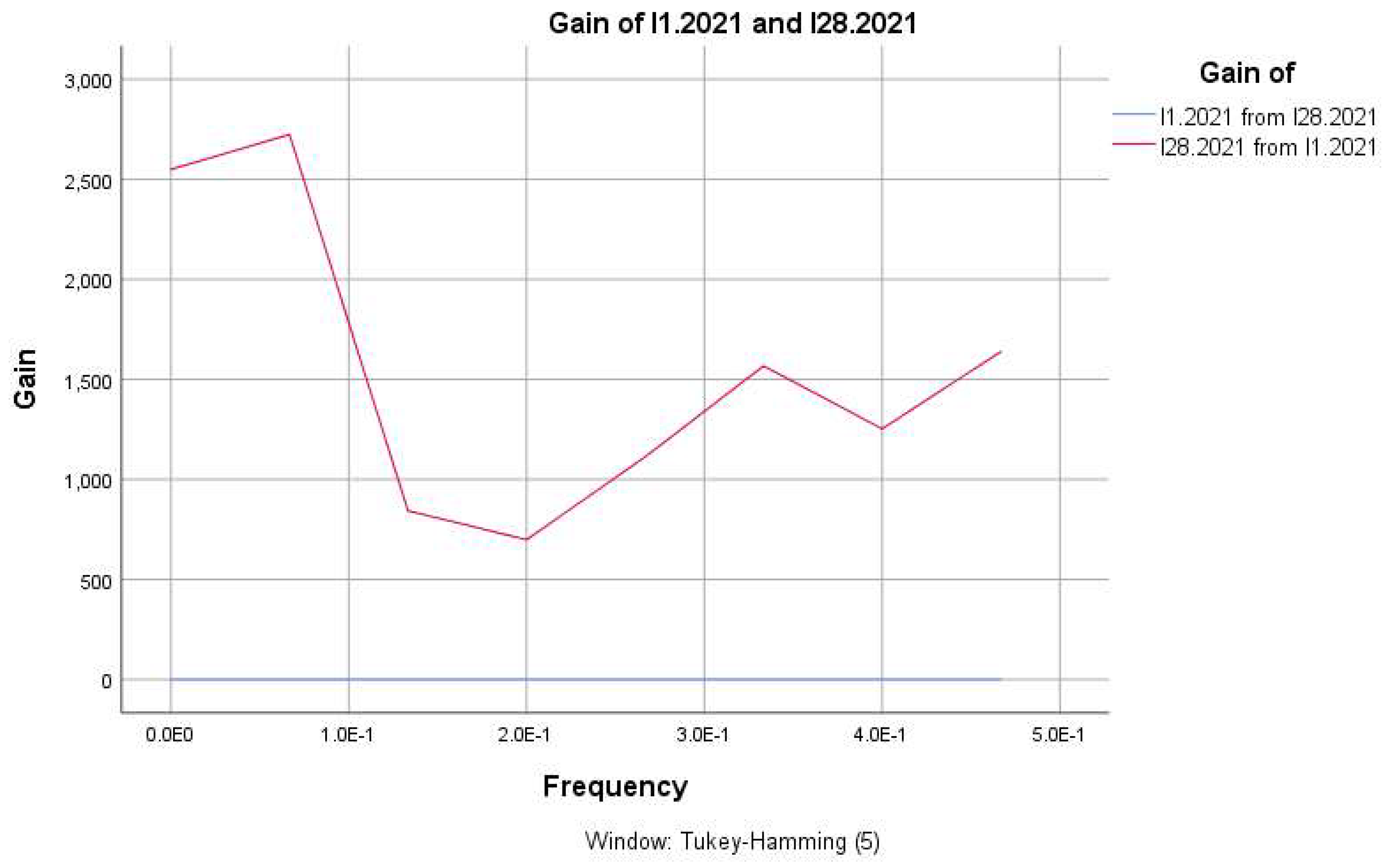

Table 1.
Spectral analysis conditions.
 
|
Disclaimer/Publisher’s Note: The statements, opinions and data contained in all publications are solely those of the individual author(s) and contributor(s) and not of MDPI and/or the editor(s). MDPI and/or the editor(s) disclaim responsibility for any injury to people or property resulting from any ideas, methods, instructions or products referred to in the content. |
© 2025 by the authors. Licensee MDPI, Basel, Switzerland. This article is an open access article distributed under the terms and conditions of the Creative Commons Attribution (CC BY) license (http://creativecommons.org/licenses/by/4.0/).
Copyright: This open access article is published under a Creative Commons CC BY 4.0 license, which permit the free download, distribution, and reuse, provided that the author and preprint are cited in any reuse.


