Preprint
Review

This version is not peer-reviewed.

Potential of Bacillus halotolerans in Mitigating Biotic and Abiotic Stresses: A Comprehensive Review

A peer-reviewed article of this preprint also exists.

Submitted:

27 January 2025

Posted:

28 January 2025

You are already at the latest version

Abstract

Bacillus halotolerans, a halophilic bacterial species of the genus Bacillus, is emerging as a biological control agent with immense potential for sustainable agriculture, particularly in extreme conditions and environmental rehabilitation. This review summarizes the current state of research on B. halotolerans, emphasizing its diverse applications in the biocontrol of plant pathogens, plant growth promotion under salinity stress, nematode management, and bioremediation. B. halotolerans utilizes several mechanisms such as the production of siderophores and phytohormones, secretion of exopolysaccharides, and the release of antifungal and nematicidal compounds, which allows it to mitigate both abiotic and biotic stresses in various crops, including wheat, rice, date palm, tomato, and others. In addition, genomic and metabolomic analyses have revealed its potential for secondary metabolite production that improves its antagonistic and growth-promoting traits. Despite significant progress, challenges remain in translating laboratory results into field applications. Future research should focus on formulating effective bioinoculants and field trials, to maximize the practical utility of B. halotolerans for sustainable agriculture and environmental resilience.

Keywords: 
;  ;  ;  

1. Introduction

The increasing global demand for food security, coupled with the detrimental environmental effects of chemical plant protection products (cPPPs), has necessitated a shift toward more sustainable agricultural practices. While effective for controlling phytopathogens and enhancing yields, the widespread dependence of chemical inputs has resulted in severe ecological consequences, including soil and water pollution, harm to non-target organisms, and the development of resistant pathogens [1,2,3,4]. Public concerns about chemical residues in products have led to stricter regulations on cPPP usage, encouraging the exploration of biological alternatives. Biocontrol, a crucial component of integrated pest management (IPM) systems, represents a promising solution for reducing the negative impacts of phytopathogens while promoting sustainable and safe agricultural practices [5,6]. This approach includes the use of beneficial microorganisms such as Bacillus spp., known for their capacity to protect plants through competition and antagonism, to mitigate crop losses and improve yields, particularly in protected and organic vegetable production systems [7].
Among plant growth-promoting bacteria (PGPB), Bacillus species stand out due to their ability to colonize plant tissues endophytically without causing harm, offering a dual advantage in plant protection and growth promotion [8]. The genus includes a wide range of species such as B. amyloliquefaciens, B. subtilis, B. velezensis, B. pumilus, and B. siamensis, each recognized for their capabilities to produce enzymes, induce systemic resistance in plants, and synthesize antimicrobial metabolites [9]. These bacteria have also been extensively utilized in the production of commercial biocontrol products, such as Serenade® and Rizhovital®, which are highly effective against foliar, soil-borne, and post-harvest pathogens [10]. The production of robust endospores by this Gram-positive bacterium further enhances their advantages over other bacterial biocontrol agents (e.g. Pseudomonas spp.), allowing for efficient production, extended shelf-life and easier formulation [11,12].
Members of Bacillus are known by the release of extensive arsenal of antimicrobial peptides, including iturin, fengycin, bacillomycin, and surfactin, which exhibit broad-spectrum biocidal activity against pathogens while inducing systemic resistance in plants [13,14,15,16]. Additionally, Bacillus species produce a variety of volatile and non-volatile compounds that synergistically combat phytopathogens [17]. These capabilities, coupled with the ability to activate plant defense enzymes such as peroxidase (POX), polyphenol oxidase (PPO), and phenylalanine ammonia-lyase (PAL), make Bacillus a cornerstone of modern biocontrol strategies [18,19].
Due to its unique physiological and ecological attributes, B. halotolerans has emerged as a particularly promising candidate for sustainable agriculture within this genus. This species is well-adapted to extreme environmental conditions, such as high salinity and drought, which are increasingly common in agricultural soils, particularly in arid and semi-arid regions [20]. B. halotolerans has demonstrated impressive biocontrol capabilities, producing a wide range of secondary metabolites, including antifungal lipopeptides, volatile organic compounds, and antioxidant enzymes that protect plants from both biotic and abiotic stresses [21,22,23]. Furthermore, its ability to enhance plant growth under stressful conditions has been observed in various crops, including wheat, tomatoes, and potatoes, making it a valuable tool in enhancing agricultural resilience and productivity [21,23,24,25,26]. This article presents a comprehensive review of the potential of B. halotolerans as a biocontrol agent in sustainable agriculture. It consolidates current research to showcase the physiological, biochemical, and molecular characteristics that make B. halotolerans uniquely suited for mitigating plant diseases and enhancing growth under stressful environmental conditions. The review also explores the diverse habitats of B. halotolerans, its ability to produce antimicrobial metabolites, and its role in alleviating abiotic stresses, such as salinity and drought. Furthermore, the article emphasizes the importance of this species in IPM strategies and its potential to reduce dependency on cPPPs while ensuring crop productivity and environmental sustainability.

2. Morphological, Biochemical and Molecular Characteristics of B. halotolerans

B. halotolerans is a gram-positive, rod-shaped bacterium known for its adaptability to diverse and often extreme environmental conditions [27]. This species, previously classified as Brevibacterium halotolerans, has been reclassified through advanced molecular and biochemical tools, solidifying its position within the genus Bacillus [28]. It is an alkaliphilic organism capable of thriving in saline soils, which underpins its classification as a halotolerant species. Its historical classification and recent re-evaluation reflect ongoing efforts to establish its taxonomy, with strains like DSM 8802 and MS50-18A serving as references for its biochemical and genetic characterization [28,29].
Strains of B. halotolerans exhibit distinct morphological and biochemical profiles depending on their habitat and isolation source. For instance, strain LDFZ001 forms smooth, creamy colonies with regular edges on LB medium, and under light microscopy, it displays a rod-shaped structure typical of Bacillus species [30]. Similarly, strain DS5 presents as short rods with peritrichous flagella and forms milky white, opaque, and wrinkled colonies [31]. On TSA medium, Strain B-4359, from the Freshwater Bioresources Culture Collection (FBCC) in Korea, forms smooth, glossy light-brown colonies and is motile, with rod-shaped cells measuring approximately 0.84–1.49 μm × 2.08–4.10 μm (width × length). Endospores from this strain are commonly observed after seven days of incubation, highlighting their robustness in adverse conditions [27].
Biochemically, B. halotolerans displays a wide range of metabolic capabilities. It grows on diverse carbon sources, including glucose, cellulose, sucrose, lactose, fructose, and maltose [31]. It demonstrates remarkable salt tolerance, with some strains capable of thriving at NaCl concentrations up to 150 mM [32]. Notably, the KKD1 strain has been shown to grow at 13 % salinity in previous studies [23]. B. halotolerans exhibits impressive environmental adaptability and plant growth-promoting traits. It can grow at temperatures ranging from 4 to 45°C, with optimal growth at 30°C [33], and thrives within a pH range of 5 to 9 [34]. Additionally, B. halotolerans produces various beneficial compounds such as indole-related compounds, acetoin, ammonia, and indole-3-acetic acid (IAA). It also demonstrates the ability to solubilize potassium and phosphorus, produce siderophores, chitinase, cellulase amylase, protease, ACC deaminase, and hydrogen cyanide [35,36]. These attributes contribute to its adaptability across various environmental conditions [31]. DSM 8802, a type strain, demonstrates the ability to form spores and grow on cellulose and glucose, a further showcase of the metabolic flexibility of this species [28].
The genomic architecture of B. halotolerans underscores its adaptability and biotechnological potential. Strain ZB201702, isolated from saline soil, has a circular genome of 4.15 Mb with a guanine-cytosine content of 43.81%, encoding 4,119 genes, including 30 rRNA and 85 tRNA genes [37]. Strain F29-3 with high similarity to B. halotolerans ATCC 25096 has a genome size of 4.2 Mb [38]. Similarly, MS50-18A, another well-characterized strain, exhibits genes involved in glycine/betaine uptake and bacilysin biosynthesis, critical for its saline stress tolerance and antifungal activity [29]. Advanced phylogenetic analysis using neighbor-joining trees has confirmed the close evolutionary relationships of B. halotolerans with other Bacillus species such as B. mojavensis and B. subtilis [30]. This is evident in strains like LDFZ001 and F29-3, which show genomic similarities within the Bacillus family [30,38].
B. halotolerans survives in extreme environments, including saline and arid soils, demonstrating remarkable resilience [20]. Strain MS50-18A, isolated from saline soil, and ZB201702 from arid regions exemplify the species’ capacity to endure high salinity and alkalinity [29,37]. The Qinghai–Tibet Plateau, known for its low oxygen availability, low temperatures, and high salinity, has also been identified as a habitat for B. halotolerans [39]. Strains isolated from this region exhibit not only high stress tolerance but also biocontrol properties against plant pathogens. B. halotolerans has been isolated from different regions of the world and involved in the biocontrol of various crops (Figure 1).
The stress tolerance mechanisms of B. halotolerans include the production of osmoprotectants, such as glycine and betaine, and its ability to regulate ion homeostasis, which are key for survival in saline and alkaline environments [24].

3. Biocontrol Mechanisms of B. halotolerans

3.1. Production of Antimicrobial Compounds

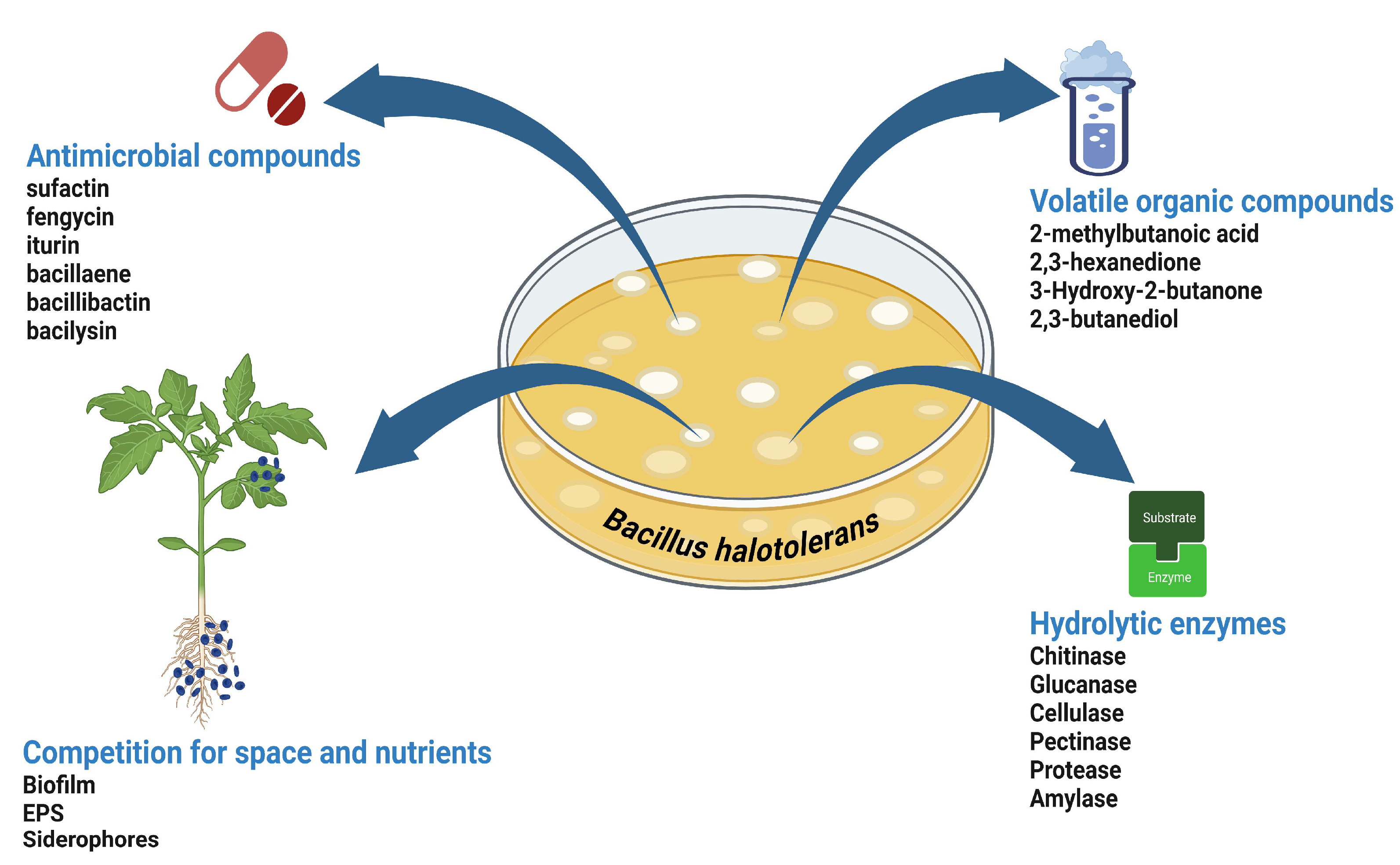
One of the key mechanisms behind the biocontrol effectiveness of B. halotolerans lies in its ability to produce a broad spectrum of antimicrobial compounds (AMCs) (Figure 2). These compounds, which include both ribosomally and non-ribosomally synthesized metabolites, play a crucial role in inhibiting pathogens and reducing plant diseases [40]. The potential of Bacillus species, particularly those in the B. subtilis group, to dedicate a significant portion of their genome, estimated by 4-5%, to the biosynthesis of AMCs highlights their importance in microbial antagonism [17]. Among the AMCs produced by B. halotolerans are lipopeptides such as surfactin, fengycin, and iturin [22]. These compounds exhibit potent antimicrobial activities, effective against a range of bacteria while showing strong antifungal properties [22,41]. For instance, B. halotolerans strain SpS5 synthesizes surfactin and mojavensin (Table 1), which have been shown to effectively control Rhizoctonia solani, a significant plant pathogen, under both laboratory and field conditions [42]. Similarly, strain KKD1, producing surfactin and fengycin, demonstrated its antifungal potential against Fusarium graminearum [39]. Strain Cal.l.30, has been identified as a producer of several AMCs, including bacillaene, surfactin, fengycin, mojavensin, and bacillibactin. The ability of these compounds to inhibit plant pathogens like Botrytis cinerea enhances the potential of the strain as a biocontrol agent, making it a valuable candidate for plant protection [43]. In addition to lipopeptides, Cal.l30 synthesizes polyketides such as bacillaene and unique bioactive compounds like azelaic acid and L-dihydroanticapsin, the precursor of the antibiotic bacilysin (Table 1). Bacilycin is an important dipeptide with strong antibacterial and antifungal activity [43].
The genomic basis for AMCs production in B. halotolerans underscores its biocontrol capabilities. Strain QTH8, for example, harbors biosynthetic gene clusters (BGCs) that encode enzymes responsible for the synthesis of surfactin, fengycin, and iturin. These genes (e.g., srfAA, srfAB, fenD, spaS, bmyB, bacA, and ituC) enable the strain to combat pathogens like Fusarium pseudograminearum, which causes crown rot in wheat [22]. Similarly, strain HGR5 contains a wide array of BGCs encoding compounds such as bacillaene, subtilosin, and bacillibactin, which are active against pathogens like F. graminearum, Alternaria alternata and Phytophthora infestans [55]. In many cases, the effectiveness of B. halotolerans as a biocontrol agent is attributed to the wide range activity of its AMCs. For example, strain B. halotolerans VT-5 produces a variety of bioactive compounds, including phenolic derivatives and diketopiperazines, which exhibit significant antimicrobial properties. This strain has demonstrated the ability to reduce the effects of human pathogens like Pseudomonas aeruginosa and Staphylococcus aureus [41]. A study on the strain AQ11M9, which acts as an antagonist against the human pathogen Candida auris, identified the presence of clusters for fengycin and surfactin [58]. Analysis of the secondary metabolite secretome from B. halotolerans isolates BFOA1 to BFOA4 using LC-HRMS identified a variety of compounds with known plant growth promotion (PGP), antimicrobial, herbicidal, and insecticidal activities. However, examination of their genomes revealed a strong presence of PGP abilities and secondary metabolite gene clusters, particularly four clusters: subtilosin A, bacillibactin, bacillaene, and bacilysin [33].
B. halotolerans exemplifies a robust biocontrol agent with a remarkable ability to produce diverse AMCs, including lipopeptides, polyketides, and bacteriocins. The production of volatile organic compounds (VOCs) by B. halotolerans plays a significant role in its biocontrol ability (Figure 2). VOCs are low-molecular-weight, naturally occurring, hydrophobic substances with the ability to diffuse through the environment, enabling long-distance effects without direct contact with the target pathogens or plants [59,60]. This property makes them particularly advantageous for biofumigation, where direct application is impractical or undesirable. VOCs produced by Bacillus species have been shown to suppress the growth of plant pathogens, stimulate plant defenses, and promote plant growth [61,62].
In B. halotolerans, specific VOCs have been identified as key antifungal agents. For instance, strain NYG5 emits VOCs that effectively inhibit various phytopathogenic fungi, including Macrophomina phaseolina, Rhizoctonia solani, Pythium aphanidermatum and Sclerotinia sclerotiorum, as well as bacterial pathogens such as Agrobacterium tumefaciens, Xanthomonas campestris, Clavibacter michiganensis, and Pseudomonas syringae [47]. Analyzing VOC profiles of B. halotolerans have revealed a range of bioactive compounds. VOCs such as 2-methylbutanoic acid and 2,3-hexanedione were identified as primary contributors to these inhibitory effects, with 2,3-hexanedione exhibiting strong nematicidal activity against Meloidogyne javanica [47]. Strain Gb67 produces 3-hydroxy-2-butanone (acetoin) and 2,3-butanediol, which are associated with stress-induced defense regulation and plant growth promotion under salinity stress [32]. Additionally, strain Cal.l.30 has demonstrated VOC-mediated suppression of B. cinerea, attributed to compounds such as C13 and C15 surfactin analogs [43]. Moreover, Brevibacillus halotolerans B-4359 produced VOCs that demonstrated significant efficacy against the mycelial growth of Colletotrichum acutatum [27]. The diversity and bioactivity of VOCs enable B. halotolerans to target a wide spectrum of pathogens [47]. VOCs produced by B. halotolerans not only inhibit the growth of pathogens but also enhance plant physiological traits, such as root and shoot length, biomass, and photosynthetic ability. These effects are often attributed to the production of VOCs in conjunction with other plant growth promoting traits like ACC-deaminase activity and exopolysaccharide production [32]. The ability of B. halotolerans to produce VOCs is further exemplified in its environmental adaptability. When cultured in various growth media, its VOC profiles adapt to the conditions, producing compounds like 2-ethyl-1-hexanol and 6-methyl-2-heptanone, which demonstrate flexibility and effectiveness across diverse agricultural settings [47].

3.2. Cell Wall Degrading Enzymes

The activity of hydrolytic cell wall degrading enzymes (CWDEs) is a cornerstone of the biocontrol potential of B. halotolerans (Figure 2) [63]. These enzymes directly target and degrade the structural components of pathogen cell walls, thereby inhibiting the growth and development of harmful microorganisms [64]. The arsenal of hydrolytic CWDEs produced by B. halotolerans includes chitinases, glucanases, proteases, cellulases, lipases, and amylases, each playing a certain role in pathogen suppression [63].
Chitinases, one of the most prominent enzymes produced by B. halotolerans, are particularly effective against fungal pathogens. They hydrolyze β-(1,4)-glycosidic bonds in chitin, a critical component of fungal cell walls, producing N-acetylglucosamine and other oligosaccharides that disrupt cell wall integrity [26]. The breakdown products of chitin also act as elicitors of plant defense, inducing systemic resistance against further pathogen attacks [63,65]. Glucanases, particularly β-1,3-glucanases, complement chitinase activity by degrading glucans, another key component of fungal cell walls, further weakening fungal structures and facilitating cell lysis [34].
Proteases produced by B. halotolerans target glycoproteins in pathogen membranes, while cellulases and lipases break down cellulose and lipids, respectively, attacking structural and metabolic components of pathogens [63]. The multifunctional nature of these enzymes enables B. halotolerans to combat a diverse array of plant pathogens, including fungal, bacterial, and oomycete species [26,63]. Furthermore, strain JK-25 produces cellulase, enzyme critical for degrading the structural polysaccharides of oomycete pathogens [21]. The strain Pl7 of B. halotolerans with remarkable antagonistic effects against Botryosphaeria dothidea, the causal agent of apple ring rot, exhibited antifungal activity through the production of CWDEs, including protease, β-1,3-glucanase, and cellulase [34]. Another strain, KLBC XJ-5, has been reported to produce high levels of chitinase, supported by the presence of the glycoside hydrolase 18 (GH18) family chitinase genes, underscoring its ability to suppress fungal pathogens [26].
The enzymatic versatility of B. halotolerans is further demonstrated by its adaptability to environmental conditions. For example, strain DS5 produces alkaline protease (Prot DS5), which is particularly effective in high-pH environments, while strain RFP74 shows enhanced amylase production, enabling it to target starch-rich residues often associated with fungal spore development [31,45]. Lipase activity in strains like VSH 09 and RCPS2 has also been documented, providing additional biocontrol mechanisms against pathogens that rely on lipid-based cellular components [66,67].
Beyond pathogen suppression, the CWDEs of B. halotolerans contribute significantly to plant health and growth. Hydrolytic enzymes like cellulase and β-glucosidase enhance carbon cycling in the soil, while protease and phosphatase release nitrogen and phosphorus, enriching soil nutrient availability [65]. These dual benefits of pathogen suppression and plant growth promotion make B. halotolerans a highly versatile biocontrol agent.
Additionally, hydrolytic enzyme activity has been linked to the ability of B. halotolerans to form robust biofilms on plant roots, enhancing colonization and persistence in the rhizosphere. This property enables the sustained release of enzymes in close proximity to pathogens, maximizing their biocontrol efficacy while simultaneously promoting plant growth [63].

3.3. Root Colonization and Competition for Space and Nutrients

The ability of B. halotolerans to compete with other microorganisms and efficiently colonize plant roots is fundamental to its role as a biocontrol agent (Figure 2). Root colonization ensures the bacterium’s proximity to the plant, enabling direct interactions with pathogens and promoting plant health [68]. Tian et al. emphasized the importance of efficient root colonization for beneficial rhizobacteria, allowing them to exert plant growth promoting and protective effects [69]. Additionally, Li et al., identified robust root colonization as a critical factor for the biocontrol of soil-borne pathogens such as Verticillium dahliae , causal agent of verticillium wilt of cotton [68]. Plants actively recruit beneficial bacteria in the rhizosphere by secreting specific compounds, for example strigolactones and flavonoids in their exudates, which attract microbes like B. halotolerans [70,71,72].
In addition, B. halotolerans exhibited strong biofilm-forming capabilities, a trait that significantly enhances its root colonization potential [73]. Biofilms are structured communities of bacterial cells embedded in a self-produced extracellular polymeric matrix, which protects the bacteria from environmental stresses and helps in adhesion to surfaces, including plant roots [74]. Biofilms formed by Bacillus spp. can protect plants against pathogens and improve plant resilience to abiotic stresses [73]. For instance, biofilm production by B. halotolerans has been associated with increased tolerance to salinity, as observed in strains such as B7 and B18, which formed robust biofilms under salt stress [48].
The release of Extracellular Polymeric Substances (EPS) also plays a critical role in root colonization. EPS helps bacteria adhere to root surfaces, improves soil aggregation, and enhances the plant’s water and nutrient uptake [75]. In saline conditions, EPS can bind toxic ions like Na+, restricting their influx into plant roots and promoting water retention [76]. These properties are particularly advantageous in challenging environments, making B. halotolerans a promising candidate for biocontrol in saline soils. For instance, the antibacterial activity of EPS produced by the marine bacterium B. halotolerans against clinical strains of Pseudomonas aeruginosa and Serratia marcescens was reported [77]. B. halotolerans strain DT1 isolated from dried cabbages of Tianjin was capable of producing exopolysaccharides that could potentially be used as food additive in high-fat food products [78].
Competition with other microorganisms is another essential aspect of B. halotolerans’ biocontrol mechanism. By rapidly colonizing root surfaces and forming biofilms, B. halotolerans can outcompete harmful pathogens for space and nutrients [79]. Additionally, root exudates can stimulate the production of antimicrobial compounds and surfactants, further aiding in the displacement of competitors. For example, surfactin production has been shown to trigger biofilm formation by B. subtilis UMAF6614 and enhance the bacterium’s colonization capacity [80].

4. Plant Growth-Promoting Effect of Bacillus halotolerans in Alleviation of Abiotic and Biotic Stresses

4.1. Production of Indole-3-Acetic Acid

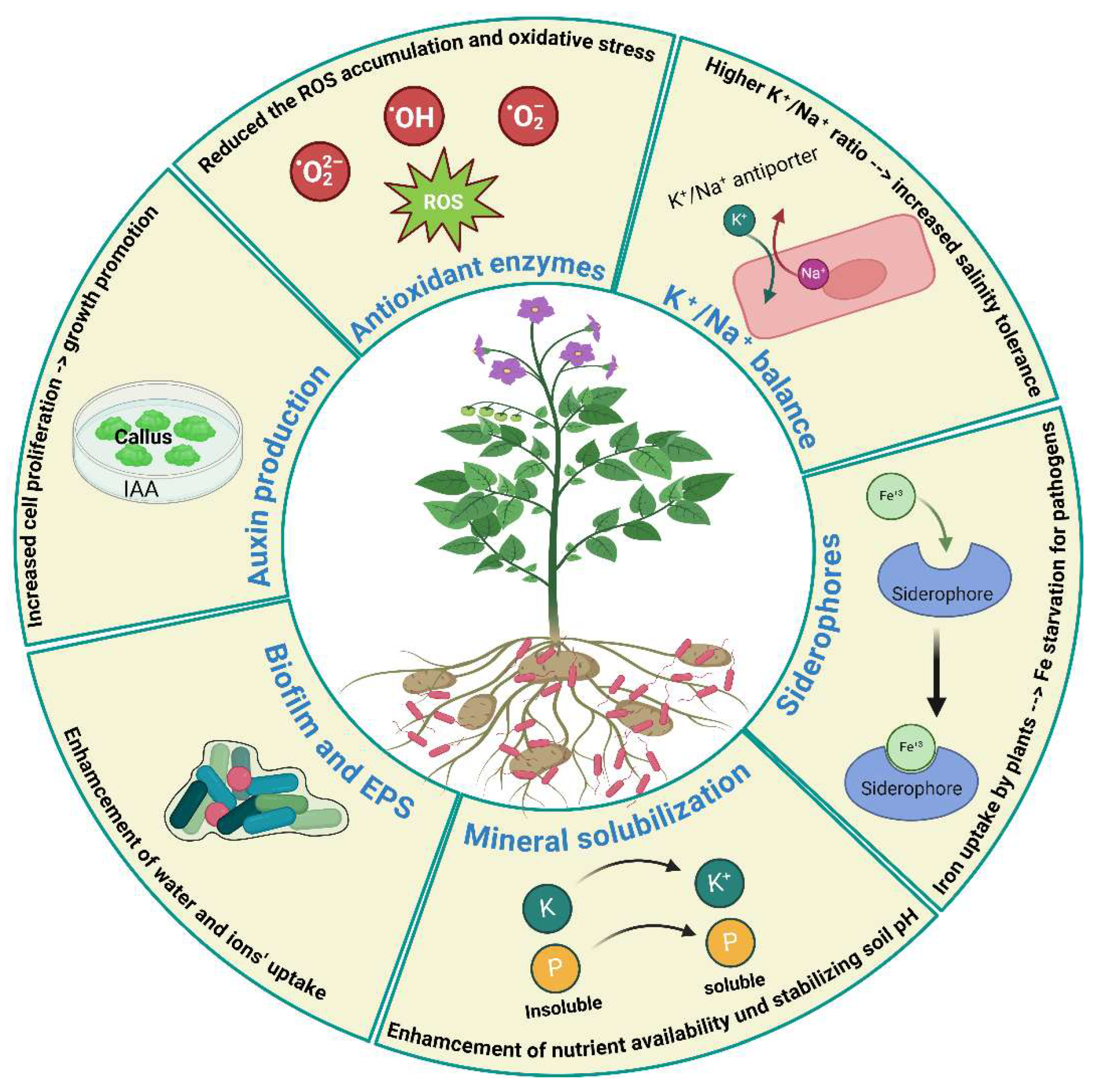
The production of indole-3-acetic acid (IAA), a key auxin, is a central mechanism by which B. halotolerans contributes to plant growth promotion [81] (Figure 3). This phytohormone regulates a wide range of physiological processes in plants, including cell elongation, division, and differentiation, as well as root and shoot development [82]. IAA production by rhizobacteria significantly enhances plant growth and resilience under various environmental conditions [83].
Several reports documented the critical role of IAA synthesis pathways in the plant growth-promoting properties of rhizobacteria [82,84,85]. Bacillus species utilize both tryptophan-dependent and -independent pathways for IAA biosynthesis [85]. For instance, the ipdC gene, involved in the tryptophan-dependent indole-3-pyruvic acid (IPyA) pathway, played a significant role in bacterial IAA production [84]. Mutants deficient in this gene exhibited reduced colonization capabilities and a diminished ability to promote plant growth. Furthermore, modulation of IAA production under various conditions demonstrated the versatility of Bacillus strains. For example, B. velezensis strain MOST-IAA produced IAA at optimal levels when cultured with specific carbon and nitrogen sources under controlled pH and temperature, enhancing barley root growth [83].
Similarly, B. halotolerans strains isolated from challenging environments, such as saline or heavy metal-contaminated soils, exhibited robust IAA production and other plant growth-promoting traits, such as phosphate solubilization, nitrogen fixation and ACC deaminase production ensuring their suitability as bioinoculants in stress-prone agricultural systems [86,87]. In addition to enhancing root and shoot development, IAA-producing B. halotolerans strains improved rhizosheath formation, as seen in barley plants under drought conditions [81]. This enhanced rhizosheath formation facilitated better water and nutrient uptake, leading to improved drought tolerance [88,89]. Furthermore, multi-trait halotolerant Bacillus strains, including B. halotolerans, mitigate salinity stress by producing IAA along with other phytohormones and stress-tolerant molecules (e.g. gibberellins, cytokinins ), thereby enhancing crop resilience and productivity [2,52,53,90].

4.2. Siderophore Production

Siderophores, low-molecular-weight iron-chelating molecules, are critical secondary metabolites produced by a wide range of microorganisms including B. halotolerans to enhance plant growth under iron-limited conditions [91] (Figure 3). These compounds bind ferric iron (Fe³⁺) in the rhizosphere, increasing its solubility and facilitating its uptake. This mechanism is particularly beneficial in iron-deficient soils, such as calcareous and alkaline environments, where the availability of ferric iron is limited [92].
The siderophores produced by B. halotolerans and related species, such as bacillibactin and catecholate-type siderophores, have been widely documented for their role in promoting plant growth and controlling pathogens. For example, B. halotolerans JK-25 produces siderophores that inhibit fungal pathogens like Bipolaris sorokiniana and improve wheat growth under stress conditions [21]. Similarly, the strains LBG-1-13 of B. halotolerans demonstrated siderophore production alongside phosphate solubilization and ACC deaminase activity, enhancing the growth of lily plants under salt and drought stress [52].
In agricultural applications, siderophore production has shown significant benefits in improving crop iron nutrition. B. halotolerans strains isolated from rhizospheric soils of various crops demonstrated notable siderophore production, reducing chlorosis symptoms and enhancing biomass production [93]. These strains not only improve iron bioavailability but also promote the uptake of other essential nutrients by solubilizing phosphate or producing EPS contributing to sustainable agricultural practices [94].
In addition to nutrient facilitation, siderophore-producing B. halotolerans strains possess antifungal properties. For instance, B. halotolerans Jk-25 have been shown to inhibit the growth of B. sorokiniana and other soil-borne pathogens, thereby serving a dual role in nutrient cycling and pathogen suppression [21]. Similarly, B. halotolerans BFOA1–BFOA4 inhibited four major pathogens Botrytis cinerea, A. alternata, P. infestans, and Rhizoctonia bataticola [33]. The adaptability of B. halotolerans to abiotic stresses, such as drought and salinity, further amplifies its significance as a bioinoculant. Under these conditions, siderophore production helps in mitigating stress impacts by improving root architecture, maintaining soil moisture, and enhancing micronutrient uptake [36].

4.3. ACC Deaminase Activity

The production of 1-aminocyclopropane-1-carboxylate (ACC) deaminase can lead to plant growth promotion, especially under abiotic stress conditions (Figure 3). ACC deaminase catalyzes the breakdown of ACC, the direct precursor of ethylene in plants, into α-ketobutyrate and ammonia [95]. This activity reduces ethylene levels, which are often elevated under adverse stress conditions like salinity, drought, and heavy metal, thereby alleviating the growth-inhibitory effects of ethylene [96].
Several reports demonstrated the efficacy of ACC deaminase-producing B. halotolerans strains in enhancing plant tolerance to abiotic stresses. For instance, strain LBG-1-13 exhibited ACC deaminase activity and promoted plant growth under salt and drought stress, with notable improvements in root and shoot development in lily plants cultivated under these conditions [52]. Additionally, strain B5 of B. halotolerans isolated from salt-contaminated soils have shown robust ACC deaminase activity, further confirming their potential as stress-alleviating bioinoculants [97]. The role of ACC deaminase in plant stress response is further supported by its impact on physiological parameters [86]. ACC deaminase activity has been linked to increased chlorophyll content, enhanced root and shoot biomass, and improved osmotic balance under salinity stress [86,95]. For example, in maize plants treated with halotolerant strains of B. halotolerans, stress-induced ethylene levels were reduced, leading to better water retention and improved nutrient uptake [96].
Moreover, the presence of ACC deaminase-producing strains in the rhizosphere not only promotes plant growth but also enhances the plants’ ability to withstand biotic stresses, such as soil-borne infections [53]. Multi-trait bacterial isolates, including B. halotolerans, show a combined effect of ACC deaminase activity and other plant growth-promoting traits like mineral solubilization and IAA production, which synergistically improve plant growth under stress conditions [53].

4.4. Nitrogen Fixation and Mineral Solubilization

B. halotolerans has the ability to fix atmospheric nitrogen and solubilize essential minerals, such as phosphorus, potassium, and zinc [20,23,24]. These traits enable the bacterium to enhance soil fertility and provide plants with bioavailable nutrients under both normal and stress conditions [98]. Nitrogen fixation is a crucial process that converts atmospheric nitrogen into ammonia, a form usable by plants [98,99]. Extremophilic strains of B. halotolerans have been identified as nitrogen-fixing bacteria due to the presence of the nitrogenase enzyme [20]. These strains, isolated from diverse environments, have demonstrated the ability to enhance soil nitrogen levels and contribute to plant growth even under saline and nutrient-deficient conditions [20]. Similarly, B. halotolerans MSR-H4 was shown to fix nitrogen effectively, contributing to improved wheat growth under salt stress [24].
In addition to nitrogen fixation, B. halotolerans exhibits strong mineral solubilization activities (Figure 3). Strains such as SSVP2 and KKD1 have demonstrated the ability to solubilize phosphorus, a vital nutrient for plant development [23,53]. The production of phosphatases by B. halotolerans converts insoluble phosphate into soluble forms like H₂PO₄⁻, enhancing its availability for plant uptake, especially under saline conditions [23,53]. Other strains, including ADCN (AD9), have been shown to solubilize phosphate even at high salt concentrations, further highlighting the salt tolerance of this bacterium [57]. Potassium and zinc solubilization are additional characteristics of B. halotolerans. The solubilization of potassium and zinc enhances nutrient cycling in the rhizosphere, thereby improving plant growth and health [100,101,102]. Strains SSVP2 and ADCN have been noted for their ability to solubilize potassium, with zinc solubilization also observed in some extremophilic B. halotolerans, resulting in clear zones on mineral solubilization assays [20,53].
Through these mechanisms, B. halotolerans not only enhances nutrient availability but also stabilizes soil pH, as evidenced by the strain KKD1, which maintained optimal pH levels in saline soils, creating a favorable environment for plant growth [23]. These attributes position B. halotolerans as a key player in sustainable agriculture, offering eco-friendly alternatives to chemical fertilizers.

4.5. Improving K+/Na+ Balance in Plants

Maintaining an optimal K+/Na+ balance in plants is critical for mitigating salt stress and ensuring normal metabolic activities [103] (Figure 3). B. halotolerans strains have been shown to play a key role in improving the ionic balance under saline conditions. For instance, plants treated with B. halotolerans demonstrated a significantly higher K+/Na+ ratio and reduced sodium accumulation in roots and shoots [104]. This improved ionic homeostasis correlates with enhanced plant growth and resilience in saline environments [24,104].

4.6. Induction of Antioxidant Enzymes

B. halotolerans is also known to elicit the production of antioxidant enzymes, which serve as the first line of defense against oxidative stress caused by abiotic and biotic stressors [105] (Figure 3). These enzymes, including superoxide dismutase (SOD), peroxidase, polyphenol oxidase, and phenylalanine ammonia lyase, have been shown to reduce the accumulation of reactive oxygen species (ROS), thereby minimizing cellular damage and enhancing plant survival under stress conditions [106]. For instance, plants treated with the strain KLBC XJ-5 of B. halotolerans exhibited significantly higher antioxidant enzyme activities, which contributed to reduced grey mold decay in postharvest strawberries and improved overall plant resilience [26].

5. Additional Applications of B. halotolerans

5.1. Nematode Management

Plant-parasitic nematodes (PPNs) are microscopic non-segmented worms that parasitize plant roots and other tissues, causing significant damage to crops worldwide. Root-knot nematodes (Meloidogyne spp.), in particular, are recognized as one of the most destructive genera, responsible for severe yield losses in vegetables and cereals globally.
Species within the Bacillus genus, offer promising eco-friendly solutions for nematode management. Bacillus spp. employ multiple mechanisms, including the production of VOCs, antibiotics, and enzymes, to inhibit nematode development and reproduction directly [107]. Additionally, they can enhance plant resistance to nematodes through induced systemic resistance (ISR) and biofilm formation, which acts as a physical barrier to nematode invasion [108]. B. halotolerans has shown remarkable potential as a biocontrol agent against PPNs. Recently, B. halotolerans strains demonstrated strong nematicidal activity against Meloidogyne incognita and M. javanica [46]. In the latter study, the authors found that strain LYSX1 was highly effective in inhibiting egg mass hatching and reducing juvenile nematode survival in a dose-dependent manner. Similarly, B. halotolerans strain Ba2-6 achieved 93.85% mortality of Heterodera glycines juveniles in greenhouse and field trials, highlighting its efficiency as a BCA for soybean crops [50]. In tomato crops, B. halotolerans not only suppressed nematode populations but also enhanced plant growth and yield [109]. The effectiveness of B. halotolerans in nematode management is attributed to its ability to produce nematicidal compounds and induce systemic resistance in plants. These compounds disrupt nematode development, interfere with feeding site formation, and suppress reproduction [110].

5.2. Bioremediation

Heavy metals are persistent environmental pollutants due to their non-biodegradable nature and ability to accumulate in ecosystems, posing serious threats to both plant and human health [111]. They originate from both natural sources, such as soil erosion and volcanic activity, and anthropogenic sources, such as mining, fossil fuel combustion, and industrial waste [112]. Bioremediation is an eco-friendly and cost-effective approach to mitigate environmental contamination caused by toxic substances such as heavy metals, hydrocarbons, and aromatic pollutants. This process includes the ability of microorganisms to detoxify or remove harmful contaminants through mechanisms such as biosorption, bioaccumulation, and bioprecipitation [113]
Bacillus species, known for their tolerance and ability to grow in extreme conditions, are widely studied for bioremediation. They degrade hydrocarbons, solubilize heavy metals, and restore soil fertility [113]. For example, B. halotolerans strain 1-1 has been identified as a potent crude oil-degrading bacterium, demonstrating its ability to bioremediate hydrocarbon-contaminated soils effectively [114]. Similarly, B. halotolerans B28 has shown the capacity to degrade benzoic acid, an aromatic pollutant found in soils affected by continuous cropping, thus mitigating its inhibitory effects on crop growth [51].
Additionally, B. halotolerans has been isolated from lead- and zinc-contaminated soils, where it exhibited plant growth-promoting traits such as phosphate solubilization, siderophore production, and nitrogen fixation, enhancing both plant health and soil quality under toxic conditions [115]. These features highlight the dual role of B. halotolerans in promoting plant growth and remediating contaminated environments, making it a valuable bioresource for sustainable agriculture and environmental restoration.

6. Conclusion and Future Perspectives

B. halotolerans has emerged as a versatile and promising PGPR and BCA, particularly under challenging conditions such as salinity stress. Its ability to produce phytohormones, volatile organic compounds, hydrolytic enzymes, and stress regulators like ACC-deaminase and exopolysaccharides underscores its potential in enhancing crop productivity and soil health. Additionally, some strain of B. halotolerans demonstrates significant applications in bioremediation of heavy metals and other environmental pollutants, positioning it as an eco-friendly solution to mitigate soil and water contamination and restore ecosystem balance.
However, while numerous studies highlight its efficacy under controlled laboratory conditions, further research is needed to establish its full potential under natural and field settings. Rigorous pot and field trials are crucial to validate its biocontrol and growth-promoting efficiency across different crops and environmental conditions [32,53]. Moreover, understanding the ecological impact of B. halotolerans on soil microbial communities and ecosystem dynamics will provide insights into its long-term sustainability and practical application.
Future research should also focus on unraveling the molecular mechanisms underlying plant-microbe interactions, particularly in response to abiotic and biotic stressors, to enhance our understanding of their “molecular dialogue” [116]. This knowledge will pave the way for designing innovative microbial formulations and bioinoculants tailored for saline soils, bioremediation, and disease management [117,118]. The development of advanced technologies, such as next-generation sequencing (NGS), will allow researchers to uncover the complex biodegradation pathways and stress alleviation mechanisms of B. halotolerans [113]. By integrating B. halotolerans into sustainable agricultural practices, its applications as biofertilizers, biopesticides, and phytoremediators can mitigate the adverse effects of salinity, enhance crop resilience, and improve soil fertility. The continued exploration of this bacterium holds great promise for addressing global challenges in food security and environmental sustainability.

Author Contributions

Conceptualization, P.R. and A.E.-H.; methodology, P.R.; validation, A.E.-H.; resources, R.T.V and A.E.-H..; data curation, P.R.; writing—original draft preparation, P.R. and A.E.-H.; writing—review and editing, A.E.-H. and R.T.V.; visualization, P.R. and A.E.-H.; supervision, A.E.-H. and R.T.V.; project administration, R.T.V.; funding acquisition, R.T.V. and A.E.-H. All authors have read and agreed to the published version of the manuscript.

Funding

P.R. received a grant from the Deutscher Akademischer Austauschdienst (DAAD), grant number 57693450. The APC was funded by a 100% Feature Paper discount for A.E.-H.

Data Availability Statement

No new data were created or analyzed in this study. Data sharing is not applicable to this article.

Conflicts of Interest

The authors declare no conflicts of interest

Abbreviations

The following abbreviations are used in this manuscript:
ACC 1-aminocyclopropane-1-carboxylate
AMCs Antimicrobial Compounds
BCA Biological Control Agent
BGCs Biosynthetic Gene Clusters
CAT Catalase
cPPPs chemical Plant Protection Products
CWDEs Cell Wall Degrading Enzymes
EPS Extracellular Polymeric Substances
FBCC Freshwater Bioresources Culture Collection
IAA Indole-3-Acetic Acid
IPM Integrated Pest Management
ISR Induced Systemic Resistance
LB Luria-Bertani medium
MFS Major Facilitator Superfamily
NGS Next Generation Sequencing
NRPS Non-Ribosomal Peptide Synthetases
PAL Phenylalanine Ammonia-Lyase
PGPB Plant Growth-Promoting Bacteria
PKS Polyketide Synthase
PPNs Plant-Parasitic Nematodes
POX Peroxidase
PPO Polyphenol Oxidase
ROS Reactive Oxygen Species
rRNA Ribosomal Ribonucleic Acid
SOD superoxide dismutase
tRNA Tranfer ribonucleic acid
TSA Tryptic Soy Agar
VOCs volatile organic compounds

References

  1. de Andrade, L.A.; Santos, C.H.B.; Frezarin, E.T.; Sales, L.R.; Rigobelo, E.C. Plant Growth-Promoting Rhizobacteria for Sustainable Agricultural Production. Microorganisms 2023, 11, 1088. [Google Scholar] [CrossRef] [PubMed]
  2. Hussein, S.N.; Safaie, N.; Shams-bakhsh, M.; Al-Juboory, H.H. Harnessing Rhizobacteria: Isolation, Identification, and Antifungal Potential against Soil Pathogens. Heliyon 2024, 10, e35430. [Google Scholar] [CrossRef]
  3. Karačić, V.; Miljaković, D.; Marinković, J.; Ignjatov, M.; Milošević, D.; Tamindžić, G.; Ivanović, M. Bacillus Species: Excellent Biocontrol Agents against Tomato Diseases. Microorganisms 2024, 12, 457. [Google Scholar] [CrossRef]
  4. Prasad, B.; Sharma, D.; Kumar, P.; Chandra Dubey, R. Biocontrol Potential of Bacillus spp. for Resilient and Sustainable Agricultural Systems. Physiol. Mol. Plant Pathol. 2023, 128, 102173. [Google Scholar] [CrossRef]
  5. Keshmirshekan, A.; de Souza Mesquita, L.M.; Ventura, S.P.M. Biocontrol Manufacturing and Agricultural Applications of Bacillus velezensis. Trends Biotechnol. 2024, 42, 986–1001. [Google Scholar] [CrossRef] [PubMed]
  6. Khan, A.R.; Mustafa, A.; Hyder, S.; Valipour, M.; Rizvi, Z.F.; Gondal, A.S.; Yousuf, Z.; Iqbal, R.; Daraz, U. Bacillus spp. as Bioagents: Uses and Application for Sustainable Agriculture. Biology 2022, 11, 1763. [Google Scholar] [CrossRef] [PubMed]
  7. Ramírez, V.; Martínez, J.; Bustillos-Cristales, M. del R.; Catañeda-Antonio, D.; Munive, J.-A.; Baez, A. Bacillus cereus MH778713 Elicits Tomato Plant Protection against Fusarium oxysporum. J. Appl. Microbiol. 2022, 132, 470–482. [Google Scholar] [CrossRef]
  8. Zhang, M.; Li, X.; Pan, Y.; Qi, D.; Zhou, D.; Chen, Y.; Feng, J.; Wei, Y.; Zhao, Y.; Li, K.; et al. Biocontrol Mechanism of Bacillus siamensis sp. QN2MO-1 against Tomato Fusarium Wilt Disease during Fruit Postharvest and Planting. Microbiol. Res. 2024, 283, 127694. [Google Scholar] [CrossRef] [PubMed]
  9. Espinosa Bernal, M.A.; Mena Navarro, M.P.; Arvizu Gómez, J.L.; Saldaña, C.; Ramos López, M.Á.; Amaro Reyes, A.; Escamilla García, M.; Pacheco Aguilar, J.R.; Moreno, V.P.; Rodríguez Morales, J.A.; et al. Biocontrol Activity of Bacillus altitudinis CH05 and Bacillus tropicus CH13 Isolated from Capsicum annuum L. Seeds against Fungal Strains. Microorganisms 2024, 12, 1943. [Google Scholar] [CrossRef] [PubMed]
  10. Serrão, C.P.; Ortega, J.C.G.; Rodrigues, P.C.; de Souza, C.R.B. Bacillus Species as Tools for Biocontrol of Plant Diseases: A Meta-Analysis of Twenty-Two Years of Research, 2000–2021. World J. Microbiol. Biotechnol. 2024, 40, 110. [Google Scholar] [CrossRef]
  11. Schallmey, M.; Singh, A.; Ward, O.P. Developments in the Use of Bacillus Species for Industrial Production. Can. J. Microbiol. 2004, 50, 1–17. [Google Scholar] [CrossRef] [PubMed]
  12. Yeo, Y.J.; Park, A.R.; Vuong, B.S.; Kim, J.-C. Biocontrol of Fusarium Head Blight in Rice Using Bacillus velezensis JCK-7158. Front. Microbiol. 2024, 15, 1358689. [Google Scholar] [CrossRef] [PubMed]
  13. Balleux, G.; Höfte, M.; Arguelles-Arias, A.; Deleu, M.; Ongena, M. Bacillus Lipopeptides as Key Players in Rhizosphere Chemical Ecology. Trends Microbiol. 2024, 33, 80–95. [Google Scholar] [CrossRef] [PubMed]
  14. Dimkić, I.; Stanković, S.; Nišavić, M.; Petković, M.; Ristivojević, P.; Fira, D.; Berić, T. The Profile and Antimicrobial Activity of Bacillus Lipopeptide Extracts of Five Potential Biocontrol Strains. Front. Microbiol. 2017, 8, 925. [Google Scholar] [CrossRef] [PubMed]
  15. Sevugapperumal, N.; Surya, T.; Vinodkumar, S. Antifungal Potential of Plant Growth Promoting Bacillus Species Against Blossom Blight of Rose. J. Plant Growth Regul. 2020, 39, 99–111. [Google Scholar] [CrossRef]
  16. Théatre, A.; Cano-Prieto, C.; Bartolini, M.; Laurin, Y.; Deleu, M.; Niehren, J.; Fida, T.; Gerbinet, S.; Alanjary, M.; Medema, M.H.; et al. The Surfactin-Like Lipopeptides From Bacillus spp.: Natural Biodiversity and Synthetic Biology for a Broader Application Range. Front. Bioeng. Biotechnol. 2021, 9, 623701. [Google Scholar] [CrossRef] [PubMed]
  17. Caulier, S.; Nannan, C.; Gillis, A.; Licciardi, F.; Bragard, C.; Mahillon, J. Overview of the Antimicrobial Compounds Produced by Members of the Bacillus subtilis Group. Front. Microbiol. 2019, 10, 302. [Google Scholar] [CrossRef]
  18. Dhanabalan, S.; Muthusamy, K.; Iruthayasamy, J.; Kumaresan, P.V.; Ravikumar, C.; Kandasamy, R.; Natesan, S.; Periyannan, S. Unleashing Bacillus Species as Versatile Antagonists: Harnessing the Biocontrol Potentials of the Plant Growth-Promoting Rhizobacteria to Combat Macrophomina phaseolina Infection in Gloriosa superba. Microbiol. Res. 2024, 283, 127678. [Google Scholar] [CrossRef] [PubMed]
  19. Miljaković, D.; Marinković, J.; Balešević-Tubić, S. The Significance of Bacillus spp. in Disease Suppression and Growth Promotion of Field and Vegetable Crops. Microorganisms 2020, 8, 1037. [Google Scholar] [CrossRef] [PubMed]
  20. Abdelaziz, S.; Belal, E.E.; Al-Quwaie, D.A.; Ashkan, M.F.; Alqahtani, F.S.; El-Tarabily, K.A.; El-Mageed, T.A.A.; Shami, A.; Nader, M.M.; Hemeda, N.F. Extremophilic Bacterial Strains as Plant Growth Promoters and Biocontrol Agents against Pythium ultimum and Rhizocotnia solani. J. Plant Pathol. 2023. [Google Scholar] [CrossRef]
  21. Kang, K.; Niu, Z.; Zhang, W.; Wei, S.; Lv, Y.; Hu, Y. Antagonistic Strain Bacillus halotolerans Jk-25 Mediates the Biocontrol of Wheat Common Root Rot Caused by Bipolaris sorokiniana. Plants Basel Switz. 2023, 12, 828. [Google Scholar] [CrossRef]
  22. Li, S.; Xu, J.; Fu, L.; Xu, G.; Lin, X.; Qiao, J.; Xia, Y. Biocontrol of Wheat Crown Rot Using Bacillus halotolerans QTH8. Pathog. Basel Switz. 2022, 11, 595. [Google Scholar] [CrossRef] [PubMed]
  23. Wu, X.; Fan, Y.; Wang, R.; Zhao, Q.; Ali, Q.; Wu, H.; Gu, Q.; Borriss, R.; Xie, Y.; Gao, X. Bacillus halotolerans KKD1 Induces Physiological, Metabolic and Molecular Reprogramming in Wheat under Saline Condition. Front. Plant Sci. 2022, 13, 978066. [Google Scholar] [CrossRef]
  24. El-Akhdar, I.; Elsakhawy, T.; Abo-Koura, H.A. Alleviation of Salt Stress on Wheat (Triticum aestivum L.) by Plant Growth Promoting Bacteria Strains Bacillus halotolerans MSR-H4 and Lelliottia amnigena MSR-M49. J. Adv. Microbiol. 2020, 20, 44–58. [Google Scholar] [CrossRef]
  25. Jiménez-Gómez, A.; García-Estévez, I.; Escribano-Bailón, M.T.; García-Fraile, P.; Rivas, R. Bacterial Fertilizers Based on Rhizobium laguerreae and Bacillus halotolerans Enhance Cichorium endivia L. Phenolic Compound and Mineral Contents and Plant Development. Foods Basel Switz. 2021, 10, 424. [Google Scholar] [CrossRef]
  26. Wang, F.; Xiao, J.; Zhang, Y.; Li, R.; Liu, L.; Deng, J. Biocontrol Ability and Action Mechanism of Bacillus halotolerans against Botrytis cinerea Causing Grey Mould in Postharvest Strawberry Fruit. Postharvest Biol. Technol. 2021, 174, 111456. [Google Scholar] [CrossRef]
  27. Kim, H.; Lee, Y.; Hwang, Y.-J.; Lee, M.-H.; Balaraju, K.; Jeon, Y. Identification and Characterization of Brevibacillus halotolerans B-4359: A Potential Antagonistic Bacterium against Red Pepper Anthracnose in Korea. Front. Microbiol. 2023, 14, 1200023. [Google Scholar] [CrossRef]
  28. Ben-Gad, D.; Gerchman, Y. Reclassification of Brevibacterium halotolerans DSM8802 as Bacillus halotolerans Comb. Nov. Based on Microbial and Biochemical Characterization and Multiple Gene Sequence. Curr. Microbiol. 2017, 74, 1–5. [Google Scholar] [CrossRef]
  29. Sagredo-Beltrán, J.; De La Cruz-Rodríguez, Y.; Alvarado-Rodríguez, M.; Vega-Arreguín, J.; Rodríguez-Guerra, R.; Alvarado-Gutiérrez, A.; Fraire-Velázquez, S. Genome Sequence of Bacillus halotolerans Strain MS50-18A with Antifungal Activity against Phytopathogens, Isolated from Saline Soil in San Luís Potosí, Mexico. Genome Announc. 2018, 6, e00135–18. [Google Scholar] [CrossRef]
  30. Feng, Z.; Xu, M.; Yang, J.; Zhang, R.; Geng, Z.; Mao, T.; Sheng, Y.; Wang, L.; Zhang, J.; Zhang, H. Molecular Characterization of a Novel Strain of Bacillus halotolerans Protecting Wheat from Sheath Blight Disease Caused by Rhizoctonia solani Kühn. Front. Plant Sci. 2022, 13, 1019512. [Google Scholar] [CrossRef] [PubMed]
  31. Wen, Y.; Qiang, J.; Zhou, G.; Zhang, X.; Wang, L.; Shi, Y. Characterization of Redox and Salinity-Tolerant Alkaline Protease from Bacillus halotolerans Strain DS5. Front. Microbiol. 2022, 13, 935072. [Google Scholar] [CrossRef] [PubMed]
  32. Abdelkefi, N.; Louati, I.; Mechichi, H.-Z.; Sayahi, N.; El-Sayed, W.S.; Nayal, A.E.; Ismail, W.; Hanin, M.; Mechichi, T. Enhanced Salt Stress Tolerance in Tomato Plants Following Inoculation with Newly Isolated Plant Growth-Promoting Rhizobacteria. Sci. Hortic. 2024, 328, 112921. [Google Scholar] [CrossRef]
  33. Slama, H.B.; Cherif-Silini, H.; Chenari Bouket, A.; Qader, M.; Silini, A.; Yahiaoui, B.; Alenezi, F.N.; Luptakova, L.; Triki, M.A.; Vallat, A.; et al. Screening for Fusarium Antagonistic Bacteria From Contrasting Niches Designated the Endophyte Bacillus halotolerans as Plant Warden Against Fusarium. Front. Microbiol. 2018, 9, 3236. [Google Scholar] [CrossRef] [PubMed]
  34. Yuan, H.; Yuan, M.; Shi, B.; Wang, Z.; Huang, T.; Zhu, J.; Hou, H.; Wang, L.; Tu, H. Biocontrol Activity of Bacillus halotolerans Strain Pl7 against Botryosphaeria dothidea Causing Apple Postharvest Decay and Potential Mechanisms. Front. Microbiol. 2022, 13, 1058167. [Google Scholar] [CrossRef]
  35. Thomloudi, E.-E.; Tsalgatidou, P.C.; Baira, E.; Papadimitriou, K.; Venieraki, A.; Katinakis, P. Genomic and Metabolomic Insights into Secondary Metabolites of the Novel Bacillus halotolerans Hil4, an Endophyte with Promising Antagonistic Activity against Gray Mold and Plant Growth Promoting Potential. Microorganisms 2021, 9, 2508. [Google Scholar] [CrossRef] [PubMed]
  36. Tanveer, Y.; Yasmin, H.; Nosheen, A.; Farah, M.A.; Altaf, M.A. Synergizing Bacillus halotolerans, Pseudomonas sihuiensis and Bacillus atrophaeus with Folic Acid for Enhanced Drought Resistance in Wheat by Metabolites and Antioxidants. BMC Plant Biol. 2024, 24, 1003. [Google Scholar] [CrossRef] [PubMed]
  37. Zhang, Z.; Yin, L.; Li, X.; Zhang, C.; Liu, C.; Wu, Z. The Complete Genome Sequence of Bacillus halotolerans ZB201702 Isolated from a Drought- and Salt-Stressed Rhizosphere Soil. Microb. Pathog. 2018, 123, 246–249. [Google Scholar] [CrossRef]
  38. Shu, H.-Y.; Chen, C.-C.; Ku, H.-T.; Wang, C.-L.; Wu, K.-M.; Weng, H.-Y.; Liu, S.-T.; Chen, C.-L.; Chiu, C.-H. Complete Genome Sequence of Bacillus halotolerans F29-3, a Fengycin-Producing Strain. Microbiol. Resour. Announc. 2024, 13, e01246–23. [Google Scholar] [CrossRef] [PubMed]
  39. Wu, X.; Wu, H.; Wang, R.; Wang, Z.; Zhang, Y.; Gu, Q.; Farzand, A.; Yang, X.; Semenov, M.; Borriss, R.; et al. Genomic Features and Molecular Function of a Novel Stress-Tolerant Bacillus halotolerans Strain Isolated from an Extreme Environment. Biology 2021, 10, 1030. [Google Scholar] [CrossRef] [PubMed]
  40. Chen, K.; Tian, Z.; He, H.; Long, C.; Jiang, F. Bacillus Species as Potential Biocontrol Agents against Citrus Diseases. Biol. Control 2020, 151, 104419. [Google Scholar] [CrossRef]
  41. Soni, K.; Bagaria, A. GC-MS Based Identification of Anti-Microbial Bioactive Compounds, Isolated from Bacillus halotolerans of Marine Sediment. J. Exp. Mar. Biol. Ecol. 2024, 577, 152026. [Google Scholar] [CrossRef]
  42. Debez, I.B.S.; Alaya, A.B.; Karkouch, I.; Khiari, B.; Garcia-Caparros, P.; Alyami, N.M.; Debez, A.; Tarhouni, B.; Djébali, N. In Vitro and in Vivo Antifungal Efficacy of Individual and Consortium Bacillus Strains in Controlling Potato Black Scurf and Possible Development of Spore-Based Fungicide. Biol. Control 2024, 193, 105527. [Google Scholar] [CrossRef]
  43. Tsalgatidou, P.C.; Thomloudi, E.-E.; Baira, E.; Papadimitriou, K.; Skagia, A.; Venieraki, A.; Katinakis, P. Integrated Genomic and Metabolomic Analysis Illuminates Key Secreted Metabolites Produced by the Novel Endophyte Bacillus halotolerans Cal.l.30 Involved in Diverse Biological Control Activities. Microorganisms 2022, 10, 399. [Google Scholar] [CrossRef] [PubMed]
  44. Rafanomezantsoa, P.; Karkachi, N.; Gharbi, S.; Kihal, M. Antifungal Activity of Bacillus spp. against Fusarium oxysporum f. sp. lycopersici and Ascochyta sp. J. Plant Prot. Res. 2022, 62, 247–257. [Google Scholar]
  45. Rafanomezantsoa, P.; Gharbi, S.; Karkachi, N.; Kihal, M. Optimization of Amylase Production by the Biological Control Agent Bacillus halotolerans RFP74 Using Response Surface Methodology. J. Genet. Eng. Biotechnol. 2023, 21, 63. [Google Scholar] [CrossRef]
  46. Xia, Y.; Li, S.; Liu, X.; Zhang, C.; Xu, J.; Chen, Y. Bacillus halotolerans Strain LYSX1-Induced Systemic Resistance against the Root-Knot Nematode Meloidogyne javanica in Tomato. Ann. Microbiol. 2019, 69, 1227–1233. [Google Scholar] [CrossRef]
  47. Rana, A.; Sudakov, K.; Carmeli, S.; Miyara, S.B.; Bucki, P.; Minz, D. Volatile Organic Compounds of the Soil Bacterium Bacillus halotolerans Suppress Pathogens and Elicit Defense-Responsive Genes in Plants. Microbiol. Res. 2024, 281, 127611. [Google Scholar] [CrossRef] [PubMed]
  48. Çam, S.; Küçük, Ç.; Almaca, A. Bacillus Strains Exhibit Various Plant Growth Promoting Traits and Their Biofilm-Forming Capability Correlates to Their Salt Stress Alleviation Effect on Maize Seedlings. J. Biotechnol. 2023, 369, 35–42. [Google Scholar] [CrossRef] [PubMed]
  49. Wang, Y.; Sun, Z.; Zhao, Q.; Yang, X.; Li, Y.; Zhou, H.; Zhao, M.; Zheng, H. Whole-Genome Analysis Revealed the Growth-Promoting and Biological Control Mechanism of the Endophytic Bacterial Strain Bacillus halotolerans Q2H2, with Strong Antagonistic Activity in Potato Plants. Front. Microbiol. 2023, 14, 1287921. [Google Scholar] [CrossRef]
  50. Zhou, Y.; Chen, J.; Feng, Y.; Xiang, P.; Li, J.; Chen, L.; Guo, Y. Biocontrol Potential of Bacillus Strains against Soybean Cyst Nematode (Heterodera glycines) and for Promotion of Soybean Growth. BMC Microbiol. 2024, 24, 371. [Google Scholar] [CrossRef] [PubMed]
  51. Wang, D.; Sun, L.; Yu, H.; Zhang, C.; Guan, X.; Wang, M.; Cheng, R.; Wang, C.; Xie, Z. Whole-Genome Analysis of the Benzoic Acid-Degrading Bacterium Bacillus halotolerans B28 to Reveal Its Phytoprobiotic Effects. Int. Biodeterior. Biodegrad. 2023, 185, 105668. [Google Scholar] [CrossRef]
  52. Gao, J.; Khan, M.S.; Sun, Y.; Xue, J.; Du, Y.; Yang, C.; Chebotar, V.K.; Tikunov, V.S.; Rubanov, I.N.; Chen, X.; et al. Characterization of an Endophytic Antagonistic Bacterial Strain Bacillus halotolerans LBG-1-13 with Multiple Plant Growth-Promoting Traits, Stress Tolerance, and Its Effects on Lily Growth. BioMed Res. Int. 2022, 2022, 5960004. [Google Scholar] [CrossRef]
  53. Poria, V.; Jhilta, P.; Kumar, S.; Kumar, P.; Singh, S.; Rana, A.; Thankappan, S.; Goswami, A.K. Abiotic Stress Tolerance and Antifungal Activities of Rhizobacteria for the Management of Soil-Borne Pathogens. J. Saudi Soc. Agric. Sci. 2024, 2. [Google Scholar] [CrossRef]
  54. Zhang, L.; Li, W.; Tao, Y.; Zhao, S.; Yao, L.; Cai, Y.; Niu, Q. Overexpression of the Key Virulence Factor 1,3-1,4-β-d-Glucanase in the Endophytic Bacterium Bacillus halotolerans Y6 To Improve Verticillium Resistance in Cotton. J. Agric. Food Chem. 2019, 67, 6828–6836. [Google Scholar] [CrossRef]
  55. Yahiaoui, B.; Bounabi, H.; Boukerb, A.M.; Gasmi, M. Insights into Genomic Features and Potential Biotechnological Applications of Bacillus halotolerans Strain HGR5. Pol. J. Microbiol. 2023, 72, 477–490. [Google Scholar] [CrossRef]
  56. Memenza-Zegarra, M.; Ormeño-Orrillo, E.; Zúñiga-Dávila, D. Draft Genome Sequence of Bacillus halotolerans IcBac2.1, a Strain with Potential as a Phytopathogen Control Agent. Microbiol. Resour. Announc. 2022, 11, e0085722. [Google Scholar] [CrossRef]
  57. Kapadia, C.; Patel, N.; Rana, A.; Vaidya, H.; Alfarraj, S.; Ansari, M.J.; Gafur, A.; Poczai, P.; Sayyed, R.Z. Evaluation of Plant Growth-Promoting and Salinity Ameliorating Potential of Halophilic Bacteria Isolated From Saline Soil. Front. Plant Sci. 2022, 13, 946217. [Google Scholar] [CrossRef] [PubMed]
  58. Borgio, J.F.; Alhujaily, R.; Alfaraj, A.S.; Alabdullah, M.J.; Alaqeel, R.K.; Kaabi, A.; Alquwaie, R.; Alhur, N.F.; AlJindan, R.; Almofty, S.; et al. Genome-Guided Identification of Surfactin-Producing Bacillus halotolerans AQ11M9 with Anti-Candida Auris Potential. Int. J. Mol. Sci. 2024, 25, 10408. [Google Scholar] [CrossRef]
  59. Li, P.; Feng, B.; Yao, Z.; Wei, B.; Zhao, Y.; Shi, S. Antifungal Activity of Endophytic Bacillus K1 Against Botrytis cinerea. Front. Microbiol. 2022, 13, 935675. [Google Scholar] [CrossRef] [PubMed]
  60. Surovy, M.Z.; Rahman, S.; Rostás, M.; Islam, T.; von Tiedemann, A. Suppressive Effects of Volatile Compounds from Bacillus Spp. on Magnaporthe oryzae Triticum (MoT) Pathotype, Causal Agent of Wheat Blast. Microorganisms 2023, 11, 1291. [Google Scholar] [CrossRef] [PubMed]
  61. Grahovac, J.; Pajčin, I.; Vlajkov, V. Bacillus VOCs in the Context of Biological Control. Antibiotics 2023, 12, 581. [Google Scholar] [CrossRef] [PubMed]
  62. Ling, L.; Jiang, K.; Cheng, W.; Wang, Y.; Pang, M.; Luo, H.; Lu, L.; Gao, K.; Tu, Y. Biocontrol of Volatile Organic Compounds Obtained from Bacillus subtilis CL2 against Aspergillus flavus in Peanuts during Storage. Biol. Control 2022, 176, 105094. [Google Scholar] [CrossRef]
  63. Ajuna, H.B.; Lim, H.-I.; Moon, J.-H.; Won, S.-J.; Choub, V.; Choi, S.-I.; Yun, J.-Y.; Ahn, Y.S. The Prospect of Hydrolytic Enzymes from Bacillus Species in the Biological Control of Pests and Diseases in Forest and Fruit Tree Production. Int. J. Mol. Sci. 2023, 24, 16889. [Google Scholar] [CrossRef] [PubMed]
  64. Bach, E.; Seger, G.D. dos S.; Fernandes, G. de C.; Lisboa, B.B.; Passaglia, L.M.P. Evaluation of Biological Control and Rhizosphere Competence of Plant Growth Promoting Bacteria. Appl. Soil Ecol. 2016, 99, 141–149. [Google Scholar] [CrossRef]
  65. Sritongon, N.; Boonlue, S.; Mongkolthanaruk, W.; Jogloy, S.; Riddech, N. The Combination of Multiple Plant Growth Promotion and Hydrolytic Enzyme Producing Rhizobacteria and Their Effect on Jerusalem Artichoke Growth Improvement. Sci. Rep. 2023, 13, 5917. [Google Scholar] [CrossRef]
  66. Mahnashi, M.H.; Hombalimath, V.S.; Shaikh, I.A.; Muddapur, U.M.; Desai, S.V.; Achappa, S.; El-Sherbiny, M.; Ghoneim, M.M.; Jefri, O.A.; Alshahrani, M.M.; et al. Production of Extracellular Lipase by Bacillus halotolerans from Oil-Contaminated Soil in a Pilot-Scale Submerged Bioreactor. Processes 2022, 10, 1548. [Google Scholar] [CrossRef]
  67. Podeti, S.; Chouhan, R.; Alpula, N.; Lapaka, S. Isolation and Characterization of Lipase Producing Bacillus sonorensis and Bacillus halotolerans from Oil Contaminated Soil of North Telangana. Int. J. Pharm. Biol. Sci. 2020, 10, 1–16. [Google Scholar]
  68. Li, S.; Zhang, N.; Zhang, Z.; Luo, J.; Shen, B.; Zhang, R.; Shen, Q. Antagonist Bacillus subtilis HJ5 Controls Verticillium Wilt of Cotton by Root Colonization and Biofilm Formation. Biol. Fertil. Soils 2013, 49, 295–303. [Google Scholar] [CrossRef]
  69. Tian, T.; Sun, B.; Shi, H.; Gao, T.; He, Y.; Li, Y.; Liu, Y.; Li, X.; Zhang, L.; Li, S.; et al. Sucrose Triggers a Novel Signaling Cascade Promoting Bacillus subtilis Rhizosphere Colonization. ISME J. 2021, 15, 2723–2737. [Google Scholar] [CrossRef] [PubMed]
  70. Steinkellner, S.; Lendzemo, V.; Langer, I.; Schweiger, P.; Khaosaad, T.; Toussaint, J.-P.; Vierheilig, H. Flavonoids and Strigolactones in Root Exudates as Signals in Symbiotic and Pathogenic Plant-Fungus Interactions. Mol. Basel Switz. 2007, 12, 1290–1306. [Google Scholar] [CrossRef]
  71. Pomerleau, M.; Charron-Lamoureux, V.; Léonard, L.; Grenier, F.; Rodrigue, S.; Beauregard, P.B. Adaptive Laboratory Evolution Reveals Regulators Involved in Repressing Biofilm Development as Key Players in Bacillus subtilis Root Colonization. mSystems 2024, 9, e00843–23. [Google Scholar] [CrossRef] [PubMed]
  72. Pieterse, C.M.J.; Zamioudis, C.; Berendsen, R.L.; Weller, D.M.; Wees, S.C.M.V.; Bakker, P.A.H.M. Induced Systemic Resistance by Beneficial Microbes. Annu. Rev. Phytopathol. 2014, 52, 347–375. [Google Scholar] [CrossRef] [PubMed]
  73. Fessia, A.; Sartori, M.; García, D.; Fernández, L.; Ponzio, R.; Barros, G.; Nesci, A. In Vitro Studies of Biofilm-Forming Bacillus Strains, Biocontrol Agents Isolated from the Maize Phyllosphere. Biofilm 2022, 4, 100097. [Google Scholar] [CrossRef] [PubMed]
  74. Elumalai, P.; Gao, X.; Cui, J.; Kumar, A.S.; Dhandapani, P.; Parthipan, P.; Karthikeyan, O.P.; Theerthagiri, J.; Kheawhom, S.; Choi, M.Y. Biofilm Formation, Occurrence, Microbial Communication, Impact and Characterization Methods in Natural and Anthropic Systems: A Review. Environ. Chem. Lett. 2024, 22, 1297–1326. [Google Scholar] [CrossRef]
  75. Santoyo, G.; Orozco-Mosqueda, M. del C.; Afridi, M.S.; Mitra, D.; Valencia-Cantero, E.; Macías-Rodríguez, L. Trichoderma and Bacillus Multifunctional Allies for Plant Growth and Health in Saline Soils: Recent Advances and Future Challenges. Front. Microbiol. 2024, 15, 1423980. [Google Scholar] [CrossRef]
  76. AbuQamar, S.F.; El-Saadony, M.T.; Saad, A.M.; Desoky, E.-S.M.; Elrys, A.S.; El-Mageed, T.A.A.; Semida, W.M.; Abdelkhalik, A.; Mosa, W.F.A.; Al Kafaas, S.S.; et al. Halotolerant Plant Growth-Promoting Rhizobacteria Improve Soil Fertility and Plant Salinity Tolerance for Sustainable Agriculture—A Review. Plant Stress 2024, 12, 100482. [Google Scholar] [CrossRef]
  77. Ravindran, A.; Manivannan, A.C.; Bharathi, G.S.J.; Balasubramanian, V.; Velmurugan, P.; Sivasubramanian, K.; Muruganandham, M.; Arumugam, N.; I. Almansour, A.; Kumar, R.S.; et al. Production and Characterization of Exopolysaccharide (EPS) from Marine Bacillus halotolerans and Its Antibacterial Activity against Clinical Pathogens. Biologia (Bratisl.) 2024, 79, 605–619. [Google Scholar] [CrossRef]
  78. Dai, Y.; Xu, M.; Zhou, Z.; Han, Y. Evaluate the Structural and Physicochemical Properties of Exopolysaccharides Produced by Bacillus halotolerans Isolated from Locally Sourced Vegetables. Polymers 2024, 16, 759. [Google Scholar] [CrossRef] [PubMed]
  79. Boulahouat, S.; Cherif-Silini, H.; Silini, A.; Bouket, A.C.; Luptakova, L.; Alenezi, F.N.; Belbahri, L. Biocontrol Efficiency of Rhizospheric Bacillus against the Plant Pathogen Fusarium oxysporum: A Promising Approach for Sustainable Agriculture. Microbiol. Res. 2023, 14, 892–908. [Google Scholar] [CrossRef]
  80. Pandin, C.; Le Coq, D.; Canette, A.; Aymerich, S.; Briandet, R. Should the Biofilm Mode of Life Be Taken into Consideration for Microbial Biocontrol Agents? Microb. Biotechnol. 2017, 10, 719–734. [Google Scholar] [CrossRef]
  81. Xu, F.; Liao, H.; Yang, J.; Zhang, Y.; Yu, P.; Cao, Y.; Fang, J.; Chen, S.; Li, L.; Sun, L.; et al. Auxin-Producing Bacteria Promote Barley Rhizosheath Formation. Nat. Commun. 2023, 14, 5800. [Google Scholar] [CrossRef] [PubMed]
  82. Lata, D.L.; Abdie, O.; Rezene, Y. IAA-Producing Bacteria from the Rhizosphere of Chickpea (Cicer arietinum L.): Isolation, Characterization, and Their Effects on Plant Growth Performance. Heliyon 2024, 10, e39702. [Google Scholar] [CrossRef]
  83. Abo Elsoud, M.M.; Hasan, S.F.; Elhateir, M.M. Optimization of Indole-3-Acetic Acid Production by Bacillus velezensis Isolated from Pyrus Rhizosphere and Its Effect on Plant Growth. Biocatal. Agric. Biotechnol. 2023, 50, 102714. [Google Scholar] [CrossRef]
  84. Figueredo, E.F.; Cruz, T.A. da; Almeida, J.R. de; Batista, B.D.; Marcon, J.; Andrade, P.A.M. de; Hayashibara, C.A. de A.; Rosa, M.S.; Azevedo, J.L.; Quecine, M.C. The Key Role of Indole-3-Acetic Acid Biosynthesis by Bacillus thuringiensis RZ2MS9 in Promoting Maize Growth Revealed by the IpdC Gene Knockout Mediated by the CRISPR-Cas9 System. Microbiol. Res. 2023, 266, 127218. [Google Scholar] [CrossRef]
  85. Goud, M.S.; Sharma, S.K.; Kharbikar, L.L.; Prasanna, R.; Sangwan, S.; Dahuja, A.; Dixit, A. Bacillus Species Consortium with Tryptophan-Dependent and -Independent Pathways Mediated Production of IAA and Its Derivatives Modulates Soil Biological Properties, Growth and Yield of Wheat. Plant Soil 2024. [Google Scholar] [CrossRef]
  86. Etesami, H.; Glick, B.R. Halotolerant Plant Growth–Promoting Bacteria: Prospects for Alleviating Salinity Stress in Plants. Environ. Exp. Bot. 2020, 178, 104124. [Google Scholar] [CrossRef]
  87. Reang, L.; Bhatt, S.; Tomar, R.S.; Joshi, K.; Padhiyar, S.; Vyas, U.M.; Kheni, J.K. Plant Growth Promoting Characteristics of Halophilic and Halotolerant Bacteria Isolated from Coastal Regions of Saurashtra Gujarat. Sci. Rep. 2022, 12, 4699. [Google Scholar] [CrossRef]
  88. Zhang, Y.; Du, H.; Gui, Y.; Xu, F.; Liu, J.; Zhang, J.; Xu, W. Moderate Water Stress in Rice Induces Rhizosheath Formation Associated with Abscisic Acid and Auxin Responses. J. Exp. Bot. 2020, 71, 2740–2751. [Google Scholar] [CrossRef] [PubMed]
  89. Zhang, Y.; Du, H.; Xu, F.; Ding, Y.; Gui, Y.; Zhang, J.; Xu, W. Root-Bacteria Associations Boost Rhizosheath Formation in Moderately Dry Soil through Ethylene Responses. Plant Physiol. 2020, 183, 780–792. [Google Scholar] [CrossRef]
  90. Patel, M.; Vurukonda, S.S.K.P.; Patel, A. Multi-Trait Halotolerant Plant Growth-Promoting Bacteria Mitigate Induced Salt Stress and Enhance Growth of Amaranthus viridis. J. Soil Sci. Plant Nutr. 2023, 23, 1860–1883. [Google Scholar] [CrossRef]
  91. Khan, A.; Doshi, H.V.; Thakur, M.C. Bacillus Spp.: A Prolific Siderophore Producer. In Bacilli and Agrobiotechnology; Islam, M.T., Rahman, M., Pandey, P., Jha, C.K., Aeron, A., Eds.; Springer International Publishing: Cham, 2016; pp. 309–323. ISBN 978-3-319-44409-3. [Google Scholar]
  92. Nithyapriya, S.; Lalitha, S.; Sayyed, R.Z.; Reddy, M.S.; Dailin, D.J.; El Enshasy, H.A.; Luh Suriani, N.; Herlambang, S. Production, Purification, and Characterization of Bacillibactin Siderophore of Bacillus subtilis and Its Application for Improvement in Plant Growth and Oil Content in Sesame. Sustainability 2021, 13, 5394. [Google Scholar] [CrossRef]
  93. Sarwar, S.; Khaliq, A.; Yousra, M.; Sultan, T.; Ahmad, N.; Khan, M.Z. Screening of Siderophore-Producing PGPRs Isolated from Groundnut (Arachis hypogaea L.) Rhizosphere and Their Influence on Iron Release in Soil. Commun. Soil Sci. Plant Anal. 2020, 51, 1680–1692. [Google Scholar] [CrossRef]
  94. Ghazanfar, S.; Hussain, A.; Dar, A.; Ahmad, M.; Anwar, H.; Al Farraj, D.A.; Rizwan, M.; Iqbal, R. Prospects of Iron Solubilizing Bacillus Species for Improving Growth and Iron in Maize (Zea mays L.) under Axenic Conditions. Sci. Rep. 2024, 14, 26342. [Google Scholar] [CrossRef] [PubMed]
  95. Santoyo, G.; Equihua, A.; Flores, A.; Sepulveda, E.; Valencia-Cantero, E.; Sanchez-Yañez, J.M.; Morales, L.R.; Govindappa, M.; de los Santos-Villalobos, S. Plant Growth Promotion by ACC Deaminase-Producing Bacilli Under Salt Stress Conditions. In Bacilli and Agrobiotechnology: Phytostimulation and Biocontrol: Volume 2; Islam, M.T., Rahman, M.M., Pandey, P., Boehme, M.H., Haesaert, G., Eds.; Springer International Publishing: Cham, 2019; pp. 81–95. ISBN 978-3-030-15175-1. [Google Scholar]
  96. Misra, S.; Chauhan, P.S. ACC Deaminase-Producing Rhizosphere Competent Bacillus spp. Mitigate Salt Stress and Promote Zea mays Growth by Modulating Ethylene Metabolism. 3 Biotech 2020, 10, 119. [Google Scholar] [CrossRef]
  97. Orhan, F. Potential of Halophilic/Halotolerant Bacteria in Enhancing Plant Growth Under Salt Stress. Curr. Microbiol. 2021, 78, 3708–3719. [Google Scholar] [CrossRef]
  98. Jain, S.; Varma, A.; Choudhary, D.K. Perspectives on Nitrogen-Fixing Bacillus Species. In Soil Nitrogen Ecology; Cruz, C., Vishwakarma, K., Choudhary, D.K., Varma, A., Eds.; Springer International Publishing: Cham, 2021; pp. 359–369. ISBN 978-3-030-71206-8. [Google Scholar]
  99. Singh, R.K.; Singh, P.; Li, H.-B.; Song, Q.-Q.; Guo, D.-J.; Solanki, M.K.; Verma, K.K.; Malviya, M.K.; Song, X.-P.; Lakshmanan, P.; et al. Diversity of Nitrogen-Fixing Rhizobacteria Associated with Sugarcane: A Comprehensive Study of Plant-Microbe Interactions for Growth Enhancement in Saccharum spp. BMC Plant Biol. 2020, 20, 220. [Google Scholar] [CrossRef] [PubMed]
  100. Jalal-Ud-Din, S.; Elahi, N.N.; Mubeen, F. Significance of Zinc-Solubilizing Plant Growth-Promoting Rhizobacterial Strains in Nutrient Acquisition, Enhancement of Growth, Yield, and Oil Content of Canola (Brassica napus L.). Front. Microbiol. 2024, 15. [Google Scholar] [CrossRef]
  101. Nawaz, A.; Qamar, Z.U.; Marghoob, M.U.; Imtiaz, M.; Imran, A.; Mubeen, F. Contribution of Potassium Solubilizing Bacteria in Improved Potassium Assimilation and Cytosolic K+/Na+ Ratio in Rice (Oryza sativa L.) under Saline-Sodic Conditions. Front. Microbiol. 2023, 14. [Google Scholar] [CrossRef] [PubMed]
  102. Srithaworn, M.; Jaroenthanyakorn, J.; Tangjitjaroenkun, J.; Suriyachadkun, C.; Chunhachart, O. Zinc Solubilizing Bacteria and Their Potential as Bioinoculant for Growth Promotion of Green Soybean (Glycine Max L. Merr.). PeerJ 2023, 11, e15128. [Google Scholar] [CrossRef]
  103. Zhang, Y.; Fang, J.; Wu, X.; Dong, L. K+/Na+ Balance and Transport Regulatory Mechanisms in Weedy and Cultivated Rice (Oryza sativa L.) Under Salt Stress. BMC Plant Biol. 2018, 18, 375. [Google Scholar] [CrossRef] [PubMed]
  104. Haque, M.M.; Biswas, M.S.; Mosharaf, M.K.; Haque, M.A.; Islam, M.S.; Nahar, K.; Islam, M.M.; Shozib, H.B.; Islam, M.M. Ferdous-E-Elahi Halotolerant Biofilm-Producing Rhizobacteria Mitigate Seawater-Induced Salt Stress and Promote Growth of Tomato. Sci. Rep. 2022, 12, 5599. [Google Scholar] [CrossRef]
  105. Chen, F.; Wang, M.; Zheng, Y.; Luo, J.; Yang, X.; Wang, X. Quantitative Changes of Plant Defense Enzymes and Phytohormone in Biocontrol of Cucumber Fusarium Wilt by Bacillus subtilis B579. World J. Microbiol. Biotechnol. 2010, 26, 675–684. [Google Scholar] [CrossRef]
  106. Rais, A.; Jabeen, Z.; Shair, F.; Hafeez, F.Y.; Hassan, M.N. Bacillus spp., a Bio-Control Agent Enhances the Activity of Antioxidant Defense Enzymes in Rice against Pyricularia oryzae. PLOS ONE 2017, 12, e0187412. [Google Scholar] [CrossRef] [PubMed]
  107. Díaz-Manzano, F.E.; Amora, D.X.; Martínez-Gómez, Á.; Moelbak, L.; Escobar, C. Biocontrol of Meloidogyne spp. in Solanum lycopersicum Using a Dual Combination of Bacillus Strains. Front. Plant Sci. 2023, 13. [Google Scholar] [CrossRef] [PubMed]
  108. Migunova, V.D.; Sasanelli, N. Bacteria as Biocontrol Tool against Phytoparasitic Nematodes. Plants 2021, 10, 389. [Google Scholar] [CrossRef] [PubMed]
  109. Liu, G.; Lin, X.; Xu, S.; Liu, G.; Liu, F.; Mu, W. Screening, Identification and Application of Soil Bacteria with Nematicidal Activity against Root-Knot Nematode (Meloidogyne incognita) on Tomato. Pest Manag. Sci. 2020, 76, 2217–2224. [Google Scholar] [CrossRef]
  110. Tileubayeva, Z.; Avdeenko, A.; Avdeenko, S.; Stroiteleva, N.; Kondrashev, S. Plant-Parasitic Nematodes Affecting Vegetable Crops in Greenhouses. Saudi J. Biol. Sci. 2021, 28, 5428–5433. [Google Scholar] [CrossRef] [PubMed]
  111. Harun, F.A.; Yakasai, H.M.; Jagaba, A.H.; Usman, S.; Umar, H.A.; Shukor, M.Y. Bioremediation Potential of Bacillus sp. and Paenebacillus sp. Novel Lead-Resistant Isolates: Identification, Characterization, and Optimization Studies. The Microbe 2024, 3, 100087. [Google Scholar] [CrossRef]
  112. Khan, M.; Kamran, M.; Kadi, R.H.; Hassan, M.M.; Elhakem, A.; Sakit ALHaithloul, H.A.; Soliman, M.H.; Mumtaz, M.Z.; Ashraf, M.; Shamim, S. Harnessing the Potential of Bacillus altitudinis MT422188 for Copper Bioremediation. Front. Microbiol. 2022, 13, 878000. [Google Scholar] [CrossRef] [PubMed]
  113. Wróbel, M.; Śliwakowski, W.; Kowalczyk, P.; Kramkowski, K.; Dobrzyński, J. Bioremediation of Heavy Metals by the Genus Bacillus. Int. J. Environ. Res. Public. Health 2023, 20, 4964. [Google Scholar] [CrossRef]
  114. Deng, Z.; Jiang, Y.; Chen, K.; Gao, F.; Liu, X. Petroleum Depletion Property and Microbial Community Shift After Bioremediation Using Bacillus halotolerans T-04 and Bacillus cereus 1-1. Front. Microbiol. 2020, 11, 353. [Google Scholar] [CrossRef] [PubMed]
  115. Efe, D. Potential Plant Growth-Promoting Bacteria with Heavy Metal Resistance. Curr. Microbiol. 2020, 77, 3861–3868. [Google Scholar] [CrossRef]
  116. Oleńska, E.; Małek, W.; Wójcik, M.; Swiecicka, I.; Thijs, S.; Vangronsveld, J. Beneficial Features of Plant Growth-Promoting Rhizobacteria for Improving Plant Growth and Health in Challenging Conditions: A Methodical Review. Sci. Total Environ. 2020, 743, 140682. [Google Scholar] [CrossRef] [PubMed]
  117. Egamberdieva, D.; Wirth, S.; Bellingrath-Kimura, S.D.; Mishra, J.; Arora, N.K. Salt-Tolerant Plant Growth Promoting Rhizobacteria for Enhancing Crop Productivity of Saline Soils. Front. Microbiol. 2019, 10, 2791. [Google Scholar] [CrossRef]
  118. Kaleh, A.M.; Singh, P.; Mazumdar, P.; Chua, K.O.; Harikrishna, J.A. Halotolerant Rhizobacteria Isolated from a Mangrove Forest Alleviate Saline Stress in Musa acuminata Cv. Berangan. Microbiol. Res. 2022, 265, 127176. [Google Scholar] [CrossRef] [PubMed]
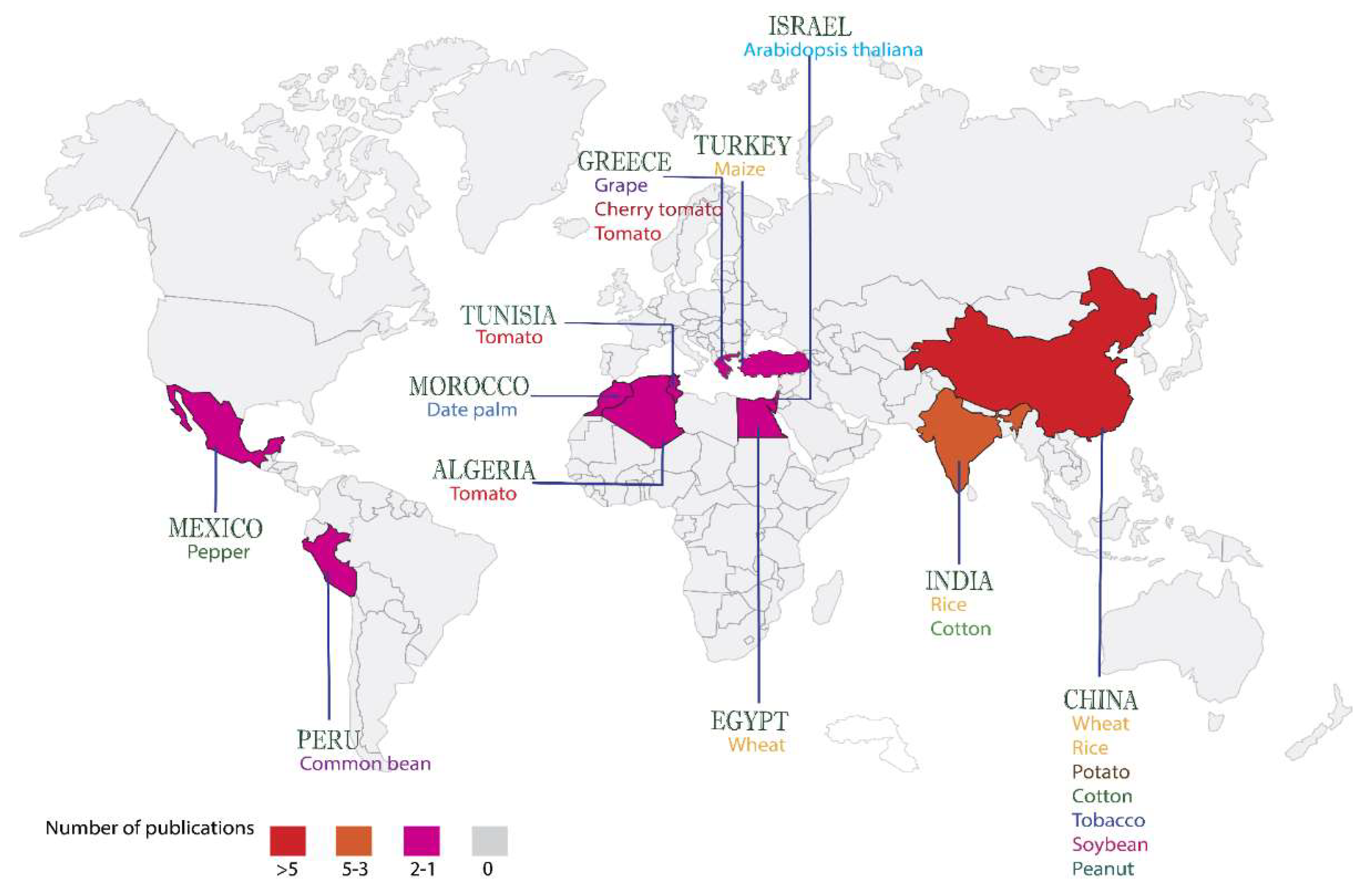
Figure 1. Global geographic distribution of B. halotolerans strains and their biocontrol of plant pathogens on the associated crops.
Preprints 147445 g001
Figure 2. Mechanisms of action of B. halotolerans against phytopathogens.
Preprints 147445 g002
Figure 3. Actions of B. halotolerans in plant growth promotion and mitigating abiotic and biotic stresses. Key processes include the production of EPS to stabilize soil and reduce salt stress, synthesis of phytohormones like indole-3-acetic acid (IAA) to enhance root architecture, and the modulation of the K+/Na+ balance to prevent ion toxicity. Additional mechanisms, such as nitrogen fixation, phosphate solubilization, and siderophore production, improve nutrient availability and uptake, while biofilm formation aids in root colonization, protecting plants from abiotic stress and boosting growth.
Preprints 147445 g003
Table 1. Review of the efficacy of B. halotolerans strains against various plant pathogens and their modes of action on different crops.
Crop B. halotolerans strains Targeted pathogens Modes of action References
Tomato RFP1, RFP10, RFP57, RFP74 Alternaria spp., Bipolaris spp., F. oxysporum f.sp. lycopersici, Ascochyta sp. CWDEs, VOC and antimicrobial production [44,45]
LYSX1 Root-knot nematode (Meloidogyne javanica) Induced systemic resistance (ISR), nematicidal activity [46]
Gb67 - VOCs (acetoin, 2,3-butanediol), enhanced root/shoot growth, reduction of salinity stress impact [32]
Cal.l.30, Cal.f.4 Botrytis cinerea VOC-mediated suppression, production of surfactin analogs [43]
Wheat NYG5 M. phaseolina, R. solani, P. aphanidermatum, S.sclerotiorum, A. tumefaciens, etc.) VOC production (e.g., 2-methylbutanoic acid), nematicidal activity against M. javanica [47]
KKD1 - Enhanced soil fertility under saline conditions, phosphate solubilization, soil pH stabilization, nutrient cycling [23]
MSR-H4 - Nitrogen fixation, phosphate solubilization, and improving root-shoot K+/Na+ ratios under saline conditions [24]
JK-25 Bipolaris sorokiniana, F. oxysporum, F. graminearum, Rhizoctonia zeae surfactin production, CWDEs; reduced antioxidant activity; siderophore [21]
QTH8 F. graminearum, B. cinerea,F. pseudograminearum,S. sclerotiorum Phytophthora nicotianae, iturin, surfactin, fengycin; lipopeptides biosynthesis genes; growth promotion (ISR, AMCs) [22]
Maize B7, B18, B14 - Biofilm and exopolysaccharide production, increased chlorophyll under saline conditions [48]
Potato SpS5 Rhizoctonia solani Biofilm formation, CWDEs [42]
Q2H2 F. oxysporum, F. graminearum, R.solani, Stemphylium solani surfactin, fengycin, bacillaene, subtilosin A; VOCs; phosphate solubilization; nitrogen fixation; IAA and NH3 and biofilm [49]
F29-3 R. solani fengycin via NRPS genes; antagonistic properties; pathogen suppression in field trials [38]
Soybean Ba2-6 Heterodera glycines (soybean cyst nematode) Juvenile nematode mortality, antibiosis, ISR, root colonization [50]
Peanut B28 not specified Benzoic acid breakdown, reduce continuous cropping stress [51]
Lily LBG-1-13 B. cinerea, Botryosphaeria dothidea, F. oxysporum ACC deaminase activity, IAA and siderophore production, ISR and salt/drought tolerance [52]
Cotton SSVP2 Soil-borne nematodes ACC deaminase production, mineral solubilization (P, K), and nematicidal activity [53]
Y6MSR-H4 Verticillium dahliae β-glucanase activity; enhanced resistance in cotton in the field [54]
Date palm BFOA1–BFOA4 F. oxysporum f. sp. albedinis,F. solani, F. acuminatum,B. cinerea, A. alternata, Phytophthora infestans, Rhizoctonia bataticola Antagonism via AMCs (pulegone, 2-undecanone, germacrene D); salt and drought tolerance; auxin and biofilm production; nutrient solubilization, nitrogen fixation [33]
Not specified HGR5 F. graminearum, P. infestans,A. alternata fengycin, subtilosin, bacilysin; CWDEs (chitinase, cellulase, xylanase); plastic degradation [55]
Wheat, Rice, Maize LDFZ001 R. solani Antifungal activity via phosphopantetheinyl transferase (SFP) and major facilitator superfamily (MFS) genes; two chitosanases; diverse biosynthetic gene clusters (NRPS, PKS). [30]
Pepper MS50-18A Phytophthora capsici, F. solani, R. solani, F. oxysporum AMCs and auxin production [29]
Tomato, Grapes, A. thaliana Hil4 B. cinerea AMCs; ISR elicitors; Mojavensin cluster; secretome extracts; promotes plant growth and mitigates gray mold disease [35]
Common bean IcBac2.1 R. solani, F. oxysporum,S. sclerotiorum Amphiphilic compounds with inhibitory activity; field efficacy against S. sclerotiorum; plant growth promotion [56]
Apple Pl7 Botryosphaeria dothidea CWDEs production, induction of plant secondary metabolite biosynthesis and plant-pathogen interaction [34]
Rice AD9 not specified High NH3 and phosphate solubilization; salinity reduction via enzymes (SOD, CAT) [57]
Strawberries KLBC XJ-5 Botrytis cinerea Enhancement of disease resistance compounds (phenols, flavonoids), induction of plant defense enzymes (polyphenol oxidase, phenylalanine ammonia lyase) [26]
not specified DMC8 R. solani, P. aphanidermatum, M. phaseolina CWDEs (protease, chitinase), siderophores, NH3, IAA; nitrogen fixation; phosphate solubilization. [2]
Disclaimer/Publisher’s Note: The statements, opinions and data contained in all publications are solely those of the individual author(s) and contributor(s) and not of MDPI and/or the editor(s). MDPI and/or the editor(s) disclaim responsibility for any injury to people or property resulting from any ideas, methods, instructions or products referred to in the content.
Copyright: This open access article is published under a Creative Commons CC BY 4.0 license, which permit the free download, distribution, and reuse, provided that the author and preprint are cited in any reuse.
Prerpints.org logo

Preprints.org is a free preprint server supported by MDPI in Basel, Switzerland.

Subscribe

Disclaimer

Terms of Use

Privacy Policy

Privacy Settings

© 2025 MDPI (Basel, Switzerland) unless otherwise stated