Preprint
Article

This version is not peer-reviewed.

A Multifaceted Computational Approach to Identify PAD4 Inhibitors for the Treatment of Rheumatoid Arthritis (RA)

A peer-reviewed article of this preprint also exists.

Submitted:

24 December 2024

Posted:

25 December 2024

You are already at the latest version

Abstract

Background/Objectives: Neutrophil cells lysis forms the extracellular traps (NETs) to counter the foreign body during insults to the body. Peptidyl arginine deiminase (PAD) participates in this process and is then released into the extracellular fluid with the lysed cell components. In some diseases, patients with abnormal function of PADs, especially PAD 4, tend to form autoantibodies against the abnormal citrullinated proteins that are the result of PAD activity on arginine side chains. Those antibodies, which are highly distinct in RA are distinctly anti citrullinated protein antibodies (ACPA). This study used an in-silico drug repurposing approach of FDA approved medications to identify potential alternative medications that can inhibit this process and address solutions to the current limitations of existing therapies. Methods: We utilized Maestro Schrödinger as a Computational tool for preparing and docking simulations on the PAD 4 enzyme crystal structure that is retrieved from RCSB Protein Data Bank (PDB ID: 4X8G) while the docked FDA-approved medications are obtained from Zinc 15 database. The protein was bound to GSK 199 -investigational compound- as positive control for the docked molecules. Preparation of the protein was done by Schrödinger Protein Preparation Wizard tool. Binding Pocket Determination was done by Glide software and Validation of Molecular Docking carried out through redocking of GSK 199 and superimposition. After that, standard and induced fit docking were done. In molecular dynamics Desmond System Builder was utilized where the receptor-ligand complex was immersed in the TIP3P solvent model with a buffer containing 0.15M NaCl. ADMET properties prediction of hits were run by pkCSM website. Results/Conclusions: Among the four obtained hits Pemetrexed, Leucovorin, Chlordiazepoxide, and Ioversol, which showed the highest XP scores providing favorable binding interactions. The induced-fit docking (IFD) results displayed strong binding affinities of Ioversol, Pemetrexed, Leucovorin, Chlordiazepoxide in the order IFD values -11.617, -10.599, -10.521, -9.988, respectively. This research investigates Pemetrexed, Leucovorin, Chlordiazepoxide, and Ioversol as potential repurposing agents in the treatment of rheumatoid arthritis (RA) as identified as PAD4 inhibitors. Keywords: PAD4; PAD IV; Rheumatoid arthritis; PAD4 activity; PAD4 inhibitor; Citrullination; Peptidyl arginine deiminase.

Keywords: 
;  ;  ;  ;  ;  ;  

1. Introduction

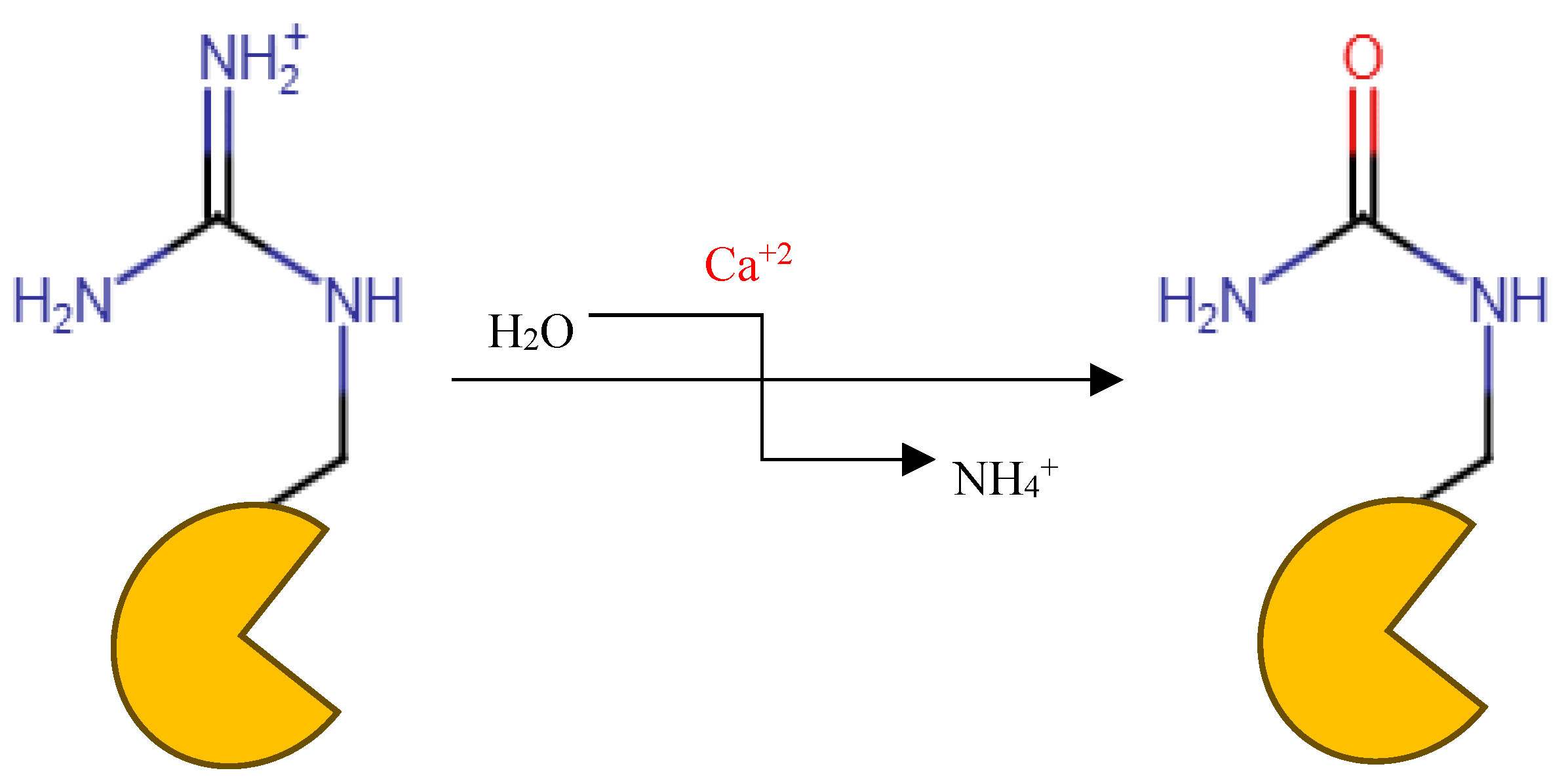
Citrullination (or deamination) converts peptidyl-arginine side chains to peptidyl-citrulline. Peptidyl arginine deiminase (PAD) enzymes catalyze this modification [1,2,3]. PAD enzymes serve as post-transcriptional modifiers, producing citrullinated amino acids from the arginine amino acid chain. The reaction is carried out mostly in damaged & inflamed tissues [4,5]. Peptidyl arginine deiminase 4 (PAD4), one PAD isozyme, contributes to multiple cellular functions, including controlling gene expression, programmed cell death, immunity, and cell division & differentiation, neutrophil extracellular traps production, and preventing tumor development while any disruption in its function or off-site activity contributes to the development of numerous diseases [5,6].
Histones serve as the structural framework for DNA in eukaryotes. Histones undergo many post-translational modifications, such as citrullination, phosphorylation, methylation, acetylation, and ubiquitination [7,8,9], and PAD enzymes play a part in these modifications.
The PAD enzymes in homo sapiens consist of five isozymes (PADs 1-4 and 6) which are activated by calcium with 50% sequence similarity between them [2,10]. PAD1 is more predominant in the epidermis and uterus. Skeletal muscle, brain, inflammatory cells, several cancer cell lines, and secretory glands are within PAD2 activity, while hair follicles and keratinocytes with PAD3. Granulocytes NETs formation and different types of cancers are dependent on PAD4. Finally, PAD6 activity is mostly in oocytes and embryos [1,2,6]. All isozymes are located intracellularly, but only PAD IV decisively participates in histone deimination. However, newer studies imply that PAD II also could deiminate histones [1,2,11,12]. PAD IV and PAD II, besides cytoplasm, are present in mitochondria and the nucleus. Other than histones, PAD enzymes can also target fibrinogen, filaggrin, and actin proteins. Citrullination of these proteins contributes to rheumatoid arthritis pathogenesis [13,14]. Neutrophil cells lysis during programmed cell death or by an immune attack on them in inflammations or infections intracellular proteins form the extracellular traps (NETs) to counter the foreign body. PAD 4 participates in this process and is then released into the extracellular fluid with the lysed cell components [15].
Patients with abnormal function of PADs tend to form autoantibodies against the abnormal citrullinated proteins. Anti-PAD4 antibodies, which are highly distinct in RA and linked to the presence of Anti Citrullinated protein antibodies (ACPA) [16], are detected in RA patients’ serum. The isoforms PAD2 and PAD4 are the most highly associated with rheumatoid arthritis (RA) and autoimmune diseases. PAD4 is essential in the etiology of cardiovascular disorders, autoimmunity, multiple sclerosis, lupus, Parkinson's disease, malignancies, Alzheimer's disease and more. Giving us a target to be considered in various diseases’ management [1,2,3,17]. Anti-PAD4 antibodies can suppress or augment the enzymes’ activity, reducing or enhancing the inflammatory burden [18,19] and destruction of nearby organs – Most reports of Anti-PAD4 antibodies are in RA.
Different Small-molecule inhibitors of PAD were studied in the literature, but none were approved for any type of disease. Examples include the irreversible pan-PAD inhibitors halo-amidines and the reversible specific PAD4 inhibitors GSK199 and GSK 484 [20]. Amidine derivative structures are like benzoyl arginine amide, a PAD substrate. Examples include Cl-amidine, o-Cl-amidine, and BB-Cl-amidine, with increasing potency [21,22,23]. GSK compounds bind to calcium-free enzymes with higher potency than the amidines with additional selectivity to PAD 4 [23,24,25,26,27].
Multiple studies conducted on several inhibitors faced different problems regarding safety and pharmacokinetics, while the inhibitory activity is retained in vitro and in vivo.
Table 1. Previous investigational compounds potencies.
Irreversible amidines (Pan inhibitors) IC50 on PAD4
F-amidine 1.9µM
Cl-amidine 22 µM
Reversible compounds (Selective)
GSK199 200 nM
GSK484 50 nM
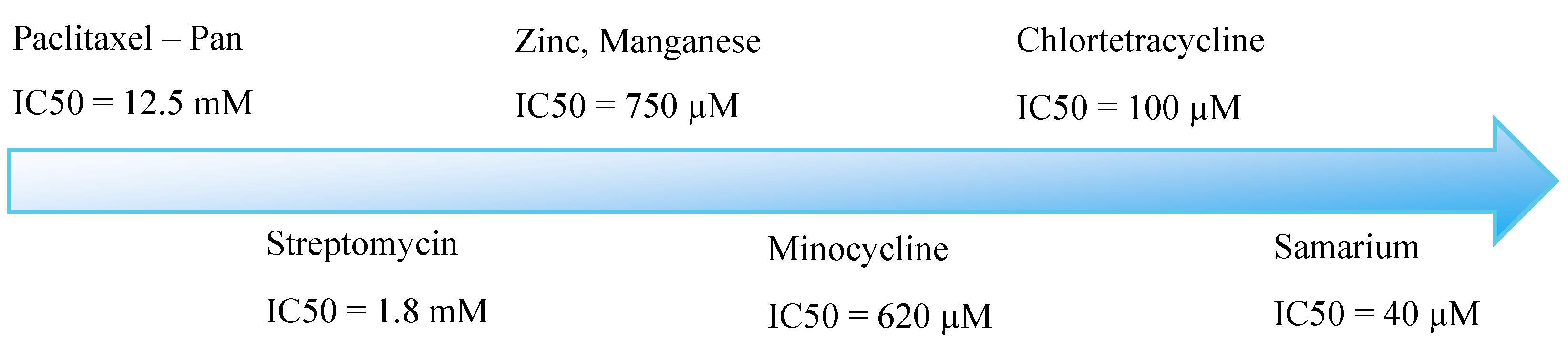
Few used medications have a little inhibitory activity on PAD 4 like Streptomycin, chlortetracycline, minocycline, and Paclitaxel while the investigational chloramidines are more potent than them [28,29,30]. Another problem with these medications is their known high toxicity which makes them unfavorable to further study.
Figure 1. Known substances with PAD 4 activity.
Preprints 144078 g001
Figure 2. Protein Citrullination reaction.
Preprints 144078 g002
This study employed two paradigms toward drug designing: structure-based and ligand-based drug design. The study started by using molecular docking to identify the top contenders, which were then further validated by induced-fit docking, molecular mechanics with generalized Born and surface area solvation, and DFT for checking the binding efficiency. Structural compatibility was appraised through shape-based screening. This study has been promising for improving efficacy in treatments directed at PAD4.

2. Materials and Methods

2.1. Computational Tools:

Computational tools: Maestro 13.6 (Schrödinger 2023-2 version) was used to carry out computational simulations [31,32].

2.2. Generation of Databases and Ligand Library Preparation

FDA-approved drugs library was retrieved from the zinc 15 online server (https://zinc.docking.org/), a public web-accessible database containing over 750 million purchasable compounds [33]. 1650 compounds were downloaded and saved in the 2D Structure-Data File (SDF) format and then imported into Maestro. The chirality and ionization states were optimized at a physiological pH of 7.4 ± 2.0 and were determined with the aid of Epik. During this stage, several treatments were applied to the structures. Finally, the OPLS3 force field was selected to optimize the geometries [34].

2.3. Crystal Structure Retrieval and Preparation

The structure of Peptidyl arginine deiminase IV bound to GSK199 was determined using X-ray crystallography and retrieved from the RCSB Protein Data Bank (PDB ID: 4X8G) at a resolution of 3.29 Å as displayed in Figure 3 [25]. The crystal structure was prepared using the Schrödinger Protein Preparation Wizard tool. Adjusting ionization at pH 7.4, adding missing hydrogens, and removing extra water molecules. The protein structure was minimized and optimized by OPLS3 force field to enhance protein energies and avoid steric hindrances, with a default root mean square deviation (RMSD) value of 0.30 Å for non-hydrogen atoms.

2.4. Binding Pocket Determination and Validation of Molecular Docking

In Schrödinger’s Maestro, the binding pocket was identified using the workspace co-crystallized with PAD 4 and GSK 199. The Receptor grid generation tool was then utilized to create a docking grid by selecting the ligand-binding pocket from this crystal structure. A docking grid was established using Glide software, centered on the ligand-binding pocket from the PAD4 co-crystal structure. For validation, the co-crystallized ligand was re-docked again in the same pocket. Superimposition in Maestro and RMSD calculations were used to confirm docking poses and interactions. Receptor grids were generated with a van der Waals radius scaling factor of 1.00 and a partial charge cutoff of 0.25. The docking procedure was subsequently repeated and verified using High Throughput Virtual Screening (HTVS), Standard-Precision (SP) and Extra-Precision (XP) screening settings [35,36,37].

2.5. Standard Molecular Docking (Rigid)

The ligand was docked using the Glide tool without constraints, employing a vdw radius scaling factor of 0.80 and a partial charge cut-off of 0.15. The ligands' flexibility was considered while the protein was considered a rigid structure, with all other parameters set to their default values. GlideScore was utilized to predict ligands' binding affinity. The Pose Rank was utilized to identify the optimal docking pose for each ligand. Binding scores and conformation poses were used in detailed analysis of the resultant structures [32].

2.6. Induced-Fit Docking (IFD) (Flexible)

The IFD technique, developed by Schrödinger, is used to model ligands' binding to different conformational changes. Each ligand undergoes initial docking using a softened potential (van der Waals radii scaling) and flexible conformational sampling. Side-chain prediction is conducted within specified distance of each ligand. Favorable binding poses of structures are predicted based on the IFD score [38].

2.7. Molecular Mechanics-Based Re-Scoring

Molecular mechanics generalized Born surface area (MM/GBSA) docking was used to improve the accuracy of affinity predictions of complexes [39,40].
ΔG binding free energy = ΔG binding, vacuum + ΔG solvation, complex − (ΔG solvation, ligand + ΔG solvation, receptor).
MM/GBSA allow both the ligand and receptor flexibility increasing the accuracy and to relate for normal physiology [41]. An intensive MM/GBSA simulation was used to rank the binding affinities of the five identified hits against the PAD 4 active site. Flexibility was incorporated by adjusting the distance between the hits or GSK 199 and PAD IV to 5 Å. The simulation employed the VGSB solvation model alongside the OPLS3 force field [42].

2.8. Shape-Based Screen

GSK 199 served as the reference structure on Schrödinger's Shape Screening tool. Five compounds underwent screening utilizing the pharmacophore volume scoring technique, which evaluates each compound as an assembly of pharmacophore features, including aromatic groups, hydrogen bond acceptors (HBA), hydrogen bond donors (HBD), hydrophobic regions, as well as positively and negatively charged groups. Shape similarity score was taken from the highest number of matching features [43].

2.9. ADMET Properties and Drug-Likeness Predictions

pkCSM website (http://biosig.unimelb.edu.au/pkcsm/prediction) [44] was used to predict descriptors for ADMET and drug-likeness properties of the final potential inhibitors. Eight molecular descriptors were generated to characterize the ADMET properties of the potential hits. Lipinski's rule of five, the molecular weight, octanol-water partition coefficient (log P), HBDs, and HBAs were applied to predict the physicochemical properties [45].

2.10. Quantum Chemical Calculations

The structural geometries of the four drugs selected with GSK199 for this study were optimized using quantum mechanics density functional theory (DFT) in the ground state with the hybrid functional method B3LYP [46,47], and the LanL2DZ basis set was applied [48]. The Gaussian 09 package was performed to optimize all the structures in the gas phase [49]. The output files of the optimized three-dimensional drugs were visualized using the GaussView 6.0 program [50]. The influential global reactivity descriptors of the chemical structures are determined based on the frontier molecular orbital theory (FMO) consisting of the highest occupied molecular orbital (HOMO) and the lowest unoccupied molecular orbital (LUMO), as given in equations 1-7. [51,52,53,54,55,56,57]. In addition, the molecular electrostatic potential (MEP) and Mulliken population analysis are scrutinized to investigate the charge distributions and reactivity behaviour of local atoms in selected drugs at B3LYP/ LanL2DZ level of theory. [58,59]
1 .   Energy   gab   ( Egab ) = E L U M O E H O M O
2 .   Ionization   potential   ( IP ) = E H O M O
3 .   Electron   affinity   ( EA ) = E L U M O
4 .   Global   hardness   ( η ) = I P E A 2
5 .   Global   softness   ( σ ) = 1 η
6 .   Electronegativity   ( c ) = I P + E A 2
7 .   Electrophilicity   index   ( ώ ) =   χ   2 2 η

3. Results and Discussion

3.1. Docking Studies

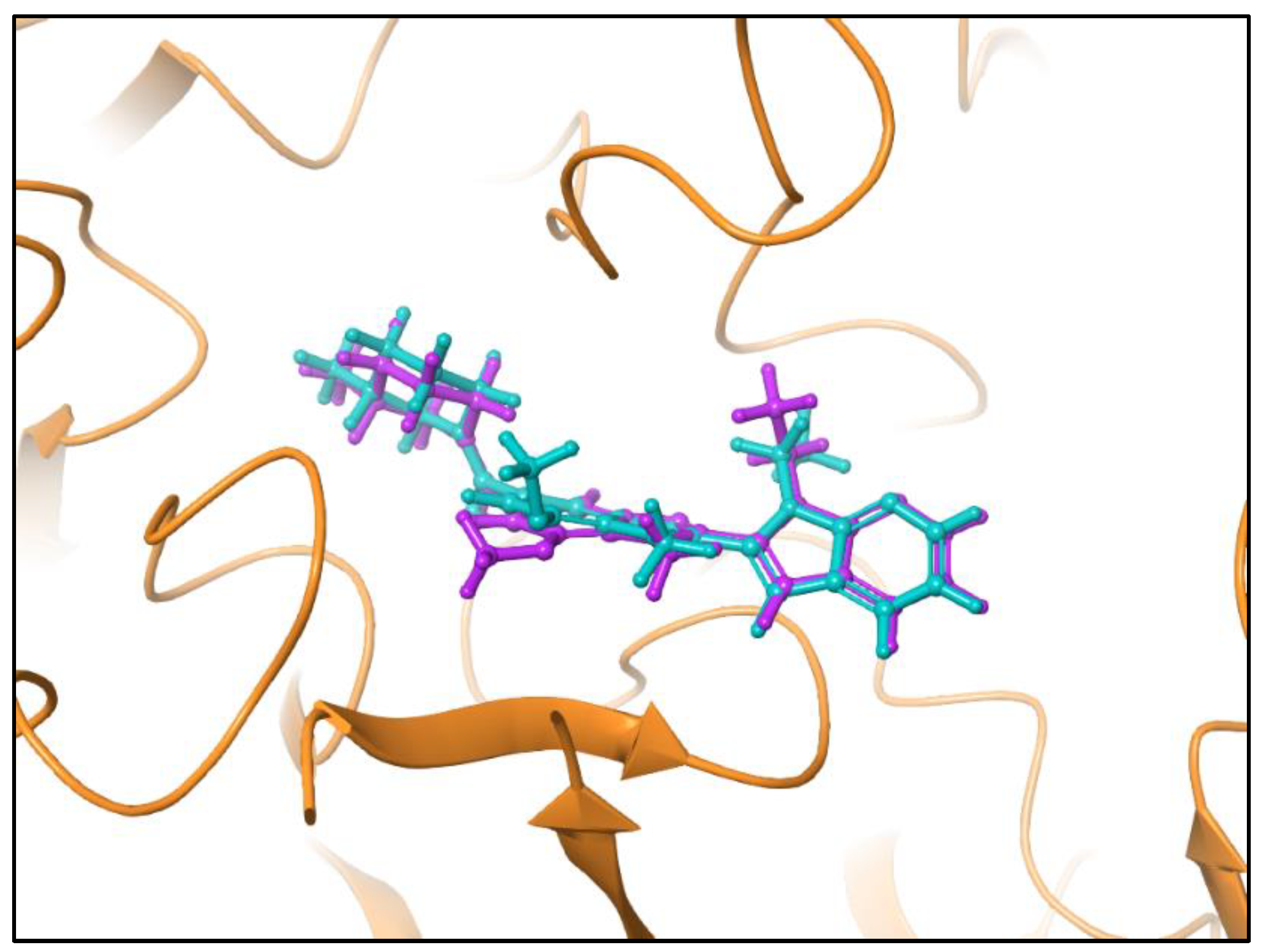
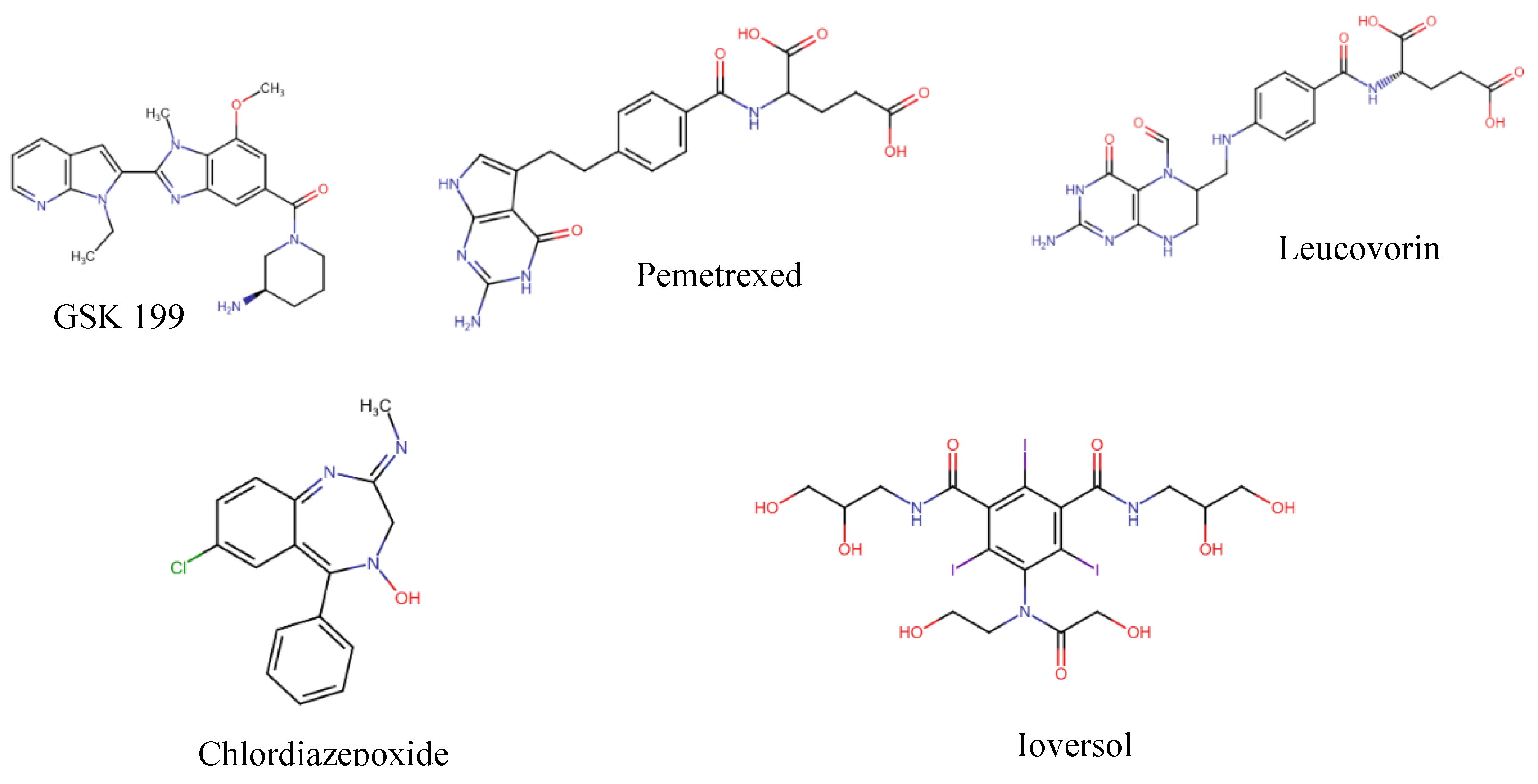
The co-crystalline ligand (GSK199) was first redocked into its target PAD4 using the same procedure and protocol applied for the FDA ligands to validate docking. Subsequently, rigid-body superposition was performed using Maestro's structure superposition tool to align the predicted lowest energy conformation of the target with its corresponding co-crystalline ligand. The classical RMSD from the co-crystalline pose was calculated for the predicted binding poses, with an RMSD < 2 Å considered an effective threshold for validating correctly posed molecules [34,35]. The results showed good binding mode superimposition, with an RMSD of 0.527 for GSK199, reflecting the accuracy of Glide's pose prediction Figure 4. XP docking study identified four hits, including Pemetrexed, Leucovorin, Chlordiazepoxide, and Ioversol Figure 5. The binding affinities of the four hits were assessed against PAD4. Initially, the inhibition profiles of these four hits were examined by docking them into the binding pockets of the target, investigating their binding patterns, target interactions, and binding affinities compared to the reference GSK199.

3.2. Computational Analysis of the Four Hits Binding to PAD4

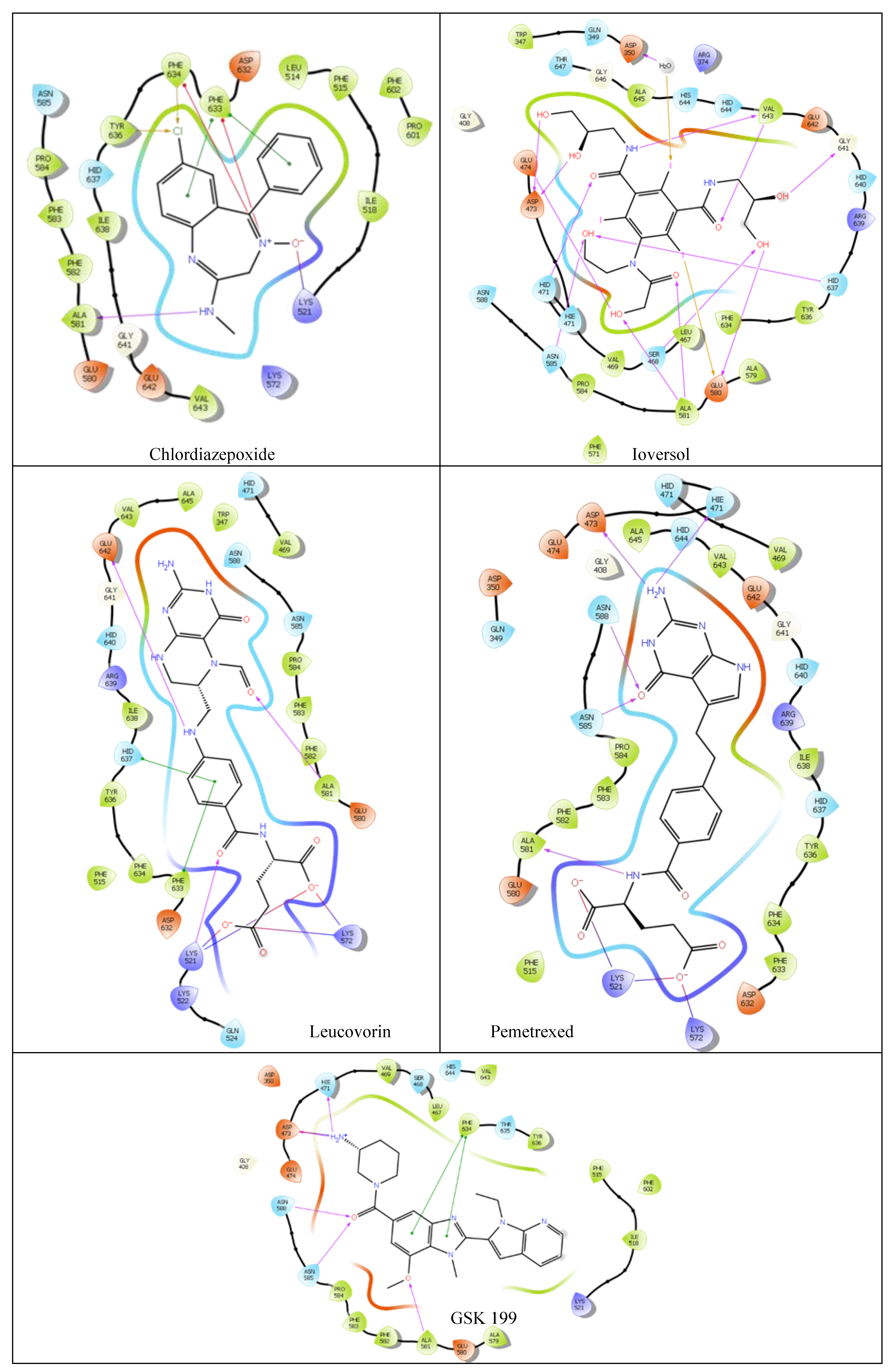
The binding affinities and interactions of the four hit compounds with Peptidyl Arginine Deiminase IV (PAD4) were evaluated using both rigid and induced fit docking (IFD) methodologies (Table 2) [60]. The compounds investigated were Ioversol, Pemetrexed, Chlordiazepoxide, and Leucovorin, with GSK199 serving as a control. Ioversol emerged as the most promising hit, exhibiting superior docking scores and more favorable amino acid interactions than the other tested compounds. The IFD score for Ioversol was -11.617, indicating a robust binding affinity. The compound formed several critical hydrogen bonds with residues within the binding pocket of PAD4, including HID471, ASP473, GLU474, GLU580, ALA581, GLY641, and a conserved water molecule. These interactions are crucial for the stability and specificity of Ioversol within the PAD4 binding pocket. Pemetrexed also demonstrated a high IFD score of -10.599 and established interactions with key residues such as LYS521, LYS572, HIE471, ASP473, ASN585, ASN588, and ALA581. Chlordiazepoxide and Leucovorin displayed IFD scores of -9.988 and -10.521, respectively. Chlordiazepoxide interacted with residues LYS521, PHE633, PHE634, and ALA581, while Leucovorin formed bonds with LYS521, LYS572, LYS521, ALA581, GLU642, PHE633, and HID637. Favorable binding-based 2D and 3D docking positions interact with key residues within the binding pocket, as shown in Figure 6.

3.3. Binding Free Energies Analysis

The MM-GBSA (Molecular Mechanics Generalized Born Surface Area) binding free energy analysis for the four compounds Ioversol, Leucovorin, Chlordiazepoxide, and Pemetrexed, along with the control GSK199, revealed significant differences in their binding affinities to PAD4 (Table 3) [61]. Ioversol has the most favorable net binding free energy of -53.53 kcal/mol, establishing better binding stability and affinity over all other compounds. Leucovorin exhibited a net binding free energy of -43.71 kcal/mol, which was notably less favorable than Ioversol. Chlordiazepoxide and Pemetrexed showed even lower binding affinities, with net binding free energies of -30.96 kcal/mol and -28.46 kcal/mol, respectively.

3.4. Shape Similarity Prediction

Table 4 displays the shape similarity scores of four compounds (Ioversol, Pemetrexed, Chlordiazepoxide, and Leucovorin) that were assessed against GSK199 as a reference [62]. The shape similarity analysis is crucial for understanding how well these compounds mimic the three-dimensional shape of the known inhibitor GSK199, which can influence their ability to bind to the target enzyme, Peptidyl Arginine Deiminase IV (PAD4). Among the compounds evaluated, Pemetrexed demonstrated the highest shape similarity score of 0.300, indicating its structural resemblance to GSK199. Chlordiazepoxide and Leucovorin exhibited shape similarity scores of 0.280 and 0.258, respectively.

3.5. ADMET and Drug-Likeness

The ADMET (Absorption, Distribution, Metabolism, Excretion, and Toxicity) profiling [63] and drug-likeness evaluations show the four compounds under study Ioversol, Pemetrexed, Chlordiazepoxide, and Leucovorin deduce noticeable aspects related to their pharmacokinetic properties and compliance with Lipinski's rule of five (Table 5 and Table 6) [64]. Ioversol exhibited a water solubility of -2.52 and a low Caco2 permeability of 0.17, indicating moderate oral absorption with a human intestinal absorption rate of 22.97%. It showed no significant BBB permeability and CNS permeability, suggesting limited distribution to the brain. Ioversol was not a substrate for CYP3A4 and demonstrated no AMES toxicity, with a maximum tolerated dose of 0.823 log mg/kg/day, and no hERG I inhibition. Pemetrexed showed similar water solubility of -2.87 and Caco2 permeability of -1.16, leading to poor oral absorption with only 15.39% intestinal absorption. It also showed no significant BBB and CNS permeability and was not a CYP3A4 substrate. It was non-toxic in the AMES test, with a maximum tolerated dose of -0.292 log mg/kg/day, and no hERG I inhibition. Chlordiazepoxide which has the least solubility in water at -3.64 had a fair Caco2 permeability of 1.22 thereby resulting in very high human intestinal absorption of 96.32%.
Ioversol did not fully comply with Lipinski's rule of five due to its molecular weight and the number of hydrogen bond donors. Pemetrexed, with a molecular weight of 427.41 and six hydrogen bond donors, had one violation. Leucovorin, with a molecular weight of 473.44 and seven hydrogen bond donors, also had one violation. Chlordiazepoxide fully complied with Lipinski's rule with a molecular weight of 299.76 and acceptable ranges for hydrogen bond donors and acceptors. GSK199, the control, complied fully with the rule, having a molecular weight of 468.98, a log P of 3.60, seven hydrogen bond acceptors, and one hydrogen bond donor (Table 6).

3.6. DFT Optimization Structures

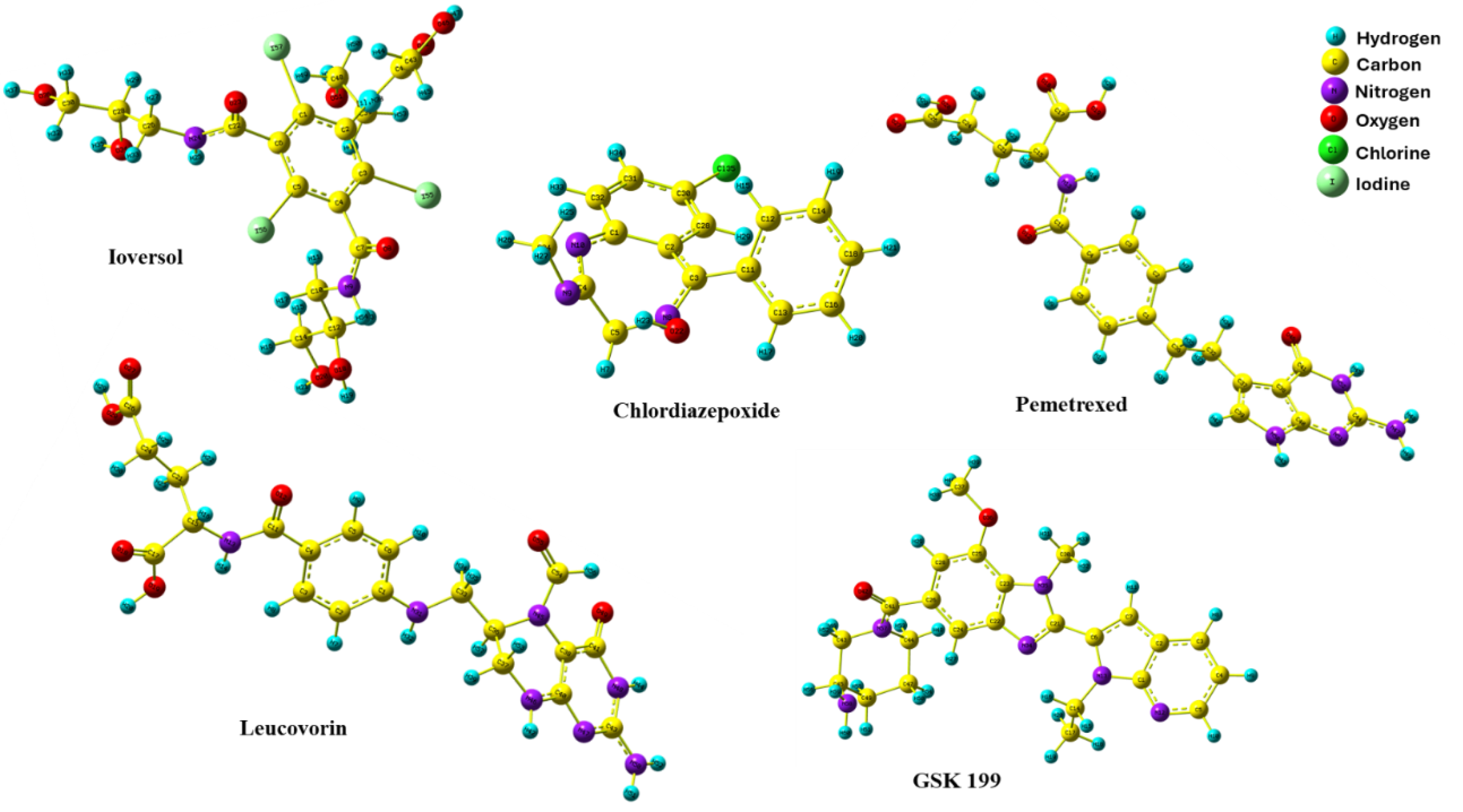
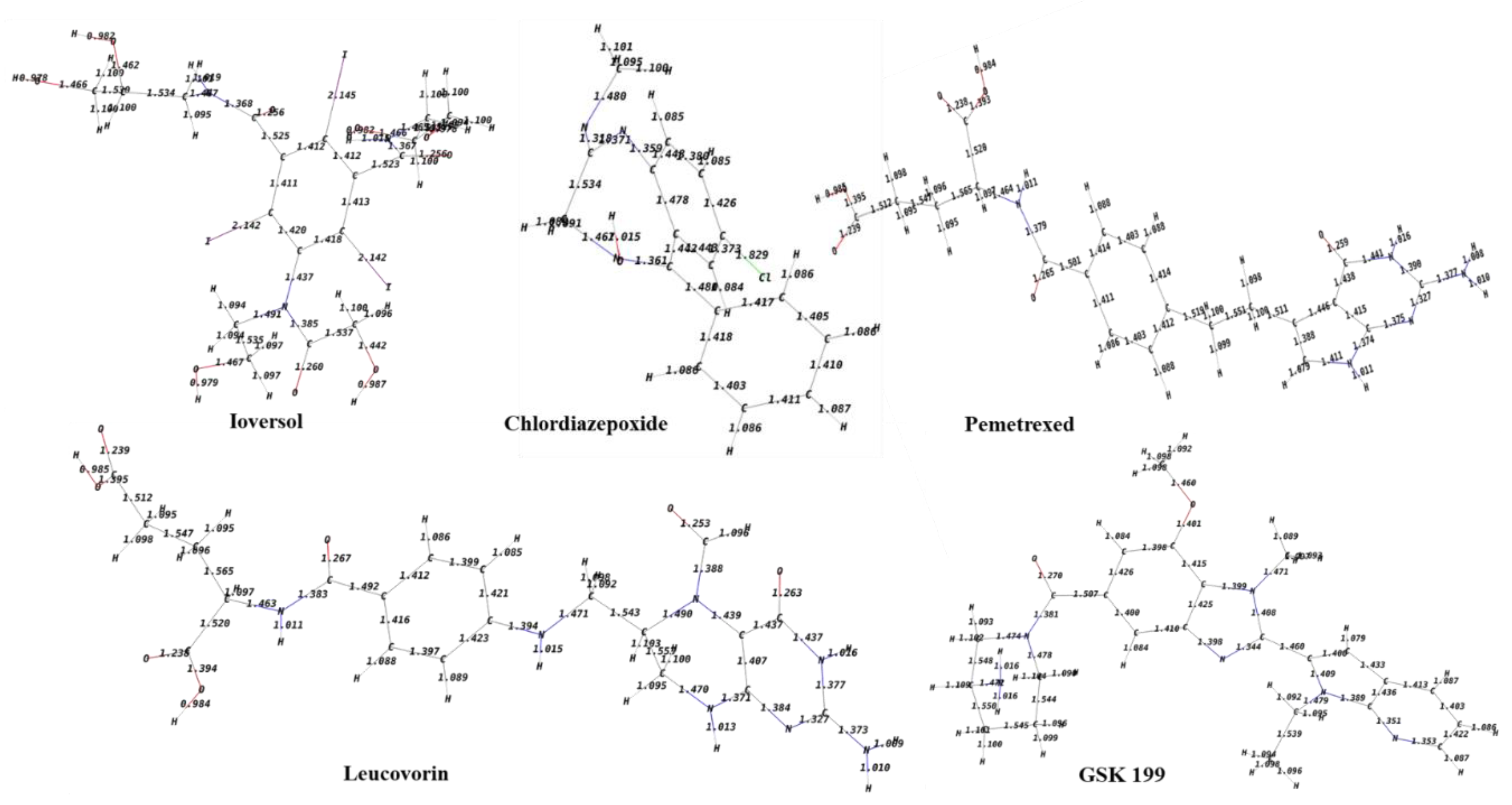
The DFT method is a crucial quantum technique that provides valuable structure optimization details of electronic features relating to the minimum energy of molecules in three-dimensional. This aspect of DFT empowers us with a deeper understanding of the conduct of organic compounds in biological systems, making it an essential tool in many previous studies [65,66,67,68]. Figure 7 shows the optimized geometries of the fourhits and GK199. All compounds were obtained with no imaginary frequency to ensure the drugs were at minimal energy. In addition, the bond distances of all optimized drugs were determined in angstrom units using the B3LYP/LanL2DZ level of theory, as shown in Figure 8.

3.7. Frontier Molecular Orbital

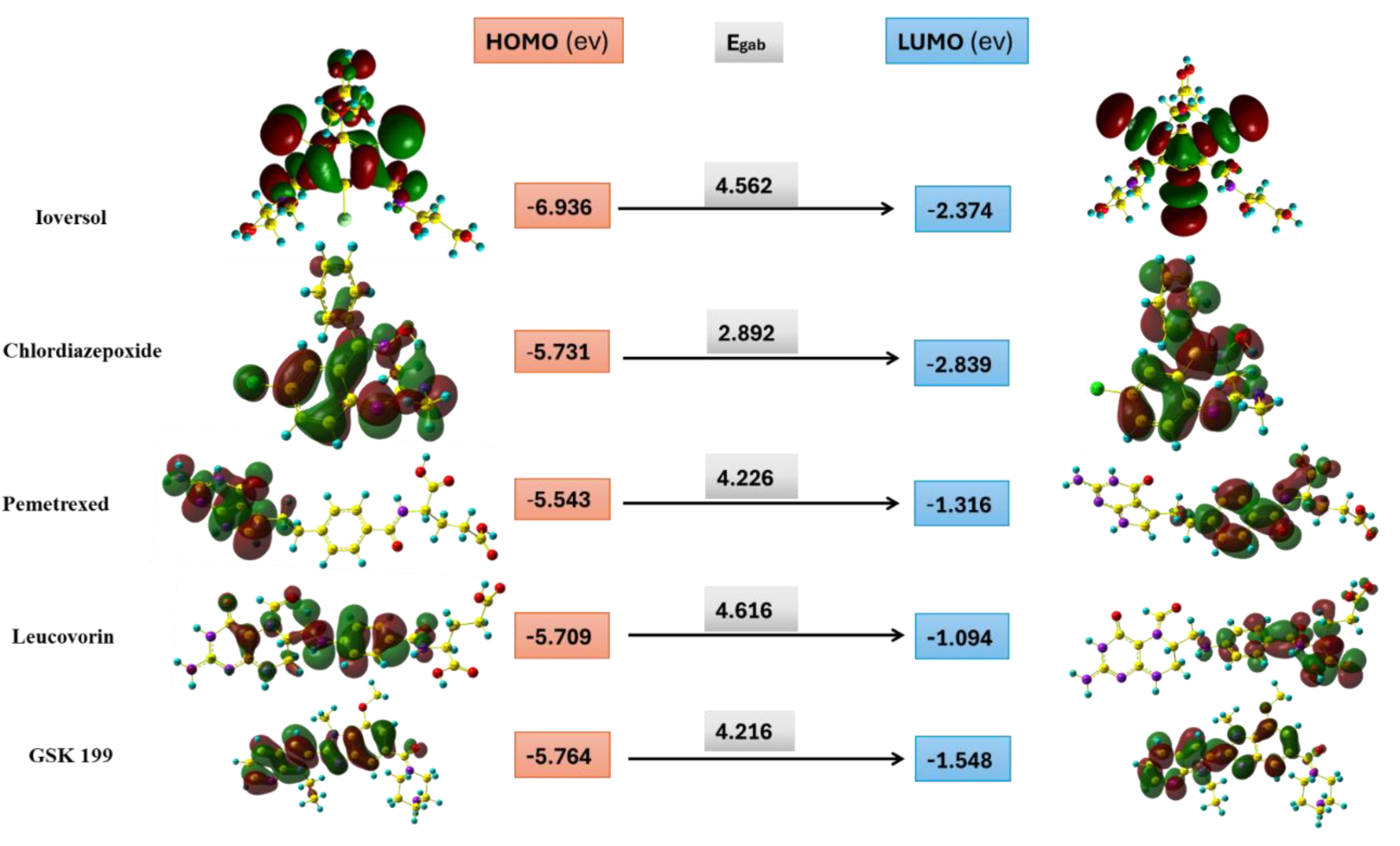
FMO is an essential tool obtained from the DFT quantum calculation method. It describes the energy of the highest orbital consisting electrons (EHOMO) and the energy of the lowest empty orbital level (ELUMO). These energy levels determine a molecule's reactivity and provide substantial evidence regarding its stability. As shown in Figure 11, the HOMO orbital of Ioversol is distributed at the whole molecule except the iodo derivative with side chains of terminals hydroxyl groups. In contrast, the LUMO is attributed to the triiodo phenyl derivatives with amide groups. In addition, the HOMO and LUMO of Chlordiazepoxide were lying around the whole drug except the hydrogen of phenyl groups and LUMO of p-chloro phenyl derivative. Furthermore, the HOMO of Pemetrexed is mainly distributed on 2-amino-3,7-dihydro-4H-pyrrolo[2,3-d] pyrimidine-4-one as the donor group, while the LUMO orbital is found on the acceptor group of the carboxylic chain. Moreover, the HOMO orbital of Leucovorin is mainly located from the formyl piperazine derivative reaching central 4-aminobenzamide moiety. Meanwhile, the LUMO was almost like the LUMO of Pemetrexed. Additionally, the HOMO and LUMO orbitals of GSK199 were in the nearly identical region located from the centre of the Benzimidazole scaffold to the pyrrolo[2,3-b] pyridine terminal.

3.8. Global Chemical Descriptors

The quantum chemical reactivity descriptors are a fundamental approach to scrutinizing the stability and reactivity of molecules according to Koopmans' approximation [69]. The energy gap is a significant parameter that gives information about the stability of molecules. Overall, it is clear from Figure 9 that Chlordiazepoxide had the lowest Egab value (2.892 ev), indicating that it was the most kinetically unstable among the potential drugs, which might be due to the seven-membered ring. Meanwhile, the Egab values of four selected drugs were generally close together. The Egab tendency increases in the following order: Chlordiazepoxide < GSK199 < Pemetrexed < Ioversol < Leucovorin. On the other hand, global hardness and softness are vital criteria for estimating a compound's reactivity and correlate to the Egab. A decline in hardness and a rising softness value indicates a lower energy gap and unstable compounds that are more likely to undergo a reaction. Table 7 shows that Chlordiazepoxide had the lowest hardness and the highest softness value. It was more reactive (unstable) compared to the other selected drugs. In contrast, Leucovorin was the most stable drug, containing a high hardness value and lower softness. At the same time, the GSK199, Pemetrexed, and Ioversol showed moderate reactivity compared to Chlordiazepoxide and Leucovorin. In addition, electronegativity is another helpful parameter that demonstrates the ability of atoms to attract electrons to itself in the chemical bonds in the molecule; the order of the calculated results is as follows, arranged in the growing trends of electronegativity values: Leucovorin < Pemetrexed < GSK199 < Chlordiazepoxide < Ioversol. Moreover, electrophilicity investigates compounds' capability to accept electrons. The electrophilicity index order was diminishing in the rate from Leucovorin> Ioversol > Pemetrexed > GSK199 > Chlordiazepoxide. It was apparent that Ioversol, Pemetrexed, and GSK199 tend to accept electrons from the environment less than Leucovorin and more than Chlordiazepoxide.

3.9. Molecular Electrostatic Potential and Mulliken population Analysis
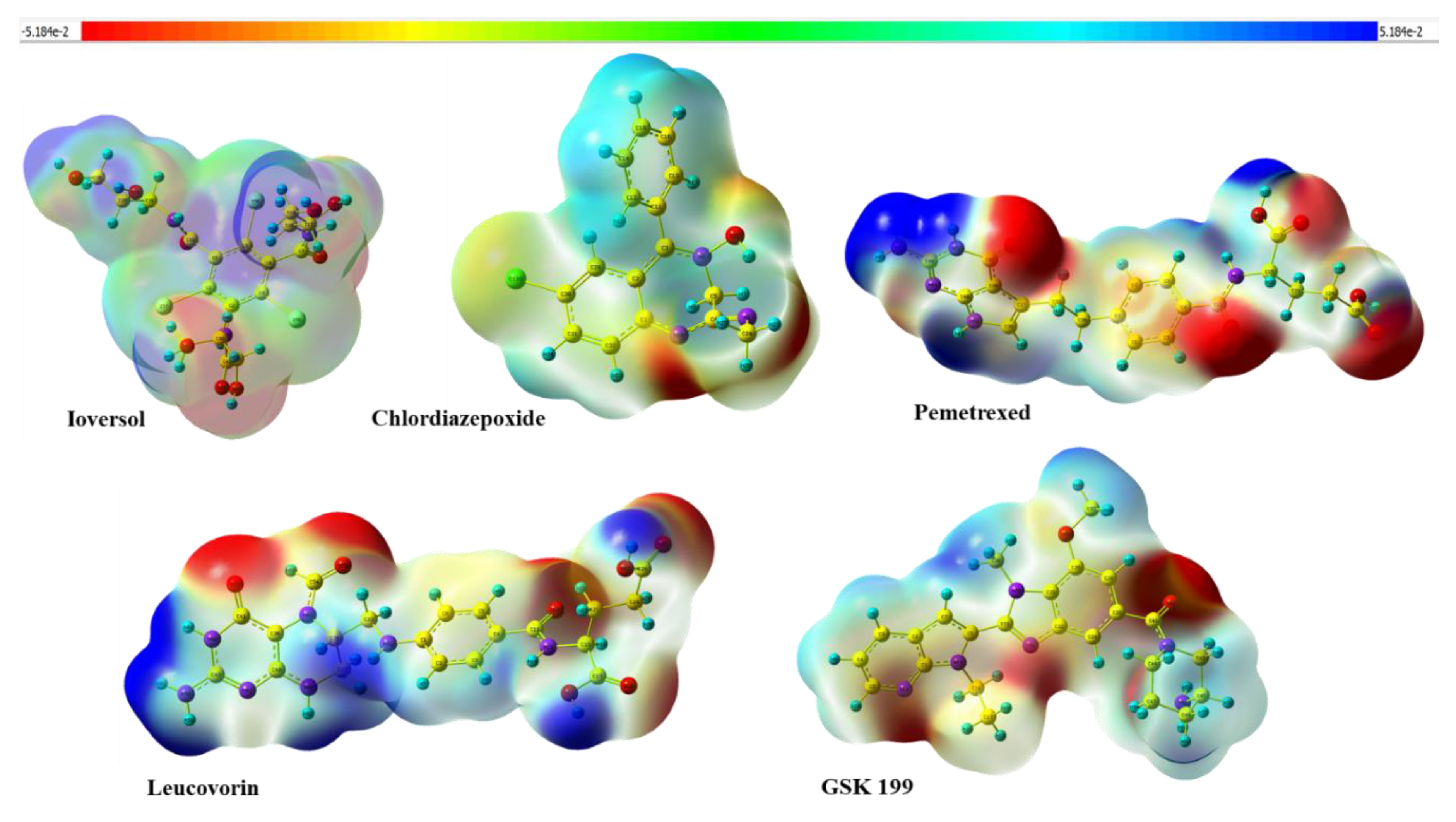
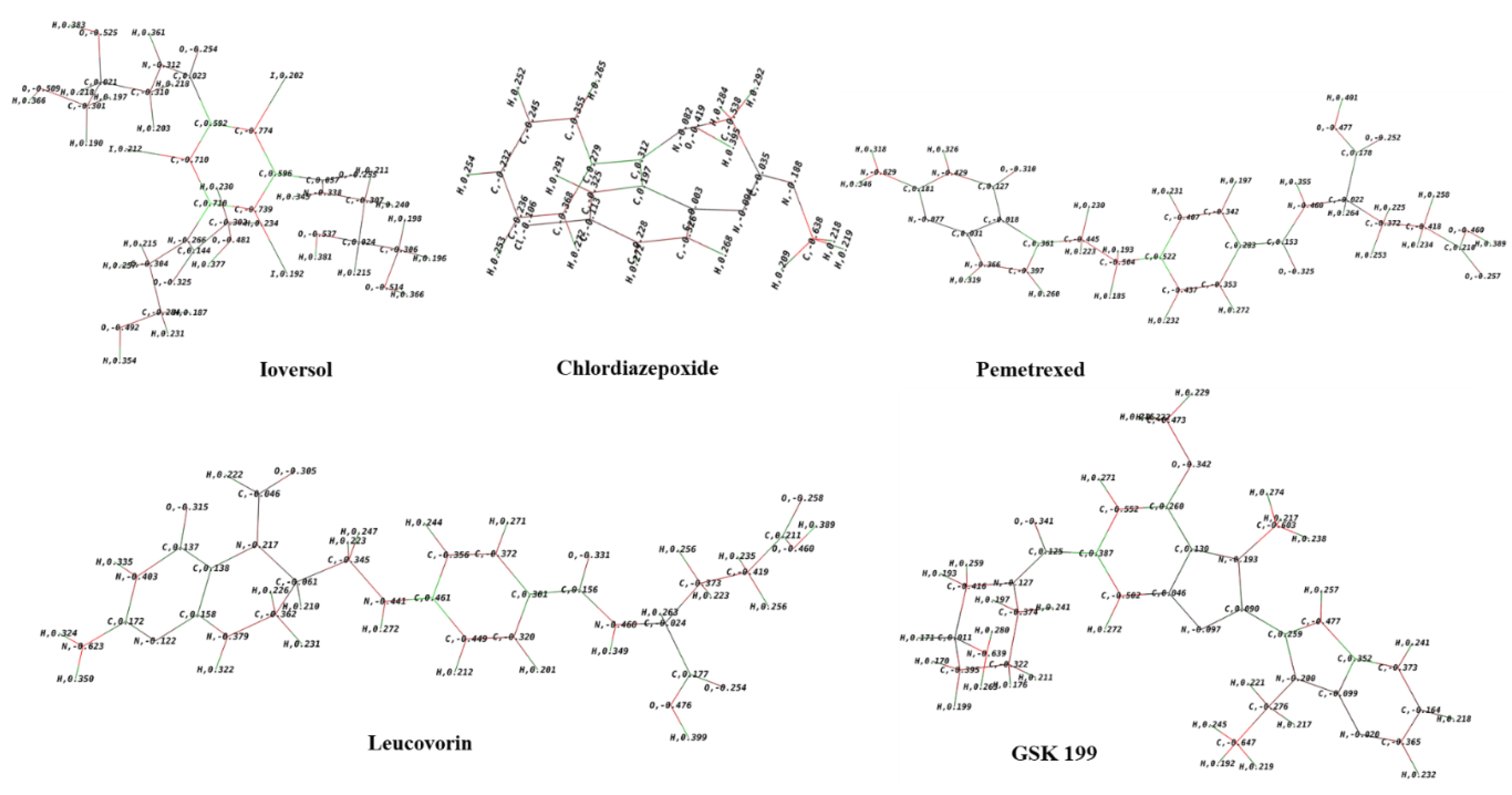
The molecular electrostatic potential (MEP) is an essential tool for understanding the electron density of molecules around each atom. It is crucial to characterize which atom in a molecule tends to act as an electron donor or acceptor within biological systems. The MEP, as depicted in Figure 10, assists in identifying electron-rich and electron-deficient atoms. The red-to-orange hues represent the negative region, indicating potential electrophilic attack sites due to electron-rich atoms. Conversely, the positive area, indicated by blue to sky-blue cloud, is related to nucleophilic attack regions, representing electron-deficient atoms. Neutral atoms usually appear in white to green shades. Figure 10 provides significant insights into the MEP mapping of selected drugs, the oxygen and nitrogen atoms emerging as the dominant regions of all drugs for electrophilic attack (electron-rich) atoms. At the same time, hydrogens attached directly to highly electronegative atoms are represented as a nucleophilic attack (electron-deficient) region. On the other hand, Mulliken charge is another significant parameter that plays a crucial role in investigating the interaction of molecules with biological systems. It is beneficial in estimating the partial charge distribution at the atom level within a compound. A negative charge indicates an electron-dense atom with a potential region as a strong hydrogen bond acceptor (HBA). Conversely, the atom with positive values efficiently behaves as a hydrogen bond donor (HBD), as shown in Figure 11. The Ioversol, the oxygen of the hydroxyl group (O34), had the highest negative number (-0.537), indicating it had a significant role as an electron-rich atom. Meanwhile, the hydrogen (H35) attached to the same oxygen had the most positive value (0.381). The values of Mulliken atomic charges for the other selected drugs can be found in Figure 11.
Figure 10. 3D of HOMO and LUMO distributions drugs, and the energy level of HOMO, LUMO, and energy gab (ev) values.
Preprints 144078 g010
Figure 11. Mulliken charges of four optimized geometries drugs with GSK 199.
Preprints 144078 g011

4. Conclusions

The current study presented an in-silico drug repurposing technique of FDA approved drugs for PAD 4 inhibition to identify potential alternative medications for RA. Four hits were identified including Pemetrexed, Leucovorin, Chlordiazepoxide, and Ioversol that showed the best XP scores together with favorable binding interactions. The IFD further supported the results and indicated a robust binding affinity with IFD scores of -11.617, -10.599, -10.521, and -9.988 for Ioversol, Pemetrexed, Leucovorin, and Chlordiazepoxide respectively. The binding free energy calculation proved the favorable binding with scores ranging from -28.46 to -53.53 kcal/mol. The MM-GBSA calculation maintained Ioversol as the first hit while it repositioned Leucovorin, and Chlordiazepoxide as the second and third hits rather than the third and fourth respectively. Furthermore, the binding potential of the four hits and the crystal ligand were analyzed using DFT calculations to ascertain the predicted favorable binding. Of special interest is the identification of Chlordiazepoxide as a potential ligand based on its initial central analgesic activity and tolerability that would position it as a promising candidate for future testing and clinical development.

Author Contributions

Conceptualization, M.S.A. and M.S.G.; methodology, M.S.A., T.A.R., K.A.G.A., N.T. and A.K.A.M.; validation, M.S.G. and M.S.A.; analysis, A.H.A.K. and M.S.A.; writing—original draft preparation, M.S.A., M.U., M.O., T.A.R., and K.A.G.A.; writing—review and editing, N.T., M.B.S., M.E., A.H., H.N., M.S.G. and A.K.A.M.; supervision, M.S.A. and A.H.A.K.; funding acquisition, M.S.A. and A.H.A.K.; visualization, M.S.G., and M.S.A.; Software, M.S.A., T.A.R., and K.A.G.A.; project administration, M.S.A. All authors have read and agreed to the published version of the manuscript.

Funding

This research received no external funding.

Institutional Review Board Statement

Not applicable.

Informed Consent Statement

Not applicable.

Data Availability Statement

All data generated or analyzed during this study are included in this published article.

Acknowledgments

T.A.R. would like to convey special thanks to the Council for Scientific and Industrial Research—Center for High-Performance Computing (CSIR/CHPC) (Cape Town, South Africa) for providing the platform to perform molecular dynamics simulations. K.A.G.A. is grateful to the High-Performance Computing Centre (Aziz Supercomputer) for supporting the DFT-computational work described in this paper.

Conflicts of Interest

The authors declare no conflict of interest.

References

  1. Vossenaar, Erik R., et al. "PAD, a growing family of citrullinating enzymes: genes, features and involvement in disease." Bioessays 25.11 (2003): 1106-1118. [CrossRef]
  2. Jones, Justin, et al. "Protein arginine deiminase 4 (PAD4): Current understanding and future therapeutic potential." Current opinion in drug discovery & development 12.5 (2009): 616. [PubMed] [PubMed Central]
  3. E Witalison, Erin, Paul R Thompson, and Lorne J Hofseth. "Protein arginine deiminases and associated citrullination: physiological functions and diseases associated with dysregulation." Current drug targets 16.7 (2015): 700-710. [CrossRef]
  4. Asaga, Hiroaki, Michiyuki Yamada, and Tatsuo Senshu. "Selective deimination of vimentin in calcium ionophore-induced apoptosis of mouse peritoneal macrophages." Biochemical and biophysical research communications 243.3 (1998): 641-646. [CrossRef]
  5. Koushik, Sindhu, et al. "PAD4: pathophysiology, current therapeutics and future perspective in rheumatoid arthritis." Expert Opinion on Therapeutic Targets 21.4 (2017): 433-447. [CrossRef]
  6. Sabnis, Ram W. "Novel Peptidylarginine Deiminase Type 4 (PAD4) Inhibitors." ACS Medicinal Chemistry Letters 13.10 (2022): 1537-1538. [CrossRef]
  7. Strahl, Brian D., and C. David Allis. "The language of covalent histone modifications." Nature 403.6765 (2000): 41-45. [CrossRef]
  8. Zee, Barry M., et al. "Global turnover of histone post-translational modifications and variants in human cells." Epigenetics & chromatin 3 (2010): 1-11. [CrossRef]
  9. Bicker, Kevin L., and Paul R. Thompson. "The protein arginine deiminases: Structure, function, inhibition, and disease." Biopolymers 99.2 (2013): 155-163. [CrossRef]
  10. Arita, Kyouhei, et al. "Structural basis for Ca2+-induced activation of human PAD4." Nature structural & molecular biology 11.8 (2004): 777-783. [CrossRef]
  11. Cherrington, Brian D., et al. "Potential role for peptidylarginine deiminase 2 (PAD2) in citrullination of canine mammary epithelial cell histones." PloS one 5.7 (2010): e11768. [CrossRef]
  12. Jang, Byungki, et al. "Subcellular localization of peptidylarginine deiminase 2 and citrullinated proteins in brains of scrapie-infected mice: nuclear localization of PAD2 and membrane fraction-enriched citrullinated proteins.". Journal of Neuropathology & Experimental Neurology 70.2 (2011): 116-124. [CrossRef]
  13. Darrah, Erika, et al. "Peptidylarginine deiminase 2, 3 and 4 have distinct specificities against cellular substrates: novel insights into autoantigen selection in rheumatoid arthritis." Annals of the rheumatic diseases 71.1 (2012): 92-98. NIHMSID: NIHMS358568. [PubMed] [PubMed Central]
  14. Masson-Bessiere, Christine, et al. "The major synovial targets of the rheumatoid arthritis-specific antifilaggrin autoantibodies are deiminated forms of the α-and β-chains of fibrin." The Journal of Immunology 166.6 (2001): 4177-4184. [CrossRef]
  15. Yu, Karen, and Paul Proost. "Insights into peptidylarginine deiminase expression and citrullination pathways." Trends in Cell Biology 32.9 (2022): 746-761. [CrossRef]
  16. Curran, Ashley M., et al. "PAD enzymes in rheumatoid arthritis: pathogenic effectors and autoimmune targets." Nature Reviews Rheumatology 16.6 (2020): 301-315. [CrossRef]
  17. Yang, Chao, et al. "Peptidylarginine deiminases 4 as a promising target in drug discovery." European Journal of Medicinal Chemistry 226 (2021): 113840. [CrossRef]
  18. Martinez-Prat, Laura, et al. Autoantibodies to protein-arginine deiminase (PAD) 4 in rheumatoid arthritis: immunological and clinical significance, and potential for precision medicine: Anti-PAD4 antibodies in RA. Expert review of clinical immunology 15.10 (2019): 1073-1087. [CrossRef]
  19. Damgaard, Dres, et al. "Relative efficiencies of peptidylarginine deiminase 2 and 4 in generating target sites for anti-citrullinated protein antibodies in fibrinogen, alpha-enolase and histone H3." PLoS One 13.8 (2018): e0203214. [CrossRef]
  20. Martín Monreal, María Teresa, et al. "Applicability of small-molecule inhibitors in the study of peptidyl arginine deiminase 2 (PAD2) and PAD4." Frontiers in Immunology 12 (2021): 716250. [CrossRef]
  21. Jones, J., Causey, C., Knuckley, B., Slack-Noyes, J. L., & Thompson, P. R. (2009). Protein arginine deiminase 4 (PAD4): Current understanding and future therapeutic potential. Current opinion in drug discovery & development, 12(5), 616. [PubMed] [PubMed Central]
  22. Li, Dongmei, Cui Liu, and Jianping Lin. "Theoretical study of the mechanism of protein arginine deiminase 4 (PAD4) inhibition by F-amidine." Journal of Molecular Graphics and Modelling 55 (2015): 25-32. [CrossRef]
  23. Luo, Yuan, et al. "Inhibitors and inactivators of protein arginine deiminase 4: functional and structural characterization." Biochemistry 45.39 (2006): 11727-11736. [CrossRef] [PubMed] [PubMed Central]
  24. Luo, Yuan, et al. "A fluoroacetamidine-based inactivator of protein arginine deiminase 4: design, synthesis, and in vitro and in vivo evaluation." Journal of the American Chemical Society 128.4 (2006): 1092-1093. [CrossRef]
  25. Lewis, Huw D., et al. "Inhibition of PAD4 activity is sufficient to disrupt mouse and human NET formation." Nature chemical biology 11.3 (2015): 189-191. [CrossRef]
  26. Jones, Justin E., et al. "Synthesis and screening of a haloacetamidine containing library to identify PAD4 selective inhibitors." ACS chemical biology 7.1 (2012): 160-165. [CrossRef]
  27. Causey, Corey P., et al. "The development of N-α-(2-carboxyl) benzoyl-N 5-(2-fluoro-1-iminoethyl)-l-ornithine amide (o-F-amidine) and N-α-(2-carboxyl) benzoyl-N 5-(2-chloro-1-iminoethyl)-l-ornithine amide (o-Cl-amidine). As second-generation protein arginine deiminase (PAD) inhibitors." Journal of medicinal chemistry 54.19 (2011): 6919-6935. [CrossRef]
  28. Knuckley, Bryan, Yuan Luo, and Paul R. Thompson. "Profiling Protein Arginine Deiminase 4 (PAD4): a novel screen to identify PAD4 inhibitors." Bioorganic & medicinal chemistry 16.2 (2008): 739-745. [CrossRef]
  29. Osada, A. , et al. "Citrullinated inter-alpha-trypsin inhibitor heavy chain 4 in arthritic joints and its potential effect in the neutrophil migration." Clinical & Experimental Immunology 203.3 (2021): 385-399. [CrossRef]
  30. Ali, Sikander, et al. "Understanding the role of peptidylarginine deiminases (PADs) in diseases and their inhibitors as potential therapeutic agents." European Journal of Pharmaceutical and Medical Research 4.6 (2017): 184-192.
  31. Ahmad, Faisal, et al. "Discovery of potential antiviral compounds against hendra virus by targeting its receptor-binding protein (G) using computational approaches." Molecules 27.2 (2022): 554. [CrossRef]
  32. Friesner, Richard A., et al. "Glide: a new approach for rapid, accurate docking and scoring. 1. Method and assessment of docking accuracy." Journal of medicinal chemistry 47.7 (2004): 1739-1749. [CrossRef]
  33. Sterling, Teague, and John J. Irwin. "ZINC 15–ligand discovery for everyone." Journal of chemical information and modeling 55.11 (2015): 2324-2337. [CrossRef]
  34. Shelley, John C., et al. "Epik: a software program for pK a prediction and protonation state generation for drug-like molecules." Journal of computer-aided molecular design 21 (2007): 681-691. [CrossRef]
  35. Jaundoo, Rajeev, et al. "Using a consensus docking approach to predict adverse drug reactions in combination drug therapies for gulf war illness." International Journal of Molecular Sciences 19.11 (2018): 3355. [CrossRef]
  36. Aldholmi, Mohammed, et al. "Anti-Infective Activity of Momordica charantia Extract with Molecular Docking of Its Triterpenoid Glycosides." Antibiotics 13.6 (2024): 544. [CrossRef]
  37. Alturki, MS. Exploring marine-derived compounds: In silico discovery of selective ketohexokinase (KHK) inhibitors for metabolic disease therapy. Mar Drugs. 2024;22(10):455. [CrossRef]
  38. Rants'o, Thankhoe A., C. Johan Van der Westhuizen, and Robyn L. van Zyl. "Optimization of covalent docking for organophosphates interaction with Anopheles acetylcholinesterase." Journal of Molecular Graphics and Modelling 110 (2022). [CrossRef]
  39. Dehbanipour, Razieh, and Zohreh Ghalavand. "Acinetobacter baumannii: Pathogenesis, virulence factors, novel therapeutic options and mechanisms of resistance to antimicrobial agents with emphasis on tigecycline.". Journal of Clinical Pharmacy and Therapeutics 47.11 (2022): 1875-1884. [CrossRef]
  40. Massova, Irina, and Peter A. Kollman. "Combined molecular mechanical and continuum solvent approach (MM-PBSA/GBSA) to predict ligand binding." Perspectives in drug discovery and design 18 (2000): 113-135. [CrossRef]
  41. Vila, Jordi, and Jeronimo Pachon. "Therapeutic options for Acinetobacter baumannii infections: an update." Expert opinion on pharmacotherapy 13.16 (2012): 2319-2336. [CrossRef]
  42. Potron, Anais, Laurent Poirel, and Patrice Nordmann. "Emerging broad-spectrum resistance in Pseudomonas aeruginosa and Acinetobacter baumannii: mechanisms and epidemiology." International journal of antimicrobial agents 45.6 (2015): 568-585. [CrossRef]
  43. Kumar, Ashutosh, and Kam YJ Zhang. "Advances in the development of shape similarity methods and their application in drug discovery." Frontiers in chemistry 6 (2018): 315. [CrossRef]
  44. Thapa, R. K., et al. (2017). Nanoformulations for antimicrobial therapy. Antimicrobial Resistance and Infection Control, 6, 2. [CrossRef]
  45. Duncan, Ken. "Progress in TB drug development and what is still needed." Tuberculosis 83.1-3 (2003): 201-207. [CrossRef]
  46. Stephens, Philip J., et al. "Ab initio calculation of vibrational absorption and circular dichroism spectra using density functional force fields. [CrossRef]
  47. Lee, Chengteh, Weitao Yang, and Robert G. Parr. "Development of the Colle-Salvetti correlation-energy formula into a functional of the electron density." Physical review B 37.2 (1988): 785. [CrossRef]
  48. Hay, P. Jeffrey, and Willard R. Wadt. "Ab initio effective core potentials for molecular calculations. Potentials for K to Au including the outermost core orbitals." The Journal of chemical physics 82.1 (1985). [CrossRef]
  49. Frisch, M. J. "Gaussian 09, Revision D. 01/Gaussian." (2009).
  50. Dennington, R. D. I. I. , Todd A. Keith, and John M. Millam. "GaussView, version 6.0. 16." Semichem Inc Shawnee Mission KS (2016).
  51. Chattaraj, Pratim Kumar, and Debesh Ranjan Roy. "Update 1 of: electrophilicity index." Chemical reviews 107.9 (2007): PR46-PR74. [CrossRef]
  52. Geerlings, Paul, Frank De Proft, and Wilfried Langenaeker. "Conceptual density functional theory." Chemical reviews 103.5 (2003): 1793-1874. [CrossRef]
  53. Chattaraj, Pratim Kumar, and Buddhadev Maiti. "HSAB principle applied to the time evolution of chemical reactions." Journal of the American Chemical Society 125.9 (2003): 2705-2710. [CrossRef]
  54. Pearson, Ralph G. "Absolute electronegativity and hardness correlated with molecular orbital theory." Proceedings of the National Academy of Sciences 83.22 (1986): 8440-8441. [CrossRef]
  55. Pearson, Ralph G. "Absolute electronegativity and hardness: applications to organic chemistry." The Journal of Organic Chemistry 54.6 (1989): 1423-1430. [CrossRef]
  56. Fukui, Kenichi, et al. "Molecular orbital theory of orientation in aromatic, heteroaromatic, and other conjugated molecules." The Journal of Chemical Physics 22.8 (1954): 1433-1442. [CrossRef]
  57. Ruiz-Morales, Yosadara. "HOMO− LUMO gap as an index of molecular size and structure for polycyclic aromatic hydrocarbons (PAHs) and asphaltenes: A theoretical study. I." The Journal of Physical Chemistry A 106.46 (2002): 11283-11308. [CrossRef]
  58. Murray, Jane S., and Peter Politzer. "Statistical analysis of the molecular surface electrostatic potential: an approach to describing noncovalent interactions in condensed phases." Journal of Molecular Structure: THEOCHEM 425.1-2 (1998): 107-114. [CrossRef]
  59. Mulliken, Robert S. "Electronic population analysis on LCAO–MO molecular wave functions. I." The Journal of chemical physics 23.10 (1955): 1833-1840. [CrossRef]
  60. Sherman, Woody, et al. "Novel procedure for modeling ligand/receptor induced fit effects." Journal of medicinal chemistry 49.2 (2006): 534-553. [CrossRef]
  61. Genheden, Samuel, and Ulf Ryde. "The MM/PBSA and MM/GBSA methods to estimate ligand-binding affinities." Expert opinion on drug discovery 10.5 (2015): 449-461. [CrossRef]
  62. Sastry, G. Madhavi, Steven L. Dixon, and Woody Sherman. "Rapid shape-based ligand alignment and virtual screening method based on atom/feature-pair similarities and volume overlap scoring.". Journal of chemical information and modeling 51.10 (2011): 2455-2466. [CrossRef]
  63. Guengerich, F. Peter. "Mechanisms of drug toxicity and relevance to pharmaceutical development." Drug metabolism and pharmacokinetics 26.1 (2011): 3-14. [CrossRef]
  64. Lipinski, Christopher A., et al. "Experimental and computational approaches to estimate solubility and permeability in drug discovery and development settings." Advanced drug delivery reviews 23.1-3 (1997): 3-25. [CrossRef]
  65. Rosales-López, Antonio, et al. "Correlation between Molecular Docking and the Stabilizing Interaction of HOMO-LUMO: Spirostans in CHK1 and CHK2, an In Silico Cancer Approach." International Journal of Molecular Sciences 25.16 (2024): 8588. [CrossRef]
  66. Gheidari, Davood, Morteza Mehrdad, and Foroozan Hoseini. "Virtual screening, molecular docking, MD simulation studies, DFT calculations, ADMET, and drug likeness of Diaza-adamantane as potential MAPKERK inhibitors." Frontiers in Pharmacology 15 (2024): 13. [CrossRef]
  67. Nehra, Nidhi, Ram Kumar Tittal, and Vikas D. Ghule. "1, 2, 3-Triazoles of 8-hydroxyquinoline and HBT: Synthesis and studies (DNA binding, antimicrobial, molecular docking, ADME, and DFT)." ACS omega 6.41 (2021): 27089-27100. [CrossRef]
  68. Al Sheikh Ali, Adeeb, et al. "Design, synthesis, molecular modeling, anticancer studies, and density functional theory calculations of 4-(1, 2, 4-triazol-3-ylsulfanylmethyl)-1, 2, 3-triazole derivatives." ACS omega 6.1 (2020): 301-316. [CrossRef]
  69. Vargas, Rubicelia, Jorge Garza, and Andrés Cedillo. "Koopmans-like approximation in the Kohn− Sham method and the impact of the frozen core approximation on the computation of the reactivity parameters of the density functional theory.". The Journal of Physical Chemistry A 109.39 (2005): 8880-8892. [CrossRef]
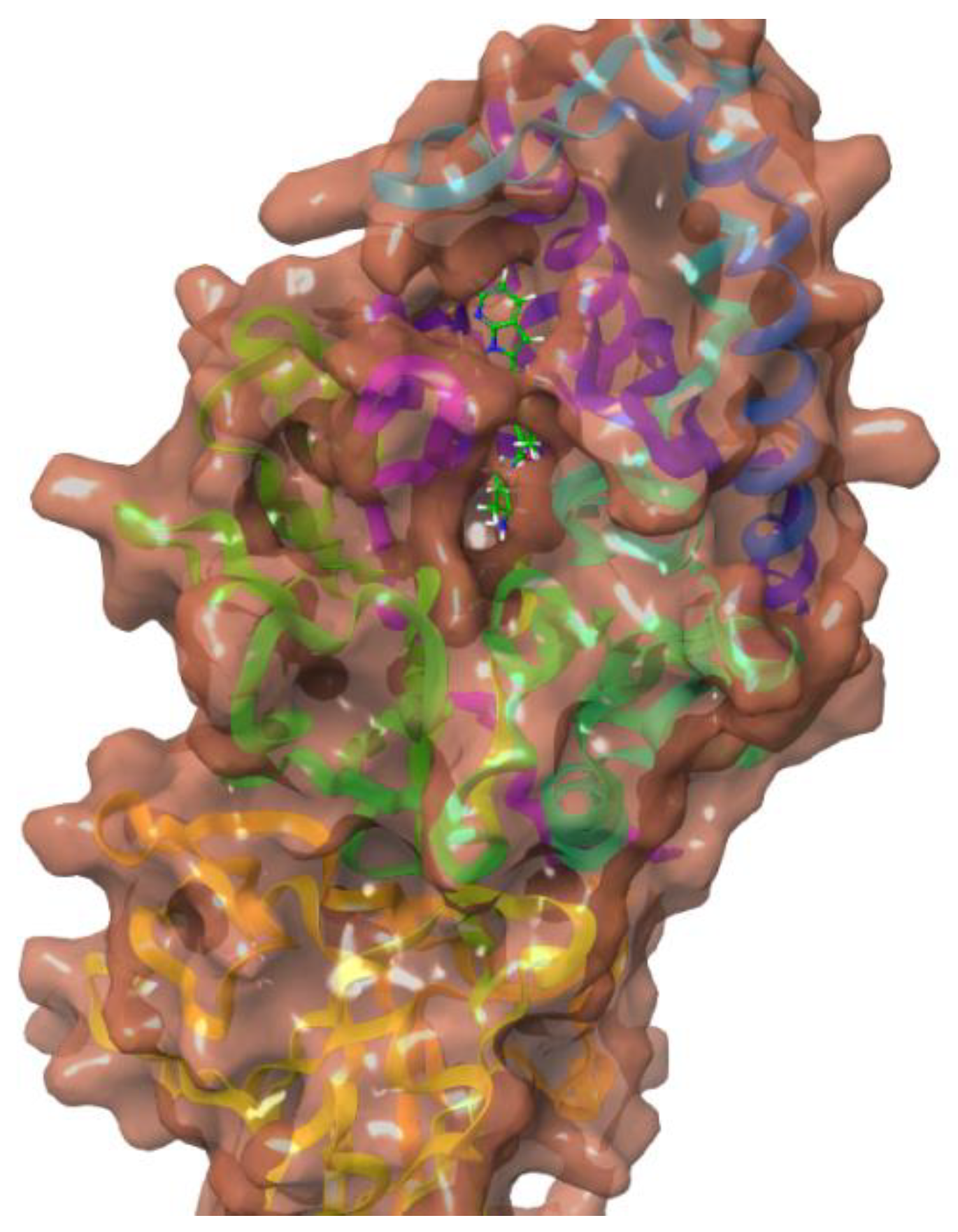
Figure 3. Crystal structure of Peptidyl arginine deaminase IV (PAD 4) bound to GSK199 (4X8G).
Preprints 144078 g003
Figure 4. Comparison of binding poses of the co-crystallized ligand (Teal) and the redocked ligand (plum) within the PAD4 binding site, with an RMSD of 0.527.
Preprints 144078 g004
Figure 5. Potential inhibitors and positive standard (GSK199).
Preprints 144078 g005
Figure 6. Two-dimensional ligand–protein binding interactions of PAD4 bounded to top four hit candidates and crystal ligand.
Preprints 144078 g006
Figure 7. Optimized geometries of four promising drugs candidate with GSK 199.
Preprints 144078 g007
Figure 8. Chemical bond distances of four potential inhibitors with GSK 199.
Preprints 144078 g008
Figure 9. 3D of HOMO and LUMO distributions drugs, and the energy level of HOMO, LUMO, and energy gab (ev) values.
Preprints 144078 g009
Table 2. Rigid, Induced-Fit Docking scores, and key amino acid residues interactions (PDB entry: 4X8G).
Compound Glide Score Docking (Rigid) Induced-Fit Docking (IFD) (Flexible) Ionic Interactions H- bond Interactions Pi Pi- bond Interactions
Ioversol -8.35 -11.617 NA HID471
ASP473
GLU474
GLU580
ALA581
GLY641
H2O350
NA
Pemetrexed -8.28 -10.599 LYS521
LYS572
HIE471
ASP473
ASN585
ASN588
ALA581
NA
Chlordiazepoxide -5.23 -9.988 LYS521
PHE633
PHE634
ALA581 PHE633
Leucovorin -4.16 -10.521 LYS521
LYS572
LYS521
ALA581
GLU642
PHE633
HID637
GSK199 -9.58 NA HIE471
ASP473
ALA581
ASN585
ASN588
PHE634
Table 3. MM-GBSA net binding energy of the compounds/control.
Compound ΔG bindinga
Ioversol -53.53
Leucovorin -43.71
Chlordiazepoxide -30.96
Pemetrexed -28.46
GSK199 (Control) -107.15
a Lower negative value indicates higher binding interactions within the binding pocket.
Table 4. Shape similarity of the hits and control. Similarity ranges: 0.5–1 (High), ≥0.3–0.49 (Intermediate),<0.3 (Low). Cutoff score ≥0.4.
Compound Shape Similaritya
Ioversol 0.212
Leucovorin 0.258
Chlordiazepoxide 0.280
Pemetrexed 0.300
GSK199 1
a Values closer to 1 indicate higher shape similarity to GSK199.
Table 5. ADMET profiling of the four promising drug candidates.
ADMET Parameters/Compounds GSK199 Ioversol Pemetrexed Leucovorin Chlordiazepoxide
Absorption
Water solubility (log mol/L) -2.881 -2.521 -2.879 -2.862 -3.64
Caco2 permeability (log Papp in 10-6 cm/s) 1.531 0.172 -1.162 -1.187 1.229
Intestinal absorption (human) (% Absorbed) 93.652 22.978 15.394 0 96.327
P-glycoprotein substrate (Yes/No) Yes Yes Yes Yes Yes
Distribution
BBB permeability (log BB) -1.202 -1.839 -1.587 -2.221 0.209
CNS permeability (log PS) -2.945 -4.793 -3.916 -4.463 -1.613
Metabolism
CYP2D6 substrate (Yes/No) No No No No No
CYP3A4 substrate (Yes/No) Yes No No No Yes
CYP1A2 inhibitor (Yes/No) No No No No Yes
CYP2C19 inhibitor (Yes/No) Yes No No No Yes
CYP2C9 inhibitor (Yes/No) No No No No No
CYP2D6 inhibitor (Yes/No) No No No No No
CYP3A4 inhibitor (Yes/No) Yes No No No No
Excretion
Total Clearance (log ml/min/kg) 0.911 0.146 0.189 0.091 0.22
Renal OCT2 substrate (Yes/No) Yes No No No Yes
Toxicity
AMES toxicity (Yes/No) Yes No No No No
Max. tolerated dose (human) (log mg/kg/day) 0.325 0.823 -0.292 -0.554 -0.054
hERG I inhibitor (Yes/No) No No No No No
Hepatotoxicity (Yes/No) Yes Yes Yes Yes No
Table 6. Lipinski rule of five matching.
Molecule properties GSK199 Ioversol Pemetrexed Chlorthalidone Leucovorin Chlordiazepoxide
Molecular Weight 468.989 807.114 427.417 338.772 473.446 299.761
LogP 3.6036 -2.016 0.6664 0.9242 -0.7311 1.8492
#Acceptors 7 9 6 4 9 3
#Donors 1 8 6 3 7 1
Lipinski alert Pass Not Pass; 2 violations: Molecular weight >500; #Donors>5 Pass; 1violation: #Donors>5 Pass Pass; 1violation: #Donors>5 Pass
Table 7. Quantum chemical reactivity parameters of top selected drugs with GSK 199.
Compound HOMO LUMO Global hardness (η) Global softness (σ) Electronegativity (Preprints 144078 i001) Electrophilicity index(ώ)
Ioversol -6.936 -2.374 2.281 0.438 4.655 5.934
Pemetrexed -5.543 -1.316 2.113 0.473 3.430 4.718
Chlordiazepoxide -5.731 -2.839 1.446 0.691 4.285 1.512
Leucovorin -5.709 -1.094 2.308 0.433 3.402 6.147
GSK199 -5.764 -1.548 2.108 0.474 3.656 4.685
Disclaimer/Publisher’s Note: The statements, opinions and data contained in all publications are solely those of the individual author(s) and contributor(s) and not of MDPI and/or the editor(s). MDPI and/or the editor(s) disclaim responsibility for any injury to people or property resulting from any ideas, methods, instructions or products referred to in the content.
Copyright: This open access article is published under a Creative Commons CC BY 4.0 license, which permit the free download, distribution, and reuse, provided that the author and preprint are cited in any reuse.
Prerpints.org logo

Preprints.org is a free preprint server supported by MDPI in Basel, Switzerland.

Subscribe

Disclaimer

Terms of Use

Privacy Policy

Privacy Settings

© 2025 MDPI (Basel, Switzerland) unless otherwise stated