

Submitted:
20 December 2024
Posted:
23 December 2024
You are already at the latest version
Abstract
Coffee is one of the most widely consumed beverages in the world. It is grown in more than 70 countries, with Brazil and Colombia being the two leading global producers. The average coffee consumer drinks three cups per day. Contrary to common belief, coffee contains vitamins and minerals, as well as antioxidant compounds such as caffeic acid, chlorogenic acid, and other phenolic acids, including lignans, which are converted into enterolignans by intestinal bacteria before entering the bloodstream. Lignans act as antioxidants and are thought to be associated with a reduced risk of cardiovascular diseases and certain cancers in humans. Coffee also contains diterpenoid alcohols, such as cafestol and kahweol, carbohydrates, including approximately 30% polysaccharides (both soluble and insoluble), and sugars like arabinose, fructose, glucose, and sucrose. It also contains proteins (around 10%), water, and cellulose, which is its most abundant structural component.
Cellulose is the most abundant material on Earth, and its interest and applications in various fields drive its extraction. These include native cellulose (cotton), the transformation of cellulose into sheets (paper and filter paper), cupric cellulose, zinc cellulose (industrial applications), and the functionalization of cellulosic materials in the fields of printed electronics, textiles, processing, medicine, and the food industry.
The objective of this study is the extraction of cellulose in multiple stages from coffee grounds and its valorization through oxidation using the TEMPO oxidant. The oxidation targets the alcohol groups in the cellulose contained within the carbohydrates. The main goal is to convert the hy-droxyl groups into carboxyl groups (-COOH) or to introduce other oxygenated functionalities onto the cellulose chain. This approach has attracted considerable interest in recent years, partly due to the interesting characteristics of these oxidized polysaccharides, as well as the potential to further chemically modify the oxidized polysaccharide substrate using a wide range of products, including esterifications and amidations. The aim is to chemically modify cellulose, starting with oxidation and followed by amidation of the carboxyl groups thus formed.
Keywords:
Cellulose
; TEMPO-NaBr
; oxidation
; coffee grounds
1. Introduction
The valorization of food waste without generating pollutants represents a significant challenge and a crucial priority for sustainable industrial development aimed at preserving the environment. Biomass waste, which includes materials such as walnut shells, [1], pecan shells [2], apple peels [2], date pits [3], olive pits [4], peach pits [5], corn cobs [6], coffee beans [7], coffee grounds [2,8,9,10,11], tea waste [12], bagasse [13], and coconut shells [14] presents a promising market for recycling and value addition. These materials are particularly noteworthy due to their high carbon content, which allows them to serve as precursors for the production of modified cellulosic products or activated carbon.Coffee stands out as one of the most widely consumed beverages globally. According to the International Coffee Organization, approximately 680 million tons of coffee were produced in 2008. While some of the coffee grounds generated are repurposed for various applications such as soil remediation or odor adsorption, the majority require carbonization before they can be utilized effectively [8]. It is important to note that the combustion of 1,000 grams of coffee grounds is estimated to produce around 538 grams of carbon dioxide [8]. This highlights the environmental impact associated with coffee waste and underscores the need for sustainable management practices.Cellulose extracted from used coffee grounds is recognized as a natural polymer and is one of the most abundant and widely utilized renewable materials in various industries. Its natural abundance is estimated to be in billions of tons annually, making it a valuable resource due to its well-established chemical versatility. Recent advances in understanding cellulose's structure and morphology—factors that significantly influence its reactivity—have spurred developments in its chemical modification. Despite historically limited information available on cellulose properties, recent technological progress has led to a significant expansion in the production of cellulose derivatives. These derivatives have found diverse applications across multiple fields including pharmaceuticals, food processing, papermaking, textiles, and chemicals. Additionally, emerging industries such as cosmetics and biotechnology are increasingly utilizing these cellulose derivatives.Chemical modification has emerged as one of the most extensively developed methods for enhancing cellulose properties. Among these methods, the oxidation of alcohol groups in cellulose carbohydrates has gained considerable attention in recent years. This growing interest can be attributed to the unique properties exhibited by oxidized polysaccharides and their potential for further modification through processes such as esterification. In our research focused on chemically modifying cellulose extracted from coffee grounds, we specifically selected the oxidation of alcohol groups to aldehydes or carboxylic acids. This oxidation process can be achieved through various methods utilizing a wide range of reagents; however, when selectivity or mild operational conditions are required, the selection of suitable reagents becomes more constrained.One effective and selective method for oxidation involves using oxoammonium salts, particularly di-tert-alkyl TEMPO (2,2,6,6-tetramethylpiperidine-1-oxyl radical). The TEMPO radical is generated in situ and selectively oxidizes primary and secondary alcohols in a chemoselective and regioselective manner. Among the available oxidants for this purpose, the TEMPO radical has emerged as one of the most widely studied and regenerated in contemporary research. The first documented use of this system for oxidizing water-soluble polysaccharides—such as starch, amylodextrin, and pullulans—was reported by De Nooy et al. in 1995 [18]. In this study, we aimed to oxidize the alcohol groups present in cellulose extracted from coffee grounds using a sodium hypochlorite/sodium bromide system combined with the TEMPO radical (TEMPO–NaOCl–NaBr) at room temperature and pH 10. This particular system was chosen due to its high selectivity in oxidizing primary alcohols. Over time, several oxidation methods have been developed to selectively modify the hydroxyl groups of various polysaccharides including starch, pullulan (a sugar polymer composed of maltotriose units amylose [15], cyclodextrins [16,17], and cellulose itself. These modifications enhance polysaccharide properties such as gel formation and super-absorbency, thereby enabling their application across various industries including detergents, papermaking, and medicine. The exploration of these modifications not only contributes to waste valorization but also supports broader sustainability goals by promoting the efficient use of renewable resources.
2. Materials and Methods
2.1. Preparation of Dry Coffee Grounds:
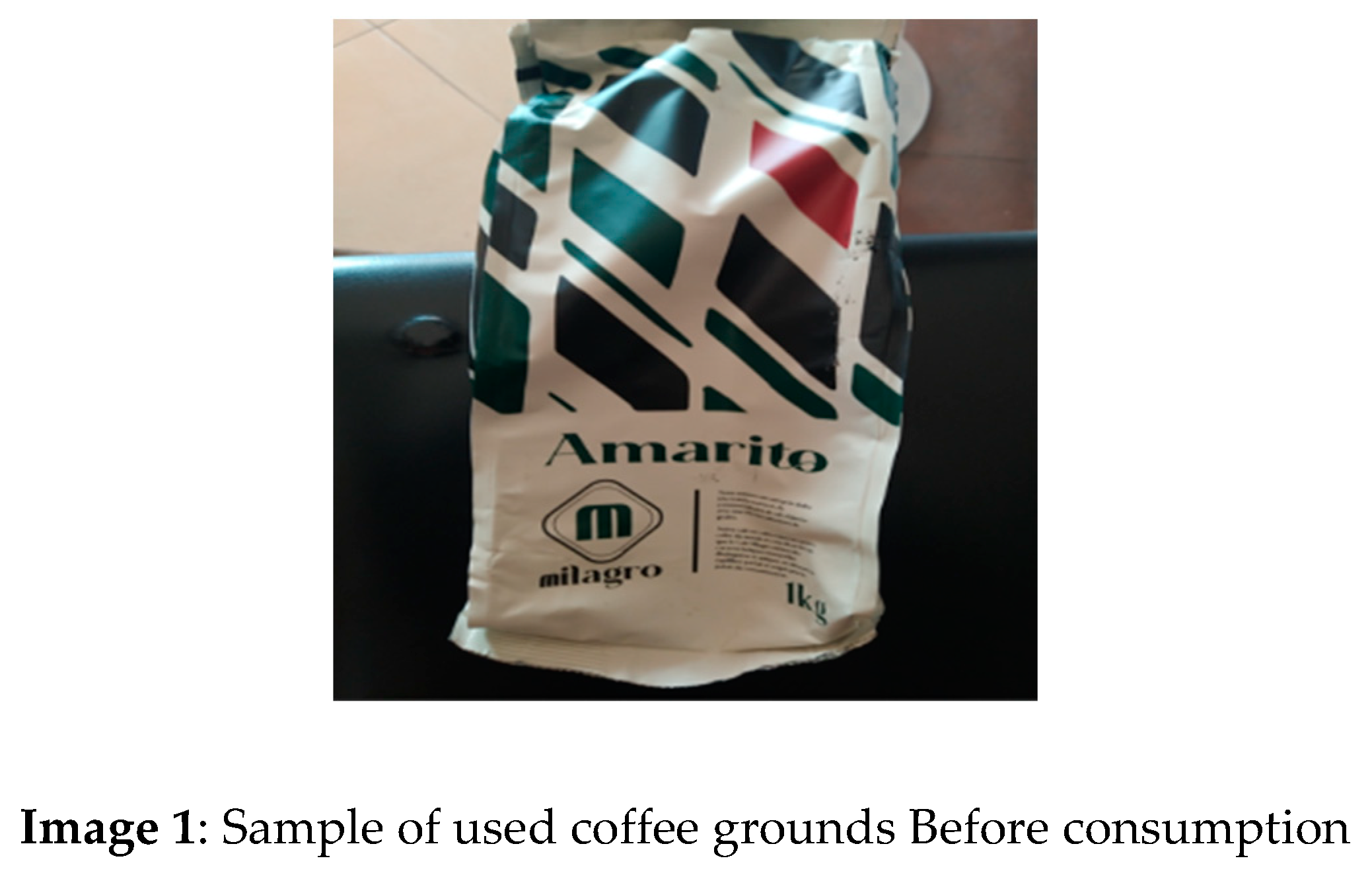
The coffee grounds analyzed in this study were sourced from ZOUHOUR, a renowned commercial establishment specializing in coffee beverages. This establishment is situated in the vibrant city of Marrakech, Morocco, at geographical coordinates 31.642792, -7.981603. The coffee brand employed in the research was Amarito M Milagro, a carefully curated blend of Robusta and Arabica beans. Each package had a net weight of 1 kilogram (Image 1). This selection was made based on the coffee's popularity and its distinctive qualities, which contribute to its widespread appeal among local and international consumers.
2.2. Extraction and Purification of Cellulose:
The extraction and purification (or enrichment) of cellulose involve the removal of all contaminants, such as phenolic compounds, lignin, hemicelluloses, and other impurities, through specific chemical or enzymatic processes outlined below. Coffee grounds, while being a rich source of cellulose, also contain significant quantities of lignin, hemicelluloses, and other secondary compounds. These additional components must be effectively degraded or separated to isolate the cellulose in its purest form.
The process typically begins with a pretreatment step to break down the coffee grounds' complex matrix, facilitating the removal of non-cellulosic materials. This may include washing, drying, and grinding to achieve a uniform particle size. Following this, chemical treatments such as alkali extraction (using sodium hydroxide or potassium hydroxide) or oxidative delignification are applied to solubilize lignin and hemicelluloses. Acid hydrolysis may also be employed to further degrade hemicelluloses and eliminate residual impurities.
Alternatively, enzymatic methods can be used for a more environmentally friendly approach, leveraging enzymes such as cellulase or xylanase to selectively degrade non-cellulosic components. This method is particularly advantageous in reducing the use of harsh chemicals, thus minimizing environmental impact.
The final step involves washing and neutralizing the cellulose-rich material, followed by drying to obtain a purified cellulose product. This cellulose can then be further characterized or processed for various applications, such as in the production of bio-composites, bioplastics, or as a raw material in the textile and paper industries.
This multi-step approach ensures the efficient isolation of high-purity cellulose, making it suitable for a wide range of industrial and scientific purposes.
Alkaline Treatment: The removal of impurities and the conversion of coffee grounds into cellulose are achieved using sodium hydroxide (NaOH). An alkaline solution is typically employed to degrade lignin and hemicelluloses, thereby releasing cellulose in a fibrous form. In this study, coffee grounds were treated with a 1 N sodium hydroxide solution over three successive time intervals: 24 hours, 12 hours, and 6 hours. After each treatment, the mixture was thoroughly washed with water and filtered to isolate the cellulose.
Bleaching: To obtain high-purity cellulose, a bleaching process is employed to further remove residual impurities. This process can involve the use of hydrogen peroxide or chlorine dioxide. In this study, commercial bleach (sodium hypochlorite) was used as the bleaching agent. The treatment was carried out at 60 °C for 30 minutes. Following the bleaching, the material underwent triple filtration, thorough washing with water, and a final rinse with acetone to ensure complete purification.
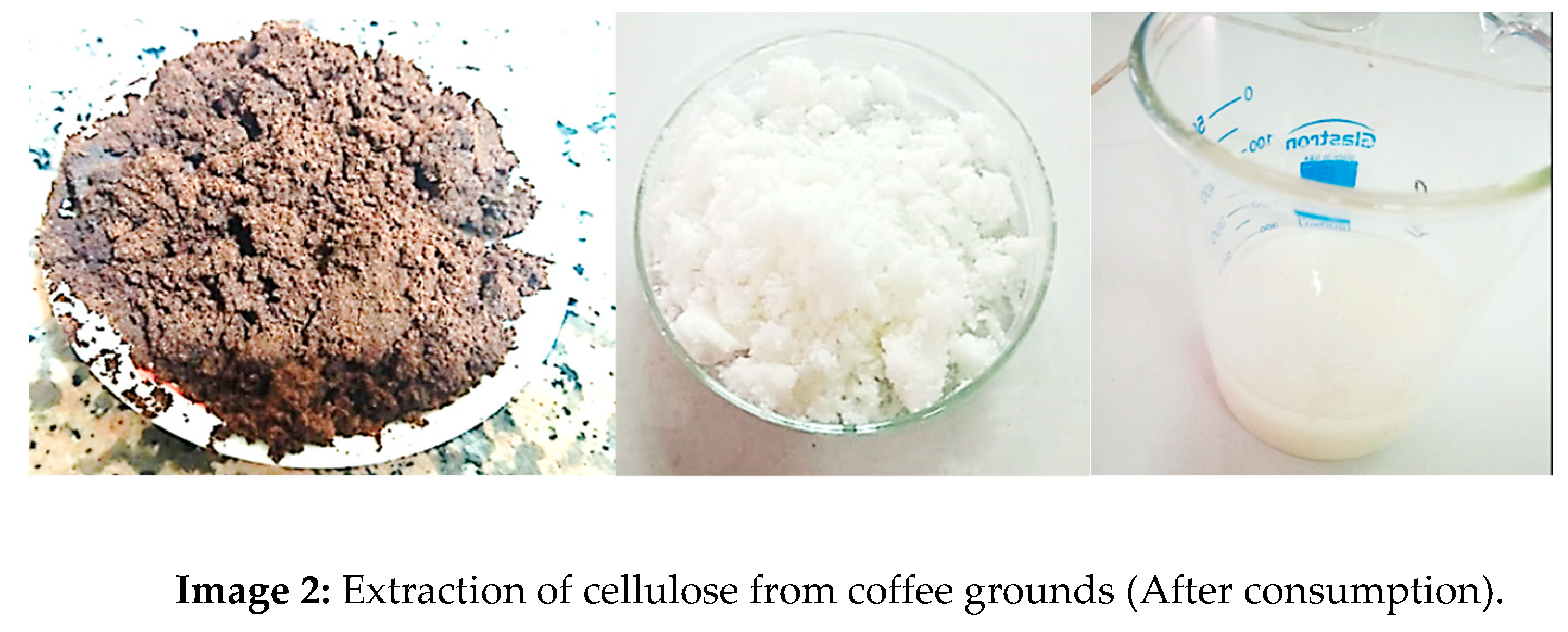
Cellulose Isolation: After undergoing the alkaline and bleaching processes, the material is transformed into fibrous pulp, primarily composed of purified cellulose (as illustrated in Img 2). This refined product is notable for its structural integrity and versatility, making it suitable for various applications such as bioplastics, paper manufacturing, and textiles. The effectiveness of the treatment ensures the removal of residual components like lignin and hemicelluloses, yielding a high-grade material ready for further use.
2.3. Oxidation of Cellulose Hydroxyl Groups:
The oxidation of cellulose hydroxyl groups is a critical step in modifying its chemical properties and enhancing its functionality. Traditionally, this process is performed using oxidizing agents, with sodium hypochlorite being widely utilized to convert hydroxyl groups into carboxylic acids.
In recent years, the use of oxoammonium salts, particularly the TEMPO (2,2,6,6-Tetramethylpiperidine-1-oxyl) radical, has gained prominence due to its remarkable selectivity in oxidizing primary alcohols. Among the various systems developed, the TEMPO–NaOCl–NaBr combination stands out as one of the most efficient and thoroughly studied methods. This approach offers precise control over the oxidation process, ensuring minimal impact on secondary hydroxyl groups.
The reaction mechanism involves the consumption of two equivalents of sodium hypochlorite and is typically carried out at a pH range of 9.5–10.5 under ambient temperature conditions. This pH range is carefully maintained to optimize the reaction kinetics and prevent unwanted side reactions. The TEMPO-based system has become a benchmark in cellulose oxidation, paving the way for advanced applications in fields such as nanocellulose production, biomedicine, and sustainable materials development.
TEMPO Oxidation Process: The TEMPO oxidation process begins with adjusting the pH of the system to 10. A carefully prepared mixture containing sodium bromide (NaBr, 1.6 equivalents) and the TEMPO radical (0.0166 equivalents) is dissolved and introduced into the cellulose suspension (0.5 g). Subsequently, sodium hypochlorite (NaClO, 3.5 equivalents) is gradually added to the mixture to initiate the oxidation.
Throughout the reaction, the pH is closely monitored and maintained at 10.5 by the periodic addition of a 1 M sodium hydroxide (NaOH) solution, ensuring optimal reaction conditions. The oxidation is allowed to proceed for 120 minutes, after which the reaction is terminated by adding 1.25 mL of methanol. The pH is then adjusted to neutral (pH 7) to stabilize the oxidized cellulose.
The oxidized pulp is subjected to centrifugation at 11,000 rpm for 30 minutes to separate the solid phase. The resulting material is then thoroughly washed with distilled water in three successive cycles to remove residual reactants and byproducts, yielding purified oxidized cellulose.
2.4. FTIR Analysis:
Fourier Transform Infrared (FTIR) spectroscopy was employed to characterize the surface functionalities of the modified cellulose. This technique enables the identification of functional groups introduced during the chemical modifications and surface reactions induced by the treatments.
Infrared (IR) spectra were recorded using a Bruker IFS 66 spectrophotometer, operating within a spectral range of 400–4000 cm⁻¹. The analysis utilized the KBr pellet technique, where 4 mg of the powdered cellulose sample was uniformly dispersed in 100 mg of potassium bromide (KBr), following the method described by Ouhammou et al. (2022).
This approach provided detailed insights into the structural changes occurring on the cellulose surface, particularly those resulting from oxidation and other chemical transformations. The observed spectral shifts and peak intensities (Figure 1) offered a clear indication of the functional groups introduced during the treatments, confirming the effectiveness of the chemical modifications.
2.5. Analysis by Scanning Electron Microscopy (SEM) Coupled with an EDX Probe:
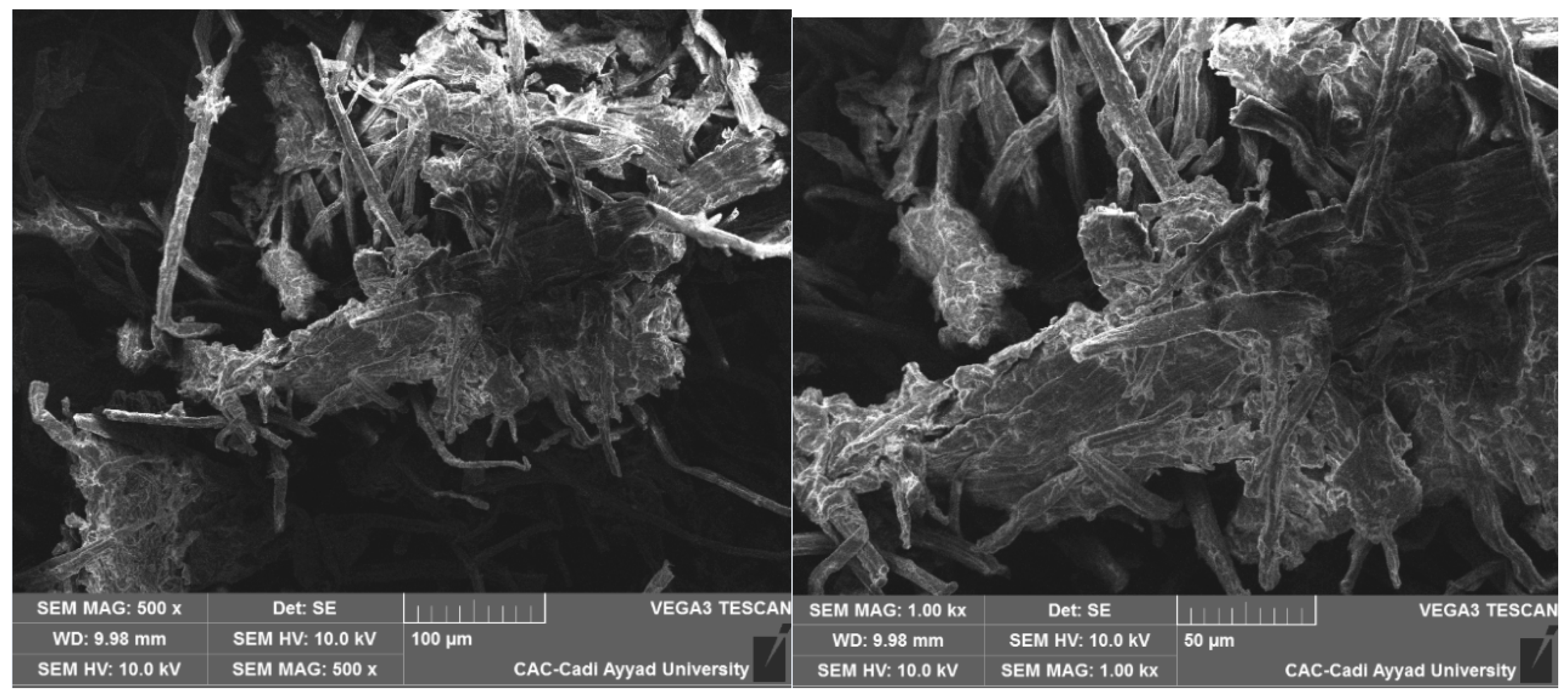
The microstructure of the modified cellulose was examined using a scanning electron microscope (SEM) (TES-CAN VEGA 3) at the Analysis and Characterization Center of the Faculty of Sciences, Semlalia, Cadi Ayyad University. Prior to analysis, the sample was coated with a thin layer of carbon to enhance conductivity. SEM images were captured at various magnifications, with an acceleration voltage set to 10 kV, allowing for high-resolution imaging of the surface morphology (Figure 2).
Figure 2.
SEM image of coffee grounds cellulose before oxidation by the TEMPO/NaBr system.
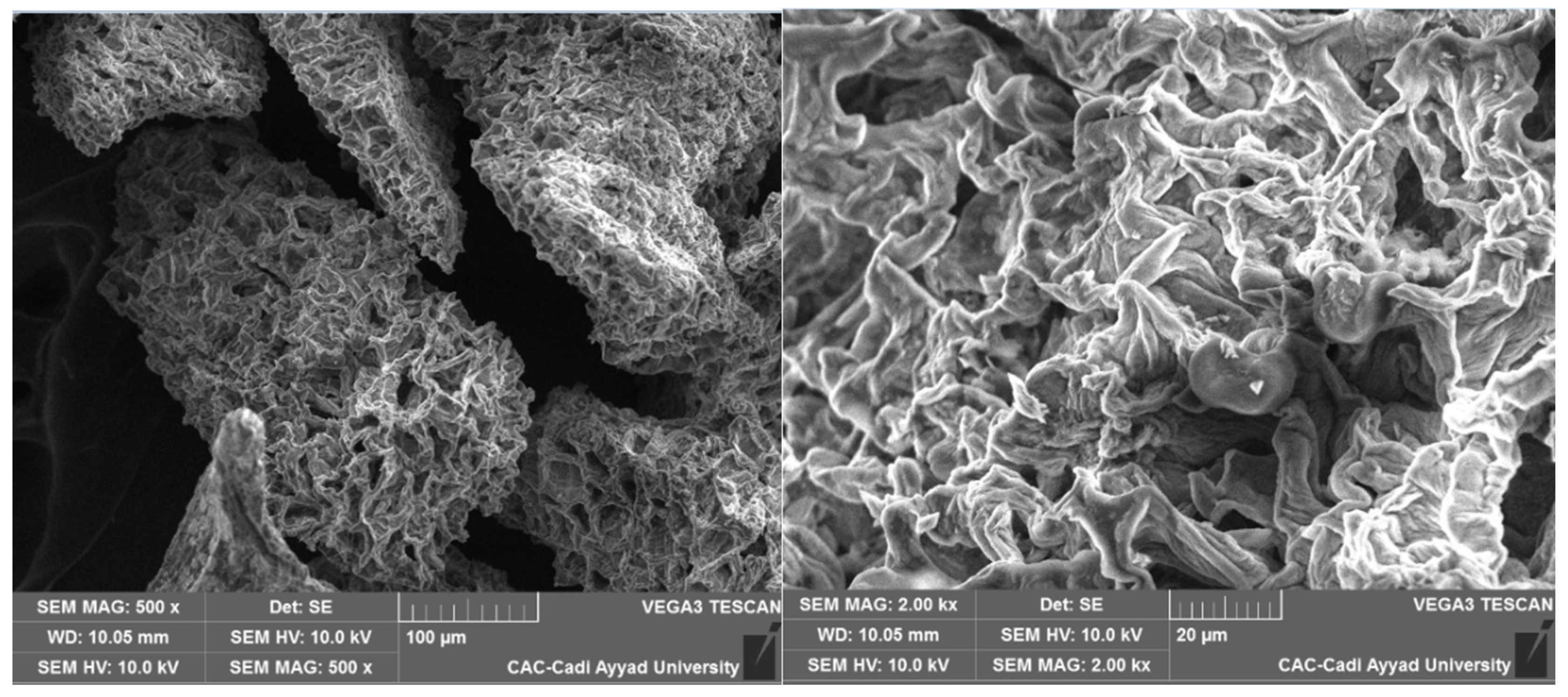
Figure 3.
SEM image of coffee grounds cellulose after oxidation by the TEMPO/NaBr system.
In addition to the morphological examination, energy-dispersive X-ray (EDX) spectroscopy was employed to analyze the elemental composition of the sample, providing further insights into the surface characteristics and the presence of any chemical modifications.
3. Results and Discussion:
In summary, the oxidation of cellulose using sodium bromide (NaBr) and the TEMPO radical is a catalytic process that transforms cellulose into TEMPO-oxidized cellulose (TEMPOxy). This modification enhances the cellulose's properties, making it more suitable for a broad spectrum of industrial and biomaterial applications. The TEMPO-mediated oxidation process not only improves the chemical reactivity of cellulose but also facilitates its integration into advanced materials, such as biocomposites, nanocellulose, and sustainable packaging solutions. These improvements in cellulose functionality open new possibilities for its use in various fields, including environmental and medical applications [21,22,23].
3.1. Infrared Spectroscopy (IR):
Infrared (IR) spectroscopy provides valuable insights into the chemical structural changes of cellulose during oxidation, allowing for a detailed comparison of the biomass before and after treatment. The analysis identifies key infrared absorption bands, each corresponding to specific functional groups present in the cellulose. The following sections highlight the primary IR bands observed in the spectra, along with the functional groups they represent, both prior to and following the oxidation process (see figure below).
The spectra of oxidized cellulose (b) show the appearance of an additional band around 1720 cm⁻¹, which is absent in the spectrum of native cellulose (a) (-OH). This band is attributed to the carbonyl group (C=O), characteristic of carboxyl groups (-COOH). It serves as a key marker for the oxidation of cellulose into carboxymethylcellulose or other carboxyl-containing structures. This result confirms the successful modification of the cellulose substrate, in line with previous studies in the literature [19,20].
However, the band at 1641 cm⁻¹, corresponding to the OH bonds of water adsorbed on the cellulose, appears very broad. This is likely due to the presence of residual moisture, which is a common challenge when drying samples prior to chemical treatment [19,20].
Changes in the C-O band observed between 1050-1100 cm⁻¹ may suggest structural modifications of the cellulose, indicating the introduction of additional functional groups. These changes can influence the crystallinity and solubility of the modified cellulose.
Additionally, the C-O-C absorption band at 1160 cm⁻¹ may shift or become more intense as hydroxyl groups are converted into carboxyl groups or other oxygenated structures.
A decrease in the intensity of the O-H band at 3460 cm⁻¹ is also noted, reflecting the transformation of hydroxyl groups into other functional groups during the oxidation process.
3.2. Scanning Electron Microscopy (SEM):
Scanning Electron Microscopy (SEM) is an effective technique for analyzing material morphology and structure following chemical modifications. After the oxidation of coffee ground cellulose using the TEMPO/NaBr system, notable changes in surface roughness and topography were observed. These changes result from the introduction of functional groups, particularly carboxyl groups, which enhance the cellulose’s properties.
Such modifications improve the cellulose's ability to bond with other materials, facilitating the creation of advanced composites. Additionally, the increased surface roughness may enhance moisture retention, making the modified cellulose suitable for applications in biocomposites, packaging, and water filtration [21,22,23].
SEM can be used to observe changes in the particle size and distribution of nanostructures. The SEM images reveal that the fibrous structure of coffee ground cellulose is significantly altered after oxidation. This refinement occurs when cellulose undergoes oxidation using the TEMPO/NaBr system, leading to a more fragile structure with broken or fragmented morphologies. If the oxidation is intense, partial depolymerization of the cellulose chains occurs, resulting in a reduction in fiber size and the formation of nanocellulose. This nanocellulose exhibits enhanced properties, such as an increased specific surface area, greater hydrophilicity, and improved chemical reactivity [19,20].
3.3. Energy-Dispersive X-ray Spectroscopy (EDX):
Energy-Dispersive X-ray Spectroscopy (EDX) provides a detailed analysis of the elemental composition of a sample's surface. When coupled with Scanning Electron Microscopy (SEM), EDX allows for the precise localization and quantification of chemical elements in specific regions of interest. This technique was used to analyze the cellulose before and after oxidation with the TEMPO/NaBr system, as illustrated in the figure below.
Figure 4.
EDX spectrum of cellulose before and after oxidation by the TEMPO/NaBr system.
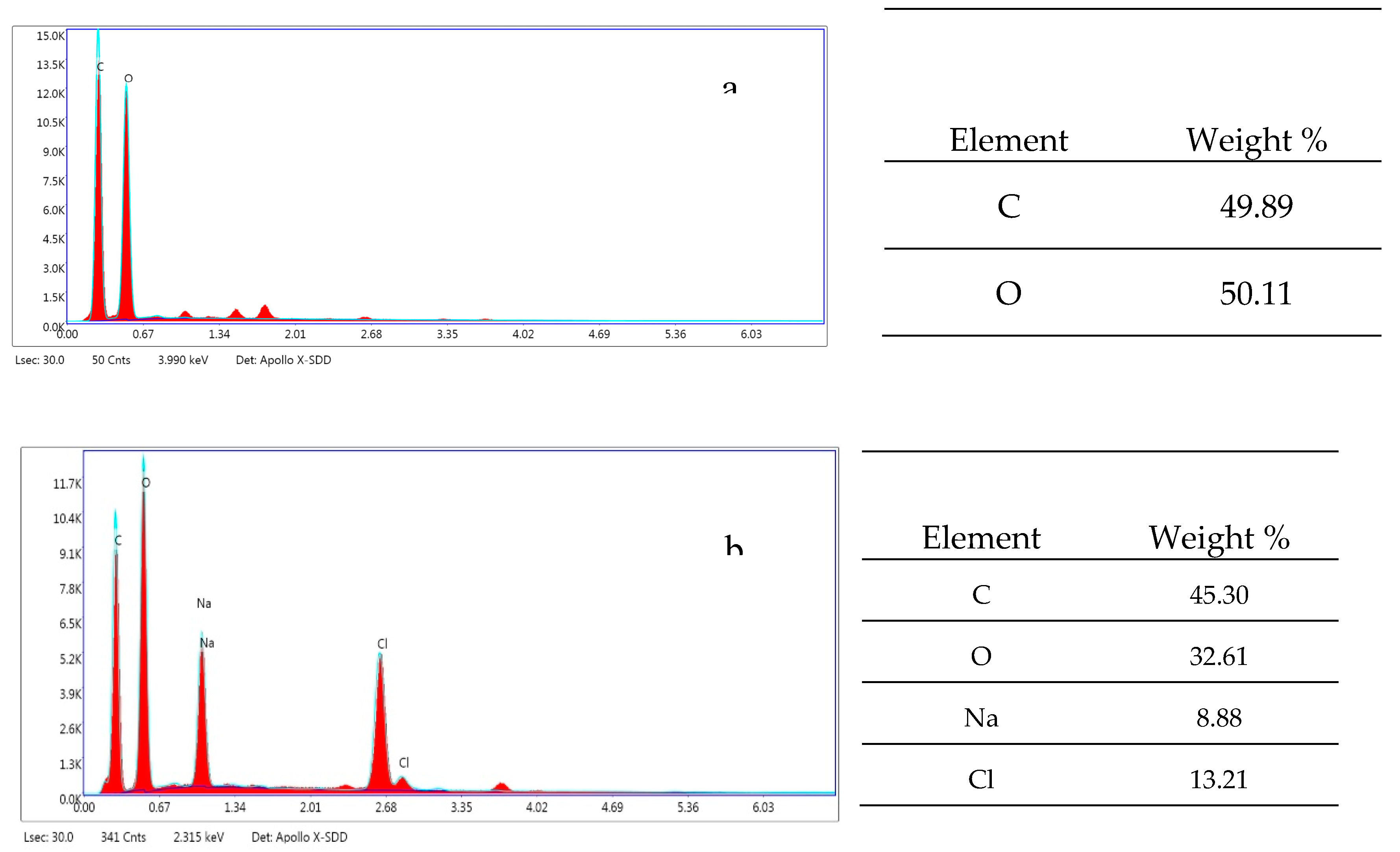
The following elements were detected: carbon and oxygen, with oxygen being particularly abundant in the cellulose. This increase in oxygen content indicates a chemical modification that alters the solubility, hydrophilicity, and chemical reactivity of the cellulose.
The oxidation process induced by TEMPO and NaBr leads to the formation of functional groups, such as carboxylates (-COOH), resulting in a modified carbon-to-oxygen ratio. Furthermore, the EDX spectra revealed the presence of impurities and secondary products from the chemical reaction, as well as non-carbonized oxidized products.
4. Conclusion:
The valorization of organic waste, such as coffee grounds, involves transforming it into more reactive materials that are suitable for use in biomaterials and composites. FTIR and SEM analyses, combined with EDX, provide valuable insights into the structural and chemical modifications of cellulose following oxidation with NaBr and TEMPO. These techniques reveal the introduction of carboxyl groups and the reduction of hydroxyl groups. The data obtained enhances our understanding of the effects of oxidation and can guide the development of new materials derived from coffee ground cellulose, while also aiding in the optimization of oxidation conditions for specific applications [21,22,23].
Declaration of Competing Interest
The authors declare that they have no known competing financial interests or personal relationships that could have appeared to influence the work reported in this paper.
References
- Yanping Guo, David A. Rockstraw; Physicochemical properties of carbons prepared from pecan shell by phosphoric acid activation; Bioresource Technology; Volume 98, Issue 8, May 2007, Pages 1513-1521. [CrossRef]
- F. Suarez-Garcıa, A. Martınez-Alonso, J.M.D. Tascon ; Porous texture of activated carbons prepared by phosphoric acid activation of apple pulp; Carbon 39, February 2001, pages1103 –1116. [CrossRef]
- Badie S. Girgis, Abdel-Nasser A. El-Hendawy; Porosity development in activated carbons obtained from date pits under chemical activation with phosphoric acid; Microporous and Mesoporous Materials, Volume 52, Issue 2, April 2002, Pages 105-117. [CrossRef]
- Guillermo Rodríguez , Antonio Lama, Rocío Rodríguez, Ana Jiménez, Rafael Guillén, Juan Fernández-Bolaños; Olive stone an attractive source of bioactive and valuable compounds; Bioresour Technol. 2008 Sep;99(13):5261-9. [CrossRef]
- Amina A. Attia, Badie S. Girgis, Nady A. Fathy; Removal of methylene blue by carbons derived from peach stones by H3PO4 activation: Batch and column studies; Dyes and Pigments, Volume 76, Issue 1, 2008, Pages 282-289. [CrossRef]
- Abdel-Nasser A. El-Hendawy, S.E. Samra, B.S. Girgis; Adsorption characteristics of activated carbons obtained from corncobs; Colloids and Surfaces; A: Physicochemical and Engineering Aspects 180 (2001) pages 209–221. [CrossRef]
- M.C. Baquero, L. Giraldo, J.C. Moreno, F. Suárez-Garcı́a , A. Martı́nez-Alonso, J.M.D. Tascón; Activated carbons by pyrolysis of coffee bean husks in presence of phosphoric acid; Journal of Analytical and Applied Pyrolysis Volume 70, Issue 2, December 2003, Pages 779-784. [CrossRef]
- Mizuho Hirata, Naohito Kawasaki, Takeo Nakamura, Kazuoki Matsumoto, Mineaki Kabayama, Takamichi Tamura, Seiki Tanada; Adsorption of Dyes onto Carbonaceous Materials Produced from Coffee Grounds by Microwave Treatment; Journal of Colloid and Interface Science Volume 254, Issue 1, 1 October 2002, Pages 17-22. [CrossRef]
- Tsunoda. Ryoichi, Ozawa. Takayoshi, Ando, Junichi ; Ozone treatment of coal- and coffee grounds-based active carbons: Water vapor adsorption and surface fractal micropores; Journal of Colloid and Interface Science; Volume 205, Issue 2, 15 September 1998, Pages 265-270. [CrossRef]
- Takeo Nakamura, Toshimitsu Tokimoto, Takamichi Tamura, Naohito Kawasaki, Seiki Tanada; Decolorization of Acidic Dye by Charcoal from Coffee Grounds; Journal of Health Science; Volume 49 (2003) Issue 6. [CrossRef]
- Namane, A. Mekarzia, K. Benrachedi, N. Belhaneche-Bensemra, A. Hellal; Determination of the adsorption capacity of activated carbon made from coffee grounds by chemical activation with ZnCl2 and H3PO4; Journal of Hazardous Materials,Volume 119, Issues 1–3, 17 March 2005, Pages 189-194. [CrossRef]
- Emine Yagmur, Meryem Ozmak, Zeki Aktas ; A novel method for production of activated carbon from waste tea by chemical activation with microwave energy; Fuel, Volume 87, Issues 15–16, November 2008, Pages 3278-3285. [CrossRef]
- M. Valix, W.H. Cheung, G. McKay ; Preparation of activated carbon using low temperature carbonisation and physical activation of high ash raw bagasse for acid dye adsorption; Chemosphere; Volume 56, Issue 5, August 2004, Pages 493-501. [CrossRef]
- J. Laine, A. Calafat, M. labady ; Preparation and characterization of activated carbons from coconut shell impregnated with phosphoric acid; Carbon; Volume 27, Issue 2, 1989, Pages 191-195. [CrossRef]
- Y.Kato, R. Matsuo, A Isogai ; Oxidation process of water-soluble starch in TEMPO-mediated system; Carbohydrate Polymers; Volume 51, Issue 1, 1 January 2003, Pages 69-75. [CrossRef]
- Denilson da Silva Perez, Suzelei Montanari, Michel R. Vignon ; TEMPO-Mediated Oxidation of Cellulose III ; Biomacromolecules ; August 16, 2003, Vol 4, Issue 5, pages 1417-1425. [CrossRef]
- Carole Fraschini, Michel R. Vignon ; Selective oxidation of primary alcohol groups of β-cyclodextrin mediated by 2,2,6,6-tetramethylpiperidine-1-oxyl radical (TEMPO); Carbohydrate Research; Volume 328, Issue 4, 6 October 2000, Pages 585-589. [CrossRef]
- Arjan E.J. de Nooy, Arie C. Besemer, Herman van Bekkum; Highly selective nitroxyl radical-mediated oxidation of primary alcohol groups in water-soluble glucans; Carbohydrate Research; Volume 269, Issue 1, 3 April 1995, Pages 89-98. [CrossRef]
- Jaka Levanič, Vladimira Petrovič Šenk, Peter Nadrah, Ida Poljanšek, Primož Oven, Antti Haapala; Analyzing TEMPO-Oxidized Cellulose Fiber Morphology: New Insights into Optimization of the Oxidation Process and Nanocellulose Dispersion Quality; ACS Sustainable Chemistry & Engineering; Vol 8, Issue 48; 2020,pages 17752–17762. [CrossRef]
- H.P.S. Abdul Khalil, A.H. Bhat, A.F. Ireana Yusra; Green composites from sustainable cellulose nanofibrils: A review; Carbohydrate Polymers, Volume 87, Issue 2, 15 January 2012, Pages 963-979. [CrossRef]
- Fernanda Fabbri Gondim, João Gabriel Passos Rodrigues, Vinicius Oliveira Aguiar, Maria de Fátima Vieira Marques and Sergio Neves Monteiro; Review: Biocomposites of Cellulose Isolated from Coffee Processing By-Products and Incorporation in Poly(Butylene Adipate-Co-Terephthalate) (PBAT) Matrix: An Overview; Polymers 2024, 16(3), 314. [CrossRef]
- Mirna Brekalo, Blanka Bili´c Rajs, Krunoslav Aladi´c, Lidija Jakobek, Zita Šereš, Saša Krstovi´c, Stela Joki´c, Sandra Budžaki and Ivica Strelec; Multistep Extraction Transformation of Spent Coffee Grounds to the Cellulose-Based Enzyme Immobilization Carrier; Sustainability 2023, 15 (17), 13142. [CrossRef]
- Yoobsan Ejeta Amensisa, Hundessa Dessalegn Demsash and Muluken Eshetu Tefera; Extraction and Characterization of Cellulose from Coffee Huskand Brewery’s Spent Grain Fibers Using Alkali-Hydrogen PeroxideTreatment Method; WileyAdvances in Materials Science and Engineering; Volume 2024, Issue 1; Article ID 5101871, 13 pages. [CrossRef]
Figure 1.
Infrared spectrum of (a) pure and (b) oxidized coffee grounds cellulose.
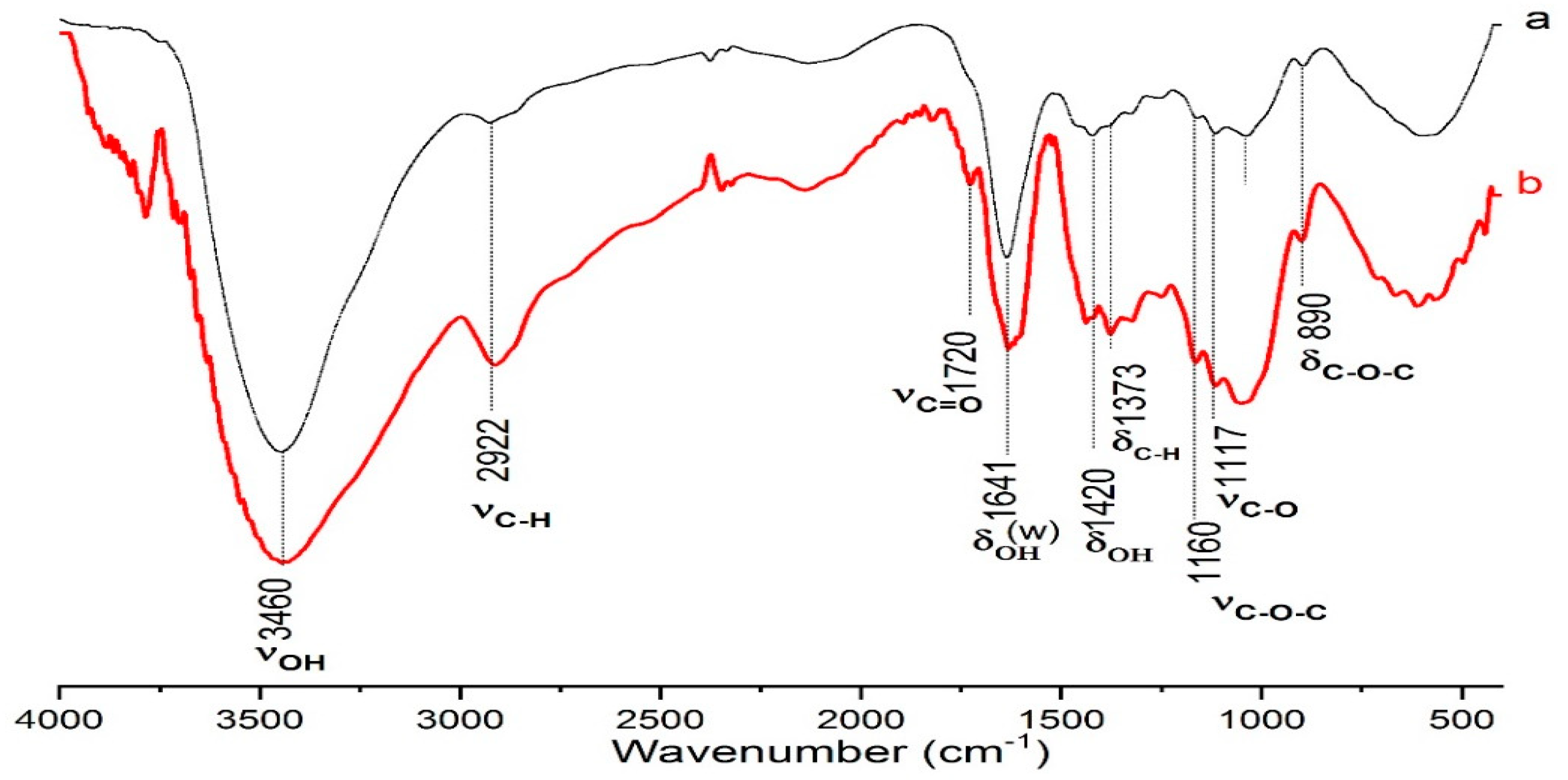

Table 1.
Infrared analysis of cellulose oxidation before and after treatment
| Before Oxidation | After Oxidation | ||
|---|---|---|---|
| O-H band at 3300 cm⁻¹ | With low intensity, hydroxyl groups (–OH) present in cellulose | C=O band at 1720 cm⁻¹ | Appearance of a new band with C=O bond vibration, characteristic of carboxyl groups (-COOH) |
| C-H band at 2900 cm⁻¹ | Characterizes the C-H bonds in the aliphatic chains | C-O band at 1117 cm⁻¹ | A shifted or intensified band, indicating hydroxyl groups transformed into carboxyl groups or other oxygenated structures. |
| C-O band at 1050–1100 cm⁻¹ | Associated with the vibration of C-O bonds in the glucose units of cellulose | O-H band at 3460 cm⁻¹ | A decrease after oxidation due to their transformation into carboxyl groups, esters, or other functionalized structures |
| C-O-H band at 1300–1400 cm⁻¹ | Deformation of hydroxyl groups in the glucose units. | ||
Disclaimer/Publisher’s Note: The statements, opinions and data contained in all publications are solely those of the individual author(s) and contributor(s) and not of MDPI and/or the editor(s). MDPI and/or the editor(s) disclaim responsibility for any injury to people or property resulting from any ideas, methods, instructions or products referred to in the content. |
© 2024 by the authors. Licensee MDPI, Basel, Switzerland. This article is an open access article distributed under the terms and conditions of the Creative Commons Attribution (CC BY) license (http://creativecommons.org/licenses/by/4.0/).
Copyright: This open access article is published under a Creative Commons CC BY 4.0 license, which permit the free download, distribution, and reuse, provided that the author and preprint are cited in any reuse.


