Preprint
Article

This version is not peer-reviewed.

Characterization and Phospholipase A2 Inhibitory Potential of Guiera senegalensis Leaves Extracts via Experimental and Computational Approaches

Submitted:

18 December 2024

Posted:

19 December 2024

You are already at the latest version

Abstract

Medicinal plants have been used extensively as sources of a wide variety of biologically active compounds for many centuries and as crude materials or pure compounds for treating various disease conditions. The leaves of the plant have been applied in treating snakebite, stomach ache, cough and so on. The plant leaves were extracted with hexane and methanol using the soxhlet extraction process. In this study, leaf extracts of G. senegalensis were profiled and evaluated for their phospholipase A2 inhibitory potential via experimental and computational approaches. Characterization of the extracts was done using GC-MS analysis, Antisnake venom screening was conducted using PLA2 acidimetric assay while Insilco molecular docking studies was performed using AutoDock vina in PyRx and ADMET was predicted using swiiADME and protox-II online servers. GC-MS analysis revealed the presence of 50 compounds from which 14, 4, 15, 13 and 13 were for hexane, chloroform, ethyl acetate, butanol and aqueous fractions respectively. The PLA2 acidimetric assay was used to screen the fractions for inhibitory activity against N. nigricollis venom in vitro. The results showed that the aqueous fraction was the most active, with PLA2 inhibition ranging from 66.18 to 74.67% at 1.0 to 0.125 mg/cm3, respectively. The fractions inhibited the hydrolytic effects of the N. nigricollis PLA2 enzyme, exhibiting considerable (p<0.05) antisnake venom activity. In comparison to the standards, four compounds exhibited a higher docking score (-8.7 to -8.4 kcal/mol). Insilico ADME and Drug-likeness revealed the compounds have passed absorptivity test for oral medication as well as indicating lower likelihood of interacting with other drugs. The results also showed the compounds to be slightly toxic. The results of this study supported the use of G. senegalensis in traditional medicine by demonstrating that its leaves contains phytoconstituents with antisnake properties.

Keywords: 
;  ;  ;  

1. Introduction

Plants comprise a huge number of phytoconstituents that synergistically act on different target elements of the complex cellular pathway (Kumar et al. 2013). Plant extracts have great potency and can be used for a variety of purposes. Approximately 80% of the world’s population relies on traditional medicine for health care, and most therapies use plant extracts and their active compounds (Winston, 1999), suggesting that two-thirds of all plant species have medicinal value ( Krishnaiah et al., 2011).
Snake envenoming is a major public health issue in the rural tropics with large numbers of envenoming and deaths (Bawaskar, 2004). The global incidence of snake bites is estimated to be around 5 million (Ameen et al., 2015). The course of snake envenomation is different across several snake species. Some snakes sting their prey without inserting the poison (dry bite) while others inject highly toxic venom through modified salivary glands resulting in death of prey. Dry bite snakes are also considered harmful as their dribble may possess Clostridium tetany which may result in death, if left untreated (Rita et al., 2011). The substitution of herbal drugs with non-pharmacological substances presents a challenge as they may lack therapeutic properties and because products derived from plants are typically variable and influenced by numerous factors, maintaining consistent product quality is crucial for the industry's survival and success (Bauer, 1998). Regulatory agencies and healthcare institutions in Africa have comparatively poor evaluations of herbal medicines compared to orthodox medicine, as opined by Falodun (2010). Thus, the evaluation of the efficacy and safety profile of medicinal plants is crucial when incorporating natural indigenous medicine into the healthcare systems of a particular country (WHO, 1996). Snakebite envenomation remains a common health problem in almost all rural areas of the tropics (Ibrahim et al., 2020). Unfortunately, in most rural areas, modern health facilities are either very poor or completely absent (Sani et al., 2020). Due to lack of hospitals in rural areas people tend to choose herbal medications from Traditional Healers (Gomez et al., 2010). Antisnake venom development is time consuming, expensive and requires ideal storage conditions (Meenatchisundaram et al., 2008). GC-MS analysis will lead to identification of the chemical composition of G. senegalensis leaves (Celestine et al., 2017). Molecular docking studies predict the probable protein–ligand interactions by minimizing the energy of the ligands and calculating their binding energies; docking algorithms utilize inhibitory and activator properties of the ligand with receptor protein and form a relationship between the drug’s structure and cytotoxicity (Divya et al., 2023). Guiera senegalensis (Family: Combretaceae) is a shrub of the savannah region of West and Central Africa (Anka et al., 2020). The plant generally occurs as a shrub that can grow to a height of 3 to 5 m according to habitat. Its stem presents numerous knots that send out branches. The grey-green leaves, darker on their upper surface, display black spots on their lower surface and are slightly downy on both sides. These features lend the plant an overall silver green color that is conspicuous in bush land (Silva et al., 2008). In a study by Sombié (2012) G. senegalensis was shown to have therapeutic effect on diarrhea, cough, bacterial infections, human herpes, malaria; inflammations, snakebite, cancers, arterial hypertension and diabetes. Its leaves extract is being used against dysentery, diarrhea, gastrointestinal pain and disorder, rheumatism and fever (Sule and Muhammed, 2006). Several studies have indicated the presence of alkaloids, flavonoids, quercetin, catechins, saponin, tannins, amino acids, ascorbic acid, anthraquinones and a bitter principle, elastine, in the roots and leaves of G. senegalensis with potential anticancer and other forms of biological activities (Jigam et al., 2011). Their functions and mechanism of actions may include the following among others: antioxidant activity, hormonal action, stimulation of enzymes, interference with DNA replication and antibacterial properties (Sule et al., 2009).
The aim of the study is to conduct phytochemical profiling and evaluate the phospholipase A2 enzyme inhibitory potential of G. senegalensis leaves extracts via experimental and computational approaches.

2. Materials and Methods

2.1. Sample Collection and Identification

The leaves of G. senegalensis were collected in November 2022 from its natural habitat in Wurno Local government area of Sokoto state (13.2839 0N, 5.4202 0E). The fresh leaves were identified and authenticated by Musa Magaji of the Department of Pharmacognosy and Ethnopharmacy, Faculty of Pharmaceutical sciences, Usmanu Danfodiyo University, Sokoto. Where a Voucher number, PCG/UDUS/Comb/0002 was obtained.

2.2. Preparation of Plant Material

The fresh leaves of G. senegalensis collected were washed and dried in an electro thermal oven at 37 o C. The dried leaves were coarsely powdered with an electric blender. The sample was stored in air tight container for further use.

2.3. Extraction

The powdered sample of G. senegalensis (120 g) was defatted with hexane (500 cm3) using sohxlet apparatus at 63 -69 oC for 8h after which it was extracted exhaustively with methanol (500 cm3) at 60 – 65 oC for 8 h; the extracts were freed from solvents using rotary evaporator at 40 oC to obtain Hexane (HE) and Methanol (ME) leaf extracts, respectively. Some parts of ME (18 g) were suspended in distilled water and filtered and the filtrate was successively fractionated with hexane, chloroform, ethyl acetate and butanol using liquid – liquid fractionation to obtain the different fractions coded as HE (hexane), CF (chloroform), EA (ethyl acetate), BU (butanol) and AQ (aqueous), respectively.

2.4. The Gas Chromatography-Mass Spectrometry Analysis (GC-MS)

Analysis was performed on the five fractions( HE, CF, EA, BF and AQ) obtained from methanol leaf extract of G. senegalensis using Agilent Intuvo 9000 GC system coupled with detector system 5977B MSD with split/splitless injector. A DB - 5 MS (5% phenyldimethylsiloxane) fused silica capillary column 30 m, 320 µm i. d., 0.25 µm of film thickness was used with Helium gas (99.99% purity) as carrier gas at flow rates of 1.2ml min-1 . Inlet temperature was set at 300 oC, MS Source at 230 oC and MS Quad at 150 oC. The oven temperature was programmed as follows: 50 oC for 2 minutes, increased to 250 oC @ 20 oC and hold for 2 minutes and then increased to 300 oC at 20 oC min-1 a and hold for 3 minutes. Data were acquired by GCMSD/Enhanced Mass Hunter Software and processed GCMSD Data analysis software incorporated with 2017 Version of NIST Library. 1 µL of the sample extract, standard were injected in splitless mode into the GC system using Agilent Automated Liquid Sampler (ALS) G4513A (Vijisaral et al., 2014).
Elucidation of GC-MS chromatogram was done using the databases of NIST- National Institute Standard and Technology and the library of WILEY. The chromatogram of the unknown compounds was compared with the spectrum of already known compounds that are in the NIST and WILEY library. The name of the compound, peak area percentage, molecular formula, molecular weight and structure of the components of the sample were determined.

2.5. Snake Venom

The venom of an adult Naja nigricollis with an LD99 value of 5.75 mg/kg was obtained from Dr. Amina Yusuf Jega, Department of Pharmaceutical and Medicinal Chemistry, Usmanu Danfodiyo University, Sokoto. The venom was collected by the milking method of Markfalane (1967) as previously reported by Abubakar et al. (2003) and Yusuf et al. (2020) and it was lyophilized and stored at 4 oC until required.

2.6. Antisnake Venom (ASV)

Standard lyophilized polyvalent snake venom antiserum (African) was used as a positive control for the study. The SVA was manufactured by VINS BIOPRODUCTS LIMITED Survey No. 117, Thimmapur (V) – 509325, Kothur (Mandal), Mahaboobnagar (Dist.) Telangana, India. MFG Date: Jan 2022; Exp. Date: 31st December, 2024

2.7. Software Used

Chimera 1.14., PyRx Virtual Screening Tool, BIOVIA Discovery studio visualizer 2020, Protein Data Bank (PDB), PUBCHEM, swissADME and ProTox-II online servers.

2.8. Phospholipase A2 (PLA2) Enzyme Assay

The N. nigricollis venom PLA2 activity was determined acidimetrically using the method described by Tan and Tan (1988) with slight modification. In this method, equal volumes of the substrate comprising calcium chloride (18 mM), sodium deoxycholate (8.1mM), and egg yolk were mixed and stirred for 10 minutes to produce a homogenous egg yolk suspension. The pH of the suspension was adjusted to 8.0 by adding sodium hydroxide (1M). 0.1 mg/cm3. N. nigricollis was added to the above mixture to initiate the process of hydrolysis and saline was used as a control. The initial decrease in the pH of the suspension was measured after two minutes with the help of a pH meter. A decrease of 1.0 pH unit corresponded to 133 μmole of fatty acid released in the egg yolk mixture. The enzymatic activity of PLA2 was expressed in μmole of fatty acid released per minute (Tan and Tan, 1988). For the antisnake venom activity of G. senegalensis leaf fractions, N. nigricollis venom (0.1 mg/cm3) was pre-incubated with fractions at concentrations of 1, 0.5, 0.25 and 0.125 mg/cm3 respectively for 10 minutes and 30 minutes (modification method) at 37 oC to neutralize the hydrolytic action of PLA2. The inhibitory activity by the fractions against the phospholipase A2 was calculated and expressed in terms of percentage using the following relationships.
E n z y m e   a c t i v i t y = μ m o l e   o f   f a t t y   a c i d   r e l e a s e d T i m e   t a k e n   i n   m i n u t e s                                                       E q u a t i o n   1
%   E n z y m e   a c t i v i t y = E n z y m e   a c t i v i t y   o f   t h e   t e s t   s a m p l e E n z y m e   a c t i v i t y   o f   t h e   c o n t r o l × 100                 E q u a t i o n   2
%   E n z y m e   i n h i b i t i o n = 100 E n z y m e   a c t i v i t y E q u a t i o n   3

2.9. In Silico Molecular Docking Analysis

2.9.1. Ligands Preparation

Molecular docking study was performed on the fifty (50) compounds that were characterized from G. senegalensis. PubChem (https://pubchem.ncbi.nlm.gov/) provided the SDF files for the compounds. PyRx was used to produce the ligands for docking simulations. After starting the program, each compound was imported separately using the "File" menu. The software was launched, and each compound was imported individually via the "File" menu by selecting "Load Molecules" and navigating to the directory containing its structure file. After import, the "Energy Minimization" tool was used to optimize each ligand (the 50 compounds) utilizing force fields such as Gasteiger or UFF in order to generate low-energy conformations. The final optimized structures were transformed into a PDBQT format that could be used for docking in order to guarantee accuracy. Choosing the desired ligand, going to the "AutoDock" menu, and selecting "Make Ligand" were the steps entailed in this conversion. The correctness of the PDBQT files that were generated was then verified. At last, the PDBQT format was utilized to store each ligand by simply right-clicking on their respective entries in the molecular list and choosing "Save as PDBQT." Subsequent docking simulations using PyRx were conducted with these produced ligands after receptor setup and parameter setting (Johnson et al., 2020; Yusuf et al., 2021).

2.9.2. Protein preparation

The N. nigricollis PLA2 enzyme (Figure 1) as previously modelled by Yusuf et al. (2021) was retrieved and used for this study. Gasteiger charges were added and non-polar hydrogens were merged using AutoDock 4.2. The 3D structure of the protein was prepared using Chimera 1.14 by removing all the water molecules and non-standard residues to alleviate errors and as a clean-up of a PDB file retaining only ATOM and TER records and was modified by adding hydrogens and minimized (Johnson et al., 2020).

2.9.3. In Silico ADMET and Drug-Likeness Prediction

The SwissADME provides an easy way to analyze results in a computer-aided drug designing platform. The ADME (absorption, distribution, metabolism and excretion) were analysed. In addition drug-likeness predictions were performed. The web-based tool provides pharmacokinetics data, physiochemical properties, lipophilicity, water solubility, and drug-likeness, and illustrates the compounds showing whether the ligand can cross the blood–brain barrier and gastrointestinal tract. Similarly protox-II was used to perform toxicity prediction of the compounds (Daina et al., 2016).

3. Results

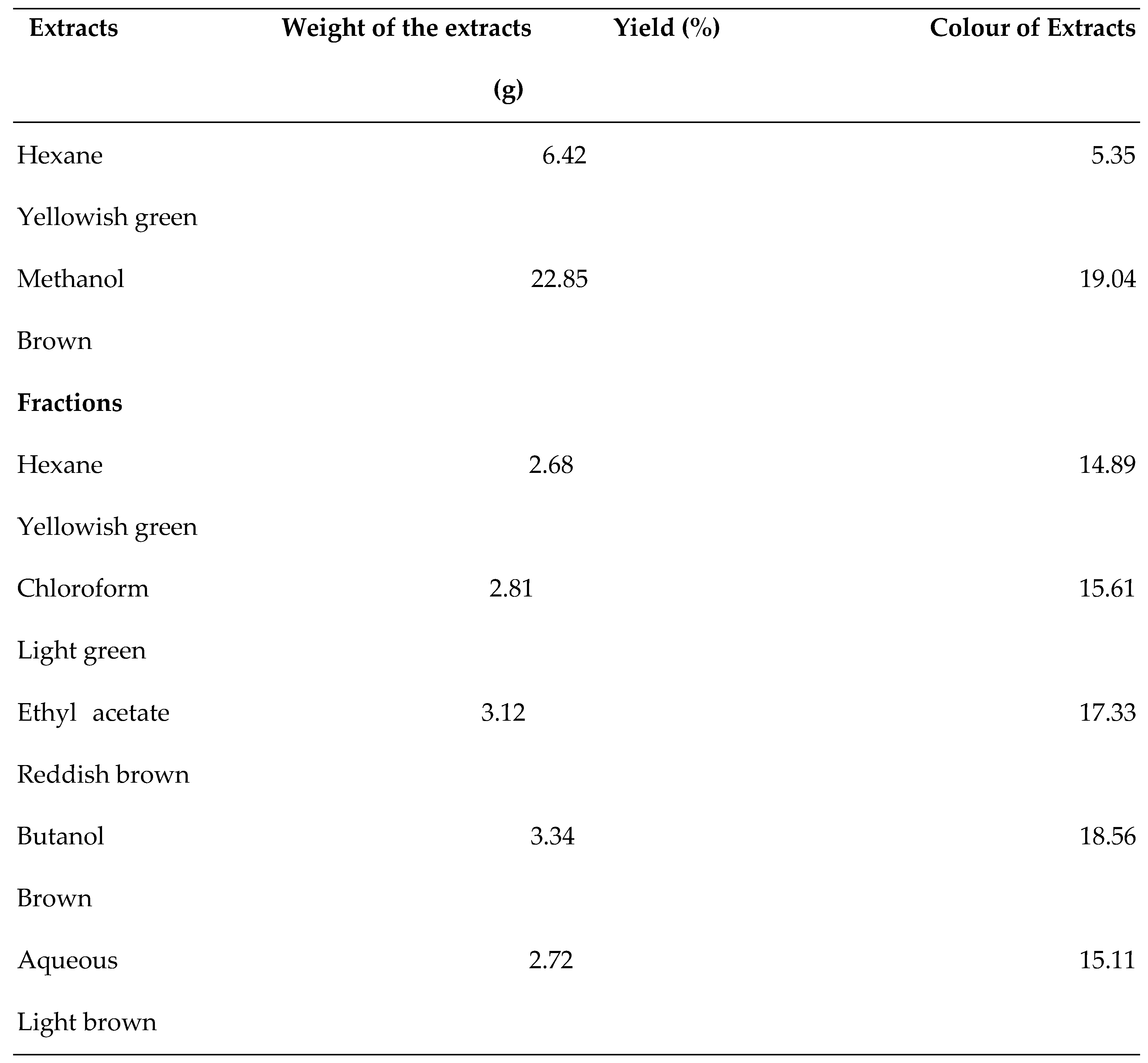
The extraction and fractionation yield of 120 g of G. senegalensis leaf afforded the following percentages as represented in Table 1

3.1. GC-MS Analysis

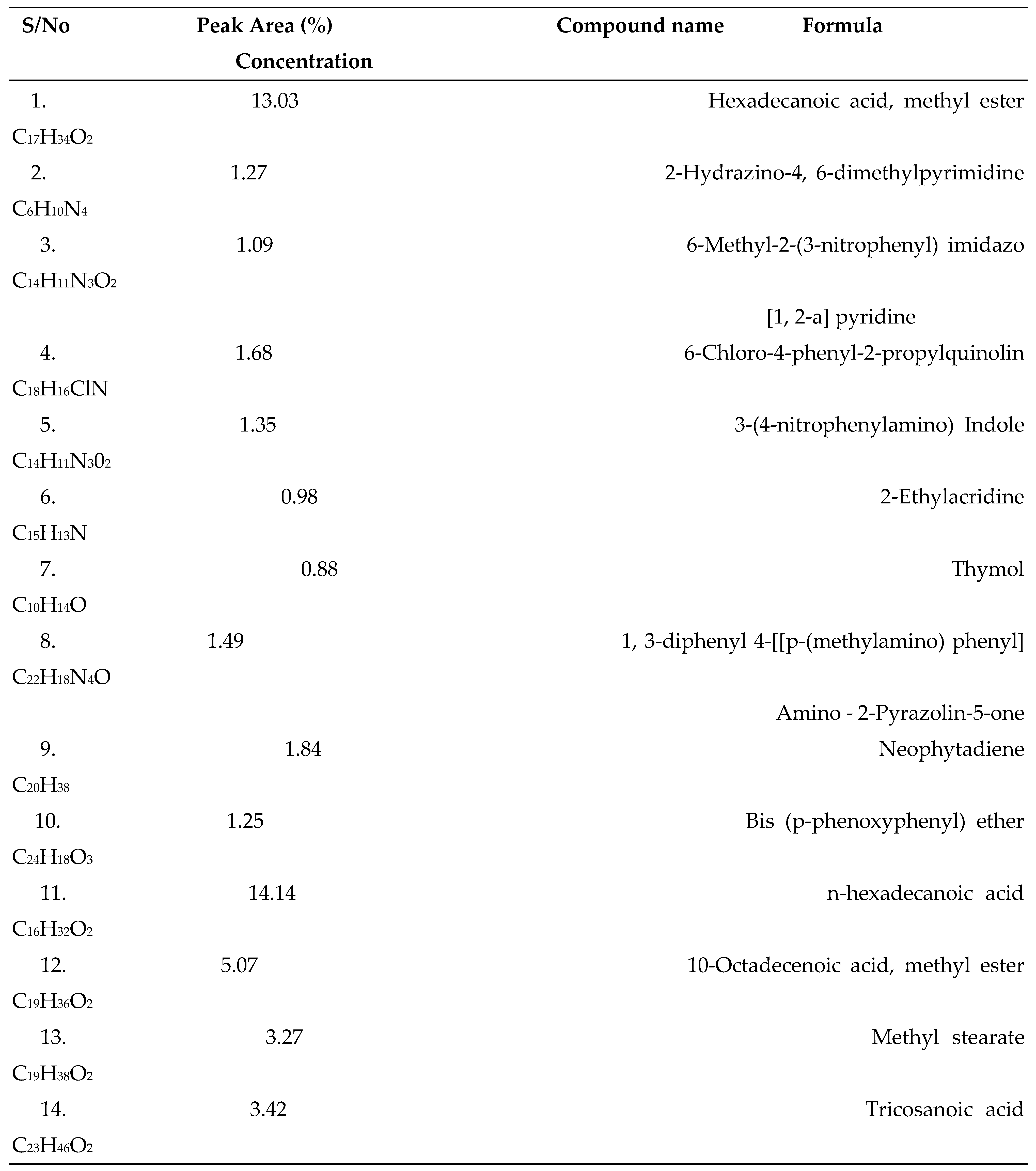
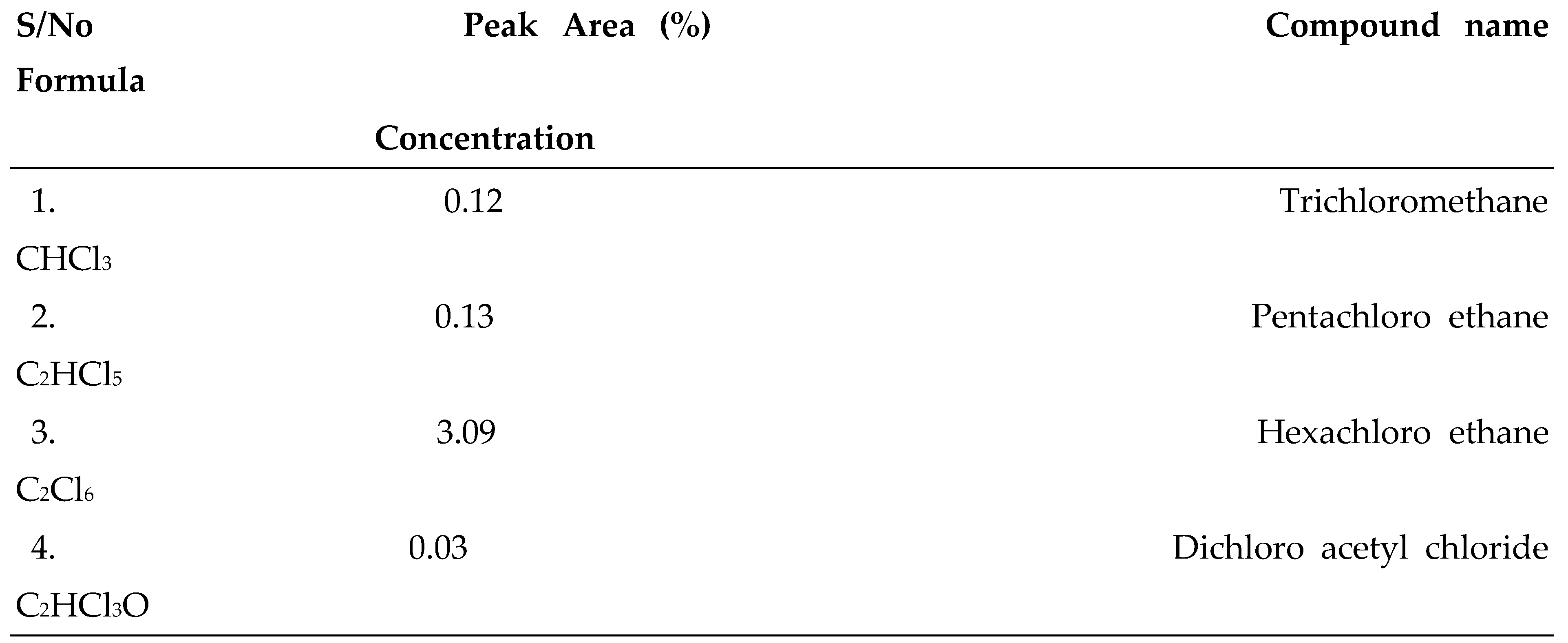
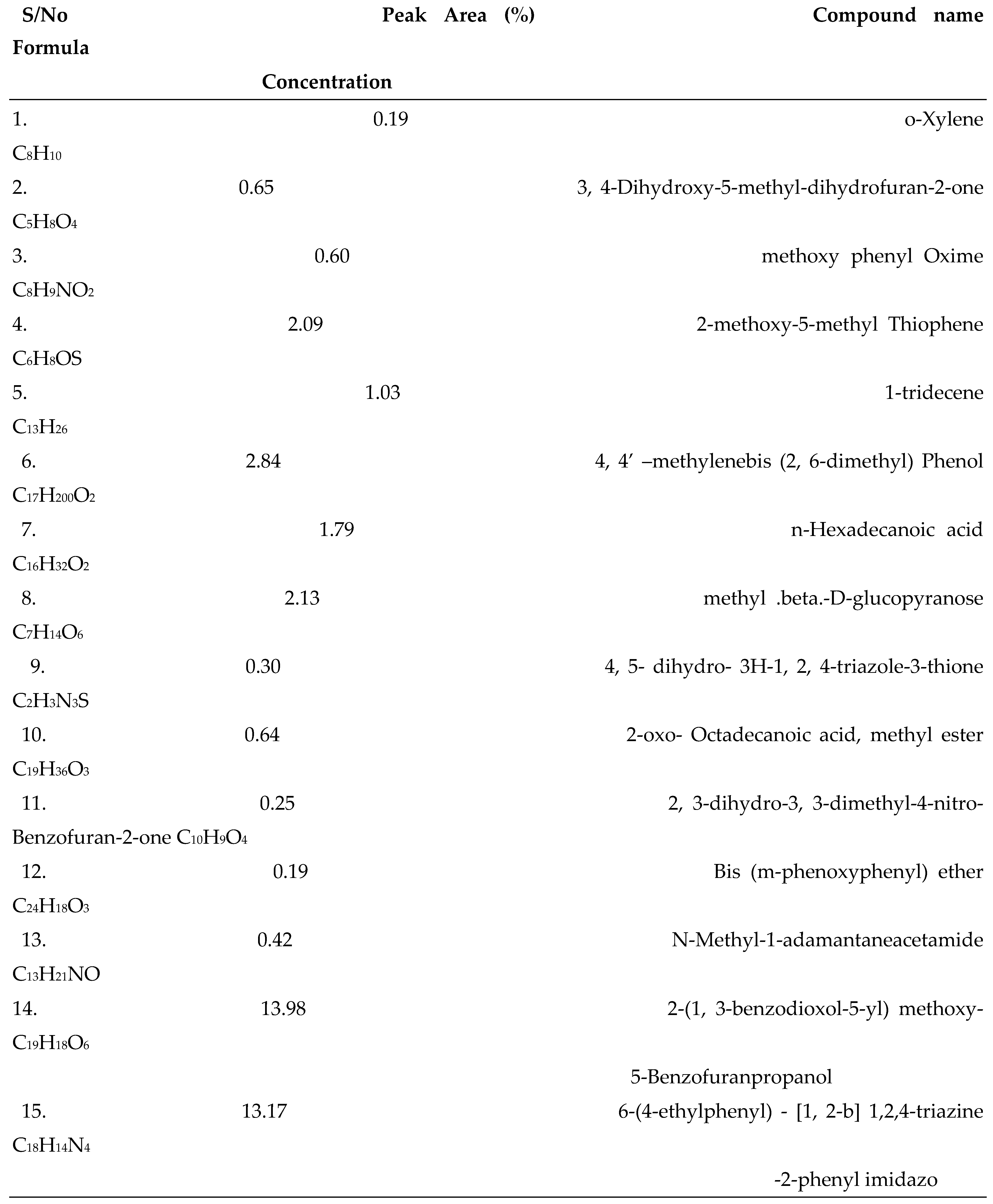
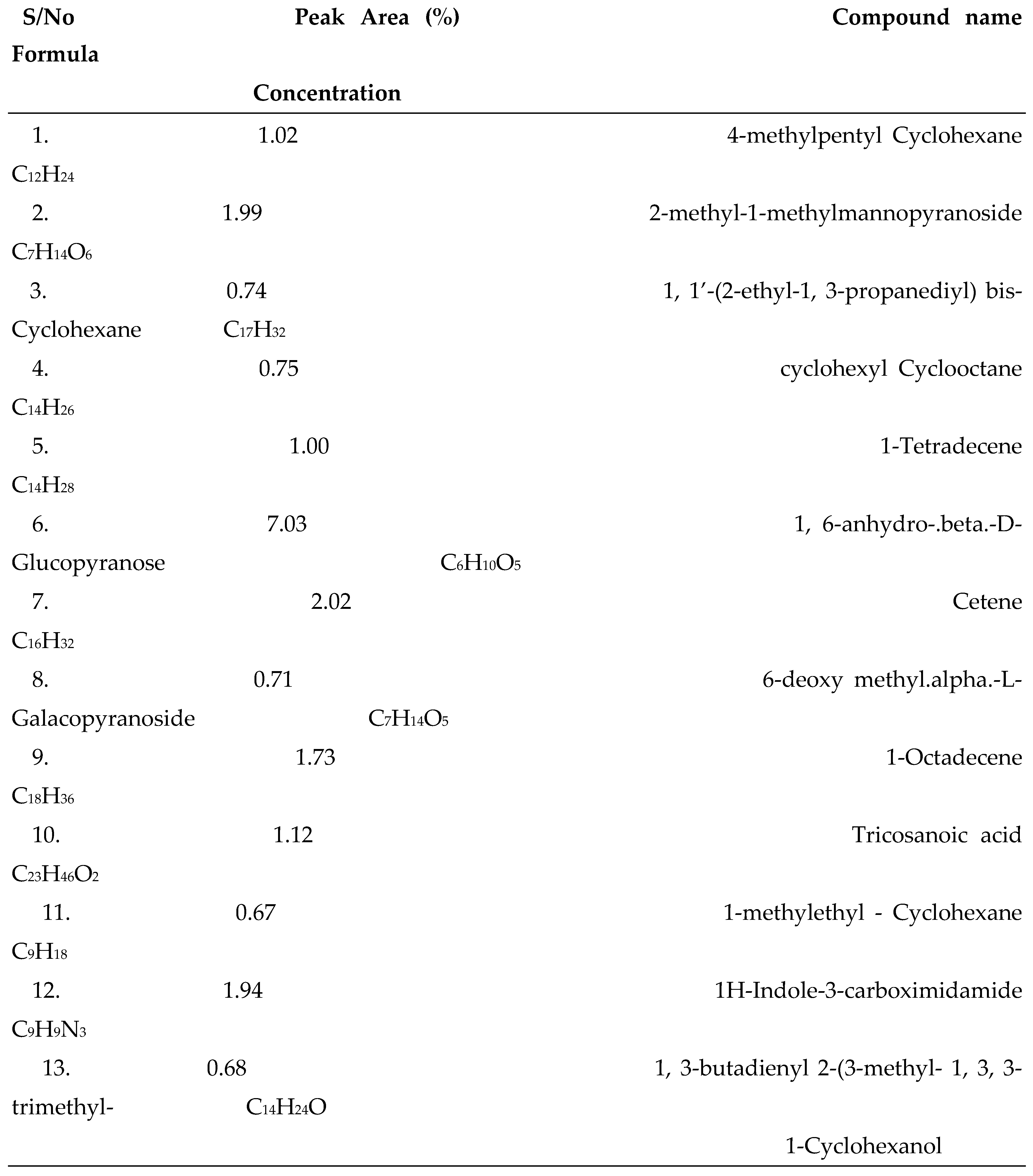
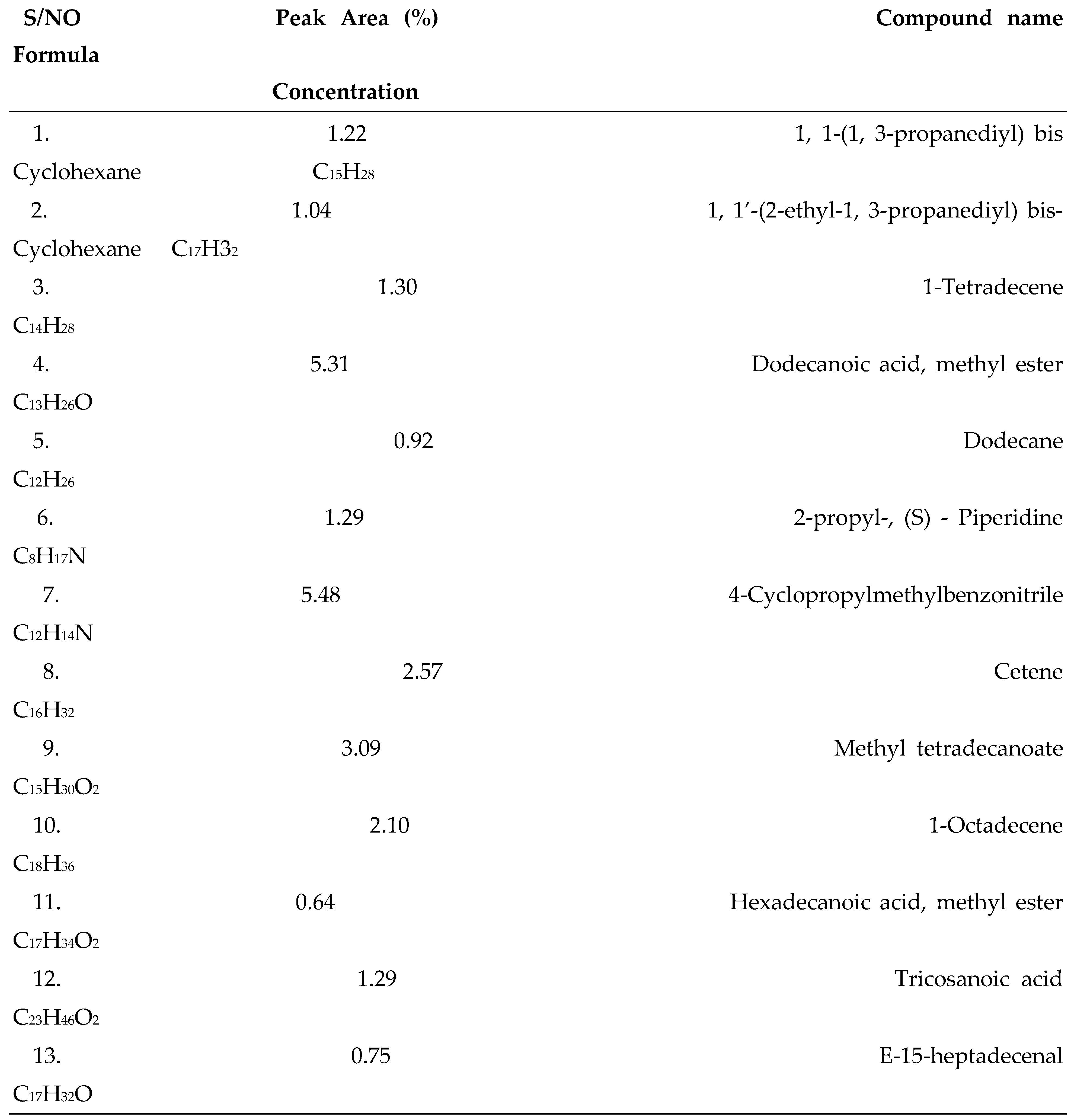
GC-MS analysis of G. senegalensis leaves fractions revealed the presence of several compounds. The components were identified based on peak area (%). From the results 14, 4, 14 13 and 13 major compounds were identified for aqueous, hexane, butanol, chloroform and ethyl acetate fractions respectively. The compounds are presented in Table 2, Table 3, Table 4, Table 5 and Table 6.

3.2. PLA2 Enzyme Assay

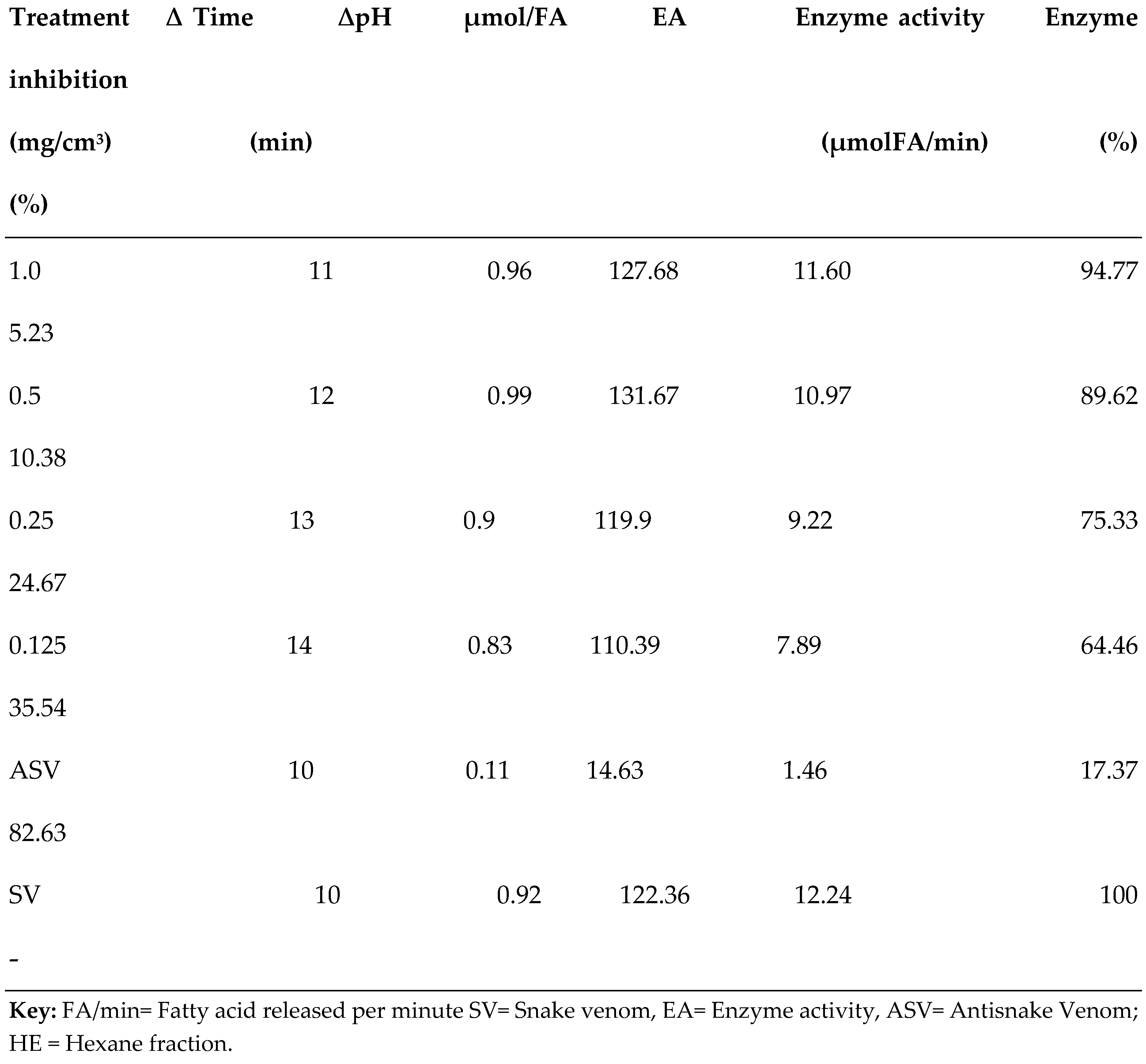
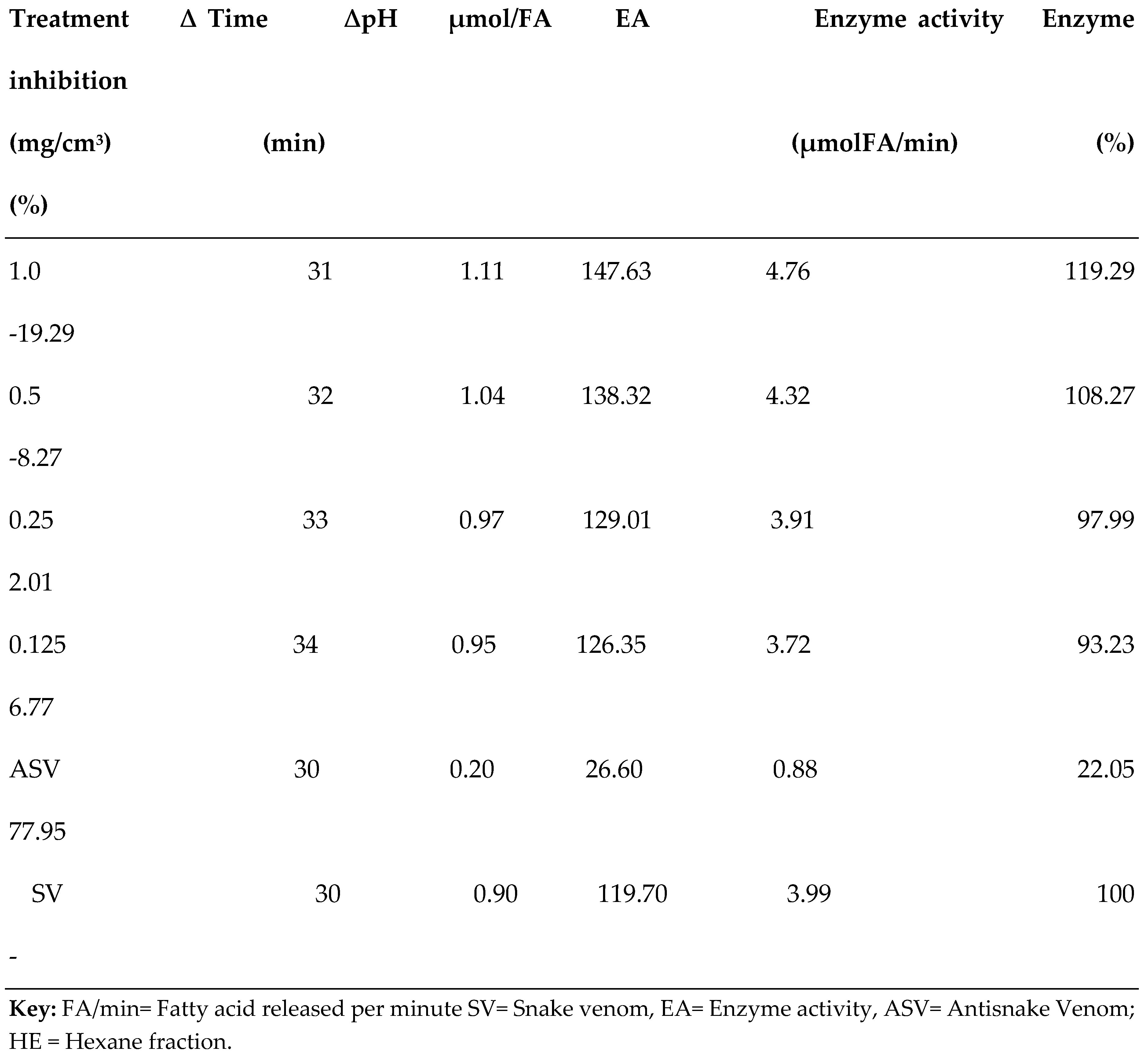
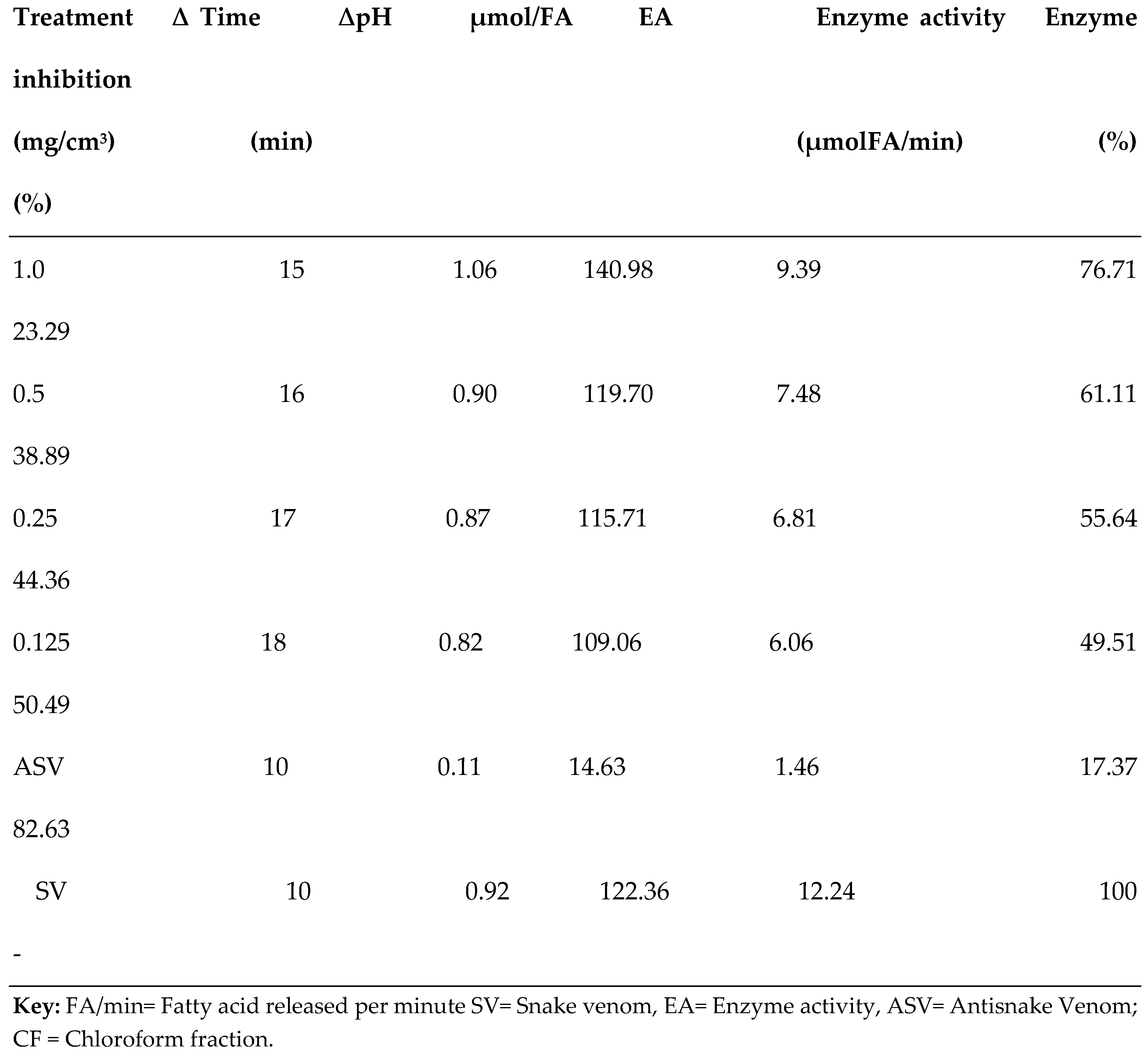
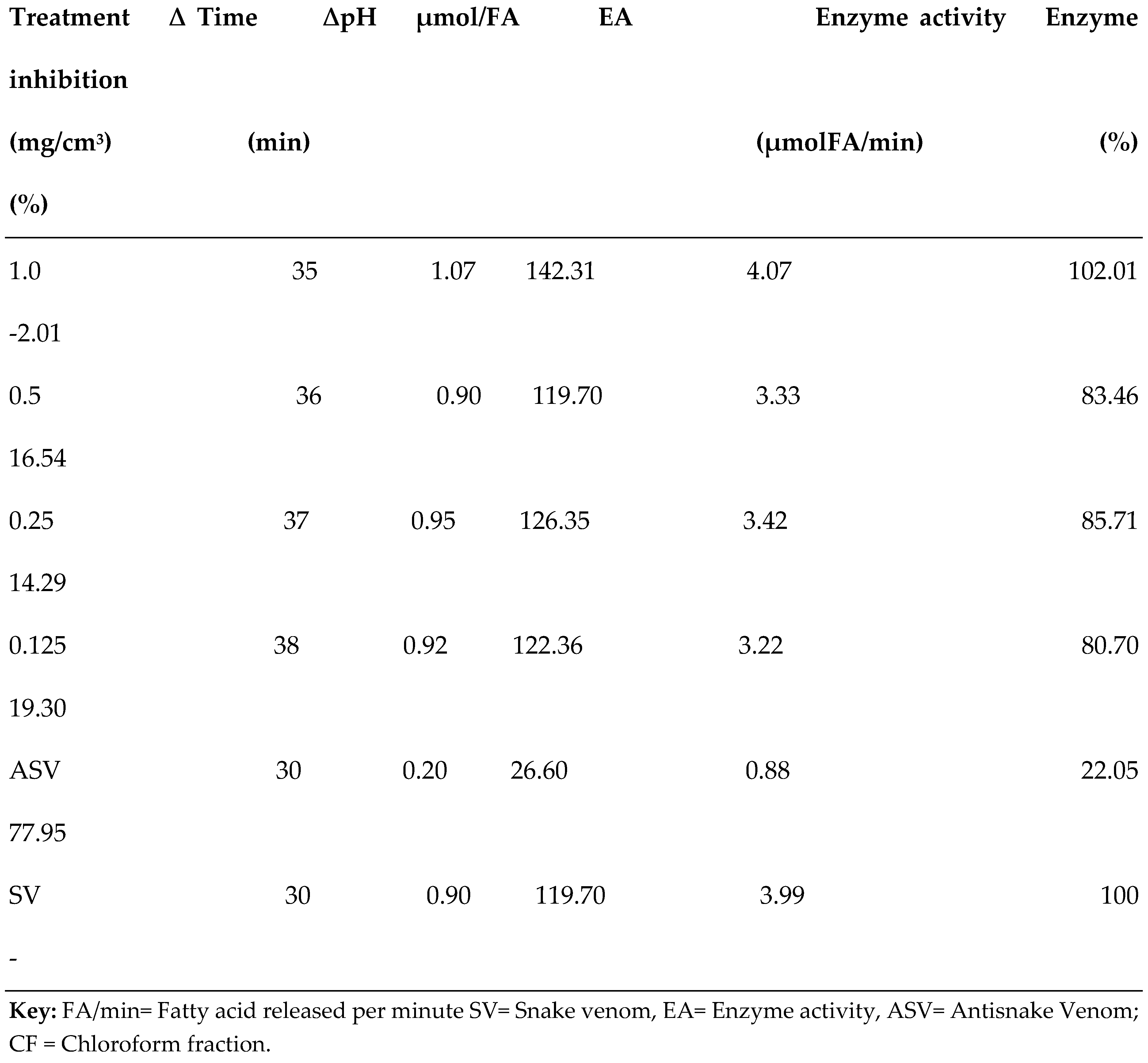
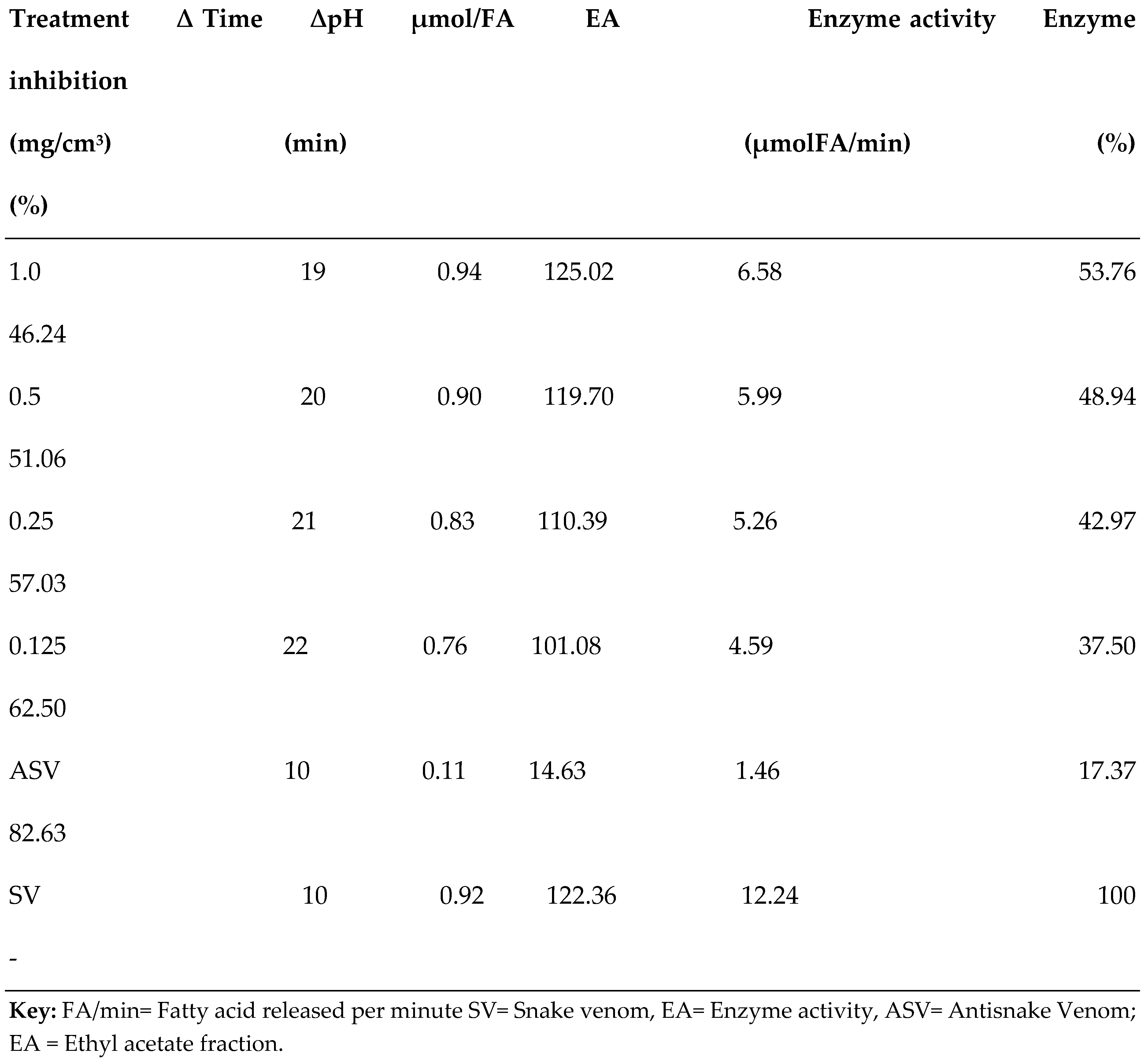
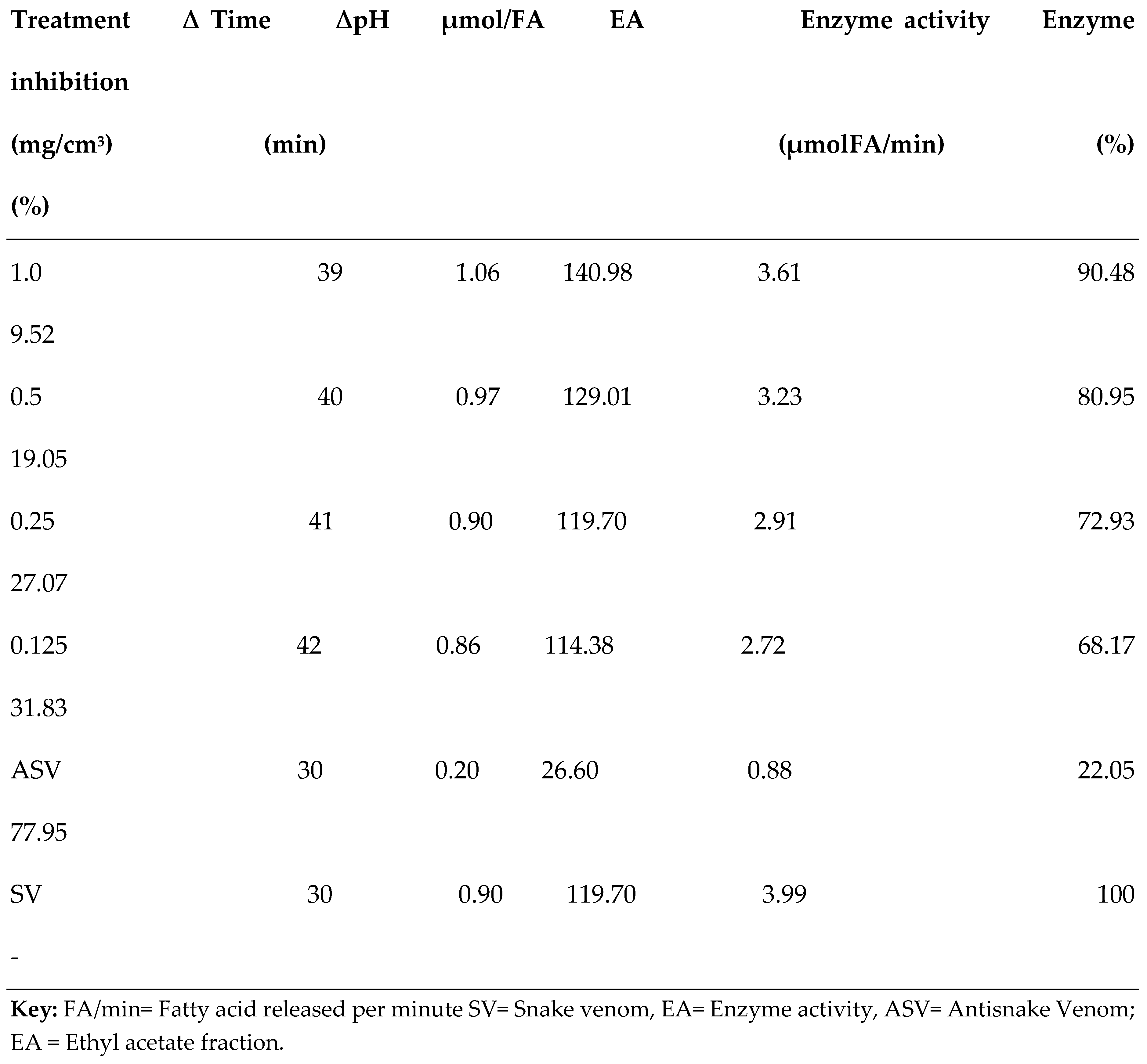
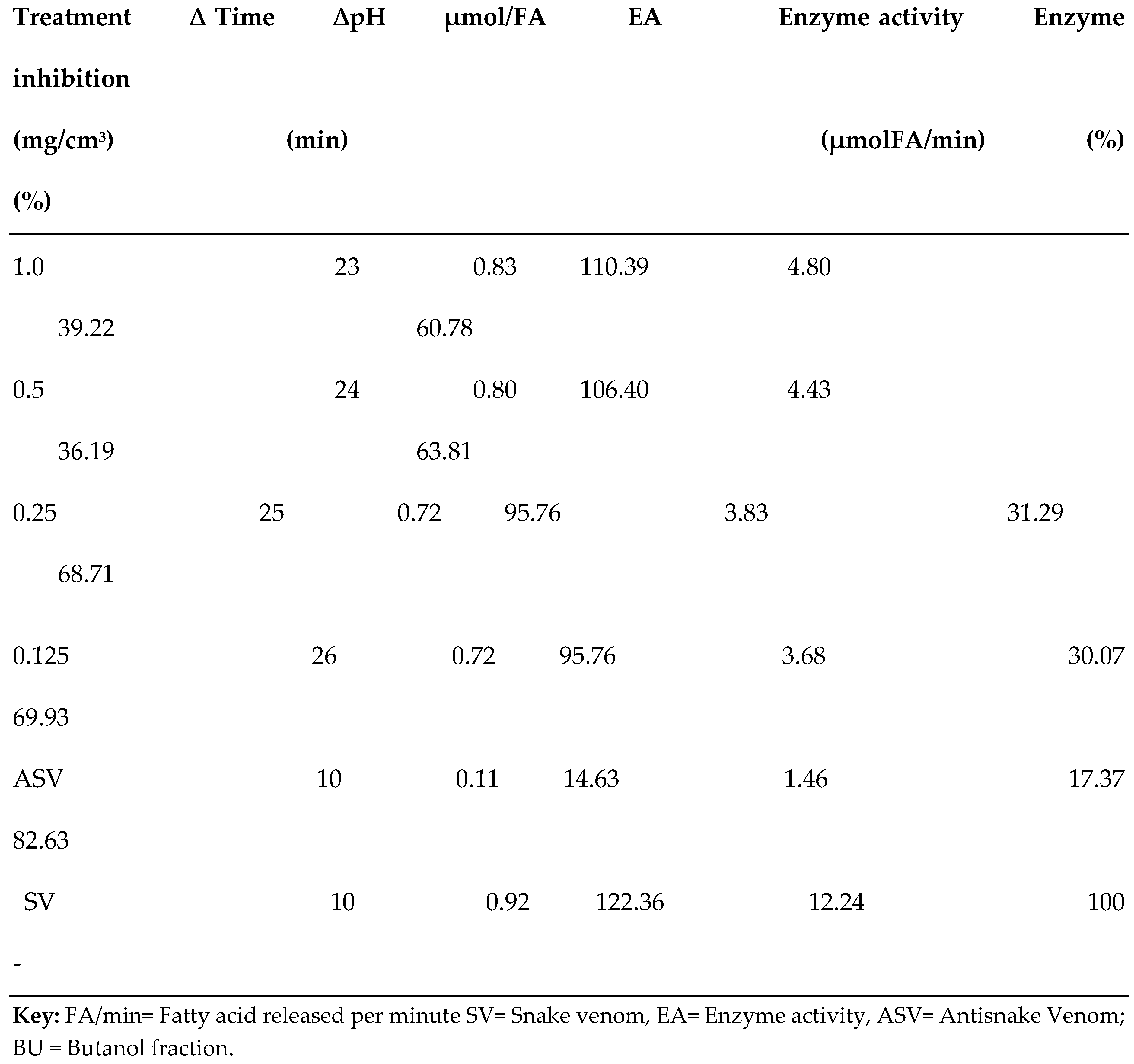
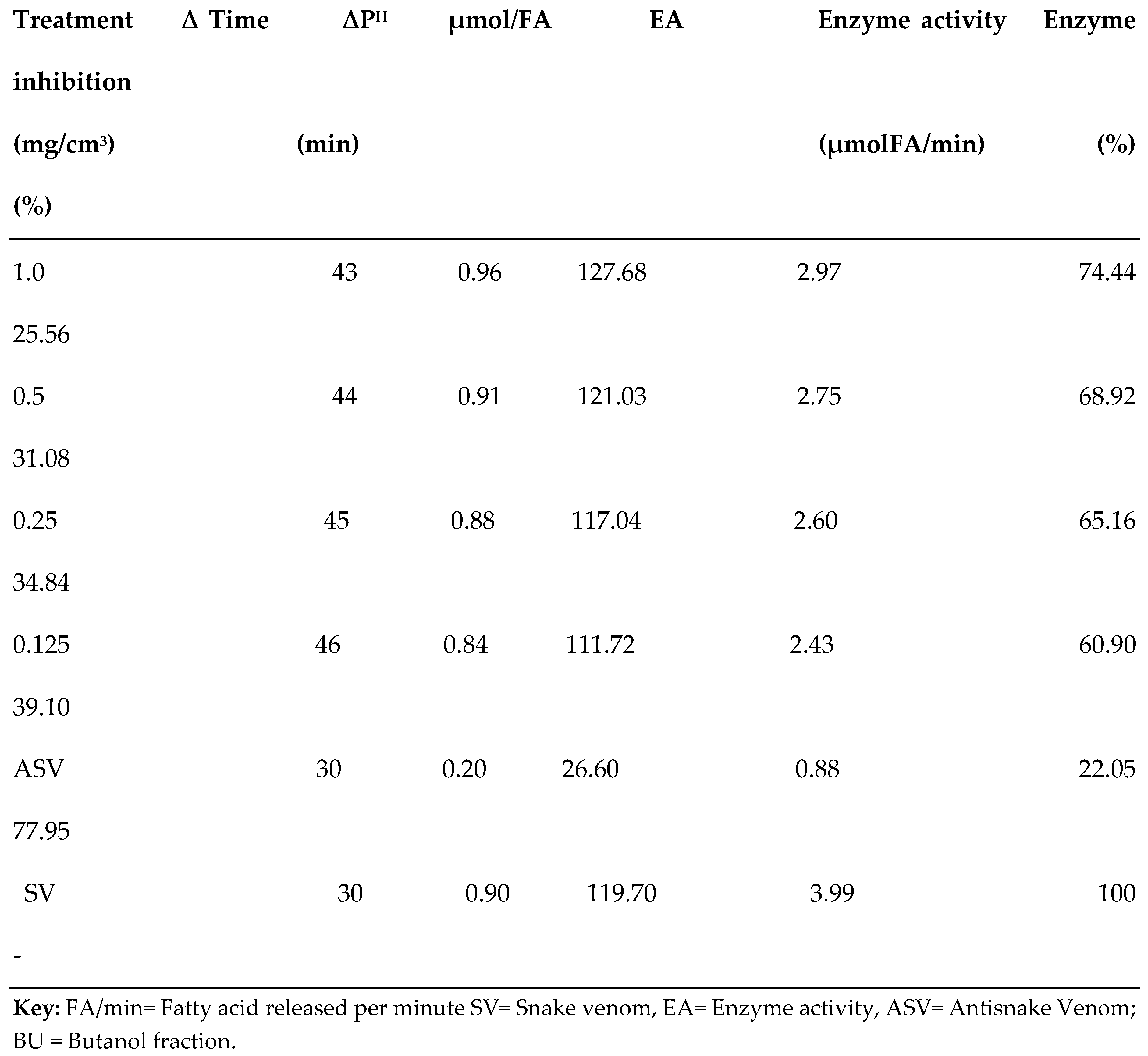
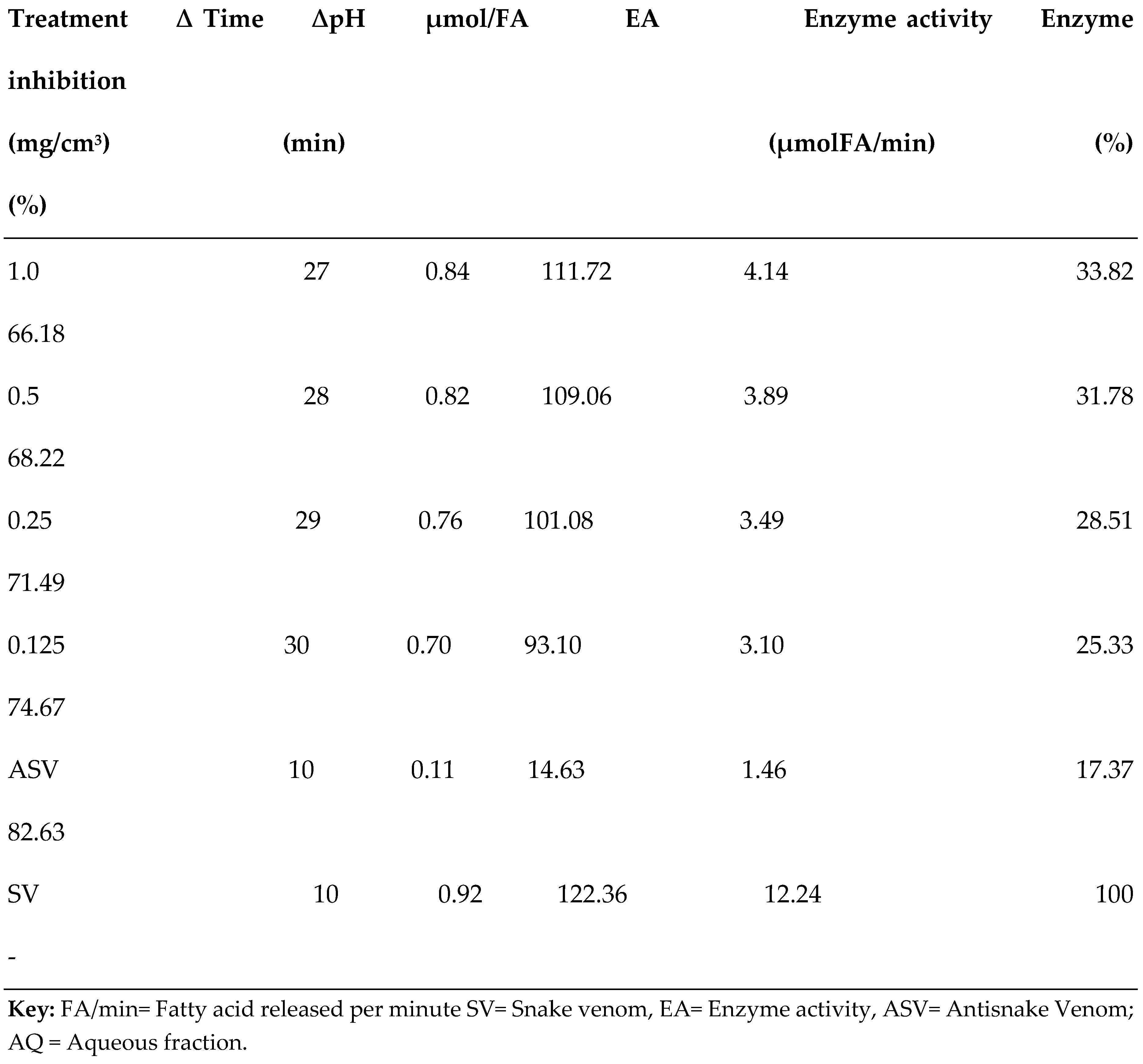
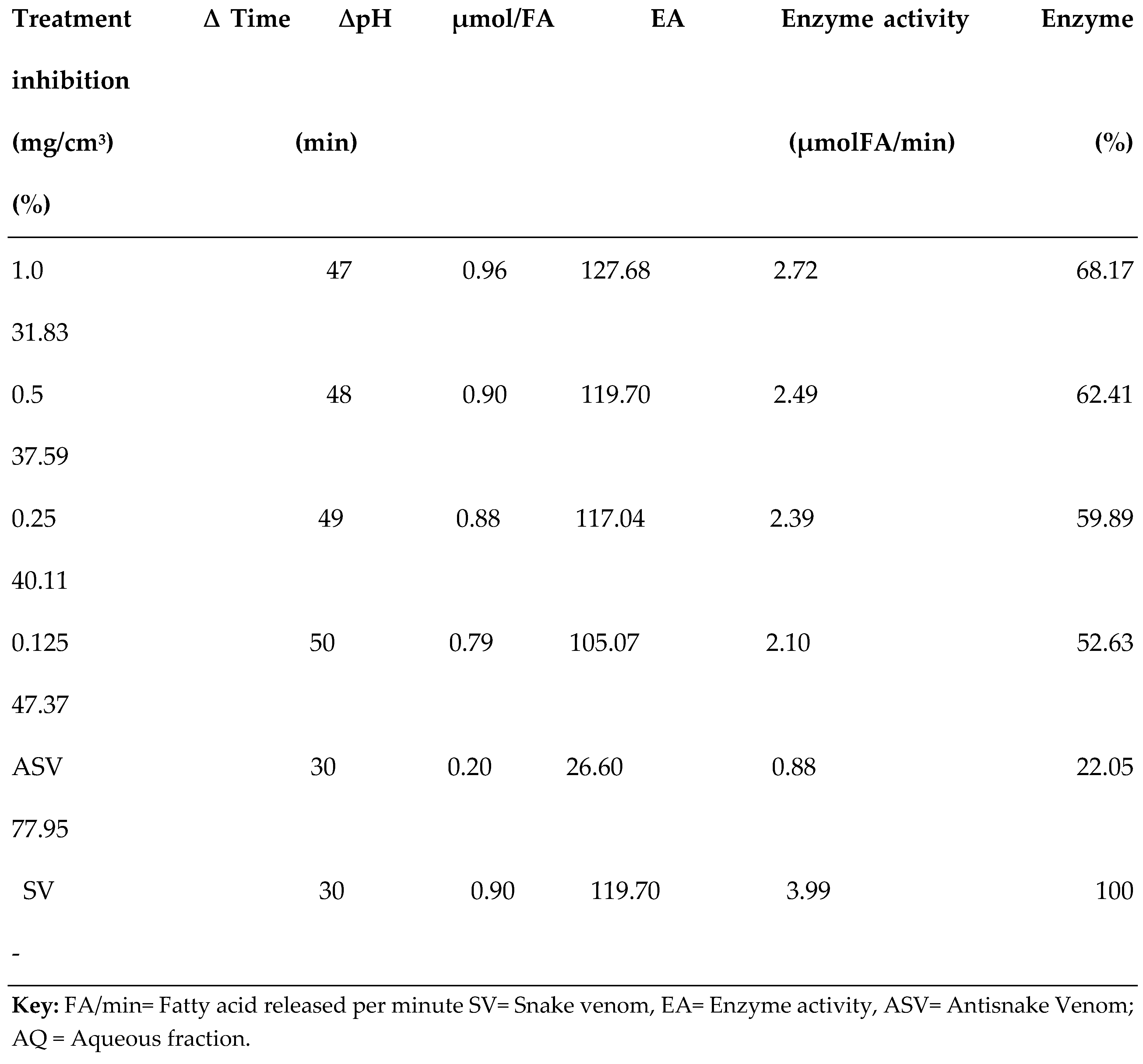
The antisnake venom activity of G. senegalensis leaf fractions (hexane, chloroform, ethyl acetate, butanol and aqueous) against PLA2 enzyme are presented in Table 7, Table 8, Table 9, Table 10, Table 11, Table 12, Table 13, Table 14, Table 15 and Table 16. The fractions were pre-incubated for 10 and 30 minutes, respectively, after which the antivenom efficacy was assessed. When compared to antisnake venom, there was a considerable (p<0.05) suppression of the enzymes, particularly on the aqueous fraction. After 30 minutes of incubation, a modest reduction in the effects was noticed. The findings showed that the compounds considerably reduced the deadly effects of N. nigricollis in a concentration-dependent manner; after 10 minutes of incubation, the aqueous fraction (74.67%) demonstrated the highest PLA2 enzyme inhibition, while the hexane fraction (35.54%) was the least active.

3.3. In Silico Studies

Four compounds were found to have higher binding affinity than the standards; Kaempferol and Apigenin. The docking scores of the compounds against the protein revealed binding energies ranging from -2.7 to -8.7 kcal/mol (Table 17). The docking scores of the fifty compounds (ligands) from G. senegalensis against Phospholipase A2 enzyme are presented in the table below:

3.4. Interaction of the Compounds with PLA2 from G. senegalensis
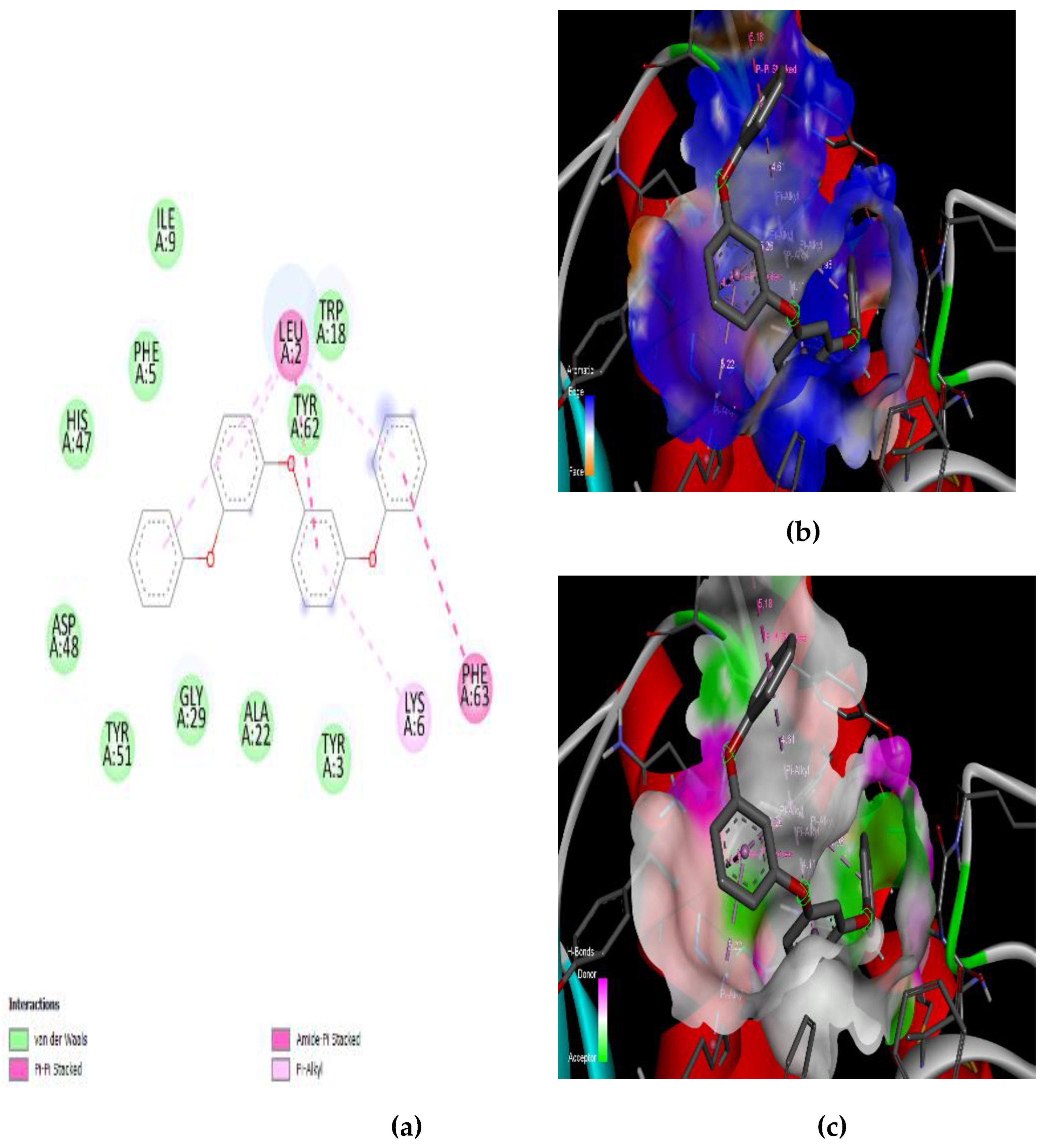
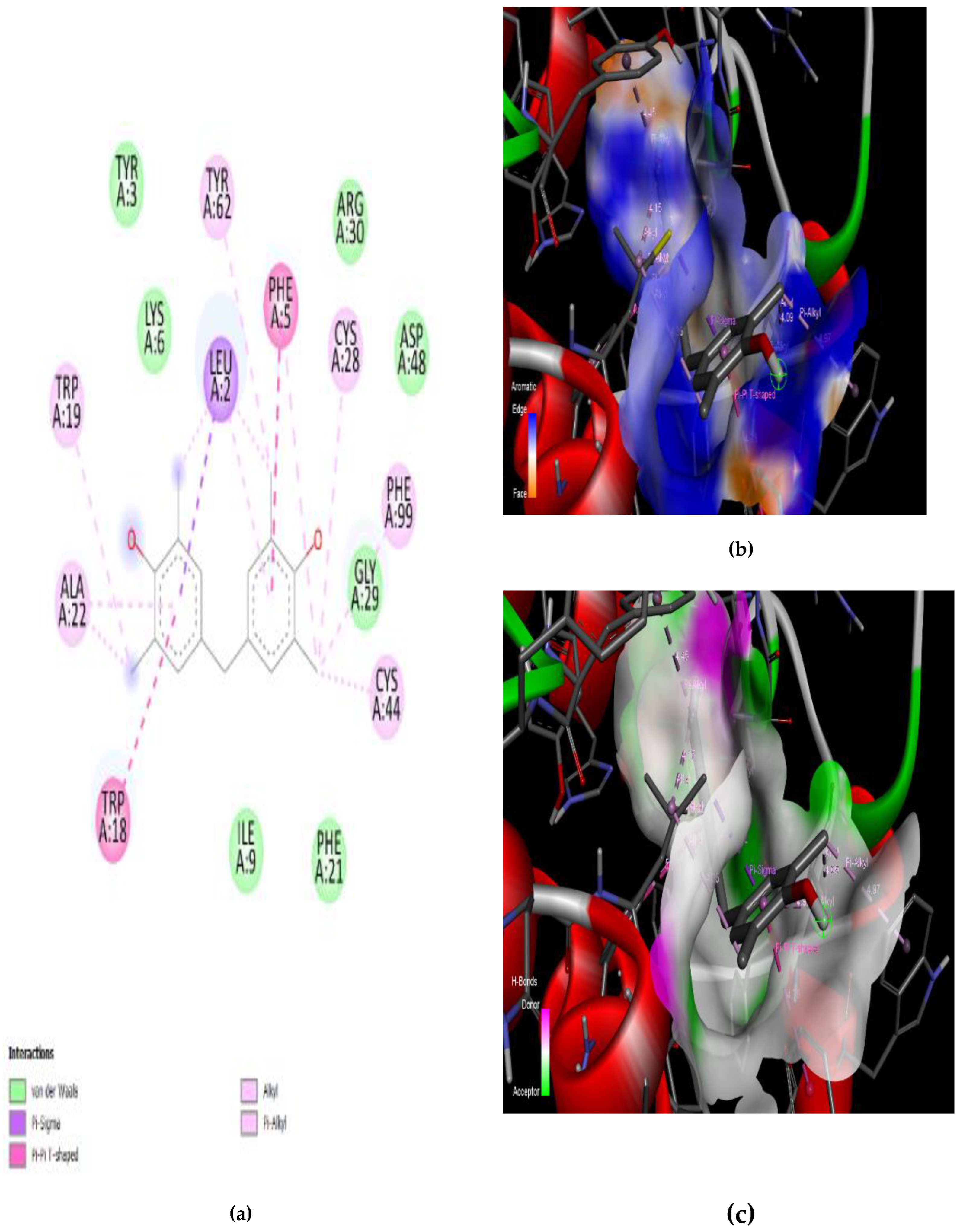
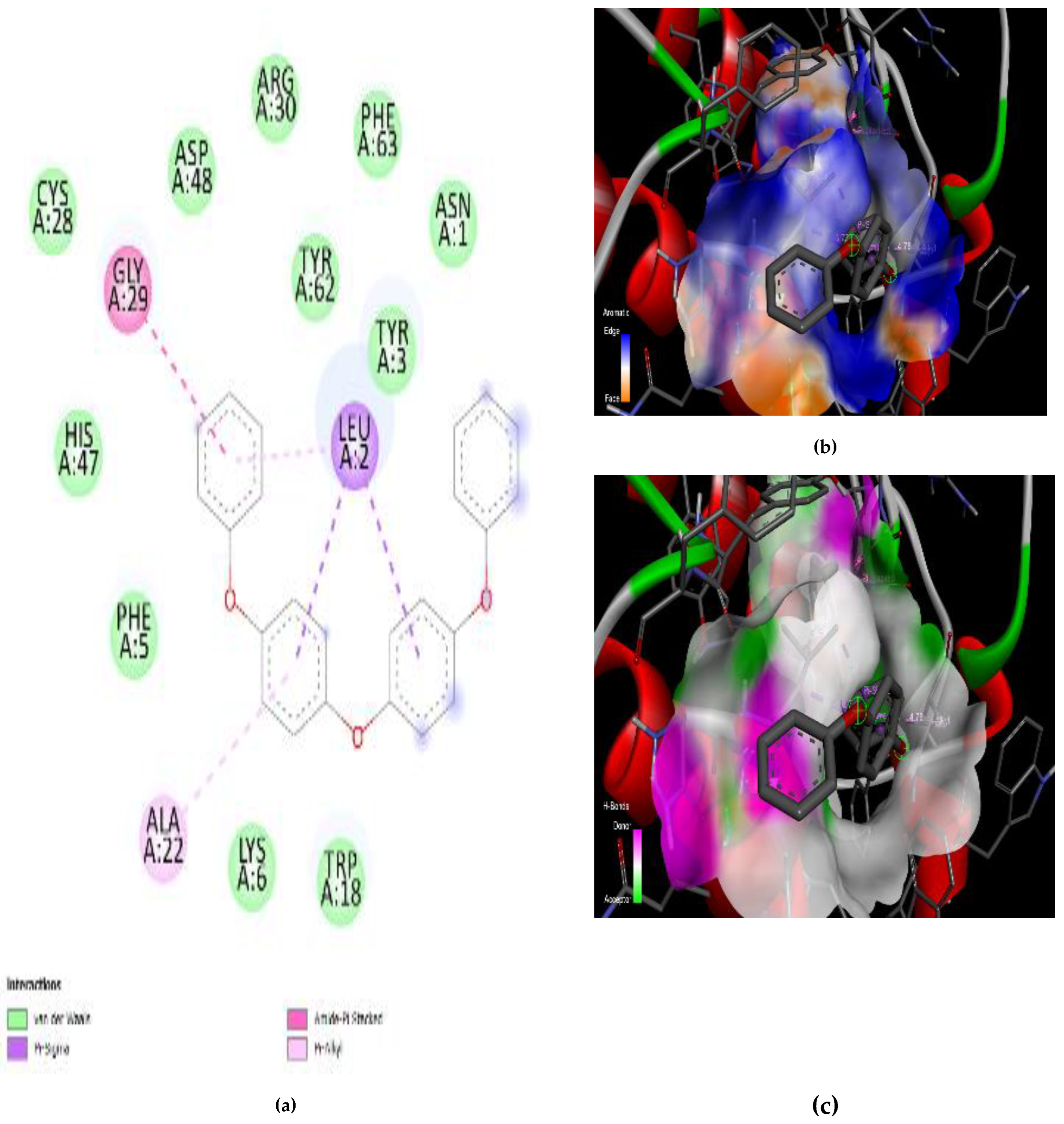
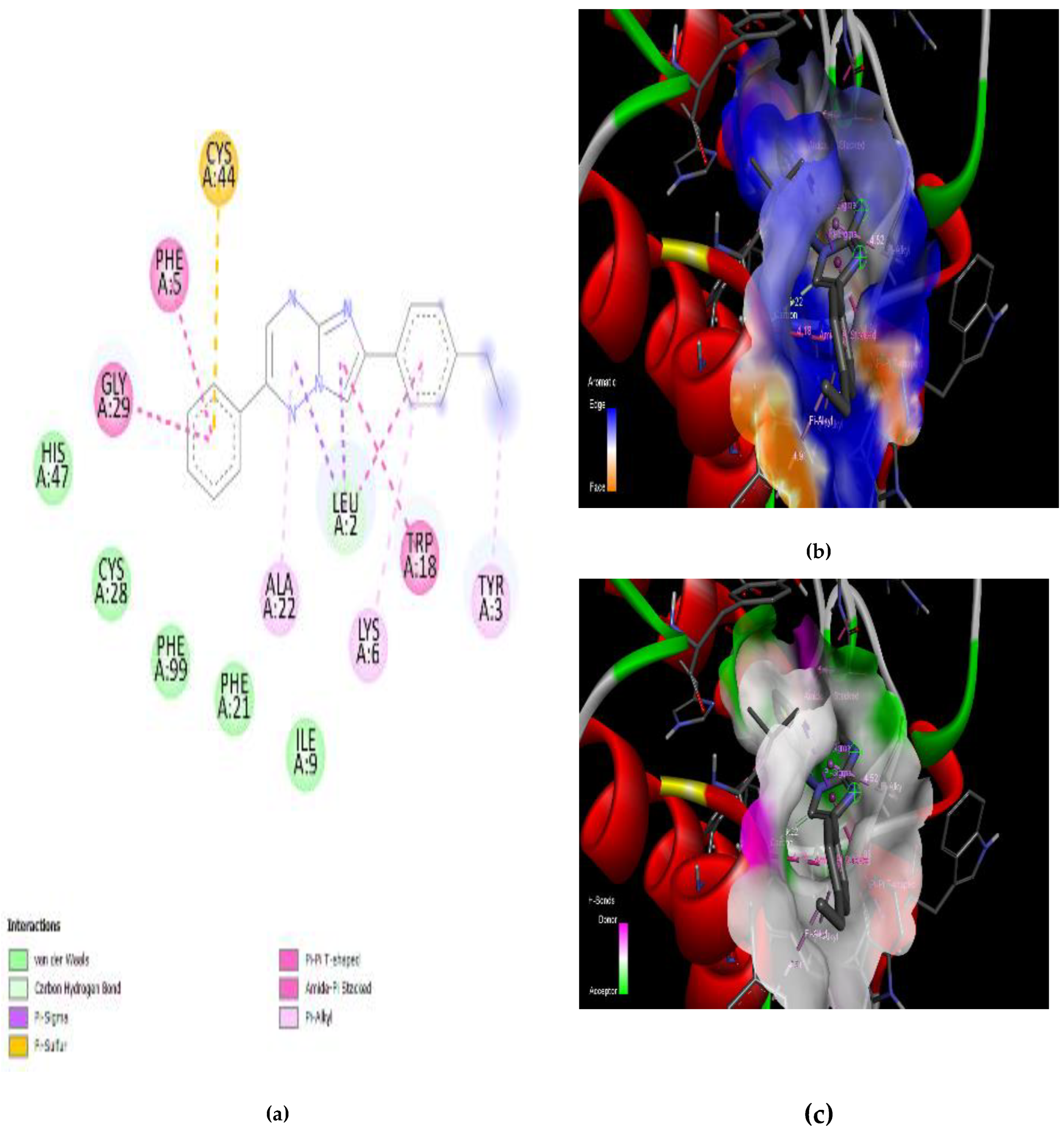
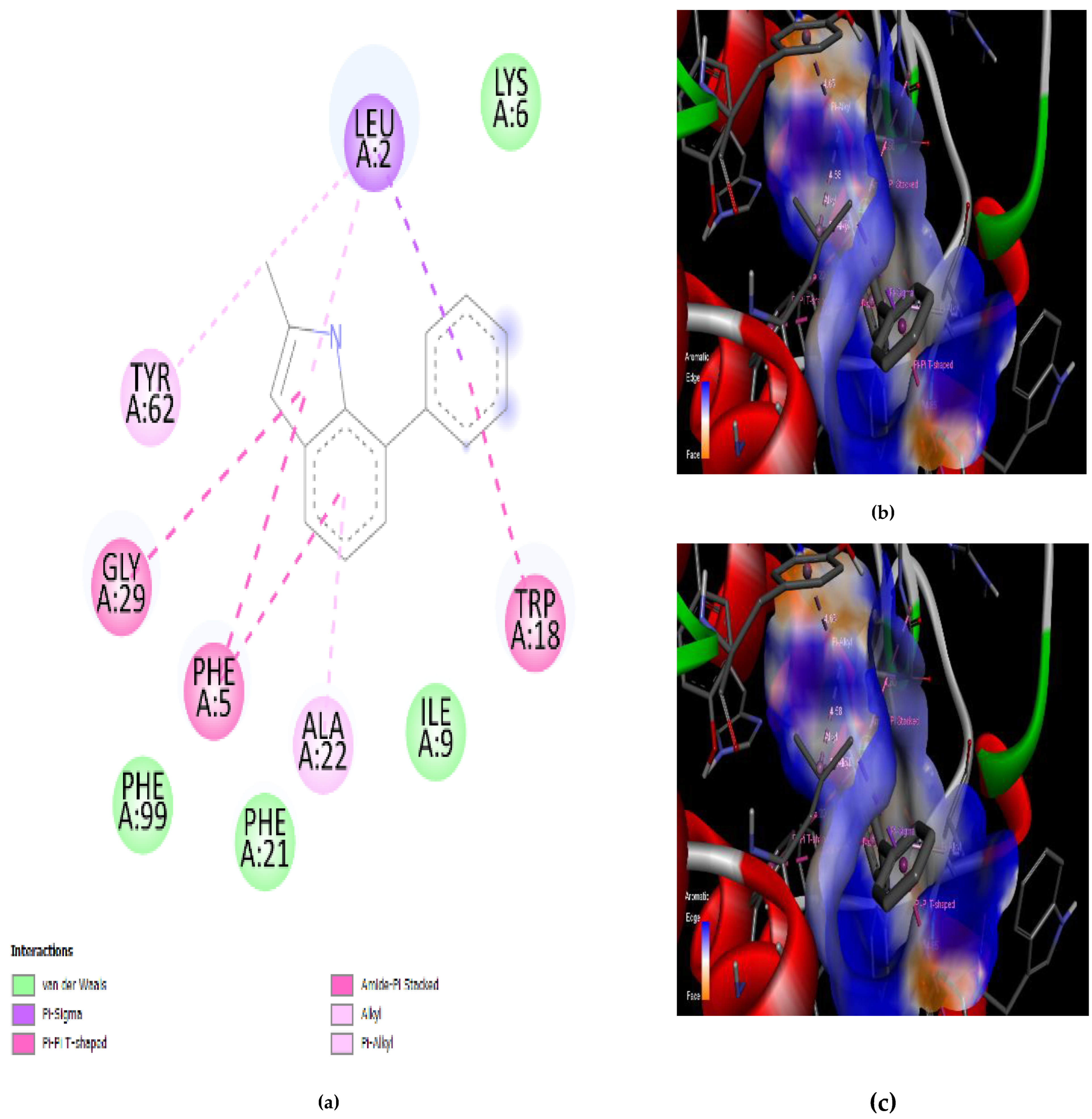
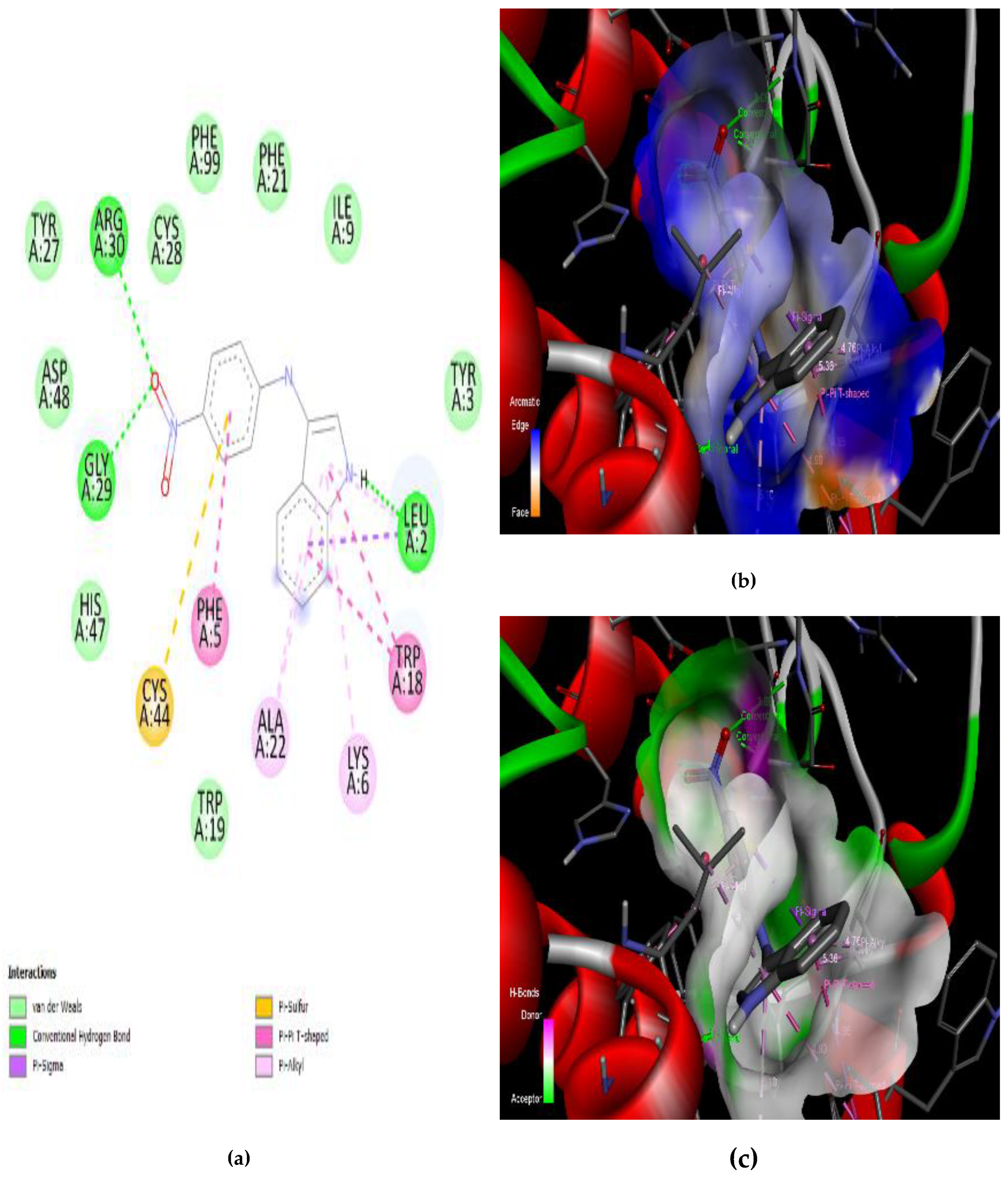
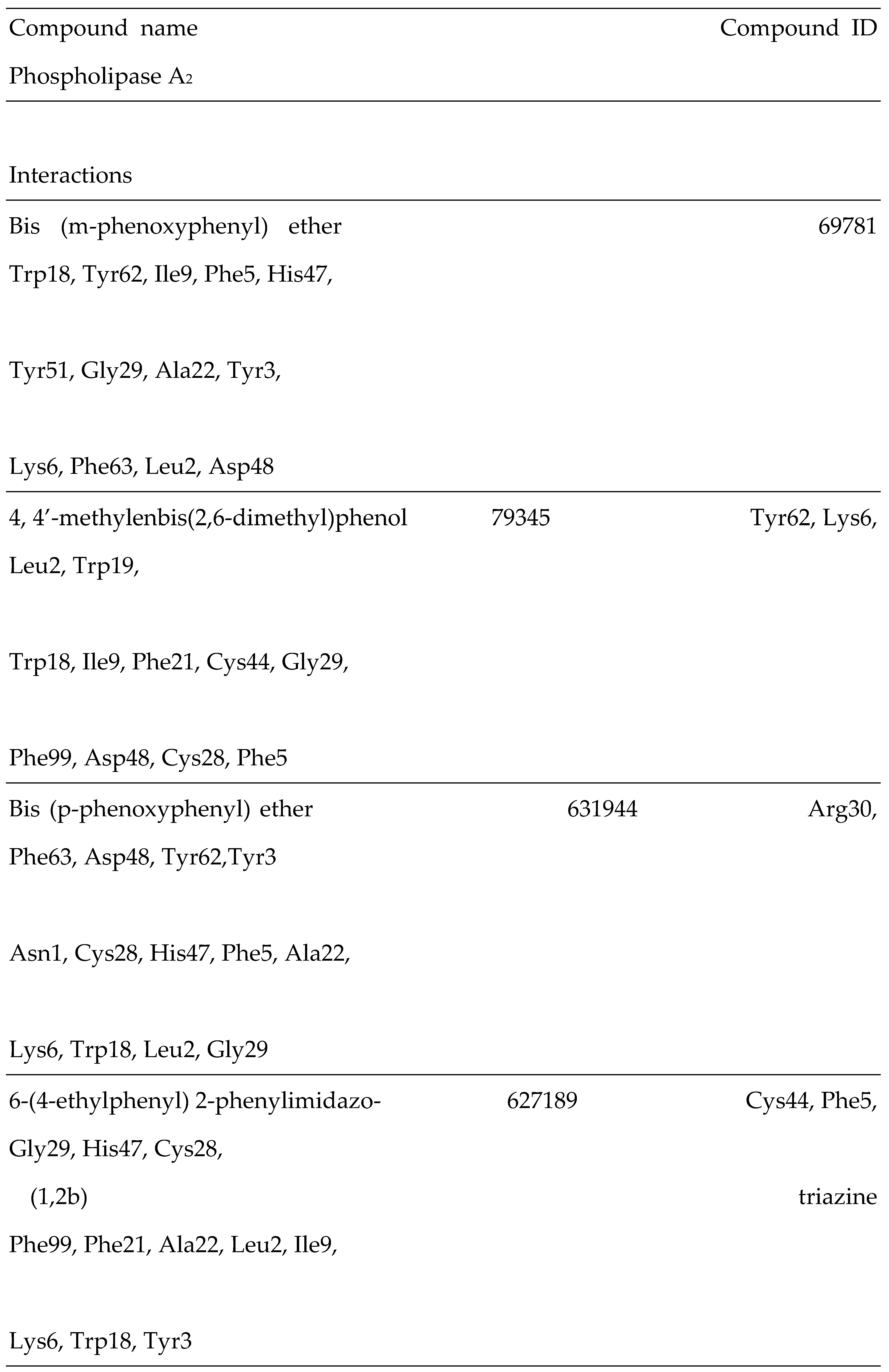
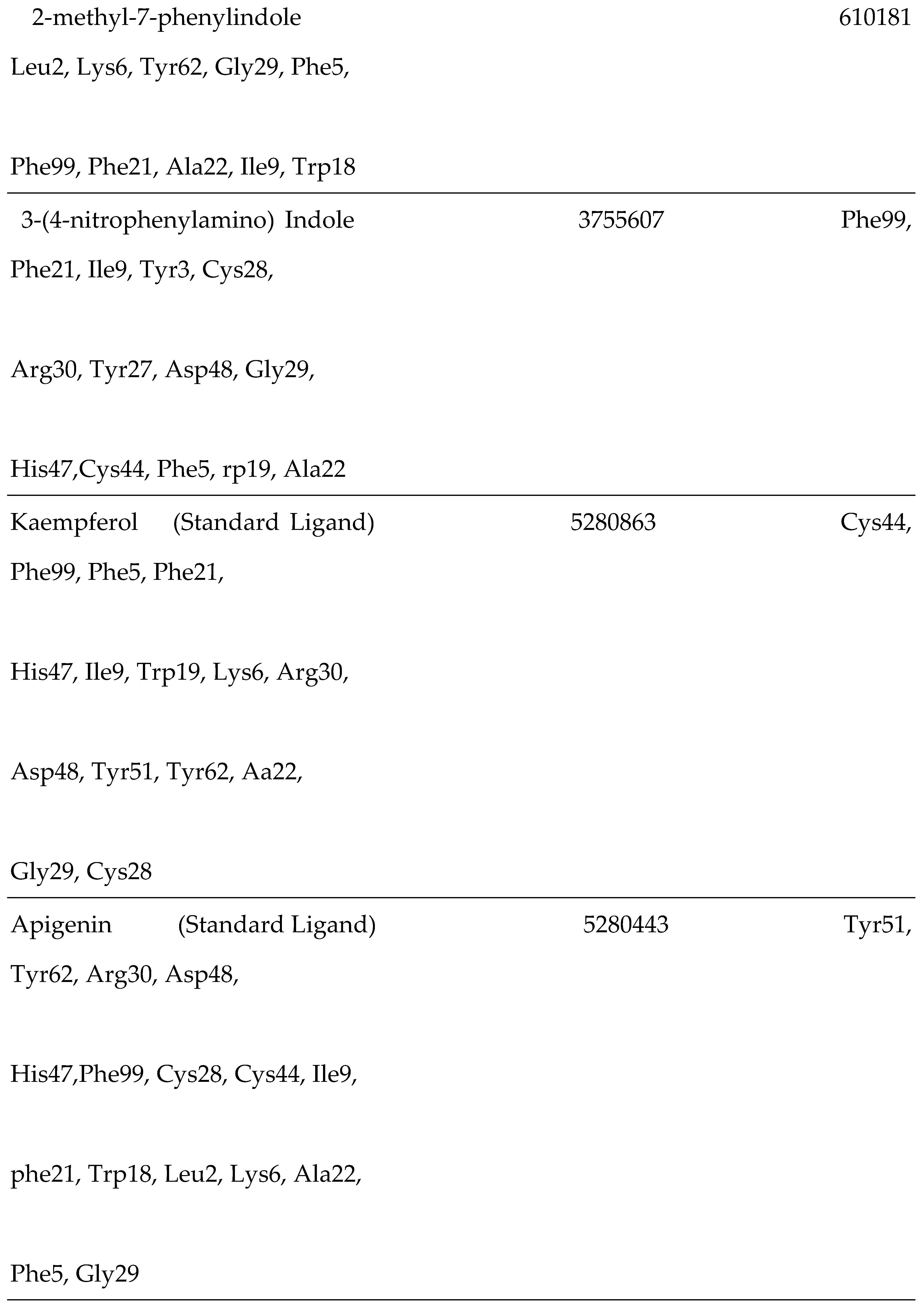
In order to improve the information extracted from molecular docking results, docked molecules were analyzed regarding molecular interactions as indicated in Table 18. The compounds demonstrated interactions with crucial amino acid residues, including Gly29, Phe5, Asp48, Lys6, Ile9, Tyr62, Arg30, Cys28, Leu2, Trp18, His47, Ala22, Phe21, Phe99 and Tye3. The possible mode of action for the inhibitors against the PLA2 was observed via these molecular interactions.
2D and 3D-View of the Interactions
Figure 2. (a) 2D view of the molecular interaction of Bis (m-phenoxyphenyl) ether with PLA2 enzyme. 3D View of the molecular interaction of Bis (m-phenoxyphenyl) ether with PLA2 enzyme showing (b) aromatic Interactions (c) hydrogen bond interactions.
Preprints 143417 g002
Figure 3. (a) 2D View of Molecular Interaction of 4, 4’-methylenebis (2, 6-dimethyl) Phenol with PLA2 enzyme. 3D View of the molecular interaction showing (b) aromatic Interactions (c) H-Bond Interactions.
Preprints 143417 g003
Figure 4. (a) 2D View of Molecular Interaction of Bis (p-phenoxyphenyl) ether with PLA2. 3D View of the molecular interaction of Bis (p-phenoxyphenyl) ether with PLA2 enzyme showing (b) aromatic Interactions (c) hydrogen bond interactions.
Preprints 143417 g004
Figure 5. (a) 2D View of Molecular Interaction of 6-(4-ethyl phenyl)-2-phenyimidazo [1, 2-b] [1, 2, 4] triazine with PLA2 enzyme. 3D View of the molecular interaction showing (b) aromatic Interactions (c) hydrogen bond.
Preprints 143417 g005
Figure 6. (a) 2D View of Molecular Interaction of 2-methyl -7-phenylindole with PLA2 enzyme. 3D View of the molecular interaction showing (b) aromatic Interactions (c) hydrogen bond.
Preprints 143417 g006
Figure 7. (a) 2D View of Molecular Interaction of 3, 4-nitrophenylamino Indole with PLA2 enzyme. 3D View of the molecular interaction showing (b) aromatic Interactions (c) hydrogen bond.
Preprints 143417 g007

4.5. In Silico ADME and Drug-Likeness

ADMET (Absorption, Distribution, Metabolism, Excretion, and Toxicity) plays a pivotal role in drug discovery and development (Norinder and Bergstrom, 2006). Understanding the ADMET properties of a compound is crucial for predicting its behavior in the body, identifying potential drug candidates, and reducing the risk of clinical failures; the studies provide vital information on how a drug is absorbed, distributed, metabolized, and excreted, as well as its potential toxicity, allowing drug developers to assess the safety and efficacy of a drug candidate. The ADME and Drug-likeness of the compounds are presented in Table 19.

3.5. Toxicity Profile

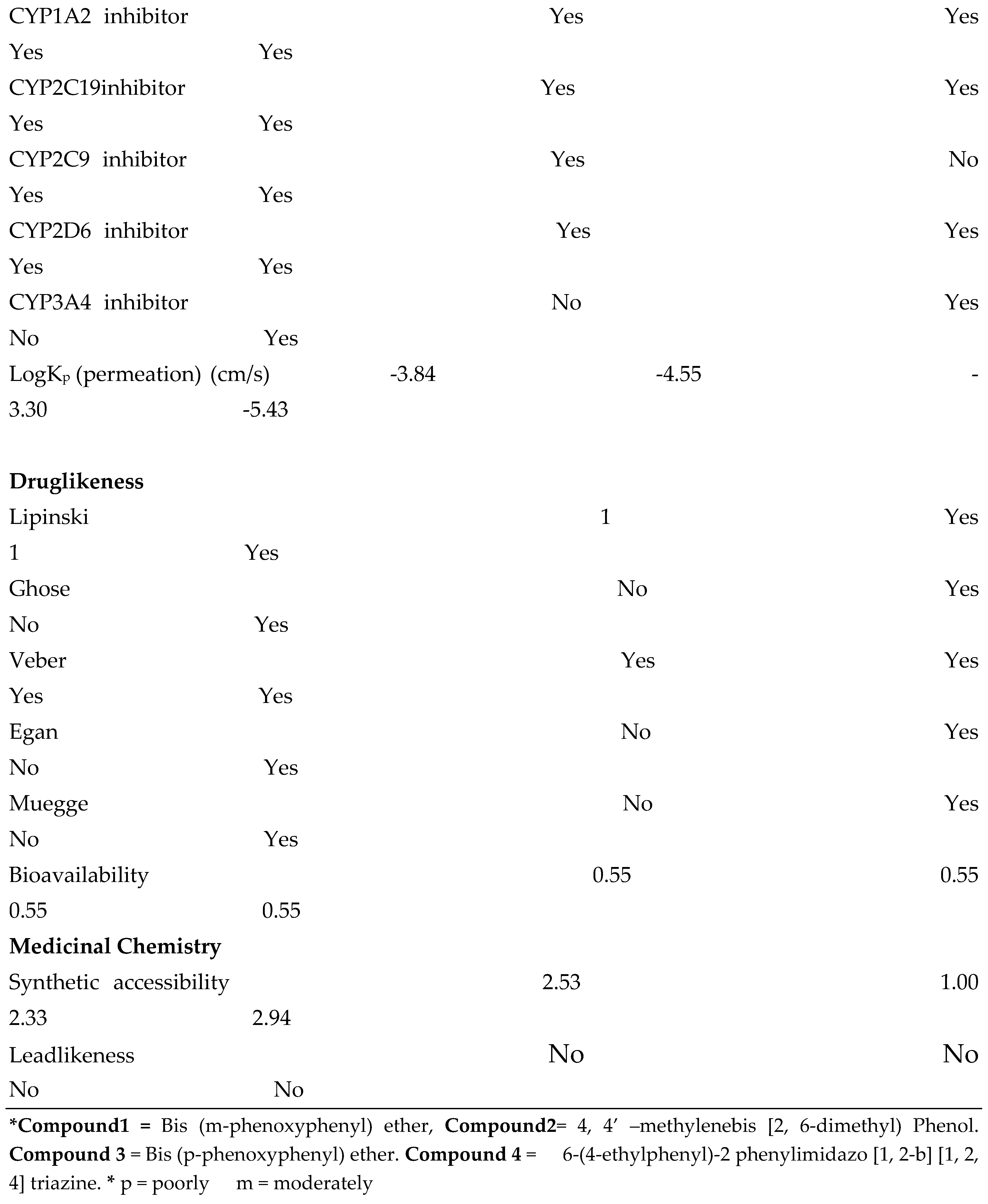
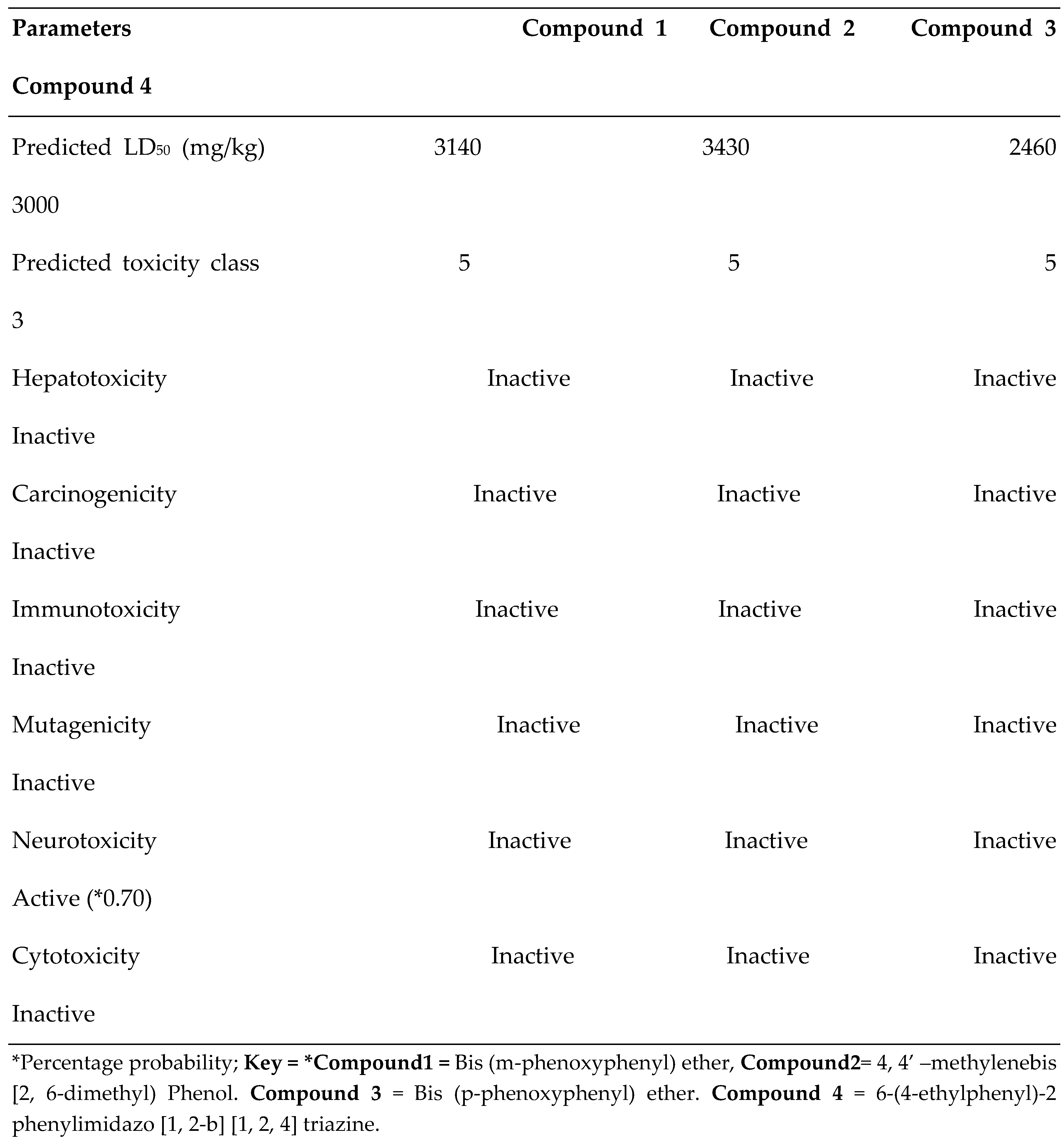
The toxicity predictions of the compounds are presented in Table 20; none of the compounds showed indication of hepatotoxicity, carcinogenicity, Immunotoxicity, cytotoxicity and mutagenicity. Similarly only 6-(4-ethylphenyl)-2 phenylimidazo [1, 2-b] [1, 2, 4] triazine has the potential to be neurotoxic.

4. Discussion

The methanol extract at 60-65 0C has greater yield (19.04 %) than extraction with hexane (5.35 %) at 63-69 0C (Table 1). The efficiency of methanol as a solvent used for extraction of the plant might be due to it being an organic polar solvent. The methanol polarity makes it able to have strong interactions with polar substances (Lokeswari et al., 2011). The color of extract observed were brown in methanol and yellowish green in hexane extract. The color of fractions observed were yellowish green in hexane, light green in chloroform, reddish brown in ethyl acetate, brown in butanol and light brown in aqueous fraction (Table 1).
The compounds present in the fractions of G. senegalensis were identified by GC-MS analysis. Fifty compounds which were the major components were identified. The active principles with their molecular formula and concentration (% Area) in the methanol fractions of G. senegalensis leaves are presented in Table 2, Table 3, Table 4, Table 5 and Table 6.
The result revealed that Dodecanoic acid, methyl ester (5.31%), 4-Cyclopropylmethylbenzonitrile (5.48%), Methyl tetradecanoate (3.09%) in aqueous fraction are the major compounds. On the other hand Hexadecanoic acid, methyl ester (13.03%), n-hexadecanoic acid (14.14%), 10-Octadecenoic acid, methyl ester (5.07%), Methyl stearate (3.27%), Tricosanoic acid (3.42%) were prevalent in hexane fraction. In addition 2-methyl-1-methylmannopyranoside (1.99%), 1H-Indole-3-carboximidamide (1.94%), 1, 6-anhydro .beta.-D-Glucopyranose (7.03%) were the major compounds in Butanol Fraction. Hexachloro-ethane (3.09) in chloroform fraction. 2-Methoxy-5-methyl thiophene (2.09%), 4, 4’ –methylenebis (2, 6-dimethyl) Phenol (2.84%), Methyl.beta.-D-glucopyranose(2.13%), 2-(1,3-benzodioxol-5-yl)methoxy-5-Benzofuranpropanol (13.98%), 6-(4-ethylphenyl)-phenyl Imidazo([1, 2-b] 1,2,4-triazine (13.17%) and 2-Methyl-7-phenylindole(6.68%) in ethyl acetate fraction were found as the major compounds.
Among the identified phytochemicals n- Hexadecanoic acid have the property of antioxidant activity as reported by earlier studies (Lalitharani et al., 2009; Maruthupandian and Mohan, 2011). All the compounds have previously been reported from a number of other plants species.
It is well known that GC-MS can reveal the composition and concentration distribution of compounds that are identifiable when analyzing unidentified components of plant origin (Liang et al., 2010).
Beta-D-Glucopyranose, 1, 6-anhydro- shows antibacterial, and antioxidant activity (Igwe et al., 2013).
Furthermore, n-Hexadecanoic acid was reported to have antioxidant, hypocholesterolemic, nematicidal, pesticidal, hemolytic, 5-alpha reductase inhibitor, anti-androgenic, hemolytic (Kumar et al., 2010), and anti-inflammatory activity (Aparna et al., 2013).
Hexadecanoic acid, methyl ester possess some biological activity such as antioxidants, hypocholesterolemic, nematicide and pesticide (Sheela et al., 2013).
Febri et al. (2016) reported the antibacterial activity of Dodecanoic acid against Staphylococcus aureus, Bacillus cereus, Salmonella typhimurium and Escherichia coli at a concentration of 5%. This is consistent with a similar study conducted by Moigradean et al. (2013) which indicated the presence of Hexadecanoic acid which is also called as Palmitic acid which is also present in walnut and coconut oil, and has anti-bacterial property (Yff et al., 2002).
Bis (p-phenoxy phenyl) ether was found to possess anti-androgenic activity (Abeer et al., 2017). Studies have shown that 2-(1, 3-benzodioxol-5-yl) methoxy-5-benzofuranpropanol have good antioxidant activity (Rhinde et al., 2010).
6-(4-ethylphenyl)-2-phenylimidazo [1, 2-b] [1, 2, 4] triazine possess antituberculosis (Gong et al., 2015), antioxidant, antiviral, antitumor (Hamama et al., 2016), antifungal (Lafleur et al., 2011) and antiparasitic (Thompson et al., 2020) activities. The prevailing compounds found in the leaf of G. senegalensis fractions are lipid components. Fatty acids and derivatives in plant extracts have been widely reported to inhibit cancer cell proliferation by induction of apoptosis (Alasmari et al., 2015. Leyva-Peralta et al.,2015).A clear example of this was the extract from Euphorbia kansui, which contained a high amount of octadecenoic acid, methyl ester as the major compound that triggered apoptosis in human gastric cancer cell line (Ismail et al., 2019).
All the major compounds from the different fractions are biologically active molecules. Considering these findings, the traditional uses of the leaves appeared to be justified.
The study of G. senegalensis fractions' antisnake venom effectiveness demonstrated the plant's ability to suppress PLA2 enzyme activity. After 10 minutes and 30 minutes of incubation, respectively, N. nigricollis venom released 122.36 μmol/FA and 119.70 μmol/FA, respectively, with 100% enzyme activity. In contrast, standard antisnake venom produced 14.63 μmol/FA with good inhibition (82.3%) of PLA2 enzyme activity after 10 minutes of incubation.
After 10 minutes, Table 4.19 showed that the aqueous fraction at the lowest concentration (0.125 mg/cm3) produced the most percentage inhibition (74.67%), while the highest concentration (1 mg/cm3) produced the lowest percentage inhibition (66.18%).
Furthermore, the lowest concentration (0.125 mg/cm3) of Butanol fraction produced the highest percentage of inhibition (69.93%) while an inhibition of (60.78%) was recorded by 1 mg/cm3 concentration (1 mg/cm3) after 10 minutes (Table 4.17).
For hexane fraction, the lowest concentration (0.125 mg/cm3) produced the highest percentage inhibition (35.54%) while the concentration (1 mg/cm3) produced (5.23%) inhibition (Table 4.11) after 10 minutes. Chloroform fraction at the least concentration (0.125 mg/cm3) demonstrated highest percentage inhibition (50.49%) while the concentration (1 mg/cm3) produced the lowest percentage inhibition (23.29%) (Table4.13) after 10 minutes.
Similarly, after 10 minutes, the concentration of Ethyl acetate fraction at the lowest level (0.125 mg/cm3) provided the highest percentage inhibition (62.50%), while the concentration at the highest level (1 mg/cm3) gave the lowest percentage inhibition (46.24%) (Table 4.15).
The percentage inhibition for all the fractions after 30 minutes exhibited significant increase in enzyme activity compared to the 10 minutes incubation results, hence they have lower percentage enzyme inhibitions. Interestingly, higher concentrations of all the compounds resulted in lower inhibitions. The findings showed that the fractions, in a concentration-dependent manner, significantly reduced the deadly activities of N. nigricollis venom.
Therefore, this pattern of inhibition at low concentration may be attributed to their high potency in effectively detoxifying the potent toxic effect of PLA2 enzyme. The findings aligned with those reported by Abubakar et al. (2000), which showed that, the extract of the leaves of G. senegalensis was found to detoxify (in vitro) venom from two common northern Nigerian snake species, E. carinatus and N. nigricollis, in separate experiments. Thus, supporting the present studies. It’s important to note that the effectiveness of the compounds might vary depending on the snake venom composition.
To understand how the compounds interact with the snake venom enzyme PLA2, computer simulations (molecular docking) was performed and the findings are shown in Table 17.
Bis (m-phenoxyphenyl) ether (-8.7 kcal/mol) and 4, 4-methylenbis, 2, 6-dimethylphenol (-8.6 kcal/mol) exhibited higher binding affinity compared to Kaempferol (-8.4 kcal/mol) and Apigenin (-8.4 kcal/mol) that were used as standard ligands. Thus, the compounds showed a favourable binding affinity to the PLA2 enzyme as outlined by the docking scores in Table 17.
The binding energy for the best pose against phospholipase A2 enzyme ranged from -8.7 to -8.1 kcal/mol. This suggests they can interact with key amino acids such Trp18, Tyr62, Gly29, Phe99, Cys44, Asp48, Arg30 (Table 18) crucial for enzyme function (Murakami & Kudo, 2002). Anti-snake venom activity of nitrogen containing compounds have been reported (Cesar et al., 2014), which might explain the good inhibition of PLA2 enzyme of the compounds. The compounds from G. senegalensis exhibited molecular interactions such as conventional hydrogen bond, Van der Waals, pi-sigma, pi-alkyl, pi-pi T-shaped, carbon hydrogen bond and amide pi stacked (Figure 2, Figure 3, Figure 4, Figure 5, Figure 6 and Figure 7). These interactions contribute significantly to the higher docking scores observed for the compounds compared to the standard ligands Kaempferol and Apigenin. The strength and type of intermolecular interactions determine the binding affinity and selectivity of the ligand to the protein in molecular docking (Fan et al., 2019).
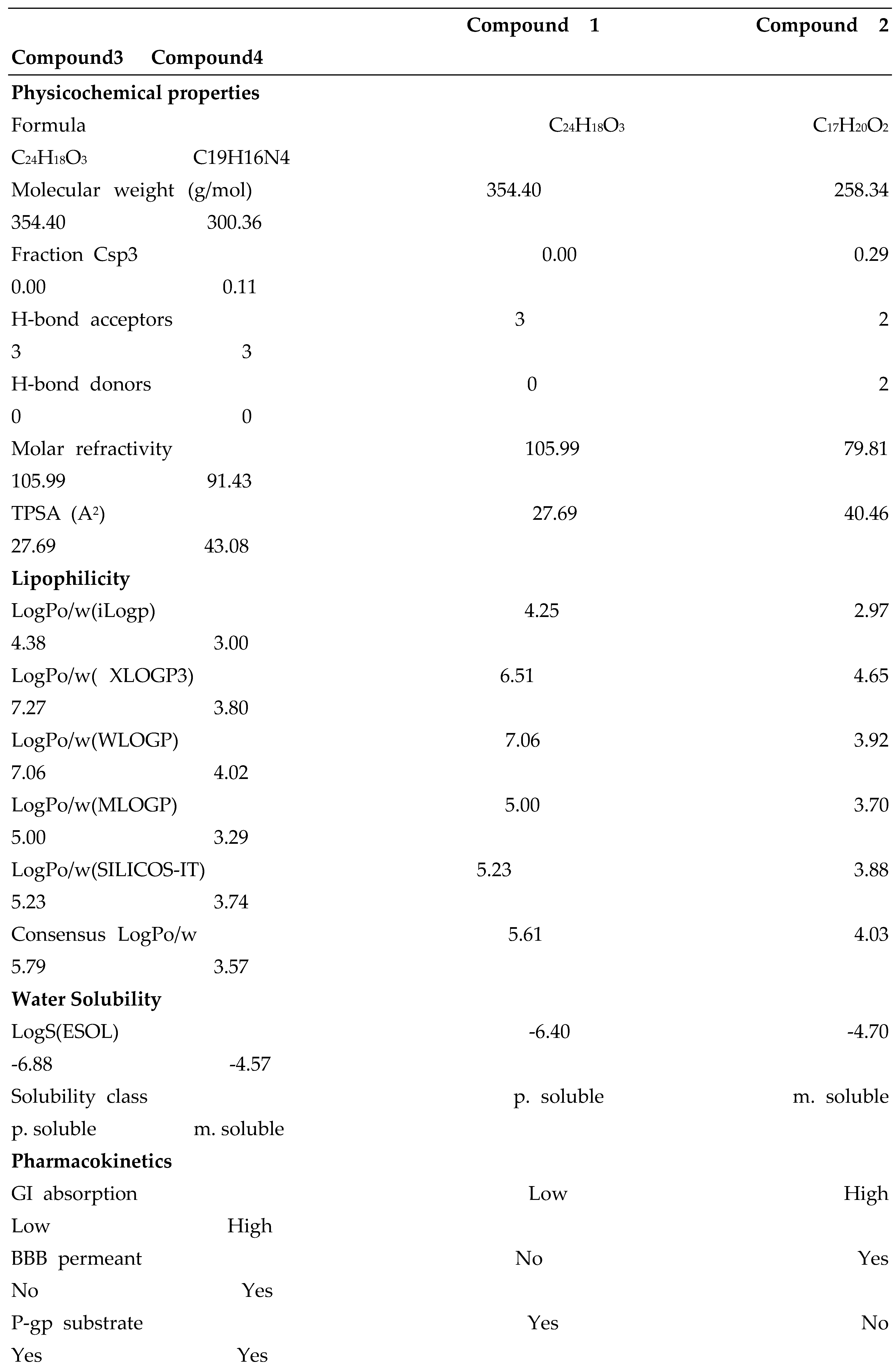
Despite the PLA2 inhibitory potential exhibited by the G. senegalensis compounds, their ADMET (absorption, distribution, metabolism, excretion, and toxicity) properties are crucial factors that will determine their therapeutic effectiveness in treating snake envenomation. In Silico ADMET prediction offers a rapid and cost-effective approach to evaluate whether compounds will be readily absorbed, efficiently distributed to their target site of action, favourably metabolized, and easily eliminated from the body without causing toxic side effects (Ntie-Kang, 2013). The properties of the compounds can be seen from Table 19 revealing their solubility, lipophilicty, physicochemical and pharmacokinetics.
The Lipinski filter has proven effective in screening potential drug candidates for oral drug-likeness based on their molecular weights, hydrogen bond acceptors and donors, and lipophilicity (Belal, 2018). The ADME and drug-likeness properties of the best four compounds from G. senegalensis were assessed using swissADME, with the analysis performed based on Lipinski's rule of five (RO5) and Veber's rule (Yusuf et al., 2021). These rules evaluate whether a compound is likely to be membrane permeable and readily absorbed via passive diffusion in the human intestine. Lipinski's rule of five helps determine if a biologically active chemical or drug is likely to have chemical and physical properties conducive to oral bioavailability, based on the following criteria: no more than 5 hydrogen bond donors, no more than 10 hydrogen bond acceptors, molecular weight less than 500 Da, and partition coefficient not greater than 5 (Lipinski, 2004; Yusuf et al., 2021).
Veber's rule states that for a drug to be a good candidate, it should have a polar surface area (TPSA) ≤140 and a rotatable bond count (RB) ≤10 (Yusuf et al., 2021). The compounds adherence to these rules indicates that they have passed the absorptivity test for oral medication. The 0.55% bioavailability score of the compounds means that the compounds has about a 55 % probability of a minimum of 10 % oral absorption in rat or human colon carcinoma cells (Johnson et al., 2022).
CYP enzymes were shown to be inhibited by 4, 4' –methylenebis [2, 6-dimethyl] Phenol (CYP2C9), Bis (m-phenoxyphenyl) ether (CYP3A4), and Bis (p-phenoxyphenyl) ether (CYP3A4). Fascinatingly, 6-(4-ethylphenyl)-2-phenylimidazo [1, 2-b][1,2,4]triazine did not exhibit CYP enzyme inhibition, suggesting a decreased possibility of medication interactions (Daina, 2017). The calculated total polar surface area (TPSA) was within the range 27.69 -43.08A2. The hydrophilicity of the compounds determined by calculating the log p value indicated that the compounds have good absorption in the digestive tract (Table 19). Thus, higher log p values result in poor absorption (Yusuf et al., 2022). Aromatic interactions and hydrogen bond donors and acceptors as evident in Figures 2 - 25, provide a valuable insight into the binding mode and potential mechanism of action of the compounds; thus, it assisted in pinpointing the specific functional groups or residues crucial ligand- PLA2 binding (Brinkley and Gupta, 2001; Hunter et al., 2001).
The toxicity predictions for the best four compounds from G. senegalensis appeared favourable (Table 20). The oral toxicity prediction for Bis (m-phenoxyphenyl) ether and, 4, 4’ –methylenebis [2, 6-dimethyl) Phenol and Bis (p-phenoxyphenyl) ether falls under toxicity class 5,while 6-(4-ethylphenyl) - [1, 2-b] 1, 2, 4-triazine-2-phenyl imidazo falls under toxicity class 3, with predicted LD50 values of 3140,3430, 2460 and 3,000 mg/kg, respectively, indicating that they are slightly toxic. Neither compound showed any indication of hepatotoxicity or cytotoxicity; however, 6-(4-ethylphenyl) - [1, 2-b] 1, 2, 4-triazine-2-phenyl imidazo has the potential to be neurotoxic.

5. Conclusion

From the study, phytochemical analysis showed the presence of secondary metabolites. The identified metabolites are believed to be responsible for the plants therapeutic activity.
The G. senegalensis extract exhibited concentration dependent antisnake venom activity by inhibiting the lethal actions of N. nigricollis venom using an in vitro model. Aqueous fraction demonstrated best inhibitory activity although all the fractions were less potent than the standard antivenin. Four compounds were identified by the molecular docking scores to have better binding affinities than the standards; Kaempferol and Apigenin, which suggest that they have good binding affinity to the target. Furthermore, In Silico ADME and Drug-likeness assessments of the compounds using swissADME revealed that 4, 4’ –methylenebis [2, 6-dimethyl) Phenol and 6-(4-ethylphenyl)-2-phenylimidazo[1,2-b][1,2,4]triazine are a good drug candidates, as they did not violate any of the Lipinski's rule of five and Veber's rule. Toxicity predictions revealed that the four compounds analyzed are relatively non-toxic.

Author Contributions

A Uba, U Z Faruk, and T Izuagie and S M Zayyan conceptualized and designed the study. SM Zayyan carried out the research work and acquired the data. All the authors analyzed the data. Finally all the authors edited the manuscript and approved the final version for submission.

Funding

The authors declared that this study received no financial support.

Acknowledgements

The authors are highly grateful to Dr. Amina Yusuf Jega of the Department of Pharmaceutical and Medicinal Chemistry, Usmanu Danfodiyo University, Sokoto, Nigeria, for providing the facilities, encouragement and continuous support to carry out the work. The authors also acknowledge Aliyu Muhammad, Musa Magaji and Mustapha Salihu for their support.

Conflict of Interest

The authors declare no conflict of interest.

References

  1. Abeer, F.A., Mohanad, J.K., Imad H, H., 2017. Phytochemical Profiles of Methanolic Seeds Extract of Cuminum cyminum using GC-MS Technique. International Journal of Current Pharmaceutical Review and Research; 8(2); 114-124.
  2. Abubakar, M., Sule, M., Pateh, U., Abdurahman, E., Haruna, A., 2000. In vitro snake venom detoxifying action of the leaf extract of Guiera senegalensis. Journal of Ethnopharmacology 3: 253-257. [CrossRef]
  3. Abubakar, M.S., Nok, A.J., Abdurahman, E.M., Haruna, A.K., Shok, M., 2003. Purification and activity of two phospholipase enzymes from Naja nigricolis nigricolis Reinhardt venom. Journal of Biochemical and Molecular Toxicology. [CrossRef]
  4. Al-Asmari, A.K., Albalawi, S.M., Athar, M.T., Khan, A.Q., Al-Shahrani, H., Islam, M., 2015. Moringa oleifera as an anti-cancer agent against breast and colorectal cancer cell lines. PLoSOne;10:e0135814. [CrossRef]
  5. Ameen, S.A., Salihu, T., Mbaoji, C.O., Anoruo-Dibia, C.A., Adedokun, R.M., 2015. Medicinal plants used to treat Snake bite by Fulani Herdsmen in Taraba State, Nigeria. Anim Sci.;1 1(1-2):10-21.
  6. Aparna, P., Divya, L., Bhadrayya, K., 2013. Formulation and in vitro evaluation of Carvedilol.
  7. Transdermal Delivery System. Tropical Journal of Pharmaceutical Research; 12 (4): 461-467. [CrossRef]
  8. Bawaskar, H.S., 2004. Snake venoms and antivenoms: critical supply issues. Journal of the Association of Physicians of India. 52: 11–13.
  9. Belal, A., 2018. Drug likeness, targets, molecular docking and ADMET studies for some indolizine derivatives. Die Pharmazie-An International Journal of Pharmaceutical Sciences, 73(11), 635-642. [CrossRef]
  10. Brinkley, R.L., Gupta, R.B., 2001. Hydrogen bonding with aromatic rings. AIChE J. [CrossRef]
  11. Celestine, U.A., Christopher, G.B., Innocent, O.O., 2017. Phytochemical profile of stem bark extracts of Khaya senegalensis by Gas Chromatography-Mass Spectrometry (GC-MS) analysis. Journal of Pharmacognosy and Phytotherapy. [CrossRef]
  12. C´esar, L.S.G., Leandro, S.M., Renata, S.F., T´assia, R.C., Lorane, I.S.H., Silvana, M., Bruna, M.A., 2014. Biodiversity as a source of bioactive compounds against snakebites, Curr. Med. Chem.1–24.
  13. Daina, A., Zoete, V.A., 2016. BOILED-Egg to predict gastrointestinal absorption and brain penetration of small molecules. ChemMedChem: 11(11):1117–1121. [CrossRef]
  14. Divya, J., Vibha, R., 2023. In Silico Studies of Phytoconstituents from Piper longum and Ocimum sanctum as ACE2 and TMRSS2 Inhibitors: Strategies to Combat COVID -19. [CrossRef]
  15. Eltoum, M.S.A., Adam, A.H., Mohamed, H.A., Abody, S.M., 2020. Identification of an Active Component in Guiera senegalensis Plant Used for Healing Diabetes Wounds. International Journal of Pharmacy and Chemistry, 6(1): 6-10. [CrossRef]
  16. Fan, J., Fu, A., Zhang, L., 2019. Progress in molecular docking. Quantitative Biology, 7, 83-89. [CrossRef]
  17. Febri, O.N., Juminaa, D.S., Eti, N.S., 2016. Isolation and Antibacterial Activity Test of Lauric Acid from Crude Coconut Oil (Cocos nucifera L.). Procedia Chem: 18:132-40.
  18. Félix-Silva, J., Silva-Junior, A.A., Zucolotto, S.M., Fernandes- Pedrosa, M.D., 2017. Medicinal plants for the treatment of local tissue damage induced by snake venoms: an overview from traditional use to pharmacological evidence. Evid Based Complement Alternat Med: 2017:5748256. [CrossRef]
  19. Gomes, A., Das, R., Sarkhel, S., Mishra, R., Mukherjee, S., Bhattacharya, S., 2010. Herbs and Herbal constituent active against snake bite. Indian journal of experimental biology. 48:865-878.
  20. Gong, J.X., He, Y., Cui, Z.H.L., Guo, Y.W., 2016. Synthesis, spectral characterization, and antituberculosis activity of thiazino[3,2-A]benzimidazole derivatives. Phosphorus Sulfur Silicon Relat. Elem: 191, 1036-41. [CrossRef]
  21. Guan, L., Yang, H., Cai, Y., Sun, L., Di, P., Li, W., Liu, G., Tang, Y., 2019. ADMET-score-a comprehensive scoring function for evaluation of chemical drug-likeness. MedChemComm. [CrossRef]
  22. Hamama, W.S., Waly, M.A., El-Hawary, I., Zoorob, H.H., 2016. Utilization of 2-Chloronicotinonitrile in the Syntheses of Novel Fused Bicyclic and Polynuclear Heterocycles of Anticipated Antitumor Activity. J. Heterocycl. Chem. 53, 953-957. [CrossRef]
  23. Han, X., Shen, T., Lou, H., 2007. Dietary polyphenols and their biological significance. Int J Mol Sci: 950-88. [CrossRef]
  24. Hunter, C.A., Lawson, K.R., Perkins, J., Urch, C.J., 2001. Aromatic interactions. Journal of the Chemical Society, Perkin Transactions 2. [CrossRef]
  25. Igwe, O.U., Okwu, D.E., 2013. GC-MS evaluation of bioactive compounds and antibacterial activity of the oil fraction from the stem bark of Brachystegia eurycoma Harms. Int J Chem Sci: 11:357-71.
  26. Ismail, A.A., Hasni, A., Mohammed, R.S., 2019. Methyl Elaidate: A Major Compound of Potential Anticancer Extract of Moringa oleifera Seeds Binds with Bax and MDM2 (p53 Inhibitor) In silico. Integrative Medicine Cluster, Advanced Medical and Dental Institute, Universiti Sains Malaysia.
  27. Johnson, T.O., Adegboyega, A.E., Johnson, G.I., Umedum, N.L., Bamidele, O.D., Elekan, A.O., Tarkaa, C.T., Mahe, A., Abdulrahman, A., Adeyemi, O.E., Okafor, D., Yusuf, A.J., Atewolara-Odule, O.C., Ogunmoye, A.O., Ishaya, T., 2022a. Uncovering the inhibitory potentials of Phyllanthus nivosus leaf and its bioactive compounds against Plasmodium lactate dehydrogenase for malaria therapy. J. Biomol. Struct. Dyn. 0 (0), 1–10. [CrossRef]
  28. Krishnaiah, D., Sarbatly, R., Nithyanandam, R., 2011. A review of the antioxidant potential of medicinal plant species. Food and Bioproducts Processing, 89(3): 217-233. [CrossRef]
  29. Kumar, S., Bajwa, B.S., Singh, K., Kalia, A.N., 2013. Anti-inflammatory activity of herbal plants: A review. Int J Adv Pharm Biol Chem 2 (2):272-281.
  30. Kumar, P.P., Kumaravel, S., Lalitha, C., 2010. Screening of antioxidant activity, total phenolics and GC-MS study of Vitex negundo. Afr J Biochem Res; 4:191-5.
  31. LaFleur, M.D., Lucumi, E., Napper, A.D., Diamond, S.L., Lewis, K., 2011. Novel high-throughput screen against Candida albicans identifies antifungal potentiators and agents effective against biofilms. J. Antimicrob. Chemother. 66, 820-826. [CrossRef]
  32. Lalitharani, S., Mohan, V.R., Regini, G.S., Kalidass, C., 2009. GC-MS analysis of ethanolic extract of Pothos scandens L. leaf. J. Herb. Medi. Toxicology: 3: 159-160.
  33. Leyva-Peralta, M.A., Robles-Zepeda, R.E., Garibay-Escobar, A., Ruiz-Bustos, E., Alvarez-Berber, L.P., Galvez-Ruiz, J.C., 2015. In vitro anti-proliferative activity of Argemone gracilenta and identification of some active components. BMC Complement Altern Med; 15:13. [CrossRef]
  34. Liang, X., Zhang, L., Zhang, X., Dai, W., Li, H., Hu, L., Liu, H., Su, J., Zhang, W., 2010. Qualitative and quantitative analysis of traditional Chinese medicine Niu Huang Jie Du Pill using ultra performance liquid chromatography coupled with tunable UV detector and rapid resolution liquid chromatography coupled with time-of-flight tandem mass spectrometry. Journal of Pharmaceutical and Biomedical Analysis; 51(3):565–571. [CrossRef]
  35. Lipinski, C.A., 2004. Lead- and drug-like compounds: the rule-of-five revolution. In: Drug Discovery Today: Technologies. [CrossRef]
  36. Lokeswari, N., Peela, S., 2011. Isolation of Tannins from Caesalpinia Coriaria and Effect of Physical Parameters, International Research Journal of Pharmacy, 2(2) 146-152.
  37. Maruthupandian, A., Mohan, V.R., 2011. GC-MS analysis of ethanol extract of Wattakaka volubilis (L.f) Stapf. Leaf. Int. J. Phytomedicine; 3: 59-62.
  38. Meenatchisundaram, S., Parameswari, G., Subbraj, T. 2008. Anti-venom activity of medicinal.
  39. Plants - a mini review. National institute of health (NIH). www.researchgate.net.
  40. Mitra, S., Mukherjee, S.K., 2014. Some plants used as antidote to snake bite in West Bengal, India. Divers Conserv Plants Trad Knowledge: 487-506.
  41. Murakami, M., Kudo, I., 2002. Phospholipase A2. The journal of biochemistry, 131(3), 285-292.
  42. Ntie-Kang, F., 2013. An in silico evaluation of the ADMET profile of the StreptomeDB database. Springerplus, 2, 1-11. [CrossRef]
  43. Rhinde, S.S., Rode, M.A., Karale, B.K., 2010. Indian J. Pharm.Sci:72, 231-235.
  44. Rita, P., Animesh, D.K., Aninda, M., Benoy, G.K., Sandip, H., Datta, K., 2011. Snake bite, snake venom, anti-venom and herbal antidote-a review. Int J Res Ayurveda Pharm; 2:1060-7.
  45. Sani, I., Umar, A.A., Jiga, S.A., Bello, F., Abdulhamid, A., Fakai, I.M., 2020. Isolation Purification and Partial Characterization of Antisnake Venom Plant Peptide (BRS-P19) from Bauhinia rufescens (LAM FAM) Seed as Potential Alternative to Serum-Based Antivenin. Journal of Biotechnology Research, 6(4), 18-26. [CrossRef]
  46. Sheela, D., Dhanalakshmi, J., Selvi, S., 2013. Antibacterial and antifungal activity of lectin from.
  47. seeds of Pongamia glabra. Int. J. Curr. Biotech., 1 (8): 10-14.
  48. Shou, W.Z., 2020. Current status and future directions of high-throughput ADME screening in drug discovery. Journal of Pharmaceutical Analysis. [CrossRef]
  49. Sombié, P., Konate, K., Youl, E., Coulibaly, A.Y., Kiendrébéogo, M., Muhammad, I., 2013. GC-MS analysis and antifungal activity from galls of Guiera senegalensis J.F Gmel (Combretaceae). Journal of Applied Pharmaceutical Sciences, 3(12), 6–12.
  50. Tan, N.H., Tan, C.S., 1988. Acidimetric assay for phospholipase A using egg yolk suspension as substrate. Anal. Biochem. [CrossRef]
  51. Thompson, A.M., O’Connor, P.D., Marshall, A.J., Francisco, A.F., Kelly, J.M., Riley, J., Read, K.D., Perez, C.J., Cornwall, S., Thompson, R.C.A., Keenan, M., White, K.L., Charman, S.A., Zulfiqar, B., Sykes, M.L., Avery, V.M., Chatelain, E., Denny, W.A., 2020. Re-evaluating pretomanid analogues for Chagas disease: Hit-to-lead studies reveal both in vitro and in vivo trypanocidal efficacy. Eur. J. Med. Chem. 207. [CrossRef]
  52. Winston, J.C., 1999. Health-promoting properties of common herbs. The American Journal of Clinical Nutrition, 70(3): 491-499.
  53. Yff, B.T., Lindsey, K.L., Taylor, M.B., Erasmus, D.G., Jäger, A.K., 2002. The pharmacological screening of Pentanisia prunelloides and the isolation of the antibacterial compound palmitic acid. J Ethnopharmacol; 79(1):101-7. PMID 11744302. [CrossRef]
  54. Yusuf, A.J., Abdullahi, M.I., Musa, A.M., Abubakar, H., Amali, A.M., Nasir, A.M., 2021. Potential Inhibitor of SARS-CoV-2 from Neocarya macrophylla (Sabine) Prance ex F. White: Chemoinformatic and Molecular Modeling Studies for Three Key Targets. TurkJ Pharm Sci Vol. 19 (2), pp 202-212. 96.
  55. Yusuf, A.J., Abdullahi, M.I., Musa, A.M., Haruna, A.K., Mzozoyana, V., Biambo, A.A., Abubakar, H., 2020a. A bioactive flavan-3-ol from the stem bark of Neocarya macrophylla. Scientific African 7. [CrossRef]
  56. Yuriev, E., Ramsland, P.A., 2013. Latest developments in molecular docking: 2010- 2011, Journal of Molecular Recognition, 26, 215.
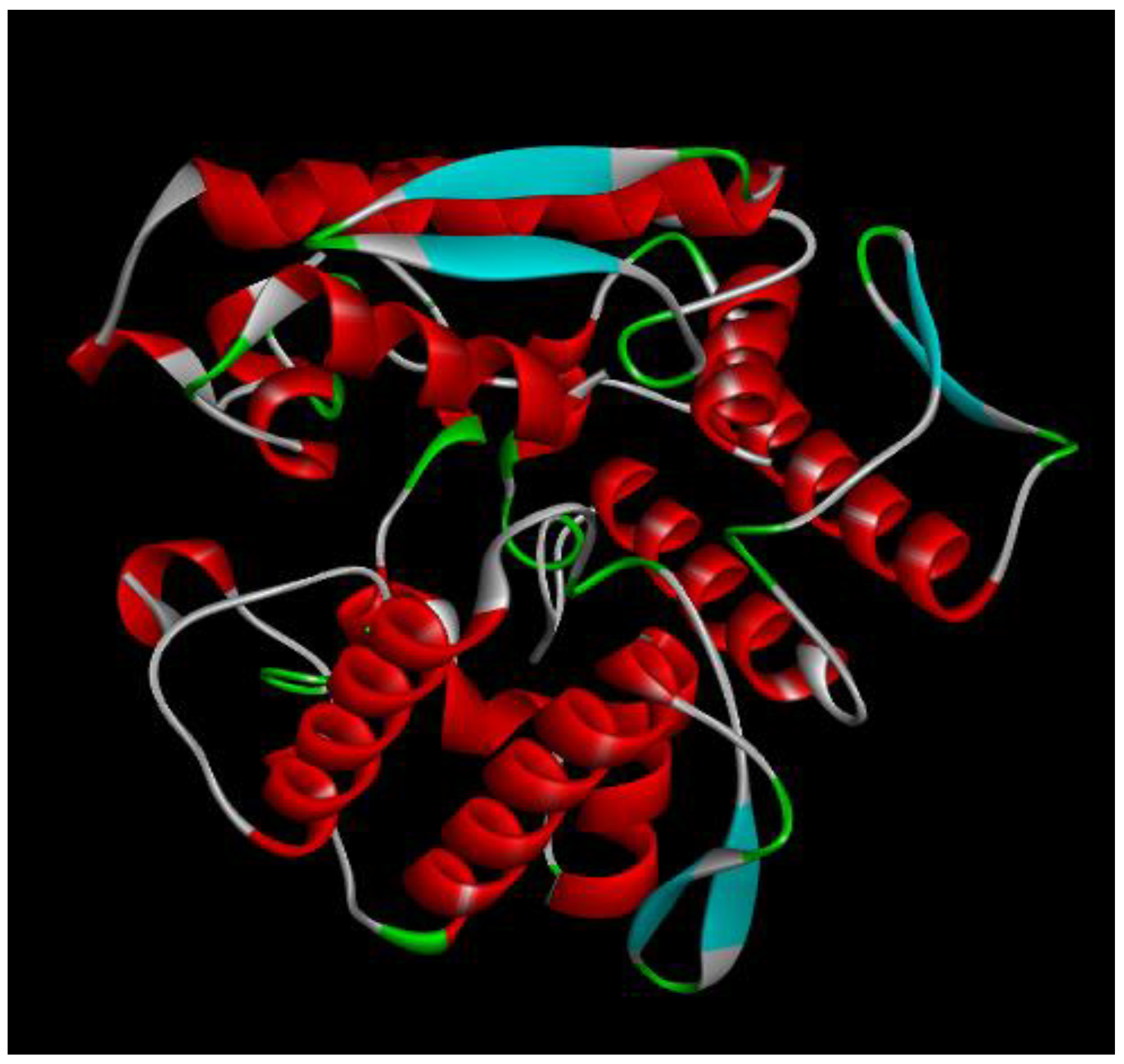
Figure 1. Modeled PLA2 enzyme.
Preprints 143417 g001
Table 1. Percentage Yield of G. senegalensis Leaf Extracts.
Preprints 143417 i001
Table 2. GC-MS analysis of HE from G. senegalensis leaves.
Preprints 143417 i002
Table 3. GC-MS analysis of CF from G. senegalensis leaves.
Preprints 143417 i003
Table 4. GC-MS analysis of EA from G. senegalensis leaves.
Preprints 143417 i004
Table 5. GC-MS analysis of BU from G. senegalensis leaves.
Preprints 143417 i005
Table 6. GC-MS analysis of AQ from G. senegalensis leaves.
Preprints 143417 i006
Table 7. Effect of HE from G. senegalensis on PLA2 Enzyme after 10 Minutes Incubation.
Preprints 143417 i007
Table 8. Effect of HE from G. senegalensis on PLA2 Enzyme after 30 Minutes Incubation.
Preprints 143417 i008
Table 9. Effect of CF from G. senegalensis on PLA2 Enzyme after 10 Minutes Incubation.
Preprints 143417 i009
Table 10. Effect of CF from G. senegalensis on PLA2 Enzyme after 30 Minutes Incubation.
Preprints 143417 i010
Table 11. Effect of EA from G. senegalensis on PLA2 enzyme after 10 minutes incubation.
Preprints 143417 i011
Table 12. Effect of EA from G. senegalensis on PLA2 Enzyme after 30 Minutes Incubation.
Preprints 143417 i012
Table 13. Effect of BU from G. senegalensis on PLA2 Enzyme after 10 Minutes Incubation.
Preprints 143417 i013
Table 14. Effect of BU from G. senegalensis on PLA2 Enzyme after 30 Minutes Incubation.
Preprints 143417 i014
Table 15. Effect of AQ from G. senegalensis on PLA2 Enzyme after 10 Minutes Incubation.
Preprints 143417 i015
Table 16. Effect of AQ from G. senegalensis on PLA2 Enzyme after 30 Minutes Incubation.
Preprints 143417 i016
Table 17. Docking Scores of the Compounds against PLA2 from N. nigricollis.
S/N Compound Name Compound ID Docking scores
1 Bis(m-phenoxyphenyl) ether 69781 -8.7
2 Phenol, 4, 4’ –methylenebis[ 2,6-dimethyl- 79345 -8.6
3 Bis(p-phenoxyphenyl) ether 631944 -8.4
4 6-(4-ethylphenyl)-2-phenylimidazo[1,2-b][1,2,4]triazine 627189 -8.4
5 Kaempferol 5280863 -8.4
6 Apigenin 5280443 -8.4
7 2-Methyl-7-phenylindole 610181 -8.2
8 3-(4-nitrophenylamino) Indole 3755607 -8.1
9 6-Chloro-4-phenyl-2-propylquinolin 620147 -7.8
10 6-Methyl-2-(3-nitrophenyl) imidazo [1, 2-a] pyridine 620074 -7.8
11 Cyclohexyl Cyclooctane 543869 -7.5
12 2-Ethylacridine 610161 -7.4
13 Cyclohexane 143214 -7.0
Table 18. Interaction of the Compounds with PLA2 from G. senegalensis.
Preprints 143417 i017a
Preprints 143417 i017b
Table 19. In Silico ADME and Drug-likeness of the compounds.
Preprints 143417 i018a
Preprints 143417 i018b
Table 20. Toxicity Profile of bioactive compounds from G. senegalensis.
Preprints 143417 i019
Disclaimer/Publisher’s Note: The statements, opinions and data contained in all publications are solely those of the individual author(s) and contributor(s) and not of MDPI and/or the editor(s). MDPI and/or the editor(s) disclaim responsibility for any injury to people or property resulting from any ideas, methods, instructions or products referred to in the content.
Copyright: This open access article is published under a Creative Commons CC BY 4.0 license, which permit the free download, distribution, and reuse, provided that the author and preprint are cited in any reuse.
Prerpints.org logo

Preprints.org is a free preprint server supported by MDPI in Basel, Switzerland.

Subscribe

Disclaimer

Terms of Use

Privacy Policy

Privacy Settings

© 2025 MDPI (Basel, Switzerland) unless otherwise stated