Preprint
Article

This version is not peer-reviewed.

Reintroduction of Brook Lamprey (Lampetra planeri) in a Lowland Stream and Evaluation of Its Success

Submitted:

18 December 2024

Posted:

19 December 2024

You are already at the latest version

Abstract

Brook lamprey (Lampetra planeri) became extinct in much of its former range in the south of the Netherlands. A reintroduction project from 2014 until 2018 aimed at the reestablishment of a population in the Reusel stream. Every year just over 1000 individuals (96% larvae, 4% adults) were translocated from the nearest population. Monitoring reveals that donor population was not jeopardized. The new population reproduces, larvae densities increased to >2 individuals per square meter in (sub) optimal habitat, larvae occur in different age groups and the distribution range expanded to 5 km. In 2024 the population is at the point of self-sustaining through natural reproduction. The new population judged by size, range and demographics is currently estimated to be ‘Vulnerable’, based on IUCN criteria. Due to a high probability of impact of droughts and therefore an increased extinction risk, the best available integrated estimate of population status would be ‘Endangered’. Monitoring remains essential to keep track of the development of the brook lamprey population and in steering ‘post reintroduction management’. The water system showed to be highly sensitive to progressive impacts from climate change and intensive land use. Further restoration of the watershed is extremely important to both nature and agriculture.

Keywords: 
;  ;  ;  ;  ;  ;  ;  

1. Introduction

Lampreys (Petromyzontidae) are among the most primitive extant vertebrates, with a fossil record that dates back at least 360 million years. This family currently consists of around 40 species [1,2]. Lampreys are vital to the health of ecosystems; they link nutrient cycles and serve as ecosystem engineers by making habitats more suitable for other species through bioturbation by larvae [3,4]. The Brook lamprey (Lampetra planeri) is one of the more widespread, non-migratory and nonparasitic lamprey species in Europe. It is classified as a paired species with the anadromous river lamprey (Lampetra fluviatilis). This pair might even be a single species with two phenotypes; there is little genetic difference and gene flow occurs in the field by mixed spawning [3,5]. Brook lamprey are rheophilic inhabitants of streams and small rivers. Larvae grow up in the sediment for a period of about 4-9 years [6,7]. Larvae ready for metamorphosis go through several stages from June [8]. In September they show all adult features and become sexually mature over winter. Adults spawn in spring on well oxygenated gravel beds [9] at close distance to larval habitats, as they display limited migration capacity [10]. Brook lamprey are semelparous; after spawning in spring the adults die [8].
The brook lamprey is listed as being ‘Nearly Threatened’ by the global IUCN Red List [11], due to its decline the species is ranked from ‘Vulnerable’ to ‘Critically’ endangered in 7 out of 12 recent national Red Lists within Europe. In the Netherlands, brook lamprey is listed ‘endangered’ due to a distribution decline of 51% [12]. The remaining Dutch populations of brook lamprey are isolated. Their habitats are under continuous pressure from water pollution, channeling and dredging of streambeds and management of water levels by weirs, mills and sluices [12,13]. On top of that, climate changes are posing new challenges in the conservation of sustainable brook lamprey populations, with more frequent summer drought events and higher water temperatures on one hand and high precipitation periods leading to flash floods on the other hand [3,14].
The European Union Habitats Directive (HD), where brook lamprey is listed in annex II [15], resulted in the establishment of Special Areas of Conservation and increased efforts for habitat restoration and improvement of water quality to improve brook lamprey conservation. Another important driver to improve ecological quality by habitat recovery, and to facilitate fish migration, is the Water Framework Directive (WFD). In the Netherlands, many thousands of fish migration barriers are present of which the ones with highest priority have been mitigated by the construction of fish passages, or will be in the near future [16]. Nevertheless, despite the conservation measures, brook lamprey are at present unable to recolonize large parts of their historic range due to remaining barriers, river sections offering unsuitable habitats and its limited migration capacity.
Although HD and WFD measures aim at an integrative approach of catchment restoration, brook lamprey populations are still facing a risk of regional extinction. After 2000 this risk was high in the Dutch province of North-Brabant. In this province, brook lamprey was formerly present in over ten reaches of different catchments until the second half of the 20th century [17]. Due to stream bed canalization and events of water pollution, only one population in the Keersop stream and downstream Dommel stream reaches persisted after the year 2000 (Figure 1). In 2010 a large incident occurred in this population in which almost the complete habitat over 10km was dredged due to miscommunication about management actions [18]. Luckily, the brook lamprey population survived [17]. Efforts were made to monitor the population and recover the habitat, but the fragile nature of an isolated population came into play. Formerly inhabited, and potentially still suitable stream reaches were all >50 stream kilometres away from the Keersop and Dommel population (Figure 1). To ensure long term conservation and recovery of the regional populations in favour of establishing a meta population in North-Brabant, reintroduction as a conservation tool came into view [17]. Such reintroduction would aim at establishing a new, viable, self-sustaining population within the former range of the species by translocation of individuals [19].
Yet, international literature on reintroduction of brook lamprey and other lamprey species was in 2013 virtually non-existent. Reintroduction was proposed as a measure to restore brook lamprey populations by two authors, but was not put into practice [20,21]. Only two poorly documented cases of reintroduction of non-migratory lampreys were traced [17]. One dealt with the lamprey species Ichthyomyzon greeleyi and Lampetra appendix, which were reintroduced in the Pigeon river (USA). Of each species 800-1000 larvae over a period of three years were introduced. Three years after the last introduction only larvae of Ichthyomyzon greeleyi were still found by the University of Tennessee. The other reintroduction focused on Eudentonmyzon mariea in the Obere Drau (Austria), which was part of a large habitat restoration project. Here, in a single event, 351 larvae were introduced. In monitoring until 8 years after the last introduction, low numbers of larvae were observed. The local government is, however, unsure if these observations are the result of the reintroduction itself or if there was still an overlooked relict population which expanded after habitat restoration. Since the review in 2013 [17] only one more brook lamprey reintroduction has been described. Ratschan et al. [22] describe a reintroduction attempt in 2020 of the Eudontomyzon mariae in the Austrian reaches of the Reitbach stream from stocking close to 5000 larvae from the Inn river. The success of this reintroduction remains unreported. A few more reintroductions of migratory parasitic lamprey species have been reported with some successes in (early) establishment of Pacific lamprey (Entosphenus tridentatus) [23,24] and Miller Lake lamprey (Entosphenus minimus) [25].
To streamline potential reintroduction efforts in the Netherlands, as a first step the former range of brook lamprey in the province of North-Brabant was assessed for existing habitat quality by Spikmans et al. [17]. Habitat characteristics of 10 stream reaches with actual occurrence of brook lamprey in the Netherlands served as reference values for assessment of seven formerly occupied reaches in North-Brabant. Based on abiotic features, morphology and water quality, only one reach met the criteria: the Reusel stream at De Utrecht domain (Figure 1). This reach retained much of its original features, freely meandering through a forest with large variation in water velocities and depths and the presence of both gravel beds and softer detritus rich sediments.
Reintroduction can be carried out using wild caught or artificially bred lamprey. Some lamprey species are reared in large quantities [26,27,28]. In the Netherlands and neighboring countries there is no operational rearing program on any lamprey species. Therefore, as a second step, options for translocation of individuals from a nearby and robust donor population(s) was explored. To check whether the remaining Dutch populations (i.e. from other provinces than North-Brabant) could serve as a donor population, an assessment of genetic features, population size and demography was done by Spikmans et al. [17]. A genetic survey of eleven populations revealed signs of inbreeding in a single population. Furthermore, only minor genetic differentiation was found between populations, probably due to limited gene flow between isolates. Seven populations were assessed for size and demography. All these populations were considered healthy, consisting of thousands of individuals of more than one age group. Based on the results, seven populations were found suitable to serve as donors, taking into account population size and genetic variation. Spikmans et al. [17] advised to designate the closest suitable population as a donor; the population of the Keersop stream and downstream Dommel river. In this advice, prevention of impact on other smaller populations and unforeseen risks of mixing genetics of different populations or disease transmittance was considered.
Finally, the plans for reintroduction of brook lamprey in the Reusel stream from a donor population in the Keersop stream were tested against the IUCN criteria for reintroduction [29]. In compliance to these criteria it was decided to implement the reintroduction plan of brook lamprey within its former (historical) range. In this article, we present the approach and implementation of the reintroduction of brook lamprey in the period of 2014-2018, an evaluation of the reintroduction success (2014-2024) and impact on the donor population (2014-2024). We also present observations made and discuss future perspectives.

2. Materials and Methods

2.1. Reintroduction Site Description

The Reusel is an upstream reach of the Dommel river basin which flows into the river Meuse. It is largely a protected area (Natura 2000) under the HD, specifically for the plant species Luronium natans. The Reusel is classified as a slow flowing middle reach with a sandy bottom (R5) in the Dutch WFD systematic. Under the WFD the goal is set to recover communities of rheophilic fish and macrofauna species. A unique feature of this stream is that it runs through the gravelly soils of the formations of ‘Sterksel’ and ‘Boxtel’ and receives an influx of iron rich groundwater (Possen, 2019). Brook lamprey and river lamprey were observed in the Reusel until the 1960’s [17,30], when decline was already noted [31]. The last documented observation stems from 1966 [30]. The historical observations are shown in Figure 1. Habitat features of Reusel stream reaches were assessed by Spikmans et al. [17] and were compared to reference streams where the species was still present. A full overview of habitat features of reference streams and reaches within the Reusel, is given in Appendix A. Middle Reusel reaches (Hilver, Turkaa and Moleneind) and the Spruitenstroompje tributary offered suitable habitats, but generally offered a minor presence of gravel essential for spawning (Appendix A). A 4km long stream section that was found suitable for all life stages of brook lamprey and therefore suitable for reintroduction is situated in De Utrecht domain (Figure 2; Figure A2).
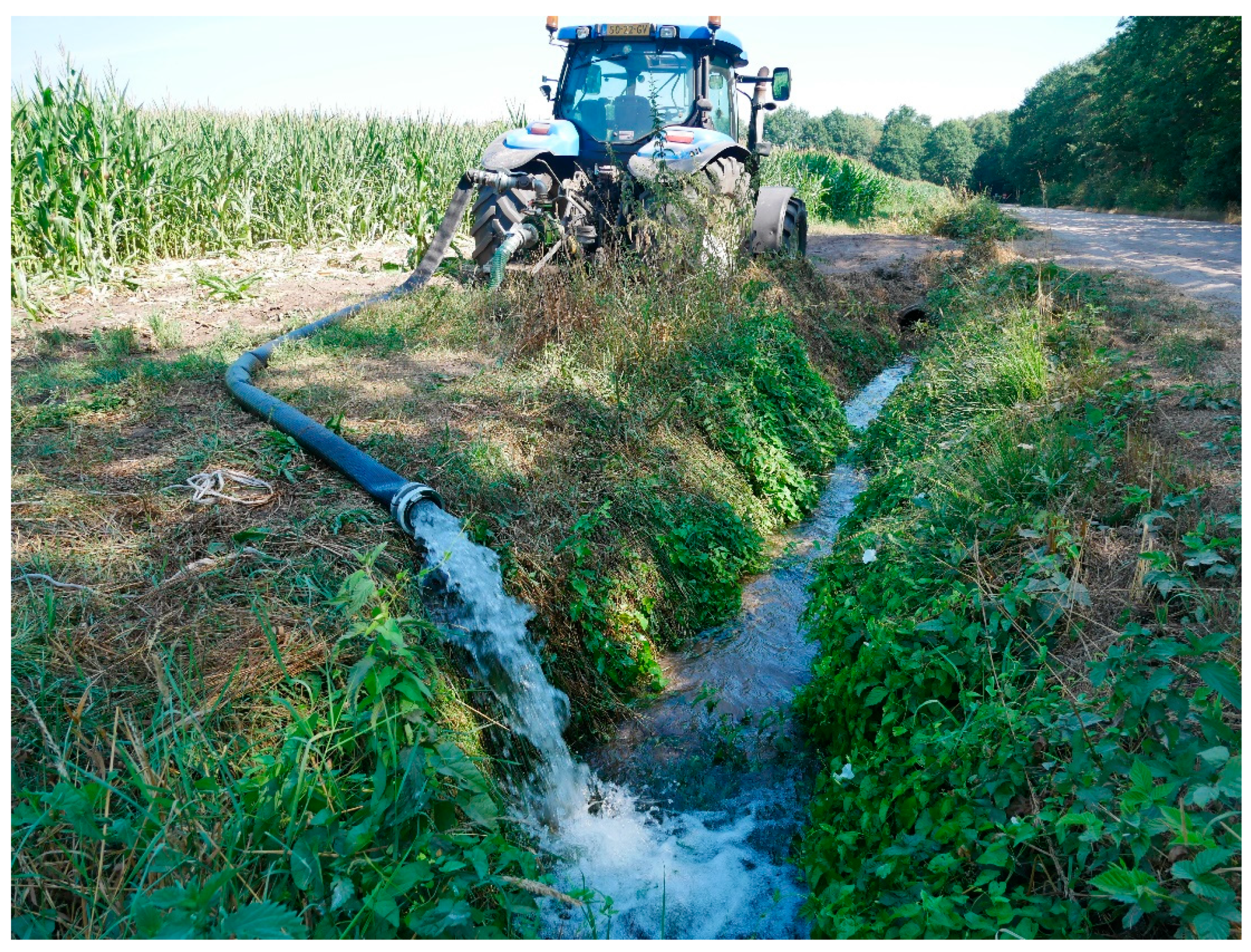
The upstream section of 2km at the Wellenseind domain was found to be less suitable due to absence of gravel substrate for spawning. Further upstream and directly downstream habitats were unsuitable in 2013, the stream was normalized and constricted by weirs. Because of the normalized upper reaches and agricultural land use, the basin is quickly dewatered after rain which leads to flash floods and can cause drought [32]. Stagnation and drying up of the Reusel had never been observed before 2018 in the Utrecht. Since 2018, a number of dry summers have explicitly displayed the vulnerability of this stream to climate changes. For the first time in recent history water stopped flowing in the Reusel at De Utrecht domain, and water levels started to drop, leaving pools. To mitigate irreversible damage from this incident to nature, water from an agricultural groundwater well was pumped into the streambed to keep the reaches in Wellenseind and Utrecht wet and produce some flow between pools (Figure A3 and Figure A4). This emergency measure was implemented in many more streams in the Netherlands, including the Keersop. Drought turned into a more structural threat as after 2018 more dry and hot summers occurred and are expected in future due to climate changes. Also in 2019, 2020, 2022 water was artificially pumped into streams to ensure survival of macro fauna and fish. The relevance of stream restoration and renaturation in order to reduce floods and droughts caused by climate change strongly increased in recent years. In the period until 2022 many kilometers of Reusel reaches were restored both upstream and downstream of De Utrecht. Especially the section upstream of Wellenseind was remediated. In this nature-restoration project the stream length increased from 4 to 6 km through remeandering, trees were planted in riparian zones and drainage ditches in the catchment area were filled up to avoid drainage of groundwater. Also the Raamsloop, a tributary to the Reusel which confluences at Wellenseind, is restored and holds gravel. Nowadays the Reusel is largely restored and connected for fish migration. Because many efforts were finished recently (2022) habitats are still developing.

2.2. Reintroduction Protocol and Implementation

The reintroduction and translocation of brook lamprey from the Keersop and Dommel population was authorized by the Dutch Government (FF/75A/2013/023). The plan consisted of a yearly release of minimum of 500, to a maximum of around 1.000 lampreys, of all age classes, both larvae and (developing) adults, over a five year period from 2014-2018 [33]. It was estimated that 500 larvae, sourced from a genetically vital population, would provide enough genetic variation and would produce sufficient reproductive pairs on a yearly basis. Based on female fecundity of 1500 eggs, larvae metamorphosis at age 5, an average yearly mortality of 75% [34], an even distribution of translocated lampreys over age classes and assuming natural reproduction taking place at the reintroduction site in the subsequent spring after introduction, it was estimated the total population size could grow to a standing stock of around 25,000 brook lamprey larvae. To have the highest chance of successful introduction, a yearly number of 1000 individuals was preferred.
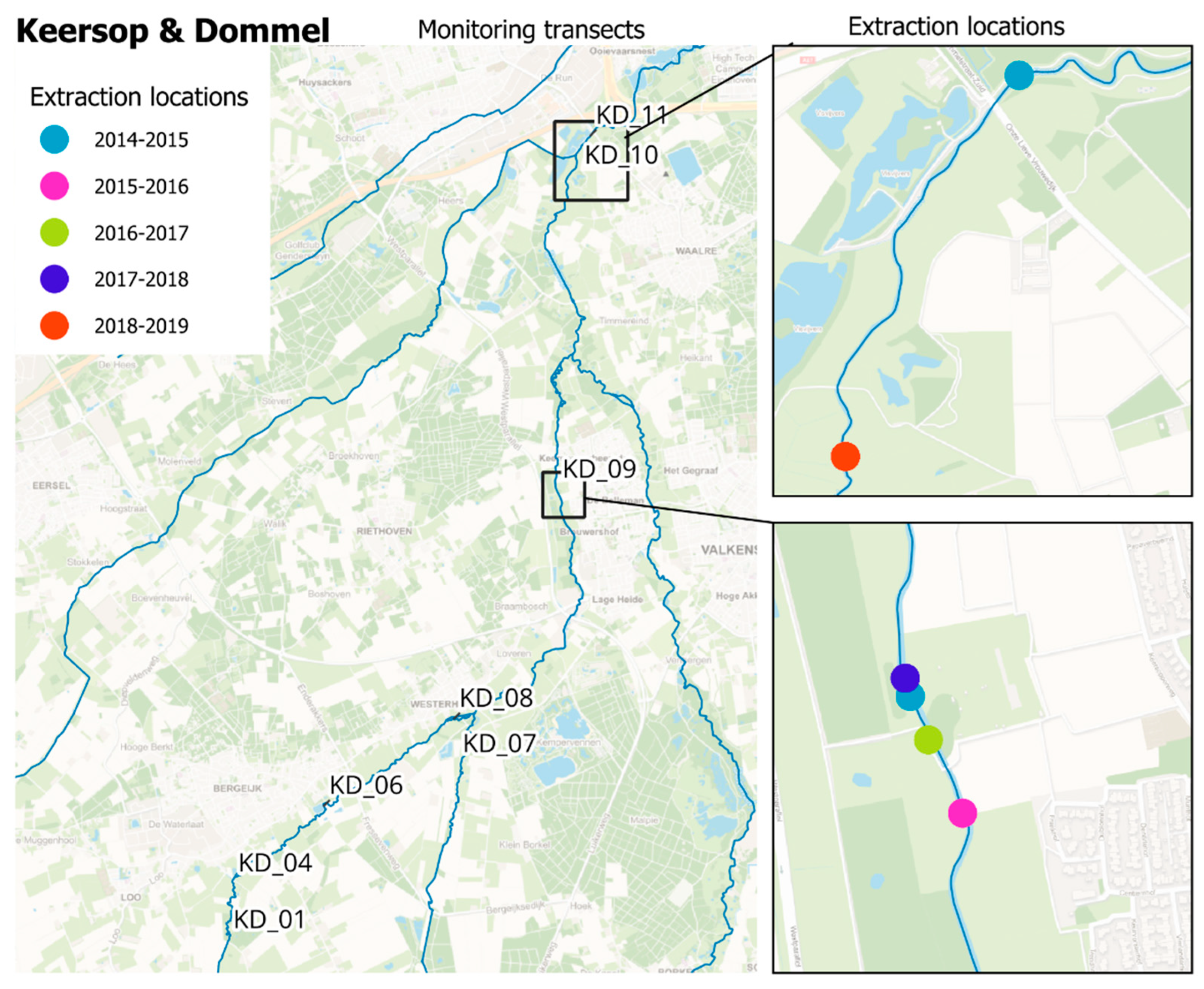
From 2014 until 2018 brook lampreys were sourced from the Keersop and downstream Dommel reaches (Figure 3). Most larvae were extracted from the Keersop, in the last year the Keersop was not fished because of severe summer drought and potential additional impact on the population.
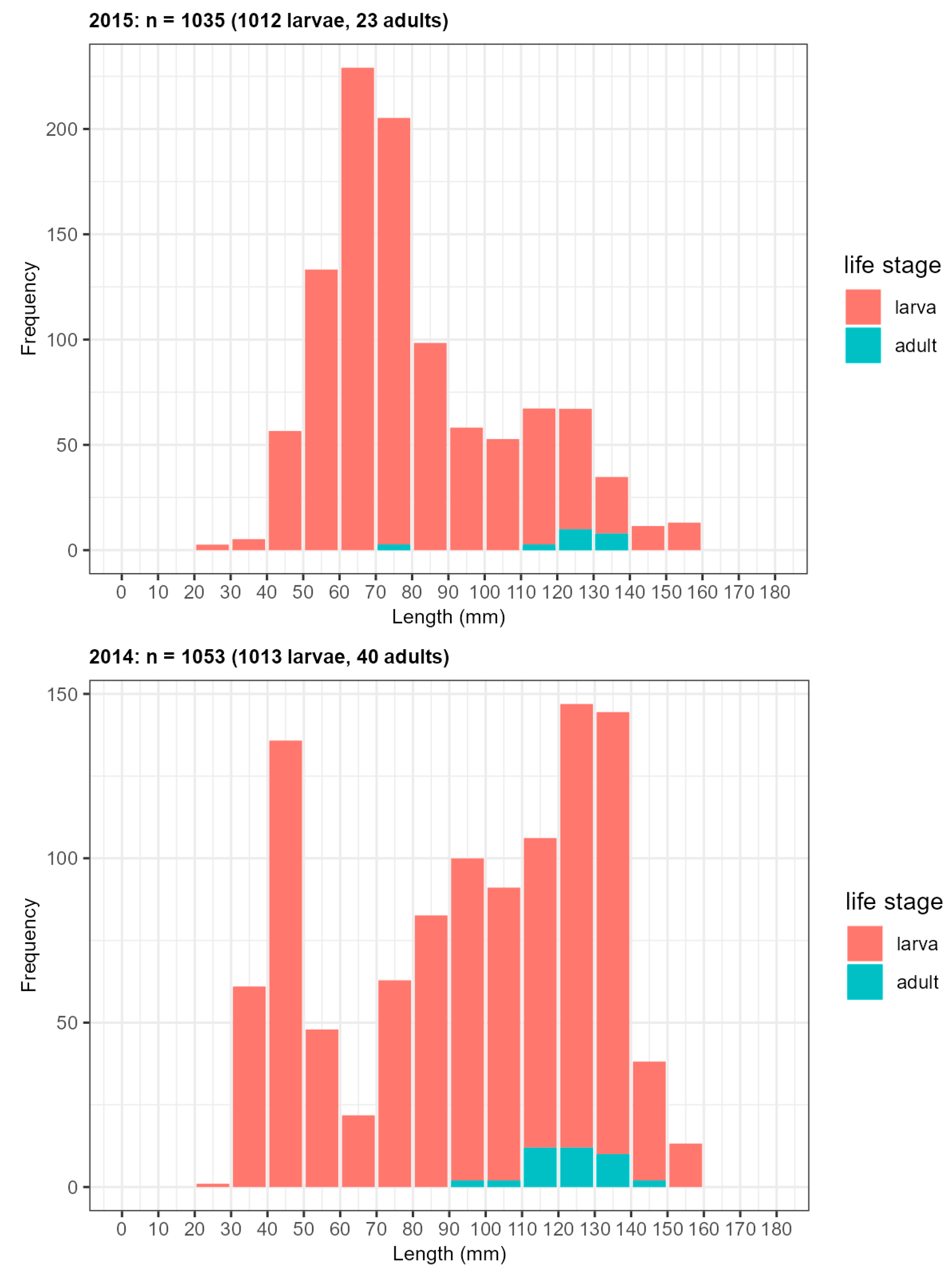
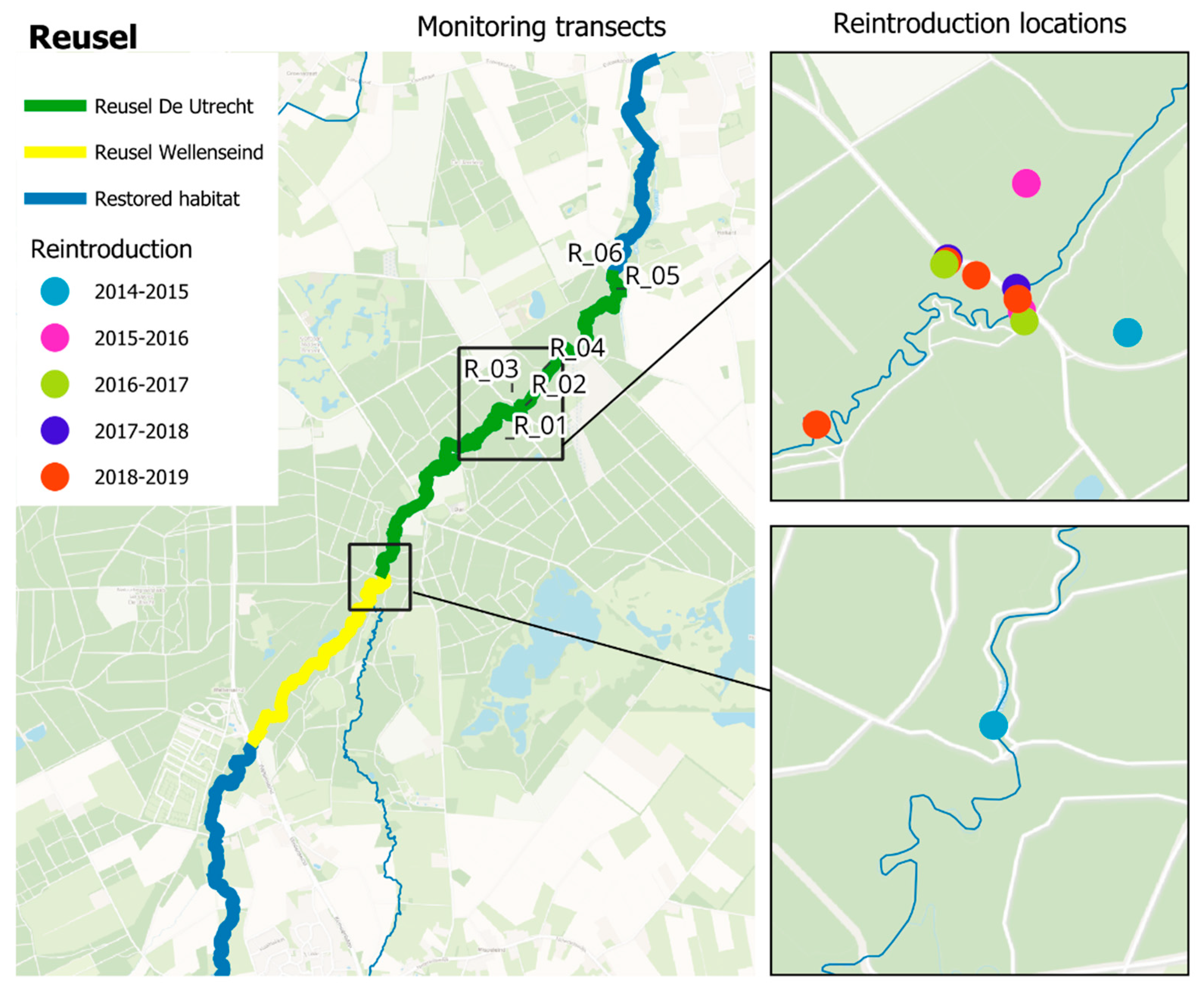
Multi day fishing events were executed in autumn to minimize impact on spawning and survival (based on favorable water temperature and dissolved oxygen). Manual dip nets (mesh size 3mm) were used at suitable larva habitats as this turned out to be more efficient than targeted electrofishing. Small areas at multiple locations were fished. As larvae densities could reach over 10 individuals per square meter, and operators could search for the best spots, 1000 specimens could sometimes be extracted within a fished area in the order of 100m2. All larvae stages and adults were kept to provide a demographically diverse population. An exception were first year larvae, which grow until autumn to a length of about 20-40mm [34]. Smaller life stages of larvae (<50mm) were probably underrepresented because of the used mesh size, alternative habitats of smaller individuals [35,36] and the fact that they are more easily overlooked. In total 5134 lampreys (204 developing adults and 4903 larvae) were translocated over 5 years. Yearly numbers and length frequency details are given in Figure A5. After capture lampreys were stored in aerated tanks, for a maximum timespan of eight hours before release. They were transported ~35 km by road to the reintroduction site on the same day. Release was executed patch-wise in the designated stream section (Figure 2), over optimal larval habitat, shortly before or during dusk, to minimize potential risks of predation. It was observed that larvae quickly burrowed into the substrate.

2.3. Data Collection

2.3.1. Larvae Monitoring

Both the newly introduced Reusel population and the donor Keersop/Dommel population were monitored. Monitoring focused on larvae density and demographics, which also gives indications for survival of individuals and recent reproduction success.
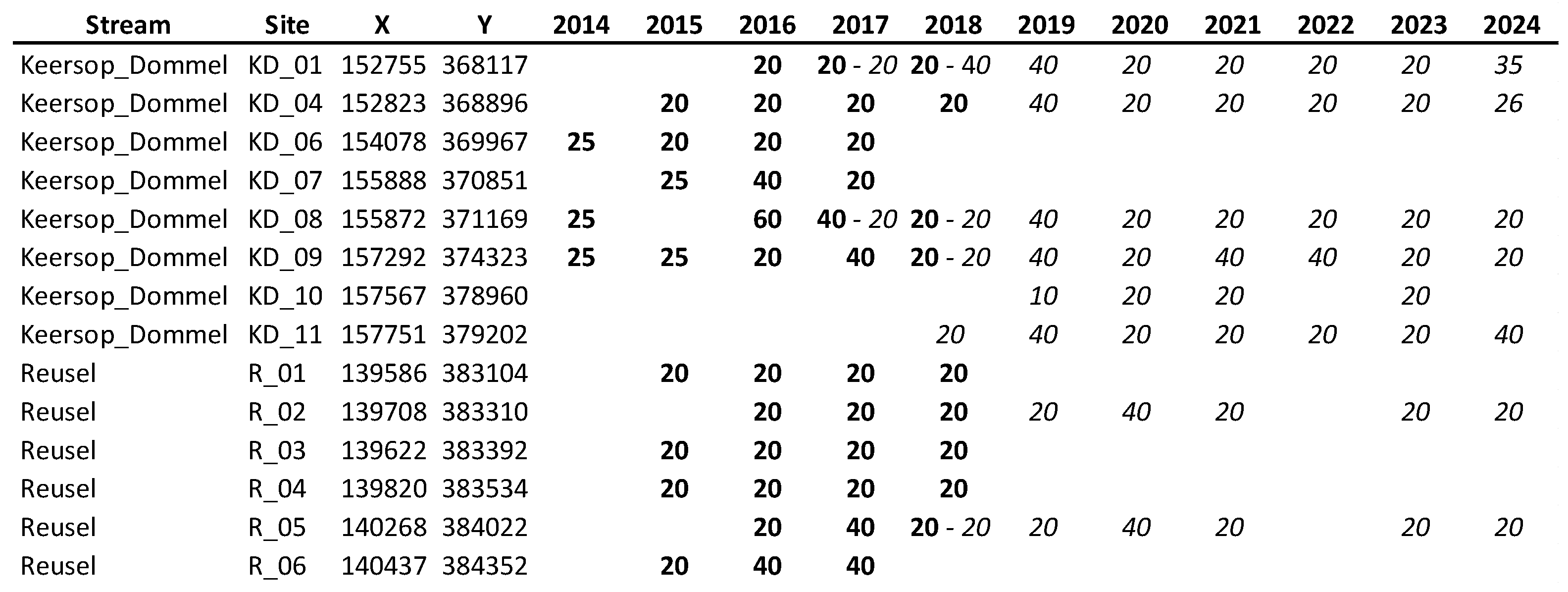
From 2014 until 2018 larvae monitoring was carried out within the reintroduction project by professionals, students and citizen scientists. Nine sites were monitored in the Keersop and Dommel and six in the Reusel (Table A1; Figure 2 and Figure 3) Originally, larvae density samples were to be obtained by electrofishing a given quadrant [33,37]. For a number of reasons an alternative sample technique was designed. First of all; electrofishing cannot be operated by untrained students or citizen scientists. Furthermore, catch efficiency for lamprey larvae varies due to site dependent variables (e.g. conductivity, depth and clarity), effort and technical settings of the gear [38,39,40]. Therefore stream sections were sampled using a cylinder of 46 cm diameter. The cylinder was placed on top of the surface and gently pushed down 10 to 20 cm. The substrate within the cylinders was removed using a fine mesh (1mm) net and collected in a container for further inspection. Suitable sample sites were selected based on presence of soft substrate (detritus, silt and fine sand) [4,35]. Twenty samples were taken at each site at the best available larval habitats the operator could find (selective sampling protocol), totaling a bottom surface of 3,32 m2. Total length (mm) and stage (larva or adult) were noted for each lamprey. Substrate and larvae were gently placed back on the same location.
After testing in 2017 for some locations, from 2018 and onward, larval monitoring was carried out by the same method under a different ‘standardized’ sampling protocol. This protocol was continued under the national lamprey survey (NEM - Network Ecological Monitoring) [41,42] and provincial monitoring of Nature 2000 (N2000) areas [43]. The national monitoring is operated by citizen scientists, students and professionals. The purpose of this protocol is to detect changes in lamprey numbers on a national level or within a N2000 area. In the Reusel, only two sites were selected to contribute to the NEM monitoring (Figure 2 and Figure 3, Table A1). Six sites were selected in the Keersop and Dommel for either NEM of N2000. Monitoring at each site is executed at least every other year. In this protocol habitat selection was standardized, to prevent year to year differences caused by the operators’ choices, experience and ‘luck’. A fixed stream section of 100 meter, with suitable larval habitat present, was sampled by 5 meter intervals. At these 20 cross sections, the best available larval habitat was sampled by the placement of a cylinder. In absence of suitable larval habitat, suboptimal habitat is sampled. Larvae are counted in each sample and assigned to a length class (0-<3cm, 3-<6cm, 6-<11cm, 11-<16cm or 16-<25cm).

2.3.2. Spawning Surveys

Within the reintroduction project, spring surveys were conducted to visually detect spawning. In March and April citizen scientists regularly walked the banks of the stream to search for brook lampreys present at gravel beds and (signs of) spawning activity. The banks of the stream proved to be very inaccessible and clarity and/or water levels often did not allow seeing the bottom. Therefore these surveys could not be performed in a standardized manner, and do not provide a complete picture. Sightings of lampreys were registered into to the National Database on Flora and Fauna (NDFF).

2.3.3. Observations on Distribution Range

Non-standardized visits and surveys of professionals, interns and instructed volunteers result in observations which are registered. In 2024 additional efforts of dip net surveys were made by interns and professionals of Waterboard Dommel and RAVON. To get an overview of the observed distribution, all entries to the NDFF were checked [30].

2.4. Data Analysis

2.4.1. Larva Density and Demography

Densities of larvae (individuals per square meter) were calculated for each year for each site, as an average based on the subsamples. At catchment scale, averages were calculated based on the densities from different sites. This is done to give a general overview, not to provide detailed trends.
An assessment of demographic health of larvae lamprey populations has been proposed by Shephard et al. [44]. A population must consist of different length classes with a gradual distribution over recruits, mid-sized classes and larger larvae. This length-based assessment can be derived from an evaluation of length range and 90th percentile of length in the population in relation to a reference gradient (Shepherd et al., 2019). Measurements of over 300 larvae in 11 lamprey populations [17] and measurements on the extracted larvae for reintroduction, provide us with a large length-frequency reference database. In monitoring we did, however, not note exact lengths but we assigned larvae to length classes which makes it impossible to give a detailed length range. In this study demographics are therefore evaluated based on occurrence of three length classes. First and most second year larvae will remain under the length of 6cm, indicating successful spawning occurred recently [6,34]. The presence of larger larvae between 6 and 11 cm indicate multi-year survival of larvae by a combination of year classes. The length class over 11cm are larvae of different year classes which are coming close to transforming into a next generation of adults. The presence of the latter length class is important in securing reproduction in the near future. As individuals shrink while transforming, the length of adults can be 10% less compared to their larval length [34]. Based on directions of Shepherd et al. [44] and our own observations in the Keersop/Dommel population, we consider demographics to be favorable if these three year classes occur in a population within the range of 5-40% for < 6cm; 35-90% for 6-<11 cm and 5-25% for >11cm.

2.4.2. Population Size

Based on the observed distribution range, average larval density and habitat availability, a global estimation of the larvae population could be made for the Reusel. Spikmans et al. [17] estimated the optimal larvae habitat (silt and detritus) to be 7% of the area of the Utrecht section. Sandy habitats covered 78% of the total area, and especially the finer fractions serve as suitable habitat [35]. We therefore consider 15% of the stream to be (sub)optimal habitat. Some larvae inhabit coarser (less optimal) substrata [35,45]. We assume 10% of the larvae to live in the suboptimal habitats and substrata considered to be unsuitable, which is 85% of the area. Yearly production of adults can be derived by ratios given by Caskenette [46] and this study, which is 64 larvae to one female adult or 24 larvae to one adult.

2.5. Evaluation of Reintroduction Success

The success of a reintroduction is often declared, but in many cases not well evaluated [47,48]. In appliance to lampreys [23] the first signs of success can be described as following; demonstrating that released individuals survive, breeding by the released generation and their offspring, and persistence of the re-established population [47]. For lampreys it is emphasized that solid determination of population persistence might take decades [23].
To estimate the success of population establishment or its extinction risk, it is suggested and supported to use IUCN criteria to assess a new population in a similar way as used in remnant populations [49,50]. The following criteria are being elaborated: Criterion A: a high decline rate in a population; Criterion B: Small range area and decline; Criterion C and D: Population size (and demography); Criterion E Quantitative analysis of extinction risk. IUCN criteria are not tailor made to assess this specific species and the early development stage of this population. We therefore give an interpretation in Appendix C of the directions given [51,52,53,54] for this specific case and evaluate and discuss the results of this reintroduction accordingly.

3. Results

3.1. Donor Population

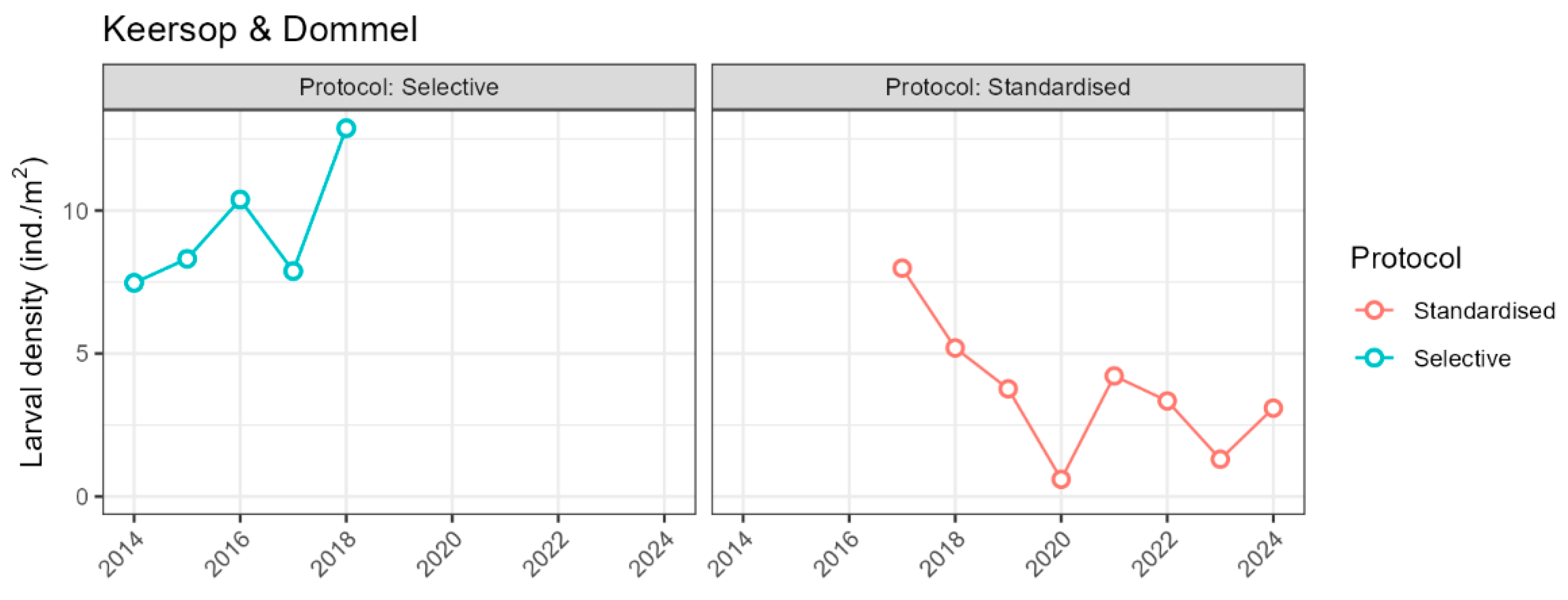
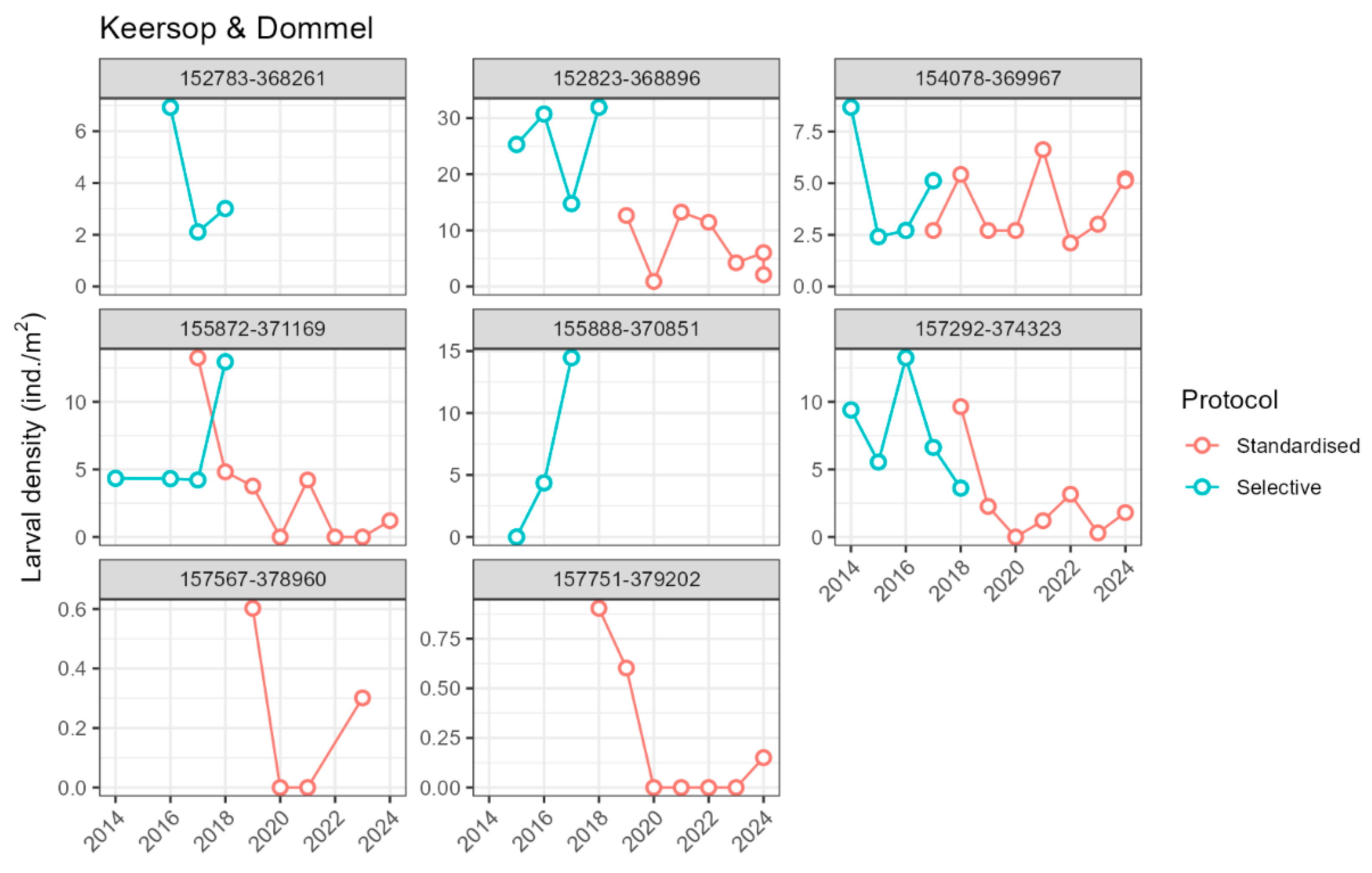
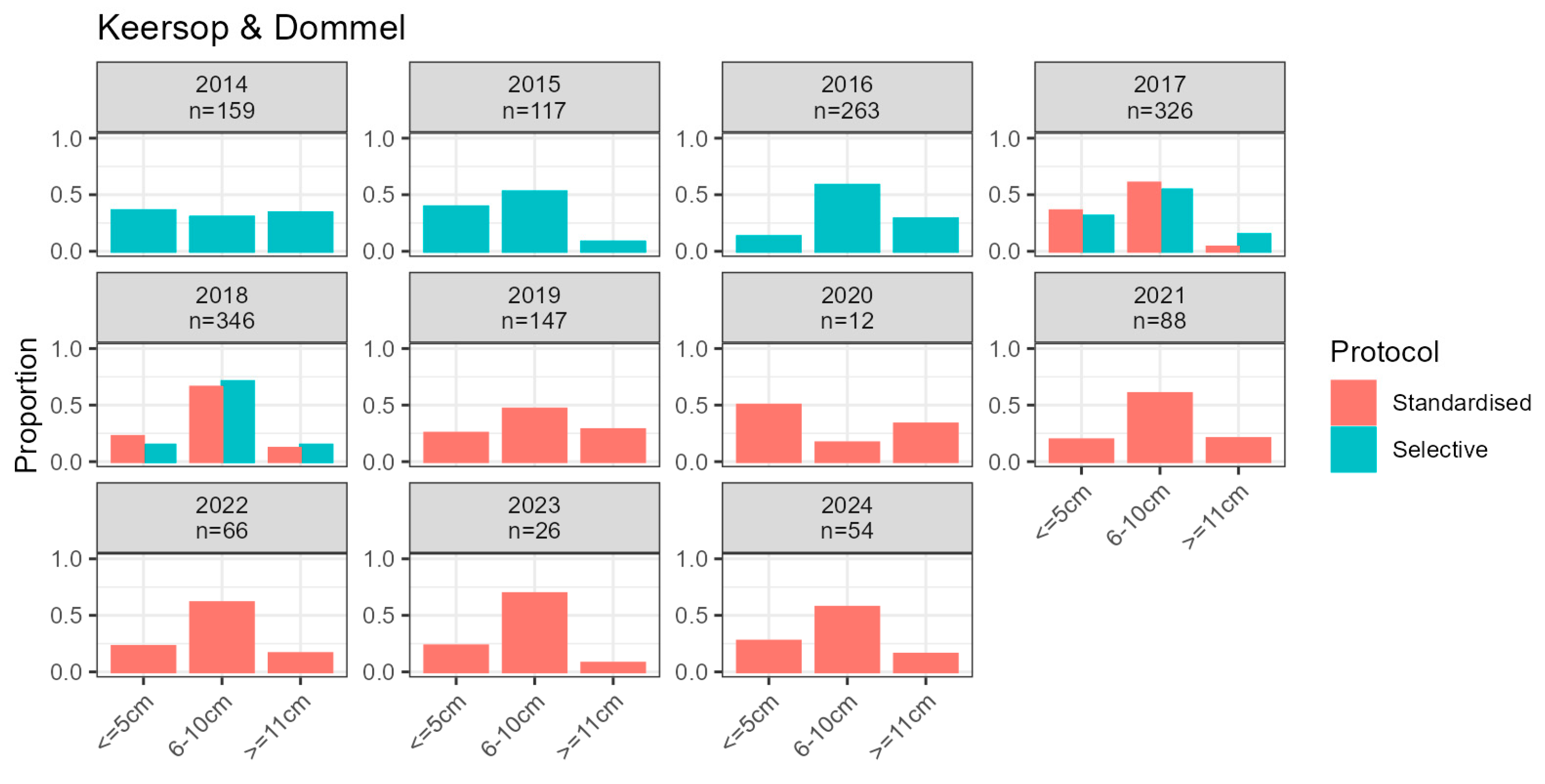
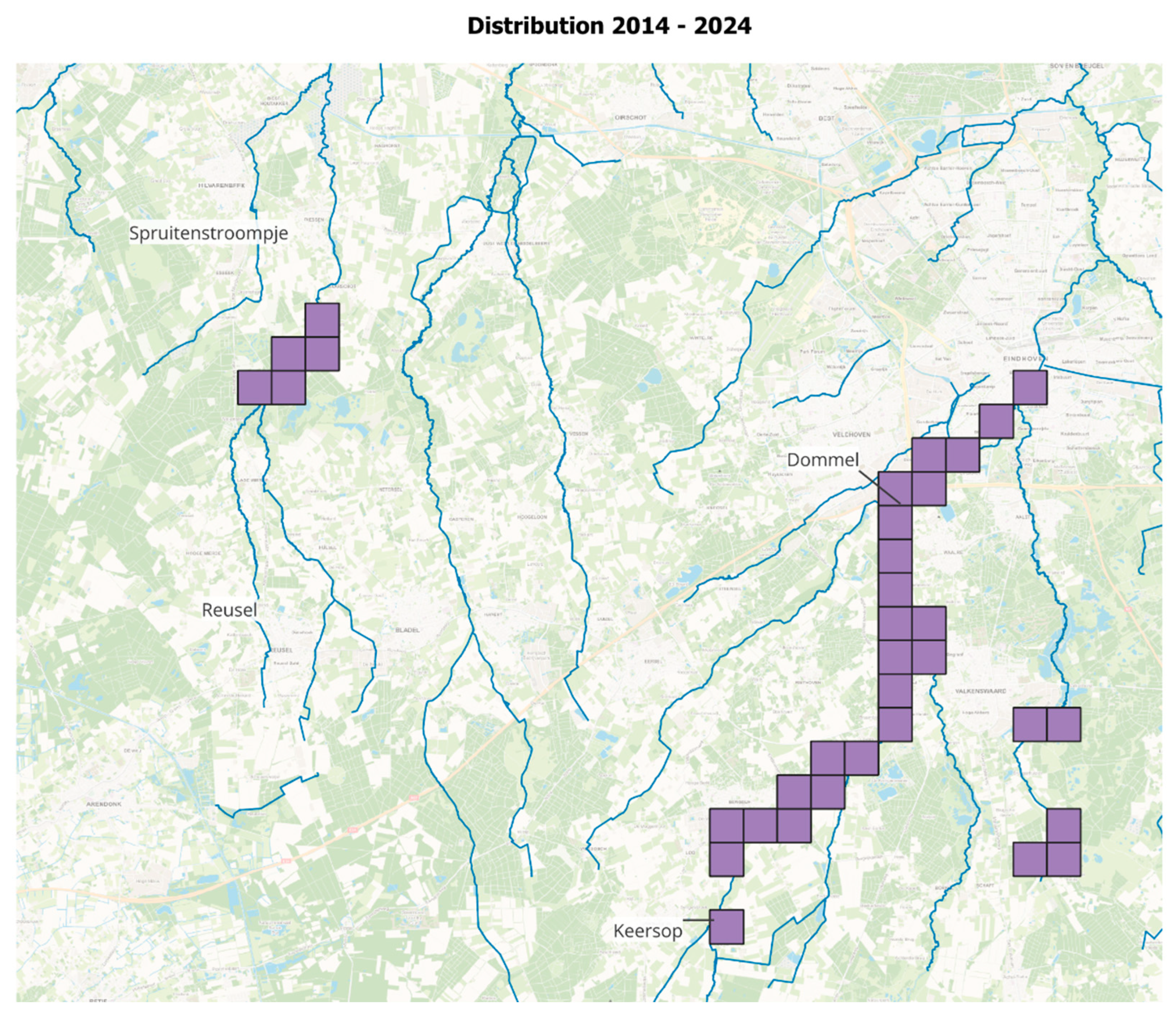
The Keersop/Dommel population was monitored during and after extraction of donor specimens through larvae densities and demographics. In the years of the extraction, average densities of larvae showed fluctuations for all sites (Figure 4). The site (157292-374323) were most extractions until the autumn of 2017 were made, apart from normal fluctuations, did not show impact as numbers remained moderately high in monitoring rounds after extraction. When monitoring in 2018 and onward continued under the ‘standardized’ protocol, larvae numbers were observed to decrease for some sites (Figure 4; Appendix D), but a reliable trend is lacking at the considered geographic scale. Due to summer drought, die offs in the larva population were observed. For example in the Beekloop (tributary to Keersop) mass die offs were observed in unshaded pools within 8 hours after stream stagnation. As no more individuals were extracted, summer droughts are most likely drivers of local observed density decrease and fluctuations. Average demographics of the donor population show minor fluctuations over the years and display a healthy population structure (Figure 5; Appendix E). Our interpretation of these outcomes is that the population is still large and viable, did not encounter the impact of the extraction of individuals, but is impacted by droughts. Since 2014 the Keersop and Dommel population expanded its distribution range in the Dommel, both a few km upstream of the confluence with the Keersop and downstream into the city of Eindhoven (Figure 6). Also the near Tongelreep population (east of Dommel) is expanding in downstream direction from an upstream Belgian population in the Warmbeek (Figure 6).

3.2. Introduced Population

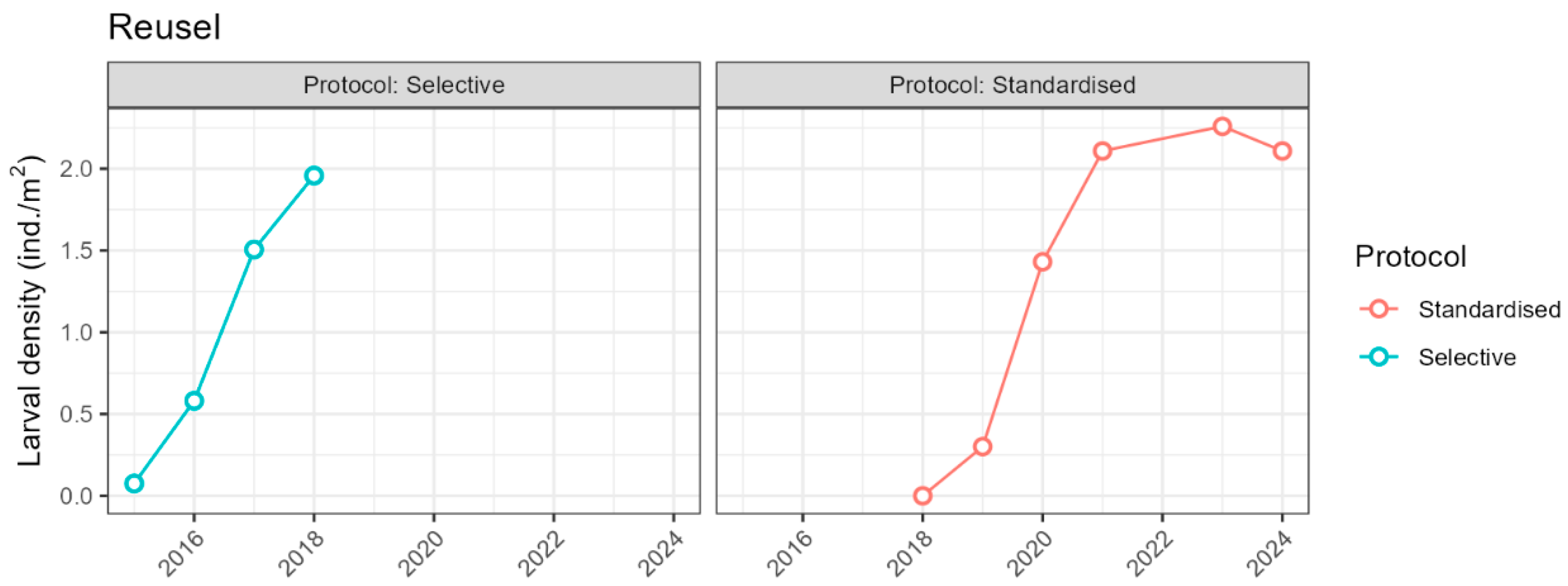
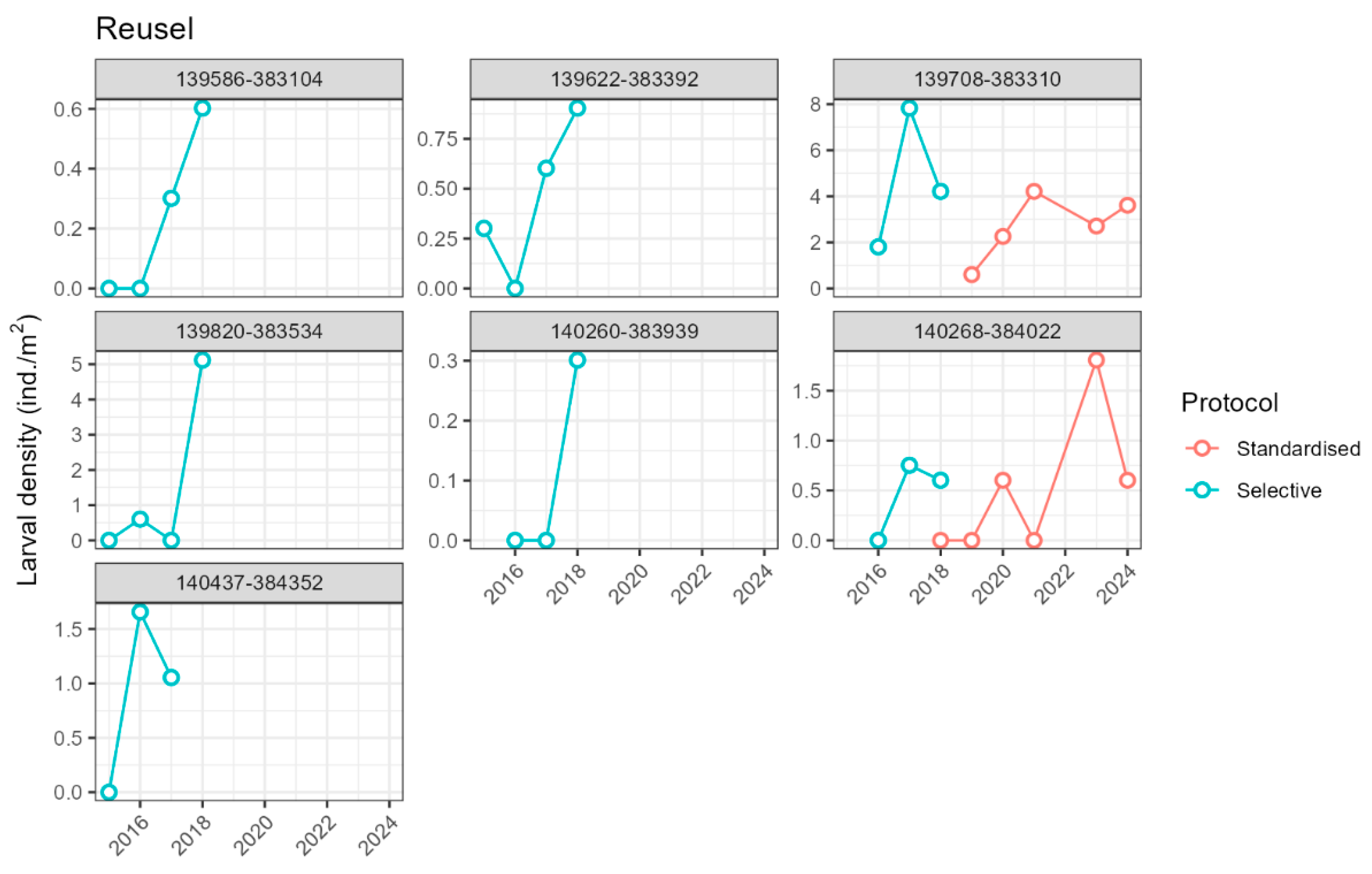
The Reusel larva monitoring one year after the first translocation yielded an important finding. On the 6th of October 2015, one larva of 28mm was captured. No larvae released in the prior year were that small. This meant that the first adults released in autumn 2014 survived winter and successfully spawned in the spring of 2015. No other larvae were found in the samples, probably because densities at this point were still very low. The spring of 2016 yielded the next sign of lampreys continuing their life cycle. The first observation of spawning was made by citizen scientists on the 22th of March 2016 [55]. In the next weeks spawning was observed at 5 dates, the maximum number of spawning lampreys was 7. When visits were made to observe spawning, a small additional effort was made by dip net fishing [55]. This yielded 4 larvae of around 6 cm, indicating also that larvae survive longer periods after release. As stocking progressed over the years, numbers of larvae increased in the ‘selective’ monitoring efforts to an average of nearly 2 larvae per square meter over seven sites in 2018 (Figure 7).
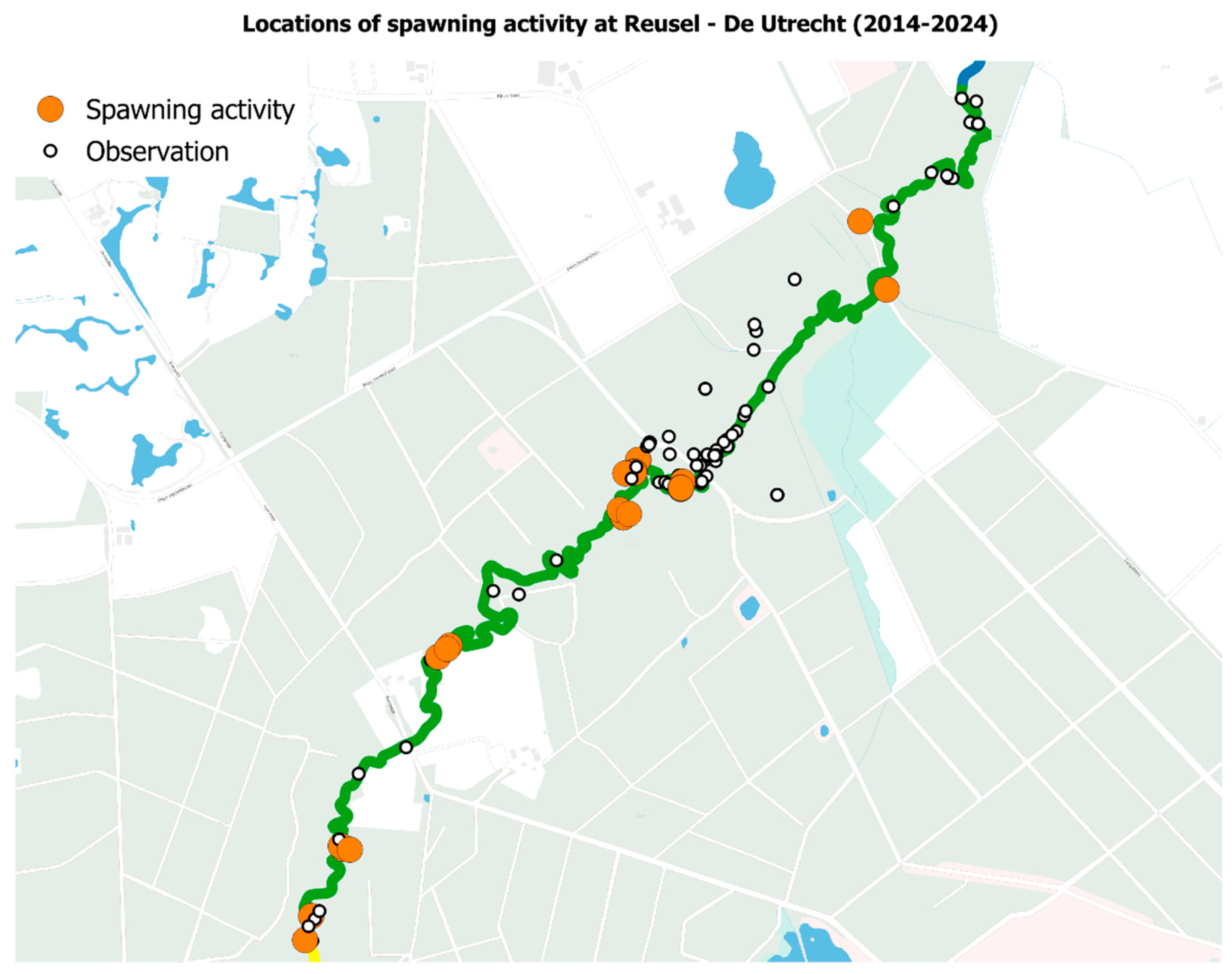
In the first years it was not possible to attribute an increase in numbers to natural reproduction, as every year also stocking occurred until 2018. Yet, every year the population included smaller length classes of larvae, which indicates the result of natural spawning. In 2018 a trend break in larvae monitoring took place due to a change in the monitoring protocol. In 2018 no larvae were captured within the ‘standardized’ monitoring protocol at one site, although sampling was executed in the same area within weeks after the ‘selective’ monitoring which resulted in a low number of larvae. An explanation could be that the operator could not rely on prior knowledge on release sites and previous ‘hotspots’ or could search for the best sampling area. Furthermore the very dry summer of 2018 might have caused larvae to redistribute and cluster at specific sites [36], which were not selected under this protocol. During the drought we observed that larvae left their usual habit and burrowed in the sand of deeper pools. From 2019 onward, two sites were monitored, as a sub location for national monitoring purposes. This is in fact a very small sample size to identify detailed changes on a local level. In the next years of monitoring numbers fluctuated between sample events (which might be the result of stochasticity), but on average increased to 2020 (Figure 7; Appendix D). In the years 2021 to 2024 average larvae densities seemed to level to just over 2 larvae per square meter. The increase in larvae numbers observed by the ‘standardized’ protocol after 2018 could in fact be attributed to the result of successful spawning, as translocation of specimens stopped. This is supported by spawning events observed frequently over the years. A total of 24 spawning events were registered from 2016 to 2022, averaging 4 individuals per sighting with a maximum of around 20 specimens at 27th of March 2022 [30]. All spawning activities were observed between 22th of March and the 12th of April over the complete length of De Utrecht reach (Figure 8).
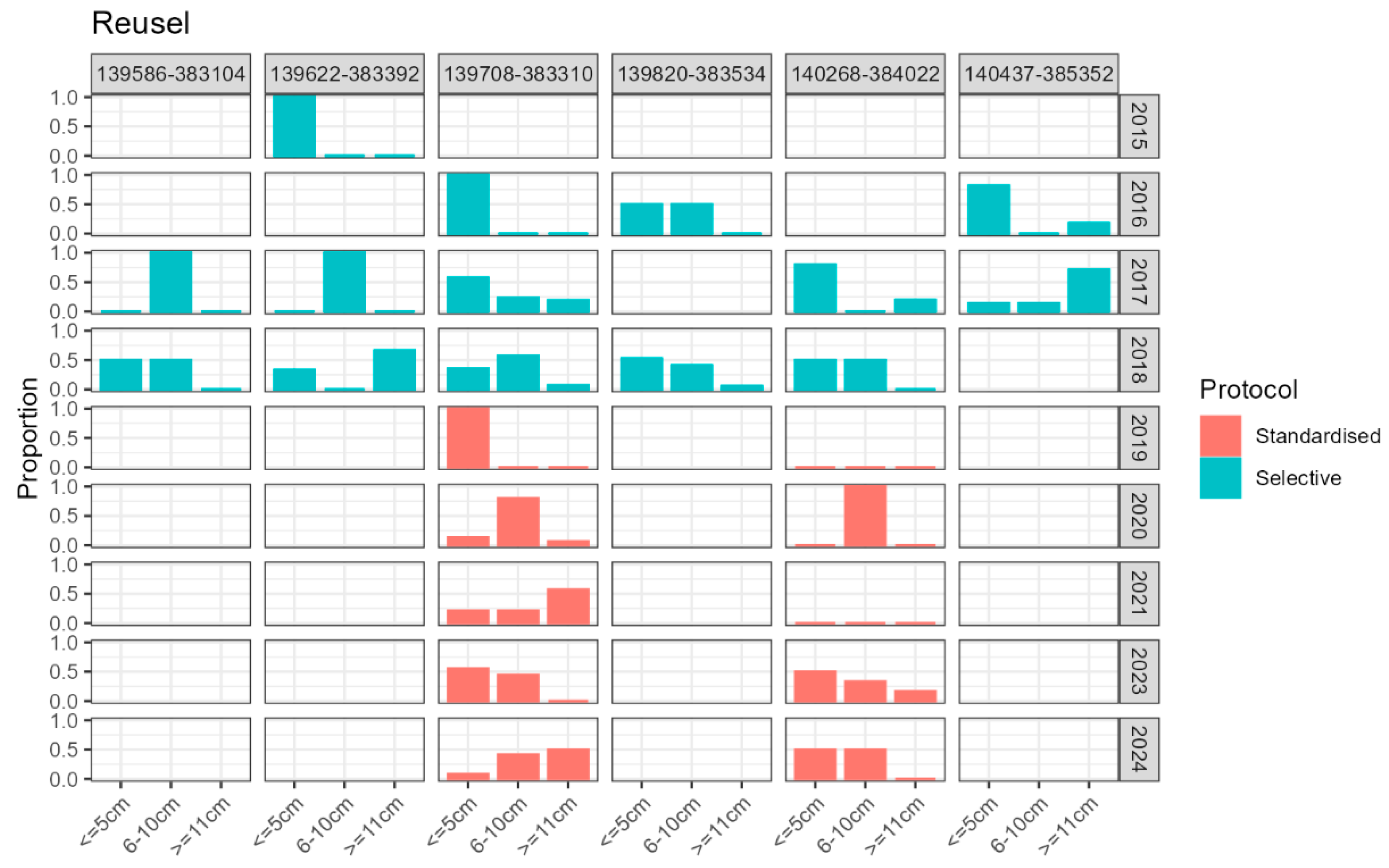
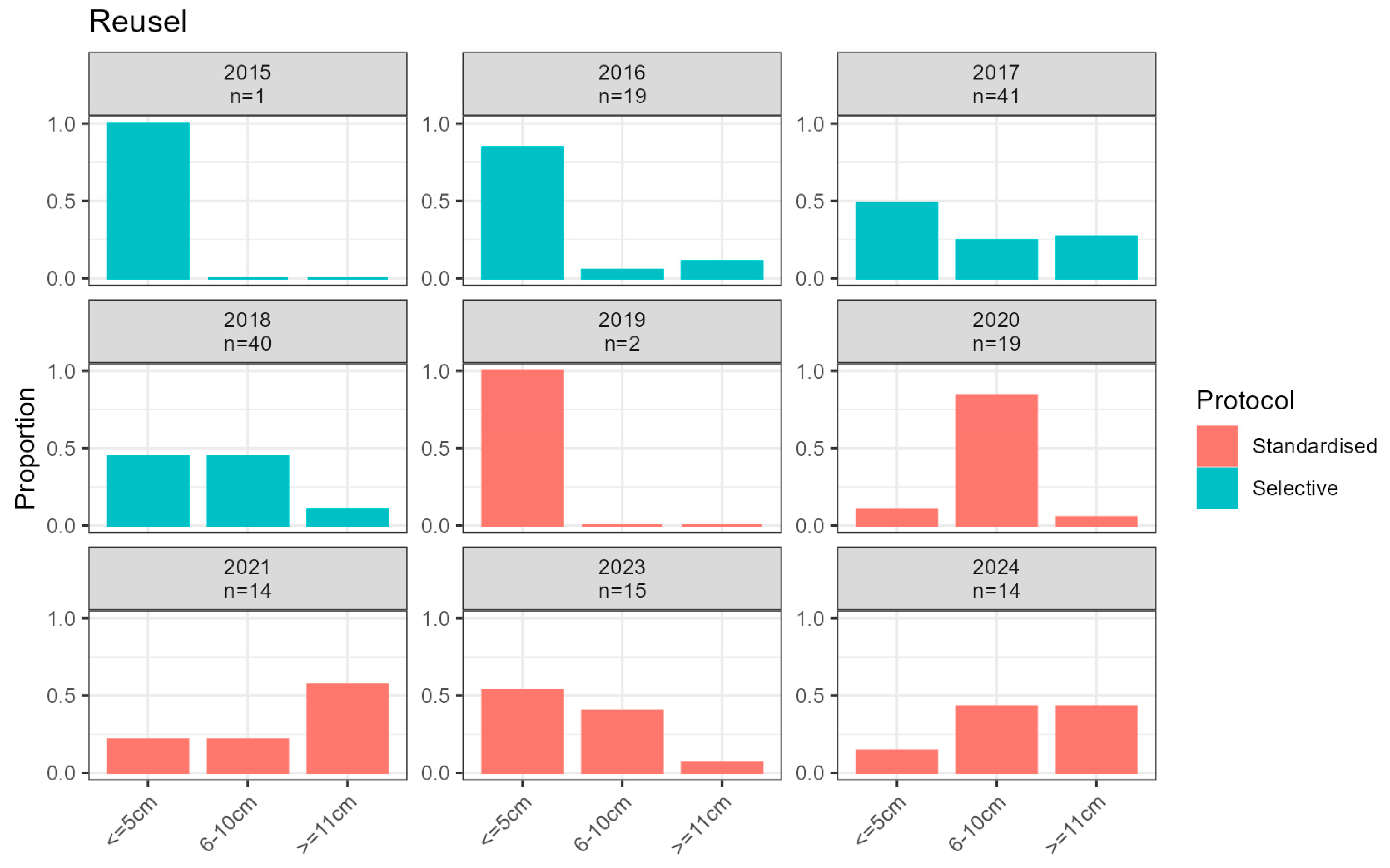
During years in which stocking was done, demography showed high (>40%) abundance of the smaller length class. This is an effect of successful spawning, as the smaller length class was not dominant in stocking. After the last stocking event in 2018, the average demographics of the population display imbalance between length classes in 2019 and 2020 (Figure 9). This observation might also be a result of small sample numbers of larvae and stochasticity. A more stable demography at larger numbers of larvae emerges from 2021 onward (Figure 9). Current larval densities and demographics for the Reusel and the Keersop/Dommel as a reference, show much resemblance. In autumn 2024 probably no or very few larvae from the stocking events remain. If so, they might be young of the year specimens of the 2018 stocking (which were very few) and they should undergo metamorphosis after the average age of 6,5 years. Therefore the current population must be largely composed of first and second generation lampreys as the result of natural reproduction of stocked specimens and reproduction of their offspring.
The distribution of brook lamprey in the Reusel remained over the course of 10 years present in the range that was stocked in. Until 2024 some downstream range expansion was observed, observations of larvae were made up to 1,5km downstream of prior stocking activities. The most downstream observation was made during a targeted survey on the 30st of October 2024. Despite efforts further downstream and the presence (of recently restored) suitable habitat for both larvae and spawning, no individuals were caught. Upstream range expansion has not yet been observed, although also some targeted surveys have been executed there. At this point approximately 4900m of stream is occupied at a width of 5 meter, adding up to an area of 2,45 hectare.
Based on the observed average larval density of 2.1 in 2024, the given area of occupancy and habitat availability, the current autumn population of larvae is estimated to be in the range of 8500. This number of larvae could yearly yield 133 spawning females (530 adults) in analogy (64 larvae to 1 adult female) to calculations of Caskenette [46], where a 1:3 female to male sexe ratio was assumed. In this study, extraction from the donor population led to observation of 1 transformed individual to 24 larvae. This ratio would yearly result in 353 adults, or 118 females when a sexe ratio of roughly 1:2 [34] is assumed. Abundance of adults within this range are in correspondence with observed spawning events, which probably only represent a fraction of actual spawning activities.

4. Discussion

A Impact of extraction of over 5000 individuals from the large donor population was not directly observed in the Keersop and Dommel monitoring. Observations of local decline are likely the result of impact from droughts, which is also noted in the national monitoring where overall a negative trend is observed [56]. Interestingly range expansion was observed for the Dommel, which also corresponds to the positive trend in the national monitoring for the complete Dutch distribution range of brook lamprey. Range expansion is attributed to stream restoration [56].
Translocation of lamprey from the Keersop and Dommel, led to the start of a population in the Reusel. The reintroduced population of brook lamprey in the Reusel displays ability to self-sustain by successful reproduction and it shows increase in larvae numbers and expansion in distribution. Current numbers in the Reusel are still developing and the population did not yet reach a regulation phase [49,57]. Average larvae densities are now just over 2 individuals per square meter of (sub)optimal habitat, whereas favorable (habitat dependent) densities should be larger than 5 [37]. Also in the Keersop/Dommel average population densities well above 5 were observed before the first dry summer of 2018. This indicates that current habitats are not fully occupied and densities can potentially still increase when recovering from impact from drought. Furthermore habitat availability increased due to stream restoration, distribution range expansion is therefore possible. These observed and projected population developments reflect IUCN assessment criteria A and B in a positive way, but cannot be fully evaluated because this early stage of the population development lacks a reference point. Demographically the population now displays a balanced distribution between larval length classes and is up to a point where it is likely to produce over 300 spawning adults yearly. Based on population size (IUCN criterion C and D), the current population is still ‘vulnerable’ [54]. At this level the population is sensitive to perturbations and might take more than 10 years to reach the point of a minimum viable population in size and resilience [46]. Although habitat availability increased, constant quality is an important point of attention. Current land use and the progressive effects of climate change cause great risk of summer stagnation and dry fall of the Reusel [32]. These events could seriously impact lamprey populations [58], and local mass die offs have in fact been observed in the Keersop region within 8 hours after stagnation. Brook lamprey in general respond negatively to frequently occurring low flows [59] and (mass) die offs happen when habitats are dewatered [36]. Stagnation and dewatering of habitat can be survived by (part of) a population as lampreys also possess traits that make them resilient to some extent. Some larvae (especially larger individuals) emerge when habitats are dewatered and are able to move downslope when habitats fall dry [36]. When the stream stagnates and water levels drop, pools remain. Lampreys and other taxa can temporarily seek refuge in these pools [60]. Larvae can survive here on the condition that oxygen and temperature remain outside critical values [61,62]. Surprisingly when surface water completely disappears, some lamprey larvae can still survive in wet substrates [36]. There is one report of a few Lampetra sp. larvae which survive dry fall in the Mediterranean climate of California (USA) for at least 22 days in the hyporheic zone (wet parts in the stream bed) [63]. It is doubtful whether L. planeri possesses such survival traits. Survival of dewatering is heavily influenced by temperature and shading; at summer temperatures only few larvae survive for 3 hours under shaded conditions [36]. Dewatering of habitat in summer will therefore result in large losses within the lamprey population. In the record breaking dry summer of 2018 the Reusel flow stagnated for 109 days due to drought itself and intensive agricultural land use [32]. This led to severely low water levels and ecological damage was mitigated by pumping groundwater into the stream. It is likely that without this artificial measure the drought of 2018, and those of following years, would have been catastrophic for the brook lamprey population. The hydrological model of the area shows that under the changed climate these droughts will reoccur when implementation of a set appropriate measures fails [32]. Although stream restoration efforts have been implemented recently, the long term effects on preserving water are still unknown and might not be sufficient. In the light of progressing climate change, the habitat continuity is at risk in the current geographic range. Based on quantitative analyses of Caskenette [46] extinction probability for a population in the order of 100 female adults, which under high probability of catastrophic events, is expected to be in the range of 20% over 5 generations (32,5 years). Therefore the status of Endangered (IUCN Criterion E) is currently the best estimate for the reintroduced population.
To further preserve and restore ecological quality of the Reusel, including the developing brook lamprey population and other rheophilic taxa, future efforts are needed. These efforts are also necessary to achieve the goals set under the WFD. To restore the water balance on a basin scale, it is needed to reduce water consumption by crops, irrigation and nature. Terink et al. [32] have calculated different scenarios to reduce impacts of drought to agriculture and nature. All impact can be reduced by a large scale of transformation; agriculture on higher grounds into nature, coniferous forests into less water demanding nature types, a ban on irrigation and to adapt agriculture to less water demanding crops [32]. The feasibility of this large-scale scenario is, however, regarded questionable on grounds of societal support.
Also the resilience of the brook lamprey population itself can be improved. Expansion will take place naturally due to dispersion and colonization of suitable habitats. To this respect, spawning grounds (gravel) could serve as stepping stones. In the current situation, large stretches of the stream do not offer suitable spawning grounds. At Wellenseind it might be possible to locally place gravel beds by direction of Peeters [64], to offer spawning habitat upstream of De Utrecht reach and facilitate colonization. This measure could serve as a stepping stone in expanding the population to the 6km of upstream restored reaches, where nowadays gravel substrates are naturally exposed. The longevity of placed gravel beds could be an issue [64], however, if colonization progresses to upstream spawning habitats, Wellenseind still offers high quality larvae habitats. For downstream colonization, suitable spawning substrate is also a limiting factor. Downstream colonization is also valuable for survival of the population. Here gravel occurs in the topsoil, but due to weirs and over dimension of the stream bed, suitable gravel beds appear at a very small scale. Further restoration of the stream would benefit lampreys and other rheophilic taxa. It is advised to (locally) narrow the streambed, plant trees in riparian zones and allow streambed variation and dead wood. Increased variation will increase diversity of habitats including gravel beds for spawning and deeper zones for summer survival when water levels drop. Trees along the stream fulfil another important role, they provide shading important for temperature regulation in summer. Ideally further stream restoration and progressive colonization of brook lamprey, would lead to a large population occupying over 20 stream kilometers including tributaries like the Spruitenstroompje. In the meantime vigilance remains essential, in upcoming dry summers it might be necessary to repeat emergency pumping of groundwater into the stream.
To keep track of the development of the brook lamprey population and in steering ‘post reintroduction management’, monitoring is essential [23]. National NEM monitoring will continue at two sites. For a more detailed insight it is recommended to periodically commit targeted surveys for larvae outside the current distribution area. When distribution progresses, additional monitoring sites can be designated to get better coverage of the occupied area. As an addition to the current monitoring protocol and ad hoc surveys, it is advised to periodically (e.g. 5 years) measure the exact size of a greater number of larvae. This will allow comparing the demographic features against our reference dataset of length frequency by directions of [44]. Combined, this knowledge will help safeguarding and recovery of the brook lamprey populations and future assessments of their status..

5. Conclusions

We conclude that the reintroduction of over 5000 brook lampreys from 2014-2018 did not jeopardize the donor population and started a new population that increased and self-sustained until 2024. The population judged by size, range and demographics is still at a ‘vulnerable’ status. Due to a high probability of impact of droughts and therefore an increased extinction risk, the best available integrated estimate of population status would be ‘endangered’. Monitoring remains essential to keep track of the development of the brook lamprey population and in steering ‘post reintroduction management’. The water system is highly sensitive to progressive impacts from climate change and intensive land use. Further restoration of the water system is extremely important to both nature and agriculture.

Author Contributions

M.E.S. and F.S. contributed to the conceptualization of the research and drafting of the manuscript. M.G., M.E.S. and F.S. contributed to the methodology and data-analysis. M.S. provided details on the study area and drafting of the manuscript. M.B. and M.S. contributed to a critical revision of the manuscript. All authors have read and agreed to the published version of the manuscript.

Funding

The authors wish to thank the following funders: The Province of Noord-Brabant for funding the reintroduction project and funding of the N2000 monitoring of the Keersop and Dommel population; the Ministry of Agriculture, Fisheries, Food Security and Nature for funding of the NEM national lamprey monitoring; Waterboard Dommel and RAVON for funding the writing of this manuscript.

Data Availability Statement

All datasets produced and/or examined during this study can be obtained from the corresponding author upon reasonable request.

Acknowledgments

We are greatly indebted to all citizen scientists, students and colleagues who contributed to the translocation of over 5000 lampreys and 10 years of monitoring and other surveys. We want to appreciate the following colleagues for their contributions: Fabian Smith for his work on coordination of monitoring efforts; Ivanka Spruijt and Nick van Doormaal for data processing; Wouter Beukema for proofreading of the manuscript, Ron Schippers for contributing his knowledge of the study site and Jan Kranenbarg for his feedback on different sections. Furthermore we would like to thank Leon Liebregts (De Utrecht) and Tom Zeeman (Wellenseind) for their hospitality to work on the domains.

Conflicts of Interest

The authors declare no conflicts of interest.

Appendix A: Habitat Reference Values for Brook Lamprey and Assessments
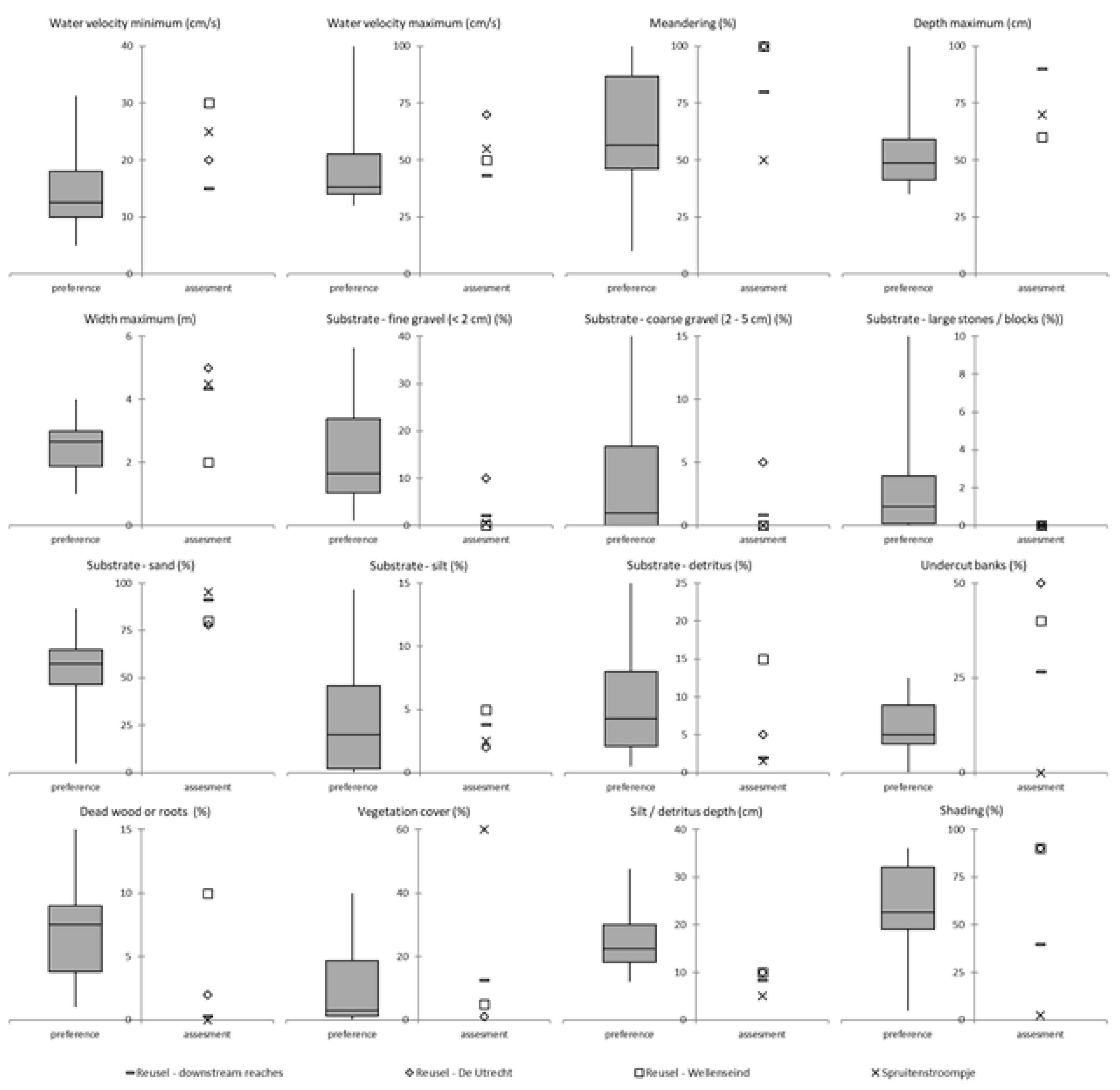
Figure A1. Brook lamprey habitat ‘preference’ for hydromorphological aspects of reference streams and assessment of potential streams. Preference is based on habitat assessments (field estimates) in current brook lamprey habitats of ten streams (Keersop, Beekloop, Osinkbemerbeek, Willinkbeek, Egelsbeek, Geelmolensche beek, Springendalse beek, Rode beek, Zieversbeek and Kendel) explored by Spikmans et al. [17]. Boxplots show the median, 25% lower and 75% upper quartile (gray bars) and the minimum and maximum values (whiskers) observed. Values of the habitat ‘assessment’ (field estimates) by Spikmans et al. [17] are given for the Reusel stretches Utrecht, Wellenseind and the Spruitenstroompje tributary stream. Reusel ‘downstream’ gives an average value which includes three areas; Moleneind, Turkaa and Hilver.
Preprints 143381 g0a1

Appendix B: Visual Material of the Reusel
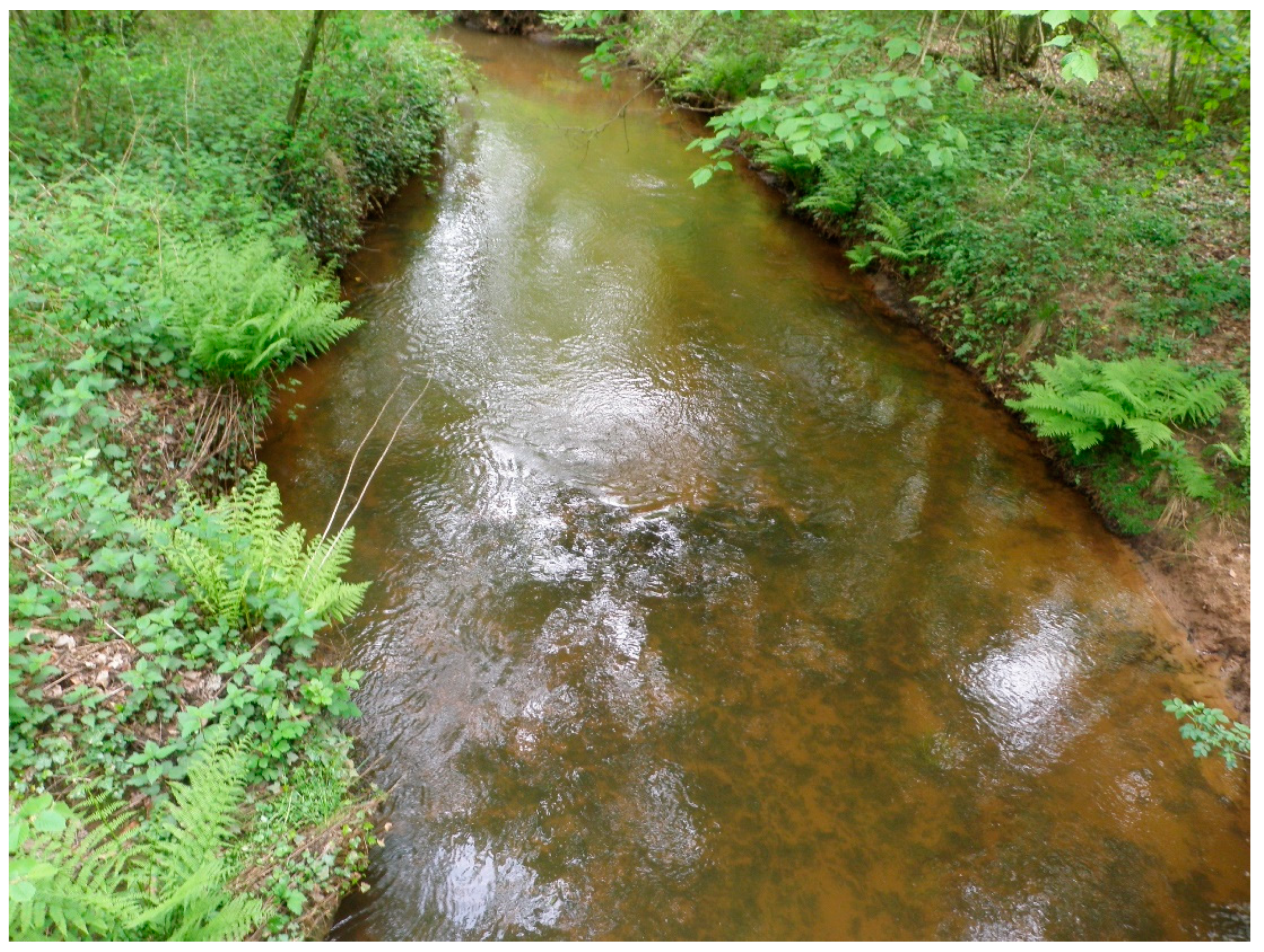
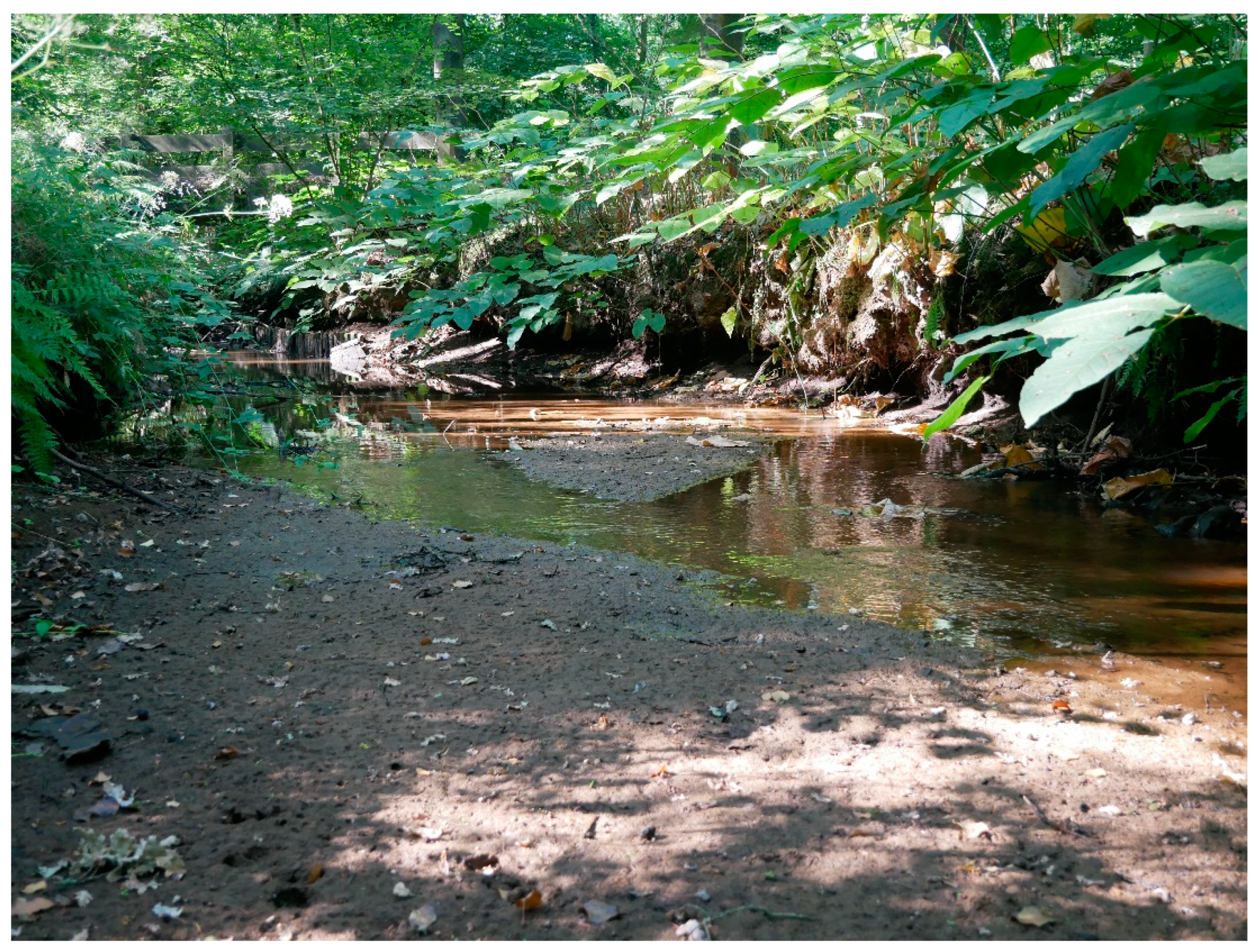
Figure A2. Reusel at ‘De Utrecht’ during normal late spring conditions (4h of May 2012, picture: M. Schiphouwer).
Preprints 143381 g0a2
Figure A3. Reusel at ‘De Utrecht’ during summer drought 2018, the stream bed is largely dewatered, some water is flowing from pool to pool as a result of upstream groundwater influx by pumping (23th of July, picture: M. Schiphouwer).
Preprints 143381 g0a3
Figure A4. Groundwater influx to the Reusel by pumping in a ditch upstream of Wellenseind, pumping continued until september (23th of July, picture: M. Schiphouwer).
Preprints 143381 g0a4

Appendix C: Specifications of Translocated Brook Lampreys
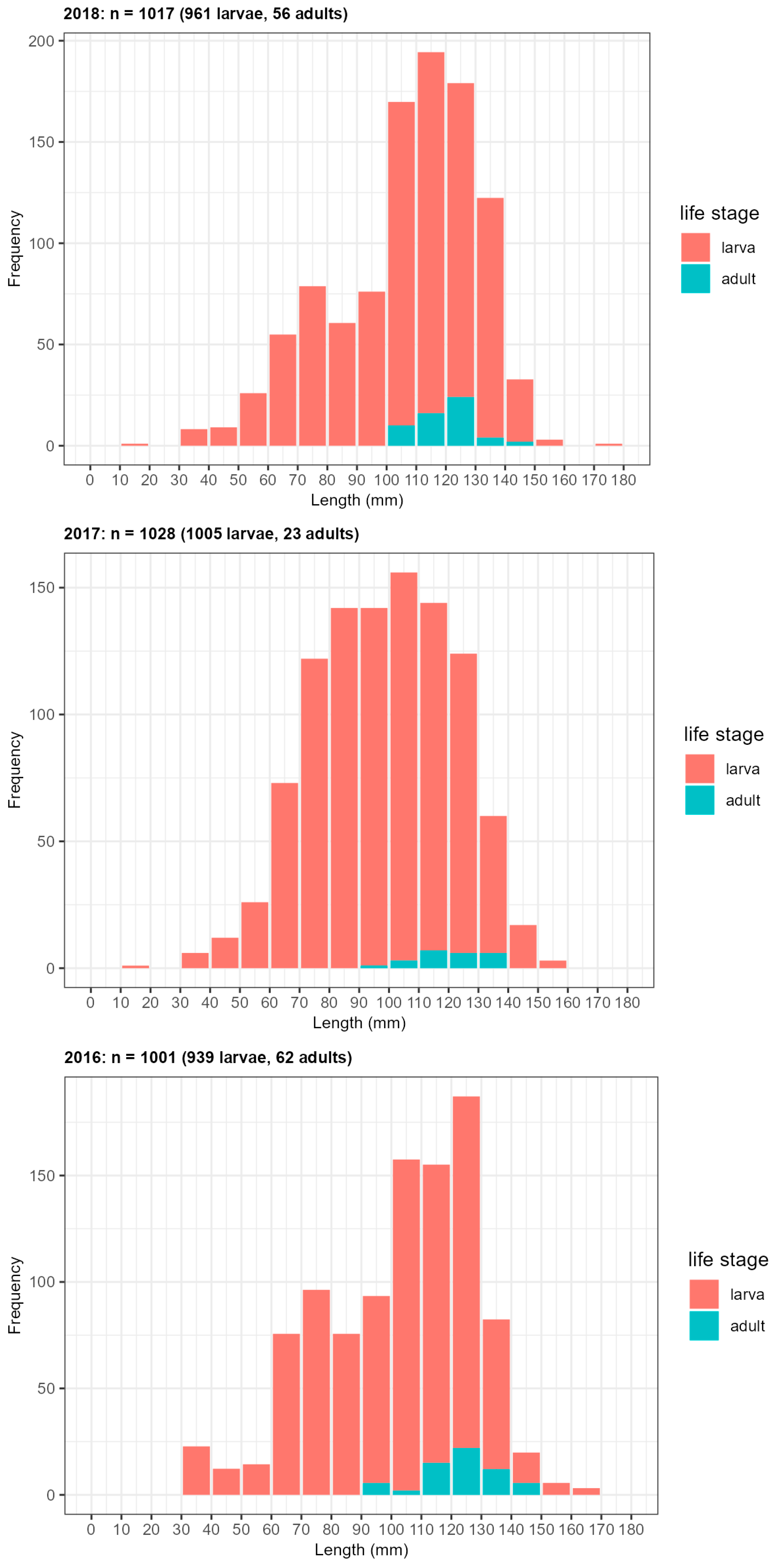
Figure A5. Specification of yearly extraction of brook lamprey individuals from the Keersop and Dommel in autumn, which were translocated to the Reusel. The frequency of each cm length is given by the number of individuals for adult or larval life stage.
Preprints 143381 g0a5aPreprints 143381 g0a5b

Appendix D: Specifications of Larval Monitoring Sites

Table A1. Monitoring sites for larva monitoring in Keersop/Dommel and Reusel reaches, Site codes are used in other maps and graphs. Coördinates are given in Dutch Grid (RD) X and Y and refer to the center of the site. The number of cylinder subsamples (46cm) is given for each year and include the protocol used: Selective or Standardized.
Preprints 143381 i001

Appendix C: Criteria for Evaluation of Lamprey Reintroduction

In this appendix an elaboration is given on IUCN Criteria and interpretation for evaluation of introduction success in early development of a lamprey population.
Criterion A: a high decline rate in a population
Decline rates in mature individuals are projected over generation lengths and assessed over a period of at least 10 years or preferably three generations [51,53]. Brook lamprey has an average generation time of about 6,5 years, a preferred assessment period would be 20 years and needs a relevant reference point. Being a semelparous species with a very short and difficult to observe adult life stage, it is most practical to measure decline of brook lamprey by larvae numbers. An observed decline in larvae numbers over these first generations would mean that survival of larvae and/or reproduction success of the adult life stage is too low to sustain the population. To our opinion, at this point in time a successful population should be in a growth phase in numbers and in distribution, moving toward a regulation phase in the future as described by Robert et al. [49]. When the regulation phase has been reached after a number of generation times, this could serve as a reference point to measure increase or decline in the future. A regulation point could be defined when larvae reach optimal densities (>5 ind/m2)[37] and the potential distribution range matches the observed one.
Criterion B: Small range area and decline
The area of occupancy quantifies where the species is found during its life cycle [51]. In this criterion the continuous habitat suitability needs to be included. As brook lamprey live in linear habitat, a single perturbation event (like drought or pollution) could affect an entire population. To this respect the reintroduced population can only be successful if the current suitable habitat remains large and stable enough to sustain lampreys. Preferably a larger range of suitable habitats become gradually occupied and the population expands to adjacent stream reaches and tributaries. Expansion to other tributaries and forming a meta population structure, would reduce extinction risk compared to a ‘linear’ population.
Criterion C and D: Population size (and demography)
IUCN refers to population size in mature individuals taking part in reproduction. For brook lamprey we will focus on the larval population of a favourable size and displaying healthy demographic composition [44,46]. An exact number for a favourable population size is difficult to obtain. Spikmans et al. [33] calculated a population size up to 25.000 larvae would be self-sustaining. Caskenette [46] modelled a minimum viable population (MVP) for Northern Brook Lamprey (Ichthyomyzon fossor) a lamprey species with strong similarity in life history and ecology to Lampetra planeri. This MVP included resistance to severe perturbation events. For a 1% probability of extinction over 6o years an MVP was calculated to be in the order of 2,569 adult females, the equivalent of over 150,000 larvae. Lower numbers increase the probability of extinction, for a population in the order of 300 adult females, approximately a 10% probability is given [46].
Criterion E: Quantitative analysis of extinction risk
An analysis to estimate the extinction probability of species based on ecology, life history, habitat requirements, threats and any specified management options. The best example of a quantitative analysis for extinction risk of a lamprey species is the study of Caskenette [46]. We will discuss our results and future perspectives in relation to this model, in absence of a quantitative analysis for this specific species and case.

Appendix D: Average Larval Densities

Figure A6. Observed average densities of larvae for Reusel monitoring sites by year and protocol. Each observation is the average of all monitored sites, the number and composition of sites deviates between years (see Table A1 for specifications).
Preprints 143381 g0a6
Figure A7. Observed average densities of larvae for Reusel monitoring by year and protocol. Each observation is the average of all monitored sites, the number and composition of sites deviates between years (see Table A1 for specifications).
Preprints 143381 g0a7

Appendix E: Larval Demography Details per Monitoring Site
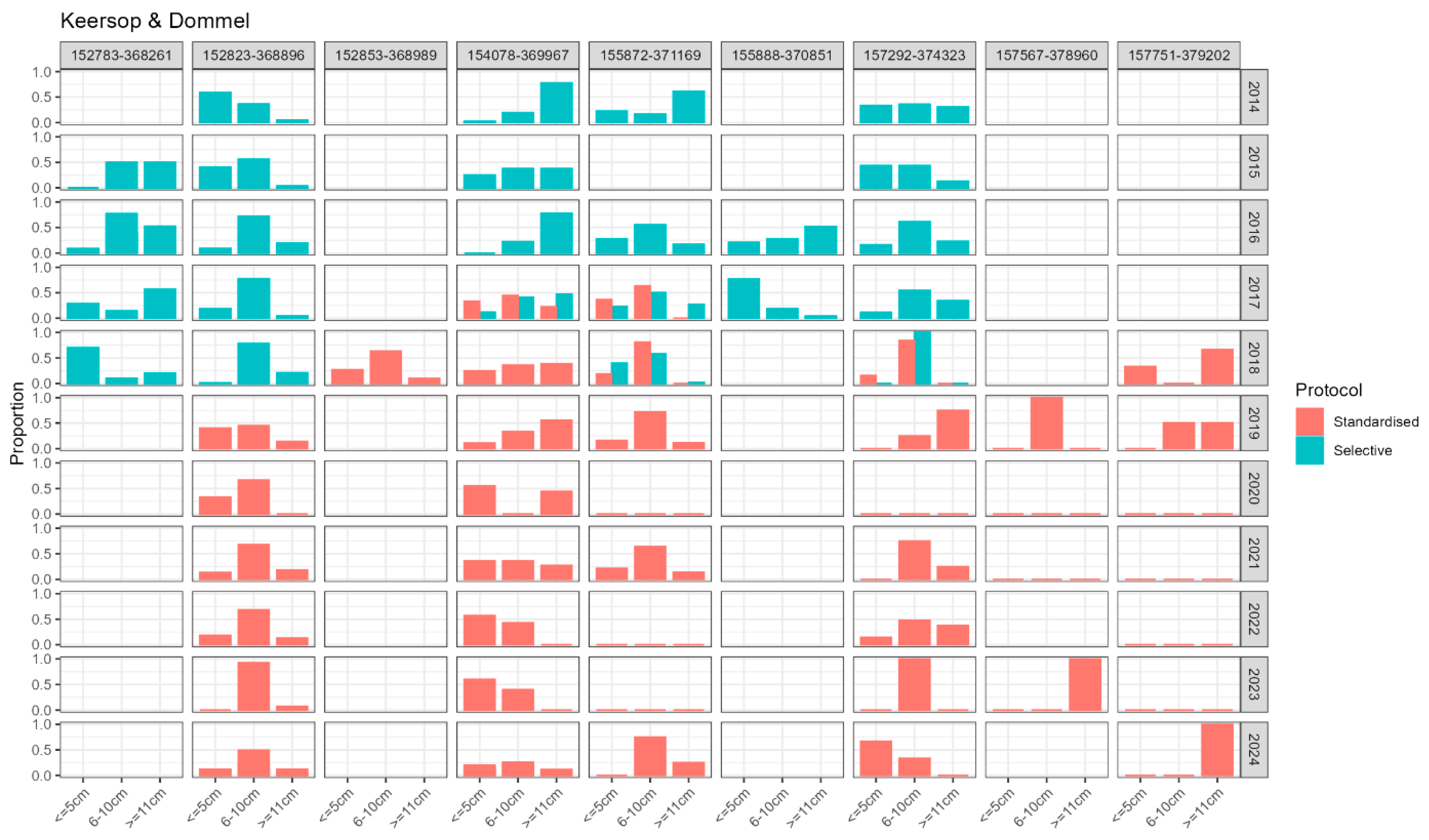
Figure A8. Demographic structure of the Keersop-Dommel larval population by year, site and protocol. Sampled site specifications are indicated in Table A1.
Preprints 143381 g0a8
Figure A9. Demographic structure of the Reusel larval population by year, site and protocol. Sampled site specifications are indicated in Table A1.
Preprints 143381 g0a9

References

  1. Maitland, P. S.; Renaud, C. B.; Quintella, B. R.; Close, D. A.; Docker, M. F. Conservation of Native Lampreys. Lampreys: Biology, Conservation and Control: Volume 1 2015, 375–428.
  2. Evans, T. M.; Janvier, P.; Docker, M. F. The Evolution of Lamprey (Petromyzontida) Life History and the Origin of Metamorphosis. Rev. Fish Biol. Fish. 2018, 28 (4), 825–838. [CrossRef]
  3. Wang, C. J.; Michael Hudson, J.; Lassalle, G.; Whitesel, T. A. Impacts of a Changing Climate on Native Lamprey Species: From Physiology to Ecosystem Services. J. Great Lakes Res. 2021, 47, S186–S200. [CrossRef]
  4. Polyakova, N. V.; Kucheryavyy, A. V.; Genelt-Yanovskaya, A. S.; Yurchak, M. I.; Zvezdin, A. O.; Pavlov, D. S. Characteristics of Typical Habitats of River Lamprey Lampetra Fluviatilis Larvae (Petromyzontidae). Inland Water Biol. 2024, 17 (5), 783–796.
  5. De Cahsan, B.; Nagel, R.; Schedina, I.-M.; King, J. J.; Bianco, P. G.; Tiedemann, R.; Ketmaier, V. Phylogeography of the European Brook Lamprey (Lampetra Planeri) and the European River Lamprey (Lampetra Fluviatilis) Species Pair Based on Mitochondrial Data. J. Fish Biol. 2020, 96 (4), 905–912. [CrossRef]
  6. Hardisty, M. W. The Life History and Growth of the Brook Lamprey (Lampetra Planeri). J. Anim. Ecol. 1944, 13 (2), 110. [CrossRef]
  7. Malmqvist, B. Population Structure and Biometry of Lampetra Planeri (Bloch) from Three Different Watersheds in South Sweden. Archiv fur Hydrobiologie 1978, 84 (1), 65–86.
  8. Bird, D. J.; Potter, I. C. Metamorphosis in the Paired Species of Lampreys, Lampetra Fluviatilis (L.) and Lampetra Planeri (Bloch): 1. A Description of the Timing and Stages. Zool. J. Linn. Soc. 1979, 65 (2), 127–143. [CrossRef]
  9. Kelly, F. L.; King, J. J. A Review of the Ecology and Distribution of Three Lamprey Species, Lampetra Fluviatilis (L.), Lampetra Planeri (Bloch) and Petromyzon Marinus (L.): A Context for Conservation and Biodiversity Considerations in Ireland; biology and environment: Proceedings of the Royal Irish Academy; JSTOR, 2001.
  10. Moser, M.; Almeida, P.; Kemp, P.; Sorensen, P. Lamprey Spawning Migration. : Docker M. (eds) Lampreys: Biology, Conservation Control; 2015.
  11. Ford, M. Lampetra planeri. The IUCN Red List of Threatened Species 2024. https://www.iucnredlist.org/species/11213/135088684 (accessed 2024-11-23).
  12. Spikmans, F.; Kranenbarg, J. Nieuwe Rode Lijst Vissen Nederland. RAVON 2016, 18 (1), 9–12.
  13. Visatlas van Nederland; Kranenbarg, J., Herder, J., van Emmerik, W. A. M., Groen, M., Eds.; Noordboek Uitgeverij: Gorredijk, 2022.
  14. Bartholomeus, R. P.; Van Der Wiel, K.; Van Loon, A. F. Managing Water across Flood-Drought Spectrum: Experiences from Challenges in the Netherlands. Cambridge Prisms: Water 2023, 1. [CrossRef]
  15. Council Directive 92/43/EEC of 21 May 1992 on the Conservation of Natural Habitats and of Wild Fauna and Flora (OJ L 206 22.07.1992 P. 7). In Documents in European Community Environmental Law; Sands, P., Galizzi, P., Eds.; Cambridge University Press: Cambridge, 2006; pp 568–583. [CrossRef]
  16. CLO. Migratiemogelijkheden Voor Trekvissen; indicator 1350, versie 10, 15 september 2022 www.clo.nl; Centraal Bureau voor de Statistiek (CBS), Den Haag; PBL Planbureau voor de Leefomgeving, Den Haag; RIVM Rijksinstituut voor Volksgezondheid en Milieu, Bilthoven; en Wageningen University and Research, Wageningen., 2022.
  17. Spikmans, F.; Schiphouwer, M.; Kranenbarg, J.; Breeuwer, H. Naar Duurzame Populaties Beekprik in Noord-Brabant. Voorbereidingsstudie Herintroductie; 2011-113; Stichting RAVON, Nijmegen & IBED – Universiteit van Amsterdam, 2013.
  18. Bezem, J. Forse Natuurschade Door Baggerwerkzaamheden. Land + water: magazine voor civiele en milieutechniek 2011, 51 (8), 8.
  19. Seddon, P. J. From Reintroduction to Assisted Colonization: Moving along the Conservation Translocation Spectrum. Restor. Ecol. 2010, 18 (6), 796–802.
  20. Kirchhofer, A. Biologie, Gefährdung Und Schutz Der Neunaugen in Der Schweiz; Mitteilungen zur Fischerei 56; Bundesamt für Umwelt, Wald und Landschaft, 1996.
  21. Krappe, M.; Lemcke, R.; Meyer, L.; Schubert, M. Fisch Des Jahres 2012 - Die Neunaugen; 2012.
  22. Ratschan, C.; Jung, M.; Riehl, B.; Zauner, G. Attempt to Reintroduce the Ukrainian Brook Lamprey (Eudontomyzon Mariae) to the Salzach River by Translocation from the Inn River. (Wiederansiedelungsversuch von Neunaugen (Eudontomyzon Mariae) an Der Salzach Durch Initialbesatz von Tieren Aus Dem Inn). Oesterr. Fisch. 2021, 74 (2/3), 51–69.
  23. Close, D. A.; Currens, K. P.; Jackson, A.; Wildbill, A. J.; Hansen, J.; Bronson, P.; Aronsuu, K. Lessons from the Reintroduction of a Noncharismatic, Migratory Fish: Pacific Lamprey in the Upper Umatilla River, Oregon; American Fisheries Society Symposium; Citeseer, 2009; Vol. 72.
  24. Ward, D. L.; Clemens, B. J.; Clugston, D.; Jackson, A. D.; Moser, M. L.; Peery, C.; Statler, D. P. Translocating Adult Pacific Lamprey within the Columbia River Basin: State of the Science. Fisheries 2012, 37 (8), 351–361.
  25. Clemens, B.; Reid, S.; Tinniswood, B.; Smith, T.; Smith, R.; Reid, O.; Ortega, J.; Ramirez, B. Miller Lake Lamprey 2021 Progress Report, Oregon Department of Fish and Wildlife, Number 2021-14; 2021.
  26. Medne, R.; Purvina, S.; Vjačeslavs, R.; Balodis, J.; Gurjeva, L. Handbook for River Lamprey Restocking Methods. Project: Cross-Boundary Evaluation and Management of Lamprey Stocks in Lithuania and Latvia LAMPREY LLI-310; Institute of Food Safety, Animal Health and Environment: Riga, 2020.
  27. Lampman, R. T.; Maine, A. N.; Moser, M. L.; Arakawa, H.; Neave, F. B. Lamprey Aquaculture Successes and Failures: A Path to Production for Control and Conservation. J. Great Lakes Res. 2021, 47, S201–S215. [CrossRef]
  28. Kujawa, R.; Fopp-Bayat, D.; Cejko, B. I.; Kucharczyk, D.; Glińska-Lewczuk, K.; Obolewski, K.; Biegaj, M. Rearing River Lamprey Lampetra Fluviatilis (L.) Larvae under Controlled Conditions as a Tool for Restitution of Endangered Populations. Aquac. Int. 2018, 26, 27–36.
  29. IUCN. Guidelines for Re-Introductions Prepared by the IUCN / SSC Re-Introduction Specialist Group; IUCN, Gland, Switzerland & Cambridge, UK, 1998.
  30. NDFF. National Databank on Flora and Fauna, 2024. https://ndff-ecogrid.nl/uitvoerportaal (accessed 2024-11-14).
  31. Moller Pillot, H. K. M. Faunistische Beoordeling van de Verontreiniging in Laaglandbeken; Pillot-Standaardboekhandel: Tilburg, 1971.
  32. Terink, W.; Van Deijl, D.; Van den Eertwegh, G. Reusel Bovenstroom – Integrale Analyse van Hydrologie Watersysteem En Landgebruik Huidige Situatie En Effecten van Maatregelen Op Drogestofproductie, Natuur En Hydrologie Stroomgebied; Deelproject TKIKLIMA; KnowH2O, Berg en Dal, 2023.
  33. Spikmans, F.; Kranenbarg, J. Naar Duurzame Populaties Beekprik in Noord-Brabant. Plan van Aanpak Herintroductie 2013-2014; RAVON, Nijmegen, 2013.
  34. Hardisty, M. W. The Growth of Larval Lampreys. J. Anim. Ecol. 1961, 30 (2), 357. [CrossRef]
  35. Malmqvist, B. Habitat Selection of Larval Brook Lampreys (Lampetra Planeri, Bloch) in a South Swedish Stream. Oecologia 1980, 45 (1), 35–38. [CrossRef]
  36. Liedtke, T. L.; Harris, J. E.; Blanchard, M. R.; Skalicky, J. J.; Grote, A. B. Synthesis of Larval Lamprey Responses to Dewatering: State of the Science, Critical Uncertainties, and Management Implications. N. Am. J. Fish. Manag. 2023. [CrossRef]
  37. Harvey, J.; Cowx, I. Monitoring River, Brook Sea Lamprey, Lampetra Fluviatilis, L. Planeri Petromyzon Marinus. Conserving Natura 2000 Rivers; Monitoring Series no. 5.; Natural England, Peterborough, 2003.
  38. Steeves, T. B.; Slade, J. W.; Fodale, M. F.; Cuddy, D. W.; Jones, M. L. Effectiveness of Using Backpack Electrofishing Gear for Collecting Sea Lamprey (Petromyzon Marinus) Larvae in Great Lakes Tributaries. J. Great Lakes Res. 2003, 29, 161–173.
  39. Dunham, J. B.; Chelgren, N. D.; Heck, M. P.; Clark, S. M. Comparison of Electrofishing Techniques to Detect Larval Lampreys in Wadeable Streams in the Pacific Northwest. N. Am. J. Fish. Manag. 2013, 33 (6), 1149–1155. [CrossRef]
  40. Harris, J. E.; Jolley, J. C.; Silver, G. S.; Yuen, H.; Whitesel, T. A. An Experimental Evaluation of Electrofishing Catchability and Catch Depletion Abundance Estimates of Larval Lampreys in a Wadeable Stream: Use of a Hierarchical Approach. Trans. Am. Fish. Soc. 2016, 145 (5), 1006–1017. [CrossRef]
  41. Smith, F.; Schiphouwer, M.; Spikmans, F.; Kranenbarg, J. Handleiding Aantalsmonitoring Beekprik: Methode En Invoer van Gegevens; 2018.025; Stichting RAVON, 2018.
  42. RAVON. Handleiding Voor Het Monitoren van Zoetwatervissen in Nederland, Eerste Druk; RAVON: Nijmegen, 2023.
  43. Ter Harmsel, R.; Kranenbarg, J.; Schippers, T. C. Handleiding Meetnet Amfibieën En Vissen in Natura 2000- Gebieden. Kamsalamander, Beekprik, Rivierdonderpad, Bittervoorn, Kleine Modderkruiper En Grote Modderkruiper; Versie 3.0; RAVON, Nijmegen, 2021.
  44. Shephard, S.; Gallagher, T.; Rooney, S. M.; O’Gorman, N.; Coghlan, B.; King, J. J. Length-based Assessment of Larval Lamprey Population Structure at Differing Spatial Scales. Aquat. Conserv. 2019, 29 (1), 39–46.
  45. Goodwin, C. E.; Dick, J. T. A.; Rogowski, D. L.; Elwood, R. W. Lamprey (Lampetra Fluviatilis and Lampetra Planeri) Ammocoete Habitat Associations at Regional, Catchment and Microhabitat Scales in Northern Ireland. Ecol. Freshw. Fish 2008, 17 (4), 542–553. [CrossRef]
  46. Caskenette, A. L. Recovery Potential Modelling of Northern Brook Lamprey (Ichthyomyzon Fossor) – Saskatchewan-Nelson River Populations; Can. Sci. Advis. Sec. Res. Doc. 2024/022.; DFO, 2024. https://publications.gc.ca/collections/collection_2024/mpo-dfo/fs70-5/Fs70-5-2024-022-eng.pdf.
  47. Seddon, P. J. Persistence without Intervention: Assessing Success in Wildlife Reintroductions. Trends Ecol. Evol. 1999, 14 (12), 503.
  48. Seddon, P. J. Using the IUCN Red List Criteria to Assess Reintroduction Success. Anim. Conserv. 2015, 18 (5), 407–408.
  49. Robert, A.; Colas, B.; Guigon, I.; Kerbiriou, C.; Mihoub, J.; Saint-Jalme, M.; Sarrazin, F. Defining Reintroduction Success Using IUCN Criteria for Threatened Species: A Demographic Assessment. Anim. Conserv. 2015, 18 (5), 397–406.
  50. Shier, D. M. Developing a Standard for Evaluating Reintroduction Success Using IUCN Red List Indices. Anim. Conserv. 2015, 18 (5), 411–412.
  51. Mace, G. M.; Collar, N. J.; Gaston, K. J.; Hilton-Taylor, C.; Akçakaya, H. R.; Leader-Williams, N.; Milner-Gulland, E. J.; Stuart, S. N. Quantification of Extinction Risk: IUCN’s System for Classifying Threatened Species. Conserv. Biol. 2008, 22 (6), 1424–1442.
  52. IUCN. Guidelines for Application of IUCN Red List Criteria at Regional and National Levels: Version 4.0; IUCN, Gland, Switzerland and Cambridge, UK, 2012.
  53. IUCN Standards and Petitions Committee. Guidelines for Using the IUCN Red List Categories and Criteria. Version 16. https://www.iucnredlist.org/documents/RedListGuidelines.pdf (accessed 2024-09-23).
  54. IUCN. IUCN Red List Categories and Criteria: Version 3.1. Second Edition; iv; IUCN, Gland, Switzerland & Cambridge, UK, 2012.
  55. Schiphouwer, M.; Spikmans, F. Ze Paaien in de Reusel-Eerste Resultaten Beekprik Herintroductie Noord-Brabant Zijn Bemoedigend. Schubben & Slijm 2016, 8 (1), 21–21.
  56. RAVON Balans 2024; Herder, J., Van Delft, J., Joosten, K., Eds.; RAVON, Nijmegen, 2024.
  57. Lorenzen, K. Fish Population Regulation beyond “stock and Recruitment”: The Role of Density-Dependent Growth in the Recruited Stock. Bull. Mar. Sci. 2008, 83 (1), 181–196.
  58. COSEWIC. COSEWIC Assessment and Status Report on the Northern Brook Lamprey Ichthyomyzon Fossor (Great Lakes - Upper St. Lawrence Populations and Saskatchewan - Nelson River Populations) and the Silver Lamprey Ichthyomyzon Unicuspis (Great Lakes - Upper St. Lawrence Populations, Saskatchewan - Nelson River Populations and Southern Hudson Bay - James Bay Populations) in Canada; xxiv; Committee on the Status of Endangered Wildlife in Canada, Ottawa, 2020.
  59. Mignien, L.; Stoll, S. Effects of High and Low Flows on Abundances of Fish Species in Central European Headwater Streams: The Role of Ecological Species Traits. Sci. Total Environ. 2023, 888 (163944), 163944. [CrossRef]
  60. Bogan, M. T.; Leidy, R. A.; Neuhaus, L.; Hernandez, C. J.; Carlson, S. M. Biodiversity Value of Remnant Pools in an Intermittent Stream during the Great California Drought. Aquat. Conserv. 2019, 29 (6), 976–989. [CrossRef]
  61. Potter, I. C.; Hill, B. J.; Gentleman, S. Survival and Behaviour of Ammocoetes at Low Oxygen Tensions. J. Exp. Biol. 1970, 53 (1), 59–73.
  62. Potter, I. C.; Beamish, F. W. H. Lethal Temperatures in Ammocoetes of Four Species of Lampreys. Acta Zool. 1975, 56 (1), 85–91.
  63. Rodríguez-Lozano, P.; Leidy, R. A.; Carlson, S. M. Brook Lamprey Survival in the Dry Riverbed of an Intermittent Stream. J. Arid Environ. 2019, 166, 83–85.
  64. Peeters, A.; Houbrechts, G.; de le Court, B.; Hallot, E.; Van Campenhout, J.; Petit, F. Suitability and Sustainability of Spawning Gravel Placement in Degraded River Reaches, Belgium. Catena 2021, 201 (105217), 1–16. [CrossRef]
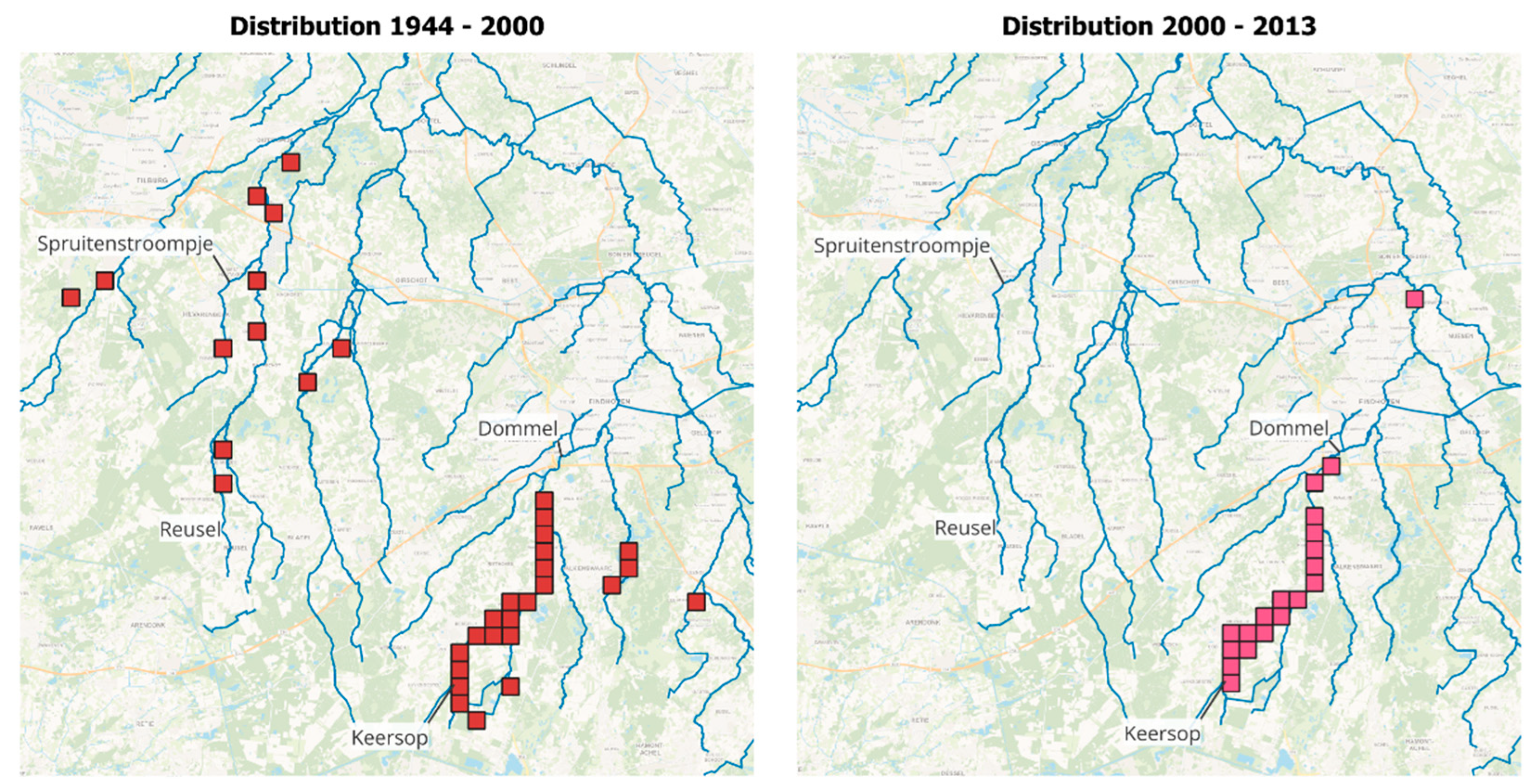
Figure 1. Map of Dommel watershed with a) historic observations given in occupied kilometer squares on brook lampreys in the period 1944-1999 and b) the more recent period of 2000-2013 where only one population remained.
Preprints 143381 g001
Figure 2. Map of the Reusel with distinguished stream sections, an indication of release sites within the reintroduction of brook lamprey and sites (R_01-R_06) for larva monitoring since 2014. The year of reintroduction refers to the winter half of the year, reintroduction was executed in autumn (Note: can be edited upon revision).
Preprints 143381 g002
Figure 3. Map of Dommel and Keersop reaches with an indication of sites where brook lampreys were extracted each year and sites (KD_01-KD_11) for larva monitoring since 2014. The year of extraction refers to the winter half of the year, extraction was executed in autumn (Note: can be edited upon revision).
Preprints 143381 g003
Figure 4. Observed average densities of larvae for Dommel and Keersop monitoring sites by year and protocol. Each observation is the average of subsamples, normally adding up to 3,32m2 of sediment surveyed for larvae. Details on site and number of subsamples are given in Table A1.
Preprints 143381 g004
Figure 5. Demographic structure of the Dommel and Keersop larval population by year and protocol, each year shows the total of all sampled larvae (number indicated in graph) for that year over multiple sites. Sampled sites are indicated in Table A1, demography for each site is given in Appendix E.
Preprints 143381 g005
Figure 6. Map of Dommel watershed with recent (since 2014) observations of brook lamprey given in occupied kilometer squares in the period 2014-2024, which shows the original (Keersop/Dommel), reintroduced (Reusel) population (west) and downstream expansion of Tongelreep population (east).
Preprints 143381 g006
Figure 7. Observed average densities of larvae for Reusel monitoring sites by year and protocol. Each observation is the average of subsamples, normally adding up to 3,32m2 of sediment surveyed for larvae. Details on site and number of subsamples are given in Table A1.
Preprints 143381 g007
Figure 8. Map of the Reusel on details of recent (>2014) observations of spawning and other observations of larvae and adult life stages. Note: some data entries display GPS inaccuracy, likely due to tree cover. (note: new observations in northern direction are not shown, they can be included at revision).
Preprints 143381 g008
Figure 9. Demographic structure of the Reusel larval population by year and protocol, each year shows the total of all sampled larvae (number indicated in graph) for that year over multiple sites. Sampled sites are indicated in Table A1, demography for each site is given in Appendix E.
Preprints 143381 g009
Disclaimer/Publisher’s Note: The statements, opinions and data contained in all publications are solely those of the individual author(s) and contributor(s) and not of MDPI and/or the editor(s). MDPI and/or the editor(s) disclaim responsibility for any injury to people or property resulting from any ideas, methods, instructions or products referred to in the content.
Copyright: This open access article is published under a Creative Commons CC BY 4.0 license, which permit the free download, distribution, and reuse, provided that the author and preprint are cited in any reuse.
Prerpints.org logo

Preprints.org is a free preprint server supported by MDPI in Basel, Switzerland.

Subscribe

Disclaimer

Terms of Use

Privacy Policy

Privacy Settings

© 2025 MDPI (Basel, Switzerland) unless otherwise stated