
Preprint
Review

This version is not peer-reviewed.

Predictive Utility of the Functional Movement Screen and Y-Balance Test: A State-of-the-Science Review

A peer-reviewed article of this preprint also exists.

Submitted:

18 December 2024

Posted:

19 December 2024

You are already at the latest version

Abstract

Musculoskeletal injury (MSI) risk screening has gained significant attention in rehabilitation, sports, and fitness due to its ability to predict injuries and guide preventive interventions. This review analyzes the Functional Movement Screen (FMS) and the Y-Balance Test (YBT) landscape. Although these instruments are widely used because of their simplicity and ease of access, their accuracy in predicting injuries is inconsistent. Significant drawbacks include reliance on broad scoring systems, varying contextual relevance, and neglecting individual characteristics such as age, gender, fitness levels, and past injuries. Meta-analyses reveal that the FMS and YBT overall scores often lack clinical relevance, exhibiting significant variability in sensitivity and specificity among different groups. New findings point to multifactorial models' effectiveness that consider modifiable and non-modifiable risk factors—like workload ratios, injury history, and fitness data—for better prediction outcomes. Advances in machine learning (ML) and wearable technology, including inertial measurement units (IMUs) and intelligent monitoring systems, show promising potential by capturing dynamic and personalized high-dimensional data. Such approaches enhance our understanding of how biomechanical, physiological, and contextual injury aspects interact. This review emphasizes the shortcomings of conventional movement screens, highlights the necessity for workload monitoring and personalized evaluations, and promotes the integration of technology-driven and data-centered techniques. Moving towards tailored, multifactorial models could significantly improve injury prediction and prevention across varied populations. Future research should refine these models to enhance their practical use in clinical and field environments.

Keywords: 
;  ;  ;  ;  ;  ;  

1. Introduction

Injury risk screening has been the subject of extensive research with the apex objective of accurately predicting first-time injury. In recent decades, field-expedient screens have become popular in rehabilitation, sports, and fitness training settings owing to their appeal among practitioners attempting to tailor programs for their patients/clients. Arguably, the most popular of these screens include the Star Excursion Balance Test (SEBT)/Y-balance test (YBT) and the Functional Movement Screen (FMS). Although early work demonstrating the predictive value of these screens was promising, recent works have raised several concerns concerning validity. The most critical of these concerns is that performances in a limited but fundamental set of movements can predict future performances in a broader range of movements and that faulty fundamental movements predict injury. Early works questioned this premise based on the available evidence. However, acceptable levels of reliability, perceived field utility, and lack of studies on validity may have suspended deeper inquiry [1,2]. Since then, several systematic reviews and meta-analyses have attempted to quantify the overall injury-predictive capabilities of movement screens, often recommending caution or use in conjunction with other approaches. Despite abundant studies in this area, few updated approaches to injury risk assessment have been proposed. In this review, we will address questions such as:
  • What are the theoretical underpinnings of movement screens?
  • Are movement screens effective in predicting injury risk?
  • What factors affect the predictive value of movement screens?
  • Are the underlying premises of current movement screens valid?
  • What other factors affect injury risk?
  • Where do we go from here?
Although other movement screens exist, we will focus on the FMS and YBT because their premises are emblematic of key issues of a field-expedient approach to injury risk prediction. We will also consider other supported methods of injury risk assessment and extract recurring themes to formulate recommendations for future directions in injury risk assessment.

2. Materials and Methods

To cover the breadth of research concerning this topic, we conducted several literature searches using a variety of keywords and databases, including PubMed/MEDLINE, Scopus, Web of Science, ScienceDirect, Cochrane Library, PubMed, PsycINFO, Scopus, and SPORTDiscus. Table 1 outlines the keywords and search results. Study abstracts were reviewed and categorized based on publication date, relevance to the research questions, and level of evidence. Concerning inclusion within the narrative, studies within the last 15 years and a combination of high relevance and high level of evidence were prioritized. Inclusion of earlier works about the theoretical/historical/biomechanical underpinnings of movements screens were included but limited.

3. Results

4. Discussion

4.1. Theoretical Underpinnings

Musculoskeletal injuries generally occur due to excessive passive loading of tissues, which can result from externally applied forces, delayed or insufficient motor responses to sensory stimuli, or impaired afferent signals caused by disease or prior injury. Extensive research on the relationship between muscle performance, biomechanics, and clinical outcomes has helped to shape an accepted theoretical framework on which approaches to injury risk assessment are built. Four core tenants could describe this framework.
1. Movement performances depends on the kinetic chain, which encompasses the synergistic behavior of bone, muscles, connective tissues, and nerves spanning multiple joints. Closed-chain exercises involving fixed distal body segments help promote functional joint stability.
2. Muscle performance deficits cause compensatory behavior in local or adjacent body segments, promoting fatigue and decreasing overall movement efficiency. For example, one proposed cause of knee valgus is ipsilateral weak gluteus medius [3].
3. Compensatory patterns are dictated by the forces acting on a joint (e.g., tension, compression, shear, etc.). For example, valgus knee responses lead to anterior tibial shear forces contributing to anterior cruciate ligament (ACL) injury [4].
4. Joint and muscle performance depends on the performance of proximal or distal segments, a phenomenon known as regional interdependence [5,6].
Since muscle synergies among joint agonists, antagonists, and other kinetic chain segments proximal to the primary effectors facilitate human movement, compensatory movement is often viewed as a pervasive manifestation of suboptimal muscle synergies at one or more loci.
Key insights into motor learning and control processes have helped shape an understanding of the mechanisms involved in compensatory movement. Early work showing autonomous task-based muscle synergies in response to spontaneous perturbations highlighted the specificity of neural adaptations to environmental stimuli [7,8]. The biomechanical outcome of specific movements is the byproduct of neuromechanical tuning, which relies on task-specific sensory inputs that, in turn, refine the central program generator (CPG) involved in the task. Moreover, the variability in the CPG pattern for a given task is history-dependent, emphasizing the plasticity of neuromotor activity and inferring the importance of movement experience on future performances. Although the exact mechanisms governing neuromotor control are unclear, experiments on the effects of attentional foci on muscle activity have provided practical utility for sports training and rehabilitation. Whereas internal focus of attention (IFOA) involves attention to the specific actions of muscles and limbs during a movement, EFOA involves conscious selective attention to the outcome, causing task-specific constraints on coordination. An EFOA has been convincingly shown to improve motor efficiency for functional skills compared to an IFOA [9]. Moreover, it has been accepted that biomechanics are affected by local muscular imbalances and task-specific neuromuscular deficiencies. This likely contributed to the idea that biomechanical limitations would be better evaluated in situ - within the context of a functional movement rather than in isolation.
Mounting evidence suggests that programs centering on functional context result in similar, if not better, outcomes compared to interventions focused on the local area [5]. Consequently, there has been a notable increase in the popularity of task-based programs within the rehabilitation community despite relatively slow adoption [6]. In contrast, abundant research extolling the benefits of ground-based strength and power training for athletic performance led to the rapid adoption of kinetic chain approaches within the fitness and sports performance industries. When movement screens like the FMS and YBT became commercially available, there were no reliable methods of assessing functional limitations from a biomechanical perspective geared towards non-clinical professionals such as personal trainers or strength and conditioning specialists. Consequently, the FMS (later packaged with the YBT) became widely popular. It gave exercise professionals a perceived competitive advantage by providing a quasi-clinical assessment to optimize exercise prescription, address injury prevention, and enhance overall training effects. However, over the 20-plus years since the introduction of the SEBT/YBT and FMS, accumulating research raises doubts about the ability of criterion-referenced movement screens to forecast injury by identifying movement compensations.

4.2. Current Evidence on the Predictive Value of Field-Expedient Movement Screens

4.2.1. Star Excursion Balance Test/Y-Balance Test

The YBT (and its earlier version, the SEBT) was an outgrowth of the neuromuscular revolution in training and rehabilitation. The YBT is a dynamic balance test requiring the performer to reach in various directions with one leg while balancing on the other. Reach distances are summed and normalized to lower leg length. A few systematic reviews and meta-analyses have been conducted on the predictive value of the SEBT/YBT [10,12]. Gribble et al. conducted an initial systematic review on the reliability and validity of the SEBT to identify dynamic balance deficits in patients with lower extremity injury and to predict lower extremity injury risk [10]. Only one study by Plisky et al. on the predictive value of the SEBT was included in the review due to high heterogeneity among the studies meeting the inclusion criteria [11]. In that study, basketball players with anterior reach asymmetries of ≥4 cm were 2.5 times more likely to sustain lower extremity injuries. Furthermore, girls with a composite reach score below 94% of their limb length were 6.5 times more likely to sustain a lower extremity injury. Recently, Plisky and colleagues attempted to conduct an updated systematic review and meta-analysis on the predictive validity of the YBT-LQ (lower quarter) [12]. Inclusion criteria were narrowed to those studies in which the YBT assessment kit or YBT procedures were adhered to strictly. Sixteen studies on predictive validity were included. Like the previous study, a meta-analysis could not be conducted due to the high heterogeneity among the included studies. Studies on relationships of future injury based on reach asymmetries were mixed among varying populations, cutoff scores, and injury definitions. In one of the included studies, injuries and surgeries were shown to be associated with lower scores in the FMS, but YBT scores were not impacted [13]. There were significant differences in reach scores across multiple subgroups, including sex and sport, but no differences when analyzed by competition level. Due to a lack of female studies, they were eliminated from the subgroup analysis. One out of 13 studies reported an odds ratio of 3.5 for future injury using a composite score cutoff of 89.6%, with 100% sensitivity and 71.7% specificity. However, other studies used a range of composite score asymmetry thresholds and found no significant relationship with future injury. Smith et al. reported a two-fold increased injury risk using a >4 cm asymmetry cutoff, with a specificity of 72% and a sensitivity of 58% [14]. Lai et al. also reported poor sensitivity and specificity when cutoff scores were optimized by receiver operating characteristic (ROC) analysis [15].

4.2.2. The Functional Movement Screen

The FMS is a criterion-based screen for mobility and stability deficits, left-right asymmetries, and pain determined from performances in seven so-called fundamental movement patterns [16]. The creators assert that FMS tests cover simple and complex movement patterns and that performances in these movements are interdependent. Scores from all subtests are tallied to create a composite score meant to quantify overall motor competence. Early studies confirmed that a cut score of ≤14 was associated with a marked increase in injury risk [17]. Nevertheless, these findings were criticized for poor study design and lack of support for the unidimensional construct of the FMS [1]. A factor analysis study on marine officer candidates and another on elite athletes found weak FMS subtests factor loadings leading to incoherent factor structures [18,19]. Conversely, in a general healthcare sample of 1,113 participants, a two-factor structure explainable by “basic” (FMS tests: shoulder mobility and active straight leg raise) and “complex” (FMS tests: deep squat, hurdle step, in-line lunge, trunk stability push up, and rotary stability) movement was revealed [20]. Overall, however, component coefficients ranged from weak to moderate, and the internal consistency of the FMS scoring was below acceptable levels for all but one model [18,19,20].
In a meta-analysis that included six studies in active adult samples (athletes, military, and firefighters), the authors found an overall sensitivity of 24.7%, a true positive value of 42.8%, and a true negative value of 72.5% [21]. In another meta-analysis that included nine studies on athletes and military personnel, an FMS score of ≤14 was associated with pooled odds of 2.74 for sustaining an injury [22]. However, the authors noted several limitations, including differences in the optimal cutoff score for males and females, differences in the definition of injury, and methodological issues in determining individual subtest score variance. Furthermore, three studies that included 225 participants did not find a statistically significant correlation between FMS scores and the risk of injuries.
Moore et al. conducted a meta-analysis of 29 prospective studies to clarify research gaps and identify factors influencing the relationship between FMS scores and injury risk [23]. Noteworthy findings from the pooled analysis of 36 studies show that for FMS scores ≤14, the odds of injury trended higher in sports with a greater prevalence of contact injuries but were inconsistent. Odds were significantly higher for injuries defined by limited or full training or match time loss and higher in males but not females. Specificity and sensitivity for ≤14 scores and injury risk varied greatly among all subgroups. However, having ≥1 asymmetrical test significantly increased the odds for all-cause injuries when defined by limited or full training or match time loss. Pain during ≥1 subtest was significantly associated with increased odds of injury in seniors but not junior athletes. Overall, specificity was higher than sensitivity. The presence of ≥1 asymmetry yielded higher sensitivity than specificity for injury risk regardless of age or injury type. However, all three studies concluded that effect sizes for relationships between the FMS group and injury risk were likely not clinically meaningful.

4.3. Factors Affecting Predictive Validity of Movement Screens

Several studies have either recommended against the use of movement screens or recommended their use in conjunction with other factors [21,22,23,24,25]. Some early reviews did not evaluate confounding regarding sex, sports, or injury definitions, leading to conflicting findings [21,22]. Subsequently, Moran et al. reported that there were only a few FMS studies in military and athlete cohorts with sufficient homogeneity to perform a meta-analysis. They concluded that the true magnitude of the effect was small [25]. In a more recent review, Moore et al. confirmed Moran's findings, adding that differences in athlete age, sex, sport type, and asymmetries explained some of the mixed findings of FMS injury risk studies. Overall, review studies on the FMS and YBT revealed vast differences in composite scores and asymmetries across sport, sex, and age and suggested further studies to determine the unique cutoffs associated with good predictive validity in each subpopulation [23,25,26].

4.3.1. Age and Sex

Age strongly predicts musculoskeletal disorders in the general population, such as knee osteoarthritis and lower back pain [27]. However, because age is strongly associated with many other predisposing factors, risk analysis often uses age-matched controls or narrow age ranges, providing more relevant estimates for specific age groups. For example, after adjustment for age, Eckart et al. reported attenuated associations between a multifactorial risk model and injury rates in a US population-representative sample [27]. In a meta-analysis on risk factors for knee osteoarthritis, age was significant, although obesity and previous injury accounted for the highest population-attributable factors [28]. In another meta-analysis, low back pain prevalence was generally higher in females versus males, with prevalence in females fluctuating across age ranges from 6 to >50 years. However, sex differences in low back pain were not apparent in studies with narrow age ranges [29]. A meta-analysis on military personnel reported that while age was not a significant predictor for studies using a narrow age range, significant differences were found when the age range was wider [30]. This suggests that other predictors such as sex, BMI, physical activity levels, and occupational factors appear to be better predictors than age when samples are stratified by age.
Sex plays a role in susceptibility to specific injuries. For example, females are at a higher risk for ACL injury, whereas males are more susceptible to instability-related shoulder injuries [31]. Overall evidence indicates that females score higher in the composite FMS score and perform better on movements involving flexibility and balance, which aligns with known sex-based musculoskeletal characteristics [13,24,32]. Multiple studies on the predictive validity of the FMS and YBT in athlete populations show sex differences in the composite and component scores, with no significant differences in injury risk [32,33,34]. However, Kapnik et al. found that cut scores that maximized sensitivity and specificity were lower for males (≤11) than females (≤14). However, sensitivity and specificity were much higher for females (60% sensitivity, 61% specificity) than for males (22% sensitivity, 87% specificity) [34]. In a factor analysis study, Gnacinski et al. observed a lack of measurement invariance within sex, suggesting that the recommended ≤14 cutoff score did not hold between sexes, and thus, different cutoff values would be needed for male and female cohorts [35].

4.3.2. Injury Definitions

Multiple systematic reviews have reported concerns regarding heterogeneity in the definition/mechanisms of injury, making it challenging to conduct meta-analyses [23,25]. However, Moore et al. found no significant relationship between injury definition and FMS score, but sensitivity was highest for injuries defined by match time loss [23]. The FMS composite score had marginally higher sensitivity to non-contact injury than all-cause injury, albeit with only a few studies on non-contact injuries. Moore et al. recommended that future studies use a narrower definition of injury to include only serious injuries associated with meaningful time loss (e.g., one or more weeks) [23].

4.3.3. Injury History

It is well established that previous injury dramatically increases the risk for recurrent injury, and mounting evidence suggests that injury history increases the risk of novel injury in other locations [36,37]. For example, multiple studies have demonstrated a link between ACL, groin, and back injuries and subsequent hamstring injuries [37]. Although oversimplified, plausible explanations for increased risk following the initial injury relate to changes in biomechanics and motor control and the return to inappropriately high training and competition workloads following recovery. Since injury risk screening aims to foresee future and first-time injuries, relying on injury history becomes redundant. Many injury risk studies advance methodological flaws by attempting to identify risk factors using retrospective designs [38]. Some studies suggest that the FMS detects pre-existing injuries rather than identifying predisposing risk factors [31,37]. However, one study showed that the FMS composite score could not detect previous ACL injury in a female-only cohort of collegiate athletes, resulting from the lack of norm-referenced criterion validity [39].

4.4. Can Movement Screens Predict Future Injury?
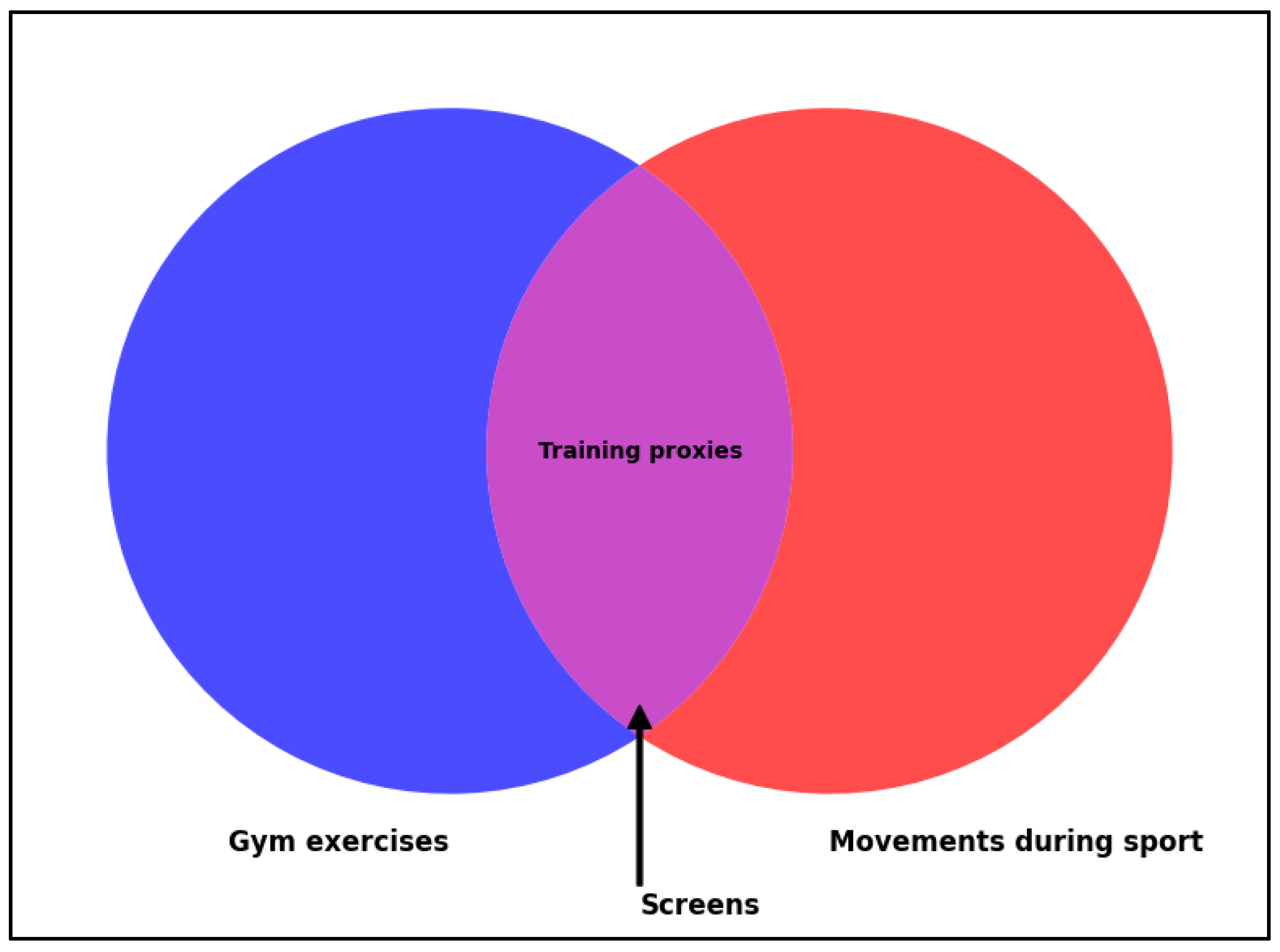
The core idea behind an injury-predictive movement screen is its ability to identify motor control limitations in movement patterns considered universal to physical functioning. As such, only a select number of idealized movements that supposedly represent essential motor skills are included. Movement performances are scored against a predefined ideal presumed to accurately reflect optimal neuromuscular control.
This system is purported to cast a 'wider net' to catch functional limitations [16]. For example, if a person has trunk instability, this could manifest as a compensatory movement in several FMS movement tests. Likewise, if a person has ankle stiffness, this may result in relatively short reaches in the YBT or low scores in the deep squat or the in-line lunge. There is little evidence for the validity of this theory. However, performance-based movement screens are widely used, likely due to a common logical fallacy prevalent in the fitness and rehabilitation communities. That is, the assumption that a motor skill encompassing a combination of general physical characteristics will be a good test of athletic or functional performance, regardless of the test's specificity to the movement context. To improve sport-specific performance, trainers and therapists often use exercises as proxies for sporting movements. These proxies are further abstracted to represent ‘fundamental’ movements, becoming ‘movement assessments’ because they are viewed as composites of the underlying motor skills necessary for athleticism. This logic, illustrated below, is often used to justify the applicability of movement screens to functional or sporting actions. For example, dynamic single-leg balance is prized in many sporting actions because it requires whole-body motor control, strength, and flexibility. Therefore, assessments of single-leg dynamic balance are used to screen for functional limitations and as a baseline for exercise programming. For the following logic rule, let C represent the plant phase of the lower body during a baseball pitch; B represents the common lunge exercise often done in training; and A represents the FMS in-line lunge or the lower limb reaches of the YBT.
If ABC, then AC
Although the YBT can be compared to sporting actions, several key aspects concerning its applicability are often ignored, such as experience performing the test and differences in the fatigue effects, forces, velocities, kinematics, and otherwise distinct coordination patterns of the test versus similar actions during gameplay.
Figure 1. Conceptual Framework of Movement Screening Tests.
Preprints 143329 g001
Another example impacting validity concerns the deep squat of the FMS. The deep squat is an overhead squat with a dowel and is sometimes used as a stand-alone test of athletic gross motor function due to high demands on neuromuscular coordination, trunk stability, and joint mobility. Its direct transfer to athletic performance seems limited to specific sporting events like Olympic weightlifting or CrossFit. Despite this, the justification for using the overhead squat assessment is often based on the assumption that proficiency in this supposed proxy of whole-body motor control infers general athletic ability. One explanation for the broad acceptance of this assumption is the common error of attributing causes where only associations are evident. Athletes are exposed to multiple training regimes and are likelier to experience exercises like those in movement screens. It is also possible that athletes who perform challenging exercises like the deep squat are more willing to engage in new exercises, leading to an expanded movement repertoire.
Even so, athletes engage in a broader diversity of exercises and movements than their sedentary counterparts. However, the question is whether criterion-referenced proficiency in these exercises confers resilience to injury. If this were the case, evidence would show a relationship between higher screen scores and athletic event performance. However, a review of the relationship between the FMS and athletic performance countervails movement performance assessments by proxy [40]. In one study, the deep squat detected only trivial deficits in track and field performance. In another study, the deep squat and the other gross motor patterns, the in-line lunge and hurdle step, were not predictive of athletic performance. Equally important is the evidence showing a practice effect on subsequent FMS scores not accounted for by the scoring criteria. Frost et al. asked a cohort of firefighters to perform the FMS without prior knowledge of the scoring criteria. Following the initial trial, firefighters were informed of the criteria for each score, leading to improvements in composite scores in the second trial [41]. This suggests that scores partly reflect performance expectations rather than problematic motor deficiencies.
With the bias toward experience noted, the next question is whether the FMS scoring criteria is sensitive enough to detect compensations associated with injury. The initial screening procedures require measurements of key body segments used to score specific tests. For example, the shin length measured from the floor to the tibial tuberosity is used to set the height of the hurdle step and position the feet in the in-line lunge. Keeping with the deep squat example, if the criteria for a score of 3, considered to be optimal performance, is not achieved after several tries, the approximately 1.5-inch-thick board that comes with the FMS kit is placed under the heels. This effectively 'lengthens' the posterior chain and ‘increases’ ankle dorsiflexion by allowing more degrees of freedom between two fixed points - the feet and the dowel affixed overhead with both hands. Curiously, the height of the heel raise is completely arbitrary and universal to all participants regardless of individual morphologies. This modification might lead to successful completion, corresponding to a score of 2, considered ‘satisfactory.’ This presents yet another conundrum. Besides the score being decreased by one, the compensation is not necessarily flagged as problematic, as if to suggest that the criteria for a score of 3 might be an unreasonable standard. A starker example of an unreasonable standard is the criteria to score a 3 on the rotary stability test. In the quadruped position, with the hands and knees arbitrarily kept approximately 4 inches apart, participants must perform an ipsilateral arm/leg reach without losing balance. If three attempts to perform this are unsuccessful, the participant is asked to perform the same action contralaterally, which offers vastly more stability. Once again, if successful, the performance is scored at 2, which is considered satisfactory. These examples underscore inconsistency in the FMS scoring system by acknowledging the proclivity of participants to compensate strategically and yet incorporating arbitrary modifications as a correction to an unreasonable standard.
Movement screens may only be predictive insofar as a particular test involves joints or body segments integral to a participant's sport or function or where the scoring criterion exposes injury-specific deficiencies. For example, Chorba et al. analyzed the relationship between FMS scores and lower extremity injuries in a female cohort from multiple sports. The association between FMS scores and injury was strong, but only when shoulder mobility scores were excluded from the total score [39]. The composite score includes scores from upper and lower body subtests, which compromise overall predictive sensitivity for athletes whose injuries primarily involve the areas used during sport, such as the lower extremities in soccer players. However, evidence suggests that the validity of the subtest criteria is also questionable. Scoring criteria were developed on the assumption that specific compensations are inherent to fundamental movement patterns and that the differences in scores would indicate specific levels of dysfunction. Recent studies have challenged this assumption, showing substantial overlap in joint ranges of motion (ROM) across FMS subtest scores [42,43]. In one study, ankle mobility restrictions were detected by lower scores in the deep squat and in-line lunge. However, lower scores did not always predict ankle mobility limitations [43]. Moreover, there was high variability in the ROM of the ankle, hip, and shoulder associated with FMS scores. In a similar study, shoulder ROM during the deep squat differed only between a score of 1 and 2. Recent findings also indicate that generalized joint laxity was associated with higher DS scores, suggesting that genetic variations in joint structure may explain scores independently of dysfunction or injury [44].
A balanced critique of movement screens acknowledges some evidence of predictive validity and seeks to examine the apparent links. When viewed through the lens of specificity, it becomes clearer why the FMS and YBT may sometimes predict injury. As stated earlier, fitter individuals who engage in varied exercises have greater strength, stability, and mobility, which is injury-protective and could explain higher FMS scores [20]. Moreover, since these screens mimic common exercises performed in the gym, criterion bias favors those with broad exercise experience [41]. However, the problem is that these screens generalize functional limitations found in specific movements to all movements without considering their specificity to the movement goal. Consequently, the evidence regarding causal links between higher FMS scores, higher fitness levels, and reduced injury rates is inconsistent. For Example, Tehyan et al. observed reduced injury rates, higher FMS scores, and better fitness test scores in military cohorts, whereas Svensson et al. found no link among athletic performance tests, FMS scores, and injury rates in football players [45,46]. Many studies show improvement in FMS scores and injury rates following various interventions regardless of the specific characteristics of each cohort [1]. However, it is unclear whether experience performing the FMS tests or specific training interventions led to improved FMS scores due to a lack of studies controlling for the practice effect.

4.5. Other Injury Factors

4.5.1. Occupational Risk Factors

Occupational characteristics expose individuals to important risk factors for injury and should be considered in injury risk assessments. Several broad risk categories for MSIs and other musculoskeletal disorders related to occupation have been identified, including shift work, repetitive patterns or positions, high physical exertion, full-day sedentary work, computer work, and sleep problems.
Like the exercise training paradigm, relative workloads of physical activity affect the rate of MSIs in occupational cohorts. However, occupational inactivity can be similarly detrimental, if not more so. Despite cross-sectional studies showing that occupational sitting significantly increased the risk for low back and neck/shoulder pain, occupational standing above 4 hours per day was also associated with an increased risk for low back symptoms [47,48]. Further evidence suggests a non-trivial association between occupational loading and spinal disc degeneration [49].
In a random sample of 3,710 French workers aged 20-59, high physical exertion and working with arms above the shoulder accounted for 30% and 7% of all upper-extremity injuries, respectively [50]. Corroborating these findings, a large-scale epidemiological study by the World Health Organization (WHO) and the International Labour Organization (ILO) reported that force exertion, demanding postures, repetitiveness, hand-arm vibrations, lifting, kneeling, squatting, or climbing ≥ 2 h/day significantly increased odds ratios for osteoarthritis of the knee or hip compared to low or no exposure [51].
In addition to intraday work demands, shift work is associated with poor recovery between workdays. In a recent meta-analysis that included 29 high-quality studies, the risk for occupational accidents increased significantly for night shifts compared to morning shifts, the number of consecutive shifts, work shifts beyond 9 hours, and reduced work breaks [52]. The risks associated with shift work have implications for all shift-based occupations. However, they are exemplified by the occupational demands of allied health occupations, which involve long shifts, standing for long periods, and repetitive patterns and postures [53,54,55,56]. Several meta-analyses in nurses, dentists, and surgeons show significant associations between postures, patient volume, work-time loss, degenerative spine disease, and pain in the lower back, neck, and shoulders [53,54,55,56]. Fatigue exacerbated by a mismatch between work demands and physical preparedness plays an important role in MSI risk and should be considered in injury screens used in the general population.

4.5.2. Joint Laxity

Joint laxity, or hypermobility, is characterized by excessive ranges of motion and could be caused by a heritable phenotype, injury, or an adaptation to repeat exposures. The Beighton score (BS) is a field-expedient generalized joint laxity screen with good reliability and injury-predictive value [57,58,59]. Although it is not typically used in general fitness settings, its ease of use and low technical requirement make broader adoption among non-clinical exercise professionals more feasible.
However, the optimal cutoff values for the BS concerning age, sex, and ethnicity have only recently been established. Singh et al. evaluated Generalized Joint Hypermobility (GJH) using the BS scoring system in 1,000 males and females ages 3-101. Generally, females and non-Caucasians had higher BS scores across the lifespan. A cut score of 4 demonstrated 80% sensitivity and 99.3% specificity for females aged 40-59 and males aged 8-39. However, using the 4 cutoffs for both sexes across the lifespan resulted in a 60% false-positive rate.
Malek et al. mention that the BS’s ability to truly reflect GJH remains controversial, as joints within the scoring system are predominantly of the upper limb and disregard many major joints, preventing a direct identification of GJH (61). The researchers concluded that the BS should not be used as the principal tool to differentiate between localized and generalized hypermobility, nor used alone to exclude the presence of GJH. Supporting this position, several studies reported no association between GJL and increased risk of musculoskeletal injuries [61]. However, a key methodological distinction between conflicting studies is the inclusion of injury rates per unit of exposure, which may explain differences in the effects.
Interestingly, Armstrong (2019) found a weak, significant relationship between BS and the FMS composite score in college-aged female dancers. Moreover, there were some weak, significant associations between total BS and individual components of the FMS or SEBT. No relationships were found between the FMS and SEBT composite scores or between the SEBT composite score and total BS [44].

4.5.3. Sleep

Evidence indicates sleep disruptions reduce physical and mental performance, impair recovery from physical exertion, and are associated with injuries in occupational, athletic, and tactical populations [62]. One meta-analysis, including 268,332 participants, reported a 62% increase in all-cause work-related injury risk and attributed 13% of all work injuries to sleep problems [63]. Another recent meta-analysis in military cohorts found significant effects of sleep disturbances on injury risk, controlling for other strong predictors [64]. Ruan et al. found sleep quality, measured by the Pittsburgh Sleep Quality Index (PSQI) (<7), to be an independent risk factor for MSI in basic training recruits [65]. The link between sleep quality and MSI risk is likely attributable to circadian rhythm disruption and hypothalamic-pituitary-adrenal (HPA) axis dysregulation [62]. Paradoxically, in those with chronic pain, sleep has been shown to predict next-day pain, as well as pain predicting next-night sleep quality [66]. Poor sleep quality may indicate overtraining syndrome or be a causal factor in overtraining syndrome, warranting close workload-to-recovery management in at-risk populations [62]. Accordingly, sleep quality is an important risk factor to consider when assessing injury risk.

4.5.4. Multifactorial Injury Risk Models

Bahr (2016) noted that since the populations in which movement screens are administered are relatively homogeneous from a performance standpoint, there is likely to be substantial overlap in scores among those at various risk levels within each sample, potentially causing prediction errors [67]. This is evidenced by weak relationships and confounding factors when risk ratios are pooled. Bahr also noted the importance of using a combination of non-modifiable (e.g., age, sex, injury history) and modifiable risk factors (e.g., strength, stability, mobility) to strengthen predictive accuracy [67]. However, few injury risk studies exist that combine movement screens and other modifiable and non-modifiable risk factors. An early study by Lehr et al. included 183 collegiate athletes across ten sports using aggregated movement screen scores [68]. Evidence-based cut points specific to competition level, sport, and gender were used to create low- and high-risk categories. Results showed a significantly elevated risk for those in the high-risk category. Though promising, limitations such as a small sample size in one location and lack of test reliability reporting warrant confirmatory studies. Rhon et al. conducted a meta-analysis in military personnel, finding significant risk factors for injury, including female sex, high BMI, pain during FMS tests or a score of ≤14, and poor fitness test scores [30].
Similarly, Teyhen and colleagues reported 90% test sensitivity to high injury risk when military personnel presented with three or more of the following self-reported risk factors: smoking, prior surgery, recurrent prior musculoskeletal injury, limited-duty days in the prior year for musculoskeletal injury, asymmetrical ankle dorsiflexion, pain in FMS clearing tests, and poor performance on the 2-mile run and 2-minute sit-up test [46]. In another study by Teyhen et al., multifactorial predictors produced a highly sensitive model for time-loss injuries in 922 Army soldiers [69].
Other modifiable factors, such as body composition and fitness level, have also been shown to influence extremity injury risk [70,71]. In several studies, low FMS scores were associated with higher BMI and lower fitness levels [72,73]. Generally, higher BMI and other factors such as generalized joint laxity, genetic factors, injury history, and decreased lower body and core strength are associated with ACL injuries across heterogeneous cohorts [75,76,77].

4.5.5. Workloads and Injury

MSI risk is believed to be proportional to the difference between acute and chronic workloads through fatigue mechanisms. Several prospective studies have shown a negative impact on injury risk factors such as postural control, joint position sense, and lower limb strength when acute fatigue is induced [78]. In the meta-analysis by Eckard et al., several relationships between load and injury risk were prominent [79]. These studies' workload measures included internal training loads (ITL), external training loads (ETL), and absolute and relative training loads. Common ETLs included session frequency, distance, duration, and repetitions, while ITL measures included questionnaires and session rates of perceived exertion (sRPE). Other recent work has shown moderate-strength evidence linking acute-to-chronic workload ratios (ACWRs) with injuries in athlete and tactical populations [79]. Researchers typically define ACWR as the ratio of a mean training load in the current period to the previous period's mean. Several ACWRs relating to increased injury risk have been observed, including daily and weekly ratios. Eckard et al. reported that direct relationships between workloads and injury rates were found primarily in studies utilizing acute absolute loads.
In contrast, inverse relationships were found mainly in studies measuring chronic loads [79]. This supports the notion that high chronic loads are injury-protective. Studies using a combination of workload measures point to a U-shaped relationship whereby loads that are too low do not elicit protective physiological adaptations, whereas overloading causes excess fatigue and damage and reduces injury resistance [79]. Training session frequency was an inconsistent ETL with no apparent relationship to injury risk, while sRPE was the most common ITL measure. Ultimately, minor to moderate changes in relative workload were associated with reduced injury risk compared to very small or large changes.
Although injury risk assessment based on workloads is promising, this area of research faces similar limitations to that of movement screens. Presumably, injury rates vary across predisposing factors such as sport, sex, or injury history. However, studies of workload measures have not differentiated risk for these specific injury factors, which might provide higher predictive accuracy for injury [79]. Some studies have shown a latency period between workload exposures and increased injury rates, which may be due to the rate of decline in adaptive reserves, which refers to the robustness of an athlete’s HPA axis to adequately regulate stress responses and adapt physiological processes to fluctuating demands. Although ACWRs account for the difference in physiological stress between periods, they do not consider the adaptive reserve or efficiency in recovering between training/sporting bouts. This may explain the temporal relationship between workload exposures and an injury event. Still, this does not address the challenge of predicting specific injuries, which would require ongoing measurement of local tissue workloads during sports and training activities and monitoring on and off-field workloads, sleep quality, and other determinants of recovery.

4.6. Emerging Approaches in Injury Prediction
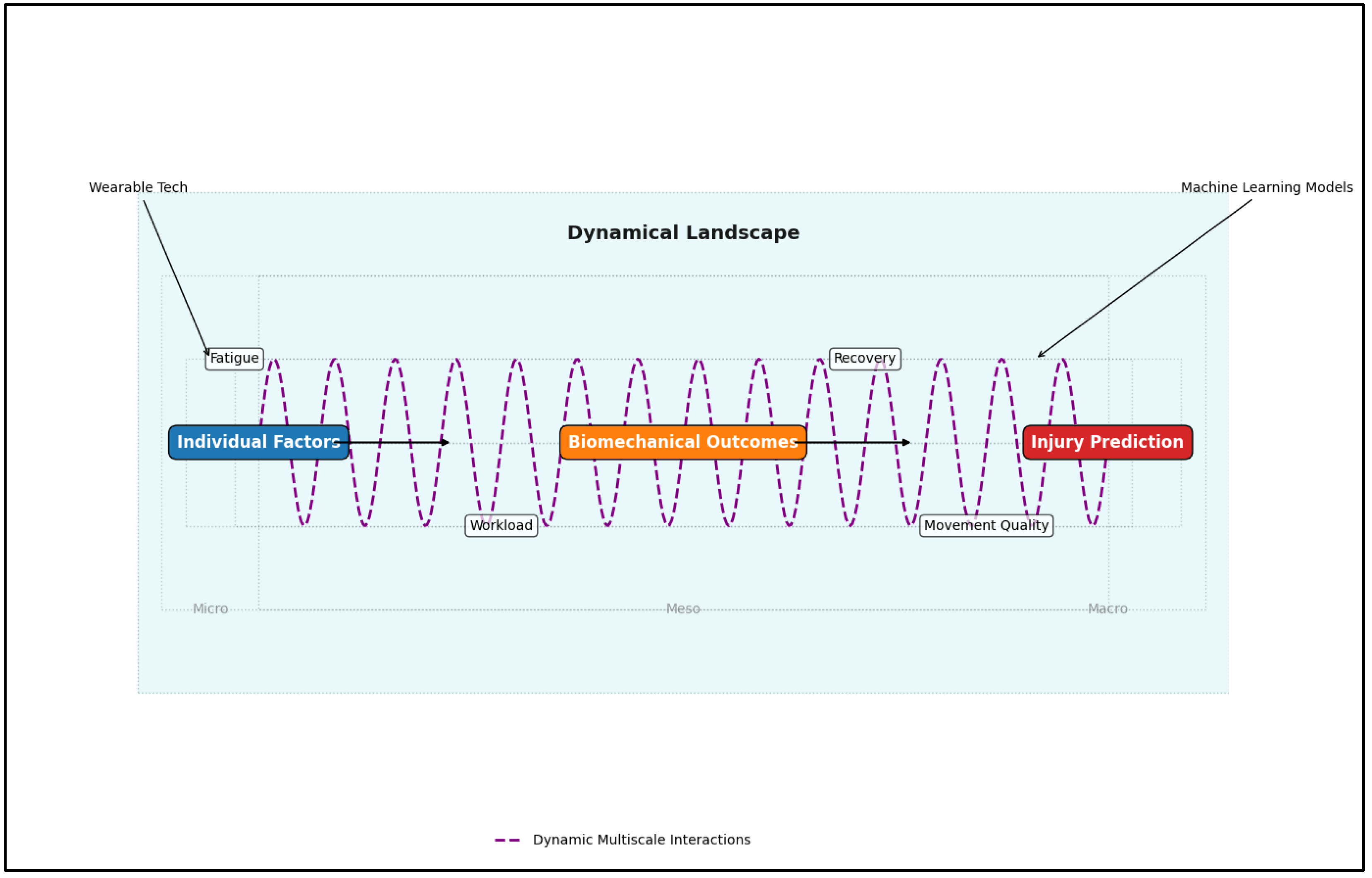
Arguably, basic linear methods of injury prediction have yet to produce models with strong sensitivity or specificity [80]. Some researchers characterize injury prediction as a complex system likened to predicting the path of hurricanes [80,81]. Complex behaviors exhibit nonlinear characteristics, where the impacts of interconnected components evolve, both about each other and the outcome. The biomechanical outcome of a particular movement can be described as an emergent property resulting from the self-organization of a dynamical system adjusting feedforward and feedback systems in relation to current and previous inputs. After an injury, biomechanical components change fundamentally, shifting the dynamic landscape and producing a different pattern of movement synergies that cannot be predicted through linear associations between components at a previous point..
The core issue impacting biomechanical approaches to injury risk stratification is not simply compensation from fatigue but understanding the dynamic multiscale interactions of injury factors at the individual level. This requires analyses of specific movements and associated biomechanics, including the exact kinematics, forces, and velocities during which injuries occur, and in the context of gender, age, sport, fitness level, acute and chronic workloads, previous injuries, and measures of athlete readiness such as exertional indices (e.g., heart rate, heart rate variability, RPE) and strength and power measures. To accomplish this, wearable or easily deployable technologies are needed for data collection, management, and real-time analysis to develop personalized neuromuscular models.
Figure 2. A dynamic and multiscale framework for injury prediction.
Preprints 143329 g002
Machine learning approaches' ability to handle complex, nonlinear, multiscale, and dynamic interactions makes injury prediction using high-dimensional data a promising target. As such, studies using nonlinear and machine-learning (ML) models have begun to emerge [82]. Moreover, the development of wireless intelligent monitoring technologies, such as markerless motion capture and inertial measurement unit (IMU) sensors combining GPS, gyroscope, and accelerometer technology, makes non-invasive methods of modeling and evaluating ground reaction forces and tissue loading readily accessible to sports performance coaches, fitness professionals, and rehabilitation clinicians.
Although a comprehensive examination is beyond the scope of this review, it is worth noting that various machine-learning methods have been used to investigate injury predictors in different populations, such as athletes, occupational workers, and military personnel, with relatively high accuracy [83,84,85]. These studies often include sensor data, questionnaires, fitness tests, motor skill evaluations, and anthropometric data. However, only a few studies utilizing ML methods have used a combination of multifactorial predictors to assess injury risk prospectively. One remarkable study worth noting by Rossi et al. used a multifactorial feature set, including anthropometrics, kinematic, metabolic, mechanical load, and fatigue data collected from GPS/IMU monitoring systems to predict injury in professional male soccer players prospectively. The decision tree injury classifier achieved a recall of 80% and a precision of 50%, and its predictive accuracy improved as more data were collected throughout the season [84]. Interestingly, previous injuries emerged as a significant predictor when combined with cut points for specific workload metrics. To summarize, a previous injury plus a lower value for high-speed running distance in a training session accounted for 42% of new injuries. A previous injury plus a higher value for high-speed running distance and a lower value for total distance covered in a training session accounted for 30% of new injuries. Finally, previous injuries plus higher values for high-speed running distance and a total distance covered of over 2.5 times the player’s average accounted for 28% of new injury cases. However, the homogeneity of the sample, collection of time-series data during training and sport participation periods, including all relevant features, and collection of relevant sport/activity-specific workload measurements are essential in producing highly accurate models [86,87]. For example, IMU measurements collected from a one-time Cooper test and questionnaire data produced low-performing ML models in a college-aged cohort of men and women [86]. However, the performances of gender-specific models were better than those of mixed-gender models. In another mixed sample of male and female floorball and basketball players, a combination of biomechanical, joint-laxity, and flexibility tests yielded an AUC ROC of 0.63, which is generally considered poor for diagnostic purposes [87]. Although gender, body composition, and physical features were among the most important, the lack of time-series data to account for changes incurred by varying workloads throughout training and sports season likely reduced the model’s predictive value.

4.7. Summary & Key Takeaways

  • Field-expedient movement screens like FMS and YBT show inconsistent ability to predict injuries, with mixed results across studies.
  • Variables such as sex, age, sport type, injury history, and physical fitness significantly impact the validity of these screens.
  • Scoring systems for movement screens often need to account for individual differences, and arbitrary criteria can obscure meaningful findings.
  • While useful in specific scenarios, risk screens often generalize limitations across contexts where specificity is critical.
  • Familiarity with movement tests can improve scores, questioning whether higher scores reflect true injury prevention capability.
  • Acute-to-chronic workload ratios are more consistently linked to injury risk, emphasizing the importance of monitoring and balancing workloads.
  • Factors like repetitive motions, poor recovery (e.g., shift work), and sleep disturbances are critical in injury risk assessments.
  • Machine learning and wearable devices, like IMUs, offer more accurate and dynamic ways to predict injury risk through multifactorial models.
  • Tailored approaches that combine relevant movements/activities assessments with broader risk factors, such as relative workloads, recovery measures, and previous injuries, will improve injury prediction.
  • Adopting multifactorial and dynamic assessment models, supported by advanced technologies, is key to improving injury prediction and prevention strategies.

4.8. Limitations

Although our intention was not to conduct a systematic review, higher reporting standards for narrative reviews are necessary because they promote transparency and trustworthiness, as well as provide the context of the authors’ conclusions. We used a structured approach to our literature search methods. However, we did not follow the standard practices for systematic reviews, including study selection guidelines. Consequently, relevant studies may not have been included in this review. However, because we included earlier and recent systematic reviews and meta-analyses on the FMS and YBT, our perspective reasonably reflects the current weight of evidence concerning these screens.

5. Conclusions

Field-based screenings for musculoskeletal injuries, such as the FMS and the YBT, have limited utility in predicting injuries due to their context-specific nature. Various confounding factors, variable scoring validity, and an overreliance on general movement patterns compromise their effectiveness. Innovative approaches like workload monitoring and machine learning show greater promise by combining multifaceted data and personalizing risk assessments. Future efforts should focus on integrating movement screenings with individualized assessments that consider unique biomechanical, occupational, and lifestyle factors to improve injury prediction and prevention. This shift toward more dynamic, technology-driven models is crucial for increasing accuracy and relevance across different populations.

Author Contributions

AE: Conceptualization, Data curation, Investigation, Methodology, Project administration, Resources, Software, Writing – original draft, Writing – review & editing; PSG: Conceptualization, Data curation, Investigation, Methodology, Resources, Writing – original draft, Writing – review & editing; JS: Conceptualization, Data curation, Investigation, Methodology, Resources, Writing – original draft, Writing – review & editing.

Conflicts of Interest

The authors declare no conflicts of interest.

References

  1. Kraus K, Schütz E, Taylor WR, Doyscher R. Efficacy of the functional movement screen: A review. The Journal of Strength & Conditioning Research. 2014;28(12):3571-84.
  2. Beardsley C, Contreras B. The functional movement screen: A review. Strength & Conditioning Journal. 2014 Oct 1;36(5):72-80.
  3. Rinaldi VG, Prill R, Jahnke S, Zaffagnini S, Becker R. The influence of gluteal muscle strength deficits on dynamic knee valgus: A scoping review. Journal of Experimental Orthopaedics. 2022;9(1):81. [CrossRef]
  4. Maniar N, Cole MH, Bryant AL, Opar DA. Muscle force contributions to anterior cruciate ligament loading. Sports Medicine. 2022 Aug;52(8):1737-50. [CrossRef]
  5. Welsh C, Hanney WJ, Podschun L, Kolber MJ. Rehabilitation of a female dancer with patellofemoral pain syndrome: applying concepts of regional interdependence in practice. North American journal of sports physical.
  6. Wainner RS, Whitman JM, Cleland JA, Flynn TW. Regional interdependence: a musculoskeletal examination model whose time has come. Journal of orthopaedic & sports physical therapy. 2007 Nov;37(11):658-60. [CrossRef]
  7. Ting LH, Macpherson JM. A limited set of muscle synergies for force control during a postural task. Journal of neurophysiology. 2005 Jan;93(1):609-13. [CrossRef]
  8. Horn CC, Zhurov Y, Orekhova IV, Proekt A, Kupfermann I, Weiss KR, Brezina V. Cycle-to-cycle variability of neuromuscular activity in Aplysia feeding behavior. Journal of neurophysiology. 2004 Jul;92(1):157-80.
  9. Bull HG, Atack AC, North JS, Murphy CP. The effect of attentional focus instructions on performance and technique in a complex open skill. European Journal of Sport Science. 2023 Oct 3;23(10):2049-58. [CrossRef]
  10. Gribble PA, Hertel J, Plisky P. Using the Star Excursion Balance Test to assess dynamic postural-control deficits and outcomes in lower extremity injury: a literature and systematic review. Journal of athletic training. 2012;47(3):339-57. [CrossRef]
  11. Plisky PJ, Rauh MJ, Kaminski TW, Underwood FB. Star Excursion Balance Test as a predictor of lower extremity injury in high school basketball players. Journal of orthopaedic & sports physical therapy. 2006 Dec;36(12):911-9. [CrossRef]
  12. Plisky P, Schwartkopf-Phifer K, Huebner B, Garner MB, Bullock G. Systematic review and meta-analysis of the Y-balance test lower quarter: Reliability, discriminant validity, and predictive validity. International journal of sports physical therapy. 2021;16(5):1190. [CrossRef]
  13. Chimera NJ, Smith CA, Warren M. Injury history, sex, and performance on the functional movement screen and Y balance test. Journal of athletic training. 2015 May;50(5):475-85. [CrossRef]
  14. Smith CA, Chimera NJ, Warren ME. Association of y balance test reach asymmetry and injury in division I athletes. Medicine and science in sports and exercise. 2015 Jan 1;47(1):136-41. [CrossRef]
  15. Lai WC, Wang D, Chen JB, Vail J, Rugg CM, Hame SL. Lower quarter Y-balance test scores and lower extremity injury in NCAA division I athletes. Orthopaedic journal of sports medicine. 2017 Aug 8;5(8):2325967117723666. [CrossRef]
  16. Cook G, Burton L, Hoogenboom B. Pre-participation screening: the use of fundamental movements as an assessment of function-part 1. North American Journal of Sports Physical Therapy: NAJSPT. 2006;1(2):62-72.
  17. Kiesel, K., Plisky, P.J. and Voight, M.L., 2007. Can serious injury in professional football be predicted by a preseason functional movement screen?. North American journal of sports physical therapy: NAJSPT, 2(3), p.147. Kazman JB, Galecki JM, Lisman P, Deuster PA, O'Connor FG. Factor structure of the functional movement screen in marine officer candidates. J Strength Cond Res 28: 672–678, 2014.
  18. Kazman JB, Galecki JM, Lisman P, Deuster PA, O'Connor FG. Factor structure of the functional movement screen in marine officer candidates. J Strength Cond Res 28: 672–678, 2014. [CrossRef]
  19. Li Y, Wang X, Chen X, Dai B. Exploratory factor analysis of the functional movement screen in elite athletes. J Sports Sci 33: 1166–1172, 2015. [CrossRef]
  20. Koehle MS, Saffer BY, Sinnen NM, MacInnis MJ. Factor structure and internal validity of the functional movement screen in adults. The Journal of Strength & Conditioning Research. 2016 Feb 1;30(2):540-6. [CrossRef]
  21. Dorrel BS, Long T, Shaffer S, Myer GD. Evaluation of the functional movement screen as an injury prediction tool among active adult populations: a systematic review and meta-analysis. Sports health. 2015 Nov;7(6):532-7.
  22. Bonazza NA, Smuin D, Onks CA, Silvis ML, Dhawan A. Reliability, validity, and injury predictive value of the functional movement screen: a systematic review and meta-analysis. The American journal of sports medicine. 2017 Mar;45(3):725-32. [CrossRef]
  23. Moore E, Chalmers S, Milanese S, Fuller JT. Factors influencing the relationship between the functional movement screen and injury risk in sporting populations: a systematic review and meta-analysis. Sports Medicine. 2019 Sep;49(9):1449-63. [CrossRef]
  24. Asgari M, Alizadeh S, Sendt A, Jaitner T. Evaluation of the Functional Movement Screen (FMS) in Identifying Active Females Who are Prone to Injury. A Systematic Review. Sports Medicine-Open. 2021 Dec;7(1):1-0. [CrossRef]
  25. Moran RW, Schneiders AG, Mason J, Sullivan SJ. Do Functional Movement Screen (FMS) composite scores predict subsequent injury? A systematic review with meta-analysis. British journal of sports medicine. 2017 Dec 1;51(23):1661-9. [CrossRef]
  26. Plisky P, Schwartkopf-Phifer K, Huebner B, Garner MB, Bullock G. Systematic review and meta-analysis of the Y-balance test lower quarter: Reliability, discriminant validity, and predictive validity. International journal of sports physical therapy. 2021;16(5):1190. [CrossRef]
  27. Eckart AC, Ghimire PS, Stavitz J. Predictive validity of multifactorial injury risk models and associated clinical measures in the US population. Sports. 2024 Apr 28;12(5):123. [CrossRef]
  28. Silverwood V, Blagojevic-Bucknall M, Jinks C, Jordan JL, Protheroe J, Jordan KP. Current evidence on risk factors for knee osteoarthritis in older adults: a systematic review and meta-analysis. Osteoarthritis and cartilage. 2015 Apr 1;23(4):507-15. [CrossRef]
  29. Wáng YX, Wáng JQ, Káplár Z. Increased low back pain prevalence in females than in males after menopause age: evidences based on synthetic literature review. Quantitative imaging in medicine and surgery. 2016 . [CrossRef]
  30. Rhon DI, Molloy JM, Monnier A, Hando BR, Newman PM. Much work remains to reach consensus on musculoskeletal injury risk in military service members: a systematic review with meta-analysis. European Journal of Sport Science. 2022 Jan 2;22(1):16-34. [CrossRef]
  31. Matzkin E, Garvey K. Sex differences in common sports-related injuries. NASN school nurse. 2019 Sep;34(5):266-9. [CrossRef]
  32. Pfeifer CE, Sacko RS, Ortaglia A, Monsma EV, Beattie PF, Goins J, Stodden DF. Functional movement screen™ in youth sport participants: evaluating the proficiency barrier for injury. International journal of sports physical therapy. 2019 Jun;14(3):436. [CrossRef]
  33. Armstrong R, Greig M. Injury identification: the efficacy of the functional movement screen™ in female and male rugby union players. International journal of sports physical therapy. 2018 Aug;13(4):605. [CrossRef]
  34. Knapik JJ, Cosio-Lima LM, Reynolds KL, Shumway RS. Efficacy of functional movement screening for predicting injuries in coast guard cadets. The Journal of Strength & Conditioning Research. 2015 May 1;29(5):1157-62.
  35. Gnacinski SL, Cornell DJ, Meyer BB, Arvinen-Barrow M, Earl-Boehm JE. Functional movement screen factorial validity and measurement invariance across sex among collegiate Student-Athletes. The Journal of Strength & Conditioning Research. 2016 Dec 1;30(12):3388-95. [CrossRef]
  36. Fulton J, Wright K, Kelly M, Zebrosky B, Zanis M, Drvol C, Butler R. Injury risk is altered by previous injury: a systematic review of the literature and presentation of causative neuromuscular factors. International journal of sports physical therapy. 2014 Oct;9(5):583.
  37. Toohey LA, Drew MK, Cook JL, Finch CF, Gaida JE. Is subsequent lower limb injury associated with previous injury? A systematic review and meta-analysis. British journal of sports medicine. 2017 Dec 1;51(23):1670-8. [CrossRef]
  38. Clifton DR, Grooms DR, Hertel J, Onate JA. Predicting injury: challenges in prospective injury risk factor identification. Journal of athletic training. 2016 Aug 1;51(8):658-61. [CrossRef]
  39. Chorba RS, Chorba DJ, Bouillon LE, Overmyer CA, Landis JA. Use of a functional movement screening tool to determine injury risk in female collegiate athletes. N Am J Sports Phys Ther 5: 47–54, 2010.
  40. Parchmann CJ, McBride JM. Relationship between functional movement screen and athletic performance. J Strength Cond Res 25: 3378–3384, 2011. [CrossRef]
  41. Frost DM, Beach TA, Callaghan JP, McGill SM. FMS™ scores change with performers' knowledge of the grading criteria—Are general whole-body movement screens capturing “dysfunction”? J Strength Cond Res, 2013. Epub ahead of print.
  42. Aleixo P, Atalaia T, Bhudarally M, Miranda P, Castelinho N, Abrantes J. Deep squat test–Functional movement Screen: Convergent validity and ability to discriminate subjects with different levels of joint mobility. Journal of Bodywork and Movement Therapies. 2024 Jan 30. [CrossRef]
  43. Hincapié CA, Tomlinson GA, Hapuarachchi M, Stankovic T, Hirsch S, Carnegie D, Richards D, Frost D, Beach TA. Functional Movement Screen Task Scores and Joint Range-of-motion: A Construct Validity Study. International journal of sports medicine. 2022 Jun;43(07):648-56. [CrossRef]
  44. Armstrong R. The relationship between the functional movement screen, star excursion balance test and the Beighton score in dancers. The Physician and Sportsmedicine. 2020 Jan 2;48(1):53-62. [CrossRef]
  45. Teyhen D, Bergeron MF, Deuster P, Baumgartner N, Beutler AI, Sarah J, Jones BH, Lisman P, Padua DA, Pendergrass TL, Pyne SW. Consortium for health and military performance and American College of Sports Medicine Summit: Utility of functional movement assessment in identifying musculoskeletal injury risk. Current sports medicine reports. 2014 Jan 1;13(1):52-63.
  46. Teyhen DS, Shaffer SW, Butler RJ, Goffar SL, Kiesel KB, Rhon DI, Williamson JN, Plisky PJ. What risk factors are associated with musculoskeletal injury in US Army Rangers? A prospective prognostic study. Clinical Orthopaedics and Related Research®. 2015 Sep;473(9):2948-58. [CrossRef]
  47. Dzakpasu FQ, Carver A, Brakenridge CJ, Cicuttini F, Urquhart DM, Owen N, Dunstan DW. Musculoskeletal pain and sedentary behaviour in occupational and non-occupational settings: a systematic review with meta-analysis. International Journal of Behavioral Nutrition and Physical Activity. 2021 Dec . [CrossRef]
  48. Coenen P, Willenberg L, Parry S, Shi JW, Romero L, Blackwood DM, Maher CG, Healy GN, Dunstan DW, Straker LM. Associations of occupational standing with musculoskeletal symptoms: a systematic review with meta-analysis. British journal of sports medicine. 2018 Feb 1;52(3):176-83. [CrossRef]
  49. Macedo LG, Battié MC. The association between occupational loading and spine degeneration on imaging–a systematic review and meta-analysis. BMC musculoskeletal disorders. 2019 Dec;20:1-5. [CrossRef]
  50. Nambiema A, Bertrais S, Bodin J, Fouquet N, Aublet-Cuvelier A, Evanoff B, Descatha A, Roquelaure Y. Proportion of upper extremity musculoskeletal disorders attributable to personal and occupational factors: results from the French Pays de la Loire study. BMC Public Health. 2020 Dec;20(1):1-3. [CrossRef]
  51. Hulshof CT, Pega F, Neupane S, Colosio C, Daams JG, Kc P, Kuijer PP, Mandic-Rajcevic S, Masci F, van der Molen HF, Nygård CH. The effect of occupational exposure to ergonomic risk factors on osteoarthritis of hip or knee and selected other musculoskeletal diseases: A systematic review and meta-analysis from the WHO/ILO Joint Estimates of the Work-related Burden of Disease and Injury. Environment International. 2021 May 1;150:106349. [CrossRef]
  52. Fischer D, Lombardi DA, Folkard S, Willetts J, Christiani DC. Updating the “Risk Index”: A systematic review and meta-analysis of occupational injuries and work schedule characteristics. Chronobiology International. 2017 Nov 26;34(10):1423-38. [CrossRef]
  53. Clari M, Godono A, Garzaro G, Voglino G, Gualano MR, Migliaretti G, Gullino A, Ciocan C, Dimonte V. Prevalence of musculoskeletal disorders among perioperative nurses: a systematic review and META-analysis. BMC musculoskeletal disorders. 2021 Dec;22:1-2. [CrossRef]
  54. Du J, Zhang L, Xu C, Qiao J. Relationship between the exposure to occupation-related psychosocial and physical exertion and upper body musculoskeletal diseases in hospital nurses: A systematic review and meta-analysis. Asian nursing research. 2021 Aug 1;15(3):163-73. [CrossRef]
  55. Lietz J, Kozak A, Nienhaus A. Prevalence and occupational risk factors of musculoskeletal diseases and pain among dental professionals in Western countries: A systematic literature review and meta-analysis. PloS one. 2018 Dec 18;13(12):e0208628. [CrossRef]
  56. Epstein S, Sparer EH, Tran BN, Ruan QZ, Dennerlein JT, Singhal D, Lee BT. Prevalence of work-related musculoskeletal disorders among surgeons and interventionalists: a systematic review and meta-analysis. JAMA surgery. 2018 Feb 1;153(2):e174947-.
  57. Pacey V, Nicholson LL, Adams RD, Munn J, Munns CF. Generalized joint hypermobility and risk of lower limb joint injury during sport: a systematic review with meta-analysis. The American journal of sports medicine. 2010 Jul;38(7):1487-97.
  58. Liaghat B, Pedersen JR, Young JJ, Thorlund JB, Juul-Kristensen B, Juhl CB. Joint hypermobility in athletes is associated with shoulder injuries: a systematic review and meta-analysis. BMC musculoskeletal disorders. 2021 Dec;22:1-9.
  59. Konopinski MD, Jones GJ, Johnson MI. The effect of hypermobility on the incidence of injuries in elite-level professional soccer players: a cohort study. The American journal of sports medicine. 2012 Apr;40(4):763-9.
  60. Singh H, McKay M, Baldwin J, Nicholson L, Chan C, Burns J, Hiller CE. Beighton scores and cutoffs across the lifespan: cross-sectional study of an Australian population. Rheumatology (Oxford). 2017 Nov 1;56(11):1857-1864. [CrossRef]
  61. Malek, S., Reinhold, E. J., & Pearce, G. S. (2021). The Beighton score as a measure of generalised joint hypermobility. Rheumatology International, 41(10), 1707–1716. [CrossRef]
  62. Chennaoui M, Vanneau T, Trignol A, Arnal P, Gomez-Merino D, Baudot C, Perez J, Pochettino S, Eirale C, Chalabi H. How does sleep help recovery from exercise-induced muscle injuries?. Journal of science and medicine in sport. 2021 Oct 1;24(10):982-7. [CrossRef]
  63. Uehli K, Mehta AJ, Miedinger D, Hug K, Schindler C, Holsboer-Trachsler E, Leuppi JD, Künzli N. Sleep problems and work injuries: a systematic review and meta-analysis. Sleep medicine reviews. 2014 Feb 1;18(1):61-73. [CrossRef]
  64. Lisman P, Ritland BM, Burke TM, Sweeney L, Dobrosielski DA. The association between sleep and musculoskeletal injuries in military personnel: a systematic review. Military medicine. 2022 Nov;187(11-12):1318-29. [CrossRef]
  65. Ruan Y, Yu X, Wang H, et al. : Sleep quality and military training injury during basic combat training: a prospective cohort study of Chinese male recruits. Occup Environ Med 2021; 78(06): 433–7. [CrossRef]
  66. Abeler K, Bergvik S, Sand T, Friborg O. Daily associations between sleep and pain in patients with chronic musculoskeletal pain. Journal of Sleep Research. 2021 Aug;30(4):e13237. [CrossRef]
  67. Bahr R. Why screening tests to predict injury do not work—and probably never will…: a critical review. British journal of sports medicine. 2016 Jul 1;50(13):776-80. [CrossRef]
  68. Lehr ME, Plisky PJ, Butler RJ, Fink ML, Kiesel KB, Underwood FB. Field-expedient screening and injury risk algorithm categories as predictors of noncontact lower extremity injury. Scandinavian journal of medicine & science in sports. 2013 Aug;23(4):e225-32. [CrossRef]
  69. Teyhen DS, Shaffer SW, Goffar SL, Kiesel K, Butler RJ, Rhon DI, Plisky PJ. Identification of risk factors prospectively associated with musculoskeletal injury in a warrior athlete population. Sports Health. 2020 Nov;12(6):564-72. [CrossRef]
  70. Stroud T, Bagnall NM, Pucher PH. Effect of obesity on patterns and mechanisms of injury: Systematic review and meta-analysis. International Journal of Surgery. 2018 Aug 1;56:148-54. [CrossRef]
  71. dos Santos Bunn P, de Oliveira Meireles F, de Souza Sodré R, Rodrigues AI, da Silva EB. Risk factors for musculoskeletal injuries in military personnel: a systematic review with meta-analysis. International Archives of Occupational and Environmental Health. 2021 Aug;94(6):1173-89. [CrossRef]
  72. Wang D, Chen J, Lai W, Vail J, Rugg CM, Hame SL. Predictive value of the functional movement screen for sports-related injury in NCAA division I athletes. Orthopaedic Journal of Sports Medicine. 2017 Mar 31;5(3_suppl3):2325967117S00132. [CrossRef]
  73. O'connor FG, Deuster PA, Davis J, Pappas CG, Knapik JJ. Functional movement screening: predicting injuries in officer candidates. Medicine and science in sports and exercise. 2011 Dec 1;43(12):2224-30.
  74. Silverwood V, Blagojevic-Bucknall M, Jinks C, Jordan JL, Protheroe J, Jordan KP. Current evidence on risk factors for knee osteoarthritis in older adults: a systematic review and meta-analysis. Osteoarthritis and cartilage. 2015 Apr 1;23(4):507-15. [CrossRef]
  75. Evans KN, Kilcoyne KG, Dickens JF, Rue JP, Giuliani J, Gwinn D, Wilckens JH. Predisposing risk factors for non-contact ACL injuries in military subjects. Knee surgery, sports traumatology, arthroscopy. 2012 Aug;20(8):1554-9 . [CrossRef]
  76. Pfeifer CE, Beattie PF, Sacko RS, Hand A. Risk factors associated with non-contact anterior cruciate ligament injury: a systematic review. International journal of sports physical therapy. 2018 Aug;13(4):575. [CrossRef]
  77. Dauty M, Crenn V, Louguet B, Grondin J, Menu P, Fouasson-Chailloux A. Anatomical and neuromuscular factors associated to non-contact anterior cruciate ligament injury. Journal of Clinical Medicine. 2022 Mar 3;11(5):1402. [CrossRef]
  78. Verschueren J, Tassignon B, De Pauw K, Proost M, Teugels A, Van Cutsem J, Roelands B, Verhagen E, Meeusen R. Does acute fatigue negatively affect intrinsic risk factors of the lower extremity injury risk profile? A systematic and critical review. Sports medicine. 2020 Apr;50:767-84 . [CrossRef]
  79. Eckard TG, Padua DA, Hearn DW, Pexa BS, Frank BS. The relationship between training load and injury in athletes: a systematic review. Sports medicine. 2018 Aug;48:1929-61. [CrossRef]
  80. Stern BD, Hegedus EJ, Lai YC. Injury prediction as a nonlinear system. Phys Ther Sport. 2020 Jan 1;41:43-8. [CrossRef]
  81. Bittencourt NF, Meeuwisse WH, Mendonça LD, Nettel-Aguirre A, Ocarino JM, Fonseca ST. Complex systems approach for sports injuries: moving from risk factor identification to injury pattern recognition—narrative review and new concept. British journal of sports medicine. 2016 Nov 1;50(21):1309-14. [CrossRef]
  82. Saxby DJ, Killen BA, Pizzolato C, Carty CP, Diamond LE, Modenese L, Fernandez J, Davico G, Barzan M, Lenton G, da Luz SB. Machine learning methods to support personalized neuromusculoskeletal modelling. Biomechanics and Modeling in Mechanobiology. 2020 Aug;19:1169-85. [CrossRef]
  83. Rommers N, Rössler R, Verhagen E, Vandecasteele F, Verstockt S, Vaeyens R, Lenoir M, D’Hondt E, Witvrouw E. A machine learning approach to assess injury risk in elite youth football players. Medicine and science in sports and exercise. 2020;52(8):1745-51. [CrossRef]
  84. Rossi A, Pappalardo L, Cintia P, Iaia FM, Fernández J, Medina D. Effective injury forecasting in soccer with GPS training data and machine learning. PloS one. 2018 Jul 25;13(7):e0201264. [CrossRef]
  85. Tixier AJ, Hallowell MR, Rajagopalan B, Bowman D. Application of machine learning to construction injury prediction. Automation in construction. 2016 Sep 1;69:102-14. [CrossRef]
  86. Bogaert S, Davis J, Van Rossom S, Vanwanseele B. Impact of gender and feature set on machine-learning-based prediction of lower-limb overuse injuries using a single trunk-mounted accelerometer. Sensors. 2022 Apr 8;22(8):2860. [CrossRef]
  87. Jauhiainen S, Kauppi JP, Leppänen M, Pasanen K, Parkkari J, Vasankari T, Kannus P, Äyrämö S. New machine learning approach for detection of injury risk factors in young team sport athletes. International journal of sports medicine. 2021 Feb;42(02):175-82. [CrossRef]

Table 1. Relevant to the theoretical underpinnings and predictive validity of the FMS and SEBT/YBT. Combinations of the following keywords were used to yield the search results: musculoskeletal injury risk factors, Y-Balance Test (YBT), Star Excursion Balance Test (SEBT), Functional Movement Screen (FMS), injury prediction, joint hypermobility, occupational injury risk, sleep disturbances, biomechanics, training loads, workloads, task-specific, machine learning, injury prevention.
Authors Topic Study type Year Sample
Uehli et al. Sleep problems and work injuries Systematic review, meta-analysis 2014 Occupational workers
Toohey et al. Association of previous injury and lower limb injury Systematic review, meta-analysis 2017 Athlete populations
Stroud et al. Obesity and mechanisms of injury Systematic review, meta-analysis 2018 Injury patients
Snoeker et al. Meniscal tear risk factors Systematic review, meta-analysis 2013 Older adults
Silverwood et al. Risk factors for knee osteoarthritis in older adults Systematic review, meta-analysis 2015 Older adults
Rhon et al. Musculoskeletal injury risk in military service members Systematic review, meta-analysis 2022 Military personnel
Plisky et al. Validity and reliability of Y-balance test lower quarter Systematic review, meta-analysis 2021 Athletes
Pacey et al. Generalized joint hypermobility and risk of lower limb joint injury Systematic review, meta-analysis 2010 Athletes
Moran et al. Predicting injury with FMS Systematic review, meta-analysis 2017 Athletes, military, firefighters, police
Moore et al. Predicting injury with FMS Systematic review, meta-analysis 2019 Athlete populations
Macedo et al. Occupational loading and spine degeneration Systematic review, meta-analysis 2019 Occupational workers
Lietz et al. Risk factors of musculoskeletal diseases and pain among dental professionals Systematic review, meta-analysis 2018 Dental professionals
Liaghat et al. Joint hypermobility and shoulder injuries Systematic review, meta-analysis 2021 Athletes and military personnel
Hulshof et al. Occupational risk factors and osteoarthritis Systematic review, meta-analysis 2021 Occupational workers
Fischer et al. Occupational injuries and work schedule Systematic review, meta-analysis 2017 Occupational workers
Epstein et al. Musculoskeletal disorders among surgeons and interventionalists Systematic review, meta-analysis 2018 Surgeons
Dzakpasu et al. Musculoskeletal pain and sedentary behavior Systematic review, meta-analysis 2021 Adults
Du et al. Occupational exposures and musculoskeletal diseases Systematic review, meta-analysis 2021 Nurses
dos Santos Bunn et al. Risk factors for musculoskeletal injuries in military personnel Systematic review, meta-analysis 2021 Military personnel
Dorrel et al. Predicting injury with FMS Systematic review, meta-analysis 2015 Active adults
Coenen et al. Occupational exposures and musculoskeletal diseases Systematic review, meta-analysis 2018 Adults
Clari et al. Musculoskeletal disorders among perioperative nurses Systematic review, meta-analysis 2021 Nurses
Bonazza et al. Predicting injury with FMS Systematic review, meta-analysis 2017 College sports teams, military personnel
van der Horst et al. Nordic hamstring exercise and hamstring injuries Randomized-controlled trial 2015 Soccer players
Verschueren et al. Acute fatigue and injury risk Systematic review 2020 Athletes, active adults
Van Eetvelde et al. Predicting injury with machine learning Systematic review 2021 Athletes
Pfeifer et al. Risk factors for ACL injury Systematic review 2018 NCAA athletes
Lisman et al. Sleep and musculoskeletal injuries in military personnel Systematic review 2022 Military personnel
Gribble et al. SEBT and lower extremity injury Systematic review 2012 Active populations
Fulton et al. Previous injury an injury risk Systematic review 2014 Active adults
Eckard et al. Training load and injury Systematic review 2018 Athlete, military, first responders
Bullock et al. Methods of predicting sports injuries Systematic review 2022 Active populations
Asgari et al. Predicting injuries in females with FMS Systematic review 2021 Active female adults
Wang et al. Predictors of low back pain Review 2016 NA
Virgile & Bishop Task specificity in fitness testing Review 2021 NA
Rinaldi et al. Strength deficits in dynamic knee valgus Review 2022 NA
Quatman & Hewett ACL injury and valgus collapse Review 2009 NA
McDevitt et al. Regional interdependence Review 2015 NA
Matzkin & Garvey Sex differences in injuries Review 2019 NA
Kraus et al. Predicting injuries with FMS Review 2014 NA
Eckart et al. Injury risk models in the US population Case control 2024 Active US citizens
Chennaoui et al. Sleep and injury recovery Review 2021 NA
Beardsley & Conteras Predicting injuries with FMS Review 2014 NA
Bahr Predicting injury with screens Review 2016 NA
Wang et al. Predicting injuries with FMS Prospective cohort 2017 Division I college athletes
Uhorchak et al. Risk factors for ACL injury Prospective cohort 2003 Cadets
Teyhen et al. Risk factors for injury Prospective cohort 2015 US Army Rangers
Teyhen et al. Risk factors for injury Prospective cohort 2020 US Army soldiers
Svensson et al. Performance tests and injury risk Prospective cohort 2018 Athletes
Smits-Engelsman et al. Beighton score and generalized joint laxity Prospective cohort 2011 Youth
Smith et al. YBT and injury Prospective cohort 2015 Division I athletes
Ruan et al. Sleep quality and injuries Prospective cohort 2021 Military personnel
Robles-Palazon et al. Predicting injuries with machine learning Prospective cohort 2023 Youth athletes
Plisky et al. Predicting injuries with SEBT Prospective cohort 2006 Basketball players
Pfeifer et al. Predicting injuries with FMS Prospective cohort 2019 Youth athletes
O'Connor et al. Predicting injuries with FMS Prospective cohort 2011 Marine officer candidates
Nambiema et al. Occupational factors and upper body injuries Prospective cohort 2020 Occupational workers
Lehr et al. Predicting injuries with field-expedient screens Prospective cohort 2013 Physically active adults
Konopinski et al. Hypermobility and injuries Prospective cohort 2012 Soccer players
Knapik et al. Predicting injuries with FMS Prospective cohort 2015 Coast Guard cadets
Kiesel et al. Predicting injuries with FMS Prospective cohort 2007 Professional football players
Evans et al. Risk factors for ACL injury Prospective cohort 2012 Military personnel
Chorba et al. Predicting injuries with FMS Prospective cohort 2010 Female, Division II athletes
Armstrong & Greig Predicting injuries with FMS Prospective cohort 2018 Rugby players
Abeler et al. Pain and sleep Prospective cohort 2021 Patients with sleep problems
Karnuta et al. Predicting injuries with machine learning Epidemiological 2020 Professional baseball players
Whitehead et al. Beighton score and shoulder laxity Cross-sectional 2018 Patients with no history of shoulder pain
Singh et al. Beighton score cut-offs Cross-sectional 2017 Australian population
Sell et al. Predictors of proximal tibia anterior shear force Cross-sectional 2007 Athletes
Scott et al. Risk factors for injury Cross-sectional 2015 Cadets
Perry & Koehle FMS normative data Cross-sectional 2013 Middle-aged adults
Parchmann & McBride FMS and athletic performance Cross-sectional 2011 Athletes
Li et al. FMS factor analysis Cross-sectional 2015 Elite athletes
Koehle et al. FMS factor analysis Cross-sectional 2016 Adults
Kazman et al. FMS factor analysis Cross-sectional 2014 Marine officer candidates
Kazman et al. Physical fitness and injuries Cross-sectional 2015 National Guard/Reserve
Hincapié et al. FMS and joint range of motion Cross-sectional 2022 College athletes
Gnacinski et al. FMS factor analysis Cross-sectional 2016 College athletes
Frost et al. FMS and practice effect Cross-sectional 2013 Firefighters
Dauty et al. Risk factors for ACL injury Cross-sectional 2022 Athletes
Chimera et al. Effect of injury history, sex, and performance on FMS, YBT Cross-sectional 2015 Division I athletes
Aleixo et al. Deep squat and joint mobility Cross-sectional 2024 College students
Lai et al. Predicting injuries with YBT Case-control 2017 Athletes
Kramer et al. Risk factors for ACL injury Case-control 2007 Female athletes
Jauhiainen et al. Predicting ACL injuries with machine learning Case-control 2022 Elite female athletes
Dasgupta et al. Joint laxity and injury Case-control 2024 Indian population
Welsh et al. Regional interdependence approach to rehab Case report 2023 Dancer
Ting & Macpherson Muscle synergies during postural task Animal study 2005 Cats
Horn et al. Central program generators Animal study 2004 Intact animals
Teyhen et al. Predicting injuries with FMS Theoretical framework 2014 NA
Stern et al. Non-linear nature of injury prediction Theoretical framework 2020 NA
Malek et al. Beighton score for generalized joint laxity Theoretical framework 2021 NA
Cook et al. Fundamental movement screening Theoretical framework 2006 NA
Clifton et al. Challenges in injury prediction Theoretical framework 2016 NA
Disclaimer/Publisher’s Note: The statements, opinions and data contained in all publications are solely those of the individual author(s) and contributor(s) and not of MDPI and/or the editor(s). MDPI and/or the editor(s) disclaim responsibility for any injury to people or property resulting from any ideas, methods, instructions or products referred to in the content.
Copyright: This open access article is published under a Creative Commons CC BY 4.0 license, which permit the free download, distribution, and reuse, provided that the author and preprint are cited in any reuse.
Prerpints.org logo

Preprints.org is a free preprint server supported by MDPI in Basel, Switzerland.

Subscribe

Disclaimer

Terms of Use

Privacy Policy

Privacy Settings

© 2025 MDPI (Basel, Switzerland) unless otherwise stated