

Submitted:
17 December 2024
Posted:
18 December 2024
You are already at the latest version
Abstract
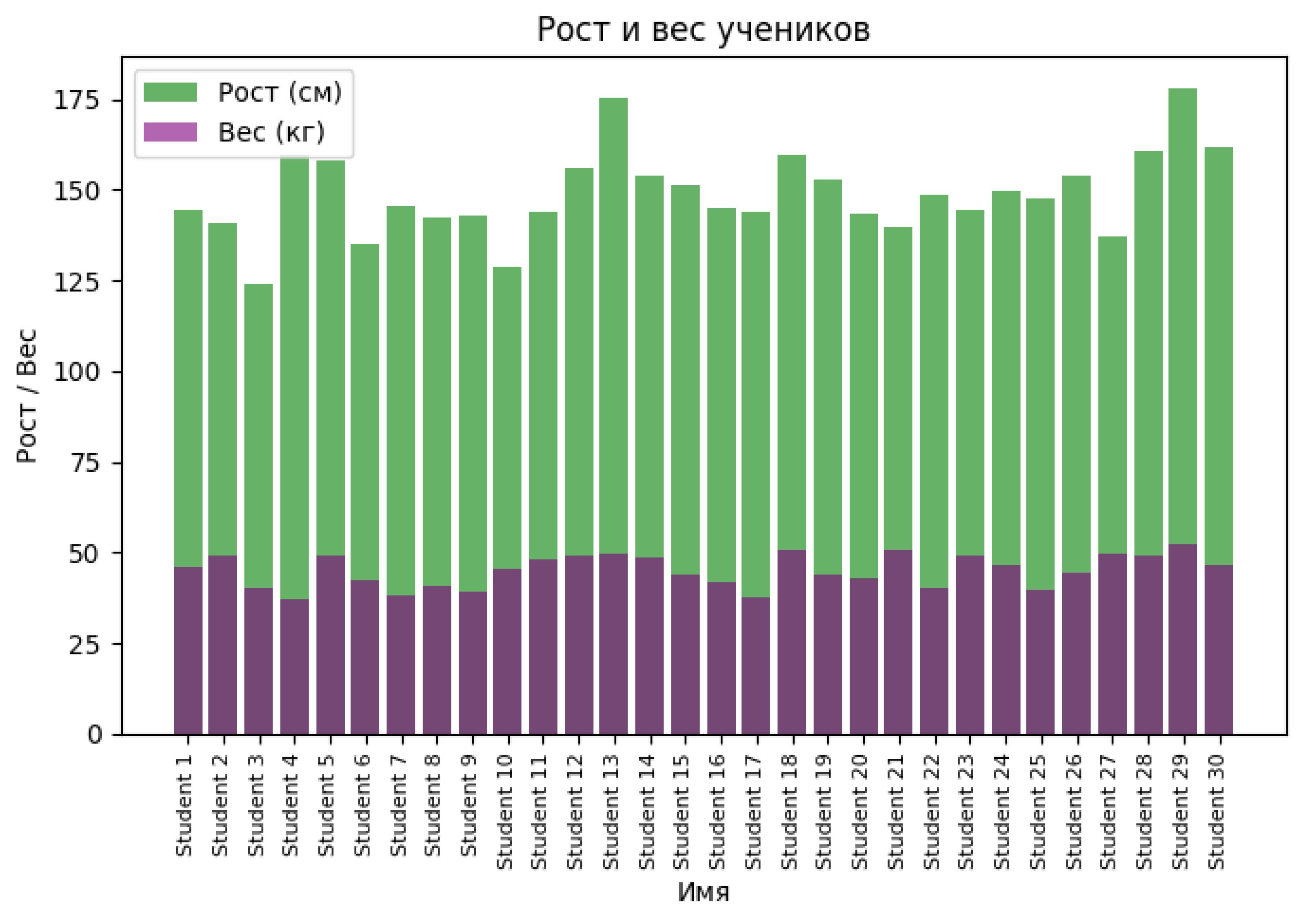
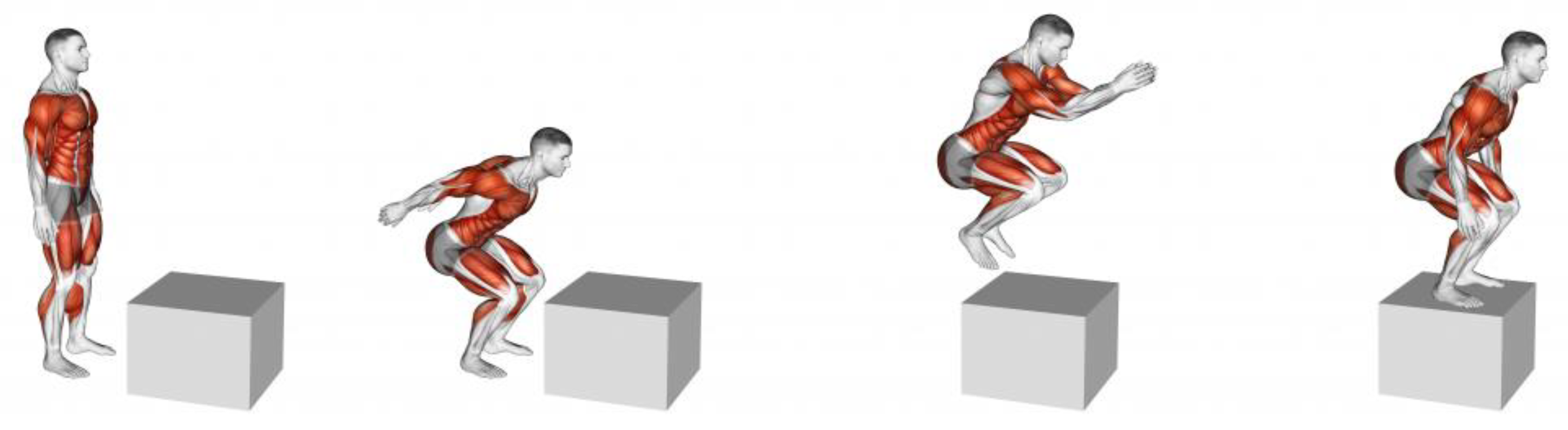
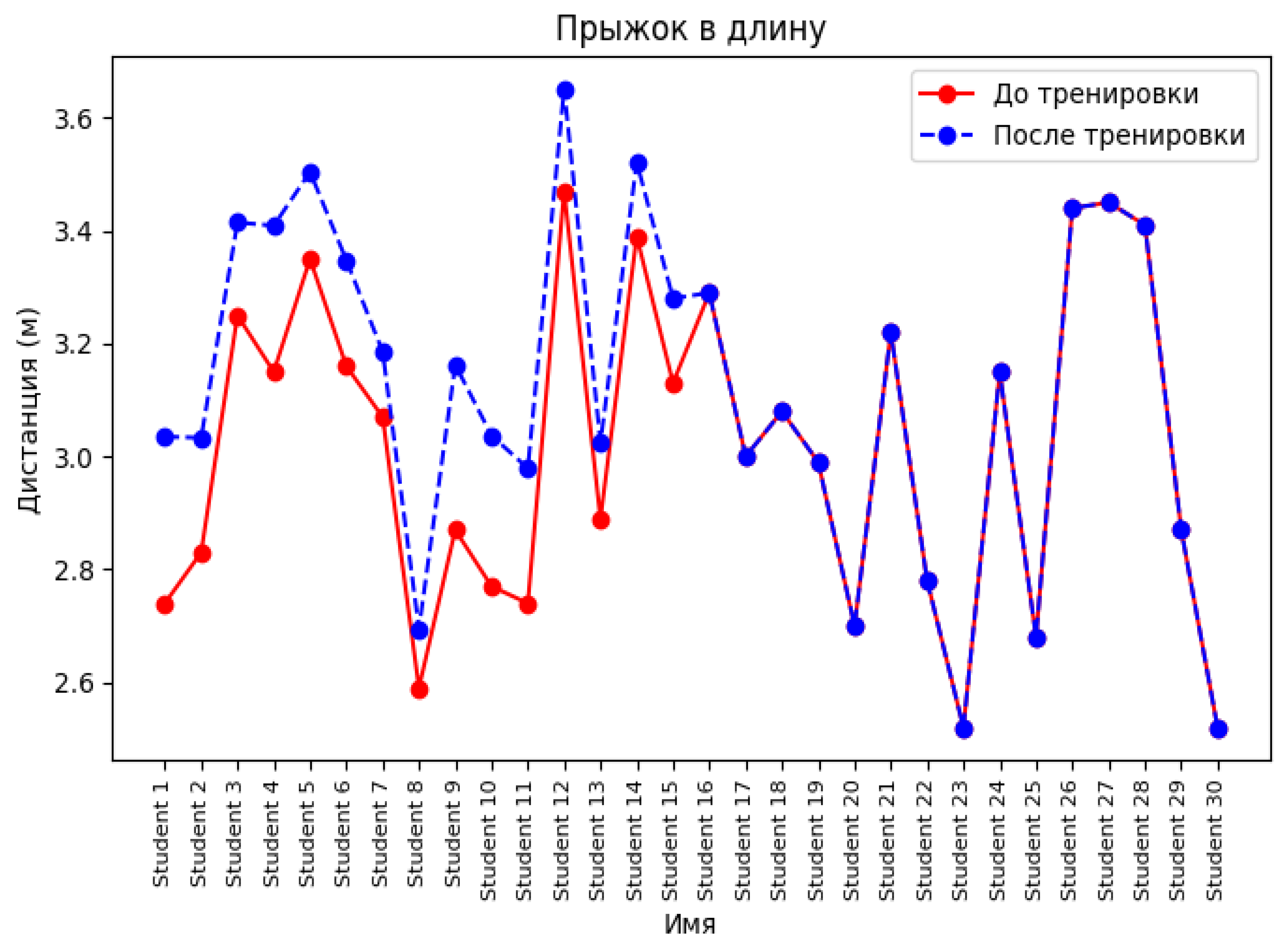
The development of speed-strength qualities, or "explosive power," is very important for young football players aged 12–13 who want to be successful in the game. This study looks at how effective different training methods are for improving these abilities. We used key training approaches, such as plyometric exercises, resistance training, and dynamic drills with weights, to help build explosive power, The research focused on exercises with various types of weights—above, equal to, and below what players usually lift—so they can improve their skills and mimic real game situations. We tested the players abilities in vertical and horizontal jumps, multi-jump series, and strength during resisted movements. The results showed that the players made significant progress in explosive power This study highlights the importance of using a variety of training methods to help young athletes develop the speed and strength they need to perform better on the field.
Keywords:
Introduction
Methodology:
- Training with Visual Stimuli: Drills that involve the use of the ball, coordination exercises, or video-based training can help athletes enhance their reaction times by simulating game situations.
- Physical Training: General physical conditioning and coordination exercises help improve overall motor control and reaction speed. Agility training, balance drills, and plyometric exercises are useful for enhancing visual-motor reaction times.
- Psychological Training: Improving concentration and attention through mental exercises, such as mindfulness or reaction-based video games, can help athletes react more quickly in high-pressure situations.
- Game-Specific Drills: Incorporating game-like scenarios in practice sessions that require players to react to changing situations (e.g., defending, passing, or shooting in dynamic conditions) can help improve their reaction time under real match conditions.
Conclusion:
Eye-Foot Visual Reaction Times Methods
1. Ball control drills
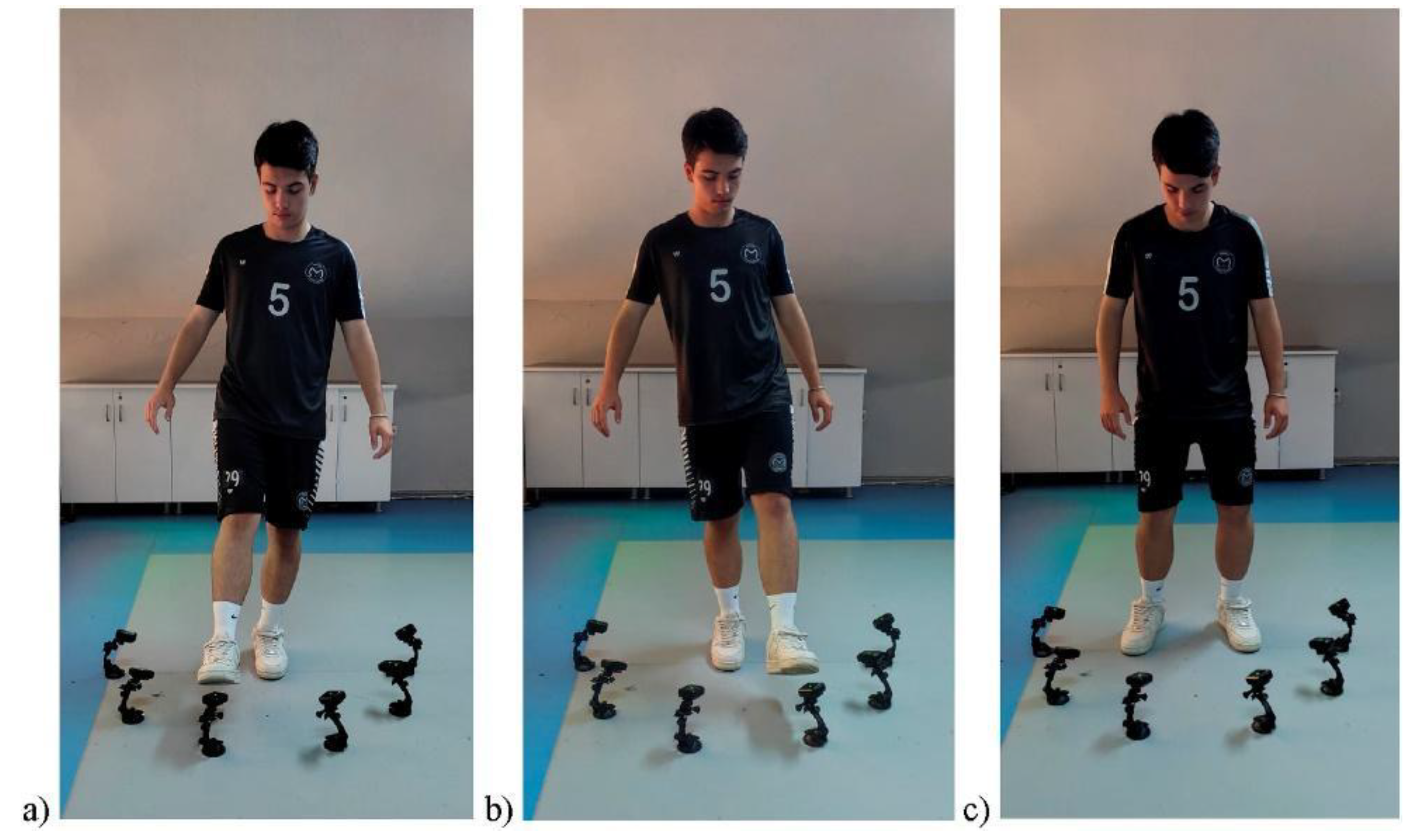
- Cone Dribbling: Players dribble the ball through cones at varying speeds. This will help them improve foot-eye coordination by forcing them to focus on the ball while maintaining control with their feet.
- Close-Control Dribbling: Players dribble the ball while constantly changing direction to simulate game-like situations, improving reaction time to visual cues.
2. Reaction Time Exercises with Visual Cues
- Color Reaction Drills: Lay out colored cones or objects on the field. Call out a color, and players must react by moving towards that color as quickly as possible, simulating the need to quickly track and react to game scenarios.
- Visual Reaction Lights or Devices: Some specialized training devices use lights that flash randomly. The player must react by kicking a ball to the flashing light or moving towards it. This helps improve reaction time to unpredictable visual stimuli.
- Ball Toss with Reaction: A coach or partner tosses the ball in the air or at different speeds. The player has to react by quickly kicking the ball, catching it with the feet, or making another controlled action based on where the ball is going.
3. Agility and Coordination Drills
- Ladder Drills: Using an agility ladder, players perform various footwork patterns while keeping their eyes on the ball. The player must quickly change direction or speed as they move through the ladder, simulating in-game movement.
- Zig-Zag Cone Dribbling: Set up cones in a zig-zag pattern, and have players dribble around them as fast as possible. The player must keep their head up, tracking the ball and making quick decisions about movement.
- Shuttle Runs with Ball Control: Players perform shuttle runs while dribbling the ball back and forth between two points. This improves their ability to control the ball while moving quickly and reacting to changing distances and directions.
4. Visual Tracking Drills
- Tennis Ball Drop: A partner or coach drops a tennis ball from a height. The player must catch it with their feet before it touches the ground. This helps improve reaction times by forcing the player to visually track the ball and react with their feet.
- Ball Juggling: Juggling a ball in the air (using feet, thighs, or head) while maintaining eye contact helps players improve their coordination and reaction time, as they must react quickly to keep the ball in the air.
5. Small-Sided Games with Visual Reaction Focus
- 1v1 Dribbling Games: In a small-sided 1v1 game, players must react to the ball’s movement and their opponent’s position. The player with the ball needs to quickly decide when to dribble, pass, or shoot based on visual cues.
- Reaction-Based Possession Games: In a small-sided possession game (e.g., 4v4), players must make quick decisions based on the movements of teammates and opponents. The game can be modified by adding conditions like only allowing passes to be made after a specific visual cue is given.
6. Eye-Tracking Exercises
- Ball-Tracking with Peripheral Vision: Have players follow a ball rolling or bouncing from side to side with only their eyes, not their body. This helps improve the ability to track the ball and anticipate its movement.
- Ball and Object Focus: Set up drills where players must focus on a ball while simultaneously watching an object or another player. This can help improve their ability to track the ball while keeping awareness of other important elements on the field.
Conclusion:
Reference:
- Kraemer, W. J., & Ratamess, N. A. (2004). Fundamentals of resistance training: Progression and exercise prescription. Medicine & Science in Sports & Exercise, 36(4), 674-688. [CrossRef]
- Jeffreys, I. (2006). Developing speed. Champaign, IL: Human Kinetics.
- Faigenbaum, A. D., & Myer, G. D. (2010). Resistance training among young athletes: Safety, efficacy and injury prevention effects. British Journal of Sports Medicine, 44(1), 56-63. [CrossRef]
- Markovic, G., & Mikulic, P. (2003). Effects of plyometric training and recovery on vertical jump performance and anaerobic power. The Journal of Strength and Conditioning Research, 17(4), 704-709. [CrossRef]
- Smith, D. J. (2003). A framework for understanding the training process leading to elite performance. Sports Medicine, 33(15), 1103-1126. [CrossRef]
- Assessing Lower-Extremity Visuo-Motor Reaction Time in Young Male Soccer Players: Test-Retest Reliability and Minimum Detectable Change of the Brain Pro System https://journals.sagepub.com/doi/10.1177/00315125241248306?icid=int.sj-full-text.similar-articles.8.
- Eye-hand and eye-foot visual reaction times of young soccer players https://pubmed.ncbi.nlm.nih.gov/11145302/.
Disclaimer/Publisher’s Note: The statements, opinions and data contained in all publications are solely those of the individual author(s) and contributor(s) and not of MDPI and/or the editor(s). MDPI and/or the editor(s) disclaim responsibility for any injury to people or property resulting from any ideas, methods, instructions or products referred to in the content. |
© 2024 by the authors. Licensee MDPI, Basel, Switzerland. This article is an open access article distributed under the terms and conditions of the Creative Commons Attribution (CC BY) license (http://creativecommons.org/licenses/by/4.0/).


