

Submitted:
11 December 2024
Posted:
12 December 2024
You are already at the latest version
Abstract
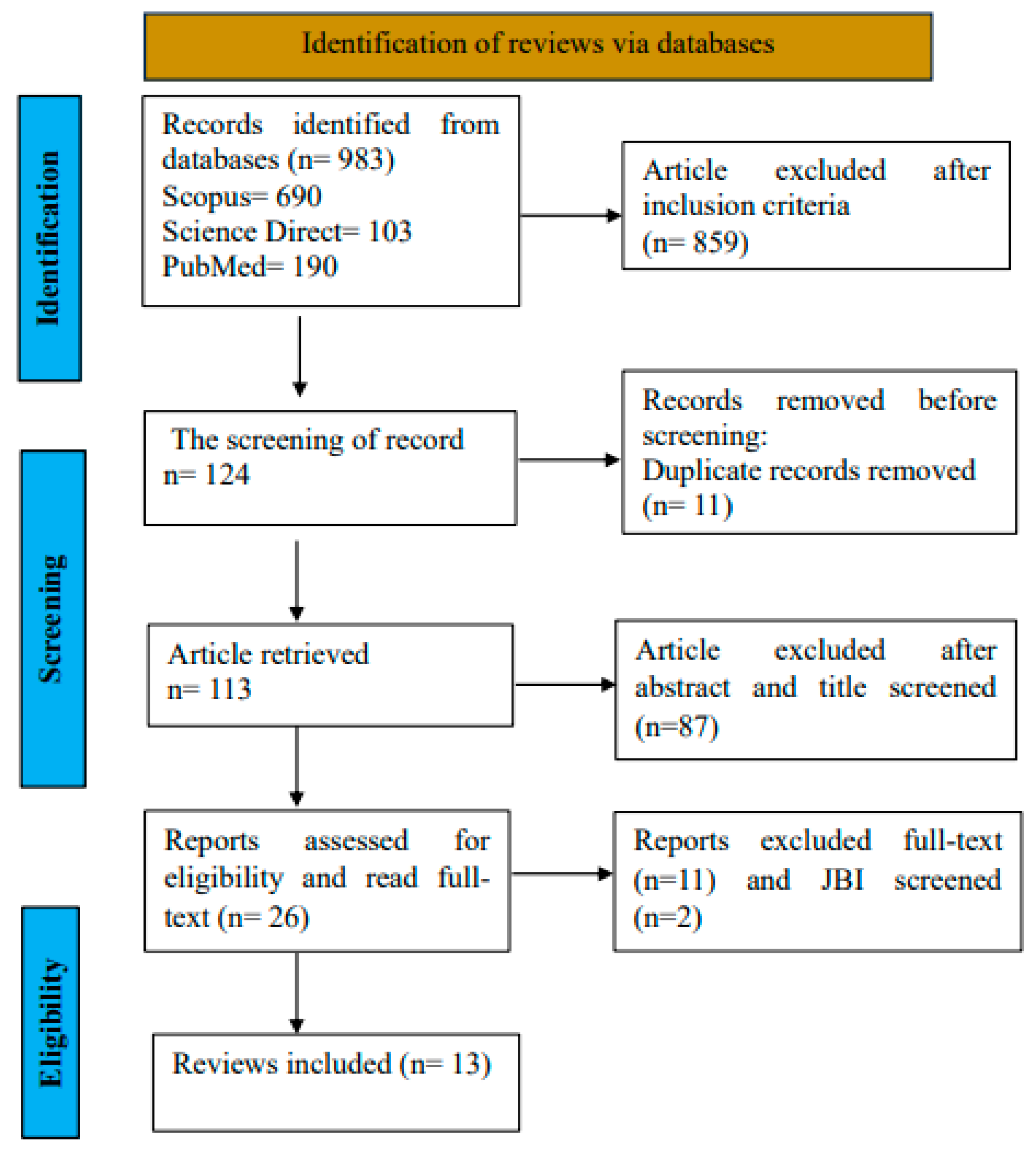
Bullying in schools is a widespread global issue with significant negative consequences for its victims. Bullying victims frequently suffer from severe mental illness, such as sadness, anxiety, tension, and suicidal thinking. Resilience, the ability to adapt to and recover from difficulties, plays a crucial role in how bullying victims cope with their experiences. Research from numerous nations shows that resilience has a substantial influence on bullying victims' mental health and well-being. Resilience also promotes long-term healing from bullying. This study aimed to investigate the function of resilience in the mental health of harassment victims among pupils. This research used scoping method. The terms used include resilience, bullying, psychological wellness, and student. The observation of the article was conducted from 3 databases such as Scopus, PubMed and Science Direct. The article search includes student samples (from elementary to high school students) in English, title and abstract about resilience and bullying, and publications published within the previous five years (2020-2024), and innovative research. The grey literature was omitted from this scoping review. To analysis the data, authors selected thematic analysis method. There were thirteen papers about the topic. This studied materials' findings emphasize the complexities of the relationships between individual traits, resilience dimensions, social circumstances, and bullying characteristics. Strong level of resilience of students are more likely to respond positively to bullying and avoid developing mental health problems. Bullying victims' resilience is formed by several critical factors, including emotional control, social support, coping abilities, and self-competence. Social support is essential for building resilience and protecting against the effects of bullying. Intervention programs that involve emotional regulation skills, coping methods, and increased social support help minimize the impact and prevalence of bullying among child and adolescence. Improving understanding and abilities in resilience behavior can be a useful method for mitigating the bullying impact.
Keywords:
Introduction
Material and Methods
Design
Search Methods
The Criteria of Inclusion and Exclusion
- Patient: Students (Elementary School, Middle School, High School)
- Concept: Resilience
- Context: Mental Health on Bullying Victims
Data Extraction
Quality Appraisal
Data Analysis
Result

| No | Author, Year | Outcome | Country | Sample | Resilience Dimensions | Result |
|---|---|---|---|---|---|---|
| 1. | (L. Yang et al., 2023) | The research was to identify the bullying impact on depression and subjective well-being alike the resilience of the environment in school |
China | 2339 junior high school adolescents (age = 12.97 ± 0.58 years, 51.1% boys) | Teacher and peer support | The study's findings showed that kids who were bullied had an 8.0% resilience profile that consisted of 59.2% of normative, 29% of vulnerable and the remaining 3.8% of unfavorable. High levels of bullying victimization are associated with higher sadness and worse of subjective well-being. The improvement of well-being was supported by teacher and peer support. |
| 2. | (Cui & Xie, 2022) | The researchers investigated the impact of the intrapersonal and interpersonal resilience resources on pupils' mental health and the victim of bullying |
China | 1,132 student aged 8-17 years (mean age = 11.88 years, male = 55.6%, female = 45.4%) | Personal competence, stress tolerance, and change acceptance are all examples of intrapersonal resilience. Interpersonal resilience is defined as having support from parents, teachers, and peers. |
Bullying victimization has a large direct influence on kids' mental health, and intrapersonal and social resilience serve as mediators. |
| 3. | (De Freitas et al., 2022) |
This research was to find the characteristics of individual or family that support the resilience of the peer victimization and also perceiving the prejudice. |
Portugal | 2975 high school students, 22% (n = 644) met criteria for substantial social victimization (mean age = 16.5 years, Female = 57%) | Personality, coping techniques (active, funny, with little self-blame and drug addiction), satisfaction from relationships, meaningfulness, empathy, and optimism |
The association of resilience consisted of low anxious personality, be able to apply four coping techniques (active, use of humor, low self-blame, and low drug use) and also satisfy with mother-child relationship. |
| 4. | (Ganotz et al., 2023a) | The goal of this research was to identify resilience for the victim and its effect on well-being to examine factors linked with student resilience. |
Austria | 535 4th grade elementary school students (268 males, 267 females, mean age = 9– 11 years) | Sense of belonging in the classroom, tight relationship with mother |
7% of students reported low resilience, whereas the rest reported relatively strong resilience. There was positive correlation between resilience and well-being. More than 7.4% of resilience is linked to sentiments about integration in educational settings and interactions with moms. |
| 5. | (Ran et al., 2020) | The research objective was to evaluate the potential moderation and mediation of resilience in the relationship between school bullying victimization and self-harm among a large sample of Chinese teenagers. |
China | Sample consisted of 3146 samples: with the mean age of 13.3. (SD=0,6), boys= 1437 and girls= 1709 | Emotional management, social support (friends, teachers), and familial support |
The participation rates of bullying and self-harm were 13.13% and 47.0%, respectively. Victimization from school bullying has been linked to relationship violence. Resilience was the primary mediator. There were 27.7% from all correlation and there were 5 characteristics among others 30.9% of the emotional regulation, 24.78% of aid of the interpersonal, and the remaining 22.16% was family support. |
| 6. | (Obioha et al., 2024) | The goal of this study is to investigate how psychological resilience influences the relationship between interparental violence and bullying among secondary school adolescents. |
Nigeria | 609 (297 males and 312 females) high school students (Mean Age= 16.44, SD= 1.64, age range= 13–20 years) | Confidence, adaptability, confidence, resilience, and coping strategies |
Interparental violence correlates positively with victimization by bullies and behavior, while mental strength moderates the relationship. Resilience correlates positively with bullying behavior but not for bullying victims. Bullying and victimization lessen as resilience improves. |
| 7. | (Shemesh & Heiman, 2021) | The current research looked into the potential moderation consequences of resilience and self-image, which has been linked with bullying and well-being in Israeli teenagers. |
Israel | 507 middle school Israeli students, aged 11–16 | Personal resilience and good adaptation |
Victimization due to bullying occurs on a small scale, but alongside fairly high levels of well-being, self-esteem, and resilience. Bullying victimization has a substantial negative correlation with well-being, implying that as bullying victimization grows someone's level of personal fulfillment declines. Bullying victims have lower self-esteem and resilience, which can lead to poor subjective well-being. |
| 8. | (Nie et al., 2022) | The study's objectives are to research variables that contribute to lowering the detrimental impact of bullying victimization on mental health, with a particular emphasis on the protective function of school belonging and resilience in the link between bullying victimization and mental health. |
China | 1087 school-age migrant children | Personal resilience and good adaptation |
Bullying victims has been demonstrated to have a negative influence on mental health because of a lack of belonging at school. Furthermore, resilience reduced the negative indirect impacts of bullying victimization on migrant children's mental health through school engagement. Lower resilience was shown to be strongly associated with larger indirect consequences. School involvement and resilience should be included in mental health preventive and intervention programs for bullied immigrant children. |
| 9. | (Hamby S et al., 2020) | The goal of this study was to look at the relationship between poly-victimization, trauma symptoms, and mental health, utilizing resilience as a moderator. |
United States | 440 adolescents aged 10 to 21 years (mean age 16.38, SD = 3.04) | Regulatory and meaning-making strengths, Interpersonal Strengths |
The study's findings revealed that 89.3% of youths experienced one or more assaults with peer victimization becoming the most prevalent. There was a negative correlation among mental and social resilience and trauma sequelae. Resilience increased mental health in all aspects of fortitude and dealing with mistreatment. Resilience was connected to a sense of purpose, which demonstrated the highest optimism. |
| 10. | (Anderson et al., 2022) | The goal to identify the link between teenage bullying and symptoms of depression and anxiety, as well as to assess relationships with resilience. |
United States | There were 2155 samples from North Texas middle and high schools (n= 29) | Internal characteristics include confidence, emotional awareness, negative cognition, social skills, and empathy. External aspects include family connectivity, availability, peer connectedness, ability, school support, school connections, and community connectedness. | Bullied teenager had more depressed and anxiety symptoms and less resilience, whereas greater levels of resilience were linked to fewer anxiety and depression symptoms. Resilience served as a mediator between bullying events and depressed and anxious symptoms. |
| 11. | (Lu et al., 2022) | The study sought to evaluate the relationship between responses to school bullying and psychological resilience, which might lead to new ideas and techniques for preventing and intervening in school bullying. |
China | 5425 elementary school students aged 7–14 | Ego resilience | More than two-thirds of primary school pupils reported being bullied during the last year. The favorable response percentage among victims was 69.10 percent. Positive reactions were found to be positively related to psychological resilience. |
| 12. | (Wang et al., 2024) | The study sought to look into the potential moderating and mediating the resilience effectiveness on the link between reported school bullying and psychotic-like episodes among Chinese sexual minority teens. |
China | 984 (23.5%) high school students with the sexual minority (mean age = 16.68 years, SD = 0.71). | Personal strength and positive adaptation |
School bullying and resilience perception is associated to psychotic-like episodes of the sexual minority teenagers. Resilience is as a link between perceptions of school bullying and subsequent psychotic-like episodes (delusions and hallucinations). Furthermore, resistance only weakened the relationship between experiences of school bullying and hallucinations. |
| 13. | (Ganotz et al., 2023b) | This research was to examine mental resilience or to be resilient even before a danger occurs. |
Austria | 535 grade 4 elementary school students | Personal competences | Students' resilient tendencies are only somewhat stable. There is a modest association between resilience and wellness in students who have been bullied. |
Discussion
Limitations
Conclusion
Acknowledgments
Funding
Disclosure
References
- Alisheva, Z., & Mandal, B. (2023). The Differential Effects of Childhood and Chronic Bullying Victimization on Health and Risky Health Behaviors. Journal of Child and Adolescent Trauma, 16(4), 1005–1015. [CrossRef]
- Anderson, J. R., Mayes, T. L., Fuller, A., Hughes, J. L., Minhajuddin, A., & Trivedi, M. H. (2022). Experiencing bullying’s impact on adolescent depression and anxiety: Mediating role of adolescent resilience. Journal of Affective Disorders, 310, 477–483. [CrossRef]
- Armitage, J. M., Wang, R. A., Davis, O. S. P., Collard, P., & Haworth, C. M. A. (2021). Positive wellbeing and resilience following adolescent victimisation: An exploration into protective factors across development. JCPP Advances, 1(2). [CrossRef]
- Balluerka, N., Aliri, J., Goñi-Balentziaga, O., & Gorostiaga, A. (2023). Association between bullying victimization, anxiety and depression in childhood and adolescence: The mediating effect of self-esteem. Revista de Psicodidáctica (English Ed.), 28(1), 26–34. [CrossRef]
- Calvete, E., Orue, I., Echezarraga, A., Cortazar, N., & Fernández-González, L. (2022). A growth mindset intervention to promote resilience against online peer victimization: A randomized controlled trial. Computers in Human Behavior, 135, 107373. [CrossRef]
- Chen, X., Lu, J., Ran, H., Che, Y., Fang, D., Chen, L., Peng, J., Wang, S., Liang, X., Sun, H., & Xiao, Y. (2022). Resilience mediates parenting style associated school bullying victimization in Chinese children and adolescents. BMC Public Health, 22(1). [CrossRef]
- Cui, K., & Xie, H. (2022). Intrapersonal and Interpersonal Sources of Resilience: Mechanisms of the Relationship Between Bullying Victimization and Mental Health Among Migrant Children in China. Applied Research in Quality of Life, 17(5), 2479–2497. [CrossRef]
- De Freitas, D. F., Mendonça, M., Wolke, D., Marturano, E. M., Fontaine, A. M., & Coimbra, S. (2022). Resilience in the face of peer victimization and perceived discrimination: The role of individual and familial factors. Child Abuse & Neglect, 125, 105492. [CrossRef]
- Dray, J., Bowman, J., Campbell, E., Freund, M., Hodder, R., Wolfenden, L., Richards, J., Leane, C., Green, S., Lecathelinais, C., Oldmeadow, C., Attia, J., Gillham, K., & Wiggers, J. (2017). Effectiveness of a pragmatic school-based universal intervention targeting student resilience protective factors in reducing mental health problems in adolescents. Journal of Adolescence, 57, 74–89. [CrossRef]
- Fang, D., Lu, J., Che, Y., Ran, H., Peng, J., Chen, L., Wang, S., Liang, X., Sun, H., & Xiao, Y. (2022). School bullying victimization-associated anxiety in Chinese children and adolescents: the mediation of resilience. Child and Adolescent Psychiatry and Mental Health, 16(1). [CrossRef]
- Gabrielli, S., Rizzi, S., Carbone, S., & Donisi, V. (2020). A Chatbot-Based Coaching Intervention for Adolescents to Promote Life Skills: Pilot Study. JMIR Human Factors, 7(1). [CrossRef]
- Ganotz, T., Schwab, S., & Lehofer, M. (2023a). Bullying among primary school-aged students: which factors could strengthen their tendency towards resilience? International Journal of Inclusive Education, 27(8), 890–903. [CrossRef]
- Ganotz, T., Schwab, S., & Lehofer, M. (2023b). Bullying among primary school-aged students: which factors could strengthen their tendency towards resilience? International Journal of Inclusive Education, 27(8), 890–903. [CrossRef]
- Gupta, A., Singh, A., Aneja, K., Aggarwal, V., Wadhwa, J., & Abraham, D. (2023). How to write a scoping review? - A comprehensive guide. Endodontology, 35(1), 9–14. [CrossRef]
- Hamby S, Taylor E, & Mitchell K, et all. (2020). Poly-victimization, trauma, and resilience: exploring strengths that promote thriving after adversity. J Trauma Dissociation, 21, 376–395. [CrossRef]
- Hatzenbuehler, M. L., Schwab-Reese, L., Ranapurwala, S. I., Hertz, M. F., & Ramirez, M. R. (2015). Associations Between Antibullying Policies and Bullying in 25 States. JAMA Pediatrics, 169(10), e152411. [CrossRef]
- Kelly, Y., Fitzgerald, A., & Dooley, B. (2017). Validation of the Resilience Scale for Adolescents (READ) in Ireland: a multi-group analysis. International Journal of Methods in Psychiatric Research, 26(2). [CrossRef]
- Khedr, M. A., Alharbi, T. A. F., Alkaram, A. A., & Hussein, R. M. (2023). Impact of resilience-based intervention on emotional regulation, grit and life satisfaction among female Egyptian and Saudi nursing students: A randomized controlled trial. Nurse Education in Practice, 73. [CrossRef]
- Klocek, A., Kollerová, L., Havrdová, E., Kotrbová, M., Netík, J., & Pour, M. (2024). Effectiveness of the KiVa anti-bullying program in the Czech Republic: A cluster randomized control trial. Evaluation and Program Planning, 106. [CrossRef]
- Las-Hayas, C., Mateo-Abad, M., Vergara, I., Izco-Basurko, I., González-Pinto, A., Gabrielli, S., Mazur, I., Hjemdal, O., Gudmundsdottir, D. G., Knoop, H. H., Olafsdottir, A. S., Fullaondo, A., González, N., Mar-Medina, J., Krzyżanowski, D., Morote, R., Anyan, F., Ledertoug, M. M., Tidmand, L., … Ingibergsdóttir, A. (2022). Relevance of well-being, resilience, and health-related quality of life to mental health profiles of European adolescents: results from a cross-sectional analysis of the school-based multinational UPRIGHT project. Social Psychiatry and Psychiatric Epidemiology, 57(2), 279–291. [CrossRef]
- Lee, A. Y., & Hancock, J. T. (2023). Developing digital resilience: An educational intervention improves elementary students’ response to digital challenges. Computers and Education Open, 5, 100144. [CrossRef]
- Lidberg, J., Berne, S., & Frisén, A. (2024). From childhood bullying victimization to resilience in emerging adulthood. Scandinavian Journal of Psychology, 65(3), 521–532. [CrossRef]
- Lin, L.-Y., Chien, Y.-N., Chen, Y.-H., Wu, C.-Y., & Chiou, H.-Y. (2022). Bullying Experiences, Depression, and the Moderating Role of Resilience Among Adolescents. Frontiers in Public Health, 10. [CrossRef]
- Lingard, L., & Colquhoun, H. (2022). The story behind the synthesis: writing an effective introduction to your scoping review. Perspectives on Medical Education, 11(5), 289–294. [CrossRef]
- Lu, L., Fei, L., Ye, Y., Liao, M., Chang, Y., Chen, Y., Zou, Y., Li, X., & Zhang, R. (2022). Psychological Resilience May Be Related to Students’ Responses to Victims of School Bullying: A Cross-Sectional Study of Chinese Grade 3–5 Primary School Students. International Journal of Environmental Research and Public Health, 19(23). [CrossRef]
- Menesini, E., & Salmivalli, C. (2017). Bullying in schools: the state of knowledge and effective interventions. Psychology, Health and Medicine, 22, 240–253. [CrossRef]
- Mesman, E., Vreeker, A., & Hillegers, M. (2021). Resilience and mental health in children and adolescents: An update of the recent literature and future directions. In Current Opinion in Psychiatry (Vol. 34, Issue 6, pp. 586–592). Lippincott Williams and Wilkins. [CrossRef]
- Moore, B., Woodcock, S., & Dudley, D. (2019). Developing wellbeing through a randomised controlled trial of a martial arts based intervention: An alternative to the anti-bullying approach. International Journal of Environmental Research and Public Health, 16(1). [CrossRef]
- Myers, C.-A., & Cowie, H. (2019). Cyberbullying across the lifespan of education: Issues and interventions from school to university. International Journal of Environmental Research and Public Health, 16(7). [CrossRef]
- Nie, W., Gao, L., & Cui, K. (2022). Bullying Victimization and Mental Health among Migrant Children in Urban China: A Moderated Mediation Model of School Belonging and Resilience. International Journal of Environmental Research and Public Health, 19(12). [CrossRef]
- Obioha, W. C., Obi, C. J., Nnamani, K. E., Chima, U. E., Mefoh, P. C., Okoye, K. M., & Anozie, E. U. (2024). Interparental violence and school bullying among Nigerian adolescents: Moderating role of psychological resilience. Child Protection and Practice, 1, 100010. [CrossRef]
- Olweus, D. School bullying: development and some important challenges. Annu Rev Clin Psychol 2013, 9, 751–780. [Google Scholar] [CrossRef] [PubMed]
- Osada, M. (2024). Long-Term Effects of Bullying: Post-Traumatic Recovery, Growth, and Resilience From the Point of View of Organismic Value Theory. Japanese Journal of Educational Psychology, 72(2), 110–120. [CrossRef]
- Rajakumar, P. T., & Sivaraman, S. (2024). Perceived Parenting Styles, Personal Growth Initiative and Resilience Among Young Adults. In Studies in Systems, Decision and Control (Vol. 535, pp. 291–299). [CrossRef]
- Ran, H., Cai, L., He, X., Jiang, L., Wang, T., Yang, R., Xu, X., Lu, J., & Xiao, Y. (2020). Resilience mediates the association between school bullying victimization and self-harm in Chinese adolescents. Journal of Affective Disorders, 277, 115–120. [CrossRef]
- Rauschenberg, C., van Os, J., Goedhart, M., Schieveld, J. N. M., & Reininghaus, U. (2021). Bullying victimization and stress sensitivity in help-seeking youth: findings from an experience sampling study. European Child and Adolescent Psychiatry, 30(4), 591–605. [CrossRef]
- Sam Sample. (2018). Resilience report.
- Schwalm, F. D., Zandavalli, R. B., de Castro Filho, E. D., & Lucchetti, G. (2022). Is there a relationship between spirituality/religiosity and resilience? A systematic review and meta-analysis of observational studies. Journal of Health Psychology, 27(5), 1218–1232. [CrossRef]
- Selak, Š., Crnkovič, N., Šorgo, A., Gabrovec, B., Cesar, K., & Žmavc, M. (2024). Resilience and social support as protective factors against suicidal ideation among tertiary students during COVID-19: a cross-sectional study. BMC Public Health, 24(1). [CrossRef]
- Shemesh, D. O., & Heiman, T. (2021). Resilience and self-concept as mediating factors in the relationship between bullying victimization and sense of well-being among adolescents. International Journal of Adolescence and Youth, 26(1), 158–171. [CrossRef]
- Song, J., & Smith-Adcock, S. (2024). Meaning in life as a moderator of the relationship between bullying victimization profiles and life satisfaction in young adolescents. Psychology in the Schools, 61(8), 3298–3314. [CrossRef]
- Stover, A. D., Shulkin, J., Lac, A., & Rapp, T. (2024). A meta-analysis of cognitive reappraisal and personal resilience. Clinical Psychology Review, 110. [CrossRef]
- UNESCO. (2019). Behind the numbers: ending school violence and bullying. In Behind the numbers: ending school violence and bullying. United Nations Educational, Scientific and Cultural Organization. [CrossRef]
- Ungar, M. (2011). The social ecology of resilience: Addressing contextual and cultural ambiguity of a nascent construct. American Journal of Orthopsychiatry, 81(1), 1–17.
- UNICEF. (2020). Perundungan di Indonesia: Fakta-fakta Kunci, Solusi, dan Rekomendasi untuk setiap anak. https://indonesia.ureport.in/v2/opinion/3454/.
- Villora, B., Yubero, S., & Navarro, R. (2021). Subjective well-being among victimized university students: comparison between cyber dating abuse and bullying victimization. Information Technology and People , 34(1), 360–374. [CrossRef]
- Wang, D., Chen, X. Y., Scherffius, A., Yu, Z., Wang, X., Sun, M., & Fan, F. (2024). Perceived school bullying and psychotic-like experiences in sexual minority adolescents: the mediating and moderating roles of resilience. Child and Adolescent Psychiatry and Mental Health, 18(1). [CrossRef]
- Xu, X., Li, Y., Liu, S., & Wang, W. (2024). Longitudinal Relationships Between Bullying Victimization and Dual Social Behaviors: The Roles of Self-Compassion and Trauma-Related Shame. Psychology Research and Behavior Management, 17, 1463–1475. [CrossRef]
- Yang, L., Xiong, Y., Gao, T., Li, S., & Ren, P. (2023). A person-centered approach to resilience against bullying victimization in adolescence: Predictions from teacher support and peer support. Journal of Affective Disorders, 341, 154–161. [CrossRef]
- Yang, X., Yang, X., Kumar, P., & Cao, B. (2020). Social support and clinical improvement in COVID-19 positive patients in China. January.
- Yuan, M., He, Y., Wang, F., Wen, X., Tong, Y., Zhu, D., Wang, G., & Su, P. (2024). Multi-level factors associated with psychological resilience in the face of adverse childhood experiences among Chinese early adolescents. Child Abuse and Neglect, 153. [CrossRef]
- Yubero, S., Heras, M. de las, Navarro, R., & Larrañaga, E. (2023). Relations among chronic bullying victimization, subjective well-being and resilience in university students: a preliminary study. Current Psychology, 42, 855–866. https://link.springer.com/article/10.1007/s12144-021-01489-x.
- Zhang, J. W., Jiang, M. M., & Yang, S. Y. (2024). Impact of Bullying Victimization on Chinese College Students’ Suicidal Tendency: The Moderating Effect of Teachers’ Emotional Support and Family Support. Psychology Research and Behavior Management, 17, 627–640. [CrossRef]
Disclaimer/Publisher’s Note: The statements, opinions and data contained in all publications are solely those of the individual author(s) and contributor(s) and not of MDPI and/or the editor(s). MDPI and/or the editor(s) disclaim responsibility for any injury to people or property resulting from any ideas, methods, instructions or products referred to in the content. |
© 2024 by the authors. Licensee MDPI, Basel, Switzerland. This article is an open access article distributed under the terms and conditions of the Creative Commons Attribution (CC BY) license (http://creativecommons.org/licenses/by/4.0/).


