Preprint
Review

This version is not peer-reviewed.

A Comprehensive Review of Geothermal Heat Pump Systems

A peer-reviewed article of this preprint also exists.

Submitted:

21 November 2024

Posted:

22 November 2024

You are already at the latest version

Abstract

This paper provides a comprehensive analysis of geothermal heat pump systems (GHPS), focusing on their advantages, disadvantages, key components, types, and ground heat exchangers (GHEs). It presents a detailed review of closed-loop GHE configurations, emphasizing their impact on heat transfer performance and installation costs. The findings show that helical GHEs offer superior thermal performance with reduced drilling depths and costs, while coaxial GHEs, particularly with steel tubes, enhance heat transfer efficiency and reduce borehole depth. Cost-effective solutions, such as W-type GHEs, deliver comparable thermal performance to more expensive configurations. Triple U-tube and spiral GHEs demonstrate high efficiency, balancing performance with economic considerations. The most commonly used borehole geometries are single or double U-tube configurations, while coaxial designs provide additional benefits in specific applications. These insights guide the optimization of vertical ground heat exchangers, improving performance, cost-effectiveness, and long-term sustainability in GHPS installations.

Keywords: 
;  ;  ;  

1. Introduction

Geothermal heat pump system (GHPS), also known as ground-source heat pump (GSHP) or ground-coupled heat pump (GCHP), utilize heat energy from the earth. The terminology originates from the Greek word "geo," meaning "earth," and "thermal," meaning heat. These systems are widely recognized for their cost-effectiveness and superior efficiency in heating and cooling applications, particularly when compared traditional heating and cooling systems (i.e., heating, ventilation, and air conditioning (HVAC)). GHPS is an efficient and clean heating and cooling solution that does not rely on burning fossil fuels. Instead of generating heat, it transfers existing heat between the ground and the building. In winter, the system absorbs heat from the warmer ground and transfers it into the building by circulating a liquid through underground loop pipes. The heat pump compresses this liquid to raise its temperature, which is then used to warm the building. In summer, the process is reversed: the system absorbs heat from the building and transfers it into the ground, thereby cooling the building. This process operates in a closed-loop cycle, providing energy-efficient heating and cooling year-round. Interestingly, during the summer, the heat pump is not needed because the ground temperature is cooler than the indoor temperature, helping to reduce overall operating costs [1,2,3,4].

1-1. Advantages

Geothermal Heat Pump System (GHPS) offers significant energy savings, using 25% to 50% less electricity than conventional heating and cooling systems. This is due to its high coefficient of performance (COP), which allows it to transfer three units of heat from the ground to the system using just one unit of electricity [3]. As a result, GHPS can reduce heating costs by 30-60% and cooling costs by 20-50% compared to traditional heating and cooling systems [5,6]. It would be preferable for the GHPS's power demands to be fulfilled through renewable energy sources rather than by drawing from electric utilities [7]. Furthermore, the GHPS is significantly more energy-efficient than conventional heating and cooling systems, particularly during the winter months. Unlike conventional heating systems that burn fuel to generate heat, the GHPS transfers existing heat from one place to another. Its heating efficiency is typically 30-70% higher than that of conventional heating systems and 20-50% more efficient than air conditioning systems [8,9]. Moreover, it is highly effective at regulating humidity, enhancing both comfort and overall energy efficiency [1]. The GHPS boasts a longer lifespan than most traditional heating and cooling systems, with its high-density polyethylene (HDPE) pipes lasting up to 50 years, while the heat pump unit typically lasts up to 25 years [3]. As a result, the GHPS is recognized as a clean, reliable, renewable, and sustainable energy source that requires minimal maintenance, contributing to its growing popularity compared to traditional heating and cooling systems. Additionally, GHPS is considered one of the most promising stable renewable energy sources, as it is consistently available, unaffected by weather conditions, and depends entirely on the Earth's relatively constant temperature. This enables it to maintain a consistent indoor climate year-round, unlike other renewable energy sources like solar and wind, which are subject to fluctuations based on weather conditions [10]. The GHPS operates with minimal noise, as its piping loops are buried underground, and the indoor unit generates sound levels similar to a typical refrigerator. In addition to its quiet operation, the GHPS offers significant environmental advantages, such as reducing greenhouse gas (GHG) emissions that contribute to global warming, and creating a quieter, less polluted environment. For example, compared to conventional heating and cooling systems powered by fossil fuels, the GHPS can reduce overall GHG emissions by up to 66% and carbon dioxide (CO2) emissions by as much as 50% [11]. After covering the initial installation costs, the GHPS is expected to recover the initial capital investment in as little as four to seven years, depending on the system configuration and the size of the underground loop [12,13,14,15,16,17,18]. Although the high initial installation costs, the GHPS is expanding quickly due to its long-term cost savings. Thus, GHPS is considered a rapidly growing technology globally, as demonstrated by the rising number of new installations each year [1]. For example, as of 2021, there were approximately 6.46 million ground source heat pump (GSHP) units in operation across around 30 countries globally. The United States accounted for 1.7 million of these units, representing about 26.2% of the global installed base. In the United States, the majority of these systems—about 60%—were used for commercial applications, while the remaining 40% were for residential purposes, according to the International Energy Agency’s (IEA) 2020 Geothermal Report [19]. Furthermore, the installation rate in the United States is significant, with approximately 50,000 new GSHP systems being added each year, according to the International Ground Source Heat Pump Association [18]. This growing adoption reflects the increasing recognition of GSHPs as an efficient and sustainable solution for heating and cooling in both residential and commercial settings.

1-2. Disadvantages

Despite their advantages, Ground-Source Heat Pump Systems (GHPSs) have some drawbacks. One major disadvantage is the need for drilling to install the underground loop pipes, which increases installation complexity and cost compared to other renewable energy systems like solar panels or wind turbines [10]. Additionally, the initial investment for a GHPS is generally higher, with expenses typically 30% to 50% above those of traditional heating, ventilation, and air conditioning (HVAC) systems [20]. Thus, the cost of installing a residential Ground-Source Heat Pump System (GHPS) typically ranges from $10,000 to $30,000 [21]. This variation depends on factors such as the system's configuration, the size of the underground loop, the amount of drilling needed, and the local soil thermal properties [1]. For instance, installing a GHPS in a standard 2,000-square-foot home in the United States usually costs between $10,000 and $20,000 [22]. The vertical ground heat exchanger (VGHE) configuration requires extensive drilling, typically ranging from 30 to 130 meters below the surface [23,24,25,26]. This setup can be quite expensive, especially if drilling through dense materials such as rock or stone. In contrast, the horizontal ground heat exchanger (HGHE) configuration requires shallower drilling—usually between 1.5 and 4 meters deep—and is simpler and less costly to install [27]. As a result, it is a more popular choice for many households. However, the HGHE configuration requires a larger land area to bury the looping pipes. In both configurations, the cost of pipe materials, heat pumps, and installation services can be significant [1]. The installation process for a GHPS can take longer than that of other renewable energy systems, such as solar or wind, which may put pressure on both designers and installers. For example, installing a GHPS typically takes between 6 to 8 weeks, depending on factors such as system capacity, configuration, and soil thermal properties [26,28]. The GHPS has limited heating output because it relies on the Earth's stable temperature, which may not meet building demands during cold months, especially in January and February. In such cases, additional heating is needed, leading to costs. Its performance also varies by location—poor soil thermal properties can reduce its efficiency. These factors, along with high installation costs, limit the widespread use of GHPS [13,16]. Advantages and disadvantages of a Geothermal Heat Pump System (GHPS) are summarized in the Table 1.
In this paper, we present a comprehensive analysis of Geothermal Heat Pump Systems (GHPS), examining their benefits and limitations, key components, and various system types, with a primary focus on ground heat exchangers (GHEs). Furthermore, we provide an in-depth review of different closed-loop GHE configurations, discussing their influence on heat transfer efficiency, performance, and installation costs. The paper also emphasizes the importance of selecting the appropriate GHE configuration to optimize both system performance and economic feasibility. The remainder of the paper is organized as follows: Section 2 covers the components of GHPS, Section 3 discusses the types of GHPS, Section 4 presents a comparison of closed-loop ground heat exchanger configurations, and Section 5 provides a brief conclusion.

2-. GHPS Components

The geothermal heat pump system (GHPS) generally comprises a heat pump, a distribution unit system, and a ground heat exchanger (GHE), as illustrated in Figure 1.

2-1. Heat Pump

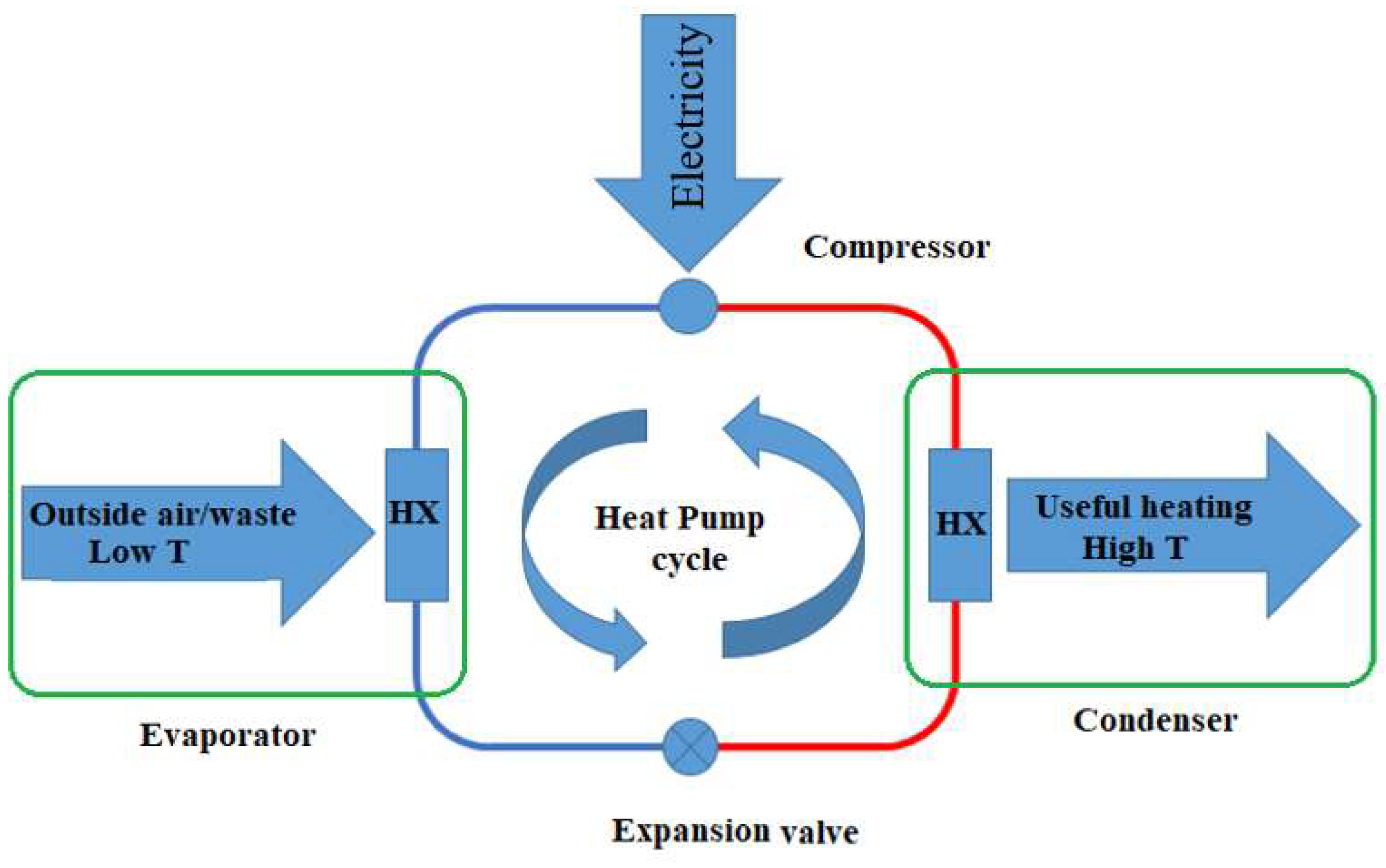
A heat pump is an energy-efficient device that transfers heat from a cooler area to a warmer one using a refrigeration cycle. In winter, it moves heat from the outside to warm a home; in summer, it can reverse the process to cool the home. Since heat pumps transfer rather than generate heat, they are more energy-efficient than other heating and cooling methods. A heat pump uses less electricity for heating and cooling compared to systems powered by oil, gas, or electricity. Furthermore, it reduces carbon dioxide emissions by 50% compared to these traditional heating methods [2,3]. Heat pumps are a key element of the Ground Source Heat Pump System (GHPS) and generally come in two main types: water-to-water and water-to-air, with the water-to-air version being the most common in North America. The heat pump consists of three main components: the compressor, condenser, and evaporator, as shown in Figure 2.
The efficiency of a heat pump is assessed by its Coefficient of Performance (COP), which typically ranges from 3 to 6. This indicates that for every unit of electricity consumed, the heat pump can produce 3 to 6 units of heat. A higher COP signifies improved performance, reduced energy consumption, and lower operational costs, whereas a lower COP leads to decreased efficiency and higher energy usage. The heat pump’s efficiency is strongly affected by factors such as operating conditions and the temperature difference between the ground and the building, which are crucial to the system's overall effectiveness [1]. These factors are essential to the system's efficiency. The Coefficient of Performance (COP) is defined by the following equation:
C O P = Q ˙ W ˙ = Q ˙ W ˙
where Q is the heat supplied, and W ˙ > 0 is the work done by the system in one cycle.
For cooling, the COP is:
C O P c o o l i n g = Q ˙ C W ˙ = Q ˙ C W ˙
For heating, the COP is:
C O P h e a t i n g = Q ˙ H W ˙ = Q ˙ C + W ˙ W ˙ =   C O P c o o l i n g + 1
where Q ˙ C > 0 is the heat absorbed by the system from the low-temperature reservoir, and Q ˙ H is the heat released into the hot reservoir. Note that Q ˙ H < 0, as it represents heat lost by the system [29].

2.-2 Distribution System

The distribution system consists of a network of ducts designed for air circulation, mounted along the underside of the building's roof and walls, and connected to the heat pump. This system distributes heated and conditioned air through the ducts, ensuring consistent room temperatures throughout the building [1].

2-3 . Ground Heat Exchanger

The Ground Heat Exchanger (GHE) is a key component of a ground-source heat pump system (GHPS) because of its direct interaction with the earth, allowing it to take advantage of the earth’s relatively stable temperature. The GHE is classified into different types based on the configuration of the pipes buried in the ground. It consists of a network of looped pipes made from High-Density Polyethylene (HDPE) plastic, which is specifically designed for geothermal systems. These pipes are typically filled with a water or water-antifreeze mixture and are continuously circulated by a pump to enhance heat transfer. The circulating fluid absorbs heat from the surrounding ground and transfers it to the heat pump, providing efficient heating or cooling for the building.

3. GHPS Types

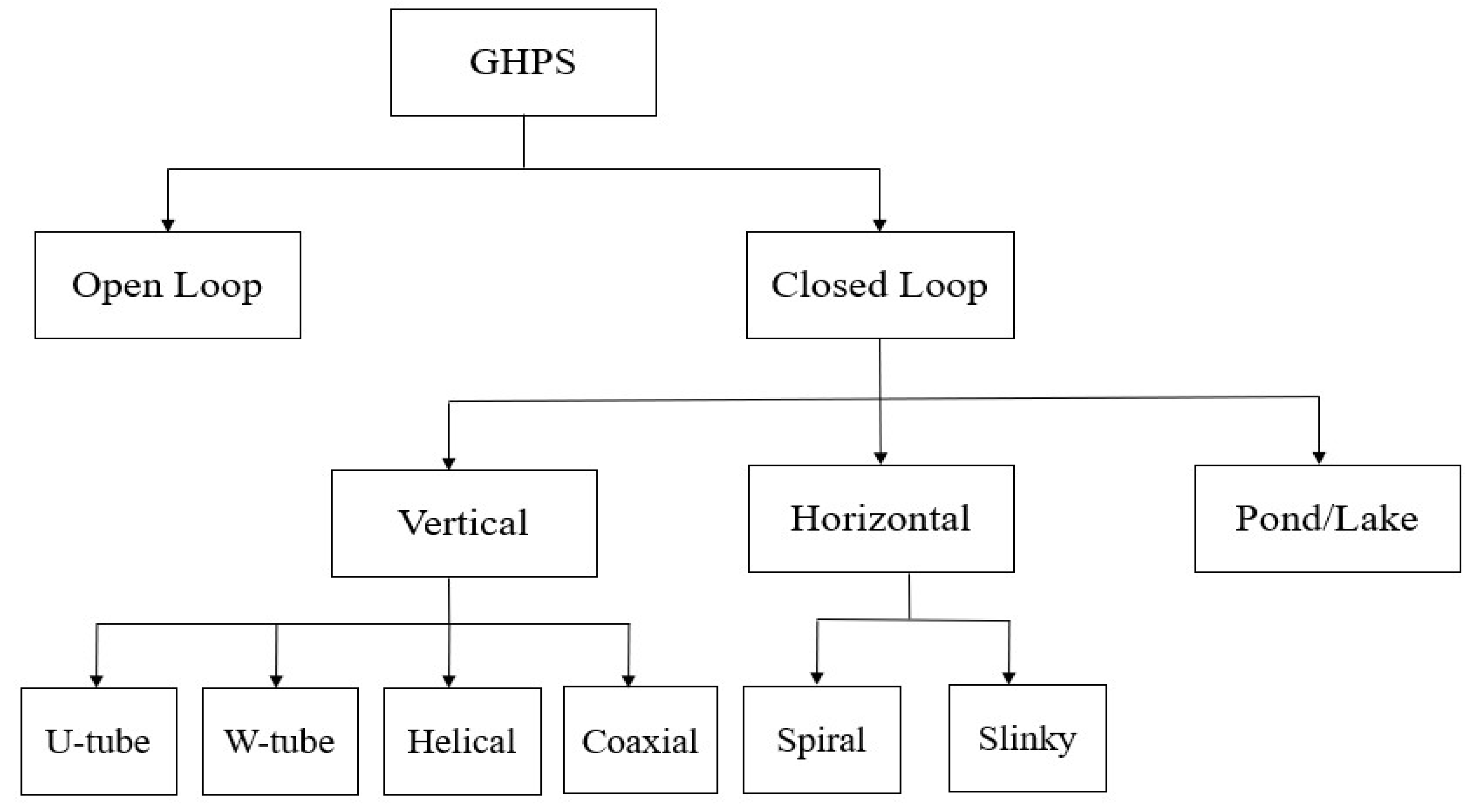
Geothermal heat pump system (GHPS) is primarily classified into two types based on the design of their ground heat exchanger (GHE): open-loop systems and closed-loop systems, as shown in Figure 3.

3.-1 Open Loop Systems

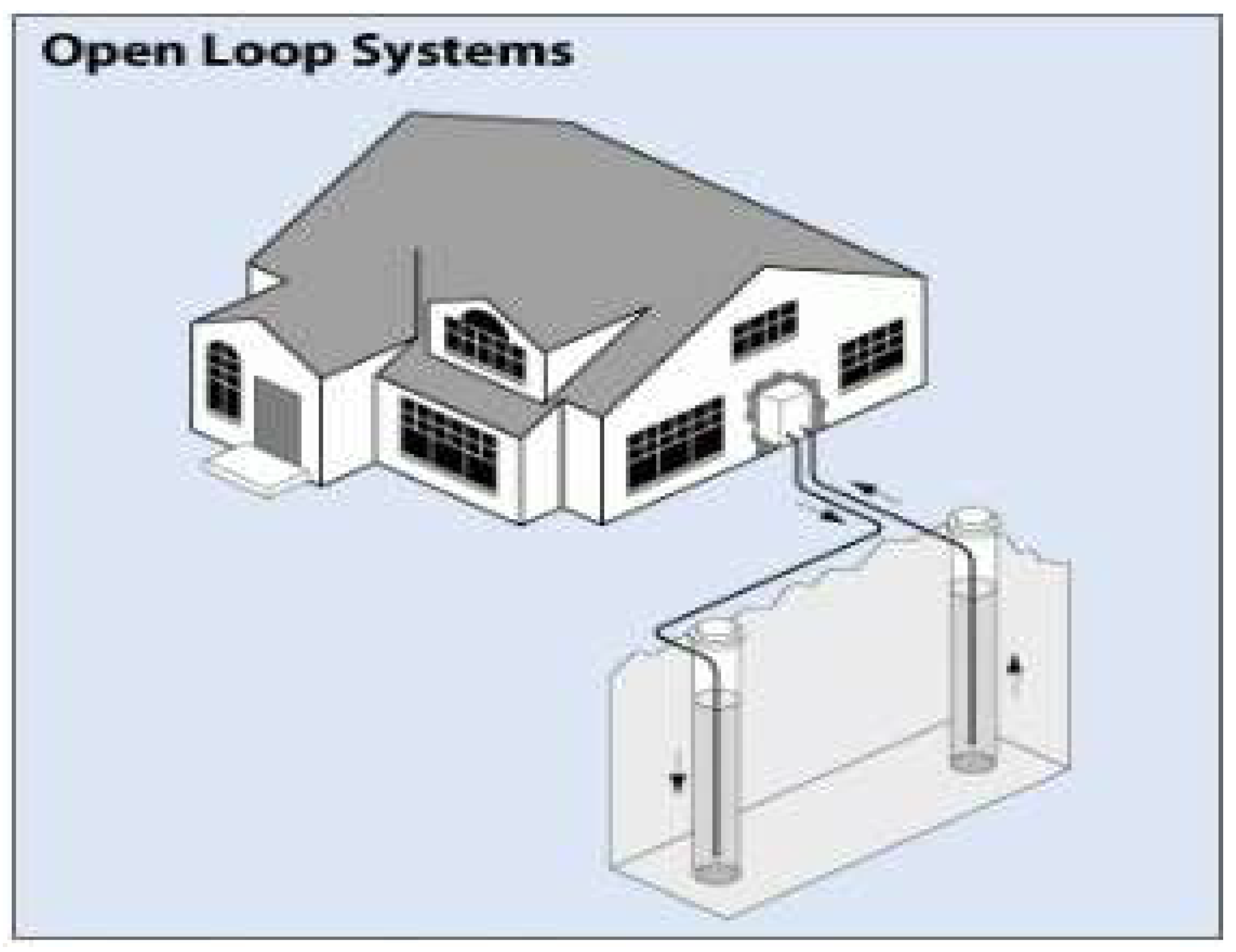
An open-loop geothermal heat pump system is a geothermal heating and cooling system that directly utilizes water from a natural source, such as groundwater or a surface body of water, for heating and cooling purposes. Figure 4 shows the open-loop geothermal heat pump system. Furthermore, the open-loop geothermal heat pump system is commonly referred to as a "pump-and-dump" system. Water is drawn from the source, passed through a heat exchanger within the geothermal unit where thermal energy is transferred, and then returned to the original source. Unlike closed-loop systems, which circulate a sealed fluid in a closed circuit, open-loop systems rely on continuous water withdrawal and discharge. While these systems offer superior heat exchange efficiency and lower installation costs, they are vulnerable to issues related to water quality, such as contamination or sediment buildup, which can damage the system and increase maintenance costs. Thus, their use is limited to locations with a reliable and clean water supply, making them less versatile than closed-loop systems, which do not rely on external water sources [1,2,3,30,31,32,33,34].

3.-2 . Closed Loop Systems

A closed-loop geothermal system is a type of heat pump system that circulates a heat transfer fluid through a network of underground pipes, which are typically made of high-density polyethylene (HDPE). The fluid absorbs or releases heat to or from the ground, depending on whether the system is in heating or cooling mode. This system operates in a closed circuit, meaning the fluid is continuously recycled and does not require replenishment. The heat exchange between the fluid in the underground pipes and the refrigerant in the heat pump allows for efficient energy transfer, providing heating and cooling to the building. Closed-loop geothermal systems are widely used due to their reliability, efficiency, and long lifespan. These systems can be classified based on their installation configurations, which include horizontal, vertical, or pond-based layouts, depending on geotechnical conditions and available space, as will be discussed in the following section [1,3,30,31,32,33].

3.-2-1 Vertical Configuration

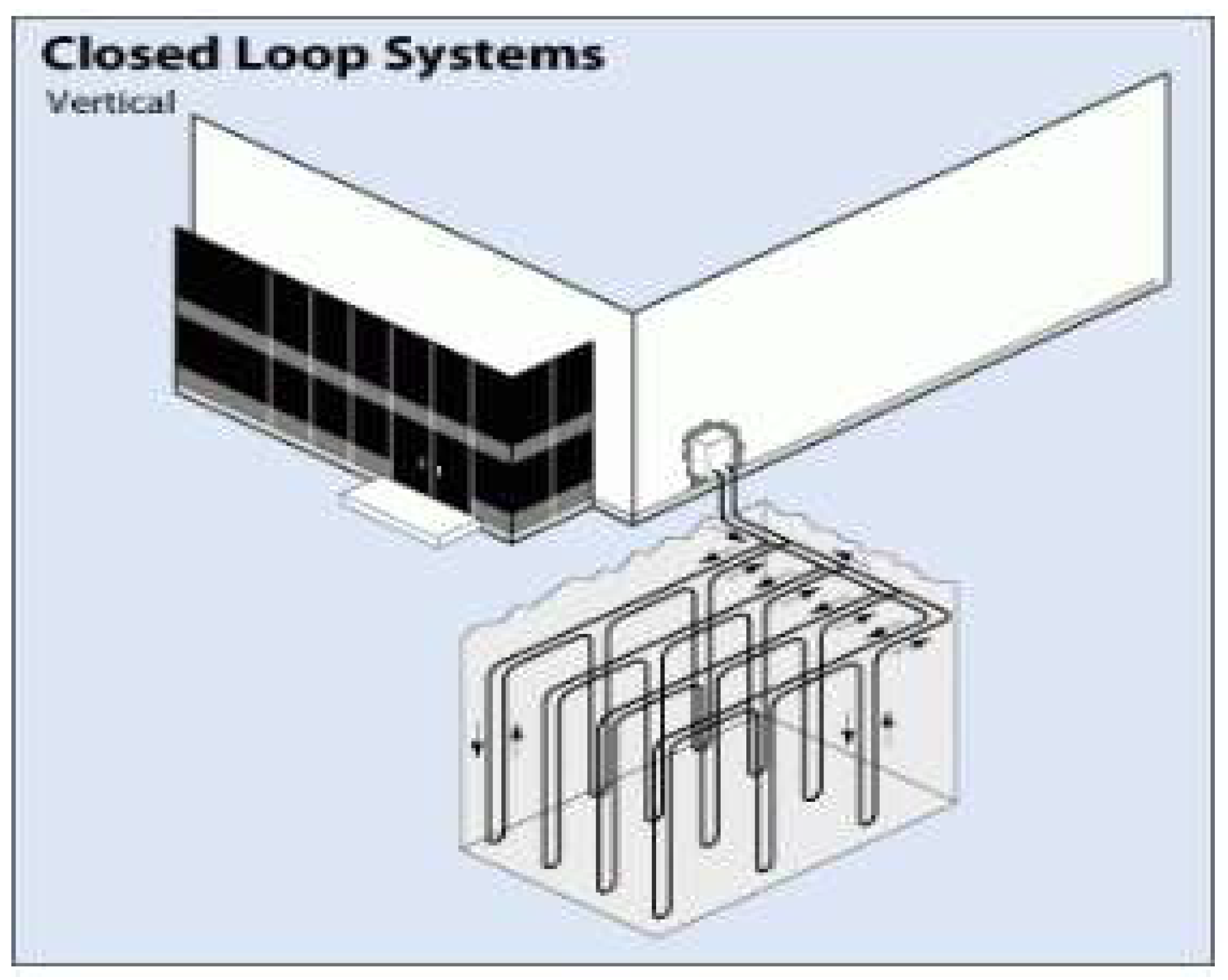
The vertical ground heat exchanger (GHE), also referred to as a borehole heat exchanger (BHE), is one of the most widely used configurations in geothermal heat pump systems (GHPS). A schematic representation of a vertical closed-loop GHE is shown in Figure 5. The vertical GHE is typically chosen when space is limited or when the ground surface is rocky. In addition, vertical GHEs generally offer more stable performance compared to horizontal systems, as they are installed several meters below the surface, where the temperature remains more consistent and less influenced by seasonal weather fluctuations [3,35]. This configuration allows the ground to function as both a heat source and a heat sink, as well as a medium for thermal energy storage [13,16]. However, the installation cost of vertical GHE is significantly higher than that of horizontal systems. In this configuration, the loop pipes are inserted vertically into geothermal boreholes, typically ranging from 30 to 120 meters deep [25,26,36,37]. The depth is determined by the thermal properties of the soil, with depths of up to 120 meters often yielding optimal performance. Borehole diameters generally range from 0.1 to 0.2 meters [26,38,39,40,41]. The required depth and borehole dimensions depend on the specific thermal characteristics of the soil and the heating and cooling requirements of the building. The vertical loop pipes are typically spaced 5 to 7 meters apart to minimize thermal interference, which can negatively impact system performance [42,43,44,45,46]. The space between the loop pipes and the borehole walls is usually filled with a backfill material, which can consist of pure soil or a specially designed admixture to enhance thermal contact between the ground heat exchanger (GHE) and the surrounding ground. Proper grouting is essential to prevent air gaps, which could result in thermal discontinuity (i.e., contact resistance), reducing the system's heat transfer efficiency [13,16,47]. High thermal conductivity backfill material ensures optimal heat exchange, prevents borehole collapse, and contributes to the system's long-term performance and stability.
Vertical GHEs can be configured in various ways, including single U-tube, double U-tube, triple U-tube, multi-tube, W-tube, helical, or coaxial loops [48,49,50,51,52,53,54]. These configurations may be arranged in series or parallel connections to the heat pump system, with parallel connections generally offering better efficiency despite requiring more pipes [55,56]. While the series configuration is simpler and utilizes fewer pipes, it is less efficient than the parallel configuration. In comparison, the barrel connection offers superior performance relative to the series connection. For instance, Heyie et al. [48] conducted an evaluation of thermal resistances for both single U-tube and double U-tube borehole arrangements. Their findings indicated that the double U-tube configuration demonstrated better thermal performance than the single U-tube configuration. Among these configurations, the single U-tube vertical GHE is the most commonly used due to its relatively simple installation, compact space requirements, and lower cost [55,57]. Despite the high initial cost due to the need for extensive drilling, the vertical configuration is advantageous in areas with limited available land space [19,58]. The number, depth, and diameter of the boreholes are determined by soil properties, temperature variations, and the specific heating and cooling demands of the building [13,16,59,60]. Salhein et al. [26] conducted a comprehensive study on the various factors that influenced the performance of the vertical ground heat exchangers (GHEs), including soil thermal properties, backfill material characteristics, borehole depth and spacing, U-tube pipe properties, and the type and velocity of the heat carrier fluid. The study also examined the impact of these factors on heat transfer efficiency and proposed optimal strategies for enhancing GHE performance. Interestingly, single U-tube BHEs are more prevalent in North America, while double U-tube systems are more commonly used in Europe [61].

3-2-2. Horizontal Configuration

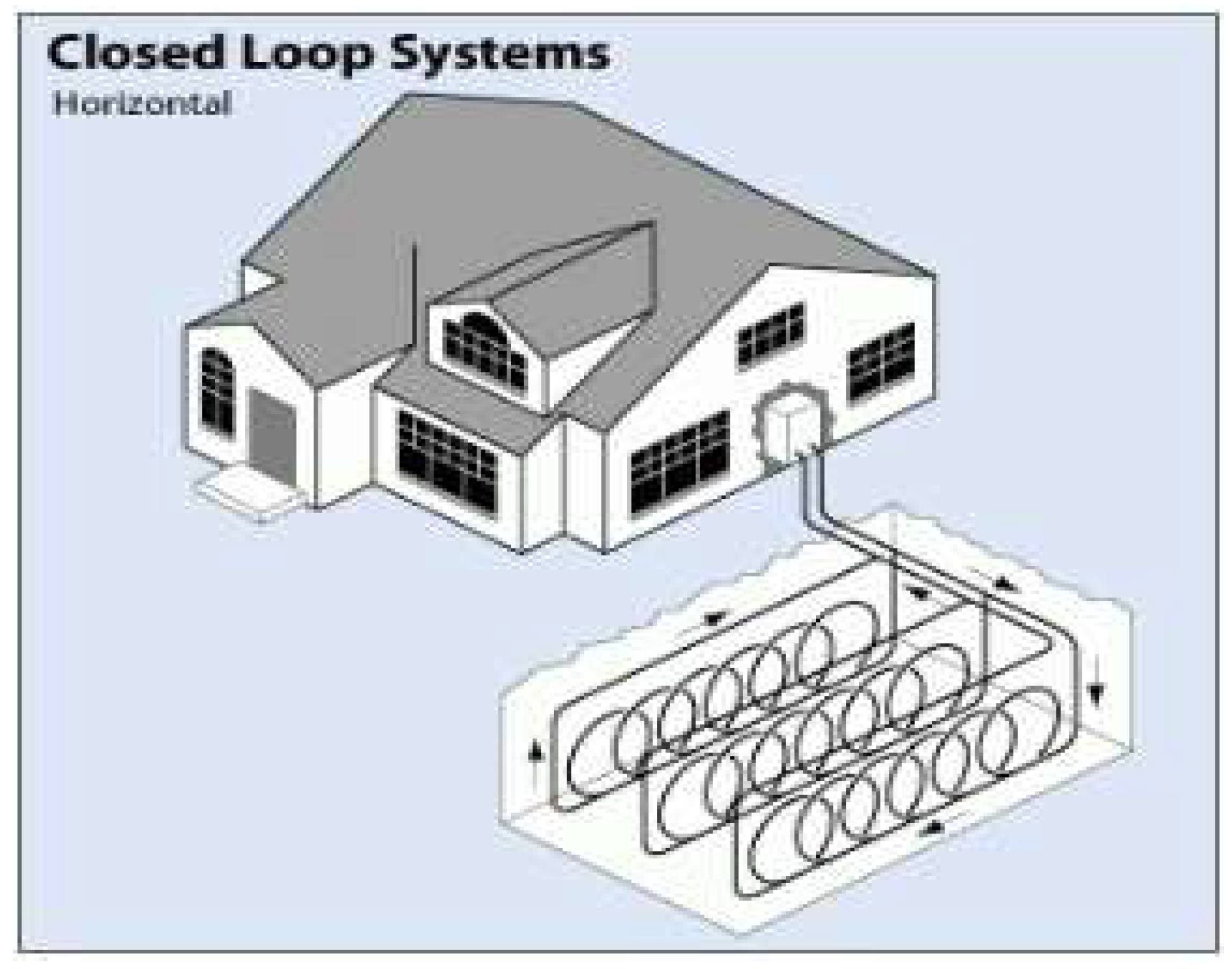
The horizontal ground heat exchanger is often considered the most cost-effective option when there is sufficient available land area or when the soil is predominantly rocky [57,62]. Figure 6 illustrates a schematic of a horizontal closed-loop ground heat exchanger. This system involves burying the heat exchange pipes horizontally in trenches, typically spaced a minimum of 1.5 meters apart and installed at depths ranging from 2 to 6 meters below the surface. The total length of piping required is generally between 35 and 60 meters per kilowatt (kW) of heating or cooling capacity [27]. These systems necessitate a considerable amount of land for the installation of the ground loop pipes. The pipe configurations in horizontal systems can vary, typically arranged in either series-parallel, spiral, or slinky layouts [3,35]. The slinky configuration is particularly space-efficient, as it allows for additional coils to be stacked within the same trench, thus occupying less surface area than traditional trench configurations. However, this method may result in a reduction in system performance when compared to the more traditional horizontal loop layout [63]. Among the various configurations, the parallel connection is most commonly used due to its lower energy consumption compared to the series connection. Despite this, spiral and vertical arrangements generally offer superior heat transfer performance relative to horizontal and slinky configurations [57].

3-2-3. Pond/Lake Configuration

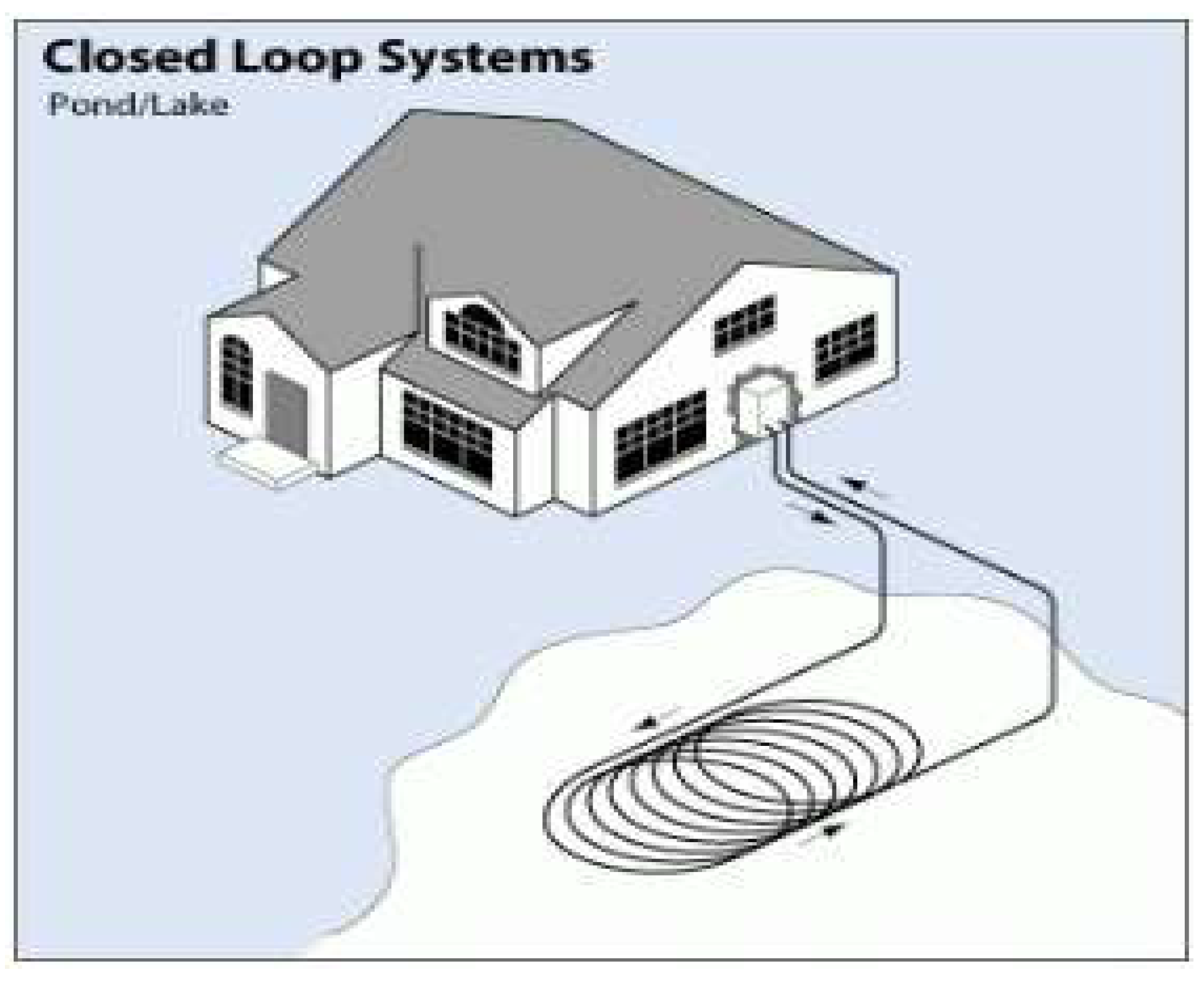
The pond or lake loop configuration, often referred to as the "lake loop" system, involves a series of interconnected loop pipes that are typically arranged in a slinky pattern and deployed in a nearby body of water such as a lake, pond, river, or other available aquatic resource. This geothermal system is considered one of the most efficient due to the higher thermal conductivity of water compared to soil, which enhances the heat transfer process for both heating and cooling. Moreover, this system offers a significant reduction in installation costs, as it eliminates the need for drilling. Instead, the pipes can be positioned on skids and submerged directly into the water, streamlining the setup process [64]. However, the applicability of this configuration is limited, as it depends on the proximity of a suitable water body. Without such a resource nearby, the system cannot be effectively utilized [3]. A typical installation involves the arrangement of heat exchange coils, which are anchored on racks and placed approximately 8 to 10 feet below the water’s surface, creating an efficient thermal transfer [64,65]. A schematic diagram of a closed-loop pond heat exchanger is shown in Figure 7.

3-3. Comparison of closed-loop and open-loop geothermal heat pump systems

Closed-loop geothermal heat pump systems operate by circulating a heat exchange fluid through a sealed network of underground pipes, ensuring reliable and low-maintenance performance over a lifespan ranging from 50 to 100 years. This makes them particularly suitable for a diverse array of environments, including urban areas where access to a consistent water supply may be limited or unreliable. These systems are characterized by their versatility and minimal environmental impact, as they do not deplete or discharge water, thus avoiding issues related to resource consumption and contamination. However, closed-loop systems entail higher initial installation costs due to the need for excavation or drilling, and their space requirements may pose constraints in certain settings. In contrast, open-loop geothermal systems utilize water from an external source, such as a well, pond, or lake, for heat exchange. While these systems typically have lower upfront costs, they are contingent upon a continuous, reliable water supply, which may limit their applicability in areas where water availability fluctuates. Additionally, open-loop systems are susceptible to a range of challenges, including sediment accumulation, corrosion, and water quality degradation, all of which can undermine system efficiency and longevity. These factors contribute to higher maintenance demands and a potentially reduced operational lifespan. Moreover, open-loop systems can have a more significant environmental impact, given their reliance on the depletion and discharge of water, which may exacerbate concerns related to local water resource management and ecosystem health. Ultimately, closed-loop systems offer superior durability, sustainability, and minimal operational oversight, while open-loop systems, although potentially more cost-effective in water-abundant regions, require more frequent maintenance and careful management to mitigate environmental risks and ensure long-term viability [1,29,30,31,32,33,34]. Table 2 summarizes the comparison between closed-loop and open-loop geothermal heat pump systems.

4. Discussion: Comparison of Closed-Loop Ground Heat Exchanger Configurations

Some closed-loop configurations are more efficient in heat transfer and have lower installation costs than others. For instance, Cui et al. [66] highlighted that vertical ground heat exchangers (GHEs) generally provide superior energy performance compared to horizontal systems. Florides et al. [67] compared the efficiency of vertical and horizontal GHEs through modeling. Their simulations showed that as the initial ground temperature increased, the mean fluid temperature in the vertical GHE rose linearly. Although vertical GHEs generally maintained lower fluid temperatures due to higher ground temperatures at greater depths, they suggested that optimizing the design—such as increasing tube spacing—could reduce fluid temperature and improve efficiency. Sáez Blázquez et al. [68] concluded that the spiral ground heat exchanger configuration requires a shallower drilling depth than the U-tube configuration, leading to significant reductions in initial capital costs. They also found that helical-shaped pipes provide superior thermal efficiency compared to single and double U-tube heat exchangers, enhancing performance and reducing the required drilling depth for the same length. Furthermore, their study revealed that double U-tube heat exchangers do not offer a significant improvement in thermal exchange over single U-tube systems, with the primary benefit being redundancy in case of failure. Additionally, the use of spacers in U-tube heat exchangers increased efficiency by approximately 30% compared to configurations where the inlet and outlet pipes were in direct contact. Kerme et al. [69] conducted a numerical analysis of single U-tube and double U-tube BHE configurations, revealing that the double U-tube configuration with a larger borehole size provided the best thermal performance, while the single U-tube with a smaller borehole size demonstrated the lowest performance. Miyara et al. [70] evaluated the performance of ground heat exchangers (GHEs) in cooling mode. The results showed that the double-tube GHE had the highest heat exchange rate (49.6 W/m), followed by the multi-tube (34.8 W/m) and U-tube (30.4 W/m) GHEs. Furthermore, Yavuzturk and Chiasson [71] used a thermal resistance model to compare the thermal performance of various ground heat exchangers, including single U-tube, double U-tube, concentric tube, and standing column well (without groundwater bleed). The results showed that the single U-tube required the longest bore length, while the double U-tube, concentric tube, and standing column well reduced the bore length by 22%, 33%, and 36%, respectively. Kerme et al. [69] agreed with Miyara et al. [70], Yavuzturk and Chiasson [71], and Geo et al. [72] that the double U-tube BHE configuration provided better heat transfer performance than the single U-tube ground heat exchanger.
Furthermore, Zarrella et al. [73] compared the performance of helical-shaped pipes and double U-tube ground heat exchangers installed at shallow depths, considering the impact of ground-surface interaction and ambient conditions on thermal behavior. The results indicated that the helical heat exchanger demonstrated better thermal performance than the double U-tube. A comparison of the performance of eight new types of helical ground heat exchangers (GHEs) with a single U-tube GHE was conducted by Javadi et al. [74]. The results showed that the triple helix GHE outperformed all other designs, followed by the double helix and W-tube GHEs, while the single U-tube GHE demonstrated the lowest thermal performance and pressure drop among all the models.
Moreover, Gao et al. [72] investigated the heat transfer performance of various ground heat exchanger configurations, including single U-tube, double U-tube, triple U-tube, and W-shaped tubes. Their analysis showed that the W-shaped tube configuration provided superior performance compared to the other configurations. Xia et al. [49] evaluated several factors affecting heat transfer, including heat exchanger type, water velocity, inlet temperature, and operation mode. They found that the W-shaped heat exchanger achieved 1.2 to 1.4 times higher heat exchange rates than the single U-shaped type; the optimal water velocity ranged from 0.6 to 0.9 m/s; each 1°C increase in inlet temperature led to a 15% increase in the heat exchange rate. Furthermore, Chen et al. [54] developed 3D models of double-U and enhanced coaxial BHEs with spiral ring fins, considering groundwater seepage and variations in heat transfer across different soil and rock layers. Simulations under different conditions demonstrated that the enhanced coaxial BHE outperformed the double-U BHE, with its heat transfer per linear meter being 1.46 times higher in winter and 1.45 times higher in summer, respectively. Furthermore, Harris et al. [75] used a custom numerical model in OpenFOAM to compare the performance of coaxial and U-tube borehole heat exchangers. The analysis showed that both designs performed similarly in the long term due to high soil resistance, with the most significant differences observed during the early transient phase. Coaxial heat exchangers with polyethylene piping exhibited minimal differences in outlet temperature after 72 hours. However, using a steel coaxial outer tube improved performance by 22% compared to the U-tube design. Moreover, Harris et al. [76] studied the impact of intermittent operation on coaxial and U-tube borehole heat exchangers. They found that U-tubes outperformed coaxial designs for durations shorter than the transit time, while coaxial BHEs performed up to 12.9% better for longer durations. Rajeh, et al. [77] evaluated the performance of coaxial and multi-external-chamber coaxial ground heat exchangers (GHEs). The results showed that coaxial GHEs provided the best thermal performance, with 127.54% higher maximum heat transfer and 17.67% higher average heat transfer rates than double U-tube GHEs, respectively. Replacing double U-tube GHEs with coaxial designs reduced the number of GHEs by 13.3%, water pump energy consumption by 33.91%, and total system energy use by 17.21%, respectively. A coaxial ground heat exchanger can reduce the borehole depth by 23%, as noted by Raymond et al. [52]. Furthermore, Sliwa et al. [78] conducted numerical simulations on three GHE configurations—single U-tube, double U-tube, and coaxial—to assess the impact of grout material on resistivity and effective thermal conductivity. Their results revealed that the coaxial GHE provided the best performance.
Bezyan et al. [79] investigated the thermal performance of vertical spiral-shaped pipe configurations in geothermal pile foundation heat exchangers, comparing them with 1-U-shaped and 1-W-shaped configurations in cooling mode. Their results showed that spiral-shaped pile-foundations with a serial connection achieved the highest heat transfer rate and efficiency compared to the other configurations. Mehrizi et al. [56] simulated geothermal coil heat exchangers in a ground-coupled heat pump (GCHP) system for cooling mode, comparing three vertical pile-foundation configurations: 1-U-shaped, 1-W-shaped, and W-shaped-all round (6-U pipes arranged around the pile). The numerical results demonstrated that the W-shaped-all round configuration achieved the highest heat transfer efficiency. Moreover, pile-foundations with serial connections showed better performance and efficiency compared to those with parallel connections.
Yoon et al. [50] examined the thermal performance of precast high-strength concrete (PHC) energy piles with W-type and coil-type ground heat exchangers (GHEs) using experimental tests and numerical simulations. Their results indicated that coil-type GHEs were 10–15% more efficient than W-type GHEs, but the W-type GHEs were 200–250% more cost-effective in terms of installation. While coil-type GHEs required fewer piles, making them suitable for larger projects, the W-type GHEs provided a more economical solution with comparable thermal performance. Additionally, the W-tube BHE configuration is approximately 14% more efficient than the U-tube ground heat exchanger [80]. Yoon et al.[81] indicated that W-tube GHE configurations exhibit a 10-15% higher average heat exchange rate compared to U-tube GHE configurations. Moreover, Asgari et al. [82] used a 3D numerical model to assess the thermal performance of various horizontal GHE pipe arrangements (linear, spiral, and slinky). The linear GHE with a quadruple-layer arrangement demonstrated the highest heat exchange rate, 34% greater than the single-layer configuration. The staggered double-layer arrangement was optimal in slinky and spiral GHEs improving heat exchange by 22% and 7% respectively. Kurevija et al. [83] compared vertical and inclined coaxial borehole heat exchangers (BHEs) in a consistent geological setting. The results showed that the vertical 2-U-loop BHE demonstrated superior heat extraction (54.5 W/m compared to 43.5 W/m) and lower thermal resistance than the coaxial system. Furthermore, Lee et al. [84] performed an in-situ thermal response test in Wonju, South Korea, evaluating six vertical ground heat exchangers with different grouting materials such as cement and bentonite and pipe configurations including U-loop and 3-pipe designs. The study found that the 3-pipe design reduced thermal interference between the inlet and outlet resulting in superior thermal performance compared to the conventional U-loop configuration. Moreover, Yoon et al. [85] evaluated the heat exchange rates of horizontal slinky, spiral-coil, and U-type ground heat exchangers in a steel box filled with dry sand using 30-hour thermal response tests. The U-type GHE showed the highest heat exchange rate per pipe length, achieving 2 to 2.5 times the thermal efficiency of both the horizontal slinky and spiral-coil GHEs. Additionally, a longer pitch interval (pitch/diameter = 1) resulted in 100–150% higher heat exchange rates compared to a shorter pitch interval (pitch/diameter = 0.2) for both spiral-coil and horizontal slinky designs. Chong et al. [86] pointed out that a horizontal slinky-loop heat exchanger with smaller loop pitches results in better thermal performance and lower installation costs, although it leads to higher material costs. Thus, loop pitch has a greater impact on thermal performance than loop diameter. Thus, as the coil diameter in the slinky heat exchanger increases, heat extraction per meter of soil rises, while increasing the coil central interval distance reduces heat extraction per meter of soil.
Luo et al.[87] conducted an evaluation study of the thermal efficiency of four ground heat exchanger types in energy piles—double-U, triple-U, double-W, and spiral—through thermal performance tests under intermittent heating and cooling conditions. The results showed that the triple-U type provided the highest thermal efficiency, followed by the spiral and double-W types, which exhibited similar performance. The double-U type had the lowest thermal efficiency. Additionally, the spiral type with a 32 mm diameter demonstrated a 32% higher heat transfer rate compared to the 25 mm version. A cost-benefit analysis revealed that the triple-U type offered the best economic performance, followed by the double-U, spiral, and double-W types. However, thermal efficiency was found to be a more important factor than pipe material costs in practical applications. Law et al. [88] conducted a study modeling GSHP systems in four buildings—a hospital, restaurant, residence, and school—using different borehole configurations (2 × 2, 4 × 4, 2 × 8). The results indicated that the 6-meter separation distance recommended by ASHRAE may not have been sufficient to prevent thermal interactions between boreholes. The (2 × 8) configuration, offering a larger perimeter for heat dissipation, outperformed the (4 × 4) configuration. Song et al. [55] developed a 3D unsteady-state numerical model to simulate fluid flow and thermal processes in a downhole heat exchanger (DHE) system, evaluating spiral, parallel, and serial tube configurations. The results showed that the serial connection outperformed the parallel connection in terms of outlet temperature and thermal power. Among the three configurations, the spiral tube DHE demonstrated the highest heat extraction performance, offering valuable insights for optimizing DHE design. Furthermore, Florides et al. [57] compared the heat performance of single and double U-tube GHE configurations in both series and parallel connections. The results showed that the double U-tube configuration, whether connected in series or parallel, outperformed the single U-tube BHE configuration. Interestingly, the most commonly used geometries are multi-tube, single U-tube, double U-tube, and triple U-tube configurations. Other designs include coaxial setups, such as pipe-in-pipe geometry or multiple pipes surrounding a central pipe.
Kim et al. [63] evaluated the performance of horizontal ground heat exchangers (GHEs) through both experimental tests and numerical simulations. Thermal response tests (TRTs) were conducted using slinky- and spiral-coil GHEs installed in a steel box filled with Joomunjin sand. The results demonstrated that spiral-coil GHEs provided superior heat exchange performance compared to slinky-type GHEs. Numerical simulations confirmed the experimental findings, identifying GHE type and soil thermal conductivity as the primary factors influencing heat transfer, while pipe diameter had no significant impact on performance. The U-type ground heat exchanger is the most economical while delivering equivalent thermal performance compared to the horizontal slinky and spiral-coil types, as noted by Yoon et al. [85]. Moreover, Acuña [51] conducted field tests with U-pipe and coaxial BHEs, including a thermosiphon, in groundwater-filled boreholes, employing the new Distributed Thermal Response Test (DTRT) method to assess local BHE performance. Their results showed that coaxial BHEs, particularly the pipe-in-pipe design, exhibited lower thermal resistances and reduced temperature differences, allowing for the use of water instead of antifreeze. Additionally, nitrogen bubble-induced forced convection reduced thermal resistance in U-pipes by 30%, enhancing heat transfer efficiency. Furthermore, Raymond et al. [52] performed analytical design calculations that demonstrated the coaxial pipe configuration was more efficient than the single U-pipe, reducing borehole length by up to 23% for a cooling-dominated building load profile. This reduction was attributed to a lower borehole thermal resistance and the increased thermal mass provided by the water in the coaxial exchanger. The improved thermal resistance was achieved by using an outer pipe made of thermally enhanced high-density polyethylene, with a thermal conductivity of 0.7 W m⁻¹ K⁻¹. Zarrella et al. [89] compared helical and triple U-tube configurations in foundation piles using a numerical simulation tool that modeled heat transfer through thermal resistances and capacitances. The results showed that the helical configuration provided better thermal performance than the triple U-tube design. Moreover, Congedo et al. [90] investigated the thermal performance of three heat exchanger types—linear (straight), helical, and slinky. They modeled a 50 mm pipe diameter buried at depths of 1.5 m, 2.0 m, and 2.5 m, analyzing the effects of installation depth, soil thermal conductivity, heat transfer fluid velocity, and loop pitch on the helical and slinky-loop configurations. Among these, the helical model, with a loop diameter of 0.4 m and pitch values of 0.1 m, 0.2 m, and 0.3 m, demonstrated the best thermal performance. Thus, the helical configuration is more attractive than other GHE configurations, as it relies on shorter GHEs [53].
Moreover, the helical configuration provides a significant cost advantage, with installation and material costs for the spiral heat exchanger being 30% lower than those of the double U-tube heat exchanger configuration [91]. Habibi et al. [92] developed a 3-D numerical model to evaluate the installation costs of horizontal ground heat exchangers (GHEs) in four configurations: linear, spiral, horizontal slinky, and vertical slinky. The results showed that the spiral and linear configurations offered the lowest installation costs in single and parallel arrangements, respectively. Additionally, the study found that applying secondary soil with improved thermal properties near the GHE pipes reduced installation costs when the secondary soil's thermal conductivity and heat capacity were higher than those of the background soil. Evaluation of the installation costs of different ground heat exchanger configurations, including triple U-tube, double U-tube, double W-tube, and spiral tube, was carried out by Luo et al. [87]. The results indicated that the triple U-tube configuration offered the best economic performance, followed by the double U-tube, spiral tube, and double W-tube configurations. Furthermore, the W-type GHE in energy piles is 200–250% cheaper than coil-type GHEs, while providing similar thermal performance. However, fewer piles are required for coil-type GHEs, offering advantages in construction time [50]. Therefore, the coil-type GHE is a suitable option when there are limitations on the number of piles, depending on the building's scale. The summary of ground heat exchanger (GHE) configurations, including thermal performance, cost efficiency, and key insights, is presented in Table 2.

5. Conclusions

In this paper, we have provided a comprehensive analysis of Geothermal Heat Pump Systems (GHPS), covering their advantages, disadvantages, key components, and types, with a particular focus on ground heat exchangers (GHEs). A detailed review of closed-loop GHE configurations was presented, emphasizing their impact on heat transfer performance and installation costs. Our findings show that helical GHEs offer superior thermal performance, often requiring reduced drilling depths and lower costs. Coaxial GHEs, especially those with steel tubes, enhance heat transfer efficiency and reduce borehole depth. Cost-effective options like W-type GHEs deliver thermal performance comparable to more expensive configurations. Triple U-tube and spiral configurations provide high efficiency, balancing performance with economic considerations. The most common borehole geometry remains the single or double U-tube, while coaxial designs offer distinct advantages in specific applications. These insights contribute to optimizing vertical ground heat exchangers, ensuring higher performance, cost-effectiveness, and long-term sustainability in GHPS installations.

References

  1. K.A.A. Salhein, Modeling and Control of Heat Transfer in a Single Vertical Ground Heat Exchanger for a Geothermal Heat Pump System. 2023: Oakland University.
  2. A.M. Omer, "Ground-source heat pumps systems and applications", Renewable and sustainable energy reviews. Vol. 12, no. 2, pp. 344-371, 2008. [CrossRef]
  3. E. SAVER. Geothermal Heat Pumps. [cited November 12, 2024]; Available from: https://www.energy.gov/energysaver/geothermal-heat-pumps.
  4. K. Salhein, J. Ashraf, and M. Zohdy, "Output temperature predictions of the geothermal heat pump system using an improved grey prediction model", Energies. Vol. 14, no. 16, pp. 5075, 2021. [CrossRef]
  5. United States General Accounting Office, Geothermal Energy: Outlook Limited for Some Uses But Promising for Geothermal Heat Pumps. 1994.
  6. A.J. Philippacopoulos and M.L. Berndt, "Influence of Debonding in Ground Heat Exchangers Used With Geothermal Heat Pumps", Geothermics. Vol. 30, no. 5, pp. 527-545, 2001. [CrossRef]
  7. K. Salhein, C. Kobus, and M. Zohdy, "Forecasting installation capacity for the top 10 countries utilizing geothermal energy by 2030", Thermo. Vol. 2, no. 4, pp. 334-351, 2022. [CrossRef]
  8. A. Mustafa Omer, "Ground-source heat pumps systems and applications", Renewable and Sustainable Energy Reviews. Vol. 12, no. 2, pp. 344-371, 2008. [CrossRef]
  9. J. Parsons. What is Geothermal Energy And How Can I Heat/Cool My House With It? 2020 [cited November 07, 2024]; Available from: https://www.climatemaster.com/homeowner/news/geothermal-energy/geothermal-energy/2020-12-11-what-is-geothermal-energy-and-how-can-i-heat-cool-my-house-with-it.
  10. E.Y. Alhawsawi, K. Salhein, and M.A. Zohdy, "A Comprehensive Review of Existing and Pending University Campus Microgrids", Energies. Vol. 17, no. 10, pp. 2425, 2024. [CrossRef]
  11. M. Zogg, "History of heat pumps-Swiss contributions and international milestones". 2008.
  12. G. Heat, "Geothermal Energy Outlook Limited for Some Uses but Promising for", United States General Accounting Office: Washington, DC, USA. June 03, 1994.
  13. K. Salhein, C. Kobus, and M. Zohdy, "Heat Transfer Control Mechanism in a Vertical Ground Heat Exchanger: A Novel Approach". Vol. 5, pp. 59-90, 2023.
  14. H. Miles. Heat Pump vs. Geothermal Systems: Which is Best? 2021 [cited November 07, 2024]; Available from: https://homeinspectioninsider.com/heat-pump-vs-geothermal-systems-which-is-best/.
  15. Greensleeves Technologies Corp. CO2 Emissions And Geothermal. 2018 [cited November 07, 2024]; Available from: https://www.greensleevestech.com/co2-emissions-and-geothermal/.
  16. K. Salhein, C. Kobus, and M. Zohdy, "Control of heat transfer in a vertical ground heat exchanger for a geothermal heat pump system", Energies. Vol. 15, no. 14, pp. 5300, 2022. [CrossRef]
  17. Manitoba Geothermal Energy Alliance. The Forks. [cited November 07, 2024]; Available from: https://www.mgea.ca/lead-project/the-forks/.
  18. H. Salaverry. Geothermal heat pumps in the U.S. November 20, 2019 [cited November 08, 2024]; Available from: https://storymaps.arcgis.com/stories/f4e7c478b90c49a5bf1fab8b3d4c8fe1.
  19. Office of Energy Efficiency & Renewable Energy, IEA 2020 U.S. Geothermal Report. 2021.
  20. E.K. Akpinar and A. Hepbasli, "A comparative study on exergetic assessment of two ground-source (geothermal) heat pump systems for residential applications", Building and Environment. Vol. 42, no. 5, pp. 2004-2013, 2007. [CrossRef]
  21. S. Noel. Geothermal heat pump cost. April 29, 2024 [cited November 08, 2024]; Available from: https://homeguide.com/costs/geothermal-heat-pump-cost.
  22. B. Miller. 17 Geothermal Heat Pump Pros and Cons. 2019 [cited November 08, 2024]; Available from: https://greengarageblog.org/17-geothermal-heat-pump-pros-and-cons#:~:text=The%20installation%20of%20a%20geothermal%20heat%20pump%20is,any%20gardens%20that%20may%20be%20on%20your%20property.
  23. X. SONG, Z. WEN, and J. SI, "CFD numerical simulation of a U-tube ground heat exchanger used in ground source heat pumps", Chinese Journal of Engineering. Vol. 29, no. 3, pp. 329-333, 2007.
  24. H. Zhou, J. Lv, and T. Li, "Applicability of the pipe structure and flow velocity of vertical ground heat exchanger for ground source heat pump", Energy and Buildings. Vol. 117, pp. 109-119, 2016. [CrossRef]
  25. M. Li and A.C. Lai, "Review of analytical models for heat transfer by vertical ground heat exchangers (GHEs): A perspective of time and space scales", Applied Energy. Vol. 151, pp. 178-191, 2015. [CrossRef]
  26. K. Salhein, et al., "Heat Transfer Performance Factors in a Vertical Ground Heat Exchanger for a Geothermal Heat Pump System", Energies. Vol. 17, no. 19, pp. 5003, 2024. [CrossRef]
  27. G. Florides and S. Kalogirou, "Ground heat exchangers—A review of systems, models and applications", Renewable energy. Vol. 32, no. 15, pp. 2461-2478, 2007.
  28. Energy Smart Alternatives. How Long Does It Take To Install A Geothermal System? [cited November 08, 2024]; Available from: https://energysmartalternatives.com/2016/03/how-long-does-it-take-to-install-a-geothermal-system/#:~:text=Installations%20in%20new%20construction%20typically%20take%20longer%20due,Permitting%20and%20Design%20%E2%80%93%202%20to%203%20Weeks.
  29. M. Planck, Treatise on Thermodynamics. 1945: Dover Publications.
  30. A.A.B. III. Open-Loop vs. Closed-Loop Ground Source Heat Pumps. December 7, 2023 [cited Nonvember 12, 2024]; Available from: https://www.greenbuildingadvisor.com/article/open-loop-vs-closed-loop-ground-source-heat-pumps.
  31. Dandelion. Open Loop vs Closed Loop Geothermal Systems. March 16, 2020 [cited November 12, 2024]; Available from: https://dandelionenergy.com/open-loop-vs-closed-loop-geothermal-systems.
  32. B. Stout. The Pros and Cons of Geothermal Heat Pumps. Nov. 06, 2023 [cited November 12, 2024]; Available from: https://www.familyhandyman.com/article/the-pros-and-cons-of-geothermal-heat-pumps/.
  33. M. Veggeberg. The Pros and Cons of Geothermal Heat Pumps. October 30, 2024 [cited November 12, 2024]; Available from: https://www.tetra.com/blog/the-pros-and-cons-of-geothermal-heat-pumps.
  34. Jacob. Open Loop Geothermal is Great But Exclusive. November 22, 2023 [cited November 13, 2023]; Available from: https://iwae.com/resources/articles/open-loop-geothermal-great-exclusive.html.
  35. F.L. Rashid, et al., "Ground heat exchanger in different configuration: Review of recent advances and development", Geoenergy Science and Engineering. Vol. 227, pp. 211872, 2023. [CrossRef]
  36. J. Chen, et al., "Simulation and experimental analysis of optimal buried depth of the vertical U-tube ground heat exchanger for a ground-coupled heat pump system", Renewable energy. Vol. 73, pp. 46-54, 2015. [CrossRef]
  37. L. Yang, et al., "Effect of buried depth on thermal performance of a vertical U-tube underground heat exchanger", Open Physics. Vol. 19, no. 1, pp. 327-330, 2021. [CrossRef]
  38. A. Casasso and R. Sethi, "Efficiency of closed loop geothermal heat pumps: A sensitivity analysis", Renewable Energy. Vol. 62, pp. 737-746, 2014. [CrossRef]
  39. S. Focaccia and F. Tinti, "An innovative Borehole Heat Exchanger configuration with improved heat transfer", Geothermics. Vol. 48, pp. 93-100, 2013. [CrossRef]
  40. G. Pei and L. Zhang, "Heat transfer analysis of underground U-type heat exchanger of ground source heat pump system", SpringerPlus. Vol. 5, pp. 1-15, 2016. [CrossRef]
  41. Y. Li, et al., "Evaluation of thermal short-circuiting and influence on thermal response test for borehole heat exchanger", Geothermics. Vol. 50, pp. 136-147, 2014. [CrossRef]
  42. A. Gultekin, M. Aydin, and A. Sisman, "Thermal performance analysis of multiple borehole heat exchangers", Energy Conversion and Management. Vol. 122, pp. 544-551, 2016. [CrossRef]
  43. S.J. Self, B.V. Reddy, and M.A. Rosen, "Geothermal heat pump systems: Status review and comparison with other heating options", Applied energy. Vol. 101, pp. 341-348, 2013. [CrossRef]
  44. Z. Sagia, A. Stegou, and C. Rakopoulos, "Borehole resistance and heat conduction around vertical ground heat exchangers", The open chemical engineering journal. Vol. 6, no. 1, 2012. [CrossRef]
  45. B. Sailer, D.M. Taborda, and J. Keirstead. Assessment of design procedures for vertical borehole heat exchangers. in PROCEEDINGS, Fortieth Workshop on Geothermal Reservoir Engineering. 2015.
  46. Z. Zheng, W. Wang, and C. Ji, "A study on the thermal performance of vertical U-tube ground heat exchangers", Energy Procedia. Vol. 12, pp. 906-914, 2011. [CrossRef]
  47. M.D. Smith and R.L. Perry, "Borehole grouting: field studies and thermal performance testing", ASHRAE Transactions. Vol. 105, pp. 451, 1999.
  48. H. Zeng, N. Diao, and Z. Fang, "Heat transfer analysis of boreholes in vertical ground heat exchangers", International journal of heat and mass transfer. Vol. 46, no. 23, pp. 4467-4481, 2003. [CrossRef]
  49. C. Xia, et al., "Experimental study on geothermal heat exchangers buried in diaphragm walls", Energy and Buildings. Vol. 52, pp. 50-55, 2012. [CrossRef]
  50. S. Yoon, et al., "Evaluation of the thermal efficiency and a cost analysis of different types of ground heat exchangers in energy piles", Energy Conversion and Management. Vol. 105, pp. 393-402, 2015. [CrossRef]
  51. J. Acuña, Distributed thermal response tests: New insights on U-pipe and Coaxial heat exchangers in groundwater-filled boreholes. 2013, KTH Royal Institute of Technology.
  52. J. Raymond, S. Mercier, and L. Nguyen, "Designing coaxial ground heat exchangers with a thermally enhanced outer pipe", Geothermal Energy. Vol. 3, pp. 1-14, 2015. [CrossRef]
  53. A. Zarrella, A. Capozza, and M. De Carli, "Performance analysis of short helical borehole heat exchangers via integrated modelling of a borefield and a heat pump: A case study", Applied Thermal Engineering. Vol. 61, no. 2, pp. 36-47, 2013. [CrossRef]
  54. K. Chen, et al., "Numerical study on the heat performance of enhanced coaxial borehole heat exchanger and double U borehole heat exchanger", Applied Thermal Engineering. Vol. 203, pp. 117916, 2022.
  55. X. Song, et al., "Heat extraction performance simulation for various configurations of a downhole heat exchanger geothermal system", Energy. Vol. 141, pp. 1489-1503, 2017. [CrossRef]
  56. A.A. Mehrizi, et al., "Energy pile foundation simulation for different configurations of ground source heat exchanger", International Communications in Heat and Mass Transfer. Vol. 70, pp. 105-114, 2016. [CrossRef]
  57. G.A. Florides, P. Christodoulides, and P. Pouloupatis, "Single and double U-tube ground heat exchangers in multiple-layer substrates", Applied energy. Vol. 102, pp. 364-373, 2013. [CrossRef]
  58. Office of Energy Efficiency & Renewable Energy. Geothermal Technologies Office. [cited Dec 03, 2022]; Available from: https://www.energy.gov/eere/geothermal/geothermal-technologies-office.
  59. A. Shtym and I. Zhurmilova. Ground heat exchangers of geothermal heat pumps and analysis of their constructive features and types. in 2017 International Conference on Industrial Engineering, Applications and Manufacturing (ICIEAM). 2017. IEEE.
  60. B. Tang and H. Nowamooz, "Factors influencing the performance of shallow Borehole Heat Exchanger", Energy conversion and management. Vol. 181, pp. 571-583, 2019.
  61. L. Fang, et al., "Study on the efficiency of single and double U-tube heat exchangers", Procedia Engineering. Vol. 205, pp. 4045-4051, 2017. [CrossRef]
  62. R. Brown. Geothermal heat pumps: Everything you need to know. Mar 6, 2023 [cited November 13, 2024]; Available from: https://www.energysage.com/heat-pumps/geothermal-heat-pumps/.
  63. M.-J. Kim, et al., "Thermal performance evaluation and parametric study of a horizontal ground heat exchanger", Geothermics. Vol. 60, pp. 134-143, 2016. [CrossRef]
  64. Geothermal Solutions. Pond Loop. [cited November 14, 2024]; Available from: http://www.geothermalsolutions.net/pond-loop-geothermal-pond-loop-loops.html.
  65. R.V. Bibber. Everything You Need to Know About Geothermal Heat Pumps. June 05, 2023 [cited November 14, 2024]; Available from: https://www.familyhandyman.com/article/everything-you-need-to-know-about-geothermal-heat-pumps/#:~:text=Pond%2FLake%20System%20This%20system%20draws%20heat%20from%20water,coils%20anchored%20on%20racks%20about%2010%20ft.%20deep.
  66. P. Cui, H. Yang, and Z. Fang, "Numerical analysis and experimental validation of heat transfer in ground heat exchangers in alternative operation modes", Energy and buildings. Vol. 40, no. 6, pp. 1060-1066, 2008. [CrossRef]
  67. G.A. Florides, et al. Vertical and Horizontal Ground Heat Exchanger Modeling. in World Renewable Energy Congress 2013. 2013.
  68. C. Sáez Blázquez, et al., "Efficiency analysis of the main components of a vertical closed-loop system in a borehole heat exchanger", Energies. Vol. 10, no. 2, pp. 201, 2017. [CrossRef]
  69. E.D. Kerme and A.S. Fung, "Heat transfer analysis of single and double U-tube borehole heat exchanger with two independent circuits", Journal of Energy Storage. Vol. 43, pp. 103141, 2021. [CrossRef]
  70. A. Miyara, et al., "Experimental study of several types of ground heat exchanger using a steel pile foundation", Renewable Energy. Vol. 36, no. 2, pp. 764-771, 2011. [CrossRef]
  71. A. Yavuzturk and A.D. Chiasson, "Performance analysis of U-tube, concentric tube, and standing column well ground heat exchangers using a system simulation approach", ASHRAE transactions. Vol. 108, pp. 925, 2002.
  72. J. Gao, et al., "Thermal performance and ground temperature of vertical pile-foundation heat exchangers: A case study", Applied Thermal Engineering. Vol. 28, no. 17-18, pp. 2295-2304, 2008. [CrossRef]
  73. A. Zarrella, A. Capozza, and M. De Carli, "Analysis of short helical and double U-tube borehole heat exchangers: A simulation-based comparison", Applied Energy. Vol. 112, pp. 358-370, 2013. [CrossRef]
  74. H. Javadi, et al., "Performance analysis of helical ground heat exchangers with different configurations", Applied Thermal Engineering. Vol. 154, pp. 24-36, 2019. [CrossRef]
  75. B. Harris, et al., "Analysis of the transient performance of coaxial and u-tube borehole heat exchangers", Geothermics. Vol. 101, pp. 102319, 2022. [CrossRef]
  76. B. Harris, et al., "A numerical study on the intermittent operation of u-tube and coaxial borehole heat exchangers", Geothermics. Vol. 121, pp. 103030, 2024. [CrossRef]
  77. T. Rajeh, et al., "Modeling and techno-economic comparison of two types of coaxial with double U-tube ground heat exchangers", Applied Thermal Engineering. Vol. 225, pp. 120221, 2023. [CrossRef]
  78. T. Sliwa and M. Rosen, "Efficiency analysis of borehole heat exchangers as grout varies via thermal response test simulations", Geothermics. Vol. 69, pp. 132-138, 2017. [CrossRef]
  79. B. Bezyan, S. Porkhial, and A.A. Mehrizi, "3-D simulation of heat transfer rate in geothermal pile-foundation heat exchangers with spiral pipe configuration", Applied Thermal Engineering. Vol. 87, pp. 655-668, 2015. [CrossRef]
  80. P. Kushwaha, "PHYSICAL MODEL TO INCREASE THE DISCHARGE TIME OF TES SYSTEM USING U AND W TUBE".
  81. S. Yoon, S.-R. Lee, and G.-H. Go, "A numerical and experimental approach to the estimation of borehole thermal resistance in ground heat exchangers", Energy. Vol. 71, pp. 547-555, 2014. [CrossRef]
  82. B. Asgari, M. Habibi, and A. Hakkaki-Fard, "Assessment and comparison of different arrangements of horizontal ground heat exchangers for high energy required applications", Applied Thermal Engineering. Vol. 167, pp. 114770, 2020. [CrossRef]
  83. T. Kurevija and K. Strpić, "Hydraulic and thermogeological design differences between two-loop vertical and inclined coaxial borehole heat exchangers", Renewable energy. Vol. 117, pp. 314-323, 2018. [CrossRef]
  84. C. Lee, et al., "Comparison of effective thermal conductivity in closed-loop vertical ground heat exchangers", Applied Thermal Engineering. Vol. 31, no. 17-18, pp. 3669-3676, 2011. [CrossRef]
  85. S. Yoon, S.-R. Lee, and G.-H. Go, "Evaluation of thermal efficiency in different types of horizontal ground heat exchangers", Energy and Buildings. Vol. 105, pp. 100-105, 2015. [CrossRef]
  86. C.S.A. Chong, et al., "Simulation of thermal performance of horizontal slinky-loop heat exchangers for ground source heat pumps", Applied Energy. Vol. 104, pp. 603-610, 2013. [CrossRef]
  87. J. Luo, et al., "Thermo-economic analysis of four different types of ground heat exchangers in energy piles", Applied Thermal Engineering. Vol. 108, pp. 11-19, 2016. [CrossRef]
  88. Y.L.E. Law and S.B. Dworkin, "Characterization of the effects of borehole configuration and interference with long term ground temperature modelling of ground source heat pumps", Applied Energy. Vol. 179, pp. 1032-1047, 2016. [CrossRef]
  89. A. Zarrella, M. De Carli, and A. Galgaro, "Thermal performance of two types of energy foundation pile: Helical pipe and triple U-tube", Applied Thermal Engineering. Vol. 61, no. 2, pp. 301-310, 2013. [CrossRef]
  90. P.M. Congedo, G. Colangelo, and G. Starace, "CFD simulations of horizontal ground heat exchangers: A comparison among different configurations", Applied Thermal Engineering. Vol. 33, pp. 24-32, 2012. [CrossRef]
  91. M. Suzuki, et al., "Development of a spiral type heat exchanger for ground source heat pump system", Energy Procedia. Vol. 96, pp. 503-510, 2016. [CrossRef]
  92. M. Habibi and A. Hakkaki-Fard, "Evaluation and improvement of the thermal performance of different types of horizontal ground heat exchangers based on techno-economic analysis", Energy Conversion and Management. Vol. 171, pp. 1177-1192, 2018. [CrossRef]
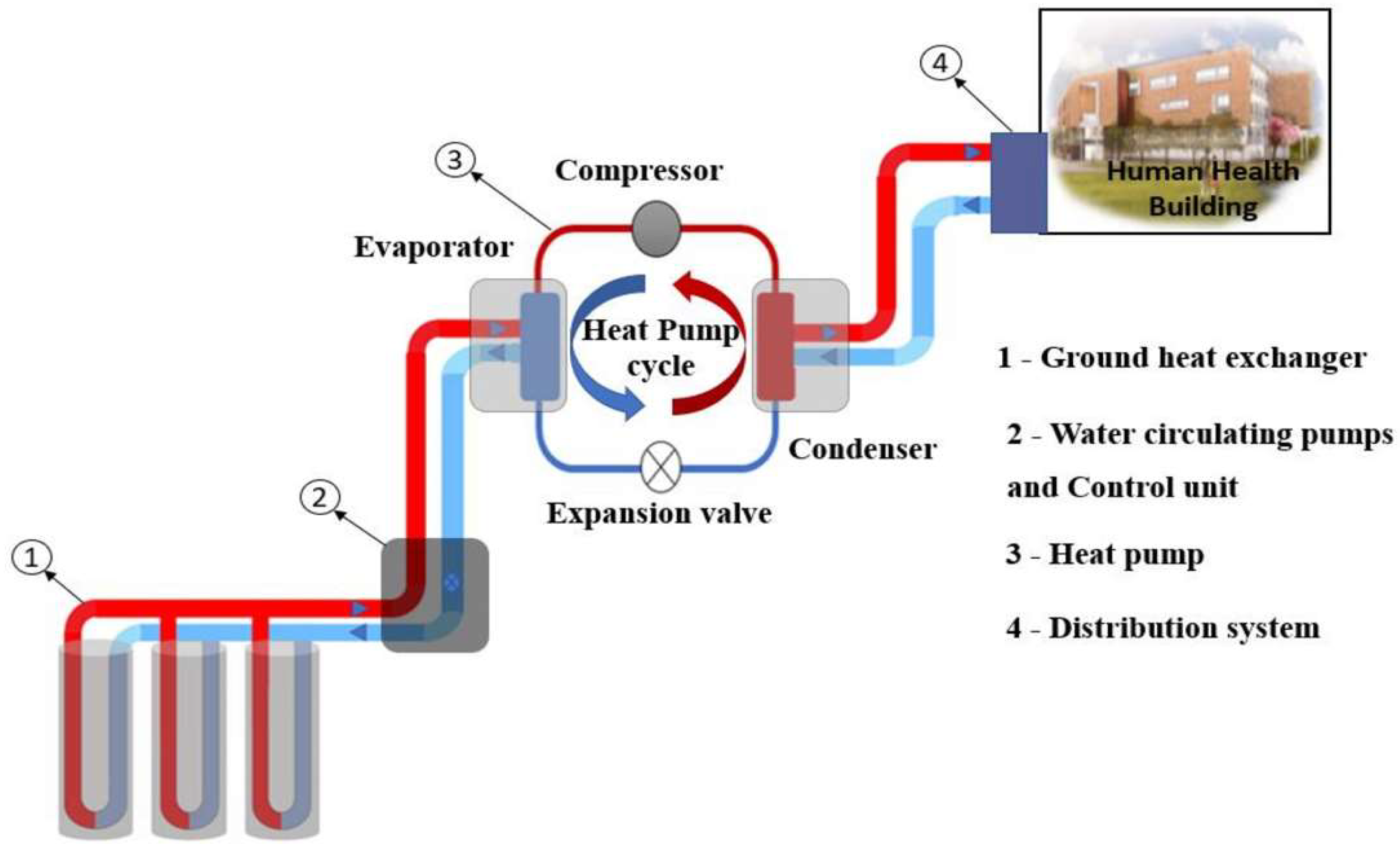
Figure 1. Schematic diagram of geothermal heat pump system [16].
Preprints 140396 g001
Figure 2. heat pump system.
Preprints 140396 g002
Figure 3. Types of geothermal heat pump system (GHPS) [1].
Preprints 140396 g003
Figure 4. Open-loop geothermal heat pump system [3].
Preprints 140396 g004
Figure 5. Vertical closed-loop geothermal heat pump system [3].
Preprints 140396 g005
Figure 6. Horizontal closed-loop geothermal heat pump system [3].
Preprints 140396 g006
Figure 7. Pond/Lake closed-loop geothermal heat pump system [3].
Preprints 140396 g007
Table 1. Advantages and disadvantages of geothermal heat pump systems (GHPS).
Advantages Disadvantages Refs
- Uses 25%-50% less electricity than traditional HVAC systems.
- High COP (3:1): transfers three units of heat for every one unit of electricity.
- Reduces heating by 30-60% and cooling by 20-50% compared to conventional systems.
- Higher installation cost: typically 30%-50% more than standard HVAC systems.
- Total installation cost $10,000-$30,000 depending on configuration, depth of drilling, and soil conditions.
[3,5,6,8,9,10,11]
- Recoups investment in 4-7 years through energy savings.
- 50-year lifespan for HDPE pipes and 25 years for the heat pump.
- Requires minimal maintenance.
- Expensive upfront costs for installation.
- Installation time 6-8 weeks, which is longer than other renewable systems like solar or wind.
[12,13,14,15,16,17,18,28].
- Reduces GHG emissions by 66% and CO2 emissions by up to 50% compared to fossil-fuel systems.
- Operates with low noise levels, similar to a typical refrigerator.
- Requires a large land area for horizontal loops, which may not be feasible in small properties.
- Efficiency is affected by poor soil quality or dense rock formations, requiring more expensive installations.
[10,11]
- Provides stable heating and cooling performance, even during extreme weather conditions.
- Not weather-dependent like solar or wind energy.
- Provides reliable indoor climate throughout the year.
- Limited heating capacity in extremely cold months (e.g., January/February), requiring supplementary heating.
- Efficiency drops with poor soil thermal properties.
[10,13,16,26]
- Over 6.46 million GSHP units installed globally, with the U.S. having 1.7 million (26% of the market).
- 50,000 new systems installed annually in the U.S., indicating growing adoption.
- Recognized as an efficient and sustainable solution for both residential and commercial use.
- High installation complexity limits adoption in some regions.
- Requires specialized installers, and not all areas have the necessary expertise.
- Land requirements or high installation costs may not be viable in some densely populated or high-cost areas.
[18,19]
Table 2. Comparison of Closed-Loop and Open-Loop Geothermal Heat Pump Systems.
Aspect Closed-Loop Geothermal Heat Pump Systems Open-Loop Geothermal Heat Pump Systems Refs
Operation Circulates a heat exchange fluid through a sealed network of underground pipes. Uses water from an external source (e.g., well, lake) for heat exchange. [1,33,34]
Cost Higher initial cost due to excavation or drilling for pipe installation. Lower initial cost as it does not require drilling or excavation. [29,32,33,34]
Space Requirements Requires significant space for horizontal ground loops or drilling for vertical loops. Space requirements depend on the size of the water source but generally smaller than closed-loop. [30,31,34]
Lifespan 50 to 100 years with minimal maintenance. Shorter lifespan due to water quality issues and maintenance needs. [1,32,33]
Maintenance Low maintenance with minimal intervention over time. Requires more frequent maintenance due to potential sediment buildup and water quality issues. [2,30,33,34]
Environmental Impact Minimal, no water consumption or discharge Potential environmental concerns regarding water use and discharge [1,2,32]
Efficiency Consistent, stable performance throughout the year. Can be highly efficient but depends on water quality and source temperature. [29,30,32]
Long-Term Sustainability Highly sustainable due to low operational costs, minimal maintenance, and environmental benefits. Less sustainable over time due to maintenance demands, potential environmental risks, and water resource concerns. [29,32,33,34]
Table 2. Summary of ground heat exchanger (GHE) configurations: Thermal performance, cost efficiency, and key insights.
Refs GHE Configuration Thermal Performance Cost Efficiency Key Insights
Cui et al.[66] Vertical Superior to horizontal systems. Higher installation cost for vertical systems Vertical GHE provides better energy efficiency and performance compared to horizontal systems
Sáez Blázquez et al. [68] Spiral Helical pipes more efficient than U-tube Lower capital cost Spiral GHE requires shallower drilling depth than U-tube, providing a cost-effective alternative
Kerme et al.[69] Single & Double U-tube BHE Double U-tube outperforms single U-tube Larger borehole size increases cost Double U-tube offers slightly better thermal performance but not significantly better than single U-tube
Miyara et al.[70] Double-tube, Multi-tube, U-tube Double-tube GHE has the highest heat exchange rate

Double-tube GHE outperforms Multi-tube and U-tube configurations, offering the highest heat exchange rate
Yavuzturk and Chiasson [71] U-tube, Double U-tube, Concentric, Standing Column Well Double U-tube, concentric & standing column reduce bore length Reduced bore length by 22% - 36%
U-tube requires the longest bore length, while other configurations significantly reduce bore length
Zarrella et al. [73] Helical vs. Double U-tube Helical configuration demonstrates better thermal performance Reduced borehole depth with helical design Helical GHE configuration offers superior thermal performance at shallow depths
Javadi et al. [74] Helical Triple helix outperforms all other designs

Triple helix shows the best thermal performance, followed by double helix and W-tube, with the single U-tube being the least efficient
Gao et al. [72] W-shaped, U-tube, Double U-tube W-shaped tube provides superior thermal performance
W-shaped tube outperforms U-tube and Double U-tube in thermal efficiency
Xia et al. [49] W-tube vs. U-tube W-tube 1.2-1.4 times more efficient than U-tube

W-tube offers a significantly higher heat exchange rate compared to U-tube configurations
Chen et al. [54] Double-U, Coaxial BHE with spiral ring fins Coaxial BHE outperforms Double-U BHE Coaxial BHE shows better performance Coaxial BHE 1.46 times more efficient in winter and 1.45 times in summer
Harris et al. [75] Coaxial vs. U-tube Coaxial BHE with steel tube 22% more efficient Steel tube improves performance Coaxial GHE with steel outer tube improves heat transfer by 22%
Rajeh et al. [77] Coaxial, Multi-chamber Coaxial Coaxial GHE provides 127.54% higher max heat transfer Reduces number of GHEs by 13.3%, reduces pump energy by 33.91% Coaxial GHE reduces total system energy use by 17.21%, reduces borehole depth by 23%
Raymond et al. [52] Coaxial Coaxial configuration reduces borehole depth by 23% Reduced borehole length and thermal resistance Coaxial BHE more efficient than single U-pipe, allowing for water instead of antifreeze
Sliwa et al. [78] Single U-tube, Double U-tube, Coaxial GHE Coaxial GHE provides the best thermal performance
Coaxial GHE configuration yields superior thermal results compared to U-tube
Bezyan et al. [79] Spiral pipe, U-shape, W-shape Spiral-shaped pile-foundations provide the highest heat transfer rate Spiral pile-foundations show the best thermal performance Spiral configurations in pile-foundations are more efficient than other GHEs
Mehrizi et al. [56] 1-U, 1-W, W-all round configurations W-all round provides the highest heat transfer efficiency W-all round shows best performance Serial connections offer better performance than parallel connections
Yoon et al. [50] W-type vs. Coil-type GHE Coil-type 10-15% more efficient W-type GHE is 200-250% cheaper than coil-type W-type GHE offers a more economical solution with similar performance compared to coil-type
Asgari et al. [82] Horizontal GHEs (Linear, Spiral, Slinky) Linear GHE with quadruple-layer outperforms others
Staggered double-layer optimal for slinky, linear configuration most efficient
Kurevija et al. [83] Vertical, Inclined Coaxial Vertical 2-U-loop shows superior heat extraction Lower thermal resistance in vertical 2-U-loop Vertical 2-U-loop outperforms coaxial in heat extraction
Lee et al. [84] Vertical (U-loop, 3-pipe design) 3-pipe design provides superior thermal performance
3-pipe design reduces thermal interference and improves thermal efficiency
Yoon et al. [81] Horizontal Slinky, Spiral-coil, U-type U-type GHE has 2 to 2.5 times higher heat exchange rates Longer pitch increases thermal efficiency U-type GHE performs best, followed by spiral-coil and slinky
Chong et al. [86] Horizontal Slinky-loop Smaller loop pitch improves thermal performance Smaller loop pitches improve thermal performance despite higher material costs
Luo et al. [87]
Triple-U, Double-U, Spiral, Double-W Triple-U offers the highest thermal efficiency Triple-U provides best economic performance Triple-U provides a good balance between cost and performance
Law et al. [88] Borehole configurations (2 × 2, 4 × 4, 2 × 8) (2 × 8) configuration outperforms (4 × 4) in thermal dissipation

Larger borehole separation distance improves heat dissipation and reduces thermal interaction
Song et al. [55] Spiral, Parallel, Serial tube configurations Serial connection outperforms parallel in thermal performance

Spiral tube GHE shows highest heat extraction and thermal power
Florides et al. [57] Single U-tube, Double U-tube Double U-tube outperforms single U-tube
Double U-tube configuration works better in both series and parallel connections
Kim et al. [63] Horizontal (Slinky, Spiral-coil) Spiral-coil offers superior heat exchange performance

Spiral-coil GHEs provide the best thermal performance in both experimental and numerical tests
Acuña et al. [51] U-pipe, Coaxial BHE Coaxial BHE shows lower thermal resistance Coaxial BHE is more efficient, allows water use instead of antifreeze Coaxial BHE improves heat transfer efficiency
Zarrella et al. [89] Helical vs. Triple U-tube GHE Helical configuration shows better thermal performance
Helical configuration provides superior thermal performance and shorter GHE lengths
Congedo et al. [90] Linear, Helical, Slinky GHE Helical configuration demonstrates best thermal performance
Helical configuration is more attractive due to its shorter lengths and better efficiency
Habibi et al. [92] Linear, Spiral, Horizontal Slinky, Vertical Slinky Spiral and linear configurations offer the best thermal performance
Spiral and linear configurations show the best thermal performance and lowest installation costs
Disclaimer/Publisher’s Note: The statements, opinions and data contained in all publications are solely those of the individual author(s) and contributor(s) and not of MDPI and/or the editor(s). MDPI and/or the editor(s) disclaim responsibility for any injury to people or property resulting from any ideas, methods, instructions or products referred to in the content.
Copyright: This open access article is published under a Creative Commons CC BY 4.0 license, which permit the free download, distribution, and reuse, provided that the author and preprint are cited in any reuse.
Prerpints.org logo

Preprints.org is a free preprint server supported by MDPI in Basel, Switzerland.

Subscribe

Disclaimer

Terms of Use

Privacy Policy

Privacy Settings

© 2025 MDPI (Basel, Switzerland) unless otherwise stated