

Submitted:
18 November 2024
Posted:
20 November 2024
You are already at the latest version
Abstract
In this unconventional and non-systematic re-view, we re-present published results indicating that transgenic plants engineered to express (foreign) antigens show significant levels of mRNA (from viral coding region) and viral antigen (protein) in plant tissues (leaves). Oral administration of plant-produced antigens were immuno-stimulatory in humans, capable of conferring immunity from the viral infection (specific for the viral antigen bioengineered for expression in plant). Use of antigen-containing plant products for oral (or sublingual) administration does not require purification. The plant “paste” may be sufficient (?) for immunizing humans (and animals). Scientific evidence supports advocacy for oral administration of “raw” plant-based products (sublingual) without purification. Implementing this proposal may accelerate the pace of global vaccination and preventive healthcare for less affluent communities by [0] eliminating the need for purification,[1] eliminating the need for “cold” supply chain logistics, [2] eliminating the dependency on medical professionals for vaccination and [3] eliminating supply chain fulfillment dependencies by growing the antigen-producing “potted plants” in community gardens or at home, as a vaccine cottage industry. Communities may also brew the cottage industry for transgenic plants producing antigens as an entrepreneurial innovation endeavor and/or social business for vaccines. The latter, if built on pillars of ethical profitability, is expected to induce economic growth for communities as a social business and if the science is prioritized as a service to society, then it will improve access to global public goods with respect to health, preventive public health and healthcare.
Keywords:
vaccines
; plant-based antigen
; global immunization
; transgenic plants
; social business
; cottage industry
; low-cost vaccines
; Ebola
; Marburg
; Lassa
; Pandemic
; Public Health
; Preventive Health
; Global Public Goods
Background
The quantum leap from nothing (12 January 2020) to a mRNA vaccine (11 December 2020) for SARS-CoV-2 during the CoVID-19 pandemic was a commercial “breakthrough” accomplished under one year. In reality it took ~50 years of academic engagement which finally exploded to substantiate the epitome of the age-old aphorism that necessity is the mother of invention.
From Edward Jenner (18th century) to Katalin Karikó (21st century) and others (e.g., John Enders, Jonas Salk and Albert Sabin in the 20th century) have made “vaccine” a part of the global vernacular even in households in remote corners of the world. Unfortunately, in recent years it has transmogrified into a socially divisive word, cherished by forward thinking people, the educated and wise, but derided by a few who may be uneducated, ignorant or irrational (il n’y a pas plus sourd que celui qui ne veut pas entendre).
Introduction
Unless prevented by immunization, global economic loss from future pandemics may exceed $250 trillion (~13x the GDP of EU or ~10x the GDP of USA or ~3x the global GDP [1]). The estimate is based on economic disaster data due to CoVID-19 [2] and the list of microbes/viruses with pandemic potential [3]. Human mortality [4] due to CoVID-19 may be triple or quadruple the number of reported deaths (~15 million lives [5]). Governments invested ~$50 billion [6] for vaccines [7] against SARS-CoV-2 which produced ~13 billion doses, made available for the affluent [8] nations. For >80% of the global population, vaccines will be out of reach [9] due to corporate [10] need for profitability. To prevent healthcare mediated global economic meltdown due to microbes, vaccines or vaccine-alternates must be accessible to less affluent nations (The Health of Nations [11]), home to ~7 billion people (of ~8 billion global population).
Proposal
We propose an alternative to classical vaccines (inactivated, live-attenuated, mRNA) for global healthcare, based on scientific results (see The Health of Nations, ref 11). The central thesis of this re-discovery begins with the confirmation [12] that Hepatitis B virus surface antigen (HBsAg) mRNA and protein were detected in (inedible) transgenic tobacco leaf. HBsAg from tobacco leaves elicited HBsAg-specific antibodies in mice [13] as proof of immunogenicity. Human study [14] with transgenic edible lettuce plant, expressing hepatitis B virus surface antigen, developed specific serum-IgG response to HBsAg. Human study [15] with potato-expressed E. coli labile toxin B subunit (LT-B) resulted in toxin neutralizing IgG antibodies (10/11) as late as day 59 (ingestion of raw potato expressing LT-B on day 0, 7, 21). Human study [16] with potato-expressed capsid protein of Norwalk virus (Norovirus; enteric pathogen) reported 95% of subjects (19/20) showing increases in antibody-secreting cells (IgA). Thus, plants engineered to express antigens, even when ingested (or sublingual administration of edible plants as a “leaf paste”) are immunogenic in humans, which may be sufficient for immunization and protection from infection.
Evidence
[A] Expression of Antigens in Transgenic Plants
Mason et al. (1992) expressed hepatitis B surface antigen (HBsAg) by genetically transforming tobacco (Nicotania tabacum; not an edible plant) plants with the gene encoding hepatitis B surface antigen linked to a nominally constitutive promoter (Figure 1). The gene encoding HBsAg was integrated into the plant genomic DNA via Agrobacterium tumefaciens-mediated transformation.
Enzyme-linked immunoassays using a monoclonal antibody directed against human serum-derived HBsAg revealed presence of HBsAg in extracts of transformed tobacco leaves (correlated with presence of recombinant HBsAg mRNA in tobacco leaves). Therefore, expression of foreign antigens (e.g., Ebola virus surface antigen, EBOV; SARS-CoV-2 surface antigen, S [Spike] protein, bacterial toxins) in plants, may not suffer from any limitations of transcription or translation in plants.
Intramuscular injection with rHBsAg (recombinant HBsAg) produced in yeast [18] resulted in effective immunization [19] and protection from viral infection (agnostic of potential for any variation in post-translational modifications in yeast, Saccharomyces cerevisiae). Each subject received a 10-μg dose of HBsAg at 0, 1, and 6 months. By one month, 27% to 40% of the vaccinees had antibody to HBsAg, and by three months 80% to 100% were antibody positive (Skolnick et al., 1984).
Levels of rHBsAg (Figure 2) in transgenic tobacco leaves appear to be less than 0.01% (maximal levels are closer to 0.006%). Assuming rHBsAg concentration of 0.005% (50ng/mg protein), it will require ~200mg of soluble protein (extracted from tobacco leaves) to deliver a single 10-μg dose of rHBsAg. How many leaves of a plant are necessary to deliver an adequate dose is an open question with respect to sublingual administration in the form of raw leaf-paste (only from edible plants, not tobacco).
[B] Immunogenicity in Humans
The ability of the body to differentiate between the “edible” plant proteins (e.g., may not generate a detectable immune response to lettuce leaves, potatoes, watercress) and the foreign antigen in the transgenic plant product (e.g., edible lettuce leaves, potatoes or watercress expressing foreign antigen) lies at the heart of the anticipated specificity of antigen-induced immunogenicity in humans. Induction of immunity by foreign antigens (sufficient to protect from infection) in healthy individuals is the ultimate “litmus” test for recombinant antigens produced in edible plants. The choice of edible plant products (oral “edible” products or sublingual administration for rapid absorption in the blood stream) may influence the intensity and duration of the immune response. We re-present a few seminal but old experimental results demonstrating that unpurified edible plant-based oral vaccines can induce immunity in humans.
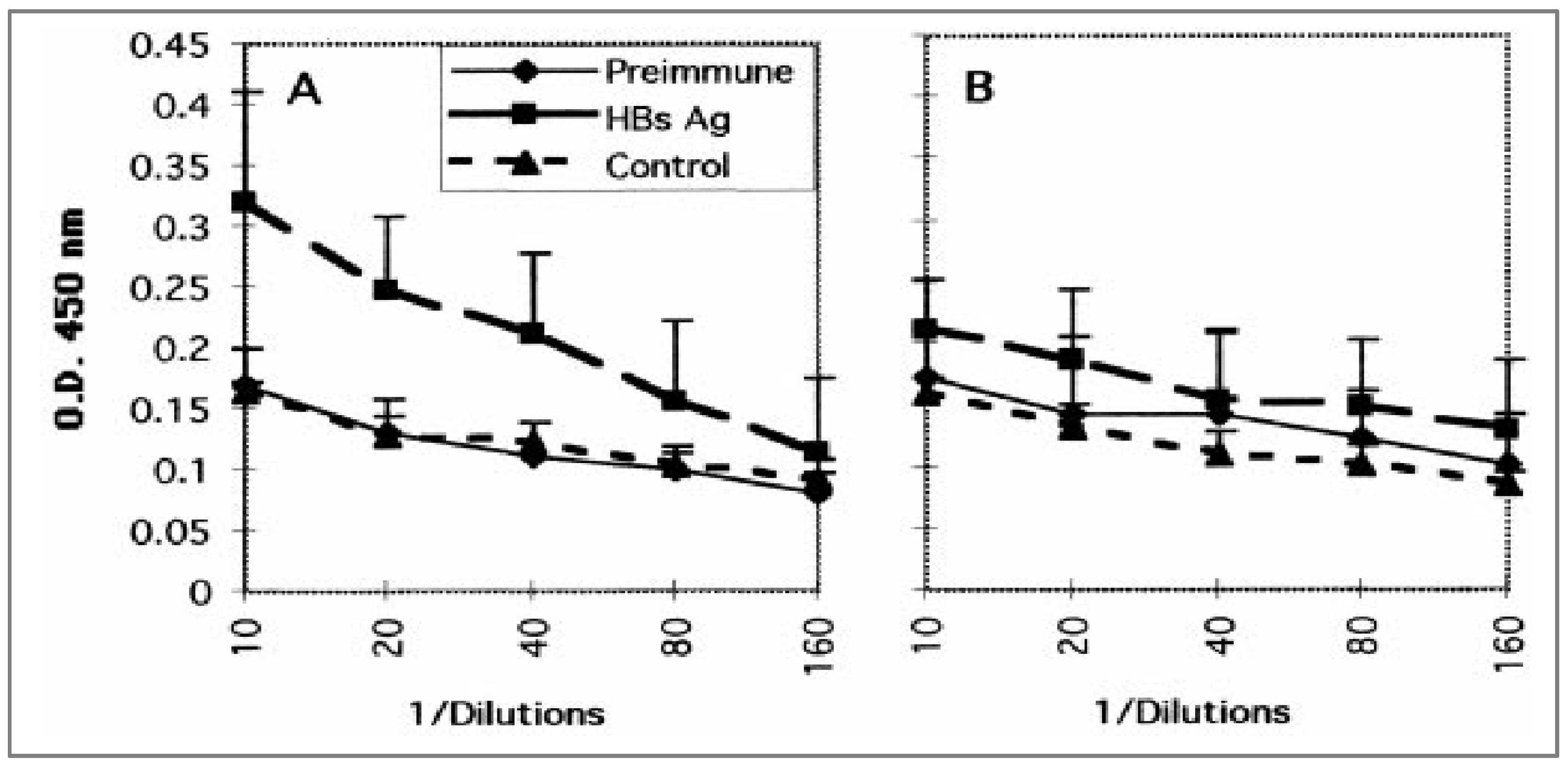
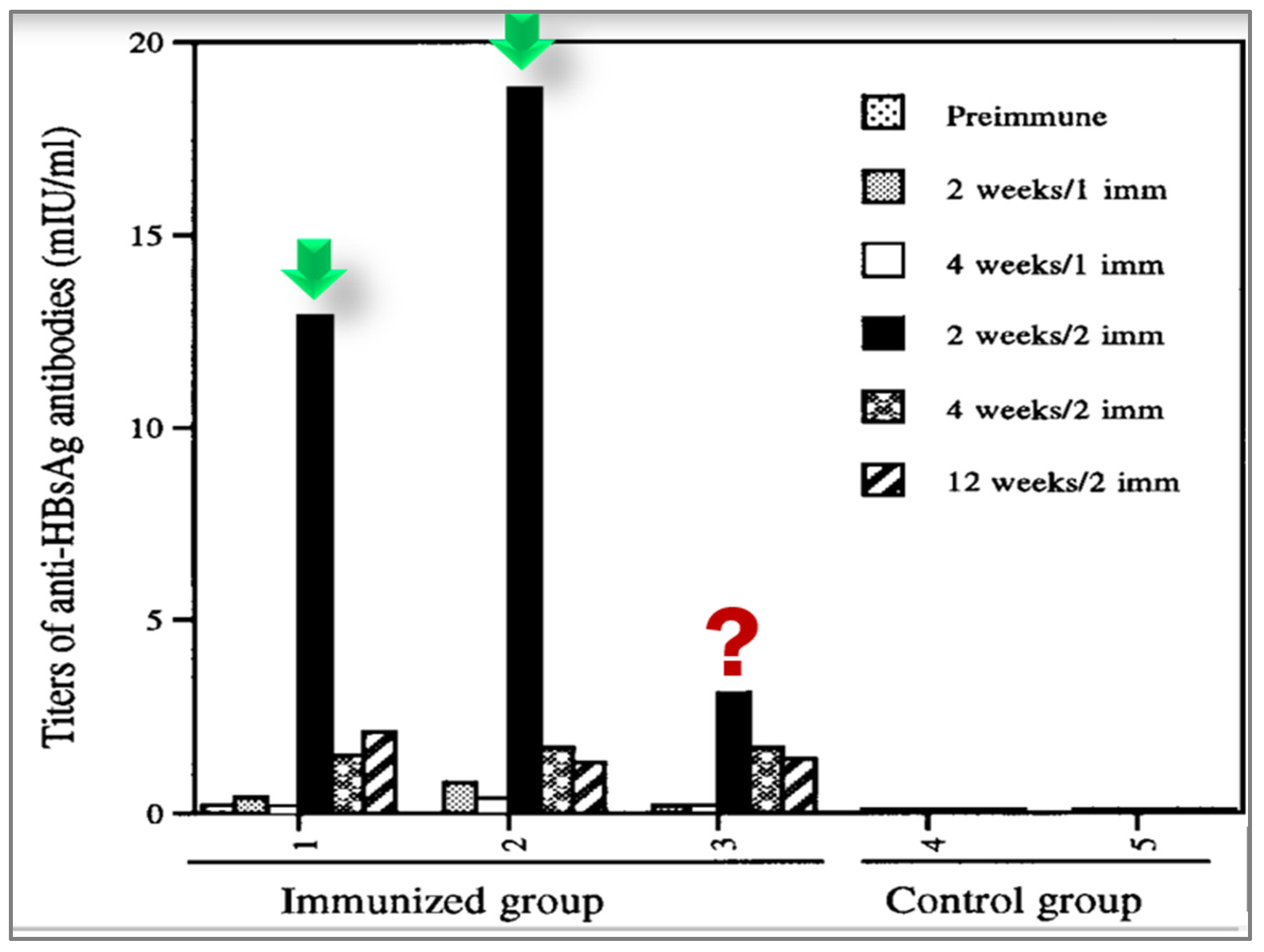
Kapusta et al., 1999, fed lettuce containing 0.1μg–0.5μg of HBsAg (per 100g leaf) to volunteers (initial 200g of lettuce leaves; after 2 months, 150g). Blood samples were collected before (pre-immune) and 2 week and 4 week after first 200g lettuce and then 2 week, 4 week and 12 week after 150g of lettuce.
Figure 3.
Titer of antibodies in three individuals [A] immunized orally with transgenic lettuce engineered to express HBsAg. [B] Control (two individuals fed with edible lettuce without HBsAg). Two of the three volunteers developed immunity potentially capable of preventing infection (bottom). Kapusta et al., 1999.
Figure 3.
Titer of antibodies in three individuals [A] immunized orally with transgenic lettuce engineered to express HBsAg. [B] Control (two individuals fed with edible lettuce without HBsAg). Two of the three volunteers developed immunity potentially capable of preventing infection (bottom). Kapusta et al., 1999.
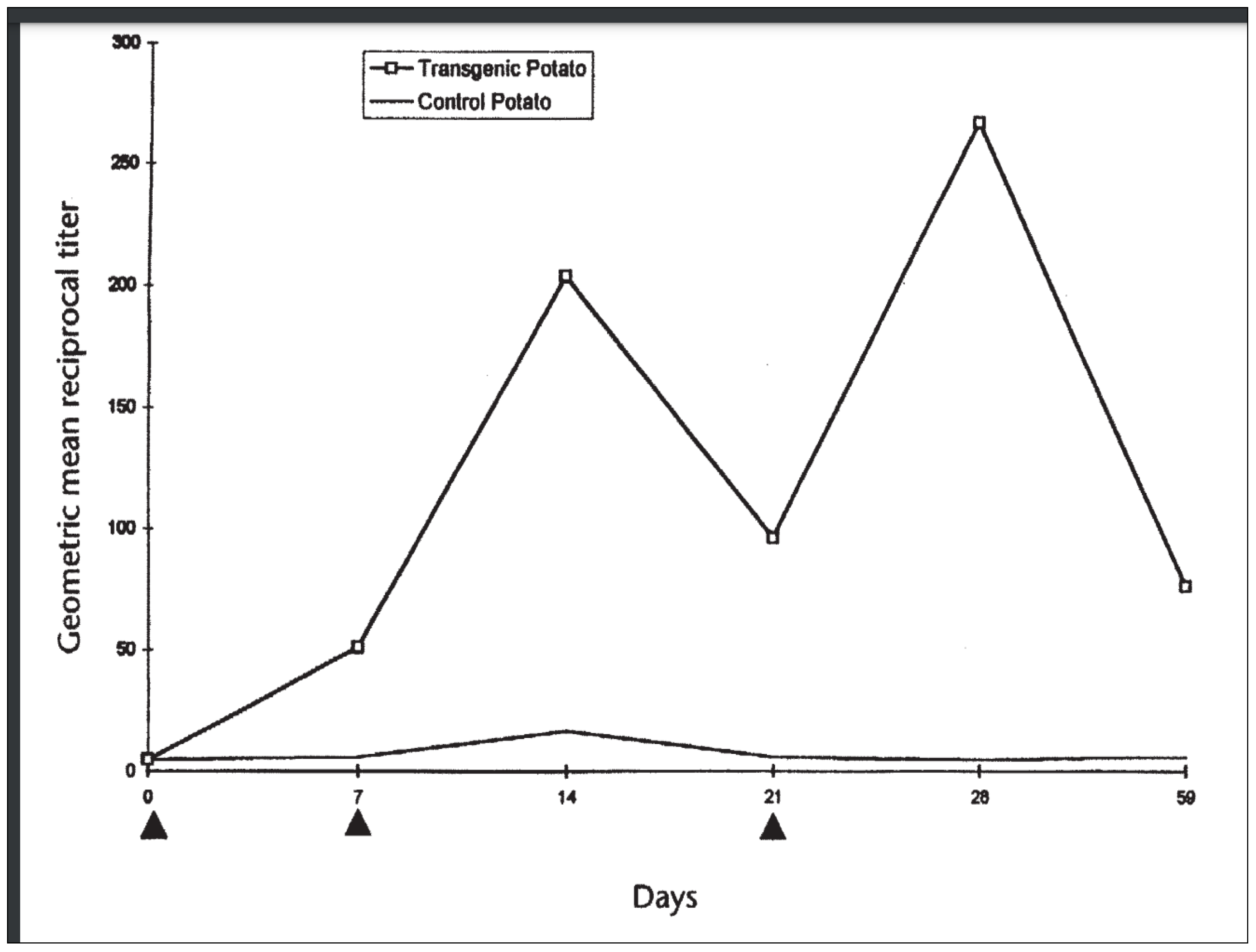
Tacket et al., 1998, fed volunteers with genetically modified raw (uncooked, unpurified) potatoes expressing the enterotoxigenic Escherichia coli LT-B (B subunit of the E. coli enterotoxin is non-toxic and related to the B subunit of cholera toxin). Adult volunteers (n=14) ingested either 100 g of transgenic potato, 50 g of transgenic potato, or 50 g of wild-type potato. E. coli enterotoxin LT-B subunit protein in the potato was estimated to be 3.7-15.7 µg per gram. The amount of E. coli enterotoxin LT-B subunit protein ingested per 50g or 100 g dose ranged from 0.4mg to 1.1mg per dose (mean 0.75 mg/dose). Tacket et al., 2004, reaped similar success in delivering LT-B orally to humans via transgenic corn [20].


Figure 4.
Geometric mean LT-B neutralizing antibody titers in volunteers who ingested transgenic potatoes (n = 11) or wild-type potatoes (n = 3). Potatoes were ingested on days 0, 7 and 21 (arrows). Tacket et al., 1998.
Figure 4.
Geometric mean LT-B neutralizing antibody titers in volunteers who ingested transgenic potatoes (n = 11) or wild-type potatoes (n = 3). Potatoes were ingested on days 0, 7 and 21 (arrows). Tacket et al., 1998.
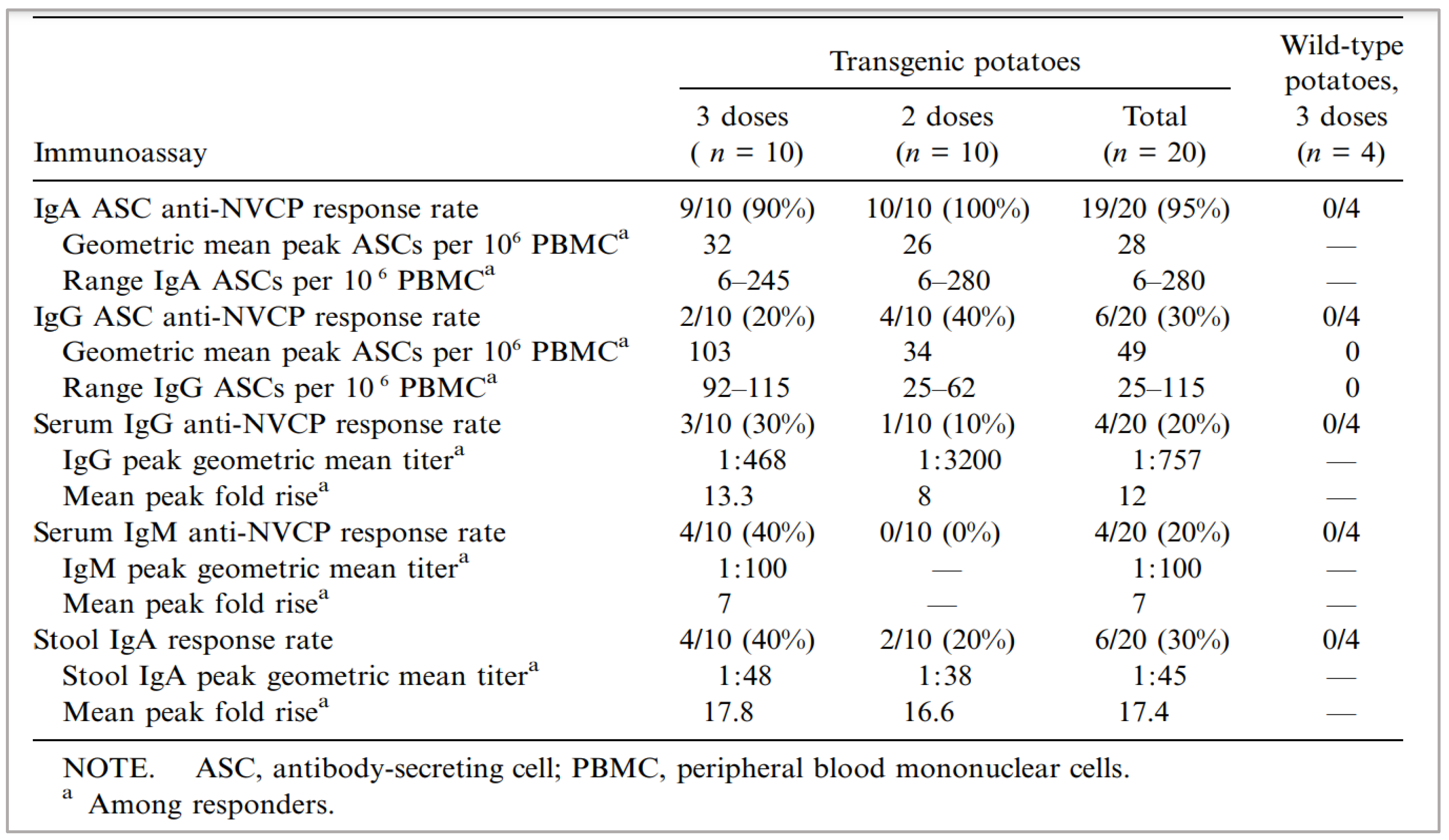
Tacket et al., 2000, explored immunization against Norovirus (causative agent for gastroenteritis, commonly referred to as stomach flu) using plant-based oral vaccine (POV). The first norovirus outbreak occurred in Norwalk, Ohio, USA, in a school in 1968. For this reason, the first strain of norovirus is also known as the Norwalk virus [21]. Tacket et al., 2000, used “Norwalk virus capsid protein (NVCP), assembled into virus-like particles (VLP), as a test antigen, to determine immune response in volunteers who had ingested transgenic potatoes (uncooked, unpurified). Healthy adult volunteers (n = 24) received 2 or 3 doses of transgenic potato (n=20) or 3 doses of wild-type potato (n=4). Each dose consisted of 150g of uncooked, raw, peeled, diced potato (unpurified) that contained 215–751mg of NVCP. 19 (95%) of 20 volunteers who ingested transgenic potatoes developed significant increases in the numbers of specific IgA antibody–secreting cells (ASC). 4 (20%) of 20 volunteers developed specific serum IgG, and 6 (30%) of 20 volunteers developed specific stool IgA. Overall, 19 of 20 volunteers (95%) developed an immune response of some kind, although the level of serum antibody increases were modest.”
The significance of edible potatoes for oral vaccination (POV) is simplicity of delivery, as a food lifestyle for immunization. Potatoes can be grown from potatoes, potatoes can grow anywhere, potatoes can be grown indoors, potatoes can be grown in tires, potatoes can be grown in cardboard boxes or any container and potatoes are suitable for hydroponic growth [22]. In addition to potatoes, edible leaves (thale cress, watercress, mustard greens) may be suitable for sublingual administration as “leaf paste” for rapid absorption in the bloodstream. Thus, these edible global vaccination solutions will benefit poor people.
Table 2.
Immune response to Norovirus—unpurified potatoes expressing Norwalk virus capsid protein (NVCP) vs control (wild-type potatoes). Tacket et al., 2000. Can we increase the level of serum antibody?
Table 2.
Immune response to Norovirus—unpurified potatoes expressing Norwalk virus capsid protein (NVCP) vs control (wild-type potatoes). Tacket et al., 2000. Can we increase the level of serum antibody?
Discussion
Bio-engineered edible transgenic (genetically modified) plants expressing recombinant vaccine immunogens for oral vaccination offer an attractive and potentially inexpensive alternative to classical vaccine approaches, an idea proposed, proven and even patented [23] ~40 years ago. Other alternative [24] potential [25] vaccination [26] strategies exist in various [27] stages [28] but none focused on the less affluent.
Bio-engineered transgenic plant-produced antigens, self-administered for oral and/or sublingual vaccination (POV) eliminates industrial production, purification, packaging, storage, distribution and the “last mile” physical (injection) bottleneck due to the need for trained personnel. Potted plants or produce can be grown locally, anywhere. Sublingual [29] consumption of leaf paste or raw produce may be less palatable but does not require special training. Eliminating upstream purification and downstream “cold” supply chain of vaccines as well as the “last mile” fulfillment problem will facilitate availability of POV for preventive healthcare (plant produced oral vaccines). Developing immunity in communities near and far is key to prevention of transmission/infection to reduce morbidity and mortality.
This is a clarion call for scientific leadership as well as others in finance, politics, policy and diplomacy to focus on the output from a rational scientific measure aimed specifically for the neglected less affluent ~7 billion people. Paralysis due to analysis and “purified to perfection” are hackneyed platitudes ready for retirement in the face of 22nd century challenges in global health and healthcare.
Translating the patent-free (or expired) published research to pragmatic working reality requires a few scientists who believe in science as a service to society, a few students skilled in molecular biology and plant genetics, a few human volunteers and a few host laboratories in a few corners of the world.
Operating funds may be sourced as a consortium with contributions from donors/foundations or ethical use of crowd funding. The entity can also be a business if investors agree to the convergence of for-profit and not-for-profit endeavors under one roof. Products and services for affluent nations may be a for-profit operation (signatories [30] at The Convention on the OECD, on 14 December 1960) while the not-for-profit operation will apply to the rest of the world where ~7 billion people are trying to survive/live.
The scientific credibility of this proposal assure outcomes which will be catalytic to rapidly build capacity (potted plants) for global vaccinations, focused on saving ~7 billion lives. However, sourcing the recombinant antigen vectors (plasmids) and creating the transgenic plants will need help from scientists (geneticists) and other global experts, from affluent as well as less affluent nations. There is a great need for education, scientific training and standardization of protocols in order to scale the production of transgenic plants and address public resistance to edible transgenic plants.
Logistics, however nominal, may become an inhibitor. An efficient distribution system with distributed control at local nodes is key to differentiating and adapting to the needs of the community. It is not enough to use supply chains as usual or depend on US/EU type of operations management practices.
STEPS: GLOBAL HEALTH SOLUTION IN 7 STEPS FOR ~7 BILLION PEOPLE?
The vision of POV is half century old. Several vaccine [31] efforts are in progress [32]. But, we are still waiting to build the ramp to transform POV into reality to lift ~7 billion lives. It may not happen by committee. We need commitment from a few committed individuals who will provide the leadership.
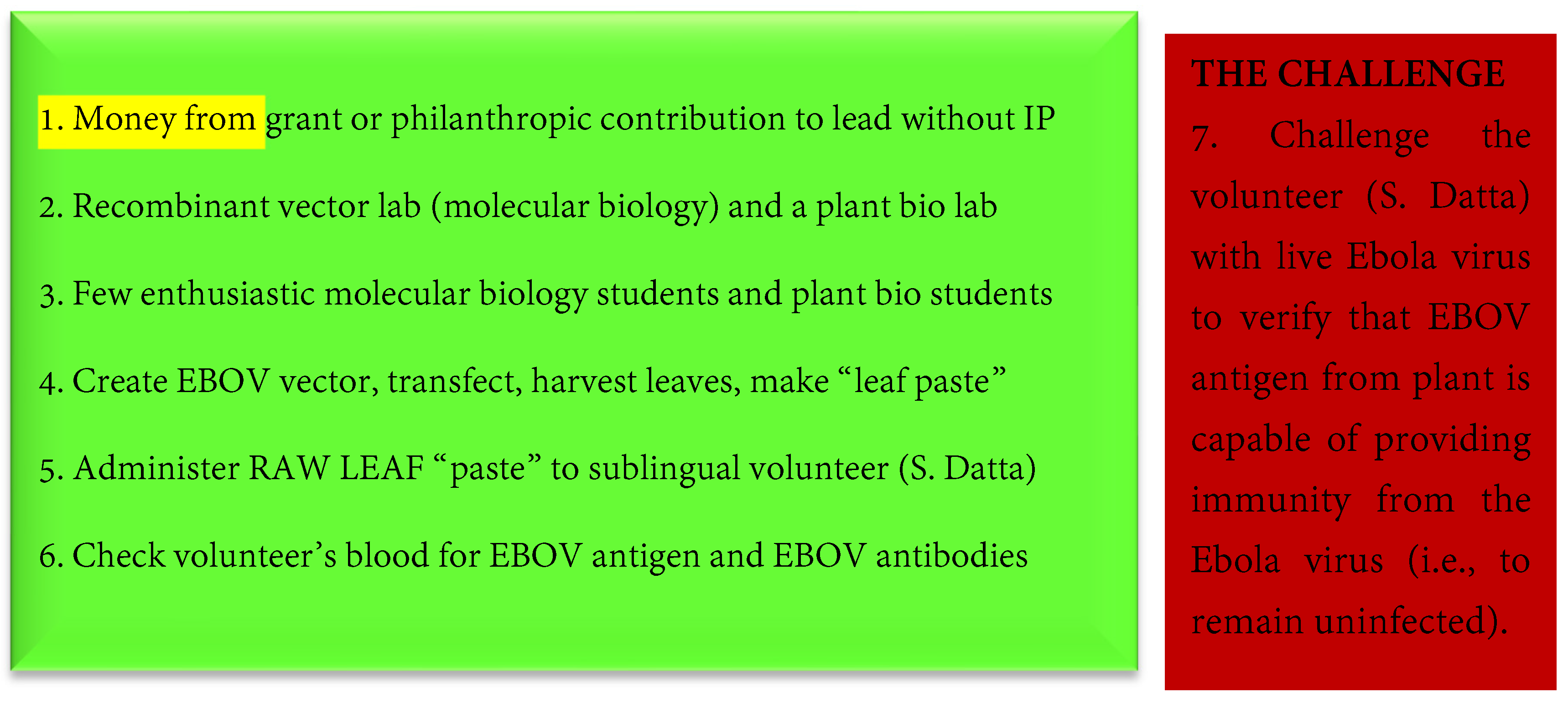
Translational Science
Translating these 7 steps into a production phase (when/where end users can obtain plants and know-how, i.e., how much to self-administer at what frequency) calls for establishing baselines, ranges and a skeleton of standard operating procedures. Errors due to estimating the immunogenicity of the plant-derived antigen (PDA) and improper tests to establish the level of circulating immunoglobulins (mainly IgG but IgA, too, for mucosal membranes [33]) in response to the recombinant antigen introduced orally (PDA) could be harmful. IgG antibody (to antigen) serves as an accessible quantitative biomarker of post-vaccination protection because T-cell responses (umbrella response of CDn+ cells) are important but difficult to quantify. IgG titer and its duration is salient to “sterilizing” immunity which is the desired post-vaccination outcome for complete clinical protection from contracting infection (dose dependent). Viruses/bacteria invading the mucosal surfaces complicates the “sterilizing” immunity scenario because the number of invading infectious particles (e.g., virions) will influence (may overwhelm) the outcome.
Establishing threshold values for IgG antibody response to antigen (PDA) is confounded by the immune status of (test) individuals, pattern of cytokine response to antigen, pre-existing conditions, sex, age, race, ethnicity (population genetics) and per capita income level (proxy for nutritional status). In addition, the quest for a protective titer [34] may/will be influenced by [i] type of expression vector used in creating the transgenic plant (source of PDA) [ii] expression level of protein (antigen in ng/mg of soluble protein) in plants (leaves) [iii] ingested vs absorbed amount of PDA [iv] individual (gut) microbiomes [35] in the interplay between immune health and nutrition [36] [v] testing/monitoring constraints [vi] others.
Figure 5.
Couples selected from a homogeneous background (race, ethnicity, economic status) respond differently to SARS-CoV-2 mRNA vaccine [37]. What is the protective titer for “sterilizing” immunity?
Figure 5.
Couples selected from a homogeneous background (race, ethnicity, economic status) respond differently to SARS-CoV-2 mRNA vaccine [37]. What is the protective titer for “sterilizing” immunity?
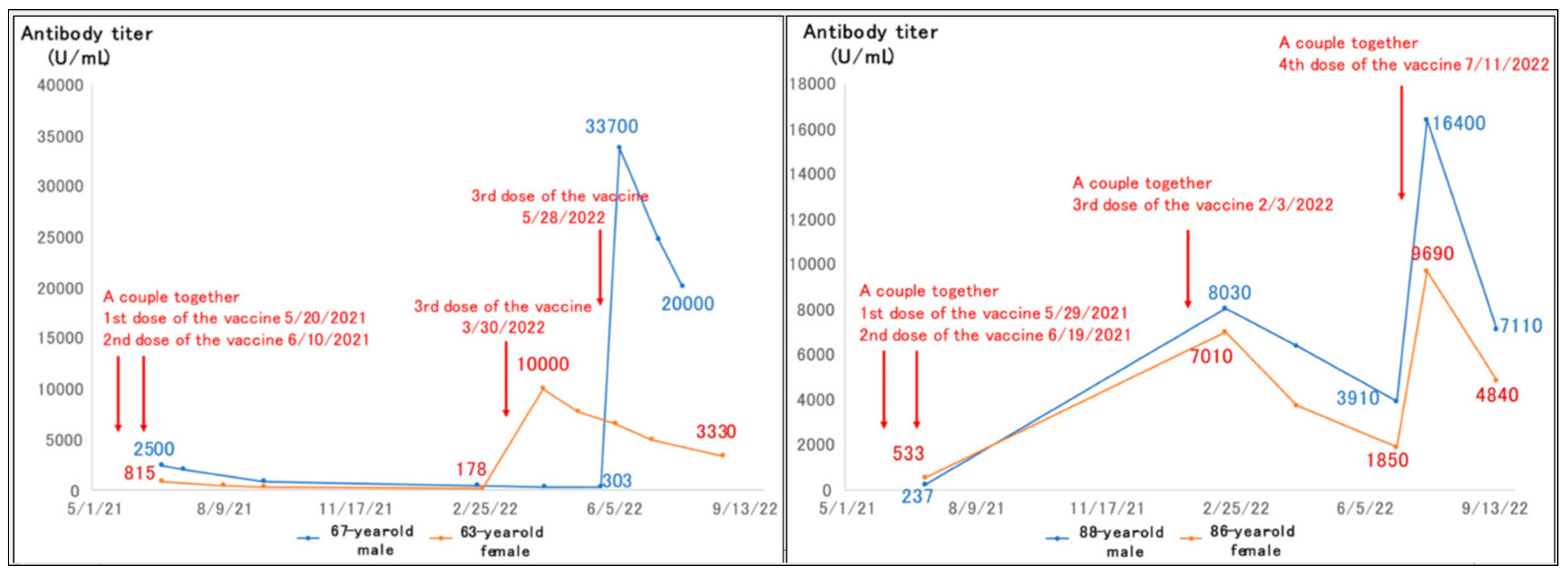
Identification of thresholds for the IgG antibody levels for sterilizing immunity (collect titer data for different infections, globally) is the translational science data for POV to inform the transition from the lab to locals. Establishing a “green zone” threshold of circulating IgG levels in response to PDA is the “target” that individuals want to know to assess (from self-testing) acquisition of immune protection. To arrive at this “target” the users must ingest a minimum weight of plant product to absorb PDA in their body (blood) within a specific period. Declaring the “green zone” threshold target for IgG antibody levels must take into account risk mitigation strategies. The latter must make room for high fault tolerance due to mis-steps, mis-information, and mis-calculations, inevitable from the self-administration of PDA.
The bridge of translational science knowledge from the lab to locals (LTL) holds the potential to save ~7 billion lives. But, the path to global vaccination will be non-linear even if the science of POV may be summarized in 6 (not 7) relatively simple sequential steps. There is a non-zero probability “new” lies will be manufactured to transform saving lives into a dying art. Scientists must be cognizant of their own hubris and desist from their desire to pursue perfection in determining the titer for “sterilizing” immunity. The latter is our penchant to understand immunological dynamics. If we are challenging uninfected humans with a live dose of a potentially fatal virus (Ebola, Lyssa, Marburg) then we should know the IgG levels for “sterilizing” immunity and adhere to safety measures advocated by the US FDA.
Steps 1-6 must proceed without any delay due to translational science related efforts. We must implement POV. The risk from exposure to deadly viruses far outweigh the risks due to ingestion of potatoes or watercress or mustard greens as a source of PDA even without any standard protocol or dietary guide to induction of immunity (IgG titers in blood). While we work in labs, the locals must not be kept waiting for this proven solution (steps 1-6) in hand. Even low levels of IgG may reduce fatalities and dampen the severity/acuity of infection. Should the luxury of pursuing translational science prevent us from the urgent implementation of POV and deliver potential death sentences for billions of people?
Concerns
Legitimate concerns about possible negative effects of plant-based antigens (PDA) include people who may unknowingly eat such plants and will be exposed (without their consent) to material that will trigger an immune response. The latter may result in negative effects such as induction of autoimmunity or chronic inflammation. Reasonable caution by labelling plant products producing any foreign antigen, prevention of uncontrolled spread and assessment of potential side effects are prudent safety measures.
Few may not share the enthusiasm for administering Ebola virus to a volunteer (S. Datta, author) in step 7 and US safety regulations/criteria should apply. Should we test, first, in animals? To mitigate unknown health risks due to POV, edible plant-based antigen (ePDA) administration in humans may test a virus that is widespread, already, so that the relative effectiveness of the vaccine can be assessed with minimal harm (e.g., for CoVID vaccines). Testing in humans demand prior knowledge of “sterilizing” immunity. Establishing serum IgG levels for sterilizing immunity proportional to “dose” depends on determining the number of infectious particles (e.g., virions) but estimating the number of particles (10n) at the initial point of infection could be quite error prone (where n = {0, …,10}, if n=0, then it is 1 particle; n=1 indicates 10 particles; n=10 indicates10 billion particles at the initial point of infection [38]). Thus, any claim for individual “sterilizing” immunity data may be overwhelmed if the number of infectious virions outweigh the individual’s immune preparedness to accept a certain challenge dose of infectious particles.
Commentary
For decades, the destructive demonization of transgenic plants and ill-informed fanatical resistance to genetically-modified [39] crops has robbed the poor of global public goods, food, nutrition [40] and healthcare. The cruel march of unreason [41] is a debilitating blow to our sense of the future by forcibly destroying [42] the fruits of science which could be of service to society, especially for communities under severe economic constraints. We view malicious, mis-information fueled social cataclysms as a point of inflection. We are optimistic that the tide is beginning to turn [43] from bad [44] to good [45] in the court of public opinion, both in Africa [46] and Asia [47], the geographies with the greatest need for bio-engineered edible plant-produced antigens, self-administered for oral immunization (POV). The ability to prevent infection through low-cost self-vaccination and edible plant-based oral vaccines for immunization can reduce the horrendous scale of mortality and morbidity due to future infectious diseases and/or chronic diseases. Ethical globalization demands that affluent nations enable the less affluent nations to develop and implement this cottage industry of edible potted-plant based vaccines, in the economic interest related to immigration, travel, commerce, and growing markets. Our collective inaction and neglect of scientific proof to alternate sourcing of edible unpurified antigens from transgenic plants for global immunization is inhuman, unethical and immoral. Turning a blind eye (il n’est pire aveugle que celui qui ne veut pas voir) to preventive healthcare measures for the global poor (~ 7 billion) is a form of anti-science and should not remain in the category of irremediable injustices [48]. US CoVID-19 misinformation campaign by anti-science anti-vaxxers resulted in 232,000 preventable deaths [49] (05/2021-09/2022).
Temporary Conclusion
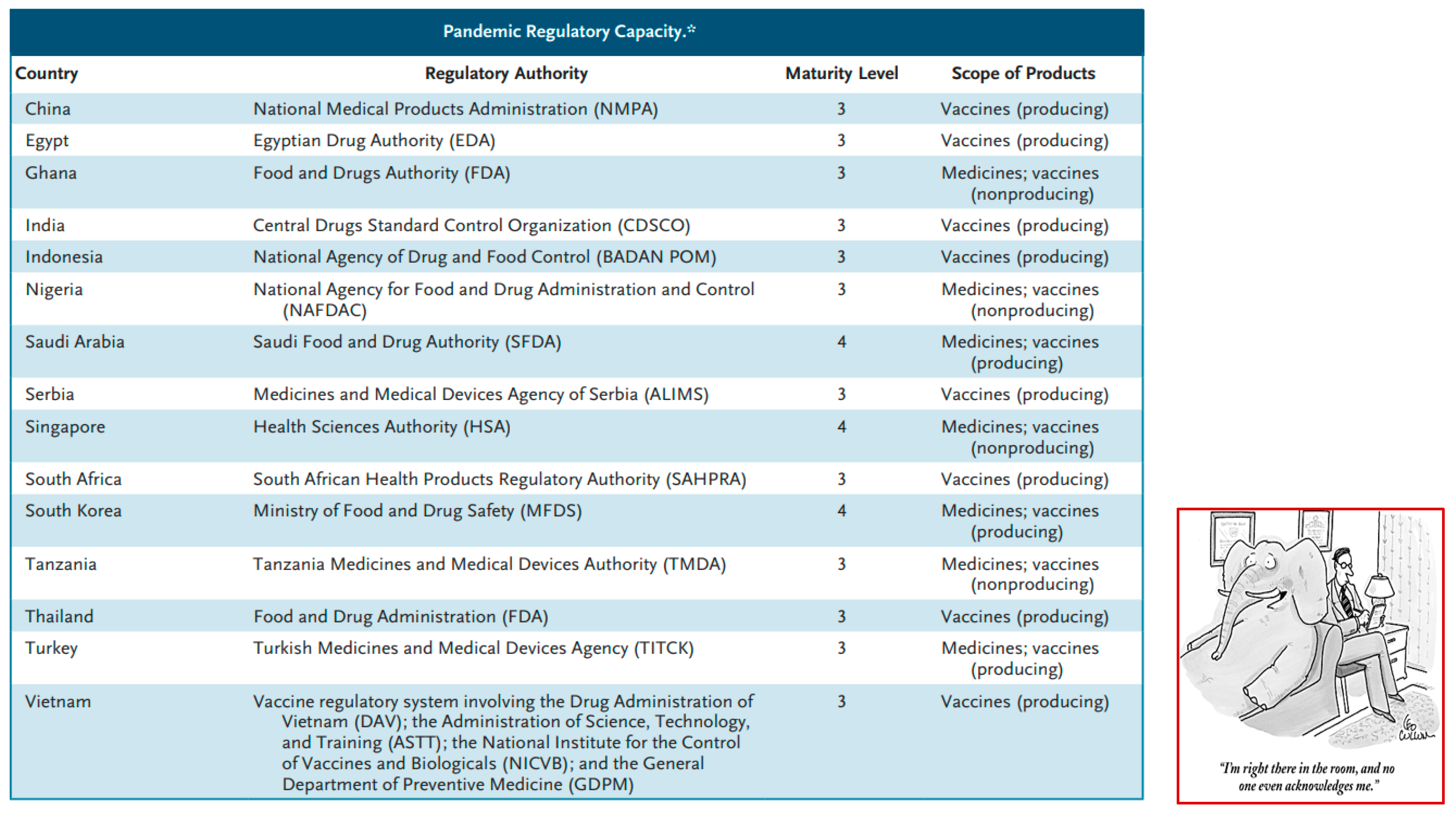
Based on published papers, it is a fact that foreign antigens can be produced in transgenic plants. Table 3 (below) indicates that that outcome is largely ignored by the nations [50] preparing for pandemic regulatory capacity. Oral (sublingual) administration of plant-produced unpurified antigens are capable of inducing immunogenicity in humans. Step 7 may prove that the immune response to plant-produced antigens are adequate to induce sterilizing immunity (i.e., protects from and prevents infection). The use of edible Arabidopsis thaliana (thale cress) and/or Brassica rapa (“fast” plants) may be palatable as transgenic plants of choice. Exploring the use of watercress (Nasturtium officinale) may offer an even more “tasty” option. Further explorations using potyviruses as vectors to deliver the recombinant antigen may lead to use of flowers (rose, tulips) to serve as vehicles for oral administration of foreign antigens (edible flowers are used in Eastern foods and tulips [51] represent the world’s first financial bubble).
US and EU may balk at Step 7 but most nations in Asia and Africa will embrace the opportunity for mass adoption of low cost vaccination solutions to mitigate risks due to public health catastrophes. POV represents a lifestyle practice similar to use of neem tree twigs for cleaning teeth (Azadirachta [52] indica). Instead of the elusive quest for alms, developing nations with ~7 billion people may prefer bold approaches rather than waiting for ‘blessings’ from FDA, CDC, ECDC for POV solutions for healthcare.
Table 3.
Nations preparing for pandemic readiness are ignoring or ignorant about transgenic POV. Cartoon: Genetically Modified, Bio-Engineered and Transgenic are terms representing the elephant in the room [53] preventing global adoption of useful plants/crops. Phobia, resistance and irrationality among rational humans are holding ~7 billion people hostage by depriving them of access to health/healthcare.
Table 3.
Nations preparing for pandemic readiness are ignoring or ignorant about transgenic POV. Cartoon: Genetically Modified, Bio-Engineered and Transgenic are terms representing the elephant in the room [53] preventing global adoption of useful plants/crops. Phobia, resistance and irrationality among rational humans are holding ~7 billion people hostage by depriving them of access to health/healthcare.
The global need for vaccines is the fuel to pursue plant-based oral vaccines (POV). But one must add and admit that there will be errors and missteps in the process, even if the benefits vastly outweigh the problems. Almost nothing in science is always absolutely perfect, even the best solutions may present unexplained problems which may temporarily plunge the effort in a quandary, agnostic of how precisely it was planned, executed and/or implemented. POV may not be a panacea for all ills, it is expected to experience growing pains and it will expose gaps in our multi-disciplinary knowledge or even overwhelm us with unknown unknowns. Are these sufficient reasons to asphyxiate the pursuit of scientific solutions?
Despite the anticipated and unanticipated shortcomings of POV, let us use the Pareto principle and proceed to hypothesize that POV may be effective in preventing healthcare disasters 80% of the time for 80% of the ~7 billion people in less affluent nations. Is saving 80% of the world not worth the effort?
If the positivism of the 80% optimism is too sugary for Pareto pessimists, let us consider what if POV may be effective in preventing healthcare disasters for only 20% of the ~7 billion poor people. The pessimists of POV should reflect whether we can discard or bypass or scoff at the ability of POV to help 1.4 billion people (i.e., current population of India [~1.4 billion] or China [~1.4 billion]). In other words, are the nay-sayers of POV prefer to ignore scientific rationale and choose to be oblivious of the preventive health of ~1.4 billion poor people? Do POV pessimists “believe” that they are “protecting” poor people by their opposition? In reality, inaction about POV makes living a dying art.
The 20th century scientific research results, re-presented in this discussion, may become catalytic to save the world from public health cataclysms in the 22nd century. How common is resistance to reason?
In the 18th century, for sailors, disease during long sea voyages was often more dangerous than enemy action. One British expedition to raid Spanish holdings in the Pacific Ocean in the 1740’s lost 1,300 of an original complement of 2,000 men to illness. That illness was scurvy. In 1747, on board HMS Salisbury, James Lind (1716-1794) carried out the first controlled clinical trial in medical science [54]. He took 12 men suffering from similar symptoms of scurvy, divided them into six pairs and treated them with remedies suggested by previous observers/writers (in 1622, explorer Richard Hawkins [55] recorded that “sower lemons and oranges” were “most fruitful”). In 1747, the results from James Lind’s “clinical trial” demonstrated that oranges and lemons were indeed a cure for scurvy. “Treatise of the Scurvy” appeared [56] in 1753, but it was not until 1795 (42 years later) that the British Admiralty issued an order for distribution of lemon juice to sailors. Apparently, James Lind did not possess sufficient clout.
In the 19th century, John Snow (1813-1858), an anesthesiologist in London, conducted an epidemiological study of water supply from the Broad Street Pump in 1854. Results indicated that cholera was a water-borne disease. But, the “germ” theory was ignored by the Miasma theorists. It was not until the epidemic of cholera in Egypt in 1883 that Snow’s findings were re-discovered. The germ theory gained acceptance based on Snow’s observation [57] that cholera was a water-borne disease. The means to prevent cholera had been identified by Snow ~30 years before the cholera epidemic. It wasn’t used as a preventive solution to save lives due to prevalent scientific ignorance which failed to grasp Snow’s scientific thinking and scientific insight, at least three decades ahead of the cholera epidemic, which was preventable.
In the 19th century, Ignaz Semmelweis (1818-1865) made a discovery by comparing a highly qualified clinic (death rate ~10%) with a clinic operated by midwifes (~2.5% death rate). Semmelweis observed [58] that simply by washing hands, the death rates dropped (to ~2.5%). The news spread. Doctors thought it was too mystic, despite the results. Semmelweis, in his next job, did the same thing. Dropped the death rate just by washing hands and equipment. Semmelweis pioneered the habit of washing hands in hospitals, published [59] papers about it but was rejected, had a mental breakdown and was sent to an asylum where he was beaten to death by the guards, in 1865. Merely two decades later, Louis Pasteur [60] proved Ignaz Semmelweis was correct. In the 21st century, the medical profession may perish if sepsis [61] was uncontrolled and medicine may struggle to exist without hand hygiene [62].
POV will remain a bright light obscured behind a bushel unless the less affluent nations are bold (audentes fortuna iuvat [63]) enough to focus on science as a service to society and people in need, first, of course with caution, but not excessive caution resulting in paralysis due to analyses. The interpretation of the “bold” (fortune favors the bold) approach advocated for POV means acknowledging that perfect is the enemy of good, rapid acceptance of promising results to save lives must take precedence over need for more data/results from the next experiment (in praise of imperfection) and prioritizing common sense of science that serves the people in that community. The “bold” approach does not exclude being careful to do no harm (primum non nocere). The “bold” approach is less enthusiastic about the trend of repetitive studies fueled by bureaucratic see-saw [64] or to re-consider, re-evaluate and re-validate (with even more platitudes) the initial results to re-confirm what we already know or wait for adverse effects to surface, sometime, somewhere, to placate politicians. Less affluent nations must not blindly mimic but adapt the protocols, procedures and processes in US/EU but find leaders who may possess the humility, knowledge and wisdom to inspire trust and responsibly shoulder the challenge of renewing that golden braid [65] of choice, chance, and character with civilization (even in face of constraints and consternation).
The “hidden” 20th century science, re-presented in this discussion as POV (plant-based oral vaccines), may become catalytic to save the world from public health cataclysms in the 22nd century. If one must profit from “cottage industry of vaccines” then we suggest 1% net profit limit. For example, a charge of $10 or $100 / year / person (for all vaccines) for 80% and 20%, respectively, of the 7 billion market, generates $196 billion per annum (pa) revenue from less affluent (poor) nations. Charging the affluent 1 billion people $1,000 or $10,000 / year / person, for 80% and 20%, respectively, translates to $2.8 trillion pa. 1% net profit from $3 trillion from a market of 8 billion is $30 billion pa. Even if this naïve optimistic what if scenario is 1% true, the net business profit from POV could be about $0.3 billion or $300 million pa (“enough for human need but not enough for human greed”—M. K. Gandhi [66]).

In the short-term, creating and implementing the distribution of fast growing transgenic plants for rapid immunization from known culprits with pandemic potential (Ebola, Marburg, Lassa, etc.) is a wise path, as discussed thus far, in this call for action. The key elements in this approach is removal of the purification protocols and the cold supply chain logistics. These two elements are rooted in the industrial complex of affluent nations and are holding the less affluent world hostage.
In the long term, plant-based oral vaccines may explore tools from the food industry to convert the plant material (e.g., leaves from the transgenic plants producing the antigen in their leaves for oral immunization) into a dry packed form factor in dose-adjusted supplements (e.g., turmeric [67]) or sachets (e.g., dehydrated [68] seaweed or vegetables included with Ramen [69] and Miso [70] as shown in Figure 6) with a long shelf life at room temperature to facilitate rapid distribution, in case of a public health emergency.
Molecular immunologists must address whether food technology processed (post-FTP) antigen conserves sufficient number of epitopes to remain viable as an antigen (efficacy of immunogenicity). Food technologists must explore post-processing dosage issues which could differ between the untreated transgenic leaves and post-FTP leaves in sachets, after periods of storage (low efficacy due to degradation during storage). We must investigate if expressing the whole antigen (e.g., EBOV-1, SARS-CoV-2 Spike) is necessary or do we create GMO/transgenic plants expressing a number of epitopes [71] for each antigen? Natural changes in epitopes due to genetics of virulence [72] and antigenic drift [73] may make universal [74] epitopes useful. A “first” dose of “universal” epitope may induce immunization to decrease the acuity of infection from specific variants if new epitopes are not covered by the universal dose. Research on epitope integrity, structure, function and post-FTP immunogenicity will transform GMO/ transgenic plant-based oral vaccines as effective, efficient, safe, and accessible preventive public health solution. Food industries may reap ~$30 billion in annual net profit as a POV supplier if focused on PAPPU [75], i.e., earning 1 penny / day / person (1 US penny as net profit / day / person) from ~8 billion global users.
Epilogue—Analyses of Scientific Facts in Scientific Research Publications
The anti-GM (genetically modified / transgenic / bioengineered) movement and its anti-science propaganda ignores pre-existing scientific knowledge and is responsible (albeit, partly) for the trials and tribulations of ~7 billion people who are deprived of global public goods but shares an increasing burden of healthcare due to their inability to access affordable preventive public health measures (vaccination).
What if we knew that a plant or crop may resemble canonical cancer or a cancerous form (if the same criteria were applied to humans and animals)? Should we eat “cancerous” plants or plant products?
The truth, hidden (deliberately?) in plain sight, is that we eat, we crave and we will be in trouble without that specific plant. Acknowledging the science (genetics) of our daily bread [76] made from wheat (Triticum-Aegilops group) reveals that chromosomal multiplication (polyploidy) in wheat is a fact known to science [77] for ~100 years. Chromosomal aberrations (ploidy [78]) are a natural phenomenon in many edible plants. Genomic [79] changes and ploidy are associated with cancer [80] in humans (pathological somatic aneuploidy [81]) or indicates risk [82] of cancer [83] (neosis [84] leading to PGCC [85] or polyploid giant cancer cells). Hence, it appears that human cancer related chromosomal aberrations also occur in wheat. The obstreperous raconteurs (anti-GM / anti-science cults) are unconcerned about the state resembling “cancer” of the wheat in our daily bread-basket. Is it willful ignorance or just garden variety hypocrisy?
Therefore, the science of genetic modifications behind the evolution of wheat “cancer” is of no consequence (required edible food) for the anti-GM and anti-science aficionados. But, the same “anti” socialists are up in arms to burn, kill, and prevent access to healthcare, if transgenic plants (e.g., golden rice) may serve as vaccines for the ~7 billion poor people, who are forgotten and often down-trodden.
Evolutionary [86] dynamics [87] uses many tools to address “fit” with chaotic [88] non-binary outcomes due to punctuated equilibria [89]. Ploidy-based “cancer” of the wheat is a positivism quintessential for our civilization. Exploring [90] ploidy in humans reveal ploidy as a diagnostic [91] tool for cancer prognosis but it also offers certain protective [92] functions and may help in stress response for plants [93] and humans [94].
The ill-informed pseudo-science driving the anti-GMO collusion is laden with misgivings and replete with incomplete information arbitrage designed to selectively suppress scientific facts. Transgenic plants created by humans use tools which mimic natural genetic processes to insert/delete/amplify genetic material (e.g., discovery of transposons [95] by Barbara [96] McClintock [97] in the 1920’s and restriction endonucleases by Werner Arber, Daisy Dussoix [98] and Ham Smith [99] in the 1960’s as well as “cut and paste” application of restriction endonucleases by Kathleen Danna [100] and Dan Nathans [101]). Plants, naturally, amplify/alter/exchange genetic material with foreign (non-plant) genes (see APPENDIX). It will be an irremediable and egregious error of leadership if we fail to overcome the obstructionists. Science must serve societies and communities chronically underserved and under severe economic constraints. One tiny contribution in this context is this science-based solution for preventive global health, but only if we can implement the proven value of plant-based oral vaccination (POV) to improve the health of nations.
The potential of plant-based antibodies was unleashed 30 years ago [102] but its promise [103] for global health was muted [104] by diabolical [105] groups [106] and inhuman individuals [107] who would not even help to prevent blindness [108] in children (due to lack or reduced dietary intake of Vitamin A). Scientists [109] genetically supplemented Oryza sativa (rice) with phytoene synthase, an enzyme from daffodils (Narcissus pseudonarcissus), which leads to the accumulation of phytoene, a precursor in the pathway of Vitamin A biosynthesis. Consumption of golden rice [110] provided phytoene, the precursor for Vitamin A, as a measure [111] to reduce preventable morbidities due to xerophthalmia. But, asphyxiation of science [112] reduced adoption [113] and implementation [114] (but increased fake rice products instead of Golden rice [115]). It remains to be seen whether plant-based oral vaccines can chart a better path to global implementation.
Figure 7.
Moving the boy [116] on the L to the state of boy on the R takes a massive amount of preparation.
Figure 7.
Moving the boy [116] on the L to the state of boy on the R takes a massive amount of preparation.

AMAT VICTORIA CURAM—Is this the message?
Could you and your scientific network help to convert the suggestion in this article (in principle, proven. published) into practice? Can you be a leader-catalyst-scientist to create and help implement plant-based oral/sublingual vaccination? Seven steps (outlined here) could help 7 billion people. Do you think you can be the “hand” and the “brains” that can transform this idea into reality? Scientists can help to source recombinant antigens (plasmids) to transfect and produce the transgenic plants.
Do you have what it takes to drive this science for social good? It requires convergence. It will be difficult to accomplish. It can save ~7 billion people. Can you become an instrument of global goodwill to usher hope for billions who are hopeless about their ability to access preventive public health and global public goods in terms of healthcare? You and your effort can empower ~7 billion people, forgotten and downtrodden, to find a reason to believe, that they, too, can be a constructive economic contributor to the wealth and health of nations. You and your effort can give voice to ~7 billion voiceless people. You and your effort, should you decide to pursue the opportunity, requires you to possess that moral, ethical and visceral fiber which represents an eternal braid of chance, choice and character.
Acknowledgements
It will be remiss of me not to mention that this re-presentation of scientific facts are not just ~50 years old but owes a great deal to many icons, including the herculean Hypatia of Alexandria [117], Brahmagupta [118], Tycho Brahe [119] and Gregor Mendel [120] followed by the 20th century stars—contributions from Marie Curie [121], Rosalind Franklin [122], Dorothy Hodgkin [123], Barbara McClintock [124] and the living legend Lydia Villa-Komaroff [125], to name a few of the founding mothers of modern science and molecular biology. The focus on the fundamentals of basic science research in the West (e.g., UK, US, EU) has saved billions of lives, worldwide (vaccines) and will save more lives in the future (e.g., GLP-1 [126]). POV is an outcome of basic science research. POV Observatory (POVO) may help ~7 billion poor [127] people in the world but needs scientific contribution from the West. Without the magnanimity of scientists in affluent nations we may not be able to help the less affluent nations in their plight to implement POV. One would think that nations with ~300 million people which can spend >$4.5 trillion [128] for healthcare, the industry, will be benevolent enough to pro-actively help ~7 billion people to get even a fighting chance to live.
The message here (50+ years old) may begin [129] with Ingo Potrykus [130] and the “golden rice” which continues to save countless children from xeropthalmia (blindness). The benefits are vastly outweighed by the irrational resistance to transgenic/GMO crops. (Please see the APPENDIX, offering facts about the science behind the safety of transgenic/GMO plants for human use and consumption as food).
Suggestions here are due to a few labs, including Roy Curtiss, Charles Arntzen and Carol Tacket. The opinions and commentaries (but not the research) are due to the author and does not reflect the views of reviewers or affiliated institutions. The scientific evidence re-presented in this article was reviewed by erudite scholars (list below). The published scientific results indicated its potential for application, at least in principle, for plant-based antigens in the POV approach. The proposal here is to transform POV into practice for mass oral vaccination, and as a cottage industry for less affluent nations.
Kathleen Hefferon, Cornell University https://cals.cornell.edu/kathleen-hefferon
Micah Samuels, Former US Navy https://www.linkedin.com/in/micah-samuels-0ab439/
Andrew Fire, Stanford University https://med.stanford.edu/profiles/andrew-fire
John Carr, Cambridge University https://www.plantsci.cam.ac.uk/directory/john-carr
Anahita Dua, MGH, Harvard https://www.massgeneral.org/doctors/20714/anahita-dua
Elliot Meyerowitz, Cal Tech https://www.bbe.caltech.edu/people/elliot-meyerowitz
Katalin Karikó, UPenn https://www.pennmedicine.org/providers/profile/katalin-kariko
Robert S. Langer, MIT https://langerlab.mit.edu/langer-bio/
Sanjay Sarma, MIT https://meche.mit.edu/people/faculty/sesarma%40mit.edu
Roy Curtiss, UF https://www.vetmed.ufl.edu/profile/curtiss-roy/
Updated version of the article is available from MIT Library https://dspace.mit.edu/handle/1721.1/145774
Appendix
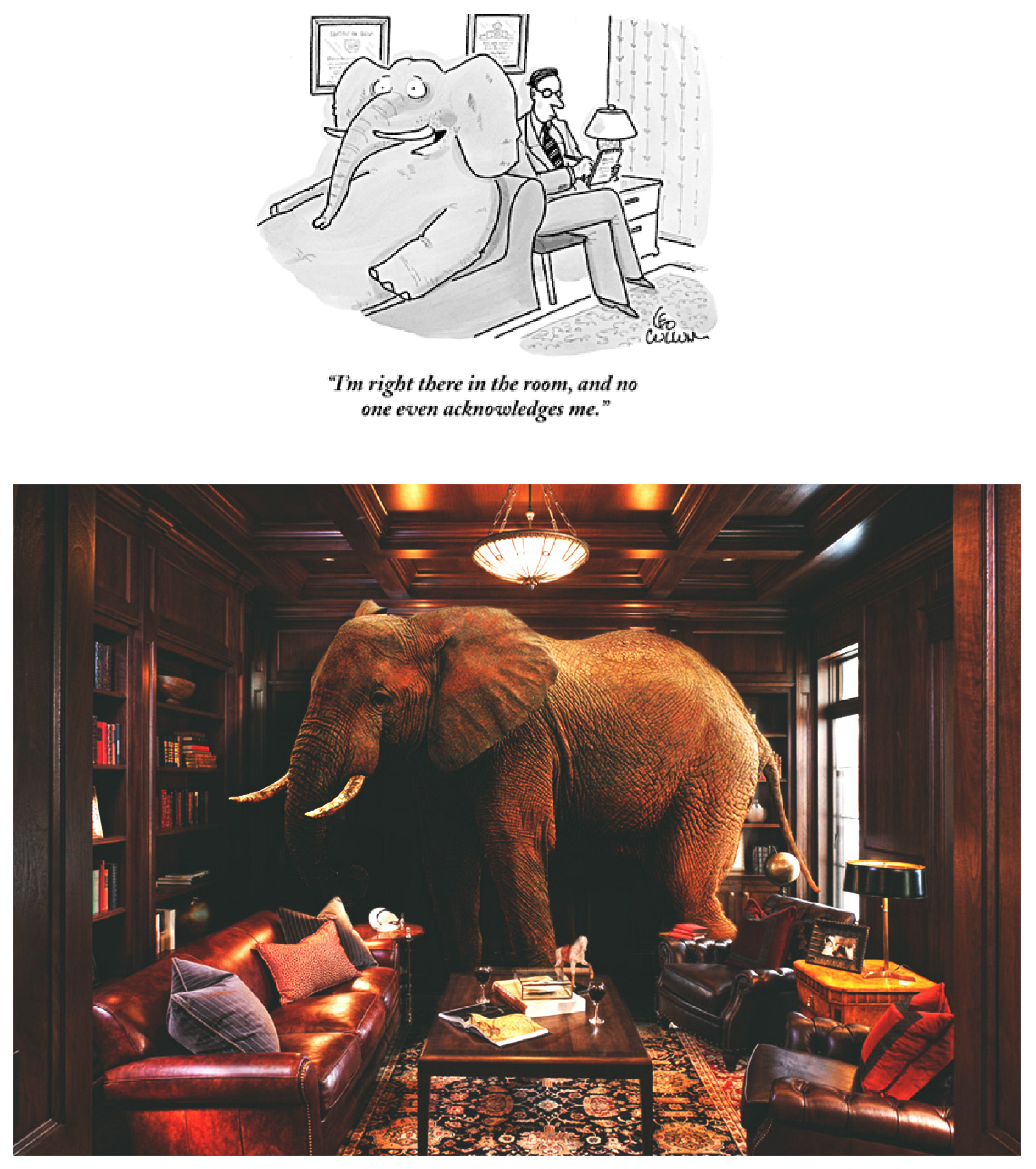
Cartoons 1A & 1B: ADDRESSING THE ELEPHANTS [131] IN THE ROOM.
References
- International Monetary Fund. Available online: https://www.imf.org/en/Publications/WEO.
- Reuters. “IMF Sees Cost of COVID Pandemic Rising beyond $12.5 Trillion Estimate.” January 20, 2022. Available online: https://www.reuters.com/business/imf-sees-cost-covid-pandemic-rising-beyond-125-trillion-estimate-2022-01-20/.
- Graham Barney S and Sullivan Nancy J. (2018) Emerging viral diseases from a vaccinology perspective: preparing for the next pandemic. Nat Immunol. 2018 January; 19(1):20-28. Epub 2017 December 14. Available online: https://www.ncbi.nlm.nih.gov/pmc/articles/PMC7097586/pdf/41590_2017_Article_7.pdf. [CrossRef]
- Johns Hopkins Coronavirus Resource Center. “COVID-19 Map.”. Available online: https://coronavirus.jhu.edu/map.html.
- Mueller, Benjamin, and Stephanie Nolen. “Death Toll During Pandemic Far Exceeds Totals Reported by Countries, W.H.O. Says.” The New York Times, May 5, 2022. Available online: www.nytimes.com/2022/05/05/health/covid-global-deaths.html.
- "It Was The Government That Produced COVID-19 Vaccine Success" Health Affairs Blog, May 14, 2021. Available online: www.healthaffairs.org/content/forefront/government-produced-covid-19-vaccine-success. [CrossRef]
- Available online: https://www.niaid.nih.gov/diseases-conditions/decades-making-mrna-covid-19-vaccines.
- Sidibé, Michel. “Vaccine Inequity: Ensuring Africa Is Not Left Out.” Brookings (blog), January 24, 2022. Available online: https://www.brookings.edu/blog/africa-in-focus/2022/01/24/vaccine-inequity-ensuring-africa-is-not-left-out/.
- Wingrove, P. (2023) “Moderna Expects to Price Its COVID Vaccine at about $130 in the US.” Reuters, Mar 21, 2023. Available online: www.reuters.com/business/healthcare-pharmaceuticals/moderna-expects-price-its-covid-vaccine-about-130-us-2023-03-20/.
- “How Much Could COVID-19 Vaccines Cost the U.S. After Commercialization?” KFF (blog), March 10, 2023. Available online: https://www.kff.org/coronavirus-covid-19/issue-brief/how-much-could-covid-19-vaccines-cost-the-u-s-after-commercialization/.
- Datta, Shoumen (2022) The Health of Nations. MIT. (contains extensive documentation of published papers and list of publications in this field of study). Available online: https://dspace.mit.edu/handle/1721.1/145774.
- Mason HS, Lam DM, Arntzen CJ. (1992) Expression of hepatitis B surface antigen in transgenic plants. PNAS 1992 December 15; 89(24): 11745-11749. Available online: www.ncbi.nlm.nih.gov/pmc/articles/PMC50633/pdf/pnas01098-0106.pdf. [CrossRef]
- Thanavala Y, Yang YF, Lyons P, Mason HS, Arntzen C. (1995) Immunogenicity of transgenic plant-derived hepatitis B surface antigen. Proceeding of the National Academy of Science (USA) 1995 April 11; 92(8):3358-3361. Available online: https://www.ncbi.nlm.nih.gov/pmc/articles/PMC42165/pdf/pnas01492-0291.pdf. [CrossRef]
- Kapusta J, Modelska A, Figlerowicz M, Pniewski T, Letellier M, Lisowa O, Yusibov V, Koprowski H, Plucienniczak A, Legocki AB. (1999) A plant-derived edible vaccine against hepatitis B virus. FASEB J. 1999 October; 13(13):1796-1799. Erratum in: FASEB J 1999 December; 13(15):2339. Available online: https://faseb.onlinelibrary.wiley.com/doi/epdf/10.1096/fasebj.13.13.1796. [PubMed]
- Tacket CO, Mason HS, Losonsky G, Clements JD, Levine MM, Arntzen CJ. (1998) Immunogenicity in humans of a recombinant bacterial antigen delivered in a transgenic potato. Nature Medicine. 1998 May; 4(5):607-9. Available online: www.nature.com/articles/nm0598-607.pdf. [CrossRef] [PubMed]
- Tacket CO, Mason HS, Losonsky G, Estes MK, Levine MM, Arntzen CJ. (2000) Human immune responses to a novel norwalk virus vaccine delivered in transgenic potatoes. Journal of Infectious Diseases 2000 July; 182(1):302-305. Available online: https://academic.oup.com/jid/article-pdf/182/1/302/17999637/182-1-302.pdf. [CrossRef]
- Gallie DR, Tanguay RL, Leathers V. The tobacco etch viral 5' leader and poly(A) tail are functionally synergistic regulators of translation. Gene. 1995 November 20; 165(2):233-238. [CrossRef] [PubMed]
- Valenzuela P, Medina A, Rutter WJ, Ammerer G, Hall BD. Synthesis and assembly of hepatitis B virus surface antigen particles in yeast. Nature. 1982 July 22; 298(5872):347-50. [CrossRef]
- Scolnick EM, McLean AA, West DJ, McAleer WJ, Miller WJ, Buynak EB. Clinical evaluation in healthy adults of a hepatitis B vaccine made by recombinant DNA. JAMA. 1984 June 1; 251(21):2812-2815. [CrossRef]
- Tacket CO, Pasetti MF, Edelman R, Howard JA, Streatfield S. Immunogenicity of recombinant LT-B delivered orally to humans in transgenic corn. Vaccine. 2004 October 22; 22(31-32): 4385-4389. [CrossRef] [PubMed]
- Norovirus. Available online: https://my.clevelandclinic.org/health/diseases/17703-norovirus.
- “Where Do Potatoes Grow? » Just About Anywhere.” Garden.Eco, 16 January 2018. Available online: https://www.garden.eco/title-where-do-potatoes-grow.
- Curtiss III, Roy and Cardineau, Guy (May 9, 1989) PATENT - ORAL IMMUNIZATION BY TRANSGENIC PLANTS. Publication # WO1990002484. Patent Application # PCT/US1989/003799. Available online: https://patentscope.wipo.int/search/en/detail.jsf?docId=WO1990002484.
- Lomonossoff GP, Evans DJ. Applications of plant viruses in bionanotechnology. Curr Top Microbiology and Immunology. 2014; 375:61-87. Available online: https://www.ncbi.nlm.nih.gov/pmc/articles/PMC7121916/pdf/978-3-642-40829-8_Chapter_184.pdf. [CrossRef] [PubMed]
- Prates-Syed WA, Chaves LCS, Crema KP, Vuitika L, Lira A, Côrtes N, Kersten V, Guimarães FEG, Sadraeian M, Barroso da Silva FL, Cabral-Marques O, Barbuto JAM, Russo M, Câmara NOS, Cabral-Miranda G. VLP-Based COVID-19 Vaccines: An Adaptable Technology against the Threat of New Variants. Vaccines (Basel). 2021 Nov 30; 9(12):1409. Available online: https://www.ncbi.nlm.nih.gov/pmc/articles/PMC8708688/pdf/vaccines-09-01409.pdf. [CrossRef] [PubMed]
- Sharifzadeh M, Mottaghi-Dastjerdi N, Soltany Rezae Raad M. A Review of Virus-Like Particle-Based SARS-CoV-2 Vaccines in Clinical Trial Phases. Iran J Pharm Res. 2022 May 9; 21(1):e127042. Available online: https://www.ncbi.nlm.nih.gov/pmc/articles/PMC9293385/pdf/ijpr-21-1-127042.pdf. [CrossRef]
- Ponndorf D, Meshcheriakova Y, Thuenemann EC, Dobon Alonso A, Overman R, Holton N, Dowall S, Kennedy E, Stocks M, Lomonossoff GP, Peyret H. Plant-made dengue virus-like particles produced by co-expression of structural and non-structural proteins induce a humoral immune response in mice. Plant Biotechnology J. 2021 April; 19(4):745-756. Available online: https://www.ncbi.nlm.nih.gov/pmc/articles/PMC8051607/pdf/PBI-19-745.pdf. [CrossRef] [PubMed]
- Alpuche-Lazcano SP, Stuible M, Akache B, Tran A, Kelly J, Hrapovic S, Robotham A, Haqqani A, Star A, Renner TM, Blouin J, Maltais JS, Cass B, Cui K, Cho JY, Wang X, Zoubchenok D, Dudani R, Duque D, McCluskie MJ, Durocher Y. Preclinical evaluation of manufacturable SARS-CoV-2 spike virus-like particles produced in Chinese Hamster Ovary cells. Commun Med (Lond). 2023 August 23; 3(1):116. Available online: https://www.ncbi.nlm.nih.gov/pmc/articles/PMC10447459/pdf/43856_2023_Article_340.pdf. [CrossRef] [PubMed]
- Goswami T, Jasti B, Li X. (2008) Sublingual drug delivery. Crit Rev Ther Drug Carrier Syst. 2008; 25(5):449-484. [CrossRef] [PubMed]
- OECD. Available online: https://www.oecd.org/about/document/oecd-convention.htm.
- Rego GNA, Nucci MP, Alves AH, Oliveira FA, Marti LC, Nucci LP, Mamani JB, Gamarra LF. Current Clinical Trials Protocols and the Global Effort for Immunization against SARS-CoV-2. Vaccines (Basel). 2020 August 25; 8(3):474. Available online: https://www.ncbi.nlm.nih.gov/pmc/articles/PMC7564421/pdf/vaccines-08-00474.pdf. [CrossRef] [PubMed]
- Patel SP, Patel GS, Suthar JV. Inside the story about the research and development of COVID-19 vaccines. Clin Exp Vaccine Res. 2021 May; 10(2):154-170. Available online: https://www.ncbi.nlm.nih.gov/pmc/articles/PMC8217575/pdf/cevr-10-154.pdf. [CrossRef] [PubMed]
- Janeway CA Jr, Travers P, Walport M, et al. Immunobiology: The Immune System in Health and Disease. 5th edition. New York: Garland Science; 2001. The distribution and functions of immunoglobulin isotypes. Available online: https://www.ncbi.nlm.nih.gov/books/NBK27162/.
- Baranova A, Chandhoke V, Makarova AV, Veytsman B. In a search of a protective titer: Do we or do we not need to know? Clin Transl Med. 2021 Dec; 11(12):e668. Available online: www.ncbi.nlm.nih.gov/pmc/articles/PMC8666578/pdf/CTM2-11-e668.pdf. [CrossRef] [PubMed]
- Zheng, D., Liwinski, T. & Elinav, E. Interaction between microbiota and immunity in health and disease. Cell Res 30, 492–506 (2020). Available online: https://www.nature.com/articles/s41422-020-0332-7.pdf. [CrossRef]
- Wiertsema SP, van Bergenhenegouwen J, Garssen J, Knippels LMJ. The Interplay between the Gut Microbiome and the Immune System in the Context of Infectious Diseases throughout Life and the Role of Nutrition in Optimizing Treatment Strategies. Nutrients. 2021 Mar 9; 13(3):886. Available online: https://www.ncbi.nlm.nih.gov/pmc/articles/PMC8001875/pdf/nutrients-13-00886.pdf. [CrossRef] [PubMed]
- Kusunoki H, Ekawa K, Ekawa M, Kato N, Yamasaki K, Motone M, Shimizu H. Trends in Antibody Titers after SARS-CoV-2 Vaccination-Insights from Self-Paid Tests at a General Internal Medicine Clinic. Medicines (Basel). 2023 April 20;10(4):27. Available online: https://www.ncbi.nlm.nih.gov/pmc/articles/PMC10142734/pdf/medicines-10-00027.pdf. [CrossRef] [PubMed]
- Sender R, Bar-On YM, Gleizer S, Bernshtein B, Flamholz A, Phillips R, Milo R. The total number and mass of SARS-CoV-2 virions. Proc Natl Acad Sci U S A. 2021 June 22; 118(25):e2024815118. Available online: https://www.ncbi.nlm.nih.gov/pmc/articles/PMC8237675/pdf/pnas.202024815.pdf. [CrossRef] [PubMed]
- Smyth SJ, Phillips PW. (2014) Risk, regulation & biotechnology: the case of GM crops. GM Crops Food. 2014 July 3; 5(3):170-177. Available online: https://www.ncbi.nlm.nih.gov/pmc/articles/PMC5033226/pdf/kgmc-05-03-945880.pdf. [CrossRef]
- Wu F, Wesseler J, Zilberman D, Russell RM, Chen C, Dubock AC. Opinion: Allow Golden Rice to save lives. Proc Natl Acad Sci USA. 2021 December 21; 118(51):e2120901118. Available online: https://www.ncbi.nlm.nih.gov/pmc/articles/PMC8713968/pdf/pnas.202120901.pdf. [CrossRef] [PubMed]
- Taverne, Dick. The March of Unreason: Science, Democracy, and the New Fundamentalism. Oxford University Press, NYC. 2005. Available online: www.ncbi.nlm.nih.gov/pmc/articles/PMC558032/pdf/bmj33001214.pdf.
- BBC News. “GM Crops: The Greenpeace Activists Who Risked Jail to Destroy a Field of Maize.” September 20, 2020. Available online: https://www.bbc.com/news/uk-england-norfolk-54162239.
- The Royal Society (2016) What GM Crops Are Being Grown and Where? Available online: https://royalsociety.org/topics-policy/projects/gm-plants/what-gm-crops-are-currently-being-grown-and-where/.
- Lynas, Mark (2013) “The True Story About Who Destroyed a Genetically Modified Rice Crop.” Slate, August 26, 2013. Available online: https://www2.itif.org/2016-suppressing-innovation-gmo.pdf.
- International Rice Research Institute (2021) Philippines Becomes First Country to Approve Nutrient-Enriched ‘Golden Rice’ for Planting. Available online: https://www.irri.org/news-and-events/news/philippines-becomes-first-country-approve-nutrient-enriched-golden-rice.
- Alliance for Science (2022) Kenya Approves GMOs after 10-Year Ban. Available online: https://allianceforscience.org/blog/2022/10/kenya-approves-gmos-after-10-year-ban/.
- USDA Foreign Agricultural Service (2023) Thailand Updates Its Implementation on GM Foods Regulations. February 2, 2023. Available online: https://www.fas.usda.gov/data/thailand-thailand-updates-its-implementation-gm-foods-regulations.
- Sen, Amartya (2011) The idea of justice. Belknap, Harvard University Press. ISBN 978-0674060470. Available online: https://dutraeconomicus.wordpress.com/wp-content/uploads/2014/02/amartya-sen-the-idea-of-justice-2009.pdf.
- Jia KM, Hanage WP, Lipsitch M, Johnson AG, Amin AB, Ali AR, Scobie HM, Swerdlow DL. Estimated preventable COVID-19-associated deaths due to non-vaccination in the United States. Eur J Epidemiol. 2023 Nov;38(11):1125-1128. Available online: https://www.ncbi.nlm.nih.gov/pmc/articles/PMC10123459/pdf/10654_2023_Article_1006.pdf. [CrossRef] [PubMed]
- Halabi, Sam, and George L. O’Hara. “Preparing for the Next Pandemic - Expanding and Coordinating Global Regulatory Capacity.” New England J of Medicine, vol. 391, no. 6, August 2024, pp. 484–487. Available online: https://www.nejm.org/doi/pdf/10.1056/NEJMp2406390. [CrossRef]
- Goldgar, Anne. Tulipmania: Money, Honor, and Knowledge in the Dutch Golden Age. University of Chicago Press, 2008. ISBN 9780226301266. Available online: https://press.uchicago.edu/ucp/books/book/chicago/T/bo5414939.html.
- Lakshmi T, Krishnan V, Rajendran R, Madhusudhanan N. Azadirachta indica: A herbal panacea in dentistry - An update. Pharmacogn Rev. 2015 Jan-Jun; 9(17):41-44. Available online: https://www.ncbi.nlm.nih.gov/pmc/articles/PMC4441161/pdf/PRev-9-41.pdf. [CrossRef] [PubMed]
- Acknowledge The Elephant in the Room. Available online: https://jeffrossblog.com/wp-content/uploads/2013/01/elephantintheroom-leo_cullum.png.
- Hughes, R. E. James Lind And The Cure Of Scurvy: An Experimental Approach. Available online: https://www.ncbi.nlm.nih.gov/pmc/articles/PMC1081662/pdf/medhist00113-0029.pdf.
- James Lind: The man who helped to cure scurvy with lemons. Available online: www.bbc.com/news/uk-england-37320399.
- James Lind (1753) A Treatise of the Scurvy. Available online: http://inspire.stat.ucla.edu/unit_04/scurvy.pdf.
- Bartholomew M. (2002) James Lind's Treatise of the Scurvy (1753). Postgrad Med J. 2002 November; 78(925): 695-696. Available online: https://www.ncbi.nlm.nih.gov/pmc/articles/PMC1742547/pdf/v078p00695.pdf. [CrossRef] [PubMed]
- Snow, John (1955) On the mode of transmission of cholera. London: John Churchill, 1855, pp. 55–98. Part 3, Table IX. Available online: https://kora.matrix.msu.edu/files/21/120/15-78-52-22-1855-MCC2.pdf.
- Available online: https://www.physics.smu.edu/pseudo/ThinkingMed/.
- Tulchinsky TH (2018) John Snow, Cholera, the Broad Street Pump; Waterborne Diseases Then and Now. Case Studies in Public Health. 2018: 77–99. Available online: https://www.ncbi.nlm.nih.gov/pmc/articles/PMC7150208/pdf/main.pdf. [CrossRef]
- Mortimer, Ian (2014) Centuries of change: Which century saw the most change? Bodley Head (Oct 2, 2014) ISBN 13: 978-1847923035. Available online: https://historicalnovelsociety.org/reviews/century-of-change/.
- Pittet D, Allegranzi B. (2018) Preventing sepsis in healthcare - 200 years after the birth of Ignaz Semmelweis. Euro Surveill. 2018 May; 23(18):18-00222. Available online: https://www.ncbi.nlm.nih.gov/pmc/articles/PMC6053623/pdf/eurosurv-23-18-1.pdf. [CrossRef] [PubMed]
- Louis Pasteur. Available online: https://www.pasteur.fr/en/institut-pasteur/history.
- Vincent JL. (2022) Evolution of the Concept of Sepsis. Antibiotics (Basel). 2022 November 9; 11(11):1581. Available online: https://www.ncbi.nlm.nih.gov/pmc/articles/PMC9686931/pdf/antibiotics-11-01581.pdf. [CrossRef] [PubMed]
- Toney-Butler TJ, Gasner A, Carver N. (2024) Hand Hygiene. [Updated 2023 July 31] StatPearls Publishing, 2024. Available online: https://www.ncbi.nlm.nih.gov/books/NBK470254/.
- Available online: https://www.ncbi.nlm.nih.gov/books/NBK470254/?report=printable.
- Roman poet Virgil used the exact phrase audentes fortuna iuvat ("fortune favors the bold") in his epic poem The Aeneid, which was written in 29 BC. In the poem, the character Turnus utters the line while leaving to battle against Aeneas, knowing the odds are against him. However, in 161 BC, Terence used a similar but slightly different phrase fortes fortuna adiuvat, which means "fortune favors the strong", in his play Phormio. Pliny the Elder is said to have used the phrase audentes fortuna iuvat as he led a fleet to Pompeii to investigate the eruption of Mount Vesuvius in 79 AD.
- Walensky RP, Baden LR. (2024) The Real PURPOSE of PrEP - Effectiveness, Not Efficacy. N Engl J Med. 2024 July 24. Available online: https://www.nejm.org/doi/pdf/10.1056/NEJMe2408591. [CrossRef]
- Hofstadter, Douglas R. (1979). Gödel, Escher, Bach: an Eternal Golden Braid. Basic Books, New York. ISBN 13: 978-046502656-2. Available online: https://www.physixfan.com/wp-content/files/GEBen.pdf.
- Gandhi, Mohandas Karamchand. Available online: https://kinginstitute.stanford.edu/gandhi-mohandas-k.
- Turmeric Capsules. Available online: https://www.stonehengehealth.com/dynamic-turmeric.php.
- Dehydrated Packaging. Available online: https://www.fitakyfood.com/product/dehydrated-vegetables.html.
- Ramen. Available online: https://www.target.com/s/ramen+noodles.
- Miso. Available online: www.walmart.com/ip/Kikkoman-Soybean-Paste-With-Tofu-Instant-Soup-1-05-oz/10451757.
- Haynes WA, Kamath K, Bozekowski J, Baum-Jones E, Campbell M, Casanovas-Massana A, Daugherty PS, Dela Cruz CS, Dhal A, Farhadian SF, Fitzgibbons L, Fournier J, Jhatro M, Jordan G, Klein J, Lucas C, Kessler D, Luchsinger LL, Martinez B, Catherine Muenker M, Pischel L, Reifert J, Sawyer JR, Waitz R, Wunder EA Jr, Zhang M; Yale IMPACT Team; Iwasaki A, Ko A, Shon JC. (2021) High-resolution epitope mapping and characterization of SARS-CoV-2 antibodies in large cohorts of subjects with COVID-19. Communications Biology 2021 November 22; 4(1):1317. Available online: https://www.nature.com/articles/s42003-021-02835-2.pdf, https://pmc.ncbi.nlm.nih.gov/articles/PMC8608966/pdf/42003_2021_Article_2835.pdf. [CrossRef] [PubMed]
- Fields Bernard and Byers Karen (1983) The genetic basis of viral virulence. Philosophical Transactions of the Royal Society London. B303 209–218. [CrossRef]
- Treanor J. (2004) Influenza vaccine--outmaneuvering antigenic shift and drift. New England J Medicine 2004 January 15; 350(3):218-20. Available online: https://www.nejm.org/doi/pdf/10.1056/NEJMp038238. [CrossRef] [PubMed]
- Available online: https://www.cdc.gov/flu/php/viruses/change.html.
- Magazine N, Zhang T, Bungwon AD, McGee MC, Wu Y, Veggiani G, Huang W. (2024) Immune Epitopes of SARS-CoV-2 Spike Protein and Considerations for Universal Vaccine Development. bioRxiv [Preprint]. 2023 October 27: 2023.10.26.564184. Update in: Immunohorizons. 2024 March 1;8(3):214-226. Available online: https://pmc.ncbi.nlm.nih.gov/articles/PMC10634854/pdf/nihpp-2023.10.26.564184v1.pdf. [CrossRef] [PubMed]
- Morgan V, Casso-Hartmann L, Bahamon-Pinzon D, McCourt K, Hjort RG, Bahramzadeh S, Velez-Torres I, McLamore E, Gomes C, Alocilja EC, Bhusal N, Shrestha S, Pote N, Briceno RK, Datta SPA, Vanegas DC. (2020) Sensor-as-a-Service: Convergence of Sensor Analytic Point Solutions (SNAPS) and Pay-A-Penny-Per-Use (PAPPU) Paradigm as a Catalyst for Democratization of Healthcare in Underserved Communities. Diagnostics (Basel). 2020 January 1; 10(1):22. Available online: https://pmc.ncbi.nlm.nih.gov/articles/PMC7169468/pdf/diagnostics-10-00022.pdf. [CrossRef] [PubMed]
- Levy AA, Feldman M. Evolution and origin of bread wheat. Plant Cell. 2022 July 4; 34(7):2549-2567. Available online: https://www.ncbi.nlm.nih.gov/pmc/articles/PMC9252504/pdf/koac130.pdf. [CrossRef] [PubMed]
- Sears, E. R. (1941) Chromosome pairing and fertility in hybrids and amphidiploids in the Triticinae. Res. Bul. Mo. Agric. Exp. Sta., 337 (Columbia, Missouri, USA). Available online: https://core.ac.uk/download/pdf/62789955.pdf.
- Riley, R. (1960) The diploidisation of polyploid wheat. Heredity 15, 407–429 (1960). Available online: https://www.nature.com/articles/hdy1960106.pdf. [CrossRef]
- Stephens PJ, Greenman CD, Fu B, Yang F, Bignell GR, Mudie LJ, Pleasance ED, Lau KW, Beare D, Stebbings LA, McLaren S, Lin ML, McBride DJ, Varela I, Nik-Zainal S, Leroy C, Jia M, Menzies A, Butler AP, Teague JW, Quail MA, Burton J, Swerdlow H, Carter NP, Morsberger LA, Iacobuzio-Donahue C, Follows GA, Green AR, Flanagan AM, Stratton MR, Futreal PA, Campbell PJ. Massive genomic rearrangement acquired in a single catastrophic event during cancer development. Cell. 2011 January 7; 144(1):27-40. Available online: https://www.ncbi.nlm.nih.gov/pmc/articles/PMC3065307/?report=printable. [CrossRef] [PubMed]
- Sandberg AA, Ishihara T, Moore GE, Pickren JW. (1963) Unusually high polyploidy in a human cancer. Cancer. 1963 October; 16:1246-125. Available online: https://acsjournals.onlinelibrary.wiley.com/doi/pdf/10.1002/1097-0142(196310)16:10%3C1246::AID-CNCR2820161004%3E3.0.CO;2-Q. [CrossRef] [PubMed]
- Shteinman ER, Wilmott JS, da Silva IP, Long GV, Scolyer RA, Vergara IA. (2022) Causes, consequences and clinical significance of aneuploidy across melanoma subtypes. Front Oncol. 2022 October 6;12:988691. Available online: https://www.ncbi.nlm.nih.gov/pmc/articles/PMC9582607/pdf/fonc-12-988691.pdf. [CrossRef] [PubMed]
- Müller, M., May, S. & Bird, T.G. (2021) Ploidy dynamics increase the risk of liver cancer initiation. Nature Communication 12, 1896 (2021). Available online: https://www.nature.com/articles/s41467-021-21897-8.pdf. [CrossRef]
- Matsumoto T, Wakefield L, Peters A, Peto M, Spellman P, Grompe M. Proliferative polyploid cells give rise to tumors via ploidy reduction. Nat Commun. 2021 January 28;12(1):646. Available online: https://www.ncbi.nlm.nih.gov/pmc/articles/PMC7843634/pdf/41467_2021_Article_20916.pdf. [CrossRef] [PubMed]
- Song Y, Zhao Y, Deng Z, Zhao R, Huang Q. Stress-Induced Polyploid Giant Cancer Cells: Unique Way of Formation and Non-Negligible Characteristics. Frontiers in Oncology 2021 August 30;11:724781. Available online: https://www.ncbi.nlm.nih.gov/pmc/articles/PMC8435787/pdf/fonc-11-724781.pdf. [CrossRef] [PubMed]
- Zhou X, Zhou M, Zheng M, Tian S, Yang X, Ning Y, Li Y, Zhang S. (2022) Polyploid giant cancer cells and cancer progression. Front Cell Dev Biol. 2022 October 5;10:1017588. Available online: https://www.ncbi.nlm.nih.gov/pmc/articles/PMC9581214/pdf/fcell-10-1017588.pdf. [CrossRef] [PubMed]
- Dawkins, R. (2024). The genetic book of the dead: A Darwinian reverie. Yale University Press. ISBN-13 978-0300278095. Available online: https://www.science.org/doi/10.1126/science.adr3236.
- Yaakov B, Meyer K, Ben-David S, Kashkush K. Copy number variation of transposable elements in Triticum-Aegilops genus suggests evolutionary and revolutionary dynamics following allopolyploidization. Plant Cell Rep. 2013 October; 32(10):1615-24. Available online: https://link.springer.com/article/10.1007/s00299-013-1472-8. [CrossRef] [PubMed]
- Wilcox, Christie (30 August 2024) Earthworms have ‘completely scrambled’ genomes. Did that enable their ancestors to leave the sea? Chaotic rearrangements of chromosomes may have helped leeches swim into fresh water and other worms wriggle onto land. Science (News). Available online: https://www.science.org/content/article/earthworms-have-completely-scrambled-genomes-did-help-their-ancestors-leave-sea.
- . [CrossRef]
- . [CrossRef]
- . [CrossRef]
- . [CrossRef]
- . [CrossRef]
- Available online: https://www.science.org/doi/10.1126/sciadv.abi5884.
- Eldredge, Niles and Stephen Jay Gould (1972) Punctuated equilibria: an alternative to phyletic gradualism. pp. 82-115. In: Schopf, T. J. M., ed. Models in Paleobiology. Freeman, Cooper & Co. Available online: http://www.critical-juncture.net/uploads/2/1/9/9/21997192/eldredge_and_gould_punctuated_equilibria_1972.pdf.
- Gould, S. J., & Eldredge, N. (1977). Punctuated Equilibria: The Tempo and Mode of Evolution Reconsidered. Paleobiology, 3(2), 115–151. Available online: http://www.jstor.org/stable/2400177.
- White-Gilbertson S, Lu P, Saatci O, Sahin O, Delaney JR, Ogretmen B, Voelkel-Johnson C. Transcriptome analysis of polyploid giant cancer cells and their progeny reveals a functional role for p21 in polyploidization and depolyploidization. Journal of Biological Chemistry 2024 April; 300(4):107136. Available online: https://www.ncbi.nlm.nih.gov/pmc/articles/PMC10979113/pdf/main.pdf. [CrossRef] [PubMed]
- Matsuura T, Ueda Y, Harada Y, Hayashi K, Horisaka K, Yano Y, So S, Kido M, Fukumoto T, Kodama Y, Hara E, Matsumoto T. Histological diagnosis of polyploidy discriminates an aggressive subset of hepatocellular carcinomas with poor prognosis. British Journal of Cancer. 2023 October;129(8):1251-1260. Epub 2023 Sep 15. Available online: https://www.ncbi.nlm.nih.gov/pmc/articles/PMC10576083/pdf/41416_2023_Article_2408.pdf. [CrossRef] [PubMed]
- De Chiara L, Conte C, Semeraro R, Diaz-Bulnes P, Angelotti ML, Mazzinghi B, Molli A, Antonelli G, Landini S, Melica ME, Peired AJ, Maggi L, Donati M, La Regina G, Allinovi M, Ravaglia F, Guasti D, Bani D, Cirillo L, Becherucci F, Guzzi F, Magi A, Annunziato F, Lasagni L, Anders HJ, Lazzeri E, Romagnani P. Tubular cell polyploidy protects from lethal acute kidney injury but promotes consequent chronic kidney disease. Nat Commun. 2022 October 4;13(1):5805. Available online: https://www.ncbi.nlm.nih.gov/pmc/articles/PMC9532438/pdf/41467_2022_Article_33110.pdf. [CrossRef] [PubMed]
- Van de Peer Y, Ashman TL, Soltis PS, Soltis DE. Polyploidy: an evolutionary and ecological force in stressful times. Plant Cell. 2021 March 22;33(1):11-26. Erratum in: Plant Cell. 2021 Aug 31; 33(8):2899. Available online: https://www.ncbi.nlm.nih.gov/pmc/articles/PMC8136868/pdf/koaa015.pdf. [CrossRef] [PubMed]
- Elizabeth Pennisi (24 August 2023) Stress Responders. Science (News). Available online: https://www.science.org/content/article/cells-extra-genomes-may-help-tissues-respond-injuries-species-survive-cataclysms.
- Creighton HB, McClintock B. A (1931) Correlation of Cytological and Genetical Crossing-Over in Zea Mays. Proc Natl Acad Sci U S A. 1931 August; 17(8):492-7. Available online: http://www.pnas.org/content/17/8/492.full.pdf. [CrossRef] [PubMed]
- Available online: https://www.ncbi.nlm.nih.gov/pmc/articles/PMC1076098/pdf/pnas01724-0050.pdf.
- Federoff, Nina, and David Botstein. The Dynamic Genome: Barbara McClintock's Ideas in the Century of Genetics. Cold Spring Harbor: Cold Spring Harbor Laboratory Press, 1992.
- Barbara McClintock. Available online: https://www.nobelprize.org/prizes/medicine/1983/mcclintock/facts/.
- Arber, Werner and Dussoix, Daisy (1962) Host specificity of DNA produced by Escherichia coli. I. Host controlled modification of bacteriophage lambda. Journal of Molecular Biology 1962 July; 5:18-36. [CrossRef] [PubMed]
- Kelly TJ Jr, Smith HO. (1970) A restriction enzyme from Hemophilus influenzae. II. J Molecular Biology 1970 July 28; 51(2):393-409. [CrossRef] [PubMed]
- Danna, Kathleen and Nathans Daniel (1971) Specific cleavage of simian virus 40 DNA by restriction endonuclease of Hemophilus influenzae. Proc Natl Acad Sci U S A. 1971 December; 68(12):2913-2917. Available online: https://www.ncbi.nlm.nih.gov/pmc/articles/PMC389558/pdf/pnas00087-0016.pdf. [CrossRef] [PubMed]
- Werner Arber, Daniel Nathans, Hamilton Smith. Available online: www.nobelprize.org/prizes/medicine/1978/summary.
- Hiatt A, Cafferkey R, Bowdish K. Production of antibodies in transgenic plants. Nature. 1989 Nov 2; 342(6245):76-78. [CrossRef]
- James E, Lee JM. The production of foreign proteins from genetically modified plant cells. Advances in Biochemical Engineering and Biotechnology. 2001. 72:127-156. [CrossRef]
- Taverne, Dick. The March of Unreason: Science, Democracy, and the New Fundamentalism. Oxford University Press, 2006. ISBN-13: 978-0199205622. Available online: https://www.ncbi.nlm.nih.gov/pmc/articles/PMC558032/pdf/bmj33001214.pdf.
- Kupferschmidt, Kai (9 August 2013) Activists Destroy “Golden Rice” Field Trial. Available online: https://www.science.org/content/article/activists-destroy-golden-rice-field-trial.
- Lynas, Mark. “Anti-GMO Activists Lie About Attack on Rice Crop (and About So Many Other Things).” Slate Magazine, 26 August 2013. Available online: https://slate.com/technology/2013/08/golden-rice-attack-in-philippines-anti-gmo-activists-lie-about-protest-and-safety.html.
- Republic of the Philippines SUPREME COURT Manila G.R. No. 193459 February 15, 2011. Available online: https://www.scribd.com/document/437684421/8-Gutierrez-v-HoR-on-Justice-pdf.
- Feroze KB, Kaufman EJ. Xerophthalmia. [Updated 2021 April 25] StatPearls Publishing; 2021 January. Available online: https://www.ncbi.nlm.nih.gov/books/NBK431094/.
- Burkhardt PK, Beyer P, Wünn J, Klöti A, Armstrong GA, Schledz M, von Lintig J, Potrykus I. Transgenic rice (Oryza sativa) endosperm expressing daffodil (Narcissus pseudonarcissus) phytoene synthase accumulates phytoene, a key intermediate of provitamin A biosynthesis. Plant Journal 1997 May; 11(5):1071-1078. Available online: https://onlinelibrary.wiley.com/doi/epdf/10.1046/j.1365-313X.1997.11051071.x. [CrossRef]
- Golden Rice - The Embryo Project Encyclopedia. Available online: https://embryo.asu.edu/pages/golden-rice.
- Beyer P, Al-Babili S, Ye X, Lucca P, Schaub P, Welsch R, Potrykus I. Golden Rice: introducing the beta-carotene biosynthesis pathway into rice endosperm by genetic engineering to defeat vitamin A deficiency. Journal of Nutrition, 2002 March; 132(3):506S-510S. Available online: https://academic.oup.com/jn/article/132/3/506S/4687202. [CrossRef]
- Taverne, D. Suppressing science. Nature 453, 857–858 (2008). Available online: https://www.nature.com/articles/453857b.pdf. [CrossRef]
- Philippines Approves Commercial Use of Genetically Engineered Rice. Reuters, 25 August 2021. Available online: https://www.reuters.com/article/uk-philippines-rice-gmo-idUSKBN2FQ1D9.
- Siddiqui, M. S. Approval of Golden Rice for Production and Consumption. The Asian Age. Available online: http://dailyasianage.com/news/220741/?regenerate.
- Pezzotti G, Zhu W, Chikaguchi H, Marin E, Boschetto F, Masumura T, Sato YI, Nakazaki T. Raman Molecular Fingerprints of Rice Nutritional Quality and the Concept of Raman Barcode. Frontiers of Nutrition, 2021 June 23; 8:663569. Available online: https://www.ncbi.nlm.nih.gov/pmc/articles/PMC8260989/pdf/fnut-08-663569.pdf. [CrossRef]
- Photo of Unvaccinated vs Vaccinated. Available online: www.snopes.com/fact-check/one-vaccinated-one-not-smallpox.
- Deakin, Michael A. B. Hypatia of Alexandria: Mathematician and Martyr. Prometheus Books, 2007. ISBN 978-1-59102-520-7. Available online: https://archive.org/details/hypatiaofalexand0000deak, https://www.albany.edu/~reinhold/m552/hypatia-Deakin.pdf.
- Brahmagupta. (2013) Algebra, with arithmetic and mensuration. H. T. Colebrooke, Trans. Cambridge University Press. ISBN 978-1-10805-510-9.
- Thoren, Victor E., and J. R. Christianson. The Lord of Uraniborg: A Biography of Tycho Brahe. Cambridge University Press, 1991. ISBN 978-0521033077.
- Available online: https://www.hps.cam.ac.uk/files/taub-perhaps-irrelevant.pdf.
- Hartl DL. Gregor Johann Mendel: From peasant to priest, pedagogue, and prelate. Proc Natl Acad Sci 2022 July 26; 119(30):e2121953119. Available online: www.ncbi.nlm.nih.gov/pmc/articles/PMC9335201/pdf/pnas.202121953.pdf. [CrossRef] [PubMed]
- Curie, Eve (1937) Madame Curie: A Biography by Eve Curie. An unabridged republication of the edition published in New York 1937, Da Capo Press, 2001. ISBN 978-0306810381. Available online: https://www.science.org/doi/10.1126/science.87.2247.69, https://archive.org/details/madamecuriebiogr00evec_0 and https://ia800304.us.archive.org/32/items/madamecuriebiogr00evec_0/madamecuriebiogr00evec_0.pdf.
- Maddox, Brenda. (2002). Rosalind Franklin : the dark lady of DNA. Harper Collins, New York, NY. ISBN 978-0060985080 ◆ ISBN 0 00257149 8 ◆ Rosenfeld JA. Rosalind Franklin: The Dark Lady of DNA. BMJ. 2003 Feb 1; 326(7383):289. Available online: https://www.ncbi.nlm.nih.gov/pmc/articles/PMC1125153/pdf/289a.pdf.
- Ferry, Georgina (2014) Dorothy Crowfoot Hodgkin: A Life. Bloomsbury Publishing. ISBN 978-1448211715. Available online: https://www.nobelprize.org/prizes/chemistry/1964/hodgkin/biographical/, https://www.thelancet.com/action/showPdf?pii=S0140-6736%2814%2961912-7.
- Barbara McClintock. Available online: https://www.nsf.gov/news/special_reports/medalofscience50/mcclintock.jsp.
- Lydia Villa-Komaroff “Helped to Discover How to Use Bacterial Cells to Generate Insulin” Medium. 13 April 2020. Available online: https://amysmartgirls.com/20for2020-dr-78d197fdbf3c.
- Bayliss WM, Starling EH. (1902) The mechanism of pancreatic secretion. J Physiol. 1902 Sep 12; 28(5):325-53. Available online: https://www.ncbi.nlm.nih.gov/pmc/articles/PMC1540572/pdf/jphysiol02574-0001.pdf. [CrossRef] [PubMed]
- Kieffer TJ, Habener JF. (1999) The glucagon-like peptides. Endocr Rev. 1999 December; 20(6):876-913. [CrossRef] [PubMed]
- Raun K, von Voss P, Gotfredsen CF, Golozoubova V, Rolin B, Knudsen LB. (2007) Liraglutide, a long-acting glucagon-like peptide-1 analog, reduces body weight and food intake in obese candy-fed rats, whereas a dipeptidyl peptidase-IV inhibitor, vildagliptin, does not. Diabetes. 2007 Jan; 56(1):8-15. Available online: https://diabetesjournals.org/diabetes/article-pdf/56/1/8/384435/zdb00107000008.pdf. [CrossRef] [PubMed]
- Drucker DJ, Habener JF, Holst JJ. (2017) Discovery, characterization, and clinical development of the glucagon-like peptides. J Clin Invest. 2017 December 1; 127(12):4217-4227. Available online: https://www.ncbi.nlm.nih.gov/pmc/articles/PMC5707151/pdf/jci-127-97233.pdf. [CrossRef] [PubMed]
- Available online: https://www.nejm.org/doi/full/10.1056/NEJMcibr2409089. [CrossRef]
- Available online: https://laskerfoundation.org/winners/glp-1-based-therapy-for-obesity/.
- Available online: https://www.nature.com/articles/d41586-024-03078-x.
- Available online: https://hms.harvard.edu/news/harvard-medical-school-researcher-wins-2024-lasker-award-work-led-glp-1-therapies.
- Jha P, Deshmukh Y, Tumbe C, Suraweera W, Bhowmick A, Sharma S, Novosad P, Fu SH, Newcombe L, Gelband H, Brown P. (2022) COVID mortality in India: National survey data and health facility deaths. Science. 2022 February 11; 375(6581):667-671. Epub 2022 January 6. Available online: https://www.ncbi.nlm.nih.gov/pmc/articles/PMC9836201/pdf/science.abm5154.pdf. [CrossRef] [PubMed]
- US National Health Expenditures. Available online: https://www.cms.gov/files/document/highlights.pdf.
- Burkhardt PK, Beyer P, Wünn J, Klöti A, Armstrong GA, Schledz M, von Lintig J, Potrykus I. Transgenic rice (Oryza sativa) endosperm expressing daffodil (Narcissus pseudonarcissus) phytoene synthase accumulates phytoene, a key intermediate of provitamin A biosynthesis. Plant J. 1997 May; 11(5):1071-8. Available online: https://pubmed.ncbi.nlm.nih.gov/9193076/. [CrossRef] [PubMed]
- Ingo Potrykus. Available online: https://www.agbioworld.org/biotech-info/topics/goldenrice/tale.html.
- (TOP). Available online: https://www.cherryave.net/hp_wordpress/wp-content/uploads/2015/07/Elephant-in-the-Room-1024x768.png.
- Available online: https://mir-s3-cdn-cf.behance.net/project_modules/max_1200/ac314655613393.598b93f9a98f6.jpg.
- Schulz L, Rollwage M, Dolan RJ, Fleming SM. (2020) Dogmatism manifests in lowered information search under uncertainty. Proc Natl Acad Sci U S A. 2020 December 8; 117(49): 31527-31534. Available online: https://pmc.ncbi.nlm.nih.gov/articles/PMC7733856/pdf/pnas.202009641.pdf. [CrossRef] [PubMed]
- Cartoon 1 -. Available online: https://www.threads.net/@particles343/post/C7HsfsVRe-f.
- Are GMO Foods Safe? New York Times. Available online: https://www.nytimes.com/2018/04/23/well/eat/are-gmo-foods-safe.html.
- The Royal Society (2016) Is it safe to eat GM crops? Available online: https://royalsociety.org/news-resources/projects/gm-plants/is-it-safe-to-eat-gm-crops/ and https://royalsociety.org/-/media/policy/projects/gm-plants/gm-plant-q-and-a.pdf.
- National Academies of Sciences, Engineering, and Medicine (2022) Foods made with GMOs do not pose special health risks. Available online: https://www.nationalacademies.org/based-on-science/foods-made-with-gmos-do-not-pose-special-health-risks.
- National Academies of Sciences, Engineering, and Medicine; Division on Earth and Life Studies; Board on Agriculture and Natural Resources; Committee on Genetically Engineered Crops: Past Experience and Future Prospects. Genetically Engineered Crops: Experiences and Prospects. Washington (DC): National Academies Press (US); 2016 May 17. 5, Human Health Effects of Genetically Engineered Crops. Available online: https://www.ncbi.nlm.nih.gov/books/NBK424534/.
- EU Parliament (2015) DRAFT REPORT on the proposal for a regulation of the European Parliament and of the Council amending Regulation (EC) No 1829/2003 as regards the possibility for the Member States to restrict or prohibit the use of genetically modified food and feed on their territory. Available online: https://www.europarl.europa.eu/doceo/document/ENVI-PR-560784_EN.pdf.
- EU Parliament (2015) Eight Things You Should Know About GMOs. Available online: https://www.europarl.europa.eu/topics/en/article/20151013STO97392/eight-things-you-should-know-about-gmos.
- McClintock, Barbara (1950) The origin and behavior of mutable loci in maize. Proc Natl Acad Sci USA 36(6): 344–355. Available online: https://www.pnas.org/content/pnas/36/6/344.full.pdf.
- McClintock, Barbara -. Available online: https://www.nobelprize.org/prizes/medicine/1983/mcclintock/facts/.
- McClintock, Barbara -. Available online: https://www.wired.com/2012/06/happy-birthday-barbara-mcclintock/.
- de Bruijn, Irene, and Koen J. F. Verhoeven. “Cross-Species Interference of Gene Expression.” Nature Communications, vol. 9, no. 1, Dec. 2018, p. 5019. Available online: https://www.ncbi.nlm.nih.gov/pmc/articles/PMC6258686/pdf/41467_2018_Article_7353.pdf. [CrossRef]
- Weiberg A, Wang M, Lin FM, Zhao H, Zhang Z, Kaloshian I, Huang HD, Jin H. (2013) Fungal small RNAs suppress plant immunity by hijacking host RNA interference pathways. Science. 2013 October 4; 342(6154) 118-123. Available online: https://www.ncbi.nlm.nih.gov/pmc/articles/PMC4096153/pdf/nihms597269.pdf. [CrossRef]
- Cai Q, Qiao L, Wang M, He B, Lin FM, Palmquist J, Huang SD, Jin H. (2018) Plants send small RNAs in extracellular vesicles to fungal pathogen to silence virulence genes. Science. 2018 June 8; 360(6393): pages 1126-1129. Available online: www.ncbi.nlm.nih.gov/pmc/articles/PMC6442475/pdf/nihms-1019813.pdf. [CrossRef]
- Taxonomy. Available online: https://www.ncbi.nlm.nih.gov/Taxonomy/CommonTree/wwwcmt.cgi.
- Cai Q, He B, Kogel KH, Jin H. (2018) Cross-kingdom RNA trafficking and environmental RNAi-nature's blueprint for modern crop protection strategies. Current Opinion in Microbiology. 2018 Dec; 46:58-64. Epub 2018 Mar 14. Available online: https://www.ncbi.nlm.nih.gov/pmc/articles/PMC6499079/pdf/nihms-1019814.pdf. [CrossRef]
- Bhattacharya T, Newton ILG, Hardy RW (2017) Wolbachia elevates host methyltransferase expression to block an RNA virus early during infection. PLoS Pathog 13(6): e1006427. Available online: https://journals.plos.org/plospathogens/article/file?id=10.1371/journal.ppat.1006427&type=printable. [CrossRef]
- Slatko, Barton E., et al. “Wolbachia Endosymbionts and Human Disease Control.” Molecular and Biochemical Parasitology, vol. 195, no. 2, July 2014, pp. 88–95. [CrossRef]
- Dickson BFR, Graves PM, Aye NN, Nwe TW, Wai T, Win SS, Shwe M, Douglass J, Bradbury RS, McBride WJ. (2018) The prevalence of lymphatic filariasis infection and disease following six rounds of mass drug administration in Mandalay Region, Myanmar. PLoS Negl Trop Dis. 2018 November 12; 12(11):e0006944. Available online: https://www.ncbi.nlm.nih.gov/pmc/articles/PMC6258426/pdf/pntd.0006944.pdf. [CrossRef]
- Liu S, da Cunha AP, Rezende RM, Cialic R, Wei Z, Bry L, Comstock LE, Gandhi R, Weiner HL. The Host Shapes the Gut Microbiota via Fecal MicroRNA. Cell Host Microbe. 2016 January 13; 19(1): 32-43. [CrossRef]
- Available online: https://www.ncbi.nlm.nih.gov/pmc/articles/PMC4847146/pdf/nihms-747844.pdf.
- Jinek M, Chylinski K, Fonfara I, Hauer M, Doudna JA, Charpentier E. (2012) A programmable dual-RNA-guided DNA endonuclease in adaptive bacterial immunity. Science. 2012 August 17; 337(6096): 816-821. Epub 2012 June 28. Available online: https://www.ncbi.nlm.nih.gov/pmc/articles/PMC6286148/pdf/nihms-995853.pdf. [CrossRef]
- Available online: https://www.broadinstitute.org/what-broad/areas-focus/project-spotlight/crispr-timeline.
- Bondy-Denomy J, Pawluk A, Maxwell KL, Davidson AR. Bacteriophage genes that inactivate the CRISPR/Cas bacterial immune system. Nature. 2013 January 17; 493(7432):429-432. Epub 2012 December 16. Available online: https://www.ncbi.nlm.nih.gov/pmc/articles/PMC4931913/pdf/nihms3932.pdf. [CrossRef]
- Mayrand D, and Grenier D. (1989) Biological activities of outer membrane vesicles. Canadian Journal of Microbiology, 1989, 35(6): 607-613. [CrossRef]
- Koeppen K, Hampton TH, Jarek M, Scharfe M, Gerber SA, Mielcarz DW, et al. (2016) A Novel Mechanism of Host-Pathogen Interaction through sRNA in Bacterial Outer Membrane Vesicles. PLoS Pathog 12(6): e1005672. Available online: https://journals.plos.org/plospathogens/article/file?id=10.1371/journal.ppat.1005672&type=printable. [CrossRef]
- Available online: https://winstonchurchill.org/resources/quotes/quotes-falsely-attributed/.
- Zhang, J., Lyu, H., Chen, J. et al. (2024) Releasing a sugar brake generates sweeter tomato without yield penalty. Nature (2024). [CrossRef]
- Sagor GH, Berberich T, Tanaka S, Nishiyama M, Kanayama Y, Kojima S, Muramoto K, Kusano T. (2016) A novel strategy to produce sweeter tomato fruits with high sugar contents by fruit-specific expression of a single bZIP transcription factor gene. Plant Biotechnol J. 2016 April; 14(4):1116-1126. Available online: https://onlinelibrary.wiley.com/doi/epdf/10.1111/pbi.12480. [CrossRef] [PubMed]
- (This space is left blank to better organize group of references linked to one number but with multiple items.).
- Melvin Calvin – 1961 Nobel Prize in Chemistry “for his research on the carbon dioxide assimilation in plants”. Available online: https://www.nobelprize.org/prizes/chemistry/1961/calvin/facts/.
- Benson A, Calvin M. (1947) The Dark Reductions of Photosynthesis. Science. 1947 June 20; 105(2738): 648-649. Available online: https://babel.hathitrust.org/cgi/pt?id=mdp.39015074121412&seq=1. [CrossRef] [PubMed]
- Available online: https://www.nobelprize.org/uploads/2017/03/calvin-lecture.pdf.
- Available online: https://update.lib.berkeley.edu/2018/07/31/from-the-archives-the-making-of-mr-photosynthesis/.
- Available online: https://www.life.illinois.edu/govindjee/Part1/Part1_Benson.pdf.
- "Melvin Calvin" National Academy of Sciences. 1998. Biographical Memoirs: Volume 75. Washington, DC: NAP. Available online: https://nap.nationalacademies.org/read/9649/chapter/7. [CrossRef]
- National Academies of Sciences, Engineering, and Medicine. 1998. Biographical Memoirs: Volume 75. Washington, DC: The National Academies Press. [CrossRef]
- Available online: https://nap.nationalacademies.org/catalog/9649/biographical-memoirs-volume-75.
- Sharkey TD. (2018) Discovery of the canonical Calvin-Benson cycle. Photosynth Res. 2019 May; 140(2):235-252. Epub 2018 October 29. Available online: https://www.esalq.usp.br/lepse/imgs/conteudo_thumb/Discovery-of-the-canonical-Calvin-Benson-cycle.pdf. [CrossRef] [PubMed]
- Stirbet A, Lazár D, Guo Y, Govindjee G. (2020) Photosynthesis: basics, history and modelling. Ann Bot. 2020 September 14;126(4):511-537. Available online: https://pmc.ncbi.nlm.nih.gov/articles/PMC7489092/pdf/mcz171.pdf. [CrossRef] [PubMed]
- Oliphant AR, Struhl K. An efficient method for generating proteins with altered enzymatic properties: application to beta-lactamase. Proc Natl Acad Sci U S A. 1989 December; 86(23):9094-9098. Erratum: Proc Natl Acad Sci U S A 1992 May 15; 89(10):4779. Available online: https://www.ncbi.nlm.nih.gov/pmc/articles/PMC298440/pdf/pnas00290-0052.pdf. [CrossRef]
- François Jacob, André Lwoff and Jacques Monod - The Nobel Prize in Physiology or Medicine 1965. Available online: https://www.nobelprize.org/prizes/medicine/1965/summary/.
- Jacob, F. and Monod, J. (1961). Genetic regulatory mechanisms in the synthesis of proteins. Journal of Molecular Biology 3 318–356. Available online: https://www.gs.washington.edu/academics/courses/braun/55106/readings/jacob_and_monod.pdf.
- Monod, J., Changeux, J. P. and Jacob, F. (1963). Allosteric proteins and cellular control systems. Journal of Molecular Biology 6 306–329. Available online: www.unige.ch/sciences/biochimie/Edelstein/Monod,%20Changeux,%20and%20Jacob%201963.pdf.
- Monod, J., J. Wyman, and J.-P. Changeux. 1965. On the nature of allosteric transitions: A plausible model. J. Mol. Biol. 12:88-118. Available online: https://www.unige.ch/sciences/biochimie/Edelstein/Monod%20Wyman%20Changeux%201965.pdf.
- Rubin, M. M., and J.-P. Changeux. 1966. On the nature of allosteric transitions: Implications of non-exclusive ligand binding. J. Mol. Biol. 21:265-274. Available online: https://www.unige.ch/sciences/biochimie/Edelstein/Rubin%20&%20Changeux%201966.pdf.
- Changeux, J.-P., J.-P. Thiéry, T. Tung, and C. Kittel. 1967. On the cooperativity of biological membranes. Proc. Natl. Acad. Sci. USA 57:335-341. Available online: https://www.unige.ch/sciences/biochimie/Edelstein/Changeux%20et%20al%201967.pdf.
- Edelstein, S. J. 1971. Extensions of the allosteric model for hemoglobin. Nature 230:224-227. Available online: https://www.unige.ch/sciences/biochimie/Edelstein/Edelstein%201971%20Nature.pdf.
- Edelstein, S. J. 1971. Extensions of the allosteric model for hemoglobin. Nature 230:224-227. Available online: https://www.unige.ch/sciences/biochimie/Edelstein/Edelstein%201971%20Nature.pdf.
- National Center for Biotechnology Information (US). Genes and Disease [Internet]. Bethesda (MD): National Center for Biotechnology Information (US); 1998-. Anemia, sickle cell. Available online: https://www.ncbi.nlm.nih.gov/books/NBK22238/.
- Available online: https://www.ncbi.nlm.nih.gov/books/NBK22238/pdf/Bookshelf_NBK22238.pdf.
- Available online: https://www.ncbi.nlm.nih.gov/books/NBK22183/pdf/Bookshelf_NBK22183.pdf.
- Ashorobi D, Ramsey A, Killeen RB, et al. Sickle Cell Trait. [Updated 2024 February 25]. In: StatPearls Publishing (2024). Available online: https://www.ncbi.nlm.nih.gov/books/NBK537130/.
- Kerem B, Rommens JM, Buchanan JA, Markiewicz D, Cox TK, Chakravarti A, Buchwald M, Tsui LC. (1989) Identification of the cystic fibrosis gene: genetic analysis. Science. 1989 September 8; 245(4922):1073-1080. Available online: https://www.science.org/doi/10.1126/science.2570460. [CrossRef] [PubMed]
- Rommens JM, Iannuzzi MC, Kerem B, Drumm ML, Melmer G, Dean M, Rozmahel R, Cole JL, Kennedy D, Hidaka N, et al.(1989) Identification of the cystic fibrosis gene: chromosome walking and jumping. Science. 1989 September 8; 245(4922):1059-1065. [CrossRef] [PubMed]
- Riordan JR, Rommens JM, Kerem B, Alon N, Rozmahel R, Grzelczak Z, Zielenski J, Lok S, Plavsic N, Chou JL, et al. (1989) Identification of the cystic fibrosis gene: cloning and characterization of complementary DNA. Science. 1989 September 8; 245(4922):1066-1073; Erratum in: Science 1989 September 29; 245(4925):1437. [CrossRef] [PubMed]
- Michael Brown and Joseph Goldstein (1985) Nobel Prize in Physiology or Medicine 1985. Available online: https://www.nobelprize.org/prizes/medicine/1985/summary/.
- Available online: https://www.nobelprize.org/uploads/2018/06/brown-goldstein-lecture-1.pdf.
- Available online: https://www.ibiology.org/cell-biology/familial-hypercholesterolemia/.
- Goldstein, J.L., and M.S. Brown. (1973) Familial hypercholesterolemia: Identification of a defect in the regulation of 3-hydroxy-3-methylglutaryl coenzyme A reductase activity associated with overproduction of cholesterol. Proc. Natl. Acad. Sci. USA 70: 2804-2808. Available online: https://pmc.ncbi.nlm.nih.gov/articles/PMC427113/pdf/pnas00137-0094.pdf.
- Brown, MS., and J.L. Goldstein. (1974) Familial hypercholesterolemia: Defective binding of lipoproteins to cultured fibroblasts associated with impaired regulation of 3-hydroxy-3- methylglutaryl coenzyme A reductase activity. Proc. Natl. Acad. Sci. USA 71: 788-792. Available online: https://pmc.ncbi.nlm.nih.gov/articles/PMC388099/pdf/pnas00056-0202.pdf.
- Goldstein JL, Brown MS. (1979) The LDL receptor locus and the genetics of familial hypercholesterolemia. Annu Rev Genet. 1979; 13: 259-289. [CrossRef] [PubMed]
- Available online: https://www.annualreviews.org/content/journals/10.1146/annurev.ge.13.120179.00135.
- Goldstein JL, Brown MS. (2009) The LDL receptor. Arterioscler Thromb Vasc Biology 2009 April; 29(4): 431-438. Available online: https://pmc.ncbi.nlm.nih.gov/articles/PMC2740366/pdf/nihms-126161.pdf. [CrossRef] [PubMed]
- Nair P. Brown and Goldstein JL (2013) The cholesterol chronicles. Proc Natl Acad Sci. 2013 September 10; 110(37):14829-14832. Available online: https://pmc.ncbi.nlm.nih.gov/articles/PMC3773794/pdf/pnas.201315180.pdf. [CrossRef] [PubMed]
- Matariek, G. Matariek, G. ., Teibo, J. O., Elsamman, K., Teibo, T. K. A., Olatunji, D. I. ., Matareek, A. ., Omotoso, O. E. ., & Nasr, A. (2022). Tamoxifen: The Past, Present, and Future of a Previous Orphan Drug. European Journal of Medical and Health Sciences, 4(3), 1–10. [CrossRef]
- Jordan VC. (2021) 50th anniversary of the first clinical trial with ICI 46,474 (tamoxifen): then what happened? Endocrine Related Cancer. 2021 January; 28(1):R11-R30. Available online: https://pmc.ncbi.nlm.nih.gov/articles/PMC7780369/pdf/nihms-1647475.pdf. [CrossRef]
- Datta, S. (2022) A Nation in Progress. MIT Library. Available online: https://dspace.mit.edu/handle/1721.1/146640.
- Cell / Biology. Available online: https://www.ibiology.org/research-talks/cell-biology/ & https://courses.ibiology.org/.
- Science. Available online: https://sciencecommunicationlab.org/ and Open Access to Science https://ocw.mit.edu/.
- Parrish CR, Holmes EC, Morens DM, Park EC, Burke DS, Calisher CH, Laughlin CA, Saif LJ, Daszak P. (2008) Cross-species virus transmission and the emergence of new epidemic diseases. Microbiol Mol Biol Rev. 2008 September; 72(3):457-70. Available online: https://pmc.ncbi.nlm.nih.gov/articles/PMC2546865/pdf/0004-08.pdf. [CrossRef] [PubMed]
- Madhusoodanan J. (2022) Animal Reservoirs—Where the Next SARS-CoV-2 Variant Could Arise. JAMA. 2022;328(8):696–698. Available online: https://jamanetwork.com/journals/jama/fullarticle/2795140. [CrossRef]
- Tan CCS, Lam SD, Richard D, Owen CJ, Berchtold D, Orengo C, Nair MS, Kuchipudi SV, Kapur V, van Dorp L, Balloux F. (2022) Transmission of SARS-CoV-2 from humans to animals and potential host adaptation. Nat Commun. 2022 May 27;13(1):2988. Available online: https://pmc.ncbi.nlm.nih.gov/articles/PMC9142586/pdf/41467_2022_Article_30698.pdf. [CrossRef] [PubMed]
- Nerpel A, Käsbohrer A, Walzer C, Desvars-Larrive A. (2023) Data on SARS-CoV-2 events in animals: Mind the gap! One Health. 2023 Nov 8;17:100653. Available online: https://pmc.ncbi.nlm.nih.gov/articles/PMC10665207/pdf/main.pdf. [CrossRef] [PubMed]
- Kozlov, Max. “Animal-to-Human Viral Leap Sparked Deadly Marburg Outbreak.” Nature, October 2024. pp. d41586-024-03457–4. [CrossRef]
- Royal Alexandra and Albert School. Available online: https://www.raa-school.co.uk/.
- Tulip Mania. Available online: http://penelope.uchicago.edu/~grout/encyclopaedia_romana/aconite/tulipomania.html.
- Goldgar, Anne. Tulipmania: Money, Honor, and Knowledge in the Dutch Golden Age. University of Chicago Press. Available online: https://www.press.uchicago.edu/ucp/books/book/chicago/T/bo5414939.html.
- Garber, Peter M. 1990. "Famous First Bubbles." Journal of Economic Perspectives, 4 (2): 35–54. Available online: https://ms.mcmaster.ca/~grasselli/Garber90.pdf. [CrossRef]
- Garber, Peter M. (2001) Famous First Bubbles: The Fundamentals of Early Manias. MIT Press, 2000. ISBN: 9780262571531. Available online: https://mitpress.mit.edu/9780262571531/famous-first-bubbles/.
- Gebhardt, A. (2014). Holland Flowering: How the Dutch Flower Industry Conquered the World. Amsterdam University Press. [CrossRef]
- Available online: http://www.jstor.org/stable/j.ctt128783w, https://dokumen.pub/qdownload/holland-flowering-how-the-dutch-flower-industry-conquered-the-world-9789048522590.html.
- Racaniello, Vincent. Tulips Broken by Viruses | Virology Blog. 14 March 2012. Available online: https://virology.ws/2012/03/14/tulips-broken-by-viruses.
- Dayna Jodzio “The Origin of the Dutch Auction.” Economic Theory of Networks at Temple University, 26 February 2013.
- Available online: https://tuecontheoryofnetworks.wordpress.com/2013/02/25/the-origin-of-the-dutch-auction/.
- Getting to Know Dutch Auctions - Optimal Auctions.
- Available online: https://www.optimalauctions.com/getting-to-know-dutch-auctions.jsp.
- Inglis-Arkell, Esther. “The Virus That Destroyed the Dutch Economy.” Gizmodo, 27 April 2012. Available online: https://gizmodo.com/the-virus-that-destroyed-the-dutch-economy-5905247.
- Brandes, J., and C. Wetter. (1959) “Classification of Elongated Plant Viruses on the Basis of Particle Morphology.” Virology, vol. 8, no. 1, May 1959, 99–115. [CrossRef]
- Xue M, Arvy N, German-Retana S. (2023) The mystery remains: How do potyviruses move within and between cells? Mol Plant Pathol. 2023 December; 24(12):1560-1574. Available online: https://pmc.ncbi.nlm.nih.gov/articles/PMC10632792/pdf/MPP-24-1560.pdf. [CrossRef] [PubMed]
- Greco R, Michel M, Guetard D, Cervantes-Gonzalez M, Pelucchi N, Wain-Hobson S, Sala F, Sala M. Production of recombinant HIV-1/HBV virus-like particles in Nicotiana tabacum and Arabidopsis thaliana plants for a bivalent plant-based vaccine. Vaccine. 2007 November 28; 25(49):8228-40. Epub 2007 October 16. [CrossRef]
- Bright RA, Carter DM, Daniluk S, Toapanta FR, Ahmad A, Gavrilov V, Massare M, Pushko P, Mytle N, Rowe T, Smith G, Ross TM. Influenza virus-like particles elicit broader immune responses than whole virion inactivated influenza virus or recombinant hemagglutinin. Vaccine. 2007 May 10; 25(19):3871-78. Available online: https://onlinelibrary.wiley.com/doi/epdf/10.1111/j.1467-7652.2008.00384.x. [CrossRef]
- D'Aoust MA, Couture MM, Charland N, Trépanier S, Landry N, Ors F, Vézina LP. The production of hemagglutinin-based virus-like particles in plants: a rapid, efficient and safe response to pandemic influenza. Plant Biotechnol J. 2010 Jun; 8(5):607-19. Epub 2007 February 15. Available online: https://onlinelibrary.wiley.com/doi/epdf/10.1111/j.1467-7652.2009.00496.x. [CrossRef]
- Makarkov AI, Golizeh M, Ruiz-Lancheros E, Gopal AA, Costas-Cancelas IN, Chierzi S, Pillet S, Charland N, Landry N, Rouiller I, Wiseman PW, Ndao M, Ward BJ. Plant-derived virus-like particle vaccines drive cross-presentation of influenza A hemagglutinin peptides by human monocyte-derived macrophages. NPJ Vaccines. 2019 May 15; 4:17. Epub 2010 February 18. Available online: https://www.ncbi.nlm.nih.gov/pmc/articles/PMC6520342/pdf/41541_2019_Article_111.pdf. [CrossRef]
- Ward BJ, Gobeil P, Séguin A, Atkins J, Boulay I, Charbonneau PY, Couture M, D'Aoust MA, Dhaliwall J, Finkle C, Hager K, Mahmood A, Makarkov A, Cheng MP, Pillet S, Schimke P, St-Martin S, Trépanier S, Landry N. Phase 1 randomized trial of a plant-derived virus-like particle vaccine for COVID-19. Nature Medicine 2021 June; 27(6):1071-1078. Epub 2021 May 18. Available online: https://www.ncbi.nlm.nih.gov/pmc/articles/PMC8205852/pdf/41591_2021_Article_1370.pdf. [CrossRef]
- Mahmood N, Nasir SB, Hefferon K. Plant-Based Drugs and Vaccines for COVID-19. Vaccines (Basel). 2020 December 30; 9(1):15. Available online: https://www.ncbi.nlm.nih.gov/pmc/articles/PMC7823519/pdf/vaccines-09-00015.pdf. [CrossRef]
- Elbeaino, Toufic, et al “ICTV Virus Taxonomy Profile: Fimoviridae.” Journal of General Virology, vol. 99, no. 11, November 2018, pp. 1478–1479. [CrossRef]
- Wylie SJ, Adams M, Chalam C, Kreuze J, López-Moya JJ, Ohshima K, Praveen S, Rabenstein F, Stenger D, Wang A, Zerbini FM, ICTV Report Consortium. ICTV Virus Taxonomy Profile: Potyviridae. Journal of General Virology 2017 March; 98(3):352-354; Erratum: J Gen Virol. 2017 November; 98(11):2893. Available online: https://www.ncbi.nlm.nih.gov/pmc/articles/PMC5797945/pdf/jgv-98-352.pdf. [CrossRef]
- Lesnaw JA, Ghabrial SA. Tulip Breaking: Past, Present, and Future. Plant Diseases 2000 October; 84(10):1052-1060. Available online: https://apsjournals.apsnet.org/doi/pdf/10.1094/PDIS.2000.84.10.1052. [CrossRef]
- Verchot J, Herath V, Urrutia CD, Gayral M, Lyle K, Shires MK, Ong K, Byrne D. Development of a Reverse Genetic System for Studying Rose Rosette Virus in Whole Plants. Mol Plant Microbe Interact. 2020 October; 33(10):1209-1221. Epub 2020 August 20. Available online: https://apsjournals.apsnet.org/doi/pdf/10.1094/MPMI-04-20-0094-R. [CrossRef]
- Mollov D, Lockhart B, Zlesak D. Complete nucleotide sequence of rose yellow mosaic virus, a novel member of the family Potyviridae. Archives of Virology. 2013 September; 158(9):1917-23. Epub 2013 April 4. [CrossRef]
- Tan J, Zhou Z, Niu Y, Sun X, Deng Z. Identification and Functional Characterization of Tomato CircRNAs Derived from Genes Involved in Fruit Pigment Accumulation. Science Reports 2017 August 17; 7(1):8594. Available online: https://www.ncbi.nlm.nih.gov/pmc/articles/PMC5561264/pdf/41598_2017_Article_8806.pdf. [CrossRef]
- Alzohairy MA. Therapeutics Role of Azadirachta indica (Neem) and Their Active Constituents in Diseases Prevention and Treatment. Evid Based Complement Alternat Med. 2016; 2016:7382506. Epub 2016 March 1. Available online: https://www.ncbi.nlm.nih.gov/pmc/articles/PMC4791507/pdf/ECAM2016-7382506.pdf. [CrossRef]
- Usha R, Rohll JB, Spall VE, Shanks M, Maule AJ, Johnson JE, Lomonossoff GP. Expression of an animal virus antigenic site on the surface of a plant virus particle. Virology. 1993 Nov; 197(1):366-74. [CrossRef]
- Raguram, A., An, M., Chen, P.Z. et al. Directed evolution of engineered virus-like particles with improved production and transduction efficiencies. Nat Biotechnol (2024). [CrossRef]
- An, M., Raguram, A., Du, S.W. et al. Engineered virus-like particles for transient delivery of prime editor ribonucleoprotein complexes in vivo. Nat Biotechnol 42, 1526–1537 (2024). [CrossRef]
- Banskota S, Raguram A, Suh S, Du SW, Davis JR, Choi EH, Wang X, Nielsen SC, Newby GA, Randolph PB, Osborn MJ, Musunuru K, Palczewski K, Liu DR. Engineered virus-like particles for efficient in vivo delivery of therapeutic proteins. Cell. 2022 Jan 20;185(2):250-265.e16. Epub 2022 Jan 11. Available online: https://pmc.ncbi.nlm.nih.gov/articles/PMC8809250/pdf/main.pdf. [CrossRef] [PubMed]
- Cai Q, He B, Weiberg A, Buck AH, Jin H. Small RNAs and extracellular vesicles: New mechanisms of cross-species communication and innovative tools for disease control. PLoS Pathog. 2019 December 30; 15(12):e1008090. Available online: https://www.ncbi.nlm.nih.gov/pmc/articles/PMC6936782/pdf/ppat.1008090.pdf. [CrossRef]
- Tan J, Zhou Z, Niu Y, Sun X, Deng Z. Identification and Functional Characterization of Tomato CircRNAs Derived from Genes Involved in Fruit Pigment Accumulation. Sci Rep. 2017 Aug 17; 7(1):8594. Available online: https://www.ncbi.nlm.nih.gov/pmc/articles/PMC5561264/pdf/41598_2017_Article_8806.pdf. [CrossRef]
- Fan J, Quan W, Li GB, Hu XH, Wang Q, Wang H, Li XP, Luo X, Feng Q, Hu ZJ, Feng H, Pu M, Zhao JQ, Huang YY, Li Y, Zhang Y, Wang WM. circRNAs Are Involved in the Rice-Magnaporthe oryzae Interaction. Plant Physiol. 2020 January; 182(1):272-286. Available online: https://www.ncbi.nlm.nih.gov/pmc/articles/PMC6945833/pdf/PP_201900716R1.pdf. [CrossRef]
- Henry I. Miller. Hoover Institution, Stanford University. Available online: www.hoover.org/profiles/henry-i-miller.
- “Buying Organic? You’re Getting Ripped Off” (August 13, 2018). Available online: https://dailycaller.com/2018/08/30/buying-organic-ripped-off/.
- Christopher Payne and Rob Verger (2022) “An Exclusive Look inside Where Nuclear Subs Are Born.” Popular Science, 14 June 2022. Available online: https://www.popsci.com/technology/building-nuclear-subs/.
- Trewavas A. (1974) A brief history of systems biology. "Every object that biology studies is a system of systems." Francois Jacob (1974). Plant Cell. 2006 October; 18(10):2420-30. Available online: https://pmc.ncbi.nlm.nih.gov/articles/PMC1626627/pdf/tpc1802420.pdf. [CrossRef]
- Dehio C, Bumann D. (2017) Editorial overview: Bacterial systems biology. Curr Opinion Microbiol. 2017 October; 39:viii-xi. Available online: https://www.nature.com/subjects/bacterial-systems-biology. [CrossRef] [PubMed]
- Quake, Stephen R. (2024) The Cellular Dogma. Cell. Volume 187, Issue 23, 6421-6423 (November 14, 2024) (quake@stanford.edu) Molecular biology: The fundamental science fueling innovation. Cell. Volume 187, Issue 23, 6415-6416. [CrossRef]
- Lander ES, Linton LM, Birren B, Nusbaum C, Zody MC, Baldwin J, Devon K, Dewar K, Doyle M, FitzHugh W, Funke R, Gage D, Harris K, Heaford A, Howland J, Kann L, Lehoczky J, LeVine R, McEwan P, McKernan K, Meldrim J, Mesirov JP, Miranda C, Morris W, Naylor J, Raymond C, Rosetti M, Santos R, Sheridan A, Sougnez C, Stange-Thomann Y, Stojanovic N, Subramanian A, Wyman D, Rogers J, Sulston J, Ainscough R, Beck S, Bentley D, Burton J, Clee C, Carter N, Coulson A, Deadman R, Deloukas P, Dunham A, Dunham I, Durbin R, French L, Grafham D, Gregory S, Hubbard T, Humphray S, Hunt A, Jones M, Lloyd C, McMurray A, Matthews L, Mercer S, Milne S, Mullikin JC, Mungall A, Plumb R, Ross M, Shownkeen R, Sims S, Waterston RH, Wilson RK, Hillier LW, McPherson JD, Marra MA, Mardis ER, Fulton LA, Chinwalla AT, Pepin KH, Gish WR, Chissoe SL, Wendl MC, Delehaunty KD, Miner TL, Delehaunty A, Kramer JB, Cook LL, Fulton RS, Johnson DL, Minx PJ, Clifton SW, Hawkins T, Branscomb E, Predki P, Richardson P, Wenning S, Slezak T, Doggett N, Cheng JF, Olsen A, Lucas S, Elkin C, Uberbacher E, Frazier M, Gibbs RA, Muzny DM, Scherer SE, Bouck JB, Sodergren EJ, Worley KC, Rives CM, Gorrell JH, Metzker ML, Naylor SL, Kucherlapati RS, Nelson DL, Weinstock GM, Sakaki Y, Fujiyama A, Hattori M, Yada T, Toyoda A, Itoh T, Kawagoe C, Watanabe H, Totoki Y, Taylor T, Weissenbach J, Heilig R, Saurin W, Artiguenave F, Brottier P, Bruls T, Pelletier E, Robert C, Wincker P, Smith DR, Doucette-Stamm L, Rubenfield M, Weinstock K, Lee HM, Dubois J, Rosenthal A, Platzer M, Nyakatura G, Taudien S, Rump A, Yang H, Yu J, Wang J, Huang G, Gu J, Hood L, Rowen L, Madan A, Qin S, Davis RW, Federspiel NA, Abola AP, Proctor MJ, Myers RM, Schmutz J, Dickson M, Grimwood J, Cox DR, Olson MV, Kaul R, Raymond C, Shimizu N, Kawasaki K, Minoshima S, Evans GA, Athanasiou M, Schultz R, Roe BA, Chen F, Pan H, Ramser J, Lehrach H, Reinhardt R, McCombie WR, de la Bastide M, Dedhia N, Blöcker H, Hornischer K, Nordsiek G, Agarwala R, Aravind L, Bailey JA, Bateman A, Batzoglou S, Birney E, Bork P, Brown DG, Burge CB, Cerutti L, Chen HC, Church D, Clamp M, Copley RR, Doerks T, Eddy SR, Eichler EE, Furey TS, Galagan J, Gilbert JG, Harmon C, Hayashizaki Y, Haussler D, Hermjakob H, Hokamp K, Jang W, Johnson LS, Jones TA, Kasif S, Kaspryzk A, Kennedy S, Kent WJ, Kitts P, Koonin EV, Korf I, Kulp D, Lancet D, Lowe TM, McLysaght A, Mikkelsen T, Moran JV, Mulder N, Pollara VJ, Ponting CP, Schuler G, Schultz J, Slater G, Smit AF, Stupka E, Szustakowki J, Thierry-Mieg D, Thierry-Mieg J, Wagner L, Wallis J, Wheeler R, Williams A, Wolf YI, Wolfe KH, Yang SP, Yeh RF, Collins F, Guyer MS, Peterson J, Felsenfeld A, Wetterstrand KA, Patrinos A, Morgan MJ, de Jong P, Catanese JJ, Osoegawa K, Shizuya H, Choi S, Chen YJ, Szustakowki J; International Human Genome Sequencing Consortium. Initial sequencing and analysis of the human genome. Nature. 2001 February 15; 409(6822):860-921; Erratum in: Nature 2001 August 2; 412(6846):565. Erratum in: Nature 2001 June 7;411(6838):720. [CrossRef] [PubMed]
- Venter JC, Adams MD, Myers EW, Li PW, Mural RJ, Sutton GG, Smith HO, Yandell M, Evans CA, Holt RA, Gocayne JD, Amanatides P, Ballew RM, Huson DH, Wortman JR, Zhang Q, Kodira CD, Zheng XH, Chen L, Skupski M, Subramanian G, Thomas PD, Zhang J, Gabor Miklos GL, Nelson C, Broder S, Clark AG, Nadeau J, McKusick VA, Zinder N, Levine AJ, Roberts RJ, Simon M, Slayman C, Hunkapiller M, Bolanos R, Delcher A, Dew I, Fasulo D, Flanigan M, Florea L, Halpern A, Hannenhalli S, Kravitz S, Levy S, Mobarry C, Reinert K, Remington K, Abu-Threideh J, Beasley E, Biddick K, Bonazzi V, Brandon R, Cargill M, Chandramouliswaran I, Charlab R, Chaturvedi K, Deng Z, Di Francesco V, Dunn P, Eilbeck K, Evangelista C, Gabrielian AE, Gan W, Ge W, Gong F, Gu Z, Guan P, Heiman TJ, Higgins ME, Ji RR, Ke Z, Ketchum KA, Lai Z, Lei Y, Li Z, Li J, Liang Y, Lin X, Lu F, Merkulov GV, Milshina N, Moore HM, Naik AK, Narayan VA, Neelam B, Nusskern D, Rusch DB, Salzberg S, Shao W, Shue B, Sun J, Wang Z, Wang A, Wang X, Wang J, Wei M, Wides R, Xiao C, Yan C, Yao A, Ye J, Zhan M, Zhang W, Zhang H, Zhao Q, Zheng L, Zhong F, Zhong W, Zhu S, Zhao S, Gilbert D, Baumhueter S, Spier G, Carter C, Cravchik A, Woodage T, Ali F, An H, Awe A, Baldwin D, Baden H, Barnstead M, Barrow I, Beeson K, Busam D, Carver A, Center A, Cheng ML, Curry L, Danaher S, Davenport L, Desilets R, Dietz S, Dodson K, Doup L, Ferriera S, Garg N, Gluecksmann A, Hart B, Haynes J, Haynes C, Heiner C, Hladun S, Hostin D, Houck J, Howland T, Ibegwam C, Johnson J, Kalush F, Kline L, Koduru S, Love A, Mann F, May D, McCawley S, McIntosh T, McMullen I, Moy M, Moy L, Murphy B, Nelson K, Pfannkoch C, Pratts E, Puri V, Qureshi H, Reardon M, Rodriguez R, Rogers YH, Romblad D, Ruhfel B, Scott R, Sitter C, Smallwood M, Stewart E, Strong R, Suh E, Thomas R, Tint NN, Tse S, Vech C, Wang G, Wetter J, Williams S, Williams M, Windsor S, Winn-Deen E, Wolfe K, Zaveri J, Zaveri K, Abril JF, Guigó R, Campbell MJ, Sjolander KV, Karlak B, Kejariwal A, Mi H, Lazareva B, Hatton T, Narechania A, Diemer K, Muruganujan A, Guo N, Sato S, Bafna V, Istrail S, Lippert R, Schwartz R, Walenz B, Yooseph S, Allen D, Basu A, Baxendale J, Blick L, Caminha M, Carnes-Stine J, Caulk P, Chiang YH, Coyne M, Dahlke C, Deslattes Mays A, Dombroski M, Donnelly M, Ely D, Esparham S, Fosler C, Gire H, Glanowski S, Glasser K, Glodek A, Gorokhov M, Graham K, Gropman B, Harris M, Heil J, Henderson S, Hoover J, Jennings D, Jordan C, Jordan J, Kasha J, Kagan L, Kraft C, Levitsky A, Lewis M, Liu X, Lopez J, Ma D, Majoros W, McDaniel J, Murphy S, Newman M, Nguyen T, Nguyen N, Nodell M, Pan S, Peck J, Peterson M, Rowe W, Sanders R, Scott J, Simpson M, Smith T, Sprague A, Stockwell T, Turner R, Venter E, Wang M, Wen M, Wu D, Wu M, Xia A, Zandieh A, Zhu X. The sequence of the human genome. Science. 2001 February 16; 291(5507):1304-51; Erratum in: Science 2001 June 5; 292(5523):1838. [CrossRef] [PubMed]
- Waterston RH, Lander ES, Sulston JE. (2002) On the sequencing of the human genome. Proc Natl Acad Sci U S A. 2002 March 19; 99(6):3712-6. Available online: https://pmc.ncbi.nlm.nih.gov/articles/PMC122589/pdf/pq0602003712.pdf. [CrossRef] [PubMed]
- Nurk S, Koren S, Rhie A, Rautiainen M, Bzikadze AV, Mikheenko A, Vollger MR, Altemose N, Uralsky L, Gershman A, Aganezov S, Hoyt SJ, Diekhans M, Logsdon GA, Alonge M, Antonarakis SE, Borchers M, Bouffard GG, Brooks SY, Caldas GV, Chen NC, Cheng H, Chin CS, Chow W, de Lima LG, Dishuck PC, Durbin R, Dvorkina T, Fiddes IT, Formenti G, Fulton RS, Fungtammasan A, Garrison E, Grady PGS, Graves-Lindsay TA, Hall IM, Hansen NF, Hartley GA, Haukness M, Howe K, Hunkapiller MW, Jain C, Jain M, Jarvis ED, Kerpedjiev P, Kirsche M, Kolmogorov M, Korlach J, Kremitzki M, Li H, Maduro VV, Marschall T, McCartney AM, McDaniel J, Miller DE, Mullikin JC, Myers EW, Olson ND, Paten B, Peluso P, Pevzner PA, Porubsky D, Potapova T, Rogaev EI, Rosenfeld JA, Salzberg SL, Schneider VA, Sedlazeck FJ, Shafin K, Shew CJ, Shumate A, Sims Y, Smit AFA, Soto DC, Sović I, Storer JM, Streets A, Sullivan BA, Thibaud-Nissen F, Torrance J, Wagner J, Walenz BP, Wenger A, Wood JMD, Xiao C, Yan SM, Young AC, Zarate S, Surti U, McCoy RC, Dennis MY, Alexandrov IA, Gerton JL, O'Neill RJ, Timp W, Zook JM, Schatz MC, Eichler EE, Miga KH, Phillippy AM. (2022) The complete sequence of a human genome. Science. 2022 April; 376(6588):44-53. Epub 2022 March 31. Available online: https://pmc.ncbi.nlm.nih.gov/articles/PMC9186530/pdf/nihms-1775562.pdf. [CrossRef] [PubMed]
- Fire A, Xu S, Montgomery MK, Kostas SA, Driver SE, Mello CC. Potent and specific genetic interference by double-stranded RNA in Caenorhabditis elegans. Nature. 1998 Feb 19;391(6669):806-11. Available online: https://www.nature.com/articles/35888.pdf. [CrossRef] [PubMed]
- Andrew Z. Fire and Craig C. Mello (2206) Nobel Prize in Medicine or Physiology. Available online: https://www.nobelprize.org/prizes/medicine/2006/summary/.
- Padda IS, Mahtani AU, Patel P, et al. (2024) Small Interfering RNA (siRNA) Therapy. [Updated 2024 March 20] StatPearls Publishing 2024. Available online: https://www.ncbi.nlm.nih.gov/books/NBK580472/.
- Datta, S. (2008) Future Healthcare: Bioinformatics, Nano-Sensors, and Emerging Innovations in Lim, Teik-Cheng, editor. Nanosensors: Theory and Applications in Industry, Healthcare, and Defense. CRC Press, 2011. Available online: https://euagenda.eu/upload/publications/healthcare-nano-sensors.pdf, https://dspace.mit.edu/handle/1721.1/58972.
- Kang S. (2020) Low-density lipoprotein receptor-related protein 6-mediated signaling pathways and associated cardiovascular diseases: diagnostic and therapeutic opportunities. Hum Genet. 2020; 139(4): 447-459. Available online: https://link.springer.com/content/pdf/10.1007/s00439-020-02124-8.pdf. [CrossRef]
- NIH National Library of Medicine (NLM) LRP6 LDL receptor related protein 6 [Homo sapiens].
- Available online: https://www.ncbi.nlm.nih.gov/gene?Db=gene&Cmd=DetailsSearch&Term=4040.
- Mummidi S, Ahuja SS, McDaniel BL, Ahuja SK. (1997) The human CC chemokine receptor 5 (CCR5) gene. Multiple transcripts with 5'-end heterogeneity, dual promoter usage, and evidence for polymorphisms within the regulatory regions and noncoding exons. J Biol Chem. 1997 December 5; 272(49):30662-71. Available online: https://www.jbc.org/content/272/49/30662.full.pdf. [CrossRef] [PubMed]
- Lv, Y., Li, Y., Yi, Y., Zhang, L., Shi, Q., & Yang, J. (2018) A Genomic Survey of Angiotensin-Converting Enzymes Provides Novel Insights into Their Molecular Evolution in Vertebrates. Molecules (Basel, Switzerland), 23(11), 2923. Available online: https://www.ncbi.nlm.nih.gov/pmc/articles/PMC6278350/pdf/molecules-23-02923.pdf. [CrossRef]
- See Figure 8 in Part 1: SARS-CoV-2 in the MIT Library. Available online: https://dspace.mit.edu/handle/1721.1/145774.
- Datta, Shoumen Palit Austin (2020) Sensible Sensor Systems are Essential Tools for Humans, Animals, Plants and the Environment: Understanding the Context of What to Sense in the Climate of Infectious Diseases, SARS-CoV-2, CoVID-19 and How to Prepare to Predict Future Pandemics, Epidemics and Endemics by Implementing Connected Networks of CITCOM (unpublished manuscript) MIT Library.
- See Part 2: SARS-CoV-2 in the MIT Library. Available online: https://dspace.mit.edu/handle/1721.1/145774.
- Datta, Shoumen Palit Austin (2021) Aptamers for Detection and Diagnostics (ADD): Can mobile systems linked to biosensors support molecular diagnostics of SARS-CoV-2? Should molecular medicine explore multiple alternatives as adjuvants to or replacement for traditional and non-traditional vaccines? (unpublished manuscript) MIT Library. Available online: https://dspace.mit.edu/handle/1721.1/145774.
- Cobb M. (2017) 60 years ago, Francis Crick changed the logic of biology. PLoS Biol. 2017 September 18; 15(9):e2003243. Available online: https://pmc.ncbi.nlm.nih.gov/articles/PMC5602739/pdf/pbio.2003243.pdf. [CrossRef] [PubMed]
- Le Bras, A. (2021) A new color-coded map of the C. elegans nervous system. Lab Anim 50, 43 (2021). Available online: https://www.nature.com/articles/s41684-021-00710-5.pdf. [CrossRef]
- Available online: https://www.nobelprize.org/prizes/medicine/2002/summary/.
- Available online: https://www.nobelprize.org/prizes/medicine/2024/summary/.
- Available online: https://biology.mit.edu/unusual-labmates-how-c-elegans-wormed-its-way-into-science-stardom/.
- Dorkenwald S, Matsliah A, Sterling AR, Schlegel P, Yu SC, McKellar CE, Lin A, Costa M, Eichler K, Yin Y, Silversmith W, Schneider-Mizell C, Jordan CS, Brittain D, Halageri A, Kuehner K, Ogedengbe O, Morey R, Gager J, Kruk K, Perlman E, Yang R, Deutsch D, Bland D, Sorek M, Lu R, Macrina T, Lee K, Bae JA, Mu S, Nehoran B, Mitchell E, Popovych S, Wu J, Jia Z, Castro M, Kemnitz N, Ih D, Bates AS, Eckstein N, Funke J, Collman F, Bock DD, Jefferis GSXE, Seung HS, Murthy M; FlyWire Consortium. (2023) Neuronal wiring diagram of an adult brain. bioRxiv [Preprint]. 2023 July 11: 2023.06.27.546656; Update in: Nature. 2024 October; 634(8032):124-138. Available online: https://pmc.ncbi.nlm.nih.gov/articles/PMC10327113/pdf/nihpp-2023.06.27.546656v2.pdf. [CrossRef] [PubMed]
- Dorkenwald, S., Matsliah, A., Sterling, A.R. et al. Neuronal wiring diagram of an adult brain. Nature 634, 124–138 (2024). [CrossRef]
- Reardon, Sara. “Largest Brain Map Ever Reveals Fruit Fly’s Neurons in Exquisite Detail.” Nature, Oct 2024. Available online: https://www.nature.com/articles/s41586-024-07558-y.pdf. [CrossRef]
- Naddaf, Miryam. “Ultra-Precise 3D Maps of Cancer Cells Unlock Secrets of How Tumours Grow.” Nature, vol. 635, no. 8037, October 2024, pp. 14–15. Available online: https://www.nature.com/immersive/d42859-024-00059-y/index.html. [CrossRef]
- Available online: https://www.nature.com/collections/fihchcjehc, https://www.nature.com/collections/bpwtvhdwgf.
- Rudra D, deRoos P, Chaudhry A, Niec RE, Arvey A, Samstein RM, Leslie C, Shaffer SA, Goodlett DR, Rudensky AY. (2012) Transcription factor Foxp3 and its protein partners form a complex regulatory network. Nat Immunol. 2012 October; 13(10): 1010-1019. Epub 2012 August 26. [CrossRef] [PubMed]
- Available online: https://www.ncbi.nlm.nih.gov/pmc/articles/PMC3448012/pdf/nihms395152.pdf.
- Zhang W, Leng F, Wang X, Ramirez RN, Park J, Benoist C, Hur S. (2023) FOXP3 recognizes microsatellites and bridges DNA through multimerization. Nature. 2023 December; 624(7991): 433-441. Epub 2023 November 29. [CrossRef] [PubMed]
- Available online: https://www.ncbi.nlm.nih.gov/pmc/articles/PMC10719092/pdf/41586_2023_Article_6793.pdf.
- Liu Z, Zheng Y. (2023) An immune-cell transcription factor tethers DNA together. Nature. 2023 December; 624(7991): 255-256. Available online: https://www.nature.com/articles/d41586-023-03628-9.pdf. [CrossRef] [PubMed]
- Schwimmbeck PL, Oldstone MB. (1988) Molecular mimicry between human leukocyte antigen B27 and Klebsiella. Consequences for spondyloarthropathies. Am J Med. 1988 December 23; 85(6A):51-53. [CrossRef] [PubMed]
- Ringrose, J. H. (1999). HLA-B27 associated spondyloarthropathy, an autoimmune disease based on crossreactivity between bacteria and HLA-B27 ? Annals of the Rheumatic Diseases, 58, 598-610. Available online: https://pure.uva.nl/ws/files/3292665/6556_75589y.pdf. [CrossRef]
- Ramos M, Alvarez I, Sesma L, Logean A, Rognan D, López de Castro JA. (2002) Molecular mimicry of an HLA-B27-derived ligand of arthritis-linked subtypes with chlamydial proteins. J Bio Chem 2002 October 4; 277(40):37573-81. Epub 2002 Jul 16. [CrossRef] [PubMed]
- Scalise G, Ciancio A, Mauro D, Ciccia F. (2021) Intestinal Microbial Metabolites in Ankylosing Spondylitis. J Clin Med. 2021 Jul 29;10(15):3354. Available online: https://pmc.ncbi.nlm.nih.gov/articles/PMC8347740/pdf/jcm-10-03354.pdf. [CrossRef] [PubMed]
- Song ZY, Yuan D, Zhang SX. (2022) Role of the microbiome and its metabolites in ankylosing spondylitis. Front Immunol. 2022 October 13;13:1010572. Available online: https://pmc.ncbi.nlm.nih.gov/articles/PMC9608452/pdf/fimmu-13-1010572.pdf. [CrossRef] [PubMed]
- Lai Y, Tang W, Luo X, Zheng H, Zhang Y, Wang M, Yu G, Yang M. (2024) Gut microbiome and metabolome to discover pathogenic bacteria and probiotics in ankylosing spondylitis. Front Immunol. 2024 April 22;15:1369116. Available online: https://pmc.ncbi.nlm.nih.gov/articles/PMC11070502/pdf/fimmu-15-1369116.pdf. [CrossRef] [PubMed]
- Parameswaran P, Lucke M. HLA-B27 Syndromes. [Updated 2023 July 4] StatPearls Publishing; 2024. Available online: https://www.ncbi.nlm.nih.gov/books/NBK551523/.
- Kiss, M.G., Cohen, O., McAlpine, C.S. et al. (2024) Influence of sleep on physiological systems in atherosclerosis. Nat Cardiovasc Res 3, 1284–1300 (2024). [CrossRef]
- Talya Sanders (2024) How the Oral Microbiome Is Connected to Overall Human Health. UCSF Oct 2024. Available online: www.ucsf.edu/news/2024/10/428681/how-oral-microbiome-connected-overall-human-health.
- National Institutes of Health (1948) Framingham Heart Study . Available online: https://biolincc.nhlbi.nih.gov/studies/framcohort/.
- Available online: https://www.nhlbi.nih.gov/science/framingham-heart-study-fhs.
- Available online: https://www.nih.gov/sites/default/files/about-nih/impact/framingham-heart-study.pdf.
- Mahmood SS, Levy D, Vasan RS, Wang TJ. (2014) The Framingham Heart Study and the epidemiology of cardiovascular disease: a historical perspective. Lancet. 2014 March 15; 383(9921): 999-1008. Epub 2013 Sep 29. Available online: https://pmc.ncbi.nlm.nih.gov/articles/PMC4159698/pdf/nihms588573.pdf. [CrossRef] [PubMed]
- Lucy Soto (2018) “Framingham: The Study and the Town That Changed the Health of a Generation.” . Available online: https://www.heart.org/en/news/2018/10/10/framingham-the-study-and-the-town-that-changed-the-health-of-a-generation.
- Henry I. Miller and Kathleen L. Hefferon (May 12, 2021) “Is There a Difference between a Gene-Edited Organism and a ‘GMO’? The Question Has Important Implications for Regulation.” Genetic Literacy Project, 12 May 2021. Available online: https://geneticliteracyproject.org/2021/05/12/is-there-a-difference-between-a-gene-edited-organism-and-a-gmo-the-questin-has-important-implications-for-regulation/.
- Available online: https://medecon.org/is-there-a-difference-between-a-gene-edited-organism-and-a-gmo-the-question-has-important-implications-for-regulation/.
- Henry I. Miller and Kathleen L. Hefferon (2024) “How the FDA Decimated the Entire Biotech Sector of Genetically Engineered Animals - and What Needs to Be Done to Revive It.” Genetic Literacy Project, 16 Jan. 2024. Available online: https://geneticliteracyproject.org/2024/01/16/how-the-fda-decimated-the-entire-biotech-sector-of-genetically-engineered-animals-and-what-needs-to-be-done-to-revive-it.
- Vojdani A, Kharrazian D, Mukherjee PS. (2013) The prevalence of antibodies against wheat and milk proteins in blood donors and their contribution to neuroimmune reactivities. Nutrients. 2013 December 19; 6(1):15-36. Available online: https://pmc.ncbi.nlm.nih.gov/articles/PMC3916846/pdf/nutrients-06-00015.pdf. [CrossRef] [PubMed]
- Nakamura R, Matsuda T. (1996) Rice allergenic protein and molecular-genetic approach for hypoallergenic rice. Biosci Biotechnol Biochem. 1996 August; 60(8):1215-21. Available online: https://www.jstage.jst.go.jp/article/bbb1992/60/8/60_8_1215/_pdf/-char/en. [CrossRef] [PubMed]
- Population of Indian Sub-continent. Available online: https://en.wikipedia.org/wiki/Indian_subcontinent.
- ASEAN – Association of South East Asian Nations. Available online: https://asean.org/member-states/.
- Population of South East Asia. Available online: https://www.worldometers.info/world-population/south-eastern-asia-population/.
- Population of China. Available online: https://www.worldometers.info/world-population/china-population/.
- Jeon YH, Oh SJ, Yang HJ, Lee SY, Pyun BY. (2011) Identification of major rice allergen and their clinical significance in children. Korean J Pediatr. 2011 October; 54(10):414-21. Epub 2011 October 31. Available online: https://pmc.ncbi.nlm.nih.gov/articles/PMC3250595/pdf/kjped-54-414.pdf. [CrossRef] [PubMed]
- Trcka J, Schäd SG, Scheurer S, Conti A, Vieths S, Gross G, Trautmann A. (2012) Rice-induced anaphylaxis: IgE-mediated allergy against a 56-kDa glycoprotein. Int Arch Allergy Immunol. 2012; 158(1):9-17. Epub 2011 December 28. Available online: https://karger.com/iaa/article-pdf/158/1/9/3924641/000330641.pdf. [CrossRef] [PubMed]
- Liu R, Vaishnav RA, Roberts AM, Friedland RP. (2013) Humans have antibodies against a plant virus: evidence from tobacco mosaic virus. PLoS One. 2013; 8(4):e60621. Epub 2013 April 3. Available online: https://pmc.ncbi.nlm.nih.gov/articles/PMC3615994/pdf/pone.0060621.pdf. [CrossRef] [PubMed]
- Miner-Williams WM, Stevens BR, Moughan PJ. (2014) Are intact peptides absorbed from the healthy gut in the adult human? Nutrition Research Reviews. 2014; 27(2):308-329. Available online: https://www.cambridge.org/core/services/aop-cambridge-core/content/view/2E7A4E29741BF1554C6611AD355DA2F7/S0954422414000225a.pdf. [CrossRef]
- Xu S, Sy LS, Hong V, Farrington P, Glenn SC, Ryan DS, Shirley AM, Lewin BJ, Tseng HF, Vazquez-Benitez G, Glanz JM, Fireman B, McClure DL, Hurley LP, Yu O, Wernecke M, Smith N, Weintraub ES, Qian L. (2024) Mortality risk after COVID-19 vaccination: A self-controlled case series study. Vaccine. 2024 March 7; 42(7):1731-1737. Available online: https://pmc.ncbi.nlm.nih.gov/articles/PMC11238073/pdf/nihms-2007681.pdf. [CrossRef] [PubMed]
- Henry I. Miller (September 12, 2023) Greenpeace’s Vile War on the Poor and Vulnerable. American Council on Science and Health.
- Available online: www.acsh.org/news/2023/09/12/greenpeace%25E2%2580%2599s-vile-war-poor-and-vulnerable-17270.
- Judson, Horace Freeland (1996) The Eighth Day of Creation: Makers of the Revolution in Biology. CSHL Press. Fisher, D. W. (2016). The Eighth Day of Creation: Makers of the Revolution in Biology. Hospital Practice, 14(9), 51. ISBN 978-087969478-4. Available online: https://www.scribd.com/document/505374477/Eight-Day-of-Creation. [CrossRef]
- Weinberg, Steven (2015) To Explain the World: The Discovery of Modern Science. HarperCollins, 2015. Steven Weinberg Nobel Prize in Physics 1979. Pesic, P. (2015) Steven Weinberg, To Explain the World: The Discovery of Modern Science. HarperCollins, 2015. Physics Perspective 17, 156–160 (2015). Available online: https://www.nobelprize.org/prizes/physics/1979/summary/, https://www.marciabartusiak.com/uploads/8/5/8/9/8589314/to_explain_the_world.pdf, https://www.nytimes.com/2015/03/08/books/review/to-explain-the-world-by-steven-weinberg.html and https://api.repository.cam.ac.uk/server/api/core/bitstreams/8f318ef4-7a65-467c-8a95-657e4188c0ce/content. [CrossRef]
- Bronowski, J. “SCIENCE AND HUMAN VALUES: 3. The Sense of Human Dignity.” Higher Education Quarterly, vol. 11, no. 1, November 1956, pp. 26–42. John Wheeler (1958) Science and Human Values. J. Bronowski. Julian Messner, Inc., New York, 1956. Science 127,1169-1169 (1958). Note: The three essays which make up Science and human values were first given as lectures at the Massachusetts Institute of Technology on 26 February, 5 March and 19 March 1953. Available online: https://openlibrary.org/books/OL26648982M/Science_and_human_values. [CrossRef]
- Hesser, Leon (2006) The Man Who Fed the World: Nobel Peace Prize Laureate Norman Borlaug and His Battle to End World Hunger. Durban House Pub Co Inc. Norman Ernest Borlaug, The Nobel Peace Prize 1970 ISBN-13: 9781930754904. Available online: https://archive.org/details/manwhofedworldno0000hess, https://borlaug.cfans.umn.edu/about-borlaug/significance and https://www.nobelprize.org/prizes/peace/1970/borlaug/facts/.
- Jürgen Renn (2020) The Evolution of Knowledge: Rethinking Science for the Anthropocene. Princeton University Press. ISBN 9780691218595. Available online: https://press.princeton.edu/books/hardcover/9780691171982/the-evolution-of-knowledge. [CrossRef]
- Available online: https://www.mpiwg-berlin.mpg.de/resources/publications/books/evolution-knowledge-rethinking-science-anthropocene.
- Hanoch Gutfreund and Jürgen Renn (2023) The Einsteinian Revolution: The Historical Roots of His Breakthroughs. Princeton University Press. ISBN 9780691168760 & 9780691256498.
- . [CrossRef]
- Available online: https://press.princeton.edu/our-authors/renn-jurgen https://ui.adsabs.harvard.edu/abs/2023erhr.book.....R/abstract.
- Schweitzer, Albert. 1949. The Philosophy of Civilization. . Translated by C. T. Campion. 1st American ed. Macmillan, NY. Albert Schweitzer - Nobel Peace Prize 1952. Available online: https://pdfarchived.net/list/the-philosophy-of-civilization-albert-schweitzer-4900260, www.nobelprize.org/prizes/peace/1952/schweitzer/facts/.
- Stephen Jay Gould (2007) Punctuated Equlibrium. Harvard University Press / Belknap Press 5-31-2007 ISBN 9780674024441. Available online: https://www.hup.harvard.edu/books/9780674024441, www.oxfordbibliographies.com/display/document/obo-9780199941728/obo-9780199941728-0006.xml, https://www.pbs.org/wgbh/evolution/library/03/5/l_035_01.html, https://palaeo-electronica.org/2007_3/books/equal.htm, https://www.advancedsciencenews.com/stephen-jay-gould-from-evolution-to-revolution/ and https://www.newscientist.com/article/mg19426032-100-punctuated-equilibrium-by-stephen-jay-gould/.
- Henry I. Miller and Kathleen L. Hefferon (2021) “Viewpoint: Farm-to-Fork Plan Suggests Europe Wants Sustainable Farming. So Why Do EU Politicians Ignore the ‘green’ Benefits of GM Crops?” Genetic Literacy Project, 24 May 2021. Available online: https://geneticliteracyproject.org/2021/05/24/viewpoint-farm-2-fork-plan-proves-europe-wants-sustainable-farming-so-why-do-they-ignore-green-benefits-of-gm-crops/.
- Henry I. Miller and Kathleen L. Hefferon (2021) “Regulation of Genetic Engineering Must Be Scientific and Risk Based. No Compromises.” Human Events. Available online: https://humanevents.com/2021/12/21/regulation-of-genetic-engineering-must-be-scientific-and-risk-based-no-compromises.
- Henry I. Miller and Kathleen L. Hefferon (2021) Regulators Kept a Fish Treading Water for Years. CATO Institute. Available online: www.cato.org, https://www.cato.org/sites/cato.org/files/2021-09/regulation-v44n3-7.pdf and https://www.cato.org/regulation/fall-2021/regulators-kept-fish-treading-water-years.
- Kahn, Jennifer (2021) “Learning to Love G.M.O.s.” The New York Times, 20 July 2021. Available online: https://www.nytimes.com/2021/07/20/magazine/gmos.html.
- See Figure 50 in Part 2: SARS-CoV-2 in the MIT Library. Available online: https://dspace.mit.edu/handle/1721.1/145774.
- Datta, Shoumen Palit Austin (2021) Aptamers for Detection and Diagnostics (ADD): Can mobile systems linked to biosensors support molecular diagnostics of SARS-CoV-2? Should molecular medicine explore multiple alternatives as adjuvants to or replacement for traditional and non-traditional vaccines?
- Brownowski, Jacob (1977) A Sense of the Future: Essays in Natural Philosophy. MIT Press. ISBN: 9780262021289 (September 15, 1977) ISBN: 9780262520508 (1978). Available online: https://mitpress.mit.edu/9780262520508/a-sense-of-the-future/.
- Topper, D. R. (1979). Jacob Bronowski: A Sketch of His Natural Philosophy. Leonardo, 12(1), 51–53. MIT Press. Doyle, R.J. (1979). [Review of the book A Sense of the Future: Essays in Natural Philosophy, by Jacob Bronowski]. Perspectives in Biology and Medicine 22(3), 454-455. Brown, James Robert (1979) A Sense of the Future: Essays in Natural Philosophy. By Jacob Bronowski. Cambridge, Mass: M.I.T. Press, 1977. Dialogue 18 (2):254-257. Available online: https://www.jstor.org/stable/1574088 https://muse.jhu.edu/article/403571/pdf. [CrossRef]
- Katalin Kariko (2023) Breaking Through: My Life in Science. October 10, 2023 ISBN 9780593443163 Oct0ber 08, 2024 ISBN 9780593443187 Katalin Karikó - The Nobel Prize in Physiology or Medicine 2023. McPherson, Stephanie Sammartino. Breakthrough: Katalin Karikó and the mRNA Vaccine. Twenty-First Century Books, 2024. Available online: https://www.nobelprize.org/prizes/medicine/2023/summary/ , https://www.penguinrandomhouse.com/books/706251/breaking-through-by-katalin-kariko/.
- Forčić, Dubravko, Karmen Mršić, Melita Perić-Balja, Tihana Kurtović, Snježana Ramić, Tajana Silovski, Ivo Pedišić, Ivan Milas, and Beata Halassy (2024) "An Unconventional Case Study of Neoadjuvant Oncolytic Virotherapy for Recurrent Breast Cancer" Vaccines 12, no. 9: 958. [CrossRef]
- [In this publication (254, above), the senior author, virologist Beata Halassy, treated her own breast cancer with viruses she grew in a lab and is cancer-free for 4 years. “It took a brave editor to publish the report,” says Halassy. (Source: Corbyn, Zoe. “This Scientist Treated Her Own Cancer with Viruses She Grew in the Lab.” Nature, November 2024. [CrossRef]
Figure 1.
HBsAg coding region (gene) in plasmids pHB101 and pHB102. Left and right borders (LB, RB) demarcates the DNA sequences incorporated into Nicotania tabacum (tobacco plant) genomic DNA via Agrobacterium tumefaciens-mediated transformation. HBsAg coding region lies downstream of the CaMV 35S promoter in pHB101 (followed by the nopaline synthase (NOS) terminator). In pHB102, the 35S promoter is replaced by a modified CaMV 35S promoter with a duplicated transcriptional enhancer region, linked to the tobacco etch virus [17] (TEV) 5′ non-translated leader (TL). From Mason et al., 1992.
Figure 1.
HBsAg coding region (gene) in plasmids pHB101 and pHB102. Left and right borders (LB, RB) demarcates the DNA sequences incorporated into Nicotania tabacum (tobacco plant) genomic DNA via Agrobacterium tumefaciens-mediated transformation. HBsAg coding region lies downstream of the CaMV 35S promoter in pHB101 (followed by the nopaline synthase (NOS) terminator). In pHB102, the 35S promoter is replaced by a modified CaMV 35S promoter with a duplicated transcriptional enhancer region, linked to the tobacco etch virus [17] (TEV) 5′ non-translated leader (TL). From Mason et al., 1992.
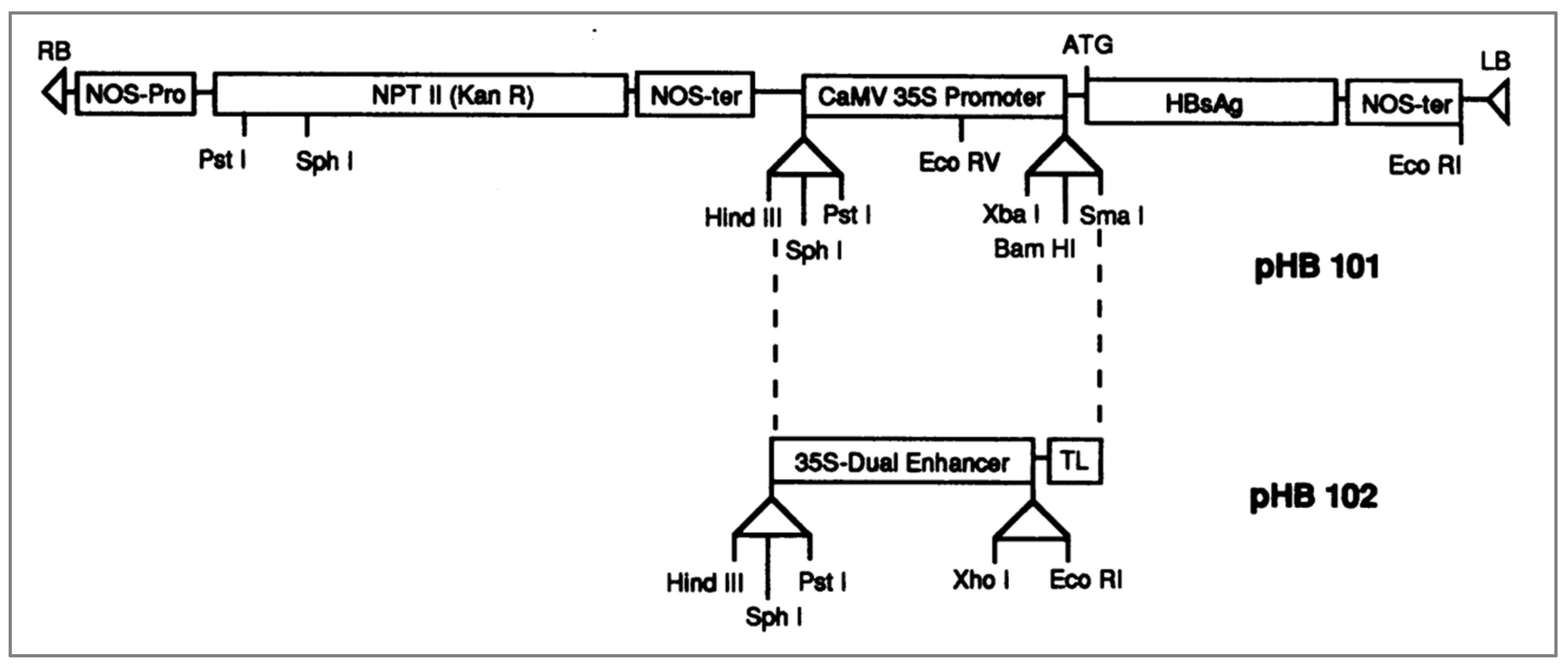
Figure 2.
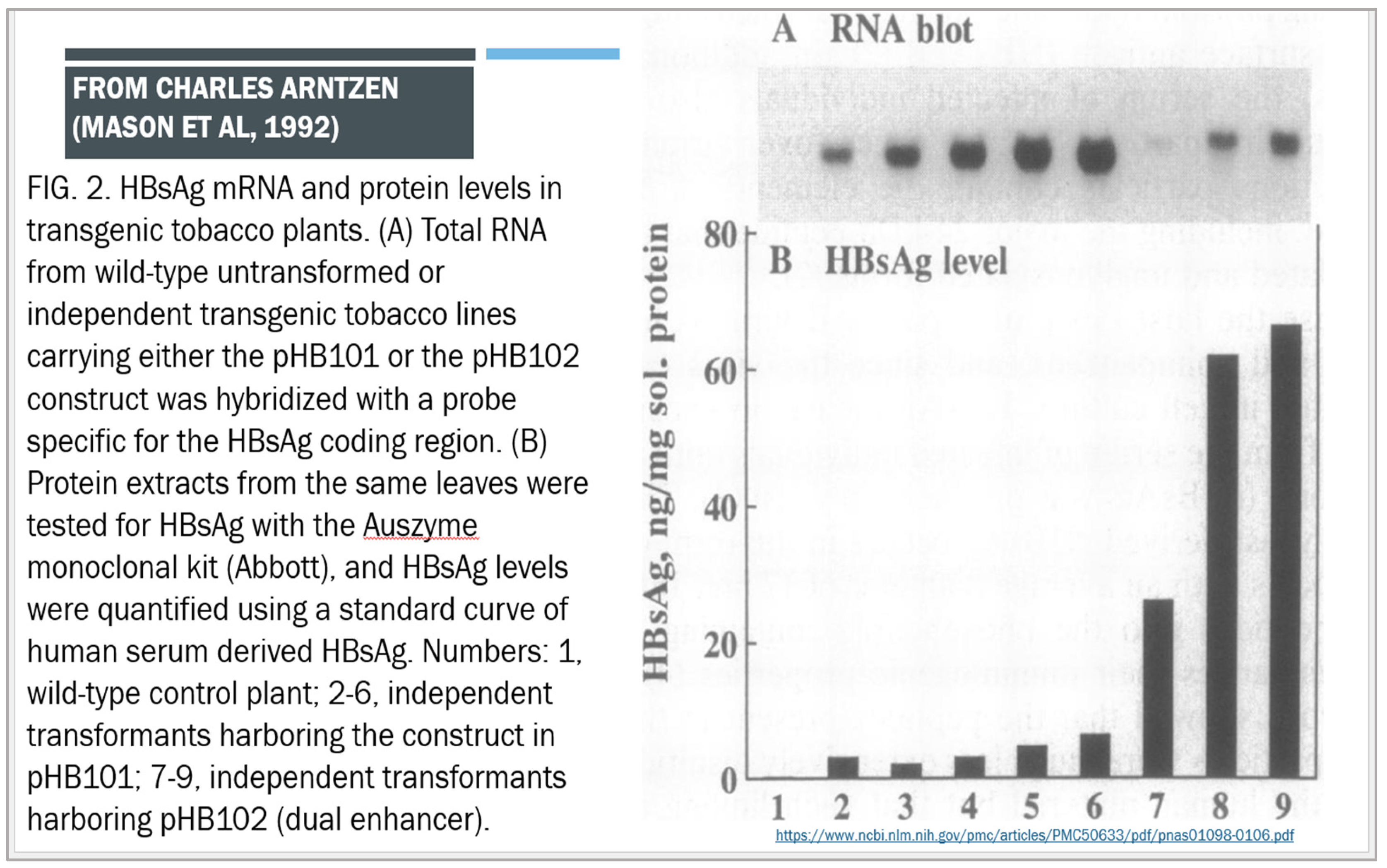
Figure 6.
Can processing (e.g., dehydration, storage, etc.) affect the efficacy/immunogenicity of antigens? POV as sachets can be sold in retail stores, petrol pumps, vending kiosks, to optimize global access.
Figure 6.
Can processing (e.g., dehydration, storage, etc.) affect the efficacy/immunogenicity of antigens? POV as sachets can be sold in retail stores, petrol pumps, vending kiosks, to optimize global access.
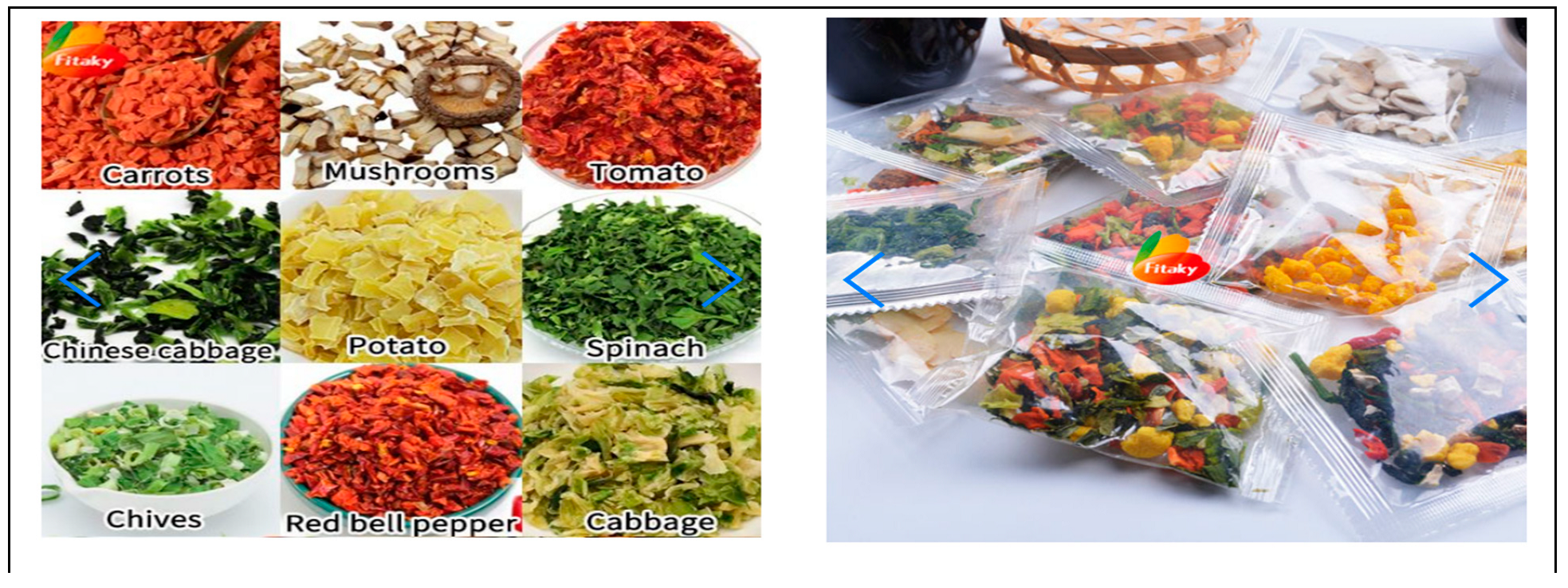
Disclaimer/Publisher’s Note: The statements, opinions and data contained in all publications are solely those of the individual author(s) and contributor(s) and not of MDPI and/or the editor(s). MDPI and/or the editor(s) disclaim responsibility for any injury to people or property resulting from any ideas, methods, instructions or products referred to in the content. |
BRIEF BIO
Shoumen Datta
 |
|
| MIT ■ https://autoid.mit.edu/shoumen-dattaHARVARD-MGH ■ | |
| HARVARD-MGH ■ https://mdpnp.mgh.harvard.edu/about/ | |
|
Affiliated with MIT Auto-ID Labs, Department of Mechanical Engineering, Massachusetts Institute of Technology (Cambridge, MA) and MDPnP Labs, Department of Anesthesiology, Massachusetts General Hospital, Harvard Medical School (Boston, MA). He obtained his PhD in molecular biology from Rutgers University School of Medicine (NJ, USA) with help from Department of Molecular Biology at Princeton University (NJ, USA). He was a Research Fellow in Medicine (Thyroid and Neuro-Endocrine Labs, Endocrinology, Molecular Oncology) at Massachusetts General Hospital and Instructor in Medicine at Harvard Medical School. He was a Research Associate at the Whitehead Institute at MIT (transcription, yeast genetics) and a founding member of the MIT Human Genome Project. He was a Research Scientist in Molecular Parasitology at UCSF (University of California UCSF School of Medicine, San Francisco, CA). In the 20th century, he was involved with local, state and federal government agencies to improve US public education and technology. He served as a Special Assistant to the Mayor of the City and County of San Francisco, California; Science Education Partnership at UCSF School of Medicine; Berkeley Pledge initiative at the University of California, Berkeley and Chair of the US National Task Force on Education, Economy, Workforce, Technology sponsored by Information Technology Association of America, US Dept of Commerce, Dept of Labor and White House Council of Economic Advisers (1998-1999). As a former Research Scientist in ESD (Engineering Systems Division), MIT School of Engineering, he explored technology innovation, RFID, IoT, digital supply chain, data, analytics and econometrics in decision systems. He taught and teaches Strategy & Management, Supply Chain Innovation at the MIT Sloan School of Management, Chalmers University (Sweden), ESSEC and KEDGE (France), Cambridge University (UK), NTU & NCKU (Taiwan), TUS (Japan) and continues to serve as an advisor to start-ups, corporations, global organizations and government agencies (foreign and US). In the 21st century pandemic years, he was an advisor to various NIH funded CoVID-19 research groups (for developing ACE2 and aptamer-based nano-biosensors for low-cost diagnostics of SARS-CoV-2 for infection/transmission control). CV and BIO is also available from the MIT Library https://dspace.mit.edu/handle/1721.1/146158 Open Researcher and Contributor Identification (ORCID) https://orcid.org/0000-0002-9762-6557 | |
© 2024 by the authors. Licensee MDPI, Basel, Switzerland. This article is an open access article distributed under the terms and conditions of the Creative Commons Attribution (CC BY) license (http://creativecommons.org/licenses/by/4.0/).
Copyright: This open access article is published under a Creative Commons CC BY 4.0 license, which permit the free download, distribution, and reuse, provided that the author and preprint are cited in any reuse.


