
Submitted:
12 November 2024
Posted:
13 November 2024
You are already at the latest version
Abstract
This study uses Barthes' Semiotic Theory to examine flood narratives in Portugal’s River Vez basin, emphasizing the cultural dimensions of flood perception and mythmaking. By analysing local narratives, specialized literature, and comparative data-driven studies, it decodes the symbolic meanings that shape community responses and resilience to floods. Findings reveal that, while predictive science is crucial for flood management, integrating socio-cultural insights and strategic policy planning enriches resilience by aligning technical measures with local perceptions. The se-miotic approach not only enhances communication between authorities and affected communities but also offers a critical perspective for evaluating technical models that may overlook social im-pacts. Future research should expand on interdisciplinary methods that merge technology with cultural insights, supporting inclusive, adaptive flood risk management in a changing climate.
Keywords:
Barthes’ Semiotic Theory
; flood
; River Vez Basin
; socio-spatial dynamics
1. Introduction
Riverine floods represent cyclical hydrological phenomena with devastating impacts, affecting ecosystems and causing profound changes in human communities [1,2]. In recent years, increasing occupancy of vulnerable areas, such as floodplains, has exacerbated the vulnerability of populations exposed to these events [3]. This vulnerability is rooted in cultural and historical practices of human settlement that date back thousands of years [4]. However, floods are not merely natural phenomena, they are also social constructs imbued with symbolic meanings, shaping how communities perceive and respond to these catastrophes.
In the management of natural disasters, collective memories and social representations play a fundamental role [5]. The concept of "place-community," proposed by Mehta [4], exemplifies the relationship between physical space and emerging social experiences. While there are studies on community perceptions regarding floods, little exploration has been conducted on the application of semiotics to understand the complex narrative interactions surrounding these experiences.
Roland Barthes’ semiotic theory provides a unique approach to analysing the layers of meaning contained within cultural narratives about natural disasters. By exploring the three levels of meaning—denotative, connotative, and mythical—we can decipher how communities construct and convey their experiences with floods [6,7]. This analysis is especially relevant for the Vez River basin, a mountainous region in northern Portugal that is frequently affected by flooding [1].
In this study, we use Barthes' semiotic theory to interpret and compare community narratives about floods in the Vez River basin. Our analysis focuses on the different perceptions that local communities develop regarding these events and how these perceptions influence their risk responses. This study fills a gap in research by offering a novel methodology for decoding flood narratives through the lens of semiotics.
Furthermore, we propose a comparative analysis of these narratives, utilizing media data and specialized literature. Our goal is to demonstrate how semiotics can be a valuable tool for enhancing communication between authorities and affected communities, facilitating more effective disaster management. Finally, we highlight that the increasing role of digitalization in disseminating information about floods necessitates a deeper understanding of the narratives that shape public perceptions and policy responses to risk mitigation [8]. Beyond formal policy measures, it is essential to recognise how these narratives, coupled with the collective memory of historical flood events, drive informal community practices in flood prevention and response. In urban areas situated on floodplains, the recurrence of flooding fosters a shared historical memory that profoundly impacts community awareness and behaviour. This collective memory serves as an implicit knowledge base within the community, often inspiring informal preventive strategies—such as the installation of barriers, adjustments to infrastructure, or the establishment of local alert systems. Understanding the pathways from perception to action—especially through the framework of historical memory and community-led preventive measures—offers valuable insights into how individuals and communities embrace resilient, low-cost solutions for managing recurring flood risks. This approach bridges the gap between digital narratives, public awareness, and grassroots actions, promoting a more resilient, community-based flood risk management strategy that effectively complements formal institutional frameworks.
2. Materials and Methods
2.1. Bibliographic Data Collection
The research was conducted based on rigorous relevance criteria, essential for the selection of articles. EBSCOHOST was chosen due to its robust interdisciplinary coverage, particularly in the humanities and social sciences, and its capacity to provide relevant publications on semiotics and natural disasters. Although Web of Science (WoS) and SCOPUS were also explored, they yielded fewer relevant results—13 documents from WoS and 14 from SCOPUS using the search terms "semiotics" and "flood". In contrast, EBSCOHOST provided broader access to specialised journals in semiotics, communication, and cultural studies, making it a key resource for the study. The research was limited to English-language sources, as this is the predominant language in the selected databases, ensuring access to the most relevant literature on semiotics and natural disasters.
The relevance of the articles was determined not only by their titles and abstracts but also through a critical review of the full content, ensuring that the selected documents meaningfully addressed the interaction between semiotics and natural phenomena. The search terms used included "river flooding AND cultural semiotics AND Barthes", which resulted in over 1,630 documents. From these, 330 articles published between 2019 and 2024 were selected. The temporal range of 2019-2024 was chosen to include the most recent contributions, reflecting contemporary trends and significant developments in the field.
2.2. Bibliometric Analysis and Co-Occurrences
Before proceeding to the thematic analysis of flood narratives, we conducted a bibliometric analysis of the term "semiotics," aiming to evaluate its relevance in the context of natural disasters. Using VOSviewer software, co-occurrences of key terms such as "semiotics," "flood," "natural disasters," "calamities," "disaster communication," and "hydrological events" were identified. This enabled the mapping of connections between semiotic concepts and hydrological events, revealing the main trends and the network of interconnections among authors and co-authors of the publications. This process facilitated the identification of emerging semiotic approaches in the study of floods.
2.3. Semiotic Methodology
The semiotic methodology applied in this study adhered to Roland Barthes’ triadic model of meaning, encompassing the denotative, connotative, and mythical levels. This approach, informed by prior studies such as those by Alkhresheh and Irfan & Lahlou [1,2], was further refined to incorporate a temporal dimension, essential for capturing the evolving nature of disaster narratives across different cultural and historical contexts.
At the denotative level, the analysis focused on the explicit and literal meanings conveyed by the narratives. This included identifying direct references to floods, such as descriptions of physical impacts, geographic locations, meteorological events, and immediate consequences. These elements provided the foundational dataset for assessing the overt content of the narratives.
The connotative level examined how contextual factors—cultural, historical, and situational—shaped the interpretative layers of the narratives. This stage of analysis considered the symbolic and associative meanings attributed to floods, exploring their representation as markers of disorder, transformation, or cyclical natural phenomena. These interpretations were grounded in the sociocultural frameworks of the communities studied, offering insights into localized perceptions and societal constructs surrounding natural disasters.
At the mythical level, the analysis delved into the ideological and archetypal dimensions underpinning the narratives. This involved uncovering the broader cultural myths that floods evoke, such as themes of celestial retribution, purification, or renewal. These narratives often transcended the specific events and connected to universal symbols embedded within collective cultural consciousness.
To operationalize the semiotic framework, the selected corpus of articles was subjected to a systematic manual analysis. Coding was employed to classify narrative components across the three semiotic levels. Criteria for categorization were rigorously defined:
At the denotative level, elements were coded based on explicit textual references to observable phenomena.
For the connotative level, coding captured inferred meanings contextualized by cultural or historical narratives.
At the mythical level, elements were identified based on their alignment with archetypal themes and ideologies present within the narratives.
This structured coding process ensured methodological consistency and analytical depth, facilitating the identification of semiotic patterns and trends across the dataset. By integrating Barthes’ model with a temporal lens, the study provided a robust framework for understanding how flood narratives are constructed, interpreted, and perpetuated over time within different cultural milieus.
2.4. Case Study: Vez River Basin
This case study focuses on the Vez River Basin, a region prone to frequent flooding, aiming to analyse how risk representations are communicated and perceived by the local community. The research employs a semiotic approach to flood narratives, allowing for an understanding of how these representations influence community responses to risk.
To support this analysis, two scientific articles were selected, offering distinct and complementary perspectives essential for applying a semiotic approach to risk data interpretation and the development of mitigation policies:
Article 1 - Published in 2018, this article has been cited 16 times in SCOPUS and employs an integrated hydrological modelling approach to assess flood risk. With a robust technical methodology and a detailed set of environmental variables, it provides a scientific and objective analysis of flood risk, essential for framing risk narratives from a technical perspective [3].
Article 2 - Published in 2022, without citations or SCOPUS indexing, this article explores the development of a digital flood record, with a focus on economic policies and resource management. Its innovative contribution to creating a flood history offers a practical perspective on the socioeconomic impact of floods and the narratives of community resilience and vulnerability [4].
Although a third article with a higher citation count (86) was considered to complement the analysis, it was ultimately not included:
Suggested Article 1 - This widely cited article, published on ScienceDirect, uses a multi-scale hydrological modelling approach that could add a broader perspective on water resource management [5].
The decision to select Articles 1 and 2 over the suggested article was based on specific relevance to this study. Both selected articles provide a unique combination of technical objectivity and socioeconomic sensitivity, which enriches the semiotic analysis. The suggested article, though influential and widely cited, focuses predominantly on a technical modelling approach without contributing directly to the narrative construction of risk or to localised social resilience—crucial aspects for the context of the Vez River Basin.
2.5. Tools Used
The co-occurrence analysis was conducted with VOSviewer software, which allowed for the visual mapping of the network of terms and authors associated with flood and semiotic narratives. This software is widely used in bibliometric studies and was chosen for its capability to identify and illustrate connections between different fields of study.
2.6. Data Availability
The data used for the co-occurrence analysis, extracted from the WOS, SCOPUS, and EBSCOHOST databases, are available upon request and can be accessed by readers for replication purposes. The code used in VOSviewer, along with the generated figures, will be made available in a public data repository. Furthermore, the bibliographic documents that underpinned the analysis are available in the mentioned databases through institutional access.
2.7. Limitations
Although most of the data used are open access or accessible through institutional subscription, some media sources may be subject to copyright restrictions, which could limit the full replication of the study in terms of media content.
3. Results
The analysis using VOSviewer, based on data sourced from multiple academic databases on EBSCOHOST, focused on co-occurrences and keywords with a minimum occurrence threshold of five. This process identified 2,588 keywords and 44 significant connections, demonstrating the interconnection of the themes under study. The data covers contributions from 389 authors across a total of 766 publications, indicating a broad range of perspectives.
Notably, the sources of these publications span various fields and highlight the multidisciplinary nature of the research. The majority of studies (36%) were sourced from Academic Search Ultimate, followed by Academic source with 13%, and Sociology Source Ultimate with 12%, underscoring a strong emphasis on social sciences. Additional contributions came from Humanities Abstracts (8%) and Education Source Ultimate (6%), further emphasizing the socio-cultural aspects relevant to semiotics and flood research. Smaller portions came from Business Source Ultimate (3%) and APA PsycInfo (3%), reflecting an interdisciplinary approach that includes perspectives from business and psychology.
This diverse source distribution, where 36% are social sciences journals, 13% humanities-focused, and smaller percentages across business and psychology fields, highlights a balanced collaboration across disciplines. The maximum number of publications per author was seven, with a connection strength of 80, which underlines the collaborative and cross-disciplinary nature of research in semiotics applied to flood studies.
3.1. Relevant Terms
The analysis of the terms extracted in the study of semiotics applied to floods revealed a multidimensional connection between different research areas. The most recurring term is "semiotics" (90 occurrences, connection strength 144), indicating the centrality of this approach in the study. Synonymous terms such as "semiotic," "semiology," and "semiotic analysis" corroborate the relevance of this theoretical field, presenting 8, 5, and 7 occurrences, respectively, with connection strengths reflecting their interconnection with semiotics).
Furthermore, "natural disasters" and "Roland Barthes" exhibited strong interconnectivity (72 and 45 connection strength, respectively), suggesting that Barthes' semiotic theory is widely used to interpret natural phenomena. Terms such as "floods" (14 occurrences) and "climate change" (13 occurrences) highlight the significance of environmental disasters and climate change in the context of flooding.
The presence of concepts such as "myth" and "mythology" (13 and 7 occurrences) suggests a symbolic and cultural analysis of the narratives surrounding floods, aligned with semiotic interpretation. Additionally, terms like "risk management" and "risk factors" (6 and 9 occurrences) indicate a concern with risk management and emergency preparedness, reflecting the need for integrated policies that connect the symbolic and practical dimensions in mitigating the impacts of flooding.
The study also revealed the analysis of "mass media" (5 occurrences), highlighting the role of communication in shaping social perceptions of these phenomena. The results are in the Figure 1. The connection between 'news' and 'scientific articles' reflects how periodic press and academic production can influence public perception of natural disasters, including floods, demonstrating the value of semiotics in understanding not only the events themselves but also their cultural and media representations.
This analysis illustrates the interconnection of relevant terms in the study of semiotics applied to floods, highlighting the centrality of the concept of 'semiotics' and the diversity of research areas that contribute to a broader understanding of natural phenomena and their cultural representations.
3.2. Comparison with Other Databases
In comparison, the co-occurrence analysis in SCOPUS (Figure 2) generated 53 distinct keywords, with "semiotics" standing out with 3 occurrences and a total link strength of 14. This analysis highlighted a more limited sample and revealed emphases in emerging areas such as "communication" and "digital media settings," suggesting a focus on the dissemination of information about floods in digital environments.
Conversely, the analysis in the Web of Science (Figure 3) revealed 124 distinct keywords. The term "semiotics" remained central (3 occurrences, link strength 19), with the inclusion of themes such as "discourse" and "flood risk," which reflect concerns regarding risk management and the identity construction surrounding floods.
These analyses demonstrate the need for an integrated and multidisciplinary approach to the study of semiotics applied to floods, highlighting the relevance of digital platforms and emerging narratives in the current context of risk management and communication about natural disasters.
3.3. Case Study Analysis of the Vez River Basin
Following the analysis, a case study design was adopted, focusing on the Vez River basin (Figure 4). This geographical area, prone to flooding, has been the subject of study by various authors [1,3,6,7], who relate geological and climatic factors to the cultural response of the affected communities. However, the analysis of the cultural narratives associated with these events has received little attention [1,2,8,9].
This qualitative study employs semiotic theory to interpret two scientific articles about the same location, providing a comparative analysis of narratives related to flooding. The methodology applied explores how semiotics can reveal the symbolic and cultural dimensions of the experiences lived by affected individuals, comparing the results [3,4].
3.4. Semiotic Analysis of the Articles
The semiotic analysis of Articles 1 and 2 highlights different levels of significance, as detailed in Table 1 and Table 2.
In the article by Fonseca et al. [9], the analysis reveals a reliance on science and technology as solutions to natural disasters, with an interconnection between past and future in risk modelling. The narrative reflects a myth of "total control" over nature, supported by historical data and future projections (Table 1).
In the article by Gonçalves [8], the focus is on creating a digital record of floods to support sustainable economic policies. Trust in technological progress is central, with the digital record symbolizing the power of technology in predicting and mitigating the impacts of floods (Table 2).
These semiotic analyses provide a comprehensive view of the nuances and intersections between denotative, connotative, mythical, and temporal meanings, which are fundamental to understanding scientific approaches to flood phenomena.
4. Discussion
The meanings of words and symbols are not static. They evolve in response to shifting cultural contexts, relationships, and social conditions [2]. This dynamic nature of meaning is a recurring theme in semiotics and is supported by various studies [1,2,8]. As culture shapes interpretation, the understanding of concepts is inevitably influenced by the time and social context in which they are situated.
In the context of flood risk management, both Fonseca et al. [3] and Gonçalves [4] apply data-driven approaches to mitigate natural disasters, with a clear emphasis on the role of technology and science in this process. A key finding across both studies is the critical importance of temporal analysis: historical data are used not only to understand past flood events but also to predict future scenarios and inform preventive strategies. This approach aligns with prior research on disaster risk reduction, which highlights the necessity of long-term planning based on historical trends [1,2].
The primary divergence between these studies lies in the application of their data-driven methodologies. Fonseca et al. adopt a hydrological modelling approach, focusing on the integration of climatic and geophysical data from the Vez River basin. Their work is deeply rooted in predictive science, where historical and current data are leveraged to simulate future flood events. This technical, precision-focused methodology emphasizes the environmental and physical factors contributing to flood risk, echoing the work of other hydrological risk assessments [4].
In contrast, Gonçalves takes a more strategic, policy-oriented approach by developing a continuous flood registry. This digital repository is designed to support long-term economic and environmental policy decisions. By framing flood risk within an economic sustainability model, Gonçalves moves beyond the predictive capabilities of scientific models and addresses the socioeconomic implications of flood events, a dimension often less explored in disaster risk studies [3]. The focus on data management and strategic planning is aligned with the increasing recognition of the need for integrated approaches in disaster risk management.
The findings of both studies underscore the multidimensionality of flood risk mitigation, where predictive science and long-term policy planning must coexist. The technological applications demonstrated in these studies highlight the role of historical data in shaping future-oriented strategies. Yet, the contrast between a more technical, model-driven focus (Fonseca et al.) and a policy-driven, data management approach (Gonçalves) reflects broader debates within the field of disaster management. These findings suggest that while predictive modelling is crucial for understanding flood dynamics, the inclusion of economic and social considerations is vital for comprehensive risk mitigation.
Implications and Future Research Directions: These results suggest several implications for future research. First, there is a need to further explore how the integration of technological tools, such as digital flood registries, can support sustainable economic planning while simultaneously enhancing flood prediction models. Future studies could investigate the combination of hydrological models with real-time data analytics and digital platforms to offer more dynamic and adaptive flood management strategies.
Additionally, the social and cultural dimensions of flood risk, as seen through semiotic analysis, offer promising avenues for future research. Investigating how different communities interpret and respond to flood risks could deepen our understanding of the relationship between science, technology, and society in disaster preparedness. This would also contribute to the growing field of interdisciplinary approaches to environmental hazards, where technical, economic, and cultural perspectives are integrated for more robust disaster risk reduction frameworks.
5. Conclusions
This study has explored the application of semiotics in flood risk analysis, comparing two distinct approaches: one focused on hydrological modelling and prediction, and the other on the development of a digital flood registry for long-term policy planning. Both approaches underscore the centrality of historical data and technological tools in mitigating flood risks. However, they diverge in their application, with Fonseca et al. (2018) prioritising technical predictive models, while Gonçalves (2022) accentuates data management and socioeconomic planning.
The semiotic analysis conducted highlights the evolving nature of flood-related narratives and how these narratives reflect broader societal beliefs about control, vulnerability, and sustainability. The study concludes that an integrated approach, which combines both predictive science and strategic policy planning, is necessary to address the complexities of flood risk management in a changing climate.
Future research should continue to explore interdisciplinary approaches that incorporate technological advancements with socio-cultural and economic dimensions, ensuring that both immediate and long-term flood risks are managed in a sustainable and inclusive manner.
Author Contributions
Conceptualization, G.G. (Glória Gonçalves) and J.T. (Jorge Trindade); methodology, G.G. and J.T., with J.T. providing substantial input on the study’s scope and refinement of methodological approaches; data collection, G.G.; writing—original draft preparation, G.G.; writing—review and editing, G.G., with critical revisions and feedback from J.T.; bibliographic resources, theoretical framework, and conceptual guidance, J.T. Both authors have thoroughly reviewed and approved the final version of the manuscript.
References
- Alkhresheh, M.M. Semiological Discourse Analysis of the Editorial Cartoons of International Newspapers on COVID-19. Indian Journal of Forensic Medicine & Toxicology 2020, 14, 6169–6179. [Google Scholar] [CrossRef]
- Irfan, R.; Lahlou, H. Vacation Into Staycation Covid-19 Pandemic and Connotative Analysis of Staycation. Revista de Gestão Social e Ambiental 2024, 18, e08048. [Google Scholar] [CrossRef]
- Fonseca, A.R.; Santos, M.; Santos, J.A. Hydrological and Flood Hazard Assessment Using a Coupled Modelling Approach for a Mountainous Catchment in Portugal. Stoch. Environ. Res. Risk Assess. 2018, 32, 2165–2177. [Google Scholar] [CrossRef]
- Gonçalves, G. Digital Flood Record for the Sustainability of Economic Policy. Ciência Geográfica 2022, 26, 289–309. [Google Scholar]
- Bellu, A.; Sanches Fernandes, L.F.; Cortes, R.M.V.; Pacheco, F.A.L. A Framework Model for the Dimensioning and Allocation of a Detention Basin System: The Case of a Flood-Prone Mountainous Watershed. J. Hydrol. 2016, 533, 567–580. [Google Scholar] [CrossRef]
- Bellu, A.; Fernandes, L.; Cortes, R.; Pacheco, F. A Framework Model for the Dimensioning and Allocation of a Detention Basin System: The Case of a Flood-Prone Mountainous Watershed. JOURNAL OF HYDROLOGY 2016, 533, 567–580. [Google Scholar] [CrossRef]
- Carvalho-Santos, C.; Nunes, J.; Monteiro, A.; Hein, L.; Honrado, J. Assessing the Effects of Land Cover and Future Climate Conditions on the Provision of Hydrological Services in a Medium-Sized Watershed of Portugal. HYDROLOGICAL PROCESSES 2016, 30, 720–738. [Google Scholar] [CrossRef]
- M. Şahin The Water Myth in Cinema. Galactica Media: Journal of Media Studies 2023. [CrossRef]
- Rogers, B.A.; Chicas, H.; Kelly, J.M.; Kubin, E.; Christian, M.S.; Kachanoff, F.J.; Berger, J.; Puryear, C.; McAdams, D.P.; Gray, K. Seeing Your Life Story as a Hero’s Journey Increases Meaning in Life. Journal of Personality and Social Psychology 2023, 125, 752–778. [Google Scholar] [CrossRef] [PubMed]
- GEOFABRIK Download OpenStreetMap Data for This Region: Portugal 2024.
Figure 1.
Search in EBSCO and analysis focused on occurrences. Source: Author's own elaboration based on bibliometric analysis, 2024.
Figure 1.
Search in EBSCO and analysis focused on occurrences. Source: Author's own elaboration based on bibliometric analysis, 2024.
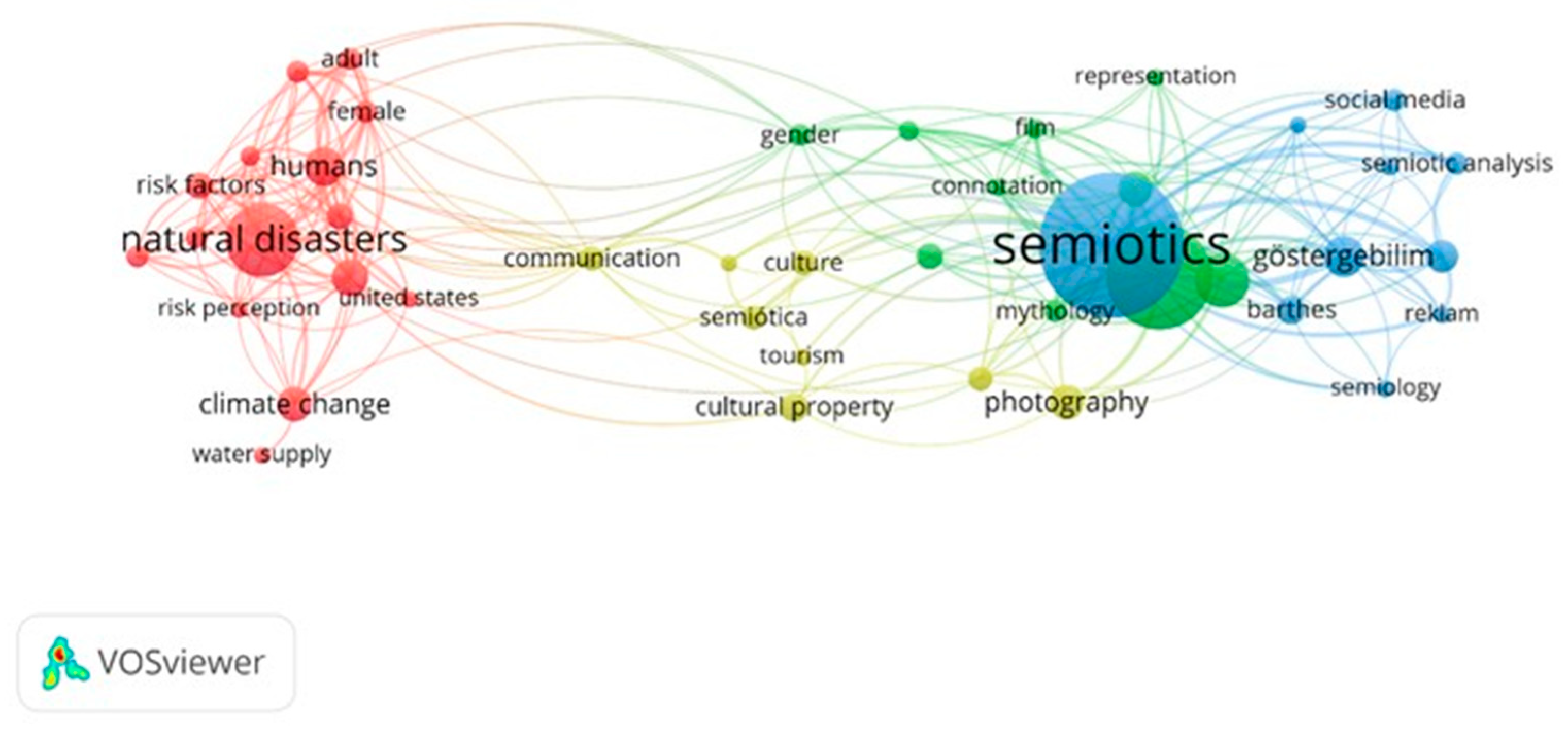
Figure 2.
SCOPUS Search and Analysis Focused on Occurrences. Source: Author's own work based on bibliometric analysis, 2024.
Figure 2.
SCOPUS Search and Analysis Focused on Occurrences. Source: Author's own work based on bibliometric analysis, 2024.
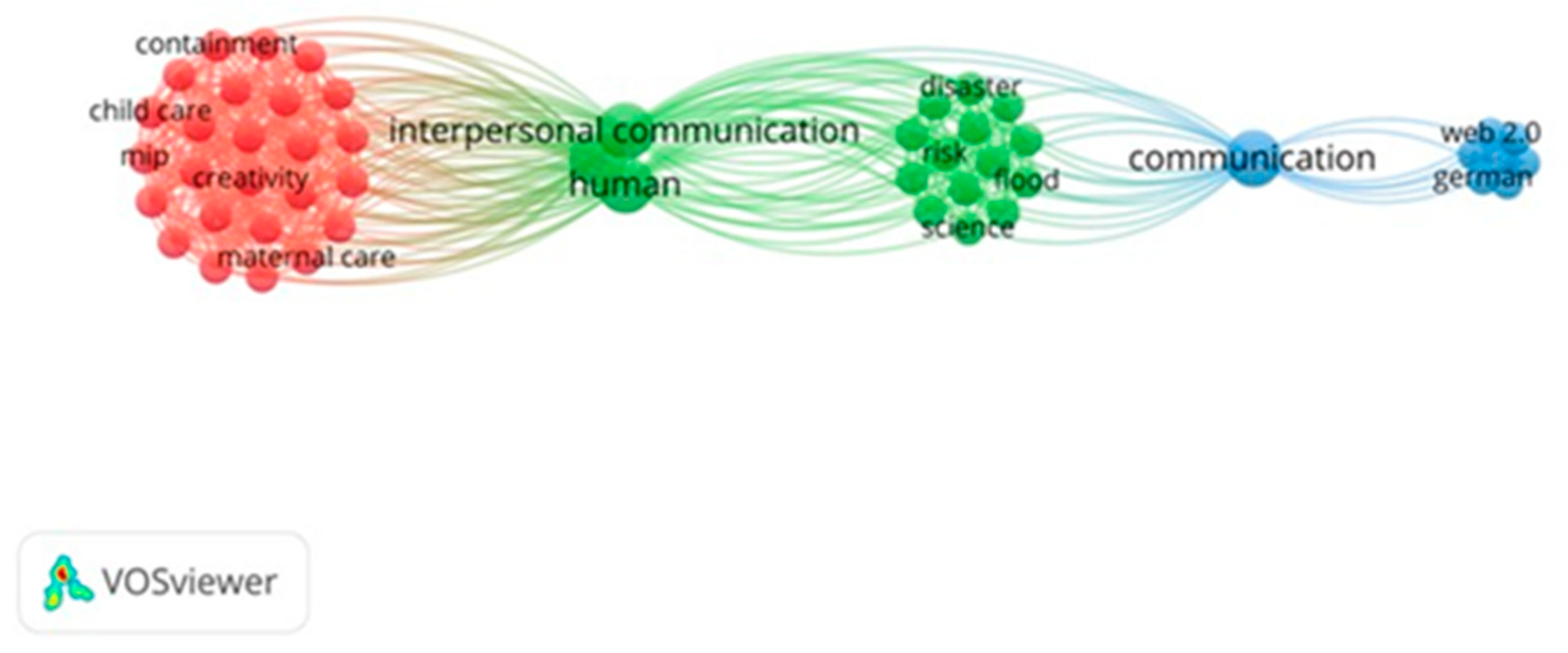
Figure 3.
WOS Search and Analysis Focused on Occurrences. Source: Author's own work based on bibliometric analysis, 2024.
Figure 3.
WOS Search and Analysis Focused on Occurrences. Source: Author's own work based on bibliometric analysis, 2024.
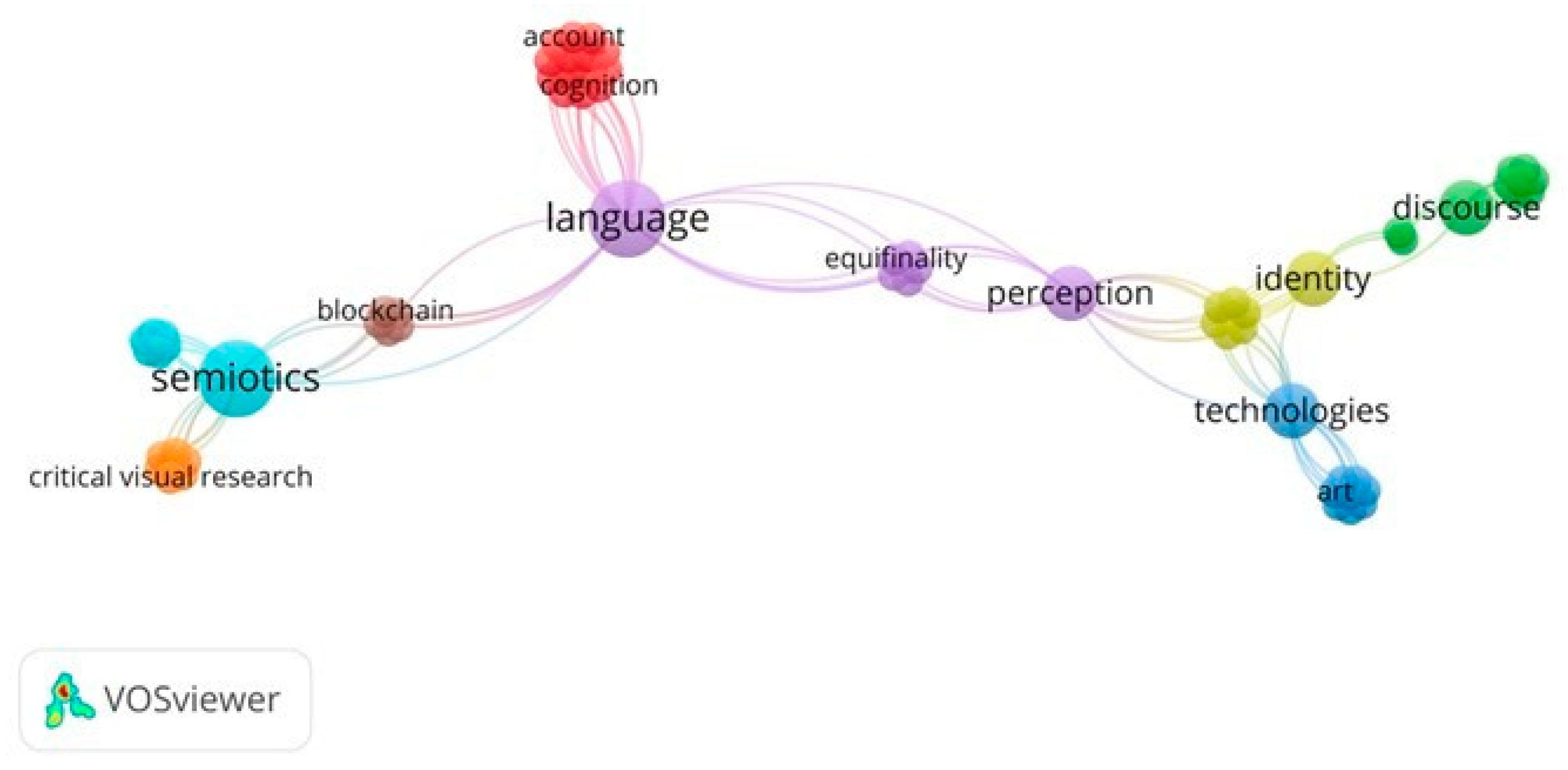
Figure 4.
Geographical location of the Vez River basin. Source: Created in QGIS, from data obtained from [10].
Figure 4.
Geographical location of the Vez River basin. Source: Created in QGIS, from data obtained from [10].
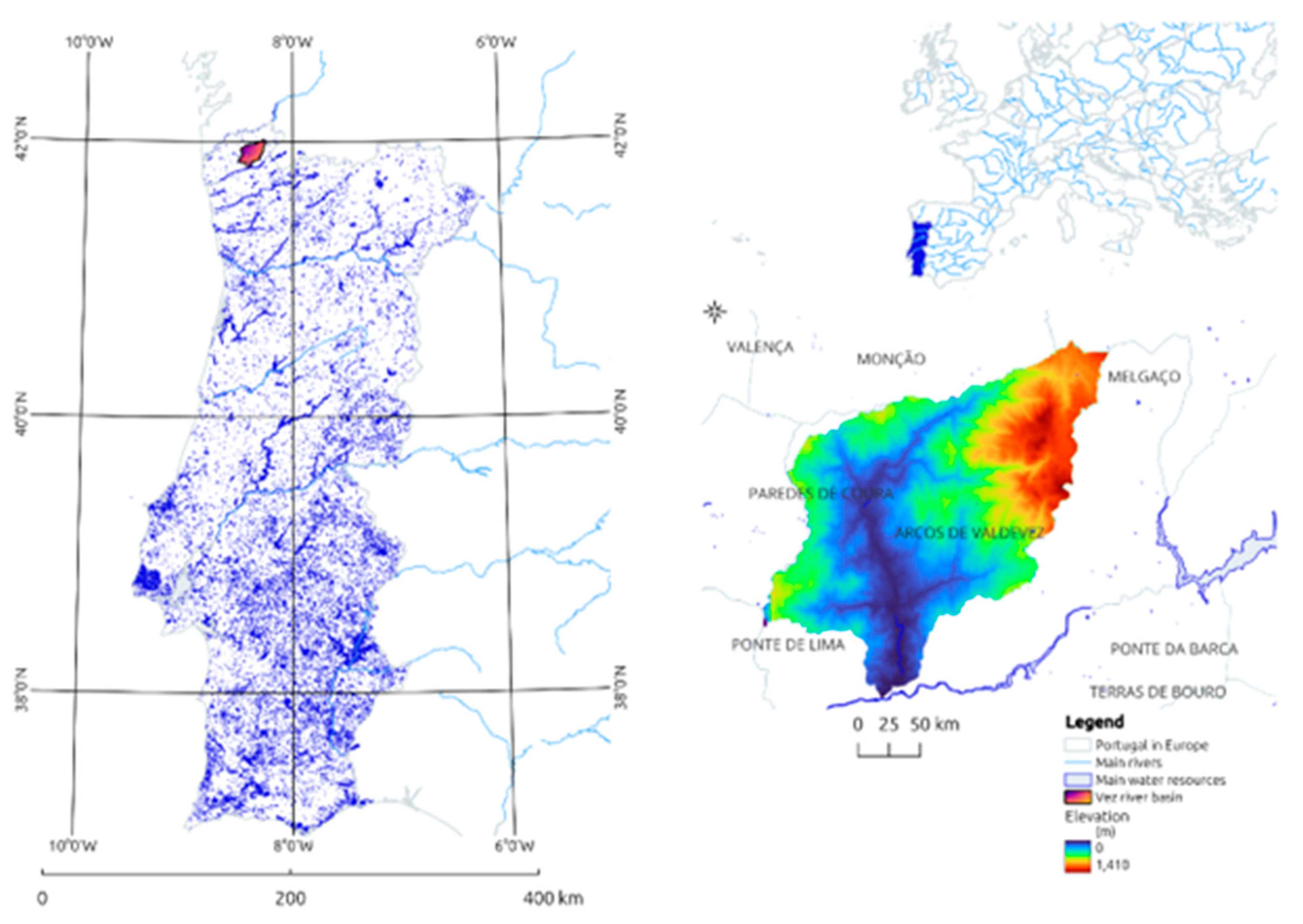

Table 1.
Semiotic Analysis of Article 1.
| Element | Denotative Meaning | Connotative Meaning | Mythical Meaning | Time |
|---|---|---|---|---|
| Title | Hydrological and Flood Risk Assessment in a Mountain Basin in Portugal | Emphasizes the scientific and technical approach to solving flood-related problems. | The myth of "scientific order," where science and technology can control or minimize the impacts of natural disasters. | The article analyses historical events and projects future scenarios, highlighting the temporality in risk modelling. |
| Abstract | Technical summary of the coupled modelling approach to predict flood risks | Reinforces the idea that scientific knowledge is essential for controlling and mitigating natural disasters. | The myth of the "heroic scientist," who protects vulnerable populations through specialized knowledge and technological advances. | The hydrological analysis uses historical data and predictive models, showing the link between past and future in flood planning. |
| Methodology | Technical approach to integrated hydrological modelling using climatic and topographic data | Coupled modelling as a "forecasting tool," connoting precision, control, and a deterministic view of nature. | The myth of "total control," where science attempts to predict all natural disasters to protect society. | The methodology integrates long-term temporal analysis to understand and predict flood patterns in future scenarios. |
| Results | Predictions of areas at higher risk of flooding in the Vez basin | The identification of risk areas suggests the vulnerability of the local population and the urgent need for action to mitigate future disasters. | The myth of "eternal vulnerability" portrays local populations as constantly threatened by nature, requiring continuous intervention. | The results are based on an analysis of climatic patterns and future projections. |
| Discussion/ Conclusion | Need for more careful planning | Scientific application aims to address the uncertainty of disasters, focusing on planning and preventive mitigation. | The myth of "inevitable progress," where development and science are seen as the only solutions to problems caused by natural disasters. | Reflects the need to incorporate lessons learned from the past and integrate future preventive measures based on long-term analyses. |
Source: Created from the analysis of Article 1 by Fonseca et al. [3].
Table 2.
Semiotic Analysis of Article 2.
| Element | Denotative Meaning | Connotative Meaning | Mythical Meaning | Time |
|---|---|---|---|---|
| Title | Digital flood record for the sustainability of economic policy | Suggests a digital and technological approach to monitoring floods, with a clear focus on sustainable economic policies. | The myth of "technological progress" as a solution to environmental crises and the promise that information can prevent future disasters. | Reflects the use of historical flood records to predict future impacts on economic policies, highlighting culture and anticipation. |
| Abstract | Development of a digital flood database to support policies | The digitalisation of flood data is seen as an essential tool to improve response and economic planning. | The myth of "technological efficiency," where digitalisation and data collection are presented as the key to solving environmental issues. | The proposal involves the use of past event data to predict future trends, using time as a determining factor in policy formulation. |
| Methodology | Collection of digital flood data, integrating historical and contemporary sources | The use of digital records to create a "flood timeline," suggesting that history can provide answers for the future. | The myth of the "power of information," where access to data is seen as a definitive solution for natural disaster management. | The study focuses on time series of floods and their relationship to economic policies over time. |
| Results | Digital database that supports sustainable economic policies | The creation of a digital framework that serves to anticipate and mitigate the impacts of future floods. | The myth of "perfect management," where precise and real-time information is presented as the key to avoiding crises. | The results are based on the continuous recording of flood data and its use to predict future impacts. |
| Discussion/Conclusion | The importance of digitalisation for sustainable flood hazard management | Digitalisation of data as a central factor for effective policymaking in the context of climate change. | The myth of the "power of prediction," where data collection is seen as the most efficient way to predict and control flood effects. | The study projects continuity between the past and the future, using time as an essential tool for analysis and policy creation. |
Source: Created from the analysis of Article 1 by Gonçalves [4].
Disclaimer/Publisher’s Note: The statements, opinions and data contained in all publications are solely those of the individual author(s) and contributor(s) and not of MDPI and/or the editor(s). MDPI and/or the editor(s) disclaim responsibility for any injury to people or property resulting from any ideas, methods, instructions or products referred to in the content. |
© 2024 by the authors. Licensee MDPI, Basel, Switzerland. This article is an open access article distributed under the terms and conditions of the Creative Commons Attribution (CC BY) license (http://creativecommons.org/licenses/by/4.0/).
Copyright: This open access article is published under a Creative Commons CC BY 4.0 license, which permit the free download, distribution, and reuse, provided that the author and preprint are cited in any reuse.


