
Submitted:
22 October 2024
Posted:
24 October 2024
You are already at the latest version
Abstract
Semen is a complex fluid that contains spermatozoa and also functions as a dynamic bacterial microecosystem, comprising probiotics, pathogenic bacteria, and natural antimicrobial substances. Probiotic bacteria, such as Lactobacillus and Bifidobacterium, along with pathogenic bacteria like Pseudomonas aeruginosa and Escherichia coli, play significant roles in semen preservation and reproductive health. Studies have explored the impact of pathogenic bacteria on sperm quality, providing insights into the bacterial populations in mammalian semen and their influence on sperm function. These reviews highlight the delicate balance between beneficial and harmful bacteria, alongside the role of natural antimicrobial substances that help maintain this equilibrium. Moreover, we discus the presence and roles of antimicrobial substances in semen, such as lysozyme, secretory leukocyte peptidase inhibitors, lactoferrin, and antimicrobial peptides, as well as emerging antibacterial substances like amyloid proteins. Understanding the interactions among probiotics, pathogens, and antimicrobial agents is crucial for elucidating semen preservation and fertility mechanisms. Additionally, the potential for adding probiotic bacteria with recombinant antibacterial properties presents a promising avenue for the development of new semen extenders. This review offers updated insights to understand the equilibrium of bacterial microecosystem in semen and points toward innovative approaches for improving semen preservation.
Keywords:
mammalian semen
; probiotics
; pathogenic bacteria
; antibacterial substances
; semen quality
Semen contains a large amount of nutrients, making it easy for bacteria to grow. According to whether bacteria are beneficial or harmful to animals, these bacteria present in semen usually are classified into probiotics and pathogens. Probiotics play a beneficial role in semen preservation and maintenance of semen quality. Conversely, pathogenic bacteria have the potential to adversely affect semen quality and the reproductive performance. Studies and reviews [1–13] mainly focus on the impact of pathogenic bacteria on sperm quality, as well as the effect of altering seminal plasma metabolites on sperm quality. However, it is noteworthy that mammalian semen contains natural antibacterial substances that exert antibacterial effects and play a crucial role in the equilibrium between probiotics and pathogenic bacteria. In fact, the interaction among probiotics, pathogenic bacteria, and antibacterial substances establishes a bacterial microecosystem in semen for sperm survival [14–16]. In this review, we aim to summarize it systematically and focus on the equilibrium between pathogenic bacteria, probiotics and antimicrobial substances.
In the current global context, declining semen quality and increasing antibiotic resistance pose a dual threat to semen quality and reproductive health in mammals, and this phenomenon challenges mammalian reproductive efficiency. Therefore, a deeper understanding is crucial about how probiotics and natural antimicrobial substances in semen counteract the deleterious effects of pathogenic bacteria , and how to maintain the flora equilibrium in semen. That involves studies on the mechanisms of interactions between bacteria and antimicrobial substances, as well as exploring antibiotic alternatives, such as natural antimicrobial substances, in semen preservation. The knowledge not only contributes to our better understanding of the biological defense mechanisms of semen, but also provides potential intervention strategies for semen storage and reproductive health, which can effectively improve semen preservation quality and fertility, providing long-term benefits for mammalian reproductive health.
1. Bacteria in Semen
1.1. Sources of Bacteria in Semen
Bacteria may arise from localized or generalized infections within the mammalian body. In addition, they may also come from exogenous contamination such as feces, respiratory secretions, skin, hair, and the various stages of semen processing. Currently, there are strict hygienic standards and sterilization requirements for all aspects within the breeding farm to minimize the possibility of exogenous contamination of bacteria, so we focuses on the interpretation of endogenous bacteria in semen. Endogenous bacteria in semen may originate in the upper reproductive tract, hematogenous or lymphogenous dissemination of bacteria from the intestinal or oral microbiota [17], or bacterial circulation through the bloodstream [18].
Semen makes up 90% of the volume of ejaculated semen and consists of secretions from the epididymis, prostate, seminal vesicles, urethral bulbourethral glands and periurethral glands [19,20]. It has been found that semen from different parts of the reproductive tract contain the same dominant bacteria, but the abundance of the various dominant bacteria varies slightly, possibly due to the fact that different parts of the reproductive tract contain slightly different abundances of the various bacteria. The microbiota of male testicular samples [21], seminal vesicle samples [22], and prostate samples [23] were analyzed separately, and it was found that all three had the same dominant bacteria: Lactobacillus, Pseudomonas, Escherichia coli(E. coli), Staphylococcus aureus, but the dominant bacteria had slightly different abundances in different samples. Through these studies, it was found that these dominant bacteria were also the dominant bacteria in semen, and their abundance in semen is shown in Figure 1 [24–27].
1.2. Types of Bacteria in Semen
The current investigation [28–32] reveals a substantial diversity and abundance of bacterial species in mammalian semen. A series of bacteria such as E. coli, Staphylococcus, Pseudomonas aeruginosa, Lactobacillus, Ureaplasma urealyticum, Clostridium trachomatis, Gonococcus, and Streptococcus pyogenes have already been found in mammalian semen from boars [7,29], bovines [4], rabbits [33], mice [34], and men [25,28]. In particular, E. coli, Pseudomonas aeruginosa, Lactobacillus, Staphylococcus, and Streptococcus were more abundant in these samples, which was consistent with our findings. We identified 2,783 bacterial species in 226 semen samples from 9 breed boar (Figure 2A). Predominant bacteria include E. coli, Pseudomonas aeruginosa, Lactobacillus, Staphylococcus, and Streptococcus, constituting a noteworthy proportion of the microbial population. We also found the abundance of probiotics and pathogenic bacteria have significant correlation in boar semen (Figure 2B), which suggest the intrinsic interaction between probiotics and pathogenic bacteria.
1.3. Effects of Bacteria on Semen Quality
Bacteria play a pivotal role in semen, significantly impacting key sperm indicators including motility [32], viability [35], plasma membrane integrity [35,36], and acrosome integrity [35,36]. Semen contaminated with bacteria can result in decreased quality, characterized by a shortened shelf life and a severe decline in sperm motility [35,36]. Additionally, bacteria in semen can cause reproductive tract infections in females, which can lead to early embryo implantation failures, fetal deaths, abortions, etc., resulting in huge economic losses [28,38]. The mechanisms [35,37,38] through which bacteria affect the duration and efficacy of semen preservation involve nutrient competition, alterations in dilution environment osmotic pressure leading to acrosome swelling, inclusion of agglutination factors causing sperm agglutination, and acid production from anaerobic fermentation, resulting in a pH decrease to 5.7-6.4. It's noteworthy that mammalian semen typically harbors both probiotic and pathogenic bacteria, and their influences on sperm is distinct. Common probiotics and pathogens are outlined in Table 1.
1.3.1. Effects of Probiotics on Semen Quality
Probiotics, living microorganisms, exert various effects on host health, such as inhibiting pathogen growth [46,47], enhancing intestinal barrier function [34,47,48], modulating the immune system [49] and influencing pain perception. These mechanisms contribute to improved host health, growth performance, disease resistance, intestinal health, and reproductive system function [50,51]. In particular, the role of probiotics in protecting spermatozoa is crucial for improving the reproductive performance of animals [52]. Probiotics are not only positively correlated with sperm viability parameters, structural integrity and sperm capacitatio, but also have antagonistic effects on pathogenic bacteria (Figure 3).
Probiotics in semen include Lactobacillus, Bifidobacterium, Lactobacillus rhamnosus and Bacillus subtilis, etc. Among which, Bifidobacteria (Gram-positive bacteria, belonging to the phylum Actinobacteria) and Lactobacilli (Gram-positive bacteria, belonging to the phylum Firmicutes) are the two most abundant probiotics with the highest abundance in the semen in semen, their abundance in seminal fluid is shown in Figure 1. Probiotics in semen can improve sperm viability and contribute to the quality of semen preservation. Although semen quality is influenced by multiple factors like environment, lifestyle habits, nutritional status and genetics, it has been shown that Lactobacillus and Bifidobacterium act as antioxidant supplements to reduce intracellular hydrogen peroxide levels in sperm, are able to reduce DNA breaks and improve sperm viability, and the abundance of the two was found to be significantly positively correlated with the quality of spermatozoa and fertility [25,39]. Therefore, with full consideration of the effects of other factors, it is also possible to help improve semen quality by adding probiotics. Additionally, semen quality was found to be seasonally related by comparing semen from different seasons [25]. Sperm quality and fertility are better in winter when probiotics dominate, especially Lactobacillus and Bifidobacterium, and vice versa in summer [25]. The difference in sperm quality between winter and summer suggests that seasonal changes may indirectly affect fertility by affecting the microbiological equilibrium in the body. Future studies should further explore the relationship between probiotics and sperm quality, and consider how to apply these findings to clinical practice in order to improve fertility rates.
1.3.2. Effects of Pathogenic Bacteria on Semen Quality
Pathogenic bacteria are bacteria that can cause disease in the organism having detrimental effects on sperm viability parameters, structural integrity and sperm capacitation with the potential to cause poor reproductive performance [41,53]. Common pathogenic bacteria are shown in Table 1.
Pseudomonas aeruginosa, E. coli and Prevotella are three Gram-negative bacteria, the first two belonging to the phylum Proteobacteria , and Prevotella belonging to the phylum Bacteroidetes . As three dominant pathogenic bacteria commonly found in mammalian semen, they have significant negative effects on spermatozoa: Pseudomonas aeruginosa disrupts sperm acrosomes [37,38], plasma membrane [37,38] and mitochondria [2]. E. coli causes sperm agglutination [35,46]. Prevotella is negatively correlated with sperm concentration, viability and morphology [8]. Further studies have shown that the presence of these pathogenic bacteria is directly related to sperm quality and reproductive potential. Pseudomonas aeruginosa can affect sperm motility by interfering with energy metabolism and post-translational modification of proteins [12,13], and high abundance of Pseudomonas aeruginosa in semen samples is negatively correlated with reduced sperm quality and reproductive potential [25,43]. E. coli, then, affects sperm quality through its surface structure and soluble factors, like bacterial lipopolysaccharide (LPS) [54–56]. LPS has been shown to reduce sperm quality in mammals, and E. coli's soluble factors may negatively affect spermatozoa [46,50,57]. Additionally, the hair of type 1 and type P E. coli may affect sperm mitochondrial function [51], and mannose on the sperm surface plays a key role in this interaction. And Prevotella is associated with sperm viability and morphological defects, suggesting that it may play a potential role in infertility [58,59].
Staphylococcus aureus is a Gram-positive bacteria belonging to the phylum Firmicutes, and infection with Staphylococcus aureus causes reproductive disorders and greatly reduce sperm viability in male mammals [56,57,58]. It was found that Staphylococcus aureus works through the interference of energy metabolism processes in spermatozoa [59,60,61,62]. Specifically, Staphylococcus aureus reduces the activity of glyceraldehyde-3-phosphate dehydrogenase (GAPDH) during glucose metabolism, thereby inhibiting ATP production. The lack of energy supply ultimately leads to decreased sperm motility, as well as other sperm functions. Thus, the presence of Staphylococcus aureus may have a significant negative impact on overall sperm quality and fertility.
Pathogenic bacteria in mammalian semen may pose a threat to male reproductive health and affect female reproductive health via sexual transmission and artificial insemination. Additionally, by the fact that increased bacterial contamination in semen can lead to a reduction in semen quality [41,53], we can further infer that pathogenic bacteria can adversely affect artificial insemination efficiency and semen exchange, which may become an important limiting factor in the implementation of co-breeding and breeding improvement. Therefore, studies on the prevention and control of pathogenic bacteria are of great practical importance.
2. Natural Antimicrobial Substances in Semen
Semen contains various natural antimicrobial substances. Natural antimicrobial substances are a type of substance that inhibits the harmful effects of pathogenic bacteria in semen and exerts an antimicrobial effect. Some of these substances adhere to the spermatozoa membrane, while others are dissolved in semeninal plsma. They exert their antimicrobial effects through direct or indirect actions, resulting in the inhibition and elimination of bacteria. This antimicrobial activity of natural antimicrobial substances in semen has been documented across various species and demonstrates efficacy against a broad spectrum of bacterial species, such as Escherichia coli, Staphylococcus aureus, Pseudomonas aeruginosa, Enterobacter aerogenes, and Enterobacter cloacae [54,55,56,57,60,61]. This antimicrobial activity exhibited in semen through natural antimicrobial substances is essential for the elimination of pathogenic bacteria, protection of spermatozoa and maintenance of reproductive health [32].
In recent years, researchers have identified several substances that could elucidate the antimicrobial activity of semen [62], like Lysozyme (LSZ), which may possess bactericidal properties in various mammalian secretions such as semen, mucus, and saliva. Moreover, antimicrobial assays and gel electrophoresis of antimicrobial substances extracted from human semen have confirmed the presence of several antimicrobial peptides, such as Secretory leukocyte peptidase inhibitor (SLPI), Group II phospholipase A2 (PLA2), Lactoferrin (LF), and human cationic antimicrobial peptide-18(hCAP-18). These peptides exhibit antimicrobial activity against a broad spectrum of bacteria, including Streptococcus and Gonococcus [5,53].The common natural antimicrobial substances in semen and their mechanisms of action are detailed in Table 2.
2.1. Lysozyme (LSZ)
Lysozyme (LSZ), also known as muramidase, is an alkaline hydrolaseand a non-specific immunoprotein. LSZ is widely distributed in phages, bacteria, plants and animals [75,76], including the semen of pigs [77,78], cattle [79] and humans [80], where it plays a vital role in the defense of the body against microorganisms [63]. LSZ is able to hydrolyze peptidoglycan in the cell wall of pathogenic bacteria(Figure 4), which is a component of the cell wall in Gram-positive bacteria. LSZ hydrolyzes the β-1,4 glycosidic bond in N-acetyl cytosolic acid and N-acetyl glucosamine in peptidoglycan, leading to rupture of the Gram-positive bacterial cell wall under osmotic pressure, resulting in lysis [81]. Additionally, some LSZ can induce bacterial lysis by stimulating autolysin activity upon interaction with the cell surface [63,64].
Based on their origin and structural properties, lysozymes can be classified into several types: type C lysozyme, type G lysozyme, type I lysozyme, phage lysozyme, and plant lysozyme [63,64]. In mammals, the type C lysozyme is particularly common, and it mainly acts against pathogenic microorganisms [82]. In the field of reproductive health, lysozyme shows particular importance. Studies have demonstrated that LSZ is present in mammalian semen and has significant antimicrobial activity against pathogenic bacteria like E. coli and Staphylococcus aureus [77–80], which contributes to the enhancement of sperm quality. Therefore, the presence of LSZ and its activity levels have the potential to serve as biomarkers for assessing fertility and sperm health.
2.2. Secretory Leukocyte Peptidase Inhibitor (SLPI)
Secretory leukocyte peptidase inhibitors (SLPI), also known as anti-leukocyte peptidases or secretory peptidase inhibitors, is a multifunctional biomolecule that is widely present in body fluids like semen and saliva. The carboxy-terminal functional domain of SLPI exhibits broad-spectrum antimicrobial activity [62,66,67], indicating that it plays an important role in biological defense mechanisms. Additionally, SLPI has anti-inflammatory and tissue repair-promoting effects [80,81]. The action mechanism of SLPI is related to the special structure of the peptide chain, but the specifics need to be explored further.
Studies have confirmed that SLPI inhibited the effects of harmful bacteria on spermatozoa and restored sperm viability in a dose-dependent manner, this finding that underscores the potential importance of SLPI in protecting spermatozoa and maintaining reproductive health [62]. In short, SLPI, as a neutrophil elastase inhibitor present in body fluids like semen, not only plays a role in antimicrobial activity, but also in promoting wound healing and protecting spermatozoa, and these multiple functions make SLPI a molecule worthy of intensive study in the biomedical field. Meanwhile, exploring the variation of SLPI concentration in semen and its relationship with reproductive health indicators may help to reveal its broader role in systemic defense so as to develop new diagnostic tools and therapeutic approaches.
2.3. Lactoferrin (LF)
Lactoferrin (LF) is a glycoprotein involved in iron transport and storage, found in various secretions of the body(like semen and saliva) as well as in the mucosal epithelium and neutrophils of the gastric, colon, lung, and reproductive tract [68,69]. LF possesses antioxidant and broad-spectrum antimicrobial capabilities [83,84], and it binds to iron tightly so that the bacteria are unable to obtain necessary iron for their growth, thus inhibiting and killing the bacteria.
The antimicrobial properties of LF show promise in influencing sperm functional parameters and enhancing in vitro fertilization [85], which not only reduces the deleterious effects of harmful bacteria on spermatozoa , but also regulates various aspects of the reproductive process [85,86]. Additionally, LF also enhances LSZ activity to exert antimicrobial effects, thus protecting spermatozoa [69]. Study of LF is an exciting area, however we still need more research to fully understand the mechanisms and potential side effects.
2.4. Antibacterial peptides (AMPs)
Antimicrobial peptides (AMPs) are a group of alkaline endogenous peptides that are present in various secretions of the body(like semen and saliva) as well as in the skin [94], the digestive tract [95], the respiratory system [96] and the reproductive tract [97,98], with a broad spectrum of antimicrobial activity, effectively eliminating target pathogens [87,88]. Beyond their antimicrobial role, AMPs also contribute to cell proliferation [89], wound healing [90], angiogenesis [91], and response to acute inflammation [92] (Figure 5). The amphiphilic structure [70] of AMPs and the spatial separation of their cationic and hydrophobic components are essential for their effective interaction with bacterial membranes [71]. This structural feature enables AMPs to interact with lipids in asymmetric bacterial membranes similarly [72]. Electrostatic interactions facilitate peptide binding to negatively charged bacterial lipid head groups such as phosphatidylglycerol and cardiolipin [71], While hydrophobic interactions allow peptides to penetrate the lipid bilayer's hydrophobic regions, destabilizing bacterial cell membranes compared to conventional antibiotic [70].
It was found that the exposure of anionic sulfo-galactosyl-glycero-lipid (SGG) and the relatively low cholesterol content in porcine spermatozoa membranes [87,88] render sperm cells potentially susceptible to AMPs [89], resulting in a sperm-protective effect. Additionally, although most AMPs can directly kill various microbial pathogens such as bacteria, yeasts, fungi, and viruses, and modulate host immunity [90–92], many have a limited spectrum of activity and are effective only at high concentrations, which can increase their cytotoxicity [93,94]. These insights provide directions for future studies on how to develop safer and more effective antimicrobial strategies through improving the structure of AMPs or discovering new regulatory mechanisms to enhance their antimicrobial effects while reducing potential toxicity to host cells.
Currently, all AMPs have been shown to have antimicrobial activity, but only a few have antiviral activity [95]. Defensins exhibit roles in antiviral immunity [96,97], which may exert their antiviral activity by altering the innate immune response induced by viral infection [96], and may also block viral infection by acting directly on viral particles or by indirectly intervening at various stages of the viral life cycle [97]. Additionally, the antimicrobial peptide LL-37 exerts its antiviral activity by interacting directly with the envelope and protein capsid [98,99]. Although the current use of AMPs as antiviral therapy has great appeal and some successful in vitro results, the widespread use of AMPs as antiviral therapy still requires further research.
2.5. Group II Phospholipase A2 (PLA2)
Phospholipase A2 (PLA2) enzyme, as a phospholipid Sn-2 lipase, is found in various body fluids, including blood, tears, and seminal fluid. PLA2 is involved in various biological processes like cell signaling, inflammatory response and immune regulation [100]. Additionally, PLA2 can exert its antimicrobial effect by hydrolyzing phospholipids on the cell membranes of certain Gram-positive bacteria, causing the bacteria to rupture and die, as well as by activating the body's immune system, which kills a number of Gram-negative bacteria with the help of complements and other factors [73,74].
The elevated levels of PLA2 in semen could potentially serve a crucial role in safeguarding the sperm surface against bacterial threats. Bovine seminal fluid contains both calcium-dependent and calcium-independent PLA2 [101,102], they both show a clear affinity for the sperm surface and can exert an antimicrobial effect, exerting a protective effect on the spermatozoa and thus maintaining reproductive health. And in human semen, the presence of PLA2 not only correlates with the energization and maturation of spermatozoa but also directly participates in the acrosome reaction, a process vital for male fertility [73,74]. The role of PLA2 in semen quality and reproductive health cannot be ignored, but further studies are still needed to reveal more details about PLA2 in sperm protection and reproductive health and to provide new strategies for improving fertility and treating related diseases.
2.6. Others
Zinc ions (Zn2+), semenogelin (SG), SGI-derived peptides, and HEL-75 protein are also found in semen, exhibiting varying degrees of antimicrobial activity. Zn2+ is a crucial metal ion in organisms, with human prostate fluid containing a high concentration of it. Following sperm emission, prostate fluid mixes with semen coagulation protein (SG) secreted by seminal vesicle glands. SG competes for Zn2+ binding and activates prostate-specific antigen (PSA). PSA activation leads to the degradation of SG, causing semen liquefaction and the release of SG-degrading peptides. These peptide fragments possess diverse levels of antimicrobial activity and can protect sperm from the negative effects of bacteria, thereby maintaining reproductive tract health [53].
Usually, antibiotics, such as, penicillin, streptomycin, gentamicin or their mixture are added to semen extenders to mitigate bacterial contamination [35,37,103]. However, recent years have seen an increase in bacterial resistance to antibiotics, and the requirement for antibiotic-free production. The emergence of natural antimicrobial substances has become an advantageous option. Natural antimicrobial substances in semen play an important role in the body's immune defense, and research on adding natural antimicrobial substances to semen has focused on exploring their effects on the male reproductive system, including semen quality, sperm function, and potential therapeutic effects on reproductive tract infections. It has been found that LL-37 [104], Defensins [105], Cathelicidins [106] and Histatins [107], as antimicrobial peptides naturally occurring in the organism, have a protective effect on spermatozoa when they are added to semen, which can improve the antimicrobial capacity of semen, reduce reproductive tract infections, and can effectively solve the problem of antibiotic use due to drug resistance problem due to the use of antibiotics. Currently, natural antimicrobial substances still need more profound research to make them a powerful measure to solve the bacterial contamination of semen.
3. Interaction of Bacterial Microecosystem: Probiotics, Pathogenic Bacteria and Natural Antibacterial Substances
3.1. The Relationship Between Probiotics and Pathogenic Bacteria
The probiotics and pathogenic bacteria in semen work together to maintain a flora equilibrium through interaction and competition, which is essential for sperm function and health. Firstly, probiotics like Lactobacillus can inhibit the growth of pathogenic bacteria like E.coli [14,40] , Pseudomonas aeruginosa [41] , Prevotella [43], and Haemophilus [7] through the production of antimicrobial substances, thus protecting sperms from their adverse effects. Secondly, probiotics also provide essential nutritional support to sperm to promote their survival and vitality [16,50]. These probiotics not only help maintain the health of the reproductive tract, but also provide a safer environment for sperm to survive. However, when pathogenic bacteria increase in number and upset the flora equilibrium, they can cause reproductive tract infections, impair sperm function, and even lead to infertility [41,53]. The presence of these pathogenic bacteria not only increases the risk of infection, but also negatively impacts the environment in which sperm can live.
Therefore, maintaining equilibrium between probiotic and pathogenic bacteria in semen is essential to protect sperm, reduce the risk of infection and preserve reproductive health. Maintaining this equilibrium requires an intensive understanding of the interaction mechanisms between probiotics and pathogenic bacteria , as well as how to modulate the microbial community in semen through lifestyle, diet, and probiotic supplementation.
3.2. The Equilibrium of Probiotics, Pathogenic Bacteria and Natural Antibacterial Substances
The bacterial microecosystem in semen is in a complex equilibrium of probiotics, pathogenic bacteria, and natural antimicrobial substances. This equilibrium is critical for sperm survival, preservation and the insemination process, affecting the health and fertility of the spermatozoa.
Immunological, reproductive, genetic, and endocrine factors significantly influence the equilibrium of the bacterial microecosystem [14–16], regulating the microbial community in semen through different mechanisms (Figure 6). Probiotics exhibit antimicrobial properties by releasing metabolites with properties like antioxidant, anti-inflammatory, pH-regulating, and energy-influencing that directly hinder the growth and proliferation of pathogenic bacteria [108]. At the same time, cytokines produced by immune and non-immune cells within the body have an impact on sperm quality and quantity. For example, pro-inflammatory cytokines like interleukin (IL)-1, IL-6, IL-8 and tumor necrosis factor (TNF)-α may adversely affect spermatogenesis and sperm function [109], and transforming growth factor (TGF)-β is involved in the regulation of cell proliferation and differentiation and influences spermatogenesis and maturation [110]. Additionally, cytokines also modulate natural antimicrobial substances so that they can effectively exert antimicrobial and bactericidal role, and inhibit the harmful effects of pathogenic bacteria along with probiotics [111,112]. Nutrients, like proteins [113], amino acids [113], lipids [114], vitamins [115] and minerals [116], also play a role in maintaining the dynamic equilibrium among probiotics, pathogenic bacteria and natural antimicrobial substances.
Currently, the specific mechanisms and influencing factors of bacterial equilibrium in semen are yet to be further studied and elucidated. Future studies could focus on the interactions between bacterial equilibrium in semen and microecosystems in other parts of the body, to comprehensively understand the impact of bacterial microecosystem equilibrium in semen on sperm health, and to provide scientific basis and effective strategies for semen preservation and fertility enhancement.
4. Summarization and Prospects
In mammalian reproduction, semen is not only a carrier of sperm but also a complex bacterial microecosystem. The presence of bacteria and natural antimicrobial substances in mammalian semen has a great impact on semen quality and reproductive performance of female animals. The interaction and competition among probiotic bacteria, pathogenic bacteria and natural antimicrobial substances maintain the equilibrium of the bacterial microecosystem in semen and favor sperm survival. Current research has focused on the effects of pathogenic bacteria on sperm quality and metabolites in semen, as well as the antipathogenic effects of natural antimicrobial substances, which have contributed to our better understanding of how pathogenic bacteria affect reproductive health. However, there are fewer studies on how probiotics play a role in semen protection and we suppose using probiotics to express natural antibacterial substances to inhibit pathogenic bacteria, as well as using pathogenic bacterial lysogenic metabolites to initiate the expression of natural antibacterial substances in probiotics, may be a promising strategy for maintaining the microecological equilibrium of semen (Figure 7). These can be further explored to develop new strategies to improve semen quality and enhance reproductive capacity, as well as to provide new avenues for the treatment of reproductive disorders.
In upcoming studies, attention can be directed towards understanding the role and mechanism of amyloid proteins in semen regarding antimicrobial properties. Amyloid, found in normal semen of healthy, young men, contributes significantly to semen's ability to enhance HIV infection. However, emerging evidence suggests that amyloid in semen may confer evolutionary advantages in terms of survival or reproductive success. Functional amyloid likely plays crucial roles in various reproductive processes such as gametogenesis and fertilization. Therefore, comprehensive investigations into the role and mechanism of action of amyloid in semen are urgently required. Additionally, the coden DNA region of natural antimicrobial substances insert these probiotic bacteria to enhance the antimicrobial capacity of semen, raise the quality of sperm and fertilization rate, and improve reproductive health through new technologies such as gene editing also urgently needs further research.
Declaration of competing interest
The authors declare no conflicts of interest.
Acknowledgments
This study was financially supported by the National Key Research and Development Program of China (2021YFD1600201, 2021YFD1200403), and Major Science and Technology Special Projects of Sichuan Province (2021ZDZX0008).
References
- Zhang J, Liu H, Yang Q, et al. Genomic Sequencing Reveals the Diversity of Seminal Bacteria and Relationships to Reproductive Potential in Boar Sperm[J]. Frontiers in Microbiology 2020, 11, 1873. [Google Scholar]
- Sepúlveda L, Bussalleu E, Yeste M, et al. Effects of different concentrations of Pseudomonas aeruginosa on boar sperm quality[J]. Animal Reproduction Science 2014, 150, 96–106. [Google Scholar]
- Sepúlveda L, Bussalleu E, Yeste M, et al. Effect of Pseudomonas aeruginosa on sperm capacitation and protein phosphorylation of boar spermatozoa[J]. Theriogenology 2016, 85, 1421–1431. [Google Scholar] [CrossRef]
- Ďuračka M, Belić L, Tokárová K, et al. Bacterial communities in bovine ejaculates and their impact on the semen quality[J]. Systems Biology in Reproductive Medicine 2021, 67, 438–449. [Google Scholar] [CrossRef]
- Schulze M, Czirják G Á, Müller K, et al. Antibacterial defense and sperm quality in boar ejaculates[J]. Journal of Reproductive Immunology 2019, 131, 13–20. [Google Scholar] [CrossRef]
- Farsimadan M, Motamedifar M. Bacterial infection of the male reproductive system causing infertility[J]. Journal of Reproductive Immunology 2020, 142, 103183. [Google Scholar] [CrossRef] [PubMed]
- Schulze M, Jakop U, Schröter F, et al. Antibacterial defense in bull and boar semen: A putative link to the microbiome and reproductive strategy?[J]. Theriogenology 2020, 157, 335–340. [Google Scholar] [CrossRef]
- Tett A, Pasolli E, Masetti G, et al. Prevotella diversity, niches and interactions with the human host[J]. Nature Reviews. Microbiology 2021, 19, 585–599. [Google Scholar]
- Lundy S D, Sangwan N, Parekh N V, et al. Functional and Taxonomic Dysbiosis of the Gut, Urine, and Semen Microbiomes in Male Infertility[J]. European Urology 2021, 79, 826–836.
- Liang J, Wu T, Wang T, et al. Moringa oleifera leaf ethanolic extract benefits cashmere goat semen quality via improving rumen microbiota and metabolome[J]. Frontiers in Veterinary Science 2023, 10, 1049093. [Google Scholar] [CrossRef]
- Gomes I de A, Monteiro P B, Moura G A de, et al. Microbiota and seminal quality: A systematic review[J]. JBRA assisted reproduction 2023, 27, 507–513. [Google Scholar]
- Wang S, Zhang K, Yao Y, et al. Bacterial Infections Affect Male Fertility: A Focus on the Oxidative Stress-Autophagy Axis[J]. Frontiers in Cell and Developmental Biology, 2021; 9, 727812.
- Fraczek M, Kurpisz M. Mechanisms of the harmful effects of bacterial semen infection on ejaculated human spermatozoa: potential inflammatory markers in semen[J]. Folia Histochemica et Cytobiologica 2015, 53, 201–217. [Google Scholar] [CrossRef] [PubMed]
- Pinart E, Domènech E, Bussalleu E, et al. A comparative study of the effects of Escherichia coli and Clostridium perfringens upon boar semen preserved in liquid storage[J]. Animal Reproduction Science 2017, 177, 65–78. [Google Scholar] [CrossRef] [PubMed]
- Bonet S, Delgado-Bermúdez A, Yeste M, et al. Study of boar sperm interaction with Escherichia coli and Clostridium perfringens in refrigerated semen[J]. Animal Reproduction Science 2018, 197, 134–144. [Google Scholar] [CrossRef] [PubMed]
- Rafiee M, Sereshki N, Alipour R, et al. The effect of probiotics on immunogenicity of spermatozoa in couples suffering from recurrent spontaneous abortion[J]. BMC immunology 2022, 23, 32. [Google Scholar]
- Baker J M, Chase D M, Herbst-Kralovetz M M. Uterine Microbiota: Residents, Tourists, or Invaders?[J]. Frontiers in Immunology 2018, 9, 208. [Google Scholar] [CrossRef]
- Jeon S J, Cunha F, Vieira-Neto A, et al. Blood as a route of transmission of uterine pathogens from the gut to the uterus in cows[J]. Microbiome 2017, 5, 109. [Google Scholar]
- Altmäe S, Franasiak J M, Mändar R. The seminal microbiome in health and disease[J]. Nature Reviews Urology 2019, 16, 703–721. [Google Scholar] [CrossRef]
- Castillo J, Jodar M, Oliva R. The contribution of human sperm proteins to the development and epigenome of the preimplantation embryo[J]. Human Reproduction Update 2018, 24, 535–555. [Google Scholar] [CrossRef]
- Alfano M, Ferrarese R, Locatelli I, et al. Testicular microbiome in azoospermic men-first evidence of the impact of an altered microenvironment[J]. Human Reproduction (Oxford, England) 2018, 33, 1212–1217. [Google Scholar] [CrossRef]
- Javurek A B, Spollen W G, Ali A M M, et al. Discovery of a Novel Seminal Fluid Microbiome and Influence of Estrogen Receptor Alpha Genetic Status[J]. Scientific Reports 2016, 6, 23027. [Google Scholar]
- Cavarretta I, Ferrarese R, Cazzaniga W, et al. The Microbiome of the Prostate Tumor Microenvironment[J]. European Urology 2017, 72, 625–631. [Google Scholar] [CrossRef] [PubMed]
- Chen H, Luo T, Chen T, et al. Seminal bacterial composition in patients with obstructive and non-obstructive azoospermia[J]. Experimental and Therapeutic Medicine 2018, 15, 2884–2890. [Google Scholar]
- Monteiro C, Marques P I, Cavadas B, et al. Characterization of microbiota in male infertility cases uncovers differences in seminal hyperviscosity and oligoasthenoteratozoospermia possibly correlated with increased prevalence of infectious bacteria[J]. American Journal of Reproductive Immunology (New York, N.Y.: 1989) 2018, 79, e12838. [Google Scholar]
- Mändar R, Punab M, Korrovits P, et al. Seminal microbiome in men with and without prostatitis[J]. International Journal of Urology: Official Journal of the Japanese Urological Association 2017, 24, 211–216. [Google Scholar] [CrossRef]
- Liu C M, Osborne B J W, Hungate B A, et al. The semen microbiome and its relationship with local immunology and viral load in HIV infection[J]. PLoS pathogens 2014, 10, e1004262. [Google Scholar]
- McAnally B E, Smith M S, Wiegert J G, et al. Characterization of boar semen microbiome and association with sperm quality parameters[J]. Journal of Animal Science 2023, 101, skad243. [Google Scholar] [CrossRef]
- Díaz Cano J V, Argente M-J, García M-L. Effect of Postbiotic Based on Lactic Acid Bacteria on Semen Quality and Health of Male Rabbits[J]. Animals: an open access journal from MDPI 2021, 11, 1007. [Google Scholar] [CrossRef]
- Yan F, Cao H, Cover T L, et al. Colon-specific delivery of a probiotic-derived soluble protein ameliorates intestinal inflammation in mice through an EGFR-dependent mechanism[J]. The Journal of Clinical Investigation 2011, 121, 2242–2253. [Google Scholar] [CrossRef]
- Oghbaei H, Rastgar Rezaei Y, Nikanfar S, et al. Effects of bacteria on male fertility: Spermatogenesis and sperm function[J]. Life Sciences 2020, 256, 117891. [Google Scholar] [CrossRef]
- Delgado-Bermúdez A, Bonet S, Yeste M, et al. Long-term storage of boar seminal doses contaminated with Proteus vulgaris: A dose-dependent effect on sperm motility and sperm-bacteria interaction[J]. Animal Reproduction Science 2020, 216, 106349. [Google Scholar] [CrossRef] [PubMed]
- Contreras M J, Núñez-Montero K, Bruna P, et al. Bacteria and Boar Semen Storage: Progress and Challenges[J]. Antibiotics (Basel, Switzerland) 2022, 11, 1796. [Google Scholar]
- Ivanov I B, Kuzmin M D, Gritsenko V A. Microflora of the seminal fluid of healthy men and men suffering from chronic prostatitis syndrome[J]. International Journal of Andrology 2009, 32, 462–467. [Google Scholar] [CrossRef] [PubMed]
- Menezes T de A, Mellagi A P G, da Silva Oliveira G, et al. Antibiotic-free extended boar semen preserved under low temperature maintains acceptable in-vitro sperm quality and reduces bacterial load[J]. Theriogenology 2020, 149, 131–138. [Google Scholar] [CrossRef]
- Panacheva E, Voroshilina E, Kudryavtseva E. P-104 Impact of Semen Microbiota on the Embryo Quality[J]. Human Reproduction 2023, 38, dead093.468.
- Kuster C E, Althouse G C. The impact of bacteriospermia on boar sperm storage and reproductive performance[J]. Theriogenology 2016, 85, 21–26. [Google Scholar] [CrossRef]
- Prieto-Martínez N, Bussalleu E, Garcia-Bonavila E, et al. Effects of Enterobacter cloacae on boar sperm quality during liquid storage at 17°C[J]. Animal Reproduction Science 2014, 148, 72–82. [Google Scholar] [CrossRef]
- Sanca F M M, Blanco I R, Dias M, et al. Antimicrobial Activity of Peptides Produced by Lactococcus lactis subsp. lactis on Swine Pathogens[J]. Animals: an open access journal from MDPI 2023, 13, 2442. [Google Scholar] [CrossRef]
- Weng S-L, Chiu C-M, Lin F-M, et al. Bacterial Communities in Semen from Men of Infertile Couples: Metagenomic Sequencing Reveals Relationships of Seminal Microbiota to Semen Quality[J]. Z. Abdo. PLoS ONE 2014, 9, e110152. [Google Scholar]
- Valcarce D G, Genovés S, Riesco M F, et al. Probiotic administration improves sperm quality in asthenozoospermic human donors[J]. Beneficial Microbes 2017, 8, 193–206. [Google Scholar] [CrossRef]
- Mahiddine F Y, You I, Park H, et al. Management of dog sperm parameters and gut microbiota composition with Lactobacillus rhamnosus supplementation[J]. Veterinary Research Communications 2023, 47, 1629–1640. [Google Scholar] [CrossRef] [PubMed]
- Helli B, Kavianpour M, Ghaedi E, et al. Probiotic effects on sperm parameters, oxidative stress index, inflammatory factors and sex hormones in infertile men[J]. Human Fertility (Cambridge, England) 2022, 25, 499–507. [Google Scholar] [CrossRef] [PubMed]
- Wolff H, Panhans A, Stolz W, et al. Adherence of Escherichia coli to sperm: a mannose mediated phenomenon leading to agglutination of sperm and E. coli[J]. Fertility and Sterility 1993, 60, 154–158. [Google Scholar] [CrossRef]
- Prabha V, Sandhu R, Kaur S, et al. Mechanism of sperm immobilization by Escherichia coli[J]. Advances in Urology 2010, 2010, 240268. [Google Scholar]
- Jones S E, Versalovic J. Probiotic Lactobacillus reuteri biofilms produce antimicrobial and anti-inflammatory factors[J]. BMC microbiology 2009, 9, 35. [Google Scholar]
- Ragan M V, Wala S J, Goodman S D, et al. Next-Generation Probiotic Therapy to Protect the Intestines From Injury[J]. Frontiers in Cellular and Infection Microbiology 2022, 12, 863949. [Google Scholar]
- Yan F, Cao H, Cover T L, et al. Soluble proteins produced by probiotic bacteria regulate intestinal epithelial cell survival and growth[J]. Gastroenterology 2007, 132, 562–575. [Google Scholar] [CrossRef]
- La Fata G, Weber P, Mohajeri M H. Probiotics and the Gut Immune System: Indirect Regulation[J]. Probiotics and Antimicrobial Proteins 2018, 10, 11–21. [Google Scholar] [CrossRef]
- Mishra V, Shah C, Mokashe N, et al. Probiotics as potential antioxidants: a systematic review[J]. Journal of Agricultural and Food Chemistry 2015, 63, 3615–3626. [Google Scholar] [CrossRef]
- Wang Y, Xie Z. Exploring the role of gut microbiome in male reproduction[J]. Andrology 2022, 10, 441–450. [Google Scholar] [CrossRef]
- Chen X L, Gong L Z, Xu J X. Antioxidative activity and protective effect of probiotics against high-fat diet-induced sperm damage in rats[J]. Animal 2013, 7, 287–292. [Google Scholar] [CrossRef] [PubMed]
- Mookherjee N, Anderson M A, Haagsman H P, et al. Antimicrobial host defence peptides: functions and clinical potential[J]. Nature Reviews. Drug Discovery 2020, 19, 311–332. [Google Scholar] [CrossRef] [PubMed]
- Bussalleu E, Sancho S, Briz M D, et al. Do antimicrobial peptides PR-39, PMAP-36 and PMAP-37 have any effect on bacterial growth and quality of liquid-stored boar semen?[J]. Theriogenology 2017, 89, 235–243. [Google Scholar] [CrossRef] [PubMed]
- Puig-Timonet A, Castillo-Martín M, Pereira B A, et al. Evaluation of porcine beta defensins-1 and -2 as antimicrobial peptides for liquid-stored boar semen: Effects on bacterial growth and sperm quality[J]. Theriogenology 2018, 111, 9–18. [Google Scholar] [CrossRef] [PubMed]
- Otti O, Naylor R A, Siva-Jothy M T, et al. Bacteriolytic activity in the ejaculate of an insect[J]. The American Naturalist 2009, 174, 292–295. [Google Scholar] [CrossRef]
- Doncel G F, Joseph T, Thurman A R. Role of Semen in HIV-1 Transmission: Inhibitor or facilitator?: ROLE OF SEMEN IN HIV-1 TRANSMISSION[J]. American Journal of Reproductive Immunology 2011, 65, 292–301. [Google Scholar] [CrossRef]
- Baud D, Pattaroni C, Vulliemoz N, et al. Sperm Microbiota and Its Impact on Semen Parameters[J]. Frontiers in Microbiology 2019, 10, 234. [Google Scholar]
- Farahani L, Tharakan T, Yap T, et al. The semen microbiome and its impact on sperm function and male fertility: A systematic review and meta-analysis[J]. Andrology 2021, 9, 115–144. [Google Scholar] [CrossRef]
- Yenugu S, Hamil K G, French F S, et al. Antimicrobial actions of human and macaque sperm associated antigen (SPAG) 11 isoforms: influence of the N-terminal peptide[J]. Molecular and Cellular Biochemistry 2006, 284, 25–37. [Google Scholar]
- Rowe M, Czirják G Á, McGraw K J, et al. Sexual ornamentation reflects antibacterial activity of ejaculates in mallards[J]. Biology Letters 2011, 7, 740–742. [Google Scholar] [CrossRef]
- Poiani, A. Complexity of seminal fluid: a review[J]. Behavioral Ecology and Sociobiology 2006, 60, 289–310. [Google Scholar] [CrossRef]
- Ragland S A, Criss A K. From bacterial killing to immune modulation: Recent insights into the functions of lysozyme[J]. PLoS pathogens 2017, 13, e1006512. [Google Scholar]
- Kim K, Song M, Liu Y, et al. Enterotoxigenic Escherichia coli infection of weaned pigs: Intestinal challenges and nutritional intervention to enhance disease resistance[J]. Frontiers in Immunology 2022, 13, 885253. [Google Scholar] [CrossRef]
- Moriyama A, Shimoya K, Kawamoto A, et al. Secretory leukocyte protease inhibitor (SLPI) concentrations in seminal plasma: SLPI restores sperm motility reduced by elastase[J].
- Shugars D, C. Endogenous mucosal antiviral factors of the oral cavity[J]. The Journal of Infectious Diseases 1999, 179, S431–435. [Google Scholar] [CrossRef]
- Agnew K J, Aura J, Nunez N, et al. Effect of semen on vaginal fluid cytokines and secretory leukocyte protease inhibitor[J]. Infectious Diseases in Obstetrics and Gynecology 2008, 2008, 820845. [Google Scholar]
- Jahan M, Kracht S, Ho Y, et al. Dietary lactoferrin supplementation to gilts during gestation and lactation improves pig production and immunity[J]. C. Kanellopoulos-Langevin. PLOS ONE 2017, 12, e0185817. [Google Scholar]
- Meng Q, Li J, Wang C, et al. Biological function of resveratrol and its application in animal production: a review[J]. Journal of Animal Science and Biotechnology 2023, 14, 25. [Google Scholar]
- Schulze M, Junkes C, Mueller P, et al. Effects of cationic antimicrobial peptides on liquid-preserved boar spermatozoa[J]. PloS One 2014, 9, e100490. [Google Scholar]
- Lohner K, Blondelle S E. Molecular mechanisms of membrane perturbation by antimicrobial peptides and the use of biophysical studies in the design of novel peptide antibiotics[J]. Combinatorial Chemistry & High Throughput Screening 2005, 8, 241–256. [Google Scholar]
- Bechinger B, Gorr S-U. Antimicrobial Peptides: Mechanisms of Action and Resistance[J]. Journal of Dental Research 2017, 96, 254–260.
- Shayman J A, Tesmer J J G. Lysosomal phospholipase A2[J]. Biochimica et Biophysica Acta (BBA) - Molecular and Cell Biology of Lipids 2019, 1864, 932–940. [Google Scholar]
- Liu X, Jiang Z, Liu Y, et al. Biochemical characterization of a novel exo-oligoxylanase from Paenibacillus barengoltzii suitable for monosaccharification from corncobs[J]. Biotechnology for Biofuels 2019, 12, 190. [Google Scholar]
- Ferraboschi P, Ciceri S, Grisenti P. Applications of Lysozyme, an Innate Immune Defense Factor, as an Alternative Antibiotic[J]. Antibiotics (Basel, Switzerland) 2021, 10, 1534. [Google Scholar]
- Jiang L, Li Y, Wang L, et al. Recent Insights Into the Prognostic and Therapeutic Applications of Lysozymes[J]. Frontiers in Pharmacology, 2021; 12, 767642.
- Kalra S, Pradeep M A, Mohanty A K, et al. Structural, Functional and Phylogenetic Analysis of Sperm Lysozyme-Like Proteins[J]. PloS One 2016, 11, e0166321.
- Kwon W-S, Rahman M S, Lee J-S, et al. Discovery of predictive biomarkers for litter size in boar spermatozoa[J]. Molecular & cellular proteomics: MCP 2015, 14, 1230–1240. [Google Scholar]
- Schulze M, Nitsche-Melkus E, Hensel B, et al. Antibiotics and their alternatives in Artificial Breeding in livestock[J]. Animal Reproduction Science, 2020; 220, 106284.
- Jakop U, Hensel B, Czirják Gábor Á, et al. Bacterial killing activity and lysozymes: A stable defence mechanism in stallion seminal plasma?[J]. Reproduction in Domestic Animals 2023, 58, 73–80. [Google Scholar] [CrossRef]
- Nash J A, Ballard T N S, Weaver T E, et al. The peptidoglycan-degrading property of lysozyme is not required for bactericidal activity in vivo[J]. Journal of Immunology (Baltimore, Md.: 1950) 2006, 177, 519–526. [Google Scholar]
- Callewaert L, Michiels C W. Lysozymes in the animal kingdom[J]. Journal of Biosciences 2010, 35, 127–160. [Google Scholar] [CrossRef]
- Amann R P, Hammerstedt R H, Veeramachaneni D N. The epididymis and sperm maturation: a perspective[J]. Reproduction, Fertility, and Development 1993, 5, 361–381. [Google Scholar] [CrossRef]
- Aitken R J, Nixon B, Lin M, et al. Proteomic changes in mammalian spermatozoa during epididymal maturation[J]. Asian Journal of Andrology 2007, 9, 554–564. [Google Scholar] [CrossRef]
- Zumoffen C M, Massa E, Caille A M, et al. Effects of lactoferrin, a protein present in the female reproductive tract, on parameters of human sperm capacitation and gamete interaction[J]. Andrology 2015, 3, 1068–1075. [Google Scholar] [CrossRef] [PubMed]
- Kobayashi J, Sasaki A, Watanabe A, et al. Effects of exogenous lactoferrin on characteristics and functions of bovine epididymal, ejaculated and frozen-thawed sperm[J]. Animal Science Journal 2021, 92, e13538. [Google Scholar] [CrossRef] [PubMed]
- Cross N, L. Role of cholesterol in sperm capacitation[J]. Biology of Reproduction 1998, 59, 7–11. [Google Scholar] [CrossRef] [PubMed]
- Mocé E, Blanch E, Tomás C, et al. Use of cholesterol in sperm cryopreservation: present moment and perspectives to future[J]. Reproduction in Domestic Animals = Zuchthygiene 2010, 45, 57–66. [Google Scholar] [CrossRef]
- Srakaew N, Young C D, Sae-wu A, et al. Antimicrobial host defence peptide, LL-37, as a potential vaginal contraceptive[J]. Human Reproduction (Oxford, England) 2014, 29, 683–696. [Google Scholar] [CrossRef]
- Junkes C, Harvey R D, Bruce K D, et al. Cyclic antimicrobial R-, W-rich peptides: the role of peptide structure and E. coli outer and inner membranes in activity and the mode of action[J]. European biophysics journal: EBJ 2011, 40, 515–528. [Google Scholar] [CrossRef]
- Mahlapuu M, Håkansson J, Ringstad L, et al. Antimicrobial Peptides: An Emerging Category of Therapeutic Agents[J]. Frontiers in Cellular and Infection Microbiology 2016, 6, 194. [Google Scholar]
- Pulido D, Nogués M V, Boix E, et al. Lipopolysaccharide neutralization by antimicrobial peptides: a gambit in the innate host defense strategy[J]. Journal of Innate Immunity 2012, 4, 327–336. [Google Scholar] [CrossRef]
- Luo Y, Song Y. Mechanism of Antimicrobial Peptides: Antimicrobial, Anti-Inflammatory and Antibiofilm Activities[J]. International Journal of Molecular Sciences 2021, 22, 11401. [Google Scholar] [CrossRef]
- Branen J K, Davidson P M. Enhancement of nisin, lysozyme, and monolaurin antimicrobial activities by ethylenediaminetetraacetic acid and lactoferrin[J]. International Journal of Food Microbiology 2004, 90, 63–74. [Google Scholar] [CrossRef]
- Nelson N, Opene B, Ernst R K, et al. Antimicrobial peptide activity is anticorrelated with lipid a leaflet affinity[J]. PloS One 2020, 15, e0242907. [Google Scholar]
- Rončević T, Puizina J, Tossi A. Antimicrobial Peptides as Anti-Infective Agents in Pre-Post-Antibiotic Era?[J]. International Journal of Molecular Sciences 2019, 20, 5713. [Google Scholar] [CrossRef] [PubMed]
- Geitani R, Moubareck C A, Xu Z, et al. Expression and Roles of Antimicrobial Peptides in Innate Defense of Airway Mucosa: Potential Implication in Cystic Fibrosis[J]. Frontiers in Immunology, 2020; 11, 1198.
- He M, Zhang H, Li Y, et al. Cathelicidin-Derived Antimicrobial Peptides Inhibit Zika Virus Through Direct Inactivation and Interferon Pathway[J]. Frontiers in Immunology 2018, 9, 722. [Google Scholar] [CrossRef] [PubMed]
- Matsumura T, Sugiyama N, Murayama A, et al. Antimicrobial peptide LL-37 attenuates infection of hepatitis C virus[J]. Hepatology Research: The Official Journal of the Japan Society of Hepatology 2016, 46, 924–932. [Google Scholar] [CrossRef]
- Khan S A, Ilies M A. The Phospholipase A2 Superfamily: Structure, Isozymes, Catalysis, Physiologic and Pathologic Roles[J]. International Journal of Molecular Sciences 2023, 24, 1353. [Google Scholar] [CrossRef]
- Vanha-Perttula T, Rönkkö S, Lahtinen R. Hydrolases from bovine seminal vesicle, prostate and Cowper’s gland: Hydrolasen aus der Bläschendrüse, Prostata und Cowperschen Drüse des Bullen[J]. Andrologia 2009, 22, 10–24. [Google Scholar] [CrossRef]
- Thakkar J K, East J, Franson R C. Modulation of phospholipase A2 activity associated with human sperm membranes by divalent cations and calcium antagonists[J]. Biology of Reproduction 1984, 30, 679–686. [Google Scholar] [CrossRef]
- Schulze M, Dathe M, Waberski D, et al. Liquid storage of boar semen: Current and future perspectives on the use of cationic antimicrobial peptides to replace antibiotics in semen extenders[J]. Theriogenology 2016, 85, 39–46. [Google Scholar] [CrossRef]
- Kiattiburut W, Zhi R, Lee S G, et al. Antimicrobial peptide LL-37 and its truncated forms, GI-20 and GF-17, exert spermicidal effects and microbicidal activity against Neisseria gonorrhoeae[J]. Human Reproduction (Oxford, England) 2018, 33, 2175–2183. [Google Scholar]
- Ganz, T. Defensins and other antimicrobial peptides: a historical perspective and an update[J]. Combinatorial Chemistry & High Throughput Screening 2005, 8, 209–217. [Google Scholar]
- Sørensen O E, Follin P, Johnsen A H, et al. Human cathelicidin, hCAP-18, is processed to the antimicrobial peptide LL-37 by extracellular cleavage with proteinase 3[J]. Blood 2001, 97, 3951–3959. [Google Scholar] [CrossRef]
- Cao J, Gao M, Wang J, et al. Construction of nano slow-release systems for antibacterial active substances and its applications: A comprehensive review[J]. Frontiers in Nutrition 2023, 10, 1109204. [Google Scholar] [CrossRef] [PubMed]
- Knight R, Callewaert C, Marotz C, et al. The Microbiome and Human Biology[J]. Annual Review of Genomics and Human Genetics 2017, 18, 65–86. [Google Scholar] [CrossRef]
- Fang Y, Su Y, Xu J, et al. Varicocele-Mediated Male Infertility: From the Perspective of Testicular Immunity and Inflammation[J]. Frontiers in Immunology 2021, 12, 729539. [Google Scholar] [CrossRef]
- Fritsche K L M, Ahola J K, Pinedo P J, et al. Pregnancy risk in beef and dairy cows after supplementing semen with transforming growth factor beta-1 at the time of artificial insemination[J]. Journal of Animal Science 2024, 102, skae169. [Google Scholar] [CrossRef] [PubMed]
- Schjenken J E, Sharkey D J, Green E S, et al. Sperm modulate uterine immune parameters relevant to embryo implantation and reproductive success in mice[J]. Communications Biology 2021, 4, 572. [Google Scholar]
- Kontsevaya G V, Gerlinskaya L A, Moshkin Y M, et al. The Effects of Sperm and Seminal Fluid of Immunized Male Mice on In Vitro Fertilization and Surrogate Mother-Embryo Interaction[J]. International Journal of Molecular Sciences 2021, 22, 10650. [Google Scholar] [CrossRef]
- Gao Y, Xiao X, Lui W-Y, et al. Cell polarity proteins and spermatogenesis[J]. Seminars in Cell & Developmental Biology, 2016; 59, 62–70.
- Ngcobo J N, Ramukhithi F V, Nephawe K A, et al. Flaxseed Oil as a Source of Omega n-3 Fatty Acids to Improve Semen Quality from Livestock Animals: A Review[J]. Animals: an open access journal from MDPI 2021, 11, 3395. [Google Scholar] [CrossRef]
- Adamczewska D, Słowikowska-Hilczer J, Walczak-Jędrzejowska R. The Association between Vitamin D and the Components of Male Fertility: A Systematic Review[J]. Biomedicines 2022, 11, 90. [Google Scholar]
- Vickram S, Rohini K, Srinivasan S, et al. Role of Zinc (Zn) in Human Reproduction: A Journey from Initial Spermatogenesis to Childbirth[J]. International Journal of Molecular Sciences 2021, 22, 2188. [Google Scholar] [CrossRef]
Figure 1.
The abundance of bacteria in mammalian seminal fluid. The percentage indicate the proportion of top-7 bacteria to the total bacteria.
Figure 1.
The abundance of bacteria in mammalian seminal fluid. The percentage indicate the proportion of top-7 bacteria to the total bacteria.
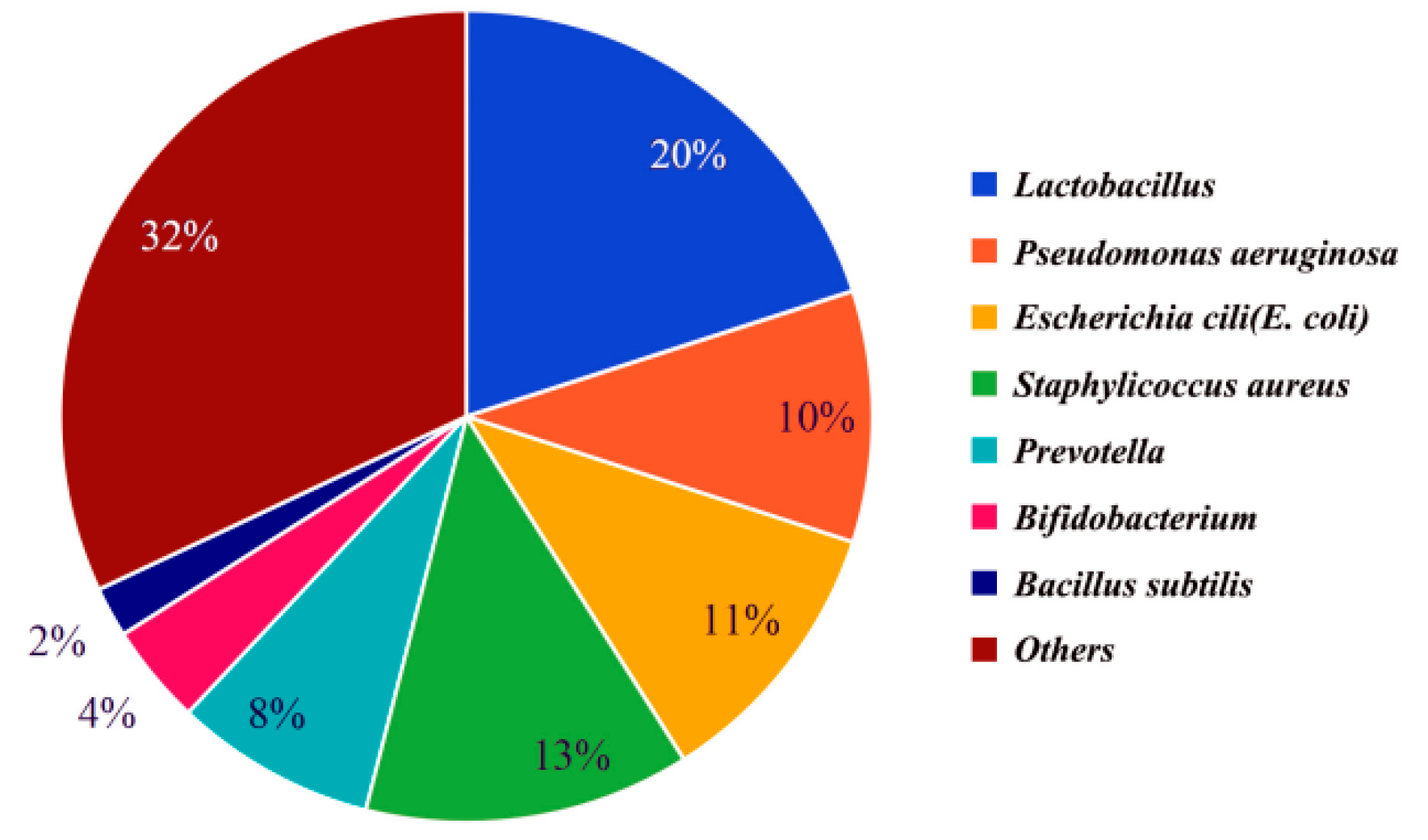
Figure 2.
The bacterial species and abundance correlation in boar semen. A: The Venn of 2,783 bacterial species from 9 breed boar. B: The abundant correlation between top-11 probiotics and top-26 pathogenic bacteria. YKS: Yorkshire, LDS: Landrace, DU: Duroc, BKS:Berkshire, TOP: Topek boar, ZM: Cangmei, QY: Qingyu boar, CH: Chenghua boar, BC: Bacheng boar.
Figure 2.
The bacterial species and abundance correlation in boar semen. A: The Venn of 2,783 bacterial species from 9 breed boar. B: The abundant correlation between top-11 probiotics and top-26 pathogenic bacteria. YKS: Yorkshire, LDS: Landrace, DU: Duroc, BKS:Berkshire, TOP: Topek boar, ZM: Cangmei, QY: Qingyu boar, CH: Chenghua boar, BC: Bacheng boar.
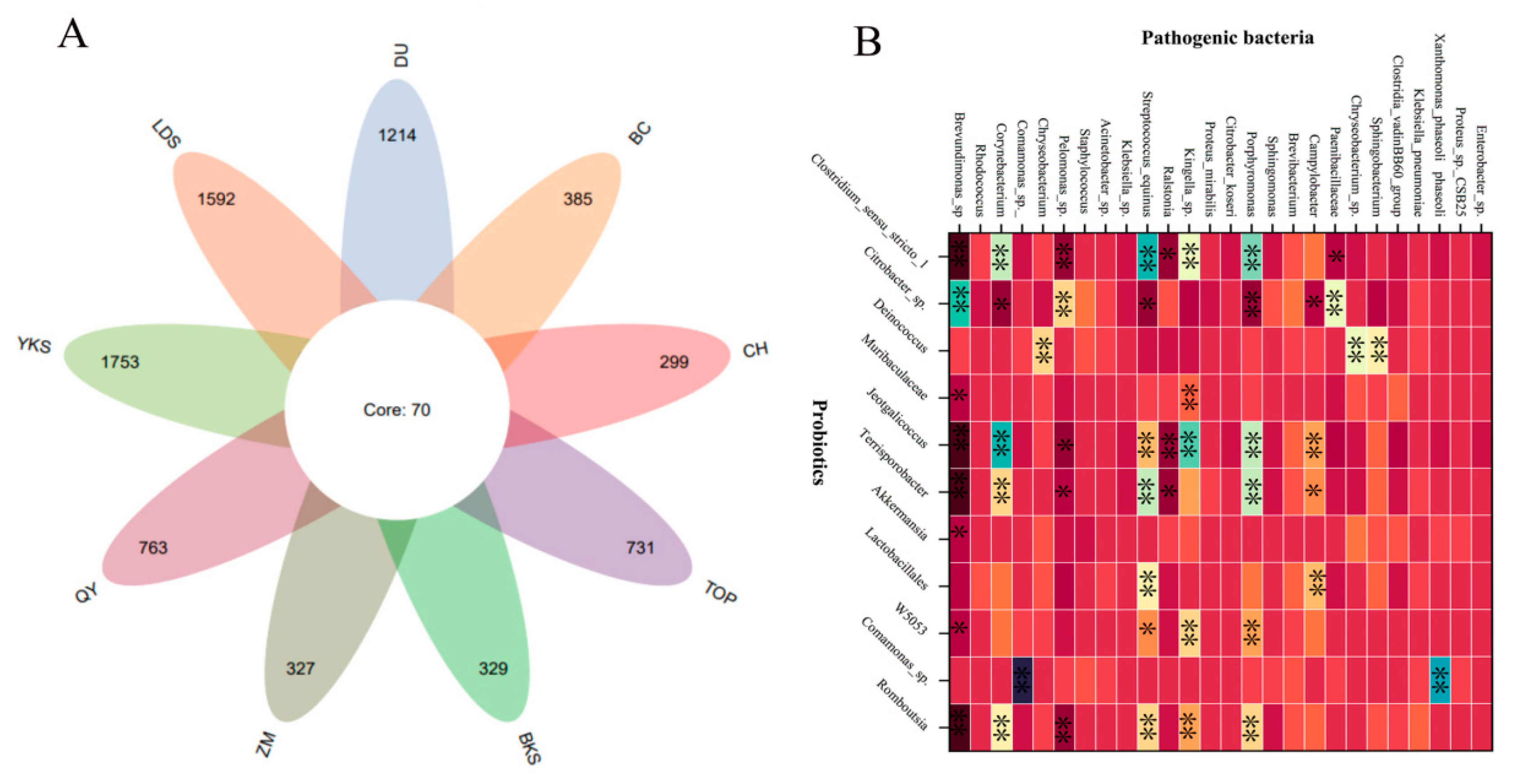
Figure 3.
The protective effects of probiotics on semen and their characteristics.
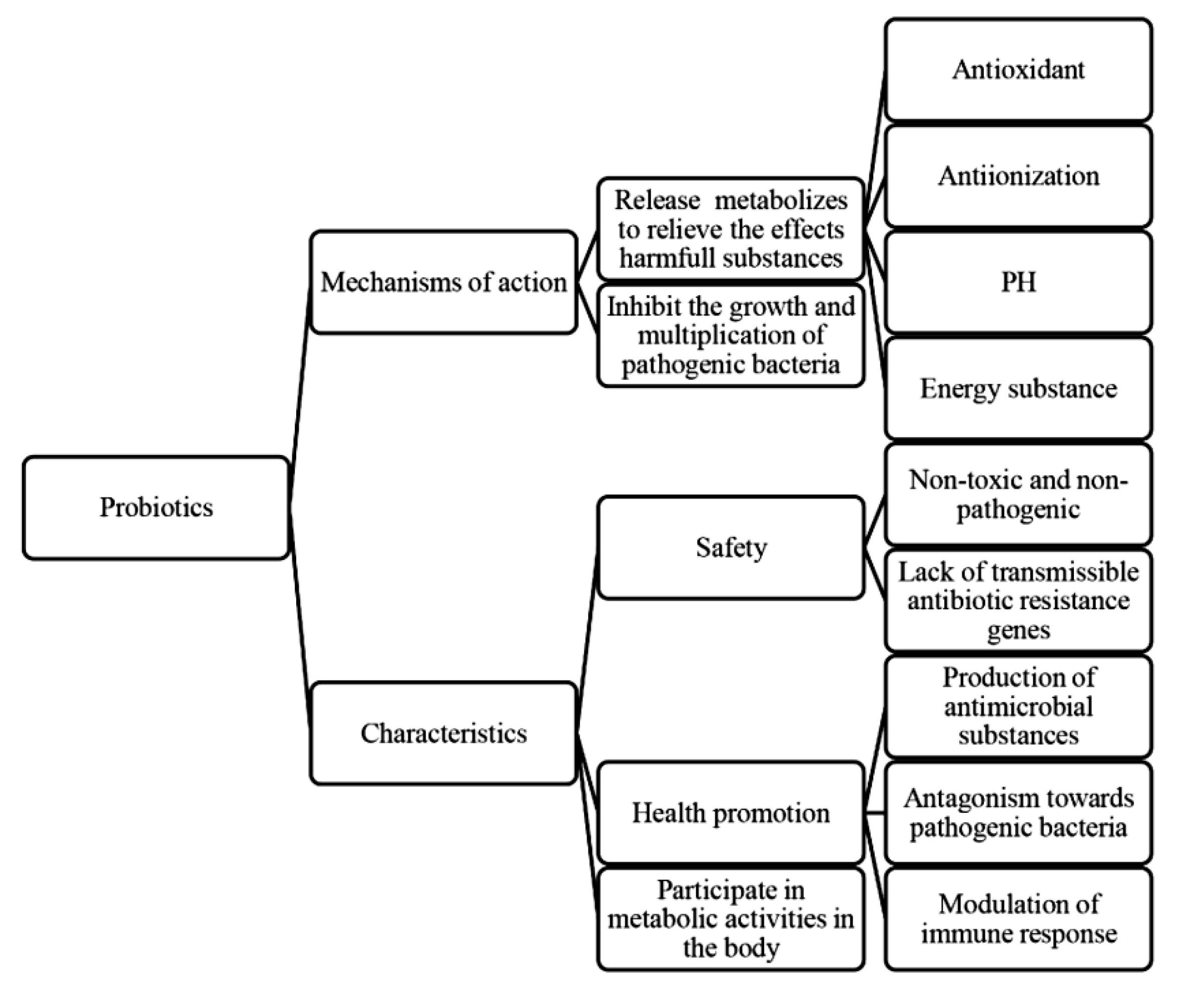
Figure 4.
Lysozyme’s mechanism of action. NAG-NAM: Lysozyme hydrolyzes the β-1,4 glycosidic bond between the N-acetylmuramic acid (NAM) monomer and the adjacent N-acetyglucosamine (NAG) monomer. Hydrolysis of PG by lysozyme leads to cell wall instability and bacterial cell death. Ⅲ: Lysozyme can also have a bactericidal effect through the mechanism of its cationic nature, the formation of pores in the negatively charged bacterial cell membranes by lysozyme.
Figure 4.
Lysozyme’s mechanism of action. NAG-NAM: Lysozyme hydrolyzes the β-1,4 glycosidic bond between the N-acetylmuramic acid (NAM) monomer and the adjacent N-acetyglucosamine (NAG) monomer. Hydrolysis of PG by lysozyme leads to cell wall instability and bacterial cell death. Ⅲ: Lysozyme can also have a bactericidal effect through the mechanism of its cationic nature, the formation of pores in the negatively charged bacterial cell membranes by lysozyme.
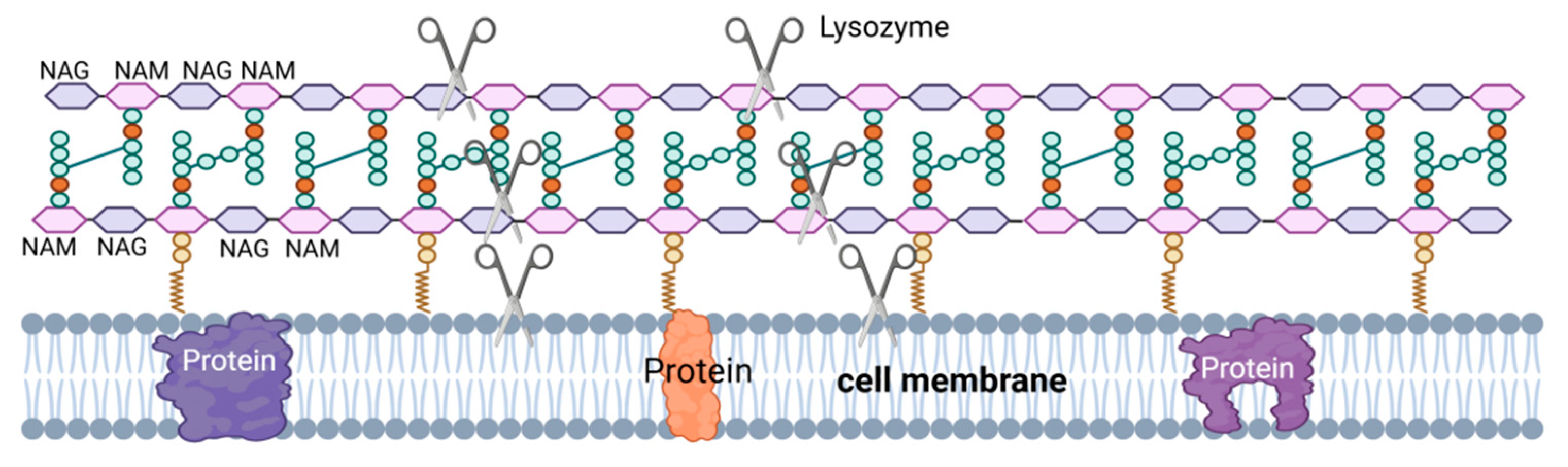
Figure 5.
Effects of Antimicrobial peptides (AMPs).
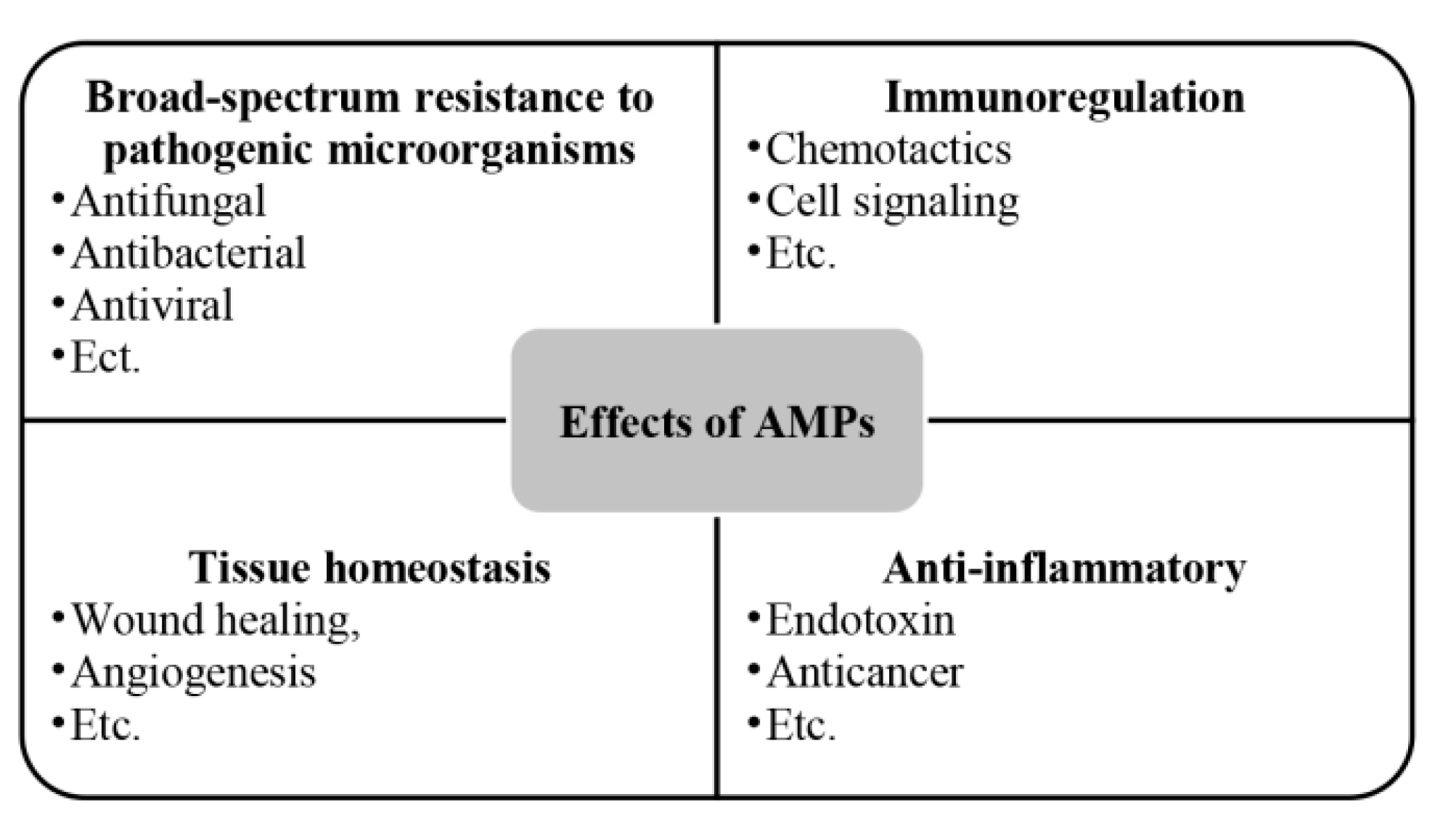
Figure 6.
Dynamic equilibrium of probiotics, pathogenic bacteria and natural antimicrobial substances.
Figure 6.
Dynamic equilibrium of probiotics, pathogenic bacteria and natural antimicrobial substances.
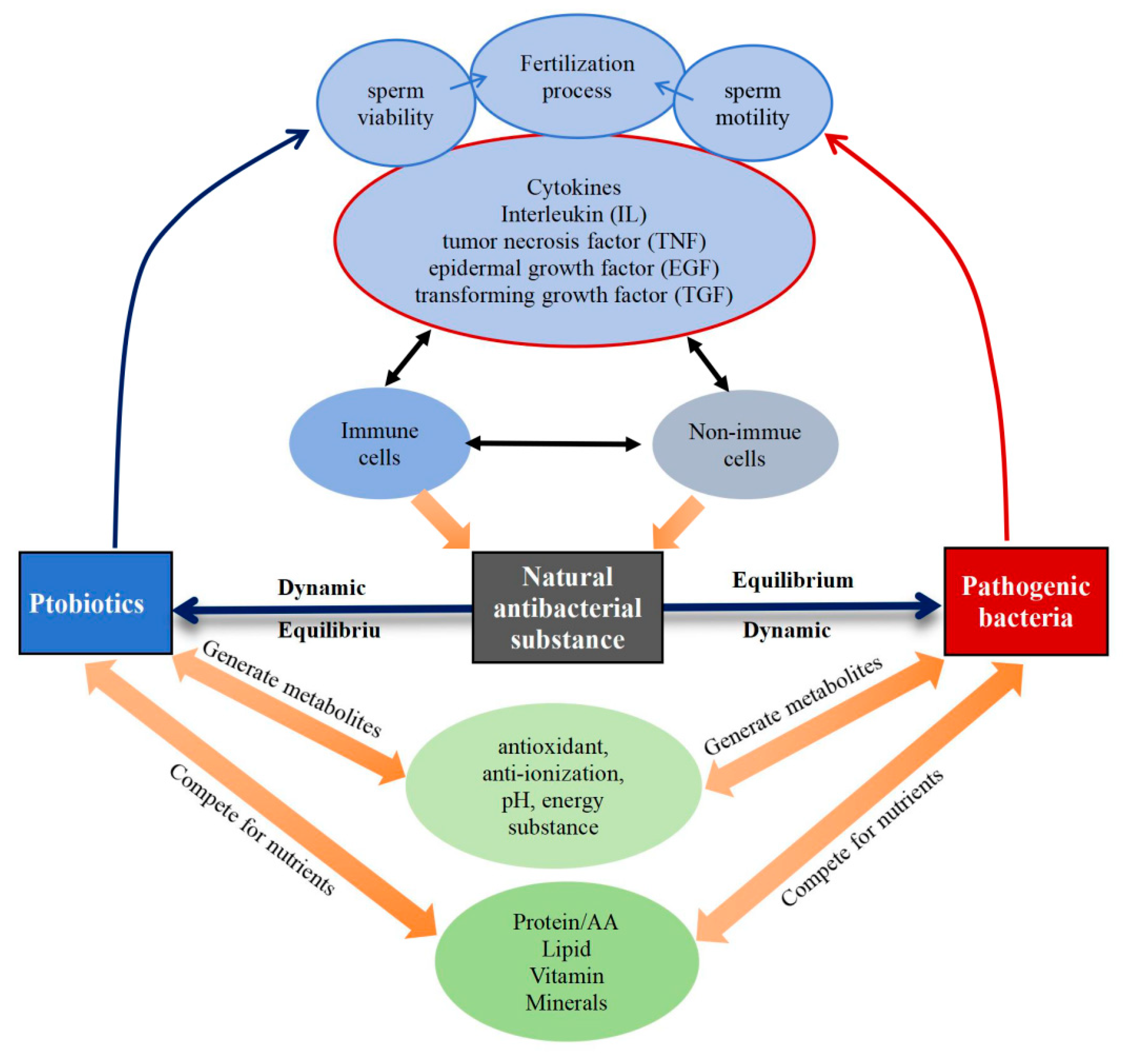
Figure 7.
Schematic diagram of using probiotics to produce natural antibacterial substances.
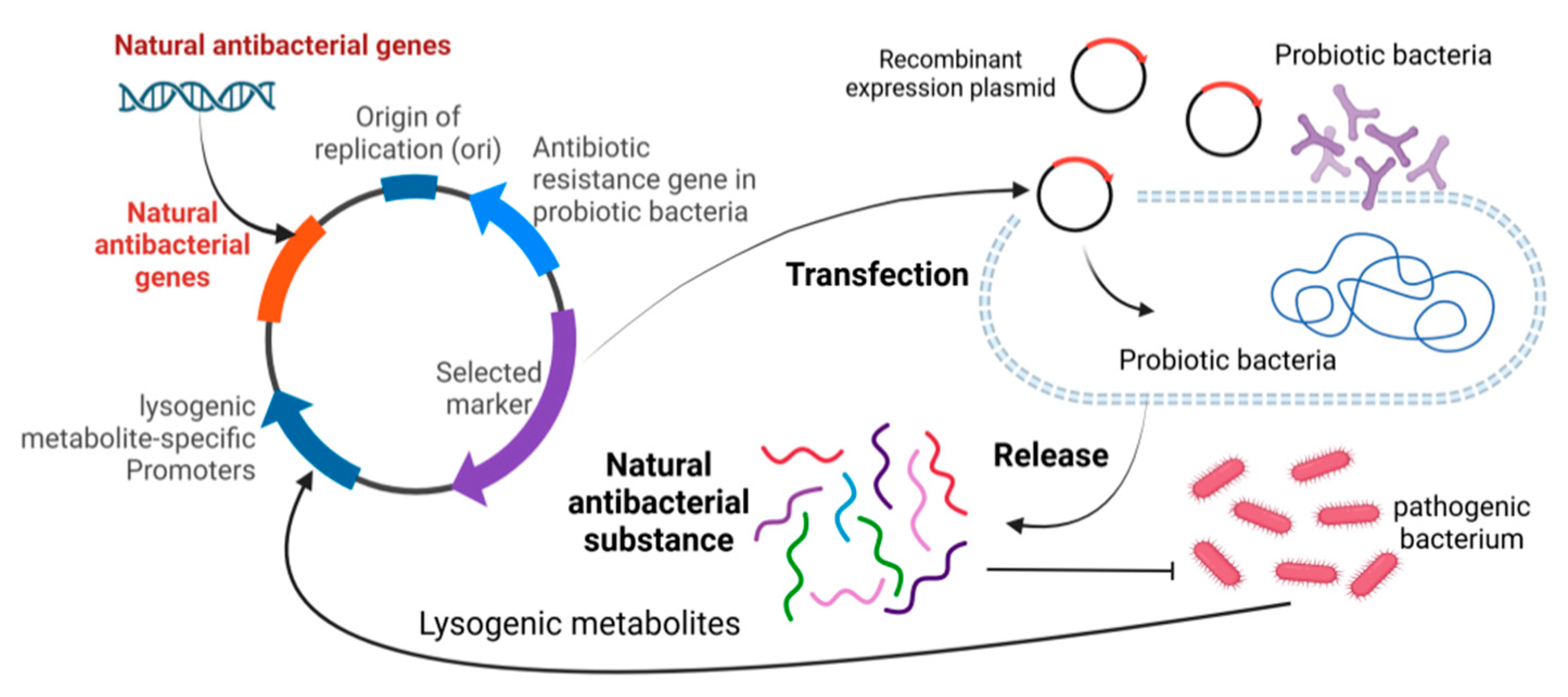

Table 1.
Common probiotics and pathogens in boar semen.
| Type | Bacterium | Effects on Sperm Quality | References |
|---|---|---|---|
| probiotics | Lactobacillus | ·Positively correlate with sperm viability parameters, structural integrity, and capacitation ·Have antagonistic effect with pathogenic bacteria |
[33,39,40] |
| Bifidobacterium | ·Improve sperm motility ·Reduce DNA fragmentation ·Reduces intracellular oxidative stress |
[41] | |
| Lactobacillus rhamnosus | ·Used in reproduction, oocyte maturation ·Supplements to improve spermatogenesis ·Enhance sperm kinematic parameters |
[42,43] | |
| Lactobacillus paracasei | ·Reduce intracellular oxidative stress ·Stop DNA breaks ·Reduce sperm DNA loss |
[43] | |
| Bacillus subtilis | ·Reduce sperm damage ·improve sperm dynamics and morphology |
[1] | |
| pathogenic bacteria | Pseudomonas aeruginosa | Associate with defective spermatogenesis, sperm DNA damage and orchitis | [2,3,4] |
| Escherichia coli (E. coli) | ·Associate with defective spermatogenesis, sperm DNA damage and orchitis ·Affect sperm motility and morphology |
[14,15,44,45] | |
| Staphylococcus aureus | ·Associate with sperm DNA damage and orchitis ·Affects sperm viability and morphology |
[5,6,7] | |
| Prevotella | Associate with defective spermatogenesis and low-quality semen | [8,9,10,11] | |
| Brucella | Orchitis | [12] | |
| Chlamydia trachomatis | ·Associate with defective spermatogenesis, sperm DNA damage and orchitis ·Affect sperm motility and morphology |
[13] | |
| Neisseria gonorrhoeae | Associate with defective spermatogenesis, sperm DNA damage and orchitis | [12] | |
| Mycoplasma urealyticum | ·Associate with inflammation, sperm DNA damage and orchitis ·Affects sperm viability and morphology |
[12,13] | |
| Staphylococcus saprophyticus | Associate with poor sperm count, decreased sperm motility, abnormal viscosity and leukocytospermia | [13] | |
| Streptococcus agalactiae | [13] | ||
| Klebsiella | [1] | ||
| Bacillus citreus | |||
| Enterobacterium | |||
| Clostridium | |||
| Enterobacter cloacae | |||
| Aeromonas hydrophila |
Table 2.
Common natural antimicrobial substances in semen and their mechanisms of action.
| Natural Antimicrobial Substances | Mechanisms of Action | References |
|---|---|---|
| Lysozyme (LSZ) | Lysozyme hydrolyzes the β-1,4 glycosidic bond between the NAM monomer and the adjacent NAG monomer. Hydrolysis of PG by lysozyme leads to cell wall instability and bacterial cell death. Lysozyme can also have a bactericidal effect through the mechanism of its cationic nature, i.e., the formation of pores in the negatively charged bacterial cell membranes by lysozyme (red columns). |
[63,64] |
| Secretory leukocyte peptidase inhibitor (SLPI) | Related to the special structure of the peptide chain, if the structure is changed, the antibacterial activity will decrease. | [65,66,67] |
| Lactoferrin (LF) | Inhibit and kill bacteria by highly binding iron, depriving them of the essential iron needed for growth. |
[68,69] |
| Antibacterial peptide (AMP) | The amphiphilic structure of AMPs, where the spatial separation of the cationic and hydrophobic components is a prerequisite for their effective interaction with bacterial membranes, is a structural feature that allows AMPs to interact with lipids of asymmetric bacterial membranes in a similar manner. | [70,71,72] |
| Group II phospholipase A2 (PLA2) | Catalyze the hydrolysis of phospholipids in the cell membrane of certain gram-positive bacteria. Activate the body immune system and kill a variety of gram-negative bacteria with the help of complement and other factors |
[73,74] |
| Zn2+, SG, SGI-derived peptides and HEL-75 protein | [53] |
Disclaimer/Publisher’s Note: The statements, opinions and data contained in all publications are solely those of the individual author(s) and contributor(s) and not of MDPI and/or the editor(s). MDPI and/or the editor(s) disclaim responsibility for any injury to people or property resulting from any ideas, methods, instructions or products referred to in the content. |
© 2024 by the authors. Licensee MDPI, Basel, Switzerland. This article is an open access article distributed under the terms and conditions of the Creative Commons Attribution (CC BY) license (http://creativecommons.org/licenses/by/4.0/).
Copyright: This open access article is published under a Creative Commons CC BY 4.0 license, which permit the free download, distribution, and reuse, provided that the author and preprint are cited in any reuse.