

Submitted:
19 September 2024
Posted:
22 September 2024
You are already at the latest version
Abstract
Due to the deteriorating state of surface waters and the resulting reduction in their availability for the population, efforts have been undertaken to develop a biodegradable or compostable water filtration system capable of reducing the amount of harmful bacteria in this environment. The aim of this research was to develop nonwovens using the classic needle-punching method with commercially available polylactide (PLA) polymer, and subsequently, to select appropriate concentrations of modifiers to create systems with antibacterial properties. The resulting composites could potentially serve as filtration materials for the purification of surface waters. Nanoparticles such as zinc oxide, titanium dioxide, and silver were employed in this research. These compounds exhibit antibacterial properties and are insoluble in water. To confirm the bactericidal activity of the additives, biological tests were conducted, and the distribution of these additives on the structure of the filtration material was examined using scanning electron microscopy (SEM) equipped with an energy dispersive spectroscopy (EDS) detector.
Keywords:
nonwoven of PLA
; titanium (IV) oxide
; zinc oxide
; nano-Ag
; antibacterial activity test
; SEM/EDS
1. Introduction
Contamination of surface waters by Gram-positive and Gram-negative bacteria poses a significant threat to human health, animals, and aquatic ecosystems [1]. The classification of bacteria into Gram-positive and Gram-negative is based on differences in their cell wall structures, affecting their response to antibiotics, disinfectants, and their pathogenicity. Gram-positive bacteria include species such as Staphylococcus aureus, Bacillus anthracis, and Enterococcus faecalis, while Gram-negative bacteria include Pseudomonas aeruginosa, Salmonella spp., and Escherichia coli [2,3]. These bacteria can cause food poisoning, leading to symptoms such as diarrhea, nausea, and vomiting [4], as well as skin and soft tissue infections, fever, muscle, and joint pain [5,6]. The sources of these bacteria are varied, including industrial processes, municipal wastewater [7], agriculture, and urban runoff [8,9]. High concentrations of bacteria, especially from fecal contamination, can adversely affect water quality and aquatic life, leading to reduced biodiversity and excessive algal growth, which can cause eutrophication [10]. To prevent these outcomes, various measures are undertaken to improve surface water quality. Key actions include wastewater treatment through urban and rural sewage treatment plants, and the increasingly common use of small household treatment plants in agricultural areas. Additional measures include water disinfection through chlorination, UV irradiation, or ozonation, and the maintenance and expansion of natural purification systems, such as phytoremediation and constructed wetlands [11,12,13].
Additionally, filtration mats are used for water purification, removing contaminants such as solid particles, chemicals, microorganisms, and other pollutants that may affect the health of humans, animals, and aquatic ecosystems [14,15]. These mats can be classified based on the type of material used or their intended application. They include mats made from synthetic fibers, such as polypropylene (PP) or polyethylene terephthalate (PET), which are primarily used for removing larger solid particles from surface waters due to their good mechanical properties. Ceramic mats are used in advanced filtration systems because of their high resistance to chemicals and their high filtration efficiency at the micro- and nano-levels. Natural fiber mats (cellulose, coconut) are also employed, typically as filters to trap contaminants or as components in composite filters. Finally, composite mats incorporate materials like activated carbon, which absorbs chemical pollutants including heavy metals, pesticides, and organic compounds, or nanomaterials (ZnO, TiO₂) that are primarily used for removing microorganisms [16,17,18,19].
The continuous development of materials engineering and technological advancements in recent years have led to the achievement of wastewater and surface water treatment techniques such as precipitation, filtration, adsorption, flocculation, and ozone treatment [20]. One potential alternative to the currently used composite mats, whose matrix consists of petroleum-derived synthetic polymers, is the use of biodegradable or compostable polymers from renewable sources. These include PLA, which is derived from corn starch, making it a more environmentally friendly solution than currently used plastics. Compared to other polymers, PLA has a relatively lower processing temperature and exhibits good mechanical properties [21,22,23].
PLA has some natural resistance to microorganisms, but this property is not strong enough to effectively prevent bacterial growth under various conditions. Research into the modification of PLA using different nanomaterials, such as zinc oxide (ZnO), titanium dioxide (TiO₂), and silver (Ag), has shown that these can significantly enhance the antibacterial properties of PLA, thereby expanding it is applications and improving its effectiveness [24,25].
Titanium (IV) dioxide (TiO₂) is a white-gray solid with no odor, occurring naturally in three different crystalline forms: anatase, rutile, and brookite [26,27]. Some of its key properties include environmental neutrality, high chemical resistance, non-toxicity, hydrophilicity, and antibacterial activity [28,29].
Zinc sulfide (ZnS) is a chemical compound that occurs in two main crystalline structures: sphalerite and wurtzite. ZnS is mainly used in electronics, optics, and nanotechnology [30,31]. ZnS can be modified and incorporated into filtration nonwovens to improve their antibacterial and catalytic properties. ZnS nanoparticles have the ability to destroy pathogens and assist in the decomposition of organic pollutants. Therefore, they can be used in filtration materials for water purification, providing better efficiency in eliminating microorganisms and toxic substances [32].
Silver nanoparticles (nano-Ag) are a form of silver with sizes ranging from 1 to 100 nanometers, possessing unique physical, chemical, and biological properties different from bulk silver [33]. Due to these properties, silver nanoparticles have found extensive applications in various fields such as medicine, materials engineering, electronics, and particularly in areas related to combating bacteria, including both Gram-positive and Gram-negative bacteria [34].
Contamination of surface waters with Gram-positive and Gram-negative bacteria poses a significant threat to public health and ecosystems. Various sources, including wastewater, industrial waste, and agricultural runoff, introduce bacteria into water bodies, which can lead to serious diseases and environmental degradation. Effective monitoring, purification, and quality control of water are crucial for protecting health and maintaining the cleanliness of surface waters.
The aim of this study was to develop an effective filtration system with bactericidal properties against Gram-positive and Gram-negative bacteria, based on biodegradable nonwovens made from PLA and permanently coated with ZnS, TiO₂, and nano-Ag nanoparticles.
2. Materials and Methods
2.1. Materials
To implement the proposed concept, the following was utilized:
- Poly(lactic acid) – PLA 6202D from NatureWorks (Minneapolis, USA) (d=1.24 cm3/g, MFR=15-30 g/10min and Tm=155-170 oC);
- acrylic acid – C3H4O2 from Sigma-Aldrich (Saint Louis, USA) ( d=1.05 g/cm3, Mn=72.06 g/mol, η=1,06 g/cm³);
- 2,2-dimethoxy-2-phenylacetophenone – C16 H16 O3 from Sigma-Aldrich (Saint Louis, USA) (pure 99%, Mn=256.30 g/mol);
- pentaerythritol triacrylate – C14H18O7 from Sigma-Aldrich (Saint Louis, USA) ( d=1.18 g/cm3, Mn=298.29 g/mol);
- zinc sulfide – ZnS from Sigma-Aldrich (Saint Louis, USA) (nanopowder, <21 μm primary particle size (TEM), ≥99.9% trace metals basis);
- titanium (IV) dioxide – TiO2 from Sigma-Aldrich (Saint Louis, USA) (nanopowder, <25 nm particle size, 99.70% trace metals basis);
- nano-Ag from Amepox Microelectronics (Lodz, Poland) nanopowder, <25 nm particle size, 99.99% trace metals basis).
2.2. Methods
The microscopic structure was examined using a PHENOM ProX G6 scanning electron microscope from (SEM) Thermo Fisher Scientific (Waltham, USA) with an EDS spectrometer and a Q150R S sputter coater from Quorum Technologies (Laughton, UK).
Antimicrobial activity tests were performed using the ASTM E2149-13a “Standard Test Method for Determining the Antimicrobial Activity of Antimicrobial Agents Under Dynamic Contact Conditions” method.
3. Results and Discussion
3.1. Scanning Electron Microscopy – SEM/EDS
To confirm the presence of the employed nanofillers in the needle-punched PLA nonwovens, a microscopic structural analysis was conducted using scanning electron microscopy (SEM) at a magnification of 1000x with an EDS spectrometer. The following images (Figure 1, Figure 2, Figure 3, Figure 4, Figure 5, Figure 6, Figure 7, Figure 8, Figure 9 and Figure 10) show the surface of the PLA nonwovens without modifiers and with their presence. Using the EDS detector on Figure 11, Figure 12, Figure 13, Figure 14, Figure 15 and Figure 16, we can see the additives highlighted with colors.
The Figure 2, Figure 3, Figure 4, Figure 5, Figure 6, Figure 7, Figure 8, Figure 9 and Figure 10, show that the used additives do not affect the structure of the modified nonwovens. This is evidenced by the absence of visible voids, cracks, and thinning. Instead, we see ‘bright spots,’ which originate from the additives, and as their percentage increases, their presence on the fiber structure grows, though their distribution is uneven and chaotic. Comparing TiO₂ and nano-Ag modified fibers with those containing ZnS, we can observe that zinc sulfide, unlike the other additives, has a significant tendency to form large particle clusters, known as agglomerates.
Analyzing the above images, we can observe that the studied nonwovens contain applied additives, which have been marked with different colors. Zinc (Zn) is indicated in yellow, silver (Ti) in teal, and titanium (Ag) in orange. Referring to the attached images (Figure 12, Figure 14 and Figure 16), we can also see that silver and titanium dioxide have been more uniformly applied to the surface of the modified nonwovens compared to ZnS.
3.2. Antimicrobial activity studies
The aim of the test was to quantitatively assess the antibacterial activity of modified needle-punched nonwovens, treated with antibacterial modifiers (ZnS, Ag, TiO₂). The test involved placing samples in a suspension of standardized microorganisms (Staphylococcus aureus ATCC 6538 and Escherichia coli ATCC 11229) at a precisely defined concentration, followed by incubation. The incubation was carried out for 1 and 24 hours at 35°C. The following equations were used for calculation and logarithmic reduction:
where:
log reduction of bacterial = log(C) – log (A)
- A – the number of cells in flasks containing modified nonwovens after 1 and 24 hours of contact;
- C – the number of cells in flasks with modified nonwovens after 1 and 24 hours of incubation.
The results of the antibacterial properties are presented in Table 1.
Analyzing the above table (Table 1), it can be observed that the modified nonwovens exhibit low (A<2), moderate (2≤A<3), and strong (A≥3) antibacterial activity against both types of bacteria used. Logarithmic criteria for evaluating antibacterial properties based on the standard PN-EN ISO 20743:2021 [35] were adopted. Comparing the filtration materials used, it can be noted that the nonwovens coated with nano-Ag show the best biocidal properties. These samples exhibit strong antibacterial activity against both Staphylococcus aureus and Escherichia coli. After 1 hour, the nonwovens containing Ag interact more effectively with Escherichia coli than with Staphylococcus aureus, but after 24 hours, the logarithmic reduction significantly increases for both bacteria, reaching strong antibacterial activity. Observing the table, it can be seen that the additives nonwovens show better antibacterial properties against Staphylococcus aureus. The PLA + 1.5% TiO₂ system exhibits the weakest antibacterial properties, while PLA + 1.5% Ag shows the strongest.
4. Conclusions
The Modification of PLA nonwovens with nanofillers to impart antibacterial properties is an interesting area of research in the field of functional materials. The conducted studies have confirmed the effective modification of the needle-punched nonwovens. SEM/EDS techniques allow observation of the impact on the morphological properties of the fibrous structures and their distribution on the material’s surface. Additionally, selecting the appropriate research methodology to determine antibacterial effectiveness enables the replication of real-world conditions. The application of nanofillers (nano-Ag, ZnS, TiO₂), which are insoluble in water, facilitates effective combat against bacteria that contaminate surface waters. The studies also showed that when water bodies are heavily contaminated with various microorganisms, it is appropriate to use filtration materials based on nano-Ag, which demonstrated the fastest and most effective action against both Gram-positive and Gram-negative bacteria with a minimal amount of biocidal agent.
In summary, modifying PLA nonwovens with the used nanofillers to provide antibacterial properties represents a promising direction for the development of more efficient and safer biodegradable filtration materials, with potential impacts on various industries and health protection.
References
- Kraemer SA, Ramachandran A, Perron GG., Antibiotic Pollution in the Environment: From Microbial Ecology to Public Policy. Microorganisms. 2019 Jun 22;7(6):180. PMID: 31234491; PMCID: PMC6616856. [CrossRef]
- Edberg SC, Rice EW, Karlin RJ, Allen MJ., Escherichia coli: the best biological drinking water indicator for public health protection. Symp Ser Soc Appl Microbiol. 2000; (29): 106S-116S. PMID: 10880185. [CrossRef]
- Leclerc H, Mossel DA, Edberg SC, Struijk CB., Advances in the bacteriology of the coliform group: their suitability as markers of microbial water safety. Annu Rev Microbiol. 2001; 55:201-34. PMID: 11544354. [CrossRef]
- Olańczuk-Neyman, K., Sokołowska A., Bakterie i wirusy w wodzie wodociągowej. Inżynieria i Ochrona Środowiska, 2004, 7(3/4), 259-276.
- Plachta, J., Ranke-Rybicka, B., Wichrowska B., Zycinski, D., Występowanie organizmów wodnych w wodociągach i wynikające stąd problemy dezynfekcji wody do picia. Cześć I. Roczniki Państwowego Zakładu Higieny, 1992, 43(1), 95-100.
- Sobieraj-Garbiak, I. A., Drożdżyńska, M., Wybrane zakażenia bakteryjne–nieuniknione zagrożenia zdrowia i życia człowieka. Pomeranian Journal of Life Sciences, 2015 61(1), 99-107.
- Kim S., Aga D.A., Potential Ecological and Human Health Impacts of Antibiotics and Antibiotic-Resistant Bacteria from Wastewater Treatment Plants, Journal of Toxicology and Environmental Health, Part B:Critical Reviews, 2007 10:8, 559-573. [CrossRef]
- Jahan, I., Zhang, L. Natural Polymer-Based Electrospun Nanofibrous Membranes for Wastewater Treatment: A Review. J Polym Environ 30, 1709–1729, 2022. [CrossRef]
- Brzezińska, A. Emisja zanieczyszczeń z przelewów burzowych w aspekcie wpływu na odbiornik. Inżynieria Ekologiczna, 2016, (48), 17-27.
- Adams J., Whitfield E., Lemley D., 4.16 - Phytoplankton/Seagrass Response to Management Interventions in Eutrophic Estuaries, Academic Press, 2024, Pages 445-473, ISBN 9780323910422. [CrossRef]
- Kesari, K.K., Soni, R., Jamal, Q.M.S. et al. Wastewater Treatment and Reuse: a Review of its Applications and Health Implications. Water Air Soil Pollut 232, 208, 2021. [CrossRef]
- Sundayi Sambaza S., Naicker N., Contribution of wastewater to antimicrobial resistance: A review article, Journal of Global Antimicrobial Resistance, Volume 34, 2023, Pages 23-29, ISSN 2213-7165. [CrossRef]
- Vymazal J., Removal of nutrients in various types of constructed wetlands, Science of The Total Environment, Volume 380, Issues 1–3, 2007, Pages 48-65, ISSN 0048-9697. [CrossRef]
- Li, X., Tabil, L.G. & Panigrahi, S. Chemical Treatments of Natural Fiber for Use in Natural Fiber-Reinforced Composites: A Review. J Polym Environ 15, 25–33, 2007. [CrossRef]
- Ibrahim, M.; Nawaz, M.H.; Rout, P.R.; Lim, J.-W.; Mainali, B.; Shahid, M.K. Advances in Produced Water Treatment Technologies: An In-Depth Exploration with an Emphasis on Membrane-Based Systems and Future Perspectives. Water 2023, 15, 2980. [CrossRef]
- Khraisheh, M.; Elhenawy, S.; AlMomani, F.; Al-Ghouti, M.; Hassan, M.K.; Hameed, B.H. Recent Progress on Nanomaterial-Based Membranes for Water Treatment. Membranes 2021, 11, 995. [CrossRef]
- Hoslett, J., Massara, T. M., Malamis, S., Ahmad, D., van den Boogaert, I., Katsou, E., Jouhara, H., Surface water filtration using granular media and membranes: A review. Science of the Total Environment, 2018, 639, 1268-1282. [CrossRef]
- Chen, H. Surface-Flow Constructed Treatment Wetlands for Pollutant Removal: Applications and Perspectives. Wetlands 31, 805–814 2011. [CrossRef]
- Jaspal D., Malviya A., Composites for wastewater purification: A review, Chemosphere, Volume 246, 2020, 125788, ISSN 0045-6535. [CrossRef]
- Ahmed MdJK, Ahmaruzzaman M., A review on potential usage of industrial waste materials for binding heavy metal ions from aqueous solutions. J Water Process Eng., 2016, 10:39 47. [CrossRef]
- Khoo R.Z., Ismail H., Chow W.S., Thermal and Morphological Properties of Poly (Lactic Acid)/Nanocellulose Nanocomposites, Procedia Chemistry, Volume 19, 2016, Pages 788-794, ISSN 1876-6196. [CrossRef]
- Mathew A. P., Oksman K., Sain, M. The effect of morphology and chemical characteristics of cellulose reinforcements on the crystallinity of polylactic acid. Journal of Applied Polymer Science, 101(1), 2006, 300-310. [CrossRef]
- Gzyra-Jagieła, K.; Sulak, K.; Draczyński, Z.; Podzimek, S.; Gałecki, S.; Jagodzińska, S.; Borkowski, D. Modification of Poly(lactic acid) by the Plasticization for Application in the Packaging Industry. Polymers 2021, 13, 3651. [CrossRef]
- Murariu, Marius, and Philippe Dubois. “PLA composites: From production to properties.” Advanced drug delivery reviews 107, 2016, 17-46. [CrossRef]
- Kumar Trivedi A., Gupta M.K., Singh H., PLA based biocomposites for sustainable products: A review, Advanced Industrial and Engineering Polymer Research, Volume 6, Issue 4, 2023, Pages 382-395, ISSN 2542-5048. [CrossRef]
- Warheit, D.B.; Webb, T.R.; Reed, K.L.; Frerichs, S.; Sayes, C.M. Pulmonary toxicity study in rats with three forms of ultrafine-TiO2 particles: differential responses related to surface properties. Toxicology 2007, 230, 90–104. [CrossRef]
- Pryliński, M.; Limanowska-Shaw, H. Właściwości tytanu i problem nadwrażliwości na ten metal. Implantoprotetyka 2007, 4, 50-52.
- Mazur, M.; Sieradzka, K.; Kaczmarek, D.; Domaradzki, J.; Wojcieszak, D.; Domanowski, P.; Prociów, E. Investigation of physicochemical and tribological properties of transparent oxide semiconducting thin films based on Ti-V oxides. Materials Science-Poland 2013, 31, 434-445. [CrossRef]
- Borkowski, D.; Krucińska, I.; Draczyński, Z. Preparation of Nanocomposite Alginate Fibers Modified with Titanium Dioxide and Zinc Oxide. Polymers 2020, 12, 1040. [CrossRef]
- Ye Z., Kong L., Chen F., Chen Z., Lin Y., Liu Ch., A comparative study of photocatalytic activity of ZnS photocatalyst for degradation of various dyes, Optik, Volume 164, 2018, Pages 345-354,ISSN 0030-4026. [CrossRef]
- Xu, X.; Li, S.; Chen, J.; Cai, S.; Long, Z.; Fang, X. Zasady projektowania i inżynieria materiałowa ZnS dla urządzeń optoelektronicznych i katalizy. Adv. Funct. Mater. 2018, 28. [CrossRef]
- Malarkodi, C., Rajeshkumar, S., Paulkumar, K., Vanaja, M., Gnanajobitha, G., Annadurai, G.,Biosynthesis and Antimicrobial Activity of Semiconductor Nanoparticles against Oral Pathogens, Bioinorganic Chemistry and Applications, 2014, 347167, 10 pages, 2014. [CrossRef]
- Mahendra Rai, Alka Yadav, Aniket Gade, Silver nanoparticles as a new generation of antimicrobials, Biotechnology Advances, Volume 27, Issue 1, 2009, Pages 76-83, ISSN 0734-9750. [CrossRef]
- Duran N, Marcarto PD, De Souza GIH, Alves OL, Esposito E. Antibacterial effect of silver nanoparticles produced by fungal process on textile fabrics and their effluent treatment. J Biomed Nanotechnol 2007;3:203–8. [CrossRef]
- ISO 20743:2021, Textiles — Determination of antibacterial activity of textile products.
Figure 1.
SEM image of nonwoven of PLA.
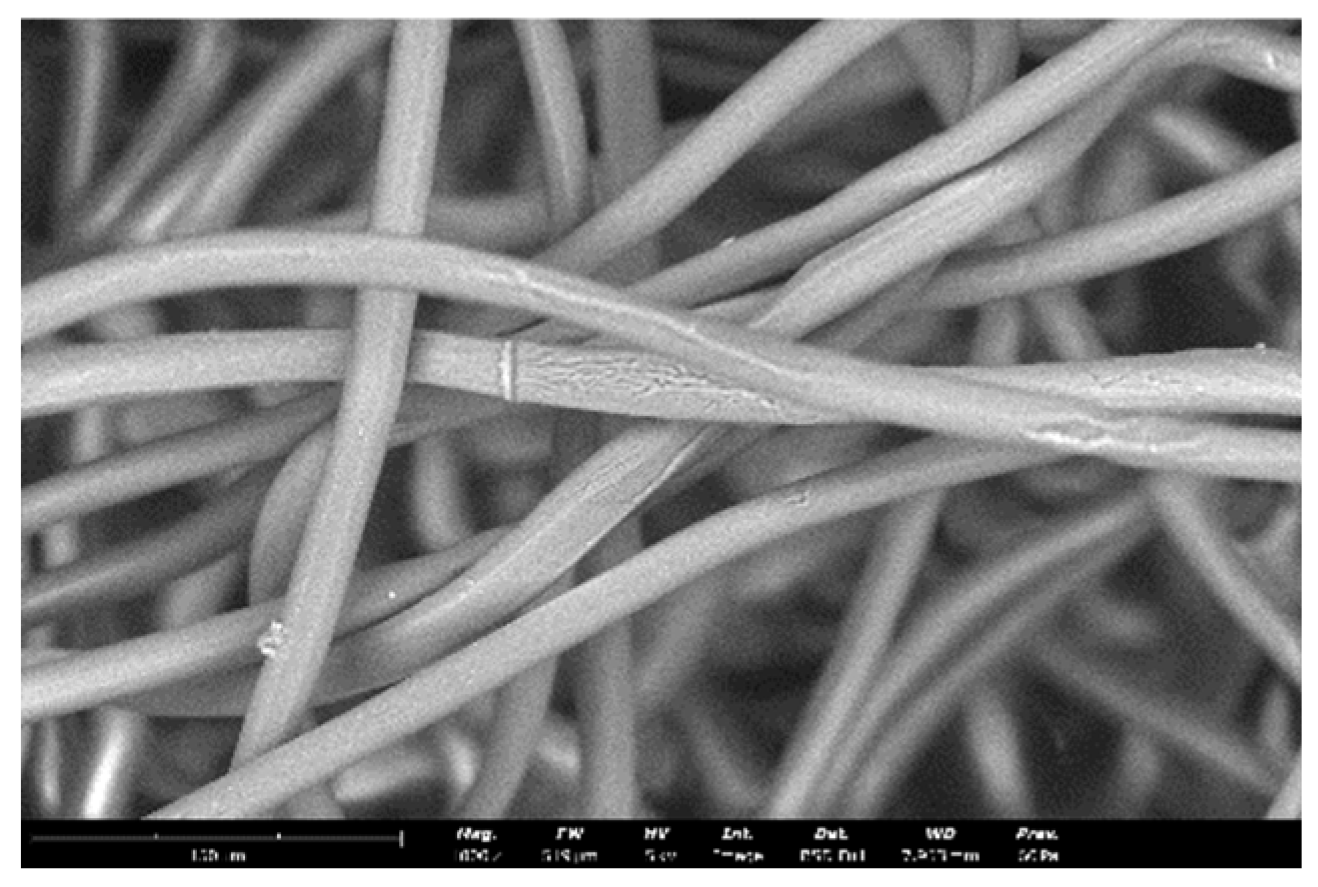
Figure 2.
SEM image, PLA nonwoven with 1.5% ZnS.
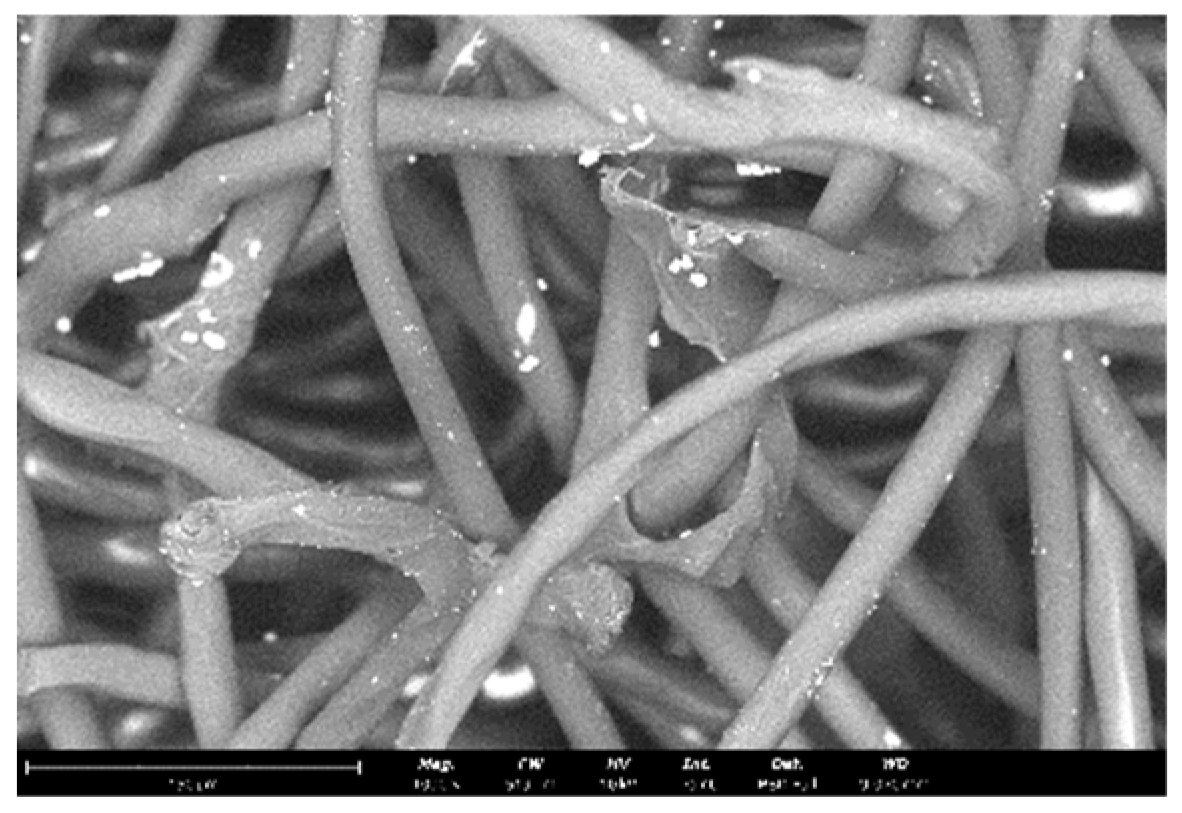
Figure 3.
SEM image, PLA nonwoven with 3% ZnS.
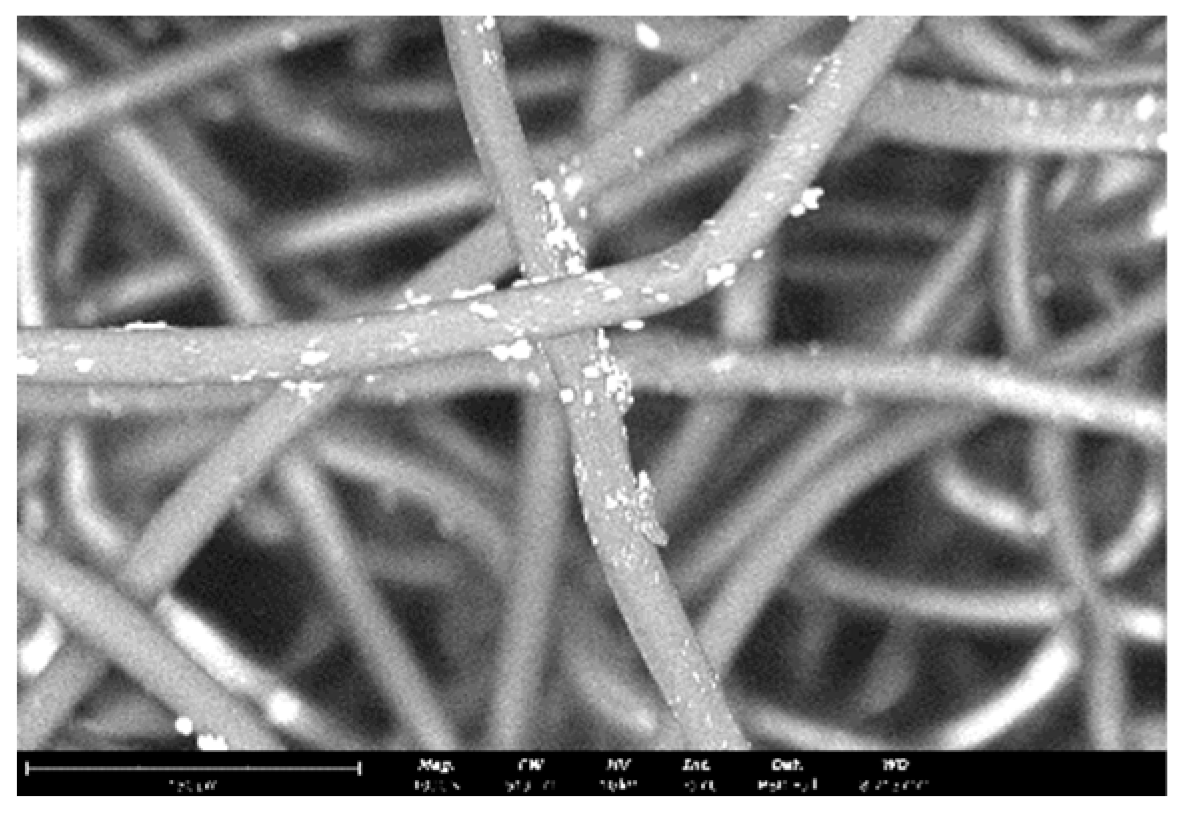
Figure 4.
SEM image, PLA nonwoven with 4.5% ZnS.
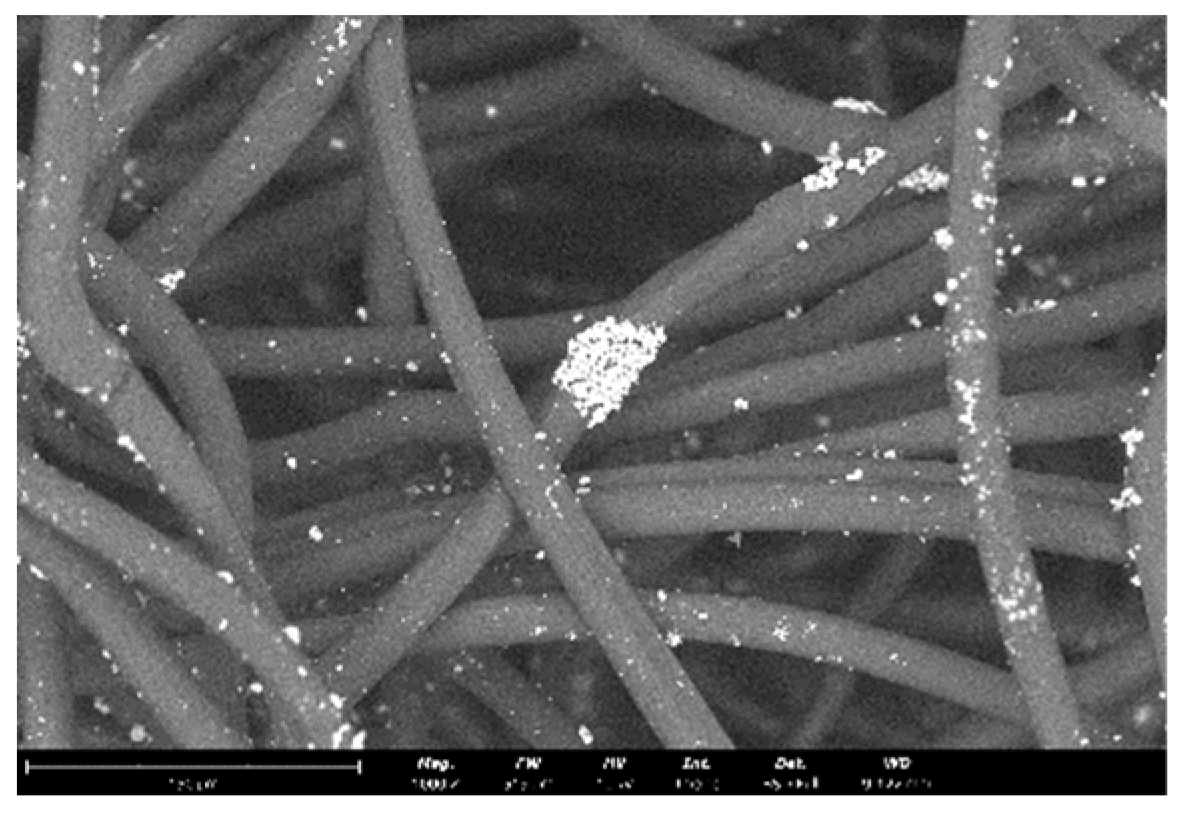
Figure 5.
SEM image, PLA nonwoven with 1.5% Ag.
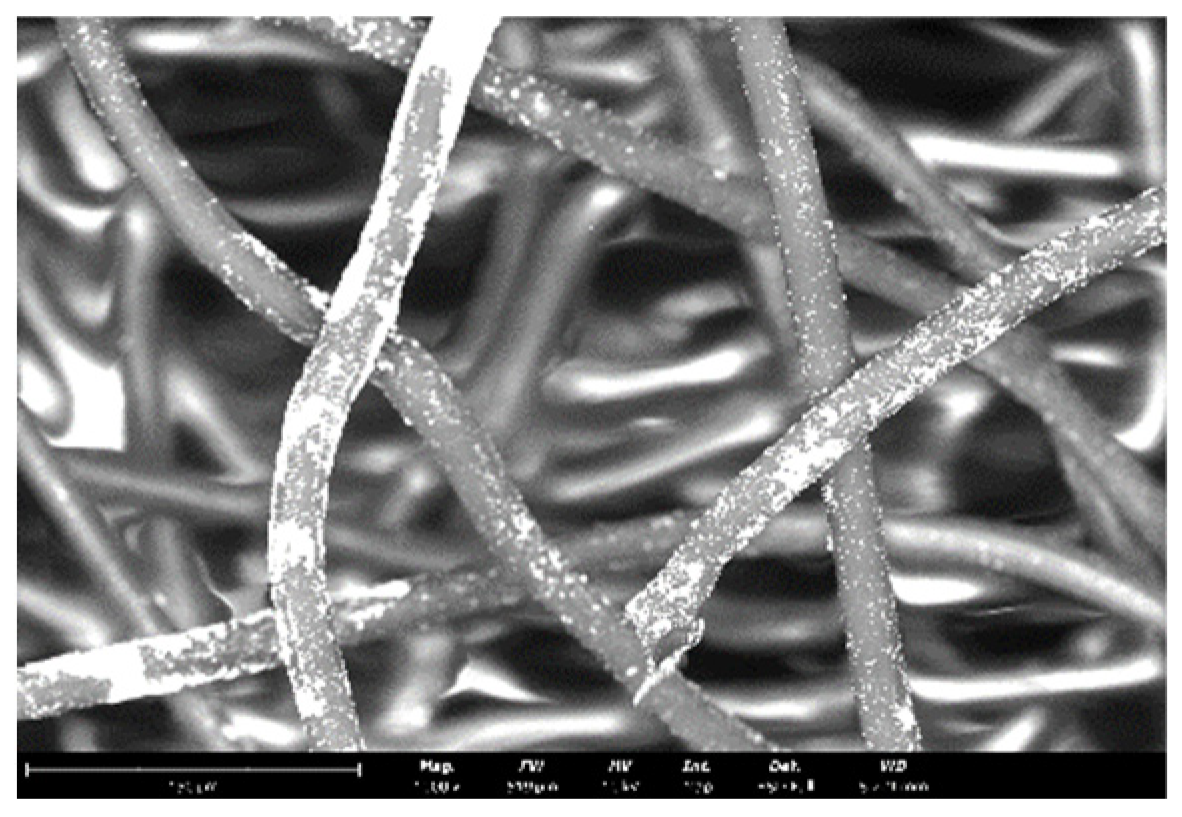
Figure 6.
SEM image, PLA nonwoven with 3% Ag.
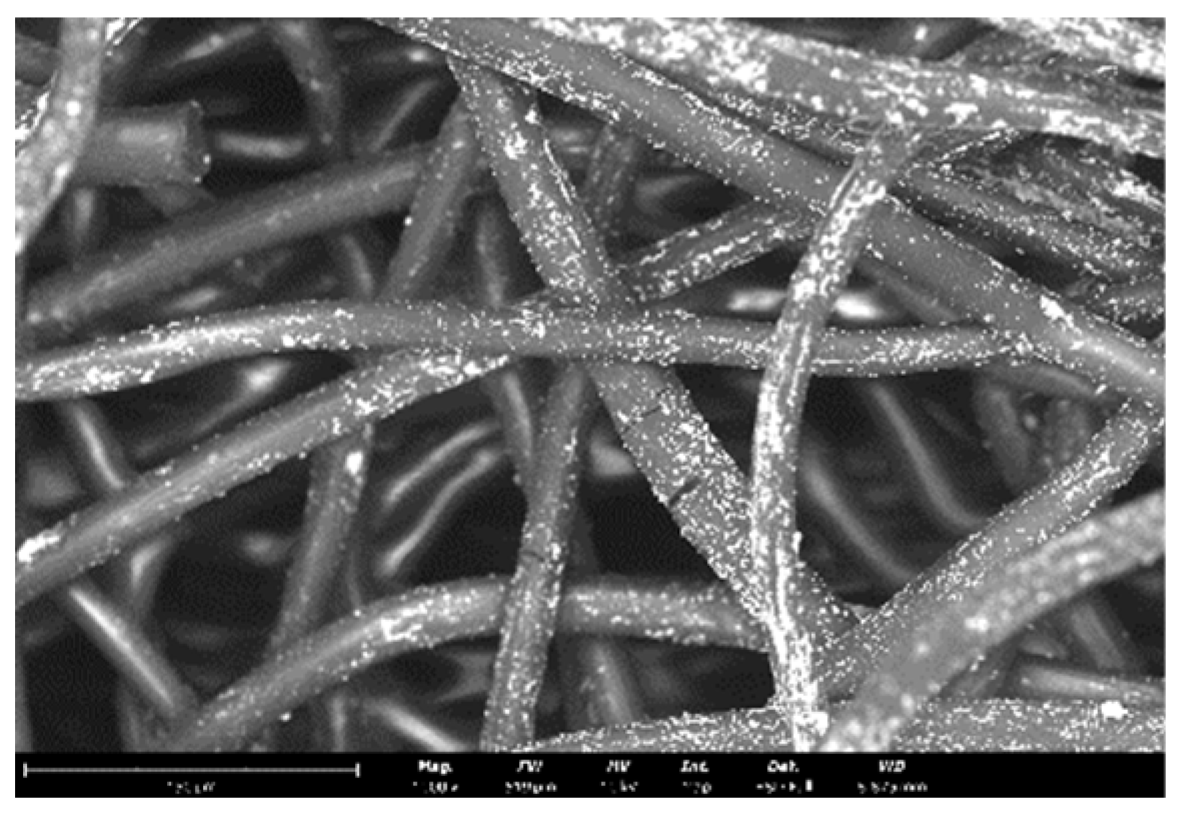
Figure 7.
SEM, PLA nonwoven with 4.5% Ag.
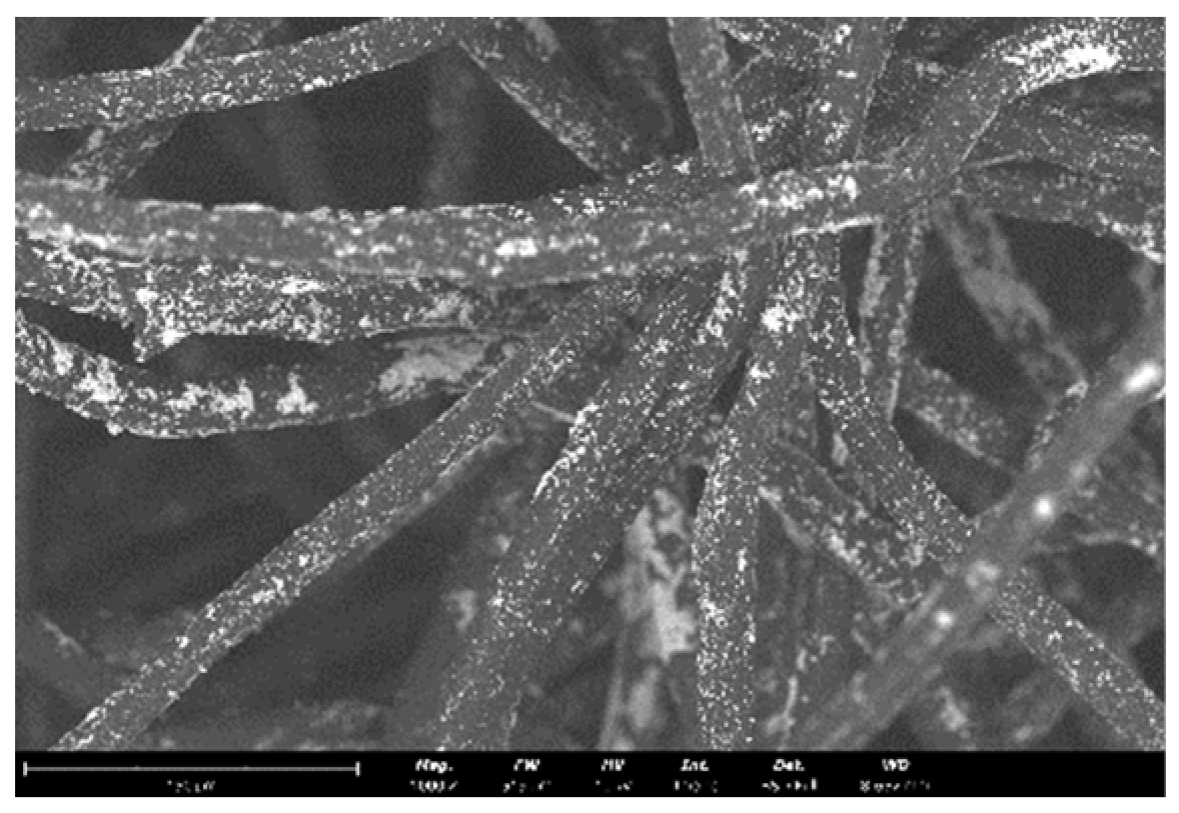
Figure 8.
SEM, PLA nonwoven with 1.5% TiO2.
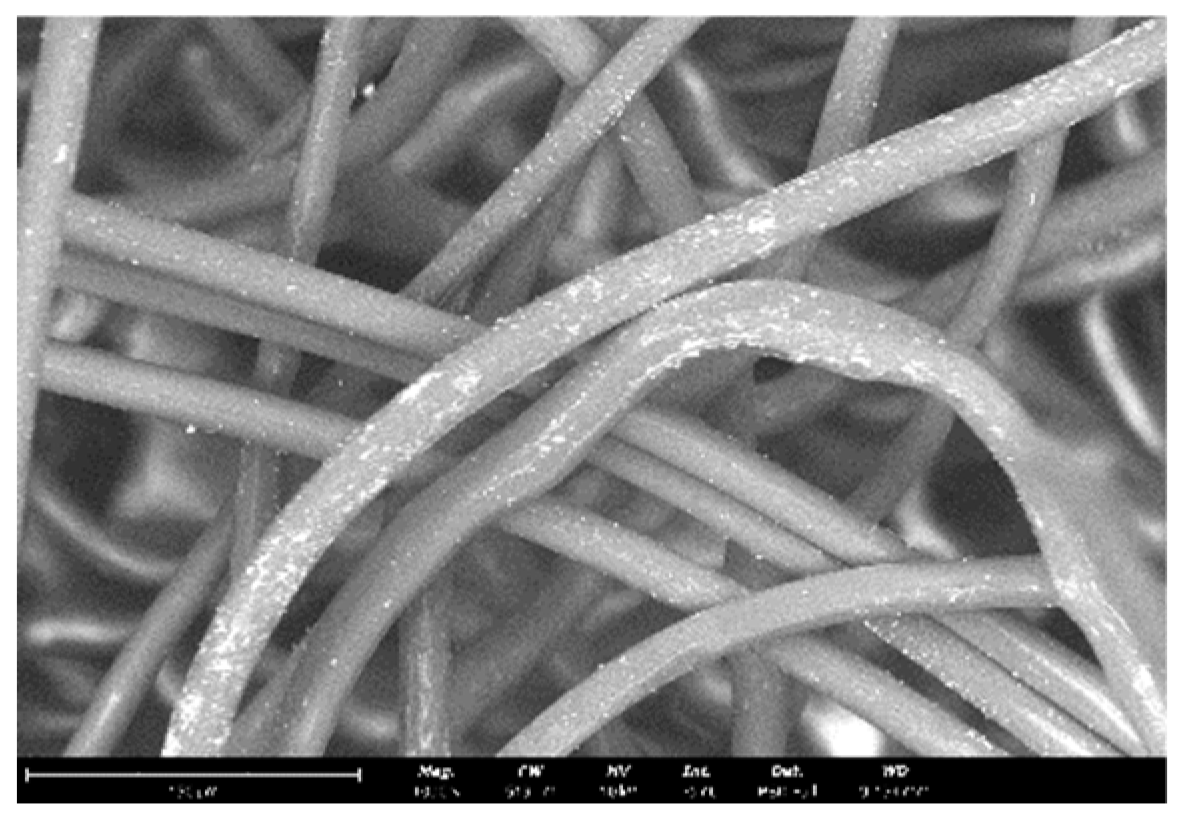
Figure 9.
SEM, PLA nonwoven with 3% TiO2.
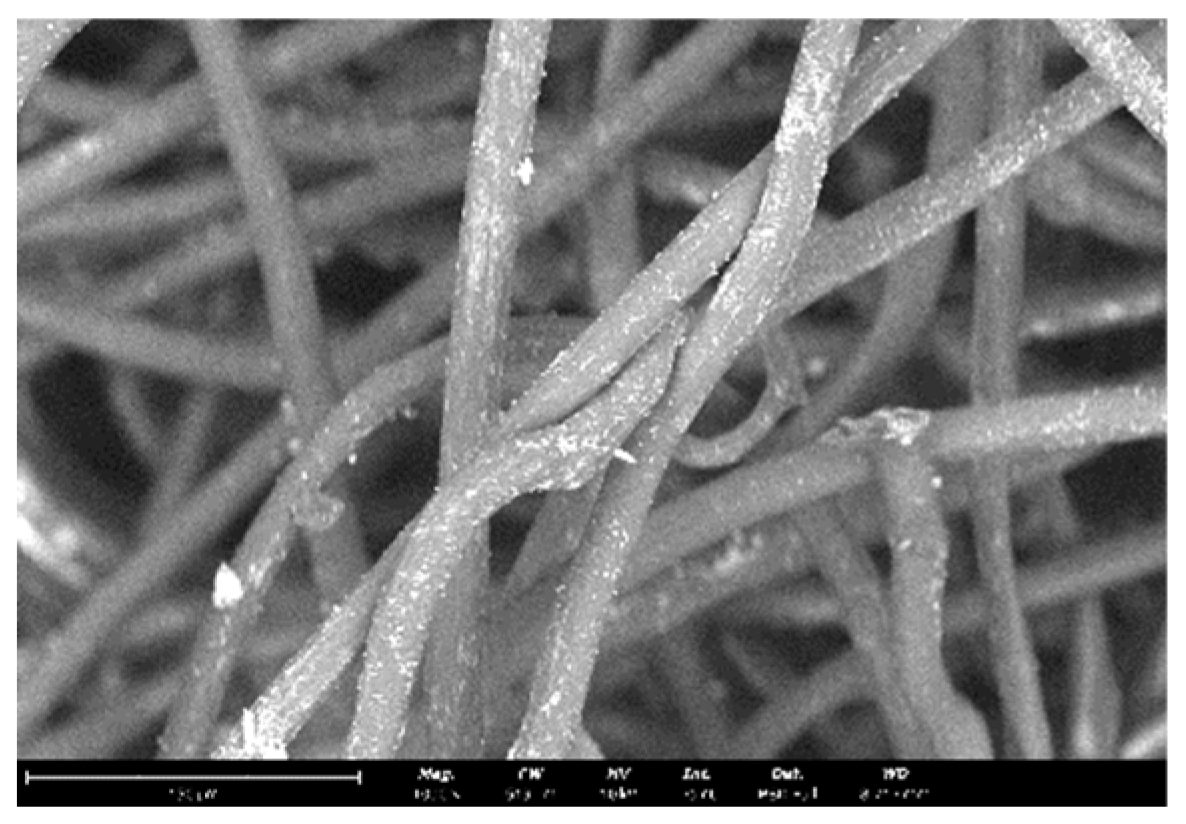
Figure 10.
SEM, PLA nonwoven with 4.5% TiO2.
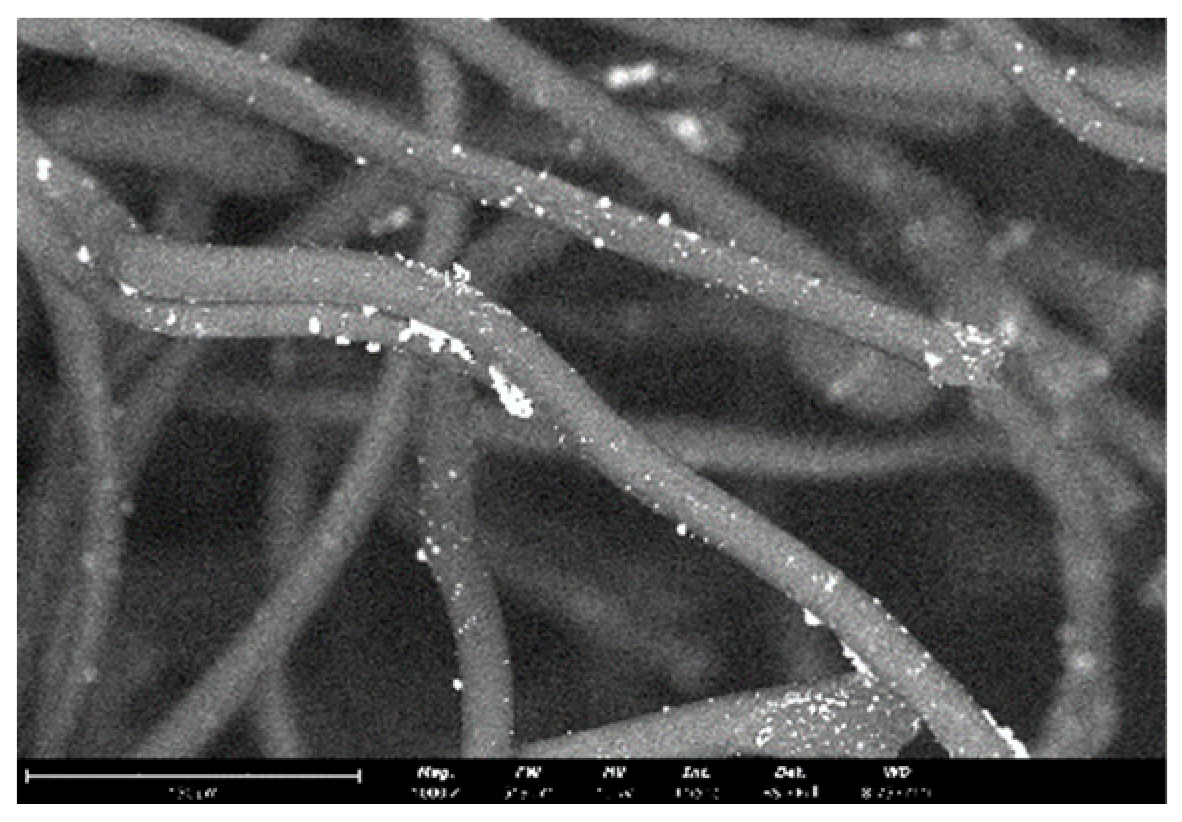
Figure 11.
EDS image of, PLA nonwoven with 4.5% ZnS.
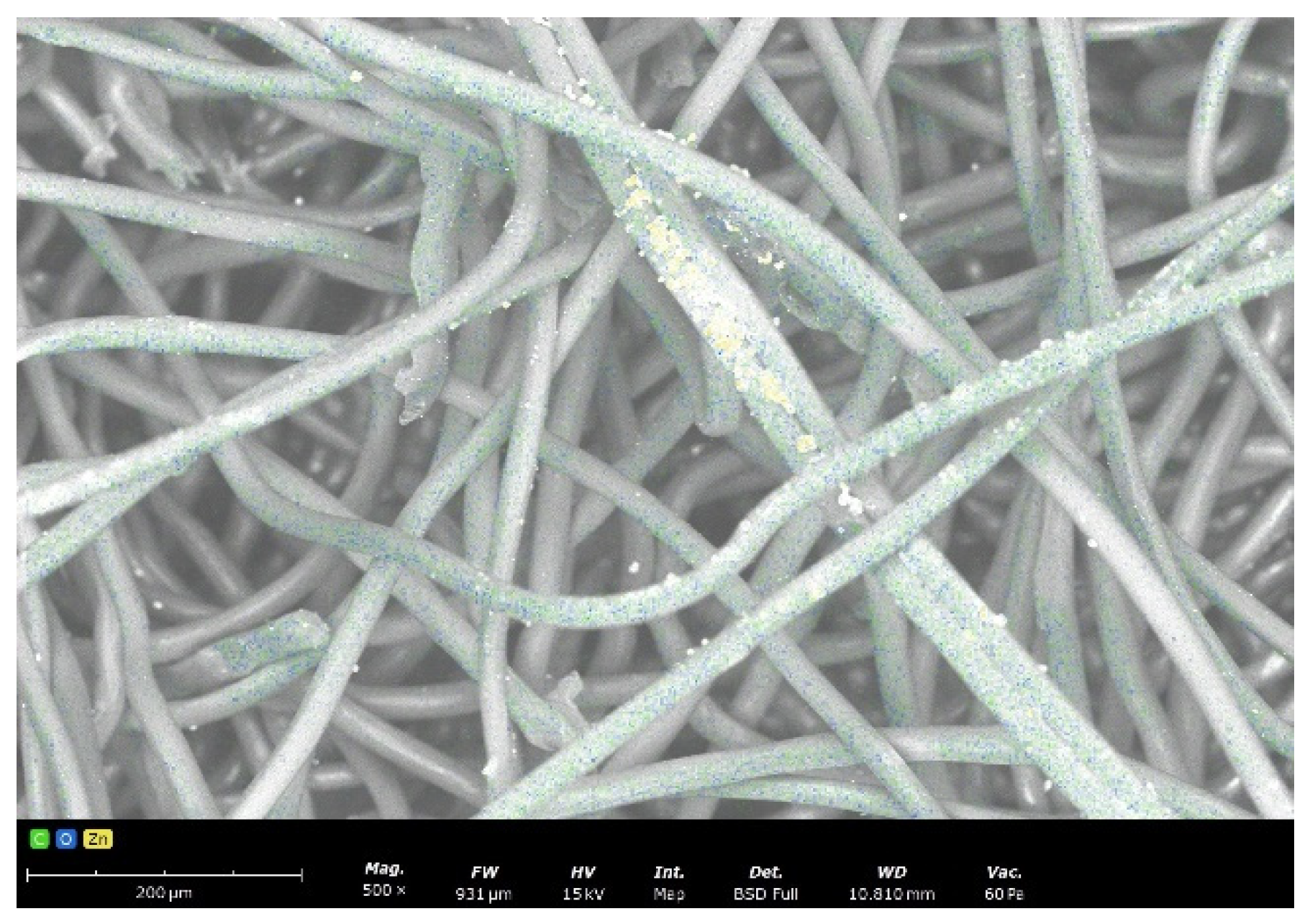
Figure 12.
EDS image of Zn on nonwoven structure.
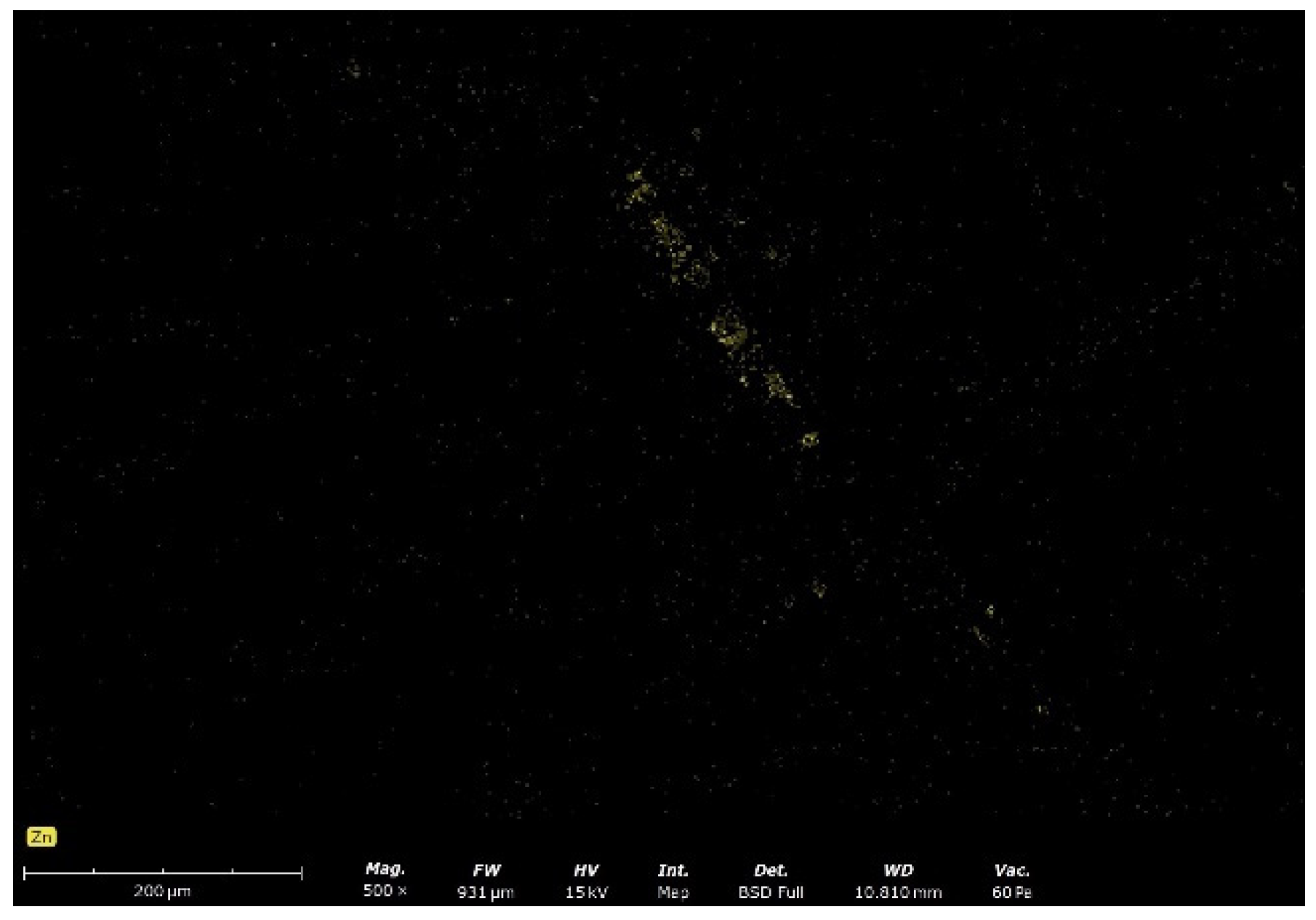
Figure 13.
EDS image, PLA nonwoven with 4.5% Ag.
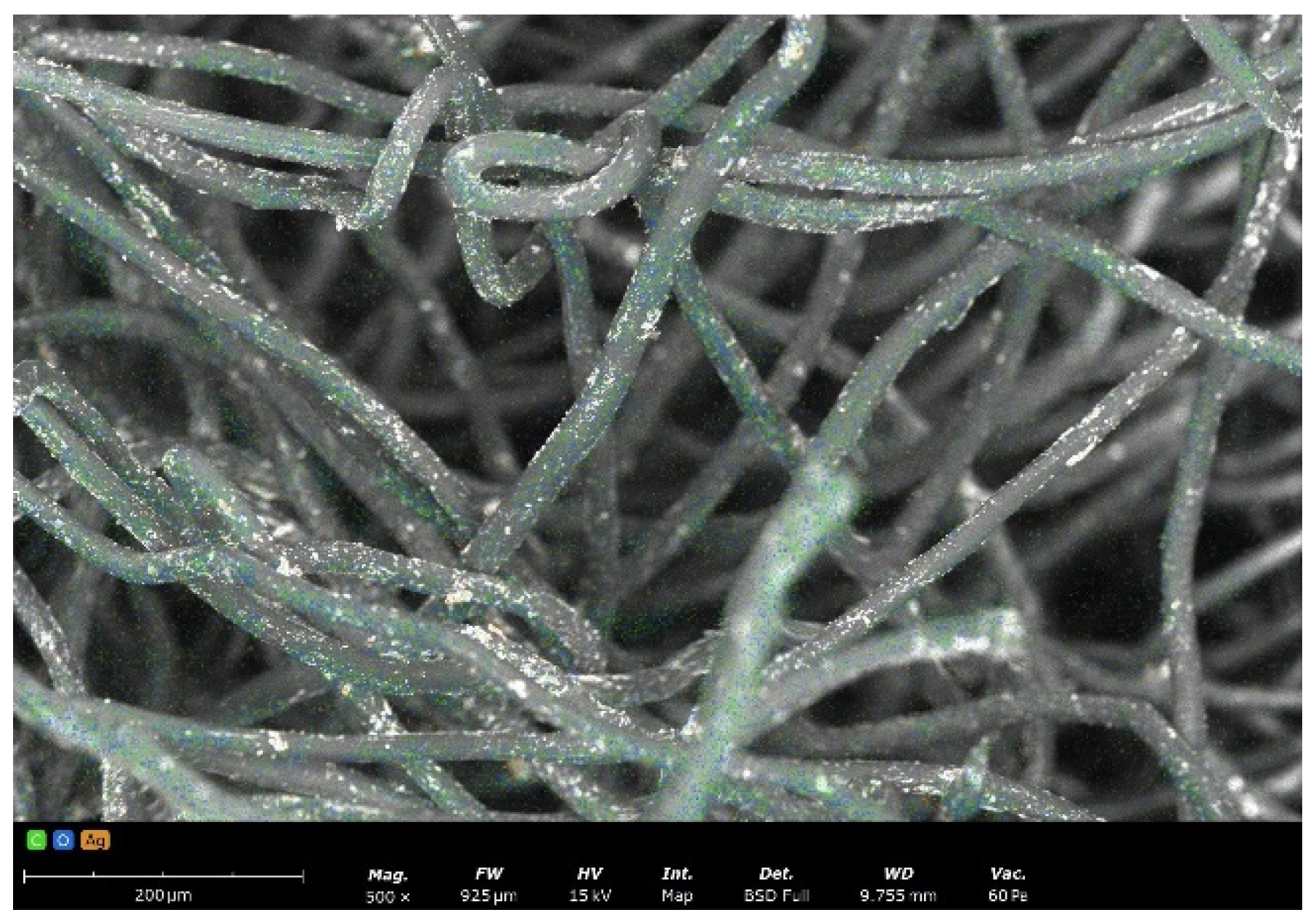
Figure 14.
EDS image of Ag on nonwoven structure.
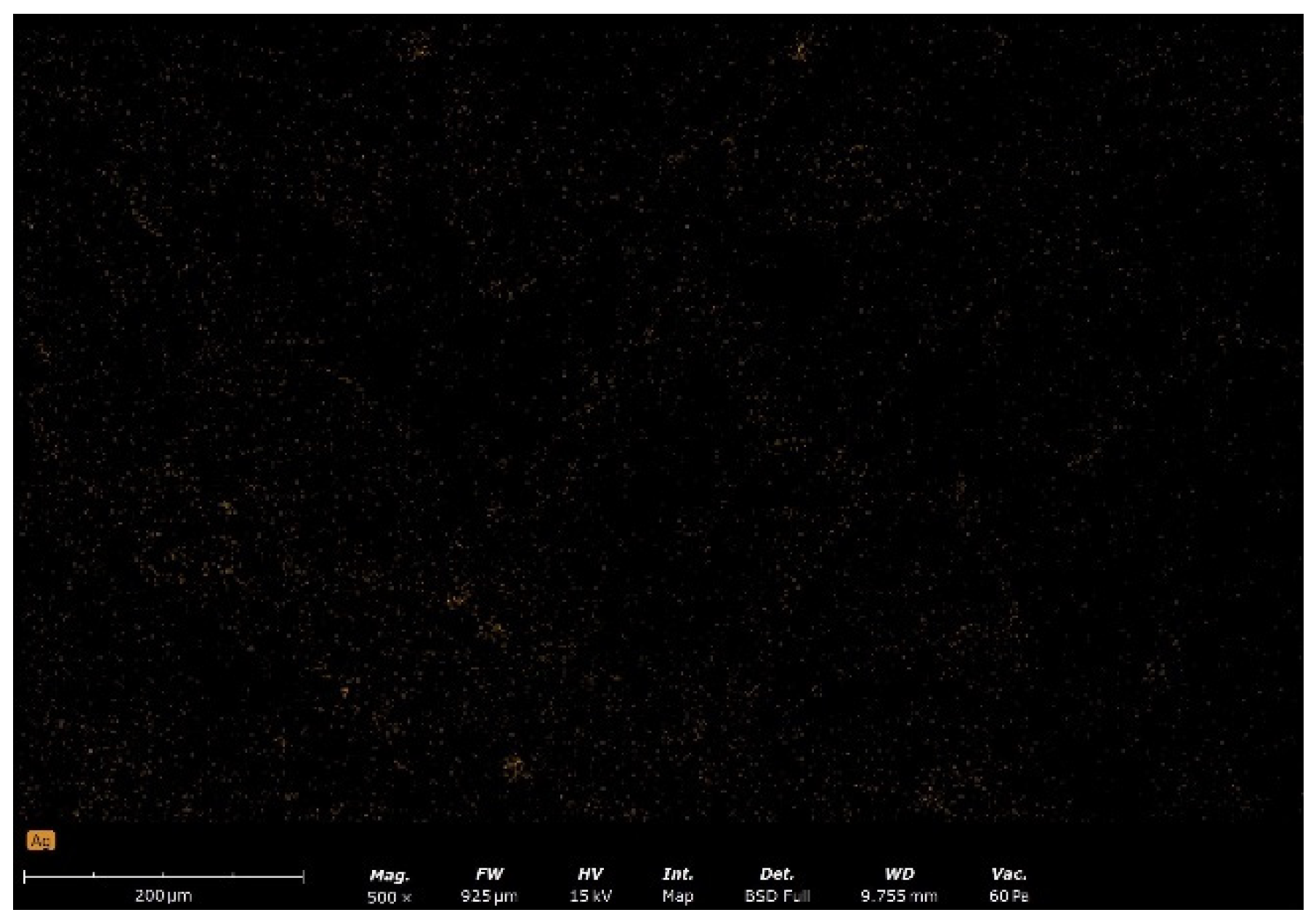
Figure 15.
EDS image, PLA nonwoven with 4.5% TiO2.
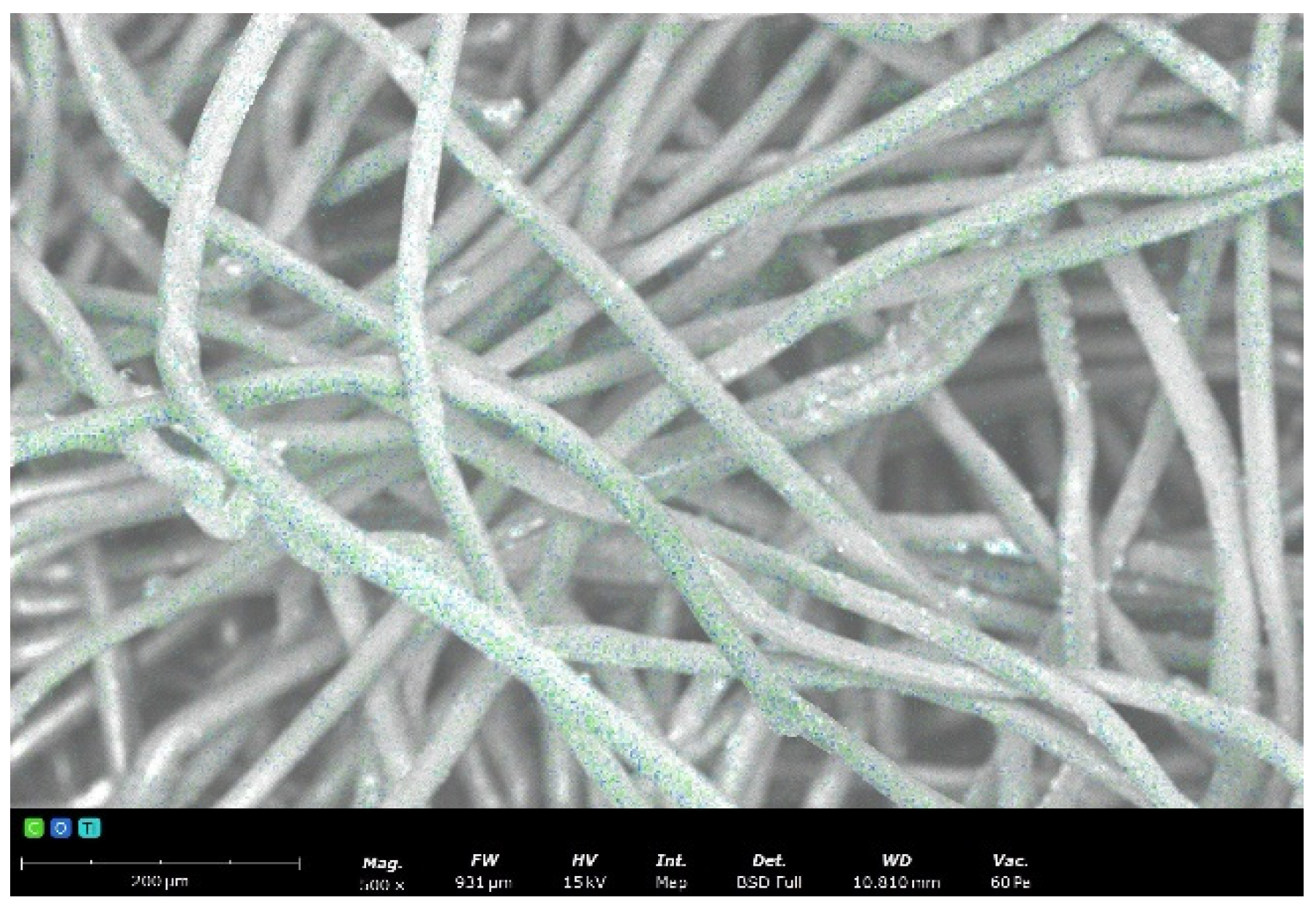
Figure 16.
EDS image of Ti on nonwoven structure.
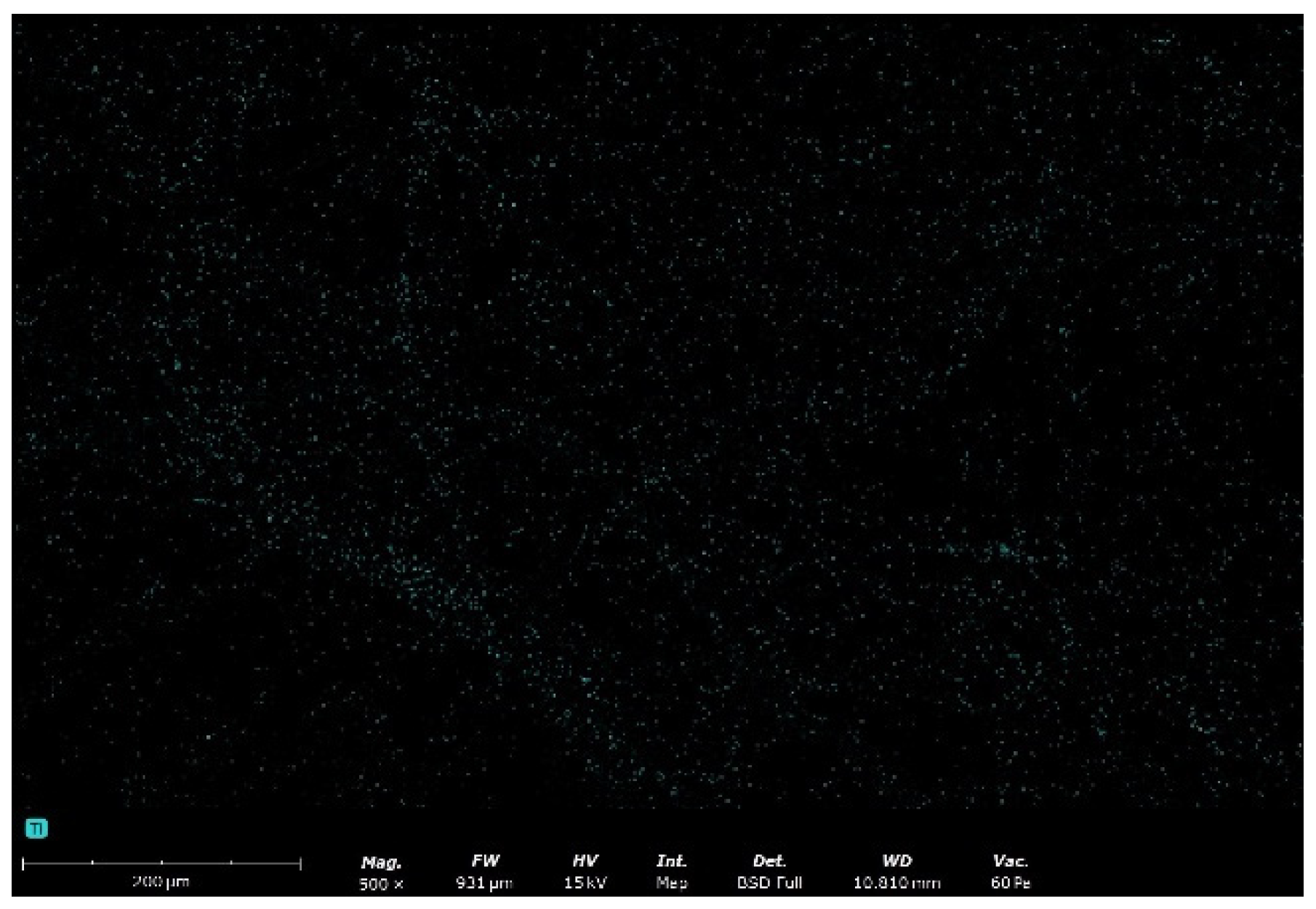

Table 1.
Antibacterial properties of modified nonwovens.
| Eschericha coli | Staphylococcus aureus | |||
|---|---|---|---|---|
| log reduction after 1h |
log reduction after 24h |
log reduction after 1h |
log reduction after 24h |
|
| PLA | 0,05 | -0.92 | 1.73 | 1.85 |
| PLA + 1.5% ZnS | 0.28 | 4.23 | 1.46 | 5.50 |
| PLA + 3% ZnS | 0.48 | 4.82 | 1.48 | 3.74 |
| PLA + 4.5% ZnS | 0.35 | 1.94 | 1.24 | 3.80 |
| PLA + 1.5% TiO2 | 0.67 | -1.21 | 1.17 | 1.89 |
| PLA + 3% TiO2 | 0.50 | 2.69 | 1.58 | 3.29 |
| PLA + 4.5% TiO2 | 0.86 | 0.04 | 1.71 | 3.90 |
| PLA + 1.5% Ag | 4.04 | 4.24 | 1.24 | 5.52 |
| PLA + 3% Ag | 3.67 | 4.89 | 1.87 | 5.45 |
| PLA + 4.5% Ag | 4.04 | 4.24 | 1.26 | 5.50 |
Disclaimer/Publisher’s Note: The statements, opinions and data contained in all publications are solely those of the individual author(s) and contributor(s) and not of MDPI and/or the editor(s). MDPI and/or the editor(s) disclaim responsibility for any injury to people or property resulting from any ideas, methods, instructions or products referred to in the content. |
© 2024 by the authors. Licensee MDPI, Basel, Switzerland. This article is an open access article distributed under the terms and conditions of the Creative Commons Attribution (CC BY) license (http://creativecommons.org/licenses/by/4.0/).
Copyright: This open access article is published under a Creative Commons CC BY 4.0 license, which permit the free download, distribution, and reuse, provided that the author and preprint are cited in any reuse.


