

Submitted:
31 August 2024
Posted:
02 September 2024
You are already at the latest version
Abstract
(1) Background: The increasing demand for sustainable practices in the textile industry has led to the exploration of natural dyes and eco-friendly dyeing processes. This study focuses on the potential of used coffee grounds (UCG) as an eco-friendly natural dye for Nylon 6.6 woven fabrics. (2) Methods: Five dyeing processes were evaluated, varying in the use of mordants and acids, to assess their impact on color saturation, colorfastness to laundering, and crocking resistance of Nylon 6.6. fabric. The processes included a control with no mordant or acid and others that incorporated tannic acid, acetic acid, and ferrous sulfate heptahydrate. (3) Results: The results demonstrated that Process 4, which combined tannic acid pre-mordanting with acetic acid in the dye bath, provided the best balance between color saturation and colorfastness. Process 2, utilizing only tannic acid, offered some durability in laundering and crocking tests. Process 5, being the least eco-friendly process demonstrated high color saturation, but it performed poorly in colorfastness to crocking, which means that it releases the UCG-based dye after rubbing of the dyed Nylon 6.6. fabric. (4) Conclusions: The findings confirm that UCG can be an effective and sustainable natural dye for Nylon 6.6, with pre-mordanting and acid treatment significantly enhancing dye uptake and retention. However, further research is needed to optimize color intensity and expand the application of UCG in textile dyeing.
Keywords:
eco-friendly dyeing
; used coffee grounds
; sustainability
; textile dyeing
; natural dye
; Nylon 6.6
; colorfastness
; textile sustainability
1. Introduction
The increased requirement for eco-friendliness and sustainable practices in the textile industry provokes initiatives such as using recycled goods or unconventional materials, such as wastes, rather than virgin materials to produce and process textiles.
While currently shifting to sustainable solutions, the textile industry is known for polluting the environment through generated waste and consumption of natural resources. However, a persistent and particularly prominent problem is the use of synthetic dyes and metal mordants [1]. The textile industry is the largest generator of colored wastewater with approximately 20% of the dye used in dyeing processes being disposed of in sewage [2]. The synthetic dye in the wastewater is not biodegradable and can be carcinogenic and toxic to ecosystems [2]. A solution for both issues - the usage of a synthetic dye and the mordants - could be the usage of a natural dye with eco-friendly and/or neutral auxiliary chemicals, especially when obtaining the natural dye does not pressure farmers, land, or plant production. Using natural resources for obtaining dyes such as plants (leaves, grass), insects, coffee, tea, onion shells, carrot juice, peels, grass, leaves, or other plants- and insect-based resources has been a known practice for centuries [3].
Coffee is a widely popular beverage with 10.386 billion kg of coffee consumed in 2022/23 and an expected increase of 2.2% in consumption in 2023/24 [4]. This large consumption of coffee creates an abundance of waste in the form of used coffee grounds (UCG). An estimated 6 million tons of UCG waste is produced annually, most of which is either sent to a landfill or incinerated [5]. Some studies show that UCG can be used as a fertilizer to improve the quality of the soil by providing nitrogen, phosphorus, and potassium, as well as nutrients like calcium and magnesium [6,7]. However, when decomposing, UCG consumes oxygen and produces methane [5,8]. In the US, some coffee shops, such as Starbucks offer UCG at no cost to its customers, to be used in farming and gardening as a source of nutrients. UCG after brewing still provides a significant amount of natural dye suitable for dyeing textiles, offering another way to use UCG instead of simply disposing of them [9].
1.1. Composition of UCG as a Material for Dyeing Fabrics
UCG is a rich source of various organic compounds and elements that contribute to their potential as natural dyes. The primary chemical components of USG include cellulose, hemicellulose, lignin, proteins, lipids, polyphenols, and various minerals. Cellulose and hemicellulose are polysaccharides that form the structural framework of plant cell walls [10,11]. Lignin is an organic polymer found in the cell walls of different plants, providing rigidity and resistance to rotting. Lignin in UCG contributes to the coloration due to its polyphenolic nature [12]. Proteins in USG may act as natural mordants, aiding in the binding of dye molecules to textile fibers [11]. The lipid content in UCG includes essential oils and fatty acids [11,12,13]. While they are not directly responsible for dye properties, they can affect the texture and finish of dyed fabrics. Polyphenols are the primary compounds responsible for the dyeing properties of UCG. Polyphenols, including chlorogenic acid, caffeic acid, and tannins, are known for their antioxidant properties and their ability to enhance their colorfastness when bonded with fabric. These compounds can interact with textile fibers, leading to color deposition. The chemical composition and the proportions of the components in the UCG can vary based on the type of coffee plant (e.g., Arabica or Robusta), growth conditions (elevation, temperature), initial brewing method, brewing or extracting of the dye from the UCG, but they generally provide a stable source of natural colorants [11,12,13,14]. It is unclear whether the usage of older wastes may hurt extracting the dye, compared to the fresh wastes. Researchers report the presence of different minerals in USG, for instance, potassium, calcium, magnesium, and phosphorus. These minerals can influence the dyeing process by altering the pH and acting as mordants that fix the dye to the fibers. The dyeing capability of UCG largely comes from their high content of polyphenols [10,12,13] and related compounds. These compounds have chromophoric properties, meaning they can absorb and reflect light, which gives the dyed fabric its color. Chlorogenic acid contributes to the yellow-brown color of coffee [10,12,14]. It undergoes oxidation and polymerization during the dyeing process, which enhances its binding to textile fibers. Caffeic acid is derived from the breakdown of chlorogenic acid. It has strong antioxidant properties and contributes to the brown coloration in dyed materials. Tannins are water-soluble polyphenolic compounds that can bind strongly to proteins and other organic substances. Tannins in UCGs enhance the dye’s adherence to fibers, providing better colorfastness [10,11,12,13,14].
Some research work demonstrated that UCG can successfully dye both natural and manufactured textile raw materials, including cotton [15,16,17], silk [9,18], wool [20,21], but also flax, polyester, rayon, and nylon [9,19]. Nylon is one of the few least explored raw materials in the context of being dyed with coffee or UCG.
There are several methods allowing extraction of the dye from the UCG. The common one is a water-based extraction, which is repeated brewing. UCGs are soaked in water to extract colorants. The extract is then filtered and used for dyeing textiles. This method is simple and environmentally friendly [5,22]. This extraction can be run with the support of an ionic liquid, such as cholinium bicarbonate, to at least double the yield of the extract. The second one uses solvents such as acetone or ethanol to increase the efficiency of the extraction, which often yields more intense colors compared to aqueous extraction [22,23]. Other extraction methods are supercritical CO2 and its variants with the presence of water [24], microwave [25], and ultrasonic [26]. They proved significantly higher extraction rates compared to aqueous ones, however, they target nutrient retrieval, such as proteins, not colorants.
1.2. Dyeing Techniques
The coloration technique depends on what raw material is to be colored and what type of colorant is available. Regardless, coloration techniques of textile raw materials may take place with or without auxiliary substances but may require fabric pre-treatment, such as mordanting. In a direct application of the colorant, the extracted dye solution is applied directly onto the fabric, followed by a fixing agent to enhance color fastness, in many cases in the presence of auxiliary substances. However, pre-treatment of the fabric with mordants (such as alum, iron, or copper) can improve the binding of the dye to the fibers, resulting in more vibrant and durable colors, but pre-mordanting takes place before the application of the colorant. Research has demonstrated the potential of UCG as an effective natural dye and how UCG can be used as a sustainable and effective natural dye for textiles [8,9]. UCG typically produces shades of golden brown and beige. Studies have shown that fabrics dyed with UCG exhibit good color fastness properties, especially when mordants are used. This includes resistance to washing and rubbing [27].
2. Materials and Methods
2.1. Fabric
A plain-woven fabric made of spun Nylon 6.6 yarn purchased at Testfabrics, Inc. West Pittston, PA, USA was used for all tests. The fabric substrates’ properties were measured according to the standards of the American Society for Testing and Materials (ASTM): for fabric weight [28], thickness [29], and fabric count [30] and are presented in Table 1.
2.2. UCG Preparation
UCG obtained from the TLC Coffee Roasters in Rhode Island, US, was a mix of UCG from pressure coffee machines and drip-filtered coffee machines and was dried in an oven in small batches for 30 minutes at 93.3 °C. The applied drying conditions were a modification of what other research proposes [18] to increase time efficiency when using a small batch of UCG. The coffee used was 100% arabica coffee. The UCG dye extract was made with a 1:10 ratio of UCG to deionized water, following procedures proposed by other studies [1]. The 500 g of UCG and 5 L of the water were heated to 80°C and maintained at that temperature for 1 hour. The extracted dye and water were poured into an American Society for Testing and Materials (ASTM) number 35 sieve, which is a 500-micrometer gap of stainless steel woven-wire cloth, and then an ASTM number 200 sieve (75-micrometer gap) to remove the UCG particles.
2.3. Dyeing Processes
The plan of the experiment (POE) assumes a comparison between the most eco-friendly and the simplest dyeing process, through some eco-friendly processes using auxiliary substances, up to the least eco-friendly - industrial process of dyeing. The details of the POE are presented in Table 2 and are followed by the step-by-step procedure explanation and justification.
A total, of fifteen samples of five-gram nylon fabrics (approximate dimensions 15 × 15 cm), were used in this experiment; three samples per each of the five conditions. The five-gram samples were the ideal sample size for dyeing in the 150 mL canisters of the Datacolor Ahiba Nuance IR laboratory Dyer [31]. The reason why each condition was dyed in a triplet (three samples per condition) is to obtain backup samples in case of inconsistencies within dyed samples and gather enough samples for all the planned tests. 150 mL canisters of the Datacolor Ahiba Nuance IR laboratory Dyer are suitable for smaller samples, as those used in the presented test.
2.3.1. Process 1 – Control Conditions
In process 1, there was no pre-mordanting of the fabrics, and no auxiliary substance used to dye the Nylon 6.6 with extract colorant from UCG and water bath (dyebath). This is considered the most eco-friendly dyeing out of the dyeing processes presented in this research work, as well as the control condition type for the presented Processes 2, 3, 4, and 5. The dye control procedure follows the procedures laid out by the earlier studies by [1,8], as well as the guidelines set out by Ahiba [31]. Three five-gram Nylon 6.6 fabrics were added to the 150 mL Ahiba beakers (each fabric dyed separately) with a 1% by weight of the fabric was used in the solution with a liquor ratio of 1:30. Next, the solution was brought to 80 °C and maintained for 1 hour with constant agitation in the Datacolor Ahiba Nuance IR laboratory Dyer. The samples were then rinsed with cold water and left to dry in the ambient environment of 21° - 22°C.
2.3.2. Process 2
In process 2, pre-mordanting of the fabrics was performed before the dyeing process using tannic acid, C76H52O46, made of chestnut bark, purchased from Dharma Trading Co., San Rafael, California, USA. This mordant is traditionally used in eco-friendly dyeing processes since it is a bio-mordant rather than a metal mordant [32]. This pre-mordanting is considered the time-effective mordanting for nylon fabrics [33]. Tannic acid pre-mordanting was selected for this study based on their recorded effectiveness with nylon fabrics [8,32,33]. It was applied to the three five-gram nylon fabrics. In this process, pre-mordanting by the tannic acid followed a hybrid and adapted version of the dyeing techniques performed by other researchers [8,32]. 1 wt. % tannic acid aqueous solution was prepared. It was brought up to 85°C before the fabric was added. Next, the solution with pH between 5-6, was brought to 80 °C and maintained for 1 hour with constant agitation in the Datacolor Ahiba Nuance IR laboratory Dyer. The samples were then rinsed with cold water and left to dry in the ambient environment of 21° - 22°C.
2.3.3. Process 3
In process 3, the samples were not pre-mordanted, but the dyeing process took place in the presence of acetic acid, 99.7%, CH₃COOH, purchased from Sigma Aldrich, St. Louis, Missouri, USA. The UCG dyebath had a pH of 6. Acetic acid was gradually added to this dyebath with a pipette until the dyebath reached a pH between 3-4, which is appropriate for dyeing nylon fabrics [33]. The eco-friendly procedure was designed to test the viability of dyeing Nylon 6.6 with UCG and sustainable additives. Acetic acid’s role in the eco-friendly procedure is to make the bath more acidic because nylon dyes well in an acidic dyebath [33]. Acetic acid was chosen because it is a naturally occurring and easily obtained acid. Once the dyebath reached a 3-4 pH, the eco-friendly procedure followed the control procedure: three 5.0 g-samples of Nylon 6.6 were added to the 150 mL Ahiba beakers with a 1:30 fabric-to-dye solution ratio. The solution was brought to 80 °C and maintained for 1 hour with constant agitation in the Datacolor Ahiba Nuance IR laboratory Dyer. The samples were then rinsed with cold water and left to dry in the ambient environment of 21° - 22°C.
2.3.4. Process 4
In process 4, the pre-mordanting by the tannic acid used took place in the same manner as in the case of process 2. It was followed by dyeing in the acetic acid, the same way as in process 3. Samples placement in Ahiba canisters, samples rinsing and drying as in Processes 1, 2, and 3.
2.3.5. Process 5 – Industrial Conditions
In process 5, we observe typical industrial and less eco-friendly dyeing conditions. Three Nylon 6.6 samples were pre-mordanted with ferrous sulfate heptahydrate, FeSO₄·7H₂O purchased from Dharma Trading Co., San Rafael, California, USA. This mordant was chosen because of its successful application in other research [1,32,33]; 1% by weight of the fabric was used in the solution with a liquor ratio of 1:30. The mordant, deionized water, and fabric were gradually brought up to 100°C. Formic acid 88%, CH₂O₂, purchased from Sigma Aldrich, St. Louis, Missouri, USA. was selected for this process based on industry-applied processes to make the dyebath’s pH between 3-4, which is the appropriate pH for dyeing nylons [33]. Once the dyebath reached a 3-4 pH, this procedure followed the control procedure: three 5.0 g-samples of Nylon 6.6 were added to the 150 mL Ahiba beakers. 1% by weight of the fabric was used in the solution with a liquor ratio of 1:30. The solution was brought to 80 °C and maintained for 1 hour with constant agitation in the Datacolor Ahiba Nuance IR laboratory Dyer. The samples were then rinsed with cold water and left to dry in the ambient environment of 21° - 22°C.
2.4. Evaluations of Dyed Samples
Samples subjected to all five dyeing procedures were tested for color saturation, colorfastness to laundering, and crocking. After the dyeing process, the dried samples’ color was measured objectively using an X-rite portable sphere spectrophotometer, Model SP62V. The CIELab color coordinates that were measured by the means of this spectrophotometer were displayed on the screen of the spectrophotometer as well as on the computer screen connected to the spectrophotometer via the accompanying Color iControl software (Professional with SLITaper ® Version 9.7.10, Copyright 2006 X-rite, Inc., Grand Rapids, MI 49512 United States), which supports the X-rite spectrophotometer. The test results were compared to the undyed fabric, as well as with each other, to find the most efficient yet eco-friendly dyeing process.
2.4.1. Color Evaluation
The following CIELab color coordinates were measured by the X-rite and recorded: L*, a*, b*, under illuminant D65. The CIELab values comprised L values that corresponded to light of the colors (saturation). The value a* corresponds to red (+ a) and green (-a), whereas the b* corresponds to yellow (+ b) and blue (-b).
The color difference ΔEab (Delta Eab) between two colors in the CIELab color space is calculated based on the measures of the Euclidean distance between two points in the CIELab color space. Thus, instead of default, defined L*, a*, b*, we operate with L1, L2, a1, a2, b1, and b2.
To evaluate ΔEab one uses the following formula:
L1 and L2 values represent lightness levels of two surfaces, both are in the range from 0 to 100, where 0 represents perfect black and 100 represents perfect white. Values a1, a2, and b1, b2 represent the color components on two axes in the Euclidean space, with an a-axis representing colors on the scale from green to red with associated numerical values ranging from negative (-)128 to positive (+)127, respectively; and with b-axis representing colors on the scale from blue to yellow with associated numerical values negative (-)128 to positive (+)127. In other words, negative a-values represent the range of green colors; positive a-values represent the range of red colors; negative b-values represent the range of blue colors, and positive b-values represent the range of yellow colors. Thus, values a1, a2, and b1, b2 represent color coordinates of two different surfaces.
2.4.2. Colorfastness to Laundering
Colorfastness refers to a material’s resistance to changes in its color characteristics and the transfer of its colorant(s) to adjacent materials. This resistance is tested under various conditions that simulate real-world exposure, such as during testing, washing, storage, or processing [34]. In this study, accelerated laundering was used to evaluate the colorfastness of the samples. This method simulates five home launderings in a single cycle. The test was conducted using an SDL Atlas Launder-Ometer, where each sample was washed in separate canisters. According to the AATCC procedure [34], the samples were cut to 50 by 150 mm and stapled to a multifiber reference fabric to detect any staining of this multifiber reference fabric by the dyed fabric during the washing process. The adjacent multifiber test strip contained six reference stripes made from different textile fibers: acetate, cotton, nylon, polyester, acrylic, and wool. The samples subjected to the accelerated laundering test included one undyed fabric and one sample from each of the five different processes. Each Launder-Ometer canister was filled with a sample, 0.225g of AATCC standard powder detergent, 150 mL of deionized water, and 50 steel balls. The samples were then laundered under test conditions 2A [34] at 49 °C for 45 minutes, after which they were allowed to dry in an ambient environment of 21° - 22 °C. The color change of the samples was evaluated objectively using an X-rite portable Sphere spectrophotometer Model SP62V, along with the accompanying Color iControl software. The evaluation of color change was performed against the Gray Scale for Color Change (GSCC) [35] and the Gray Scale for Staining (GSS) [36] to assess any staining on the adjacent multifiber reference material. In these evaluations, the dyed samples were compared to the dyed but not washed samples, and the staining of the reference multifiber test strip was referred to the untested (unused) reference multifiber test strip. While GSCC and GSS are tangible scales used mainly for subjective evaluation of color change, they have established and measured [35,36] differences between grades using CIELab color coordinates. The GSCC has the following parameter for the nine-grade-scale from 1 to 5 where grade “5” means that there is no or almost no difference (ΔE =0.0±0.2) between the measured surface and the shade of grade presented in the scale as “5”; grade “4.5” means that ΔE between the grade “5” and the measured surface is 0.8 ± 0.2; grade “4” means that ΔE between the grade “5” and the measured surface is 1.7 ± 0.3; grade “3.5” means that ΔE between the grade “5” and the measured surface is 2.5±0.3; grade “3” means that ΔE between the grade “5” and the measured surface is 3.4±0.4; grade “2.5” means that ΔE between the grade “5” and the measured surface is 4.8±0.5; grade “2” means that ΔE between the grade “5” and the measured surface is 6.8±0.6; grade “1.5” means that ΔE between the grade “5” and the measured surface is 9.6±0.7; grade “1” means that ΔE between the grade “5” and the measured surface is 13.6±1. While GSS is also a nine-grade-scale the grades were established by AATCC on different levels: grade “5” means that there is no or almost no difference ( ΔE = 0.0±0.2) between the measured surface and the shade of grade presented in the scale as “5”; grade “4.5” means that ΔE between the grade “5” and the measured surface is 2.2 ± 0.3; grade “4” means that ΔE between the grade “5” and the measured surface is 4.3 ± 0.3; grade “3.5” means that ΔE between the grade “5” and the measured surface is 6.0±0.4; grade “3” means that ΔE between the grade “5” and the measured surface is 8.5±0.5; grade “2.5” means that ΔE between the grade “5” and the measured surface is 12.0±0.7; grade “2” means that ΔE between the grade “5” and the measured surface is 16.9±1.0; grade “1.5” means that ΔE between the grade “5” and the measured surface is 24.0±1.5; grade “1” means that ΔE between the grade “5” and the measured surface is 34.1.6±2.0.
2.4.3. Colorfastness to Crocking (Dry and Wet)
Crocking refers to the transfer of color from the surface of a dyed fabric to another surface through rubbing. The testing procedure, as outlined in [36], involves the use of a white square of 100% cotton woven fabric as the rubbing cloth. The test is conducted in two conditions: dry and wet. In the dry test, the white crocking cloth remains unaltered, while in the wet test, the cloth is wetted before rubbing against the UCG-dyed fabric. For the wet crocking test, the white cotton cloth is first immersed in deionized water, then patted dry to prevent dripping, and securely attached to the rubbing rod of the crockmeter. Each test consists of rubbing the two surfaces against each other ten times using a standard instrument known as a crockmeter. After the rubbing process, the stained cloth is dried under ambient conditions before being evaluated against the GSS [36]. This process ensures a precise and consistent assessment of the color transfer, reflecting the robustness of the fabric’s dye adhesion under both dry and wet conditions. Following the rubbing process, the extent of color transfer from the dyed fabric to the white crocking cloth is evaluated. This objective evaluation is performed using an X-rite spectrophotometer comparing color coordinates; the color difference between the stained crocking cloth and an unused white cloth is measured. The measured color coordinates are then analyzed by the Color iControl software, which translates these numerical differences into a standardized rating on the GSS.
3. Results
3.1. Color Change
In the presented research, L1, a1, and b1are the color coordinates measured by the spectrophotometer on the undyed Nylon 6.6. fabric, which is presented in Table 3. The L2, a2, and b2 represent color coordinates measured for dyed fabrics. The color difference was calculated automatically by Color iControl software, upon completing the measurements, and it used the formula ΔEab. The exemplary calculation reflecting the color difference between the undyed fabrics and one of the samples dyed according to Process 1, is presented below:
Table 3 presents the results of the spectrophotometer reading and the calculated color difference for each sample, as well as the average color difference across the three samples of each process.
3.2. Colorfastness to Laundering
Colorfastness to laundering of dyed samples was performed in the presence of reference multifiber fabric, as presented in Figure 1. After the washing process, the samples were dried in the ambient environment of 21-22 °C. Then the samples were evaluated by an X-rite portable Sphere spectrophotometer Model SP62V and Color iControl software, which compared the dyed and laundered fabrics to the dyed fabric before washing using the GSCC. The spectrophotometer and Color iControl software were also used to evaluate the multifiber test stripes for staining using an unlaundered strip for reference and measuring the stain against the GSS. The GSCC and GSS results are listed in Table 4.
For the transparency of the presented results, the images of the reference multifiber fabrics were not added to Table 4.
3.3. Colorfastness to Crocking (Dry and Wet)
The color transfer from the dyed fabric to the white cloth was evaluated by an X-rite portable Sphere spectrophotometer Model SP62V and Color iControl software, which compared the original white crocking square to the used crocking square using the GSS. The wet crocking squares were allowed to dry in in the ambient environment of 21-22 °C before being measured with the spectrophotometer. The GSS crocking results are listed in Table 5.
4. Discussion
Among the five processes, Process 4 exhibited the highest color saturation, with an average color difference (ΔE) of 39.14, making it the most effective in achieving the darkest and most saturated tones. This is likely due to the combined use of tannic acid pre-mordanting and an acetic acid dye bath, both of which enhance the fabric’s affinity for the dye. Process 5 also showed strong color saturation with an average ΔE of 37.37, indicating that the industrial approach using ferrous sulfate mordant and formic acid produced comparably deep hues. Process 2, which involved only tannic acid pre-mordanting, achieved moderate saturation (ΔE of 36.68), while Process 1, the control with no mordanting or acid treatment, resulted in the lowest color saturation (ΔE of 32.67).
The evaluation of colorfastness to laundering revealed that Process 2, which employed tannic acid pre-mordanting, exhibited the least color change after laundering, with an average Gray Scale for Color Change (GSCC) rating of 4.9. This indicates a high level of resistance to color fading during washing. Processes 3 and 4, which incorporated acetic acid in the dye bath, followed closely with a GSCC rating of 4.8, demonstrating good color retention. The control process (Process 1) and the industrial method (Process 5) showed slightly lower colorfastness, with GSCC ratings of 4.6 and 4.5, respectively, suggesting that the use of acids or mordants significantly enhances the laundering durability of the dyed fabric.
In terms of crocking resistance, both dry and wet, Process 2 and Process 3 outperformed the others, each receiving an average Gray Scale for Staining (GSS) rating of 4.5 for both dry and wet tests. This indicates that the fabrics dyed using these processes were less likely to transfer color when rubbed against another surface. Process 1 (control) and Process 4 also showed good resistance with a GSS rating of 4.5 in the dry crocking test, but slightly lower performance in the wet test. Process 5, which employed the industrial approach, showed the lowest resistance to crocking, with a GSS rating of 4.0 in the dry test and 3.0 in the wet test, indicating more significant color transfer. Also, the presented research results are in line with wet crocking generally resulting in more significant color transfer to a white cloth compared to dry crocking. This is a typical observation due to the increased moisture content in the fabric during wet crocking, which can cause dyes to transfer more readily when rubbed against another surface.
5. Conclusions
This study expands knowledge on the development of sustainable dyeing processes utilizing food waste, specifically highlighting the potential of used coffee grounds (UCG) as an eco-friendly natural dye for Nylon 6.6 woven fabrics. The results confirmed that UCG contains sufficient colorants to contribute to permanent color deposition on Nylon 6.6 with satisfactory colorfastness properties. The eco-friendly dyeing methods, particularly those without synthetic chemicals like metallic mordants, showed promise in achieving sustainable coloration, albeit with lighter shades compared to industrial processes. The use of pre-mordanting with tannic acid and acids like acetic acid significantly improved dye uptake and color retention, underscoring the importance of optimizing dyeing conditions for better outcomes. While UCG dyeing presents a viable and sustainable alternative, further research is needed to enhance color intensity and explore the broader application of UCG in the textile industry.
Process 4 provided the best balance between color saturation and colorfastness, making it the most effective and eco-friendly dyeing method among the five processes studied. However, Process 2 offered superior resistance to color change during laundering and crocking, making it the most durable option. Process 5, despite achieving high color saturation, performed poorly in colorfastness and crocking tests, suggesting that industrial conditions may not be optimal for sustainable dyeing with UCG.
Author Contributions
Conceptualization, methodology, software, validation, formal analysis, investigation, P.B and I.C.W; data curation, P.B; formal analysis, P.B., I.C.W.; resources, I.C.W.; writing—original draft preparation, P.B.; writing—review and editing, I.C.W., P.B.; visualization, I.C.W; supervision, I.C.W.; project administration, I.C.W. All authors have read and agreed to the published version of the manuscript.
Funding
This research received no external funding
Institutional Review Board Statement
Not applicable
Informed Consent Statement
Not applicable.
Data Availability Statement
The original research data can be at 10.6084/m9.figshare.26884930
Conflicts of Interest
The authors declare no conflicts of interest.
References
- Amutha, K.; Annapoorani, S.; Sakthivel, P.; Sudhapriya, N. Ecofriendly Dyeing of Textiles with Natural Dyes Extracted from Commercial Food Processing Waste Materials. Journal of Natural Fibers 2022, 19, 10394-10411. [CrossRef]
- Ardila-Leal, L.; Poutou-Piñales, R.; Pedroza-Rodríguez, A.; Quevedo-Hidalgo, B. A Brief History of Colour, the Environmental Impact of Synthetic Dyes and Removal Using Laccases. Molecules 2021, 26, 3813. [CrossRef]
- Vankar, P.S. & Shukla, D. New Trends in Natural Dyes for Textiles. Woodhead Publishing: Sawston, United Kingdom, 2019. [CrossRef]
- International Coffee Organisation (ICO). Available online: http://www.ico.org (accessed on 11 August 2024).
- Franca, A.S.; Oliveira, L.S. Potential uses of spent coffee grounds in the food industry. Foods 2022, 11, 2064. [CrossRef]
- Ragauskaitė, D.; Šlinkšienė, R. Influence of Urea on Organic Bulk Fertilizer of Spent Coffee Grounds and Green Algae Chlorella sp. Biomass. Sustainability 2022, 14, 1261. [CrossRef]
- Agrilife Today. Available online: https://agrilifetoday.tamu.edu/2020/03/24/texas-am-study-repurposed-coffee-grounds-can-benefit-turfgrass-landscapes/ (accessed on 10 June 2024).
- Bae, J.; Hong, K.H. Optimized dyeing process for enhancing the functionalities of spent coffee dyed wool fabrics using a facile extraction process. Polymers 2019, 11, 574-585. [CrossRef]
- Nam, C.; Xiang, C. Natural dyeing application of used coffee grounds as a potential resource. International Journal of Fashion Design, Technology and Education 2019, 12, 335-345. [CrossRef]
- Ahmed, H.; Abolore, R.S.; Jaiswal, S.; Jaiswal, A.K. Toward Circular Economy: Potentials of Spent Coffee Grounds in Bioproducts and Chemical Production. Biomass 2024, 4, 286-312. [CrossRef]
- Ballesteros, L.F.; Teixeira, J.A.; Mussatto, S.I. Chemical, Functional, and Structural Properties of Spent Coffee Grounds and Coffee Silverskin, Food and Bioprocess Technology 2014, 7, 3493-3503. [CrossRef]
- Pujol, D.; Liu, C.; Gominho, J.; Olivella, M.À.; Fiol, N.; Villaescusa, I.; Pereira, H. The chemical composition of exhausted coffee waste, Industrial Crops and Products 2013, 50, 423-429. [CrossRef]
- Okur, I.; Soyler, B.; Sezer, P.; Oztop, M.H.; Alpas, H. Improving the Recovery of Phenolic Compounds from Spent Coffee Grounds (SCG) by Environmentally Friendly Extraction Techniques. Molecules 2021, 26, 613. [CrossRef]
- Mussatto, S.I.; Machado, E.M.S.; Martins, S.; Teixeira, J.A. Production, Composition, and Application of Coffee and Its Industrial Residues, Food and Bioprocess Technology 2011, 4, 661-672. [CrossRef]
- Kattika, S.; Jantip, S.; Potjanart, S.; Porntip, T. Utilization of Spent Coffee Ground Oil in Eco-Friendly Scouring and Reactive Dyeing Processes for Cotton. Materials Science Forum 2020, 1005, 85-92. [CrossRef]
- Rattanaphol, M.; Monthon, N.; Nattaya, V. Eco-dyeing with biocolorant from spent coffee ground on low molecular weight chitosan crosslinked cotton, Sustainable Chemistry and Pharmacy 2021, 20, 100389. [CrossRef]
- Adeel, S.; Rehman, F.-U.; Amin, A.; Amin, N.; Batool, F., Hassan, A.; Ozomay, M. Sustainable exploration of coffee extracts (coffea arabica l.) for dyeing of microwave-treated bio-mordanted cotton fabric, Pigment & Resin Technology 2023, 52, 331-340. [CrossRef]
- Xia, W.; Li, Z.; Tang, Y.; Li, Q. Sustainable recycling of café waste as natural bio resource and its value adding applications in green and effective dyeing/bio finishing of textile. Separation and Purification Technology 2023, 309, 1-9. [CrossRef]
- Futurity. Available online: https://www.futurity.org/coffee-grounds-dye-clothing-2167092-2/ (accessed on 11 June 2024).
- Hong, K.H. Effects of tannin mordanting on coloring and functionalities of wool fabrics dyed with spent coffee grounds. Fash Text 2018, 5, 33. [CrossRef]
- Koh, E.; Hong, H.H. Preparation and properties of wool fabrics dyed with spent coffee ground extract. Textile Research Journal 2019, 89, 13-19. [CrossRef]
- Pizzicato, B.; Pacifico, S.; Cayuela, D.; Mijas, G.; Riba-Moliner, M. Advancements in Sustainable Natural Dyes for Textile Applications: A Review. Molecules 2023; 28, 5954. [CrossRef]
- Bouhzam, I.; Cantero, R.; Margallo, M.; Aldaco, R.; Bala, A.; Fullana-i-Palmer, P.; Puig, R. Extraction of Bioactive Compounds from Spent Coffee Grounds Using Ethanol and Acetone Aqueous Solutions. Foods 2023; 12, 4400. [CrossRef]
- Vandeponseele, A.; Draye, M.; Piot, C.; Bernard, D.; Fanget, P.; Chatel, G. Supercritical Carbon Dioxide in Presence of Water for the Valorization of Spent Coffee Grounds: Optimization by Response Surface Methodology and Investigation of Caffeine Extraction Mechanism, Foods 2022, 17, 4089. [CrossRef]
- Coelho, J.P.; Robalo, M.P.; Boyadzhieva, S.; Stateva, R.P. Microwave-Assisted Extraction of Phenolic Compounds from Spent Coffee Grounds. Process Optimization Applying Design of Experiments. Molecules 2021, 26, 7320. [CrossRef]
- Prandi, B., Di Massimo, M., Tedeschi, T. et al. Ultrasound and Microwave-assisted Extraction of Proteins from Coffee Green Beans: Effects of Process Variables on the Protein Integrity. Food Bioprocess Technol 2022, 15, 2712–2722. [CrossRef]
- Tehrani, M., Ghaheh, F.S., Beni, Z.T. et al. Extracted dyes’ stability as obtained from spent coffee grounds on silk fabrics using eco-friendly mordants. Environ Sci Pollut Res 2023, 30, 68625–68635. [CrossRef]
- American Society for Testing and Materials (ASTM) International. Annual Book of ASTM Standards (07.02). ASTMD3776/D3776M-20; Standard Test Methods for Mass Per Unit Area (Weight) of Fabric. ASTM International: West Conshohocken, PA, USA, 2021; Vol. 07.02.23.
- American Society for Testing and Materials (ASTM) International. Annual Book of ASTM Standards (07.02). ASTMD1777-96(2019); Standard Test Method for Thickness of Textile Materials. ASTM International: West Conshohocken, PA, USA, 2021; Vol.07.02. 24.
- American Society for Testing and Materials (ASTM) International. Annual Book of ASTM Standards (07.02).Standard Test Method for End (Warp) and Pick (Filling) Count of Woven Fabrics ASTM International: West Conshohocken, PA, USA, 2021; Volume 07.02.
- Datacolor. User Documentation: Ahiba Nuance Eco. Datacolor. American Society for Testing and Materials, 2021.
- Ghaheh, F.S.; Moghaddam, M.K.; Tehrani, M. Comparison of the effect of metal mordants and bio-mordants on the colorimetric and antibacterial properties of natural dyes on cotton fabric. Coloration Technology 2021, 137, 689-698. [CrossRef]
- Yilmaz, G.A.; Becerir, B. Investigation of Mordant Application in Reactive Dyeing of Nylon Fabrics, AATCC Journal of Research 2023, 10, 110-129. [CrossRef]
- American Association of Textile Chemists and Colorists (AATCC): AATCC TM61-2013e2(2020); Colorfastness to Accelerated Laundering, Manual of International Text Methods and Procedures. Research Triangle Park, NC, USA, 2022; Vol. 98.
- American Association of Textile Chemists and Colorists (AATCC): AATCCEP1-2020; Evaluation procedure for Gray Scale for Color Change, Manual of International Text Methods and Procedures, Research Triangle Park, NC, USA, 2022; Vol. 98.
- American Association of Textile Chemists and Colorists (AATCC): AATCC EP2-2020; Evaluation procedure for Gray Scale for Staining, Manual of International Text Methods and Procedures, Research Triangle Park, NC, USA, 2022; Vol. 98.
Figure 1.
An example of a tested fabric with a reference multifiber fabric. The sample was dyed according to the conditions proposed in Process 2 and it is sample 3.
Figure 1.
An example of a tested fabric with a reference multifiber fabric. The sample was dyed according to the conditions proposed in Process 2 and it is sample 3.
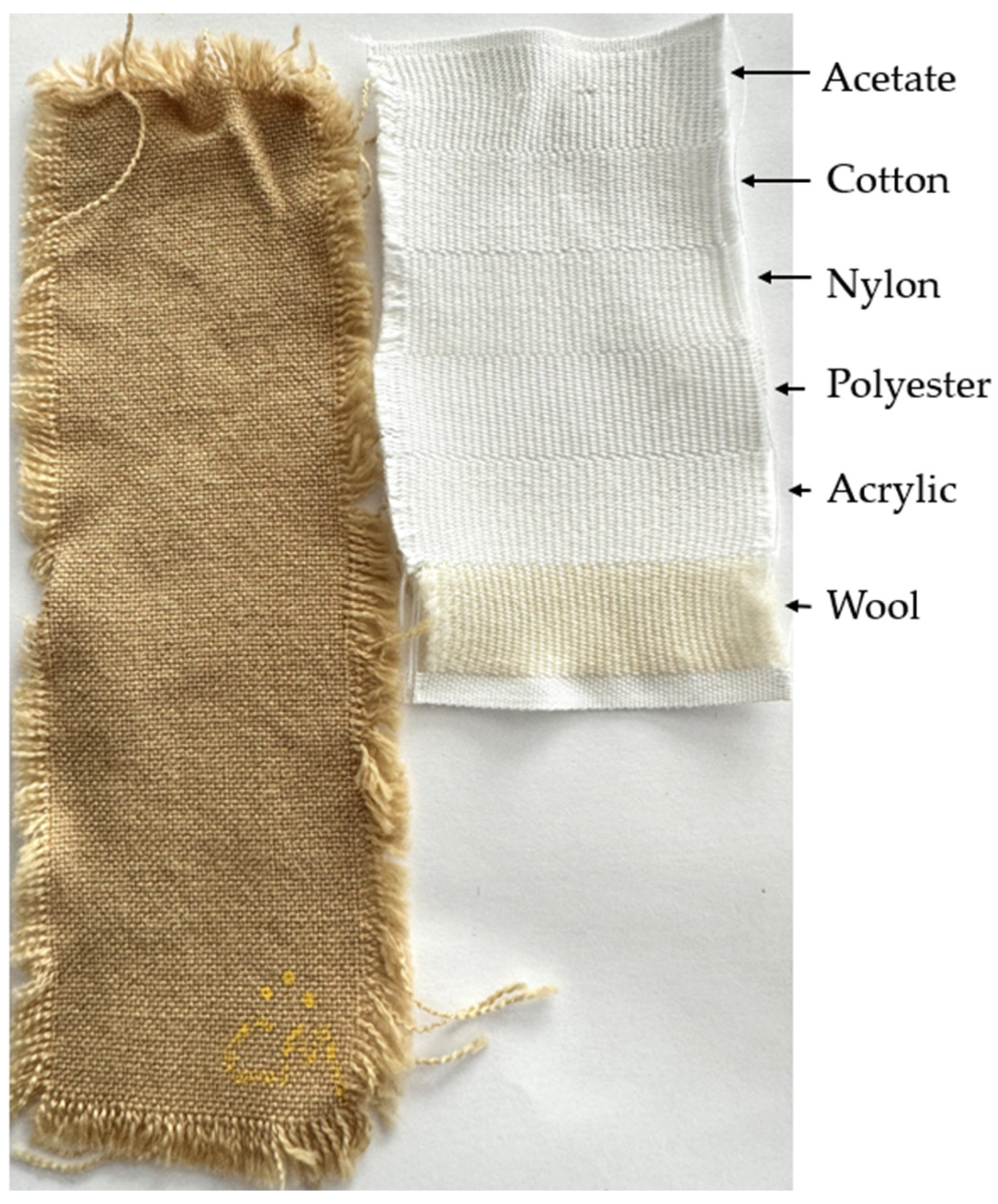

Table 1.
The Properties of the Nylon 6.6 used in the dyeing process. Properties were measured before the dyeing process.
Table 1.
The Properties of the Nylon 6.6 used in the dyeing process. Properties were measured before the dyeing process.
| Weight (g/m2) | Thickness (µm) | Warp Density (yarns/dm) | Weft Density (yarns/dm) | |
|---|---|---|---|---|
| Average | 188 | 547 | 170 | 140 |
| Standard Deviation | 0.07 | 21 | 0 | 0 |
Table 2.
Overview of the five dyeing conditions using UCG as a colorant.
| Dyeing Process | Mordant – used before dyeing (yes or no); type of mordant | Acid – used as an auxiliary substance during the dyeing (yes or no); type of acid |
|---|---|---|
| 1 | No | No |
| 2 | Yes; Tannic Acid | No |
| 3 | No | Yes; Acetic Acid |
| 4 | Yes; Tannic Acid | Yes; Acetic Acid |
| 5 | Yes, Ferrous Sulfate Heptahydrate | Yes; Formic Acid |
Table 3.
Color coordinates, L* a* b*, and color difference measured for undyed and dyed fabrics, along with images of fabrics.
Table 3.
Color coordinates, L* a* b*, and color difference measured for undyed and dyed fabrics, along with images of fabrics.
| L* | a* | b* | Fabrics | Color Difference |
Average Color Difference | |
|---|---|---|---|---|---|---|
| Undyed Nylon 6.6 Fabric* | 95.01 | -0.79 | 1.3 |  |
N/A | N/A |
| Process 1 | 68.11 | 6.91 | 22.99 | 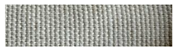 |
35.4 | 32.67 |
| 75.13 | 5.05 | 22.05 | 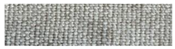 |
29.32 | ||
| 70.29 | 6.21 | 22.46 | 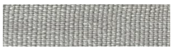 |
33.28 | ||
| Process 2 | 65.8 | 6.05 | 22.91 | 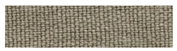 |
36.97 | 36.68 |
| 66.48 | 5.74 | 23.11 | 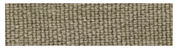 |
36.5 | ||
| 66.49 | 5.79 | 23.23 | 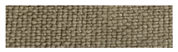 |
36.57 | ||
| Process 3 | 70.75 | 6.22 | 22.43 | 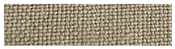 |
32.93 | 33.04 |
| 71.15 | 6.36 | 22.34 |  |
32.61 | ||
| 70.86 | 6.97 | 23.29 | 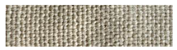 |
33.57 | ||
| 62.66 | 6.54 | 23.23 | 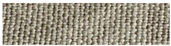 |
39.76 | 39.14 | |
| Process 4 | 64.27 | 6.61 | 23.65 | 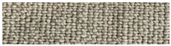 |
38.72 | |
| 64.1 | 6.75 | 23.77 | 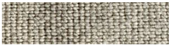 |
38.95 | ||
| 63.78 | 6.51 | 21.13 |  |
37.71 | 37.37 | |
| Process 5 | 64.01 | 6.38 | 21.1 | 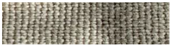 |
37.48 | |
| 64.91 | 6.62 | 21.36 | 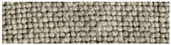 |
36.92 |
*The undyed Nylon 6.6 fabric is used as a reference for the color change and underwent no treatment.
Table 4.
Grey Scale Color Change (GSCC) and Grey Scale Staining (GSS) measurements for post-laundering.
Table 4.
Grey Scale Color Change (GSCC) and Grey Scale Staining (GSS) measurements for post-laundering.
| GSCC1 | Average GSCC | GSS2 Acetate | GSS Cotton | GSS Nylon | GSS Polyester | GSSAcrylic | GSSWool | Average GSS | |
|---|---|---|---|---|---|---|---|---|---|
| Process 1 | 4.5 | 4.5 | 4 | 4.5 | 4.5 | 4.5 | 4.5 | 4.6 | |
| 4 | 4 | 4.5 | 4.5 | 5 | 5 | 5 | 4.5 | ||
| 3.5 | 4.5 | 4 | 4.5 | 5 | 4.5 | 4.5 | |||
| Process 2 | 3.5 | 5 | 4.5 | 5 | 5 | 5 | 5 | 4.9 | |
| 3.5 | 3.5 | 5 | 4.5 | 5 | 5 | 5 | 4.5 | ||
| 3.5 | 5 | 4.5 | 5 | 5 | 5 | 5 | |||
| Process 3 | 3.5 | 4.5 | 4 | 4.5 | 5 | 5 | 4.5 | 4.8 | |
| 4.5 | 4.2 | 5 | 4.5 | 5 | 5 | 5 | 4.5 | ||
| 4.5 | 5 | 4.5 | 5 | 5 | 5 | 4.5 | |||
| 3 | 5 | 4.5 | 5 | 5 | 5 | 4.5 | 4.8 | ||
| Process 4 | 3.5 | 3.5 | 5 | 4.5 | 5 | 5 | 5 | 4.5 | |
| 4 | 5 | 4.5 | 5 | 5 | 5 | 4.5 | |||
| 2.5 | 4.5 | 4.5 | 5 | 5 | 5 | 4.5 | 4.6 | ||
| Process 5 | 2.5 | 2.5 | 4.5 | 4.5 | 5 | 5 | 5 | 4.5 | |
| 2.5 | 4.5 | 4 | 4.5 | 4.5 | 4.5 | 4.5 |
1The GSCC is a scale from 1-5 that rates the color change of a fabric with 1 being severe color change and 5 being no color change. 2The GSS is a scale from 1-5 that rates the staining of fabric with 1 being severe staining and 5 being no staining.
Table 5.
Grey Scale Staining (GSS) measurements for crocking wet and dry alongside with post-test crocking squares demonstrating the level of staining.
Table 5.
Grey Scale Staining (GSS) measurements for crocking wet and dry alongside with post-test crocking squares demonstrating the level of staining.
| GSS Dry | Crocking square fabrics after GSS Dry |
Average GSS Dry | GSS Wet | Crocking square fabrics after GSS Wet |
Average GSS Wet |
|
|---|---|---|---|---|---|---|
| Process 1 | 5 |  |
4 |  |
||
| 5 |  |
4.8 | 4.5 |  |
4.2 | |
| 4.5 |  |
4 |  |
|||
| Process 2 | 5 |  |
4.5 |  |
||
| 5 |  |
5 | 4.5 |  |
4.5 | |
| 5 |  |
4.5 |  |
|||
| Process 3 | 5 |  |
4.5 |  |
||
| 5 |  |
5 | 4.5 |  |
4.5 | |
| 5 |  |
4.5 |  |
|||
| 5 |  |
4 |  |
4 | ||
| Process 4 | 5 |  |
5 | 4 |  |
|
| 5 |  |
4 |  |
|||
| 4 |  |
3 |  |
3 | ||
| Process 5 | 4 |  |
4 | 3 |  |
|
| 4 |  |
3 |  |
Disclaimer/Publisher’s Note: The statements, opinions and data contained in all publications are solely those of the individual author(s) and contributor(s) and not of MDPI and/or the editor(s). MDPI and/or the editor(s) disclaim responsibility for any injury to people or property resulting from any ideas, methods, instructions or products referred to in the content. |
© 2024 by the authors. Licensee MDPI, Basel, Switzerland. This article is an open access article distributed under the terms and conditions of the Creative Commons Attribution (CC BY) license (http://creativecommons.org/licenses/by/4.0/).
Copyright: This open access article is published under a Creative Commons CC BY 4.0 license, which permit the free download, distribution, and reuse, provided that the author and preprint are cited in any reuse.


