

Submitted:
20 August 2024
Posted:
21 August 2024
You are already at the latest version
Abstract
The design of school environments plays a pivotal role in promoting student wellness, mindfulness, and socio-emotional learning (SEL). This article explores the integration of Environment Behaviour Studies (EBS) concepts into school design to enhance students' overall well-being and academic success. It highlights the importance of indoor environmental quality, ergonomic and flexible learning spaces, and biophilic design in fostering a healthy and engaging learning atmosphere. Additionally, the article delves into the creation of mindfulness spaces, sensory-friendly environments, and the use of colour and aesthetics to support emotional regulation and mental health. By examining case studies of successful implementations, the article underscores best practices for designing schools that promote positive social interactions, ensure safety, and reflect community values. Ultimately, this comprehensive approach to school design aims to nurture holistic development, support socio-emotional learning, and prepare students for lifelong success.
Keywords:
Environment Behaviour Studies
; Environmental Psychology
; Mindfulness
; Socio-Emotional Learning
; Wellness
1.0. Introduction
Background and Context
The well-being and development of students are paramount to their success in education and life (Bowden et al., 2021). More people realise that mindfulness and well-being are essential to a comprehensive education. These components strengthen social skills, emotional resilience, mental health, and academic achievement. With the increasing awareness of the importance of mental health and socio-emotional learning (SEL), schools are becoming more than just places of academic instruction (Gimbert et al., 2023).
It is impossible to exaggerate the importance of school design in fostering student well-being. A school’s physical environment profoundly impacts students’ mood, behaviour, and learning ability (Chawla, 2022; Tan et al., 2021). Thoughtful design can create spaces supporting mental and physical health, providing a nurturing environment conducive to learning and personal growth. By integrating concepts from Environment Behavior Studies (EBS), schools can create spaces that promote student wellness, mindfulness, and socio-emotional learning.
This article explores how incorporating EBS elements into school design can significantly enhance the educational experience. We will review the pertinent EBS ideas and give real-world examples of how they may be applied to build learning environments that promote mindfulness and the well-being of students, ultimately leading to a more comprehensive approach to teaching.
Aim
Investigate students wellness and mindfulness in learning environments with a view to evaluating best practices.
Objectives
- i.
- To examine environment behaviour concepts relevant to school designs
- ii.
- To articulate the design components of wellness
- iii.
- To articulate the design components for mindfulness
- iv.
- To anaylse the elements supporting socioo-emotional learnig
- v.
- To evaluate best practices integrating wellness and mindfulness
2.0. Understanding Wellness and Mindfulness in Education
Definition and Importance of Wellness in the School Environment
Wellness in the school environment refers to a holistic approach to health that includes physical, mental, and emotional well-being. It encompasses various factors such as nutrition, physical activity, mental health support, and a safe, nurturing environment. One cannot overstress the significance of wellness in schools since it directly impacts children’s academic achievement, learning capacity, and general development. By emphasising well-being, schools may lower stress, increase focus, and create a welcoming environment where children feel supported and respected (Kwon et al., 2021; Norwich et al., 2022; Travia et al., 2022).
Explanation of Mindfulness and Its Benefits for Students
Mindfulness involves paying attention to the present moment with intention and without judgment (Weder, 2022). In the context of education, mindfulness practices can include activities such as meditation, deep breathing exercises, and mindful movement. These practices help students to develop self-awareness, emotional regulation, and resilience. Research has shown that mindfulness improves attention, improves emotional control, and increases student empathy (Filipe et al., 2021; Kou et al., 2022). By incorporating mindfulness into the school environment, educators can help students manage stress, reduce anxiety, and enhance their overall mental health.
Connection Between Socio-Emotional Learning (SEL) and Academic Success
Socio-emotional learning (SEL) is how students acquire and effectively apply the knowledge, attitudes, and skills necessary to understand and manage emotions, set and achieve positive goals, feel and show empathy for others, establish and maintain positive relationships, and make responsible decisions. SEL is closely linked to academic success, providing students with the skills to navigate challenges, work collaboratively, and engage in learning. Schools that prioritize SEL tend to see improvements in student behaviour, attendance, and academic performance. Schools can foster a more inclusive, supportive, and practical educational experience by creating environments that support SEL.
3.0. Results
3.1. Key EBS Concepts Relevant to School Design
Environmental Psychology
Environmental psychology examines the relationship between individuals and their surroundings, focusing on how physical spaces impact mood, behaviour, and cognitive functioning. In school design, understanding environmental psychology helps create spaces that enhance learning and well-being.
- i.
- Impact on Learning and MoodEnvironmental factors such as lighting, acoustics, and air quality significantly influence students’ cognitive performance and emotional well-being. Natural light, for example, has been demonstrated to elevate mood and lessen anxiety, which enhances academic performance. Proper ventilation ensures good air quality, reducing symptoms like headaches and fatigue that can distract from learning. Acoustic design minimizes noise distractions, creating a quieter, more focused environment.
- ii.
- Classroom LayoutThe arrangement of furniture and space within a classroom can enhance or hinder learning. Flexible seating arrangements allow for various learning activities, from individual work to group projects. Open spaces facilitate movement and interaction, encouraging active learning. Ergonomic furniture, designed to support proper posture, can reduce physical discomfort, thereby maintaining students’ attention and engagement.
Wayfinding and Spatial Cognition
Wayfinding and spatial cognition involve how people navigate and understand physical spaces. Straightforward, intuitive navigation and thoughtful spatial organization can reduce stress and improve the overall school experience.
- i.
- Navigation and OrientationEffective wayfinding systems help students, staff, and visitors easily navigate the school environment. Clear, consistent signage, well-marked pathways, and distinct landmarks reduce confusion and stress. For example, colour-coded hallways or thematic floor designs can help students remember and find their way to different parts of the school.
- ii.
- Spatial OrganizationThoughtful spatial organization ensures that essential facilities are easily accessible. Classrooms should be close to related resources, such as libraries or scientific labs, to facilitate interdisciplinary learning. To promote social interaction and physical exercise, common areas and recreational spaces should be situated in the middle of the area. Efficient spatial planning minimizes travel time and disruptions, enhancing the school experience.
Proxemics
Proxemics studies the use of space in interpersonal interactions, including personal space, territoriality, and the social dynamics of different environments.
- i.
- Personal Space in Learning EnvironmentsMaintaining adequate personal space is crucial for comfort and concentration. Overcrowded classrooms can increase stress and reduce the ability to focus. Providing enough space between desks and in communal areas respects students’ boundaries and promotes a more relaxed, productive environment.
- ii.
- Social Interaction SpacesDesigning areas that encourage social interaction helps build a sense of community. Communal spaces such as lounges, cafeterias, and outdoor areas should be inviting and accommodating. Features like comfortable seating, shade structures, and appealing aesthetics can make these spaces more attractive for socializing, fostering positive relationships among students.
Sustainable Design
Sustainable design focuses on creating environments that are environmentally friendly, energy-efficient, and conducive to health and well-being.
- i.
- Eco-friendly School BuildingsSustainable school design incorporates materials and systems that are environmentally friendly and promote health. Using recycled or renewable materials reduces the environmental impact. Energy-efficient systems, such as LED lighting and solar panels, lower utility costs and demonstrate a commitment to sustainability. Schools with green certifications like LEED often see improved indoor air quality and student health.
- ii.
- Biophilic DesignBiophilic design integrates natural elements into the built environment to improve mental and physical health. Incorporating plants, natural light, and views of nature into school interiors can reduce stress and enhance cognitive function. Outdoor learning spaces, such as gardens or natural playgrounds, offer hands-on learning and physical activity opportunities, connecting students with the natural world.
Place Attachment
Place attachment explores people’s emotional bonds with specific places, influencing their behaviours and experiences.
- i.
- Creating a Sense of BelongingDesigning schools that foster a sense of place and belonging can positively impact student behaviour and engagement. Personalised elements, such as murals, student artwork, or culturally significant decorations, make the environment feel welcoming and inclusive. Spaces that reflect the community’s values and culture strengthen the connection between students and their school.
- ii.
- Cultural and Community IntegrationDesigning schools with community values and local cultural aspects in mind guarantees a purposeful and welcoming atmosphere. Such designs can include local culturally-reflective architectural designs, materials, and symbols. Schools that serve as community hubs offering spaces for events and activities reinforce the connection between the school and its surrounding community.
Restorative Environments
Restorative environments promote recovery from stress and mental fatigue, providing spaces that support relaxation and mental well-being.
- i.
- Stress Relief SpacesCreating designated areas for relaxation and stress relief is essential for mental health. Quiet zones, meditation rooms, or sensory gardens provide students with spaces to unwind and manage stress. To create a tranquil mood, it is good practice to furnish these spaces with calming elements like cosy seats, gentle lighting, and calming colours.
- ii.
- Nature IntegrationIntegrating natural elements into the school environment helps create restorative spaces that promote well-being. Access to green spaces, such as courtyards, rooftop gardens, or outdoor classrooms, provides students a natural escape from the indoor environment. Being in nature has been demonstrated to lower stress, elevate mood, and increase concentration, which makes it an essential element of school architecture.
3.2. Designing for Wellness
Indoor Environmental Quality: Importance of Air Quality, Lighting, and Acoustics
The quality of the school’s indoor environment significantly impacts students’ health, comfort, and learning ability. Key factors include air quality, lighting, and acoustics.
- i.
- Air QualityPoor air quality can lead to health issues such as allergies, asthma, and fatigue, hindering learning. Schools should ensure proper ventilation, use air purifiers, and select building materials that do not emit harmful substances. For example, using low-VOC (volatile organic compounds) paints and finishes can help maintain better indoor air quality.
- ii.
- LightingNatural light is crucial for maintaining students’ circadian rhythms and boosting mood and energy levels. Classrooms should have many windows and skylights to let in as much natural light as possible. LED lighting that simulates sunshine can lessen eye strain and improve alertness when natural light is insufficient.
- iii.
- AcousticsGood acoustic design minimizes noise distractions and improves speech intelligibility. Sound-absorbing materials such as acoustic panels, carpets, and ceiling tiles can reduce noise levels. Ensuring classrooms are free from excessive external noise (e.g., traffic, construction) is vital for maintaining a conducive learning environment.
Ergonomic and Flexible Learning Spaces: Supporting Physical Comfort and Diverse Learning Styles
Classroom furniture and layouts should support the physical comfort of students and accommodate various learning activities.
- i.
- Ergonomic FurnitureDesks and chairs should be adjustable to fit students of different sizes and support proper posture. Ergonomic designs can prevent discomfort and musculoskeletal issues, allowing students to focus better on their work.
- ii.
- Flexible LayoutsClassrooms should be easily reconfigurable to support different teaching methods and learning activities. Movable furniture, modular seating, and open spaces allow seamless transitions between individual work, group projects, and class discussions. This flexibility fosters an engaging and dynamic learning environment.
Biophilic Design: Integrating Natural Elements to Enhance Mental Well-being
Biophilic design incorporates natural elements into the built environment to improve mental and physical health.
- i.
- Plants and Green SpacesIntroducing indoor plants and creating green spaces such as courtyards and rooftop gardens can enhance air quality, reduce stress, and improve mood. For example, living walls (vertical gardens) in common areas can create a visually appealing and calming atmosphere.
- ii.
- Natural Light and ViewsEnsuring classrooms and common areas have access to natural light and views of nature can reduce stress and improve cognitive function. Large windows, skylights, and strategically placed seating areas with views of outdoor landscapes can connect students with the natural world.
- iii.
- Natural Materials and TexturesUsing natural materials such as wood, stone, and water features in the design of school interiors can create a soothing and organic feel. These elements can make the environment more inviting and comfortable for students.
Case Studies and Examples
- i.
- Green School in Bali
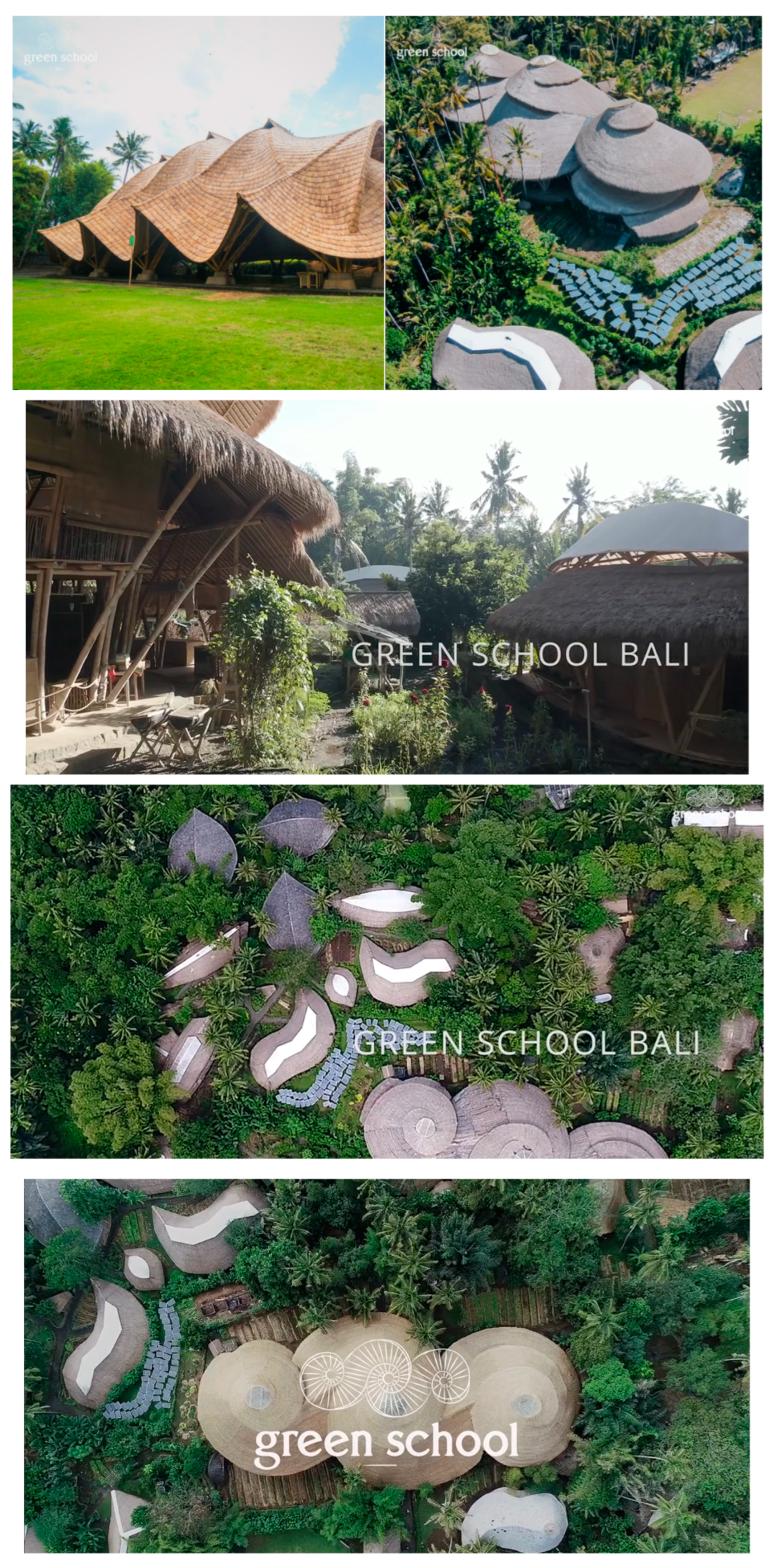
The Green School in Bali, Indonesia, is an excellent example of biophilic and sustainable design. The school buildings have open-air classrooms that let in natural light and ventilation, leveraging on its primary construction material – bamboo, which is expanding quickly. The school grounds include extensive gardens and natural play areas, promoting a strong connection with nature and enhancing students’ well-being.
- ii.
- Flexible Classrooms in Finland
Finnish schools are known for their innovative approach to classroom design. Many schools feature flexible learning spaces with movable furniture adaptable to different configurations to support teaching styles and activities. This adaptability encourages collaboration and active learning, improving academic outcomes and student engagement.
3.3. Designing for Mindfulness
Mindfulness Spaces: Creating Dedicated Areas for Relaxation and Mindfulness Practices
Schools that incorporate mindfulness spaces aim to give students a place to unwind, contemplate, and engage in mindfulness practices.
- i.
- Quiet ZonesThese are designated areas where students can go to escape the noise and busyness of the school environment. Quiet zones should have comfortable seating, soft lighting, and minimal distractions to create a calming atmosphere.
- ii.
- Meditation RoomsThese are bespoke-designed rooms for mindfulness and meditation practices. They should be quiet and private, including cushions, mats, and soothing decor. Incorporating elements like water features, plants, and natural light can enhance the sense of tranquillity.
- iii.
- Calming AreasCalming areas/ spaces incorporated into various parts of the school, including libraries or common areas, where students can take a break and practice mindfulness. Tools like mindfulness colouring books, stress-relief toys, and guided meditation recordings can help students use these spaces effectively.
Sensory-Friendly Environments: Accommodating Diverse Sensory Needs
Creating sensory-friendly environments helps accommodate students with diverse sensory needs, including those with autism, ADHD, or sensory processing disorders. For instance, When designing for mindfulness in schools, it is essential to consider the needs of students with Attention-Deficit/Hyperactivity Disorder (ADHD), characterised by inattention, hyperactivity, and impulsivity. Sensory-friendly environments with minimal distractions, such as sound-absorbing materials and calming colours, can help students with ADHD focus better.
Mindfulness spaces require stress reduction and emotional control, such as quiet areas or meditation rooms with comfortable seats, fidget toys, and noise-cancelling headphones. Students can pick from various flexible seating alternatives, such as bean bags, rocking chairs, and standing desks, which improves comfort and engagement. Structured layouts with clearly defined spaces help reduce confusion and assist students in transitioning smoothly between activities. By incorporating these elements, schools can create environments that support the mindfulness and well-being of students with ADHD, fostering their academic and emotional success.
- i.
- Reduced OverstimulationSensory-friendly environments minimize overstimulation using muted colours, soft lighting, and sound-absorbing materials. For example, classrooms with acoustic panels and carpets can help reduce noise levels.
- ii.
- Sensory Tools and SpacesSensory tools such as fidget toys, noise-cancelling headphones, and weighted blankets can help students manage their sensory needs. Designated sensory spaces equipped with these tools allow students to self-regulate and maintain focus.
- iii.
- Adaptive LightingAdjustable lighting systems that allow for dimming or changing the colour temperature can help create a comfortable environment for students with light sensitivity. Natural light is essential while aware of glare control via technologically improved glazing (treated glass).
Colour and Aesthetics: Using Colour Psychology to Create Calming and Stimulating Environments
Using colour in school design can significantly impact students’ emotions and behaviour.
- i.
- Calming ColoursCool colours such as blues and greens have a calming effect and can serve spaces intended for relaxation and mindfulness. These colours can help reduce stress and anxiety, creating a peaceful atmosphere conducive to mindfulness practices.
- ii.
- Stimulating ColoursWarm colours such as yellows and oranges can stimulate energy and creativity, making them suitable for collaborative work and active learning. However, these colours should be used in moderation to avoid overstimulation.
- iii.
- Balanced Colour SchemesA balanced colour scheme incorporating calming and stimulating colours can create a harmonious environment. For example, using neutral colours with accents of vibrant hues can provide a visually appealing and balanced aesthetic.
Case Studies and Examples
- i.
- Mindfulness Rooms in New York City Schools
Several schools in New York City have introduced mindfulness rooms where students can practice meditation and relaxation techniques. NY City Schools feature comfortable seating, soft lighting, and calming decor. The initiative has improved student behaviour, reduced stress, and increased focus.
- ii.
- Sensory-Friendly Classrooms in Australia
In Australia, some schools have implemented sensory-friendly classroom designs to support students with diverse sensory needs. These classrooms feature adjustable lighting, acoustic treatments, and sensory tools such as fidget toys and weighted blankets. The inclusive design has helped create a more supportive learning environment for all students.
3.4. Supporting Socio-Emotional Learning (SEL)
Social Interaction Spaces: Designing Areas That Promote Positive Social Interactions
Creating spaces facilitating social interaction fosters community and enhances socio-emotional learning (SEL).
- i.
- Communal AreasDesignating lounges, cafeterias, and outdoor spaces for students to gather and socialize can encourage positive interactions and build relationships. These spaces should be inviting, with comfortable seating, appealing decor, and access to natural light.
- ii.
- Group Work ZonesClassrooms and libraries should include designated group work and collaboration areas. Adaptable furniture arrangements that are simple to rearrange for various group sizes and activities support cooperative learning and teamwork.
- iii.
- Inclusive PlaygroundsPlay spaces outside should be accessible to all students, including those with impairments. All kids can play and engage in an inclusive setting with wheelchair-accessible equipment, sensory play components, and shaded places.
Safety and Security: Ensuring Physical and Emotional Safety Through Design
A safe and secure environment is foundational for effective SEL. Students must feel physically and emotionally safe to engage in learning and social activities fully.
- i.
- Controlled Access PointsSecure entry and exit points and monitored access to school grounds help ensure physical safety. Critical card systems and surveillance cameras can enhance security without creating an oppressive atmosphere.
- ii.
- Clear Sight LinesDesigning spaces with clear sight lines allows for better supervision and monitoring, reducing opportunities for bullying or other negative behaviours. Open, transparent spaces contribute to a sense of safety and community.
- iii.
- Emergency PreparednessSchools should have well-designed plans and spaces for emergencies. Marked exits, accessible safe areas, and regular drills help prepare students and staff for emergencies, contributing to a sense of security.
Cultural and Community Integration: Reflecting Community Values and Culture in School Design
Incorporating local culture and community values into school design creates a meaningful and inclusive environment that resonates with students and their families.
- i.
- Culturally Relevant DecorUsing art, symbols, and design elements that reflect the cultural diversity of the student body can foster a sense of belonging and pride. Culturally relevant decor includes murals, sculptures, and other artworks by local artists or students.
- ii.
- Community SpacesDesigning schools with multipurpose spaces adaptable for community events, meetings, and activities helps integrate the school into the broader community. These spaces should be easily accessible and equipped with the necessary facilities to host various events.
- iii.
- Collaborative Design ProcessInvolving community members, parents, and students in the design process ensures that the school reflects the needs and values of its users. Participatory design workshops and feedback sessions can gather valuable input and build a sense of ownership and pride in the school.
Case Studies and Examples
- i.
- Collaborative Learning Spaces in Denmark
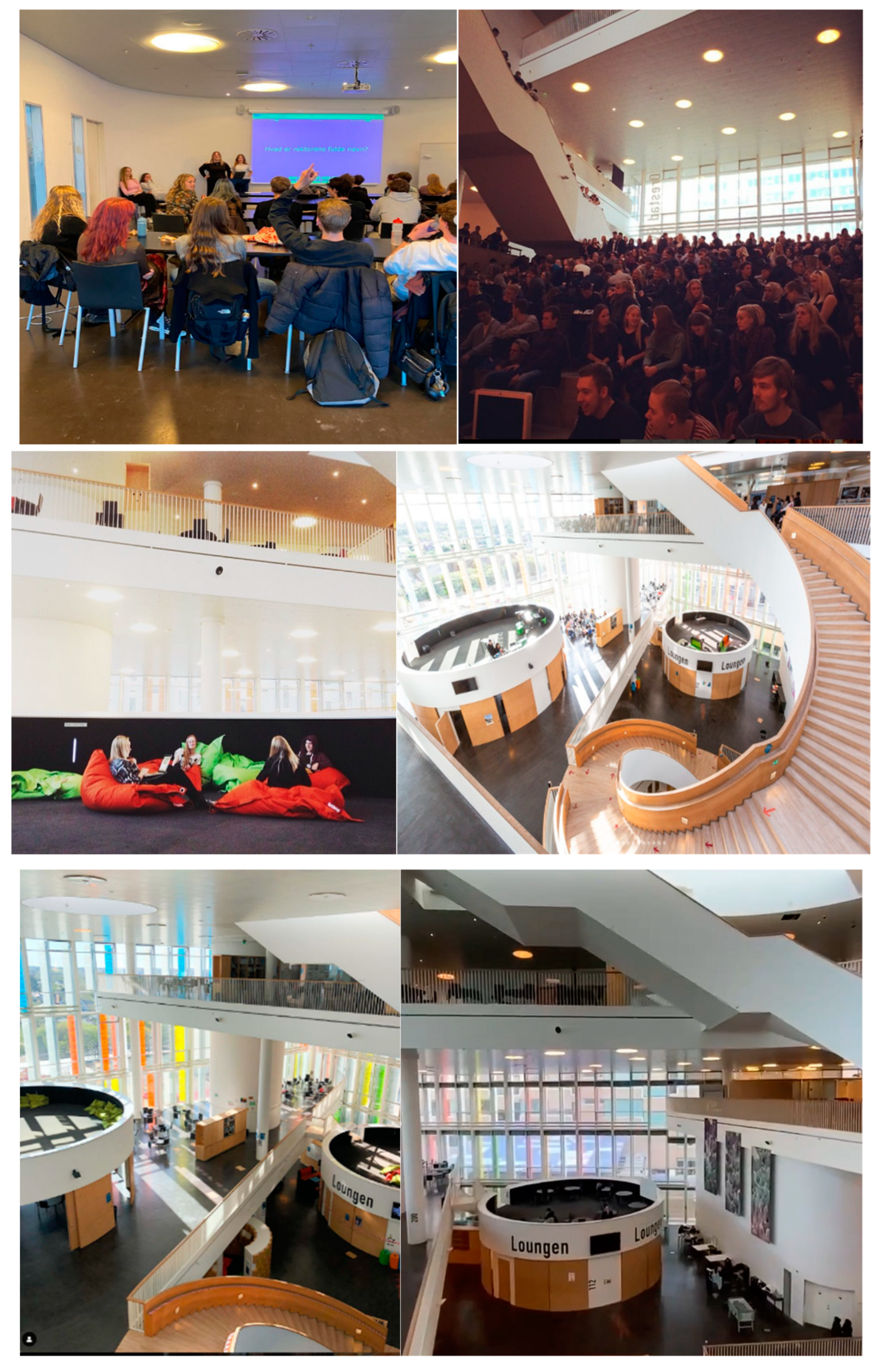
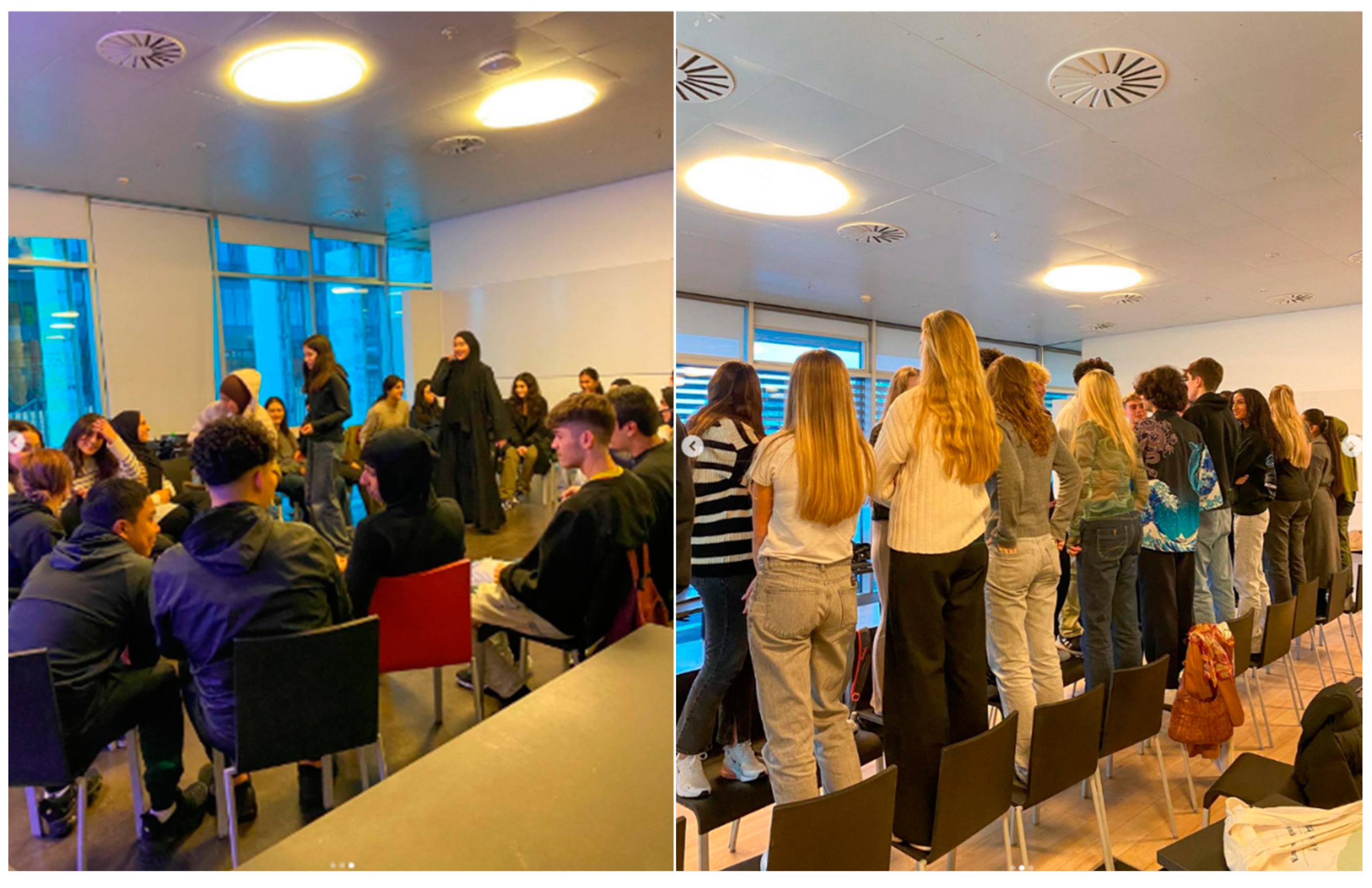
In Denmark, the Ørestad Gymnasium is known for its innovative design that promotes collaboration and SEL. The school features open-plan spaces, flexible furniture, and numerous group work and social interaction areas. This design fosters a sense of community and supports cooperative learning.
- ii.
- Inclusive School Design in the United Kingdom
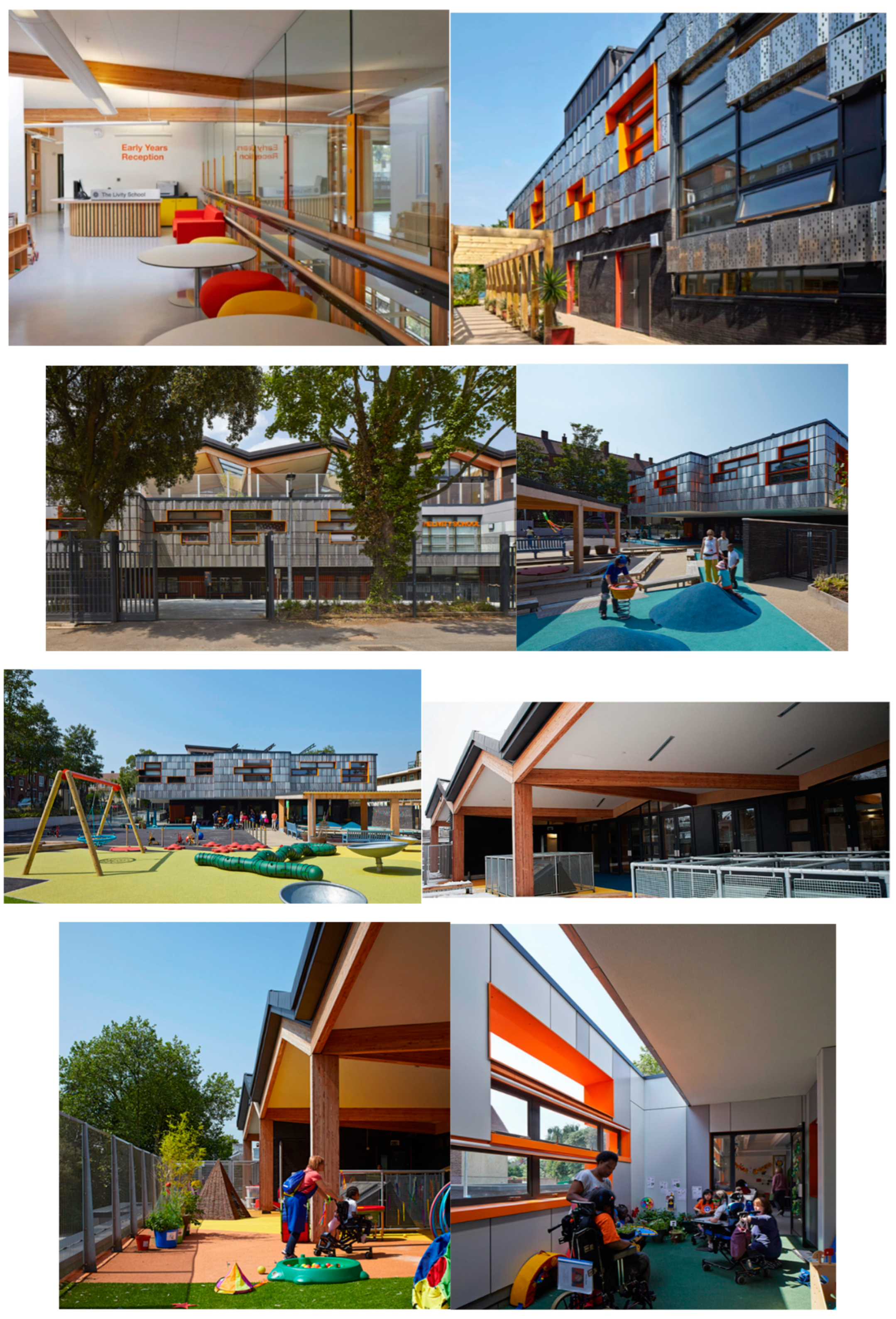
The Livity School in London is an example of inclusive design that supports socio-emotional learning. The school’s design accommodates students with various disabilities, featuring accessible classrooms, sensory rooms, and inclusive play areas. The design promotes a supportive and inclusive environment where all students can thrive.
3.5. Case Studies and Best Practices
Examples of Schools Implementing EBS Concepts for Wellness and Mindfulness
Case Study 1: The Green School, Bali
The Green School in Bali is renowned for its sustainable and holistic approach to education. The school buildings are constructed primarily from bamboo and other natural materials, blending seamlessly with the surrounding environment.
Wellness and Mindfulness Features
Natural Integration: Classrooms are open-air, allowing for natural ventilation and reducing the need for artificial cooling systems. This design keeps students connected to the natural world, promoting well-being.
Gardens and Green Spaces: Extensive gardens and green spaces provide students with hands-on learning opportunities in nature, fostering mindfulness and environmental stewardship.
Community and Cultural Integration: The school incorporates local Balinese culture into its design and curriculum, creating a strong sense of place and community.
Figure 1.
Case Study 2: The Ørestad Gymnasium, Denmark
Ørestad Gymnasium in Copenhagen is a high school known for its innovative architectural design that promotes flexibility, collaboration, and socio-emotional learning.
Wellness and Mindfulness Features
Open-plan Design: The school’s layout includes flexible learning spaces that can quickly adapt to different activities, supporting collaborative learning and adaptability.
Natural Light and Transparency: Extensive use of glass and open spaces ensures abundant natural light and transparency, creating a bright and inviting atmosphere.
Inclusive Social Spaces: The school has numerous communal areas and lounges where students can socialize and relax, fostering community and well-being.
Figure 2.
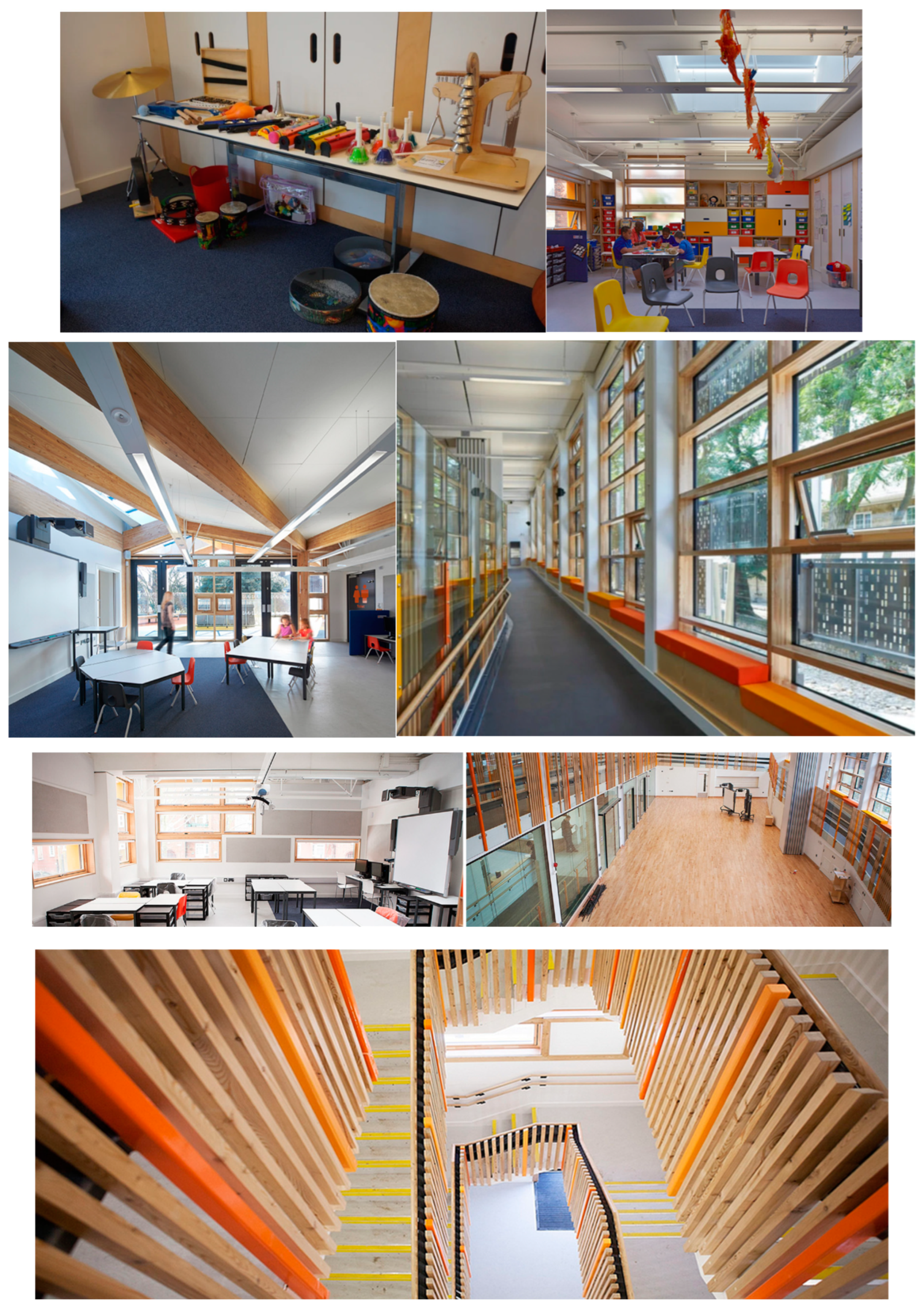
Case Study 3: The Livity School, United Kingdom
The design of the Livity School in London accommodates students with various disabilities, promoting inclusivity and socio-emotional learning.
Wellness and Mindfulness Features
Sensory Rooms: Dedicated sensory rooms equipped with various tools and activities help students with sensory processing needs to relax and regulate their emotions.
Inclusive Play Areas: The playground features accessible equipment that accommodates different abilities and encourages inclusive play for all students.
Flexible Learning Environments: Classrooms feature adaptable designs, with adjustable furniture and layouts tailored to the needs of individual students.
Figure 3.
Lessons Learned and Best Practices for Future School Designs
- i.
- Prioritize Natural Elements
Integrate natural elements such as plants, natural light, and outdoor views into the design to reduce stress and improve cognitive function, creating a healthier and more productive learning environment.
- ii.
- Design for Flexibility
Create flexible learning spaces that quickly adapt to different teaching methods and learning activities. Movable furniture and modular design allow quick reconfiguration, supporting diverse learning styles and fostering collaboration.
- iii.
- Ensure Accessibility and Inclusivity
Design schools to be accessible to all students, including those with disabilities. The extent of accessibility and inclusivity includes providing wheelchair access, sensory-friendly environments, and inclusive play areas. An inclusive design promotes equity and ensures all students can participate fully in the school experience.
- iv.
- Foster a Sense of Community
Create communal spaces that encourage social interaction and community building. Areas such as lounges, cafeterias, and outdoor spaces should be inviting and conducive to socializing, helping build strong student relationships.
- v.
- Reflect Local Culture and Values
Incorporate elements of local culture and community values into the school design to create a sense of student belonging and pride and to help integrate the school into the broader community.
- vi.
- Focus on Wellness and Mindfulness
Designate spaces specifically for wellness and mindfulness practices, such as quiet zones, meditation rooms, and sensory rooms. These areas allow students to relax, reflect, and manage stress, supporting their overall well-being.
4.0. Conclusion
Incorporating Environment Behavior Studies (EBS) concepts into school design is crucial for promoting student wellness, mindfulness, and socio-emotional learning. The physical environment of a school significantly influences students’ well-being, behaviour, and academic performance. By thoughtfully integrating EBS principles, schools can create spaces that support holistic development and enhance the educational experience.
Designing for wellness involves prioritizing indoor environmental quality, ergonomic and flexible learning spaces, and biophilic elements. These factors contribute to a healthier, more comfortable, and engaging environment, promoting physical and mental well-being. Natural light, clean air, and adaptable, ergonomic seating enhance students’ physical and mental health.
Creating mindfulness spaces and sensory-friendly environments helps students manage stress and regulate their emotions. These spaces and thoughtful use of colour and aesthetics create calming and stimulating environments that support mindfulness practices and accommodate diverse sensory needs. Schools can enhance students’ ability to focus, reduce anxiety, and improve overall mental health by providing dedicated areas for relaxation and mindfulness.
Supporting socio-emotional learning through school design involves creating spaces that promote positive social interactions, ensuring safety and security, and reflecting community values. Communal areas, inclusive play spaces, and culturally relevant decor foster a sense of community and belonging. Designing safe and secure environments with clear sight lines and controlled access points ensures students feel physically and emotionally protected.
Lessons learned from successful case studies highlight the importance of natural elements, flexibility, accessibility, community, and wellness in school design. By prioritizing these elements, future school designs can create environments that significantly enhance student well-being and academic success.
As we move forward, educators, designers, and policymakers need to collaborate and prioritize the well-being of students through thoughtful, inclusive, and innovative design practices. By doing so, we can create educational environments that nurture holistic development, support socio-emotional learning, and prepare students for success in both school and life.
5.0. Recommendations
The integration of Environment Behavior Studies (EBS) concepts into school design is a promising area of study, and there are several potential research frontiers that could further advance this field. Some viable recommendations include:
- i.
- Conduct Longitudinal Studies on the Impact of EBS-Informed School Design on Student Outcomes
Investigate the long-term effects of school designs that incorporate Environment Behavior Studies (EBS) principles on student wellness, academic performance, and socio-emotional development. This research should focus on comparing schools with varying degrees of EBS integration to understand the sustained impacts on student outcomes over time.
- ii.
- Explore the Influence of Biophilic Design Across Diverse School Settings
Examine how the inclusion of biophilic elements, such as natural light and greenery, affects students in different geographical and cultural contexts. This research should aim to understand the consistent and varying effects of biophilic design across diverse environments and student populations.
- iii.
- Study the Effectiveness of Sensory-Friendly School Environments for Neurodiverse Students
Focus on how school environments can be tailored to better support neurodiverse students, including those with sensory processing disorders, ADHD, and autism. Research should identify specific design features that are most beneficial and assess their impact on learning outcomes and socio-emotional well-being.
- iv.
- Assess the Role of Flexible Learning Spaces in Enhancing Adaptive Learning
Evaluate how flexible and adaptable learning environments influence student engagement, learning modalities, and motivation. This research should compare traditional classroom setups with flexible spaces to determine their effectiveness in supporting different teaching methods and learning styles.
- v.
- Investigate the Impact of Community-Reflective School Design on Student Identity and Belonging
Study how school designs that reflect community values, cultures, and aesthetics influence students’ sense of identity, belonging, and cultural pride. Research should explore the socio-emotional benefits of these designs and their role in fostering a strong connection between students and their communities.
- vi.
- Examine the Integration of Technology in EBS-Informed School Design
Explore how technology can be integrated into school designs informed by EBS principles to enhance learning, well-being, and socio-emotional development. Research should assess the benefits and challenges of incorporating technologies like smart classrooms and virtual reality into these environments.
- vii.
- Perform a Cost-Benefit Analysis of EBS-Informed School Design
Analyze the economic feasibility and cost-effectiveness of incorporating EBS principles into school design. This research should evaluate the upfront costs versus long-term benefits in terms of energy efficiency, maintenance, and improvements in student and staff health and performance.
- viii.
- Develop EBS-Informed Guidelines for Remote and Hybrid Learning Environments
Create design guidelines that apply EBS principles to remote and hybrid learning environments. Research should identify key elements that support student engagement and well-being in these contexts and develop strategies to enhance remote learning spaces.
- ix.
- Promote Cross-Disciplinary Collaboration in EBS-Informed School Design
Encourage collaboration between educators, designers, psychologists, and urban planners in the creation of EBS-informed school environments. Research should document best practices and frameworks for successful cross-disciplinary projects, ensuring holistic and effective school designs.
References
- Bowden, J. L. H., Tickle, L., & Naumann, K. (2021). The four pillars of tertiary student engagement and success: a holistic measurement approach. Studies in Higher Education, 46(6), 1207–1224. [CrossRef]
- Chawla, L. (2022). Schools That Heal: Design with Mental Health in Mind by Claire Latané. Children, Youth and Environments, 32(2), 185–187. [CrossRef]
- Filipe, M. G., Magalhães, S., Veloso, A. S., Costa, A. F., Ribeiro, L., Araújo, P., Castro, S. L., & Limpo, T. (2021). Exploring the Effects of Meditation Techniques Used by Mindfulness-Based Programs on the Cognitive, Social-Emotional, and Academic Skills of Children: A Systematic Review. Frontiers in Psychology, 12, 660650. [CrossRef]
- Gimbert, B. G., Miller, D., Herman, E., Breedlove, M., & Molina, C. E. (2023). Social Emotional Learning in Schools: The Importance of Educator Competence. Journal of Research on Leadership Education, 18(1), 3–39. [CrossRef]
- Kou, H., Bi, T., Chen, S., Li, X., He, Y., Xie, Q., & He, J. (2022). The impact of mindfulness training on supportive communication, emotional intelligence, and human caring among nursing students. Perspectives in Psychiatric Care, 58(4), 2552–2561. [CrossRef]
- Kwon, K. A., Ford, T. G., Jeon, L., Malek-Lasater, A., Ellis, N., Randall, K., Kile, M., & Salvatore, A. L. (2021). Testing a holistic conceptual framework for early childhood teacher well-being. Journal of School Psychology, 86, 178–197. [CrossRef]
- Norwich, B., Moore, D., Stentiford, L., & Hall, D. (2022). A critical consideration of ‘mental health and wellbeing’ in education: Thinking about school aims in terms of wellbeing. British Educational Research Journal, 48(4), 803–820. [CrossRef]
- Tan, J., Mao, J., Jiang, Y., & Gao, M. (2021). The Influence of Academic Emotions on Learning Effects: A Systematic Review. International Journal of Environmental Research and Public Health 2021, Vol. 18, Page 9678, 18(18), 9678. [CrossRef]
- Travia, R. M., Larcus, J. G., Andes, S., & Gomes, P. G. (2022). Framing well-being in a college campus setting. Journal of American College Health, 70(3), 758–772. [CrossRef]
- Weder, B. J. (2022). Mindfulness in the focus of the neurosciences - The contribution of neuroimaging to the understanding of mindfulness. In Frontiers in Behavioral Neuroscience (Vol. 16, p. 928522). Frontiers Media S.A. [CrossRef]
Disclaimer/Publisher’s Note: The statements, opinions and data contained in all publications are solely those of the individual author(s) and contributor(s) and not of MDPI and/or the editor(s). MDPI and/or the editor(s) disclaim responsibility for any injury to people or property resulting from any ideas, methods, instructions or products referred to in the content. |
© 2024 by the authors. Licensee MDPI, Basel, Switzerland. This article is an open access article distributed under the terms and conditions of the Creative Commons Attribution (CC BY) license (http://creativecommons.org/licenses/by/4.0/).
Copyright: This open access article is published under a Creative Commons CC BY 4.0 license, which permit the free download, distribution, and reuse, provided that the author and preprint are cited in any reuse.


